Search Result
Results for "
Antidepressant-like
" in MedChemExpress (MCE) Product Catalog:
1
Biochemical Assay Reagents
13
Isotope-Labeled Compounds
| Cat. No. |
Nombre del producto |
Target |
Áreas de investigación |
Chemical Structure |
-
- HY-16637
-
-
-
- HY-N6947
-
Lutein
4 Publications Verification
Xanthophyll
|
Endogenous Metabolite
Apoptosis
Reactive Oxygen Species (ROS)
|
Neurological Disease
Inflammation/Immunology
|
|
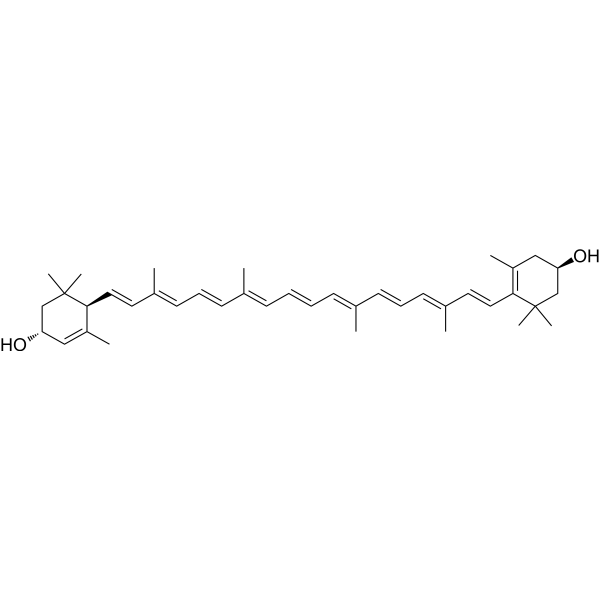
Lutein (Xanthophyll) is a carotenoid with reported anti-inflammatory properties. A large body of evidence shows that lutein has several beneficial effects, especially on eye health . Lutein exerts its biological activities, including anti-inflammation, anti-oxidase and anti-apoptosis, through effects on reactive oxygen species (ROS) . Lutein is able to arrive in the brain and shows antidepressant-like and neuroprotective effects. Lutein is orally active .
|
-
-
- HY-N0571
-
-
-
- HY-10864
-
URB-597
5 Publications Verification
KDS-4103
|
FAAH
Autophagy
Mitophagy
|
Neurological Disease
|
|
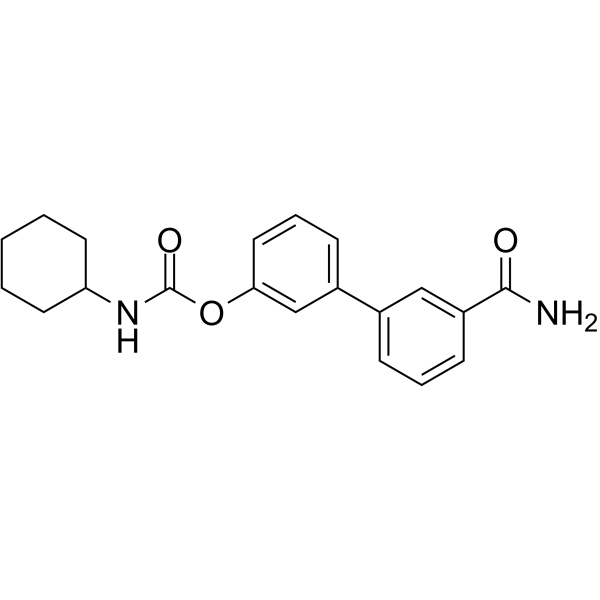
URB-597 (KDS-4103) is an orally bioavailable and selective FAAH inhibitor. URB-597 inhibits FAAH activity with an IC50s of approximately 5 nM in rat brain membranes, 0.5 nM in intact rat neurons, 3 nM in human liver microsomes. Antidepressant-like effects. Analgesic activity .
|
-
-
- HY-101254
-
|
N-0774
|
Melatonin Receptor
|
Neurological Disease
|
|
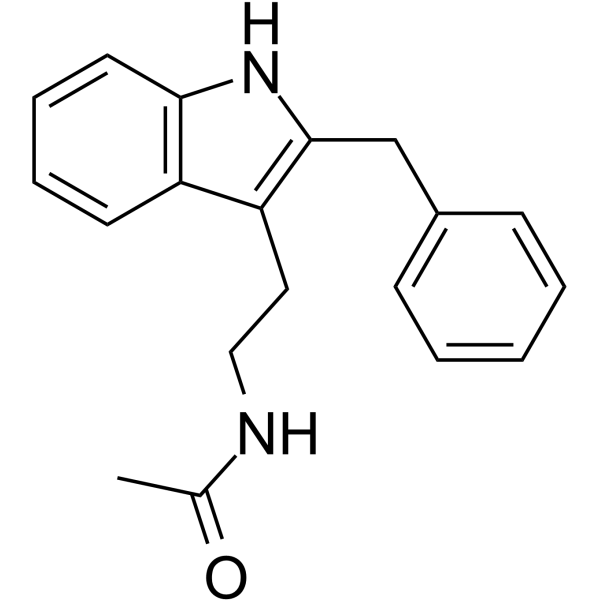
Luzindole (N-0774) is a selective melatonin receptor antagonist. Luzindole preferentially targets MT2 (Mel1b) over MT1 (Mel1a) with Ki values of 10.2 and 158 nM for human MT2 and MT1, respectively. Luzindole suppresses experimental autoimmune encephalomyelitis (EAE), and exerts antidepressant-like activity .
|
-
-
- HY-17573
-
|
|
Oxytocin Receptor
|
Neurological Disease
Endocrinology
|
|
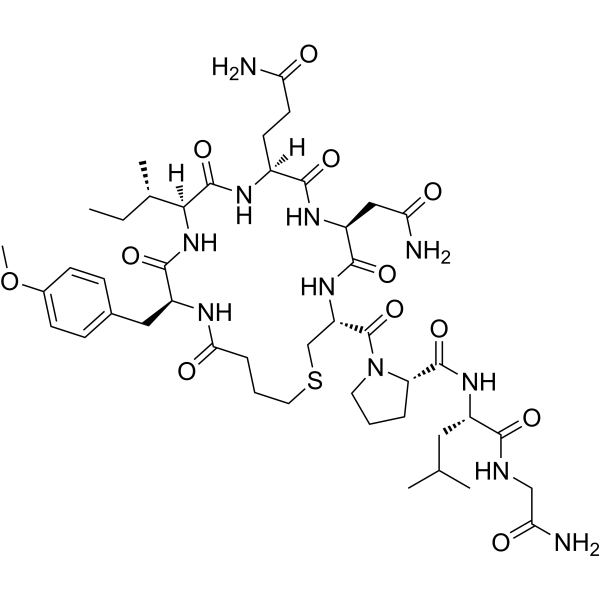
Carbetocin, an oxytocin (OT) analogue, is an oxytocin receptor agonist with a Ki of 7.1 nM. Carbetocin has high affinity to chimeric N-terminus (E1) of the oxytocin receptor (Ki=1.17 μM). Carbetocin has the potential for postpartum hemorrhage research. Carbetocin can crosse the blood-brain barrier and produces antidepressant-like activity via activation of oxytocin receptors in the CNS .
|
-
-
- HY-N0765
-
-
-
- HY-Y0511
-
|
Dimethylglycine; DMG; N-Methylsarcosine
|
Endogenous Metabolite
iGluR
Amino Acid Derivatives
|
Neurological Disease
Metabolic Disease
|
|
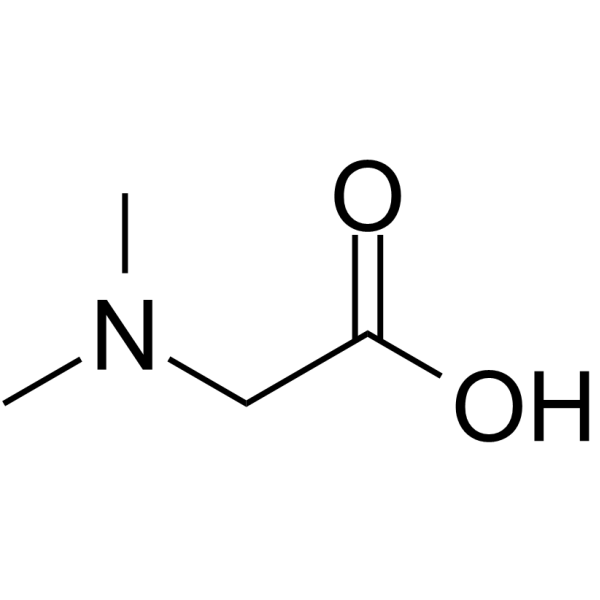
N,N-Dimethylglycine (Dimethylglycine), a natural N-methylated glycine, is a nutrient supplement and acts as an NMDAR glycine site partial agonist. N,N-Dimethylglycine is a methyl donor that can improve immunity, act as an antioxidant to prevent oxidative stress, and scavenge excess free radicals. N,N-Dimethylglycine has antidepressant-like and surfactant effects .
|
-
-
- HY-D0004
-
|
Azure B chloride
|
Monoamine Oxidase
|
Neurological Disease
|
|
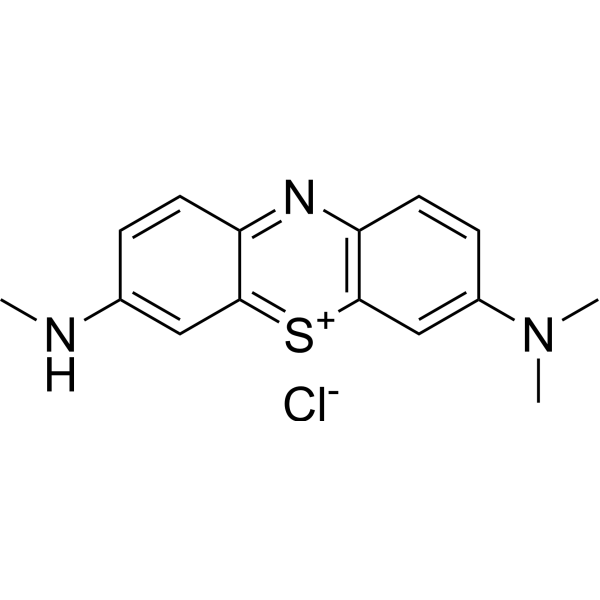
Azure B is a cationic dye and the major metabolite of Methylene blue. Azure B is used in making Azure eosin stains for blood smear staining. Azure B is a high-potency, selective and reversible inhibitor of monoamine oxidases (MAO)-A, with IC50s of 11 and 968 nM for recombinant human MAO-A and MAO-B, respectively. Azure B possesses significant antidepressant-like effects .
|
-
-
- HY-107670
-
|
DHβE hydrobromide
|
nAChR
|
Neurological Disease
|
|
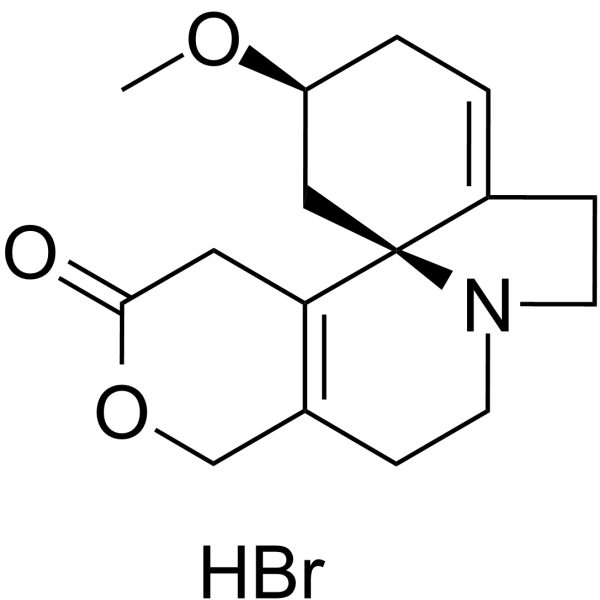
Dihydro-β-erythroidine (DHβE) hydrobromide is a potent, orally active, and competitive antagonist of neuronal nAChRs. Dihydro-β-erythroidine hydrobromide shows selectivity for α4β4 and α4β2 nAChRs, with IC50s of 0.19 and 0.37 μM, respectively. Antidepressant-like activities .
|
-
-
- HY-14609
-
|
|
mGluR
|
Neurological Disease
|
|
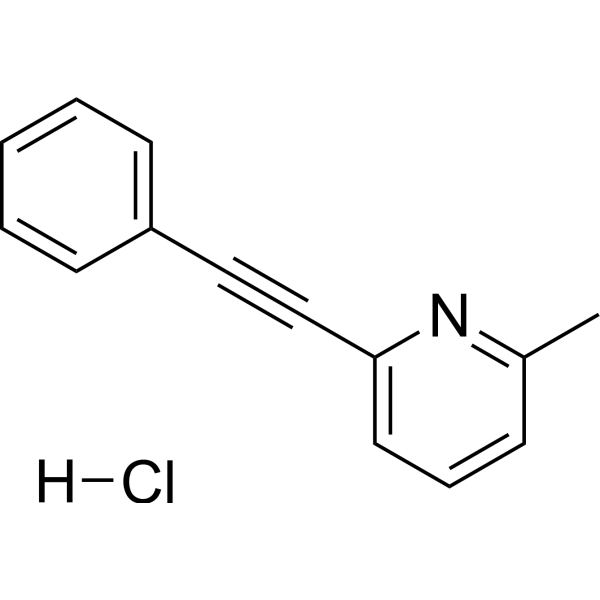
MPEP Hydrochloride is a potent, selective, noncompetitive, orally active and systemically active mGlu5 receptor antagonist, with an IC50 of 36 nM for completely inhibiting quisqualate-stimulated phosphoinositide (PI) hydrolysis. MPEP Hydrochloride has anxiolytic-or antidepressant-like effects . MPEP (Hydrochloride) is a click chemistry reagent, it contains an Alkyne group and can undergo copper-catalyzed azide-alkyne cycloaddition (CuAAc) with molecules containing Azide groups.
|
-
-
- HY-N0700
-
|
α-Asarone; trans-Asarone
|
GABA Receptor
|
Neurological Disease
|
|
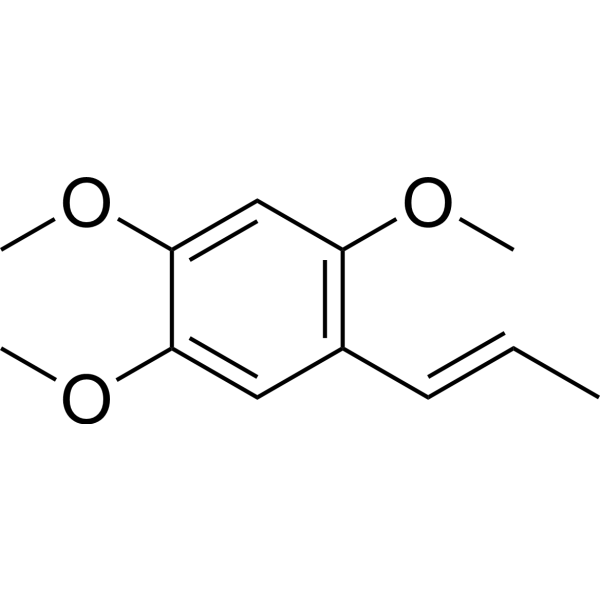
alpha-Asarone (α-Asarone) is one of the main psychoactive compounds, and possesses an antidepressant-like activity in mice.
|
-
-
- HY-15527
-
|
AC-5216; XBD-173
|
TSPO
|
Neurological Disease
Metabolic Disease
|
|
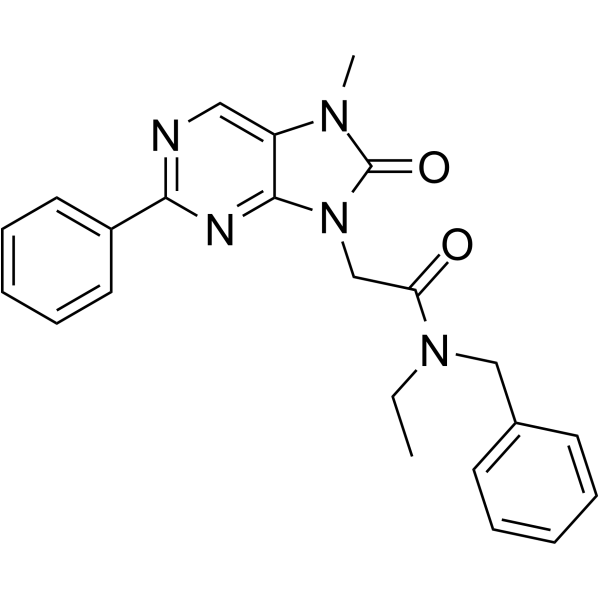
Emapunil (AC-5216), an orally active and selective TSPO (a mitochondrial benzodiazepine receptor) ligand, produces anti-anxiety and antidepressant-like effects in various animal models .
|
-
-
- HY-14609A
-
|
|
mGluR
|
Neurological Disease
|
|
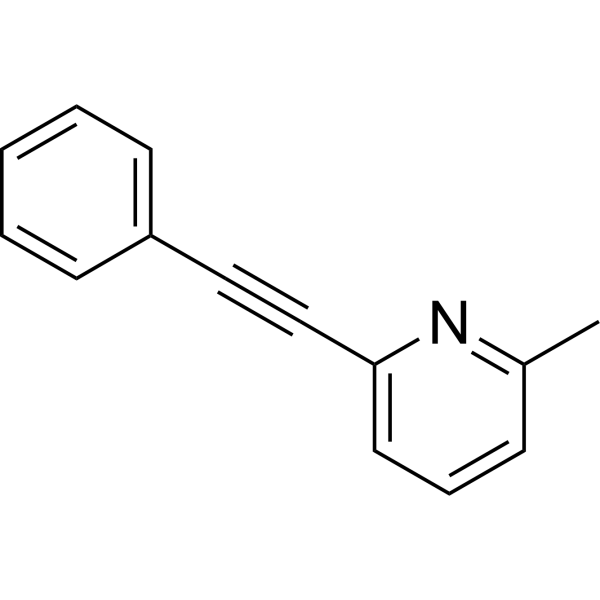
MPEP is a potent, selective, noncompetitive, orally active and systemically active mGlu5 receptor antagonist, with an IC50 of 36 nM for completely inhibiting quisqualate-stimulated phosphoinositide (PI) hydrolysis. MPEP has anxiolytic-or antidepressant-like effects . MPEP is a click chemistry reagent, it contains an Alkyne group and can undergo copper-catalyzed azide-alkyne cycloaddition (CuAAc) with molecules containing Azide groups.
|
-
-
- HY-15978
-
|
|
Others
|
Neurological Disease
|
|
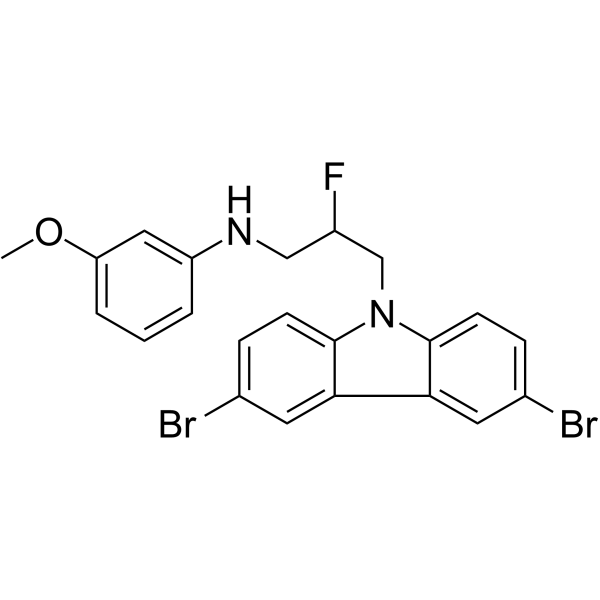
P7C3-A20 is a derivative of P7C3 with potent proneurogenic and neuroprotective activity. P7C3-A20 exerts an antidepressant-like effect. P7C3-A20 can cross the blood-brain barrier and therefore has the potential for brain injury treatment .
|
-
-
- HY-101202
-
|
NIH 10815
|
Opioid Receptor
|
Neurological Disease
|
|
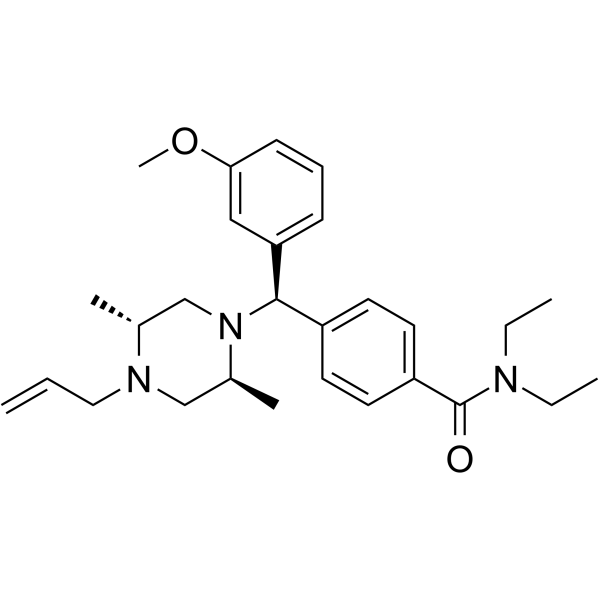
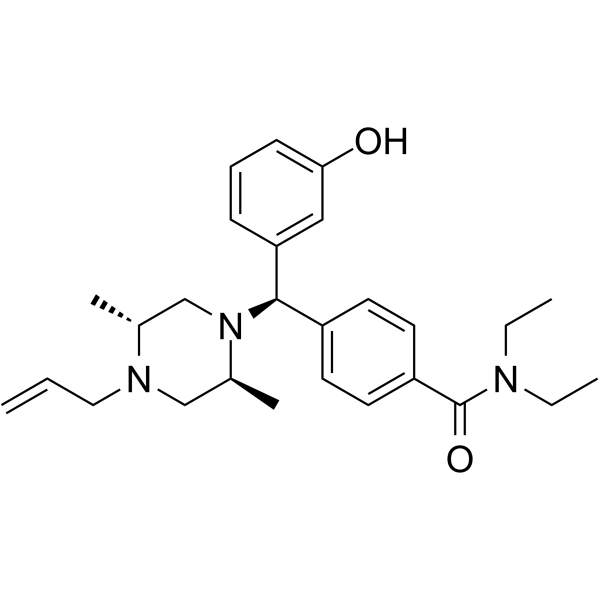
SNC80 (NIH 10815) is a potent, highly selective and non-peptide δ-opioid receptor agonist with a Ki of 1.78 nM and an IC50 of 2.73 nM. SNC80 also selectively activates μ-δ heteromer in HEK293 cells with an EC50 of 52.8 nM. SNC80 shows antinociceptive, antihyperalgesic and antidepressant‐like effects. SNC80 has the potential for multiple headache disorders treatment .
|
-
-
- HY-107729
-
|
|
Neuropeptide Y Receptor
|
Neurological Disease
|
|
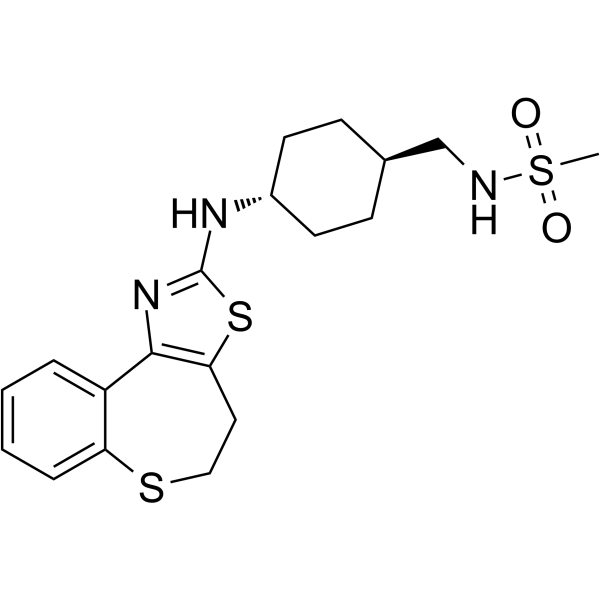
Lu AA33810 is a selective, orally active and brain-penetrant antagonist of neuropeptide Y5 receptor with a Ki of 1.5 nM for the rat receptor. Lu AA33810 exhibts antianxiolytic-like and antidepressant-like effects .
|
-
-
- HY-16637R
-
|
Vitamin B9 (Standard); Vitamin M (Standard)
|
Reference Standards
DNA/RNA Synthesis
Endogenous Metabolite
|
Neurological Disease
Cancer
|
|
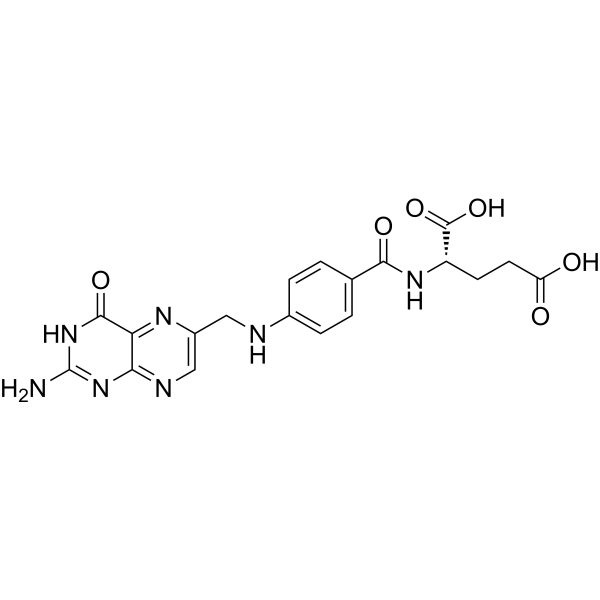
Folic acid (Standard) is the analytical standard of Folic acid. This product is intended for research and analytical applications. Folic acid (Vitamin B9) is a orally active essential nutrient from the B complex group of vitamins. Folic acid shows antidepressant-like effect. Folic acid sodium reduces the risk of neonatal neural tube defects. Folic acid can be used to the research of megaloblastic and macrocytic anemias due to folic deficiency .
|
-

-
- HY-N2085
-
|
(S)-(-)-Perillaldehyde; (S)-Perillaldehyde
|
Environmental Pollutants
|
Neurological Disease
|
|
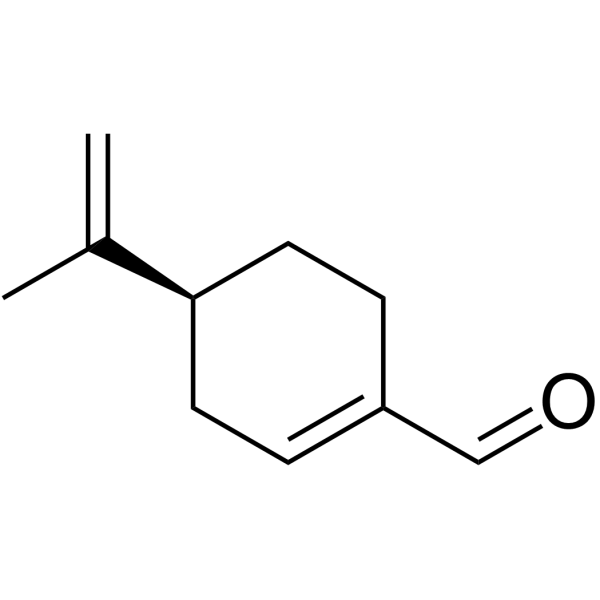
L-Perillaldehyde is a major component in the essential oil containing in Perillae Herba. Inhalation of L-Perillaldehyde shows antidepressant-like activity through the olfactory nervous function .
|
-
-
- HY-128901
-
|
F 14679 fumarate
|
5-HT Receptor
|
Neurological Disease
|
|
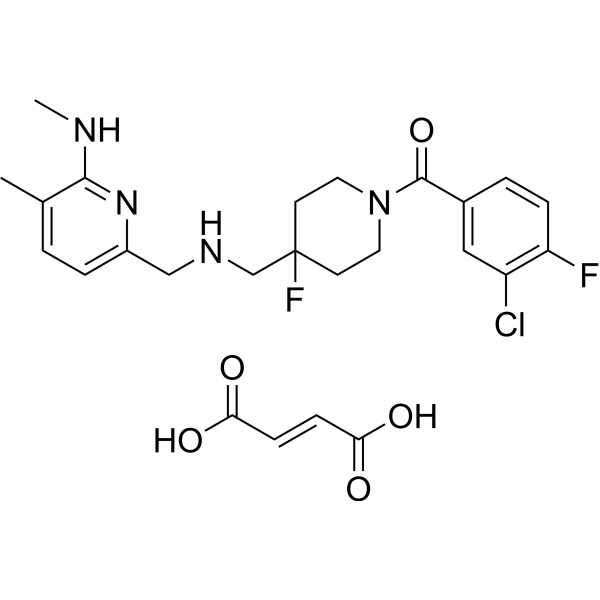
F13714 fumarate, a selective 5-HT1A receptor biased agonist, shows antidepressant-like properties after a single administration in the mouse model of chronic mild stress .
|
-
-
- HY-W677042
-
|
5α-Androst-16-en-3α-ol
|
GABA Receptor
|
Neurological Disease
|
|
α-Androstenol (5α-Androst-16-en-3α-ol) is a steroid pheromone that has been found in boar testes and male axillary sweat. α-Androstenol is also a positive allosteric modulator of GABAA receptors, which enhances GABA-activated currents in primary mouse cerebellar granule cells (EC50 of 0.4 μM). α-Androstenol produces anxiolytic-like, antidepressant-like, and anticonvulsant effects in mice. α-Androstenol can be used for the research of seizures .
|
-

-
- HY-103151
-
|
|
5-HT Receptor
|
Neurological Disease
Metabolic Disease
|
|
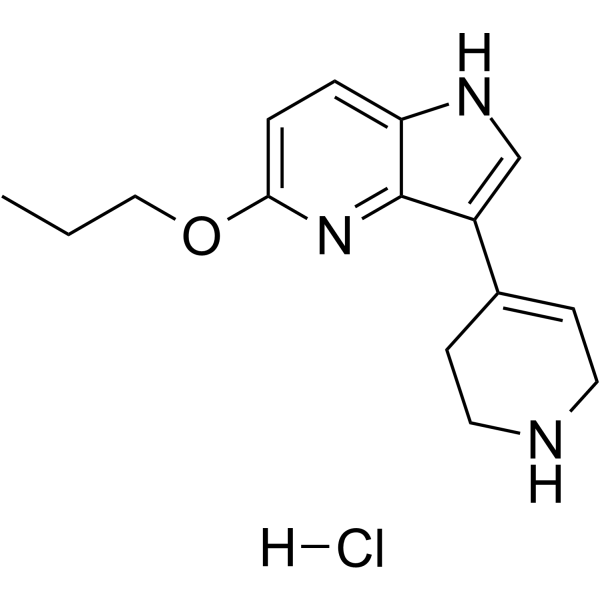
CP94253 hydrochloride is an orally active, brain-penetrant and selective 5-HT1B receptor agonist with an Ki of 2 nM. CP94253 hydrochloride induces antidepressant-like effects, waking enhancement, sleep inhibition, increased sleep latency, hyperlocomotion, and suppressed aggressive behavior. CP94253 hydrochloride can be used for the research of depression and heightened aggressive behavior .
|
-
-
- HY-N6076
-
|
|
ERK
|
Neurological Disease
|
|
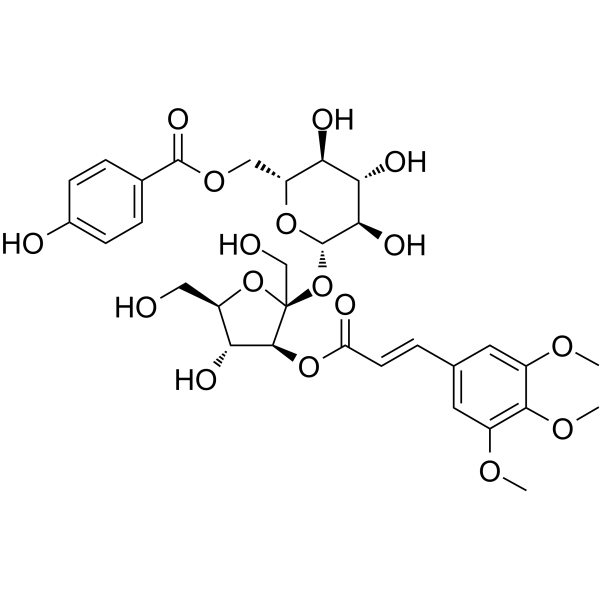
Tenuifoliside A is isolated from Polygala tenuifolia, has anti-apoptotic and antidepressant-like effects. Tenuifoliside A exhibits its neneurotrophic effects and promotes cell proliferation through the ERK/CREB/BDNF signal pathway in C6 cells .
|
-
-
- HY-17573A
-
|
|
Oxytocin Receptor
|
Neurological Disease
Endocrinology
|
|
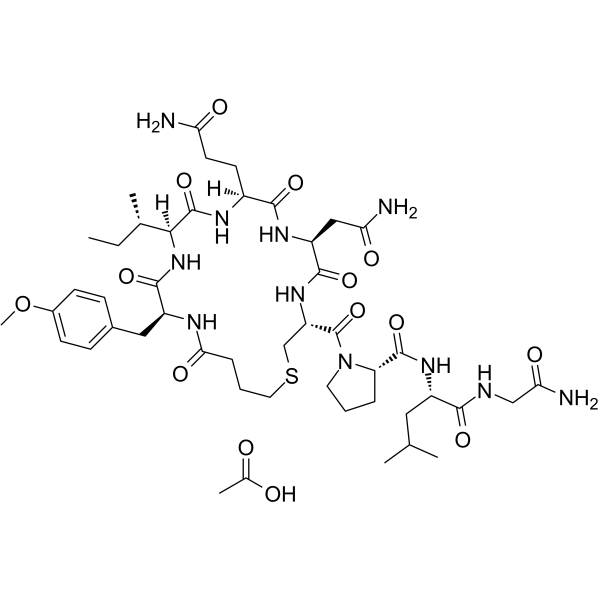
Carbetocin acetate, an oxytocin (OT) analogue, is an oxytocin receptor agonist with a Ki of 7.1 nM. Carbetocin acetate has high affinity to chimeric N-terminus (E1) of the oxytocin receptor (Ki=1.17 μM). Carbetocin acetate has the potential for postpartum hemorrhage research. Carbetocin acetate can crosse the blood-brain barrier and produces antidepressant-like activity via activation of oxytocin receptors in the CNS .
|
-
-
- HY-139897
-
|
|
iGluR
|
Neurological Disease
|
|
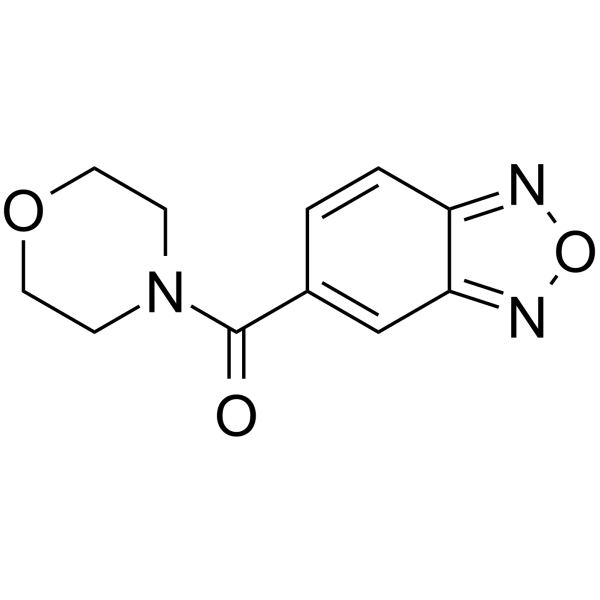
CX 717 is a positive allosteric modulator of AMPA receptor. Antidepressant-like effect. CX 717 can be used for the research of adult attention deficit hyperactivity disorder (ADHD) .
|
-
-
- HY-121685A
-
|
|
Potassium Channel
|
Neurological Disease
|
|
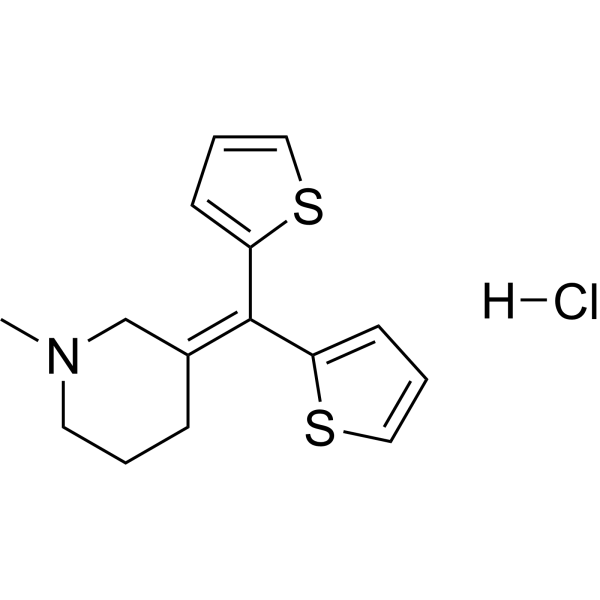
Tipepidine hydrochloride reversibly inhibits dopamine (DA) D2 receptor-mediated GIRK currents (IDA(GIRK)) with an IC50 of 7.0 μM. Tipepidine hydrochloride subsequently activates VTA dopamine neuron . Tipepidine hydrochloride, a non-narcotic antitussive, exerts an antidepressant-like effect .
|
-
-
- HY-B1017
-
|
EN-1733A
|
Dopamine Receptor
|
Neurological Disease
|
|
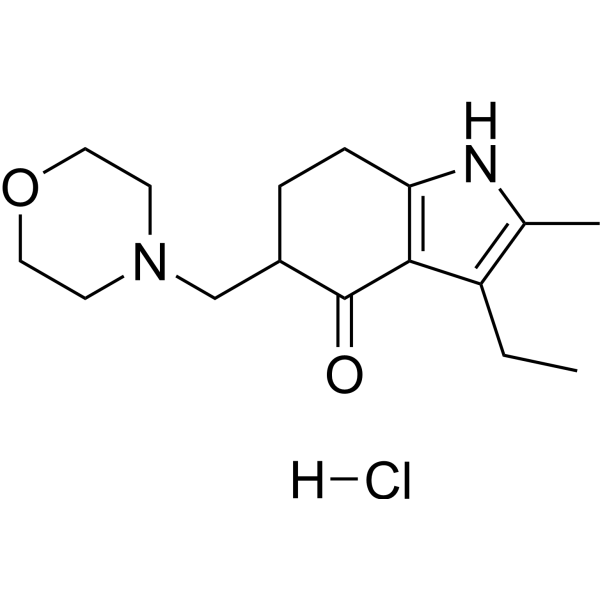
Molindone hydrochloride (EN-1733A) is an orally active and brain-penetrant dopamine D2/D5 receptor antagonist. Molindone hydrochloride shows antipsychotic and antidepressant-like activities. Molindone hydrochloride suppresses spontaneous locomotion, and antagonizes apomorphine-induced emesis. Molindone hydrochloride can be used for the research of neurological disease .
|
-
-
- HY-14551
-
|
SR142801
|
Neurokinin Receptor
|
Neurological Disease
|
|
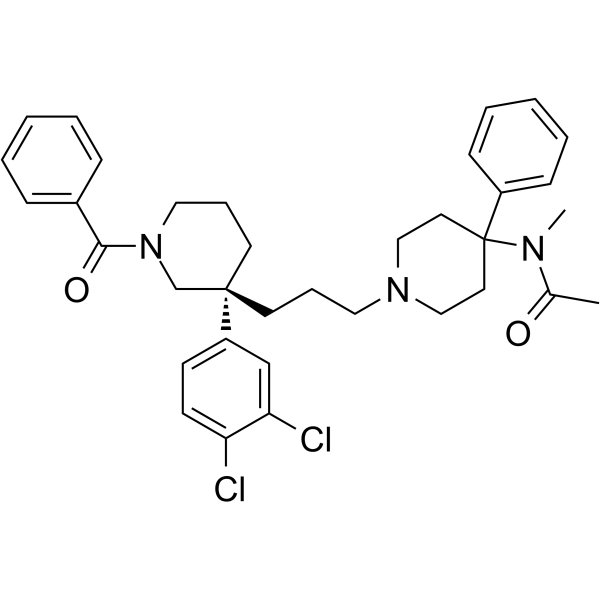
Osanetant (SR142801) is a selective NK3 receptor antagonist. Osanetant produces anxiolytic- and antidepressant-like effects and is researched for schizophrenia .
|
-
-
- HY-107741
-
-
-
- HY-123499
-
|
|
Somatostatin Receptor
|
Cardiovascular Disease
|
|
SRA880 is a non-peptide and selective somatostatin sst(1) receptor antagonist. SRA880 exhibits antidepressant-like effects when in combination with Imipramine (HY-B1490A) .
|
-

-
- HY-123820
-
|
|
mGluR
|
Neurological Disease
|
|
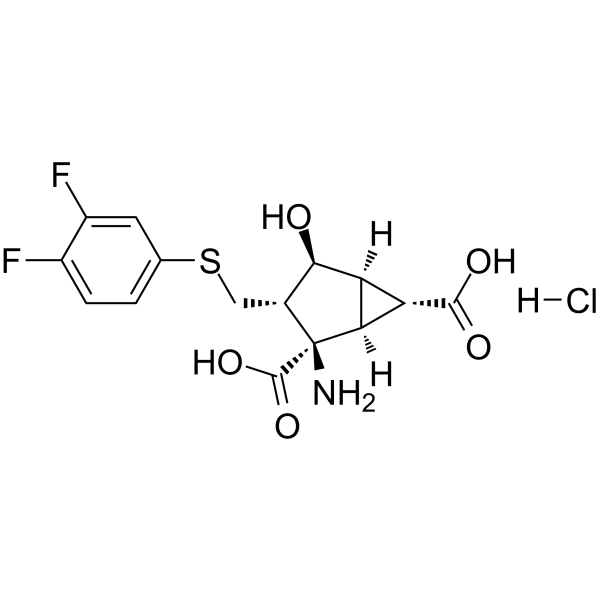
LY3020371 hydrochloride is a potent, selective metabotropic glutamate 2/3 receptor (mGlu2/3) antagonist with Ki of 5.3 and 2.5 nM, potently blocks cAMP formation with IC50 of 16.2 nM . LY3020371 hydrochloride exerts an antidepressant-like signature in vivo .
|
-
-
- HY-139048
-
|
|
iGluR
|
Neurological Disease
|
|
Fluoroethylnormemantine, a derivative of Memantine, is an antagonist of the N-methyl-D-aspartate (NMDA) receptor. [ 18F]-Fluoroethylnormemantine can be used as a positron emission tomography (PET) tracer. Fluoroethylnormemantine exhibits anti-amnesic, neuroprotective, antidepressant-like and fear-attenuating effects .
|
-
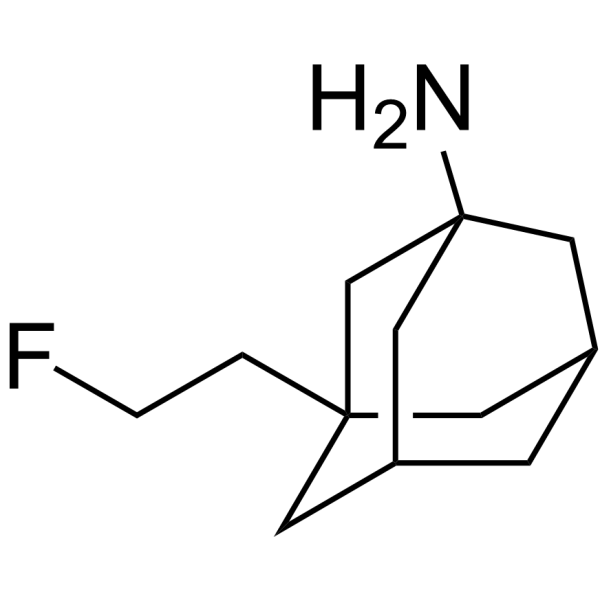
-
- HY-108015
-
|
|
Trace Amine-associated Receptor (TAAR)
|
Neurological Disease
|
|
RO5263397 is a potent, selective, and orally available TAAR1 agonist, with EC50s of 17 and 35 nM for human TAAR1 and rat TAAR1, respectively. RO5263397 regulates wakefulness and EEG spectral composition. Antidepressant-like effect .
|
-
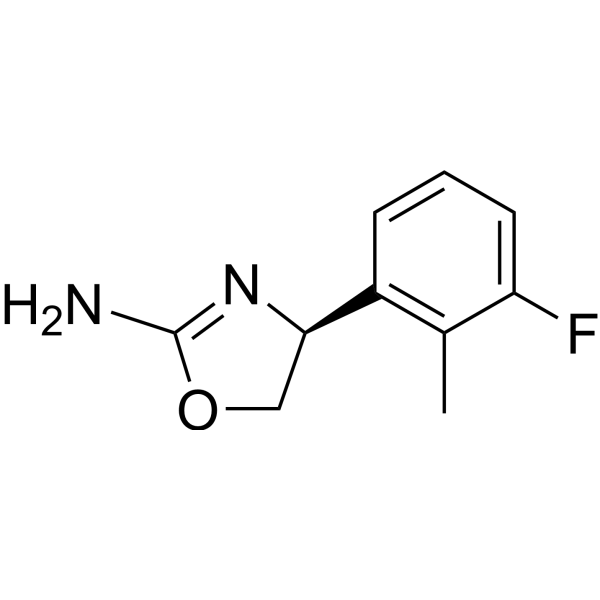
-
- HY-137472
-
|
|
GSK-3
|
Neurological Disease
|
|
SAR502250 is a potent, selective, ATP competitive, orally active and brain-penetrant inhibitor of GSK3, with an IC50 of 12 nM for human GSK-3β. SAR502250 displays antidepressant-like activity. SAR502250 can be used for the research of Alzheimer’s disease (AD) .
|
-
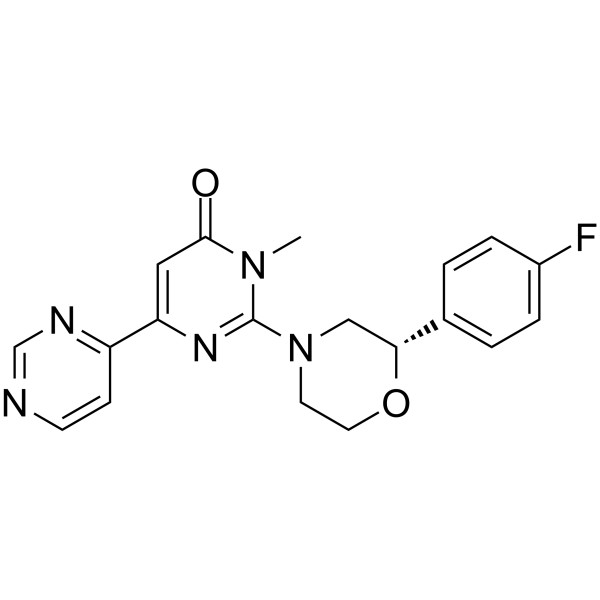
-
- HY-W001158
-
|
Dimethylglycine hydrochloride; DMG hydrochloride; N-Methylsarcosine hydrochloride
|
Endogenous Metabolite
iGluR
Amino Acid Derivatives
|
Neurological Disease
Metabolic Disease
|
|
N,N-Dimethylglycine (Dimethylglycine) hydrochloride, a natural N-methylated glycine, is a nutrient supplement and acts as an NMDAR glycine site partial agonist. N,N-Dimethylglycine hydrochloride is a methyl donor that can improve immunity, act as an antioxidant to prevent oxidative stress, and scavenge excess free radicals. N,N-Dimethylglycine hydrochloride has antidepressant-like and surfactant effects .
|
-
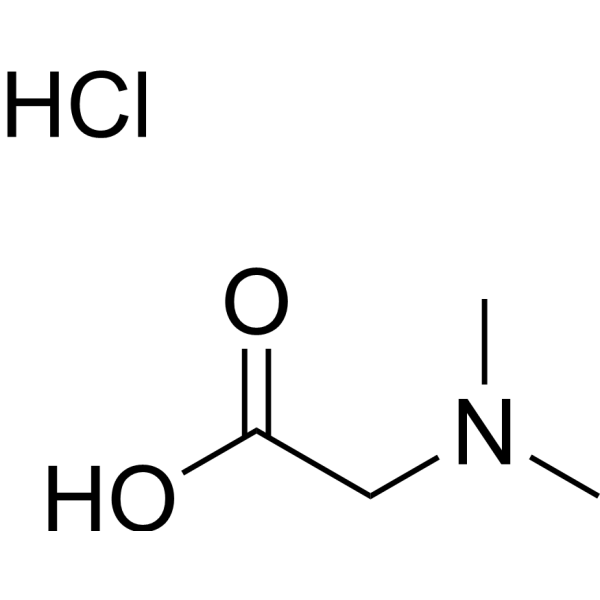
-
- HY-110135A
-
|
|
IGF-1R
|
Neurological Disease
|
|
NBI-31772 hydrate is a potent inhibitor of interaction between insulin-like growth factor (IGF) and IGF-binding proteins (IGFBPs). NBI-31772 hydrate is also a nonpeptide ligand that releases bioactive IGF-I from the IGF-I/IGFBP-3 complex (Kis=1-24 nM for all six human subtypes). Anxiolytic and antidepressant-like effects .
|
-
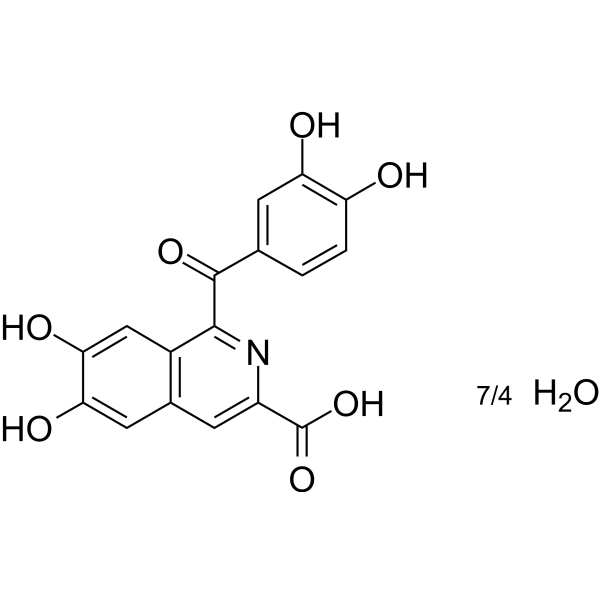
-
- HY-107731
-
-
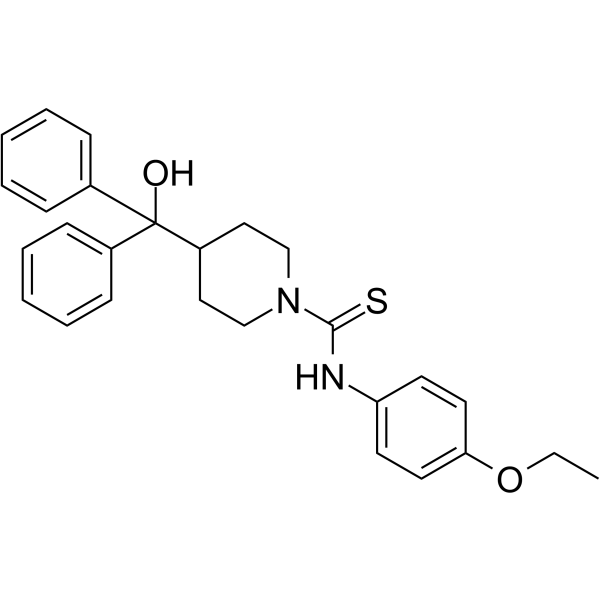
-
- HY-100936
-
|
SQ 20009; EHT 0202 hydrochloride
|
Phosphodiesterase (PDE)
GABA Receptor
|
Neurological Disease
Inflammation/Immunology
|
|
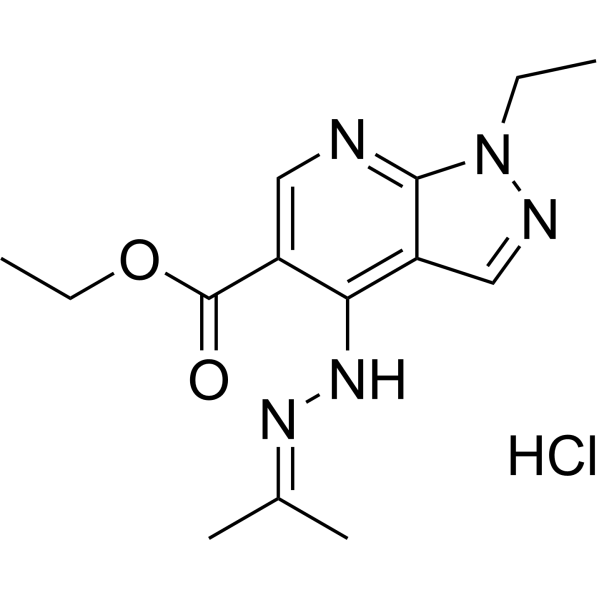
Etazolate hydrochloride (SQ 20009) is an orally active, selective inhibitor of type 4 phosphodiesterase (PDE4) with an IC50 of 2 μM. Etazolate hydrochloride is a γ-aminobutyric acid A (GABAA) receptor regulator. Etazolate hydrochloride is an α-secretase activator and induced the production of soluble amyloid precursor protein (sAPPα). Etazolate hydrochloride, a pyrazolopyridine class derivative, increases cAMP levels. Etazolate hydrochloride has anxiolyticlike, antidepressant-like and anti-inflammatory effects .
|
-
-
- HY-16637A
-
|
Vitamin B9 sodium; Vitamin M sodium
|
DNA/RNA Synthesis
Endogenous Metabolite
|
Neurological Disease
|
|
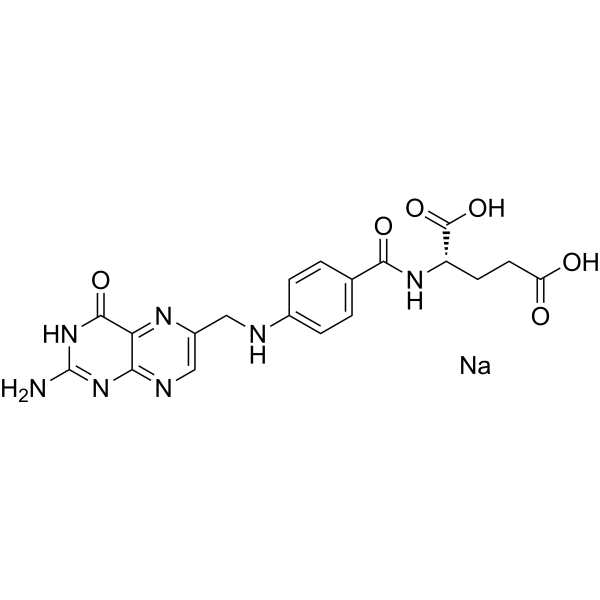
Folic acid (Vitamin B9) sodium is a orally active essential nutrient from the B complex group of vitamins. Folic acid sodium shows antidepressant-like effect. Folic acid sodium reduces the risk of neonatal neural tube defects. Folic acid sodium can be used to the research of megaloblastic and macrocytic anemias due to folic deficiency .
|
-
-
- HY-117977
-
|
|
Phosphodiesterase (PDE)
|
Neurological Disease
Inflammation/Immunology
|
|
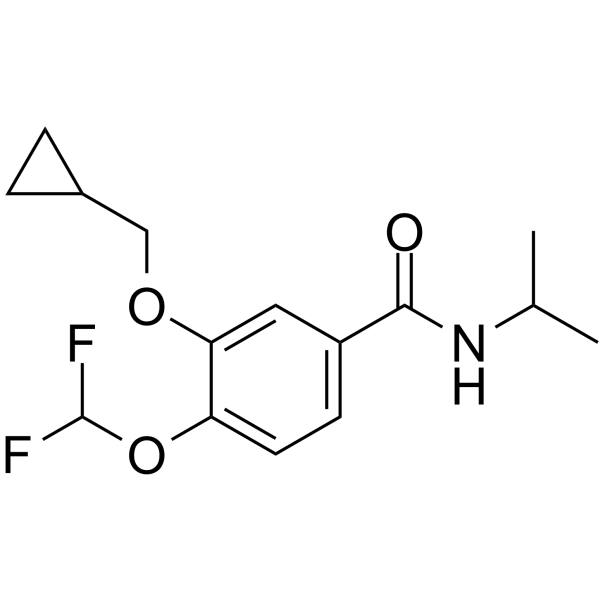
FCPR03 is a potent and selective phosphodiesterase 4 (PDE4) inhibitor with IC50 values of 60 nM, 31 nM and 47 nM for PDE4 catalytic domain, PDE4B1 and PDE4D7, respectively. FCPR03 displays at least 2100-fold selectivity over other PDEs (PDE1-3 and PDE5-11). FCPR03 has anti-inflammatory, neuroprotective and antidepressant-like effects .
|
-
-
- HY-16637S5
-
|
Vitamin B9-13C6; Vitamin M-13C6
|
Isotope-Labeled Compounds
DNA/RNA Synthesis
Endogenous Metabolite
|
Cancer
|
|
Folic acid-13C6 is a deuterated labeled Folic acid . Folic acid (Vitamin B9) is a orally active essential nutrient from the B complex group of vitamins. Folic acid shows antidepressant-like effect. Folic acid sodium reduces the risk of neonatal neural tube defects. Folic acid can be used to the research of megaloblastic and macrocytic anemias due to folic deficiency .
|
-

-
- HY-116594A
-
|
|
Sigma Receptor
5-HT Receptor
|
Neurological Disease
|
|
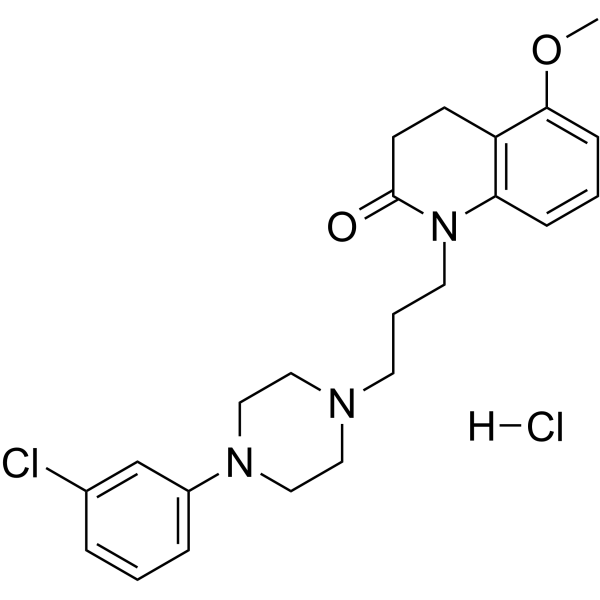
OPC-14523 hydrochloride is an orally active sigma and 5-HT1A receptor agonist, with high affinity for sigma receptors (σ1/2 IC50=47/56 nM), the 5-HT1A receptor (IC50=2.3 nM), and the 5-HT transporter (IC50=80 nM). OPC-14523 hydrochloride shows antidepressant-like activity .
|
-
-
- HY-123411
-
|
BCI 632
|
mGluR
|
Neurological Disease
|
MGS0039 is a type II group mGluR antagonist. MGS0039 has a high affinity for mGluR2 and mGluR3, with Ki values of 2.2 nM and 4.5 nM, respectively. MGS0039 can attenuate the inhibitory effect of glutamate-induced cyclic AMP formation triggered by Forskolin (HY-15371) in CHO cells expressing mGluR2/mGluR3. MGS0039 shows antidepressant-like activity in rats .
|
-

-
- HY-15401
-
|
|
5-HT Receptor
|
Neurological Disease
Metabolic Disease
|
|
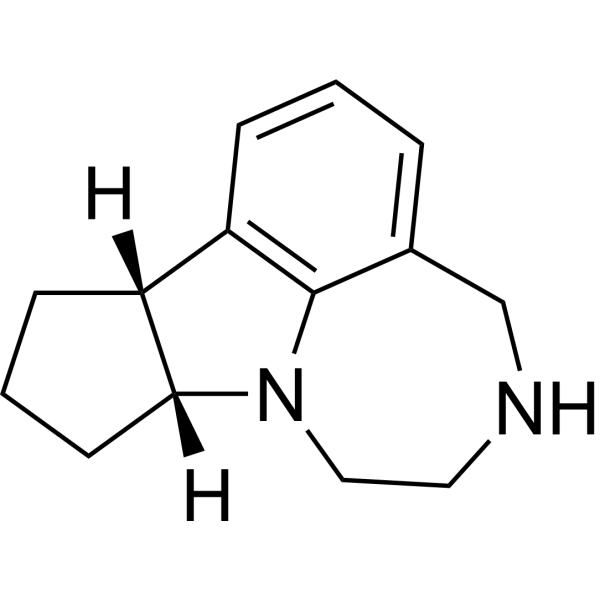
WAY 163909 is an orally active, blood-brain barrier permeable 5-HT2C receptor-selective agonist. WAY 163909 exhibits an EC50 of 8 nM and a Ki of 10.5 nM for h5-HT2C. Instead of triggering apoptosis, WAY 163909 induces anorectic, antipsychotic-like, antidepressant-like, anti-aggressive and anti-compulsive effects. WAY 163909 alleviates ketamine-induced hypothermia, but impairs sexual function at high doses. With rapid antidepressant-like properties, WAY 163909 can be used in research related to obesity, schizophrenia, depression, obsessive-compulsive disorder, and anesthesia-induced hypothermia .
|
-
-
- HY-18332C
-
|
|
Serotonin Transporter
Dopamine Transporter
|
Neurological Disease
|
|
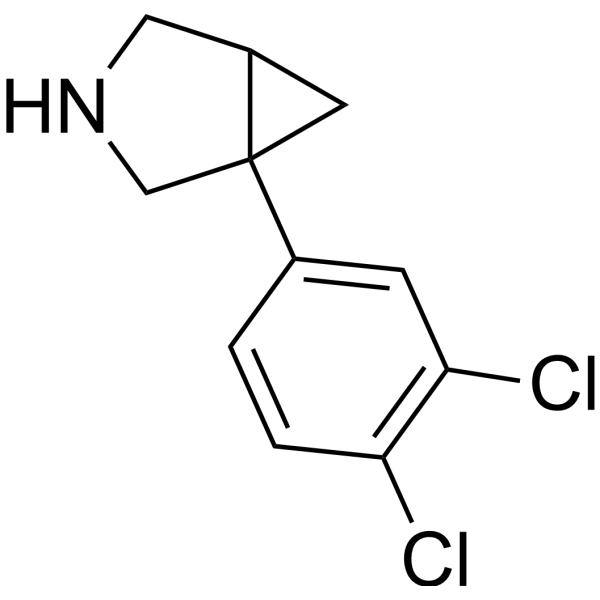
DOV-216,303 (Free Base) is a potent triple serotonin, norepinephrine, and dopamine reuptake inhibitor, with IC50 values of 14 nM, 20 nM and 78 nM for hSERT, hNET and hDAT, respectively. Has antidepressant-like effects and increases monoamine release in the prefrontal cortex of olfactory bulbectomized (OBX) rats .
|
-
-
- HY-P1299A
-
|
|
Opioid Receptor
|
Neurological Disease
|
|
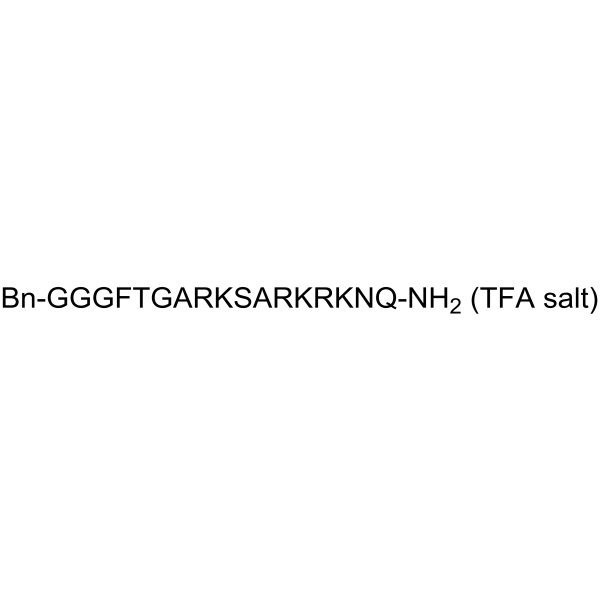
UFP-101 TFA is a potent, selective, and competitive antagonist of the N/OFQ peptide (NOP) receptor, with a pKi of 10.24. UFP-101 TFA displays >3000-fold selectivity over δ, μ and κ opioid receptors. UFP-101 TFA shows antidepressant-like effect .
|
-
-
- HY-101100
-
|
D-16949 hydrochloride
|
5-HT Receptor
|
Neurological Disease
|
|
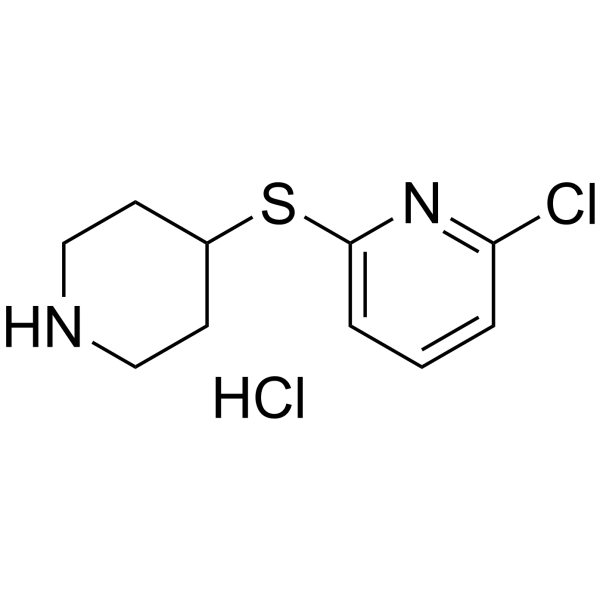
Anpirtoline (D-16949) hydrochloride is a centrally acting 5-HT1B receptor agonist, with Kis of 28 nM (5-HT1B), 150 nM (5-HT1A) and 1.49 μM (5-HT2). Anpirtoline hydrochloride has serotonergic, antinociceptive, antidepressant-like effects .
|
-
-
- HY-N0571R
-
-

-
- HY-120016
-
|
|
Glucocorticoid Receptor
|
Neurological Disease
|
|
RU 43044 is a glucocorticoid receptor antagonist. RU 43044 shows an antidepressant-like effect, probably via an inhibition of enhanced prefrontal dopaminergic neurotransmission in these mouse models .
|
-

-
- HY-121685
-
|
|
Potassium Channel
|
Neurological Disease
|
|
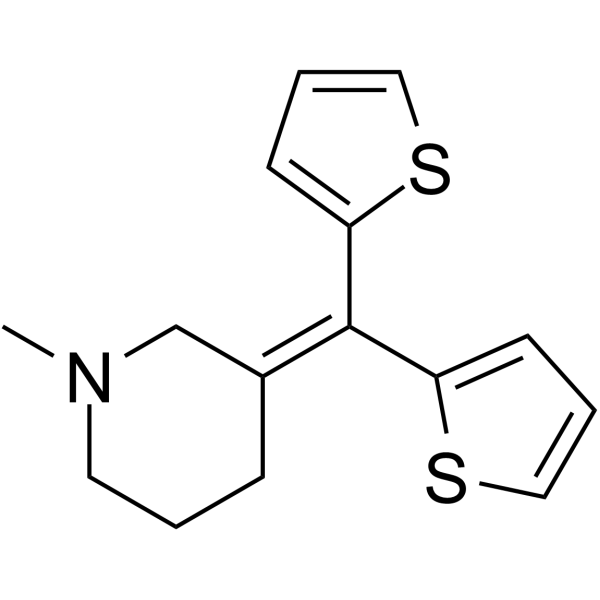
Tipepidine reversibly inhibits dopamine (DA) D2 receptor-mediated GIRK currents (IDA(GIRK)) with an IC50 of 7.0 μM. Tipepidine subsequently activates VTA dopamine neuron . Tipepidine, a non-narcotic antitussive, exerts an antidepressant-like effect .
|
-
- HY-D0004R
-
|
Azure B chloride (Standard)
|
Reference Standards
Monoamine Oxidase
|
Neurological Disease
|
|
Azure B (Standard) is the analytical standard of Azure B. This product is intended for research and analytical applications. Azure B is a cationic dye and the major metabolite of Methylene blue. Azure B is used in making Azure eosin stains for blood smear staining. Azure B is a high-potency, selective and reversible inhibitor of monoamine oxidases (MAO)-A, with IC50s of 11 and 968 nM for recombinant human MAO-A and MAO-B, respectively. Azure B possesses significant antidepressant-like effects .
|
-

- HY-10864R
-
|
KDS-4103 (Standard)
|
FAAH
Autophagy
Mitophagy
Reference Standards
|
Neurological Disease
|
|
URB-597 (Standard) is the analytical standard of URB-597. This product is intended for research and analytical applications. URB-597 (KDS-4103) is an orally bioavailable and selective FAAH inhibitor. URB-597 inhibits FAAH activity with an IC50s of approximately 5 nM in rat brain membranes, 0.5 nM in intact rat neurons, 3 nM in human liver microsomes. Antidepressant-like effects. Analgesic activity .
|
-

- HY-14551B
-
|
(S)-SR142801
|
Neurotensin Receptor
|
Neurological Disease
|
|
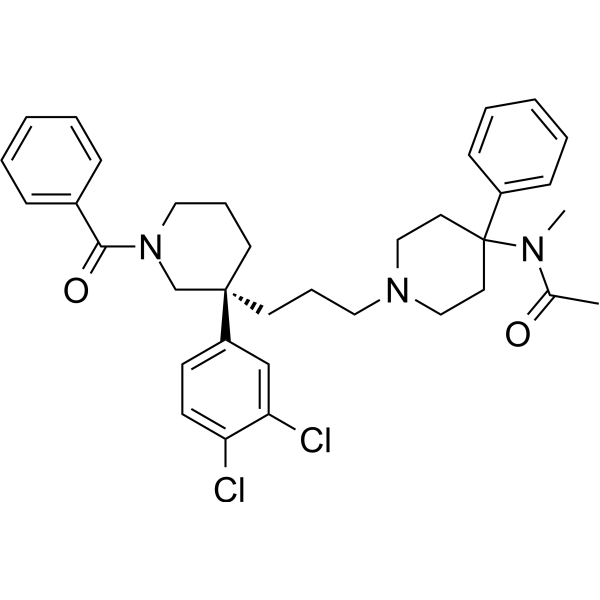
(S)-Osanetant is the S-enantiomer of Osanetant. Osanetant (SR142801) is a selective NK3 receptor antagonist. Osanetant produces anxiolytic- and antidepressant-like effects and is researched for schizophrenia .
|
-
- HY-N3204
-
|
|
Apoptosis
|
Neurological Disease
|
|
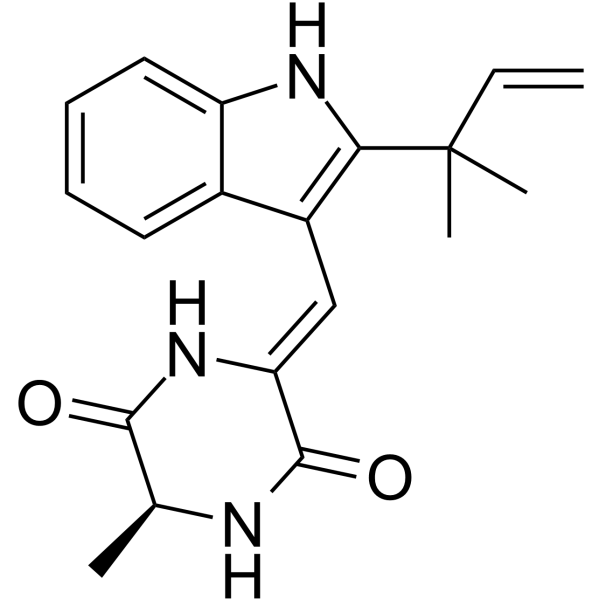
Neoechinulin A is an isoprenyl indole alkaloid that exhibits scavenging, neurotrophic factor-like, and anti-apoptotic activities. Neoechinulin A induces memory improvements and antidepressant-like effects in mice .
|
-
- HY-107751
-
-
- HY-105458
-
|
|
Neprilysin
|
Neurological Disease
|
|
BL-2401 is an orally active enkephalinase inhibitor. BL-2401 exhibit antinociceptive and antidepressant-like activitiesin association with endogenous opioid systems. BL-2401 can be used for the research of neurological disease .
|
-

- HY-P1299
-
|
|
Opioid Receptor
|
Neurological Disease
|
|
UFP-101 is a potent, selective, and competitive antagonist of the NOP receptor, with a pKi of 10.24. UFP-101 displays >3000-fold selectivity over δ, μ and κ opioid receptors. UFP-101 shows antidepressant-like effect .
|
-

- HY-106044
-
-

- HY-132993
-
|
|
Phosphodiesterase (PDE)
|
Neurological Disease
|
|
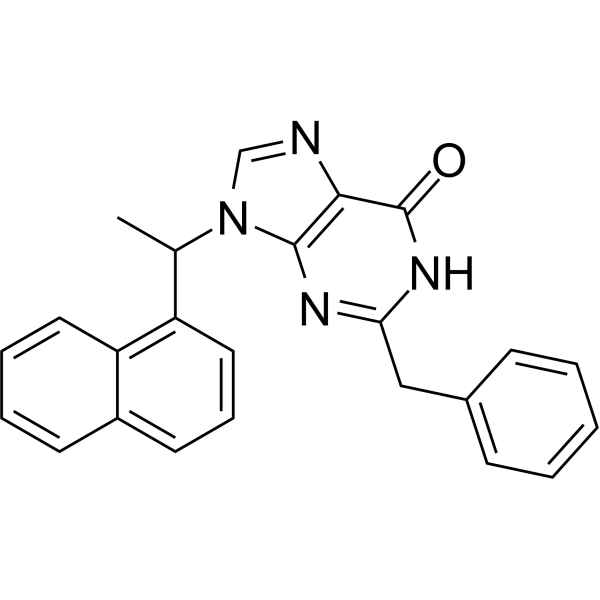
Hcyb1 is a highly selective, orally active PDE2 inhibitor. Hcyb1 has a highly selective inhibition of PDE2A (IC50=0.57 μM) and over 250-fold selectivity against other recombinant PDE family members. Hcyb1 produces neuroprotective and antidepressant‐like effects most likely mediated by cAMP/cGMP-CREB-BDNF signaling .
|
-
- HY-169870
-
|
(+)-Mecamylamine; TC-5214
|
nAChR
|
Neurological Disease
|
|
Dexmecamylamine ((+)-Mecamylamine) is the antagonist for nicotinic acetylcholine receptor (nAChR), that antagonises the α3β4/α4β2/α7/α1β1γδ receptor with IC50 of micromolare levels. Dexmecamylamine exhibits anxiolytic and antidepressant-like activities .
|
-

- HY-18332B
-
|
|
Dopamine Transporter
Adrenergic Receptor
5-HT Receptor
|
Neurological Disease
|
|
DOV-102,677 is an orally sctive triple monoamine neurotransmitter reuptake inhibitor that simultaneously inhibits the dopamine (DAT) (IC50 = 129 nM; Ki = 222 nM), norepinephrine (NET) (IC50 = 103 nM; Ki = 1030 nM), and serotonin (SERT) (IC50 = 133 nM; Ki = 740 nM) transporters. DOV-102,677 demonstrated significant antidepressant-like activity and sensory-motor gating regulatory effects in mouse experiments. DOV-102,677 can be used for research on depression .
|
-

- HY-14551C
-
|
SR142801 monohydrochloride
|
Neurokinin Receptor
|
Neurological Disease
|
|
Osanetant (SR142801) monohydrochloride is a selective NK3 receptor antagonist. Osanetant monohydrochloride produces anxiolytic- and antidepressant-like effects .
|
-

- HY-105127
-
|
CGP 11305A hydrochloride
|
Monoamine Oxidase
|
Neurological Disease
|
Brofaromine (hydrochloride) is a monoamine oxidase A (MAO-A) inhibitor and a 5-HT uptake inhibitor. Brofaromine (hydrochloride) shows antidepressant-like activity in the social conflict test in rats .
|
-

- HY-120810
-
|
DDP-225 hydrate hydrochloride
|
5-HT Receptor
|
Neurological Disease
|
|
MCI-225 (DDP-225) hydrate hydrochloride is a selective and orally active noradrenaline (NA) reuptake inhibitor with 5-HT3 receptor antagonism. MCI-225 hydrate hydrochloride has antidepressant-like and anxiolytic-like properties. MCI-225 hydrate hydrochloride can be used for the study of anxiety disorder .
|
-

- HY-101254R
-
|
N-0774 (Standard)
|
Reference Standards
Melatonin Receptor
|
Neurological Disease
|
|
Luzindole (Standard) is the analytical standard of Luzindole. This product is intended for research and analytical applications. Luzindole (N-0774) is a selective melatonin receptor antagonist. Luzindole preferentially targets MT2 (Mel1b) over MT1 (Mel1a) with Ki values of 10.2 and 158 nM for human MT2 and MT1, respectively. Luzindole suppresses experimental autoimmune encephalomyelitis (EAE), and exerts antidepressant-like activity .
|
-

- HY-105332
-
|
|
CRFR
|
Neurological Disease
|
|
CRA1000 is an orally active, selective and competitive CRF1 receptor antagonist with anxiolytic- and antidepressant-like properties .
|
-

- HY-154977
-
-
- HY-123106
-
|
|
Melanocortin Receptor
|
Others
|
|
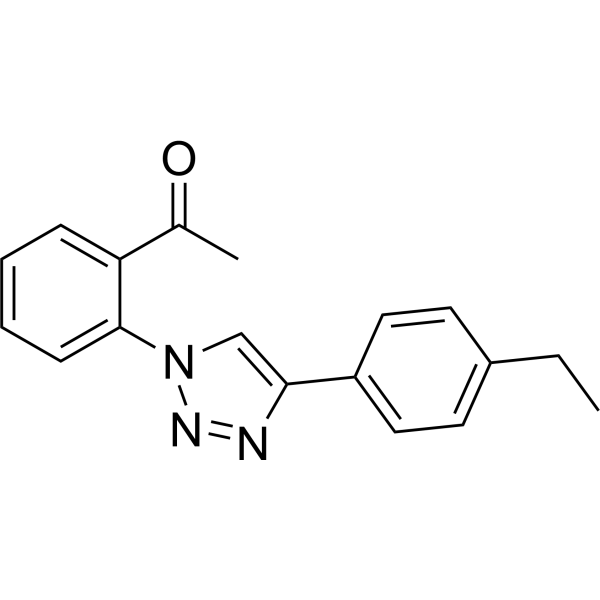
MCL-0129 is a compound with anxiolytic and antidepressant activity and is a selective MC4 receptor antagonist that exhibits anxiolytic and antidepressant-like behaviors in multiple rodent models.
|
-

- HY-116236
-
|
LY2607540
|
mGluR
|
Others
|
|
THIIC (LY2607540) is a compound with anxiolytic and antidepressant potential. It is a positive allosteric modulator of mGlu receptors, exhibits anxiolytic and antidepressant-like activities in multiple animal models, and can also affect sleep and neurochemical changes.
|
-

- HY-105058A
-
|
14α/β-RU 24722
|
Drug Derivative
|
Neurological Disease
|
|
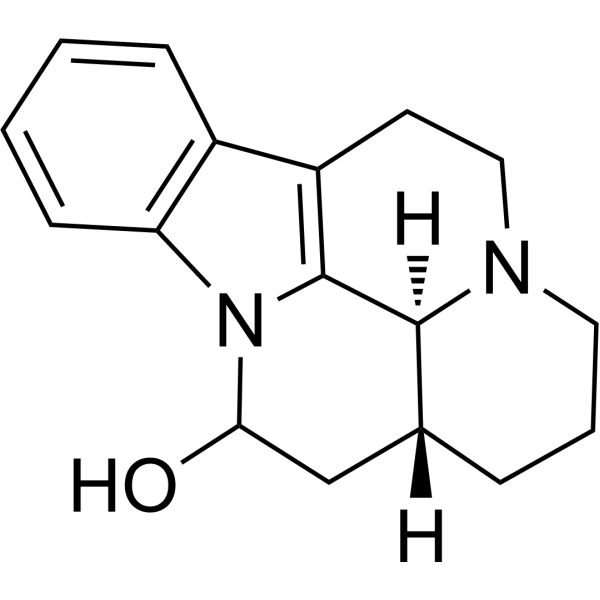
14α/β-Vindeburnol (14α/β-RU 24722) a synthetic molecule derived from the eburnamine-vincamine alkaloid group, has many neuropsychopharmacological and antidepressant-like effects .
|
-
- HY-139806
-
|
|
Somatostatin Receptor
|
Others
|
|
SRA880 (free base) is a compound with antidepressant-modulating effects. It is a somatostatin-1 autoreceptor antagonist that can synergize with imipramine to produce antidepressant-like effects and affect BDNF mRNA expression and phosphorylation of related proteins.
|
-

- HY-108481
-
|
|
Neurokinin Receptor
|
Neurological Disease
|
|
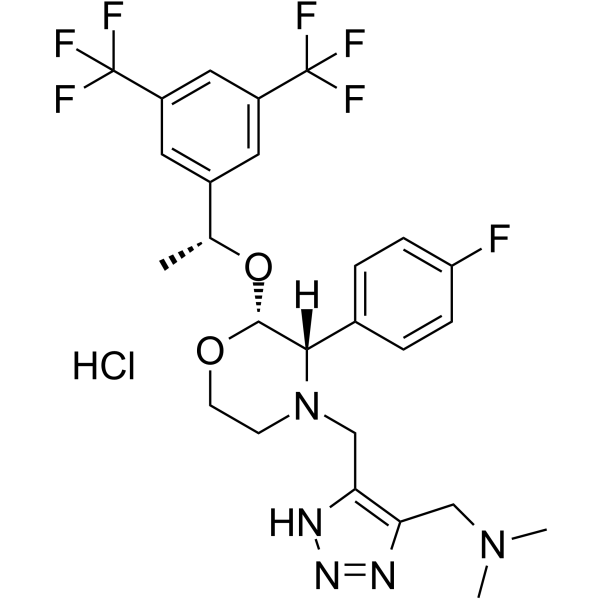
L-760735 is a high affinity, selective and orally active NK1 receptor antagonist with an IC50 of 0.19 nM for human NK1 receptors. L-760735 exhibits anxiolytic and antidepressant-like effects .
|
-
- HY-N0700R
-
|
α-Asarone (Standard); trans-Asarone (Standard)
|
Reference Standards
GABA Receptor
|
Neurological Disease
|
|
alpha-Asarone (Standard) is the analytical standard of alpha-Asarone. This product is intended for research and analytical applications. alpha-Asarone (α-Asarone) is one of the main psychoactive compounds, and possesses an antidepressant-like activity in mice.
|
-

- HY-100936R
-
|
SQ 20009 (Standard); EHT 0202 hydrochloride (Standard)
|
Reference Standards
Phosphodiesterase (PDE)
GABA Receptor
|
Neurological Disease
Inflammation/Immunology
|
|
Etazolate (hydrochloride) (Standard) is the analytical standard of Etazolate (hydrochloride). This product is intended for research and analytical applications. Etazolate hydrochloride (SQ 20009) is an orally active, selective inhibitor of type 4 phosphodiesterase (PDE4) with an IC50 of 2 μM. Etazolate hydrochloride is a γ-aminobutyric acid A (GABAA) receptor regulator. Etazolate hydrochloride is an α-secretase activator and induced the production of soluble amyloid precursor protein (sAPPα). Etazolate hydrochloride, a pyrazolopyridine class derivative, increases cAMP levels. Etazolate hydrochloride has anxiolyticlike, antidepressant-like and anti-inflammatory effects .
|
-

- HY-176436S
-
-

- HY-15401A
-
|
|
5-HT Receptor
|
Neurological Disease
Metabolic Disease
|
|
WAY 163909 hydrochloride is an orally active, blood-brain barrier permeable 5-HT2C receptor-selective agonist. WAY 163909 hydrochloride exhibits an EC50 of 8 nM and a Ki of 10.5 nM for h5-HT2C. Instead of triggering apoptosis, WAY 163909 hydrochloride induces anorectic, antipsychotic-like, antidepressant-like, anti-aggressive and anti-compulsive effects. WAY 163909 hydrochloride alleviates ketamine-induced hypothermia, but impairs sexual function at high doses. With rapid antidepressant-like properties, WAY 163909 hydrochloride can be used in research related to obesity, schizophrenia, depression, obsessive-compulsive disorder, and anesthesia-induced hypothermia .
|
-

- HY-10049A
-
|
|
Neurokinin Receptor
|
Neurological Disease
|
|
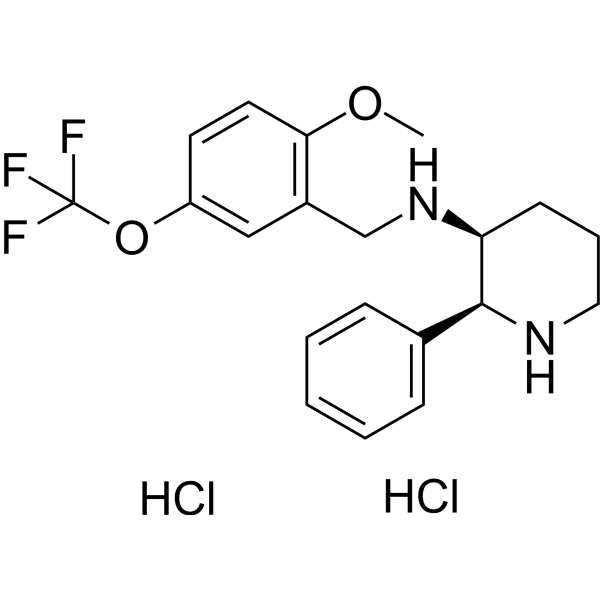
CP 122721 hydrochloride is a potent, non-peptide and selective nonpeptide neurokinin NK1 antagonist, with a pIC50 of 9.8 for human NK1 receptor expressed in IM-9 cells. CP 122721 hydrochloride exhibits anxiolytic and antidepressant-like effects .
|
-
- HY-15527R
-
|
AC-5216 (Standard); XBD-173 (Standard)
|
Reference Standards
TSPO
|
Neurological Disease
Metabolic Disease
|
|
Emapunil (Standard) is the analytical standard of Emapunil. This product is intended for research and analytical applications. Emapunil (AC-5216), an orally active and selective TSPO (a mitochondrial benzodiazepine receptor) ligand, produces anti-anxiety and antidepressant-like effects in various animal models .
|
-

- HY-139048A
-
|
|
iGluR
|
Neurological Disease
|
|
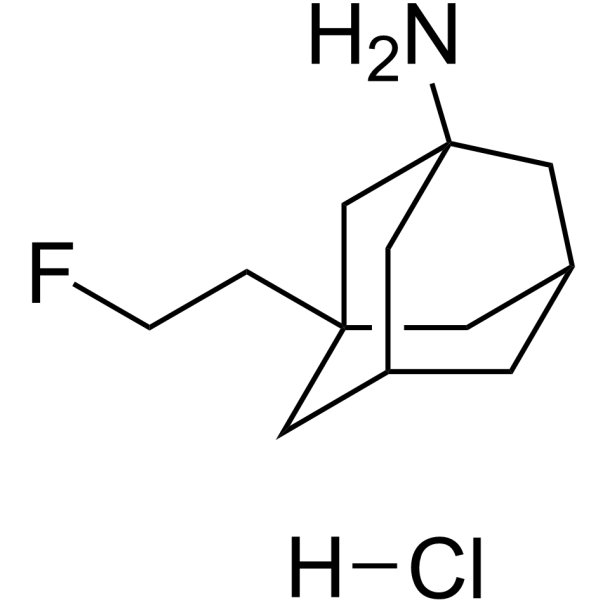
Fluoroethylnormemantine hydrochloride, a derivative of Memantine, is an antagonist of the N-methyl-D-aspartate (NMDA) receptor. [ 18F]-Fluoroethylnormemantine hydrochloride can be used as a positron emission tomography (PET) tracer. Fluoroethylnormemantine hydrochloride exhibits anti-amnesic, neuroprotective, antidepressant-like and fear-attenuating effects .
|
-
- HY-N0765R
-
|
|
Reference Standards
Fungal
|
Infection
Neurological Disease
Inflammation/Immunology
|
|
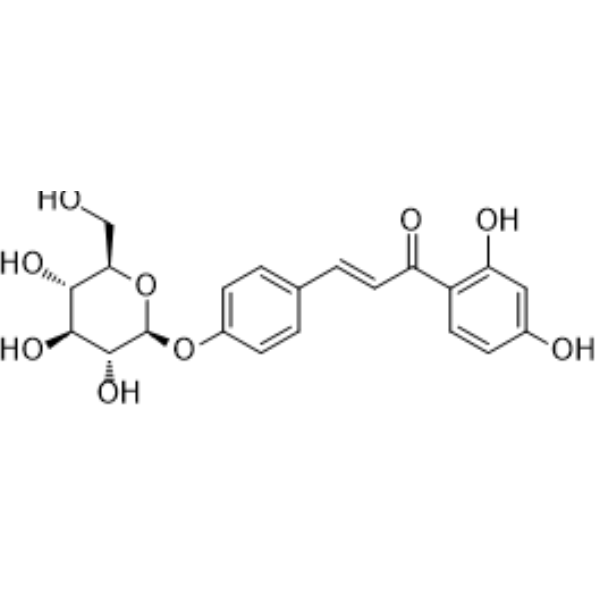
Isoliquiritin (Standard) is the analytical standard of Isoliquiritin. This product is intended for research and analytical applications. Isoliquiritin, isolated from Licorice Root, inhibits angiogenesis and tube formation. Isoliquiritin also exhibits antidepressant-like, anti-oxidative, anti-Inflammatory effects and antifungal activity .
|
-

- HY-138879
-
|
|
nAChR
|
Neurological Disease
|
|
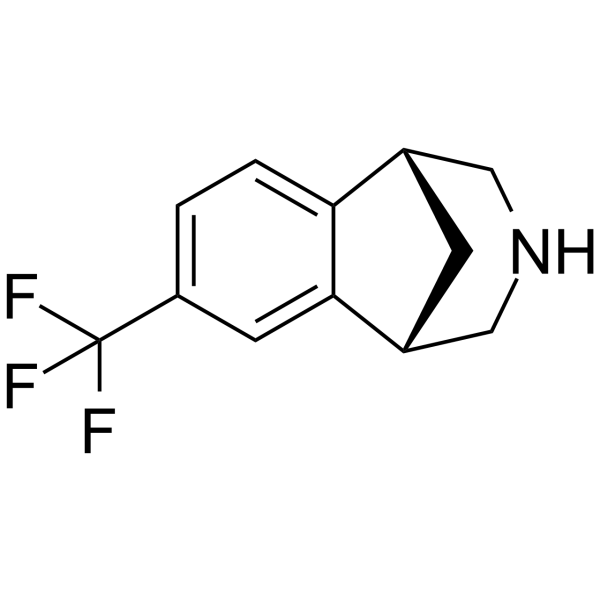
CP-601927 is a selective α4β2 nicotinic acetylcholine receptor (nAChR) partial agonist (Ki=1.2 nM; EC50=2.6 μM). CP-601927 shows good brain penetration and antidepressant-like properties .
|
-
- HY-121704
-
|
|
iGluR
|
Neurological Disease
|
|
SR 57227A Free base is a highly selective compound for both peripheral and central 5-HT3 receptors and acts as an inhibitor of NMDA receptor-mediated responses in rat cortical pyramidal cells, demonstrating antidepressant-like effects in rats while reducing isolation-induced aggressive behavior.
|
-

- HY-170945
-
|
|
iGluR
Serotonin Transporter
|
Neurological Disease
|
|
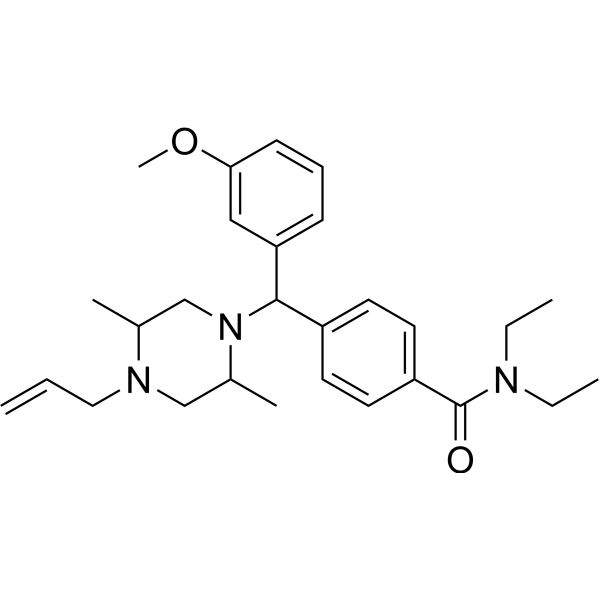
Antidepressant agent 9 (Compound 24) is an orally active and BBB-penetrable NMDAR and SERT inhibitor with IC50 values of 3.50 μM and 1044 nM, respectively. Antidepressant agent 9 has good metabolic stability and plasma exposure. Antidepressant agent 9 can exert antidepressant-like activity in the mouse forced swim test .
|
-

- HY-159106
-
-

- HY-W728451
-
|
|
FAAH
|
Cardiovascular Disease
Neurological Disease
|
|
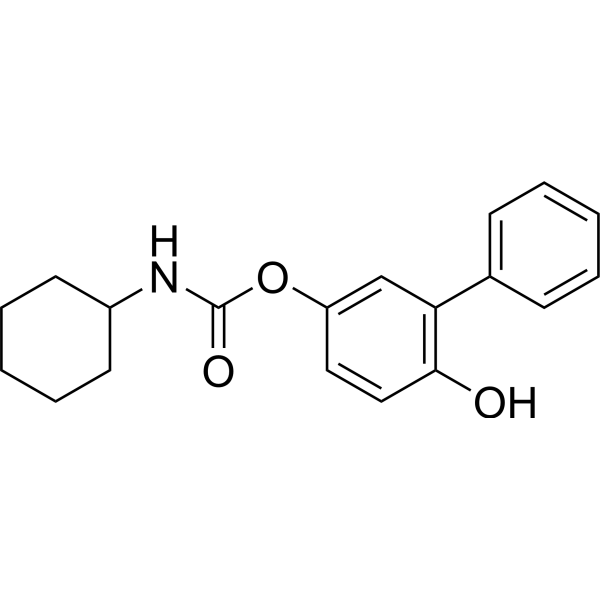
URB694 is a carbamate FAAH inhibitor that irreversibly carbamoylate the nucleophile catalytic serine in FAAH active site. URB694 exhibits antidepressant-like activity and cardioprotective effects. URB694 can be used to prepare 11C-Carbonyl-URB694 for in vivo positron emission tomography (PET) imaging studies of the brain FAAH .
|
-
- HY-170898
-
|
|
iGluR
|
Neurological Disease
|
|
Antidepressant agent 8 (Compound 1f) is a selective antagonist for the NMDA receptor GluN1/2A with an IC50 of 2.94 μmol/L. Antidepressant agent 8 exhibits antidepressant-like effects in Hydrocortisone (HY-N0583)-induced zebrafish depression model. Antidepressant agent 8 can cross blood-brain barrier .
|
-

- HY-175508
-
|
|
iGluR
|
Neurological Disease
|
|
NMDA receptor modulator 9 is an orally active NMDA receptor positive allosteric modulator (PAM). NMDA receptor modulator 9 enhances GluN2A receptor activity. NMDA receptor modulator 9 demonstrates significant antidepressant-like effects in chronic restraint stress (CRS)-induced depression mice. NMDA receptor modulator 9 can be used for the study of depression .
|
-

- HY-101100A
-
|
D-16949
|
5-HT Receptor
|
Neurological Disease
|
|
Anpirtoline (D-16949) is a centrally acting 5-HT1B receptor agonist, with Kis of 28 nM (5-HT1B), 150 nM (5-HT1A) and 1.49 μM (5-HT2). Anpirtoline has serotonergic, antinociceptive, antidepressant-like effects .
|
-

- HY-103151A
-
|
|
5-HT Receptor
|
Neurological Disease
Metabolic Disease
|
|
CP94253 is an orally active, brain-penetrant and selective 5-HT1B receptor agonist with an Ki of 2 nM. CP94253 induces antidepressant-like effects, waking enhancement, sleep inhibition, increased sleep latency, hyperlocomotion, and suppressed aggressive behavior. CP94253 can be used for the research of depression and heightened aggressive behavior .
|
-

- HY-101202A
-
|
(Rac)-NIH 10815
|
Opioid Receptor
|
Neurological Disease
|
|
(Rac)-SNC80 is a racemate of SNC80 (HY-101202). SNC80 (NIH 10815) is a potent, highly selective and non-peptide δ-opioid receptor agonist with a Ki of 1.78 nM and an IC50 of 2.73 nM. SNC80 shows antinociceptive, antihyperalgesic and antidepressant‐like effects. SNC80 has the potential for multiple headache disorders treatment .
|
-
- HY-155116
-
|
|
5-HT Receptor
|
Neurological Disease
|
|
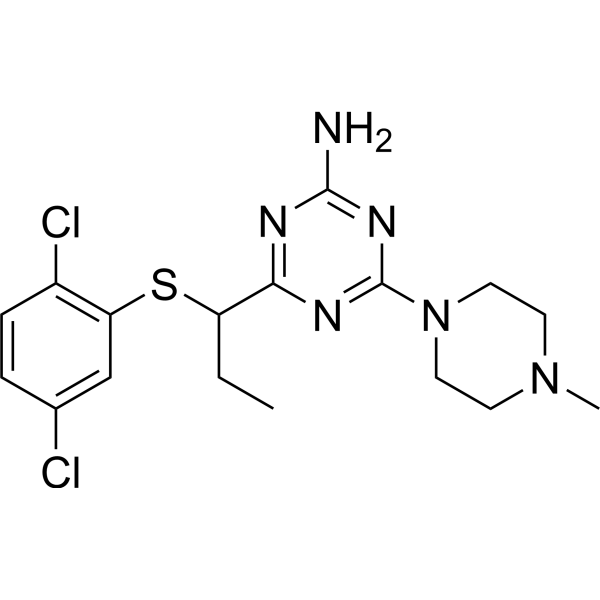
5-HT6 agonist 1 (Compound 19) is a 5-HT6 agonist (Ki: 5 nM). 5-HT6 agonist 1 has antidepressant-like properties, and improves cognitive deficits. 5-HT6 agonist 1 also inhibits platelet aggregation. 5-HT6 agonist 1 has high metabolic stability .
|
-
- HY-B1017R
-
|
EN-1733A (Standard)
|
Reference Standards
Dopamine Receptor
|
Neurological Disease
|
|
Molindone hydrochloride (Standard) is the analytical standard of Molindone hydrochloride (HY-B1017). This product is intended for research and analytical applications. Molindone hydrochloride (EN-1733A) is an orally active and brain-penetrant dopamine D2/D5 receptor antagonist. Molindone hydrochloride shows antipsychotic and antidepressant-like activities. Molindone hydrochloride suppresses spontaneous locomotion, and antagonizes apomorphine-induced emesis. Molindone hydrochloride can be used for the research of neurological disease .
|
-
- HY-10347
-
|
S-20499
|
5-HT Receptor
|
Neurological Disease
|
|
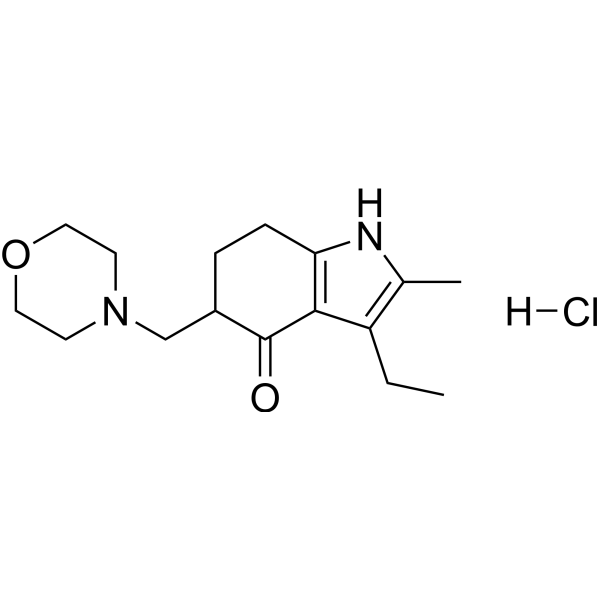
Alnespirone (S-20499) is a selective, orally active 5-HT1A receptor agonist (K0.5 = 0.2 nM). Alnespirone shows antidepressant-like and anxiolytic effects .
|
-

- HY-180212A
-
|
|
Opioid Receptor
|
Neurological Disease
|
|
SYK-1106 dihydrochloride is a selective δ opioid receptor (DOR) agonist with an EC50 of 0.089 nM. SYK-1106 dihydrochloride shows high selectivity over MOR and KOR. SYK-1106 dihydrochloride exhibits antidepressant-like effects in the mouse forced-swimming tests. SYK-1106 dihydrochloride can be used for the research of depression .
|
-

- HY-182363
-
|
|
Serotonin Transporter
|
Neurological Disease
|
|
A6CDQ is a human organic cation transporter (hOCT) inhibitor with antidepressant-like activity that can cross the blood-brain barrier. A6CDQ potently inhibits the transport activities mediated by hOCT1, hOCT2 and hOCT3. A6CDQ exhibits significant antidepressant-like effects in the mouse tail suspension test. A6CDQ can be used in studies related to depression .
|
-

- HY-182688
-
|
|
Thyroid Hormone Receptor
|
Neurological Disease
|
|
ITYR-DBRMD is a type III deiodinase (DIO3) inhibitor. ITYR-DBRMD shows antidepressant-like activity and reduces latency to feed in mice. ITYR-DBRMD can be used for the research of depression .
|
-

- HY-180212
-
|
|
Opioid Receptor
|
Neurological Disease
|
|
SYK-1106 is a potent delta-opioid receptor (DOR) agonist with an EC50 of 89 pM and a Ki of 848 pM. SYK-1106 is selective for μ and κ opioid receptors, with Ki values of 9.54 nM and 2.45 nM, respectively. SYK-1106 induces dose-dependent antidepressant-like effects. SYK-1106 can be used for the research of depression .
|
-

- HY-108015R
-
|
|
Reference Standards
Trace Amine-associated Receptor (TAAR)
|
Neurological Disease
|
|
RO5263397 (Standard) is the analytical standard of RO5263397 (HY-108015). This product is intended for research and analytical applications. RO5263397 is a potent, selective, and orally available TAAR1 agonist, with EC50s of 17 and 35 nM for human TAAR1 and rat TAAR1, respectively. RO5263397 regulates wakefulness and EEG spectral composition. Antidepressant-like effect .
|
-

- HY-182247
-
|
|
Serotonin Transporter
Dopamine Transporter
|
Neurological Disease
|
|
D-473 is an orally active, blood-brain barrier penetrant and serotonin-preferring reuptake inhibitor. D-473 inhibits serotonin, dopamine and norepinephrine transporters, and significantly elevates the extracellular levels of these three neurotransmitters in rat brain regions. D-473 exhibits definite antidepressant-like activity without inducing motor activation. D-473 is widely used in studies related to major depressive disorder .
|
-

- HY-186170
-
|
|
5-HT Receptor
|
Neurological Disease
|
|
R-MDMA, 4-methylenedioxymethamphetamine (MDMA) isomer, is a 5-HT2A/5-HT2C receptor antagonist with an IC50 of 629 and 61.4 nM. R-MDMA promotes cortical neuron growth. R-MDMA facilitates fear extinction learning and produces antidepressant-like effects in preclinical rodent models. R-MDMA can be used for the researches of post-traumatic stress disorder and depression .
|
-

- HY-14609R
-
|
|
mGluR
|
Neurological Disease
|
|
MPEP (Hydrochloride) (Standard) is the analytical standard of MPEP (Hydrochloride). This product is intended for research and analytical applications. MPEP Hydrochloride is a potent, selective, noncompetitive, orally active and systemically active mGlu5 receptor antagonist, with an IC50 of 36 nM for completely inhibiting quisqualate-stimulated phosphoinositide (PI) hydrolysis. MPEP Hydrochloride has anxiolytic-or antidepressant-like effects . MPEP (Hydrochloride) is a click chemistry reagent, it contains an Alkyne group and can undergo copper-catalyzed azide-alkyne cycloaddition (CuAAc) with molecules containing Azide groups.
|
-

- HY-160921
-
|
SL65.0155 free base
|
5-HT Receptor
|
Neurological Disease
|
|
Capeserod (SL65.0155 free base) is an agonist for serotonin receptor (5-HT receptor), with a Ki of 0.6 nM for 5-HT4 receptor. Capeserod enhances expression of phopshorilated cAMP-response element binding protein (p-CREB), vascular endothelium growth factor (VEGF), brain-derived neurotrophic factor (BDNF) and B cell lymphoma-2 (Bcl-2) proteins in hippocampus, and exhibits antidepressant-like efficacy in Wistar rats models .
|
-

- HY-12700
-
|
|
Trace Amine-associated Receptor (TAAR)
|
Neurological Disease
|
|
RO5256390 is an orally effective trace amine associated receptor 1 (TAAR1) agonist. RO5256390 exhibits pro-cognitive and antidepressant-like properties in rodent and primate models, showing similar brain activation patterns to Olanzapine (HY-14541). RO5256390 blocks compulsive overeating behavior in rats. RO5256390 can inhibit ATP (HY-B2176)-induced TNF secretion in mouse bone marrow-derived macrophages .
|
-
- HY-W001158S1
-
|
Dimethylglycine-d3 hydrochloride; DMG-d3 hydrochloride; N-Methylsarcosine-d3 hydrochloride
|
Isotope-Labeled Compounds
Endogenous Metabolite
iGluR
Amino Acid Derivatives
|
Neurological Disease
Metabolic Disease
|
|
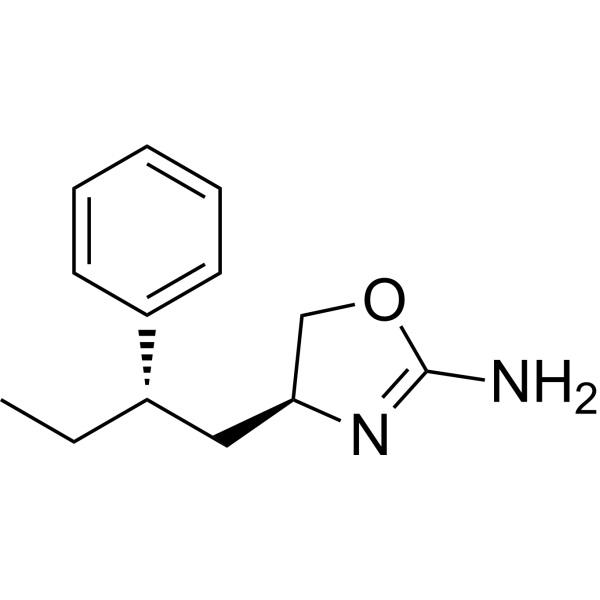
N,N-Dimethylglycine-d3 (Dimethylglycine-d3) hydrochloride is the deuterium labeled N,N-Dimethylglycine hydrochloride (HY-W001158). N,N-Dimethylglycine (Dimethylglycine) hydrochloride, a natural N-methylated glycine, is a nutrient supplement and acts as an NMDAR glycine site partial agonist. N,N-Dimethylglycine hydrochloride is a methyl donor that can improve immunity, act as an antioxidant to prevent oxidative stress, and scavenge excess free radicals. N,N-Dimethylglycine hydrochloride has antidepressant-like and surfactant effects .
|
-
- HY-116594
-
|
|
Sigma Receptor
5-HT Receptor
|
Neurological Disease
|
|
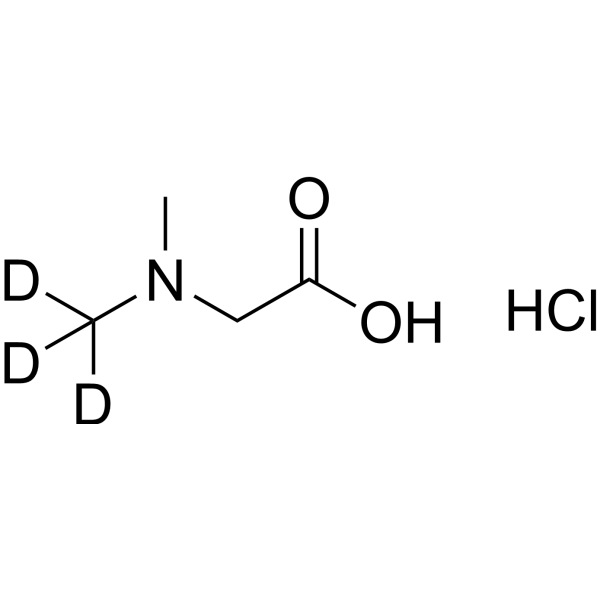
OPC-14523 free base is an orally active sigma and 5-HT1A receptor agonist, with high affinity for sigma receptors (σ1/2 IC50=47/56 nM), the 5-HT1A receptor (IC50=2.3 nM), and the 5-HT transporter (IC50=80 nM). OPC-14523 free base shows antidepressant-like activity .
|
-
- HY-183101
-
|
|
iGluR
NADPH Oxidase
|
Neurological Disease
|
|
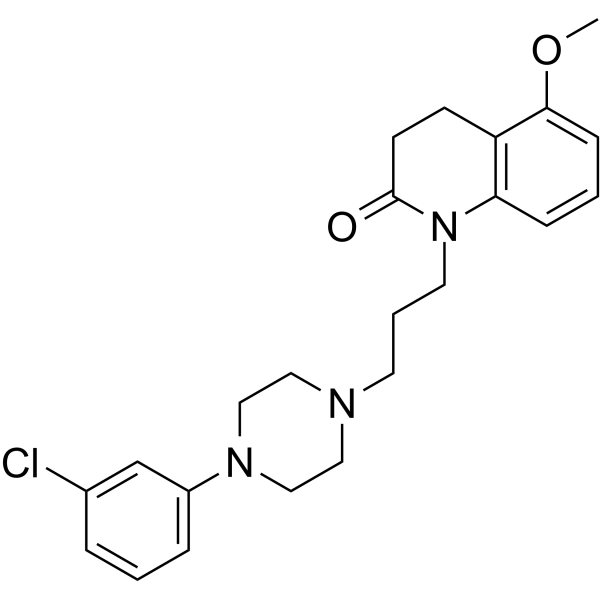
AMPAR modulator-12 is a blood-brain barrier-permeable AMPAR positive allosteric modulator. AMPAR modulator-12 reduces NOX-1 expression, enhances AMPAR-mediated currents, promotes excitatory postsynaptic transmission and restores AMPAR function. AMPAR modulator-12 enhances excitatory and inhibitory synaptic transmission, reduces burst firing in the lateral habenula after withdrawal, and produces rapid and sustained antidepressant-like effects. AMPAR modulator-12 is applicable for the research of depression .
|
-

- HY-Y0511R
-
|
Dimethylglycine (Standard); DMG (Standard); N-Methylsarcosine (Standard)
|
Reference Standards
Endogenous Metabolite
iGluR
Amino Acid Derivatives
|
Neurological Disease
Metabolic Disease
|
|
N,N-Dimethylglycine (Dimethylglycine) (Standard) is the analytical standard of N,N-Dimethylglycine (HY-Y0511). This product is intended for research and analytical applications. N,N-Dimethylglycine (Dimethylglycine), a natural N-methylated glycine, is a nutrient supplement and acts as an NMDAR glycine site partial agonist. N,N-Dimethylglycine is a methyl donor that can improve immunity, act as an antioxidant to prevent oxidative stress, and scavenge excess free radicals. N,N-Dimethylglycine has antidepressant-like and surfactant effects.
|
-

- HY-182597
-
|
|
Imidazoline Receptor
5-HT Receptor
Adrenergic Receptor
|
Neurological Disease
|
|
Tracizoline is an orally active I2-imidazoline receptor agonist. Tracizoline functionally modulates I2-imidazoline receptors, regulates hippocampal FADD cell fate adaptor, attenuates mechanical and thermal hyperalgesia, activates α2A-adrenergic receptors with very weak partial agonism, and induces antidepressant-like activity via 5-HT1A receptor activation. Tracizoline can be used for the research of inflammatory pain, neuropathic pain, and depression .
|
-

- HY-178149
-
|
|
Monoamine Oxidase
|
Neurological Disease
|
|
MAO-A/B-IN-5 is an orally active MAO-A (IC50 = 73.88 μM) and MAO-B (IC50 = 91.08 μM) inhibitor. MAO-A/B-IN-5 reverses Sodium nitroprusside (SNP) (HY-B0564)-induced cerebral lipid peroxidation (IC50 = 130.2 μM) and protein carbonylation (IC50 = 229.8 μM). MAO-A/B-IN-5 shows dose-dependent and time-dependent antidepressant-like efficacy in mice. MAO-A/B-IN-5 can be used for the study of depressive disorder .
|
-

- HY-B2185
-
|
|
Dopamine Receptor
Potassium Channel
AMPK
|
Neurological Disease
Metabolic Disease
Inflammation/Immunology
|
|
Tipepidine citrate is a non-narcotic antitussive agent. Tipepidine citrate reversibly inhibits dopamine D2 receptor-mediated GIRK current (IDA(GIRK)), thereby activating VTA dopamine neurons, with an IC50 of 7.0 μM for IDA(GIRK). Tipepidine activates AMPK. Tipepidine citrate has antidepressant-like effects. Tipepidine citrate enhances the analgesic effect of Carbamazepine (HY-B0246). Tipepidine citrate improves adipose tissue fibrosis and glucose intolerance in high-fat diet-induced obese mice .
|
-

- HY-103151R
-
|
|
Reference Standards
5-HT Receptor
|
Neurological Disease
Metabolic Disease
|
|
CP94253 hydrochloride (Standard) is the analytical standard of CP94253 hydrochloride (HY-103151). This product is intended for research and analytical applications. CP94253 hydrochloride is an orally active, brain-penetrant and selective 5-HT1B receptor agonist with an Ki of 2 nM. CP94253 hydrochloride induces antidepressant-like effects, waking enhancement, sleep inhibition, increased sleep latency, hyperlocomotion, and suppressed aggressive behavior. CP94253 hydrochloride can be used for the research of depression and heightened aggressive behavior .
|
-

- HY-W001158S
-
|
Dimethylglycine-d6 hydrochloride; DMG-d6 hydrochloride; N-Methylsarcosine-d6 hydrochloride
|
Isotope-Labeled Compounds
Endogenous Metabolite
iGluR
Amino Acid Derivatives
|
Neurological Disease
Metabolic Disease
|
|
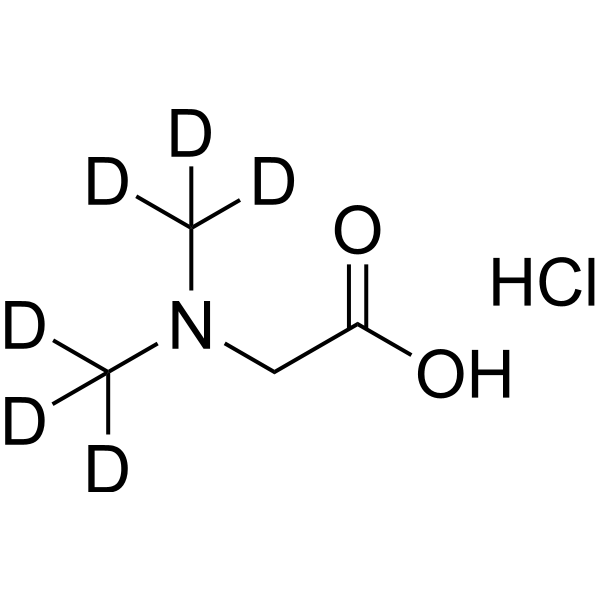
N,N-Dimethylglycine-d6 (Dimethylglycine-d6) hydrochloride is the deuterium labeled N,N-Dimethylglycine hydrochloride (HY-W001158). N,N-Dimethylglycine (Dimethylglycine) hydrochloride, a natural N-methylated glycine, is a nutrient supplement and acts as an NMDAR glycine site partial agonist. N,N-Dimethylglycine hydrochloride is a methyl donor that can improve immunity, act as an antioxidant to prevent oxidative stress, and scavenge excess free radicals. N,N-Dimethylglycine hydrochloride has antidepressant-like and surfactant effects .
|
-
- HY-101202R
-
|
NIH 10815 (Standard)
|
Opioid Receptor
Reference Standards
|
Neurological Disease
|
|
SNC80 (Standard) is the analytical standard of SNC80 (HY-101202). This product is intended for research and analytical applications. SNC80 (NIH 10815) is a potent, highly selective and non-peptide δ-opioid receptor agonist with a Ki of 1.78 nM and an IC50 of 2.73 nM. SNC80 also selectively activates μ-δ heteromer in HEK293 cells with an EC50 of 52.8 nM. SNC80 shows antinociceptive, antihyperalgesic and antidepressant‐like effects. SNC80 has the potential for multiple headache disorders treatment .
|
-

- HY-15691A
-
|
|
Opioid Receptor
mTOR
|
Neurological Disease
Metabolic Disease
|
|
PF-4455242 hydrochloride is an orally bioavailable, blood-brain barrier-permeable κ-opioid receptor (KOR) inhibitor. PF-4455242 hydrochloride blocks in vivo effects induced by KOR and MOR agonists, and elicits KOR-independent outward currents in ventral tegmental area neurons. PF-4455242 hydrochloride promotes energy expenditure and activates the hypothalamic mTOR pathway. PF-4455242 hydrochloride attenuates stress-induced behavioral effects and produces antidepressant-like effects. PF-4455242 hydrochloride can be used in studies related to pain, depression, addictive disorders, and obesity induced by estrogen withdrawal .
|
-

- HY-15691
-
|
|
Opioid Receptor
mTOR
|
Neurological Disease
Metabolic Disease
|
|
PF-04455242 is an orally bioavailable, blood-brain barrier-permeable κ-opioid receptor (KOR) inhibitor. PF-04455242 blocks in vivo effects induced by KOR and MOR agonists, and elicits KOR-independent outward currents in ventral tegmental area neurons. PF-04455242 promotes energy expenditure and activates the hypothalamic mTOR pathway. PF-04455242 attenuates stress-induced behavioral effects and produces antidepressant-like effects. PF-04455242 can be used in studies related to pain, depression, addictive disorders, and obesity induced by estrogen withdrawal .
|
-

- HY-179568
-
|
|
Monoamine Transporter
|
Neurological Disease
|
|
F3288-0031 is a brain-penetrant norepinephrine transporter (NET) allosteric inhibitor with inhibitory rates of 73.5% at 20 μM. F3288-0031 binds within the inner vestibule of NET, stabilizing the inward-open state and has a preferential NET/SERT inhibition with pIC50 = 5.9. F3288-0031 shows no detectable off-target functional activity in vitro. F3288-0031 demonstrates robust antidepressant-like efficacy in vivo without confounding locomotor effects, F3288-0031 can be used for depressive disorder and related neuropsychiatric conditions .
|
-

- HY-149536
-
|
|
Potassium Channel
|
Neurological Disease
|
|
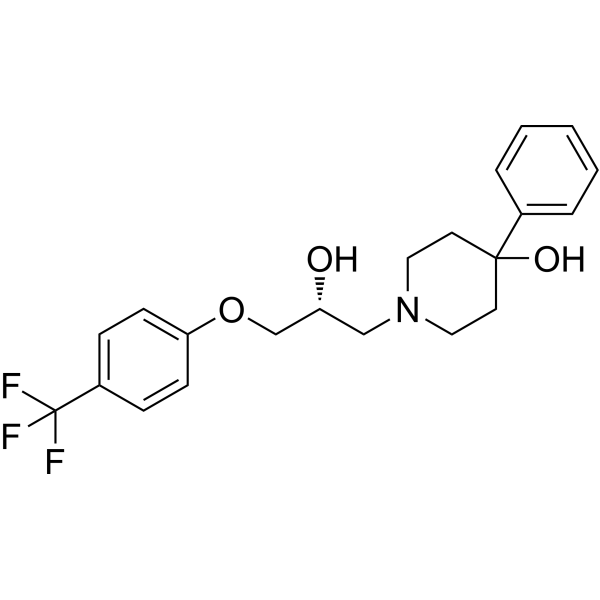
TWIK-1/TREK-1-IN-1 (compound 2a) is an inhibitor of the TWIK-related potassium channel (Potassium Channel) TREK-1. TREK-1 contains a two-pore domain potassium (K2p) channel that dimerizes into TREK-1 homodimer and TWIK-1/TREK-1 heterodimer, and is an important antidepressant target. TWIK-1/TREK-1-IN-3 targets TREK-1 homodimer and TWIK-1/TREK-1 heterodimer with IC50s of 9.36 μM and 14.6 μM, respectively, and has antidepressant-like effects .
|
-
- HY-P10405
-
|
|
Dopamine Receptor
|
Neurological Disease
|
|
TAT-D1 peptide is a dopamine D1-D2 receptor heterodimer inhibitor. TAT-D1 peptide disrupts the function of dopamine D1-D2 receptor heteromers, enhances subchronic amphetamine-induced locomotor activity, and exacerbates the expression of amphetamine-induced locomotor sensitization. TAT-D1 peptide produces rapid anxiolytic and antidepressant-like effects in rat models of depression and anxiety, and inhibits c-fos expression in the nucleus accumbens of rats. TAT-D1 peptide can be used in the research of psychostimulant addiction, depression and anxiety disorders .
|
-

- HY-P10405A
-
|
|
Dopamine Receptor
|
Neurological Disease
|
|
TAT-D1 peptide acetate is a dopamine D1-D2 receptor heterodimer inhibitor. TAT-D1 peptide acetate disrupts the function of dopamine D1-D2 receptor heteromers, enhances subchronic amphetamine-induced locomotor activity, and exacerbates the expression of amphetamine-induced locomotor sensitization. TAT-D1 peptide acetate produces rapid anxiolytic and antidepressant-like effects in rat models of depression and anxiety, and inhibits c-fos expression in the nucleus accumbens of rats. TAT-D1 peptide acetate can be used in the research of psychostimulant addiction, depression and anxiety disorders .
|
-

- HY-182601
-
|
|
EAAT
Interleukin Related
|
Neurological Disease
|
|
MC-100093 is an orally active, blood-brain barrier-permeable GLT-1 expression upregulator . MC-100093 upregulates the expression of GLT-1 and xCT in rats, and alleviates fentanyl-induced GLT-1 downregulation, IL-6 upregulation and motor hyperactivity. MC-100093 upregulates GLT-1 expression and enhances glutamate uptake in astrocyte-neuron co-culture systems. MC-100093 reduces ethanol consumption and preference, and exerts gender-specific antidepressant-like effects . MC-100093 can be used in studies related to fentanyl overdose, mood disorders and alcohol use disorders .
|
-

- HY-149538
-
|
|
Potassium Channel
|
Neurological Disease
|
|
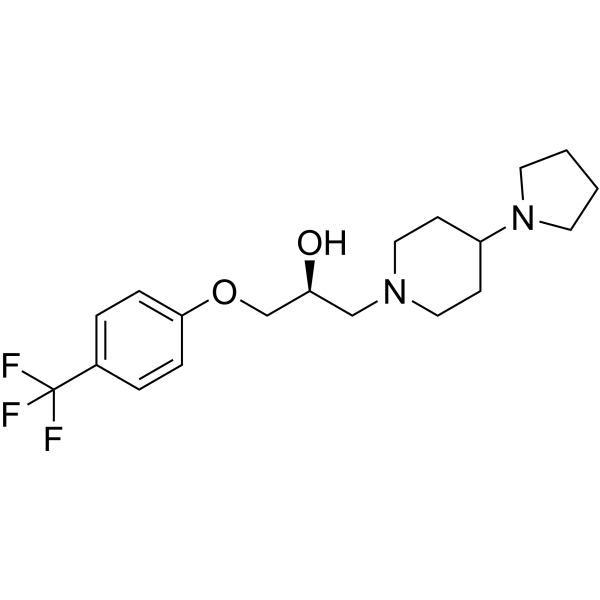
TWIK-1/TREK-1-IN-3 (compound 2h) is an inhibitor of TWIK-related potassium channel (Potassium Channel) TREK-1. TREK-1 contains a two-pore domain potassium (K2p) channel that dimerizes into TREK-1 homodimer and TWIK-1/TREK-1 heterodimer, and is an important antidepressant target. TWIK-1/TREK-1-IN-3 targets TREK-1 homodimer and TWIK-1/TREK-1 heterodimer with IC50s of 9.74 μM and 16.5 μM, respectively, and has antidepressant-like effects .
|
-
- HY-N0059
-
|
|
Parasite
Bacterial
AMPK
PPAR
|
Infection
Neurological Disease
Metabolic Disease
|
|
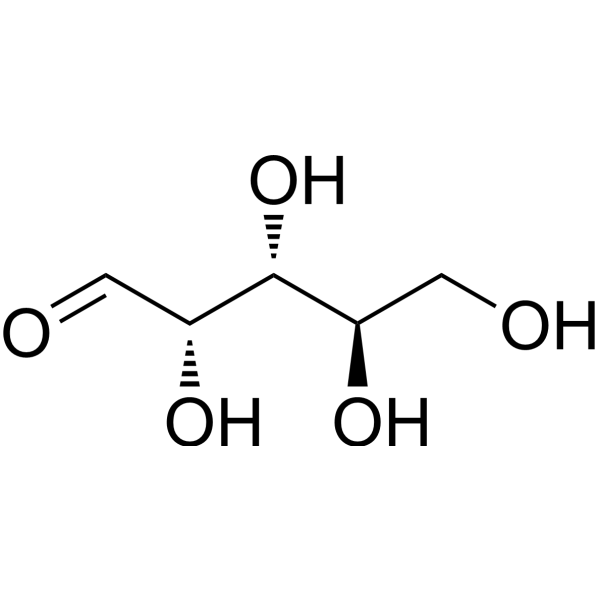
D-Arabinose is is an orally active antidepressant and a growth inhibitor of C. elegans (IC50 is 7.5 mM). D-Arabinose can penetrate the blood-brain barrier, selectively interfere with the metabolism of D-ribose and D-fructose, and inhibit the growth of nematodes. D-Arabinose can also inhibit the synthesis of cell biofilm and exert antibacterial activity. D-Arabinose activates the ACSS2-PPARγ/TFEB-CRTC1 axis through the lysosomal AXIN-LKB1-AMPK pathway, inducing CRTC1 transcription, exerts antidepressant-like activity. D-Arabinose is the ring-opened form of the aldopentose D-?Arabinose (HY-N7082) .
|
-
- HY-15446
-
|
RG7090; RO4917523
|
mGluR
|
Neurological Disease
|
|
Basimglurant (RG7090; RO4917523) is a selective, orally active, blood-brain barrier permeable negative allosteric modulator of metabotropic glutamate receptor 5 (mGluR5), with a Ki of 1.4 nM (against [ 3H]-ABP688 (HY-110141)) and 35.6 nM (against [ 3H]-MPEP (HY-14609A)). Basimglurant inhibits mGlu5-mediated signaling pathways and receptor constitutive activity, regulates dopamine levels in the nucleus accumbens, exerts anxiolytic, antidepressant-like, analgesic and arousal-promoting effects, and alters δ-wave power during non-rapid eye movement sleep. Basimglurant can be used in research on depression, fragile X syndrome, anxiety disorders, etc .
|
-
- HY-114515
-
|
RG7090 sulfate; RO4917523 sulfate
|
mGluR
|
Neurological Disease
|
|
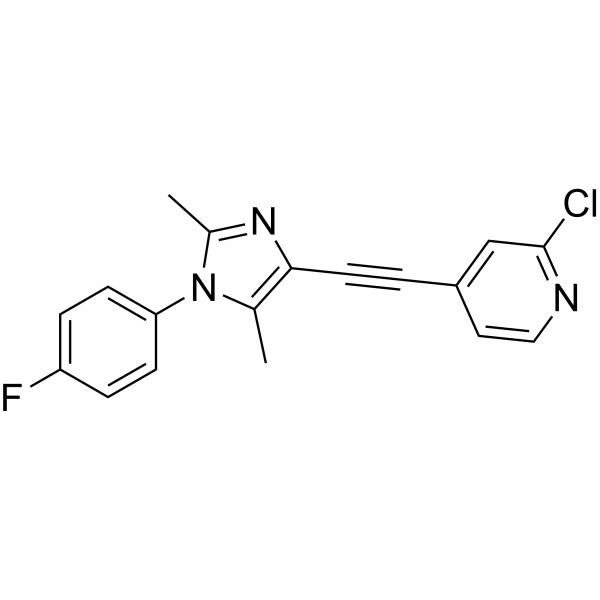
Basimglurant (RG7090; RO4917523) sulfate is a selective, orally active, blood-brain barrier permeable negative allosteric modulator of metabotropic glutamate receptor 5 (mGluR5), with a Ki of 1.4 nM (against [ 3H]-ABP688 (HY-110141)) and 35.6 nM (against [ 3H]-MPEP (HY-14609A)). Basimglurant sulfate inhibits mGlu5-mediated signaling pathways and receptor constitutive activity, regulates dopamine levels in the nucleus accumbens, exerts anxiolytic, antidepressant-like, analgesic and arousal-promoting effects, and alters δ-wave power during non-rapid eye movement sleep. Basimglurant sulfate can be used in research on depression, fragile X syndrome, anxiety disorders, etc .
|
-

- HY-116062A
-
|
|
Histone Methyltransferase
|
Neurological Disease
|
|
JNJ-7925476 is a triple reuptake inhibitor that selectively and potently inhibits the activity of the serotonin transporter (SERT), norepinephrine transporter (NET), and dopamine transporter (DAT). JNJ-7925476 is rapidly absorbed into the blood and its concentration in the brain is 7-fold higher than that in plasma. The occupancy ED(50) values of JNJ-7925476 for SERT, NET, and DAT in the rat brain are 0.18, 0.09, and 2.4 mg/kg, respectively. JNJ-7925476 rapidly induces a significant increase in the levels of extracellular serotonin, dopamine, and norepinephrine in the rat cerebral cortex in a dose-dependent manner. JNJ-7925476 exhibits potent antidepressant-like activity in the mouse tail suspension test. These results suggest that JNJ-7925476 has in vivo efficacy in biochemical and behavioral models of depression .
|
-

- HY-N7082
-
|
|
Parasite
Bacterial
AMPK
PPAR
|
Infection
Neurological Disease
Metabolic Disease
|
|
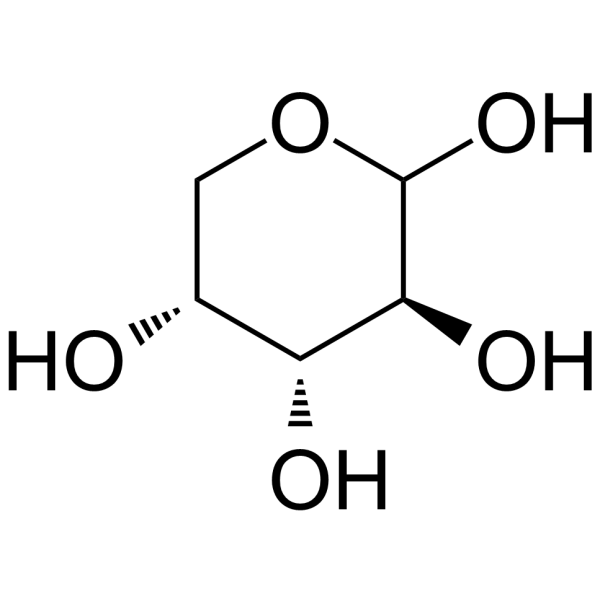
D-Arabinopyranose is a rare aldehyde pentose, and its ring-opened form is D-arabinose (HY-N0059). D-arabinose is is an orally active antidepressant and a growth inhibitor of C. elegans (IC50 is 7.5 mM). D-arabinose can penetrate the blood-brain barrier, selectively interfere with the metabolism of D-ribose and D-fructose, and inhibit the growth of nematodes. D-arabinose can also inhibit the synthesis of cell biofilm and exert antibacterial activity. D-arabinose activates the ACSS2-PPARγ/TFEB-CRTC1 axis through the lysosomal AXIN-LKB1-AMPK pathway, inducing CRTC1 transcription, exerts antidepressant-like activity. D-arabinose is the ring-opened form of the aldopentose D-?Arabinose (HY-N7082) .
|
-
- HY-186169
-
|
|
5-HT Receptor
Drug Derivative
|
Neurological Disease
|
|
R-MDDMA, 4-methylenedioxymethamphetamine (MDMA) analogue, is a 5-HT2A/5-HT2C receptor modulator. R-MDDMA shows antagonistic activity against 5-HT2A/5-HT2C with IC50 values of 642 and 137 nM, and also shows partial agonist activity with EC50 values of 24.5 and 14.4 nM, but does not activate 5-HT2B receptors. R-MDDMA promotes cortical neuron growth. R-MDDMA facilitates fear extinction learning and produces antidepressant-like effects in preclinical rodent models. R-MDDMA can be used for the researches of post-traumatic stress disorder and depression .
|
-

- HY-15446R
-
|
RG7090 (Standard); RO4917523 (Standard)
|
Reference Standards
mGluR
|
Neurological Disease
|
|
Basimglurant (RG7090; RO4917523) (Standard) is the analytical standard of Basimglurant. This product is intended for research and analytical applications. Basimglurant is a selective, orally active, blood-brain barrier permeable negative allosteric modulator of metabotropic glutamate receptor 5 (mGluR5), with a Ki of 1.4 nM (against [ 3H]-ABP688 (HY-110141)) and 35.6 nM (against [ 3H]-MPEP (HY-14609A)). Basimglurant inhibits mGlu5-mediated signaling pathways and receptor constitutive activity, regulates dopamine levels in the nucleus accumbens, exerts anxiolytic, antidepressant-like, analgesic and arousal-promoting effects, and alters δ-wave power during non-rapid eye movement sleep. Basimglurant can be used in research on depression, fragile X syndrome, anxiety disorders, etc.
|
-

- HY-N0059S4
-
|
|
Isotope-Labeled Compounds
Parasite
Bacterial
AMPK
PPAR
|
Infection
Neurological Disease
Metabolic Disease
|
|
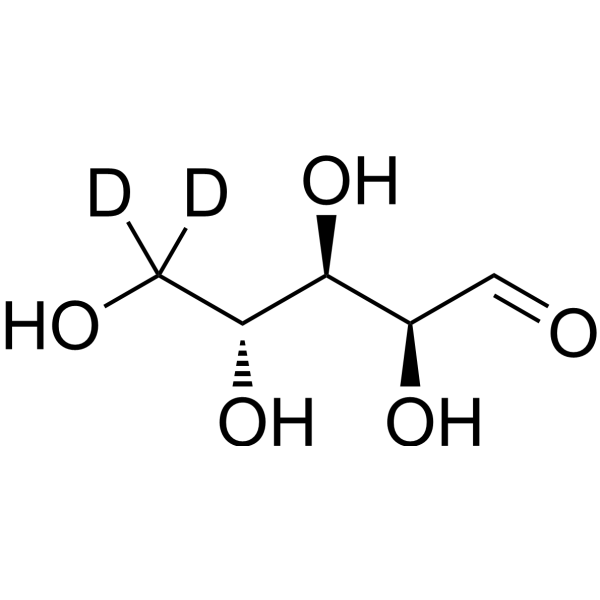
D-Arabinose-d2 is the deuterium labeled D-Arabinose (HY-N0059). D-Arabinose is is an orally active antidepressant and a growth inhibitor of C. elegans (IC50 is 7.5 mM). D-Arabinose can penetrate the blood-brain barrier, selectively interfere with the metabolism of D-ribose and D-fructose, and inhibit the growth of nematodes. D-Arabinose can also inhibit the synthesis of cell biofilm and exert antibacterial activity. D-Arabinose activates the ACSS2-PPARγ/TFEB-CRTC1 axis through the lysosomal AXIN-LKB1-AMPK pathway, inducing CRTC1 transcription, exerts antidepressant-like activity. D-Arabinose is the ring-opened form of the aldopentose D-?Arabinose (HY-N7082) .
|
-
- HY-N0059S
-
|
|
Isotope-Labeled Compounds
Parasite
Bacterial
AMPK
PPAR
|
Infection
Neurological Disease
Metabolic Disease
|
|
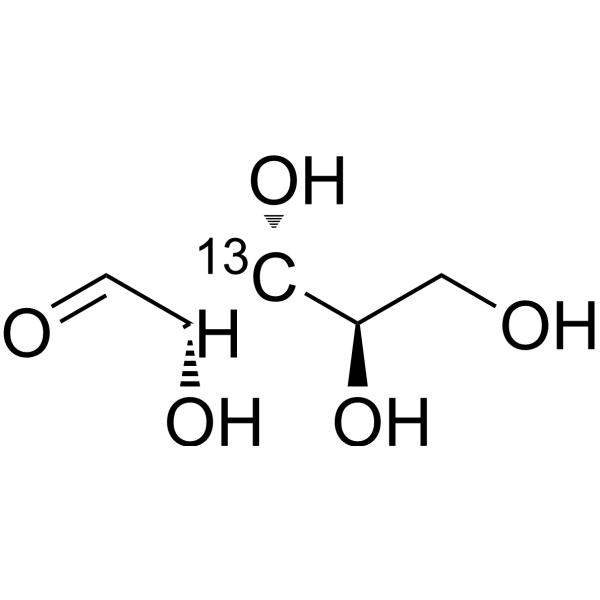
D-Arabinose- 13C is the 13C labeled D-Arabinose (HY-N0059). D-Arabinose is is an orally active antidepressant and a growth inhibitor of C. elegans (IC50 is 7.5 mM). D-Arabinose can penetrate the blood-brain barrier, selectively interfere with the metabolism of D-ribose and D-fructose, and inhibit the growth of nematodes. D-Arabinose can also inhibit the synthesis of cell biofilm and exert antibacterial activity. D-Arabinose activates the ACSS2-PPARγ/TFEB-CRTC1 axis through the lysosomal AXIN-LKB1-AMPK pathway, inducing CRTC1 transcription, exerts antidepressant-like activity. D-Arabinose is the ring-opened form of the aldopentose D-?Arabinose (HY-N7082) .
|
-
- HY-N0059S6
-
|
|
Isotope-Labeled Compounds
Parasite
Bacterial
AMPK
PPAR
|
Infection
Neurological Disease
Metabolic Disease
|
|
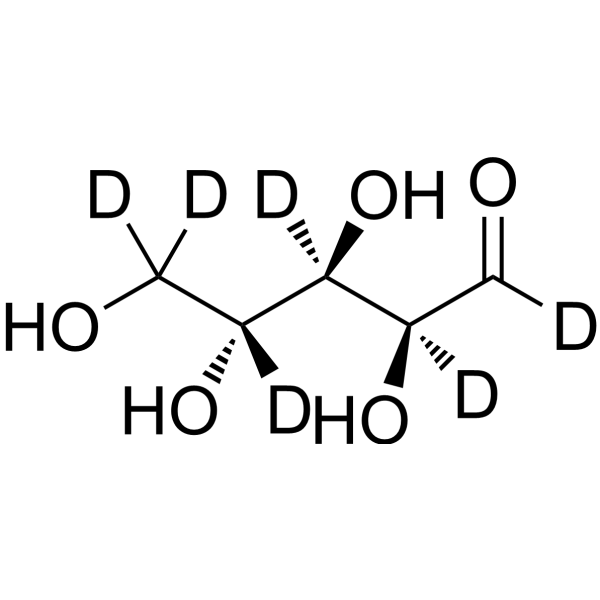
D-Arabinose-d6 is the deuterium labeled D-Arabinose (HY-N0059). D-Arabinose is is an orally active antidepressant and a growth inhibitor of C. elegans (IC50 is 7.5 mM). D-Arabinose can penetrate the blood-brain barrier, selectively interfere with the metabolism of D-ribose and D-fructose, and inhibit the growth of nematodes. D-Arabinose can also inhibit the synthesis of cell biofilm and exert antibacterial activity. D-Arabinose activates the ACSS2-PPARγ/TFEB-CRTC1 axis through the lysosomal AXIN-LKB1-AMPK pathway, inducing CRTC1 transcription, exerts antidepressant-like activity. D-Arabinose is the ring-opened form of the aldopentose D-?Arabinose (HY-N7082) .
|
-
- HY-N0059R
-
|
|
Reference Standards
Parasite
Bacterial
AMPK
PPAR
|
Infection
Neurological Disease
Metabolic Disease
|
|
D-Arabinose (Standard) is the analytical standard of D-Arabinose. This product is intended for research and analytical applications. D-Arabinose is is an orally active antidepressant and a growth inhibitor of C. elegans (IC50 is 7.5 mM). D-Arabinose can penetrate the blood-brain barrier, selectively interfere with the metabolism of D-ribose and D-fructose, and inhibit the growth of nematodes. D-Arabinose can also inhibit the synthesis of cell biofilm and exert antibacterial activity. D-Arabinose activates the ACSS2-PPARγ/TFEB-CRTC1 axis through the lysosomal AXIN-LKB1-AMPK pathway, inducing CRTC1 transcription, exerts antidepressant-like activity. D-Arabinose is the ring-opened form of the aldopentose D-?Arabinose (HY-N7082) .
|
-

- HY-N0059S5
-
|
|
Isotope-Labeled Compounds
Parasite
Bacterial
AMPK
PPAR
|
Infection
Neurological Disease
Metabolic Disease
|
|
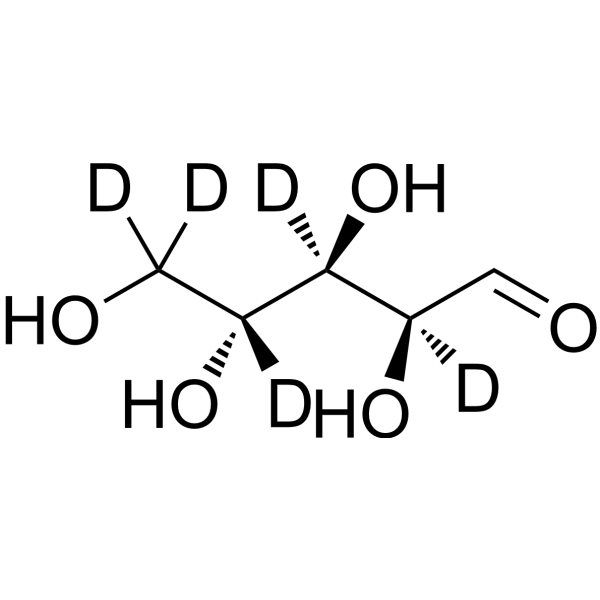
D-Arabinose-d5 is the deuterium labeled D-Arabinose (HY-N0059). D-Arabinose is is an orally active antidepressant and a growth inhibitor of C. elegans (IC50 is 7.5 mM). D-Arabinose can penetrate the blood-brain barrier, selectively interfere with the metabolism of D-ribose and D-fructose, and inhibit the growth of nematodes. D-Arabinose can also inhibit the synthesis of cell biofilm and exert antibacterial activity. D-Arabinose activates the ACSS2-PPARγ/TFEB-CRTC1 axis through the lysosomal AXIN-LKB1-AMPK pathway, inducing CRTC1 transcription, exerts antidepressant-like activity. D-Arabinose is the ring-opened form of the aldopentose D-?Arabinose (HY-N7082) .
|
-
- HY-A0139
-
|
NSC 108165; Navan; Navane
|
Sigma Receptor
mAChR
Histamine Receptor
Dopamine Receptor
Adrenergic Receptor
|
Others
|
|
Thiothixene is a typical antipsychotic. It selectively binds to dopamine D2 over D1, D3, and D4 receptors (Kis=0.417, 338, 186.2, and 363.1 nM, respectively). Thiothixene also binds to various serotonin (5-HT), histamine H1, α1- and α2-adrenergic, muscarinic acetylcholine, and sigma receptors (Kis=15-5,754 nM) as well as the dopamine, norepinephrine, and serotonin transporters (Kis=3.16-30 μM). In vivo, thiothixene reduces spontaneous and amphetamine-induced locomotor activity in rats. It enhances latent inhibition, as measured by a decreased lick latency in response to light and foot shock stimuli, which is a measure of selective attention in rats.3 Thiothixene also increases competitive behavior in submissive mice, indicating antidepressant-like behavior.
|
-

- HY-N0059S1
-
|
|
Isotope-Labeled Compounds
Parasite
Bacterial
AMPK
PPAR
|
Infection
Neurological Disease
Metabolic Disease
|
|
D-Arabinose- 13C-1 is the 13C labeled D-Arabinose (HY-N0059). D-Arabinose is is an orally active antidepressant and a growth inhibitor of C. elegans (IC50 is 7.5 mM). D-Arabinose can penetrate the blood-brain barrier, selectively interfere with the metabolism of D-ribose and D-fructose, and inhibit the growth of nematodes. D-Arabinose can also inhibit the synthesis of cell biofilm and exert antibacterial activity. D-Arabinose activates the ACSS2-PPARγ/TFEB-CRTC1 axis through the lysosomal AXIN-LKB1-AMPK pathway, inducing CRTC1 transcription, exerts antidepressant-like activity. D-Arabinose is the ring-opened form of the aldopentose D-?Arabinose (HY-N7082) .
|
-
- HY-N0059S2
-
|
|
Isotope-Labeled Compounds
Parasite
Bacterial
AMPK
PPAR
|
Infection
Neurological Disease
Metabolic Disease
|
|
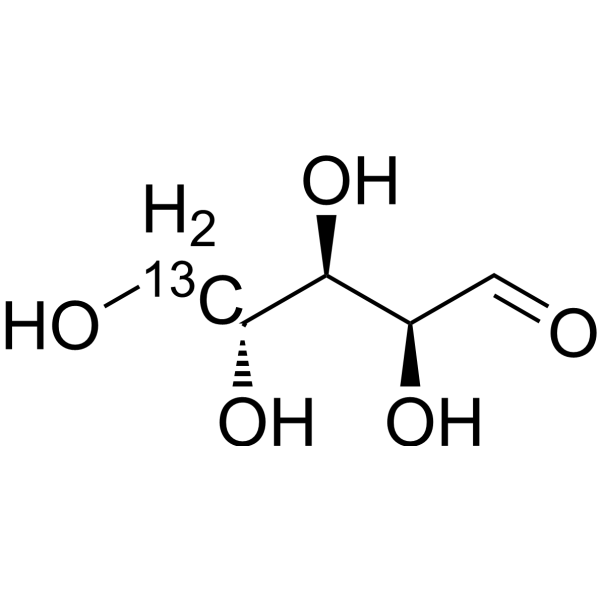
D-Arabinose- 13C-2 is the 13C labeled D-Arabinose (HY-N0059). D-Arabinose is is an orally active antidepressant and a growth inhibitor of C. elegans (IC50 is 7.5 mM). D-Arabinose can penetrate the blood-brain barrier, selectively interfere with the metabolism of D-ribose and D-fructose, and inhibit the growth of nematodes. D-Arabinose can also inhibit the synthesis of cell biofilm and exert antibacterial activity. D-Arabinose activates the ACSS2-PPARγ/TFEB-CRTC1 axis through the lysosomal AXIN-LKB1-AMPK pathway, inducing CRTC1 transcription, exerts antidepressant-like activity. D-Arabinose is the ring-opened form of the aldopentose D-?Arabinose (HY-N7082) .
|
-
- HY-N0059S3
-
|
|
Isotope-Labeled Compounds
Parasite
Bacterial
AMPK
PPAR
|
Infection
Neurological Disease
Metabolic Disease
|
|
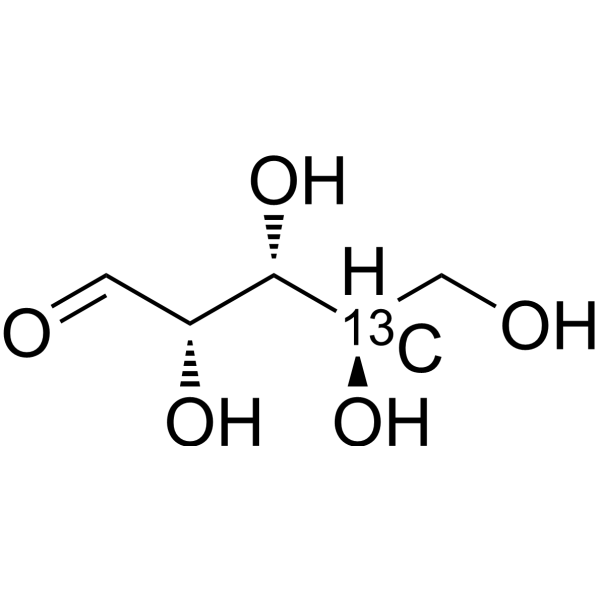
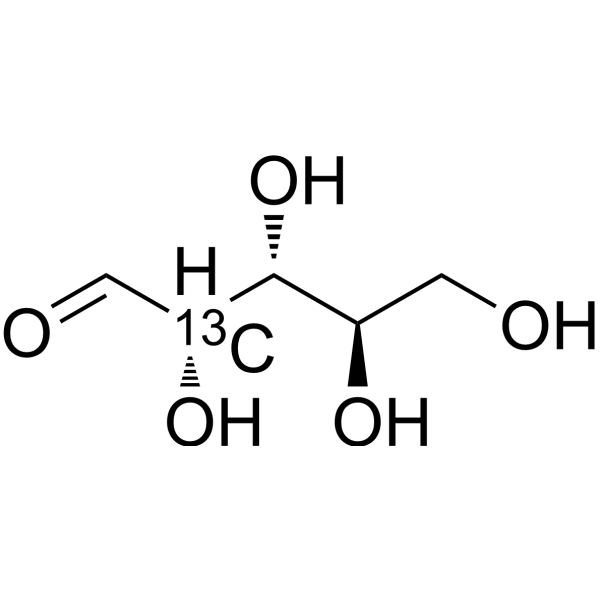
D-Arabinose- 13C-3 is the 13C labeled D-Arabinose (HY-N0059). D-Arabinose is is an orally active antidepressant and a growth inhibitor of C. elegans (IC50 is 7.5 mM). D-Arabinose can penetrate the blood-brain barrier, selectively interfere with the metabolism of D-ribose and D-fructose, and inhibit the growth of nematodes. D-Arabinose can also inhibit the synthesis of cell biofilm and exert antibacterial activity. D-Arabinose activates the ACSS2-PPARγ/TFEB-CRTC1 axis through the lysosomal AXIN-LKB1-AMPK pathway, inducing CRTC1 transcription, exerts antidepressant-like activity. D-Arabinose is the ring-opened form of the aldopentose D-?Arabinose (HY-N7082) .
|
-
- HY-N2439R
-
|
|
Reference Standards
Others
|
Neurological Disease
|
|
Methyl isoeugenol (Standard) is the analytical standard of Methyl isoeugenol. This product is intended for research and analytical applications. Methyl isoeugenol (MIE) is a natural food flavour that can be isolated from Pimenta pseudocaryophyllus leaf. Methyl isoeugenol shows anxiolytic and antidepressant like effects. Methyl isoeugenol is orally active .
|
-

- HY-128743R
-
|
|
Reference Standards
Endogenous Metabolite
|
Metabolic Disease
|
|
Methyl isoeugenol (Standard) is the analytical standard of Methyl isoeugenol. This product is intended for research and analytical applications. Methyl isoeugenol (MIE) is a natural food flavour that can be isolated from Pimenta pseudocaryophyllus leaf. Methyl isoeugenol shows anxiolytic and antidepressant like effects. Methyl isoeugenol is orally active .
|
-

- HY-N7082S
-
|
|
Isotope-Labeled Compounds
Parasite
Bacterial
AMPK
PPAR
|
Infection
Neurological Disease
Metabolic Disease
|
|
D-Arabinopyranos- 13C5 is 13C labeled D-Arabinopyranos (HY-N7082). D-Arabinopyranose is a rare aldehyde pentose, and its ring-opened form is D-arabinose (HY-N0059). D-arabinose is is an orally active antidepressant and a growth inhibitor of C. elegans (IC50 is 7.5 mM). D-arabinose can penetrate the blood-brain barrier, selectively interfere with the metabolism of D-ribose and D-fructose, and inhibit the growth of nematodes. D-arabinose can also inhibit the synthesis of cell biofilm and exert antibacterial activity. D-arabinose activates the ACSS2-PPARγ/TFEB-CRTC1 axis through the lysosomal AXIN-LKB1-AMPK pathway, inducing CRTC1 transcription, exerts antidepressant-like activity. D-arabinose is the ring-opened form of the aldopentose D-?Arabinose (HY-N7082) .
|
-

- HY-W748758
-
|
NSC 108165-d8; Navan-d8; Navane-d8
|
Isotope-Labeled Compounds
Dopamine Receptor
Histamine Receptor
mAChR
Adrenergic Receptor
Sigma Receptor
|
Others
|
|
(Z)-Thiothixene-d8 (NSC 108165-d8; Navan-d8; Navane-d8) is the deuterium labeled Thiothixene (HY-A0139). Thiothixene is a typical antipsychotic. It selectively binds to dopamine D2 over D1, D3, and D4 receptors (Kis=0.417, 338, 186.2, and 363.1 nM, respectively). Thiothixene also binds to various serotonin (5-HT), histamine H1, α1- and α2-adrenergic, muscarinic acetylcholine, and sigma receptors (Kis=15-5,754 nM) as well as the dopamine, norepinephrine, and serotonin transporters (Kis=3.16-30 μM). In vivo, thiothixene reduces spontaneous and amphetamine-induced locomotor activity in rats. It enhances latent inhibition, as measured by a decreased lick latency in response to light and foot shock stimuli, which is a measure of selective attention in rats.3 Thiothixene also increases competitive behavior in submissive mice, indicating antidepressant-like behavior.
|
-

- HY-107479
-
|
|
Neuropeptide Y Receptor
|
Neurological Disease
|
|
(R)-JNJ-31020028 is a high affinity, selective brain penetrant neuropeptide Y Y2 receptor antagonist, with pIC50 values of 8.07, 8.22 and 8.21 for human, rat, and mouse Y2 receptor, respectively. (R)-JNJ-31020028 shows >100-fold selective versus human Y1, Y4, and Y5 receptors. (R)-JNJ-31020028 has antidepressant like effects .
|
-
- HY-179579
-
|
|
5-HT Receptor
|
Neurological Disease
|
|
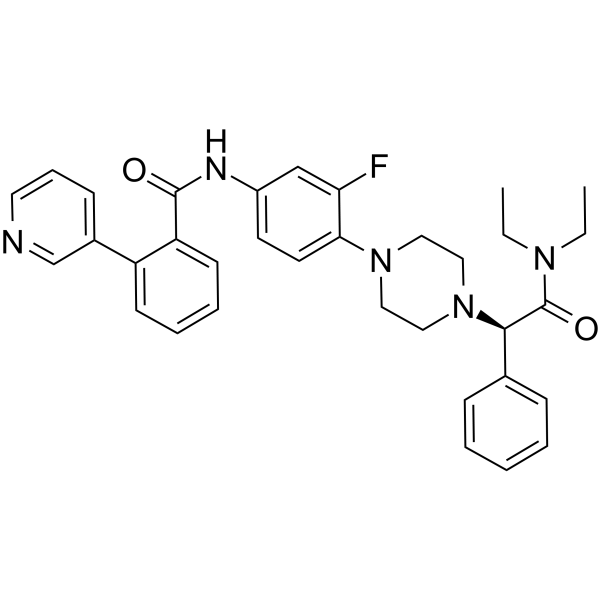
TMU4142 is a selective 5-HT1a agonist with high GoA activity. TMU4142 has weak Gi3 activity, can elicit rapid antidepressant like effects without triggering significant activation of dorsal raphe nucleus (DRN) 5-HT1a R autoreceptors or serotonergic neuron firing. TMU4142 demonstrates fast-acting efficacy in mouse models of depression. TMU4142 can be used for antidepressants research .
|
-

- HY-107750A
-
|
|
Opioid Receptor
|
Neurological Disease
|
|
Cyprodime hydrochloride is a highly selective μ-opioid receptor antagonist with Ki values of 5.4 nM, 244.6 nM and 2187 nM for μ-, δ- and κ-opioid receptors, respectively. Cyprodime hydrochloride has anti-depressant-like effect .
|
-

- HY-146202
-
|
|
Phosphodiesterase (PDE)
|
Others
|
|
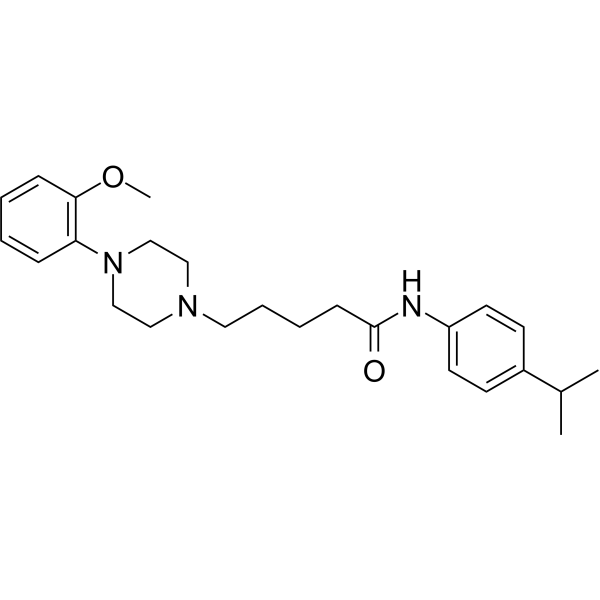
5-HT1A/5-HT7 receptor antagonist (5-HT1A Ki = 8 nM, Kb = 0.04 nM; 5-HT7 Ki = 451 nM, Kb = 460 nM) with PDE4B/PDE7A inhibitory activity (PDE4B IC50 = 80.4 μM; PDE7A IC50 = 151.3 μM) , its antidepressant like effect is stronger than that of escitalopram as a reference agent.
|
-
- HY-120738
-
|
|
5-HT Receptor
|
Neurological Disease
|
|
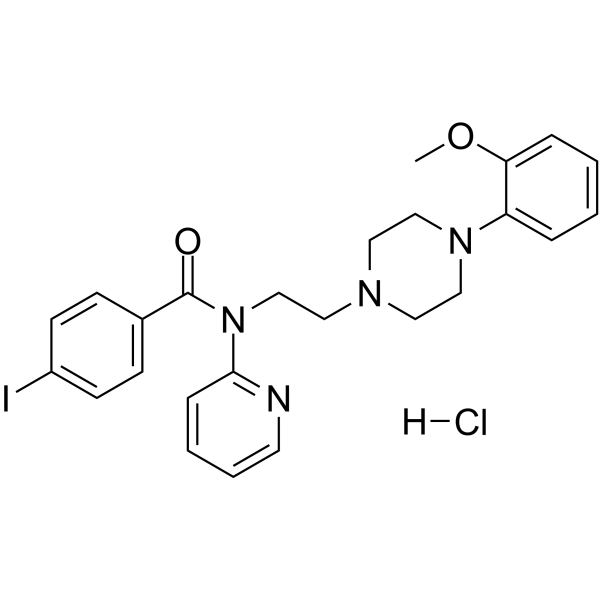
p-MPPI hydrochloride is a selective 5-HT1A receptor antagonist with high affinity for 5-HT1A receptors. p-MPPI hydrochloride can crosses the blood-brain barrier, and has clear antidepressant and anxiolytic-like effects .
|
-
- HY-N6838
-
|
1,1,1,1-Kestohexose
|
Others
|
Others
|
|
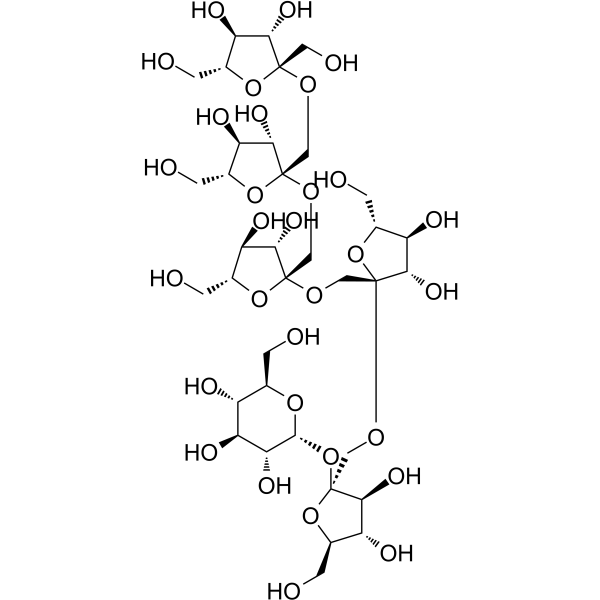
1,1,1,1-Kestohexaose (1,1,1,1-Kestohexose) is an insulin-type fructooligosaccharide hexasaccharide. 1,1,1,1-Kestohexaose exhibits neuroprotective and anti-depressant-like activities. 1,1,1,1-Kestohexaose can alleviate Corticosteron (HY-B1618)-induced decrease in cell viability and NGF expression in vitro .
|
-
- HY-N0749
-
|
|
Cholinesterase (ChE)
5-HT Receptor
Bacterial
|
Neurological Disease
|
|
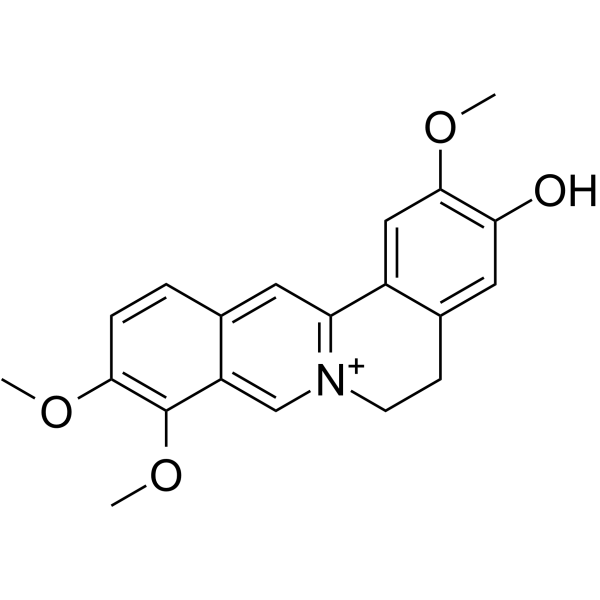
Jatrorrhizine is an alkaloid isolated from Coptis chinensis with neuroprotective, antimicrobial, antiplasmodial and antioxidant activities . Jatrorrhizine is a potent and orally active inhibitor of AChE (IC50=872 nM) over >115-fold selectivity for BuChE . Jatrorrhizine reduces uptake of serotonin (5-HT) and norepinephrine (NE) via inhibition of uptake-2 transporters .
|
-
- HY-N0740R
-
|
|
Reference Standards
Cholinesterase (ChE)
5-HT Receptor
Bacterial
|
Neurological Disease
Inflammation/Immunology
|
|
Jatrorrhizine (chloride) (Standard) is the analytical standard of Jatrorrhizine (chloride). This product is intended for research and analytical applications. Jatrorrhizine chloride is an alkaloid isolated from Coptis chinensis with neuroprotective, antimicrobial, antiplasmodial and antioxidant activities . Jatrorrhizine chloride is a potent and orally active inhibitor of AChE (IC50=872 nM) over >115-fold selectivity for BuChE . Jatrorrhizine chloride reduces uptake of serotonin (5-HT) and norepinephrine (NE) via inhibition of uptake-2 transporters .
|
-

- HY-N0740
-
|
|
Cholinesterase (ChE)
5-HT Receptor
Bacterial
|
Neurological Disease
Inflammation/Immunology
|
|
Jatrorrhizine chloride is an alkaloid isolated from?Coptis chinensis with neuroprotective, antimicrobial, antiplasmodial and antioxidant activities . Jatrorrhizine chloride is a potent and orally active inhibitor of?AChE?(IC50=872 nM) over >115-fold selectivity for BuChE . Jatrorrhizine chloride reduces uptake of serotonin (5-HT) and norepinephrine (NE) via inhibition of uptake-2 transporters .
|
-
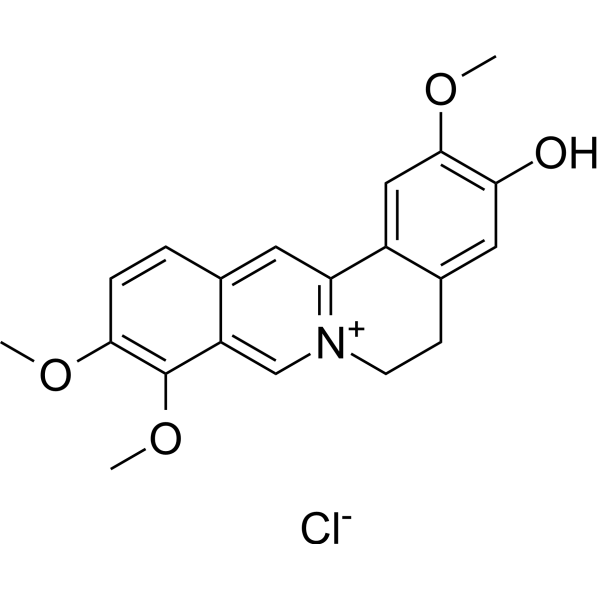
- HY-N0749A
-
|
|
Cholinesterase (ChE)
5-HT Receptor
Bacterial
|
Neurological Disease
Inflammation/Immunology
|
|
Jatrorrhizine hydroxide is an alkaloid isolated from Coptis chinensis with neuroprotective, antimicrobial, antiplasmodial and antioxidant activities . Jatrorrhizine hydroxide is a potent and orally active inhibitor of AChE (IC50=872 nM) over >115-fold selectivity for BuChE . Jatrorrhizine hydroxide reduces uptake of serotonin (5-HT) and norepinephrine (NE) via inhibition of uptake-2 transporters .
|
-
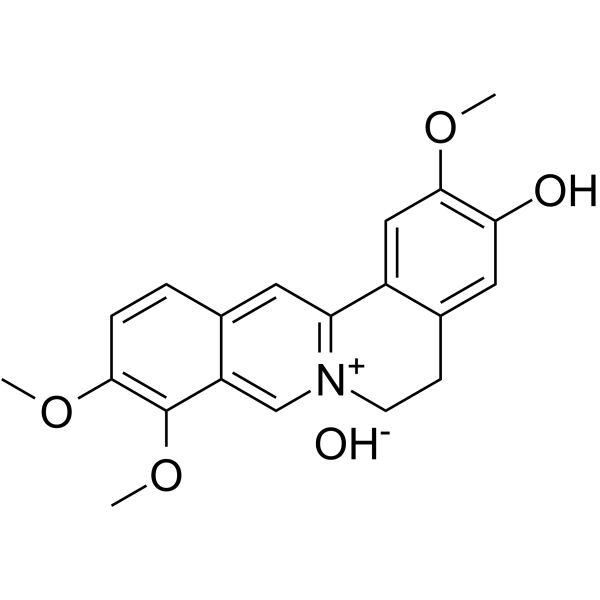
- HY-B1311
-
|
SKF-525A; U-5446; RP-5171
|
Cytochrome P450
Monoamine Oxidase
Bcl-2 Family
Survivin
PARP
|
Neurological Disease
Inflammation/Immunology
Cancer
|
|
Proadifen (SKF-525A) hydrochloride is a non-competitive Cytochrome P450 inhibitor with an IC50 value of 19 μM. Proadifen hydrochloride reduces monoamine oxidase A (MAO-A) activity and reverses the antidepressantlike behavioral effect of Imipramine (HY-B1490A) and Desipramine (HY-B1272A) in rats. Proadifen hydrochloride also reduces N, N-dimethyltryptamine (DMT) metabolism in liver microsomes and inhibits N-demethylationand Acridone (HY-W007771) formation. Proadifen hydrochloride augments Lipopolysaccharide (LPS) (HY-D1056)-induced fever and exacerbates Prostaglandin E2 (PGE2) (HY-101952) levels in the rat. Proadifen hydrochloride is promising for research of metabolism-related deseases, ovarian carcinoma, inflammation and dopamine neurons-related deseases .
|
-
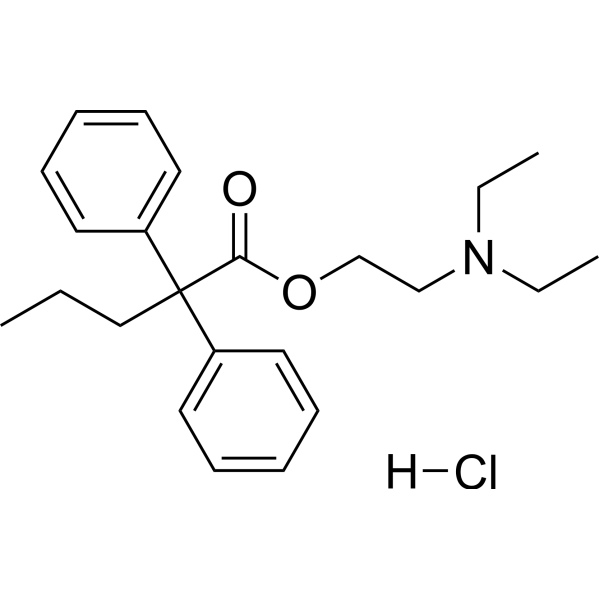
- HY-B1311R
-
|
SKF-525A (Standard); U-5446 (Standard); RP-5171 (Standard)
|
Reference Standards
Cytochrome P450
Monoamine Oxidase
Bcl-2 Family
Survivin
PARP
|
Neurological Disease
Inflammation/Immunology
Cancer
|
|
Proadifen (hydrochloride) (Standard) is the analytical standard of Proadifen (hydrochloride). This product is intended for research and analytical applications. Proadifen (SKF-525A) hydrochloride is a non-competitive Cytochrome P450 inhibitor with an IC50 value of 19 μM. Proadifen hydrochloride reduces monoamine oxidase A (MAO-A) activity and reverses the antidepressantlike behavioral effect of Imipramine (HY-B1490A) and Desipramine (HY-B1272A) in rats. Proadifen hydrochloride also reduces N, N-dimethyltryptamine (DMT) metabolism in liver microsomes and inhibits N-demethylationand Acridone (HY-W007771) formation. Proadifen hydrochloride augments Lipopolysaccharide (LPS) (HY-D1056)-induced fever and exacerbates Prostaglandin E2 (PGE2) (HY-101952) levels in the rat. Proadifen hydrochloride is promising for research of metabolism-related deseases, ovarian carcinoma, inflammation and dopamine neurons-related deseases [4] .
|
-

| Cat. No. |
Nombre del producto |
Type |
-
- HY-D0004
-
|
Azure B chloride
|
Fluorescent Dyes
|
|
Azure B is a cationic dye and the major metabolite of Methylene blue. Azure B is used in making Azure eosin stains for blood smear staining. Azure B is a high-potency, selective and reversible inhibitor of monoamine oxidases (MAO)-A, with IC50s of 11 and 968 nM for recombinant human MAO-A and MAO-B, respectively. Azure B possesses significant antidepressant-like effects .
|
-
- HY-D0004R
-
|
Azure B chloride (Standard)
|
Fluorescent Dyes
|
|
Azure B (Standard) is the analytical standard of Azure B. This product is intended for research and analytical applications. Azure B is a cationic dye and the major metabolite of Methylene blue. Azure B is used in making Azure eosin stains for blood smear staining. Azure B is a high-potency, selective and reversible inhibitor of monoamine oxidases (MAO)-A, with IC50s of 11 and 968 nM for recombinant human MAO-A and MAO-B, respectively. Azure B possesses significant antidepressant-like effects .
|
| Cat. No. |
Nombre del producto |
Type |
-
- HY-15401A
-
|
|
Biochemical Assay Reagents
|
|
WAY 163909 hydrochloride is an orally active, blood-brain barrier permeable 5-HT2C receptor-selective agonist. WAY 163909 hydrochloride exhibits an EC50 of 8 nM and a Ki of 10.5 nM for h5-HT2C. Instead of triggering apoptosis, WAY 163909 hydrochloride induces anorectic, antipsychotic-like, antidepressant-like, anti-aggressive and anti-compulsive effects. WAY 163909 hydrochloride alleviates ketamine-induced hypothermia, but impairs sexual function at high doses. With rapid antidepressant-like properties, WAY 163909 hydrochloride can be used in research related to obesity, schizophrenia, depression, obsessive-compulsive disorder, and anesthesia-induced hypothermia .
|
| Cat. No. |
Nombre del producto |
Target |
Research Area |
-
- HY-17573
-
|
|
Oxytocin Receptor
|
Neurological Disease
Endocrinology
|
|
Carbetocin, an oxytocin (OT) analogue, is an oxytocin receptor agonist with a Ki of 7.1 nM. Carbetocin has high affinity to chimeric N-terminus (E1) of the oxytocin receptor (Ki=1.17 μM). Carbetocin has the potential for postpartum hemorrhage research. Carbetocin can crosse the blood-brain barrier and produces antidepressant-like activity via activation of oxytocin receptors in the CNS .
|
-
- HY-17573A
-
|
|
Oxytocin Receptor
|
Neurological Disease
Endocrinology
|
|
Carbetocin acetate, an oxytocin (OT) analogue, is an oxytocin receptor agonist with a Ki of 7.1 nM. Carbetocin acetate has high affinity to chimeric N-terminus (E1) of the oxytocin receptor (Ki=1.17 μM). Carbetocin acetate has the potential for postpartum hemorrhage research. Carbetocin acetate can crosse the blood-brain barrier and produces antidepressant-like activity via activation of oxytocin receptors in the CNS .
|
-
- HY-W001158
-
|
Dimethylglycine hydrochloride; DMG hydrochloride; N-Methylsarcosine hydrochloride
|
Endogenous Metabolite
iGluR
Amino Acid Derivatives
|
Neurological Disease
Metabolic Disease
|
|
N,N-Dimethylglycine (Dimethylglycine) hydrochloride, a natural N-methylated glycine, is a nutrient supplement and acts as an NMDAR glycine site partial agonist. N,N-Dimethylglycine hydrochloride is a methyl donor that can improve immunity, act as an antioxidant to prevent oxidative stress, and scavenge excess free radicals. N,N-Dimethylglycine hydrochloride has antidepressant-like and surfactant effects .
|
-
- HY-122794
-
|
Tyr-Leu
|
Peptides
|
Neurological Disease
|
|
Tyrosylleucine (Tyr-Leu, YL), an orally active dipeptide, exhibits a potent antidepressant-like activity .
|
-
- HY-122794A
-
|
Tyr-Leu TFA
|
Peptides
|
Neurological Disease
|
|
Tyrosylleucine (Tyr-Leu, YL) TFA, an orally active dipeptide, exhibits a potent antidepressant-like activity .
|
-
- HY-P1299A
-
|
|
Opioid Receptor
|
Neurological Disease
|
|
UFP-101 TFA is a potent, selective, and competitive antagonist of the N/OFQ peptide (NOP) receptor, with a pKi of 10.24. UFP-101 TFA displays >3000-fold selectivity over δ, μ and κ opioid receptors. UFP-101 TFA shows antidepressant-like effect .
|
-
- HY-P10405A
-
|
|
Dopamine Receptor
|
Neurological Disease
|
|
TAT-D1 peptide acetate is a dopamine D1-D2 receptor heterodimer inhibitor. TAT-D1 peptide acetate disrupts the function of dopamine D1-D2 receptor heteromers, enhances subchronic amphetamine-induced locomotor activity, and exacerbates the expression of amphetamine-induced locomotor sensitization. TAT-D1 peptide acetate produces rapid anxiolytic and antidepressant-like effects in rat models of depression and anxiety, and inhibits c-fos expression in the nucleus accumbens of rats. TAT-D1 peptide acetate can be used in the research of psychostimulant addiction, depression and anxiety disorders .
|
-
- HY-P1299
-
|
|
Opioid Receptor
|
Neurological Disease
|
|
UFP-101 is a potent, selective, and competitive antagonist of the NOP receptor, with a pKi of 10.24. UFP-101 displays >3000-fold selectivity over δ, μ and κ opioid receptors. UFP-101 shows antidepressant-like effect .
|
-
- HY-P10405
-
|
|
Dopamine Receptor
|
Neurological Disease
|
|
TAT-D1 peptide is a dopamine D1-D2 receptor heterodimer inhibitor. TAT-D1 peptide disrupts the function of dopamine D1-D2 receptor heteromers, enhances subchronic amphetamine-induced locomotor activity, and exacerbates the expression of amphetamine-induced locomotor sensitization. TAT-D1 peptide produces rapid anxiolytic and antidepressant-like effects in rat models of depression and anxiety, and inhibits c-fos expression in the nucleus accumbens of rats. TAT-D1 peptide can be used in the research of psychostimulant addiction, depression and anxiety disorders .
|
| Cat. No. |
Nombre del producto |
Category |
Target |
Chemical Structure |
-
- HY-16637
-
-
-
- HY-N6947
-
-
-
- HY-N0571
-
-
-
- HY-N0765
-
-
-
- HY-Y0511
-
-
-
- HY-107670
-
-
-
- HY-N0059
-
-
-
- HY-N0740
-
-
-
- HY-N0700
-
-
-
- HY-N6838
-
|
1,1,1,1-Kestohexose
|
Polysaccharides
other families
Classification of Application Fields
Other Diseases
Plants
Disease Research Fields
Saccharides
Source Classification
|
Others
|
|
1,1,1,1-Kestohexaose (1,1,1,1-Kestohexose) is an insulin-type fructooligosaccharide hexasaccharide. 1,1,1,1-Kestohexaose exhibits neuroprotective and anti-depressant-like activities. 1,1,1,1-Kestohexaose can alleviate Corticosteron (HY-B1618)-induced decrease in cell viability and NGF expression in vitro .
|
-
-
- HY-16637R
-
-
-
- HY-N2085
-
-
-
- HY-N0749
-
-
-
- HY-N7082
-
|
|
Infection
Microorganisms
Classification of Application Fields
Disease Research Fields
Saccharides
Monosaccharides
Source Classification
|
Parasite
Bacterial
AMPK
PPAR
|
|
D-Arabinopyranose is a rare aldehyde pentose, and its ring-opened form is D-arabinose (HY-N0059). D-arabinose is is an orally active antidepressant and a growth inhibitor of C. elegans (IC50 is 7.5 mM). D-arabinose can penetrate the blood-brain barrier, selectively interfere with the metabolism of D-ribose and D-fructose, and inhibit the growth of nematodes. D-arabinose can also inhibit the synthesis of cell biofilm and exert antibacterial activity. D-arabinose activates the ACSS2-PPARγ/TFEB-CRTC1 axis through the lysosomal AXIN-LKB1-AMPK pathway, inducing CRTC1 transcription, exerts antidepressant-like activity. D-arabinose is the ring-opened form of the aldopentose D-?Arabinose (HY-N7082) .
|
-
-
- HY-N6076
-
-
-
- HY-N0749A
-
-
-
- HY-16637A
-
-
-
- HY-Y0511R
-
-
-
- HY-N0571R
-
-
-
- HY-N3204
-
-
-
- HY-N0059R
-
|
|
Structural Classification
Human Gut Microbiota Metabolites
Microorganisms
Endogenous metabolite
Saccharides
Source Classification
|
Reference Standards
Parasite
Bacterial
AMPK
PPAR
|
|
D-Arabinose (Standard) is the analytical standard of D-Arabinose. This product is intended for research and analytical applications. D-Arabinose is is an orally active antidepressant and a growth inhibitor of C. elegans (IC50 is 7.5 mM). D-Arabinose can penetrate the blood-brain barrier, selectively interfere with the metabolism of D-ribose and D-fructose, and inhibit the growth of nematodes. D-Arabinose can also inhibit the synthesis of cell biofilm and exert antibacterial activity. D-Arabinose activates the ACSS2-PPARγ/TFEB-CRTC1 axis through the lysosomal AXIN-LKB1-AMPK pathway, inducing CRTC1 transcription, exerts antidepressant-like activity. D-Arabinose is the ring-opened form of the aldopentose D-?Arabinose (HY-N7082) .
|
-
-
- HY-N0700R
-
-
-
- HY-N0765R
-
-
-
- HY-N2439R
-
-
-
- HY-128743R
-
-
-
- HY-N0740R
-
-
| Cat. No. |
Nombre del producto |
Chemical Structure |
-
- HY-W001158S
-
|
|
|
N,N-Dimethylglycine-d6 (Dimethylglycine-d6) hydrochloride is the deuterium labeled N,N-Dimethylglycine hydrochloride (HY-W001158). N,N-Dimethylglycine (Dimethylglycine) hydrochloride, a natural N-methylated glycine, is a nutrient supplement and acts as an NMDAR glycine site partial agonist. N,N-Dimethylglycine hydrochloride is a methyl donor that can improve immunity, act as an antioxidant to prevent oxidative stress, and scavenge excess free radicals. N,N-Dimethylglycine hydrochloride has antidepressant-like and surfactant effects .
|
-
-
- HY-16637S5
-
|
|
|
Folic acid-13C6 is a deuterated labeled Folic acid . Folic acid (Vitamin B9) is a orally active essential nutrient from the B complex group of vitamins. Folic acid shows antidepressant-like effect. Folic acid sodium reduces the risk of neonatal neural tube defects. Folic acid can be used to the research of megaloblastic and macrocytic anemias due to folic deficiency .
|
-
-
- HY-N0059S1
-
|
|
|
D-Arabinose- 13C-1 is the 13C labeled D-Arabinose (HY-N0059). D-Arabinose is is an orally active antidepressant and a growth inhibitor of C. elegans (IC50 is 7.5 mM). D-Arabinose can penetrate the blood-brain barrier, selectively interfere with the metabolism of D-ribose and D-fructose, and inhibit the growth of nematodes. D-Arabinose can also inhibit the synthesis of cell biofilm and exert antibacterial activity. D-Arabinose activates the ACSS2-PPARγ/TFEB-CRTC1 axis through the lysosomal AXIN-LKB1-AMPK pathway, inducing CRTC1 transcription, exerts antidepressant-like activity. D-Arabinose is the ring-opened form of the aldopentose D-?Arabinose (HY-N7082) .
|
-
-
- HY-N0059S3
-
|
|
|
D-Arabinose- 13C-3 is the 13C labeled D-Arabinose (HY-N0059). D-Arabinose is is an orally active antidepressant and a growth inhibitor of C. elegans (IC50 is 7.5 mM). D-Arabinose can penetrate the blood-brain barrier, selectively interfere with the metabolism of D-ribose and D-fructose, and inhibit the growth of nematodes. D-Arabinose can also inhibit the synthesis of cell biofilm and exert antibacterial activity. D-Arabinose activates the ACSS2-PPARγ/TFEB-CRTC1 axis through the lysosomal AXIN-LKB1-AMPK pathway, inducing CRTC1 transcription, exerts antidepressant-like activity. D-Arabinose is the ring-opened form of the aldopentose D-?Arabinose (HY-N7082) .
|
-
-
- HY-176436S
-
|
|
|
GW-117 is a 5-HT2C receptor antagonist and a melatonin (MT1/MT2) receptor agonist. GW-117 shows antidepressant-like and anxiolytic-like effects .
|
-
-
- HY-W001158S1
-
|
|
|
N,N-Dimethylglycine-d3 (Dimethylglycine-d3) hydrochloride is the deuterium labeled N,N-Dimethylglycine hydrochloride (HY-W001158). N,N-Dimethylglycine (Dimethylglycine) hydrochloride, a natural N-methylated glycine, is a nutrient supplement and acts as an NMDAR glycine site partial agonist. N,N-Dimethylglycine hydrochloride is a methyl donor that can improve immunity, act as an antioxidant to prevent oxidative stress, and scavenge excess free radicals. N,N-Dimethylglycine hydrochloride has antidepressant-like and surfactant effects .
|
-
-
- HY-N0059S4
-
|
|
|
D-Arabinose-d2 is the deuterium labeled D-Arabinose (HY-N0059). D-Arabinose is is an orally active antidepressant and a growth inhibitor of C. elegans (IC50 is 7.5 mM). D-Arabinose can penetrate the blood-brain barrier, selectively interfere with the metabolism of D-ribose and D-fructose, and inhibit the growth of nematodes. D-Arabinose can also inhibit the synthesis of cell biofilm and exert antibacterial activity. D-Arabinose activates the ACSS2-PPARγ/TFEB-CRTC1 axis through the lysosomal AXIN-LKB1-AMPK pathway, inducing CRTC1 transcription, exerts antidepressant-like activity. D-Arabinose is the ring-opened form of the aldopentose D-?Arabinose (HY-N7082) .
|
-
-
- HY-N0059S
-
|
|
|
D-Arabinose- 13C is the 13C labeled D-Arabinose (HY-N0059). D-Arabinose is is an orally active antidepressant and a growth inhibitor of C. elegans (IC50 is 7.5 mM). D-Arabinose can penetrate the blood-brain barrier, selectively interfere with the metabolism of D-ribose and D-fructose, and inhibit the growth of nematodes. D-Arabinose can also inhibit the synthesis of cell biofilm and exert antibacterial activity. D-Arabinose activates the ACSS2-PPARγ/TFEB-CRTC1 axis through the lysosomal AXIN-LKB1-AMPK pathway, inducing CRTC1 transcription, exerts antidepressant-like activity. D-Arabinose is the ring-opened form of the aldopentose D-?Arabinose (HY-N7082) .
|
-
-
- HY-N0059S6
-
|
|
|
D-Arabinose-d6 is the deuterium labeled D-Arabinose (HY-N0059). D-Arabinose is is an orally active antidepressant and a growth inhibitor of C. elegans (IC50 is 7.5 mM). D-Arabinose can penetrate the blood-brain barrier, selectively interfere with the metabolism of D-ribose and D-fructose, and inhibit the growth of nematodes. D-Arabinose can also inhibit the synthesis of cell biofilm and exert antibacterial activity. D-Arabinose activates the ACSS2-PPARγ/TFEB-CRTC1 axis through the lysosomal AXIN-LKB1-AMPK pathway, inducing CRTC1 transcription, exerts antidepressant-like activity. D-Arabinose is the ring-opened form of the aldopentose D-?Arabinose (HY-N7082) .
|
-
-
- HY-N0059S5
-
|
|
|
D-Arabinose-d5 is the deuterium labeled D-Arabinose (HY-N0059). D-Arabinose is is an orally active antidepressant and a growth inhibitor of C. elegans (IC50 is 7.5 mM). D-Arabinose can penetrate the blood-brain barrier, selectively interfere with the metabolism of D-ribose and D-fructose, and inhibit the growth of nematodes. D-Arabinose can also inhibit the synthesis of cell biofilm and exert antibacterial activity. D-Arabinose activates the ACSS2-PPARγ/TFEB-CRTC1 axis through the lysosomal AXIN-LKB1-AMPK pathway, inducing CRTC1 transcription, exerts antidepressant-like activity. D-Arabinose is the ring-opened form of the aldopentose D-?Arabinose (HY-N7082) .
|
-
-
- HY-N0059S2
-
|
|
|
D-Arabinose- 13C-2 is the 13C labeled D-Arabinose (HY-N0059). D-Arabinose is is an orally active antidepressant and a growth inhibitor of C. elegans (IC50 is 7.5 mM). D-Arabinose can penetrate the blood-brain barrier, selectively interfere with the metabolism of D-ribose and D-fructose, and inhibit the growth of nematodes. D-Arabinose can also inhibit the synthesis of cell biofilm and exert antibacterial activity. D-Arabinose activates the ACSS2-PPARγ/TFEB-CRTC1 axis through the lysosomal AXIN-LKB1-AMPK pathway, inducing CRTC1 transcription, exerts antidepressant-like activity. D-Arabinose is the ring-opened form of the aldopentose D-?Arabinose (HY-N7082) .
|
-
-
- HY-N7082S
-
|
|
|
D-Arabinopyranos- 13C5 is 13C labeled D-Arabinopyranos (HY-N7082). D-Arabinopyranose is a rare aldehyde pentose, and its ring-opened form is D-arabinose (HY-N0059). D-arabinose is is an orally active antidepressant and a growth inhibitor of C. elegans (IC50 is 7.5 mM). D-arabinose can penetrate the blood-brain barrier, selectively interfere with the metabolism of D-ribose and D-fructose, and inhibit the growth of nematodes. D-arabinose can also inhibit the synthesis of cell biofilm and exert antibacterial activity. D-arabinose activates the ACSS2-PPARγ/TFEB-CRTC1 axis through the lysosomal AXIN-LKB1-AMPK pathway, inducing CRTC1 transcription, exerts antidepressant-like activity. D-arabinose is the ring-opened form of the aldopentose D-?Arabinose (HY-N7082) .
|
-
-
- HY-W748758
-
|
|
|
(Z)-Thiothixene-d8 (NSC 108165-d8; Navan-d8; Navane-d8) is the deuterium labeled Thiothixene (HY-A0139). Thiothixene is a typical antipsychotic. It selectively binds to dopamine D2 over D1, D3, and D4 receptors (Kis=0.417, 338, 186.2, and 363.1 nM, respectively). Thiothixene also binds to various serotonin (5-HT), histamine H1, α1- and α2-adrenergic, muscarinic acetylcholine, and sigma receptors (Kis=15-5,754 nM) as well as the dopamine, norepinephrine, and serotonin transporters (Kis=3.16-30 μM). In vivo, thiothixene reduces spontaneous and amphetamine-induced locomotor activity in rats. It enhances latent inhibition, as measured by a decreased lick latency in response to light and foot shock stimuli, which is a measure of selective attention in rats.3 Thiothixene also increases competitive behavior in submissive mice, indicating antidepressant-like behavior.
|
-
Your information is safe with us. * Required Fields.
Inquiry Information
- Nombre del producto:
- Cat. No.:
- Cantidad:
- MCE Japan Authorized Agent:








