1. Search Result
Search Result
Pathways Recommended: Stem Cell/Wnt Cell Cycle/DNA Damage
Results for "

Gram-negative bacterial cells

" in MedChemExpress (MCE) Product Catalog:

102

Inhibitors & Agonists

3

Fluorescent Dyes

2

Biochemical Assay Reagents

18

Peptides

4

MCE Kits

19

Natural
Products

9

Isotope-Labeled Compounds

Cat. No. Product Name Target Research Areas Chemical Structure
  • HY-B0200
    Cephalexin
    5+ Cited Publications

    Cefalexin; Cephacillin

    Penicillin-binding protein (PBP) Antibiotic Bacterial Infection Cancer
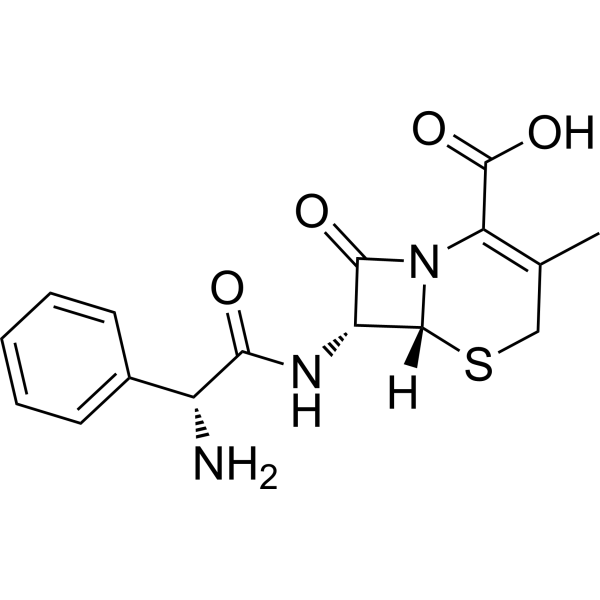
    Cephalexin (Cefalexin) is a potent, orally active semisynthetic cephalosporin antibiotic with a broad antibacterial spectrum. Cephalexin has antibacterial activity against a wide variety of gram-positive and gram-negative bacteria. Cephalexin targets penicillin-binding proteins (PBPs) to inhibit bacterial cell wall assembly. Cephalexin is used for the research of pneumonia, strep throat, and bacterial endocarditis, et al .
    Cephalexin
  • HY-164036

    Antibiotic Bacterial Infection
    Lolamicin is an orally effective inhibitor that specifically targets the Gram-negative bacteria lipoprotein transport system LolCDE complex. It selectively inhibits the transmembrane transport of outer membrane lipoproteins by competitively binding to lipoprotein binding sites. Lolamicin destroys the integrity of the bacterial outer membrane, leading to cell death, and has both bactericidal and antibacterial activity. It has significant effects on multidrug-resistant Enterobacteriaceae pathogens (such as Escherichia coli and Klebsiella pneumoniae). Lolamicin can be used to inhibit the study of acute pneumonia, sepsis and other infections caused by Gram-negative bacteria .
    Lolamicin
  • HY-B0200B
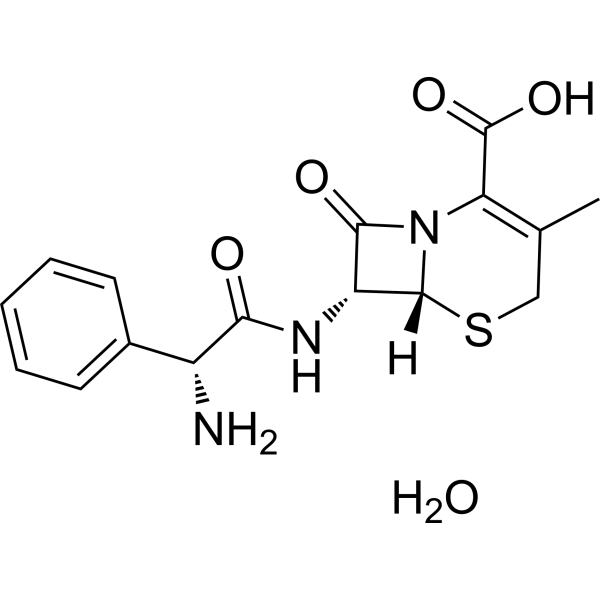
    Cephalexin monohydrate
    5+ Cited Publications

    Cefalexin hydrate; Cephacillin hydrate

    Penicillin-binding protein (PBP) Antibiotic Bacterial Infection Cancer
    Cephalexin (Cefalexin) monohydrate is a potent, orally active new semisynthetic cephalosporin antibiotic with a broad antibacterial spectrum. Cephalexin (Cefalexin) monohydrate has antibacterial activity against a wide variety of gram-positive and gram-negative bacteria. Cephalexin (Cefalexin) monohydrate targets penicillin-binding proteins (PBPs) to inhibit bacterial cell wall assembly. Cephalexin (Cefalexin) monohydrate is used for the research of pneumonia, strep throat, and bacterial endocarditis, et al .
    Cephalexin monohydrate
  • HY-B1190
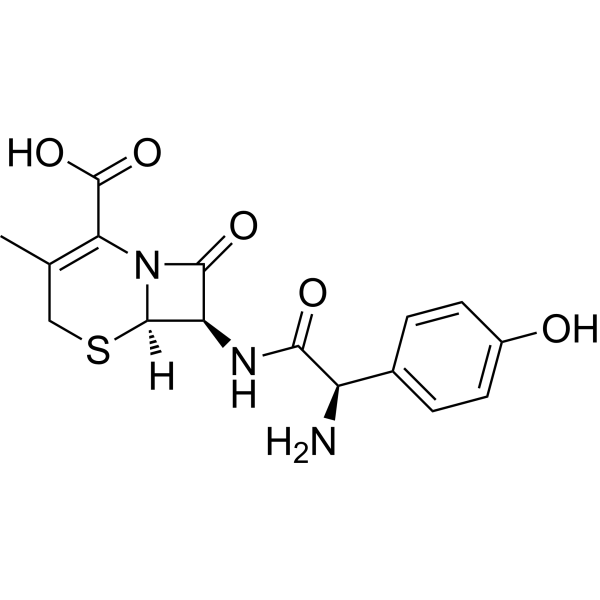
    Cefadroxil
    5 Publications Verification

    BL-S 578

    Bacterial Antibiotic EAAT Infection Neurological Disease
    Cefadroxil is an orally active broad-spectrum cephalosporin antibiotic. Cefadroxil inhibits bacterial cell wall synthesis and enhances the expression of glutamate transporter-1. Cefadroxil is dependent on the intestinal peptide transporter PepT1 for small intestinal absorption. Cefadroxil has inhibitory and bactericidal activity against a variety of Gram-positive and Gram-negative bacteria and has analgesic effects on neuropathic pain .
    Cefadroxil
  • HY-124617A
    AMXT-1501 tetrahydrochloride
    Maximum Cited Publications
    10 Publications Verification

    Apoptosis Bacterial Infection Inflammation/Immunology Cancer
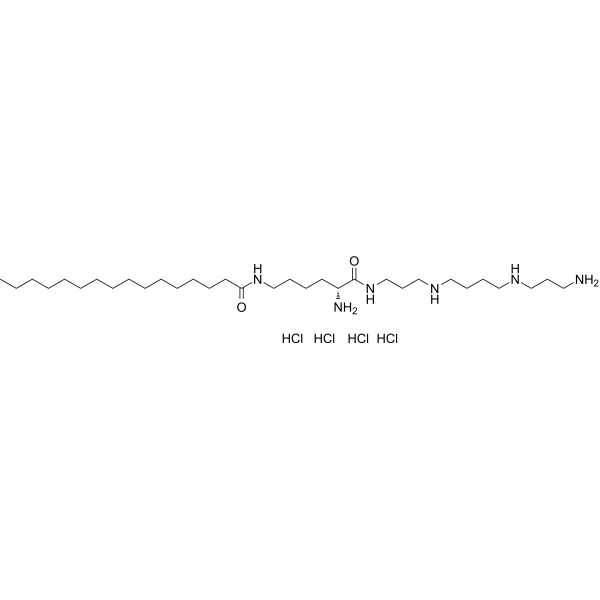
    AMXT-1501 tetrahydrochloride is a Bacterial agent and polyamine transport system inhibitor. AMXT-1501 tetrahydrochloride targets membrane phospholipids and exhibits antibacterial activity against a variety of Gram-positive and Gram-negative multidrug-resistant bacteria . AMXT-1501 tetrahydrochloride inhibits capsular biosynthesis in Streptococcus pneumoniae . AMXT-1501 tetrahydrochloride targets ornithine decarboxylase and polyamines to inhibit the proliferation of neuroblastoma cells . AMXT-1501 tetrahydrochloride in combination with DFMO (HY-B0744) induces Apoptosis in neuroblastoma cells. AMXT-1501 tetrahydrochloride is applicable to research related to multidrug-resistant bacterial infections, pneumococcal infections, Streptococcus pneumoniae infections, and neuroblastoma .
    AMXT-1501 tetrahydrochloride
  • HY-W012669

    Phthaldialdehyde

    Environmental Pollutants Biochemical Assay Reagents Infection
    Phthalaldehyde (Phthaldialdehyde) reacts with proteins containing primary amines and blocked amino-terminal peptides of amino acids. Phthalaldehyde stabilizes bacterial outer membranes and cell walls, increases the optical density of bacterial cell suspensions, and inhibits bacterial lysis induced by ethylenediaminetetraacetic acid and sodium dodecyl sulfate. Phthalaldehyde exhibits bactericidal activity against Gram-negative vegetative bacteria .
    Phthalaldehyde
  • HY-A0248A
    Polymyxin B1
    1 Publications Verification

    Bacterial Infection
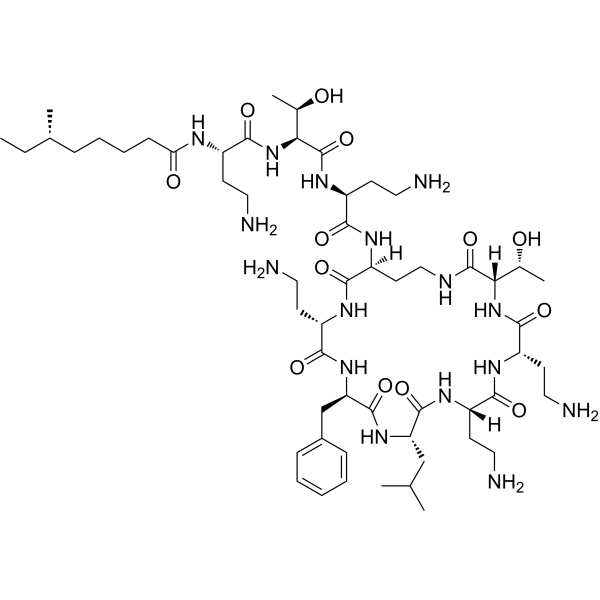
    Polymyxin B1 is a potent antimicrobial lipopeptide first derived from Bacilus polymyxa. Polymyxin B1 is the major component in Polymyxin B (HY-A0248). Polymyxin B1 can induce lysis of bacterial cells through interaction with their membranes. Polymyxin B1 has the potential for multidrug-resistant Gram-negative bacterial infections treatment .
    Polymyxin B1
  • HY-B1228
    Ribostamycin sulfate
    1 Publications Verification

    Vistamycin sulfate

    Antibiotic PDI Infection
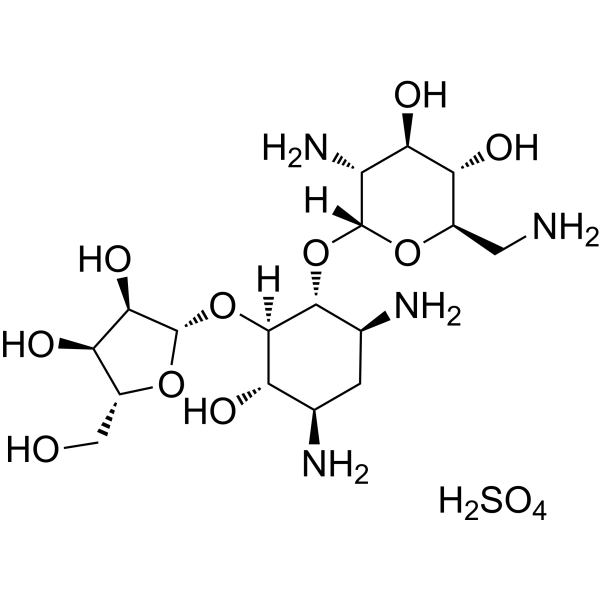
    Ribostamycin sulfate (Vistamycin sulfate) is a broad-spectrum aminoglycoside Antibiotic with bactericidal activity against Gram-positive cocci, Gram-negative cocci, bacilli, and drug-resistant strains. Ribostamycin sulfate also acts as an inhibitor of protein disulfide isomerase (PDI), with a binding constant KD of 319 μM for bovine PDI. Ribostamycin sulfate targets bacterial 16S ribosomal RNA and the 30S ribosomal subunit, causing translational misreading and thereby inhibiting bacterial protein synthesis. Ribostamycin sulfate disrupts the integrity of bacterial cell membranes, induces membrane pore formation, and leads to bacterial death. Ribostamycin sulfate can be used in studies related to bacterial infections .
    Ribostamycin sulfate
  • HY-124617
    AMXT-1501
    Maximum Cited Publications
    10 Publications Verification

    Apoptosis Bacterial Infection Cancer
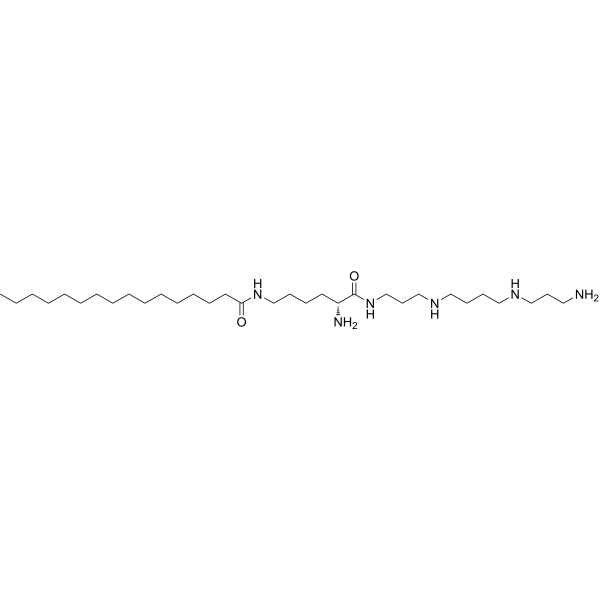
    AMXT-1501 is a Bacterial agent and polyamine transport system inhibitor. AMXT-1501 targets membrane phospholipids and exhibits antibacterial activity against a variety of Gram-positive and Gram-negative multidrug-resistant bacteria . AMXT-1501 inhibits capsular biosynthesis in Streptococcus pneumoniae . AMXT-1501 targets ornithine decarboxylase and polyamines to inhibit the proliferation of neuroblastoma cells . AMXT-1501 in combination with DFMO (HY-B0744) induces Apoptosis in neuroblastoma cells. AMXT-1501 is applicable to research related to multidrug-resistant bacterial infections, pneumococcal infections, Streptococcus pneumoniae infections, and neuroblastoma .
    AMXT-1501
  • HY-B0200A
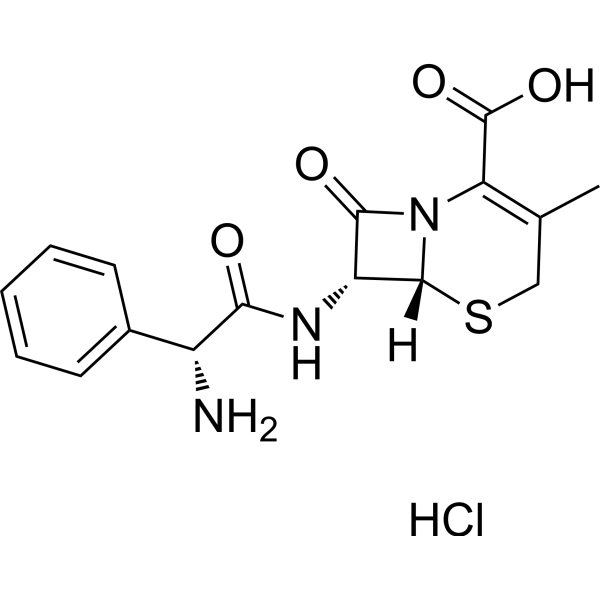
    Cephalexin hydrochloride
    5+ Cited Publications

    Cefalexin hydrochloride; Cephacillin hydrochloride

    Penicillin-binding protein (PBP) Bacterial Antibiotic Infection Cancer
    Cephalexin (Cefalexin) hydrochloride is a potent, orally active new semisynthetic cephalosporin antibiotic with a broad antibacterial spectrum. Cephalexin (Cefalexin) hydrochloride has antibacterial activity against a wide variety of gram-positive and gram-negative bacteria. Cephalexin (Cefalexin) hydrochloride targets penicillin-binding proteins (PBPs) to inhibit bacterial cell wall assembly. Cephalexin (Cefalexin) hydrochloride is used for the research of pneumonia, strep throat, and bacterial endocarditis, et al .
    Cephalexin hydrochloride
  • HY-121362

    Bacterial Endogenous Metabolite TrxR Infection Neurological Disease Inflammation/Immunology Cancer
    Evernic Acid is an orally active thioredoxin reductase 1 (TrxR1) inhibitor and antiproliferative agent. Evernic Acid inhibits the proliferation and migration of human breast cancer cells. Evernic Acid blocks the NF-κB pathway by inhibiting p65 nuclear translocation and IκBα phosphorylation, thereby suppressing downstream inflammatory mediators. Evernic Acid acts as an antioxidant, anti-inflammatory agent and neuroprotective agent, protects neurons from cell death, mitochondrial dysfunction and oxidative stress damage, reduces astrocyte activation, and ameliorates dopaminergic neuron loss and neuroinflammation. Evernic Acid inhibits enoyl reductases FabI and FabZ of Plasmodium falciparum. Evernic Acid downregulates the expression of lasB and rhlA genes in Pseudomonas aeruginosa, inhibits quorum sensing and biofilm formation, and exerts antibacterial activity against Gram-positive bacteria, Gram-negative bacteria and fungi. Evernic Acid is applicable to research related to breast cancer, Parkinson's disease, bacterial infections and fungal infections .
    Evernic Acid
  • HY-P11329

    Fluorescent Dye Others
    GFP11 is a protein fusion tag consisting of 16 amino acids. When GFP11 and GFP1-10 are sufficiently close in physical space, they undergo spontaneous, irreversible complementation to reassemble into an intact, functional GFP protein that emits green fluorescence. GFP11 can be used to form a split GFP system for high-throughput biotechnology and flow cytometry applications .
    GFP11
  • HY-B1824
    Cefpirome sulfate
    1 Publications Verification

    HR-810 sulfate

    Bacterial Antibiotic Infection
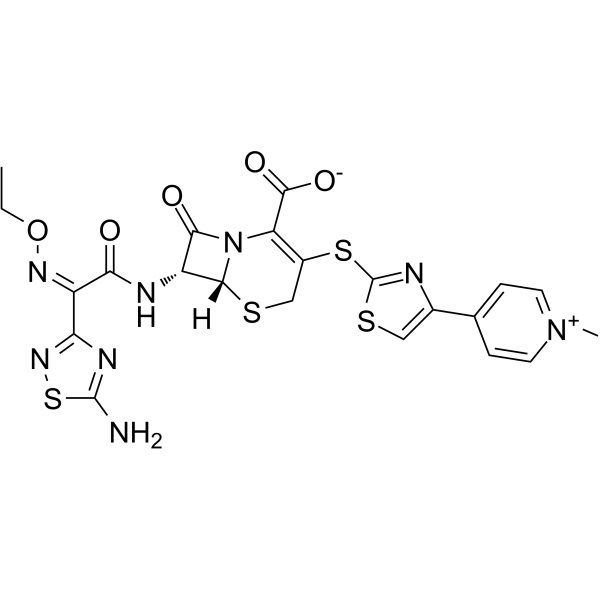
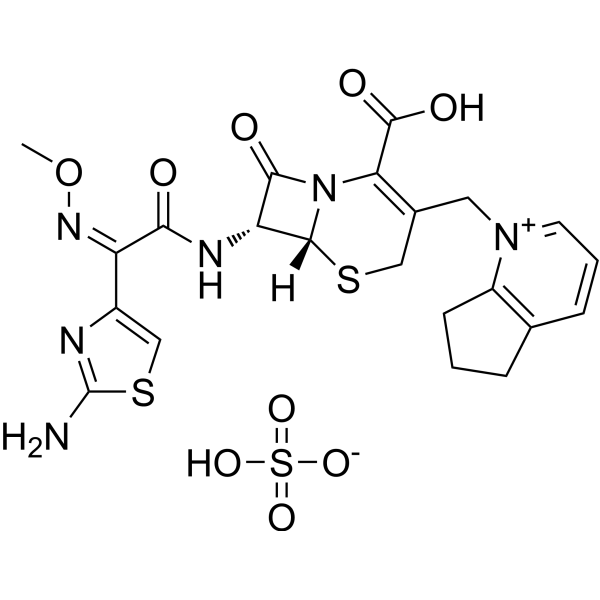
    Cefpirome (HR-810) sulfate is a cephalosporin antibiotic that can cross cell membranes and the blood-brain barrier. Cefpirome sulfate binds to penicillin-binding proteins with high affinity, thereby inhibiting bacterial cell wall synthesis. Cefpirome sulfate exhibits bactericidal and growth-inhibitory activities against Gram-negative bacteria, Gram-positive bacteria, and susceptible anaerobic bacteria (including some β-lactamase-producing strains) .
    Cefpirome sulfate
  • HY-N10549
    Gigantol
    1 Publications Verification

    Ferroptosis c-Myc Glutathione Peroxidase JNK Reactive Oxygen Species (ROS) GSK-3 Infection Metabolic Disease Cancer
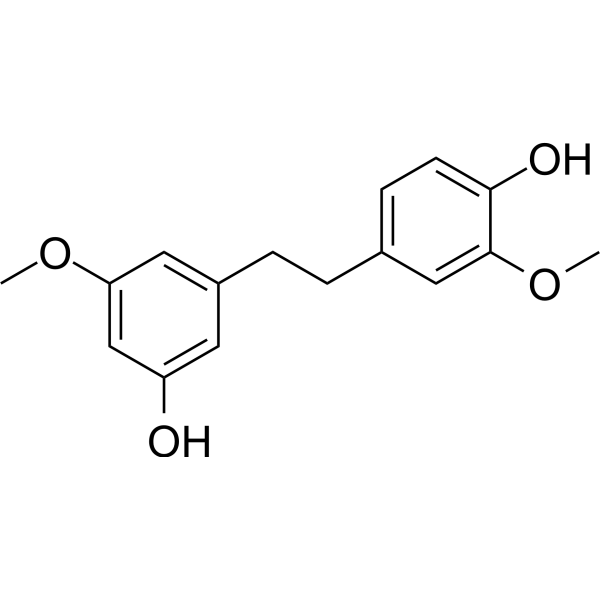
    Gigantol is an orally active bibenzyl compound. Gigantol targets MYC to promote its ubiquitin-proteasomal degradation and inhibit the growth of lung cancer cells. Gigantol exerts anti-lung cancer activity by inducing ferroptosis (Ferroptosis) via the SLC7A11-GPX4 axis. Gigantol restores the sensitivity of mcr-harboring multidrug-resistant bacteria to colistin. Gigantol ameliorates carbon tetrachloride-induced liver injury by inhibiting the activation of the JNK/cPLA2/12-LOX inflammatory pathway. Gigantol promotes cholesterol metabolism and progesterone biosynthesis in Leydig cells. Gigantol can be used in studies related to diseases such as lung cancer, multidrug-resistant Gram-negative bacterial infections, and acute liver injury .
    Gigantol
  • HY-B1257

    Sodium cefmetazole

    Bacterial Antibiotic Infection Cancer
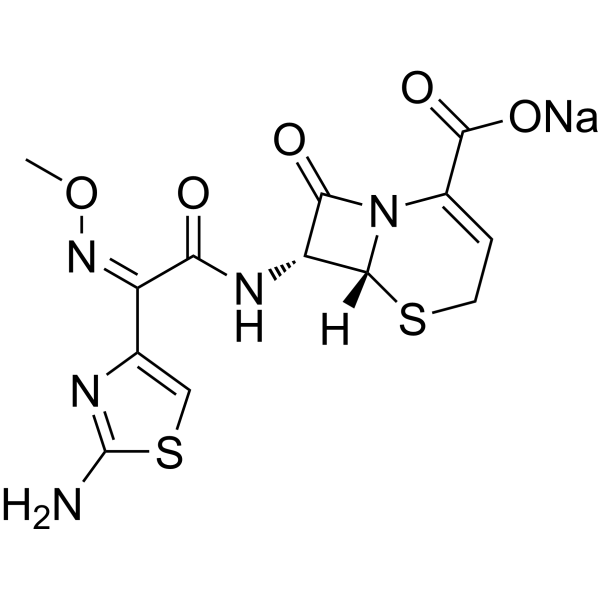
    Cefmetazole sodium (Sodium cefmetazole) is a semisynthetic cephamycin antibiotic with broad-spectrum antibacterial activity, covering gram-positive, gram-negative, and anaerobic bacteria. Cefmetazole sodium binds to penicillin binding proteins (PBPs), resulting in interfering bacterial cell wall biosynthesis. Cefmetazole sodium is used for the research of gynecologic, intraabdominal, urinary tract, respiratory tract and skin and soft tissue infections .
    Cefmetazole sodium
  • HY-W013549

    6-APA

    Drug Metabolite Bacterial Infection Inflammation/Immunology
    6-Aminopenicillanic acid (6-APA) is a parent amine, an important precursor for the synthesis of β-lactam antibiotics and an antibacterial agent. 6-Aminopenicillanic acid interferes with cell wall synthesis during bacterial division in a manner similar to penicillin. 6-Aminopenicillanic acid has antibacterial activity against Gram-negative bacteria. 6-Aminopenicillanic acid is mainly used in the study of Penicillin-associated immune responses .
    6-Aminopenicillanic acid
  • HY-N1416
    Pogostone
    2 Publications Verification

    Bacterial Apoptosis Autophagy Infection Inflammation/Immunology Cancer
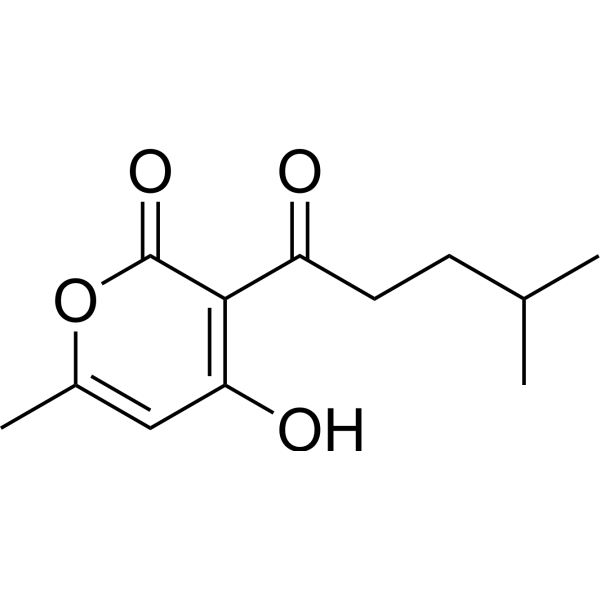
    Pogostone is isolated from patchouli oil with anti-bacterial and anti-cancer activities. Pogostone inhibits both gram negative and gram positive bacteria, also show inhibitory effect on corynebacterium xerosis with a MIC value of 0.098 µg/ml . Pogostone induces cell apoptosis and autophagy .
    Pogostone
  • HY-N7101

    U-76,252; CS-807

    Bacterial Antibiotic Penicillin-binding protein (PBP) Infection
    Cefpodoxime Proxetil is an orally active broad spectrum third-generation cephalosporin with potent antibacterial activity against both Gram-positive and Gram-negative bacteria including staphylococci, streptococci, Haemophilus influenzae, Neisseria gonorrhoeae, Escherichia coli, Klebsiella pnuemoniae, Citrobacter spp, and Proteus spp. Cefpodoxime Proxetil binds to penicillin binding proteins (PBPs), which inhibits peptidoglycan synthesis, finally results in interfering bacterial cell wall biosynthesis. Cefpodoxime Proxetil can be used against skin structure infections, acute otitis media, pharyngitis, tonsillitis, upper respiratory tract infection, urinary tract infections and sexually transmitted diseases .
    Cefpodoxime Proxetil
  • HY-30170

    Endogenous Metabolite Adrenergic Receptor Neurological Disease
    N-Methylphenethylamine is an indirectly acting sympathomimetic amine that is formed via PNMT-catalyzed N-methylation of phenethylamine (PEA) in the human body. N-Methylphenethylamine exhibits affinity for β-adrenergic receptors on the surface of cancer cells or bacterial cells. N-Methylphenethylamine can be used for neurotransmitter research or as a pharmaceutical intermediate .
    N-Methylphenethylamine
  • HY-N5112A
    β,β-Dimethylacrylalkannin
    3 Publications Verification

    Arnebin 1

    FGFR Necroptosis Apoptosis CDK JNK Inflammation/Immunology
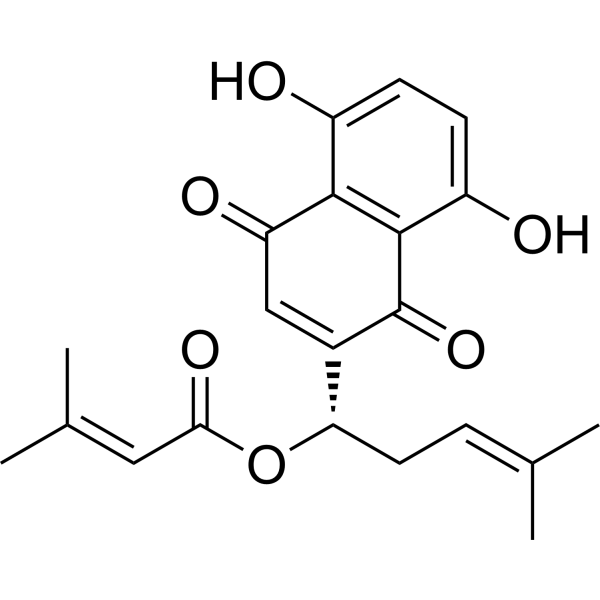
    β,β-Dimethylacrylalkannin (Arnebin 1) is an orally active FGFR1 inhibitor (IC50=2.5 μM) and the main active component of Lithospermum erythrorhizon. β,β-Dimethylacrylalkannin blocks downstream signaling by binding to the ATP pocket of FGFR1, and regulates the CDK1/Cdc25C pathway and ROS-JNK axis, thereby inducing G2/M phase arrest, necrosis and apoptosis in cancer cells, and inhibiting tumor proliferation. β,β-Dimethylacrylalkannin also acts as a colistin adjuvant to disrupt the cell membrane of Gram-negative bacteria. β,β-Dimethylacrylalkannin exhibits significant tumor-inhibitory effects with no obvious toxicity in PDX models, but chronic exposure to high doses may alter the relative lung/liver weights of rats, while acute exposure to high doses causes responses such as reduced motor activity. β,β-Dimethylacrylalkannin finds wide application in studies related to hepatocellular carcinoma, colorectal cancer, colistin-resistant bacterial infections, hepatitis and psoriasis .
    β,β-Dimethylacrylalkannin
  • HY-N7066

    A-56619 hydrochloride

    Bacterial DNA/RNA Synthesis Infection
    Difloxacin hydrochloride (A-56619 hydrochloride) is an orally active bactericidal agent. Difloxacin hydrochloride inhibits bacterial DNA gyrase. Difloxacin hydrochloride exhibits concentration-dependent bactericidal activity. Difloxacin hydrochloride shows strong in vitro activity against a variety of Gram-positive and Gram-negative bacteria. Difloxacin hydrochloride can be used in research related to colibacillosis and *Staphylococcus aureus* infections .
    Difloxacin hydrochloride
  • HY-A0248B

    Antibiotic Bacterial Infection
    Polymyxin B2 is a polypeptide antibiotic that has antibacterial activity, particularly against gram-negative bacteria. Polymyxin B2 kills the bacteria by binding to lipopolysaccharide molecules on the bacterial cell membrane, disrupting the integrity of the cell membrane and causing the cell contents to leak. Polymyxin B2 can be used in antibiotic development and treatment of drug-resistant strains .
    Polymyxin B2
  • HY-B1128A

    Cephamandole sodium

    Antibiotic Bacterial Infection
    Cefamandole (Cephamandole) sodium is a semi-synthetic second-generation cephalosporin antibiotic with broad-spectrum antimicrobial activity. Cefamandole sodium is resistant to hydrolysis by β-lactamases produced by some Gram-negative bacteria. Cefamandole sodium kills Gram-positive cocci and various Gram-negative bacilli mainly by inhibiting cell wall synthesis, but it is inactive against Pseudomonas, Proteus vulgaris and Providencia stuartii, and its efficacy is affected by inoculum size. The plasma elimination half-life of Cefamandole sodium in rats is only 0.4 h, it is mainly excreted in urine in biologically active form, and it hardly penetrates the non-inflamed blood-brain barrier. Cefamandole sodium is widely used in studies related to bacterial infections .
    Cefamandole sodium
  • HY-B1190A
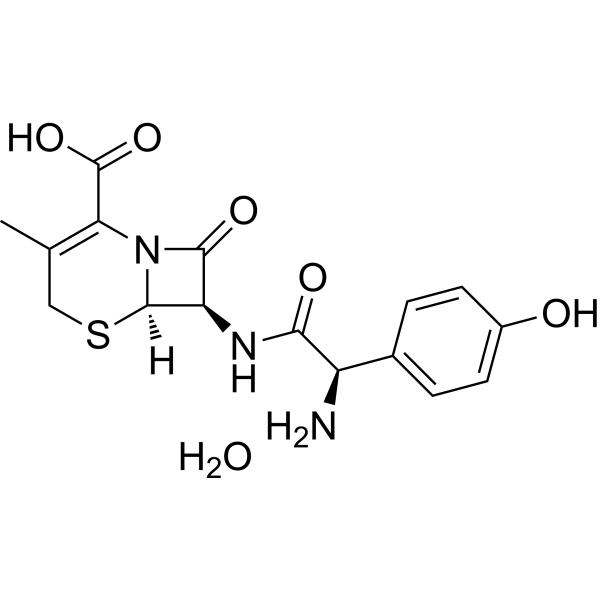
    Cefadroxil hydrate
    5 Publications Verification

    BL-S 578 hydrate

    Bacterial Antibiotic EAAT Infection Neurological Disease
    Cefadroxil hydrate is an orally active broad-spectrum cephalosporin antibiotic. Cefadroxil hydrate inhibits bacterial cell wall synthesis and enhances the expression of glutamate transporter-1. Cefadroxil hydrate is dependent on the intestinal peptide transporter PepT1 for small intestinal absorption. Cefadroxil hydrate has inhibitory and bactericidal activity against a variety of Gram-positive and Gram-negative bacteria and has analgesic effects on neuropathic pain .
    Cefadroxil hydrate
  • HY-W016473

    Bacterial Infection
    Adamantane-carboxylic acid is a compound with inhibitory activity against microorganisms. Although its specific target has not been clearly defined, it can inhibit Gram-positive bacteria and some Gram-negative bacteria. It forms a 1-monoacylglycerol derivative through a direct reaction with glycidol, and exerts its antibacterial effect by mechanisms such as altering the permeability of the bacterial cell membrane. This compound can be used in the research of antibacterial agents in the food and cosmetic industries to reduce harmful microbial flora and extend the shelf life of products .
    Adamantane-carboxylic acid
  • HY-W984782

    GLUT Bacterial Fungal AMPK PPAR Reactive Oxygen Species (ROS) Apoptosis SOD Infection Metabolic Disease Cancer
    Flindersine is an alkaloid with multiple activities including antibacterial, antifungal, antitumor, and antidiabetic properties. Flindersine increases the activity of antioxidant enzymes, restores the levels of renal biomarkers, and reduces blood glucose, blood lipid, and insulin levels in diabetic rats. Flindersine inhibits the growth of Gram-positive bacteria, Gram-negative bacteria, drug-resistant bacteria, as well as dermatophytes, filamentous fungi, and yeasts. Flindersine reduces the viability of cancer cells and induces apoptosis. Flindersine can be used in research related to breast cancer, type 2 diabetes, bacterial infections, and fungal infections .
    Flindersine
  • HY-P5557

    Bacterial Necroptosis Infection Inflammation/Immunology
    TP4 (Nile tilapia piscidin) is an orally active amphipathic α-helical cationic antimicrobial peptide. TP4 (Nile tilapia piscidin) exerts broad-spectrum bactericidal activity against Gram-positive and Gram-negative bacteria by disrupting cell membrane structures, and also exhibits certain hemolytic activity. TP4 (Nile tilapia piscidin) regulates the innate immune system and enhances the expression of lysozymes, cytokines and antioxidant enzymes to resist bacterial infection. TP4 (Nile tilapia piscidin) also stimulates the proliferation of keratinocytes and fibroblasts, and significantly promotes the healing of wounds infected with MRSA. TP4 (Nile tilapia piscidin) can be used in research related to bacterial infection, peritonitis, wound healing and other fields .
    TP4 (Nile tilapia piscidin)
  • HY-B1596A
    Ceftizoxime sodium
    1 Publications Verification

    SKF-88373

    Penicillin-binding protein (PBP) Bacterial Antibiotic Infection
    Ceftizoxime sodium (SKF-88373) is third generation cephalosporin effective against Gram-negative and Gram-positive bacteria. It binds penicillin-binding proteins (PBPs) and inhibits the bacterial cell wall synthesis.
    Ceftizoxime sodium
  • HY-B1595

    CS 1170

    Antibiotic Bacterial Infection Cancer
    Cefmetazole (CS 1170) is a semisynthetic cephamycin antibiotic with broad-spectrum antibacterial activity, covering gram-positive, gram-negative and anaerobic bacteria. Cefmetazole binds to penicillin binding proteins (PBPs), resulting in interfering bacterial cell wall biosynthesis. Cefmetazole is used for the research of gynecologic, intraabdominal, urinary tract, respiratory tract and skin and soft tissue infections .
    Cefmetazole
  • HY-B0200R

    Cefalexin (Standard); Cephacillin (Standard)

    Penicillin-binding protein (PBP) Reference Standards Antibiotic Bacterial Infection Cancer
    Cephalexin (Standard) is the analytical standard of Cephalexin. This product is intended for research and analytical applications. Cephalexin (Cefalexin) is a potent, orally active semisynthetic cephalosporin antibiotic with a broad antibacterial spectrum. Cephalexin has antibacterial activity against a wide variety of gram-positive and gram-negative bacteria. Cephalexin targets penicillin-binding proteins (PBPs) to inhibit bacterial cell wall assembly. Cephalexin is used for the research of pneumonia, strep throat, and bacterial endocarditis, et al .
    Cephalexin (Standard)
  • HY-A0248AS

    Isotope-Labeled Compounds Bacterial Infection
    Polymyxin B1-d7 TFA is the deuterium labeled Polymyxin B1 TFA (HY-A0248A). Polymyxin B1 is a potent antimicrobial lipopeptide first derived from Bacilus polymyxa. Polymyxin B1 is the major component in Polymyxin B (HY-A0248). Polymyxin B1 can induce lysis of bacterial cells through interaction with their membranes. Polymyxin B1 has the potential for multidrug-resistant Gram-negative bacterial infections treatment .
    Polymyxin B1-d7 TFA
  • HY-N3968

    GTN; (R)-(+)-Goniothalamin

    Apoptosis Insecticide Bacterial Fungal Reactive Oxygen Species (ROS) Infection Inflammation/Immunology Cancer
    Goniothalamin (GTN) is a styryl lactone. Goniothalamin exhibits insecticidal, anti-tumor and antibacterial activities. Goniothalamin induces cell cycle arrest and apoptosis in tumor cells. Goniothalamin acts as a larvicide against Culex quinquefasciatus larvae and as a cytotoxin against brine shrimp larvae. Goniothalamin functions as an antibacterial agent against Gram-positive and Gram-negative bacteria, and also acts as an antifungal agent against pathogens including Candida albicans, Trichophyton rubrum and Trichophyton mentagrophytes. Goniothalamin is applicable to research related to breast cancer, lymphatic filariasis, bacterial infections and fungal infections .
    Goniothalamin
  • HY-N12851

    (E)-4-Oxo-2-hexenal

    Bacterial Apoptosis Infection
    4-OHE ((E)-4-Oxo-2-hexenal) is a mutagen formed by omega-3 lipid peroxidation. 4-OHE reacts with deoxyguanosine, deoxycytidine and 5-methyldeoxycytidine to form covalent adducts. 4-OHE induces apoptosis and exhibits genotoxicity. 4-OHE inhibits the growth of Gram-positive and Gram-negative bacteria, which correlates with its electrophilic reactivity towards nucleophilic biomolecules. 4-OHE is a chemical defense component of Dolycoris baccarum (sloe bug), and acts as a deterrent and toxin against insect predators .
    4-OHE
  • HY-W653936

    Isotope-Labeled Compounds Bacterial Antibiotic Penicillin-binding protein (PBP) Cancer
    Cephalexin-d5 (hydrate) is deuterium labeled Cephalexin (monohydrate). Cephalexin (Cefalexin) monohydrate is a potent, orally active new semisynthetic cephalosporin antibiotic with a broad antibacterial spectrum. Cephalexin (Cefalexin) monohydrate has antibacterial activity against a wide variety of gram-positive and gram-negative bacteria. Cephalexin (Cefalexin) monohydrate targets penicillin-binding proteins (PBPs) to inhibit bacterial cell wall assembly. Cephalexin (Cefalexin) monohydrate is used for the research of pneumonia, strep throat, and bacterial endocarditis, et al .
    Cephalexin-d5 hydrate
  • HY-B0200S

    Cefalexin-d5; Cephacillin-d5

    Antibiotic Bacterial Infection
    Cephalexin-d5 is deuterium labeled Cephalexin. Cephalexin (Cefalexin; Cephacillin) is a potent, orally active and the first-generation?cephalosporin antibiotic. Cephalexin kills?gram-positive?and some?gram-negative bacteria?by disrupting the growth of the bacterial cell wall. Cephalexin monohydrate is used for the research of?pneumonia,?strep throat, and bacterial endocarditis, et al .
    Cephalexin-d5
  • HY-B1190R

    BL-S 578 (Standard)

    Reference Standards Bacterial Antibiotic EAAT Infection Neurological Disease
    Cefadroxil (Standard) is the analytical standard of Cefadroxil (HY-B1190). This product is intended for research and analytical applications. Cefadroxil is an orally active broad-spectrum cephalosporin antibiotic. Cefadroxil inhibits bacterial cell wall synthesis and enhances the expression of glutamate transporter-1. Cefadroxil is dependent on the intestinal peptide transporter PepT1 for small intestinal absorption. Cefadroxil has inhibitory and bactericidal activity against a variety of Gram-positive and Gram-negative bacteria and has analgesic effects on neuropathic pain .
    Cefadroxil (Standard)
  • HY-P10519

    Bacterial Reactive Oxygen Species (ROS) Infection
    Brevicidine is an antimicrobial peptide with selective bactericidal activity against Gram-negative pathogens. Brevicidine disrupts bacterial morphology by binding to lipopolysaccharide (LPS) on the bacterial cell membrane to form pores. Brevicidine causes dissipation of intracellular proton motive force, outer membrane damage, inhibition of ATP biosynthesis and reactive oxygen species accumulation in bacterial cells. As a sensitizer, Brevicidine exerts synergistic activity when combined with a variety of conventional antibiotics .
    Brevicidine
  • HY-124712

    Bacterial Infection
    Divin, a potent chelator of iron, is a potent inhibitor of bacterial cell division with bacteriostatic effect in Gram-negative and Gram-positive bacteria. Divin disrupts the assembly of late division proteins, reduces peptidoglycan remodeling at the division site, and blocks compartmentalization of the cytoplasm .
    Divin
  • HY-P10980

    DNA/RNA Synthesis Bacterial Infection
    Citrocin is a potent bacterial RNA polymerase (RNAP) inhibitor. Citrocin shows significant inhibitory activity against Escherichia coli RNAP with an MIC range of 16-125 μM. Citrocin specifically binds to and inhibits RNA polymerase to block bacterial transcription and enters cells mainly through inner membrane protein SbmA. Citrocin is promising for research of Gram-negative bacterial infections, such as enterohemorrhagic E. coli .
    Citrocin
  • HY-U00380

    Antibiotic Beta-lactamase Bacterial Infection
    Tigemonam is an orally active monobactam antibiotic with a Ki of 0.86 μM against Enterobacter cloacae P99 β-lactamase and 50.8 μM against Escherichia coli TEM-1 β-lactamase. Tigemonam binds to penicillin-binding proteins 1a, 3, and 4, inhibits bacterial cell wall synthesis, and exhibits bactericidal activity against aerobic gram-negative bacteria including Enterobacteriaceae, Haemophilus influenzae, and Neisseria gonorrhoeae. Tigemonam resists hydrolysis by multiple β-lactamase enzymes, reduces bacterial load in systemic, pyelonephritic, lung, and thigh muscle infections in rodents, and shows minimal difference between minimum inhibitory and bactericidal concentrations. Tigemonam can be used for the research of gram-negative bacterial infections, acute pyelonephritis, lung infection, and thigh muscle infection .
    Tigemonam
  • HY-B0200C

    Cefalexin hydrochloride monohydrate; Cephacillin hydrochloride monohydrate

    Penicillin-binding protein (PBP) Antibiotic Bacterial Infection Cancer
    Cephalexin (Cefalexin) hydrochloride monohydrate is a potent, orally active new semisynthetic cephalosporin antibiotic with a broad antibacterial spectrum. Cephalexin (Cefalexin) hydrochloride monohydrate has antibacterial activity against a wide variety of gram-positive and gram-negative bacteria. Cephalexin (Cefalexin) hydrochloride monohydrate targets penicillin-binding proteins (PBPs) to inhibit bacterial cell wall assembly. Cephalexin (Cefalexin) hydrochloride monohydrate is used for the research of pneumonia, strep throat, and bacterial endocarditis, et al .
    Cephalexin hydrochloride monohydrate
  • HY-B0200D

    Cefalexin (lysine); Cephacillin (lysine)

    Penicillin-binding protein (PBP) Bacterial Antibiotic Infection Cancer
    Cephalexin (Cefalexin) lysine is a potent, orally active new semisynthetic cephalosporin antibiotic with a broad antibacterial spectrum. Cephalexin lysine has antibacterial activity against a wide variety of gram-positive and gram-negative bacteria. Cephalexin lysine targets penicillin-binding proteins (PBPs) to inhibit bacterial cell wall assembly. Cephalexin lysine is used for the research of pneumonia, strep throat, and bacterial endocarditis, et al .
    Cephalexin (lysine)
  • HY-B1128

    Cephamandole

    Antibiotic Bacterial Infection
    Cefamandole (Cephamandole) is a semi-synthetic second-generation cephalosporin antibiotic with broad-spectrum antimicrobial activity. Cefamandole is resistant to hydrolysis by β-lactamases produced by some Gram-negative bacteria. Cefamandole kills Gram-positive cocci and various Gram-negative bacilli mainly by inhibiting cell wall synthesis, but it is inactive against Pseudomonas, Proteus vulgaris and Providencia stuartii, and its efficacy is affected by inoculum size. The plasma elimination half-life of Cefamandole in rats is only 0.4 h, it is mainly excreted in urine in biologically active form, and it hardly penetrates the non-inflamed blood-brain barrier. Cefamandole is widely used in studies related to bacterial infections .
    Cefamandole
  • HY-P11074

    Bacterial Infection
    Sakacin P is an antimicrobial peptide that targets Gram-positive bacteria (such as Listeria monocytogenes) and belongs to Class IIa bacteriocin. Sakacin P has almost no antimicrobial activity against Gram-negative bacteria. Sakacin P exerts its antimicrobial activity by interacting with bacterial cell membranes and destroying membrane integrity. Sakacin P can be used for the study of Listeria contamination and antimicrobial drugs in the food industry.
    Sakacin P
  • HY-B1824R

    HR-810 sulfate (Standard)

    Reference Standards Antibiotic Bacterial Infection
    Cefpirome (HR-810) sulfate (Standard) is the analytical standard of Cefpirome sulfate. This product is intended for research and analytical applications. Cefpirome sulfate is a cephalosporin antibiotic that can cross cell membranes and the blood-brain barrier. Cefpirome sulfate binds to penicillin-binding proteins with high affinity, thereby inhibiting bacterial cell wall synthesis. Cefpirome sulfate exhibits bactericidal and growth-inhibitory activities against Gram-negative bacteria, Gram-positive bacteria, and susceptible anaerobic bacteria (including some β-lactamase-producing strains).
    Cefpirome sulfate (Standard)
  • HY-12826

    Beta-lactamase Bcl-2 Family Bacterial Cancer
    IMB-XH1 is an inhibitor of myeloid cell factor 1 (Mcl-1) . IMB-XH1 is a non-competitive Delhi metallo-β-lactamase (NDM-1) inhibitor. The IC50s of IMB-XH1 against metallo-β-lactamases NDM-1, IMP-4, ImiS and L1 are 0.4637 μM, 3.980 μM, 0.2287 μM and 1.158 μM, respectively .
    IMB-XH1
  • HY-179396

    Bacterial Infection
    T-1228 is a highly selective LpxC inhibitor. T-1228 can effectively block the synthesis of LPS (HY-D1056), causing defects in the bacterial outer membrane structure, increasing membrane permeability, and ultimately leading to bacterial cell death. T-1228 can be used for the study of Gram-negative bacterial infections .
    T-1228
  • HY-19428A

    RBx-7644

    Antibiotic Bacterial Infection Cardiovascular Disease
    Ranbezolid (RBx7644 free base) is an orally active, oxazolidinone antibiotic against Gram-positive and Gram-negative anaerobes including Staphylococcus aureus, Staphylococcus epidermidis and Bacteroides fragilis. Ranbezolid can inhibit the 50s ribosomal subunit with an IC50 of 17 μM for bacterial ribosomes. Ranbezolid interferes cell wall and lipid synthesis. Ranbezolid can rapidly kill bacteria, significantly reduce bacterial load, and has better cardiovascular safety. Ranbezolid can be used for the study of antibiotics for anaerobic bacteria .
    Ranbezolid hydrochloride
  • HY-19428

    RBx7644 free base

    Antibiotic Bacterial Infection Cardiovascular Disease
    Ranbezolid (RBx7644 free base) is an orally active, oxazolidinone antibiotic against Gram-positive and Gram-negative anaerobes including Staphylococcus aureus, Staphylococcus epidermidis and Bacteroides fragilis. Ranbezolid can inhibit the 50s ribosomal subunit with an IC50 of 17 μM for bacterial ribosomes. Ranbezolid interferes cell wall and lipid synthesis. Ranbezolid can rapidly kill bacteria, significantly reduce bacterial load, and has better cardiovascular safety. Ranbezolid can be used for the study of antibiotics for anaerobic bacteria .
    Ranbezolid
  • HY-105048A

    Bacterial Infection
    Omiganan pentahydrochloride is a cationic peptide compound with a broad antibacterial profile. Omiganan pentahydrochloride is capable of inhibiting a variety of bacteria, including yeast, and is active against both gram-positive and gram-negative bacteria. Omiganan pentahydrochloride is able to interact with the bacterial cell membrane, causing the destruction of the cell membrane and the death of the bacteria. Omiganan pentahydrochloride can be used for the study of antimicrobial activity against pathogens commonly associated with catheter-associated infections, including strains with drug-resistant phenotypes .
    Omiganan pentahydrochloride

Inquiry Online

Your information is safe with us. * Required Fields.

Salutation


Country or Region *

Applicant Name *


Organization Name *

Department *


Email Address *


Product Name *

Cat. No.


Requested quantity *

Phone Number *


Remarks

Inquiry Online

Inquiry Information

Product Name:
Cat. No.:
Quantity:
MCE Japan Authorized Agent:

