Search Result
Results for "
Hdac6 selective Inhibitors
" in MedChemExpress (MCE) Product Catalog:
1
Biochemical Assay Reagents
| Cat. No. |
Product Name |
Target |
Research Areas |
Chemical Structure |
-
- HY-16026
-
Ricolinostat
Maximum Cited Publications
43 Publications Verification
ACY-1215; Rocilinostat
|
HDAC
Apoptosis
|
Cancer
|
|
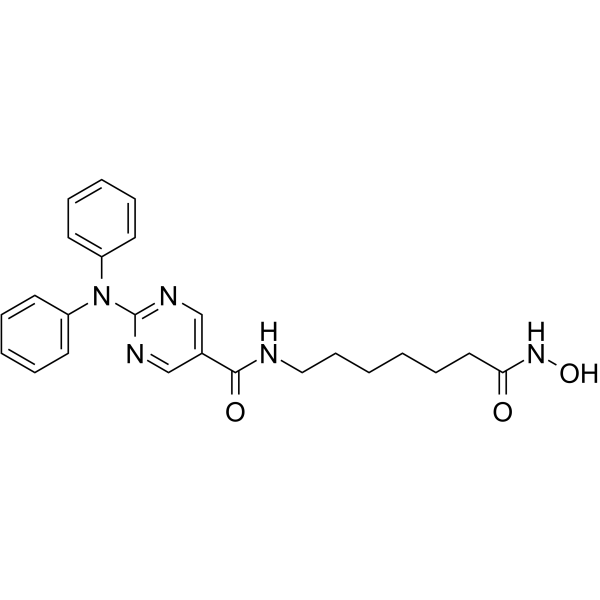
Ricolinostat (ACY-1215) is a potent and selective HDAC6 inhibitor, with an IC50 of 5 nM. ACY-1215 also inhibits HDAC1, HDAC2, and HDAC3 with IC50s of 58, 48, and 51 nM, respectively.
|
-
-
- HY-13271A
-
|
|
Beta-lactamase
HDAC
Autophagy
Apoptosis
|
Cancer
|
|
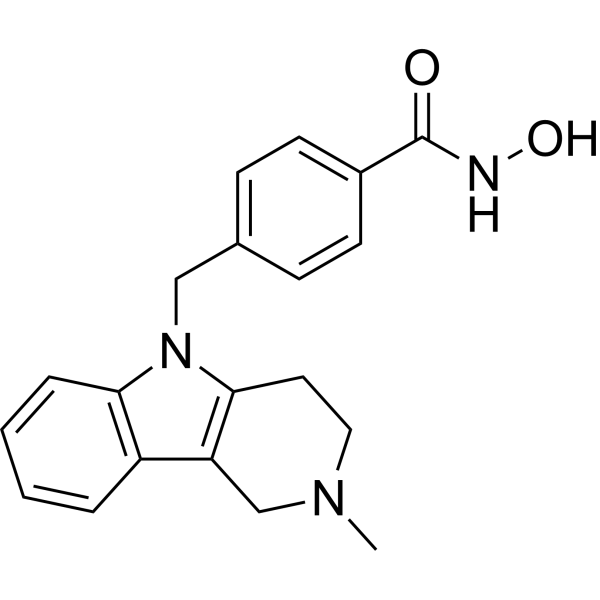
Tubastatin A is a potent and selective HDAC6 inhibitor with an IC50 of 15 nM in a cell-free assay, and is selective (1000-fold more) against all other isozymes except HDAC8 (57-fold more). Tubastatin A also inhibits HDAC10 and metallo-β-lactamase domain-containing protein 2 (MBLAC2).
|
-
-
- HY-13428
-
|
|
Beta-lactamase
HDAC
Virus Protease
|
Cancer
|
|
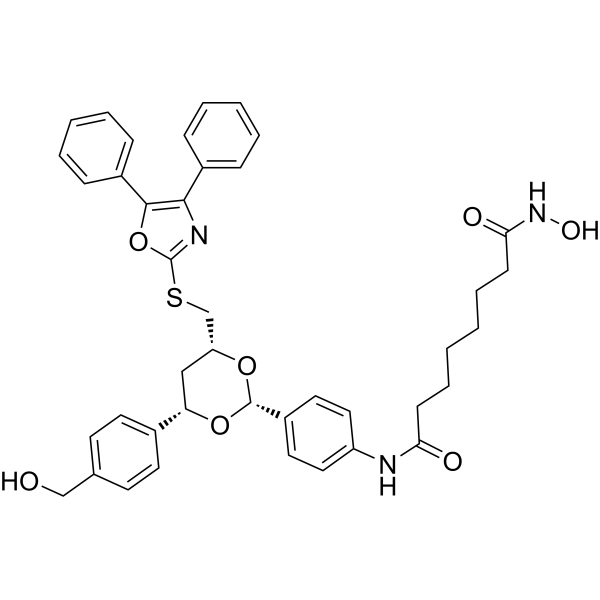
Tubacin is a potent and selective inhibitor of HDAC6, with an IC50 value of 4 nM and approximately 350-fold selectivity over HDAC1. Tubacin also inhibits metallo-β-lactamase domain-containing protein 2 (MBLAC2).
|
-
-
- HY-13271
-
|
Tubastatin A HCl; TSA HCl
|
Beta-lactamase
HDAC
Autophagy
Apoptosis
|
Cancer
|
|
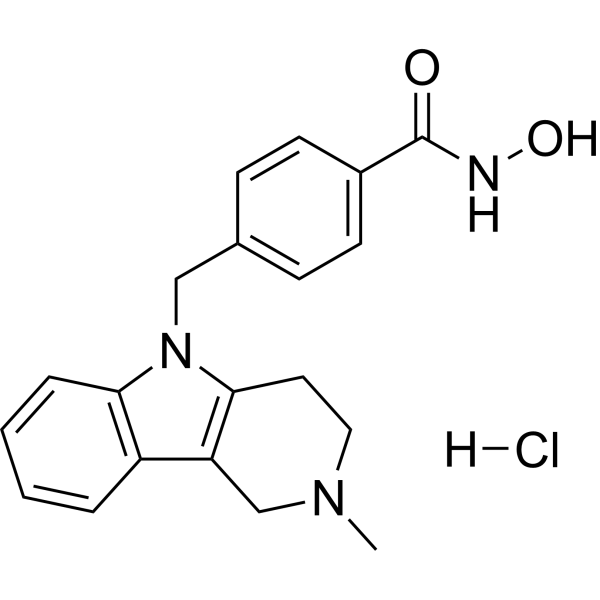
Tubastatin A Hydrochloride (Tubastatin A HCl) is a potent and selective HDAC6 inhibitor with IC50 of 15 nM in a cell-free assay, and is selective (1000-fold more) against all other isozymes except HDAC8 (57-fold more). Tubastatin A Hydrochloride also inhibits HDAC10 and metallo-β-lactamase domain-containing protein 2 (MBLAC2).
|
-
-
- HY-15994
-
|
ACY241
|
HDAC
|
Cancer
|
|
Citarinostat (ACY241) is a second generation potent, orally active and high-selective HDAC6 inhibitor with an IC50 of 2.6 nM (IC50s of 35 nM, 45 nM, 46 nM and 137 nM for HDAC1, HDAC2, HDAC3 and HDAC8, respectively). Citarinostat has anticancer effects .
|
-
-
- HY-16699
-
|
|
HDAC
|
Cancer
|
|
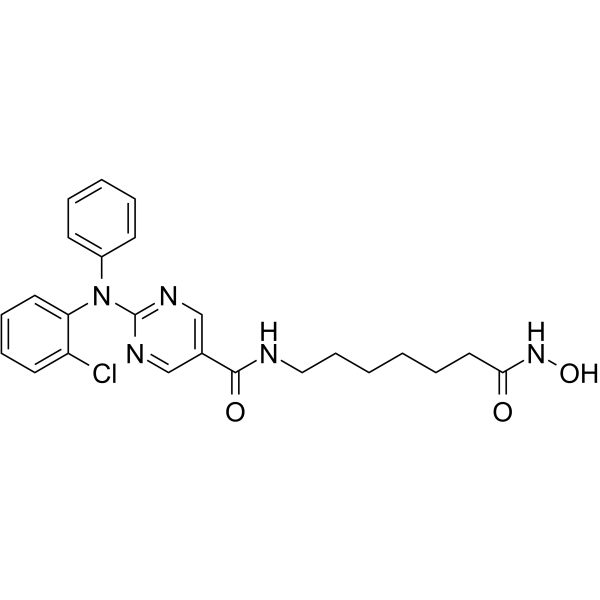
Nexturastat A is a potent, selective HDAC6 inhibitor. Nexturastat A has inhibitory for HDAC6 with an IC50 of 5 nM. Nexturastat A can be used for the research of multiple myeloma (MM) .
|
-
-
- HY-B0494
-
|
Bufexamic acid
|
HDAC
Aminopeptidase
|
Inflammation/Immunology
Cancer
|
|
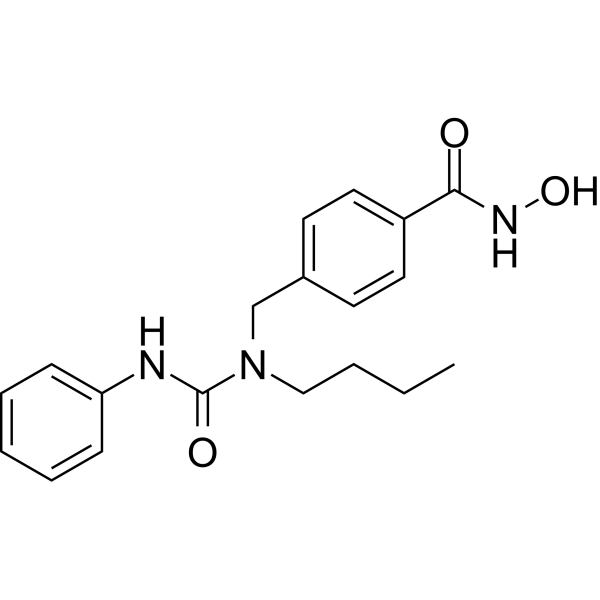
Bufexamac is a selective Ⅱb HDAC (HDAC6, HDAC10) and LTA4H dual inhibitor, with Kds of 0.53 µM and 0.22 µM for HDAC6 and HDAC10. Bufexamac is a nonsteroida anti-inflammatory drug .
|
-
-
- HY-19327
-
ACY-738
5 Publications Verification
|
HDAC
|
Cancer
|
|
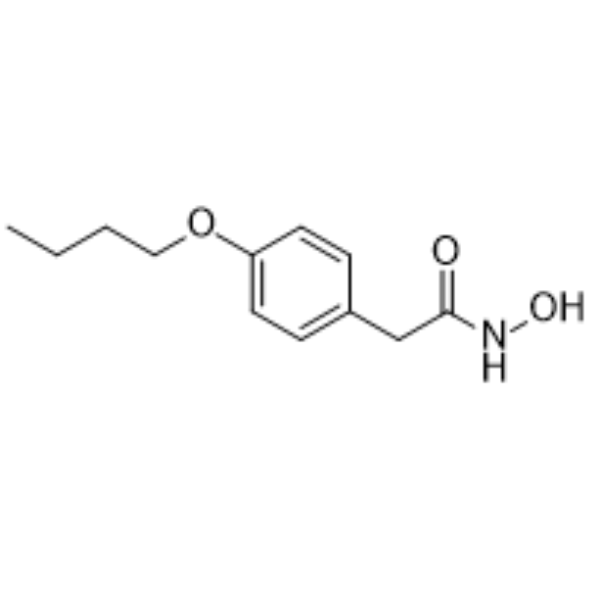
ACY-738 is a potent, selective and orally-bioavailable HDAC6 inhibitor, with an IC50 of 1.7 nM; ACY-738 also inhibits HDAC1, HDAC2, and HDAC3, with IC50s of 94, 128, and 218 nM.
|
-
-
- HY-19328
-
ACY-775
2 Publications Verification
|
HDAC
|
Cardiovascular Disease
Neurological Disease
|
|
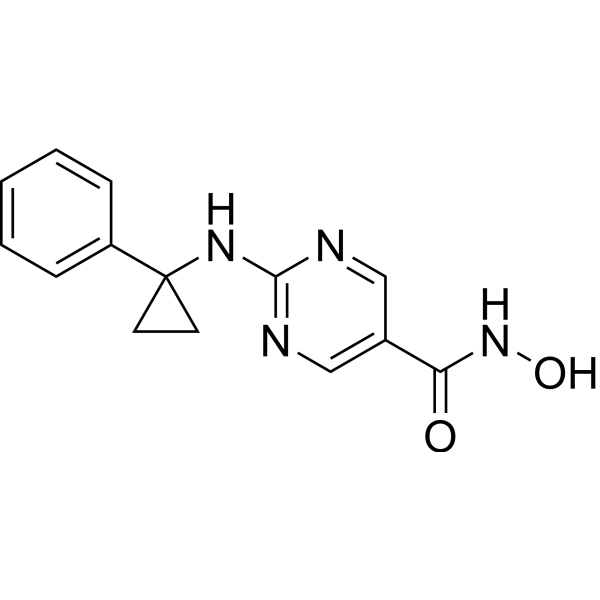
ACY-775 is a potent and selective inhibitor of the of histone deacetylase 6 (HDAC6) with an IC50 of 7.5 nM . ACY775 also inhibits metallo-β-lactamase domain-containing protein 2 (MBLAC2) .
|
-
-
- HY-138799
-
|
|
HDAC
|
Cancer
|
|
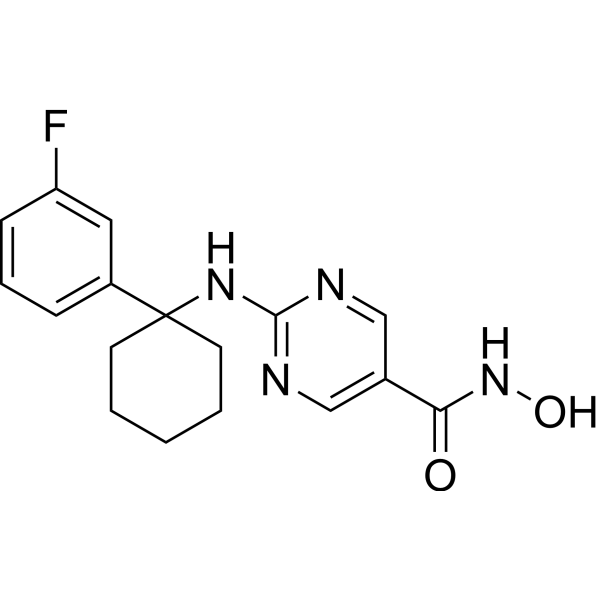
KA2507 is a potent, orally active and selective HDAC6 inhibitor, with an IC50 of 2.5 nM. KA2507 shows antitumor activities and immune modulatory effects in preclinical models .
|
-
-
- HY-18700
-
|
|
HDAC
|
Cancer
|
|
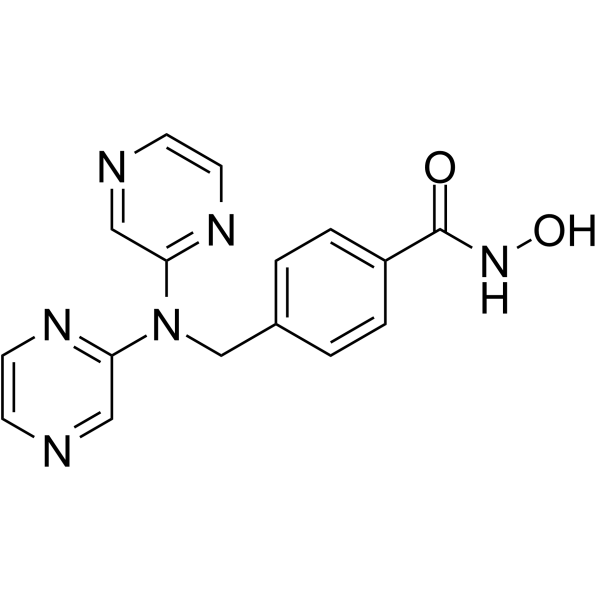
BRD73954 is a potent HDAC inhibitor and selectively inhibiting both HDAC6 and HDAC8 with IC50 values of 0.0036, 0.12, 9, 12, 23 µM for HDAC6, HDAC8, HDAC2, HDAC1 and HDAC3, respectively. BRD73954 decreases the levels of HDAC6, associated with upregulation of Ac-Tubulin .
|
-
-
- HY-111791
-
|
|
HDAC
|
Cancer
|
|
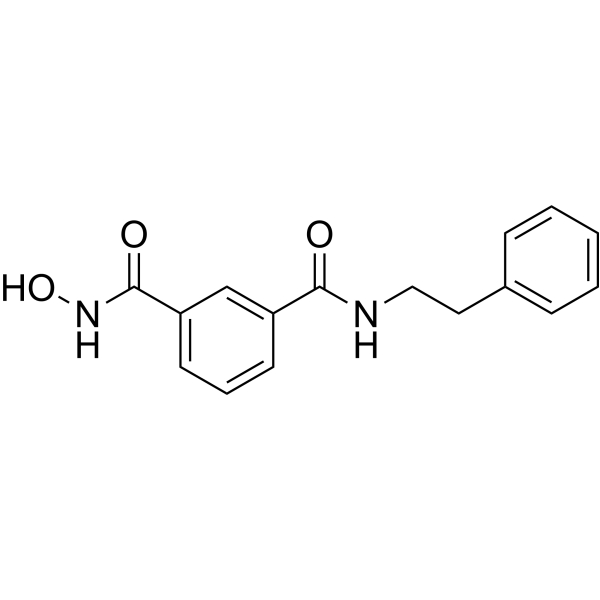
ACY-1083 is a selective and brain-penetrating HDAC6 inhibitor with an IC50 of 3 nM and is 260-fold more selective for HDAC6 than all other classes of HDAC isoforms. ACY-1083 effectively reverses chemotherapy-induced peripheral neuropathy .
|
-
-
- HY-115475
-
SW-100
4 Publications Verification
|
HDAC
|
Neurological Disease
|
|
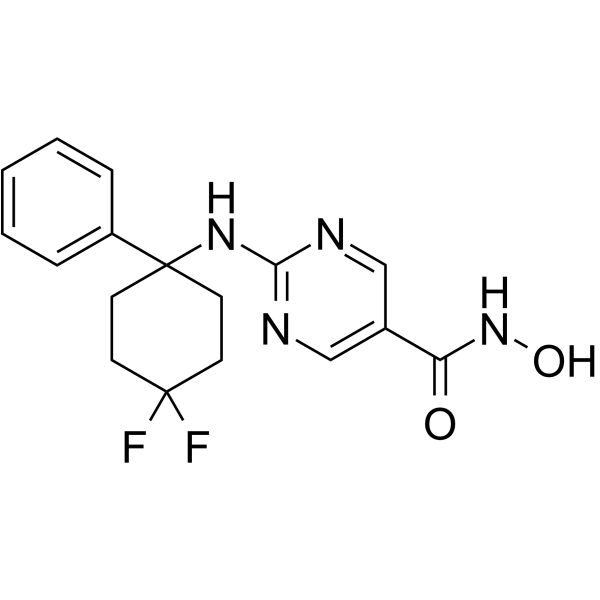
SW-100, a selective histone deacetylase 6 (HDAC6) inhibitor with an IC50 of 2.3 nM, shows at least 1000-fold selectivity for HDAC6 relative to all other HDAC isozymes. SW-100 displays a significantly improved ability to cross the blood-brain-barrier .
|
-
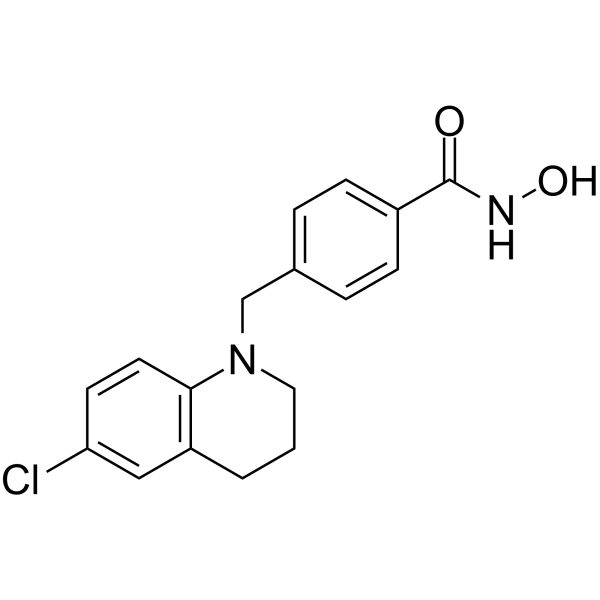
-
- HY-135714
-
|
EKZ-001
|
HDAC
Microtubule/Tubulin
|
Neurological Disease
Cancer
|
Bavarostat (EKZ-001) is a blood-brain barrier-permeable, potent HDAC6 inhibitor and PET radiotracer, with an IC50 as low as 17 nM against human HDAC6. Bavarostat can be labeled with 18F and used as a probe to map HDAC6 distribution and measure target occupancy in the brains of non-human primates. Bavarostat also selectively modulates tubulin acetylation, but not histone acetylation. Bavarostat is applicable for research on Alzheimer's disease, other neurodegenerative disorders, and cancers .
|
-

-
- HY-126330
-
|
AVS100
|
HDAC
|
Cancer
|
|
SS-208 is a selective HDAC6 inhibitor, with an IC50 of 12 nM. SS-208 possesses anti-tumor activity in melanoma .
|
-
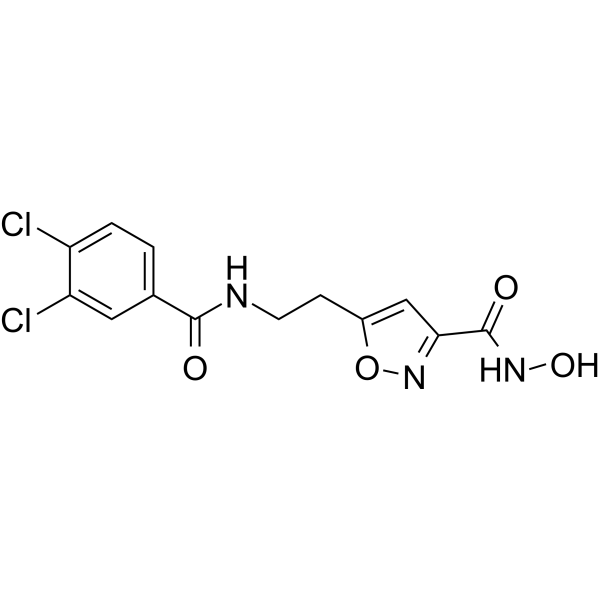
-
- HY-126147
-
|
|
HDAC
|
Cancer
|
|
J22352 is a PROTAC (proteolysis-targeting chimeras)-like and highly selective HDAC6 inhibitor with an IC50 value of 4.7 nM. J22352 promotes HDAC6 degradation and induces anticancer effects by inhibiting autophagy and eliciting the antitumor immune response in glioblastoma cancers, and leading to the restoration of host antitumor activity by reducing the immunosuppressive activity of PD-L1 .
|
-
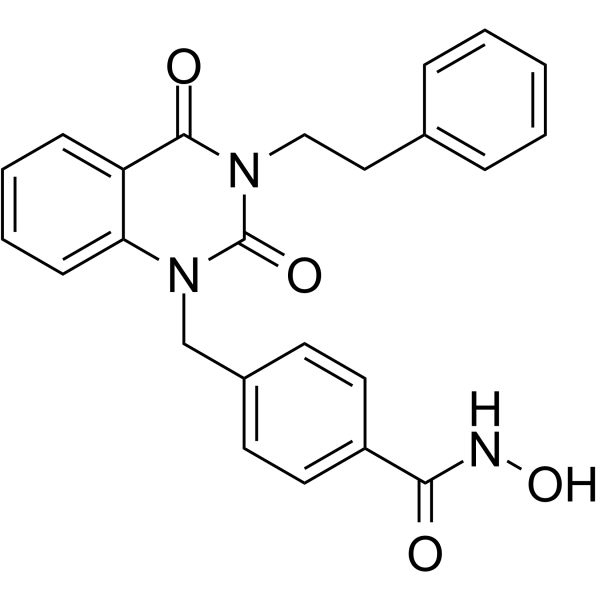
-
- HY-111818
-
TH34
1 Publications Verification
|
HDAC
|
Cancer
|
|
TH34, an HDAC6/8/10 inhibitor with IC50s of 4.6 μM, 1.9 μM, and 7.7 μM respectively, shows high selectivity over HDAC1/2/3 .
|
-
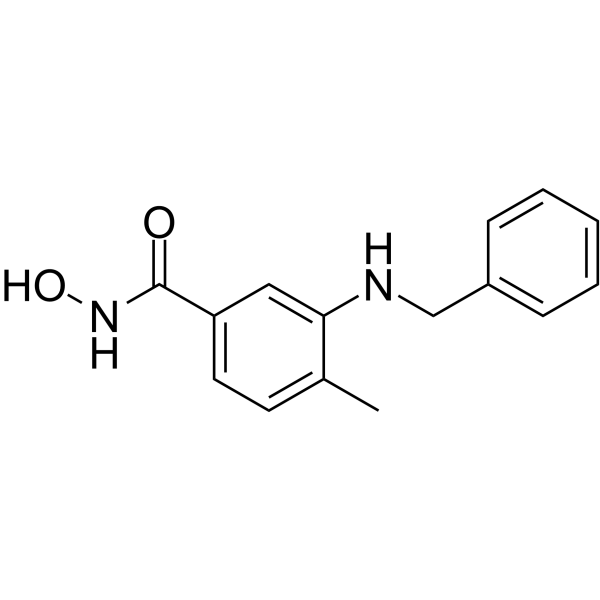
-
- HY-13267
-
|
NS 41080
|
HDAC
Apoptosis
|
Cancer
|
|
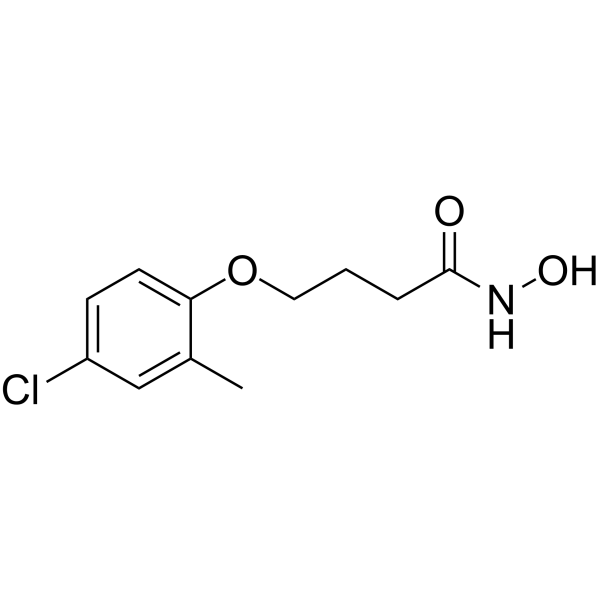
Droxinostat (NS 41080) is a histone deacetylase (HDAC) inhibitor. Droxinostat selectively inhibits HDAC3, HDAC6, and HDAC8 with IC50 values of 16.9 μM, 2.47 μM, and 1.46 μM, respectively. Droxinostat can be used for the research of hepatocellular carcinoma (HCC) .
|
-
-
- HY-153392
-
|
|
Oxidative Phosphorylation
HDAC
|
Cardiovascular Disease
|
|
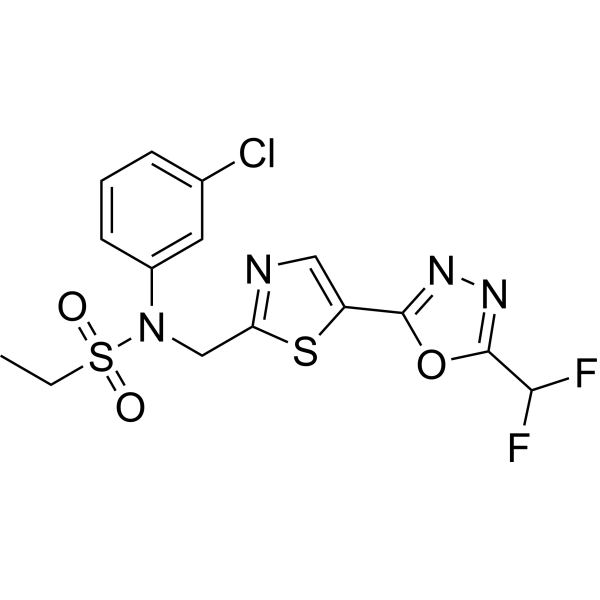
TYA-018 is an orally active, potent and highly selective HDAC6 inhibitor. TYA-018 can protect heart function in mice. TYA-018 also enhances energetics in mice by increasing expression of targets associated with fatty acid metabolism, protein metabolism, and oxidative phosphorylation .
|
-
-
- HY-19747
-
HPOB
3 Publications Verification
|
HDAC
Apoptosis
|
Cancer
|
|
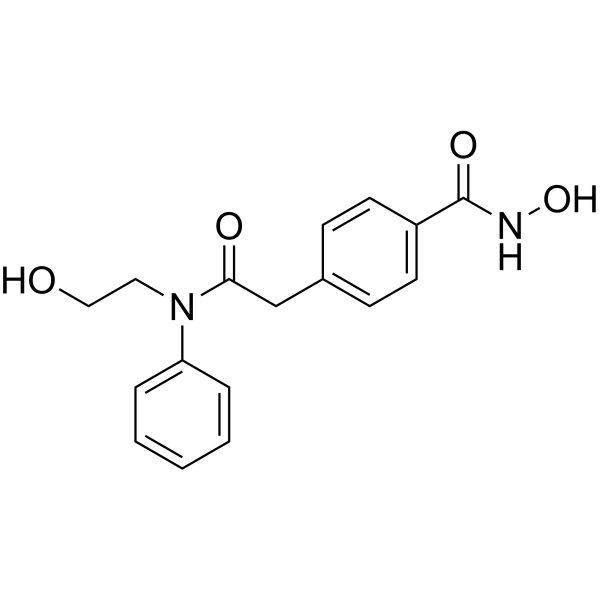
HPOB is a highly potent and selective inhibitor of HDAC6 with an IC50 of 56 nM. HPOB displays >30 fold less potent against other HDACs. HPOB enhances the effectiveness of DNA-damaging anticancer agents in transformed cells but not normal cells. HPOB does not block the ubiquitin-binding activity of HDAC6 .
|
-
-
- HY-123976
-
|
|
HDAC
|
Neurological Disease
Cancer
|
|
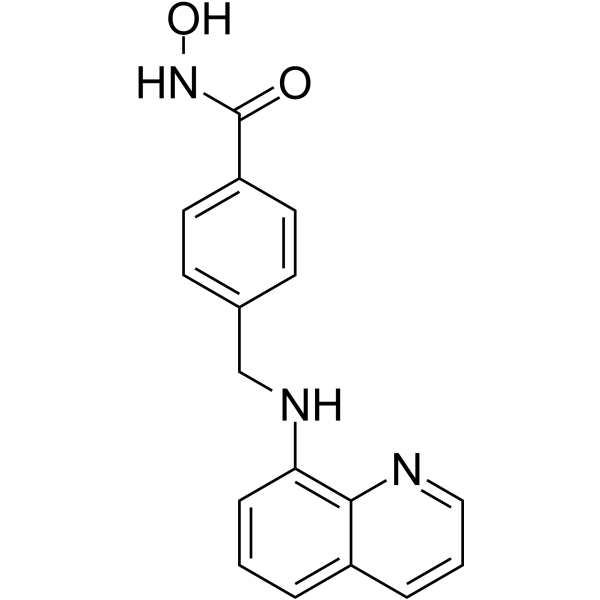
MPT0G211 is a potent, orally active and selective HDAC6 inhibitor (IC50=0.291 nM). MPT0G211 displays >1000-fold selective for HDAC6 over other HDAC isoforms. MPT0G211 can penetrate the blood-brain barrier. MPT0G211 ameliorates tau phosphorylation and cognitive deficits in an Alzheimer’s disease model. MPT0G211 has anti-metastatic and neuroprotective effects. Anticancer activities .
|
-
-
- HY-18712
-
BG45
4 Publications Verification
|
HDAC
Apoptosis
Caspase
|
Cancer
|
|
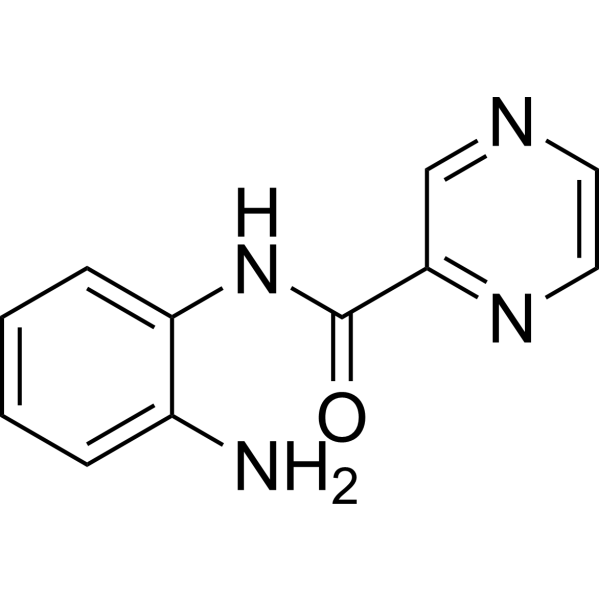
BG45 is a potent HDAC3 inhibitor with IC50 values of 0.289, 2, 2.2 and ﹥20 μM for HDAC3, HDAC1, HDAC2 and HDAC6, respectively. BG45 selectively targets multiple myeloma (MM) cells and induces caspase-dependent apoptosis .
|
-
-
- HY-130493
-
|
Hdac6 inhibitor HPB
|
HDAC
|
Cancer
|
|
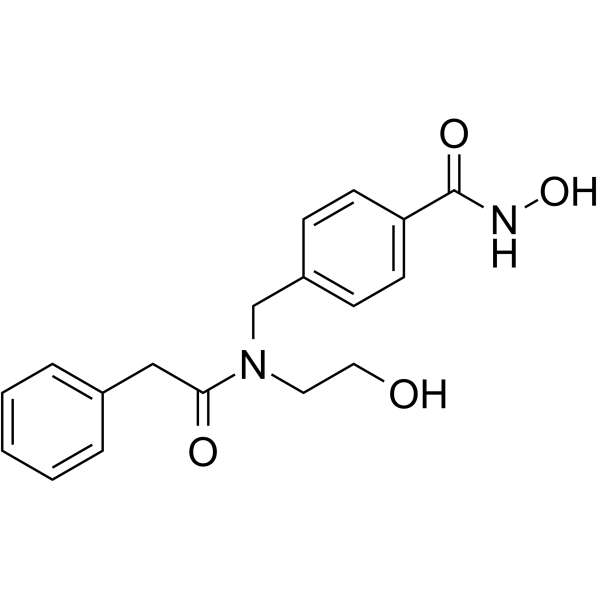
HPB (HDAC6 inhibitor HPB) is a selective HDAC6 inhibitor with an IC50 of 31 nM. HPB exhibits >30-flod selectivity for HDAC6 over HDAC1 .
|
-
-
- HY-100871
-
|
|
Beta-lactamase
HDAC
Apoptosis
|
Cancer
|
|
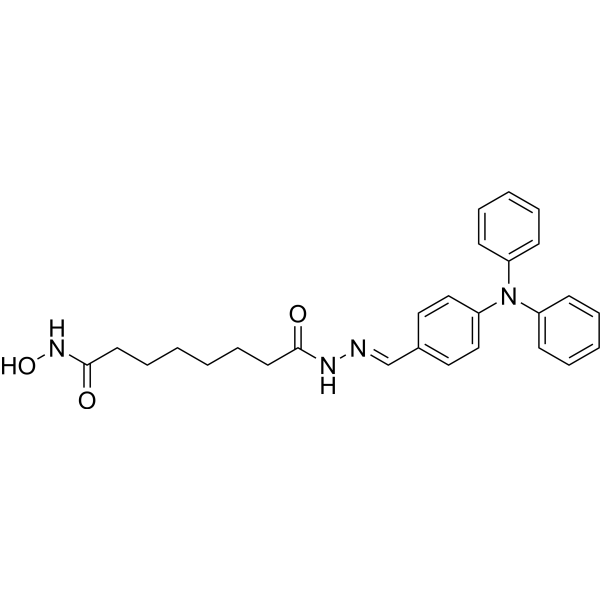
WT-161 is a potent and selective HDAC6 inhibitor with an IC50 of 0.40 nM . WT-161 also inhibits metallo-β-lactamase domain-containing protein 2 (MBLAC2) .
|
-
-
- HY-135890
-
-
-
- HY-171140
-
|
|
PROTACs
HDAC
|
Cancer
|
|
PROTAC HDAC6 degrader 3 (Compound 4) is a selective inhibitor and degrader for HDAC6 with an IC50 of 686 nM and a DC50 of 171 nM. PROTAC HDAC6 degrader 3 promotes the acetylation of α-tubulin . (Pink: ligand for target protein (HY-171141); Blue: ligand for E3 ligase VHL (HY-150803))
|
-

-
- HY-161304
-
|
|
HDAC
|
Cancer
|
|
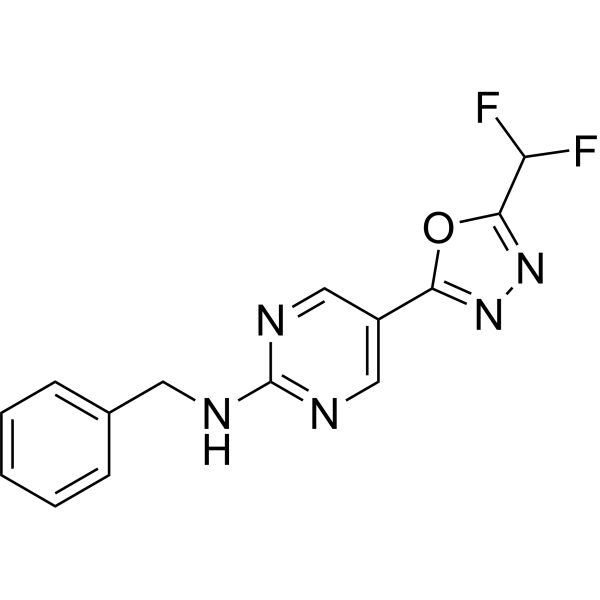
HDAC6-IN-33 (compound 6) is a selective and irreversible HDAC6 inhibitor with an IC50 of 193 nM. HDAC6-IN-33 shows no activity against HDAC1-4. HDAC6-IN-33 is a tight-binding HDAC6 inhibitor capable of inhibiting HDAC6 via a two-step slow-binding mechanism .
|
-
-
- HY-159109
-
|
|
HDAC
|
Neurological Disease
|
|
HDAC6-IN-46 (compound 12) is a selective histone deacetylase 6 (HDAC6) inhibitor with an IC50 value of 6.2 nM. HDAC6-IN-46 can be used in Alzheimer's disease research .
|
-

-
- HY-120448
-
|
|
HDAC
Apoptosis
|
Cancer
|
|
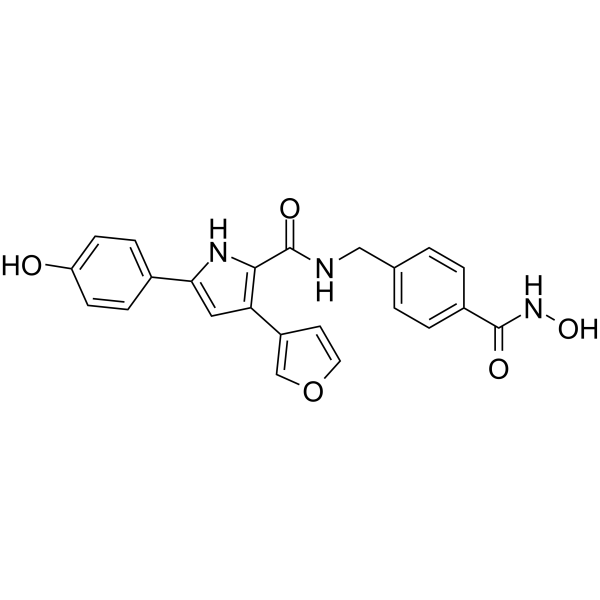
QTX125 is a potent and highly selective HDAC6 inhibitor. QTX125 exhibits excellent selectivity over other HDACs. QTX125 has antitumor effects .
|
-
-
- HY-128763
-
|
|
HDAC
|
Cancer
|
|
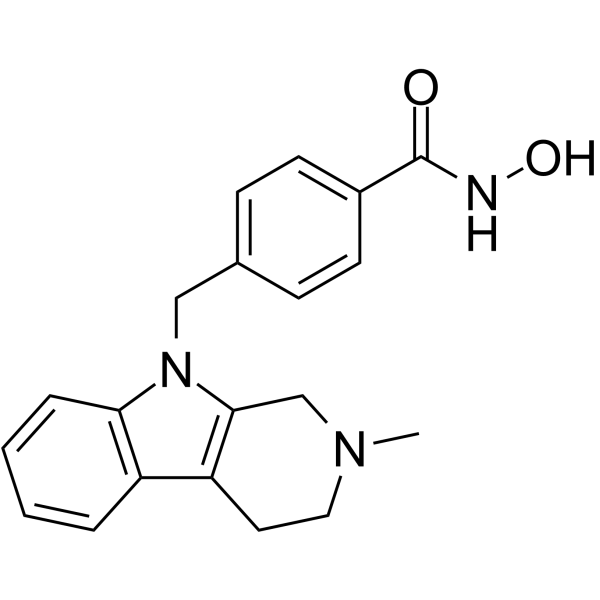
HDAC-IN-4 is a selective HDAC6 and HDAC10 inhibitor with pIC50s of 7.2 and 6.8 in BRET assay, respectively. Antitumoral activity .
|
-
-
- HY-149966
-
|
|
HDAC
|
Inflammation/Immunology
|
|
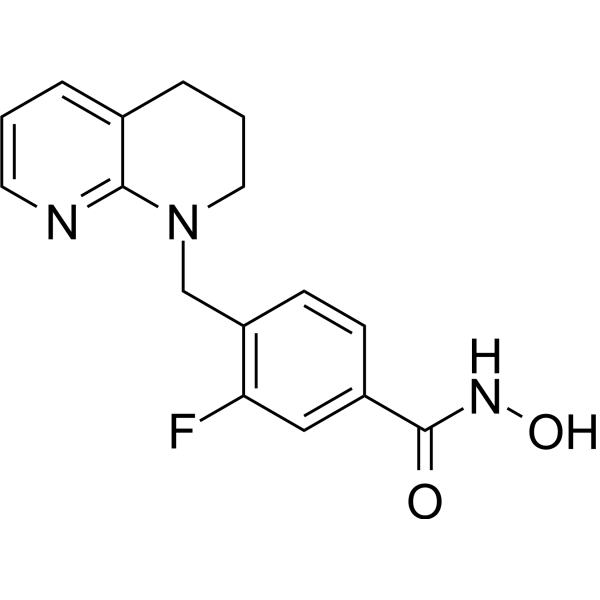
PB131 is a selective and brain-permeable HDAC6 inhibitor with high binding affinity (IC50: 1.8 nM). PB131 has potent anti-inflammatory activity. PB131 can be used for research of inflammation, especially neuroinflammation .
|
-
-
- HY-117554
-
|
|
HDAC
|
Cancer
|
|
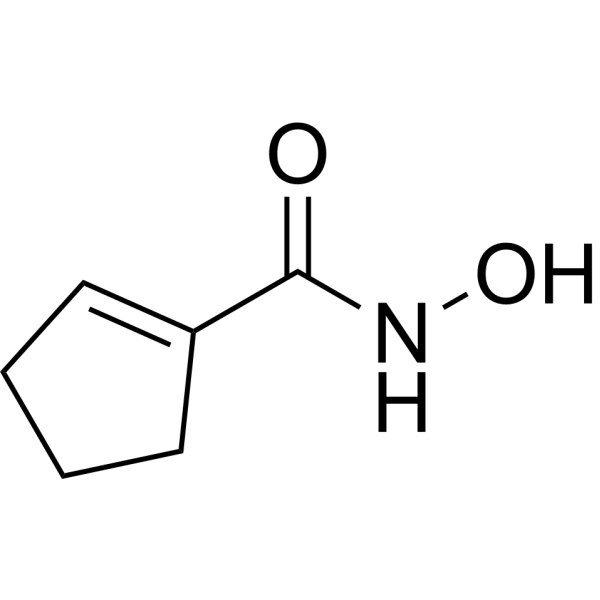
BRD9757 is a potent, capless and selective HDAC6 inhibitor with an IC50 of 30 nM. BRD9757 shows excellent selectivity toward HDAC6 versus the class I (>20-fold) and class II (>400-fold) HDACs .
|
-
-
- HY-18947
-
|
|
HDAC
|
Cancer
|
|
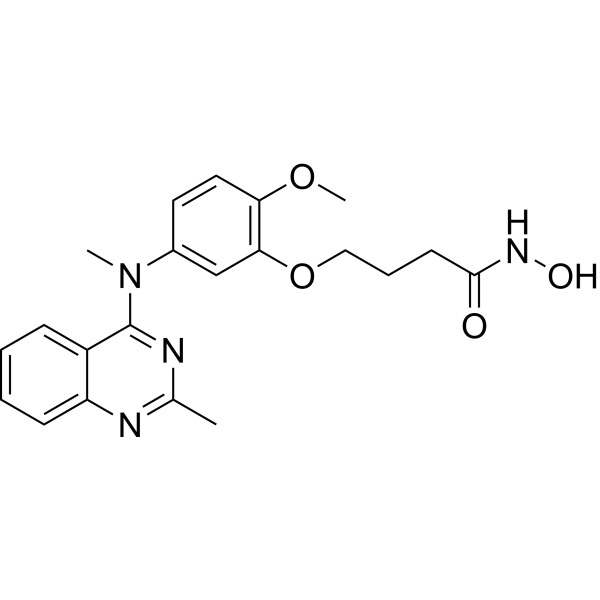
SKLB-23bb is a potent and selective inhibitor for HDAC6 with an IC50 of 17 nM and shows 25-fold and 200-fold selectivity relative to HDAC1 (IC50=422 nM) and HDAC8 (IC50=3398 nM), respectively.
|
-
-
- HY-113957
-
|
|
HDAC
|
Cancer
|
|
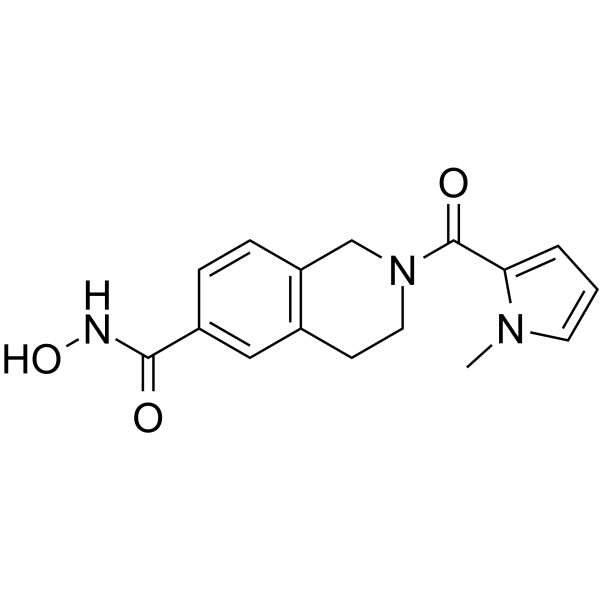
MPI_5a is a potent and selective HDAC6 inhibitor (IC50=36 nM). MPI_5a weakly inhibits other HDAC isoforms. MPI_5a inhibits acyl-tubulin accumulation in cells with an IC50 value of 210 nM .
|
-
-
- HY-150595
-
|
|
HDAC
Microtubule/Tubulin
|
Cancer
|
|
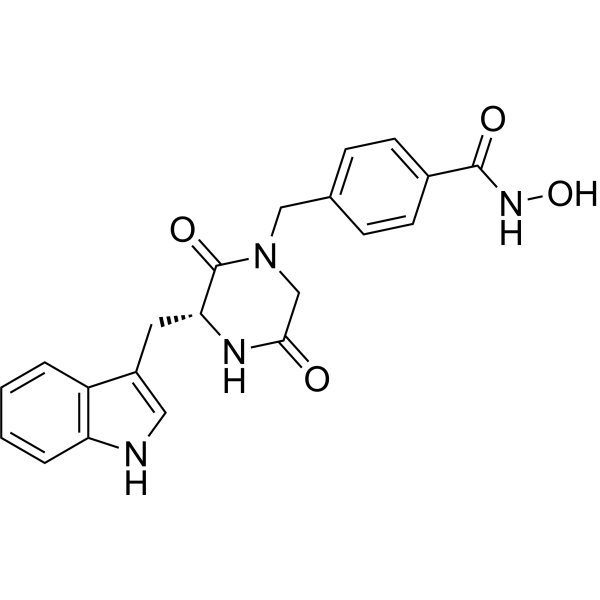
HDAC6-IN-10 is a highly selective HDAC6 inhibitor with the IC50 of 0.73 nM. HDAC6-IN-10 has 144~10941-fold selectivity over other HDAC isoforms. HDAC6-IN-10 shows anti-proliferative activities against multiple myeloma cells .
|
-
-
- HY-15144B
-
|
(S)-TSA
|
HDAC
|
Cancer
|
|
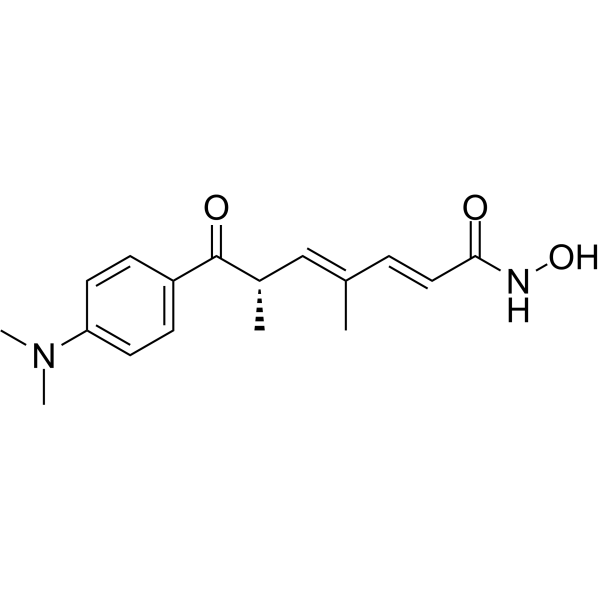
(S)-Trichostatin A ((S)-TSA) is a HDAC6-selective inhibitor with IC50s of 9.88 nM and 11.1 nM for Zebrafish HDAC6 and Human HDAC6, respectively. (S)-Trichostatin A weakly inhibits other human HDACs .
|
-
-
- HY-178351
-
|
|
HDAC
Microtubule/Tubulin
Apoptosis
Caspase
Bcl-2 Family
|
Cancer
|
|
HDAC6-IN-67 is a selective HDAC6 inhibitor (IC50 = 17.15 nM) that exhibits 19-fold selectivity over HDAC1. HDAC6-IN-67 selectively inhibits HDAC6 by interacting with Ser531 and His614. HDAC6-IN-67 induces apoptosis by inducing the cleavage of caspases 9, 8, 3, and PARP, upregulating Bax expression, and downregulating Bcl-2 expression. HDAC6-IN-67 effectively induces the acetylation of α-tubulin, without affecting histone H3 acetylation in MCF-7/ADR cells. HDAC6-IN-67 can be used for the study of breast cancer .
|
-

-
- HY-176733
-
|
|
HDAC
Free Fatty Acid Receptor
Microtubule/Tubulin
ERK
|
Neurological Disease
|
|
HDAC6-IN-61 (Compound 4e) is a HDAC6 inhibitor (IC50: 73 nM) with selectivity over other HDAC isoforms. HDAC6-IN-61 is also a GPR40 activator. HDAC6-IN-61 increases acetylated tubulin and ERK phosphorylation levels. HDAC6-IN-61 can be used for research of neuroinflammation such as Alzheimer's disease .
|
-

-
- HY-123971
-
|
|
HDAC
PROTACs
|
Cancer
|
|
HDAC6 degrader-4 is a PROTAC and a selective HDAC6 degrader consists of a non-selective HDAC inhibitor and thalidomide-type E3 ligase ligand. HDAC6 degrader-4 can be used for cancer research .
|
-

-
- HY-178333
-
|
|
HDAC
|
Cancer
|
|
HDAC6-IN-66 is a potent and selective histone deacetylase (HDAC) 6 inhibitor with an IC50 of 1.8 nM. HDAC6-IN-66 induces α-tubulin acetylation over histone H3. HDAC6-IN-66 can be used for the research of cancer .
|
-

-
- HY-147731
-
|
|
HDAC
|
Cancer
|
|
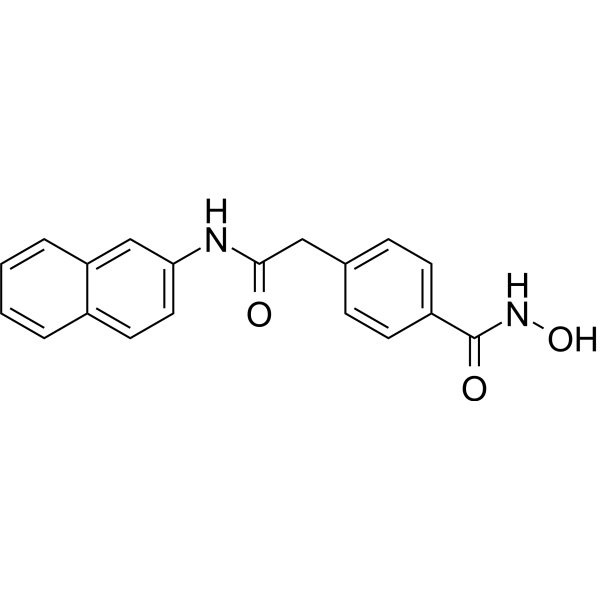
HDAC6-IN-9 (compound 12c) is a potent and selective HDAC6 inhibitor with IC50 values of 11.8, 15.2, 4.2, 139.6, 21.3 nM for HDAC1,HDAC3, HDAC6, HDAC8, HDAC10, respectively. HDAC6-IN-9 shows anti-proliferative activities .
|
-
-
- HY-151261
-
|
|
HDAC
|
Inflammation/Immunology
|
|
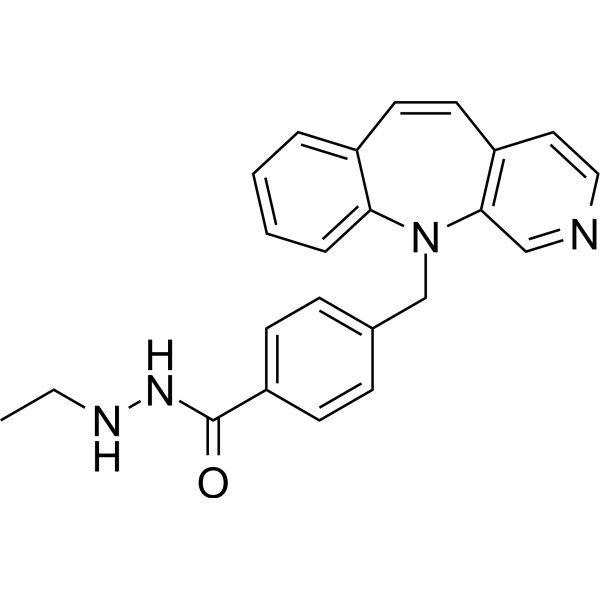
HDAC6-IN-13 (Compound 35m) is a potent, highly selective, orally active HDAC6 inhibitor with an IC50 of 0.019 μM. HDAC6-IN-13 also inhibits HDAC1, HDAC2 and HDAC3 with IC50s of 1.53, 2.06 and 1.03 μM, respectively. HDAC6-IN-13 shows significant BBB permeability and anti-inflammatory activity .
|
-
-
- HY-178110
-
|
|
HDAC
Microtubule/Tubulin
Histone Methyltransferase
|
Cancer
|
|
HDAC6-IN-65 is a selective HDAC6 inhibitor (IC50 = 0.9 nM) and also exhibits a certain suppressive effect on HDAC3 (IC50 = 39.4 nM). HDAC6-IN-65 can induce the accumulation of α-tubulin (ac-tubulin) and acetylated histone H3 (ac-histone H3, a class I HDAC inhibition marker) in Neuro-2a cells. HDAC6-IN-65 can be used for the study of melanoma .
|
-

-
- HY-161783
-
|
|
HDAC
Keap1-Nrf2
Reactive Oxygen Species (ROS)
Apoptosis
|
Neurological Disease
|
|
HDAC6-IN-45 (Compound 15) is a selective inhibitor for HDAC6 with IC50 of 15.2 nM. HDAC6-IN-45 exhibits neurotrophic through the upregulation of GAP43 and Beta-3 tubulin markers. HDAC6-IN-45 activates the Nrf2 signaling pathway, reduces H2O2-induced ROS production, inhibits apoptosis in PC12, and exhibits neuroprotective efficacy in SCOP-induced zebrafish Alzheimer's Disease models. HDAC6-IN-45 exhibits antioxidant activity and good blood-brain barrier (BBB) permeability .
|
-

-
- HY-146293
-
|
|
HDAC
HSP
|
Cancer
|
|
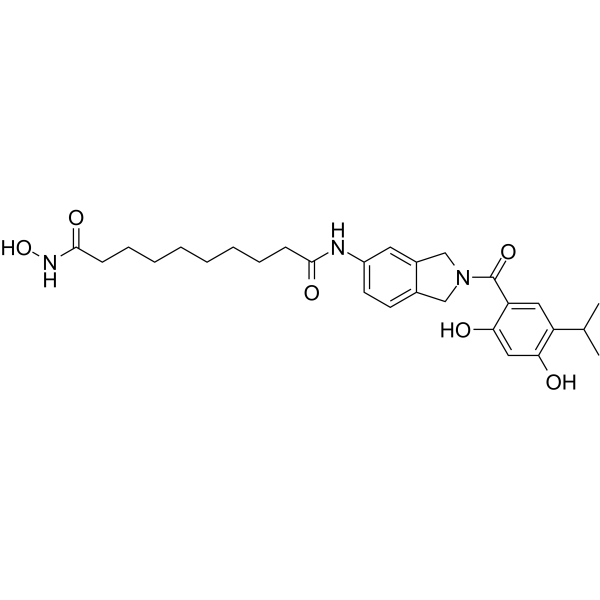
HDAC6/HSP90-IN-1 (compound 17) is a potent and selective dual inhibitor of HDAC6 and HSP90, with IC50 values of 4.3 and 46.8 nM, respectively. HDAC6/HSP90-IN-1 down-regulates PD-L1 expression in INF-γ treated H1975 lung cancer cells. HDAC6/HSP90-IN-1 inhibits tumor growth in human H1975 xenograft mice .
|
-
-
- HY-179421
-
|
|
PROTACs
HDAC
NF-κB
NOD-like Receptor (NLR)
Interleukin Related
TNF Receptor
|
Inflammation/Immunology
|
|
PROTAC HDAC6 degrader 7 is an orally active, highly efficient, and selective PROTAC degrader targeting histone deacetylase 6 (HDAC6) (IC50 = 118 nM). PROTAC HDAC6 degrader 7 can eliminate both the catalytic and zinc-finger ubiquitin-binding domain. PROTAC HDAC6 degrader 7 inhibits NLRP3 inflammasome assembly and activation, as well as blocks NF-κB signaling, thereby reducing the transcription and release of key inflammatory factors. PROTAC HDAC6 degrader 7 can reduce the mRNA levels of NLRP3, pro-IL-1β, TNF-α, and IL-6. PROTAC HDAC6 degrader 7 can be used for the study of inflammatory bowel disease (IBD) .
|
-

-
- HY-151569
-
|
|
HDAC
Apoptosis
|
Inflammation/Immunology
|
|
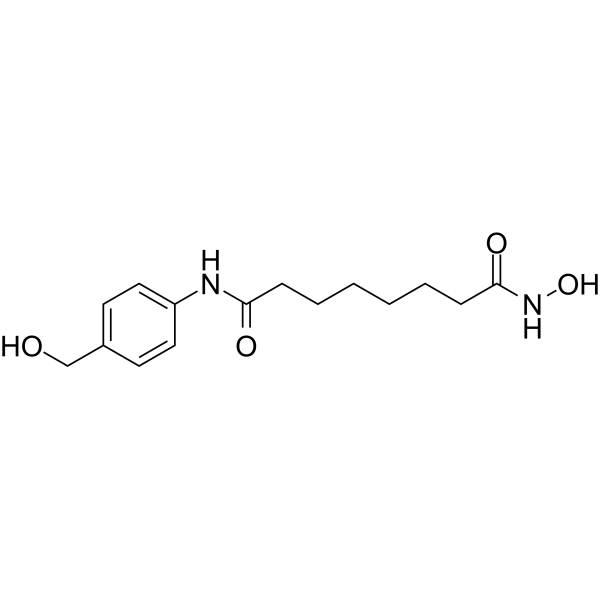
SAHA-OH is a selective HDAC6 inhibitor (IC50=23 nM), shows a 10- to 47-fold selectivity for HDAC6 compared to HDAC 1, 2, 3, and 8. SAHA-OH shows anti-inflammatory activity, and attenuates macrophage apoptosis .
|
-
-
- HY-161306
-
|
|
HDAC
|
Cancer
|
|
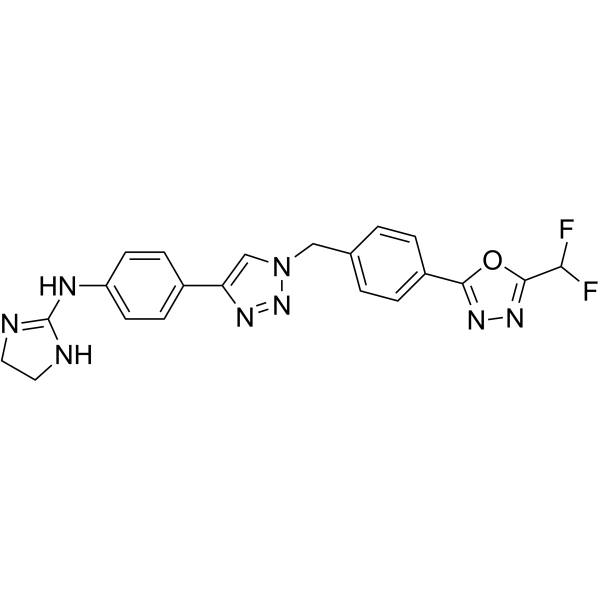
ITF5924 (compound 1) is a potent and highly selective HDAC6 inhibitor with an IC50 of 7.7 nM. ITF5924 shows greater than 104-fold selectivity for HDAC6 over all other HDAC subtypes. ITF5924 containing a difluoromethyl-1,3,4-oxadiazole (DFMO) moiety is slow-binding substrate analog of HDAC6 that undergo an enzyme-catalyzed ring opening reaction, forming a tight and long-lived enzyme-inhibitor complex .
|
-
-
- HY-107550
-
|
|
HDAC
|
Cancer
|
|
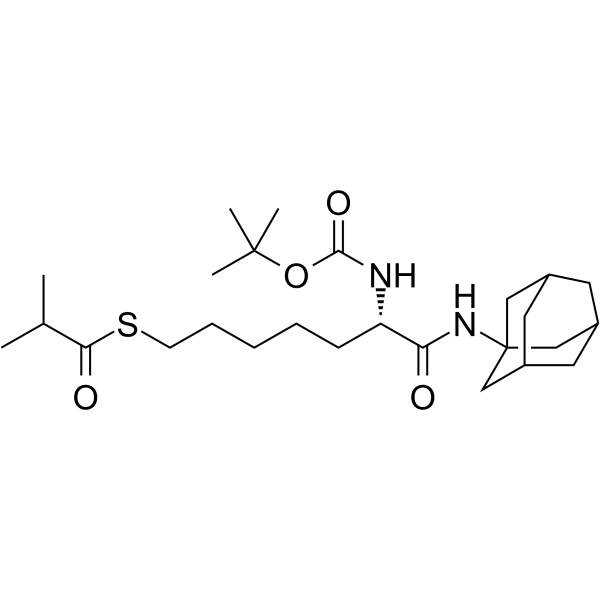
NCT-14b is a HDAC6-selective inhibitor. NCT-14b blocks the growth of estrogen receptor α-positive breast cancer MCF-7 cells .
|
-
-
- HY-151896
-
|
|
HDAC
|
Cancer
|
|
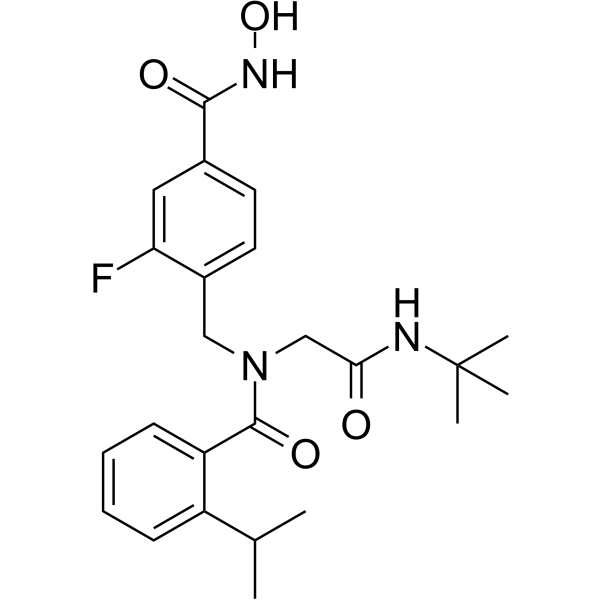
HDAC6-IN-14 is a highly selective HDAC6 (HDAC) inhibitor with an IC50 of 42 nM. HDAC6-IN-14 displays >100-fold selectivity over HDAC1/HDAC2/HDAC3/HDAC4 .
|
-
- HY-169940
-
|
|
HDAC
|
Inflammation/Immunology
|
|
Fibrostat (Compound 5n) is a selective HDAC6 inhibitor that exerts antifibrotic effects by inhibiting HDAC6 activity, with an IC50 value of 63 nM. It also exhibits good selectivity over HDAC1, HDAC3, HDAC5, HDAC8, HDAC10, and HDAC11. Fibrostat significantly downregulates fibrotic markers (fibronectin and collagen 1) in fibroblasts. Additionally, Fibrostat demonstrated no toxicity in rat-perfused heart and zebrafish larvae models. Fibrostat shows potential for research into fibrosis-related diseases .
|
-

- HY-150586
-
|
|
HDAC
Apoptosis
|
Cancer
|
|
PTG-0861 is a selective histone deacetylase 6 (HDAC6) inhibitor with the IC50 value of 5.92 nM. PTG-0861 induces apoptosis and can be used in the study of acute myeloid leukemia, multiple myeloma and other hematological cancers .
|
-
- HY-174265
-
|
|
HDAC
|
Cancer
|
|
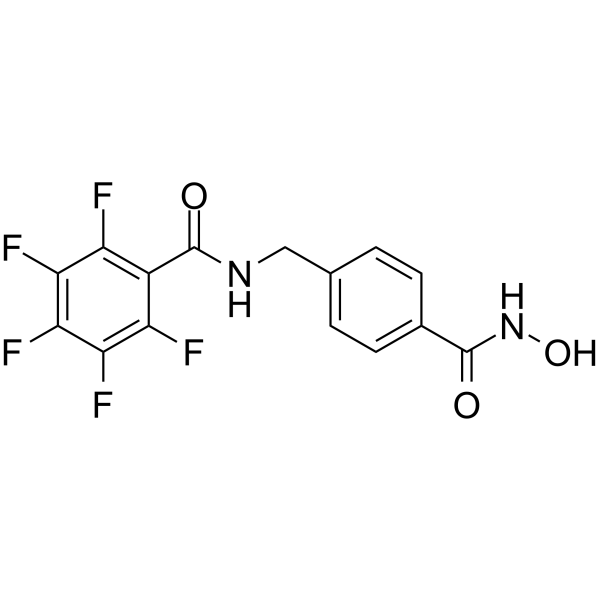
HDAC6-IN-60 (Compound 12) is an orally active and selective HDAC6 inhibitor. HDAC6-IN-60 exerts effects on tumor cell proliferation by inhibiting the enzymatic activity of HDAC6 and regulating pathways related to protein homeostasis. HDAC6-IN-60 is promising for research of HDAC6- related cancers .
|
-

- HY-152235
-
|
|
HDAC
|
Neurological Disease
Cancer
|
|
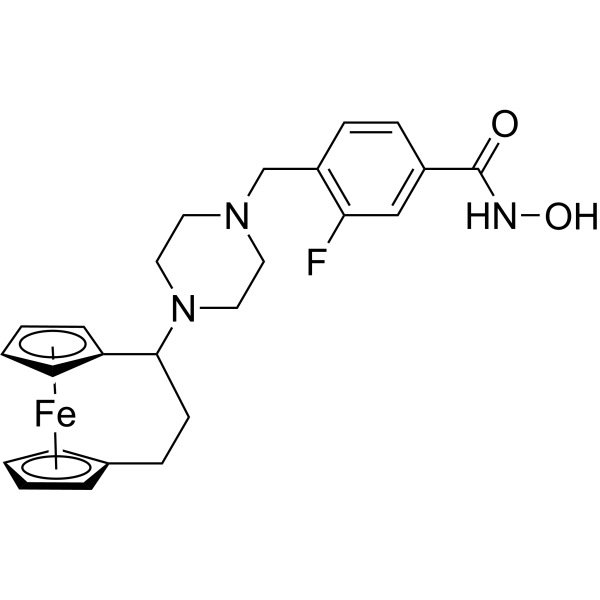
HDAC6-IN-15 is a selective histone deacetylase 6 (HDAC6) inhibitor. HDAC6-IN-15 has potent inhibitory activity for HDAC6 with IC50 value of 38.2 nM. HDAC6-IN-15 can be used for the research of cancer and neurodegenerative diseases .
|
-
- HY-156472
-
|
|
HDAC
|
Cancer
|
|
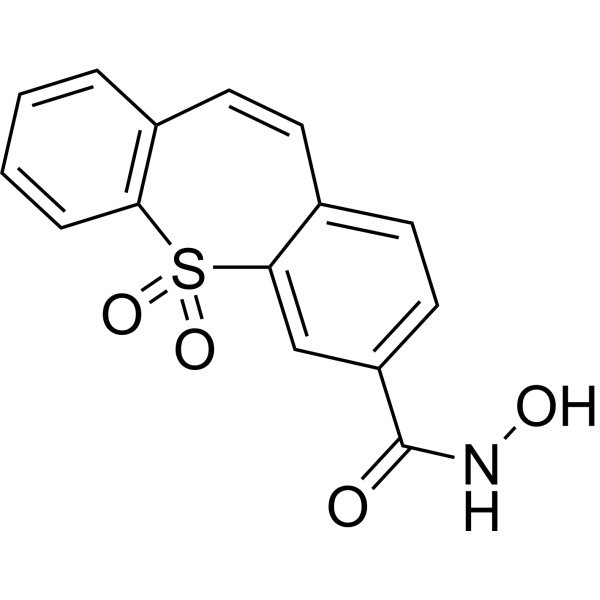
HDAC6-IN-25 (compound 8) is a selective inhibitor of HDAC6, with the IC50 of 0.6 nM .
|
-
- HY-150694
-
|
|
HDAC
|
Cancer
|
|
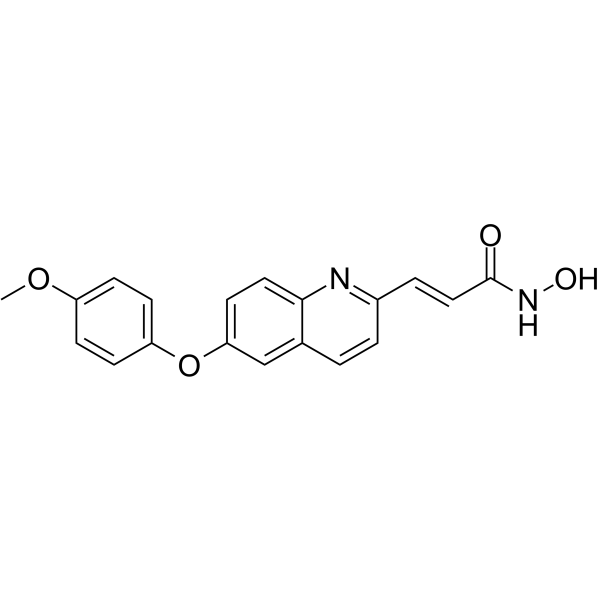
HDAC6-IN-11 (Compound 9) is a selective HDAC6 inhibitor with the IC50 value of 20.7 nM. HDAC6-IN-11 has more than 300-fold selectivity over HDAC other isoforms. HDAC6-IN-11 shows anti-proliferative activities against cancer cells .
|
-
- HY-161287
-
|
|
HDAC
|
Cancer
|
|
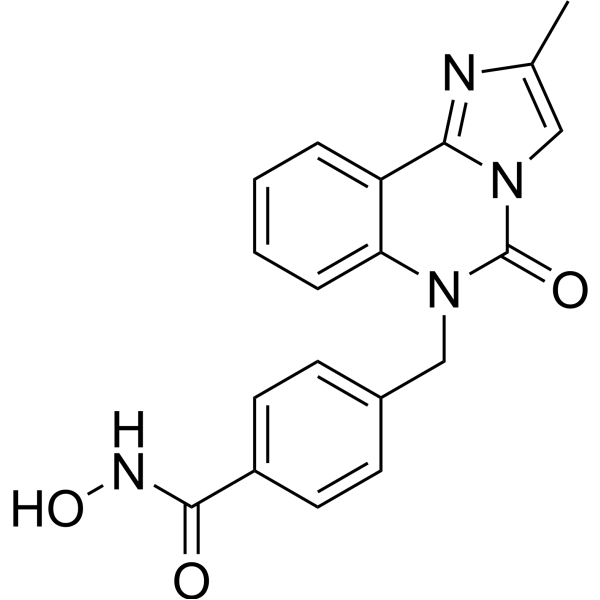
HDAC6-IN-32 (compound 25202) is a selective and potent inhibitor of HDAC6. HDAC6-IN-32 blocks HDAC6 activity and interferes with microtubule dynamics, leading to SAC activation and prolonged mitotic arrest, ultimately leading to apoptosis in CRPC cells .
|
-
- HY-169226
-
|
|
HDAC
|
Inflammation/Immunology
|
|
HDAC6-IN-51 (Compound 7e) is a selective HDAC6 inhibitor with an IC50 value of 42.9 nM. HDAC6-IN-51 exhibits good anti-lung fibrosis activity .
|
-

- HY-176064
-
|
|
HDAC
Autophagy
|
Cancer
|
|
HDAC6-IN-58 (compound 24c) is a selective HDAC6 inhibitor with IC50 values of 9.5 nM and 7374.5 nM for HDAC6 and HDAC1, respectively. HDAC6-IN-58 increases tubulin acetylation, exerts antiproliferative effects, and induces autophagy .
|
-

- HY-174449
-
|
|
HDAC
|
Neurological Disease
|
|
HDAC6-IN-62 (Compound 2.12) is a selective HDAC6 inhibitor, with an IC50 value of 0.25 nM. HDAC6-IN-62 can be used in the research of Charcot-Marie-Tooth disease .
|
-

- HY-161155
-
|
|
HDAC
|
Inflammation/Immunology
|
|
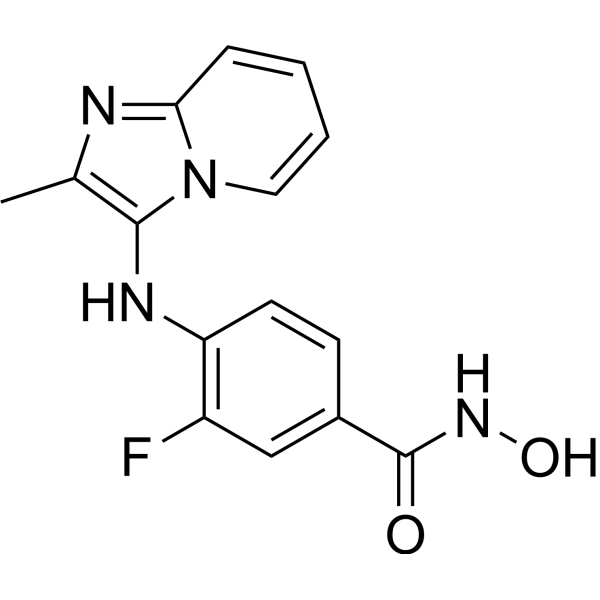
HDAC6-IN-31 (compound 8m) is a selective HDAC6 inhibitor, with the IC50 value of 0.026 μM, that significantly inhibits the production and release of pro-inflammatory cytokines. While HDAC6 is critically involved in the activation of inflammasomes, HDAC6-IN-31 has the potential to inhibit NLRP3 inflammasome-driven inflammatory diseases. HDAC6-IN-31 also inhibits glioblastoma cell migration .
|
-
- HY-158308
-
|
|
HDAC
|
Cancer
|
|
HDAC6-IN-41 (Compound E24) is a selective inhibitor for histone deacetylase 6 (HDAC6), with IC50 of 14 and 422 nM, for HDAC6 and HDAC8, respectively. HDAC6-IN-41 upregulates the acetylation of α-tubulin and histone site SMC3 .
|
-

- HY-174149
-
|
|
HDAC
|
Cancer
|
|
HDAC6-IN-59 (Compound 38k) is a highly selective histone deacetylase 6 (HDAC6) inhibitor (IC50=3.12 nM, with 352-fold selectivity over HDAC1). HDAC6-IN-59 is promising for research of esophageal cancer .
|
-

- HY-162630
-
|
|
HDAC
|
Inflammation/Immunology
|
|
HDAC6-IN-44 (compound H10) is a selective HDAC6 inhibitor with an IC50 value of 8.97 nM. HDAC6-IN-44 can inhibit the idiopathic pulmonary fibrosis (IPF) phenotype and exhibits antifibrotic activity. Additionally, HDAC6-IN-44 reduces fibrogenesis in a bleomycin-induced pulmonary fibrosis mouse model and demonstrates good metabolic stability. HDAC6-IN-44 holds promise for research in the field of idiopathic pulmonary fibrosis .
|
-

- HY-157436
-
|
|
HDAC
|
Cancer
|
|
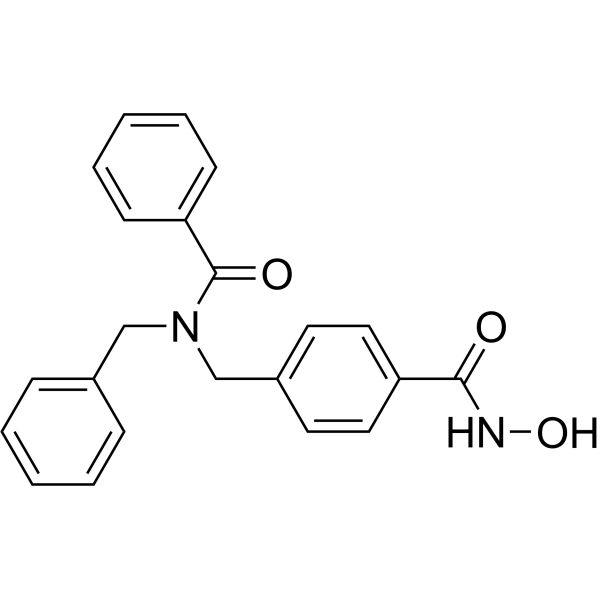
HDAC6-IN-30 (compound 8g) is a selective HDAC6 inhibitor with the IC50 21 nM, and increase cell protein acetylation levels .
|
-
- HY-163894
-
|
|
Apoptosis
HDAC
|
Cancer
|
|
HDAC6-IN-48 (compound 5i) is a potent and selective HDAC6 inhibitor with IC50 values of 5.16, 396.72, 638.08 nM for HDAC6, HDAC3, HDAC1, respectively. HDAC6-IN-48 induces apoptosis and cell cycle arrest at G0/G1 phase. HDAC6-IN-48 increases the protein expression of acetylated α-tubulin .
|
-

- HY-144395
-
|
|
HDAC
Apoptosis
|
Inflammation/Immunology
Cancer
|
|
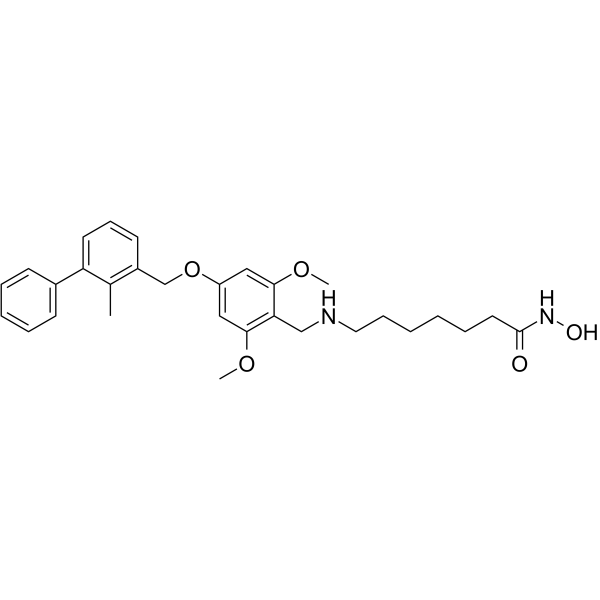
HDAC6-IN-4 (C10) is a potent, orally active and highly selective HDAC6 inhibitor with an IC50 value of 23 nM. HDAC6-IN-4 induces cancer cells apoptosis and shows significant antitumor efficacy, without obvious toxicity .
|
-
- HY-163368
-
|
|
HDAC
|
Inflammation/Immunology
|
|
HDAC6-IN-34 (compound 21) is an oral active and selective HDAC6 inhibitor with the IC50 of 18 nM. HDAC6-IN-34 increases the acetylation level of tubulin without affecting histone acetylation in cutaneous T-cell lymphoma cells and inhibits TNF-α secretion in LPS (HY-D1056)-stimulated macrophage cells. HDAC6-IN-34 shows excellent anti-arthritic efficacy in rat .
|
-
- HY-155671
-
|
|
HDAC
|
Cancer
|
|
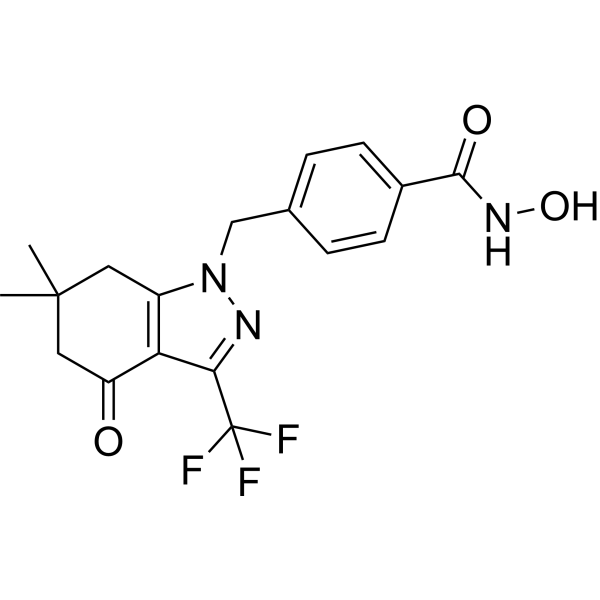
HDAC6-IN-18 (Compound 4) is a first irreversible HDAC6 isoform selective inhibitor with potent anti-multiple myeloma activity. HDAC6-IN-18 has HDAC6 inhibitory activity in RPMI8266, U266 and MM.1S cells with IC50 values of 0.17, 0.7 and 0.42 μM, respectively .
|
-
- HY-163207
-
|
|
Epoxide Hydrolase
HDAC
|
Neurological Disease
|
|
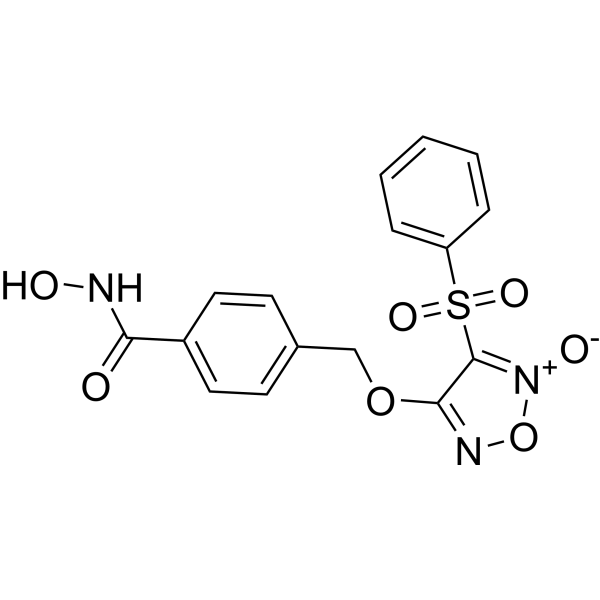
sEH/HDAC6-IN-1 (compound M9) is a selective, orally active dual inhibitor for sEH and HDAC6, with IC50s of 2 nM, 0.72 nM and 5 nM, for human sEH, murine sEH and HDAC6, respectively. sEH/HDAC6-IN-1 reveals analgesic and anti-inflammatory effects .
|
-
- HY-173555
-
|
|
HDAC
NOD-like Receptor (NLR)
|
Inflammation/Immunology
|
|
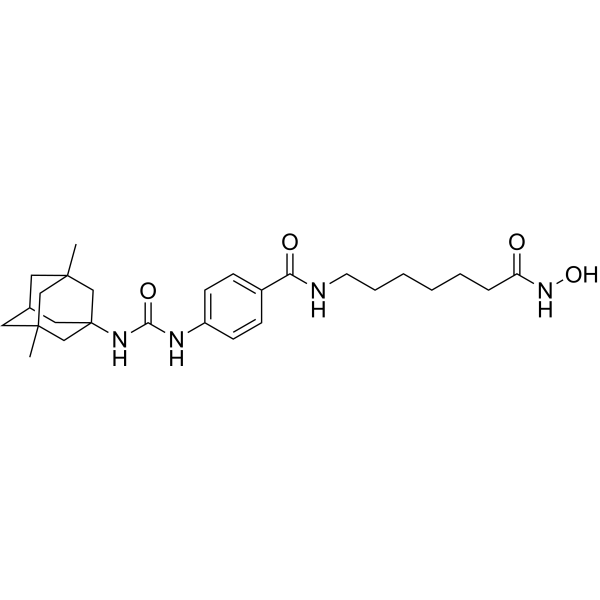
HDAC6-IN-54 (Compound 9m) is a highly selective HDAC6 (histone deacetylase 6) inhibitor with an IC50 value of 0.021 μM. HDAC6-IN-54 blocks the activation of the NLRP3 inflammasome, which alleviates symptoms of NLRP3 inflammasome-related diseases such as acute peritonitis, inflammatory bowel disease, and psoriasis .
|
-

- HY-149417
-
|
|
HDAC
Cholinesterase (ChE)
|
Neurological Disease
|
|
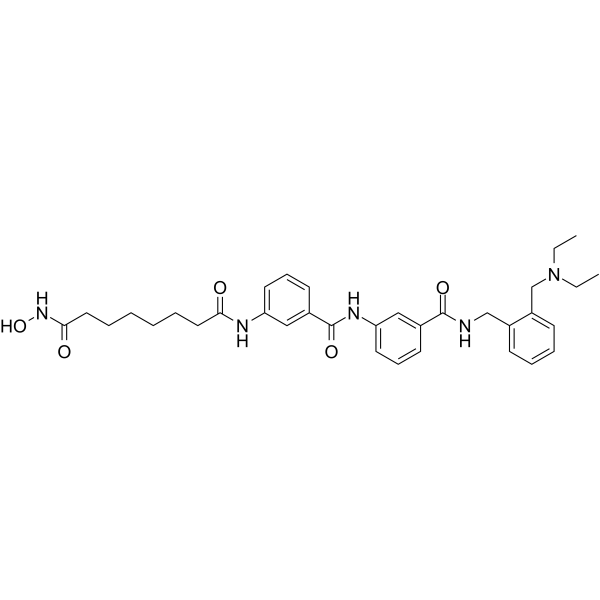
BChE/HDAC6-IN-1 is a potent and selective dual BChE/HDAC6 inhibitor with IC50 values of 4 and 8.9 nM, respectively. BChE/HDAC6-IN-1 ameliorates the cognitive impairment in an Aβ1–42-induced mouse model and has the potental for AD research .
|
-
- HY-150503
-
|
|
HDAC
|
Neurological Disease
|
|
KH-259 (compound 1) is a potent, selective and CNS-penetrant HDAC6 inhibitor, with an IC50 of 0.26 μM. KH-259 has antidepressant effects in mice through the inhibition of HDAC6 in the brain. KH-259 can be used for neurodegenerative diseases research .
|
-
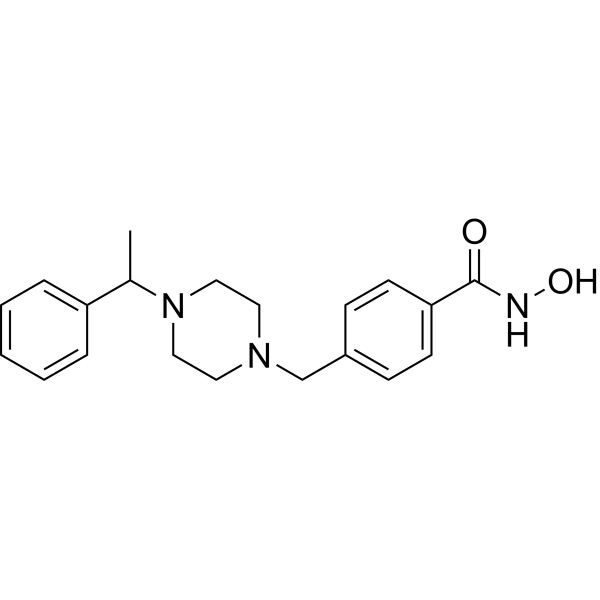
- HY-B0494R
-
|
Bufexamic acid (Standard)
|
Reference Standards
HDAC
Aminopeptidase
|
Inflammation/Immunology
Cancer
|
|
Bufexamac (Standard) is the analytical standard of Bufexamac. This product is intended for research and analytical applications. Bufexamac is a selective Ⅱb HDAC (HDAC6, HDAC10) and LTA4H dual inhibitor, with Kds of 0.53 μM and 0.22 μM for HDAC6 and HDAC10. Bufexamac is a nonsteroida anti-inflammatory drug .
|
-

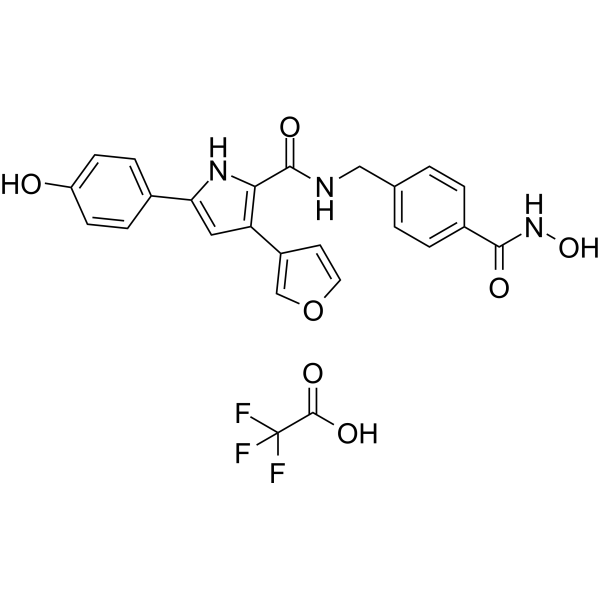
- HY-120448A
-
|
|
HDAC
Apoptosis
|
Cancer
|
|
QTX125 TFA is a potent and highly selective HDAC6 inhibitor. QTX125 TFA exhibits excellent selectivity over other HDACs. QTX125 has antitumor effects .
|
-
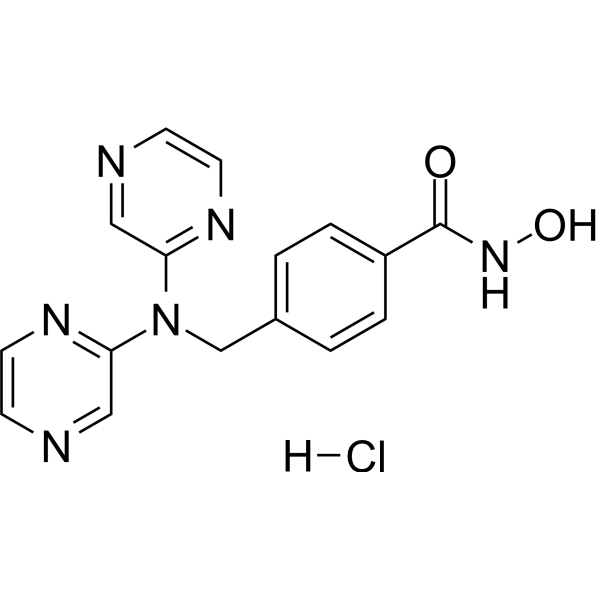
- HY-138799A
-
|
|
HDAC
|
Inflammation/Immunology
Cancer
|
|
KA2507 hydrochloride is a potent and highly selective inhibitor of HDAC6 (IC50=2.5 nM) with no significant toxicities. KA2507 hydrochloride shows antitumor efficacy and immune modulatory effects .
|
-
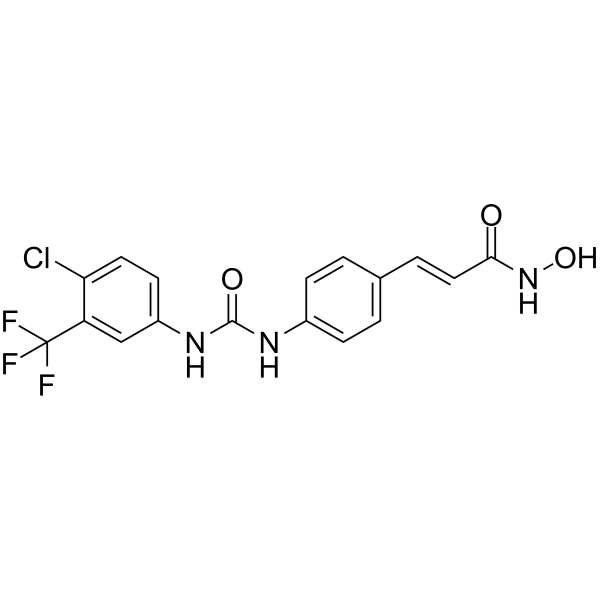
- HY-146539
-
|
|
HDAC
VEGFR
|
Cancer
|
|
HDAC-IN-35 (Compound 14) is a potent, selective HDAC and VEGFR-2 inhibitor, with IC50 values of 0.166 and 13.2 µM for HDAC6 and VEGFR-2, respectively .
|
-
- HY-123976A
-
|
|
HDAC
|
Neurological Disease
Cancer
|
|
MPT0G211 mesylate is a potent, orally active and selective HDAC6 inhibitor (IC50=0.291 nM). MPT0G211 mesylate displays >1000-fold selective for HDAC6 over other HDAC isoforms. MPT0G211 mesylate can penetrate the blood-brain barrier. MPT0G211 mesylate ameliorates tau phosphorylation and cognitive deficits in an Alzheimer’s disease model. MPT0G211 mesylate has anti-metastatic and neuroprotective effects. Anticancer activities .
|
-
- HY-N13121
-
|
|
HDAC
Apoptosis
p38 MAPK
|
Cancer
|
|
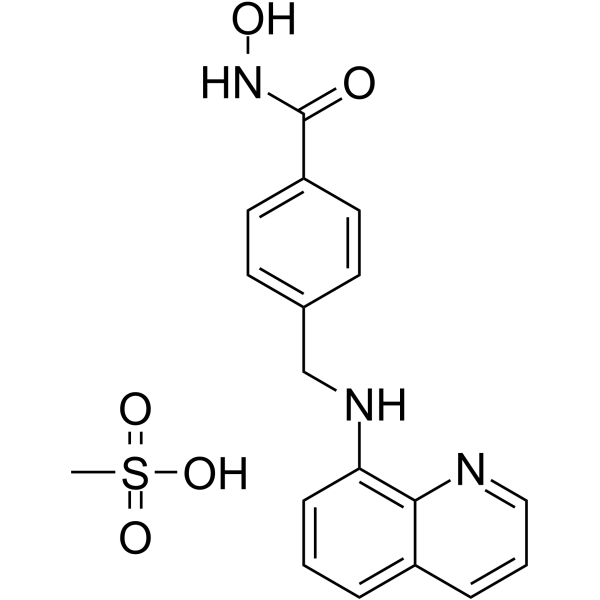
Daphnegiravone D (compound 70) is an HDAC6 inhibitor with anti-hepatocellular carcinoma activity. Daphnegiravone D can induce apoptosis and selectively inhibit the proliferation of liver cancer cells through the p38 and JNK MAPK pathways .
|
-

- HY-143877
-
|
|
HDAC
|
Cancer
|
|
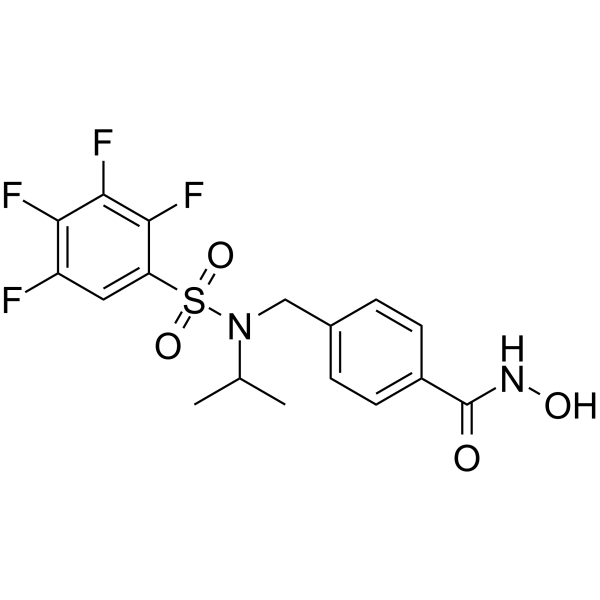
NN-390 is a potent and selective HDAC6 inhibitor, with an IC50 of 9.8 nM. NN-390 penetrates the blood-brain barrier (BBB). NN-390 shows study potential in metastatic Group 3 MB (medulloblastoma) .
|
-
- HY-13428R
-
|
|
Beta-lactamase
HDAC
Virus Protease
|
Cancer
|
|
Tubacin (Standard) is the analytical standard of Tubacin. This product is intended for research and analytical applications. Tubacin is a potent and selective inhibitor of HDAC6, with an IC50 value of 4 nM and approximately 350-fold selectivity over HDAC1. Tubacin also inhibits metallo-β-lactamase domain-containing protein 2 (MBLAC2).
|
-

- HY-128436
-
|
|
HDAC
|
Cancer
|
|
KT-531 is a potent and selective inhibitor of HDAC6 with an IC50 of 8.5 nM. KT-531 exhibits strong inhibition against SUP-T11 cells with an IC50 of 0.42 μM. KT-531 can be used in study hematological cancers .
|
-
- HY-155176
-
|
|
HDAC
|
Cancer
|
|
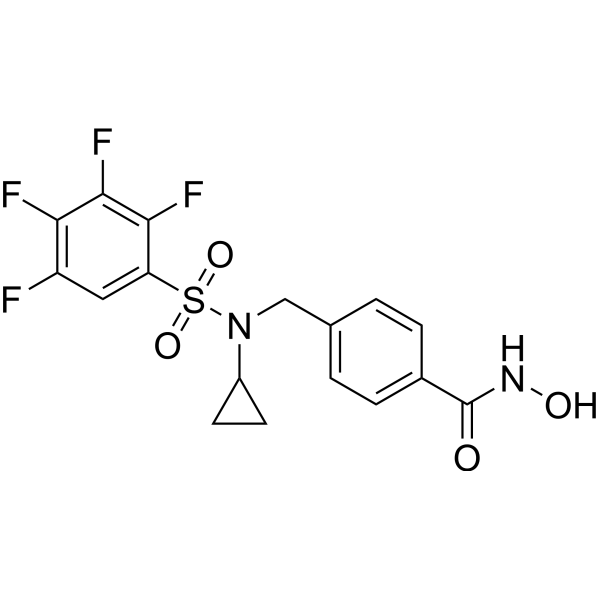
SP-2-225 is a selective HDAC6 inhibitor. SP-2-225 enhance the production of cancer-associated antigens and macrophage antigen cross-presentation to T cells. SP-2-225 reduces the tumor volume in a syngeneic SM1 melanoma model .
|
-
- HY-180224
-
|
|
HDAC
Microtubule/Tubulin
Apoptosis
|
Cardiovascular Disease
Cancer
|
|
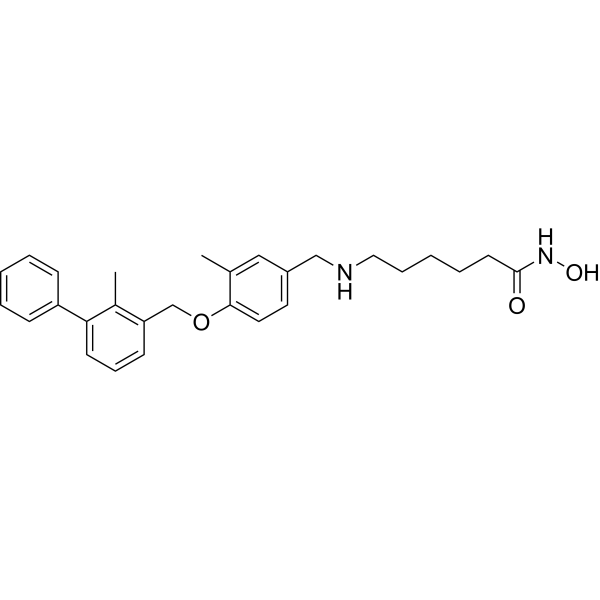
HDAC6-IN-70 (Compound 9q) is a selective HDAC6 inhibitor with an IC50 of 29 nM. HDAC6-IN-70 effectively inhibits tubulin polymerization and HDAC6. HDAC6-IN-70 causes Apoptosis. HDAC6-IN-70 shows anticancer effects on hematological malignancies and colorectal cancers .
|
-

- HY-183320
-
|
|
HDAC
|
Cancer
|
|
HDAC6-IN-81 is a potent selective HDAC6 inhibitor with an IC50 of 1 nM. HDAC6-IN-81 exhibits selectivity over class I HDAC isoforms (HDAC1/2/3/8). HDAC6-IN-81 can be used for the research of cancer .
|
-

- HY-185359
-
|
|
HDAC
|
Others
|
|
HDAC6-IN-78 (Example 48) is a selective HDAC6 inhibitor with an IC50 of 24 nM. HDAC6-IN-78 shows no activity against other HDAC isoforms .
|
-

- HY-181639
-
|
|
HDAC
Apoptosis
|
Cancer
|
|
HDAC6-IN-75 is a selective HDAC6 inhibitor with an IC50 of 0.17 nM against HDAC6. HDAC6-IN-75 induces the accumulation of acetylated α-tubulin in glioma cells. HDAC6-IN-75 triggers cell cycle changes, increases the SubG1 cell population, and promotes apoptosis in glioma cells and glioblastoma stem cells. HDAC6-IN-75 is applicable for glioma-related research .
|
-

- HY-181942
-
|
|
HDAC
Microtubule/Tubulin
|
Neurological Disease
|
|
HDAC6-IN-77 is a highly selective HDAC6 inhibitor with an IC50 of 7.0 nM.HDAC6-IN-77 induces neurite outgrowth.HDAC6-IN-77 exerts neuroprotective activity.HDAC6-IN-77 shows no significant toxicity on dopaminergic cells.HDAC6-IN-77 can be used for the research of Alzheimer's disease .
|
-

- HY-184304
-
|
|
HDAC
Apoptosis
|
Cancer
|
|
HDAC6-IN-83 is a selective histone deacetylase 6 (HDAC6) inhibitor with an IC50 value of 11.49 nM. HDAC6-IN-83 selectively increases the acetylation level of α-tubulin without affecting histone H3. HDAC6-IN-83 induces cell apoptosis, induces cell cycle arrest, inhibits cancer cell proliferation, suppresses cancer cell invasion and inhibits angiogenesis. HDAC6-IN-83 can be used in non-small cell lung cancer research .
|
-

- HY-180214
-
|
|
HDAC
|
Cardiovascular Disease
Neurological Disease
|
|
HDAC6-IN-69 is a brain-penetrant and highly selective HDAC6 inhibitor with an IC50 of 4.0 nM. HDAC6-IN-69 shows >176-fold against other HDAC isoforms. HDAC6-IN-69 engages the target in neuronal cells by dose-dependently upregulating acetylated α-tubulin in virto. HDAC6-IN-69 has neuroprotective effect and can be used for ischemic stroke research .
|
-

- HY-181805
-
|
|
HDAC
Autophagy
Apoptosis
|
Cancer
|
|
HDAC6-IN-76 (Compound G25) is a selective HDAC6 inhibitor with an IC50 of 12 nM. HDAC6-IN-76 induces Autophagy in a p53-dependent manner. HDAC6-IN-76 induces Apoptosis in a p53-dependent manner. HDAC6-IN-76 exhibits anticancer activity against hematologic malignancies, including acute myeloid leukemia .
|
-

- HY-181579
-
|
|
HDAC
Apoptosis
PERK
Microtubule/Tubulin
|
Cancer
|
|
HDAC6-IN-74 is an orally active, selective histone deacetylase 6 (HDAC6) inhibitor with an IC50 of 0.036 μM. HDAC6-IN-74 induces tumor cell apoptosis, arrests cells at the S phase of the cell cycle, and impairs cell migration, invasion and colony-forming abilities. HDAC6-IN-74 exerts anticancer effects with no obvious toxicity. HDAC6-IN-74 can be used in the research of cancers such as liver cancer .
|
-

- HY-183560
-
|
|
HDAC
Apoptosis
|
Cancer
|
|
HDAC6-IN-82 is a selective HDAC6 inhibitor with an IC50 of 4.9 nM against HDAC6. HDAC6-IN-82 inhibits HDAC1 (112 nM), HDAC2 (737 nM), HDAC3 (623 nM), HDAC8 (1140 nM), HDAC10 (91.4 nM) and HDAC11 (219 nM). HDAC6-IN-82 reduces cancer cell viability, induces cell cycle arrest, triggers apoptosis, and increases the acetylation levels of H3K9 and α-tubulin. HDAC6-IN-82 can be used in cancer-related research such as leukemia .
|
-

- HY-182777
-
|
|
HDAC
NO Synthase
TNF Receptor
Interleukin Related
|
Neurological Disease
Inflammation/Immunology
|
|
HDAC6-IN-80 is an orally active, selective HDAC6 inhibitor with an IC50 of 8.5 nM. HDAC6-IN-80 inhibits lipopolysaccharide-induced microglial activation, reduces the levels of iNOS, COX-2, TNF-α and IL-6, and alleviates sensory hypersensitivity behaviors. HDAC6-IN-80 can be used for the research of inflammatory pain and chemotherapy-induced peripheral neuropathy .
|
-

- HY-181577
-
|
|
Apoptosis
HDAC
Microtubule/Tubulin
|
Cancer
|
|
HDAC6-IN-73 is a highly potent and selective HDAC6 inhibitor with an IC50 of 0.007 μM ± 0.001, ~1771-fold selectivity over HDAC1, ~131-fold selectivity over HDAC8, and antiproliferative activity in hematological cancer cell lines.HDAC6-IN-73 can be used for the research of hematological malignancies .
|
-

- HY-W555601
-
|
N-Hydroxynicotinamide
|
HCV
HDAC
|
Infection
|
|
Nicoxamat (N-Hydroxynicotinamide) is a HCV inhibitor as well as a selective HDAC6 inhibitor. Nicoxamat is applicable to research related to hepatitis C virus (HCV) infection .
|
-

- HY-182904
-
|
|
HDAC
Collagen
Interleukin Related
Microtubule/Tubulin
|
Endocrinology
|
|
GV-001 is a selective and orally active HDAC6 inhibitor with an IC50 of 1.18 nM against HDAC6. GV-001 selectively enhances α-tubulin acetylation, reduces sIL-6 and Collagen I levels, suppresses renal cyst growth, and upregulates PC1 expression. GV-001 can be used for the study of autosomal dominant polycystic kidney disease (ADPKD) .
|
-

- HY-181793
-
|
|
VEGFR
HDAC
Microtubule/Tubulin
|
Cancer
|
|
VEGFR2/HDAC-IN-1 is a dual selective enzymatic inhibitor of VEGFR2 kinase and HDAC6 with oral activity. VEGFR2/HDAC-IN-1 has an IC50 of 19.19 nM for VEGFR2 and 0.165 μM for HDAC6. VEGFR2/HDAC-IN-1 increases α-tubulin acetylation, exerts antiproliferative effects, inhibits tumor growth, and exhibits antiangiogenic activity. VEGFR2/HDAC-IN-1 can be used for the research of colorectal carcinoma and hepatocellular carcinoma .
|
-

- HY-123699
-
|
|
HDAC
Microtubule/Tubulin
|
Cancer
|
|
NCT-10b is a selective HDAC6 inhibitor. NCT-10b mediates preferential α-tubulin acetylation without major histone H4 acetylation.NCT-10b can be used for the research of multiple myeloma .
|
-

- HY-182649
-
|
|
HDAC
Apoptosis
Microtubule/Tubulin
|
Cancer
|
|
NN-429 is a selective HDAC6 inhibitor. NN-429 induces apoptosis, increases the acetylation level of α-tubulin, and exhibits cytotoxicity against cancer cells. NN-429 is applicable to research related to acute myeloid leukemia, multiple myeloma and lymphoma .
|
-

- HY-16026R
-
|
ACY-1215 (Standard); Rocilinostat (Standard)
|
HDAC
Apoptosis
Reference Standards
|
Cancer
|
|
Ricolinostat (Standard) is the analytical standard of Ricolinostat. This product is intended for research and analytical applications. Ricolinostat (ACY-1215) is a potent and selective HDAC6 inhibitor, with an IC50 of 5 nM. ACY-1215 also inhibits HDAC1, HDAC2, and HDAC3 with IC50s of 58, 48, and 51 nM, respectively.
|
-

- HY-169259
-
|
|
HDAC
DNA/RNA Synthesis
Reactive Oxygen Species (ROS)
Apoptosis
Caspase
p38 MAPK
|
Cancer
|
|
HDAC9-IN-1 is a selective class IIa HDAC inhibitor that binds to HDAC9 with an IC50 of 40 nM. HDAC9-IN-1 potently inhibits HDACs 4 and 7 while showing weak activity against HDAC6 (IC50 values: 180 nM (HDAC4), 190 nM (HDAC7), 970 nM (HDAC6)). HDAC9-IN-1 significantly inhibits several human cancer cells, induces apoptosis and DNA damage in human cancer cells, and modulates caspase-related proteins and p38 in human cancer cells. HDAC9-IN-1 can be used for the research of oral cancer, breast cancer, gastric cancer .
|
-

- HY-139181
-
|
|
HDAC
|
Cancer
|
|
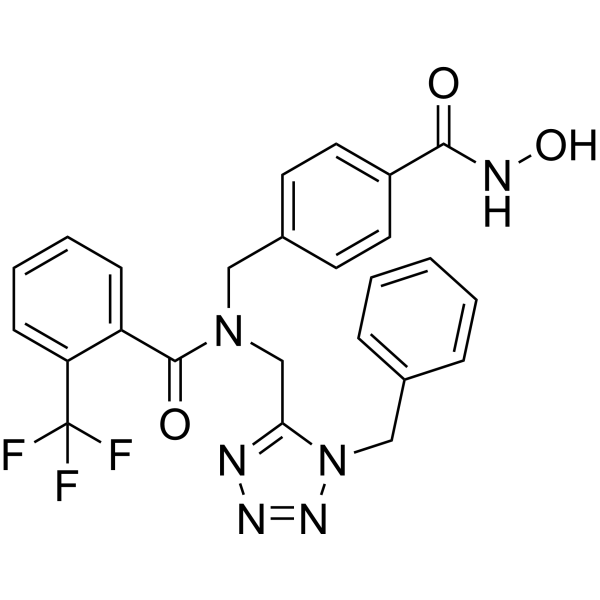
NR160 is a selective HDAC6 inhibitor with an IC50 value of 30 nM. NR160 shows low cytotoxicity against leukemia cell line. NR160 augments the apoptosis induction of Bortezomib (HY-10227) (proteasome inhibitor), Epirubicin (HY-13624) and Daunorubicin (HY-13062A) significantly .
|
-
- HY-18613
-
|
BML-281
|
HDAC
|
Cancer
|
|
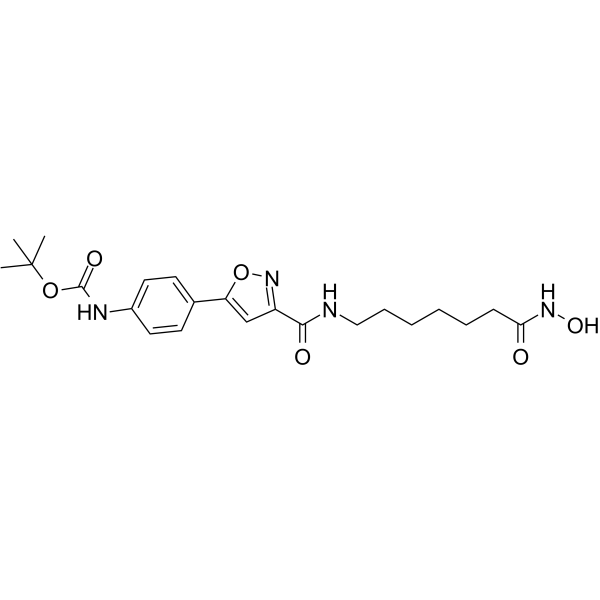
CAY10603 (BML-281) is a potent and selective HDAC6 inhibitor, with an IC50 of 2 pM; CAY10603 (BML-281) also inhibits HDAC1, HDAC2, HDAC3, HDAC8, HDAC10, with IC50s of 271, 252, 0.42, 6851, 90.7 nM.
|
-
- HY-147730
-
|
|
HDAC
|
Cancer
|
|
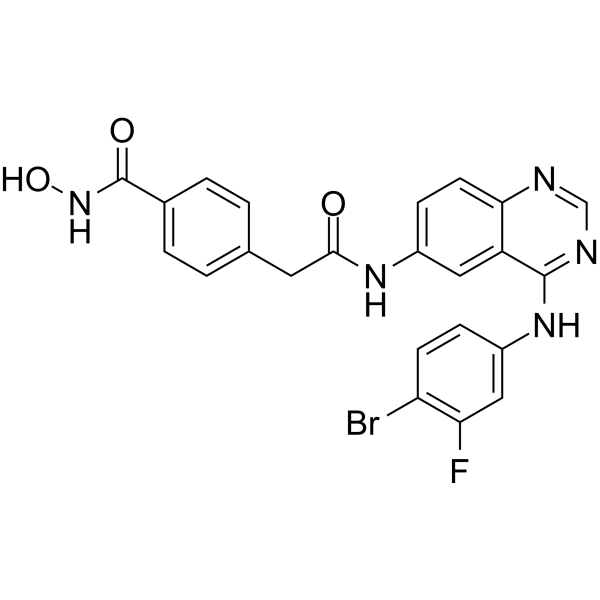
A variety of compounds were designed and synthesized by modifying cap groups. The enzyme inhibition test showed that compound 12C had broad-spectrum enzyme inhibitory activity, and compounds 9m and 9q were more inclined to inhibit HDAC6, showing a certain selective inhibitory activity among the representative subtypes.
|
-
- HY-18998
-
|
|
HDAC
|
Cancer
|
|
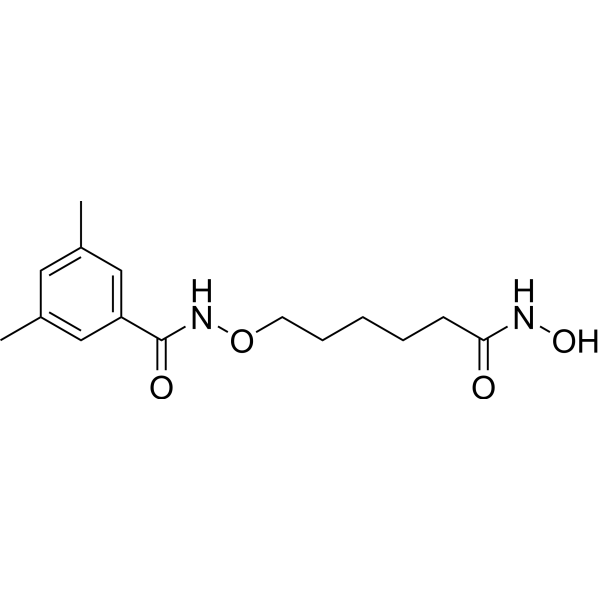
LMK-235 is a potent and selective HDAC4/5 inhibitor, inhibits HDAC5, HDAC4, HDAC6, HDAC1, HDAC2, HDAC11 and HDAC8, with IC50s of 4.22 nM, 11.9 nM, 55.7 nM, 320 nM, 881 nM, 852 nM and 1278 nM, respectively, and is used in cancer research.
|
-
- HY-152225
-
|
|
HDAC
Apoptosis
|
Cancer
|
|
MC2625 is a potent pyridine-containing histone deacetylase (HDAC) inhibitor. MC2625 show selective HDAC3 and HDAC6 inhibition with IC50s of 80 nM and 11 nM. MC2625 increases acetyl-H3 and acetyl-tubulin levels and inhibits cancer stem cells (CSCs) growth by apoptosis induction .
|
-
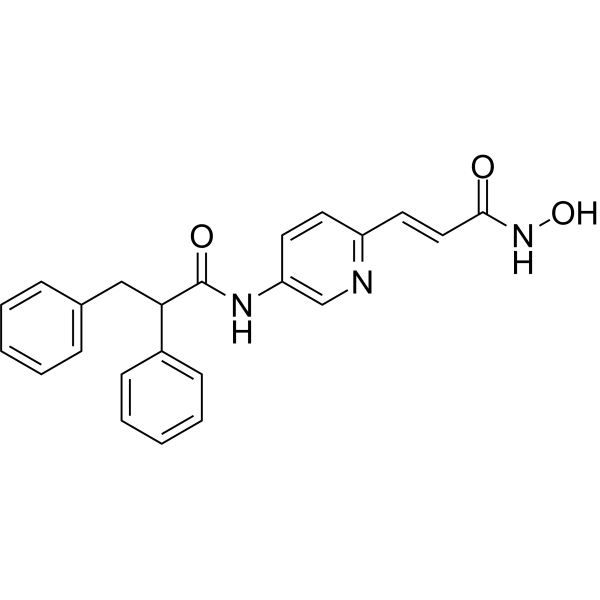
- HY-13271B
-
|
TSA TFA
|
HDAC
Autophagy
Apoptosis
|
Cancer
|
|
Tubastatin A (TSA) TFA is a potent and selective?HDAC6?inhibitor with?IC50?of 15 nM in a cell-free assay, and is selective (1000-fold more) against all other isozymes except HDAC8 (57-fold more). Tubastatin A TFA also inhibits HDAC10 and metallo-β-lactamase domain-containing protein?2 (MBLAC2).
|
-
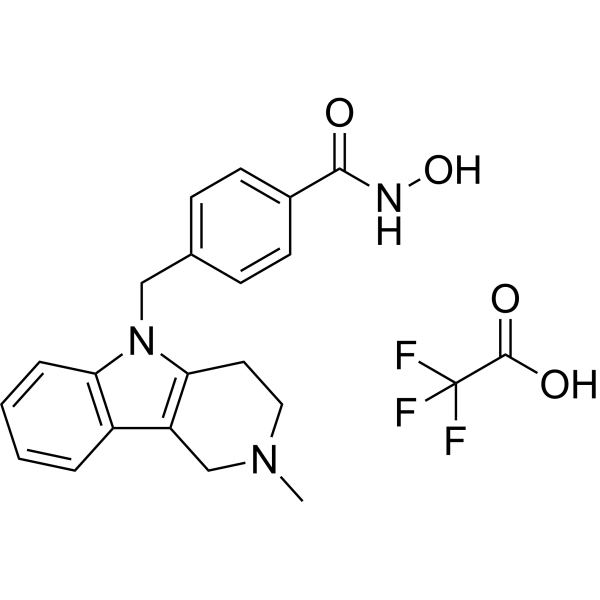
- HY-100871R
-
|
|
Beta-lactamase
HDAC
Reference Standards
Apoptosis
|
Cancer
|
|
WT-161 (Standard) is the analytical standard of WT-161 (HY-100871). This product is intended for research and analytical applications. WT-161 is a potent and selective HDAC6 inhibitor with an IC50 of 0.40 nM . WT-161 also inhibits metallo-β-lactamase domain-containing protein 2 (MBLAC2) .
|
-

- HY-161307
-
|
|
HDAC
Microtubule/Tubulin
|
Neurological Disease
|
|
T-518 is an orally active, BBB-penetrant and potent DFMO-based HDAC6 inhibitor with high selectivity (IC50 = 36 nM). T-518 improves axonal transport. T-518 ameliorates object recognition deficit. T-518 can be studied in research for Alzheimer’s disease and tauopathy .
|
-
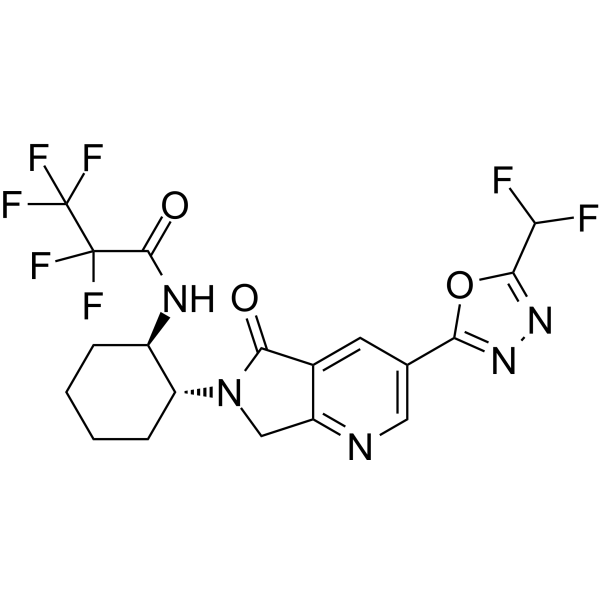
- HY-13271AR
-
|
|
Beta-lactamase
HDAC
Autophagy
Apoptosis
|
Cancer
|
|
Tubastatin A (Standard) is the analytical standard of Tubastatin A. This product is intended for research and analytical applications. Tubastatin A is a potent and selective HDAC6 inhibitor with an IC50 of 15 nM in a cell-free assay, and is selective (1000-fold more) against all other isozymes except HDAC8 (57-fold more). Tubastatin A also inhibits HDAC10 and metallo-β-lactamase domain-containing protein 2 (MBLAC2).
|
-

- HY-147892
-
|
|
HDAC
Apoptosis
|
Cancer
|
|
HDAC-IN-42 (compound 14f) is a potent and selective HDAC inhibitor with IC50 values of 0.19 and 4.98 µM for HDAC1 and HDAC6, respectively. HDAC-IN-42 shows anticancer and anti-proliferative activity. HDAC-IN-42 induces apoptosis and cell cycle arrest at G2/M phase .
|
-
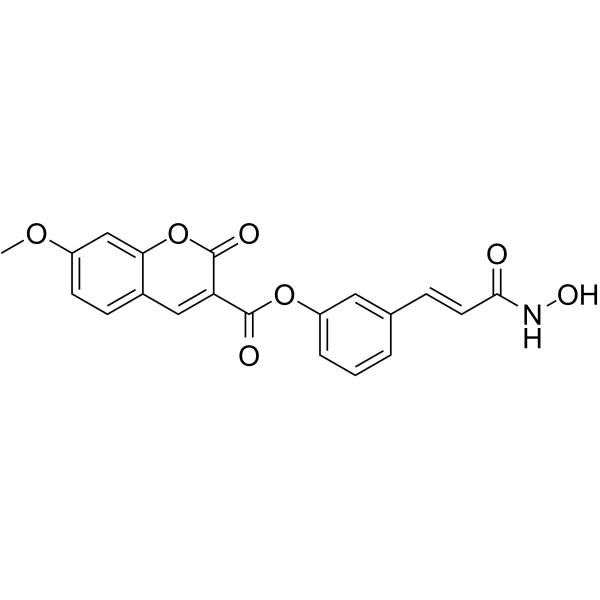
- HY-13271R
-
|
Tubastatin A HCl (Standard); TSA HCl (Standard)
|
Beta-lactamase
HDAC
Autophagy
Apoptosis
Reference Standards
|
Cancer
|
|
Tubastatin A (Hydrochloride) (Standard) is the analytical standard of Tubastatin A (Hydrochloride). This product is intended for research and analytical applications. Tubastatin A Hydrochloride (Tubastatin A HCl) is a potent and selective HDAC6 inhibitor with IC50 of 15 nM in a cell-free assay, and is selective (1000-fold more) against all other isozymes except HDAC8 (57-fold more). Tubastatin A Hydrochloride also inhibits HDAC10 and metallo-β-lactamase domain-containing protein 2 (MBLAC2).
|
-

- HY-162616
-
|
|
HDAC
Apoptosis
|
Cancer
|
|
SelSA is a selective, orally active inhibitor for histone deacetylase 6 (HDAC6) with IC50 of 56.9 nM. SelSA inhibits the phosphorylation of ERK1/2. SelSA inhibits the proliferation of breast cancer cells and hepatocellular carcinoma cells with IC50 of 0.58-2.6 μM, inhibits cell migration and invasion of Huh7, and induces apoptosis. SelSA exhibits antitumor activity in mouse model .
|
-

- HY-12164
-
|
MGCD0103
|
HDAC
Autophagy
Apoptosis
|
Cancer
|
|
Mocetinostat (MGCD0103) is a potent, orally active and isotype-selective HDAC (Class I/IV) inhibitor with IC50s of 0.15, 0.29, 1.66 and 0.59 μM for HDAC1, HDAC2, HDAC3 and HDAC11, respectively. Mocetinostat shows no inhibition on HDAC4, HDAC5, HDAC6, HDAC7, or HDAC8.
|
-
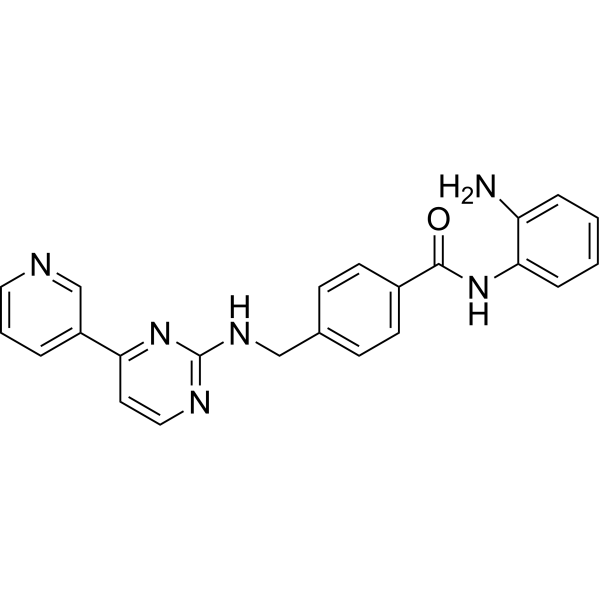
- HY-156850
-
|
|
HDAC
NF-κB
|
Cancer
|
|
ITF 3756 is a selective, orally active HDAC6 inhibitor. ITF 3756 antagonizes TNF-α-induced activation of the NF-κB pathway. ITF 3756 reduces PD-L1 expression on human monocytes and CD8 + T cells, and exhibits antitumor activity. ITF 3756 can be used in colon cancer-related research .
|
-
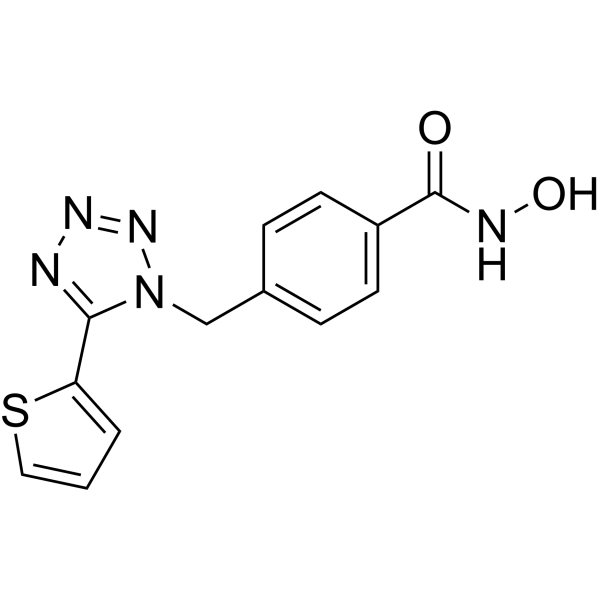
- HY-110061
-
|
|
HDAC
Virus Protease
Beta-lactamase
|
Infection
|
|
(2R,4R,6S)-Tubacin is the 2R,4R,6S enantiomer of Tubacin (HY-13428). Tubacin is a potent and selective inhibitor of HDAC6, with an IC50 value of 4 nM and approximately 350-fold selectivity over HDAC1. Tubacin also inhibits metallo-β-lactamase domain-containing protein 2 (MBLAC2) .
|
-

- HY-159172
-
|
|
HDAC
|
Cancer
|
|
HDAC3-IN-4 is a selective and orally active HDAC3 inhibitor with an IC50 of 89 nM. HDAC3-IN-4 induces the degradation of PD-L1 by regulating cathepsin B (CTSB) in the lysosomes, with a DC50 of 5.7 μM. HDAC3-IN-4 shows better selectivity for HDAC3 over HDAC1, HDAC6, HDAC7, and HDAC8 .
|
-

- HY-18613R
-
|
BML-281 (Standard)
|
HDAC
Reference Standards
|
Cancer
|
|
CAY10603 (Standard) is the analytical standard of CAY10603. This product is intended for research and analytical applications. CAY10603 (BML-281) is a potent and selective HDAC6 inhibitor, with an IC50 of 2 pM; CAY10603 (BML-281) also inhibits HDAC1, HDAC2, HDAC3, HDAC8, HDAC10, with IC50s of 271, 252, 0.42, 6851, 90.7 nM.
|
-

- HY-180934
-
|
|
HDAC
Proteasome
Microtubule/Tubulin
|
Cancer
|
|
AMC-3-030 is a selective and potent dual inhibitor targeting HDAC6 and chymotrypsin-like proteasome with IC50 values of 884 and 4.17 nM. AMC-3-030 has a proliferation inhibitory effect. AMC-3-030 can reduce α-tubulin and β-actin levels. AMC-3-030 can be used for research of multiple myeloma .
|
-

- HY-119939
-
|
CHDI00390576
|
HDAC
|
Cancer
|
|
CHDI-390576, a potent, cell permeable and CNS penetrant class IIa histone deacetylase (HDAC) inhibitor with IC50s of 54 nM, 60 nM, 31 nM, 50 nM for class IIa HDAC4, HDAC5, HDAC7, HDAC9, respectively, shows >500-fold selectivity over class I HDACs (1, 2, 3) and ~150-fold selectivity over HDAC8 and the class IIb HDAC6 isoform .
|
-
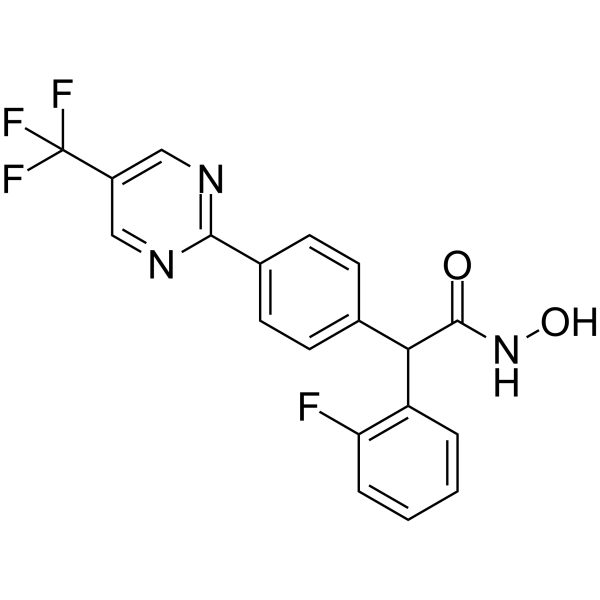
- HY-130538
-
|
|
HDAC
|
Cancer
|
|
1-Naphthohydroxamic acid (Compound 2) is a potent and selective HDAC8 inhibitor with an IC50 of 14 μM. 1-Naphthohydroxamic acid is more selectively for HDAC8 than class I HDAC1 and class II HDAC6 (IC50 >100 μM). 1-Naphthohydroxamic acid does not increase global histone H4 acetylation and also does not reduce total intracellular HDAC activity .1-Naphthohydroxamic acid can induce tubulin acetylation .
|
-
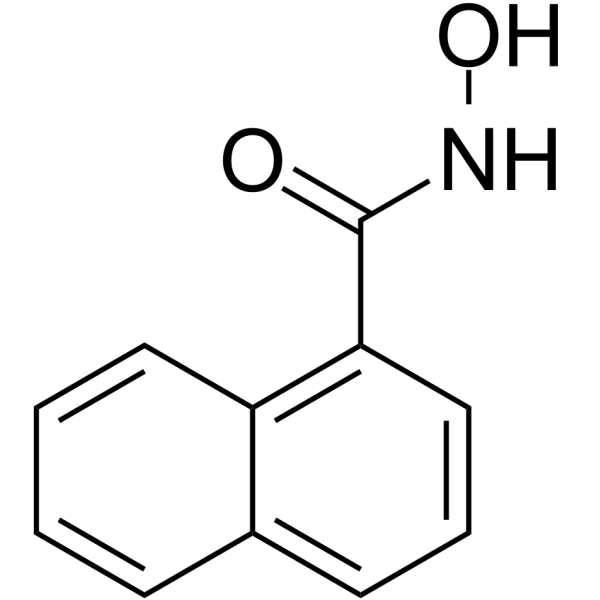
- HY-141541
-
|
|
HDAC
Tau Protein
|
Neurological Disease
|
|
MPT0G413 (Compound 6) is a potent, selective, orally active and brain-penetrant HDAC6 inhibitor with an IC50 of 3.92 nM. MPT0G413 decreases not only the level of phosphorylation of tau proteins but also the aggregation of tau proteins. MPT0G413 can ameliorate the impaired learning and memory. MPT0G413 can be used for the research of neurological disease, such as Alzheimer's disease .
|
-

- HY-13271AG
-
|
|
HDAC
Beta-lactamase
Autophagy
Apoptosis
|
Cancer
|
|
Tubastatin A (GMP) is the Tubastatin A (HY-13271A) produced by using GMP guidelines. GMP small molecules work appropriately as an auxiliary reagent for cell therapy manufacture. Tubastatin A is a potent and selective HDAC6 inhibitor with an IC50 of 15 nM in a cell-free assay, and is selective (1000-fold more) against all other isozymes except HDAC8 (57-fold more). Tubastatin A also inhibits HDAC10 and metallo-β-lactamase domain-containing protein 2 (MBLAC2).
|
-

- HY-124053
-
|
|
HDAC
|
Cancer
|
|
BRD2492 (compound 6d) is a potent, selective HDAC1 and HDAC2 inhibitor with IC50s of 13.2 nM and 77.2 nM, respecrtively. BRD2492 exhibits >100-fold selectivity for HDAC1/2 over selectivity over HDAC3 and HDAC6. BRD2492 inhibits breast cancer cell lines growth with IC50s of 1.01 μM and 11.13 μM for T-47D and MCF-7 cells, respectively .
|
-
- HY-161305
-
|
|
HDAC
|
Metabolic Disease
Cancer
|
|
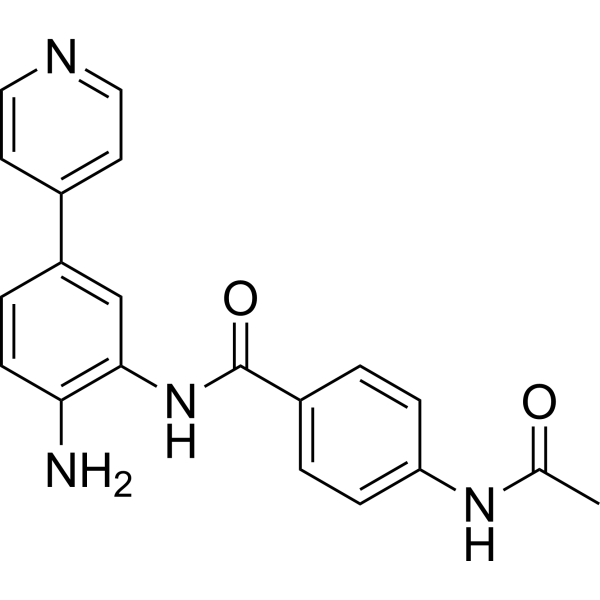
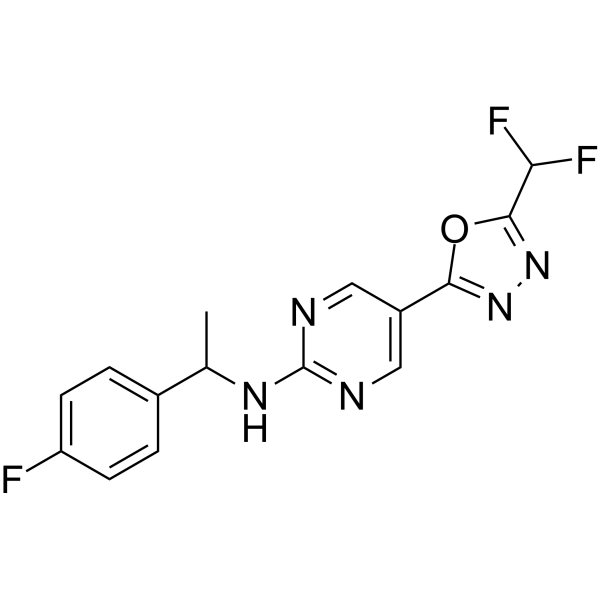
SE-7552, a 2-(difluoromethyl)-1,3,4-oxadiazole (DFMO) derivative, is an orally active, highly selective, non-hydroxamate HDAC6 inhibitor with an IC50 of 33 nM. SE-7552 is greater than 850-fold selectivity versus all other known HDAC isozymes. SE-7552 is capable of blocking multiple myeloma growth in vivo. SE-7552 acts as an anti-obesity agent in diet-induced obese mice .
|
-
- HY-181541
-
|
|
HDAC
Apoptosis
Wnt
β-catenin
MDM-2/p53
c-Myc
|
Cancer
|
|
HIT211504993 is a selective histone deacetylase 6 (HDAC6) inhibitor with an IC50 of 0.070 μM. HIT211504993 suppresses cancer cell proliferation, cause G1 phase cell cycle arrest and induces apoptosis. HIT211504993 inhibits Myc-driven tumorigenesis via nucleocytoplasmic acetylation, p53 modulation, and Wnt/β-catenin signaling modulation. HIT211504993 inhibits tumor growth in a colon cancer xenograft mouse model. HIT211504993 can be used for the research of colon cancer .
|
-

- HY-172873
-
|
|
HDAC
Caspase
Apoptosis
|
Cancer
|
|
HDSI-18 is an orally active HDAC6 selective inhibitor (IC50: 1.6 nM). HDSI-18 is cytotoxic to K562, MV4-11, MOLM-13, THP-1, and Jurkat cells (IC50: 0.48, 0.58, 0.91, 1.79, and 4.31 μM, respectively). HDSI-18 activates Caspase-3, induces mitochondrial depolarization and apoptosis, and has antitumor activity .
|
-

- HY-13432
-
|
CHR-3996
|
HDAC
Apoptosis
|
Cancer
|
|
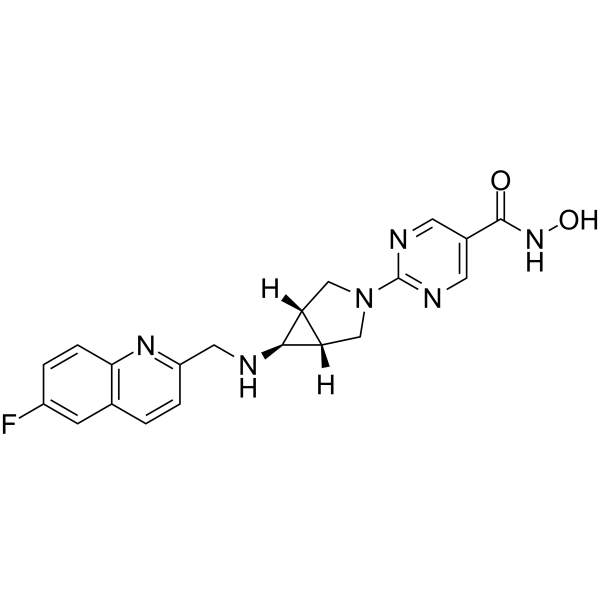
Nanatinostat (CHR-3996) is a potent, class I selective and orally active HDAC inhibitor with IC50s of 3 nM, 4 nM, and 7 nM for HDAC1, HDAC2, and HDAC3, respectively. Nanatinostat has low activity against HDAC5 (IC50 of 200 nM) and HDAC6 (IC50 of 2100 nM). Nanatinostat induces apoptosis in myeloma cells. Nanatinostat has potent anticancer effects, such as myeloma, advanced solid tumours and colorectal cancer .
|
-
- HY-12164R
-
|
MGCD0103 (Standard)
|
HDAC
Autophagy
Apoptosis
Reference Standards
|
Cancer
|
|
Mocetinostat (Standard) is the analytical standard of Mocetinostat. This product is intended for research and analytical applications. Mocetinostat (MGCD0103) is a potent, orally active and isotype-selective HDAC (Class I/IV) inhibitor with IC50s of 0.15, 0.29, 1.66 and 0.59 μM for HDAC1, HDAC2, HDAC3 and HDAC11, respectively. Mocetinostat shows no inhibition on HDAC4, HDAC5, HDAC6, HDAC7, or HDAC8.
|
-

- HY-179019
-
|
|
HDAC
Microtubule/Tubulin
Apoptosis
Caspase
|
Neurological Disease
Cancer
|
|
HDAC-IN-94 is a potent, selective HDAC6 inhibitor (IC50 = 4.5 nM). HDAC-IN-94 shows >1000-fold selectivity over HDAC8 and shows minimal activity against other isoforms (HDAC1-3/10). HDAC-IN-94 induces α-tubulin hyperacetylation, apoptosis, and G2/M cell cycle arrest, exhibiting potent anti-tumor efficacy with low cytotoxicity. HDAC-IN-94 can be used for neuroblastoma and glioblastoma research .
|
-

- HY-13432A
-
|
CHR-3996 TFA
|
HDAC
Apoptosis
|
Cancer
|
|
Nanatinostat (CHR-3996) TFA is a potent, class I selective and orally active HDAC inhibitor with IC50s of 3 nM, 4 nM, and 7 nM for HDAC1, HDAC2, and HDAC3, respectively. Nanatinostat TFA has low activity against HDAC5 (IC50 of 200 nM) and HDAC6 (IC50 of 2100 nM). Nanatinostat TFA induces apoptosis in myeloma cells. Nanatinostat TFA has potent anticancer effects, such as myeloma, advanced solid tumours and colorectal cancer .
|
-

- HY-159936
-
|
|
HDAC
PPAR
Apoptosis
|
Cancer
|
|
CS4 is a selective HDAC inhibitor with the IC50 values of 38 nM, 12 nM, 5.8 μM, 19 μM and 61 μM against of HDAC1, HDAC6, HDAC8, HDAC4 and HDAC11, respectively. CS4 promotes α-tubulin and histone 3 acetylation. CS4 activates PPARγ and blocks glycolysis. CS4 induces cell cycle arrest at G2 phase and apoptosis, and shows anticancer effect both in vivo and in vitro .
|
-

- HY-184203
-
|
|
HDAC
|
Cancer
|
|
SM-06-09 is a potent, highly selective, orally active tetrazolone-based HDAC6 inhibitor with an IC50 value of 0.49 nM. SM-06-09 promotes tumor-associated macrophage (TAM) polarization toward an antitumor M1-like phenotype and enhances macrophage phagocytosis, antigen presentation, and T-cell activation. SM-06-09 remodels the tumor immune microenvironment, exhibits antitumor activity in melanoma models, and enhances the efficacy of anti-PD-1 immune checkpoint blockade .
|
-

- HY-182720
-
|
|
HDAC
Microtubule/Tubulin
|
Cancer
|
|
FT108 is a selective HDAC6 inhibitor with an IC50 of 0.026 μM. FT108 exhibits only modest in vitro activity against HDAC3 and HDAC8 with IC50 values of 6.68 and 4.07 μM. FT108 increases acetylation of tubulin and has little to no effect on acetylated histone H3 levels. FT108 lacks activity against myeloproliferative neoplasm cell lines, and does not suppress JAK2 phosphorylation or its downstream targets pSTAT3 and pSTAT5 .
|
-

- HY-161984
-
|
|
HDAC
|
Infection
Others
|
|
HDAC-IN-76 (compound 6i) is a histone deacetylase (HDAC) inhibitor. HDAC-IN-76 IC50 values of 30 nM and 98 nM for Pf3D7 (chloroquine (HY-17589A) drug-susceptible strain) and PfDd2 (chloroquine (HY-17589A) drug-resistant strain), has a highly potent antimalarial activity against asexual blood-stage Plasmodium, respectively, and exhibits selective inhibition against parasites, with IC50 values of 7 nM and 9 nM for human HDAC1 and HDAC6, respectively, while inhibiting PfHDAC1 .
|
-

- HY-175030
-
|
|
HDAC
Apoptosis
Pyroptosis
Necroptosis
PANoptosis
|
Cancer
|
|
TNI-97 is a selective and orally active HDAC6 inhibitor, with an IC50 of 0.2 nM. TNI-97 potently inhibited TNBC cell MDA-MB-453 growth and clonogenicity. TNI-97 induces PANoptosis including apoptosis, necroptosis and pyroptosis in MDA-MB-453 cells. TNI-97 shows antitumor activity in the mice carrying the MDA-MB-453 xenograft or carrying murine-derived TNBC cell allografts. TNI-97 can be used for the study of triple-negative breast cancer .
|
-

- HY-168477
-
|
|
HDAC
Autophagy
|
Cancer
|
|
HDAC1-IN-8 (compound 5c) is a potent and selective HDAC1 inhibitor with IC50 values of 11.94, 22.95, >500 µM for HDAC1, HDAC6, HDAC8, respectively. HDAC1-IN-8 shows antiproliferative activity. HDAC1-IN-8 induces cell cycle arrest at G1 and G2/M. HDAC1-IN-8 induces autophagy. HDAC1-IN-8 shows anticancer activity and has the potential for the research of lung cancer .
|
-

- HY-169400
-
|
|
HDAC
Histone Methyltransferase
Apoptosis
|
Cancer
|
|
HDACs/EZH2-IN-1 (Compound 22a) is a HDACs/EZH2 inhibitor (EZH2 Y641N inhibition rate at 50 nM: 98%), with selective inhibition against HDAC1 and HDAC6 (IC50: 0.23 μM and 0.07 μM, respectively). HDACs/EZH2-IN-1 exerts a antiproliferative effect on diffuse large B-cell lymphoma cells harboring an EZH2 mutation and on various acute myeloid leukemia cells. HDACs/EZH2-IN-1 has the ability to induce cell differentiation and Apoptosis .
|
-

- HY-179682
-
|
|
HDAC
NOD-like Receptor (NLR)
Interleukin Related
Caspase
|
Inflammation/Immunology
|
|
HDAC3 degrader-1 (Compound Z8) is a selective HDAC3 degrader with a DC50 of 2.42 μM. HDAC3 degrader-1 has almost no effect on HDAC1, HDAC2, and HDAC6. HDAC3 degrader-1 inhibits the activation of the NLRP3 inflammasome and reduces the secretion of IL-1β and caspase-1. HDAC3 degrader-1 shows significant efficacy in septic shock and colitis models. HDAC3 degrader-1 can be used in anti-inflammatory research .
|
-

- HY-179654
-
|
|
HDAC
Apoptosis
|
Cancer
|
|
ST13, an ortho-hydroxyanilide, is a selective, slow- and tight-binding HDAC1 and HDAC2 inhibitor with IC50s of 23 nM and 49 nM, respectively. ST13 shows a weak inhibition of HDAC3 (IC50 = 4.30 μM) and HDAC6 (IC50 > 10 μM). The induced fit mechanism of ST13 proceeds through a two-step process: first, the enzyme and inhibitor rapidly form a collision complex (EI), which then slowly transforms into the stable complex E*I. ST13 induces apoptosis in cancer cells. ST13 can be used for the study of melanoma and triple-negative breast .
|
-

- HY-178336
-
|
|
VD/VDR
HDAC
Microtubule/Tubulin
|
Inflammation/Immunology
Cancer
|
|
AC-340 is a potent hybrid VDR agonist/HDAC inhibitor. AC-340 superinduces VDR target genes (e.g., CYP24A1) and inhibits HDAC6 (IC50 = 0.37 μM) with ~10-fold selectivity over HDAC2. AC-340 induces VDR hyperagonism by causing widespread protein hyperacetylation (e.g., tubulin and H3K9/K27), which leads to elevated H3K27 acetylation on VDR target genes. AC-340 can be used for melanoma cancer research .
|
-

- HY-184165
-
|
|
HDAC
Fungal
|
Infection
|
|
F2F-202 is a selective HDAC6 inhibitor with an IC50 of 7.1 nM, exhibiting high selectivity toward HDAC1. F2F-202 does not directly bind to or inhibit the Hda1 protease activity of Candida albicans itself, but reduces the mRNA transcription level of the Hda1 gene. When combined with Voriconazole (HY-76200), F2F-202 decreases the yeast-hypha transition rate of azole-resistant Candida albicans and impairs the antioxidant response of azole-resistant Candida albicans. F2F-202 can be used in studies related to azole-resistant Candida albicans infections .
|
-

- HY-183057
-
|
|
G Protein-coupled Receptor Kinase (GRK)
HDAC
|
Neurological Disease
|
|
GRK2 modulator 1 is an orally active, brain-penetrant and selective GRK2 modulator. GRK2 modulator 1 enhances the active, non-phosphorylated GRK2 and prevents mitochondrial GRK2 and TOMM6 aggregation. GRK2 modulator 1 enhances the non-amyloidogenic processing of APP and prevent PHF-tau, neurodegeneration, and neuronal loss. GRK2 modulator 1 decreases the senescence marker, UPAR, reduces the Alzheimer disease (AD)-related mortality, and prolongs survival. GRK2 modulator 1 exerts neuroprotection by inhibiting HDAC6, and counteracts age-related cardiac dysfunction. GRK2 modulator 1 can be used for research on AD .
|
-

- HY-174302
-
|
|
Pim
HDAC
PARP
Apoptosis
|
Cancer
|
|
PIM-1/HDAC-IN-2 is a robust PIM/HDAC inhibitor (IC50 = 0.11 μM in MV4-11cells), which exerts a synergistic antiproliferative effect through a dual mechanism of inhibiting PIM1 kinase and selectively inhibiting HDAC6. PIM-1/HDAC-IN-2 induces cell apoptosis. PIM-1/HDAC-IN-2 remarkably induces the cleavage of PARP, thereby initiating the arrest of the cell cycle in G1 phase and a reduction in S phase. PIM-1/HDAC-IN-2 demonstrates significant anticancer efficacyin the MV4-11 xenograft model without notable toxicity[1].
|
-

- HY-180811
-
|
|
Anaplastic lymphoma kinase (ALK)
HDAC
Apoptosis
|
Neurological Disease
|
|
ALK/HDAC-IN-2 (Compound 19b) is an ALK/HDAC inhibitor with IC₅₀ values for ALK WT and total HDACs of 8 nM and 1.18 μM, respectively. ALK/HDAC-IN-2 exhibits inhibitory activity against ALK mutants G1202R, F1174L, and L1196M, with IC₅₀ values of 2.74, 9.23, and 34.28 nM, respectively. ALK/HDAC-IN-2 shows potent and selective inhibition against HDAC1 (IC₅₀ = 0.24 μM), while its inhibitory activity against HDAC7, HDAC6, and HDAC11 is weak (IC₅₀ > 10 μM). ALK/HDAC-IN-2 has broad-spectrum anti-proliferative activity against various cancer cells, inducing cell cycle arrest and apoptosis. ALK/HDAC-IN-2 can be used for the study of neuroblastoma .
|
-

- HY-124295
-
|
ABT-301; MPT0E028; TMU-C-0012
|
HDAC
Akt
Apoptosis
|
Inflammation/Immunology
Cancer
|
|
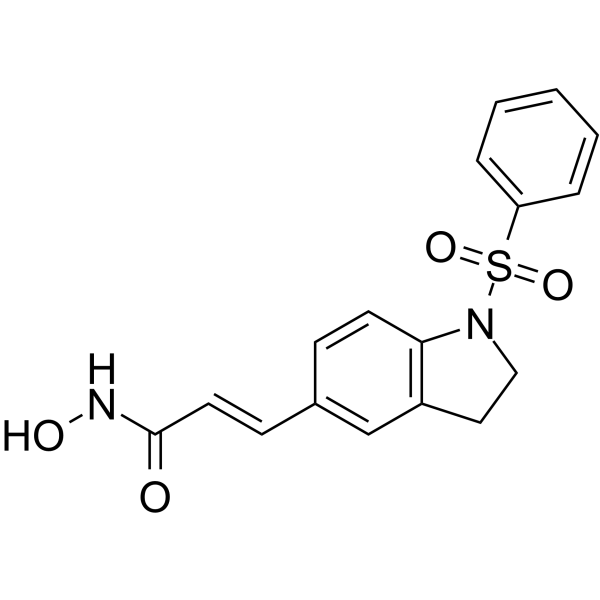
Imofinostat (ABT-301; MPT0E028) is an orally active and selective HDAC inhibitor with IC50s of 53.0 nM, 106.2 nM, 29.5 nM for HDAC1, HDAC2 and HDAC6, respectively. Imofinostat has a weak inhibitory effect on HDAC8 (IC50 of 2.5 μM), but no inhibitory effect on HDAC4 (IC50>10 μM). Imofinostat reduces the viability of B-cell lymphomas by inducing apoptosis and possesses potent direct Akt targeting ability and reduces Akt phosphorylation in B-cell lymphoma. Imofinostat has a broad-spectrum antitumor activity, including colorectal cancer, B-cell lymphoma, non-small cell lung carcinoma (NSCLC), and pancreatic cancer, while also showing therapeutic potential in non-tumor diseases like emphysema and pulmonary fibrosis .
|
-
- HY-146159
-
|
|
PI3K
HDAC
|
Cancer
|
|
PI3K/HDAC-IN-2 is a potent dual PI3K/HDAC inhibitor with IC50s of 226 nM, 279 nM, 467 nM, 29 nM for PI3Kα, PI3Kβ, PI3Kγ, PI3Kδ, respectively, and IC50s of 1.3 nM, 3.4 nM, 972 nM, 17 nM, 12 nM for HDAC1, HDAC2, HDC4, HDAC6, HDAC8, respectively. PI3K/HDAC-IN-2 exhibits PI3Kδ and class I and IIb HDAC selectivity. PI3K/HDAC-IN-2 has remarkable anticancer effects .
|
-
- HY-179272
-
|
|
Wee1
HDAC
Apoptosis
|
Cancer
|
|
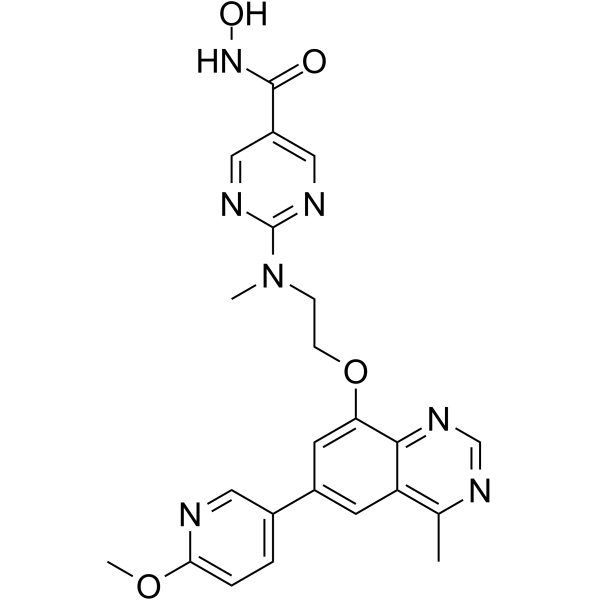
Wee1/HDAC-IN-1 is a dual Wee1/HDAC inhibitor with an IC50 of 1.2 nM for Wee1 and IC50 values of 196 nM for HDAC1, 156 nM for HDAC3, and 55 nM for HDAC6. Wee1/HDAC-IN-1 exhibits strong antiproliferative activity against MV4-11 cells with an IC50 of 0.076 μM. Wee1/HDAC-IN-1 selectively binds to Wee1 and HDACs. Wee1/HDAC-IN-1 interferes with DNA damage repair pathways and induces apoptosis in MV4-11 cells. Wee1/HDAC-IN-1 Wee1/HDAC-IN-1 can be used for the research of acute myeloid leukemia (AML) .
|
-

- HY-181086
-
|
|
FLT3
HDAC
Apoptosis
Reactive Oxygen Species (ROS)
|
Cancer
|
|
FLT3/HDAC-IN-3 is a dual inhibitor of FLT3 and HDAC. FLT3/HDAC-IN-3 potently inhibits FLT3 (IC50 = 14 nM), HDAC1 (IC50 = 27 nM), HDAC6 (IC50 = 20 nM), and FLT3 D853Y (IC50 = 55 nM), exhibits weak activity against HDAC8, and shows no activity against HDAC4. FLT3/HDAC-IN-3 possesses kinase selectivity, plasma stability, and stability in human liver microsomes. FLT3/HDAC-IN-3 demonstrates anti-proliferative effects in a variety of hematological malignancy cell lines. FLT3/HDAC-IN-3 shows efficacy in the Jeko-1 xenograft model without observed significant toxicity. FLT3/HDAC-IN-3 can be used in the study of hematological malignancies .
|
-

- HY-143233
-
|
|
Pim
HDAC
Apoptosis
|
Cancer
|
|
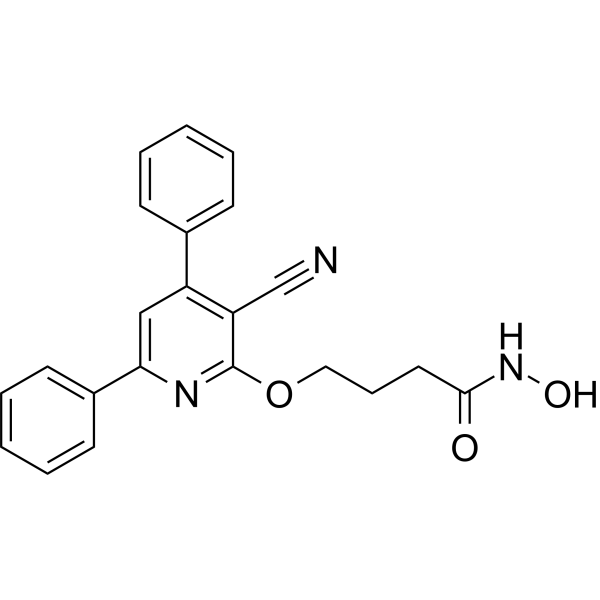
PIM-1/HDAC-IN-1 (compound 4d) is a PIM-1 inhibitor, with an IC50 of 343.87 nM. PIM-1/HDAC-IN-1 has strong inhibitory activity and selectivity against HDAC 1 and HDAC 6, with IC50 values of 63.65 and 62.39 nM, respectively. PIM-1/HDAC-IN-1 exhibits apoptosis inducing potential in MCF-7 cell lines. PIM-1/HDAC-IN-1 shows pre-G1 apoptosis and cell cycle arrest at G2/M phase .
|
-
| Cat. No. |
Product Name |
Type |
-
- HY-13271AG
-
|
|
Fluorescent Dyes
|
|
Tubastatin A (GMP) is the Tubastatin A (HY-13271A) produced by using GMP guidelines. GMP small molecules work appropriately as an auxiliary reagent for cell therapy manufacture. Tubastatin A is a potent and selective HDAC6 inhibitor with an IC50 of 15 nM in a cell-free assay, and is selective (1000-fold more) against all other isozymes except HDAC8 (57-fold more). Tubastatin A also inhibits HDAC10 and metallo-β-lactamase domain-containing protein 2 (MBLAC2).
|
| Cat. No. |
Product Name |
Type |
-
- HY-13271AG
-
|
|
Biochemical Assay Reagents
|
|
Tubastatin A (GMP) is the Tubastatin A (HY-13271A) produced by using GMP guidelines. GMP small molecules work appropriately as an auxiliary reagent for cell therapy manufacture. Tubastatin A is a potent and selective HDAC6 inhibitor with an IC50 of 15 nM in a cell-free assay, and is selective (1000-fold more) against all other isozymes except HDAC8 (57-fold more). Tubastatin A also inhibits HDAC10 and metallo-β-lactamase domain-containing protein 2 (MBLAC2).
|
| Cat. No. |
Product Name |
Category |
Target |
Chemical Structure |
| Cat. No. |
Product Name |
Target |
Research Areas |
Chemical Structure |
-
- HY-13271AG
-
|
|
HDAC
Beta-lactamase
Autophagy
Apoptosis
|
Cancer
|
|
Tubastatin A (GMP) is the Tubastatin A (HY-13271A) produced by using GMP guidelines. GMP small molecules work appropriately as an auxiliary reagent for cell therapy manufacture. Tubastatin A is a potent and selective HDAC6 inhibitor with an IC50 of 15 nM in a cell-free assay, and is selective (1000-fold more) against all other isozymes except HDAC8 (57-fold more). Tubastatin A also inhibits HDAC10 and metallo-β-lactamase domain-containing protein 2 (MBLAC2).
|
-
Your information is safe with us. * Required Fields.
Inquiry Information
- Product Name:
- Cat. No.:
- Quantity:
- MCE Japan Authorized Agent:








