



Bufexamac
Based on 2 publication(s) in Google Scholar
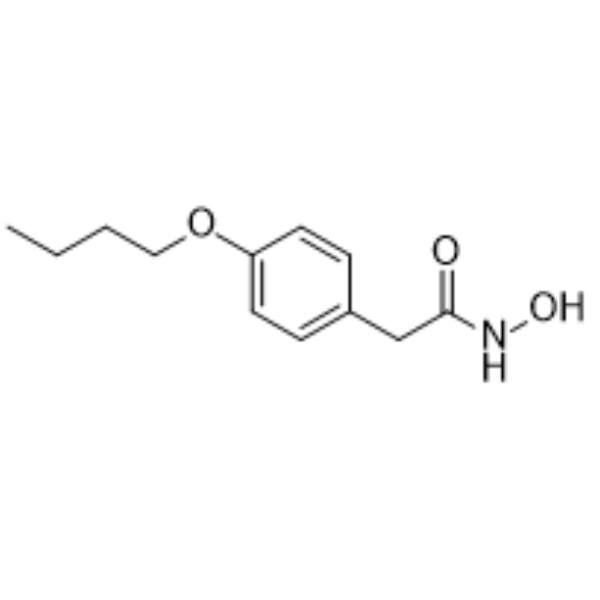
Bufexamac is a selective Ⅱb HDAC (HDAC6, HDAC10) and LTA4H dual inhibitor, with Kds of 0.53 µM and 0.22 µM for HDAC6 and HDAC10. Bufexamac is a nonsteroida anti-inflammatory drug.
For research use only. We do not sell to patients.
- Purity : 98.47%
- CAS No.: 2438-72-4
- Formula: C12H17NO3
- Molecular Weight:223.27
-
Storage:Powder -20°C, 3 years , 4°C, 2 years ; In solvent -80°C, 2 years , -20°C, 1 year

To place orders, for customer services and technical support, please contact: MedChemExpress USA
Tel: 609-228-6898 E-mail: [email protected] [email protected]


-
 Biological Activity
-
Chemical Information
-
Solvent & Solubility
- Protocols
- Purity & Documentation
- References
-
 Help & FAQs


-
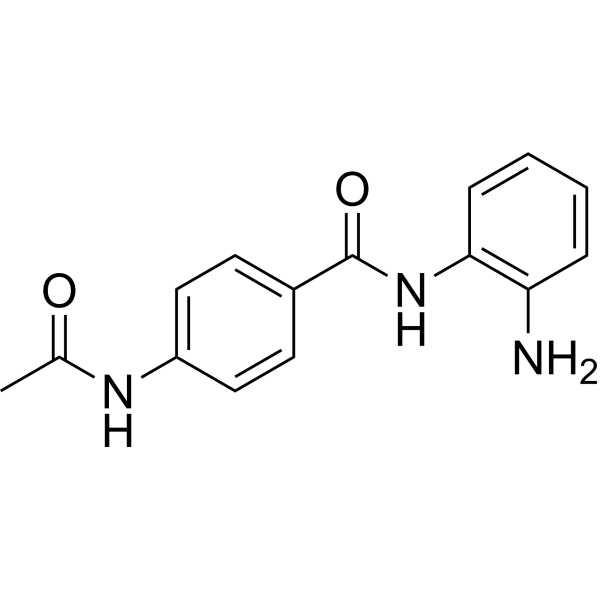
HY-50934
TacedinalineHDAC Inhibitor -
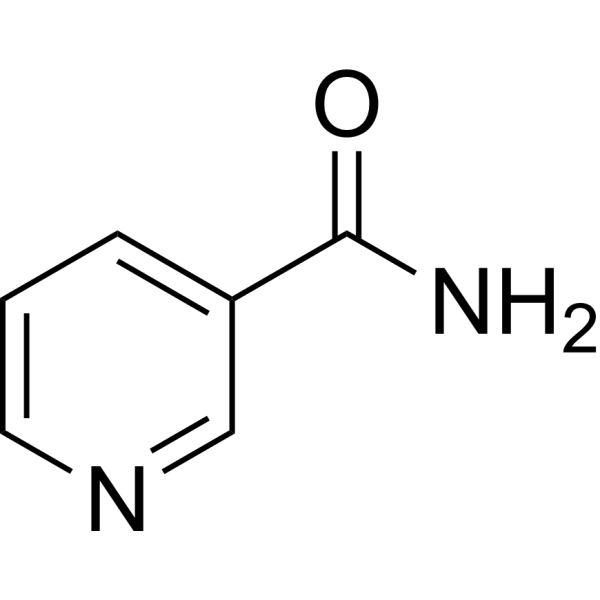
HY-B0150
NicotinamideSIRT Inhibitor -
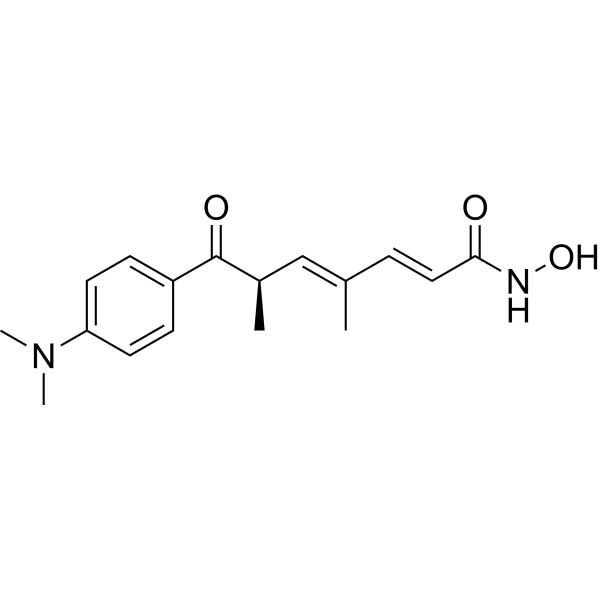
HY-15144
Trichostatin AHDAC Class I/II Inhibitor -
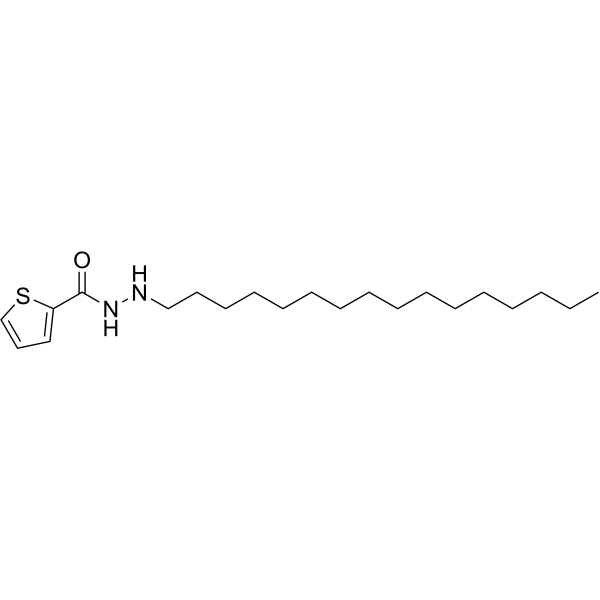
HY-128918
SIS17HDAC11 Inhibitor -
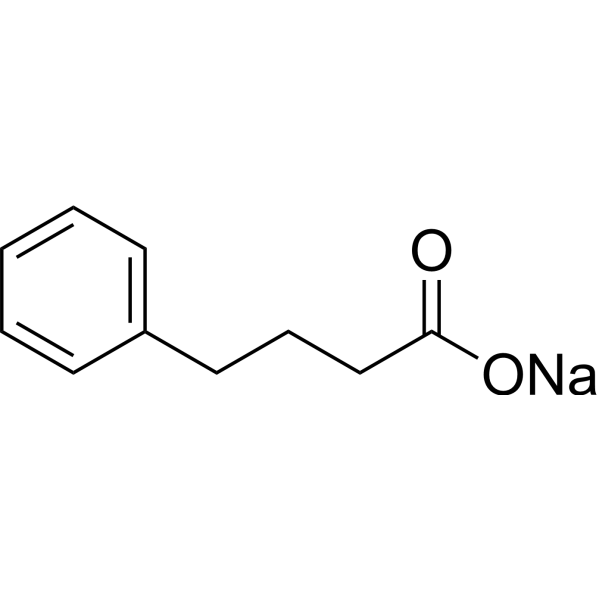
HY-15654
Sodium 4-phenylbutyrateHDAC/ERS Inhibitor -
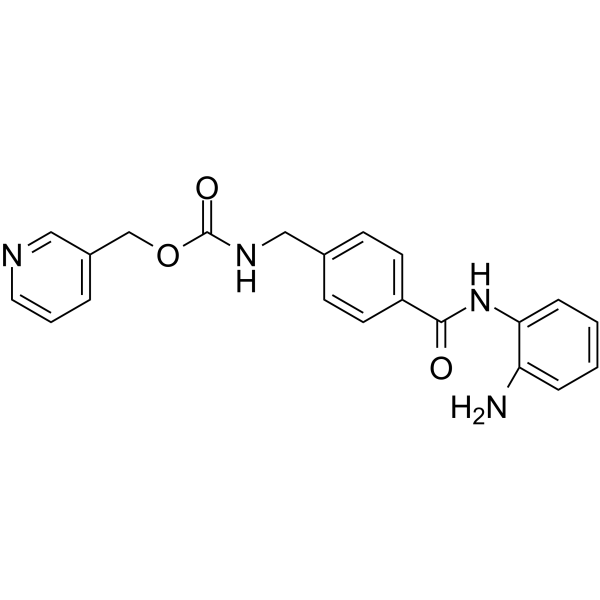
HY-12163
EntinostatHDAC Class I Inhibitor -
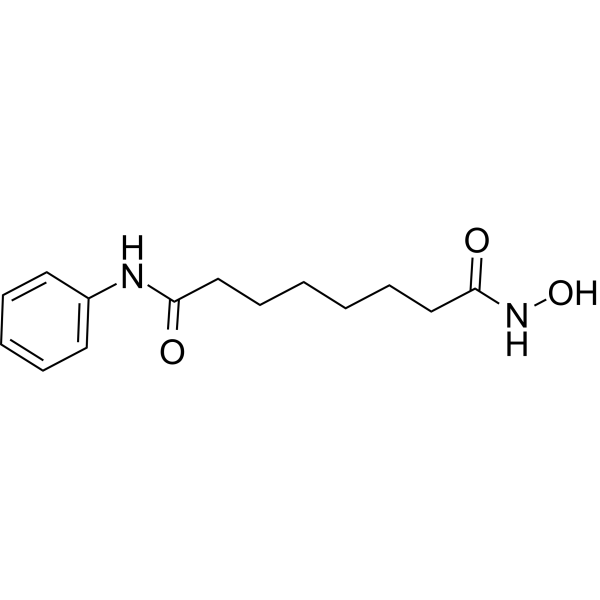
HY-10221
VorinostatHDAC Inhibitor -
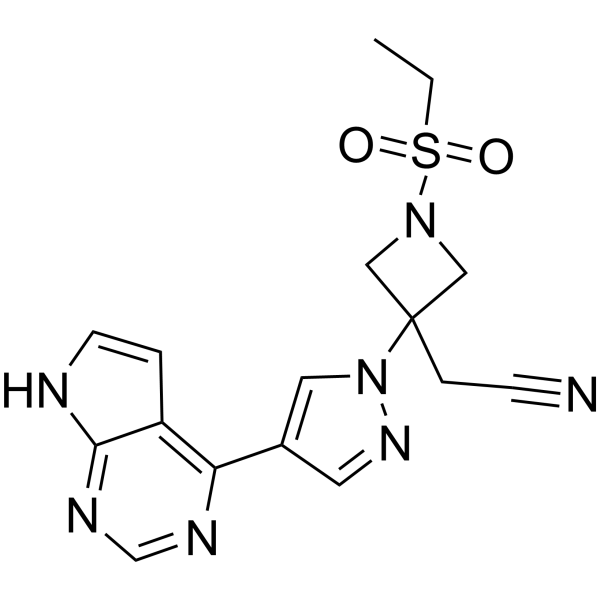
HY-15315
BaricitinibJAK1/2 Inhibitor -
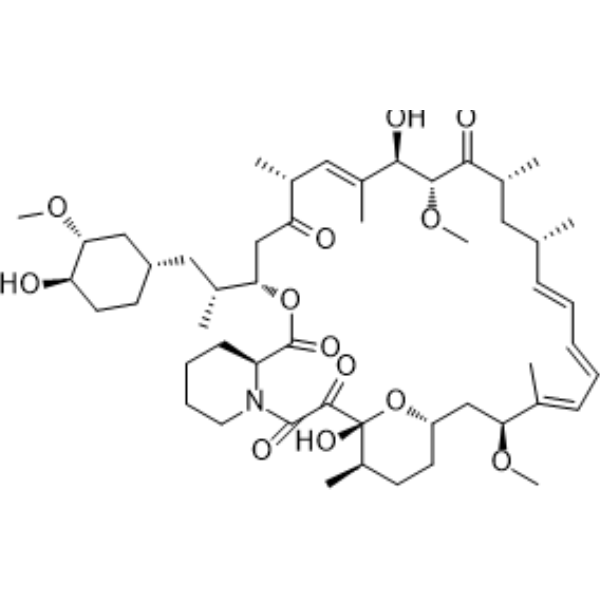
HY-10219
RapamycinmTOR Inhibitor -
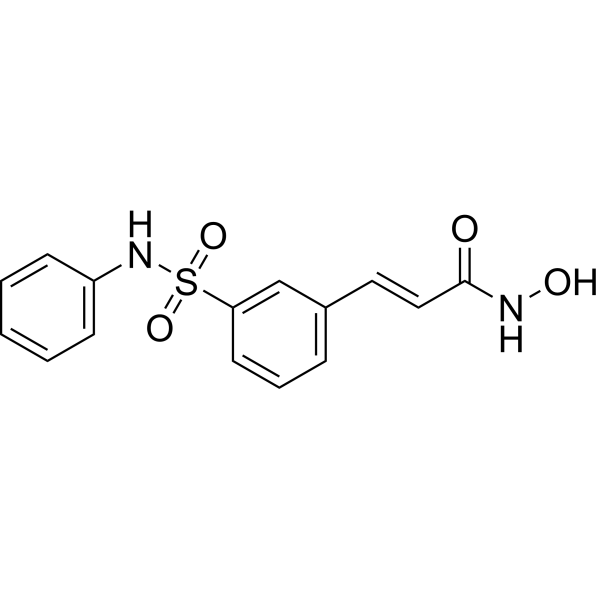
HY-10225
BelinostatHDAC Inhibitor -
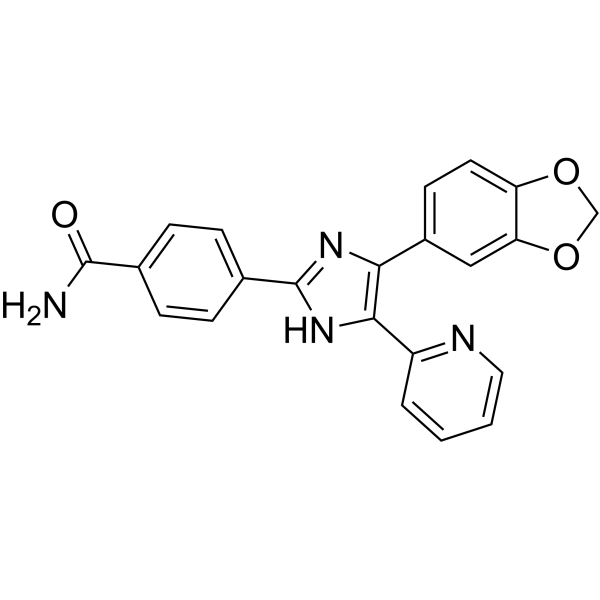
HY-10431
SB-431542TGF-β Receptor Kinase Inhibitor -
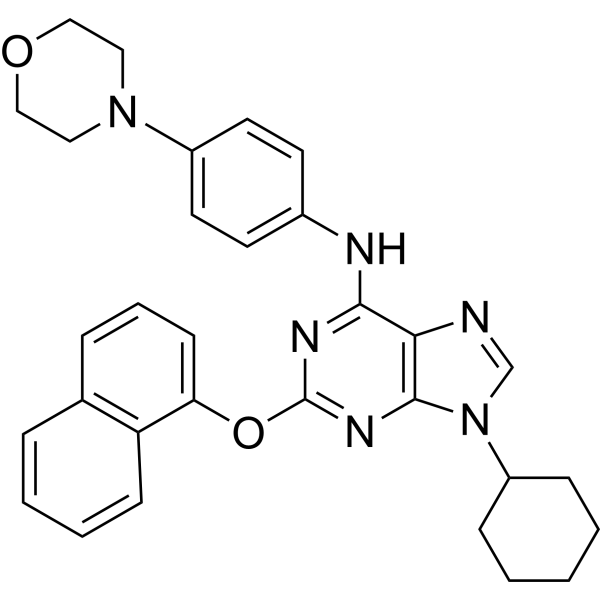
HY-15108
PurmorphamineSmoothened Receptor Agonist
Publications Citing Use of MedChemExpress (MCE) Bufexamac
More

Biological Activity
Description
IC50 & Target
[1]|
HDAC6 10.7 μM (Kd app) |
HDAC10 12.3 μM (Kd app) |
HDAC8 235 μM (Kd app) |
HDAC3 341 μM (Kd app) |
Cellular Effect
|
Cell Line

|
Type | Value | Description | References |
|---|---|---|---|---|
| HaCaT | IC50 |
>5 μM
Compound: bufexamac
|
Antiproliferative activity (AA) against HaCaT keratinocytes.
Antiproliferative activity (AA) against HaCaT keratinocytes.
|
[PMID: 9276024] |
| RBL-1 | IC50 |
27 μM
Compound: 69
|
In vitro inhibitory activity against 5-lipoxygenase in rat basophilic leukemia cells(RBL-1)
In vitro inhibitory activity against 5-lipoxygenase in rat basophilic leukemia cells(RBL-1)
|
[PMID: 2308149] |
In Vitro
Bufexamac (0.1-100 µM, 16 h) inhibits the secretion of IFN-α in peripheral blood mononuclear cells[1].
Bufexamac (30 µM, 6 days) inhibits HDAC10 to block autophagic flux in BE(2)-C cells and enhances the tumor-specific toxicity of DNA damage-inducing drugs[2].
Bufexamac (50-100 µM, 30 min) inhibits calcium ionophore A23187 stimulation of neutrophil chemotaxis via the inhibition of LTA4H-mediated endogenous LTB4 biosynthesis, with an IC50 of 12.91±4.02 μM for LTB4[3].
Bufexamac (0-500 µM, 4 h) inhibits lysine deacetylases (KDACs) at lower concentrations (>5 µM) and induces hypoxia-like responses in Hela cells by chelating cellular iron at higher concentrations (>200 µM) in Hela cells[4].
MedChemExpress (MCE) has not independently confirmed the accuracy of these methods. They are for reference only. Further protocols information, click here.
-
Cell Line:BE(2)-C cells
-
Concentration:30 µM
-
Incubation Time:6 days
-
Result:Enhanced cell death of tumor cells.
-
Cell Line:mouse neutrophils
-
Concentration:50-100 µM
-
Incubation Time:30 min
-
Result:Reduced fMLP (5μM) induced neutrophil migration.
-
Cell Line:Hela cells (ATCC: CCL-2)
-
Concentration:1 mM
-
Incubation Time:4-16 h
-
Result:Induced HIF1-α protein and increased HIF1-α levels.
-
Cell Line:Hela cells (ATCC: CCL-2)
-
Concentration:50-250 µM
-
Incubation Time:4 h
-
Result:Stabilized HIF1-α and accumulated in the nucleus.
In Vivo
Bufexamac (20-100 mg, Intraarticular (IA) injection, weekly, 6 times) don’t cause any untoward systemic or local effects in healthy horse[5].
MedChemExpress (MCE) has not independently confirmed the accuracy of these methods. They are for reference only.
-
Animal Model:Six-to-eight weeks old female C57BL/6 mice[3]
-
Dosage:50-100 mg/kg
-
Administration:Oral gavage (p.o.), seven days
-
Result:Ameliorated the infiltration of lung inflammatory cells and injury to the lung in a dose-dependent manner.
Relieved LPS-induced lung injury.
Reduced LTB4 level and MPO activity.
Reduced cytokine mRNA expressions in lung tissue and cytokine levels in BALF in LPS-induced ALI in mice.
-
Animal Model:horses aged 2 to 7 years old and weighing 302 to 522 kg [5]
-
Dosage:20-100 mg
-
Administration:Intraarticular (IA) injection, weekly, 6 times
-
Result:Didn't effect on general health, hematological or serum biochemical variables, or organs.


Chemical Information
-
CAS No. 2438-72-4
-
Appearance Solid
-
Molecular Weight 223.27
-
Formula C12H17NO3
-
Color White to off-white
-
SMILES
O=C(NO)CC1=CC=C(OCCCC)C=C1
-
Synonyms
Bufexamic acid
-
Shipping
Room temperature in continental US; may vary elsewhere.
-
Storage
Powder -20°C 3 years 4°C 2 years In solvent -80°C 2 years -20°C 1 year


Publications (2)
-
Journal Impact Factor
-
Most Recent
-
Clin Epigenetics
Repression of the PRELP gene is relieved by histone deacetylase inhibitors through acetylation of histone H2B lysine 5 in bladder cancer. [Abstract]2022 Nov 12;14(1):147. PMID: 36371227 -
PLoS One
Discovery of novel TACE inhibitors using graph convolutional network, molecular docking, molecular dynamics simulation, and Biological evaluation. [Abstract]2024 Dec 27;19(12):e0315245. PMID: 39729480


Solvent & Solubility
In Vitro:
DMSO : ≥ 100 mg/mL (447.89 mM; Hygroscopic DMSO has a significant impact on the solubility of product, please use newly opened DMSO)
H2O : < 0.1 mg/mL (insoluble)
* "≥" means soluble, but saturation unknown.
Please refer to the solubility information to select the appropriate solvent. Once prepared, please aliquot and store the solution to prevent product inactivation from repeated freeze-thaw cycles.
Storage method and period of stock solution: -80°C, 2 years; -20°C, 1 year. When stored at -80°C, please use it within 2 years. When stored at -20°C, please use it within 1 year.
Please refer to the solubility information to select the appropriate solvent. Once prepared, please aliquot and store the solution to prevent product inactivation from repeated freeze-thaw cycles.
Storage method and period of stock solution: -80°C, 2 years; -20°C, 1 year. When stored at -80°C, please use it within 2 years. When stored at -20°C, please use it within 1 year.
Concentration (start) × Volume (start) = Concentration (final) × Volume (final)
In Vivo:
Select the appropriate dissolution method based on your experimental animal and administration route.
- For the following dissolution methods, please ensure to first prepare a clear stock solution using an In Vitro approach and then sequentially add co-solvents:
- To ensure reliable experimental results, the clarified stock solution can be appropriately stored based on storage conditions. As for the working solution for In Vivo experiments, it is recommended to prepare freshly and use it on the same day.
- The percentages shown for the solvents indicate their volumetric ratio in the final prepared solution. If precipitation or phase separation occurs during preparation, heat and/or sonication can be used to aid dissolution.
Add each solvent one by one: 10% DMSO 40% PEG300 5% Tween-80 45% Saline
Solubility: 2.5 mg/mL (11.20 mM); Suspended solution; Need ultrasonic
This protocol yields a suspended solution of 2.5 mg/mL. Suspended solution can be used for oral and intraperitoneal injection.
Taking 1 mL working solution as an example, add 100 μL DMSO stock solution (25.0 mg/mL) to 400 μL PEG300, and mix evenly; then add 50 μL Tween-80 and mix evenly; then add 450 μL Saline to adjust the volume to 1 mL.
Preparation of Saline: Dissolve 0.9 g sodium chloride in ddH₂O and dilute to 100 mL to obtain a clear Saline solution.
Add each solvent one by one: 10% DMSO 90% (20% SBE-β-CD in Saline)
Solubility: ≥ 2.5 mg/mL (11.20 mM); Clear solution
This protocol yields a clear solution of ≥ 2.5 mg/mL (saturation unknown).
Taking 1 mL working solution as an example, add 100 μL DMSO stock solution (25.0 mg/mL) to 900 μL 20% SBE-β-CD in Saline, and mix evenly.
Preparation of 20% SBE-β-CD in Saline (4°C, storage for one week): 2 g SBE-β-CD powder is dissolved in 10 mL Saline, completely dissolve until clear.
For the following dissolution methods, please prepare the working solution directly:
It is recommended to prepare fresh solutions and use them promptly within a short period of time.
The percentages shown for the solvents indicate their volumetric ratio in the final prepared solution. If precipitation or phase separation occurs during preparation, heat and/or sonication can be used to aid dissolution.
Add each solvent one by one: PBS
Solubility: 10 mg/mL (44.79 mM); Clear solution; Need ultrasonic and warming and heat to 60°C
In Vivo Dissolution Calculator
Please enter the basic information of animal experiments:
-
-
-
-
Recommended: Prepare an additional quantity of animals to account for potential losses during experiments.
Please enter your animal formula composition:
-
%DMSO +
Recommended: Keep the proportion of DMSO in working solution below 2% if your animal is weak.
-
%+
-
+%Tween-80 + +
-
%Saline +
The co-solvents required include: DMSO, . All of co-solvents are available by MedChemExpress (MCE). , Tween 80. All of co-solvents are available by MedChemExpress (MCE).
Working solution concentration: 0.22 mg/mL
Method for preparing stock solution: mg drug dissolved in μL DMSO. Stock solution concentration: mg/mL.
1. Take μL DMSO stock solution;
2. Add μL .
μL , mix evenly;
3. Then add μL Tween 80, mix evenly;
4. Then add μL
Please ensure that the stock solution in the first step is dissolved to a clear state, and add co-solvents in sequence. You can use ultrasonic heating (ultrasonic cleaner, recommended frequency 20-40 kHz), vortexing, etc. to assist dissolution.

Protocols
-
Research Protocol for Inflammation-related Diseases
The NLRP3 inflammasome is a cytosolic innate immune signaling platform that integrates priming signals and danger-signal activation to promote caspase-1 activation, maturation of IL-1β and IL-18, and gasdermin D-mediated pyroptotic cell death. The core experimental logic is to determine whether inflammatory disease phenotypes are driven by increased NLRP3 expression, ASC-containing inflammasome assembly, caspase-1 cleavage, GSDMD cleavage, and extracellular release of IL-1β/IL-18 rather than by nonspecific cell injury alone. The pathway is strongly linked to inflammation-related disease phenotypes because monosodium urate crystals activate NALP3/NLRP3 inflammasome signaling in gout-like crystal inflammation, cholesterol crystals activate NLRP3 inflammasomes in atherogenesis models, and DSS-induced intestinal inflammation has been reported to involve NLRP3 inflammasome activity. However, experimental colitis studies also show context-dependent protective effects of NLRP3 inflammasome co


Purity & Documentation
-
Data Sheet (277 KB)
-
SDS (393 KB)
- English - EN (393 KB)
- Français - FR (393 KB)
- Deutsch - DE (393 KB)
- Norwegian - NO (393 KB)
- Español - ES (393 KB)
- Swedish - SV (393 KB)
- Italian - IT (393 KB)
- Korean - KR (393 KB)
- Portuguese - PT (393 KB)
-
Handling Instructions (2659 KB)
References
[1]. Bantscheff M, et al. Chemoproteomics profiling of HDAC inhibitors reveals selective targeting of HDAC complexes. Nat Biotechnol. 2011 Mar;29(3):255-65. [Content Brief]
[2]. Oehme I, et al. Histone deacetylase 10 promotes autophagy-mediated cell survival. Proc Natl Acad Sci U S A. 2013 Jul 9;110(28):E2592-601. [Content Brief]
[3]. Xiao Q, et al. Bufexamac ameliorates LPS-induced acute lung injury in mice by targeting LTA4H. Sci Rep. 2016 Apr 29;6:25298. [Content Brief]
[4]. Schölz C, et al. Acetylation site specificities of lysine deacetylase inhibitors in human cells. Nat Biotechnol. 2015 Apr;33(4):415-23. [Content Brief]
[5]. Suominen MM,et al. Effects of intra-articular injections of bufexamac suspension in healthy horses. Am J Vet Res. 2001 Oct;62(10):1629-35. [Content Brief]


Complete Stock Solution Preparation Table
Please refer to the solubility information to select the appropriate solvent. Once prepared, please aliquot and store the solution to prevent product inactivation from repeated freeze-thaw cycles.
Storage method and period of stock solution: -80°C, 2 years; -20°C, 1 year. When stored at -80°C, please use it within 2 years. When stored at -20°C, please use it within 1 year.
| Optional Solvent | Concentration Solvent Mass | 1 mg | 5 mg | 10 mg | 25 mg |
|---|---|---|---|---|---|
| DMSO | 1 mM | 4.4789 mL | 22.3944 mL | 44.7888 mL | 111.9720 mL |
| 5 mM | 0.8958 mL | 4.4789 mL | 8.9578 mL | 22.3944 mL | |
| 10 mM | 0.4479 mL | 2.2394 mL | 4.4789 mL | 11.1972 mL | |
| 15 mM | 0.2986 mL | 1.4930 mL | 2.9859 mL | 7.4648 mL | |
| 20 mM | 0.2239 mL | 1.1197 mL | 2.2394 mL | 5.5986 mL | |
| 25 mM | 0.1792 mL | 0.8958 mL | 1.7916 mL | 4.4789 mL | |
| 30 mM | 0.1493 mL | 0.7465 mL | 1.4930 mL | 3.7324 mL | |
| 40 mM | 0.1120 mL | 0.5599 mL | 1.1197 mL | 2.7993 mL | |
| 50 mM | 0.0896 mL | 0.4479 mL | 0.8958 mL | 2.2394 mL | |
| 60 mM | 0.0746 mL | 0.3732 mL | 0.7465 mL | 1.8662 mL | |
| 80 mM | 0.0560 mL | 0.2799 mL | 0.5599 mL | 1.3997 mL | |
| 100 mM | 0.0448 mL | 0.2239 mL | 0.4479 mL | 1.1197 mL |


Bufexamac Related Classifications
HY-B0494 Related Classifications
 Powered by Bioz