Search Result
Results for "
competitive peptide
" in MedChemExpress (MCE) Product Catalog:
3
Isotope-Labeled Compounds
| Cat. No. |
Product Name |
Target |
Research Areas |
Chemical Structure |
-
- HY-P0319
-
|
|
Biochemical Assay Reagents
|
Others
|
|
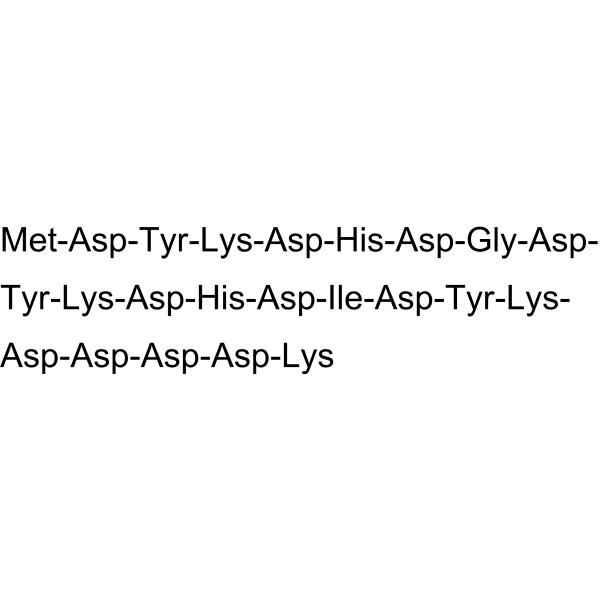
3X FLAG peptides are FLAG-tagged peptides containing three repeats of the Asp-Tyr-Lys-Xaa-Xaa-Asp motif. 3X FLAG peptide can be used for protein separation and purification, and competitive elution with target proteins.
|
-
-
- HY-N2332A
-
|
MLA citrate
|
nAChR
|
Neurological Disease
|
|
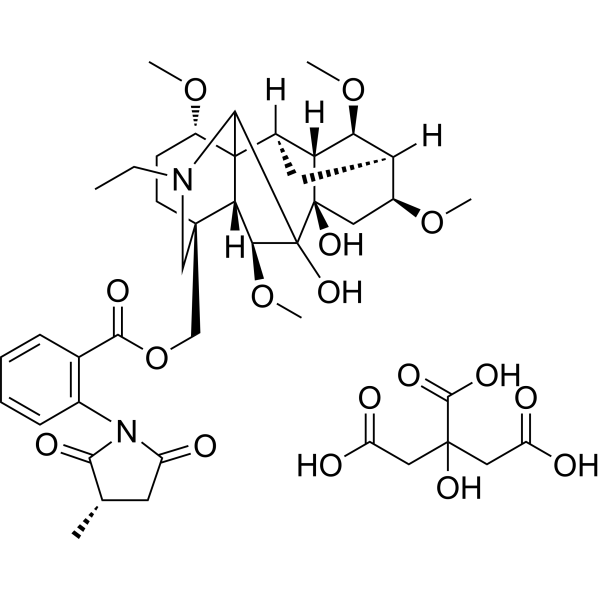
Methyllycaconitine (MLA) citrate is a potent, selective, CNS-penetrant, competitive α7nAChR antagonist. Methyllycaconitine citrate alleviates amyloid-β peptides-induced cytotoxicity in SH-SY5Y cells. Methyllycaconitine citrate prevents methamphetamine-induced effects in mouse striatum. Methyllycaconitine citrate can be used for neurological disease research, such as Alzheimer’s disease .
|
-
-
- HY-P0027
-
|
|
Arp2/3 Complex
Fungal
|
Infection
Cancer
|
|
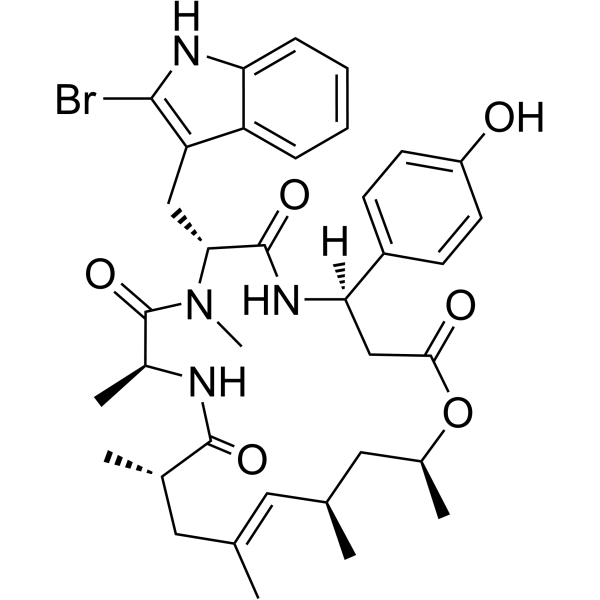
Jasplakinolide is a potent actin polymerization inducer and stabilizes pre-existing actin filaments. Jasplakinolide binds to F-actin competitively with phalloidin with a Kd of 15 nM. Jasplakinolide, a naturally occurring cyclic peptide from the marine sponge, has both fungicidal and anti-cancer activity .
|
-
-
- HY-10119
-
|
SCH 530348
|
Protease Activated Receptor (PAR)
|
Cardiovascular Disease
|
|
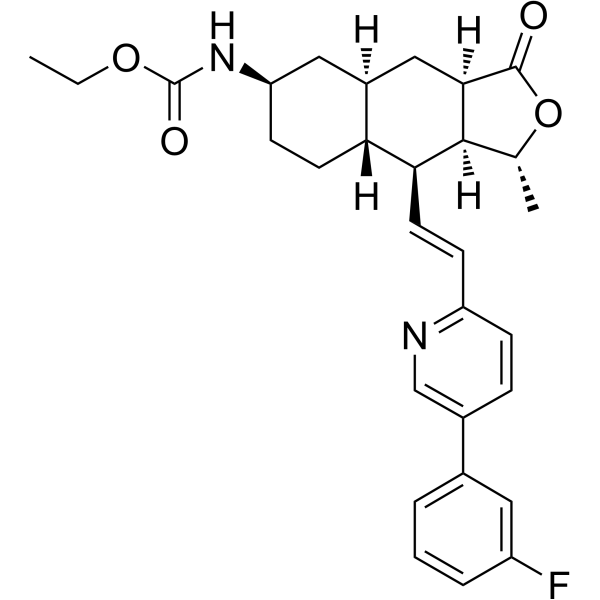
Vorapaxar (SCH 530348), an antiplatelet agent, is a selective, orally active, and competitive thrombin receptor protease-activated receptor (PAR-1) antagonist (Ki=8.1 nM). Vorapaxar (SCH 530348) inhibits thrombin receptor-activating peptide (TRAP)-induced platelet aggregation in a dose-dependent manner .
|
-
-
- HY-P1740
-
|
|
Integrin
Apoptosis
Caspase
|
Inflammation/Immunology
|
|
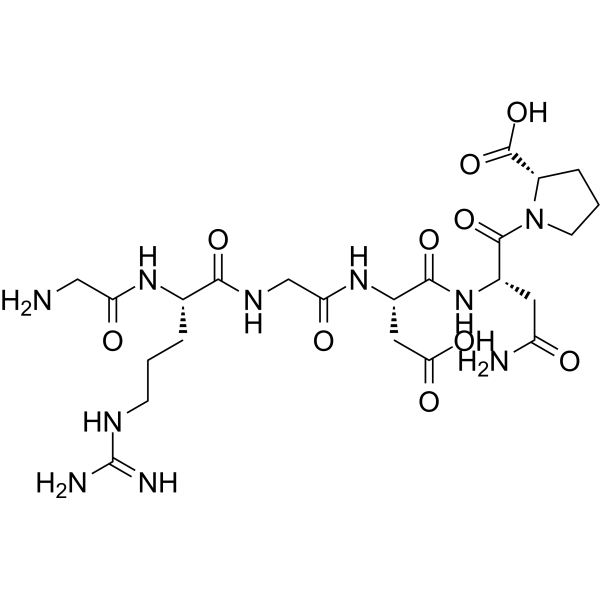
RGD peptide (GRGDNP) is an inhibitor of integrin-ligand interactions. RGD peptide (GRGDNP) competitively inhibits α5β1 binding with extracellular matrice (ECM). RGD peptide (GRGDNP) promotes apoptosis through activation of conformation changes that enhance pro-caspase-3 activation and autoprocessing. RGD peptide (GRGDNP) plays an important role in cell adhesion, migration, growth, and differentiation .
|
-
-
- HY-B0290
-
-
-
- HY-123617
-
-
-
- HY-133125
-
|
|
Aminopeptidase
|
Inflammation/Immunology
|
|
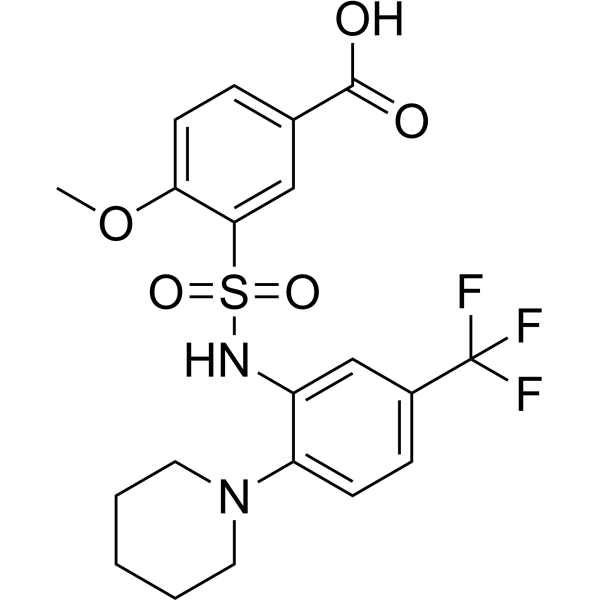
ERAP1-IN-1 is an endoplasmic reticulum aminopeptidase 1 (ERAP1) inhibitor. ERAP1-IN-1 competitively inhibits ERAP1 activity towards a nonamer peptide representative of physiological substrates .
|
-
-
- HY-101116
-
|
|
GCGR
|
Metabolic Disease
|
|
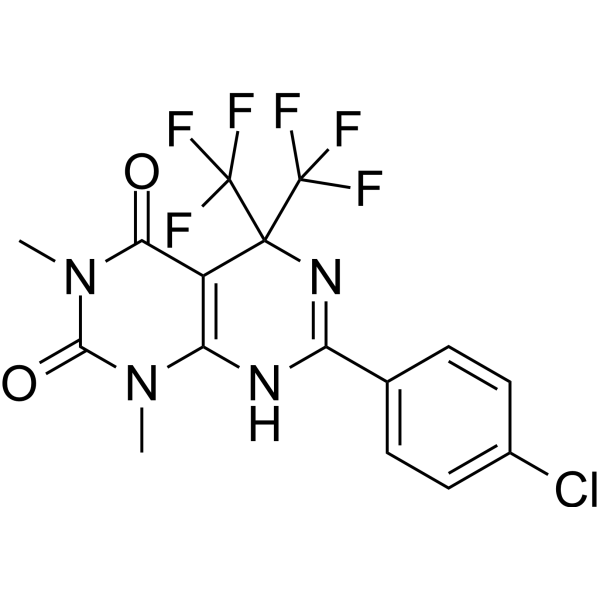
GLP-1R Antagonist 1 (compound 5d) is an orally active, CNS penetrant and non-competitive antagonist of glucagon-like peptide 1 receptor (GLP-1R), with an IC50 of 650 nM .
|
-
-
- HY-19593
-
|
|
Fungal
|
Infection
|
|
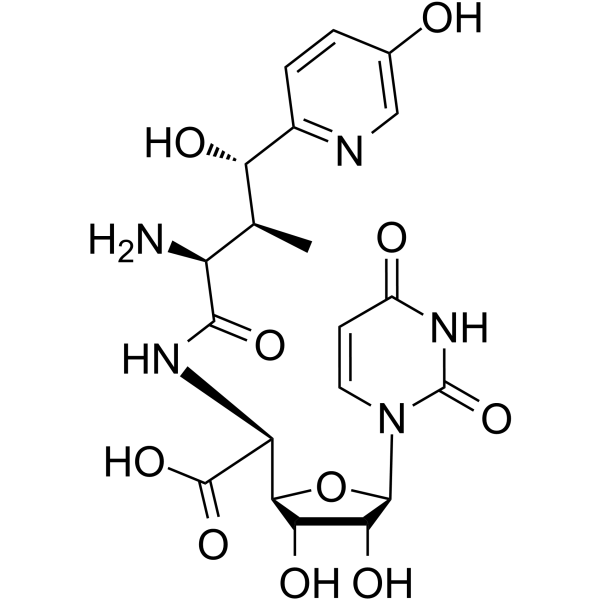
Nikkomycin Z is a nucleoside peptide and an orally active antifungal agent. Nikkomycin Z inhibits chitin synthesis by acting as a competitive analogue of the chitin synthase substrate UDP-N-acetylglucosamine. Nikkomycin Z has antifungal activity .
|
-
-
- HY-10119A
-
|
SCH 530348 sulfate
|
Protease Activated Receptor (PAR)
|
Cardiovascular Disease
|
|
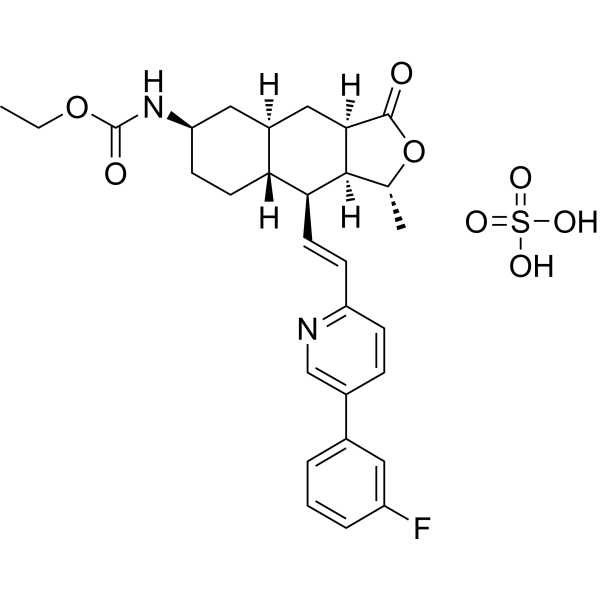
Vorapaxar sulfate (SCH 530348 sulfate), an antiplatelet agent, is a selective, orally active, and competitive thrombin receptor protease-activated receptor (PAR-1) antagonist (Ki=8.1 nM). Vorapaxar sulfate inhibits thrombin receptor-activating peptide (TRAP)-induced platelet aggregation in a dose-dependent manner .
|
-
-
- HY-P3229
-
SN52
2 Publications Verification
|
NF-κB
|
Cancer
|
|
SN52 is a potent, competitive, and cell-permeable inhibitor of NF-κB2. SN52 is a variant of the SN50 peptide and inhibits the nuclear translocation of p52-RelB heterodimers. SN52 has a strong radiosensitization effect on prostate cancer cells. SN52 can be used for cancer research .
|
-

-
- HY-12465
-
|
Z-IL-CHO; GSI-XII; γ-Secretase inhibitor XII
|
Notch
γ-secretase
Apoptosis
|
Cancer
|
|
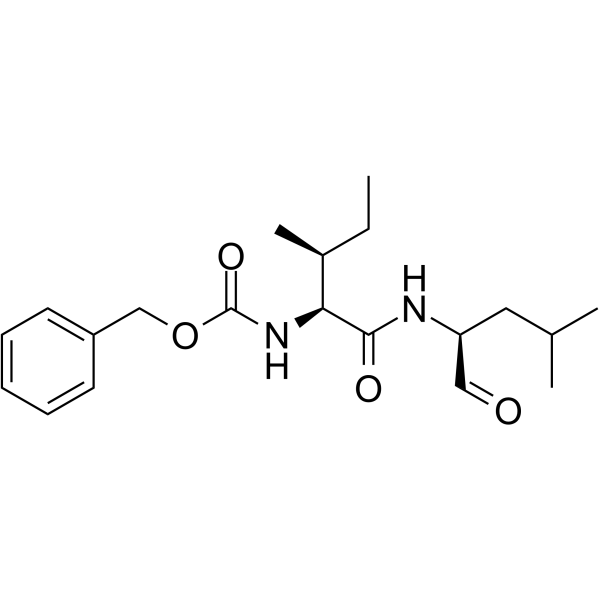
Z-Ile-Leu-aldehyde (Z-IL-CHO) is a potent and competitive peptide aldehyde inhibitor of γ-secretase and notch .
|
-
-
- HY-15498A
-
|
BMS-927711 sulfate hydrate; BHV-3000 sulfate hydrate
|
CGRP Receptor
|
Neurological Disease
|
|
Rimegepant (BMS-927711) sulfate hydrate is a potent, orally active, selective and competitive calcitonin gene-related peptide (CGRP) receptor antagonist with a Ki of 0.027 nM and an IC50 of 0.14 nM for hCGRP receptor. Rimegepant sulfate hydrate can be used for migraine research .
|
-

-
- HY-10805A
-
|
ACT 078573 hydrochloride
|
Orexin Receptor (OX Receptor)
Calcium Channel
Caspase
Apoptosis
|
Neurological Disease
Endocrinology
Cancer
|
|
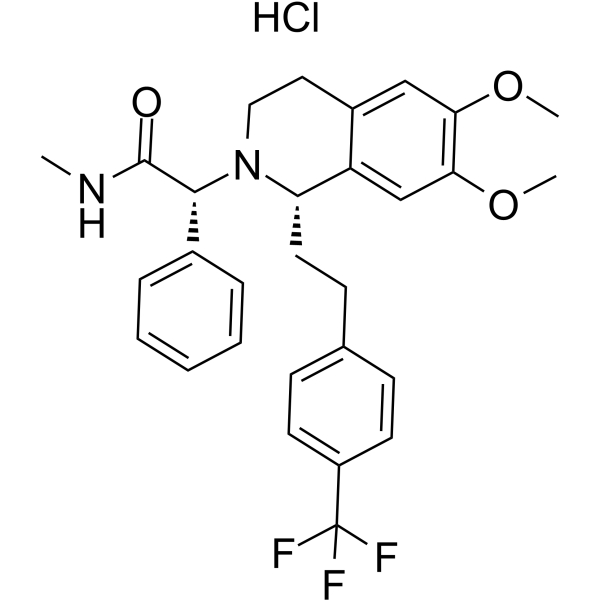
Almorexant (ACT 078573) hydrochloride is an orally active, potent and competitive dual orexin receptor antagonist, with Kd values of 1.3 nM (OX1) and 0.17 nM (OX2), respectively. Almorexant hydrochloride reversibly blocks signaling of orexin-A and orexin-B peptides. Almorexant hydrochloride totally blocked the intracellular Ca 2+ signal pathway. Almorexant hydrochloride stimulates caspase-3 activity in AsPC-1 cells and induces apoptosis .
|
-
-
- HY-P0325
-
|
|
Biochemical Assay Reagents
|
Others
|
|
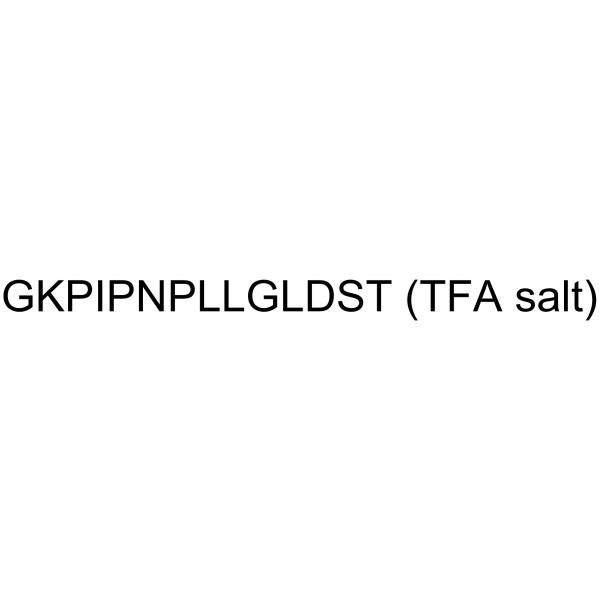
V5 Epitope Tag Peptide TFA is a tag peptide derived from a small epitope present on the P and V proteins of the paramyxovirus of simian virus 5. V5 Epitope Tag Peptide TFA can be used for protein separation and purification, and competitive elution with target proteins .
|
-
-
- HY-P0322
-
|
EMD 56574
|
Integrin
|
Cardiovascular Disease
Metabolic Disease
|
|
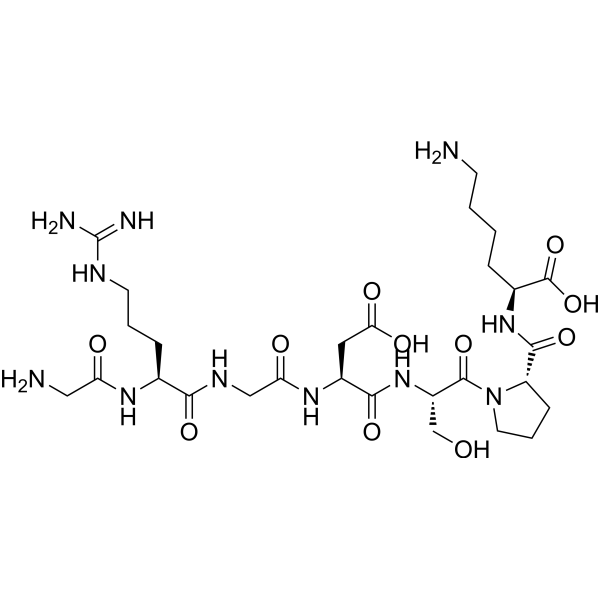
GRGDSPK (EMD 56574) is a peptide incluing Arg-Gly-Asp (RGD). GRGDSPK (EMD 56574) is an competitive and reversible inhibitory peptide for inhibiting integrin-fibronectin binding. GRGDSPK is used to study the role of integrins in bone formation and resorption .
|
-
-
- HY-P0222
-
|
|
PKA
|
Others
|
|
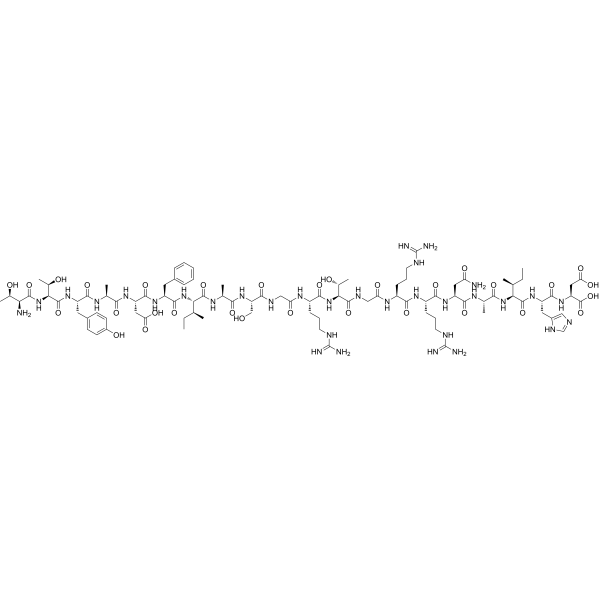
PKI(5-24) is a potent, competitive, and synthetic peptide inhibitor of PKA (cAMP-dependent protein kinase), with a Ki of 2.3 nM. PKI(5-24) corresponds to residues 5-24 in the naturally occurring heat-stable protein kinase inhibitor .
|
-
-
- HY-135542
-
|
|
CRFR
|
Others
|
|
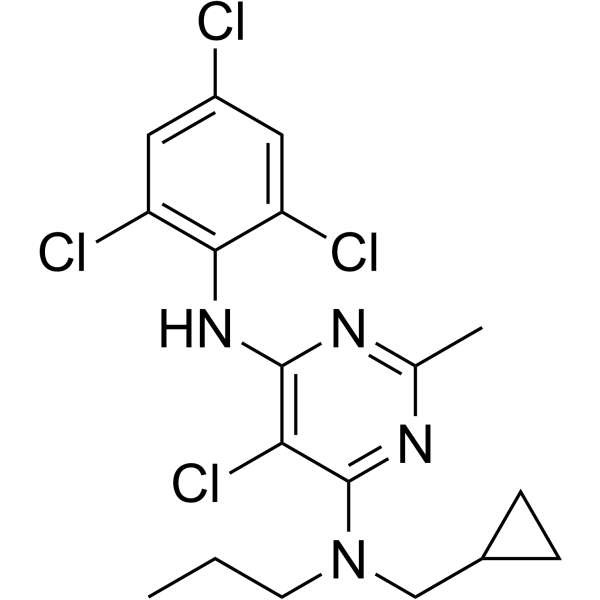
NBI-27914 is a highly selective, high-affinity non-peptide competitive antagonist of human corticotropin-releasing factor receptor 1 (CRFR1). NBI-27914 primarily binds to the His199 and Met276 sites in the transmembrane domain of the receptor .
|
-
-
- HY-118060
-
|
N-Valyltryptophan; Val-Trp
|
Angiotensin-converting Enzyme (ACE)
Calcium Channel
NO Synthase
|
Cardiovascular Disease
|
|
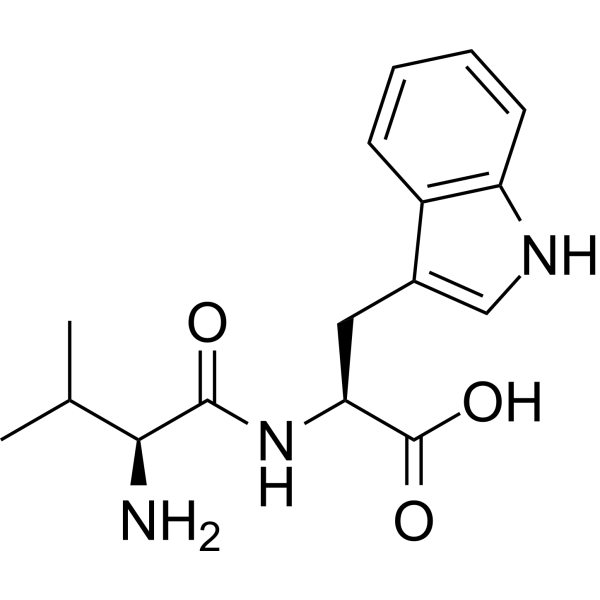
Dipeptide 2 (N-Valyltryptophan) is an orally active, competitive angiotensin-converting enzyme (ACE) inhibitory peptide with an IC50 of 10.50 μM. Dipeptide 2 reduces intracellular Calcium ions. Dipeptide 2 significantly increases the content of NO, inhibits the production of ET-1, and induces the phosphorylation of eNOS. Dipeptide 2 decreases the systolic and diastolic blood pressure of spontaneously hypertensive rats .
|
-
-
- HY-112080
-
|
|
Histone Methyltransferase
|
Cancer
|
|
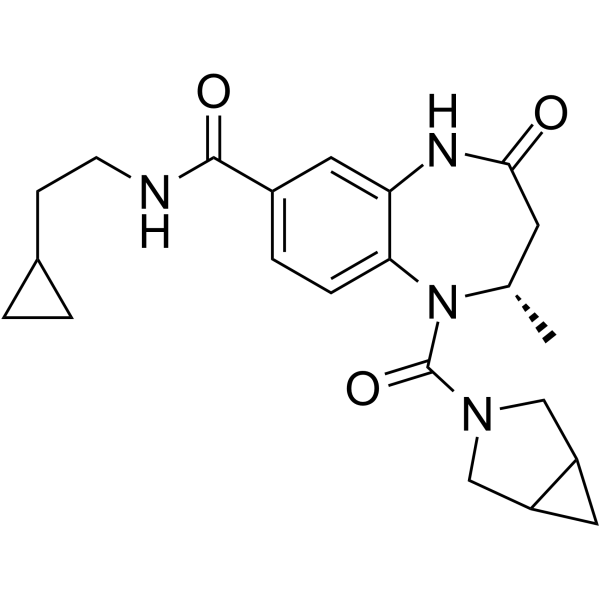
BAY-6035, a chemical probe, is a potent, selective and substrate-competitive inhibitor of SMYD3. BAY-6035 inhibits methylation of MEKK2 peptide with an IC50 of 88 nM .
|
-
-
- HY-P1740A
-
|
|
Integrin
Apoptosis
|
Inflammation/Immunology
Cancer
|
|
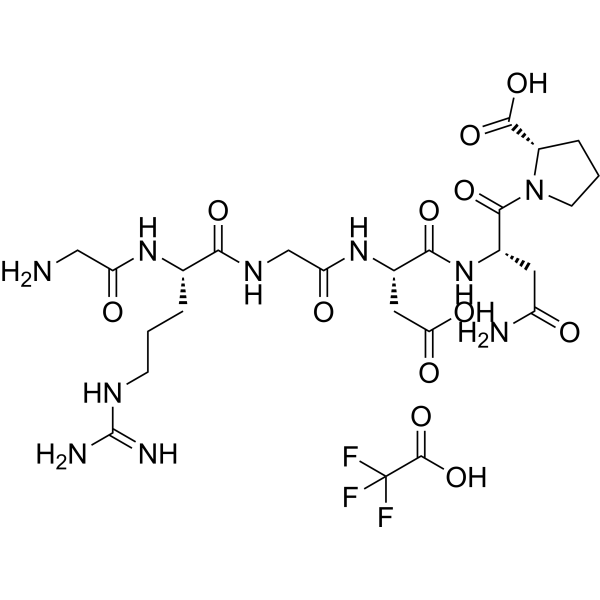
RGD peptide (GRGDNP) TFA is an inhibitor of integrin-ligand interactions. RGD peptide (GRGDNP) TFA competitively inhibits α5β1 binding with extracellular matrice (ECM). RGD peptide (GRGDNP) TFA promotes apoptosis through activation of conformation changes that enhance pro-caspase-3 activation and autoprocessing. RGD peptide (GRGDNP) TFA plays an important role in cell adhesion, migration, growth, and differentiation .
|
-
-
- HY-P2244A
-
|
|
YAP
|
Cancer
|
|
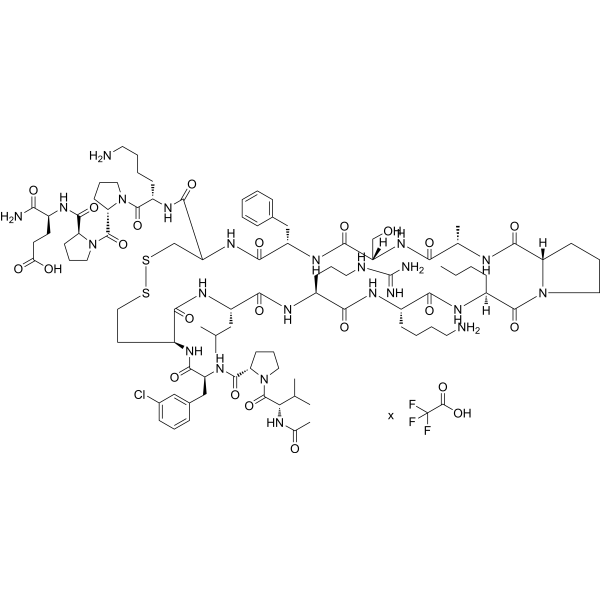
YAP-TEAD-IN-1 TFA is a potent and competitive peptide inhibitor of YAP-TEAD interaction (IC50=25 nM). YAP-TEAD-IN-1 TFA is a 17mer peptide and shows a higher the binding affinity to TEAD1 (Kd=15 nM) than YAP (50-171) (Kd= 40 nM) .
|
-
-
- HY-P2244
-
|
|
YAP
|
Cancer
|
|
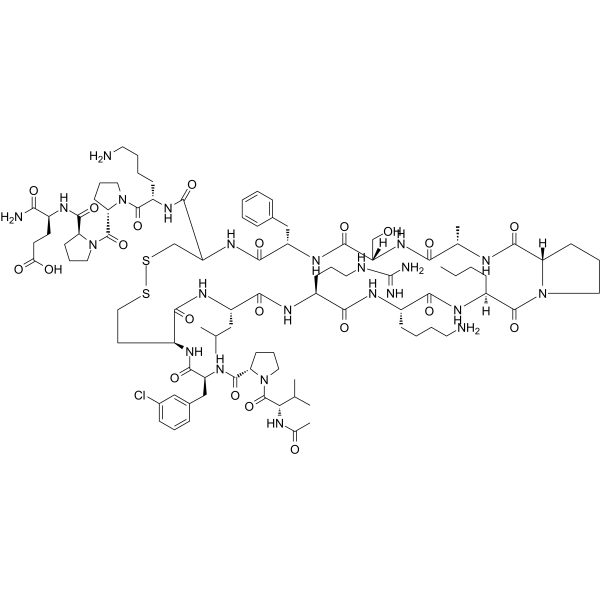
YAP-TEAD-IN-1 is a potent and competitive inhibitor of?YAP–TEAD interaction (IC50=25 nM). YAP-TEAD-IN-1 is a 17mer peptide and shows a higher the binding affinity to TEAD1 (Kd=15 nM) than YAP (50-171) (Kd=40 nM) .
|
-
-
- HY-108483
-
|
|
Neurokinin Receptor
|
Neurological Disease
Inflammation/Immunology
|
|
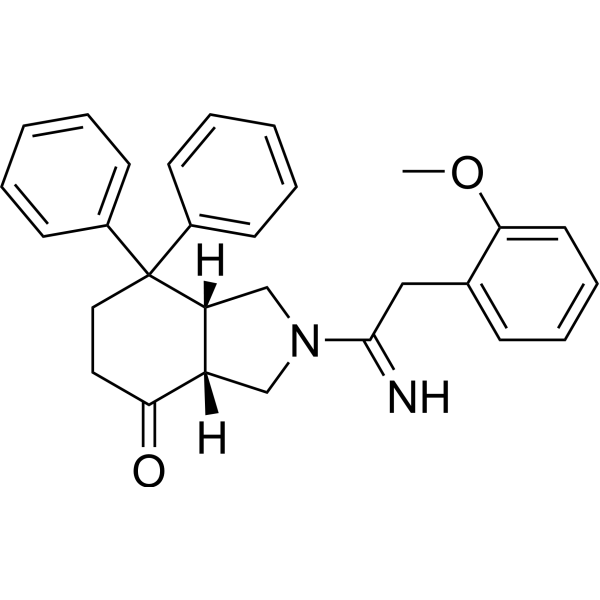
RP 67580 is a non-peptide antagonist of substance P (SP), competitively inhibits the binding of [3H]SP to neurokinin receptor 1 (NK1 receptor) in rat brain membranes with a Ki value of 4.16 nM. RP 67580 is a specific antagonist of NK1 receptors and can be used in the research of pain and neurogenic inflammation .
|
-
-
- HY-106840
-
|
|
Cholecystokinin Receptor
|
Neurological Disease
Metabolic Disease
|
|
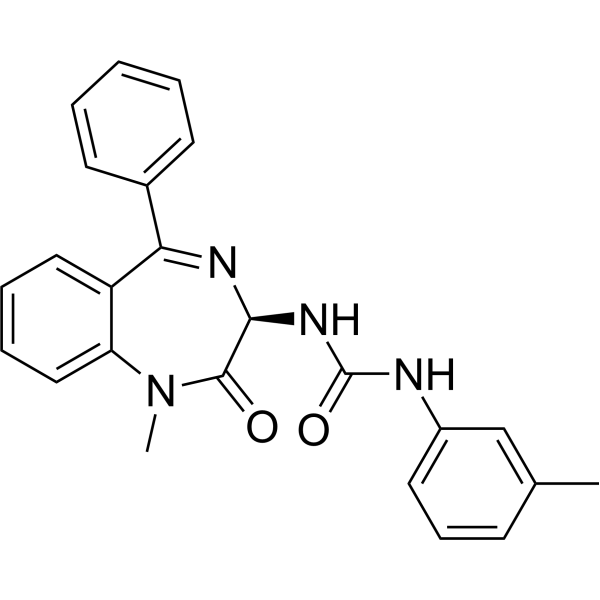
L-365260 is an orally active and selective antagonist of non-peptide gastrin and brain cholecystokinin receptor (CCK-B), with Kis of 1.9 nM and 2.0 nM, respectively. L-365260 interacts in a stereoselective and competitive manner with guinea pig stomach gastrin and brain CCK receptors. L-365260 can enhance Morphine analgesia and prevents Morphine tolerance .
|
-
-
- HY-P1292
-
|
|
PKG
|
Cancer
|
|
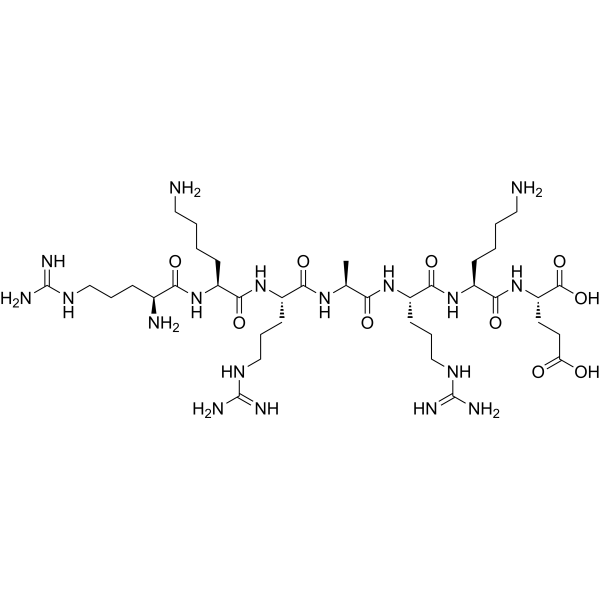
PKG inhibitor peptide is an ATP-competitive inhibitor of cGMP-dependent protein kinase (PKG), with a Ki of 86 μM .
|
-
-
- HY-P1271
-
|
Catestatin (cattle)
|
nAChR
|
Cardiovascular Disease
|
|
Catestatin is a 21-amino acid residue, cationic and hydrophobic peptide. Catestatin is an endogenous peptide that regulates cardiac function and blood pressure . Catestatin is a non-competitive nicotinic antagonist acting through nicotinic acetylcholine receptors (nAChRs) to inhibit catecholamine release .
|
-

-
- HY-P10422A
-
|
ML-peptide, Multi-Leucine (ML)-peptide triacetate
|
Autophagy
|
Cancer
|
|
Multi-Leu peptide (ML-peptide) triacetate is a potent inhibitor of PACE4 (Ki=22 nM). Multi-Leu peptide triacetate can competitively bind to the active site of PACE4 by simulating the substrate sequence of PACE4, thereby inhibiting its catalytic activity. Multi-Leu peptide triacetate can be used to study the specific mechanism of PACE4 in the development of prostate cancer .
|
-

-
- HY-P4270
-
|
|
Neprilysin
|
Neurological Disease
|
|
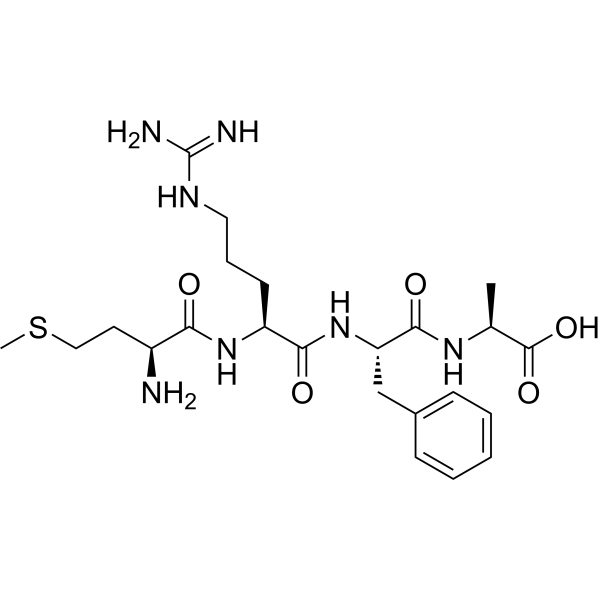
Met-Arg-Phe-Ala is a peptide. Met-Arg-Phe-Ala also is a potent competitive inhibitor for enkephalin-generating endopeptidase (EGE). Met-Arg-Phe-Ala can be used for the research of neurological disease .
|
-
-
- HY-P2026
-
|
|
Natriuretic Peptide Receptor (NPR)
|
Cardiovascular Disease
|
|
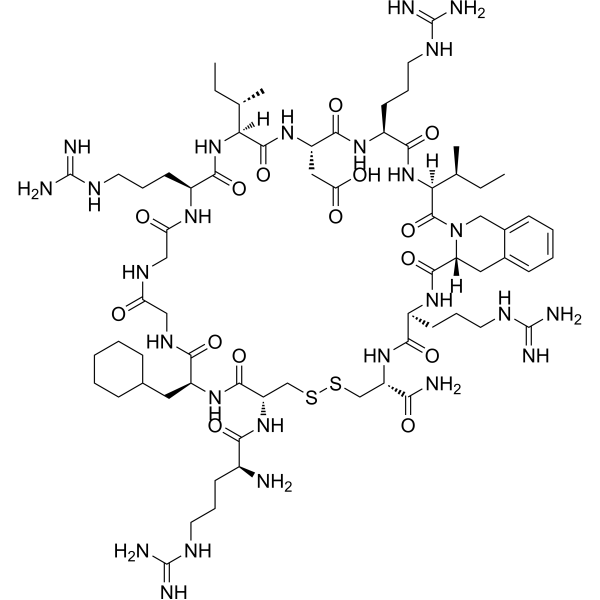
A 71915 is a highly potent and competitive natriuretic peptide receptor A (ANP, NPRA) antagonist (pKi= 9.18). A 71915 displaces [ 125I]ANP dose dependently, with a Ki of 0.65 nM. A71915( pA2= 9.48) against rat ANP-induced cGMP production in NB-OK-1 cells .
|
-
-
- HY-B0290A
-
|
ONO-1078 hemihydrate
|
Leukotriene Receptor
Endogenous Metabolite
|
Inflammation/Immunology
|
|
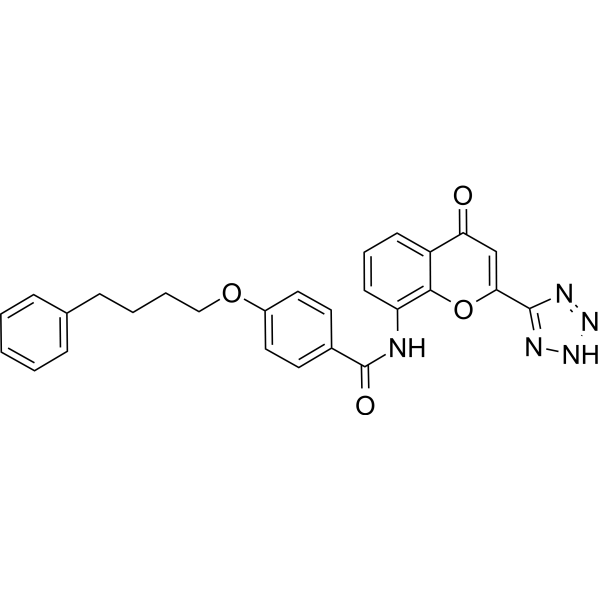
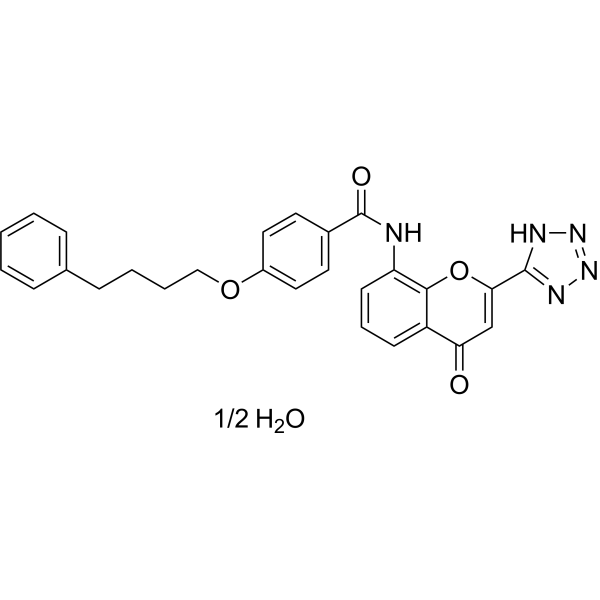
Pranlukast hemihydrate is a highly potent, selective and competitive antagonist of peptide leukotrienes. Pranlukast inhibits [ 3H]LTE4, [ 3H]LTD4, and [ 3H]LTC4 bindings to lung membranes with Kis of 0.63±0.11, 0.99±0.19, and 5640±680 nM, respectively.
|
-
-
- HY-P0099
-
|
|
nAChR
|
Others
|
|
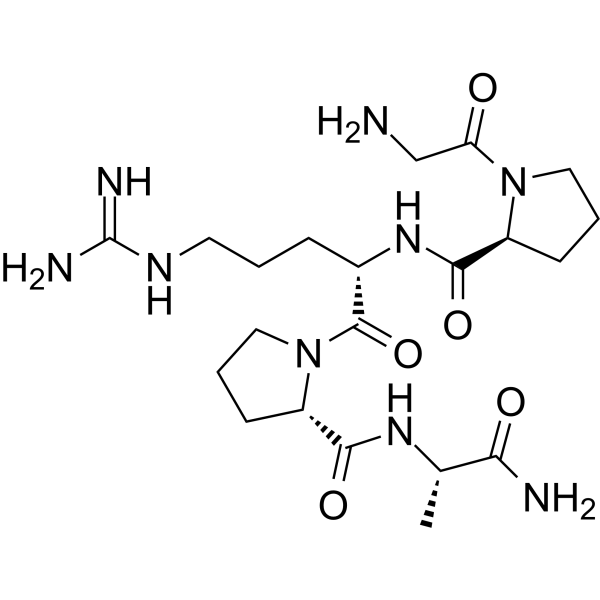
Pentapeptide-3 is a pentapeptide fragment of neurotoxin waglerin-1, it can be extracted from the venom of Temple Viper. Pentapeptide-3 is a competitive antagonist of nicotinic acetylcholine receptors (nAChRs), it can blocks nerves at the post-synaptic membrane. Pentapeptide-3 has anti-aging effects and it can be used together with other cosmetic peptides .
|
-
-
- HY-P1173
-
|
Myristoylated L 803; GSK-3β Inhibitor XIII
|
GSK-3
Amyloid-β
|
Neurological Disease
|
|
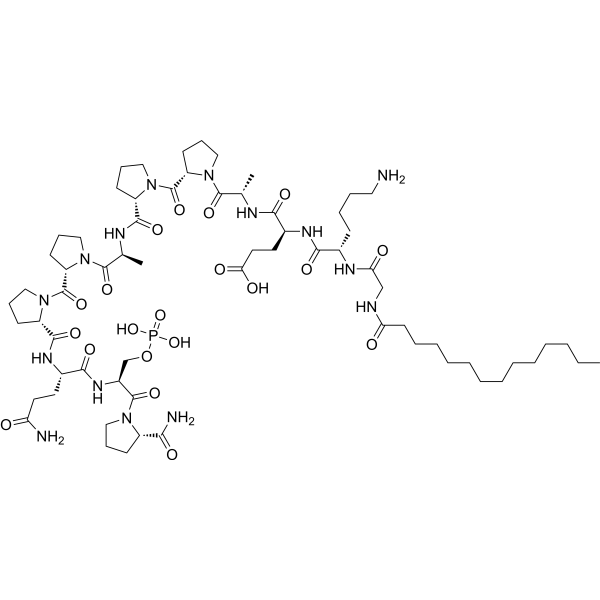
L803-mts (Myristoylated L 803) is a selective and substrate-competitive GSK-3 peptide inhibitor (IC50: 40 μM). L803-mts also reduces Aβ deposits and ameliorates cognitive deficits in 5XFAD mice. L803-mts shows antidepressive effect in the forced swimming test .
|
-
-
- HY-P3143
-
|
|
PD-1/PD-L1
|
Cancer
|
|
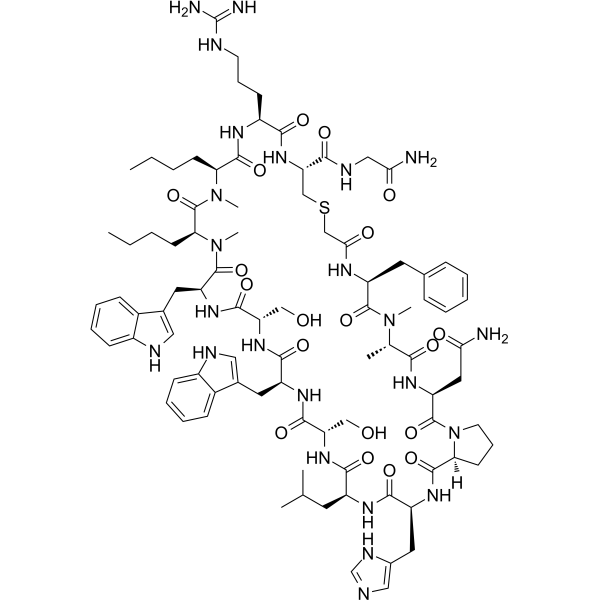
BMSpep-57 is a potent and competitive macrocyclic peptide inhibitor of PD-1/PD-L1 interaction with an IC50 of 7.68 nM. BMSpep-57 binds to PD-L1 with Kds of 19 nM and 19.88 nM in MST and SPR assays, respectively. BMSpep-57 facilitates T cell function by in creasing IL-2 production in PBMCs .
|
-
-
- HY-P11112
-
|
|
β-catenin
Wnt
|
Inflammation/Immunology
|
|
PTD-DBM is a competitive peptide that blocks the CXXC5-Dvl interaction and induces the expression of β-catenin, α-SMA, and type I collagen. PTD-DBM has skin wound healing activity .
|
-

-
- HY-P1083
-
|
|
Dynamin
|
Neurological Disease
|
|
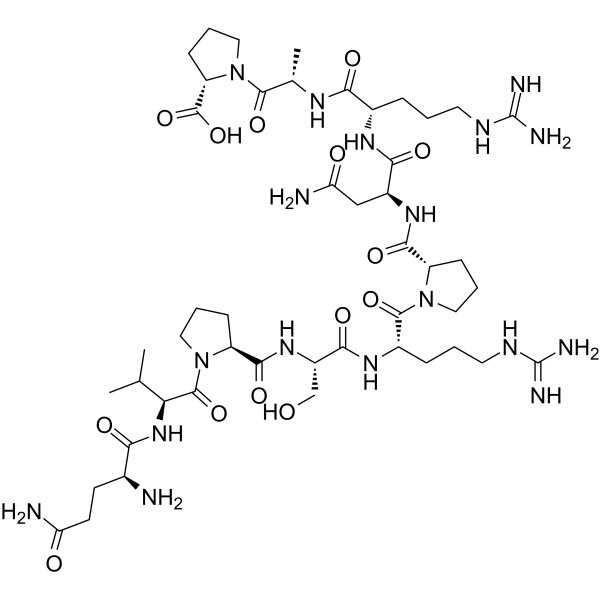
Dynamin inhibitory peptide competitively blocks binding of dynamin to amphiphysin, thus preventing endocytosis. Dynamin inhibitory peptide blocks the dopamine D3 effect on GABAA receptors .
|
-
-
- HY-P1159A
-
|
|
PACAP Receptor
|
Neurological Disease
Inflammation/Immunology
|
|
[D-p-Cl-Phe6,Leu17]-VIP TFA is a competitive and selective antagonist of vasoactive intestinal peptide (VIP) receptor, with the IC50 of 125.8 nM. [D-p-Cl-Phe6,Leu17]-VIP TFA has no activity on glucagon, secretin or GRF receptors .
|
-
![[D-p-Cl-Phe6,Leu17]-VIP TFA](//file.medchemexpress.com/product_pic/hy-p1159a.gif)
-
- HY-P10600A
-
|
|
Ras
|
Others
|
|
BIMAX2 acetate is a high affinity nuclear localization signal (NLS) peptide. BIMAX2 acetate can mimic the activity of the classical nuclear localization signal (cNLS) and competitively bind to importin α, thereby inhibiting the binding of cNLS-cargo proteins to importin α. BIMAX2 acetate can be used to study the role of RBBP4 in regulating nuclear import efficiency and cell senescence .
|
-

-
- HY-P10392B
-
|
|
β-catenin
Wnt
|
Cancer
|
|
aStAx-35R TFA, a stapled peptide, antagonizes nuclear form of β-catenin and inhibits Wnt signaling. aStAx-35R TFA inhibits competitively the binding of β-catenin to TCF4. aStAx-35R TFA selectively induces growth inhibition of Wnt-dependent cancer cells .
|
-

-
- HY-101764
-
|
SR 27897
|
Cholecystokinin Receptor
|
Metabolic Disease
|
|
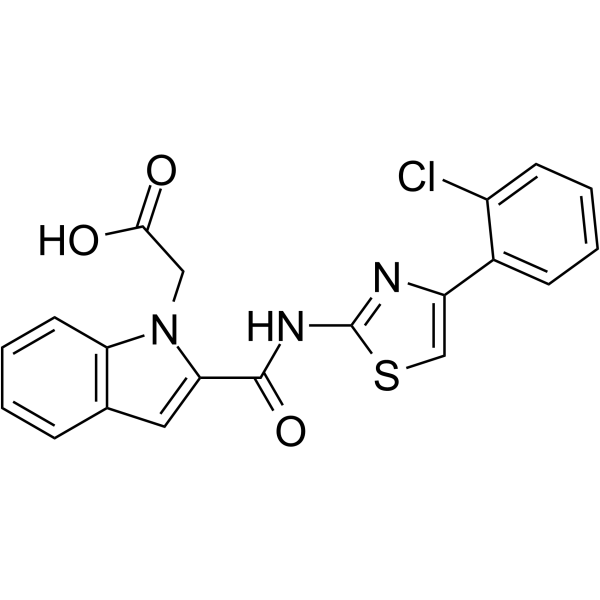
Lintitript (SR 27897) is a highly potent, selective, orally active, competitive and non-peptide cholecystokinin (CCK1) receptor antagonist with an EC50 of 6 nM and a Ki of 0.2 nM. Lintitript displays > 33-fold selectivity more selective for CCK1 than CCK2 receptors (EC50 value of 200 nM). Lintitript increases plasma concentration of leptin and food intake as well as plasma concentration of insulin .
|
-
-
- HY-P5455
-
|
|
LIM Kinase (LIMK)
|
Others
|
|
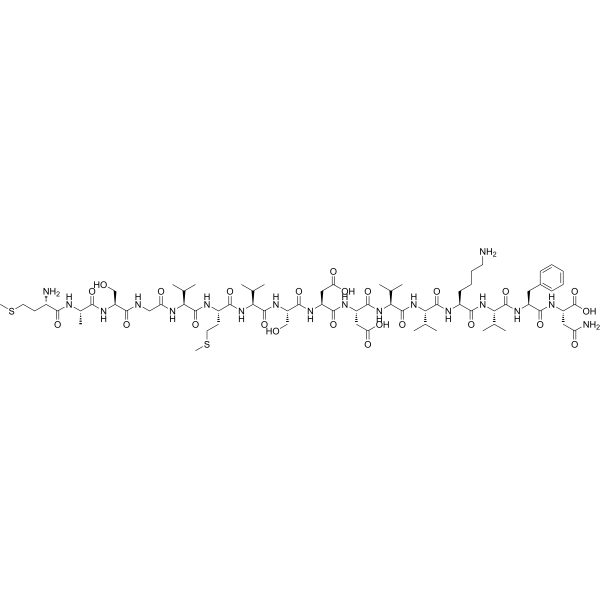
S3 Fragment is a biological active peptide. (This peptide contains the unique amino-terminal phosphorylation site of Xenopus ADF/cofilin, the LIM kinase (LIMK) phosphorylation site. LIMK1 is a key regulator of the actin cytoskeleton through its phosphorylation of ADF/cofilin at serine-3 for inactivation. This peptide is a fragment of the S3 peptide containing the serine-3 sequence of ADF/cofilin that has been widely used as an effective competitive inhibitor of LIMK1.)
|
-
-
- HY-P1159
-
-
![[D-p-Cl-Phe6,Leu17]-VIP](//file.medchemexpress.com/product_pic/hy-p1159.gif)
-
- HY-P10582A
-
|
|
MHC
|
Inflammation/Immunology
|
|
SIYNFEKL TFA is a variant of major MHC class I-restricted epitope SIINFEKL. SIYNFEKL TFA is an antigenic peptide, that can stimulate specific T cells in experimental settings to study the competitive interaction between T cell. SIYNFEKL TFA exhibits low affinity for the OT-I T cell receptor (TCR), and can be used for detection of CD8+ T cells .
|
-

-
- HY-P10581A
-
|
|
MHC
|
Inflammation/Immunology
|
|
SIIVFEKL TFA is a variant of the major MHC class I-restricted epitope SIINFEKL. SIIVFEKL TFA is an antigenic peptide, that can stimulate specific T cells in experimental settings to study the competitive interaction between T cells. SIIVFEKL TFA exhibits low affinity for the OT-I T cell receptor (TCR), and can be used for detection of CD8+ T cells .
|
-

-
- HY-P1271A
-
|
|
nAChR
|
Cardiovascular Disease
|
|
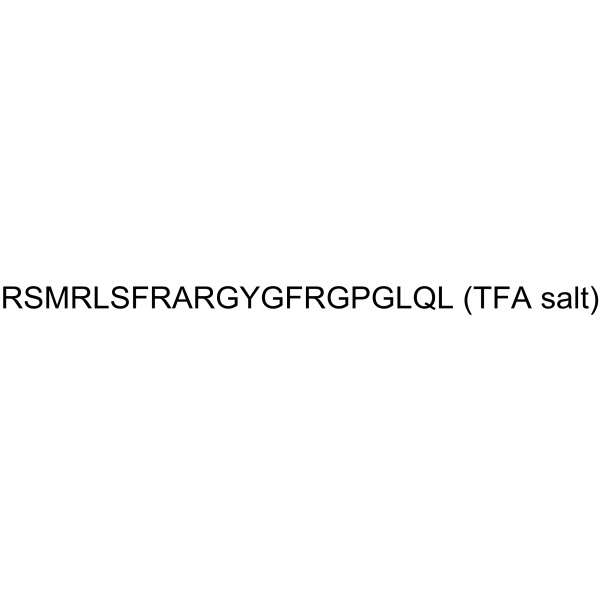
Catestatin TFA is a 21-amino acid residue, cationic and hydrophobic peptide. Catestatin TFA is an endogenous peptide that regulates cardiac function and blood pressure . Catestatin TFA is a non-competitive nicotinic antagonist acting through nicotinic acetylcholine receptors (nAChRs) to inhibit catecholamine release .
|
-
-
- HY-108479
-
|
SR140333
|
Neurokinin Receptor
|
Neurological Disease
|
|
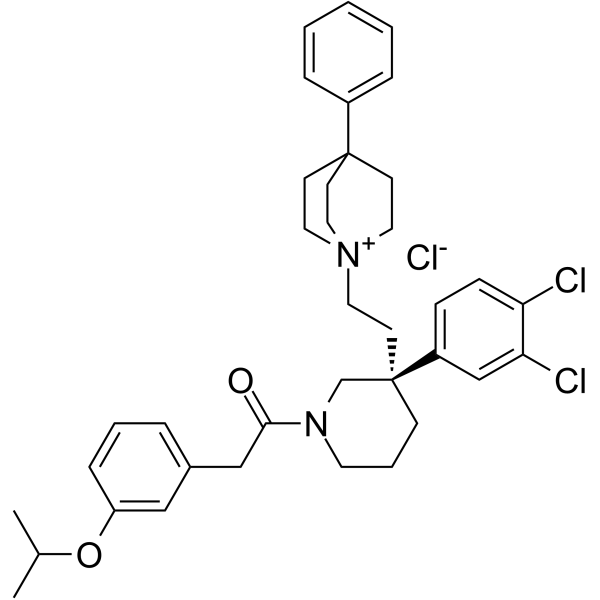
Nolpitantium (SR140333) is a potent, selective, competitive, non-peptide tachykinin NK1 receptor antagonist. Nolpitantium blocks the activation of rat thalamic neurons after nociceptive stimulation .
|
-
-
- HY-19374
-
|
|
GCGR
|
Metabolic Disease
|
|
BAY-27-9955 is an orally active non-peptide glucagon receptor antagonist. Bay 27-9955 competitively blocks the interaction of glucagon with the human glucagonreceptor at an IC50 value of 110 nM. BAY-27-9955 can be used for the study of type 2 diabetes .
|
-

-
- HY-106840A
-
|
|
Cholecystokinin Receptor
|
Neurological Disease
Metabolic Disease
|
|
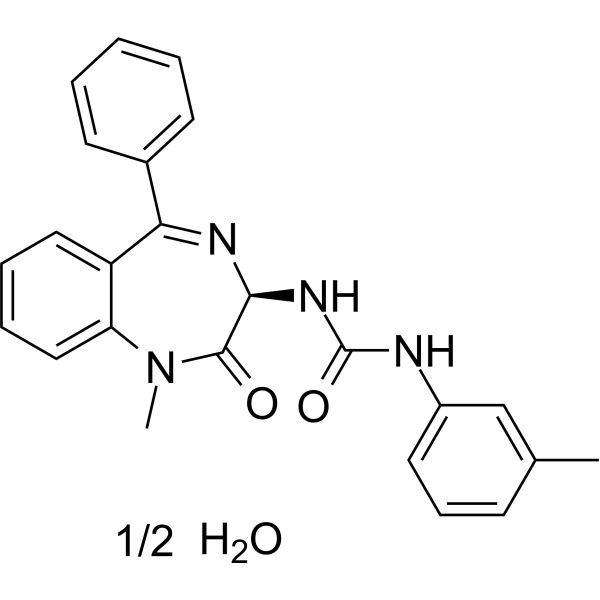
L-365260 hemihydrate is an orally active and selective antagonist of non-peptide gastrin and brain cholecystokinin receptor (CCK-B), with Kis of 1.9 nM and 2.0 nM, respectively. L-365260 hemihydrate interacts in a stereoselective and competitive manner with guinea pig stomach gastrin and brain CCK receptors .
|
-
-
- HY-P1299A
-
|
|
Opioid Receptor
|
Neurological Disease
|
|
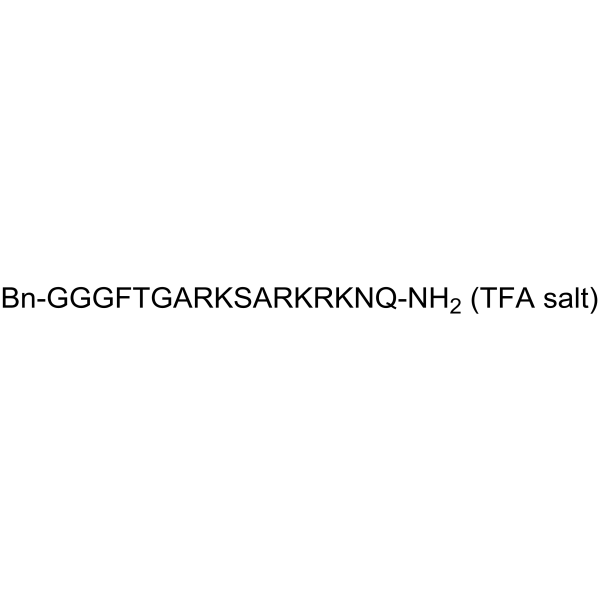
UFP-101 TFA is a potent, selective, and competitive antagonist of the N/OFQ peptide (NOP) receptor, with a pKi of 10.24. UFP-101 TFA displays >3000-fold selectivity over δ, μ and κ opioid receptors. UFP-101 TFA shows antidepressant-like effect .
|
-
- HY-P3245
-
|
|
Apoptosis
|
Cancer
|
|
HXR9 is a cell-permeable peptide and a competitive antagonist of HOX/PBX interaction. HXR9 antagonizes the interaction between HOX and a second transcrip-tion factor (PBX), which binds to HOX proteins in paralogue groups1 to 8. HXR9 selectively decreases cell proliferation and promotes apoptosis in cells with a high level of expression of the HOXA/PBX3 genes, such as MLL-rearranged leukemic cells .
|
-

- HY-P5188A
-
-
- HY-P1376
-
|
|
mAChR
Adrenergic Receptor
|
Endocrinology
|
|
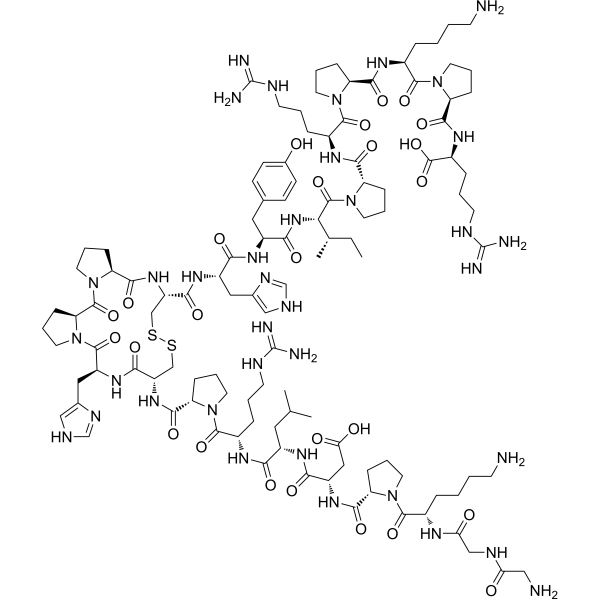
G-Protein antagonist peptide is the substance P-related peptide that inhibits binding of G proteins to their receptors. G-Protein antagonist peptide competitively and reversibly inhibits M2 muscarinic receptor activation of Gi or Go and inhibits Gs activation by β-adrenoceptors.
|
-
- HY-P10422
-
|
ML-peptide, Multi-Leucine (ML)-peptide
|
Autophagy
|
Cancer
|
|
Multi-Leu peptide (ML-peptide) is a potent inhibitor of PACE4 (Ki=22 nM). Multi-Leu peptide can competitively bind to the active site of PACE4 by simulating the substrate sequence of PACE4, thereby inhibiting its catalytic activity. Multi-Leu peptide can be used to study the specific mechanism of PACE4 in the development of prostate cancer .
|
-

- HY-177329
-
|
|
Renin
|
Cardiovascular Disease
|
|
U80215, a dansylated peptide, is a competitive human renin inhibitor with the IC50 of 2.3 μM. U80215 shows excitation and emission maxima at 340 and 530 nm .
|
-

- HY-P3248
-
|
Myelin basic protein (85-99) antagonist
|
Biochemical Assay Reagents
|
Inflammation/Immunology
|
|
J5 peptide is an MBP inhibitor that competitively inhibits the binding of MBP85-99 to HLA-DR2. J5 peptide alleviates PLP139-151/MBP85-99-induced experimental autoimmune encephalomyelitis (EAE) in mice. J5 peptide can be used in research on inflammatory and immune diseases .
|
-
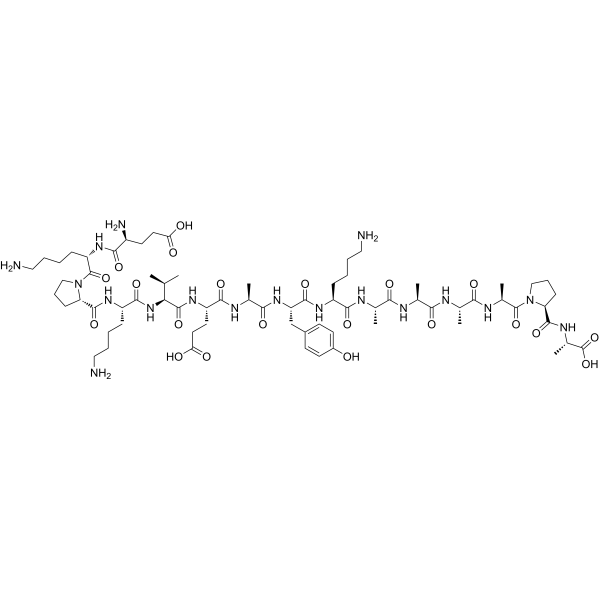
- HY-P1230
-
|
|
Dipeptidyl Peptidase
GLP Receptor
|
Metabolic Disease
|
|
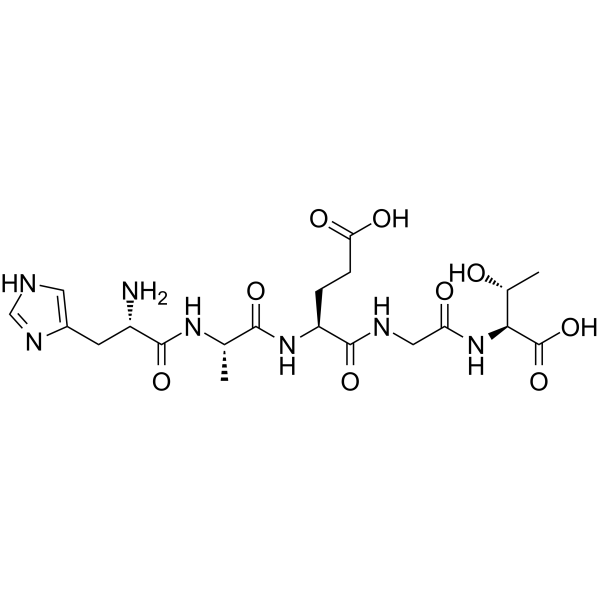
HAEGT is the first N-terminal 1-5 residues of glucagon like peptide-1 (GLP-1) peptide, and the sequence is His-Ala-Glu-Gly-Thr. HAEGT acts as a competitive substrate for probing prime substrate binding sites of human dipeptidyl peptidase-IV (DPP-IV) 1, in which the N-terminal His-Ala is catalyzed cleavage by DPP-IV. HAEGT can be used in the research of diabetes, obesity .
|
-
- HY-116854
-
|
|
GCGR
|
Metabolic Disease
|
|
NNC 92-1687 is a non-peptide competitive human glucagon receptor antagonist (IC50=20 μM; Ki=9.1 μM). NNC 92-1687 can be used in the research of type 2 diabetes .
|
-

- HY-P1293
-
|
|
iGluR
|
Neurological Disease
|
|
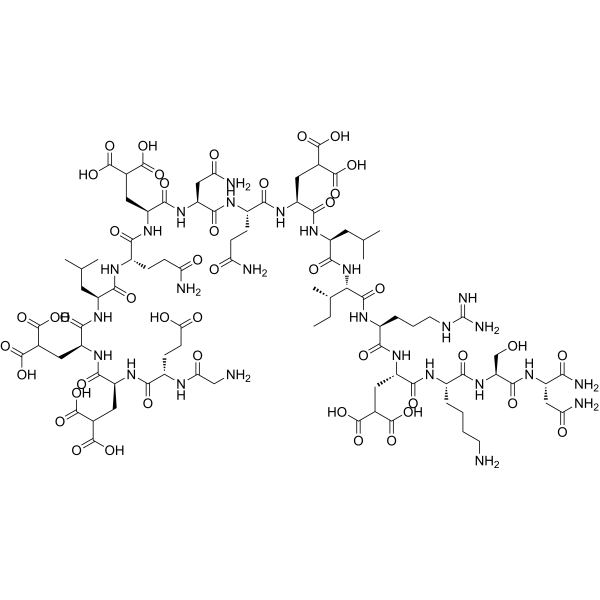
Conantokin G, a 17-amino-acid peptide, is a potent, selective and competitive antagonist of N-methyl-D-aspartate (NMDA) receptors. Conantokin G inhibits NMDA-evoked currents in murine cortical neurons with an IC50 of 480 nM. Conantokin G has neuroprotective properties .
|
-
- HY-108055
-
|
|
Urotensin Receptor
Others
|
Cardiovascular Disease
|
|
Urantide is a selective and competitive urotensin-II (UT) receptor antagonist peptide (pKB=8.3) that blocks human urotensin-II (hU-II)-induced contractions in rat thoracic aorta ex vivo. Urantide can be used to study the (patho)physiological role of hU-II in the mammalian cardiovascular system .
|
-

- HY-P10392
-
|
|
β-catenin
Wnt
|
Cancer
|
|
aStAx-35R, a stapled peptide, antagonizes nuclear form of β-catenin and inhibits Wnt signaling. aStAx-35R inhibits competitively the binding of β-catenin to TCF4. aStAx-35R selectively induces growth inhibition of Wnt-dependent cancer cells .
|
-

- HY-P5038
-
|
c(GRGDSP)
|
Integrin
|
Cancer
|
|
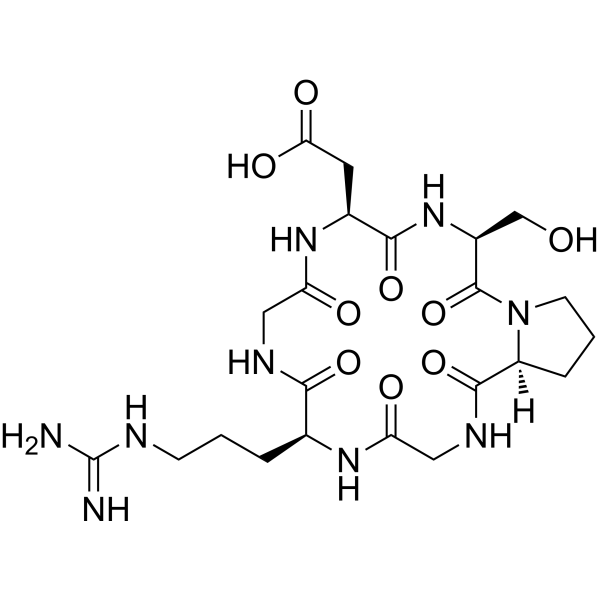
Cyclo(Gly-Arg-Gly-Asp-Ser-Pro) (c(GRGDSP)) is an RGD-containing inhibitory peptide. Cyclo(Gly-Arg-Gly-Asp-Ser-Pro) is a synthetic α5β1 integrin ligand that competitively inhibits the binding of invasin (Inv) to α5β1 integrin expressed on Caco-2 cells .
|
-
- HY-124234
-
|
|
Endothelin Receptor
|
Cardiovascular Disease
|
|
TA-0201 is a novel orally active, competitive, non-peptide endothelin receptor antagonist. TA-0201 antagonizes the specific binding of [ 125I]ET-1 to cloned human receptors of ETA and ETB with Ki values of 15 pM and 41 nM, respectively. TA-0201 inhibits the pressor response to the exogenous big ET-1 .
|
-

- HY-P10600
-
|
|
Ras
|
Others
|
|
BIMAX2 is a high affinity nuclear localization signal (NLS) peptide. BIMAX2 can mimic the activity of the classical nuclear localization signal (cNLS) and competitively bind to importin α, thereby inhibiting the binding of cNLS-cargo proteins to importin α. BIMAX2 can be used to study the role of RBBP4 in regulating nuclear import efficiency and cell senescence .
|
-

- HY-P60234A
-
|
|
Dipeptidyl Peptidase
GLP Receptor
|
Metabolic Disease
|
|
AGFAGDDAPR is a bioactive peptide that is a competitive and orally effective inhibitor of dipeptidyl peptidase-IV (DPP-IV). AGFAGDDAPR can enhance the level of GLP-1 in the body by inhibiting DPP-IV, thereby stimulating insulin secretion, improving β-cell function, and inhibiting abnormal proliferation of α-cells, exerting anti-diabetic effects. AGFAGDDAPR can be used for research on type 2 diabetes .
|
-

- HY-P3143A
-
|
|
PD-1/PD-L1
|
Cancer
|
|
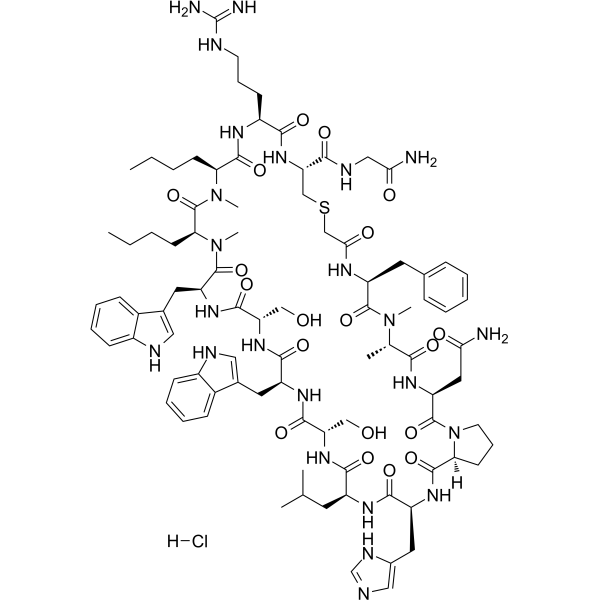
BMSpep-57 hydrochloride is a potent and competitive macrocyclic peptide inhibitor of PD-1/PD-L1 interaction with an IC50 of 7.68 nM. BMSpep-57 hydrochloride binds to PD-L1 with Kds of 19 nM and 19.88 nM in MST and SPR assays, respectively. BMSpep-57 hydrochloride facilitates T cell function by in creasing IL-2 production in PBMCs .
|
-
- HY-129412
-
|
|
Renin
|
Cardiovascular Disease
|
|
A-74273 is an orally active peptide renin inhibitor (IC50=3.1 nM). A-74273 competitively binds to the active site of renin, preventing angiotensinogen from being converted to ANG-I, thereby reducing the level of angiotensin II. A-74273 can be used in the study of diseases such as hypertension .
|
-

- HY-P10552
-
|
|
CXCR
|
Inflammation/Immunology
|
|
pCXCL8-1aa is an anti-inflammatory peptide. pCXCL8-1aa competitively inhibits the binding of CXCL8 to glycosaminoglycans such as heparin sulfate (HS) by binding with high affinity. This reduces the presentation of CXCL8 on the surface of vascular endothelial cells, thereby inhibiting neutrophil migration and inflammatory responses. pCXCL8-1aa can be used to study inflammatory diseases such as rheumatoid arthritis .
|
-

- HY-P1083A
-
|
|
Dynamin
|
Neurological Disease
|
|
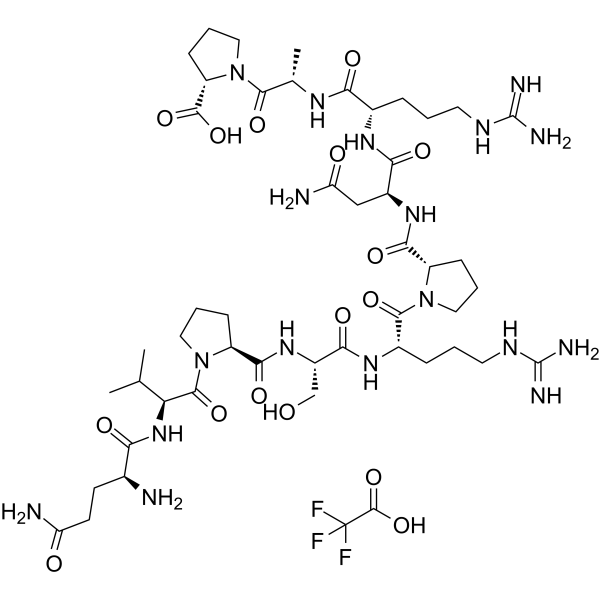
Dynamin inhibitory peptide TFA competitively blocks binding of dynamin to amphiphysin, thus preventing endocytosis. Dynamin inhibitory peptide TFA blocks the dopamine D3 effect on GABAA receptors .
|
-
- HY-P1292A
-
|
|
PKG
|
Cancer
|
|
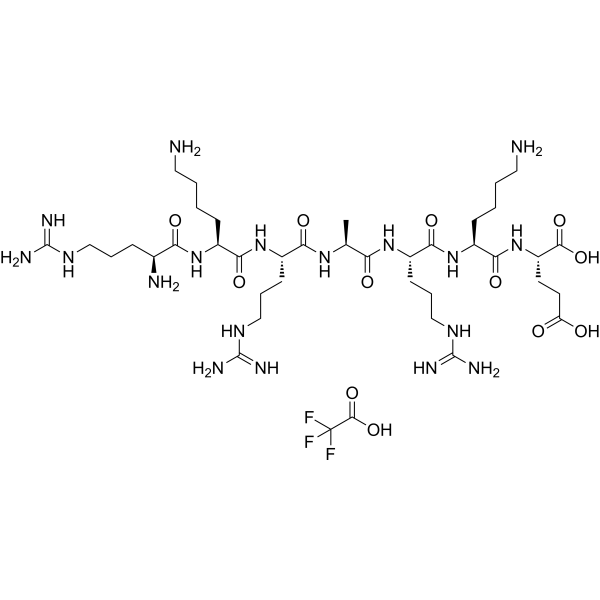
PKG inhibitor peptide TFA is an ATP-competitive inhibitor of cGMP-dependent protein kinase (PKG), with a Ki of 86 μM .
|
-
- HY-P0322A
-
|
EMD 56574 TFA
|
Integrin
|
Cardiovascular Disease
Metabolic Disease
|
|
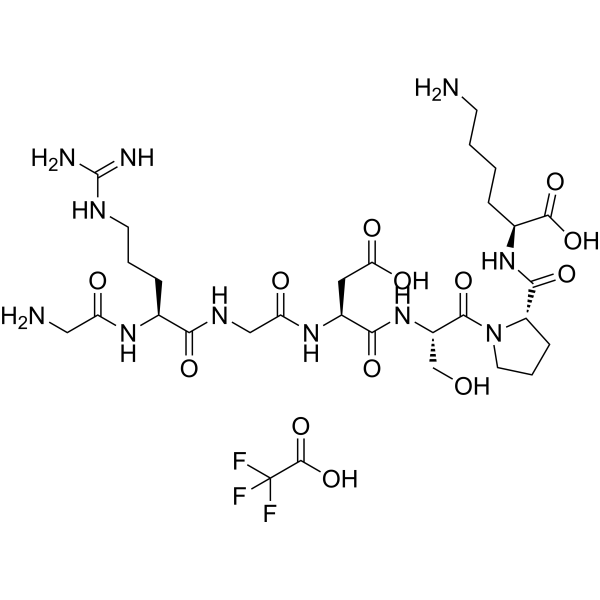
GRGDSPK TFA (EMD 56574 TFA) is a peptide incluing Arg-Gly-Asp (RGD). GRGDSPK TFA is an competitive and reversible inhibitory peptide for inhibiting integrin-fibronectin binding. GRGDSPK TFA is used to study the role of integrins in bone formation and resorption .
|
-
- HY-125075
-
|
|
Bombesin Receptor
|
|
|
PD 165929 is a high affinity and competitive non-peptide neuromedin-B (NMB) receptor selective antagonist (Ki: 6.3 nM; IC50: 150 nM for rat NMB receptor) .
|
-

- HY-P10346
-
|
Smooth-Muscle Myosin Light-Chain Kinase (796-815)
|
Myosin
|
Cardiovascular Disease
Inflammation/Immunology
|
|
smMLCK peptide is a specific inhibitor of smooth muscle myosin light chain kinase (smMLCK). The smMLCK peptide mimics the substrate and competitively inhibits the binding of the actual substrate to the enzyme, thereby inhibiting the kinase activity. This inhibition prevents the phosphorylation of the myosin light chain, thus inhibiting muscle contraction .
|
-

- HY-111214
-
-

- HY-113730
-
|
|
CXCR
|
Others
|
|
VUF5834 is a non-peptide chemokine receptor CXCR3 antagonist with non-competitive antagonistic and inverse agonistic activities. VUF5834 blocks the effects of CXCL10 and CXCL11 on human CXCR3, exhibits non-competitive antagonistic and inverse agonistic properties to CXCR3, and, except for TAK-779, has a slightly lower affinity for rodent CXCR3 than for primate CXCR3.
|
-

- HY-120308
-
|
SR140603
|
Neurokinin Receptor
|
Neurological Disease
|
|
(R)-Nolpitantium is the R-enantiomer of Nolpitantium (HY-108479). Nolpitantium (SR140333) is a potent, selective, competitive, non-peptide tachykinin NK1 receptor antagonist. Nolpitantium blocks the activation of rat thalamic neurons after nociceptive stimulation .
|
-

- HY-113786
-
|
|
Histone Methyltransferase
|
Cancer
|
|
EZH2-IN-21 is a potent inhibitor of the histone lysine methyltransferase enhancer of zeste homologue 2 (EZH2) with anticancer activity. EZH2-IN-21 is competitive with the cofactor SAM and noncompetitive with peptide or nucleosome substrates .
|
-

- HY-N5194
-
|
|
Antibiotic
Bacterial
Prolyl Endopeptidase (PREP)
|
Infection
|
|
Lipohexin is a peptide antibiotic. Lipohexin has anti-Gram-positive bacterial effect. Lipohexin had competitive inhibitory effect on human placental proline endopeptidase with an IC50 of 3.5 μM. Lipohexin inhibits the proline endopeptidase from the Flavobacterium meningoseptiu with an IC50 of 25 μM .
|
-

- HY-P10465
-
|
|
TRP Channel
|
Inflammation/Immunology
|
|
TRPV1-Tat is an antagonistic peptide that fuses the TRPV1 (transient receptor potential vanilla subtype 1) of the cell-penetrating peptide Tat. TRPV1-Tat blocks this phosphorylation process by competitively binding to the AKAP79 binding site of TRPV1, thereby inhibiting the sensitization of TRPV1. TRPV1-Tat can be used in the study of inflammatory pain .
|
-

- HY-P0222A
-
|
|
PKA
|
Others
|
|
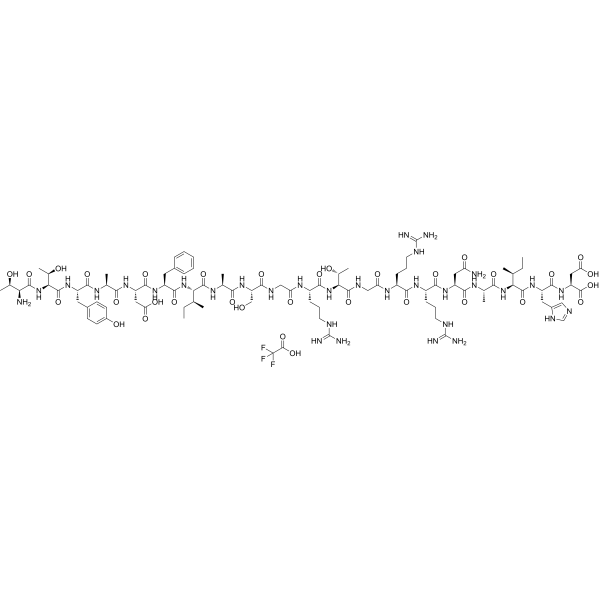
PKI(5-24) TFA is a potent, competitive, and synthetic peptide inhibitor of PKA (cAMP-dependent protein kinase), with a Ki of 2.3 nM. PKI(5-24) TFA corresponds to residues 5-24 in the naturally occurring heat-stable protein kinase inhibitor .
|
-
- HY-P1293A
-
|
|
iGluR
|
Neurological Disease
|
|
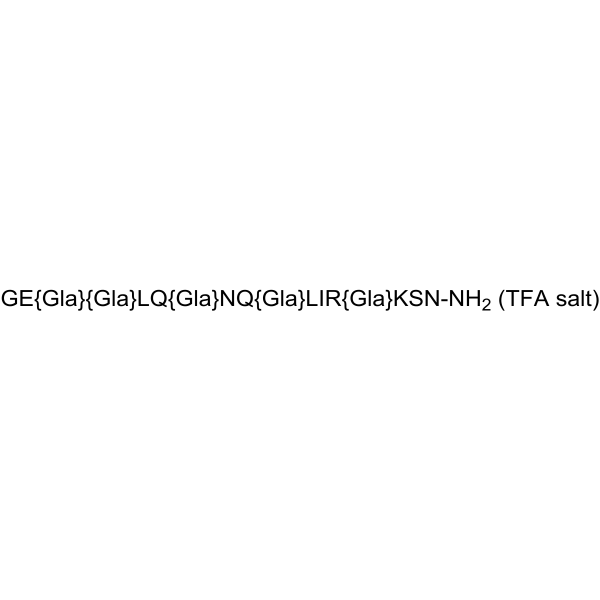
Conantokin G TFA, a 17-amino-acid peptide, is a potent, selective and competitive antagonist of N-methyl-D-aspartate (NMDA) receptors. Conantokin G TFA inhibits NMDA-evoked currents in murine cortical neurons with an IC50 of 480 nM. Conantokin G TFA has neuroprotective properties .
|
-
- HY-P11095
-
|
|
Bacterial
Fungal
|
Infection
|
|
Pelteobagrin is a broad-spectrum antimicrobial peptide targeting Gram-positive bacteria, Gram-negative bacteria, and fungi (MIC=2-16 μg/mL). Pelteobagrin exerts bactericidal activity via non-competitive disruption of cell wall and cytoplasmic membrane integrity. Pelteobagrin is promising for research of infectious diseases .
|
-

- HY-P1115
-
|
|
Akt
|
Others
|
|
AKTide-2T is an excellent in vitro substrate for AKT and shows competitive inhibition of histone H2B phosphorylation with a Ki of 12 nM. AKTide-2T mimics the optimal phosphorylation sequence of Akt and is an inhibitory peptide with the wildtype AKTide lacking Thr in the S22 position .
|
-

- HY-P1115A
-
|
|
Akt
|
Others
|
|
AKTide-2T TFA is an excellent in vitro substrate for AKT and shows competitive inhibition of histone H2B phosphorylation with a Ki of 12 nM. AKTide-2T TFA mimics the optimal phosphorylation sequence of Akt and is an inhibitory peptide with the wildtype AKTide lacking Thr in the S22 position .
|
-

- HY-P10630
-
|
|
Amyloid-β
|
Neurological Disease
|
|
Pep63 is a neuroprotective peptide (VFQVRARTVA). Pep63 has a neuroprotective effect on synaptic plasticity and memory. Pep63 can competitively bind with Aβ1-42 oligomers, and can block Aβ fiber formation. Pep63 can be used for Alzheimer’s disease (AD) research .
|
-

- HY-10287A
-
|
|
Dipeptidyl Peptidase
|
Metabolic Disease
|
|
Gosogliptin hydrochloride is the hydrochloride of Gosogliptin (HY-10287). Gosogliptin (PF-00734200) is a potent, orally active, selective, and competitive inhibitor of DPP-IV, the enzyme mainly responsible for the degradation of the incretin peptides GLP-1 and glucose-dependent insulinotropic polypeptide. Gosogliptin demonstrates rapid and reversible inhibition of plasma DPP-4 activity. Gosogliptin stimulates insulin secretion and improves glucose tolerance .
|
-

- HY-135542R
-
|
|
CRFR
Reference Standards
|
Others
|
|
NBI-27914 (Standard) is the analytical standard of NBI-27914 (HY-135542). This product is intended for research and analytical applications. NBI-27914 is a highly selective, high-affinity non-peptide competitive antagonist of human corticotropin-releasing factor receptor 1 (CRFR1). NBI-27914 primarily binds to the His199 and Met276 sites in the transmembrane domain of the receptor.
|
-

- HY-10119R
-
|
SCH 530348 (Standard)
|
Reference Standards
Protease Activated Receptor (PAR)
|
Cardiovascular Disease
|
|
Vorapaxar (Standard) is the analytical standard of Vorapaxar. This product is intended for research and analytical applications. Vorapaxar (SCH 530348), an antiplatelet agent, is a selective, orally active, and competitive thrombin receptor protease-activated receptor (PAR-1) antagonist (Ki=8.1 nM). Vorapaxar (SCH 530348) inhibits thrombin receptor-activating peptide (TRAP)-induced platelet aggregation in a dose-dependent manner .
|
-

- HY-10119S
-
|
SCH 530348-d5
|
Protease Activated Receptor (PAR)
Isotope-Labeled Compounds
|
Cardiovascular Disease
|
|
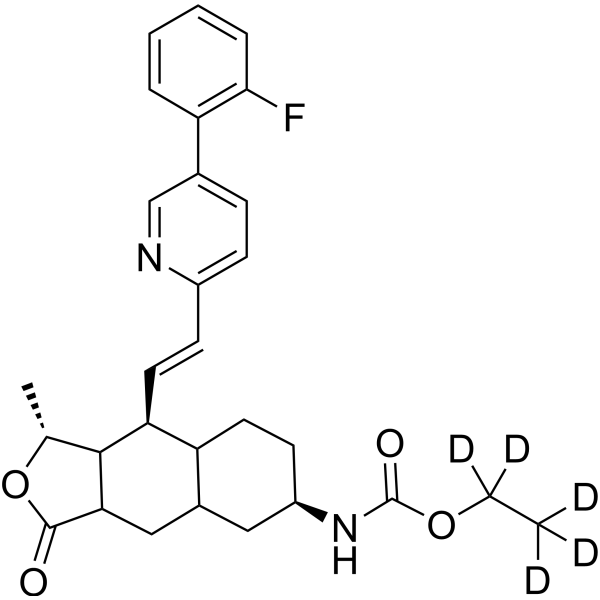
Vorapaxar-d5 is deuterated labeled Vorapaxar (HY-10119). Vorapaxar (SCH 530348), an antiplatelet agent, is a selective, orally active, and competitive thrombin receptor protease-activated receptor (PAR-1) antagonist (Ki=8.1 nM). Vorapaxar (SCH 530348) inhibits thrombin receptor-activating peptide (TRAP)-induced platelet aggregation in a dose-dependent manner .
|
-
- HY-10119AR
-
|
SCH 530348 sulfate (Standard)
|
Reference Standards
Protease Activated Receptor (PAR)
|
Cardiovascular Disease
|
|
Vorapaxar (sulfate) (Standard) is the analytical standard of Vorapaxar (sulfate). This product is intended for research and analytical applications. Vorapaxar sulfate (SCH 530348 sulfate), an antiplatelet agent, is a selective, orally active, and competitive thrombin receptor protease-activated receptor (PAR-1) antagonist (Ki=8.1 nM). Vorapaxar sulfate inhibits thrombin receptor-activating peptide (TRAP)-induced platelet aggregation in a dose-dependent manner .
|
-

- HY-B0290S1
-
-
- HY-P10830
-
-

- HY-N14982
-
-

- HY-W457608
-
|
|
Drug Derivative
|
Cancer
|
|
CU7218 competitively binds to the phosphopeptide-binding pocket of 14-3-3ε and blocks its interaction with the 9J10 peptide. CU7218 can be used in cancer research .
|
-

- HY-183872
-
|
|
Fungal
N-myristoyltransferase
|
Infection
|
|
FTR1335 is an Antifungal agent as well as a selective, substrate peptide-competitive, and myristoyl-CoA non-competitive inhibitor of N-myristoyltransferase CaNmt, with an IC50 of 0.49 nM against Candida albicans CaNmt. FTR1335 exhibits fungicidal activity against Candida albicans and inhibits the growth of Candida tropicalis. FTR1335 can be used in research related to Candida albicans infections .
|
-

- HY-W015811
-
|
|
PDI
|
Metabolic Disease
Inflammation/Immunology
Cancer
|
|
3-N-Propylphenol is a small phenolic derivative containing a hydroxyl aryl group that competitively inhibits the binding of the peptide to pancreatic-specific protein disulfide isomerase (PDIp). 3-Propylphenol can be used for research on pancreatic-related diseases .
|
-

- HY-15498B
-
|
BMS-927711 hemisulfate; BHV-3000 hemisulfate
|
CGRP Receptor
|
Neurological Disease
|
|
Rimegepant (BMS-927711) hemisulfate is a potent, orally active, selective and competitive calcitonin gene-related peptide (CGRP) receptor antagonist with a Ki of 0.027 nM and an IC50 of 0.14 nM for hCGRP receptor. Rimegepant hemisulfate can be used for migraine research .
|
-

- HY-103351R
-
|
|
Reference Standards
Cathepsin
|
Inflammation/Immunology
|
|
Cathepsin G Inhibitor I (Standard) is the analytical standard of Cathepsin G Inhibitor I (HY-103351). This product is intended for research and analytical applications. Cathepsin G Inhibitor I (compound 7) is an effective, selective, reversible, competitive, non-peptide cathepsin G inhibitor (IC50=53 nM; Ki=63 nM) .
|
-

- HY-N2332
-
|
MLA
|
nAChR
|
Neurological Disease
|
|
Methyllycaconitine (MLA) is a potent, selective, CNS-penetrant, competitive α7nAChR antagonist. Methyllycaconitine alleviates amyloid-β peptides-induced cytotoxicity in SH-SY5Y cells. Methyllycaconitine prevents methamphetamine-induced effects in mouse striatum. Methyllycaconitine can be used for neurological disease research, such as Alzheimer’s disease .
|
-

- HY-P11258
-
|
|
Urotensin Receptor
|
Cardiovascular Disease
Metabolic Disease
Inflammation/Immunology
Cancer
|
UPG-108, a peptide compound, is a non-competitive allosteric modulator of Urotensin II receptors (UTR). UPG-108 significantly enhances the efficacy of UTR agonists but reduces the potency of UTR agonists. UPG-111 efficiently induces calcium release and does not cause contraction of rat aortic rings without endothelial denudation. UPG-111 can be used to study various diseases related to the angiotensinergic system .
|
-

- HY-B0290R
-
|
ONO-1078 (Standard)
|
Reference Standards
Leukotriene Receptor
Endogenous Metabolite
|
Inflammation/Immunology
|
|
Pranlukast (Standard) is the analytical standard of Pranlukast. This product is intended for research and analytical applications. Pranlukast is a highly potent, selective and competitive antagonist of peptide leukotrienes. Pranlukast inhibits [ 3H]LTE4, [ 3H]LTD4, and [ 3H]LTC4 bindings to lung membranes with Kis of 0.63±0.11, 0.99±0.19, and 5640±680 nM, respectively.
|
-

- HY-10805
-
|
ACT 078573
|
Orexin Receptor (OX Receptor)
Calcium Channel
Caspase
Apoptosis
|
Neurological Disease
Endocrinology
Cancer
|
|
Almorexant (ACT 078573) is an orally active, potent and competitive dual orexin receptor antagonist, with Kd values of 1.3 nM (OX1) and 0.17 nM (OX2), respectively. Almorexant reversibly blocks signaling of orexin-A and orexin-B peptides. Almorexant totally blocked the intracellular Ca 2+ signal pathway. Almorexant stimulates caspase-3 activity in AsPC-1 cells and induces apoptosis .
|
-
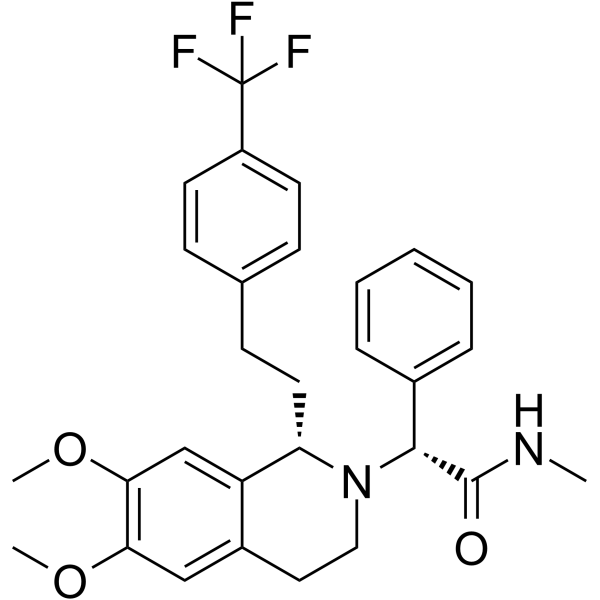
- HY-P3245A
-
|
|
Apoptosis
|
Cancer
|
|
HXR9 hydrochloride is a cell-permeable peptide and a competitive antagonist of HOX/PBX interaction. HXR9 hydrochloride antagonizes the interaction between HOX and a second transcrip-tion factor (PBX), which binds to HOX proteins in paralogue groups1 to 8. HXR9 hydrochloride selectively decreases cell proliferation and promotes apoptosis in cells with a high level of expression of the HOXA/PBX3 genes, such as MLL-rearranged leukemic cells .
|
-
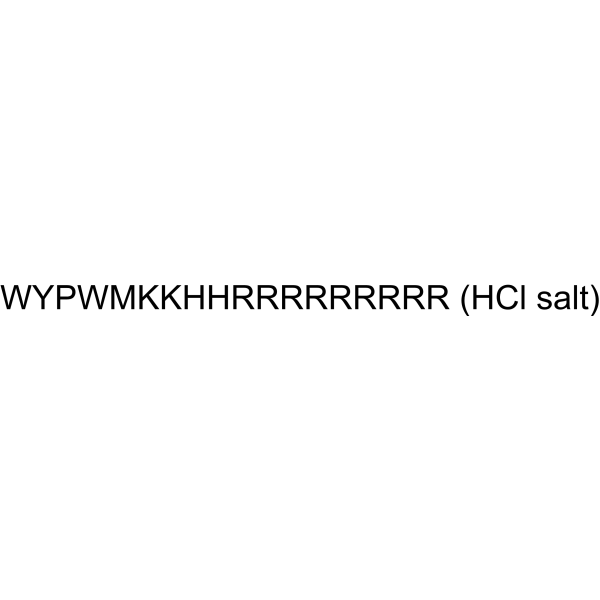
- HY-B0290AR
-
|
ONO-1078 hemihydrate (Standard)
|
Leukotriene Receptor
Endogenous Metabolite
Reference Standards
|
Inflammation/Immunology
|
|
Pranlukast (hemihydrate) (Standard) is the analytical standard of Pranlukast (hemihydrate). This product is intended for research and analytical applications. Pranlukast hemihydrate is a highly potent, selective and competitive antagonist of peptide leukotrienes. Pranlukast inhibits [3H]LTE4, [3H]LTD4, and [3H]LTC4 bindings to lung membranes with Kis of 0.63±0.11, 0.99±0.19, and 5640±680 nM, respectively.
|
-

- HY-103374B
-
|
(±)-Eseroline phenylcarbamate
|
Cholinesterase (ChE)
Amyloid-β
|
Neurological Disease
|
|
(±)Phenserine ((±)-Eseroline phenylcarbamate) is the racemic form of Phenserine (HY-103374). Phenserine is a derivative of Physostigmine (HY-N6608) and is an effective, non-competitive, long-acting and selective AChE inhibitor. Phenserine can reduce the formation of β-amyloid precursor protein (APP) and β-amyloid peptide (Aβ). Phenserine can improve cognitive ability and slow down the progression of Alzheimer's disease .
|
-

- HY-101116R
-
|
|
GCGR
Reference Standards
|
Metabolic Disease
|
|
GLP-1R Antagonist 1 (Standard) is the analytical standard of GLP-1R Antagonist 1 (HY-101116). This product is intended for research and analytical applications. GLP-1R Antagonist 1 (compound 5d) is an orally active, CNS penetrant and non-competitive antagonist of glucagon-like peptide 1 receptor (GLP-1R), with an IC50 of 650 nM .
|
-

- HY-P0097A
-
|
Melanostatine-5 acetate salt
|
Melanocortin Receptor
|
Metabolic Disease
Endocrinology
Cancer
|
|
Nonapeptide-1 (Melanostatine-5) acetate salt, a peptide hormone, is a selective antagonist of MC1R (Ki: 40 nM). Nonapeptide-1 acetate salt is a competitive α-MSH antagonist that potently inhibits intracellular cAMP and melanosome dispersion induced by α-MSH in melanocytes (IC50: 2.5 nM and 11 nM, respectively). Nonapeptide-1 acetate salt inhibits melanin synthesis, and can be used in the research of skin pigmentation and regulation of steroid production in the adrenal gland, skin cancer .
|
-
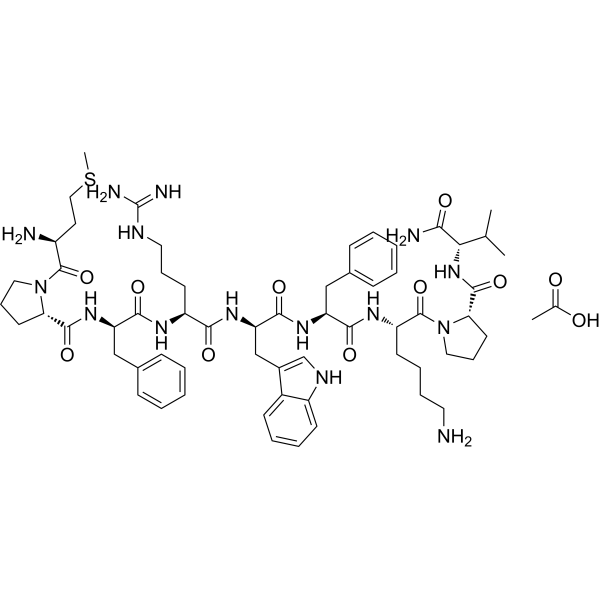
- HY-19347
-
|
WD-Repeat Protein 5-0103
|
WDR5
|
Neurological Disease
Cancer
|
|
WDR5-0103 (WD-Repeat Protein 5-0103) is a potent and selective WD repeat-containing protein 5 (WDR5) antagonist with a Kd of 450 nM. WDR5-0103 competitively binds to the peptide-binding pocket of WDR5, blocking the interaction between WDR5 and mixed-lineage leukemia (MLL) protein and inhibiting the methyltransferase activity of MLL. WDR5-0103 is mainly used in the research of cancer and neurodegenerative diseases .
|
-
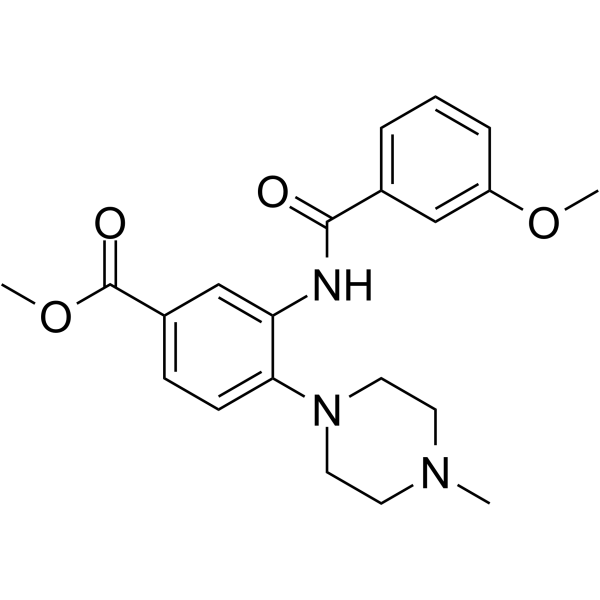
- HY-P5894
-
|
Galanin-like peptide (3-32)
|
Neuropeptide Y Receptor
|
Neurological Disease
|
|
human GALP (3-32) (Galanin-like peptide (3-32)) is a potent galanin receptor agonist with high affinity for both GalR1 (IC50=33 nM) and GalR2 (IC50=15 nM) in a competitive binding study. human GALP (3-32) exhibits the high potency in altering the extracellular acidification rate of SH-SY5Y cells transfected with GalR2 (EC50=360 nM) .
|
-

- HY-P5407
-
|
|
SARS-CoV
Angiotensin-converting Enzyme (ACE)
|
Infection
Cancer
|
|
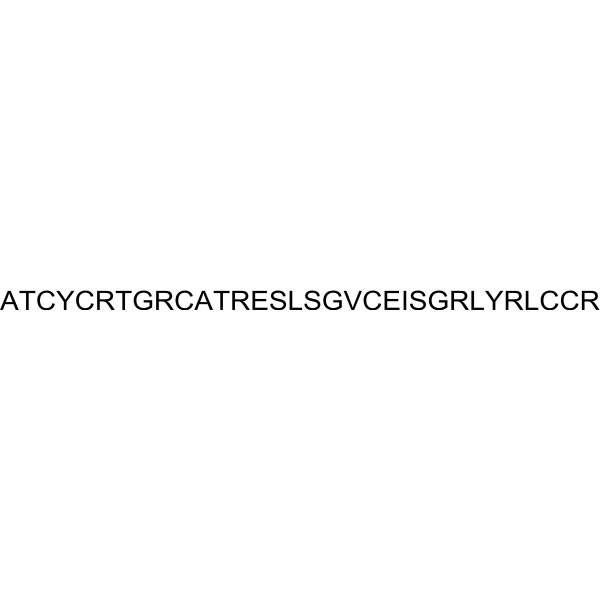
HD5 is an innate immune effector peptide and SARS-CoV Inhibitor. HD5 binds to the ligand-binding domain of angiotensin-converting enzyme-2 (ACE2) via multiple hydrogen bonds to competitively block the receptor, shielding it from viral recognition. HD5 can be used for the research of COVID-19, HPV16 infection, epithelial ovarian cancer, small-cell lung cancer, and colon cancer .
|
-
- HY-P5407A
-
|
|
SARS-CoV
Angiotensin-converting Enzyme (ACE)
|
Infection
Cancer
|
|
HD5 TFA is an innate immune effector peptide and SARS-CoV Inhibitor. HD5 TFA binds to the ligand-binding domain of angiotensin-converting enzyme-2 (ACE2) via multiple hydrogen bonds to competitively block the receptor, shielding it from viral recognition. HD5 TFA can be used for the research of COVID-19, HPV16 infection, epithelial ovarian cancer, small-cell lung cancer, and colon cancer .
|
-

- HY-101283
-
HCH6-1
5 Publications Verification
|
Formyl Peptide Receptor (FPR)
|
Inflammation/Immunology
|
|
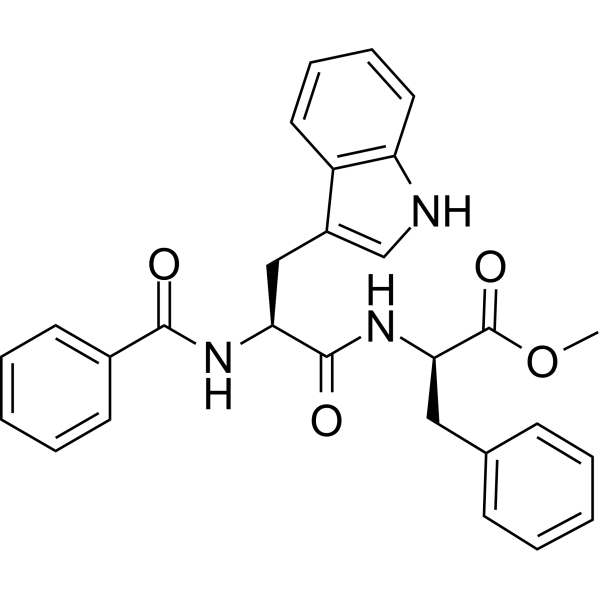
HCH6-1 is a potent and competitive dipeptide antagonist of Formyl peptide receptor 1 (FPR1). HCH6-1 inhibits chemotaxis, superoxide anion generation, and elastase release in human neutrophils specifically activated by fMLF (an FPR1 agonist). HCH6-1 has protective effects against acute lung injury (ALI) in vivo and can be used for the research of FPR1-involved inflammatory lung diseases .
|
-
- HY-P1831
-
|
ProAM N20, Human; PAMP-20, human
|
nAChR
Sodium Channel
Calcium Channel
|
Cardiovascular Disease
Neurological Disease
|
|
Proadrenomedullin (1-20), human is a potent hypotensive and catecholamine release–inhibitory peptide released from chromaffin cells. Proadrenomedullin (1-20) inhibits catecholamine secretion in PC12 pheochromocytoma cells (IC50 ≈ 350 nM) by suppressing Na +/Ca 2+ influx and blocking desensitization. Proadrenomedullin (1-20), human specifically acts on nicotinic cholinergic receptors in a non competitive manner. Proadrenomedullin (1-20), human can be used for research on conditions such as hypertension .
|
-

- HY-117053
-
|
|
Neurokinin Receptor
|
Neurological Disease
|
|
ZM 253270 is a species-selective non-peptide NK-2 receptor (NK-2R) antagonist. ZM 253270 competitively inhibits the binding of [ 3H]NKA to native or cloned NK-2R from hamster bladder (Ki=2 nM), but has a weaker inhibitory effect (48-fold) on the binding of [ 3H]NKA to cloned human NK-2R .
|
-

- HY-P0097
-
|
Melanostatine-5
|
Melanocortin Receptor
|
Metabolic Disease
Endocrinology
Cancer
|
|
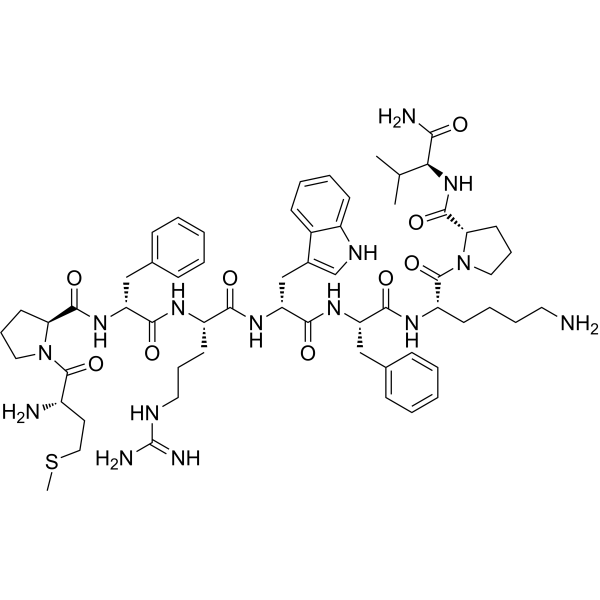
Nonapeptide-1 (Melanostatine-5), a peptide hormone, is a selective antagonist of MC1R (Ki: 40 nM). Nonapeptide-1 is a competitive α-MSH antagonist that potently inhibits intracellular cAMP and melanosome dispersion induced by α-MSH in melanocytes (IC50: 2.5 nM and 11 nM, respectively). Nonapeptide-1 inhibits melanin synthesis, and can be used in the research of skin pigmentation and regulation of steroid production in the adrenal gland, skin cancer .
|
-
- HY-16993
-
|
|
Apoptosis
WDR5
|
Cancer
|
|
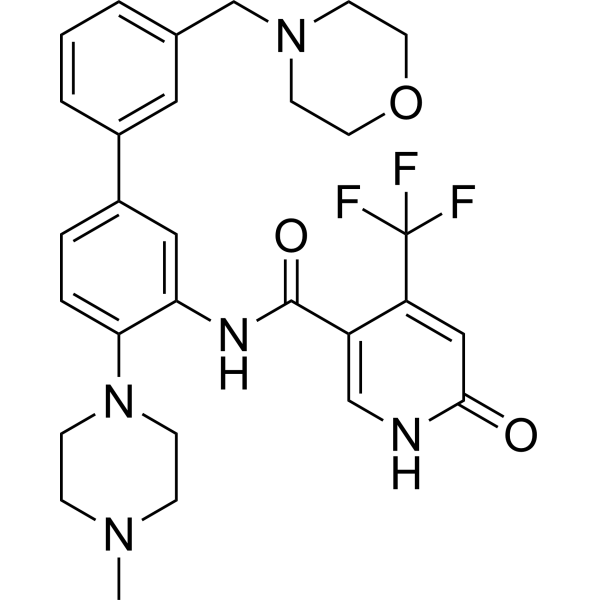
OICR-9429, a chemical probe, is high affinity WD repeat domain 5 (WDR5) inhibitor, competitively blocks WDR5 interaction with MLL protein via binding the central peptide-binding pocket of WDR5. OICR-9429 can suppress histone H3K4 trimethylation and can be used for the research of various cancers including non-MLL-rearranged leukaemia, colon, pancreatic, prostate cancer and bladder cancer (BCa) .
|
-
- HY-122570
-
|
|
E1/E2/E3 Enzyme
|
Others
|
|
VHL Ligand 38 (Compound 1) is a competitive E3 ubiquitin-protein ligase VHL inhibitor with IC50s of 4.1 and 7.0 μM in 1% and 10% DMSO, respectively. VHL Ligand 38 contains a hydroxyproline residue and an isoxazolylacetamide fragment. VHL Ligand 38 significantly inhibits the binding of a fluorescent peptide derived from HIF1α (FAM-DEALA-Hyp-YIPD) (HY-P5908F) to VHL .
|
-

- HY-P11442
-
|
Lycotoxin-Pa2a; TBIU041425
|
Bacterial
Toll-like Receptor (TLR)
|
Inflammation/Immunology
|
|
Lytx-Pa2a (Lycotoxin-Pa2a) is a peptide inhibitor against bacterial membranes and TLR4 receptor. Lytx-Pa2a exerts antimicrobial effects via non-competitive disruption of outer/cytoplasmic membranes and suppression of LPS-induced TLR4/NF-κB signaling. Lytx-Pa2a is promising for research of bacterial infection and inflammation-related disease (e.g., sepsis) .
|
-

- HY-W040088
-
|
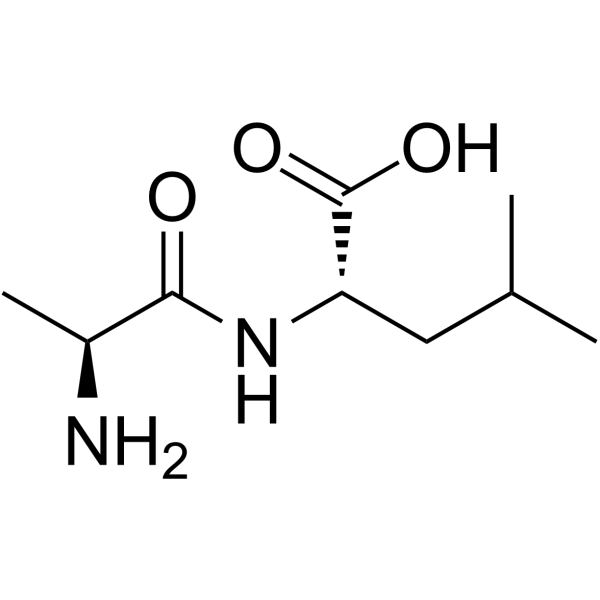
H-Ala-Leu-OH
|
Aminopeptidase
|
Metabolic Disease
|
|
L-Alanyl-L-leucine is a competitive inhibitor of small intestinal glycyl-L-leucine hydrolase with Ki values of 0.53 mM (phosphate buffer) or 0.22 mM (Tris buffer). L-Alanyl-L-leucine can be used for research on Hartnup disease and cystinuria .
|
-
- HY-W040088R
-
|
H-Ala-Leu-OH (Standard)
|
Reference Standards
Aminopeptidase
|
Metabolic Disease
|
|
L-Alanyl-L-leucine is an endogenous metabolite. This product is used for research and analytical applications. L-Alanyl-L-leucine is a competitive inhibitor of small intestinal glycyl-L-leucine hydrolase with Ki values of 0.53 mM (phosphate buffer) or 0.22 mM (Tris buffer). L-Alanyl-L-leucine can be used for research on Hartnup disease and cystinuria .
|
-

- HY-116216
-
|
|
Bombesin Receptor
|
Cancer
|
|
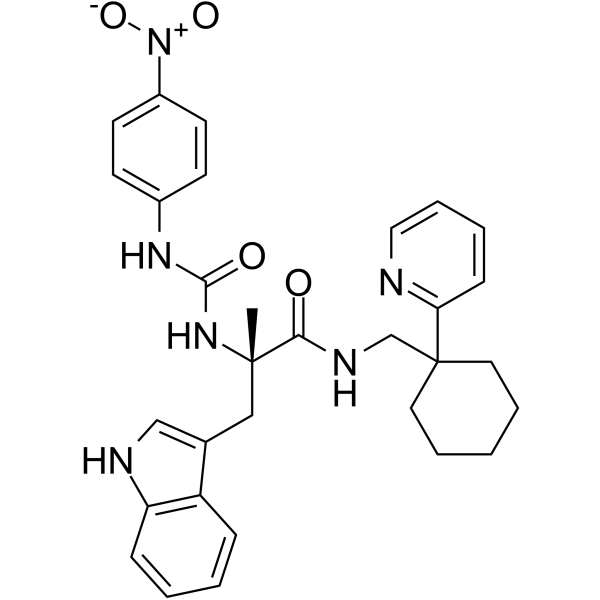
PD 168368 is a potent, competitive, and selective neuromedin B receptor (NMB-R) antagonist with the Ki of 15–45 nM . PD 168368 is neuromedin B receptor (NMBR; IC50=96 nM) / gastrin-releasing peptide receptor (GRPR IC50=3500 nM) antagonist . PD 168368 also is a mixed FPR1/FPR2/FPR3 agonist with EC50s of 0.57, 0.24, and 2.7 nM, respectively .
|
-
- HY-130337
-
|
|
Antibiotic
Bacterial
|
Infection
|
|
Teicoplanin A2-2 is a glycopeptide antibiotic. Teicoplanin A2-2 exhibits antibacterial activity, particularly against coagulase-negative staphylococci (CNS). Teicoplanin A2-2 inhibits bacterial cell wall synthesis by competitively binding to the terminal D-Ala-D-Ala peptide bonds in the cell wall synthesis process, leading to bacterial death. Teicoplanin A2-2 can be used for research into bacterial resistance mechanisms and the development of new antibiotics .
|
-

- HY-107691
-
|
|
Neurokinin Receptor
|
Neurological Disease
Endocrinology
Cancer
|
|
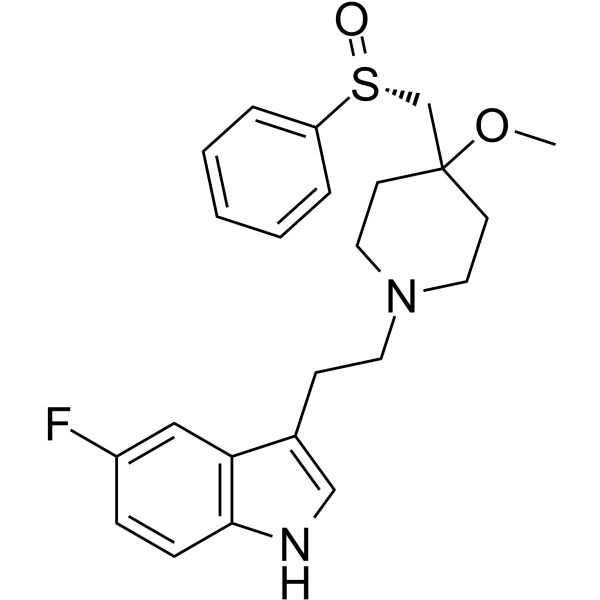
GR 159897 is a highly potent, selective, competitive, brain-penetrated non-peptide neurokinin 2 (NK2) receptor antagonist. GR 159897 has little or no affinity for NK1 and NK3 receptors. GR 159897 inhibits binding of [ 3H]GR100679 to human NK2 (hNK2)-CHO cells and rat colon membranes with pKis of 9.51 and 10, respectively. Antagonizes bronchoconstriction. Anxiolytic-like and anti-tumor effects .
|
-
- HY-N13917
-
|
|
Proteasome
Bacterial
|
Infection
Cancer
|
|
Argyrin B, a natural product cyclic peptide, is a reversible, non-competitive immunoproteasome inhibitor. Argyrin B shows selective inhibition of the β5i and β1i sites of the immunoproteasome over the β5c and β1c sites of the constitutive proteasome with nearly 20-fold selective inhibition of β1i over the homologous β1c. Argyrin B has antibacterial effects .
|
-

- HY-10805R
-
|
ACT 078573 (Standard)
|
Orexin Receptor (OX Receptor)
Calcium Channel
Caspase
Apoptosis
Reference Standards
|
Neurological Disease
Endocrinology
Cancer
|
|
Almorexant (Standard) is the analytical standard of Almorexant. This product is intended for research and analytical applications. Almorexant (ACT 078573) is an orally active, potent and competitive dual orexin receptor antagonist, with Kd values of 1.3 nM (OX1) and 0.17 nM (OX2), respectively. Almorexant reversibly blocks signaling of orexin-A and orexin-B peptides. Almorexant totally blocked the intracellular Ca2+ signal pathway. Almorexant stimulates caspase-3 activity in AsPC-1 cells and induces apoptosis .
|
-

- HY-N2071
-
-
- HY-107641
-
|
α-Cyano-4-hydroxycinnamate
|
Monocarboxylate Transporter
|
Metabolic Disease
|
|
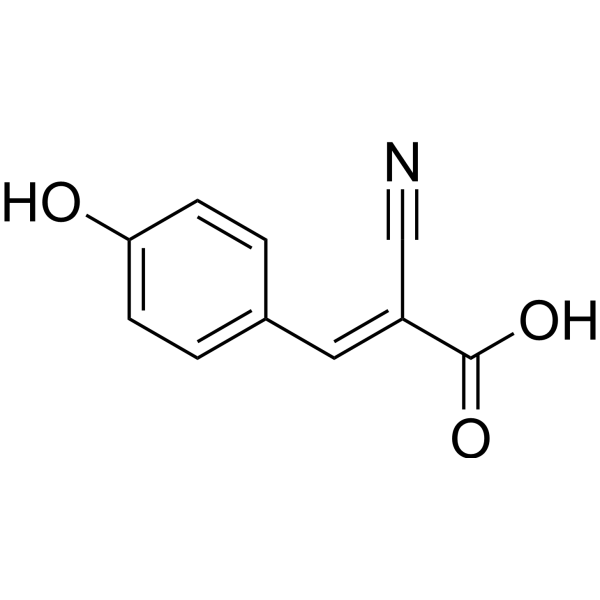
α-Cyano-4-hydroxycinnamic acid (α-Cyano-4-hydroxycinnamate) is a potent and non-competitive inhibitor of monocarboxylate transporters (MCTs). α-Cyano-4-hydroxycinnamic acid inhibits mitochondrial pyruvate transporter with a Ki of 6.3 μM. α-Cyano-4-hydroxycinnamic acid is used as a matrix to facilitate peptide ionization in matrix-assisted laser desorption/ionization time-of-flight (MALDI-TOF) mass spectrometry applications .
|
-
- HY-P5601
-
|
|
Bacterial
Fungal
|
Infection
|
|
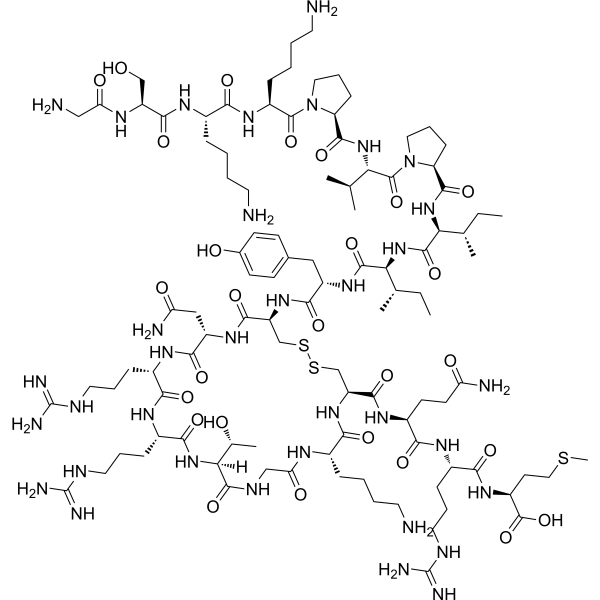
Thanatin is an inducible cationic antimicrobial peptide. Thanatin is a pathogen-inducible single-disulfide-bond-containing β-hairpin AMP. Thanatin displays broad-spectrum activity against both Gram-negative and Gram-positive bacteria as well as against various species of fungi with MICs of 0.3-40 µM, 0.6-40 µM and 0.6-20 µM, respectively. Thanatin has the property of competitive replacement of divalent cations from bacterial outer membrane (OM), leading to OM disruption .
|
-
- HY-N2071R
-
|
(+)-Cedrol (Standard); α-Cedrol (Standard)
|
Reference Standards
Cytochrome P450
Fungal
Apoptosis
Caspase
|
Infection
Neurological Disease
Inflammation/Immunology
Cancer
|
|
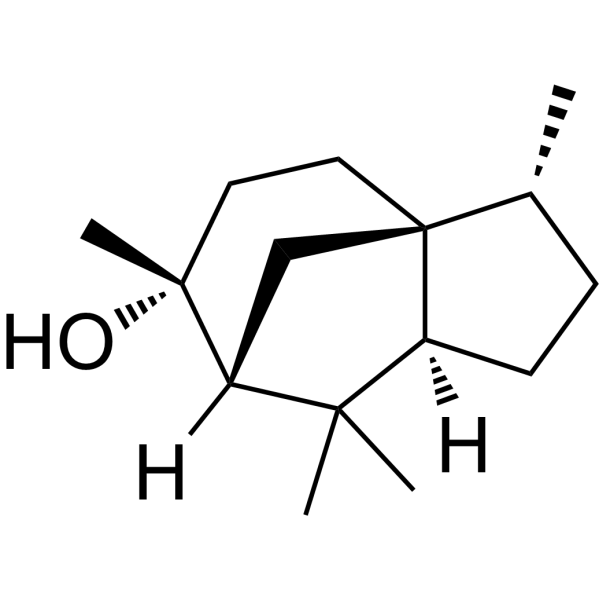
Cedrol (Standard) is the analytical standard of Cedrol. This product is intended for research and analytical applications. Cedrol is a potent competitive inhibitor of cytochrome P-450(CYP) enzyme. Cedrol plays an anticancer role by inducing cell cycle arrest and Caspase-dependent apoptosis. Cedrol acts as a neutrophil agonist that can desensitize cells to subsequent stimulation of N-formyl peptides. Cedrol prevents neuropathic pain caused by chronic contractile injury by inhibiting oxidative stress and inflammation. In addition, Cedrol has antibacterial, hair loss prevention and anti-anxiety properties.
|
-

- HY-101764R
-
|
SR 27897 (Standard)
|
Reference Standards
Cholecystokinin Receptor
|
Metabolic Disease
|
|
Lintitript (Standard) (SR 27897 (Standard)) is the analytical standard of Lintitript (HY-101764). This product is intended for research and analytical applications. Lintitript (SR 27897) is a highly potent, selective, orally active, competitive and non-peptide cholecystokinin (CCK1) receptor antagonist with an EC50 of 6 nM and a Ki of 0.2 nM. Lintitript displays > 33-fold selectivity more selective for CCK1 than CCK2 receptors (EC50 value of 200 nM). Lintitript increases plasma concentration of leptin and food intake as well as plasma concentration of insulin .
|
-

- HY-10805AR
-
|
ACT 078573 hydrochloride (Standard)
|
Reference Standards
Orexin Receptor (OX Receptor)
Calcium Channel
Caspase
Apoptosis
|
Neurological Disease
Endocrinology
Cancer
|
|
Almorexant hydrochloride (Standard) is the analytical standard of Almorexant (hydrochloride) (HY-10805A). This product is intended for research and analytical applications. Almorexant (ACT 078573) hydrochloride is an orally active, potent and competitive dual orexin receptor antagonist, with Kd values of 1.3 nM (OX1) and 0.17 nM (OX2), respectively. Almorexant hydrochloride reversibly blocks signaling of orexin-A and orexin-B peptides. Almorexant hydrochloride totally blocked the intracellular Ca2+ signal pathway. Almorexant hydrochloride stimulates caspase-3 activity in AsPC-1 cells and induces apoptosis .
|
-

- HY-P5272
-
|
|
Bacterial
|
Inflammation/Immunology
|
|
Histatin-3 TFA, a 32 amino acid peptide, possesses powerful antimicrobial properties. Histatin-3 TFA behaves as a substrate for proprotein convertase 1 (PC1), being cleaved by this endoprotease primarily at a site carboxy terminal to the single Arg25 residue (HRGYR decrease SN). Histatin-3 TFA is a moderately potent, reversible and competitive inhibitor of the furin-mediated cleavage of the pentapeptide pGlu-Arg-Thr-Lys-Arg-MCA fluorogenic substrate, with an estimated inhibition constant Ki of 1.98 μM .
|
-

- HY-P11214
-
|
H-TL1
|
TNF Receptor
Integrin
NF-κB
ERK
p38 MAPK
JNK
Interleukin Related
|
Inflammation/Immunology
|
|
Hydrostatin-TL1 (H-TL1), a nine-amino-acid peptide, is a TNF-α antagonist. Hydrostatin-TL1 can be isolated from the venom gland of sea snake Hydrophis cyanocinctus. H-TL1 competitively inhibits the interaction between TNF-α/TNFR1 and attenuates the cytotoxicity and inflammation of TNF-α. Hydrostatin-TL1 can be used for TNF-α-associated inflammatory diseases, such as rheumatoid arthritis, osteoporosis and inflammatory bowel disease (IBD) research .
|
-

- HY-106840R
-
|
|
Reference Standards
Cholecystokinin Receptor
|
Neurological Disease
Metabolic Disease
|
|
L-365260 (Standard) is the analytical standard of L-365260 (HY-106840). This product is intended for research and analytical applications. L-365260 is an orally active and selective antagonist of non-peptide gastrin and brain cholecystoKinin receptor (CCK-B), with Kis of 1.9 nM and 2.0 nM, respectively. L-365260 interacts in a stereoselective and competitive manner with guinea pig stomach gastrin and brain CCK receptors. L-365260 can enhance Morphine analgesia and prevents Morphine tolerance .
|
-

- HY-P2159
-
|
|
Opioid Receptor
Endogenous Metabolite
|
Neurological Disease
|
|
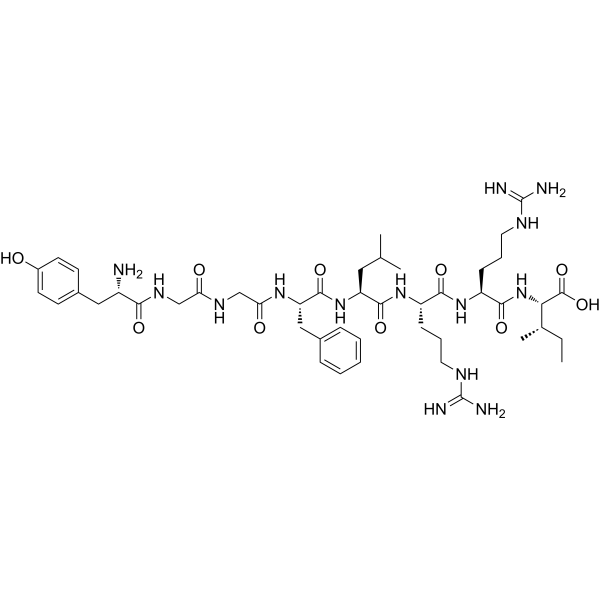
Dynorphin A (1-8) is a ligand with preference for the κ-opioid receptor, and its IC50 value against human placental κ-opioid receptor is 330 nM. Dynorphin A (1-8) mediates neuroprotective effects by inhibiting oxidative stress, suppressing apoptosis, and competitively displacing the binding of κ partial agonists. Dynorphin A (1-8) is the dominant opioid peptide in human placental villi and tissue extracts; it undergoes rapid hydrolysis and can enter the central nervous system via intranasal administration. Dynorphin A (1-8) can be used in studies related to ischemic stroke .
|
-
- HY-P5601A
-
|
|
Bacterial
Fungal
|
Infection
|
|
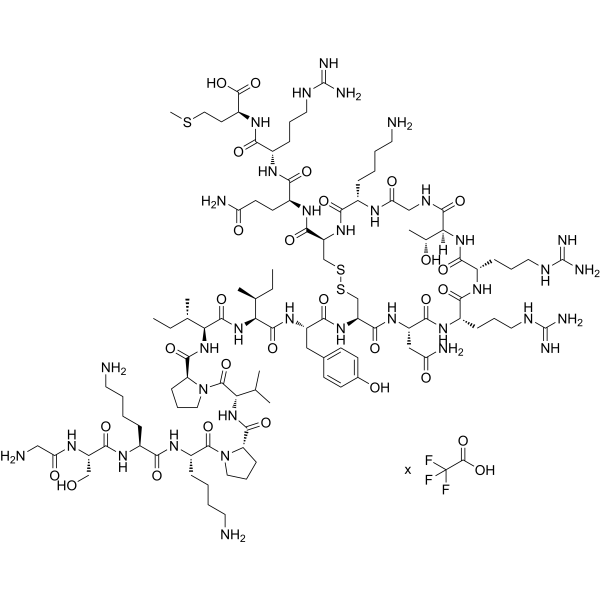
Thanatin TFA is an inducible cationic antimicrobial peptide. Thanatin TFA s a pathogen-inducible single-disulfide-bond-containing β-hairpin AMP. Thanatin TFA displays broad-spectrum activity against both Gram-negative and Gram-positive bacteria as well as against various species of fungi with MICs of 0.3-40 µM, 0.6-40 µM and 0.6-20 µM, respectively. Thanatin TFA has the property of competitive replacement of divalent cations from bacterial outer membrane (OM), leading to OM disruption .
|
-
- HY-110196
-
|
|
Histone Methyltransferase
|
Others
|
|
(S)-PFI-2 hydrochloride is an inhibitor of lysine methyltransferase SETD7 and is approximately 500-fold more active than its enantiomer (R)-PFI-2. (R)-PFI-2 is a cofactor-dependent and substrate-competitive inhibitor. (R)-PFI-2 can occupy the substrate peptide binding groove of SETD7 (including the catalytic lysine binding channel) and interact with the cofactor The donor methyl group is in direct contact. However, (S)-PFI-2 was not observed to have the same interaction as (R)-PFI-2 .
|
-
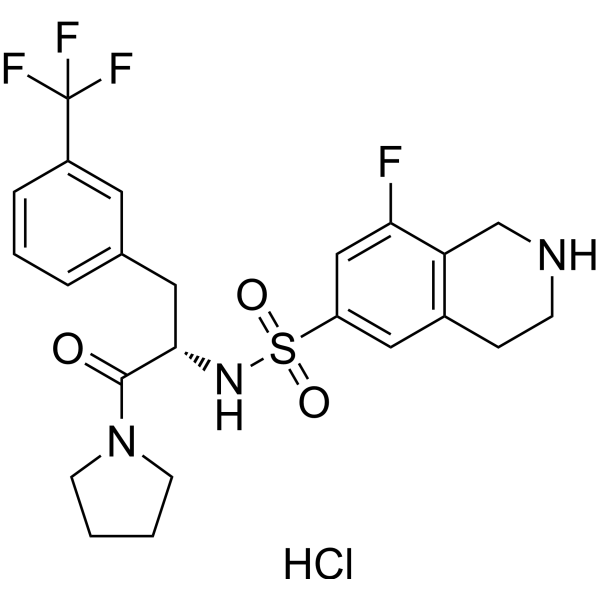
- HY-101283R
-
|
|
Formyl Peptide Receptor (FPR)
Reference Standards
|
Inflammation/Immunology
|
|
HCH6-1 (Standard) is the analytical standard of HCH6-1 (HY-101283). This product is intended for research and analytical applications. HCH6-1 is a potent and competitive dipeptide antagonist of Formyl peptide receptor 1 (FPR1). HCH6-1 inhibits chemotaxis, superoxide anion generation, and elastase release in human neutrophils specifically activated by fMLF (an FPR1 agonist). HCH6-1 has protective effects against acute lung injury (ALI) in vivo and can be used for the research of FPR1-involved inflammatory lung diseases .
|
-

- HY-P5158
-
|
|
Adrenergic Receptor
|
Others
|
|
Conopeptide rho-TIA is a peptide derived from the venom contained in the predatory sea snail Conus tulipa, has highly selective and noncompetitive inhibitor at human α1B-Adrenergic Receptor. Conopeptide rho-TIA acts a competitive inhibitor at human α1A-Adrenergic Receptor and α1D-Adrenergic Receptor. Conopeptide rho-TIA binds to each subtype and may provide useful information for the development of novel α1-Adrenergic Receptor subtype-selective drugs .
|
-
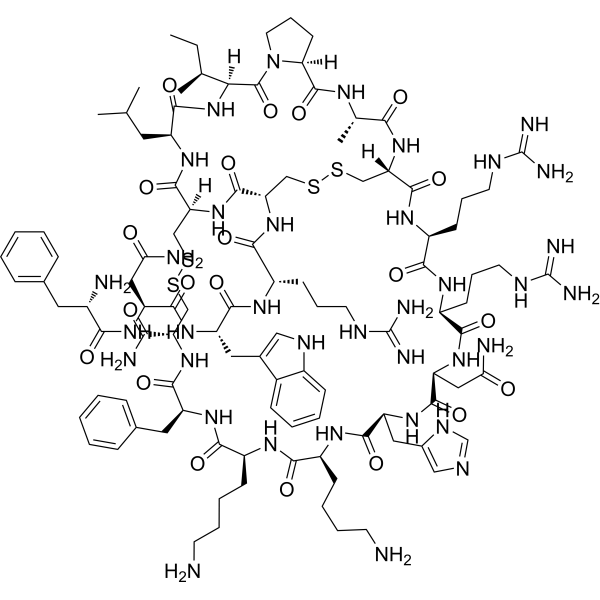
- HY-P10977
-
|
|
Sodium Channel
RIP kinase
|
Neurological Disease
|
|
Tat-ASIC1a (1-20) (mouse, rat) is a competitive ASIC1a membrane-penetrating peptide. Tat-ASIC1a (1-20) (mouse, rat) has significantly neuroprotection effects, and reduces neuronal damage against acidotoxicity by targeting the ASIC1a-RIPK1 pathway and auto-inhibitory mechanism. Tat-ASIC1a (1-20) (mouse, rat) effectively protects brains from ischemic injury in ischemic stroke mice model. Tat-ASIC1a (1-20) (mouse, rat) can be used for neurodegenerative diseases research, such as Huntington disease and Parkinson’s disease .
|
-

- HY-107641R
-
|
α-Cyano-4-hydroxycinnamate (Standard)
|
Reference Standards
Monocarboxylate Transporter
|
Metabolic Disease
|
|
α-Cyano-4-hydroxycinnamic acid (Standard) is the analytical standard of α-Cyano-4-hydroxycinnamic acid (HY-107641). This product is intended for research and analytical applications. α-Cyano-4-hydroxycinnamic acid (α-Cyano-4-hydroxycinnamate) is a potent and non-competitive inhibitor of monocarboxylate transporters (MCTs). α-Cyano-4-hydroxycinnamic acid inhibits mitochondrial pyruvate transporter with a Ki of 6.3 μM. α-Cyano-4-hydroxycinnamic acid is used as a matrix to facilitate peptide ionization in matrix-assisted laser desorption/ionization time-of-flight (MALDI-TOF) mass spectrometry applications .
|
-

- HY-107641S
-
|
α-Cyano-4-hydroxycinnamate-d4
|
Isotope-Labeled Compounds
Monocarboxylate Transporter
|
Metabolic Disease
|
|
α-Cyano-4-hydroxycinnamic acid-d4 (α-Cyano-4-hydroxycinnamate-d4) is the deuterium labeled α-Cyano-4-hydroxycinnamic acid (HY-107641). α-Cyano-4-hydroxycinnamic acid (α-Cyano-4-hydroxycinnamate) is a potent and non-competitive inhibitor of monocarboxylate transporters (MCTs). α-Cyano-4-hydroxycinnamic acid inhibits mitochondrial pyruvate transporter with a Ki of 6.3 μM. α-Cyano-4-hydroxycinnamic acid is used as a matrix to facilitate peptide ionization in matrix-assisted laser desorption/ionization time-of-flight (MALDI-TOF) mass spectrometry applications .
|
-

- HY-12583
-
|
|
Histone Methyltransferase
Epigenetic Reader Domain
|
Cancer
|
|
A-366, a chemical probe, is a potent, highly selective, peptide-competitive histone methyltransferase G9a inhibitor with IC50s of 3.3 and 38 nM for G9a and GLP (EHMT1), respectively. A-366 shows >1000-fold selectivity over 21 other methyltransferases. A-366 is also a potent, nanomolar inhibitor of the Spindlin1-H3K4me3-interaction (IC50=182.6 nM). A-366 displays high affinity at human histamine H3 receptor (Ki=17 nM) and shows subtype selectivity among subsets of the histaminergic and dopaminergic receptor families .
|
-
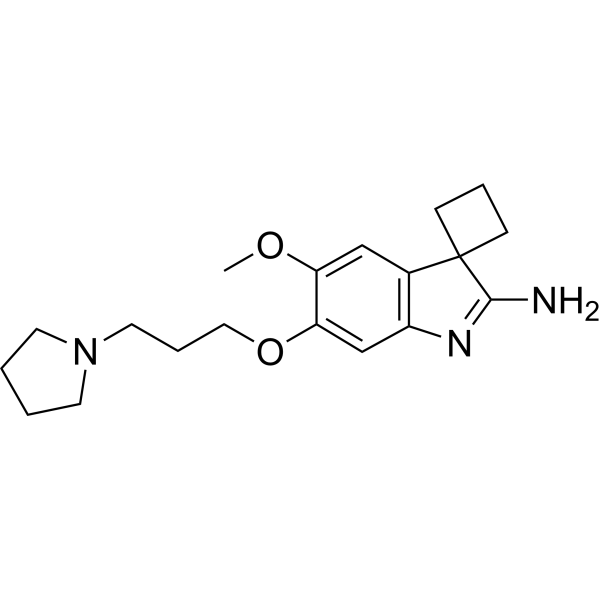
- HY-135446
-
|
|
Endothelin Receptor
|
Cardiovascular Disease
Endocrinology
|
|
BQ-610 is a selective antagonist of the endothelin A receptor (ETA receptor). BQ-610 specifically blocks the ETA receptor, competitively inhibiting the binding of endothelin-1 (ET-1) (a vasoconstrictive peptide) to the receptor, thereby blocking the effects of ET-1 such as vascular smooth muscle contraction, cell mitosis, and inhibition of hormone secretion. BQ-610 significantly alleviates cerebral vasospasm in rabbits. BQ-610 blocks the bronchial epithelial and pulmonary vascular cell proliferation caused by cigarette smoke in rat models. BQ-610 can delay the natural luteal regression in the cow's uterus. BQ-610 can be used for research on vasospasm, abnormal cell proliferation, and reproductive endocrine disorders .
|
-

- HY-117747
-
|
JCR 424; XM 323
|
HIV Protease
|
Infection
|
|
DMP 323 is a potent, nonpeptide cyclic urea inhibitor of HIV protease, effective against both HIV type 1 and type 2. Designed using structural information and database searching, it competitively inhibits the cleavage of both peptide and HIV-1 gag polyprotein substrates. DMP 323 shows comparable potency to other highly effective HIV protease inhibitors like A-80987 and Ro-31-8959. Importantly, its efficacy against HIV protease remains unaffected by human plasma or serum, suggesting low affinity for plasma proteins. Furthermore, DMP 323 demonstrates minimal inhibition of various mammalian proteases at concentrations much higher than those needed for HIV protease inhibition, highlighting its specificity for viral targets .
|
-

- HY-N14094
-
|
|
JAK
Apoptosis
Autophagy
|
Cancer
|
|
Tubulosine is an alkaloid. Tubulosine can be isolated from Pogonopus tubulosus (DC.) Schumann. Tubulosine is an ATP-competitive, selective JAK3 inhibitor with an IC50 value of 9.9 nM. Tubulosine also inhibits the kinase activities of other JAK family members, the extent of inhibition is less than that of JAK3, with IC50 values of 69.5, 84.9 and 76.3 nM for JAK1, JAK2 and TYK2, respectively. Tubulosine selectively inhibits JAK3 signalling by binding to the ATP-binding site of the kinase of JAK3. Tubulosine induces apoptotic and necrotic/autophagic cell death. Tubulosine inhibits the process of peptide chain elongation by eukaryotic polysomes by, specifically preventing the elongation-factor-2-dependent step of translocation. Tubulosine exhibits anticancer activity in breast cancer cells .
|
-

- HY-172662
-
|
|
Telomerase
|
Cancer
|
|
TRF1-TIN2 PPI-IN-1 (Compound 40) is a TRF1-TIN2 interaction inhibitor. TRF1-TIN2 PPI-IN-1 binds to the TRFH domain of TRF1 (KD = 29 μM) and competitively inhibits the binding of the TIN2 peptide (IC50 = 67 μM). TRF1-TIN2 PPI-IN-1 disrupts the interaction between TRF1 and TIN2 by occupying the hotspot region of the TRF1-TIN2 binding interface. TRF1-TIN2 PPI-IN-1 can expel TRF 1 from the shelterin complex and can be used to study shelterin-related cancers .
|
-

- HY-141539
-
|
|
Histone Methyltransferase
Akt
|
Cancer
|
|
SETDB1-TTD-IN-1 is a SETDB1 methyltransferase activator and SETDB1-TTD competitive inhibitor (Kd of 88 nM), and selectivity for SETDB1-TTD over other tudor and bromodomain proteins. SETDB1-TTD-IN-1 stimulates methyltransferase activity via increased catalytic activity, promotes Akt1 Lys64 methylation, Akt1 Thr308 phosphorylation and activation. SETDB1-TTD-IN-1 prevents SETDB1-TTD-histone H3 peptide association, induces global gene expression changes, exhibits cellular target engagement, and acts as a tool compound for SETDB1-TTD function exploration. SETDB1-TTD-IN-1 can be used for the research of breast cancer .
|
-
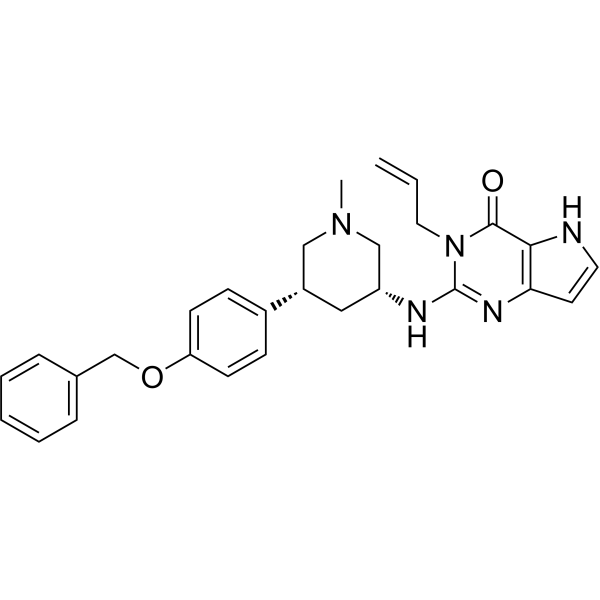
| Cat. No. |
Product Name |
Target |
Research Area |
-
- HY-P0319
-
|
|
Biochemical Assay Reagents
|
Others
|
|
3X FLAG peptides are FLAG-tagged peptides containing three repeats of the Asp-Tyr-Lys-Xaa-Xaa-Asp motif. 3X FLAG peptide can be used for protein separation and purification, and competitive elution with target proteins.
|
-
- HY-P0027
-
|
|
Arp2/3 Complex
Fungal
|
Infection
Cancer
|
|
Jasplakinolide is a potent actin polymerization inducer and stabilizes pre-existing actin filaments. Jasplakinolide binds to F-actin competitively with phalloidin with a Kd of 15 nM. Jasplakinolide, a naturally occurring cyclic peptide from the marine sponge, has both fungicidal and anti-cancer activity .
|
-
- HY-P0319A
-
|
|
Peptides
|
Others
|
|
3X FLAG peptide TFA is a FLAG-tagged peptide containing three repeats of the Asp-Tyr-Lys-Xaa-Xaa-Asp motif. 3X FLAG peptide TFA can be used for protein separation and purification, and competitive elution with target proteins.
|
-
- HY-P1740
-
|
|
Integrin
Apoptosis
Caspase
|
Inflammation/Immunology
|
|
RGD peptide (GRGDNP) is an inhibitor of integrin-ligand interactions. RGD peptide (GRGDNP) competitively inhibits α5β1 binding with extracellular matrice (ECM). RGD peptide (GRGDNP) promotes apoptosis through activation of conformation changes that enhance pro-caspase-3 activation and autoprocessing. RGD peptide (GRGDNP) plays an important role in cell adhesion, migration, growth, and differentiation .
|
-
- HY-P3229
-
SN52
2 Publications Verification
|
NF-κB
|
Cancer
|
|
SN52 is a potent, competitive, and cell-permeable inhibitor of NF-κB2. SN52 is a variant of the SN50 peptide and inhibits the nuclear translocation of p52-RelB heterodimers. SN52 has a strong radiosensitization effect on prostate cancer cells. SN52 can be used for cancer research .
|
-
- HY-P0097
-
|
Melanostatine-5
|
Melanocortin Receptor
|
Metabolic Disease
Endocrinology
Cancer
|
|
Nonapeptide-1 (Melanostatine-5), a peptide hormone, is a selective antagonist of MC1R (Ki: 40 nM). Nonapeptide-1 is a competitive α-MSH antagonist that potently inhibits intracellular cAMP and melanosome dispersion induced by α-MSH in melanocytes (IC50: 2.5 nM and 11 nM, respectively). Nonapeptide-1 inhibits melanin synthesis, and can be used in the research of skin pigmentation and regulation of steroid production in the adrenal gland, skin cancer .
|
-
- HY-P0325
-
|
|
Biochemical Assay Reagents
|
Others
|
|
V5 Epitope Tag Peptide TFA is a tag peptide derived from a small epitope present on the P and V proteins of the paramyxovirus of simian virus 5. V5 Epitope Tag Peptide TFA can be used for protein separation and purification, and competitive elution with target proteins .
|
-
- HY-P0322
-
|
EMD 56574
|
Integrin
|
Cardiovascular Disease
Metabolic Disease
|
|
GRGDSPK (EMD 56574) is a peptide incluing Arg-Gly-Asp (RGD). GRGDSPK (EMD 56574) is an competitive and reversible inhibitory peptide for inhibiting integrin-fibronectin binding. GRGDSPK is used to study the role of integrins in bone formation and resorption .
|
-
- HY-P0222
-
|
|
PKA
|
Others
|
|
PKI(5-24) is a potent, competitive, and synthetic peptide inhibitor of PKA (cAMP-dependent protein kinase), with a Ki of 2.3 nM. PKI(5-24) corresponds to residues 5-24 in the naturally occurring heat-stable protein kinase inhibitor .
|
-
- HY-118060
-
|
N-Valyltryptophan; Val-Trp
|
Angiotensin-converting Enzyme (ACE)
Calcium Channel
NO Synthase
|
Cardiovascular Disease
|
|
Dipeptide 2 (N-Valyltryptophan) is an orally active, competitive angiotensin-converting enzyme (ACE) inhibitory peptide with an IC50 of 10.50 μM. Dipeptide 2 reduces intracellular Calcium ions. Dipeptide 2 significantly increases the content of NO, inhibits the production of ET-1, and induces the phosphorylation of eNOS. Dipeptide 2 decreases the systolic and diastolic blood pressure of spontaneously hypertensive rats .
|
-
- HY-P5601
-
|
|
Bacterial
Fungal
|
Infection
|
|
Thanatin is an inducible cationic antimicrobial peptide. Thanatin is a pathogen-inducible single-disulfide-bond-containing β-hairpin AMP. Thanatin displays broad-spectrum activity against both Gram-negative and Gram-positive bacteria as well as against various species of fungi with MICs of 0.3-40 µM, 0.6-40 µM and 0.6-20 µM, respectively. Thanatin has the property of competitive replacement of divalent cations from bacterial outer membrane (OM), leading to OM disruption .
|
-
- HY-P2159
-
|
|
Opioid Receptor
Endogenous Metabolite
|
Neurological Disease
|
|
Dynorphin A (1-8) is a ligand with preference for the κ-opioid receptor, and its IC50 value against human placental κ-opioid receptor is 330 nM. Dynorphin A (1-8) mediates neuroprotective effects by inhibiting oxidative stress, suppressing apoptosis, and competitively displacing the binding of κ partial agonists. Dynorphin A (1-8) is the dominant opioid peptide in human placental villi and tissue extracts; it undergoes rapid hydrolysis and can enter the central nervous system via intranasal administration. Dynorphin A (1-8) can be used in studies related to ischemic stroke .
|
-
- HY-P5601A
-
|
|
Bacterial
Fungal
|
Infection
|
|
Thanatin TFA is an inducible cationic antimicrobial peptide. Thanatin TFA s a pathogen-inducible single-disulfide-bond-containing β-hairpin AMP. Thanatin TFA displays broad-spectrum activity against both Gram-negative and Gram-positive bacteria as well as against various species of fungi with MICs of 0.3-40 µM, 0.6-40 µM and 0.6-20 µM, respectively. Thanatin TFA has the property of competitive replacement of divalent cations from bacterial outer membrane (OM), leading to OM disruption .
|
-
- HY-P1740A
-
|
|
Integrin
Apoptosis
|
Inflammation/Immunology
Cancer
|
|
RGD peptide (GRGDNP) TFA is an inhibitor of integrin-ligand interactions. RGD peptide (GRGDNP) TFA competitively inhibits α5β1 binding with extracellular matrice (ECM). RGD peptide (GRGDNP) TFA promotes apoptosis through activation of conformation changes that enhance pro-caspase-3 activation and autoprocessing. RGD peptide (GRGDNP) TFA plays an important role in cell adhesion, migration, growth, and differentiation .
|
-
- HY-P2244A
-
|
|
YAP
|
Cancer
|
|
YAP-TEAD-IN-1 TFA is a potent and competitive peptide inhibitor of YAP-TEAD interaction (IC50=25 nM). YAP-TEAD-IN-1 TFA is a 17mer peptide and shows a higher the binding affinity to TEAD1 (Kd=15 nM) than YAP (50-171) (Kd= 40 nM) .
|
-
- HY-P2244
-
|
|
YAP
|
Cancer
|
|
YAP-TEAD-IN-1 is a potent and competitive inhibitor of?YAP–TEAD interaction (IC50=25 nM). YAP-TEAD-IN-1 is a 17mer peptide and shows a higher the binding affinity to TEAD1 (Kd=15 nM) than YAP (50-171) (Kd=40 nM) .
|
-
- HY-P0097A
-
|
Melanostatine-5 acetate salt
|
Melanocortin Receptor
|
Metabolic Disease
Endocrinology
Cancer
|
|
Nonapeptide-1 (Melanostatine-5) acetate salt, a peptide hormone, is a selective antagonist of MC1R (Ki: 40 nM). Nonapeptide-1 acetate salt is a competitive α-MSH antagonist that potently inhibits intracellular cAMP and melanosome dispersion induced by α-MSH in melanocytes (IC50: 2.5 nM and 11 nM, respectively). Nonapeptide-1 acetate salt inhibits melanin synthesis, and can be used in the research of skin pigmentation and regulation of steroid production in the adrenal gland, skin cancer .
|
-
- HY-P1292
-
|
|
PKG
|
Cancer
|
|
PKG inhibitor peptide is an ATP-competitive inhibitor of cGMP-dependent protein kinase (PKG), with a Ki of 86 μM .
|
-
- HY-P1271
-
|
Catestatin (cattle)
|
nAChR
|
Cardiovascular Disease
|
|
Catestatin is a 21-amino acid residue, cationic and hydrophobic peptide. Catestatin is an endogenous peptide that regulates cardiac function and blood pressure . Catestatin is a non-competitive nicotinic antagonist acting through nicotinic acetylcholine receptors (nAChRs) to inhibit catecholamine release .
|
-
- HY-P10422A
-
|
ML-peptide, Multi-Leucine (ML)-peptide triacetate
|
Autophagy
|
Cancer
|
|
Multi-Leu peptide (ML-peptide) triacetate is a potent inhibitor of PACE4 (Ki=22 nM). Multi-Leu peptide triacetate can competitively bind to the active site of PACE4 by simulating the substrate sequence of PACE4, thereby inhibiting its catalytic activity. Multi-Leu peptide triacetate can be used to study the specific mechanism of PACE4 in the development of prostate cancer .
|
-
- HY-P4270
-
|
|
Neprilysin
|
Neurological Disease
|
|
Met-Arg-Phe-Ala is a peptide. Met-Arg-Phe-Ala also is a potent competitive inhibitor for enkephalin-generating endopeptidase (EGE). Met-Arg-Phe-Ala can be used for the research of neurological disease .
|
-
- HY-P2026
-
|
|
Natriuretic Peptide Receptor (NPR)
|
Cardiovascular Disease
|
|
A 71915 is a highly potent and competitive natriuretic peptide receptor A (ANP, NPRA) antagonist (pKi= 9.18). A 71915 displaces [ 125I]ANP dose dependently, with a Ki of 0.65 nM. A71915( pA2= 9.48) against rat ANP-induced cGMP production in NB-OK-1 cells .
|
-
- HY-P0099
-
|
|
nAChR
|
Others
|
|
Pentapeptide-3 is a pentapeptide fragment of neurotoxin waglerin-1, it can be extracted from the venom of Temple Viper. Pentapeptide-3 is a competitive antagonist of nicotinic acetylcholine receptors (nAChRs), it can blocks nerves at the post-synaptic membrane. Pentapeptide-3 has anti-aging effects and it can be used together with other cosmetic peptides .
|
-
- HY-P1173
-
|
Myristoylated L 803; GSK-3β Inhibitor XIII
|
GSK-3
Amyloid-β
|
Neurological Disease
|
|
L803-mts (Myristoylated L 803) is a selective and substrate-competitive GSK-3 peptide inhibitor (IC50: 40 μM). L803-mts also reduces Aβ deposits and ameliorates cognitive deficits in 5XFAD mice. L803-mts shows antidepressive effect in the forced swimming test .
|
-
- HY-P3143
-
|
|
PD-1/PD-L1
|
Cancer
|
|
BMSpep-57 is a potent and competitive macrocyclic peptide inhibitor of PD-1/PD-L1 interaction with an IC50 of 7.68 nM. BMSpep-57 binds to PD-L1 with Kds of 19 nM and 19.88 nM in MST and SPR assays, respectively. BMSpep-57 facilitates T cell function by in creasing IL-2 production in PBMCs .
|
-
- HY-P3245A
-
|
|
Apoptosis
|
Cancer
|
|
HXR9 hydrochloride is a cell-permeable peptide and a competitive antagonist of HOX/PBX interaction. HXR9 hydrochloride antagonizes the interaction between HOX and a second transcrip-tion factor (PBX), which binds to HOX proteins in paralogue groups1 to 8. HXR9 hydrochloride selectively decreases cell proliferation and promotes apoptosis in cells with a high level of expression of the HOXA/PBX3 genes, such as MLL-rearranged leukemic cells .
|
-
- HY-P11112
-
|
|
β-catenin
Wnt
|
Inflammation/Immunology
|
|
PTD-DBM is a competitive peptide that blocks the CXXC5-Dvl interaction and induces the expression of β-catenin, α-SMA, and type I collagen. PTD-DBM has skin wound healing activity .
|
-
- HY-P1083
-
|
|
Dynamin
|
Neurological Disease
|
|
Dynamin inhibitory peptide competitively blocks binding of dynamin to amphiphysin, thus preventing endocytosis. Dynamin inhibitory peptide blocks the dopamine D3 effect on GABAA receptors .
|
-
- HY-P1159A
-
|
|
PACAP Receptor
|
Neurological Disease
Inflammation/Immunology
|
|
[D-p-Cl-Phe6,Leu17]-VIP TFA is a competitive and selective antagonist of vasoactive intestinal peptide (VIP) receptor, with the IC50 of 125.8 nM. [D-p-Cl-Phe6,Leu17]-VIP TFA has no activity on glucagon, secretin or GRF receptors .
|
-
- HY-P10600A
-
|
|
Ras
|
Others
|
|
BIMAX2 acetate is a high affinity nuclear localization signal (NLS) peptide. BIMAX2 acetate can mimic the activity of the classical nuclear localization signal (cNLS) and competitively bind to importin α, thereby inhibiting the binding of cNLS-cargo proteins to importin α. BIMAX2 acetate can be used to study the role of RBBP4 in regulating nuclear import efficiency and cell senescence .
|
-
- HY-P10392B
-
|
|
β-catenin
Wnt
|
Cancer
|
|
aStAx-35R TFA, a stapled peptide, antagonizes nuclear form of β-catenin and inhibits Wnt signaling. aStAx-35R TFA inhibits competitively the binding of β-catenin to TCF4. aStAx-35R TFA selectively induces growth inhibition of Wnt-dependent cancer cells .
|
-
- HY-P1831
-
|
ProAM N20, Human; PAMP-20, human
|
nAChR
Sodium Channel
Calcium Channel
|
Cardiovascular Disease
Neurological Disease
|
|
Proadrenomedullin (1-20), human is a potent hypotensive and catecholamine release–inhibitory peptide released from chromaffin cells. Proadrenomedullin (1-20) inhibits catecholamine secretion in PC12 pheochromocytoma cells (IC50 ≈ 350 nM) by suppressing Na +/Ca 2+ influx and blocking desensitization. Proadrenomedullin (1-20), human specifically acts on nicotinic cholinergic receptors in a non competitive manner. Proadrenomedullin (1-20), human can be used for research on conditions such as hypertension .
|
-
- HY-P5407
-
|
|
SARS-CoV
Angiotensin-converting Enzyme (ACE)
|
Infection
Cancer
|
|
HD5 is an innate immune effector peptide and SARS-CoV Inhibitor. HD5 binds to the ligand-binding domain of angiotensin-converting enzyme-2 (ACE2) via multiple hydrogen bonds to competitively block the receptor, shielding it from viral recognition. HD5 can be used for the research of COVID-19, HPV16 infection, epithelial ovarian cancer, small-cell lung cancer, and colon cancer .
|
-
- HY-P5455
-
|
|
LIM Kinase (LIMK)
|
Others
|
|
S3 Fragment is a biological active peptide. (This peptide contains the unique amino-terminal phosphorylation site of Xenopus ADF/cofilin, the LIM kinase (LIMK) phosphorylation site. LIMK1 is a key regulator of the actin cytoskeleton through its phosphorylation of ADF/cofilin at serine-3 for inactivation. This peptide is a fragment of the S3 peptide containing the serine-3 sequence of ADF/cofilin that has been widely used as an effective competitive inhibitor of LIMK1.)
|
-
- HY-P1159
-
-
- HY-P10582A
-
|
|
MHC
|
Inflammation/Immunology
|
|
SIYNFEKL TFA is a variant of major MHC class I-restricted epitope SIINFEKL. SIYNFEKL TFA is an antigenic peptide, that can stimulate specific T cells in experimental settings to study the competitive interaction between T cell. SIYNFEKL TFA exhibits low affinity for the OT-I T cell receptor (TCR), and can be used for detection of CD8+ T cells .
|
-
- HY-P10581A
-
|
|
MHC
|
Inflammation/Immunology
|
|
SIIVFEKL TFA is a variant of the major MHC class I-restricted epitope SIINFEKL. SIIVFEKL TFA is an antigenic peptide, that can stimulate specific T cells in experimental settings to study the competitive interaction between T cells. SIIVFEKL TFA exhibits low affinity for the OT-I T cell receptor (TCR), and can be used for detection of CD8+ T cells .
|
-
- HY-P5894
-
|
Galanin-like peptide (3-32)
|
Neuropeptide Y Receptor
|
Neurological Disease
|
|
human GALP (3-32) (Galanin-like peptide (3-32)) is a potent galanin receptor agonist with high affinity for both GalR1 (IC50=33 nM) and GalR2 (IC50=15 nM) in a competitive binding study. human GALP (3-32) exhibits the high potency in altering the extracellular acidification rate of SH-SY5Y cells transfected with GalR2 (EC50=360 nM) .
|
-
- HY-P5272
-
|
|
Bacterial
|
Inflammation/Immunology
|
|
Histatin-3 TFA, a 32 amino acid peptide, possesses powerful antimicrobial properties. Histatin-3 TFA behaves as a substrate for proprotein convertase 1 (PC1), being cleaved by this endoprotease primarily at a site carboxy terminal to the single Arg25 residue (HRGYR decrease SN). Histatin-3 TFA is a moderately potent, reversible and competitive inhibitor of the furin-mediated cleavage of the pentapeptide pGlu-Arg-Thr-Lys-Arg-MCA fluorogenic substrate, with an estimated inhibition constant Ki of 1.98 μM .
|
-
- HY-P1271A
-
|
|
nAChR
|
Cardiovascular Disease
|
|
Catestatin TFA is a 21-amino acid residue, cationic and hydrophobic peptide. Catestatin TFA is an endogenous peptide that regulates cardiac function and blood pressure . Catestatin TFA is a non-competitive nicotinic antagonist acting through nicotinic acetylcholine receptors (nAChRs) to inhibit catecholamine release .
|
-
- HY-P10278
-
|
|
Peptides
|
Endocrinology
|
|
Anantin binds competitively to the receptor of atrial natriuretic factor (ANF) from bovine adrenal cortex (Kd = 0.6 μM) and acts as natriuretic peptide receptor A antagonist .
|
-
- HY-P1299A
-
|
|
Opioid Receptor
|
Neurological Disease
|
|
UFP-101 TFA is a potent, selective, and competitive antagonist of the N/OFQ peptide (NOP) receptor, with a pKi of 10.24. UFP-101 TFA displays >3000-fold selectivity over δ, μ and κ opioid receptors. UFP-101 TFA shows antidepressant-like effect .
|
-
- HY-P3245
-
|
|
Apoptosis
|
Cancer
|
|
HXR9 is a cell-permeable peptide and a competitive antagonist of HOX/PBX interaction. HXR9 antagonizes the interaction between HOX and a second transcrip-tion factor (PBX), which binds to HOX proteins in paralogue groups1 to 8. HXR9 selectively decreases cell proliferation and promotes apoptosis in cells with a high level of expression of the HOXA/PBX3 genes, such as MLL-rearranged leukemic cells .
|
-
- HY-P5188A
-
-
- HY-P1376
-
|
|
mAChR
Adrenergic Receptor
|
Endocrinology
|
|
G-Protein antagonist peptide is the substance P-related peptide that inhibits binding of G proteins to their receptors. G-Protein antagonist peptide competitively and reversibly inhibits M2 muscarinic receptor activation of Gi or Go and inhibits Gs activation by β-adrenoceptors.
|
-
- HY-P10422
-
|
ML-peptide, Multi-Leucine (ML)-peptide
|
Autophagy
|
Cancer
|
|
Multi-Leu peptide (ML-peptide) is a potent inhibitor of PACE4 (Ki=22 nM). Multi-Leu peptide can competitively bind to the active site of PACE4 by simulating the substrate sequence of PACE4, thereby inhibiting its catalytic activity. Multi-Leu peptide can be used to study the specific mechanism of PACE4 in the development of prostate cancer .
|
-
- HY-P3248
-
|
Myelin basic protein (85-99) antagonist
|
Biochemical Assay Reagents
|
Inflammation/Immunology
|
|
J5 peptide is an MBP inhibitor that competitively inhibits the binding of MBP85-99 to HLA-DR2. J5 peptide alleviates PLP139-151/MBP85-99-induced experimental autoimmune encephalomyelitis (EAE) in mice. J5 peptide can be used in research on inflammatory and immune diseases .
|
-
- HY-P1230
-
|
|
Dipeptidyl Peptidase
GLP Receptor
|
Metabolic Disease
|
|
HAEGT is the first N-terminal 1-5 residues of glucagon like peptide-1 (GLP-1) peptide, and the sequence is His-Ala-Glu-Gly-Thr. HAEGT acts as a competitive substrate for probing prime substrate binding sites of human dipeptidyl peptidase-IV (DPP-IV) 1, in which the N-terminal His-Ala is catalyzed cleavage by DPP-IV. HAEGT can be used in the research of diabetes, obesity .
|
-
- HY-P1293
-
|
|
iGluR
|
Neurological Disease
|
|
Conantokin G, a 17-amino-acid peptide, is a potent, selective and competitive antagonist of N-methyl-D-aspartate (NMDA) receptors. Conantokin G inhibits NMDA-evoked currents in murine cortical neurons with an IC50 of 480 nM. Conantokin G has neuroprotective properties .
|
-
- HY-108055
-
|
|
Urotensin Receptor
Peptides
|
Cardiovascular Disease
|
|
Urantide is a selective and competitive urotensin-II (UT) receptor antagonist peptide (pKB=8.3) that blocks human urotensin-II (hU-II)-induced contractions in rat thoracic aorta ex vivo. Urantide can be used to study the (patho)physiological role of hU-II in the mammalian cardiovascular system .
|
- HY-P10392
-
|
|
β-catenin
Wnt
|
Cancer
|
|
aStAx-35R, a stapled peptide, antagonizes nuclear form of β-catenin and inhibits Wnt signaling. aStAx-35R inhibits competitively the binding of β-catenin to TCF4. aStAx-35R selectively induces growth inhibition of Wnt-dependent cancer cells .
|
- HY-P5038
-
|
c(GRGDSP)
|
Integrin
|
Cancer
|
|
Cyclo(Gly-Arg-Gly-Asp-Ser-Pro) (c(GRGDSP)) is an RGD-containing inhibitory peptide. Cyclo(Gly-Arg-Gly-Asp-Ser-Pro) is a synthetic α5β1 integrin ligand that competitively inhibits the binding of invasin (Inv) to α5β1 integrin expressed on Caco-2 cells .
|
- HY-P10600
-
|
|
Ras
|
Others
|
|
BIMAX2 is a high affinity nuclear localization signal (NLS) peptide. BIMAX2 can mimic the activity of the classical nuclear localization signal (cNLS) and competitively bind to importin α, thereby inhibiting the binding of cNLS-cargo proteins to importin α. BIMAX2 can be used to study the role of RBBP4 in regulating nuclear import efficiency and cell senescence .
|
- HY-P60234A
-
|
|
Dipeptidyl Peptidase
GLP Receptor
|
Metabolic Disease
|
|
AGFAGDDAPR is a bioactive peptide that is a competitive and orally effective inhibitor of dipeptidyl peptidase-IV (DPP-IV). AGFAGDDAPR can enhance the level of GLP-1 in the body by inhibiting DPP-IV, thereby stimulating insulin secretion, improving β-cell function, and inhibiting abnormal proliferation of α-cells, exerting anti-diabetic effects. AGFAGDDAPR can be used for research on type 2 diabetes .
|
- HY-P3143A
-
|
|
PD-1/PD-L1
|
Cancer
|
|
BMSpep-57 hydrochloride is a potent and competitive macrocyclic peptide inhibitor of PD-1/PD-L1 interaction with an IC50 of 7.68 nM. BMSpep-57 hydrochloride binds to PD-L1 with Kds of 19 nM and 19.88 nM in MST and SPR assays, respectively. BMSpep-57 hydrochloride facilitates T cell function by in creasing IL-2 production in PBMCs .
|
- HY-P11442
-
|
Lycotoxin-Pa2a; TBIU041425
|
Bacterial
Toll-like Receptor (TLR)
|
Inflammation/Immunology
|
|
Lytx-Pa2a (Lycotoxin-Pa2a) is a peptide inhibitor against bacterial membranes and TLR4 receptor. Lytx-Pa2a exerts antimicrobial effects via non-competitive disruption of outer/cytoplasmic membranes and suppression of LPS-induced TLR4/NF-κB signaling. Lytx-Pa2a is promising for research of bacterial infection and inflammation-related disease (e.g., sepsis) .
|
- HY-P11214
-
|
H-TL1
|
TNF Receptor
Integrin
NF-κB
ERK
p38 MAPK
JNK
Interleukin Related
|
Inflammation/Immunology
|
|
Hydrostatin-TL1 (H-TL1), a nine-amino-acid peptide, is a TNF-α antagonist. Hydrostatin-TL1 can be isolated from the venom gland of sea snake Hydrophis cyanocinctus. H-TL1 competitively inhibits the interaction between TNF-α/TNFR1 and attenuates the cytotoxicity and inflammation of TNF-α. Hydrostatin-TL1 can be used for TNF-α-associated inflammatory diseases, such as rheumatoid arthritis, osteoporosis and inflammatory bowel disease (IBD) research .
|
- HY-P5158
-
|
|
Adrenergic Receptor
|
Others
|
|
Conopeptide rho-TIA is a peptide derived from the venom contained in the predatory sea snail Conus tulipa, has highly selective and noncompetitive inhibitor at human α1B-Adrenergic Receptor. Conopeptide rho-TIA acts a competitive inhibitor at human α1A-Adrenergic Receptor and α1D-Adrenergic Receptor. Conopeptide rho-TIA binds to each subtype and may provide useful information for the development of novel α1-Adrenergic Receptor subtype-selective drugs .
|
- HY-P10552
-
|
|
CXCR
|
Inflammation/Immunology
|
|
pCXCL8-1aa is an anti-inflammatory peptide. pCXCL8-1aa competitively inhibits the binding of CXCL8 to glycosaminoglycans such as heparin sulfate (HS) by binding with high affinity. This reduces the presentation of CXCL8 on the surface of vascular endothelial cells, thereby inhibiting neutrophil migration and inflammatory responses. pCXCL8-1aa can be used to study inflammatory diseases such as rheumatoid arthritis .
|
- HY-P1083A
-
|
|
Dynamin
|
Neurological Disease
|
|
Dynamin inhibitory peptide TFA competitively blocks binding of dynamin to amphiphysin, thus preventing endocytosis. Dynamin inhibitory peptide TFA blocks the dopamine D3 effect on GABAA receptors .
|
- HY-P1292A
-
|
|
PKG
|
Cancer
|
|
PKG inhibitor peptide TFA is an ATP-competitive inhibitor of cGMP-dependent protein kinase (PKG), with a Ki of 86 μM .
|
- HY-P0322A
-
|
EMD 56574 TFA
|
Integrin
|
Cardiovascular Disease
Metabolic Disease
|
|
GRGDSPK TFA (EMD 56574 TFA) is a peptide incluing Arg-Gly-Asp (RGD). GRGDSPK TFA is an competitive and reversible inhibitory peptide for inhibiting integrin-fibronectin binding. GRGDSPK TFA is used to study the role of integrins in bone formation and resorption .
|
- HY-P10346
-
|
Smooth-Muscle Myosin Light-Chain Kinase (796-815)
|
Myosin
|
Cardiovascular Disease
Inflammation/Immunology
|
|
smMLCK peptide is a specific inhibitor of smooth muscle myosin light chain kinase (smMLCK). The smMLCK peptide mimics the substrate and competitively inhibits the binding of the actual substrate to the enzyme, thereby inhibiting the kinase activity. This inhibition prevents the phosphorylation of the myosin light chain, thus inhibiting muscle contraction .
|
- HY-P10465
-
|
|
TRP Channel
|
Inflammation/Immunology
|
|
TRPV1-Tat is an antagonistic peptide that fuses the TRPV1 (transient receptor potential vanilla subtype 1) of the cell-penetrating peptide Tat. TRPV1-Tat blocks this phosphorylation process by competitively binding to the AKAP79 binding site of TRPV1, thereby inhibiting the sensitization of TRPV1. TRPV1-Tat can be used in the study of inflammatory pain .
|
- HY-P0222A
-
|
|
PKA
|
Others
|
|
PKI(5-24) TFA is a potent, competitive, and synthetic peptide inhibitor of PKA (cAMP-dependent protein kinase), with a Ki of 2.3 nM. PKI(5-24) TFA corresponds to residues 5-24 in the naturally occurring heat-stable protein kinase inhibitor .
|
- HY-P1293A
-
|
|
iGluR
|
Neurological Disease
|
|
Conantokin G TFA, a 17-amino-acid peptide, is a potent, selective and competitive antagonist of N-methyl-D-aspartate (NMDA) receptors. Conantokin G TFA inhibits NMDA-evoked currents in murine cortical neurons with an IC50 of 480 nM. Conantokin G TFA has neuroprotective properties .
|
- HY-P11095
-
|
|
Bacterial
Fungal
|
Infection
|
|
Pelteobagrin is a broad-spectrum antimicrobial peptide targeting Gram-positive bacteria, Gram-negative bacteria, and fungi (MIC=2-16 μg/mL). Pelteobagrin exerts bactericidal activity via non-competitive disruption of cell wall and cytoplasmic membrane integrity. Pelteobagrin is promising for research of infectious diseases .
|
- HY-P1115
-
|
|
Akt
|
Others
|
|
AKTide-2T is an excellent in vitro substrate for AKT and shows competitive inhibition of histone H2B phosphorylation with a Ki of 12 nM. AKTide-2T mimics the optimal phosphorylation sequence of Akt and is an inhibitory peptide with the wildtype AKTide lacking Thr in the S22 position .
|
- HY-P1115A
-
|
|
Akt
|
Others
|
|
AKTide-2T TFA is an excellent in vitro substrate for AKT and shows competitive inhibition of histone H2B phosphorylation with a Ki of 12 nM. AKTide-2T TFA mimics the optimal phosphorylation sequence of Akt and is an inhibitory peptide with the wildtype AKTide lacking Thr in the S22 position .
|
- HY-P10630
-
|
|
Amyloid-β
|
Neurological Disease
|
|
Pep63 is a neuroprotective peptide (VFQVRARTVA). Pep63 has a neuroprotective effect on synaptic plasticity and memory. Pep63 can competitively bind with Aβ1-42 oligomers, and can block Aβ fiber formation. Pep63 can be used for Alzheimer’s disease (AD) research .
|
- HY-P10977
-
|
|
Sodium Channel
RIP kinase
|
Neurological Disease
|
|
Tat-ASIC1a (1-20) (mouse, rat) is a competitive ASIC1a membrane-penetrating peptide. Tat-ASIC1a (1-20) (mouse, rat) has significantly neuroprotection effects, and reduces neuronal damage against acidotoxicity by targeting the ASIC1a-RIPK1 pathway and auto-inhibitory mechanism. Tat-ASIC1a (1-20) (mouse, rat) effectively protects brains from ischemic injury in ischemic stroke mice model. Tat-ASIC1a (1-20) (mouse, rat) can be used for neurodegenerative diseases research, such as Huntington disease and Parkinson’s disease .
|
- HY-P10830
-
- HY-P5427
-
|
|
Peptides
|
Others
|
|
EAC3I is a biological active peptide. (The autocamtide-3 derived inhibitory peptide (EAC3I) sequence (KKALHRQEAVDAL) mimics the autoinhibitory region of the CaMKII regulatory domain (residues 278–290) and acts by competitively binding to the catalytic site.)
|
- HY-P11258
-
|
|
Urotensin Receptor
|
Cardiovascular Disease
Metabolic Disease
Inflammation/Immunology
Cancer
|
UPG-108, a peptide compound, is a non-competitive allosteric modulator of Urotensin II receptors (UTR). UPG-108 significantly enhances the efficacy of UTR agonists but reduces the potency of UTR agonists. UPG-111 efficiently induces calcium release and does not cause contraction of rat aortic rings without endothelial denudation. UPG-111 can be used to study various diseases related to the angiotensinergic system .
|
- HY-P5407A
-
|
|
SARS-CoV
Angiotensin-converting Enzyme (ACE)
|
Infection
Cancer
|
|
HD5 TFA is an innate immune effector peptide and SARS-CoV Inhibitor. HD5 TFA binds to the ligand-binding domain of angiotensin-converting enzyme-2 (ACE2) via multiple hydrogen bonds to competitively block the receptor, shielding it from viral recognition. HD5 TFA can be used for the research of COVID-19, HPV16 infection, epithelial ovarian cancer, small-cell lung cancer, and colon cancer .
|
| Cat. No. |
Product Name |
Category |
Target |
Chemical Structure |
-
- HY-P0027
-
-
-
- HY-B0290
-
-
-
- HY-N2071
-
-
-
- HY-P2159
-
-
-
- HY-W040088
-
-
-
- HY-B0290A
-
-
-
- HY-B0290R
-
-
-
- HY-W040088R
-
-
-
- HY-P1293
-
|
|
Natural Products
Animals
Source Classification
|
iGluR
|
|
Conantokin G, a 17-amino-acid peptide, is a potent, selective and competitive antagonist of N-methyl-D-aspartate (NMDA) receptors. Conantokin G inhibits NMDA-evoked currents in murine cortical neurons with an IC50 of 480 nM. Conantokin G has neuroprotective properties .
|
-
-
- HY-B0290AR
-
-
-
- HY-N5194
-
-
-
- HY-P1293A
-
|
|
Natural Products
Animals
Source Classification
|
iGluR
|
|
Conantokin G TFA, a 17-amino-acid peptide, is a potent, selective and competitive antagonist of N-methyl-D-aspartate (NMDA) receptors. Conantokin G TFA inhibits NMDA-evoked currents in murine cortical neurons with an IC50 of 480 nM. Conantokin G TFA has neuroprotective properties .
|
-
-
- HY-N13917
-
|
|
Natural Products
Microorganisms
Source Classification
|
Proteasome
Bacterial
|
|
Argyrin B, a natural product cyclic peptide, is a reversible, non-competitive immunoproteasome inhibitor. Argyrin B shows selective inhibition of the β5i and β1i sites of the immunoproteasome over the β5c and β1c sites of the constitutive proteasome with nearly 20-fold selective inhibition of β1i over the homologous β1c. Argyrin B has antibacterial effects .
|
-
-
- HY-N2071R
-
-
-
- HY-N14982
-
-
-
- HY-N2332
-
-
-
- HY-N14094
-
|
|
Structural Classification
Alkaloids
Other Alkaloids
Rubiaceae
Plants
Pogonopus tubulosus (A.Rich. ex DC.) K.Schum.
Source Classification
|
JAK
Apoptosis
Autophagy
|
|
Tubulosine is an alkaloid. Tubulosine can be isolated from Pogonopus tubulosus (DC.) Schumann. Tubulosine is an ATP-competitive, selective JAK3 inhibitor with an IC50 value of 9.9 nM. Tubulosine also inhibits the kinase activities of other JAK family members, the extent of inhibition is less than that of JAK3, with IC50 values of 69.5, 84.9 and 76.3 nM for JAK1, JAK2 and TYK2, respectively. Tubulosine selectively inhibits JAK3 signalling by binding to the ATP-binding site of the kinase of JAK3. Tubulosine induces apoptotic and necrotic/autophagic cell death. Tubulosine inhibits the process of peptide chain elongation by eukaryotic polysomes by, specifically preventing the elongation-factor-2-dependent step of translocation. Tubulosine exhibits anticancer activity in breast cancer cells .
|
-
| Cat. No. |
Product Name |
Chemical Structure |
-
- HY-10119S
-
|
|
|
Vorapaxar-d5 is deuterated labeled Vorapaxar (HY-10119). Vorapaxar (SCH 530348), an antiplatelet agent, is a selective, orally active, and competitive thrombin receptor protease-activated receptor (PAR-1) antagonist (Ki=8.1 nM). Vorapaxar (SCH 530348) inhibits thrombin receptor-activating peptide (TRAP)-induced platelet aggregation in a dose-dependent manner .
|
-
-
- HY-B0290S1
-
|
|
|
Pranlukast-d4 is deuterium labeled Pranlukast. Pranlukast is a highly potent, selective and competitive antagonist of peptide leukotrienes. Pranlukast inhibits [3H]LTE4, [3H]LTD4, and [3H]LTC4 bindings to lung membranes with Kis of 0.63±0.11, 0.99±0.19, and 5640±680 nM, respectively.
|
-
-
- HY-107641S
-
|
|
|
α-Cyano-4-hydroxycinnamic acid-d4 (α-Cyano-4-hydroxycinnamate-d4) is the deuterium labeled α-Cyano-4-hydroxycinnamic acid (HY-107641). α-Cyano-4-hydroxycinnamic acid (α-Cyano-4-hydroxycinnamate) is a potent and non-competitive inhibitor of monocarboxylate transporters (MCTs). α-Cyano-4-hydroxycinnamic acid inhibits mitochondrial pyruvate transporter with a Ki of 6.3 μM. α-Cyano-4-hydroxycinnamic acid is used as a matrix to facilitate peptide ionization in matrix-assisted laser desorption/ionization time-of-flight (MALDI-TOF) mass spectrometry applications .
|
-
Your information is safe with us. * Required Fields.
Inquiry Information
- Product Name:
- Cat. No.:
- Quantity:
- MCE Japan Authorized Agent:





![[D-p-Cl-Phe6,Leu17]-VIP TFA](http://file.medchemexpress.com/product_pic/hy-p1159a.gif)


![[D-p-Cl-Phe6,Leu17]-VIP](http://file.medchemexpress.com/product_pic/hy-p1159.gif)





