
Search Result
Results for "
hippocampal neuron
" in MedChemExpress (MCE) Product Catalog:
2
Biochemical Assay Reagents
1
Isotope-Labeled Compounds
| Cat. No. |
Product Name |
Target |
Research Areas |
Chemical Structure |
-
- HY-17389
-
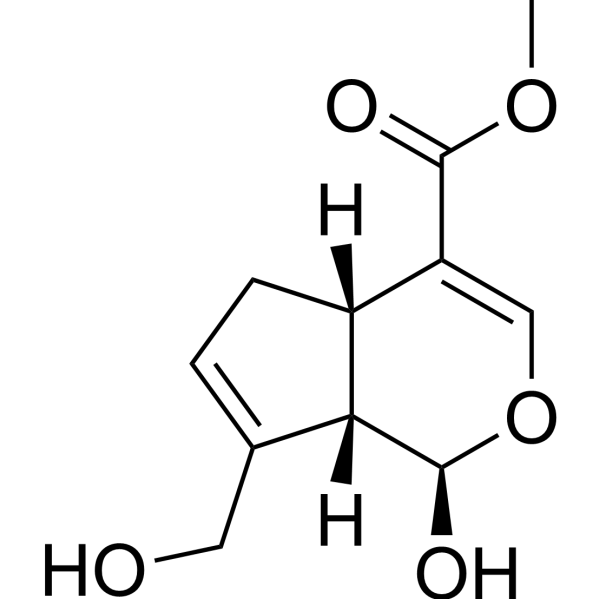
Genipin
Maximum Cited Publications
22 Publications Verification
(+)-Genipin
|
Autophagy
|
Neurological Disease
Metabolic Disease
Inflammation/Immunology
Cancer
|
|
Genipin ((+)-Genipin) is a natural crosslinking reagent derived from Gardenia jasminoides Ellis fruits. Genipin inhibits UCP2 (uncoupling protein 2) in cells. Genipin has a variety of bioactivities, including modulation on proteins, antitumor, anti-inflammation, immunosuppression, antithrombosis, and protection of hippocampal neurons. Genipin also can be used for type 2 diabetes research .
|
-
-
- HY-N2183
-
|
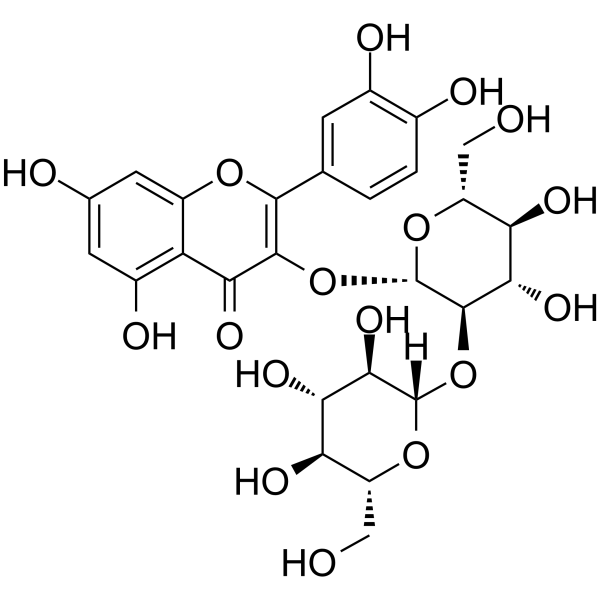
Quercetin 3-O-sophoroside
|
SARS-CoV
|
Infection
Neurological Disease
|
|
Baimaside (Quercetin 3-O-sophoroside) is a flavonoid cholinergic function modulator that binds to SARS-CoV-2-related targets. Baimaside regulates the expression of cholinergic system-related proteins and acetylcholine levels, improves scopolamine-induced learning and memory impairment, protects hippocampal neurons, inhibits pollen protein fluorescence, and protects pollen DNA. Its biosynthesis is regulated by multiple enzymes. Baimaside is completely absorbed in rats, undergoes phase Ⅱ metabolism and gut microbiota decomposition, and inhibits the invasion and proliferation of SARS-CoV-2 and its variants, making it suitable for research related to Alzheimer's disease and COVID-19 .
|
-
-
- HY-N1501
-
|
|
α-synuclein
|
Cardiovascular Disease
Neurological Disease
Inflammation/Immunology
|
|
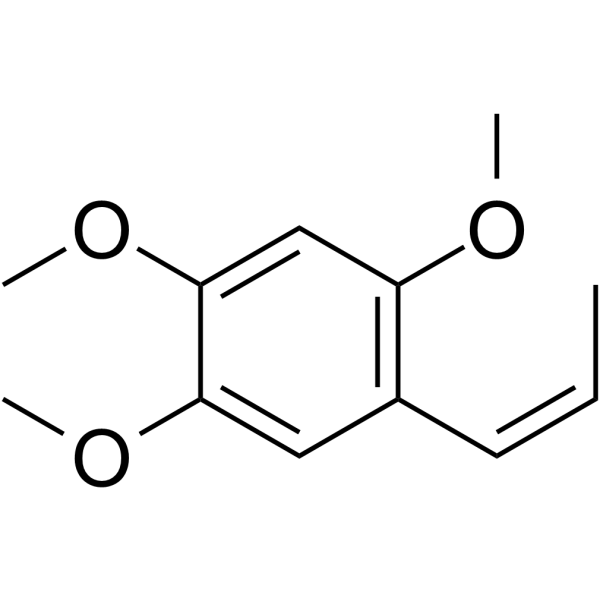
Beta-asarone is an orally active and BBB-penetrable anti-inflammatory agent and neuroprotective agent, which is the major ingredient of Acorus tatarinowii Schott. Beta-asarone can protect nerve cells from apoptosis and autophagy, inhibit expression of α-synuclein, as well as myocardial protection. Beta-asarone can be used in the study of neurological and cardiovascular diseases .
|
-
-
- HY-14399
-
|
CHF5074; CSP-1103
|
γ-secretase
Apoptosis
|
Neurological Disease
|
|
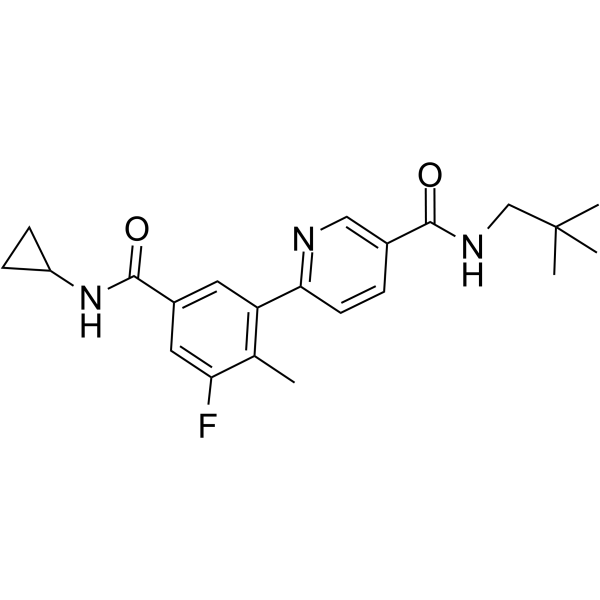
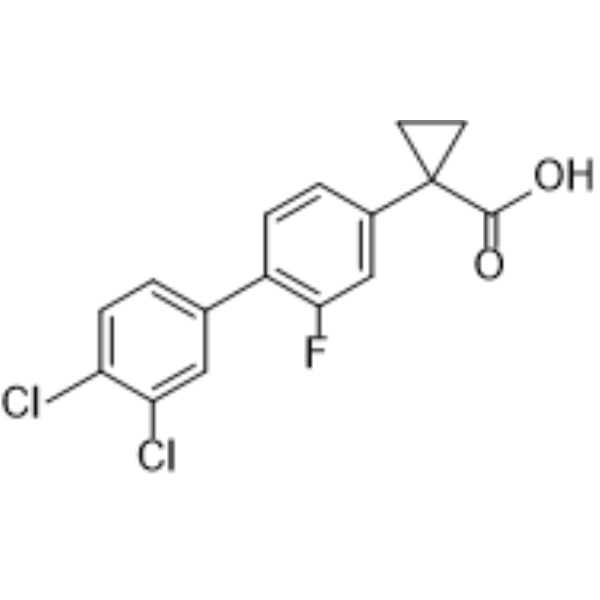
Itanapraced (CHF5074) is an orally active γ-secretase modulator and a non-steroidal anti-inflammatory derivative. Itanapraced reduces Aβ42 and Aβ40 secretion with IC50 values of 3.6 and 18.4 μM, respectively. Itanapraced inhibits cell apoptosis of hippocampal neurons induced by oxygen and glucose deprivation (OGD). Itanapraced can be used for the research of Alzheimer's disease .
|
-
-
- HY-P5912
-
|
|
iGluR
Calcium Channel
|
Neurological Disease
|
|
GluN1 (356-385) is a polypeptide targeting NMDAR GluN1. GluN1 (356-385) induces the production of autoantibodies, which reduce the density of cell surface NMDAR clusters, impair long-term potentiation, and decrease NMDAR-mediated Ca 2+ influx. As an immunogen, GluN1 (356-385) induces symptoms similar to anti-NMDAR encephalitis, including memory loss, in mice. GluN1 (356-385) can be used to establish a mouse model that mimics the pathogenesis of anti-NMDAR encephalitis. GluN1 (356-385) is applicable to research related to anti-NMDAR encephalitis .
|
-
-
- HY-113273A
-
|
|
P2X Receptor
|
Neurological Disease
|
|
Diadenosine pentaphosphate pentasodium is an agonist and negative modulator of the P2X1 receptor, an endogenous vasoactive purine dinucleotide that can be isolated from platelets. Diadenosine pentaphosphate pentasodium mediates negative regulation of dendrite growth and number by activating homologous and heterologous P2X1 receptors, which triggers a transient and moderate increase in intracellular calcium levels within dendritic growth cones. Diadenosine pentaphosphate pentasodium is widely present in secretory vesicles such as platelets, chromaffin cells and brain synaptosomes, and exhibits selective activity on dendrite growth of cultured hippocampal neurons, inhibiting only dendrite growth without affecting axon growth. Diadenosine pentaphosphate pentasodium has a weaker ability to compete with RcCHAD for binding to polyP than short-chain polyPs .
|
-
-
- HY-101165
-
|
|
iGluR
GABA Receptor
|
Neurological Disease
|
|
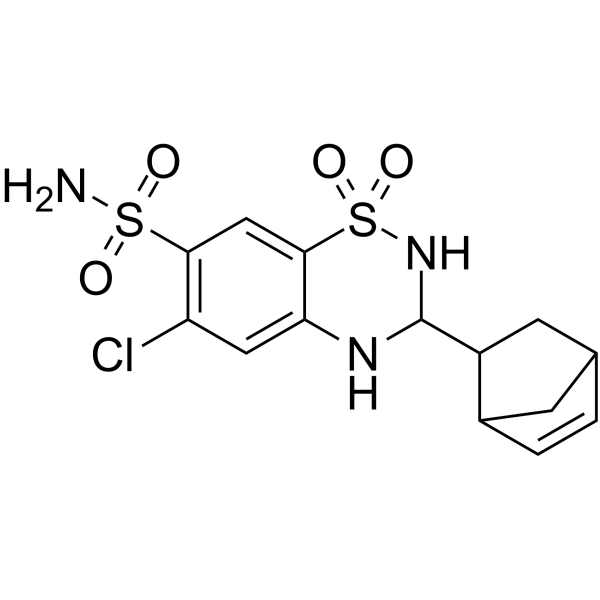
Cyclothiazide is a positive allosteric modulator of ionotropic AMPA-type glutamate receptors. Cyclothiazide inhibits GABAA receptors. Cyclothiazide is frequently used to produce a fast inhibition of AMPA receptor desensitization and a much slower potentiation of the AMPA current. Cyclothiazide can potentiate responses to kainate in hippocampal neurons. Cyclothiazide has effects on glutamatergic neurotransmission. Cyclothiazide also induces epileptiform EEG activity accompanying behavioral seizures .
|
-
-
- HY-151527
-
|
|
Akt
PI3K
Epigenetic Reader Domain
|
Neurological Disease
|
|
PI3K/Akt/CREB activator 1 (compound AE-18) is a potent, orally active PI3K/Akt/CREB activator. PI3K/Akt/CREB activator 1 promotes neuronal proliferation, induced differentiation of Neuro-2a cells into a neuron-like morphology, and accelerated the establishment of axon-dendrite polarization of primary hippocampal neurons through upregulating brain-derived neurotrophic factor via the PI3K/Akt/CREB pathway. PI3K/Akt/CREB activator 1 can be used in research of vascular dementia (VaD) .
|
-
-
- HY-B0188
-
|
Mianserine
|
Histamine Receptor
Opioid Receptor
ERK
p38 MAPK
|
Neurological Disease
|
|
Mianserin (Mianserine) is an orally active H1 receptor antagonist. Mianserin can activate κ-opioid receptor and octopamine receptor. Mianserin increases ERK1/2 and CREB phosphorylation, and antagonizes full κ-opioid agonist and Dynorphin A (HY-P1333)-induced MAPK phosphorylation. Mianserin modulates social and exploratory behaviour, raises electroconvulsive thresholds. Mianserin can be used for the research of neurological disease, such as depression and epilepsy .
|
-
-
- HY-100371
-
|
alpha-MCPG
|
mGluR
|
Neurological Disease
|
|
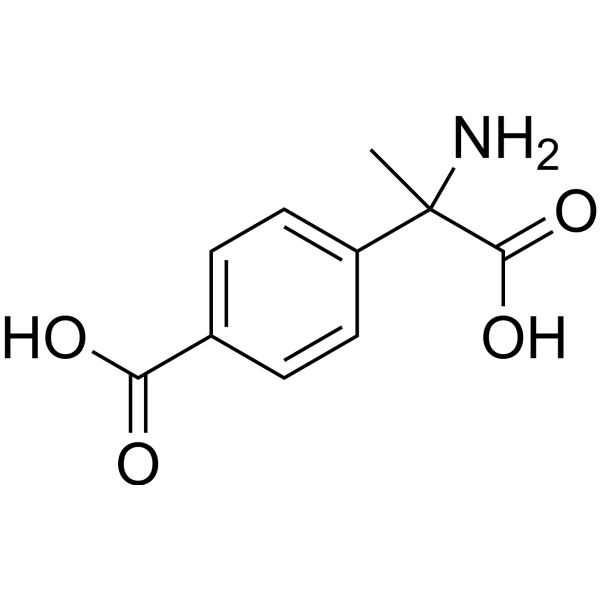
(RS)-MCPG (alpha-MCPG) is a competitive and selective group I/group II metabotropic glutamate receptor (mGluR) antagonist. (RS)-MCPG blocks theta-burst stimulation (TBS)-induced shifts in both juvenile and neonatal rat hippocampal neurons .
|
-
-
- HY-P991413
-
|
|
Trk Receptor
ERK
Akt
p38 MAPK
|
Neurological Disease
Inflammation/Immunology
|
|
ZEB85 is a human monoclonal antibody (mAb) targeting TrkB. ZEB85 activates TrkB and its downstream cascades, including the ERK, PLCγ, AKT, MAPK signaling pathways and cFOS expression, and enhances neuronal activity. ZEB85 prevents β-amyloid toxicity in cultured hippocampal neurons. ZEB85 is applicable to the research of Alzheimer's disease (AD) .
|
-
-
- HY-N6043
-
|
|
Apoptosis
Reactive Oxygen Species (ROS)
Bacterial
SARS-CoV
Estrogen Receptor/ERR
|
Infection
Neurological Disease
Inflammation/Immunology
|
|
Hydroxytyrosol acetate is an orally active, blood-brain barrier-permeable multi-active compound with multiple effects including antibacterial, antioxidant, anti-platelet aggregation, and neuroprotective activities. Hydroxytyrosol acetate not only inhibits the growth of Vibrio by increasing bacterial membrane permeability, but also interacts with DNA and mediates supercoiled DNA relaxation. Meanwhile, Hydroxytyrosol acetate effectively reduces thrombosis and inhibits lipid oxidation by inhibiting COX activity and promoting vascular nitric oxide production. In terms of neuroprotection, Hydroxytyrosol acetate significantly alleviates neuronal apoptosis and inflammatory responses by up-regulating the expression level of ERβ, thereby improving cognitive function in Alzheimer's disease models. Hydroxytyrosol acetate has been widely used in scientific research related to Vibrio infection, arterial thrombosis, Alzheimer's disease and other related fields .
|
-
-
- HY-139192
-
|
NMDAR/TRPM4-IN-2
|
iGluR
TRP Channel
ERK
|
Neurological Disease
|
|
Brophenexin (compound 8) is a potent NMDAR/TRPM4 interaction interface inhibitor. Brophenexin shows neuroprotective activity. Brophenexin prevents NMDA-induced cell death and mitochondrial dysfunction in hippocampal neurons, with an IC50 of 2.1 μM. Brophenexin protects mice from MCAO-induced brain damage and NMDA-induced retinal ganglion cell loss .
|
-
-
- HY-W018061
-
|
CP101,606
|
iGluR
|
Neurological Disease
|
|
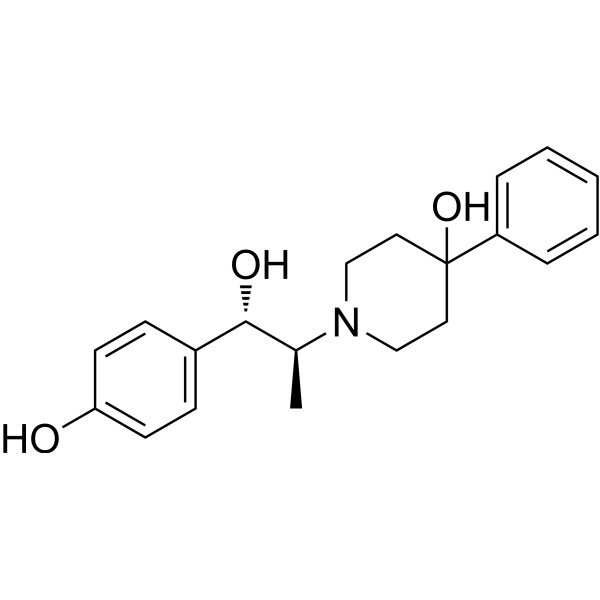
Traxoprodil (CP101,606) is a potent and selective NMDA antagonist and protect hippocampal neurons with an IC50 of 10 nM.
|
-
-
- HY-122672
-
|
|
FAK
|
Neurological Disease
|
|
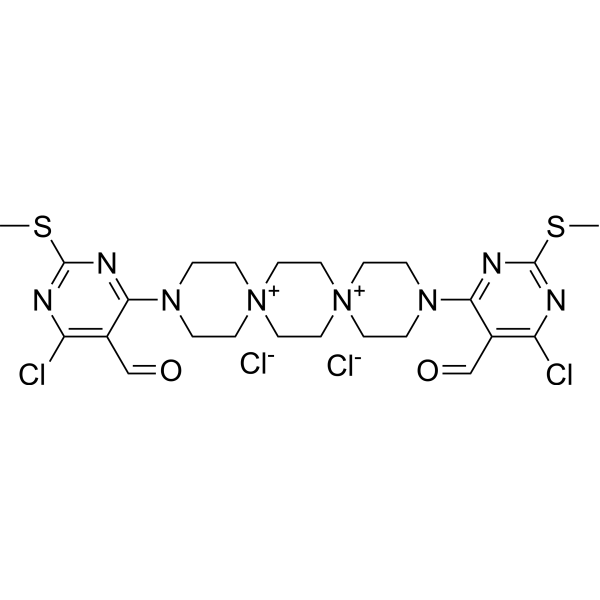
Adhesamine, dumbbell-shaped molecule, activates MAPK/FAK pathway. Adhesamine promotes adhesion and growth of mammalian cells. Adhesamine accelerates the differentiation and improves the survival of mice hippocampal neurons in primary culture .
|
-
-
- HY-N2160
-
|
|
GABA Receptor
|
Neurological Disease
|
|
6'''-Feruloylspinosin is a flavonoid isolated from seeds of Ziziphus jujuba. 6'''-Feruloylspinosin can across the blood-brain barrier and enhance the expression of GABAAα1, GABAAα5, and GABABR1 mRNA in rat hippocampal neurons .
|
-
-
- HY-P3688A
-
|
Aβ (1-38) TFA; Aβ38 TFA
|
Amyloid-β
|
Neurological Disease
|
|
β-Amyloid (1-38) (Aβ (1-38)) TFA is a β-Amyloid (Aβ) peptide. β-Amyloid (1-38) TFA interferes with the conversion of Aβ(1-42) to a β-sheet-rich aggregate. β-Amyloid (1-38)TFA reverses the negative impact of Aβ(1-42) on long-term potentiation in acute hippocampal slices and on membrane conductance in primary neurons, and mitigates an Aβ(1-42) phenotype in Caenorhabditis elegans .
|
-
-
- HY-P1206
-
CH 275
1 Publications Verification
|
Somatostatin Receptor
|
Neurological Disease
|
|
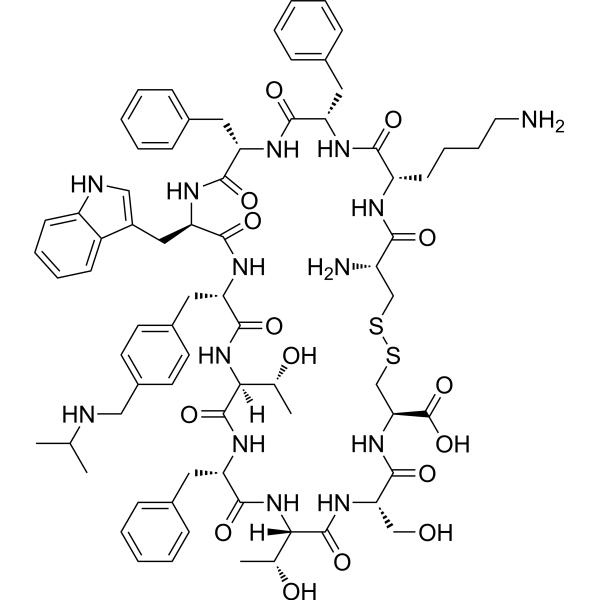
CH 275 is a peptide analog of somatostatin and binds preferably to somatostatin receptor 1 (sst1) with a Ki of 52 nM . CH 275 acts as a potent and selective sst1 agonist (IC50=30.9 nM) and also displays IC50 values of 345 nM, >1 μM, >10 μM, >10 μM for human sst3, sst4, sst2 and sst5, respectively . CH 275 can be used for the research of alzheimer’s disease .
|
-
-
- HY-103234A
-
|
|
iGluR
|
Neurological Disease
|
|
GYKI 52466 dihydrochloride is an orally active, highly selective and noncompetitive AMPA/kainate receptor antagonist with the IC50 values of 7.5 and 11μM, respectively. GYKI 52466 dihydrochloride has good blood brain barrier permeability and anticonvulsant effect. GYKI 52466 dihydrochloride can be used in Parkinson's disease research .
|
-
-
- HY-P2259
-
|
|
iGluR
HIV Integrase
Adenosine Receptor
|
Cardiovascular Disease
Neurological Disease
|
|
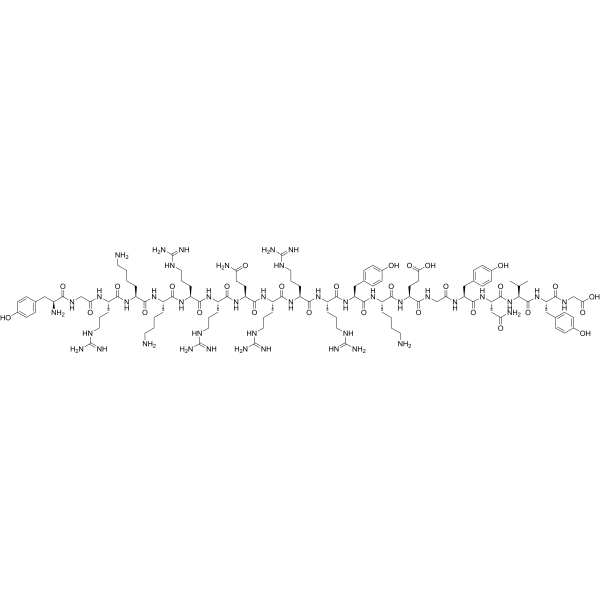
TAT-GluA2 3Y is a blood-brain barrier-permeable AMPA receptor inhibitory peptide that crosses cell membranes via the HIV-1 TAT protein domain. TAT-GluA2 3Y blocks the endocytosis of AMPA receptors, including the internalization of GluA1/GluA2 subunits, by disrupting interactions with the AP2, Brag2 and Syt3-GluA2 complexes, while also inhibiting long-term depression. TAT-GluA2 3Y blocks hypoxia-mediated AMPAR internalization, alleviates A1R-induced persistent synaptic inhibition, and reduces cerebral ischemic volume, neurological deficits and spatial memory deficits. TAT-GluA2 3Y blocks the effect of NLRP3 deficiency on fear generalization, inhibits amphetamine-induced behavioral/neurochemical sensitization, weakens the unconditioned stimulus-conditioned stimulus association of morphine, and promotes the extinction of morphine CPP. TAT-GluA2 3Y can be used in studies related to fear generalization, ischemic stroke, hypoxia, drug addiction and opioid addiction .
|
-
-
- HY-115062
-
|
|
Phospholipase
NADPH Oxidase
p38 MAPK
Akt
NF-κB
AP-1
Reactive Oxygen Species (ROS)
|
Cardiovascular Disease
Inflammation/Immunology
Cancer
|
|
MJ-33 lithium salt is a competitive phospholipase A2 (PLA2) inhibitor with an IC50 of 0.3 μM. MJ-33 lithium salt inhibits NOX2 activation and reduces ROS production by blocking the PLA2 activity of Prdx6. MJ-33 lithium salt effectively inhibits the activity of acidic PLA2 (pH 4.0) and reduces the degradation of alveolar surfactant phosphatidylcholine (PC), but exerts no effect on alkaline PLA2 (pH 8.5). MJ-33 lithium salt significantly alleviates lung oxidative injury induced by ischemia-reperfusion (I/R). MJ-33 lithium salt significantly inhibits the invasion, migration and adhesion abilities of prostate cancer cells by suppressing the MAPK, AKT, NF-κB and AP-1 signaling pathways. MJ-33 lithium salt can be used for the research of ROS-related diseases and prostate cancer .
|
-
-
- HY-N4126
-
-
-
- HY-W110888
-
|
|
GLUT
|
Neurological Disease
|
|
Brilliant Yellow, a diazo-containing sulfonic aci, is also a potent VGLUT-specific inhibitor. Brilliant Yellow is membrane-impermeable. However, there are some Brilliant Yellow analogs with low cytotoxicity and cell penetration. Brilliant Yellow analogs work on glutamatergic transmission in hippocampal neurons .
|
-
-
- HY-120553
-
|
|
Apoptosis
|
Neurological Disease
|
|
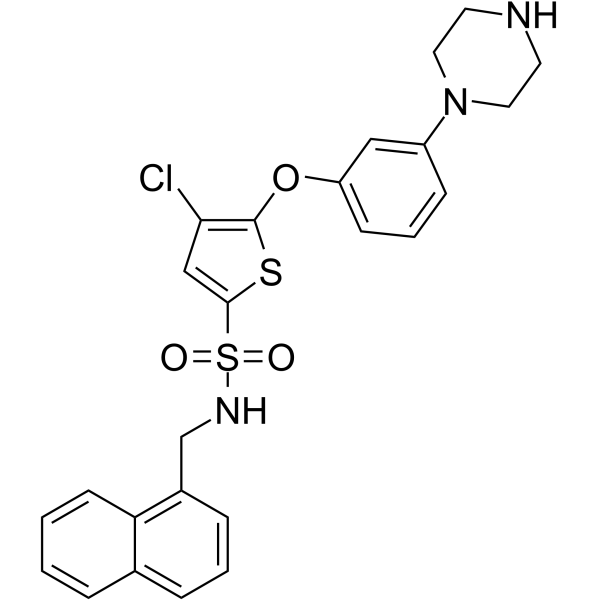
B355252, a phenoxy thiophene sulfonamide small molecule, is a potent NGF receptor agonist. B355252 potentiates NGF-induced neurite outgrowth. B355252 protects ischemic neurons from neuronal loss by attenuating DNA damage, reducing ROS production and the LDH level, and preventing neuronal apoptosis. B355252 has anti-apoptotic effects in glutamate-induced excitotoxicity, as well as in a murine hippocampal cell line (HT22) model of Parkinson disease (PD) .
|
-
-
- HY-116818
-
|
|
HDAC
|
Neurological Disease
|
|
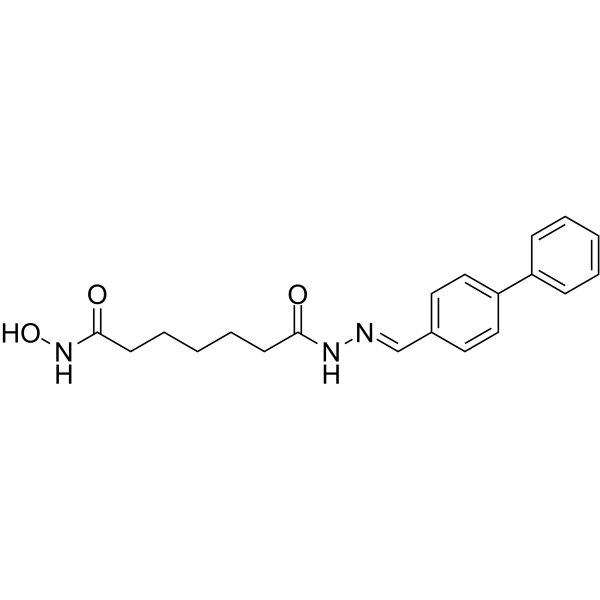
Crebinostat is a potent histone deacetylase (HDAC) inhibitor with IC50 values of 0.7 nM, 1.0 nM, 2.0 nM and 9.3 nM for HDAC1, HDAC2, HDAC3 and HDAC6, respectively. Crebinostat potently induces acetylation of both histone H3 and histone H4 as well as enhances the expression of the cAMP response element-binding protein (CREB) target gene Egr1. Crebinostat increases the density of synapsin-1 punctae along dendrites in cultured neurons. Crebinostat can modulate chromatin-mediated neuroplasticity and exhibits enhanced memory in mice .
|
-
-
- HY-111351
-
-
-
- HY-107802
-
|
Breviscapinun
|
NF-κB
Interleukin Related
TGF-beta/Smad
Calcium Channel
|
Cardiovascular Disease
Neurological Disease
Inflammation/Immunology
|
|
Breviscapine (Breviscapinun) is a flavonoid compound with antioxidant, anti-inflammatory, anti-fibrotic, and neuroprotective activities. Breviscapine ameliorates cerebral ischemia/reperfusion injury and vascular dementia, and inhibits the formation of postoperative abdominal adhesions. The mechanism of action of Breviscapine involves the regulation of oxidative stress, inflammatory cytokines, signaling pathways such as TGF-β/Smad, and cellular calcium overload. Breviscapine is used for research on diseases including cardiovascular and cerebrovascular diseases .
|
-
-
- HY-P1387
-
|
|
Amyloid-β
Apoptosis
|
Neurological Disease
|
|
β-Amyloid (1-40) (rat) is a rat form of the amyloid β-peptide, which accumulates as an insoluble extracellular deposit around neurons, giving rise to the senile plaques associated with Alzheimer's disease (AD). β-Amyloid (1-40) (rat) increases 45Ca 2+ influx, induces neurodegeneration in the rat hippocampal neurons of the CA1 subfield. β-Amyloid (1-40) (rat) induces apoptosis. β-Amyloid (1-40) (rat) can be used for the research of Alzheimer's disease .
|
-
-
- HY-139192A
-
|
NMDAR/TRPM4-IN-2 free base
|
iGluR
TRP Channel
ERK
|
Neurological Disease
|
|
Brophenexin free base (compound 8) is a potent NMDAR/TRPM4 interaction interface inhibitor. Brophenexin free base shows neuroprotective activity. Brophenexin free base prevents NMDA-induced cell death and mitochondrial dysfunction in hippocampal neurons, with an IC50 of 2.1 μM. Brophenexin free base protects mice from MCAO-induced brain damage and NMDA-induced retinal ganglion cell loss .
|
-
-
- HY-N13742
-
|
Dihydrohonokiol
|
GABA Receptor
|
Neurological Disease
|
|
Dihydrohonokiol B (Dihydrohonokiol) is an anxiolytic agent. Dihydrohonokiol B can reduce the neurotoxicity induced by amyloid β protein by stimulating the GABAC receptor. Dihydrohonokiol B can be used in the research of neurodegenerative diseases such as Alzheimer's disease .
|
-
-
- HY-153383
-
|
|
Programmed Cell Death 4 (PDCD4)
|
Cancer
|
|
PDCD4-IN-1(compound 20031600) is a PDCD4 inhibitor with a Kd value of 350 nM, which can promote the expression of BDNF in hippocampal neuron cell HT-22 .
|
-
-
- HY-122672A
-
|
|
FAK
|
Neurological Disease
|
|
Adhesamine diTFA is a dumbbell-shaped molecule that activates the MAPK/FAK pathway. Adhesamine promotes the adhesion and growth of mammalian cells, accelerates the differentiation of primary cultured mouse hippocampal neurons, and enhances their survival rate .
|
-
-
- HY-142066
-
|
|
PKA
ERK
iGluR
|
Neurological Disease
|
|
4′-Demethylnobiletin is a bioactive metabolite that activates the PKA/ERK/CREB signaling pathway, enhances CRE-mediated transcription in hippocampal neurons, and reverses memory impairment associated with NMDA receptor antagonism by stimulating ERK signaling .
|
-
-
- HY-106865
-
|
|
Dopamine Receptor
Adrenergic Receptor
|
Cardiovascular Disease
|
|
Mivazerol is a selective α2-adrenoceptor agonist. Mivazerol decreases the spontaneous release of serotonin (5-HT) and significantly inhibits the immobilization stress-induced enhancement of norepinephrine (NE), dopamine (DA) and dihydroxyphenylacetic acid (DOPAC). Mivazerol inhibits intrathecal release of glutamate evoked by halothane withdrawal in rats, and exerts neuroprotective effects in forebrain ischemia rats. Mivazerol can be used for myocardial ischemia research .
|
-
-
- HY-D2481
-
|
APG-2 (TMA)
|
Fluorescent Dye
|
Neurological Disease
|
|
Asante potassium green-2 (APG-2) TMA is a cell-impermeable K + (potassium ion) fluorescent indicator that produces a fluorescent response to changes in extracellular potassium ion concentration. Its excitation/emission maxima are 525/545 nm , respectively.
|
-
-
- HY-W002438
-
|
|
Biochemical Assay Reagents
Endogenous Metabolite
OAT
Ferroptosis
|
Neurological Disease
Metabolic Disease
|
|
6-Hydroxyindole is an orally active, endogenous long-acting OATP1B1 inhibitor. 6-Hydroxyindole does not alter the cell surface expression or subcellular localization of OATP1B1. 6-Hydroxyindole protects cells against Ferroptosis. 6-Hydroxyindole possesses intrinsic radical-trapping antioxidant activity. 6-Hydroxyindole serves as a component of oxidative hair dyes. 6-Hydroxyindole can be used in research related to renal failure and neurodegenerative diseases .
|
-
-
- HY-139008
-
|
|
Glutathione Peroxidase
|
Others
|
|
RC363 is a novel probucol analog with the activity to protect mouse hippocampal cells and primary cortical neurons from glutamate-induced oxidative cell death (ferroptosis) and increase glutathione peroxidase (GPx) 1 levels and activity.
|
-
-
- HY-100547
-
|
|
iGluR
|
Neurological Disease
|
|
IEM-1754, a dicationic adamantane derivative, is a potent blocker of open channels of native ionotropic glutamate receptors including quisqualate-sensitive receptors in insect muscles, NMDAR in cultured rat cortical neurons, and AMPAR in freshly isolated hippocampal cells. IEM-1754 shows anticonvulsant potency in vivo .
|
-
-
- HY-105022
-
|
R 58735
|
Tau Protein
|
Neurological Disease
|
|
Sabeluzole (R 58735), a benzothiazol derivative, has antiischemic, antiepileptic, and cognitive-enhancing properties. Sabeluzole protects rat hippocampal neurons against NMDA- and glutamate-induced neurotoxicity via preventing tau expression. Sabeluzole enhances memory in rats, and prevents the amnesic effect of Chlordiazepoxide. Sabeluzole can be used fro research of Alzheimer's disease .
|
-
-
- HY-N1414A
-
|
|
Bcl-2 Family
Apoptosis
|
Neurological Disease
|
|
3′,6-Disinapoylsucrose is a type of oligosaccharide that's effective when taken orally, and it has antidepressant, anti-anxiety, and antioxidant properties. 3′,6-Disinapoylsucrose inhibits neuronal apoptosis by lowering the ratio of Bax to Bcl-2 in hippocampal neurons, and it enhances cognitive function in APP/PS1 transgenic mice by activating the CREB/BDNF signaling pathway .
|
-
-
- HY-17389R
-
|
(+)-Genipin (Standard)
|
Reference Standards
Autophagy
|
Neurological Disease
Metabolic Disease
Inflammation/Immunology
Cancer
|
|
Genipin (Standard) is the analytical standard of Genipin. This product is intended for research and analytical applications. Genipin ((+)-Genipin) is a natural crosslinking reagent derived from Gardenia jasminoides Ellis fruits. Genipin inhibits UCP2 (uncoupling protein 2) in cells. Genipin has a variety of bioactivities, including modulation on proteins, antitumor, anti-inflammation, immunosuppression, antithrombosis, and protection of hippocampal neurons. Genipin also can be used for type 2 diabetes research .
|
-
-
- HY-103502
-
CGP7930
1 Publications Verification
|
GABA Receptor
|
Neurological Disease
|
|
CGP7930 (3-(3’,5’-Di-tert-butyl-4’-hydroxy) phenyl-2, 2-dimethylpropanol) is a positive metabotropic GABAB receptor allosteric modulator. CGP7930 enhances the inhibitory effect of l-baclofen on the oscillatory activity of cultured cortical neurons .
|
-
-
- HY-123059
-
|
(Rac)-ICI-118551 hydrochloride
|
Adrenergic Receptor
|
Neurological Disease
|
|
(Rac)-ICI-118551 ((Rac)-ICI-118551) hydrochloride is a selective β2-adrenergic receptor antagonist. (Rac)-ICI-118551 hydrochloride can inhibit dendrite ramification of hippocampal neurons in a mouse model of Alzheimer's disease .
|
-
-
- HY-162712
-
|
|
Orexin Receptor (OX Receptor)
Tau Protein
|
Neurological Disease
|
|
OX-201 is an orally active, blood-brain barrier-permeable OX2R agonist with an EC50 of 8.0 nM. OX-201 activates OX2R to induce wakefulness and neuronal activation. OX-201 promotes the release of neuron activity-dependent tau protein from neurons into the interstitial fluid of hippocampal tissues. OX-201 is applicable to research related to Alzheimer's disease and tauopathies .
|
-
-
- HY-P3688
-
|
Aβ (1-38); Aβ38
|
Amyloid-β
|
Neurological Disease
|
|
β-Amyloid (1-38) (Aβ (1-38)) is a β-Amyloid (Aβ) peptide. β-Amyloid (1-38) interferes with the conversion of Aβ(1-42) to a β-sheet-rich aggregate. β-Amyloid (1-38) reverses the negative impact of Aβ(1-42) on long-term potentiation in acute hippocampal slices and on membrane conductance in primary neurons, and mitigates an Aβ(1-42) phenotype in Caenorhabditis elegans .
|
-
-
- HY-175548
-
|
|
Keap1-Nrf2
Apoptosis
Caspase
|
Neurological Disease
|
|
Nrf2 activator-21 is a Nrf2 activator with dual antioxidant and neuroprotective properties. Nrf2 activator-21 binds to Keap1 Kelch
domain and disrupts Keap1-Nrf2 interactions and activate
antioxidant defense mechanisms. Nrf2 activator-21 reduces apoptosis and decreases caspase-3 activity in the hippocampal neurons. Nrf2 activator-21 targets cerebral ischemia/reperfusion injury (CIRI) via Nrf2 pathway activation. Nrf2 activator-21 improves neurological function, alleviates anxiety-like behavior, enhances memory in rats with 2-vessel occlusion (2VO)-induced CIRI. Nrf2 activator-21 can be used for the study of cerebral ischemia/reperfusion injury .
|
-
-
- HY-N16499
-
|
|
Interleukin Related
GDNF Receptor
Trk Receptor
ERK
|
Neurological Disease
Inflammation/Immunology
|
|
Hericene A is an orally active aromatic hericene derivative. Hericene A exhibits anti-inflammatory and neurotrophic activities, and can found in the fruiting bodies of Hericium erinaceus. Hericene A inhibits the secretion of pro-inflammatory mediators. Hericene A promotes axonal growth, neurite branching, neurotrophic factor expression and downstream signal transduction. Hericene A can be used for the research of inflammatory and neurological diseases .
|
-
-
- HY-139012
-
|
|
Ferroptosis
Glutathione Peroxidase
|
Others
|
|
RC574 is a novel probucol analog with the activity to protect mouse hippocampal cells and primary cortical neurons from glutamate-induced oxidative cell death (ferroptosis) and increase glutathione peroxidase (GPx) 1 levels and activity.
|
-
-
- HY-P3528
-
|
|
Caspase
Apoptosis
|
Neurological Disease
|
|
GPR is a three amino acid peptide. GPR can rescue cultured rat hippocampal neurons from Aβ-induced neuronal death by inhibiting caspase-3/p53 dependent apoptosis. GPR can be used for the research of Alzheimer's disease (AD).
|
-
-
- HY-176866
-
|
|
HDAC
|
Neurological Disease
|
|
Rodin-A is an orally active, brain-penetrant and selective histone deacetylase (HDAC)-co-repressor of repressor element-1 silencing transcription factor (CoREST) complex inhibitor with an IC50 value of 1.80 μM for the CoREST complex, 0.15 μM for HDAC1, and 0.43 μM for HDAC2. Rodin-A increases the acetylation level of histone H3K9, upregulates the expression of neuron-related genes, thereby promoting the increase in dendritic spine density, the colocalization of synaptic proteins (SV2A and PSD95), and the improvement of hippocampal long-term potentiation (LTP), exerting synaptic protection and repair activity. Rodin-A is promising for research of neurodegenerative diseases related to synaptic dysfunction, especially Alzheimer’s disease .
|
-
- HY-139145
-
|
Trimethylopropane phosphate
|
GABA Receptor
|
Neurological Disease
|
|
Etbicyphat (Trimethylopropane phosphate) is a potent GABA(A) receptors competitive antagonist. Etbicyphat induces epileptiform activities in hippocampal CA1 neurons, and binds to the GABA(A)-benzodiazepine receptors .
|
-
- HY-W018061C
-
|
(R,R)-CP101,606
|
iGluR
|
Neurological Disease
|
|
(R,R)-Traxoprodil is the the (R,R)-enantiomer of Traxoprodil (HY-W018061). Traxoprodil (CP101,606) is a potent and selective NMDA antagonist and protect hippocampal neurons with an IC50 of 10 nM .
|
-
- HY-124539
-
|
|
iGluR
|
Neurological Disease
|
|
ZK 187638 is an AMPA receptor antagonist. ZK 187638 antagonizes the kainate-induced currents in cultured hippocampal neurons with an IC50 of 3.4 μM in a noncompetitive fashion .
|
-
- HY-114884
-
|
|
Amyloid-β
|
Neurological Disease
|
|
RS-0406 is a beta-sheet breaker targeting Amyloid-β. RS-0406 can inhibits Aβ(1-42) fibrillogenesis and protect against Aβ(1-42)-induced cytotoxicity in primary hippocampal neurons. RS-0406 can be used for the research of neurological disease, such as Alzheimer's disease (AD) .
|
-
- HY-124779A
-
|
(S)-GEA 654 hydrochloride; (S)-A03 hydrochloride
|
Serotonin Transporter
|
Neurological Disease
|
|
(S)-Alaproclate ((S)-A03) hydrochloride is a potent selective serotonin reuptake inhibitor (SSRI), which is used as an antidepressant agent. (S)-Alaproclate (hydrochloride) also produces a potent block of N-methyl-d-aspartate (NMDA) receptor currents in hippocampal neurons (IC50=1.1 μM) with a potent blocker of K + currents .
|
-
- HY-100371R
-
|
alpha-MCPG (Standard)
|
Reference Standards
mGluR
|
Neurological Disease
|
|
(RS)-MCPG (Standard) is the analytical standard of (RS)-MCPG. This product is intended for research and analytical applications. (RS)-MCPG (alpha-MCPG) is a competitive and selective group I/group II metabotropic glutamate receptor (mGluR) antagonist. (RS)-MCPG blocks theta-burst stimulation (TBS)-induced shifts in both juvenile and neonatal rat hippocampal neurons .
|
-
- HY-120251A
-
|
AIT-082
|
Reactive Oxygen Species (ROS)
|
Neurological Disease
|
|
Leteprinim potassium (AIT-082), a purine analog, is a neuroprotective agent and cognitive enhancer. Leteprinim potassium is a hypoxanthine derivative neurotrophic agent. Leteprinim potassium can induce brain-derived neurotrophic factor (BDNF) mRNA production following spinal cord lesions, and nerve growth factor (NGF) mRNA production in basal forebrain. Leteprinim potassium reduces glutamate toxicity in cultured hippocampal neurons. Leteprinim potassium increases heme-oxygenase 1 and 2 mRNA levels that play role in cellular defense against reactive oxygen species .
|
-
- HY-120251
-
|
AIT-082 free acid
|
Reactive Oxygen Species (ROS)
|
Neurological Disease
|
|
Leteprinim (AIT-082 free acid), a purine analog, is a neuroprotective agent and cognitive enhancer. Leteprinim is a hypoxanthine derivative neurotrophic agent. Leteprinim can induce brain-derived neurotrophic factor (BDNF) mRNA production following spinal cord lesions, and nerve growth factor (NGF) mRNA production in basal forebrain. Leteprinim reduces glutamate toxicity in cultured hippocampal neurons. Leteprinim increases heme-oxygenase 1 and 2 mRNA levels that play role in cellular defense against reactive oxygen species .
|
-
- HY-W018061A
-
|
CP101,606 mesylate
|
iGluR
|
Neurological Disease
|
|
Traxoprodil mesylate (CP101,606) is a potent and selective NMDA antagonist and protect hippocampal neurons with an IC50 of 10 nM.
|
-
- HY-100843
-
-
- HY-149500
-
-
- HY-P5921
-
|
TsTx-Kα
|
Potassium Channel
|
Neurological Disease
|
|
Tityustoxin-Kα (TsTx-Kα) is an inhibitor of potassium voltage-gated channels. Tityustoxin-Kα shows a dose-dependent block of the sustained outward current in cultured hippocampal neurons .
|
-
- HY-E70665
-
|
|
CDK
|
Neurological Disease
|
|
CDK17 is highly expressed in terminally differentiated neurons, particularly those found in hippocampal regions and olfactory bulbs. CDK17/CycY Recombinant Human Active Protein Kinase is an ortholog of CDK17 .
|
-
- HY-139145S
-
|
Trimethylopropane phosphate-13C3
|
GABA Receptor
|
Neurological Disease
|
|
Etbicyphat- 13C3 is the 13C labeled Etbicyphat (HY-139145). Etbicyphat is a potent GABA(A) receptors competitive antagonist. Etbicyphat induces epileptiform activities in hippocampal CA1 neurons, and binds to the GABA(A)-benzodiazepine receptors .
|
-
- HY-E70666
-
|
|
CDK
|
Neurological Disease
|
|
CDK17 is highly expressed in terminally differentiated neurons, particularly those found in hippocampal regions and olfactory bulbs. CDK17/p35NCK Recombinant Human Active Protein Kinase is an ortholog of CDK17 .
|
-
- HY-P5487
-
|
|
iGluR
|
Others
|
|
GluR23Y is a biological active peptide. (This GluR23Y peptide was used in ELISA cell-surface assay for the insulin-stimulated endocytosis of native AMPA receptors in cultured hippocampal neurons. GluR23Y prevented any insulin-induced reduction. The blockade of insulin action was observed when the GluR23Y peptide was delivered into neurons by fusing it to the membrane transduction domain of HIV-1.)
|
-
- HY-116431
-
|
|
Prostaglandin Receptor
|
Cardiovascular Disease
Neurological Disease
|
|
I-BOP is an agonist for thromboxane A2 receptor (TP) with a KD of 0.61 nM. I-BOP promotes proliferation through activation of PI3K pathway in vascular smooth muscle . I-BOP dose-dependently biphasicly affects the excitatory postsynaptic potential (e.p.s.p.) in hippocampal neurons .
|
-
- HY-15076
-
|
NS-1209 sodium
|
iGluR
|
Neurological Disease
|
|
SPD-502 sodium is a novel glutamate antagonist with potential neuroprotective properties, particularly in brain ischemia. It selectively targets the AMPA receptor, showing high affinity (IC50 = 0.043 μM) and competitive inhibition of AMPA-induced effects in rat cortical membranes and cultured mouse cortical neurons. In vivo, SPD-502 sodium effectively blocks AMPA-evoked spike activity in the hippocampus after intravenous administration, significantly increasing the seizure threshold in mice and demonstrating robust protection against ischemia-induced damage to hippocampal neurons in gerbils. These findings suggest SPD-502 sodium may be promising for studying neurodegenerative conditions associated with glutamate excitotoxicity .
|
-
- HY-15074
-
|
NS-1209
|
iGluR
|
Neurological Disease
|
|
SPD-502 is a novel glutamate antagonist with potential neuroprotective properties, particularly in brain ischemia. It selectively targets the AMPA receptor, showing high affinity (IC50 = 0.043 μM) and competitive inhibition of AMPA-induced effects in rat cortical membranes and cultured mouse cortical neurons. In vivo, SPD-502 effectively blocks AMPA-evoked spike activity in the hippocampus after intravenous administration, significantly increasing the seizure threshold in mice and demonstrating robust protection against ischemia-induced damage to hippocampal neurons in gerbils. These findings suggest SPD-502 may be promising for studying neurodegenerative conditions associated with glutamate excitotoxicity .
|
-
- HY-105022R
-
|
R 58735 (Standard)
|
Reference Standards
Tau Protein
|
Neurological Disease
|
|
Sabeluzole (Standard) is the analytical standard of Sabeluzole. This product is intended for research and analytical applications. Sabeluzole (R 58735), a benzothiazol derivative, has antiischemic, antiepileptic, and cognitive-enhancing properties. Sabeluzole protects rat hippocampal neurons against NMDA- and glutamate-induced neurotoxicity via preventing tau expression. Sabeluzole enhances memory in rats, and prevents the amnesic effect of Chlordiazepoxide. Sabeluzole can be used fro research of Alzheimer's disease .
|
-
- HY-165492
-
|
|
Reactive Oxygen Species (ROS)
NF-κB
Apoptosis
|
Neurological Disease
Inflammation/Immunology
|
|
OPC-14117 is an orally active superoxide radical scavenger that can cross the blood-brain barrier. OPC-14117 inhibits the oxidative stress cascade reaction, significantly reducing the increase in tissue osmotic pressure and alleviating brain edema in the brain contusion model. OPC-14117 blocks the NF-κB-dependent apoptotic pathway in the striatum neuron apoptosis model induced by Quinolinic acid (HY-100807). OPC-14117 can reduce the necrotic volume, protect hippocampal CA3 neurons and restore cognitive function. OPC-14117 can be used to study secondary brain injury and improve neurological prognosis .
|
-
- HY-101165R
-
|
|
Reference Standards
iGluR
GABA Receptor
|
Neurological Disease
|
|
Cyclothiazide (Standard) is the analytical standard of Cyclothiazide. This product is intended for research and analytical applications. Cyclothiazide is a positive allosteric modulator of ionotropic AMPA-type glutamate receptors. Cyclothiazide inhibits GABAA receptors. Cyclothiazide is frequently used to produce a fast inhibition of AMPA receptor desensitization and a much slower potentiation of the AMPA current. Cyclothiazide can potentiate responses to kainate in hippocampal neurons. Cyclothiazide has effects on glutamatergic neurotransmission. Cyclothiazide also induces epileptiform EEG activity accompanying behavioral seizures .
|
-
- HY-14399R
-
|
CHF5074 (Standard); CSP-1103 (Standard)
|
γ-secretase
Apoptosis
Reference Standards
|
Neurological Disease
|
|
Itanapraced (Standard) is the analytical standard of Itanapraced. This product is intended for research and analytical applications. Itanapraced (CHF5074) is an orally active γ-secretase modulator and a non-steroidal anti-inflammatory derivative. Itanapraced reduces Aβ42 and Aβ40 secretion with IC50 values of 3.6 and 18.4 μM, respectively. Itanapraced inhibits cell apoptosis of hippocampal neurons induced by oxygen and glucose deprivation (OGD). Itanapraced can be used for the research of Alzheimer's disease .
|
-
- HY-P5860
-
|
Micrurotoxin 1
|
GABA Receptor
|
Neurological Disease
|
|
MmTx1 toxin (Micrurotoxin 1) is an allosteric GABAA receptor modulator that increases GABAA receptor susceptibility to agonist .
|
-
- HY-158030
-
|
|
HDAC
|
Neurological Disease
|
|
HDAC6-IN-37 (compound W5) is an inhibitor of HDAC6 and has neuroprotective effects. HDAC6-IN-37 can restore the morphology of hippocampal neurons, reduce the expression of Aβ, Tau, and p-Tau proteins in the hippocampus of AD rats, and inhibit the formation of senile plaques and neurofibrillary tangles. Thus, HDAC6-IN-37 improves the Aβ/Cu 2+-induced AD model in rats, regulates oxidative stress status, and balances neurotransmitter disorders in brain tissue .
|
-
- HY-103234
-
|
|
iGluR
|
Neurological Disease
|
|
GYKI 52466 is an orally active, highly selective and noncompetitive AMPA/kainate receptor antagonist with the IC50 values of 7.5 and 11μM, respectively. GYKI 52466 has good blood brain barrier permeability and anticonvulsant effect. GYKI 52466 can be used in Parkinson's disease research .
|
-
- HY-103234B
-
|
|
iGluR
|
Neurological Disease
|
|
GYKI 52466 hydrochloride is an orally active, highly selective and noncompetitive AMPA/kainate receptor antagonist with the IC50 values of 7.5 and 11μM, respectively. GYKI 52466 hydrochloride has good blood brain barrier permeability and anticonvulsant effect. GYKI 52466 hydrochloride can be used in Parkinson's disease research .
|
-
- HY-103234AR
-
|
|
Reference Standards
iGluR
|
Neurological Disease
|
|
GYKI 52466 (dihydrochloride) (Standard) is the analytical standard of GYKI 52466 (dihydrochloride). This product is intended for research and analytical applications. GYKI 52466 dihydrochloride is an orally active, highly selective and noncompetitive AMPA/kainate receptor antagonist with the IC50 values of 7.5 and 11μM, respectively. GYKI 52466 dihydrochloride has good blood brain barrier permeability and anticonvulsant effect. GYKI 52466 dihydrochloride can be used in Parkinson's disease research .
|
-
- HY-N2183R
-
|
Quercetin 3-O-sophoroside (Standard)
|
Reference Standards
SARS-CoV
|
Others
|
|
Baimaside (Standard) is the analytical standard of Baimaside. This product is intended for research and analytical applications. Baimaside (Quercetin 3-O-sophoroside) is a flavonoid cholinergic function modulator that binds to SARS-CoV-2-related targets. Baimaside regulates the expression of cholinergic system-related proteins and acetylcholine levels, improves scopolamine-induced learning and memory impairment, protects hippocampal neurons, inhibits pollen protein fluorescence, and protects pollen DNA. Its biosynthesis is regulated by multiple enzymes. Baimaside is completely absorbed in rats, undergoes phase Ⅱ metabolism and gut microbiota decomposition, and inhibits the invasion and proliferation of SARS-CoV-2 and its variants, making it suitable for research related to Alzheimer's disease and COVID-19 .
|
-
- HY-176867
-
|
|
HDAC
|
Neurological Disease
|
|
Rodin-B is a selective histone deacetylase (HDAC)-co-repressor of repressor element-1 silencing transcription factor (CoREST) complex inhibitor with an IC50 value of 0.50 μM for the CoREST complex, 0.27 μM for HDAC1, and 0.28 μM for HDAC2. Rodin-B increases the acetylation level of histone H3K9, upregulates the expression of neuron-related genes, thereby promoting the increase in dendritic spine density, the colocalization of synaptic proteins (SV2A and PSD95), and the improvement of hippocampal long-term potentiation (LTP), exerting synaptic protection and repair activity. Rodin-B is promising for research of neurodegenerative diseases related to synaptic dysfunction, especially Alzheimer’s disease .
|
-
- HY-W714853
-
|
|
Akt
Src
STAT
EGFR
Drug Isomer
|
Neurological Disease
Inflammation/Immunology
|
|
(+)-Theta-cypermethrin is a stereoisomer of Cypermethrin (HY-B0829) that possesses blood-brain barrier penetration ability and binds to AKT1, SRC, STAT3 and EGFR with high affinity. (+)-Theta-cypermethrin reduces the amplitude of delayed rectifier potassium channel currents, shifts the steady-state activation curve to negative potentials, and shifts the steady-state inactivation curve to negative potentials at higher concentrations. (+)-Theta-cypermethrin induces abnormal electrical activity in rat hippocampal neurons. (+)-Theta-cypermethrin causes chronic respiratory system damage and exhibits neurotoxicity .
|
-
- HY-131691
-
|
|
iGluR
Calcium Channel
|
Neurological Disease
|
|
NMDAR blocker 1 is an NMDA receptor channel blocker with an IC50 of 5.0 μM. NMDAR blocker 1 exhibits fast on-off blockade kinetics and strong voltage dependence, and does not compete with glutamate or glycine. NMDAR blocker 1 prevents glutamate/NMDA-induced intracellular Ca 2+ overload, modulates the glutamate-nitric oxide-cGMP pathway. NMDAR blocker 1 prevents in vitro excitotoxic neurodegeneration of cultured cerebellar and hippocampal neurons. NMDAR blocker 1 attenuates excitotoxic insult in an mouse model of hyperammonemia-induced excitotoxicity. NMDAR blocker 1 can be used for the research of neurodegenerative diseases .
|
-
- HY-W018061R
-
-
- HY-P992426
-
|
|
Tau Protein
|
Neurological Disease
|
|
NS101 is an anti-FAM19A5 antibody with an IC50 of 0.2 nM and a Kd of 111 pM, as well as blood-brain barrier permeability. NS101 binds to key amino acid residues of FAM19A5, thereby blocking the interaction of LRRC4B and disrupting the FAM19A5-LRRC4B complex. NS101 increases the dendritic spine density in hippocampal neurons and the prefrontal cortex, normalizes the dendritic spine elimination rate, elevates the frequencies of mEPSC and fEPSP, and promotes the transport of brain-derived FAM19A5 into the peripheral circulation. NS101 improves cognitive function in mouse models of Alzheimer's disease. NS101 can be used for research on Alzheimer's disease. The recommended isotype control is human IgG1 kappa (HY-P99001) .
|
-
- HY-183357
-
|
|
GABA Receptor
5-HT Receptor
Reactive Oxygen Species (ROS)
TNF Receptor
Interleukin Related
COX
NF-κB
IKK
NO Synthase
|
Neurological Disease
Inflammation/Immunology
|
|
GABAAR/5-HT2AR modulator-1 is an orally active and brain-penetrant GABAAR agonist and 5-HT2AR antagonist with Kd values of 0.89 and 0.78 μM. GABAAR/5-HT2AR modulator-1 blocks 5-HT-stimulated IP1 accumulation, inducing a chloride current, reduces LPS (HY-D1056)-induced increases of ROS, NO, TNF-α, IL-6, IL-1β, iNOS, and COX-2 levels. Antidepressant agent 11 dihydrochloride inhibits NF-κB pathway activation by reducing IκBα and p65 phosphorylation and blocking p65 nuclear translocation. GABAAR/5-HT2AR modulator-1 alleviates depression-like behaviors in LPS-challenged and chronic restraint stress-challenged mice, and protects hippocampal neurons against inflammation-mediated damage .
|
-
- HY-P1058
-
|
|
iGluR
|
Neurological Disease
|
|
Pep2m is a peptide receptor inhibitor. Pep2m inhibits the interaction between the C-terminus of the AMPA-type glutamate receptor (GluA2) subunit and N-ethylmaleimide-sensitive fusion protein (NSF). Pep2m prevents synaptic long-term depression (LTD). Pep2m can reduce postsynaptic currents in neurons, AMPA-mediated currents in cultured hippocampal neurons, and AMPA receptor surface expression [1] [2] [3] [4] [5].
|
-
- HY-W720917
-
|
|
CaMK
PKC
Amyloid-β
Apoptosis
|
Neurological Disease
|
|
Junicedric acid is a diterpenoid compound that can be isolated from the resin of the Araucaria araucana tree. Junicedric acid exerts neuroprotective activity by increasing intracellular calcium levels in hippocampal neurons, activating PKC and calcium/calmodulin-dependent protein kinase (CaMKII), and preventing Amyloid-β oligomer-induced synaptic protein loss, apoptosis, and long-term potentiation (LTP) inhibition. Junicedric acid can be used in the study of the pathological mechanisms of neurodegenerative diseases such as Alzheimer's disease .
|
-
- HY-108592R
-
|
|
Reference Standards
Potassium Channel
|
Neurological Disease
|
|
UCL 2077 (Standard) is the analytical standard of UCL 2077 (HY-108592). This product is intended for research and analytical applications. UCL 2077 is a selective slow-afterhyperpolarization (sAHP) channel blocker (IC50 = 500 nM in hippocampal neurons in culture), having minimal effects on Ca2+ channels, action potentials, input resistance and the medium after hyperpolarization . UCL 2077 is also a subtype-selective blocker of the epilepsy associated KCNQ channels .
|
-
- HY-186105A
-
|
|
Opioid Receptor
Apoptosis
|
Neurological Disease
|
|
(-)-P7C3-S243 is an orally active, blood-brain barrier permeable neuroprotective agent. (-)-P7C3-S243 binds to μ-opioid Receptor and TSPO. (-)-P7C3-S243 inhibits the premature apoptosis death of newborn hippocampal neurons, protects mature nigral dopaminergic neurons, promotes neuronal survival and prevents cognitive impairment. (-)-P7C3-S243 ameliorates depression-like behaviors in rat models. (-)-P7C3-S243 is applicable to research related to Parkinson's disease and Alzheimer's disease .
|
-
- HY-116153
-
|
|
Cholinesterase (ChE)
|
Neurological Disease
|
|
HUHS2002 is a free fatty acid derivative with the ability to enhance α7 cholinergic receptor activity. HUHS2002 enhances whole-cell membrane currents of α7 ACh receptors expressed in Xenopus oocytes in a concentration-dependent manner. The effects of HUHS2002 were blocked in the presence of the Ca2 /calmodulin-dependent protein kinase II (CaMKII) inhibitor KN-93. HUHS2002 activated CaMKII in cultured rodent hippocampal neurons, and this activation was abolished by KN-93. HUHS2002 also partially inhibited the activity of protein phosphatase 1 (PP1) in a cell-free PP1 activity assay .
|
-
- HY-186105
-
|
|
NAMPT
|
Neurological Disease
|
|
P7C3-S243 is a brain-penetrant P7C3 class of neuroprotective agent. P7C3-S243 augments synthesis of nicotinamide adenine dinucleotide through activation of the metabolic enzyme nicotinamide phosphoribosyltransferase. P7C3-S243 shows potent neuroprotective efficacy in parkinson’s disease mice models. P7C3-S243 can be used for the research of parkinson’s disease .
|
-
- HY-D3394
-
|
|
Fluorescent Dye
|
Others
|
|
SGC5 is a fluorescence enhancer and membrane dissociator with millisecond-scale membrane dissociation kinetics, with an emission spectrum of 500-650 nm. SGC5 produces strong fluorescence upon binding to lipid membranes, exhibits fast partitioning dissociation kinetics at higher temperatures, and is unaffected by pH or cholesterol. SGC5 does not belong to the FM dye family and shows the highest membrane-bound fluorescence intensity among the tested styryl/FM dyes. SGC5 can be used to study synaptic vesicle cycling in neurons .
|
-
- HY-183588
-
|
|
EAAT
Reactive Oxygen Species (ROS)
|
Neurological Disease
|
|
HCM-01 is an Excitatory amino acid transporter 2 (EAAT2) activator with oral effectiveness and blood-brain barrier penetration.HCM-01 binds to the allosteric site of EAAT2, increases EAAT2 expression in astrocytes, enhances glutamate-handling capacity, and modulates glutamate homeostasis.HCM-01 acts as an antioxidant, improves oxidative/antioxidative balance and increases total antioxidant capacity. HCM-01 can be used for the research of Alzheimer's disease .
|
-
- HY-204388
-
|
|
iGluR
Calcium Channel
|
Neurological Disease
|
|
TAK-137 is an AMPA receptor potentiator with weak agonistic effect. TAK-137 binds to the AMPA receptor ligand binding domain in a glutamate-dependent manner. TAK-137 potentiates AMPA-induced currents and Ca 2+ influx. TAK-137 can be used for the research of neurological disease .
|
-
- HY-124057
-
|
|
nAChR
|
Neurological Disease
|
|
RO5126946 is a selective, orally active α7 nAChR allosteric potentiator with EC50 values of 0.06 μM (hα7 nAChR) and 770 nM (α7 nAChR), and it crosses the blood-brain barrier. RO5126946 enhances synaptic transmission and positively modulates GABA-ergic responses by increasing peak current, slowing current decay, and elevating the frequency of spontaneous inhibitory postsynaptic currents, without affecting the recovery of receptors from the desensitized state. RO5126946 not only enhances subthreshold nicotine effects and improves associative learning, but also does not interfere with the original pro-cognitive effects of nicotine. RO5126946 can be used to study cognitive impairments associated with diseases such as Alzheimer's disease and schizophrenia .
|
-
- HY-179621
-
|
|
Cholinesterase (ChE)
Amyloid-β
|
Neurological Disease
|
|
EQ-04 is a highly selective positive allosteric modulator (PAM) of α7 nAChR. EQ-04 has no direct inhibitory activity on AChE and BChE. EQ-04 inhibits Aβ aggregation. EQ-04 has safe cytotoxicity and potent neuroprotective activity. EQ-04 can be used for the study of Alzheimer's disease.
|
-
- HY-181160
-
|
|
JNK
Wnt
β-catenin
Amyloid-β
Reactive Oxygen Species (ROS)
Beclin1
GSK-3
Beta-secretase
|
Neurological Disease
|
|
JNK3/Wnt/β-catenin modulator-1 is a brain-penetrant JNK3 inhibitor and Wnt/β-catenin activator. JNK3/Wnt/β-catenin modulator-1 decreases Aβ1-42 production and reduced ROS generation. JNK3/Wnt/β-catenin modulator-1 inhibits the activation of JNK and Puma, promotes Beclin-1 expression, reduces GSK-3β and BACE1 expression and activates Wnt/β-catenin signaling. JNK3/Wnt/β-catenin modulator-1 improves cognitive and memory performance, attenuates histopathological brain damage, preserves structure of hippocampal pyramidal cells and cerebral cortical neurons. JNK3/Wnt/β-catenin modulator-1 can be used for the research of Alzheimer's disease .
|
-
- HY-182548
-
|
|
GABA Receptor
Sodium Channel
iGluR
|
Cardiovascular Disease
Neurological Disease
|
|
BTS 72664 is a broad-spectrum, non-sedating, orally effective anticonvulsant. Its anticonvulsant effect mainly arises from enhancing GABAA receptor (GABAA receptor)-mediated chloride channel currents, while it exerts weak blocking effects on Na + channels (Ki = 350 μM) and NMDA receptors (NMDA receptor) (IC50 = 43 μM). BTS 72664 prevents the elevation of extracellular glutamate, glycine and serine concentrations in neurons, reduces cerebral infarct size, promotes functional recovery, prevents multiple types of epileptic seizures, and has low sedative potential. BTS 72664 can be used for the research of epilepsy, stroke and migraine .
|
-
- HY-183101
-
|
|
iGluR
NADPH Oxidase
|
Neurological Disease
|
|
AMPAR modulator-12 is a blood-brain barrier-permeable AMPAR positive allosteric modulator. AMPAR modulator-12 reduces NOX-1 expression, enhances AMPAR-mediated currents, promotes excitatory postsynaptic transmission and restores AMPAR function. AMPAR modulator-12 enhances excitatory and inhibitory synaptic transmission, reduces burst firing in the lateral habenula after withdrawal, and produces rapid and sustained antidepressant-like effects. AMPAR modulator-12 is applicable for the research of depression .
|
-
- HY-181765
-
-
- HY-W784030
-
|
|
Amino Acid Derivatives
Biochemical Assay Reagents
Fluorescent Dye
|
Others
|
|
N-TCO-L-lysine is a non-canonical amino acid. N-TCO-L-lysine contains a trans-cyclooctene (TCO) bioorthogonal reactive linker. N-TCO-L-lysine undergoes a bioorthogonal click reaction with SiR-Tz to enable fluorescent labeling of endogenously expressed proteins with site-specific incorporation. When used in combination with SiR-Tz, N-TCO-L-lysine allows super-resolution and live-cell imaging of endogenous proteins .
|
-
- HY-182571
-
|
|
Chloride Channel
|
Neurological Disease
|
|
AK-42 is a selective CLC-2 chloride channel inhibitor with human IC50 of 17 nM and rat IC50 of 14 nM. AK-42 binds to an extracellular vestibule above the channel pore, inhibits CLC-2 currents acutely and reversibly, including with auxiliary subunit GlialCAM coexpression. AK-42 acts as a selective tool compound for acute CLC-2 function modulation to probe CLC-2 neurophysiology. AK-42 can be used for the research of leukodystrophy and idiopathic generalized epilepsies .
|
-
- HY-182899
-
|
|
PERK
Ras
COX
PD-1/PD-L1
Apoptosis
DNA/RNA Synthesis
Mitochondrial Metabolism
|
Cancer
|
|
DPAP is a p-ERK1/2 inhibitor with an IC50 of 7.85 μM against p-ERK1/2. DPAP inhibits the expression of p-MEK1/2 and disrupts the Ras-ERK signaling pathway. DPAP inhibits the expression of COX-2 in nerve cells. DPAP damages DNA and mitochondria, induces Apoptosis via the mitochondrial pathway, and upregulates PD-L1. DPAP inhibits melanoma metastasis and angiogenesis, and inactivates spinal microglia and astrocytes. DPAP exhibits anti-melanoma activity and can be combined with anti-PD-1 monoclonal antibodies to modify anti-tumor effects. DPAP is applicable for the research of melanoma .
|
-
- HY-182707
-
|
|
nAChR
Interleukin Related
TNF Receptor
NF-κB
|
Neurological Disease
|
|
JWX-A0108 is a selective human α7 nAChR positive allosteric modulator with an EC50 of 4.35 μM. JWX-A0108 potentiates α7 nAChR currents only in the presence of acetylcholine, with no direct activating effect or alteration of desensitization. JWX-A0108 enhances hippocampal GABAergic synaptic transmission by increasing spontaneous inhibitory postsynaptic currents. JWX-A0108 reduces the brain expression levels of IL-1β, TNF-α, and IL-6 by blocking the NF-κB signaling pathway, and reduces microglial activation by downregulating Iba1. JWX-A0108 effectively improves cognitive deficits, neuroinflammation, and hippocampal neuronal damage in mouse models of schizophrenia and Alzheimer's disease. JWX-A0108 can be used for research related to schizophrenia and Alzheimer's disease .
|
-
- HY-117545
-
|
|
RAR/RXR
|
Cancer
|
|
LE-540 is a selective retinoic acid receptor antagonist for RARβ (Ki=0.22 μM). LE-540 shows potential for use in cancer research, particularly for breast cancer and lung cancer .
|
-
- HY-N2125
-
|
|
5-HT Receptor
iGluR
Caspase
Interleukin Related
TNF Receptor
SOD
NF-κB
|
Neurological Disease
Inflammation/Immunology
|
|
Parishin C is a brain-penetrant major bioactive component found in Gastrodia elata Blume. Parishin C is a 5-HT1A receptor agonist with an EC50 of 34 nM. Parishin C has antipsychotic and neuroprotective effects. Parishin C protects against Aβ-induced long-term potentiation damage and NMDA receptor current impairment. Parishin C reduces oxidative stress, pro-inflammatory cytokine levels, caspase activity, brain water content, and cerebral infarct volume; increases antioxidant enzyme activity and BDNF levels; improves nerve function and histopathological brain damage. Parishin C attenuates phencyclidine-induced immobility time increases, sociability deficits, and visual recognition memory impairment. Parishin C can be used for the research of ischemic stroke, Alzheimer's disease, and schizophrenia-like psychosis .
|
-
- HY-182321
-
|
|
HDAC
|
Neurological Disease
|
|
HDAC2-IN-3 is a selective, orally active, blood-brain barrier permeable HDAC2 inhibitor with an IC50 of 14 nM. HDAC2-IN-3 upregulates histone acetylation levels in cells and in vivo, and enhances long-term potentiation (LTP) in the hippocampus. HDAC2-IN-3 can be used for the research of Alzheimer's disease .
|
-
- HY-147681
-
|
|
FGFR
|
Neurological Disease
|
|
SUN13837 is an orally active, blood-brain barrier permeable FGFR modulator and neuroprotective agent. SUN13837 mimics the activity of basic fibroblast growth factor, stimulates intracellular tyrosine phosphorylation of FGFR and signal transduction in neuronal cells, induces neurite outgrowth, and inhibits glutamate-induced neuronal death. SUN13837 can be used in research related to acute cervical spinal cord injury and severe spinal cord injury .
|
-
- HY-N0663
-
|
|
Mitochondrial Metabolism
Cyclophilin
Potassium Channel
|
Cardiovascular Disease
Neurological Disease
Inflammation/Immunology
|
Talatisamine is an orally active cyclophilin D activator isolated from the roots of Aconitum carmichaeli Debx. Talatisamine exerts biological functions by activating cyclophilin D, inhibiting Ca 2+-dependent opening of the mitochondrial permeability transition pore (mPTP) (IC50=78 μM), and blocking delayed rectifier K + channels (IC50=146 μM). Talatisamine possesses both antioxidant and membrane-stabilizing properties, effectively inhibits lipid peroxidation and protects mitochondrial membrane function. Talatisamine exhibits multiple activities including antiarrhythmic, hypotensive, anti-inflammatory, anticancer and neuroprotective effects. Talatisamine finds applications in the research of ischemic diseases, rheumatoid arthritis, inflammation-related diseases and Alzheimer's disease .
|
-
- HY-16713
-
|
(5S)-Fluorowillardiine; (S)-5-Fluorowillardiine
|
iGluR
|
Neurological Disease
|
|
(S)-(-)-5-Fluorowillardiine ((5S)-Fluorowillardiine; (S)-5-Fluorowillardiine) is a potent, highly selective non-NMDA ionotropic glutamate receptor (iGluR, AMPA/Kainate receptor) agonist . (S)-(-)-5-Fluorowillardiine activates high-affinity AMPA-preferring receptors (EC50 = 0.70 μM) and low-affinity kainate-preferring receptors (EC50 = 170 μM), thereby inducing biphasic dose-dependent neurotoxicity/excitotoxicity. (S)-(-)-5-Fluorowillardiine is applicable to research related to schizophrenia, temporal lobe epilepsy, and bipolar disorder .
|
-
- HY-108592
-
|
|
Potassium Channel
|
Cardiovascular Disease
Neurological Disease
|
|
UCL 2077 is a potassium channel and slow afterhyperpolarization (sAHP) inhibitor. UCL 2077 selectively blocks sAHP channels without affecting L-type Ca 2+ currents. UCL 2077 blocks KCNQ1- and KCNQ2-containing K + channels, decreases erg current amplitude, increases erg deactivation rate. UCL 2077 can be used for the research of hippocampus-dependent memory retrieval deficit and cardiac arrhythmias .
|
-
| Cat. No. |
Product Name |
Type |
-
- HY-D2481
-
|
APG-2 (TMA)
|
Fluorescent Dyes
|
|
Asante potassium green-2 (APG-2) TMA is a cell-impermeable K + (potassium ion) fluorescent indicator that produces a fluorescent response to changes in extracellular potassium ion concentration. Its excitation/emission maxima are 525/545 nm , respectively.
|
-
- HY-D3394
-
|
|
Fluorescent Dyes
|
|
SGC5 is a fluorescence enhancer and membrane dissociator with millisecond-scale membrane dissociation kinetics, with an emission spectrum of 500-650 nm. SGC5 produces strong fluorescence upon binding to lipid membranes, exhibits fast partitioning dissociation kinetics at higher temperatures, and is unaffected by pH or cholesterol. SGC5 does not belong to the FM dye family and shows the highest membrane-bound fluorescence intensity among the tested styryl/FM dyes. SGC5 can be used to study synaptic vesicle cycling in neurons .
|
| Cat. No. |
Product Name |
Type |
-
- HY-W110888
-
|
|
Biochemical Assay Reagents
|
|
Brilliant Yellow, a diazo-containing sulfonic aci, is also a potent VGLUT-specific inhibitor. Brilliant Yellow is membrane-impermeable. However, there are some Brilliant Yellow analogs with low cytotoxicity and cell penetration. Brilliant Yellow analogs work on glutamatergic transmission in hippocampal neurons .
|
-
- HY-W002438
-
|
|
Biochemical Assay Reagents
|
|
6-Hydroxyindole is an orally active, endogenous long-acting OATP1B1 inhibitor. 6-Hydroxyindole does not alter the cell surface expression or subcellular localization of OATP1B1. 6-Hydroxyindole protects cells against Ferroptosis. 6-Hydroxyindole possesses intrinsic radical-trapping antioxidant activity. 6-Hydroxyindole serves as a component of oxidative hair dyes. 6-Hydroxyindole can be used in research related to renal failure and neurodegenerative diseases .
|
| Cat. No. |
Product Name |
Target |
Research Area |
-
- HY-P5912
-
|
|
iGluR
Calcium Channel
|
Neurological Disease
|
|
GluN1 (356-385) is a polypeptide targeting NMDAR GluN1. GluN1 (356-385) induces the production of autoantibodies, which reduce the density of cell surface NMDAR clusters, impair long-term potentiation, and decrease NMDAR-mediated Ca 2+ influx. As an immunogen, GluN1 (356-385) induces symptoms similar to anti-NMDAR encephalitis, including memory loss, in mice. GluN1 (356-385) can be used to establish a mouse model that mimics the pathogenesis of anti-NMDAR encephalitis. GluN1 (356-385) is applicable to research related to anti-NMDAR encephalitis .
|
-
- HY-P3688A
-
|
Aβ (1-38) TFA; Aβ38 TFA
|
Amyloid-β
|
Neurological Disease
|
|
β-Amyloid (1-38) (Aβ (1-38)) TFA is a β-Amyloid (Aβ) peptide. β-Amyloid (1-38) TFA interferes with the conversion of Aβ(1-42) to a β-sheet-rich aggregate. β-Amyloid (1-38)TFA reverses the negative impact of Aβ(1-42) on long-term potentiation in acute hippocampal slices and on membrane conductance in primary neurons, and mitigates an Aβ(1-42) phenotype in Caenorhabditis elegans .
|
-
- HY-P1206
-
CH 275
1 Publications Verification
|
Somatostatin Receptor
|
Neurological Disease
|
|
CH 275 is a peptide analog of somatostatin and binds preferably to somatostatin receptor 1 (sst1) with a Ki of 52 nM . CH 275 acts as a potent and selective sst1 agonist (IC50=30.9 nM) and also displays IC50 values of 345 nM, >1 μM, >10 μM, >10 μM for human sst3, sst4, sst2 and sst5, respectively . CH 275 can be used for the research of alzheimer’s disease .
|
-
- HY-P2259
-
|
|
iGluR
HIV Integrase
Adenosine Receptor
|
Cardiovascular Disease
Neurological Disease
|
|
TAT-GluA2 3Y is a blood-brain barrier-permeable AMPA receptor inhibitory peptide that crosses cell membranes via the HIV-1 TAT protein domain. TAT-GluA2 3Y blocks the endocytosis of AMPA receptors, including the internalization of GluA1/GluA2 subunits, by disrupting interactions with the AP2, Brag2 and Syt3-GluA2 complexes, while also inhibiting long-term depression. TAT-GluA2 3Y blocks hypoxia-mediated AMPAR internalization, alleviates A1R-induced persistent synaptic inhibition, and reduces cerebral ischemic volume, neurological deficits and spatial memory deficits. TAT-GluA2 3Y blocks the effect of NLRP3 deficiency on fear generalization, inhibits amphetamine-induced behavioral/neurochemical sensitization, weakens the unconditioned stimulus-conditioned stimulus association of morphine, and promotes the extinction of morphine CPP. TAT-GluA2 3Y can be used in studies related to fear generalization, ischemic stroke, hypoxia, drug addiction and opioid addiction .
|
-
- HY-P1387
-
|
|
Amyloid-β
Apoptosis
|
Neurological Disease
|
|
β-Amyloid (1-40) (rat) is a rat form of the amyloid β-peptide, which accumulates as an insoluble extracellular deposit around neurons, giving rise to the senile plaques associated with Alzheimer's disease (AD). β-Amyloid (1-40) (rat) increases 45Ca 2+ influx, induces neurodegeneration in the rat hippocampal neurons of the CA1 subfield. β-Amyloid (1-40) (rat) induces apoptosis. β-Amyloid (1-40) (rat) can be used for the research of Alzheimer's disease .
|
-
- HY-P3688
-
|
Aβ (1-38); Aβ38
|
Amyloid-β
|
Neurological Disease
|
|
β-Amyloid (1-38) (Aβ (1-38)) is a β-Amyloid (Aβ) peptide. β-Amyloid (1-38) interferes with the conversion of Aβ(1-42) to a β-sheet-rich aggregate. β-Amyloid (1-38) reverses the negative impact of Aβ(1-42) on long-term potentiation in acute hippocampal slices and on membrane conductance in primary neurons, and mitigates an Aβ(1-42) phenotype in Caenorhabditis elegans .
|
-
- HY-P3528
-
|
|
Caspase
Apoptosis
|
Neurological Disease
|
|
GPR is a three amino acid peptide. GPR can rescue cultured rat hippocampal neurons from Aβ-induced neuronal death by inhibiting caspase-3/p53 dependent apoptosis. GPR can be used for the research of Alzheimer's disease (AD).
|
-
- HY-P5921
-
|
TsTx-Kα
|
Potassium Channel
|
Neurological Disease
|
|
Tityustoxin-Kα (TsTx-Kα) is an inhibitor of potassium voltage-gated channels. Tityustoxin-Kα shows a dose-dependent block of the sustained outward current in cultured hippocampal neurons .
|
-
- HY-P5487
-
|
|
iGluR
|
Others
|
|
GluR23Y is a biological active peptide. (This GluR23Y peptide was used in ELISA cell-surface assay for the insulin-stimulated endocytosis of native AMPA receptors in cultured hippocampal neurons. GluR23Y prevented any insulin-induced reduction. The blockade of insulin action was observed when the GluR23Y peptide was delivered into neurons by fusing it to the membrane transduction domain of HIV-1.)
|
-
- HY-P5860
-
|
Micrurotoxin 1
|
GABA Receptor
|
Neurological Disease
|
|
MmTx1 toxin (Micrurotoxin 1) is an allosteric GABAA receptor modulator that increases GABAA receptor susceptibility to agonist .
|
-
- HY-P1058
-
|
|
iGluR
|
Neurological Disease
|
|
Pep2m is a peptide receptor inhibitor. Pep2m inhibits the interaction between the C-terminus of the AMPA-type glutamate receptor (GluA2) subunit and N-ethylmaleimide-sensitive fusion protein (NSF). Pep2m prevents synaptic long-term depression (LTD). Pep2m can reduce postsynaptic currents in neurons, AMPA-mediated currents in cultured hippocampal neurons, and AMPA receptor surface expression [1] [2] [3] [4] [5].
|
-
- HY-K3014C
-
|
|
|
MCE Bi-27 Serum-free Supplement (50×), Insulin-Free is a customized formulation developed by removing insulin from the standard Bi-27 formulation. As a neuronal cell culture supplement, it is specifically designed to support the growth and maintenance of hippocampal neurons and other central nervous system (CNS) neurons in applications where the presence of insulin may interfere with experimental outcomes.
|
| Cat. No. |
Product Name |
Target |
Research Area |
Image |
-
- HY-P991413
-
|
|
Trk Receptor
ERK
Akt
p38 MAPK
|
Neurological Disease
Inflammation/Immunology
|
|
ZEB85 is a human monoclonal antibody (mAb) targeting TrkB. ZEB85 activates TrkB and its downstream cascades, including the ERK, PLCγ, AKT, MAPK signaling pathways and cFOS expression, and enhances neuronal activity. ZEB85 prevents β-amyloid toxicity in cultured hippocampal neurons. ZEB85 is applicable to the research of Alzheimer's disease (AD) .
|
-
(5)
-
- HY-P992426
-
|
|
Tau Protein
|
Neurological Disease
|
|
NS101 is an anti-FAM19A5 antibody with an IC50 of 0.2 nM and a Kd of 111 pM, as well as blood-brain barrier permeability. NS101 binds to key amino acid residues of FAM19A5, thereby blocking the interaction of LRRC4B and disrupting the FAM19A5-LRRC4B complex. NS101 increases the dendritic spine density in hippocampal neurons and the prefrontal cortex, normalizes the dendritic spine elimination rate, elevates the frequencies of mEPSC and fEPSP, and promotes the transport of brain-derived FAM19A5 into the peripheral circulation. NS101 improves cognitive function in mouse models of Alzheimer's disease. NS101 can be used for research on Alzheimer's disease. The recommended isotype control is human IgG1 kappa (HY-P99001) .
|
-
(5)
| Cat. No. |
Product Name |
Category |
Target |
Chemical Structure |
-
- HY-17389
-
-
-
- HY-N2183
-
-
-
- HY-N1501
-
-
-
- HY-N0663
-
|
|
Alkaloids
Structural Classification
Pyrrole Alkaloids
Ranunculaceae
Aconitum carmichaeli Debx.
Plants
Source Classification
|
Mitochondrial Metabolism
Cyclophilin
Potassium Channel
|
Talatisamine is an orally active cyclophilin D activator isolated from the roots of Aconitum carmichaeli Debx. Talatisamine exerts biological functions by activating cyclophilin D, inhibiting Ca 2+-dependent opening of the mitochondrial permeability transition pore (mPTP) (IC50=78 μM), and blocking delayed rectifier K + channels (IC50=146 μM). Talatisamine possesses both antioxidant and membrane-stabilizing properties, effectively inhibits lipid peroxidation and protects mitochondrial membrane function. Talatisamine exhibits multiple activities including antiarrhythmic, hypotensive, anti-inflammatory, anticancer and neuroprotective effects. Talatisamine finds applications in the research of ischemic diseases, rheumatoid arthritis, inflammation-related diseases and Alzheimer's disease .
|
-
-
- HY-N6043
-
|
|
Structural Classification
Canarium album (Lour.) Rauesch.
Classification of Application Fields
Phenols
Polyphenols
Plants
Burseraceae
Inflammation/Immunology
Disease Research Fields
Source Classification
|
Apoptosis
Reactive Oxygen Species (ROS)
Bacterial
SARS-CoV
Estrogen Receptor/ERR
|
|
Hydroxytyrosol acetate is an orally active, blood-brain barrier-permeable multi-active compound with multiple effects including antibacterial, antioxidant, anti-platelet aggregation, and neuroprotective activities. Hydroxytyrosol acetate not only inhibits the growth of Vibrio by increasing bacterial membrane permeability, but also interacts with DNA and mediates supercoiled DNA relaxation. Meanwhile, Hydroxytyrosol acetate effectively reduces thrombosis and inhibits lipid oxidation by inhibiting COX activity and promoting vascular nitric oxide production. In terms of neuroprotection, Hydroxytyrosol acetate significantly alleviates neuronal apoptosis and inflammatory responses by up-regulating the expression level of ERβ, thereby improving cognitive function in Alzheimer's disease models. Hydroxytyrosol acetate has been widely used in scientific research related to Vibrio infection, arterial thrombosis, Alzheimer's disease and other related fields .
|
-
-
- HY-N2160
-
-
-
- HY-N2125
-
|
|
Structural Classification
Gastrodia elata Bl.
Orchidaceae
Phenols
Plants
Source Classification
|
5-HT Receptor
iGluR
Caspase
Interleukin Related
TNF Receptor
SOD
NF-κB
|
|
Parishin C is a brain-penetrant major bioactive component found in Gastrodia elata Blume. Parishin C is a 5-HT1A receptor agonist with an EC50 of 34 nM. Parishin C has antipsychotic and neuroprotective effects. Parishin C protects against Aβ-induced long-term potentiation damage and NMDA receptor current impairment. Parishin C reduces oxidative stress, pro-inflammatory cytokine levels, caspase activity, brain water content, and cerebral infarct volume; increases antioxidant enzyme activity and BDNF levels; improves nerve function and histopathological brain damage. Parishin C attenuates phencyclidine-induced immobility time increases, sociability deficits, and visual recognition memory impairment. Parishin C can be used for the research of ischemic stroke, Alzheimer's disease, and schizophrenia-like psychosis .
|
-
-
- HY-N4126
-
-
-
- HY-107802
-
-
-
- HY-N13742
-
-
-
- HY-W002438
-
-
-
- HY-N1414A
-
|
|
Natural Products
Polymer products
Plants
Brassicaceae
Raphanus sativus Linn.
|
Bcl-2 Family
Apoptosis
|
|
3′,6-Disinapoylsucrose is a type of oligosaccharide that's effective when taken orally, and it has antidepressant, anti-anxiety, and antioxidant properties. 3′,6-Disinapoylsucrose inhibits neuronal apoptosis by lowering the ratio of Bax to Bcl-2 in hippocampal neurons, and it enhances cognitive function in APP/PS1 transgenic mice by activating the CREB/BDNF signaling pathway .
|
-
-
- HY-17389R
-
-
-
- HY-N16499
-
-
-
- HY-N2183R
-
|
Quercetin 3-O-sophoroside (Standard)
|
Apocynaceae
Flavonols
Structural Classification
Flavonoids
Phenols
Polyphenols
Plants
Apocynum venetum Linn.
Source Classification
|
Reference Standards
SARS-CoV
|
|
Baimaside (Standard) is the analytical standard of Baimaside. This product is intended for research and analytical applications. Baimaside (Quercetin 3-O-sophoroside) is a flavonoid cholinergic function modulator that binds to SARS-CoV-2-related targets. Baimaside regulates the expression of cholinergic system-related proteins and acetylcholine levels, improves scopolamine-induced learning and memory impairment, protects hippocampal neurons, inhibits pollen protein fluorescence, and protects pollen DNA. Its biosynthesis is regulated by multiple enzymes. Baimaside is completely absorbed in rats, undergoes phase Ⅱ metabolism and gut microbiota decomposition, and inhibits the invasion and proliferation of SARS-CoV-2 and its variants, making it suitable for research related to Alzheimer's disease and COVID-19 .
|
-
-
- HY-W720917
-
|
|
Structural Classification
Pinaceae
Terpenoids
Diterpenoids
Plants
Pinus merkusii Jungh. & de Vriese
Source Classification
|
CaMK
PKC
Amyloid-β
Apoptosis
|
|
Junicedric acid is a diterpenoid compound that can be isolated from the resin of the Araucaria araucana tree. Junicedric acid exerts neuroprotective activity by increasing intracellular calcium levels in hippocampal neurons, activating PKC and calcium/calmodulin-dependent protein kinase (CaMKII), and preventing Amyloid-β oligomer-induced synaptic protein loss, apoptosis, and long-term potentiation (LTP) inhibition. Junicedric acid can be used in the study of the pathological mechanisms of neurodegenerative diseases such as Alzheimer's disease .
|
-
| Cat. No. |
Product Name |
Chemical Structure |
-
- HY-139145S
-
|
|
|
Etbicyphat- 13C3 is the 13C labeled Etbicyphat (HY-139145). Etbicyphat is a potent GABA(A) receptors competitive antagonist. Etbicyphat induces epileptiform activities in hippocampal CA1 neurons, and binds to the GABA(A)-benzodiazepine receptors .
|
-
| Cat. No. |
Product Name |
|
Classification |
-
- HY-113273A
-
|
|
|
Nucleotide Analogs
Adenine Nucleotide
|
|
Diadenosine pentaphosphate pentasodium is an agonist and negative modulator of the P2X1 receptor, an endogenous vasoactive purine dinucleotide that can be isolated from platelets. Diadenosine pentaphosphate pentasodium mediates negative regulation of dendrite growth and number by activating homologous and heterologous P2X1 receptors, which triggers a transient and moderate increase in intracellular calcium levels within dendritic growth cones. Diadenosine pentaphosphate pentasodium is widely present in secretory vesicles such as platelets, chromaffin cells and brain synaptosomes, and exhibits selective activity on dendrite growth of cultured hippocampal neurons, inhibiting only dendrite growth without affecting axon growth. Diadenosine pentaphosphate pentasodium has a weaker ability to compete with RcCHAD for binding to polyP than short-chain polyPs .
|
Your information is safe with us. * Required Fields.
Inquiry Information
- Product Name:
- Cat. No.:
- Quantity:
- MCE Japan Authorized Agent:

