1. Search Result
Search Result
Results for "

metabolite,liver

" in MedChemExpress (MCE) Product Catalog:

203

Inhibitors & Agonists

4

Screening Libraries

1

Fluorescent Dyes

1

Biochemical Assay Reagents

3

Peptides

65

Natural
Products

31

Isotope-Labeled Compounds

1

Click Chemistry

2

Oligonucleotides

Cat. No. Product Name Target Research Areas Chemical Structure
  • HY-Y0698
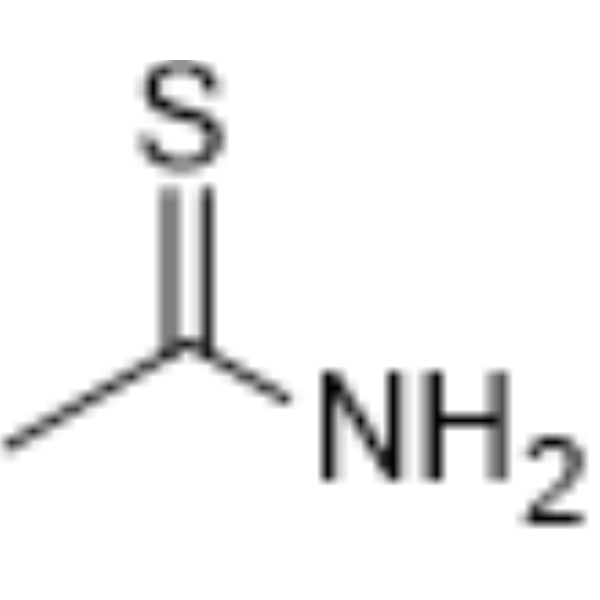
    Thioacetamide
    4 Publications Verification

    Acetothioamide; TAA; Thiacetamide

    Necroptosis Neurological Disease Inflammation/Immunology Cancer
    Thioacetamide (TAA) is an indirect hepatotoxin and causes parenchymal cell necrosis. Thioacetamide requires metabolic activation by microsomal CYP2E1 to thioacetamide-S-oxide initially and then to thioacetamide-S-dioxide, which is a highly reactive metabolite, and its reactive metabolites covalently bind to proteins and lipids thereby causing oxidative stress and centrilobular necrosis. Thioacetamide can induce chronic liver fibrosis, encephalopathy and other events model .
    Thioacetamide
  • HY-W018392
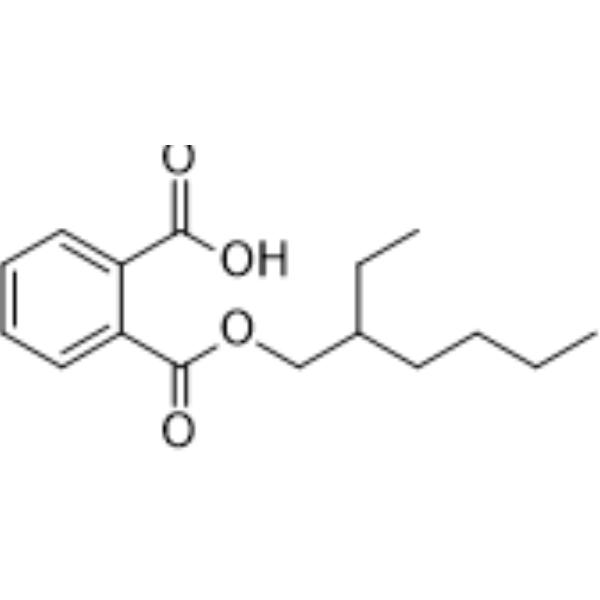
    Mono-(2-ethylhexyl) phthalate
    Maximum Cited Publications
    22 Publications Verification

    MEHP; Phthalic acid mono-2-ethylhexyl ester

    Endogenous Metabolite Metabolic Disease
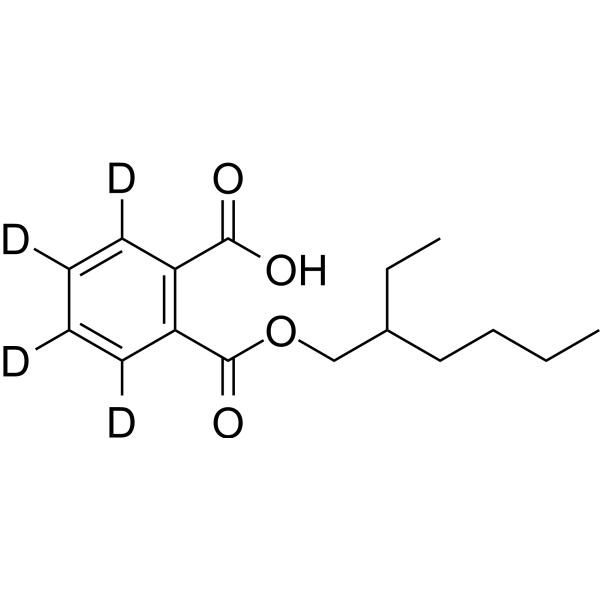
    Mono-(2-ethylhexyl) phthalate (MEHP) is a major bioactive metabolite of diethylhexyl phthalate (DEHP). Mono-(2-ethylhexyl) phthalate can promote fatty acid synthesis in hepatocytes by regulating the expression of relevant genes and proteins, contributing to non-alcoholic fatty liver disease (NAFLD) .
    Mono-(2-ethylhexyl) phthalate
  • HY-113381
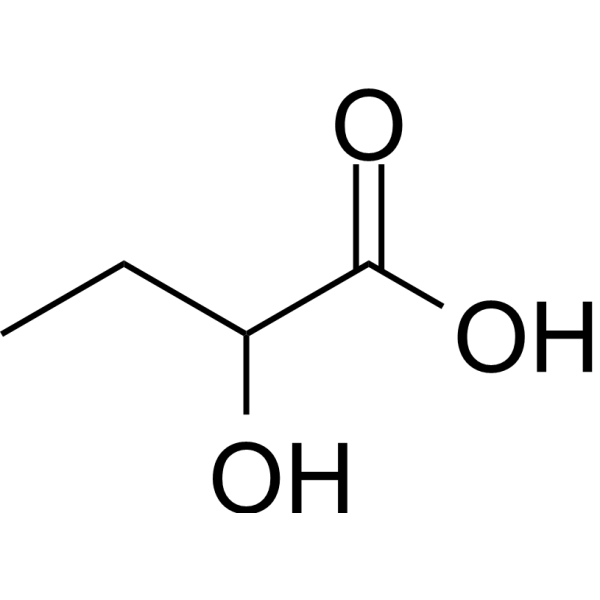
    2-Hydroxybutyric acid
    1 Publications Verification

    α-Hydroxybutyric acid

    Endogenous Metabolite Metabolic Disease Inflammation/Immunology
    2-Hydroxybutyric acid (α-Hydroxybutyric acid ) is converted from 2-Aminobutyric acid, with 2-oxobutyric acid as an intermediate metabolite . 2-Hydroxybutyric acid is a potential biomarker for type 2 diabetes and preeclampsia . 2-Hydroxybutyric acid prevents the acetaminophen (AP)-induced liver injury .
    2-Hydroxybutyric acid
  • HY-126995

    Endogenous Metabolite Metabolic Disease
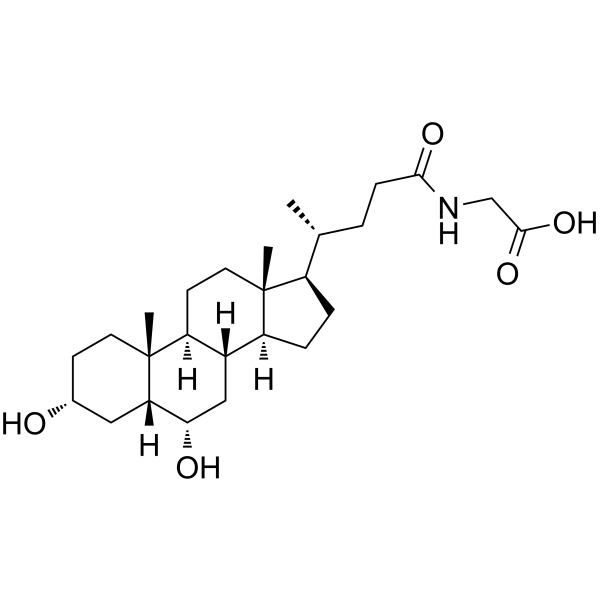
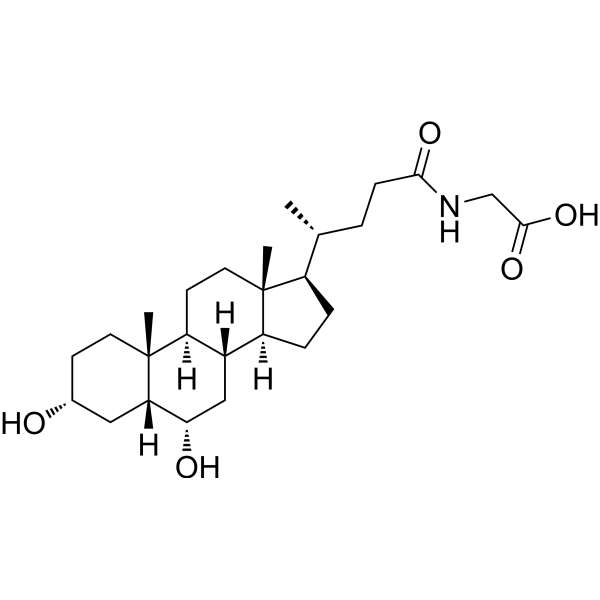
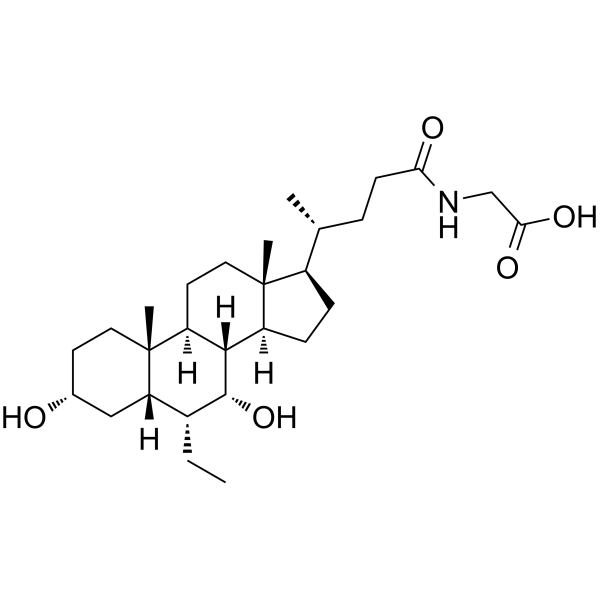
    Glycohyodeoxycholic acid is a glycine-conjugated bile acid and also a metabolite of Hyodeoxycholic acid (HY-N0169). The serum level of Glycohyodeoxycholic acid is negatively correlated with the severity of non-alcoholic fatty liver disease. Glycohyodeoxycholic acid can be used in research related to non-alcoholic fatty liver disease .
    Glycohyodeoxycholic acid
  • HY-125934

    Endogenous Metabolite Cancer
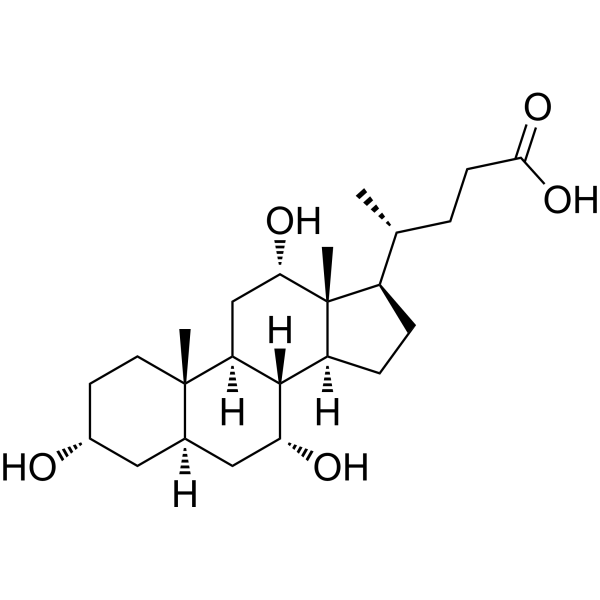
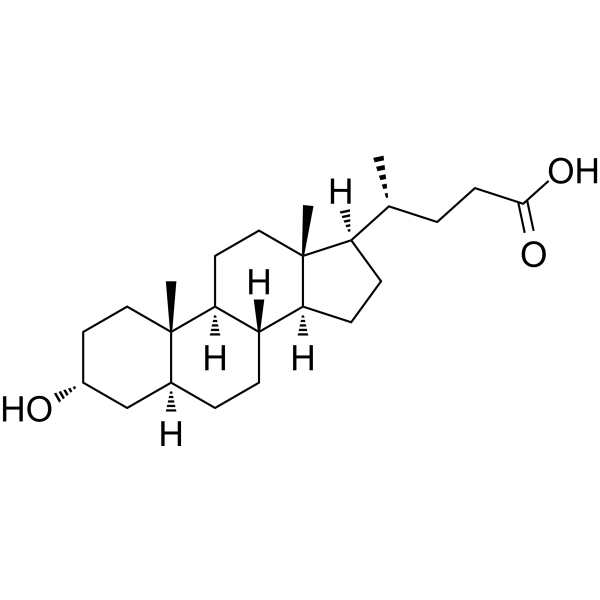
    Allocholic acid is a typically fetal bile acid found in vertebrates and reappears during liver regeneration and carcinogenesis, besides it is also a conjugate acid of allocholate and an isomer of cholic acid. Allocholic acid is a potent and specific stimulant of the adult olfactory system, it has a role as a marine metabolite, a rat metabolite and a human metabolite .
    Allocholic acid
  • HY-W040047

    Endogenous Metabolite Metabolic Disease
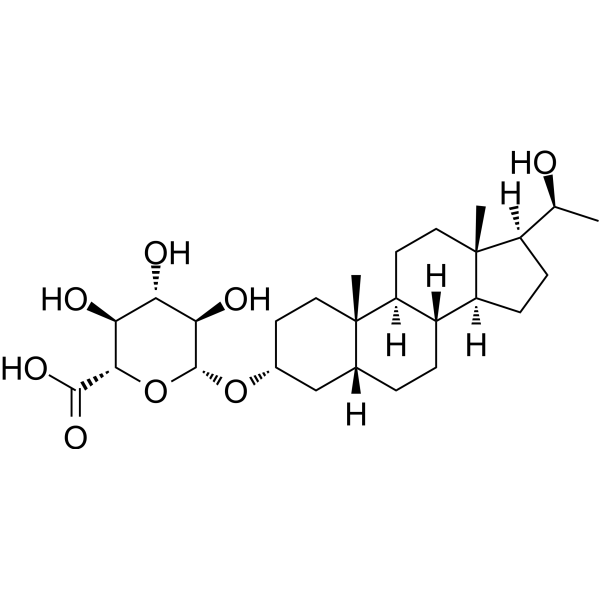
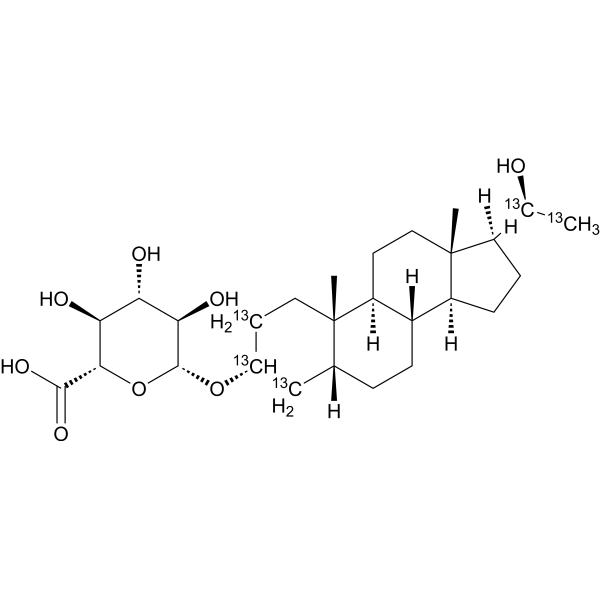
    Pregnanediol 3-glucuronide is the main terminal metabolite of Progesterone (HY-N0437). Pregnanediol 3-glucuronide is the metabolite of Progesterone produced in the liver through hydroxylation and glucuronidation, with high hydrophilicity and easy excretion through urine. A decrease in the level of Pregnanediol 3-glucuronide is associated with an increased risk of thyroid cancer, while an increase is associated with the state of pregnancy. Pregnanediol 3-glucuronide is of great significance in the monitoring of female reproductive health, pregnancy assessment, and the diagnosis of endocrine diseases .
    Pregnanediol 3-glucuronide
  • HY-W050031
    (S)-3-Hydroxybutanoic acid
    2 Publications Verification

    (S)-β-Hydroxybutanoic acid; L-(+)-3-Hydroxybutyric acid; L-β-Hydroxybutyric acid

    Endogenous Metabolite Metabolic Disease
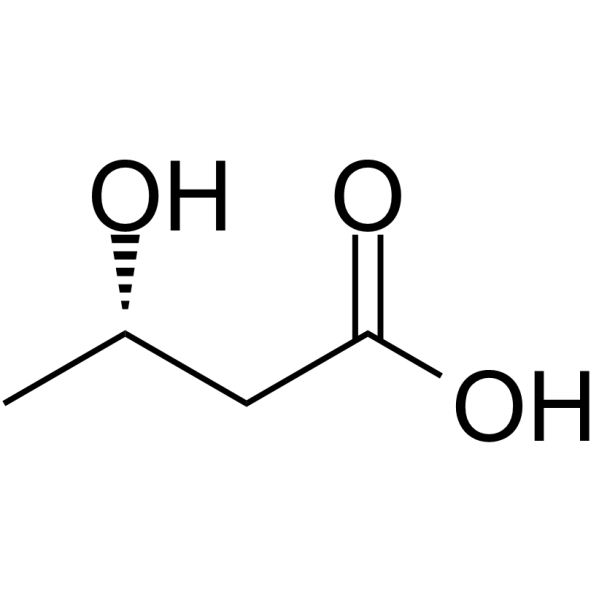
    (S)-3-Hydroxybutanoic acid is a metabolite and a disease marker of depression. 3-Hydroxybutyric acid is synthesized in the liver from acetyl-CoA, and can be used as an energy source by the brain when blood glucose is low.
    (S)-3-Hydroxybutanoic acid
  • HY-W017464

    N-Acetyl-4-benzoquinone Imine

    Drug Metabolite Endogenous Metabolite Metabolic Disease
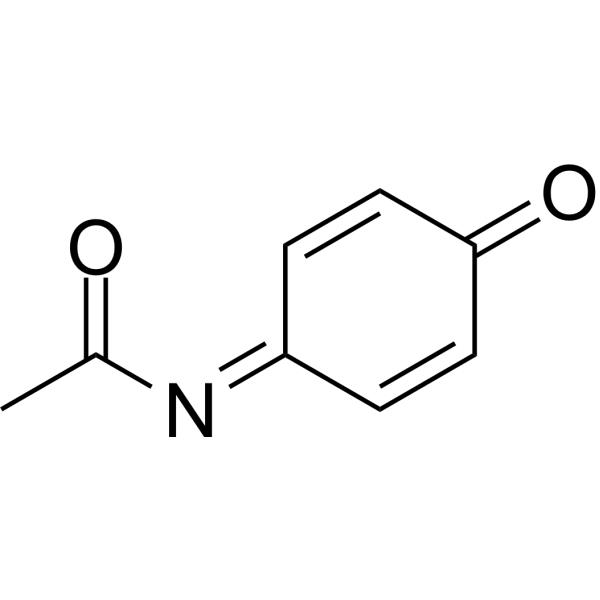
    NAPQI is the toxic metabolite of Acetaminophen (HY-66005). NAPQI is also an inhibitor of enzymes in the vitamin K cycle. NAPQI is rapidly detoxified by glutathione (GSH), but in situations of GSH deficiency, excess NAPQI reacts with cysteine residues in proteins, causing cell death and toxicity in the liver .
    NAPQI
  • HY-N1548
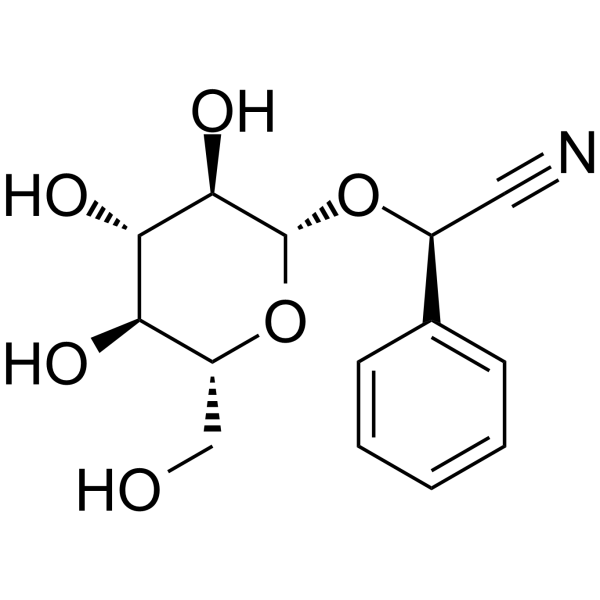
    Prunasin
    1 Publications Verification

    DNA/RNA Synthesis Inflammation/Immunology
    Prunasin is an orally active cyanogenic glucoside and the main metabolite of Amygdalin (HY-N0190). Prunasin can specifically inhibit rat DNA polymerase β (IC50: 98 μM). Prunasin has anti-inflammatory and anti-fibrotic activities. Prunasin can be used in the research of diseases such as liver fibrosis .
    Prunasin
  • HY-113256

    Carnitine Palmitoyltransferase (CPT) Endogenous Metabolite Metabolic Disease
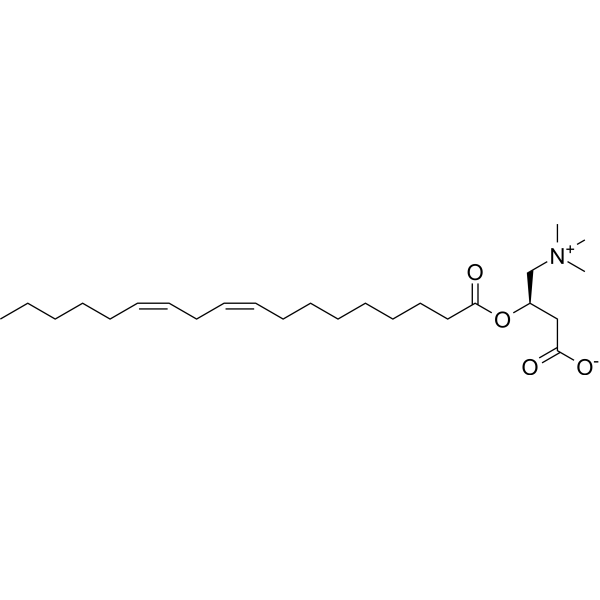
    Linoleyl carnitine is an acylcarnitine and metabolite. Linoleyl carnitine in the liver is negatively correlated with pantothenic acid and citric acid in serum. Linoleyl carnitine accumulates in mitochondrial CPT II deficiency .
    Linoleyl carnitine
  • HY-113161

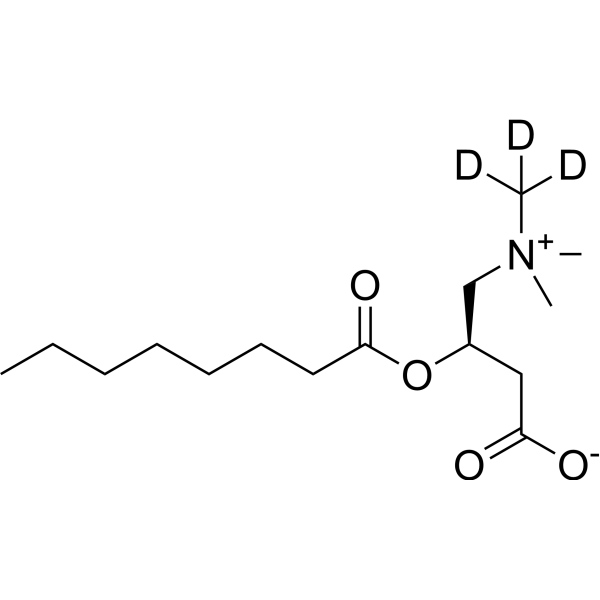
    Endogenous Metabolite Cancer
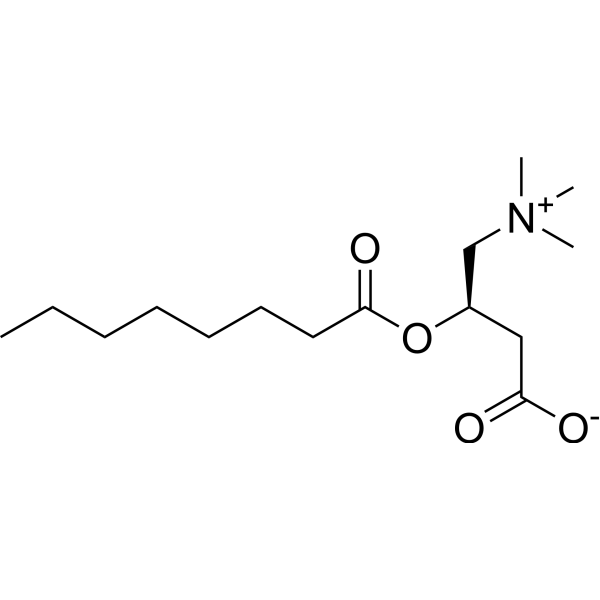
    L-Octanoylcarnitine is a plasma metabolite and a physiologically active form of octanoylcarnitine. L-Octanoylcarnitine can be used for the research of breast cancer .
    L-Octanoylcarnitine
  • HY-B1069
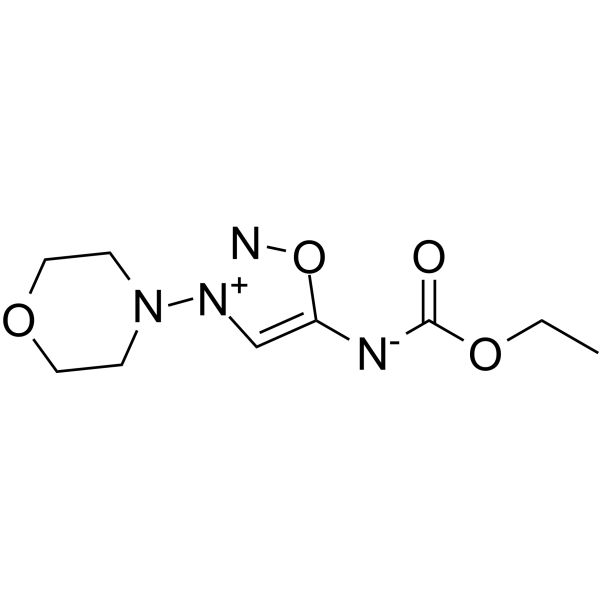
    Molsidomine
    1 Publications Verification

    SIN-10; Morsydomine

    Drug Metabolite Cardiovascular Disease Neurological Disease Metabolic Disease
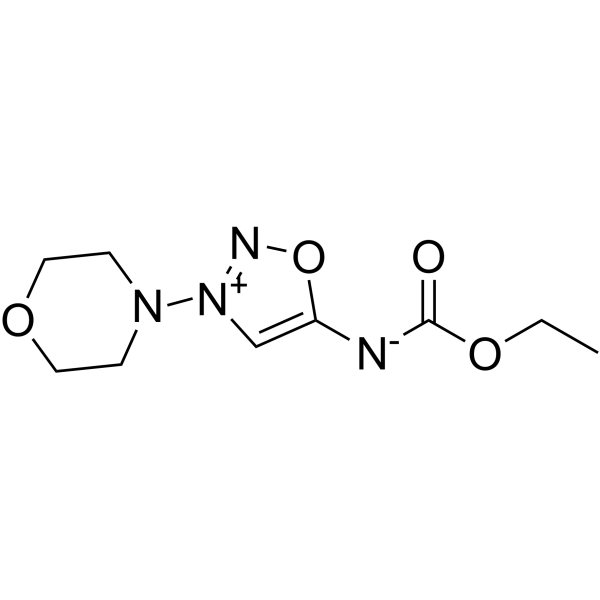
    Molsidomine, a nitric oxide (NO) donor, is an orally active vasodilator agent. Molsidomine is a prodrug that can be rapidly metabolized in the liver to its active metabolite, Linsidomine (HY-101200). Molsidomine can be used for the study of angina pectoris, mental disorders and diabetic complications .
    Molsidomine
  • HY-17614

    SMT C1100; BMN 195; VOX-C1100

    Cytochrome P450 Others
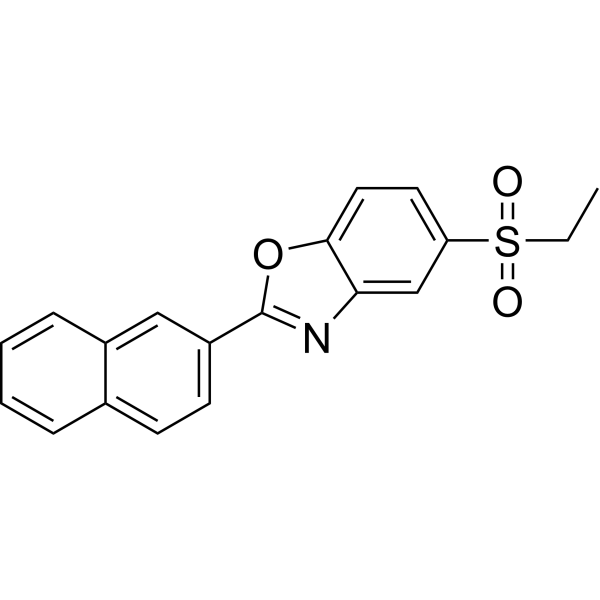
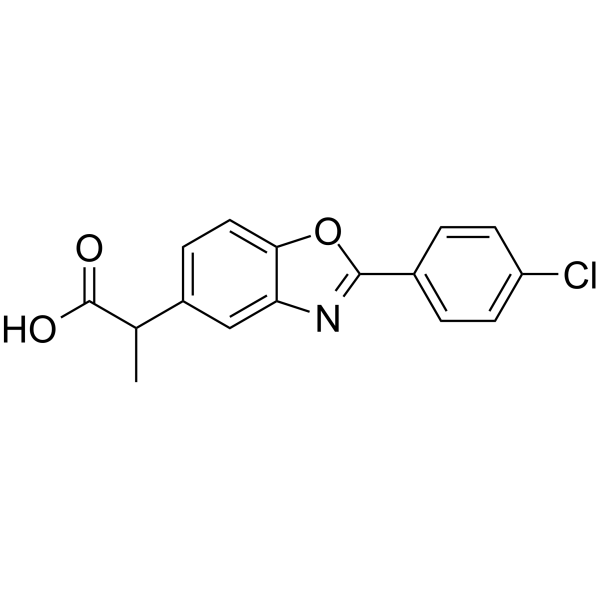
    Ezutromid (SMT C1100) is a first-in-class, orally active benzoxazole utrophin modulator with an EC50 of 0.91 μM. Ezutromid can be used for the research Duchenne muscular dystrophy (DMD). Ezutromid inhibits CYP1A2 enzymic activity in human liver microsomes (HLM) with an IC50 of 5.4 μM .
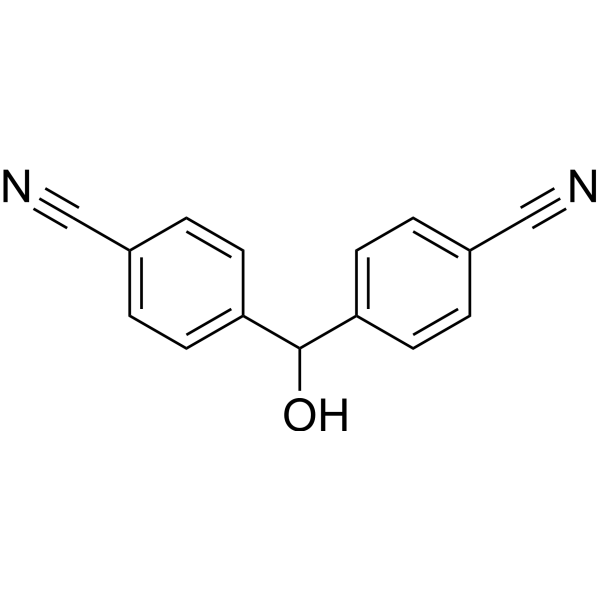
    Ezutromid
  • HY-113318

    Endogenous Metabolite Metabolic Disease
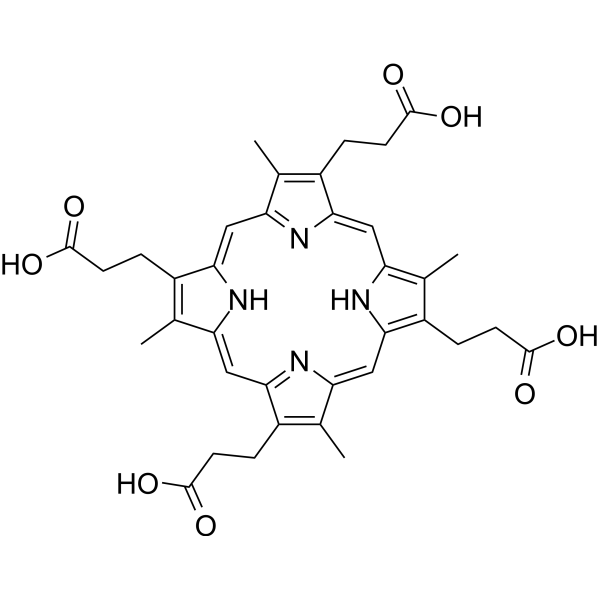
    Coproporphyrin I is an endogenous metabolite present in Urine and Blood that can be used for the research of Liver Disease and Porphyria .
    Coproporphyrin I
  • HY-W653982

    Isotope-Labeled Compounds Endogenous Metabolite Metabolic Disease
    Coproporphyrin I- 15N4 is a 15N-labeled Coproporphyrin I (HY-113318). Coproporphyrin I is an endogenous metabolite present in urine and blood that can be used for the research of liver disease and porphyria .
    Coproporphyrin I-15N4
  • HY-E70600

    Carboxylesterase (CES) Others
    Human CES1 Enzyme is a recombinantly expressed CES1 enzyme. Human CES1 Enzyme, an enzyme responsible for the hydrolysis of ester- and amide-containing molecules, is mainly expressed in the liver where it is crucial for the processing of active metabolites and is also involved in trans-esterification reactions .
    Human CES1 Enzyme
  • HY-N10508

    Drug Metabolite VD/VDR Metabolic Disease Cancer
    Calcitroic acid is a vitamin D receptor (VDR) agonist that can activate VDR-mediated transcription. Calcitroic acid is the main metabolite of 1,25-dihydroxyvitamin D3, with the highest concentrations found in the liver and mucosa of mice, and it has metabolic stability and very low toxicity .
    Calcitroic acid
  • HY-W012790
    Sodium 2-hydroxybutanoate
    1 Publications Verification

    2-Hydroxybutyric acid sodium

    Endogenous Metabolite Metabolic Disease
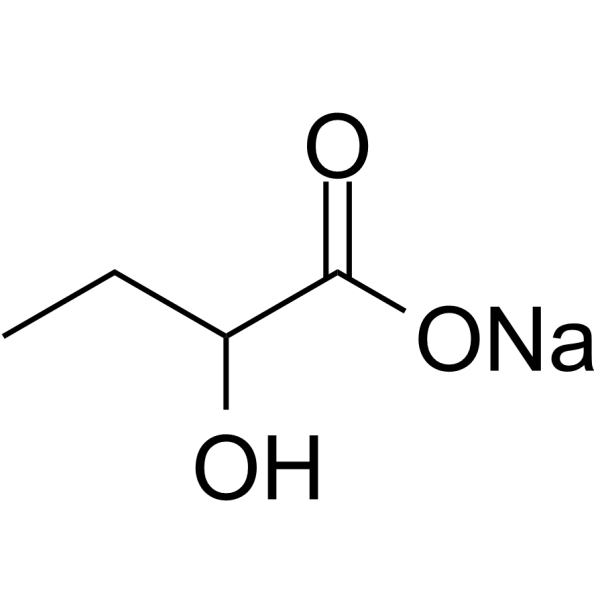
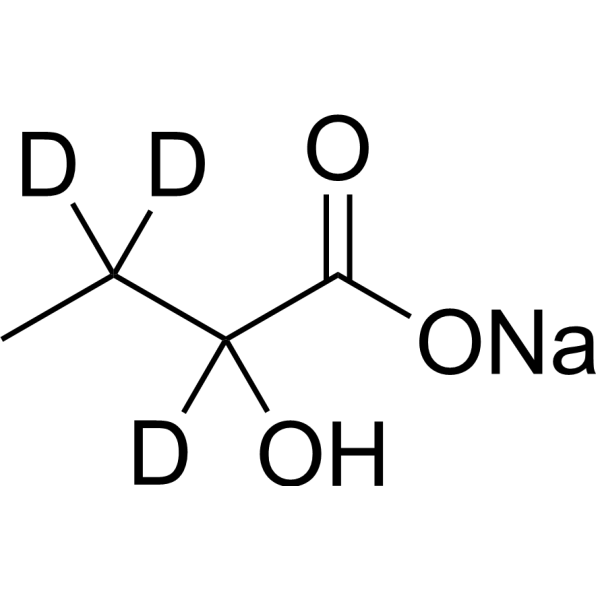
    Sodium 2-hydroxybutanoate (2-Hydroxybutyric acid sodium) is converted from 2-Aminobutyric acid, with 2-oxobutyric acid as an intermediate metabolite . Sodium 2-hydroxybutanoate is a potential biomarker for type 2 diabetes and preeclampsia . Sodium 2-hydroxybutanoate prevents the acetaminophen (AP)-induced liver injury .
    Sodium 2-hydroxybutanoate
  • HY-W354498

    Endogenous Metabolite Cancer
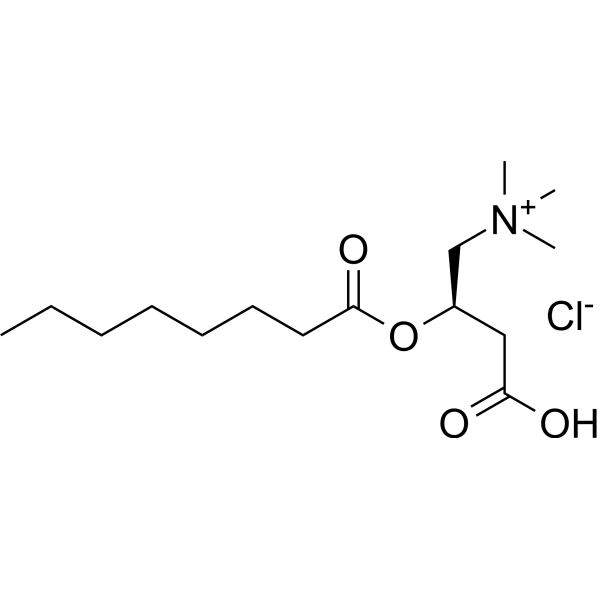
    L-Octanoylcarnitine hydrochloride is a plasma metabolite and a physiologically active form of octanoylcarnitine. L-Octanoylcarnitine hydrochloride can be used for the research of breast cancer .
    L-Octanoylcarnitine hydrochloride
  • HY-W016798

    Endogenous Metabolite Metabolic Disease
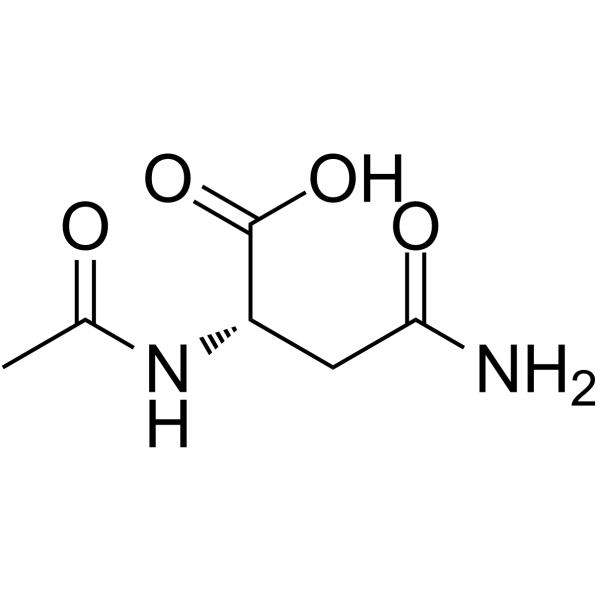
    (S)-2-acetamido-4-amino-4-oxobutanoic acid is a metabolite. (S)-2-acetamido-4-amino-4-oxobutanoic acid can be used in the research of decompensated liver cirrhosis .
    (S)-2-acetamido-4-amino-4-oxobutanoic acid
  • HY-N7390

    Endogenous Metabolite Metabolic Disease
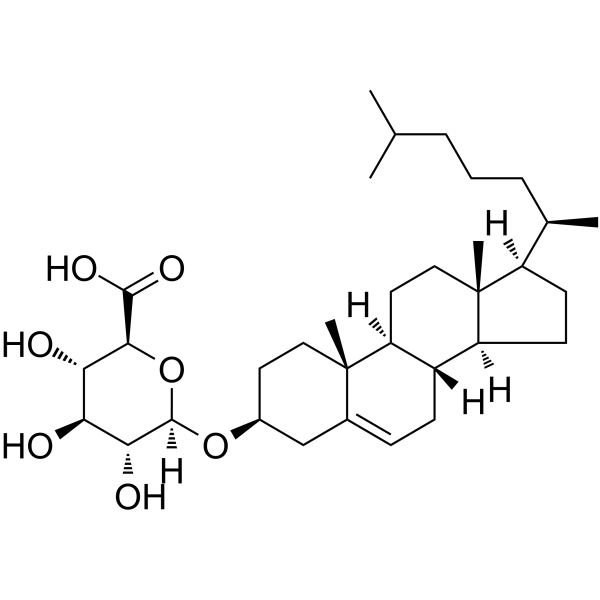
    Cholesterol glucuronide is an endogenous metabolite of lipid generated in the liver by UDP glucuonyltransferase .
    Cholesterol glucuronide
  • HY-130082

    ADC Payload Microtubule/Tubulin Cancer
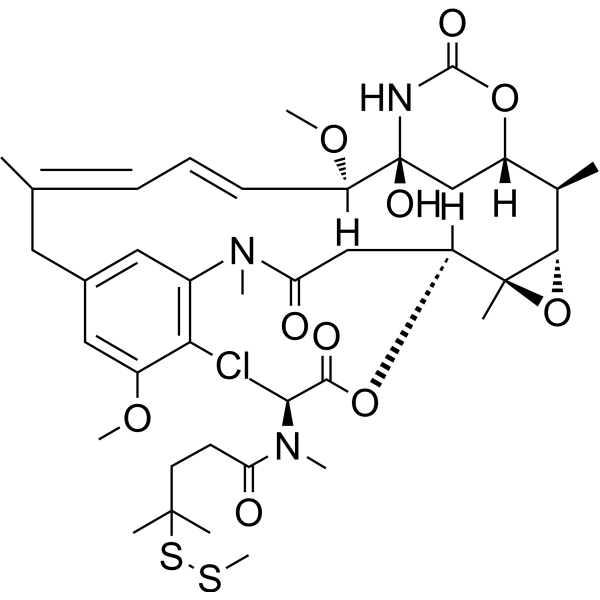
    DM4-SMe is a metabolite of antibody-maytansin conjugates (AMCs) and a tubulin inhibitor, and also a cytotoxic moiety of antibody-drug conjugates (ADCs), which can be linked to antibody through disulfide bond or stable thioether bond. DM4-SMe inhibits KB cells with an IC50 of 0.026 nM. DM4-SMe is a highly toxic metabolite that can be oxidized and detoxified by human liver microsomes .
    DM4-SMe
  • HY-139576B

    DUR-928 trimethylamine

    LXR Endogenous Metabolite Metabolic Disease
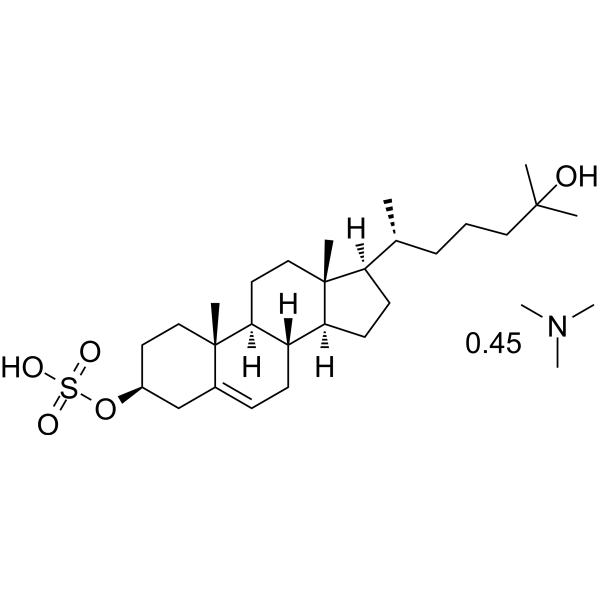
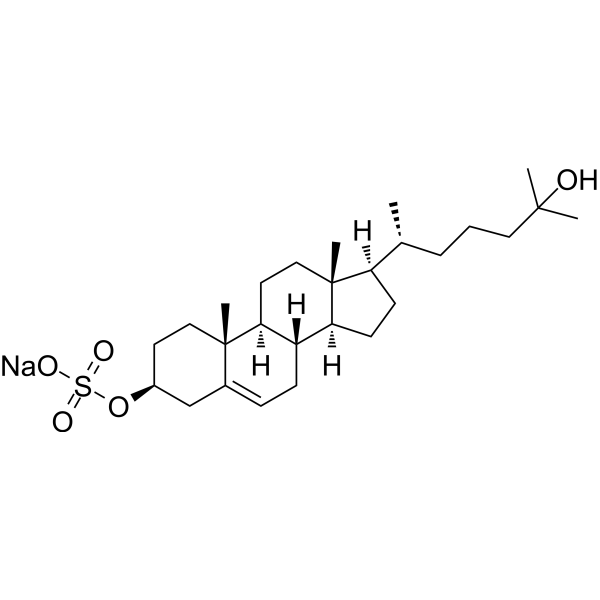
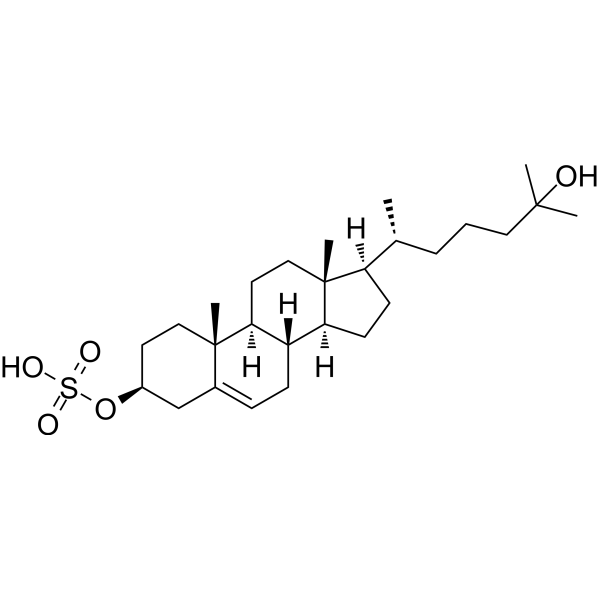
    Larsucosterol (DUR-928) trimethylamine, a cholesterol metabolite, is a potent liver X receptor (LXR) antagonist. Larsucosterol trimethylamine as a potent endogenous regulator decreases lipogenesis. Larsucosterol trimethylamine inhibits the cholesterol biosynthesis via decreasing mRNA levels and inhibiting the activation of SREBP-1 .
    Larsucosterol trimethylamine
  • HY-128421

    Brassylic Acid

    Endogenous Metabolite Parasite Infection Metabolic Disease
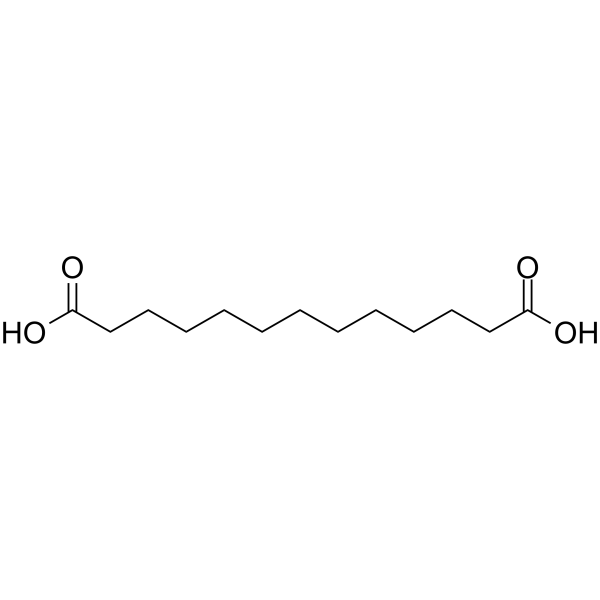
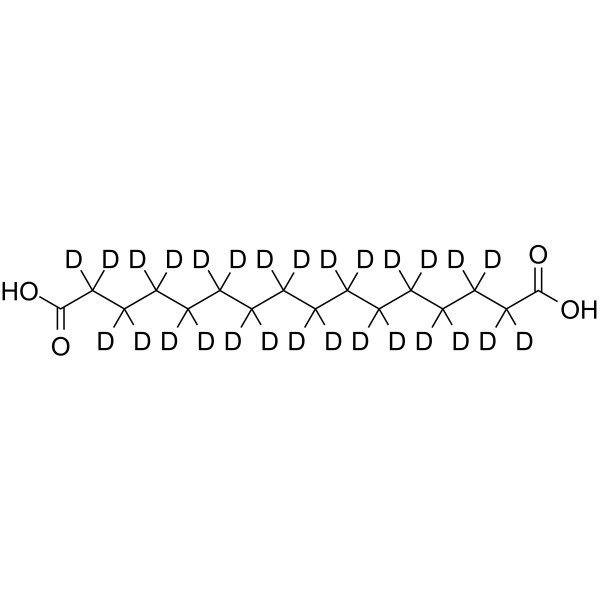
    Tridecanedioic acid is an endogenous metabolite. Tridecanedioic acid is an endogenous metabolite. Tridecanedioic acid is related to the metabolic regulation of non-alcoholic fatty liver disease (NASH) and may be an important node molecule in the intestinal microbiota-host metabolism interaction network. Tridecanedioic acid is significantly accumulated in tolerant cabbage-type rapeseed varieties and has a lower content in sensitive varieties. It plays an important role in the defense response against the infection of the small cabbage moth (Plutella xylostella). Tridecanedioic acid can be used as a biomarker for plant insect resistance or a diagnostic marker for metabolic diseases .
    Tridecanedioic acid
  • HY-141749A

    CLPM; SR 26334

    Endogenous Metabolite Metabolic Disease
    Clopidogrel carboxylic acid (CLPM) is the inactive liver metabolite of anti platelet agent, Clopidogrel (HY-15283), in human serum .
    Clopidogrel carboxylic acid
  • HY-B0794S

    EGFR IGF-1R Drug Metabolite Others
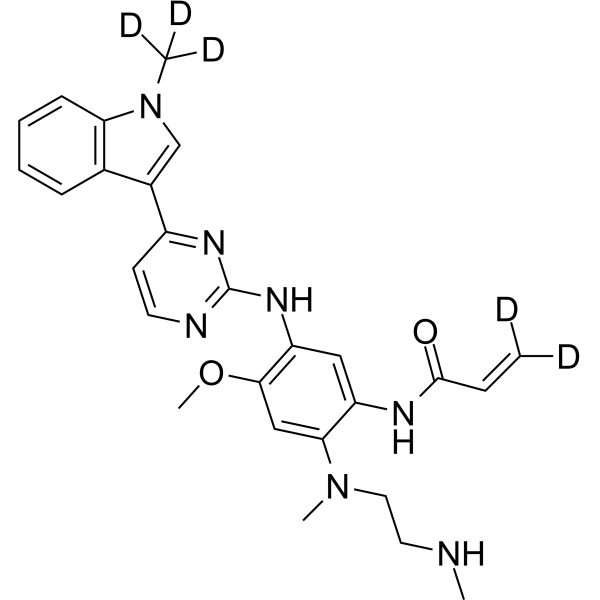
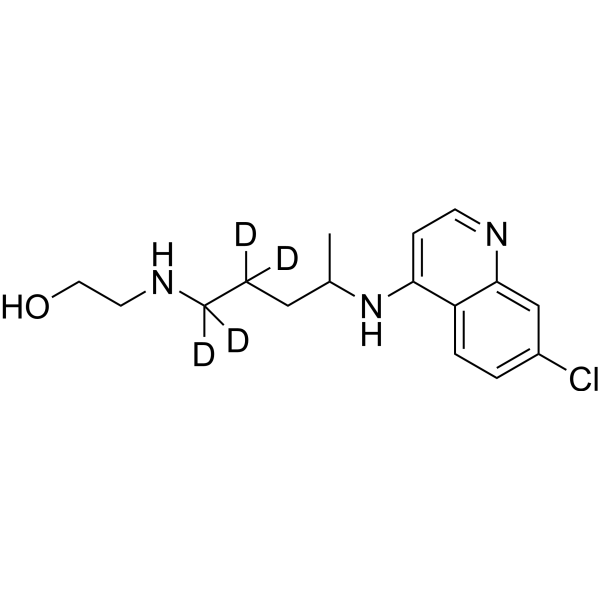
    AZ7550-d5 is the deuterium labeled AZ7550?(HY-B0794). AZ7550, an active metabolite of Osimtinib (AZD9291; HY-15772), inhibits the activity of?IGF1R?with an?IC50?of 1.6 μM .
    AZ7550-d5
  • HY-151229

    DETC-Me; DDTC-Me; Diethyldithiocarbamic acid methyl ester

    Aldehyde Dehydrogenase (ALDH) Metabolic Disease
    S-Methyl-N,N-diethylthiolcarbamate (DETC-Me; DDTC-Me) is the active metabolite of the aldehyde dehydrogenase inhibitor disulfiram (HY-B0240). It is produced by the methylation of the disulfiram metabolite diethyldithiocarbamate in mouse liver microsomes. S-Methyl-N,N-diethylthiolcarbamate (DETC-Me; DDTC-Me) inhibits rat liver low Km aldehyde dehydrogenase (ALDH) (ID50=15.5 mg/kg). When administered at a dose of 20.6 mg/kg, it decreases mean arterial pressure (MAP) and increases heart rate in rats during ethanol stimulation.
    S-Methyl-N,N-diethylthiolcarbamate
  • HY-W016099

    MQCA

    Drug Metabolite Cancer
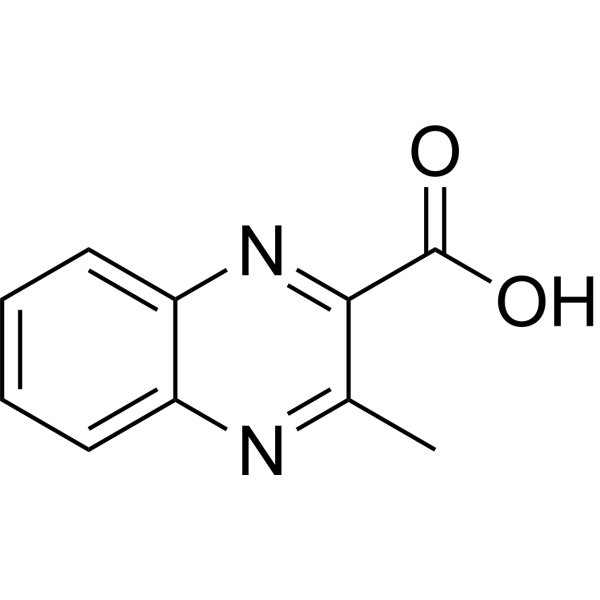
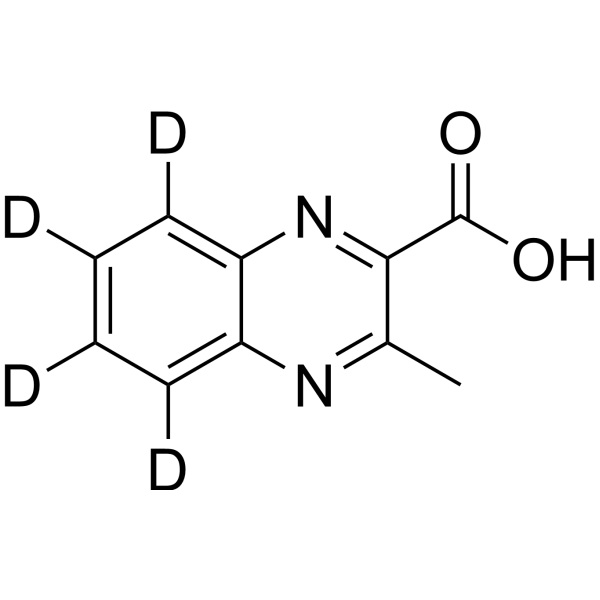
    3-Methyl-2-quinoxalinecarboxylic acid (MQCA), an important N-oxide reductive metabolite of Quinocetone or Olaquindox, potently inhibits the growth of Chang liver cells through S phase arrest of the cell cycle .
    3-Methyl-2-quinoxalinecarboxylic acid
  • HY-W040705

    N-Methylanthranilic acid

    Drug Metabolite Others
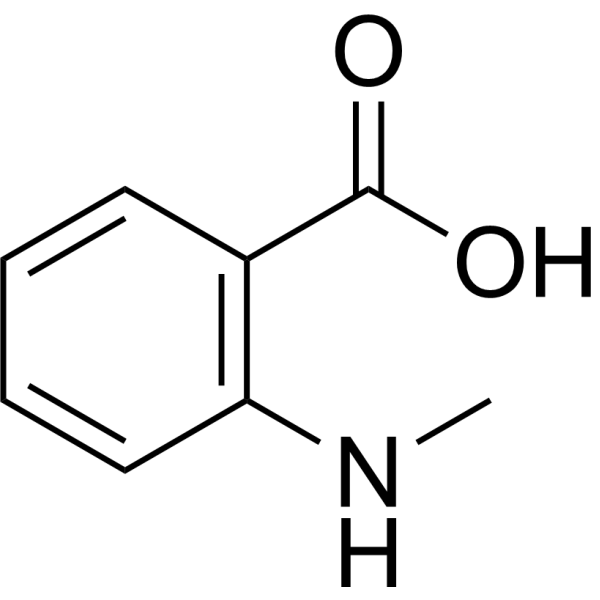
    2-(Methylamino)benzoic acid is the main metabolite of methyl-N-methylanthranilates (MMA) (HY-76705) and is the compound in which the ester group is converted. MMA can be isolated from citrus fruits and has potential analgesic activity. 2-(Methylamino)benzoic acid was used to detect the metabolic levels of MMA in rat liver .
    2-(Methylamino)benzoic acid
  • HY-N8549A

    Endogenous Metabolite Metabolic Disease
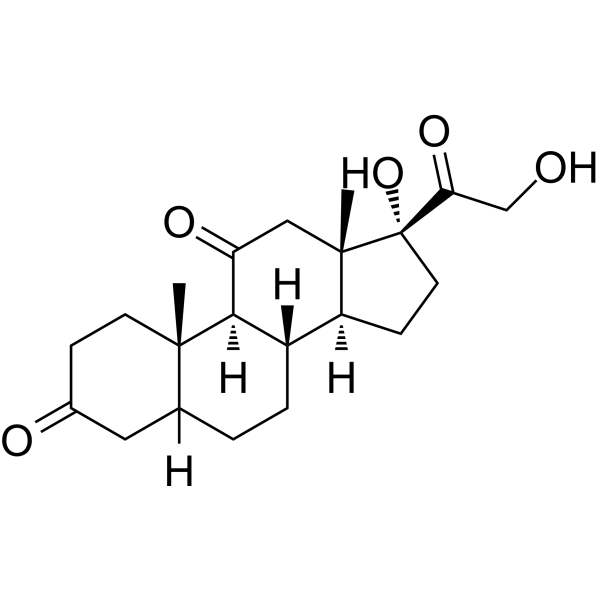
    5-Dihydrocortisone is a 5-Dihydrocortisone with mixture of isomers. 5β-Dihydrocortisone is a sterol metabolite of cortisone by 5β-reductase (AKR1D1) in liver
    5-Dihydrocortisone
  • HY-126995R

    Reference Standards Endogenous Metabolite Metabolic Disease
    Glycohyodeoxycholic acid (Standard) is the analytical standard of Glycohyodeoxycholic acid. This product is intended for research and analytical applications. Glycohyodeoxycholic acid is a glycine-conjugated bile acid and also a metabolite of Hyodeoxycholic acid (HY-N0169). The serum level of Glycohyodeoxycholic acid is negatively correlated with the severity of non-alcoholic fatty liver disease. Glycohyodeoxycholic acid can be used in research related to non-alcoholic fatty liver disease.
    Glycohyodeoxycholic acid (Standard)
  • HY-32349S

    25-Hydroxy Vitamin D2-d3

    Isotope-Labeled Compounds Endogenous Metabolite VD/VDR Metabolic Disease
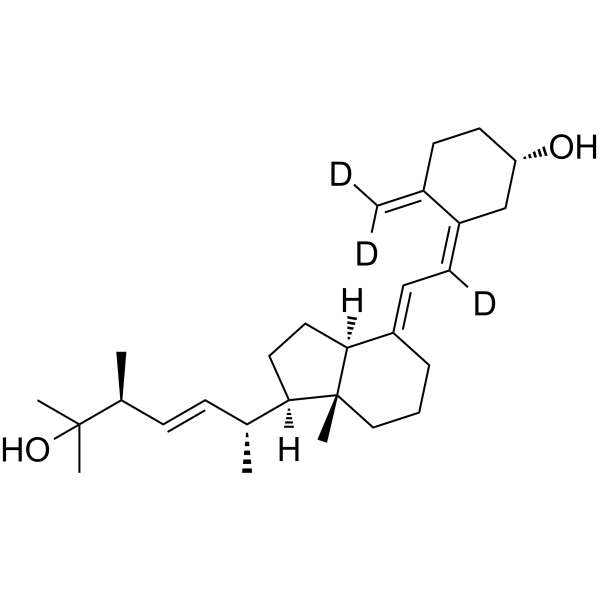
    Ercalcidiol-d3 is the deuterium labeled Ercalcidiol. Ercalcidiol is a metabolite of Vitamins D2. Ercalcidiol can be used as an indicator of vitamins D status .
    Ercalcidiol-d3
  • HY-W700800

    Cytochrome P450 Cancer
    Flu-6 is a metabolite of Flutamide (HY-B0022). FLU-6 production in the liver requires the involvement of NADPH: cytochrome P450 reductase (CPR). Flutamide can inhibit prostate cancer progression .
    Flu-6
  • HY-W003371

    Drug Metabolite Others
    CGP 44 645 is the methanol metabolite of Letrozole (HY-14248) and is a molecular indicator for evaluating its metabolic kinetics in microsomes in vitro. Levels of CGP 44 645 in rat liver microsomes may be sex-specific .
    CGP 44 645
  • HY-139576

    DUR-928

    LXR Endogenous Metabolite Metabolic Disease
    Larsucosterol (DUR-928), a cholesterol metabolite, is a potent liver X receptor (LXR) antagonist. Larsucosterol as a potent endogenous regulator decreases lipogenesis. Larsucosterol inhibits the cholesterol biosynthesis via decreasing mRNA levels and inhibiting the activation of SREBP-1 .
    Larsucosterol
  • HY-148642

    12-hydroxy-NVP; 12-OH-NVP

    Drug Metabolite Infection
    12-Hydroxynevirapine (12-hydroxy-NVP; 12-OH-NVP) is a major oxidative metabolite of Nevirapine (HY-10570). Nevirapine is a non-nucleoside reverse transcriptase inhibitor indicated for the HIV-1 infections. Nevirapine causes idiosyncratic hepatotoxicity and mild-to-severe skin rashes. 12-Hydroxynevirapine, a non-reactive metabolite, can be bioactivated by sulphotransferases (SULTs) in the liver and skin, yielding the reactive species 12-Sulphoxy-nevirapine .
    12-Hydroxynevirapine
  • HY-40161R

    Reference Standards Endogenous Metabolite Metabolic Disease
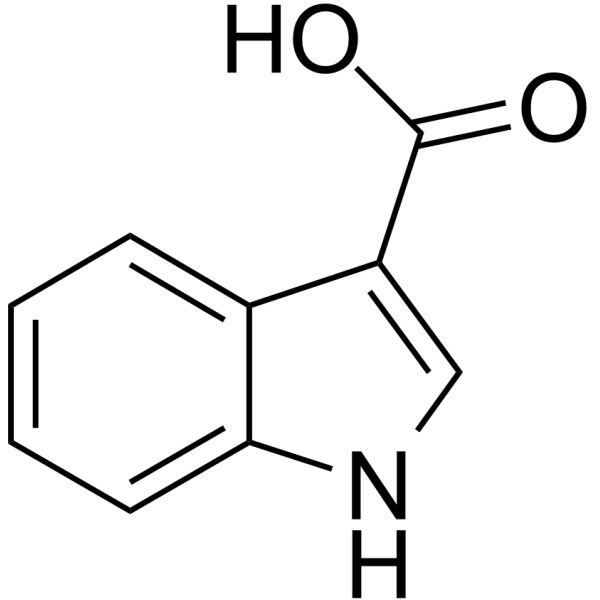
    Indole-3-carboxylic acid (Standard) is the analytical standard of Indole-3-carboxylic acid. This product is intended for research and analytical applications. Indole-3-carboxylic acid is a normal urinary indolic tryptophan metabolite and has been found elevated in patients with liver diseases .
    Indole-3-carboxylic acid (Standard)
  • HY-40161S

    Isotope-Labeled Compounds Endogenous Metabolite Metabolic Disease
    Indole-3-carboxylic acid-d4 is deuterium labeled Indole-3-carboxylic acid. Indole-3-carboxylic acid is a normal urinary indolic tryptophan metabolite and has been found elevated in patients with liver diseases .
    Indole-3-carboxylic acid-d4
  • HY-109690

    Endogenous Metabolite Cancer
    1-(2-Amino-3-hydroxyphenyl)ethanone is the kynuridine metabolite, which could be extracted from rat liver mitochondrium. 1-(2-Amino-3-hydroxyphenyl)ethanone is associated with tryptophan metabolism disturbances, and can be used in bladder cancer, leukemia and anemia researches .
    1-(2-Amino-3-hydroxyphenyl)ethanone
  • HY-118167

    Drug Metabolite Metabolic Disease Inflammation/Immunology
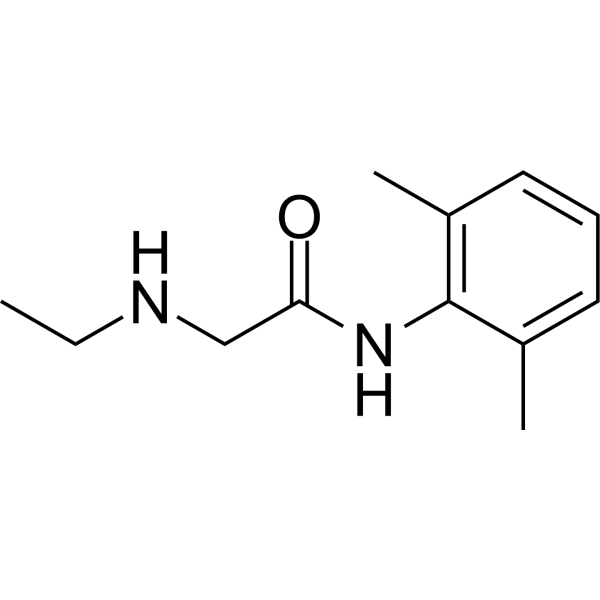
    Monoethylglycinexylidide is a metabolite of Lidocain (HY-B0185) via oxidative N-deethylation of Lignocaine by liver cytochrome P-450 enzymes in the liver [1] .
    Monoethylglycinexylidide
  • HY-W099331

    MEGX hydrochloride; Norlidocaine hydrochloride

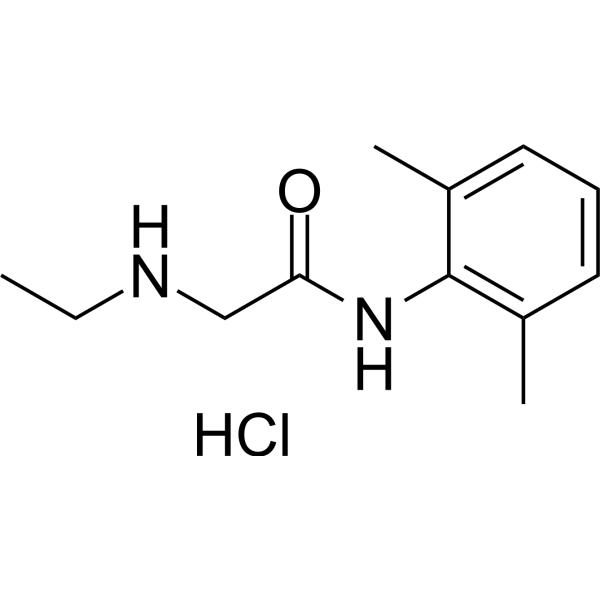
    Drug Metabolite Metabolic Disease Inflammation/Immunology
    Monoethylglycinexylidide (MEGX) hydrochloride is a metabolite of Lidocain (HY-B0185) via oxidative N-deethylation of Lignocaine by liver cytochrome P-450 enzymes in the liver. Monoethylglycinexylidide has proven to be a highly sensitive indicator of hepatic dysfunction, especially in the field of liver transplantation .
    Monoethylglycinexylidide hydrochloride
  • HY-113376

    Etio-G

    Endogenous Metabolite Drug Metabolite Metabolic Disease
    Etiocholanolone glucuronide (Etio-G) is the metabolite of Etiocholanolone (HY-113320) that is generated in the liver by UDP glucuonyltransferase. Etiocholanolone glucuronide is promising for research of metabolic-related diseases .
    Etiocholanolone glucuronide
  • HY-126665

    ADC Payload Cancer
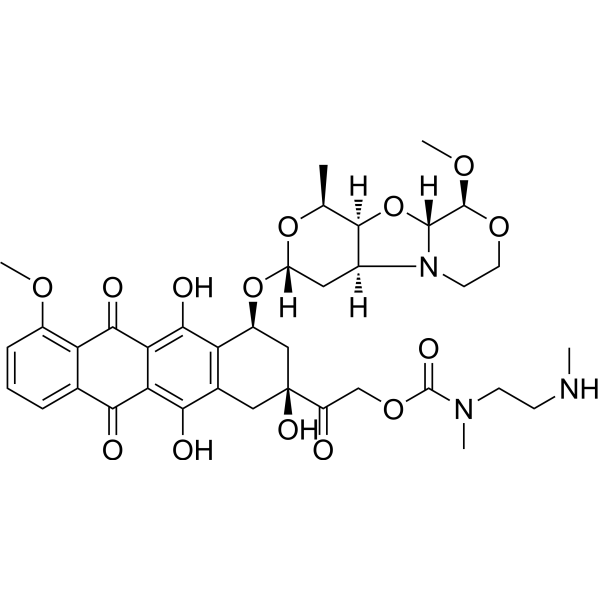
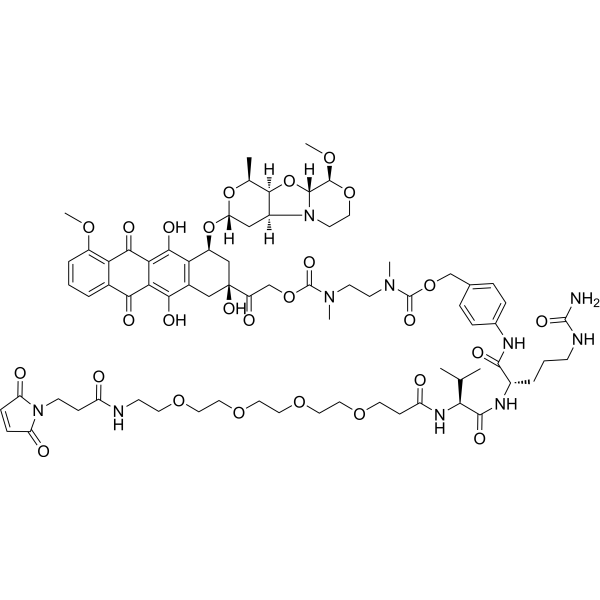
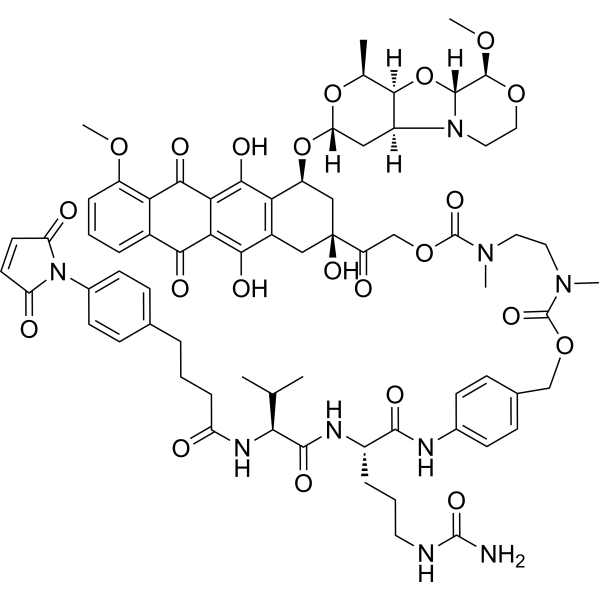
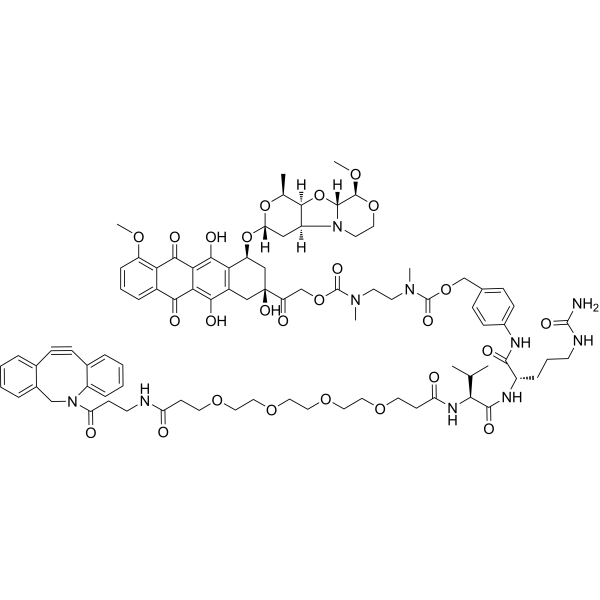
    DMEA-PNU-159682 (molecule D12) is a ADC cytotoxin molecule including metabolites of nemorubicin (MMDX) from liver microsomes and a potent ADCs cytotoxin PNU-159682 .
    DMEA-PNU-159682
  • HY-N11677

    Drug Metabolite Others
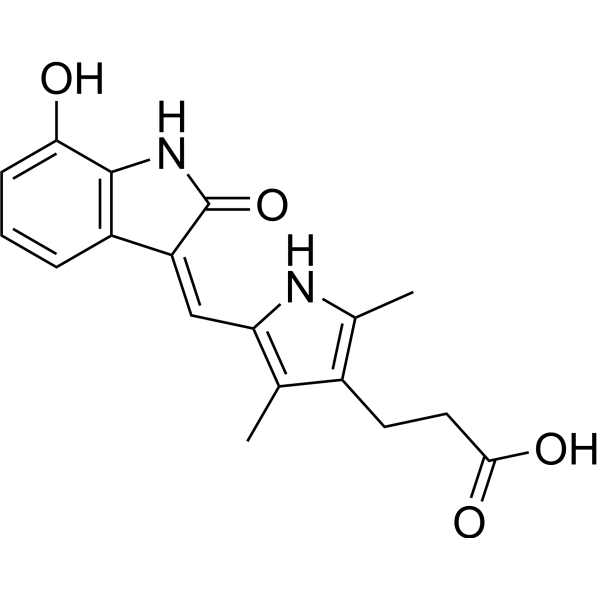
    7-Hydroxy-TSU-68 is a derivative of TSU-68 (HY-10517). It is a metabolite of the biotransformation pathway of TSU-68 in human liver microsomes. The content represents the self-induced hydroxylation level of TSU-68 .
    7-Hydroxy-TSU-68
  • HY-172565

    SCH 56592 D-glucuronide

    Drug Metabolite UGT Infection
    Posaconazole D-glucuronide (SCH 56592 D-glucuronide) is a glucuronide metabolite of the antifungal agent Posaconazole (HY-17373). Posaconazole D-glucuronide can be formed in human liver microsomes catalyzed by UGT1A4 .
    Posaconazole D-glucuronide
  • HY-W009934

    α-Phenyl-2-pyridineacetonitrile

    Drug Metabolite Endocrinology
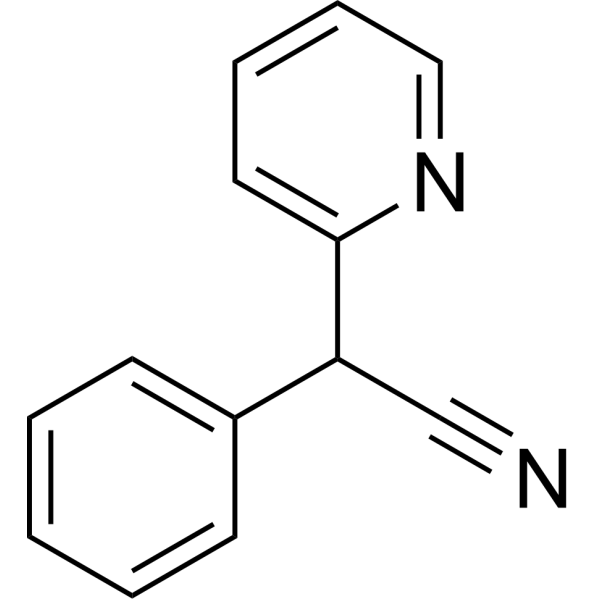
    2-Phenyl-2-(2-pyridyl)acetonitrile is the major metabolite of SC 15396 metabolized by the supernatant fraction of rat liver homogenate. SC 15396 is an antigastrin that inhibits gastric secretion .
    2-Phenyl-2-(2-pyridyl)acetonitrile
  • HY-126665A

    ADC Payload Cancer
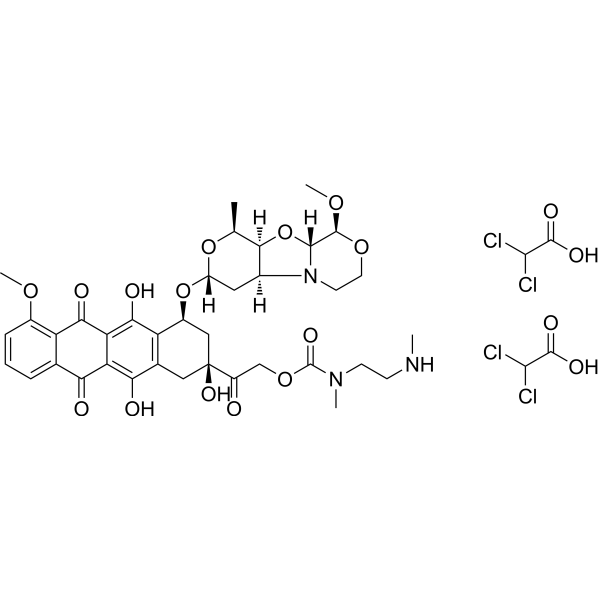
    DMEA-PNU-159682 (molecule D12) dichloroacetate is an ADC cytotoxin molecule including metabolites of nemorubicin (MMDX) from liver microsomes and a potent ADCs cytotoxin PNU-159682 .
    DMEA-PNU-159682 dichloroacetate
  • HY-127166

    O10-Demethylcolchicine

    Microtubule/Tubulin Inflammation/Immunology
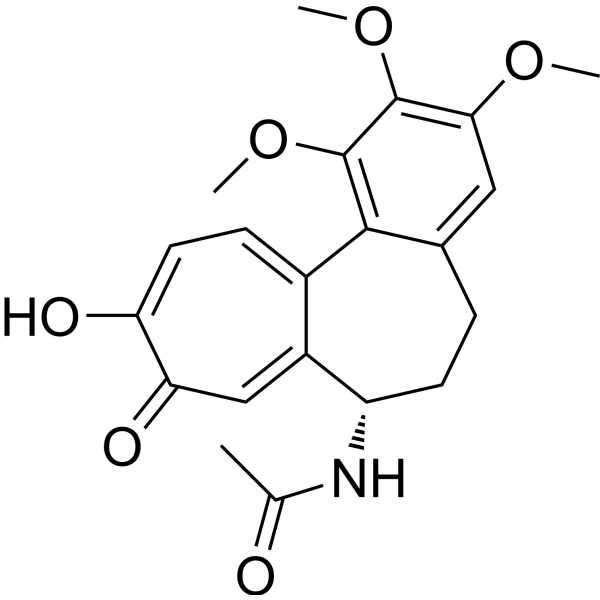
    Colchiceine is one of several metabolites of the anti-gout medication Colchicine (HY-16569). Colchicine is a tubulin inhibitor and a microtubule disrupting agent, and may protect rats from developing liver injury and fibrosis .
    Colchiceine
  • HY-N13388

    UGT1A6

    Biochemical Assay Reagents UGT Others
    5-Hydroxytryptophol-O-glucuronide (UGT1A6) is an authentic glucuronide standard and probe metabolite. 5-Hydroxytryptophol-O-glucuronide is used to detect the activity of human UGT1A6 in in vitro systems including human liver microsomes and recombinant UGT1A6 .
    5-Hydroxytryptophol-O-glucuronide
  • HY-139576C

    DUR-928 ammonium

    LXR Endogenous Metabolite Metabolic Disease
    Larsucosterol (DUR-928) ammonium, a cholesterol metabolite, is a potent liver X receptor (LXR) antagonist. Larsucosterol ammonium as a potent endogenous regulator decreases lipogenesis. Larsucosterol ammonium inhibits the cholesterol biosynthesis via decreasing mRNA levels and inhibiting the activation of SREBP-1 .
    Larsucosterol ammonium

Inquiry Online

Your information is safe with us. * Required Fields.

Salutation


Country or Region *
Applicant Name *


Organization Name *

Department *


Email Address *


Product Name *

Cat. No.


Requested quantity *

Phone Number *


Remarks

Inquiry Online

Inquiry Information

Product Name:
Cat. No.:
Quantity:
MCE Japan Authorized Agent: