
1. Search Result
Search Result
Results for "

pharmacokinetic properties

" in MedChemExpress (MCE) Product Catalog:

165

Inhibitors & Agonists

14

Screening Libraries

4

Peptides

2

Inhibitory Antibodies

4

Isotope-Labeled Compounds

4

Click Chemistry

Cat. No. 상품명 Target 연구분야 Chemical Structure
  • HY-122682

    Drug Derivative Metabolic Disease
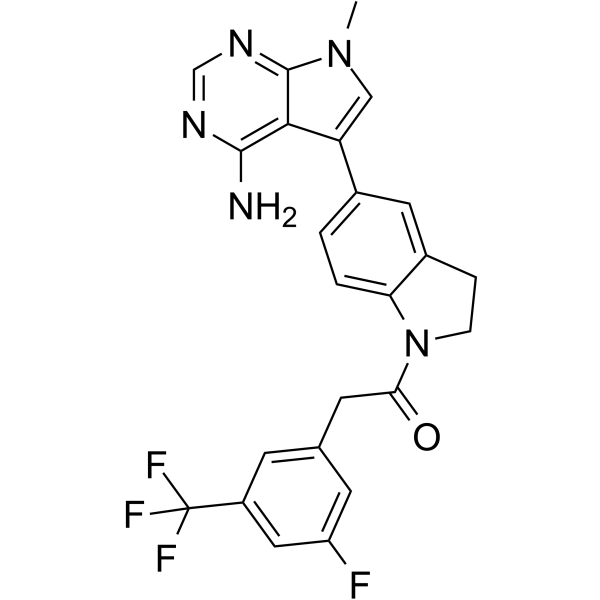
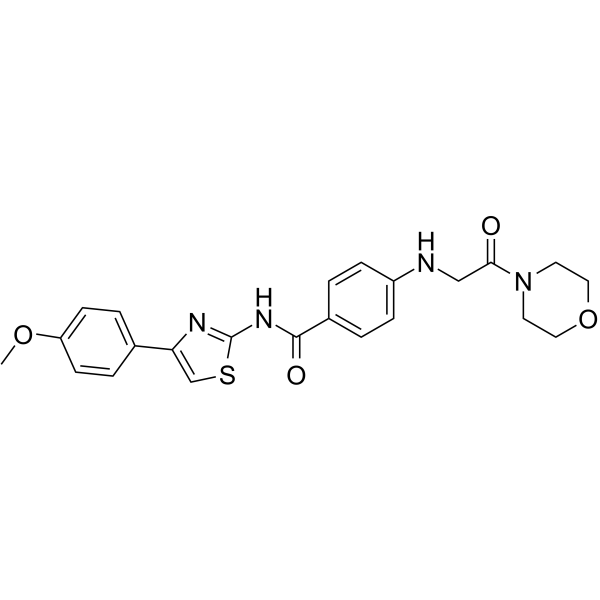
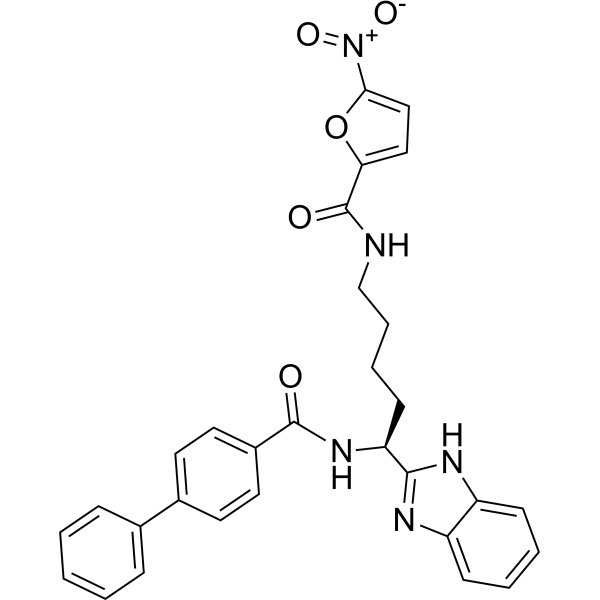
    SBI-993 is a SBI-477 analog with improved potency and suitable pharmacokinetic properties for in vivo bioavailability. SBI-993 stimulates insulin signaling by deactivating the transcription factor MondoA .
    SBI-993
  • HY-137207
    MK-28
    5+ Cited Publications

    PERK Neurological Disease
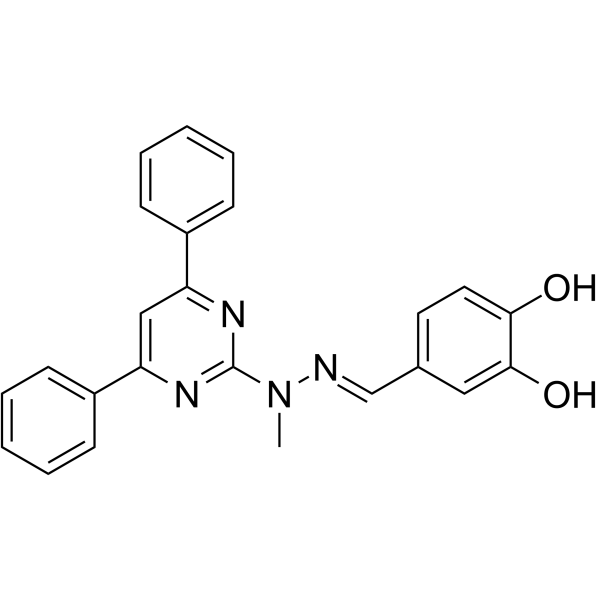
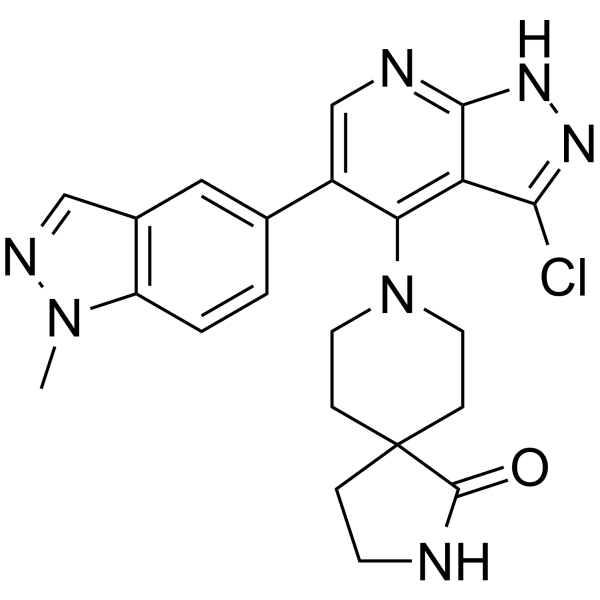
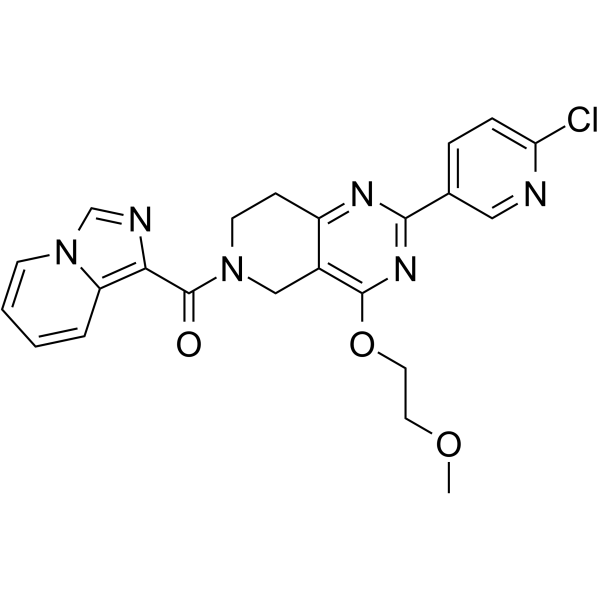
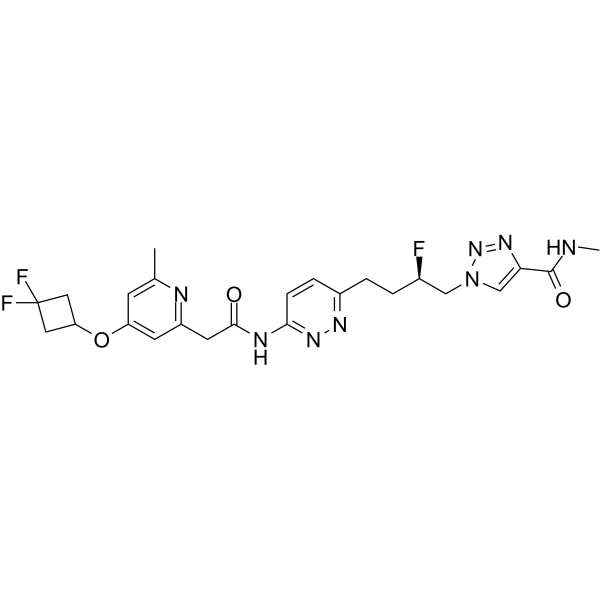
    MK-28 is a potent and selective PERK activator. MK-28 exhibits remarkable pharmacokinetic properties and high BBB penetration in mice .
    MK-28
  • HY-109555

    HMR 1964

    Insulin Receptor Metabolic Disease Inflammation/Immunology
    Insulin glulisine (HMR 1964) is a rapid-acting insulin analog whose pharmacokinetic and pharmacodynamic properties mimic physiological insulin secretion in humans, with a rapid onset of action. Insulin glulisine controls hyperglycemia. Insulin glulisine is applicable to research related to type 1 diabetes and type 2 diabetes .
    Insulin glulisine
  • HY-132298

    Adenylate Cyclase Others
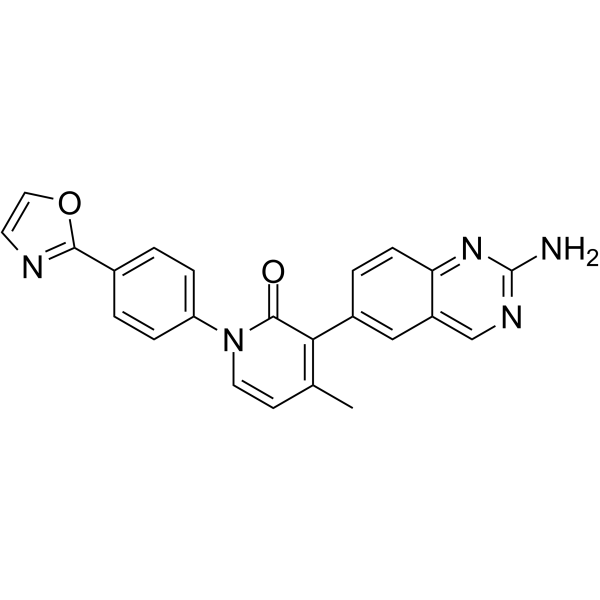
    TDI-10229 is a potent and orally bioavailable inhibitor of soluble adenylyl cyclase (sAC, ADCY10). TDI-10229 displays nanomolar inhibition of sAC in both biochemical and cellular assays (IC50 of 195 nM) and exhibits mouse pharmacokinetic properties sufficient to warrant its use as an in vivo tool compound .
    TDI-10229
  • HY-90009
    Nortadalafil
    1 Publications Verification

    Demethyl Tadalafil

    Phosphodiesterase (PDE) Cardiovascular Disease Neurological Disease Cancer
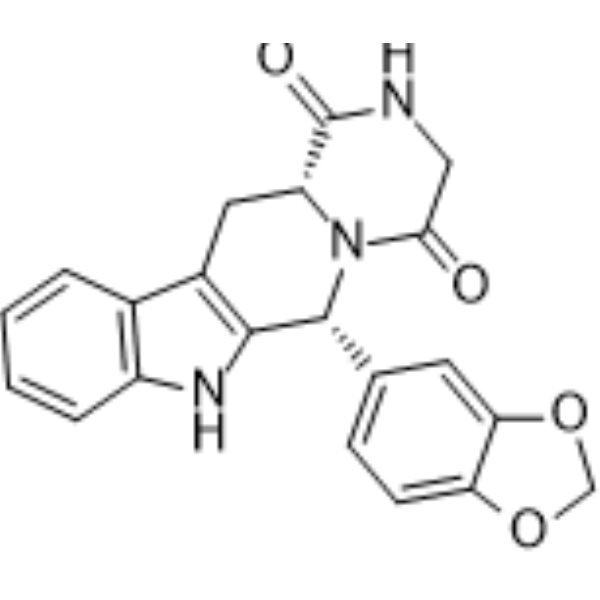
    Nortadalafil (Demethyl Tadalafil) is a phosphodiesterase-5 (PDE-5) inhibitor and Tadalafil (HY-90009A) analog. Nortadalafil exhibits pharmacokinetic properties including a half-life of 5.93-6.21 h after single oral doses of 40-120 mg. Nortadalafil is identified as an adulterant in dietary supplements .
    Nortadalafil
  • HY-139875
    JH-XVI-178
    1 Publications Verification

    CDK Cancer
    JH-XVI-178 is a highly efficient and selective CDK8/19 inhibitor, with IC50 values of 1 and 2 nM for CDK8 and CDK19, respectively. JH-XVI-178 has a low clearance rate and moderate oral pharmacokinetic properties .
    JH-XVI-178
  • HY-15738
    GNF-5
    4 Publications Verification

    Bcr-Abl Cancer
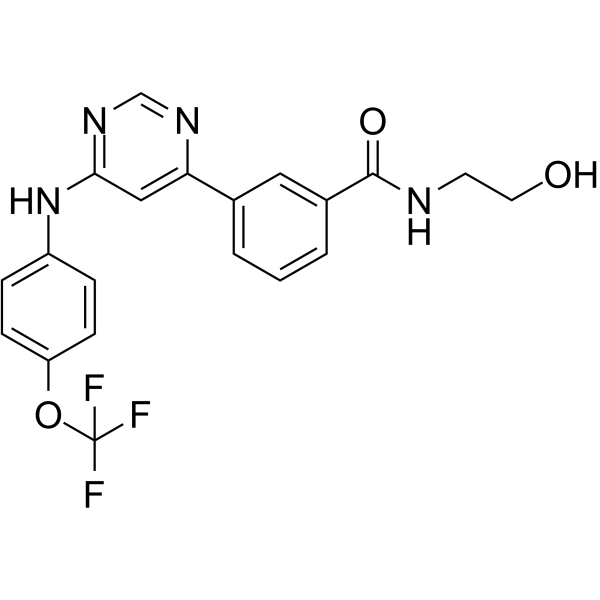
    GNF-5, the N-hydroxyethyl carboxamide analog of GNF-2, is an orally active Bcr-Abl inhibitor. GNF-5 has Bcr-Abl inhibition activity with an IC50 value of 0.22 µM. GNF-5 has good favorable pharmacokinetic properties. GNF-5 can be used for the research of kinds of cancer including chronic myelogenous leukemia (CML) and breast cancer .
    GNF-5
  • HY-163763

    G2A (GPR132) Neurological Disease Inflammation/Immunology Cancer
    T-10418 is a potent and highly selective G2A/GPR132 agonist. T-10418 has an EC50 of 0.82 μM for human G2A activation. T-10418 has good water solubility, metabolic stability, and pharmacokinetic properties. T-10418 can be used for the research of various diseases such as neuropathic pain, acute myeloid leukemia, and inflammation .
    T-10418
  • HY-156117

    STING Cancer
    LB244 is a homologue of BB-Cl-amidine, which is an orally effective STING inhibitor (EC50=0.8 μM) and can be used to inhibit STING-dependent inflammatory diseases. The pharmacokinetic properties of LB244 indicate limited oral activity in mice .
    LB244
  • HY-158123

    PSMA Cancer
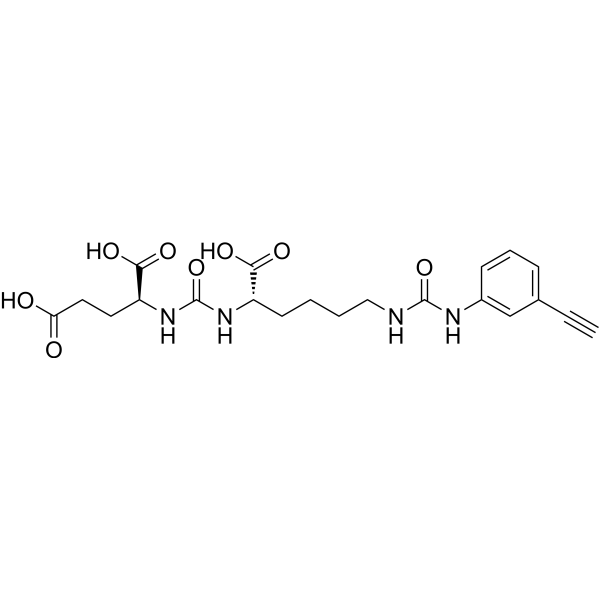
    PSMA binder-1 is a ligand for PSMA and can be used to synthesize PSMA targeting molecule, such as Ac-PSMA-trillium .
    PSMA binder-1
  • HY-103671

    Glutaminase Inflammation/Immunology Cancer
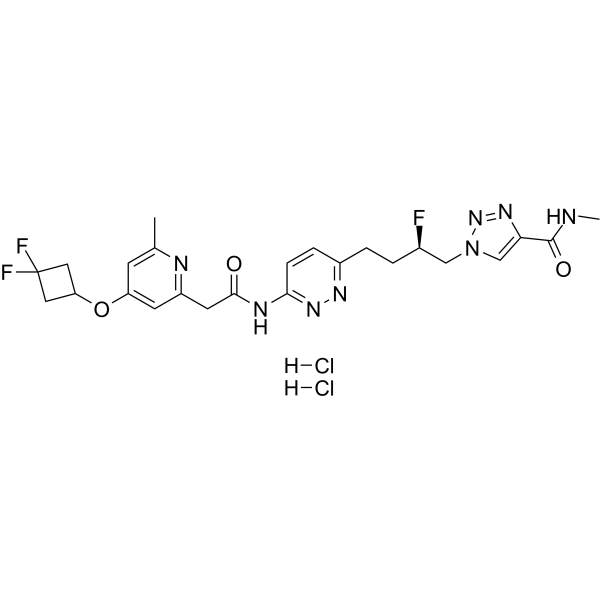
    IPN-60090 is an orally active and highly selective inhibitor of glutaminase 1 (GLS1; IC50=31 nM), with no activity observed against GLS-2. IPN-60090 exhibits excellent physicochemical and pharmacokinetic properties in vivo. IPN-60090 can be used for solid tumors research, such as lung and ovarian cancers .
    IPN60090
  • HY-174905

    QY201

    JAK Cytochrome P450 Inflammation/Immunology
    Quecitinib (QY201) is an orally active JAK1/TYK2 dual inhibitor. Quecitinib is also a substrate of cytochrome P450 3A and is mainly metabolized to mono-oxide and glucuronidation products. Quecitinib has favorable pharmacokinetic properties as well as safety. Quecitinib can be used in the research of atopic dermatitis and other autoimmune diseases .
    Quecitinib
  • HY-175684

    JAK STAT Apoptosis Cancer
    JAK2-IN-14 is an orally active JAK2 inhibitor with an IC50 of 2 nM. JAK2-IN-14 demonstrates 89.5-, 80.5-, and 51-fold selectivity over JAK1, JAK3, and TYK2, respectively. JAK2-IN-14 inhibits STAT5 signaling pathway. JAK2-IN-14 causes tumor cell cycle arrest and apoptosis. JAK2-IN-14 can used for the study of myeloproliferative neoplasms (MPNs) .
    JAK2-IN-14
  • HY-143904

    PROTACs Mps1 Cancer
    PROTAC TTK degrader-1 is a potent TTK (threonine tyrosine kinase) PROTAC degrader, with DC50 values of 1.7 and 5.8 nM in COLO-205 and HCT-116 cell, respectively. PROTAC TTK degrader-1 exhibits target degradation and anticancer efficacy in a xenograft mouse model of COLO-205 human colorectal cancer cells .
    PROTAC TTK degrader-1
  • HY-103671A

    Glutaminase Inflammation/Immunology Cancer
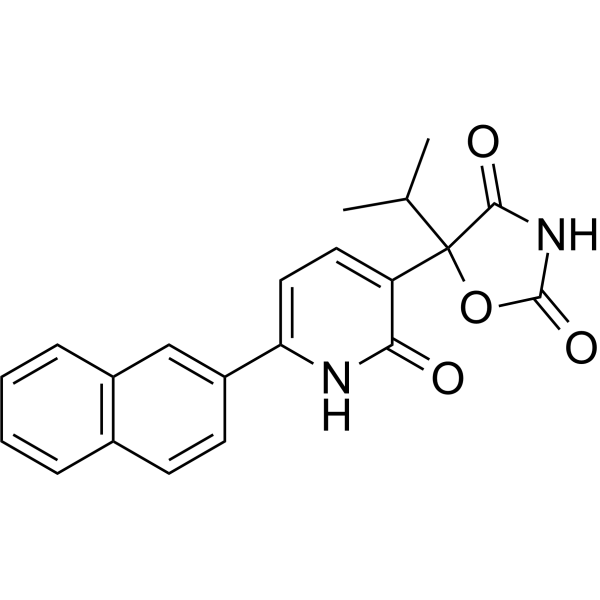
    IPN-60090 dihydrochloride is an orally active and highly selective inhibitor of glutaminase 1 (GLS1; IC50=31 nM), with no activity observed against GLS-2. IPN-60090 dihydrochloride exhibits excellent physicochemical and pharmacokinetic properties in vivo. IPN-60090 dihydrochloride can be used for solid tumors research, such as lung and ovarian cancers .
    IPN60090 dihydrochloride
  • HY-18302
    c-Kit-IN-5-1
    1 Publications Verification

    c-Kit Inflammation/Immunology
    c-Kit-IN-5 is potent inhibitor of c-Kit, with IC50s of 22 nM and 16 nM in kinase assay and cell assay, respectively. c-Kit-IN-5 shows more than 200-fold selectivity for c-Kit over KDR, p38, Lck, and Src. c-Kit-IN-5 also exhibits desirable pharmacokinetic properties .
    c-Kit-IN-5-1
  • HY-124674A
    CCT365623 hydrochloride
    1 Publications Verification

    Monoamine Oxidase EGFR Akt TGF-beta/Smad Cancer
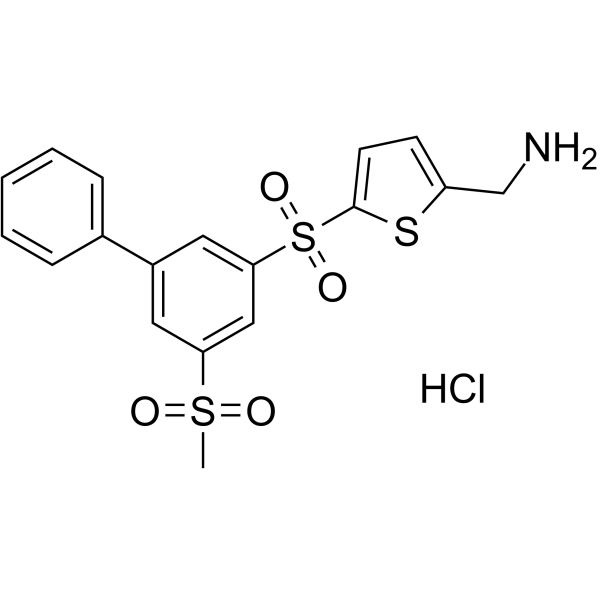
    CCT365623 hydrochloride is an orally active lysyl oxidase (LOX) inhibitor, with an IC50 of 0.89 μM. CCT365623 hydrochloride suppresses EGFR (pY1068) and AKT phosphorylation driven by EGF. CCT365623 hydrochloride is extremely well tolerated, and has good pharmacokinetic properties .
    CCT365623 hydrochloride
  • HY-147226

    Prostaglandin Receptor Neurological Disease Endocrinology
    EP3 antagonist 3 (compound 2) is an orally active, potent and selective EP3 antagonist, with a pKi of 8.3. EP3 antagonist 3 shows excellent pharmacokinetic properties. EP3 antagonist 3 can be used for overactive bladder (OAB) research .
    EP3 antagonist 3
  • HY-178037

    Toll-like Receptor (TLR) Interleukin Related TNF Receptor Inflammation/Immunology
    TLR9 antagonist 1 is a selective hTLR9 antagonist with an IC50 of 0.1 nM against hTLR9. TLR9 antagonist 1 exhibits favorable pharmacokinetic and pharmacodynamic properties. TLR9 antagonist 1 can be used in the research of systemic lupus erythematosus .
    TLR9 antagonist 1
  • HY-126248

    PARP Wnt Cancer
    Tankyrase-IN-2 (compound 5k) is a potent, selective, and orally active tankyrase inhibitor (IC50s of 10, 7, and 710 nM for TNKS1, TNKS2 as well as PARP1, respectively). Tankyrase-IN-2 has favorable physicochemical profile and pharmacokinetic properties modulating Wnt pathway activity in a colorectal xenograft model .
    Tankyrase-IN-2
  • HY-111539

    Prostaglandin Receptor Inflammation/Immunology Endocrinology
    BAY-1316957 is a potent, selective and orally active prostaglandin E2 receptor subtype 4 (EP4-R) antagonist with an IC50 of 15.3 nM for human EP4-R. BAY-1316957 has excellent agent metabolism and pharmacokinetics properties, and can be used for endometriosis research .
    BAY-1316957
  • HY-167876

    PI3K Cancer
    PQR514 is a potent PI3K inhibitor with anticancer activity. PQR514 is able to inhibit cancer cell proliferation. PQR514 showed significant antitumor activity in the OVCAR-3 xenograft model, with the required concentration being approximately one-eighth that of PQR309. PQR514 has good pharmacokinetic properties and minimal brain penetration, making it an optimized candidate compound for inhibiting systemic tumors .
    PQR514
  • HY-144763

    Apoptosis Cancer
    XPO1-IN-1 (compound D4) is an orally active and potent XPO1 inhibitor, with an IC50 of 24 nM in MM.1S cell. XPO1-IN-1 can efficiently induce cell apoptosis and cell cycle arrest. XPO1-IN-1 displays favorable metabolic stability and pharmacokinetic properties. XPO1-IN-1 can be used for multiple myeloma (MM) research .
    XPO1-IN-1
  • HY-143316

    Guanylate Cyclase Neurological Disease
    NPR-C activator 1 (Compound 1) is a potent activator of natriuretic peptide receptor C (NPR-C). C-type natriuretic peptide (CNP) is involved in the regulation of vascular homeostasis. NPR-C activator 1 is identified as a potent agonist (EC50 ∼ 1 μM) with promising in vivo pharmacokinetic properties .
    NPR-C activator 1
  • HY-158118

    DNA-PK Cancer
    Lys(CO-C3-p-I-Ph)-OMe is a pharmacokinetic modifier (PK modifier) that can improve the PK properties of PSMA ligand molecules (such as Ac-PSMA-trillium). Lys(CO-C3-p-I-Ph)-OMe can increase the residence time of Ac-PSMA-trillium in plasma by increasing its binding capacity to albumin. Lys(CO-C3-p-I-Ph)-OMe also reduces salivary gland absorption of Ac-PSMA-trillium, potentially extending its half-life. Ac-PSMA-trillium is a suitable PSMA-targeting compound that has different biological applications after modification with different radioactive isotopes. If labeled with 111In, it can be used as DOTA chelating agent and imaging agent. Or labeled with 225Ac as a Macropa chelator for targeted radionuclide therapy (TRT) in the study of metastatic castration-resistant prostate cancer (mCRPC) .
    Lys(CO-C3-p-I-Ph)-OMe
  • HY-131903

    IRAK Inflammation/Immunology
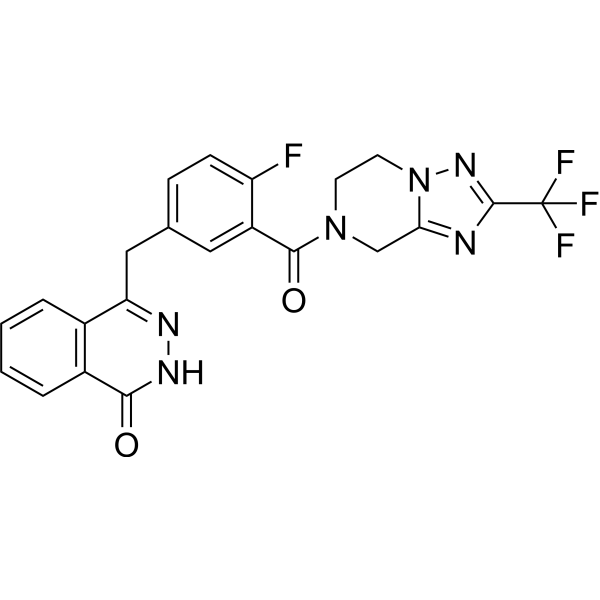
    HS271 is a highly potent, orally active and selective IRAK4 inhibitor, with an IC50 of 7.2 μM. HS271 exhibits superior enzymatic and cellular activities, as well as excellent pharmacokinetic properties .
    HS271
  • HY-117604
    THPP-1
    1 Publications Verification

    Phosphodiesterase (PDE) Neurological Disease
    THPP-1, a SGC chemical probe, is a potent and orally bioavailable phosphodiesterase 10A (PDE10A) inhibitor, with Ki values of 1 nM and 1.3 nM for human and rat PDE10A, respectively. THPP-1 has excellent pharmacokinetic properties in preclinical species .
    THPP-1
  • HY-W423595

    EGFR Cancer
    BEBT-109 is a potent pan-mutant-selective EGFR inhibitor. BEBT-109 has improved pharmacokinetic properties. BEBT-109 can be used for multiple mutant-EGFR-driven non-small cell lung cancer (NSCLC) research .
    BEBT-109
  • HY-149767

    SARS-CoV Infection
    CMX990 is a SARS-CoV-2 3CL protease inhibitor. The EC90s for inhibiting SARS-CoV-2 were 9.6 nM and 101 nM in human bronchial epithelial cells (HBECs) and HeLa-ACE2 cells, respectively. CMX990 has good ADME and pharmacokinetic properties .
    CMX990
  • HY-156432

    Anaplastic lymphoma kinase (ALK) mTOR PARP Caspase Cancer
    ALK-IN-26 is an ALK inhibitor with IC50 value of 7.0 μM for ALK tyrosine kinase. ALK-IN-26 has good pharmacokinetic properties and blood-brain barrier (BBB) permeability. ALK-IN-26 can induce apoptosis, autophagy and necrosis. ALK-IN-26 can be used in glioblastoma studies .
    ALK-IN-26
  • HY-111313

    Cholecystokinin Receptor Metabolic Disease
    JNJ-26070109 is a high-affinity, competitive, orally bioactive, and selective cholecystokinin 2 (CCK2) receptor antagonist with good pharmacokinetic properties, with pKis of 8.49, 7.99, and 7.70 for human, rat, and dog CCK2 receptors, respectively. The dual function of CCK2 receptors in regulating gastric acid secretion and growth of the gastrointestinal mucosa make this an attractive and novel target for the research of gastroesophageal reflux disease .
    JNJ-26070109
  • HY-167745

    Discoidin Domain Receptor Neurological Disease
    DDR1-IN-9 is a selective inhibitor of DDR1 with significant kinase activity suppression, exhibiting a Kd value of 4.7 nM and an IC50 value of 9.4 nM. DDR1-IN-9 demonstrates reduced potency against a diverse panel of 400 nonmutated kinases, indicating its specificity. Additionally, DDR1-IN-9 shows favorable pharmacokinetic properties and potential therapeutic effects in a model of pulmonary fibrosis.
    DDR1-IN-9
  • HY-158122

    DNA-PK Cancer
    Lys(CO-C3-p-I-Ph)-O-tBu is a pharmacokinetic modifier (PK modifier) that can improve the pharmacokinetic properties of PSMA ligand molecules. Lys(CO-C3-p-I-Ph)-O-tBu can increase the residence time of PSMA ligand in plasma by increasing its binding capacity to albumin. Lys(CO-C3-p-I-Ph)-O-tBu also reduces salivary gland absorption, possibly extending the half-life of the active compound .
    Lys(CO-C3-p-I-Ph)-O-tBu
  • HY-158125

    PSMA Cancer
    PSMA binder-2 is a ligand for PSMA and can be used to synthesize Ac-PSMA-trillium. Ac-PSMA-trillium is a suitable PSMA-targeting compound with improved PSMA binding properties and pharmacokinetic properties. PSMA ligands have different biological applications after being modified with different radioactive isotopes. If labeled with 111In, it can be used as DOTA chelating agent and imaging agent. Or labeled with 225Ac as a Macropa chelator for targeted radionuclide therapy (TRT) in the study of metastatic castration-resistant prostate cancer (mCRPC) .
    PSMA binder-2
  • HY-146214

    CDK Cancer
    As a cdk4/6 inhibitor. Compounds 10B and 10C showed low nanomolar activity, ideal antiproliferative activity, excellent metabolic properties and acceptable pharmacokinetics on cdk4/6.
    CDK4/6-IN-13
  • HY-163721

    CDK Cancer
    CDK7-IN-29 (compound 20) is an inhibitor of CDK7 with an IC50 value of 1.4 nM. CDK7-IN-29 has oral activity and good pharmacokinetic (PK) properties .
    CDK7-IN-29
  • HY-170546

    Haspin Kinase Cancer
    MU1920 is an ATP-competitive, selective inhibitor for haspin with an IC50 of 6 nM. MU1920 exhibits good pharmacokinetic properties and metabolic stability in mouse plasma and microsomes without obvious anticancer effects, which can be used for development of chemical probes .
    MU1920
  • HY-133760

    MDM-2/p53 Cancer
    MI-888 is an orally active MDM2 inhibitor with a Ki of 0.44 nM. MI-888 can inhibit the MDM2-p53 interaction. MI-888 has favorable pharmacokinetic properties and anti-tumor activity .
    MI-888
  • HY-178037A

    Interleukin Related TNF Receptor Toll-like Receptor (TLR) Inflammation/Immunology
    TLR9 antagonist 1 diformate is a selective hTLR9 antagonist with an IC50 of 0.1 nM against hTLR9. TLR9 antagonist 1 diformate exhibits favorable pharmacokinetic and pharmacodynamic properties. TLR9 antagonist 1 diformate can be used in the research of systemic lupus erythematosus .
    TLR9 antagonist 1 diformate
  • HY-179221

    HIV Infection
    HIV-1-IN-89 (Compound 20a-D) is a prodrug of 20a (an HIV-1 protease inhibitor). HIV-1-IN-89 has better pharmacokinetic properties. HIV-1-IN-89 can be used for studying the resistance to HIV-1 .
    HIV-1-IN-89
  • HY-163825

    Cannabinoid Receptor Neurological Disease Inflammation/Immunology
    RNB-61 is an oral active agonist of cannabinoid CB2 receptor (CB2R), with the Ki ranging from 0.13 nM to 1.81 nM. RNB-61 has nephroprotective and/or antifibrotic effects. RNB-61 has negligible penetration into the brain .
    RNB-61
  • HY-114721

    MEDI-564

    RSV Infection
    BTA-9881 (MEDI-564) is a RSV inhibitor, with an EC50: 48 nM, 59 nM and 160 nM for RSV A2, RSV Long, and RSV B1. BTA-9881 has favorable pharmacokinetics property .
    BTA-9881
  • HY-143905

    PROTACs Mps1 Cancer
    PROTAC TTK degrader-2 is a potent TTK (threonine tyrosine kinase) PROTAC degrader, with DC50 values of 3.1 and 12.4 nM in COLO-205 and HCT-116 cell, respectively. PROTAC TTK degrader-2 exhibits target degradation and anticancer efficacy in a xenograft mouse model of COLO-205 human colorectal cancer cells .
    PROTAC TTK degrader-2
  • HY-125376

    PI3K Cancer
    PI3Kδ-IN-3 (Compound 11) is a PI3Kδ inhibitor (IC50: 9 nM). PI3Kδ-IN-3 inhibits B cell function. PI3Kδ-IN-3 has good pharmacokinetic properties .
    PI3Kδ-IN-3
  • HY-133015

    Bcl-2 Family Cancer
    Mcl-1 inhibitor 3 (compound 1) is a highly potent and orally activate macrocyclic Mcl-1 inhibitor (Ki= 0.061 nM; IC50=19 nM in an OPM-2 cell viability assay). Mcl-1 inhibitor 3 shows good pharmacokinetic properties and excellent in vivo efficacy without toxicity .
    .
    Mcl-1 inhibitor 3
  • HY-174424

    PD-1/PD-L1 Apoptosis Cancer
    NPH16 is an orally active PD-1/PD-L1 inhibitor with an IC50 of 24.4 nM. NPH16 can promote HepG2 cell apoptosis. NPH16 shows excellent in vivo antitumor efficacy and favorable pharmacokinetic properties. NPH16 can be used for the study of liver cancer .
    NPH16
  • HY-153934

    GHR Endocrinology
    Tetrazole-C15-(N-acetylsulfamoyl)butanoic acid (Ligand 1) improves the pharmacokinetic properties of therapeutic peptides and proteins through non-covalent binding with human serum albumin (HSA). Tetrazole-C15-(N-acetylsulfamoyl)butanoic acid can be used for synthesis of long-acting human growth hormone (HGH) analog somapacitan .
    Tetrazole-C15-(N-acetylsulfamoyl)butanoic acid
  • HY-150080

    BMS-986180

    HIV HIV Integrase Infection
    GSK3739936 (BMS-986180) is a potent HIV-1 allosteric integrase inhibitor with an IC50 value of 11.1 nM and an EC50 value of 1.7 nM. GSK3739936 is also a weak CYP inhibitor (IC50>24.3 μM). GSK3739936 shows favorable pharmacokinetic property in preclinical species with rapid absorption, low to moderate clearance and excellent oral bioavailability .
    GSK3739936
  • HY-178350

    CDK HDAC Apoptosis Histamine Receptor Cancer
    MFDCH016 is a potent HDAC1/6 (IC50 = 38/59 nM) and CDK4/6 (IC50 = 680/720 nM) inhibitor. MFDCH016 induces apoptosis and cell cycle arrest in G2/M and G0/G1 phases in MCF-7 cells. MFDCH016 can modulate the HDAC-p21-CDK signaling pathway, increasing the levels of acetylated H3 and p21. MFDCH016 can be used for the study of breast cancer .
    MFDCH016
  • HY-174417

    Reverse Transcriptase HIV Potassium Channel Cytochrome P450 Infection
    NNRT-IN-10 is a potent, selective and orally active non-nucleoside HIV-1 reverse transcriptase (NNRTI) inhibitor with with an EC50 values ranging from 1.16 to 18.3 nM for HIV and its mutant strains. NNRT-IN-10 exhibits good pharmacokinetic properties and favorable safety profiles. NNRT-IN-10 can be used for the study of AIDS, caused by HIV-1 .
    NNRT-IN-10

온라인 문의

Your information is safe with us. * Required Fields.

호칭


Country or Region *

고객명 *


회사명 *

Department *


메일주소 *


상품명 *

Cat. No.


Requested quantity *

전화번호 *


비고

온라인 문의

Inquiry Information

상품명:
Cat. No.:
수량:
MCE Japan Authorized Agent:

