Search Result
Results for "
A549 non-small cell lung cancer cells
" in MedChemExpress (MCE) Product Catalog:
| Cat. No. |
Product Name |
Target |
Research Areas |
Chemical Structure |
-
- HY-13902
-
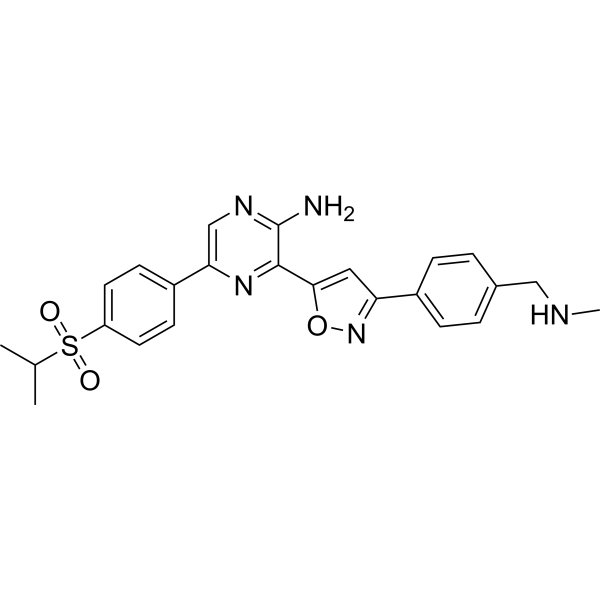
Berzosertib
Maximum Cited Publications
24 Publications Verification
VE-822; VX-970; M6620
|
ATM/ATR
Apoptosis
STING
Caspase
|
Infection
Metabolic Disease
Cancer
|
|
Berzosertib (VE-822) is an orally active, CNS-penetrant, and selective ATR kinase inhibitor. Berzosertib blocks ATR kinase activity, abrogates G2/M cell cycle checkpoint, impairs DNA damage repair. Berzosertib induces apoptosis, inhibnits conlony migration, inhibits cell proliferation, and activates cGAS-STING axes in cancer cells. Berzosertib can be used for the research of cancers, such as head and neck squamous cell carcinoma, and colorectal cancer .
|
-
-
- HY-N0164
-
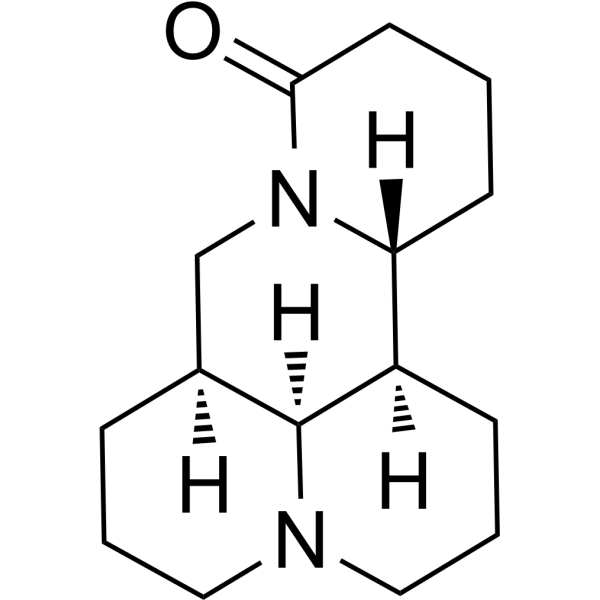
Matrine
Maximum Cited Publications
18 Publications Verification
Matridin-15-one; Vegard; α-Matrine
|
PINK1/Parkin
Opioid Receptor
Autophagy
Mitophagy
Ferroptosis
Apoptosis
|
Inflammation/Immunology
Cancer
|
|
Matrine (Matridin-15-one) is an alkaloid found in plants from the Sophora genus that can act as a kappa opioid receptor and u-receptor agonist. Matrine has a variety of pharmacological effects, including anti-cancer, anti-oxidative stress, anti-inflammation and anti-apoptosis effects. Matrine is potential in the research of disease like human non-small cell lung cancer, hepatoma, papillary thyroid cancer and acute kidney injury (AKI) .
|
-
-
- HY-145928
-
|
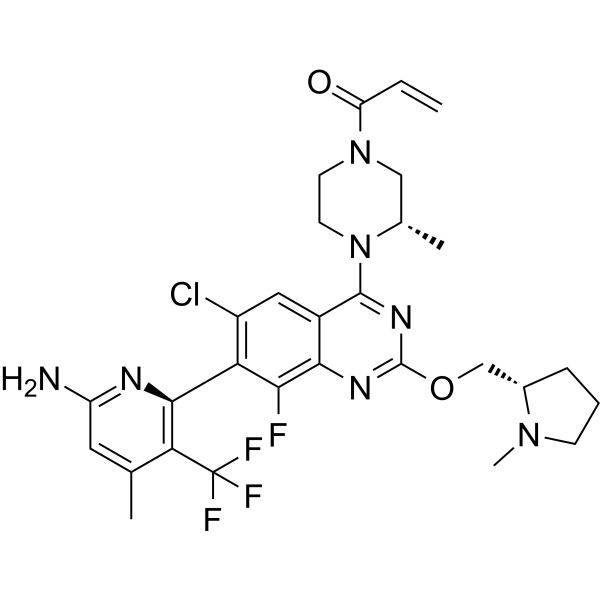
GDC-6036
|
Ras
|
Cancer
|
|
Divarasib (GDC-6036) is an orally active, selective KRAS G12C inhibitor with an IC50 of <0.01 μM. Divarasib covalently binds Cys12 in GDP-bound KRAS G12C, occupies the switch II pocket, blocks GTP binding and SOS-mediated reactivation, and inhibits oncogenic KRAS signaling. Divarasib induces tumor shrinkage and robust tumor growth inhibition in KRAS G12C-positive models and cancer cells. Divarasib can be used for the research of non-small cell lung cancer, colorectal adenocarcinoma, pancreatic ductal adenocarcinoma, and other KRAS G12C-mutated solid tumors .
|
-
-
- HY-162307
-
|
|
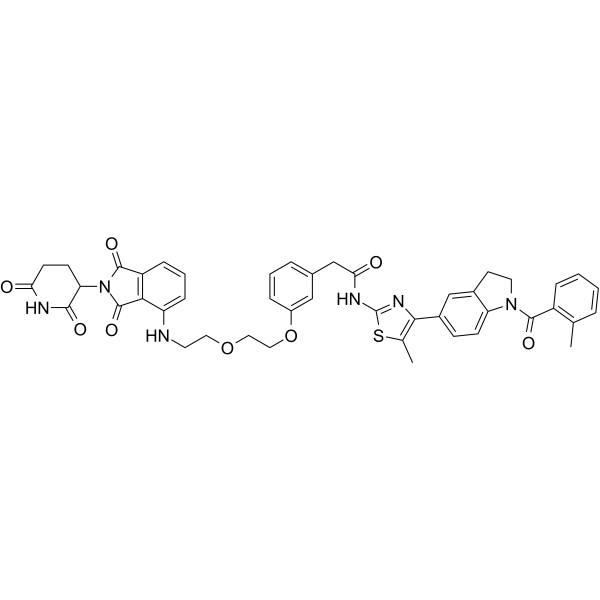
PROTACs
Keap1-Nrf2
|
Cancer
|
|
Nrf2 degrader 1 (compound 1) is a PROTAC Nrf2 degrader with a DC50 of 0.1-1 μM in huH1 cells. Nrf2 degrader 1 inhibits cancer cells growth for A549 and LK-2 cells with IC50 values of 100 nM and 40 nM, respectively. Nrf2 degrader 1 can be used for the study of liver cancer, non-small cell lung cancer (NSCLC) and squamous cell carcinoma of lung cancer .
|
-
-
- HY-P990957
-
|
BCA-101; FMAB2
|
EGFR
TGF-beta/Smad
|
Inflammation/Immunology
Cancer
|
|
Ficerafusp alfa (BCA-101) is a bispecific antibody targeting EGFR and TGFβ, with a Kd of 2.58 nM against EGFR and a Kd of 61.3 nM against TGFβ1. Ficerafusp alfa binds to EGFR, inhibits EGFR phosphorylation, blocks EGF-dependent cell proliferation, and mediates antibody-dependent cellular cytotoxicity against EGFR-positive tumor cells. Ficerafusp alfa sequesters TGFβ via its TGFβRII ECD domain, neutralizes the activity of TGFβ and TGFβ1, and blocks TGFβ-dependent processes, including epithelial-mesenchymal transition, cell invasion, and differentiation of inducible regulatory T cells. Ficerafusp alfa is applicable to research related to head and neck squamous cell carcinoma, advanced solid tumors, squamous non-small cell lung cancer, anal squamous cell carcinoma, colorectal cancer, and pancreatic cancer .
|
-

-
- HY-N3980
-
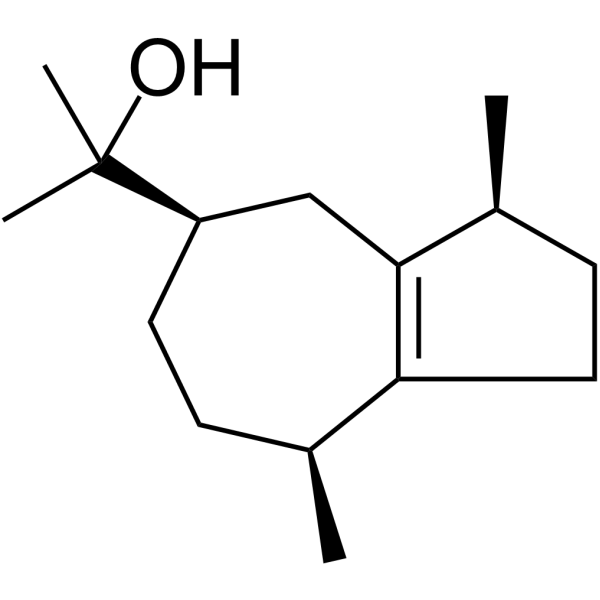
Guaiol
1 Publications Verification
Champacol; Guaiac alcohol
|
Autophagy
RAD51
|
Infection
Cardiovascular Disease
Inflammation/Immunology
Cancer
|
|
Guaiol is a sesquiterpenoid alcohol with oral activity found in various traditional Chinese medicines, exhibiting biological activities such as anti-proliferative, autophagy-promoting, insecticidal, anti-anxiety, anti-inflammatory, diuretic, and blood pressure-lowering effects. Guaiol induces apoptosis in non-small cell lung cancer cells by regulating the stability of RAD51 through autophagy modulation. Guaiol can also act directly on parasites, inhibiting their growth by affecting the kinetoplast, mitochondrial matrix and plasma membrane of the promastigotes. Guaiol kills amastigotes at an IC50 of 0.01 µg/mL. Guaiol can be used in research related to cancer, infections, cardiovascular diseases, and inflammatory conditions [4]
|
-
-
- HY-N0660
-
|
|
Apoptosis
PARP
Caspase
AMPK
Autophagy
VEGFR
Keap1-Nrf2
STING
11β-HSD
Ferroptosis
PI3K
Akt
p38 MAPK
ERK
|
Neurological Disease
Metabolic Disease
Inflammation/Immunology
Cancer
|
|
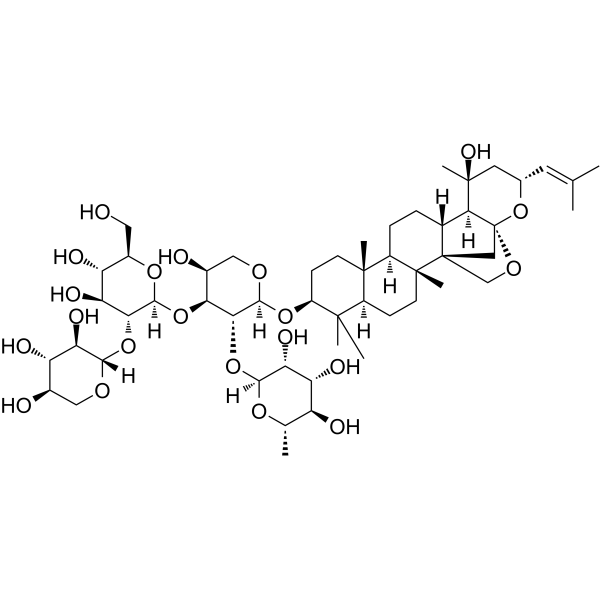
Jujuboside B is a bioactive saponin component isolated from Ziziphi Spinosae Semen (sour jujube seed), with oral efficacy and blood-brain barrier permeability. Jujuboside B induces acute leukemia cell death and drives necroptosis apoptosis by activating the RIPK1/RIPK3/MLKL pathway. Jujuboside B upregulates the expression of NOXA, PARP and caspase-3, activates AMPK, inhibits the proliferation of breast cancer cells, and induces cell apoptosis and autophagy. Jujuboside B inhibits angiogenesis and tumor growth by blocking the VEGFR-2 signaling pathway. Jujuboside B alleviates liver injury in mice by regulating the Nrf2-STING signaling pathway . Jujuboside B alleviates liver injury by regulating anti-inflammatory responses and downregulating the expression of 11β-HSD2. Jujuboside B induces ferroptosis and overcomes radioresistance in non-small cell lung cancer via the PPARγ-ATF3-Gpx4 signaling pathway. Jujuboside B exerts inhibitory effects on platelet aggregation. Jujuboside B inhibits febrile seizures by suppressing the activity of AMPA receptors. Jujuboside B reverses chronic unpredictable mild stress-promoted tumor progression by blocking the PI3K/Akt and MAPK/ERK pathways and dephosphorylating CREB signaling. Jujuboside B is applicable to related studies on acute leukemia, breast cancer, PM2.5-induced lung injury, hepatotoxicity, liver injury, colorectal cancer, non-small cell lung cancer, thromboembolic diseases, cardiovascular diseases associated with high platelet aggregation, febrile seizures, and depressive-like phenotypes .
|
-
-
- HY-59137
-
|
|
Drug Intermediate
|
Cancer
|
|
1-Methylimidazole acts as a membrane performance regulator that promotes the formation of reverse osmosis membranes with a dense ultra-thin polyamide layer. Such membranes exhibit higher flux and salt rejection rate, while also conferring excellent pH stability to the membrane. 1-Methylimidazole can serve as a ligand for ruthenium (II) complexes to construct metal-based anticancer agents .
|
-

-
- HY-12462
-
|
|
GSK-3
Keap1-Nrf2
Ferroptosis
IKK
|
Neurological Disease
Metabolic Disease
Inflammation/Immunology
Cancer
|
|
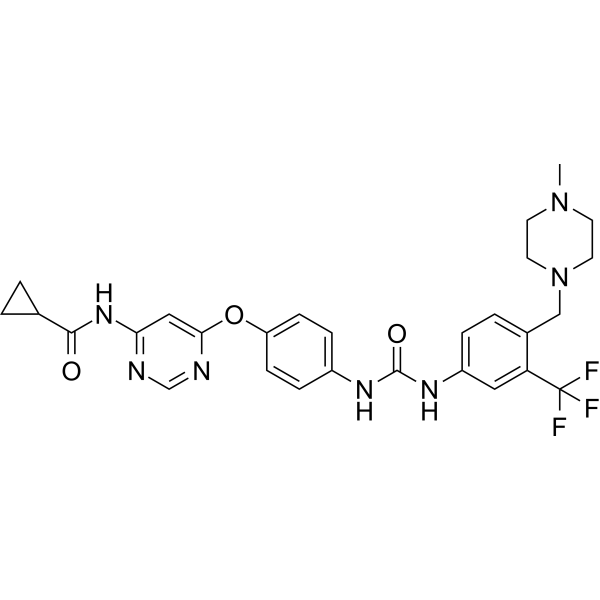
WS3 is an allosteric inhibitor of 14-3-3 (14-3-3ζ: Kd = 2.29 μM). WS3 activates GSK3β by disrupting the binding of 14-3-3-pGSK3β, promotes the ubiquitination and degradation of NRF2, and inhibits the NRF2-ARE signaling pathway (IC50 = 135 nM). It exerts antioxidant inhibition and chemotherapeutic/ferroptosis sensitizing effects in tumors with hyperactivated NRF2. WS3 binds to EBP1/IKKε and promotes the proliferation of β cells and retinal pigment epithelial (RPE) cells, which can be applied to islet regeneration and RPE expansion transplantation . WS3 is applicable to research related to age-related macular degeneration, retinal degeneration and non-small cell lung cancer .
|
-
-
- HY-149265
-
|
|
Reactive Oxygen Species (ROS)
TrxR
Ferroptosis
Apoptosis
Caspase
Bcl-2 Family
|
Cancer
|
|
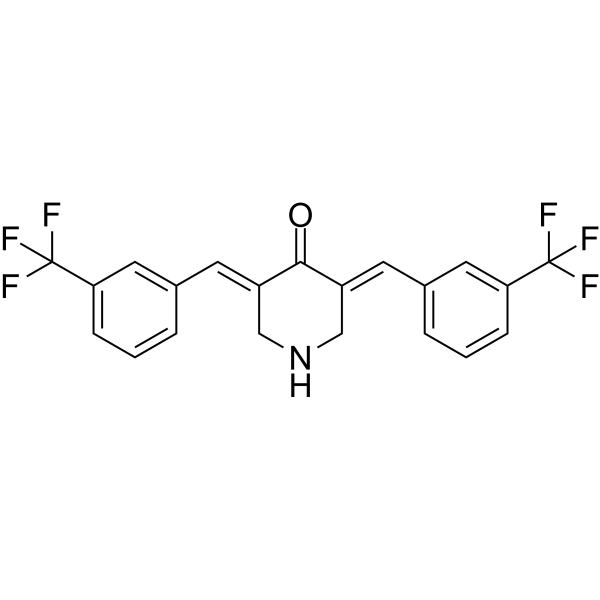
ROS-generating agent 1 is a selective ROS-generating agent. ROS-generating agent 1 inhibits TrxR activity and expression in cancer cells. ROS-generating agent 1 induces ROS-dependent apoptosis and ferroptosis in cancer cells. ROS-generating agent 1 selectively kills lung cancer cells and inhibits the growth of cancer cell xenograft tumors in nude mice. ROS-generating agent 1 can be used for the research of non-small cell lung cancer .
|
-
-
- HY-161828
-
|
|
PROTACs
CDK
|
Cancer
|
|
JWZ-5-13 is a CDK7 PROTAC degrader. JWZ-5-13 inhibits the proliferation of cancer cells. JWZ-5-13 is applicable to the research of ovarian cancer, diffuse large B-cell lymphoma, acute T-lymphoblastic leukemia and non-small cell lung cancer .
|
-

-
- HY-N7694
-
|
|
TGF-β Receptor
JAK
STAT
Apoptosis
|
Inflammation/Immunology
Cancer
|
|
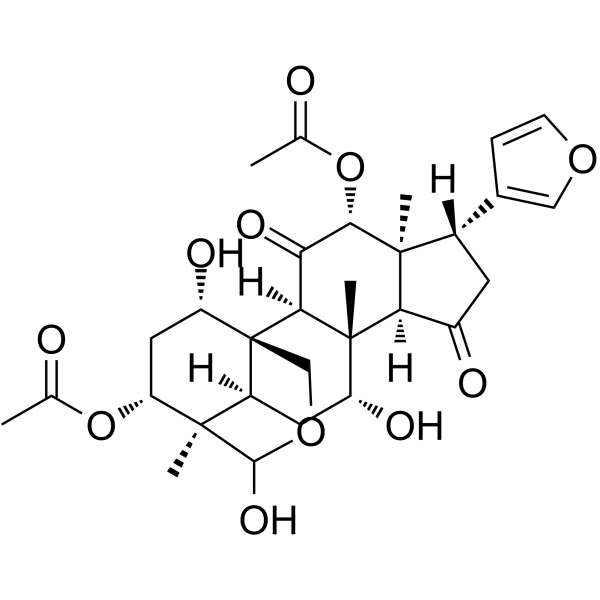
Isotoosendanin is an orally active TGFβR1 inhibitor and abrogating its kinase activity (IC50 = 6732 nM). Isotoosendanin inhibits the JAK/STAT3 signaling pathway by directly targeting SHP-2, enhancing its stability, and reducing its ubiquitination. Isotoosendanin inhibits TGF-β-induced reduces the migration, invasion, and metastasis in triple-negative breast cancer (TNBC) cells. Isotoosendanin exhibits anti-tumor efficacy in TNBC xenograft models and A549 xenograft tumors. Isotoosendanin exhibits significant anti-inflammatory effects in acetic acid-induced vascular permeability and λ-carrageenan-induced hind paw edema tests. Isotoosendanin can be used for the study of non-small cell lung cancer (NSCLC), TNBC and inflammation .
|
-
-
- HY-161285
-
|
|
MMP
|
Cancer
|
|
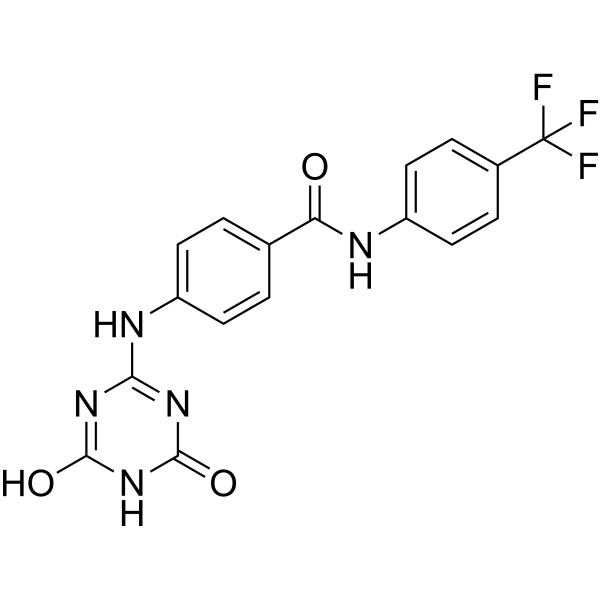
MMP-9/10-IN-2 (compound 6e) is a potent inhibitor of MMP10 and MMP9, with IC50 of 0.076 μM for MMP10, and 93.18% inhibition at 0.5 μM for MMP9. MMP-9/10-IN-2 plays an important role in anti-tumor .
|
-
-
- HY-N0867
-
|
|
HIV
ULK
Bcl-2 Family
|
Infection
Cancer
|
|
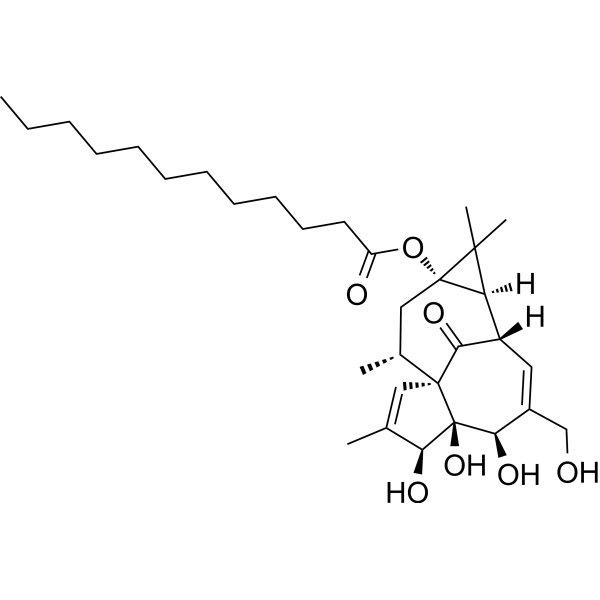
13-Oxyingenol-dodecanoate (13OD) is a tumor suppressor agent. 13-Oxyingenol-dodecanoate has anti-HIV-1 activity with EC50 value of 33.7 nM .13-Oxyingenol-dodecanoate can induce the expression of ULK1 to effect mitochondrial dysfunction and cellular autophagy. 13-Oxyingenol-dodecanoate also increases the expression of BAX and suppresses the expression of BCL-2 to effect apoptosis .
|
-
-
- HY-143466
-
|
|
FAK
ULK
AMPK
Apoptosis
Autophagy
|
Cancer
|
|
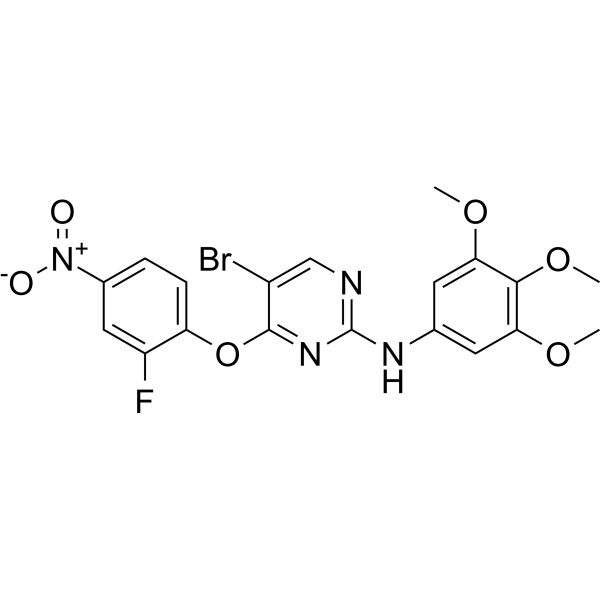
ULK1-IN-2 (compound 3s) is a potent ULK1 inhibitor. ULK1-IN-2 shows highest cytotoxic effect against cancer cell lines, with IC50 of 1.94 μM in A549. ULK1-IN-2 can induce apoptosis and simultaneously block autophagy, and can be used to study NSCLC (Non-small cell lung cancer) .
|
-
-
- HY-113825
-
|
|
CDK
|
Cancer
|
|
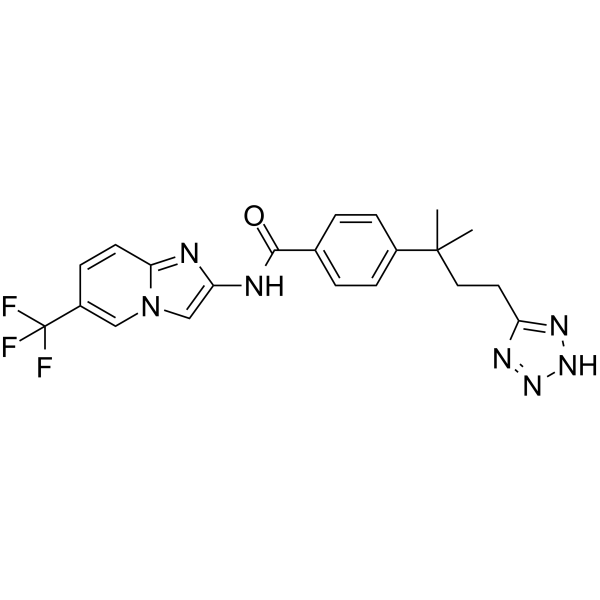
CLK1/2-IN-2 is CLK1 and CLK2 inhibitor with IC50 values of 16 nM and 45 nM, respectively. CLK1/2-IN-2 exhibits potent anti-cancer activities [1] .
|
-
-
- HY-P99719
-
|
BAY 1129980; Anti-C4.4a antibody-drug conjugates
|
Antibody-Drug Conjugates (ADCs)
|
Cancer
|
|
Lupartumab Amadotin (BAY 1129980) is an antibody–drug conjugate (ADC) consisting of a fully human C4.4A (LYPD3)-targeting mAb (BAY 1135626) (HY-147281) conjugated to a novel, highly potent derivative of the microtubule-disrupting cytotoxic drug auristatin via a noncleavable alkyl hydrazide linker. Lupartumab Amadotin can be used for the research of non-small cell lung cancer .
|
-

-
- HY-N4309
-
|
|
Amylases
Glycosidase
|
Neurological Disease
Metabolic Disease
Cancer
|
|
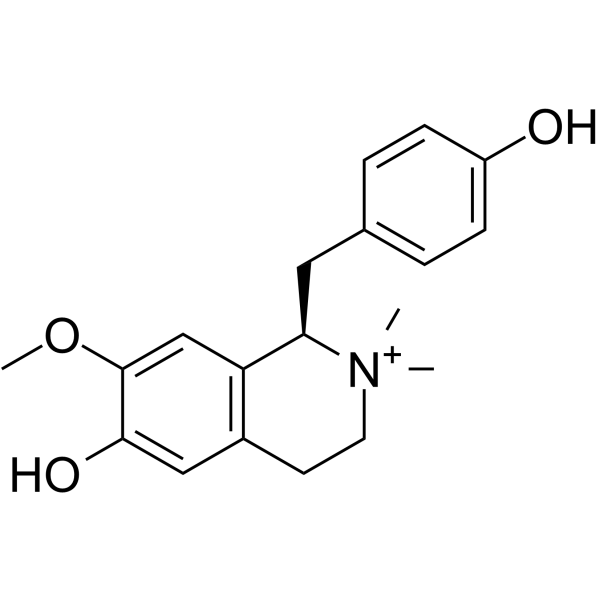
Lotusine is an orally active signaling pathway modulator and enzyme inhibitor, with an IC50 of 30.60 μg/mL against α-amylase and an IC50 of 36.15 μg/mL against α-glucosidase. Lotusine inhibits the EGFR-Akt-ERK signaling pathway by reducing the levels of phosphorylated EGFR, Akt and ERK. Lotusine induces apoptosis, triggers G0/G1 cell cycle arrest and inhibits cancer cell proliferation. Lotusine reduces lipid peroxidation and increases the activities of SOD, CAT and GPx. Lotusine is applicable to researches related to non-small cell lung cancer, type 2 diabetes and autism spectrum disorder .
|
-
-
- HY-149842
-
|
|
Akt
Apoptosis
|
Cancer
|
|
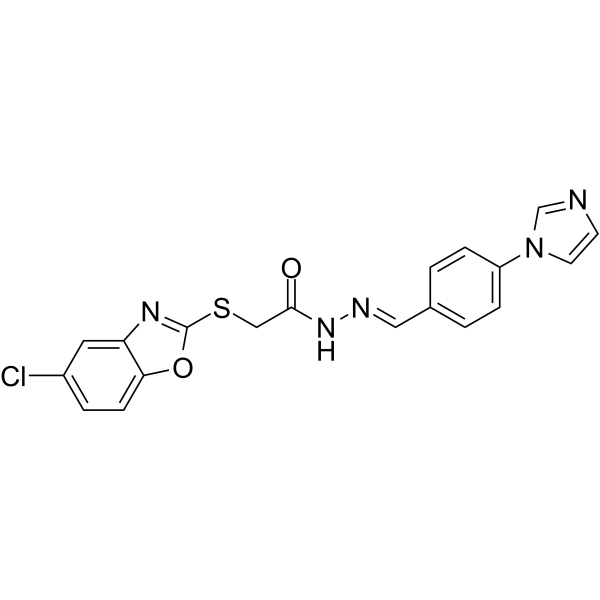
AKT-IN-18, an inhibitor of Akt, inhibits Akt with an IC50 of 69.45 μΜ in A549 cells. AKT-IN-18 induces apoptosis and can be used in non-small cell lung cancer study .
|
-
-
- HY-158006
-
|
|
MetAP
|
Cancer
|
|
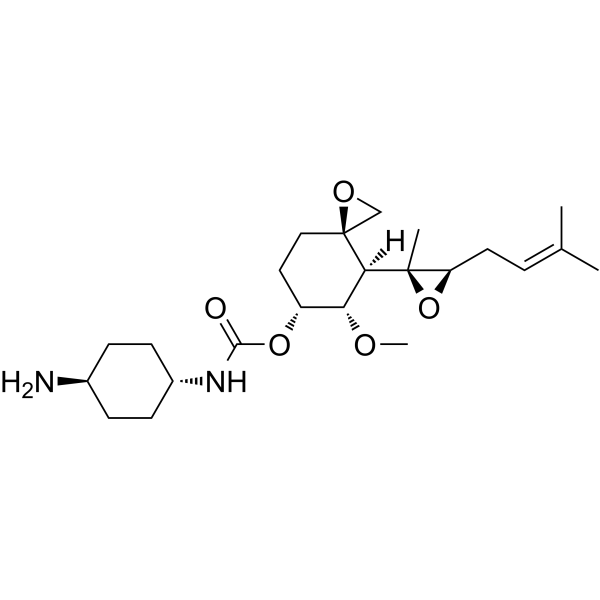
SDX-7539 is a selective inhibitor for Methionine aminopeptidase type 2 (MetAP2). SDX-7539 inhibits proliferarion of HUVECs with an IC50 of 120 μM. SDX-7539 exhibits antitumor activity in NSCLC xenograft athymic nude mice .
|
-
-
- HY-159006
-
|
|
Cytochrome P450
|
Cancer
|
|
CYP1B1 ligand 3 (Compound A1) is a selective inhibitor for cytochrome P450 enzyme CYP1B1 with an IC50 of 11.9 nM. CYP1B1 ligand 3 can be utilized for the synthesis of PROTAC CYP1B1 degrader-2 (HY-158429) .
|
-

-
- HY-147802
-
|
|
EGFR
Apoptosis
|
Cancer
|
|
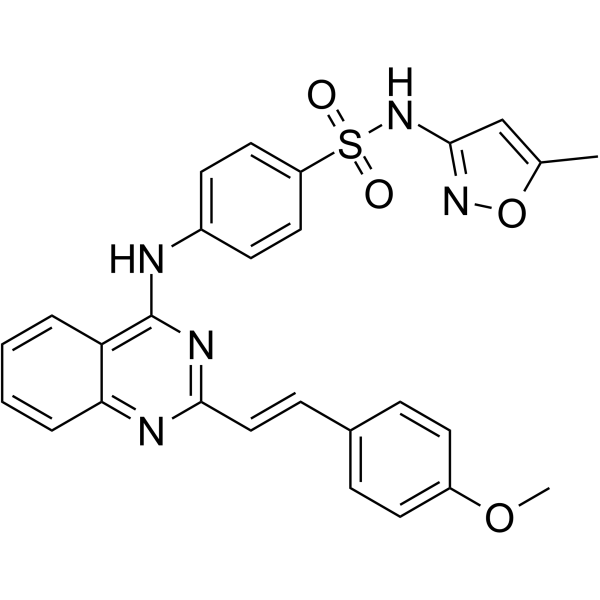
EGFR-IN-59 (Compound 8c) is a EGFR inhibitor (IC50=190 nM) and apoptosis inducer. EGFR-IN-59 exhibits cytotoxicity against non-small lung cancer cell lines (A549) and normal lung fibroblasts (WI38) with IC50s of 8.62 and 52.6 µM, respectively. EGFR-IN-59 can be used for the research of various cancers such as non-small cell lung cancer (NSCLC), head and neck cancer, breast cancer and colorectal cancer .
|
-
-
- HY-130133
-
|
|
PI3K
mTOR
Akt
Apoptosis
Paraptosis
p38 MAPK
Mitochondrial Metabolism
P-glycoprotein
CDK
MMP
HIF/HIF Prolyl-Hydroxylase
VEGFR
|
Cancer
|
|
DHW-221 is a potent orally active dual PI3K/mTOR inhibitor, exhibiting low nanomolar potency against all four Class I PI3K isoforms and mTOR (PI3Kα, IC50 = 0.50 nM; PI3Kβ, IC50 = 1.9 nM; PI3Kγ, IC50 = 1.8 nM; PI3Kδ, IC50 = 0.74 nM; mTOR, IC50 = 3.9 nM). DHW-221 exerts antitumor effects by blocking the PI3K/Akt/mTOR pathway and inducing mitochondrial apoptosis and paraptosis (via Endoplasmic Reticulum (ER) stress and MAPK signaling) and arrests cell cycle, thereby inhibiting cell migration, invasion and angiogenesis. DHW-221 inhibits tumor growth in both the A549/Taxol (HY-B0015) and the HCC827 xenograft mouse models. DHW-221 can be used for non-small cell lung cancer (NSCLC), colon and breast cancer research .
|
-

-
- HY-178937
-
|
|
RIP kinase
|
Cancer
|
|
Anticancer agent 284 exhibits cytotoxicity against osteosarcoma cell line (Hos), non-small cell lung cancer cell line (A549), and colon cancer cell line (HCT-116). Anticancer agent 284 can impact the pRIPK3 kinase concentration in the A549 (2.97 pg/mL). Anticancer agent 284 can be used for the study of cancer .
|
-

-
- HY-161366
-
|
|
PI3K
|
Cancer
|
|
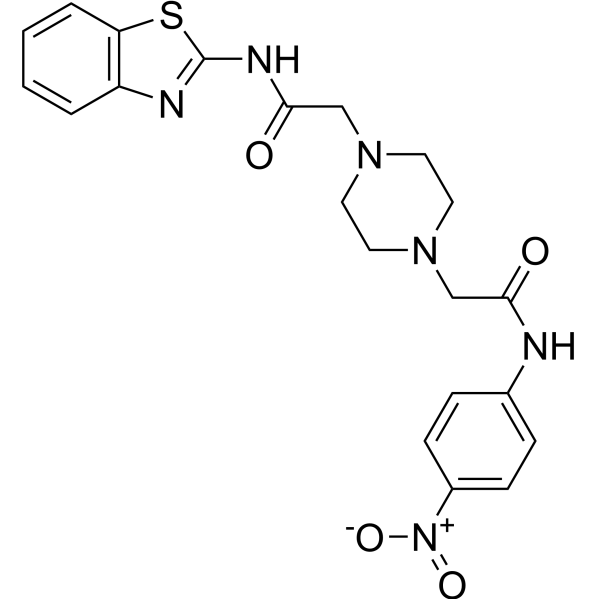
OMS14 is exhibits inhibitory activity for phosphoinositide 3-kinase γ (PI3Kγ) and PIK3CD/PIK3R1, which inhibits 19% PI3Kγ and 65% PIK3CD/PIK3R1 activity at 100 μM. OMS14 exhibits anticancer efficacy in various cancer cells .
|
-
-
- HY-115663
-
|
|
Epigenetic Reader Domain
c-Myc
|
Cancer
|
|
C620-0696 is an inhibitor targeting the brom domain of BPTF, with a KD value of 35.5 μM. C620-0696 can exert cytotoxic effects on A549 and H358 cells, inhibiting the expression of c-Myc. C620-0696 inhibits cell migration and colony formation, and induces apoptosis and cell cycle arrest. C620-0696 can be used in the research of non-small cell lung cancer .
|
-

-
- HY-162098
-
|
|
PROTACs
Microtubule/Tubulin
Apoptosis
|
Cancer
|
|
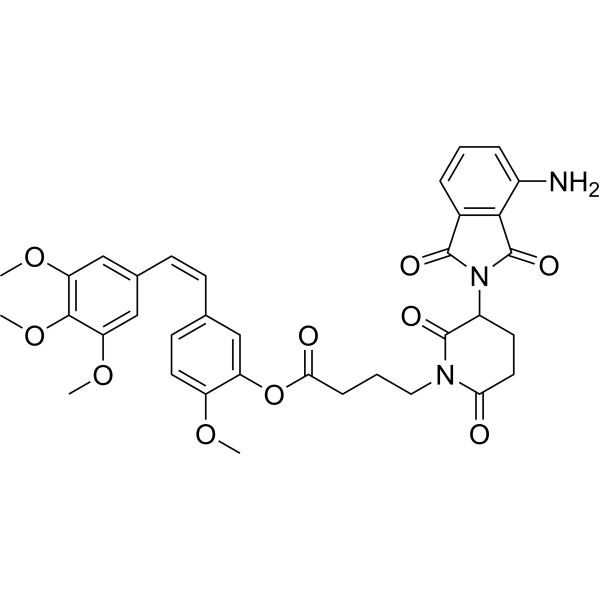
PROTAC tubulin-Degrader-1 is a α/β/β3-tubulin PROTAC degrader. PROTAC tubulin-Degrader-1 exhibits potent anti-proliferative activity against multiple human tumor cell lines. PROTAC tubulin-Degrader-1 induces G2/M phase arrest and apoptosis and inhibits colony formation in A549 and A549/Taxol cells. PROTAC tubulin-Degrader-1demonstrates potent anti-tumor efficacy in A549 and A549/Taxol (Taxol-resistant) xenograft model. PROTAC tubulin-Degrader-1 can be used for the study of non-small cell lung cancer (NSCLC). (Pink: Tubulin ligand (HY-N2146), Blue: CRBN Ligand (HY-10984), Black: Linker (HY-N6056)) .
|
-
-
- HY-112806
-
|
|
Drug-Linker Conjugates for ADC
HDAC
EGFR
Microtubule/Tubulin
|
Cancer
|
|
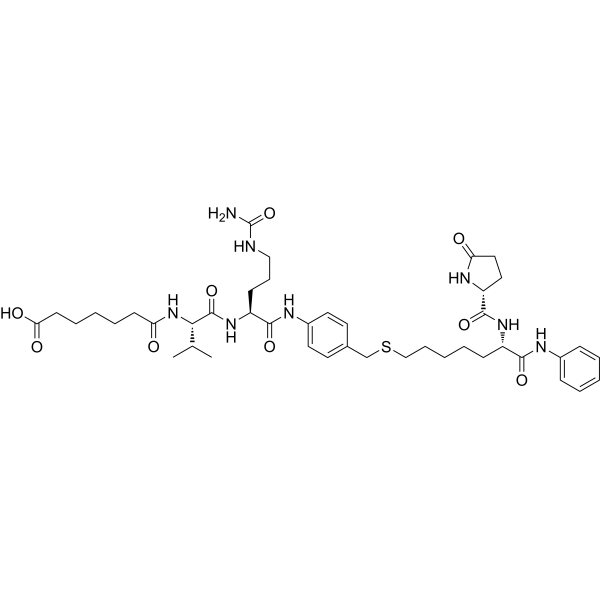
ST8155AA1 is a part of antibody agent conjugates (ADCs) charged with HDAC inhibitor. ST8155AA1 induces α-tubulin, histone H3/H4 acetylation via direct enzymatic inhibition. ST8155AA1 recognizes and binds EGFR, undergoes internalization into EGFR-expressing tumor cells. ST8155AA1 inhibits cancer cell proliferation and exerts activity in mouse tumor models. ST8155AA1 can be used for the research of non-small cell lung cancer .
|
-
-
- HY-175009
-
|
|
EGFR
JAK
STAT
Apoptosis
|
Cancer
|
|
MRC-G-001 is a Genipin (HY-17389) derivative with an IC50 of 117 μM against A549 cancer cells. MRC-G-001 inhibits the phosphorylation of EGFR, JAK1, and STAT3, and modulates epithelial-mesenchymal transition (EMT)-related protein expression, thereby attenuating cell migration and invasion. MRC-G-001 induces cell cycle arrest and cell apoptosis. MRC-G-001 can be used for the study of cancers such as non-small-cell lung cancer .
|
-

-
- HY-175836
-
|
|
Cytochrome P450
Apoptosis
|
Cancer
|
|
CYP1B1-IN-12 is a selective cytochrome P450 1B1 (CYP1B1) inhibitor with an IC50 of 6.05 nM. CYP1B1-IN-12 demonstrates remarkable selectivity, exceeding 1600-fold and 16,000-fold over CYP1A1 and CYP1A2, respectively. CYP1B1-IN-12 can enhance Paclitaxel (HY-B0015)-mediated apoptosis and restore Paclitaxel sensitivity in A549/Taxol-resistant cells. CYP1B1-IN-12 can inhibit the epithelial-mesenchymal transition process and reduce cells migration and invasion. CYP1B1-IN-12 can be used for the research of cancer, such as non-small cell lung cancer (NSCLC) .
|
-

-
- HY-N11912
-
|
|
Biochemical Assay Reagents
|
Cancer
|
|
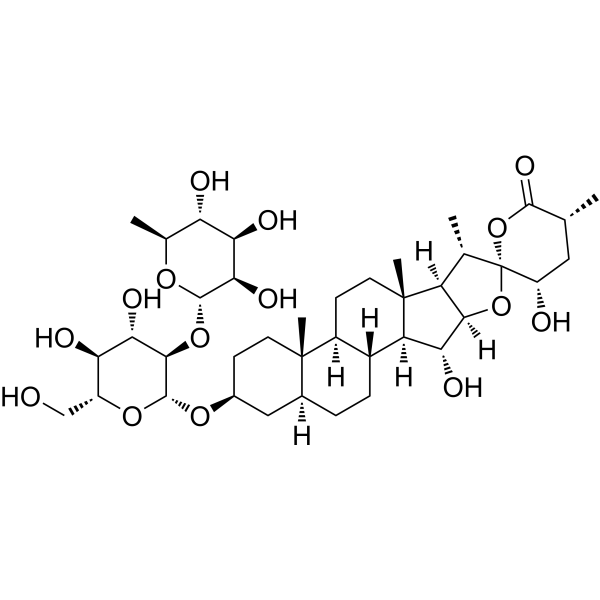
Soladulcoside A is a steroidal glycoside and antineoplastic agent that can be obtained from the whole plant of Solanum nigrum. Soladulcoside A can inhibit A549 cells and has the potential to study cancers such as non-small cell lung cancer (NSCLC) .
|
-
-
- HY-149841
-
|
|
Akt
|
Cancer
|
|
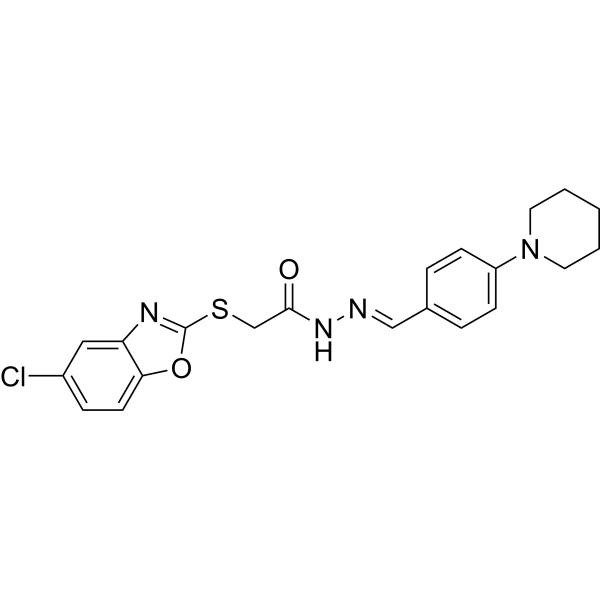
AKT-IN-17 is a AKt inhibitor. AKT-IN-17 inhibits AKt in A549 cells, leading to Apoptosis. AKT-IN-17 can be used in non-small cell lung cancer study .
|
-
-
- HY-149840
-
|
|
Apoptosis
|
Cancer
|
|
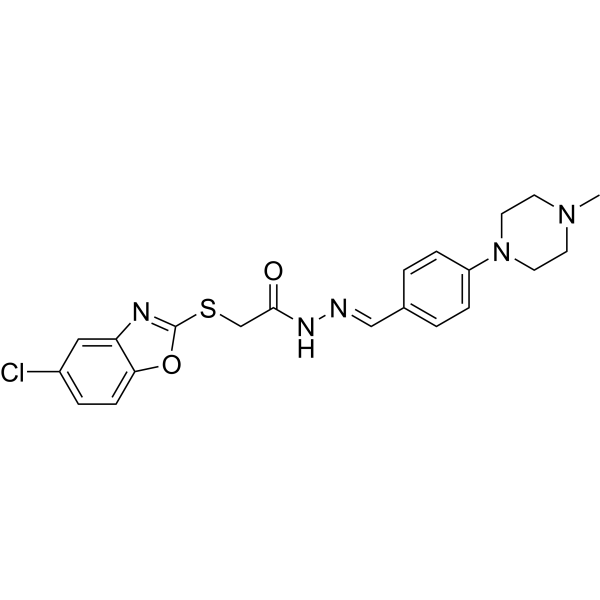
Antitumor agent-113 shows cytotoxic effects on A549 cells with IC50 value of 46.60 μM and induces apoptosis. Antitumor agent-113 can be used in non-small cell lung cancer study .
|
-
-
- HY-114563
-
|
dFdG
|
Drug Derivative
|
Cancer
|
|
LY 223592 (Compound I-a) is a Gemcitabine (HY-17026) derivative. LY 223592 has the biological activity of highly selective inhibition of lung cancer cell proliferation (IC50 = 5.6 nM in A549 cells) and low cytotoxicity to normal cells. LY 223592 can be used for the research of cancer, such as non-small cell lung cancer (NSCLC) .
|
-

-
- HY-172958
-
|
|
Anaplastic lymphoma kinase (ALK)
|
Cancer
|
|
F6524-1593 is an ALK inhibitor. F6524-1593 has inhibitory activity against A549 and HepG-2 cells with IC50 values of 161.1 μM and 91.03 μM, respectively. F6524-1593 can be used in the research of ALK-related cancers (such as non-small cell lung cancer, lymphoma and neuroblastoma) .
|
-

-
- HY-174384
-
|
|
c-Met/HGFR
Apoptosis
G-quadruplex
|
Cancer
|
|
MET Transcription-IN-1 (Compound C3) is an orally active MET transcription inhibitor. MET Transcription-IN-1 can efficiently bind and stabilize the G-quadruplex in the MET promoter region, thereby inhibiting c-Met expression. MET Transcription-IN-1 can also overcome drug resistance caused by specific c-Met mutations. MET Transcription-IN-1 is capable of inhibiting tumor cell proliferation, migration, and invasion, as well as inducing cell cycle arrest and apoptosis. MET Transcription-IN-1 has antitumor activity, and can be used in the research of tumors such as non-small cell lung cancer .
|
-

-
- HY-168300
-
|
|
Reactive Oxygen Species (ROS)
Apoptosis
|
Inflammation/Immunology
Cancer
|
|
Antiangiogenic agent 7 (Compound 1) can induce cell apoptosis, increase Reactive Oxygen Species, and inhibit the intracellular enzyme thioredoxin reductase. Antiangiogenic agent 7 has anti-cancer activity, with an IC50 of 0.08-3.5 μM against cervical cancer cells HeLa, prostate cancer cells PC-3, and non-small cell lung cancer A549. Antiangiogenic agent 7 inhibits tumor growth in mouse xenograft models .
|
-

-
- HY-N15614
-
|
|
Others
|
Cancer
|
|
Cassamine is a diterpenoid compound that can be isolated from the bark of Erythrophleum fordii. Cassamine exhibits certain cytotoxicity against non-small cell lung cancer cell lines, with IC50 values of 3.4, 2.1, and 1.9 μM against A549, NCI-H1975, and NCI-H1299, respectively. Cassamine has antitumor activity and can be used in the research of lung cancer and other tumors .
|
-

-
- HY-172881
-
|
|
Pyruvate Kinase
|
Cancer
|
|
PKM2-IN-10 (Compound 16) is a PKM2 inhibitor. PKM2-IN-10 inhibits the proliferation of A549 and HCC1833 cell lines with IC50 of 3.36 μM and 9.20 μM, respectively. PKM2-IN-10 exhibits antitumor activity in human non-small cell lung cancer (NSCLC) and mouse lung adenocarcinoma models. PKM2-IN-10 can be used in lung cancer research .
|
-

-
- HY-170968
-
|
|
EGFR
Apoptosis
|
Cancer
|
|
EGFR-IN-150 is an EGFR inhibitor that effectively suppresses the phosphorylation of mutant epidermal growth factor receptor (EGFR) and its downstream AKT signaling pathway, thereby exerting antitumor effects and inducing HMOX1 expression to trigger ferroptosis. EGFR-IN-150 exhibits an IC50 of 0.386 μM against the non-small cell lung cancer (NSCLC) cell line H1975, and significantly inhibits colony formation and migration of both H1975 and A549 cells while inducing apoptosis. In addition, EGFR-IN-150 markedly suppresses tumor growth in the H1975 cell-derived xenograft (CDX) mouse model. EGFR-IN-150 holds promise for research related to non-small cell lung cancer .
|
-

-
- HY-159512
-
|
|
EGFR
Apoptosis
|
Cancer
|
|
EGFR kinase inhibitor 7 (compound 18i) is an EGFR inhibitor (IC50=42.3 nM) with anticancer activity. EGFR kinase inhibitor 7 has significant in vitro cytotoxicity and apoptosis induction ability. EGFR kinase inhibitor 7 has antiproliferative activity against human colon cancer cell line HCT116 and human non-small cell lung cancer cell line A549, with IC50 values of 4.82 µM and 1.43 µM, respectively .
|
-

-
- HY-161470
-
|
|
Histone Demethylase
E1/E2/E3 Enzyme
DNA/RNA Synthesis
Caspase
Apoptosis
|
Cancer
|
|
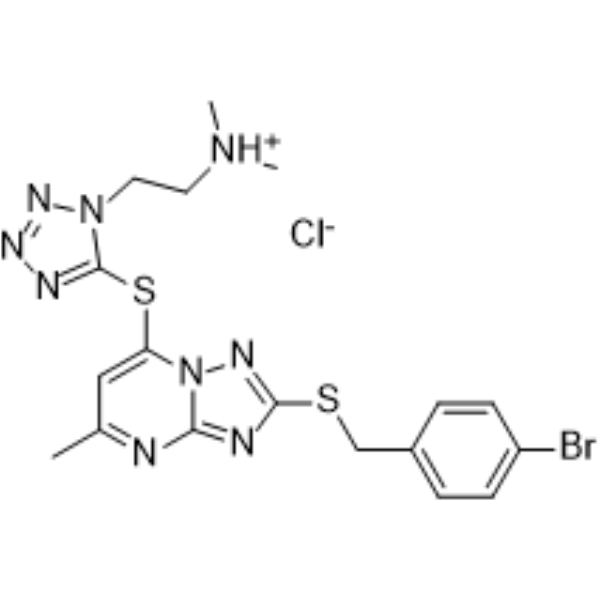
WS-384 is a dual LSD1 and DCN1-UBC12 protein-protein interaction inhibitor with oral activity, with IC50 values of 338.79 nM and 14.81 nM, respectively. WS-384 possesses anticancer activity and can cause cell cycle arrest, DNA damage, and induce apoptosis. WS-384 can be used in the research of non-small cell lung cancer (NSCLC) .
|
-
-
- HY-175811
-
|
|
Ferroptosis
Glutathione Peroxidase
|
Cancer
|
|
Ferroptosis inducer-10 is a ferroptosis inducer. Ferroptosis inducer-10 can inhibit A549 cells growth with an IC50 of 0.76 μM. Ferroptosis inducer-10 can deplete GSH, elevate ROS and MDA, and downregulate GPX4 expression. Ferroptosis inducer-10 can induce cell G2/M phase and inhibit migration. Ferroptosis inducer-10 can be used for the research of cancer, such as non-small lung cancer .
|
-

-
- HY-162041
-
|
|
Survivin
|
Cancer
|
|
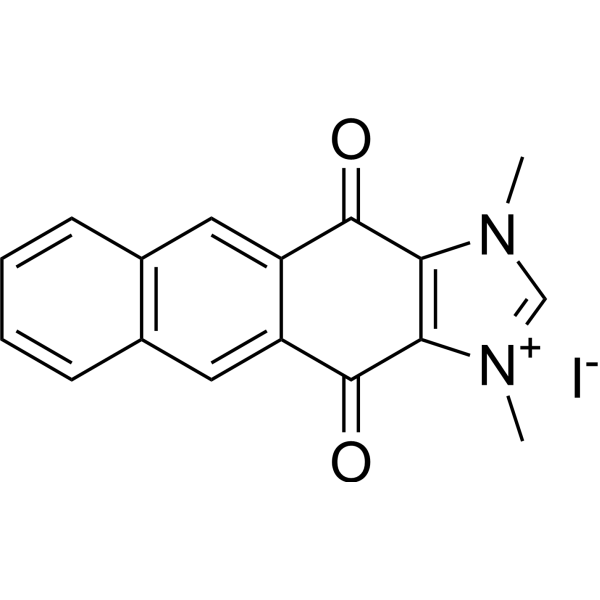
AQIM-I is an inhibitor of survivin via inhibits survivin expression and colony formation. AQIM-I induces ROS production, apoptosis, cell cycle arrest, DNA damage, and autophagy. AQIM-I inhibits nonsmall cell lung cancer cells A549 with an IC50 value of 9 nM .
|
-
-
- HY-174992
-
|
|
Apoptosis
Bcl-2 Family
|
Cancer
|
|
Apoptosis inducer 39 is an apoptosis inducer with IC50s of 4.53 and 15.42 μM against MDA-MB-231 and A549 cells. Apoptosis inducer 39 exerts in vitro anti-tumor activity by decreasing the expression of the anti-apoptotic protein Bcl-2 while increasing the expression of the pro-apoptotic protein Bax. Apoptosis inducer 39 can be used for the study of breast cancer and non-small lung cancer .
|
-

-
- HY-N2199
-
|
|
Apoptosis
Autophagy
PI3K
JNK
mTOR
p38 MAPK
CDK
MMP
TGF-beta/Smad
STAT
β-catenin
Reactive Oxygen Species (ROS)
Bcl-2 Family
Caspase
|
Inflammation/Immunology
Cancer
|
|
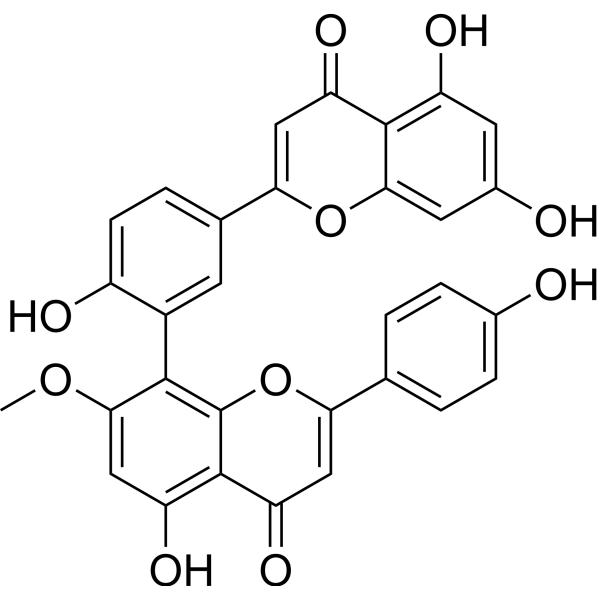
Sotetsuflavone is a flavonoid that can be isolated from Cycas revolute. Sotetsuflavone inhibits phosphorylation of PI3K, Akt, mTOR, JNK, and p38 MAPK; modulates expression of Cyclin D1, CDK4, Bcl-2, Bax, cleaved caspases 3/9, MMP-9, TGF-β, STAT3, and β-catenin. Sotetsuflavone induces G0/G1 cell cycle arrest, apoptosis, autophagy, and intracellular ROS elevation, inhibits cancer cell proliferation. Sotetsuflavone inhibits tumor growth in mouse tumor xenograft models. Sotetsuflavone can be used for the research of non-small cell lung cancer and Crohn’s disease .
|
-
-
- HY-107513
-
|
|
mGluR
|
Neurological Disease
Cancer
|
|
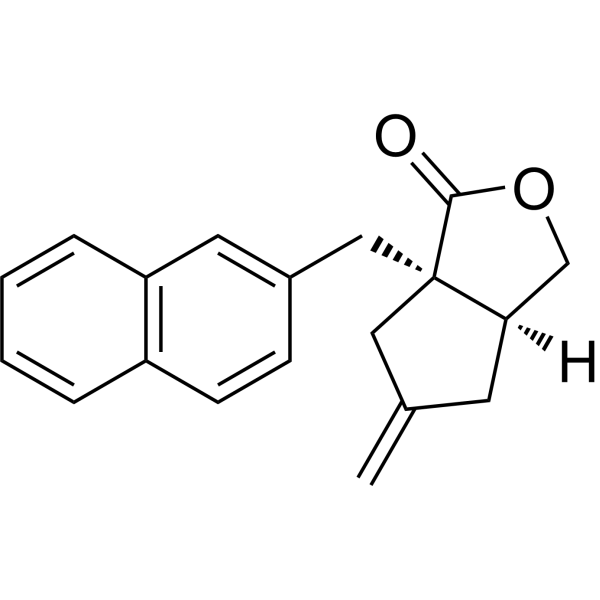
BAY 36-7620 is a potent and noncompetitive antagonist of mGlu1 Receptor (IC50=0.16 μM) with inverse agonist activity. BAY 36-7620 inhibits tumor growth and prolongs the survival of mice with tumors by inhibiting mGlu1 receptor. BAY 36-7620 suppresses AKT phosphorylation in A549 tumors. BAY 36-762 has neuroprotective effect in acute subdural hematoma rat model.BAY 36-7620 is used in non-small cell lung cancer and breast cancer research .
|
-
-
- HY-P10757
-
-

-
- HY-178451
-
|
|
Apoptosis
|
Cancer
|
|
NQO1-responsive prodrug is a prodrug of Gemcitabine (dFdC) (HY-17026) with anti-cancer effect. NQO1-responsive prodrug remains stable in plasma and liver/intestinal S9 fractions, releasing dFdC in an NQO1-dependent manner. NQO1-responsive prodrug induces S-phase arrest and apoptosis. NQO1-responsive prodrug inhibits tumor growth in an A549 xenograft mouse model. NQO1-responsive prodrug can be used for breast and non-small cell lung cancer (NSCLC) research .
|
-

-
- HY-175206
-
|
|
P-glycoprotein
|
Cancer
|
|
P-gp-IN-30 (Compound 13) is a P-glycoprotein (P-gp) inhibitor by targeting YB-1. P-gp-IN-30 significantly enhances sensitivity to Paclitaxel by reducing total YB-1 and nucleus YB-1 protein expression, inhibiting the expression and function of downstream P-gp, further suppressing the efflux rate of Paclitaxel. P-gp-IN-30 potently inhibits tumor growth in A549/Taxol xenografts mice model with combination of Paclitaxel (HY-B0015). P-gp-IN-30 can be used for non-small cell lung cancer (NSCLC) research .
|
-

- HY-175297
-
|
|
VEGFR
EGFR
|
Cancer
|
|
EGFR T790M/VEGFR-2-IN-1 (Compound 6) is a dual EGFR T790M mutant (IC50=0.26 μM) and VEGFR-2 (IC50=0.95 μM) inhibitor. EGFR T790M/VEGFR-2-IN-1 blocks tumor cell proliferation and angiogenesis signaling pathways. EGFR T790M/VEGFR-2-IN-1 exhibits potent cytotoxicity against multiple cancer cell lines (HCT116, MCF-7, HepG2, A549; IC50=5.35-9.90 μM). EGFR T790M/VEGFR-2-IN-1 is promising for research of non-small cell lung cancer and solid tumors .
|
-

- HY-170438
-
|
|
EGFR
|
Cancer
|
|
EGFR-IN-139 (compound PD 18) is an epidermal growth factor receptor (EGFR) inhibitor, with IC50s of 12.88 (wild type), 10.84 (L858R/T790M), 42.68 (L858R/T790M/C797S) nM, respectively. EGFR-IN-139 displays strong anticancer activity against A549 and H1975 cancer cell lines, which are highly expressed EGFR. EGFR-IN-139 has a strong selectivity to cancer cells. EGFR-IN-139 can be used for nonsmall cell lung cancer (NSCLC) research[1].
|
-

- HY-N17744
-
|
|
Others
|
Cancer
|
|
Entadoside B is a triterpenoid saponin found in the seeds of Entada phaseoloides. Entadoside B exhibits anticancer activity with an IC50 of 10.5 μM against A549 cells. Entadoside B can be used in research on non-small cell lung cancer .
|
-

- HY-N16507
-
|
|
Microtubule/Tubulin
|
Cancer
|
|
Bruceoside D is a cytotoxic quassinoid glucoside found in Brucea javanica. Bruceoside D is a microtubule polymerization inhibitor. Bruceoside D demonstrates inhibitory activity against leukemia (CCRF-CEM), non-small cell lung cancer (A549), and ovarian cancer (OVCAR-3) cell lines. Bruceoside D is promising for research of cancers .
|
-

- HY-118988
-
|
|
PPAR
Apoptosis
|
Cancer
|
|
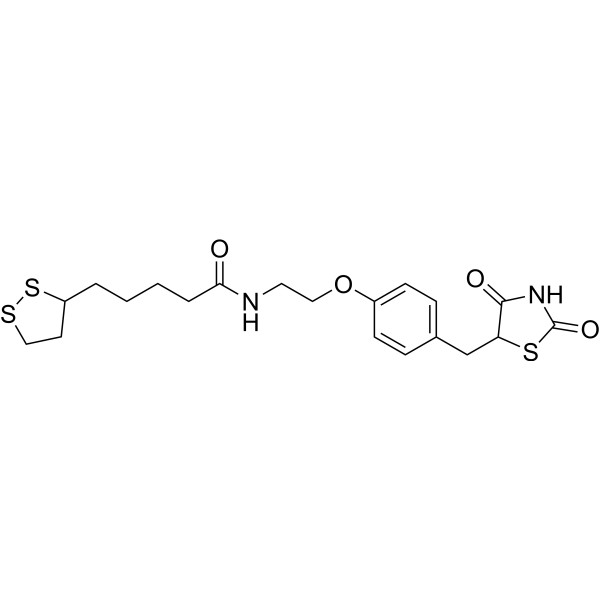
CAY10506 is a PPARγ ligand that can induce cell death and ROS production in a PPARγ-dependent manner in vitro. CAY10506 exhibits radiosensitizing effects, enhancing γ-radiations-induced apoptosis and caspase-3-mediated poly (ADP-ribose) polymerase (PARP) cleavage. CAY10506 can be used in cancer research .
|
-
- HY-172251
-
|
|
FGFR
Apoptosis
|
Cancer
|
|
FGFR-IN-17 (Compound 12l) is an orally active irreversible inhibitor of FGFR, which has a strong inhibitory effect on FGFR and its mutants. FGFR-IN-17 can inhibit the proliferation and migration, and induce apoptosis of non-small cell lung cancer cells. FGFR-IN-17 has anti-tumor activity .
|
-

- HY-158429
-
|
|
PROTACs
Cytochrome P450
|
Cancer
|
|
PROTAC CYP1B1 degrader-2 (compound PV2) is a von Hippel-Landau (VHL) E3 ligase-based CYP1B1 degrader with the DC50 of 1.0 nM at 24 h in A549/Taxol cells. PROTAC CYP1B1 degrader-2 inhibits growth, migration, and invasion of A549/Taxol cell(Sturcture Note:(Blue: VHL ligand (HY-112078), Black: linker (HY-W007700), Pink: CYP1B1 ligand (HY-159006) .
|
-

- HY-150571
-
|
|
Topoisomerase
c-Myc
Apoptosis
ROS Kinase
|
Cancer
|
|
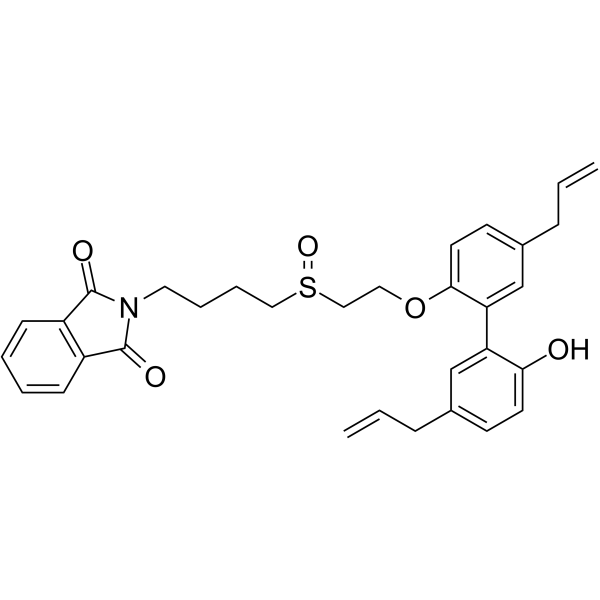
Anticancer agent 76 (Compound CT2-3) is an anticancer agent. Anticancer agent 76 significantly inhibits the proliferation of human NSCLC cells, induces cell cycle arrest, causes ROS generation and induces cell apoptosis .
|
-
- HY-161857
-
|
|
Akt
mTOR
Caspase
CDK
|
Cancer
|
|
Akt/mTOR-IN-1 (Compound 8r) is an AKT/mTOR signaling pathway inhibitor exhibiting an IC50 value of 0.8 µM with anticancer activity. Akt/mTOR-IN-1 can decrease the expression of Caspase 3 and increase the expression of the autophagic protein Cyclin B1, thereby inducing cell autophagy and apoptosis. Akt/mTOR-IN-1 can be used in research related to non-small cell lung cancer (NSCLC) .
|
-

- HY-N3980R
-
|
Champacol (Standard); Guaiac alcohol (Standard)
|
Reference Standards
Autophagy
RAD51
|
Infection
Cardiovascular Disease
Inflammation/Immunology
Cancer
|
|
Guaiol (Standard) is the analytical standard of Guaiol. This product is intended for research and analytical applications. Guaiol is a sesquiterpenoid alcohol with oral activity found in various traditional Chinese medicines, exhibiting biological activities such as anti-proliferative, autophagy-promoting, insecticidal, anti-anxiety, anti-inflammatory, diuretic, and blood pressure-lowering effects. Guaiol induces apoptosis in non-small cell lung cancer cells by regulating the stability of RAD51 through autophagy modulation. Guaiol can also act directly on parasites, inhibiting their growth by affecting the kinetoplast, mitochondrial matrix and plasma membrane of the promastigotes. Guaiol kills amastigotes at an IC50 of 0.01 µg/mL. Guaiol can be used in research related to cancer, infections, cardiovascular diseases, and inflammatory conditions [4]
|
-

- HY-174855
-
|
|
PI3K
mTOR
Apoptosis
Bcl-2 Family
MDM-2/p53
Caspase
|
Cancer
|
|
PI3K/mTOR-IN-17 is a dual PI3K and mTOR inhibitor with IC50 values of 1.21 μM (PI3K), and 0.21 μM (mTOR). PI3K/mTOR-IN-17 induces cells caspase-mediated apoptosis by arresting their growth in the G1-phase. PI3K/mTOR-IN-17 upregulates the levels of caspases-3, 7, 8, and 9, p53 expression and Bax/Bcl-2 ratio. PI3K/mTOR-IN-17 suppresses the PI3K/mTOR signaling pathway. PI3K/mTOR-IN-17 can be used for research of cancer, such as non-small cell lung cancer (NSCLC) .
|
-

- HY-180241
-
|
|
Glutaminase
Reactive Oxygen Species (ROS)
|
Cancer
|
|
Glutaminase C-IN-3 is a potent allosteric inhibitor of Glutaminase C (GAC) with an EC50 of 116 nM. Glutaminase C-IN-3 regulates cellular metabolites and increases reactive oxygen species (ROS) production by blocking glutamine metabolism. Glutaminase C-IN-3 exhibits strong antitumor activity in an A549 xenograft mouse model. Glutaminase C-IN-3 can be used for the research of non-small cell lung cancer (NSCLC) .
|
-

- HY-179531
-
|
|
Autophagy
Ferroptosis
ROS Kinase
|
Cancer
|
|
DHODH-IN-33 is a selective dihydroorotate dehydrogenase (DHODH) inhibitor with potent activity against A549 (IC50 = 5.22 μM) and 5637 (IC50 = 3.03 μM). DHODH-IN-33 induces autophagy-dependent ferroptosis (mitochondrial dysfunction, lipid peroxidation, and ROS accumulation) with no notable toxicity in vivo. DHODH-IN-33 exerts anti-cancer effect by promoting the autophagy-dependent degradation of DHODH. DHODH-IN-33 can be used for non-small cell lung cancer and bladder cancer .
|
-

- HY-N0164R
-
|
Matridin-15-one (Standard); Vegard (Standard); α-Matrine (Standard)
|
PINK1/Parkin
Reference Standards
Opioid Receptor
Autophagy
Mitophagy
Ferroptosis
Apoptosis
|
Inflammation/Immunology
Cancer
|
|
Matrine (Standard) is the analytical standard of Matrine. This product is intended for research and analytical applications. Matrine (Matridin-15-one) is an alkaloid found in plants from the Sophora genus that can act as a kappa opioid receptor and u-receptor agonist. Matrine has a variety of pharmacological effects, including anti-cancer, anti-oxidative stress, anti-inflammation and anti-apoptosis effects. Matrine is potential in the research of disease like human non-small cell lung cancer, hepatoma, papillary thyroid cancer and acute kidney injury (AKI) .
|
-

- HY-113670
-
|
|
CDK
|
Cancer
|
|
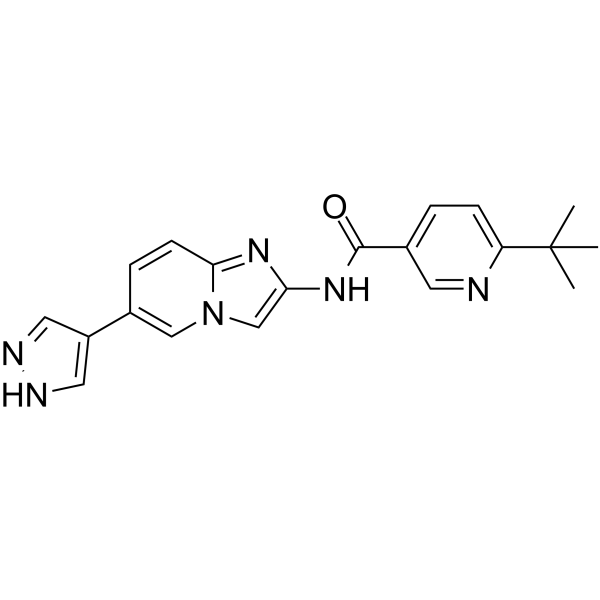
CLK1/2-IN-2 is CLK1 and CLK2 inhibitor with IC50 values of 1.1 nM and 2.4 nM, respectively. CLK1/2-IN-2 exhibits potent anti-cancer activities [1] .
|
-
- HY-164056
-
|
|
EGFR
|
Cancer
|
|
EGFR T790M/L858R-IN-8 (Compound 9) is a selective EGFR T790M/L858R mutant kinase inhibitor with a IC50 of 56.8 μM, and it shows no inhibitory activity against wild-type EGFR. EGFR T790M/L858R-IN-8 can be used for the research of non-small cell lung cancer .
|
-

- HY-179529
-
|
|
EGFR
Bacterial
|
Infection
Cancer
|
|
EGFR/InhA-IN-1 (Compound 15) is an inhibitor of the anti-cancer target EGFR tyrosine kinase (1M17) (Ki = 0.05 μM) and the anti-tuberculosis target InhA enzyme (1OUZ) (Ki = 0.02 μM). EGFR/InhA-IN-1 exhibits anti-proliferative activity against A549 cells, with an IC50 of 10.38 μM. EGFR/InhA-IN-1 has inhibitory activity against Mycobacterium tuberculosis H37Rv, with a MIC of 6.25 μM. EGFR/InhA-IN-1 can be used for research on non-small cell lung cancer and Mycobacterium tuberculosis infection .
|
-

- HY-15867
-
|
(+)-Meayamycin B
|
SF3B1
Bcl-2 Family
Apoptosis
|
Cancer
|
|
Meayamycin B ((+)-Meayamycin B) is a potent SF3B1 inhibitor. Meayamycin B upregulates the proapoptotic Mcl-1S and downregulates Mcl-1L at the pre-mRNA splicing level. Meayamycin B does not regulate the alternative splicing of Bcl-x. Meayamycin B and ABT-737 (HY-50907) synergistically causes Apoptosis. Meayamycin B exhibits anticancer activity against non-small cell lung cancer .
|
-

- HY-N18316
-
|
|
Others
|
Cancer
|
|
(2''S)-6''-Methyl-2'',3''-Dihydrodelicaflavone is a biflavonoid compound present in the whole herb of Selaginella doederleinii. (2''S)-6''-Methyl-2'',3''-Dihydrodelicaflavone exhibits antiproliferative activity against non-small cell lung cancer cells (IC50 = 3.1-6.8 μM) with low cytotoxicity toward normal cells. (2''S)-6''-Methyl-2'',3''-Dihydrodelicaflavone can be used in studies related to non-small cell lung cancer .
|
-

- HY-158969
-
|
|
EGFR
Apoptosis
Akt
ERK
|
Cancer
|
|
EGFR-IN-113 (compound II-1) is an EGFR kinase inhibitor with an IC50 of 14.79 μM. EGFR-IN-113 can induce apoptosis and inhibit cell proliferation by downregulating Akt and Erk1/2 signaling. EGFR-IN-113 can be used for research in EGFR-driven cancers, such as lung cancer, pancreatic cancer, and breast cancer .
|
-

- HY-183635
-
|
|
Autophagy
|
Cancer
|
|
ELMO2-IN-1 is an ELMO2 inhibitor with a human target Kd of 1.0 µM. ELMO2-IN-1 binds to ELMO2, disrupting its function. ELMO2-IN-1 induces autophagy-dependent cell death. ELMO2-IN-1 can be used for the research of non-small cell lung cancer .
|
-

- HY-181890
-
|
|
Glutaminase
|
Cancer
|
|
TRG-192 is a potent and selective glutaminase (GLS) inhibitor with an IC50 of 68 nM. TRG-192 inhibits intracellular glutamate levels. TRG-192 is applicable to related research on non-small cell lung cancer .
|
-

- HY-181174
-
|
|
SOD
Glutathione Peroxidase
Caspase
Interleukin Related
Bcl-2 Family
Apoptosis
|
Cancer
|
|
Antioxidant agent-22 is a paraben derivative tetracyclic spermine cyclotriphosphazene compound. Antioxidant agent-22 exhibits antioxidant, anti-Inflammatory, and apoptotic activities. Antioxidant agent-22 significantly upregulates CAT, SOD, caspase-3 and IL-6 expression, suppresses GSH, IL-1β, and reduces BCL-2 and BAX levels. Antioxidant agent-22 can be used for the research of cancer, such as lung cancer .
|
-

- HY-183629
-
|
|
Zinc Finger Protein
Apoptosis
|
Cardiovascular Disease
Cancer
|
|
ZNF281-IN-1 is a ZNF281 inhibitor. ZNF281-IN-1 disrupts the binding of transcriptionally active DNA-bound ZNF281 to the promoters of target genes including TRIM35 and ZEB1. ZNF281-IN-1 inhibits tumor cell proliferation, stabilizes P53 and upregulates PUMA to induce apoptosis, while triggering cellular senescence. ZNF281-IN-1 completely prevents Doxorubicin (HY-15142A)-induced cardiotoxicity (AIC), and enhances rather than impairs the antitumor efficacy of Doxorubicin. ZNF281-IN-1 completely blocks the distant metastasis of melanoma to the lungs. ZNF281-IN-1 can be used in the research of cardiotoxicity, lung cancer and metastatic melanoma .
|
-

- HY-N18315
-
|
|
Apoptosis
Caspase
IAP
Survivin
|
Cancer
|
|
(2''S)-2'',3''-Dihydrodelicaflavone is a biflavonoid compound present in the whole herb of Selaginella doederleinii, which exhibits antiproliferative and apoptosis-inducing activities against non-small cell lung cancer cells. (2''S)-2'',3''-Dihydrodelicaflavone can be used in the research of non-small cell lung cancer .
|
-

- HY-185075
-
|
LY4050784
|
SWI/SNF Complex
|
Cancer
|
|
FHD-909 (LY4050784) is an orally active and selective SMARCA2 (BRM) ATPase inhibitor. FHD-909 potently inhibits purified BRM ATPase with an IC50 of 0.0025 μM and exhibits 35.69-fold selectivity for BRM over purified SMARCA4 (BRG1) ATPase. FHD-909 induces synthetic lethality, suppresses cell proliferation, modulates target gene expression, and achieves remarkable tumor growth inhibition and regression in SMARCA4-mutant cancer cells and xenograft models. FHD-909 can be used for the research of SMARCA4/BRG1-mutant cancers, advanced solid tumors, and BAF complex-related disorders .
|
-

- HY-182336
-
|
|
PROTACs
Dipeptidyl Peptidase
GLP Receptor
|
Inflammation/Immunology
Cancer
|
|
DeDPP4 is a DPP-4 PROTAC degrader. DeDPP4 induces sustained elevation of glucagon-like peptide-1 (GLP-1), enhances glucose tolerance, causes persistent reduction of blood glucose, and achieves long-term blood glucose regulation in animal models of type 2 diabetes. DeDPP4 mediates dose-dependent DPP-4 depletion in cancer cells, and also targets and degrades DPP-4 in the liver and adipose tissues of animal models with type 2 diabetes. DeDPP4 can be used for the research of type 2 diabetes and non-small cell lung cancer .
|
-

- HY-181082
-
|
|
Aurora Kinase
|
Cancer
|
|
Aurora kinase-IN-10 is an Aurora kinase inhibitor. Aurora kinase-IN-10 exhibits IC50 values of 5.94 nM and 86.06 nM against Aurora A and Aurora B, respectively. Aurora kinase-IN-10 has anti-tumor activity and can be used in the research of tumors such as triple-negative breast cancer .
|
-

- HY-P992275
-
|
|
γ-secretase
|
Neurological Disease
Cancer
|
|
Anti-Nicastrin Antibody (A5226A) is a monoclonal antibody against Nicastrin and an inhibitor of γ-secretase. Anti-Nicastrin Antibody (A5226A) recognizes the fully glycosylated mature presenilin enhancer in the active γ-secretase complex and inhibits its activity via competition for substrate binding. Anti-Nicastrin Antibody (A5226A) abrogates the growth of cancer cells dependent on γ-secretase activity. Anti-Nicastrin Antibody (A5226A) serves as an imaging tool to visualize the endocytic trafficking of active γ-secretase, and also acts as a detection reagent to evaluate the endocytic efficiency of γ-secretase. Anti-Nicastrin Antibody (A5226A) can be used in studies related to non-small cell lung cancer, T-cell acute lymphoblastic leukemia and Alzheimer's disease .
|
-

- HY-N3000A
-
|
|
JNK
IRE1
Akt
mTOR
YAP
Reactive Oxygen Species (ROS)
Autophagy
Apoptosis
Ferroptosis
Fungal
Caspase
DNA/RNA Synthesis
|
Infection
Inflammation/Immunology
Cancer
|
|
6-Methoxydihydrosanguinarine hydrochloride is an alkaloid with activity across multiple cancer cell types. 6-Methoxydihydrosanguinarine hydrochloride activates IRE1/JNK signaling, blocks Akt/mTOR and PI3K/AKT/mTOR pathways, reduces expression of Cdc25C, CyclinB1, Cdc2, YAP/TAZ, Survivin, GPX4, and EGFR, upregulates IRE1 and DR5, and activates JNK and caspases. 6-Methoxydihydrosanguinarine hydrochloride induces apoptosis, G2/M phase arrest, DNA damage, ROS generation, lipid peroxidation, ferroptosis, autophagy, and suppresses cancer cell growth. 6-Methoxydihydrosanguinarine hydrochloride disruptes the biofilm formation of Candida albicans (C. albicans). 6-Methoxydihydrosanguinarine hydrochloride can be used for the research of non-small cell lung cancer, hepatocellular carcinoma, melanoma, colon carcinoma, ovarian cancer and breast cancer .
|
-

- HY-183358
-
|
|
Anaplastic lymphoma kinase (ALK)
Apoptosis
|
Cancer
|
|
ALK-IN-37 is an orally active type I1/2 allosteric inhibitor of anaplastic lymphoma kinase (ALK) with an IC50 of 9.58 nM. ALK-IN-37 induces cell apoptosis, inhibits colony formation, suppresses cell migration, and exerts antiproliferative effects in cancer cells overexpressing ALK. ALK-IN-37 can be used in research related to non-small cell lung cancer .
|
-

- HY-182742
-
|
|
EGFR
|
Cancer
|
|
EGFR-IN-208 is an allosteric mutant EGFR L858R/T790M and EGFR L858R/T790M/C797S inhibitor, with IC50 values of 3.06 μM and 1.08 μM, respectively. EGFR-IN-208 binds to the allosteric site of EGFR and inhibits EGFR phosphorylation. EGFR-IN-208 induces apoptosis and exhibits antiproliferative effects in cancer cells. EGFR-IN-208 can be used in research related to non-small cell lung cancer .
|
-

- HY-181477
-
|
|
ERK
Apoptosis
Bcl-2 Family
Caspase
Reactive Oxygen Species (ROS)
|
Cancer
|
|
ERK5-IN-7 is an orally active ERK5 inhibitor with an IC50 of 403.4 nM. ERK5-IN-7 directly inhibits ERK5 kinase activity, and downregulates the phosphorylation level and total protein expression of ERK5. ERK5-IN-7 induces Apoptosis (upregulates Bax, downregulates Bcl-2, and induces Caspase-3 cleavage). ERK5-IN-7 induces ROS accumulation. ERK5-IN-7 exhibits anticancer effects against Lewis lung cancer .
|
-

- HY-181912
-
|
|
Macrophage migration inhibitory factor (MIF)
ERK
|
Cancer
|
|
D-DT/MIF-1-IN-1 (Compound 4h) is a non-competitive, non-covalent inhibitor of MIF-1 and D-DT, with IC50 values of 2.4 μM and 4.0 μM against D-DT, and an IC50 value of 9.8 μM against MIF-1. D-DT/MIF-1-IN-1 inhibits D-DT-induced phosphorylation of ERK and exerts antiproliferative activity in non-small cell lung cancer cells .
|
-

- HY-P992396
-
|
|
c-Met/HGFR
|
Cancer
|
|
KTN0073 is a high-affinity MET receptor tyrosine kinase inhibitor. KTN0073 can be used in studies related to non-small cell lung cancer and human cancers driven by HGF, MET amplification, or exon 14 mutation. KTN0073 binds to the Sema/PSI domain to block the HGF-MET interaction, and induces ubiquitination and degradation of oncogenic MET receptors via an HGF-independent pathway, thereby inhibiting MET-dependent signal transduction. KTN0073 exhibits significant antitumor activity in vivo, and its tumor suppressive activity is superior to that of the IgG1 subtype when grafted to the IgG2 constant region .
|
-

- HY-171171
-
|
|
DNA/RNA Synthesis
|
Cancer
|
|
NERx 329 is a replication protein A (RPA) inhibitor with an IC50 of 4.9 μM. NERx 329 blocks the interaction between RPA and single-stranded DNA, and induces functional RPA depletion, loss of single-stranded DNA gap protection, chromosome fragmentation and cell death. NERx 329 inhibits the DNA damage response signaling pathway, exhibits broad single-agent anticancer activity, and enhances the activity of DNA-damaging agents. NERx 329 can be used in research related to brca1-deficient breast cancer, non-small cell lung cancer, and brca1-deficient ovarian cancer .
|
-

- HY-181087
-
|
|
PERK
Apoptosis
Autophagy
Reactive Oxygen Species (ROS)
Caspase
Bcl-2 Family
|
Cancer
|
|
Anticancer agent 296 is a potent anticancer agent that activates the PERK-eIF2α-CHOP signaling pathway to induce endoplasmic reticulum stress, thereby regulating caspase and Bcl-2 family proteins, ultimately leading to apoptosis. Anticancer agent 296 increases intracellular levels of reactive oxygen species (ROS), reduces mitochondrial membrane potential, and promotes Ca 2+ release. Anticancer agent 296 suppresses cell colony formation and S-phase cell proliferation, and induces autophagy. Anticancer agent 296 is applicable for research on non-small cell lung cancer (NSCLC) .
|
-

- HY-P991954
-
|
|
Complement System
Syk
|
Inflammation/Immunology
Cancer
|
|
GT103 is a human-derived monoclonal antibody targeting complement factor H (CFH). GT103 binds to a conformationally distinct epitope of CFH on tumor cells. GT103 activates the classical complement pathway, induces complement-dependent cytotoxicity, and triggers antibody-dependent cellular phagocytosis (ADCP) of tumor cells. GT103 increases calreticulin translocation to tumor cell plasma membranes. GT103 mediates B-cell activation via Syk kinase phosphorylation. GT103 inhibits tumor growth and metastasis in animal models. GT103 can be used for the research of non-small cell lung cancer .
|
-

- HY-181517
-
|
|
Bacterial
|
Infection
Cancer
|
|
Antitumor agent-212 is a α-exo-methylene-selenolactone derivative with prominent selective antitumor activity. Antitumor agent-212 exhibits an MIC value of 128 μg/mL against Gram-positive bacteria. Antitumor agent-212 exhibits significant antitumor effects in the U87 human glioma xenograft model. Antitumor agent-212 can be used for the study of glioma, breast cancer and non-small cell lung cancer, and antibacterial study .
|
-

- HY-13902A
-
|
VE-822 hydrochloride; VX-970 hydrochloride; M6620 hydrochloride
|
ATM/ATR
Apoptosis
STING
Caspase
|
Neurological Disease
Cancer
|
|
Berzosertib (VE-822) hydrochloride is an orally active, CNS-penetrant, and selective ATR kinase inhibitor. Berzosertib hydrochloride blocks ATR kinase activity, abrogates G2/M cell cycle checkpoint, impairs DNA damage repair. Berzosertib hydrochloride induces apoptosis, inhibnits conlony migration, inhibits cell proliferation, and activates cGAS-STING axes in cancer cells. Berzosertib hydrochloride can be used for the research of cancers, such as head and neck squamous cell carcinoma, and colorectal cancer .
|
-

- HY-129980A
-
|
|
|
Neurological Disease
Cancer
|
|
NPC-15437 is a selective PKC inhibitor with an IC50 of 19 µM. NPC-15437 competitively inhibits phorbol ester- (Ki of 5 µM) and phosphatidylserine-induced (Ki of 12 µM) PKC activity. NPC-15437 does not inhibits cAMP-dependent or calcium/calmodulin-dependent protein kinases. NPC-15437 augments TRAIL-induced cell death in non-small cell lung cancer and medulloblastoma cells. NPC-15437 can be used for the research of non-small cell lung cancer, medulloblastoma, and neurological disease .
|
-

- HY-114214
-
|
|
Drug Derivative
NF-κB
MMP
TNF Receptor
Interleukin Related
Cyclin G-associated Kinase (GAK)
CDK
PI3K
Akt
|
Inflammation/Immunology
Cancer
|
|
CKD-712 is an orally active multi-target tetrahydroisoquinoline derivatived and a potent inhibitor of the NF-κB pathway . CKD-712 selectively inhibits MMP-9 with no effect on MMP-2, downregulates the expression of TNF-α, IL-6, cyclin A, cyclin B, CDK-1 and other proteins, and activates the PI3K/Akt signaling pathway . CKD-712 blocks the activation and nuclear translocation of NF-κB, downregulates inflammatory factors and pro-tumor metastatic proteins, and induces G2/M phase arrest in tumor cells and thereby inhibits the invasion of cancer cells . CKD-712 can be used for the research of sepsis, myocardial ischemia-reperfusion injury and non-small cell lung cancer .
|
-

| Cat. No. |
Product Name |
Target |
Research Area |
| Cat. No. |
Product Name |
Target |
Research Area |
Image |
-
- HY-P990957
-
|
BCA-101; FMAB2
|
EGFR
TGF-beta/Smad
|
Inflammation/Immunology
Cancer
|
|
Ficerafusp alfa (BCA-101) is a bispecific antibody targeting EGFR and TGFβ, with a Kd of 2.58 nM against EGFR and a Kd of 61.3 nM against TGFβ1. Ficerafusp alfa binds to EGFR, inhibits EGFR phosphorylation, blocks EGF-dependent cell proliferation, and mediates antibody-dependent cellular cytotoxicity against EGFR-positive tumor cells. Ficerafusp alfa sequesters TGFβ via its TGFβRII ECD domain, neutralizes the activity of TGFβ and TGFβ1, and blocks TGFβ-dependent processes, including epithelial-mesenchymal transition, cell invasion, and differentiation of inducible regulatory T cells. Ficerafusp alfa is applicable to research related to head and neck squamous cell carcinoma, advanced solid tumors, squamous non-small cell lung cancer, anal squamous cell carcinoma, colorectal cancer, and pancreatic cancer .
|
-

(5)
-
- HY-P992275
-
|
|
γ-secretase
|
Neurological Disease
Cancer
|
|
Anti-Nicastrin Antibody (A5226A) is a monoclonal antibody against Nicastrin and an inhibitor of γ-secretase. Anti-Nicastrin Antibody (A5226A) recognizes the fully glycosylated mature presenilin enhancer in the active γ-secretase complex and inhibits its activity via competition for substrate binding. Anti-Nicastrin Antibody (A5226A) abrogates the growth of cancer cells dependent on γ-secretase activity. Anti-Nicastrin Antibody (A5226A) serves as an imaging tool to visualize the endocytic trafficking of active γ-secretase, and also acts as a detection reagent to evaluate the endocytic efficiency of γ-secretase. Anti-Nicastrin Antibody (A5226A) can be used in studies related to non-small cell lung cancer, T-cell acute lymphoblastic leukemia and Alzheimer's disease .
|
-
(5)
-
- HY-P992396
-
|
|
c-Met/HGFR
|
Cancer
|
|
KTN0073 is a high-affinity MET receptor tyrosine kinase inhibitor. KTN0073 can be used in studies related to non-small cell lung cancer and human cancers driven by HGF, MET amplification, or exon 14 mutation. KTN0073 binds to the Sema/PSI domain to block the HGF-MET interaction, and induces ubiquitination and degradation of oncogenic MET receptors via an HGF-independent pathway, thereby inhibiting MET-dependent signal transduction. KTN0073 exhibits significant antitumor activity in vivo, and its tumor suppressive activity is superior to that of the IgG1 subtype when grafted to the IgG2 constant region .
|
-
(5)
-
- HY-P991954
-
|
|
Complement System
Syk
|
Inflammation/Immunology
Cancer
|
|
GT103 is a human-derived monoclonal antibody targeting complement factor H (CFH). GT103 binds to a conformationally distinct epitope of CFH on tumor cells. GT103 activates the classical complement pathway, induces complement-dependent cytotoxicity, and triggers antibody-dependent cellular phagocytosis (ADCP) of tumor cells. GT103 increases calreticulin translocation to tumor cell plasma membranes. GT103 mediates B-cell activation via Syk kinase phosphorylation. GT103 inhibits tumor growth and metastasis in animal models. GT103 can be used for the research of non-small cell lung cancer .
|
-
(5)
| Cat. No. |
Product Name |
Category |
Target |
Chemical Structure |
-
- HY-N0164
-
-
-
- HY-N3980
-
Guaiol
1 Publications Verification
Champacol; Guaiac alcohol
|
Infection
Structural Classification
Classification of Application Fields
Terpenoids
Sesquiterpenes
Distemonanthus benthamianus Baill.
Plants
Compositae
Disease Research Fields
Source Classification
|
Autophagy
RAD51
|
|
Guaiol is a sesquiterpenoid alcohol with oral activity found in various traditional Chinese medicines, exhibiting biological activities such as anti-proliferative, autophagy-promoting, insecticidal, anti-anxiety, anti-inflammatory, diuretic, and blood pressure-lowering effects. Guaiol induces apoptosis in non-small cell lung cancer cells by regulating the stability of RAD51 through autophagy modulation. Guaiol can also act directly on parasites, inhibiting their growth by affecting the kinetoplast, mitochondrial matrix and plasma membrane of the promastigotes. Guaiol kills amastigotes at an IC50 of 0.01 µg/mL. Guaiol can be used in research related to cancer, infections, cardiovascular diseases, and inflammatory conditions [4]
|
-
-
- HY-N0660
-
|
|
Cardiovascular Disease
Triterpenes
Structural Classification
other families
Classification of Application Fields
Terpenoids
Plants
Disease Research Fields
Source Classification
|
Apoptosis
PARP
Caspase
AMPK
Autophagy
VEGFR
Keap1-Nrf2
STING
11β-HSD
Ferroptosis
PI3K
Akt
p38 MAPK
ERK
|
|
Jujuboside B is a bioactive saponin component isolated from Ziziphi Spinosae Semen (sour jujube seed), with oral efficacy and blood-brain barrier permeability. Jujuboside B induces acute leukemia cell death and drives necroptosis apoptosis by activating the RIPK1/RIPK3/MLKL pathway. Jujuboside B upregulates the expression of NOXA, PARP and caspase-3, activates AMPK, inhibits the proliferation of breast cancer cells, and induces cell apoptosis and autophagy. Jujuboside B inhibits angiogenesis and tumor growth by blocking the VEGFR-2 signaling pathway. Jujuboside B alleviates liver injury in mice by regulating the Nrf2-STING signaling pathway . Jujuboside B alleviates liver injury by regulating anti-inflammatory responses and downregulating the expression of 11β-HSD2. Jujuboside B induces ferroptosis and overcomes radioresistance in non-small cell lung cancer via the PPARγ-ATF3-Gpx4 signaling pathway. Jujuboside B exerts inhibitory effects on platelet aggregation. Jujuboside B inhibits febrile seizures by suppressing the activity of AMPA receptors. Jujuboside B reverses chronic unpredictable mild stress-promoted tumor progression by blocking the PI3K/Akt and MAPK/ERK pathways and dephosphorylating CREB signaling. Jujuboside B is applicable to related studies on acute leukemia, breast cancer, PM2.5-induced lung injury, hepatotoxicity, liver injury, colorectal cancer, non-small cell lung cancer, thromboembolic diseases, cardiovascular diseases associated with high platelet aggregation, febrile seizures, and depressive-like phenotypes .
|
-
-
- HY-N7694
-
-
-
- HY-N0867
-
-
-
- HY-N4309
-
-
-
- HY-N11912
-
-
-
- HY-N15614
-
|
|
Alkaloids
Erythrophleum fordii Oliv.
Leguminosae
Other Alkaloids
Plants
Source Classification
|
Others
|
|
Cassamine is a diterpenoid compound that can be isolated from the bark of Erythrophleum fordii. Cassamine exhibits certain cytotoxicity against non-small cell lung cancer cell lines, with IC50 values of 3.4, 2.1, and 1.9 μM against A549, NCI-H1975, and NCI-H1299, respectively. Cassamine has antitumor activity and can be used in the research of lung cancer and other tumors .
|
-
-
- HY-N2199
-
|
|
Structural Classification
Flavonoids
Classification of Application Fields
Phenols
Polyphenols
Selaginellaceae
Plants
Biflavones
Selaginella tamariscina (P. Beauv.) Spring
Disease Research Fields
Source Classification
Cancer
|
Apoptosis
Autophagy
PI3K
JNK
mTOR
p38 MAPK
CDK
MMP
TGF-beta/Smad
STAT
β-catenin
Reactive Oxygen Species (ROS)
Bcl-2 Family
Caspase
|
|
Sotetsuflavone is a flavonoid that can be isolated from Cycas revolute. Sotetsuflavone inhibits phosphorylation of PI3K, Akt, mTOR, JNK, and p38 MAPK; modulates expression of Cyclin D1, CDK4, Bcl-2, Bax, cleaved caspases 3/9, MMP-9, TGF-β, STAT3, and β-catenin. Sotetsuflavone induces G0/G1 cell cycle arrest, apoptosis, autophagy, and intracellular ROS elevation, inhibits cancer cell proliferation. Sotetsuflavone inhibits tumor growth in mouse tumor xenograft models. Sotetsuflavone can be used for the research of non-small cell lung cancer and Crohn’s disease .
|
-
-
- HY-N17744
-
-
-
- HY-N16507
-
-
-
- HY-N3980R
-
|
Champacol (Standard); Guaiac alcohol (Standard)
|
Structural Classification
Natural Products
Distemonanthus benthamianus Baill.
Plants
Compositae
Source Classification
|
Reference Standards
Autophagy
RAD51
|
|
Guaiol (Standard) is the analytical standard of Guaiol. This product is intended for research and analytical applications. Guaiol is a sesquiterpenoid alcohol with oral activity found in various traditional Chinese medicines, exhibiting biological activities such as anti-proliferative, autophagy-promoting, insecticidal, anti-anxiety, anti-inflammatory, diuretic, and blood pressure-lowering effects. Guaiol induces apoptosis in non-small cell lung cancer cells by regulating the stability of RAD51 through autophagy modulation. Guaiol can also act directly on parasites, inhibiting their growth by affecting the kinetoplast, mitochondrial matrix and plasma membrane of the promastigotes. Guaiol kills amastigotes at an IC50 of 0.01 µg/mL. Guaiol can be used in research related to cancer, infections, cardiovascular diseases, and inflammatory conditions [4]
|
-
-
- HY-N0164R
-
-
-
- HY-N18316
-
-
-
- HY-N18315
-
-
-
- HY-N3000A
-
|
|
Structural Classification
Alkaloids
Meconopsis simplicifolia (D. Don) Walp.
Quinoline Alkaloids
Plants
Papaveraceae
Source Classification
|
JNK
IRE1
Akt
mTOR
YAP
Reactive Oxygen Species (ROS)
Autophagy
Apoptosis
Ferroptosis
Fungal
Caspase
DNA/RNA Synthesis
|
|
6-Methoxydihydrosanguinarine hydrochloride is an alkaloid with activity across multiple cancer cell types. 6-Methoxydihydrosanguinarine hydrochloride activates IRE1/JNK signaling, blocks Akt/mTOR and PI3K/AKT/mTOR pathways, reduces expression of Cdc25C, CyclinB1, Cdc2, YAP/TAZ, Survivin, GPX4, and EGFR, upregulates IRE1 and DR5, and activates JNK and caspases. 6-Methoxydihydrosanguinarine hydrochloride induces apoptosis, G2/M phase arrest, DNA damage, ROS generation, lipid peroxidation, ferroptosis, autophagy, and suppresses cancer cell growth. 6-Methoxydihydrosanguinarine hydrochloride disruptes the biofilm formation of Candida albicans (C. albicans). 6-Methoxydihydrosanguinarine hydrochloride can be used for the research of non-small cell lung cancer, hepatocellular carcinoma, melanoma, colon carcinoma, ovarian cancer and breast cancer .
|
-
Your information is safe with us. * Required Fields.
Inquiry Information
- Product Name:
- Cat. No.:
- Quantity:
- MCE Japan Authorized Agent:








