

Search Result
Results for "
B cell inhibition
" in MedChemExpress (MCE) Product Catalog:
8
Isotope-Labeled Compounds
| Cat. No. |
상품명 |
Target |
연구분야 |
Chemical Structure |
-
- HY-16399
-
|
|
Apoptosis
SF3B1
|
Cancer
|
|
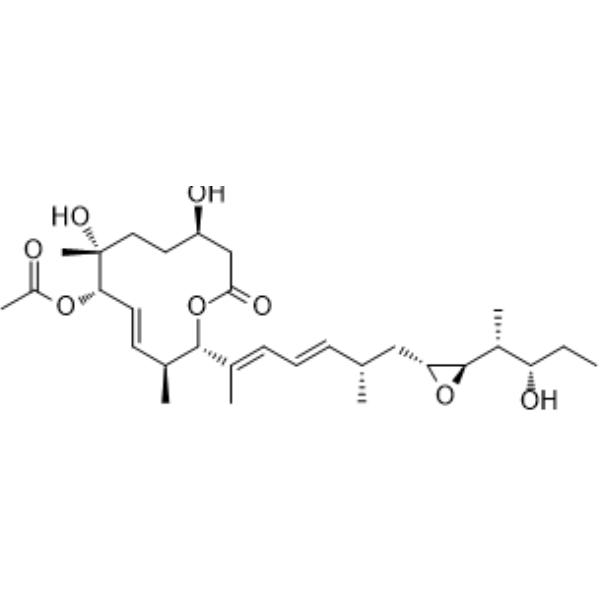
Pladienolide B is a potent cancer cell growth inhibitor that targets the SF3B1 subunit of the spliceosome. Pladienolide B exerts antitumor activities mediated through the inhibition of pre-mRNA splicing. Pladienolide B induces apoptosis .
|
-
-
- HY-B0199
-
|
RS 61443; TM-MMF
|
Drug Metabolite
Apoptosis
Endogenous Metabolite
Bacterial
|
Cancer
|
|
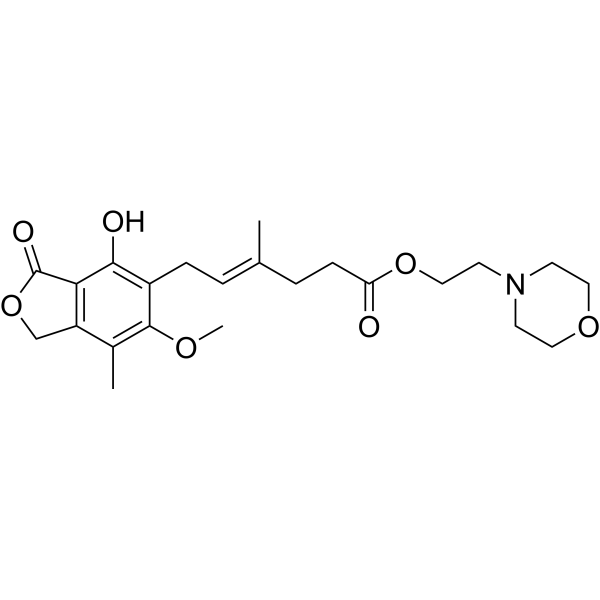
Mycophenolate mofetil (RS 61443) is the morpholinoethylester proagent of Mycophenolic acid. Mycophenolate mofetil inhibits de novo purine synthesis via the inhibition of inosine monophosphate dehydrogenase (IMPDH). Mycophenolate mofetil shows selective lymphocyte antiproliferative effects involve both T and B cells, preventing antibody formation .
|
-
-
- HY-153321
-
|
NX-5948; BTK-IN-24
|
PROTACs
Btk
|
Inflammation/Immunology
Cancer
|
|
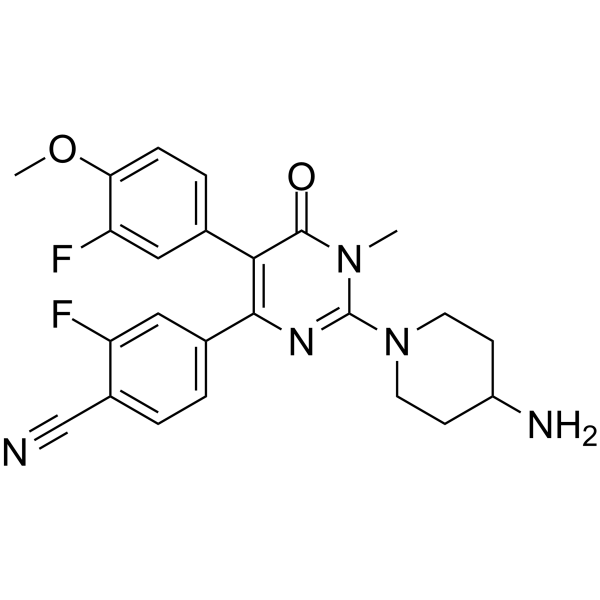
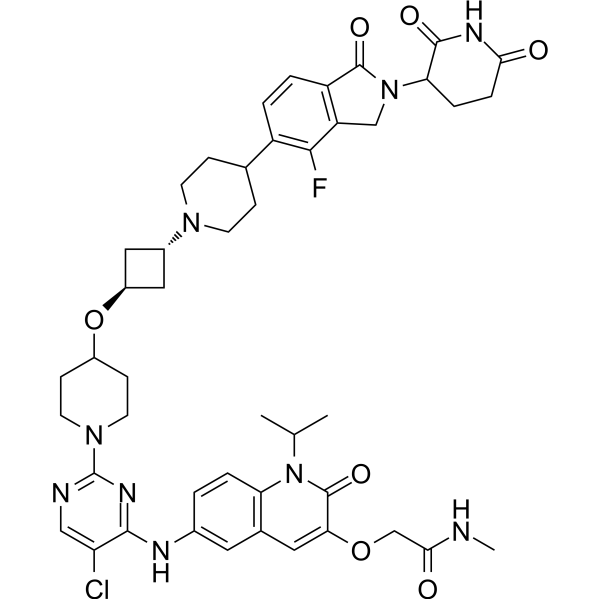
Bexobrutideg (NX-5948) is an orally active chimeric targeting molecule (CTM) that induces specific BTK protein degradation by the cereblon E3 ligase (CRBN) complex without degradation of other cereblon neo-substrates. Bexobrutideg mediates potent anti-inflammatory activity via BTK degradation with resultant inhibition of B cell activation. Bexobrutideg exhibits potent tumor growth inhibition in TMD8 xenograft models that contain either wild-type BTK or BTKi-resistant mutations. Bexobrutideg is efficacious in a mouse collageninduced arthritis (CIA) model. Bexobrutideg can cross the blood brain barrier (BBB). Bexobrutideg is a PROTAC composed of the ligand for target protein, a linker, and a cereblon E3 ligase (CRBN) complex (Red: BTK ligand (HY-170324); Blue: CRBN ligand (HY-171893); Black: linker) .
|
-
-
- HY-N6871
-
|
|
Bacterial
IKK
Ferroptosis
|
Infection
Metabolic Disease
Inflammation/Immunology
Cancer
|
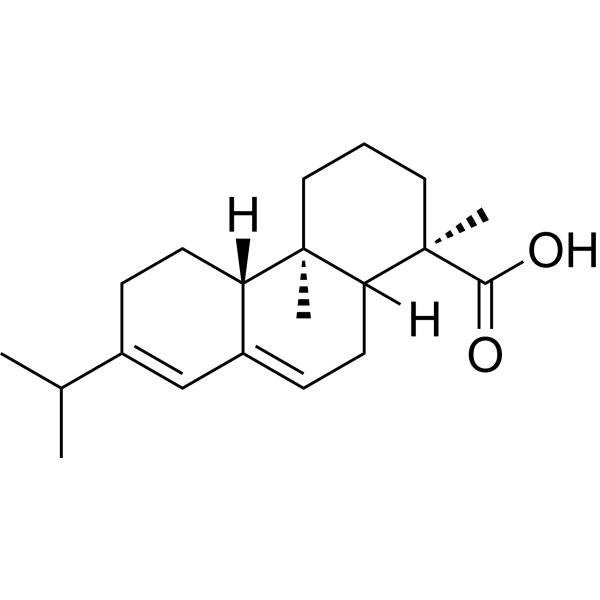
Abietic acid, an orally active diterpene isolated from Colophony, displays significant anti-proliferative, anti-inflammatory, anti-obesity effect, bacteriostatic, cell cycle arresting and pro-apoptotic activities. Abietic acid inhibits lipoxygenase activity for allergy. Abietic acid enhances cell migration and tube formation in HUVECs. Abietic acid induces significant angiogenic potential, which is associated with upregulation of extracellular signal-regulated kinase (ERK) and p38 expression. Abietic acid attenuates sepsis-induced lung injury by inhibiting nuclear factor kappa-light-chain-enhancer of activated B cells (NF-κB) pathway to inhibit M1 macrophage polarization. Abietic acid exhibits a positive effect against liver injury by attenuating inflammation and ferroptosis. Abietic acid shows accelerated wound closure in a mouse model of cutaneous wounds. Abietic acid significantly reduces the proliferation and growth of NSCLC cells by IKKβ inhibition.Additionally, Abietic acid ameliorates psoriasis-like inflammation and modulates gut microbiota in mice. Abietic acid is promising for research in non-small-cell lung cancer (NSCLC), liver injury-related deseases and psoriasis .
|
-
-
- HY-164702
-
|
Izalontamab Brengitecan
|
Antibody-Drug Conjugates (ADCs)
EGFR
|
Cancer
|
|
BL-B01D1 is a bispecific ADC, which targets EGFR and HER3 through bispecific antibody Izalontamab (HY-P99676), and exhibits cytotoxicity against various cancer cells via inhibition of DNA replication and DNA synthesis by its ADC toxin ED04 (HY-153891). BL-B01D1 can be used in the study of cancer .
|
-
-
- HY-129388B
-
|
CC-90011 benzenesulfonate; LSD1-IN-7 benzenesulfonate
|
Histone Demethylase
|
Inflammation/Immunology
Cancer
|
|
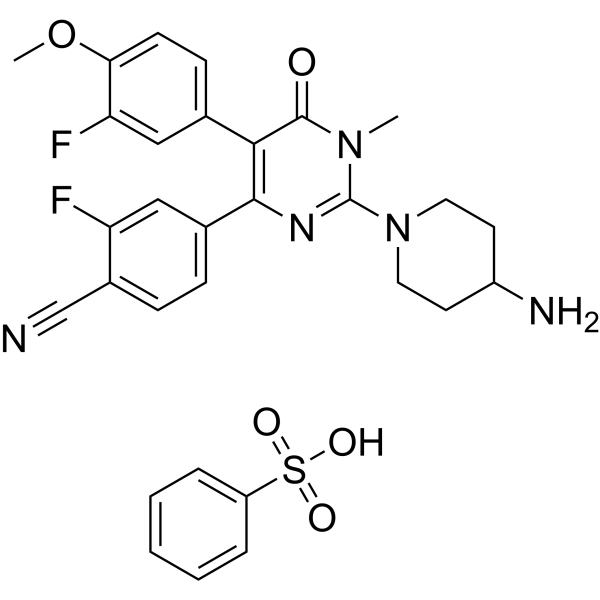
Pulrodemstat (CC-90011) benzenesulfonate is a potent, selective, reversible and orally active inhibitor of lysine specific demethylase-1 (LSD1) with an IC50 of 0.25 nM. Pulrodemstat benzenesulfonate is less enzymatic inhibition against LSD2, MAO-A, and MAO-B. Pulrodemstat benzenesulfonate induces acute myeloid leukemia (AML) and small cell lung cancer (SCLC) cells differentiation and has potent anticancer activity .
|
-
-
- HY-19542
-
|
C6-Cer; N-Hexanoylsphingosine
|
Apoptosis
|
Cancer
|
|
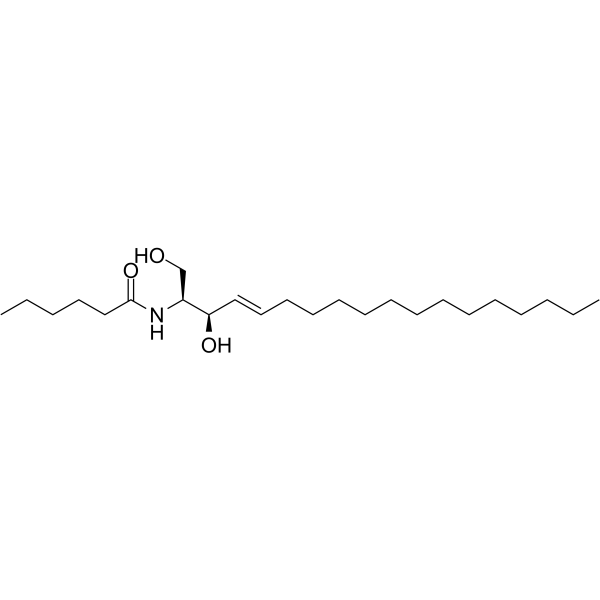
C6 Ceramide (C6-Cer) is a short-chain, cell-permeable ceramide pathway activator with anticancer activity. C6 Ceramide-mediated miR-29b expression participates in the progression of multiple myeloma through suppressing the proliferation, migration and angiogenesis of endothelial cells by targeting Akt signal pathway. C6 Ceramide exhibits multiple anti-cancer properties including cell cycle arrest, Apoptosis, inhibition of tumor growth and enhances the effects of chemotherapy in drug-resistant cancer cells. C6-ceramide can be used as an adjuvant for chemotherapeutic agents, to enhance anti-tumor effects .
|
-
-
- HY-P991097
-
|
PM-8002; BNT-327
|
VEGFR
PD-1/PD-L1
|
Cancer
|
|
Pumitamig (PM-8002, BNT-327) is a bispecific antibody targeting PD-L1 and VEGF-A, with immune activation and anti-angiogenic activities. By binding to PD-L1, Pumitamig restores the function of effector T cells, while neutralizing VEGF-A in the tumor microenvironment to reverse its inhibition on the infiltration and activation of immune cells and normalize tumor blood vessels. Pumitamig can also be combined with various ADCs targeting TROP2, B7H3, HER2, HER3 for the research of advanced/metastatic solid tumors, including non-small cell lung cancer, ovarian cancer, triple-negative breast cancer, cervical cancer, etc. Pumitamig also exhibits potential efficacy in "cold" tumors with low PD-L1 expression that are insensitive to immunotherapy .
|
-
-
- HY-153278
-
|
CDK7-IN-21
|
CDK
DNA/RNA Synthesis
c-Myc
Early 2 Factor (E2F)
Topoisomerase
|
Cancer
|
|
Q901 (CDK7-IN-21) is a selective and potent CDK7 inhibitor with an IC50 of 10 nM. Q901 disrupts MYC and E2Fb-dependent transcription program, downregulating cell cycle control and DNA damage repair pathways. Q901 stabilizes TOP1-DPCs and sensitizes tumor to TOP1 inhibitors by suppressing RNAPII transition from initiation to elongation. Q901 can inhibit tumor growth and significantly enhances tumor growth inhibition combined with TOP1 inhibitors. Q901 can be used for the research of cancer, such as colon cancer and lung cancer .
|
-
-
- HY-108431
-
MN58b
1 Publications Verification
|
Apoptosis
|
Cancer
|
|
MN58b is a selective choline kinase α (CHKα) inhibitor, and results in inhibition of phosphocholine synthesis. MN58b reduces cell growth through the induction of apoptosis, and also has antitumoral activity .
|
-
-
- HY-W013274
-
CPTH2
1 Publications Verification
|
Histone Acetyltransferase
Apoptosis
|
Cancer
|
|
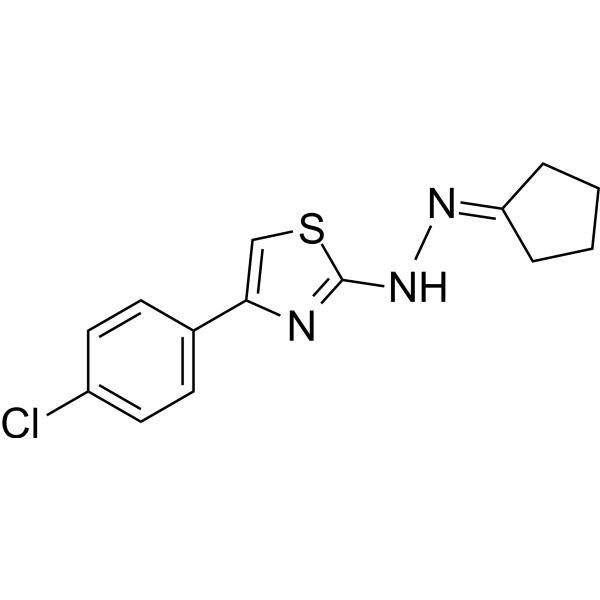
CPTH2 is a potent histone acetyltransferase (HAT) inhibitor. CPTH2 selectively inhibits the acetylation of histone H3 by Gcn5. CPTH2 induces apoptosis and decreases the invasiveness of a clear cell renal carcinoma (ccRCC) cell line through the inhibition of acetyltransferase p300 (KAT3B) .
|
-
-
- HY-B0987
-
-
-
- HY-33299
-
|
BTCA
|
Biochemical Assay Reagents
|
Cancer
|
|
Serpin B9-IN-1 (BTCA) is an inhibitor that specifically targets Serpin B9 (SB9); SB9 is a natural inhibitor of granzyme B (GrB) , but may promote the metastasis of lung cancer cells into the bone marrow. SB9-overexpressing cancer cells promote proliferation and metastasis in an immune cell-dependent manner by binding to GrB. Inhibition of SB9 by Serpin B9-IN-1 significantly inhibits immunotherapy of lung cancer bone metastases in the caudal artery (CA) mouse model (LCBM) .
|
-
-
- HY-120323
-
|
|
TNF Receptor
|
Inflammation/Immunology
|
|
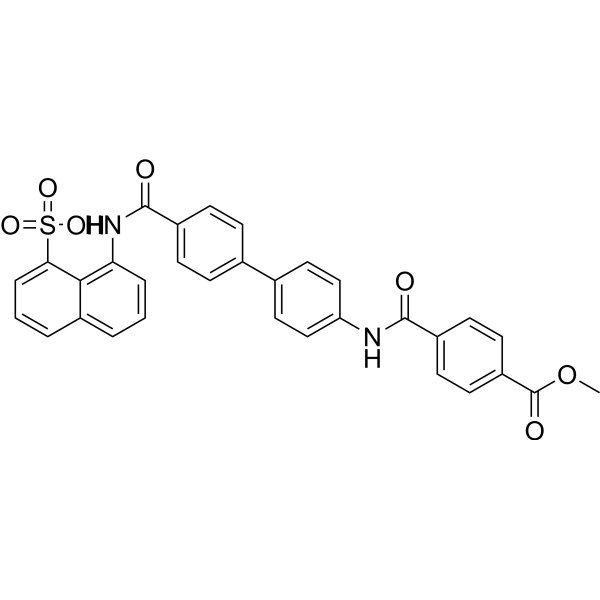
DRI-C21045 (compound 10) is a potent and selective inhibitor of the CD40-CD40L costimulatory protein-protein interaction (PPI) with an IC50 of 0.17 μM. DRI-C21045 shows concentration-dependent inhibition of the activation of NF-κB and B cell proliferation all induced by CD40L with IC50s of 17.1 μM and 4.5 μM, respectively .
|
-
-
- HY-N2303
-
|
|
Apoptosis
NF-κB
Autophagy
Reactive Oxygen Species (ROS)
CDK
PPAR
FABP
Akt
mTOR
|
Inflammation/Immunology
Cancer
|
|
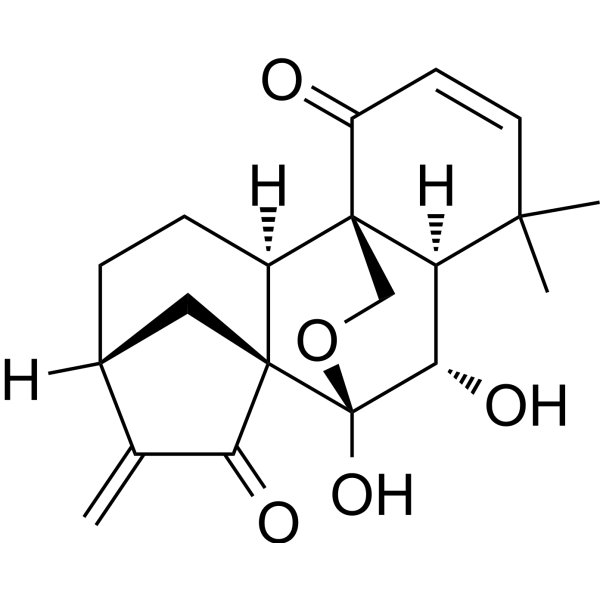
Eriocalyxin B is a diterpenoid compound that can be isolated from Chinese herb Isodon eriocalyx. Eriocalyxin B exhibits multiple activities, such as anti-cancer, anti-inflammatory, and inhibition of adipogenesis. Eriocalyxin B is capable of inducing apoptosis and autophagy in tumor cells. Eriocalyxin B can be used in the research of cancers, autoimmune diseases, and other conditions .
|
-
-
- HY-N7085
-
|
5,7-Dimethoxycoumarin; Limettin
|
Environmental Pollutants
ERK
p38 MAPK
JNK
|
Neurological Disease
Inflammation/Immunology
Cancer
|
|
Citropten (5, 7-dimethoxycoumarin) is one of the coumarin derivatives. Citropten is an effective oral anticancer agent. Citropten has anti-proliferative activity against A2058 and B16 melanoma cells. Citropten exerts anti-inflammatory effects through the NFκB and MAPK signaling pathways. Citropten acts as an antidepressant through heat shock protein-70, monoamine oxidase-A and inhibition of apoptosis .
|
-
-
- HY-111101
-
|
|
IRAK
|
Cancer
|
|
AZ1495, a weak base, is a potent orally active interleukin-1 receptor associated kinase 4 (IRAK4) inhibitor. AZ1495 has a favorable physicochemical and kinase selectivity for IRAK4 and IRAK1 with IC50 values of 0.005 μM and 0.023 μM, respectively. AZ1495 has IRAK4 inhibition with a Kd value of 0.0007 μM. AZ1495 can be used for the research of diffuse large B-cell lymphoma (DLBCL) .
|
-
-
- HY-W015490
-
|
|
Environmental Pollutants
DNA/RNA Synthesis
NF-κB
Monoamine Oxidase
TNF Receptor
Bacterial
|
Infection
Inflammation/Immunology
Cancer
|
|
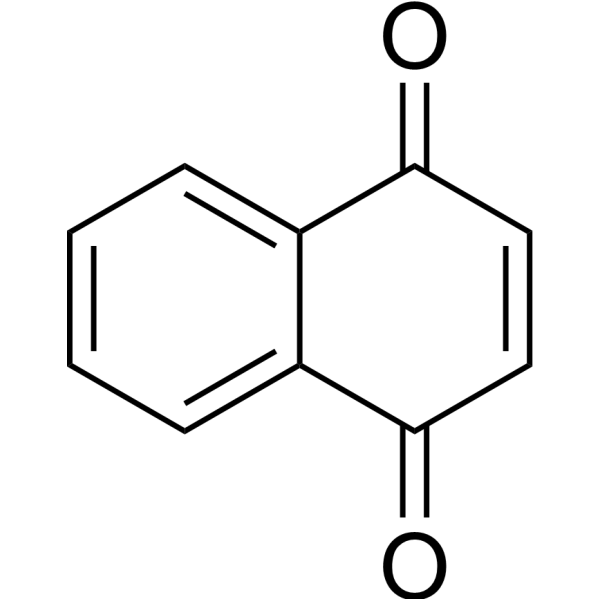
1,4-Naphthoquinone is an inhibitor with broad-spectrum inhibitory activity targeting DNA polymerase, NF-κB and monoamine oxidase (MAO-A/B), with antibacterial and anti-biofilm efficacy. 1,4-Naphthoquinone is a competitive inhibitor of MAO-B (Ki=1.4 μM) and a non-competitive inhibitor of MAO-A (Ki=7.7 μM). 1,4-Naphthoquinone inhibits DNA polymerase pol α, β, γ, δ, ε, λ with IC50 ranging from 5.57-128 μM. 1,4-Naphthoquinone inhibits tumor cell proliferation, induces apoptosis and necrosis, and has anti-angiogenic and anti-inflammatory activities by inducing oxidative stress, depleting glutathione (GSH), inhibiting DNA polymerase-mediated DNA synthesis and blocking NF-κB nuclear translocation. 1,4-Naphthoquinone can be used in anti-bacterial , anti-tumor and anti-inflammatory studies, including inhibition of melanoma and colon cancer cell growth and endothelial cell function, as well as LPS-induced inflammation models .
|
-
-
- HY-N0863
-
|
NSC-698790; Smilax saponin B
|
Bcl-2 Family
Apoptosis
Akt
c-Myc
ERK
p38 MAPK
JNK
FOXO
|
Cancer
|
|
Methyl protodioscin (NSC-698790; Smilax saponin B) is a multi-target, selective, steroidal diglycoside inhibitor with antitumor activity that induces cell cycle arrest. The mechanism of action of Methyl protodioscin is complex, involving the induction of G2/M cell cycle arrest, regulation of the Bcl-2/Bax apoptotic pathway, inhibition of the Akt1/c-Myc axis and MAPK/ERK signaling, while simultaneously downregulating ADAM15 and inducing FOXO1 to reduce cholesterol synthesis. It also inhibits the JNK/c-Jun pathway, reducing the production of inflammatory factors (IL-6, TNF-α). Methyl protodioscin exhibits significant antitumor (inhibiting proliferation, migration, invasion, and inducing apoptosis), anti-inflammatory, and anti-restenosis activities. Methyl protodioscin can be used in research on lung cancer, prostate cancer, pancreatic cancer, and other tumors, as well as inflammatory diseases such as airway inflammation and enteritis .
|
-
-
- HY-P99845
-
|
MEDI 4920; VIB 4920
|
TNF Receptor
|
Inflammation/Immunology
|
|
Dazodalibep (MEDI 4920; VIB 4920) is a non-antibody fusion protein that targets CD40L. Dazodalibep inhibits the co-stimulatory signals between immune cells (such as T cells, B cells, and antigen-presenting cells), thereby enabling the inhibition of a broader range of cellular and humoral responses. Dazodalibep can be used for research on rheumatoid arthritis and Sjögren's syndrome .
|
-
-
- HY-147091
-
|
|
Ligands for Target Protein for PROTAC
|
Cancer
|
|
Tazemetostat de(methyl morpholine)-COOH (compound 7) is a ligand for the PROTAC target protein EZH2, which can be used to synthesis of EZH2 degraders (PROTACs). EZH2 degraders have potent cell viability inhibition in diffuse large B-cell lymphoma (DLBCL) and other subtypes of lymphoma .
|
-
-
- HY-N6723
-
|
|
Ceramidase
Acyltransferase
|
Infection
Cancer
|
|
Fumonisin B2 is a selective ceramide synthase inhibitor and carcinogenic mycotoxin with toxicity comparable to that of Fumonisin B1 (HY-N6719). Fumonisin B2 inhibits de novo sphingolipid biosynthesis by blocking the amide bond formation between fatty acids and dihydrosphingosine, which leads to a massive intracellular accumulation of free dihydrosphingosine, altered sphingosine levels, subsequent inhibition of cell proliferation, and induction of cell death. Fumonisin B2 is used to investigate the pathogenesis of diseases associated with Fusarium verticillioides contamination, including equine leukoencephalomalacia, porcine pulmonary edema syndrome, human esophageal cancer, and rat hepatocellular carcinoma .
|
-
-
- HY-15163
-
|
TG02; SB1317
|
JAK
CDK
FLT3
|
Cancer
|
|
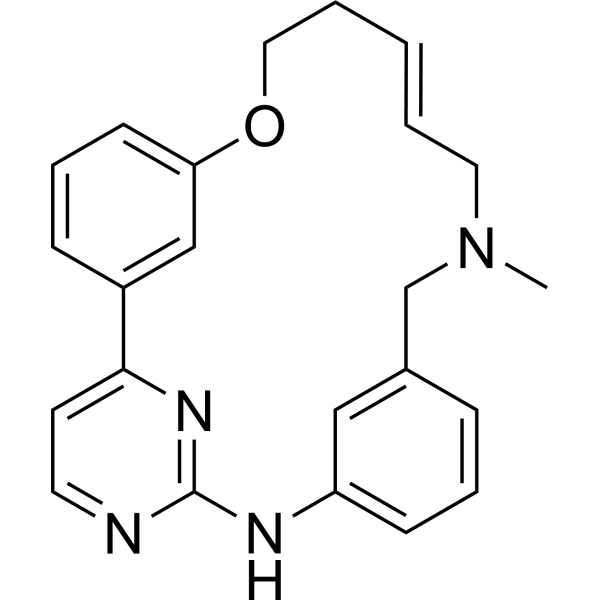
Zotiraciclib (TG02; SB1317) is an orally active JAK2/FLT3/CDK2 inhibitor with IC50 values of 13 nM, 73 nM and 56 nM , respectively. Zotiraciclib inhibits cancer cell proliferation, tumor growth and the activity of CYP2D6. Zotiraciclib exhibits high plasma protein binding rate, Caco-2 permeability and tissue distribution capacity, as well as metabolic stability in human and canine liver microsomes. Zotiraciclib achieves tumor growth inhibition in nude mouse models of colon cancer and lymphoma xenografts. Zotiraciclib can be used for research related to colon cancer, B-cell lymphoma, advanced leukemia, acute leukemia and multiple myeloma .
|
-
-
- HY-121138
-
|
ARDP0006; DHDNE
|
Flavivirus
Dengue Virus
Virus Protease
|
Infection
|
|
1,8-Dihydroxy-4,5-dinitroanthraquinone (ARDP0006; DHDNE) is a potent inhibitor of serine proteinase NS2B/3, the dengue viral protein. 1,8-Dihydroxy-4,5-dinitroanthraquinone has intermolecular proteinase activity and viral inhibition ability with IC50s of 432 μM and 4.2 μM, respectively. Meanwhile 1,8-Dihydroxy-4,5-dinitroanthraquinone inhibits NS2B/3 cleavage in BHK-21 cells at a dose ranging from 4.2 μM to 432 μM .
|
-
-
- HY-P990131
-
|
|
CD47
|
Infection
Inflammation/Immunology
Cancer
|
|
Anti-Mouse CD47/IAP Antibody (MIAP301) is an anti-mouse CD47/IAP IgG2a monoclonal antibody. Anti-Mouse CD47/IAP Antibody (MIAP301) can effectively block CD47 signaling and enhance macrophage phagocytic function. Anti-Mouse CD47/IAP Antibody (MIAP301) can increase the infiltration of immune cells. Anti-Mouse CD47/IAP Antibody (MIAP301) restores the phagocytic function of myeloid cells and alleviate B cell inhibition. Anti-Mouse CD47/IAP Antibody (MIAP301) may interfere with wound healing. Anti-Mouse CD47/IAP Antibody (MIAP301) can be used for researches on cancer, inflammation and infection conditions such as melanoma, intestinal mucosal repair and sepsis .
|
-
-
- HY-W010380
-
|
|
AMPK
Apoptosis
|
Metabolic Disease
|
|
Methyl succinate is a mitochondrial complex II substrate. Methyl succinate can bypass the inhibition of complex I by Metformin (HY-B0627), restore mitochondrial electron transfer, and reduce AMPK phosphorylation. Methyl succinate is capable of protecting MIN6 β-cells and primary rat β-cells from biguanide-induced toxicity and apoptosis in vitro. Methyl succinate can be used in the research of diseases such as diabetes mellitus .
|
-
-
- HY-W015490S
-
|
|
Isotope-Labeled Compounds
DNA/RNA Synthesis
NF-κB
Monoamine Oxidase
TNF Receptor
Bacterial
|
Infection
Inflammation/Immunology
Cancer
|
|
1,4-Naphthoquinone-d6 is the deuterium labeled 1,4-Naphthoquinone. 1,4-Naphthoquinone is an inhibitor with broad-spectrum inhibitory activity targeting DNA polymerase, NF-κB and monoamine oxidase (MAO-A/B), with antibacterial and anti-biofilm efficacy. 1,4-Naphthoquinone is a competitive inhibitor of MAO-B (Ki=1.4 μM) and a non-competitive inhibitor of MAO-A (Ki=7.7 μM). 1,4-Naphthoquinone inhibits DNA polymerase pol α, β, γ, δ, ε, λ with IC50 ranging from 5.57-128 μM. 1,4-Naphthoquinone inhibits tumor cell proliferation, induces apoptosis and necrosis, and has anti-angiogenic and anti-inflammatory activities by inducing oxidative stress, depleting glutathione (GSH), inhibiting DNA polymerase-mediated DNA synthesis and blocking NF-κB nuclear translocation. 1,4-Naphthoquinone can be used in anti-bacterial , anti-tumor and anti-inflammatory studies, including inhibition of melanoma and colon cancer cell growth and endothelial cell function, as well as LPS-induced inflammation models .
|
-
-
- HY-129388A
-
|
CC-90011; LSD1-IN-7
|
Histone Demethylase
|
Inflammation/Immunology
Cancer
|
|
Pulrodemstat (CC-90011) is a potent, selective, reversible and orally active inhibitor of lysine specific demethylase-1 (LSD1) with an IC50 of 0.25 nM. Pulrodemstat is less enzymatic inhibition against LSD2, MAO-A, and MAO-B. Pulrodemstat induces acute myeloid leukemia (AML) and small cell lung cancer (SCLC) cells differentiation and has potent anticancer activity .
|
-
-
- HY-D2188
-
|
|
Deubiquitinase
|
Cancer
|
|
IMP-2373 is a low-toxicity activity-based probe targeting covalent pan-deubiquitinase (DUB), which modulates and monitors DUB activity via covalent binding to the catalytic cysteine and active site of DUB. IMP-2373 enables real-time tracking of dynamic intracellular DUB activity in physiologically relevant living cell systems, and quantitative analysis of activity changes induced by pharmacological inhibition or MYC dysregulation. IMP-2373 can be used for research on related diseases such as B-cell lymphoma .
|
-
-
- HY-155830
-
|
ME3183; PDE4-IN-14
|
Phosphodiesterase (PDE)
Interleukin Related
|
Neurological Disease
Metabolic Disease
Inflammation/Immunology
Cancer
|
|
Morcamilast (ME3183) is a selective and orally active PDE4 inhibitor, with IC50s of 1.28 nM (PDE4A1A), 2.33 nM (PDE4B1), and 1.63 nM (PDE4D2) respectively. Morcamilast shows weak inhibition of PDEs other than PDE4s Morcamilast is an anti-inflammatory agent and inhibits LPS (HY-D1056)-induced release of TNF-α, IL-12/23p40, IL-23, and IL-17A in human PBMCs and T cells. Morcamilast has antipruritic effect and can be used in the study of psoriasis, atopic dermatitis, and other inflammatory diseases .
|
-
-
- HY-174366
-
|
|
c-Fms
PI3K
|
Cancer
|
|
JMC14 is a selective and orally active PI3Kδ and CSF1R inhibitor with IC50 values of 12 nM and 143 nM, respectively. JMC14 preferentially inhibits PI3Kδ-mediated signaling at the cellular level. JMC14 demonstrates potent antitumor activity against B-cell lymphomas and triple-negative breast cancer (TNBC) in both in vitro and vivo studies. JMC14 can be used for the study of antitumor immunity .
|
-
-
- HY-125762
-
|
|
Tyrosinase
|
Cancer
|
|
Tyrosinase-IN-16 (compound 19a) is a tyrosine kinase (Tyrosinase) inhibitor with Ki=470 nM. Tyrosinase-IN-16 is cytotoxic to B16F10 cells, with >90% inhibition at 20 μM .
|
-
-
- HY-B1145S
-
|
|
Isotope-Labeled Compounds
Antibiotic
Bacterial
Necroptosis
Apoptosis
|
Infection
|
|
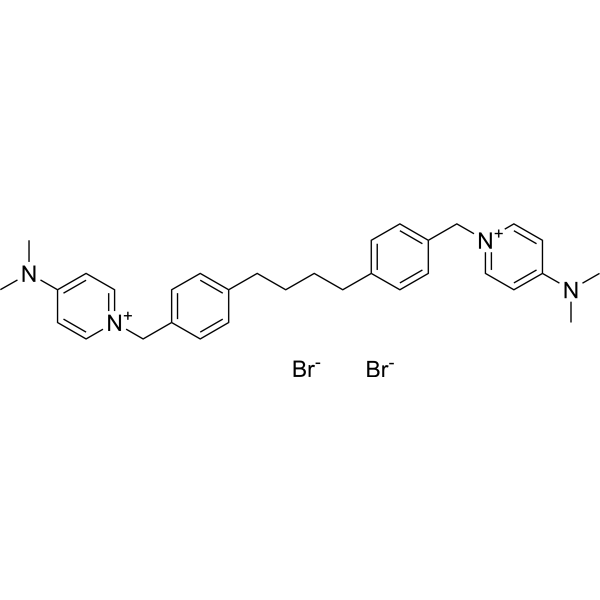
Chlorhexidine-d8 (dihydrochloride) is the deuterium labeled Chlorhexidine dihydrochloride (HY-B1145). Chlorhexidine dihydrochloride is a orally active cationic antimicrobial agent that targets microbial cell membranes. Chlorhexidine dihydrochloride binds to cell membrane phospholipids non-specifically, destroys membrane structure and induces leakage of cell contents. Chlorhexidine dihydrochloride has broad-spectrum bactericidal activity against both Gram-positive and Gram-negative bacteria. Chlorhexidine dihydrochloride can interfere with membrane permeability, cause protein precipitation and energy metabolism disorders, such as rapid inhibition of microbial growth and induction of cell death (necrosis or apoptosis) .
|
-
-
- HY-B1248R
-
|
|
Reference Standards
Antibiotic
Bacterial
Necroptosis
Apoptosis
|
Infection
|
|
Chlorhexidine (Standard) is the analytical standard of Chlorhexidine (HY-B1248). This product is intended for research and analytical applications. Chlorhexidine is a orally active cationic antimicrobial agent that targets microbial cell membranes. Chlorhexidine binds to cell membrane phospholipids non-specifically, destroys membrane structure and induces leakage of cell contents. Chlorhexidine has broad-spectrum bactericidal activity against both Gram-positive and Gram-negative bacteria. Chlorhexidine can interfere with membrane permeability, cause protein precipitation and energy metabolism disorders, such as rapid inhibition of microbial growth and induction of cell death (necrosis or apoptosis) .
|
-
-
- HY-N7085R
-
|
5,7-Dimethoxycoumarin (Standard); Limettin (Standard)
|
ERK
JNK
p38 MAPK
Reference Standards
|
Neurological Disease
Inflammation/Immunology
Cancer
|
|
Citropten (Standard) is the analytical standard of Citropten. This product is intended for research and analytical applications. Citropten (5, 7-dimethoxycoumarin) is one of the coumarin derivatives. Citropten is an effective oral anticancer agent. Citropten has anti-proliferative activity against A2058 and B16 melanoma cells. Citropten exerts anti-inflammatory effects through the NFκB and MAPK signaling pathways. Citropten acts as an antidepressant through heat shock protein-70, monoamine oxidase-A and inhibition of apoptosis .
|
-
-
- HY-175541
-
|
|
PROTACs
Btk
|
Cancer
|
|
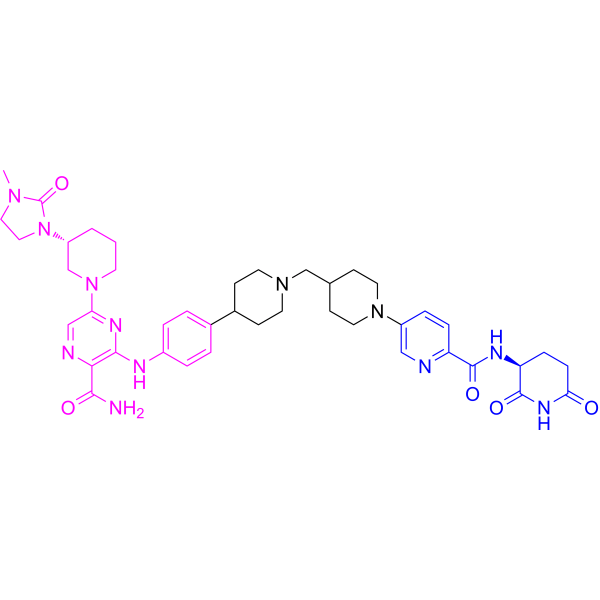
TQ-3959 is an orally active BTK PROTAC degrader, with a DC50 of 14.6 nM. TQ-3959 exerts antiproliferative activity against both wild-type BTK and C481S mutant BTK cell lines. TQ-3959 exhibits tumor growth inhibition in female NOD-SCID mice bearing TMD-8 xenografts. TQ-3959 can be used in the research on B-cell malignancies such as lymphoma.(Pink: BTK ligand (HY-150885), Blue: CRBN Ligand (HY-W733888), Black: Linker (HY-W061884), E3 ligase ligand-linker conjugate (HY-175545)) .
|
-
-
- HY-B0439S1
-
|
Sulphadoxine d3
|
Parasite
Antibiotic
|
Infection
|
|
Sulfadoxine-d3 is a deuterium labeled Sulfadoxine (HY-B0439). Sulfadoxine is a sulfonamide that is used, usually in combination with Pyrimethamine(HY-18062), for multidrug-resistant Plasmodium falciparum and P. vivax inhibition. Unlike PYR, Sulfadoxine has no impact on HIV replication or MT-2 cell cycle progression. But also Sulfadoxine exhibits suppression on respiratory, and urinary tract infections .
|
-
-
- HY-153278A
-
|
CDK7-IN-21 TFA
|
CDK
DNA/RNA Synthesis
c-Myc
Early 2 Factor (E2F)
Topoisomerase
|
Cancer
|
|
Q901 (CDK7-IN-21) TFA is a selective and potent CDK7 inhibitor with an IC50 of 10 nM. Q901 TFA disrupts MYC and E2Fb-dependent transcription program, downregulating cell cycle control and DNA damage repair pathways. Q901 TFA stabilizes TOP1-DPCs and sensitizes tumor to TOP1 inhibitors by suppressing RNAPII transition from initiation to elongation. Q901 TFA can inhibit tumor growth and significantly enhances tumor growth inhibition combined with TOP1 inhibitors. Q901 TFA can be used for the research of cancer, such as colon cancer and lung cancer .
|
-
-
- HY-125376
-
|
|
PI3K
|
Cancer
|
|
PI3Kδ-IN-3 (Compound 11) is a PI3Kδ inhibitor (IC50: 9 nM). PI3Kδ-IN-3 inhibits B cell function. PI3Kδ-IN-3 has good pharmacokinetic properties .
|
-
-
- HY-W698472
-
-
-
- HY-129388C
-
|
CC-90011 hydrochloride; LSD1-IN-7 hydrochloride
|
Histone Demethylase
|
Inflammation/Immunology
Cancer
|
|
Pulrodemstat (CC-90011) hydrochloride is a potent, selective, reversible and orally active inhibitor of lysine specific demethylase-1 (LSD1) with an IC50 value of 0.25 nM. Pulrodemstat hydrochloride is less enzymatic inhibition against LSD2, MAO-A, and MAO-B. Pulrodemstat hydrochloride induces acute myeloid leukemia (AML) and small cell lung cancer (SCLC) cells differentiation and has potent anticancer activity .
|
-
-
- HY-164002
-
|
|
Btk
|
Others
|
|
PF-303 is a potent, oral inhibitor of Bruton's tyrosine kinase (BTK) (IC50=0.64 nM). The melamine portion of PF-303 forms a covalent bond with BTK's Cys481, which is reversible and exhibits a high selectivity compared to irreversible covalent BTK inhibitors. PF-303 can be used to model and study the effects of BTK inhibition on the mature immune system, including effects on B-cell subsets, antibody responses, and T-cell-mediated activation .
|
-
-
- HY-174569
-
|
|
mRNA
|
Inflammation/Immunology
|
|
Human NFKB1 mRNA encodes the human nuclear factor kappa B subunit 1 (NFKB1) protein, a transcription regulator that is activated by various intra- and extra-cellular stimuli such as cytokines, oxidant-free radicals, ultraviolet irradiation, and bacterial or viral products. Inappropriate activation of NFKB has been associated with a number of inflammatory diseases while persistent inhibition of NFKB leads to inappropriate immune cell development or delayed cell growth. NFKB is a critical regulator of the immediate-early response to viral infection.
|
-
-
- HY-105505
-
|
|
Phosphodiesterase (PDE)
Histamine Receptor
|
Inflammation/Immunology
|
|
KF-17625 is an orally active bronchodilator. KF-17625 can inhibit bronchoconstriction induced by Carbachol (HY-B1208), Histamine (HY-B1204), or Leukotriene D4 (HY-113456). KF-17625 can inhibit canine tracheal phosphodiesterase (PDE) IV (IC50 = 12 μM) and Concanavalin-A (HY-P2149)-induced histamine release from rat mast cells (44% inhibition at 10 mM). KF-17625 can be used for the researches of immunology and inflammation .
|
-
-
- HY-178694
-
|
|
Histone Methyltransferase
|
Cancer
|
|
DC-PRC2in-01 is a potent EZH2-EED interaction inhibitor with an IC50 of 4.21 μM and a Kd of 4.56 μM. DC-PRC2in-01 disrupts the EZH2-EED interaction, leading to degradation of PRC2 core proteins and decrease of H3K27me3 levels, inhibition of PRC2-driven lymphoma cell proliferation, and cell cycle arrest. DC-PRC2in-01 can be used for the research of PRC2-related cancers, such as Diffuse Large B-cell Lymphoma (DLBCL) and follicular lymphoma (FL) .
|
-
-
- HY-W015490R
-
|
|
Reference Standards
DNA/RNA Synthesis
NF-κB
Monoamine Oxidase
TNF Receptor
Bacterial
|
Infection
Inflammation/Immunology
Cancer
|
|
1,4-Naphthoquinone is an inhibitor with broad-spectrum inhibitory activity targeting DNA polymerase, NF-κB and monoamine oxidase (MAO-A/B), with antibacterial and anti-biofilm efficacy. 1,4-Naphthoquinone is a competitive inhibitor of MAO-B (Ki=1.4 μM) and a non-competitive inhibitor of MAO-A (Ki=7.7 μM). 1,4-Naphthoquinone inhibits DNA polymerase pol α, β, γ, δ, ε, λ with IC50 ranging from 5.57-128 μM. 1,4-Naphthoquinone inhibits tumor cell proliferation, induces apoptosis and necrosis, and has anti-angiogenic and anti-inflammatory activities by inducing oxidative stress, depleting glutathione (GSH), inhibiting DNA polymerase-mediated DNA synthesis and blocking NF-κB nuclear translocation. 1,4-Naphthoquinone can be used in anti-bacterial , anti-tumor and anti-inflammatory studies, including inhibition of melanoma and colon cancer cell growth and endothelial cell function, as well as LPS-induced inflammation models .
|
-
-
- HY-115814
-
|
|
PI3K
|
Inflammation/Immunology
|
|
AM-1430 is an efficient, highly selective and orally active small molecule inhibitor of PI3Kδ with an IC50 of 4.6 nM. AM-1430 exhibits IC50s for PI3Kα, PI3Kβ and PI3Kγ of 14.18, 2.2 and 3.22 μM, respectively. AM-1430 inhibits B cell proliferation and exhibits excellent in vivo activity in pAKT inhibition models and the hemoglobin (KLH) immune response model. AM-1430 can be used for the study of inflammation and autoimmune diseases .
|
-
-
- HY-P990253
-
|
|
Notch
EAAT
|
Inflammation/Immunology
|
|
Anti-Mouse Delta-like protein 1/DLL1 Antibody (HMD1-5) is an anti-mouse Delta-like protein 1/DLL1 IgG monoclonal antibody. Anti-Mouse Delta-like protein 1/DLL1 Antibody (HMD1-5) can reverse the inhibition of Treg cells. Anti-Mouse Delta-like protein 1/DLL1 Antibody (HMD1-5) can inhibit the upregulation of GLT-1 expression induced by endothelial cells. Anti-Mouse Delta-like protein 1/DLL1 Antibody (HMD1-5) reduces autoimmune response by reducing B cell activation. Anti-Mouse Delta-like protein 1/DLL1 Antibody (HMD1-5) can be used for research on inflammation conditions such as lupus nephritis .
|
-
-
- HY-153321A
-
|
(R,R)-NX-5948; (R,R)-BTK-IN-24
|
Drug Isomer
PROTACs
Btk
|
Inflammation/Immunology
Cancer
|
|
(R,R)-Bexobrutideg is the (R,R)-enantiomer of Bexobrutideg (HY-153321). Bexobrutideg (NX-5948) is an orally active PROTAC that induces specific BTK protein degradation via a cereblon E3 ligase (CRBN) complex without degrading other cereblon neo substrates. Bexobrutideg mediates potent anti-inflammatory activity through BTK degradation, thereby inhibiting B cell activation. Bexobrutideg exhibits potent tumor growth inhibition in TMD8 xenograft models containing wild-type BTK or BTKi resistance mutations. Bexobrutideg is effective in a mouse model of collagen-induced arthritis (CIA). Bexobrutideg can cross the blood-brain barrier. NX-5948 consists of a target protein ligand, a linker, and a VHL E3 ubiquitin ligase (Red: BTK ligand (HY-170324); Blue: CRBN ligand (HY-171893); Black: linker) .
|
-
-
- HY-N8304
-
|
(+)-Shegansu B; Parvifolol D
|
Interleukin Related
|
Inflammation/Immunology
|
|
Shegansu B is an inhibitor of IL-1β. Shegansu B 6 inhibits IL-1β expression on LPS-induced THP-1 cells with 64.74% inhibition. Shegansu B has anti-inflammatory activity .
|
-
- HY-112013
-
|
|
Cholinesterase (ChE)
|
Neurological Disease
|
|
Isodimethoate is a thermal decomposition product of Dimethoate (HY-B1946). Isodimethoate is a direct anticholinesterase agent and shows an inhibition to human red blood cell acetylcholinesterase (AChE) .
|
-
- HY-N16645
-
|
|
Cholinesterase (ChE)
|
Cancer
|
|
Plasiaticine B (Compound 2) is an indole alkaloid found in Plantago asiatica. Plasiaticine B shows no significant cytotoxicity to HL-60, A-549 and MCF-7 cells with IC50 >40 μM. Plasiaticine B shows no significant inhibitory effect on AChE, with an inhibition rate <60% .
|
-
- HY-125629
-
|
|
Others
|
Others
|
|
Primordazine B is a small molecule compound identified by chemical screening in zebrafish embryos with the activity of selectively destroying Primordial Germ Cells (PGCs). Primordazine B inhibits a process called Poly(A)-tail Independent Non-canonical Translation (PAINT) without inhibition of polyadenylate tail dependent typical translation (PAT). Primordazine B can be used to study translational control of cells in specific physiological or pathological states, such as gene expression regulation during cell dormancy, viral infection, or stress conditions .
|
-
- HY-121998
-
|
|
Aurora Kinase
|
Others
|
|
Binucleine 2 is an isoform-specific and ATP-competitive inhibitor of Drosophila Aurora B kinase (Ki=0.36 μM), a kinase involved in cell division. It is specific for Drosophila Aurora B kinase, inhibiting it in a dose-dependent manner, with minimal inhibition of human or X. laevis Aurora B kinases at concentrations up to 100 μM. Binucleine 2 induces mitotic and cytokinesis defects in Drosophila Kc167 cells. It prevents Drosophila S2 cells from assembling a contractile ring during cell division when used at a concentration of 40 μM but does not affect ring ingression, suggesting that Aurora B kinase activity is not required for that step.
|
-
- HY-N10648
-
|
|
Phosphatase
|
Metabolic Disease
|
|
PTP1B-IN-20 is a selective inhibitor of protein tyrosine phosphatase 1B (PTP1B; IC50=1.05 μM) over the highly homologous T-cell protein tyrosine phosphatase (TCPTP; IC50=78.0 μM), which is a key target for type 2 diabetes inhibition .
|
-
- HY-169400
-
|
|
HDAC
Histone Methyltransferase
Apoptosis
|
Cancer
|
|
HDACs/EZH2-IN-1 (Compound 22a) is a HDACs/EZH2 inhibitor (EZH2 Y641N inhibition rate at 50 nM: 98%), with selective inhibition against HDAC1 and HDAC6 (IC50: 0.23 μM and 0.07 μM, respectively). HDACs/EZH2-IN-1 exerts a antiproliferative effect on diffuse large B-cell lymphoma cells harboring an EZH2 mutation and on various acute myeloid leukemia cells. HDACs/EZH2-IN-1 has the ability to induce cell differentiation and Apoptosis .
|
-
- HY-W013274A
-
|
|
Histone Acetyltransferase
Apoptosis
|
Cancer
|
|
CPTH2 hydrochloride is a potent histone acetyltransferase (HAT) inhibitor. CPTH2 hydrochloride selectively inhibits the acetylation of histone H3 by Gcn5. CPTH2 hydrochloride induces apoptosis and decreases the invasiveness of a clear cell renal carcinoma (ccRCC) cell line through the inhibition of acetyltransferase p300 (KAT3B) .
|
-
- HY-15308B
-
|
|
Parasite
Chloride Channel
|
Neurological Disease
|
|
Δ²-Avermectin B₁ₐ (Compound 3) is an antiparasitic agent targeting glutamate-gated chloride channels (GluCls) in the neuromuscular system of invertebrates. Δ²-Avermectin B₁ₐ enhances chloride ion influx, leading to hyperpolarization of the neuromuscular cell membrane, inhibition of neural signal transmission, and ultimately paralysis and death of parasites. Δ²-Avermectin B₁ₐ is promising for research of agricultural pests .
|
-
- HY-114585
-
|
|
Bacterial
|
Infection
Cancer
|
|
Sperabillin A is an antibacterial agent against gram-positive and gram-negative bacteria. Sperabillin A shows strong inhibition of human umbilical vein endothelial (HUVE) cell proliferation. Sperabillin A also shows anti-tumor acfivity against B16 melanoma in mouse .
|
-
- HY-100866B
-
|
|
Bcl-2 Family
|
Cancer
|
|
F1324 acetate is a potent, high affinity peptidic inhibitor of B cell lymphoma 6 (BCL6), with an IC50 of 1 nM. F1324 acetate exhibits binding t1/2 value of 441 s and has strong inhibition activity against BCL6 PPI .
|
-
- HY-100866
-
|
|
Bcl-2 Family
|
Cancer
|
|
F1324 is a potent, high affinity peptidic inhibitor of B cell lymphoma 6 (BCL6) with an IC50 of 1 nM. F1324 exhibits binding t1/2 value of 441 s and has strong inhibition activity against BCL6 PPI .
|
-
- HY-160682
-
|
|
EGFR
|
Others
|
|
EGFR/HER2-IN-12 (compound 14b) is a dual inhibitor of EGFR and HER2 with 81% and 51% inhibition at 10 μM. The toxicity of EGFR/HER2-IN-12 to cancer cells A431 and MDA-MB-361 was not significant .
|
-
- HY-100866A
-
|
|
Bcl-2 Family
|
Cancer
|
|
F1324 TFA is a potent, high affinity peptidic inhibitor of B cell lymphoma 6 (BCL6), with an IC50 of 1 nM. F1324 TFA exhibits binding t1/2 value of 441 s and has strong inhibition activity against BCL6 PPI .
|
-
- HY-105409
-
|
NVP-XAA-296; XAA 296
|
Microtubule/Tubulin
Apoptosis
|
Cancer
|
|
Discodermolide (NVP-XAA-296) is a potent microtubule-stabilizing agent with a Ki of 0.4 μM. Discodermolide stabilizes microtubules, induces G2 or M phase cell cycle arrest and apoptosis, leading to inhibition of cancer cell proliferation. Discodermolide competitively inhibits the binding of Paclitaxel (HY-B0015) to tubulin polymers, and inhibits the growth of Paclitaxel-resistant cells. Discodermolide can be used for breast and colon cancer research .
|
-
- HY-B0563BS
-
|
|
Isotope-Labeled Compounds
Potassium Channel
Sodium Channel
|
Neurological Disease
|
|
Ropivacaine-d7 hydrochloride is a deuterium labeled Ropivacaine (hydrochloride) (HY-B0563B) . Ropivacaine hydrochloride is a potent sodium channel blocker and blocks impulse conduction via reversible inhibition of sodium ion influx in nerve fibrese . Ropivacaine is also an inhibitor of K2P (two-pore domain potassium channel) TREK-1 with an IC50 of 402.7 μM in COS-7 cell's membrane . Ropivacaine is widely used for neuropathic pain management in vivo .
|
-
- HY-129388
-
|
CC-90011 Methylbenzenesulfonate; LSD1-IN-7 Methylbenzenesulfonate
|
Histone Demethylase
|
Inflammation/Immunology
Cancer
|
|
Pulrodemstat (CC-90011) Methylbenzenesulfonate is a potent, selective, reversible and orally active inhibitor of lysine specific demethylase-1 (LSD1) with an IC50 of 0.25 nM. Pulrodemstat Methylbenzenesulfonate is less enzymatic inhibition against LSD2, MAO-A, and MAO-B. Pulrodemstat Methylbenzenesulfonate induces acute myeloid leukemia (AML) and small cell lung cancer (SCLC) cells differentiation and has potent anticancer activity .
|
-
- HY-119702
-
|
|
HBV
|
Infection
|
|
YZ51 is a derivative of Osalmid (HY-B2116) with stronger ribonucleotide reductase (RR) inhibitory activity and HBV replication inhibition ability than Osalmid. The IC50 of YZ51 against recombinant RR activity is 0.6 μM, and the IC50 against HepG2.2.15 cell RR activity is 23.7 μM .
|
-
- HY-165484
-
|
|
Interleukin Related
|
Inflammation/Immunology
|
|
AVP-13358 is an orally active IgE inhibitor that effectively suppresses immunoglobulin E (IgE)-mediated immune responses, with IC50 values of 8 and 3 nM for IgE inhibition in vivo and in vitro in BALB/c mice, respectively. AVP-13358 acts directly on T cells, inhibiting the production and release of IL-4, IL-5, and IL-13. It also targets other markers critical for the development of allergic responses, including the B cell IgE receptor (CD23) in human monocytes and the CD23 and IL-4 receptors in mouse B cells. AVP-13358 can be used in research related to anti-allergic responses .
|
-
- HY-163272
-
|
|
Glutathione Peroxidase
CDK
|
Cancer
|
|
GPX4/CDK-IN-1 (Compound B9) is a dual inhibitor of GPX4 and CDK, with IC50 values of 542.5 nM, 191.2 nM and 68.1 nM for GPX4, CDK4 and CDK6, reapectively. GPX4/CDK-IN-1 shows strong cancer cell growth inhibition in vivo .
|
-
- HY-106963
-
|
LGD1550
|
RAR/RXR
|
Cancer
|
|
ALRT1550 (LGD1550) is a selective retinoic acid receptor (RAR) agonist that binds RARs with exceptional potency, with Kd values of approximately 1-4 nM. ALRT1550 exhibits anti-proliferative activity, with an IC50 value of 0.22 nM in UMSCC-22B squamous carcinoma cells. In a mouse tumor xenograft model, ALRT1550 inhibited tumor growth in a dose-dependent manner, achieving a maximum inhibition rate of 89%. ALRT1550 is applicable for research in the field of cancer .
|
-
- HY-143487
-
|
|
Parasite
|
Infection
|
|
Antimalarial agent 12 (compound R-3b) is a potent antimalarial agent. Antimalarial agent 12 shows growth inhibition on P. falciparum Dd2 Strain (EC50=155 nM), 3D7 strain (EC50=136 nM). Antimalarial agent 12 has CC50 values of 10,000 to 50,000 nM for HEK-293 and hPHep cell lines. Antimalarial agent 12 has a MIC of >250,000 nM for Escherichia coli .
|
-
- HY-B1145R
-
|
|
Reference Standards
Antibiotic
Bacterial
Necroptosis
Apoptosis
|
Infection
|
|
Chlorhexidine dihydrochloride (Standard) is the analytical standard of Chlorhexidine dihydrochloride (HY-B1145). This product is intended for research and analytical applications. Chlorhexidine dihydrochloride is a orally active cationic antimicrobial agent that targets microbial cell membranes. Chlorhexidine dihydrochloride binds to cell membrane phospholipids non-specifically, destroys membrane structure and induces leakage of cell contents. Chlorhexidine dihydrochloride has broad-spectrum bactericidal activity against both Gram-positive and Gram-negative bacteria. Chlorhexidine dihydrochloride can interfere with membrane permeability, cause protein precipitation and energy metabolism disorders, such as rapid inhibition of microbial growth and induction of cell death (necrosis or apoptosis) .
|
-
- HY-W738281
-
|
|
Isotope-Labeled Compounds
Antibiotic
Bacterial
Necroptosis
Apoptosis
|
Infection
|
|
Chlorhexidine-d8 is deuterium-labeled Chlorhexidine (HY-B1248) . Chlorhexidine is a orally active cationic antimicrobial agent that targets microbial cell membranes. Chlorhexidine binds to cell membrane phospholipids non-specifically, destroys membrane structure and induces leakage of cell contents. Chlorhexidine has broad-spectrum bactericidal activity against both Gram-positive and Gram-negative bacteria. Chlorhexidine can interfere with membrane permeability, cause protein precipitation and energy metabolism disorders, such as rapid inhibition of microbial growth and induction of cell death (necrosis or apoptosis) .
|
-
- HY-162873
-
|
|
MEK
Raf
|
Cancer
|
|
MEK/RAF-IN-1 (Compound 16b) is an inhibitor of both MEK and RAF. It shows potent inhibition with IC50 values of 28 nM for MEK1, and 3 nM each for BRAF and BRAFV600E. MEK/RAF-IN-1 demonstrates significant antitumor activity, effectively inhibiting cell proliferation in vitro against MIA PaCa-2 (G12C KRAS), HCT116 (G13D KRAS), and C26 (G12D KRAS) cells. Additionally, it inhibits tumor growth in xenograft mouse models of colorectal cancer .
|
-
- HY-149838
-
|
|
NF-κB
|
Cancer
|
|
NF-κB-IN-9 is a nuclear factor kappa B (NF-κB) targeting sonosensitizer (λex/λem=489/628 nm). NF-κB-IN-9 exhibits strong inhibition on NF-κB signaling due to its two resveratrol units in one molecule. NF-κB-IN-9 has anti-tumor activity and shows remarkable sonocytotoxicity against cancer cells. NF-κB-IN-9 has biosafety in eenograft mice model.
|
-
- HY-W699318
-
|
|
Reactive Oxygen Species (ROS)
|
Others
|
|
1-Oleoyl-2-palmitoylglycerol is a diacylglycerol in which an oleic acid and a palmitic acid are attached to sn-1 and sn-2 position. 1-Oleoyl-2-palmitoylglycerol enhances the inhibition of superoxide anion production induced by fMLF/cytochalasin B (CB) in human neutrophils. 1-Oleoyl-2-palmitoylglycerol can be used in research about lipid metabolism, membrane fluidity, or the distribution and function of lipids in cells .
|
-
- HY-158138
-
|
|
PARP
Topoisomerase
Apoptosis
|
Cancer
|
|
TOPOI/PARP-1-IN-1 (Compound B6) is an orally active, low cytotoxic TOPOI/PARP dual inhibitor with an IC50 value of 0.09 μM for PARP1. TOPOI/PARP-1-IN-1 can effectively inhibit the proliferation and migration of cancer cells. TOPOI/PARP-1-IN-1 also causes cell cycle arrest in the G0/G1 phase and induces apoptosis. The tumor growth inhibition rate (TGI) of TOPOI/PARP-1-IN-1 in mice is 75.4% .
|
-
- HY-116633
-
|
|
Endogenous Metabolite
|
Infection
|
|
BCM-599 is a HBV (hepatitis B virus) capsid assembly inhibitor with the activity of inhibiting HBV capsid assembly. BCM-599 showed an IC50 value of 0.88μM and a CC50 value of 144μM in HepG2.2.15 cells. When used in combination with lamivudine, BCM-599 showed a synergistic inhibitory effect on viral concentration. BCM-599 can be used as an effective combined inhibition option for HBV infection .
|
-
- HY-168551
-
|
|
PROTACs
Anaplastic lymphoma kinase (ALK)
|
Cancer
|
|
PROTAC ALK degrader-3 (4B) is an orally active ALK degrader based on PROTACs, which can effectively induce persistent degradation of ALK fusion protein in Karpas 299 cells and strong inhibition of downstream pathways,IC50 is 119.33 nM. PROTAC ALK degrader-3 exhibits antitumor activity. (Structure Note: PINK, ALK Inhibitor (HY-15656); Blue, E3 (HY-W023573); Black, linker (HY-168552)) .
|
-
- HY-161641
-
|
|
Microtubule/Tubulin
|
Cancer
|
|
Tubulin polymerization-IN-62 (Compound 14b) is an inhibitor for microtubule polymerization (IC50 is 7.5 μM) and a degrader for α- and β-tubulin. Tubulin polymerization-IN-62 inhibits proliferation of cancer cells MCF-7, A549 and HCT-116, with IC50 of 32, 60 and 29 nM, respectively. Tubulin polymerization-IN-62 arrests the cell cycle at G2/M phase, inhibits the migration of MCF-7. Tubulin polymerization-IN-62 exhibits antitumor efficacy with a tumor growth inhibition rate (TGI) of 74.27% in 4T1 homograft mouse model .
|
-
- HY-W709448
-
|
Oxaprozinum-d10; Wy21743-d10
|
Isotope-Labeled Compounds
Apoptosis
COX
Akt
IKK
NF-κB
|
Inflammation/Immunology
|
|
Oxaprozin-d10 (Oxaprozinum-d10; Wy21743-d10) is the deuterium labeled Oxaprozin (HY-B0808). Oxaprozin is an orally active and potent COX inhibitor, with IC50 values of 2.2 μM for human platelet COX-1 and and 36 μM for IL-1-stimulated human synovial cell COX-2, respectively. Oxaprozin also inhibits the activation of NF-κB. Oxaprozin induces cell apoptosis. Oxaprozin shows anti-inflammatory activity. Oxaprozin-mediated inhibition of the Akt/IKK/NF-κB pathway contributes to its anti-inflammatory properties .
|
-
- HY-138074
-
|
5-Ketomilbemycin A4 oxime; 5-Oxomilbemycin A4 5-oxime
|
Parasite
|
Infection
|
|
Milbemycin A4 oxime (5-Ketomilbemycin A4 oxime; 5-Oxomilbemycin A4 5-oxime) is a derivative of Milbemycin A4 (HY-126906) and a component of Milbemycin oxime (HY-B0778), both of which have insecticidal and nematicidal activities. Milbemycin A4 oxime (0.05 mg/kg) reduces the number of microfilariae in naturally infected dogs with D. immitis and inhibits the growth of clinical isolates of Candida glabrata (MIC80=16-32 μg/mL). Milbemycin A4 oxime (2.5 μg/mL) blocks the efflux of Fluconazole (HY-B0101) from clinical isolates of Candida glabrata. Milbemycin A4 oxime enhances doxorubicin-induced cell growth inhibition and increases the intracellular accumulation of doxorubicin and P-glycoprotein substrate Rhodamine 123 (HY-D0816) in doxorubicin-resistant but not sensitive MCF-7 breast cancer cells in a concentration-dependent manner.
|
-
- HY-150563
-
|
|
Monoamine Oxidase
Amyloid-β
|
Neurological Disease
Inflammation/Immunology
|
|
Neuroinflammatory-IN-2 is a potent anti-neuroinflammatory agent with an IC50 value of 10.30 μM for MAO-B, and 96.33% inhibition of Aβ1-42 aggregation at 25 μM. Neuroinflammatory-IN-2 has neuroprotective activity in H2O2-induced PC-12 cell injury. Neuroinflammatory-IN-2 also has biometal chelating abilities, antioxidant activity, anti-neuroinflammatory activity and appropriate BBB permeability. Neuroinflammatory-IN-2 can be used for researching Alzheimer’s disease .
|
-
- HY-13749BR
-
|
MK-0431 phosphate monohydrate (Standard)
|
Reference Standards
Dipeptidyl Peptidase
GLP Receptor
Endogenous Metabolite
PKA
ERK
|
Metabolic Disease
|
|
Sitagliptin (MK-0431) phosphate monohydrate (Standard) is the analytical standard of Sitagliptin phosphate monohydrate (HY-13749B). This product is intended for research and analytical applications. Sitagliptin phosphate monohydrate is an orally active and highly selective DPP4 inhibitor with an IC50 value of 19 nM. Sitagliptin phosphate monohydrate blocks the degradation of glucagon-like peptide-1 (GLP-1) and glucose-dependent insulinotropic peptide (GIP) by competing inhibition mechanism (Kᵢ = 1 nM), thereby increasing the level of active incretin. Sitagliptin phosphate monohydrate can also directly stimulate the secretion of GLP-1 by intestinal L cells by activating the cAMP/PKA and ERK1/2 pathways, and this effect is independent of DPP-4. Sitagliptin phosphate monohydrate shows protective effects on pancreatic islet grafts in 1-type diabetes models. Sitagliptin phosphate monohydrate can be used for the study of 1-type and 2-type diabetes.
|
-
- HY-P991773
-
|
|
Integrin
|
Inflammation/Immunology
|
|
Anti-Mouse CD11b Antibody (5C6) is a CD11b blocking antibody. Anti-Mouse CD11b Antibody (5C6) can be used for in vitro inhibition of myelomonocytic cell adhesion and in vivo inhibition of inflammatory cell recruitment. Recommend Isotype Controls: Rat IgG2b kappa, Isotype Control (HY-P990682) .
|
-
- HY-167853
-
|
SK-1080
|
Angiotensin Receptor
|
Metabolic Disease
|
|
KR-31080 is an derivative of imidazo [4,5-b] pyridine. KR-31080 inhibits angiotensin II receptor. KR-31080 inhibits the NO production in LPS-stimulated BV-2 cells at a concentration of 2 μm with inhibition of 8.3% .
|
-
- HY-181268
-
|
|
Monoamine Oxidase
|
Neurological Disease
|
|
MAO-B-IN-53 is a human monoamine oxidase B (hMAO-B) inhibitor with an IC50 of 0.066 μM. MAO-B-IN-53 exhibits mixed reversible inhibition, binds stably to the hMAO-B active site, and shows high selectivity over hMAO-A. MAO-B-IN-53 acts as a neuroprotective agent, protects against 6-OHDA-induced damage, and exhibits low neurotoxicity in neuroblastoma cells. MAO-B-IN-53 can be used for the research of Parkinson's disease .
|
-
- HY-P991964
-
|
Rendomab-B49
|
Endothelin Receptor
|
Cancer
|
|
Rendomab B4 (Rendomab-B49) is a monoclonal antibody targeting ETB. Rendomab B4 preferentially binds to ETB in the active conformational state and exhibits selectivity for ETB on melanoma cells. Rendomab B4 inhibits the G protein-dependent phospholipase C (PLC) pathway, blocks ET-3-induced Gαi/o-mediated inhibition of adenylate cyclase, and does not affect the activation of the ERK1/2 pathway. Rendomab B4 is applicable to melanoma-related research .
|
-
- HY-181838
-
|
|
CDK
Apoptosis
|
Cancer
|
|
CIRc-014 is an orally active Cyclin A/B inhibitor with a Cyclin A IC50 of 0.05 μM, Cyclin A Kd of 2.7 nM, Cyclin B IC50 of less than 0.02 μM and Cyclin B Kd of 1.0 nM. CIRc-014 activates the spindle assembly checkpoint and promotes the formation of a complex between Cyclin B and CDK2 by blocking the RxL interaction of Cyclin A/B. CIRc-014 can induce replication stress, DNA damage, mitotic arrest and apoptosis in tumor cells. CIRc-014 showed tumor growth inhibition and regression in NCI-H69 and NCI-H446 small cell lung cancer xenograft models. CIRc-014 can be used for the research of small-cell lung cancer .
|
-
- HY-183689
-
|
|
Deubiquitinase
|
Cancer
|
|
OAT-4828 is an orally active ubiquitin-specific protease 7 (USP7) inhibitor with an IC50 of 32 nM. OAT-4828 induces antileukemic activity in B-cell-derived non-Hodgkin's lymphoma models via inhibition of USP7. OAT-4828 is applicable to research related to chronic lymphocytic leukemia .
|
-
- HY-117593
-
|
|
P-glycoprotein
Cytochrome P450
Drug Isomer
|
Cancer
|
|
NSC 23925B is a P-glycoprotein (P-gp) inhibitor, as well as the most biologically active isomer of NSC23925 (HY-19626), which reverses and prevents P-glycoprotein-mediated multidrug resistance in cancer cells. NSC 23925B shows weak inhibition against most CYP450 enzymes (IC50 > 10 μM), and exhibits moderate inhibitory activity against CYP2B6 and CYP2D6 with IC50 values of 8.589 μM and 1.407 μM, respectively. NSC 23925B can be used for the research of multidrug-resistant cancers .
|
-
- HY-18957C
-
|
BGB-283 hydrochloride
|
Endogenous Metabolite
|
Cancer
|
|
Lifirafenib hydrochloride (BGB-283 hydrochloride) is a novel, reversible B-RAFV600E inhibitor with antitumor activity. Lifirafenib has shown potent antitumor activity against solid tumors with B-RAFV600E mutations, such as melanoma, thyroid cancer, and low-grade serous ovarian cancer. Lifirafenib exhibits selective cytotoxicity in vitro, preferentially inhibiting the proliferation of cancer cells with B-RAFV600E and EGFR mutations/amplification. Lifirafenib can achieve dose-dependent inhibition of tumor growth in animal models, accompanied by partial and complete tumor shrinkage .
|
-
- HY-182378
-
|
|
|
Cancer
|
|
Vps34-IN-5 is an orally active VPS34 inhibitor, 98% target inhibition, and an IC50 categorized as B. Vps34-IN-5 induces additive or synergistic anti-proliferative activity with EGFR inhibitors in cancer cells. Vps34-IN-5 is administered orally alone or with Erlotinib (HY-50896) in mouse xenograft models. Vps34-IN-5 can be used for the research of non-small cell lung cancer .
|
-
- HY-183625
-
|
|
Ras
|
Cancer
|
|
PCA-IN-1 is a polyisoprenylated cysteinyl amide (PCA) inhibitor that acts on multiple KRAS mutant subtypes. PCA-IN-1 dissociates KRAS4B from its transport chaperones, prevents its localization to the plasma membrane, and blocks downstream oncogenic signaling pathways. PCA-IN-1 inhibits colony formation of KRAS-mutant lung cancer cells, induces sustained long-term growth inhibition, and suppresses cell migration. PCA-IN-1 is applicable to the research of KRAS-mutant lung cancer .
|
-
- HY-181546
-
|
|
Btk
PERK
Syk
HMG Family
|
Cancer
|
|
Ibt-DOX is a BTK inhibitor with an IC50 of 2.89 nM. Ibt-DOX is also a targeted covalent activated chemotherapeutic agent composed of the targeting ligand Ibrutinib (HY-10997), Doxorubicin (DOX) (HY-15142A), α-MAA (HY-W017180), and a linker (HY-Y0892). Ibt-DOX specifically binds to BTK and releases DOX, synergistically achieving BTK inhibition and chemotherapeutic killing, significantly enhancing toxicity against B-cell lymphoma cells and greatly reducing the toxic side effects of DOX on BTK-negative cells. Ibt-DOX can be used in lymphoma-related research .
|
-
- HY-P991768
-
|
|
Virus Protease
|
Infection
|
|
Anti-Eastern equine encephalitis virus E2 protein Antibody (EEEV-3) reacts with the B domain of the E2 glycoprotein on the eastern equine encephalitis virus (EEEV). Anti-Eastern equine encephalitis virus E2 protein Antibody (EEEV-3) exhibits a modest inhibition of viral attachment to the plasma membrane of the cells. Recommend Isotype Controls: Mouse IgG2c kappa, Isotype Control (HY-P99981) .
|
-
- HY-183866
-
|
Maleimide-KGDEVD-doxorubicin
|
Peptide-Drug Conjugates (PDCs)
HSP
IFNAR
|
Cancer
|
|
MPD-1 (Maleimide-KGDEVD-doxorubicin) is a peptide drug conjugate (PDC). MPD-1 releases Doxorubicin (HY-15142) via radiation-activated caspase-3 cleavage, triggering a cytotoxic amplification cascade at the tumor site. MPD-1 enhances CD8 + T cell tumor infiltration, and activates antigen-presenting cells. MPD-1 enables dual-trigger payload release, amplifies cytotoxicity via in situ feedback, and selectively delivers payload to tumor microenvironments via enhanced albumin metabolism and macropinocytosis. MPD-1 exhibits antitumor efficacy in mouse colorectal cancer models. MPD-1 can be used for the research of colorectal cancer .
|
-
- HY-W766368
-
|
C6-Cer-13C2,d2; N-Hexanoylsphingosine-13C2,d2
|
Isotope-Labeled Compounds
Apoptosis
|
Cancer
|
|
C6 Ceramide- 13C2,d2 (C6-Cer- 13C2,d2) is the deuterium labeled and 13C-labeled C6 Ceramide (HY-19542). C6 Ceramide (C6-Cer) is a short-chain, cell-permeable ceramide pathway activator with anticancer activity. C6 Ceramide-mediated miR-29b expression participates in the progression of multiple myeloma through suppressing the proliferation, migration and angiogenesis of endothelial cells by targeting Akt signal pathway. C6 Ceramide exhibits multiple anti-cancer properties including cell cycle arrest, Apoptosis, inhibition of tumor growth and enhances the effects of chemotherapy in drug-resistant cancer cells. C6-ceramide can be used as an adjuvant for chemotherapeutic agents, to enhance anti-tumor effects .
|
-
- HY-180229
-
|
|
SARS-CoV
|
Infection
|
|
GK730 is a potent and selective SARS-CoV-2 main protease inhibitor with an IC50 of 5.75 nM. GK730 does not inhibit cathepsin B, while exhibits weak inhibition of cathepsin L (IC50 = 11 μM). GK730 can simultaneously block the replication of the virus and the entry pathways for variants such as Omicron into cells. GK730 demonstrates an EC50 value of 5.70 μM against a wild-type SARS-CoV-2 strain in Vero E6 cells and CC50 value greater than 100 μM. GK730 can be used for the research of COVID-19 .
|
-
- HY-180811
-
|
|
Anaplastic lymphoma kinase (ALK)
HDAC
Apoptosis
|
Neurological Disease
|
|
ALK/HDAC-IN-2 (Compound 19b) is an ALK/HDAC inhibitor with IC₅₀ values for ALK WT and total HDACs of 8 nM and 1.18 μM, respectively. ALK/HDAC-IN-2 exhibits inhibitory activity against ALK mutants G1202R, F1174L, and L1196M, with IC₅₀ values of 2.74, 9.23, and 34.28 nM, respectively. ALK/HDAC-IN-2 shows potent and selective inhibition against HDAC1 (IC₅₀ = 0.24 μM), while its inhibitory activity against HDAC7, HDAC6, and HDAC11 is weak (IC₅₀ > 10 μM). ALK/HDAC-IN-2 has broad-spectrum anti-proliferative activity against various cancer cells, inducing cell cycle arrest and apoptosis. ALK/HDAC-IN-2 can be used for the study of neuroblastoma .
|
-
- HY-W097625R
-
|
|
Toll-like Receptor (TLR)
MyD88
p38 MAPK
NF-κB
Heme Oxygenase (HO)
Reference Standards
PERK
|
Neurological Disease
Metabolic Disease
Inflammation/Immunology
Cancer
|
|
6-Methoxyflavone (Standard) is the analytical standard of 6-Methoxyflavone (HY-W097625). This product is intended for research and analytical applications. 6-Methoxyflavone is an orally active methoxyflavone. 6-Methoxyflavone suppresses neuroinflammation in microglia through the inhibition of TLR4/MyD88/p38 MAPK/NF-κB dependent pathways and the activation of HO-1/NQO-1 signaling. 6-Methoxyflavone induces S-phase arrest through the CCNA2/CDK2/p21CIP1 signaling pathway and activates the PERK/EIF2a/ATF4/CHOP pathway in HeLa cells. 6-Methoxyflavone acts as a Flumazenil (HY-B0009)-insensitive positive allosteric modulator at human recombinant α1β2γ2L and α2β2γ2L GABAα receptors. 6-Methoxyflavone inhibits NFAT Translocation into the nucleus and suppresses T cell activation. 6-Methoxyflavone partially restores chronic ethanol-induced behavioral deficits in mice. 6-Methoxyflavone antagonizes chronic constriction injury and diabetes associated neuropathic nociception expression. 6-Methoxyflavone can be used for the study of cancer, inflammation and neurological diseases .
|
-
-
- HY-164702
-
|
Izalontamab Brengitecan
|
Fluorescent Dyes
|
|
BL-B01D1 is a bispecific ADC, which targets EGFR and HER3 through bispecific antibody Izalontamab (HY-P99676), and exhibits cytotoxicity against various cancer cells via inhibition of DNA replication and DNA synthesis by its ADC toxin ED04 (HY-153891). BL-B01D1 can be used in the study of cancer .
|
-
- HY-D2188
-
|
|
Fluorescent Dyes
|
|
IMP-2373 is a low-toxicity activity-based probe targeting covalent pan-deubiquitinase (DUB), which modulates and monitors DUB activity via covalent binding to the catalytic cysteine and active site of DUB. IMP-2373 enables real-time tracking of dynamic intracellular DUB activity in physiologically relevant living cell systems, and quantitative analysis of activity changes induced by pharmacological inhibition or MYC dysregulation. IMP-2373 can be used for research on related diseases such as B-cell lymphoma .
|
| Cat. No. |
상품명 |
Target |
Research Area |
-
- HY-100866B
-
|
|
Bcl-2 Family
|
Cancer
|
|
F1324 acetate is a potent, high affinity peptidic inhibitor of B cell lymphoma 6 (BCL6), with an IC50 of 1 nM. F1324 acetate exhibits binding t1/2 value of 441 s and has strong inhibition activity against BCL6 PPI .
|
-
- HY-100866
-
|
|
Bcl-2 Family
|
Cancer
|
|
F1324 is a potent, high affinity peptidic inhibitor of B cell lymphoma 6 (BCL6) with an IC50 of 1 nM. F1324 exhibits binding t1/2 value of 441 s and has strong inhibition activity against BCL6 PPI .
|
-
- HY-100866A
-
|
|
Bcl-2 Family
|
Cancer
|
|
F1324 TFA is a potent, high affinity peptidic inhibitor of B cell lymphoma 6 (BCL6), with an IC50 of 1 nM. F1324 TFA exhibits binding t1/2 value of 441 s and has strong inhibition activity against BCL6 PPI .
|
| Cat. No. |
상품명 |
Target |
Research Area |
Image |
-
- HY-P991097
-
|
PM-8002; BNT-327
|
VEGFR
PD-1/PD-L1
|
Cancer
|
|
Pumitamig (PM-8002, BNT-327) is a bispecific antibody targeting PD-L1 and VEGF-A, with immune activation and anti-angiogenic activities. By binding to PD-L1, Pumitamig restores the function of effector T cells, while neutralizing VEGF-A in the tumor microenvironment to reverse its inhibition on the infiltration and activation of immune cells and normalize tumor blood vessels. Pumitamig can also be combined with various ADCs targeting TROP2, B7H3, HER2, HER3 for the research of advanced/metastatic solid tumors, including non-small cell lung cancer, ovarian cancer, triple-negative breast cancer, cervical cancer, etc. Pumitamig also exhibits potential efficacy in "cold" tumors with low PD-L1 expression that are insensitive to immunotherapy .
|
-
(5)
-
- HY-P99279
-
|
Anti-Human Phosphatidylserine Recombinant Antibody; PGN-401; CH3G4
|
Inhibitory Antibodies
|
Cancer
|
|
Bavituximab (Anti-Human Phosphatidylserine Recombinant Antibody) is a phosphatidylserine (PS)-targeting monoclonal antibody, suppresses tumor growth by targeting tumor vasculature and reactivating antitumor immunity. Bavituximab plus Paclitaxel (HY-B0015) and Carboplatin (HY-17393), have enhanced inhibition on non-small-cell lung cancer .
|
-
(5)
-
- HY-P99845
-
|
MEDI 4920; VIB 4920
|
TNF Receptor
|
Inflammation/Immunology
|
|
Dazodalibep (MEDI 4920; VIB 4920) is a non-antibody fusion protein that targets CD40L. Dazodalibep inhibits the co-stimulatory signals between immune cells (such as T cells, B cells, and antigen-presenting cells), thereby enabling the inhibition of a broader range of cellular and humoral responses. Dazodalibep can be used for research on rheumatoid arthritis and Sjögren's syndrome .
|
-
(5)
-
- HY-P990131
-
|
|
CD47
|
Infection
Inflammation/Immunology
Cancer
|
|
Anti-Mouse CD47/IAP Antibody (MIAP301) is an anti-mouse CD47/IAP IgG2a monoclonal antibody. Anti-Mouse CD47/IAP Antibody (MIAP301) can effectively block CD47 signaling and enhance macrophage phagocytic function. Anti-Mouse CD47/IAP Antibody (MIAP301) can increase the infiltration of immune cells. Anti-Mouse CD47/IAP Antibody (MIAP301) restores the phagocytic function of myeloid cells and alleviate B cell inhibition. Anti-Mouse CD47/IAP Antibody (MIAP301) may interfere with wound healing. Anti-Mouse CD47/IAP Antibody (MIAP301) can be used for researches on cancer, inflammation and infection conditions such as melanoma, intestinal mucosal repair and sepsis .
|
-
(5)
-
- HY-P990253
-
|
|
Notch
EAAT
|
Inflammation/Immunology
|
|
Anti-Mouse Delta-like protein 1/DLL1 Antibody (HMD1-5) is an anti-mouse Delta-like protein 1/DLL1 IgG monoclonal antibody. Anti-Mouse Delta-like protein 1/DLL1 Antibody (HMD1-5) can reverse the inhibition of Treg cells. Anti-Mouse Delta-like protein 1/DLL1 Antibody (HMD1-5) can inhibit the upregulation of GLT-1 expression induced by endothelial cells. Anti-Mouse Delta-like protein 1/DLL1 Antibody (HMD1-5) reduces autoimmune response by reducing B cell activation. Anti-Mouse Delta-like protein 1/DLL1 Antibody (HMD1-5) can be used for research on inflammation conditions such as lupus nephritis .
|
-
(5)
-
- HY-P991773
-
|
|
Integrin
|
Inflammation/Immunology
|
|
Anti-Mouse CD11b Antibody (5C6) is a CD11b blocking antibody. Anti-Mouse CD11b Antibody (5C6) can be used for in vitro inhibition of myelomonocytic cell adhesion and in vivo inhibition of inflammatory cell recruitment. Recommend Isotype Controls: Rat IgG2b kappa, Isotype Control (HY-P990682) .
|
-
(5)
-
- HY-P991964
-
|
Rendomab-B49
|
Endothelin Receptor
|
Cancer
|
|
Rendomab B4 (Rendomab-B49) is a monoclonal antibody targeting ETB. Rendomab B4 preferentially binds to ETB in the active conformational state and exhibits selectivity for ETB on melanoma cells. Rendomab B4 inhibits the G protein-dependent phospholipase C (PLC) pathway, blocks ET-3-induced Gαi/o-mediated inhibition of adenylate cyclase, and does not affect the activation of the ERK1/2 pathway. Rendomab B4 is applicable to melanoma-related research .
|
-
(5)
-
- HY-P991768
-
|
|
Virus Protease
|
Infection
|
|
Anti-Eastern equine encephalitis virus E2 protein Antibody (EEEV-3) reacts with the B domain of the E2 glycoprotein on the eastern equine encephalitis virus (EEEV). Anti-Eastern equine encephalitis virus E2 protein Antibody (EEEV-3) exhibits a modest inhibition of viral attachment to the plasma membrane of the cells. Recommend Isotype Controls: Mouse IgG2c kappa, Isotype Control (HY-P99981) .
|
-
(5)
| Cat. No. |
상품명 |
Category |
Target |
Chemical Structure |
-
- HY-B0199
-
-
-
- HY-N6871
-
|
|
Infection
Colophony
Classification of Application Fields
Pinaceae
Ketones, Aldehydes, Acids
Metabolic Disease
Plants
Inflammation/Immunology
Disease Research Fields
|
Bacterial
IKK
Ferroptosis
|
Abietic acid, an orally active diterpene isolated from Colophony, displays significant anti-proliferative, anti-inflammatory, anti-obesity effect, bacteriostatic, cell cycle arresting and pro-apoptotic activities. Abietic acid inhibits lipoxygenase activity for allergy. Abietic acid enhances cell migration and tube formation in HUVECs. Abietic acid induces significant angiogenic potential, which is associated with upregulation of extracellular signal-regulated kinase (ERK) and p38 expression. Abietic acid attenuates sepsis-induced lung injury by inhibiting nuclear factor kappa-light-chain-enhancer of activated B cells (NF-κB) pathway to inhibit M1 macrophage polarization. Abietic acid exhibits a positive effect against liver injury by attenuating inflammation and ferroptosis. Abietic acid shows accelerated wound closure in a mouse model of cutaneous wounds. Abietic acid significantly reduces the proliferation and growth of NSCLC cells by IKKβ inhibition.Additionally, Abietic acid ameliorates psoriasis-like inflammation and modulates gut microbiota in mice. Abietic acid is promising for research in non-small-cell lung cancer (NSCLC), liver injury-related deseases and psoriasis .
|
-
-
- HY-B0987
-
-
-
- HY-N2303
-
-
-
- HY-N7085
-
-
-
- HY-N0863
-
|
NSC-698790; Smilax saponin B
|
Structural Classification
other families
Classification of Application Fields
Plants
Disease Research Fields
Steroids
Source Classification
Cancer
|
Bcl-2 Family
Apoptosis
Akt
c-Myc
ERK
p38 MAPK
JNK
FOXO
|
|
Methyl protodioscin (NSC-698790; Smilax saponin B) is a multi-target, selective, steroidal diglycoside inhibitor with antitumor activity that induces cell cycle arrest. The mechanism of action of Methyl protodioscin is complex, involving the induction of G2/M cell cycle arrest, regulation of the Bcl-2/Bax apoptotic pathway, inhibition of the Akt1/c-Myc axis and MAPK/ERK signaling, while simultaneously downregulating ADAM15 and inducing FOXO1 to reduce cholesterol synthesis. It also inhibits the JNK/c-Jun pathway, reducing the production of inflammatory factors (IL-6, TNF-α). Methyl protodioscin exhibits significant antitumor (inhibiting proliferation, migration, invasion, and inducing apoptosis), anti-inflammatory, and anti-restenosis activities. Methyl protodioscin can be used in research on lung cancer, prostate cancer, pancreatic cancer, and other tumors, as well as inflammatory diseases such as airway inflammation and enteritis .
|
-
-
- HY-N6723
-
-
-
- HY-W010380
-
-
-
- HY-N7085R
-
-
-
- HY-N8304
-
-
-
- HY-N16645
-
-
-
- HY-N10648
-
-
-
- HY-114585
-
-
-
- HY-W097625R
-
|
|
Structural Classification
Flavonoids
Flavones
Thymelaeaceae
Plants
Pimelea simplex F.Muell.
Source Classification
|
Toll-like Receptor (TLR)
MyD88
p38 MAPK
NF-κB
Heme Oxygenase (HO)
Reference Standards
PERK
|
|
6-Methoxyflavone (Standard) is the analytical standard of 6-Methoxyflavone (HY-W097625). This product is intended for research and analytical applications. 6-Methoxyflavone is an orally active methoxyflavone. 6-Methoxyflavone suppresses neuroinflammation in microglia through the inhibition of TLR4/MyD88/p38 MAPK/NF-κB dependent pathways and the activation of HO-1/NQO-1 signaling. 6-Methoxyflavone induces S-phase arrest through the CCNA2/CDK2/p21CIP1 signaling pathway and activates the PERK/EIF2a/ATF4/CHOP pathway in HeLa cells. 6-Methoxyflavone acts as a Flumazenil (HY-B0009)-insensitive positive allosteric modulator at human recombinant α1β2γ2L and α2β2γ2L GABAα receptors. 6-Methoxyflavone inhibits NFAT Translocation into the nucleus and suppresses T cell activation. 6-Methoxyflavone partially restores chronic ethanol-induced behavioral deficits in mice. 6-Methoxyflavone antagonizes chronic constriction injury and diabetes associated neuropathic nociception expression. 6-Methoxyflavone can be used for the study of cancer, inflammation and neurological diseases .
|
-
| Cat. No. |
상품명 |
Chemical Structure |
-
- HY-W015490S
-
|
|
|
1,4-Naphthoquinone-d6 is the deuterium labeled 1,4-Naphthoquinone. 1,4-Naphthoquinone is an inhibitor with broad-spectrum inhibitory activity targeting DNA polymerase, NF-κB and monoamine oxidase (MAO-A/B), with antibacterial and anti-biofilm efficacy. 1,4-Naphthoquinone is a competitive inhibitor of MAO-B (Ki=1.4 μM) and a non-competitive inhibitor of MAO-A (Ki=7.7 μM). 1,4-Naphthoquinone inhibits DNA polymerase pol α, β, γ, δ, ε, λ with IC50 ranging from 5.57-128 μM. 1,4-Naphthoquinone inhibits tumor cell proliferation, induces apoptosis and necrosis, and has anti-angiogenic and anti-inflammatory activities by inducing oxidative stress, depleting glutathione (GSH), inhibiting DNA polymerase-mediated DNA synthesis and blocking NF-κB nuclear translocation. 1,4-Naphthoquinone can be used in anti-bacterial , anti-tumor and anti-inflammatory studies, including inhibition of melanoma and colon cancer cell growth and endothelial cell function, as well as LPS-induced inflammation models .
|
-
-
- HY-B1145S
-
|
|
|
Chlorhexidine-d8 (dihydrochloride) is the deuterium labeled Chlorhexidine dihydrochloride (HY-B1145). Chlorhexidine dihydrochloride is a orally active cationic antimicrobial agent that targets microbial cell membranes. Chlorhexidine dihydrochloride binds to cell membrane phospholipids non-specifically, destroys membrane structure and induces leakage of cell contents. Chlorhexidine dihydrochloride has broad-spectrum bactericidal activity against both Gram-positive and Gram-negative bacteria. Chlorhexidine dihydrochloride can interfere with membrane permeability, cause protein precipitation and energy metabolism disorders, such as rapid inhibition of microbial growth and induction of cell death (necrosis or apoptosis) .
|
-
-
- HY-B0439S1
-
|
|
|
Sulfadoxine-d3 is a deuterium labeled Sulfadoxine (HY-B0439). Sulfadoxine is a sulfonamide that is used, usually in combination with Pyrimethamine(HY-18062), for multidrug-resistant Plasmodium falciparum and P. vivax inhibition. Unlike PYR, Sulfadoxine has no impact on HIV replication or MT-2 cell cycle progression. But also Sulfadoxine exhibits suppression on respiratory, and urinary tract infections .
|
-
-
- HY-W698472
-
|
|
|
Hydroxyurea- 15N (Hydroxycarbamide- 15N) is the 15N labeled Hydroxyurea (HY-B0313). Hydroxyurea is a cell apoptosis inducer that inhibit DNA synthesis through inhibition of ribonucleotide reductase. Hydroxyurea shows anti-orthopoxvirus activity.
|
-
-
- HY-B0563BS
-
|
|
|
Ropivacaine-d7 hydrochloride is a deuterium labeled Ropivacaine (hydrochloride) (HY-B0563B) . Ropivacaine hydrochloride is a potent sodium channel blocker and blocks impulse conduction via reversible inhibition of sodium ion influx in nerve fibrese . Ropivacaine is also an inhibitor of K2P (two-pore domain potassium channel) TREK-1 with an IC50 of 402.7 μM in COS-7 cell's membrane . Ropivacaine is widely used for neuropathic pain management in vivo .
|
-
-
- HY-W738281
-
|
|
|
Chlorhexidine-d8 is deuterium-labeled Chlorhexidine (HY-B1248) . Chlorhexidine is a orally active cationic antimicrobial agent that targets microbial cell membranes. Chlorhexidine binds to cell membrane phospholipids non-specifically, destroys membrane structure and induces leakage of cell contents. Chlorhexidine has broad-spectrum bactericidal activity against both Gram-positive and Gram-negative bacteria. Chlorhexidine can interfere with membrane permeability, cause protein precipitation and energy metabolism disorders, such as rapid inhibition of microbial growth and induction of cell death (necrosis or apoptosis) .
|
-
-
- HY-W709448
-
|
|
|
Oxaprozin-d10 (Oxaprozinum-d10; Wy21743-d10) is the deuterium labeled Oxaprozin (HY-B0808). Oxaprozin is an orally active and potent COX inhibitor, with IC50 values of 2.2 μM for human platelet COX-1 and and 36 μM for IL-1-stimulated human synovial cell COX-2, respectively. Oxaprozin also inhibits the activation of NF-κB. Oxaprozin induces cell apoptosis. Oxaprozin shows anti-inflammatory activity. Oxaprozin-mediated inhibition of the Akt/IKK/NF-κB pathway contributes to its anti-inflammatory properties .
|
-
-
- HY-W766368
-
|
|
|
C6 Ceramide- 13C2,d2 (C6-Cer- 13C2,d2) is the deuterium labeled and 13C-labeled C6 Ceramide (HY-19542). C6 Ceramide (C6-Cer) is a short-chain, cell-permeable ceramide pathway activator with anticancer activity. C6 Ceramide-mediated miR-29b expression participates in the progression of multiple myeloma through suppressing the proliferation, migration and angiogenesis of endothelial cells by targeting Akt signal pathway. C6 Ceramide exhibits multiple anti-cancer properties including cell cycle arrest, Apoptosis, inhibition of tumor growth and enhances the effects of chemotherapy in drug-resistant cancer cells. C6-ceramide can be used as an adjuvant for chemotherapeutic agents, to enhance anti-tumor effects .
|
-
| Cat. No. |
상품명 |
|
Classification |
-
- HY-181268
-
|
|
|
Alkynes
|
|
MAO-B-IN-53 is a human monoamine oxidase B (hMAO-B) inhibitor with an IC50 of 0.066 μM. MAO-B-IN-53 exhibits mixed reversible inhibition, binds stably to the hMAO-B active site, and shows high selectivity over hMAO-A. MAO-B-IN-53 acts as a neuroprotective agent, protects against 6-OHDA-induced damage, and exhibits low neurotoxicity in neuroblastoma cells. MAO-B-IN-53 can be used for the research of Parkinson's disease .
|
| Cat. No. |
상품명 |
|
Classification |
-
- HY-174569
-
|
|
|
mRNA
|
|
Human NFKB1 mRNA encodes the human nuclear factor kappa B subunit 1 (NFKB1) protein, a transcription regulator that is activated by various intra- and extra-cellular stimuli such as cytokines, oxidant-free radicals, ultraviolet irradiation, and bacterial or viral products. Inappropriate activation of NFKB has been associated with a number of inflammatory diseases while persistent inhibition of NFKB leads to inappropriate immune cell development or delayed cell growth. NFKB is a critical regulator of the immediate-early response to viral infection.
|
Your information is safe with us. * Required Fields.
Inquiry Information
- 상품명:
- Cat. No.:
- 수량:
- MCE Japan Authorized Agent:

