Delivery of temperature sensitive items including proteins and kits will be paused on 6/19 for the Juneteenth holiday. For urgent orders please contact customer service.
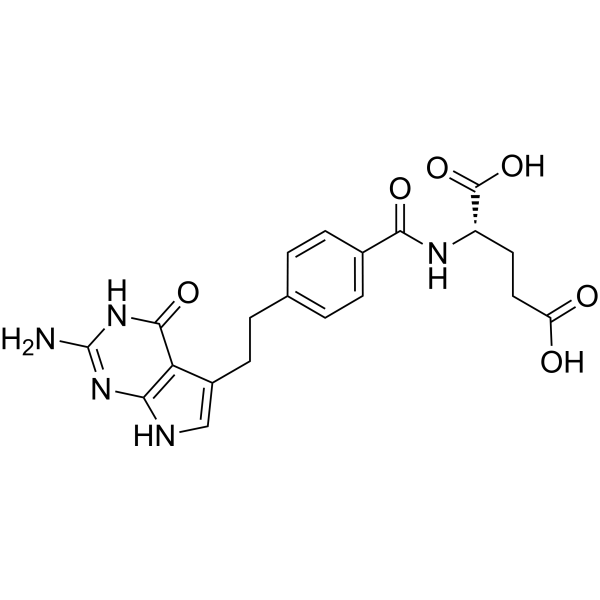
Pemetrexed (LY231514) is an antifolate, the Ki values of the pentaglutamate of Pemetrexed (LY231514) are 1.3, 7.2, and 65 nM for inhibits thymidylate synthase (TS), dihydrofolate reductase (DHFR), and glycinamide ribonucleotide formyltransferase (GARFT), respectively .
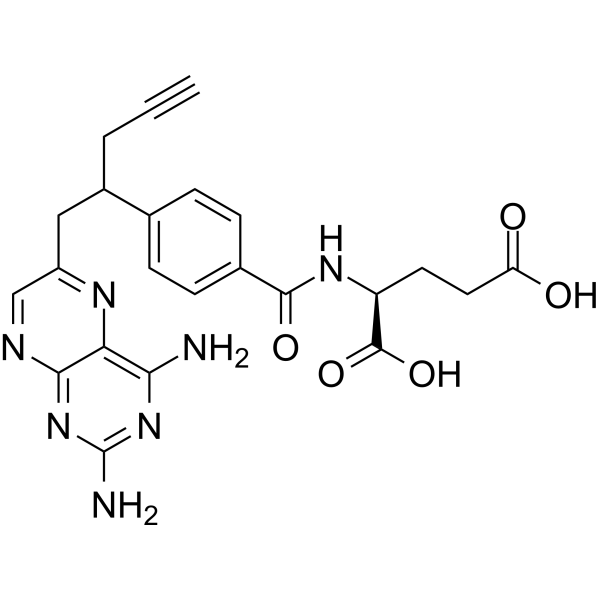
Pralatrexate is an antifolate and is a potent dihydrofolate reductasean (DHFR) inhibitor with a Ki of 13.4 pM. Pralatrexate is a substrate for folylpolyglutamate synthetase with improved cellular uptake and retention. Pralatrexate has antitumor activities and has the potential for relapsed/refractory T-cell lymphoma treatment . Pralatrexate is a click chemistry reagent, it contains an Alkyne group and can undergo copper-catalyzed azide-alkyne cycloaddition (CuAAc) with molecules containing Azide groups.
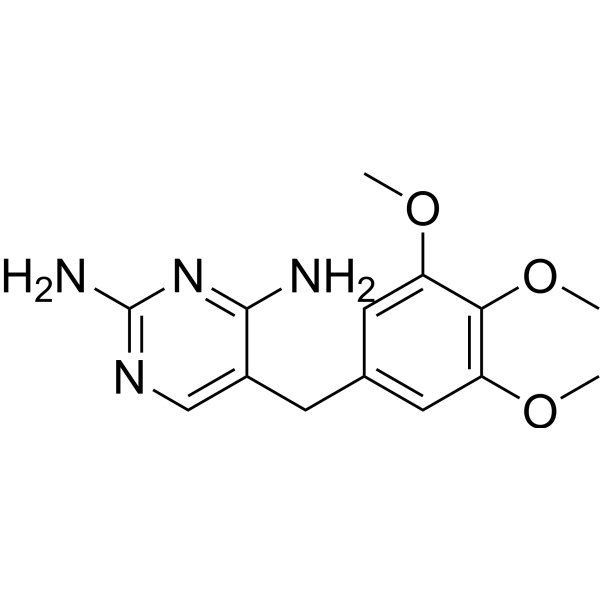
Trimethoprim is a bacteriostatic antibiotic and an orally active dihydrofolate reductase inhibitor. Trimethoprim is active against a wide range of Gram-positive and Gram-negative aerobic bacteria. Trimethoprim has the potential for the research of urinary tract infections, Shigellosis and Pneumocystis pneumonia. Trimethoprim can inhibit infection of Influenza A virus in chick embryo when combinated with zinc .
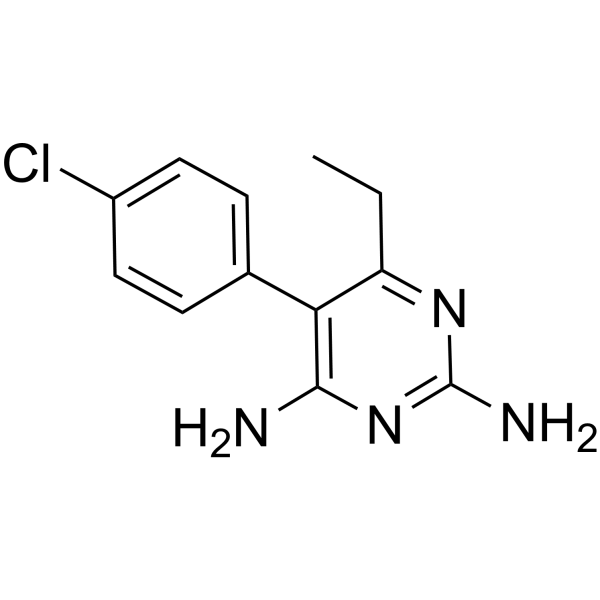
Pyrimethamine (Pirimecidan) is a potent, orally active dihydrofolate reductase (DHFR) inhibitor. Pyrimethamine is an antimalarial agent. Pyrimethamine affects the nucleoprotein metabolism of malarial parasites by interference in the folic–folinic acid systems and affects cell division by inhibiting the conversion of dihydrofolate to tetrahydrofolate .
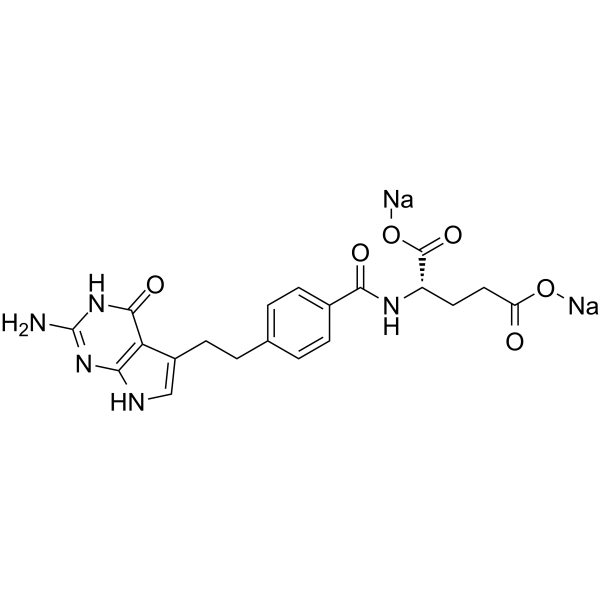
Pemetrexed disodium (LY231514 disodium) is an antifolate, the Kis of the pentaglutamate of Pemetrexed disodium are 1.3, 7.2, and 65 nM for inhibits thymidylate synthase (TS), dihydrofolate reductase (DHFR), and glycinamide ribonucleotide formyltransferase (GARFT), respectively .
4-Aminosalicylic acid is an inhibitor for dihydrofolate reductase (DHFR) and an antituberculous agent. 4-Aminosalicylic acid exhibits anti-inflammatory activity and can be used in research of inflammatory bowel disease (IBD). 4-Aminosalicylic acid is orally active .
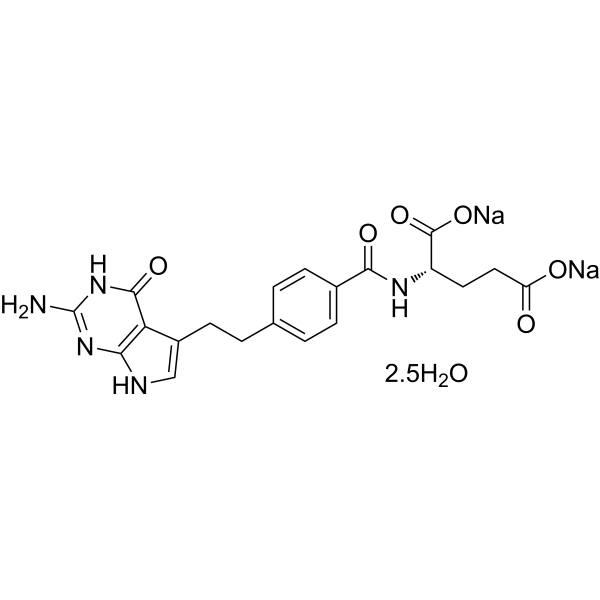
Pemetrexed (LY231514) disodium hemipenta hydrate is a CNS-penetrant antifolate, the Ki values of the pentaglutamate of LY231514 are 1.3, 7.2, and 65 nM for inhibits thymidylate synthase (TS), dihydrofolate reductase (DHFR), and glycinamide ribonucleotide formyltransferase (GARFT), respectively.
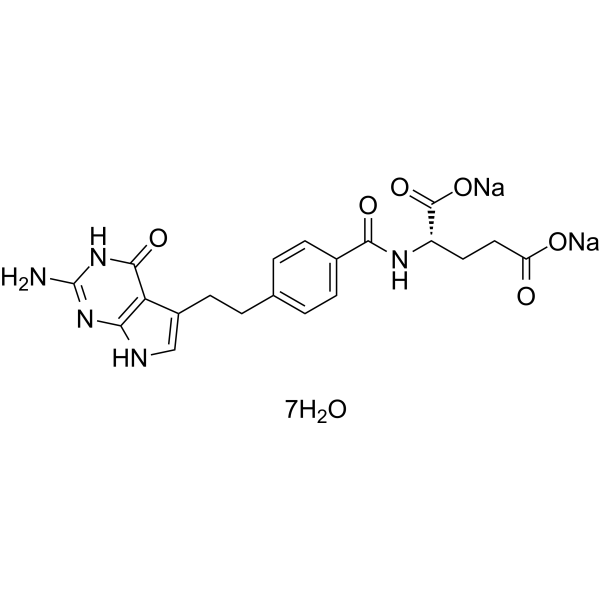
Pemetrexed disodium heptahydrate is a novel antifolate, the Ki values of the pentaglutamate of LY231514 are 1.3, 7.2, and 65 nM for inhibits thymidylate synthase (TS), dihydrofolate reductase (DHFR), and glycinamide ribonucleotide formyltransferase (GARFT), respectively.
Cotrimoxazole (Trimethoprim/sulfamethoxazole 1:19), an antibacterial agent, is a Trimethoprim (HY-B0510) and Sulfamethoxazole (HY-B0322) mixture. The ratio of Trimethoprim to Sulfamethoxazole in the combination mixture is 1 : 19 .
Methotrexate metabolite (DAMPA) is an active metabolite of Methotrexate. Methotrexate is a Folic acid (HY-16637) antagonist, widely used as an immunosuppressant. Methotrexate metabolite is an antimalarial agent that inhibits parasite growth under physiological folic acid conditions, with IC50 values of 446 nM and 812 nM against folic acid-sensitive strains and highly resistant strains, respectively. Methotrexate metabolite exhibits pharmacokinetic characteristics of rapid clearance and extensive metabolism, with a mean clearance rate of 1.9 l/kg/h and a mean terminal half-life of 51 minutes. Methotrexate metabolite is promising for research in the field of inflammation .
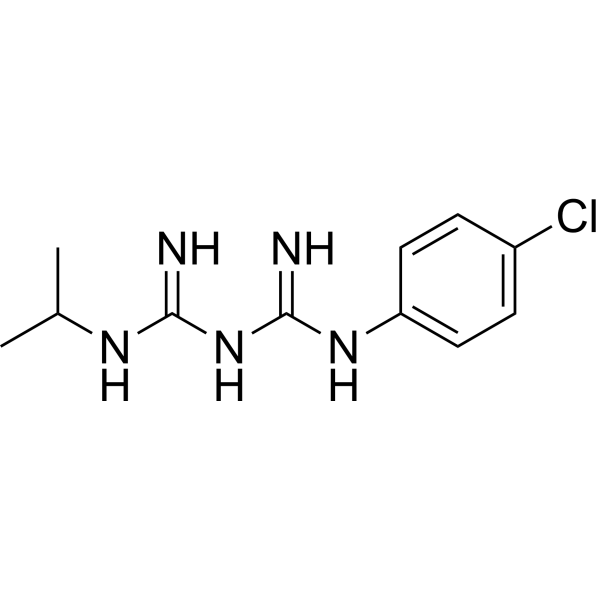
Proguanil, an antimalarial proagent, is metabolized to the active metabolite Cycloguanil (HY-12784). Proguanil is a dihydrofolate reductase (DHFR) inhibitor .
Cotrimoxazole (Trimethoprim/sulfamethoxazole 1:5), an antibacterial agent, is a Trimethoprim (HY-B0510) and Sulfamethoxazole (HY-B0322) mixture. The ratio of Trimethoprim to Sulfamethoxazole in the combination mixture is 1 : 5 .
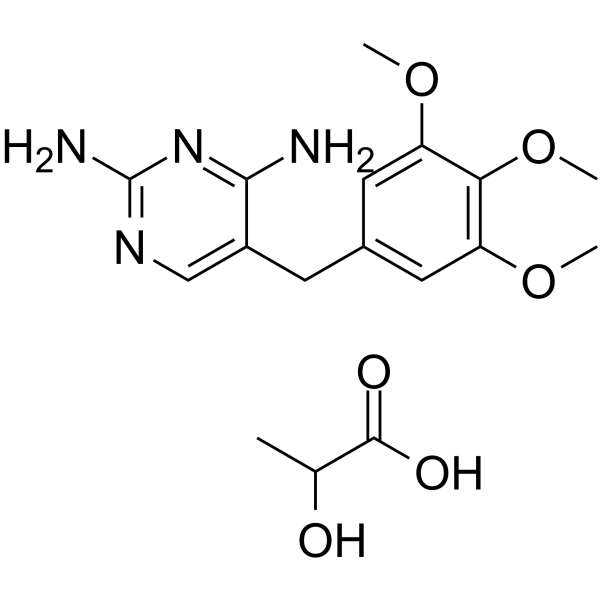
Trimethoprim lactate is a bacteriostatic antibiotic and an orally active dihydrofolate reductase inhibitor. Trimethoprim lactate is active against a wide range of Gram-positive and Gram-negative aerobic bacteria. Trimethoprim lactate has the potential for the research of urinary tract infections, Shigellosis and Pneumocystis pneumonia. Trimethoprim lactate can inhibit infection of Influenza A virus in chick embryo when combinated with zinc .
Manninotriose is a natural functional trisaccharide composed of three mannose molecules. Manninotriose binds to dihydrofolate reductase via hydrogen bond formation with Arg28. Manninotriose binds to thymidylate synthase via hydrogen bond formation with Arg50. Manninotriose acts as a membrane protectant and helps improve stress tolerance. Manninotriose can be used in research related to acute lymphoblastic leukemia .
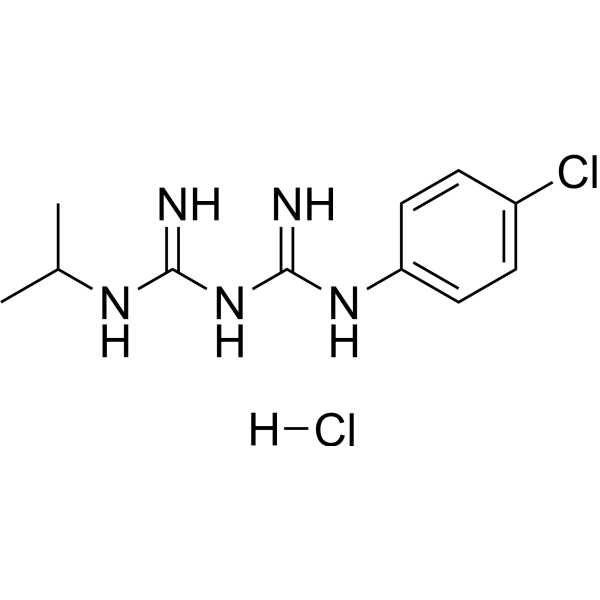
Proguanil hydrochloride, an antimalarial proagent, is metabolized to the active metabolite Cycloguanil (HY-12784). Proguanil hydrochloride is a dihydrofolate reductase (DHFR) inhibitor .
DHFR-IN-5 is a potent and orally active dihydrofolate reductase (DHFR) inhibitor with a Ki value of 0.54 nM for quadruple mutant Plasmodium falciparum DHFR. DHFR-IN-5 shows anti-malaria activity .
7-Hydroxymethotrexate is a major metabolite of Methotrexate (HY-14519). Methotrexate, an antimetabolite and antifolate agent, inhibits the enzyme dihydrofolate reductase, thereby preventing the conversion of folic acid into tetrahydrofolate, and inhibiting DNA synthesis .
Phomarin is an inhibitor for dihydrofolate reductase (DHFR). Phomarin exhibits activity against Plasmodiumparasites and fungi including Mycrobotryum violaceum and Botrytis cinerea. Phomarin can be used for the research of malaria and fungal infections .
Trimethoprim (Standard) is the analytical standard of Trimethoprim. This product is intended for research and analytical applications. Trimethoprim is a bacteriostatic antibiotic and an orally active dihydrofolate reductase inhibitor. Trimethoprim is active against a wide range of Gram-positive and Gram-negative aerobic bacteria. Trimethoprim has the potential for the research of urinary tract infections, Shigellosis and Pneumocystis pneumonia. Trimethoprim can inhibit infection of Influenza A virus in chick embryo when combinated with zinc .
10-Formyl-7,8-dihydrofolic acid is a biologically active folic acid and growth promoter. 10-Formyl-7,8-dihydrofolic acid serves as a substrate for aminoimidazolecarboxamide ribonucleotide transformylase and dihydrofolate reductase (DHFR) to support catalytic reactions (with detection wavelengths of 552 nm and 340 nm, respectively). 10-Formyl-7,8-dihydrofolic acid not only promotes the growth of leukemia cells, but also effectively reverses the growth inhibition induced by antifolate drugs under folate-deficient conditions. 10-Formyl-7,8-dihydrofolic acid can be used in the research of leukemia .
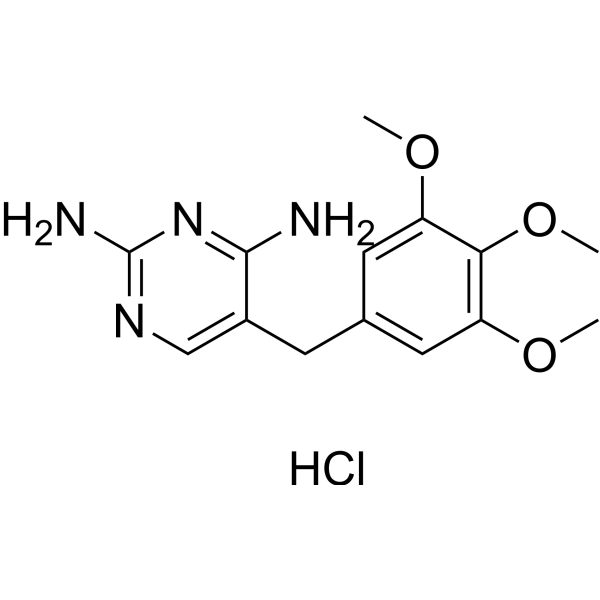
Trimethoprim hydrochloride is a bacteriostatic antibiotic and an orally active dihydrofolate reductase inhibitor. Trimethoprim hydrochloride is active against a wide range of Gram-positive and Gram-negative aerobic bacteria. Trimethoprim hydrochloride has the potential for the research of urinary tract infections, Shigellosis and Pneumocystis pneumonia. Trimethoprim hydrochloride can inhibit infection of Influenza A virus in chick embryo when combinated with zinc .
Brodimoprim (Ro 10-5970), a trimethoprim analogue, is an orally active dihydrofolate reductase inhibitor. Brodimoprim is highly active against a broad spectrum of gram-negative and gram-positive bacteria .
1,1,3-Tribromoacetone is an impurity of Methotrexate (HY-14519) . Methotrexate, an antimetabolite and antifolate agent, inhibits the enzyme dihydrofolate reductase, thereby preventing the conversion of folic acid into tetrahydrofolate, and inhibiting DNA synthesis .
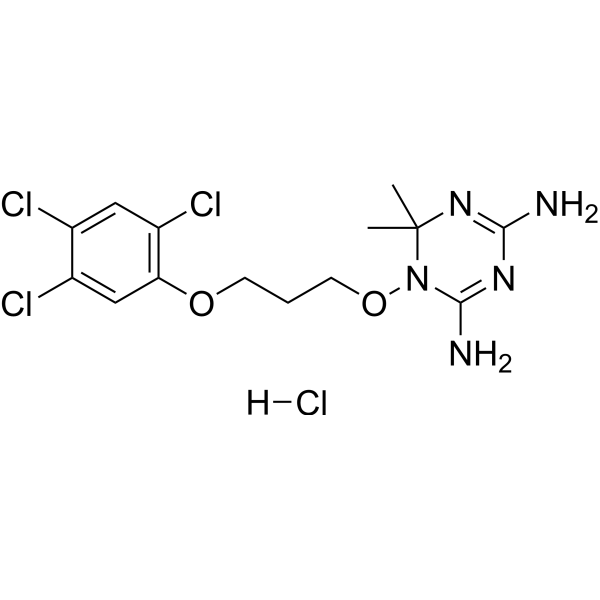
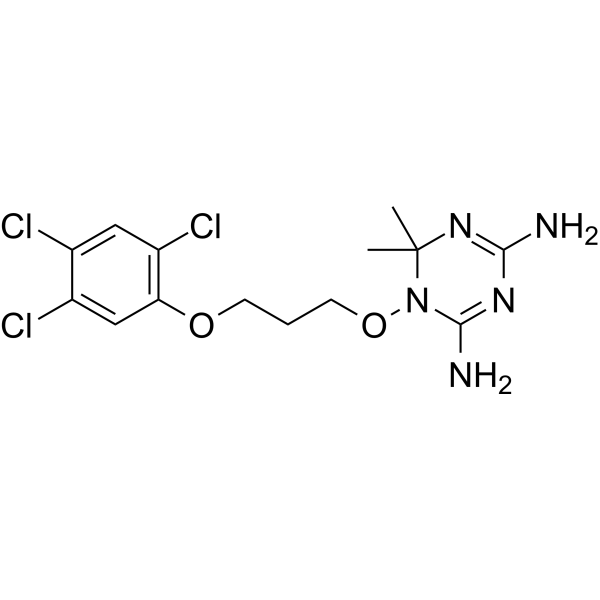
WR99210 hydrochloride is an orally active and low-toxicity dihydrofolate reductase (DHFR) inhibitor (IC50<0.075 nM). WR99210 hydrochloride shows good antiparasitic activity and is effective against P. falciparum and P. falciparum strains as well as T. gondii .
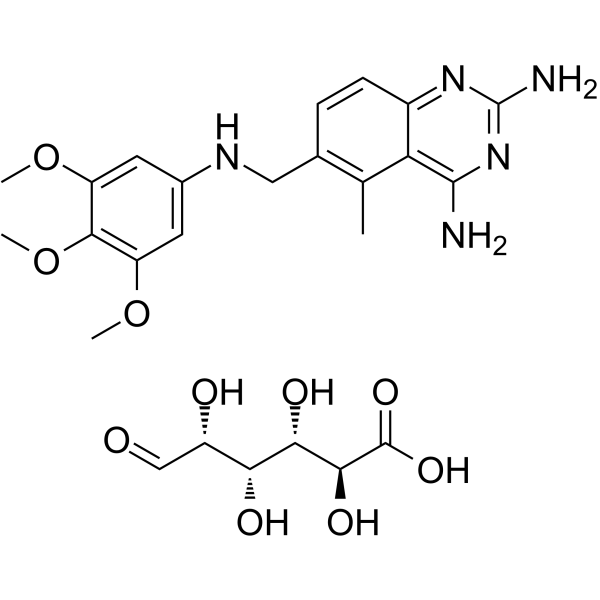
Trimetrexate glucuronate (NSC 352122) is a folic acid antagonist. Trimetrexate glucuronate affects DNA and RNA synthesis by inhibiting dihydrofolate reductase and preventing the synthesis of purine nucleotides and thymidylate. Trimetrexate glucuronate has potential antitumour activity and can also be used to inhibit Pneumocystis carinii pneumonia .
DHFR-IN-4 is a potent dihydrofolate reductase (DHFR) inhibitor with an IC50 value of 123 nM. DHFR-IN-4 also has inhibitory activity against EGFR and HER2 with IC50s of 246 nM and 357 nM, respectively. DHFR-IN-4 has remarkable broad spectrum cytotoxic potency against cancer cells .
EcDHFR/FKBP12 F36V binder-1 (compound 1) is a bifunctional molecule that combines the Escherichia coli dihydrofolate reductase domain (EcDHFR) with the FKBP12 F36V domain .
Baquiloprim, an antibiotic, is a selective inhibitor of bacterial dihydrofolatereductases. Baquiloprim possesses in vitro bacteriostatic activity against both Gram-negative and Gram-positive bacteria .
Actein (Standard) is the analytical standard of Actein. This product is intended for research and analytical applications. Actein, a triterpene glycoside, shows an inhibitory effect on cancer cells, which is isolated from the rhizomes of Cimicifuga foetida. Actein suppresses cell proliferation, induces autophagy and apoptosis through promoting ROS/JNK activation, and blunting AKT pathway in bladder cancer. Actein has little toxicity in vivo .
Pyrimethamine (Standard) is the analytical standard of Pyrimethamine. This product is intended for research and analytical applications. Pyrimethamine (Pirimecidan) is a potent, orally active dihydrofolate reductase (DHFR) inhibitor. Pyrimethamine is an antimalarial agent. Pyrimethamine affects the nucleoprotein metabolism of malarial parasites by interference in the folic–folinic acid systems and affects cell division by inhibiting the conversion of dihydrofolate to tetrahydrofolate .
Dihydrofolate reductase is a key enzyme in folate metabolism and, therefore, in the production of thymidine. Its role in thymidine biosynthesis is the reduction of dihydrofolate to tetrahydrofolate using the cofactor NADPH .
TNP-351 is an antifolate. TNP-351, a dihydrofolate reductase (DHFR) inhibitor, has potent antitumor activity against not only leukemia cells but also solid tumor cells in vitro and in vivo .
(±)-Methotrexate ((±)-Amethopterin) is a racemate of Methotrexate (HY-14519). Methotrexate, an antimetabolite and antifolate agent, inhibits the enzyme dihydrofolate reductase, thereby preventing the conversion of Folic acid into Tetrahydrofolate, and inhibiting DNA synthesis .
Aditoprime (Aditoprim) is a selective bacterial dihydrofolate reductase (DHFR) inhibitor with IC50s of 47 and 520 nM for E.coli and L.casei DHFR, respectively. Aditoprime inhibits the transformation of dihydrofolic acid to tetrahydrofolic acid. Aditoprime has a broad-spectrum antibacterial activity and excellent pharmacokinetics .
Trimethoprim sulfate is a bacteriostatic antibiotic and an orally active dihydrofolate reductase inhibitor. Trimethoprim sulfate is active against a wide range of Gram-positive and Gram-negative aerobic bacteria. Trimethoprim sulfate has the potential for the research of urinary tract infections, Shigellosis and Pneumocystis pneumonia. Trimethoprim sulfate can inhibit infection of Influenza A virus in chick embryo when combinated with zinc .
DHFR-IN-24, a benzothiazole derivative, is a dihydrofolate reductase (DHFR) inhibitor. DHFR-IN-24 has intrinsic antibacterial activity against both Gram-positive and Gram-negative strains. DHFR-IN-24 synergistically combines DHFR inhibition with photodynamic therapy (PDT) for enhanced antibacterial activity against multidrug-resistant pathogens .
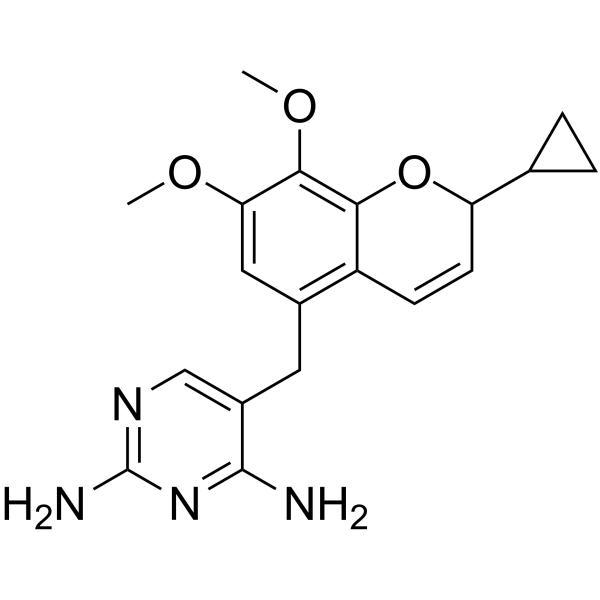
Epiroprim (Ro11-8958) is a selective dihydrofolate reductase (DHFR) inhibitor. Epiroprim displays excellent activity against staphylococci, enterococci, pneumococci, and streptococci .
Pyrimethamine-d3 is the deuterium labeled Pyrimethamine. Pyrimethamine is a medication used for protozoal infections; interferes with tetrahydrofolic acid synthesis from folic acid by inhibiting the enzyme dihydrofolate reductase (DHFR) .
Proguanil-d4 is the deuterium labeled Proguanil . Proguanil, an antimalarial proagent, is metabolized to the active metabolite Cycloguanil (HY-12784). Proguanil is a dihydrofolate reductase (DHFR) inhibitor .
Metioprim is a competitive inhibitor of bacterial Dihydrofolate reductase (DHFR). Metioprim has inhibitory activity against anaerobic bacteria. Metioprim shows synergistic activity in combination with DDS (HY-B0688) against E. coli. and various mycobacteria .
2,4-Dinitrobenzenesulfonamide (Compound 2d) is an antibacterial and antifungal agent. 2,4-Dinitrobenzenesulfonamide interacts with dihydrofolate synthetase. 2,4-Dinitrobenzenesulfonamide shows inhibitory effect against A. niger, C. albicans, B. subtilis, and S. aureus .
Ro 20-0657/000 is a metabolite of Trimethoprim. Trimethoprim is a dihydrofolate reductase inhibitor, used as an antibacterial agent in human and veterinary medicine .
10-Formylfolic acid (Standard) is the analytical standard of 10-Formylfolic acid. This product is intended for research and analytical applications. 10-Formylfolic acid is a potent inhibitor of dihydrofolate reductase. 10-Formylfolic acid be used as an early indicator of leukemia .
Baquiloprim (Standard) is the analytical standard of Baquiloprim. This product is intended for research and analytical applications. Baquiloprim, an antibiotic, is a selective inhibitor of bacterial dihydrofolatereductases. Baquiloprim possesses in vitro bacteriostatic activity against both Gram-negative and Gram-positive bacteria .
OYYF-175, an antimicrobial antifolate, is a dihydrofolate reductase (DHFR) inhibitor with an IC50 of 2.36 nM for Escherichia coli DHFR. OYYF-175 exhibits potent broad-spectrum antibacterial activities, especially against multi-drug resistant Gram-Negative-strains .
Methotrexate-γ-aspartate is a Ll210 cell dihydrofolate reductase inhibitor. Methotrexate-γ-aspartate is apparently more resistant to enzymic cleavage than is methotrexate-y-glutamate. Methotrexate-γ-aspartate can be used in antibody-targeted liposomes and is promising for research of leukemic .
Chlorasquin inhibits thymidylate synthetase with an approximate Ki value of 4.9 μM. Chlorasquin is also a folate antagonist, testing the Methotrexate (HY-14519) effect. Chlorasquin binds tighter to dihydrofolate reductase at alkaline pH than does Methotrexate, which is promising for research of antipsoriatic agents .
Aditoprime (Standard) is a selective bacterial dihydrofolate reductase (DHFR) inhibitor with IC50s of 47 and 520 nM for E.coli and L.casei DHFR, respectively. Aditoprime inhibits the transformation of dihydrofolic acid to tetrahydrofolic acid. Aditoprime has a broad-spectrum antibacterial activity and excellent pharmacokinetics .
N-Didesmethyladitoprim is a metabolite of Aditoprime (HY-139743). Aditoprime is a selective bacterial dihydrofolate reductase (DHFR) inhibitor with IC50s of 47 and 520 nM for E.coli and L.casei DHFR , respectively. Aditoprime inhibits the transformation of dihydrofolic acid to tetrahydrofolic acid. Aditoprime has a broad-spectrum antibacterial activity and excellent pharmacokinetics .
Trimetrexate (glucuronate) (Standard) is the analytical standard of Trimetrexate (glucuronate). This product is intended for research and analytical applications. Trimetrexate glucuronate (NSC 352122) is a folic acid antagonist. Trimetrexate glucuronate affects DNA and RNA synthesis by inhibiting dihydrofolate reductase and preventing the synthesis of purine nucleotides and thymidylate. Trimetrexate glucuronate has potential antitumour activity and can also be used to inhibit Pneumocystis carinii pneumonia .
Pralatrexate (Standard) is the analytical standard of Pralatrexate. This product is intended for research and analytical applications. Pralatrexate is an antifolate and is a potent dihydrofolate reductasean (DHFR) inhibitor with a Ki of 13.4 pM. Pralatrexate is a substrate for folylpolyglutamate synthetase with improved cellular uptake and retention. Pralatrexate has antitumor activities and has the potential for relapsed/refractory T-cell lymphoma treatment . Pralatrexate is a click chemistry reagent, it contains an Alkyne group and can undergo copper-catalyzed azide-alkyne cycloaddition (CuAAc) with molecules containing Azide groups.
DHFR-IN-15 (compound 34) is a dihydrofolate reductase (DHFR) inhibitor with potential anticancer activity. DHFR-IN-15 effectively binds to DHFR in cells, reducing DHFR levels to 10 nM .
5,10-Dideazafolic acid is a 5,10-dideaza-5,6,7,8-tetrahydrofola analogue, which exhibits some inhibitory activity against glycine amide ribonucleotide formyltransferase (GARFT) (Ki=13 μM) .
(R)-Pralatrexate is the (R)-enantiomer of Pralatrexate (HY-10446). Pralatrexate is an antifolate and is a potent dihydrofolate reductasean (DHFR) inhibitor .
Denopterin is a dihydrofolate reductase (DHFR) inhibitor and an antifolate agent. Denopterin is an antimetabolite that has toxic effects on cells and can be used for cancer .
Diarctigenin is a selective Leishmania majordihydrofolate reductase-thymidylate synthase (LmDHFR-TS) inhibitor. Diarctigenin can be used for the research of tropical disease .
PD130883 is an antifolate DHFR inhibitor that directly inhibits thymidylate synthase at the 5,10-methylenetetrahydrofolate binding site, reducing the net conversion of tetrahydrofolate cofactor to dihydrofolate.
Proguanil-d4 (hydrochloride) is the deuterium labeled Proguanil hydrochloride. Proguanil hydrochloride, an antimalarial proagent, is metabolized to the active metabolite Cycloguanil (HY-12784). Proguanil hydrochloride is a dihydrofolate reductase (DHFR) inhibitor .
Fanotaprim is a dihydrofolate reductase (DHFR) inhibitor with IC50s of 1.57 and 308 nM for tgDHFR (Toxoplasma gondii DHFR) and hDHFR (human DHFR), respectively. Fanotaprim has the potential for the research of toxoplasmosis .
Diaveridine (Standard) is the analytical standard of Diaveridine. This product is intended for research and analytical applications. Diaveridine (EGIS-5645) is a dihydrofolate reductase (DHFR) inhibitor with a Ki of 11.5 nM for the wild type DHFR and also an antibacterial agent.
DHFR-IN-5 hydrochloride is a potent and orally active dihydrofolate reductase (DHFR) inhibitor with a Ki value of 0.54 nM for quadruple mutant Plasmodium falciparum DHFR. DHFR-IN-5 hydrochloride shows anti-malaria activity .
Proguanil (hydrochloride) (Standard) is the analytical standard of Proguanil (hydrochloride). This product is intended for research and analytical applications. Proguanil hydrochloride, an antimalarial proagent, is metabolized to the active metabolite Cycloguanil (HY-12784). Proguanil hydrochloride is a dihydrofolate reductase (DHFR) inhibitor .
Proguanil (Standard) is the analytical standard of Proguanil. This product is intended for research and analytical applications. Proguanil, an antimalarial proagent, is metabolized to the active metabolite Cycloguanil (HY-12784). Proguanil is a dihydrofolate reductase (DHFR) inhibitor .
DHFR-IN-2 (compound 4e) is a potent and uncompetitive inhibitor for MtDHFR (dihydrofolate reductase from M. tuberculosis), with an IC50 of 7 μM. DHFR-IN-2 can be used for tuberculosis (TB) research .
Proguanil (hydrochloride) (Standard) is the analytical standard of Proguanil (hydrochloride). This product is intended for research and analytical applications. Proguanil hydrochloride, an antimalarial proagent, is metabolized to the active metabolite Cycloguanil (HY-12784). Proguanil hydrochloride is a dihydrofolate reductase (DHFR) inhibitor .
DHFS-IN-1 (Compound 3) is a dihydrofolate synthetase (DHFS) inhibitor with an IC50 value of 2.6 μM. DHFS-IN-1 can be used in research on infectious diseases related to bacterial folate synthesis .
Piritrexim isethionate (BW 301U isethionate) is a fat-soluble dihydrofolate reductase inhibitor with activity in the treatment of severe psoriasis. Piritrexim isethionate may be as effective as methotrexate in the treatment of severe psoriasis and may have less hepatotoxicity .
DDPO is an inhibitor for dihydrofolate reductase (DHFR) with an IC50 of 0.035 µM. DDPO inhibits the cell growth of cancer cell L1210 and WI-L2with IC50 of 5 and 0.28 µM .
Proguanil-d6 hydrochloride is the deuterium labeled Proguanil hydrochloride (HY-B0806A). Proguanil hydrochloride, an antimalarial proagent, is metabolized to the active metabolite Cycloguanil (HY-12784). Proguanil hydrochloride is a dihydrofolate reductase (DHFR) inhibitor .
Baquiloprim-d6 is deuterium labeled Baquiloprim. Baquiloprim, an antibiotic, is a selective inhibitor of bacterial dihydrofolatereductases. Baquiloprim possesses in vitro bacteriostatic activity against both Gram-negative and Gram-positive bacteria .
Iclaprim (Standard) is the analytical standard of Iclaprim. This product is intended for research and analytical applications. Iclaprim is a new selective bacterial Dihydrofolate inhibitor, which can inhibit the growth of S. aureus (MRSA) with an MIC90 of 0.06 μg/mL.
Neobritannilactone B, a sesquiterpene, can be isolated from the chloroform fraction of the I. britannica. Neobritannilactone B is cytotoxic. Other extracts of I. britannica are also Dihydrofolate reductase (DHFR) inhibitors, which inhibit Shigella dysenteriae type 1 .
Diaveridine-d6 (EGIS-5645-d6) is deuterium labeled Diaveridine. Diaveridine (EGIS-5645) is a dihydrofolate reductase (DHFR) inhibitor with a Ki of 11.5 nM for the wild type DHFR and also an antibacterial agent .
Brodimoprim (Standard) is the analytical standard of Brodimoprim. This product is intended for research and analytical applications. Brodimoprim (Ro 10-5970), a trimethoprim analogue, is an orally active dihydrofolate reductase inhibitor. Brodimoprim is highly active against a broad spectrum of gram-negative and gram-positive bacteria .
Iclaprim-d6 (AR-100-d6) is the deuterium labeled Iclaprim. Iclaprim is a new selective bacterial Dihydrofolate inhibitor, which can inhibit the growth of S. aureus (MRSA) with an MIC90 of 0.06 μg/mL.
4-Aminosalicylic acid hemicalcium is an inhibitor for dihydrofolate reductase (DHFR) and an antituberculous agent. 4-Aminosalicylic acid hemicalcium exhibits anti-inflammatory activity and can be used in research of inflammatory bowel disease (IBD). 4-Aminosalicylic acid hemicalcium is orally active .
Brodimoprim-d6 (Ro 10-5970-d6) is a deuterium labeled Brodimoprim. Brodimoprim, a trimethoprim analogue, is an orally active dihydrofolate reductase inhibitor. Brodimoprim is highly active against a broad spectrum of gram-negative and gram-positive bacteria .
MMV675968 is an inhibitor of Acinetobacter baumanniidihydrofolate reductase (AbDHFR) with an IC50 of 8.5 nM, and it exhibits selectivity against human DHFR. MMV675968 inhibits dihydrofolate reductase in Cryptosporidium, Plasmodium, and Escherichia coli, disrupting the thymidylate cycle and folate biosynthesis pathway. MMV675968 inhibits the growth of multiple A. baumannii strains, including clinical isolates and environmental isolates. MMV675968 is applicable to research related to A. baumannii infections .
PROTAC DHFR Degrader-1 is a selective PROTAC degrader targeting Plasmodium falciparumDHFR-TS with a Ki of 2.01 nM. PROTAC DHFR Degrader-1 exhibits no inhibitory activity against human DHFR and suppresses the growth of Plasmodium falciparum. PROTAC DHFR Degrader-1 can be used for the research of Plasmodium falciparum and malaria .
Etoprine is a potent orally active dihydrofolate reductase (DHFR) inhibitor. Etoprine competitively inhibits testicular DHFR to disrupt tetrahydrofolate and DNA synthesis in rapidly dividing cells. Etoprine acts as an antifertility agent in male mice and reduces fecundity in male rats .
Antifungal agent 159 is an antifungal agent with broad-spectrum activity against phytopathogenic fungi. Antifungal agent 159 binds tightly to the active sites of exo-β-(1,3)-glucanase, topoisomerase II-DNA-nucleotide, dihydrofolate reductase, sterol 14-α demethylase and chitin synthase. Antifungal agent 159 can be used in studies related to phytopathogenic fungal infections .
5-Monobutyl methotrexate (NSC 305986; γ-MBMTX) is a dihydrofolate reductase (DHFR) inhibitor and esterase substrate. 5-Monobutyl methotrexate is hydrolyzed by esterases to produce methotrexate. In rhesus monkeys, 5-Monobutyl methotrexate clears more slowly from cerebrospinal fluid than from serum, and its serum protein binding rate exceeds 99%. At the same dose rate, 5-Monobutyl methotrexate achieves cerebrospinal fluid concentrations comparable to those of Methotrexate (HY-14519), and exhibits activity against Methotrexate-resistant cells (with transport defects) that is comparable to that against sensitive parental cells. 5-Monobutyl methotrexate can be used in studies related to Methotrexate-resistant tumors .
DHFR-IN-27 (Compound LA4) is an orally active DHFR inhibitor and antimalarial agent, with a Ki value of 1.71 nM against TgDHFR. DHFR-IN-27 reduces the parasitic load of Toxoplasma gondii in infected mice and prolongs the survival time of infected mice. DHFR-IN-27 exerts Antiparasitic effects against Toxoplasma gondii. DHFR-IN-27 can be used in the research of toxoplasmosis .
DHFR-IN-26 is an Escherichia colidihydrofolate reductase (ecDHFR) inhibitor with an IC50 of 0.75 nM. DHFR-IN-26 exerts broad-spectrum antibacterial activity. DHFR-IN-26 disrupts folate metabolism, nucleotide synthesis, and bacterial amino acid metabolic pathways. DHFR-IN-26 disrupts bacterial inner membranes, inhibited biofilm formation, and attenuated phage-related processes. DHFR-IN-26 shows lower toxicity to non-cancerous cells. DHFR-IN-26 can be used for the research of bacterial infections (including infections caused by methicillin-resistant Staphylococcus aureus, multidrug-resistant Escherichia coli, multidrug-resistant Pseudomonas aeruginosa, and lysogenic bacteria) .
COX-2-IN-65 is a selective cyclooxygenase-2 (COX-2) inhibitor with an IC50 of 10.24 μM. COX-2-IN-65 inhibits Staphylococcus aureus and Escherichia coli growth. COX-2-IN-65 scavenges reactive oxygen species (ROS). COX-2-IN-65 can be used for the researches of bacterial infections and inflammation .
7-Hydroxymethotrexate sodium is a major metabolite of Methotrexate (HY-14519). Methotrexate, an antimetabolite and antifolate agent, inhibits the enzyme dihydrofolate reductase, thereby preventing the conversion of folic acid into tetrahydrofolate, and inhibiting DNA synthesis .
Pemetrexed-d5 is the deuterium labeled Pemetrexed . Pemetrexed (LY231514) is an antifolate, the Ki values of the pentaglutamate of Pemetrexed (LY231514) are 1.3, 7.2, and 65 nM for inhibits thymidylate synthase (TS), dihydrofolate reductase (DHFR), and glycinamide ribonucleotide formyltransferase (GARFT), respectively .
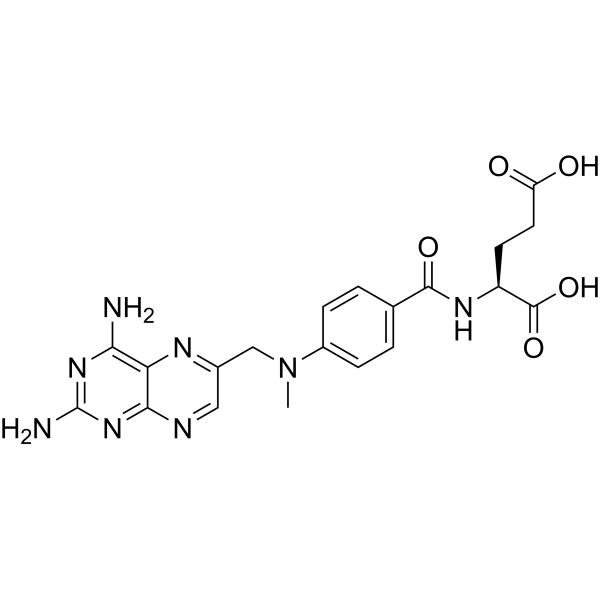
Methotrexate (Amethopterin), an antimetabolite and antifolate agent, inhibits the enzyme dihydrofolate reductase, thereby preventing the conversion of folic acid into tetrahydrofolate, and inhibiting DNA synthesis. Methotrexate, also an immunosuppressant and antineoplastic agent, is used for the research of rheumatoid arthritis and a number of different cancers (such as acute lymphoblastic leukemia) .
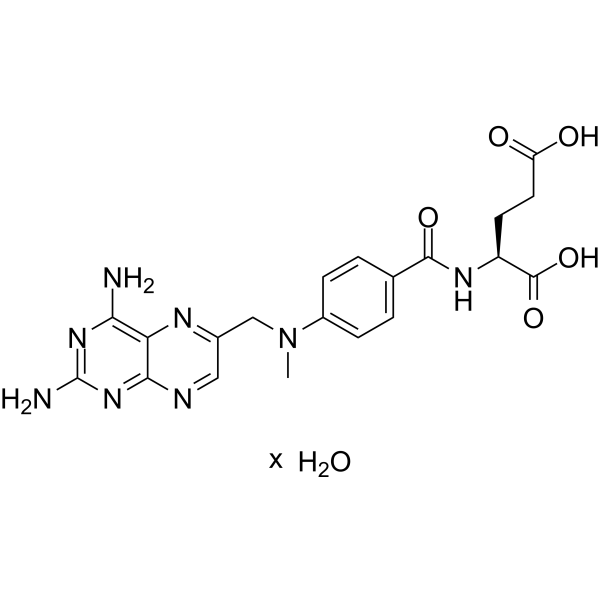
Methotrexate (Amethopterin) monohydrate, an antimetabolite and antifolate agent, inhibits the enzyme dihydrofolate reductase, thereby preventing the conversion of folic acid into tetrahydrofolate, and inhibiting DNA synthesis. Methotrexate monohydrate, also an immunosuppressant and antineoplastic agent, is used for the research of rheumatoid arthritis and a number of different cancers (such as acute lymphoblastic leukemia) .
(E)-2-(4-Cinnamoylphenoxy)acetic acid is an antimicrobial agent with a minimum inhibitory concentration of 125 μg/mL against Mycobacterium smegmatis, Staphylococcus aureus, and Candida albicans .
Piritrexim (BW 301U) is a potent dihydrofolate reductase (DHFR) inhibitor against Pneumocystis carinii and Toxoplasma gondii, with IC50 values of 0.038 and 0.011 μM, respectively. Piritrexim can be used for acquired immune deficiency syndrome (AIDS) research. Piritrexim also is an anticancer agent .
Ro 20-0657/000-d3 is the deuterium labeled Ro 20-0657/000 (HY-100622). Ro 20-0657/000 is a metabolite of Trimethoprim. Trimethoprim is a dihydrofolate reductase inhibitor, used as an antibacterial agent in human and veterinary medicine .
Aminopterin (4-Aminofolic acid), the 4-amino derivative of folic acid, is a folic acid antagonist. Aminopterin catalyses the reduction of folic acid to tetrahydrofolic acid, and competitively inhibits dihydrofolate reductase (DHFR) with a Ki of 3.7 pM. Aminopterin has anticancer and immunosuppressive activity. Aminopterin is used in treatment of pediatric leukemia .
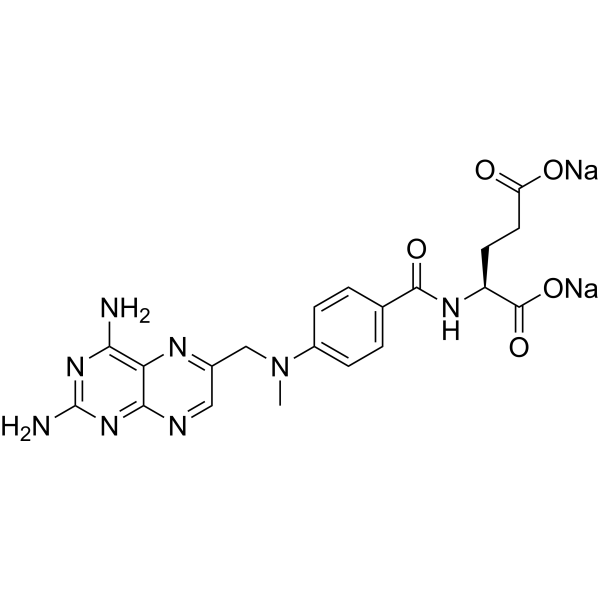
Methotrexate (Amethopterin) disodium, an antimetabolite and antifolate agent, inhibits the enzyme dihydrofolate reductase, thereby preventing the conversion of folic acid into tetrahydrofolate, and inhibiting DNA synthesis. Methotrexate disodium, also an immunosuppressant and antineoplastic agent, is used for the research of rheumatoid arthritis and a number of different cancers (such as acute lymphoblastic leukemia) .
Pemetrexed (Standard) is the analytical standard of Pemetrexed. This product is intended for research and analytical applications. Pemetrexed (LY231514) is an antifolate, the Ki values of the pentaglutamate of Pemetrexed (LY231514) are 1.3, 7.2, and 65 nM for inhibits thymidylate synthase (TS), dihydrofolate reductase (DHFR), and glycinamide ribonucleotide formyltransferase (GARFT), respectively .
Pemetrexed-d5 disodium is the deuterium labeled Pemetrexed disodium. Pemetrexed disodium (LY231514 disodium) is an antifolate, the Kis of the pentaglutamate of Pemetrexed disodium are 1.3, 7.2, and 65 nM for inhibits thymidylate synthase (TS), dihydrofolate reductase (DHFR), and glycinamide ribonucleotide formyltransferase (GARFT), respectively .
CB 3717 is a potent inhibitor of human thymidylate synthetase, competitively binding with 5,10-methylenetetrahydrofolate (Ki = 4.9 X 10(-9) M). It also competitively inhibits human dihydrofolate reductase with dihydrofolate (Ki = 2.3 X 10(-8) M). In WI-L2 human lymphoblastoid cells, CB 3717 treatment led to a significant decrease in cellular dTTP levels and a notable increase in dUMP levels, indicating a disruption in nucleotide metabolism. The growth-inhibitory effect of CB 3717 was reversed by thymidine supplementation, demonstrating that thymidylate synthetase became rate-limiting in the presence of this compound. Delayed thymidine supplementation beyond 8 hours resulted in severe cytotoxicity, underscoring the critical timing of nucleotide rescue strategies in CB 3717-treated cells .
CB 3705 is a dihydrofolate reductase (DHFR) and thymidylate synthetase (TS) inhibitor. CB 3705 inhibits L1210 cells and mutant L1210 cell line (L1210:C15) with ID50s of 4.77 μM and 408 μM, respectively .
Sodium 4-aminosalicylate dihydrate (4-Aminosalicylic acid sodium salt dihydrate) is an inhibitor for dihydrofolate reductase (DHFR) and an antituberculous agent. Sodium 4-aminosalicylate dihydrate exhibits anti-inflammatory activity and can be used in research of inflammatory bowel disease (IBD). Sodium 4-aminosalicylate dihydrate is orally active .
DHFR-IN-25 (Compound N2) is a type of inhibitor of dihydrofolate reductase (DHFR). DHFR-IN-25 is a broad-spectrum and highly effective antibacterial agent, particularly showing significant effects on Candida albicans and Staphylococcus aureus. DHFR-IN-25 can be used for the study of local anti-infection .
7-Hydroxymethotrexate-d3 is the deuterium labeled 7-Hydroxymethotrexate. 7-Hydroxymethotrexate is a major metabolite of Methotrexate (HY-14519). Methotrexate, an antimetabolite and antifolate agent, inhibits the enzyme dihydrofolate reductase, thereby preventing the conversion of folic acid into tetrahydrofolate, and inhibiting DNA synthesis .
7-Hydroxymethotrexate-d3 (sodium) is deuterium labeled 7-Hydroxymethotrexate. 7-Hydroxymethotrexate is a major metabolite of Methotrexate (HY-14519). Methotrexate, an antimetabolite and antifolate agent, inhibits the enzyme dihydrofolate reductase, thereby preventing the conversion of folic acid into tetrahydrofolate, and inhibiting DNA synthesis .
UCP1173, propargyl-linked antifolate, is an antibacterial agent. UCP1173 inhibits DHFR enzymes, with IC50 values of 0.014 μM for DfrB, 0.19 μM for DfrG, 0.27 μM for DfrA, and 0.091 μM for DfrK. UCP1173 inhibits growth of Staphylococcus aureus clinical isolates carrying dfrA, dfrG, or dfrK resistance genes. UCP1173 can be used for the research of bacterial infections .
Trimethoprim-d9 is the deuterium labeled Trimethoprim. Trimethoprim is a bacteriostatic antibiotic and an orally active dihydrofolate reductase inhibitor. Trimethoprim is active against a wide range of Gram-positive and Gram-negative aerobic bacteria. Trimethoprim has the potential for urinary tract infections, Shigellosis and Pneumocystis pneumonia treatment .
Trimethoprim-d3is the deuterium labeled Trimethoprim. Trimethoprim is a bacteriostatic antibiotic and an orally active dihydrofolate reductase inhibitor. Trimethoprim is active against a wide range of Gram-positive and Gram-negative aerobic bacteria. Trimethoprim has the potential for urinary tract infections, Shigellosis and Pneumocystis pneumonia treatment .
Pemetrexed (disodium heptahydrate) (Standard) is the analytical standard of Pemetrexed (disodium heptahydrate). This product is intended for research and analytical applications. Pemetrexed disodium heptahydrate is a novel antifolate, the Ki values of the pentaglutamate of LY231514 are 1.3, 7.2, and 65 nM for inhibits thymidylate synthase (TS), dihydrofolate reductase (DHFR), and glycinamide ribonucleotide formyltransferase (GARFT), respectively.
Pemetrexed (disodium hemipenta hydrate) (Standard) is the analytical standard of Pemetrexed (disodium hemipenta hydrate). This product is intended for research and analytical applications. Pemetrexed disodium hemipenta hydrate is a novel antifolate, the Ki values of the pentaglutamate of LY231514 are 1.3, 7.2, and 65 nM for inhibits thymidylate synthase (TS), dihydrofolate reductase (DHFR), and glycinamide ribonucleotide formyltransferase (GARFT), respectively.
7-Hydroxymethotrexate-d3 (ammonium) is the deuterium labeled 7-Hydroxymethotrexate ammonium. 7-Hydroxymethotrexate is a major metabolite of Methotrexate (HY-14519). Methotrexate, an antimetabolite and antifolate agent, inhibits the enzyme dihydrofolate reductase, thereby preventing the conversion of folic acid into tetrahydrofolate, and inhibiting DNA synthesis .
Aminopterin sodium (4-Aminofolic acid sodium) is an anti-tumor drug with immunosuppressive activity. Aminopterin sodium blocks the metabolism of folic acid by inhibiting the activity of dihydrofolate reductase, thereby affecting nucleic acid synthesis. Aminopterin sodium is mainly used to inhibit acute lymphoblastic leukemia and certain other types of cancer. Aminopterin sodium is also used clinically as an immunosuppressant to suppress autoimmune diseases .
Insecticidal agent 19 (Compound 7b) exhibits antimalarial activity by inhibiting dihydrofolate
reductase-thymidylate synthase (DHFR-TS) and pteridine reductase 1 (PTR1) through the folic acid metabolic pathway. Insecticidal agent 19 inhibits Leishmania major promastigote and amastigote with IC50 of 1.43 μM and 3.78 μM .
7-Hydroxy methotrexate-d3 (ammonium salt) is deuterium labeled 7-Hydroxymethotrexate. 7-Hydroxymethotrexate is a major metabolite of Methotrexate (MTX; HY-14519). Methotrexate, an antimetabolite and antifolate agent, inhibits the enzyme dihydrofolate reductase, thereby preventing the conversion of folic acid into tetrahydrofolate, and inhibiting DNA synthesis .
DHFR-IN-8 (compound 6r) is a dihydrofolate reductase (DHFR) inhibitor that affects purine and thymidylate biosynthesis in cell proliferation and growth. DHFR-IN-8 inhibits methicillin-resistant Staphylococcus aureus (MRSA) ATCC 43300 (IC50=15.6 ng/mL) in mouse models of systemic infection and thigh infection .
WR99210 is an orally active and low-toxicity dihydrofolate reductase (DHFR) inhibitor (IC50<0.075 nM). WR99210 shows good antiparasitic activity and is effective against P. falciparum and P. falciparum strains (including Pyrimethamine< (HY-18062)-resistant P. falciparum strains) as well as T. gondii .
Methotrexate-d3 diammonium is the deuterium labeled Methotrexate diammonium. Methotrexate (Amethopterin), an antimetabolite and antifolate agent, inhibits the enzyme dihydrofolate reductase, thereby preventing the conversion of folic acid into tetrahydrofolate, and inhibiting DNA synthesis. Methotrexate, also an immunosuppressant and antineoplastic agent, is used for the research of rheumatoid arthritis and a number of different cancers (such as acute lymphoblastic leukemia) .
4-Aminosalicylic acid (Standard) is the analytical standard of 4-Aminosalicylic acid. This product is intended for research and analytical applications. 4-Aminosalicylic acid is an inhibitor for dihydrofolate reductase (DHFR) and an antituberculous agent. 4-Aminosalicylic acid exhibits anti-inflammatory activity and can be used in research of inflammatory bowel disease (IBD). 4-Aminosalicylic acid is orally active .
4-Aminosalicylic acid-d6 is the deuterium labeled 4-Aminosalicylic acid (HY-I0447). 4-Aminosalicylic acid is an inhibitor for dihydrofolate reductase (DHFR) and an antituberculous agent. 4-Aminosalicylic acid exhibits anti-inflammatory activity and can be used in research of inflammatory bowel disease (IBD). 4-Aminosalicylic acid is orally active .
Methotrexate (Standard) is the analytical standard of Methotrexate. This product is intended for research and analytical applications. Methotrexate (Amethopterin), an antimetabolite and antifolate agent, inhibits the enzyme dihydrofolate reductase, thereby preventing the conversion of folic acid into tetrahydrofolate, and inhibiting DNA synthesis. Methotrexate, also an immunosuppressant and antineoplastic agent, is used for the research of rheumatoid arthritis and a number of different cancers (such as acute lymphoblastic leukemia) .
Aminopterin (Standard) is the analytical standard of Aminopterin. This product is intended for research and analytical applications. Aminopterin (4-Aminofolic acid), the 4-amino derivative of folic acid, is a folic acid antagonist. Aminopterin catalyses the reduction of folic acid to tetrahydrofolic acid, and competitively inhibits dihydrofolate reductase (DHFR) with a Ki of 3.7 pM. Aminopterin has anticancer and immunosuppressive activity. Aminopterin is used in treatment of pediatric leukemia .
(±)-Methotrexate- 13C,d3 disodium ((±)-Amethopterin- 13C,d3 disodium) is the 13C-labeled (±)-Methotrexate disodium. (±)-Methotrexate ((±)-Amethopterin) is a racemate of Methotrexate (HY-14519). Methotrexate, an antimetabolite and antifolate agent, inhibits the enzyme dihydrofolate reductase, thereby preventing the conversion of Folic acid into Tetrahydrofolate, and inhibiting DNA synthesis .
Methotrexate-d3 (Amethopterin-d3) is the deuterium labeled Methotrexate. Methotrexate (Amethopterin), an antimetabolite and antifolate agent, inhibits the enzyme dihydrofolate reductase, thereby preventing the conversion of folic acid into tetrahydrofolate, and inhibiting DNA synthesis. Methotrexate, also an immunosuppressant and antineoplastic agent, is used for the research of rheumatoid arthritis and a number of different cancers (such as acute lymphoblastic leukemia) .
Pemetrexed disodium- 13C5 (LY231514 disodium- 13C5) is the 13C-labeled Pemetrexed disodium (HY-10820A). Pemetrexed disodium (LY231514 disodium) is an antifolate, the Kis of the pentaglutamate of Pemetrexed disodium are 1.3, 7.2, and 65 nM for inhibits thymidylate synthase (TS), dihydrofolate reductase (DHFR), and glycinamide ribonucleotide formyltransferase (GARFT), respectively .
Methotrexate (disodium) (Standard) is the analytical standard of Methotrexate (disodium). This product is intended for research and analytical applications. Methotrexate (Amethopterin) disodium, an antimetabolite and antifolate agent, inhibits the enzyme dihydrofolate reductase, thereby preventing the conversion of folic acid into tetrahydrofolate, and inhibiting DNA synthesis. Methotrexate disodium, also an immunosuppressant and antineoplastic agent, is used for the research of rheumatoid arthritis and a number of different cancers (such as acute lymphoblastic leukemia) .
Trimetrexate (CI-898) is an antibiotic, also a potent and orally active dihydrofolate reductase (DHFR) inhibitor, reducing the production of DNA and RNA precursors and leading to cell death, with IC50 values of 4.74 nM and 1.35 nM for human DHFR and Toxoplasma gondii DHFR. Trimetrexate can also inhibit the growth of various cancer cells. Trimetrexate can be used for researching Pneumocystis carinii pneumonia (PCP) and cancer .
Cycloguanil (Chlorguanide triazine) is a dihydrofolate reductase (DHFR) inhibitor with an IC50 of 10.8 μM against human DHFR. Cycloguanil blocks the folate metabolic pathway, thereby affecting nucleotide synthesis and interfering with DNA replication. Cycloguanil inhibits DHFR in Plasmodium and is thus used in malaria research. Cycloguanil also potently inhibits DHFR in human cancer cells and blocks the transcriptional activity of STAT3, thereby exhibiting anticancer activity .
Trimetrexate (CI-898) trihydrochloride is an antibiotic, also a potent and orally active dihydrofolate reductase (DHFR) inhibitor, reducing the production of DNA and RNA precursors and leading to cell death, with IC50 values of 4.74 nM and 1.35 nM for human DHFR and Toxoplasma gondii DHFR. Trimetrexate trihydrochloride can also inhibit the growth of various cancer cells. Trimetrexate trihydrochloride can be used for researching Pneumocystis carinii pneumonia (PCP) and cancer .
Sodium 4-aminosalicylate (dihydrate) (Standard) is the analytical standard of Sodium 4-aminosalicylate (dihydrate). This product is intended for research and analytical applications. Sodium 4-aminosalicylate dihydrate (4-Aminosalicylic acid sodium salt dihydrate) is an inhibitor for dihydrofolate reductase (DHFR) and an antituberculous agent. Sodium 4-aminosalicylate dihydrate exhibits anti-inflammatory activity and can be used in research of inflammatory bowel disease (IBD). Sodium 4-aminosalicylate dihydrate is orally active .
Cycloguanil (Chlorguanide triazine) hydrochloride is a dihydrofolate reductase (DHFR) inhibitor with an IC50 of 10.8 μM against human DHFR. Cycloguanil hydrochloride blocks the folate metabolic pathway, thereby affecting nucleotide synthesis and interfering with DNA replication. Cycloguanil inhibits DHFR in Plasmodium and is thus used in malaria research. Cycloguanil hydrochloride also potently inhibits DHFR in human cancer cells and blocks the transcriptional activity of STAT3, thereby exhibiting anticancer activity .
DHFR-IN-20 (Compound LA1) is a Plasmodium falciparum dihydrofolate reductase (DHFR) inhibitor, with Kis of 0.16, 0.30, 6.6 nM for PfDHFR-WT, PfDHFR-QM, HsDHFR. DHFR-IN-20 has antimalarial activities (IC50: 1.4 nM and 1.6 μM for P. falciparum carrying the wild-type (TM4/8.2) and the quadruple mutant (V1/S) PfDHFR enzyme .
Trimethoprim- 13C3 is the deuterium labeled Trimethoprim (HY-B0510) . Trimethoprim is a bacteriostatic antibiotic and an orally active dihydrofolate reductase inhibitor. Trimethoprim is active against a wide range of Gram-positive and Gram-negative aerobic bacteria. Trimethoprim has the potential for the research of urinary tract infections, Shigellosis and Pneumocystis pneumonia. Trimethoprim can inhibit infection of Influenza A virus in chick embryo when combinated with zinc .
DHFR-IN-1 (compound 12) is a potent and selective DHFR (dihydrofolate reductase)inhibitor, with an IC50 of 40.71 nM. DHFR-IN-1 exhibits promising antibacterial activity against gram-positive and gram-negative bacteria. DHFR-IN-1 exhibits moderate antifungal activities. DHFR-IN-1 exhibits a high synergistic effect with Levofloxacin (HY-B0330), where the FIC (fractional inhibitory concentration index) value is 0.249 .
Trimetrexate (CI-898) isethionate is an antibiotic, also a potent and orally active dihydrofolate reductase (DHFR) inhibitor, reducing the production of DNA and RNA precursors and leading to cell death, with IC50 values of 4.74 nM and 1.35 nM for human DHFR and Toxoplasma gondii DHFR. Trimetrexate isethionate can also inhibit the growth of various cancer cells. Trimetrexate isethionate can be used for researching Pneumocystis carinii pneumonia (PCP) and cancer .
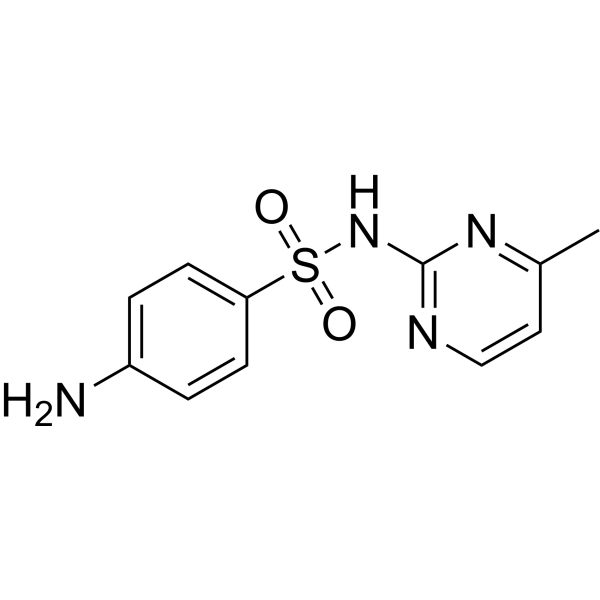
Sulfamerazine (RP2632) is a brain-penetrant and orally active sulfonamide antibiotic and α-synuclein inhibitor with human α-synuclein KD of 352 μM. Sulfamerazine inhibits the synthesis of dihydrofolate by bacteria, thereby inhibiting bacterial growth. Sulfamerazine inhibits α-synuclein fibrillation, reduces α-synuclein aggregation-associated toxicity and α-synuclein aggregate accumulation. Sulfamerazine can be used for the research of Parkinson’s disease and bacterial infection .
Sulfamerazine (RP2632) sodium is a brain-penetrant and orally active sulfonamide antibiotic and α-synuclein inhibitor with human α-synuclein KD of 352 μM. Sulfamerazine sodium inhibits the synthesis of dihydrofolate by bacteria, thereby inhibiting bacterial growth. Sulfamerazine sodium inhibits α-synuclein fibrillation, reduces α-synuclein aggregation-associated toxicity and α-synuclein aggregate accumulation. Sulfamerazine sodium can be used for the research of Parkinson’s disease and bacterial infection .
Cycloguanil hydrochloride (Standard) is the analytical standard of Cycloguanil hydrochloride (HY-12784A). This product is intended for research and analytical applications. Cycloguanil hydrochloride is a dihydrofolate reductase (DHFR) inhibitor with an IC50 of 10.8 μM against human DHFR. Cycloguanil hydrochloride blocks the folate metabolic pathway, thereby affecting nucleotide synthesis and interfering with DNA replication. Cycloguanil hydrochloride inhibits DHFR in Plasmodium and is thus used in malaria research. Cycloguanil hydrochloride also potently inhibits DHFR in human cancer cells and blocks the transcriptional activity of STAT3, thereby exhibiting anticancer activity .
BION106 is a dihydrofolate reductasethymidylate synthase (DHFR-TS) PROTAC degrader. BION106 exhibits extremely strong anti-malarial activity with a Ki and toxicity of 2.68 nM and 0.2 μM against Plasmodium falciparum, and > 100 μM and 44.2 μM in mammalian cells. BION106 can be used for the study of antimalarial parasites (Blue: Idasanutlin ligand (HY-15676); Pink: DHFR-TS ligand (HY-153007); Black: Linker (HY-W021401)) .
Cycloguanil-d6 (Chlorguanide triazine-d6) hydrochloride is the deuterium labeled Cycloguanil hydrochloride (HY-12784A). Cycloguanil hydrochloride is a dihydrofolate reductase (DHFR) inhibitor with an IC50 of 10.8 μM against human DHFR. Cycloguanil hydrochloride blocks the folate metabolic pathway, thereby affecting nucleotide synthesis and interfering with DNA replication. Cycloguanil hydrochloride inhibits DHFR in Plasmodium and is thus used in malaria research. Cycloguanil hydrochloride also potently inhibits DHFR in human cancer cells and blocks the transcriptional activity of STAT3, thereby exhibiting anticancer activity .
Cycloguanil-d6 (Chlorguanide triazine-d6) is the deuterium labeled Cycloguanil (HY-12784). Cycloguanil is a dihydrofolate reductase (DHFR) inhibitor with an IC50 of 10.8 μM against human DHFR. Cycloguanil blocks the folate metabolic pathway, thereby affecting nucleotide synthesis and interfering with DNA replication. Cycloguanil inhibits DHFR in Plasmodium and is thus used in malaria research. Cycloguanil also potently inhibits DHFR in human cancer cells and blocks the transcriptional activity of STAT3, thereby exhibiting anticancer activity .
Cycloguanil-d4 (Chlorguanide triazine-d4) hydrochloride is the deuterium labeled Cycloguanil hydrochloride (HY-12784A). Cycloguanil hydrochloride is a dihydrofolate reductase (DHFR) inhibitor with an IC50 of 10.8 μM against human DHFR. Cycloguanil hydrochloride blocks the folate metabolic pathway, thereby affecting nucleotide synthesis and interfering with DNA replication. Cycloguanil hydrochloride inhibits DHFR in Plasmodium and is thus used in malaria research. Cycloguanil hydrochloride also potently inhibits DHFR in human cancer cells and blocks the transcriptional activity of STAT3, thereby exhibiting anticancer activity .
Trimetrexate (Standard) is the analytical standard of Trimetrexate (HY-10373). This product is intended for research and analytical applications. Trimetrexate (CI-898) is an antibiotic, also a potent and orally active dihydrofolate reductase (DHFR) inhibitor, reducing the production of DNA and RNA precursors and leading to cell death, with IC50 values of 4.74 nM and 1.35 nM for human DHFR and Toxoplasma gondii DHFR. Trimetrexate can also inhibit the growth of various cancer cells. Trimetrexate can be used for researching Pneumocystis carinii pneumonia (PCP) and cancer .
Pralatrexate- 13C5, 15N is the 13C- and 15N-labeled Pralatrexate (HY-10446). Pralatrexate is an antifolate and is a potent dihydrofolate reductasean (DHFR) inhibitor with a Ki of 13.4 pM. Pralatrexate is a substrate for folylpolyglutamate synthetase with improved cellular uptake and retention. Pralatrexate has antitumor activities and has the potential for relapsed/refractory T-cell lymphoma treatment . Pralatrexate is a click chemistry reagent, it contains an Alkyne group and can undergo copper-catalyzed azide-alkyne cycloaddition (CuAAc) with molecules containing Azide groups.
Cycloguanil-d6 (Chlorguanide triazine-d6) nitrate is the deuterium labeled Cycloguanil nitrate. Cycloguanil nitrate is a dihydrofolate reductase (DHFR) inhibitor with an IC50 of 10.8 μM against human DHFR. Cycloguanil nitrate blocks the folate metabolic pathway, thereby affecting nucleotide synthesis and interfering with DNA replication. Cycloguanil nitrate inhibits DHFR in Plasmodium and is thus used in malaria research. Cycloguanil nitrate also potently inhibits DHFR in human cancer cells and blocks the transcriptional activity of STAT3, thereby exhibiting anticancer activity .
CDDP-PEG-Cy3 is a MTX-PEG conjugate labeled with Cy3 (HY-D0822). The Cy3 fluorophore is commonly used in applications such as immunolabeling, nucleic acid labeling, fluorescence microscopy, and flow cytometry. The maximum emission wavelength of Cy3 is approximately 562-570 nm. Methotrexate (Amethopterin; MTX) (HY-14519), an antimetabolite and antifolate agent, inhibits the enzyme dihydrofolate reductase, thereby preventing the conversion of folic acid into tetrahydrofolate, and inhibiting DNA synthesis. Methotrexate, also an immunosuppressant and antineoplastic agent, is used for the research of rheumatoid arthritis and a number of different cancers (such as acute lymphoblastic leukemia) .
DHFR-IN-22 (Compound 8) is a DHFR (Dihydrofolate Reductase) inhibitor belonging to the class of 2,4-diaminopyrimidine compounds. DHFR-IN-22 exhibits significant inhibitory activity against purified DHFR enzyme and major species of nontuberculous mycobacteria (NTM), namely Mycobacterium avium and Mycobacterium abscessus. It shows an IC50 of 1.1 nM and MIC of 1.5 μg/mL against M. abscessus, and an IC50 of 6.3 nM and MIC of 0.1 μg/mL against M. avium. Additionally, it demonstrates an IC50 of 2100 nM against human DHFR. DHFR-IN-22 holds potential for studying novel strategies to combat NTM infections .
DHFR-IN-9 (compound 8A) is a dihydrofolate reductase (DHFR) inhibitor that affects purine and thymidylate biosynthesis in cell proliferation and growth. DHFR-IN-9 inhibits methicillin-resistant Staphylococcus aureus (MRSA) ATCC 43300 (IC50=0.25 μg/mL) and has anti-infective effects in mouse models of systemic infection and thigh infection caused by it (dose: 2.5 mg /kg, 5 mg/kg; ip). DHFR-IN-9 has stronger anticancer activity than paclitaxel (Y-B0015) in a mouse model of breast cancer (dose: 2.5 mg/kg; ip; once every 3 days) .
5,6,7,8-Tetrahydro-8-deazahomofolic acid is a potential thymidylate synthase (TS) inhibitor with inhibitory activity against other folate-related enzymes. 5,6,7,8-Tetrahydro-8-deazahomofolic acid showed mild growth inhibition against enterococci, lactic acid bacteria, and L1210 cells in culture. 5,6,7,8-Tetrahydro-8-deazahomofolic acid also showed weak inhibition against thymidylate synthase, dihydrofolate reductase, glycyl-ribonucleoside aminotransferase, and aminoimidazole-carboxyacyl-ribonucleoside aminotransferase. 5,6,7,8-Tetrahydro-8-deazahomofolic acid showed low substrate activity for thymidylate synthase .
UCP1172 is an antibacterial (Antibacterial) agent and Dihydrofolate reductase inhibitor, with an IC50 of 0.0089 μM against Staphylococcus aureusDfrB, 0.22 μM against DfrG, 0.41 μM against DfrA, and 0.030 μM against DfrK. UCP1172 potently inhibits the growth of MRSA/MSSA isolates carrying dfrG and dfrK (MIC values of 0.3125-0.625 μg/mL), shows weak activity against MRSA carrying dfrA (MIC of 5 μg/mL), and exerts extremely potent inhibitory effects on wild-type S. aureus ATCC 43300 (MIC of 0.0098 μg/mL). UCP1172 can be used in studies related to tuberculosis and Staphylococcus aureus infections .
CDDP-PEG-Cy3 is a MTX-PEG conjugate labeled with Cy3 (HY-D0822). The Cy3 fluorophore is commonly used in applications such as immunolabeling, nucleic acid labeling, fluorescence microscopy, and flow cytometry. The maximum emission wavelength of Cy3 is approximately 562-570 nm. Methotrexate (Amethopterin; MTX) (HY-14519), an antimetabolite and antifolate agent, inhibits the enzyme dihydrofolate reductase, thereby preventing the conversion of folic acid into tetrahydrofolate, and inhibiting DNA synthesis. Methotrexate, also an immunosuppressant and antineoplastic agent, is used for the research of rheumatoid arthritis and a number of different cancers (such as acute lymphoblastic leukemia) .
Manninotriose is a natural functional trisaccharide composed of three mannose molecules. Manninotriose binds to dihydrofolate reductase via hydrogen bond formation with Arg28. Manninotriose binds to thymidylate synthase via hydrogen bond formation with Arg50. Manninotriose acts as a membrane protectant and helps improve stress tolerance. Manninotriose can be used in research related to acute lymphoblastic leukemia .
Phomarin is an inhibitor for dihydrofolate reductase (DHFR). Phomarin exhibits activity against Plasmodiumparasites and fungi including Mycrobotryum violaceum and Botrytis cinerea. Phomarin can be used for the research of malaria and fungal infections .
10-Formyl-7,8-dihydrofolic acid is a biologically active folic acid and growth promoter. 10-Formyl-7,8-dihydrofolic acid serves as a substrate for aminoimidazolecarboxamide ribonucleotide transformylase and dihydrofolate reductase (DHFR) to support catalytic reactions (with detection wavelengths of 552 nm and 340 nm, respectively). 10-Formyl-7,8-dihydrofolic acid not only promotes the growth of leukemia cells, but also effectively reverses the growth inhibition induced by antifolate drugs under folate-deficient conditions. 10-Formyl-7,8-dihydrofolic acid can be used in the research of leukemia .
Neobritannilactone B, a sesquiterpene, can be isolated from the chloroform fraction of the I. britannica. Neobritannilactone B is cytotoxic. Other extracts of I. britannica are also Dihydrofolate reductase (DHFR) inhibitors, which inhibit Shigella dysenteriae type 1 .
DHFR protein, a pivotal enzyme in folate metabolism, is crucial for multiple pathways. It catalyzes reactions essential for de novo mitochondrial thymidylate biosynthesis, de novo glycine and purine synthesis, and DNA precursor synthesis. Beyond its catalytic role, DHFR binds its own mRNA and DHFR2 mRNA, hinting at a regulatory role in self-expression control and potential influence on related cellular processes. DHFR Protein, Human is the recombinant human-derived DHFR protein, expressed by E. coli , with tag free.
DHFR protein, a pivotal enzyme in folate metabolism, is crucial for multiple pathways. It catalyzes reactions essential for de novo mitochondrial thymidylate biosynthesis, de novo glycine and purine synthesis, and DNA precursor synthesis. Beyond its catalytic role, DHFR binds its own mRNA and DHFR2 mRNA, hinting at a regulatory role in self-expression control and potential influence on related cellular processes. DHFR Protein, Human (His) is the recombinant human-derived DHFR protein, expressed by E. coli , with N-6*His labeled tag.
Methotrexate-d3 (Amethopterin-d3) is the deuterium labeled Methotrexate. Methotrexate (Amethopterin), an antimetabolite and antifolate agent, inhibits the enzyme dihydrofolate reductase, thereby preventing the conversion of folic acid into tetrahydrofolate, and inhibiting DNA synthesis. Methotrexate, also an immunosuppressant and antineoplastic agent, is used for the research of rheumatoid arthritis and a number of different cancers (such as acute lymphoblastic leukemia) .
Trimethoprim-d9 is the deuterium labeled Trimethoprim. Trimethoprim is a bacteriostatic antibiotic and an orally active dihydrofolate reductase inhibitor. Trimethoprim is active against a wide range of Gram-positive and Gram-negative aerobic bacteria. Trimethoprim has the potential for urinary tract infections, Shigellosis and Pneumocystis pneumonia treatment .
Trimethoprim-d3is the deuterium labeled Trimethoprim. Trimethoprim is a bacteriostatic antibiotic and an orally active dihydrofolate reductase inhibitor. Trimethoprim is active against a wide range of Gram-positive and Gram-negative aerobic bacteria. Trimethoprim has the potential for urinary tract infections, Shigellosis and Pneumocystis pneumonia treatment .
Pyrimethamine-d3 is the deuterium labeled Pyrimethamine. Pyrimethamine is a medication used for protozoal infections; interferes with tetrahydrofolic acid synthesis from folic acid by inhibiting the enzyme dihydrofolate reductase (DHFR) .
Proguanil-d4 is the deuterium labeled Proguanil . Proguanil, an antimalarial proagent, is metabolized to the active metabolite Cycloguanil (HY-12784). Proguanil is a dihydrofolate reductase (DHFR) inhibitor .
Trimethoprim- 13C3 is the deuterium labeled Trimethoprim (HY-B0510) . Trimethoprim is a bacteriostatic antibiotic and an orally active dihydrofolate reductase inhibitor. Trimethoprim is active against a wide range of Gram-positive and Gram-negative aerobic bacteria. Trimethoprim has the potential for the research of urinary tract infections, Shigellosis and Pneumocystis pneumonia. Trimethoprim can inhibit infection of Influenza A virus in chick embryo when combinated with zinc .
Proguanil-d4 (hydrochloride) is the deuterium labeled Proguanil hydrochloride. Proguanil hydrochloride, an antimalarial proagent, is metabolized to the active metabolite Cycloguanil (HY-12784). Proguanil hydrochloride is a dihydrofolate reductase (DHFR) inhibitor .
Proguanil-d6 hydrochloride is the deuterium labeled Proguanil hydrochloride (HY-B0806A). Proguanil hydrochloride, an antimalarial proagent, is metabolized to the active metabolite Cycloguanil (HY-12784). Proguanil hydrochloride is a dihydrofolate reductase (DHFR) inhibitor .
Baquiloprim-d6 is deuterium labeled Baquiloprim. Baquiloprim, an antibiotic, is a selective inhibitor of bacterial dihydrofolatereductases. Baquiloprim possesses in vitro bacteriostatic activity against both Gram-negative and Gram-positive bacteria .
Diaveridine-d6 (EGIS-5645-d6) is deuterium labeled Diaveridine. Diaveridine (EGIS-5645) is a dihydrofolate reductase (DHFR) inhibitor with a Ki of 11.5 nM for the wild type DHFR and also an antibacterial agent .
Iclaprim-d6 (AR-100-d6) is the deuterium labeled Iclaprim. Iclaprim is a new selective bacterial Dihydrofolate inhibitor, which can inhibit the growth of S. aureus (MRSA) with an MIC90 of 0.06 μg/mL.
Brodimoprim-d6 (Ro 10-5970-d6) is a deuterium labeled Brodimoprim. Brodimoprim, a trimethoprim analogue, is an orally active dihydrofolate reductase inhibitor. Brodimoprim is highly active against a broad spectrum of gram-negative and gram-positive bacteria .
Pemetrexed-d5 is the deuterium labeled Pemetrexed . Pemetrexed (LY231514) is an antifolate, the Ki values of the pentaglutamate of Pemetrexed (LY231514) are 1.3, 7.2, and 65 nM for inhibits thymidylate synthase (TS), dihydrofolate reductase (DHFR), and glycinamide ribonucleotide formyltransferase (GARFT), respectively .
Ro 20-0657/000-d3 is the deuterium labeled Ro 20-0657/000 (HY-100622). Ro 20-0657/000 is a metabolite of Trimethoprim. Trimethoprim is a dihydrofolate reductase inhibitor, used as an antibacterial agent in human and veterinary medicine .
Pemetrexed-d5 disodium is the deuterium labeled Pemetrexed disodium. Pemetrexed disodium (LY231514 disodium) is an antifolate, the Kis of the pentaglutamate of Pemetrexed disodium are 1.3, 7.2, and 65 nM for inhibits thymidylate synthase (TS), dihydrofolate reductase (DHFR), and glycinamide ribonucleotide formyltransferase (GARFT), respectively .
7-Hydroxymethotrexate-d3 is the deuterium labeled 7-Hydroxymethotrexate. 7-Hydroxymethotrexate is a major metabolite of Methotrexate (HY-14519). Methotrexate, an antimetabolite and antifolate agent, inhibits the enzyme dihydrofolate reductase, thereby preventing the conversion of folic acid into tetrahydrofolate, and inhibiting DNA synthesis .
7-Hydroxymethotrexate-d3 (sodium) is deuterium labeled 7-Hydroxymethotrexate. 7-Hydroxymethotrexate is a major metabolite of Methotrexate (HY-14519). Methotrexate, an antimetabolite and antifolate agent, inhibits the enzyme dihydrofolate reductase, thereby preventing the conversion of folic acid into tetrahydrofolate, and inhibiting DNA synthesis .
7-Hydroxymethotrexate-d3 (ammonium) is the deuterium labeled 7-Hydroxymethotrexate ammonium. 7-Hydroxymethotrexate is a major metabolite of Methotrexate (HY-14519). Methotrexate, an antimetabolite and antifolate agent, inhibits the enzyme dihydrofolate reductase, thereby preventing the conversion of folic acid into tetrahydrofolate, and inhibiting DNA synthesis .
7-Hydroxy methotrexate-d3 (ammonium salt) is deuterium labeled 7-Hydroxymethotrexate. 7-Hydroxymethotrexate is a major metabolite of Methotrexate (MTX; HY-14519). Methotrexate, an antimetabolite and antifolate agent, inhibits the enzyme dihydrofolate reductase, thereby preventing the conversion of folic acid into tetrahydrofolate, and inhibiting DNA synthesis .
Methotrexate-d3 diammonium is the deuterium labeled Methotrexate diammonium. Methotrexate (Amethopterin), an antimetabolite and antifolate agent, inhibits the enzyme dihydrofolate reductase, thereby preventing the conversion of folic acid into tetrahydrofolate, and inhibiting DNA synthesis. Methotrexate, also an immunosuppressant and antineoplastic agent, is used for the research of rheumatoid arthritis and a number of different cancers (such as acute lymphoblastic leukemia) .
Pemetrexed disodium- 13C5 (LY231514 disodium- 13C5) is the 13C-labeled Pemetrexed disodium (HY-10820A). Pemetrexed disodium (LY231514 disodium) is an antifolate, the Kis of the pentaglutamate of Pemetrexed disodium are 1.3, 7.2, and 65 nM for inhibits thymidylate synthase (TS), dihydrofolate reductase (DHFR), and glycinamide ribonucleotide formyltransferase (GARFT), respectively .
Cycloguanil-d6 (Chlorguanide triazine-d6) is the deuterium labeled Cycloguanil (HY-12784). Cycloguanil is a dihydrofolate reductase (DHFR) inhibitor with an IC50 of 10.8 μM against human DHFR. Cycloguanil blocks the folate metabolic pathway, thereby affecting nucleotide synthesis and interfering with DNA replication. Cycloguanil inhibits DHFR in Plasmodium and is thus used in malaria research. Cycloguanil also potently inhibits DHFR in human cancer cells and blocks the transcriptional activity of STAT3, thereby exhibiting anticancer activity .
Cycloguanil-d4 (Chlorguanide triazine-d4) hydrochloride is the deuterium labeled Cycloguanil hydrochloride (HY-12784A). Cycloguanil hydrochloride is a dihydrofolate reductase (DHFR) inhibitor with an IC50 of 10.8 μM against human DHFR. Cycloguanil hydrochloride blocks the folate metabolic pathway, thereby affecting nucleotide synthesis and interfering with DNA replication. Cycloguanil hydrochloride inhibits DHFR in Plasmodium and is thus used in malaria research. Cycloguanil hydrochloride also potently inhibits DHFR in human cancer cells and blocks the transcriptional activity of STAT3, thereby exhibiting anticancer activity .
Cycloguanil-d6 (Chlorguanide triazine-d6) hydrochloride is the deuterium labeled Cycloguanil hydrochloride (HY-12784A). Cycloguanil hydrochloride is a dihydrofolate reductase (DHFR) inhibitor with an IC50 of 10.8 μM against human DHFR. Cycloguanil hydrochloride blocks the folate metabolic pathway, thereby affecting nucleotide synthesis and interfering with DNA replication. Cycloguanil hydrochloride inhibits DHFR in Plasmodium and is thus used in malaria research. Cycloguanil hydrochloride also potently inhibits DHFR in human cancer cells and blocks the transcriptional activity of STAT3, thereby exhibiting anticancer activity .
Cycloguanil-d6 (Chlorguanide triazine-d6) nitrate is the deuterium labeled Cycloguanil nitrate. Cycloguanil nitrate is a dihydrofolate reductase (DHFR) inhibitor with an IC50 of 10.8 μM against human DHFR. Cycloguanil nitrate blocks the folate metabolic pathway, thereby affecting nucleotide synthesis and interfering with DNA replication. Cycloguanil nitrate inhibits DHFR in Plasmodium and is thus used in malaria research. Cycloguanil nitrate also potently inhibits DHFR in human cancer cells and blocks the transcriptional activity of STAT3, thereby exhibiting anticancer activity .
4-Aminosalicylic acid-d6 is the deuterium labeled 4-Aminosalicylic acid (HY-I0447). 4-Aminosalicylic acid is an inhibitor for dihydrofolate reductase (DHFR) and an antituberculous agent. 4-Aminosalicylic acid exhibits anti-inflammatory activity and can be used in research of inflammatory bowel disease (IBD). 4-Aminosalicylic acid is orally active .
(±)-Methotrexate- 13C,d3 disodium ((±)-Amethopterin- 13C,d3 disodium) is the 13C-labeled (±)-Methotrexate disodium. (±)-Methotrexate ((±)-Amethopterin) is a racemate of Methotrexate (HY-14519). Methotrexate, an antimetabolite and antifolate agent, inhibits the enzyme dihydrofolate reductase, thereby preventing the conversion of Folic acid into Tetrahydrofolate, and inhibiting DNA synthesis .
Pralatrexate- 13C5, 15N is the 13C- and 15N-labeled Pralatrexate (HY-10446). Pralatrexate is an antifolate and is a potent dihydrofolate reductasean (DHFR) inhibitor with a Ki of 13.4 pM. Pralatrexate is a substrate for folylpolyglutamate synthetase with improved cellular uptake and retention. Pralatrexate has antitumor activities and has the potential for relapsed/refractory T-cell lymphoma treatment . Pralatrexate is a click chemistry reagent, it contains an Alkyne group and can undergo copper-catalyzed azide-alkyne cycloaddition (CuAAc) with molecules containing Azide groups.
Pralatrexate is an antifolate and is a potent dihydrofolate reductasean (DHFR) inhibitor with a Ki of 13.4 pM. Pralatrexate is a substrate for folylpolyglutamate synthetase with improved cellular uptake and retention. Pralatrexate has antitumor activities and has the potential for relapsed/refractory T-cell lymphoma treatment . Pralatrexate is a click chemistry reagent, it contains an Alkyne group and can undergo copper-catalyzed azide-alkyne cycloaddition (CuAAc) with molecules containing Azide groups.
Pralatrexate- 13C5, 15N is the 13C- and 15N-labeled Pralatrexate (HY-10446). Pralatrexate is an antifolate and is a potent dihydrofolate reductasean (DHFR) inhibitor with a Ki of 13.4 pM. Pralatrexate is a substrate for folylpolyglutamate synthetase with improved cellular uptake and retention. Pralatrexate has antitumor activities and has the potential for relapsed/refractory T-cell lymphoma treatment . Pralatrexate is a click chemistry reagent, it contains an Alkyne group and can undergo copper-catalyzed azide-alkyne cycloaddition (CuAAc) with molecules containing Azide groups.
Inquiry Online
Your information is safe with us. * Required Fields.
Western blot analysis of extracts from THP-1(lane 2(20μg), Jurkat (lane 3(20μg) and NIH3T3(lane 4(20μg) using FOXO1A (HY-P80132) Rabbit mAb. Proteins were transferred
to a PVDF membrane and blocked with 5% non-fat milk in TBST for 2 hour at room temperature. The primary antibody (1/1000) and Loading control antibody (Beta Actin, HY-P80438, 1/10000) was
used in 5% non-fat milk in TBST at 4°C overnight. Goat Anti-Mouse/Rabbit IgG-HRP Secondary Antibody (1/10000) was used for 1 hour at room temperature.
Western blot analysis of extracts from THP-1(lane 2(20μg), Jurkat (lane 3(20μg) and NIH3T3(lane 4(20μg) using FOXO1A (HY-P80132) Rabbit mAb. Proteins were transferred
to a PVDF membrane and blocked with 5% non-fat milk in TBST for 2 hour at room temperature. The primary antibody (1/1000) and Loading control antibody (Beta Actin, HY-P80438, 1/10000) was
used in 5% non-fat milk in TBST at 4°C overnight. Goat Anti-Mouse/Rabbit IgG-HRP Secondary Antibody (1/10000) was used for 1 hour at room temperature.
Western blot analysis of extracts from THP-1(lane 2(20μg), Jurkat (lane 3(20μg) and NIH3T3(lane 4(20μg) using FOXO1A (HY-P80132) Rabbit mAb. Proteins were transferred
to a PVDF membrane and blocked with 5% non-fat milk in TBST for 2 hour at room temperature. The primary antibody (1/1000) and Loading control antibody (Beta Actin, HY-P80438, 1/10000) was
used in 5% non-fat milk in TBST at 4°C overnight. Goat Anti-Mouse/Rabbit IgG-HRP Secondary Antibody (1/10000) was used for 1 hour at room temperature.
Western blot analysis of extracts from THP-1(lane 2(20μg), Jurkat (lane 3(20μg) and NIH3T3(lane 4(20μg) using FOXO1A (HY-P80132) Rabbit mAb. Proteins were transferred
to a PVDF membrane and blocked with 5% non-fat milk in TBST for 2 hour at room temperature. The primary antibody (1/1000) and Loading control antibody (Beta Actin, HY-P80438, 1/10000) was
MedchemExpress Validation 03
Western blot analysis of extracts from THP-1(lane 2(20μg), Jurkat (lane 3(20μg) and NIH3T3(lane 4(20μg) using FOXO1A (HY-P80132) Rabbit mAb. Proteins were transferred
MedchemExpress Validation 04
Western blot analysis of extracts from THP-1(lane 2(20μg), Jurkat (lane 3(20μg) and NIH3T3(lane 4(20μg) using FOXO1A (HY-P80132) Rabbit mAb. Proteins were transferred
to a PVDF membrane and blocked with 5% non-fat milk in TBST for 2 hour at room temperature. The primary antibody (1/1000) and Loading control antibody (Beta Actin, HY-P80438, 1/10000) was
used in 5% non-fat milk in TBST at 4°C overnight. Goat Anti-Mouse/Rabbit IgG-HRP Secondary Antibody (1/10000) was used for 1 hour at room temperature.
MedchemExpress Validation
Western blot analysis of extracts from THP-1(lane 2(20μg), Jurkat (lane 3(20μg) and NIH3T3(lane 4(20μg) using FOXO1A (HY-P80132) Rabbit mAb. Proteins were transferred
to a PVDF membrane and blocked with 5% non-fat milk in TBST for 2 hour at room temperature. The primary antibody (1/1000) and Loading control antibody (Beta Actin, HY-P80438, 1/10000) was
used in 5% non-fat milk in TBST at 4°C overnight. Goat Anti-Mouse/Rabbit IgG-HRP Secondary Antibody (1/10000) was used for 1 hour at room temperature.
Western blot analysis of extracts from THP-1(lane 2(20μg), Jurkat (lane 3(20μg) and NIH3T3(lane 4(20μg) using FOXO1A (HY-P80132) Rabbit mAb. Proteins were transferred
to a PVDF membrane and blocked with 5% non-fat milk in TBST for 2 hour at room temperature. The primary antibody (1/1000) and Loading control antibody (Beta Actin, HY-P80438, 1/10000) was
used in 5% non-fat milk in TBST at 4°C overnight. Goat Anti-Mouse/Rabbit IgG-HRP Secondary Antibody (1/10000) was used for 1 hour at room temperature.
MedchemExpress Validation
Western blot analysis of extracts from THP-1(lane 2(20μg), Jurkat (lane 3(20μg) and NIH3T3(lane 4(20μg) using FOXO1A (HY-P80132) Rabbit mAb. Proteins were transferred
to a PVDF membrane and blocked with 5% non-fat milk in TBST for 2 hour at room temperature. The primary antibody (1/1000) and Loading control antibody (Beta Actin, HY-P80438, 1/10000) was
used in 5% non-fat milk in TBST at 4°C overnight. Goat Anti-Mouse/Rabbit IgG-HRP Secondary Antibody (1/10000) was used for 1 hour at room temperature.
MedchemExpress Validation
Western blot analysis of extracts from THP-1(lane 2(20μg), Jurkat (lane 3(20μg) and NIH3T3(lane 4(20μg) using FOXO1A (HY-P80132) Rabbit mAb. Proteins were transferred
to a PVDF membrane and blocked with 5% non-fat milk in TBST for 2 hour at room temperature. The primary antibody (1/1000) and Loading control antibody (Beta Actin, HY-P80438, 1/10000) was
used in 5% non-fat milk in TBST at 4°C overnight. Goat Anti-Mouse/Rabbit IgG-HRP Secondary Antibody (1/10000) was used for 1 hour at room temperature.
MedchemExpress Validation
Western blot analysis of extracts from THP-1(lane 2(20μg), Jurkat (lane 3(20μg) and NIH3T3(lane 4(20μg) using FOXO1A (HY-P80132) Rabbit mAb. Proteins were transferred
to a PVDF membrane and blocked with 5% non-fat milk in TBST for 2 hour at room temperature. The primary antibody (1/1000) and Loading control antibody (Beta Actin, HY-P80438, 1/10000) was
used in 5% non-fat milk in TBST at 4°C overnight. Goat Anti-Mouse/Rabbit IgG-HRP Secondary Antibody (1/10000) was used for 1 hour at room temperature.
MedchemExpress Validation
Western blot analysis of extracts from THP-1(lane 2(20μg), Jurkat (lane 3(20μg) and NIH3T3(lane 4(20μg) using FOXO1A (HY-P80132) Rabbit mAb. Proteins were transferred
to a PVDF membrane and blocked with 5% non-fat milk in TBST for 2 hour at room temperature. The primary antibody (1/1000) and Loading control antibody (Beta Actin, HY-P80438, 1/10000) was
used in 5% non-fat milk in TBST at 4°C overnight. Goat Anti-Mouse/Rabbit IgG-HRP Secondary Antibody (1/10000) was used for 1 hour at room temperature.
MedchemExpress Validation
Western blot analysis of extracts from THP-1(lane 2(20μg), Jurkat (lane 3(20μg) and NIH3T3(lane 4(20μg) using FOXO1A (HY-P80132) Rabbit mAb. Proteins were transferred
to a PVDF membrane and blocked with 5% non-fat milk in TBST for 2 hour at room temperature. The primary antibody (1/1000) and Loading control antibody (Beta Actin, HY-P80438, 1/10000) was
used in 5% non-fat milk in TBST at 4°C overnight. Goat Anti-Mouse/Rabbit IgG-HRP Secondary Antibody (1/10000) was used for 1 hour at room temperature.
MedchemExpress Validation
Western blot analysis of extracts from THP-1(lane 2(20μg), Jurkat (lane 3(20μg) and NIH3T3(lane 4(20μg) using FOXO1A (HY-P80132) Rabbit mAb. Proteins were transferred
to a PVDF membrane and blocked with 5% non-fat milk in TBST for 2 hour at room temperature. The primary antibody (1/1000) and Loading control antibody (Beta Actin, HY-P80438, 1/10000) was
used in 5% non-fat milk in TBST at 4°C overnight. Goat Anti-Mouse/Rabbit IgG-HRP Secondary Antibody (1/10000) was used for 1 hour at room temperature.
MedChemExpress values your privacy and your trust is important to us. We use cookies to enhance your website experience. Some cookies are necessary to run the website.
Privacy and Cookie Policy

