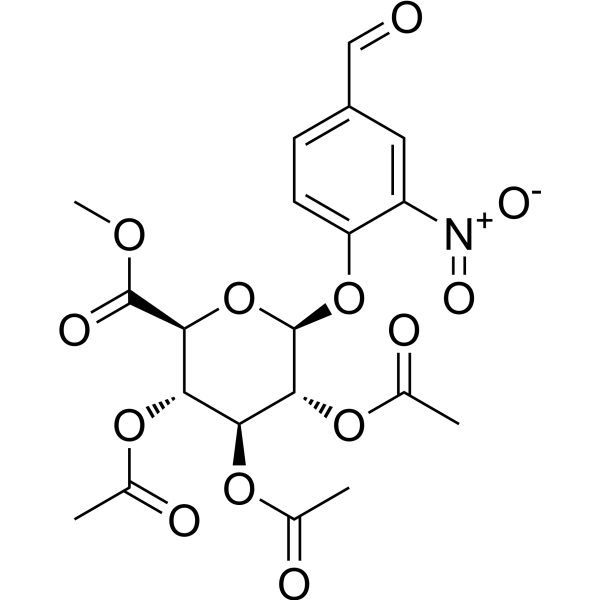
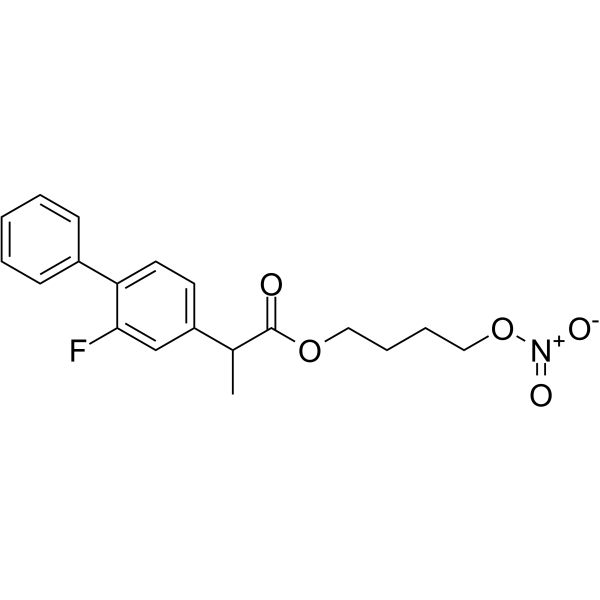
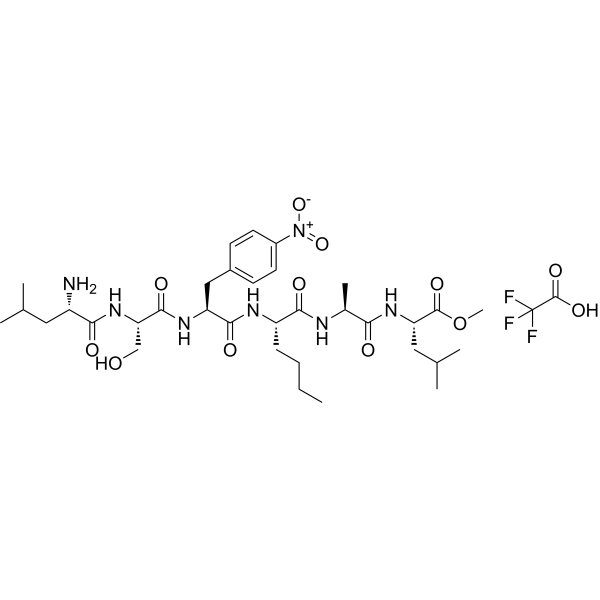
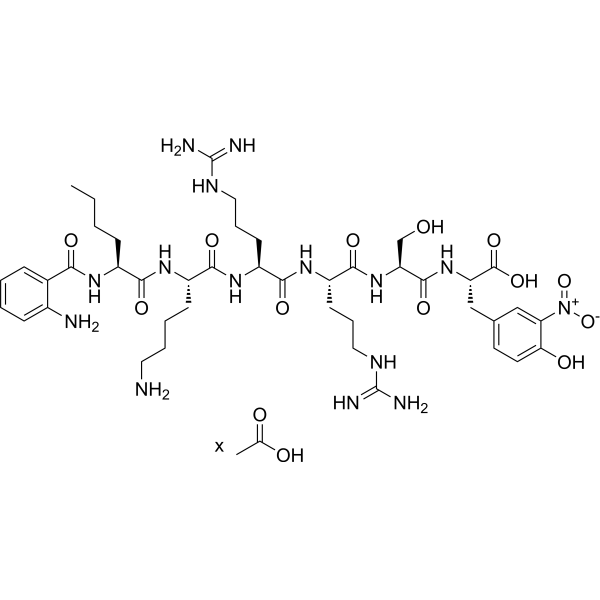
1. Search Result
Search Result
Results for "

Medicago sativa 'Gannong No. 9'

" in MedChemExpress (MCE) Product Catalog:

170

Inhibitors & Agonists

17

Fluorescent Dyes

11

Biochemical Assay Reagents

10

Peptides

57

Natural
Products

7

Recombinant Proteins

8

Isotope-Labeled Compounds

8

Antibodies

3

Click Chemistry

2

Oligonucleotides

Targets Recommended:
Cat. No. Product Name Target Research Areas Chemical Structure
  • HY-D0915
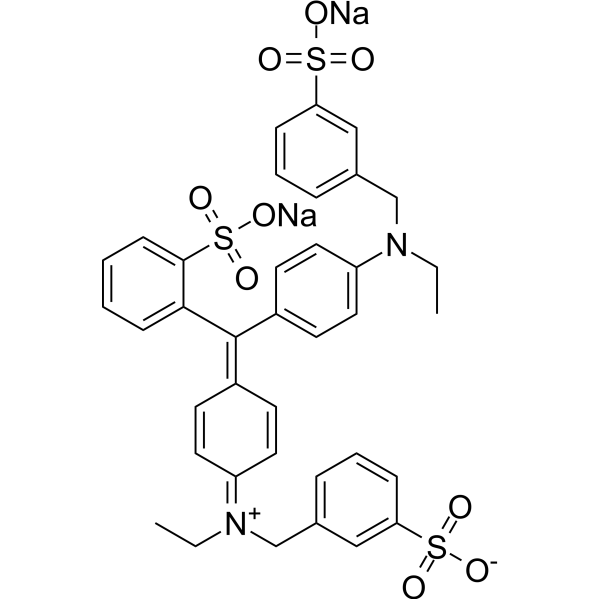
    Brilliant Blue FCF
    5 Publications Verification

    Acid Blue 9; FD&C Blue No. 1; E133

    Environmental Pollutants Fluorescent Dye Others
    Brilliant Blue FCF is an aromatic hydrocarbon, a synthetic dye produced from petroleum and used as a colorant for food and other substances. The solution has a maximum absorption at 628 nm.
    Brilliant Blue FCF
  • HY-B0696A

    NO050328 hydrochloride; NO328 hydrochloride; TGB hydrochloride

    GABA Receptor Neurological Disease
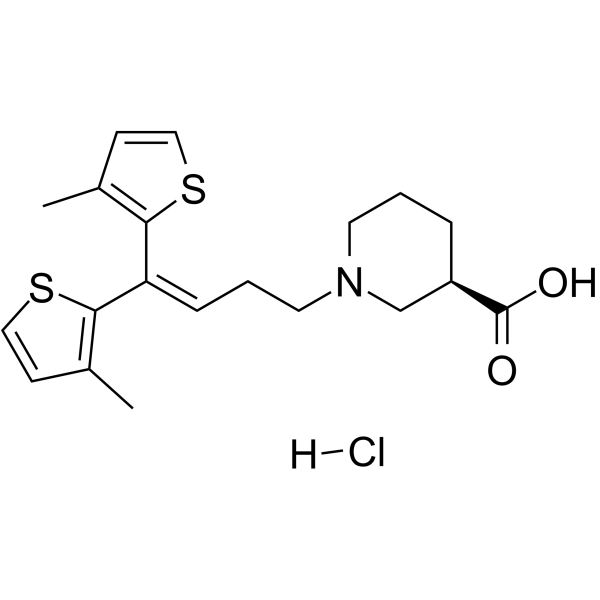
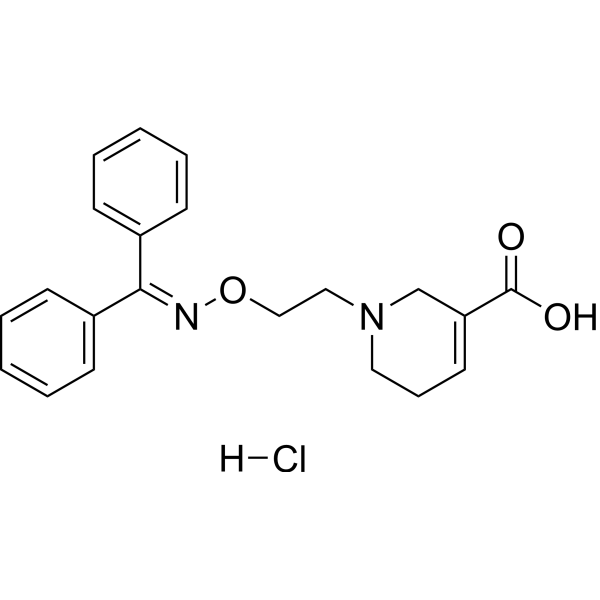
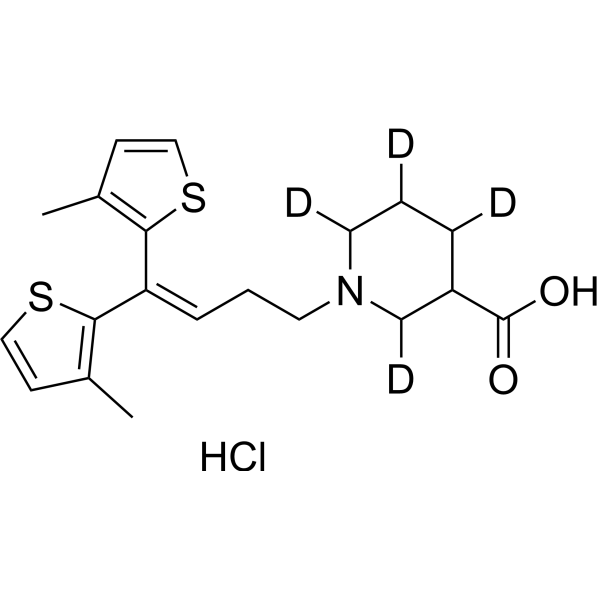
    Tiagabine hydrochloride (NO050328; NO328; TGB) is an orally active, highly selective, and reversible GAT-1 inhibitor and anticonvulsant that crosses the blood-brain barrier. By blocking the reuptake of GABA in neurons and glial cells, tiagabine increases extracellular GABA levels to enhance inhibitory signal transduction, thereby exerting multiple activities such as anticonvulsant, neuroprotective, and antioxidant effects. Tiagabine hydrochloride exhibits linear pharmacokinetic properties. Although it is metabolized by CYP3A and has a high protein binding rate, it carries a low risk of cognitive impairment. Tiagabine hydrochloride is widely used in research on related diseases including epilepsy (including refractory partial seizures), alcohol withdrawal symptoms, and Huntington's disease .
    Tiagabine hydrochloride
  • HY-N3308
    Medicarpin
    2 Publications Verification

    Apoptosis Cancer
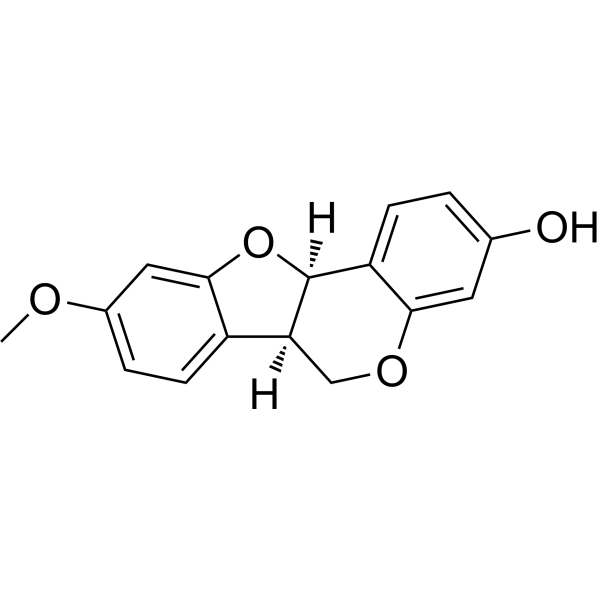
    Medicarpin is a flavonoid isolated from Medicago sativa. Medicarpin induces apoptosis and overcome multidrug resistance in leukemia P388 cells by modulating P-gp-mediated efflux of agents .
    Medicarpin
  • HY-D0803
    Thymoquinone
    Maximum Cited Publications
    14 Publications Verification

    Apoptosis VEGFR PI3K Akt Infection Cardiovascular Disease Neurological Disease Inflammation/Immunology Cancer
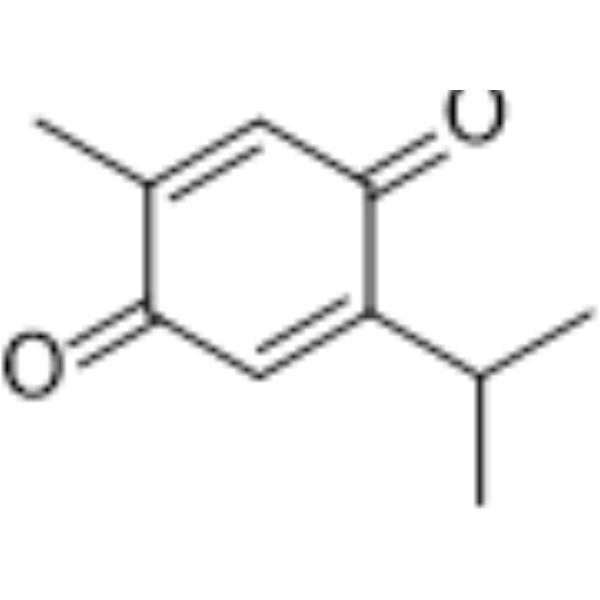
    Thymoquinone is an orally active natural product isolated from N. sativa Thymoquinone down-regulates the VEGFR2-PI3K-Akt pathway. Thymoquinone has antioxidant, anti-inflammatory, anticancer, antiviral, anticonvulsant, antifungal, antiviral, antiangiogenic activity and hepatoprotective effects. Thymoquinone can be used to study Alzheimer's disease, cancer, cardiovascular disease, infectious disease and inflammation .
    Thymoquinone
  • HY-D0257
    Tartrazine
    1 Publications Verification

    Acid Yellow 23; FD&C Yellow No. 5

    Environmental Pollutants Fluorescent Dye Cardiovascular Disease Neurological Disease
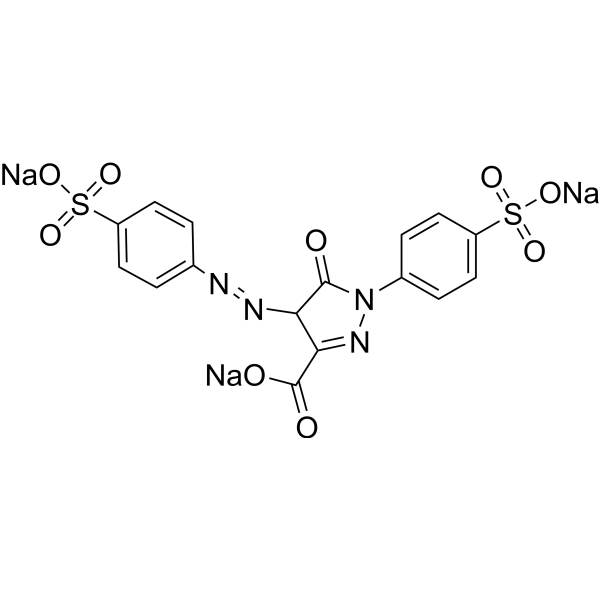
    Tartrazine (Acid Yellow 23; FD&C Yellow No. 5) is an orally active azo acid dye, orange-yellow powder, soluble in water and turns yellow. Tartrazine is mainly used as a synthetic lemon yellow azo dye for food coloring. Tartrazine is the most stable colorant.Tartrazine induces mitochondria-mediated Apoptosis. Tartrazine can cause neurodevelopmental toxicity, cytotoxicity, and genotoxicity [9] .
    Tartrazine
  • HY-D0914

    FD&C Green No. 3; Food green 3; C.I. 42053

    Environmental Pollutants α-synuclein Neurological Disease
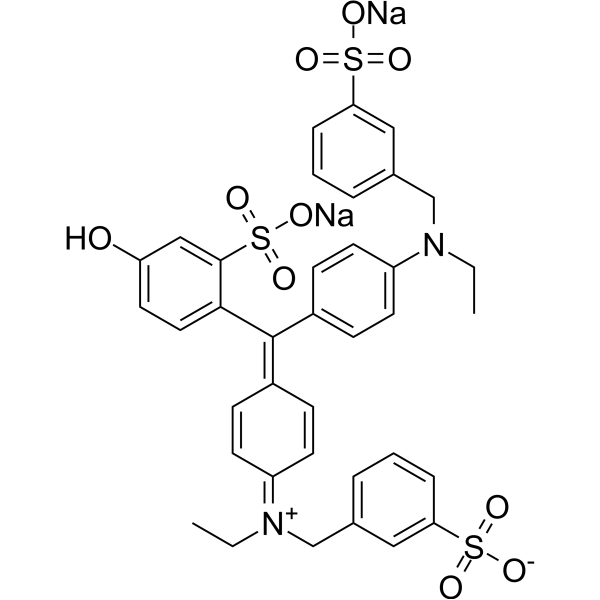
    Fast Green FCF is a sea green triarylmethane food dye, with absorption maximum ranging from 622 to 626 nm. Fast Green FCF inhibits α-synuclein aggregation, as well as and P2X4 receptor, and TLR4/Myd88/NF-κB. Fast Green FCF is widely used as a staining agent like quantitative stain for histones at alkaline pH after acid extraction of DNA, and as a protein stain in electrophoresis. Fast Green FCF improves cognitive impairment, depression, relieves pain allergies, and promotes reproductive function [9].
    Fast Green FCF
  • HY-B0696

    NO050328; NO328; TGB

    GABA Receptor Neurological Disease
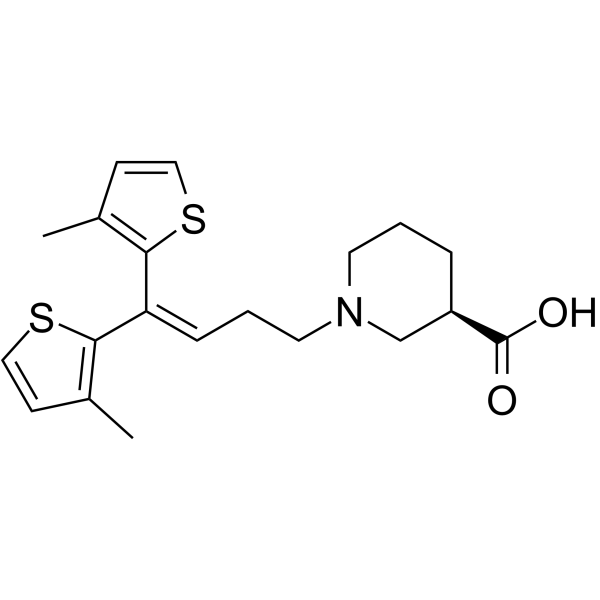
    Tiagabine (NO050328; NO328; TGB) is an orally active, highly selective, and reversible GAT-1 inhibitor and anticonvulsant that crosses the blood-brain barrier. By blocking the reuptake of GABA in neurons and glial cells, tiagabine increases extracellular GABA levels to enhance inhibitory signal transduction, thereby exerting multiple activities such as anticonvulsant, neuroprotective, and antioxidant effects. Tiagabine exhibits linear pharmacokinetic properties. Although it is metabolized by CYP3A and has a high protein binding rate, it carries a low risk of cognitive impairment. Tiagabine is widely used in research on related diseases including epilepsy (including refractory partial seizures), alcohol withdrawal symptoms, and Huntington's disease .
    Tiagabine
  • HY-123630

    FD&C RED No. 40; CI 16035

    Environmental Pollutants Fluorescent Dye 5-HT Receptor Interleukin Related Reactive Oxygen Species (ROS) IFNAR Inflammation/Immunology
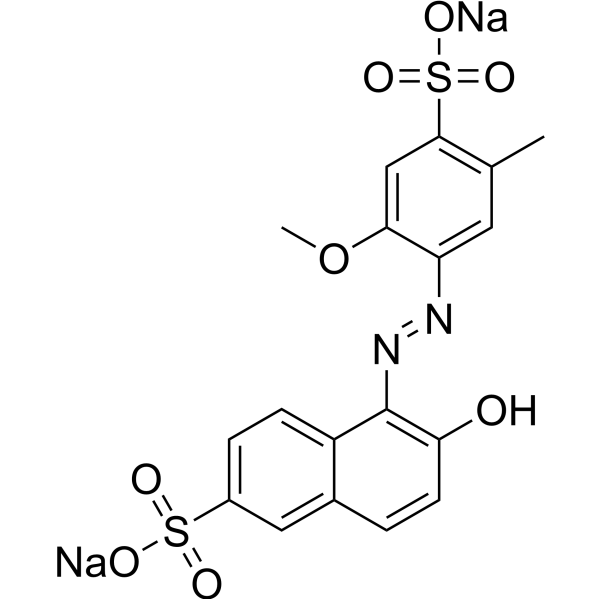
    Allura Red AC is a food colorant, appearing as a deep red water-soluble powder or granules, used in various applications such as beverages, syrups, candies, and cereals. Allura Red AC can statically quench the intrinsic fluorescence of HSA. Additionally, Allura Red AC is a 5-hydroxytryptamine (5-HT) pathway-associated pro-inflammatory agent, capable of exacerbating experimental colitis. Allura Red AC holds potential for research in inflammatory bowel disease (IBD), intestinal barrier function, and food additive safety .
    Allura Red AC
  • HY-75342
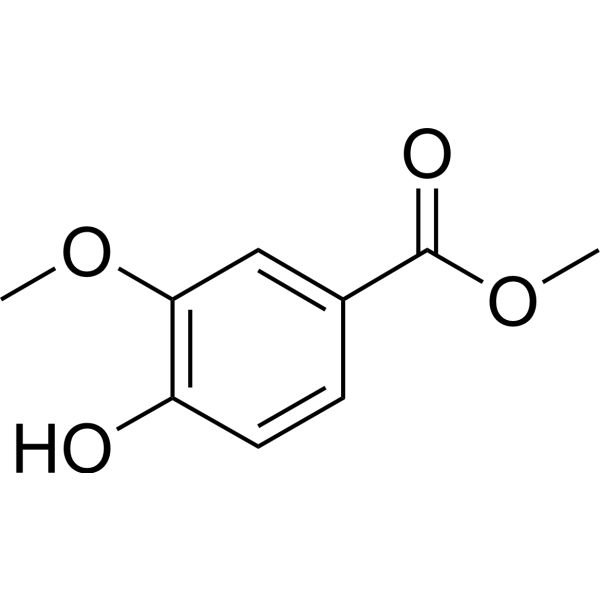
    Methyl vanillate
    2 Publications Verification

    Wnt Reactive Oxygen Species (ROS) Endogenous Metabolite Inflammation/Immunology Cancer
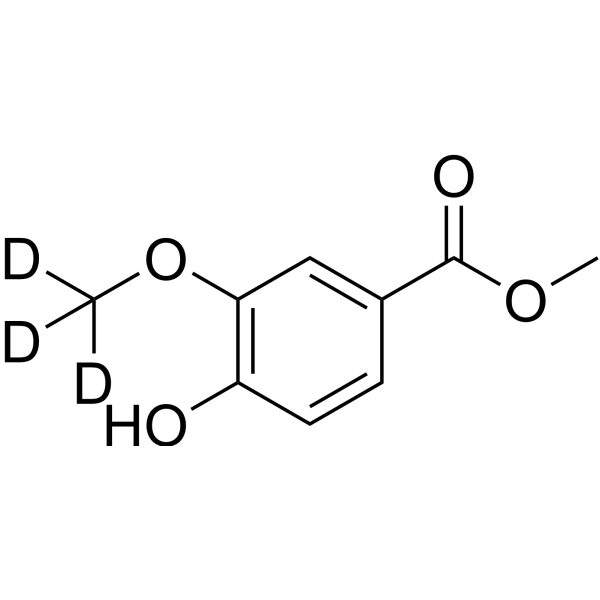
    Methyl vanillate, one of the ingredients in Oryza sativa Linn., is a Wnt/β-catenin pathway activator . A benzoate ester that is the methyl ester of vanillic acid. It has a role as an antioxidant and a plant metabolite.
    Methyl vanillate
  • HY-N1442

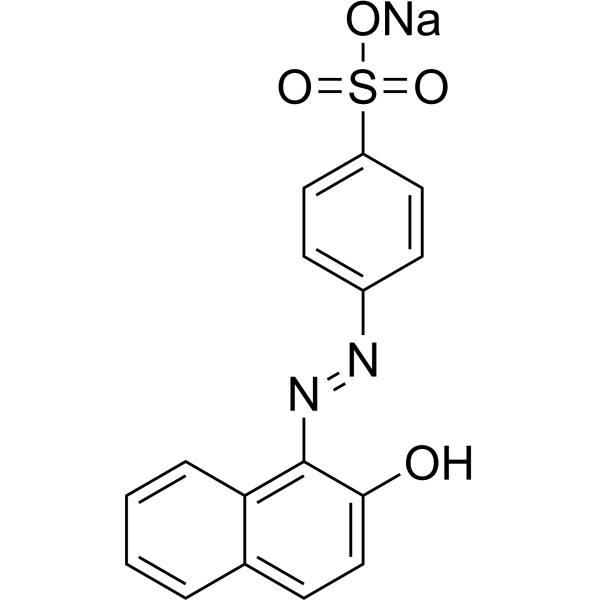
    Orange II; D&C Orange No. 4

    Environmental Pollutants Biochemical Assay Reagents Others
    Acid Orange 7 (Orange II; D&C Orange NO. 4) is an azo dye widely used in the textile, food and cosmetic industries. Acid Orange 7 is mainly used as a colorant by combining with fibers and other substances through azo bonds. Acid Orange 7 has a maximum absorption wavelength at 484-485 nm, and the concentration is measured using a UV-visible spectrophotometer. Acid Orange 7 is difficult to degrade and has a certain degree of toxicity. It is often used to study various sewage treatment technologies and photocatalytic degradation reactions, and to evaluate the removal effects of different treatment methods on organic pollutants .
    Acid orange 7
  • HY-D0307A

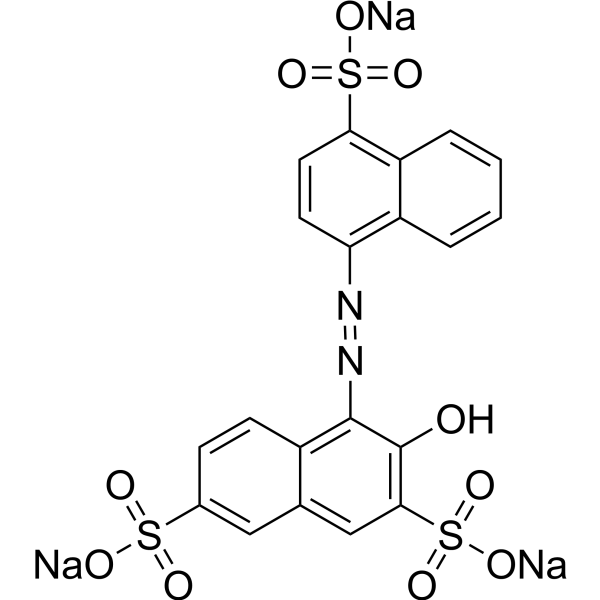
    Acid Red 27; Azorubin S; FD & C Red Dye No. 2

    Environmental Pollutants Biochemical Assay Reagents Inflammation/Immunology
    Amaranth is an organic azo dye. Amaranth inhibits cellular immune response. Amaranth can be used as a food additive .
    Amaranth
  • HY-119502
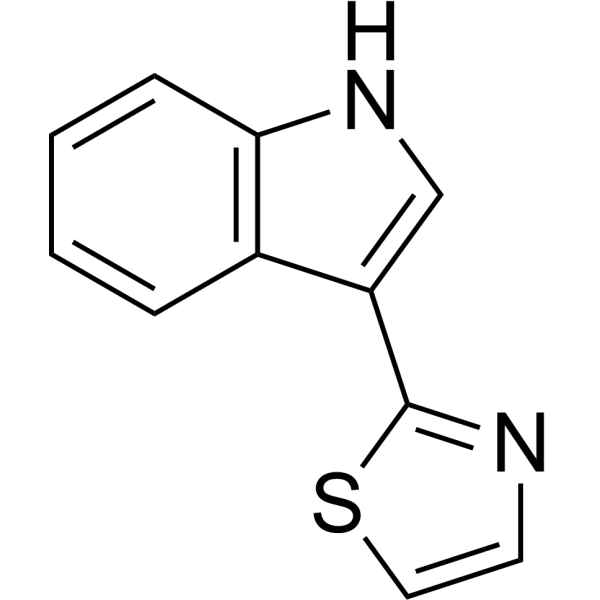
    Camalexin
    3 Publications Verification

    Reactive Oxygen Species (ROS) Fungal Bacterial Infection Cancer
    Camalexin is a phytoalexin isolated from Camelina sativa (Cruciferae) with antibacterial, antifungal, antiproliferative and anticancer activities. Camalexin can induce reactive oxygen species (ROS) production .
    Camalexin
  • HY-118693

    Dianthramide P

    Drug Derivative Inflammation/Immunology
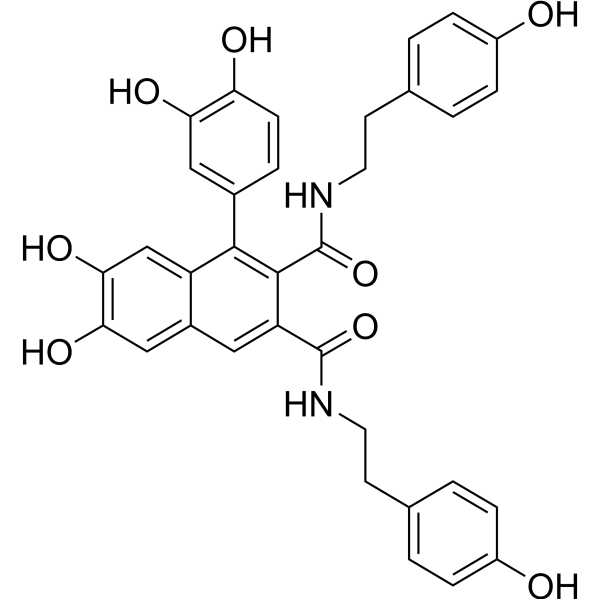
    Avenanthramide D is a phenolic acids found in the Avena sativa L.. Avenanthramide D is promising for research of inflammation .
    Avenanthramide D
  • HY-W753479

    Reactive Oxygen Species (ROS) Others
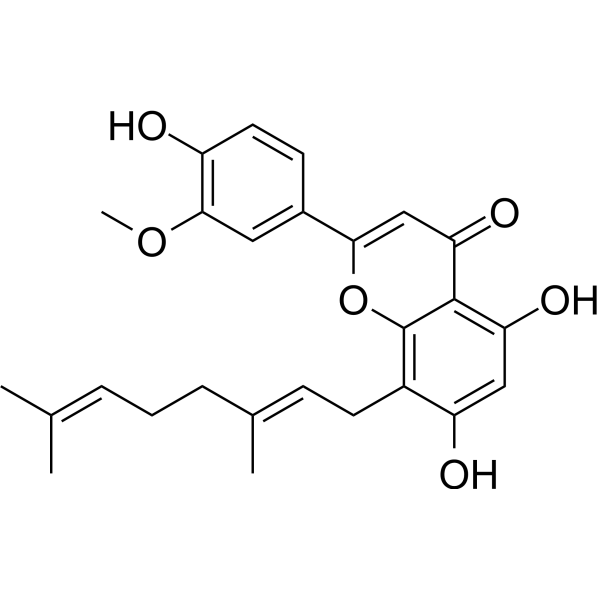
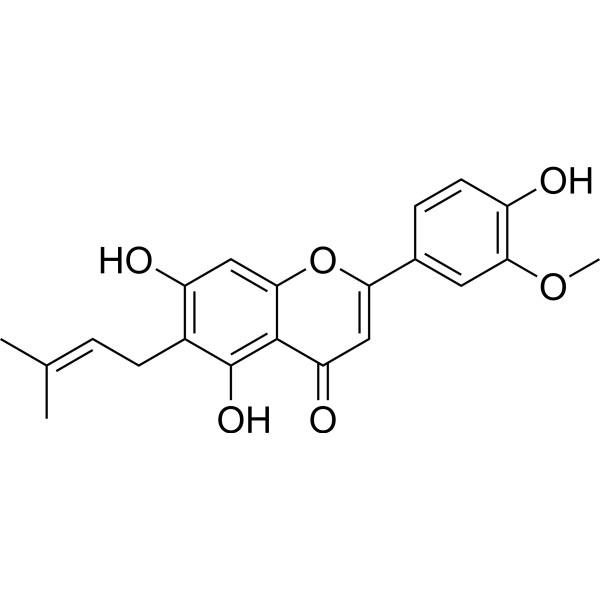
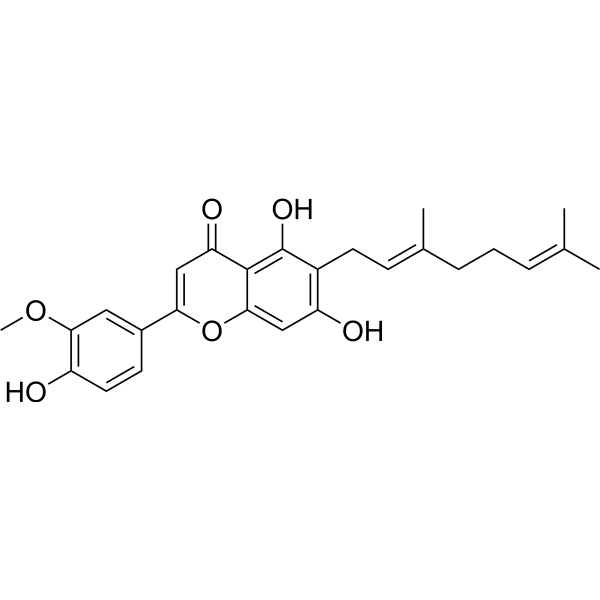
    Cannflavin C (compound 5) can be isolated from Cannabis sativa. Cannflavin C has anti-oxidant activity .
    Cannflavin C
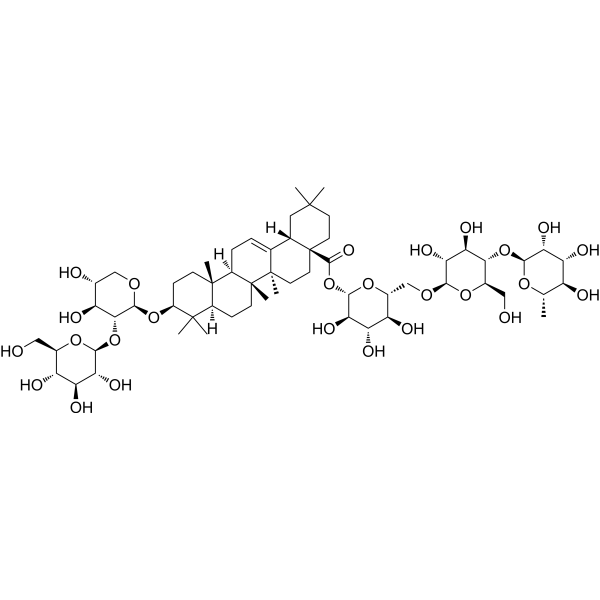
  • HY-N1932

    Phosphorylase Metabolic Disease
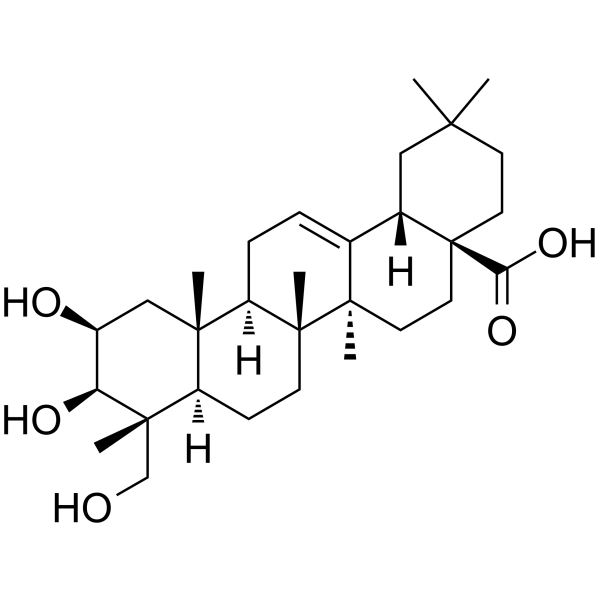
    Bayogenin is a triterpenoid saponin and one of the main components of Medicago sativa saponins. Bayogenin is an inhibitor of glycogen phosphorylase .
    Bayogenin
  • HY-N5114
    Isovitexin 2''-O-arabinoside
    2 Publications Verification

    Phosphatase Others
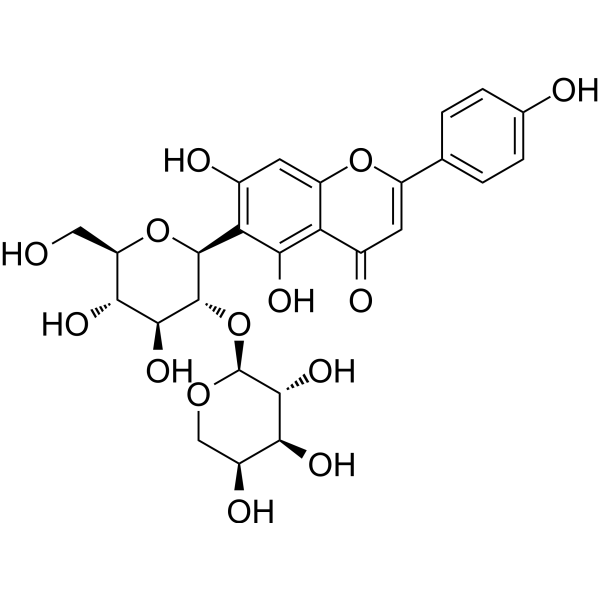
    Isovitexin 2''-O-arabinoside is a flavonoid in plantlets of Avena sativa L. .
    Isovitexin 2''-O-arabinoside
  • HY-117549

    NO-1886

    Lipase Cardiovascular Disease
    Ibrolipim (NO-1886) is an orally active lipoprotein lipase (LPL)-promoting agent. Ibrolipim decreases plasma triglycerides, increases high-density lipoprotein cholesterol levels. Ibrolipim has renoprotective and hypolipidemic effects .
    Ibrolipim
  • HY-D1266

    NO-red

    Fluorescent Dye Others
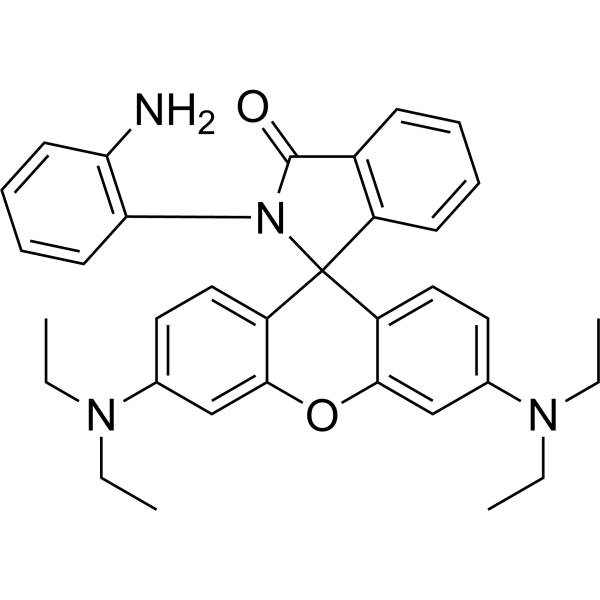
    RB-OPD (NO-red) is a o-phenylenediamine (OPD)-locked rhodamine nitric oxide (NO) fluorescent probe with great sensitivity and selectivity (λex=550 nm, λem=590 nm) .
    RB-OPD
  • HY-109589A
    trans-11-Eicosenoic acid
    1 Publications Verification

    Phosphatase Bacterial Infection
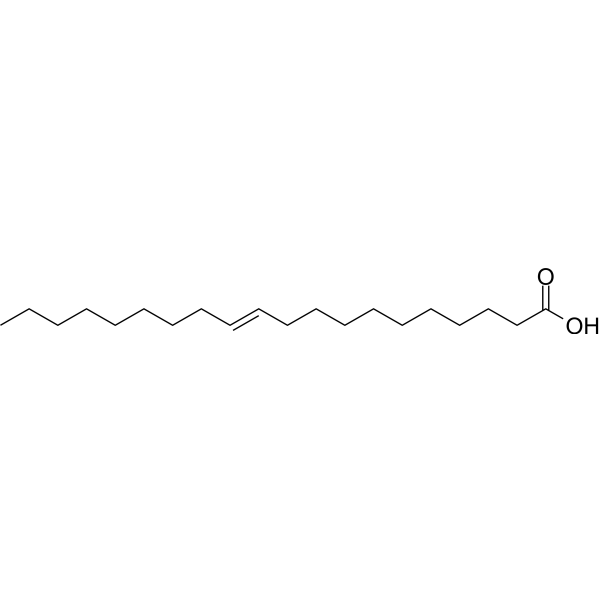
    trans-11-Eicosenoic acid is a fatty acid that inhibits the phosphatase activity of PtpA from Mycobacterium tuberculosis, with an IC50 of 27.97 µM. trans-11-Eicosenoic acid is detected in the stems of alfalfa plants inoculated with Sinorhizobium meliloti LL11, but is absent in the stems of uninoculated alfalfa or the strain itself .
    trans-11-Eicosenoic acid
  • HY-N3979
    Grossamide
    1 Publications Verification

    Toll-like Receptor (TLR) NF-κB Interleukin Related TNF Receptor MyD88 Neurological Disease Inflammation/Immunology
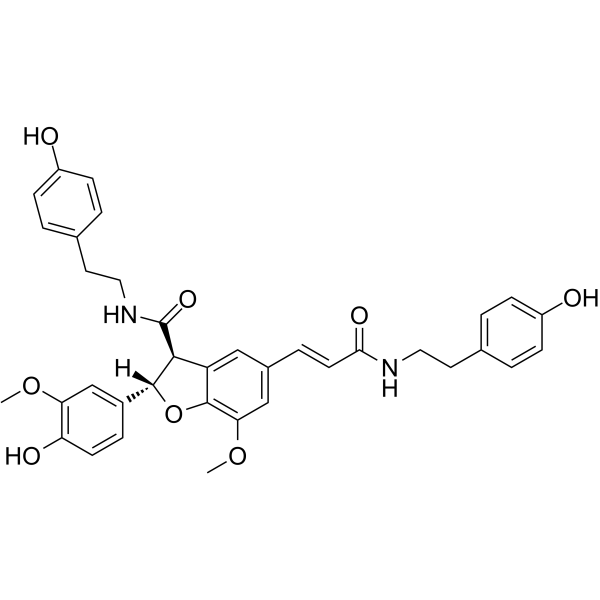
    Grossamide is a natural product that can be isolated from fructus cannabis, the dried fruit of Cannabis sativa L.. Grossamide has anti-neuroinflammatory effects .
    Grossamide
  • HY-143220

    PCSK9 Small Interfering RNA (siRNA) Drug Derivative Cardiovascular Disease
    SS (no Galnac)-Inclisiran sodium is the sense strand of Inclisiran (HY-132591) without GalNAc modification. Inclisiran is a double-stranded small interfering RNA (siRNA) molecule that inhibits the transcription of PCSK-9. SS (no Galnac)-Inclisiran sodium can be used in cardiovascular disease research .
    SS(no Galnac)-Inclisiran sodium
  • HY-103506

    NO-711 hydrochloride

    GABA Receptor Neurological Disease
    NNC-711 (NO-711 hydrochloride) is a potent and selective inhibitor of GAT-1 (GABA transporter 1) with IC50 values of 0.04, 0.38, 171, 1700, 349, 622 μM for human GAT-1, rat GAT-1, rGAT-2, hGAT-3, rGAT-3, hBGT-3, respectively. NNC-711 has anticonvulsant and analgesic effect in vivo and exhibits cognition-enhancing activity .
    NNC-711
  • HY-W006267

    4-Cl-IAA

    Endogenous Metabolite Others
    4-Chloroindole-3-acetic acid (4-Cl-IAA) is a chlorinated analogue of indole-3-acetic acid (IAA) (HY-18569) auxin that functions as a plant hormone, which is found in the seeds of Medicago truncatulaMelilotus indicus and Trifolium .
    4-Chloroindole-3-acetic acid
  • HY-W717800A

    Biochemical Assay Reagents Radionuclide-Drug Conjugates (RDCs) Others
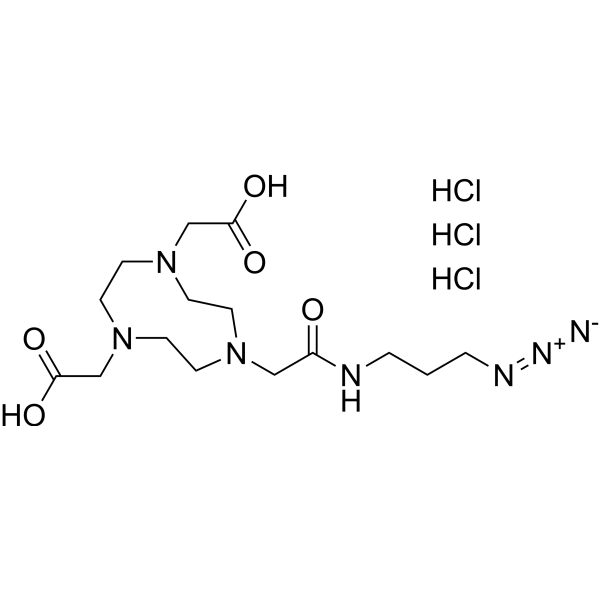
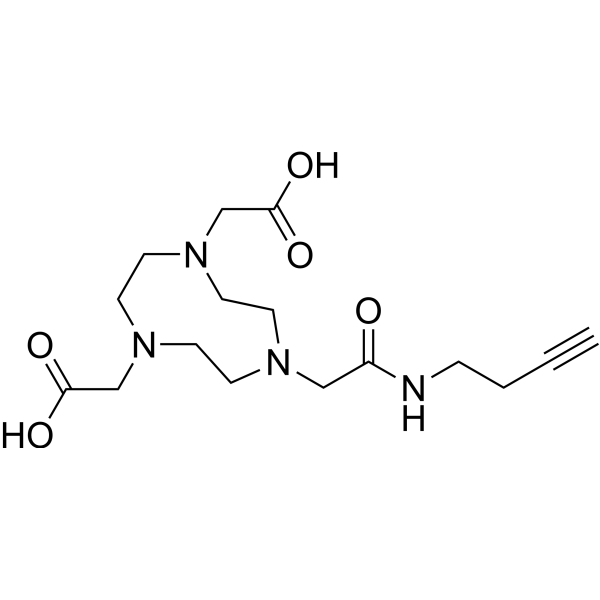
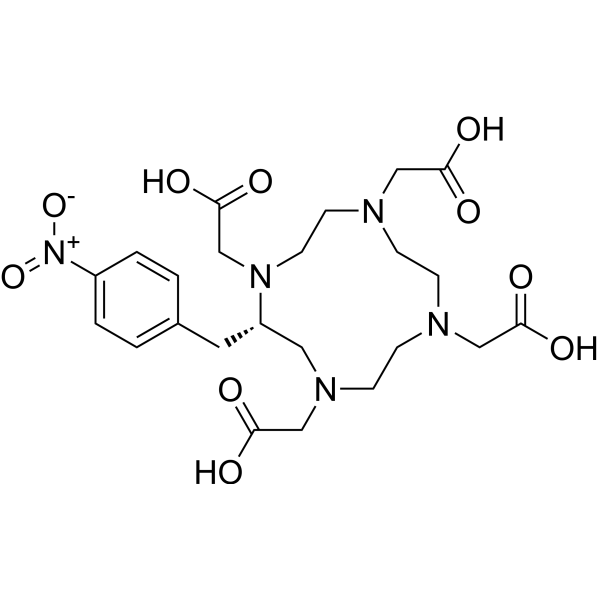
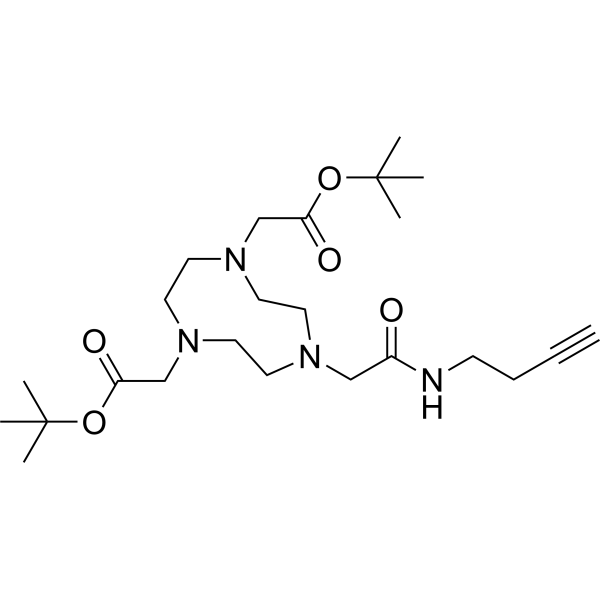
    NO2A-Azide (trihydrochloride)is a bifunctional chelator (Bifunctional Chelator; BFC) and a macrocyclic NOTA derivative used for tumor pre-targeting. NO2A-Azide (trihydrochloride) can be used for conjugation of peptides and radionuclides.
    NO2A-Azide trihydrochloride
  • HY-W004297

    Endogenous Metabolite Bacterial Infection
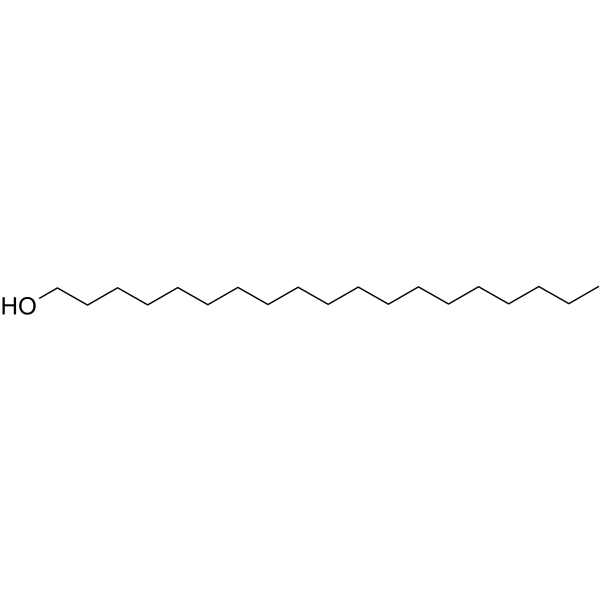
    1-Nonadecanol is an endogenous metabolite that can be produced by Pantoea agglomerans from Medicago sativa rhizosphere, present in Neotinea ustulata scent and Heracleum thomsonii essential oil. 1-Nonadecanol exerts antimicrobial activity against Streptococcus pneumonia, Klebsiella, and S. aureus. 1-Nonadecanol can be used for the research of bacterial infections and pea aphid infestation .
    1-Nonadecanol
  • HY-N10373

    Others Others
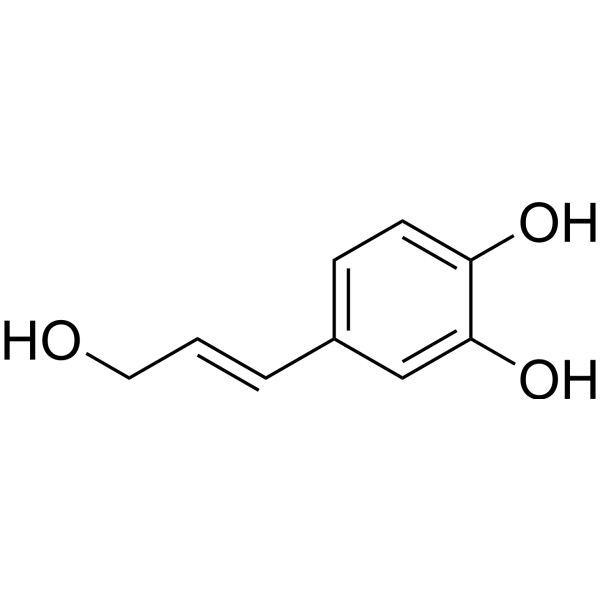
    Caffeoyl alcohol is a monomer constituting Catechyl lignin. Catechyl lignin is a linear homopolymer of caffeyl alcohol, a natural source of carbon fiber and high-value chemicals .
    Caffeoyl alcohol
  • HY-W587780

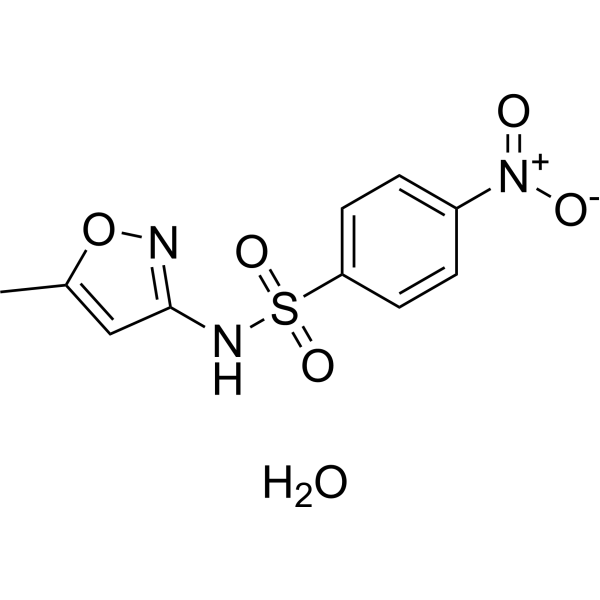
    SMX-NO

    Biochemical Assay Reagents Inflammation/Immunology
    Sulfamethoxazole-NO (SMX-NO) is the major immunogen in sulfonamide allergy, producing modest ascorbic acid depletion and hemoglobin adduct formation. Sulfamethoxazole-NO haptens tissue proteins and is immunogenic in rodents .
    Sulfamethoxazole-NO
  • HY-N8445

    Aryl Hydrocarbon Receptor Others
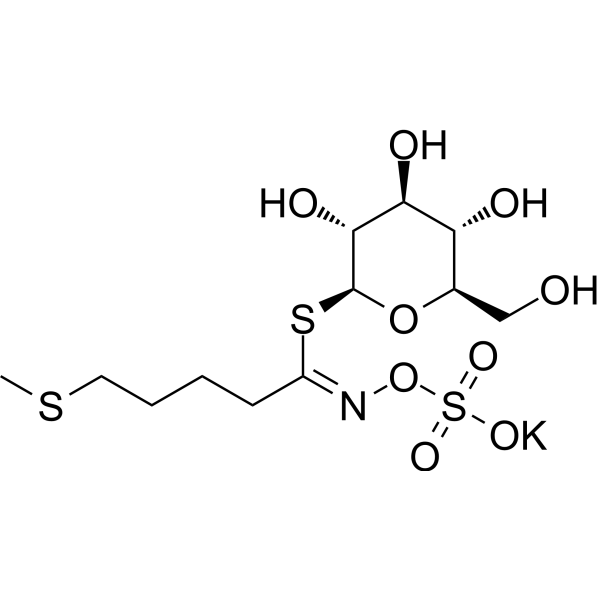
    Glucoerucin potassium is an aryl hydrocarbon receptor antagonist and is the 4-methylthio-butyl glucosinolate found in the seeds of Eruca sativa Mill .
    Glucoerucin potassium
  • HY-N9924

    Endogenous Metabolite Aryl Hydrocarbon Receptor Others
    Glucoerucin is an aryl hydrocarbon receptor antagonist and is the 4-methylthio-butyl glucosinolate found in the seeds of Eruca sativa Mill .
    Glucoerucin
  • HY-W328317

    Azoic diazo No. 4, 90%

    Biochemical Assay Reagents Others
    Fast garnet GBC sulfate salt, 90% is a chromogenic substrate for alkaline phosphatase.
    Fast garnet GBC sulfate salt, 90%
  • HY-W507393

    DPTA-NO

    Biochemical Assay Reagents Others
    Dipropylenetriamine NONOate (DPTA-NO) is a NO donor, which spontaneously dissociates in a pH-dependent, first-order process with a half-life of three hours and five hours at 37°C and 22-25°C, pH 7.4, respectively .
    Dipropylenetriamine NONOate
  • HY-101757

    NCX-1015

    Interleukin Related Inflammation/Immunology
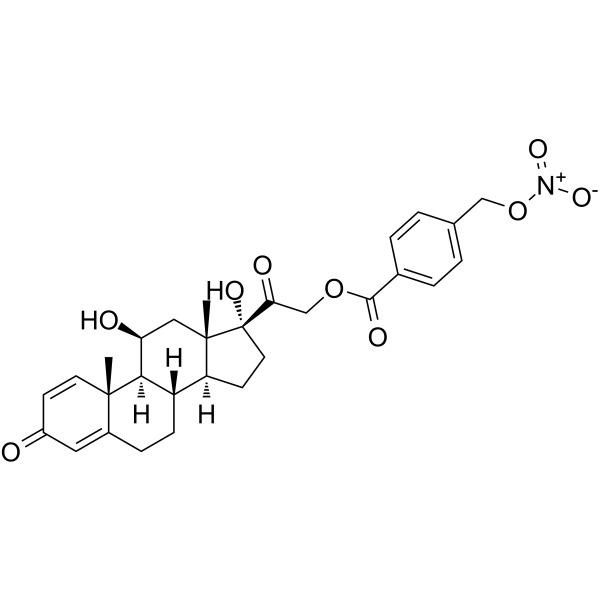
    NO-prednisolone is a nitric oxide (NO)-releasing derivative of Prednisolone. NO-prednisolone potently stimulates IL-10 production in vivo.
    NO-prednisolone
  • HY-W575237

    Ligands for E3 Ligase Cancer
    Desamino lenalidomide-NO2 is an E3 ubiquitin ligase cereblon (CRBN) ligand used to recruit the cereblon protein. Desamino lenalidomide-NO2 can be linked to a target protein ligand via a linker to form a PROTAC.
    Desamino lenalidomide-NO2
  • HY-D0803R

    Reference Standards Apoptosis VEGFR PI3K Akt Infection Cardiovascular Disease Neurological Disease Inflammation/Immunology Cancer
    Thymoquinone (Standard) is the analytical standard of Thymoquinone. This product is intended for research and analytical applications. Thymoquinone is an orally active natural product isolated from N. sativa Thymoquinone down-regulates the VEGFR2-PI3K-Akt pathway. Thymoquinone has antioxidant, anti-inflammatory, anticancer, antiviral, anticonvulsant, antifungal, antiviral, antiangiogenic activity and hepatoprotective effects. Thymoquinone can be used to study Alzheimer's disease, cancer, cardiovascular disease, infectious disease and inflammation .
    Thymoquinone (Standard)
  • HY-117209

    Others Others
    Cannabivarin is a Phenols product that can be isolated from the herbs of Cannabis sativa. .
    Cannabivarin
  • HY-120979

    Angiotensin Receptor Cardiovascular Disease
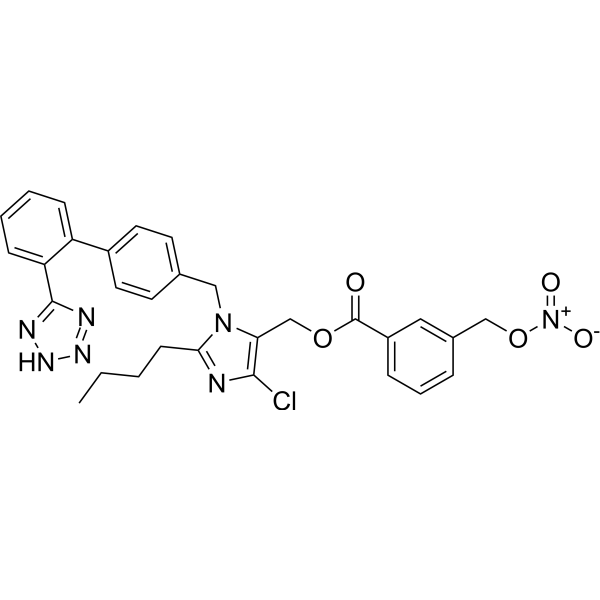
    NO-Losartan A (compound 2a) displays vasorelaxing effects, due to the release of NO, and antagonized the vasocontractile effects of Angiotensin II (HY-13948), with potency values similar to that of Losartan (HY-17512) .
    NO-Losartan A
  • HY-130783

    Fluorescent Dye Others
    LysoFP-NO2 is a turn-on fluorescent probe for carbon monoxide (CO) that localizes to the lysosome. In the presence of lysosomal CO, lysoFP-NO2 is transformed into lysoFP-NH2, which is highly fluorescent. LysoFP-NO2 is selective for CO over various reactive nitrogen, oxygen, and sulfur species. It displays excitation/emission maxima of 440/528 nm, respectively, and is not cytotoxic to HepG2 cells for up to five hours when used at a concentration of 30 μM.
    LysoFP-NO2
  • HY-N5099

    Others Metabolic Disease
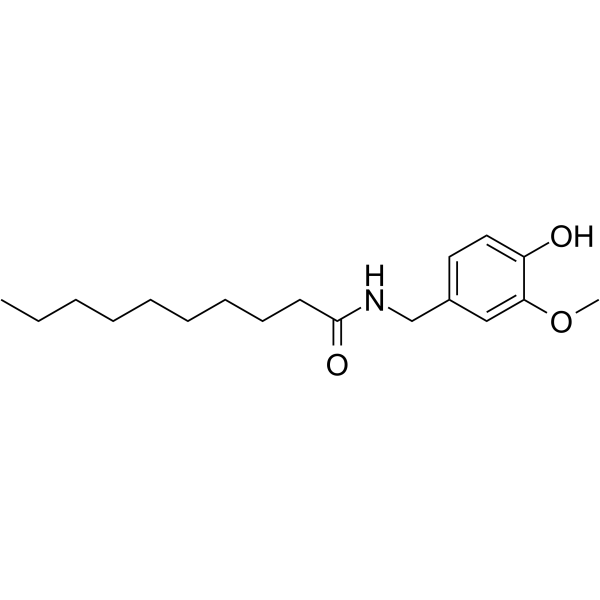
    N-Vanillyldecanamide, a capsaicinoid isolated from the fruits of Capsicum annuum, significantly reduced the radical length of Lactuca sativa seedling in a dose-dependent manner .
    N-Vanillyldecanamide
  • HY-D0307AR

    Acid Red 27 (Standard); Azorubin S (Standard); FD & C Red Dye No. 2 (Standard)

    Fluorescent Dye Reference Standards Others
    Amaranth (Standard) is the analytical standard of Amaranth. This product is intended for research and analytical applications. Amaranth is a dark red to purple azo dye used as a food dye and cosmetics. Amaranth is an anionic dye that can be applied to natural and synthetic fibers, leather, paper, and phenol-formaldehyde resins.
    Amaranth (Standard)
  • HY-103385

    NO-Aspirin

    Apoptosis Inflammation/Immunology Cancer
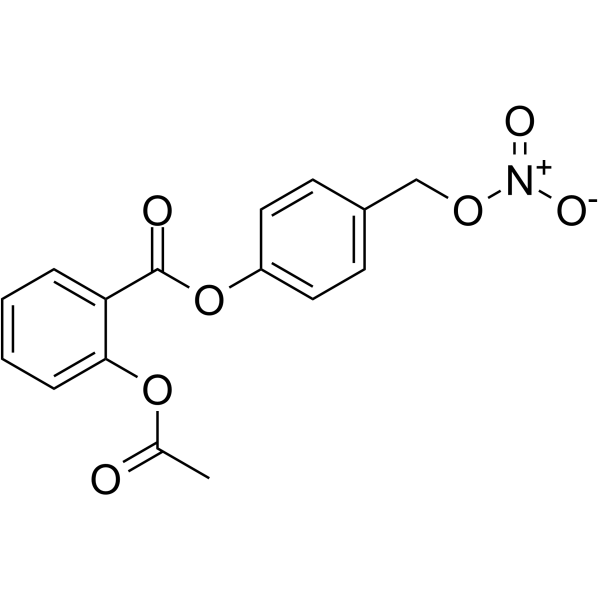
    NCX4040 (NO-Aspirin), a non-steroidal anti-inflammatory drug (NSAID), is a nitric oxide (NO) releasing form of Aspirin. NCX4040 induces apoptosis in PC3 metastatic prostate cancer cells. NCX4040 has anti-inflammatory and anti-cancer effects .
    NCX4040
  • HY-111812

    Others Neurological Disease
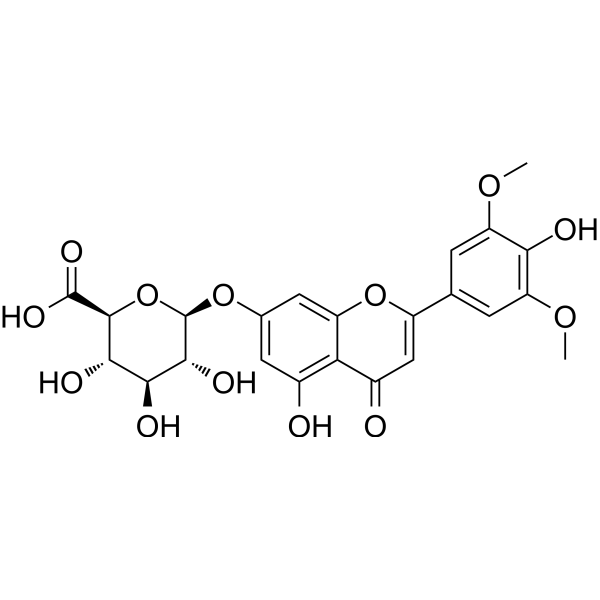
    Tricin 7-O-glucuronide is an Alfalfa (Medicago sativa L.) flavonoid that can be obtained from the leaves of M. tenuifollium G. Forster .
    Tricin 7-O-glucuronide
  • HY-N3535

    Prostaglandin Receptor Lipoxygenase Inflammation/Immunology
    Canniprene, an isoprenylated bibenzyl unique to Cannabis sativa, is a potent inhibitor of 5-lipoxygenase (5-LO) activity (IC50=0.4 μM) and cyclooxygenase/microsomal prostaglandin E2 synthase (PGE2; IC50=10 μM). Canniprene inhibits the production of inflammatory eicosanoids and affects the generation of prostaglandins .
    Canniprene
  • HY-N18665

    Others Others
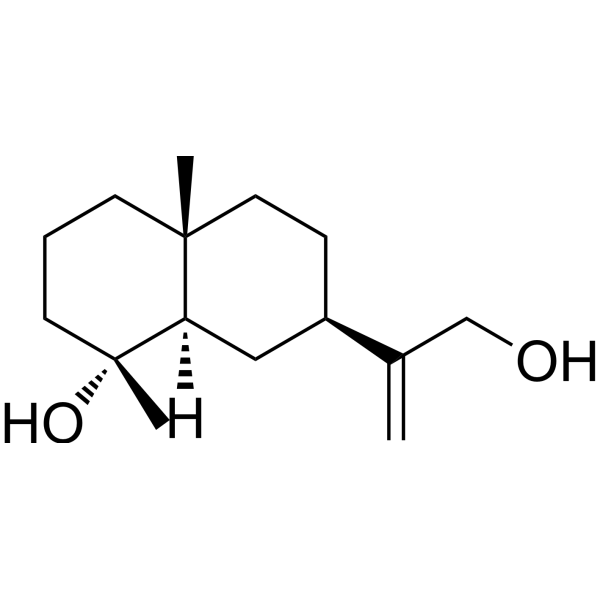
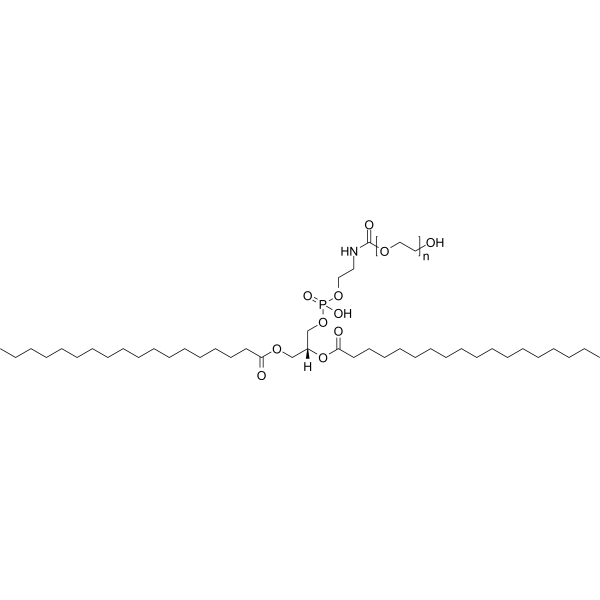
    Medicago sativa extract is a whole-plant extract of alfalfa, a legume, and can be used in research on health supplements.
    Medicago sativa extract
  • HY-D1164

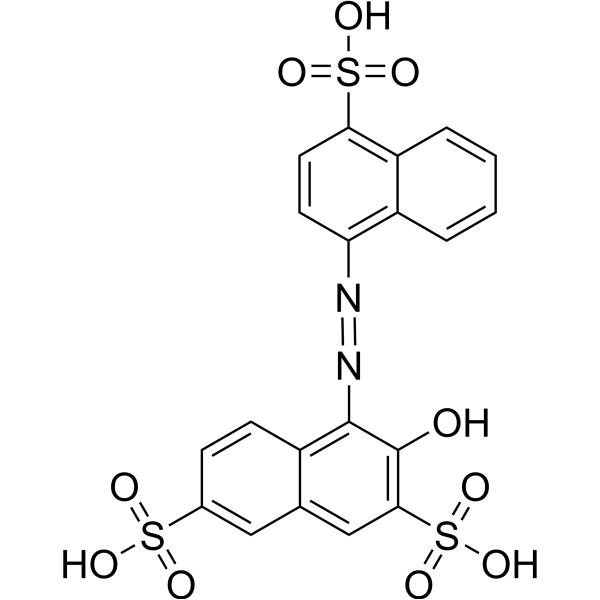
    D&C Red No. 34

    Fluorescent Dye
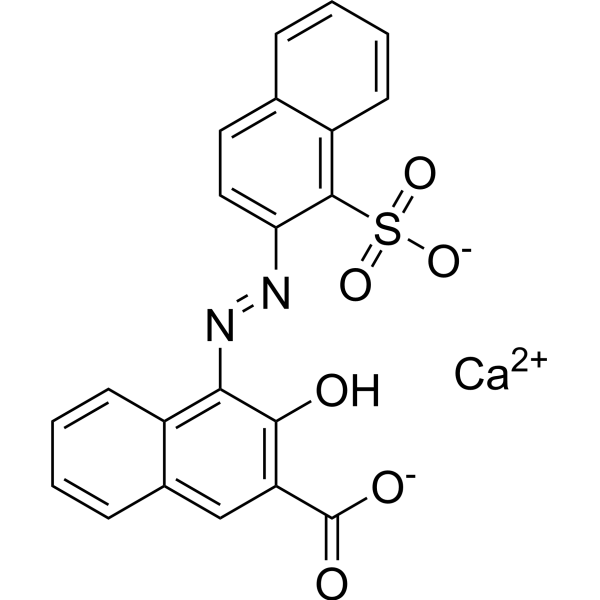
    Pigment red 63:1 is a commonly used commercial dye for bulk coloring of plastics and synthetic fibers and for surface coatings such as paints and inks.
    Pigment red 63:1
  • HY-B0696B

    NO050328 hydrochloride hydrate; NO328 hydrochloride hydrate; TGB hydrochloride hydrate

    GABA Receptor Neurological Disease
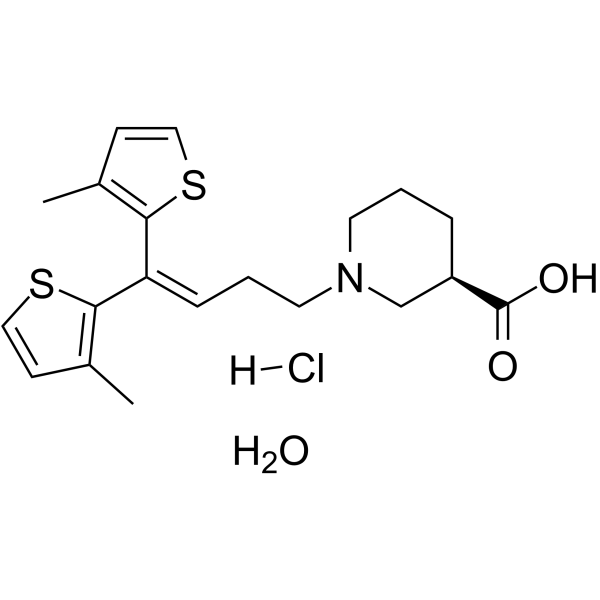
    Tiagabine (NO050328; NO328; TGB) hydrochloride hydrate is an orally active, highly selective, and reversible GAT-1 inhibitor and anticonvulsant that crosses the blood-brain barrier. By blocking the reuptake of GABA in neurons and glial cells, tiagabine increases extracellular GABA levels to enhance inhibitory signal transduction, thereby exerting multiple activities such as anticonvulsant, neuroprotective, and antioxidant effects. Tiagabine hydrochloride hydrate exhibits linear pharmacokinetic properties. Although it is metabolized by CYP3A and has a high protein binding rate, it carries a low risk of cognitive impairment. Tiagabine hydrochloride hydrate is widely used in research on related diseases including epilepsy (including refractory partial seizures), alcohol withdrawal symptoms, and Huntington's disease .
    Tiagabine hydrochloride hydrate
  • HY-D0257R

    Acid Yellow 23 (Standard); FD&C Yellow No. 5 (Standard)

    Fluorescent Dye Reference Standards Others
    Tartrazine (Standard) is the analytical standard of Tartrazine. This product is intended for research and analytical applications. Tartrazine is an azo acid dye, orange-yellow powder, soluble in water and turns yellow. It is mainly used as a synthetic lemon yellow azo dye for food coloring. It is the most stable colorant.
    Tartrazine (Standard)
  • HY-123630R

    FD&C RED No. 40 (Standard); CI 16035 (Standard)

    Fluorescent Dye Interleukin Related 5-HT Receptor IFNAR Reactive Oxygen Species (ROS) Reference Standards Inflammation/Immunology
    Allura Red AC (Standard) is an analytical standard of Allura Red AC. This product is intended for research and analytical applications. Allura Red AC is a food colorant, appearing as a deep red water-soluble powder or granules, used in various applications such as beverages, syrups, candies, and cereals. Allura Red AC can statically quench the intrinsic fluorescence of HSA. Additionally, Allura Red AC is a 5-hydroxytryptamine (5-HT) pathway-associated pro-inflammatory agent, capable of exacerbating experimental colitis. Allura Red AC holds potential for research in inflammatory bowel disease (IBD), intestinal barrier function, and food additive safety .
    Allura Red AC (Standard)
  • HY-120374

    Biochemical Assay Reagents Metabolic Disease
    V-PYRRO/NO is a NO donor in vivo. Following hepatic metabolism, it spontaneously decomposes with a half-life of 3 seconds to liberate NO.
    V-PYRRO/NO
  • HY-D2966

    Fluorescent Dye Others
    TMR-NO-BG is a hybrid probe (Ex/Em: 557 nm/571 nm). TMR-NO-BG covalently connects the tetramethylrhodamine (TMR) lactone NO sensing unit with the SNAP-tag reactive benzyl guanine (BG) for achieving subcellular-specific nitric oxide (NO) detection .
    TMR-NO-BG
  • HY-W071007

    ADC Linker Cancer
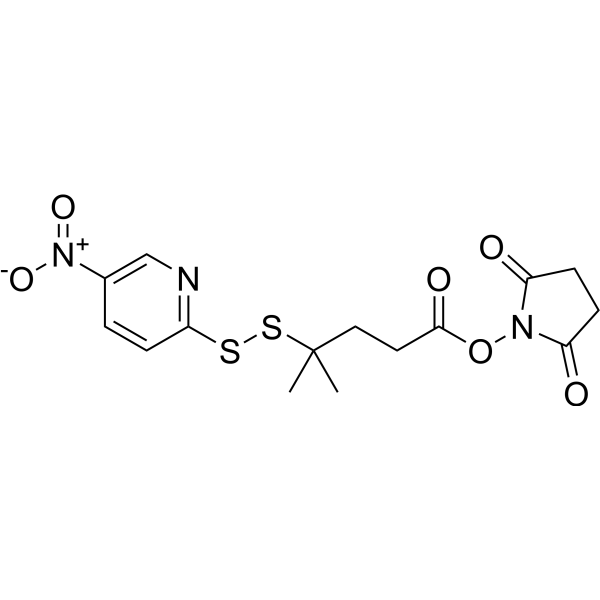
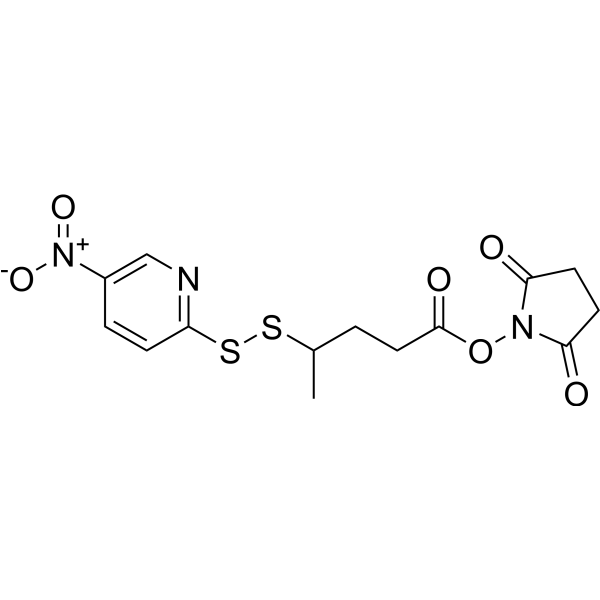
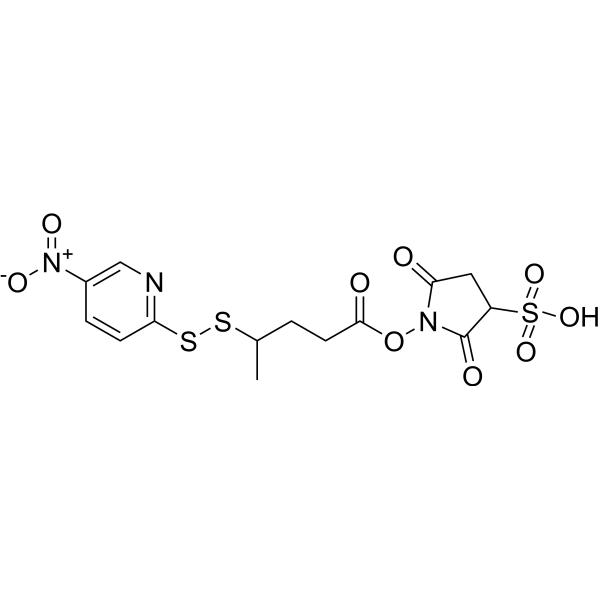
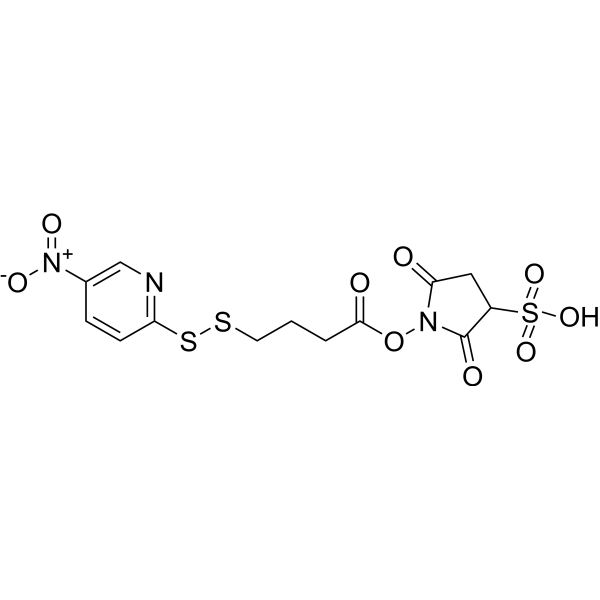
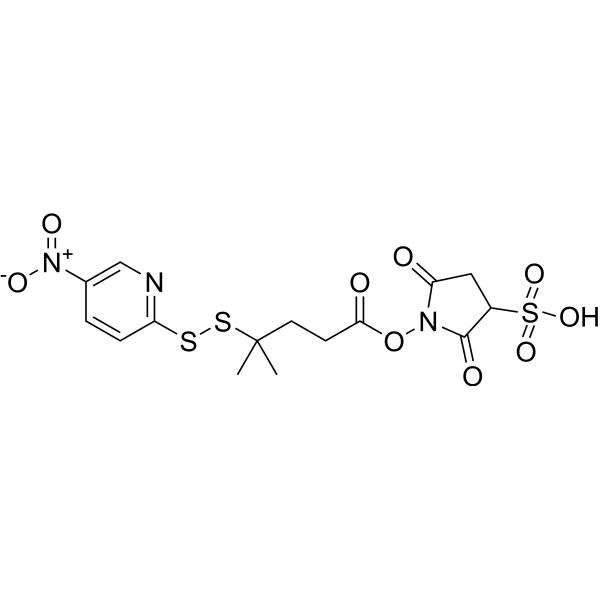
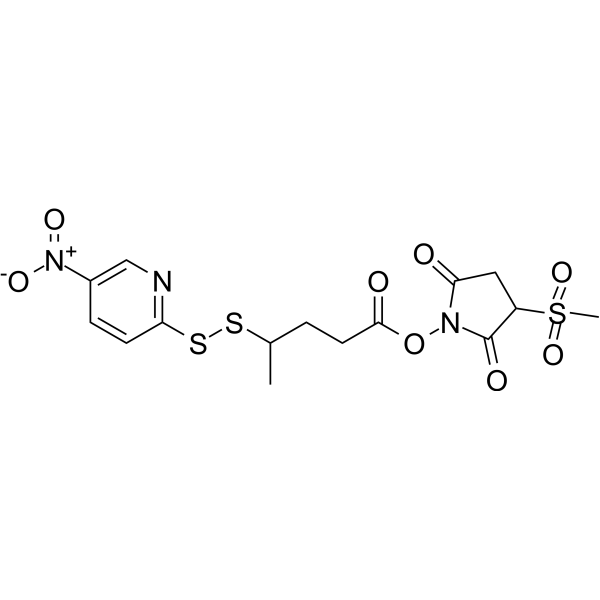
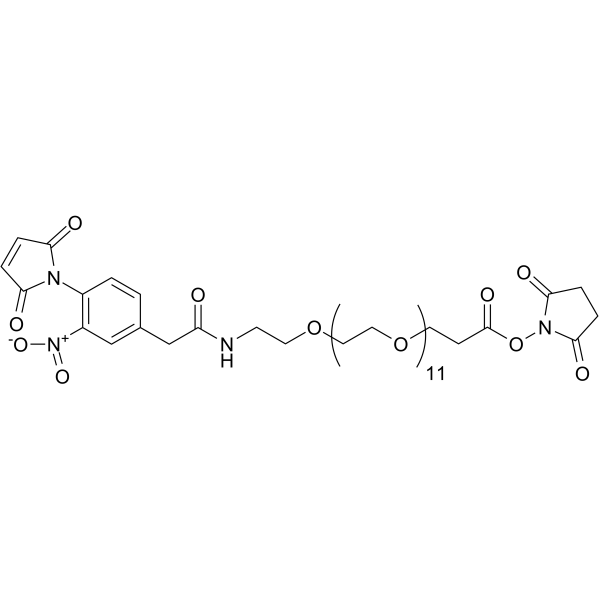
    NO2-SPDMV is a cleavable ADC linker used in the synthesis of antibody-drug conjugates (ADCs) .
    NO2-SPDMV

Inquiry Online

Your information is safe with us. * Required Fields.

Salutation


Country or Region *

Applicant Name *


Organization Name *

Department *


Email Address *


Product Name *

Cat. No.


Requested quantity *

Phone Number *


Remarks

Inquiry Online

Inquiry Information

Product Name:
Cat. No.:
Quantity:
MCE Japan Authorized Agent: