1. Search Result
Search Result
Results for "

P3

" in MedChemExpress (MCE) Product Catalog:

106

Inhibitors & Agonists

5

Biochemical Assay Reagents

8

Peptides

3

Inhibitory Antibodies

6

Natural
Products

16

Recombinant Proteins

2

Isotope-Labeled Compounds

22

Antibodies

1

Click Chemistry

21

Oligonucleotides

Cat. No. Product Name Target Research Areas Chemical Structure
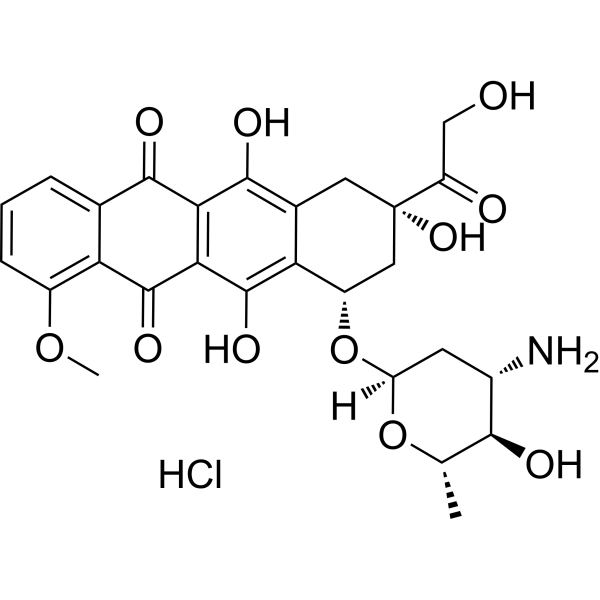
  • HY-13624A
    Epirubicin hydrochloride
    Maximum Cited Publications
    36 Publications Verification

    4'-Epidoxorubicin hydrochloride

    DNA/RNA Synthesis Topoisomerase Apoptosis Antibiotic Infection Neurological Disease Inflammation/Immunology Cancer
    Epirubicin hydrochloride (4'-Epidoxorubicin hydrochloride), a semisynthetic L-arabino derivative of doxorubicin, has an antineoplastic agent by inhibiting Topoisomerase . Epirubicin hydrochloride inhibits DNA and RNA synthesis. Epirubicin hydrochloride is a Forkhead box protein p3 (Foxp3) inhibitor and inhibits regulatory T cell activity .
    Epirubicin hydrochloride
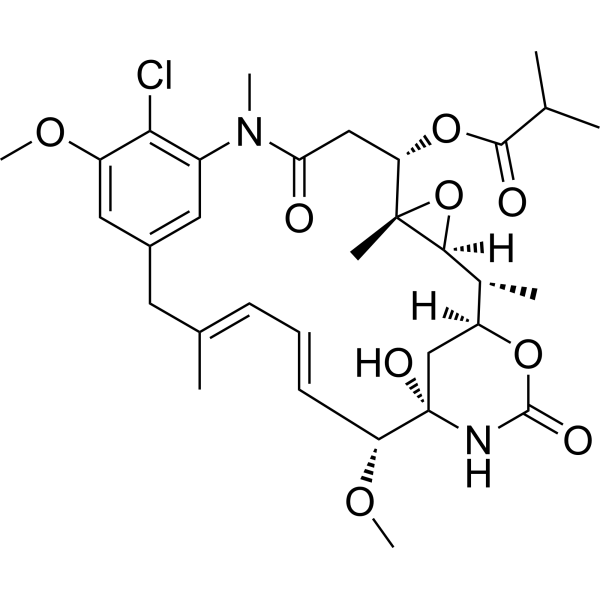
  • HY-15739
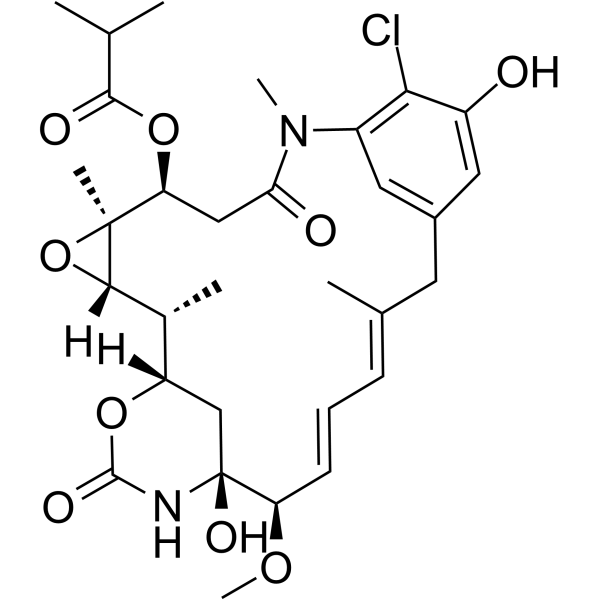
    Ansamitocin P-3
    5+ Cited Publications

    Antibiotic C 15003P3; Maytansinol isobutyrate

    Microtubule/Tubulin ADC Payload Bacterial Antibiotic Infection Cancer
    Ansamitocin P-3 (Antibiotic C 15003P3) is a microtubule inhibitor. Ansamitocin P-3 is a macrocyclic antitumor antibiotic.
    Ansamitocin P-3
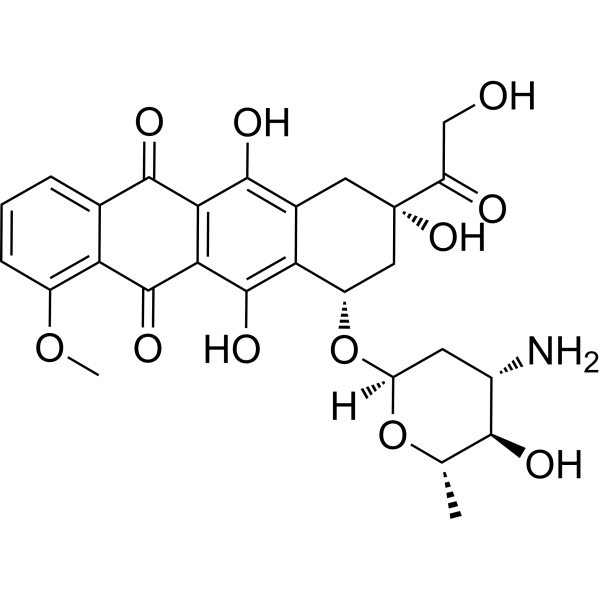
  • HY-13624
    Epirubicin
    Maximum Cited Publications
    36 Publications Verification

    4'-Epidoxorubicin

    DNA/RNA Synthesis Topoisomerase Apoptosis Antibiotic Cancer
    Epirubicin (4'-Epidoxorubicin), a semisynthetic L-arabino derivative of doxorubicin, has an antineoplastic agent by inhibiting Topoisomerase . Epirubicin inhibits DNA and RNA synthesis. Epirubicin is a Forkhead box protein p3 (Foxp3) inhibitor and inhibits regulatory T cell activity .
    Epirubicin
  • HY-19736
    TY-52156
    10+ Cited Publications

    LPL Receptor Cardiovascular Disease
    TY-52156 is a potent and selective S1P3 receptor antagonist with a Ki value of 110 nM .
    TY-52156
  • HY-N0607
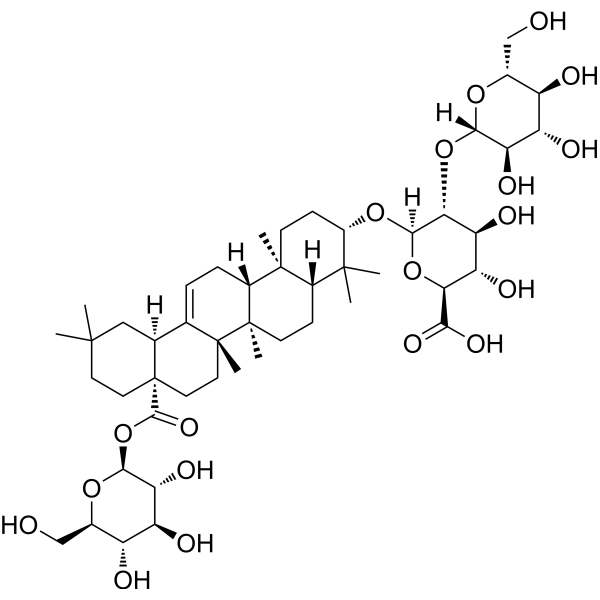
    Ginsenoside Ro
    1 Publications Verification

    Polysciasaponin P3; Chikusetsusaponin 5; Chikusetsusaponin V

    Calcium Channel Prostaglandin Receptor Cardiovascular Disease Endocrinology
    Ginsenoside Ro (Polysciasaponin P3; Chikusetsusaponin 5; Chikusetsusaponin V) exhibits a Ca 2+-antagonistic antiplatelet effect with an IC50 of 155 μM. Ginsenoside Ro reduces the production of TXA2 more than it reduces the activities of COX-1 and TXAS.
    Ginsenoside Ro
  • HY-103642A

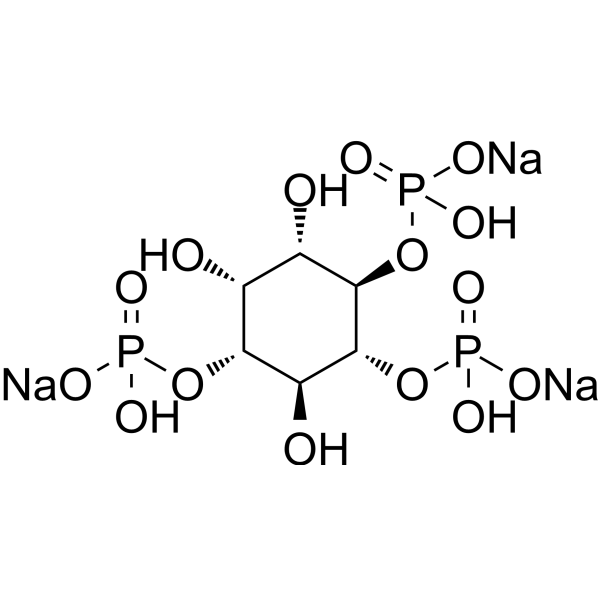
    Inositol 1,4,5-trisphosphate trisodium; Ins(1,4,5)-P3 trisodium

    Calcium Channel Metabolic Disease
    D-myo-Inositol-1,4,5-triphosphate sodium salt is the trisodium salt of D-myo-Inositol 1,4,5-trisphosphate (1,4,5-IP3), which is a second messenger that stimulates the discharge of calcium from the endoplasmic reticulum.
    D-myo-Inositol-1,4,5-triphosphate trisodium
  • HY-17606

    ACT-334441

    LPL Receptor Inflammation/Immunology
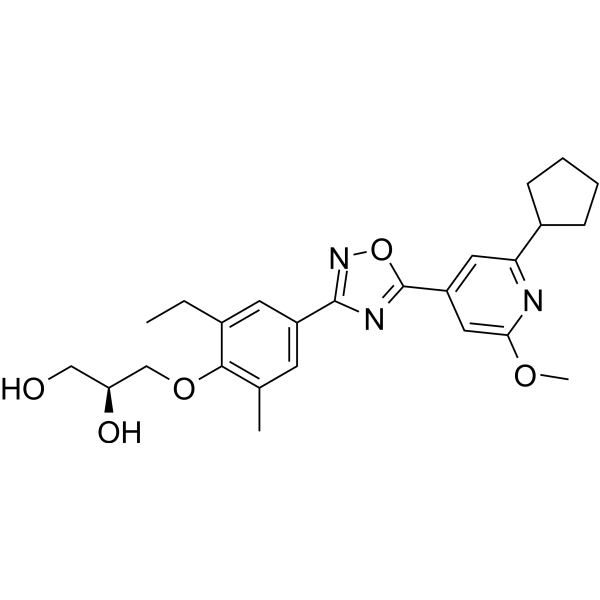
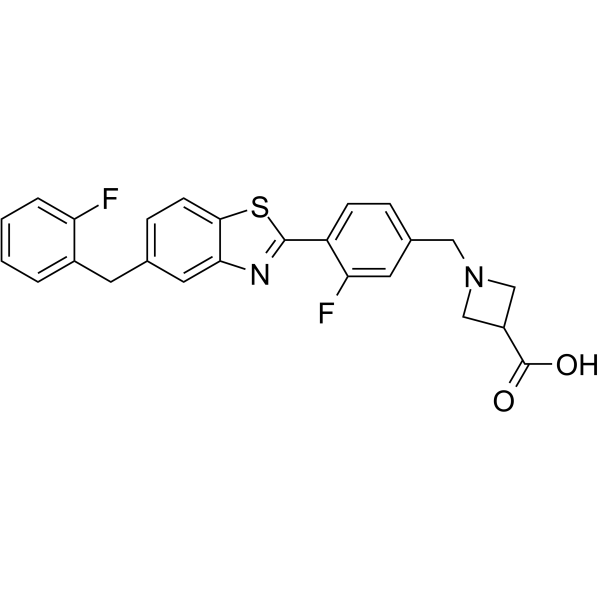
    Cenerimod (ACT-334441) is a potent, selective and orally active S1P1 receptor modulator, with an EC50 of 1 nM. Cenerimod shows more than 36 fold selctivity for hS1P1 over hS1P2, hS1P3, hS1P4, and hS1P5 receptor subtypes (EC50s=>10000, 228, 2134, and 36 nM, respectively). Cenerimod can attenuate murine experimental autoimmune encephalomyelitis (EAE) and murine sclerodermatous .
    Cenerimod
  • HY-101419
    CYM-5541
    4 Publications Verification

    ML249

    LPL Receptor Cardiovascular Disease
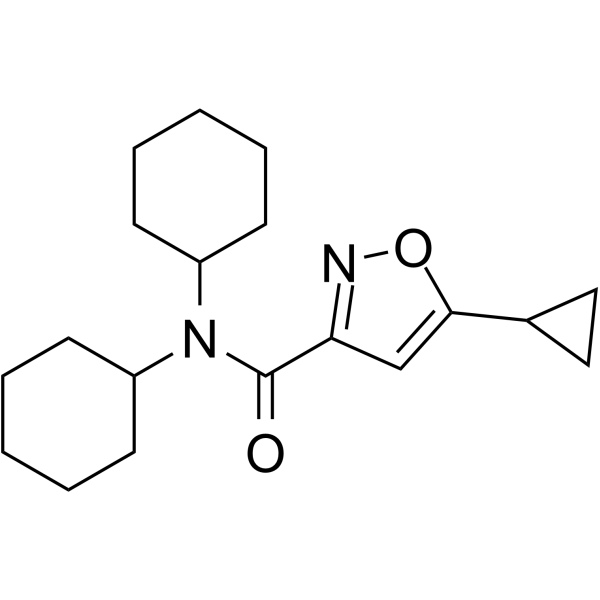
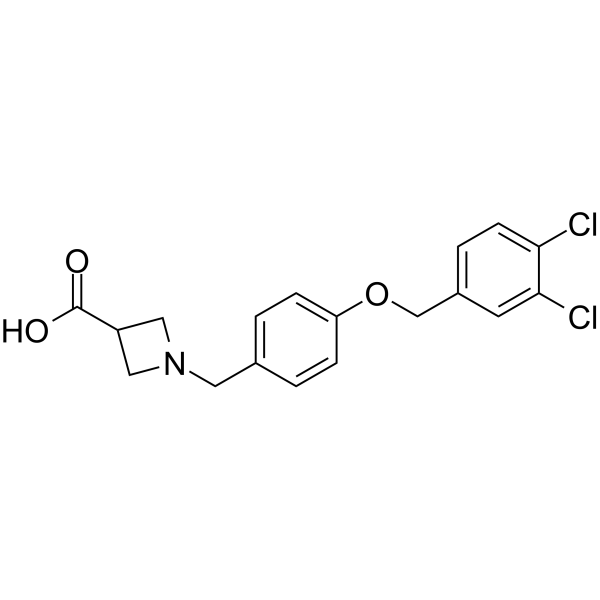
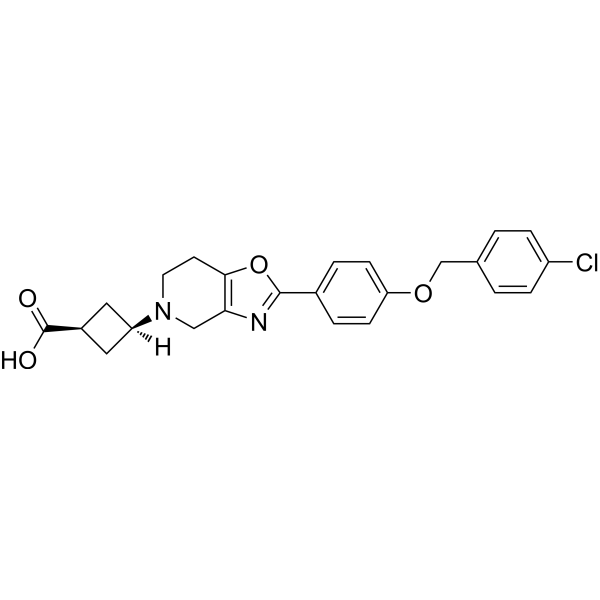
    CYM-5541 (ML249) is an selective and allosteric S1P3 receptor agonist with an EC50 between 72 and 132 nM.
    CYM-5541
  • HY-119401
    CAY10444
    4 Publications Verification

    BML-241

    LPL Receptor Cancer
    CAY10444 (BML-241) is a sphingosine-1-phosphate 3 (S1P3) antagonist. CAY10444 inhibits by 37% S1P-induced increases in Ca2+ in HeLa cells expressing S1P3 receptors .
    CAY10444
  • HY-128979

    Drug-Linker Conjugates for ADC Cancer
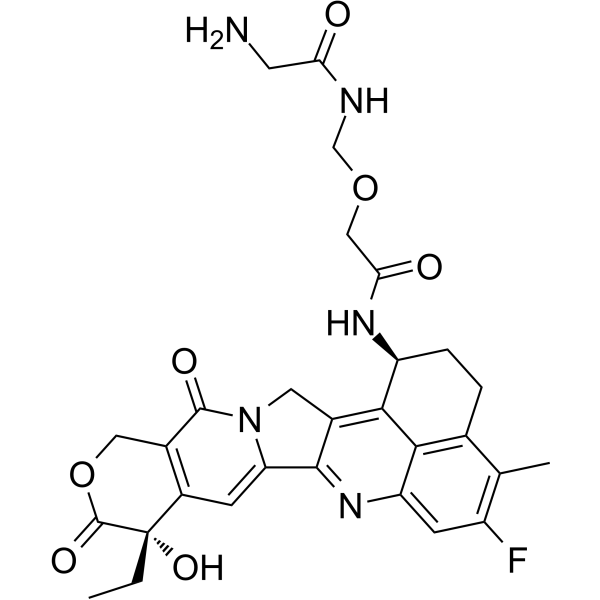
    Deruxtecan analog 2 (example 9 P3) is a Deruxtecan (HY-13631E) analog. Deruxtecan analog 2 is a agent-linker conjugate composed of Camptothecin (HY-16560) and a linker. Camptothecin (CPT) is a Topo I inhibitor with antineoplastic activity against colorectal, breast, lung and ovarian cancers. Deruxtecan analog 2 can be used for the preparation anti-FGFR2 ADC .
    Deruxtecan analog 2
  • HY-126750
    GNF362
    2 Publications Verification

    Phosphatase Inflammation/Immunology
    GNF362 is a selective, potent, and orally bioavailable inhibitor of inositol trisphosphate 3’ kinase B (Itpkb) with an IC50 of 9 nM. GNF362 also inhibits Itpka and Itpkc with IC50 values of 20 nM and 19 nM, respectively. Inositol trisphosphate 3’ kinase B (Itpkb) is a Ca 2+-dependent kinase, which phosphorylates the 3’ position of Ins (1,4,5) P3 to generate inositol 1,3,4,5-tetrakisphosphate [Ins (1,3,4,5) P4] .
    GNF362
  • HY-108494

    LPL Receptor Cardiovascular Disease
    CYM50260 is a potent and exquisitely selective sphingosine-1-phosphate 4 receptor (S1P4-R) agonist with an EC50 of 45 nM. CYM50260 displays no activity against S1P1-R, S1P2-R, S1P3-R and S1P5-R .
    CYM50260
  • HY-108495
    CYM50308
    1 Publications Verification

    ML248

    LPL Receptor Cardiovascular Disease
    CYM50308 (ML248) is a potent, selective and high affinity sphingosine-1-phosphate receptor 4 (S1P4-R) agonist with an EC50 of 56 nM. CYM50308 displays 37-fold more selective for S1P4-R than S1P5-R. CYM50308 has no activity at S1P1-R, S1P2-R and S1P3-R subtypes at concentrations up to 25 μM .
    CYM50308
  • HY-110291

    LPL Receptor Neurological Disease
    A-971432 is a potent, selective and orally active sphingosine-1-phosphate (S1P) receptor 5 agonist with IC50s of .362, >10, 0.006 μM for S1P1, S1P3, S1P5 respectively. A-971432 protects blood–brain barrier (BBB) homeostasis. A-971432 reverses age-related cognitive decline. A-971432 has the potential for the research of alzheimer’s disease or multiple sclerosis .
    A-971432
  • HY-P3695

    FGFR Cancer
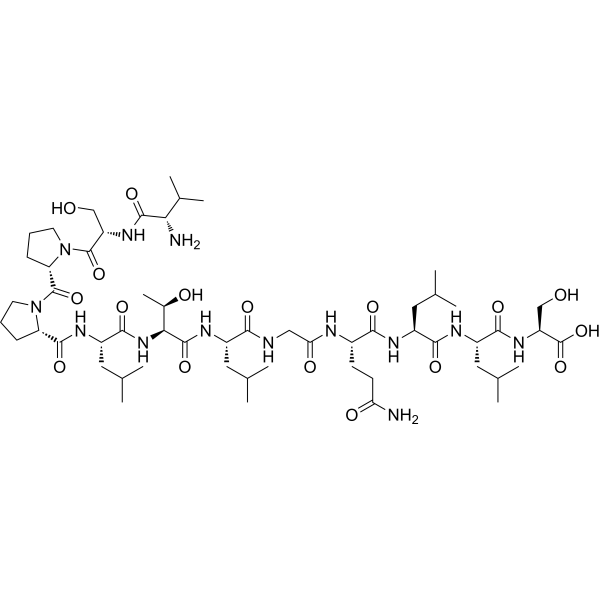
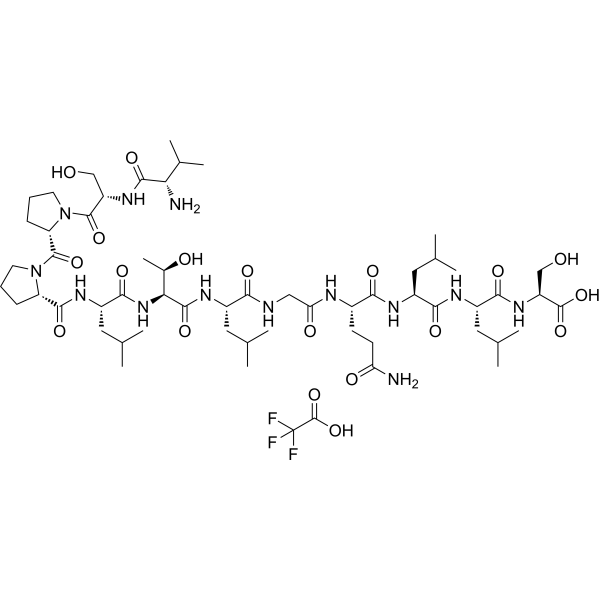
    VSPPLTLGQLLS is a small peptide FGFR3 inhibitor, peptide P3, inhibits FGFR3 phosphorylation. VSPPLTLGQLLS inhibits 9-cisRA-induced tracheal lymphangiogenesis and blocks lymphatic endothelial cell (LEC) proliferation, migration, and tubule formation .
    VSPPLTLGQLLS
  • HY-P10529

    Trk Receptor Infection
    Ganglioside GM1-binding peptide p3 is a synthetic peptide that can specifically bind to the pentasaccharide part of GM1 ganglioside. The dynamic transformation of Ganglioside GM1-binding peptide p3 may play an important role in the function of GM1 as a multiple receptor, such as in the classical pathway of cholera toxin infection. Ganglioside GM1-binding peptide p3 can be used to study the interaction between GM1 and its ligands .
    Ganglioside GM1-binding peptide p3
  • HY-19511
    GSK2018682
    1 Publications Verification

    LPL Receptor Inflammation/Immunology
    GSK2018682 is an agonist for S1P1 and S1P5 receptor with pEC50s of 7.7 and 7.2, respectively, and has no agonist activity towards human S1P2, S1P3, or S1P4. GSK2018682 is used in the research of multiple sclerosis.
    GSK2018682
  • HY-130252
    YQ128
    1 Publications Verification

    NOD-like Receptor (NLR) Interleukin Related Inflammation/Immunology
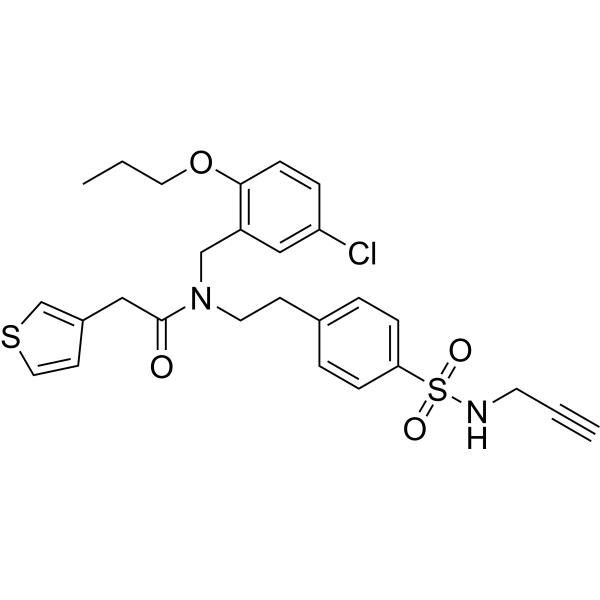
    YQ128 is a potent and selective second-generation NLRP3 (NOD-like receptor P3) inflammasome inhibitor with an IC50 of 0.30 μM. YQ128 significantly and selectively suppresses the production of IL-1β, but not TNF-α, and it can cross the BBB to reach the CNS. YQ128 has anti-inflammatory activity . YQ128 is a click chemistry reagent, it contains an Alkyne group and can undergo copper-catalyzed azide-alkyne cycloaddition (CuAAc) with molecules containing Azide groups.
    YQ128
  • HY-148971A

    Phosphatidylinositol tris-3,4,5-phosphate, 1,2-dipalmitoyl sodium

    Drug Derivative Others
    PtdIns-(345)-P3 (12-dipalmitoyl) sodium (Phosphatidylinositol tris-3,4,5-phosphate, 1,2-dipalmitoyl sodium) is a phosphatidylinositol 3,4,5-trisphosphate (PIP3) analog. PtdIns-(345)-P3 (12-dipalmitoyl) sodium can be incorporated in liposomes establish a backdrop of membrane phospholipids that closely mirrors in vivo conditions .
    PtdIns-(345)-P3 (12-dipalmitoyl) sodium
  • HY-P99812
    Ragifilimab
    1 Publications Verification

    INCAGN-1876

    TNF Receptor Inflammation/Immunology Cancer
    Ragifilimab (INCAGN-1876) is an agonist monoclonal antibody targeting the glucocorticoid-induced TNFR-related protein (GITR). Ragifilimab binds to and activates GITR on T cells, which stimulates the immune system to enhance its anti-tumor activity. Ragifilimab can be used for advanced or metastatic solid tumors research .
    Ragifilimab
  • HY-133690

    Calcium Channel Metabolic Disease
    D-myo-Inositol-1,3,4,5-tetraphosphate sodium is formed by the phosphorylation of Ins(1,4,5)P3 by inositol 1,4,5-triphosphate 3-kinase.
    D-myo-Inositol-1,3,4,5-tetraphosphate sodium
  • HY-108490

    LPL Receptor Inflammation/Immunology
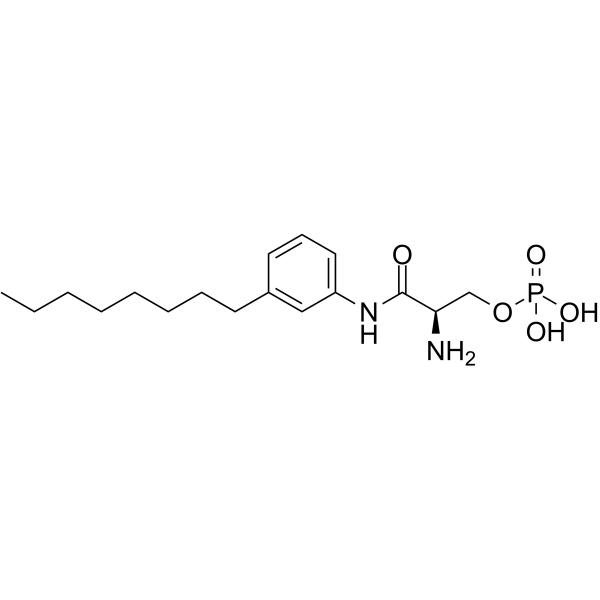
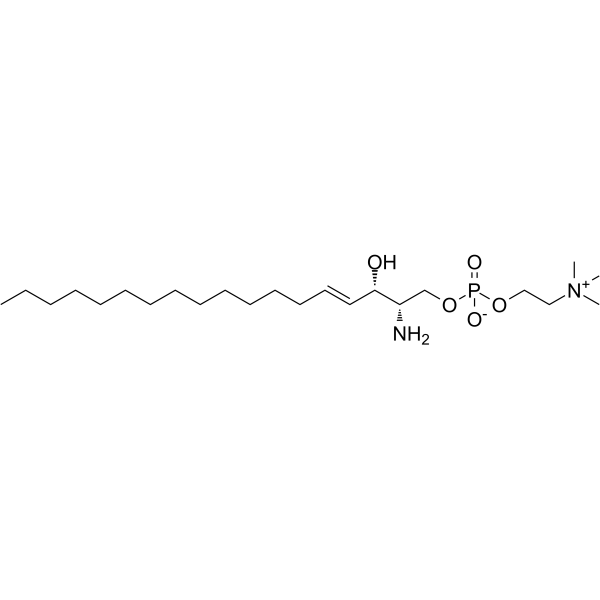
    VPC 23019, an aryl amide-containing Sphingosine 1-phosphate (S1P) analog, is a competitive antagonist at the S1P1 and S1P3 receptors (pKi= 7.86 and 5.93, respectively) and an agonist at the S1P4 and S1P5 receptors (pEC50= 6.58 and 7.07, respectively) .
    VPC 23019
  • HY-132276

    Phosphatase Others
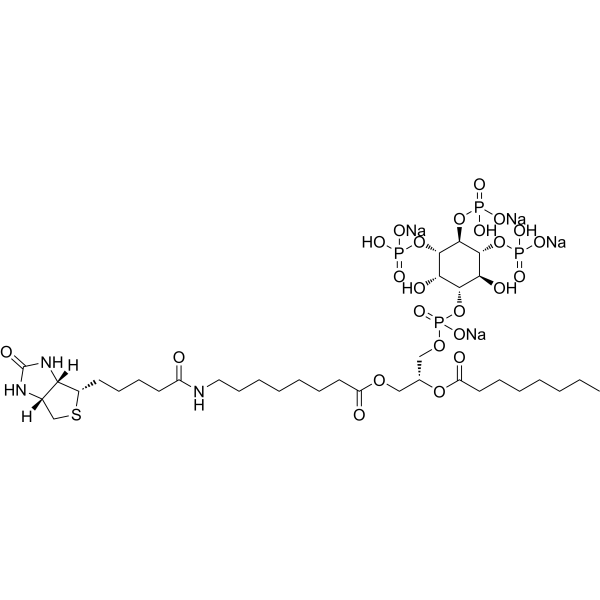
    PtdIns-(3,4,5)-P3-biotin sodium is a Biotin-labeled PtdIns-(3,4,5)-P3 (PI(3,4,5)P3). PI(3,4,5)P3 is a substrate of nuclear phosphatidylinositol 5-phosphatase (PIP5Pase). PI(3,4,5)P3 binds to the N-terminus of RAP1 (repressor activator protein 1) and controls its DNA binding activity .
    PtdIns-(3,4,5)-P3-biotin sodium
  • HY-162301

    Histone Demethylase Cancer
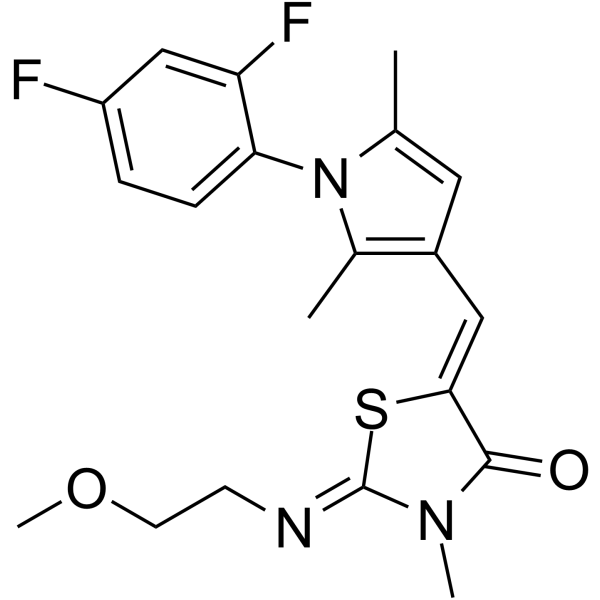
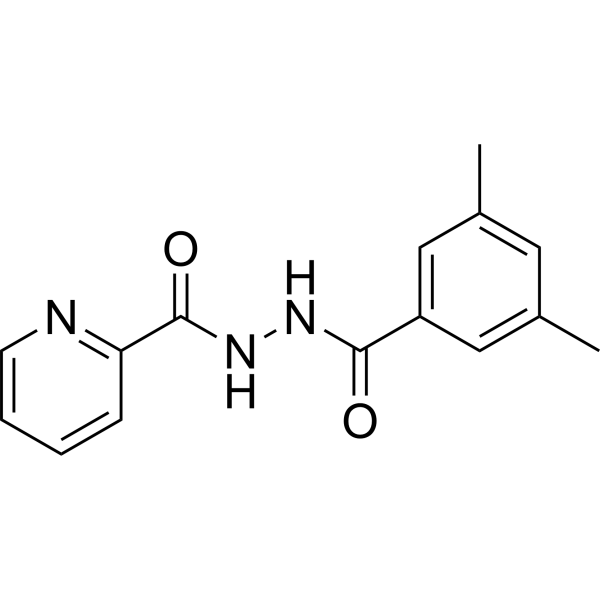
    P3FI-63 is a KDM3B inhibitor with a IC50 value of 7 μM. P3FI-63 has antitumor activity .
    P3FI-63
  • HY-P990188

    MHC Inflammation/Immunology
    Anti-Mouse MHC class II (I-A) Antibody (Y-3P) is a mouse-derived IgG2a κ type antibody inhibitor, targeting to mouse MHC class II. Anti-Mouse MHC class II (I-A) Antibody (Y-3P) reacts with mouse MHC Class II haplotypes I-Ab, I-Af, I-Ap, I-Aq, I-Ar, I-As, I-Au, I-Av, and weakly with I-Ak. Anti-Mouse MHC class II (I-A) Antibody (Y-3P) blocks MHC class II and inhibits expansion of regulate T cells. Anti-Mouse MHC class II (I-A) Antibody (Y-3P) can be used for the immunology research .
    Anti-Mouse MHC class II (I-A) Antibody (Y-3P)
  • HY-13624AR

    4'-Epidoxorubicin hydrochloride (Standard)

    Reference Standards DNA/RNA Synthesis Topoisomerase Apoptosis Antibiotic Cancer
    Epirubicin (hydrochloride) (Standard) is the analytical standard of Epirubicin (hydrochloride). This product is intended for research and analytical applications. Epirubicin hydrochloride (4'-Epidoxorubicin hydrochloride), a semisynthetic L-arabino derivative of doxorubicin, has an antineoplastic agent by inhibiting Topoisomerase . Epirubicin hydrochloride inhibits DNA and RNA synthesis. Epirubicin hydrochloride is a Forkhead box protein p3 (Foxp3) inhibitor and inhibits regulatory T cell activity .
    Epirubicin hydrochloride (Standard)
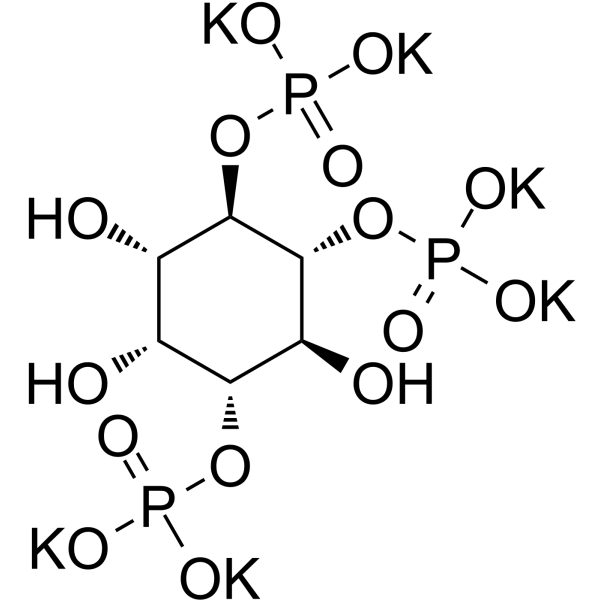
  • HY-103642

    Inositol 1,4,5-trisphosphate hexapotassium salt; Ins(1,4,5)-P3 hexapotassium salt

    Calcium Channel Metabolic Disease
    D-myo-Inositol 1,4,5-trisphosphate hexapotassium salt is the hexapotassium salt of D-myo-Inositol 1,4,5-trisphosphate (1,4,5-IP3), which is a second messenger that stimulates the discharge of calcium from the endoplasmic reticulum.
    D-myo-Inositol 1,4,5-trisphosphate hexapotassium salt
  • HY-173537

    Ins(1,2,4,5)P4 tetrasodium salt; 1,2,4,5-IP4 tetrasodium salt

    Calcium Channel Neurological Disease
    D-myo-Inositol-1,2,4,5-tetraphosphate (DL-Ins-(1,2,4,5)P4) tetrasodium is raracemic regioisomer of myo-inositol tetrakisphosphates (IP4s). D-myo-Inositol-1,2,4,5-tetraphosphate tetrasodium is an Ins(1,4,5)P3 receptor agonist with a Ki of 11 nM. D-myo-Inositol-1,2,4,5-tetraphosphate tetrasodium induces Ca 2+ mobilization with an EC50 value of 0.22 μM in CHO cells .
    D-myo-Inositol-1,2,4,5-tetraphosphate tetrasodium salt
  • HY-108933

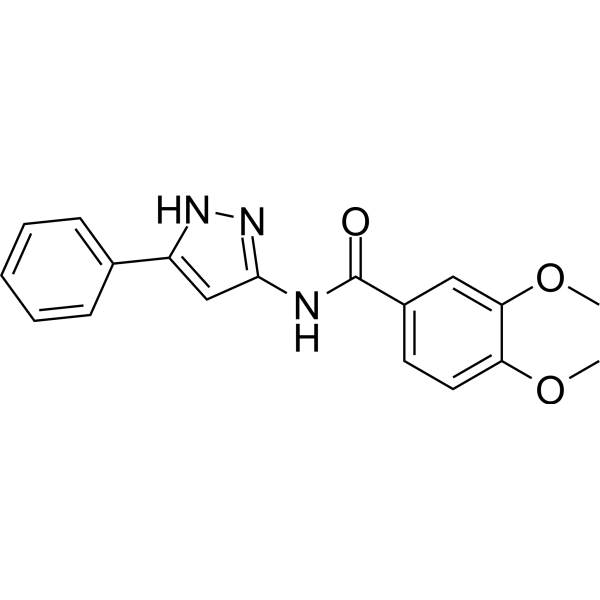
    VEGFR FGFR Cancer
    JK-P3 is a potent and pan VEGFR2 inhibitor, with IC50s of 7.83 μM, 27 μM and 5.18 μM for VEGFR2, FGFR1 and FGFR3, respectively. JK-P3 can inhibit VEGF-A-stimulated VEGFR2 activation and intracellular signalling, also inhibits endothelial monolayer wound closure and angiogenesis, as well as fibroblast growth factor receptor kinase activity in vitro. JK-P3 has anti-angiogenic activity .
    JK-P3
  • HY-W795960

    Biochemical Assay Reagents Calcium Channel Phospholipase Neurological Disease Metabolic Disease
    D-myo-inositol 1,4,5-trisphosphate sodium salt is a widely distributed intracellular second messenger. D-myo-inositol 1,4,5-trisphosphate sodium salt acts as a potent agonist of the Ins (1,4,5) P3 receptor with an EC50 of 0.12 μM and inhibits bovine PLC-δ1, with an IC50 of 5.4 μM for binding and an IC50 of 12.4 μM for hydrolysis. D-myo-inositol 1,4,5-trisphosphate sodium saltis metabolized into Ins (1,4) P2 and Ins (1,3,4,5) P4. D-myo-inositol 1,4,5-trisphosphate sodium salt mediates various cellular processes, including growth, development, fertilization, secretion, contraction and neuromodulation. D-myo-inositol 1,4,5-trisphosphate sodium salt inhibits PIP2 hydrolysis and Ca 2+-ATPase activity. D-myo-inositol 1,4,5-trisphosphate sodium salt is used for cardiac preconditioning, exerts cardioprotective effects and mimics ischemic preconditioning. D-myo-inositol 1,4,5-trisphosphate sodium salt is applied in studies related to intracellular calcium and phosphoinositol signaling pathways [3] .
    D-myo-Inositol 1,4,5-trisphosphate sodium salt
  • HY-P3895A

    Neurokinin Receptor Neurological Disease
    Substance P (3-11) acetate is a substance P (SP) fragment peptide that can cross the BBB. Substance P (3-11) acetate has contracting activities on guinea pig ileum. Substance P (3-11) acetate also promotes human monocyte chemotaxis .
    Substance P (3-11) acetate
  • HY-108493

    LPL Receptor Inflammation/Immunology
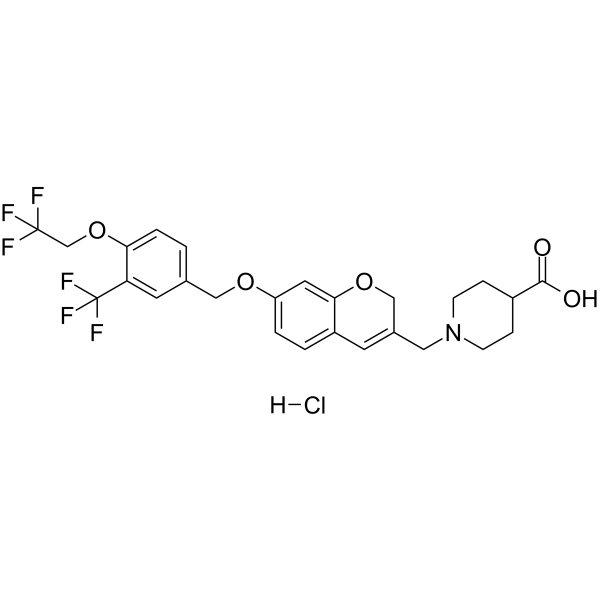
    CS-2100 (Compound 10b) is a potent, selective, orally active and S1P3-sparing S1P1 agonist with an EC50 of 4.0 nM for human S1P1. CS-2100 shows in vivo immunosuppressive efficacy in rats with an ID50 (infective dose) of 0.407 mg/kg for HvGR .
    CS-2100
  • HY-12835

    LPL Receptor Inflammation/Immunology
    S1P1 agonist III is an orally active hS1P1 agonist with an EC50 value of 18 nM. S1P1 agonist III shows limited activity against hS1P3. S1P1 agonist III can be used in the research of multiple sclerosis .
    S1P1 agonist III
  • HY-P10815

    Apoptosis Calcium Channel Others
    IP3RCYT is an IP3R inhibitory peptide, which can inhibit the binding of cytochrome C to IP3R with an IC50 about 100 nM. IP3RCYT regulates calcium signaling within cells. P3RCYT inhibits apoptosis in HeLa and Jurkat cells treated with Staurosporine (HY-15141) or Membrane-bound Fas ligand (FasL) .
    IP3RCYT
  • HY-15739R

    Antibiotic C 15003P3 (Standard); Maytansinol isobutyrate (Standard)

    Reference Standards Microtubule/Tubulin ADC Payload Bacterial Antibiotic Infection Cancer
    Ansamitocin P-3 (Standard) is the analytical standard of Ansamitocin P-3. This product is intended for research and analytical applications. Ansamitocin P-3 (Antibiotic C 15003P3) is a microtubule inhibitor. Ansamitocin P-3 is a macrocyclic antitumor antibiotic.
    Ansamitocin P-3 (Standard)
  • HY-175407

    Drug Derivative Others
    18:0-20:4 PI(3,4,5)P3 (sodium) is an analogue of phosphatidylinositol. Protein-binding to PtdIns-(3,4,5)-P3 is important for cytoskeletal rearrangements and membrane trafficking. PtdIns-(3,4,5)-P3 is resistant to cleavage by PI-specific PLC .
    18:0-20:4 PI(3,4,5)P3 sodium
  • HY-177801

    PD-1/PD-L1 Cancer
    XQ-P3 sodium is an aptamer that binds to PD-L1. XQ-P3 can inhibit the PD-1/PD-L1 interaction and restore the function of T cells to detect and attack tumor cells.
    XQ-P3 sodium
  • HY-175086

    DOPI-3,4,5-P3-fluorescein triethylammonium; PI(3,4,5)P3-fluorescein triethylammonium; PIP3[3',4',5']-fluorescein triethylammonium

    Fluorescent Dye Others
    PtdIns-(3,4,5)-P3 is a second messenger. PtdIns-(3,4,5)-P3-fluorescein triethylammonium is a fluorescent probe that can detect any protein that has a high-affinity binding interaction with inositol-(3,4,5)-triphosphate phospholipids .
    PtdIns-(3,4,5)-P3-fluorescein triethylammonium
  • HY-139105

    Microtubule/Tubulin Infection Cancer
    20-O-Demethyl-AP3 is a minor metabolite of Ansamitocin P-3. Ansamitocin P-3, a microtubule inhibitor, is a macrocyclic antitumor antibiotic .
    20-O-Demethyl-AP3
  • HY-P3895

    Neurokinin Receptor Neurological Disease
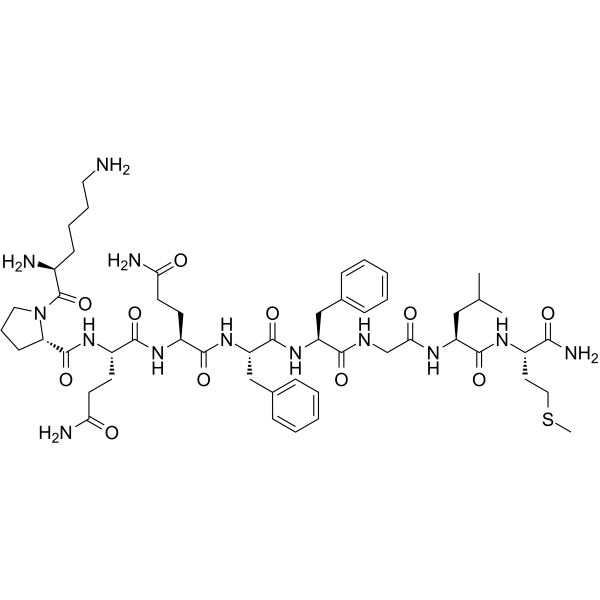
    Substance P (3-11) is a substance P (SP) fragment peptide that can cross the BBB. Substance P (3-11) has contracting activities on guinea pig ileum. Substance P (3-11) also promotes human monocyte chemotaxis .
    Substance P (3-11)
  • HY-N0607R

    Polysciasaponin P3 (Standard); Chikusetsusaponin 5 (Standard); Chikusetsusaponin V (Standard)

    Reference Standards Calcium Channel Prostaglandin Receptor Cardiovascular Disease Endocrinology
    Ginsenoside Ro (Standard) is the analytical standard of Ginsenoside Ro. This product is intended for research and analytical applications. Ginsenoside Ro (Polysciasaponin P3; Chikusetsusaponin 5; Chikusetsusaponin V) exhibits a Ca2+-antagonistic antiplatelet effect with an IC50 of 155 μM. Ginsenoside Ro reduces the production of TXA2 more than it reduces the activities of COX-1 and TXAS.
    Ginsenoside Ro (Standard)
  • HY-163738

    Furin SARS-CoV Infection
    Furin-IN-2 (compound P3) is a potent inhibitor of furin, with the IC50 of 35 μM. Furin-IN-2 shows antiviral activity .
    Furin-IN-2
  • HY-148001

    Phosphatase Dopamine β-hydroxylase Others
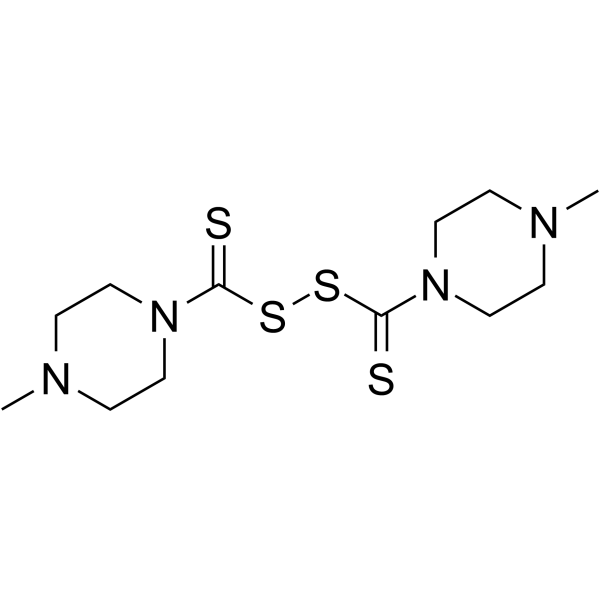
    EWP 815 is a disulfiram analogue, is a potent inhibitor of Ins(1,4)P2 phosphatase and Ins(1,4,5)P3 5-phosphatase. EWP 815 also inhibits enzyme dopamine β-hydroxylase activity .
    EWP 815
  • HY-W788039

    Ins(1,3,5)P3 ammonium; 1,3,5-IP3 ammonium

    Biochemical Assay Reagents Others
    D-myo-Inositol-1,3,5-triphosphate (ammonium) is a class of biochemical reagents used in glycobiology research. Glycobiology studies the structure, synthesis, biology, and evolution of sugars. It involves carbohydrate chemistry, enzymology of glycan formation and degradation, protein-glycan recognition, and the role of glycans in biological systems. This field is closely related to basic research, biomedicine, and biotechnology .
    D-myo-Inositol-1,3,5-triphosphate ammonium
  • HY-P2917A

    GyK, Cellulomonas sp.

    Endogenous Metabolite Others
    Glycerol kinase, Cellulomonas sp. (EC 2.7.1.30) is a bacterial sugar kinase, is often used in biochemical studies. Glycerol kinase, Cellulomonas sp. catalyzes the first step of glycerol metabolism by transforming the triol into glycerol-3-P (G3P). Glycerol kinase, Cellulomonas sp. is crucial for regulating channel/facilitator-independent uptake of glycerol into the cell .
    Glycerol kinase, Cellulomonas sp.
  • HY-P2917B

    GyK, Flavobacterium meningosepticum

    Endogenous Metabolite Metabolic Disease
    Glycerol kinase, Flavobacterium meningosepticum (GyK, Flavobacterium meningosepticum) is a thermostable glycerol kinase isolated from Flavobacterium meningosepticum. Glycerol kinase, Flavobacterium meningosepticum catalyzes the first step in glycerol metabolism by converting triol to glycerol-3-p (G3P). Glycerol kinase, Flavobacterium meningosepticum is essential for regulating glycerol uptake in cells that is independent of channels or facilitators and is useful for biochemical studies .
    Glycerol kinase, Flavobacterium meningosepticum
  • HY-119221

    LPL Receptor Neurological Disease Inflammation/Immunology
    AUY954 is an oral active and selective sphingosine-1-phosphate receptor 1 agonist with the EC50 values of 1.2 nM, 0.9 nM >10,000 nM, 1,210 nM, >1,000 nM, and 340 nM for hS1P2, mS1P2, S1P2, S1P3, S1P4, and S1P5 receptors, respectively. AUY954 can be used for study of experimental autoimmune neuritis .
    AUY954
  • HY-143666S

    Isotope-Labeled Compounds Others
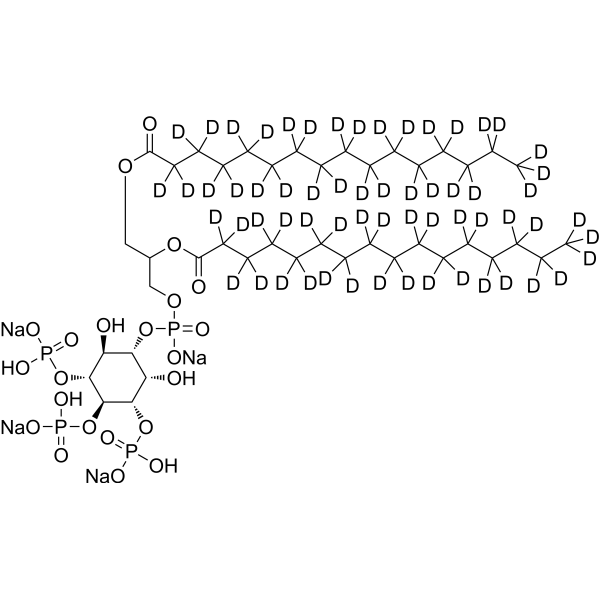
    DPPI-3,4,5-P3-d62 (sodium) is the deuterium labeled DPPI-3,4,5-P3 sodium .
    DPPI-3,4,5-P3-d62 sodium
  • HY-P990852

    Transmembrane Glycoprotein Cancer
    Anti-CEACAM7 Antibody (P3-7B) is a kind of mouse IgG1 κ chimeric antibody, targeting to human CEACAM7. Anti-CEACAM7 Antibody (P3-7B) reacts with human carcinoembryonic antigen-related cell adhesion molecule 7 (CEACAM7). Anti-CEACAM7 Antibody (P3-7B) can be used for detecting CEACAM7 in cancer.
    Anti-CEACAM7 Antibody (P3-7B)
  • HY-141420

    Liposome Inflammation/Immunology
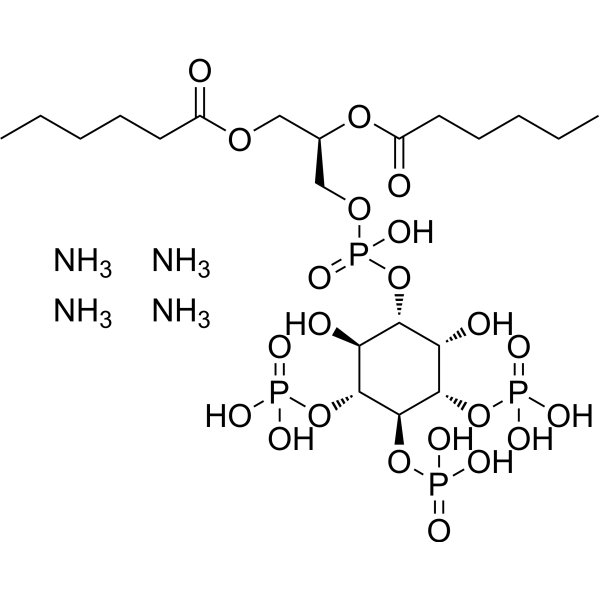
    PtdIns-(3,4,5)-P3(1,2-dihexanoyl) ammonium (compound 850176) is a vaccine adjuvant that enhances the immune function of vaccines .
    PtdIns-(3,4,5)-P3(1,2-dihexanoyl) ammonium

Inquiry Online

Your information is safe with us. * Required Fields.

Salutation


Country or Region *

Applicant Name *


Organization Name *

Department *


Email Address *


Product Name *

Cat. No.


Requested quantity *

Phone Number *


Remarks

Inquiry Online

Inquiry Information

Product Name:
Cat. No.:
Quantity:
MCE Japan Authorized Agent: