
1. Search Result
Search Result
Results for "

Pyroptosis inhibitor

" in MedChemExpress (MCE) Product Catalog:

102

Inhibitors & Agonists

2

Screening Libraries

1

Fluorescent Dyes

6

Peptides

28

Natural
Products

4

Isotope-Labeled Compounds

1

Click Chemistry

4

Oligonucleotides

Targets Recommended:
Cat. No. Product Name Target Research Areas Chemical Structure
  • HY-111770
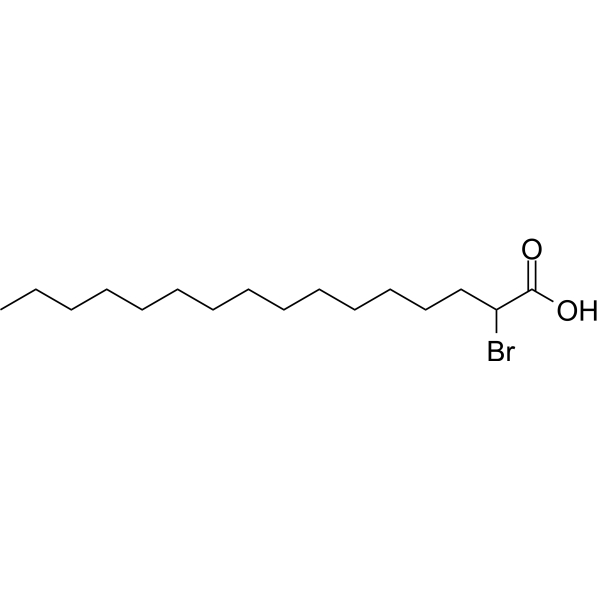
    2-Bromohexadecanoic acid
    15+ Cited Publications

    2-Bromopalmitic acid; 2-Bromopalmitate

    Pyroptosis Infection Inflammation/Immunology Cancer
    2-Bromohexadecanoic acid (2-Bromopalmitate; 2-BP) is a palmitoylation inhibitor targeting DHHC (Asp-His-His-Cys) protein palmitoyltransferase. 2-Bromohexadecanoic acid inhibits palmitoylation of GSDME-C during pyroptosis and inhibits BAK/BAX-Caspase 3-GSDME pathway-mediated pyroptosis .
    2-Bromohexadecanoic acid
  • HY-B0240
    Disulfiram
    140+ Cited Publications

    Tetraethylthiuram disulfide; TETD

    Aldehyde Dehydrogenase (ALDH) Interleukin Related Pyroptosis Apoptosis Cuproptosis Metabolic Disease Cancer
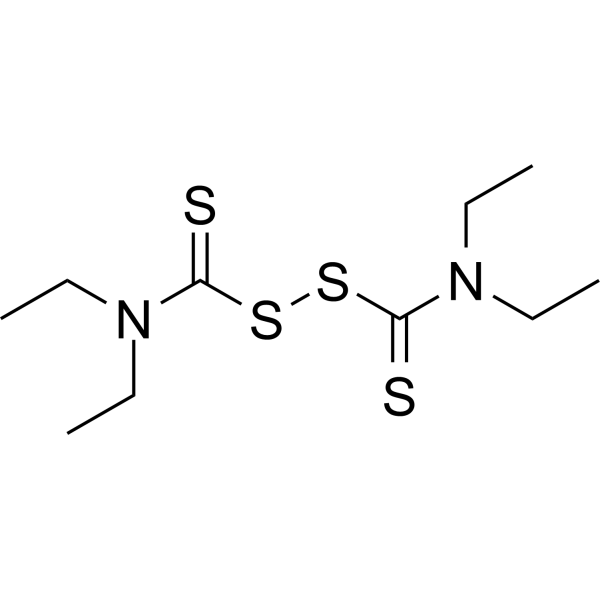
    Disulfiram (Tetraethylthiuram disulfide) is a specific inhibitor of aldehyde-dehydrogenase (ALDH1), used for the treatment of chronic alcoholism by producing an acute sensitivity to alcohol. Disulfiram inhibits gasdermin D (GSDMD) pore formation in liposomes and inflammasome-mediated pyroptosis and IL-1β secretion in human and mouse cells. Disulfiram, a copper ion carrier, with Cu 2+ increases intracellular ROS levels and induces cuproptosis .
    Disulfiram
  • HY-13453
    BAY 11-7082
    Maximum Cited Publications
    450 Publications Verification

    BAY 11-7821

    IKK Deubiquitinase Autophagy Apoptosis NF-κB Inflammation/Immunology Cancer
    BAY 11-7082 is an IκBα phosphorylation and NF-κB inhibitor. BAY 11-7082 selectively and irreversibly inhibits the TNF-α-induced phosphorylation of IκB-α, and decreases NF-κB and expression of adhesion molecules. BAY 11-7082 inhibits ubiquitin-specific protease USP7 and USP21 (IC50=0.19, 0.96 μM, respectively). BAY 11-7082 inhibits gasdermin D (GSDMD) pore formation in liposomes and inflammasome-mediated pyroptosis and IL-1β secretion in human and mouse cells .
    BAY 11-7082
  • HY-100573
    Necrosulfonamide
    135+ Cited Publications

    Mixed Lineage Kinase Necroptosis Pyroptosis Caspase NOD-like Receptor (NLR) Keap1-Nrf2 TNF Receptor Interleukin Related NO Synthase Heme Oxygenase (HO) Cardiovascular Disease Neurological Disease Metabolic Disease Inflammation/Immunology Endocrinology
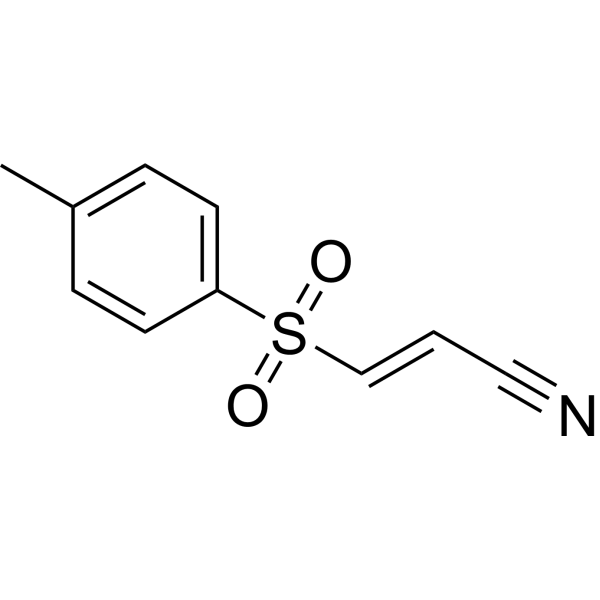
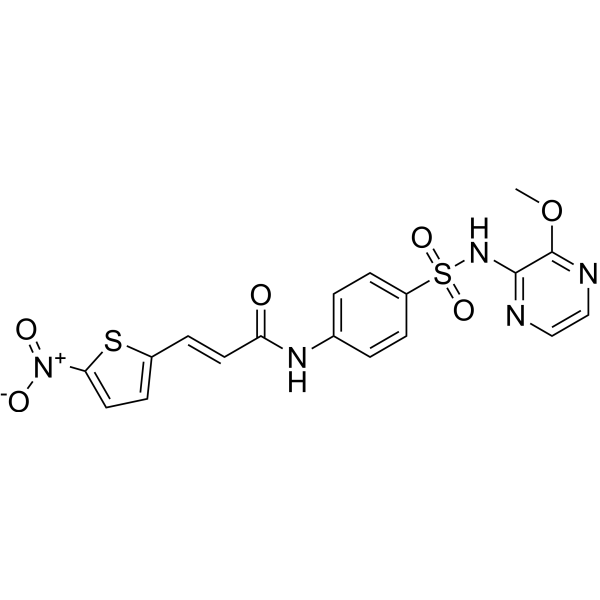
    Necrosulfonamide is a MLKL and Gasdermin D (GSDMD) inhibitor, capable of separately inhibiting necroptosis and pyroptosis of cells. Necrosulfonamide does not affect the activation of upstream signals, but specifically inhibits the downstream executor oligomerization step. Necrosulfonamide reduces the expression of the key kinases NLRP3 and caspase-1 involved in necroptosis and pyroptosis, activate the Nrf2 pathway and the downstream antioxidant enzymes, and also downregulates a variety of inflammatory factors. Necrosulfonamide plays significant roles in various diseases such as neurodegenerative diseases (such as Parkinson’s disease), tissue damage and ischemia-reperfusion injury, inflammatory bowel disease, osteoarthritis and fracture repair, and hair loss by regulating two important programmed necrosis pathways .
    Necrosulfonamide
  • HY-16990
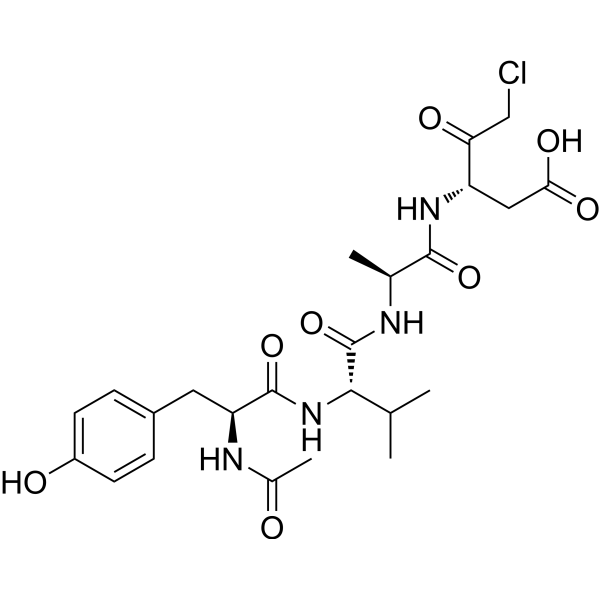
    Ac-YVAD-cmk
    30+ Cited Publications

    Caspase-1 inhibitor II

    Caspase Inflammation/Immunology
    Ac-YVAD-cmk (Caspase-1 Inhibitor II) is a selective caspase-1 (IL-1beta converting enzyme, ICE)) inhibitor with neuroprotective and anti-inflammatory effects. Ac-YVAD-cmk effectively suppresses the expression of IL-1β and IL-18. Ac-YVAD-cmk inhibits pyroptosis in many diseases .
    Ac-YVAD-cmk
  • HY-132591
    Inclisiran
    Maximum Cited Publications
    7 Publications Verification

    ALN-PCSsc

    PCSK9 Small Interfering RNA (siRNA) Pyroptosis PPAR NOD-like Receptor (NLR) Caspase Interleukin Related Cardiovascular Disease Metabolic Disease
    Inclisiran is a double-stranded small interfering RNA (siRNA) molecule. Inclisiran inhibits the transcription of PCSK9. Inclisiran inhibits Pyroptosis, activates PPARγ, and reduces NLRP3, cleaved caspase-1, IL-1β, and IL-18. Inclisiran has anti-inflammatory, lipid-regulating and anti-atherosclerotic activities. Inclisiran can be used in researches of hyperlipidemia and cardiovascular disease (CVD) .
    Inclisiran
  • HY-150751
    ODN TTAGGG
    3 Publications Verification

    ODN A151

    Toll-like Receptor (TLR) AIM2 Pyroptosis Interleukin Related Inflammation/Immunology
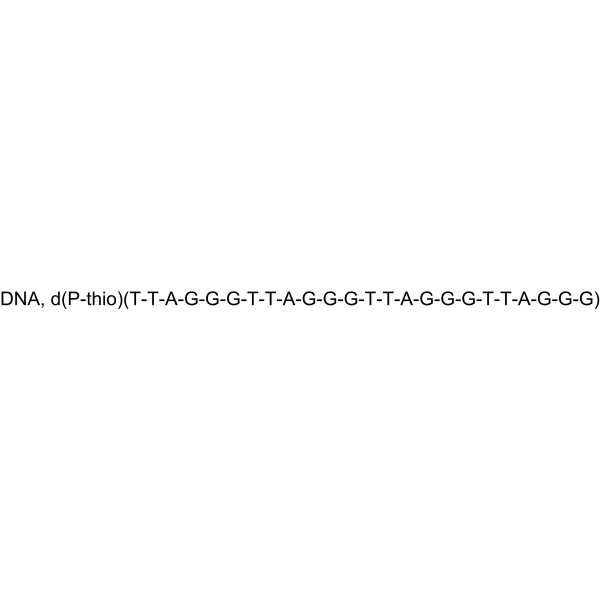
    ODN TTAGGG (ODN A151), an inhibitory oligonucleotide (ODN), is a TLR9, AIM2, and cGAS antagonist. ODN TTAGGG inhibits AIM2 inflammasome activation and cGAS activation through competition with DNA. ODN TTAGGG blocks AIM2-mediated Pyroptosis and inhibits IL-18 production. ODN TTAGGG has immunosuppressive effects and can be used in research on related autoimmune diseases such as lupus erythematosus . ODN TTAGGG sequence: 5'-T-T-A-G-G-G-T-T-A-G-G-G-T-T-A-G-G-G-T-T-A-G-G-G-3'.
    ODN TTAGGG
  • HY-144226
    NLRP3/AIM2-IN-3
    5+ Cited Publications

    NOD-like Receptor (NLR) AIM2 Pyroptosis Inflammation/Immunology
    NLRP3/AIM2-IN-3 (compound 59) is a potent inhibitor with differential species specific effects against NLRP3 and AIM2 inflammasome-dependent pyroptosis. NLRP3/AIM2-IN-3 shows inhibitory efficacy against pyroptosis in THP-1 macrophages stimulated with LPS/nigericin, with an IC50 of 0.077 ± 0.008 μM. NLRP3/AIM2-IN-3 disturbs the interaction of NLRP3 or AIM2 with the adaptor protein ASC and inhibited ASC oligomerization .
    NLRP3/AIM2-IN-3
  • HY-132591A
    Inclisiran sodium
    Maximum Cited Publications
    7 Publications Verification

    ALN-PCSsc sodium

    PCSK9 Small Interfering RNA (siRNA) Pyroptosis PPAR NOD-like Receptor (NLR) Caspase Interleukin Related Cardiovascular Disease Metabolic Disease
    Inclisiran sodium is a double-stranded small interfering RNA (siRNA) molecule. Inclisiran sodium inhibits the transcription of PCSK9. Inclisiran sodium inhibits Pyroptosis, activates PPARγ, and reduces NLRP3, cleaved caspase-1, IL-1β, and IL-18. Inclisiran sodium has anti-inflammatory, lipid-regulating and anti-atherosclerotic activities. Inclisiran sodium can be used in researches of hyperlipidemia and cardiovascular disease (CVD) .
    Inclisiran sodium
  • HY-N0639
    Punicalin
    2 Publications Verification

    HBV Pyroptosis Carbonic Anhydrase Infection Inflammation/Immunology
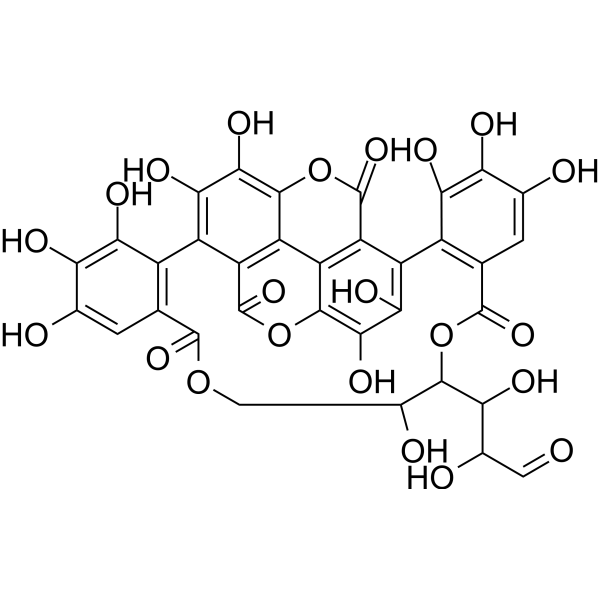
    Punicalin is a species that can be isolated from the leaves of Punica granatum. Punicalin is an active molecule against hepatitis b virus (HBV). Punicalin can induce pyroptosis. Punicalin is a Carbonic anhydrase inhibitor. Punicalin blocks the binding of S-glycoprotein and ACE2 receptors. Pnuicalin has anti-inflammatory, antioxidant and antiviral activity .
    Punicalin
  • HY-161834
    RG100204
    1 Publications Verification

    Pyroptosis Aquaporin NOD-like Receptor (NLR) p38 MAPK Infection Metabolic Disease Inflammation/Immunology
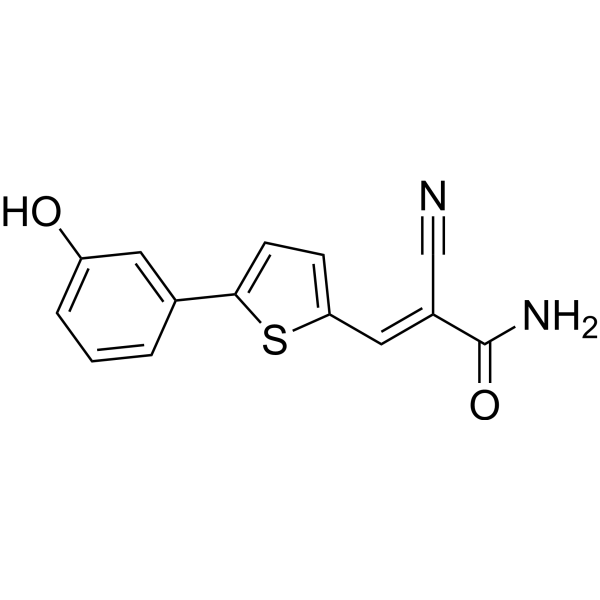
    RG100204 is a selective, orally available inhibitor of the aquaporin AQP9. RG100204 directly inhibits AQP9 channel function, preventing the transmembrane transport of water, glycerol, and H 2O 2. RG100204 reduces the activation of the NLRP3 inflammasome and p38 MAPK signaling pathways, thereby alleviating inflammation and pyroptosis. RG100204 reduces multi-organ dysfunction in a mouse sepsis model and shows glucose-regulating effects in diabetic db/db mice .
    RG100204
  • HY-113298
    Citraconic acid
    4 Publications Verification

    Methylmaleic acid

    NOD-like Receptor (NLR) Keap1-Nrf2 Reactive Oxygen Species (ROS) Cardiovascular Disease Inflammation/Immunology
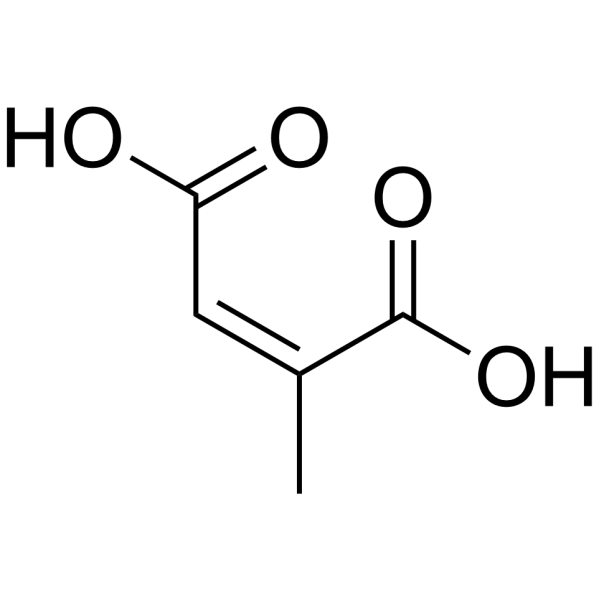
    Citraconic acid (Methylmaleic acid) is an orally active inhibitor targeting the NLRP3 inflammasome and Keap1-Nrf2 pathway. Citraconic acid reduces reactive oxygen species (ROS) generation by inhibiting succinate dehydrogenase (SDH) activity. Citraconic acid also modifies the conformation of Keap1 protein, relieves its inhibition of Nrf2, promotes antioxidant gene expression, and inhibits NLRP3 activation and the release of pro-inflammatory factors such as IL-1β and IL-18. Citraconic acid has anti-inflammatory and antioxidant activities, can reduce oxidative stress and cell pyroptosis, improve tissue damage, and can be used for the research of inflammation-related diseases such as acute renal ischemia-reperfusion injury. Citraconic acid is an isomer of Itaconic acid (HY-Y052) .
    Citraconic acid
  • HY-B0621
    Triclabendazole
    5+ Cited Publications

    CGA89317

    Parasite Caspase Bcl-2 Family PARP Pyroptosis Infection
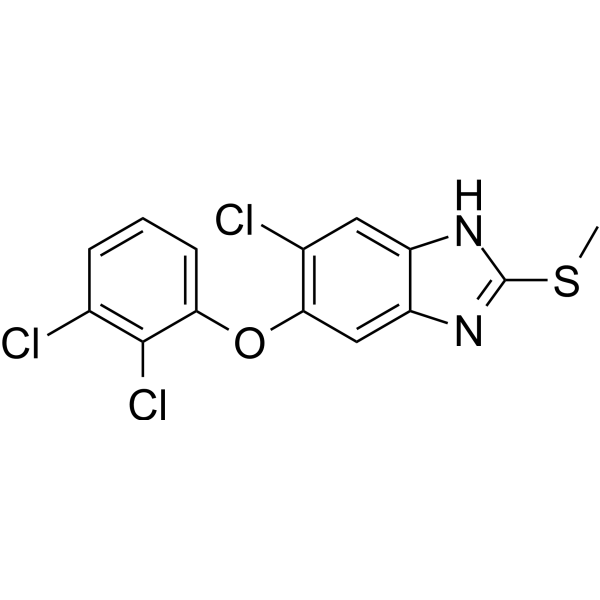
    Triclabendazole is an orally active parasite inhibitor. Triclabendazole has anti-Leishmania activity and induces gasdermin E (GSDME)-dependent pyroptosis by caspase-3 activation. Triclabendazole can be used for the research of fasciola hepatica .
    Triclabendazole
  • HY-W075517

    2-Methylimidazole zinc salt

    MOFs Caspase Pyroptosis Cancer
    ZIF-8 (2-Methylimidazole zinc salt) is a pyroptosis inducer that activates the caspase-1/gasdermin D-dependent pyroptosis pathway. ZIF-8 induces pyroptotic cell death accompanied by necrosis and immunogenic cell death. ZIF-8 initiates in situ immunity, activates anti-tumor immunity, and reprograms the immunosuppressive tumor microenvironment to inhibit tumor growth. ZIF-8 acts as a pH-responsive and stimulus-responsive drug release inducer. ZIF-8 is applicable to cancer-related research .
    ZIF-8
  • HY-154919
    DC-Y13-27
    4 Publications Verification

    YTHDF FOXO MMP Pyroptosis Interleukin Related Endocrinology Cancer
    DC-Y13-27 is a DC-Y13 derivative and YTHDF2 inhibitor (KD: 37.9 μM). DC-Y13-27 inhibits YTHDF2, restores FOXO3 and TIMP1 protein levels, and reduces MMP1/3/7/9 expression. DC-Y13-27 induces Pyroptosis and increases IL-1β secretion. DC-Y13-27 reduces intervertebral disc degeneration and enhances the response to radiotherapy in colon cancer and melanoma. DC-Y13-27 has antitumor activity against breast cancer .
    DC-Y13-27
  • HY-17355A
    Dexpramipexole dihydrochloride
    2 Publications Verification

    (R)-Pramipexole dihydrochloride; R-(+)-Pramipexole dihydrochloride; KNS-760704 dihydrochloride

    ATP Synthase Sodium Channel Glutathione Peroxidase NOD-like Receptor (NLR) Mitophagy Ferroptosis PINK1/Parkin Autophagy Apoptosis Reactive Oxygen Species (ROS) Cardiovascular Disease Neurological Disease Inflammation/Immunology
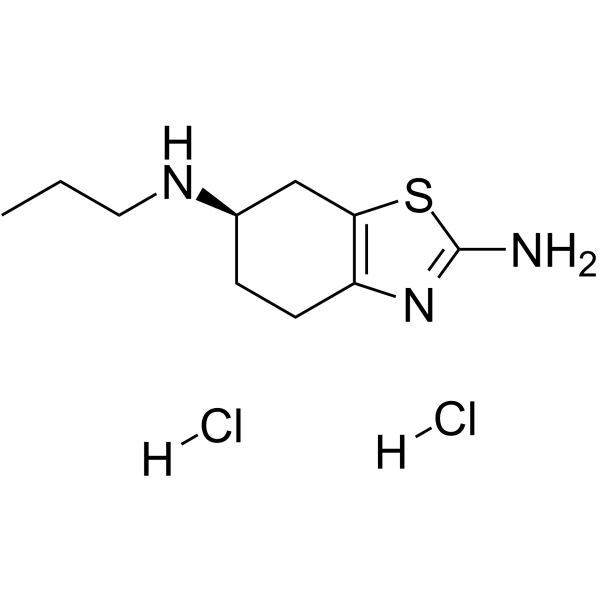
    Dexpramipexole ((R)-Pramipexole) dihydrochloride is an orally active, blood-brain barrier permeable mitochondrial protective agent. Dexpramipexole dihydrochloride upregulates the expression of Parkin, PINK1, GPX4 and FSP1; binds to mitochondrial F1/Fo-ATP synthase; blocks the Nav1.8 sodium channel; and inhibits the activation of the NLRP3 inflammasome. Dexpramipexole dihydrochloride induces mitophagy, inhibits ferroptosis, pyroptosis, apoptosis, neuroinflammation and eosinophilopoiesis; maintains mitochondrial function and redox homeostasis; reduces reactive oxygen species production; and decreases myocardial infarct size. Dexpramipexole dihydrochloride is applicable to studies on eosinophilic asthma, myocardial ischemia/reperfusion injury, sepsis-associated encephalopathy, analgesia, and more .
    Dexpramipexole dihydrochloride
  • HY-N0806
    Sweroside
    3 Publications Verification

    Keap1-Nrf2 AMPK Sirtuin NF-κB NOD-like Receptor (NLR) Pyroptosis Apoptosis Autophagy PARP Cardiovascular Disease Metabolic Disease Inflammation/Immunology Cancer
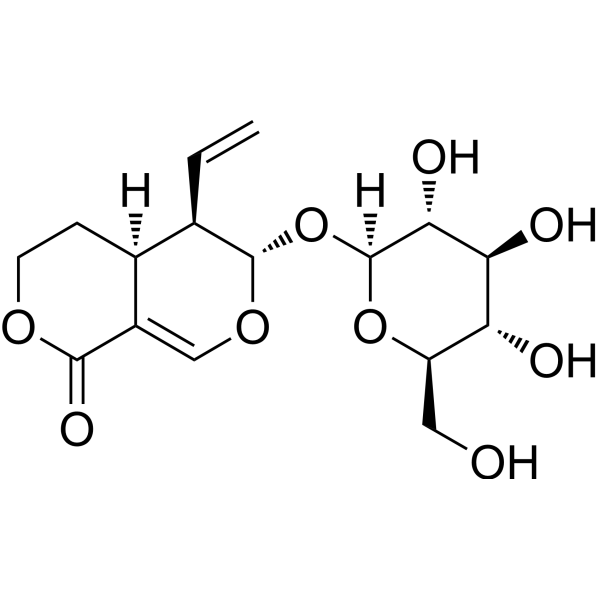
    Sweroside is an iridoid glycoside that targets multiple targets, including the Keap1/Nrf2 axis, NLRP3 inflammasome, SIRT1, NF-κB, AMPK/mTOR pathway, and caspase family. Sweroside promotes Nrf2 nuclear translocation by competitively binding to Keap1. Sweroside also inhibits oxidative stress and NLRP3-mediated pyroptosis by activating Nrf2, inhibits NF-κB inflammatory pathway by activating SIRT1, and promotes autophagy and induces caspase-dependent apoptosis via the AMPK/mTOR pathway. Sweroside has antioxidant, anti-inflammatory, anti-apoptotic, and lipid metabolism regulating activities, and can be used in the research of myocardial ischemia-reperfusion injury, leukemia, acute lung injury, non-alcoholic fatty liver disease, and other fields .
    Sweroside
  • HY-N1990
    Gypenoside XLIX
    2 Publications Verification

    PPAR Sirtuin Keap1-Nrf2 Toll-like Receptor (TLR) NF-κB Reactive Oxygen Species (ROS) NOD-like Receptor (NLR) Apoptosis Pyroptosis Autophagy Cardiovascular Disease Neurological Disease Metabolic Disease Inflammation/Immunology
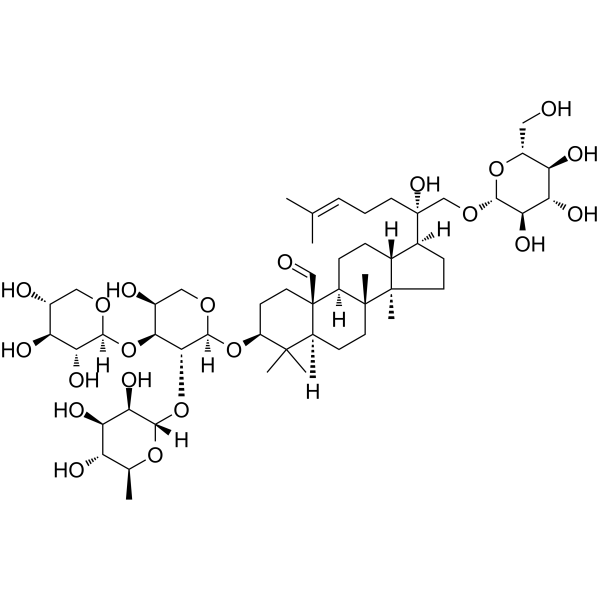
    Gypenoside XLIX is a multifunctional bioactive compound that can be isolated from Gynostemma pentaphyllum, with a Ka value of 1.58 μM for its binding to SIRT1. Gypenoside XLIX acts as a PPAR-α agonist. It inhibits the activation of TLR4-mediated NF-κB signaling pathway by activating the Sirt1/Nrf2 signaling pathway, reduces ROS accumulation, and alleviates hepatic inflammatory injury in mice with sepsis-induced liver disease. Gypenoside XLIX targets SIRT1 to block YAP-NLRP3 activation and improve sepsis-induced cardiomyopathy. Gypenoside XLIX inhibits apoptosis (Apoptosis), pyroptosis (Pyroptosis), autophagy (Autophagy), lipid peroxidation, pro-inflammatory cytokines and anti-inflammatory cytokines. Gypenoside XLIX alleviates sepsis-induced splenic injury by inhibiting inflammation and oxidative stress, and mitigates sepsis-associated encephalopathy by targeting PPAR-α. Gypenoside XLIX prevents acute kidney injury by inhibiting IGFBP7/IGF1R-mediated programmed cell death and inflammation. Gypenoside XLIX inhibits the expression and activity of vascular cell adhesion molecule-1 in cytokine-induced human endothelial cells. Gypenoside XLIX is applicable to research related to acute liver injury, lung injury, cardiomyopathy, acute splenic injury, sepsis-associated encephalopathy, acute kidney injury, atherosclerosis and chronic inflammation .
    Gypenoside XLIX
  • HY-N6712
    Thiolutin
    4 Publications Verification

    Acetopyrrothin

    Antibiotic Bacterial Deubiquitinase NOD-like Receptor (NLR) DNA/RNA Synthesis Pyroptosis HMG-CoA Reductase (HMGCR) Infection Cardiovascular Disease Cancer
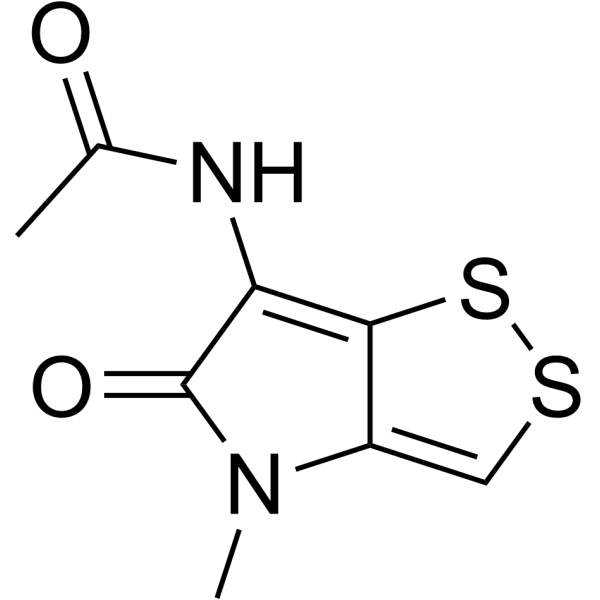
    Thiolutin (Acetopyrrothin) is a sulfur-containing antibiotic, which is a potent inhibitor of bacterial and yeast RNA polymerases. Thiolutin can be produced by Streptomyces. Thiolutin inhibits AMSH (IC50 = 4 μM) and Rpn11 (IC50 = 0.53 μM). Thiolutin is a dual inhibitor of BRCC36 and the NLRP3 inflammasome, exhibiting anti-inflammatory effects. Thiolutin effectively suppresses the interaction between BRCC36 and HMGCR, leading to the inhibition of HCC growth. Thiolutin attenuates pyroptosis and NLRP3 inflammasome activation. Thiolutin markedly alleviates renal injury and inflammatory process in IgAN. Thiolutin is an anti-angiogenic compound which can ease Doxorubicin-induced cardiotoxicity (DOXIC) [1][2][3][4][5].
    Thiolutin
  • HY-N2414
    Periplogenin
    1 Publications Verification

    Reactive Oxygen Species (ROS) Necroptosis Pyroptosis Interleukin Related Caspase NOD-like Receptor (NLR) Neurological Disease Inflammation/Immunology Cancer
    Periplogenin is an orally active cardiac glycoside found in Cortex periplocae. Periplogenin can induce ROS production and necroptosis and cause G0/G1 phase arrest. Periplogenin can inhibit pyroptosis by regulating the NLRP3/Caspase-1/GSDMD signaling. Periplogenin suppresses growth of prostate carcinoma cells by docking to an ATP1A1 protein pocket and forming a hydrogen bond with T804. Periplogenin can be used for the researches of cancer, inflammation and immunology, such as prostate carcinoma, rheumatoid arthritis and psoriasis .
    Periplogenin
  • HY-42068

    (R)-Aspartic acid; D-(-)-Aspartic acid

    Pyroptosis Neurological Disease
    (-)-Aspartic acid is a pyroptosis inhibitor. (-)-Aspartic acid acts as a neurotransmitter and neuromodulator, participates in hormone synthesis and regulation, and plays a role in nervous system development and endocrine system .
    (-)-Aspartic acid
  • HY-143221

    Drug Intermediate Cardiovascular Disease
    AS-Inclisiran sodium is the antisense of Inclisiran (HY-132591). Inclisiran is a double-stranded small interfering RNA (siRNA) molecule. Inclisiran inhibits the transcription of PCSK9. Inclisiran inhibits Pyroptosis, activates PPARγ, and reduces NLRP3, cleaved caspase-1, IL-1β, and IL-18. Inclisiran has anti-inflammatory, lipid-regulating and anti-atherosclerotic activities. Inclisiran can be used in researches of hyperlipidemia and cardiovascular disease (CVD) .
    AS-Inclisiran sodium
  • HY-B0240R

    Tetraethylthiuram disulfide (Standard); TETD (Standard)

    Reference Standards Aldehyde Dehydrogenase (ALDH) Interleukin Related Pyroptosis Apoptosis Cuproptosis Metabolic Disease Cancer
    Disulfiram (Standard) is the analytical standard of Disulfiram. This product is intended for research and analytical applications. Disulfiram (Tetraethylthiuram disulfide) is a specific inhibitor of aldehyde-dehydrogenase (ALDH1), used for the treatment of chronic alcoholism by producing an acute sensitivity to alcohol. Disulfiram inhibits gasdermin D (GSDMD) pore formation in liposomes and inflammasome-mediated pyroptosis and IL-1β secretion in human and mouse cells. Disulfiram + Cu 2+ increases intracellular ROS levels triggering apoptosis of ovarian cancer stem cells [1-6].
    Disulfiram (Standard)
  • HY-N0696
    Sipeimine
    4 Publications Verification

    Imperialine

    PI3K NF-κB Akt NOD-like Receptor (NLR) Pyroptosis Ferroptosis Inflammation/Immunology
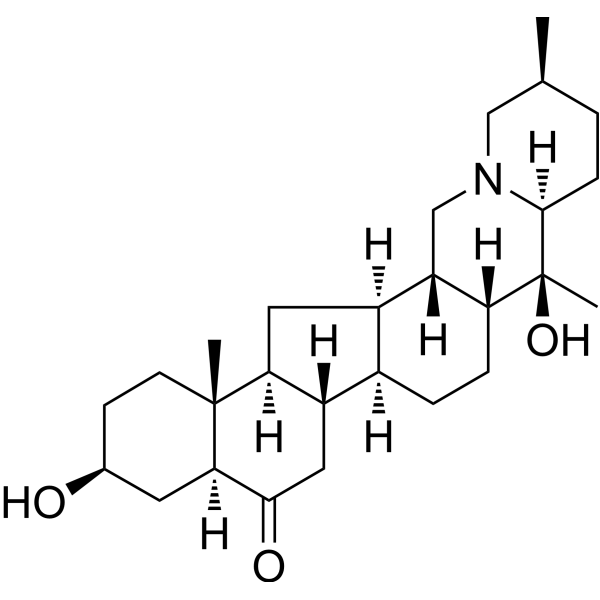
    Sipeimine (Imperialine) is an inhibitor targeting the PI3K/AKT/NF-κB pathway and NLRP3 inflammasome, which can competitively bind to PI3K and p65. Sipeimine inhibits PI3K/AKT phosphorylation, blocks NF-κB nuclear translocation and NLRP3 inflammasome activation. Sipeimine exerts anti-inflammatory activities, inhibits pyroptosis and ferroptosis, and protects the extracellular matrix. Sipeimine can reduce cartilage degradation and synovial inflammation in osteoarthritis and improve PM2.5-induced lung injury. Sipeimine is mainly used in the study of anti-inflammatory and degenerative diseases .
    Sipeimine
  • HY-P3496
    Pep19-2.5
    1 Publications Verification

    Pyroptosis Inflammation/Immunology
    Pep19-2.5 is an synthetic and antitoxin peptide, blocks the intracellular endotoxin signaling cascade. Pep19-2.5 inhibits signaling of lipopeptides (LP) and lipopolysaccharides (LPS) mediated by transmembrane and cytosolic pattern recognition receptors (PRRs). The signaling cascades lead to inflammation and cell pyroptosis .
    Pep19-2.5
  • HY-N7400

    NOD-like Receptor (NLR) Caspase Autophagy Apoptosis AMPK mTOR Insecticide Inflammation/Immunology
    Phaseoloidin is an orally active multi-target inhibitor. Phaseoloidin inhibits the activation of the NLRP3 inflammasome and blocks the caspase-11-GSDMD pyroptosis axis. Phaseoloidin reduces the expression of collagen-degrading enzymes to maintain the integrity of cartilage matrix. Phaseoloidin activates the AMPK/mTOR pathway to enhance autophagy function and reverse apoptosis resistance. Phaseoloidin inhibits the growth and development of Manduca sexta and Spodoptera littoralis larvae, thereby helping Nicotiana attenuata defend against lepidopteran herbivorous insects. Phaseoloidin can be used in research related to acute gouty arthritis and pulmonary fibrosis .
    Phaseoloidin
  • HY-N0381
    Maackiain
    1 Publications Verification

    DL-​Maackiain

    Keap1-Nrf2 p38 MAPK NOD-like Receptor (NLR) NF-κB mTOR Monoamine Oxidase Nuclear Factor of activated T Cells (NFAT) PKC Apoptosis Pyroptosis Autophagy Dengue Virus Infection Neurological Disease Metabolic Disease
    Maackiain (DL-Maackiain) is an orally active multi-target inhibitor with anti-tumor activity and neuroprotective effects. Maackiain activates the AMPK, NLRP3 and Nrf2/HO-1 pathways, and inhibits key targets such as NF-κB, mTOR, MAO-B, NFATc1 and PKCδ, thereby precisely regulating processes including apoptosis, autophagy and pyroptosis. Maackiain also effectively inhibits microglial activation, osteoclast formation, and proliferation and invasion of tumor cells, and protects dopaminergic neurons from damage. Maackiain is applicable to the research of various diseases such as Alzheimer's disease, osteoporosis, sepsis and dengue fever 。
    Maackiain
  • HY-B1016

    AR-12008

    PDGFR Phosphodiesterase (PDE) Prostaglandin Receptor Cardiovascular Disease Neurological Disease
    Trapidil (AR-12008) is an orally active vasodilator and antiplatelet agent. Trapidil antagonizes platelet-derived growth factor (PDGF), inhibits phosphodiesterase, thromboxane A2 synthesis and pro-inflammatory cytokine production. Trapidil promotes prostacyclin biosynthesis, reduces lipid peroxidation, regulates nitric oxide metabolism, and inhibits cell proliferation and migration. Trapidil exerts tissue-protective effects, regulates bone turnover, and inhibits pyroptosis via the GPX3/Nrf2 pathway. Trapidil is applicable to research related to renal ischemia-reperfusion injury, chronic stable angina, restenosis, meningioma, diabetic cardiomyopathy and peripheral nerve crush injury .
    Trapidil
  • HY-149478

    NOD-like Receptor (NLR) Pyroptosis Inflammation/Immunology
    JT002 is an orally active and selective NLRP3 inflammasome assembly inhibitor. JT002 reduces NLRP3-dependent proinflammatory cytokine (such as IL-1β, IL-1α, IL-18) production and pyroptosis. JT002 blocks NLRP3 inflammasome complex formation. JT002 reduces airway hyperresponsiveness and airway neutrophilia in mice. JT002 can be used for the study of a variety of inflammatory diseases, such as Muckle-Wells syndrome (MWS) .
    JT002
  • HY-N0475

    Hypolide; (+)-Triptophenolide

    Androgen Receptor Pyroptosis Caspase Bcl-2 Family Apoptosis Inflammation/Immunology Cancer
    Triptophenolide (Hypolide) is a colorless crystal isolated from the ethyl acetate extract of Tripterygium wilfordii. Triptophenolide is an orally active pan‑antagonist of the androgen receptor (AR) with an IC50 of 467 nM against human wild‑type AR. Triptophenolide reduces AR expression, inhibits AR nuclear translocation, downregulates prostate‑specific antigen mRNA levels, and suppresses the growth of AR‑positive prostate cancer cells. Triptophenolide shows anti-tumor effects against breast cancer by inhibiting cell proliferation and migration, inducing G1-phase arrest and apoptosis, repressing xenograft tumor growth. Triptophenolide inhibits pyroptosis, alleviates tissue inflammation, and ameliorates synovial injury. Triptophenolide can be used for the study of prostate cancer, rheumatoid arthritis and breast cancer .
    Triptophenolide
  • HY-17355B
    Dexpramipexole
    2 Publications Verification

    (R)-Pramipexole; R-(+)-Pramipexole; KNS-760704

    PINK1/Parkin Glutathione Peroxidase Sodium Channel ATP Synthase NOD-like Receptor (NLR) Mitophagy Ferroptosis Autophagy Apoptosis Reactive Oxygen Species (ROS) Cardiovascular Disease Neurological Disease Inflammation/Immunology
    Dexpramipexole ((R)-Pramipexole) is an orally active, blood-brain barrier permeable mitochondrial protective agent. Dexpramipexole upregulates the expression of Parkin, PINK1, GPX4 and FSP1; binds to mitochondrial F1/Fo-ATP synthase; blocks the Nav1.8 sodium channel; and inhibits the activation of the NLRP3 inflammasome. Dexpramipexole induces mitophagy, inhibits ferroptosis, pyroptosis, apoptosis, neuroinflammation and eosinophilopoiesis; maintains mitochondrial function and redox homeostasis; reduces reactive oxygen species production; and decreases myocardial infarct size. Dexpramipexole is applicable to studies on eosinophilic asthma, myocardial ischemia/reperfusion injury, sepsis-associated encephalopathy, analgesia, and more .
    Dexpramipexole
  • HY-N3307
    (+)-Medioresinol
    1 Publications Verification

    Bacterial Fungal Reactive Oxygen Species (ROS) Apoptosis MMP Interleukin Related PI3K Akt mTOR PPAR PGC-1α Pyroptosis Infection Neurological Disease Inflammation/Immunology
    (+)-Medioresinol is a furofuran-type lignan with antifungal and antibacterial properties. (+)-Medioresinol synergizes with antibiotics to exert antimicrobial and antibiofilm effects. (+)-Medioresinol induces intracellular ROS accumulation and mitochondrial-mediated apoptosis in Candida albicans. (+)-Medioresinol inhibits LPS (HY-D1056)-stimulated IL-12p40 production. (+)-Medioresinol is a PGC-1α activator that protects against endothelial cell pyroptosis in ischemic stroke via the PPARα-GOT1 axis. (+)-Medioresinol can be used in research on fungal and bacterial infection, inflammation, and ischemic stroke .
    (+)-Medioresinol
  • HY-100573A
    (E/Z)-Necrosulfonamide
    1 Publications Verification

    Mixed Lineage Kinase Necroptosis Pyroptosis Caspase NOD-like Receptor (NLR) Keap1-Nrf2 TNF Receptor Interleukin Related NO Synthase Heme Oxygenase (HO) Cardiovascular Disease Neurological Disease Metabolic Disease Inflammation/Immunology Endocrinology
    (E/Z)-Necrosulfonamide is a racemic compound of Necrosulfonamide (HY-100573). Necrosulfonamide is a MLKL and Gasdermin D (GSDMD) inhibitor, capable of separately inhibiting necroptosis and pyroptosis of cells. Necrosulfonamide does not affect the activation of upstream signals, but specifically inhibits the downstream executor oligomerization step. Necrosulfonamide reduces the expression of the key kinases NLRP3 and caspase-1 involved in necroptosis and pyroptosis, activate the Nrf2 pathway and the downstream antioxidant enzymes, and also downregulates a variety of inflammatory factors. Necrosulfonamide plays significant roles in various diseases such as neurodegenerative diseases (such as Parkinson’s disease), tissue damage and ischemia-reperfusion injury, inflammatory bowel disease, osteoarthritis and fracture repair, and hair loss by regulating two important programmed necrosis pathways.
    (E/Z)-Necrosulfonamide
  • HY-164304

    Pyroptosis Interleukin Related NOD-like Receptor (NLR) Cardiovascular Disease Inflammation/Immunology
    INF 195 is an NLRP3 inhibitor. INF 195 can inhibit NLRP3 driven macrophage pyroptosis and IL-1β release, with an EC50 value of 0.15 μM. INF 195 can reduce the infarct size of isolated mouse hearts at low doses, effectively preventing myocardial ischemia/reperfusion injury .
    INF 195
  • HY-P10939A

    Caspase Pyroptosis Inflammation/Immunology Cancer
    Ac-DMLD-CMK TFA is a caspase 3 inhibitor and a GSDME inhibitor. Ac-DMLD-CMK TFA binds directly to the catalytic domain of caspase-3, blocks caspase-3-mediated cleavage of GSDME, inhibits the activation of caspase 3 and Gsdme in the caspase 3-Gsdme signaling pathway, and reduces the levels of pyroptosis and apoptosis as well as the expression of LDH, IL-6, IL-1β and IL-18. Ac-DMLD-CMK TFA alleviates renal function deterioration, renal tubular epithelial cell injury, inflammatory cytokine secretion, pulmonary structural damage, and chemotherapy-induced nephrotoxicity .
    Ac-DMLD-CMK TFA
  • HY-149604
    NLRP3-IN-21
    1 Publications Verification

    NOD-like Receptor (NLR) Inflammation/Immunology
    NLRP3-IN-21 (compound L38) is a NLRP3 inflammasome inhibitor with inflammatory properties. NLRP3-IN-21 inhibits NLRP3 inflammasome activation and pyroptosis by suppressing gasdermin D cleavage, ASC oligomerization, and NLRP3 inflammasome assembly .
    NLRP3-IN-21
  • HY-156374

    NOD-like Receptor (NLR) Pyroptosis Inflammation/Immunology
    D359-0396 is an orally active NLRP3 inflammasome inhibitor. D359-0396 inhibits pyroptosis and IL-1β release in macrophages. D359-0396 also inhibits the oligomerization of NLRP3, ASC and the cleavage of GSDMD. D359-0396 alleviates EAE, and also improves survival after septic shock in mice .
    D359-0396
  • HY-164853

    Pyroptosis NOD-like Receptor (NLR) ERK FGFR AMPK Cardiovascular Disease Neurological Disease Inflammation/Immunology
    Kanglexin is an orally active and novel anthraquinone compound. Kanglexin inhibits NLRP3 inflammatory body activation and cell pyroptosis, and has a cardioprotective effect. Kanglexin promotes angiogenesis through FGFR1/ERK signaling pathway and accelerates diabetic wound healing. In addition, Kanglexin has the effect of lipid-lowering and inhibiting the dedifferentiation of vascular smooth muscle cells, and can be used in the study of hyperlipidemia, fatty liver and atherosclerosis .
    Kanglexin
  • HY-138071

    8αTGH

    STAT Pyroptosis Apoptosis Reactive Oxygen Species (ROS) c-Myc Bcl-2 Family TrxR Cancer
    8α-Tigloyloxyhirsutinolide 13-O-acetate (8αTGH) is a potent and orally active STAT3 inhibitor. 8α-Tigloyloxyhirsutinolide 13-O-acetate induces early oxidative stress and pyroptosis, and late DNA damage, cell cycle arrest, apoptosis in the TNBC cells. 8α-Tigloyloxyhirsutinolide 13-O-acetate suppresses tumor cell growth in vitro and tumor growth in vivo .
    8α-Tigloyloxyhirsutinolide 13-O-acetate
  • HY-164826

    Interleukin Related Reactive Oxygen Species (ROS) MMP Pyroptosis Ferroptosis Notch Keap1-Nrf2 PINK1/Parkin Mitophagy Caspase Apoptosis Inflammation/Immunology Cancer
    Acetyl zingerone is an analog of Zingerone (HY-14621). Acetyl zingerone downregulates the expression of ROS metabolism-related genes, fibroblast senescence-related genes, keratinocyte differentiation-related genes, and IL-17A target genes. Acetyl zingerone inhibits the activities of MMP-1, MMP-3, and MMP-12, as well as the activation of NLRP3 inflammasome, pyroptosis (pyroptosis), ferroptosis (ferroptosis), cartilage destruction, and UVA-induced cyclobutane pyrimidine dimer formation. Acetyl zingerone upregulates the expression of collagen, proteoglycan, extracellular matrix glycoprotein, Notch pathway, and GPX4 gene, activates Nrf2 and HO-1, induces extracellular matrix synthesis and PINK1/Parkin-mediated mitophagy (mitophagy), and promotes chondrocyte survival. Acetyl zingerone alleviates the progression of osteoarthritis in mice . Acetyl zingerone can be used in research related to skin aging, inflammatory skin diseases, osteoarthritis, melanoma, and non-melanoma skin cancer .
    Acetyl zingerone
  • HY-P10939

    Caspase Pyroptosis Inflammation/Immunology Cancer
    Ac-DmLD-CMK is a caspase 3 inhibitor and a GSDME inhibitor. Ac-DmLD-CMK binds directly to the catalytic domain of caspase-3, blocks caspase-3-mediated cleavage of GSDME, inhibits the activation of caspase 3 and Gsdme in the caspase 3-Gsdme signaling pathway, and reduces the levels of pyroptosis and apoptosis as well as the expression of LDH, IL-6, IL-1β and IL-18. Ac-DmLD-CMK alleviates renal function deterioration, renal tubular epithelial cell injury, inflammatory cytokine secretion, pulmonary structural damage, and chemotherapy-induced nephrotoxicity .
    Ac-DMLD-CMK
  • HY-124857

    7-Desacetoxy-6,7-dehydrogedunin

    PERK Prokineticin Receptor P2X Receptor Caspase NOD-like Receptor (NLR) Pyroptosis Tyrosinase Neurological Disease Metabolic Disease Inflammation/Immunology
    7DG (7-Desacetoxy-6,7-dehydrogedunin) is a PKR inhibitor, P2X7 purinergic receptor inhibitor, and skin-lightening agent. 7DG binds outside the ATP-catalytic domain of PKR, blocks the kinase activity-independent protein-protein interactions of PKR, inhibits the phosphorylation and activity of PKR, disrupts ASC assembly and caspase-1 activation, and suppresses the activation of the NLRP1 inflammasome. 7DG inhibits pyroptosis, suppresses the ATP-P2X7 signaling pathway, and abolishes ATP-induced increases in the expression levels of MITF, tyrosinase, PMEL/gp100, and melanin content. 7DG exerts skin-lightening effects in cultured skin in vitro. 7DG can be used in research related to chronic obstructive pulmonary disease, gout, type 2 diabetes, Alzheimer's disease, and hyperpigmentary skin disorders .
    7DG
  • HY-175381

    PROTACs Pyroptosis Reactive Oxygen Species (ROS) Caspase Cancer
    DeFer-2 is a ferritin PROTAC degrader (Kd = 17.1 μM). DeFer-2 induces ferritin degradation, triggering caspase 3-GSDME-mediated pyroptosis in cancer cells through free iron accumulation and elevated ROS. DeFer-2 significantly inhibits tumor growth and prolongs survival in mice bearing B16F10 subcutaneous tumors. DeFer-2 can be used to study melanoma. (Pink: Oleic acid: HY-N1446, Blue: (S,R,S)-AHPC: HY-125845, Black: γ-Aminobutyric acid: HY-N0067, Blue + Black: (S,R,S)-AHPC-C3-NH2: HY-130711) .
    DeFer-2
  • HY-162150
    Azalamellarin N
    2 Publications Verification

    AZL-N

    Pyroptosis Inflammation/Immunology
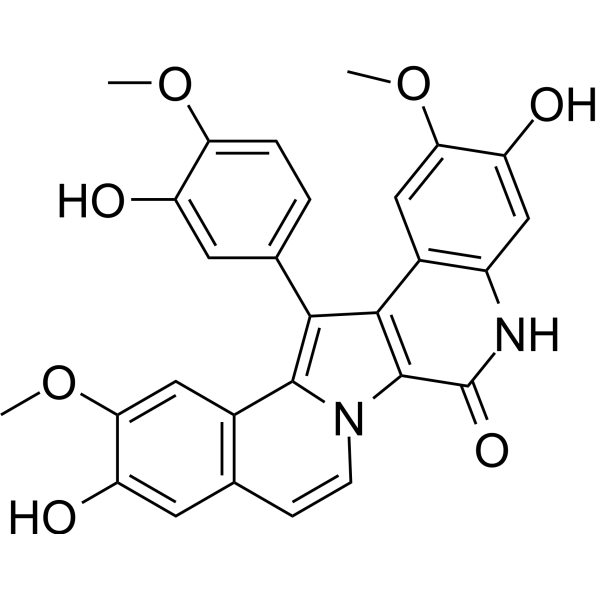
    Azalamellarin N is an inhibitor of pyroptosis and has different inhibitory effects on different pyroptosis inducers. Azalamellarin N inhibits pyroptosis by targeting molecules that act upstream of NLRP3 inflammasome activation, rather than directly targeting components of the NLRP3 inflammasome. Inhibitory potency against different pyroptosis inducers: Nigericin (HY-127019) > R837 (HY-B0180) .
    Azalamellarin N
  • HY-173234

    Pyroptosis Interleukin Related Cardiovascular Disease
    GI-Y2 is an orally active, selective Gasdermin D (GSDMD) inhibitor (Kd = 36.0 μM) with anti-pyroptosis activity. GI-Y2 targets GSDMD, impairs membrane anchoring of GSDMD-NT, and blocks GSDMD‑dependent lipid binding and pore formation. GI-Y2 suppresses GSDMD‑dependent pyroptosis and inflammation, mitigates atherosclerosis and cardiac injury, boosts cell survival, and reduces IL‑1β/IL‑18 secretion. GI-Y2 can be used for the research of atherosclerosis and septic myocardial injury .
    GI-Y2
  • HY-100573S

    Isotope-Labeled Compounds Mixed Lineage Kinase Necroptosis Pyroptosis Caspase NOD-like Receptor (NLR) Keap1-Nrf2 TNF Receptor Integrin NO Synthase Heme Oxygenase (HO) Cardiovascular Disease Neurological Disease Metabolic Disease Inflammation/Immunology Endocrinology
    Necrosulfonamide-d4 is the deuterium labeled Necrosulfonamide (HY-100573). Necrosulfonamide is a MLKL and Gasdermin D (GSDMD) inhibitor, capable of separately inhibiting necroptosis and pyroptosis of cells. Necrosulfonamide does not affect the activation of upstream signals, but specifically inhibits the downstream executor oligomerization step. Necrosulfonamide reduces the expression of the key kinases NLRP3 and caspase-1 involved in necroptosis and pyroptosis, activate the Nrf2 pathway and the downstream antioxidant enzymes, and also downregulates a variety of inflammatory factors. Necrosulfonamide plays significant roles in various diseases such as neurodegenerative diseases (such as Parkinson’s disease), tissue damage and ischemia-reperfusion injury, inflammatory bowel disease, osteoarthritis and fracture repair, and hair loss by regulating two important programmed necrosis pathways.
    Necrosulfonamide-d4
  • HY-B0621R

    CGA89317 (Standard)

    Reference Standards Parasite Caspase Bcl-2 Family PARP Pyroptosis Infection
    Triclabendazole (Standard) is the analytical standard of Triclabendazole. This product is intended for research and analytical applications. Triclabendazole is an orally active parasite inhibitor. Triclabendazole has anti-Leishmania activity and induces gasdermin E (GSDME)-dependent pyroptosis by caspase-3 activation. Triclabendazole can be used for the research of fasciola hepatica .
    Triclabendazole (Standard)
  • HY-N2439

    Environmental Pollutants Pyroptosis SOD Quinone Reductase Keap1-Nrf2 NF-κB Cardiovascular Disease
    Methyl isoeugenol is an orally active, blood-brain barrier-permeable isoeugenol-type eugenol analog. Methyl isoeugenol promotes the nuclear translocation of Nrf2, upregulates the expressions of HO-1, NQO1 and SOD, and reduces the expression level of MDA. Methyl isoeugenol decreases the nuclear translocation of NF-κB. Methyl isoeugenol inhibits NLRP3 inflammasome-mediated pyroptosis. Methyl isoeugenol reduces cerebral infarction volume and regulates the M1/M2 phenotypic balance of microglia. Methyl isoeugenol can be used for the research of cerebral ischemia-reperfusion injury .
    Methyl isoeugenol
  • HY-P3434A
    Ac-FEID-CMK TFA
    2 Publications Verification

    Pyroptosis Inflammation/Immunology
    Ac-FEID-CMK TFA is a potent zebrafish-specific GSDMEb-derived peptide inhibitor. Ac-FEID-CMK TFA can attenuate the mortality and kidney injury during septic shock. Ac-FEID-CMK TFA inhibits pyroptosis and attenuates septic AKI (acute kidney injury) in vivo. Ac-FEID-CMK TFA can suppress the caspy2-mediated noncanonical inflammasome pathway .
    Ac-FEID-CMK TFA
  • HY-175814

    NOD-like Receptor (NLR) Pyroptosis Interleukin Related Inflammation/Immunology
    NLRP3-IN-83 is a selective and orally active NLRP3 inflammasome activation inhibitor. NLRP3-IN-83 exhibits good inhibitory IL-1β activity with an IC50 of 1.4 μM by blocking NLRP3, independent of NF-κB signaling. NLRP3-IN-83 only slightly inhibits AIM2 inflammasome pathway, but has no effect on NLRC4 inflammasome. NLRP3-IN-83 prevent cell pyroptosis and exhibits significant anti-inflammatory efficacy in ulcerative colitis model. NLRP3-IN-83 can be used for the study of inflammatory bowel disease (IBD) .
    NLRP3-IN-83

Inquiry Online

Your information is safe with us. * Required Fields.

Salutation


Country or Region *

Applicant Name *


Organization Name *

Department *


Email Address *


Product Name *

Cat. No.


Requested quantity *

Phone Number *


Remarks

Inquiry Online

Inquiry Information

Product Name:
Cat. No.:
Quantity:
MCE Japan Authorized Agent:

