



NLRP3/AIM2-IN-3
Based on 11 publication(s) in Google Scholar
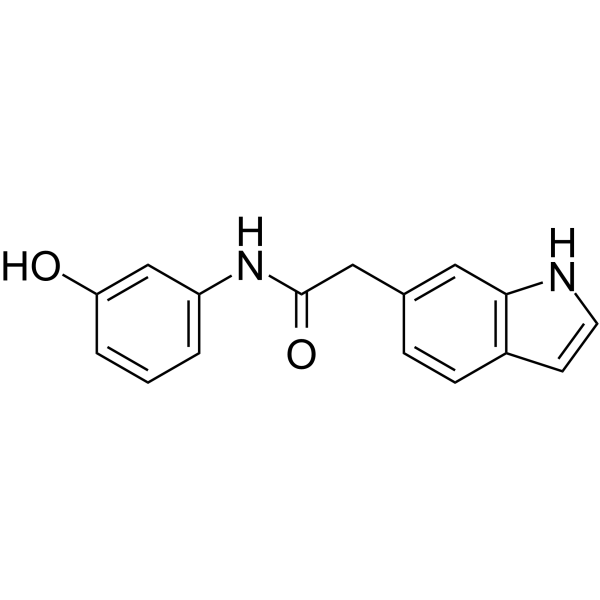
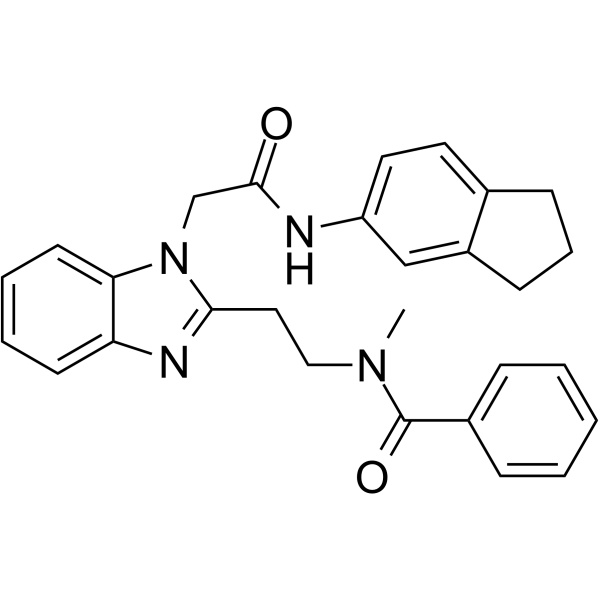
NLRP3/AIM2-IN-3 (compound 59) is a potent inhibitor with differential species specific effects against NLRP3 and AIM2 inflammasome-dependent pyroptosis. NLRP3/AIM2-IN-3 shows inhibitory efficacy against pyroptosis in THP-1 macrophages stimulated with LPS/nigericin, with an IC50 of 0.077 ± 0.008 μM. NLRP3/AIM2-IN-3 disturbs the interaction of NLRP3 or AIM2 with the adaptor protein ASC and inhibited ASC oligomerization.
For research use only. We do not sell to patients.
- Purity : 98.23%
- CAS No.: 1787787-60-3
- Formula: C16H14N2O2
- Molecular Weight:266.29
-
Storage:Powder -20°C, 3 years , 4°C, 2 years ; In solvent -80°C, 6 months , -20°C, 1 month

To place orders, for customer services and technical support, please contact: MedChemExpress USA
Tel: 609-228-6898 E-mail: [email protected] [email protected]


-
 Biological Activity
-
Chemical Information
-
Solvent & Solubility
- Protocols
- Purity & Documentation
- References
-
 Help & FAQs


-
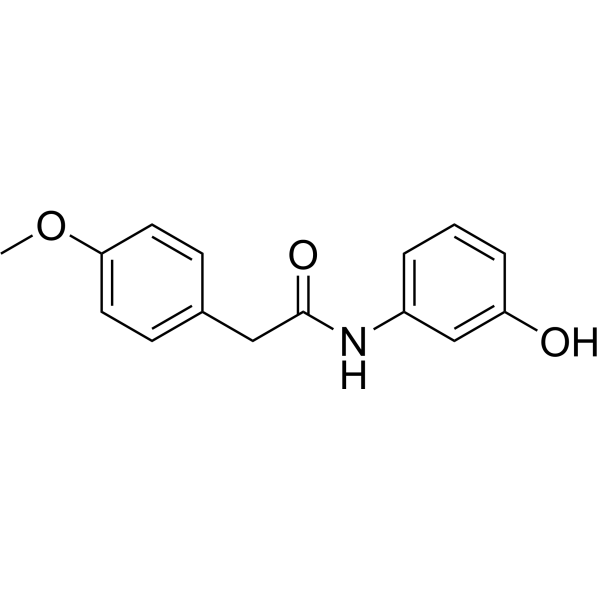
HY-144223
NLRP3-IN-94NLRP3 Inhibitor -
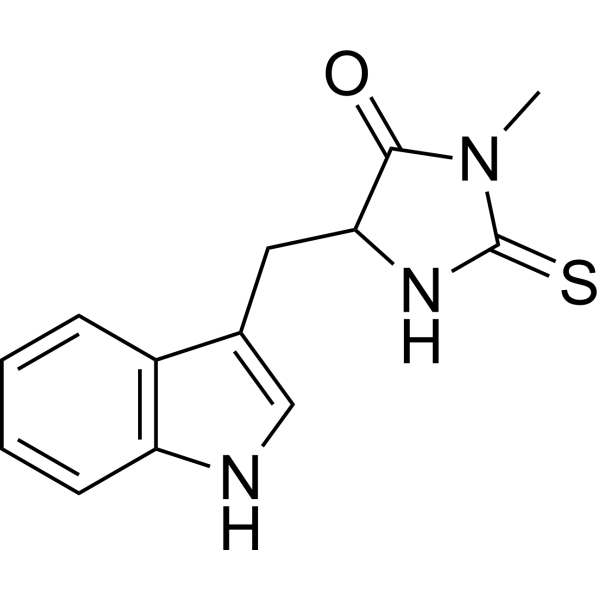
HY-15760
Necrostatin-1RIPK1 Inhibitor -
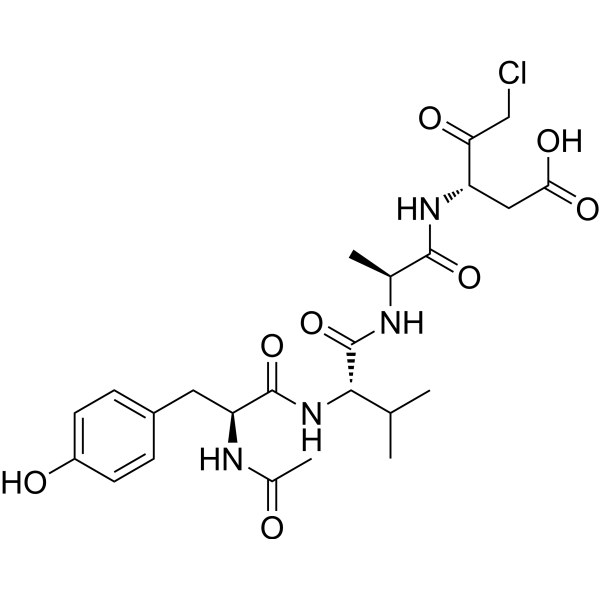
HY-16990
Ac-YVAD-cmkCaspase-1 Inhibitor -
HY-16658B
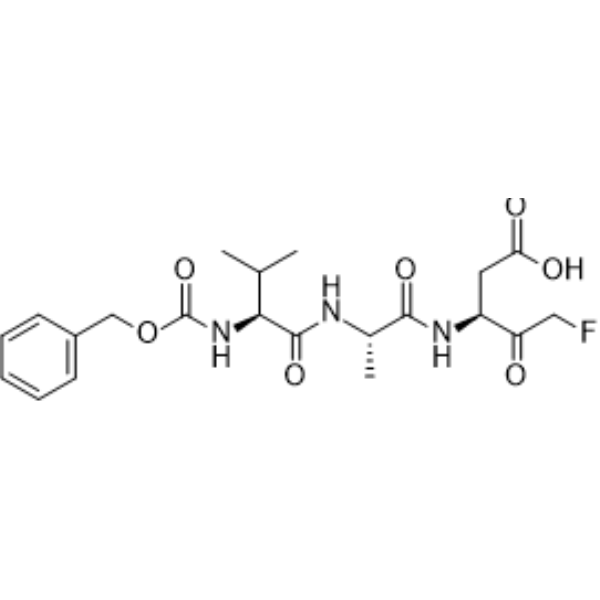
Z-VAD-FMKPan-Caspase Inhibitor -
HY-100579
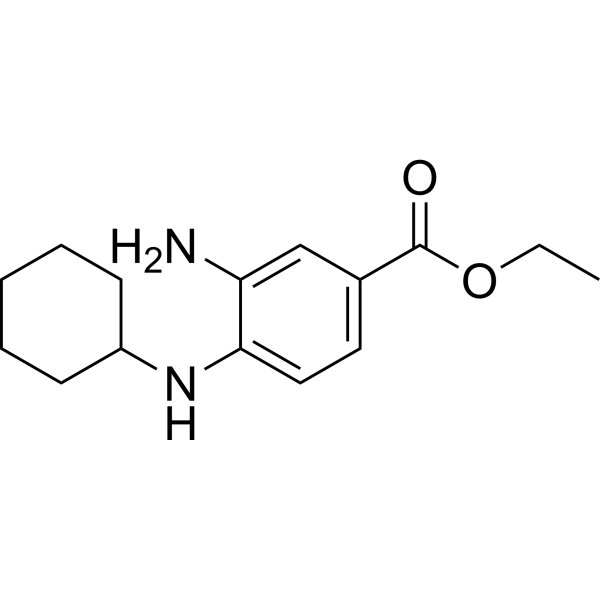
Ferrostatin-1Ferroptosis Inhibitor -
HY-B0240
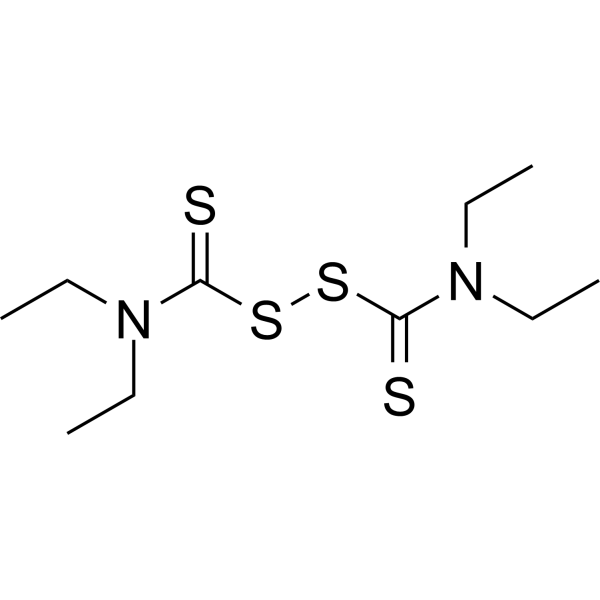
DisulfiramALDH1 Inhibitor -
HY-12815A
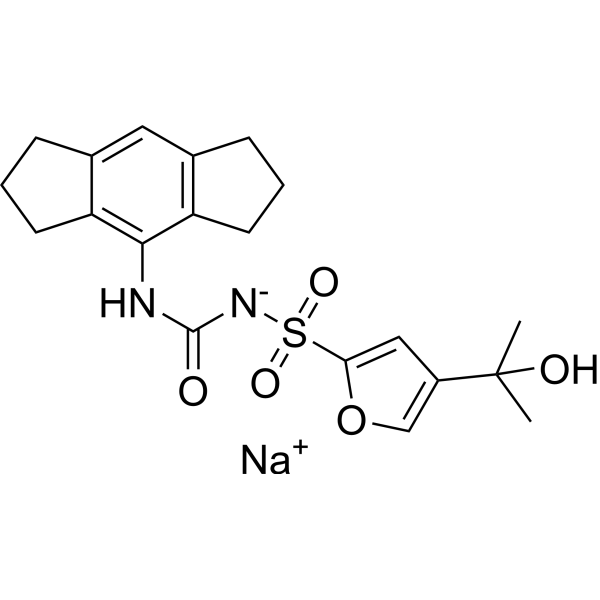
MCC950 sodiumNLRP3 Inhibitor -
HY-19312
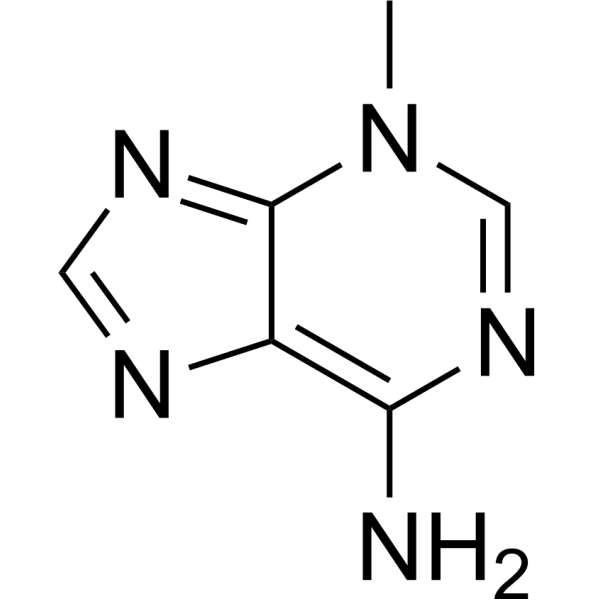
3-MethyladenineAutophagy/PI3K Inhibitor -
HY-N0822
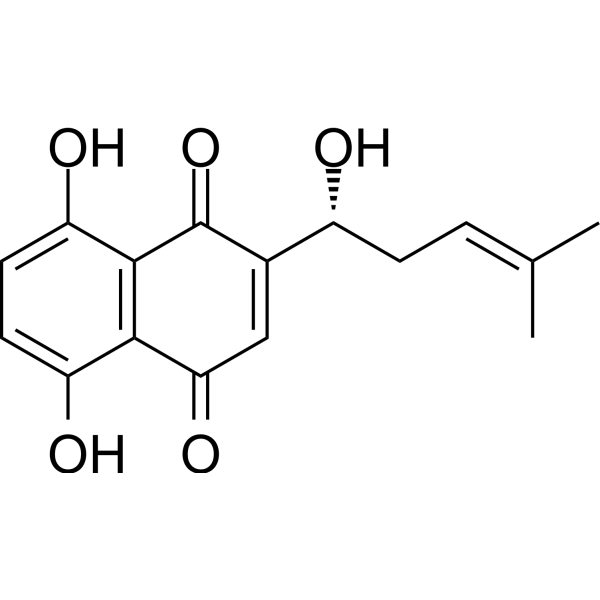
ShikoninChloride Channel Inhibitor -
HY-12815
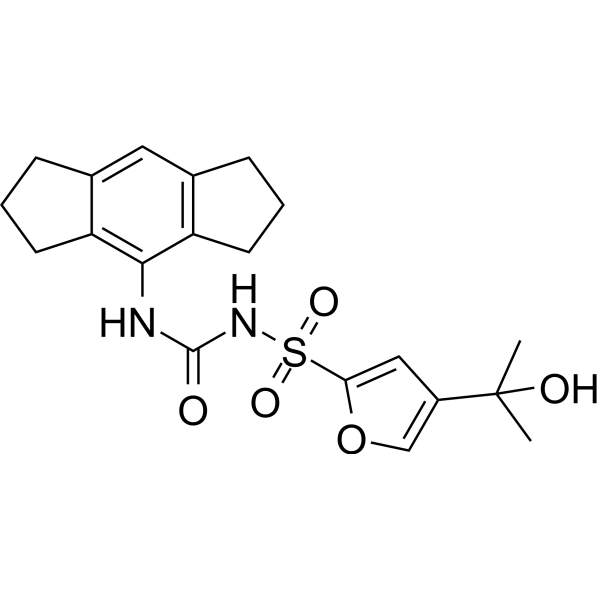
MCC950NLRP3 Inhibitor -
HY-103666
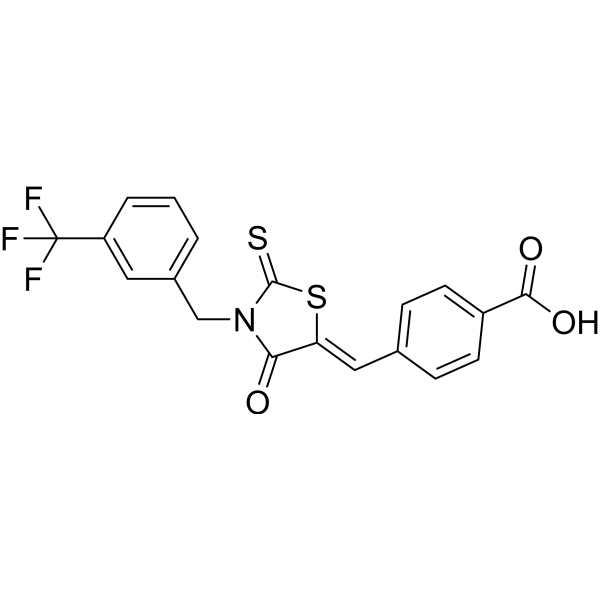
CY-09NLRP3 Inhibitor -
HY-136555
GSK717NOD2 Inhibitor
Publications Citing Use of MedChemExpress (MCE) NLRP3/AIM2-IN-3
More- Redox Biol. 2025 Sep 30:87:103881. [Abstract]
- J Nanobiotechnology. 2025 Feb 14;23(1):109. [Abstract]
- Cell Rep. 2025 Jan 24;44(2):115177. [Abstract]
- J Ethnopharmacol. 2024 Jun 28:328:118139. [Abstract]
- Cell Mol Life Sci. 2025 Dec 29;83(1):48. [Abstract]
- Int J Mol Sci. 2026 May 21;27(10):4647. [Abstract]
- Tissue Eng Regen Med. 2024 Oct;21(7):1061-1077. [Abstract]
- Mol Pharm. 2024 Jun 3;21(6):2993-3005. [Abstract]
- Biochem Biophys Res Commun. 2025 Aug 30:776:152184. [Abstract]
- University of Alberta. 2025 Nov.
- Wageningen University. 2024 Apr 17.
 Customer Validation & Images

-
WB
-
Cell Proliferation/Viability Assay
-
Flow Cytometry
-
ELISA
-
WB


Biological Activity
Description
IC50 & Target
|
NLRP3 |
In Vitro
NLRP3/AIM2-IN-3 (0-100 μM) displays remarkable inhibitory activity against NLRP3-and AIM2-but not NLRC4-dependent activation of caspase-1 and the release of IL-1b in human THP-1 macrophages[1].
NLRP3/AIM2-IN-3 shows inhibition of IL-1b secretion by human THP-1 macrophages, with IC50 of 0.098 μM, which is nearly 150-fold and 500-fold more potent than that of J774A.1 (14.62 μM) and bone marrow-derived macrophages (BMDMs) (48.98 μM), respectively[1].
NLRP3/AIM2-IN-3 has almost no inhibitory effect on the AIM2 inflammasome-dependent activation of caspase-1 and release of IL-1b in J774A.1 cells[1].
MedChemExpress (MCE) has not independently confirmed the accuracy of these methods. They are for reference only.


Chemical Information
-
CAS No. 1787787-60-3
-
Appearance Solid
-
Molecular Weight 266.29
-
Formula C16H14N2O2
-
Color Off-white to light yellow
-
SMILES
O=C(NC1=CC=CC(O)=C1)CC2=CC3=C(C=C2)C=CN3
-
Shipping
Room temperature in continental US; may vary elsewhere.
-
Storage
Powder -20°C 3 years 4°C 2 years In solvent -80°C 6 months -20°C 1 month


Publications (11)
-
Journal Impact Factor
-
Most Recent
-
Redox Biol
Neutrophil extracellular traps exacerbate inflammatory arthritis by inhibiting γδ Treg cell differentiation via the AIM2 inflammasome. [Abstract]2025 Sep 30:87:103881. PMID: 41046783 -
J Nanobiotechnology
Eriodictyol-cisplatin coated nanomedicine synergistically promote osteosarcoma cells ferroptosis and chemosensitivity. [Abstract]2025 Feb 14;23(1):109. PMID: 39953537 -
Cell Rep
Cytosolic DNA composition is determined by genomic instability mechanism and regulates dendritic cell-mediated anti-tumor immunity. [Abstract]2025 Jan 24;44(2):115177. PMID: 39864057
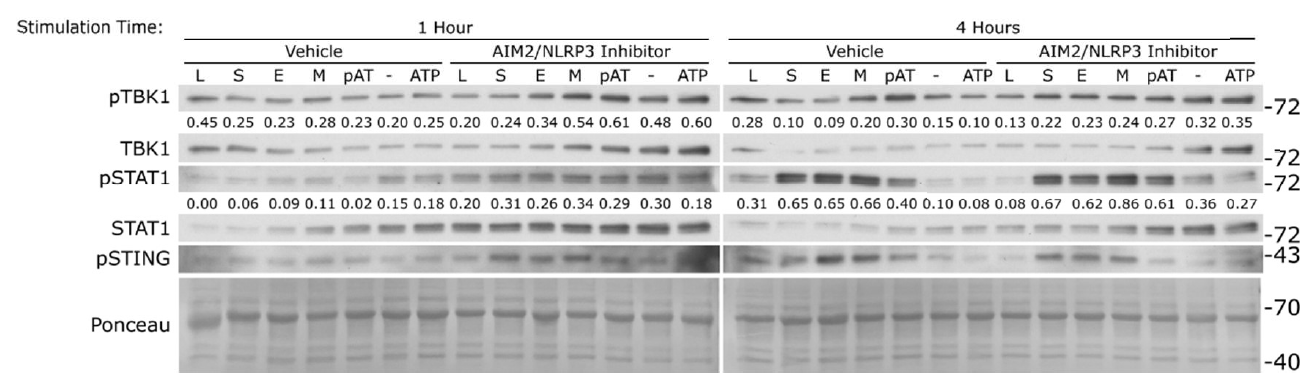
NLRP3/AIM2-IN-3 purchased from MedChemExpress. Usage Cited in: Cell Rep. 2025 Jan 24;44(2):115177. [Abstract]
NLRP3/AIM2-IN-3 (AIM2/NLRP3 inhibitor) (10 μM; 30 min) treatment on BMDCs led to earlier phosphorylation of TBK1, STAT1, and STING from microsatellite-containing oligos.
-
J Ethnopharmacol
Esculin induces endoplasmic reticulum stress and drives apoptosis and ferroptosis in colorectal cancer via PERK regulating eIF2α/CHOP and Nrf2/HO-1 cascades. [Abstract]2024 Jun 28:328:118139. PMID: 38561058 -
Cell Mol Life Sci
Sepsis-induced acute lung injury: AUF1 regulates pyroptosis via ETS2/ZDHHC21-mediated STING palmitoylation : A therapeutic target for lung injury. [Abstract]2025 Dec 29;83(1):48. PMID: 41460311
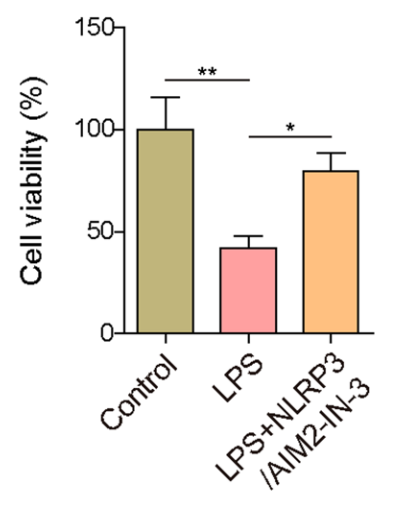
NLRP3/AIM2-IN-3 purchased from MedChemExpress. Usage Cited in: Cell Mol Life Sci. 2025 Dec 29;83(1):48. [Abstract]
NLRP3/AIM2-IN-3 (10 µM; 1 h) notably enhanced viability of MLE-12 cells stimulated with LPS.
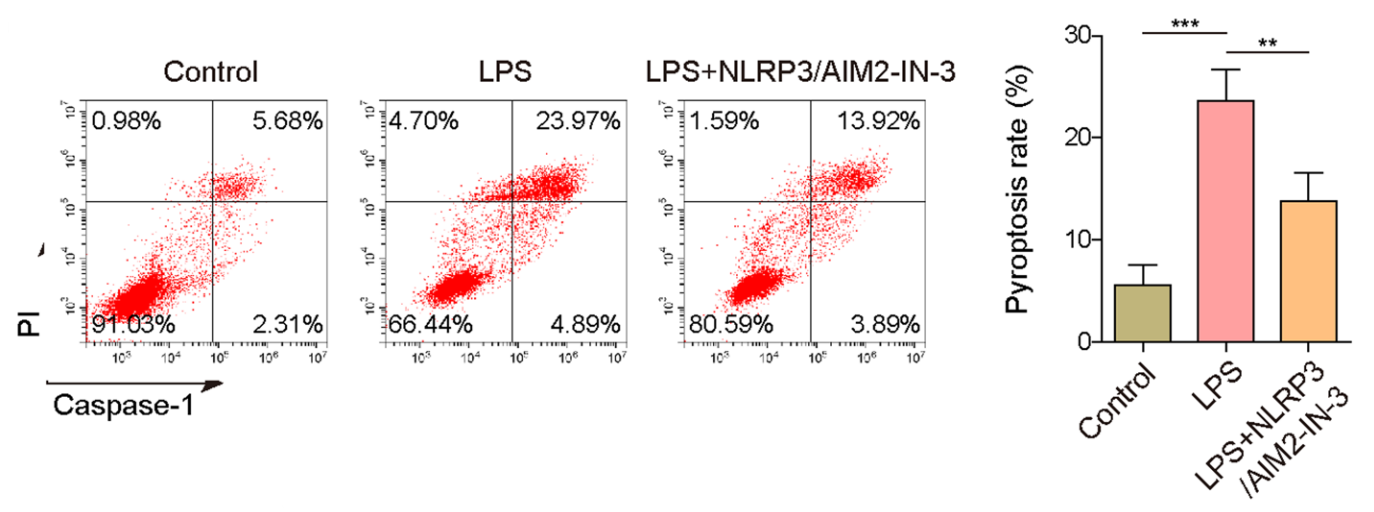
NLRP3/AIM2-IN-3 purchased from MedChemExpress. Usage Cited in: Cell Mol Life Sci. 2025 Dec 29;83(1):48. [Abstract]
NLRP3/AIM2-IN-3 (10 µM; 1 h) effectively reversed the increased proportions of PI-positive and Caspase-1-positive cells in LPS-stimulated MLE-12 cells.
NLRP3/AIM2-IN-3 purchased from MedChemExpress. Usage Cited in: Cell Mol Life Sci. 2025 Dec 29;83(1):48. [Abstract]
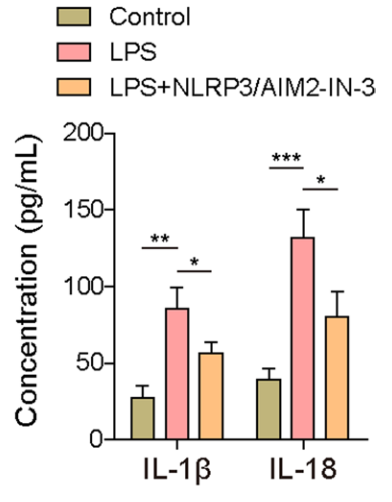
NLRP3/AIM2-IN-3 (10 µM; 1 h) significantly reduced IL-1β and IL-18 concentrations in the cell culture supernatant of LPS-stimulated MLE-12 cells.
NLRP3/AIM2-IN-3 purchased from MedChemExpress. Usage Cited in: Cell Mol Life Sci. 2025 Dec 29;83(1):48. [Abstract]
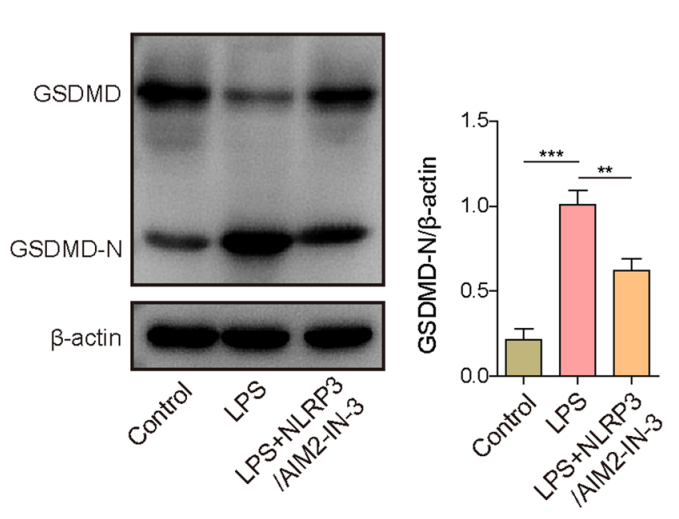
NLRP3/AIM2-IN-3 (10 µM; 1 h) significantly reduced the expression levels of the pyroptosis-related protein GSDMD-N in LPS-stimulated MLE-12 cells.
-
Int J Mol Sci
The Upregulation of AIM2 in the Central Nucleus of the Amygdala Correlates with Pain Induced by Tooth Movement. [Abstract]2026 May 21;27(10):4647. PMID: 42196624 -
Tissue Eng Regen Med
Exosomes Derived from Rejuvenated Stem Cells Inactivate NLRP3 Inflammasome and Pyroptosis of Nucleus Pulposus Cells via the Transfer of Antioxidants. [Abstract]2024 Oct;21(7):1061-1077. PMID: 39060654 -
Mol Pharm
Saponin and Ribosome-Inactivating Protein Synergistically Trigger Lysosome-Dependent Apoptosis by Inhibiting Lysophagy: Potential to Become a New Antitumor Strategy. [Abstract]2024 Jun 3;21(6):2993-3005. PMID: 38722865 -
Biochem Biophys Res Commun
Engineered MAP30ER: A plant toxin-derived platform for EGFR-Targeted delivery of protein and chemotherapeutic payloads. [Abstract]2025 Aug 30:776:152184. PMID: 40517671 -
-


Solvent & Solubility
In Vitro:
DMSO : 250 mg/mL (938.83 mM; Need ultrasonic; Hygroscopic DMSO has a significant impact on the solubility of product, please use newly opened DMSO)
Methanol : 50 mg/mL (187.77 mM; Need ultrasonic)
Please refer to the solubility information to select the appropriate solvent. Once prepared, please aliquot and store the solution to prevent product inactivation from repeated freeze-thaw cycles.
Storage method and period of stock solution: -80°C, 6 months; -20°C, 1 month. When stored at -80°C, please use it within 6 months. When stored at -20°C, please use it within 1 month.
Please refer to the solubility information to select the appropriate solvent. Once prepared, please aliquot and store the solution to prevent product inactivation from repeated freeze-thaw cycles.
Storage method and period of stock solution: -80°C, 6 months; -20°C, 1 month. When stored at -80°C, please use it within 6 months. When stored at -20°C, please use it within 1 month.
Concentration (start) × Volume (start) = Concentration (final) × Volume (final)
In Vivo:
Select the appropriate dissolution method based on your experimental animal and administration route.
- For the following dissolution methods, please ensure to first prepare a clear stock solution using an In Vitro approach and then sequentially add co-solvents:
- To ensure reliable experimental results, the clarified stock solution can be appropriately stored based on storage conditions. As for the working solution for In Vivo experiments, it is recommended to prepare freshly and use it on the same day.
- The percentages shown for the solvents indicate their volumetric ratio in the final prepared solution. If precipitation or phase separation occurs during preparation, heat and/or sonication can be used to aid dissolution.
Add each solvent one by one: 10% DMSO 40% PEG300 5% Tween-80 45% Saline
Solubility: ≥ 2.08 mg/mL (7.81 mM); Clear solution
This protocol yields a clear solution of ≥ 2.08 mg/mL (saturation unknown).
Taking 1 mL working solution as an example, add 100 μL DMSO stock solution (20.8 mg/mL) to 400 μL PEG300, and mix evenly; then add 50 μL Tween-80 and mix evenly; then add 450 μL Saline to adjust the volume to 1 mL.
Preparation of Saline: Dissolve 0.9 g sodium chloride in ddH₂O and dilute to 100 mL to obtain a clear Saline solution.
In Vivo Dissolution Calculator
Please enter the basic information of animal experiments:
-
-
-
-
Recommended: Prepare an additional quantity of animals to account for potential losses during experiments.
Please enter your animal formula composition:
-
%DMSO +
Recommended: Keep the proportion of DMSO in working solution below 2% if your animal is weak.
-
%+
-
+%Tween-80 + +
-
%Saline +
The co-solvents required include: DMSO, . All of co-solvents are available by MedChemExpress (MCE). , Tween 80. All of co-solvents are available by MedChemExpress (MCE).
Working solution concentration: 0.22 mg/mL
Method for preparing stock solution: mg drug dissolved in μL DMSO. Stock solution concentration: mg/mL.
1. Take μL DMSO stock solution;
2. Add μL .
μL , mix evenly;
3. Then add μL Tween 80, mix evenly;
4. Then add μL
Please ensure that the stock solution in the first step is dissolved to a clear state, and add co-solvents in sequence. You can use ultrasonic heating (ultrasonic cleaner, recommended frequency 20-40 kHz), vortexing, etc. to assist dissolution.


Purity & Documentation
-
Data Sheet (272 KB)
-
SDS (251 KB)
- English - EN (251 KB)
- Français - FR (251 KB)
- Deutsch - DE (251 KB)
- Norwegian - NO (251 KB)
- Español - ES (251 KB)
- Swedish - SV (251 KB)
- Italian - IT (251 KB)
- Korean - KR (251 KB)
- Portuguese - PT (251 KB)
-
Handling Instructions (2659 KB)
References


Complete Stock Solution Preparation Table
Please refer to the solubility information to select the appropriate solvent. Once prepared, please aliquot and store the solution to prevent product inactivation from repeated freeze-thaw cycles.
Storage method and period of stock solution: -80°C, 6 months; -20°C, 1 month. When stored at -80°C, please use it within 6 months. When stored at -20°C, please use it within 1 month.
| Optional Solvent | Concentration Solvent Mass | 1 mg | 5 mg | 10 mg | 25 mg |
|---|---|---|---|---|---|
| Methanol / DMSO | 1 mM | 3.7553 mL | 18.7765 mL | 37.5530 mL | 93.8826 mL |
| 5 mM | 0.7511 mL | 3.7553 mL | 7.5106 mL | 18.7765 mL | |
| 10 mM | 0.3755 mL | 1.8777 mL | 3.7553 mL | 9.3883 mL | |
| 15 mM | 0.2504 mL | 1.2518 mL | 2.5035 mL | 6.2588 mL | |
| 20 mM | 0.1878 mL | 0.9388 mL | 1.8777 mL | 4.6941 mL | |
| 25 mM | 0.1502 mL | 0.7511 mL | 1.5021 mL | 3.7553 mL | |
| 30 mM | 0.1252 mL | 0.6259 mL | 1.2518 mL | 3.1294 mL | |
| 40 mM | 0.0939 mL | 0.4694 mL | 0.9388 mL | 2.3471 mL | |
| 50 mM | 0.0751 mL | 0.3755 mL | 0.7511 mL | 1.8777 mL | |
| 60 mM | 0.0626 mL | 0.3129 mL | 0.6259 mL | 1.5647 mL | |
| 80 mM | 0.0469 mL | 0.2347 mL | 0.4694 mL | 1.1735 mL | |
| 100 mM | 0.0376 mL | 0.1878 mL | 0.3755 mL | 0.9388 mL |


NLRP3/AIM2-IN-3 Related Classifications
HY-144226 Related Classifications
 Powered by Bioz