Search Result
Results for "
antimalarial+activity
" in MedChemExpress (MCE) Product Catalog:
1
Isotope-Labeled Compounds
| Cat. No. |
Product Name |
Target |
Research Areas |
Chemical Structure |
-
- HY-W016819
-
|
|
Thymidylate Synthase
Parasite
|
Infection
|
|
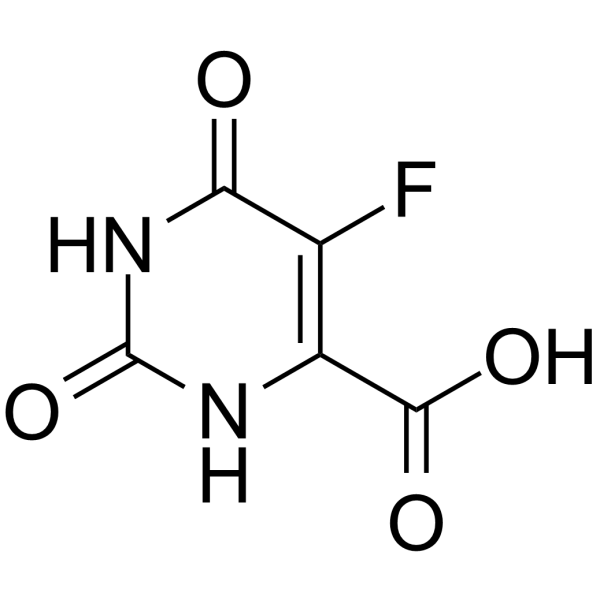
5-Fluoroorotic acid is the inhibitor for thymidylate synthase that acts as a selective agent in yeast molecular genetics. 5-Fluoroorotic acid exhibits antimalarial activity .
|
-
-
- HY-N0941
-
|
β-Mangostin
|
Bacterial
Parasite
Apoptosis
|
Infection
Cancer
|
|
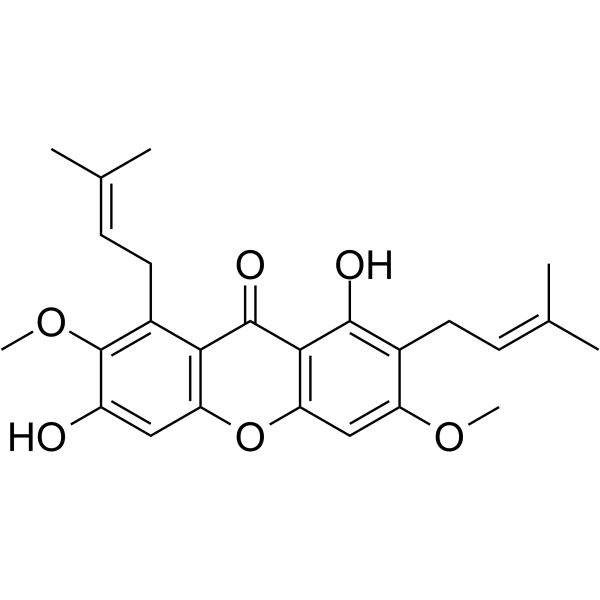
beta-Mangostin (β-Mangostin) is a xanthone compound present in Cratoxylum arborescens, with antibacterial and antimalarial activities. beta-Mangostin exhibits antimycobacterial activity against Mycobacterium tuberculosis with an MIC of 6.25 μg/mL. beta-Mangostin possesses in vitro antimalarial activity against Plasmodium falciparum, with an IC50 of 3.00 μg/mL. beta-Mangostin has potent anticancer activity against various cancers (such as hepatocellular carcinoma, leukaemic) .
|
-
-
- HY-B0273
-
-
-
- HY-N8290
-
-
-
- HY-B0770
-
|
β-Arteether; (+)-Arteether; Arteether
|
CXCR
Parasite
|
Infection
Cancer
|
|
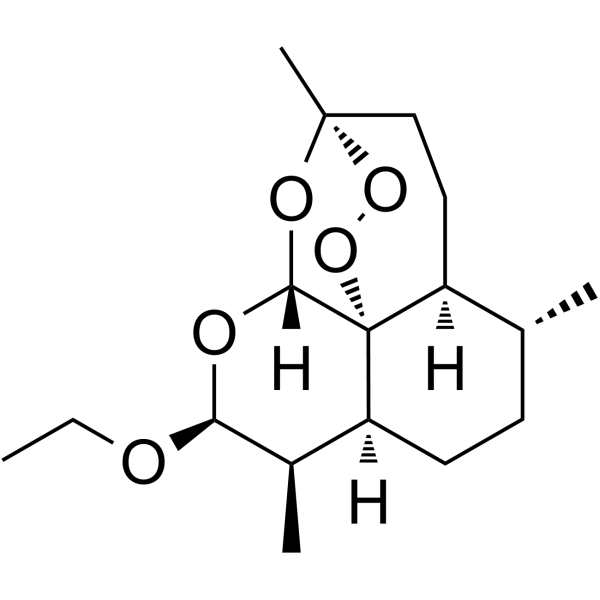
Artemotil (β-Arteether) has antimalarial activity for the treatment of chloroquine-resistant Plasmodium falciparum malaria with an IC50 of 1.61 nM. Artemotil also has central nervous system (CNS) neurotoxicity and anorectic toxicity in rats, dogs and monkeys .
|
-
-
- HY-N1984
-
|
Qing Hao acid; Artemisinic acid; Arteannuic acid
|
JNK
Interleukin Related
|
Infection
Metabolic Disease
Inflammation/Immunology
Cancer
|
|
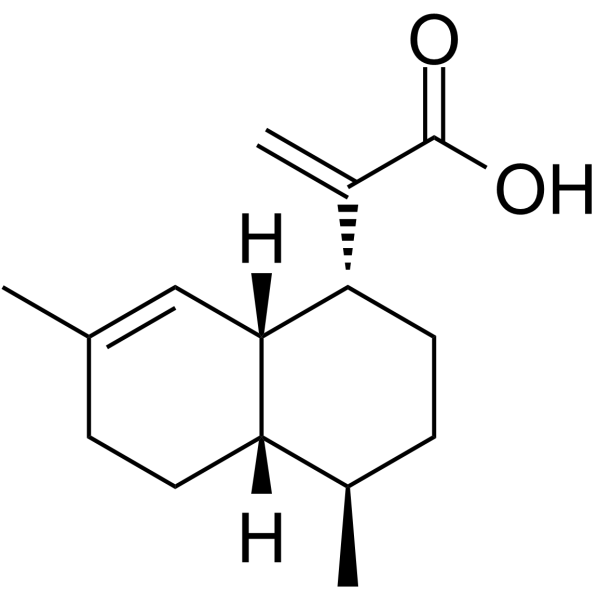
Artemisinic acid (Qing Hao acid) is a sesquiterpene that can be isolated from Artemisia annua L. Artemisinic acid is also an important precursor for the synthesis of Artemisinin (HY-B0094). Artemisinic acid has various pharmacological activities, such as antimalarial activity, antitumor activity, antipyretic effect, antibacterial activity, allelopathic effect, and anti-adipogenic effect .
|
-
-
- HY-32004
-
|
|
Endogenous Metabolite
Parasite
Hydroxycarboxylic Acid Receptor (HCAR)
|
Infection
|
|
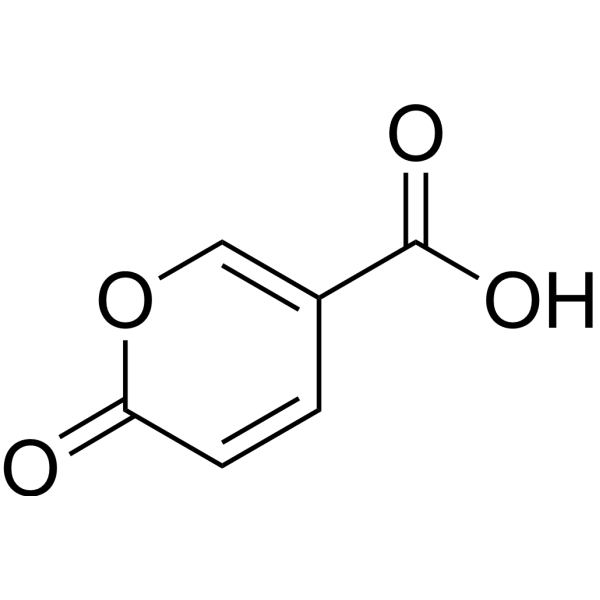
Coumalic acid is an inhibitor of human carbonic anhydrase (hCA) (KI = 0.073 μM for hCA IX; KI = 0.083 μM for hCA XII). Coumalic acid is a valuable platform compound which can be prepared from malic acid. Coumalic acid can be used in the flavorings, fragrances and cosmetics industries, as polymer components, and pharmaceutical scaffolds. Coumalic acid displays antibronchial and antimalarial activity .
|
-
-
- HY-B0273A
-
-
-
- HY-W016819B
-
|
5-Fluorouracil-6-carboxylic acid Monohydrate; 5-FOA; 5-fluoro OA
|
Thymidylate Synthase
Parasite
|
Infection
|
|
5-Fluoroorotic acid monohydrate is the monohydrate salt form of 5-Fluoroorotic acid (HY-W016819).
5-Fluoroorotic acid monohydrate is the inhibitor for thymidylate synthase that acts as a selective agent in yeast molecular genetics. 5-Fluoroorotic acid monohydrate exhibits antimalarial activity .
|
-

-
- HY-136429A
-
|
Optochin hydrochloride
|
Bacterial
Parasite
|
Infection
|
|
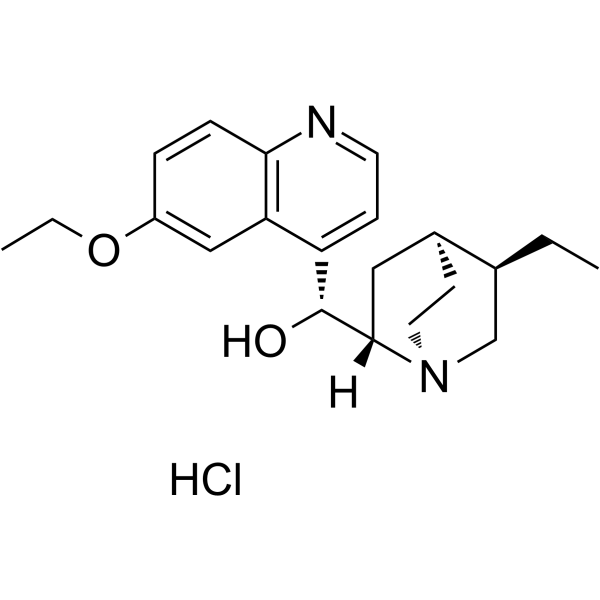
Ethylhydrocupreine hydrochloride (Optochin hydrochloride) is a quinine derivate with antimicrobial activity against S. pneumoniae. Ethylhydrocupreine hydrochloride also possesses antimalarial activity against Plasmodium falciparum, with an IC50 of 25.75 nM. Ethylhydrocupreine hydrochloride is a Gallus gallus taste 2 receptors (ggTas2r1, ggTas2r2 and ggTas2r7) agonist .
|
-
-
- HY-118494
-
|
|
Parasite
|
Infection
|
|
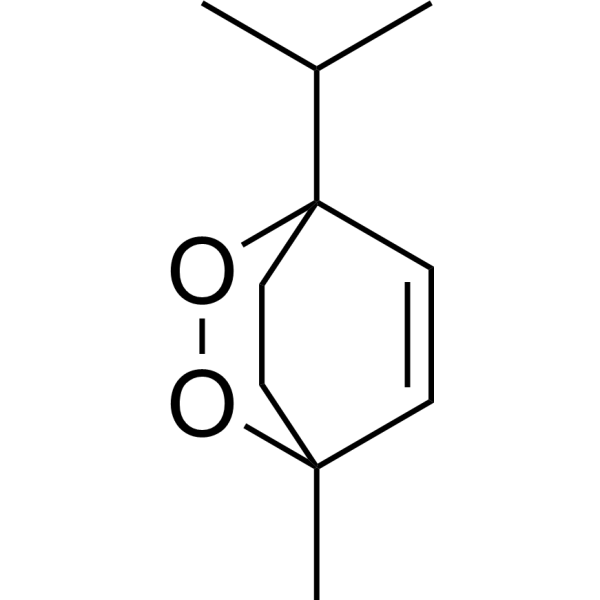
Ascaridole is an anthelmintic and also has antimalarial activity .
|
-
-
- HY-N9438
-
-
-
- HY-N2384
-
|
|
Parasite
DNA/RNA Synthesis
Apoptosis
|
Infection
Cancer
|
|
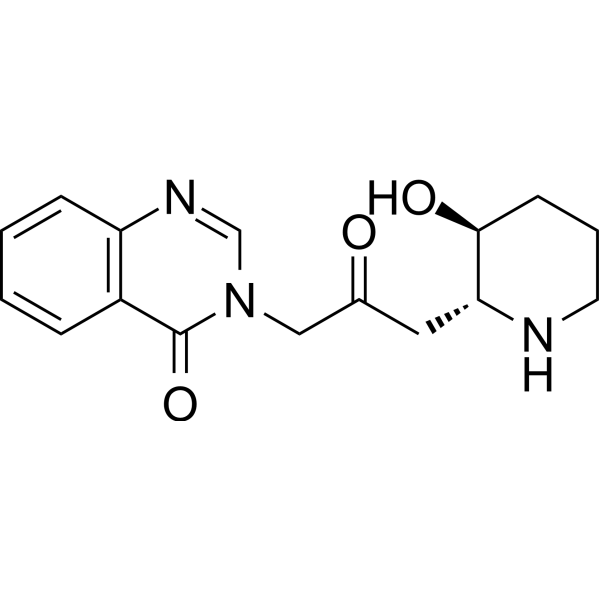
Febrifugine is a quinazolinone alkaloid that inhibits P. falciparum and has antimalarial activity. Febrifugine inhibits bladder cancer by inhibiting DNA synthesis, inducing apoptosis, and reducing steroids .
|
-
-
- HY-N2384A
-
|
|
Parasite
DNA/RNA Synthesis
Apoptosis
|
Infection
Cancer
|
|
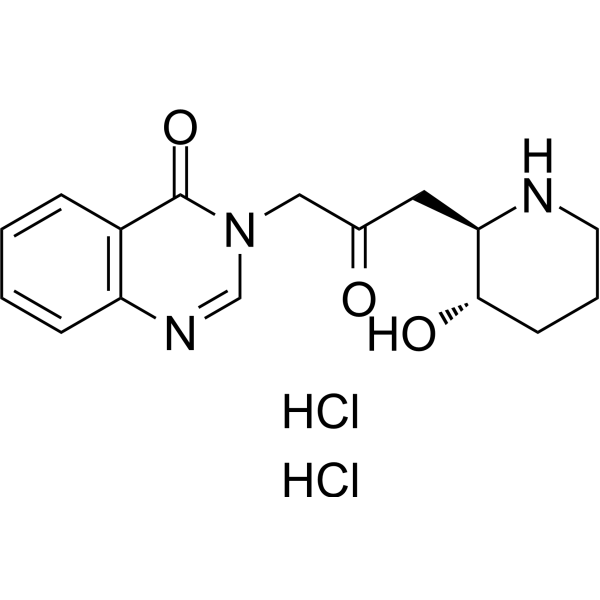
Febrifugine dihydrochloride is a quinazolinone alkaloid that inhibits P. falciparum and has antimalarial activity. Febrifugine dihydrochloride inhibits bladder cancer by inhibiting DNA synthesis, inducing apoptosis, and reducing steroids .
|
-
-
- HY-108640A
-
|
|
MDM-2/p53
Parasite
Apoptosis
|
Infection
Cancer
|
|
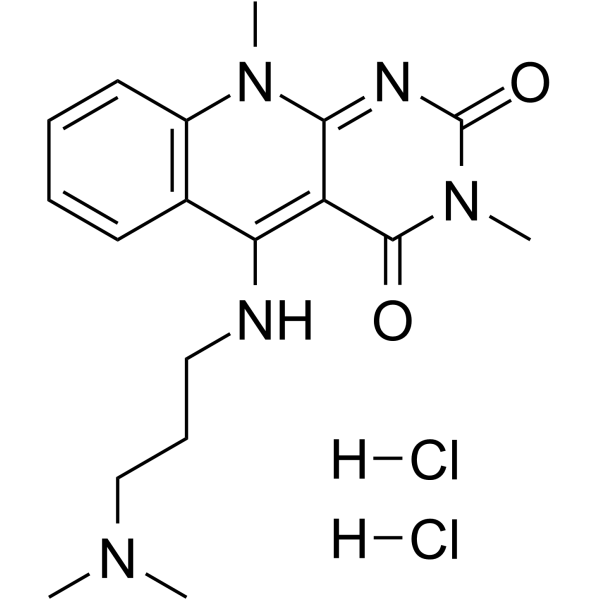
HLI373 dihydrochloride is an efficacious Hdm2 inhibitor. HLI373 dihydrochloride inhibits the ubiquitin ligase activity of Hdm2. HLI373 dihydrochloride is effective in inducing apoptosis of several tumor cells that are sensitive to DNA-damaging agents . Antimalarial activity .
|
-
-
- HY-P3914
-
|
Oct-CA(1-7)M(2-9)
|
Bacterial
|
Infection
|
|
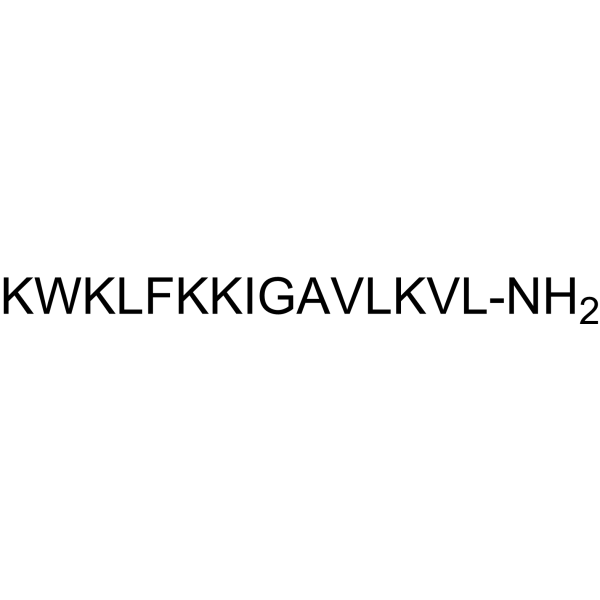
Cecropin A (1-7)-Melittin A (2-9) is an antimicrobial peptide with antimicrobial activity against a broad spectrum of Gram-positive and Gram-negative aerobic bacteria, as well as antimalarial activity, without the adverse hemolytic properties of bee venom peptides .
|
-
-
- HY-136767
-
|
|
Antibiotic
Fungal
Bacterial
Parasite
DNA/RNA Synthesis
|
Infection
|
|
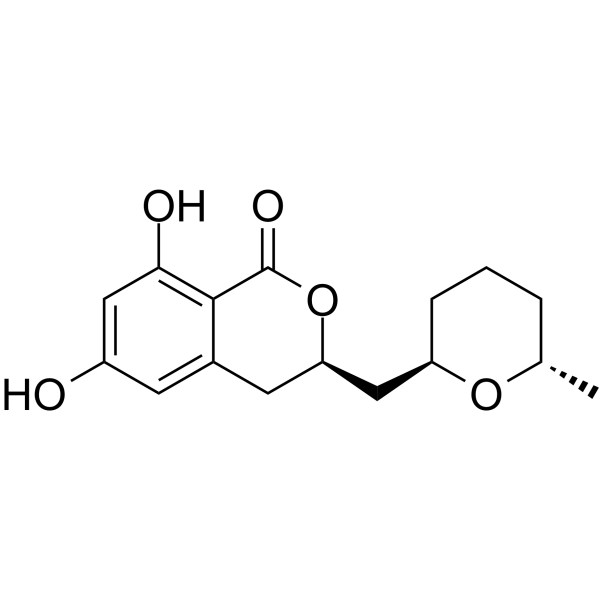
Cladosporin is an antibiotic and an an antifungal metabolite that can be produced in good yield in the mycelium of Cladosporium cladosporioid. Cladosporin exhibits inhibitory activity against various dermatophytes, plant pathogens, and bacteria. Cladosporin also exhibits antimalarial activity through inhibition of cytoplasmic lysine-tRNA synthetase of Plasmodium (PfKrs1) .
|
-
-
- HY-122394
-
|
|
Antibiotic
Bacterial
Fatty Acid Synthase (FASN)
|
Infection
|
|
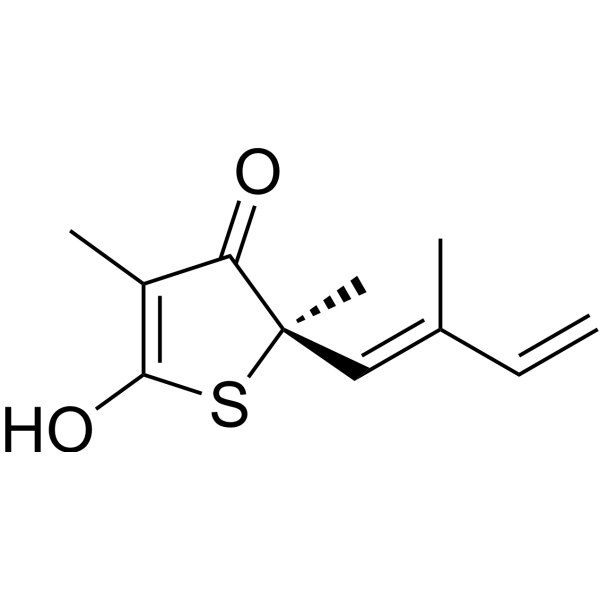
Thiolactomycin is an orally active bacterial type II fatty acid synthase (FAS-II) inhibitor with antibacterial and antimalarial activities. Thiolactomycin specifically targets KasA/KasB in mycobacteria and FabB/FabF in bacteria, thereby inhibiting the biosynthesis of fatty acids and mycolic acids. Thiolactomycin can be used in studies related to tuberculosis, systemic bacterial infections, and experimental pyelonephritis .
|
-
-
- HY-N5018
-
|
Musizin
|
Parasite
AMPK
|
Infection
|
|
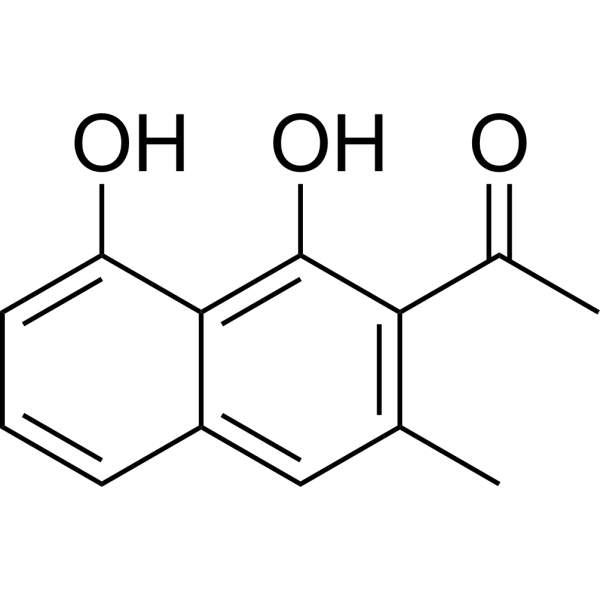
Nepodin (Musizin) is a quinone oxidoreductase (PfNDH2) inhibitor isolate from Rumex crispus .Nepodin (Musizin) stimulates the translocation of GLUT4 to the plasma membrane by activation of AMPK .Nepodin (Musizin) has antidiabetic and antimalarial activities.
|
-
-
- HY-117015
-
|
|
Parasite
|
Infection
|
|
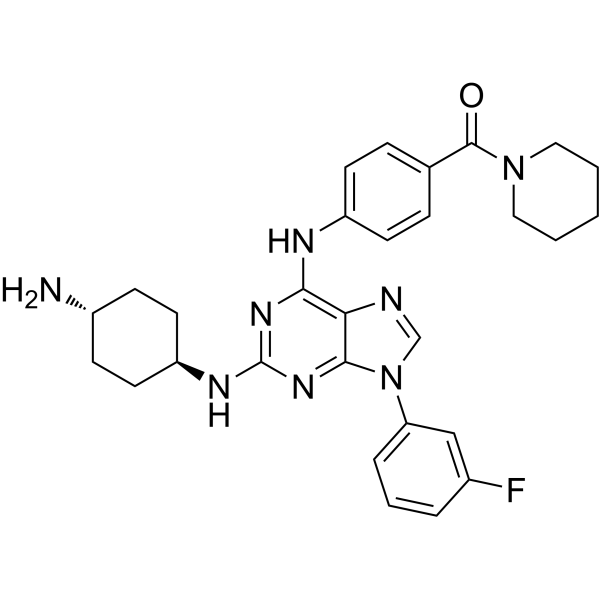
Purfalcamine is an orally active, selective Plasmodium falciparum calcium-dependent protein kinase 1 (PfCDPK1) inhibitor with an IC50 of 17 nM and an EC50 of 230 nM. Purfalcamine has antimalarial activity and causes malaria parasites developmental arrest at the schizont stage .
|
-
-
- HY-P10338
-
-

-
- HY-135648
-
-
-
- HY-W012192
-
|
(E,E)-Dibenzylideneacetone; trans,trans-Dibenzalacetone
|
Parasite
|
Infection
|
|
trans,trans-Dibenzylideneacetone ((E,E)-Dibenzylideneacetone) (compound A1) is a dibenzylideneacetone with a week antimalarial activity. trans,trans-Dibenzylideneacetone inhibits P. falciparum 3D7 strain with an IC50 of 213.41 μM .
|
-

-
- HY-N7642
-
|
Hydroxysanguinarine; 8-Oxosanguinarine
|
Parasite
|
Infection
|
|
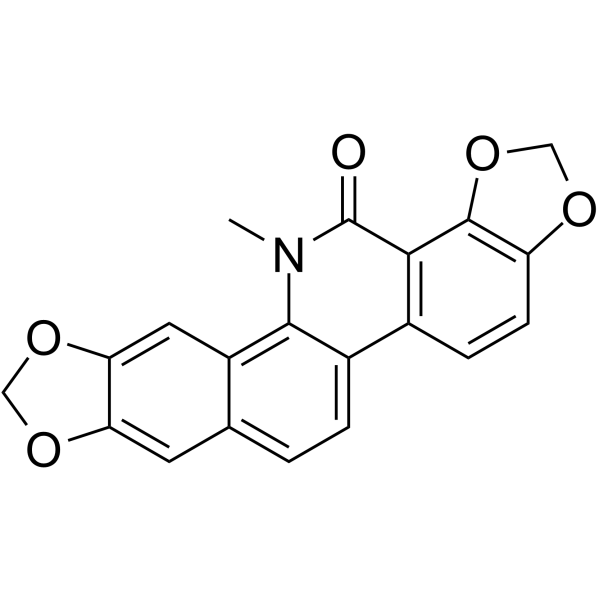
Oxysanguinarine (Hydroxysanguinarine;8-Oxosanguinarine) is a protoberberine alkaloid from Meconopsis simplicifolia with antimalarial activity .
|
-
-
- HY-W612975
-
|
|
Parasite
|
Others
|
|
4-Dodecylmorpholine (DMP) is a surfactant with antimalarial activity. It can be used as a hydrophilic enzyme detergent and is commonly used as an extraction collector in reverse foam preparation processes .
|
-

-
- HY-B0273R
-
|
|
Reference Standards
Bacterial
Parasite
Antibiotic
|
Infection
|
|
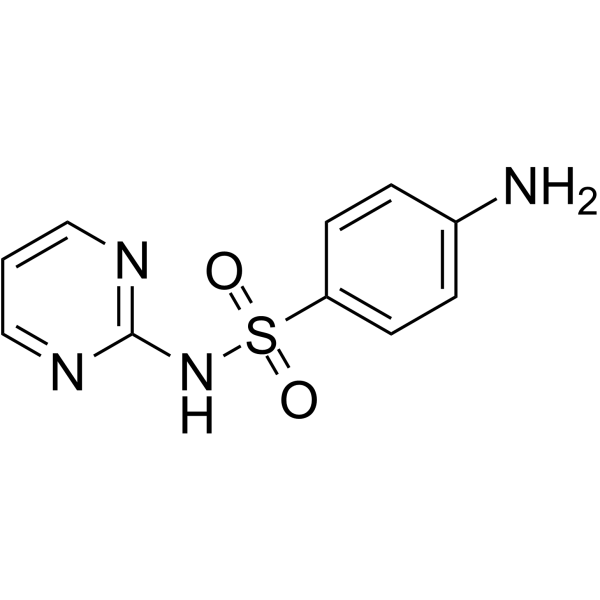
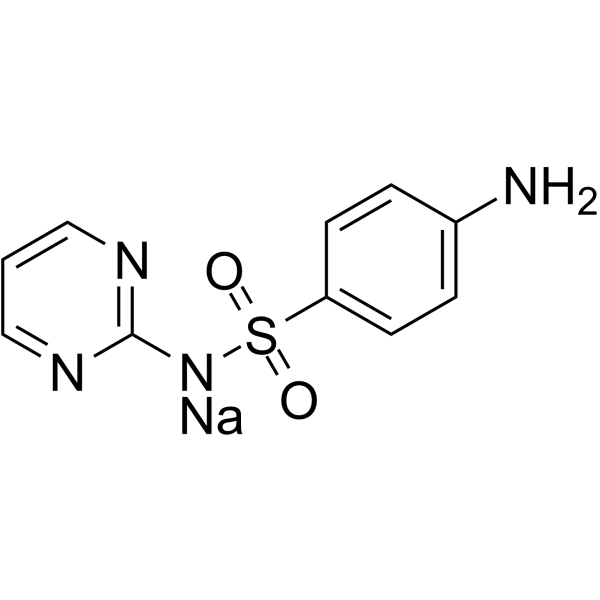
Sulfadiazine (Standard) is the analytical standard of Sulfadiazine. This product is intended for research and analytical applications. Sulfadiazine is a sulfonamide antibiotic with antimalarial activity. Sulfadiazine can be used for toxoplasmosis research .
|
-

-
- HY-P2261
-
STAD 2
1 Publications Verification
|
PKA
|
Infection
|
|
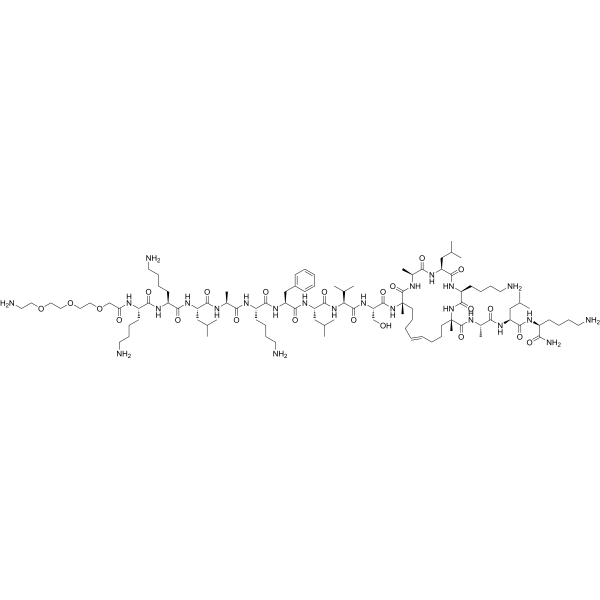
STAD 2 is a potent and selective disruptor of PKA-RII, with a Kd of 6.2 nM. STAD 2 disrupts interactions between PKA and AKAP in an isoform-selective manner. STAD 2 displays antimalarial activity through a PKA-independent mechanism .
|
-
-
- HY-N9438R
-
-

-
- HY-108640
-
|
|
MDM-2/p53
Parasite
Apoptosis
|
Infection
Cancer
|
|
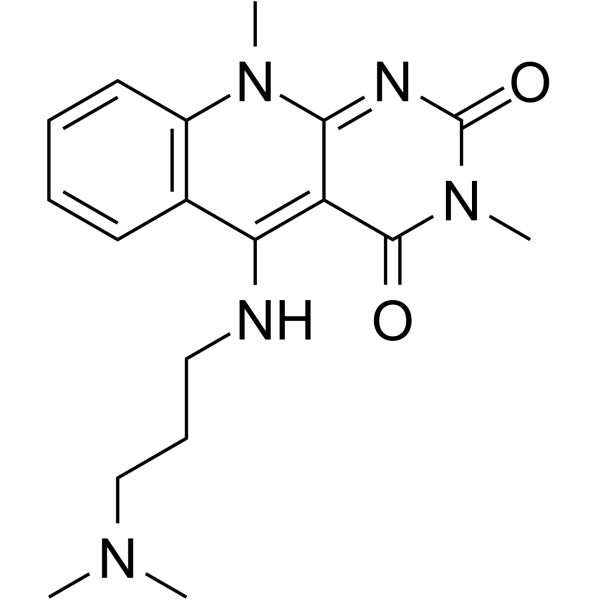
HLI373 is an efficacious Hdm2 inhibitor. HLI373 inhibits the ubiquitin ligase activity of Hdm2. HLI373 is effective in inducing apoptosis of several tumor cells that are sensitive to DNA-damaging agents . Antimalarial activity .
|
-
-
- HY-135619
-
-
-
- HY-135652
-
|
Hexyl 3,4,5-trihydroxybenzoate
|
Bacterial
Parasite
|
Infection
|
|
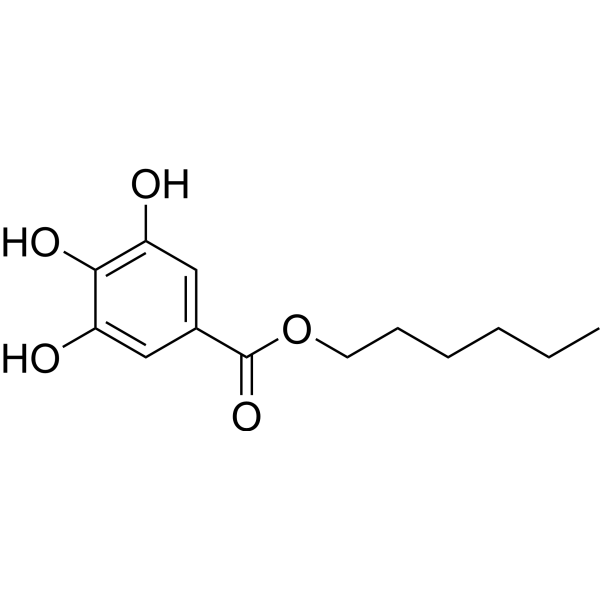
Hexyl gallates (Hexyl 3,4,5-trihydroxybenzoate) shows antibacterial activity and inhibits the production of rhamnolipid and pyocyanin by inhibiting RhlR . Hexyl gallate, a alkyl ester derivative of gallic acid, exhibits potent antimalarial activity against Plasmodium falciparum, with IC50 of 0.11 mM .
|
-
-
- HY-136429
-
|
Optochin
|
Bacterial
Parasite
|
Infection
|
|
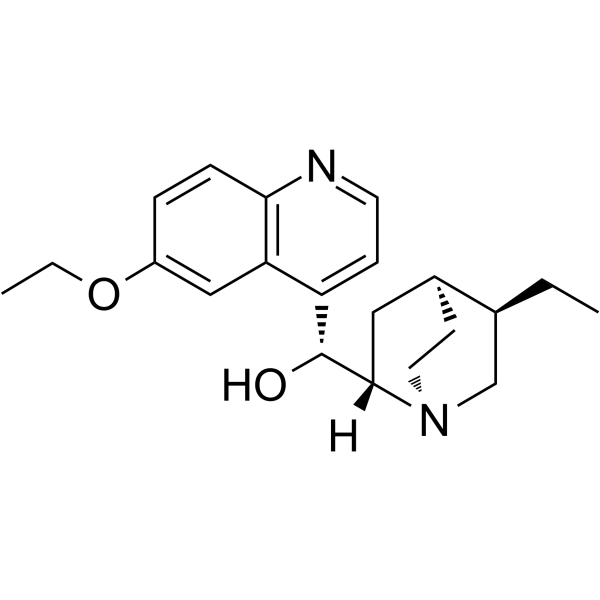
Ethylhydrocupreine (Optochin) is a quinine derivate with antimicrobial activity against S. pneumoniae. Ethylhydrocupreine also possesses antimalarial activity against Plasmodium falciparum, with an IC50 of 25.75 nM. Ethylhydrocupreine is a Gallus gallus taste 2 receptors (ggTas2r1, ggTas2r2 and ggTas2r7) agonist .
|
-
-
- HY-145431
-
|
|
Epigenetic Reader Domain
Parasite
|
Infection
|
|
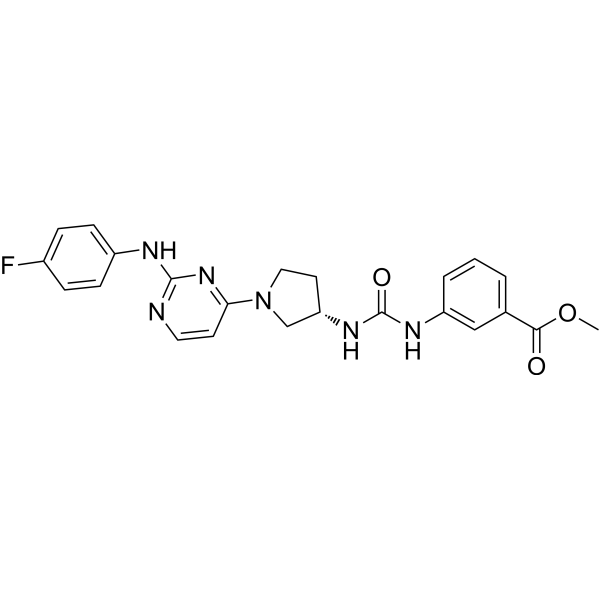
(S)-GSK1379725A (compound AU1) is a selective bromodomain and PHD finger containing transcription factor (BPTF) bromodomain inhibitor with a Kd of 2.8 μM. (S)-GSK1379725A shows to be selective for BPTF over BRD4 bromodomain. (S)-GSK1379725A shows antimalarial activity .
|
-
-
- HY-100033
-
|
RE-640
|
Parasite
|
Infection
Cancer
|
|
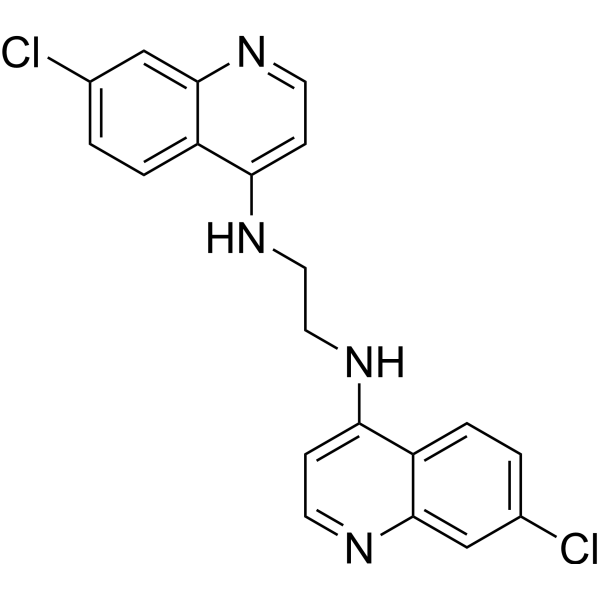
NSC5844 (RE-640) is a 4-aminoquinoline derivative, with antitumor and antimalarial activity.
|
-
-
- HY-186054
-
|
|
Parasite
|
Infection
|
|
Antimalarial agent 57 (308470) is a quinoline methanol derivative with antimalarial activity. Antimalarial agent 57 can be used in malaria research .
|
-

-
- HY-101672
-
|
FBS 0701
|
Ferroptosis
Parasite
|
Infection
|
|
Deferitazole (FBS 0701) is an orally active iron chelator. Deferitazole shows antimalarial activity and
Can be used for study of malaria .
|
-

-
- HY-W009194
-
|
|
Drug Intermediate
|
Infection
|
|
(R)-(+)-Trityl glycidyl ether, a heterocyclic compound, is a precursor that can be used to synthesize glycerophospholipids, as well as compounds with antiviral and antimalarial activities .
|
-

-
- HY-N7314
-
|
|
Syk
|
Inflammation/Immunology
|
|
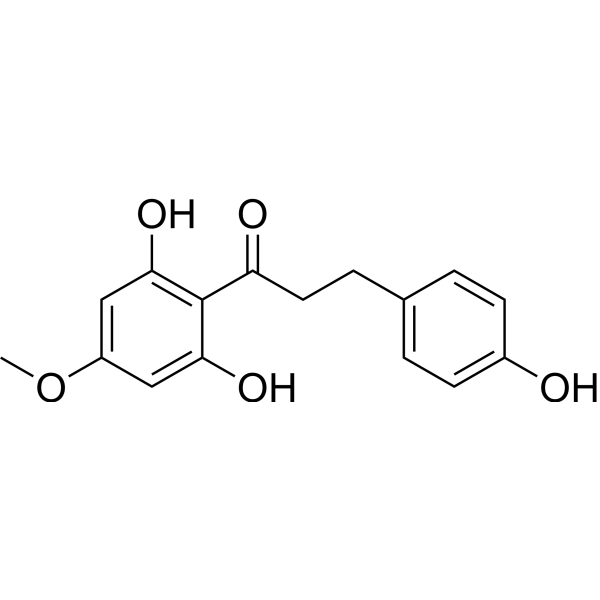
Asebogenin has antimalarial activity in vitro . Asebogenin can inhibit the phosphorylation of Syk, thereby effectively suppressing platelet activation and the formation of neutrophil extracellular traps .
|
-
-
- HY-W016819R
-
-

-
- HY-N7281
-
|
|
Acyltransferase
Parasite
|
Infection
|
|
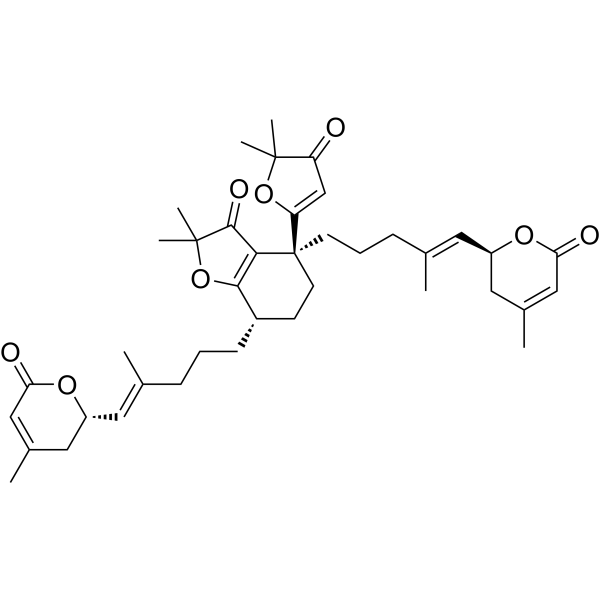
Aphadilactone C is a potent and selective DGAT-1 inhibitor with an IC50 of 0.46 μM. Aphadilactone C shows significant antimalarial activities with an IC50 value of 170 nM .
|
-
-
- HY-116713
-
-

-
- HY-N2876
-
|
|
Parasite
Bacterial
|
Infection
|
|
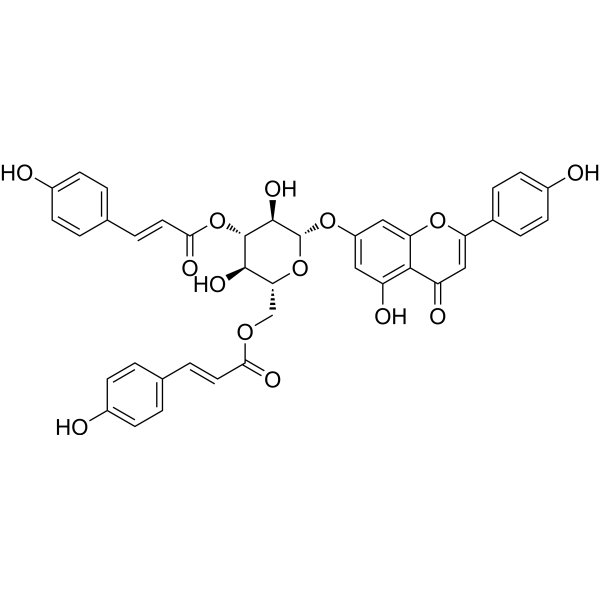
Anisofolin A is a flavonoid that can be isolated from Anisomeles indica. Anisofolin A has antimalarial activity (IC50: 4.39 μM), and antimycobacterium activity (IC50: 4.50 μM) against M. tuberculosis H37Ra .
|
-
-
- HY-121273
-
|
Dichlorfop acid; (±)-Diclofop
|
Acetyl-CoA Carboxylase
Parasite
Drug Metabolite
|
Infection
|
|
Diclofop (Dichlorfop acid) is an acetyl-CoA carboxylase (ACC) inhibitor. Diclofop is also the major metabolite of the herbicide Diclofop-methyl (HY-136367). Diclofop exhibits antimalarial activity with an IC50 of 210 μM against P. falciparum .
|
-

-
- HY-W011241
-
|
(8R,9S)-Cinchonine hydrochloride; LA40221 hydrochloride
|
Apoptosis
Parasite
|
Cancer
|
|
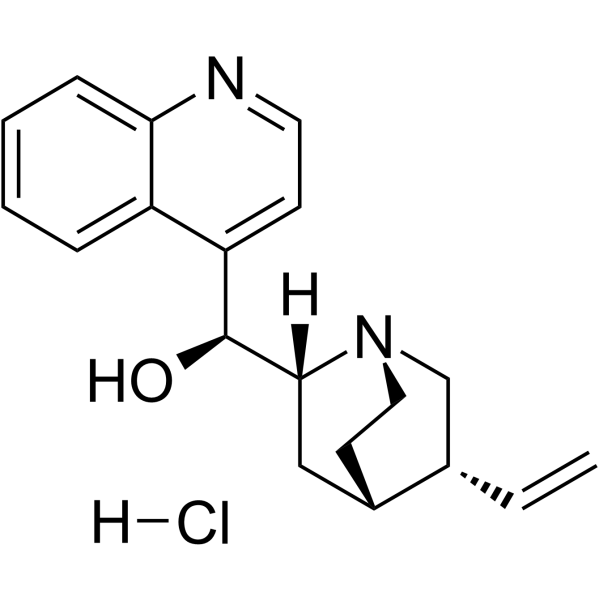
Cinchonine hydrochloride ((8R,9S)-Cinchonine hydrochloride) is a natural alkaloid present in Cinchona bark, with antimalarial activity. Cinchonine hydrochloride activates endoplasmic reticulum (ER) stress-induced apoptosis in human liver cancer cells .
|
-
-
- HY-121556
-
|
|
Reactive Oxygen Species (ROS)
Parasite
|
Infection
|
|
Rufigallol is one of the earliest systems reported to form columnar mesophases. Rufigallol is also an oxidant agent. Rufigallol acts in a pro-oxidant fashion to produce oxygen radicals inside parasitized erythrocytes. Rufigallol has vitamin K activity and antimalarial activity .
|
-

-
- HY-106338
-
|
|
Bacterial
ADC Payload
Parasite
|
Infection
Cancer
|
|
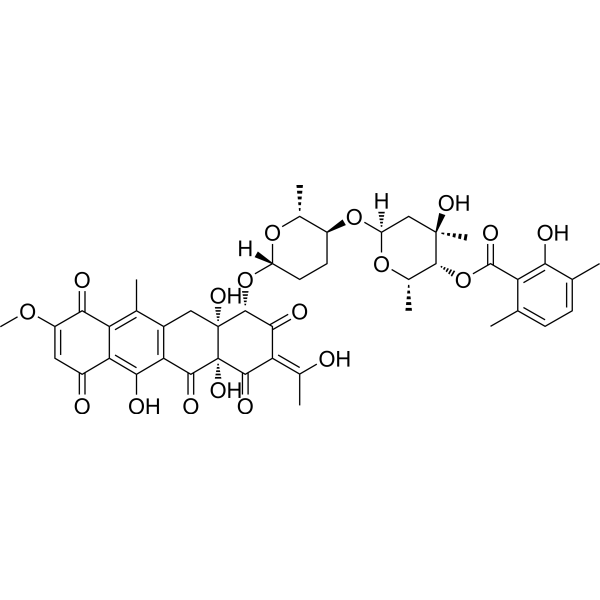
Polyketomycin is a tetracyclic quinone glycoside antibiotic isolated from Streptomyces sp. or Streptomyces diastatochromogenes. Polyketomycin inhibits growth of Gram-positive bacteria, and its MIC values is less than 0.2 µg/mL. Polyketomycin has antibacterial, anticancer, antimalarial activities .
|
-
-
- HY-135666
-
-
-
- HY-N8290R
-
|
Lactucopicrin (Standard)
|
Autophagy
NF-κB
AMPK
Reference Standards
|
Neurological Disease
Metabolic Disease
|
|
Lactupicrin (Standard) is the analytical standard of Lactupicrin. This product is intended for research and analytical applications. Lactupicrin (Lactucopicrin) exhibits analgesic, sedative, antimalarial activities and atheroprotective effect. Lactupicrin inhibits acetylcholinesterase (AChE) with an IC50 of 150.3 μM. Lactupicrin is an orally active characteristic bitter sesquiterpene lactone .
|
-

-
- HY-124127
-
|
|
Parasite
|
Others
|
|
Allylpyrocatechol is a compound with antimalarial activity isolated from plants. Its antimalarial activity in vitro and in vivo has been verified, and structure-activity relationship analysis of its analogs has also been performed.
|
-

-
- HY-12781
-
|
Desbutyl-benflumetol
|
Drug Metabolite
|
Infection
|
|
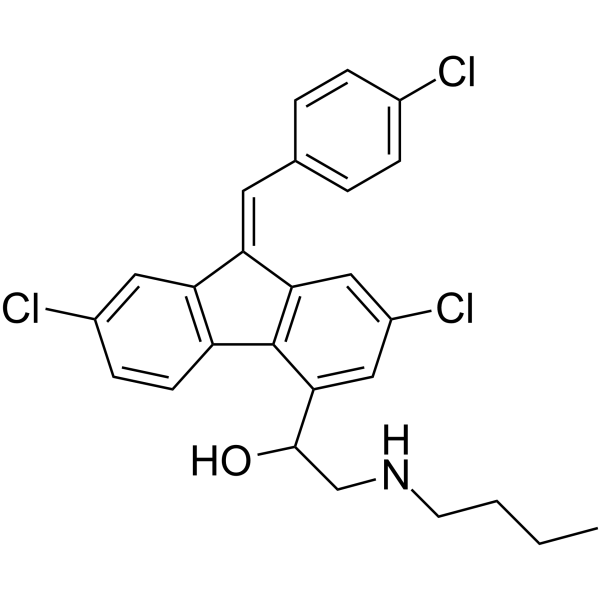
Desbutyl Lumefantrine is a metabolite of lumefantrine with antimalarial activity .
|
-
- HY-106848
-
|
Ro 42-1611
|
Parasite
|
Infection
|
|
Arteflene is a synthetic structural analogue of artemisinin. Arteflene has antimalarial activity .
|
-

- HY-P1638
-
|
|
Parasite
|
Infection
|
|
Isariin A is a cyclodepsipeptide isolated from the fungus Isaria cretacea, which exhibits antimalarial activity .
|
-

- HY-N1075
-
|
|
Parasite
|
Infection
|
|
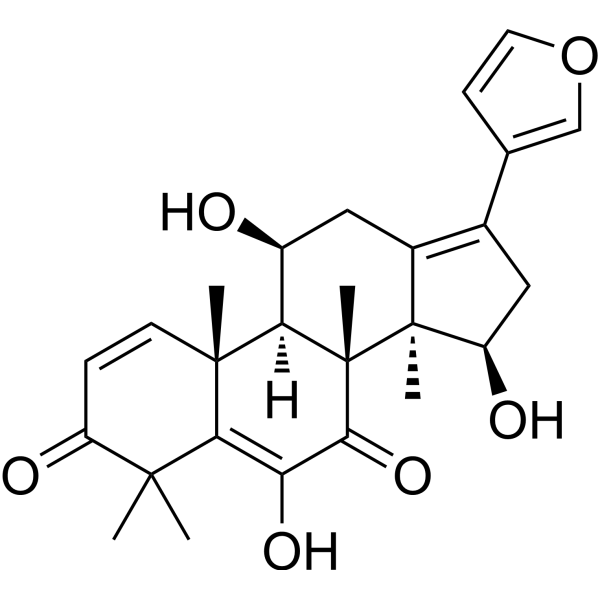
Walsuronoid B is a limonoid can be isolated from Walsura robusta and has weak antimalarial activity .
|
-
- HY-P1992
-
|
|
Parasite
|
Infection
|
|
Isariin B is a cyclodepsipeptide isolated from the fungus Isaria felina, which exhibits antimalarial activity .
|
-

- HY-B0273S1
-
-
- HY-118494R
-
|
|
Parasite
Reference Standards
|
Infection
|
|
Ascaridole (Standard) is the analytical standard of Ascaridole. This product is intended for research and analytical applications. Ascaridole is an anthelmintic and also has antimalarial activity .
|
-

- HY-N15187
-
|
|
Parasite
|
Infection
|
|
Acronycidine is a quinoline alkaloid with antimalarial activity and can be extracted from Acronychia baueri Schott. Acronycidine can be utilized in malari research .
|
-

- HY-N8465
-
|
NSC 103005
|
Parasite
|
Others
|
|
Noracronycine is an alkaloid originally isolated from G. pentaphylla that has antimalarial activity. It is active against P. yoelii when used at a concentration of 10 μg/mL.
|
-

- HY-N16640
-
-

- HY-123314
-
|
HOE-991
|
Parasite
|
Infection
|
|
Floxacrine (HOE-991) is a dihydroacridinedione derivative with antimalarial activity. Floxacrine can be used to study its activity against different Plasmodium species .
|
-

- HY-141621
-
|
|
Parasite
Drug Metabolite
|
Infection
|
|
ACT-606559, a new chemical entity with antimalarial activity, is a metabolite of ACT451840. ACT-606559 can be used for the research of malarial .
|
-
- HY-159900
-
|
|
Parasite
|
Infection
|
|
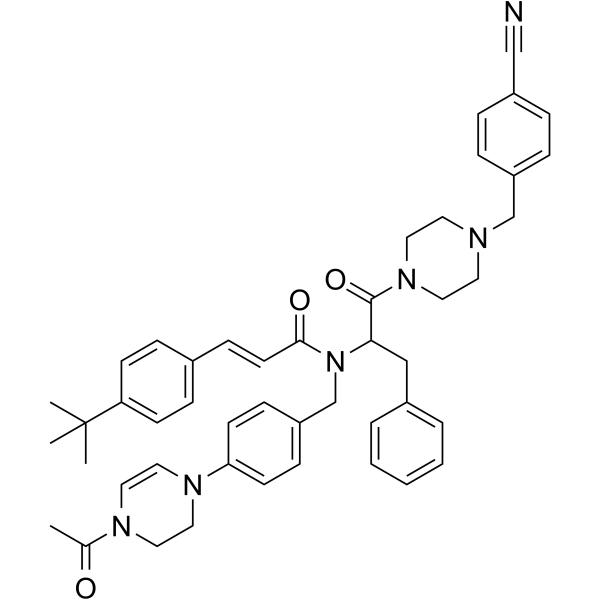
Antimalarial agent 46 (Compound 42a) is an antimalarial agent with antimalarial activity. Antimalarial agent 46 shows inhibitory activity against P. falciparum lines .
|
-

- HY-122248
-
|
|
Parasite
|
Others
|
|
Phebestin is a compound with antimalarial activity that has an inhibitory effect on Plasmodium and has shown good results in in vitro and in vivo experiments. It can also bind to related enzymes of Plasmodium.
|
-

- HY-160675
-
|
|
Parasite
|
Infection
|
|
TCMDC-137332 is a compound that exhibits antimalarial activity against Plasmodium falciparum with an IC50 value of 7 nM. TCMDC-137332 can be utilized for the research of malaria .
|
-
- HY-144298
-
|
|
Parasite
HDAC
|
Infection
|
|
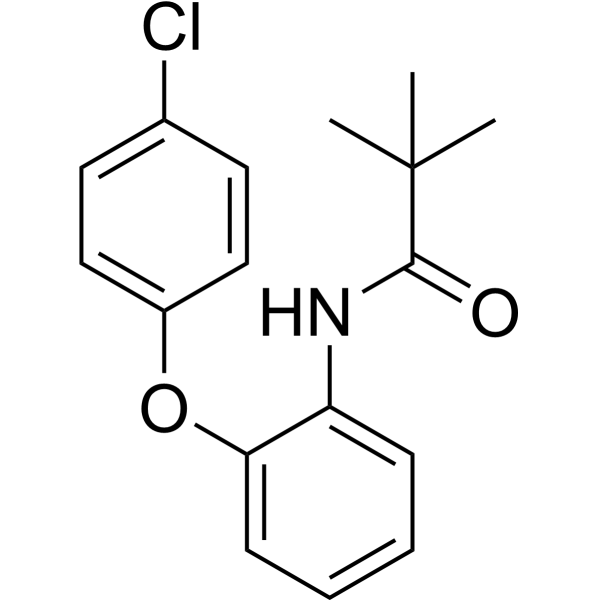
HDAC1-IN-4 (JX34) is a potent Plasmodium falciparum HDAC1 inhibitor shows antimalarial activity (IC50 < 5 nM) and lower cytotoxicity .
|
-
- HY-N2753
-
|
|
Parasite
|
Infection
|
|
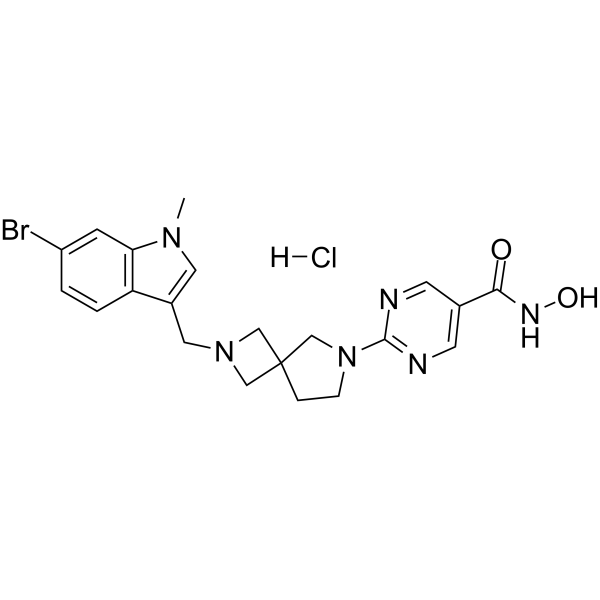
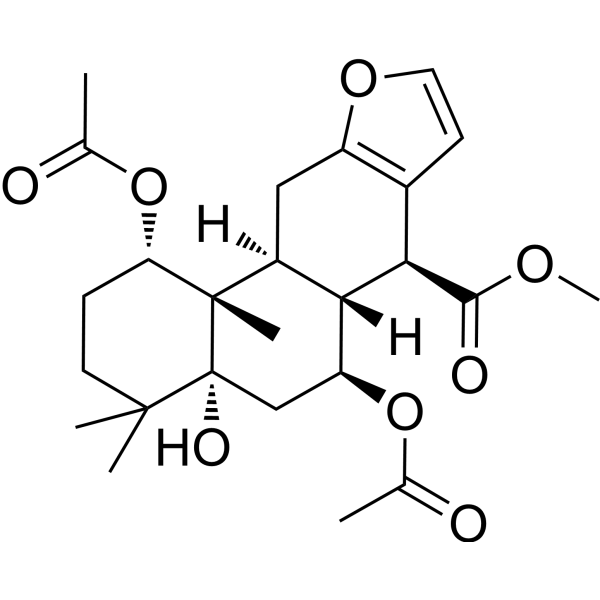
7-Acetoxybonducellpin C, a diterpenoid, is a nature product that could be isolated from the seed kernels of Caesalpinia crista. 7-Acetoxybonducellpin C has antimalarial activity .
|
-
- HY-N8338
-
|
|
Parasite
|
Infection
|
|
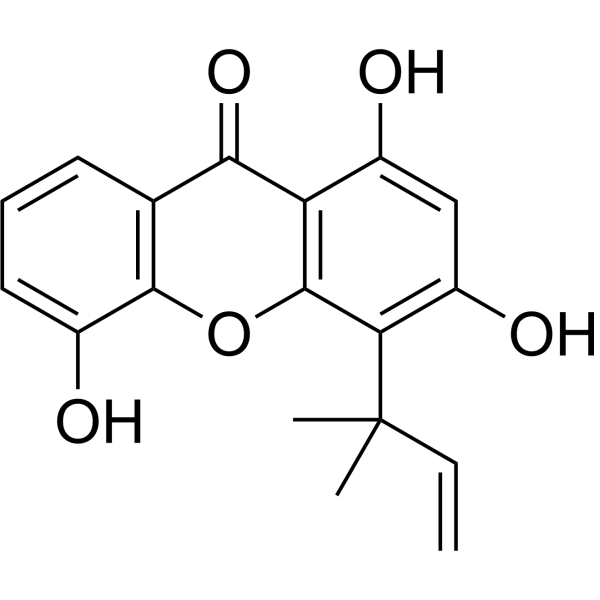
Pancixanthone A is a xanthone that can be isolated from Garcinia vieillardii. Pancixanthone A has antimalarial activity against chloroquino-resistant strains of Plasmodium falciparum with an IC50 of 1.6 μg/mL .
|
-
- HY-B0273AR
-
|
|
Reference Standards
Bacterial
Parasite
Antibiotic
|
Infection
|
|
Sulfadiazine (sodium) (Standard) is the analytical standard of Sulfadiazine (sodium). This product is intended for research and analytical applications. Sulfadiazine sodium is a sulfonamide?antibiotic with antimalarial activity. Sulfadiazine can be used for toxoplasmosis research .
|
-

- HY-N8455
-
|
Assiguxanthone A
|
Parasite
|
Infection
|
|
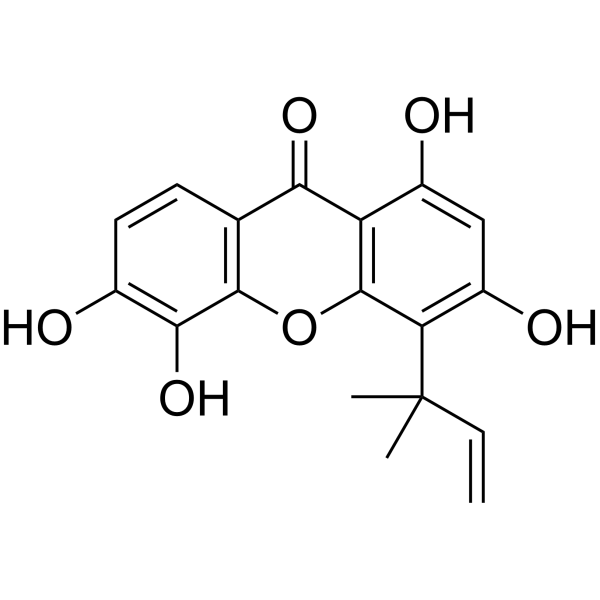
Isocudraniaxanthone A is a xanthone that can be isolated from Garcinia vieillardii. Isocudraniaxanthone A has antimalarial activity against chloroquino-resistant strains of Plasmodium falciparum with an IC50 of 2.3 μg/mL .
|
-
- HY-N14309
-
|
|
Parasite
|
Infection
|
|
Astechrome is a natural product with a strong antimalarial activity with an IC50 value of 0.94 μM. Astechrome exhibits cytotoxicity against Vero cells with IC50 value of 7.9 μM .
|
-

- HY-N3957
-
|
|
Parasite
|
Infection
|
|
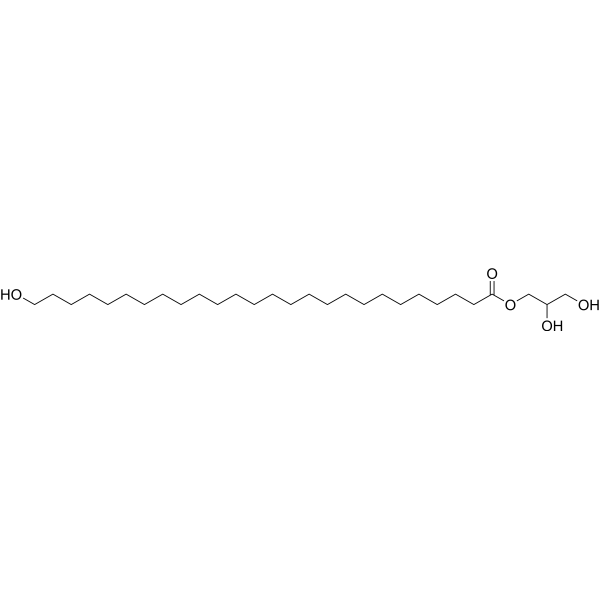
1-(26-Hydroxyhexacosanoyl)-glycerol is a potent antimalarial agent. 1-(26-Hydroxyhexacosanoyl)-glycerol shows antimalarial activity with an IC50 value of 9.48 µM for Plasmodium falciparum .
|
-
- HY-N2759
-
|
|
Bacterial
|
Infection
|
|
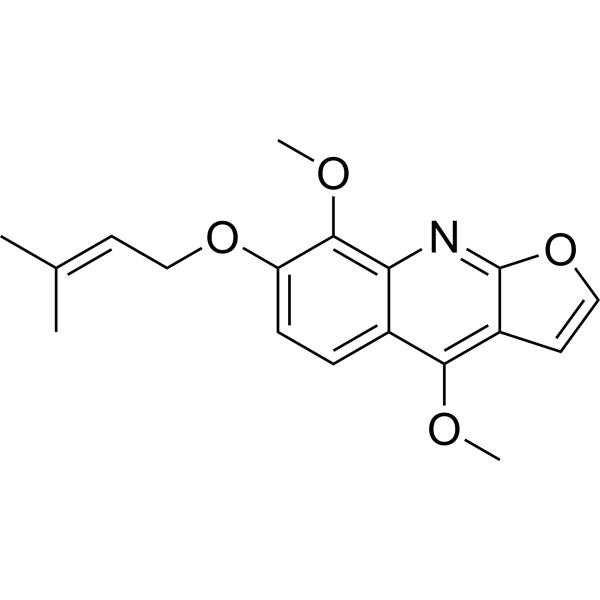
7-O-Isopentenyl-γ-fagarine is an alkaloid that can be isolated from Peltostigma guatemalense. 7-O-Isopentenyl-γ-fagarine has antibacterial and antimalarial activities in vitro .
|
-
- HY-150066
-
|
|
Parasite
|
Infection
Inflammation/Immunology
|
|
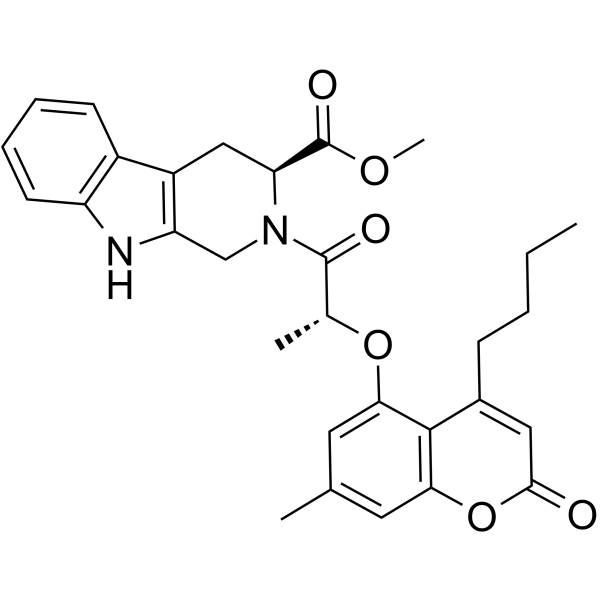
Antimalarial agent 16 (Compound 4h) is a parasite inhibitor. Antimalarial agent 16 shows antimalarial activity, and can inhibit P. falciparum parasite growth (IC50=2.0 nM) .
|
-
- HY-163070
-
|
|
Parasite
|
Infection
|
|
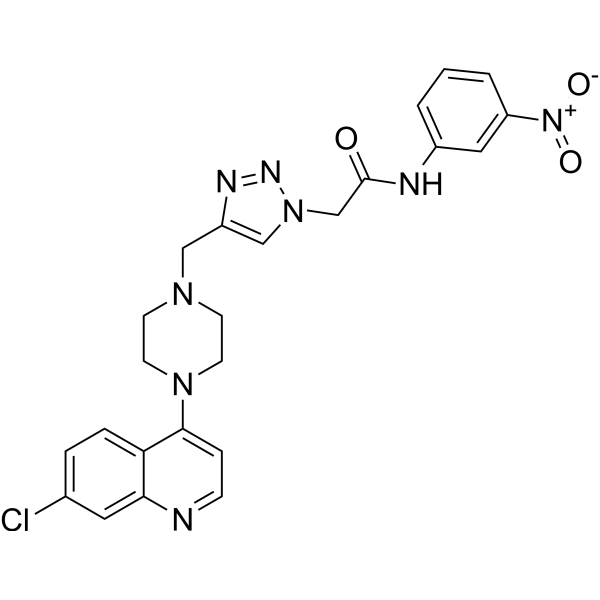
Antimalarial agent 35 (compound QP11) is a selective inhibitor FP2. Antimalarial agent 35 has antimalarial activity and shows synergistic effects when combined with chloroquine(HY-17589A) .
|
-
- HY-150065
-
|
|
Parasite
|
Infection
Inflammation/Immunology
|
|
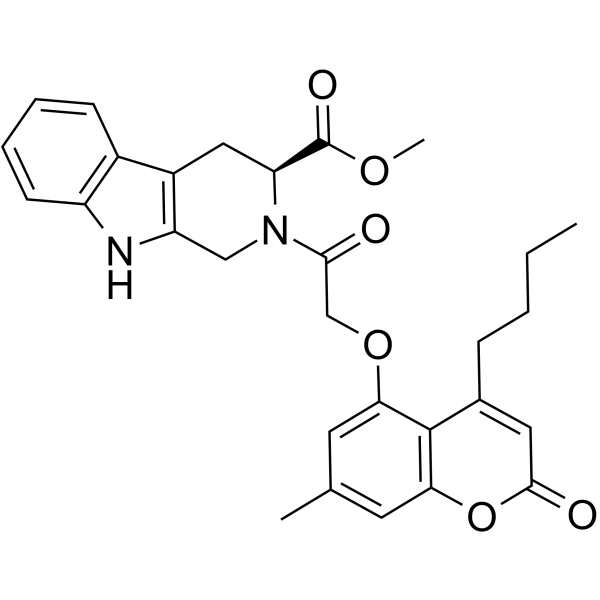
Antimalarial agent 15 (Compound 4e) is a parasite inhibitor. Antimalarial agent 15 shows antimalarial activity, and can inhibit P. falciparum 3D7 parasite growth (IC50=20 nM) .
|
-
- HY-N0941R
-
|
β-Mangostin (Standard)
|
Reference Standards
Bacterial
Parasite
Apoptosis
|
Infection
Cancer
|
|
beta-Mangostin (Standard) is the analytical standard of beta-Mangostin. This product is intended for research and analytical applications. beta-Mangostin (β-Mangostin) is a xanthone compound present in Cratoxylum arborescens, with antibacterial and antimalarial activities. beta-Mangostin exhibits antimycobacterial activity against Mycobacterium tuberculosis with an MIC of 6.25 μg/mL. beta-Mangostin possesses in vitro antimalarial activity against Plasmodium falciparum, with an IC50 of 3.00 μg/mL. beta-Mangostin has potent anticancer activity against various cancers (such as hepatocellular carcinoma, leukaemic) .
|
-

- HY-177441
-
|
|
Parasite
HDAC
|
Infection
|
|
Apicidin C (Compound 5a) is a cyclic tetrapeptide. Apicidin C has an antiprotozoal and antimalarial activity against Eimeria tenella (IC50: 6 nM) by reversibly inhibiting HDAC acyivity. Apicidin C can be used for malaria infections research .
|
-

- HY-171457
-
|
RC-12
|
Parasite
Drug Derivative
|
Infection
|
|
WR-27653 (RC-12) is a derivative of Catechol with good activity against hypnozoites in the gold-standard Plasmodium cynomolgi-rhesus monkey (Macaca mulatta) model. WR-27653 has antimalarial activity .
|
-

- HY-147371
-
|
|
Parasite
|
Infection
Neurological Disease
|
|
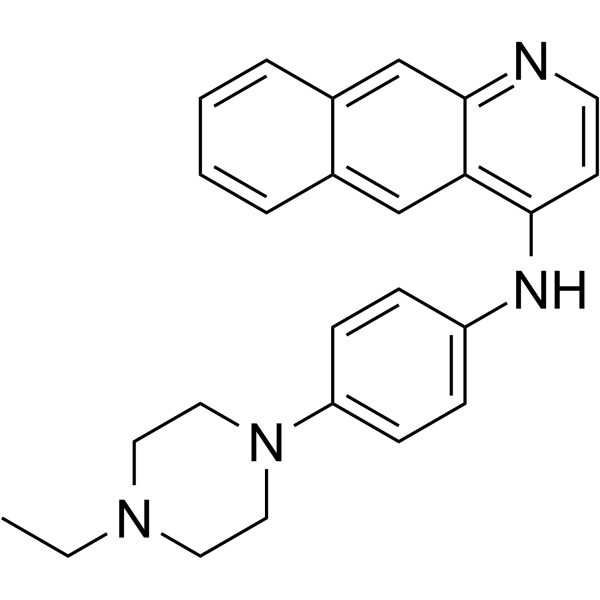
Quinoprazine is a potent inhibitor of Vaccinia virus DNA synthesis with an IC50 value of 10 μM. Quinoprazine has antimalarial activity against Plasmodium berghei and also displays antiprion potency, significantly decreases PrP S c levels - .
|
-
- HY-149938
-
|
|
Parasite
|
Infection
|
|
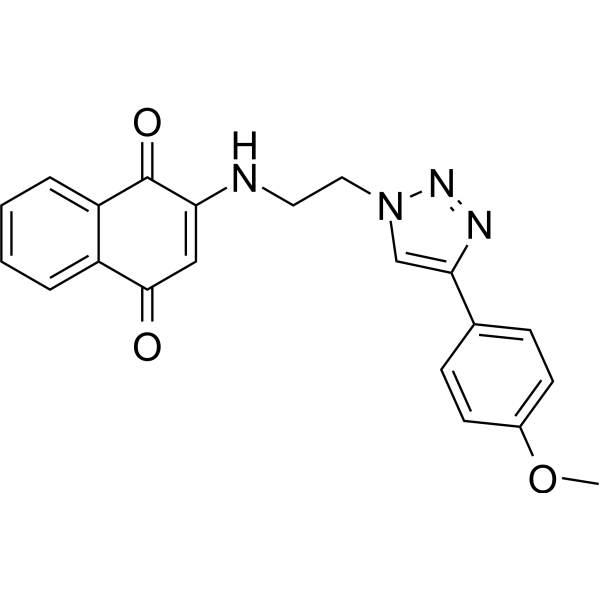
Antimalarial agent 25 is an orally active 1,4-naphthoquinones derivative with antimalarial activity. Antimalarial agent 25 shows cytotoxicity against P. falciparum. Antimalarial agent 25 inhibits P. burghei induced parasitemia in vivo .
|
-
- HY-160633
-
|
|
Parasite
|
Infection
|
|
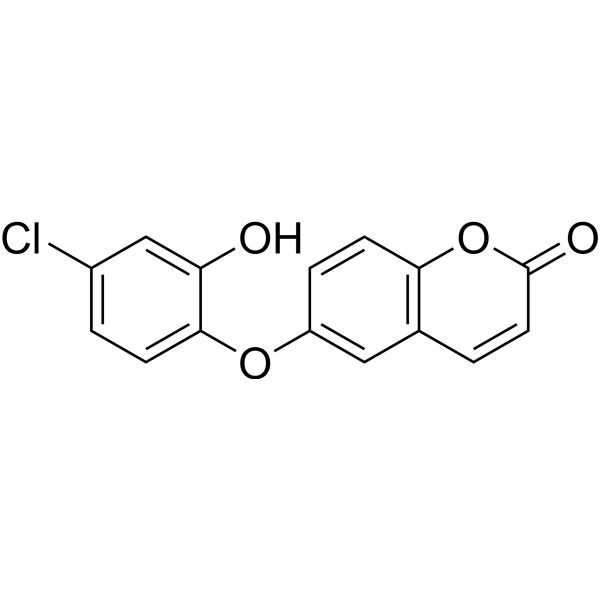
PfFAS-II inhibitor 1 (Compound 3) is a Plasmodium falciparum type II fatty acid biosynthesis pathway (PfFAS-II) inhibitor, with an IC50 of 0.63 μM for PfFabI enzyme. PfFAS-II inhibitor 1 has antimalarial activity .
|
-
- HY-N8285
-
|
|
Parasite
|
Infection
|
|
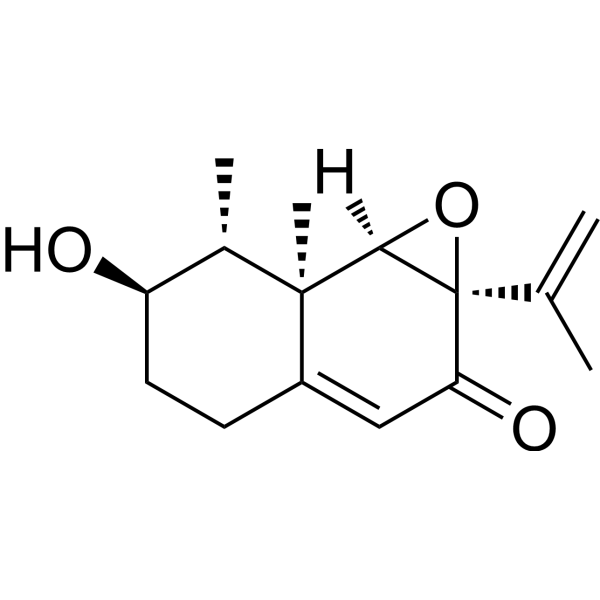
Sporogen AO-1 is a fungal metabolite originally isolated from the fungusAspergillus oryzae. Sporogen AO-1 has significant antimalarial activity againstplasmodium falciparum, with an IC50 value of 1.53 μM, and also has certain cytotoxicity .
|
-
- HY-N3283
-
|
|
Parasite
|
Infection
|
|
6-Methylhydroxyyangolensate is a limonoid can be extracted from Khaya grandifoliola. 6-Methylhydroxyyangolensate has low antimalarial activity in vitro, with an IC50 of 21.59 μg/ml against P. falciparum (W2/Indochina clone) .
|
-
- HY-156063
-
|
|
Parasite
|
Infection
|
|
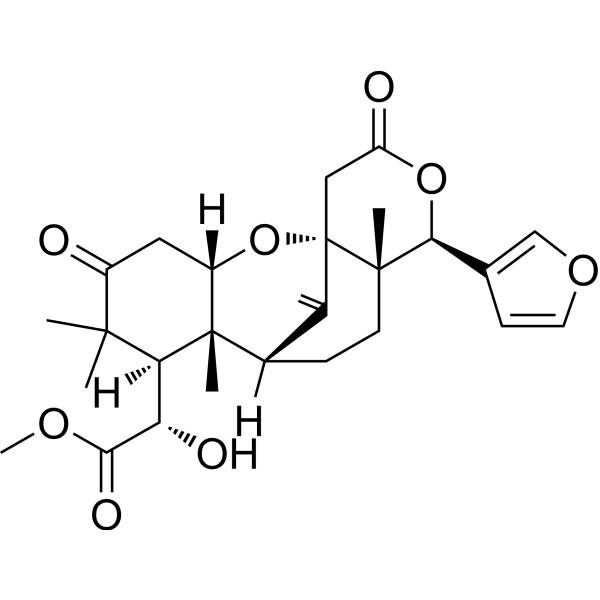
(2R,4R)-UCB7362 is the (2R,4R) isomer of UCB7362 (HY-151568). UCB7362 is an inhibitor of plasma proteinase X (PMX) with antimalarial activity .
|
-

- HY-120607
-
|
|
Parasite
|
Infection
Cancer
|
|
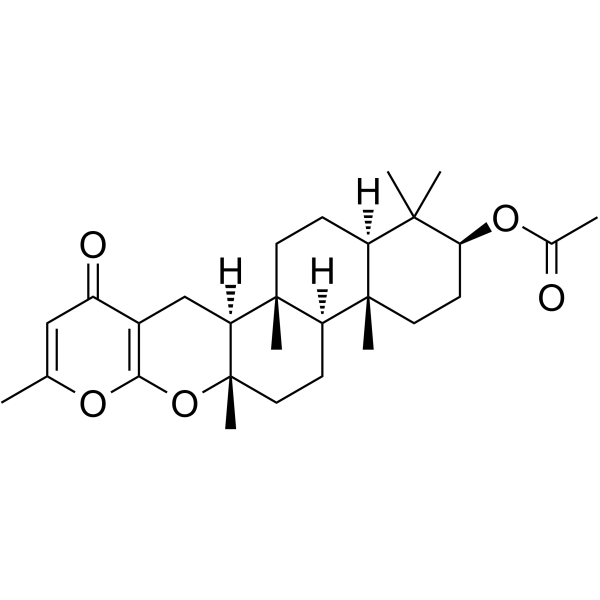
Chevalone C, a meroterpenoid fungal metabolite, shows antimalarial activity with IC50 value of 25.00 μg/mL. Chevalone C has anti-proliferative activity on colon HCT116, liver HepG2 and melanoma A375 cancer cell lines .
|
-
- HY-170848
-
|
|
Parasite
|
Infection
|
|
Antimalarial agent 48 (Compound 15a) is a triazine-class compound with antimalarial activity, showing inhibitory concentrations of 280 nM against Plasmodium falciparum K1 and 290 nM against Plasmodium falciparum FCR3. Antimalarial agent 48 is expected to be useful for research in the field of antimalarial infections .
|
-

- HY-149939
-
|
|
Parasite
|
Infection
|
|
Antimalarial agent 26 is an orally active 1,4-naphthoquinones derivative with antimalarial activities. Antimalarial agent 26 shows cytotoxicity against P. falciparum and selectivity over mammalian cell lines. Antimalarial agent 26 inhibits P. burghei induced parasitemia in vivo .
|
-
- HY-116552
-
|
|
Parasite
|
Infection
|
|
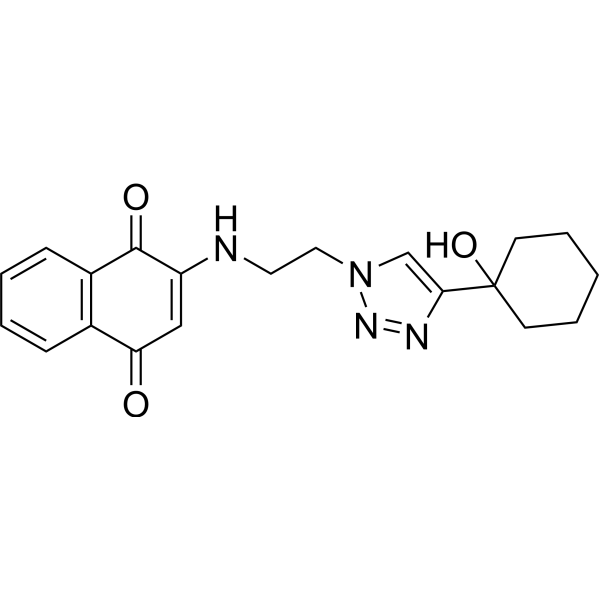
KAR425 is a potent and orally active antimalarial agent. KAR425 shows antimalarial activity against the Chloroquine-sensitive (CQS) D6, the Chloroquine-resistant (CQR) Dd2, and 7G8 strains of Plasmodium falciparum, with IC50 values of 62 nM, 55 nM, and 60 nM, respectively .
|
-

- HY-121804
-
|
|
Parasite
|
Others
|
|
SSJ-183 is a compound with antimalarial activity, with activity that modulates antimalarial effects and pharmacokinetic properties. SSJ-183 has shown some activity in antimalarial studies, and its pharmacokinetic properties are between those of other tested compounds, which is of certain significance for the study of new antimalarial combination therapies.
|
-

- HY-145379
-
|
|
Parasite
Endogenous Metabolite
|
Infection
|
|
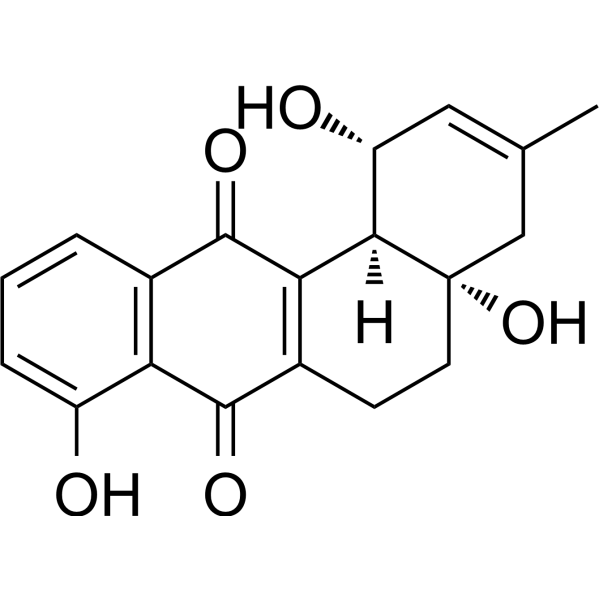
Miaosporone A, an angucyclic quinone, exhibits antimalarial activity against Plasmodium falciparum K1 and antibacterial activity against Mycobacterium tuberculosis with respective IC50 values of 2.5 and 2.4 μM and displays cytotoxic activities against both cancerous (MCF-7 and NCI-H187) and nonmalignant (Vero) cells .
|
-
- HY-168918
-
|
|
Parasite
Dihydrofolate reductase (DHFR)
|
Infection
|
|
Insecticidal agent 19 (Compound 7b) exhibits antimalarial activity by inhibiting dihydrofolate
reductase-thymidylate synthase (DHFR-TS) and pteridine reductase 1 (PTR1) through the folic acid metabolic pathway. Insecticidal agent 19 inhibits Leishmania major promastigote and amastigote with IC50 of 1.43 μM and 3.78 μM .
|
-

- HY-N5018R
-
|
Musizin (Standard)
|
Reference Standards
Parasite
AMPK
|
Infection
|
|
Nepodin (Standard) is the analytical standard of Nepodin. This product is intended for research and analytical applications. Nepodin (Musizin) is a quinone oxidoreductase (PfNDH2) inhibitor isolate from Rumex crispus .Nepodin (Musizin) stimulates the translocation of GLUT4 to the plasma membrane by activation of AMPK .Nepodin (Musizin) has antidiabetic and antimalarial activities.
|
-

- HY-N8521
-
|
|
TMV
Parasite
|
Infection
|
|
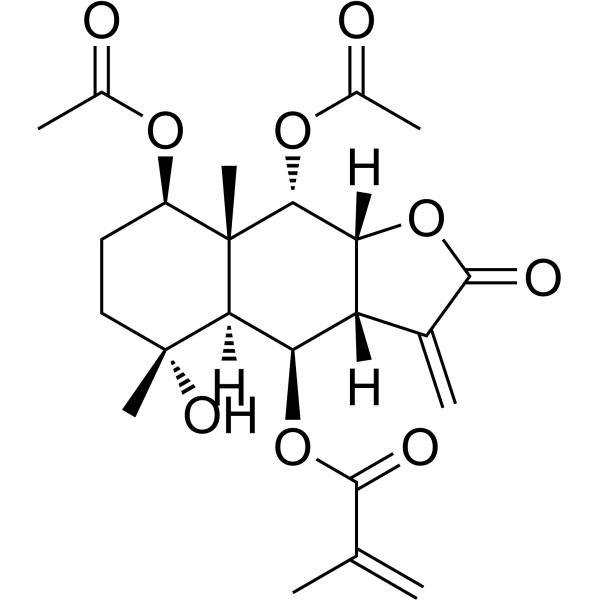
6-O-Methacrylate, a trilobolide, is isolated from the leaves of Wedelia trilobata. 6-O-Methacrylate displays marked antimalarial activity, with IC50 of 8.9 μg/mL against P. falciparum parasite. 6-O-Methacrylate also has anti-tobacco mosaic virus (TMV) activity .
|
-
- HY-144297
-
|
|
HDAC
Parasite
|
Infection
|
|
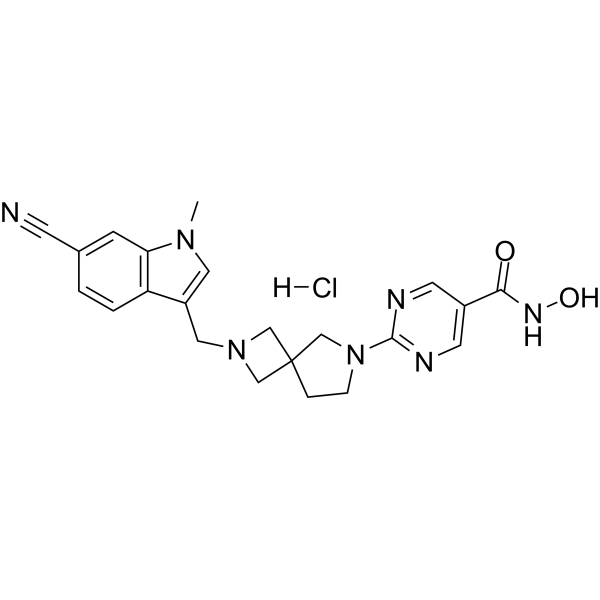
HDAC1-IN-3 is a potent Pf HDAC1 inhibitor. HDAC1-IN-3 shows antimalarial activity in wild-type and multidrug-resistant parasite strains. HDAC1-IN-3 shows a significant in vivo killing effect against all life cycles of parasites .
|
-
- HY-156063A
-
|
|
Parasite
|
Infection
|
|
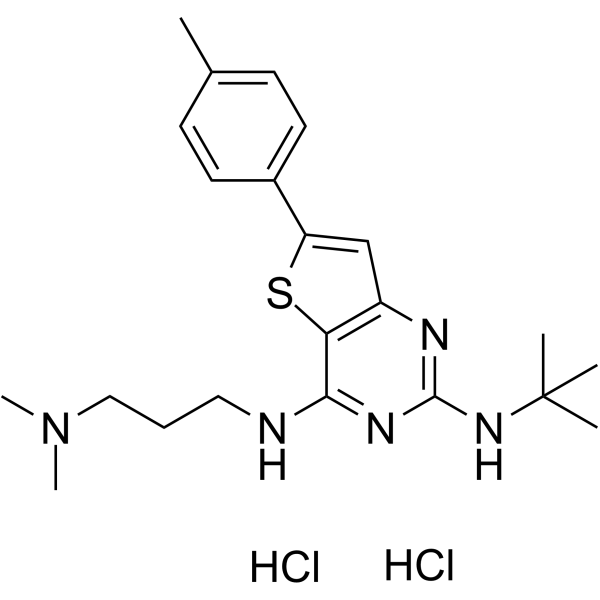
(2R,4R)-UCB7362 hydrochloride is the (2R,4R) isomer of UCB7362 (HY-151568). (2R,4R)-UCB7362 hydrochloride is an inhibitor of plasma proteinase X (PMX) with antimalarial activity .
|
-

- HY-179118
-
|
|
Parasite
|
Infection
|
|
Antimalarial agent 53 (compound 31) is an antimalarial agent. Antimalarial agent 53 blocks protein synthesis by inhibiting the cytoplasmic ribosomes of malaria parasites, exhibiting potent antimalarial activity (IC50 = 3.9 nM) and good selectivity. Antimalarial agent 53 has no cross resistance and good safety. Antimalarial agent 53 can be used for research on malaria .
|
-

- HY-152614
-
|
|
Parasite
|
Infection
|
|
Antimalarial agent 19 (compound 6e) is an antimalarial active agent. Antimalarial agent 19 has antimalarial activity for the blood stage of P. falciparum K1 and P. berghei with EC50 values of 0.3 µM, 15.3 µM, respectively. Antimalarial agent 19 has good aqueous solubility, intestinal permeability and microsomal stability compared to gamhepathiopine .
|
-
- HY-N8345
-
|
|
Others
|
Others
|
|
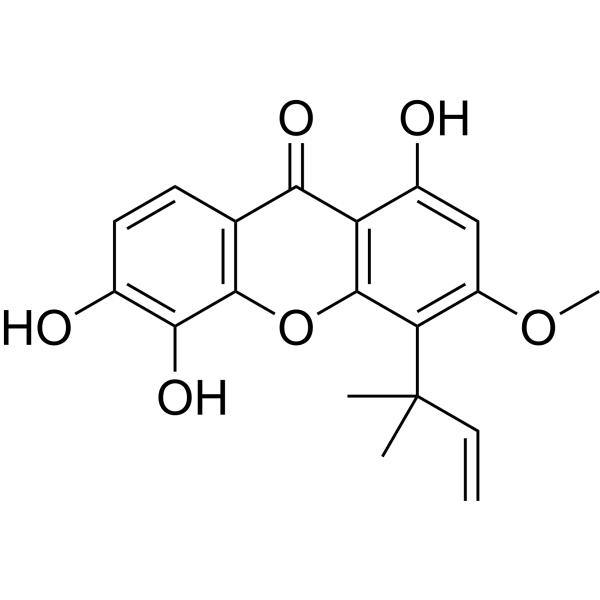
Isocudraniaxanthone B (compound 10) is a kind of xanthone. Isocudraniaxanthone B can be isolated from Calophyllum caledonicum. Isocudraniaxanthone B has antimalarial activity with an IC50 value of 3.2 μg/mL .
|
-
- HY-13837
-
|
|
Parasite
|
Infection
|
|
P4Q-391 is a Plasmodium cytochrome bc1 complex inhibitor with antimalarial activity. P4Q-391 is promising for research of parasites .
|
-

- HY-N1678
-
|
|
Others
|
Others
|
|
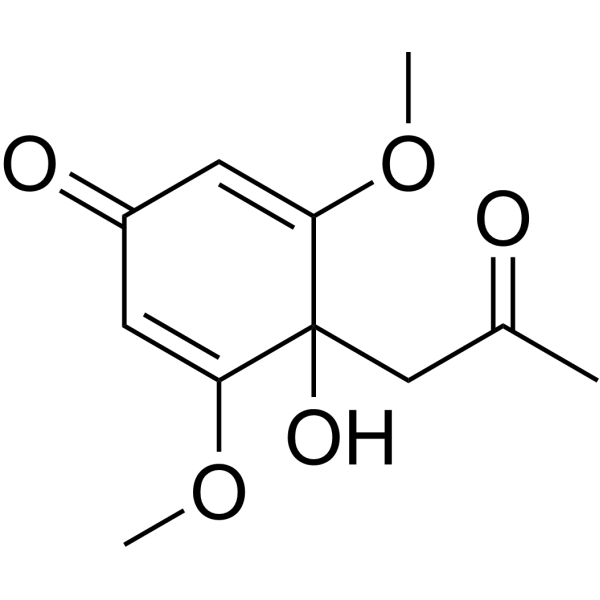
2,6-Dimethoxy-1-acetonylquinol (compound 6) can be isolated from Grewia bilamellata. 2,6-Dimethoxy-1-acetonylquinol has antimalarial activity .
|
-
- HY-N12232
-
|
|
Parasite
Bacterial
|
Infection
Cancer
|
|
Carbazomycin D exhibits antituberculosis and antimalarial activities, that inhibits Plasmodium falciparum with an IC50 > 10 μg/mL, inhibits Mycobacterium tuberculosis with MIC of 25 μg/mL. Carbazomycin D exhibits cytotoxicity in cell MCF-7, KB, NCI-H187 and Vero, with IC50s of 21.3, 33.2, 12.9, and 34.3 μg/mL, respectively .
|
-

- HY-173312
-
|
|
Parasite
|
Infection
|
|
Antimalarial agent 49 is an orally active antimalarial compound. Antimalarial agent 49 inhibits growth of Pf3D7 and PfK1 strains (IC50: 0.84 μM and 0.4 μM respectively). Antimalarial agent 49 has antimalarial activity and inhibits the development of P. berghei liver stages. Antimalarial agent 49 can be used in the study of Plasmodium infection .
|
-

- HY-N0173
-
|
α-Quinidine
|
Serotonin Transporter
Parasite
|
Infection
|
|
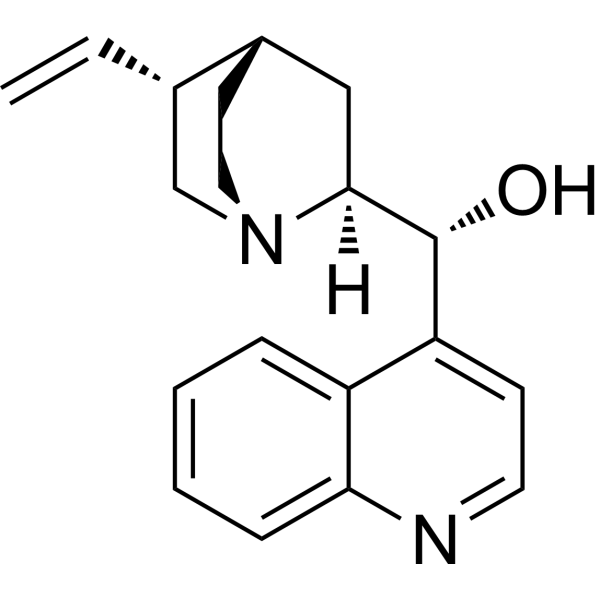
Cinchonidine (α-Quinidine) is a cinchona alkaloid found in Cinchona officinalis and Gongronema latifolium. A building block used in asymmetric synthesis in organic chemistry. Weak inhibitor of serotonin transporter (SERT) with Kis of 330, 4.2, 36, 196, 15 μM for dSERT, hSERT, hSERT I172M, hSERT S438T, hSERT Y95F, respectively. Antimalarial activities .
|
-
- HY-107566
-
|
|
Histamine Receptor
Parasite
MDM-2/p53
NF-κB
FOXO
Bacterial
|
Infection
Neurological Disease
|
|
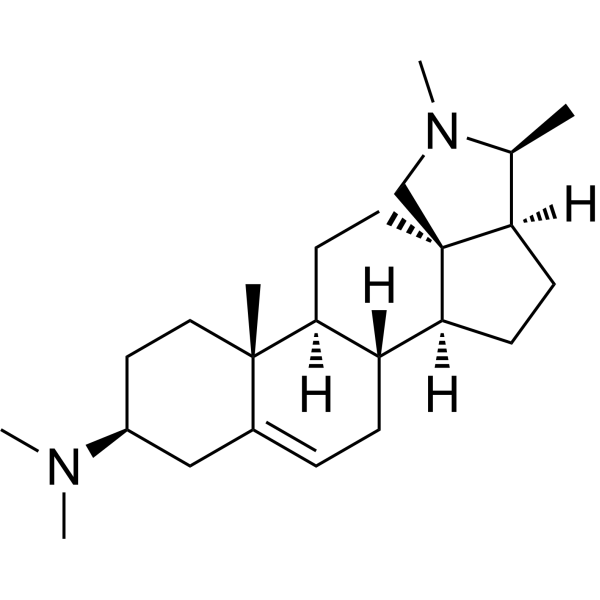
Conessine is an orally active and BBB-penetrable selective histamine H3 receptor antagonist. The pKi values of Conessine for rat and human H3 receptors are 7.61 and 8.27, respectively. Conessine is an inhibitor of the multidrug efflux pump system in Pseudomonas aeruginosa and can enhance the activity of antibiotics. Conessine has antimalarial activity. Conessine can also be used in the research of muscle atrophy .
|
-
- HY-N2416
-
|
|
Microtubule/Tubulin
Apoptosis
|
Cancer
|
|
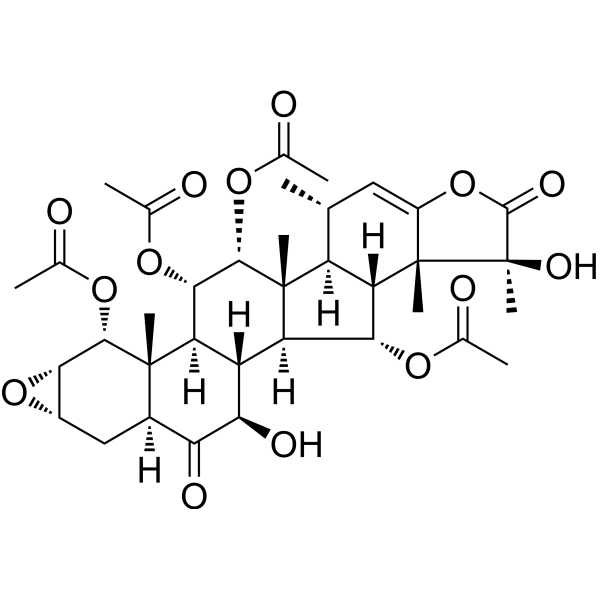
Taccalonolide A is a microtubule stabilizer, which is a steroid isolated from Tacca chantrieri, with cytotoxic and antimalarial activities . Taccalonolide A causes G2-M accumulation, Bcl-2 phosphorylation and initiation of apoptosis . Taccalonolide A is effective in vitro against cell lines that overexpress P-glycoprotein (Pgp) and multidrug resistance protein 7 (MRP7), with an IC50 of 622 nM for SK-OV-3 cells .
|
-
- HY-136429AR
-
|
Optochin hydrochloride (Standard)
|
Reference Standards
Bacterial
Parasite
|
Infection
|
|
Ethylhydrocupreine (hydrochloride) (Standard) is the analytical standard of Ethylhydrocupreine (hydrochloride). This product is intended for research and analytical applications. Ethylhydrocupreine hydrochloride (Optochin hydrochloride) is a quinine derivate with antimicrobial activity against S. pneumoniae. Ethylhydrocupreine hydrochloride also possesses antimalarial activity against Plasmodium falciparum, with an IC50 of 25.75 nM. Ethylhydrocupreine hydrochloride is a Gallus gallus taste 2 receptors (ggTas2r1, ggTas2r2 and ggTas2r7) agonist .
|
-

- HY-N1984R
-
|
Qing Hao acid (Standard); Artemisinic acid (Standard); Arteannuic acid (Standard)
|
Reference Standards
JNK
Interleukin Related
|
Infection
Metabolic Disease
Inflammation/Immunology
Cancer
|
|
Artemisic acid (Standard) (Qing Hao acid (Standard)) is the analytical standard of Artemisic acid (HY-N1984). This product is intended for research and analytical applications. Artemisinic acid (Qing Hao acid) is a sesquiterpene that can be isolated from Artemisia annua L. Artemisinic acid is also an important precursor for the synthesis of Artemisinin (HY-B0094). Artemisinic acid has various pharmacological activities, such as antimalarial activity, antitumor activity, antipyretic effect, antibacterial activity, allelopathic effect, and anti-adipogenic effect .
|
-

- HY-168069
-
|
|
Parasite
Dihydrofolate reductase (DHFR)
|
Infection
|
|
DHFR-IN-20 (Compound LA1) is a Plasmodium falciparum dihydrofolate reductase (DHFR) inhibitor, with Kis of 0.16, 0.30, 6.6 nM for PfDHFR-WT, PfDHFR-QM, HsDHFR. DHFR-IN-20 has antimalarial activities (IC50: 1.4 nM and 1.6 μM for P. falciparum carrying the wild-type (TM4/8.2) and the quadruple mutant (V1/S) PfDHFR enzyme .
|
-

- HY-182683
-
|
|
Parasite
TrxR
Reactive Oxygen Species (ROS)
|
Infection
|
|
MMV085203 is a potent Plasmodium falciparum inhibitor, with a PfTrxR EC50 of 900 nM. MMV085203 exerts potent antimalarial activity against both blood‑stage and sexual‑stage Plasmodium falciparum parasites, with superior efficacy toward clinical isolates of high clonal diversity. MMV085203 modulates parasite redox homeostasis, induces ROS production, and elevates mitochondrial TCA cycle intermediates. MMV085203 can be used for the research of malaria .
|
-

- HY-16438
-
RRx-001
Maximum Cited Publications
20 Publications Verification
Nibrozetone
|
CD47
Apoptosis
Parasite
|
Infection
Inflammation/Immunology
Cancer
|
|
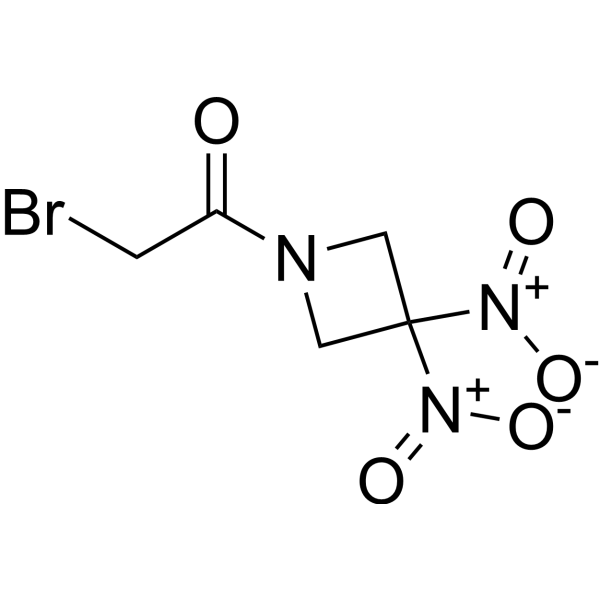
RRx-001, a hypoxia-selective epigenetic agent and studied as a radio- and chem-sensitizer, triggers apoptosis and overcomes agent resistance in myeloma. RRx-001 exhibits potent anti-tumor activity with minimal toxicity . RRx-001 is a dual small molecule checkpoint inhibitor by downregulating CD47 and SIRP-α . RRx-001 is a potent inhibitor of G6PD and shows potent antimalarial activity .
|
-
- HY-107566A
-
|
|
Histamine Receptor
Parasite
MDM-2/p53
NF-κB
FOXO
Bacterial
|
Infection
Neurological Disease
|
|
Conessine dihydrobromide is an orally active and BBB-penetrable selective histamine H3 receptor antagonist. The pKi values of Conessine dihydrobromide for rat and human H3 receptors are 7.61 and 8.27, respectively. Conessine dihydrobromide is an inhibitor of the multidrug efflux pump system in Pseudomonas aeruginosa and can enhance the activity of antibiotics. Conessine dihydrobromide has antimalarial activity. Conessine dihydrobromide can also be used in the research of muscle atrophy .
|
-

- HY-N0173R
-
|
α-Quinidine (Standard)
|
Reference Standards
Serotonin Transporter
Parasite
|
Infection
|
|
Cinchonidine (Standard) is the analytical standard of Cinchonidine. This product is intended for research and analytical applications. Cinchonidine (α-Quinidine) is a cinchona alkaloid found in Cinchona officinalis and Gongronema latifolium. A building block used in asymmetric synthesis in organic chemistry. Weak inhibitor of serotonin transporter (SERT) with Kis of 330, 4.2, 36, 196, 15 μM for dSERT, hSERT, hSERT I172M, hSERT S438T, hSERT Y95F, respectively. Antimalarial activities .
|
-

- HY-134914
-
|
|
Antibiotic
Parasite
|
Infection
|
|
Fosmidomycin is an orally active antibiotic, which exhibits antimalarial activity through inhibition of 1-deoxy-D-xylulose 5-phosphate reductoisomerase (DOXP reductoisomerase). Fosmidomycin inhibits P. falciparum strains 3D7, HB3, Dd2 and A2, with IC50s of 150, 71, 170 and 150 ng/mL, respectively. Fosmidomycin exhibits synergistic effect with Clindamycin (HY-B1455), and ameliorates malaria in mouse model .
|
-

- HY-181010
-
|
|
HDAC
Parasite
|
Infection
|
|
HDAC1-IN-12 is a Plasmodium falciparum HDAC1 (PfHDAC1) inhibitor with an IC50 of 4.1 nM against Pf3D7. HDAC1-IN-12 inhibits PfHDAC1, upregulates histone H3 acetylation in P. falciparum parasites, downregulates malaria invasion-related gene expression, and exhibits favorable safety profiles, improved physicochemical properties, and potent in vivo antimalarial activity. HDAC1-IN-12 can be used for the research of malaria .
|
-

- HY-170783
-
|
|
Parasite
|
Infection
|
|
DXR-IN-4 (Compound 12a) is the inhibitor for 1-deoxy-D-xylulose 5-phosphate reductoisomerase (DXR). DXR-IN-4 inhibits DXR in Plasmodium falciparum Pf DXR, Escherichia coli Ec DXR, and Mycobacterium tuberculosis Mt DXR with IC50s of 18, 4.9 and 89 nM, respectively. DXR-IN-4 exhibits antimalarial activity that inhibits P. falciparum strains 3D7 and Dd2 with IC50 of 11 μM and 12 μM .
|
-

- HY-131904A
-
|
|
Enolase
Parasite
|
Infection
Cancer
|
|
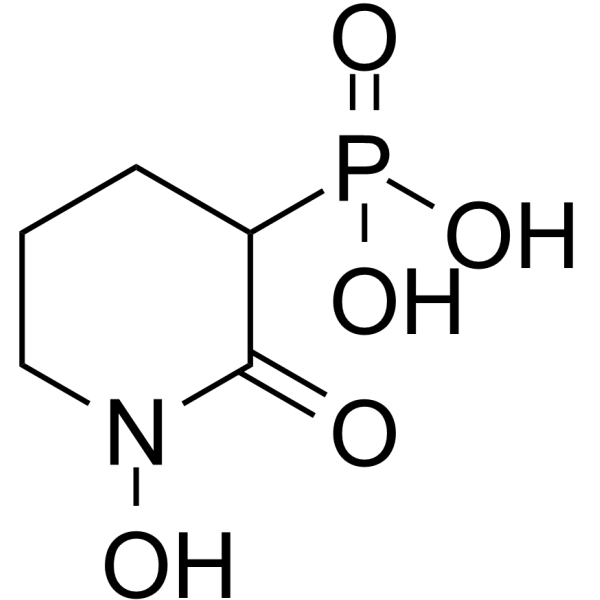
Hex is an enolase inhibitor and antimalarial agent with Ki values of 74.4 nM and 269.4 nM for ENO2 and ENO1, respectively. Hex is a NfENO and TbENO inhibitor with IC50s value of 0.14 μM and 2.1 μM, respectively. Hex has antimalarial activity against Plasmodium falciparum 3D7, Naegleria fowleri trophozoites and Plasmodium berghei ANKA strain. Hex has anti-tumor effects against intracranial tumors .
|
-
- HY-158721
-
|
Marinamide
|
Endogenous Metabolite
Parasite
|
Infection
Cancer
|
|
Penicinoline (Marinamide) (Compound 1), a pyrrolyl 4-quinolinone alkaloid, is a microbial secondary metabolite. Penicinoline can be isolated from endophytic fungus Penicillium sp. Penicinoline has antimalarial activity against Chloroquine (HY-17589A) sensitive strain (pf3d7) and against Chloroquine resistant strain (pfDd2) of plasmodium falciparum. Penicinoline also has strong insecticidal activity against Aphis gossypii and selective anticancer effect with significant cytotoxicity for 95-D and HepG2 cells .
|
-

- HY-163765
-
|
|
PI4K
Potassium Channel
|
Infection
|
|
Antimalarial agent 41 (Compound 17) exhibits antimalarial activity, which inhibits Plasmodium falciparum with an IC50 of 40 nM (NF54 strain) and 76 nM (K1 strain). Antimalarial agent 41 is an inhibitor for P. falciparum phosphatidylinositol-4-kinase β (Pf PI4K) and hERG channel, with an IC50 of 53 nM and 3 μM. Antimalarial agent 41 exhibits cytotoxicity to CHO cells with an IC50 of 34 μM. Antimalarial agent 41 ameliorates the malaria infection and exhibits good pharmacokinetic characters in mouse models .
|
-

- HY-111817A
-
|
|
Parasite
|
Infection
|
|
(Rac)-ACT-451840 is an isomer of ACT-451840 that exhibits significant antimalarial effects. (Rac)-ACT-451840 exhibits significant antimalarial activity against P. berghei-infected mice at a dose of 20 mg/kg (ED90=13 mg/kg), and has an inhibitory effect at a dose of 300 mg/kg. The ED90 of (Rac)-ACT-451840 in the P. falciparum humanized immunodeficient mouse model is 3.7 mg/kg. (Rac)-ACT-451840 is similar to artemisinin, with a rapid onset of action but requires repeated high doses.
|
-

- HY-W020111
-
|
|
Sirtuin
Parasite
|
Infection
|
|
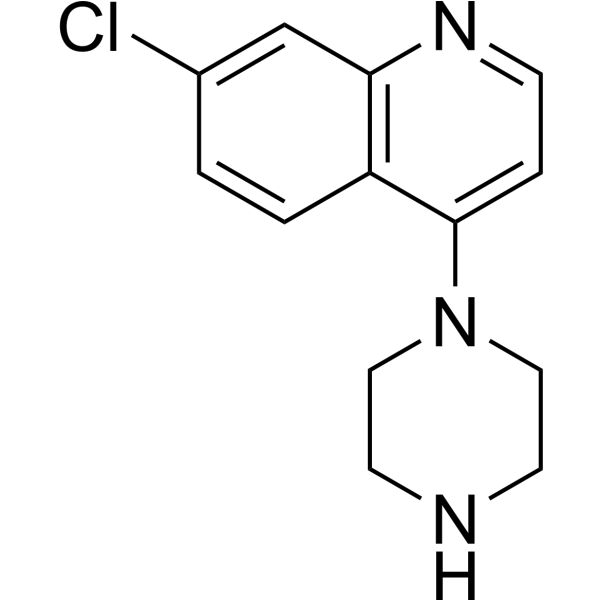
7-Chloro-4-(piperazin-1-yl)quinolone is an important scaffold in medicinal chemistry. 7-Chloro-4-(piperazin-1-yl)quinolone is a potent sirtuin inhibitor and also inhibits the serotonin uptake (IC50 of 50 μM). 7-Chloro-4-(piperazin-1-yl)quinolone exhibits antimalarial activity on D10 and K1 strains of P. falciparum with IC50s of 1.18 μM and 0.97 μM, respectively .
|
-
- HY-181108
-
|
|
PDGFR
Parasite
|
Infection
|
|
GSK190937 is a type II platelet-derived growth factor receptor alpha (PDGFRA) human kinase inhibitor with antimalarial activity. GSK190937 can inhibit the formation of hemozoin in the malaria parasite, resulting in the accumulation of free hemoglobin within the malaria parasite. GSK190937 shows IC50 values of 0.22, 0.59 and 0.25 μM against P. falciparum NF54, K1 and Dd2 parasite. GSK190937 shows an IC50 of 25 μM for CHO cells. GSK190937 can be used for research of malaria .
|
-

- HY-N15168
-
|
|
Parasite
|
Infection
Cancer
|
|
3,4,5'-Trihydroxy-3'-methoxy-trans-stilbene (Compound 3) is a stilbenoid compound found in Stuhlmannia moavi. 3,4,5'-Trihydroxy-3'-methoxy-trans-stilbene exerts weak proliferative inhibitory activity and antimalarial activity with IC50 values of 54 and 27 μM against A2780 human ovarian cancer cells and Plasmodium falciparum. 3,4,5'-Trihydroxy-3'-methoxy-trans-stilbene can be used for researches of ovarian cancer and malaria .
|
-

- HY-N12230
-
|
|
Bacterial
Parasite
Fungal
|
Infection
Cancer
|
|
Penicolinate B is a picolinic acid derivative that can be isolated from Penicillium sp. Penicolinate B exhibits antimalarial activity (IC50: 1.40 μg/mL), antitubercular activity (MIC: 25.0 μg/mL), activity against Bacillus cereus (IC50: 25.0 μg/mL), and activity against Candida albicans (IC50: 1.45 μg/mL). Penicolinate B also has certain cytotoxicity against cancer cells such as MCF-7, KB, and NCI-H187. Penicolinate B can be used in research on malaria, tuberculosis, bacterial/fungal infections and tumors .
|
-

- HY-161984
-
|
|
HDAC
|
Infection
Others
|
|
HDAC-IN-76 (compound 6i) is a histone deacetylase (HDAC) inhibitor. HDAC-IN-76 IC50 values of 30 nM and 98 nM for Pf3D7 (chloroquine (HY-17589A) drug-susceptible strain) and PfDd2 (chloroquine (HY-17589A) drug-resistant strain), has a highly potent antimalarial activity against asexual blood-stage Plasmodium, respectively, and exhibits selective inhibition against parasites, with IC50 values of 7 nM and 9 nM for human HDAC1 and HDAC6, respectively, while inhibiting PfHDAC1 .
|
-

- HY-N6742
-
|
Treponemycin
|
CDK
Parasite
Apoptosis
Antibiotic
|
Infection
|
|
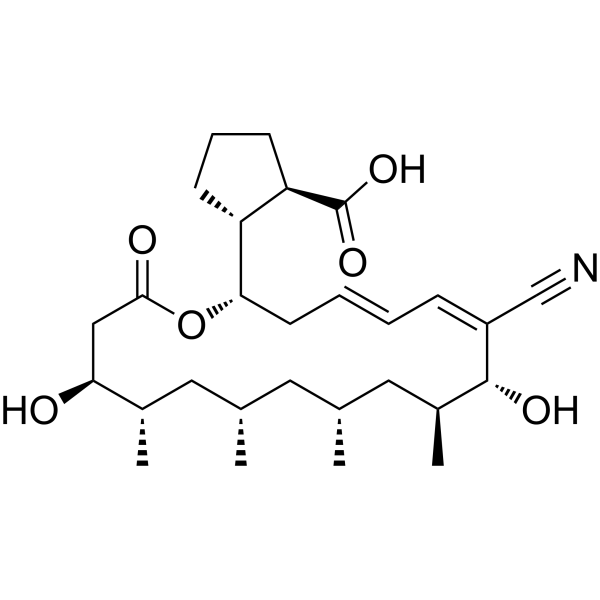
Borrelidin (Treponemycin) is a bacterial and eukaryal threonyl-tRNA synthetase inhibitor which is a nitrile-containing macrolide antibiotic isolated from Streptomyces rochei . Borrelidin is an inhibitor of Cdc28/Cln2 of the budding yeast, with an IC50 of 24 μM . Borrelidin is a potent angiogenesis inhibitor, with an IC50 of 0.8 nM. Borrelidin induces apoptosis in the tube-forming cells . Borrelidin has strong antimalarial activities, with IC50s of 1.9 nM and 1.8 nM against K1 and FCR3 strains of Plasmodium falciparum, respectively .
|
-
- HY-A0148
-
|
SKF-102886 free base; WR-171669
|
Parasite
Fungal
Potassium Channel
Reactive Oxygen Species (ROS)
|
Infection
Cancer
|
|
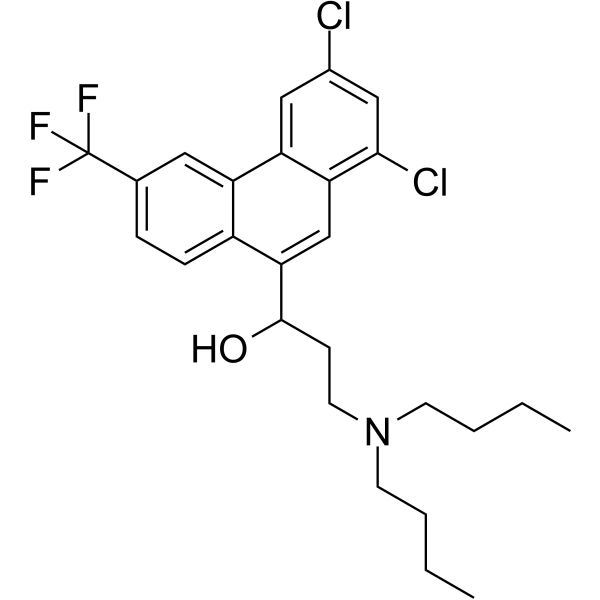
Halofantrine (SKF-102886 hydrochloride; WR-171669 hydrochloride) is a blocker that delays the delayed rectifier potassium current by inhibiting human ERG channels, and it is a potent antimalarial agent with oral activity. Halofantrine inhibits the Cap1-dependent oxidative stress response of Candida albicans, suppresses ROS responses, and enhances the antifungal (Fungal) activity of oxidative damage agents. Halofantrine exhibits antifungal activity in the Galleria mellonella model, and shows antimalarial activity against Plasmodium strains both in vitro and in animal models. Halofantrine can be used in studies related to invasive candidiasis, falciparum malaria, and vivax malaria .
|
-
- HY-178724
-
|
|
Fungal
Bacterial
Parasite
|
Infection
Cancer
|
|
Mollicellin K is a depsidone that can be isolated from the fungus Chaetomium brasiliense. Mollicellin K exhibits antimicrobial activity against Myobacterium tuberculosis, antimalarial activity (IC50 = 1.2 μM) against Plasmodium falciparum as well as antifungal property (IC50 = 1.2 μM) against Candida albicans. Mollicellin K is cytotoxic against KB (IC50 = 1.9 μM), BC1 (IC50 = 6.8 μM), NCI-H187 (IC50 = 0.35 μM), and five cholangiocarcinoma cell lines. Mollicellin K also has an MIC of 12.5 μM for tuberculosis .
|
-

- HY-A0148A
-
|
SKF-102886; WR-171669 hydrochloride
|
Parasite
Fungal
Reactive Oxygen Species (ROS)
Potassium Channel
|
Infection
|
|
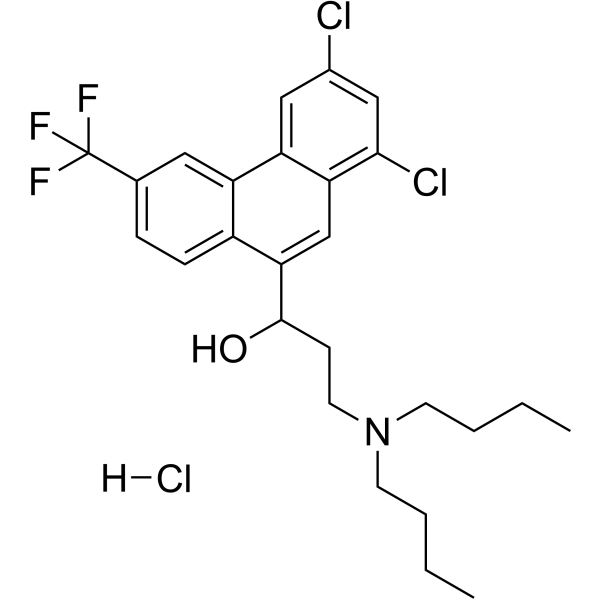
Halofantrine hydrochloride (SKF-102886 hydrochloride; WR-171669 hydrochloride) is a blocker that delays the delayed rectifier potassium current by inhibiting human ERG channels, and it is a potent antimalarial agent with oral activity. Halofantrine hydrochloride inhibits the Cap1-dependent oxidative stress response of Candida albicans, suppresses ROS responses, and enhances the antifungal (Fungal) activity of oxidative damage agents. Halofantrine hydrochloride exhibits antifungal activity in the Galleria mellonella model, and shows antimalarial activity against Plasmodium strains both in vitro and in animal models. Halofantrine hydrochloride can be used in studies related to invasive candidiasis, falciparum malaria, and vivax malaria .
|
-
- HY-A0148AR
-
|
SKF-102886 (Standard); WR-171669 hydrochloride (Standard)
|
Reference Standards
Parasite
Fungal
Potassium Channel
Reactive Oxygen Species (ROS)
|
Infection
|
|
Halofantrine hydrochloride (Standard) is the analytical standard of Halofantrine hydrochloride. This product is intended for research and analytical applications. Halofantrine hydrochloride (SKF-102886 hydrochloride; WR-171669 hydrochloride) is a blocker that delays the delayed rectifier potassium current by inhibiting human ERG channels, and it is a potent antimalarial agent. Halofantrine hydrochloride inhibits the Cap1-dependent oxidative stress response of Candida albicans, suppresses ROS responses, and enhances the antifungal (Fungal) activity of oxidative damage agents. Halofantrine hydrochloride exhibits antifungal activity in the Galleria mellonella model, and shows antimalarial activity against Plasmodium strains both in vitro and in animal models. Halofantrine hydrochloride can be used in studies related to invasive candidiasis, falciparum malaria, and vivax malaria.
|
-

- HY-178775
-
|
|
PI4K
Parasite
MAP4K
PI3K
|
Infection
|
|
PI4K-IN-3 (Compound 27) is an orally active PI4K inhibitor with an IC50 of 1.9 nM for Plasmodium vivax PI4K. PI4K-IN-3 has no hERG channel inhibition and mammalian cytotoxicity. PI4K-IN-3 has significant selectivity against the human MINK1 and MAP4K4 kinases but with low selectivity against human PI3Kα and PI4Kβ. PI4K-IN-3 has potent antimalarial activity and significantly reduces parasitaemia in NSG mice mouse models of Plasmodium falciparum malaria .
|
-

- HY-168962
-
|
|
HDAC
Apoptosis
Autophagy
Reactive Oxygen Species (ROS)
Mitochondrial Metabolism
Parasite
|
Infection
Cancer
|
|
HDAC-IN-88 (Compound HJ-9) is the inhibitor for HDAC that inhibits HDAC6, HDAC1, HDAC2, HDAC8 and HDAC3 with IC50s of 0.226, 1.103, 2.308, 3.255 and 3.864 μM, respectively. HDAC-IN-88 inhibits the proliferation of cancer cell HepG2, HCT116 and MV4-11 with IC50 of 5.47, 9.78 and 0.38 μM, inhibits the migration of HCT116, arrests the cell cycle at G0/G1 phase, and induces apoptosis and autophagy in MV4-11. HDAC-IN-88 reduces ROS level and mitochondrial membrane potential. HDAC-IN-88 exhibits antimalarial activity that inhibits P. falciparum 3D7 with EC50 of 165 nM. HDAC-IN-88 also exhibits anti-angiogenic activity .
|
-

| Cat. No. |
Product Name |
Target |
Research Area |
-
- HY-P3914
-
|
Oct-CA(1-7)M(2-9)
|
Bacterial
|
Infection
|
|
Cecropin A (1-7)-Melittin A (2-9) is an antimicrobial peptide with antimicrobial activity against a broad spectrum of Gram-positive and Gram-negative aerobic bacteria, as well as antimalarial activity, without the adverse hemolytic properties of bee venom peptides .
|
-
- HY-P10338
-
-
- HY-P2261
-
STAD 2
1 Publications Verification
|
PKA
|
Infection
|
|
STAD 2 is a potent and selective disruptor of PKA-RII, with a Kd of 6.2 nM. STAD 2 disrupts interactions between PKA and AKAP in an isoform-selective manner. STAD 2 displays antimalarial activity through a PKA-independent mechanism .
|
-
- HY-P1638
-
|
|
Parasite
|
Infection
|
|
Isariin A is a cyclodepsipeptide isolated from the fungus Isaria cretacea, which exhibits antimalarial activity .
|
-
- HY-P1992
-
|
|
Parasite
|
Infection
|
|
Isariin B is a cyclodepsipeptide isolated from the fungus Isaria felina, which exhibits antimalarial activity .
|
| Cat. No. |
Product Name |
Category |
Target |
Chemical Structure |
-
- HY-N0941
-
-
-
- HY-N0173
-
-
-
- HY-N6742
-
-
-
- HY-N8290
-
-
-
- HY-B0770
-
-
-
- HY-N1984
-
-
-
- HY-32004
-
-
-
- HY-107566
-
-
-
- HY-N2416
-
-
-
- HY-118494
-
-
-
- HY-N9438
-
-
-
- HY-N2384
-
-
-
- HY-N2384A
-
-
-
- HY-136767
-
-
-
- HY-N5018
-
-
-
- HY-N7642
-
-
-
- HY-N9438R
-
-
-
- HY-N0173R
-
-
-
- HY-134914
-
|
|
Microorganisms
Antibiotics
Other Antibiotics
Source Classification
|
Antibiotic
Parasite
|
|
Fosmidomycin is an orally active antibiotic, which exhibits antimalarial activity through inhibition of 1-deoxy-D-xylulose 5-phosphate reductoisomerase (DOXP reductoisomerase). Fosmidomycin inhibits P. falciparum strains 3D7, HB3, Dd2 and A2, with IC50s of 150, 71, 170 and 150 ng/mL, respectively. Fosmidomycin exhibits synergistic effect with Clindamycin (HY-B1455), and ameliorates malaria in mouse model .
|
-
-
- HY-N7314
-
-
-
- HY-N7281
-
-
-
- HY-N2876
-
-
-
- HY-W011241
-
-
-
- HY-106338
-
-
-
- HY-N8290R
-
-
-
- HY-N1984R
-
-
-
- HY-158721
-
|
Marinamide
|
Structural Classification
Alkaloids
Microorganisms
Indole Alkaloids
Source Classification
|
Endogenous Metabolite
Parasite
|
|
Penicinoline (Marinamide) (Compound 1), a pyrrolyl 4-quinolinone alkaloid, is a microbial secondary metabolite. Penicinoline can be isolated from endophytic fungus Penicillium sp. Penicinoline has antimalarial activity against Chloroquine (HY-17589A) sensitive strain (pf3d7) and against Chloroquine resistant strain (pfDd2) of plasmodium falciparum. Penicinoline also has strong insecticidal activity against Aphis gossypii and selective anticancer effect with significant cytotoxicity for 95-D and HepG2 cells .
|
-
-
- HY-P1638
-
-
-
- HY-N1075
-
-
-
- HY-P1992
-
-
-
- HY-118494R
-
-
-
- HY-N15187
-
-
-
- HY-N16640
-
-
-
- HY-N2753
-
-
-
- HY-N8338
-
-
-
- HY-N8455
-
-
-
- HY-N14309
-
-
-
- HY-N3957
-
-
-
- HY-N2759
-
-
-
- HY-N0941R
-
|
β-Mangostin (Standard)
|
Structural Classification
Xanthones
Guttiferae
Phenols
Polyphenols
Garcinia mangostana Linn.
Plants
Source Classification
|
Reference Standards
Bacterial
Parasite
Apoptosis
|
|
beta-Mangostin (Standard) is the analytical standard of beta-Mangostin. This product is intended for research and analytical applications. beta-Mangostin (β-Mangostin) is a xanthone compound present in Cratoxylum arborescens, with antibacterial and antimalarial activities. beta-Mangostin exhibits antimycobacterial activity against Mycobacterium tuberculosis with an MIC of 6.25 μg/mL. beta-Mangostin possesses in vitro antimalarial activity against Plasmodium falciparum, with an IC50 of 3.00 μg/mL. beta-Mangostin has potent anticancer activity against various cancers (such as hepatocellular carcinoma, leukaemic) .
|
-
-
- HY-N8285
-
|
|
Natural Products
Microorganisms
Source Classification
|
Parasite
|
|
Sporogen AO-1 is a fungal metabolite originally isolated from the fungusAspergillus oryzae. Sporogen AO-1 has significant antimalarial activity againstplasmodium falciparum, with an IC50 value of 1.53 μM, and also has certain cytotoxicity .
|
-
-
- HY-N3283
-
-
-
- HY-120607
-
-
-
- HY-145379
-
-
-
- HY-N5018R
-
-
-
- HY-N8521
-
-
-
- HY-N12232
-
-
-
- HY-N12230
-
|
|
Microorganisms
Ketones, Aldehydes, Acids
Source Classification
|
Bacterial
Parasite
Fungal
|
|
Penicolinate B is a picolinic acid derivative that can be isolated from Penicillium sp. Penicolinate B exhibits antimalarial activity (IC50: 1.40 μg/mL), antitubercular activity (MIC: 25.0 μg/mL), activity against Bacillus cereus (IC50: 25.0 μg/mL), and activity against Candida albicans (IC50: 1.45 μg/mL). Penicolinate B also has certain cytotoxicity against cancer cells such as MCF-7, KB, and NCI-H187. Penicolinate B can be used in research on malaria, tuberculosis, bacterial/fungal infections and tumors .
|
-
-
- HY-N8345
-
-
-
- HY-N1678
-
-
- HY-N15168
-
-
| Cat. No. |
Product Name |
Chemical Structure |
-
- HY-B0273S1
-
|
|
|
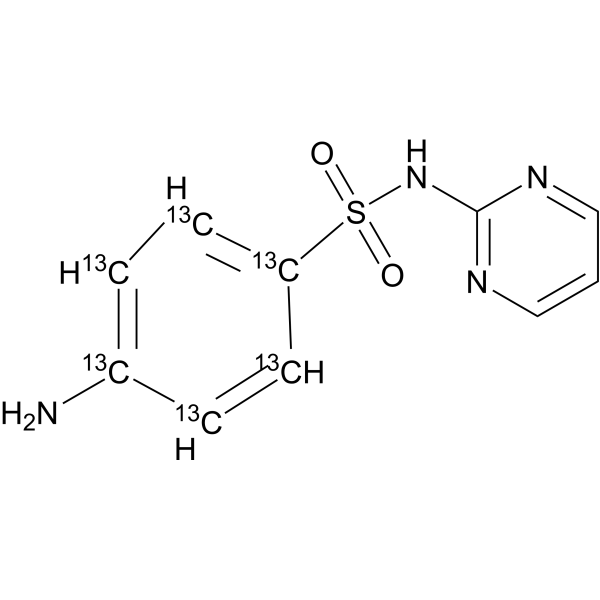
Sulfadiazine- 13C6 is a labeled Sulfadiazine (HY-B0273). Sulfadiazine is a sulfonamide?antibiotic with antimalarial activity[1].
|
-
Your information is safe with us. * Required Fields.
Inquiry Information
- Product Name:
- Cat. No.:
- Quantity:
- MCE Japan Authorized Agent:








