Search Result
Results for "
growth-inhibitory
" in MedChemExpress (MCE) Product Catalog:
2
Biochemical Assay Reagents
5
Isotope-Labeled Compounds
| Cat. No. |
Product Name |
Target |
Research Areas |
Chemical Structure |
-
- HY-B0673
-
Pirfenidone
Maximum Cited Publications
80 Publications Verification
AMR69
|
TGF-beta/Smad
CCR
|
Inflammation/Immunology
Cancer
|
|
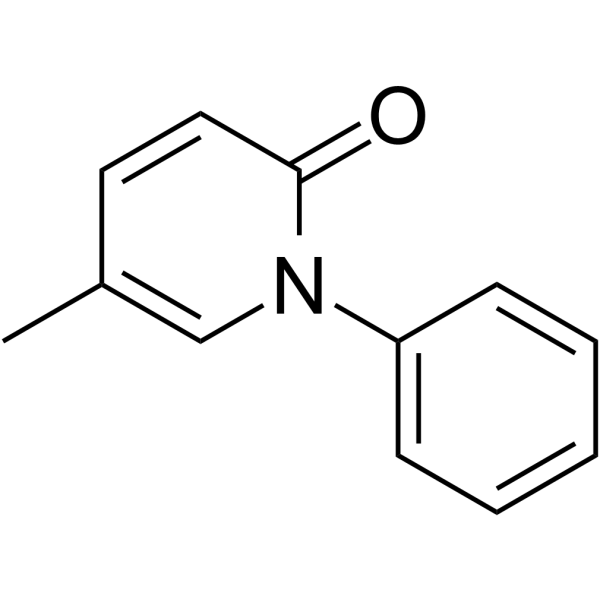
Pirfenidone (AMR69) is an antifibrotic agent that attenuates CCL2 and CCL12 production in fibrocyte cells. Pirfenidone has growth-inhibitory effect and reduces TGF-β2 protein levels in human glioma cell lines. Pirfenidone also has anti-inflammatory activities .
|
-
-
- HY-12403
-
Talfirastide
Maximum Cited Publications
17 Publications Verification
TXA127; Angiotensin (1-7); Ang-(1-7)
|
Angiotensin Receptor
Angiotensin-converting Enzyme (ACE)
Endogenous Metabolite
|
Cardiovascular Disease
Inflammation/Immunology
Endocrinology
Cancer
|
|
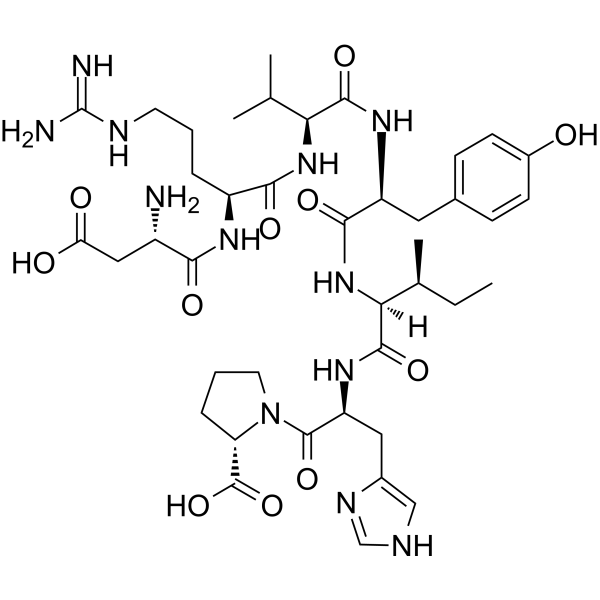
Angiotensin 1-7 (Ang-(1-7)) is an endogenous heptapeptide from the renin-angiotensin system (RAS) with a cardioprotective role due to its anti-inflammatory and anti-fibrotic activities in cardiac cells. Angiotensin 1-7 inhibits purified canine ACE activity (IC50=0.65 μM). Angiotensin 1-7 acts as a local synergistic modulator of kinin-induced vasodilation by inhibiting ACE and releasing nitric oxide. Angiotensin 1-7 blocks Ang II-induced smooth muscle cell proliferation and hypertrophy and shows antiangiogenic and growth-inhibitory effects on the endothelium. Angiotensin 1-7 shows anti-inflammatory activity .
|
-
-
- HY-N3014
-
|
|
Notch
Apoptosis
Parasite
|
Infection
Cancer
|
|
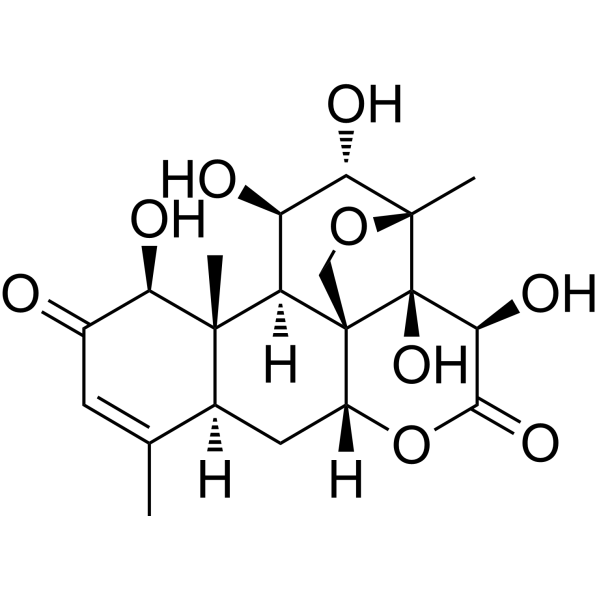
Bruceine D is a Notch inhibitor with anti-cancer activity and induces apoptosis in several human cancer cells. Bruceine D is an effective botanical insect antifeedant with outstanding systemic properties, causing potent pest growth inhibitory activity . Bruceine D has strong anthelmintic activity against D. intermedius with an EC50 value of 0.57 mg/L .
|
-
-
- HY-P99153
-
|
MORAb-003
|
Antibiotic
|
Cancer
|
|
Farletuzumab (MORAb-003) is a potent folate receptor-alpha (FRα) inhibitor. Farletuzumab is a humanized monoclonal antibody with high affinity for FRα. Farletuzumab possesses growth-inhibitory functions on cells overexpressing FRα. Farletuzumab can be used in research of cancer .
|
-

-
- HY-N4114
-
|
|
Apoptosis
|
Cancer
|
|
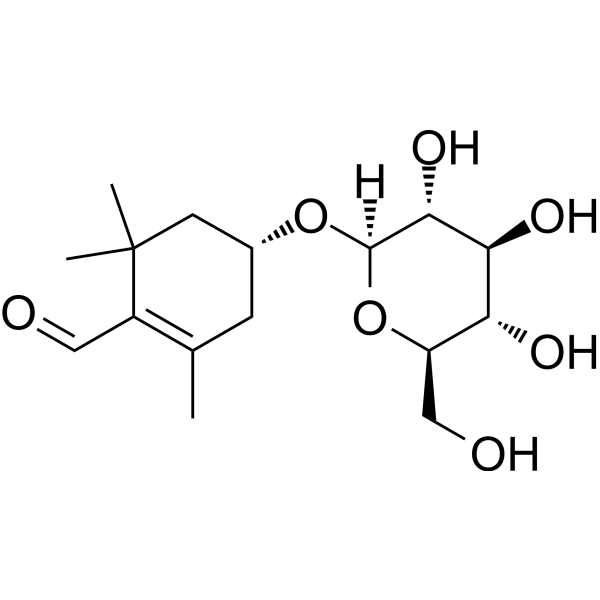
Picrocrocin, an apocarotenoid found in Saffron. Picrocrocin shows anticancer effect. Picrocrocin exhibits growth inhibitory effects against SKMEL-2 human malignant melanoma cells .
|
-
-
- HY-P1237
-
|
|
Histamine Receptor
|
Cardiovascular Disease
Neurological Disease
Metabolic Disease
|
|
C-Type Natriuretic Peptide (CNP) (1-22), human, a 1-22 fragment of CNP, is a natriuretic peptide receptor B (NPR-B) agonist. C-Type Natriuretic Peptide (CNP) (1-22), human inhibits cAMP synthesis stimulated by the physiological agonists histamine and 5-HT or directly by Forskolin. CNP is a potent, endothelial-derived relaxant and growthinhibitory factor .
|
-

-
- HY-132989
-
|
|
Biochemical Assay Reagents
Bacterial
|
Cardiovascular Disease
Infection
Inflammation/Immunology
|
|
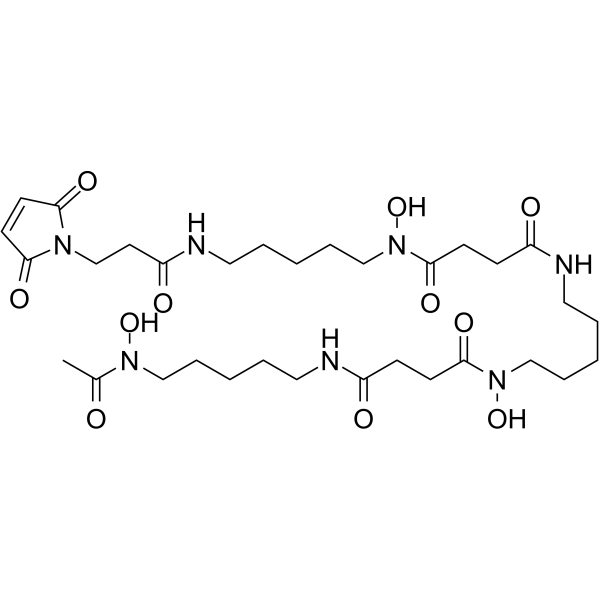
Mal-Deferoxamine is a maleimide-functionalized trihydroxamate siderophore derivative that can be isolated from Streptomyces pilosus. Mal-Deferoxamine possesses highly specific Fe (III) chelating ability, and the stability of complexes formed between it and non-Fe (III) metal ions is significantly lower. Mal-Deferoxamine exhibits growth inhibitory effects against Gram-positive bacteria, but shows no obvious inhibitory activity against Gram-negative bacteria (MIC>50 μM). Mal-Deferoxamine is mainly suitable for scientific research in hematology and related fields .
|
-
-
- HY-N12257
-
|
|
Cytochrome P450
Reactive Oxygen Species (ROS)
Apoptosis
|
Infection
Cancer
|
|
Antimycin A2 is a selective inhibitor of the cytochrome b-c1 complex in the mitochondrial electron transport chain. Antimycin A2 disrupts mitochondrial membrane potential and produces reactive oxygen species (ROS) by inhibiting electron transfer between cytochrome b and c. Antimycin A2 has bactericidal and piscicidal activity, as well as tumor cell growth inhibitory effects, and can induce S-phase cell cycle arrest and apoptosis in HeLa cells. Antimycin A2 is suitable for research of cervical cancer and fisheries management. Antimycin A2 can be naturally isolated from the fermentation products of Streptomyces sp. strains .
|
-

-
- HY-19356A
-
|
|
Eukaryotic Initiation Factor (eIF)
Apoptosis
|
Cancer
|
|
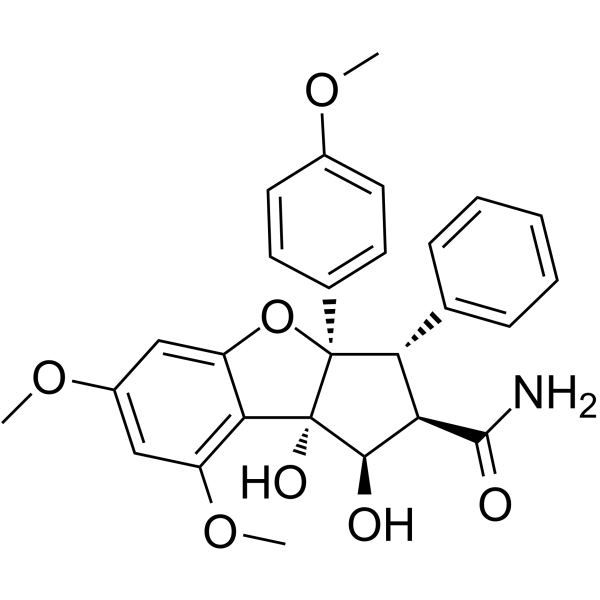
Didesmethylrocaglamide, a derivative of Rocaglamide, is a potent eukaryotic initiation factor 4A (eIF4A) inhibitor. Didesmethylrocaglamide has potent growth-inhibitory activity with an IC50 of 5 nM. Didesmethylrocaglamide suppresses multiple growth-promoting signaling pathways and induces apoptosis in tumor cells. Antitumor activity .
|
-
-
- HY-13334A
-
BGT226
5 Publications Verification
NVP-BGT226
|
PI3K
mTOR
Autophagy
|
Cancer
|
|
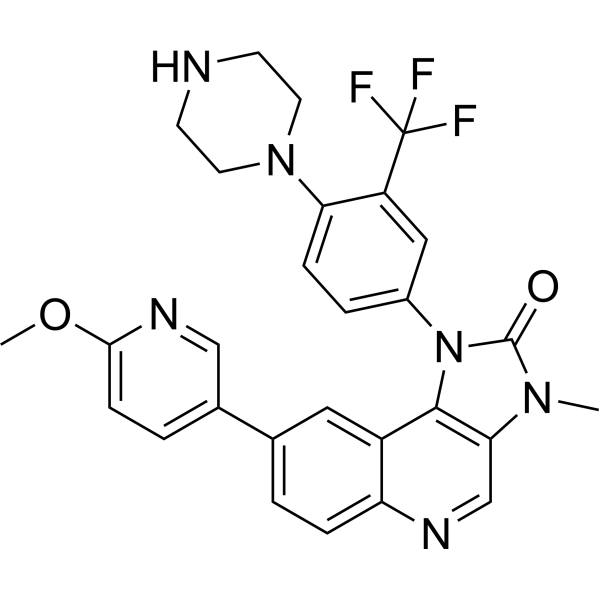
BGT226 (NVP-BGT226) is a PI3K (with IC50s of 4 nM, 63 nM and 38 nM for PI3Kα, PI3Kβ and PI3Kγ)/mTOR dual inhibitor which displays potent growth-inhibitory activity against human head and neck cancer cells .
|
-
-
- HY-B0673R
-
|
AMR69 (Standard)
|
Reference Standards
TGF-beta/Smad
CCR
|
Inflammation/Immunology
Cancer
|
|
Pirfenidone (Standard) is the analytical standard of Pirfenidone. This product is intended for research and analytical applications. Pirfenidone (AMR69) is an antifibrotic agent that attenuates CCL2 and CCL12 production in fibrocyte cells. Pirfenidone has growth-inhibitory effect and reduces TGF-β2 protein levels in human glioma cell lines. Pirfenidone also has anti-inflammatory activities .
|
-

-
- HY-N10335
-
|
|
FAK
|
Inflammation/Immunology
Cancer
|
|
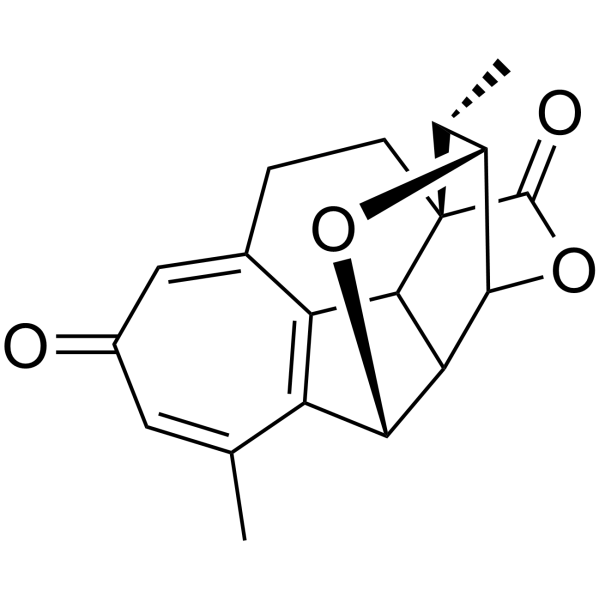
Harringtonolide is a potent RACK1 inhibitor (IC50=39.66 μM in A375 cells). Harringtonolide inhibits the epithelial-mesenchymal transition (EMT) process and cell proliferation by affecting the interaction between FAK and RACK1. Harringtonolide has plant growth inhibitory, antiviral, anti-inflammatory, and antiproliferation activities .
|
-
-
- HY-13334
-
|
NVP-BGT226 maleate
|
PI3K
mTOR
Autophagy
Apoptosis
|
Cancer
|
|
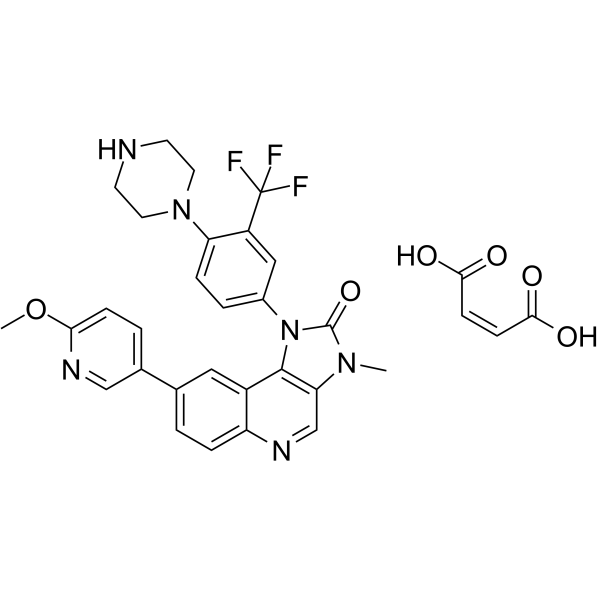
BGT226 (NVP-BGT226 maleate) is a PI3K (with IC50s of 4 nM, 63 nM and 38 nM for PI3Kα, PI3Kβ and PI3Kγ) /mTOR dual inhibitor which displays potent growth-inhibitory activity against human head and neck cancer cells .
|
-
-
- HY-B0673S1
-
|
LYT-100; AMR69-d3
|
Isotope-Labeled Compounds
|
Others
|
|
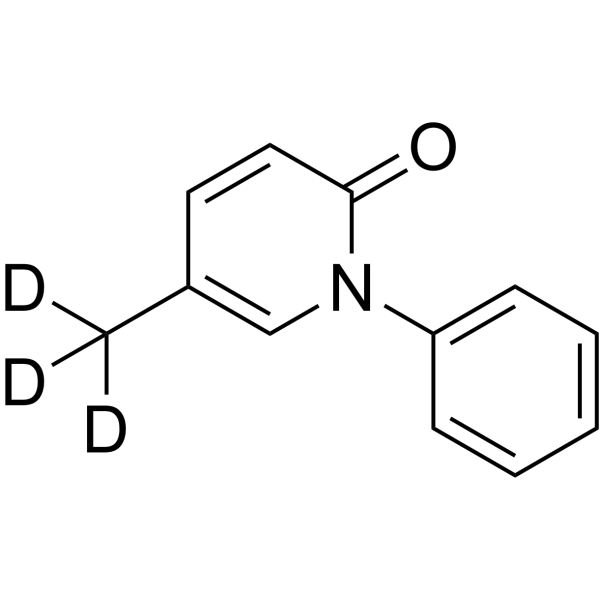
Deupirfenidone-d3 is the deuterium labeled Pirfenidone (HY-B0673). Pirfenidone (AMR69) is an antifibrotic agent that attenuates CCL2 and CCL12 production in fibrocyte cells. Pirfenidone has growth-inhibitory effect and reduces TGF-β2 protein levels in human glioma cell lines. Pirfenidone also has anti-inflammatory activities .
|
-
-
- HY-B1824
-
|
HR-810 sulfate
|
Bacterial
Antibiotic
|
Infection
|
|
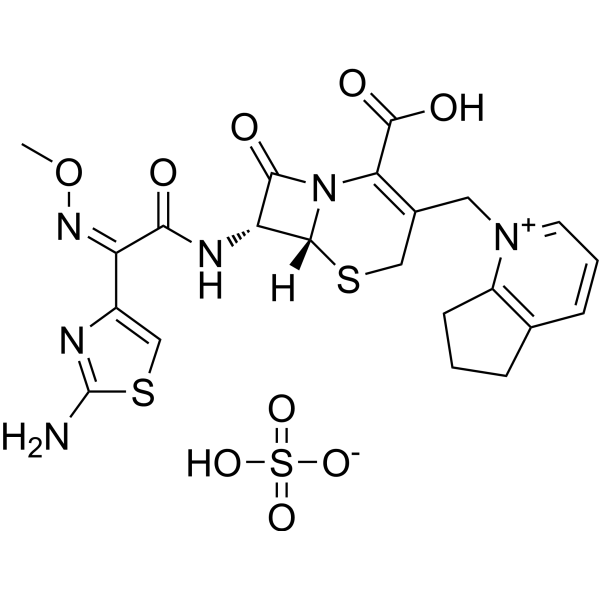
Cefpirome (HR-810) sulfate is a cephalosporin antibiotic that can cross cell membranes and the blood-brain barrier. Cefpirome sulfate binds to penicillin-binding proteins with high affinity, thereby inhibiting bacterial cell wall synthesis. Cefpirome sulfate exhibits bactericidal and growth-inhibitory activities against Gram-negative bacteria, Gram-positive bacteria, and susceptible anaerobic bacteria (including some β-lactamase-producing strains) .
|
-
-
- HY-147831
-
|
|
Eukaryotic Initiation Factor (eIF)
Epigenetic Reader Domain
|
Cancer
|
|
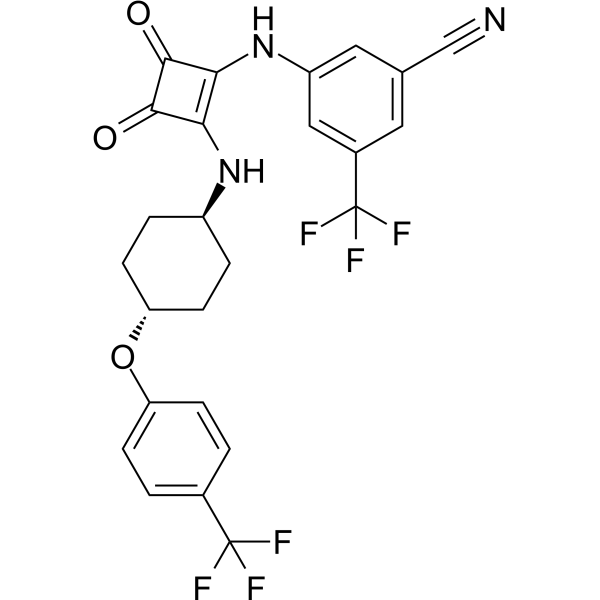
HR-19011 is an eIF2α phosphorylation activator targeting heme-regulated inhibitor HRI (EIF2AK1). HR-19011 exhibits growth inhibitory activity against K562 cells with an IC50 value of 3.91 µM. HR-19011 inhibits the growth of hematologic malignancies by targeting HRI to activate the integrated stress response via the HRI-eIF2α-ATF4 axis. HR-19011 shows good safety in vivo. HR-19011 can be used for research on hematologic malignancies (leukemia) .
|
-
-
- HY-B0673S
-
|
AMR69-d5
|
TGF-beta/Smad
CCR
|
Inflammation/Immunology
Cancer
|
|
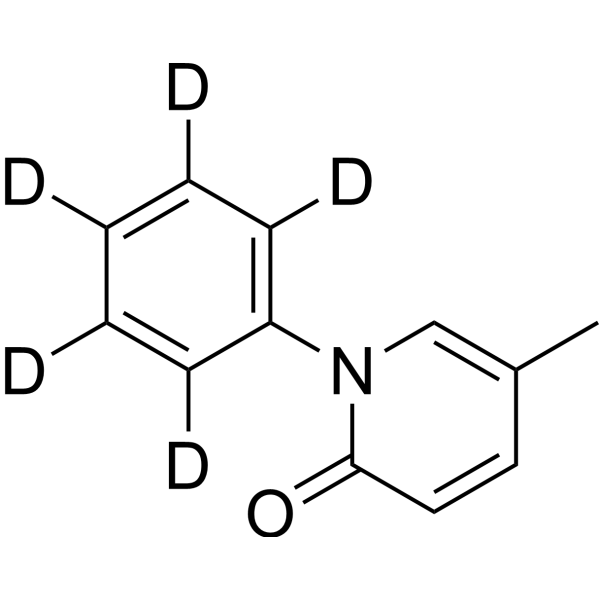
Pirfenidone-d5 (AMR69-d5) is a deuterium labeled Pirfenidone. Pirfenidone is an antifibrotic agent that attenuates CCL2 and CCL12 production in fibrocyte cells. Pirfenidone has growth-inhibitory effect and reduces TGF-β2 protein levels in human glioma cell lines. Pirfenidone also has anti-inflammatory activities .
|
-
-
- HY-13072
-
|
AS-703569; R-763
|
Aurora Kinase
Bcr-Abl
Akt
STAT
FLT3
|
Cancer
|
|
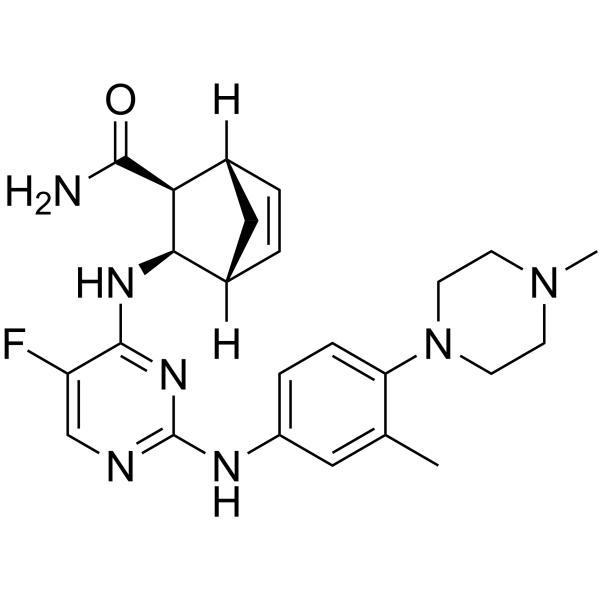
Cenisertib (AS-703569) is an ATP-competitive multi-kinase inhibitor that blocks the activity of Aurora-kinase-A/B, ABL1, AKT, STAT5 and FLT3. Cenisertib induces major growth-inhibitory effects by blocking the activity of several different molecular targets in neoplastic mast cells (MC). Cenisertib inhibits tumor growth in xenograft models of pancreatic, breast, colon, ovarian, and lung tumors and leukemia .
|
-
-
- HY-12403A
-
|
TXA127 acetate; Angiotensin (1-7) acetate; Ang-(1-7) acetate
|
Angiotensin Receptor
Angiotensin-converting Enzyme (ACE)
Endogenous Metabolite
|
Cardiovascular Disease
Inflammation/Immunology
Endocrinology
Cancer
|
|
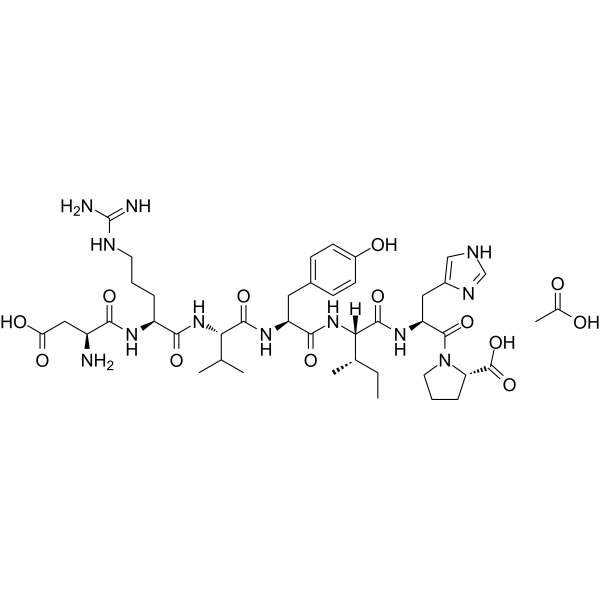
Angiotensin 1-7 (Ang-(1-7)) acetate is an endogenous heptapeptide from the renin-angiotensin system (RAS) with a cardioprotective role due to its anti-inflammatory and anti-fibrotic activities in cardiac cells. Angiotensin 1-7 acetate inhibits purified canine ACE activity (IC50=0.65 μM). Angiotensin 1-7 acetate acts as a local synergistic modulator of kinin-induced vasodilation by inhibiting ACE and releasing nitric oxide. Angiotensin 1-7 acetate blocks Ang II-induced smooth muscle cell proliferation and hypertrophy and shows antiangiogenic and growth-inhibitory effects on the endothelium .
|
-
-
- HY-10949
-
|
|
E1/E2/E3 Enzyme
|
Cancer
|
|
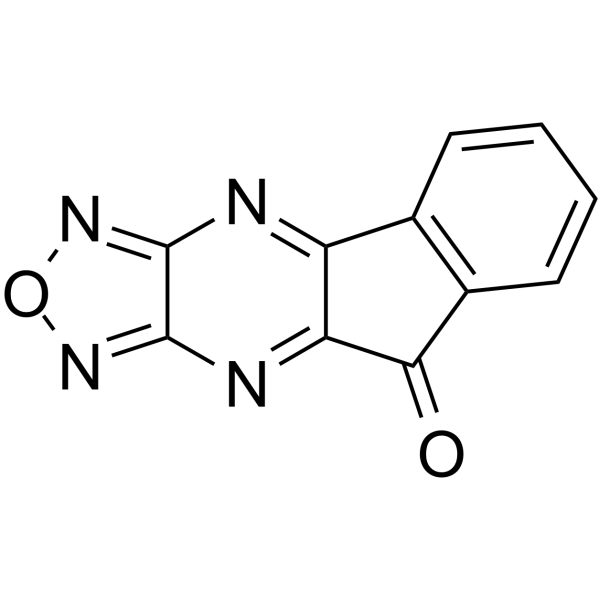
SMER3, a Rapamycin enhancer, is a selective Skp1-Cullin-F-box (SCF) Met30 ubiquitin ligase inhibitor. SMER3 enhances Rapamycin's growth inhibitory effect by inhibition of SCF Met30 .
|
-
-
- HY-108530
-
|
|
RAR/RXR
|
Cancer
|
|
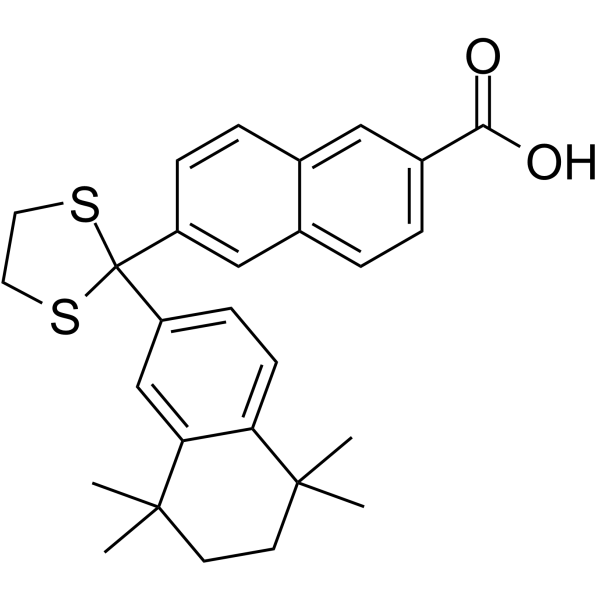
MM11253 is a potent and selective RARγ antagonist with an IC50 of 44 nM. MM11253 has lower inhibition of RARα, RARβ and RXRα. MM11253 blocks the growth inhibitory effects of RARγ-selective agonists .
|
-
-
- HY-N3023
-
|
NSC 263475 hydrobromide
|
DNA/RNA Synthesis
|
Cancer
|
|
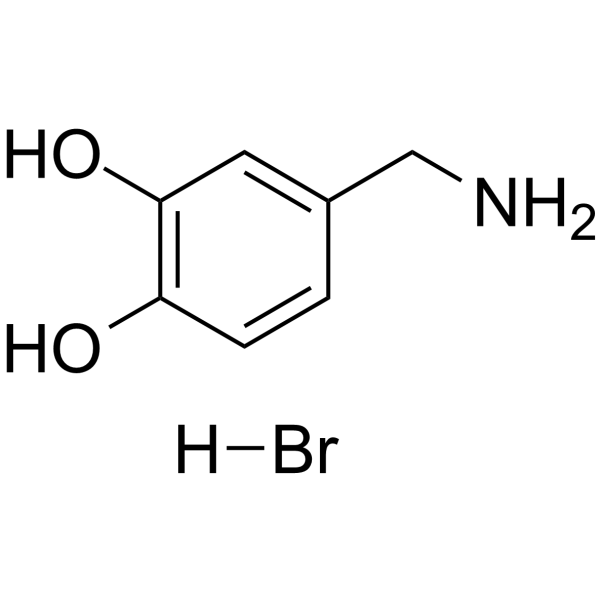
3,4-Dihydroxybenzylamine hydrobromide (NSC 263475 hydrobromide) is an improved dopamine analog cytotoxic and inhibits DNA polymerase activity in melanoma cells . 3,4-Dihydroxybenzylamine hydrobromide (NSC 263475 hydrobromide) displays growth inhibitory activity in melanoma cell lines with varying degrees of tyrosinase activity .
|
-
-
- HY-N4294
-
|
|
FXR
Insecticide
|
Infection
Metabolic Disease
Inflammation/Immunology
|
|
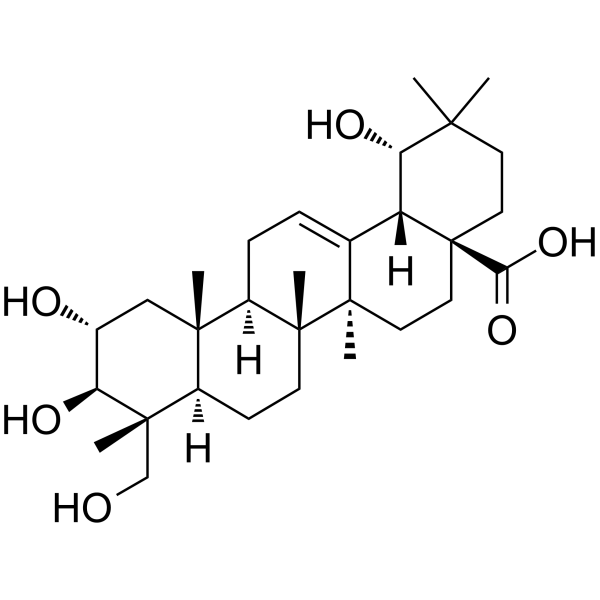
Arjungenin, a pentacyclic triterpenoid compound, is a FXR agonist. Arjungenin can improve insulin sensitivity by regulating the function of fat cells. Arjungenin exhibits moderate free radical scavenging activity. Arjungenin has growth inhibitory activity against the insect Spilarctia obliqua. Arjungenin has significant antiviral activity against a series of viruses such as chikungunya Virus (CHIKV) .
|
-
-
- HY-W052289
-
|
|
Endogenous Metabolite
|
Infection
Cancer
|
|
Methyl 6-bromo-1H-indole-3-carboxylate is a marine-derived natural product with anti-tumor activity. Methyl 6-bromo-1H-indole-3-carboxylate exhibits growth inhibitory effects against Staphylococcus epidermidis. Methyl 6-bromo-1H-indole-3-carboxylate can be used in research related to Staphylococcus epidermidis infection and cancer .
|
-

-
- HY-101404
-
|
|
Endogenous Metabolite
|
Others
|
|
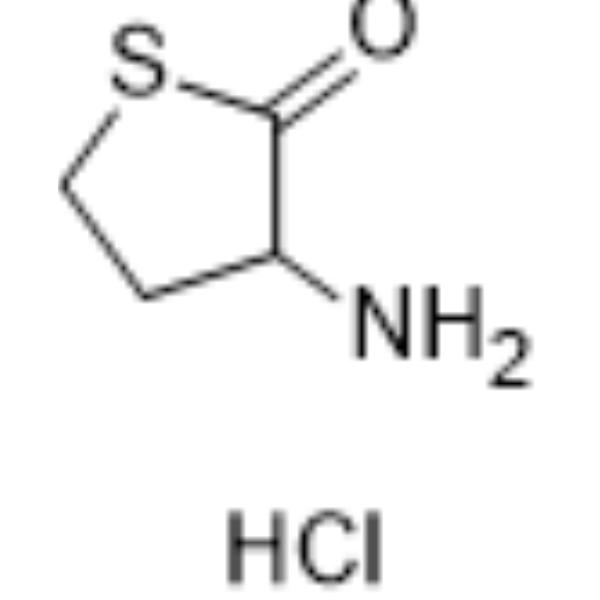
DL-Homocysteine thiolactone hydrochloride is a cyclic amino acid derivative that exhibits root-growth inhibitory activity.
|
-
-
- HY-B2153
-
|
|
Cuproptosis
Bacterial
|
Infection
|
|
Tetraethylenepentamine pentahydrochloride is an orally active copper chelator and copper mobilizer. Tetraethylenepentamine pentahydrochloride exhibits growth inhibitory and hypolipidemic properties. Tetraethylenepentamine pentahydrochloride significantly increases urinary copper excretion and reduces renal copper accumulation in copper overload models, but does not significantly alter hepatic copper levels. Tetraethylenepentamine pentahydrochloride exerts growth inhibitory effects on Candida albicans and Fluconazole (HY-B0101)-resistant strains, and can be widely used in studies related to Wilson's disease and Candida infections .
|
-

-
- HY-P1237A
-
-

-
- HY-111934
-
|
|
Parasite
Potassium Channel
|
Others
Cancer
|
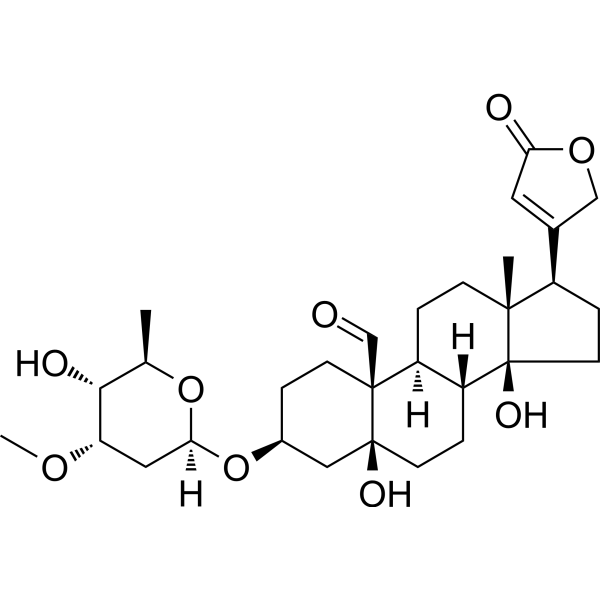
Cymarin, a cardiac glycoside, potently inhibits the Palytoxin (PTX)-induced K + release (IC50=0.42 μM). Cymarin reveals an antitumor activity against breast cancer and pancreatic cancer. Cymarin exhibits antifeedant and growth inhibitory effects as crop protectant .
|
-
-
- HY-107412
-
|
PS-IX; AM114
|
Proteasome
|
Cancer
|
|
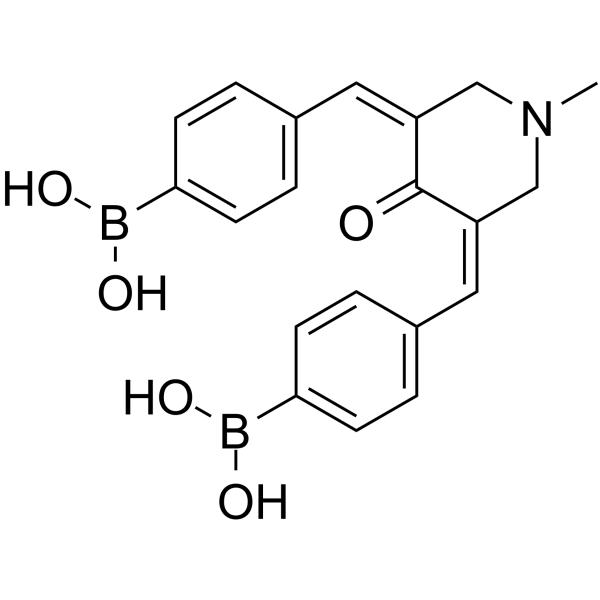
Proteasome inhibitor IX (PS-IX; AM114) is a Chalcone derivative and a chymotrypsin-like activity of the 20S proteasome inhibitor with an IC50 value of ~1 μM. Proteasome inhibitor IX exhibits HCT116 p53 +/+ cells growth inhibitory activity with an IC50 value of 1.49 μM. Proteasome inhibitor IX has potent anticancer activity .
|
-
-
- HY-N10116A
-
|
|
Interleukin Related
IFNAR
Calcium Channel
Bacterial
CCR
|
Infection
Cancer
|
|
Calamenene is a sesquiterpene compound . Calamenene promotes dendritic cell maturation, upregulates CD1a, CD80, CD83, CD86, HLA-DR and CCR7 on the cell surface, reduces endocytic activity, enhances T cell-stimulating capacity, drives Th1 polarization through the secretion of IL-12, induces IFN-γ production, decreases IL-4 generation, and triggers intracellular Ca 2+ mobilization as well as dendritic cell migration towards MIP-3β. Calamenene exerts bacteriostatic and bactericidal growth-inhibitory effects against pathogenic *Vibrio harveyi*. Calamenene can be used in studies related to cancer and bacterial infections .
|
-

-
- HY-W054259
-
|
N,N'-Difurfuryloxamide; N1,N2-Bis(furan-2-ylmethyl)oxalamide
|
Biochemical Assay Reagents
|
Others
|
|
BFMO (N,N'-Difurfuryloxamide) is an oxamide derivative and a bidentate ligand. BFMO exhibits plant growth regulatory activity and root growth inhibitory activity. BFMO can promote the copper-catalyzed N-arylation reaction between aniline compounds and cyclic secondary amines, realizing the coupling of (hetero) aryl bromides with (hetero) aryl amines and cyclic secondary amines .
|
-

-
- HY-N10341
-
|
|
IFNAR
ROCK
|
Inflammation/Immunology
Cancer
|
|
Centaureidin is an orally active IFN-promoter that can be isolated from Bidens pilosa with an EC50 of 0.9 μg/mL. Centaureidin activates the Rho signal pathway, leading to actin and tubulin disassembly, and resulting in dendrite retraction and stress fiber formation in melanocytes. Centaureidin shows high tumor cell growth inhibitory activities. Centaureidin significantly inhibits paw edema in mice [1][2][3][4][5].
|
-

-
- HY-W020958
-
|
Tris(acetylacetonato)ruthenium (III)
|
Caspase
Apoptosis
|
Cancer
|
|
Ru (acac) 3 (Tris (acetylacetonato) ruthenium (III)) is a caspase-3 activator and Apoptosis inducer. Ru (acac) 3 exerts growth inhibitory effects on various cell lines in vitro by inhibiting DNA/RNA synthesis and inducing mild reversible S-phase cell cycle arrest. Ru (acac) 3 is commonly used in research related to ovarian cancer, osteosarcoma, cervical cancer, melanoma, and other fields .
|
-

-
- HY-128425A
-
|
L-Ureidosuccinic acid
|
Fungal
|
Infection
|
|
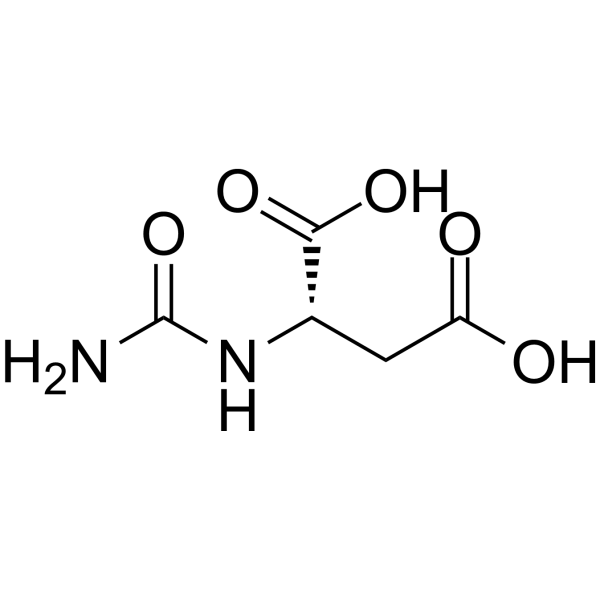
N-Carbamoyl-L-aspartic acid (L-Ureidosuccinic acid) is an important pyrimidine metabolic precursor and intermediate metabolite. N-Carbamoyl-L-aspartic acid reverses the growth inhibition of Ura + strains induced by 2-thiouracil (with growth rate increasing linearly with its concentration), but fails to support the growth of uracil-requiring Ura - strains. N-Carbamoyl-L-aspartic acid inhibits the cell growth of *Saccharomyces cerevisiae* by suppressing the purine biosynthetic pathway at a pre-step of 5-aminoimidazole nucleotide synthesis. The growth inhibitory effect of N-Carbamoyl-L-aspartic acid on yeast can be alleviated by purines, and the sensitivity of strains is closely related to the activity level of dihydroorotase .
|
-
-
- HY-10984A
-
|
(S)-CC-4047
|
Endogenous Metabolite
|
Cancer
|
|
(S)-Pomalidomide ((S)-CC-4047) is an angiogenesis-inhibiting drug with growth-inhibitory activity against B-cell tumors. (S)-Pomalidomide can induce complete tumor regression in BurKitt lymphoma cells. (S)-Pomalidomide serves as an immunomodulator with potential applications in inhibiting hematological malignancies .
|
-

-
- HY-W099540
-
|
|
Bacterial
|
Infection
|
|
OES2-0017 shows potent synergy with polyamines and growth-inhibitory effects at the low micromolar range. OES2-0017 inhibits spermine/spermidine acetyltransferase (SpeG) (IC50: 34.82 μM ) and other polyamine detoxification enzymes in low concentrations, perturbed the bacterial membrane in higher concentrations .
|
-

-
- HY-13072R
-
|
AS-703569 (Standard); R-763 (Standard)
|
Aurora Kinase
Bcr-Abl
Akt
STAT
FLT3
Reference Standards
|
Cancer
|
|
Cenisertib (Standard) is the analytical standard of Cenisertib. This product is intended for research and analytical applications. Cenisertib (AS-703569) is an ATP-competitive multi-kinase inhibitor that blocks the activity of Aurora-kinase-A/B, ABL1, AKT, STAT5 and FLT3. Cenisertib induces major growth-inhibitory effects by blocking the activity of several different molecular targets in neoplastic mast cells (MC). Cenisertib inhibits tumor growth in xenograft models of pancreatic, breast, colon, ovarian, and lung tumors and leukemia .
|
-

-
- HY-B1824R
-
|
HR-810 sulfate (Standard)
|
Reference Standards
Antibiotic
Bacterial
|
Infection
|
|
Cefpirome (HR-810) sulfate (Standard) is the analytical standard of Cefpirome sulfate. This product is intended for research and analytical applications. Cefpirome sulfate is a cephalosporin antibiotic that can cross cell membranes and the blood-brain barrier. Cefpirome sulfate binds to penicillin-binding proteins with high affinity, thereby inhibiting bacterial cell wall synthesis. Cefpirome sulfate exhibits bactericidal and growth-inhibitory activities against Gram-negative bacteria, Gram-positive bacteria, and susceptible anaerobic bacteria (including some β-lactamase-producing strains).
|
-

-
- HY-P4816
-
|
|
Bacterial
Fungal
|
Infection
Inflammation/Immunology
|
|
Pseudin-2, an AMP thast could be isolated from the skin of the South American paradoxical frog Pseudis paradoxa, exert a potent growth inhibitory effect against Gram-negative bacteria .
|
-

-
- HY-W064918
-
|
|
Bacterial
|
Infection
|
|
NITD-304 is an orally active anti-tuberculosis agent. NITD-304 exerts inhibitory and bactericidal activities gainst Mycobacterium tuberculosis and multidrug-resistant Mycobacterium tuberculosis. NITD-304 inhibits mycobacterial cell wall biosynthesis and demonstrates synergistic or additive growth inhibitory activity with select antibacterial agents. NITD-304 shows low risk of cardiotoxicity and drug-drug interactions, with no inhibition of major cytochrome P-450 enzymes or hERG channel. NITD-304 can be used for the research of tuberculosis and multidrug-resistant tuberculosis .
|
-

-
- HY-W017611
-
|
|
Environmental Pollutants
Reactive Oxygen Species (ROS)
Fungal
DNA/RNA Synthesis
|
Infection
|
|
4-Propylphenol is a plant-derived phenolic compound. 4-Propylphenol causes an increase in ROS within the Fusarium graminearum cells, leading to damage to the DNA and cell membranes of the mycelia, effectively inhibiting the growth of the mycelia. 4-Propylphenol also has a growth inhibitory effect on walnut pathogenic fungi (C. gloeosporioides, C. siamense, A. alternata), with its EC50 ranging from 29.11 to 31.89 mg/L, and it also inhibits spore germination, with EC50 being 55.04-71.85 mg/L. 4-Propylphenol can be used in the research of fungal diseases in walnuts and wheat Fusarium head blight .
|
-

-
- HY-129580
-
|
|
Bacterial
Fungal
|
Infection
|
|
Nannochelin B is a novel citrate-hydroxamate siderophore with a growth-inhibitory activity against some bacteria and fungi .
|
-

-
- HY-16638
-
|
PDDF
|
Thymidylate Synthase
|
Metabolic Disease
|
|
CB 3717 is a potent inhibitor of human thymidylate synthetase, competitively binding with 5,10-methylenetetrahydrofolate (Ki = 4.9 X 10(-9) M). It also competitively inhibits human dihydrofolate reductase with dihydrofolate (Ki = 2.3 X 10(-8) M). In WI-L2 human lymphoblastoid cells, CB 3717 treatment led to a significant decrease in cellular dTTP levels and a notable increase in dUMP levels, indicating a disruption in nucleotide metabolism. The growth-inhibitory effect of CB 3717 was reversed by thymidine supplementation, demonstrating that thymidylate synthetase became rate-limiting in the presence of this compound. Delayed thymidine supplementation beyond 8 hours resulted in severe cytotoxicity, underscoring the critical timing of nucleotide rescue strategies in CB 3717-treated cells .
|
-

-
- HY-123135
-
|
|
Fungal
|
Infection
Cancer
|
|
Scirpusin B (compound 5) is a dimeric antioxidant isolated from Scirpus maritimus L.. Scirpusin B exhibits antitumor, antifungal, insecticidal, and plant growth inhibitory activities.
|
-

-
- HY-N4114R
-
|
|
Reference Standards
Apoptosis
|
Cancer
|
|
Picrocrocin (Standard) is the analytical standard of Picrocrocin. This product is intended for research and analytical applications. Picrocrocin, an apocarotenoid found in Saffron. Picrocrocin shows anticancer effect. Picrocrocin exhibits growth inhibitory effects against SKMEL-2 human malignant melanoma cells .
|
-

-
- HY-P11191
-
|
|
Bacterial
|
Infection
|
|
AR-23 is a melittin-related antimicrobial peptide that can be isolated from Rana tagoi. AR-23 exhibits broad-spectrum growth inhibitory activity against aerobic bacteria, the opportunistic yeast pathogen Candida albicans and clinical isolates of Methicillin (HY-121544)-resistant Staphylococcus aureus (MRSA). AR-23 can be used for antimicrobial research .
|
-

-
- HY-W016689
-
|
|
Drug Intermediate
|
Cancer
|
|
2-Amino-4-phenylthiazole is a synthetic intermediate useful for pharmaceutical synthesis. 2-Amino-4-phenylthiazole can be used to synthesize suberoylanilide hydroxamic acid (SAHA) analogs with cancer cell growth inhibitory activities. 2-Amino-4-phenylthiazole also can be used to synthesize ketone histone deacetylase inhibitors with antitumor activity in vivo .
|
-

-
- HY-P991370
-
|
|
STAT
|
Cancer
|
|
SBT-100 (His Tag) is a human monoclonal antibody (mAb) targeting STAT3. SBT-100 (His Tag) inhibits IL-6-mediated P-STAT3 nuclear translocation in HEp-2 and PANC-1 cells. SBT-100 (His Tag) has tumor growth inhibitory effects on MDA-MB-231 .
|
-

-
- HY-146335
-
|
|
CDK
|
Cancer
|
|
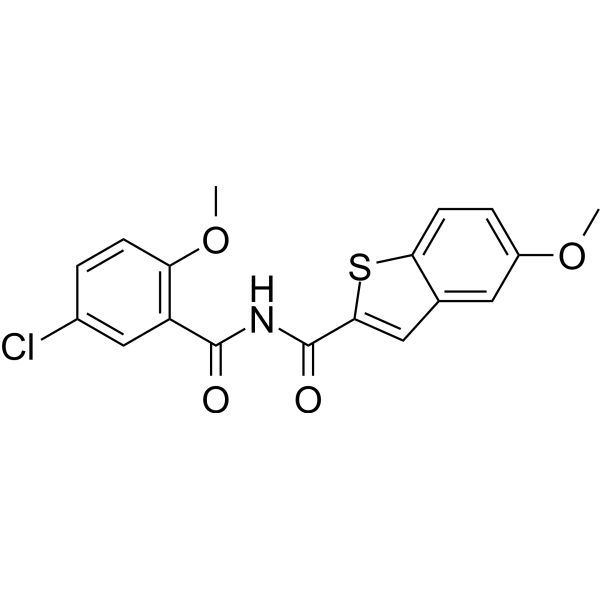
CLK1/4-IN-1 (compound 31) is a potent and selective Clk1 and Clk4 inhibitor with an IC50 value of 9.7 nM and 6.6 nM, respectively. CLK1/4-IN-1 has growth inhibitory activities against T24 cancer cells with GI50 of 1.1 μM. CLK1/4-IN-1 can be used for researching anticancer .
|
-
-
- HY-178132
-
|
|
Apoptosis
NF-κB
|
Cancer
|
|
Apoptosis inducer 46 is an apoptosis inducer. Apoptosis inducer 46 exhibits potent and selective growth inhibitory effects on metastatic triple-negative breast cancer (TNBC) cells. Apoptosis inducer 46 induces G2/M phase cell cycle arrest and apoptotic cell death in MDA-MB-231 cells, and blocks NF-κB nuclear translocation. Apoptosis inducer 46 can be used for the study of TNBC .
|
-

- HY-N9778
-
|
|
Apoptosis
Bcl-2 Family
Caspase
Drug Derivative
|
Cancer
|
|
Phoyunbene B is a similar substance to Resveratrol (HY-16561). Phoyunbene B exhibits stronger growth inhibitory activity against human liver cancer cells HepG2 compared to Resveratrol. Phoyunbene B induces G2/M phase cell cycle arrest and apoptosis. Phoyunbene B increases Bax/Bcl-2 and activates Caspase-3. Phoyunbene B inhibits the invasion and migration of cancer cells. Phoyunbene B can be used for research on liver cancer .
|
-

- HY-169062
-
|
|
MMP
|
Cancer
|
RJF02215 is an MMP-9 inhibitor. RJF02215 has growth-inhibitory activity on the ovarian cancer SKOV3 cell line. RJF02215 can be used for tumor research .
|
-

- HY-N12637
-
|
|
Parasite
|
Infection
|
|
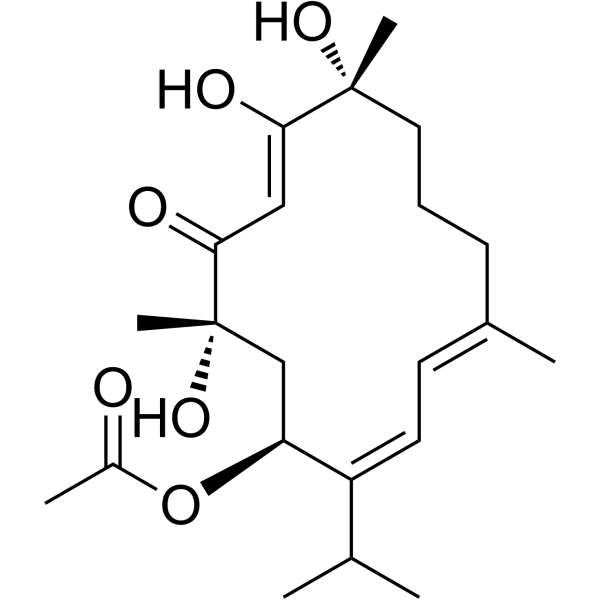
Kagimminol B, a cembrene-type diterpenoid, can be isolated from an Okeania sp. marine cyanobacterium. Kagimminol B shows selective growth-inhibitory activity against the causative agent of human African trypanosomiasis .
|
-
- HY-13072B
-
|
AS-703569 benzoate; R-763 benzoate
|
Aurora Kinase
Bcr-Abl
Akt
STAT
FLT3
|
Cancer
|
|
Cenisertib (AS-703569) benzoate is an ATP-competitive multi-kinase inhibitor that blocks the activity of Aurora-kinase-A/B, ABL1, AKT, STAT5 and FLT3. Cenisertib benzoate induces major growth-inhibitory effects by blocking the activity of several different molecular targets in neoplastic mast cells (MC). Cenisertib benzoate inhibits tumor growth in xenograft models of pancreatic, breast, colon, ovarian, and lung tumors and leukemia .
|
-

- HY-164549
-
|
|
RET
|
Cancer
|
XMD15-44 is a RET kinase inhibitor.XMD15-44 has a growth-inhibitory effect on RET/C634R and RET/M918T transformed RAT1 cells, with IC50 values of 11.5 nM and 8.3 nM, respectively. XMD15-44 can inhibit RET kinase and signaling in human thyroid cancer cell lines carrying oncogenic RET alleles, reducing cell proliferation .
|
-

- HY-12403R
-
|
TXA127 (Standard); Angiotensin (1-7) (Standard); Ang-(1-7) (Standard)
|
Angiotensin Receptor
Angiotensin-converting Enzyme (ACE)
Endogenous Metabolite
Reference Standards
|
Cardiovascular Disease
Inflammation/Immunology
Endocrinology
Cancer
|
|
Talfirastide (Standard) is the analytical standard of Talfirastide. This product is intended for research and analytical applications. Angiotensin 1-7 (Ang-(1-7)) is an endogenous heptapeptide from the renin-angiotensin system (RAS) with a cardioprotective role due to its anti-inflammatory and anti-fibrotic activities in cardiac cells. Angiotensin 1-7 inhibits purified canine ACE activity (IC50=0.65 μM). Angiotensin 1-7 acts as a local synergistic modulator of kinin-induced vasodilation by inhibiting ACE and releasing nitric oxide. Angiotensin 1-7 blocks Ang II-induced smooth muscle cell proliferation and hypertrophy and shows antiangiogenic and growth-inhibitory effects on the endothelium. Angiotensin 1-7 shows anti-inflammatory activity .
|
-

- HY-101404S
-
|
|
Isotope-Labeled Compounds
Endogenous Metabolite
|
Others
|
|
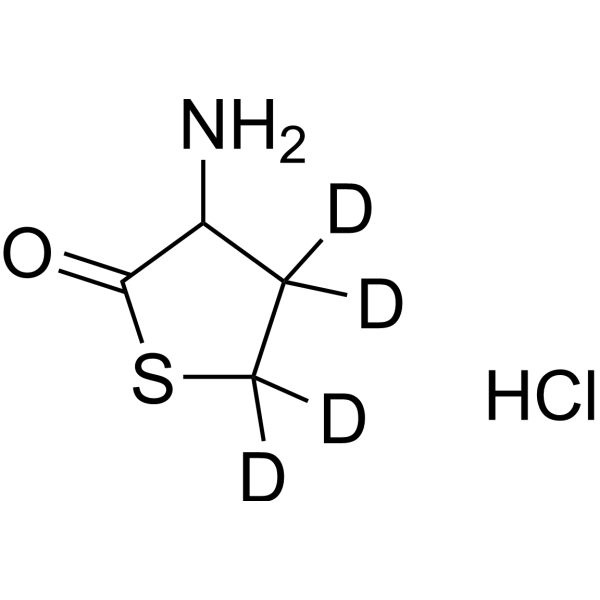
DL-Homocysteine thiolactone-d4 hydrochloride is the deuterium labeled DL-Homocysteine thiolactone (hydrochloride). DL-Homocysteine thiolactone hydrochloride is a cyclic amino acid derivative that exhibits root-growth inhibitory activity.
|
-
- HY-101404R
-
|
|
Reference Standards
Endogenous Metabolite
|
Others
|
|
DL-Homocysteine thiolactone (hydrochloride) (Standard) is the analytical standard of DL-Homocysteine thiolactone (hydrochloride). This product is intended for research and analytical applications. DL-Homocysteine thiolactone hydrochloride is a cyclic amino acid derivative that exhibits root-growth inhibitory activity.
|
-

- HY-N12430
-
|
|
Others
|
Cancer
|
|
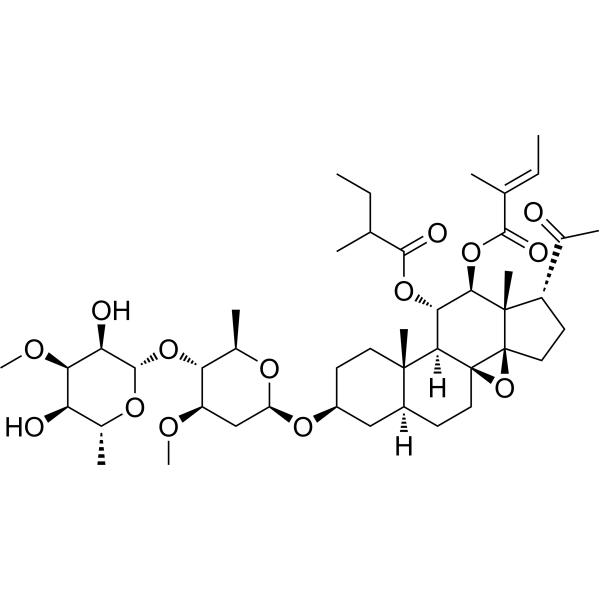
Marsdenoside A (compound 7) is a Marsdenoside isolated from Alocasia genus. Marsdenoside A has a weak growth inhibitory effect on two tumor cell lines, MGC-803 and HT-29, with IC50 >50 μg/mL.
|
-
- HY-N14369
-
|
|
Bacterial
|
Infection
Cancer
|
|
9-Hydroxycrisamicin has weak anti-Gram-positive bacteria activity, MIC is 6.25-25 μg/mL. 9-Hydroxycrisamicin has a strong growth inhibitory effect on human tumor cell lines .
|
-

- HY-N12200
-
|
|
Others
|
Cancer
|
|
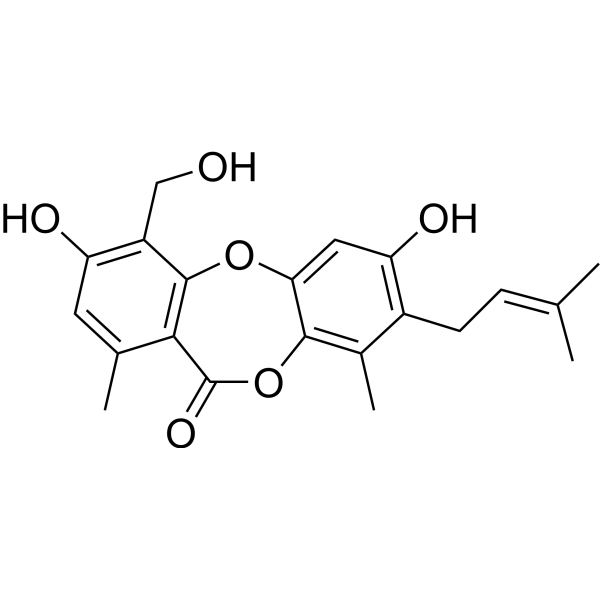
Mollicellin I (compound 1) is a depsidone. The growth inhibitory activity of Mollicellin I on human breast cancer (Bre04), human lung (Lu04) and human neuroma (N04) cell lines is not significant, with GI50s >10 μg/mL .
|
-
- HY-113796
-
|
|
Others
|
Cancer
|
|
Kopsoffinol, a bisindole alkaloid, shows in vitro growth inhibitory activity against human PC-3, HCT-116, MCF-7, and A549 cells and moderate effects in reversing multidrug-resistance in vincristine-resistant human KB cells .
|
-

- HY-N7623
-
|
|
Drug Derivative
|
Cancer
|
|
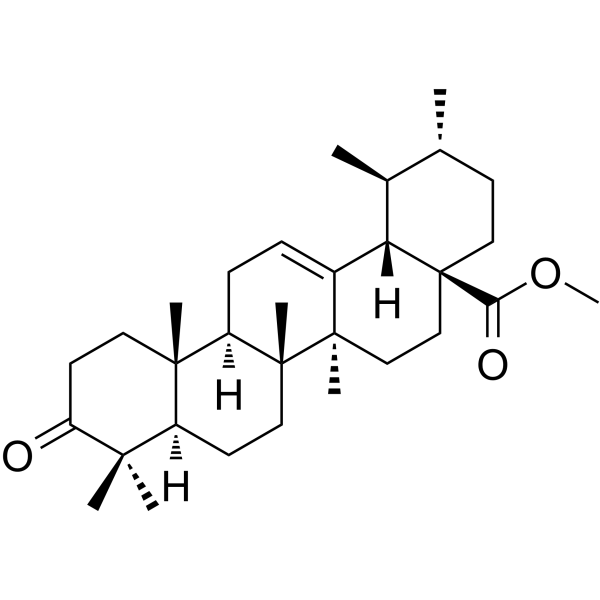
Ursonic acid methyl ester is an esterified derivative of Ursolic acid (HY-N0140). Ursonic acid methyl ester shows growth inhibitory activity against four tumor cell lines, HL-60, BGC, Bel-7402 and Hela with ED50 values of >100 µg/ml .
|
-
- HY-162105
-
|
|
Cytochrome P450
|
Endocrinology
Cancer
|
|
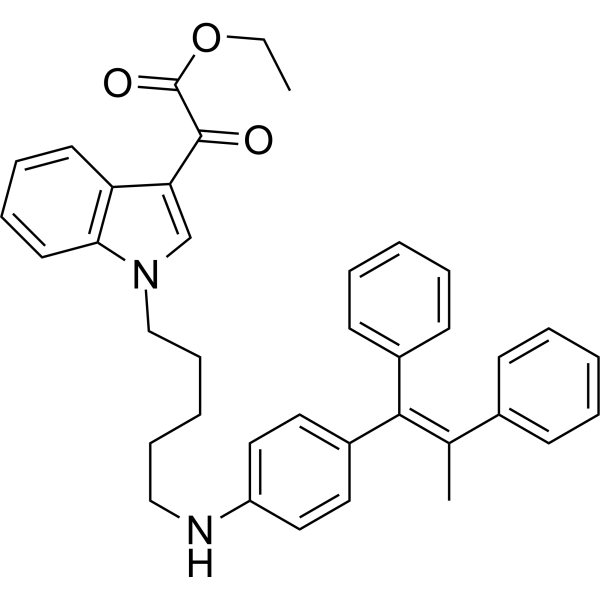
Aromatase-IN-3 (compound 7d) is an aromatase inhibitor with an IC50 of 54 nM. Through suppressing the conversion of androstenedione to oestrogen caused by aromatase, Aromatase-IN-3 exerts an appreciable tumor growth inhibitory activities against breast cancer cell lines, suggesting its usage for ER+ cancer research .
|
-
- HY-117872
-
|
20-O-Acetylsartorypyrone D
|
Fungal
|
Infection
|
|
Sartorypyrone A (20-O-Acetylsartorypyrone D) is a monocyclic terpenoid isolated from the soil fungus Neosartorya fischeri. Sartorypyrone A exhibits in vitro growth inhibitory activity against MCF-7, NCI-H460, and A375-C5 cell lines, and has potential anticancer properties.
|
-

- HY-W023557
-
|
3-Methylmaleimide; 2-Methylmaleimide
|
Drug Intermediate
|
Others
|
|
Citraconimide is a 3-methylmaleimide derivative. Citraconimide has thiol affinity and can undergo highly regioselective addition with a variety of alkyl thiols. Citraconimide derivatives show growth inhibitory activity against HeLa cells. Citraconimide can be modified by N-substitution, halogenation and other reactions for use in bioactive molecule design and drug development research .
|
-

- HY-W178011
-
|
4,4'-Sulfonylbis(2-methylphenol)
|
Topoisomerase
|
Cancer
|
|
Topoisomerase IIα-IN-9 (NSC85582) is a bisphenol compound that has a moderate inhibitory effect on DNA topoisomerase Topoisomerase II (IC50: 571 μM). Topoisomerase IIα-IN-9 also exhibits a certain cell growth inhibitory effect, with IC50s of 117 μM and 218 μM for K562 and CHO, respectively .
|
-

- HY-121372
-
|
|
Estrogen Receptor/ERR
|
Cancer
|
Lactandrate is a D-high nitrogen steroid alkylating agent. It can interact with the ligand-binding domain (LBD) of estrogen receptor-alpha (ERα). Lactandrate has a growth inhibitory effect on breast cancer cells, with a GI50 value ranging from 5 to 65 μM. It shows anti-tumor activity in mouse breast tumors (MXT and CD8F1) as well as in human xenograft MX-1 .
|
-

- HY-N12198
-
|
|
Others
|
Cancer
|
|
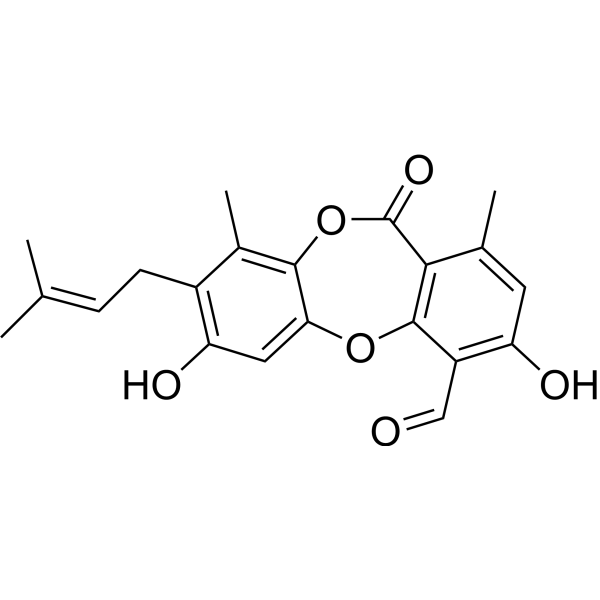
Mollicellin H is a secondary metabolite of the fungus C. brasiliense and has a wide range of biological activities, including immunomodulation, cytotoxicity and anti-tumor effects. The growth inhibitory effects (GI50s) of Mollicellin H on human breast cancer (Bre04), human lung (Lu04) and human neuroma (N04) cell lines are 5.1 μg/mL, 6.5 μg/mL and 2.5 μg/mL respectively .
|
-
- HY-N4294R
-
|
|
Reference Standards
FXR
Insecticide
|
Infection
Metabolic Disease
Inflammation/Immunology
|
|
Arjungenin (Standard) is the analytical standard of Arjungenin. This product is intended for research and analytical applications. Arjungenin, a pentacyclic triterpenoid compound, is a FXR agonist. Arjungenin can improve insulin sensitivity by regulating the function of fat cells. Arjungenin exhibits moderate free radical scavenging activity. Arjungenin has growth inhibitory activity against the insect Spilarctia obliqua. Arjungenin has significant antiviral activity against a series of viruses such as chikungunya Virus (CHIKV).
|
-

- HY-118061
-
|
|
Bacterial
|
Infection
|
|
VCC234718 is a molecule with mycobacterial growth inhibitory activity, specifically targeting Mycobacterium tuberculosis (Mtb). The primary molecular target of VCC234718 is inosine monophosphate dehydrogenase (GuaB2), and it inhibits the growth of Mtb by affecting the function of this enzyme. VCC234718 inhibits GuaB2 with a K value of 100 nM and exhibits non-competitive inhibition with IMP and NAD+. VCC234718 exerts its inhibitory effect by directly interacting with IMP and binding at the NAD+ site .
|
-

- HY-117092
-
|
|
Antibiotic
Fungal
|
Infection
|
|
BE-31405 is an antifungal antibiotic. BE-31405 can be isolated from the culture broth of the fungal strains such as Penicillium minioluteum F31405, Talaromyces siamensis FKA-61, and Phomopsis sp. FKA-62. BE-31405 exhibits potent growth inhibitory activity against pathogenic fungal strains including Candida albicans, Candida glabrata, and Cryptococcus neoformans. BE-31405 shows no cytotoxicity against mammalian cells .
|
-

- HY-161855
-
|
|
VEGFR
Apoptosis
|
Cancer
|
|
VEGFR-2-IN-50 (Compound 10f) is a VEGFR-2 inhibitor and apoptosis inducer, with an IC50 value of 0.33 μM. VEGFR-2-IN-50 (Compound 10f) has growth inhibitory activity on MCF-7 and MDA-MB-231 breast cancer cell lines, with IC50 values of 19.86 μM and 10.88 μM, respectively, which is expected to be used in the study of breast cancer diseases .
|
-

- HY-117803
-
|
OSI-461 free base
|
Apoptosis
|
Cancer
|
|
CP 461 free base (OSI-461 free base) is a novel pro-apoptotic compound with the activity of inhibiting cyclic guanosine monophosphate phosphodiesterase. CP 461 free base exhibits growth inhibitory activity against a variety of human tumor cell lines in vitro. CP 461 free base selectively induces apoptosis in cancer cell lines but has no effect on normal cells. CP 461 free base can be used in the study of renal cell carcinoma, prostate cancer and Crohn's disease .
|
-

- HY-138098
-
|
|
Endogenous Metabolite
|
Cancer
|
|
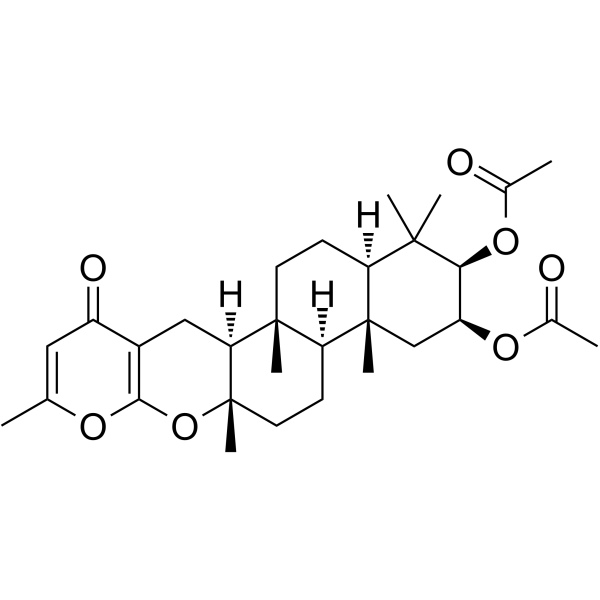
Sartorypyrone B is a 2β-acetoxyl analogue of chevalone C. Sartorypyrone B is yielded from the ethyl acetate extract of the culture of the marine sponge-associated fungus Neosartorya tsunodae (KUFC 9213). Sartorypyrone B exhibits strong growth inhibitory activity, having GI50s of 17.8, 20.5, and 25.0 μM, respectively, for MCF-7, NCI-H460, and A375-C5. Sartorypyrone B has the potential for the research of breast adenocarcinoma, non-small cell lung cancer, and melanoma diseases .
|
-
- HY-N19463
-
|
|
Caspase
Reactive Oxygen Species (ROS)
Apoptosis
|
Cancer
|
|
Dicatenarin is a caspase‑3 activator with growth‑inhibitory activity against human cancer cells. Dicatenarin increases caspase‑3 activity, induces intracellular ROS generation, and activates the mitochondrial‑mediated apoptotic pathway. Dicatenarin exerts growth‑inhibitory effects against a panel of human cancer cell lines. Dicatenarin can be used in research on pancreatic cancer, lung cancer, colon cancer, breast cancer, prostate cancer, and ovarian cancer .
|
-

- HY-181780
-
|
|
Trk Receptor
|
Cancer
|
|
TRK-IN-34 is an orally active TRKand TRKC mutant kinase inhibitor, with IC50 values of 0.75 nM and 0.96 nM against TRKA G595R and TRKA G667C, respectively. TRK-IN-34 inhibits the kinase activities of TRKA G595R and TRKA G667C at the functional level. TRK-IN-34 inhibits the proliferation of TRKA-transfected cells, exerts tumor growth-inhibitory effects and achieves partial tumor regression in xenograft models. TRK-IN-34 can be used to study TRK inhibitor-resistant cancers driven by the TRKA G667C mutation .
|
-

- HY-179439
-
|
|
COX
VEGFR
HIF/HIF Prolyl-Hydroxylase
Caspase
Bcl-2 Family
Apoptosis
MMP
|
Cancer
|
|
Multi-kinase-IN-8 is a muti-kinase inhibitor. Multi-kinase-IN-8 inhibits COX-1 (IC50 of 12.6 μM), COX-2 (IC50 of 0.05 μM) and VEGFR-2 (IC50 of 0.12 nM). Multi-kinase-IN-8 inhibits tumor-associated carbonic anhydrases (CA IX and CA XII with Ki of 31.5 nM and 386.9 nM, respectively). Multi-kinase-IN-8 triggers cell cycle arrest and apoptosis through upregulation of Caspase 9 and Bax along with downregulation of Bcl 2. Multi-kinase-IN-8 suppresses PGE2, p-VEGFR-2, MMP-9 and HIF-1α and exhibits growth-inhibitory activity against breast cancer, lung cancer, and colorectal adenocarcinoma .
|
-

- HY-W010480
-
|
|
Drug Derivative
|
Neurological Disease
Cancer
|
|
Toluquinone is a Toluquinol analogue. Toluquinone shows lower growth inhibitory activity against a panel of cancer cell lines of breast adenocarcinoma, promyelocytic leukemia, glioblastoma, fibrosarcoma, and colorectal adenocarcinoma than Toluquinol .
|
-

- HY-N19875
-
|
|
Reactive Oxygen Species (ROS)
|
Cancer
|
|
Myrseguinoside A is a monoterpene glucoside found in the fruits of Myrsine seguinii. Myrseguinoside A does not exhibit significant DPPH radical-scavenging activity or growth inhibitory activity toward human cancer cells. Myrseguinoside A can be used for cancer research .
|
-

- HY-163561A
-
|
|
Histone Methyltransferase
|
Cancer
|
|
CARM1-IN-6 (Compound iCARM1) dihydrochloride is an effective and selective inhibitor of CARM1 with an IC50 value of 12.3 μM. CARM1-IN-6 dihydrochloride exhibits cell growth inhibitory activity and can be used in cancer research .
|
-

- HY-N17608
-
|
|
Others
|
Others
|
|
10 (14)-Guaien-11-ol is a guaiane-type sesquiterpenoid that exists in the roots of Jatropha curcas. 10 (14)-Guaien-11-ol shows no significant growth inhibitory activity against human gastric cancer cells .
|
-

- HY-N18530
-
|
|
Endogenous Metabolite
Bacterial
|
Infection
|
|
N-Myristoyl-D-asparagine is a key metabolic marker in the biosynthesis and maturation of colibactin. N-Myristoyl-D-asparagine acts as a biomarker for detecting colibactin. N-Myristoyl-D-asparagine exhibits mild growth inhibitory activity against Bacillus subtilis NCIB 3610 .
|
-

- HY-183576
-
|
|
HBV
|
Infection
Neurological Disease
|
|
HBsAg-IN-1 is an orally active, highly liver-selective inhibitor of HBsAg production, with an EC50 of 0.63 nM. HBsAg-IN-1 shows no neurite growth inhibitory activity. HBsAg-IN-1 can be used in studies related to hepatitis B virus (HBV) infection .
|
-

- HY-N19938
-
|
|
Reactive Oxygen Species (ROS)
|
Others
|
|
Roseopurpurin B is a polyketide compound found in Aspergillus aculeatus DL1011 and Penicillium roseopurpureum (CMB-MF038), with DPPH scavenging activity. Roseopurpurin B shows no cytotoxicity against human cancer cells, and exhibits no growth inhibitory activity against Gram-positive or Gram-negative bacteria .
|
-

- HY-182673
-
|
|
YAP
|
Cancer
|
|
VT102 is a TEAD1 inhibitor with a human IC50 of 391 nM. VT102 inhibits auto-palmitoylation, attenuates YAP/TEAD1 interaction, reduces expression of TEAD target genes, and inhibits YAP-mediated luciferase reporter activity. VT102 exerts weak cell growth inhibitory activity in cancer cells. VT102 can be used for the research of cancer .
|
-

- HY-180963
-
|
|
PROTACs
Bcr-Abl
|
Cancer
|
|
Lys-PEG1-Dasa is a BCR-ABL PROTAC degrader with an DC50 of 0.98 nM in K562 cells. Lys-PEG1-Dasa exerts growth inhibitory with IC50 of 0.4569 nM in K562 cells. Lys-PEG1-Dasa can be used for chronic myeloid leukemia research .
|
-

- HY-108530R
-
|
|
Reference Standards
RAR/RXR
|
Cancer
|
|
MM11253 (Standard) is the analytical standard of MM11253 (HY-108530). This product is intended for research and analytical applications. MM11253 is a potent and selective RARγ antagonist with an IC50 of 44 nM. MM11253 has lower inhibition of RARα, RARβ and RXRα. MM11253 blocks the growth inhibitory effects of RARγ-selective agonists .
|
-

- HY-W1005059
-
|
|
Ligands for E3 Ligase
|
Cancer
|
|
N-Methylthalidomide is a cereblon ligand derivative that acts as an E3 ubiquitin ligase ligand for the synthesis of PROTAC LLC0424N (HY-185557). LLC0424N serves as a negative control for NSD2 PROTAC degrader LLC0424 (HY-161574), with weak ability to induce NSD2 degradation and low growth inhibitory effect on cancer cells carrying NSD2 mutations .
|
-

- HY-N0970
-
|
|
Others
|
Others
|
|
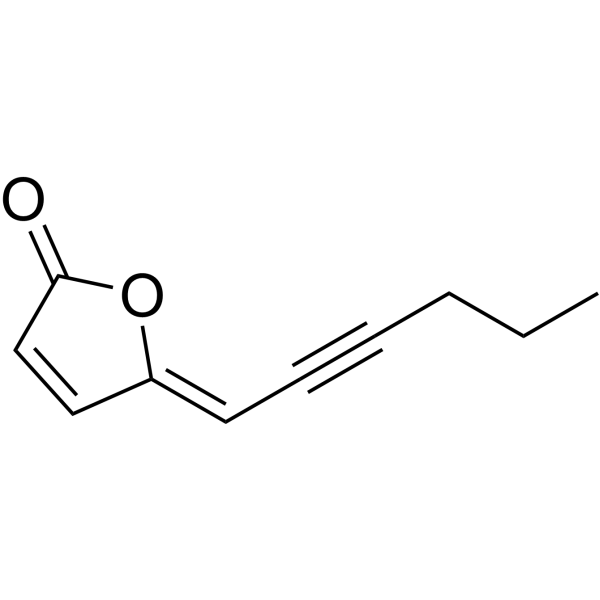
(4Z)-Lachnophyllum lactone is a enyne derivative. (4Z)-Lachnophyllum lactone shows growth inhibitory activity against Lemna paucicostata (IC50=104 μM), which is a problematic and invasive weed . (4Z)-Lachnophyllum lactone is a click chemistry reagent, it contains an Alkyne group and can undergo copper-catalyzed azide-alkyne cycloaddition (CuAAc) with molecules containing Azide groups.
|
-
- HY-159803
-
|
6-O-(3-Ethoxypropionyl)-3',4'-O-exo-benzylidenechartreusin
|
Endogenous Metabolite
|
Cancer
|
|
IST-622 (6-O-(3-Ethoxypropionyl)-3',4'-O-exo-benzylidenechartreusin) is an anti-tumor agent with significant growth inhibitory activity. IST-622 exhibits significant anti-tumor effects against a variety of mouse tumors such as P388 and L1210 leukemias, B16 melanoma, Lewis lung carcinoma, Colon 26 and Colon 38 adenocarcinomas, and M5076 reticulum cell sarcoma. IST-622 was orally administered and the results showed efficacy in different tumor types. In addition, IST-622 provided significant inhibitory effects against two human tumor xenograft models: large cell lung carcinoma (Lu-116) and gastric adenocarcinoma (St-4). IST-622 also exhibited significant growth inhibitory activity against P388 leukemia in vitro, with a half inhibitory concentration (IC50) more than 20 times lower than CT .
|
-

- HY-180810
-
|
|
Antibiotic
Bacterial
|
Infection
|
|
T504 is an oxazolidinone antibiotic. T504 exhibits significant growth inhibitory effects on Mycobacterium tuberculosis H37Rv, Mycobacterium bovis BCG, and Mycobacterium abscessus, and the MIC value for the reference strain Mycobacterium tuberculosis H37Rv is 0.5-1.0 μg/mL. T504 effectively inhibits the growth of Mycobacterium tuberculosis within macrophages and does not show obvious cytotoxicity. T504 can be used in the research of mycobacterial infections .
|
-

- HY-181629A
-
|
|
Aryl Hydrocarbon Receptor
Apoptosis
Caspase
Cytochrome P450
|
Cancer
|
|
ZSTK3744 hydrochloride is an aryl hydrocarbon receptor (AhR) agonist. ZSTK3744 hydrochloride directly binds to AhR, upregulates the expression of AhR target genes including CYP1A1, CYP1B1 and TIPARP, and mediates cell growth inhibitory activity in triple-negative breast cancer cells. ZSTK3744 hydrochloride induces apoptosis in triple-negative breast cancer cells. ZSTK3744 hydrochloride exhibits anti-tumor activity and can be used in the research of chemoresistant triple-negative breast cancer .
|
-

- HY-183997
-
|
|
E1/E2/E3 Enzyme
|
Cancer
|
|
Cbl-b-IN-33 is an orally active, selective inhibitor of Casitas B-lineage lymphoma-b (Cbl-b) with an IC50 of 7 nM and a Kd of 1.2 nM. Cbl-b-IN-33 inhibits non-phosphorylated E3 ubiquitin ligase Cbl-b, induces IL-2 activation in peripheral blood mononuclear cells, and exerts tumor growth inhibitory effects in a mouse colon cancer model. Cbl-b-IN-33 can be used for the research of colon cancer .
|
-

- HY-181629
-
|
|
Aryl Hydrocarbon Receptor
Apoptosis
Caspase
Cytochrome P450
|
Cancer
|
|
ZSTK3744 is an aryl hydrocarbon receptor (AhR) agonist. ZSTK3744 directly binds to AhR, upregulates the expression of AhR target genes including CYP1A1, CYP1B1 and TIPARP, and mediates cell growth inhibitory activity in triple-negative breast cancer cells. ZSTK3744 induces apoptosis in triple-negative breast cancer cells. ZSTK3744 exhibits anti-tumor activity and can be used in the research of chemoresistant triple-negative breast cancer .
|
-

- HY-107412R
-
|
PS-IX (Standard); AM114 (Standard)
|
Reference Standards
Proteasome
|
Cancer
|
|
Proteasome inhibitor IX (Standard) is the analytical standard of Proteasome inhibitor IX (HY-107412). This product is intended for research and analytical applications. Proteasome inhibitor IX (PS-IX; AM114) is a Chalcone derivative and a chymotrypsin-like activity of the 20S proteasome inhibitor with an IC50 value of ~1 μM. Proteasome inhibitor IX exhibits HCT116 p53+/+ cells growth inhibitory activity with an IC50 value of 1.49 μM. Proteasome inhibitor IX has potent anticancer activity .
|
-

- HY-P992352
-
|
|
|
|
|
ES005 is an anti-tumor compound and LAG3 inhibitor. ES005 blocks the interactions of LAG3 with MHC-II, LSECtin and FGL1, thereby effectively reversing the LAG3-mediated inhibition of T cell activation and NFAT reporter gene expression. ES005 exhibits significant tumor growth inhibitory effects in syngeneic mouse breast tumor models using humanized LAG3 knock-in mice. ES005 can be used for breast tumor-related research .
|
-

- HY-182478
-
|
|
Microtubule/Tubulin
|
Cancer
|
|
MDL-27048, a tubulin inhibitor, binds competitively, reversibly to the Colchicine (HY-16569)-binding site on tubulin heterodimers. MDL-27048 inhibits microtubule assembly, induces slow depolymerization of preassembled microtubules, disrupts microtubule polymerization-depolymerization dynamics, and disrupts cytoplasmic microtubule networks. MDL-27048 exerts growth inhibitory effects on human cancer cells, induces mitotic arrest, and does not disrupt actin filaments at microtubule-depolymerizing concentrations. MDL-27048 can be used for the research of malignant tumors .
|
-

- HY-178898
-
|
|
NOD-like Receptor (NLR)
Caspase
Insecticide
Ser/Thr Protease
Pyroptosis
|
Infection
|
|
7-Oxogedunin (Compound 7DG; Compound 16) is a small molecule that protects macrophages from cell pyroptosis induced by anthrax lethal toxin (LT). Its target is protein kinase R (PKR). 7-Oxogedunin can widely inhibit the assembly of various inflammasomes (NLRP1 and NLRP3) and the activation of caspase-1 by inhibiting the kinase-independent function of PKR. 7-Oxogedunin has growth inhibitory activity on European corn borer larvae. 7-Oxogedunin can be used for LT toxicity inhibition and pest control research .
|
-

- HY-N17442
-
|
|
Topoisomerase
Caspase
PARP
Fungal
DNA/RNA Synthesis
|
Infection
Cancer
|
|
Echinoside A is a saponin. Echinoside A can be isolated from sea cucumber. Echinoside A inhibits the catalytic activity of Top2α, reduces the noncovalent binding of Top2α to DNA. Echinoside A activates Caspase-3 and induces PARP cleavage. Echinoside A induces Apoptosis. Echinoside A has anticancer activity against prostate cancer, hepatocellular carcinoma, and S-180 sarcoma. Echinoside A exhibits antifungal activity against a variety of fungi, with a minimum growth inhibitory concentration range of 3.12 to 50.0 μg/mL, including potent activity against Aspergillus and Penicillium species .
|
-

- HY-P992368
-
|
|
TNF Receptor
|
Cancer
|
|
HLX51 is a regulatory T cell inhibitor and OX40/CD134/TNFRSF4 agonist with tumour growth inhibitory activity. HLX51 inhibits regulatory T cell differentiation and activity, relieves tumour microenvironment immunosuppression, enhances effector T cell function. HLX51 competitively binds OX40, activates OX40, promotes immune cell proliferation and T cell killing ability. HLX51 modulates immune cell function to inhibit tumour growth. HLX51 can be used for the research of advanced/metastatic solid tumours and lymphomas .
|
-

- HY-P11757
-
|
|
EGFR
|
Cancer
|
|
Cyclo[K(N3)larllt] is a seven-membered cyclic peptide targeting EGFR, with a Kd value of 5.09 μM, and exhibits binding selectivity toward homologous proteins HER2 and HER3. Cyclo[K(N3)larllt] has no cytotoxicity and shows no growth inhibitory effect on cancer cells overexpressing EGFR. Cyclo[K(N3)larllt] can serve as a ligand for EGFR-targeted fluorescent conjugates, which is applicable to the detection of cancers with EGFR overexpression. Cyclo[K(N3)larllt] can be used in the research of colorectal cancer .
|
-
![Cyclo[K(N3)larllt]](//file.medchemexpress.com/product_pic/hy-p11757.gif)
- HY-175604
-
|
|
PD-1/PD-L1
|
Cancer
|
|
SCL-1 is an orally active anti-PD-1/PD-L1 inhibitor. SCL-1 can inhibit PD-1/PD-L1 binding. SCL-1 increases T cells, B cells and natural killer cells. SCL-1 exerts strong tumor growth inhibitory effects that were mediated by effector T-cell induction inside tumors and the up-regulated expression of long non-coding RNAs as neoantigens leading to cytotoxic T lymphocyte activation. SCL-1 can be used for the research of cancer, such as triple-negative breast cancer .
|
-

- HY-153361
-
|
|
PROTACs
Epigenetic Reader Domain
|
Inflammation/Immunology
Cancer
|
|
YD23 is a selective SMARCA2 PROTAC degrader with DC50 values of 64 nM and 297 nM in H1792 cells and H1975 cells. YD23 induces degradation of SMARCA2, which is synthetic lethal to SMARCA4. YD23 reduces chromatin accessibility only in SMARCA4 deficient cells, including cell cycle and cell growth regulatory genes. YD23 selectively inhibits growth of SMARCA4 mutant lung cancer cells. YD23 has potent tumor growth inhibitory activity in SMARCA4-mutant xenografts. YD23 can be used for the study of non-small cell lung cancer (NSCLC) .
|
-
- HY-W017611S
-
|
|
Isotope-Labeled Compounds
Fungal
Reactive Oxygen Species (ROS)
DNA/RNA Synthesis
|
Infection
|
|
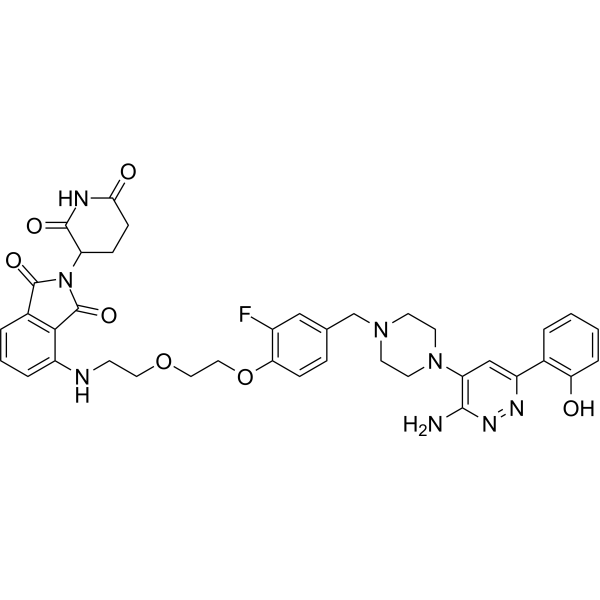
4-Propylphenol-d12 is the deuterium labeled 4-Propylphenol. 4-Propylphenol is a plant-derived phenolic compound. 4-Propylphenol causes an increase in ROS within the Fusarium graminearum cells, leading to damage to the DNA and cell membranes of the mycelia, effectively inhibiting the growth of the mycelia. 4-Propylphenol also has a growth inhibitory effect on walnut pathogenic fungi (C. gloeosporioides, C. siamense, A. alternata), with its EC50 ranging from 29.11 to 31.89 mg/L, and it also inhibits spore germination, with EC50 being 55.04-71.85 mg/L. 4-Propylphenol can be used in the research of fungal diseases in walnuts and wheat Fusarium head blight.
|
-
- HY-181529
-
|
|
VDAC
PERK
|
Cancer
|
|
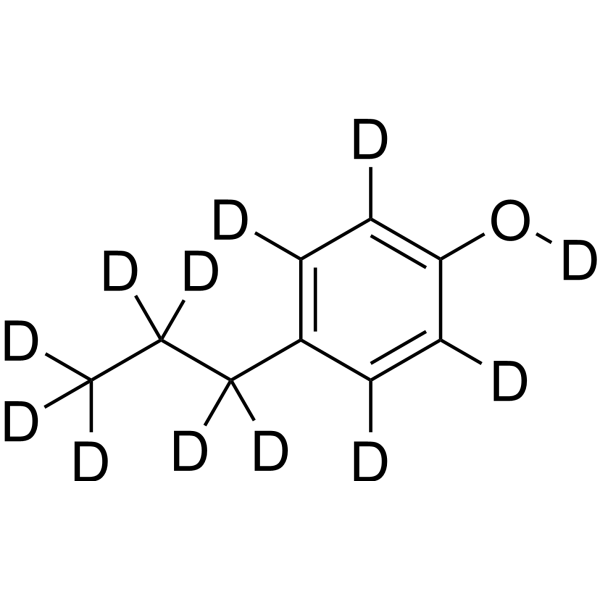
NCATS-SM0225 is an endoplasmic reticulum-associated degradation (ERAD) inhibitor and a direct binder of VDAC1, VDAC2 and VDAC3. NCATS-SM0225 exhibits an IC50of 1.02 μM for ERAD and a Kd of 3.13 μM for human VDAC1 binding. NCATS-SM0225 disrupts cellular calcium homeostasis, enhances VDAC1-IP3R coupling and activating PERK. NCATS-SM0225 selectively kills cancer cells, exhibits tumor growth inhibitory effects in melanoma xenograft models. NCATS-SM0225 can be used for research on multiple cancers including melanoma, as well as the molecular mechanisms of ERAD and calcium homeostasis regulation .
|
-

- HY-156397
-
|
|
AMPK
YAP
|
Cancer
|
|
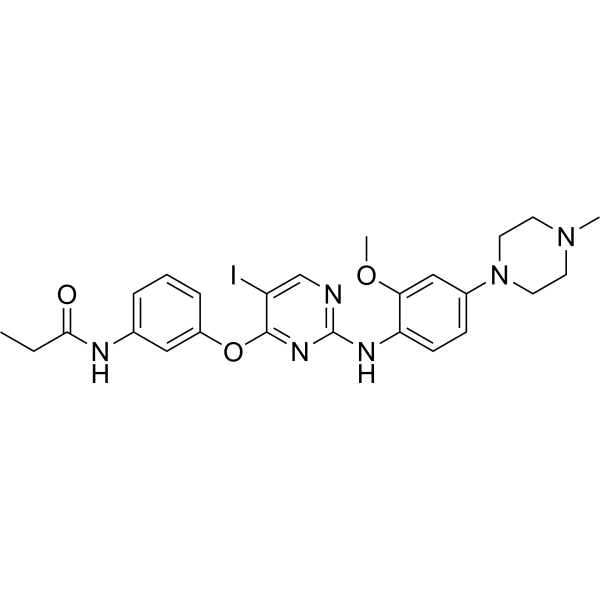
HTH-02-006 is a NUAK2 inhibitor, with an IC50 value of 126 nM. HTH-02-006 inhibits NUAK2-mediated signaling by reducing phosphorylation of its substrate MYPT1 at S445 and downstream MLC. HTH-02-006 shows growth inhibitory efficacy in YAP-high cancer cells (HuCCT-1, SNU475). HTH-02-006 significantly suppresses YAP-induced hepatomegaly (reduced liver/body weight ratio) in TetO-YAP S127A transgenic mice and demonstrates significant anti-tumor efficacy in mice bearing HMVP2 prostate cancer allografts. HTH-02-006 can be used for the study of liver cancer and prostate cancer .
|
-
- HY-P1758
-
|
IRRP1
|
IFNAR
STAT
Influenza Virus
|
Infection
|
|
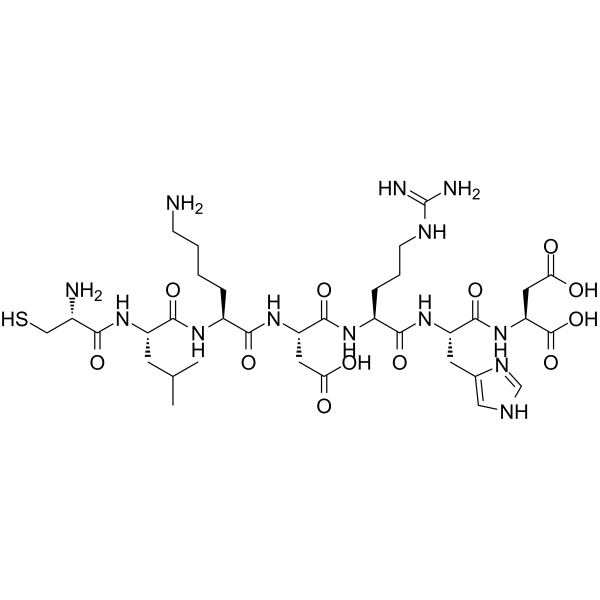
IFN-α Receptor Recognition Peptide 1 (IRRP1) is an amino acid synthetic peptide and also a regulator of IFN-α Receptor. IFN-α Receptor Recognition Peptide 1 binds to IFNAR2, enhances the binding capacity of IFN-α receptor, and slightly increases the IFN-α-induced growth inhibitory activity. IFN-α Receptor Recognition Peptide 1 inhibits IFN-α-induced STAT1 phosphorylation and STAT-DNA binding by blocking the activation of IFNAR by IFN-α. IFN-α Receptor Recognition Peptide 1 increases the occupancy of IFN-α on cell surface receptors, enhances the phosphorylation activation of ISGF3, and elevates IFN-α-induced antiviral activity. IFN-α Receptor Recognition Peptide 1 can be used in studies related to encephalomyocarditis virus infection .
|
-
- HY-182368
-
|
|
PI3K
Akt
Apoptosis
|
Cancer
|
|
PI3Kα-IN-30 is an orally active, selective PI3Kα inhibitor with an IC50 of 2.8 nM. PI3Kα-IN-30 inhibits cancer cell proliferation, as well as the phosphorylation of Akt (S473) and pS6 (S240/244). PI3Kα-IN-30 shows low growth inhibitory activity against normal somatic cell lines at a concentration of 30 μM. PI3Kα-IN-30 induces cancer cell apoptosis and exerts anti-tumor efficacy in xenograft models. PI3Kα-IN-30 can be used for the research of breast cancer .
|
-

- HY-119062
-
|
|
MetAP
CDK
|
Cancer
|
|
A-800141 is an orally active, selective, sulfonamide-based MetAP2 inhibitor (IC50=12 nM) that binds reversibly to MetAP2 and interacts with its manganese ions. A-800141 induces the production of N-terminal methionine-unprocessed GAPDH variants, which in turn triggers G1-phase cell cycle arrest, elevates p21 levels, and reduces the levels of phosphorylated Rb and total cyclin A. A-800141 exhibits anti-angiogenic and tumor growth inhibitory effects, and produces synergistic effects when combined with cytotoxic inhibitors or BCL-2 inhibitors. A-800141 has been widely used in scientific research related to B-cell lymphoma, neuroblastoma, prostate cancer, colon cancer, melanoma and other fields .
|
-

- HY-183607
-
|
|
STING
PD-1/PD-L1
IFNAR
Interleukin Related
CXCR
|
Cancer
|
|
SMU-3k is a STING activator and PD-L1 inhibitor, with a PD-L1 IC50 of 106 nM, a KD of 386 nM for human PD-L1, and a KD of 352 nM for murine PD-L1. SMU-3k activates the STING pathway, induces phosphorylation of TBK1 and IRF3, and promotes the expression of IFN-β, IL-6 and CXCL10. SMU-3k blocks the PD-1/PD-L1 interaction, reduces PD-L1 levels and induces PD-L1 internalization. Through dual immunomodulation, SMU-3k exerts synergistic tumor growth inhibitory effects in a mouse colon cancer model. SMU-3k can be used for the research of colon cancer .
|
-

- HY-116028S1
-
|
15-Deoxy-Δ12,14-PGD2-d4
|
Isotope-Labeled Compounds
Endogenous Metabolite
Prostaglandin Receptor
PPAR
Src
|
Inflammation/Immunology
Cancer
|
|
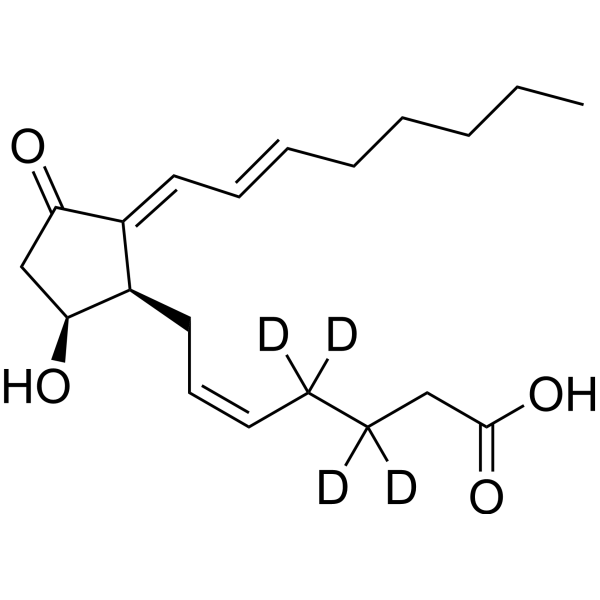
15-Deoxy-Δ12,14-Prostaglandin D2-d4 (15-Deoxy-Δ12,14-PGD2-d4) is the deuterium labeled 15-deoxy-Δ12,14-Prostaglandin D2. 15-deoxy-Δ12,14-Prostaglandin D2 (15-Deoxy-Δ12,14-PGD2) is a metabolite of prostaglandin D₂ (PGD₂) (HY-101988), which can undergo further dehydration metabolism to 15-deoxy-Δ12,14-PGJ₂. 15-deoxy-Δ12,14-Prostaglandin D2 is a highly selective agonist for DP2 receptor and PPARγ. 15-deoxy-Δ12,14-Prostaglandin D2 causes morphological changes in eosinophils and migration of type II innate lymphoid cells (ILC2). 15-deoxy-Δ12,14-Prostaglandin D2 has a growth inhibitory effect on prostate cancer cells expressing PPARγ, induces cell cycle arrest and promotes apoptosis. 15-deoxy-Δ12,14-Prostaglandin D2 can be used in related research on asthma and prostate cancer.
|
-
| Cat. No. |
Product Name |
Type |
-
- HY-W054259
-
|
N,N'-Difurfuryloxamide; N1,N2-Bis(furan-2-ylmethyl)oxalamide
|
Biochemical Assay Reagents
|
|
BFMO (N,N'-Difurfuryloxamide) is an oxamide derivative and a bidentate ligand. BFMO exhibits plant growth regulatory activity and root growth inhibitory activity. BFMO can promote the copper-catalyzed N-arylation reaction between aniline compounds and cyclic secondary amines, realizing the coupling of (hetero) aryl bromides with (hetero) aryl amines and cyclic secondary amines .
|
-
- HY-W020958
-
|
Tris(acetylacetonato)ruthenium (III)
|
Biochemical Assay Reagents
|
|
Ru (acac) 3 (Tris (acetylacetonato) ruthenium (III)) is a caspase-3 activator and Apoptosis inducer. Ru (acac) 3 exerts growth inhibitory effects on various cell lines in vitro by inhibiting DNA/RNA synthesis and inducing mild reversible S-phase cell cycle arrest. Ru (acac) 3 is commonly used in research related to ovarian cancer, osteosarcoma, cervical cancer, melanoma, and other fields .
|
| Cat. No. |
Product Name |
Target |
Research Area |
-
- HY-12403
-
Talfirastide
Maximum Cited Publications
17 Publications Verification
TXA127; Angiotensin (1-7); Ang-(1-7)
|
Angiotensin Receptor
Angiotensin-converting Enzyme (ACE)
Endogenous Metabolite
|
Cardiovascular Disease
Inflammation/Immunology
Endocrinology
Cancer
|
|
Angiotensin 1-7 (Ang-(1-7)) is an endogenous heptapeptide from the renin-angiotensin system (RAS) with a cardioprotective role due to its anti-inflammatory and anti-fibrotic activities in cardiac cells. Angiotensin 1-7 inhibits purified canine ACE activity (IC50=0.65 μM). Angiotensin 1-7 acts as a local synergistic modulator of kinin-induced vasodilation by inhibiting ACE and releasing nitric oxide. Angiotensin 1-7 blocks Ang II-induced smooth muscle cell proliferation and hypertrophy and shows antiangiogenic and growth-inhibitory effects on the endothelium. Angiotensin 1-7 shows anti-inflammatory activity .
|
-
- HY-P1237
-
|
|
Histamine Receptor
|
Cardiovascular Disease
Neurological Disease
Metabolic Disease
|
|
C-Type Natriuretic Peptide (CNP) (1-22), human, a 1-22 fragment of CNP, is a natriuretic peptide receptor B (NPR-B) agonist. C-Type Natriuretic Peptide (CNP) (1-22), human inhibits cAMP synthesis stimulated by the physiological agonists histamine and 5-HT or directly by Forskolin. CNP is a potent, endothelial-derived relaxant and growthinhibitory factor .
|
-
- HY-12403A
-
|
TXA127 acetate; Angiotensin (1-7) acetate; Ang-(1-7) acetate
|
Angiotensin Receptor
Angiotensin-converting Enzyme (ACE)
Endogenous Metabolite
|
Cardiovascular Disease
Inflammation/Immunology
Endocrinology
Cancer
|
|
Angiotensin 1-7 (Ang-(1-7)) acetate is an endogenous heptapeptide from the renin-angiotensin system (RAS) with a cardioprotective role due to its anti-inflammatory and anti-fibrotic activities in cardiac cells. Angiotensin 1-7 acetate inhibits purified canine ACE activity (IC50=0.65 μM). Angiotensin 1-7 acetate acts as a local synergistic modulator of kinin-induced vasodilation by inhibiting ACE and releasing nitric oxide. Angiotensin 1-7 acetate blocks Ang II-induced smooth muscle cell proliferation and hypertrophy and shows antiangiogenic and growth-inhibitory effects on the endothelium .
|
-
- HY-P1237A
-
-
- HY-P4816
-
|
|
Bacterial
Fungal
|
Infection
Inflammation/Immunology
|
|
Pseudin-2, an AMP thast could be isolated from the skin of the South American paradoxical frog Pseudis paradoxa, exert a potent growth inhibitory effect against Gram-negative bacteria .
|
-
- HY-P11191
-
|
|
Bacterial
|
Infection
|
|
AR-23 is a melittin-related antimicrobial peptide that can be isolated from Rana tagoi. AR-23 exhibits broad-spectrum growth inhibitory activity against aerobic bacteria, the opportunistic yeast pathogen Candida albicans and clinical isolates of Methicillin (HY-121544)-resistant Staphylococcus aureus (MRSA). AR-23 can be used for antimicrobial research .
|
-
- HY-P1758
-
|
IRRP1
|
IFNAR
STAT
Influenza Virus
|
Infection
|
|
IFN-α Receptor Recognition Peptide 1 (IRRP1) is an amino acid synthetic peptide and also a regulator of IFN-α Receptor. IFN-α Receptor Recognition Peptide 1 binds to IFNAR2, enhances the binding capacity of IFN-α receptor, and slightly increases the IFN-α-induced growth inhibitory activity. IFN-α Receptor Recognition Peptide 1 inhibits IFN-α-induced STAT1 phosphorylation and STAT-DNA binding by blocking the activation of IFNAR by IFN-α. IFN-α Receptor Recognition Peptide 1 increases the occupancy of IFN-α on cell surface receptors, enhances the phosphorylation activation of ISGF3, and elevates IFN-α-induced antiviral activity. IFN-α Receptor Recognition Peptide 1 can be used in studies related to encephalomyocarditis virus infection .
|
-
- HY-12403R
-
|
TXA127 (Standard); Angiotensin (1-7) (Standard); Ang-(1-7) (Standard)
|
Angiotensin Receptor
Angiotensin-converting Enzyme (ACE)
Endogenous Metabolite
Reference Standards
|
Cardiovascular Disease
Inflammation/Immunology
Endocrinology
Cancer
|
|
Talfirastide (Standard) is the analytical standard of Talfirastide. This product is intended for research and analytical applications. Angiotensin 1-7 (Ang-(1-7)) is an endogenous heptapeptide from the renin-angiotensin system (RAS) with a cardioprotective role due to its anti-inflammatory and anti-fibrotic activities in cardiac cells. Angiotensin 1-7 inhibits purified canine ACE activity (IC50=0.65 μM). Angiotensin 1-7 acts as a local synergistic modulator of kinin-induced vasodilation by inhibiting ACE and releasing nitric oxide. Angiotensin 1-7 blocks Ang II-induced smooth muscle cell proliferation and hypertrophy and shows antiangiogenic and growth-inhibitory effects on the endothelium. Angiotensin 1-7 shows anti-inflammatory activity .
|
-
- HY-P11757
-
|
|
EGFR
|
Cancer
|
|
Cyclo[K(N3)larllt] is a seven-membered cyclic peptide targeting EGFR, with a Kd value of 5.09 μM, and exhibits binding selectivity toward homologous proteins HER2 and HER3. Cyclo[K(N3)larllt] has no cytotoxicity and shows no growth inhibitory effect on cancer cells overexpressing EGFR. Cyclo[K(N3)larllt] can serve as a ligand for EGFR-targeted fluorescent conjugates, which is applicable to the detection of cancers with EGFR overexpression. Cyclo[K(N3)larllt] can be used in the research of colorectal cancer .
|
| Cat. No. |
Product Name |
Target |
Research Area |
Image |
-
- HY-P99153
-
|
MORAb-003
|
Antibiotic
|
Cancer
|
|
Farletuzumab (MORAb-003) is a potent folate receptor-alpha (FRα) inhibitor. Farletuzumab is a humanized monoclonal antibody with high affinity for FRα. Farletuzumab possesses growth-inhibitory functions on cells overexpressing FRα. Farletuzumab can be used in research of cancer .
|
-

(5)
-
- HY-P991370
-
|
|
STAT
|
Cancer
|
|
SBT-100 (His Tag) is a human monoclonal antibody (mAb) targeting STAT3. SBT-100 (His Tag) inhibits IL-6-mediated P-STAT3 nuclear translocation in HEp-2 and PANC-1 cells. SBT-100 (His Tag) has tumor growth inhibitory effects on MDA-MB-231 .
|
-
(5)
-
- HY-P992352
-
|
|
|
|
|
ES005 is an anti-tumor compound and LAG3 inhibitor. ES005 blocks the interactions of LAG3 with MHC-II, LSECtin and FGL1, thereby effectively reversing the LAG3-mediated inhibition of T cell activation and NFAT reporter gene expression. ES005 exhibits significant tumor growth inhibitory effects in syngeneic mouse breast tumor models using humanized LAG3 knock-in mice. ES005 can be used for breast tumor-related research .
|
-
(5)
-
- HY-P992368
-
|
|
TNF Receptor
|
Cancer
|
|
HLX51 is a regulatory T cell inhibitor and OX40/CD134/TNFRSF4 agonist with tumour growth inhibitory activity. HLX51 inhibits regulatory T cell differentiation and activity, relieves tumour microenvironment immunosuppression, enhances effector T cell function. HLX51 competitively binds OX40, activates OX40, promotes immune cell proliferation and T cell killing ability. HLX51 modulates immune cell function to inhibit tumour growth. HLX51 can be used for the research of advanced/metastatic solid tumours and lymphomas .
|
-
(5)
| Cat. No. |
Product Name |
Category |
Target |
Chemical Structure |
-
- HY-12403
-
-
-
- HY-N3014
-
-
-
- HY-N4114
-
-
-
- HY-N12257
-
|
|
Structural Classification
Monophenols
Microorganisms
Phenols
Source Classification
|
Cytochrome P450
Reactive Oxygen Species (ROS)
Apoptosis
|
|
Antimycin A2 is a selective inhibitor of the cytochrome b-c1 complex in the mitochondrial electron transport chain. Antimycin A2 disrupts mitochondrial membrane potential and produces reactive oxygen species (ROS) by inhibiting electron transfer between cytochrome b and c. Antimycin A2 has bactericidal and piscicidal activity, as well as tumor cell growth inhibitory effects, and can induce S-phase cell cycle arrest and apoptosis in HeLa cells. Antimycin A2 is suitable for research of cervical cancer and fisheries management. Antimycin A2 can be naturally isolated from the fermentation products of Streptomyces sp. strains .
|
-
-
- HY-N10335
-
-
-
- HY-12403A
-
-
-
- HY-N4294
-
-
-
- HY-W052289
-
-
-
- HY-101404
-
-
-
- HY-111934
-
-
-
- HY-N10116A
-
|
|
Cupressaceae
Cupressus L.
Plants
Source Classification
|
Interleukin Related
IFNAR
Calcium Channel
Bacterial
CCR
|
|
Calamenene is a sesquiterpene compound . Calamenene promotes dendritic cell maturation, upregulates CD1a, CD80, CD83, CD86, HLA-DR and CCR7 on the cell surface, reduces endocytic activity, enhances T cell-stimulating capacity, drives Th1 polarization through the secretion of IL-12, induces IFN-γ production, decreases IL-4 generation, and triggers intracellular Ca 2+ mobilization as well as dendritic cell migration towards MIP-3β. Calamenene exerts bacteriostatic and bactericidal growth-inhibitory effects against pathogenic *Vibrio harveyi*. Calamenene can be used in studies related to cancer and bacterial infections .
|
-
-
- HY-N10341
-
|
|
Flavonoids
Flavones
Tanacetum microphyllum DC.
Plants
Compositae
Source Classification
|
IFNAR
ROCK
|
|
Centaureidin is an orally active IFN-promoter that can be isolated from Bidens pilosa with an EC50 of 0.9 μg/mL. Centaureidin activates the Rho signal pathway, leading to actin and tubulin disassembly, and resulting in dendrite retraction and stress fiber formation in melanocytes. Centaureidin shows high tumor cell growth inhibitory activities. Centaureidin significantly inhibits paw edema in mice [1][2][3][4][5].
|
-
-
- HY-128425A
-
|
L-Ureidosuccinic acid
|
Structural Classification
Natural Products
Classification of Application Fields
Other Diseases
Endogenous metabolite
Disease Research Fields
Source Classification
|
Fungal
|
|
N-Carbamoyl-L-aspartic acid (L-Ureidosuccinic acid) is an important pyrimidine metabolic precursor and intermediate metabolite. N-Carbamoyl-L-aspartic acid reverses the growth inhibition of Ura + strains induced by 2-thiouracil (with growth rate increasing linearly with its concentration), but fails to support the growth of uracil-requiring Ura - strains. N-Carbamoyl-L-aspartic acid inhibits the cell growth of *Saccharomyces cerevisiae* by suppressing the purine biosynthetic pathway at a pre-step of 5-aminoimidazole nucleotide synthesis. The growth inhibitory effect of N-Carbamoyl-L-aspartic acid on yeast can be alleviated by purines, and the sensitivity of strains is closely related to the activity level of dihydroorotase .
|
-
-
- HY-129580
-
-
-
- HY-123135
-
-
-
- HY-N4114R
-
-
-
- HY-N9778
-
-
-
- HY-N12637
-
-
-
- HY-12403R
-
|
TXA127 (Standard); Angiotensin (1-7) (Standard); Ang-(1-7) (Standard)
|
Structural Classification
Natural Products
Endogenous metabolite
Source Classification
|
Angiotensin Receptor
Angiotensin-converting Enzyme (ACE)
Endogenous Metabolite
Reference Standards
|
|
Talfirastide (Standard) is the analytical standard of Talfirastide. This product is intended for research and analytical applications. Angiotensin 1-7 (Ang-(1-7)) is an endogenous heptapeptide from the renin-angiotensin system (RAS) with a cardioprotective role due to its anti-inflammatory and anti-fibrotic activities in cardiac cells. Angiotensin 1-7 inhibits purified canine ACE activity (IC50=0.65 μM). Angiotensin 1-7 acts as a local synergistic modulator of kinin-induced vasodilation by inhibiting ACE and releasing nitric oxide. Angiotensin 1-7 blocks Ang II-induced smooth muscle cell proliferation and hypertrophy and shows antiangiogenic and growth-inhibitory effects on the endothelium. Angiotensin 1-7 shows anti-inflammatory activity .
|
-
-
- HY-101404R
-
-
-
- HY-N12430
-
-
-
- HY-N14369
-
-
-
- HY-N12200
-
-
-
- HY-113796
-
-
-
- HY-117872
-
|
20-O-Acetylsartorypyrone D
|
Microorganisms
Terpenoids
Diterpenoids
Source Classification
|
Fungal
|
|
Sartorypyrone A (20-O-Acetylsartorypyrone D) is a monocyclic terpenoid isolated from the soil fungus Neosartorya fischeri. Sartorypyrone A exhibits in vitro growth inhibitory activity against MCF-7, NCI-H460, and A375-C5 cell lines, and has potential anticancer properties.
|
-
-
- HY-N12198
-
|
|
Natural Products
Microorganisms
Source Classification
|
Others
|
|
Mollicellin H is a secondary metabolite of the fungus C. brasiliense and has a wide range of biological activities, including immunomodulation, cytotoxicity and anti-tumor effects. The growth inhibitory effects (GI50s) of Mollicellin H on human breast cancer (Bre04), human lung (Lu04) and human neuroma (N04) cell lines are 5.1 μg/mL, 6.5 μg/mL and 2.5 μg/mL respectively .
|
-
-
- HY-N4294R
-
|
|
Triterpenes
Terpenoids
Combretaceae
Terminalia chebula Retz.
Plants
Source Classification
|
Reference Standards
FXR
Insecticide
|
|
Arjungenin (Standard) is the analytical standard of Arjungenin. This product is intended for research and analytical applications. Arjungenin, a pentacyclic triterpenoid compound, is a FXR agonist. Arjungenin can improve insulin sensitivity by regulating the function of fat cells. Arjungenin exhibits moderate free radical scavenging activity. Arjungenin has growth inhibitory activity against the insect Spilarctia obliqua. Arjungenin has significant antiviral activity against a series of viruses such as chikungunya Virus (CHIKV).
|
-
-
- HY-138098
-
-
-
- HY-N19463
-
-
-
- HY-N19875
-
-
-
- HY-N17608
-
-
-
- HY-N18530
-
-
-
- HY-N19938
-
-
-
- HY-N0970
-
|
|
Plants
Flemingia macrophylla (Willd.) Kuntze ex Merr.
Compositae
Source Classification
|
Others
|
|
(4Z)-Lachnophyllum lactone is a enyne derivative. (4Z)-Lachnophyllum lactone shows growth inhibitory activity against Lemna paucicostata (IC50=104 μM), which is a problematic and invasive weed . (4Z)-Lachnophyllum lactone is a click chemistry reagent, it contains an Alkyne group and can undergo copper-catalyzed azide-alkyne cycloaddition (CuAAc) with molecules containing Azide groups.
|
-
-
- HY-178898
-
-
-
- HY-N17442
-
|
|
Triterpenes
Structural Classification
Polysaccharides
Animals
Terpenoids
Saccharides
Source Classification
|
Topoisomerase
Caspase
PARP
Fungal
DNA/RNA Synthesis
|
|
Echinoside A is a saponin. Echinoside A can be isolated from sea cucumber. Echinoside A inhibits the catalytic activity of Top2α, reduces the noncovalent binding of Top2α to DNA. Echinoside A activates Caspase-3 and induces PARP cleavage. Echinoside A induces Apoptosis. Echinoside A has anticancer activity against prostate cancer, hepatocellular carcinoma, and S-180 sarcoma. Echinoside A exhibits antifungal activity against a variety of fungi, with a minimum growth inhibitory concentration range of 3.12 to 50.0 μg/mL, including potent activity against Aspergillus and Penicillium species .
|
-
| Cat. No. |
Compare |
Product Name |
Species |
Source |
Image |
Compare Products
|
| Products |
|
| Cat. No. |
|
| Species |
|
| Source |
|
| Tag |
|
| Accession |
|
| Gene ID |
|
| Molecular Weight |
|
| Purity |
|
| Endotoxin Level |
|
| Biological Activity |
|
| Appearance |
|
| Formulation |
|
| Storage & Stability |
|
| Shipping |
|
| Free Sample |
Yes
No
|
| Size |
* This product has been "discontinued".
Optimized version of product available:
|
| Cat. No. |
Product Name |
Chemical Structure |
-
- HY-B0673S1
-
|
|
|
Deupirfenidone-d3 is the deuterium labeled Pirfenidone (HY-B0673). Pirfenidone (AMR69) is an antifibrotic agent that attenuates CCL2 and CCL12 production in fibrocyte cells. Pirfenidone has growth-inhibitory effect and reduces TGF-β2 protein levels in human glioma cell lines. Pirfenidone also has anti-inflammatory activities .
|
-
-
- HY-B0673S
-
|
|
|
Pirfenidone-d5 (AMR69-d5) is a deuterium labeled Pirfenidone. Pirfenidone is an antifibrotic agent that attenuates CCL2 and CCL12 production in fibrocyte cells. Pirfenidone has growth-inhibitory effect and reduces TGF-β2 protein levels in human glioma cell lines. Pirfenidone also has anti-inflammatory activities .
|
-
-
- HY-101404S
-
|
|
|
DL-Homocysteine thiolactone-d4 hydrochloride is the deuterium labeled DL-Homocysteine thiolactone (hydrochloride). DL-Homocysteine thiolactone hydrochloride is a cyclic amino acid derivative that exhibits root-growth inhibitory activity.
|
-
-
- HY-W017611S
-
|
|
|
4-Propylphenol-d12 is the deuterium labeled 4-Propylphenol. 4-Propylphenol is a plant-derived phenolic compound. 4-Propylphenol causes an increase in ROS within the Fusarium graminearum cells, leading to damage to the DNA and cell membranes of the mycelia, effectively inhibiting the growth of the mycelia. 4-Propylphenol also has a growth inhibitory effect on walnut pathogenic fungi (C. gloeosporioides, C. siamense, A. alternata), with its EC50 ranging from 29.11 to 31.89 mg/L, and it also inhibits spore germination, with EC50 being 55.04-71.85 mg/L. 4-Propylphenol can be used in the research of fungal diseases in walnuts and wheat Fusarium head blight.
|
-
-
- HY-116028S1
-
|
|
|
15-Deoxy-Δ12,14-Prostaglandin D2-d4 (15-Deoxy-Δ12,14-PGD2-d4) is the deuterium labeled 15-deoxy-Δ12,14-Prostaglandin D2. 15-deoxy-Δ12,14-Prostaglandin D2 (15-Deoxy-Δ12,14-PGD2) is a metabolite of prostaglandin D₂ (PGD₂) (HY-101988), which can undergo further dehydration metabolism to 15-deoxy-Δ12,14-PGJ₂. 15-deoxy-Δ12,14-Prostaglandin D2 is a highly selective agonist for DP2 receptor and PPARγ. 15-deoxy-Δ12,14-Prostaglandin D2 causes morphological changes in eosinophils and migration of type II innate lymphoid cells (ILC2). 15-deoxy-Δ12,14-Prostaglandin D2 has a growth inhibitory effect on prostate cancer cells expressing PPARγ, induces cell cycle arrest and promotes apoptosis. 15-deoxy-Δ12,14-Prostaglandin D2 can be used in related research on asthma and prostate cancer.
|
-
| Cat. No. |
Product Name |
|
Classification |
-
- HY-P11757
-
|
|
|
Azide
|
|
Cyclo[K(N3)larllt] is a seven-membered cyclic peptide targeting EGFR, with a Kd value of 5.09 μM, and exhibits binding selectivity toward homologous proteins HER2 and HER3. Cyclo[K(N3)larllt] has no cytotoxicity and shows no growth inhibitory effect on cancer cells overexpressing EGFR. Cyclo[K(N3)larllt] can serve as a ligand for EGFR-targeted fluorescent conjugates, which is applicable to the detection of cancers with EGFR overexpression. Cyclo[K(N3)larllt] can be used in the research of colorectal cancer .
|
Your information is safe with us. * Required Fields.
Inquiry Information
- Product Name:
- Cat. No.:
- Quantity:
- MCE Japan Authorized Agent:





![Cyclo[K(N3)larllt]](http://file.medchemexpress.com/product_pic/hy-p11757.gif)