From 11:00 pm to 12:00 pm EST ( 8:00 pm to 9:00 pm PST ) on January 6th, the website will be under maintenance. We are sorry for the inconvenience. Please arrange your schedule properly.
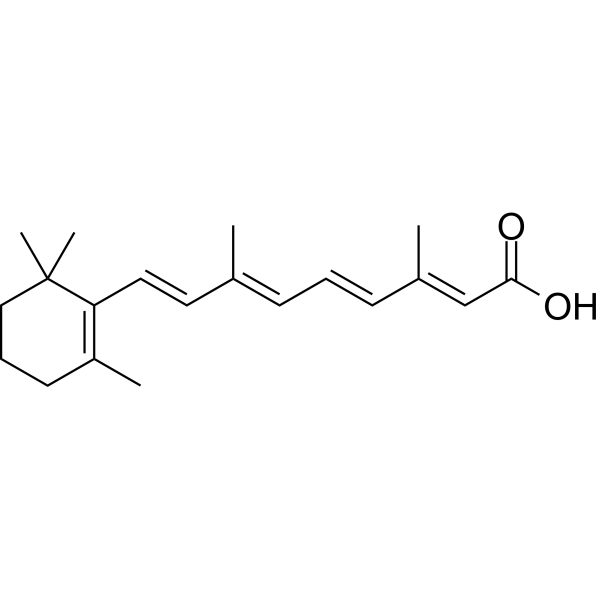
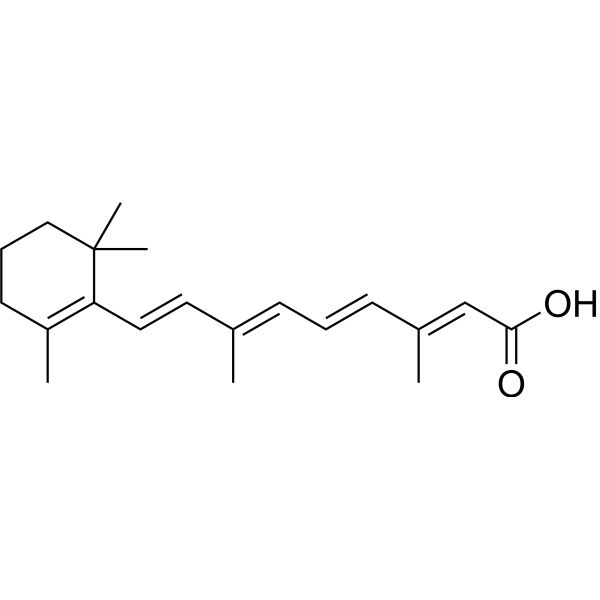
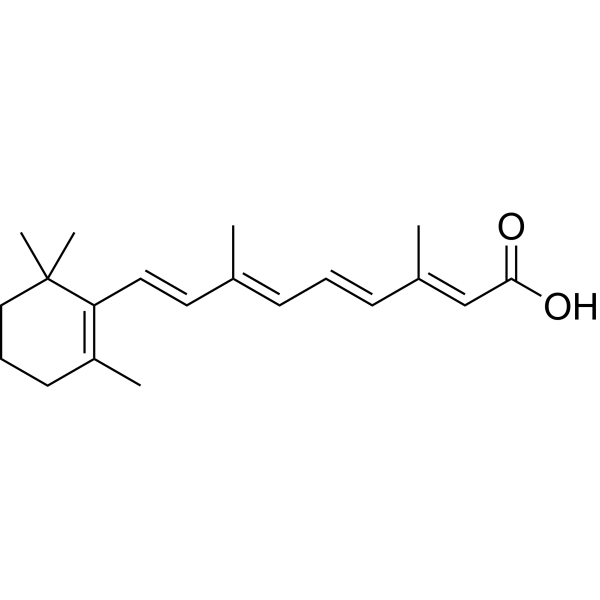
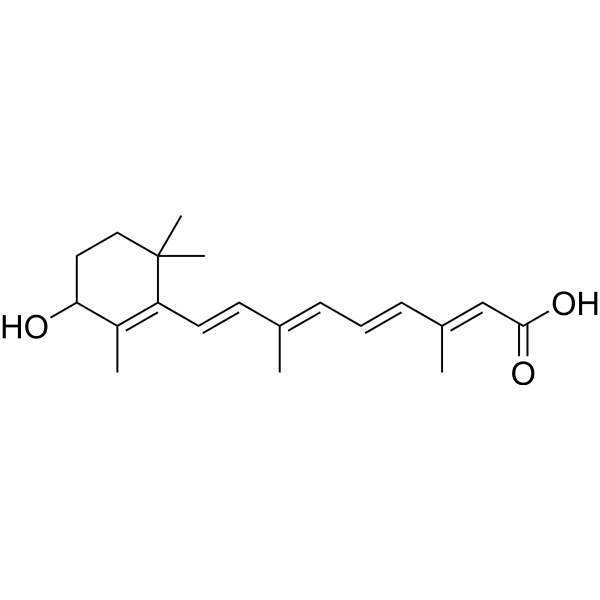
Retinoic acid is a metabolite of vitamin A that plays important roles in cell growth, differentiation, and organogenesis. Retinoic acid is a natural agonist of RARnuclear receptors, with IC50s of 14 nM for RARα/β/γ. Retinoic acid bind to PPARβ/δ with Kd of 17 nM. Retinoic acid acts as an inhibitor of transcription factor Nrf2 through activation of retinoic acid receptor alpha.
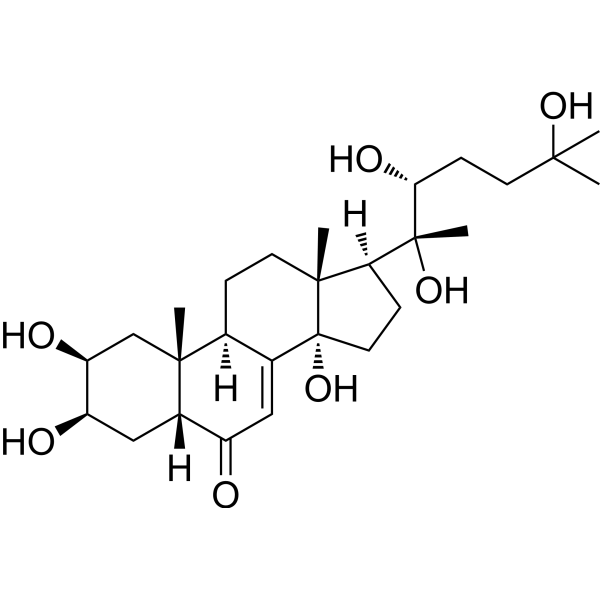
Crustecdysone (20-Hydroxyecdysone) is a naturally occurring ecdysteroid hormone isolated from Serratula coronata which controls the ecdysis (moulting) and metamorphosis of arthropods, it inhibits caspase activity and induces autophagy via the 20E nuclear receptor complex, EcR-USP . Crustecdysone exhibits regulatory or protective roles in the cardiovascular system . Crustecdysone is an active metabolite of Ecdysone (HY-N0179) .
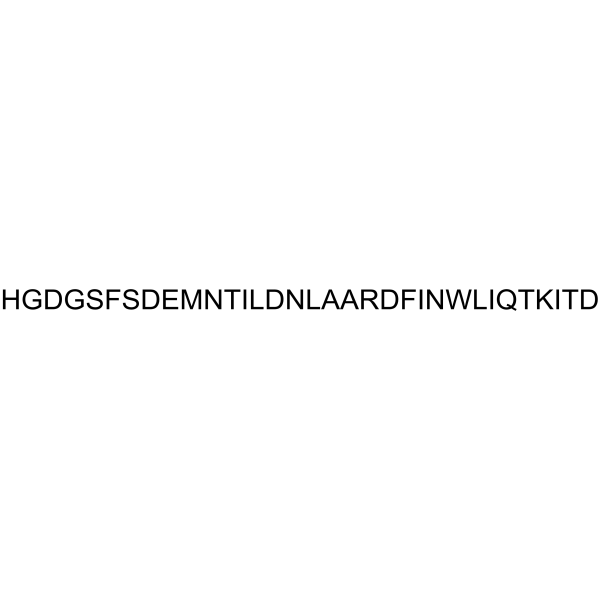
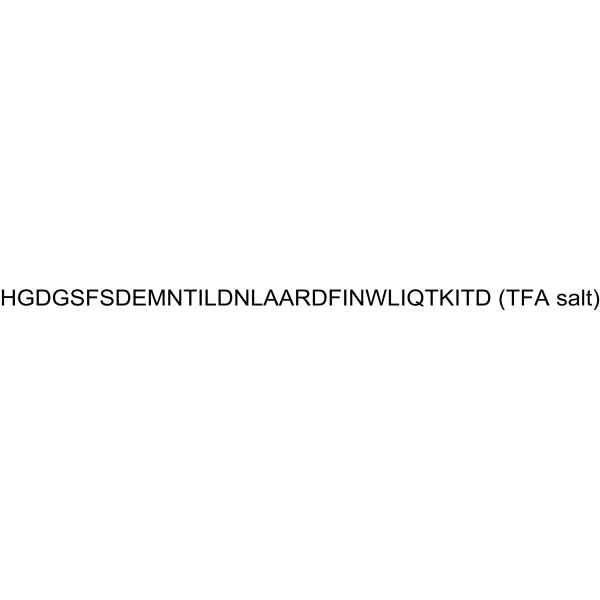
Teduglutide (ALX-0600) is an analog of human glucagon like peptide-2 (GLP-2). Teduglutide can activate the expression of nuclear receptor subfamily 4 group a member 1 (NR4a1)/nur77 and intestinal FXR signaling in human hepatic stellate cells, thereby improving liver inflammation and fibrosis in mice with sclerosing cholangitis. Teduglutide can alleviate intestinal dysfunction in mice, improve lung injury, alleviate obesity related neuroinflammation and cell apoptosis .
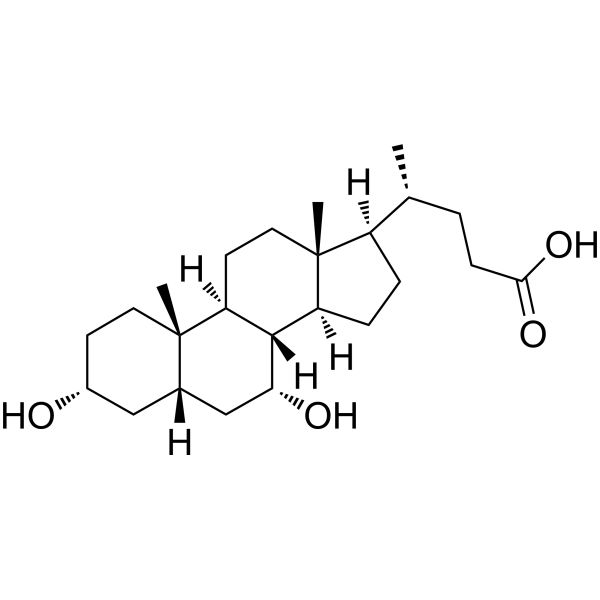
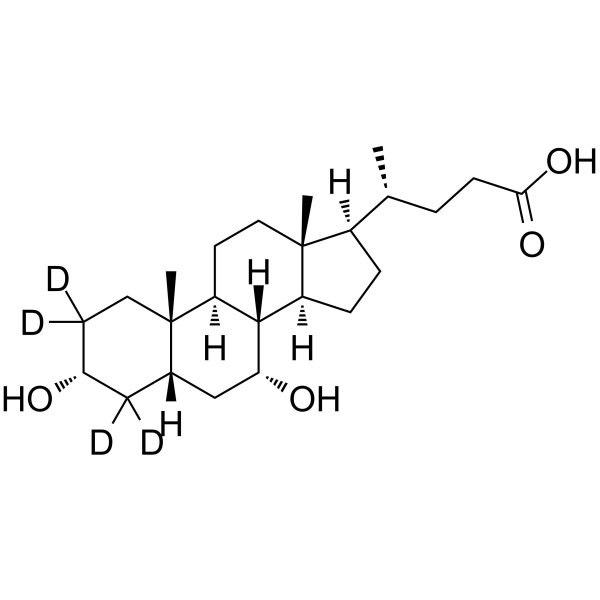
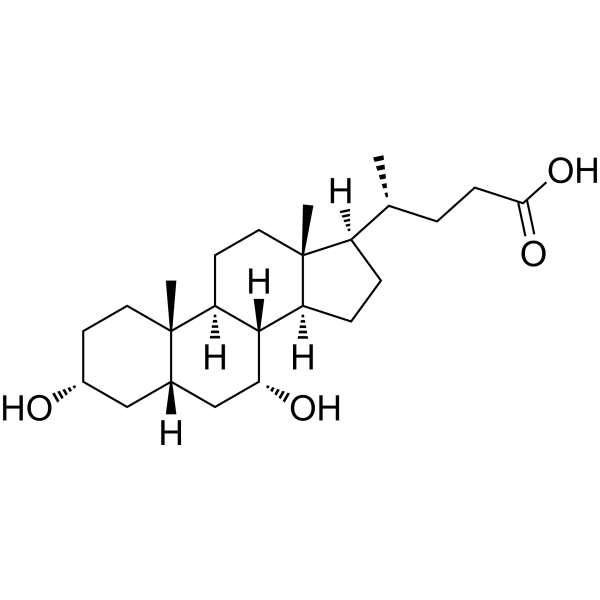
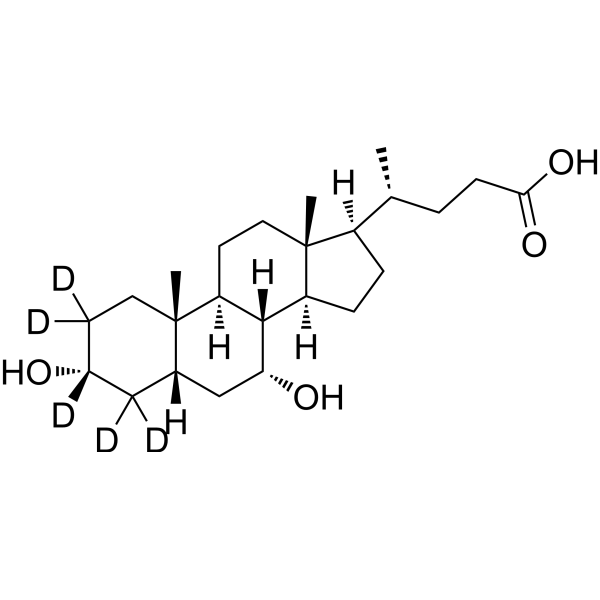
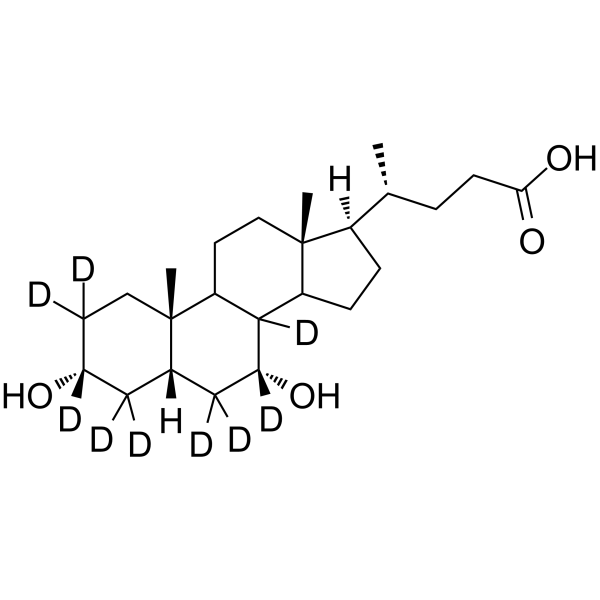
Chenodeoxycholic Acid-d4 is the deuterium labeled Chenodeoxycholic Acid. Chenodeoxycholic Acid is a hydrophobic primary bile acid that activates nuclear receptors (FXR) involved in cholesterol metabolism.
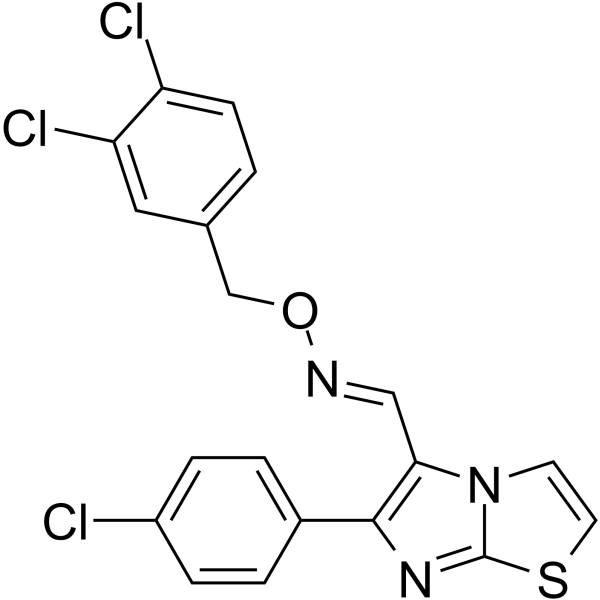
CITCO, an imidazothiazole derivative, is a selective Constitutive androstane receptor (CAR) agonist. CITCO inhibits growth and expansion of brain tumour stem cells (BTSCs) and has an EC50 of 49 nM over pregnane X receptor (PXR), and no activity on other nuclear receptors .
Retinoic acid (Standard) is the analytical standard of Retinoic acid. This product is intended for research and analytical applications. Retinoic acid is a metabolite of vitamin A that plays important roles in cell growth, differentiation, and organogenesis. Retinoic acid is a natural agonist of RARnuclear receptors, with IC50s of 14 nM for RARα/β/γ. Retinoic acid bind to PPARβ/δ with Kd of 17 nM. Retinoic acid acts as an inhibitor of transcription factor Nrf2 through activation of retinoic acid receptor alpha.
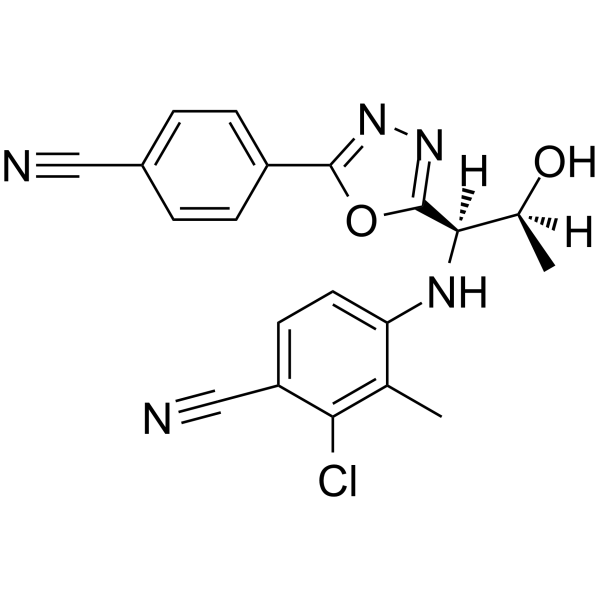
Vosilasarm (RAD140) is a potent, orally active, nonsteroidal selective androgen receptor modulator (SARM) with a Ki of 7 nM. Vosilasarm shows good selectivity over other steroid hormone nuclear receptors .
Retinoic acid (Vitamin A acid) (GMP) is Retinoic acid (HY-14649) produced by using GMP guidelines. GMP small molecules works appropriately as an auxiliary reagent for cell therapy manufacture. Retinoic acid is an agonist of RAR nuclear receptors .
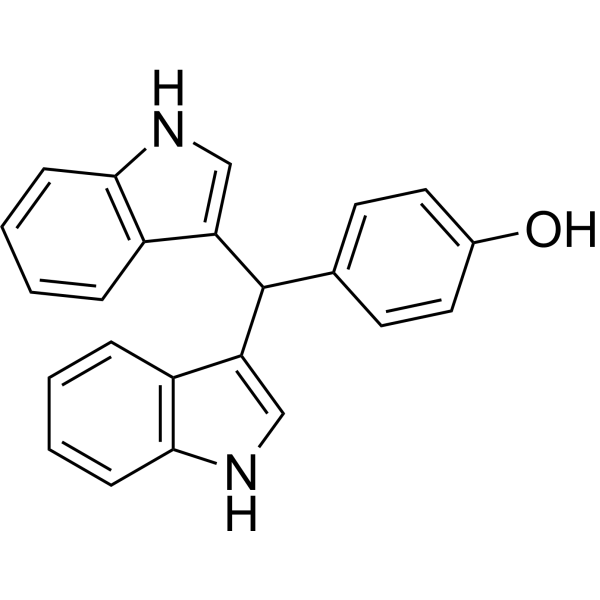
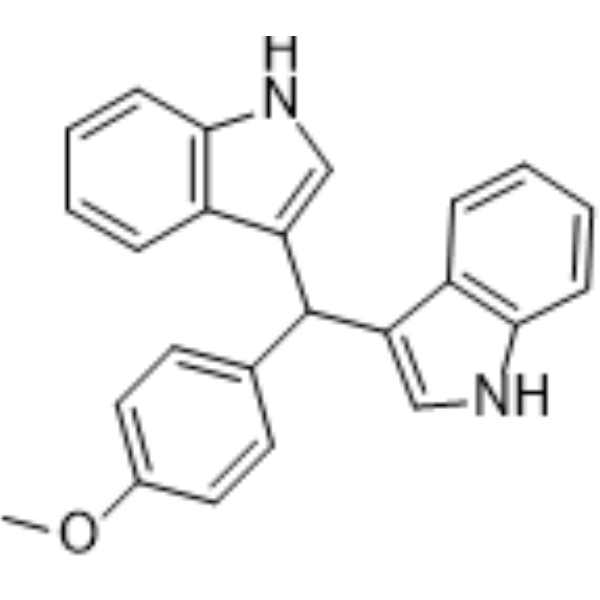
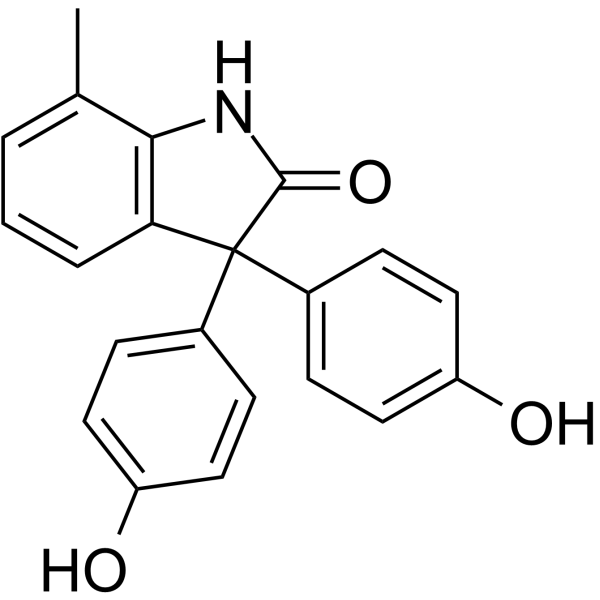
DIM-C-pPhOH is a nuclear receptor 4A1 (NR4A1) antagonist. DIM-C-pPhOH inhibits cancer cell growth and mTOR signaling, induce apoptosis and cellular stress. DIM-C-pPhOH reduces cell proliferation with IC50 values of 13.6 μM and 13.0 μM for ACHN cells and 786-O cells, respectively .
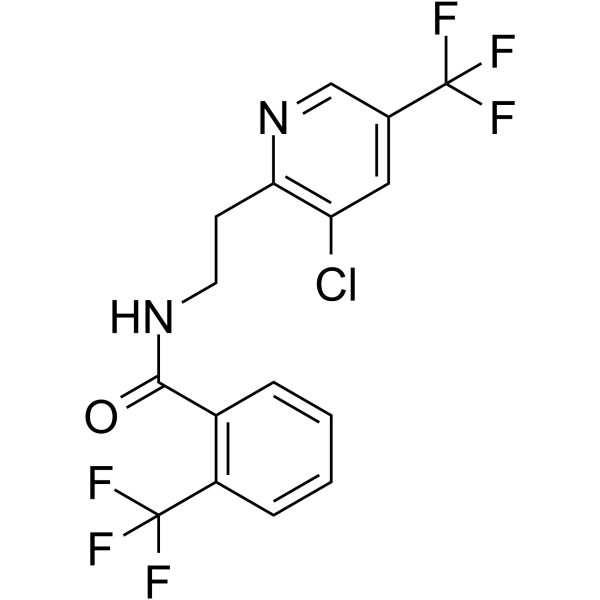
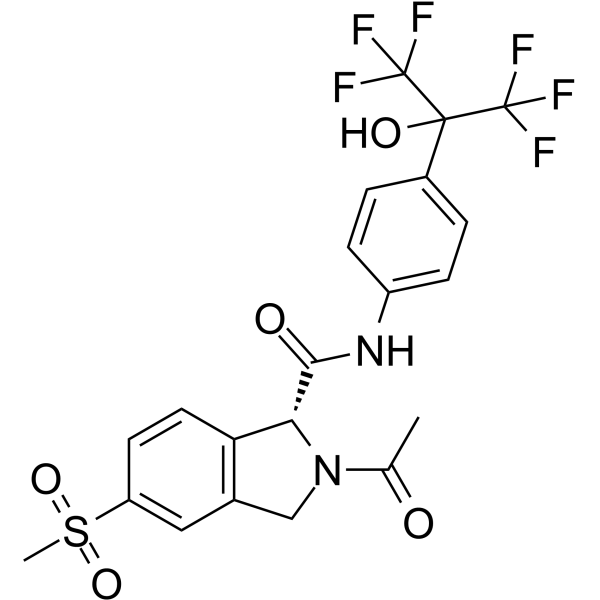
Fluopyram is an orally active succinate dehydrogenase inhibitor, antifungal and nematicide. Fluopyram inhibits succinate dehydrogenase activity, activates CAR/PXRnuclear receptors, and increases caspase-3, TNF-α and NF-κB. Fluopyram inhibits the growth of F. virguliforme, Botrytis cinerea and Alternaria solani with EC50 values of 3.35, 5.389 and 0.244 µg/mL, respectively. Fluopyram induces liver and thyroid tumor formation. Fluopyram is nephrotoxic and embryotoxic .
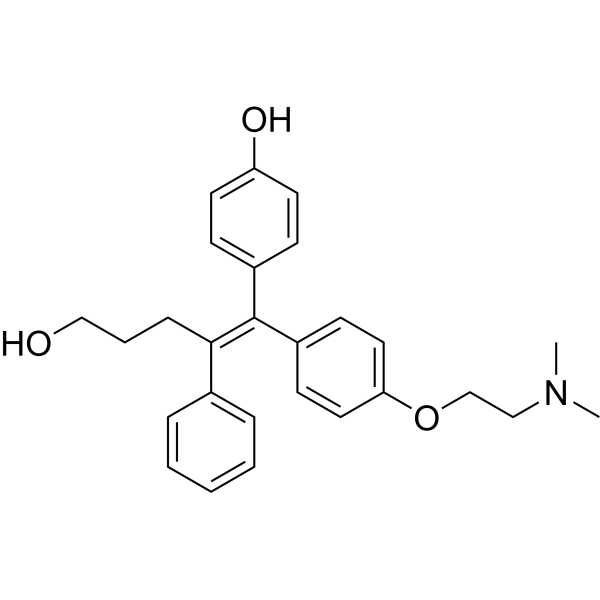
GSK5182 is a highly selective and orally active inverse agonist of estrogen-related receptor γ (ERRγ) with an IC50 of 79 nM. GSK5182 does not interact with other nuclear receptors, including ERRα or ERα. GSK5182 also induces reactive oxyen species (ROS) generation in hepatocellular carcinoma (HCC) .
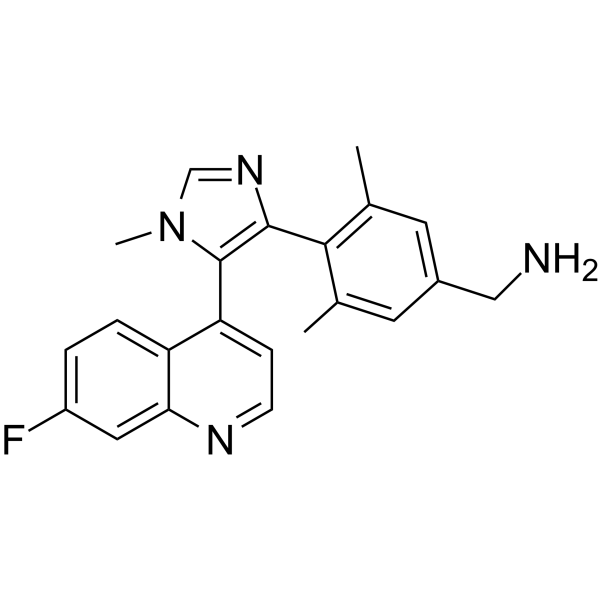
NR2F1 agonist 1, a nuclear receptorNR2F1 agonist, specifically activates dormancy programs in malignant cells. NR2F1 agonist 1 up-regulates NR2F1 and downstream target genes that regulate dormancy. NR2F1 agonist 1 induces neural crest-like and growth suppression in head and neck squamous cell carcinoma (HNSCC) via NR2F1 activation. NR2F1 agonist 1 inhibits tumor growth in a mouse primary tumor model .
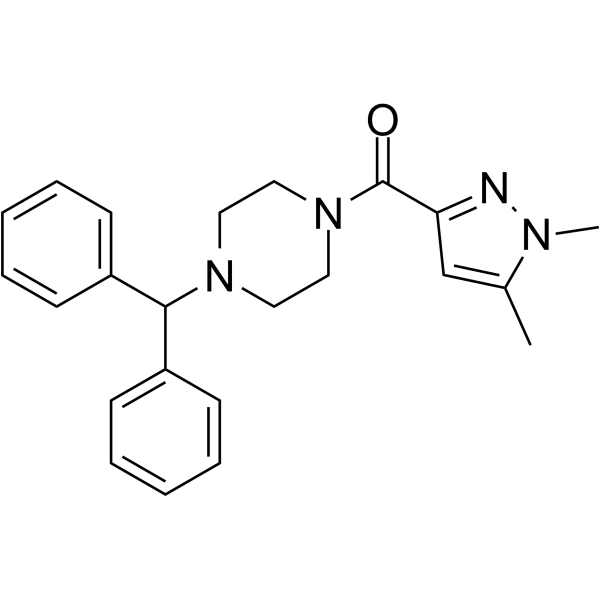
ML-180 (SR1848) is a potent orphan nuclear receptorliver receptor homolog 1 (LRH-1; NR5A2) inverse agonist with an IC50 of 3.7 μM. ML-180 is inactive for steroidogenic factor-1 (SF-1; NR5A1; IC50>10 μM). ML-180 has the potential for LRH-1-dependent cancers .
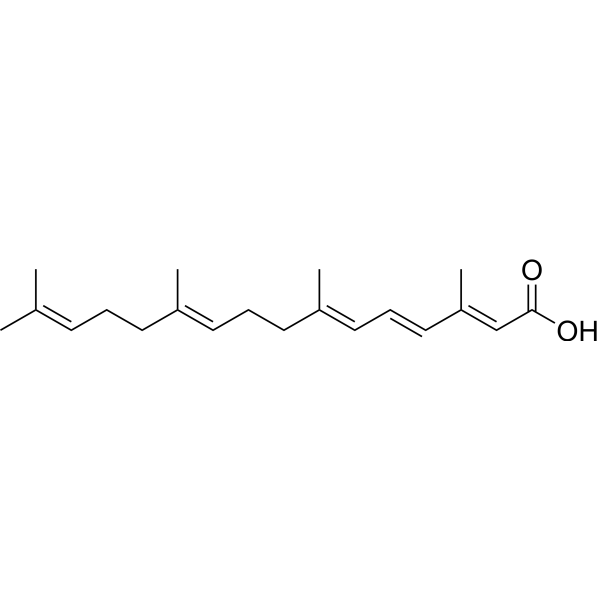
Peretinoin is an oral acyclic retinoid with a vitamin A-like structure that targets retinoid nuclear receptors such as retinoid X receptor (RXR) and retinoic acid receptor (RAR). Peretinoin reduces the mRNA level of sphingosine kinase 1 (SPHK1) in vitro by downregulating a transcription factor, Sp1 . Peretinoin prevents the progression of non-alcoholic steatohepatitis (NASH) and the development of hepatocellular carcinoma (HCC) through activating the autophagy pathway by increased Atg16L1 expression . Peretinoin inhibits HCV RNA amplification and virus release by altering lipid metabolism with a EC50 of 9 μM .
Chenodeoxycholic Acid (Standard) is the analytical standard of Chenodeoxycholic Acid. This product is intended for research and analytical applications. Chenodeoxycholic Acid is a hydrophobic primary bile acid that activates nuclear receptors (FXR) involved in cholesterol metabolism.
AZD-0284 is a selective inverse agonist of the nuclear receptorRORγ. AZD-0284 has the potential for plaque psoriasis vulgaris and respiratory tract disorders treatment .
4-Hydroxyretinoic acid (4-HRA) is a derivative of Retinoic acid (HY-14649). 4-Hydroxyretinoic acid is formed via the catalysis of retinol by cytochrome P-450 isoenzymes. 4-Hydroxyretinoic acid also serves as a substrate for UDP-glucuronosyltransferase (s) and recombinant UGT2B7. 4-Hydroxyretinoic acid binds to the nuclear receptorRAR (Retinoic Acid Receptor), activates RAR and RXR-alpha, subsequently regulates gene expression and cell differentiation, and induces cancer cell apoptosis (Apoptosis). 4-Hydroxyretinoic acid also participates in multiple physiological processes such as immunoregulation, neuroprotection and antioxidation .
PROTAC ERRα ligand 1 is a PROTAC target protein ligand. PROTAC ERRα ligand 1 is an orally active ERRα inverse agonist with IC50 values of 0.6 μM for ERRα. PROTAC ERRα ligand 1 shows no significant activity against a panel of other nuclear receptors, including ERα c, ERRγ, ERβ, PPARα, PPARγ, PPARδ, and RXRα. PROTAC ERRα ligand 1 can provide enhanced insulin sensitivity in vivo. PROTAC ERRα ligand 1 can be used for metabolic diseases research, such as type 2 diabetes and obesity .
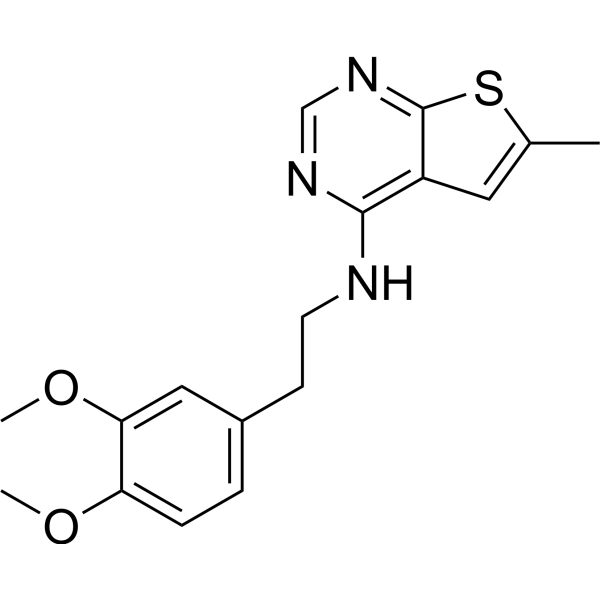
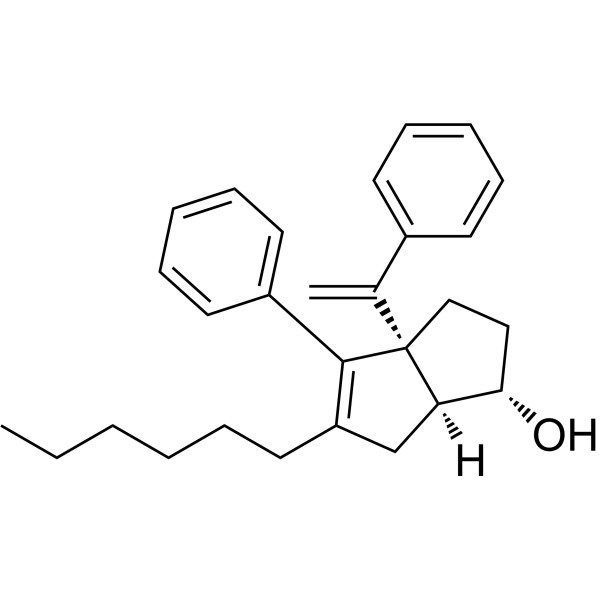
NR2F6 modulator-1 is a potent nuclear receptor subfamily 2, group F, member 6 (NR2F6) modulator. NR2F6 modulator-1 can be used for researching immune modulation and modulation of cancer stem cell activity .
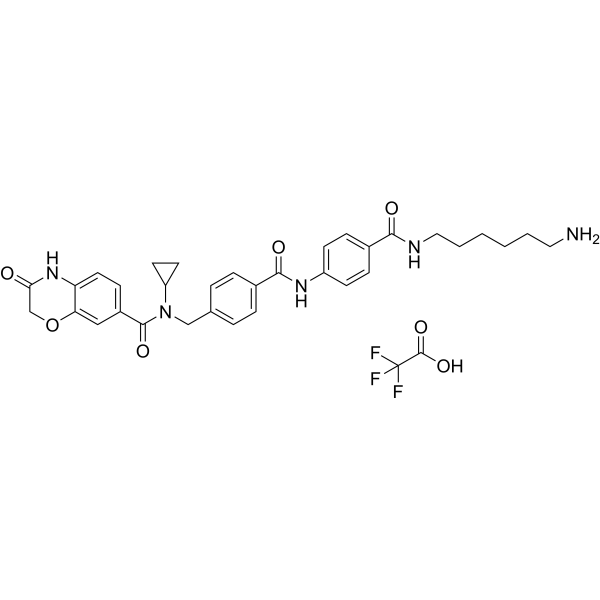
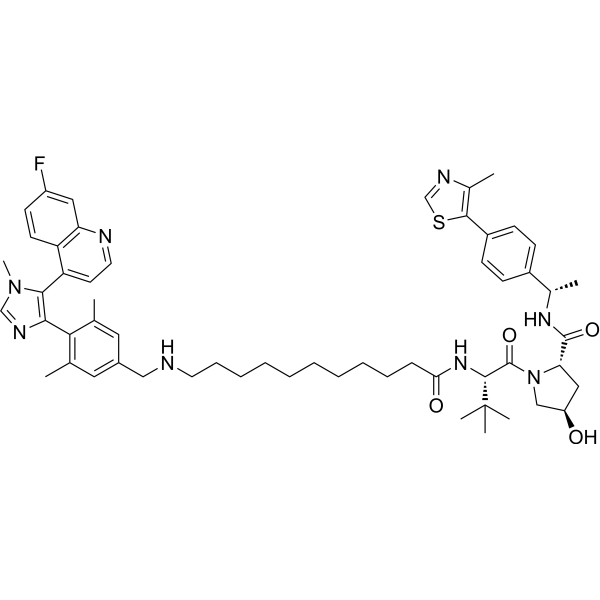
UNC8153 TFA is a potent and selective nuclear receptor-binding SET domain-containing 2 (NSD2)-targeted degrader with a Kd of 24 nM. UNC8153 TFA reduces the cellular levels of both NSD2 protein (DC50 in cell U2OS is 0.35 μM) and the H3K36me2 chromatin mark. UNC8153 TFA contains a simple warhead that confers proteasome-dependent degradation of NSD2 .
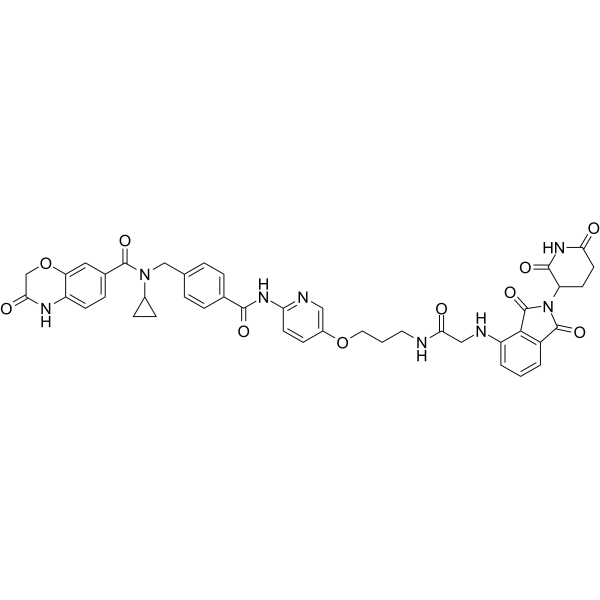
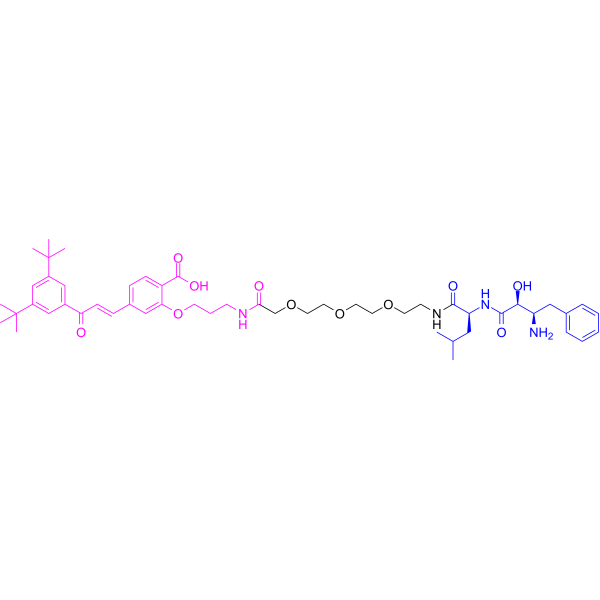
LLC0424 is a potent and selective cereblon-based PROTAC nuclear receptor-binding SET domain-containing 2 (NSD2) degrader. LLC0424 effectively degraded NSD2 with a DC50 of 20 nM in RPMI-8402 cells. LLC0424 selectively induces NSD2 degradation in a cereblon- and proteasome-dependent fashion. (Blue: CRBN ligand (HY-14658), Black: linker (HY-40002); Pink: NSD2 inhibitor (HY-161575)) .
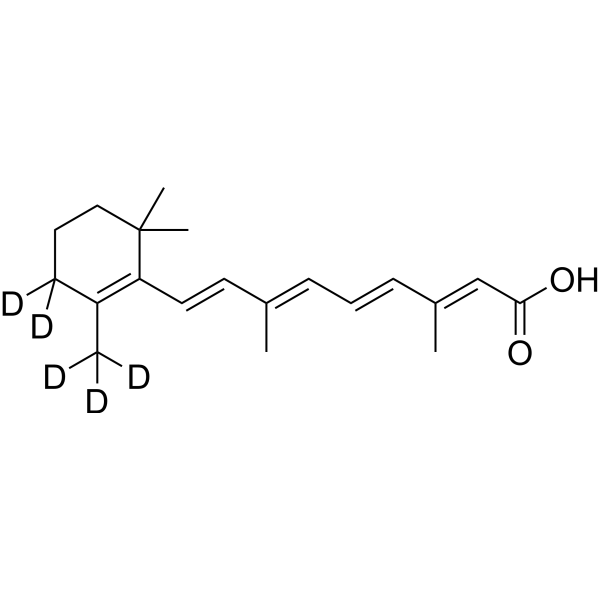
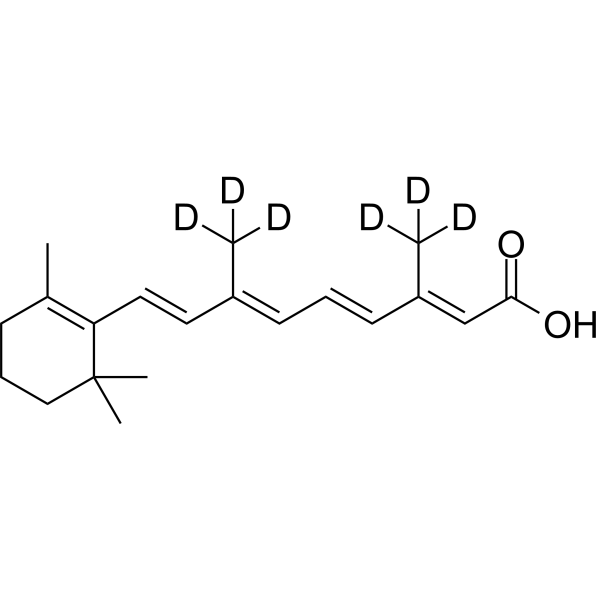
Retinoic acid-d5 is the the deuterium labeled Retinoic acid (HY-14649). Retinoic acid is a metabolite of vitamin A that plays important roles in cell growth, differentiation, and organogenesis. Retinoic acid is a natural agonist of RARnuclear receptors, with IC50s of 14 nM for RARα/β/γ. Retinoic acid bind to PPARβ/δ with Kd of 17 nM. Retinoic acid acts as an inhibitor of transcription factor Nrf2 through activation of retinoic acid receptor alpha .
NSD2-IN-1 (compound 38) is a potent and high selective NSD2-PWWP1 (nuclear receptor-binding SET domain 2-PWWP1) inhibitor, with an IC50 of 0.11 μM. NSD2-IN-1 can bind to NSD2-PWWP1 and then affect the expression of genes regulated by NSD2. NSD2-IN-1 induces apoptosis and cell cycle arrest .
VPC-14228 is an inhibitor that selectively targets androgen receptor DNA binding domain (AR-DBD). VPC-14228 inhibits the interaction between AR and DNA, thereby blocking AR-mediated transcriptional activation. VPC-14228 does not rely on nuclear localization inhibition, but rather inhibits the activity of full-length AR and splice variant AR-V7 by interfering with AR binding to chromatin. And VPC-14228 has high selectivity for other nuclear receptors such as ER and PR. VPC-14228 can be used in the study of prostate cancer [2].
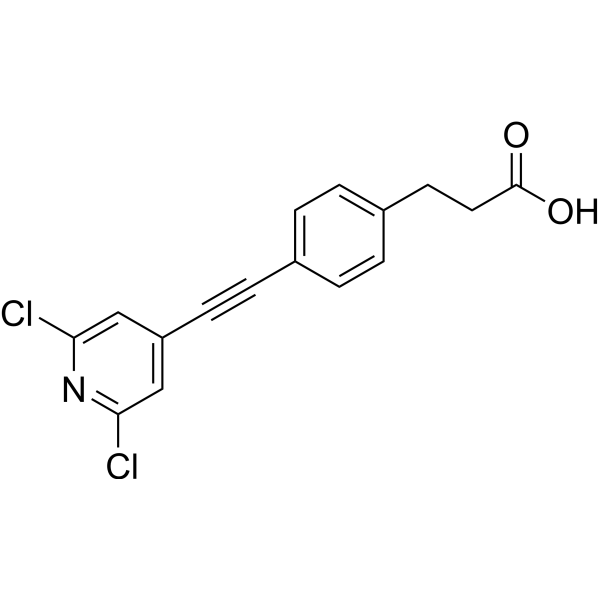
TUG-499 is a selective free fatty acid receptor 1 (FFAR1 or GPR40) (Free Fatty Acid Receptor) agonist with a pEC50 of 7.39. TUG-499 exhibits >100-fold selectivity over the related receptors FFA2, FFA3, and the nuclear receptor PPARγ and other diverse receptors, ion channels, and transporters. TUG-499 can be used for the research of type 2 diabetes . TUG-499 is a click chemistry reagent, it contains an Alkyne group and can undergo copper-catalyzed azide-alkyne cycloaddition (CuAAc) with molecules containing Azide groups.
Chenodeoxycholic acid 3-glucuronide is a metabolite of Chenodeoxycholic acid that can activate the key nuclear receptor (FXR), with an EC50 of 8 μM, and in HEK293T cells, the EC50 for activating FXR is 11 μM .
MS159 is a potent nuclear receptor binding SET structural domain protein 2 (NSD2) PROTACdegrader. MS159 inhibits the growth of tumour cells. MS159 is a useful chemical tool for exploring the role of NSD2 in health and disease .
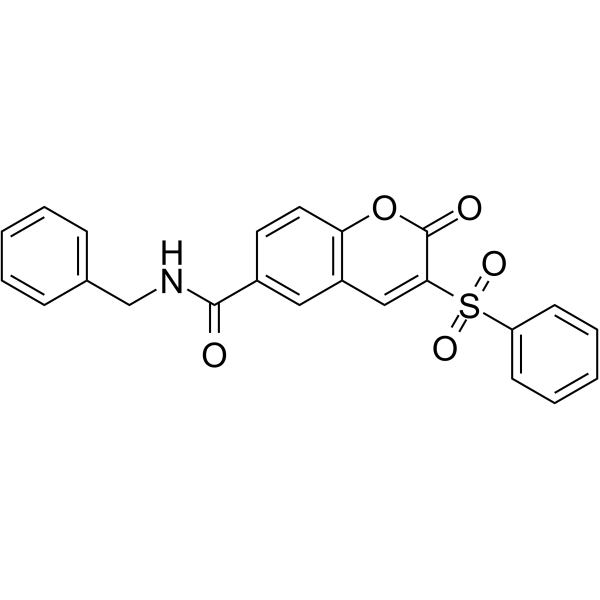
SID 7969543 is a selective SF-1 (steroidogenic factor 1, NR5A1) inhibitor with an IC50 of 760 nM. SID 7969543 inhibits SF-1-triggered luciferase expression with IC50 of 30 nM. SF-1 is a transcription factor belonging to the nuclear receptor superfamily .
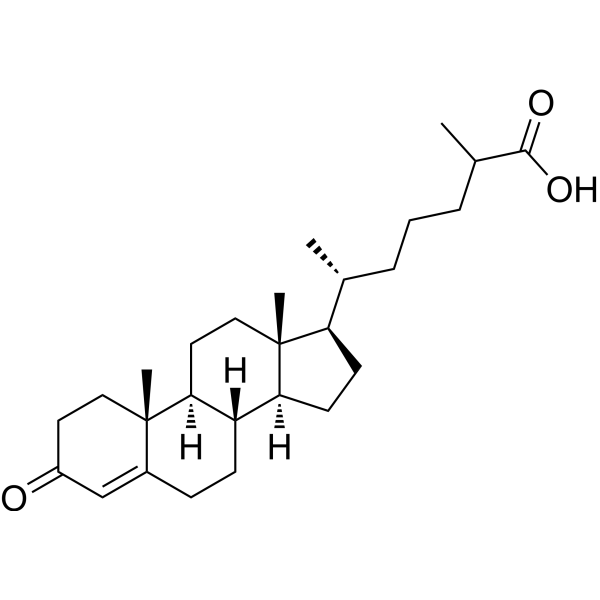
Δ4‑Dafachronic acid is an endogenous steroid hormone, an agonist of the DAF‑12nuclear receptor, and a key ligand for the vitamin D receptor (VDR). Δ4‑Dafachronic acid promotes the active escape developmental trajectory in Austrofundulus limnaeus embryos even under diapause‑inducing conditions. Δ4‑Dafachronic acid is suitable for research on the developmental biology .
Thyroid hormone receptor antagonist (1-850) is a competitive, selective and high-affinity thyroid hormone receptor (TR) antagonist with an IC50 of 1.5 μM for antagonizing the effect of T3 on TR. Thyroid hormone receptor antagonist (1-850) blocks T3-mediated interaction of TRα and TRβ with nuclear receptor coactivator. Thyroid hormone receptor antagonist (1-850) has no effect on the activity of RARα .
RR-RJW100, the enantiomer of RJW100, is an nuclear receptor liver receptor homolog 1 (LRH-1) and steroidogenic factor 1 (SF-1) agonist. RJW100 can be synthesized as two enantiomers, RR-RJW100 and SS-RJW100, with RR-RJW100 shown to be the more potent LRH-1 agonist. RR-RJW100 is involved in the regulation of metabolic homeostasis and is used in studies of diabetes, liver disease and inflammatory bowel disease .
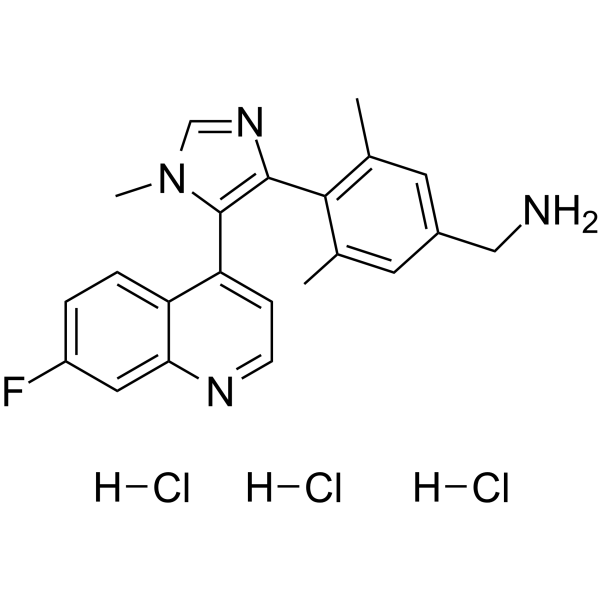
BI-9321 trihydrochloride is a potent, selective and cellular active nuclear receptor-binding SET domain 3 (NSD3)-PWWP1 domain antagonist with a Kd value of 166 nM. BI-9321 trihydrochloride is inactive against NSD2-PWWP1 and NSD3-PWWP2. BI-9321 trihydrochloride specifically disrupts histone interactions of the NSD3-PWWP1 domain with an IC50 of 1.2 μM in U2OS cells .
PROTAC RAR degrader-1 (Compound 9) is a potent and selective RAR PROTAC Degrader consisting of apoptotic protein inhibitors (IAPs) ligands. IAPs-based degraders are also known as SNIPERs. PROTAC RAR Degrader-1 reduces RARα levels in HT1080 cells in a concentration-dependent manner but is blocked by the proteasome inhibitor MG132 (HY-13259). PROTAC RAR Degrader-1 can be used in the study of nuclear receptor-related diseases. (Pink: RAR ligand 1 (HY-111843); Black: Linker (HY-140189); Blue: IAPs Ligand (HY-B0134)) .
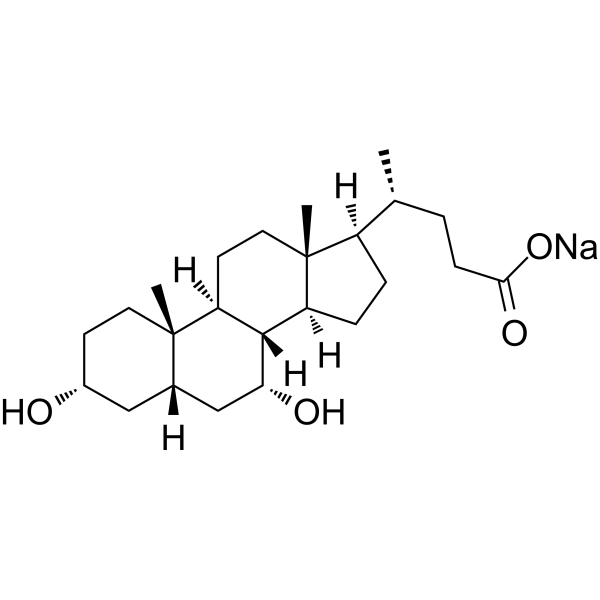
Chenodeoxycholic acid-d5 is the deuterium labeled Chenodeoxycholic Acid. Chenodeoxycholic Acid is a hydrophobic primary bile acid that activates nuclear receptors (FXR) involved in cholesterol metabolism.
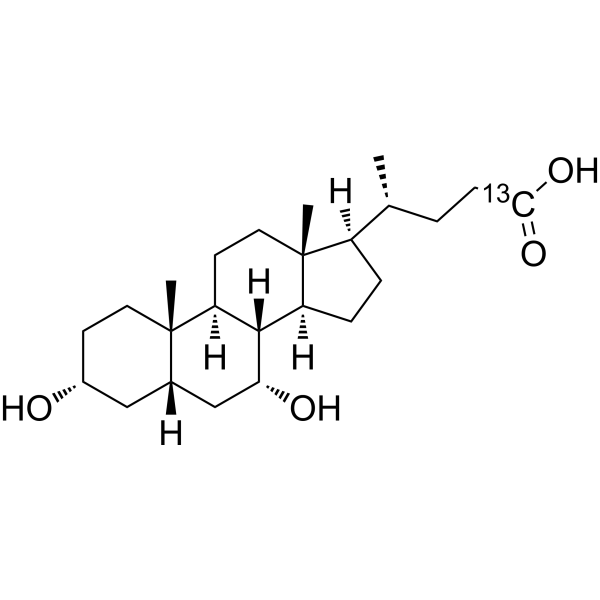
Chenodeoxycholic acid- 13C is the 13C-labeled Chenodeoxycholic Acid. Chenodeoxycholic Acid is a hydrophobic primary bile acid that activates nuclear receptors (FXR) involved in cholesterol metabolism.
HPG1860 is an orally active, highly selective and potent FXR agonist, with an EC50 of 18 nM (FXR-luciferase reporter assay). HPG1860 has EC50 values >30.0 μM for TGR5 and 13 other related nuclear receptors (cAMP biological assay). HPG1860 can be used for the research of non-alcoholic steatohepatitis (NASH) .
UNC8153 is a potent and selective nuclear receptor-binding SET domain-containing 2 (NSD2)-targeted degrader with a Kd of 24 nM. UNC8153 reduces the cellular levels of both NSD2 protein (DC50 in cell U2OS is 0.35 μM) and the H3K36me2 chromatin mark. UNC8153 contains a simple warhead that confers proteasome-dependent degradation of NSD2 .
NSD-IN-3 (compound 3) is a potent nuclear receptor binding SET domain (NSD) inhibitor. NSD-IN-3 inhibits NSD2-SET and NSD3-SET with IC50 values of 0.81 μM and 0.84 μM, respectively. NSD-IN-3 inhibits histone H3K36 dimethylation and decreases the expression of NSDs-targeted genes in non-small cell lung cancer cells. NSD-IN-3 induces s-phase cell cycle arrest and apoptosis .
Fluopyram (Standard) is the analytical standard of Fluopyram (HY-119459). This product is intended for research and analytical applications. Fluopyram is an orally active succinate dehydrogenase inhibitor, antifungal and nematicide. Fluopyram inhibits succinate dehydrogenase activity, activates CAR/PXRnuclear receptors, and increases caspase-3, TNF-α and NF-κB. Fluopyram inhibits the growth of F. virguliforme, Botrytis cinerea and Alternaria solani with EC50 values of 3.35, 5.389 and 0.244 µg/mL, respectively. Fluopyram induces liver and thyroid tumor formation. Fluopyram is nephrotoxic and embryotoxic .
Nurr1 agonist 13 (Compound 1) is a potent nuclear receptor related 1 (Nurr1, NR4A2) agonist with an EC50 value of 0.06 μM. Nurr1 agonist 13 is promising for research of neurodegenerative diseases such as Parkinson's disease, Alzheimer's disease, and multiple sclerosis .
SR1555 is a specific retinoic acid receptor-related orphan nuclear receptor γ (RORγ) inverse agonist with an IC50 value of 1 μM. SR1555 not only inhibits TH17 cell development and function but also increases the frequency of T regulatory cells, as well as inhibits the expression of IL-17. SR1555 can be used for researching autoimmune diseases .
BI-9321, a chemical probe, is a potent, selective and cellular active nuclear receptor-binding SET domain 3 (NSD3)-PWWP1 domain antagonist with a Kd value of 166 nM. BI-9321 is inactive against NSD2-PWWP1 and NSD3-PWWP2. BI-9321 specifically disrupts histone interactions of the NSD3-PWWP1 domain with an IC50 of 1.2 μM in U2OS cells .
IRX5010 (IRX4647F), an analogue of IRX4647, is a highly selective RARγ nuclear receptor agonist. IRX5010 demonstrates inhibition of in vivo growth of EMT-6 triple negative breast cancer .
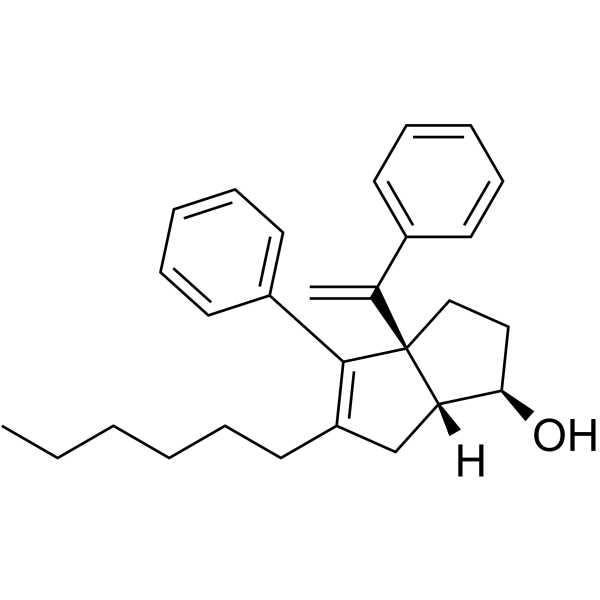
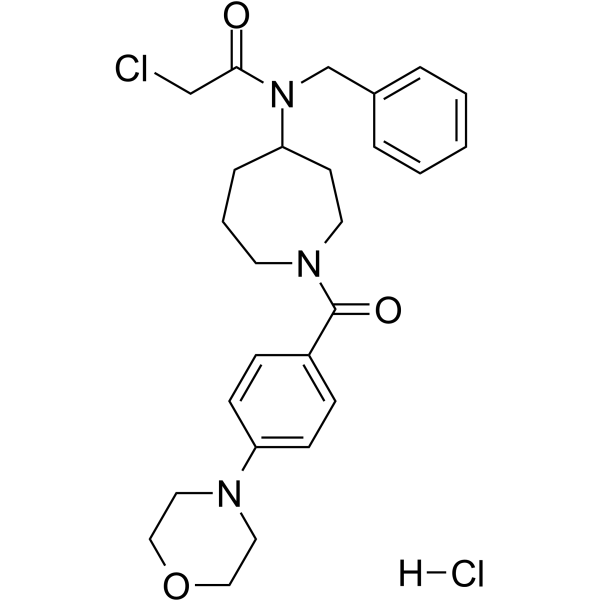
BPK-29 hydrochloride is a specific ligand that disrupts the atypical orphan nuclear receptorNR0B1-protein (such RBM45 and SNW1) interactions by covalently modifying C274. BPK-29 hydrochloride impairs the anchorage-independent growth of KEAP1-mutant cancer cells .
Panaxytriol is an active component of ginseng. Panaxytriol inhibits the nuclear translocation of NF-κB, thereby reducing the production of pro-inflammatory factors (such as TNF-α, IL-1β, IL-6) and nitric oxide (NO) induced by LPS (HY-D1056). Panaxytriol upregulates CYP3A4 by activating the nuclear receptorPXR/CAR. Panaxytriol improves motor dysfunction in a mouse model of brain inflammation. Panaxytriol can be used in the research of neurodegenerative diseases (such as Alzheimer's disease) .
Chenodeoxycholic Acid-d9 is the deuterium labeled Chenodeoxycholic Acid. Chenodeoxycholic Acid is a hydrophobic primary bile acid that activates nuclear receptors (FXR) involved in cholesterol metabolism.
NR2F6 modulator-2 (Compound I) is an autorepressed orphan nuclear receptor NR2F6 (Nuclear Receptor subfamily 2 group F member 6) modulator. NR2F6 modulator-2 can inhibits the recruitment of the bio-NSD1 peptide with an IC50 of 2.0 equivalents of NR2F6. NR2F6 modulator-2 can be used for the researches of cancer and immunology .
5α-Androstan-3α-ol is a γ-aminobutyric acid (GABA) receptor agonist. 5α-Androstan-3α-ol can inhibit the transcriptional activity of the orphan nuclear receptor CAR (constitutive androstane receptor). 5α-Androstan-3α-ol negatively regulates the activity of CAR by binding to CAR and promoting its dissociation from coactivator proteins. 5α-Androstan-3α-ol can be used to study nuclear receptor-mediated hormone metabolism and drug detoxification mechanisms .
NR2E3 agonist 1 (Compound 11a) is a small molecule agonist of the photoreceptor-specific nuclear receptor (NR2E3) with an EC50 value of less than 200 nM. NR2E3 agonist 1 can be used in retinitis pigmentosa research .
BPK-29 is a specific ligand that disrupts the atypical orphan nuclear receptorNR0B1-protein (such RBM45 and SNW1) interactions by covalently modifying C274. BPK-29 impairs the anchorage-independent growth of KEAP1-mutant cancer cells .
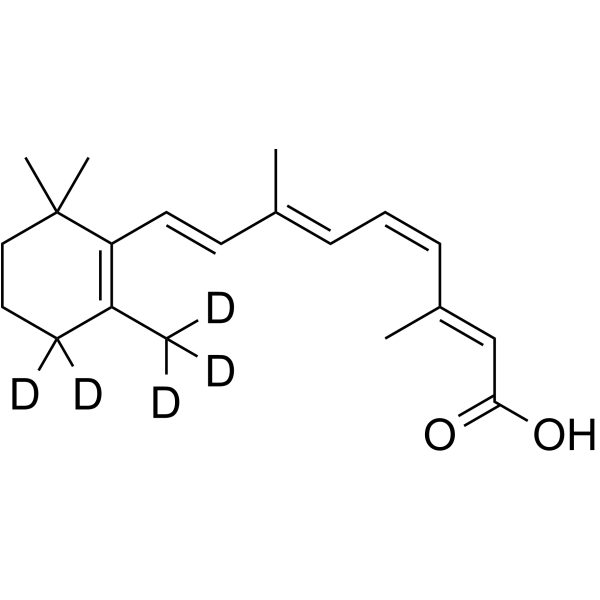
11-cis-Retinoic Acid-d5 is the deuterium labeled Retinoic acid. Retinoic acid is a metabolite of vitamin A that plays important roles in cell growth, differentiation, and organogenesis. Retinoic acid is a natural agonist of RAR nuclear receptors, with IC50s of 14 nM for RARα/β/γ. Retinoic acid bind to PPARβ/δ with Kd of 17 nM. Retinoic acid acts as an inhibitor of transcription factor Nrf2 through activation of retinoic acid receptor alpha[1][2].
BI-9466 (Compound 2) is a nuclear receptor-binding SET domain 3 (NSD3)-PWWP1 domain antagonist with a Kd of 144 µM. BI-9466 is a negative control compound of BI-9321 (HY-114208). BI-9466 has no inhibitory activity against NSD3-PWWP1 domain by introduction of a much basic nitrogen heterocycle at the 5-position of BI-9321 .
Retinoic acid-d6 is the deuterium labeled Retinoic acid[1]. Retinoic acid is a metabolite of vitamin A that plays important roles in cell growth, differentiation, and organogenesis. Retinoic acid is a natural agonist of RAR nuclear receptors, with IC50s of 14 nM for RARα/β/γ. Retinoic acid bind to PPARβ/δ with Kd of 17 nM. Retinoic acid acts as an inhibitor of transcription factor Nrf2 through activation of retinoic acid receptor alpha[2][3][4][5][6][7].
Teduglutide TFA is a dipeptidyl peptidase IV resistant glucagon-like peptide 2 (GLP-2) analogue. Teduglutide TFA can activate the expression of nuclear receptor subfamily 4 group a member 1 (NR4a1)/nur77 and intestinal FXR signaling in human hepatic stellate cells, thereby improving liver inflammation and fibrosis in mice with sclerosing cholangitis. Teduglutide TFA can alleviate intestinal dysfunction in mice, improve lung injury, alleviate obesity related neuroinflammation and cell apoptosis .
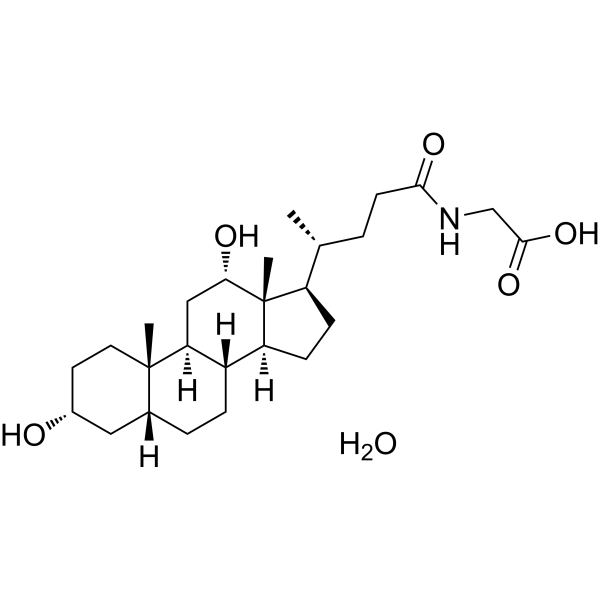
Glycodeoxycholic acid (monohydrate) (Standard) is the analytical standard of Glycodeoxycholic acid (monohydrate). This product is intended for research and analytical applications. Glycodeoxycholic acid monohydrate is a nuclear receptor ligand.
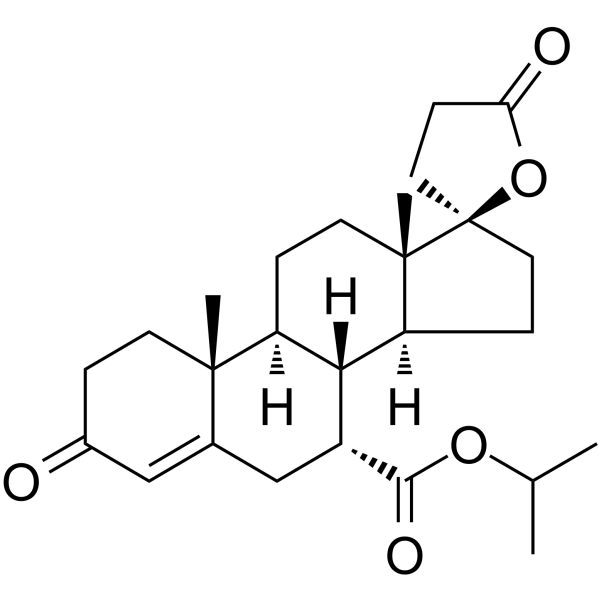
Dicirenone (SC26304) inhibits the effects of Aldosterone on urinary K +:Na + ratios and the binding of [ 3H]Aldosterone to renal cytoplasmic and nuclear receptors.
Chenodeoxycholic Acid (Standard) is the analytical standard of Chenodeoxycholic Acid. This product is intended for research and analytical applications. Chenodeoxycholic Acid is a hydrophobic primary bile acid that activates nuclear receptors (FXR) involved in cholesterol metabolism.
Chenodeoxycholic acid-d2 (CDCA-d2) is deuterium labeled Chenodeoxycholic Acid. Chenodeoxycholic Acid is a hydrophobic primary bile acid that activates nuclear receptors (FXR) involved in cholesterol metabolism.
RORγt inverse agonist 30 (Compound 1) is a potent RORγt inverse agonist with the IC50 of 46 nM. Targeting the nuclear receptor RORγt is effective in autoimmune disorders .
Chenodeoxycholic Acid-d7 (CDCA-d7) is the deuterium labeled Chenodeoxycholic Acid (HY-76847). Chenodeoxycholic Acid is a hydrophobic primary bile acid that activates nuclear receptors (FXR) involved in cholesterol metabolism.
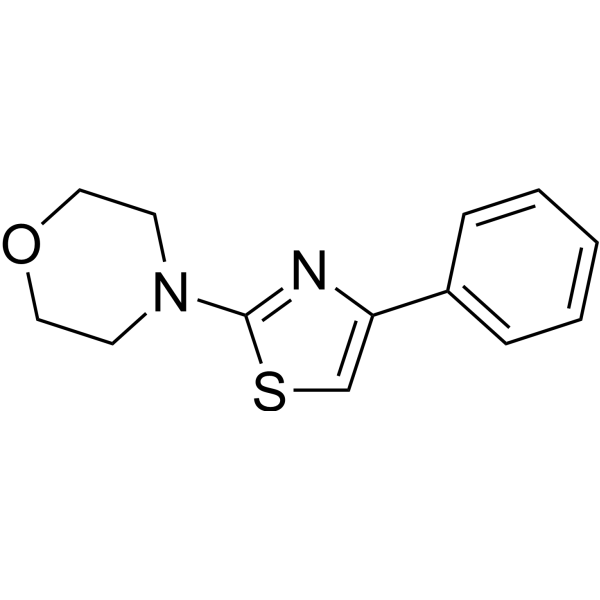
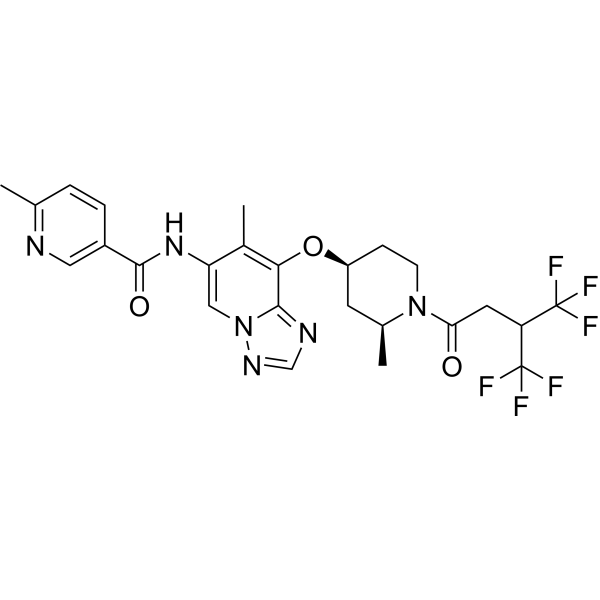
NRMA-8 is a brain-penetrant small molecule nuclear receptor modulator. NRMA-8 is promising for research of central nervous system disorders, including Alzheimer's disease, Parkinson's disease, demylenation disorders and glioblastomas .
ND-L11B is a potent degrader of nuclear receptor binding SET domain protein 2 (NSD2) and RE-IIBP, with the DC50 of 1.48 and 0.8 μM, the Dmax is closed to 80 % .
ND-L11B TFA is a potent degrader of nuclear receptor binding SET domain protein 2 (NSD2) and RE-IIBP, with the DC50 of 1.48 and 0.8 μM, the Dmax is closed to 80 % .
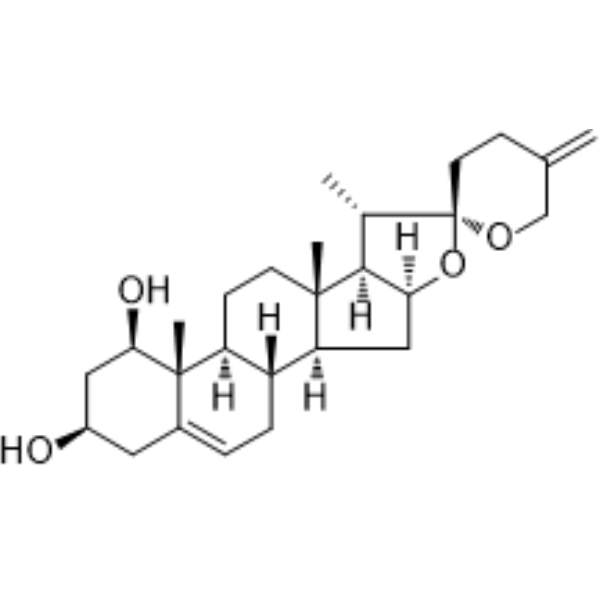
Neoruscogenin (Standard) is the analytical standard of Neoruscogenin. This product is intended for research and analytical applications. Neoruscogenin, a member of the steroidal sapogenin family, is a high-affinity agonist of the nuclear receptor RORα (NR1F1) (EC50 = 0.11 μM) .
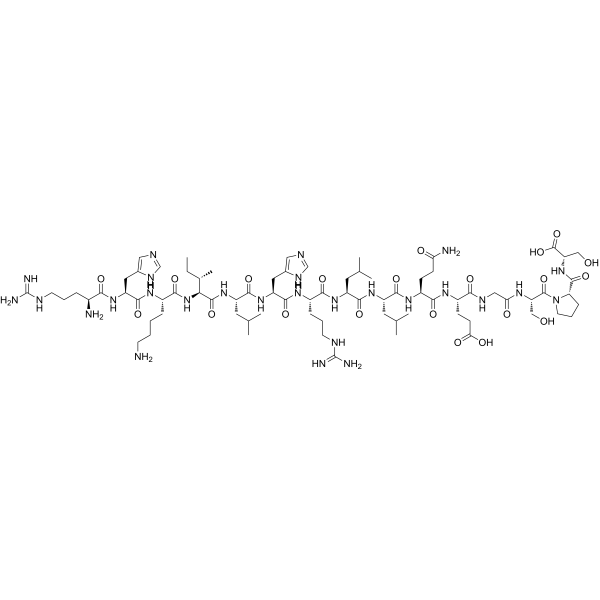
SRC-1 (686-700) is a biological active peptide. (This peptide is amino acids 686 to 700 fragment containing the second LXXLL motif, derived from NR box II of steroid receptor coactivator (SRC1). Coactivator proteins interact with nuclear receptors in a ligand-dependent manner and augment transcription.)
RORγt Inverse agonist 10 is a potent and orally bioavailable RORγt (retinoic acid receptor-related orphan nuclear receptor gamma t) inverse agonist, with an IC50 of 51 nM. RORγt is a major transcription factor of genes related to psoriasis pathogenesis such as IL-17A, IL-22, and IL-23R
Flucythrinate is a synthetic pyrethroid with endocrine suppressive properties. Flucythrinate showed good binding affinity to the vitamin D nuclear receptor (VDR) with a score of -11.0 kcal/mol. Flucythrinate has been proposed as a multi-target ligand that may interact with several proteins associated with breast cancer. The screening method for Flucythrinate showed good accuracy in binding site prediction and affinity estimation .
SR1555 hydrochloride is the hydrochloride salt form of SR1555 (HY-120785). SR1555 hydrochloride is an inverse agonist for retinoic acid receptor-related orphan nuclear receptor γ (RORγ) with an IC50 of 1 μM. SR1555 hydrochloride inhibits the development and function of pro-inflammatory TH17 cell, increases the frequency of anti-inflammatory T regulatory (Treg) cells. SR1555 hydrochloride can be used for research about autoimmune diseases .
BMH-9 (Compound Z54) is a modulator for nuclear receptor subfamily 2, group F, member 6 (NR2F6) (also known as nuclear orphan receptor Ear2) . BMH-9 is an activator for p53 signaling pathway through interaction with DNA. BMH-9 inhibits proliferation of human cancer cells, exhibits antitumor efficacy in NOD-SCID mouse models .
Crustecdysone (Standard) is the analytical standard of Crustecdysone. This product is intended for research and analytical applications. Crustecdysone (20-Hydroxyecdysone) is a naturally occurring ecdysteroid hormone isolated from Serratula coronata which controls the ecdysis (moulting) and metamorphosis of arthropods, it inhibits caspase activity and induces autophagy via the 20E nuclear receptor complex, EcR-USP . Crustecdysone exhibits regulatory or protective roles in the cardiovascular system . Crustecdysone is an active metabolite of Ecdysone (HY-N0179) .
Retinoic acid-d3 is the deuterium labeled Retinoic acid (HY-14649). Retinoic acid is a metabolite of vitamin A that plays important roles in cell growth, differentiation, and organogenesis. Retinoic acid is a natural agonist of RAR nuclear receptors, with IC50s of 14 nM for RARα/β/γ. Retinoic acid bind to PPARβ/δ with Kd of 17 nM. Retinoic acid acts as an inhibitor of transcription factor Nrf2 through activation of retinoic acid receptor alpha .
Retinoic acid-d3-1 is the deuterium labeled Retinoic acid (HY-14649). Retinoic acid is a metabolite of vitamin A that plays important roles in cell growth, differentiation, and organogenesis. Retinoic acid is a natural agonist of RAR nuclear receptors, with IC50s of 14 nM for RARα/β/γ. Retinoic acid bind to PPARβ/δ with Kd of 17 nM. Retinoic acid acts as an inhibitor of transcription factor Nrf2 through activation of retinoic acid receptor alpha .
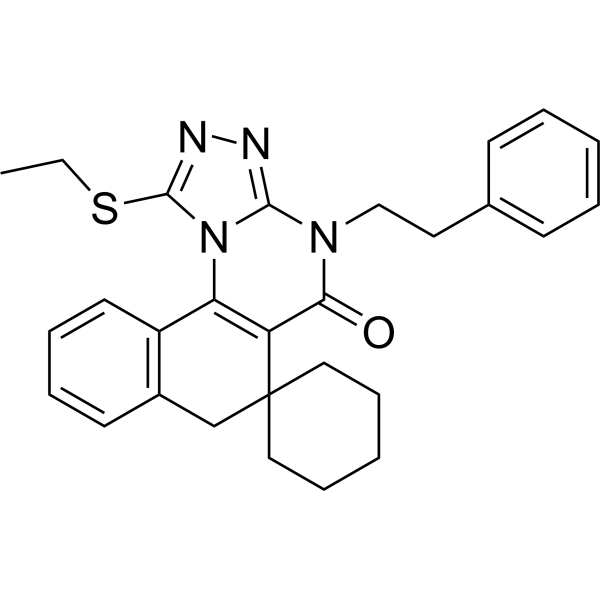
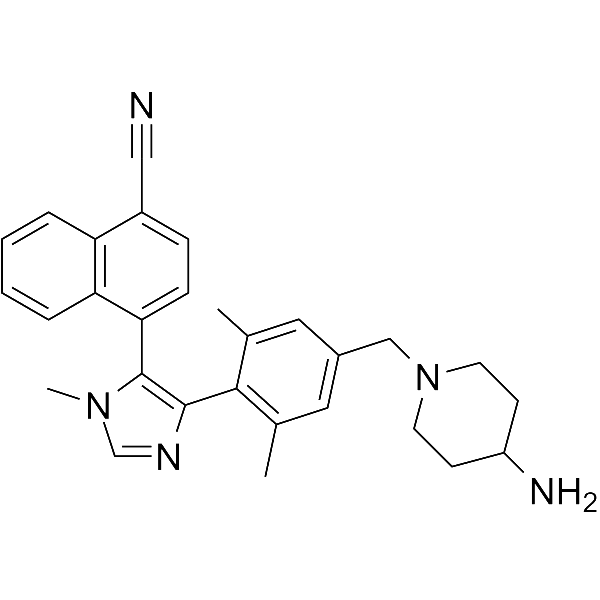
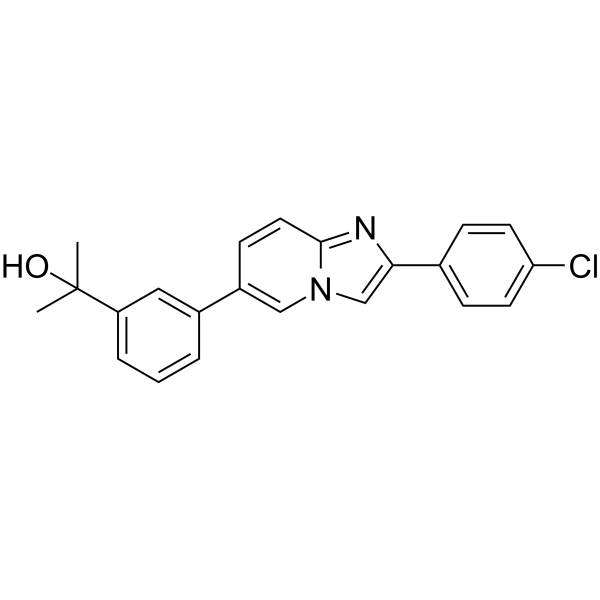
Anticancer agent 258 is an imidazo [1,2-B][1,2,4] triazol derivative. Anticancer agent 258 regulates the activity of nuclear receptors. Anticancer agent 258 has an EC50 of 63 nM against Nurr in N2A cells. Anticancer agent 258 has IC50 of 0.1 pM for Nur77 in HEK293 cells. Anticancer agent 258 can be used in the study of cancer, metabolic diseases and neurological disorders .
SS-RJW100 is a enantiomer of RJW100, which is a racemic agonist of nuclear receptor liver receptor homolog 1 (LRH-1) and steroidogenic factor 1 (SF-1). SS-RJW100 promotes recruitment of coregulator protein fragments in vitro, recruits the transcriptional intermediary factor 2 (Tif2) coactivator to LRH-1. SS-RJW100 diminishes LRH-1 allosteric activation networks, shows poor thermal stability .
FXR agonist 13 is a selective, orally active, potent FXR agonist (EC50 = 0.097 μM) and has favorable hepatic microsomal metabolic stability. FXR agonist 13 exhibits moderate affinity for FXR-LBD upon direct binding (KD = 14.74 μM). FXR agonist 13 displays good selectivity against related nuclear receptors, including LXRα/β, PPARα/γ/δ, PXR, and TGR5. FXR agonist 13 can be used for the study of metabolic-associated steatohepatitis (MASH) .
NSD2-PWWP1 ligand 1 (compound 34) is a small molecule ligand targeting the NSD2-PWWP1 domain (pIC50: 8.2). NSD2 is a large multidomain protein with histone writer and histone reader functions. Dysregulation of the levels of histone methyltransferase nuclear receptor binding SET domain 2 (NSD2) may lead to a variety of hematological and solid malignancies. NSD2-PWWP1 ligand 1 binds to NSD2, reducing its enzymatic activity and inhibiting tumorigenesis .
L-764406 is a non-thiazolidinedione (TZD)-type PPARgnuclear receptor ligand with high affinity. L-764406 has significant binding ability to PPARg (IC50=70 nM). L-764406 exhibited partial agonist activity and induced expression of the adipocyte-specific gene aP2 in chimeric receptors expressing the PPARg LBD and the corresponding reporter gene, as well as in 3T3-L1 cells. In contrast, L-764406 showed no activity in cells transfected with chimeric receptors containing PPARa or PPARd LBDs .
Peretinoin (Standard) is the analytical standard of Peretinoin. This product is intended for research and analytical applications. Peretinoin is an oral acyclic retinoid with a vitamin A-like structure that targets retinoid nuclear receptors such as retinoid X receptor (RXR) and retinoic acid receptor (RAR). Peretinoin reduces the mRNA level of sphingosine kinase 1 (SPHK1) in vitro by downregulating a transcription factor, Sp1[1]. Peretinoin prevents the progression of non-alcoholic steatohepatitis (NASH) and the development of hepatocellular carcinoma (HCC) through activating the autophagy pathway by increased Atg16L1 expression[2]. Peretinoin inhibits HCV RNA amplification and virus release by altering lipid metabolism with a EC50 of 9 μM[3].
NRMA-I is the amide produrg of the small molecule nuclear receptor modulator. NRMA-I exhibits a higher exposure in the brain, indicating that a good blood-brain barrier (BBB) penetration. NRMA-I can be used for research of central nervous system diseases related to nuclear receptors, such as Alzheimer's disease and Parkinson's disease .
NRMA-9 is the amide produrg of the small molecule nuclear receptor modulator. NRMA-9 exhibits a higher exposure in the brain, indicating that a good blood-brain barrier (BBB) penetration. NRMA-9 can be used for research of central nervous system diseases related to nuclear receptors, such as Alzheimer's disease and Parkinson's disease .
NRMA-10, an amide prodrug, is a brain-penetrant nuclear receptor modulator. NRMA-10 increases brain expression of Adam10. NRMA-10 preferres distribution to the CNS compared to the periphery. NRMA-10 can be used for the study of central nervous system (CNS) disorders .
CITCO (Standard) is the analytical standard of CITCO (HY-103244). This product is intended for research and analytical applications. CITCO, an imidazothiazole derivative, is a selective Constitutive androstane receptor (CAR) agonist. CITCO inhibits growth and expansion of brain tumour stem cells (BTSCs) and has an EC50 of 49 nM over pregnane X receptor (PXR), and no activity on other nuclear receptors .
TLX agonist 3 is a potent and selective tailless homolog (TLX, NR2E1) agonist with an EC50 of 0.25 μM and a Kd of 1.6 μM). TLX agonist 3 shows high selectivity over related nuclear receptors, and promotes TLX oligomerization with an EC50 of 5.0 μM. TLX agonist 3 can be used for the research of neurodegenerative diseases .
NSD-IN-5 (Example 47) is a nuclear receptor-binding SET domain (NSD) inhibitor with IC5050 values of 6 and < 1 nM for NSD1 and NSD2, respectively. NSD-IN-5 also exhibits inhibitory activity against Avg KMS11 cells with an IC5050 of 6 nM. NSD-IN-5 may be used in research on multiple myeloma .
SID 7969543 (Standard) is the analytical standard of SID 7969543 (HY-107404). This product is intended for research and analytical applications. SID 7969543 is a selective SF-1 (steroidogenic factor 1, NR5A1) inhibitor with an IC50 of 760 nM. SID 7969543 inhibits SF-1-triggered luciferase expression with IC50 of 30 nM. SF-1 is a transcription factor belonging to the nuclear receptor superfamily .
FXR agonist 15 is a selective, potent and orally active farnesoid X receptor (FXR) agonist with EC50 of 0.76 μM. FXR agonist 15 exhibits no obvious activation on other nuclear receptors including LXRα/β, PXR, PPARα/β/γ, THR-β, with EC50 values all >10 μM. FXR agonist 15 can alleviate steatosis, lobular inflammation, hepatocyte ballooning and liver fibrosis. FXR agonist 15 can be used for the research of nonalcoholic steatohepatitis (NASH) .
Δ4-Dafachronic Acid-d3 is deuterium labeled Δ4-Dafachronic acid (HY-131492). Δ4‑Dafachronic acid is an endogenous steroid hormone, an agonist of the DAF‑12nuclear receptor, and a key ligand for the vitamin D receptor (VDR). Δ4‑Dafachronic acid promotes the active escape developmental trajectory in Austrofundulus limnaeus embryos even under diapause‑inducing conditions. Δ4‑Dafachronic acid is suitable for research on the developmental biology .
Nurr1 agonist 12 (Compound 37) is the agonist for nuclear receptor-associated protein 1 (Nurr1) that activates the transcriptional activity of Nurr1 with an EC50 of 0.06 μM. Nurr1 agonist 12 activates the human response elements NBRE, NurRE, and DR5 with EC50 of 0.07 μM, 0.027 μM, and 0.014 μM, respectively. Nurr1 agonist 12 induces the expression of Nurr1-regulated neurotrophic genes, such as tyrosine hydroxylase (TH), SOD1/2, BDNF, Sestrin 3, and BIRC5 (Survivin). Nurr1 agonist 12 exhibits neuroprotective efficacy against Paraquat-induced neurotoxicity .
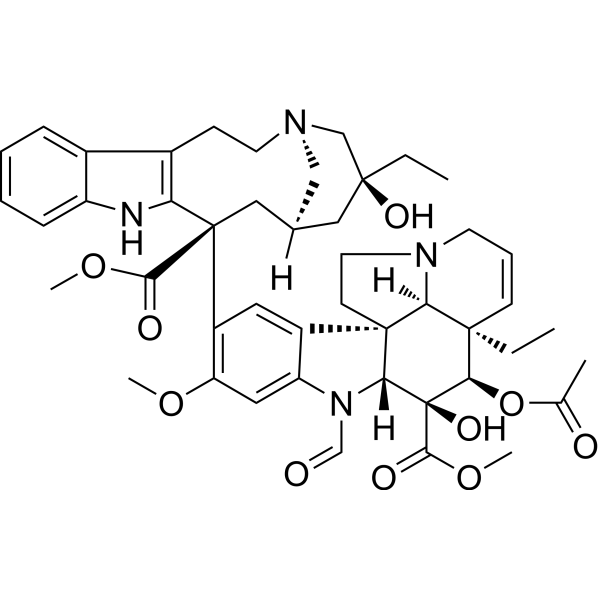
Vincristine (Leurocristine; NSC-67574; 22-Oxovincaleukoblastine) is a microtubule inhibitor that disrupts microtubule polymerization by binding to β-tubulin (with a Ki of 85 nM in bovine), arrests the cell cycle and induces apoptosis. Vincristine inhibits cell replication, tumor blood flow and the proliferation of various cancer cells, while triggering effects such as oxidative stress, inflammation, calcium overload, epithelial-mesenchymal transition and peripheral neuropathic pain. Vincristine upregulates the expression of various transporters and nuclear receptors, and enriches gastric cancer stem-like cells. Vincristine is used in research related to various tumors including acute lymphoblastic leukemia, lymphoma, melanoma, gastric cancer, solid tumors and sarcomas .
PROTAC NSD3 degrader-1 (compound 56) is a PROTAC targeting to Nuclear receptor binding SET domain protein NSD3. PROTAC NSD3 degrader-1 specifically induces NSD3 degradation with DC50 values of 1.43 and 0.94 μM in lung cancer cells NCI-H1703 and A549, respectively. PROTAC NSD3 degrader-1 suppresses the methylation of H3K36, induces apoptosis, and causes cell-cycle arrest. PROTAC NSD3 degrader-1 also downregulates the expression of NSD3-associated genes such as CDC25A, ALDH1A1, and IGFBP.
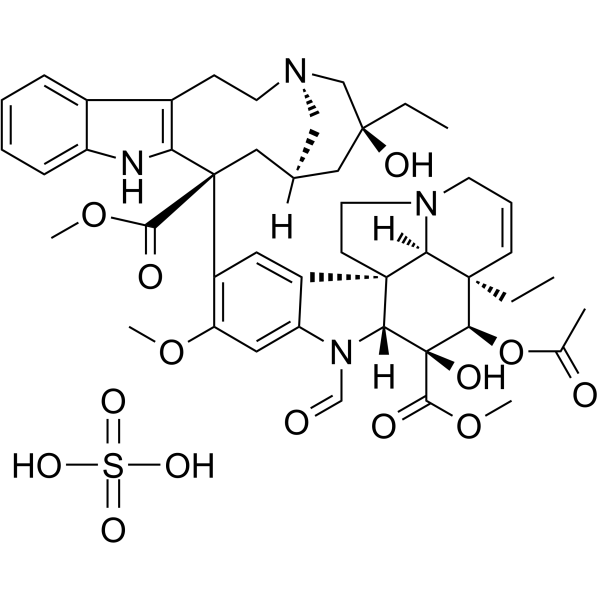
Vincristine (Leurocristine; NSC-67574; 22-Oxovincaleukoblastine) sulfate is a microtubule inhibitor that disrupts microtubule polymerization by binding to β-tubulin (with a Ki of 85 nM in bovine), arrests the cell cycle and induces apoptosis. Vincristine sulfate inhibits cell replication, tumor blood flow and the proliferation of various cancer cells, while triggering effects such as oxidative stress, inflammation, calcium overload, epithelial-mesenchymal transition and peripheral neuropathic pain. Vincristine sulfate upregulates the expression of various transporters and nuclear receptors, and enriches gastric cancer stem-like cells. Vincristine sulfate is used in research related to various tumors including acute lymphoblastic leukemia, lymphoma, melanoma, gastric cancer, solid tumors and sarcomas .
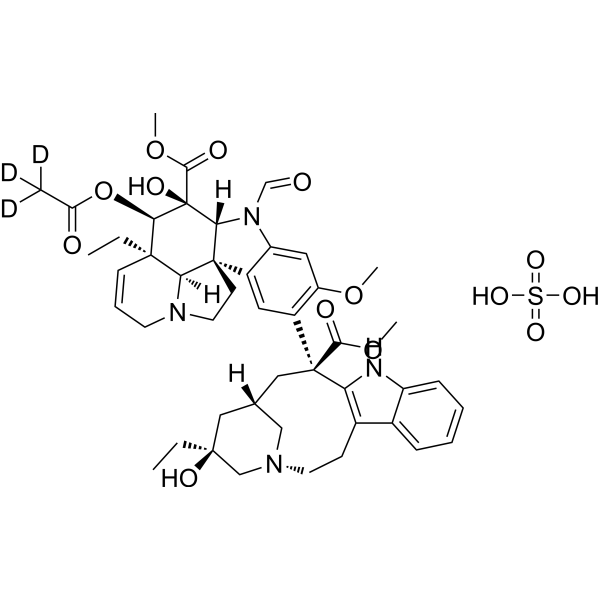
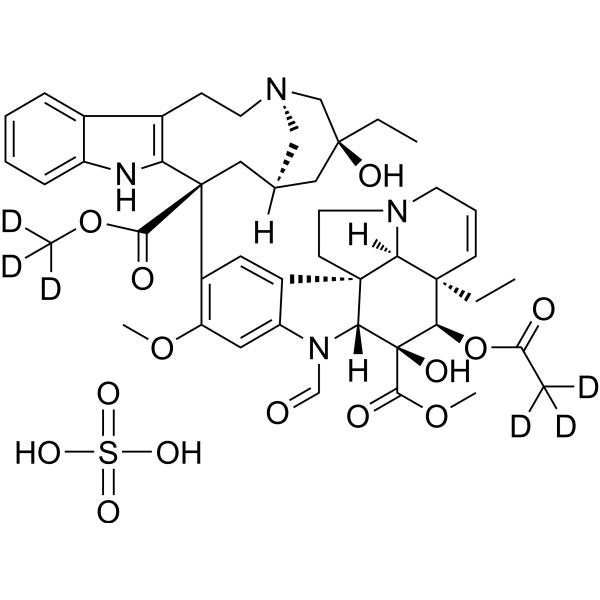
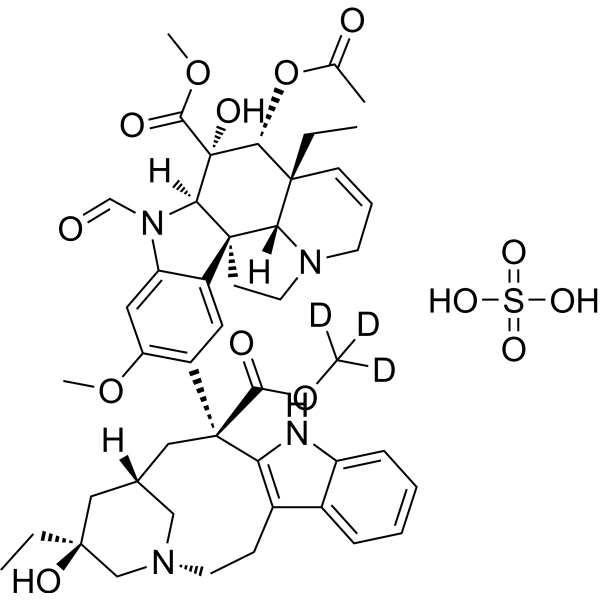
Vincristine-d3 sulfate is the deuterium labeled Vincristine sulfate. Vincristine sulfate (Leurocristine; NSC-67574; 22-Oxovincaleukoblastine) is a microtubule inhibitor that disrupts microtubule polymerization by binding to β-tubulin (with a Ki of 85 nM in bovine), arrests the cell cycle and induces apoptosis. Vincristine sulfate inhibits cell replication, tumor blood flow and the proliferation of various cancer cells, while triggering effects such as oxidative stress, inflammation, calcium overload, epithelial-mesenchymal transition and peripheral neuropathic pain. Vincristine sulfate upregulates the expression of various transporters and nuclear receptors, and enriches gastric cancer stem-like cells. Vincristine sulfate is used in research related to various tumors including acute lymphoblastic leukemia, lymphoma, melanoma, gastric cancer, solid tumors and sarcomas .
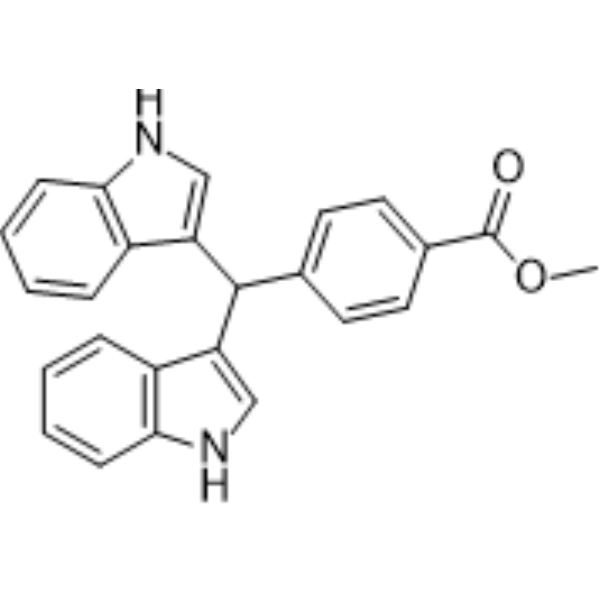
DIM-C-pPhCO2Me is a nuclear receptor 4A1 (NR4A1) antagonist. DIM-C-pPhCO2Me induces Apoptosis. DIM-C-pPhCO2Me decreases PAX3-FOXO1A, N-Myc, Rassf4, MyoD1, Grem1, and DAPK1 proteins. DIM-C-pPhCO2Me decreases expression of TXNDC5 and IDH1, induces markers of ER stress (CHOP, ATF4 and p-PERK). DIM-C-pPhCO2Me inhibits renal cell carcinoma, breast cancer. DIM-C-pPhCO2Me can also be used in rhabdomyosarcoma research .
Teduglutide-Ala( 13C3, 15N) (ALX-0600-Ala( 13C3, 15N)) sodium is the 13C- and 15N-labeled Teduglutide (HY-P1624). Teduglutide (ALX-0600) is an analog of human glucagon like peptide-2 (GLP-2). Teduglutide can activate the expression of nuclear receptor subfamily 4 group a member 1 (NR4a1)/nur77 and intestinal FXR signaling in human hepatic stellate cells, thereby improving liver inflammation and fibrosis in mice with sclerosing cholangitis. Teduglutide can alleviate intestinal dysfunction in mice, improve lung injury, alleviate obesity related neuroinflammation and cell apoptosis .
Vincristine-d6 (sulfate) is the deuterium labeled Vincristine sulfate. Vincristine sulfate (Leurocristine; NSC-67574; 22-Oxovincaleukoblastine) is a microtubule inhibitor that disrupts microtubule polymerization by binding to β-tubulin (with a Ki of 85 nM in bovine), arrests the cell cycle and induces apoptosis. Vincristine sulfate inhibits cell replication, tumor blood flow and the proliferation of various cancer cells, while triggering effects such as oxidative stress, inflammation, calcium overload, epithelial-mesenchymal transition and peripheral neuropathic pain. Vincristine sulfate upregulates the expression of various transporters and nuclear receptors, and enriches gastric cancer stem-like cells. Vincristine sulfate is used in research related to various tumors including acute lymphoblastic leukemia, lymphoma, melanoma, gastric cancer, solid tumors and sarcomas .
Teduglutide-Leu( 13C6, 15N) (ALX-0600-Leu( 13C6, 15N)) sodium is the 13C- and 15N-labeled Teduglutide (HY-P1624). Teduglutide (ALX-0600) is an analog of human glucagon like peptide-2 (GLP-2). Teduglutide can activate the expression of nuclear receptor subfamily 4 group a member 1 (NR4a1)/nur77 and intestinal FXR signaling in human hepatic stellate cells, thereby improving liver inflammation and fibrosis in mice with sclerosing cholangitis. Teduglutide can alleviate intestinal dysfunction in mice, improve lung injury, alleviate obesity related neuroinflammation and cell apoptosis .
Vincristine (sulfate) (Standard) is the analytical standard of Vincristine (sulfate). This product is intended for research and analytical applications. Vincristine sulfate (Leurocristine; NSC-67574; 22-Oxovincaleukoblastine) is a microtubule inhibitor that disrupts microtubule polymerization by binding to β-tubulin (with a Ki of 85 nM in bovine), arrests the cell cycle and induces apoptosis. Vincristine sulfate inhibits cell replication, tumor blood flow and the proliferation of various cancer cells, while triggering effects such as oxidative stress, inflammation, calcium overload, epithelial-mesenchymal transition and peripheral neuropathic pain. Vincristine sulfate upregulates the expression of various transporters and nuclear receptors, and enriches gastric cancer stem-like cells. Vincristine sulfate is used in research related to various tumors including acute lymphoblastic leukemia, lymphoma, melanoma, gastric cancer, solid tumors and sarcomas .
Vincristine-d3 sulfate is the deuterium labeled Vincristine sulfate. Vincristine-1 sulfate (Leurocristine; NSC-67574; 22-Oxovincaleukoblastine) is a microtubule inhibitor that disrupts microtubule polymerization by binding to β-tubulin (with a Ki of 85 nM in bovine), arrests the cell cycle and induces apoptosis. Vincristine-1 sulfate inhibits cell replication, tumor blood flow and the proliferation of various cancer cells, while triggering effects such as oxidative stress, inflammation, calcium overload, epithelial-mesenchymal transition and peripheral neuropathic pain. Vincristine-1 sulfate upregulates the expression of various transporters and nuclear receptors, and enriches gastric cancer stem-like cells. Vincristine-1 sulfate is used in research related to various tumors including acute lymphoblastic leukemia, lymphoma, melanoma, gastric cancer, solid tumors and sarcomas .
FXR/HSD17B13-modulator-2 is a dual FXR activator and HSD17B13 inhibitor with human FXREC50 of 128 nM, human HSD17B13IC50 of 0.18 μM, high selectivity over related nuclear receptors and HSD17B isoforms, and oral effectiveness.FXR/HSD17B13-modulator-2 alleviates fatty liver, regulates lipid metabolism, reduces inflammation, and attenuates hepatic fibrosis.FXR/HSD17B13-modulator-2 is the first non-carboxylic acid dual FXR/HSD17B13 modulator.FXR/HSD17B13-modulator-2 can be used for the research of metabolic dysfunction-associated steatohepatitis .
Nuclear receptors (NR) are proteins found in cells that sense androgen and thyroid hormones and certain other molecules. They are ligand-activated transcription factors that participate in many aspects of human physiology and pathology, and regulate the expression of various important genes.
Nuclear receptors have become one of the main targets in the development of new drug strategies, providing a unique type of receptors for studying a variety of human diseases, such as breast cancers, skin disorders and diabetes. 13% of U.S. Food and Drug Administration (FDA) approved drugs target nuclear receptors.
MCE supplies a unique collection of 1,040 nuclear receptor inhibitors and activators, all of which have the identified inhibitory or activated effect on nuclear receptor. MCE Nuclear Receptor Library is a useful tool for drugs research related to cancer, skin disease and diabetes.
Steroid hormones (also known as steroidal hormones) are a class of tetracyclic aliphatic hydrocarbon compounds derived from cholesterol. Typical representatives of steroid hormones include cortisol, aldosterone, testosterone, estradiol, among others. These hormones serve diverse regulatory functions within the body. For instance, aldosterone helps maintain the homeostasis of extracellular fluid volume and circulating blood volume; testosterone and estradiol primarily promote the development and maturation of male and female reproductive organs and regulate reproductive functions.
MCE designs a unique collection of 70 steroid hormones. This library can be used for research related to metabolic or immune diseases, investigations into the mechanisms of action of nuclear receptor signaling pathways, as well as identification and quantitative analysis in metabolomics studies.
Retinoic acid (Vitamin A acid) (GMP) is Retinoic acid (HY-14649) produced by using GMP guidelines. GMP small molecules works appropriately as an auxiliary reagent for cell therapy manufacture. Retinoic acid is an agonist of RAR nuclear receptors .
Retinoic acid (Vitamin A acid) (GMP) is Retinoic acid (HY-14649) produced by using GMP guidelines. GMP small molecules works appropriately as an auxiliary reagent for cell therapy manufacture. Retinoic acid is an agonist of RAR nuclear receptors .
Teduglutide (ALX-0600) is an analog of human glucagon like peptide-2 (GLP-2). Teduglutide can activate the expression of nuclear receptor subfamily 4 group a member 1 (NR4a1)/nur77 and intestinal FXR signaling in human hepatic stellate cells, thereby improving liver inflammation and fibrosis in mice with sclerosing cholangitis. Teduglutide can alleviate intestinal dysfunction in mice, improve lung injury, alleviate obesity related neuroinflammation and cell apoptosis .
Teduglutide-Leu( 13C6, 15N) (ALX-0600-Leu( 13C6, 15N)) sodium is the 13C- and 15N-labeled Teduglutide (HY-P1624). Teduglutide (ALX-0600) is an analog of human glucagon like peptide-2 (GLP-2). Teduglutide can activate the expression of nuclear receptor subfamily 4 group a member 1 (NR4a1)/nur77 and intestinal FXR signaling in human hepatic stellate cells, thereby improving liver inflammation and fibrosis in mice with sclerosing cholangitis. Teduglutide can alleviate intestinal dysfunction in mice, improve lung injury, alleviate obesity related neuroinflammation and cell apoptosis .
Teduglutide TFA is a dipeptidyl peptidase IV resistant glucagon-like peptide 2 (GLP-2) analogue. Teduglutide TFA can activate the expression of nuclear receptor subfamily 4 group a member 1 (NR4a1)/nur77 and intestinal FXR signaling in human hepatic stellate cells, thereby improving liver inflammation and fibrosis in mice with sclerosing cholangitis. Teduglutide TFA can alleviate intestinal dysfunction in mice, improve lung injury, alleviate obesity related neuroinflammation and cell apoptosis .
SRC-1 (686-700) is a biological active peptide. (This peptide is amino acids 686 to 700 fragment containing the second LXXLL motif, derived from NR box II of steroid receptor coactivator (SRC1). Coactivator proteins interact with nuclear receptors in a ligand-dependent manner and augment transcription.)
Teduglutide-Ala( 13C3, 15N) (ALX-0600-Ala( 13C3, 15N)) sodium is the 13C- and 15N-labeled Teduglutide (HY-P1624). Teduglutide (ALX-0600) is an analog of human glucagon like peptide-2 (GLP-2). Teduglutide can activate the expression of nuclear receptor subfamily 4 group a member 1 (NR4a1)/nur77 and intestinal FXR signaling in human hepatic stellate cells, thereby improving liver inflammation and fibrosis in mice with sclerosing cholangitis. Teduglutide can alleviate intestinal dysfunction in mice, improve lung injury, alleviate obesity related neuroinflammation and cell apoptosis .
Retinoic acid is a metabolite of vitamin A that plays important roles in cell growth, differentiation, and organogenesis. Retinoic acid is a natural agonist of RARnuclear receptors, with IC50s of 14 nM for RARα/β/γ. Retinoic acid bind to PPARβ/δ with Kd of 17 nM. Retinoic acid acts as an inhibitor of transcription factor Nrf2 through activation of retinoic acid receptor alpha.
Vincristine (Leurocristine; NSC-67574; 22-Oxovincaleukoblastine) sulfate is a microtubule inhibitor that disrupts microtubule polymerization by binding to β-tubulin (with a Ki of 85 nM in bovine), arrests the cell cycle and induces apoptosis. Vincristine sulfate inhibits cell replication, tumor blood flow and the proliferation of various cancer cells, while triggering effects such as oxidative stress, inflammation, calcium overload, epithelial-mesenchymal transition and peripheral neuropathic pain. Vincristine sulfate upregulates the expression of various transporters and nuclear receptors, and enriches gastric cancer stem-like cells. Vincristine sulfate is used in research related to various tumors including acute lymphoblastic leukemia, lymphoma, melanoma, gastric cancer, solid tumors and sarcomas .
Vincristine (Leurocristine; NSC-67574; 22-Oxovincaleukoblastine) is a microtubule inhibitor that disrupts microtubule polymerization by binding to β-tubulin (with a Ki of 85 nM in bovine), arrests the cell cycle and induces apoptosis. Vincristine inhibits cell replication, tumor blood flow and the proliferation of various cancer cells, while triggering effects such as oxidative stress, inflammation, calcium overload, epithelial-mesenchymal transition and peripheral neuropathic pain. Vincristine upregulates the expression of various transporters and nuclear receptors, and enriches gastric cancer stem-like cells. Vincristine is used in research related to various tumors including acute lymphoblastic leukemia, lymphoma, melanoma, gastric cancer, solid tumors and sarcomas .
Crustecdysone (20-Hydroxyecdysone) is a naturally occurring ecdysteroid hormone isolated from Serratula coronata which controls the ecdysis (moulting) and metamorphosis of arthropods, it inhibits caspase activity and induces autophagy via the 20E nuclear receptor complex, EcR-USP . Crustecdysone exhibits regulatory or protective roles in the cardiovascular system . Crustecdysone is an active metabolite of Ecdysone (HY-N0179) .
Retinoic acid (Standard) is the analytical standard of Retinoic acid. This product is intended for research and analytical applications. Retinoic acid is a metabolite of vitamin A that plays important roles in cell growth, differentiation, and organogenesis. Retinoic acid is a natural agonist of RARnuclear receptors, with IC50s of 14 nM for RARα/β/γ. Retinoic acid bind to PPARβ/δ with Kd of 17 nM. Retinoic acid acts as an inhibitor of transcription factor Nrf2 through activation of retinoic acid receptor alpha.
Chenodeoxycholic Acid (Standard) is the analytical standard of Chenodeoxycholic Acid. This product is intended for research and analytical applications. Chenodeoxycholic Acid is a hydrophobic primary bile acid that activates nuclear receptors (FXR) involved in cholesterol metabolism.
Panaxytriol is an active component of ginseng. Panaxytriol inhibits the nuclear translocation of NF-κB, thereby reducing the production of pro-inflammatory factors (such as TNF-α, IL-1β, IL-6) and nitric oxide (NO) induced by LPS (HY-D1056). Panaxytriol upregulates CYP3A4 by activating the nuclear receptorPXR/CAR. Panaxytriol improves motor dysfunction in a mouse model of brain inflammation. Panaxytriol can be used in the research of neurodegenerative diseases (such as Alzheimer's disease) .
Vincristine (sulfate) (Standard) is the analytical standard of Vincristine (sulfate). This product is intended for research and analytical applications. Vincristine sulfate (Leurocristine; NSC-67574; 22-Oxovincaleukoblastine) is a microtubule inhibitor that disrupts microtubule polymerization by binding to β-tubulin (with a Ki of 85 nM in bovine), arrests the cell cycle and induces apoptosis. Vincristine sulfate inhibits cell replication, tumor blood flow and the proliferation of various cancer cells, while triggering effects such as oxidative stress, inflammation, calcium overload, epithelial-mesenchymal transition and peripheral neuropathic pain. Vincristine sulfate upregulates the expression of various transporters and nuclear receptors, and enriches gastric cancer stem-like cells. Vincristine sulfate is used in research related to various tumors including acute lymphoblastic leukemia, lymphoma, melanoma, gastric cancer, solid tumors and sarcomas .
Glycodeoxycholic acid (monohydrate) (Standard) is the analytical standard of Glycodeoxycholic acid (monohydrate). This product is intended for research and analytical applications. Glycodeoxycholic acid monohydrate is a nuclear receptor ligand.
Neoruscogenin (Standard) is the analytical standard of Neoruscogenin. This product is intended for research and analytical applications. Neoruscogenin, a member of the steroidal sapogenin family, is a high-affinity agonist of the nuclear receptor RORα (NR1F1) (EC50 = 0.11 μM) .
Crustecdysone (Standard) is the analytical standard of Crustecdysone. This product is intended for research and analytical applications. Crustecdysone (20-Hydroxyecdysone) is a naturally occurring ecdysteroid hormone isolated from Serratula coronata which controls the ecdysis (moulting) and metamorphosis of arthropods, it inhibits caspase activity and induces autophagy via the 20E nuclear receptor complex, EcR-USP . Crustecdysone exhibits regulatory or protective roles in the cardiovascular system . Crustecdysone is an active metabolite of Ecdysone (HY-N0179) .
NR1I2; Nuclear receptor subfamily 1 group I member 2; Orphan nuclear receptor PAR1; Orphan nuclear receptor PXR; Pregnane X receptor; Steroid and xenobiotic receptor; SXR
The PXR protein is a nuclear receptor that acts as a multifunctional transcription factor activated by a variety of endogenous and exogenous compounds. It regulates genes involved in the metabolism and secretion of substances, responding to ligands such as rifampicin, hypericin, gugulin, colupulone, isoflavones, pregnenolone and progesterone. PXR Protein, Human is the recombinant human-derived PXR protein, expressed by E. coli , with tag free.
The RORa protein is a nuclear receptor that is critical for a variety of physiological processes including development, immunity, circadian rhythms, and metabolic pathways. RORa operates as a monomer, binding DNA to RORE and exhibiting intrinsic transcriptional activity. RORa Protein, Human (sf9) is the recombinant human-derived RORa protein, expressed by sf9 insect cells , with tag free.
NR1I2; Nuclear receptor subfamily 1 group I member 2; Orphan nuclear receptor PAR1; Orphan nuclear receptor PXR; Pregnane X receptor; Steroid and xenobiotic receptor; SXR
The PXR protein is a nuclear receptor that acts as a multifunctional transcription factor activated by a variety of endogenous and exogenous compounds. It regulates genes involved in the metabolism and secretion of substances, responding to ligands such as rifampicin, hypericin, gugulin, colupulone, isoflavones, pregnenolone and progesterone. PXR Protein, Human (His) is the recombinant human-derived PXR protein, expressed by E. coli , with N-6*His labeled tag.
The RORa protein is a nuclear receptor that is critical for a variety of physiological processes including development, immunity, circadian rhythms, and metabolic pathways. RORa operates as a monomer, binding DNA to RORE and exhibiting intrinsic transcriptional activity. RORa Protein, Human (sf9, His) is the recombinant human-derived RORa protein, expressed by sf9 insect cells , with N-8*His labeled tag.
NRBF2 protein may regulate transcriptional activation through target nuclear receptors and act as a transcriptional activator in vitro. It participates in starvation-induced autophagy, binding to PI3K complex I (PI3KC3-C1) and stabilizing its assembly. NRBF2 Protein, Human (sf9, His-GST) is the recombinant human-derived NRBF2 protein, expressed by Sf9 insect cells , with N-His, N-GST labeled tag.
The PPAR gamma protein is a nuclear receptor that binds to peroxisome proliferators and is activated upon ligand binding to specific PPREs on DNA. It regulates target gene transcription and controls fatty acid metabolism. PPAR gamma Protein, Human is the recombinant human-derived PPAR gamma protein, expressed by E. coli , with tag free.
NR4A2, a crucial transcriptional regulator, is vital for the differentiation and maintenance of meso-diencephalic dopaminergic (mdDA) neurons. It plays a pivotal role in the expression of key genes (SLC6A3, SLC18A2, TH, DRD2) essential for mdDA neuron development. Interactions with SFPQ, NCOR2, SIN3A, HADC1, and PER2 contribute to its regulatory functions in mdDA neuron development, with the NCOR2 interaction influenced by the absence of PITX3. NR4A2 Protein, Human (P.pastoris, His) is the recombinant human-derived NR4A2 protein, expressed by P. pastoris , with N-His labeled tag.
RXRB protein is a receptor for retinoic acid and forms a heterodimer, especially RAR/RXR, which regulates gene expression through the retinoic acid response element (RARE). RXRB exhibits homodimerization and forms heterodimers with other retinoic acid receptor family members. RXRB Protein, Human is the recombinant human-derived RXRB protein, expressed by E. coli , with tag free.
RXRB protein is a receptor for retinoic acid and forms a heterodimer, especially RAR/RXR, which regulates gene expression through the retinoic acid response element (RARE). RXRB exhibits homodimerization and forms heterodimers with other retinoic acid receptor family members. RXRB Protein, Human (His) is the recombinant human-derived RXRB protein, expressed by E. coli , with N-6*His labeled tag.
LXR-α protein is a nuclear receptor that activates transcription by interacting with RXR. It regulates cholesterol uptake through MYLIP-dependent ubiquitination and is critical for cholesterol homeostasis. LXR-α Protein, Human is the recombinant human-derived LXR-α protein, expressed by E. coli , with tag free.
PPAR gamma is a regulator of adipocyte differentiation and glucose homeostasis, belonging to nuclear receptor protein families. PPAR gamma has been implicated in the pathology of numerous diseases including obesity, diabetes, atherosclerosis and cancer. PPAR gamma Protein, Mouse (His) is expressed by E. coli and carries a N-terminal 10*His tag.
LXR-α protein is a nuclear receptor that activates transcription by interacting with RXR. It regulates cholesterol uptake through MYLIP-dependent ubiquitination and is critical for cholesterol homeostasis. LXR-α Protein, Human (His) is the recombinant human-derived LXR-α protein, expressed by E. coli , with N-6*His labeled tag.
The androgen receptor protein is a steroid hormone receptor that acts as a ligand-activated transcription factor that regulates gene expression and affects cell proliferation and differentiation. Coactivators and corepressors such as ZBTB7A negatively regulate androgen receptor signaling by recruiting NCOR1 and NCOR2 to androgen response elements on target genes. Androgen receptor Protein, Human (His-SUMO, Myc) is the recombinant human-derived Androgen receptor protein, expressed by E. coli , with N-10*His, N-SUMO, C-Myc labeled tag.
ER beta/ESR2 Protein, a nuclear hormone receptor, binds estrogens akin to ESR1/ER-alpha. It activates estrogen-dependent reporter genes with ERE. However, it lacks ligand binding ability and exhibits minimal ERE binding, resulting in the loss of ligand-dependent transactivation ability. ER beta/ESR2 Protein, Human (His) is the recombinant human-derived ER beta/ESR2 protein, expressed by E. coli , with N-6*His labeled tag.
The ER α/ESR1 protein is a nuclear receptor that plays a critical regulatory role in gene expression, affecting cell proliferation and differentiation. Ligand-dependent transactivation involves binding of homodimers to estrogen response elements or association with transcription factors. ER alpha/ESR1 Protein, Human (His) is the recombinant human-derived ER alpha/ESR1 protein, expressed by E. coli , with N-6*His labeled tag.
PPARD protein is a ligand-activated transcription factor that critically mediates energy metabolism in adipose tissue. As a receptor, it selectively binds peroxisome proliferators, including hypolipidemic drugs and fatty acids, and preferentially binds polyunsaturated substances. PPARD Protein, Human (HEK293, His) is the recombinant human-derived PPARD protein, expressed by HEK293, with C-6*His labeled tag.
TGS1 protein catalyzes the conversion of the 7-monomethylguanosine (m(7)G) cap of small nuclear RNA (snRNA) and small nucleolar RNA (snoRNA) into 2, 2,7-trimethylguanosine (m( 2,2,7)G) Cap structure. The enzyme shows specificity for guanine, with N7 methylation occurring before N2 methylation during the modification process. TGS1 Protein, Human (His-SUMO) is the recombinant human-derived TGS1 protein, expressed by E. coli , with N-His, N-SUMO labeled tag.
PPARD protein is a ligand-activated transcription factor that critically mediates energy metabolism in adipose tissue. As a receptor, it selectively binds peroxisome proliferators, including hypolipidemic drugs and fatty acids, and preferentially binds polyunsaturated substances. PPARD Protein, Human (His) is the recombinant human-derived PPARD protein, expressed by E. coli, with N-6*His labeled tag.
Chenodeoxycholic Acid-d4 is the deuterium labeled Chenodeoxycholic Acid. Chenodeoxycholic Acid is a hydrophobic primary bile acid that activates nuclear receptors (FXR) involved in cholesterol metabolism.
Retinoic acid-d5 is the the deuterium labeled Retinoic acid (HY-14649). Retinoic acid is a metabolite of vitamin A that plays important roles in cell growth, differentiation, and organogenesis. Retinoic acid is a natural agonist of RARnuclear receptors, with IC50s of 14 nM for RARα/β/γ. Retinoic acid bind to PPARβ/δ with Kd of 17 nM. Retinoic acid acts as an inhibitor of transcription factor Nrf2 through activation of retinoic acid receptor alpha .
Chenodeoxycholic acid-d5 is the deuterium labeled Chenodeoxycholic Acid. Chenodeoxycholic Acid is a hydrophobic primary bile acid that activates nuclear receptors (FXR) involved in cholesterol metabolism.
Chenodeoxycholic acid- 13C is the 13C-labeled Chenodeoxycholic Acid. Chenodeoxycholic Acid is a hydrophobic primary bile acid that activates nuclear receptors (FXR) involved in cholesterol metabolism.
Vincristine-d3 sulfate is the deuterium labeled Vincristine sulfate. Vincristine sulfate (Leurocristine; NSC-67574; 22-Oxovincaleukoblastine) is a microtubule inhibitor that disrupts microtubule polymerization by binding to β-tubulin (with a Ki of 85 nM in bovine), arrests the cell cycle and induces apoptosis. Vincristine sulfate inhibits cell replication, tumor blood flow and the proliferation of various cancer cells, while triggering effects such as oxidative stress, inflammation, calcium overload, epithelial-mesenchymal transition and peripheral neuropathic pain. Vincristine sulfate upregulates the expression of various transporters and nuclear receptors, and enriches gastric cancer stem-like cells. Vincristine sulfate is used in research related to various tumors including acute lymphoblastic leukemia, lymphoma, melanoma, gastric cancer, solid tumors and sarcomas .
Teduglutide-Leu( 13C6, 15N) (ALX-0600-Leu( 13C6, 15N)) sodium is the 13C- and 15N-labeled Teduglutide (HY-P1624). Teduglutide (ALX-0600) is an analog of human glucagon like peptide-2 (GLP-2). Teduglutide can activate the expression of nuclear receptor subfamily 4 group a member 1 (NR4a1)/nur77 and intestinal FXR signaling in human hepatic stellate cells, thereby improving liver inflammation and fibrosis in mice with sclerosing cholangitis. Teduglutide can alleviate intestinal dysfunction in mice, improve lung injury, alleviate obesity related neuroinflammation and cell apoptosis .
Chenodeoxycholic Acid-d9 is the deuterium labeled Chenodeoxycholic Acid. Chenodeoxycholic Acid is a hydrophobic primary bile acid that activates nuclear receptors (FXR) involved in cholesterol metabolism.
11-cis-Retinoic Acid-d5 is the deuterium labeled Retinoic acid. Retinoic acid is a metabolite of vitamin A that plays important roles in cell growth, differentiation, and organogenesis. Retinoic acid is a natural agonist of RAR nuclear receptors, with IC50s of 14 nM for RARα/β/γ. Retinoic acid bind to PPARβ/δ with Kd of 17 nM. Retinoic acid acts as an inhibitor of transcription factor Nrf2 through activation of retinoic acid receptor alpha[1][2].
Retinoic acid-d6 is the deuterium labeled Retinoic acid[1]. Retinoic acid is a metabolite of vitamin A that plays important roles in cell growth, differentiation, and organogenesis. Retinoic acid is a natural agonist of RAR nuclear receptors, with IC50s of 14 nM for RARα/β/γ. Retinoic acid bind to PPARβ/δ with Kd of 17 nM. Retinoic acid acts as an inhibitor of transcription factor Nrf2 through activation of retinoic acid receptor alpha[2][3][4][5][6][7].
Vincristine-d6 (sulfate) is the deuterium labeled Vincristine sulfate. Vincristine sulfate (Leurocristine; NSC-67574; 22-Oxovincaleukoblastine) is a microtubule inhibitor that disrupts microtubule polymerization by binding to β-tubulin (with a Ki of 85 nM in bovine), arrests the cell cycle and induces apoptosis. Vincristine sulfate inhibits cell replication, tumor blood flow and the proliferation of various cancer cells, while triggering effects such as oxidative stress, inflammation, calcium overload, epithelial-mesenchymal transition and peripheral neuropathic pain. Vincristine sulfate upregulates the expression of various transporters and nuclear receptors, and enriches gastric cancer stem-like cells. Vincristine sulfate is used in research related to various tumors including acute lymphoblastic leukemia, lymphoma, melanoma, gastric cancer, solid tumors and sarcomas .
Vincristine-d3 sulfate is the deuterium labeled Vincristine sulfate. Vincristine-1 sulfate (Leurocristine; NSC-67574; 22-Oxovincaleukoblastine) is a microtubule inhibitor that disrupts microtubule polymerization by binding to β-tubulin (with a Ki of 85 nM in bovine), arrests the cell cycle and induces apoptosis. Vincristine-1 sulfate inhibits cell replication, tumor blood flow and the proliferation of various cancer cells, while triggering effects such as oxidative stress, inflammation, calcium overload, epithelial-mesenchymal transition and peripheral neuropathic pain. Vincristine-1 sulfate upregulates the expression of various transporters and nuclear receptors, and enriches gastric cancer stem-like cells. Vincristine-1 sulfate is used in research related to various tumors including acute lymphoblastic leukemia, lymphoma, melanoma, gastric cancer, solid tumors and sarcomas .
Chenodeoxycholic acid-d2 (CDCA-d2) is deuterium labeled Chenodeoxycholic Acid. Chenodeoxycholic Acid is a hydrophobic primary bile acid that activates nuclear receptors (FXR) involved in cholesterol metabolism.
Chenodeoxycholic Acid-d7 (CDCA-d7) is the deuterium labeled Chenodeoxycholic Acid (HY-76847). Chenodeoxycholic Acid is a hydrophobic primary bile acid that activates nuclear receptors (FXR) involved in cholesterol metabolism.
Retinoic acid-d3 is the deuterium labeled Retinoic acid (HY-14649). Retinoic acid is a metabolite of vitamin A that plays important roles in cell growth, differentiation, and organogenesis. Retinoic acid is a natural agonist of RAR nuclear receptors, with IC50s of 14 nM for RARα/β/γ. Retinoic acid bind to PPARβ/δ with Kd of 17 nM. Retinoic acid acts as an inhibitor of transcription factor Nrf2 through activation of retinoic acid receptor alpha .
Retinoic acid-d3-1 is the deuterium labeled Retinoic acid (HY-14649). Retinoic acid is a metabolite of vitamin A that plays important roles in cell growth, differentiation, and organogenesis. Retinoic acid is a natural agonist of RAR nuclear receptors, with IC50s of 14 nM for RARα/β/γ. Retinoic acid bind to PPARβ/δ with Kd of 17 nM. Retinoic acid acts as an inhibitor of transcription factor Nrf2 through activation of retinoic acid receptor alpha .
Teduglutide-Ala( 13C3, 15N) (ALX-0600-Ala( 13C3, 15N)) sodium is the 13C- and 15N-labeled Teduglutide (HY-P1624). Teduglutide (ALX-0600) is an analog of human glucagon like peptide-2 (GLP-2). Teduglutide can activate the expression of nuclear receptor subfamily 4 group a member 1 (NR4a1)/nur77 and intestinal FXR signaling in human hepatic stellate cells, thereby improving liver inflammation and fibrosis in mice with sclerosing cholangitis. Teduglutide can alleviate intestinal dysfunction in mice, improve lung injury, alleviate obesity related neuroinflammation and cell apoptosis .
Δ4-Dafachronic Acid-d3 is deuterium labeled Δ4-Dafachronic acid (HY-131492). Δ4‑Dafachronic acid is an endogenous steroid hormone, an agonist of the DAF‑12nuclear receptor, and a key ligand for the vitamin D receptor (VDR). Δ4‑Dafachronic acid promotes the active escape developmental trajectory in Austrofundulus limnaeus embryos even under diapause‑inducing conditions. Δ4‑Dafachronic acid is suitable for research on the developmental biology .
NR0B2; NR0B2_HUMAN; Nr0b2a; Nuclear receptor subfamily 0 group B member 2; Nuclear receptor subfamily 0, group B, member 2a; Orphan nuclear receptor SHP; SHP; SHP-1; Shp1; Small heterodimer partner.
WB, IHC-P, ICC/IF
Mouse, Rat
NR0B2 Antibody is a Rabbit-derived and non-conjugated IgG polyclonal antibody, targeting to NR0B2.
NR3C1; GRL; Glucocorticoid receptor; GR; Nuclear receptor subfamily 3 group C member 1
WB, IHC-P
Human, Rat
Phospho-Glucocorticoid Receptor (Ser226) Antibody (YA2595) is a Rabbit-derived and non-conjugated IgG monoclonal antibody, targeting to Phospho-Glucocorticoid Receptor (Ser226).
PGR; NR3C3; Progesterone receptor; PR; Nuclear receptor subfamily 3 group C member 3
WB, IHC-P
Human
Phospho-Progesterone Receptor (Ser190) Antibody (YA1736) is a Rabbit-derived and non-conjugated IgG monoclonal antibody, targeting to Phospho-Progesterone Receptor (Ser190).
PGR; NR3C3; Progesterone receptor; PR; Nuclear receptor subfamily 3 group C member 3
WB, IHC-F, IHC-P, ICC/IF, IP
Human
Phospho-Progesterone Receptor (Ser190) Antibody (YA1736) is a Rabbit-derived and non-conjugated IgG monoclonal antibody, targeting to Phospho-Progesterone Receptor (Ser190).
NR3C1; GRL; Glucocorticoid receptor; GR; Nuclear receptor subfamily 3 group C member 1
WB, IHC-P
Human, Rat
Phospho-Glucocorticoid Receptor (Ser226) Antibody (YA2595) is a Rabbit-derived and non-conjugated IgG monoclonal antibody, targeting to Phospho-Glucocorticoid Receptor (Ser226).
RARB; HAP; NR1B2; Retinoic acid receptor beta; RAR-beta; HBV-activated protein; Nuclear receptor subfamily 1 group B member 2; RAR-epsilon
WB, IHC-P, ICC/IF
Human
Retinoic Acid Receptor beta Antibody (YA1574) is a Rabbit-derived and non-conjugated IgG monoclonal antibody, targeting to Retinoic Acid Receptor beta.
C21; DC42; F box like/WD repeat containing protein TBL1XR1; F-box-like/WD repeat-containing protein TBL1XR1; FLJ12894; IRA1; Nuclear receptor corepressor/HDAC3 complex subunit; Nuclear receptor corepressor/HDAC3 complex subunit TBLR1; TBL1 related protein 1; TBL1-related protein 1; TBL1R_HUMAN; TBL1XR1; Transducin (beta) like 1 X linked receptor 1; Transducin beta like 1X related protein 1; Transducin beta-like 1X-related protein 1.
WB, IHC-F, IHC-P, ICC/IF
Human, Mouse
TBLR1 Antibody (YA1052) is a Mouse-derived and non-conjugated IgG1 monoclonal antibody, targeting to TBLR1.
C21; DC42; F box like/WD repeat containing protein TBL1XR1; F-box-like/WD repeat-containing protein TBL1XR1; FLJ12894; IRA1; Nuclear receptor corepressor/HDAC3 complex subunit; Nuclear receptor corepressor/HDAC3 complex subunit TBLR1; TBL1 related protein 1; TBL1-related protein 1; TBL1R_HUMAN; TBL1XR1; Transducin (beta) like 1 X linked receptor 1; Transducin beta like 1X related protein 1; Transducin beta-like 1X-related protein 1.
WB, IHC-P, ICC/IF
Human, Mouse, Rat
TBLR1 Antibody (YA1053) is a Rabbit-derived and non-conjugated IgG monoclonal antibody, targeting to TBLR1.
C21; DC42; F box like/WD repeat containing protein TBL1XR1; F-box-like/WD repeat-containing protein TBL1XR1; FLJ12894; IRA1; Nuclear receptor corepressor/HDAC3 complex subunit; Nuclear receptor corepressor/HDAC3 complex subunit TBLR1; TBL1 related protein 1; TBL1-related protein 1; TBL1R_HUMAN; TBL1XR1; Transducin (beta) like 1 X linked receptor 1; Transducin beta like 1X related protein 1; Transducin beta-like 1X-related protein 1.
WB, IHC-P, ICC/IF
Human, Monkey
TBLR1 Antibody (YA1084) is a Mouse-derived and non-conjugated IgG1 monoclonal antibody, targeting to TBLR1.
C21; DC42; F box like/WD repeat containing protein TBL1XR1; F-box-like/WD repeat-containing protein TBL1XR1; FLJ12894; IRA1; Nuclear receptor corepressor/HDAC3 complex subunit; Nuclear receptor corepressor/HDAC3 complex subunit TBLR1; TBL1 related protein 1; TBL1-related protein 1; TBL1R_HUMAN; TBL1XR1; Transducin; beta; like 1 X linked receptor 1; Transducin beta like 1X related protein 1; Transducin beta-like 1X-related protein 1.
WB, IHC-P, ICC/IF
Human, Mouse
TBLR1 Antibody (YA5202) is a Mouse-derived and non-conjugated monoclonal antibody, targeting to TBLR1.
C21; DC42; F box like/WD repeat containing protein TBL1XR1; F-box-like/WD repeat-containing protein TBL1XR1; FLJ12894; IRA1; Nuclear receptor corepressor/HDAC3 complex subunit; Nuclear receptor corepressor/HDAC3 complex subunit TBLR1; TBL1 related protein 1; TBL1-related protein 1; TBL1R_HUMAN; TBL1XR1; Transducin (beta) like 1 X linked receptor 1; Transducin beta like 1X related protein 1; Transducin beta-like 1X-related protein 1.
WB, IHC-P, ICC/IF
Human, Monkey
TBLR1 Antibody (YA1084) is a Mouse-derived and non-conjugated IgG1 monoclonal antibody, targeting to TBLR1.
NCOA3; AIB1; BHLHE42; RAC3; TRAM1; Nuclear receptor coactivator 3; NCoA-3; ACTR; Amplified in breast cancer 1 protein; AIB-1; CBP-interacting protein; pCIP; Class E basic helix-loop-helix protein 42; bHLHe42; Receptor-associated coactivator
WB
Human
NCoA-3 Antibody (YA4985) is a Mouse-derived and non-conjugated monoclonal antibody, targeting to NCoA-3.
NR2F2, ARP1, TFCOUP2, COUP transcription factor 2, COUP-TF2, Apolipoprotein A-I regulatory protein 1, ARP-1, COUP transcription factor II, COUP-TF II, Nuclear receptor subfamily 2 group F member 2, Apolipoprotein A-I regulatory protein 1, Apolipoprotein AI regulatory protein 1, ARP-1,
WB, IHC-P, ICC/IF, IP
Human, Mouse, Rat
NR2F2 Antibody (YA9791) is a Rabbit-derived and non-conjugated IgG Monoclonal antibody, targeting to NR2F2.
DAUD I6 antibody; DAUDI6 antibody; H 2RIIBP antibody; H2RIIBP antibody; MGC1831 antibody; MHC class I promoter binding protein antibody; NR2B2 antibody; Nuclear receptor subfamily 2 group B member 2 antibody; RCoR 1 antibody; RCoR1 antibody; DAUD I6 antibody; DAUDI6 antibody; H 2RIIBP antibody; H2RIIBP antibody; MGC1831 antibody; MHC class I promoter binding protein antibody; NR2B2 antibody; Nuclear receptor subfamily 2 group B member 2 antibody; RCoR 1 antibody; RCoR1 antibody; Retinoic acid receptor RXR beta antibody; Retinoic acid receptor RXR-beta antibody; Retinoid X receptor beta antibody; RXR beta antibody; Rxrb antibody; RXRB_HUMAN antibody; RXRbeta antibody;
WB, ICC/IF, IHC-P
Human, Mouse, Rat
Retinoid X Receptor beta/RXRB Antibody (YA6753) is a Rabbit-derived and non-conjugated IgG monoclonal antibody, targeting to Retinoid X Receptor beta/RXRB.
FLJ23286 antibody; IL5 promoter REII region binding protein antibody; KIAA1090 antibody; MGC176638 antibody; MMSET antibody; MMSET type II antibody; Multiple myeloma SET domain containing protein type III antibody; Multiple myeloma SET domain protein antibody; Multiple myeloma SET domain-containing protein antibody; NSD 2 antibody; FLJ23286 antibody; IL5 promoter REII region binding protein antibody; KIAA1090 antibody; MGC176638 antibody; MMSET antibody; MMSET type II antibody; Multiple myeloma SET domain containing protein type III antibody; Multiple myeloma SET domain protein antibody; Multiple myeloma SET domain-containing protein antibody; NSD 2 antibody; NSD2 antibody; NSD2_HUMAN antibody; Nuclear receptor binding SET domain protein 2 antibody; Nuclear SET domain-containing protein 2 antibody; Probable histone-lysine N-methyltransferase NSD2 antibody; Protein trithorax-5 antibody; REIIBP antibody; Trithorax/ash1 related protein 5 antibody; TRX5 antibody; TRX5 protein antibody; WHS antibody; Whsc1 antibody; Wolf Hirschhorn syndrome candidate 1 antibody; Wolf Hirschhorn syndrome candidate 1 protein antibody; Wolf-Hirschhorn syndrome candidate 1 protein antibody;
WB, IHC-P
Human, Mouse, Rat
REIIBP/NSD2 Antibody (YA6742) is a Rabbit-derived and non-conjugated IgG monoclonal antibody, targeting to REIIBP/NSD2.
Retinoic acid (Vitamin A acid) (GMP) is Retinoic acid (HY-14649) produced by using GMP guidelines. GMP small molecules works appropriately as an auxiliary reagent for cell therapy manufacture. Retinoic acid is an agonist of RAR nuclear receptors .
Inquiry Online
Your information is safe with us. * Required Fields.
Western blot analysis of extracts from THP-1(lane 2(20μg), Jurkat (lane 3(20μg) and NIH3T3(lane 4(20μg) using FOXO1A (HY-P80132) Rabbit mAb. Proteins were transferred
to a PVDF membrane and blocked with 5% non-fat milk in TBST for 2 hour at room temperature. The primary antibody (1/1000) and Loading control antibody (Beta Actin, HY-P80438, 1/10000) was
used in 5% non-fat milk in TBST at 4°C overnight. Goat Anti-Mouse/Rabbit IgG-HRP Secondary Antibody (1/10000) was used for 1 hour at room temperature.
Western blot analysis of extracts from THP-1(lane 2(20μg), Jurkat (lane 3(20μg) and NIH3T3(lane 4(20μg) using FOXO1A (HY-P80132) Rabbit mAb. Proteins were transferred
to a PVDF membrane and blocked with 5% non-fat milk in TBST for 2 hour at room temperature. The primary antibody (1/1000) and Loading control antibody (Beta Actin, HY-P80438, 1/10000) was
used in 5% non-fat milk in TBST at 4°C overnight. Goat Anti-Mouse/Rabbit IgG-HRP Secondary Antibody (1/10000) was used for 1 hour at room temperature.
Western blot analysis of extracts from THP-1(lane 2(20μg), Jurkat (lane 3(20μg) and NIH3T3(lane 4(20μg) using FOXO1A (HY-P80132) Rabbit mAb. Proteins were transferred
to a PVDF membrane and blocked with 5% non-fat milk in TBST for 2 hour at room temperature. The primary antibody (1/1000) and Loading control antibody (Beta Actin, HY-P80438, 1/10000) was
used in 5% non-fat milk in TBST at 4°C overnight. Goat Anti-Mouse/Rabbit IgG-HRP Secondary Antibody (1/10000) was used for 1 hour at room temperature.
Western blot analysis of extracts from THP-1(lane 2(20μg), Jurkat (lane 3(20μg) and NIH3T3(lane 4(20μg) using FOXO1A (HY-P80132) Rabbit mAb. Proteins were transferred
to a PVDF membrane and blocked with 5% non-fat milk in TBST for 2 hour at room temperature. The primary antibody (1/1000) and Loading control antibody (Beta Actin, HY-P80438, 1/10000) was
MedchemExpress Validation 03
Western blot analysis of extracts from THP-1(lane 2(20μg), Jurkat (lane 3(20μg) and NIH3T3(lane 4(20μg) using FOXO1A (HY-P80132) Rabbit mAb. Proteins were transferred
MedchemExpress Validation 04
Western blot analysis of extracts from THP-1(lane 2(20μg), Jurkat (lane 3(20μg) and NIH3T3(lane 4(20μg) using FOXO1A (HY-P80132) Rabbit mAb. Proteins were transferred
to a PVDF membrane and blocked with 5% non-fat milk in TBST for 2 hour at room temperature. The primary antibody (1/1000) and Loading control antibody (Beta Actin, HY-P80438, 1/10000) was
used in 5% non-fat milk in TBST at 4°C overnight. Goat Anti-Mouse/Rabbit IgG-HRP Secondary Antibody (1/10000) was used for 1 hour at room temperature.
MedchemExpress Validation
Western blot analysis of extracts from THP-1(lane 2(20μg), Jurkat (lane 3(20μg) and NIH3T3(lane 4(20μg) using FOXO1A (HY-P80132) Rabbit mAb. Proteins were transferred
to a PVDF membrane and blocked with 5% non-fat milk in TBST for 2 hour at room temperature. The primary antibody (1/1000) and Loading control antibody (Beta Actin, HY-P80438, 1/10000) was
used in 5% non-fat milk in TBST at 4°C overnight. Goat Anti-Mouse/Rabbit IgG-HRP Secondary Antibody (1/10000) was used for 1 hour at room temperature.
Western blot analysis of extracts from THP-1(lane 2(20μg), Jurkat (lane 3(20μg) and NIH3T3(lane 4(20μg) using FOXO1A (HY-P80132) Rabbit mAb. Proteins were transferred
to a PVDF membrane and blocked with 5% non-fat milk in TBST for 2 hour at room temperature. The primary antibody (1/1000) and Loading control antibody (Beta Actin, HY-P80438, 1/10000) was
used in 5% non-fat milk in TBST at 4°C overnight. Goat Anti-Mouse/Rabbit IgG-HRP Secondary Antibody (1/10000) was used for 1 hour at room temperature.
MedchemExpress Validation
Western blot analysis of extracts from THP-1(lane 2(20μg), Jurkat (lane 3(20μg) and NIH3T3(lane 4(20μg) using FOXO1A (HY-P80132) Rabbit mAb. Proteins were transferred
to a PVDF membrane and blocked with 5% non-fat milk in TBST for 2 hour at room temperature. The primary antibody (1/1000) and Loading control antibody (Beta Actin, HY-P80438, 1/10000) was
used in 5% non-fat milk in TBST at 4°C overnight. Goat Anti-Mouse/Rabbit IgG-HRP Secondary Antibody (1/10000) was used for 1 hour at room temperature.
MedchemExpress Validation
Western blot analysis of extracts from THP-1(lane 2(20μg), Jurkat (lane 3(20μg) and NIH3T3(lane 4(20μg) using FOXO1A (HY-P80132) Rabbit mAb. Proteins were transferred
to a PVDF membrane and blocked with 5% non-fat milk in TBST for 2 hour at room temperature. The primary antibody (1/1000) and Loading control antibody (Beta Actin, HY-P80438, 1/10000) was
used in 5% non-fat milk in TBST at 4°C overnight. Goat Anti-Mouse/Rabbit IgG-HRP Secondary Antibody (1/10000) was used for 1 hour at room temperature.
MedchemExpress Validation
Western blot analysis of extracts from THP-1(lane 2(20μg), Jurkat (lane 3(20μg) and NIH3T3(lane 4(20μg) using FOXO1A (HY-P80132) Rabbit mAb. Proteins were transferred
to a PVDF membrane and blocked with 5% non-fat milk in TBST for 2 hour at room temperature. The primary antibody (1/1000) and Loading control antibody (Beta Actin, HY-P80438, 1/10000) was
used in 5% non-fat milk in TBST at 4°C overnight. Goat Anti-Mouse/Rabbit IgG-HRP Secondary Antibody (1/10000) was used for 1 hour at room temperature.
MedchemExpress Validation
Western blot analysis of extracts from THP-1(lane 2(20μg), Jurkat (lane 3(20μg) and NIH3T3(lane 4(20μg) using FOXO1A (HY-P80132) Rabbit mAb. Proteins were transferred
to a PVDF membrane and blocked with 5% non-fat milk in TBST for 2 hour at room temperature. The primary antibody (1/1000) and Loading control antibody (Beta Actin, HY-P80438, 1/10000) was
used in 5% non-fat milk in TBST at 4°C overnight. Goat Anti-Mouse/Rabbit IgG-HRP Secondary Antibody (1/10000) was used for 1 hour at room temperature.
MedchemExpress Validation
Western blot analysis of extracts from THP-1(lane 2(20μg), Jurkat (lane 3(20μg) and NIH3T3(lane 4(20μg) using FOXO1A (HY-P80132) Rabbit mAb. Proteins were transferred
to a PVDF membrane and blocked with 5% non-fat milk in TBST for 2 hour at room temperature. The primary antibody (1/1000) and Loading control antibody (Beta Actin, HY-P80438, 1/10000) was
used in 5% non-fat milk in TBST at 4°C overnight. Goat Anti-Mouse/Rabbit IgG-HRP Secondary Antibody (1/10000) was used for 1 hour at room temperature.
MedchemExpress Validation
Western blot analysis of extracts from THP-1(lane 2(20μg), Jurkat (lane 3(20μg) and NIH3T3(lane 4(20μg) using FOXO1A (HY-P80132) Rabbit mAb. Proteins were transferred
to a PVDF membrane and blocked with 5% non-fat milk in TBST for 2 hour at room temperature. The primary antibody (1/1000) and Loading control antibody (Beta Actin, HY-P80438, 1/10000) was
used in 5% non-fat milk in TBST at 4°C overnight. Goat Anti-Mouse/Rabbit IgG-HRP Secondary Antibody (1/10000) was used for 1 hour at room temperature.
MedChemExpress values your privacy and your trust is important to us. We use cookies to enhance your website experience. Some cookies are necessary to run the website.
Privacy and Cookie Policy