1. Search Result
Search Result
Pathways Recommended: Antibody-drug Conjugate/ADC Related
Results for "

Anticancer drugs

" in MedChemExpress (MCE) Product Catalog:

210

Inhibitors & Agonists

33

Screening Libraries

4

Fluorescent Dyes

19

Biochemical Assay Reagents

8

Peptides

1

Inhibitory Antibodies

19

Natural
Products

10

Isotope-Labeled Compounds

2

Click Chemistry

67

Oligonucleotides

Cat. No. Product Name Target Research Areas Chemical Structure
  • HY-132254
    Sacituzumab govitecan
    5+ Cited Publications

    IMMU-132

    Antibody-Drug Conjugates (ADCs) TROP2 Cancer
    Sacituzumab govitecan (IMMU-132) is an antibody-drug conjugate (ADC) targeting Trop-2 for delivery of SN-38. The antibody portion is Sacituzumab (HY-P99045), and the drug-linker conjugate for ADC is CL2A-SN-38 (HY-128946). Sacituzumab govitecan shows anticancer activity .
    Sacituzumab govitecan
  • HY-132254A

    IMMU-132 (solution)

    Antibody-Drug Conjugates (ADCs) TROP2 Cancer
    Sacituzumab govitecan (IMMU-132) is an antibody-drug conjugate (ADC) targeting Trop-2 for delivery of SN-38. The antibody portion is Sacituzumab (HY-P99045), and the drug-linker conjugate for ADC is CL2A-SN-38 (HY-128946). Sacituzumab govitecan shows anticancer activity .
    Sacituzumab govitecan (solution)
  • HY-117371

    (-)-Hemiasterlin; Milnamide B

    ADC Payload Cancer
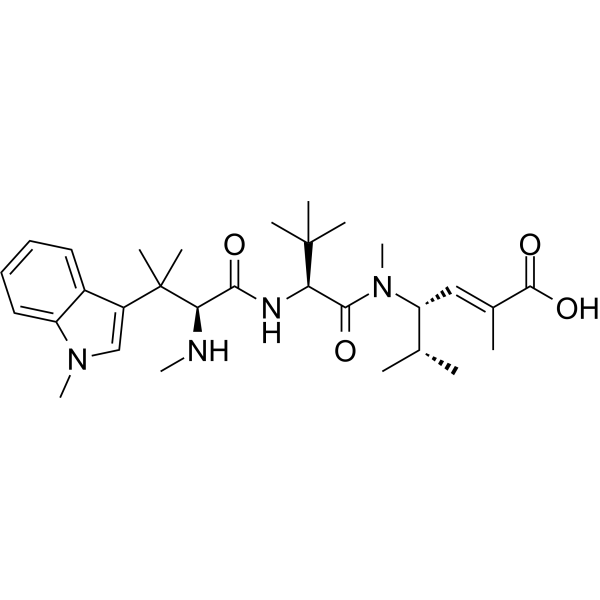
    Hemiasterlin ((-)-Hemiasterlin) is an antimitotic marine natural product with potent anticancer effects. Hemiasterlin can be used as a cytotoxic payload (ADC Cytotoxin) in antibody-drug conjugates (ADCs) .
    Hemiasterlin
  • HY-164919

    XMT-2056

    Antibody-Drug Conjugates (ADCs) EGFR STING Inflammation/Immunology Cancer
    Calotatug ginistinag (XMT-2056) is an antibody-drug conjugate targeting HER2, with an effective payload connected via a linker (LP, HY-148067) to a STING agonist (STING agonist-20, HY-148068), and has potential immune activation and anticancer activity .
    Calotatug ginistinag
  • HY-131089

    DNA/RNA Synthesis Drug-Linker Conjugates for ADC Cancer
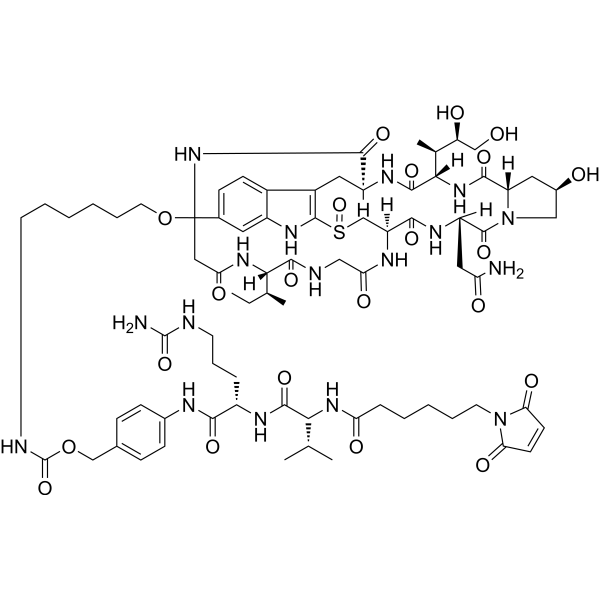
    MC-VC-PABC-C6-α-Amanitin is a Drug-Linker Conjugates for ADC, consisting of an anticancer toxin alpha-Amanitin (HY-19610) and a MC-VC-PABC-C6 linker. Among them, alpha-Amanitin is a potent inhibitor of RNA polymerase IIα.
    MC-VC-PABC-C6-α-Amanitin
  • HY-B0021
    Doxifluridine
    2 Publications Verification

    Ro 21-9738; 5-Fluoro-5'-deoxyuridine; 5'-DFUR

    Thymidylate Synthase Cancer
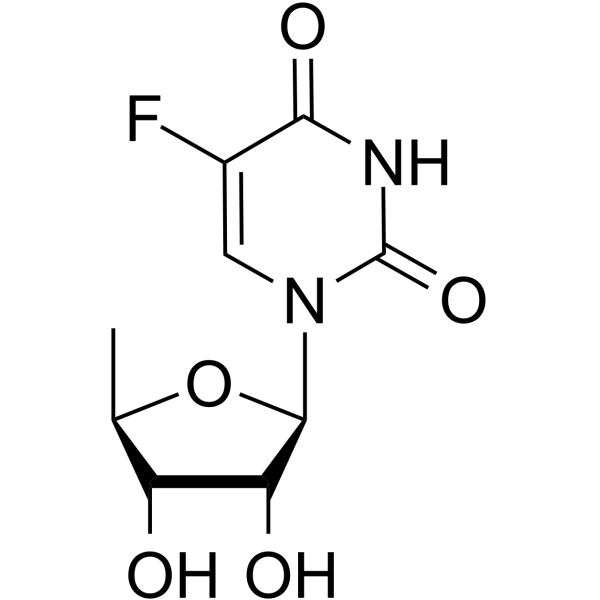
    Doxifluridine has anticancer activity. Doxifluidine is a 5-FU prodrug. Doxifluridine is a thymidine synthase inhibitor. Doxifluridine can enhance tumor inhibition by synergizing with a variety of drugs .
    Doxifluridine
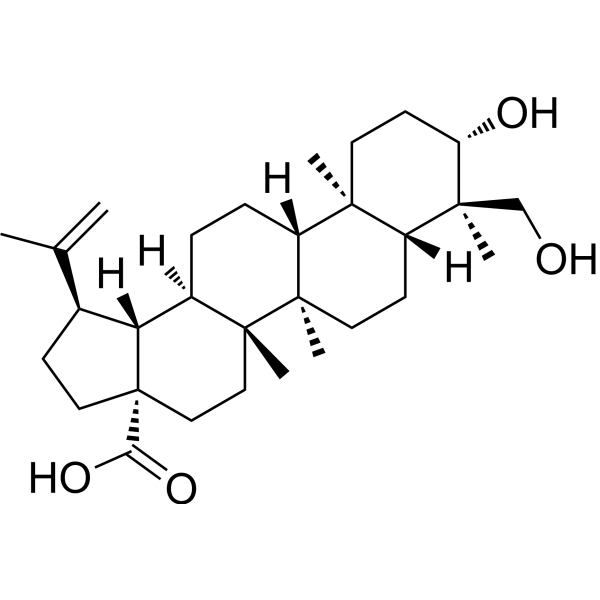
  • HY-W013040

    1,4-Diazine

    Drug Intermediate Cardiovascular Disease Infection Inflammation/Immunology Cancer
    Pyrazine (1,4-Diazine) is an aromatic nitrogen-containing heterocyclic compound with two nitrogen atoms, and is well known for its electron-deficient property. Pyrazine serves as a key pharmacophore in a variety of drugs, and also acts as the core skeleton of derivatives with anticancer, antimycobacterial, antithrombotic and anti-inflammatory activities .
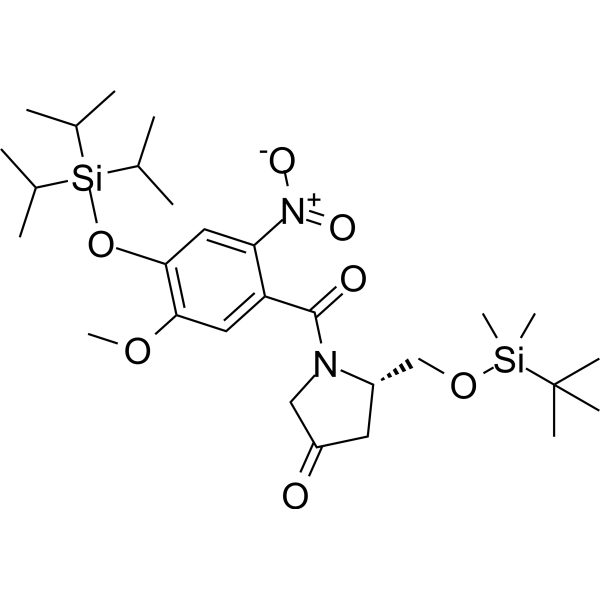
    Pyrazine
  • HY-Y0135

    Drug Intermediate Cancer
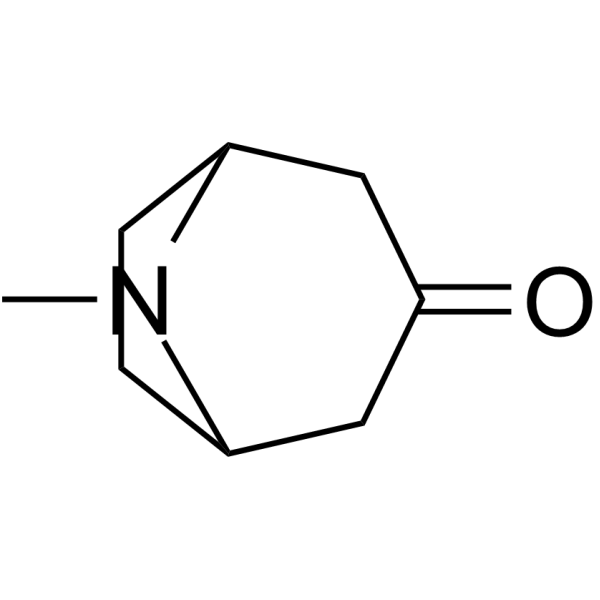
    Tropinone is an organic synthesis intermediate and a skeleton for constructing derivatives containing thiazole rings and other structures. Tropinone derivatives have anticancer activities such as inducing tumor cell apoptosis and inhibiting tyrosinase activity, and can be used in research such as anticancer drug development and tyrosinase inhibitor design .
    Tropinone
  • HY-121310

    MOFs Bacterial Infection Cancer
    Phthalocyanine is a photosensitizer. Phthalocyanine has a light-killing effect on bacterial biofilms, effectively inactivating bacteria. Phthalocyanine can be linked to anticancer drugs to target cancer. Phthalocyanine can also be used to develop chemical sensors for studying microbial infections and tumors .
    Phthalocyanine
  • HY-33048

    Microtubule/Tubulin Cancer
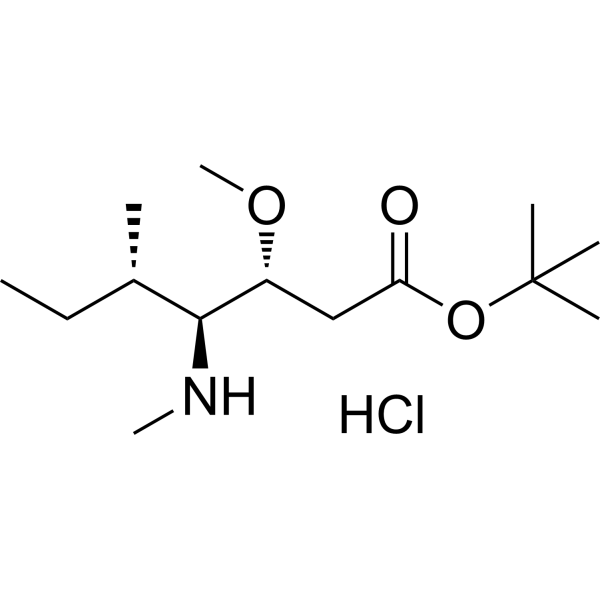
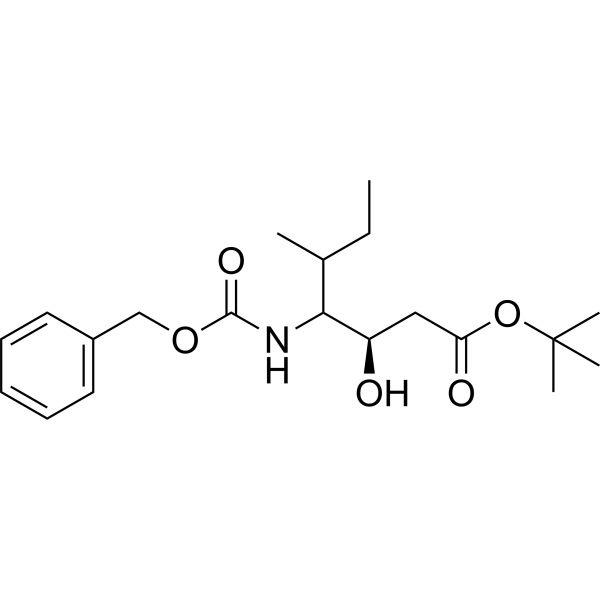
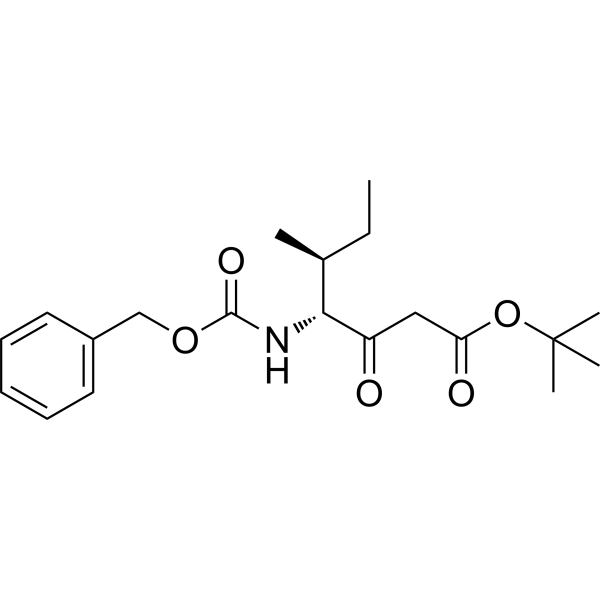
    Monomethyl auristatin E intermediate-1 is an intermediate reagent in the synthesis of Monomethyl auristatin E (HY-15162). Monomethyl auristatin E (MMAE) is a microtubule/tubulin inhibitor with anticancer activity. MMAE is widely used as the cytotoxic component (ADC Cytotoxin) of antibody-drug conjugates (ADCs) .
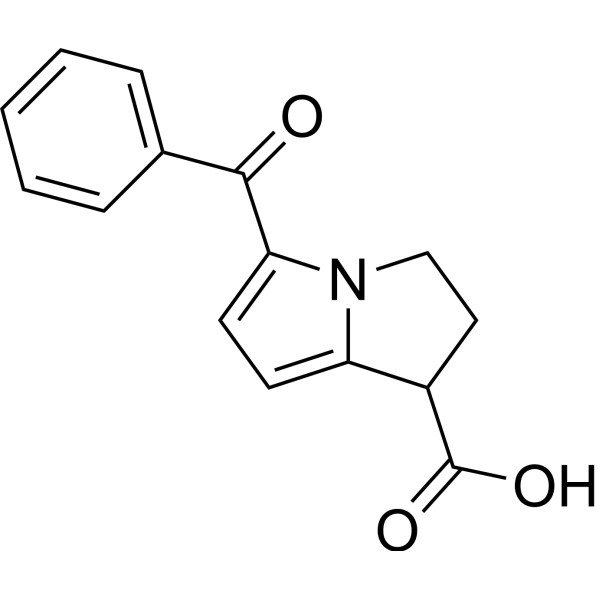
    Monomethyl auristatin E intermediate-1
  • HY-115435

    DMPS-Na; Dimyristoyl phosphatidylserine sodium

    Liposome Cancer
    1,2-Dimyristoyl-sn-glycero-3-phospho-L-serine sodium is an anionic phospholipid with myristic acid tails (14:0) and contains a carboxylic acid (COOH) and amine (NH2) in their head group. It has been used in the preparation of liposome.
    1,2-Dimyristoyl-sn-glycero-3-phospho-L-serine sodium
  • HY-156174

    Toll-like Receptor (TLR) ADC Payload Cancer
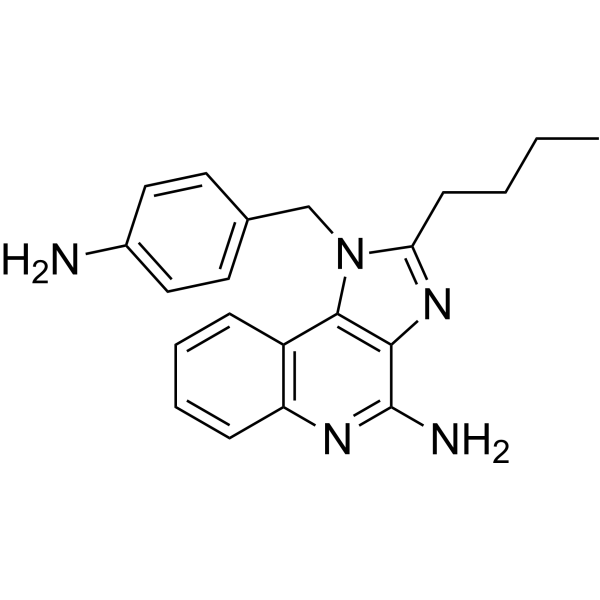
    E104 (compound 1) is a potent and selective TLR7 agonist. E104 can be delivered by antibody-drug conjugate (ADC) technology to elicit potent anticancer activity. E104 induces the activation of mouse macrophages and hPBMCs .
    E104
  • HY-W440690

    Liposome Cancer
    Cholesterol-PEG2000-amine is a pegylated lipids which can be used for preparation of liposome or nanoparticle. The lipophilic moiety can encapsulate hydrophobic drugs whereas the hydrophilic PEG chain helps the overal water solubility of the micelles.
    Cholesterol-PEG2000-amine
  • HY-153731

    Deubiquitinase Cancer
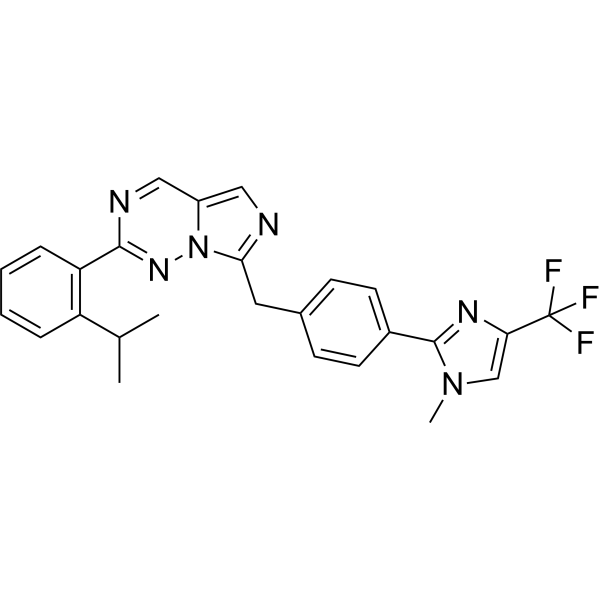
    USP1-IN-4 (compound 10) is an effective USP1 inhibitor with an IC50 value of 2.44 nM. USP1-IN-4 has anticancer activity and synergistic activity with various anticancer drugs .
    USP1-IN-4
  • HY-156829A

    Biochemical Assay Reagents Cancer
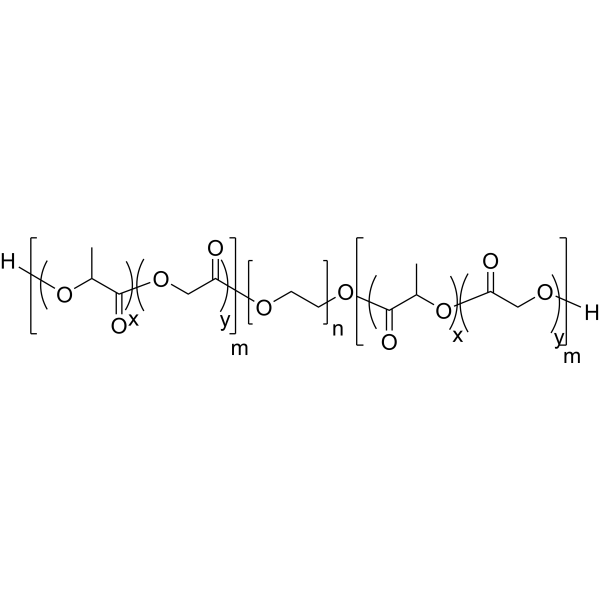
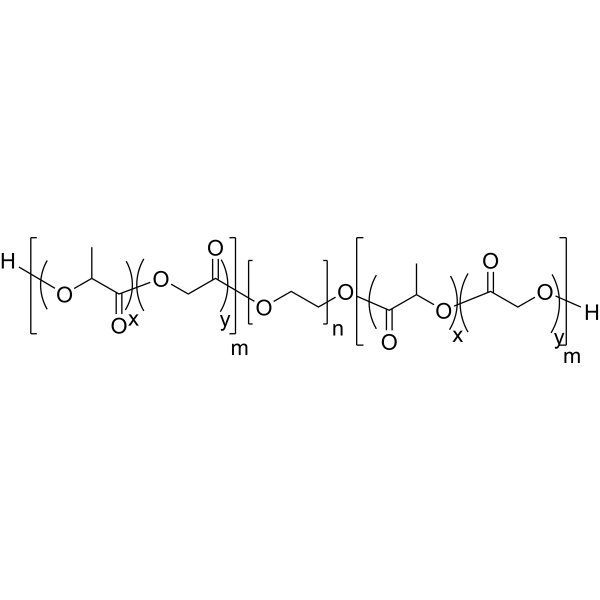
    PLGA-PEG-PLGA (1500-1500-1500) (LA/GA 15:1) is a matrix materia, with lactic acid (LA):glycolic acid (GA) = 15:1, that acts as anti-cancer drug delivery. PLGA-PEG-PLGA (1500-1500-1500) (LA/GA 15:1) can improve a drug's bioavailability, efficacy, water solubility, drug encapsulation efficiency, sustained drug release, and to minimize undesirable toxicity .
    PLGA-PEG-PLGA (1500-1500-1500) (LA/GA 15:1)
  • HY-N6611

    IGF-1R Infection Inflammation/Immunology Cancer
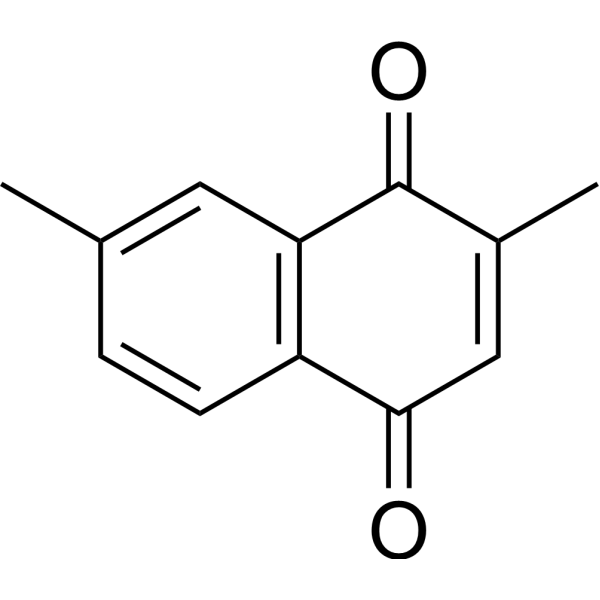
    Chimaphilin is an IGF-1R inhibitor (IC50: 0.086 μM). Chimaphilin has antifungal, antioxidant and anticancer activities. Chimaphilin inhibits the growth of both drug-sensitive and drug-resistant osteosarcoma cell lines. Chimaphilin can induce cancer cell apoptosis. Chimaphilin is a main component of pyrola .
    Chimaphilin
  • HY-153043

    Drug Metabolite Cancer
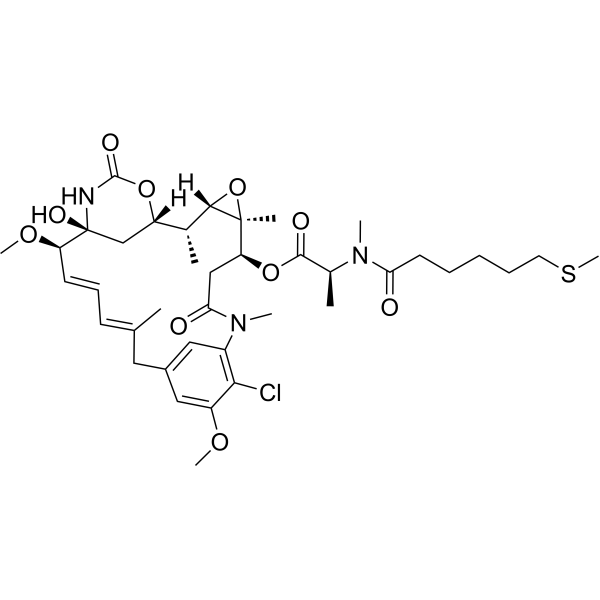
    DM-CO-(CH2)5-SMe is an anticancer agent derived from antibody-drug conjugates (ADC) metabolite with cytotoxicity to H1703, H1975, COLO704 and Colo720E cells .
    DM-CO-(CH2)5-SMe
  • HY-79255

    ADC Payload Microtubule/Tubulin Cancer
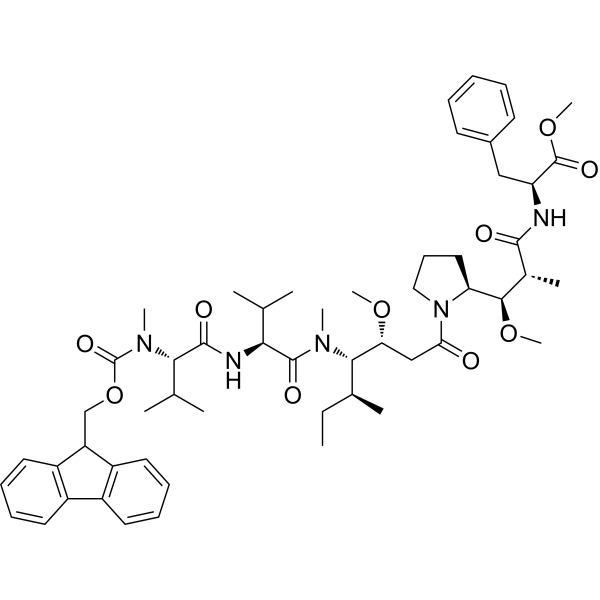
    Fmoc-MMAF-OMe is an anticancer agent and tubulin polymerization inhibitor with an Fmoc protecting group. The active ingredient of Fmoc-MMAF-OMe, MMAF (HY-15579), is the cytotoxic (ADC Cytotoxin) component of classic antibody drug conjugates (ADCs) .
    Fmoc-MMAF-OMe
  • HY-W007328

    Endogenous Metabolite Drug Intermediate Inflammation/Immunology Cancer
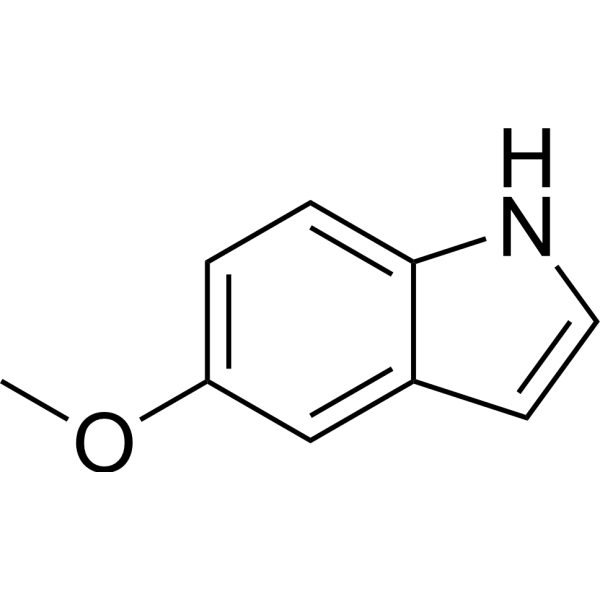
    5-Methoxyindole is an endogenous compound with significant biological activity, which is produced by the metabolism of L-tryptophan. 5-Methoxyindole can be used as a drug intermediate to synthesize 5-methoxytryptophan and N-acetyl 5-methoxytryptamine, and it exhibits anti-cancer and anti-inflammatory activities.
    5-Methoxyindole
  • HY-W591461
    DSPE-PEG-COOH, MW 2000
    1 Publications Verification

    Liposome Cancer
    DSPE-PEG-COOH, MW 2000 is a phospholipid polyPEG which can be used to prepare liposomes or nanoparticles. The terminal carboxylic acid can react with primary amine groups to form a stable amide bond.
    DSPE-PEG-COOH, MW 2000
  • HY-W440711

    Liposome Cancer
    Cholesterol-PEG-Biotin (MW 2000) is a pegylated lipids which has strong binding to avidin or streptavidin.
    Cholesterol-PEG-Biotin (MW 2000)
  • HY-141615

    PDME; 16:0 Dimethyl PE

    Liposome Cancer
    1,2-Dipalmitoyl-sn-glycero-3-phospho-N,N-dimethylethanolamine has been used in the generation of liposomes and monolayers for use in the study of membrane permeability and monolayer viscosity, respectively.
    1,2-Dipalmitoyl-sn-glycero-3-phospho-N,N-dimethylethanolamine
  • HY-W440706

    Liposome Cancer
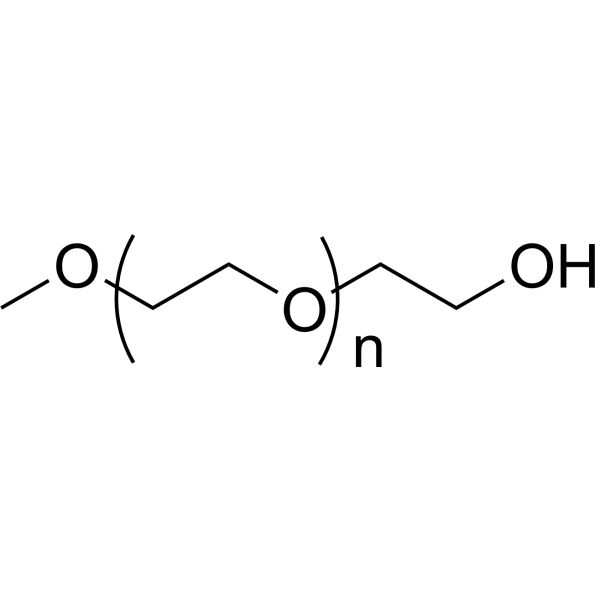
    Cholesterol-PEG2000-alcohol is a pegylated lipids which can be used for preparation of liposome or nanoparticle. The lipophilic moiety can encapsulate hydrophobic drugs whereas the hydrophilic PEG chain helps the overal water solubility of the micelles. The amine can react with an activated NHS ester to form a stable amide bond.
    Cholesterol-PEG2000-alcohol
  • HY-156829

    Biochemical Assay Reagents Cancer
    PLGA-PEG-PLGA (1500-1500-1500) (LA/GA 1:1) is a matrix materia, with lactic acid (LA):glycolic acid (GA) = 1:1, that acts as anti-cancer drug delivery. PLGA-PEG-PLGA (1500-1500-1500) (LA/GA 1:1) can improve a drug's bioavailability, efficacy, water solubility, drug encapsulation efficiency, sustained drug release, and to minimize undesirable toxicity .
    PLGA-PEG-PLGA (1500-1500-1500) (LA/GA 1:1)
  • HY-155884

    mPEG4000-NH2

    Biochemical Assay Reagents Cancer
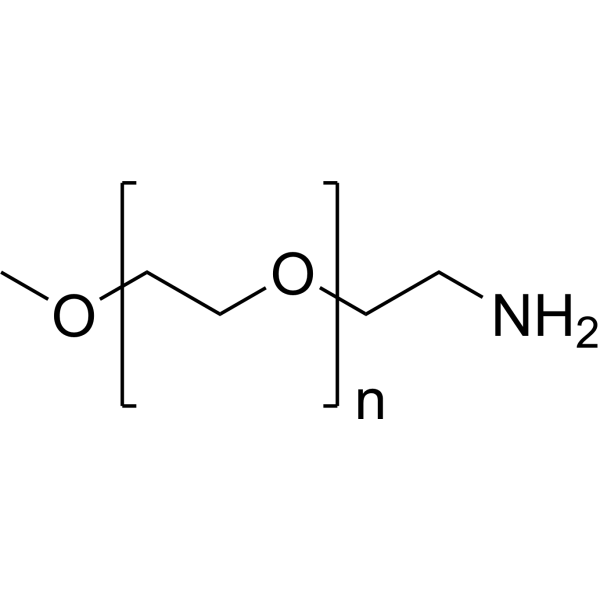
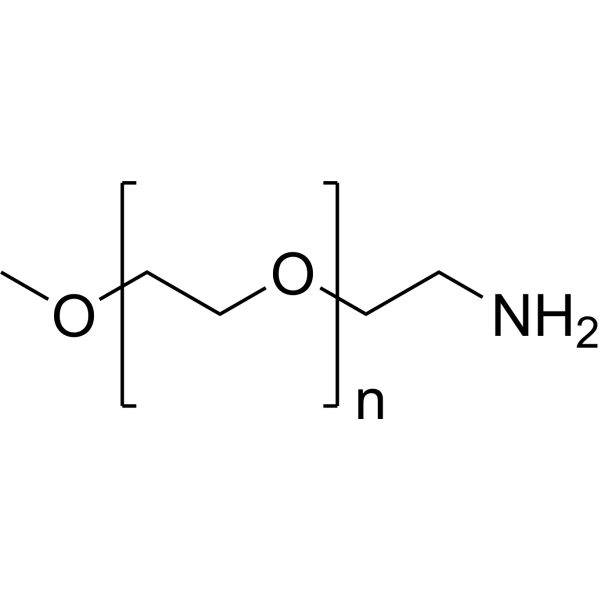
    mPEG4000-amine can be used to synthesize folate-conjugated polymer micelles for encapsulating anticancer agent 9-nitrocamptothecin (HY-16560). folate-conjugated polymer micelles are effective carriers of insoluble anticancer drugs, which can avoid macrophages and play a role in endocytosis of tumor cells mediated by folate receptors (FR).
    mPEG4000-amine
  • HY-155880

    mPEG350-NH2

    Biochemical Assay Reagents Cancer
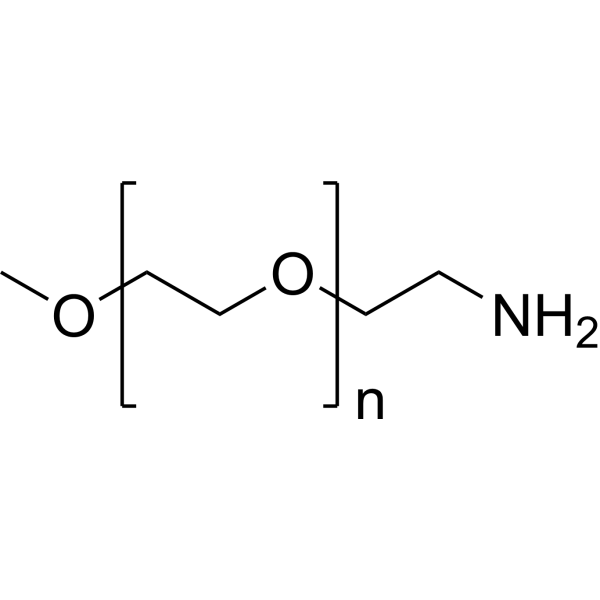
    mPEG350-amine can synthesize folate-conjugated polymer micelles for encapsulation of anticancer agent 9-nitrocamptothecin (HY-16560). folate-conjugated polymer micelles are effective carriers of insoluble anticancer drugs, which can avoid macrophages and play a role in endocytosis of tumor cells mediated by folate receptors (FR).
    mPEG350-amine
  • HY-155883

    mPEG3400-NH2

    Biochemical Assay Reagents Cancer
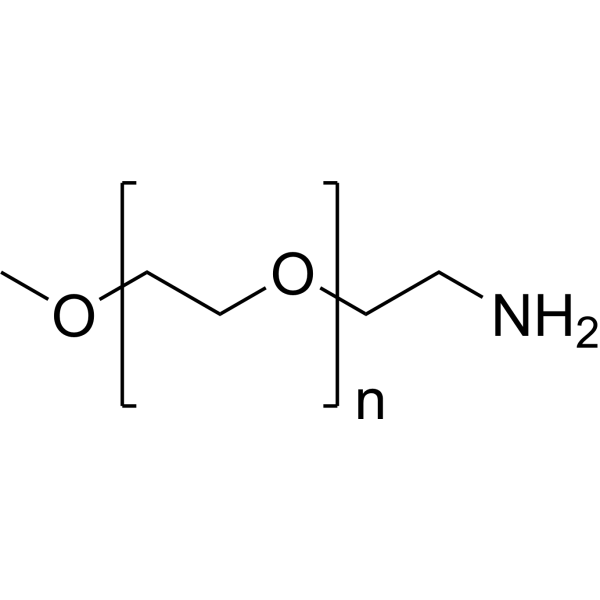
    mPEG3400-amine can synthesize folate-conjugated polymer micelles for encapsulation of anticancer agent 9-nitrocamptothecin (HY-16560). folate-conjugated polymer micelles are effective carriers of insoluble anticancer drugs, which can avoid macrophages and play a role in endocytosis of tumor cells mediated by folate receptors (FR).
    mPEG3400-amine
  • HY-156849

    ADC Payload Topoisomerase Cancer
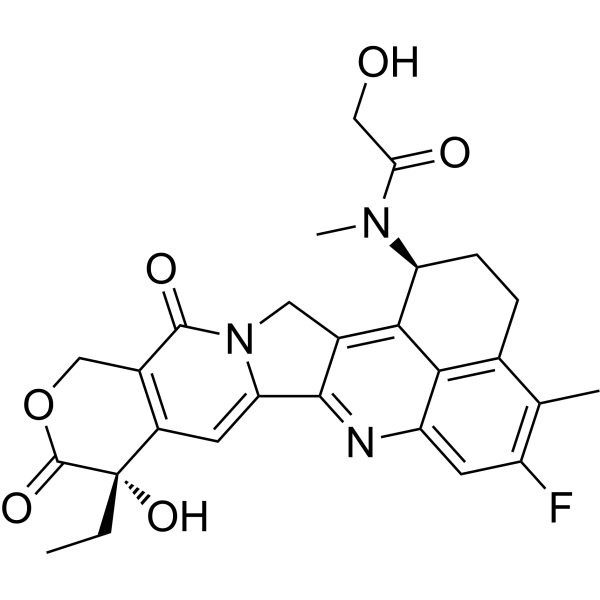
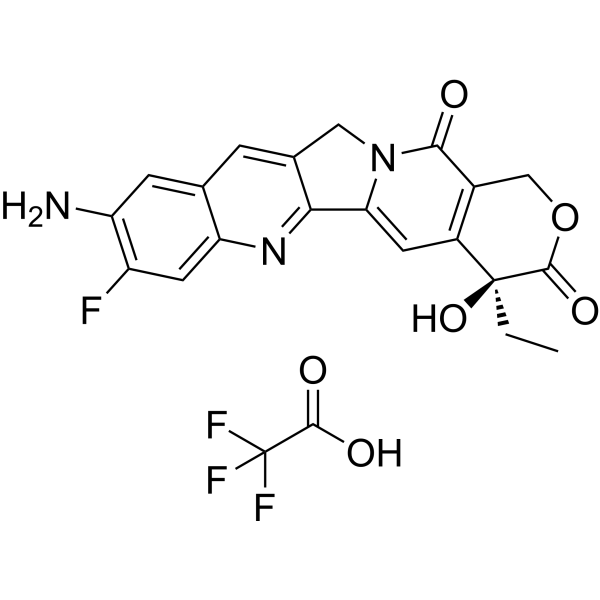
    Exatecan-methylacetamide-OH (compound 6) is a Exatecan derivative with anticancer effects. Exatecan-methylacetamide-OH is an ADC cytotoxin that can be used to synthesize Antibody-Drug Conjugates (ADCs) (CN112125915A; compound 6) .
    Exatecan-methylacetamide-OH
  • HY-W591632

    Poly(ethylene glycol)-bis-amine (MW 1000)

    Biochemical Assay Reagents Cancer
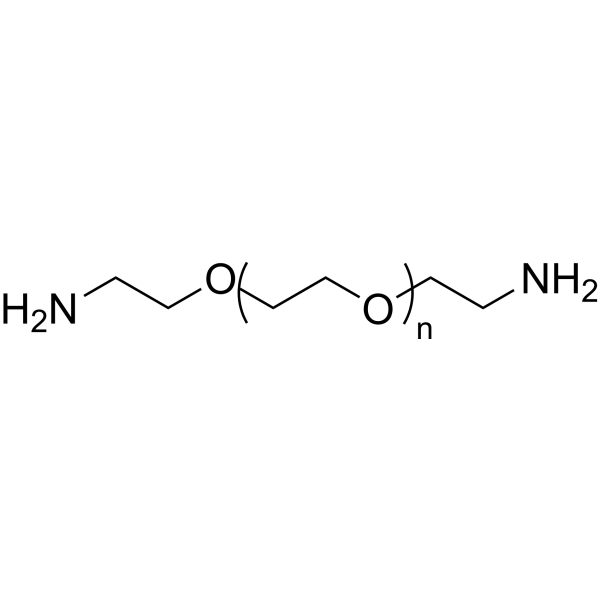
    PEG-bis-amine (MW 1000) synthesizes folate-conjugated polymeric micelles for encapsulation of the anticancer agent 9-nitrocamptothecin HY-16560 (HY-16560). Folic acid-conjugated polymer micelles are effective carriers of insoluble anticancer drugs, which can avoid macrophages and play a role in endocytosis of tumor cells mediated by folate receptors (FR).
    PEG-bis-amine (MW 1000)
  • HY-W115607

    Poly(ethylene glycol)-bis-amine 4000

    Biochemical Assay Reagents Cancer
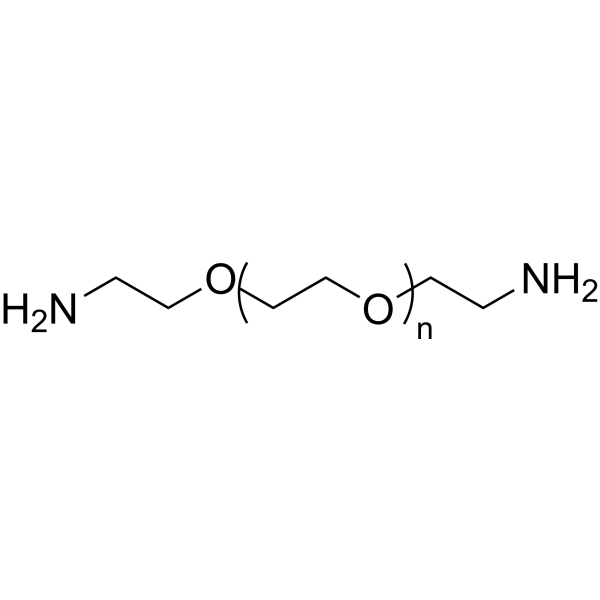
    PEG4000-bis-amine synthesizes folate-conjugated polymeric micelles for encapsulation of the anticancer agent 9-nitrocamptothecin HY-16560 (HY-16560). Folic acid-conjugated polymer micelles are effective carriers of insoluble anticancer drugs, which can avoid macrophages and play a role in endocytosis of tumor cells mediated by folate receptors (FR).
    PEG4000-bis-amine
  • HY-W013122

    Cholesteryl butyrate

    Biochemical Assay Reagents Cancer
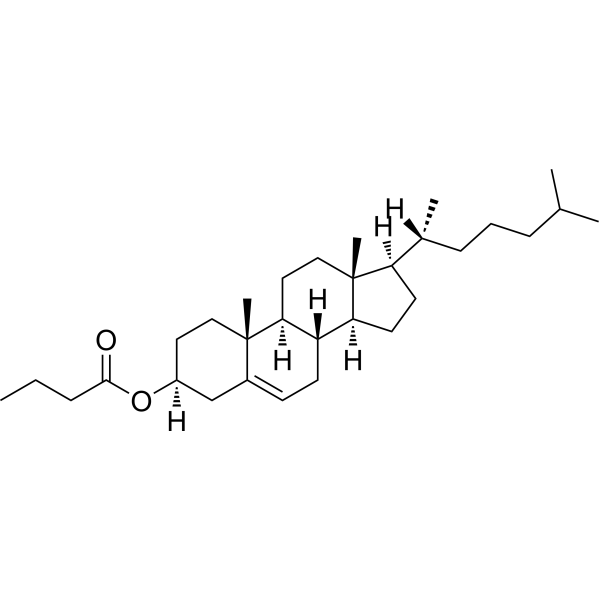
    Cholesteryl n-butyrate is a cholesterol ester composed of cholesterol and butyrate, two naturally occurring substances. Cholesteryl n-butyrate can be used to synthesize solid lipid nanoparticles (SLNs) with inhibitory activity on the adhesion and migration of colon cancer cells, providing a delivery system for the anticancer drug butyrate .
    Cholesteryl n-butyrate
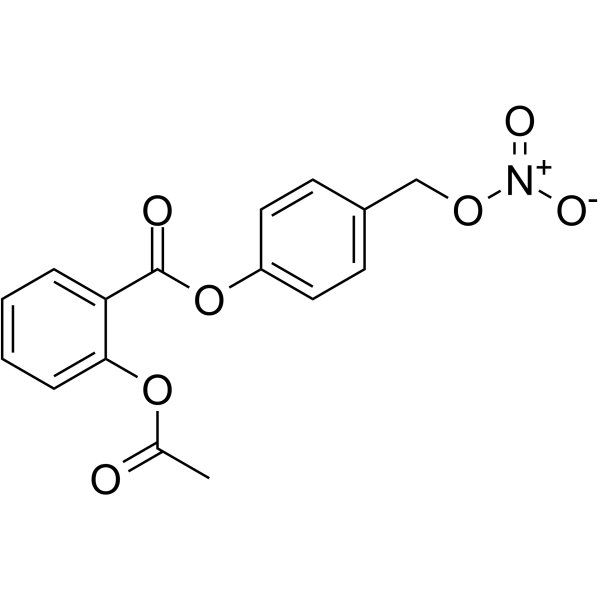
  • HY-103385

    NO-Aspirin

    Apoptosis Inflammation/Immunology Cancer
    NCX4040 (NO-Aspirin), a non-steroidal anti-inflammatory drug (NSAID), is a nitric oxide (NO) releasing form of Aspirin. NCX4040 induces apoptosis in PC3 metastatic prostate cancer cells. NCX4040 has anti-inflammatory and anti-cancer effects .
    NCX4040
  • HY-49413

    Microtubule/Tubulin Cancer
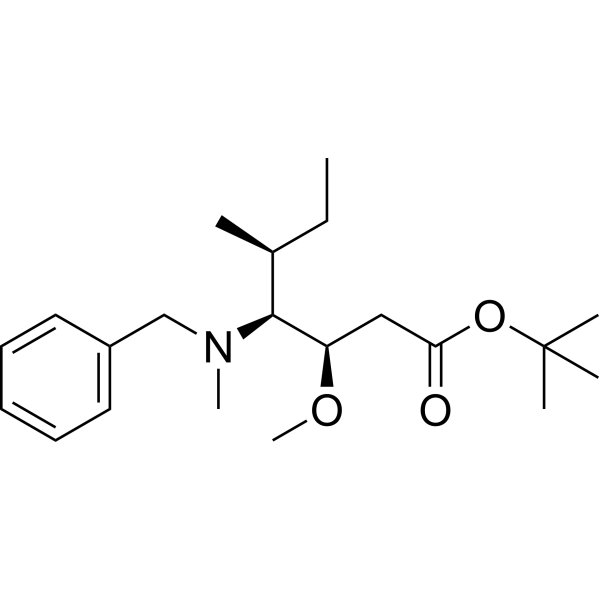
    Monomethyl auristatin E intermediate-2 is an intermediate reagent in the synthesis of Monomethyl auristatin E (HY-15162). Monomethyl auristatin E (MMAE) is a microtubule/tubulin inhibitor with anticancer activity. MMAE is widely used as the cytotoxic component (ADC Cytotoxin) of antibody-drug conjugates (ADCs) .
    Monomethyl auristatin E intermediate-2
  • HY-162324

    Survivin Cancer
    MX106-4C is a survivin inhibitor that selectively kills ABCB1-positive colorectal cancer cells. MX106-4C can exert synergistic anticancer effects with Doxorubicin or resensitize drug-resistant ABCB1 cells to Doxorubicin .
    MX106-4C
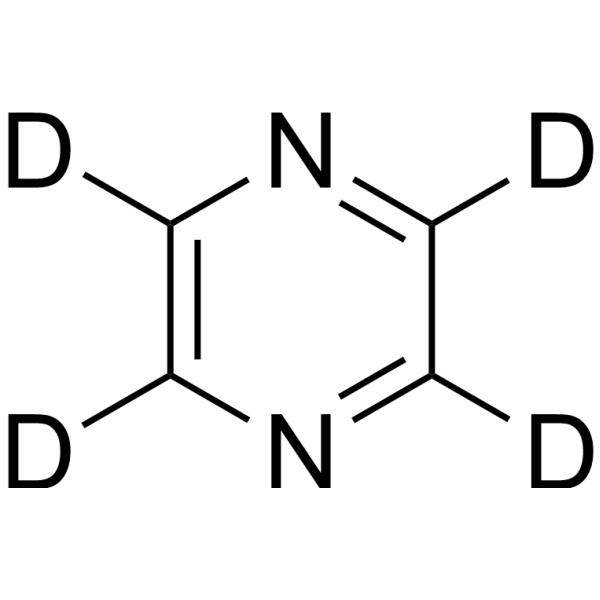
  • HY-W013040S

    1,4-Diazine-d4

    Endogenous Metabolite Others
    Pyrazine-d4 is the deuterium labeled Pyrazine . Pyrazine is an aromatic nitrogen-containing heterocyclic compound with two nitrogen atoms, and is well known for its electron-deficient property. Pyrazine serves as a key pharmacophore in a variety of drugs, and also acts as the core skeleton of derivatives with anticancer, antimycobacterial, antithrombotic and anti-inflammatory activities.
    Pyrazine-d4
  • HY-P5033

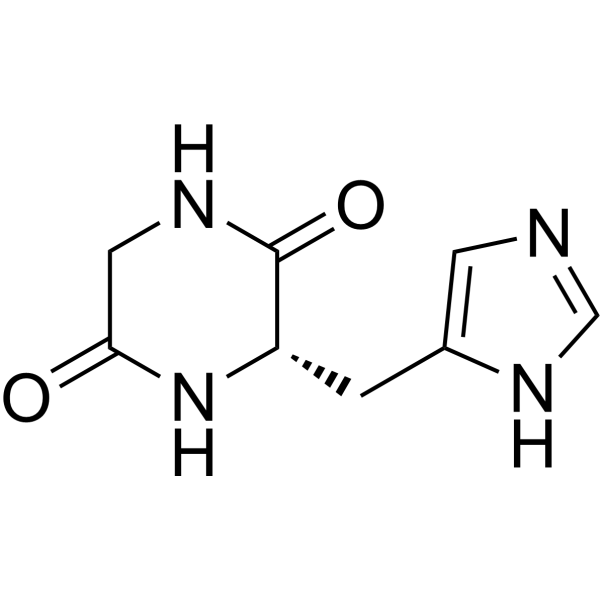
    Bacterial Cancer
    Cyclo(Gly-His) is a liposome-encapsulated cyclic dipeptide with antimicrobial and anticancer activity. Cyclo(Gly-His) has cytotoxicity for HeLa and MCF-7 cell with IC50 values of 1.699 mM and 0.358 mM, respectively. Cyclo(Gly-His) can be used for the research of drug delivery systems .
    Cyclo(Gly-His)
  • HY-W591449

    Liposome Cancer
    DOPE-PEG2000-Azide is a liposome to simulate biological phospholipid membrane. Liposomes are the main component of vesicles with concentric phospholipid bilayer membranes, which can be used to construct drug delivery systems for anti-cancer and anti-infection fields. Highly polar water-soluble payloads can be trapped in the internal aqueous space of liposomes, while lipophilic payloads can partition into and become part of the lipid bilayer. Especially for delivering antisense oligonucleotides, it can overcome problems such as inefficient cellular uptake and rapid loss in the body .
    DOPE-PEG2000-Azide
  • HY-117218

    PAK Cancer
    KY-04045 is a PAK4 specific inhibitor (IC50=8.7 μM) that can be used for the development of anticancer drugs targeting PAK4 .
    KY-04045
  • HY-178351

    HDAC Microtubule/Tubulin Apoptosis Caspase Bcl-2 Family Cancer
    HDAC6-IN-67 is a selective HDAC6 inhibitor (IC50 = 17.15 nM) that exhibits 19-fold selectivity over HDAC1. HDAC6-IN-67 selectively inhibits HDAC6 by interacting with Ser531 and His614. HDAC6-IN-67 induces apoptosis by inducing the cleavage of caspases 9, 8, 3, and PARP, upregulating Bax expression, and downregulating Bcl-2 expression. HDAC6-IN-67 effectively induces the acetylation of α-tubulin, without affecting histone H3 acetylation in MCF-7/ADR cells. HDAC6-IN-67 can be used for the study of breast cancer .
    HDAC6-IN-67
  • HY-W007614

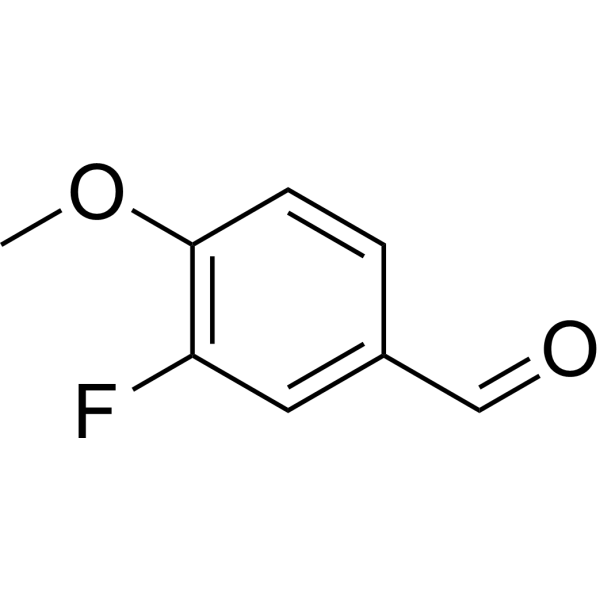
    3-Fluoro-para-anisaldehyde

    Drug Intermediate Cancer
    3-Fluoro-4-methoxybenzaldehyde (3-Fluoro-para-anisaldehyde) is a drug intermediate that can be used to synthesize the fluorinated derivative of Combretastatin A-4 (HY-N2146), which has anti-cancer activity.
    3-Fluoro-4-methoxybenzaldehyde
  • HY-W010778

    Drug Derivative Others
    N-[3-chloro-4-[(3-fluorophenyl)methoxy]phenyl]-6-iodo-quinazolin-4-amine is a quinazoline derivative that has also been used in the design, synthesis and biological evaluation of quinazoline-phosphoramidate mustard conjugates as anticancer drugs.
    N-(3-Chloro-4-((3-fluorobenzyl)oxy)phenyl)-6-iodoquinazolin-4-amine
  • HY-W440957

    PC(16:0/14:0); 1-palmitoyl-2-myristoyl-sn-glycero-3-phosphocholine

    Liposome Cancer
    PMPC is a phosphatidylcholine with asymmetrical fatty acid. Palmitic acid occupies sn-1 position while myristic acid is placed at the sn-2 position.
    PMPC
  • HY-W590555

    Liposome Cancer
    Thiol-PEG2000-DMG is a phospholipid polyPEG which can be used to prepare liposomes or nanoparticles. The terminal thiol group reacts with maleimide, OPSS, vinylsulfone and transition metal surfaces including gold, silver, etc.
    Thiol-PEG2000-DMG
  • HY-W800796

    1,2-dioleoyl-sn-glycero-3-phosphoethanolamine-N-(biotinyl)

    Liposome Cancer
    18:1 Biotinyl PE is a biotin-functionalized lipid attached to a phosphoethanolamine linked to two oleic acid groups.
    18:1 Biotinyl PE
  • HY-W800787

    Liposome Cancer
    18:1 PE MCC is a maleimide-functionalized thiol-reactive lipid with a phosphoethanolamine linked to two oleic acid tails and a maleimide group.
    18:1 PE MCC
  • HY-W590536

    1-Palmitoyl-2-Lauroyl-sn-glycero-3-Phosphatidylcholine; 1-Palmitoyl-2-Lauroyl-sn-glycero-3-Phosphocholine

    Liposome Cancer
    1,2-PLPC is a phospholipid containing palmitoyl (16:0) and lauryl (12:0) acyl substituents at the sn-1 and sn-2 positions, respectively. It can be used in the generation of micelles, liposomes, and other types of artificial membranes.
    1,2-PLPC
  • HY-W591332

    Liposome Cancer
    mPEG2000-DMPE is a PEGylated 1,2-Dimyristoyl-sn-glycero-3-phosphoethanolamine (14:0 PE) compound with a methyl group at the other end of the PEG chain. The PEG polymer exhibits amphiphatic behavior and helps to form stable micelles in an aqueous solution. It can be used to prepare nanoparticles or liposomes for targeted drug delivery applications.
    mPEG2000-DMPE
  • HY-119108

    BOF-A2

    Drug Derivative Cancer
    Emitefur is an orally active and potent anticancer drug. Emitefur can be used for advanced gastric cancer patients .
    Emitefur
  • HY-169509

    PARP Necroptosis Topoisomerase RIP kinase Mixed Lineage Kinase Cancer
    Topoisomerase I/II Inhibitor 8 (Compound Ru7) is a dual catalytic inhibitor of Topoisomerase I/II, capable of inducing DNA damage and PARP-1 activation, which subsequently leads to the activation of RIPK1, RIPK3, and MLKL, ultimately triggering necroptosis. Topoisomerase I/II Inhibitor 8 demonstrates remarkable anticancer activity by effectively targeting the nuclei of cancer cells and inducing cell death through necroptosis, showing great clinical potential in circumventing drug resistance in cancer treatment .
    Topoisomerase I/II inhibitor 8
  • HY-153725

    Liposome Cancer
    17:1 Lyso PC is a liposome to simulate biological phospholipid membrane. Liposomes are the main component of vesicles with concentric phospholipid bilayer membranes, which can be used to construct drug delivery systems for anti-cancer and anti-infection fields. Highly polar water-soluble payloads can be trapped in the internal aqueous space of liposomes, while lipophilic payloads can partition into and become part of the lipid bilayer. Especially for delivering antisense oligonucleotides, it can overcome problems such as inefficient cellular uptake and rapid loss in the body .
    17:1 Lyso PC

Inquiry Online

Your information is safe with us. * Required Fields.

Salutation


Country or Region *

Applicant Name *


Organization Name *

Department *


Email Address *


Product Name *

Cat. No.


Requested quantity *

Phone Number *


Remarks

Inquiry Online

Inquiry Information

Product Name:
Cat. No.:
Quantity:
MCE Japan Authorized Agent: