


1. Search Result
Search Result
Results for "

Pulmonary hypertension

" in MedChemExpress (MCE) Product Catalog:

140

Inhibitors & Agonists

1

Screening-Bibliotheken

9

Peptides

3

Inhibitory Antibodies

9

Natural
Products

9

Isotope-Labeled Compounds

1

Oligonucleotides

Art. -Nr. Produktname Target Forschungsgebiete Chemical Structure
  • HY-N0750
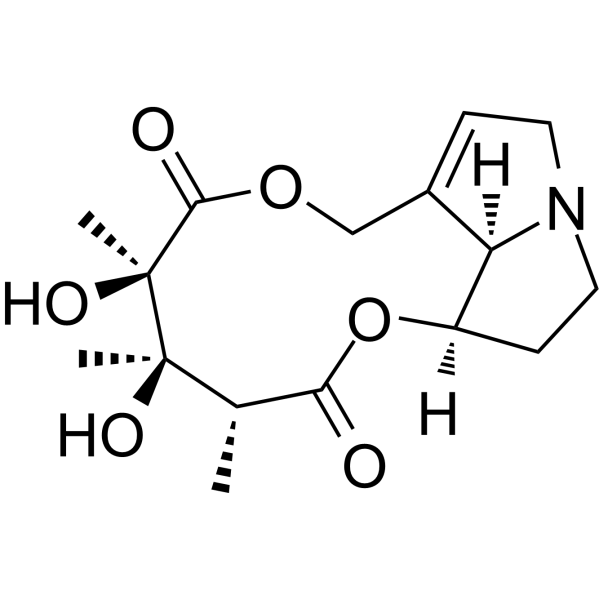
    Monocrotaline
    Maximum Cited Publications
    44 Publications Verification

    Crotaline

    Others Infection Metabolic Disease Cancer
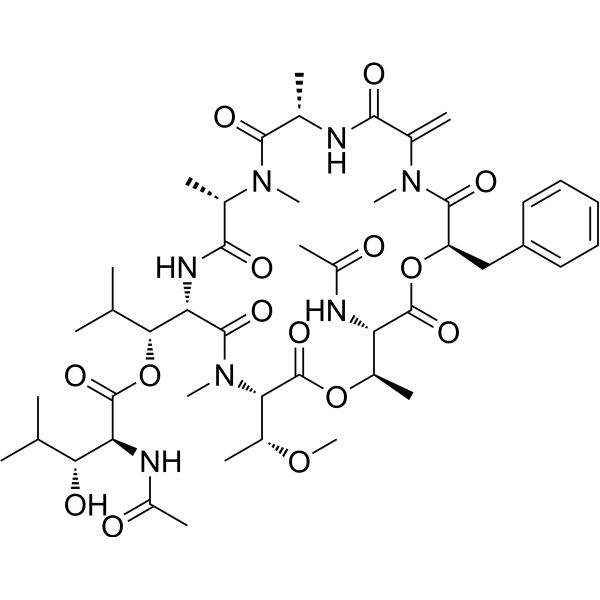
    Monocrotaline is an 11-membered macrocyclic pyrrolizidine alkaloid. Monocrotaline inhibits OCT-1 and OCT-2 with IC50s of 36.8 µM and 1.8 mM, respectively. Monocrotaline has antitumor activity and is cytotoxic to hepatocellular carcinoma cells. Monocrotaline is used to induce a model of pulmonary hypertension in rodents. [2][6][8].
    Monocrotaline
  • HY-14184
    Macitentan
    10+ Cited Publications

    ACT-064992

    Endothelin Receptor Apoptosis Cardiovascular Disease Endocrinology Cancer
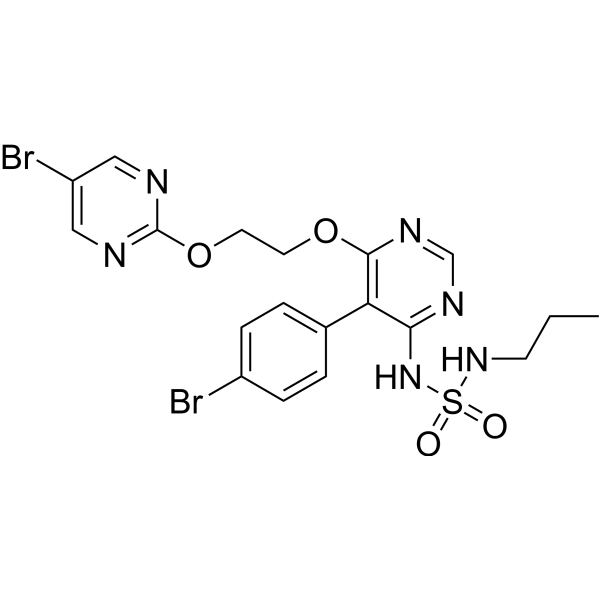
    Macitentan (ACT-064992) is an orally active, non-peptide dual ETA and ETB (endothelin receptor) antagonist. Macitentan has the potential for idiopathic pulmonary fibrosis (IPF) and pulmonary arterial hypertension (PAH) .
    Macitentan
  • HY-14779
    Riociguat
    15+ Cited Publications

    BAY 632521

    Guanylate Cyclase Cardiovascular Disease
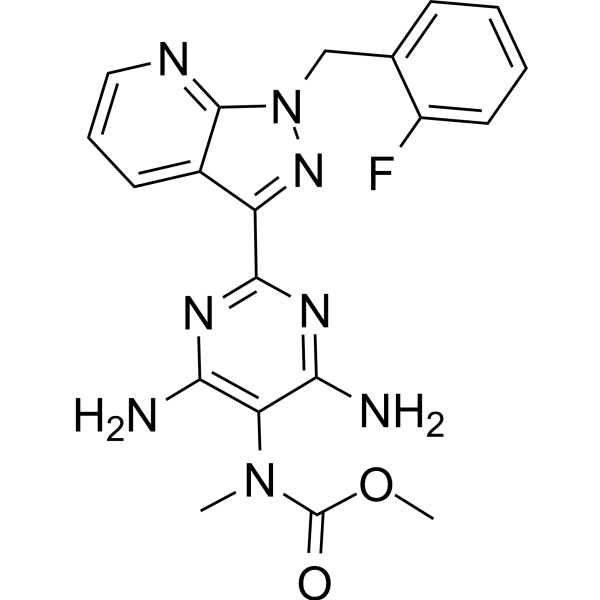
    Riociguat is an oral stimulator of soluble guanylate cyclase (sGC) used in the treatment of pulmonary hypertension.
    Riociguat
  • HY-A0126A
    Epoprostenol sodium
    1 Publications Verification

    Prostaglandin I2 sodium salt; Prostacyclin sodium salt; Flolan

    Endogenous Metabolite Apoptosis Cardiovascular Disease
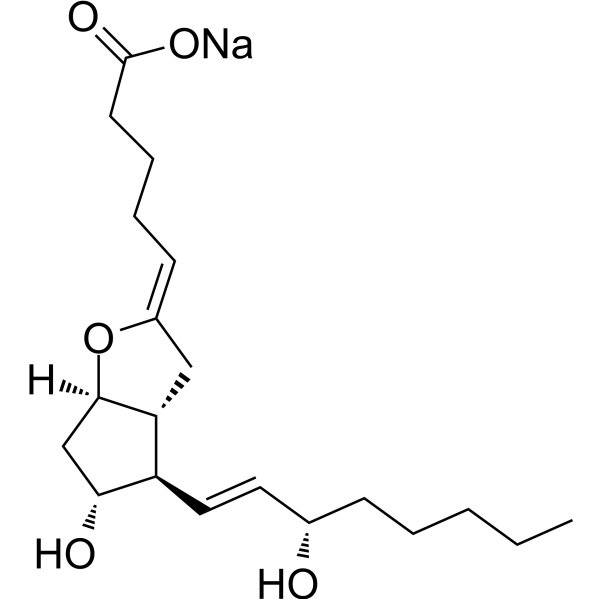
    Epoprostenol sodium (Prostaglandin I2) sodium salt, the synthetic form of the natural prostaglandin derivative prostacyclin (prostaglandin I2), is registered worldwide for the treatment of Pulmonary arterial hypertension (PAH). Epoprostenol sodium is used in pulmonary hypertension and transplantation as a potent inhibitor of platelet aggregation .
    Epoprostenol sodium
  • HY-P0012
    Aviptadil
    2 Publications Verification

    Vasoactive Intestinal Peptide (human, rat, mouse, rabbit, canine, porcine)

    SARS-CoV Infection Inflammation/Immunology
    Aviptadil is an analog vasoactive intestinal polypeptide (VIP) with potent vasodilatory effects. Aviptadil induces pulmonary vasodilation and inhibits vascular SMCs proliferation, platelet aggregation. Aviptadil can be used for the research of pulmonary fibrosis, pulmonary arterial hypertension (PAH) and SARS-CoV-2 caused respiratory failure, et al .
    Aviptadil
  • HY-11103
    Sitaxsentan sodium
    2 Publications Verification

    IPI 1040 sodium; TBC11251 sodium

    Endothelin Receptor TGF-β Receptor Cardiovascular Disease Metabolic Disease
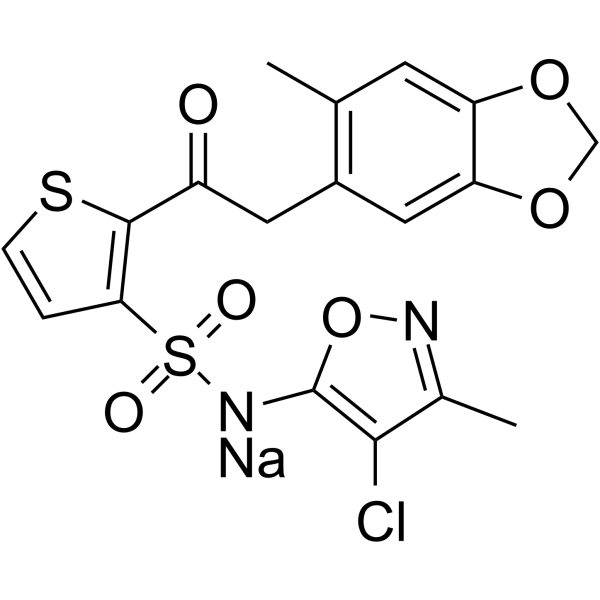
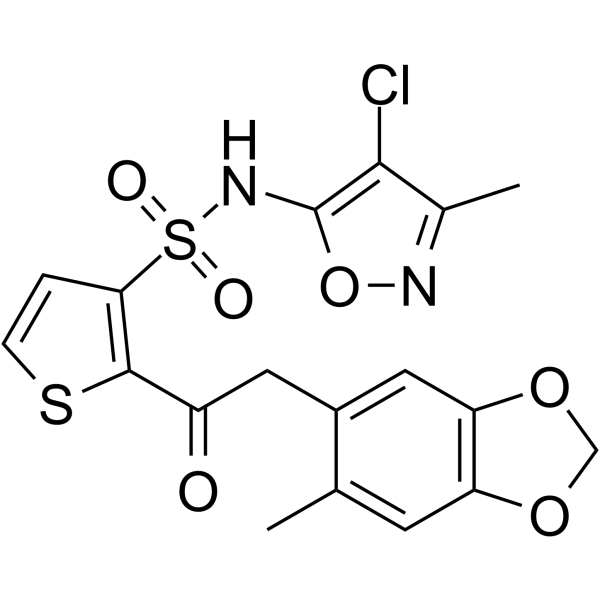
    Sitaxsentan sodium (IPI 1040 sodium; TBC11251 sodium) is a potent, selective and orally active endothelin A receptor (ETA) antagonist with an IC50 of 1.4 nM and a Ki of 0.43 nM. Sitaxsentan sodium exhibits an IC50 for the ETB receptor of as high as 9800 nM. Sitaxsentan sodium is metabolized by CYP2C9 and CYP3A4, normalizes shunt-induced endothelial abnormalities, restores BMPR signaling, and suppresses pulmonary vascular remodeling and hemodynamic deterioration. Sitaxsentan sodium can be applied in the research of pulmonary arterial hypertension and portopulmonary hypertension .
    Sitaxsentan sodium
  • HY-12378
    BQ-123
    3 Publications Verification

    Endothelin Receptor Cardiovascular Disease
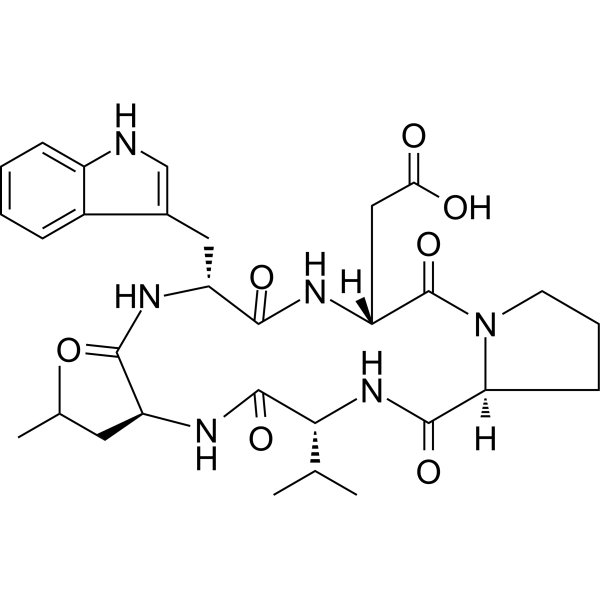
    BQ-123 is a potent and selective endothelin A (ETA) receptor antagonist with an IC50 of 7.3 nM and a Ki of 25 nM. BQ-123 inhibits endothelin-1-mediated proliferation of human pulmonary artery smooth muscle cells and lowers blood pressure in different rat models of hypertension .
    BQ-123
  • HY-148826

    ARC 183; BC 007

    G Protein-coupled Receptor Kinase (GRK) Cardiovascular Disease
    Rovunaptabin (ARC 183) is an aptamer, a single-stranded DNA molecule composed of 15 deoxynucleotides. It acts as a broad-spectrum neutralizer of pathogenic G-protein-coupled receptor autoantibodies. Rovunaptabin can be used in research related to cardiomyopathy and pulmonary hypertension .
    Rovunaptabin
  • HY-10447

    EM-1421

    Survivin COX TNF Receptor Apoptosis Infection Inflammation/Immunology Cancer
    Terameprocol is an inhibitor targeting the Sp1 transcription factor, which can selectively inhibit the transcription of Sp1-dependent genes. Terameprocol exerts its effects by inhibiting Sp1-mediated gene transcription, such as reducing the expression of genes like CDC2, survivin and HMGB1, thereby arresting the cell cycle, inducing apoptosis, and suppressing the inflammatory response. Terameprocol exhibits anti-proliferative, pro-apoptotic, and anti-inflammatory activities and is currently mainly used in the research of diseases such as cancer and pulmonary arterial hypertension[1][2][3].
    Terameprocol
  • HY-109190
    Seralutinib
    2 Publications Verification

    GB002; PK10571

    PDGFR c-Fms c-Kit Cardiovascular Disease
    Seralutinib (GB002) is an inhaled PDGFRα and PDGFRβ inhibitor. Seralutinib also targets to CSF1R and c-KIT with IC50s of 8 nM and 14 nM, respectively. Seralutinib (GB002) is used in the study for pulmonary arterial hypertension .
    Seralutinib
  • HY-109163

    INS-1009

    Prostaglandin Receptor Inflammation/Immunology Endocrinology
    Treprostinil palmitil is a long-acting inhaled pulmonary vasodilator prodrug of Treprostinil (HY-100441), formulated in a lipid nanoparticle (LNP). Treprostinil palmitil can inhibit pulmonary vascular remodeling induced by Su/Hx challenge in rats. Treprostinil palmitil can induce cough. Treprostinil palmitil demonstrates a sustained presence in the lungs with reduced systemic exposure and prolonged inhibition of hypoxia-induced pulmonary vasoconstriction in vivo. Treprostinil palmitil can be studied in research for pulmonary arterial hypertension and interstitial lung disease .
    Treprostinil palmitil
  • HY-13569A

    TRK-100; ML 1129 sodium

    Prostaglandin Receptor Cardiovascular Disease Inflammation/Immunology
    Beraprost sodium (TRK-100), a prostacyclin analog, is a stable and orally active proagent of PGI2. Beraprost sodium (TRK-100) is a potent vasodilator, has the potential for pulmonary arterial hypertension treatment through expanding renal vessels, improving microcirculation . Beraprost sodium (TRK-100) is a click chemistry reagent, it contains an Alkyne group and can undergo copper-catalyzed azide-alkyne cycloaddition (CuAAc) with molecules containing Azide groups.
    Beraprost sodium
  • HY-154970A

    TGF-β Receptor GSK-3 Cardiovascular Disease Neurological Disease Cancer
    BMPR2-IN-1 TFA is a selective BMPR2 inhibitor with a human BMPR2 IC50 of 506 nM and a Kd of 83.5 nM. BMPR2-IN-1 TFA functions as an ATP mimetic, forming hydrogen bonds with the BMPR2 kinase domain backbone and hydrophobic interactions with specific residues, and demonstrates high selectivity for BMPR2 over other kinases.BMPR2-IN-1 TFA can be used for the researches of cancer, pulmonary arterial hypertension and Alzheimer’s disease .
    BMPR2-IN-1 TFA
  • HY-40136

    Endogenous Metabolite Cardiovascular Disease Metabolic Disease Endocrinology Cancer
    cis-4-Hydroxy-L-proline is an orally active proline analog and collagen production inhibitor. cis-4-Hydroxy-L-proline inhibits cell growth by preventing the deposition of triple helical collagen on the cell layer. cis-4-Hydroxy-L-proline inhibits N-nitrosomethylurea-induced breast tumor growth. cis-4-Hydroxy-L-proline improves lung compliance and reduces prostate weight. cis-4-Hydroxy-L-proline can be used in the study of hypoxic pulmonary hypertension .
    cis-4-Hydroxy-L-proline
  • HY-103080

    Apelin Receptor (APJ) Cardiovascular Disease
    CMF019 is an orally active, potent and small molecule agonist at Apelin receptor (APJ) with G protein bias. CMF019 binds to APJ with pKi values of 8.58, 8.49 and 8.71 for human, rat, and mouse, respectively. CMF019 mimics the beneficial cardiovascular actions of apelin in rodents . Apelin receptor (APJ) is a G protein-coupled receptor (GPCR) activated by the endogenous peptide apelin. CMF019 is promising for research of chronic diseases, such as, pulmonary arterial hypertension .
    CMF019
  • HY-101124

    KAR5585

    Tryptophan Hydroxylase 5-HT Receptor Cardiovascular Disease
    Rodatristat ethyl (KAR5585) is a first-in-class oral tryptophan hydroxylase 1 (TPH1) Inhibitor with nanomolar in vitro potency. Rodatristat ethyl reduces the level of 5-HT and significantly reduces pulmonary arterial hypertension (PAH) .
    Rodatristat ethyl
  • HY-170419

    Apelin Receptor (APJ) Cardiovascular Disease
    APJ receptor agonist 10 is an agonist of the APJ Receptor. APJ receptor agonist 10 can be used for research on pulmonary arterial hypertension .
    APJ receptor agonist 10
  • HY-150793

    TGF-β Receptor Cardiovascular Disease Neurological Disease
    SY-LB-57 is a highly potent bone morphogenetic protein (BMP) receptor signaling agonist. SY-LB-57 can be used in studies of diseases such as fractures and pulmonary arterial hypertension .
    SY-LB-57
  • HY-129851

    Prostaglandin Receptor Cardiovascular Disease
    NTP42 is a thromboxane A2 (TXA2) receptor antagonist with an IC50 of 3.278 nM for antagonizing T prostanoid receptor (TP)- mediated [Ca 2+] mobilization following stimulation of cells with the alternative TP agonist U46619 . NTP42 can be used for the treatment of pulmonary arterial hypertension (PAH) .
    NTP42
  • HY-11095

    mGluR CaSR PI3K Akt mTOR Autophagy Apoptosis Bcl-2 Family Caspase Cardiovascular Disease Neurological Disease
    NPS 2390 is an allosteric antagonist of calcium-sensing receptor (CaSR) and mGluR1/5. NPS 2390 inhibits the PI3K/Akt/mTOR signaling pathway, reduces hypoxia-induced intracellular calcium elevation, decreases the expression of autophagy (autophagy) proteins, regulates the expression of phenotypic marker proteins, and inhibits the proliferation of pulmonary artery smooth muscle cells. NPS 2390 attenuates the endogenous apoptosis (apoptosis) pathway, increases the expression level of Bcl-2, downregulates the expression levels of Bax, cytochrome c and caspase-3, alleviates cerebral edema and improves neurological function in rat models. NPS 2390 can be used in studies related to hypoxic pulmonary hypertension, traumatic brain injury, stroke and pain .
    NPS 2390
  • HY-P0012A
    Aviptadil acetate
    2 Publications Verification

    Vasoactive Intestinal Peptide acetate salt (human, rat, mouse, rabbit, canine, porcine)

    SARS-CoV Infection Inflammation/Immunology
    Aviptadil acetate is an analog vasoactive intestinal polypeptide (VIP) with potent vasodilatory effects. Aviptadil acetate induces pulmonary vasodilation and inhibits vascular SMCs proliferation, platelet aggregation. Aviptadil acetate can be used for the research of pulmonary fibrosis, pulmonary arterial hypertension (PAH) and SARS-CoV-2 caused respiratory failure, et al .
    Aviptadil acetate
  • HY-128932
    Cefminox sodium
    1 Publications Verification

    MT-141

    Antibiotic Bacterial PPAR Prostaglandin Receptor PTEN Akt mTOR Infection Cardiovascular Disease Endocrinology
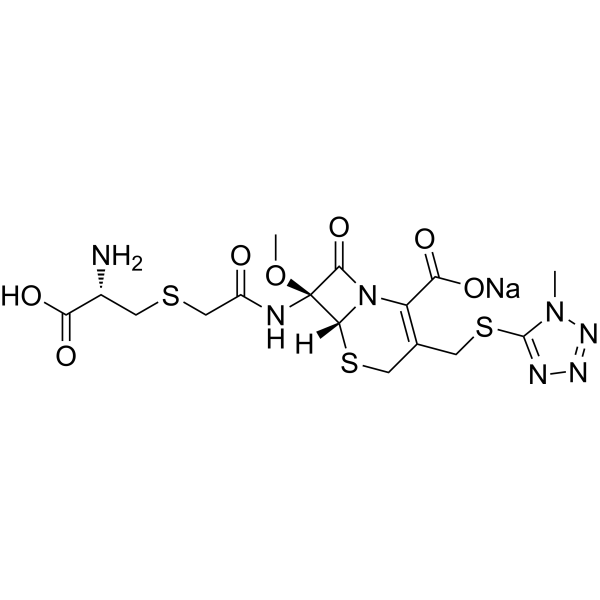
    Cefminox sodium (MT-141) is a semisynthetic cephamycin, which exhibits antibacterial activity. Cefminox sodium is a broad-spectrum, bactericidal cephalosporin antibiotic. Cefminox sodium also acts as a dual agonist of prostacyclin receptor (IP) and PPARγ. Cefminox sodium upregulates cAMP production and PTEN expression and inhibits Akt/mTOR signaling. Cefminox sodium also prevents pulmonary arterial hypertension in rat model .
    Cefminox sodium
  • HY-90009S

    IC-351-d3

    Phosphodiesterase (PDE) Cardiovascular Disease
    Tadalafil-d3 is the deuterium labeled Nortadalafil. Nortadalafil is demethyl Tadalafil, which is a PDE5 inhibitor, currently marketed in pill form for treating erectile dysfunction (ED) under the name Cialis; and under the name Adcirca for the treatment of pulmonary arterial hypertension.
    Tadalafil-d3
  • HY-14184S

    ACT-064992-d4

    Isotope-Labeled Compounds Endothelin Receptor Apoptosis Cardiovascular Disease
    Macitentan-d4 is a deuterium labeled Sulfamethoxazole. Macitentan is an orally active, non-peptide dual ETA and ETB (endothelin) receptor antagonist. Macitentan has the potential for idiopathic pulmonary fibrosis (IPF) and pulmonary arterial hypertension (PAH) .
    Macitentan-d4
  • HY-14184R

    ACT-064992 (Standard)

    Reference Standards Endothelin Receptor Apoptosis Cardiovascular Disease Endocrinology Cancer
    Macitentan (Standard) is the analytical standard of Macitentan. This product is intended for research and analytical applications. Macitentan (ACT-064992) is an orally active, non-peptide dual ETA and ETB (endothelin receptor) antagonist. Macitentan has the potential for idiopathic pulmonary fibrosis (IPF) and pulmonary arterial hypertension (PAH) .
    Macitentan (Standard)
  • HY-149316

    E1/E2/E3 Enzyme Cardiovascular Disease
    Smurf1-IN-1 is an orally active and selective inhibitor of specific E3 ubiquitin protein ligase 1 (SMURF1) with an IC50 of 92 nM. Smurf1-IN-1 has significant efficacy in rats model of pulmonary hypertension .
    Smurf1-IN-1
  • HY-130581

    Bacterial Cardiovascular Disease Inflammation/Immunology
    Lipid X is a 2,3-diacylglucosamine-1-phosphate that serves as the monosaccharide precursor of lipid A, possessing both LPS antagonist and weak agonist activities. Lipid X exerts protective effects by inhibiting tumor necrosis factor production, monocyte procoagulant activity, and neutrophil priming. Lipid X may induce transient pulmonary hypertension, neutropenia, and mild pyrogenic effects in laboratory animals. Lipid X has low toxicity and no in vitro antibacterial activity, but it significantly reduces mortality following Gram-negative bacterial infection and endotoxin exposure. Lipid X tends to accumulate in liver tissue, binds to circulating cellular components, and can be converted to lipid Y through transesterification. Lipid X can be used in research on Gram-negative bacterial sepsis, endotoxemia, and associated pulmonary hypertension .
    Lipid X
  • HY-N9279

    Monocrotaline pyrrole; MCTP; 3,8-Didehydromonocrotaline

    Endogenous Metabolite Cardiovascular Disease Cancer
    Dehydromonocrotaline is a mitochondrial respiratory chain complex I NADH oxidase inhibitor, with a IC50 of 62.06 μM and a Ki of 8.1 μM in rats. Dehydromonocrotaline exerts non-competitive inhibitory effects by modifying cysteine thiol groups on complex I, and does not bind to the NADH-binding site. Dehydromonocrotaline dissipates mitochondrial membrane potential and reduces ATP levels. Dehydromonocrotaline can be used in studies related to hepatotoxicity, pulmonary hypertension and liver tumors .
    Dehydromonocrotaline
  • HY-128593

    Phosphodiesterase (PDE) Cardiovascular Disease
    TPN171 is a potent, selective and oral bioavailable inhibitor of phosphodiesterase type 5 (PDE5) with an IC50 of 0.62 nM, being developed for the treatment of pulmonary arterial hypertension (PAH) .
    TPN171
  • HY-118010A

    d-Norfenfluramine hydrochloride

    5-HT Receptor Cardiovascular Disease
    (+)-Norfenfluramine hydrochloride, a major hepatic metabolite of (+)-fenfluramine, is a selective 5-HT2B receptor agonist (Ki: 11.2 nM). (+)-Norfenfluramine hydrochloride potently stimulates the hydrolysis of inositol phosphates and increases intracellular Ca 2+. (+)-Norfenfluramine hydrochloride can be used for the research of primary pulmonary hypertension and valvular heart disease .
    (+)-Norfenfluramine hydrochloride
  • HY-W131725

    d-Norfenfluramine

    5-HT Receptor Cardiovascular Disease
    (+)-Norfenfluramine a major hepatic metabolite of (+)-fenfluramine, is a selective 5-HT2B receptor agonist (Ki: 11.2 nM). (+)-Norfenfluramine potently stimulates the hydrolysis of inositol phosphates and increases intracellular Ca 2+. (+)-Norfenfluramine can be used for the research of primary pulmonary hypertension and valvular heart disease .
    (+)-Norfenfluramine
  • HY-162888

    PDGFR ERK Cardiovascular Disease
    WQ-C-401 is an orally active platelet-derived growth factor receptor (PDGFR) inhibitor. WQ-C-401 inhibits cell proliferation by blocking PDGFR autophosphorylation in a concentration-dependent manner, with EC50 values of 3.5 nM for PDGFRα Y849 and 5.8 nM for PDGFRβ Y1021. Additionally, WQ-C-401 can inhibit PASMCs proliferation and migration by blocking PDGF-BB-induced ERK1/2 phosphorylation, reducing collagen I synthesis, and increasing α-SMA expression, thereby preventing pulmonary vascular remodeling. WQ-C-401 holds promise for research in the field of pulmonary arterial hypertension .
    WQ-C-401
  • HY-76520

    IPI 1040; TBC-11251

    Endothelin Receptor TGF-β Receptor Cardiovascular Disease Metabolic Disease
    Sitaxsentan (IPI 1040 sodium; TBC11251 sodium) is a potent, selective and orally active endothelin A receptor (ETA) antagonist with an IC50 of 1.4 nM and a Ki of 0.43 nM. Sitaxsentan exhibits an IC50 for the ETB receptor of as high as 9800 nM. Sitaxsentan is metabolized by CYP2C9 and CYP3A4, normalizes shunt-induced endothelial abnormalities, restores BMPR signaling, and suppresses pulmonary vascular remodeling and hemodynamic deterioration. Sitaxsentan can be applied in the research of pulmonary arterial hypertension and portopulmonary hypertension .
    Sitaxsentan
  • HY-167906

    Bacterial Phosphodiesterase (PDE) Metabolic Disease
    Lunamarine is a inhibitor of PDE5 with BBB permeability. Lunamarine can be used in the reseach of Pulmonary Arterial Hypertension (PAH) and Erectile Dysfunction (ED) .
    Lunamarine
  • HY-154970

    TGF-β Receptor Cancer
    BMPR2-IN-1 (Compound 8a) is a BMPR2 inhibitor with an IC50 of 506 nM and a KD of 83.5 nM. BMPR2-IN-1 can be used for research of pulmonary arterial hypertension, Alzheimer’s disease and cancer .
    BMPR2-IN-1
  • HY-105408A

    Endothelin Receptor Cytochrome P450 Cardiovascular Disease
    Fandosentan potassium is a potent endothelin A receptor (ETAR) antagonist. Fandosentan potassium inhibits CYP2C9 and CYP3A4 activities with IC50 values of 39.6 and 21.6 μM, respectively. Fandosentan potassium reverses the hypoxic pulmonary vasoconstriction in the perinatal lamb. Fandosentan potassium can be used for pulmonary hypertension research [1][2].
    Fandosentan potassium
  • HY-123744

    Endothelin Receptor Cardiovascular Disease Neurological Disease
    PD-156707 is an orally active, nonpeptide and selective Endothelin-A receptor antagonist. PD-156707 binds to human ET-A and ET-B receptors with Ki values of 0.17 nM and 133.8 nM, respectively. PD-156707 shows reversal of established chronic hypoxic pulmonary hypertension in rats. PD-156707 can be used for the study of diseases associated with abnormal ET-A receptor activation, particularly pulmonary hypertension, stroke, and heart failure .
    PD-156707
  • HY-P3227

    XJ735

    Integrin Inflammation/Immunology
    Cyclo(Ala-Arg-Gly-Asp-Mamb) is a selective RGD peptide antagonist and has the potential for Pulmonary arterial hypertension research .
    Cyclo(Ala-Arg-Gly-Asp-Mamb)
  • HY-172234

    CDK Cardiovascular Disease Cancer
    PF-06842874 is a CDK4/Cyclin D1 and CDK6/Cyclin D3 inhibitor (Ki values are 62 and 130 nM, respectively). PF-06842874 can be used in the research of pulmonary arterial hypertension and cancer .
    PF-06842874
  • HY-148670

    Drug Intermediate Prostaglandin Receptor Cardiovascular Disease
    Pulmonary arterial hypertension agent-1 (example 15) is a pulmonary arterial hypertension agent . Pulmonary arterial hypertension agent-1 is a click chemistry reagent, it contains an Alkyne group and can undergo copper-catalyzed azide-alkyne cycloaddition (CuAAc) with molecules containing Azide groups.
    Pulmonary arterial hypertension agent-1
  • HY-177948

    G Protein-coupled Receptor Kinase (GRK) Cardiovascular Disease
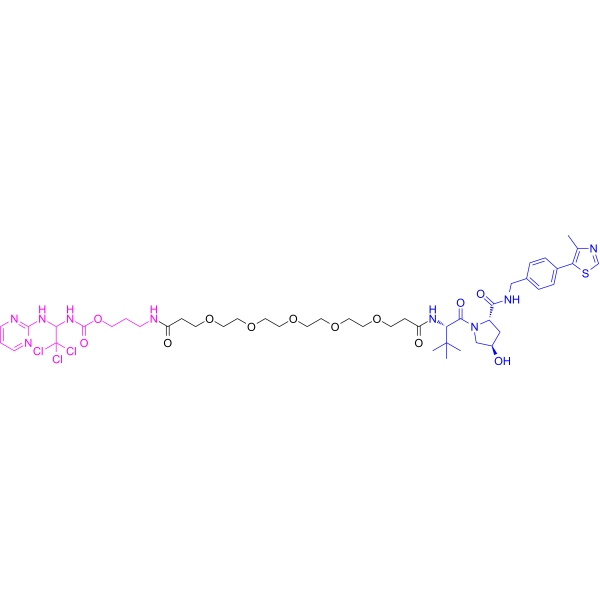
    GRK2 degrader-1 (compound 1) is a potent and orally active GRK2 degrader. GRK2 degrader-1 degrades GRK2 via the ubiquitin-proteasome pathway. GRK2 degrader-1 inhibits right ventricular remodeling and elevation of pulmonary artery pressure in a pulmonary artery hypertension (PAH) mouse model. GRK2 degrader-1 can be used for PAH research .
    GRK2 degrader-1
  • HY-13569AR

    TRK-100 (Standard); ML 1129 sodium (Standard)

    Reference Standards Prostaglandin Receptor Cardiovascular Disease Inflammation/Immunology
    Beraprost (sodium) (Standard) is the analytical standard of Beraprost (sodium). This product is intended for research and analytical applications. Beraprost sodium, a prostacyclin analog, is a stable and orally active proagent of PGI2. Beraprost sodium is a potent vasodilator, has the potential for pulmonary arterial hypertension treatment through expanding renal vessels, improving microcirculation . Beraprost (sodium) is a click chemistry reagent, it contains an Alkyne group and can undergo copper-catalyzed azide-alkyne cycloaddition (CuAAc) with molecules containing Azide groups.
    Beraprost sodium (Standard)
  • HY-168985

    Aldehyde Dehydrogenase (ALDH) Cancer
    Mirivadelgat is an activator of aldehyde dehydrogenase 2 activator. Mirivadelgat is promising for research of interstitial lung disease-pulmonary hypertension and cancers .
    Mirivadelgat
  • HY-14184A

    Endothelin Receptor Cardiovascular Disease Endocrinology
    Macitentan n-butyl analogue is a n-butyl analogue of Macitentan. Macitentan is an orally active, non-peptide dual endothelin ETA and ETB receptor antagonist for the potential treatment of idiopathic pulmonary fibrosis (IPF) and pulmonary arterial hypertension (PAH).
    Macitentan n-butyl analogue
  • HY-165587

    Prostaglandin Receptor Cardiovascular Disease
    BM-573 is an orally active dual thromboxane A₂ (TXA₂) modulator with an IC50 of 1.3 nM. BM-573 possesses both thromboxane synthase (TxAS) inhibition and thromboxane receptor (TP) antagonistic effects. BM-573 can completely inhibit platelet aggregation induced by Arachidonic acid (HY-109590) or U-46619 (TXA₂ analogues). BM-573 completely blocks the generation of TXB₂ (the stable metabolite of TXA₂) in human platelets and does not inhibit cyclooxygenase (COX-1/COX-2), thus avoiding interference with other prostaglandin synthesis. BM-573 has an inhibitory effect on U-46619-induced contractions in rat gastric fundus smooth muscle (ED₅₀ = 4.2 μM), but has no effect on contractions caused by PGE₂, PGF₂α, or PGI₂. BM-573 can be used in the study of atherosclerosis, myocardial infarction, pulmonary hypertension and shock .
    BM-573
  • HY-172094

    AMPK Apoptosis Autophagy Cardiovascular Disease
    AMPK-IN-6 (compound 13a) is potent AMPK inhibitor with an IC50 value of 0.093 µM. AMPK-IN-6 induces apoptosis and inhibits autophagy. AMPK-IN-6 shows antiproliferative activity. AMPK-IN-6 has the potential for the research of pulmonary arterial hypertension .
    AMPK-IN-6
  • HY-117109R

    Reference Standards Drug Derivative Others
    Amino Tadalafil (Standard) is the analytical standard of Amino Tadalafil. This product is intended for research and analytical applications. Amino Tadalafil is a structural analogue of Tadalafil (HY-90009A). Tadalafil is a potent inhibitor of PDE5 with applications in several conditions, including erectile dysfunction, pulmonary arterial hypertension, and lower urinary tract dysfunction .
    Amino Tadalafil (Standard)
  • HY-112704

    Phosphodiesterase (PDE) Cardiovascular Disease
    PDE5-IN-2 is a potent, highly selective, and orally active PDE5 inhibitor, with an IC50 of 0.31 nM, less potently inhibits PDE2A, PDE10A, PDE4D2, and PDE6C, with IC50s of 106, 46, 43, 1.2 nM, respectively. Anti-pulmonary arterial hypertension activity .
    PDE5-IN-2
  • HY-124051

    Elastase Cardiovascular Disease Inflammation/Immunology
    BAY-8040 is a pyrimidopyridazine derivative which has inhibitory activity against human neutrophil elastase (HNE). BAY-8040 decreases cardiac remodeling and ameliorates cardiac function in a Monocrotaline (HY-N0750)-induced rat model for pulmonary arterial hypertension. BAY-8040 is promising for research of inflammatory pathologies and cardiopulmonary pathologies .
    BAY-8040
  • HY-106861

    Potassium Channel Cardiovascular Disease
    NIP-121 is a new type of potassium channel opener. NIP-121 significantly reduces mean pulmonary artery pressure and total pulmonary resistance through vasodilation. NIP-121 can be used for research on pulmonary arterial hypertension .
    NIP-121

Online-Anfrage

Your information is safe with us. * Required Fields.

Anrede


Country or Region *

Name des Antragstellers *


Name der Organisation *

Department *


E-Mail-Addresse *


Produktname *

Art. -Nr.


Requested quantity *

Telefonnummer *


Bemerkungen

Online-Anfrage

Inquiry Information

Produktname:
Art. -Nr.:
Menge:
MCE Japan Authorized Agent:

