1. Search Result
Search Result
Results for "

Quinone Reductase

" in MedChemExpress (MCE) Product Catalog:

139

Inhibitors & Agonists

8

Screening Libraries

2

Fluorescent Dyes

1

Biochemical Assay Reagents

70

Natural
Products

5

Recombinant Proteins

7

Isotope-Labeled Compounds

2

Antibodies

Cat. No. Product Name Target Research Areas Chemical Structure
  • HY-153169
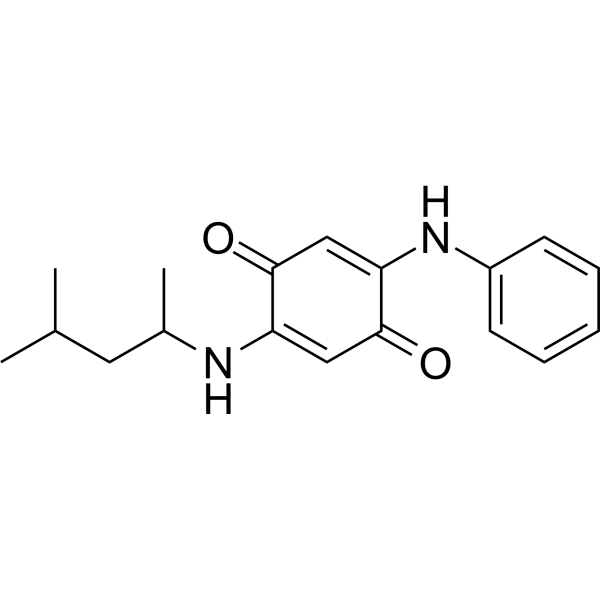
    6PPD-Q
    5+ Cited Publications

    6PPD-Quinone

    α-synuclein Environmental Pollutants Others
    6PPD-Q (6PPD-Quinone) is an environmental pollutant that can be detected in human urine and is widely present in the environment. 6PPD-Q targets and binds to CNR2, CNR1, AA2AR, LCAT, and TRPA1, with CNR2 exhibiting the highest binding affinity, potentially acting as a CNR2 receptor agonist to activate cannabinoid receptors. 6PPD-Q induces intestinal inflammation and barrier damage by disrupting mitochondrial function, reducing neuronal glycolysis metabolites and TCA cycle intermediates, and exacerbating α-synuclein (α-syn) aggregation. 6PPD-Q is applicable in research on environmental toxicology, neurodegenerative diseases, and inflammation-related disorders .
    6PPD-Q
  • HY-N0645
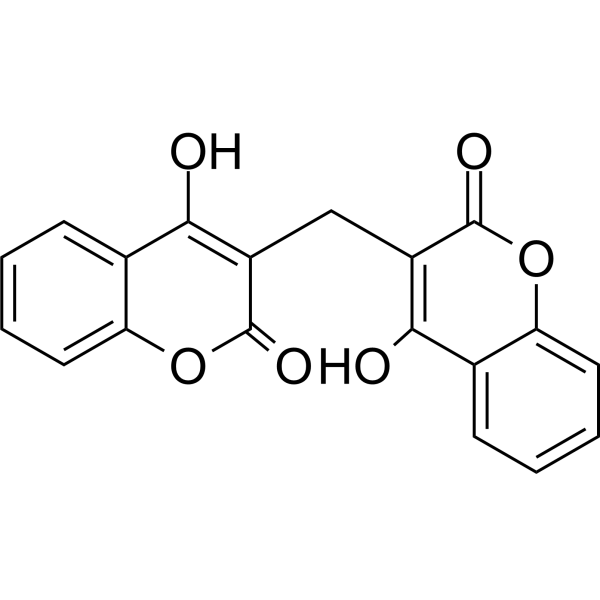
    Dicoumarol
    Maximum Cited Publications
    11 Publications Verification

    Dicumarol

    Quinone Reductase PDHK Cancer
    Dicoumarol is an inhibitor of both NAD(P)H:quinone oxidoreductase 1 (NQO1) and PDK1 with IC50s of 0.37 and 19.42 μM, respectively.
    Dicoumarol
  • HY-100196
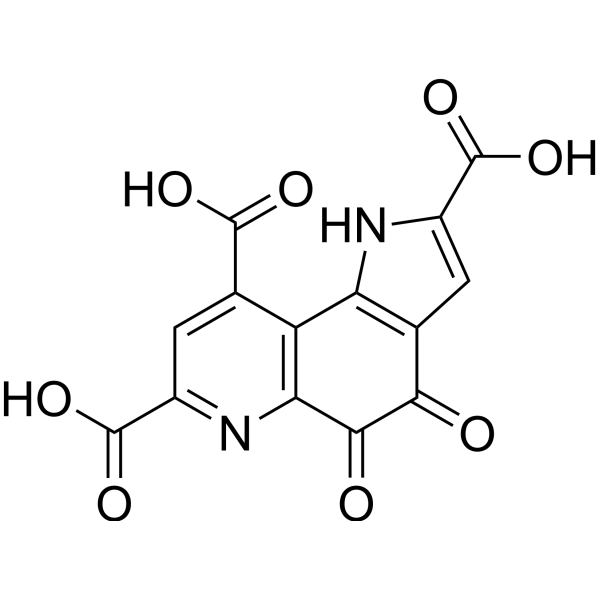
    Pyrroloquinoline quinone
    5+ Cited Publications

    PQQ; Methoxatin

    Endogenous Metabolite Inflammation/Immunology
    Pyrroloquinoline quinone (PQQ), a redox co-factor, is an anionic, redox-cycling orthoquinone. Pyrroloquinoline quinone is isolated from cultures of methylotropic bacteria and tissues of mammals. Pyrroloquinoline quinone is an essential nutrient for mammals and is important for immune function .
    Pyrroloquinoline quinone
  • HY-100196A

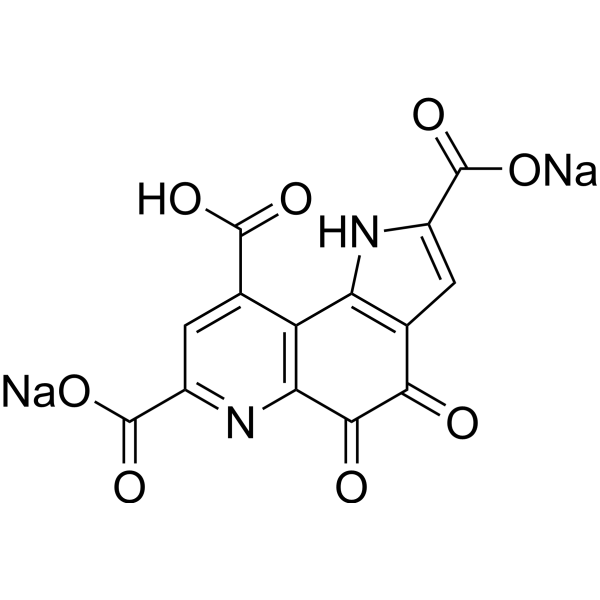
    PQQ disodium salt; Methoxatin disodium salt

    Endogenous Metabolite Inflammation/Immunology
    Pyrroloquinoline quinone disodium salt, a redox co-factor, is an anionic, redox-cycling orthoquinone. Pyrroloquinoline quinone disodium salt is isolated from cultures of methylotropic bacteria and tissues of mammals. Pyrroloquinoline quinone disodium salt is an essential nutrient for mammals and is important for immune function .
    Pyrroloquinoline quinone disodium salt
  • HY-152039S

    Isotope-Labeled Compounds Others
    6PPD-quinone-d5 is the deuterium labeled 6PPD-quinone .
    6PPD-quinone-d5
  • HY-125027

    IB-DNQ

    Quinone Reductase Cancer
    Isobutyl-deoxynyboquinone (IB-DNQ) is a selective substrate for NAD(P)H:quinone oxidoreductase (NQO1). Isobutyl-deoxynyboquinone can be used for the research of anticancer .
    Isobutyl-deoxynyboquinone
  • HY-N4168A

    5-O-Caffeoylquinic acid methyl ester

    Quinone Reductase HBV Infection Cancer
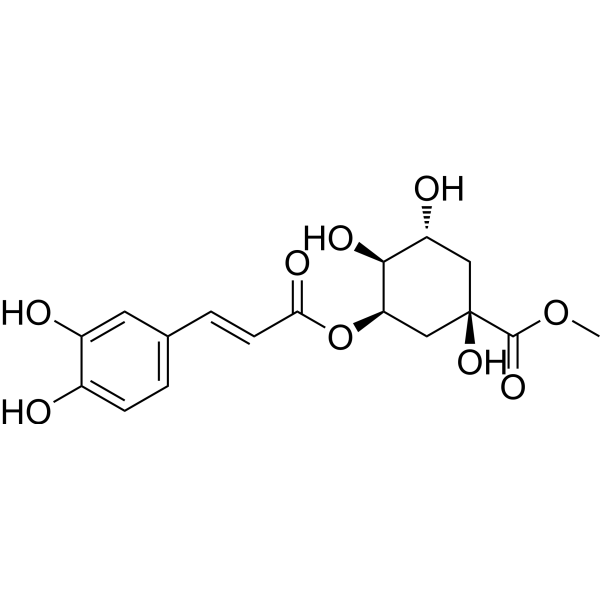
    Neochlorogenic acid (5-O-Caffeoylquinic) methyl ester is a selective quinone reductase inducer (EC50 = 6.7 μM) and also exhibits hydroxyl radical scavenging activity (EC50 = 0.81 μM). Neochlorogenic acid methyl ester scavenges hydroxyl radicals by donating electrons or hydrogen atoms, while simultaneously inducing quinone reductase expression to enhance carcinogen detoxification, thus exerting antioxidant and cancer chemopreventive activities. Neochlorogenic acid methyl ester is used in research on antioxidant damage and promoting detoxification metabolism, primarily in the fields of cancer chemotherapy and antioxidant-related diseases. Neochlorogenic acid methyl ester is also an HBV inhibitor and can be isolated from the flower buds of *L. japonica* .
    Neochlorogenic acid methyl ester
  • HY-103397
    Nanaomycin A
    4 Publications Verification

    Antibiotic DNA Methyltransferase Parasite Infection Cancer
    Nanaomycin A is the first selective DNMT3B inhibitor with an IC50 of 500 nM. Nanaomycin A, a quinone antibiotics, reactivates silenced tumor suppressor genes in human cancer cells . Nanaomycin A inhibits in vitro growth of the human malaria parasite Plasmodium falciparum with an IC80 value of 33.1 nM .
    Nanaomycin A
  • HY-16772

    α-Tocotrienol Quinone; PTC-743; VatiQuinone; NCT04378075

    Mitochondrial Metabolism Ferroptosis Neurological Disease
    EPI-743 (Vatiquinone; α-Tocotrienol quinone; PTC-743; NCT04378075) is a potent cellular oxidative stress protectant, inhibits ferroptosis in cells, which could be used for the study for mitochondrial diseases. EPI-743 is a synthetic analog of vitamin E with oral activity, targets repletion of reduced intracellular glutathione .
    EPI-743
  • HY-125365
    Rifamycin S
    2 Publications Verification

    Bacterial Reactive Oxygen Species (ROS) Antibiotic Infection
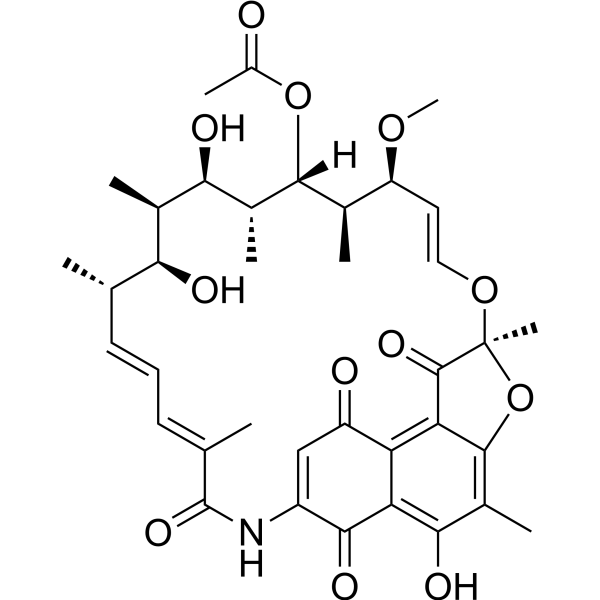
    Rifamycin S, a quinone, is an antibiotic against Gram-positive bacteria (including MRSA). Rifamycin S is the oxidized forms of a reversible oxidation-reduction system involving two electrons. Rifamycin S generates reactive oxygen species (ROS) and inhibits microsomal lipid peroxidation. Rifamycin S can be used for tuberculosis and leprosy .
    Rifamycin S
  • HY-108544
    INCA-6
    4 Publications Verification

    Triptycene-1,4-Quinone

    Nuclear Factor of activated T Cells (NFAT) Cardiovascular Disease
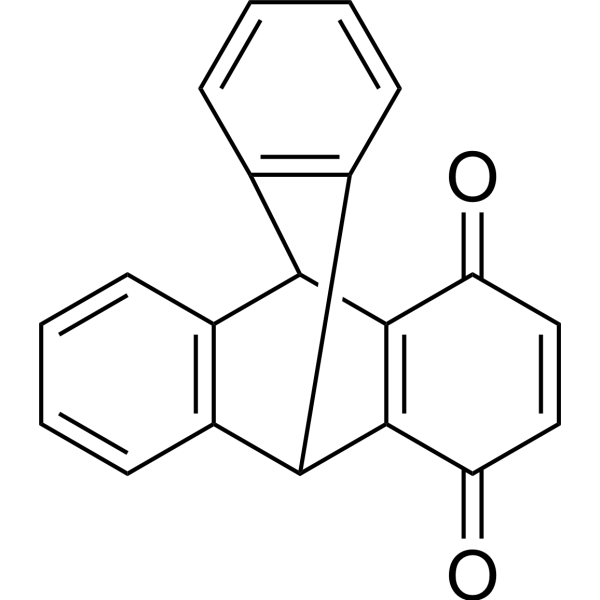
    INCA-6 (Triptycene-1,4-quinone) is a cell-permeable NFAT inhibitor. INCA-6 specifically blocks targeting of NFAT(P) substrate to the calcineurin (CN) phosphatase site and is an effective inhibitor of CN-NFAT signaling .
    INCA-6
  • HY-103667
    2-HBA
    3 Publications Verification

    Quinone Reductase Caspase Cancer
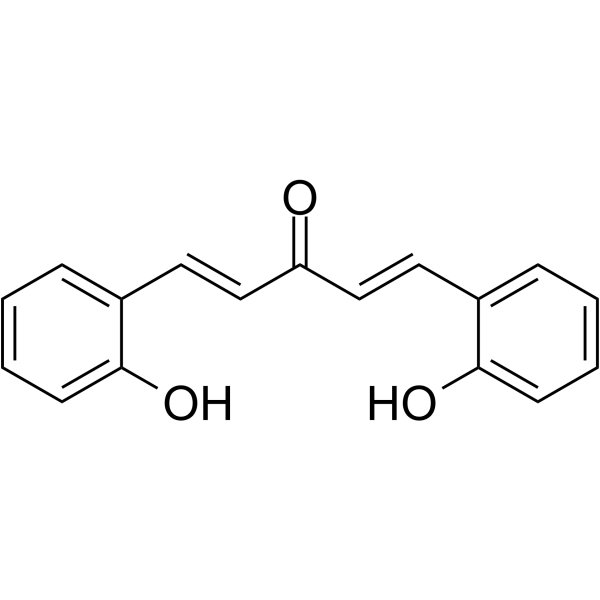
    2-HBA is a potent inducer of NAD(P)H:quinone acceptor oxidoreductase 1 (NQO1) which can also activate caspase-3 and caspase-10.
    2-HBA
  • HY-122614
    S29434
    2 Publications Verification

    NMDPEF

    Autophagy Neurological Disease
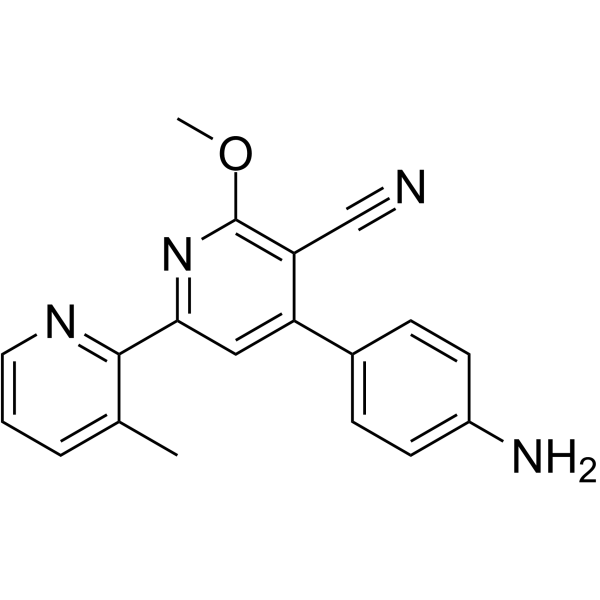
    S29434 (NMDPEF) is a potent, competitive, selective and cell-permeable inhibitor of quinone reductase 2 (QR2), with IC50s ranging from 5 to 16 nM for human QR2 at different organizational levels, and has good selectivity for QR2 over QR1. S29434 induces autophagy and inhibits QR2-mediated ROS production .
    S29434
  • HY-144439

    Mitochondrial Metabolism Cardiovascular Disease Cancer
    HTS07545 is a potent sulfide:quinone oxidoreductase (SQOR) inhibitor with an IC50 of 30 nM. HTS07545 reduces the decomposition rate of hydrogen sulfide (H2S). HTS07545 can be used in the research of heart failure and pancreatic ductal adenocarcinoma.
    HTS07545
  • HY-141552
    FC9402
    2 Publications Verification

    Mitochondrial Metabolism Cardiovascular Disease
    FC9402 is a potent and selective sulfide quinone oxidoreductase (SQOR) inhibitor extracted from patent WO 2020/146636 A1. FC9402 attenuates TAC-induced cardiomyocyte hypertrophy and left ventricle (LV) fibrosis. FC9402 can be used for cardiovascular regulation .
    FC9402
  • HY-128369

    Metanil Yellow

    Environmental Pollutants Cytochrome P450 Others
    Acid Yellow 36 (Metanil Yellow) is an azo dye and a pH indicator. Acid Yellow 36 changes its color from red at pH 1.2 to yellow at pH 2.3. Acid Yellow 36 is used in the leather, paper and textile industries. Acid Yellow 36 acts as a bifunctional inducer of specific isozymes of P-450 and cytosolic enzymes .
    Acid Yellow 36
  • HY-111441

    Chrysene-1,4-dione

    Aryl Hydrocarbon Receptor Cancer
    1,4-Chrysenequinone, a polycyclic aromatic quinone, acts as an activator of aryl hydrocarbon receptor (AhR).
    1,4-Chrysenequinone
  • HY-N6724

    Dihydroalterperylenol

    Others Metabolic Disease
    Altertoxin I (Dihydroalterperylenol) is a quinone-type mycotoxin produced by Alternaria alternata fungi, which is mutagenic and cytotoxic, and can weakly disrupts metabolic communication .
    Altertoxin I
  • HY-111968

    Fungal Infection
    Orysastrobin, a “quinone outside inhibitor” (QoI)-type fungicide, has excellent fungicidal efficacy against leaf and panicle blast and against sheath blight in rice .
    Orysastrobin
  • HY-100196R

    PQQ (Standard); Methoxatin (Standard)

    Reference Standards Endogenous Metabolite Inflammation/Immunology
    Pyrroloquinoline quinone (Standard) is the analytical standard of Pyrroloquinoline quinone. This product is intended for research and analytical applications. Pyrroloquinoline quinone (PQQ), a redox co-factor, is an anionic, redox-cycling orthoquinone. Pyrroloquinoline quinone is isolated from cultures of methylotropic bacteria and tissues of mammals. Pyrroloquinoline quinone is an essential nutrient for mammals and is important for immune function .
    Pyrroloquinoline quinone (Standard)
  • HY-100196S1

    PQQ-13C3 sodium; Methoxatin-13C3 sodium

    Endogenous Metabolite Inflammation/Immunology
    Pyrroloquinoline quinone- 13C3 (PQQ- 13C3) sodium is an isotope of Pyrroloquinoline quinone. Pyrroloquinoline quinone (PQQ), a redox co-factor, is an anionic, redox-cycling orthoquinone. Pyrroloquinoline quinone is isolated from cultures of methylotropic bacteria and tissues of mammals. Pyrroloquinoline quinone is an essential nutrient for mammals and is important for immune function .
    Pyrroloquinoline quinone-13C3 sodium
  • HY-W100959

    TetramethylQuinone

    Drug Derivative Others
    Duroquinone (Tetramethylquinone) is a model compound of amphiphilic quinone, which can be used as an oxidative-reductive activity probe. Duroquinone can be easily reduced by biological systems to hydrogen peroxide (DQH₂) or semi-quinone free radicals (DQ•⁻). Duroquinone can freely pass through the cell membrane, facilitating the study of the electron transfer process inside and outside the cells. Duroquinone can be used to investigate the relationship between metabolism in the pulmonary circulation and endothelial cells .
    Duroquinone
  • HY-152039S1

    6PPD-Quinone-13C6

    Isotope-Labeled Compounds Others
    6PPD-quinone- 13C6 is the 13C labeled 6PPD-quinone .
    6PPD-Q-13C6
  • HY-118588

    Quinone Reductase Microtubule/Tubulin Others
    Diminutol is an inhibitor for NADP-dependent quinone oxidoreductase (NQO1), that is involved in microtubule morphogenesis and cell devision .
    Diminutol
  • HY-N1551
    Przewaquinone A
    1 Publications Verification

    Others Cardiovascular Disease
    Przewaquinone A, a lipophilic diterpene quinone present only in Salvia przewalskii, induces a potent inhibitory action on vascular contraction .
    Przewaquinone A
  • HY-131722

    Phospholipase Cardiovascular Disease
    EA4, a derivative of quinone, is an inhibitor for both rPLA and cPLA. EA4 can inhibit rPLA2 with a Ki value of 130 μM. EA4 can be used for the research of hemostasis, thrombosis, and erythropoiesis .
    EA4
  • HY-N5018

    Musizin

    Parasite AMPK Infection
    Nepodin (Musizin) is a quinone oxidoreductase (PfNDH2) inhibitor isolate from Rumex crispus .Nepodin (Musizin) stimulates the translocation of GLUT4 to the plasma membrane by activation of AMPK .Nepodin (Musizin) has antidiabetic and antimalarial activities.
    Nepodin
  • HY-146145

    Fungal Mitochondrial Metabolism Infection
    Metyltetraprole is a promising fungicide with EC50 values of both 0.002 ppm against sensitive wild-type and G143A mutant of Zymoseptoria tritici. Metyltetraprole is effective against QoI (quinone outside inhibitor) resistant strains. Metyltetraprole inhibits the respiratory chain via complex III .
    Metyltetraprole
  • HY-121065

    IRC-083065

    Phosphatase Cancer
    BN-82685 is a a quinone-based CDC25 inhibitor with IC50 of 201 nM, 117 nM, 109 nM, 160 nM, 249 nM, for CDC25C, CDC25C-cat, CDC25A, CDC25B2, CDC25B3, respectively. BN-82685 plays an important role in cancer research .
    BN-82685
  • HY-N9942
    Physalin A
    1 Publications Verification

    Apoptosis Autophagy NF-κB p38 MAPK PI3K Akt mTOR STAT JAK Inflammation/Immunology Cancer
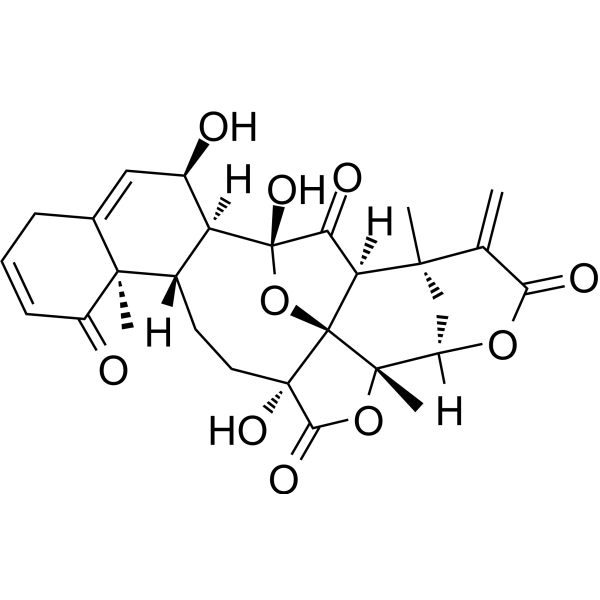
    Physalin A is a biologically active withanolide. Physalin A shows anti-inflammatory, antifibrotic and ameliorative effects on autophagy in models of disc degeneration. Physalin A has antitumor activity and can induce apoptosis, ROS production and G2/M phase cell cycle arrest. Besides. Physalin A can significantly increase the activity of quinone reductase and increase the expression of detoxifying enzymesc .
    Physalin A
  • HY-W176199

    Biochemical Assay Reagents Drug Derivative Environmental Pollutants Metabolic Disease
    DPPD-Q is a quinone derivative of p-phenylenediamine antioxidants and an analog of DTPD-Q (HY-163650). DPPD-Q is identified as a major sewage treatment plant effluent .
    DPPD-Q
  • HY-W007671
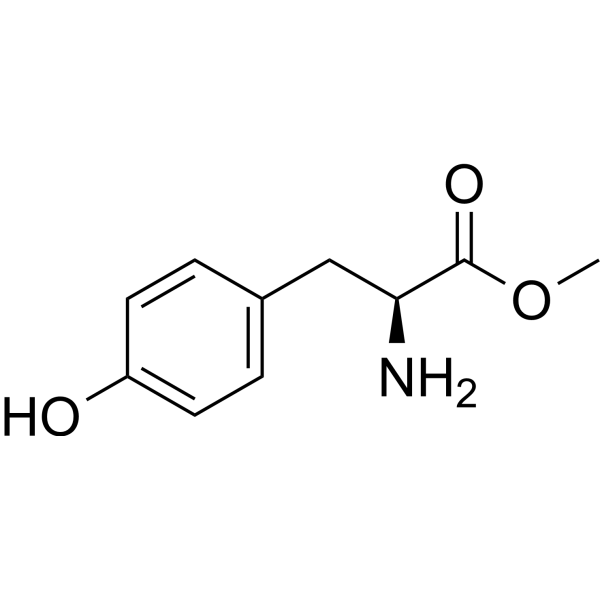
    H-Tyr-OMe
    1 Publications Verification

    Endogenous Metabolite Tyrosinase Others
    H-Tyr-OMe is an endogenous metabolite. H-Tyr-OMe quenches the fluorescence of carbon dots by oxidizing the phenolic hydroxyl group to quinone under the catalysis of Tyrosinase, and its amino and thiol binding ability can respond to changes in the concentration of biothiols .
    H-Tyr-OMe
  • HY-122961

    1,2-Didehydromiltirone

    NF-κB p38 MAPK Inflammation/Immunology
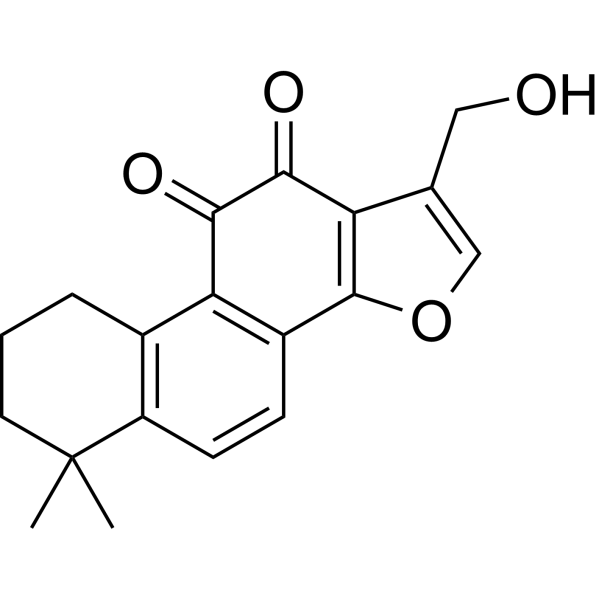
    Dehydromiltirone (1,2-Didehydromiltirone) is a diterpenoid quinone with an anti-inflammatory effect. Dehydromiltirone prevents liver injury by modifying the MAPK and NF-κB signaling pathways, reducing neuroinflammatory responses, and inhibiting platelet aggregation. Dehydromiltirone can be used for osteoporosis research .
    Dehydromiltirone
  • HY-168926

    Reactive Oxygen Species (ROS) Apoptosis Cancer
    NQO2-IN-1 (Compound 20b) is the inhibitor for quinone oxidoreductase (NQO) that inhibits NQO2 with an IC50 of 95 nM. NQO2-IN-1 overcomes the resistance of NSCLC cells to tumor necrosis factor-related apoptosis-inducing ligand (TRAIL) by induction of ROS and apoptosis .
    NQO2-IN-1
  • HY-157744

    Mitochondrial Metabolism Cancer
    Coumarin–quinone conjugate is a fluorescent substrate for NADH:ubiquinone oxidoreductases which consists of a coumarin fluorophore and a ubiquinone analog. Coumarin–quinone conjugate can be used to measure the kinetic parameters of AIFM2/FSP1 for researches such as ferroptosis .
    Coumarin–quinone conjugate
  • HY-138645

    DNA/RNA Synthesis Cancer
    5-Iminodaunorubicin is a quinone-modified anthracycline that retains antitumor activity . 5-Iminodaunorubicin produces protein-concealed DNA strand breaks in cancer cells .
    5-Iminodaunorubicin
  • HY-W090317

    DMBQ; 2,5-Dimethyl-p-Quinone; Phlorone

    Urease Others
    2,5-Dimethyl-1,4-benzoquinone is a jack bean urease (HY-P2767) inhibitor (IC50: 0.98 μM). 2,5-Dimethyl-1,4-benzoquinone can be used in the study of soil urease activity in agriculture .
    2,5-Dimethyl-1,4-benzoquinone
  • HY-N10344

    Cytochrome P450 Quinone Reductase Cancer
    Glucoarabin is a bioactive glucosinolate. In Hepa1c1c7 cells, hydrolyzed Glucoarabin (hGSL 9) upregulates the phase II detoxification enzyme quinone reductase (NQO1), with no effect on cytochrome P450 (CYP) 1A1 activity .
    Glucoarabin
  • HY-131829

    6-AE-NAD+

    Biochemical Assay Reagents Others
    N6-(2-Aminoethyl)-NAD+ (6-AE-NAD+) is a NAD+ derivative commonly used in affinity chromatography. N6-(2-Aminoethyl)-NAD+ can be covalently linked to a PQQ (pyrroloquinoline quinone) (HY-100196) monolayer on an electrode surface for immobilizing NAD+-dependent enzymes such as lactate dehydrogenase (LDH) .
    N6-(2-Aminoethyl)-NAD+
  • HY-122482

    HIV Reverse Transcriptase Telomerase Bacterial Infection Metabolic Disease Cancer
    β-Rubromycin, a quinone antibacterial agent, is a selective HIV-1 reverse transcriptase inhibitor with a Ki of 0.27 μM. β-Rubromycin is a potent telomerase inhibitor with an IC50 of 3 μM. β-Rubromycin inhibits the proliferation of both K-562 and HeLa cells with IC50 values of 19.5 µM and 22.7 µM, respectively .
    β-Rubromycin
  • HY-176151

    HPPD-Quinone

    Biochemical Assay Reagents Others
    HPPD-Q (HPPD-quinone) is a substituted p-phenylenediamine quinone and derivative of 6-PPD-Q.
    HPPD-Q
  • HY-Z1617

    Biochemical Assay Reagents Others
    Tigecycline quinone analog-1 (Impurity 3) is an antioxidant. Tigecycline quinone analog-1 (Impurity 3) can be used in antioxidant research .
    Tigecycline quinone analog-1
  • HY-119528

    Bacterial Infection
    Mansonone F is a potent anti-MRSA sesquiterpenoid quinone that can be found in Thespesia populnea .
    Mansonone F
  • HY-116726

    Glutathione S-transferase Cancer
    Crambene is an orally active cyanide compound isolated from cruciferous vegetables. Crambene has a cancer-preventive effect and induces significant upregulation of quinone reductase and glutathione S-transferase in vitro and in vivo .
    Crambene
  • HY-106338

    Bacterial ADC Payload Parasite Infection Cancer
    Polyketomycin is a tetracyclic quinone glycoside antibiotic isolated from Streptomyces sp. or Streptomyces diastatochromogenes. Polyketomycin inhibits growth of Gram-positive bacteria, and its MIC values is less than 0.2 µg/mL. Polyketomycin has antibacterial, anticancer, antimalarial activities .
    Polyketomycin
  • HY-N1066
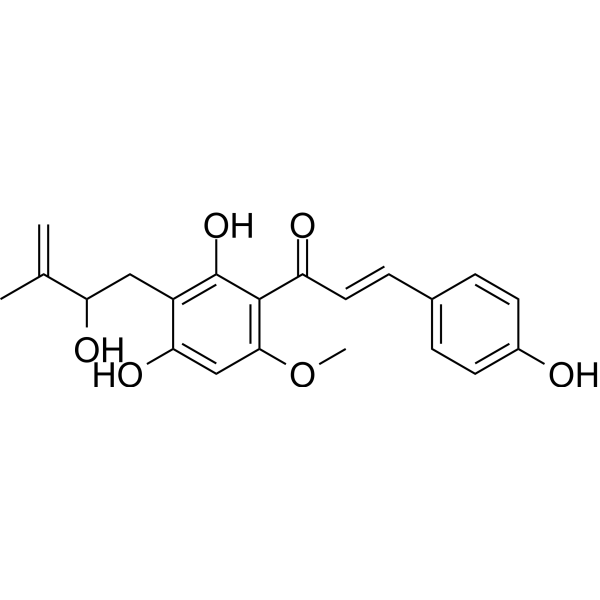
    Xanthohumol D
    1 Publications Verification

    Others Cancer
    Xanthohumol D, isolated from hops, is an inhibitor of quinone reductase-2 (QR-2) with the IC50 value of 110 μM, and binds to the active site of QR-2. Xanthohumol D shows antiproliferative activity on human cancer cell lines in vitro .
    Xanthohumol D
  • HY-110013

    Btk Antibiotic Infection Inflammation/Immunology
    Terreic acid, a quinone epoxide antibiotic, acts as an effective Btk inhibitor. Terreic acid blocks the interaction between PKC and the pleckstrin homology domain of Btk. Terreic acid inhibits the binding of GST-BtkPH to PKC in lysates of HMC-1 human mast cells with an IC50 of approximately 100 μM .
    Terreic acid
  • HY-145820

    Apoptosis Microtubule/Tubulin Cancer
    Tubulin inhibitor 14 is a potent NQO2 (quinone oxidoreductase 2) inhibitor with an IC50 of 1.0 μM. Tubulin inhibitor 14 also inhibits tubulin polymerization and the formation of endothelial cell capillary-like tubes. Tubulin inhibitor 14 is a microtubule-destabilizing agent with potential tumor-selectivity and antiangiogenic and vascular disrupting features .
    Tubulin inhibitor 14
  • HY-N10611

    Reactive Oxygen Species (ROS) Apoptosis Autophagy Fungal Fluorescent Dye Infection Cancer
    Elsinochrome A is a perylene quinone photosensitizer, and can generate reactive oxygen species (ROS) to induce apoptosis and autophagy under light excitation. Elsinochrome A also shows antifungal activity against C. albicans biofilm through photodynamic antimicrobial chemotherapy (PACT). Elsinochrome A can be used for research of photodynamic therapy (PDT) (Ex: 460 nm) .
    Elsinochrome A
  • HY-N15456

    Quinone Reductase Cancer
    Cryptolepinone is a quinone reductase activator with a CD (concentration required to double induction) value of 0.02 μg/mL and can be found in Sida acuta. In the mouse mammary organ culture assay, 10 μg/mL of Cryptolepinone inhibited 83.3% of the preneoplastic lesions induced by DMBA (HY-W011845). Cryptolepinone can be used in anti-cancer research .
    Cryptolepinone

Inquiry Online

Your information is safe with us. * Required Fields.

Salutation


Country or Region *

Applicant Name *


Organization Name *

Department *


Email Address *


Product Name *

Cat. No.


Requested quantity *

Phone Number *


Remarks

Inquiry Online

Inquiry Information

Product Name:
Cat. No.:
Quantity:
MCE Japan Authorized Agent:

