1. Search Result
Search Result
Isoforms Recommended: Bcl-xL
Results for "

bclxl

" in MedChemExpress (MCE) Product Catalog:

146

Inhibitors & Agonists

3

Biochemical Assay Reagents

8

Peptides

1

Inhibitory Antibodies

25

Natural
Products

2

Recombinant Proteins

5

Isotope-Labeled Compounds

4

Antibodies

2

Oligonucleotides

Cat. No. Product Name Target Research Areas Chemical Structure
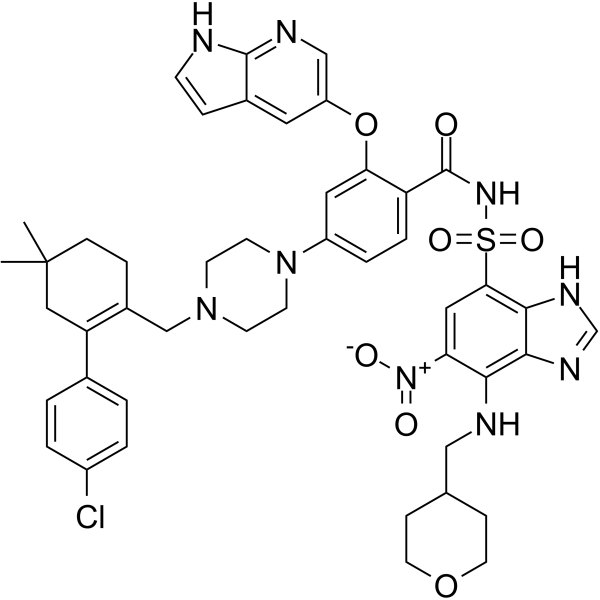
  • HY-10087
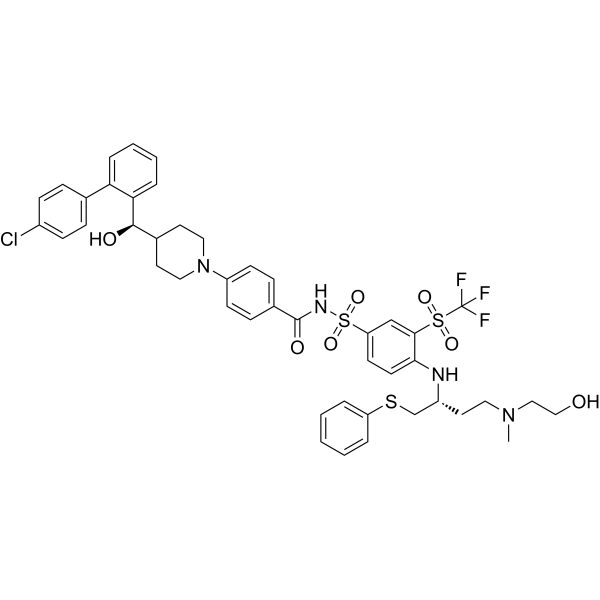
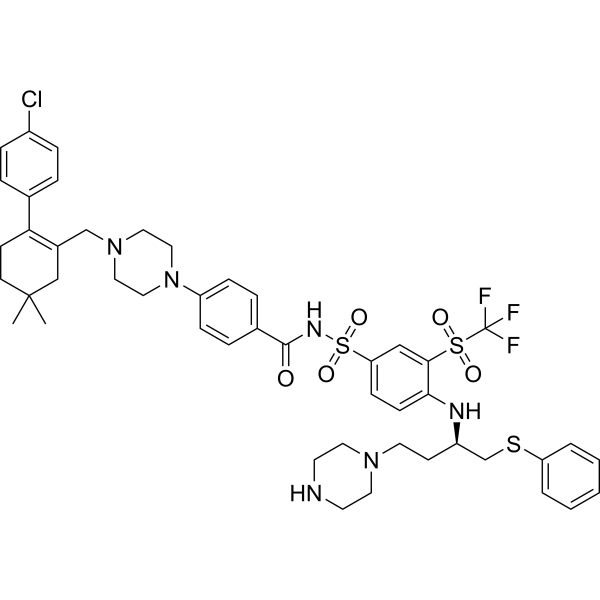
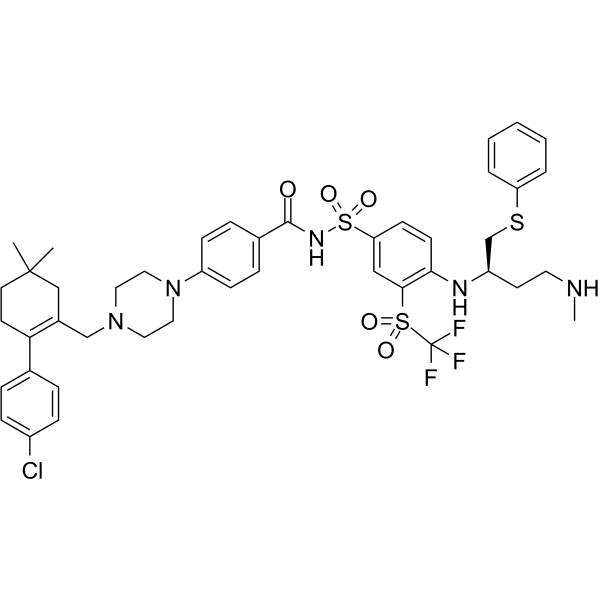
    Navitoclax
    145+ Cited Publications

    ABT-263

    Bcl-2 Family Cancer
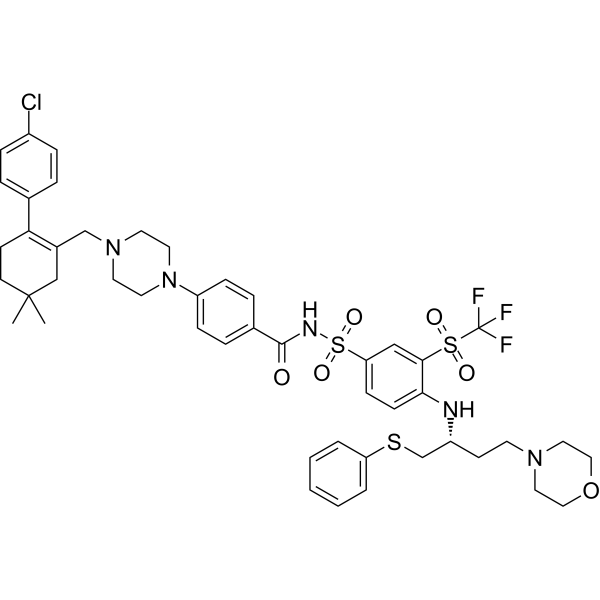
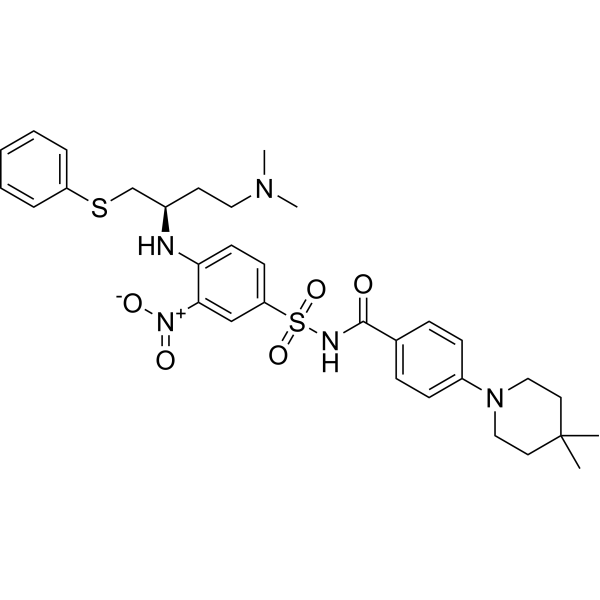
    Navitoclax (ABT-263) is a potent and orally active Bcl-2 family protein inhibitor that binds to multiple anti-apoptotic Bcl-2 family proteins, such as Bcl-xL, Bcl-2 and Bcl-w, with a Ki of less than 1 nM .
    Navitoclax
  • HY-B0011
    Docetaxel
    Maximum Cited Publications
    158 Publications Verification

    RP-56976

    Microtubule/Tubulin Apoptosis Endogenous Metabolite Cancer
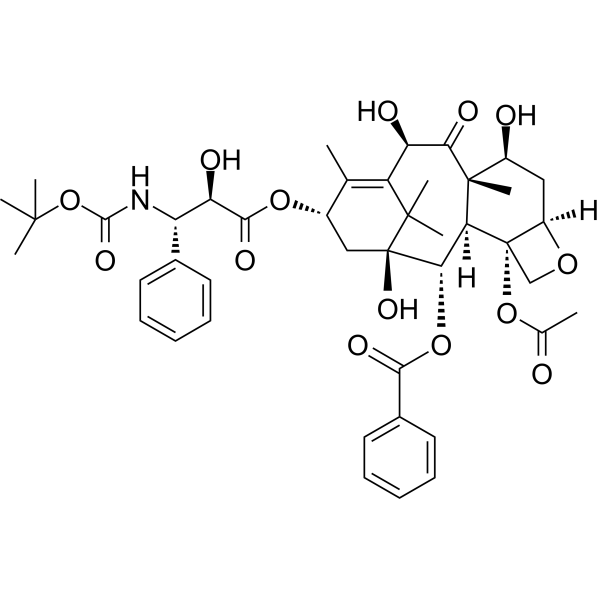
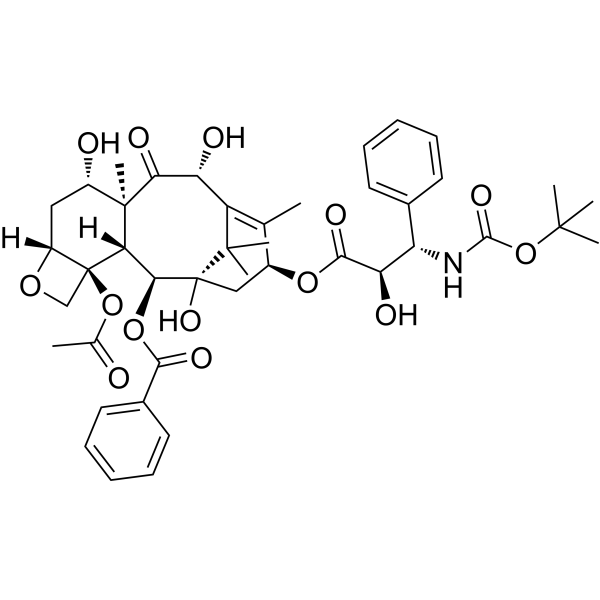
    Docetaxel (RP-56976) is a microtubule depolymerization inhibitor, with an IC50 of 0.2 μM. Docetaxel attenuates the effects of bcl-2 and bcl-xL gene expression. Docetaxel arrests the cell cycle at G2/M and leads to cell apoptosis. Docetaxel has anti-cancer activity .
    Docetaxel
  • HY-19741
    A-1331852
    50+ Cited Publications

    Bcl-2 Family Cancer
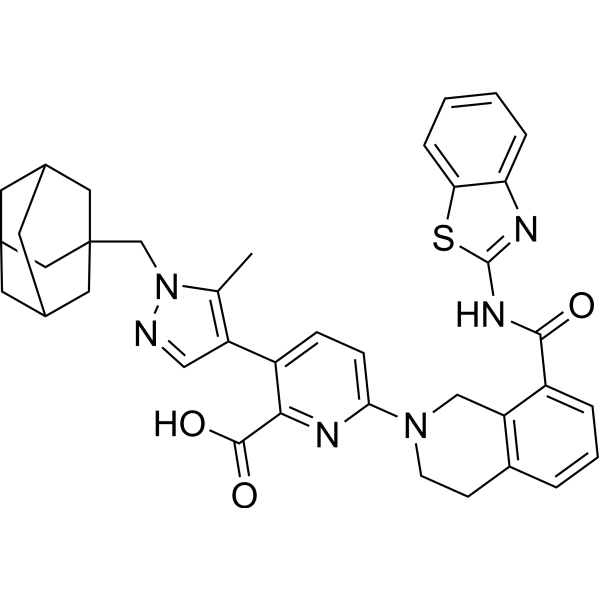
    A-1331852 is an orally available BCL-XL selective inhibitor with a Ki of less than 10 pM.
    A-1331852
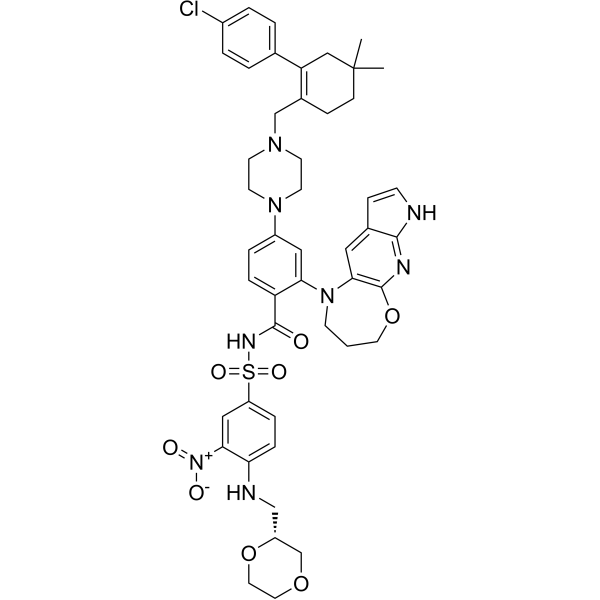
  • HY-130604
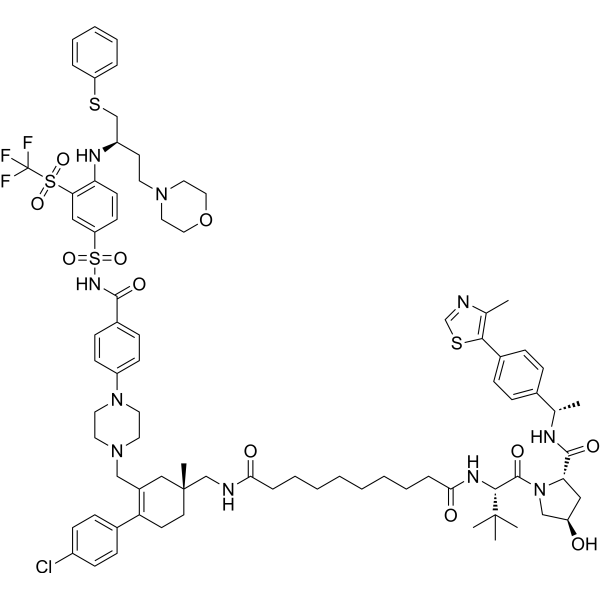
    DT2216
    2 Publications Verification

    Bcl-2 Family PROTACs Apoptosis Cancer
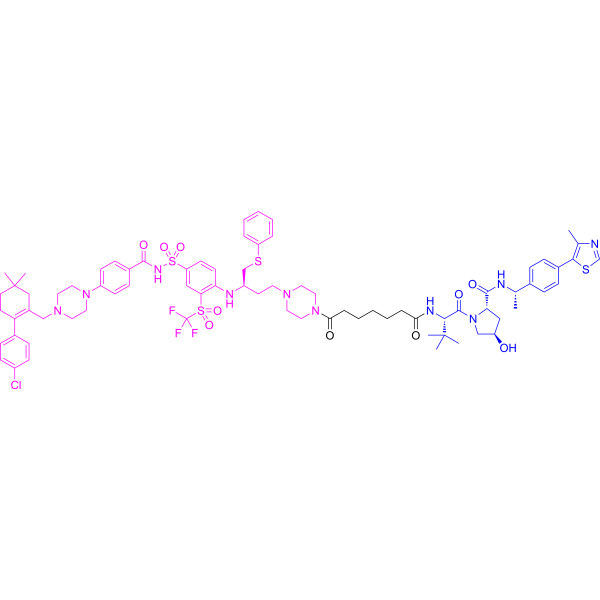
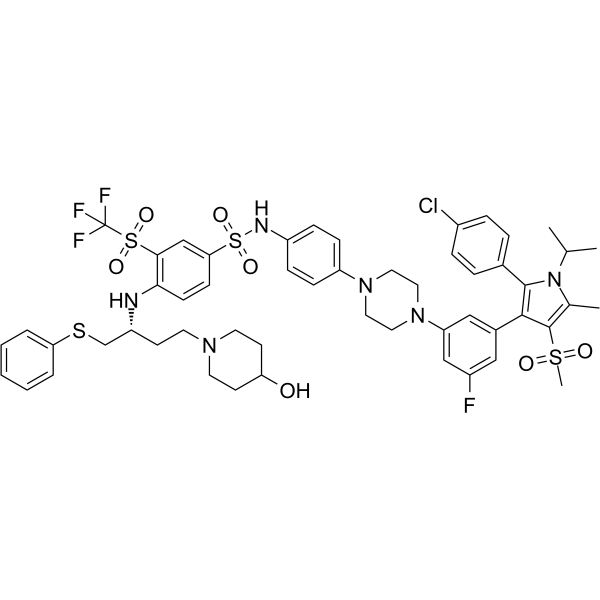
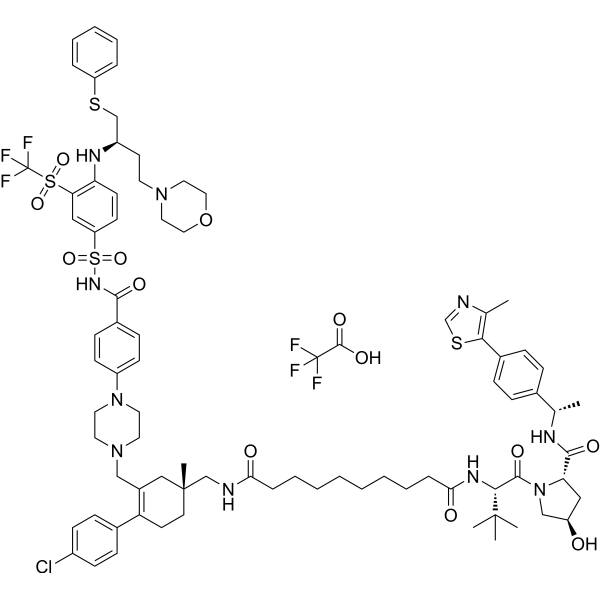
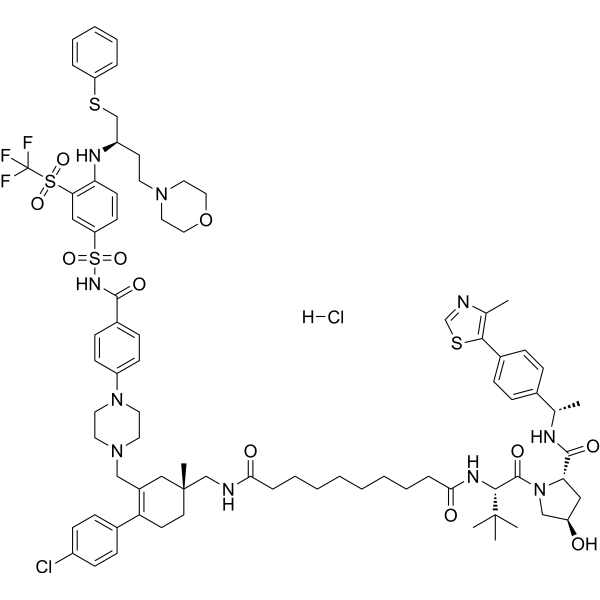
    DT2216 is a potent and selective BCL-XL (Bcl-2 family member) degrader based on PROTAC technology. DT2216 causes effective degradation of BCL-XL protein by recruiting Von Hippel-Lindau (VHL) E3 ubiquitin ligase. DT2216 inhibits various BCL-XL-dependent leukemia and cancer cells but considerably less toxic to platelets. DT2216 is composed of the Bcl-2 family protein inhibitor Navitoclax-piperazine (HY-44432), a linker, and a VHL E3 ubiquitin ligase (Pink: Navitoclax-piperazine; Blue: VHL ligand; Black: linker) .
    DT2216
  • HY-13407
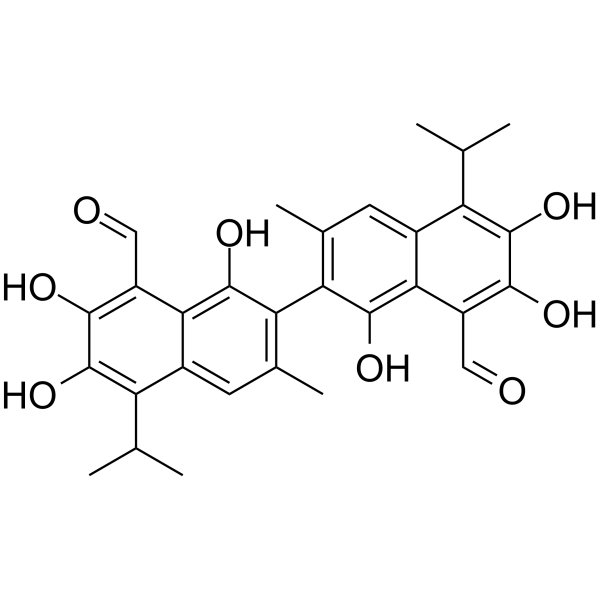
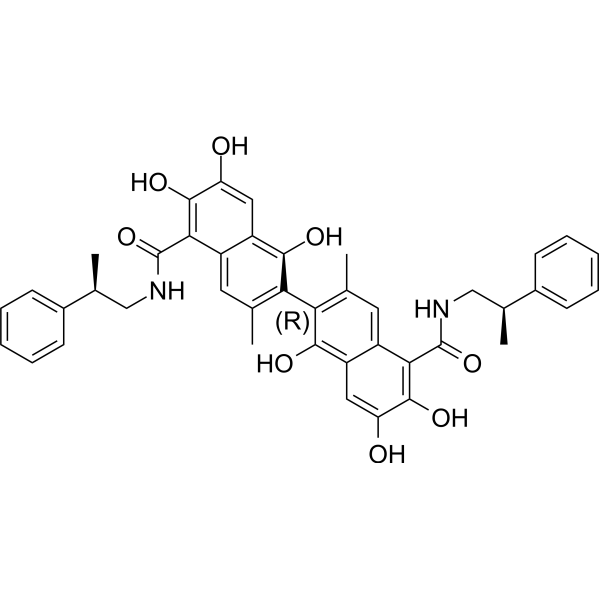
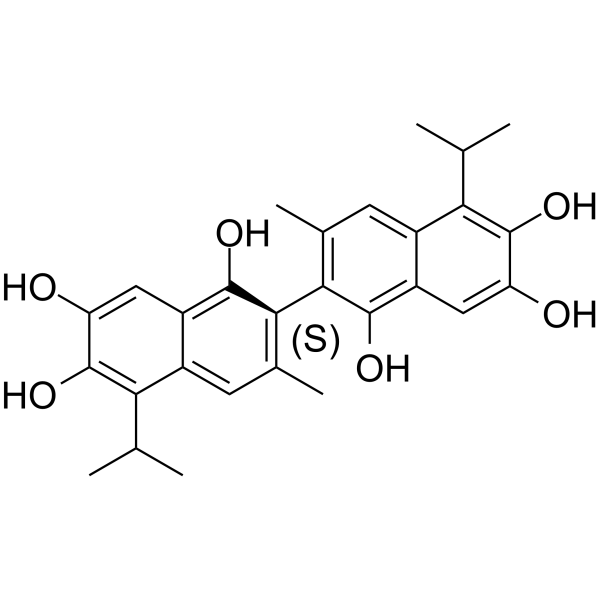
    Gossypol
    5+ Cited Publications

    BL 193

    Bcl-2 Family Cancer
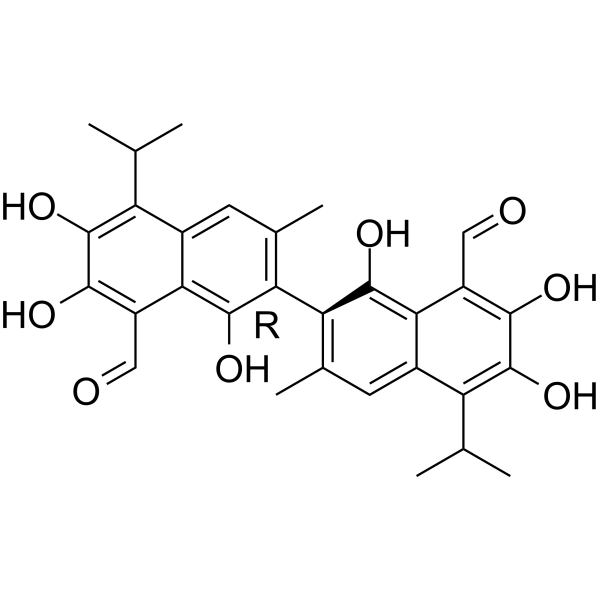
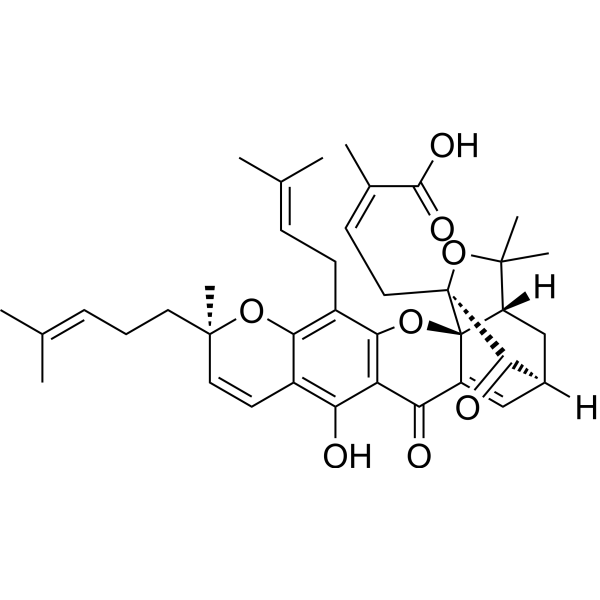
    Gossypol binds to Bcl-xL protein and Bcl-2 protein with Kis of 0.5-0.6 μM and 0.2-0.3 mM, respectively.
    Gossypol
  • HY-112416
    AZD4320
    5 Publications Verification

    Bcl-2 Family Cancer
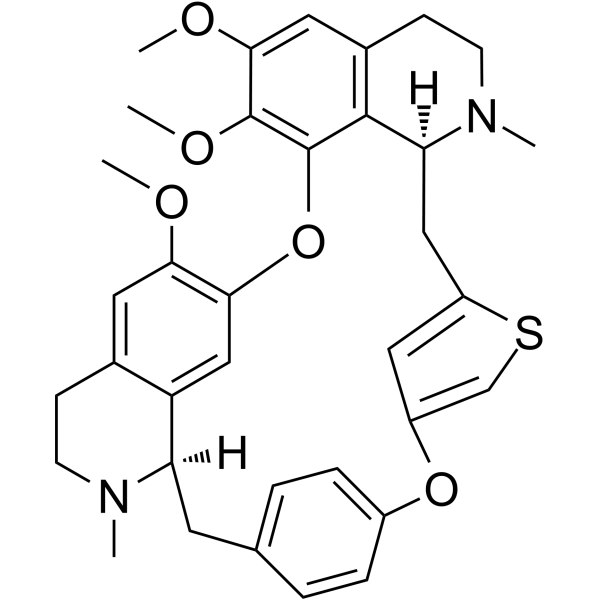
    AZD4320 is a novel BH3-mimicking dual BCL2/BCLxL inhibitor with IC50s of 26 nM, 17 nM, and 170 nM for KPUM-MS3, KPUM-UH1, and STR-428 cells, respectively.
    AZD4320
  • HY-17510
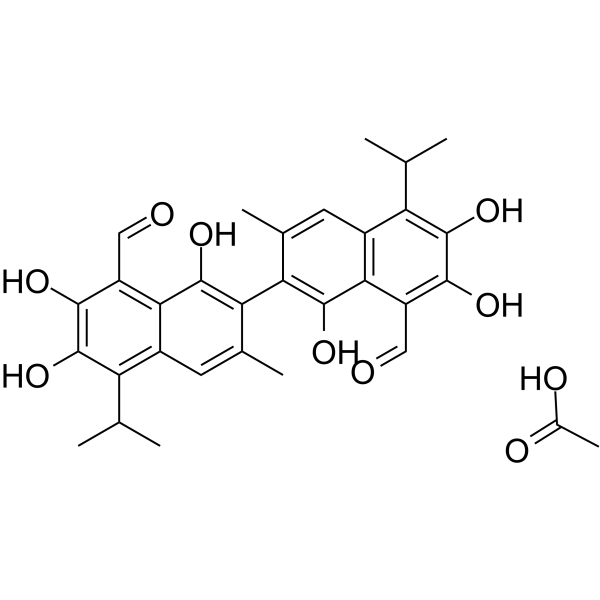
    Gossypol (acetic acid)
    5+ Cited Publications

    (±)-Gossypol-acetic acid; BL-193 (acetic acid)

    Bcl-2 Family Cancer
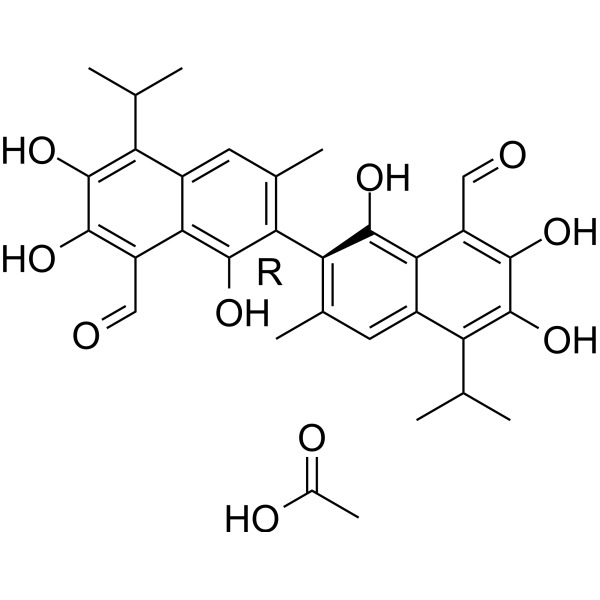
    Gossypol acetic acid ((±)-Gossypol-acetic acid) binds to Bcl-xL protein and Bcl-2 protein with Kis of 0.5-0.6 μM and 0.2-0.3 mM, respectively.
    Gossypol (acetic acid)
  • HY-12048
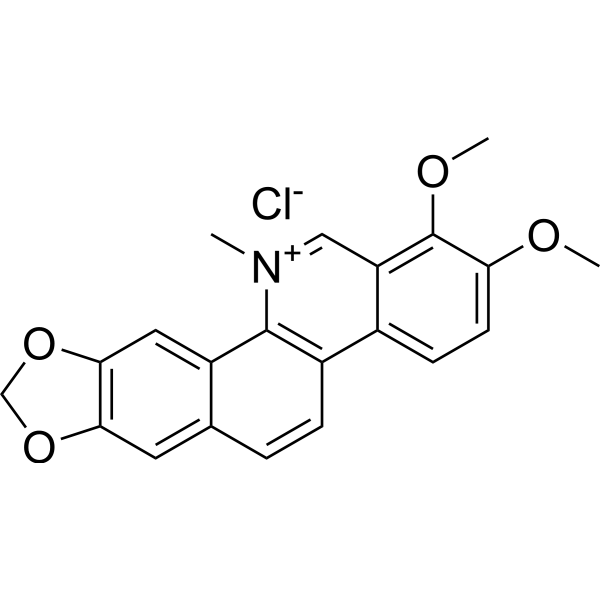
    Chelerythrine chloride
    15+ Cited Publications

    PKC Bcl-2 Family Apoptosis Autophagy Metabolic Disease Inflammation/Immunology Cancer
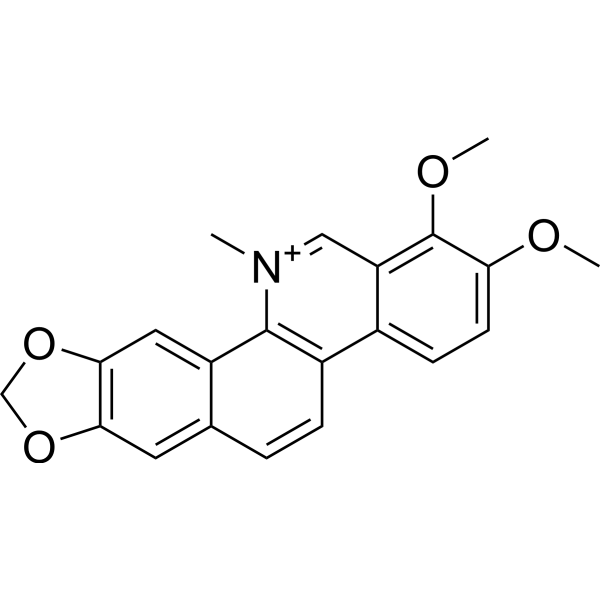
    Chelerythrine chloride is a potent, cell-permeable inhibitor of protein kinase C, with an IC50 of 660 nM. Chelerythrine chloride inhibits the Bcl-XL-Bak BH3 peptide binding with IC50 of 1.5 μM and displaces Bax from Bcl-XL. Chelerythrine chloride induces apoptosis and autophagy.
    Chelerythrine chloride
  • HY-19725
    A-1155463
    20+ Cited Publications

    Bcl-2 Family Cancer
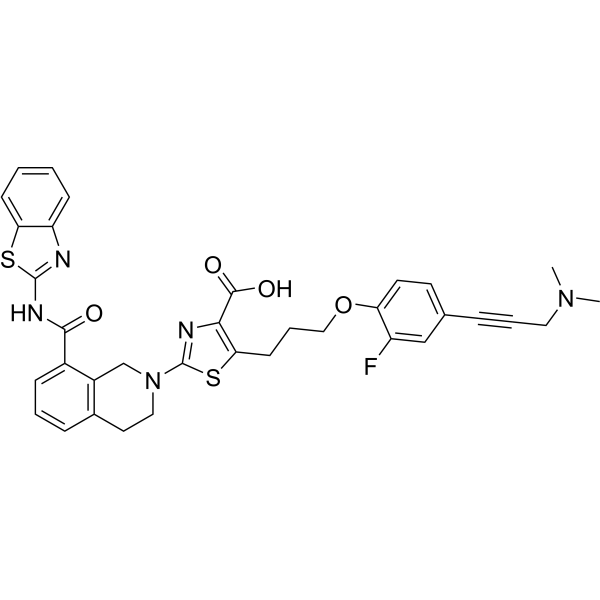
    A-1155463, a chemical probe, is a highly potent and selective BCL-XL inhibitor with an EC50 of 70 nM in Molt-4 cell. A-1155463 is a click chemistry reagent, it contains an Alkyne group and can undergo copper-catalyzed azide-alkyne cycloaddition (CuAAc) with molecules containing Azide groups.
    A-1155463
  • HY-N2897
    Dihydrokaempferol
    5+ Cited Publications

    Apoptosis Bcl-2 Family Inflammation/Immunology
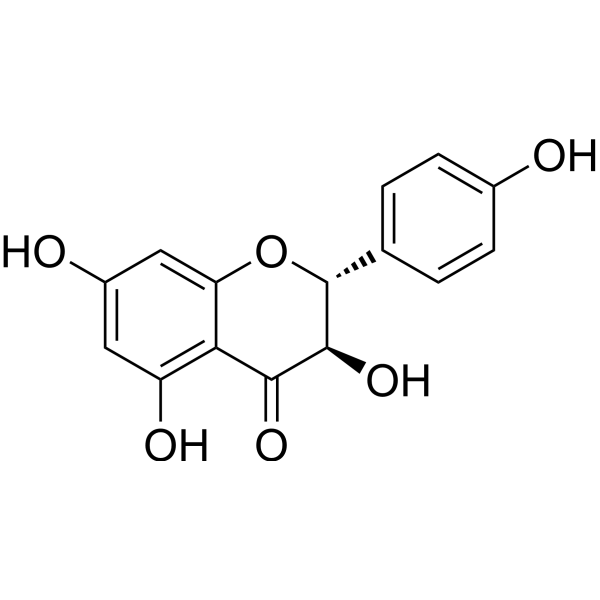
    Dihydrokaempferol is isolated from Bauhinia championii (Benth). Dihydrokaempferol induces apoptosis and inhibits Bcl-2 and Bcl-xL expression. Dihydrokaempferol is a good candidate for new antiarthritic agents .
    Dihydrokaempferol
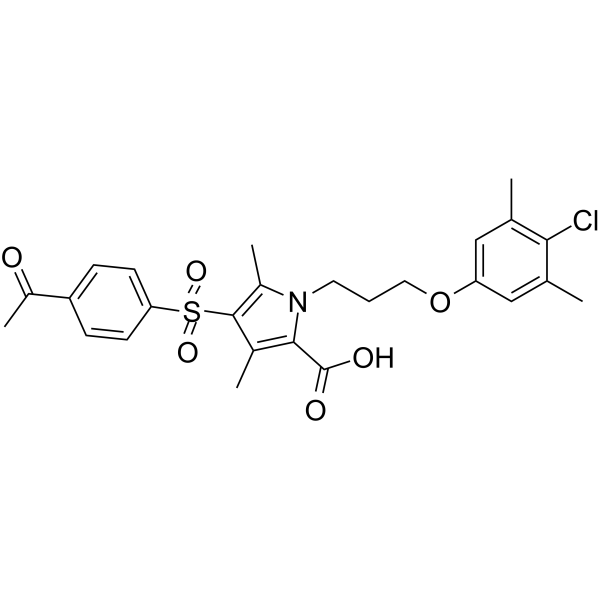
  • HY-129179
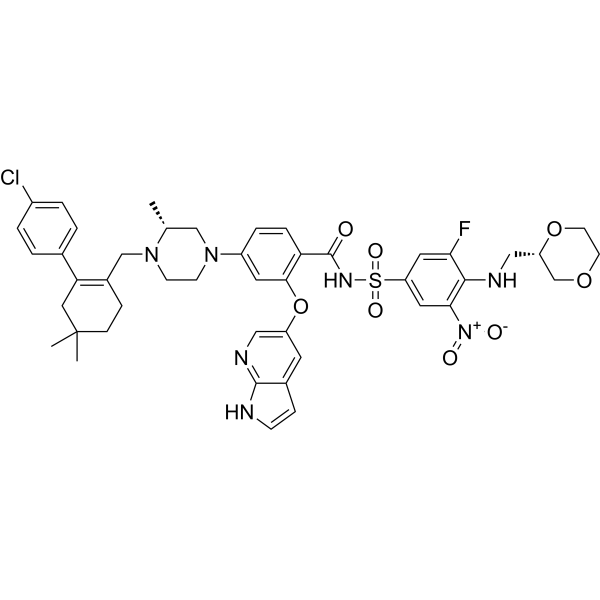
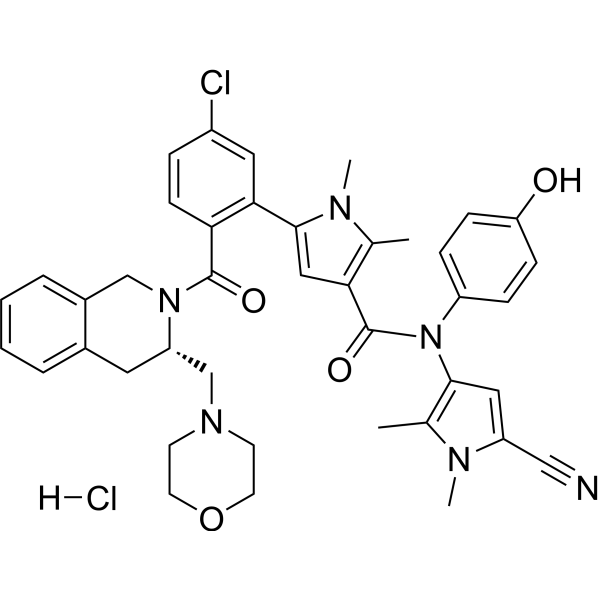
    Lisaftoclax
    1 Publications Verification

    APG-2575; Bcl-2/Bcl-xl inhibitor 1

    Bcl-2 Family Cancer
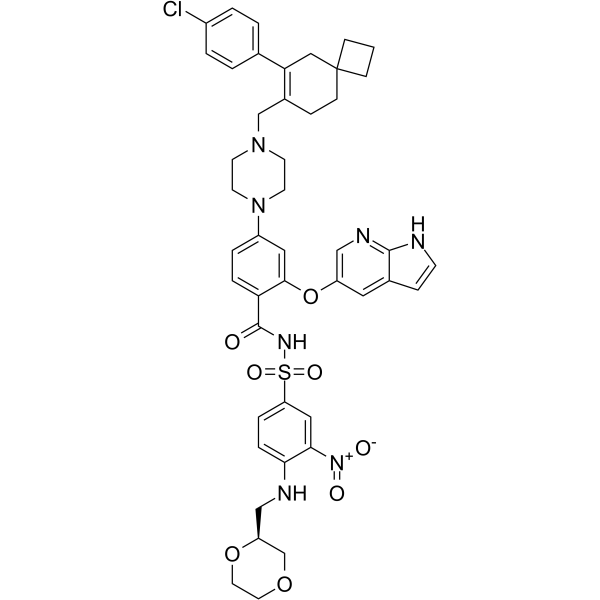
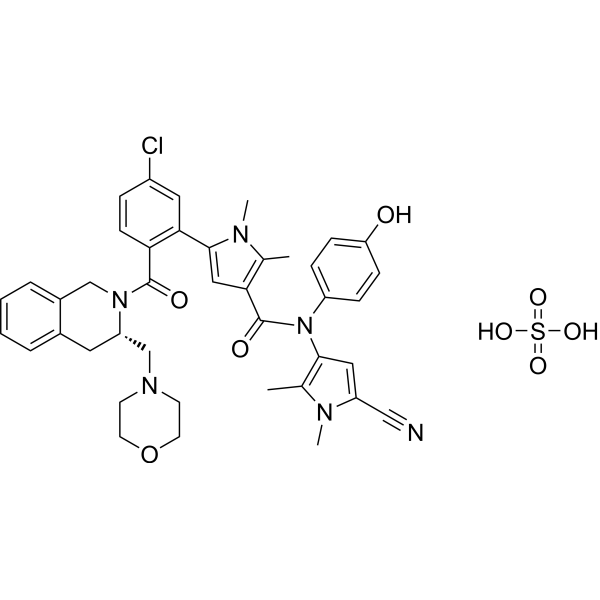
    Lisaftoclax (compound 6) is a dual Bcl-2 and Bcl-xl inhibitor with anti-tumor activity, extracted from patent WO2018027097A1. Lisaftoclax exhibits IC50 values of 2 nM and 5.9 nM for Bcl-2 and Bcl-xl, respectively .
    Lisaftoclax
  • HY-15607A
    WEHI-539 hydrochloride
    25+ Cited Publications

    Bcl-2 Family Cancer
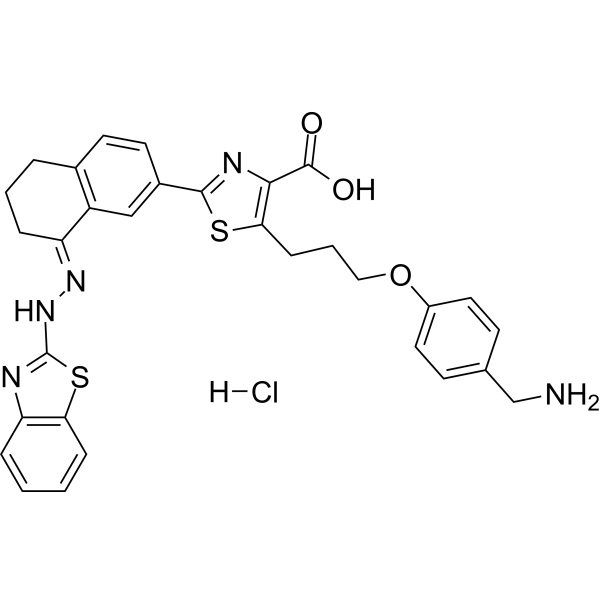
    WEHI-539 hydrochloride is a selective inhibitor of Bcl-XL with an IC50 of 1.1 nM.
    WEHI-539 hydrochloride
  • HY-15191
    Sabutoclax
    1 Publications Verification

    BI-97C1

    Bcl-2 Family Cancer
    Sabutoclax is a potent and effective Bcl-2 Family (Bcl-2, Bcl-XL, Mcl-1, Bfl-1) inhibitor with IC50s of 0.32 μM, 0.31 μM, 0.20 μM, and 0.62 μM, respectively. Sabutoclax increases Bax, Bim, PUMA and survivin expression .
    Sabutoclax
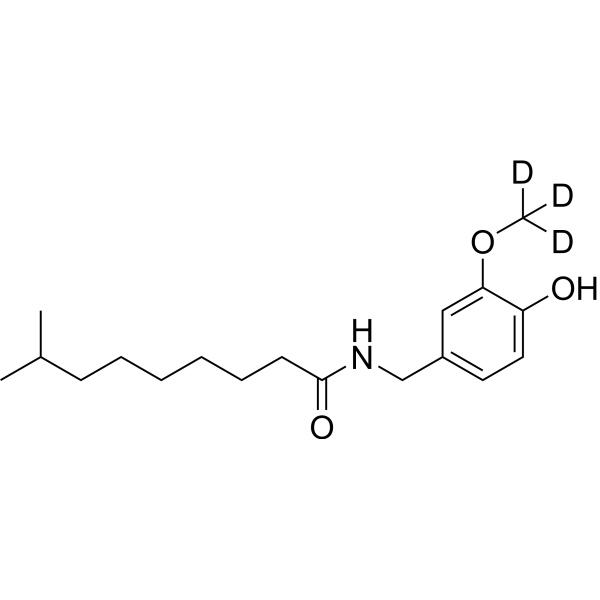
  • HY-N0361
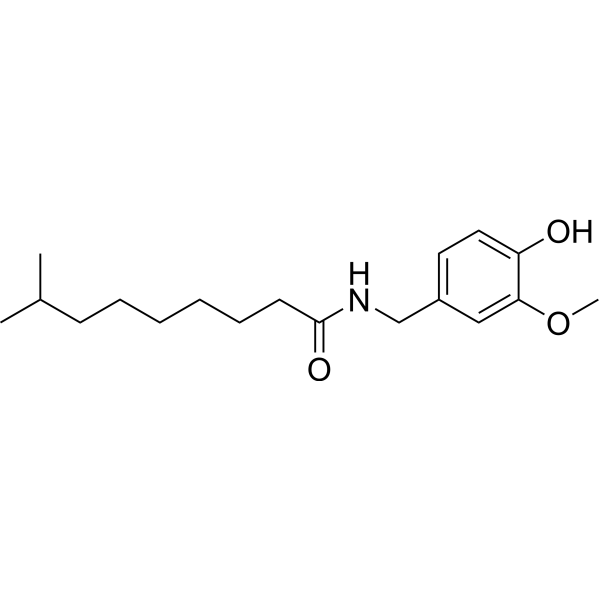
    Dihydrocapsaicin
    4 Publications Verification

    Environmental Pollutants Caspase Akt Apoptosis Reactive Oxygen Species (ROS) TRP Channel Bcl-2 Family PI3K Cardiovascular Disease Neurological Disease
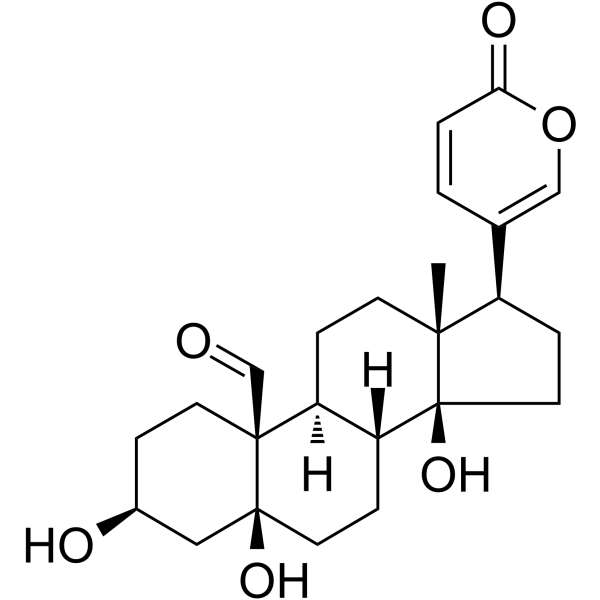
    Dihydrocapsaicin, a capsaicin, is a potent and selective TRPV1 (transient receptor potential vanilloid channel 1) agonist. Dihydrocapsaicin reduces AIF, Bax, and Caspase-3 expressions, and increased Bcl-2, Bcl-xL and p-Akt levels. Dihydrocapsaicin enhances the hypothermia-induced neuroprotection following ischemic stroke via PI3K/Akt regulation in rat .
    Dihydrocapsaicin
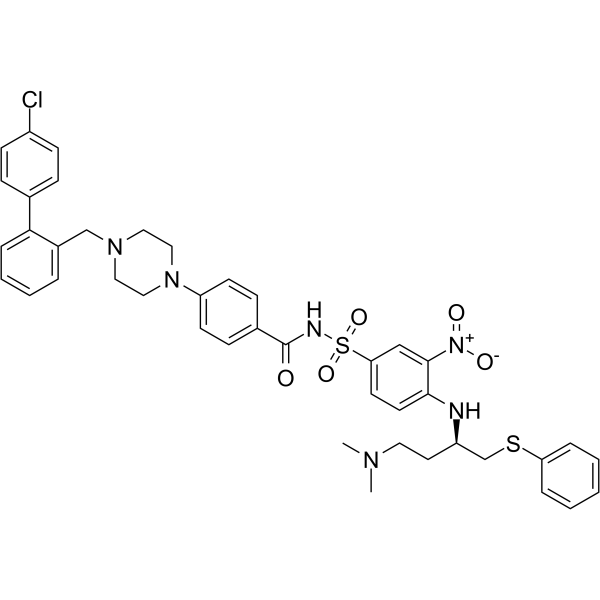
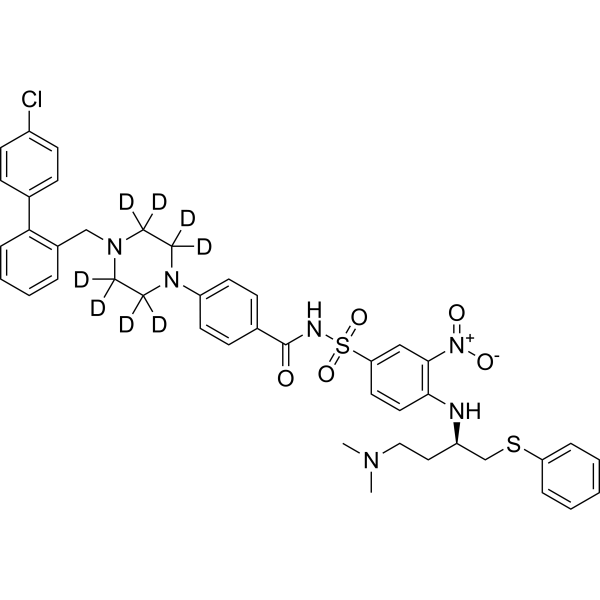
  • HY-44432

    ABT-263-piperazine

    Ligands for Target Protein for PROTAC Bcl-2 Family Cancer
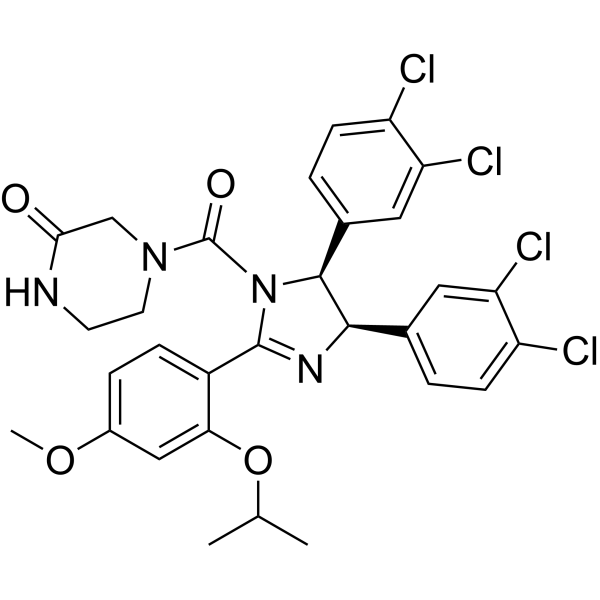
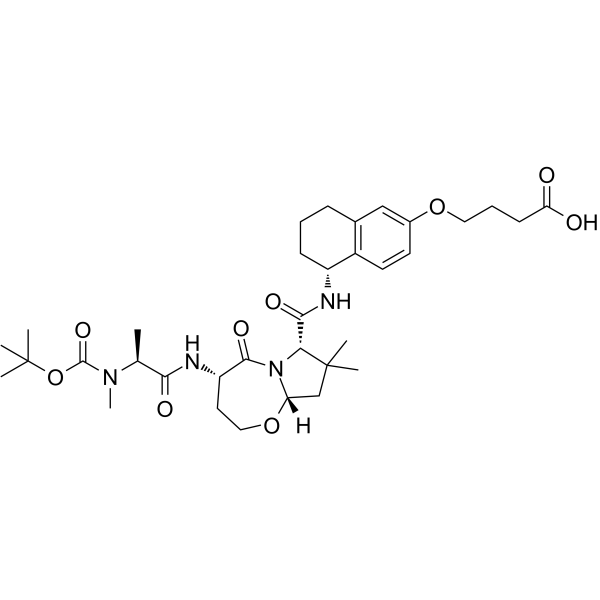
    Navitoclax-piperazine (ABT-263-piperazine) is a Navitoclax (HY-10087) analog and BCL-XL inhibitor. Navitoclax-piperazine is the ligand for target protein of PROTAC DT2216 (HY-130604). Navitodax-pperaie and E3 ubiquitin ligase VHL ligand can be used to synthesize PROTAC DT2216 (HY-130604) .
    Navitoclax-piperazine
  • HY-109185
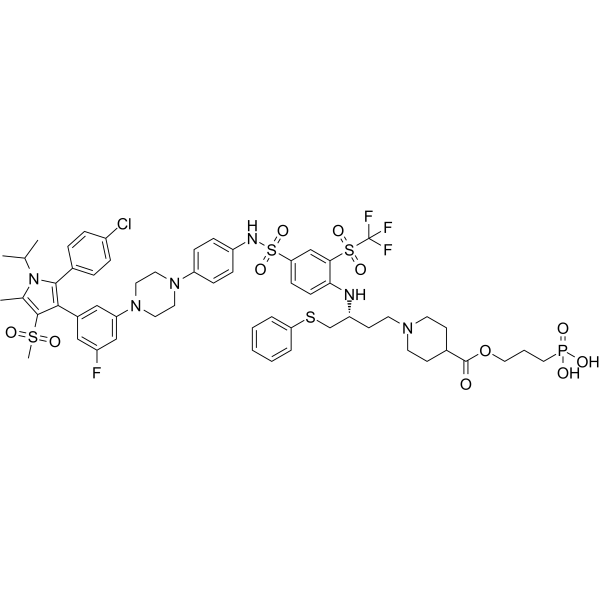
    Pelcitoclax
    1 Publications Verification

    APG-1252

    Bcl-2 Family Apoptosis Cancer
    Pelcitoclax (APG-1252) is a potent Bcl-2/Bcl-xl inhibitor with antineoplastic and pro-apoptotic effects .
    Pelcitoclax
  • HY-133799

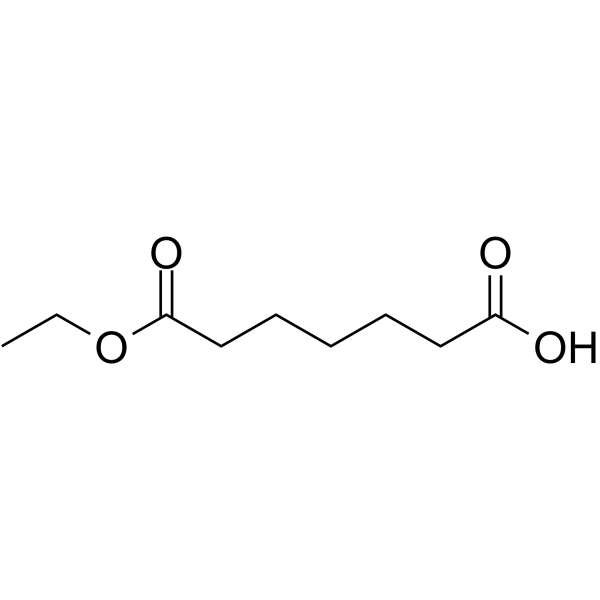
    E3 Ligase Ligand-Linker Conjugates Cancer
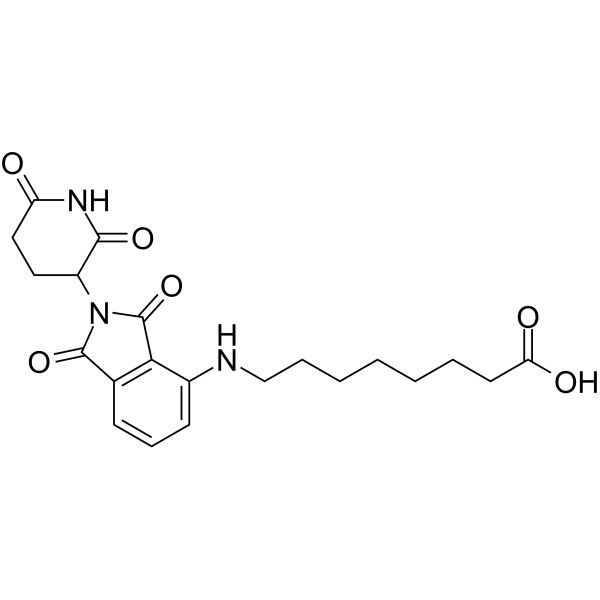
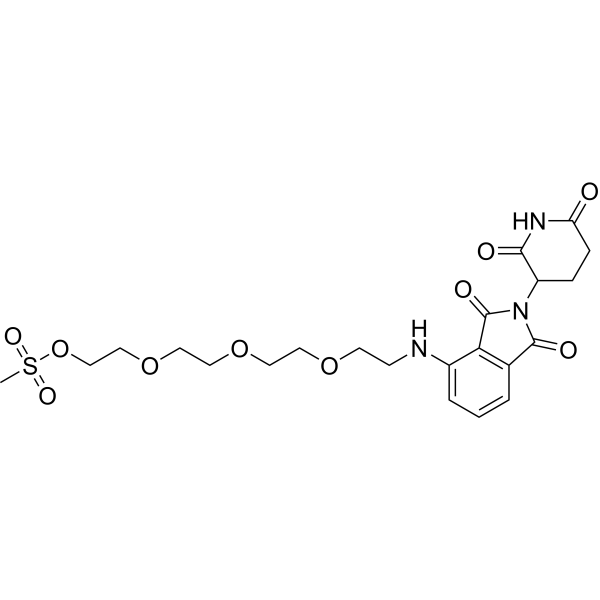
    Pomalidomide-C7-COOH is a synthesized E3 ligase cereblon ligand-linker conjugate. Pomalidomide-C7-COOH is an intermediate for the synthesis of PROTAC BCL-XL degraders .
    Pomalidomide-C7-COOH
  • HY-150069

    Bcl-2 Family Apoptosis Metabolic Disease
    UBX1325 is an Bcl-xL inhibitor that promotes apoptosis in senescent cells. UBX1325 is a potent anti-aging agent that can be used in studies of age-related eye diseases such as diabetic macular oedema (DME), age-related macular degeneration (AMD) and diabetic retinopathy (DR) .
    UBX1325
  • HY-133557
    XZ739
    1 Publications Verification

    PROTACs Bcl-2 Family Apoptosis Cancer
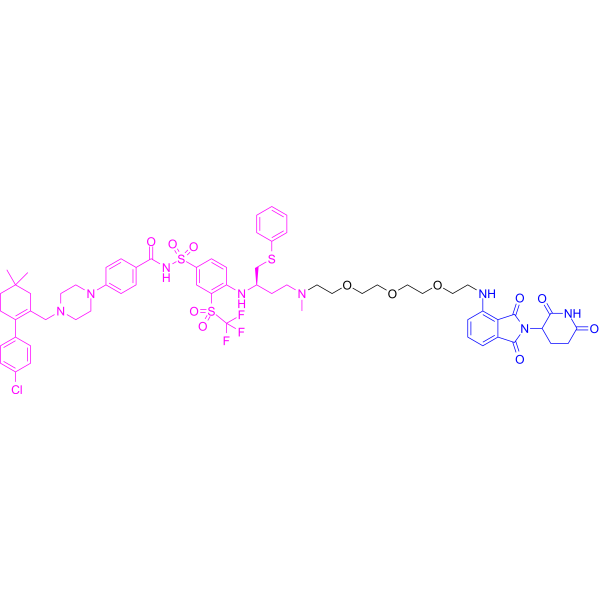
    XZ739, a Cereblon-dependent PROTAC BCL-XL (Bcl-2 family member) degrader with a DC50 value of 2.5 nM in MOLT-4 cells after 16 h treatment. XZ739 also induces cell death through caspase-mediated apoptosis .
    XZ739
  • HY-N2359

    Beta-lactamase PKC Bcl-2 Family Apoptosis Autophagy Metabolic Disease Inflammation/Immunology Cancer
    Chelerythrine is a natural alkaloid, acts as a potent and selective Ca 2+/phospholopid-dependent PKC antagonist, with an IC50 of 0.7 μM . Chelerythrine has antitumor, antidiabetic and anti-inflammatory activity . Chelerythrine inhibits the BclXL-Bak BH3 peptide binding with IC50 of 1.5 μM and displaces Bax from BclXL. Chelerythrine triggers apoptosis and autophagy .
    Chelerythrine
  • HY-12020
    TW-37
    4 Publications Verification

    Bcl-2 Family Cancer
    TW-37 is a potent Bcl-2 inhibitor with Ki values of 260, 290 and 1110 nM for Mcl-1, Bcl-2 and Bcl-xL, respectively.
    TW-37
  • HY-15613
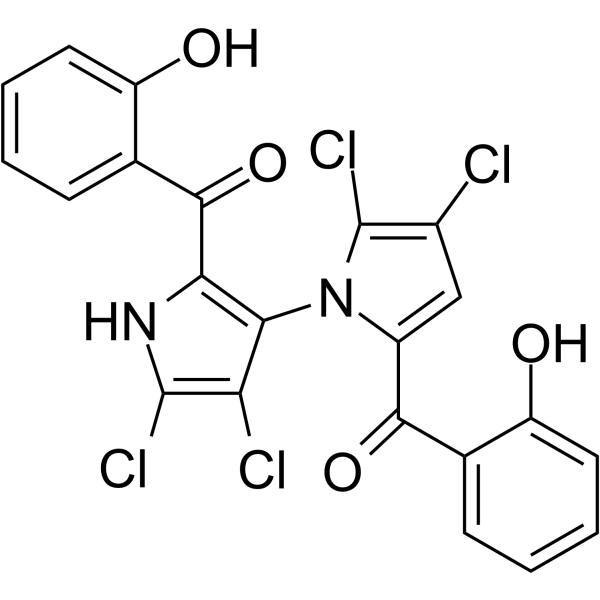
    Maritoclax
    5+ Cited Publications

    Marinopyrrole A

    Bcl-2 Family Cancer
    Maritoclax (Marinopyrrole A) is a novel and specific Mcl-1 inhibitor with an IC50 value of 10.1 μM, and shows >8 fold selectivity than BCL-xl (IC50 > 80 μM).
    Maritoclax
  • HY-115718
    PZ703b
    4 Publications Verification

    PROTACs Bcl-2 Family Cancer
    PZ703b is a Bcl-xl PROTAC degrader that induces apoptosis and inhibits cancer cell proliferation. PZ703b can be used for the research of bladder cancer research .
    PZ703b
  • HY-12011
    HA14-1
    2 Publications Verification

    Bcl-2 Family Cancer
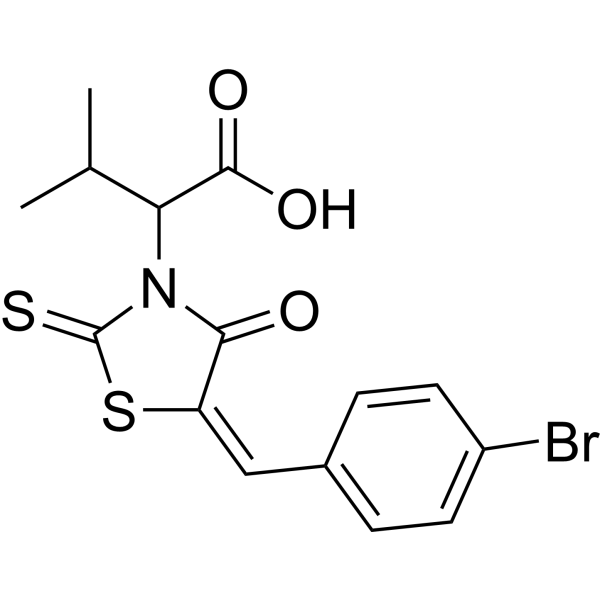
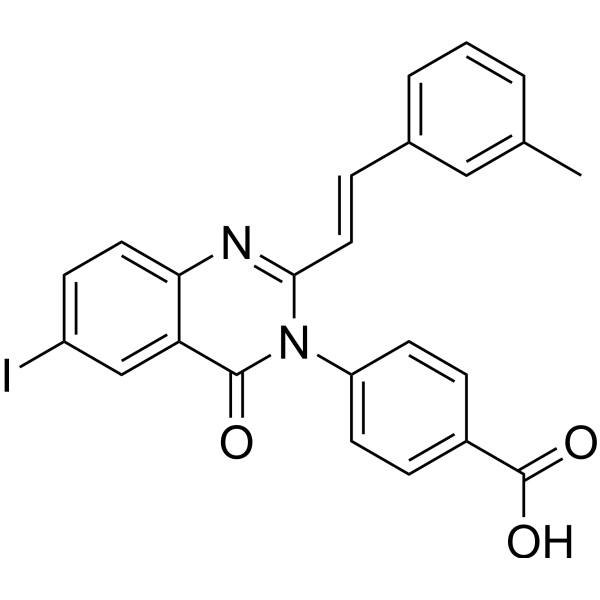
    HA14-1 is a Bcl-2/Bcl-XL antagonist. HA14-1 binds the designated pocket on Bcl-2 with the IC50 of ≈9 μM in competing with the Bcl-2 binding of Flu-BakBH3, and inhibits its function.
    HA14-1
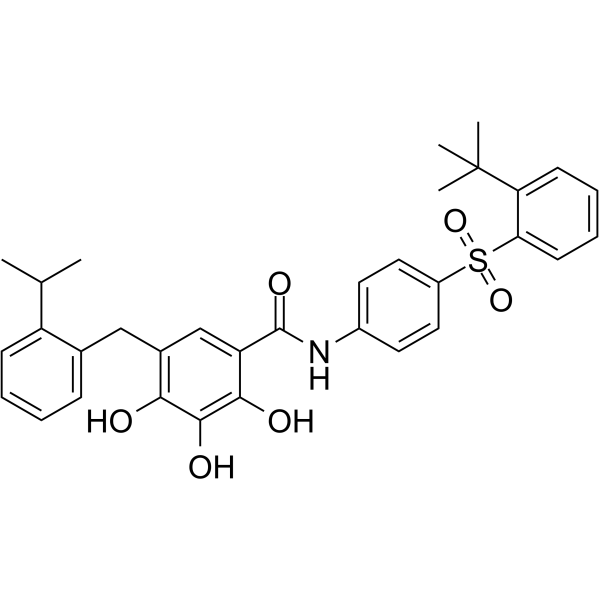
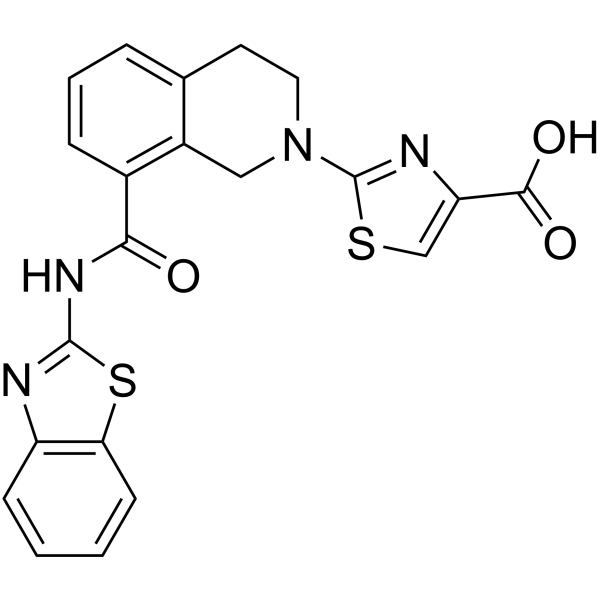
  • HY-16014

    Bcl-2 Family Cancer
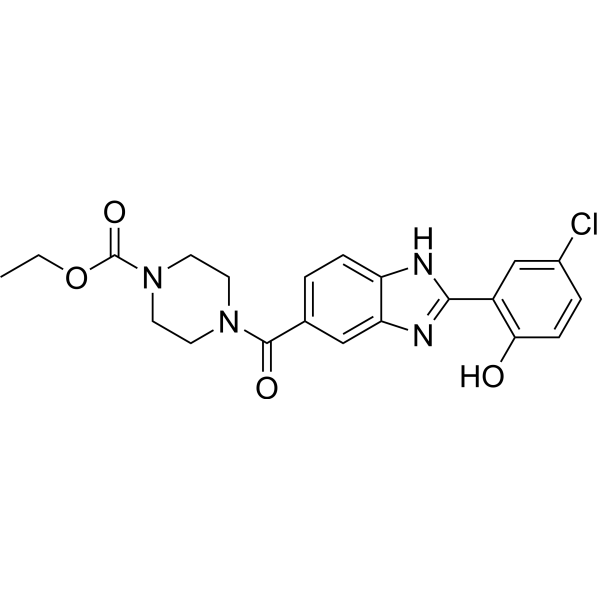
    A-385358 is a selective inhibitor of Bcl-XL with Kis of 0.80 and 67 nM for Bcl-XL and Bcl-2, respectively.
    A-385358
  • HY-161410

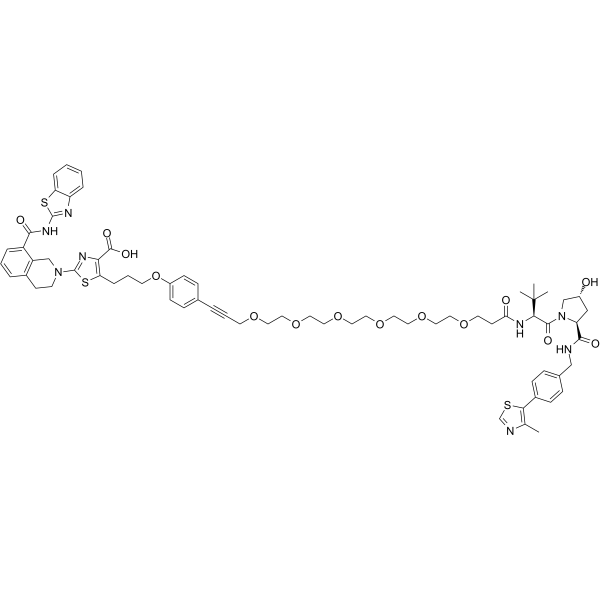
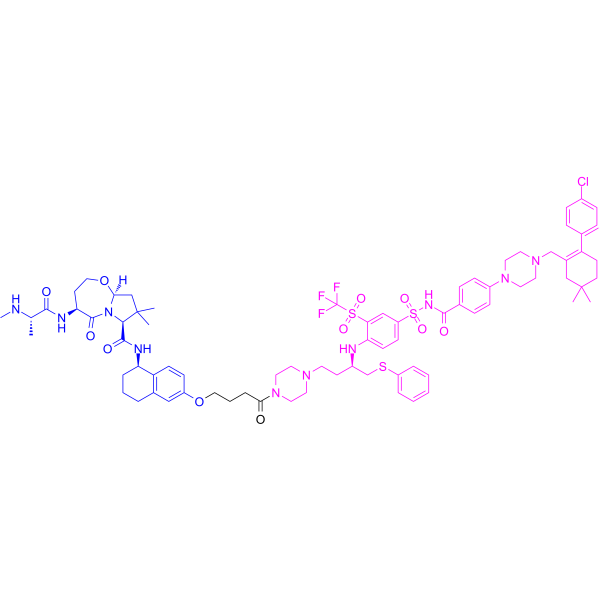
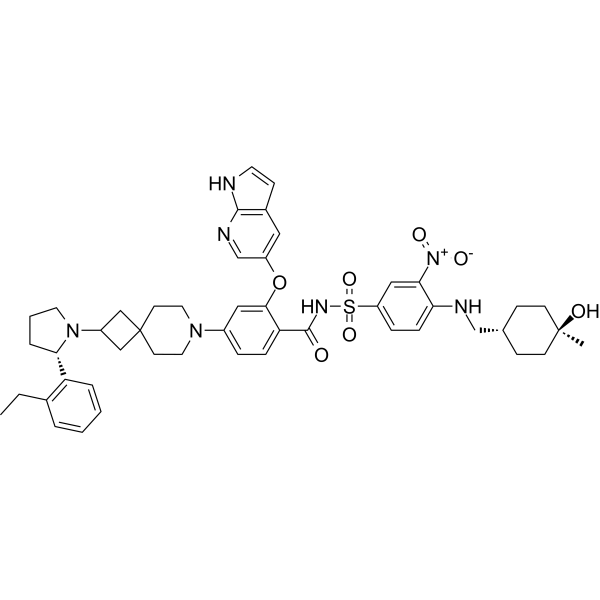
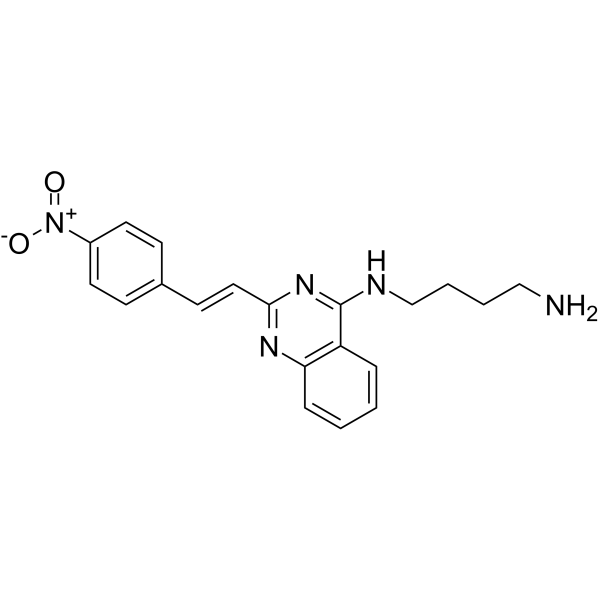
    PROTACs Apoptosis Bcl-2 Family Cancer
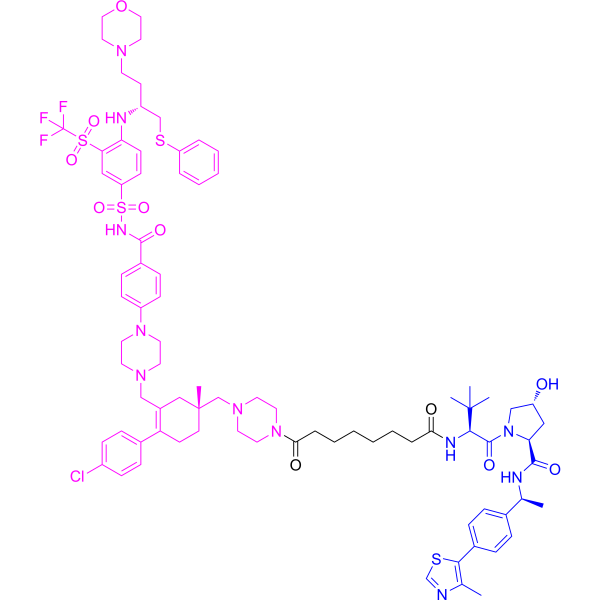
    WH244 is a second generation BCL-2 and BCL-xL dual depressant (PROTAC). The primary activity of WH244 is the specific degradation of BCL-2 and BCL-xL proteins (BCL-xL: DC50=0.6 nM, BCL-2: DC50=7.4 nM). WH244 promotes their ubiquitination and subsequent proteasome degradation by targeting these proteins, thereby restoring the cell's apoptosis pathway. WH244 has good antitumor activity. (Pink: BCL-2/BCL-xL ligand (HY-161415); Blue: E3 ligase ligand (HY-112078); Black: linker) .
    WH244
  • HY-120882

    UBX1967

    Bcl-2 Family Cancer
    BM-1197 (UBX1967) is a potent and selective inhibitor of dual Bcl-2/Bcl-xL, with IC50s of 3.5 nM and 5.2 nM for Bcl-2 and Bcl-xL, respectively. BM-1197 exhibits antitumor effects both in vitro and in vivo .
    BM-1197
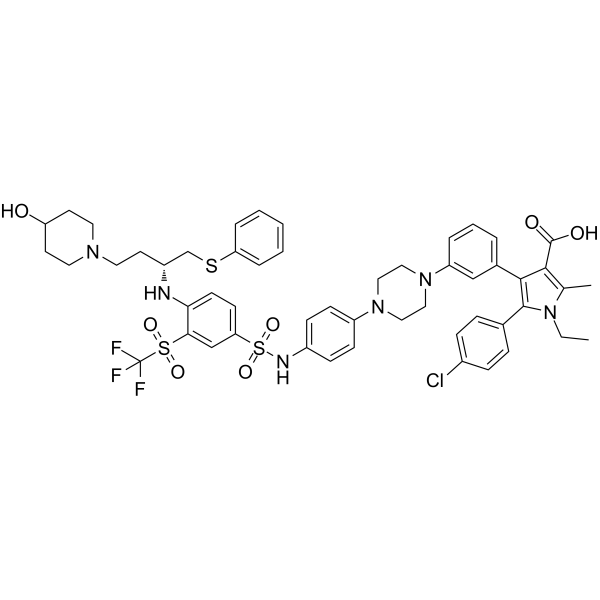
  • HY-174876

    PROTACs Bcl-2 Family Apoptosis Cancer
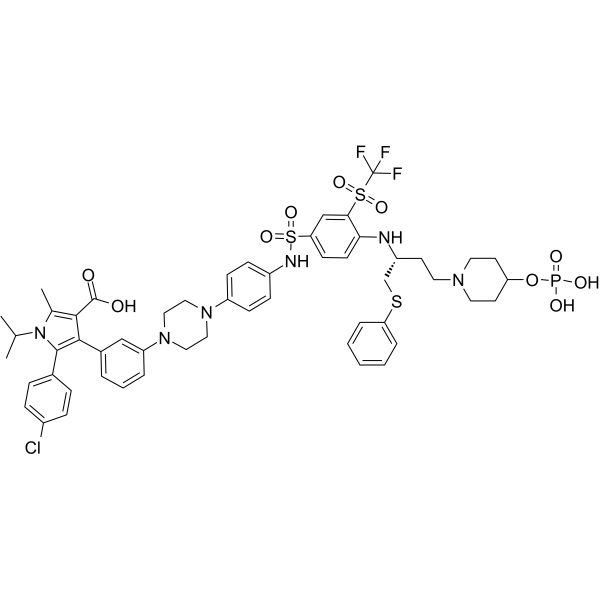
    PZ671 is a potent Bcl-xL PROTAC degrader with an IC50 of 1.3 nM (MOLT-4 cells) and a DC50 of 0.9 nM (Bcl-xL). PZ671 induces apoptosis in MOLT-4 cells. PZ671 effectively inhibits tumor growth and rapidly reverses transient platelet counts reduction in MOLT-4 xenograft mice. PZ671 can be used for the research of cancer, such as small cell lung cancer (SCLC) . (Structure Note: Pink: Bcl-xL ligand (HY-174878); Blue: CRBN Ligand (HY-138793); Black: linker; E3-linker (HY-174879))
    PZ671
  • HY-15464
    (R)-(-)-Gossypol
    3 Publications Verification

    AT-101; R-(-)-gossypol acetic acid

    Bcl-2 Family Autophagy Cancer
    (R)-(-)-Gossypol (AT-101) is the levorotatory isomer of a natural product Gossypol. AT-101 is determined to bind to Bcl-2, Mcl-1 and Bcl-xL proteins with Kis of 260±30 nM, 170±10 nM, and 480±40 nM, respectively.
    (R)-(-)-Gossypol
  • HY-15464A
    (R)-(-)-Gossypol acetic acid
    5+ Cited Publications

    AT-101 (acetic acid); (-)-Gossypol acetic acid; (R)-Gossypol acetic acid

    Bcl-2 Family Autophagy Cancer
    (R)-(-)-Gossypol acetic acid (AT-101 (acetic acid)) is the levorotatory isomer of a natural product Gossypol. AT-101 is determined to bind to Bcl-2, Mcl-1 and Bcl-xL proteins with Kis of 260±30 nM, 170±10 nM, and 480±40 nM, respectively.
    (R)-(-)-Gossypol acetic acid
  • HY-100383

    BHI1

    Bcl-2 Family MDM-2/p53 E1/E2/E3 Enzyme Cancer
    BH3I-1 is a Bcl-2 family antagonist, which inhibits the binding of the Bak BH3 peptide to Bcl-xL with a Ki of 2.4±0.2 μM in FP assay. BH3I-1 has a Kd of 5.3 μM against the p53/MDM2 pair.
    BH3I-1
  • HY-138697

    VOB560

    Bcl-2 Family Apoptosis Cancer
    S65487 (VOB560), a potent and selective BCL-2 inhibitor, is a proagent of S55746. S65487 is also active on BCL-2 mutations, such as G101V and D103Y. S65487 has poor affinity with MCL-1, BFL-1 and BCL-XL. S65487 induces apoptosis and has anticaner activities .
    S65487
  • HY-B0011S

    RP-56976-d9

    Microtubule/Tubulin Apoptosis Endogenous Metabolite Cancer
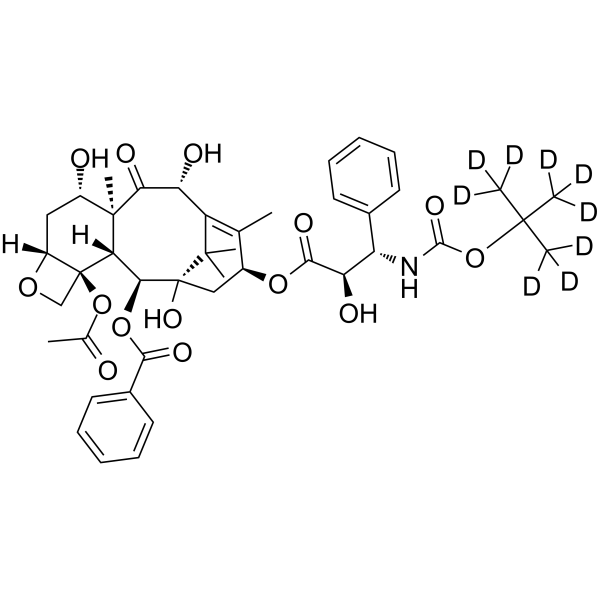
    Docetaxel-d9 is the deuterium labeled Docetaxel. Docetaxel (RP-56976) is a microtubule?depolymerization inhibitor, with an IC50 of 0.2 μM. Docetaxel attenuates the effects of?bcl-2 and bcl-xL gene expression. Docetaxel arrests the cell cycle at G2/M and leads to cell apoptosis. Docetaxel has anti-cancer activity .
    Docetaxel-d9
  • HY-132997

    PROTACs Bcl-2 Family Cancer
    PROTAC Bcl-xL degrader-3 is a potent PROTAC Bcl-xL degrader. PROTAC Bcl-xL degrader-3 forms ternary complexes with the VHL-complex and BCL-XL. PROTAC Bcl-xL degrader-3 can be used in research on acute lymphoblastic leukemia .
    PROTAC Bcl-xL degrader-3
  • HY-139309

    Bcl-2 Family PROTACs Cancer
    PROTAC Bcl-xL degrader-2 is a potent Bcl-xL (Bcl-2 family member) degrader based on von Hippel-Lindau ligand, with an IC50 of 0.6 nM.
    PROTAC Bcl-xL degrader-2
  • HY-15464D
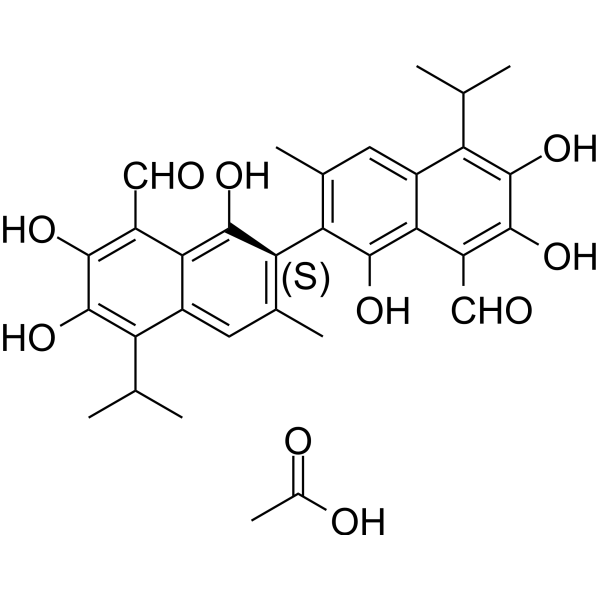
    (S)-Gossypol (acetic acid)
    4 Publications Verification

    (S)-(+)-Gossypol acetic acid

    Bcl-2 Family Cancer
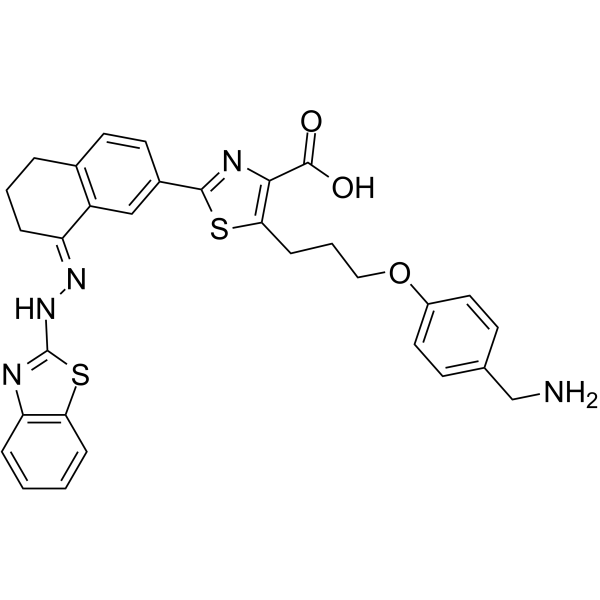
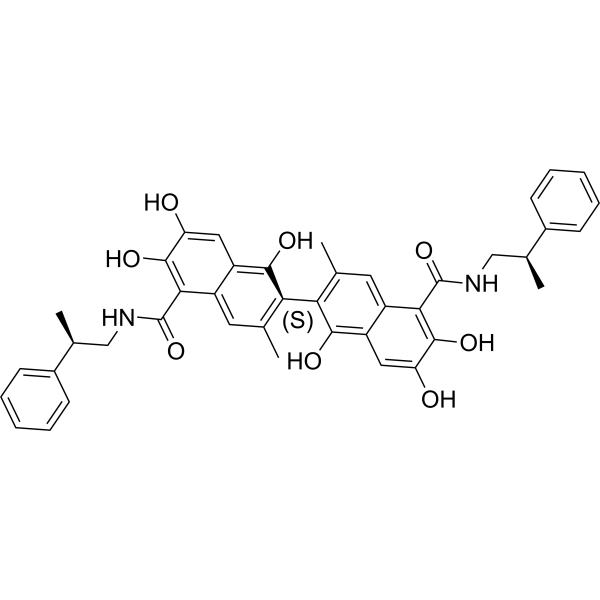
    (S)-Gossypol is the isomer of a natural product Gossypol. (S)-Gossypol binds to the BH3-binding groove of Bcl-xL and Bcl-2 proteins with high affinity.
    (S)-Gossypol (acetic acid)
  • HY-13408

    Apogossypol; NSC736630

    Bcl-2 Family Cancer
    (+)-Apogossypol is a pan-BCL-2 antagonist. (+)-Apogossypol binds to Mcl-1, Bcl-2 and Bcl-xL with EC50s of 2.6, 2.8 and 3.69 µM, respectively.
    (+)-Apogossypol
  • HY-10087R

    ABT-263 (Standard)

    Reference Standards Bcl-2 Family Cancer
    Navitoclax (Standard) is the analytical standard of Navitoclax. This product is intended for research and analytical applications. Navitoclax (ABT-263) is a potent and orally active Bcl-2 family protein inhibitor that binds to multiple anti-apoptotic Bcl-2 family proteins, such as Bcl-xL, Bcl-2 and Bcl-w, with a Ki of less than 1 nM .
    Navitoclax (Standard)
  • HY-B0011R

    RP-56976 (Standard)

    Reference Standards Microtubule/Tubulin Apoptosis Endogenous Metabolite Cancer
    Docetaxel (Standard) is the analytical standard of Docetaxel. This product is intended for research and analytical applications. Docetaxel (RP-56976) is a microtubule depolymerization inhibitor, with an IC50 of 0.2 μM. Docetaxel attenuates the effects of bcl-2 and bcl-xL gene expression. Docetaxel arrests the cell cycle at G2/M and leads to cell apoptosis. Docetaxel has anti-cancer activity .
    Docetaxel (Standard)
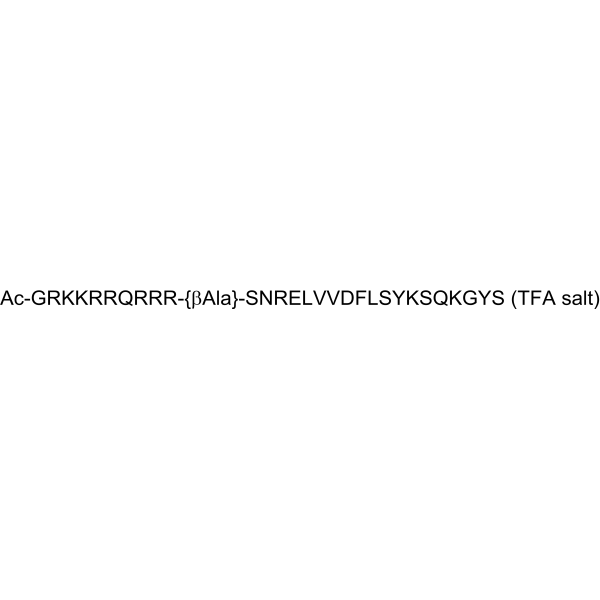
  • HY-P3560

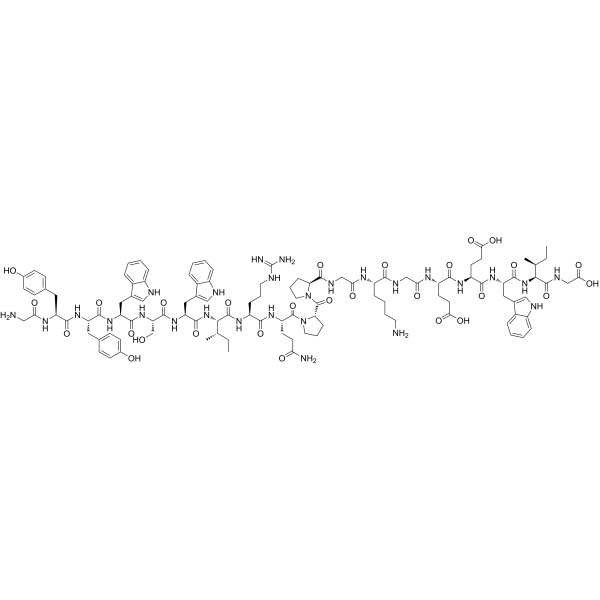
    TV 4710

    Apoptosis Inflammation/Immunology
    Edratide (TV 4710) is a synthetic peptide of 19 amino acid based on the complementarity-determining region 1 (CDR1) of a human anti-DNA antibody that expresses a major idiotype denoted 16/6 Id. Edratide reduces the rates of apoptosis (Apoptosis) and down-regulates of caspase-8 and caspase-3, up-regulates Bcl-xL. Edratide has the potential for the research of systemic lupus erythematosus (SLE) .
    Edratide
  • HY-12908

    Bcl-2 Family Apoptosis Cancer
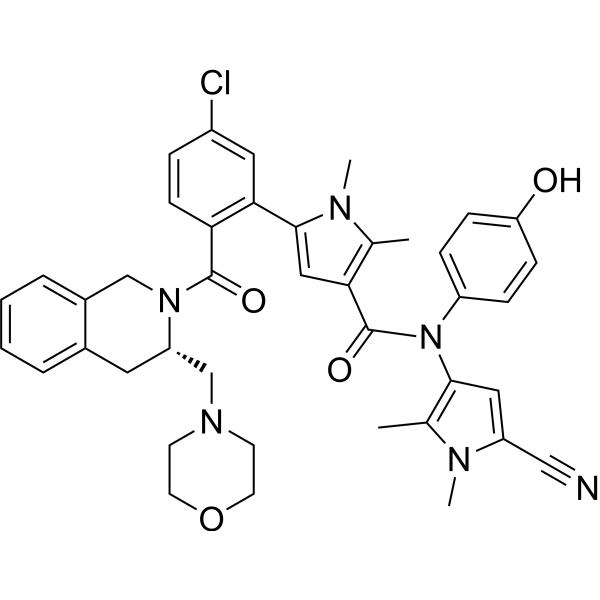
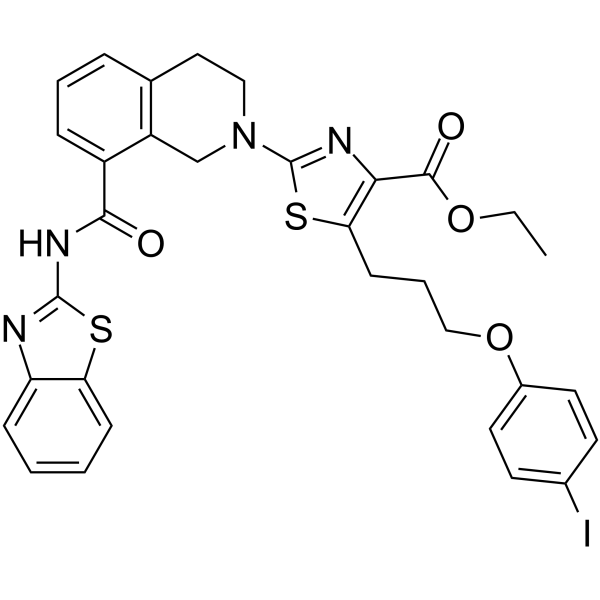
    Bcl-xL antagonist 2 is a potent, selective, and orally active antagonist of BCL-XL with an IC50 and Ki of 0.091 μM and 65 nM, respectively. Bcl-xL antagonist 2 promotes the apoptosis of cancer cells. Bcl-xL antagonist 2 has the potential for the research of the chronic lymphocytic leukemia (CLL) and non-Hodgkin’s lymphoma (NHL) .
    Bcl-xL antagonist 2
  • HY-131232

    Desmorpholinyl ABT-263-NH-Me

    Bcl-2 Family Ligands for Target Protein for PROTAC Cancer
    Desmorpholinyl Navitoclax-NH-Me is a Bcl-xL inhibitor. Desmorpholinyl Navitoclax-NH-Me and a CRBN ligand for the E3 ubiquitin ligase can be used in the synthesis of PROTAC BCL-XL degrader XZ739 (HY-133557) .
    Desmorpholinyl Navitoclax-NH-Me
  • HY-15607

    Bcl-2 Family Cancer
    WEHI-539 is a selective inhibitor of Bcl-XL with an IC50 of 1.1 nM.
    WEHI-539
  • HY-19551

    ApoG2

    Bcl-2 Family Apoptosis Autophagy Fungal ROS Kinase Infection Cancer
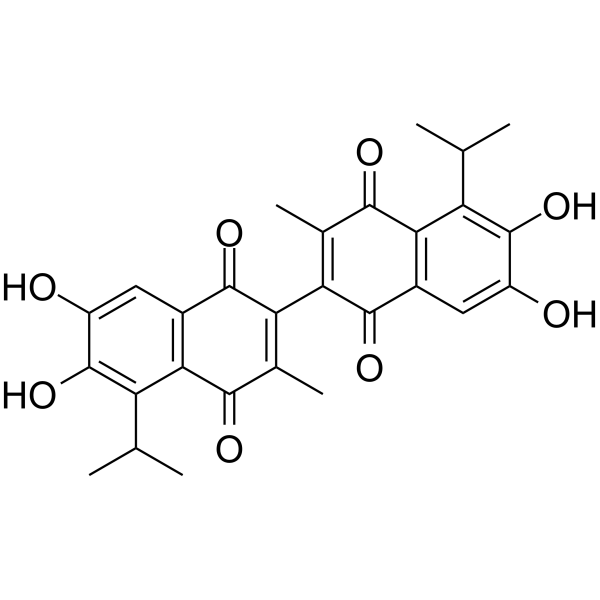
    Apogossypolone (ApoG2) is an orally active Bcl-2 family proteins inhibitor with Ki values of 35, 25 and 660 nM for Bcl-2, Mcl-1 and Bcl-XL, respectively. Apogossypolone shows antitumor activities, induces cell apoptosis and autophagy . Apogossypolone also has antifungal activity .
    Apogossypolone
  • HY-P2343

    Apoptosis Cancer
    BH3 hydrochloride, a BBB penetrated peptide, provoke apoptosis either by direct activation of pro-apoptotic Bax/Bak or by neutralizing anti-apoptotic Bcl-2 proteins (Bcl-2, Bcl-XL, Bcl-w, Mcl-1 and A-1) via their BH3 domian .
    BH3 hydrochloride
  • HY-P2468

    BADBH3 103-127 (human); BADBH3 (human)

    Bcl-2 Family Cancer
    BAD (103-127) (human), the 25-mer Bad peptide, is derived from the BH3 domain of BAD, can antagonize the function of Bcl-xL. BAD (103-127) (human) is reported to have almost 800-fold higher affinity for Bcl-XL than the 16-mer peptide .
    BAD (103-127) (human)
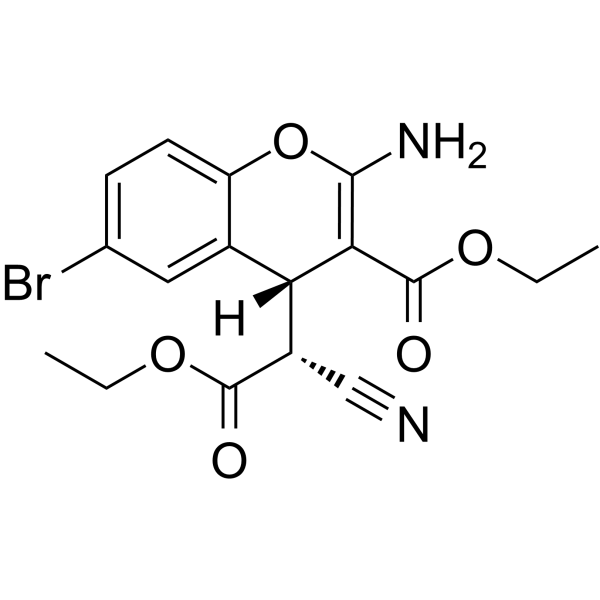
  • HY-P2499A

    Bcl-2 Family Cancer
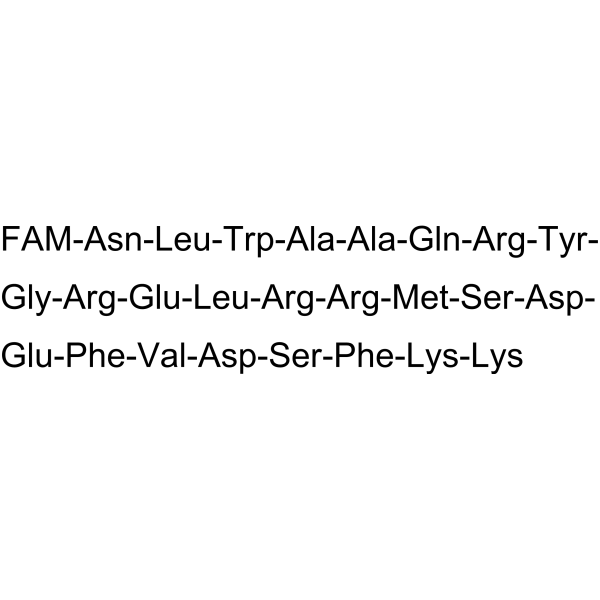
    BAD (103-127) (human), FAM-labeled TFA is a FAM-labeled human BAD (103-127) (HY-P2468). BAD (103-127) (human) TFA, the 25-mer Bad peptide, is derived from the BH3 domain of BAD and can antagonize the function of Bcl-xL .
    BAD (103-127) (human), FAM-labeled TFA
  • HY-177102

    ICP-248

    Bcl-2 Family Cancer
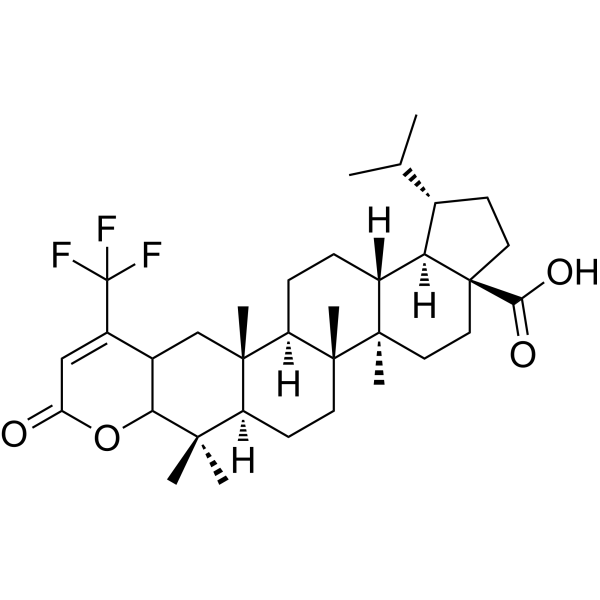
    Mesutoclax (ICP-248) (Compound 5) is a selective BCL-2 inhibitor with an IC50 of 1.54 nM. Mesutoclax has weak activity against BCL-XL (IC50: >1000 nM). Mesutoclax can inhibit the activity of RS4;11 cells with an IC50 of 2.75 nM. Mesutoclax can be used in the study of cancer .
    Mesutoclax
  • HY-167881

    Bcl-2 Family Cancer
    MLS-0053105, a chloromaleimide, is a selective BFL-1 inhibitor with an IC50 of 0.4 µM for Bfl-1/F-Bid. MLS-0053105 shows over 10 times less potent inhibition of Bcl-W, Bcl-2, and Bcl-XL and no activity against Bcl-B and Mcl-1 .
    MLS-0053105
  • HY-170406

    Bcl-2 Family Cancer
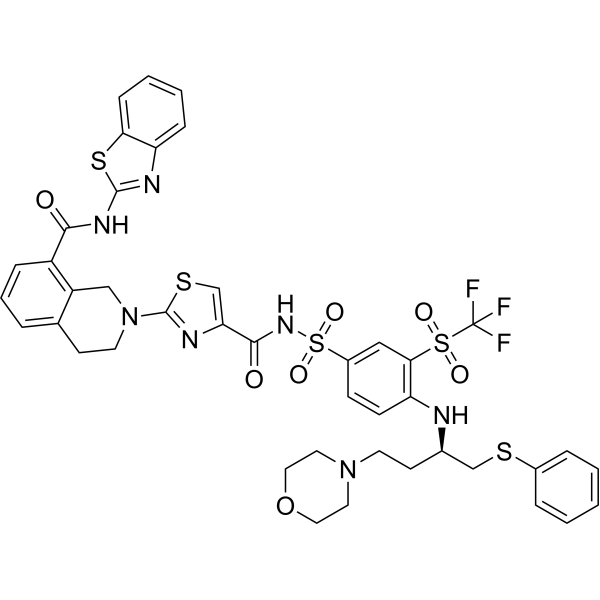
    BCL-XL-IN-3 (Compound 11) is an inhibitor for BCL-XL with a Ki < 0.01 nM. BCL-XL-IN-3 inhibits the cell viability in normal Molt-4 and Digitonin (HY-N4000)-permeabilized Molt-4 with EC50 of 77.8 nM and 0.07 nM. BCL-XL-IN-3 can be used as ADC toxin for synthesis of Clezutoclax (HY-137774) .
    BCL-XL-IN-3

Inquiry Online

Your information is safe with us. * Required Fields.

Salutation


Country or Region *

Applicant Name *


Organization Name *

Department *


Email Address *


Product Name *

Cat. No.


Requested quantity *

Phone Number *


Remarks

Inquiry Online

Inquiry Information

Product Name:
Cat. No.:
Quantity:
MCE Japan Authorized Agent: