Search Result
Results for "
colony+formation
" in MedChemExpress (MCE) Product Catalog:
2
Biochemical Assay Reagents
2
Isotope-Labeled Compounds
| Cat. No. |
Product Name |
Target |
Research Areas |
Chemical Structure |
-
- HY-113293A
-
|
|
Endogenous Metabolite
Estrogen Receptor/ERR
|
Metabolic Disease
Cancer
|
|
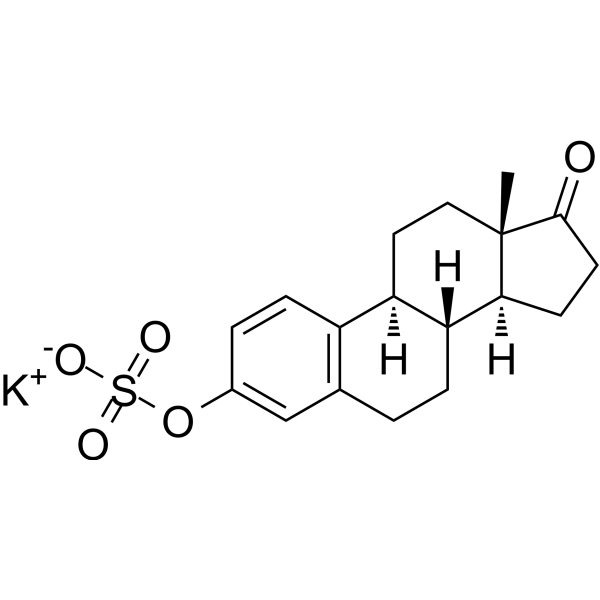
Estrone sulfate potassium is an inactive endogenous estrogen that can be converted into Estrone (HY-B0234) and Estradiol (HY-B0141). Estrone sulfate potassium is also a substrate of the OATP1B3 transporter. Estrone sulfate potassium can be converted into Estrone and Estradiol in normal mammary parenchymal cells. Estrone sulfate potassium stimulates the growth of nitrosomethylurea-induced mammary tumors in ovariectomized rats and the colony formation of dispersed nitrosomethylurea mammary cells, with conversion into Estrone and Estradiol occurring both in vivo and in vitro during this process. Estrone sulfate potassium is applicable to breast cancer-related research .
|
-
-
- HY-W008634
-
|
U-54461; U-54461S; PNU-54461
|
Toll-like Receptor (TLR)
|
Cancer
|
|
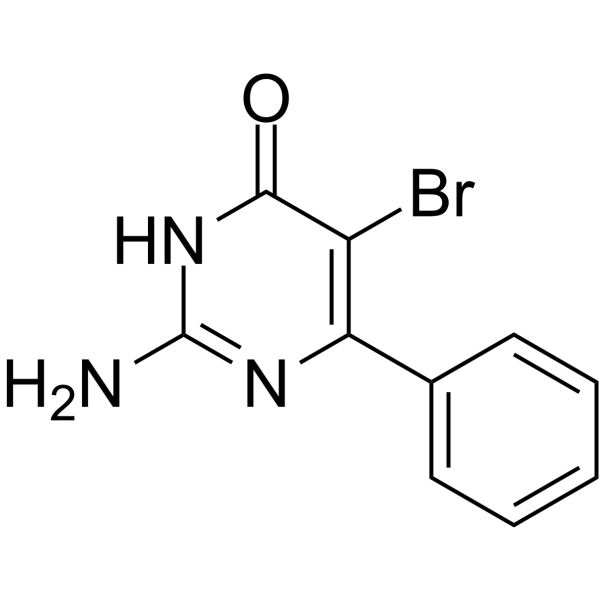
Bropirimine (U-54461; U-54461S; PNU-54461) is an orally active TLR7 agonist. Bropirimine inhibits RANKL-induced osteoclast differentiation of mouse bone marrow-derived macrophages (BMMs). Bropirimine exhibits dose-dependent direct inhibitory effects on colony formation of cultured KK-47 and 724 cells. Bropirimine can be used for the study of cancers and bone metabolic disorders such as osteoporosis .
|
-
-
- HY-19832
-
SC66
5 Publications Verification
|
MOFs
Akt
Apoptosis
|
Cancer
|
|
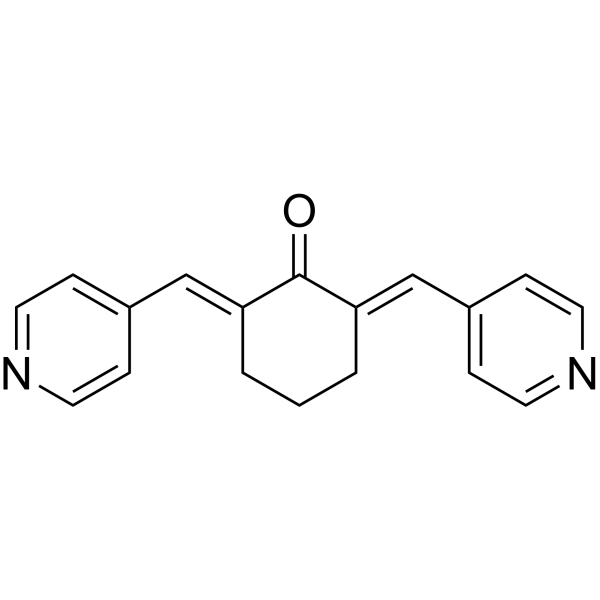
SC66 is an Akt inhibitor, reduces cell viability in a dose- and time-dependent manner, inhibits colony formation and induces apoptosis in hepatocellular carcinoma (HCC) cells.
|
-
-
- HY-161117
-
|
|
RSV
|
Cancer
|
|
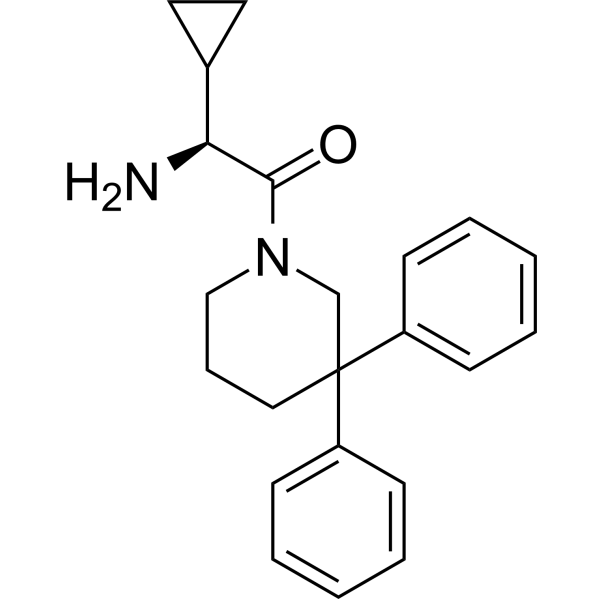
AD-8007 is an acetyl CoA synthase 2 (ACSS2) inhibitor that can cross the blood-brain barrier. AD-8007 can significantly reduce lipid storage and cell colony formation in vitro models, and increase tumor cell death. AD-8007 has anti-cancer activity and can be used in the research of breast cancer .
|
-
-
- HY-114340
-
|
|
Histone Methyltransferase
Apoptosis
|
Cancer
|
|
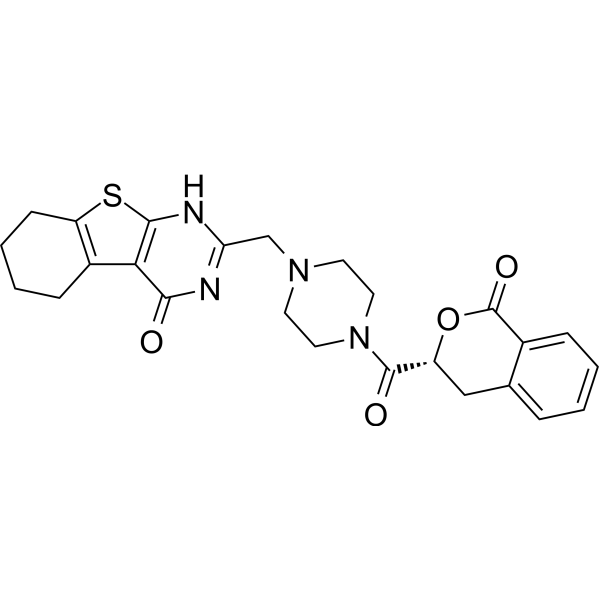
LEM-14 is a potent and selective NSD2 inhibitor with an IC50 of 132 µM. LEM-14 has very weak activitv
against NSD1 and has no activity against NSD3. LEM-14 inhibits fibrotic gene expression in ND but not DIO BMDMs. LEM-14 combined with ionizing radiation (IR) enhances the apoptosis rate and reduces the colony-formation ability of CRC cells. LEM-14 exhibits enhanced anti-tumor efficacy in Balb/c nude mice bearing LoVo cell xenografts when combined with ionizing radiation. LEM-14 has the potential for the research of multiple myeloma and colorectal cancer .
|
-
-
- HY-19345A
-
|
NSC13316 dihydrochloride
|
p38 MAPK
|
Neurological Disease
Cancer
|
|
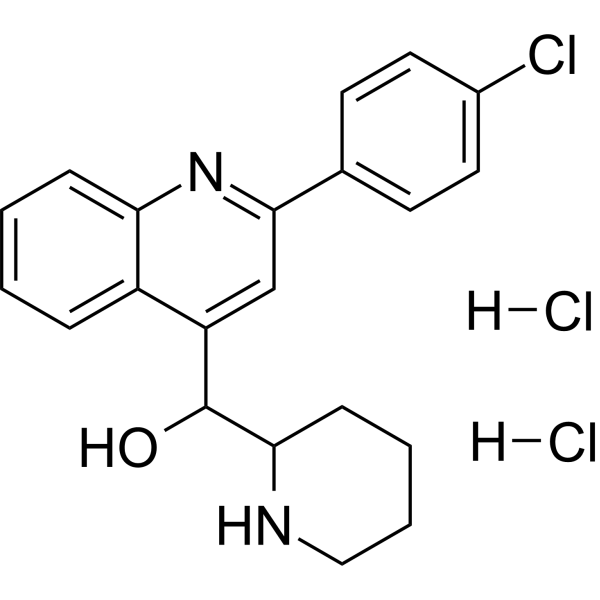
Vacquinol-1 (NSC13316) dihydrochloride is a MKK4-specific activator that activates the MAPK pathway. Vacquinol-1 dihydrochloride inhibits the growth, migration and colony formation, and induces apoptosis of cancer cells. Vacquinol-1 dihydrochloride is applicable to research related to cancers such as hepatocellular carcinoma .
|
-
-
- HY-126246
-
|
|
Phosphatase
|
Cancer
|
|
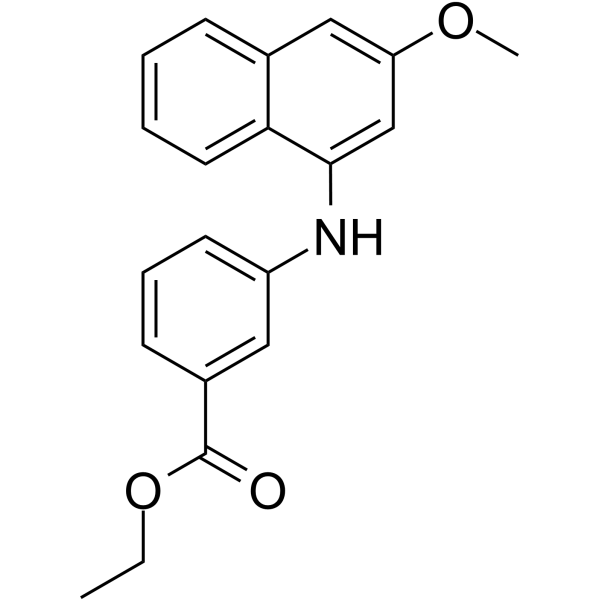
CDC25B-IN-1 (compound 4a) is a potent inhibitor of cell division cycle 25B (CDC25B) phosphatase, with a Ki of 8.5 μM. CDC25B-IN-1 potently inhibits cell proliferation and colony formation, causes an increase of the G2/M phase .
|
-
-
- HY-168566
-
|
|
HSP
|
Cancer
|
|
EV206 is a Hsp70 binder and apoptosis inducer that binds to the N-terminal domain of Hsp70, promotes Hsp70 degradation via the ubiquitin-proteasome system, and reduces Hsp70 protein stability. EV206 induces apoptotic cell death, inhibits colony formation, and downregulates the expression of cancer stem cell-related markers in non-small cell lung cancer cells. EV206 inhibits the growth of H460 xenograft tumors in nude mice and can be used for the research of non-small cell lung cancer .
|
-

-
- HY-N0597
-
|
|
Others
Insulin Receptor
|
Cardiovascular Disease
Others
Metabolic Disease
Cancer
|
|
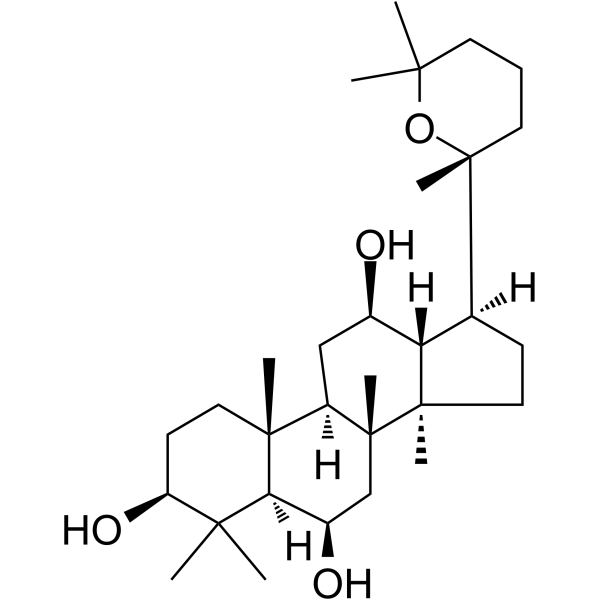
Panaxatriol is an orally active insulin sensitizer. Panaxatriol enhances the phosphorylation levels of Akt, insulin receptor and p70S6K in skeletal muscle. Panaxatriol reduces the mRNA expression level of Atrogin1 in skeletal muscle. Panaxatriol induces apoptosis, pre-G1 cell cycle arrest and increased intracellular ROS levels in prostate cancer cells, decreases mitochondrial membrane potential, inhibits cell migration and reduces colony formation. Panaxatriol can be used in research related to insulin resistance, myocardial ischemia/reperfusion injury and prostate cancer .
|
-
-
- HY-161116
-
|
|
Acetyl-CoA Carboxylase
|
Cancer
|
|
AD-5584 is an ACSS2 inhibitor with blood-brain permeability. AD-5584 can significantly reduce lipid storage, reduce colony formation, and increase cell death. AD-5584 has antitumor activity .
|
-
-
- HY-19345
-
|
NSC13316
|
p38 MAPK
Apoptosis
Caspase
Bcl-2 Family
|
Cancer
|
|
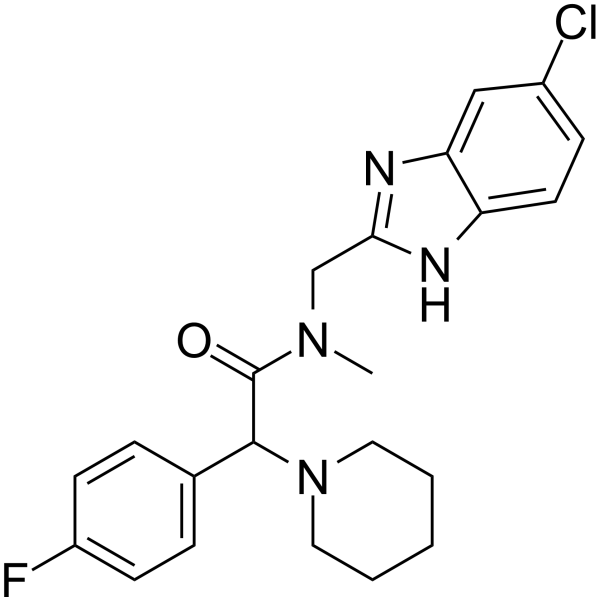
Vacquinol-1 (NSC13316) is a MKK4-specific activator that activates the MAPK pathway. Vacquinol-1 inhibits the growth, migration and colony formation, and induces apoptosis of cancer cells. Vacquinol-1 is applicable to research related to cancers such as hepatocellular carcinoma .
|
-
-
- HY-115909
-
|
|
CDK
|
Cancer
|
|
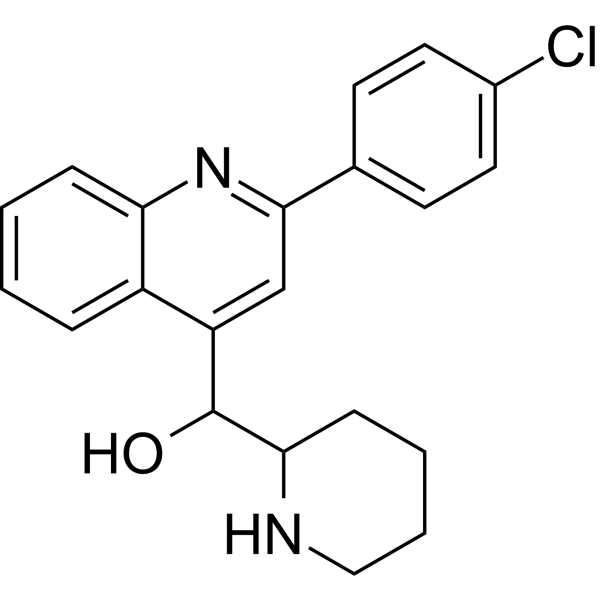
ZDLD20, a β-carboline, is orally active and selective CDK4/CycD3 inhibitor with an IC50 value of 6.51 μM. ZDLD20 exhibits potent anti-HCT116 activity including inhibition of colony formation, inhibition of invasion and migration, inducing of apoptosis, and arresting of G1 phase in cell cycle. ZDLD20 exhibits potent anticancer activity .
|
-
-
- HY-163707
-
|
|
Apoptosis
|
Cancer
|
|
UR778Br targets the GTPase-activating protein-related domain (GRD domain) of IQGAP1 proteins. UR778Br inhibits the proliferation of human acute myeloid leukemia (AML), arrests the cell cycle at the G2/M phase, and induces apoptosis. UR778Br inhibits colony formation of primary and AML cells, without significant impacts on normal bone marrow cells .
|
-

-
- HY-W134423B
-
|
|
Biochemical Assay Reagents
|
Others
|
|
Agar, meets USP testing specifications is a high-quality selective growth support and substrate for non-adherent cells. Agar, meets USP testing specifications effectively supports the growth, colony formation and metachromatic matrix production of chondrocytes, and also facilitates the isolation and differentiation of pure chondrocyte strains by restricting the proliferation of fibroblast-like cells. Chondrocytes grown in Agar, meets USP testing specifications can be successfully transferred to a liquid suspension culture system, where they continue to proliferate while retaining the characteristics exhibited during growth in agar .
|
-

-
- HY-130495
-
|
CDDO-Trifluoethyl amide; RTA 404; TP-500
|
Keap1-Nrf2
Apoptosis
|
Cancer
|
|
CDDO-TFEA (RTA 404; TP-500) is a trifluoroacetamide derivative of CDDO with enhanced ability to cross the blood-brain barrier. CDDO is an Nrf2 activator that inhibits proliferation and induces differentiation and apoptosis in various cancer cells. CDDO-TFEA can enhance Nrf2 expression and signaling in various neurodegenerative disease models, including those mimicking multiple sclerosis, amyotrophic lateral sclerosis, and Huntington's disease. CDDO-TFEA induces apoptosis and blocks colony formation in Ewing's sarcoma and neuroblastoma cell lines with IC50 values ranging from 85-170 nM.
|
-

-
- HY-104067
-
|
NASTRp
|
Epigenetic Reader Domain
|
Cancer
|
|
Naphthol AS-MX phosphate (NASTRp) is a small molecule inhibitor of the CREB (cyclic adenosine phosphate reaction element binding protein)-CBP (CREB binding protein) transcription factor complex. Naphthol AS-MX phosphate shows antitumor activity against lung cancer cells, inhibiting tumor cell proliferation (IC50=3.701 μmol/L), colony formation, and anchored independent growth in soft AGAR. Naphthol AS-MX phosphate can be used in the study of KRAS mutated lung cancer, especially for KRAS mutated lung cancer with poor chemotherapy resistance and prognosis .
|
-

-
- HY-118961
-
|
|
Kinesin
|
Cancer
|
|
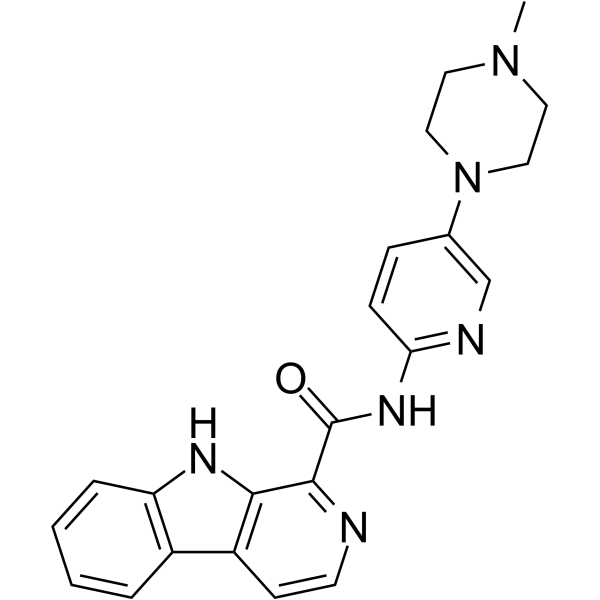
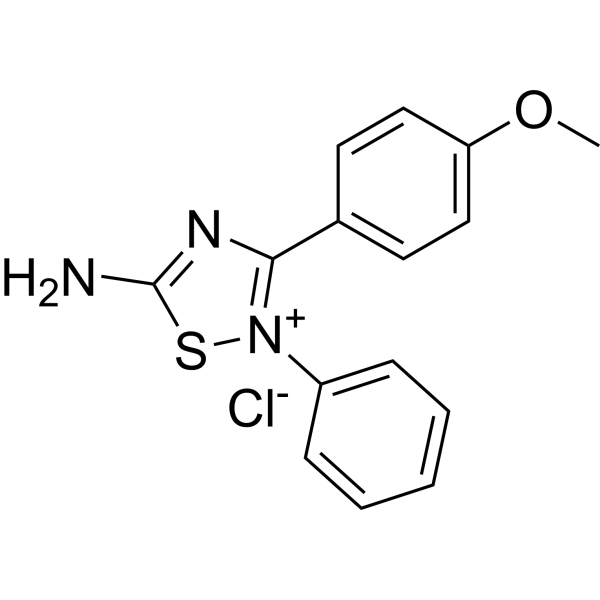
SR31527 chloride is a potent KIFC1 inhibitor with an IC50 value of 6.6 µM. SR31527 chloride decreases cell viability and colony formation .
|
-
-
- HY-146999
-
|
|
Histone Methyltransferase
Epigenetic Reader Domain
Apoptosis
|
Cancer
|
|
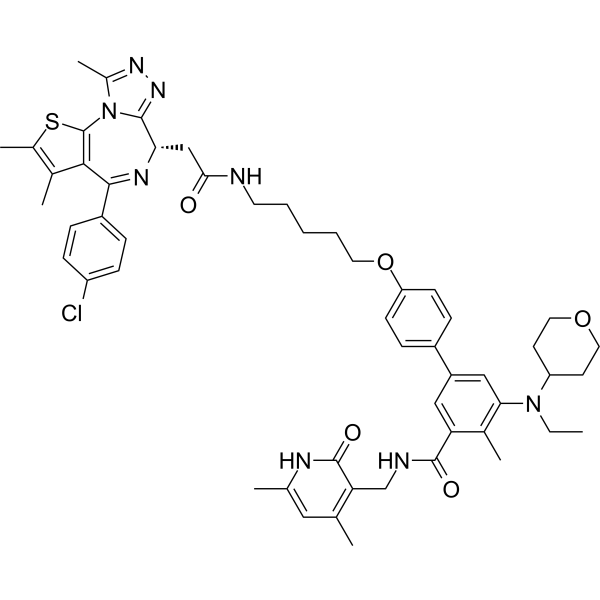
YM458 is a potent EZH2 and BRD4 dual inhibitor with IC50s of 490 nM and 34 nM, respectively. YM458 inhibits cell proliferation and colony formation and induces cell cycle arrest and apoptosis in solid cancer cells. YM458 can be used for researching anticancer .
|
-
-
- HY-177742
-
|
|
Molecular Glues
Phosphoglycerate Dehydrogenase (PHGDH)
|
Cancer
|
|
LXH-3-71 is a PHGDH degrader. LXH-3-71 acts as a molecular glue to enhance the interaction of the PHGDH-DDB1-CRL E3 ligase complex, triggering ubiquitination and proteasomal degradation of PHGDH. LXH-3-71 regulates the stemness of colorectal cancer cells and inhibits tumor proliferation and colony formation. LXH-3-71 can be used in the research of colorectal cancer .
|
-

-
- HY-162938
-
|
|
E1/E2/E3 Enzyme
|
Cancer
|
|
Skp2 inhibitor 3 is an orally active inhibitor of the Skp2-Cks1 complex, with an IC50 of 4.86 μM. Skp2 inhibitor 3 reduces Skp2 protein expression while upregulating the expression of p21 and p27. Skp2 inhibitor 3 inhibits colony formation and migration of cancer cells, and induces cell cycle arrest at the S phase. Skp2 inhibitor 3 suppresses tumor growth in xenograft mice. Skp2 inhibitor 3 can be used in the research of gastric cancer and prostate cancer .
|
-

-
- HY-163134
-
|
|
DNA-PK
|
Cancer
|
|
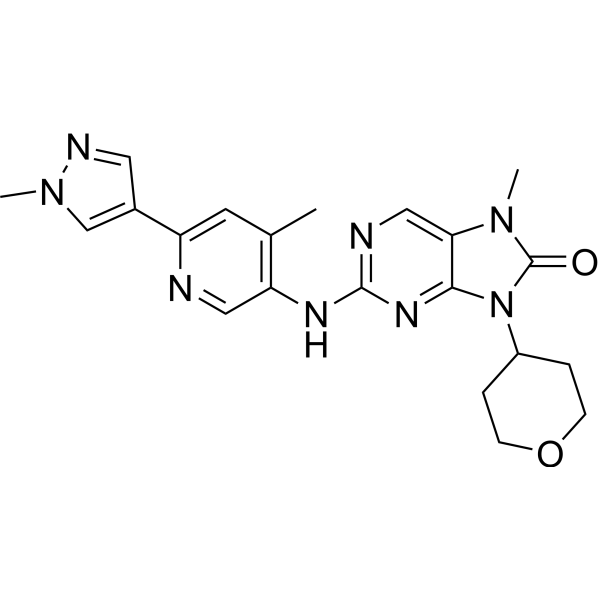
DNA-PK-IN-12 (compound 31t) is an oral active DNA-PK inhibitor with the IC50 of 0.1 nM. DNA-PK-IN-12 inhibits cell growth and Hct116 cell colony formation with the IC50 of 33.28 μM, and shows antitumor activity in vivo .
|
-
-
- HY-114319
-
|
|
Others
|
Cancer
|
|
β-Cembrenediol is a potent and orally active anticancer agent. β-Cembrenediol shows phytotoxic activities. β-Cembrenediol reduces the migration and colony formation. β-Cembrenediol decreases the protein expression of TDO2, IDO1. β-Cembrenediol has the potential for the research of prostate cancer .
|
-

-
- HY-149495
-
|
|
PROTACs
CDK
|
Cancer
|
|
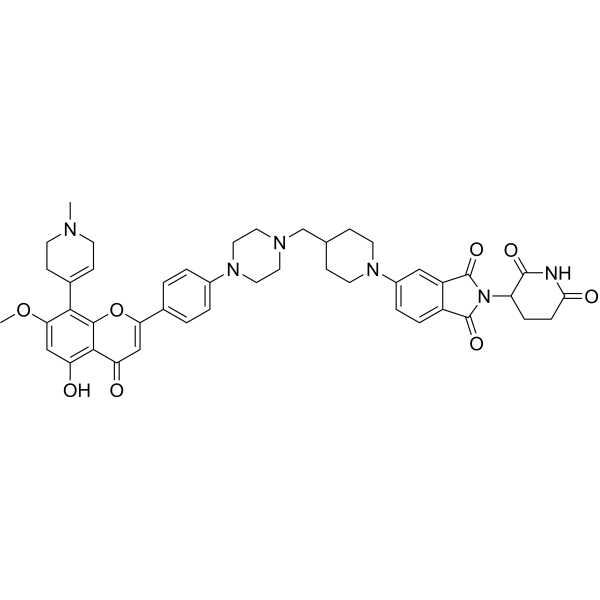
CP-07 is a potent and selective PROTACCDK9 degrader (DC50: 43 nM). CP-07 inhibits 22RV1 cell proliferation (IC50: 62 nM) and colony formation by down-regulating Mcl-1 and c-Myc. CP-07 inhibits 22RV1 xenograft tumor growth. CP-07 can be used for research of prostate cancer .
|
-
-
- HY-179143
-
|
|
EGFR
Akt
Apoptosis
|
Cancer
|
|
EGFR-IN-185 is a EGFR inhibitor. EGFR-IN-185 exhibits potent activity against non-small cell lung cancer (NSCLC) cells harboring EGFR mutations. EGFR-IN-185 inhibits colony formation and migration, induces G0/G1 arrest, and promots apoptosis, which are associated with the suppression of EGFR and AKT phosphorylation. EGFR-IN-185 can be used for the research of NSCLC .
|
-

-
- HY-155244
-
|
|
Lipoxygenase
DNA/RNA Synthesis
|
Inflammation/Immunology
|
|
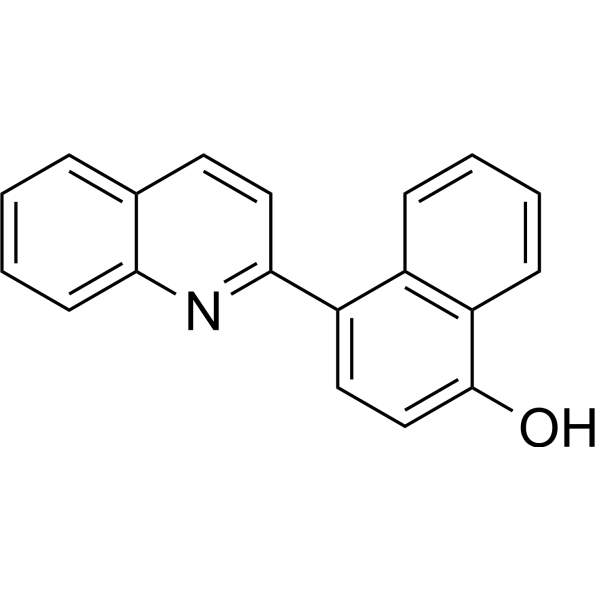
12R-LOX-IN-2 (compound 7b) is an inhibitor of 12R-lipoxygenase (12R-LOX). 12R-LOX-IN-2 inhibits imiquimod (IMQ)-induced hyperproliferation of psoriatic keratinocytes and suppresses colony formation. 12R-LOX-IN-2 also reduced the protein level of Ki67 and the mRNA expression of IL-17A in IMQ-induced cells. 12R-LOX-IN-2 can be used in research into psoriasis and other skin-related inflammatory diseases .
|
-
-
- HY-113902
-
|
|
CRM1
|
Cancer
|
|
(2-(β-Piperidinoethyl)-9-hydroxyellipticinium chloride (compound 1AA) is a SETBP1 inhibitor that disrupts the interaction between SETBP1 and XPO1. (2-(β-Piperidinoethyl)-9-hydroxyellipticinium chloride inhibits colony formation, induces differentiation/cytotoxicity, and downregulates the transcription of Setbpl target genes. (2-(β-Piperidinoethyl)-9-hydroxyellipticinium chloride improves survival and reduces the spleen size of leukemic mice. (2-(β-Piperidinoethyl)-9-hydroxyellipticinium chloride can be used for myeloid neoplasms and solid tumors research .
|
-

-
- HY-174828
-
|
|
PARP
ATM/ATR
Apoptosis
|
Cancer
|
|
ATR/PARP1-IN-1 is a potent ATR and PARP1 dual inhibitor with IC50s of 17.3 nM and 0.38 nM, respectively. ATR/PARP1-IN-1 effectively reduces cell viability, induces apoptosis and DNA damage. ATR/PARP1-IN-1 significantly impairs triple-negative breast cancer (TNBC) colony formation, migration, and invasion. ATR/PARP1-IN-1 suppresses tumor growth effectively in MDA-MB-468 xenografted mice, with no significant body weight change .
|
-

-
- HY-172796
-
|
|
TAM Receptor
|
Cancer
|
|
UNC9435 (compound 44) is a dual inhibitor of TYRO3/MERTK with IC50 values of 3.7 nM and 1.1 nM, respectively. UNC9435 reduces colony formation in non-small cell lung cancer cultures
|
-

-
- HY-124585
-
|
|
Epigenetic Reader Domain
|
Cancer
|
|
Y08060 is a selective BET inhibitor. Y08060 inhibits the viability of C4-2B and LNCaP cell lines with IC50 values of 3.23 and 4.41 μM. Y08060 can suppress colony formation as well as AR expression in prostate cancer cell line. Y08060 can be studied in prostate cancer research .
|
-

-
- HY-155516
-
|
|
Potassium Channel
|
Inflammation/Immunology
|
|
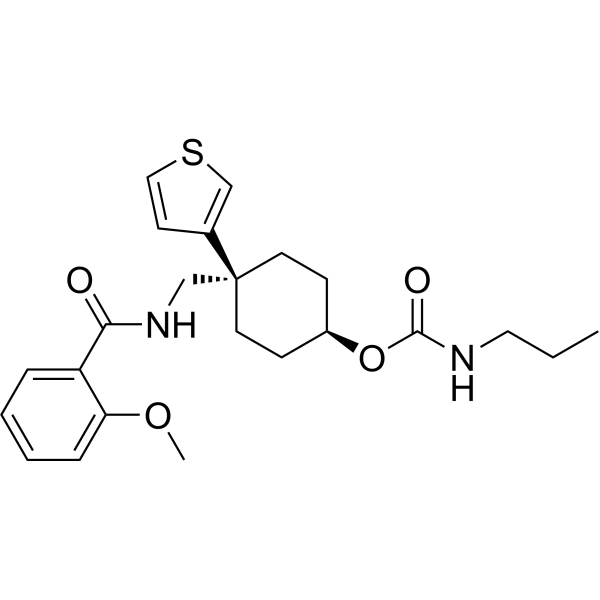
KV1.3-IN-1 (Compound trans-18) is a KV1.3 channel inhibitor (IC50: 230 nM and 26.12 nM in Ltk cells and PHA-activated T-lymphocytes respectively). KV1.3-IN-1 impairs intracellular Ca 2+ signaling. KV1.3-IN-1 inhibits T-cell activation, proliferation, and colony formation .
|
-
-
- HY-N15201
-
|
|
STAT
|
Cancer
|
|
Betavulgarin is an anticancer agent. Betavulgarin can be isolated from Sugar Beet (Beta vulgaris). Betavulgarin suppresses the proliferation, migration, colony formation, and mammosphere formation of breast cancer cells, and reduces the size of the CD44 +/CD24 − subpopulation and the expression of the self-renewal- related genes C-Myc, Nanog and Oct4. Betavulgarin promotes BCSCs death through the regulation of Stat3/Sox2 signaling .
|
-

-
- HY-113843
-
|
|
MDM-2/p53
|
Cancer
|
|
RETRA (hydrobromide) is a mutant p53-dependent activator of p73 that can inhibit cancer cells carrying mutant p53. RETRA (hydrobromide) increases the expression level of p73, induces transcriptional activation of several common to transcriptional targets p53 and p73, which leads to mutant p53- and p73-dependent inhibition of tumor growth, reduction of colony formation and induction of effector caspases .
|
-

-
- HY-179391
-
|
|
Telomerase
Apoptosis
|
Cancer
|
|
Telomerase-IN-9 is a potent and selective telomerase inhibitor. Telomerase-IN-9 significantly reduces telomerase activity by binding to hTERT, leading to decreased telomerase function. Telomerase-IN-9 induces apoptosis and inhibits colony formation. Telomerase-IN-9 reduces tumor burden, restores antioxidantbalance, and preserves lung architecture in a Benzo[a]pyrene (HY-107377)-induced lung cancer mouse model. Telomerase-IN-9 can be used for the research of lung cancer .
|
-

-
- HY-175817
-
|
|
Wee1
Apoptosis
|
Cancer
|
|
PKMYT1-IN-10 is a selective PKMYT1 inhibitor with an IC50 of 3 nM. PKMYT1-IN-10 inhibits colony formation, induces apoptosis, and induces S-phase cancer cell cycle arrest. PKMYT1-IN-10 exhibits liver microsomal stability, favorable plasma stability, minimal CYPs inhibition. PKMYT1-IN-10 can be used for the studies of ovarian cancer and breast cancer .
|
-

-
- HY-115663
-
|
|
Epigenetic Reader Domain
c-Myc
|
Cancer
|
|
C620-0696 is an inhibitor targeting the brom domain of BPTF, with a KD value of 35.5 μM. C620-0696 can exert cytotoxic effects on A549 and H358 cells, inhibiting the expression of c-Myc. C620-0696 inhibits cell migration and colony formation, and induces apoptosis and cell cycle arrest. C620-0696 can be used in the research of non-small cell lung cancer .
|
-

-
- HY-13654
-
|
|
Smo
Hedgehog
|
Cancer
|
|
IPI-269609 is an orally effective Smoothed (SMO) inhibitor that targets the Hedgehog (Hh) signaling pathway. IPI-269609 specifically reduces the ALDH-bright (high aldehyde dehydrogenase activity) cell subset, which is considered the "cancer stem cells" in pancreatic cancer. IPI-269609 significantly inhibits the migration and colony formation of pancreatic cancer cells. IPI-269609 effectively inhibits pancreatic cancer metastasis in a mouse model. IPI-269609 can be used for pancreatic cancer research .
|
-

-
- HY-175175
-
|
|
p38 MAPK
Bcl-2 Family
Caspase
Reactive Oxygen Species (ROS)
PARP
Apoptosis
|
Cancer
|
|
MAPK-IN-5 is a potent MAPK inhibitor with an IC50 of 1.35 μM against HeLa cells. MAPK-IN-5 inhibits HeLa cell proliferation by inducing ROS-mediated DNA damage and mitochondrial apoptosis via the MAPK pathway. MAPK-IN-5 significantly inhibits colony formation, reduces the number of live cells, suppresses cell migration, and causes cell cycle arrest in the G2/M phase in HeLa cells. MAPK-IN-5 can be used for the study of cervical cancer .
|
-

-
- HY-170867
-
|
|
Keap1-Nrf2
Heme Oxygenase (HO)
Reactive Oxygen Species (ROS)
|
Cardiovascular Disease
|
|
Nrf2/HO-1 activator 3 (Compound C3a) is the activator for Nrf2 signaling pathway that promotes the Nrf2 translocation into nuclei and upregulates the expression of heme oxygenase-1 HO-1. Nrf2/HO-1 activator 3 inhibits the overespression of ROS and MDA in H2O2- or glucose-stimulated H9c2 cardiomyocytes, inhibits the cell viability and colony formation, thereby exhibiting antioxidant efficacy .
|
-

-
- HY-179468
-
|
|
STAT
|
Cancer
|
|
STAT3-IN-49 (compound B16) is a potent and selective STAT3 inhibitor. STAT3-IN-49 binds to the SH2 domain of STAT3, thereby suppressing its phosphorylation and nuclear translocation. STAT3-IN-49 inhibits triple-negative breast cancer (TNBC) cell migration, invasion, and colony formation. STAT3-IN-49 inhibits tumor growth in an MDA-MB-231 xenograft mouse model. STAT3-IN-49 can be used for TNBC research .
|
-

-
- HY-175454
-
|
|
DNA/RNA Synthesis
PDGFR
Oxidative Phosphorylation
Mitochondrial Metabolism
|
Cancer
|
|
YH-0623 is an orally active mitochondrial RNA polymerase (POLRMT) inhibitor (IC50 = 50.48 nM, Nanoluciferase Bioluminescence Resonance Energy Transfer (NanoBRET) assay). YH-0623 exhibits antiproliferative effects on 22Rv1 cells by reducing the expression of mitochondrial-related genes. YH-0623 inhibits 22Rv1 cell growth, colony formation, and the expression of OXPHOS-related proteins. YH-0623 significantly inhibits tumor growth in a prostate cancer xenograft mouse model. YH-0623 is indicated for prostate cancer research .
|
-

-
- HY-178178
-
|
|
PARP
Reactive Oxygen Species (ROS)
DNA/RNA Synthesis
Apoptosis
|
Cancer
|
|
PARP1-IN-46 is a potent PARP-1 inhibitor with an IC50 of 2.4 nM. PARP1-IN-46 demonstrates remarkable anti-proliferative activity in both rat (C6) and human (U87MG) glioma cells. PARP1-IN-46 promotes PARP cleavage, triggers DNA damage, and increases ROS. PARP1-IN-46 effectively inhibits the migration, invasion and colony formation of glioma cells, and ultimately induces cell apoptosis. PARP1-IN-46 can be used to the study of glioma .
|
-

-
- HY-164959
-
|
|
Lipocalin Family
|
Cancer
|
|
ZINC00230567 is an inhibitor for Lipocalin-2 (LCN2). ZINC00230567 reduces the colony formation and cell viability of cell SUM149, and exhibits anti-tumor efficacy .
|
-

-
- HY-122108
-
|
LL-Z 1272-alpha
|
Apoptosis
|
Cancer
|
|
Ilicicolin A is a potent anticancer agent. Ilicicolin A induces apoptosis. Ilicicolin A inhibits cell growth and colony formation. Ilicicolin A shows antitumor activity. Ilicicolin A has the potential for the research of prostate cancer .
|
-

-
- HY-144331
-
|
|
Microtubule/Tubulin
Apoptosis
|
Cancer
|
|
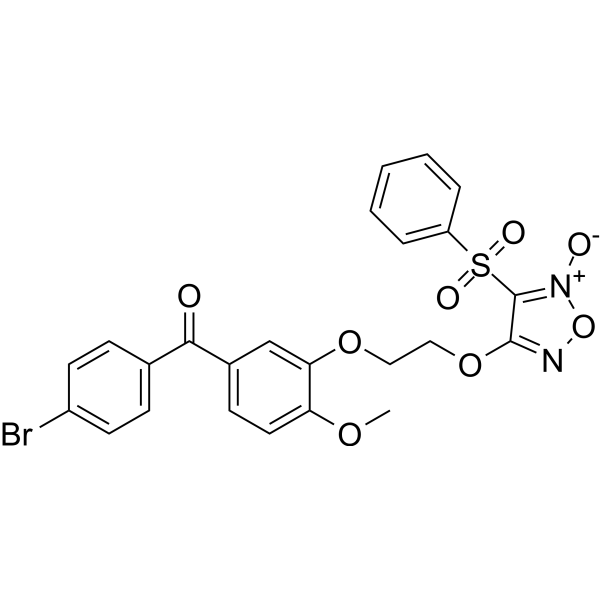
Antitumor agent-42 (Compound 15h) is a bifunctional agent exhibiting both tubulin polymerized inhibition and NO-releasing activities, resulting in potent anti-angiogenesis, colony formation inhibition, cell cycle arrest and apoptosis induction effects .
|
-
-
- HY-162820
-
|
|
Bcl-2 Family
|
Cancer
|
|
Bcl-2-IN-21 (compound C1) is an iridium compound with anticancer activity that targets and inhibits Bcl-2. Bcl-2-IN-21 inhibits colony formation of cancer cells and induces elevated levels of Bax and caspase 3 .
|
-

-
- HY-120046
-
|
|
HDAC
|
Cancer
|
|
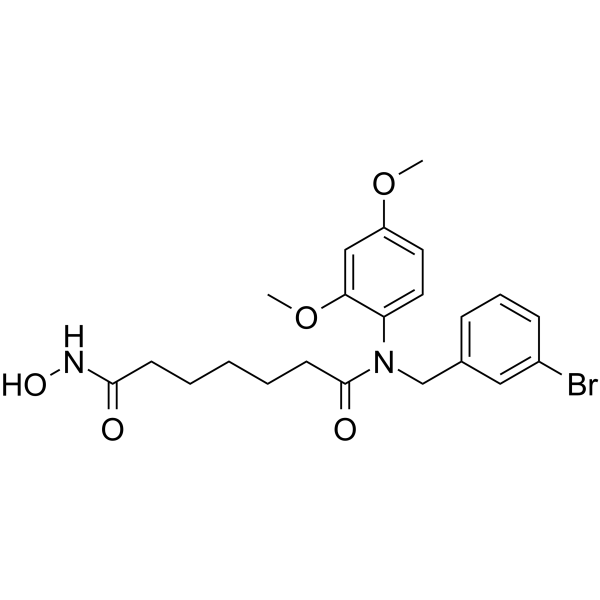
YF479 is a potent inhibitor of histone deacetylase. YF479 abates cell viability, suppresses colony formation and tumor cell motility. YF479 significantly inhibits breast tumor growth and metastasis. YF479 has the potential for the research of clinical trials for breast cancer .
|
-
-
- HY-162041
-
|
|
Survivin
|
Cancer
|
|
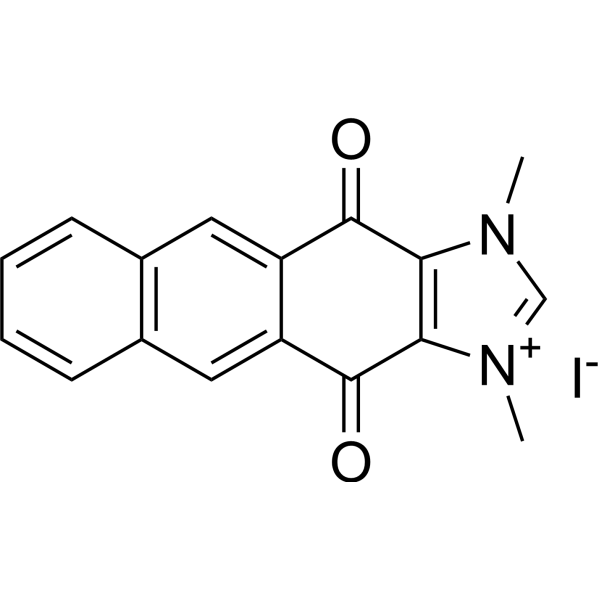
AQIM-I is an inhibitor of survivin via inhibits survivin expression and colony formation. AQIM-I induces ROS production, apoptosis, cell cycle arrest, DNA damage, and autophagy. AQIM-I inhibits nonsmall cell lung cancer cells A549 with an IC50 value of 9 nM .
|
-
-
- HY-126324
-
|
|
Apoptosis
|
Cancer
|
|
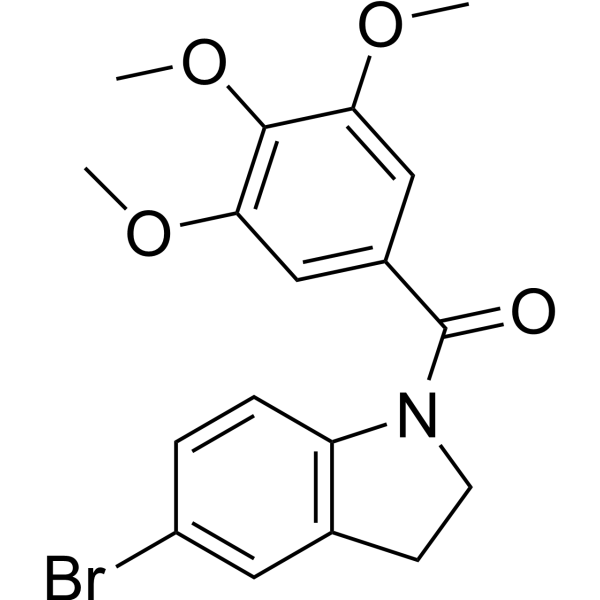
IV-23 (Compound 20) is a potent Noxa mediated apoptosis inducer, and it is a promising anticancer agent with potential. IV-23 inhibits cell growths in vitro and in vivo, reduces colony formation, arrests cell cycle at M phase, and induces esophageal squamous cell carcinoma (ESCC) .
|
-
-
- HY-162763
-
|
|
Apoptosis
|
Cancer
|
|
FLQY2 is a camptothecin analog that exhibits outstanding antitumor efficacy against various solid tumors. FLQY2 possesses both in vitro and in vivo anti-pancreatic cancer activity, inhibiting cell proliferation, colony formation, inducing apoptosis, and causing cell cycle arrest at nanomolar concentrations .
|
-

-
- HY-146738
-
|
|
Akt
|
Cancer
|
|
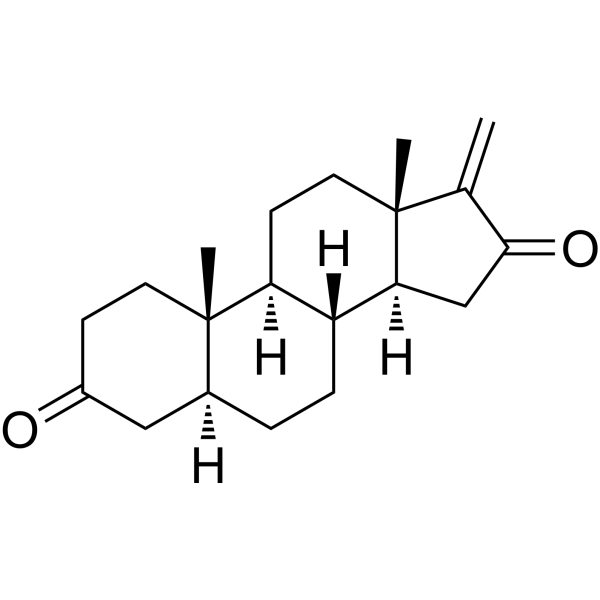
GSD-11 is a potent and selective anti-austerity agent. GSD-11 inhibits the cell migration and colony formation of PANC-1 cells. GSD-11 inhibits the Akt/mTOR signaling pathway. GSD-11 has the potential for the research of pancreatic cancer[1].
|
-
- HY-173140
-
|
|
Apoptosis
|
Cancer
|
|
Anticancer agent 268 (Compound 4k) is a potential anti-tumor agent. Anticancer agent 268 exhibits anti-proliferative effects against HepG2 cells, with an IC50 of 6.08 μM. Anticancer agent 268 can induce apoptosis and inhibit colony formation and migration of HepG2 cells .
|
-

- HY-144766
-
|
|
Apoptosis
|
Cancer
|
|
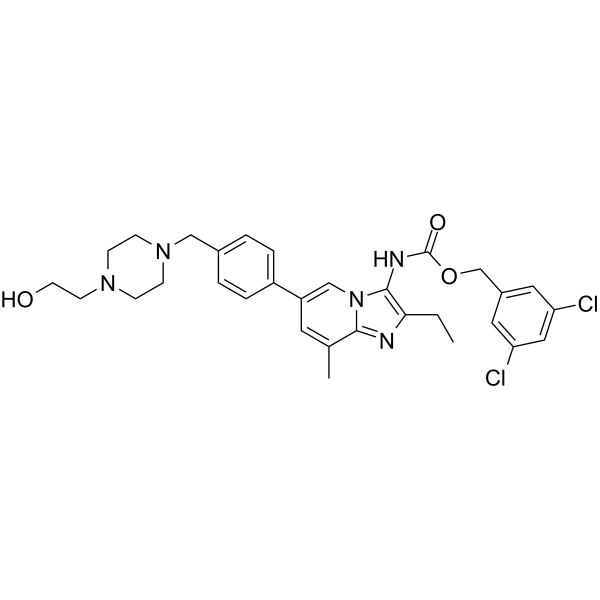
ATX inhibitor 13 (10c) is an orally active and potent ATX inhibitor, with an IC50 of 3.4 nM. ATX inhibitor 13 inhibits proliferation and migration, and induces apoptosis and G2 phase arrest in RAW264.7 cells. ATX inhibitor 13 suppresses tumor cell colony formation .
|
-
- HY-173218
-
|
|
EGFR
|
Cancer
|
|
anti-NSCLC agent-1 (compound 8dc) is an inhibitor of tyrosine kinase inhibitors (TKIs) with IC50 values of 0.05 and 0.09 μM in A549 and NCI-H441 cells. anti-NSCLC agent-1 shows anti-NSCLC activities in colony formation, migration, and invasion .
|
-

- HY-155526
-
|
|
Histone Demethylase
|
Cancer
|
|
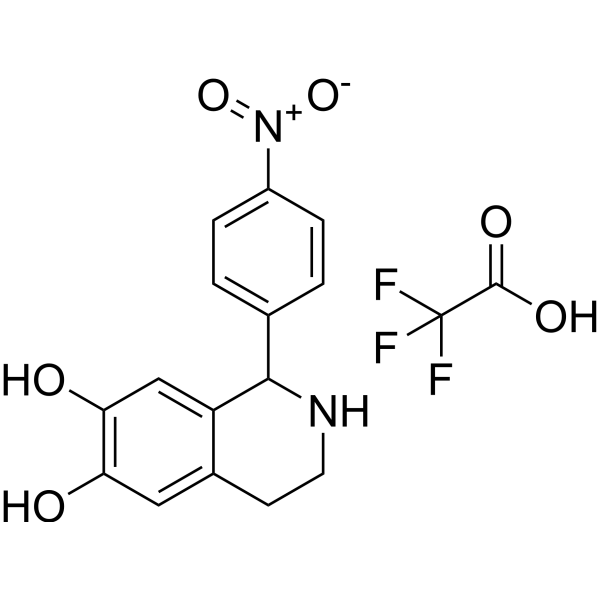
FY-21 is a selective inhibitor of LSD1 (IC50=340 nM), with anti-proliferation and anti-colony formation activities. FY-21 enhances p53 expression, down-regulates HOXA9 and MEIS1 expression. FY-21 also induces leukemia cell differentiation to exhibts antitumor activity .
|
-
- HY-174759
-
|
|
mRNA
|
Inflammation/Immunology
|
|
Human CCL23 mRNA encodes the human C-C motif chemokine ligand 23 (CCL23) protein, a cytokine that displays chemotactic activity on resting T lymphocytes and monocytes, lower activity on neutrophils and no activity on activated T lymphocytes. CCL23 is also a strong suppressor of colony formation by a multipotential hematopoietic progenitor cell line.
|
-

- HY-168951
-
|
|
Annexin A
Apoptosis
|
Cancer
|
|
(R)-SL18 is a degrader of ANXA3 and can degrade ANXA3 protein through the ubiquitination pathway. (R)-SL18 inhibits the proliferation, migration, invasion, and colony formation of breast cancer cells and induces apoptosis. (R)-SL18 can be used in the research of triple-negative breast cancer .
|
-

- HY-164372
-
|
17-DR
|
HSP
Apoptosis
|
Cancer
|
|
17-Demethoxy-reblastatin (17-DR) is an inhibitor for heat shock protein 90 (Hsp90), with an IC50 of 1.82 μM for yeast Hsp90 ATPase. 17-Demethoxy-reblastatin inhibits the proliferation of cancer cell HepG2 and SMMC7721, reduces the colony formation, and induces apoptosis through mitochondria and caspase mediated pathway .
|
-

- HY-161338
-
|
|
Microtubule/Tubulin
Apoptosis
|
Cancer
|
|
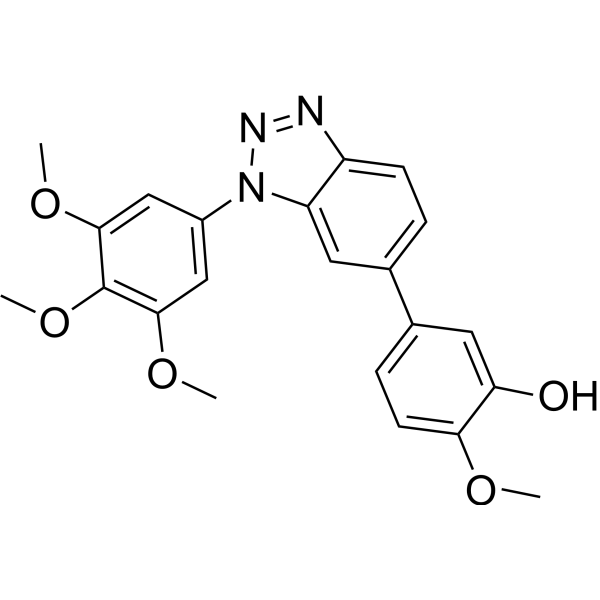
Tubulin polymerization-IN-61 (Compound 9a) is a tubulin polymerization inhibitor. Tubulin polymerization-IN-61 destroys the microtubule skeleton, blocks the cell cycle in G2/M phase, induces Apoptosis, and inhibits cancer cell migration and colony formation. Tubulin polymerization-IN-61 shows antitumor activity in vivo against 4T1 xenograft model .
|
-
- HY-172259
-
|
|
PI3K
Akt
mTOR
|
Cancer
|
|
Toyaburgine is a unique isoquinoline compound that exhibits anti-tumor activity. It packs a punch by disrupting the PI3K/AKT/mTOR signaling pathway, causing significant morphological changes and cell death in MIA PaCa-2 cells. On top of that, it puts the brakes on cell migration and colony formation. This compound is showing a lot of promise in the realm of pancreatic cancer research .
|
-

- HY-146038
-
|
|
Apoptosis
ROS Kinase
MDM-2/p53
Bcl-2 Family
|
Cancer
|
|
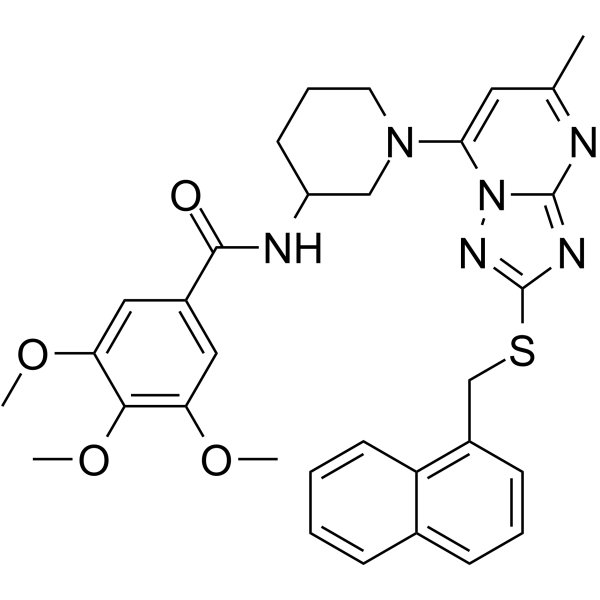
Antitumor agent-55 (compound 5q) is a potent antitumor agent. Antitumor agent-55 effectively inhibits PC3, with an IC50 of 0.91 μM. Antitumor agent-55 effectively inhibits the colony formation, suppresses the cell migration in PC3. Antitumor agent-55 induces G1/S phase arrest and apoptosis in PC3 .
|
-
- HY-161153
-
|
|
Apoptosis
|
Cancer
|
|
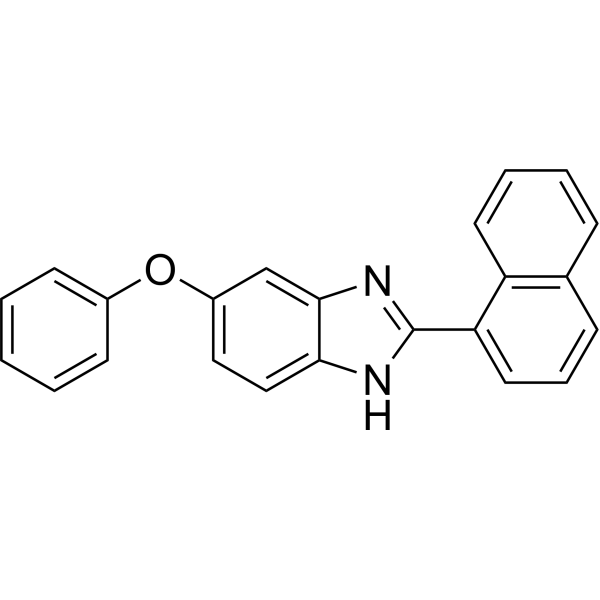
Microtubule inhibitor 9 (Compound O-7) is a 2-Aryl-1H-benzo [d] imidazole derivative with in vitro anticancer activity. Microtubule inhibitor 9 can induce cell cycle arrest at the G2/M phase and early apoptosis. Microtubule inhibitor 9 inhibits cancer cell migration by inhibiting wound healing and colony formation .
|
-
- HY-161450
-
|
|
PROTACs
Ras
|
Cancer
|
|
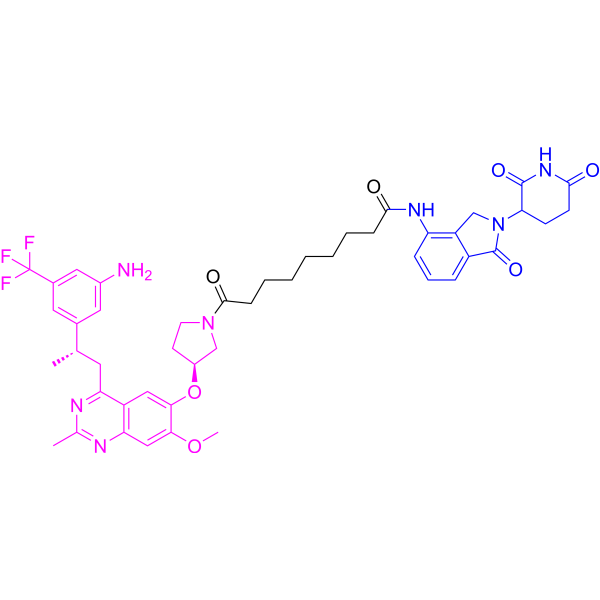
LHF418 is an effective SOS1 PROTAC degrader with a DC50 value of 209.4 nM in A549 cells. LHF418 can effectively inhibit RAS signaling and colony formation in KRAS-driven cancer cells. (Structural note: (Blue: Cereblon ligand (HY-A0003), Black: linker; Pink: SOS1 binder SOS1 Ligand intermediate-3 (HY-161452)) .
|
-
- HY-168085
-
|
|
YAP
Apoptosis
|
Cancer
|
|
CV-4-26 (Compound 22) is a covalent inhibitor of TEAD. CV-4-26 inhibits YAP/TEAD-based transcription, leading to the reduction of CTGF and CYR61 expression. CV-4-26 inhibits Huh7 and HepG2 cell colony formation, induces cell cycle arrest, and apoptosis. CV-4-26 shows antitumor activity against hepatocellular carcinoma (HCC) and hepatoblastoma (HB) .
|
-

- HY-174397
-
|
|
Histone Methyltransferase
Epigenetic Reader Domain
|
Cancer
|
|
EED-IN-3 is an orally active EED inhibitor. EED-IN-3 effectively inhibits PRC2 by binding to EED (IC50 = 0.62 μM for EED) and downregulates H3K27me3. EED-IN-3 can efficiently and selectively inhibit PC3 cells with the IC50 of 3.69 μΜ and could significantly suppress colony formation and migration. EED-IN-3 can be used for research on prostate cancer.
|
-

- HY-115908
-
|
|
CDK
Apoptosis
|
Cancer
|
|
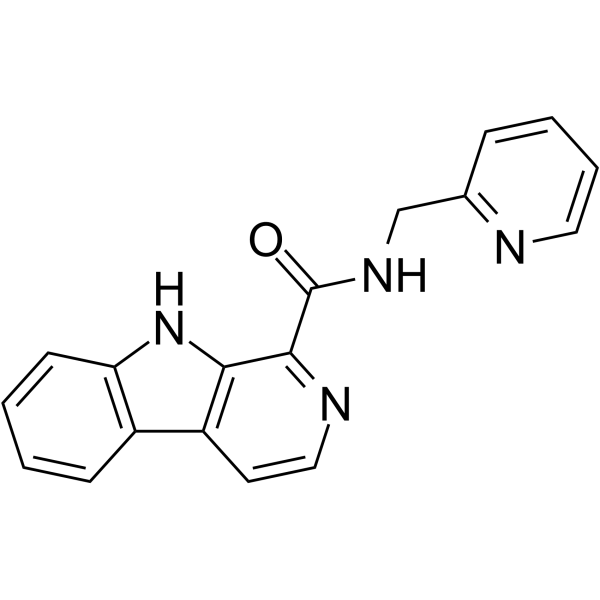
ZDLD13, a β-carboline, is an orally active and selective CDK4/CycD3 inhibitor with an IC50 value of 0.38 μM. ZDLD13 exhibits potent anti-HCT116 activity including inhibition of colony formation, inhibition of invasion and migration, inducing of apoptosis, and arresting of G1 phase in cell cycle. ZDLD13 shows significant tumor growth inhibition in HCT116 tumor xenograft model .
|
-
- HY-149578
-
|
|
Microtubule/Tubulin
HDAC
|
Cancer
|
|
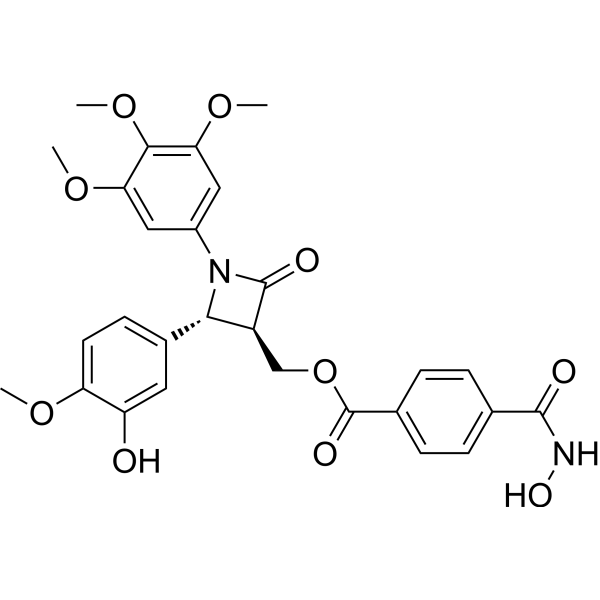
Tubulin/HDAC-IN-3 (compound 12a) is a potent tubulin/HDAC dual inhibitor. Tubulin/HDAC-IN-3 effectively disrupts tubulin polymerization (IC50: 5.4 μM). Tubulin/HDAC-IN-3 exhibits potent HDAC1/8 inhibitory activities, with IC50 values of 0.155 and 0.177 μM, respectively. Tubulin/HDAC-IN-3 works through blocking cellular cycle, inducing apoptosis and inhibiting colony formation .
|
-
- HY-173065
-
|
|
CDK
Apoptosis
|
Cancer
|
|
CDK9-IN-36 (Compound T7) is a potent, selective and metabolically stable CDK9 inhibitor with an IC50 value of 1.2 nM. CDK9-IN-36 effectively suppresses cell proliferation, reduces colony formation, and induces apoptosis in Osimertinib (HY-15772)-resistant NSCLC cells by downregulating Mcl-1. CDK9-IN-36 also demonstrates antitumor efficacy in a tumor xenograft model .
|
-

- HY-163192
-
|
|
ROR
Apoptosis
|
Cancer
|
|
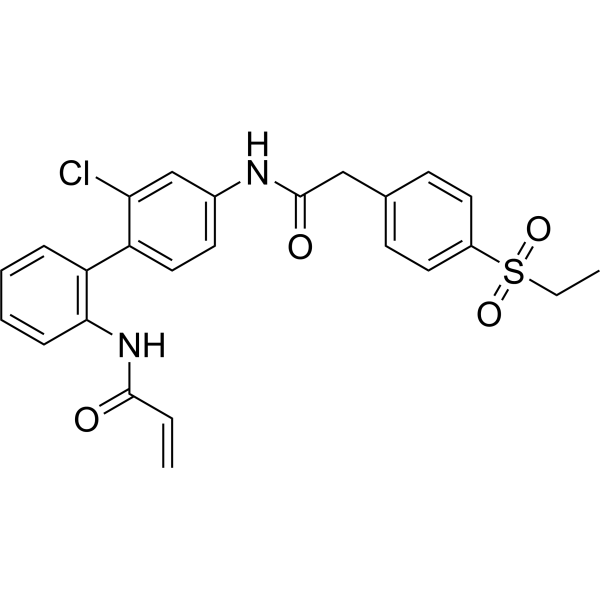
W6134 is highly potent and selective RORγ covalent inhibitor with an IC50 of 0.21 μM. W6134 exhibits excellent selectivity for RORγ over RORα, RXRγ, and ERRγ. W6134 significantly inhibits RORγ transcriptional activity W6134 inhibits the proliferation and colony formation and induces apoptosis in castration-resistant prostate cancer cells (CRPC). W6134 can be used for the research of castration-resistant prostate cancers (CRPC) .
|
-
- HY-151155
-
|
|
Anaplastic lymphoma kinase (ALK)
|
Cancer
|
|
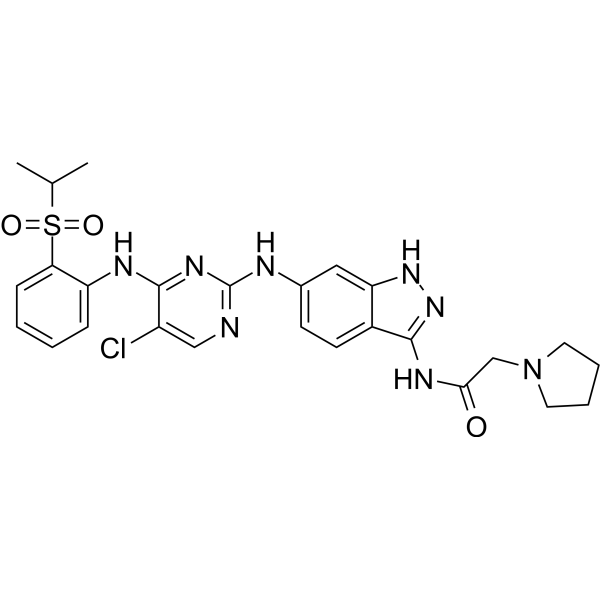
ALK-IN-23 is a potent ALK inhibitor with IC50 values of 1.6 nM, 0.71 nM and 1.3 nM for ALK WT, ALK L1196M and ALK G1202R. ALK-IN-23 can block cell cycle in G2 phase and induce apoptosis. ALK-IN-23 inhibits cancer cell migration and colony formation in vitro. ALK-IN-23 exhibits antitumor activity in H2228 xenograft nude mice model with hypotoxicity .
|
-
- HY-119948
-
|
|
Cyclin G-associated Kinase (GAK)
MDM-2/p53
|
Cancer
|
AKCI is a type of AURKC-IκBα interaction inhibitor, with an IC50 value of 24.9 μM. In MDA-MB-231 cells, AKCI can induce G2/M cell cycle arrest by regulating the p53/p21/CDC2/cyclin B1 pathway, inhibit cell migration and invasion, and reduce colony formation and tumor growth. AKCI can be used for research on breast cancer .
|
-

- HY-157543
-
|
|
Microtubule/Tubulin
Apoptosis
|
Cancer
|
|
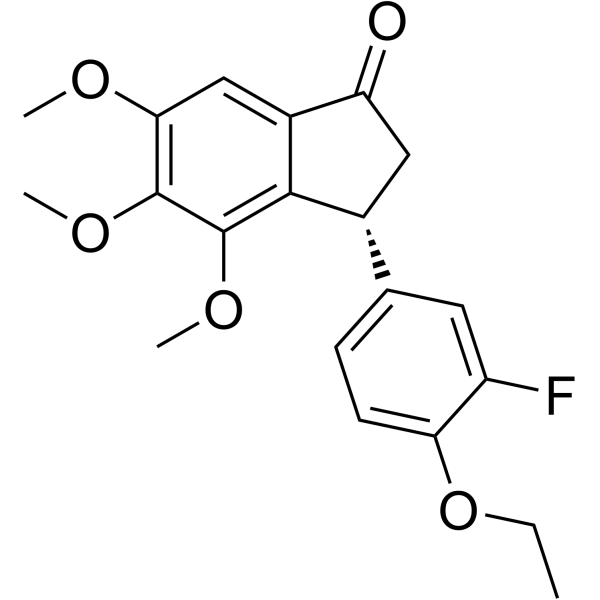
Tubulin polymerization-IN-59 is a tubulin polymerization inhibitor and colchicine binding site inhibitor (CBSI) (IC50 = 6.1 μM). Tubulin polymerization-IN-59 exerts potent antiproliferative activity against cancer cells, while showing lower cytotoxicity to normal cells. Tubulin polymerization-IN-59 arrests colorectal cancer HCT 116 cells in G2/M phase, induces cell apoptosis, and suppresses tumor cell colony formation and migration. Tubulin polymerization-IN-59 can be used for the study of colorectal cancer (CRC) .
|
-
- HY-178921
-
|
|
Drug Derivative
Apoptosis
|
Cancer
|
HJ-4 is a Piperine (HY-N0144) derivative. HJ-4 potently inhibits the proliferation of CRC cells by dose-dependently reducing colony formation and DNA synthesis. HJ-4 markedly suppresses the adhesion, migration, invasion and induces apoptosis of CRC cells. HJ-4 demonstrates anti-tumor efficacy in chicken embryo chorioallantoic membrane (CAM) model implanted with HCT116/SW480 tumor spheroids. HJ-4 can be used for the study of colorectal cancer (CRC) .
|
-

- HY-173038
-
|
|
EGFR
ERK
STAT
Apoptosis
|
Cancer
|
|
EGFR-IN-151 (Compound 10) inhibits EGFR and its downstream signaling pathways ERK/STAT3. EGFR-IN-151 inhibits the proliferation of a variety lung cancer cells (IC50s for NCI-H1781, HCC827, NCI-H3255 and NCI-H1975 is 11.7, 5.19, 7.32 and 1.53 μM, respectively), inhibits the colony formation and migration of H1975, arrests the cell cycle at G1 phase, and induces apoptosis in H1975 .
|
-

- HY-146323
-
|
|
Apoptosis
|
Cancer
|
|
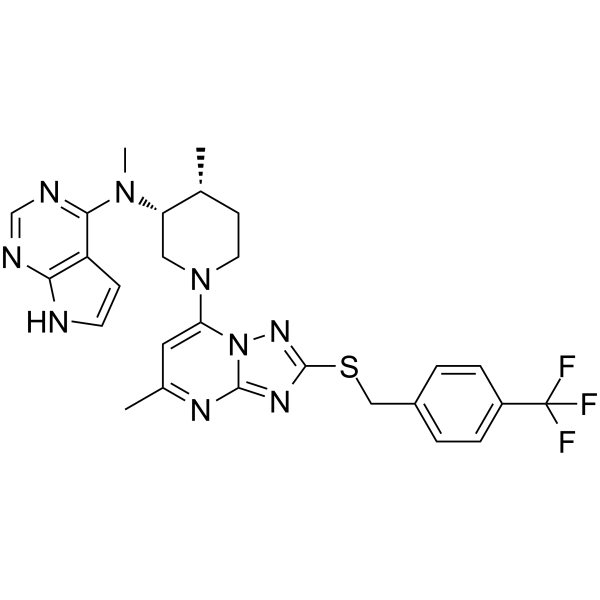
Antitumor agent-58 (Compound C18) is an anti-tumor agent. Antitumor agent-58 effectively inhibits colony formation and cell migration of MGC-803 cells. Antitumor agent-58 induces apoptosis of MGC-803 cells through activation of the p38 and JNK signaling pathways. Antitumor agent-58 induces mitochondrial dysfunction of MGC-803 cells. Antitumor agent-58 effectively inhibits tumor growth of xenograft model bearing MGC-803 cells .
|
-
- HY-144637
-
|
|
Apoptosis
Autophagy
|
Cancer
|
|
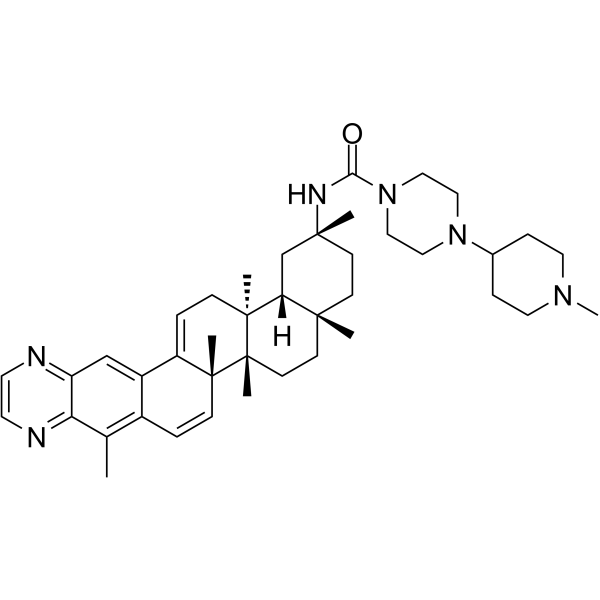
Autophagy inducer 2 (Compound 11i) is a potent autophagy inducer. Autophagy inducer 2 exhibits apparent antiproliferative activity against the MCF-7 cell line with an IC50 value of 1.31 μM and remarkably inhibits the colony formation of the MCF-7 cells. Autophagy inducer 2 arrests the MCF-7 cells in the G2/M phase by regulating the cell-cycle-related proteins Cdk-1 and Cyclin B1. Autophagy inducer 2 has the potential for the research of breast cancer .
|
-
- HY-155995
-
|
MK-905
|
Biochemical Assay Reagents
|
Cancer
|
|
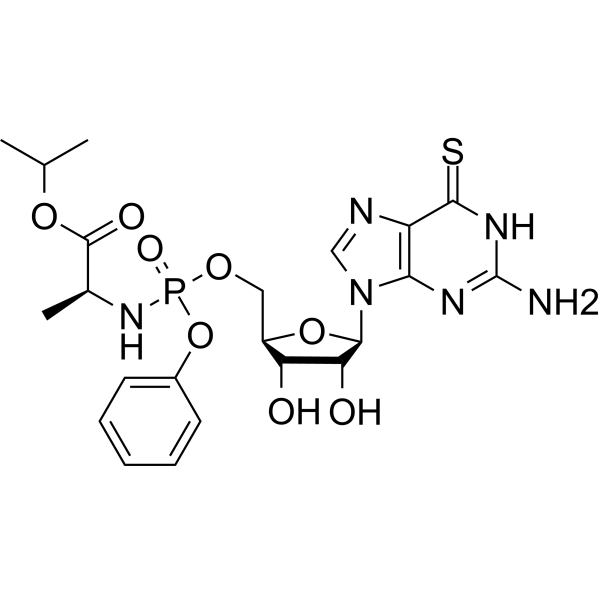
Pro-905 is a phosphite peptide with antitumor activity. Pro-905 delivers the active nucleotide antimetabolite thioguanosine monophosphate (TGMP) to the tumor. Pro-905 effectively prevents incorporation of purine salvage substrates into nucleic acids and inhibits colony formation in human malignant peripheral nerve sheath tumors (MPNST) cells. Pro-905 inhibits purine salvage incorporation to nucleic acids and prevents cell growth. Pro-905 inhibits the growth of MPNST and enhances the anti-tumor efficacy of JHU395 (HY-124778) .
|
-
- HY-161825
-
|
|
Microtubule/Tubulin
Apoptosis
|
Cancer
|
|
Tubulin polymerization-IN-66 (Compound 13) inhibits colony formation and tubulin polymerization. Tubulin polymerization-IN-66 induces apoptosis. Tubulin polymerization-IN-66 inhibits cell viability of A549, A2780, SKOV3, HCC827 cells, with IC50s of 0.84, 0.38, 0.31, 0.34 nM respectively. Tubulin polymerization-IN-66 is also active against the Paclitaxel (HY-B0015)-resistant cancer cell line A2780/T and its parental cell line A2780 .
|
-

- HY-183100
-
|
|
PROTACs
IKK
Apoptosis
|
Cancer
|
|
UNC8461 is a PROTAC and is negative control CRBN-recruiting PROTAC analog of UNC8209 (HY-183098). UNC8461 features a methyl group substitution on its CRBN ligand to disrupt CRBN binding. UNC8461 fails to reduce TBK1, AAK1, GAK, and AURKA protein levels in renal cancer cells. UNC8461 does not suppress 3-D soft agar colony formation in renal cancer cells, and exerts modest, partial inhibition on colony formation in some renal cancer cells .
|
-

- HY-162481
-
|
|
Apoptosis
|
Cancer
|
|
Anticancer agent 210 (Compound 7a) is a Gefitinib (HY-50895) derivative. Anticancer agent 210 inhibits proliferation, migration and colony formation of cancer cells. Anticancer agent 210 induces apoptosis in cells H1299 .
|
-

- HY-183302
-
|
|
Apoptosis
|
Cancer
|
|
Anticancer agent 317, a Chidamide (HY-109015) derivative, is an apoptosis inducer. Anticancer agent 317 inhibits colony formation, migration, adhesion, invasion, tumor growth, and angiogenesis. Anticancer agent 317 can be used for the research of breast cancer .
|
-

- HY-181601
-
|
MI102
|
Apoptosis
|
Cancer
|
|
NPD15261 (MI102) is a highly selective MYCN inhibitor. NPD15261 reduces the mRNA and protein levels of MYCN in liver cancer cells, inhibits cell proliferation and colony formation, and induces Apoptosis simultaneously. NPD15261 can be used in liver cancer research .
|
-

- HY-179679
-
|
|
FAK
Apoptosis
|
Cancer
|
|
FAK-IN-29 is a selective FAK inhibitor with an IC50 of 0.5 nM. FAK-IN-29 can inhibit the proliferation and colony formation of MDA-MB-231 cells, and induce cell cycle arrest and apoptosis. FAK-IN-29 exhibits antitumor activity and can be used for the research of tumors such as triple-negative breast cancer .
|
-

- HY-181150
-
|
|
PI3K
|
Cancer
|
|
Hit20 is a PI3Kα selective inhibitor, inhibits PI3Kα kinase activity, suppresses PI3Kα phosphorylation. Hit20 suppresses proliferation, colony formation, migration, and invasion of colon cancer cells. Hit20 can be used for the research of colon cancer .
|
-

- HY-P991947
-
|
AFS98; TG3003
|
c-Fms
|
Inflammation/Immunology
|
|
ELB041 (AFS98) is a rat monoclonal anti-murine c-fms antibody (IgG2a). AFS98 inhibits M-CSF–dependent colony formation and cell growth by blocking the binding of M-CSF to its receptor. AFS98 prevents development of fatty streaks in ApoE-deficient mice. ELB041 can be used for the research of atherosclerosis .
|
-

- HY-183358
-
|
|
Anaplastic lymphoma kinase (ALK)
Apoptosis
|
Cancer
|
|
ALK-IN-37 is an orally active type I1/2 allosteric inhibitor of anaplastic lymphoma kinase (ALK) with an IC50 of 9.58 nM. ALK-IN-37 induces cell apoptosis, inhibits colony formation, suppresses cell migration, and exerts antiproliferative effects in cancer cells overexpressing ALK. ALK-IN-37 can be used in research related to non-small cell lung cancer .
|
-

- HY-182358
-
|
|
Apoptosis
|
Cancer
|
|
TMLZ-G46 is an orally active ZNF207 inhibitor with blood-brain barrier penetration ability, with a Kd value of 68 nM. TMLZ-G46 inhibits cancer cell proliferation, stemness, migration and invasion, induces G0/G1 cell cycle arrest and apoptosis, and suppresses colony formation. TMLZ-G46 can be used in glioma research .
|
-

- HY-181132
-
|
|
PROTACs
Caspase
NF-κB
Apoptosis
|
Cancer
|
|
dCASP1-55 is a cereblon-dependent caspase-1 (CASP1) PROTAC degrader. dCASP1-55 induces excessive NF-κB activation, apoptosis, and moderate S-phase arrest in leukemic cells. dCASP1-55 suppresses colony formation of leukemic cells. dCASP1-55 can be used for the research of cancer, such as myeloid malignancies and acute myeloid leukemia .
|
-

- HY-N13944
-
|
|
Apoptosis
|
Cancer
|
|
Argyrin F a cyclic peptide with antitumoral activities. Argyrin F inhibits cell proliferation, migration, invasion and colony formation by partial induction of apoptosis and epithelial-mesenchymal transition (EMT). Argyrin F stabilizes p27 kip, up-regulated p21 waf1/cip1 and depletes COX2. Argyrin F can be used for the study of pancreatic ductal adenocarcinoma (PDAC) .
|
-

- HY-181271
-
|
|
IKK
Autophagy
|
Cancer
|
|
IKKε-IN-1 is a IKKε inhibitor. IKKε-IN-1 reduces cell viability, inhibits colony formation and cell migration. IKKε-IN-1 induces autophagy (Autophagy) in cancer cells. IKKε-IN-1 can be used in the research of cancers including colorectal cancer, hepatocellular carcinoma, bladder cancer, breast cancer, lung cancer, and cervical cancer .
|
-

- HY-183768
-
|
|
PROTACs
FAK
|
Cancer
|
|
PROTAC FAK degrader 5 is a potent PROTAC degrader targeting FAK, with a DC50 of 11.65 nM. PROTAC FAK degrader 5 induces FAK protein degradation, selectively inhibits colony formation of human colorectal cancer HCT116 cells, and blocks the proliferation of human umbilical vein endothelial HUVEC cells, exhibiting anti-angiogenic activity. PROTAC FAK degrader 5 can be used in the research of colorectal cancer and angiogenesis .
|
-

- HY-186148
-
|
|
Hippo (MST)
YAP
Apoptosis
|
Cancer
|
|
YL-602 is an orally active Hippo pathway activator. YL-602 activates the Hippo pathway via MST1/2, with downstream pathway activation. YL-602 inhibits YAP and CTGF expression in cells irrespective of cell density and serum presence. YL-602 induces tumor cell apoptosis and inhibits colony formation. YL-602 suppresses tumor growth in mice. YL-602 can be used for the research of cancer, such as breast cancer .
|
-

- HY-183754
-
|
|
EGFR
PI3K
Akt
Apoptosis
|
Cancer
|
|
EGFR-IN-213 is a selective inhibitor of EGFR L858R/T790M/C797S with a human IC50 of 0.48 nM. EGFR-IN-213 acts as an antiproliferative agent, inducing apoptosis and cell cycle arrest, and inhibiting colony formation, cell migration, and tube formation. EGFR-IN-213 can be used for the research of non-small cell lung cancer, chronic myeloid leukemia, gastric cancer, prostate cancer .
|
-

- HY-120089
-
|
|
FLT3
ERK
Akt
STAT
Apoptosis
|
Cancer
|
|
UNC1666 is an ATP-competitive dual-target Mer/Flt3 tyrosine kinase inhibitor with IC50 values of 0.55 nM and 0.69 nM, and Ki values of 0.16 nM and 0.67 nM, respectively. UNC1666 reduces the phosphorylation levels of Mer and Flt3, suppresses downstream pro-survival signaling pathways (Erk1/2, Akt and Stat), induces cell apoptosis, and decreases colony formation of acute myeloid leukemia cells. UNC1666 is applicable to research related to acute myeloid leukemia .
|
-

- HY-183625
-
|
|
Ras
|
Cancer
|
|
PCA-IN-1 is a polyisoprenylated cysteinyl amide (PCA) inhibitor that acts on multiple KRAS mutant subtypes. PCA-IN-1 dissociates KRAS4B from its transport chaperones, prevents its localization to the plasma membrane, and blocks downstream oncogenic signaling pathways. PCA-IN-1 inhibits colony formation of KRAS-mutant lung cancer cells, induces sustained long-term growth inhibition, and suppresses cell migration. PCA-IN-1 is applicable to the research of KRAS-mutant lung cancer .
|
-

- HY-179321
-
|
|
PROTACs
HDAC
|
Cancer
|
|
PROTAC HDAC4 Degrader-1 (compound SCT-1) is a potent and selective PROTAC HDAC4 degrader. PROTAC HDAC4 Degrader-1 reduces HDAC4 protein level, induces S phase cell cycle arrest, and inhibits cell colony formation, thereby inhibiting proliferation of the tumor cells. PROTAC HDAC4 Degrader-1 exhibits efficacy in a H460 mouse model. PROTAC HDAC4 Degrader-1 can be used for cancer research, such as lung cancer .
|
-

- HY-180449
-
|
|
Microtubule/Tubulin
Wnt
|
Cancer
|
|
Anticancer agent 291 (Compound 2406) is an anti-cancer agent. Anticancer agent 291 interferes with the integrity of the β-tubulin cytoskeleton and inhibits the Wnt/β-catenin signal transduction. Anticancer agent 291 significantly inhibits the invasion, migration and colony formation of tumor cells. Anticancer agent 291 induces the cell cycle of EC-9706 and HT-29 cells to arrest at the G2/M phase and inhibits cell proliferation. Anticancer agent 291 can be used for the study of gastrointestinal cancer .
|
-

- HY-181656
-
|
|
Molecular Glues
Glutathione Peroxidase
Ferroptosis
Reactive Oxygen Species (ROS)
|
Cancer
|
|
GPX4 degrader-2 is a GPX4 molecular glue degrader and ferroptosis inducer. GPX4 degrader-2 suppresses GPX4 enzyme activity, promotes ubiquitination-dependent proteasomal degradation of GPX4 protein. GPX4 degrader-2 indues ferroptosis, increases lipid ROS and MDA levels, suppresses glutathione levels in cancer cells. GPX4 degrader-2 inhibits cancer cells proliferation and colony formation. GPX4 degrader-2 can be used for the research of colorectal cancer .
|
-

- HY-173118
-
|
|
EGFR
Apoptosis
|
Cancer
|
|
EGFR-IN-152 (compound D4) is a potent EGFR tyrosine kinase inhibitor, exhibiting potent EGFR L858R/T790M/C797S inhibition activity (IC50 = 40 nM). EGFR-IN-152 induces G0/G1 phase cell cycle arrest and apoptosis, thereby inhibiting colony formation and cell proliferation of non-small cell lung cancer (NSCLC) cells. EGFR-IN-152 can be used for NSCLC research .
|
-

- HY-181979
-
|
|
HDAC
Apoptosis
|
Neurological Disease
Cancer
|
|
HDAC8-IN-15 is a selective HDAC8 inhibitor with an IC50 of 0.40 μM. HDAC8-IN-15 increases the acetylation level of the HDAC8 substrate SMC3 without altering the total protein level of SMC3. HDAC8-IN-15 reduces cancer cell viability, inhibits colony formation, slows cell migration, induces apoptosis, and causes cell cycle arrest at the SubG1 phase. HDAC8-IN-15 can be used in studies related to neuroblastoma .
|
-

- HY-181087
-
|
|
PERK
Apoptosis
Autophagy
Reactive Oxygen Species (ROS)
Caspase
Bcl-2 Family
|
Cancer
|
|
Anticancer agent 296 is a potent anticancer agent that activates the PERK-eIF2α-CHOP signaling pathway to induce endoplasmic reticulum stress, thereby regulating caspase and Bcl-2 family proteins, ultimately leading to apoptosis. Anticancer agent 296 increases intracellular levels of reactive oxygen species (ROS), reduces mitochondrial membrane potential, and promotes Ca 2+ release. Anticancer agent 296 suppresses cell colony formation and S-phase cell proliferation, and induces autophagy. Anticancer agent 296 is applicable for research on non-small cell lung cancer (NSCLC) .
|
-

- HY-107551
-
|
|
Hedgehog
Gli
|
Cancer
|
|
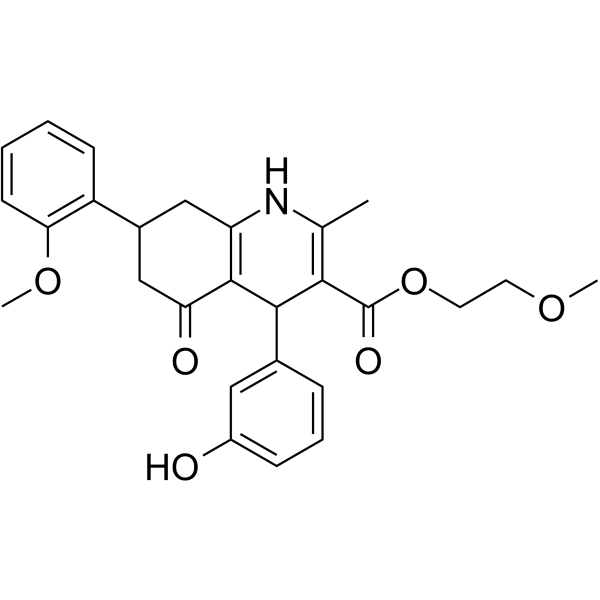
Hh Pathway-IN-1, a Hedgehog (Hh) pathway inhibitor, is a potent Gli antagonist. Hh Pathway-IN-1 inhibits Hh pathway functional with an IC50 value of 1.1 µM in C3H10T1/2 cells. Hh Pathway-IN-1 does not inhibit Wnt signaling. Hh Pathway-IN-1 shows anti-proliferative activity. Hh Pathway-IN-1 decreases the GLI1 mRNA expression. Hh Pathway-IN-1 inhibits colony formation in a dose-dependent manner .
|
-
- HY-113293B
-
|
|
Endogenous Metabolite
Estrogen Receptor/ERR
|
Metabolic Disease
Cancer
|
|
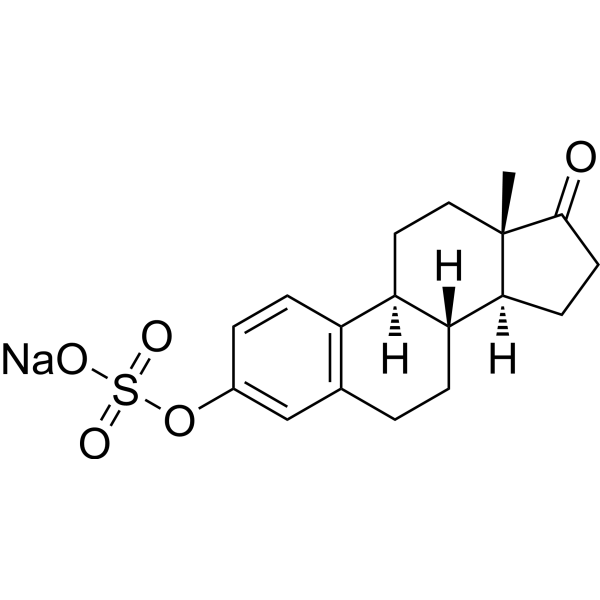
Estrone sulfate sodium is an inactive endogenous estrogen that can be converted into Estrone (HY-B0234) and Estradiol (HY-B0141). Estrone sulfate sodium is also a substrate of the OATP1B3 transporter. Estrone sulfate sodium can be converted into Estrone and Estradiol in normal mammary parenchymal cells. Estrone sulfate sodium stimulates the growth of nitrosomethylurea-induced mammary tumors in ovariectomized rats and the colony formation of dispersed nitrosomethylurea mammary cells, with conversion into Estrone and Estradiol occurring both in vivo and in vitro during this process. Estrone sulfate sodium is applicable to breast cancer-related research .
|
-
- HY-178460
-
|
|
BRK
Akt
MMP
|
Cancer
|
|
BRK/PTK6-IN-1 (Compound 51) is a highly efficient and selective BRK inhibitor (IC50 = 3.37 nM, Kd = 44 nM). BRK/PTK6-IN-1 can reduce MMP-9 protein expression and inhibit IGF-1 induced AKT phosphorylation in MDA-MB-231 cells. BRK/PTK6-IN-1 significantly inhibits migration, invasion, and colony formation but does not affect cell proliferation. BRK/PTK6-IN-1 is often used in the research of breast cancer and other cancers .
|
-

- HY-175733
-
|
|
RIO Kinase
Apoptosis
|
Cancer
|
|
CQ3196 is an orally active RIOK2 inhibitor with a Kd of 14 nM. CQ3196 effectively inhibits the ATPase activity of RIOK2, with an IC50 value of 72 nM. CQ3196 inhibits cell proliferation and colony formation in gastric cancer cell lines. CQ3196 induces cell apoptosis in HGC-27 and AGS cells. CQ3196 suppresses downstream signal pathway of RIOK2. CQ3196 reduces phosphorylation of mTOR and AKT. CQ3196 modulates ribosome function and protein synthesis. CQ3196 inhibits tumor growth and can be used for gastric cancer invtro and invivo research .
|
-

- HY-113293
-
|
|
Endogenous Metabolite
Estrogen Receptor/ERR
|
Metabolic Disease
Cancer
|
|
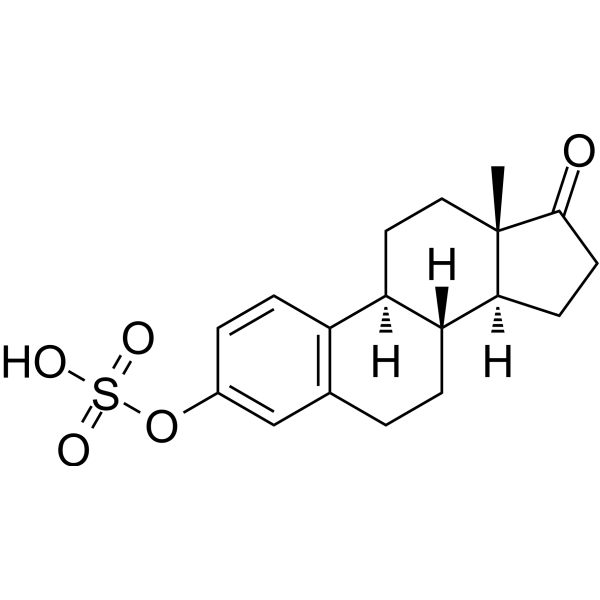
Estrone sulfate is an inactive endogenous estrogen that can be converted into Estrone (HY-B0234) and Estradiol (HY-B0141). Estrone sulfate is also a substrate of the OATP1B3 transporter. Estrone sulfate can be converted into Estrone and Estradiol in normal mammary parenchymal cells. Estrone sulfate stimulates the growth of nitrosomethylurea-induced mammary tumors in ovariectomized rats and the colony formation of dispersed nitrosomethylurea mammary cells, with conversion into Estrone and Estradiol occurring both in vivo and in vitro during this process. Estrone sulfate is applicable to breast cancer-related research .
|
-
- HY-168858
-
|
|
Trk Receptor
|
Cancer
|
|
TRK-IN-30 (Compound C11) is the inhibitor for tropomyosin receptor kinase (TRK) that inhibits TRKA, TRKB and TRKC and drug resistant mutant TRKA G595R with an IC50 of 1.8, 0.98, 3.8, and 54 nM, respectively. TRK-IN-30 inhibits the activation of the downstream PI3K/AKT and MEK/ERK signaling pathways. TRK-IN-30 inhibits the colony formation and cell migration of Km-12, arrests the cell cycle at G0/G1 phase, and induces apoptosis in Km-12 .
|
-

- HY-N15267
-
|
|
FAK
Akt
mTOR
|
Cancer
|
|
Ovalitenone is a flavonoid compound that can be isolated from the plant Millettia peguensis. It shows no cytotoxic effects on lung cancer H460 and A549 cells, but it significantly inhibits anchorage-independent growth, CSC-like phenotypes, colony formation, and the migration and invasion capabilities of cancer cells. Ovalitenone can significantly reduce the levels of N-cadherin, snail, and slug, while increasing E-cadherin, thus inhibiting the EMT pathway. Additionally, Ovalitenone suppresses the signaling pathways regulated by focal adhesion kinase (FAK), ATP-dependent tyrosine kinase (AKT), mammalian target of rapamycin (mTOR), and cell division cycle 42 (Cdc42) .
|
-

- HY-159966
-
|
|
Topoisomerase
HDAC
Reactive Oxygen Species (ROS)
Apoptosis
|
Cancer
|
|
Top/HDAC-IN-3 (Compound 31) is an orally active dual inhibitor of Topoisomerase and HDAC. Top/HDAC-IN-3 increases reactive oxygen species (ROS) levels, leading to DNA damage, thereby inhibiting cancer cell colony formation and migration, inducing cancer cell Apoptosis, and causing cell cycle arrest. In the NSCLC model, Top/HDAC-IN-3 exhibited significant antitumor effects, with a tumor growth inhibition (TGI) of 77.5% at 100 mg/kg, surpassing the efficacy of the HDAC inhibitor SAHA (HY-10221) and the combination of SAHA (HY-10221) with the topoisomerase inhibitor Irinotecan (HY-16562) .
|
-

- HY-184178A
-
|
|
Apoptosis
|
Cancer
|
|
HF-125 is an orally active, highly selective small-molecule inhibitor of Tribbles 2 (TRIB2). HF-125 promotes the destabilization and degradation of TRIB2 protein via the proteasome pathway. HF-125 downregulates neuroendocrine markers, induces cell cycle arrest and apoptosis, inhibits tumor cell colony formation and invasion, and reverses tumor cell resistance to Enzalutamide (HY-70002). HF-125 significantly inhibits tumor growth in SCID mouse xenograft models, and exerts synergistic inhibitory effects when combined with Enzalutamide. HF-125 can be used in research related to prostate cancer .
|
-

- HY-146274
-
|
|
c-Met/HGFR
Apoptosis
|
Cancer
|
|
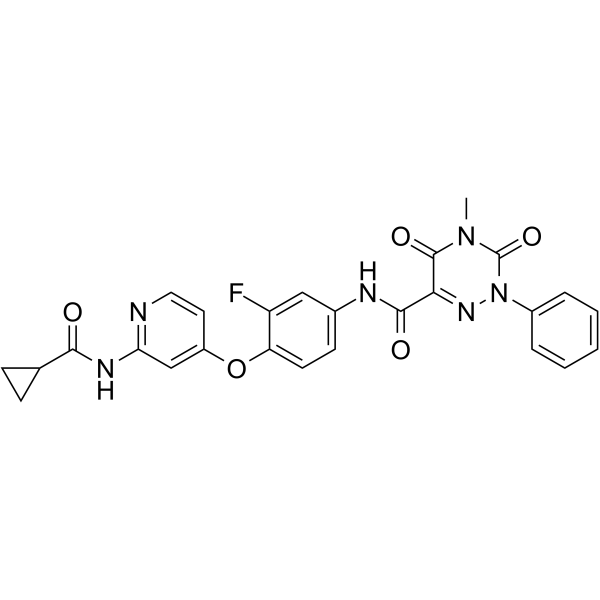
c-Met-IN-10 (compound 26a) is a highly potent c-Met kinase inhibitor with an IC50 value of 16 nM. c-Met-IN-10 has inhibitory activity against cancer cells A549, H460 and HT-29 with IC50s of 0.56 ~ 1.59 μM. c-Met-IN-10 suppresses the colony formation on HT-29 cells, induces HT-29 and A549 cells apoptosis, and inhibits A549 cells motility. c-Met-IN-10 can be used for researching anticancer .
|
-
- HY-183058
-
|
|
Histone Methyltransferase
|
Cancer
|
|
EZM8266 is an orally active and selective G9a (EHMT2) histone methyltransferase inhibitor with a human EHMT2 IC50 of 1 pM. EZM8266 reduces repressive H3K9me2 marks at immune-stimulatory gene and endogenous retroviral element promoters. EZM8266 reduces colony formation, migration, and invasion of cancer cells. EZM8266 enhances IFN-γ response, increases MHC class I expression, and enhances CXCL10-mediated T cell recruitment in cancer cells. EZM8266 can be used for the research of hepatocellular carcinoma .
|
-

- HY-180216
-
|
|
Deubiquitinase
|
Cancer
|
|
USP1-IN-15 is an orally active and selective USP1 inhibitor with an IC50 of 12.3 nM. USP1-IN-15 has a high specificity for USP1 with negligible inhibition against all off-target DUBs. USP1-IN-15 suppresses colony formation, induces S-phase arrest, and stabilizes ubiquitinated PCNA. USP1-IN-15 also shows synergistic antiproliferative activity. USP1-IN-15 achieves significant tumor growth inhibition in vivo. USP1-IN-15 can be used for BRCA-mutated breast cancer .
|
-

- HY-181459
-
|
|
PARP
DNA/RNA Synthesis
Reactive Oxygen Species (ROS)
Apoptosis
|
Cancer
|
|
PARP1-IN-55 is a potent and selective PARP1 inhibitor with an IC50 value of 0.019 μM. PARP1-IN-55 exhibits anti-proliferative selective activity against MCF-7 breast cancer cells (IC50 = 3.6 μM). PARP1-IN-55 inhibits the PARP1-mediated DNA damage repair pathway, induces ROS accumulation, disrupts mitochondrial membrane potential, induced apoptosis and suppresses cancer cell migration, invasion, and colony formation. PARP1-IN-55 can be used for the study of breast cancer .
|
-

- HY-179451
-
|
|
Apoptosis
p38 MAPK
Parasite
|
Infection
Inflammation/Immunology
Cancer
|
|
Apoptosis inducer 53 is an apoptosis inducer. Apoptosis inducer 53 can inhibit proliferation of human tumor cell lines (A549, HeLa, SW1573, T-47D, WiDr) with GI50 values of 2.5-9.1 μM. Apoptosis inducer 53 can induce cancer cells apoptosis and reduce colony formation. Apoptosis inducer 53 can activate p38α MAPK signaling and exerts anti-inflammatory effect. Apoptosis inducer 53 also shows anti-Leishmania donovani activity. Apoptosis inducer 53 can be used for the researches of cancer, infection and inflammation .
|
-

- HY-175589
-
|
|
Topoisomerase
Apoptosis
Bcl-2 Family
|
Cancer
|
|
XSJ81 is an orally active anti-cancer agent. XSJ81 significantly inhibits the proliferation of ampullary carcinoma (AC) DPC-X3 cells with an IC50 of 0.655 μM. XSJ81 inhibits the colony formation, arrests cell cycle at the G2/M phase and inhibits the migration in DPC-X3 cells. XSJ81 induces DNA damage and apoptosis in DPC-X3 cells. XSJ81 demonstrates significant anti-tumor efficacy in mice bearing DPC-X3 xenografts. XSJ81 can be used for the study of ampullary carcinoma .
|
-

- HY-183312
-
|
|
ATP Synthase
Reactive Oxygen Species (ROS)
Bcl-2 Family
Apoptosis
Ferroptosis
|
Cancer
|
|
Antitumor agent-217 is a dual mitochondria-targeted anticancer agent. Antitumor agent-217 exhibits potent and selective antiproliferative activity against bladder cancer cell line J82 (IC50 = 6.3 μM), and inhibits colony formation and migration of J82 cells. Antitumor agent-217 accumulates in mitochondria, alters mitochondrial morphology, reduces ATP production, increases ROS generation and decreases mitochondrial membrane potential. Antitumor agent-217 induces apoptosis (Apoptosis) and ferroptosis (Ferroptosis) in bladder cancer cells. Antitumor agent-217 can be used for the research of bladder cancer .
|
-

- HY-175253
-
|
|
STAT
Apoptosis
|
Cancer
|
|
YZ-35 is a STAT3 inhibitor, with a Ki value of 0.38 μM. YZ-35 binds directly to STAT3 with high
affinity, exhibiting a dissociation constant (Kd) of 190 nM. YZ-35 directly attenuates the dual phosphorylation of STAT3 (Tyr705 and Ser727). YZ-35 suppresses colony formation, cellular migration, and induces apoptosis in breast cancer cell lines (BCSC). YZ-35 selectively suppresses BCSC self-renewal. YZ-35 inhibits tumor growth in the BCSC xenograft models. YZ-35 can be used for the study of breast cancer .
|
-

- HY-183771
-
|
|
CDK
Apoptosis
Reactive Oxygen Species (ROS)
Mitochondrial Metabolism
Bcl-2 Family
Caspase
|
Cancer
|
|
CDK4/6-IN-28 is a potent, orally active, and selective CDK4/6 inhibitor IC50 values of 14.02 and 10.03 nM, respectively. CDK4/6-IN-28 inhibits breast cancer cell colony formation, migration, and proliferation. CDK4/6-IN-28 induces G1-phase cell cycle arrest and apoptosis in breast cancer cells. CDK4/6-IN-28 exhibits tumor inhibitory activity in breast cancer xenograft mouse models. CDK4/6-IN-28 can be used for the research of breast cancer .
|
-

- HY-169061
-
|
|
Histone Methyltransferase
Aminotransferases (Transaminases)
Lactate Dehydrogenase
|
Cancer
|
|
WQQ-345 is an orally active BCAT1 inhibitor with an IC50 values of 10.8 mM. WQQ-345 reduces cellular α-KG levels, upregulating H3K27me3 expression, decreasing glycolytic enzyme expression, and impairing glycolysis activity. WQQ-345 reduces colony formation, suppresses growth of BCAT1-high TKI-resistant lung cancer cells. WQQ-345 exerts in vitro and in vivo antitumor activity. WQQ-345 can be used for the research of TKI-resistant non-small cell lung cancer and TKI-resistant lung cancer .
|
-

- HY-P990125
-
|
|
c-Fms
|
Cardiovascular Disease
Neurological Disease
Metabolic Disease
Inflammation/Immunology
|
|
Anti-Mouse (CSF1R/CD115) Antibody (AFS98) is an anti-mouse CSF1R IgG2a antibody inhibitor derived from rats. Anti-Mouse (CSF1R/CD115) Antibody (AFS98) inhibits M-CSF-dependent colony formation and cell growth by blocking the binding of M-CSF to its receptor. Anti-Mouse (CSF1R/CD115) Antibody (AFS98) can be used for the researches of inflammation, metabolic disease, cardiovascular disease and neurological disease, such as such as stroke, diabetes and arthritis .
|
-
- HY-175857
-
|
|
HDAC
Apoptosis
|
Cancer
|
|
HDAC-IN-92 is a pan-HDAC inhibitor with an IC50 of 12.58 µM in A2780 cells. HDAC-IN-92 demonstrates broad-spectrum, notable cytotoxic activity against a range of human cancer cell lines, including ovarian, liver, and breast carcinomas. HDAC-IN-92 causes apoptosis and demonstrates a notable decrease in tumor cell colony formation. HDAC-IN-92 inhibits the formation of blood vessels in the chick chorioallantoic membrane (CAM). HDAC-IN-92 exhibits anti-tumor effect in a 4T1 tumor-bearing mouse model. HDAC-IN-92 can be used for research targeting solid tumor .
|
-

- HY-182753
-
|
|
Microtubule/Tubulin
P-glycoprotein
Apoptosis
CDK
Bcl-2 Family
|
Cancer
|
|
Tubulin-IN-66 is a tubulin (tubulin) and P-gp inhibitor with antiproliferative activity against cancer cells. Tubulin-IN-66 covalently binds to the Colchicine (HY-16569)-binding site at Cys239 of the β-tubulin subunit, inhibits tubulin polymerization and disrupts the microtubule network. Tubulin-IN-66 inhibits P-gp function to overcome multidrug resistance. Tubulin-IN-66 arrests the cell cycle at the G2/M phase and induces apoptosis (apoptosis). Tubulin-IN-66 inhibits colony formation and migration of cancer cells. Tubulin-IN-66 can be used in the research of tumors such as breast cancer .
|
-

- HY-181978
-
|
|
Ras
Apoptosis
MEK
ERK
CDK
|
Cancer
|
|
GIT1-IN-1 is an inhibitor of ARF GTPase-activating protein 1 (GIT1) with a KD of 6.2 μM. GIT1-IN-1 induces apoptosis (apoptosis) in liver and colon cancer cells, arrests the cell cycle at the G2/M phase, and inhibits cell proliferation, colony formation and migration. GIT1-IN-1 inhibits the activities of MEK and ERK, reduces the expression level of cyclin D1, and stabilizes cyclin B1 protein in liver and colon cancer cells. GIT1-IN-1 can be used in the research of liver cancer and colon cancer .
|
-

- HY-178042
-
|
|
Ras
Akt
ERK
|
Cancer
|
|
SS-3091 is a pan-KRas inhibitor active across KRas G12D, KRas G12C, KRas G12V, KRas G12S mutants, with minimal effects on non-KRas-driven cancer cells. SS-3091 binds to the KRas·ARaf interaction interface, destabilizes the complex, and attenuates KRas activity. SS-3091 suppresses phosphorylation of S6K, Akt, and ERK. SS-3091 reduces proliferation and decreases colony formation of cancer cells bearing KRas G12 mutations. SS-3091 can be used for the research of KRas-driven cancers .
|
-

- HY-181152
-
|
|
FGFR
|
Cancer
|
|
FGFR3-IN-11(compound B11) is a Fibroblast growth factor receptor 3 (FGFR3) inhibitor with a Ka value of 4.8 μM. FGFR3-IN-11 induces apoptosis, suppresses colony formation, and causes dose-dependent G0/G1 cell cycle arrest in cancer cells. FGFR3-IN-11 exerts anticancer activity against cancer cells with minimal toxicity toward normal hepatocytes and demonstrates tumor growth suppression in xenograft mouse models. FGFR3-IN-11 can be used for the research of hepatocellular carcinoma .
|
-

- HY-183632
-
|
|
Microtubule/Tubulin
Apoptosis
|
Neurological Disease
Cancer
|
|
QW-5-70 is a potent colchicine‑site tubulin inhibitor that blocks tubulin polymerization. QW-5-70 induces mitotic and G2/M cell cycle arrest, triggers mitochondrial apoptosis, and suppresses cancer cell colony formation and migration. QW-5-70 overcomes P‑glycoprotein‑mediated multidrug resistance and inhibits drug‑resistant tumor growth. QW-5-70 demonstrates strong in vitro and in vivo antitumor efficacy in neuroblastoma and prostate cancer models. QW-5-70 can be used for the research of high-risk neuroblastoma and castration-resistant prostate cancer .
|
-

- HY-178993
-
|
|
PI3K
Akt
Apoptosis
|
Cancer
|
|
PI3K/AKT-IN-5 (Compound 3h) is a PI3K/AKT inhibitor. PI3K/AKT-IN-5 exhibits outstanding broad-spectrum anti-cancer activity, especially being sensitive to colorectal cancer. PI3K/AKT-IN-5 significantly reduces cell colony formation, induces G2/M phase cell cycle arrest and cell apoptosis. PI3K/AKT-IN-5 can be used for research on colorectal cancer .
|
-

- HY-113293BR
-
|
|
Reference Standards
Endogenous Metabolite
Estrogen Receptor/ERR
|
Metabolic Disease
Cancer
|
|
Estrone sulfate sodium (Standard) is the analytical standard of Estrone sulfate sodium (HY-113293B). This product is intended for research and analytical applications. Estrone sulfate sodium is an inactive endogenous estrogen that can be converted into Estrone (HY-B0234) and Estradiol (HY-B0141). Estrone sulfate sodium is also a substrate of the OATP1B3 transporter. Estrone sulfate sodium can be converted into Estrone and Estradiol in normal mammary parenchymal cells. Estrone sulfate sodium stimulates the growth of nitrosomethylurea-induced mammary tumors in ovariectomized rats and the colony formation of dispersed nitrosomethylurea mammary cells, with conversion into Estrone and Estradiol occurring both in vivo and in vitro during this process. Estrone sulfate sodium is applicable to breast cancer-related research.
|
-

- HY-156018
-
|
|
PI3K
|
Cancer
|
|
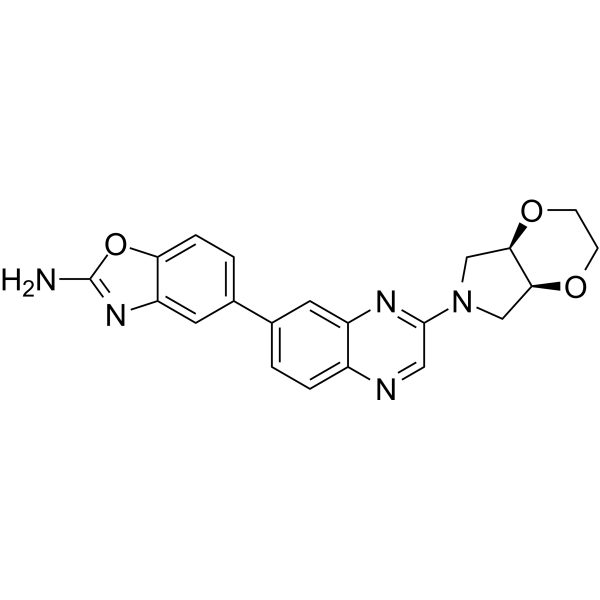
PI3Kα-IN-13 (Compound 18a) is a PI3Kα inhibitor (IC50: 2.5 nM). PI3Kα-IN-13 induces tumor cell apoptosis. PI3Kα-IN-13 inhibits cancer cell proliferation with IC50s of 0.75 μM (MCF-7), 3.79 μM (HCT-116), 13.71 μM (MDA-MB-231), 9.85 μM (SW620), respectively. PI3Kα-IN-13 inhibits tumor cell colony formation, migration and invasion .
|
-
- HY-149521
-
|
|
PI3K
|
Cancer
|
|
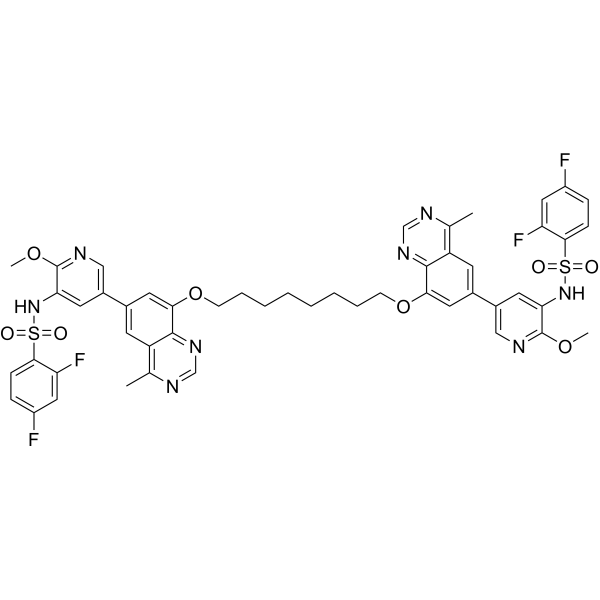
PI3K-IN-47 (Compound 27) is a bivalent PI3K inhibitor (IC50: 0.44 nM for PI3Kα, 7.18 nM, 13.92 nM, 22.83 nM for PI3Kβ, PI3Kγ, PI3Kδ). PI3K-IN-47 induces cell cycle arrest in G1 phase, inhibits colony formation and cell migration. PI3K-IN-47 inhibits tumor growth in HGC-27 xenograft mice .
|
-
- HY-113293BS
-
|
|
Isotope-Labeled Compounds
Endogenous Metabolite
Estrogen Receptor/ERR
|
Metabolic Disease
Cancer
|
|
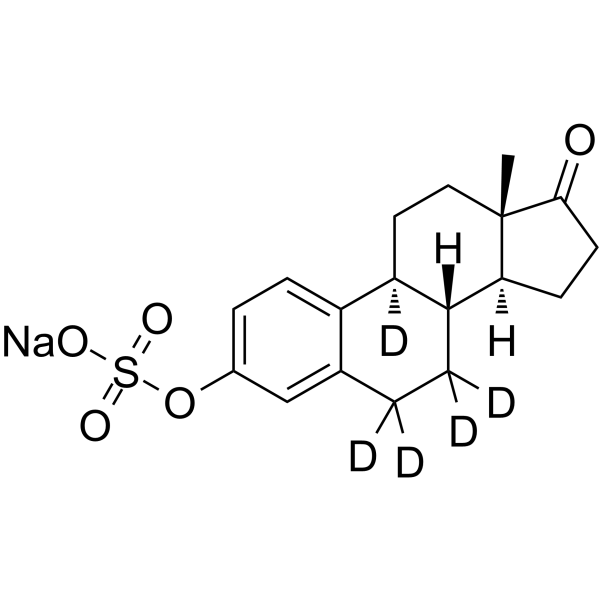
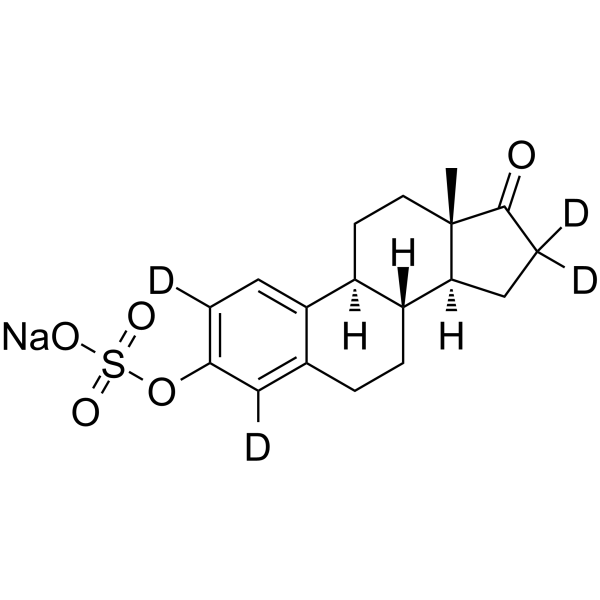
Estrone sulfate-d5 sodium is the deuterium labeled Estrone sulfate sodium (HY-113293B). Estrone sulfate sodium is an inactive endogenous estrogen that can be converted into Estrone (HY-B0234) and Estradiol (HY-B0141). Estrone sulfate sodium is also a substrate of the OATP1B3 transporter. Estrone sulfate sodium can be converted into Estrone and Estradiol in normal mammary parenchymal cells. Estrone sulfate sodium stimulates the growth of nitrosomethylurea-induced mammary tumors in ovariectomized rats and the colony formation of dispersed nitrosomethylurea mammary cells, with conversion into Estrone and Estradiol occurring both in vivo and in vitro during this process. Estrone sulfate sodium is applicable to breast cancer-related research .
|
-
- HY-113293BS1
-
|
|
Isotope-Labeled Compounds
Endogenous Metabolite
Estrogen Receptor/ERR
|
Metabolic Disease
Cancer
|
|
Estrone sulfate-d4 sodium is the deuterium labeled Estrone sulfate sodium (HY-113293B). Estrone sulfate sodium is an inactive endogenous estrogen that can be converted into Estrone (HY-B0234) and Estradiol (HY-B0141). Estrone sulfate sodium is also a substrate of the OATP1B3 transporter. Estrone sulfate sodium can be converted into Estrone and Estradiol in normal mammary parenchymal cells. Estrone sulfate sodium stimulates the growth of nitrosomethylurea-induced mammary tumors in ovariectomized rats and the colony formation of dispersed nitrosomethylurea mammary cells, with conversion into Estrone and Estradiol occurring both in vivo and in vitro during this process. Estrone sulfate sodium is applicable to breast cancer-related research .
|
-
- HY-183667
-
|
|
Androgen Receptor
Kallikrein
|
Cancer
|
|
JNJ-pan-AR is an orally active androgen receptor (AR) inhibitor with an IC50 of 19 nM and a Ki of 8.4 nM against human wild-type AR. JNJ-pan-AR abolishes androgen-induced KLK2 and KLK3 mRNA expression and reduces androgen-dependent colony formation in prostate cancer cells. JNJ-pan-AR blocks AR nuclear translocation, inhibits PSA protein expression, and represses the growth of AR-dependent tumor cells and ARF877L-driven tumor xenografts. JNJ-pan-AR blocks transactivation and signaling of wild-type AR and various mutant AR variants. JNJ-pan-AR is applicable for research on castration-resistant prostate cancer .
|
-

- HY-175497
-
|
|
ROR
Apoptosis
Bcl-2 Family
PARP
|
Cancer
|
|
ROR1-IN-4 is a selective ROR1 inhibitor with a Kd of 52 nM. ROR1-IN-4 shows potent anti-proliferative activity against TNBC cell line MDA-MB-231 (IC50 = 75 nM). ROR1-IN-4 reduces colony formation, induces apoptosis and inhibits the phosphorylation of ROR1 (Tyr786) in MDA-MB-231 cells. ROR1-IN-4 demonstrates superior anti-tumor efficacy in nude mice bearing MDA-MB-231 subcutaneous xenografts. ROR1-IN-4 can be used for the study of triple-negative breast cancer (TNBC) .
|
-

- HY-159517
-
|
|
Apoptosis
PI3K
Akt
mTOR
STAT
|
Cancer
|
|
PI3K/Akt/mTOR-IN-5 (compound D3) is a derivative of Pseudolaric Acid B (HY-N6939) with anti-tumor activity. PI3K/Akt/mTOR-IN-5 inhibits excessive proliferation of tumor cells through the PI3K/AKT/mTOR and STAT3/GPX4 pathways. PI3K/Akt/mTOR-IN-5 effectively inhibits EDU positivity, reduces colony formation, places HCT-116 cells in the S phase and G2/M phase, and induces apoptosis .
|
-

- HY-178343
-
|
|
Aurora Kinase
Apoptosis
|
Cancer
|
|
Aurora A-IN-5 is a potent and highly selective Aurora A inhibitor (IC50 = 0.02 μM), showing 362-fold selectivity for over Aurora B. Aurora A-IN-5 shows its selectivity through unique C−H/π interactions, enhanced hydrophobic contacts, an open binding pocket, and tighter protein packing. Aurora A-IN-5 suppresses Aurora A autophosphorylation, thereby inhibiting cancer cell proliferation by inducing G2/M phase arrest, triggering apoptosis, and suppressing colony formation. Aurora A-IN-5 inhibits tumor growth in MDA-MB-231 xenograft mouse models. Aurora A-IN-5 can be used for breast, cervical, prostate, and lymphoma cancer research .
|
-

- HY-173280
-
|
CHNQD-01228
|
Arf Family GTPase
BMX Kinase
|
Cancer
|
|
Brefeldin A 4-O-nicotinate (CHNQD-01228) is a dual inhibitor of Arf1 and BMX proteins. The IC50 value for the proliferation of T24 cells is 0.22 μM. It can also dose-dependently inhibit the migration and colony formation of T24 cells, induce G1 phase arrest and trigger Apoptosis. Brefeldin A 4-O-nicotinate exerts its anti-cancer activity by targeting the BMX protein to inhibit the AKT/p-AKT and STAT3/p-STAT3 signaling pathways, as well as by inhibiting the Arf1 protein to eliminate bladder cancer stem cells and activate anti-tumor immunity. Brefeldin A 4-O-nicotinate can be used in the research related to bladder cancer .
|
-

- HY-N6017
-
|
|
HDAC
TNF Receptor
Interleukin Related
TGF-β Receptor
IFNAR
PI3K
PKC
Akt
GSK-3
Caspase
Apoptosis
|
Cancer
|
|
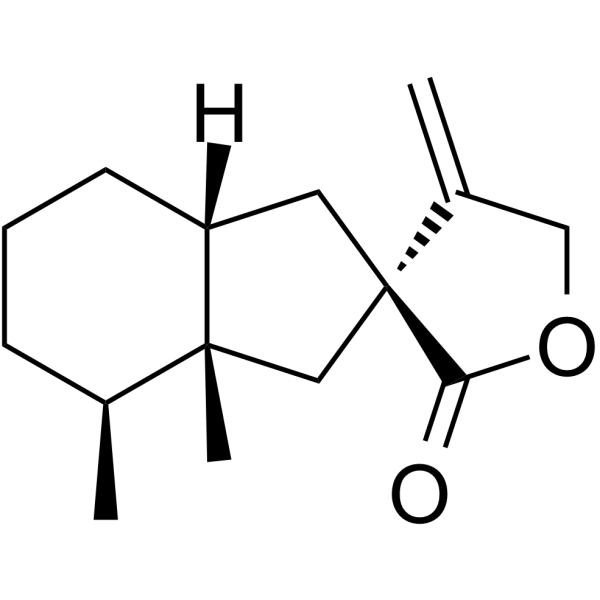
Bakkenolide A is an anticancer agent. Bakkenolide A reduces the viability of leukemia cells, inhibits cell colony formation and invasion, and downregulates the expression of HDAC3 in cells. Bakkenolide A downregulates the expression of pro-inflammatory cytokines including TNF-α, interleukins such as IL-1β, TGF-β1 and IFN-γ, as well as the expression of PI3K, PDK and PKC in leukemia cells. Bakkenolide A downregulates activated Akt, GSK and Bad, while upregulates Cyto-c, cleaved Caspase3 and cleaved Caspase7, induces apoptosis (apoptosis) in leukemia cells and thereby inhibits inflammatory responses in leukemia cells. Bakkenolide A significantly slows the growth of subcutaneous leukemia tumors in nude mice. Bakkenolide A is applicable to leukemia-related research .
|
-
- HY-168574
-
|
|
PROTACs
Sirtuin
Apoptosis
|
Cancer
|
|
SZU-B6 is a PROTAC degrader for SIRT6 with DC50 of 45 nM and 154 nM in cell SK-HEP-1 and Huh-7. SZU-B6 inhibits the proliferation of cell SK-HEP-1 with an IC50 of 1.51 μM, inhibits the colony formation of SK-HEP-1 and Huh-7, induces apoptosis and arrests the cell cycle at G2/M phase in SK-HEP-1. SZU-B6 exhibits antitumor efficacy in mouse model. (Pink: ligand for target protein (HY-16605); Black: linker (HY-W012935); BLue: ligand for E3 ligase (HY-W453548)
|
-

- HY-186045
-
|
|
Histone Methyltransferase
Apoptosis
DNA/RNA Synthesis
ATP-binding cassette (ABC) transporters
|
Cancer
|
|
SKLB06489 is a selective and orally active inhibitor of type I PRMT enzymes, with IC50 values of 64.55 nM (PRMT1), 4.21 nM (PRMT6), and 51.27 nM (PRMT8). SKLB06489 inhibits cell proliferation, colony formation, DNA replication, and DNA damage repair in cancer cells. SKLB06489 induces G0/G1-phase cell cycle arrest and apoptosis in cancer cells. SKLB06489 enhances intracellular cholesterol efflux via ABCA1 and ABCG1 upregulation, disrupts cholesterol metabolic homeostasis, and suppresses tumor growth in subcutaneous xenograft models. SKLB06489 can be used for the research of triple-negative breast cancer (TNBC) .
|
-

- HY-154812
-
|
KTX-1001
|
Histone Methyltransferase
CD44
|
Cancer
|
|
Gintemetostat (KTX-1001) is an orally active, highly specific NSD2/MMSET histone methyltransferase inhibitor with human NSD2 IC50 values ranging 0.460-2.17 nM and NSD2 SET domain IC50 of 2.32 nM and Kd values ranging 6.3-70.4 nM .Gintemetostat reduces H3K36me2 levels, impairs multiple myeloma cell adhesion and colony formation, enhances cytotoxicity, boosts T-cell activation, and sensitizes resistant multiple myeloma cells to other agents .Gintemetostat can be used for the research of multiple myeloma and relapsed and refractory multiple myeloma .
|
-

- HY-159577
-
|
|
PI3K
mTOR
Akt
|
Cancer
|
|
Nic-15 (compound 4n) is an anti-constrictive agent used to antagonize the hypovascularity of pancreatic tumors. The hypovascularity allows cancer cells to adapt to the nutrient-deficient tumor microenvironment and develop drug resistance. Nic-15 can regulate the PI3K/Akt/mTOR pathway and alleviate ER stress induced by Gemcitabine (HY-17026). Nic-15 can significantly inhibit the migration and colony formation of MIA PaCa-2 and PANC-1 pancreatic cancer cells. The combination of Nic-15 and Gemcitabine can effectively solve the problem of pancreatic tumor resistance. In an in vivo xenograft model, Nic-15 can significantly enhance the efficacy of Gemcitabine .
|
-

- HY-180814
-
|
|
Drug Derivative
Dopamine Receptor
|
Cancer
|
|
SKF-83566-PEG1-pomalidomide is an anti-tumor agent and is formed by the covalent connection of SKF-83566 (HY-103430A) (dopamine D1 receptor antagonist) and Pomalidomide (HY-10984) (immunomodulatory agent). SKF-83566-PEG1-pomalidomide can inhibit cancer cells invasion, migration and colony formation. SKF-83566-PEG1-pomalidomide can inhibit tumor growth and angiogenesis in MDA-MB-231 cell chicken embryo chorioallantoic membrane (CAM) xenograft model. SKF-83566-PEG1-pomalidomide can be used for research of breast cancer .
|
-

- HY-126929
-
|
TXN-B
|
DNA Alkylator/Crosslinker
Apoptosis
Bacterial
Parasite
Fungal
|
Infection
Cancer
|
|
Trioxacarcin B (TXN-B) is a potent cytotoxic agent and DNA-targeted inhibitor. Trioxacarcin B disrupts DNA function and induces apoptosis in cancer cells. Trioxacarcin B not only effectively inhibits the growth of various Gram-positive and Gram-negative bacteria as well as Plasmodium falciparum, but also blocks the colony formation of cancer stem cells, significantly reduces tumor volume and prolongs survival in preclinical in vivo models. The activity of Trioxacarcin B is highly dependent on its intact spiro-epoxide structure; it loses efficacy once this moiety undergoes hydrolysis, and Trioxacarcin B shows no activity against fungi, microalgae and small RNA viruses. Trioxacarcin B can be used for research on bacterial infections, malaria, and various cancers including colon cancer and melanoma .
|
-

- HY-181675
-
|
|
Microtubule/Tubulin
Apoptosis
Bcl-2 Family
Caspase
|
Cancer
|
|
CHNQD-01522 is a microtubule inhibitor targeting the colchicine binding site on β-tubulin. CHNQD-01522 binds to the colchicine binding site on β-tubulin, inhibits microtubule polymerization, and evades P-glycoprotein transport in cancer cells. CHNQD-01522 inhibits proliferation, suppresses tumor cell colony formation, arrests cell cycle in G2/M phases, and induces apoptosis in cancer cells. CHNQD-01522 upregulates of Bax and activation of caspase-9 and caspase-3. CHNQD-01522 shows anti-tumor efficacy in subcutaneous and orthotopic hepatocellular carcinoma xenograft tumor models. CHNQD-01522 can be used for the research of hepatocellular carcinoma .
|
-

- HY-156794
-
|
DSP-5336
|
Epigenetic Reader Domain
FLT3
|
Cancer
|
Enzomenib (DSP-5336) is an orally active Menin inhibitor (IC50=1.4 nM, Kd=6.0 nM). Enzomenib disrupts the interaction between Menin and KMT2A/MLL fusion proteins, specifically inhibits the expression of leukemia driver genes such as HOX/MEIS1, and upregulates ITGAM. Enzomenib effectively induces cell differentiation, inhibits tumor cell proliferation, and suppresses primitive cell colony formation. Enzomenib reduces disease burden and prolongs survival, but causes adverse reactions including differentiation syndrome and QTc interval prolongation. Enzomenib is used for research on relapsed/refractory acute myeloid leukemia, acute lymphoblastic leukemia, and other hematologic malignancies with mixed lineage leukemia (MLL) rearrangements or NPM1 mutations .
|
-

- HY-170968
-
|
|
EGFR
Apoptosis
|
Cancer
|
|
EGFR-IN-150 is an EGFR inhibitor that effectively suppresses the phosphorylation of mutant epidermal growth factor receptor (EGFR) and its downstream AKT signaling pathway, thereby exerting antitumor effects and inducing HMOX1 expression to trigger ferroptosis. EGFR-IN-150 exhibits an IC50 of 0.386 μM against the non-small cell lung cancer (NSCLC) cell line H1975, and significantly inhibits colony formation and migration of both H1975 and A549 cells while inducing apoptosis. In addition, EGFR-IN-150 markedly suppresses tumor growth in the H1975 cell-derived xenograft (CDX) mouse model. EGFR-IN-150 holds promise for research related to non-small cell lung cancer .
|
-

- HY-156794A
-
|
DSP-5336 enantiomer
|
Drug Isomer
FLT3
Epigenetic Reader Domain
|
Cardiovascular Disease
Cancer
|
Enzomenib enantiomer (DSP-5336 enantiomer) is an enantiomer of Enzomenib (HY-156794). Enzomenib (DSP-5336) is an orally active Menin inhibitor (IC50=1.4 nM, Kd=6.0 nM). Enzomenib disrupts the interaction between Menin and KMT2A/MLL fusion proteins, specifically inhibits the expression of leukemia driver genes such as HOX/MEIS1, and upregulates ITGAM. Enzomenib effectively induces cell differentiation, inhibits tumor cell proliferation, and suppresses primitive cell colony formation. Enzomenib reduces disease burden and prolongs survival, but causes adverse reactions including differentiation syndrome and QTc interval prolongation. Enzomenib is used for research on relapsed/refractory acute myeloid leukemia, acute lymphoblastic leukemia, and other hematologic malignancies with mixed lineage leukemia (MLL) rearrangements or NPM1 mutations .
|
-

- HY-181076
-
|
|
PI3K
CDK
Apoptosis
|
Cancer
|
|
FOXM1-IN-3 is a potent FOXM1 inhibitor. FOXM1-IN-3 downregulates FOXM1 expression at protein and mRNA levels, suppressing downstream effectors CCNB1 and CDC25. FOXM1-IN-3 induces G2/M cell cycle arrest and apoptosis in colorectal cancer cells. FOXM1-IN-3 inhibits colony formation and cell migration in colorectal cancer cells. FOXM1-IN-3 targets the cancer stem cell phenotype in colorectal cancer cells, reducing cancer stem cell marker expression. FOXM1-IN-3 reduces tumor growth in a zebrafish xenograft model. FOXM1-IN-3 can be used for the research of colorectal cancer .
|
-

- HY-153858
-
|
|
Raf
Discoidin Domain Receptor
MEK
TNF Receptor
Interleukin Related
JAK
STAT
Ras
|
Cancer
|
|
PHI-501 is a dual inhibitor targeting RAF/DDR. PHI-501 exhibits significant anti-proliferative effects in melanoma cell lines and significantly inhibits the colony formation of drug-resistant cells. PHI-501 strongly inhibits ERK and AKT phosphorylation. PHI-501 downregulates the gene sets in drug-resistant cells of TNFA-NFKB, IL6-JAK-STAT3, and KRAS signaling pathways as well as the epithelial-mesenchymal transition (EMT) signaling pathways. PHI-501 demonstrates significant anti-tumor effects in the SK-MEL3DR xenograft model. PHI-501 can be used for research on the problem of drug resistance in melanoma .
|
-

- HY-175821
-
|
|
Histone Methyltransferase
Apoptosis
|
Cancer
|
|
PRMT1-IN-3 is a potent protein arginine methyltransferase 1 (PRMT1) inhibitor with an IC50 of 4.11 μM. PRMT1-IN-3 inhibits PRMT6 and PRMT8 with IC50s of 23.3 and 30.1 μM. PRMT1-IN-3 suppresses asymmetric dimethylarginine (ADMA) levels and histone H4R3me2a modification in triple-negative breast cancer (TNBC) cells. PRMT1-IN-3 induces cell cycle arrest, apoptosis, and inhibits migration and colony formation in MDA-MB-231 cells. PRMT1-IN-3 acts as chemotherapeutic sensitizers for Paclitaxel (HY-B0015). PRMT1-IN-3 can be used for the study of TNBC .
|
-

- HY-19471
-
|
|
Drug Isomer
CDK
VEGFR
Survivin
Apoptosis
|
Cancer
|
|
(rac)-ZK-304709 is an isoform of ZK-304709 and is an orally active multi-targeted tumor growth inhibitor that inhibits multiple cell cycle-dependent kinases (CDKs), vascular endothelial growth factor receptor kinases (VEGF-RTKs), and platelet-derived growth factor receptor kinase β (PDGF-RTKβ). (rac)-ZK-304709 can dose-dependently inhibit the proliferation and colony formation of neuroendocrine tumor (NET) cells. (rac)-ZK-304709 directly acts on NET cells by inducing G2 cell cycle arrest and apoptosis, while reducing the expression of MCL1, survivin, and HIF1α. (rac)-ZK-304709 effectively controls tumor growth by inducing apoptosis and inhibiting tumor-induced angiogenesis, and may become a potential agent for inhibiting NET .
|
-

- HY-170924
-
|
|
Microtubule/Tubulin
Apoptosis
Mitosis
|
Cancer
|
|
Tubulin polymerization-IN-76 (compound 20b) is a potent and orally active Tubulin polymerization inhibitor. Tubulin polymerization-IN-76 inhibits Tubulin polymerization with an IC50 of 2.505 μM by acting on the colchicine binding site, thereby disrupting intracellular Microtubule networks and interfering with cell mitosis. Tubulin polymerization-IN-76 demonstrates exceptional efficacy against MGC-803 and HGC-27 cells with IC50s of 1.61 and 1.82 nM, respectively. Tubulin polymerization-IN-76 effectively inhibits the colony formation and cell migration activities, and induces G2/M phase cycle arrest and Apoptosis in MGC-803 and HGC-27 cells.Tubulin polymerization-IN-76 shows a broad-spectrum antiproliferative activity .
|
-

- HY-P11405
-
|
|
Neurotensin Receptor
|
Neurological Disease
Cancer
|
|
[D-Arg1, D-Trp5, 7, 9, Leu11]-Substance P is a potent inhibitor of cell growth in small cell lung cancer (SCLC). [D-Arg1, D-Trp5, 7, 9, Leu11]-Substance P is also a neuropeptide antagonist, capable of blocking colony formation stimulated by various neuropeptides (including vasopressin and bradykinin). [D-Arg1, D-Trp5, 7, 9, Leu11]-Substance P inhibits the mobilization of Ca 2+ and the activation of mitogen-activated protein kinases induced by vasopressin or bradykinin. [D-Arg1, D-Trp5, 7, 9, Leu11]-Substance P inhibits the growth of H-69 xenograft tumors in nude mice .
|
-
![[D-Arg1,D-Trp5,7,9,Leu11]-Substance P](//file.medchemexpress.com/product_pic/hy-p11405.gif)
- HY-181502
-
|
|
EGFR
ERK
PARP
Caspase
Bcl-2 Family
Apoptosis
|
Cancer
|
|
EGFR-IN-197 is an EGFR inhibitor with IC50 values of 19.5 nM and 12.0 nM against EGFR L858R/T790M and EGFR L858R/T790M/C797S, respectively. EGFR-IN-197 arrests the cell cycle of NCI-H1975 cells at the G2/M phase, while inhibiting their proliferation, colony formation and migration; it also inhibits mitochondrial translocation and upregulates mitochondrial H2S levels. EGFR-IN-197 disrupts anti-apoptotic signaling pathways by regulating apoptosis-related proteins; it induces DNA damage and activates pro-apoptotic pathways to trigger apoptosis. EGFR-IN-197 can be used in studies related to non-small cell lung cancer (NSCLC) .
|
-

- HY-168739
-
|
|
Topoisomerase
Reactive Oxygen Species (ROS)
Apoptosis
Survivin
Bcl-2 Family
IAP
DNA/RNA Synthesis
|
Cancer
|
|
Topoisomerase I inhibitor 17 (Compound 7h) is a Topoisomerase I (Top1) inhibitor. Topoisomerase I inhibitor 17 reduces DDX5 and reverses the locking of Top1 activity by DDX5. Topoisomerase I inhibitor 17 induces Top1-mediated DNA damage and promotes reactive oxygen species (ROS) production. Topoisomerase I inhibitor 17 induces Apoptosis (reduces antiapoptotic proteins XIAP, Bcl-2, Survivin and up-regulates pro-apoptotic proteins Bax, γH2AX). Topoisomerase I inhibitor 17 also blocks the progression of the G2/M checkpoint and induces cell cycle arrest. Topoisomerase I inhibitor 17 significantly inhibits colony formation and cell migration in colorectal cancer cells. Topoisomerase I inhibitor 17 effectively reduces tumors in human PDX tumor mice .
|
-

- HY-150797
-
|
QA-68-ZU81
|
PROTACs
Epigenetic Reader Domain
|
Inflammation/Immunology
Cancer
|
|
QA-68 (QA-68-ZU81) is an effective PROTAC-class BRD9 degrader. QA-68 can inhibit cell cycle progression and cell colony formation. QA-68 has antiproliferative activity against acute myeloid leukemia (AML) cell lines . QA-68 can be formed by a target protein ligand (red part) EA-89 (HY-170314), an E3 ubiquitin ligase ligand (blue part) Lenalidomide-I (HY-131318), and a PROTAC linker (black part) Ethyne-C2-Pip-CO-Pip-Boc (HY-170315). E3 ubiquitin ligase and linker can form Lenalidomide-ethyne-C2-Pip-CO-Pip (HY-170319).
|
-
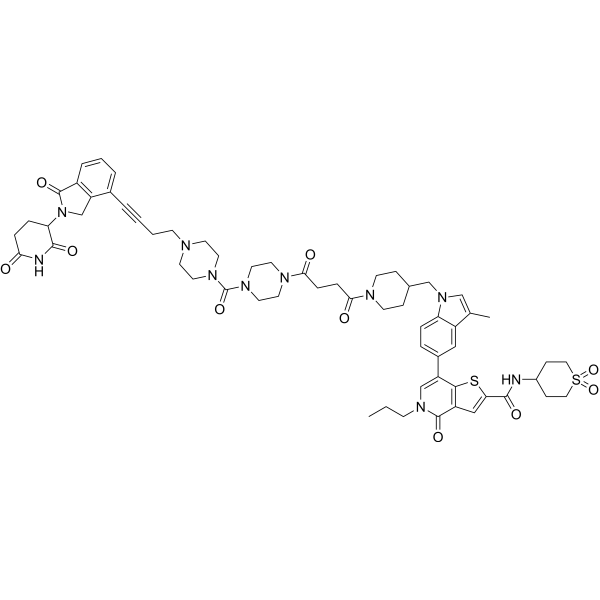
- HY-179424
-
|
|
PROTACs
HIF/HIF Prolyl-Hydroxylase
p38 MAPK
Akt
PI3K
MEK
Apoptosis
|
Cancer
|
|
PROTAC HIF-1α degrader-2 is a highly efficient and selective PROTAC degrader targeting HIF-1α. PROTAC HIF-1α degrader-2 promotes HIF-1α degradation via the ubiquitin-proteasome pathway by facilitating the formation of a HIF-1α/VHL ternary complex. PROTAC HIF-1α degrader-2 inhibits HeLa cell proliferation, migration, and colony formation, and induces apoptosis. PROTAC HIF-1α degrader-2 reduces p-MEK and p-AKT expression in the MAPK and PI3K/AKT pathways. PROTAC HIF-1α degrader-2 can be used for the study of cervical cancer .
|
-

- HY-10321G
-
|
|
FGFR
TGF-beta/Smad
|
Cancer
|
|
PD173074 GMP is PD173074 (HY-10321) produced by using GMP guidelines. GMP small molecules works appropriately as an auxiliary reagent for cell therapy manufacture. PD173074 is an orally active FGFR inhibitor that targets the transphosphorylation of FGFR1 and FGFR2 and blocks the FGF signaling pathway. By reducing the phosphorylation level of SMAD2 and altering the expression of Nodal/Activin target genes, PD173074 eliminates endothelial differentiation potential, thereby inhibiting the formation of capillary-like structures. PD173074 blocks the proliferation and colony formation of tumor cells and increases intratumoral cell apoptosis. PD173074 successfully reverses FGF-2-induced chemoresistance to enhance the effect of cisplatin (HY-17394) in small cell lung cancer models. PD173074 can be applied to research related to critical limb ischemia and small cell lung cancer .
|
-

- HY-13906
-
|
(+)-Largazole
|
HDAC
|
Neurological Disease
Cancer
|
|
Largazole ((+)-Largazole) is a potent, selective, orally active and brain-penetrant class I HDAC inhibitor found in marine cyanobacteria. Largazole shows an IC50 of 0.07 nM for HDAC2. Largazole releases its active form Largazole thiol (HY-170890) after hydrolysis. Largazole has a strong inhibitory effect on SF-268, SF-295 and SH-SY5Y cells, with IC50 values of 62, 68 and 102 nM respectively Largazole can upregulate the tumor suppressor gene Pax6 to inhibit the proliferation, invasion and colony formation of glioblastoma cells. Largazole can significantly upregulated brain-derived neurotrophic factor BDNF, neuronal transcription factor Pax6, and μ-opioid receptor gene Oprm1. Largazole exerts antitumor and neuroprotective effects. Largazole can be used for researches of Glioblastoma and Alzheimer’s disease .
|
-

- HY-167854
-
|
|
Aurora Kinase
Apoptosis
IGF-1R
|
Cancer
|
|
KW-2450 Free base is a potent multikinase inhibitor targeting Aurora A and B kinases, demonstrating significant antitumor activity against triple-negative breast cancer (TNBC). KW-2450 Free base effectively reduces cell viability, promotes apoptosis, and inhibits colony formation and mammosphere formation in TNBC cells. KW-2450 Free base significantly suppresses the growth of TNBC xenografts, leading to tetraploid accumulation followed by apoptosis or the survival of octaploid cells. KW-2450 Free base enhances the efficacy of combination therapy with the MEK inhibitor selumetinib, resulting in a synergistic antitumor effect in TNBC models. KW-2450 Free base also acts as an orally bioavailable inhibitor of IGF-1R and IR tyrosine kinases, contributing to its potential antineoplastic activity by inhibiting tumor cell proliferation and inducing apoptosis.
|
-

- HY-183335
-
|
|
Smo
Hedgehog
Gli
Apoptosis
Caspase
|
Cancer
|
|
Anticancer agent 321 is a Smoothened (SMO) inhibitor with a human IC50 of 0.12 μM, enhanced aqueous solubility, good plasma and metabolic stability, moderate therapeutic index, preliminary safety profile, and moderate oral bioavailability in rats.Anticancer agent 321 binds to SMO’s 7-transmembrane helical channel, forming hydrogen bonds with Asp384 and hydrophobic/π-π interactions with His470, Phe391, Tyr394, stabilizing SMO’s inactive conformation to inhibit Hedgehog/GLI signaling.Anticancer agent 321 inhibits proliferation, suppresses colony formation, induces apoptosis, and downregulates Hedgehog/GLI pathway target genes GLI1, GLI2, Ptch1, HHip in cancer cells.Anticancer agent 321 inhibits tumor growth, downregulates Ki67 and SOX2, and upregulates cleaved-caspase 3 in tumor tissues.Anticancer agent 321 can be used for the research of cutaneous squamous cell carcinoma .
|
-

- HY-178984
-
|
|
PI3K
Epigenetic Reader Domain
DNA/RNA Synthesis
Akt
c-Myc
AMPK
|
Cancer
|
|
PI3Kα-IN-28 (Compound 23) is an efficient dual targeted PI3K/BRD4 inhibitor. PI3Kα-IN-28 can inhibit the proliferation of various cells, such as KYSE180 and KYSE450 cells. PI3Kα-IN-28 can concentration dependently inhibit migration and colony formation, induce G0/G1 phase arrest, significantly inhibit DNA synthesis, and significantly increase the proportion of senescent cells. PI3Kα-IN-28 can inhibit the expression of p-AKT and c-Myc and activate the AMPK-p27 pathway. PI3Kα-IN-28 can be used for research on cancers such as esophageal cancer .
|
-

- HY-175542
-
|
|
STAT
Apoptosis
Reactive Oxygen Species (ROS)
PARP
|
Cancer
|
KB-15 is a STAT3 inhibitor. KB-15 exhibits potent anti-proliferative activity against AGS gastric cancer cells (IC50 = 0.29 μM) and BGC-823 gastric cancer cells (IC50 = 0.65 μM). KB-15 exerts anti-tumor effects by inhibiting STAT3 phosphorylation, downregulating HO-1 expression, and promoting intracellular ROS accumulation. KB-15 induces G0/G1 phase cell cycle arrest and apoptosis, as well as suppresses colony formation and migration of gastric cancer cells. KB-15 demonstrates excellent anti-tumor efficacy in BGC-823 subcutaneous xenograft model. KB-15 can be used for the study of gastric cancer .
|
-

- HY-181687
-
|
|
HSP
CDK
|
Cancer
|
|
Hsp90-IN-46 is a Hsp90 inhibitor. Hsp90-IN-46 exhibits broad-spectrum antiproliferative activity against tumor cell lines. Hsp90-IN-46 inhibits breast cancer cell proliferation by reducing colony formation and downregulating the proliferation marker Ki-67. Hsp90-IN-46 inhibits Hsp90 and its ATPase activity, downregulates the downstream substrate oncoproteins HER2 and CDK4, and moderately induces the heat shock response. Hsp90-IN-46 shows significant antitumor activity in a mouse model of triple-negative breast cancer tumor xenografts. Hsp90-IN-46 can be used for research on various cancers including triple-negative breast cancer, leukemia, non-small cell lung cancer, colon cancer, ovarian cancer, renal cancer, prostate cancer .
|
-

- HY-162098
-
|
|
PROTACs
Microtubule/Tubulin
Apoptosis
|
Cancer
|
|
PROTAC tubulin-Degrader-1 is a α/β/β3-tubulin PROTAC degrader. PROTAC tubulin-Degrader-1 exhibits potent anti-proliferative activity against multiple human tumor cell lines. PROTAC tubulin-Degrader-1 induces G2/M phase arrest and apoptosis and inhibits colony formation in A549 and A549/Taxol cells. PROTAC tubulin-Degrader-1demonstrates potent anti-tumor efficacy in A549 and A549/Taxol (Taxol-resistant) xenograft model. PROTAC tubulin-Degrader-1 can be used for the study of non-small cell lung cancer (NSCLC). (Pink: Tubulin ligand (HY-N2146), Blue: CRBN Ligand (HY-10984), Black: Linker (HY-N6056)) .
|
-
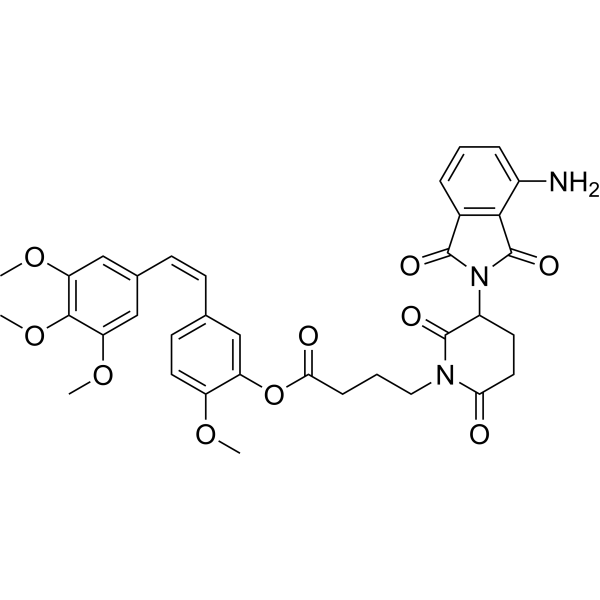
- HY-154825
-
|
20(OH)D3; 20S-Hydroxyvitamin D3
|
VD/VDR
Aryl Hydrocarbon Receptor
NF-κB
Cytochrome P450
|
Inflammation/Immunology
Cancer
|
|
20-Hydroxyvitamin D3 (20(OH)D3), a product of vitamin D3 hydroxylation, is a noncalcemic immunomodulator. 20-Hydroxyvitamin D3 binds to vitamin D receptor (VDR), activates VDR and aryl hydrocarbon receptor (AhR) signaling, stimulates CYP24A1 expression, and drives VDR nuclear translocation. 20-Hydroxyvitamin D3 inhibits NF-κB activity via IκBα upregulation. 20-Hydroxyvitamin D3 acts as a substrate for CYP27B1 and rat CYP24A1, undergoing hydroxylation to form dihydroxy-derivatives. 20-Hydroxyvitamin D3 inhibits cell proliferation, colony formation, migration, and tumor growth, and induces cell differentiation in cancer cells. 20-Hydroxyvitamin D3 can be used for the research of inflammatory and autoimmune diseases, melanoma, breast carcinomas, and hepatocarcinoma .
|
-

- HY-175529
-
|
|
Ras
ERK
Apoptosis
|
Cancer
|
|
KRASG12D-IN-7 is a selective KRAS G12D inhibitor. KRASG12D-IN-7 displays strong binding activity for KRAS G12D in both its GDP- and GTP- bound states, with Kd value of 1.12 nM and 1.86 nM, respectively. KRASG12D-IN-7 inhibits the proliferation of KRAS G12D harboring AsPC-1 cells with an IC50 value of 10 nM and suppresses MAPK signaling. KRASG12D-IN-7 induces G0/G1 phase arrest and apoptosis in AsPC-1 cells, and strongly inhibits their colony formation. KRASG12D-IN-7 can be used for the study of cancers harboring KRAS G12D mutation, particularly pancreatic ductal adenocarcinoma (PDAC) .
|
-

- HY-176283
-
|
|
Microtubule/Tubulin
Histone Demethylase
Apoptosis
Wee1
Bcl-2 Family
Caspase
|
Cancer
|
|
Tubulin/LSD1-IN-1 is an effective dual inhibitor of Tubulin polymerization and LSD1 (IC50 = 1.72 μM). Tubulin/LSD1-IN-1 has broad-spectrum antiproliferative activity against cancer cell lines. Tubulin/LSD1-IN-1 inhibits tubulin polymerization by targeting colchicine binding sites, thereby disrupting the microtubule network in gastric cancer cells. Tubulin/LSD1-IN-1 increases the methylation levels of H3K4me1/2 and H3K9me2/3, thereby achieving epigenetic regulation. Tubulin/LSD1-IN-1 induces G2/M arrest, promotes apoptosis, and effectively inhibits colony formation of gastric cancer cells .
|
-

- HY-159607
-
|
|
PROTACs
SWI/SNF Complex
|
Cancer
|
|
PRT3789 is a selective SMARCA2 PROTAC degrader (DC50 in HeLa cell: 0.72 nM for SMARCA2, 14 nM for SMARCA4). PRT3789 forms a stable ternary complex with Von Hippel-Lindau (VHL) E3 ligase, induces polyubiquitination at SMARCA2-specific lysine residues, and drives proteasome-dependent SMARCA2 degradation. PRT3789 disrupts SWI/SNF chromatin remodeling complex integrity, induces dissociation of specific subunits, suppresses oncogenic gene expression, reduces chromatin accessibility, and upregulates antigen processing/presentation-related gene expression. PRT3789 induces synthetic lethality, inhibits proliferation and colony formation, and drives tumor growth inhibition and regression in SMARCA4-deficient contexts. PRT3789 can be used for the research of SMARCA4-mutated solid tumors, non-small cell lung cancer, endometrial cancer, colorectal cancer, bladder cancer, esophageal cancer, ovarian cancer, and gastric cancer .
|
-

- HY-128633
-
|
|
PI3K
Akt
Apoptosis
|
Cancer
|
|
PI3K-IN-4 is a potent Pan-PI3K inhibitor. PI3K-IN-4 has high activity for three PI3K isoforms with the IC50 values of picomole. PI3K-IN-4 shows superior inhibitory activity against PI3Kα (IC50 = 0.20 nM), PI3Kβ (IC50 = 2.99 nM), PI3Kδ (IC50 = 0.48 nM) and PI3Kγ (IC50 = 0.58 nM) and has no significant activity against EGFR. PI3K-IN-4 inhibits cancer cell growth though PI3K/Akt signaling pathway, leading to the inhibition of colony formation and the induction of apoptosis. PI3K-IN-4 can be used for lung, colon and breast cancer research .
|
-

- HY-124529
-
|
|
11β-HSD
Endogenous Metabolite
|
Metabolic Disease
Inflammation/Immunology
Cancer
|
|
Lunularin is an inhibitor of 11β-hydroxysteroid dehydrogenase 1, with an IC50 of 45.44 μM and a Ki of 35.8 μM against human 11β-HSD1, and an IC50 of 17.39 μM and a Ki of 10.31 μM against rat 11β-HSD1. Lunularin upregulates the transcription levels of Sirt1 and Hmox1 genes in the liver. Lunularin reduces food intake and body weight gain, and decreases blood glucose levels in mice fed a high-fat diet. Lunularin inhibits LPS-induced TLR4-mediated NF-κB pathway activation and nitric oxide production. Lunularin inhibits the proliferation and colony formation of renal cancer and colon cancer cells, and exhibits cancer cell-specific cytotoxicity. Lunularin binds to the steroid-binding site of human 11β-HSD1 and the steroid/NADPH-binding region of rat 11β-HSD1, but does not inhibit 11β-HSD2 or mouse 11β-HSD1. Lunularin can be used in research related to diet-induced obesity, renal cancer, colorectal cancer, inflammatory diseases and metabolic syndrome .
|
-

| Cat. No. |
Product Name |
Type |
-
- HY-10321G
-
|
|
Fluorescent Dyes
|
|
PD173074 GMP is PD173074 (HY-10321) produced by using GMP guidelines. GMP small molecules works appropriately as an auxiliary reagent for cell therapy manufacture. PD173074 is an orally active FGFR inhibitor that targets the transphosphorylation of FGFR1 and FGFR2 and blocks the FGF signaling pathway. By reducing the phosphorylation level of SMAD2 and altering the expression of Nodal/Activin target genes, PD173074 eliminates endothelial differentiation potential, thereby inhibiting the formation of capillary-like structures. PD173074 blocks the proliferation and colony formation of tumor cells and increases intratumoral cell apoptosis. PD173074 successfully reverses FGF-2-induced chemoresistance to enhance the effect of cisplatin (HY-17394) in small cell lung cancer models. PD173074 can be applied to research related to critical limb ischemia and small cell lung cancer .
|
| Cat. No. |
Product Name |
Type |
-
- HY-W134423B
-
|
|
Biochemical Assay Reagents
|
|
Agar, meets USP testing specifications is a high-quality selective growth support and substrate for non-adherent cells. Agar, meets USP testing specifications effectively supports the growth, colony formation and metachromatic matrix production of chondrocytes, and also facilitates the isolation and differentiation of pure chondrocyte strains by restricting the proliferation of fibroblast-like cells. Chondrocytes grown in Agar, meets USP testing specifications can be successfully transferred to a liquid suspension culture system, where they continue to proliferate while retaining the characteristics exhibited during growth in agar .
|
-
- HY-10321G
-
|
|
Biochemical Assay Reagents
|
|
PD173074 GMP is PD173074 (HY-10321) produced by using GMP guidelines. GMP small molecules works appropriately as an auxiliary reagent for cell therapy manufacture. PD173074 is an orally active FGFR inhibitor that targets the transphosphorylation of FGFR1 and FGFR2 and blocks the FGF signaling pathway. By reducing the phosphorylation level of SMAD2 and altering the expression of Nodal/Activin target genes, PD173074 eliminates endothelial differentiation potential, thereby inhibiting the formation of capillary-like structures. PD173074 blocks the proliferation and colony formation of tumor cells and increases intratumoral cell apoptosis. PD173074 successfully reverses FGF-2-induced chemoresistance to enhance the effect of cisplatin (HY-17394) in small cell lung cancer models. PD173074 can be applied to research related to critical limb ischemia and small cell lung cancer .
|
| Cat. No. |
Product Name |
Target |
Research Area |
-
- HY-P11405
-
|
|
Neurotensin Receptor
|
Neurological Disease
Cancer
|
|
[D-Arg1, D-Trp5, 7, 9, Leu11]-Substance P is a potent inhibitor of cell growth in small cell lung cancer (SCLC). [D-Arg1, D-Trp5, 7, 9, Leu11]-Substance P is also a neuropeptide antagonist, capable of blocking colony formation stimulated by various neuropeptides (including vasopressin and bradykinin). [D-Arg1, D-Trp5, 7, 9, Leu11]-Substance P inhibits the mobilization of Ca 2+ and the activation of mitogen-activated protein kinases induced by vasopressin or bradykinin. [D-Arg1, D-Trp5, 7, 9, Leu11]-Substance P inhibits the growth of H-69 xenograft tumors in nude mice .
|
| Cat. No. |
Product Name |
Target |
Research Area |
Image |
-
- HY-P990125
-
|
|
c-Fms
|
Cardiovascular Disease
Neurological Disease
Metabolic Disease
Inflammation/Immunology
|
|
Anti-Mouse (CSF1R/CD115) Antibody (AFS98) is an anti-mouse CSF1R IgG2a antibody inhibitor derived from rats. Anti-Mouse (CSF1R/CD115) Antibody (AFS98) inhibits M-CSF-dependent colony formation and cell growth by blocking the binding of M-CSF to its receptor. Anti-Mouse (CSF1R/CD115) Antibody (AFS98) can be used for the researches of inflammation, metabolic disease, cardiovascular disease and neurological disease, such as such as stroke, diabetes and arthritis .
|
-

(5)
-
- HY-P991947
-
|
AFS98; TG3003
|
c-Fms
|
Inflammation/Immunology
|
|
ELB041 (AFS98) is a rat monoclonal anti-murine c-fms antibody (IgG2a). AFS98 inhibits M-CSF–dependent colony formation and cell growth by blocking the binding of M-CSF to its receptor. AFS98 prevents development of fatty streaks in ApoE-deficient mice. ELB041 can be used for the research of atherosclerosis .
|
-
(5)
| Cat. No. |
Product Name |
Category |
Target |
Chemical Structure |
-
- HY-113293B
-
-
-
- HY-113293A
-
-
-
- HY-124529
-
|
|
Structural Classification
Human Gut Microbiota Metabolites
other families
Conocephalum conicum (L.) Dumort.
Phenols
Polyphenols
Plants
Endogenous metabolite
Source Classification
|
11β-HSD
Endogenous Metabolite
|
|
Lunularin is an inhibitor of 11β-hydroxysteroid dehydrogenase 1, with an IC50 of 45.44 μM and a Ki of 35.8 μM against human 11β-HSD1, and an IC50 of 17.39 μM and a Ki of 10.31 μM against rat 11β-HSD1. Lunularin upregulates the transcription levels of Sirt1 and Hmox1 genes in the liver. Lunularin reduces food intake and body weight gain, and decreases blood glucose levels in mice fed a high-fat diet. Lunularin inhibits LPS-induced TLR4-mediated NF-κB pathway activation and nitric oxide production. Lunularin inhibits the proliferation and colony formation of renal cancer and colon cancer cells, and exhibits cancer cell-specific cytotoxicity. Lunularin binds to the steroid-binding site of human 11β-HSD1 and the steroid/NADPH-binding region of rat 11β-HSD1, but does not inhibit 11β-HSD2 or mouse 11β-HSD1. Lunularin can be used in research related to diet-induced obesity, renal cancer, colorectal cancer, inflammatory diseases and metabolic syndrome .
|
-
-
- HY-N6017
-
|
|
Structural Classification
Classification of Application Fields
Terpenoids
Sesquiterpenes
Plants
Compositae
Disease Research Fields
Corethrodendron multijugum (Maximowicz) B. H. Choi & H. Ohashi
Source Classification
Cancer
|
HDAC
TNF Receptor
Interleukin Related
TGF-β Receptor
IFNAR
PI3K
PKC
Akt
GSK-3
Caspase
Apoptosis
|
|
Bakkenolide A is an anticancer agent. Bakkenolide A reduces the viability of leukemia cells, inhibits cell colony formation and invasion, and downregulates the expression of HDAC3 in cells. Bakkenolide A downregulates the expression of pro-inflammatory cytokines including TNF-α, interleukins such as IL-1β, TGF-β1 and IFN-γ, as well as the expression of PI3K, PDK and PKC in leukemia cells. Bakkenolide A downregulates activated Akt, GSK and Bad, while upregulates Cyto-c, cleaved Caspase3 and cleaved Caspase7, induces apoptosis (apoptosis) in leukemia cells and thereby inhibits inflammatory responses in leukemia cells. Bakkenolide A significantly slows the growth of subcutaneous leukemia tumors in nude mice. Bakkenolide A is applicable to leukemia-related research .
|
-
-
- HY-N0597
-
-
-
- HY-114319
-
-
-
- HY-113293
-
-
-
- HY-13906
-
|
(+)-Largazole
|
Structural Classification
Natural Products
Microorganisms
Source Classification
|
HDAC
|
|
Largazole ((+)-Largazole) is a potent, selective, orally active and brain-penetrant class I HDAC inhibitor found in marine cyanobacteria. Largazole shows an IC50 of 0.07 nM for HDAC2. Largazole releases its active form Largazole thiol (HY-170890) after hydrolysis. Largazole has a strong inhibitory effect on SF-268, SF-295 and SH-SY5Y cells, with IC50 values of 62, 68 and 102 nM respectively Largazole can upregulate the tumor suppressor gene Pax6 to inhibit the proliferation, invasion and colony formation of glioblastoma cells. Largazole can significantly upregulated brain-derived neurotrophic factor BDNF, neuronal transcription factor Pax6, and μ-opioid receptor gene Oprm1. Largazole exerts antitumor and neuroprotective effects. Largazole can be used for researches of Glioblastoma and Alzheimer’s disease .
|
-
-
- HY-N15201
-
|
|
Structural Classification
Flavonoids
Beta vulgaris Linn.
Plants
Isoflavones
Chenopodiaceae
Source Classification
|
STAT
|
|
Betavulgarin is an anticancer agent. Betavulgarin can be isolated from Sugar Beet (Beta vulgaris). Betavulgarin suppresses the proliferation, migration, colony formation, and mammosphere formation of breast cancer cells, and reduces the size of the CD44 +/CD24 − subpopulation and the expression of the self-renewal- related genes C-Myc, Nanog and Oct4. Betavulgarin promotes BCSCs death through the regulation of Stat3/Sox2 signaling .
|
-
-
- HY-N15267
-
|
|
Natural Products
Millettia peguensis Ali
Leguminosae
Plants
Source Classification
|
FAK
Akt
mTOR
|
|
Ovalitenone is a flavonoid compound that can be isolated from the plant Millettia peguensis. It shows no cytotoxic effects on lung cancer H460 and A549 cells, but it significantly inhibits anchorage-independent growth, CSC-like phenotypes, colony formation, and the migration and invasion capabilities of cancer cells. Ovalitenone can significantly reduce the levels of N-cadherin, snail, and slug, while increasing E-cadherin, thus inhibiting the EMT pathway. Additionally, Ovalitenone suppresses the signaling pathways regulated by focal adhesion kinase (FAK), ATP-dependent tyrosine kinase (AKT), mammalian target of rapamycin (mTOR), and cell division cycle 42 (Cdc42) .
|
-
-
- HY-122108
-
|
LL-Z 1272-alpha
|
Microorganisms
Phenols
Polyphenols
Source Classification
|
Apoptosis
|
|
Ilicicolin A is a potent anticancer agent. Ilicicolin A induces apoptosis. Ilicicolin A inhibits cell growth and colony formation. Ilicicolin A shows antitumor activity. Ilicicolin A has the potential for the research of prostate cancer .
|
-
-
- HY-113293BR
-
|
|
Structural Classification
Endogenous metabolite
Steroids
Source Classification
|
Reference Standards
Endogenous Metabolite
Estrogen Receptor/ERR
|
|
Estrone sulfate sodium (Standard) is the analytical standard of Estrone sulfate sodium (HY-113293B). This product is intended for research and analytical applications. Estrone sulfate sodium is an inactive endogenous estrogen that can be converted into Estrone (HY-B0234) and Estradiol (HY-B0141). Estrone sulfate sodium is also a substrate of the OATP1B3 transporter. Estrone sulfate sodium can be converted into Estrone and Estradiol in normal mammary parenchymal cells. Estrone sulfate sodium stimulates the growth of nitrosomethylurea-induced mammary tumors in ovariectomized rats and the colony formation of dispersed nitrosomethylurea mammary cells, with conversion into Estrone and Estradiol occurring both in vivo and in vitro during this process. Estrone sulfate sodium is applicable to breast cancer-related research.
|
-
-
- HY-N13944
-
|
|
Natural Products
Microorganisms
Source Classification
|
Apoptosis
|
|
Argyrin F a cyclic peptide with antitumoral activities. Argyrin F inhibits cell proliferation, migration, invasion and colony formation by partial induction of apoptosis and epithelial-mesenchymal transition (EMT). Argyrin F stabilizes p27 kip, up-regulated p21 waf1/cip1 and depletes COX2. Argyrin F can be used for the study of pancreatic ductal adenocarcinoma (PDAC) .
|
-
| Cat. No. |
Product Name |
Chemical Structure |
-
- HY-113293BS1
-
|
|
|
Estrone sulfate-d4 sodium is the deuterium labeled Estrone sulfate sodium (HY-113293B). Estrone sulfate sodium is an inactive endogenous estrogen that can be converted into Estrone (HY-B0234) and Estradiol (HY-B0141). Estrone sulfate sodium is also a substrate of the OATP1B3 transporter. Estrone sulfate sodium can be converted into Estrone and Estradiol in normal mammary parenchymal cells. Estrone sulfate sodium stimulates the growth of nitrosomethylurea-induced mammary tumors in ovariectomized rats and the colony formation of dispersed nitrosomethylurea mammary cells, with conversion into Estrone and Estradiol occurring both in vivo and in vitro during this process. Estrone sulfate sodium is applicable to breast cancer-related research .
|
-
-
- HY-113293BS
-
|
|
|
Estrone sulfate-d5 sodium is the deuterium labeled Estrone sulfate sodium (HY-113293B). Estrone sulfate sodium is an inactive endogenous estrogen that can be converted into Estrone (HY-B0234) and Estradiol (HY-B0141). Estrone sulfate sodium is also a substrate of the OATP1B3 transporter. Estrone sulfate sodium can be converted into Estrone and Estradiol in normal mammary parenchymal cells. Estrone sulfate sodium stimulates the growth of nitrosomethylurea-induced mammary tumors in ovariectomized rats and the colony formation of dispersed nitrosomethylurea mammary cells, with conversion into Estrone and Estradiol occurring both in vivo and in vitro during this process. Estrone sulfate sodium is applicable to breast cancer-related research .
|
-
| Cat. No. |
Product Name |
|
Classification |
-
- HY-174759
-
|
|
|
mRNA
Chemokine & Receptors
|
|
Human CCL23 mRNA encodes the human C-C motif chemokine ligand 23 (CCL23) protein, a cytokine that displays chemotactic activity on resting T lymphocytes and monocytes, lower activity on neutrophils and no activity on activated T lymphocytes. CCL23 is also a strong suppressor of colony formation by a multipotential hematopoietic progenitor cell line.
|
| Cat. No. |
Product Name |
Target |
Research Areas |
Chemical Structure |
-
- HY-10321G
-
|
|
FGFR
TGF-beta/Smad
|
Cancer
|
|
PD173074 GMP is PD173074 (HY-10321) produced by using GMP guidelines. GMP small molecules works appropriately as an auxiliary reagent for cell therapy manufacture. PD173074 is an orally active FGFR inhibitor that targets the transphosphorylation of FGFR1 and FGFR2 and blocks the FGF signaling pathway. By reducing the phosphorylation level of SMAD2 and altering the expression of Nodal/Activin target genes, PD173074 eliminates endothelial differentiation potential, thereby inhibiting the formation of capillary-like structures. PD173074 blocks the proliferation and colony formation of tumor cells and increases intratumoral cell apoptosis. PD173074 successfully reverses FGF-2-induced chemoresistance to enhance the effect of cisplatin (HY-17394) in small cell lung cancer models. PD173074 can be applied to research related to critical limb ischemia and small cell lung cancer .
|
-
Your information is safe with us. * Required Fields.
Inquiry Information
- Product Name:
- Cat. No.:
- Quantity:
- MCE Japan Authorized Agent:





![[D-Arg1,D-Trp5,7,9,Leu11]-Substance P](http://file.medchemexpress.com/product_pic/hy-p11405.gif)





