
1. Search Result
Search Result
Results for "

pharmacological inhibitors

" in MedChemExpress (MCE) Product Catalog:

123

Inhibitors & Agonists

4

Screening Libraries

1

Biochemical Assay Reagents

2

Peptides

31

Natural
Products

7

Isotope-Labeled Compounds

1

Click Chemistry

1

Oligonucleotides

Targets Recommended:
Cat. No. Product Name Target Research Areas Chemical Structure
  • HY-Y1891
    Tween 80
    105+ Cited Publications

    Polysorbate 80

    Environmental Pollutants Biochemical Assay Reagents Others
    Tween 80 (Polysorbate 80), a surfactant, has been widely used as a solvent for pharmacological experiments. Tween 80 can also reduce bacterial attachment and inhibit biofilm formation.
    Tween 80
  • HY-P1410
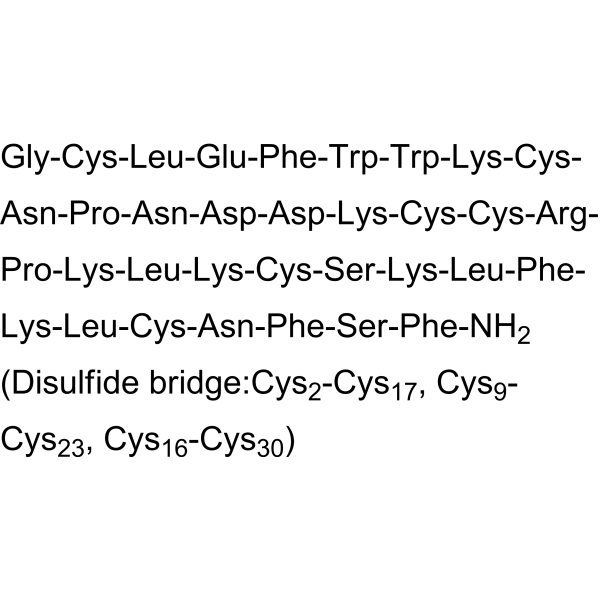
    GsMTx4
    110+ Cited Publications

    TRP Channel Piezo Channel Cardiovascular Disease Neurological Disease Inflammation/Immunology
    GsMTx4 is a spider venom peptide that selectively inhibits cationic-permeable mechanosensitive channels (MSCs) belonging to the Piezo and TRP channel families. GsMTx4 also blocks cation-selective stretch-activated channels (SACs) , attenuates lysophosphatidylcholine (LPC)-induced astrocyte toxicity and microglial reactivity. GsMTx4 is an important pharmacological tool for identifying the role of these excitatory MSCs in normal physiology and pathology .
    GsMTx4
  • HY-N0005
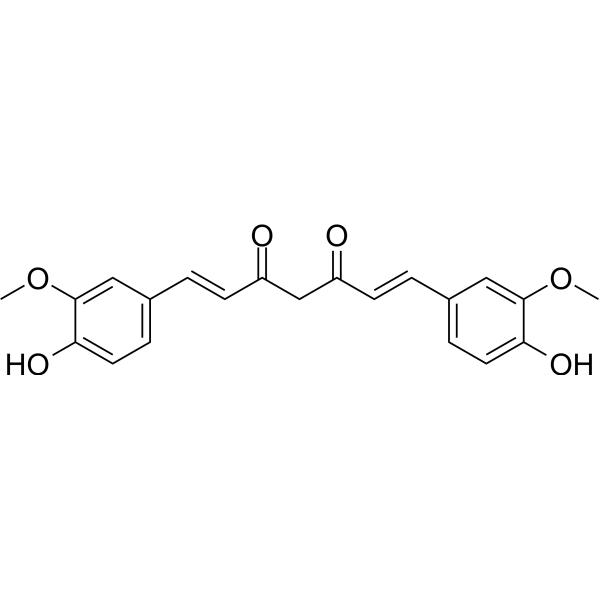
    Curcumin
    Maximum Cited Publications
    123 Publications Verification

    Diferuloylmethane; Natural Yellow 3; Turmeric yellow

    Histone Acetyltransferase Epigenetic Reader Domain Keap1-Nrf2 Autophagy Mitophagy Influenza Virus Ferroptosis Apoptosis Infection Metabolic Disease Inflammation/Immunology Cancer
    Curcumin (Diferuloylmethane), a natural phenolic compound, is a p300/CREB-binding protein-specific inhibitor of acetyltransferase, represses the acetylation of histone/nonhistone proteins and histone acetyltransferase-dependent chromatin transcription. Curcumin is a photosensitizer against microorganisms. Curcumin shows inhibitory effects on NF-κB and MAPKs, and has diverse pharmacologic effects including anti-inflammatory, antioxidant, antiproliferative and antiangiogenic activities. Curcumin induces stabilization of Nrf2 protein through Keap1 cysteine modification.
    Curcumin
  • HY-112499
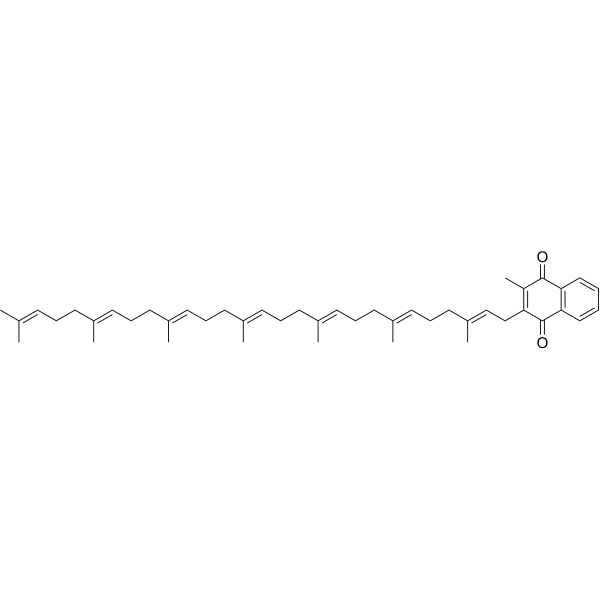
    Menaquinone-7
    3 Publications Verification

    Vitamin K2-7; Vitamin K2(35); Vitamin MK-7

    TGF-beta/Smad Cardiovascular Disease
    Menaquinone-7 (Vitamin K2-7), belongs to a class of K2-vitamin homologs (orally active), is originally discovered as the anti-hemorrhagic factors. Menaquinone-7 inhibits osteoclast bone resorption in vitro and stimulates bone formation in femoral tissue of aged female rats. Menaquinone-7 has a well-researched potential in the prevention of aging-induced bone degeneration. Menaquinone-7 is also a pharmacological option for activating Gla matrix protein and intervening in the progression of calcific aortic stenosis (CAVS) .
    Menaquinone-7
  • HY-B0103
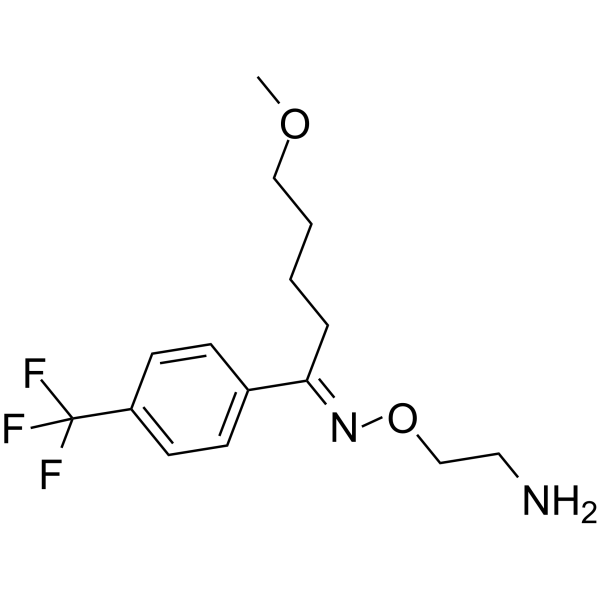
    Fluvoxamine
    10+ Cited Publications

    DU-23000

    Serotonin Transporter Neurological Disease
    Fluvoxamine (DU-23000) is an antidepressant which functions pharmacologically as a selective serotonin reuptake inhibitor.
    Fluvoxamine
  • HY-N0240
    Herbacetin
    5 Publications Verification

    Ornithine decarboxylase (ODC) Cancer
    Herbacetin is a natural flavonoid from flaxseed, exerts various pharmacological activities, including antioxidant, anti-inflammatory and anticancer effects . Herbacetin is an Ornithine decarboxylase (ODC) allosteric inhibitor, directly binds to Asp44, Asp243, and Glu384 on ODC. Ornithine decarboxylase (ODC) is a rate-limiting enzyme in the first step of polyamine biosynthesis .
    Herbacetin
  • HY-124745
    KY-05009
    1 Publications Verification

    MAP4K Wnt Apoptosis Cancer
    KY-05009 is an ATP-competitive Traf2- and Nck-interacting kinase (TNIK) inhibitor with a Ki of 100 nM. KY-05009 pharmacologically inhibits TGF-β1-induced epithelial-to-mesenchymal transition (EMT) in human lung adenocarcinoma cells. KY-05009 inhibits the protein expression of TNIK and transcriptional activity of Wnt target genes and induces apoptosis in cancer cells. KY-05009 exerts anti-cancer activity .
    KY-05009
  • HY-P1410A
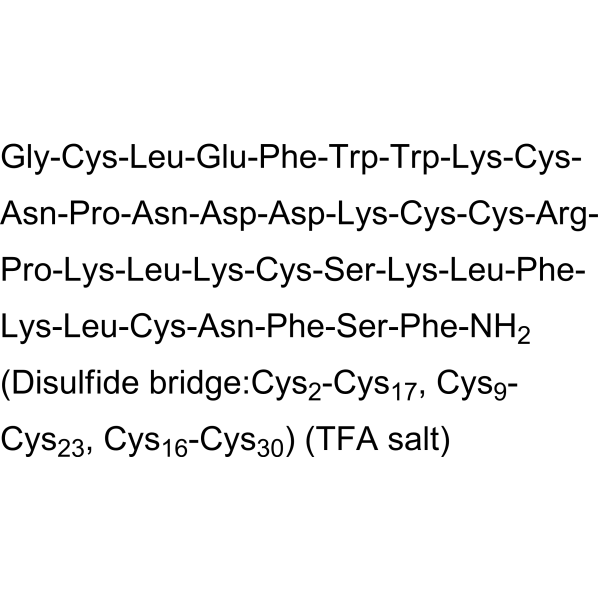
    GsMTx4 TFA
    110+ Cited Publications

    TRP Channel Piezo Channel Cardiovascular Disease Neurological Disease Inflammation/Immunology
    GsMTx4 TFA is a spider venom peptide that selectively inhibits cationic-permeable mechanosensitive channels (MSCs) belonging to the Piezo and TRP channel families. GsMTx4 TFA also blocks cation-selective stretch-activated channels (SACs) , attenuates lysophosphatidylcholine (LPC)-induced astrocyte toxicity and microglial reactivity. GsMTx4 TFA is an important pharmacological tool for identifying the role of these excitatory MSCs in normal physiology and pathology .
    GsMTx4 TFA
  • HY-103160A
    EHNA hydrochloride
    5 Publications Verification

    Adenosine Deaminase Phosphodiesterase (PDE) Influenza Virus Infection Cardiovascular Disease Neurological Disease Cancer
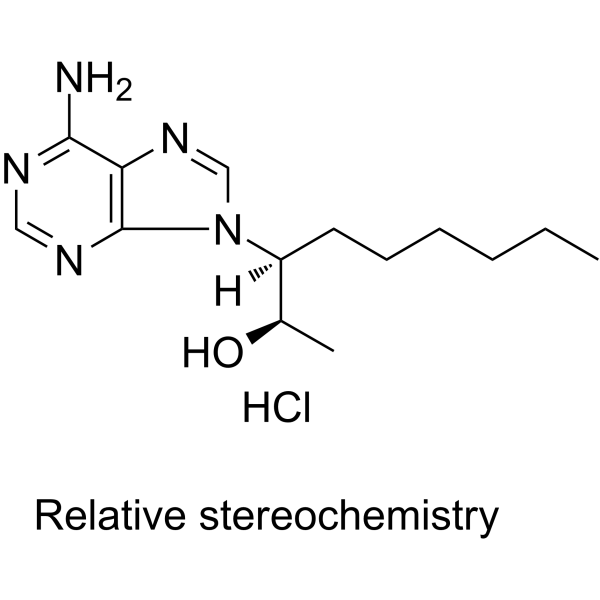
    EHNA hydrochloride is a potent and selective dual inhibitor of cyclic nucleotide phosphodiesterase 2 (PDE2)(IC50=4 μM) and adenosine deaminase (ADA). EHNA hydrochloride exerts a concentration inhibition of the cGMP-stimulated PDE II (cGs-PDE)(IC50:0.8 μM (human), 2 μM (porcine myocardium)), but has smaller inhibitory effect on the unstimulated PDE2 activity. EHNA hydrochloride play roles in mediating diverse pharmacological responses, including antiviral, antitumour and antiarrhythmic effects .
    EHNA hydrochloride
  • HY-B0103A
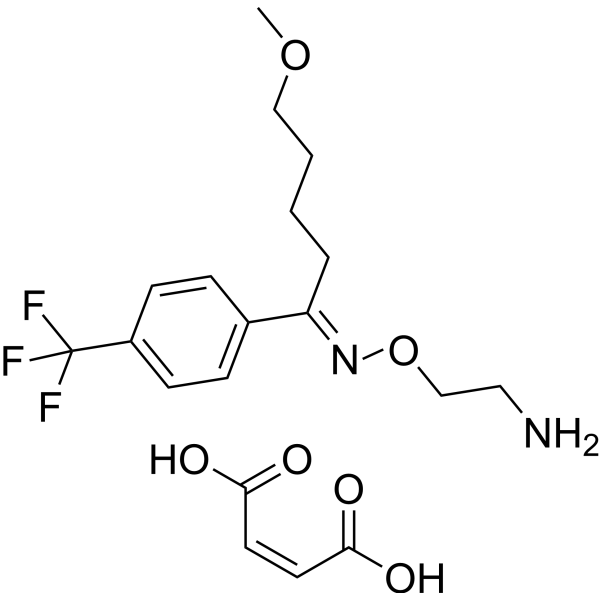
    Fluvoxamine maleate
    10+ Cited Publications

    DU-23000 maleate

    Serotonin Transporter Neurological Disease Cancer
    Fluvoxamine maleate (DU-23000 maleate) is an antidepressant which functions pharmacologically as a selective serotonin reuptake inhibitor.
    Fluvoxamine maleate
  • HY-13991
    CCG-1423
    10+ Cited Publications

    Ras Apoptosis Cancer
    CCG-1423 is an inhibitor of Rho/MRTF/SRF pathway. CCG-1423 shows activities in several cancer cells. CCG-1423 is a promising lead compound for the development of novel pharmacologic tools, and it can be used for the research of cancer and diabetes .
    CCG-1423
  • HY-119917
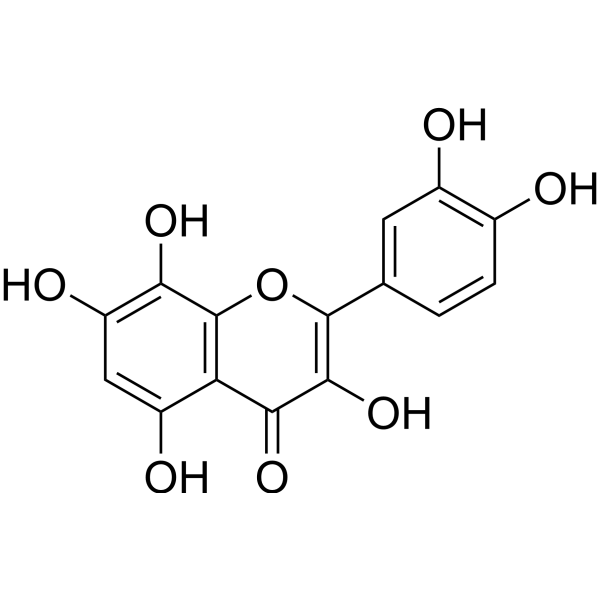
    Gossypetin
    4 Publications Verification

    p38 MAPK MEK Bacterial Infection Cancer
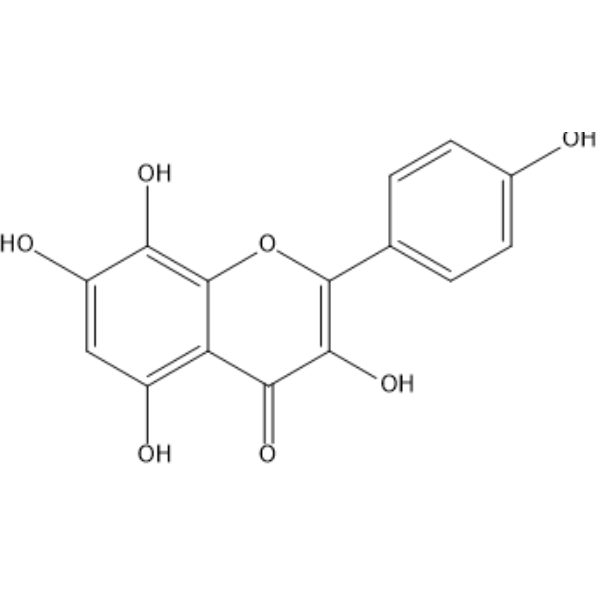
    Gossypetin is a hexahydroxylated flavonoid and is a potent mitogen-activated protein kinase kinase (MKK)3 and MKK6 inhibitor with strongly attenuates the MKK3/6-p38 signaling pathway, has various pharmacological activities, including antioxidant, antibacterial and anticancer activities .
    Gossypetin
  • HY-N1422
    Hecogenin
    1 Publications Verification

    Fungal Infection Inflammation/Immunology
    Hecogenin is a steroid saponin isolated from Agave sisalana and is a selective inhibitor of human UDP-glucuronosyltransferases. Hecogenin has a wide spectrum of pharmacological activities, including anti-inflammatory, antifungal and gastroprotective effects .
    Hecogenin
  • HY-N7765

    HCV Bacterial Apoptosis Fungal Infection Inflammation/Immunology Cancer
    Oenothein B is a dimeric macrocyclic ellagitannin and has widely pharmacological activities, including antioxidant, anti-inflammatory, antifungal, anti-HCV, and antitumor properties. Oenothein B is a potent and specific inhibitor of poly(ADP-ribose) glycohydrolase .
    Oenothein B
  • HY-12445
    Asnuciclib
    2 Publications Verification

    CDKI-73; LS-007

    CDK Apoptosis Inflammation/Immunology Cancer
    Asnuciclib (CDKI-73; LS-007) is an orally active and highly efficacious CDK9 inhibitor, with Ki values of 4 nM, 4 nM and 3 nM for CDK9, CDK1 and CDK2, respectively. Asnuciclib down-regulates the RNAPII phosphorylation. Asnuciclib is also a novel pharmacological inhibitor of Rab11 cargo delivery and innate immune secretion .
    Asnuciclib
  • HY-N7255
    Cycloartenol
    2 Publications Verification

    p38 MAPK Apoptosis Cancer
    Cycloartenol, a phytosterol compound, is one of the key precusor substances for biosynthesis of numerous sterol compounds. Cycloartenol inhibits the migration of glioma cells and suppresses the phosphorylation of the p38 MAP kinase. Cycloartenol has a variety of pharmacological activities such as anti-inflammatory, anti-tumor, antioxidant, antibiosis and anti-alzheimer's disease. Cycloartenol also plays an important role in the process of plant growth and development .
    Cycloartenol
  • HY-127009

    Levofolinic acid; Levofolene

    Lysyl Oxidase Apoptosis Metabolic Disease Cancer
    Levoleucovorin (Levofolinic acid; Levofolene) is the pharmacologically and orally active levoisomer of Folinic acid (HY-17556), a synthetic folate analogue. Levoleucovorin can inhibit LOXL2 with an IC50 of 68.81 μM. Levoleucovorin can inhibit cancer cells proliferation, migration and induce apoptosis. Levoleucovorin can be used as a rescue agent for high-dose Methotrexate (HY-14519). Levoleucovorin can reduce the frequency of embryonic malformations. Levoleucovorin can be used for the research of can and endocrinology, such as breast cancer and osteosarcoma .
    Levoleucovorin
  • HY-13866
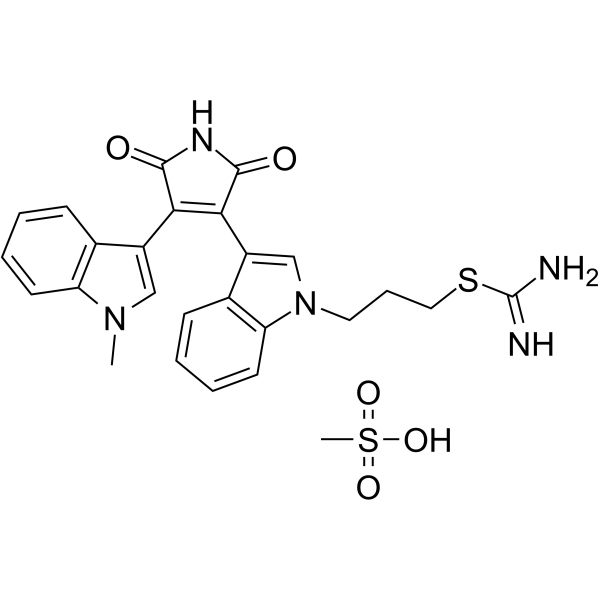
    Ro 31-8220 mesylate
    10+ Cited Publications

    Ro 31-8220 methanesulfonate; Bisindolylmaleimide IX mesylate

    PKC JNK Cardiovascular Disease Neurological Disease Cancer
    Ro 31-8220 mesylate is a potent PKC inhibitor, with IC50s of 5, 24, 14, 27, 24 and 23 nM for PKCα, PKCβI, PKCβII, PKCγ, PKCε and rat brain PKC, respectively. Ro 31-8220 also significantly inhibits MAPKAP-K1b, MSK1, S6K1 and GSK3β (IC50s, 3, 8, 15, and 38 nM, respectively), with no effect on MKK3, MKK4, MKK6 and MKK7. Ro 31-8220 mesylate can also inhibit the expression of MKP-1, induce the expression of c-Jun, and activate JNK, and these effects possess pharmacological properties independent of PKC .
    Ro 31-8220 mesylate
  • HY-105917
    Emidurdar
    5+ Cited Publications

    Endovion; NS3728

    Chloride Channel Others
    Endovion is a pharmacological anion channel inhibitor (like chloride channel) and the specific VRAC/VSOAC blocker. Endovion (NS3728) is also an Anoctamin-1 (ANO 1) channel inhibitor .
    Emidurdar
  • HY-100359
    CL-82198
    5+ Cited Publications

    MMP Inflammation/Immunology Cancer
    CL-82198 is a selective inhibitor of MMP-13. CL-82198 binds to the entire S1’ pocket of MMP-13, which is the basis for its selectivity towards MMP-13 and the lack of inhibitory activities against other MMPs . CL-82198 is a pharmacologic treatment for preventing osteoarthritis (OA) progression .
    CL-82198
  • HY-151798

    Adenylate Cyclase Others
    TDI-11861 is an orally active soluble sAC inhibitor optimized and designed based on TDI-10229 (HY-132298), with an IC50 of 3.3 nM and a KD of 1.4 nM. TDI-11861 has advantages such as high affinity, slow dissociation, and good pharmacokinetics. TDI-11861 can be used for research on male contraception and related sAC pharmacology .
    TDI-11861
  • HY-N0005R
    Curcumin (Standard)
    1 Publications Verification

    Diferuloylmethane (Standard); Natural Yellow 3 (Standard); Turmeric yellow (Standard)

    Reference Standards Histone Acetyltransferase Epigenetic Reader Domain Keap1-Nrf2 Autophagy Mitophagy Influenza Virus Ferroptosis Infection Neurological Disease Inflammation/Immunology Cancer
    Curcumin (Standard) is the analytical standard of Curcumin (HY-N0005). This product is intended for research and analytical applications. Curcumin (Diferuloylmethane), a natural phenolic compound, is a p300/CREB-binding protein-specific inhibitor of acetyltransferase, represses the acetylation of histone/nonhistone proteins and histone acetyltransferase-dependent chromatin transcription. Curcumin is a photosensitizer against microorganisms. Curcumin shows inhibitory effects on NF-κB and MAPKs, and has diverse pharmacologic effects including anti-inflammatory, antioxidant, antiproliferative and antiangiogenic activities. Curcumin induces stabilization of Nrf2 protein through Keap1 cysteine modification.
    Curcumin (Standard)
  • HY-12345
    ML365
    5+ Cited Publications

    Potassium Channel Cardiovascular Disease
    ML365 is a selective two-pore domain potassium channel KCNK3/TASK1 inhibitor, with an IC50 of 4 nM. ML365 acts as a pharmacological tool that can be used to examine the specific roles of TASK1 channels .
    ML365
  • HY-N0126
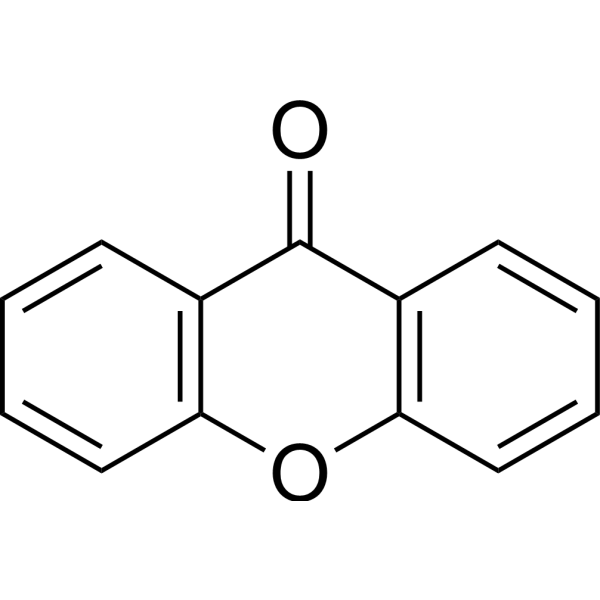
    Xanthone
    3 Publications Verification

    Environmental Pollutants Calcium Channel Monoamine Oxidase Cardiovascular Disease Neurological Disease
    Xanthone is a monoamine oxidase A (MAO-A) inhibitor with an IC50 of 0.84 µM. Xanthon inhibits Norepinephrine (HY-13715) and high-K +-induced vasoconstriction with IC50 values of 60.26 μM and 82.9 μM, respectively. Xanthon increases intracellular cyclic adenosine 3′,5′-monophosphate (cAMP) content and blocks Ca 2+ channels. Xanthone is the scaffold of several pharmacologically active compounds .
    Xanthone
  • HY-N1377

    Lysionotin

    Carboxylesterase (CES) DNA/RNA Synthesis Apoptosis Bacterial Infection Metabolic Disease Inflammation/Immunology Endocrinology Cancer
    Nevadensin (Lysionotin), a natural flavonoid, is a selective human carboxylesterase 1 (hCE1) inhibitor with an IC50 of 2.64 μM. Nevadensin is more selective for hCE1 than hCE2 (IC50 of 132.8 μM). Nevadensin can induce apoptosis and DNA damage in cancer cells. Nevadensin has a variety of pharmacological effects such as anti-inflammatory, anti-tumour, anti-hypertensive, anti-tubercular, antitussive, antioxidant and anti-microbial activities .
    Nevadensin
  • HY-N3127

    Casein Kinase PI3K VEGFR Metabolic Disease
    Orobol is one of the major soy isoflavones and has various pharmacological activities, including anti-skin-aging and anti-obesity effects. Orobol inhibits CK1ε, VEGFR2, MAP4K5, MNK1, MUSK, TOPK, and TNIK (IC50=1.24-4.45 μM). Orobol also inhibits PI3K isoforms (IC50=3.46-5.27 μM for PI3K α/β/γ/K/δ) .
    Orobol
  • HY-121246
    Fluorofenidone
    1 Publications Verification

    AKF-PD

    ACSL Family NF-κB ERK TGF-beta/Smad Inflammation/Immunology Cancer
    Fluorofenidone (AKF-PD) is an orally active compound with anti-fibrotic, antioxidant, and anti-inflammatory pharmacological effects. Fluorofenidone downregulates the expression of ACSL4, upregulates GPX4 expression and inhibits the NF-κB signaling pathway to alleviate inflammation and fibrosis. Fluorofenidone ameliorates cholestasis and fibrosis by inhibiting hepatic Erk/-Egr-1 signaling and Tgfβ1/Smad pathway in mice. Fluorofenidone demonstrates protective effects against chronic lung injury in mice. Fluorofenidone can be used for the study of chronic obstructive pulmonary disease (COPD), pulmonary interstitial fibrosis (PIF) and non-small cell lung cancer (NSCLC) .
    Fluorofenidone
  • HY-101293
    VU0359595
    1 Publications Verification

    CID-53361951; ML-270

    Phospholipase Fungal Infection Neurological Disease Metabolic Disease Inflammation/Immunology Cancer
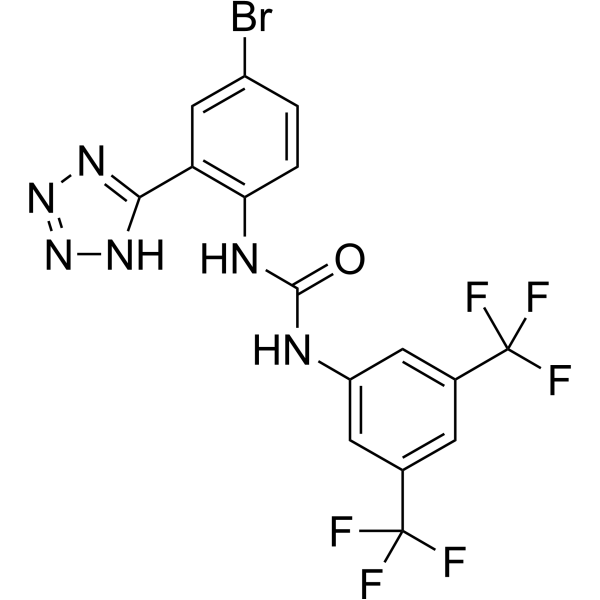
    VU0359595 (CID-53361951; ML-270) is a potent and selective pharmacological phospholipase D1 (PLD1) inhibitor with an IC50 of 3.7 nM. VU0359595 is >1700-fold selective for PLD1 over PLD2 (IC50 of 6.4 μM). VU0359595 can be used for the research of cancer, diabetes, neurodegenerative and inflammatory diseases .
    VU0359595
  • HY-135774

    Drug Metabolite Phosphatase Cardiovascular Disease
    6-Hydroxybenzbromarone is the major metabolite of Benzbromarone with a longer half-life and greater pharmacological potency than the parent compound. 6-Hydroxybenzbromarone is a protein Eyes Absent 3 (EYA3) inhibitor with an IC50 value of 21.5 μM. 6-Hydroxybenzbromarone is an anti-angiogenic agent, has strong inhibitory effects on cell migration, tubulogenesis, and angiogenic sprouting .
    6-Hydroxybenzbromarone
  • HY-136726

    CINK4

    CDK Cancer
    GP-82996 (CINK4) is a pharmacological inhibitor of CDK4/6. GP-82996 has IC50s of 1.5, 5.6 and 25 μM for CDK4/cyclin D1, CDK6/cyclin D1 and Cdk5/p35, respectively. GP-82996 induces the apoptosis of cancer cells U2OS. GP-82996 can be used in the research of cancer .
    CGP-82996
  • HY-N0005S

    Diferuloylmethane-d6; Natural Yellow 3-d6; Turmeric yellow-d6

    Isotope-Labeled Compounds Keap1-Nrf2 Ferroptosis Autophagy Histone Acetyltransferase Epigenetic Reader Domain Mitophagy Influenza Virus Infection Metabolic Disease Inflammation/Immunology Cancer
    Curcumin-d6 (Diferuloylmethane-d6 ) is deuterium labeled Curcumin (HY-N0005). Curcumin (Diferuloylmethane), a natural phenolic compound, is a p300/CREB-binding protein-specific inhibitor of acetyltransferase, represses the acetylation of histone/nonhistone proteins and histone acetyltransferase-dependent chromatin transcription. Curcumin is a photosensitizer against microorganisms. Curcumin shows inhibitory effects on NF-κB and MAPKs, and has diverse pharmacologic effects including anti-inflammatory, antioxidant, antiproliferative and antiangiogenic activities. Curcumin induces stabilization of Nrf2 protein through Keap1 cysteine modification.
    Curcumin-d6
  • HY-13633
    Exisulind
    2 Publications Verification

    Aldose Reductase Metabolic Disease Cancer
    Exisulind is an inactive metabolite of the nonsteroidal, anti-inflammatory agent sulindac . Exisulind inhibits aldose reductase with an IC50 of 367 nM in vitro and may contribute to the beneficial pharmacological effects of sulindac on type 2 diabetic complications .
    Exisulind
  • HY-N11722

    Apoptosis NF-κB Keap1-Nrf2 AMPK Autophagy SARS-CoV DNA Methyltransferase Infection Inflammation/Immunology Endocrinology
    Panduratin A is an orally active natural compound with multiple pharmacological activities. By specifically inhibiting the NF-κB signaling pathway, Panduratin A exerts potent anti-inflammatory and antioxidant effects in intestinal and vascular inflammation models. Panduratin A exerts a definite protective effect against Colistin (HY-113678)-induced nephrotoxicity by alleviating oxidative stress, improving mitochondrial dysfunction and inhibiting cell apoptosis. Panduratin A activates autophagy via an AMPK-dependent pathway and exhibits anti-tuberculosis activity. Panduratin A exerts antiviral effects by inhibiting the methyltransferase (DNA Methyltransferase) of SARS-CoV-2 .
    Panduratin A
  • HY-N1940
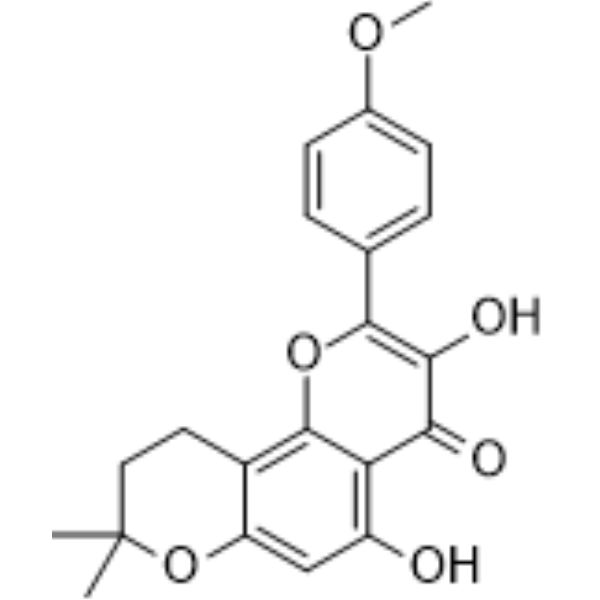
    β-Anhydroicaritin
    3 Publications Verification

    Cycloicaritin

    Interleukin Related TNF Receptor MMP Inflammation/Immunology Cancer
    β-Anhydroicaritin is isolated from Boswellia carterii Birdware, has important biological and pharmacological effects, such as antiosteoporosis, estrogen regulation and antitumor properties . β-Anhydroicaritin ameliorates the degradation of periodontal tissue and inhibits the synthesis and secretion of TNF-α and MMP-3 in diabetic rats . β-Anhydroicaritin decreases the overproduction of NO, IL-10, TNF-α, MCP-1 and IL-6 in inperitonitis mice. β-Anhydroicaritin inhibits the elevation of intracellular Ca 2+, and markedly decreases iNOS protein expression .
    β-Anhydroicaritin
  • HY-13866B
    Ro 31-8220 formic
    10+ Cited Publications

    Bisindolylmaleimide IX formic

    PKC JNK Cancer
    Ro 31-8220 formic is a potent PKC inhibitor, with IC50s of 5, 24, 14, 27, 24 and 23 nM for PKCα, PKCβI, PKCβII, PKCγ, PKCε and rat brain PKC, respectively. Ro 31-8220 formic also significantly inhibits MAPKAP-K1b, MSK1, S6K1 and GSK3β (IC50s, 3, 8, 15, and 38 nM, respectively). Ro 31-8220 formic can also inhibit the expression of MKP-1, induce the expression of c-Jun, and activate JNK, and these effects possess pharmacological properties independent of PKC .
    Ro 31-8220 formic
  • HY-13450

    JAK EGFR Inflammation/Immunology
    ZM 449829 is a potent, selective and ATP competitive inhibitor of JAK3, with a pIC50 of 6.8. ZM 449829 will be useful pharmacological tools for the investigation of the JAK3 .
    ZM 449829
  • HY-118967

    VU0183254

    HCN Channel Others
    VUANT1 (VU0183254) is an allosteric antagonist of insect odorant receptor ion channels, which has the activity of inhibiting insect odorant receptor signaling. VUANT1 can inhibit the activation of insect odorant receptors through allosteric regulation, which is important for the study of the molecular mechanism of insect olfactory signaling. Although it may be of limited use in insect control programs, it can be used as a pharmacological tool to study related mechanisms.
    VUANT1
  • HY-13866A

    Bisindolylmaleimide IX

    PKC JNK Cardiovascular Disease Neurological Disease
    Ro 31-8220 is a potent PKC inhibitor, with IC50s of 5, 24, 14, 27, 24 and 23 nM for PKCα, PKCβI, PKCβII, PKCγ, PKCε and rat brain PKC, respectively. Ro 31-8220 also significantly inhibits MAPKAP-K1b, MSK1, S6K1 and GSK3β (IC50s, 3, 8, 15, and 38 nM, respectively), with no effect on MKK3, MKK4, MKK6 and MKK7. Ro 31-8220 can also inhibit the expression of MKP-1, induce the expression of c-Jun, and activate JNK, and these effects possess pharmacological properties independent of PKC .
    Ro 31-8220
  • HY-116211

    WIN-25978

    Biochemical Assay Reagents Neurological Disease
    Amfonelic acid (WIN-25978) is a highly selective dopamine reuptake inhibitor. Amfonelic acid interferes with the in vitro neuronal uptake of norepinephrine in the iris of rats, but does not alter the concentrations of norepinephrine or dopamine in the whole mouse brain. Amfonelic acid can be used as a pharmacological tool to study the brain reward system, dopamine pathway and dopamine transporter .
    Amfonelic acid
  • HY-N6054

    Parasite Topoisomerase Infection Inflammation/Immunology
    Niranthin, a lignan with a wide spectrum of pharmacological activities. Niranthin is a potent and non-competitive inhibitor of heterodimeric type IB topoisomerase of L. donovani. Niranthin can be used for the research of drug-resistant leishmaniasis research.
    Niranthin
  • HY-117426

    Fat Mass and Obesity-associated Protein (FTO) Cancer
    MO-I-500 is a pharmacological of FTO inhibitor with an IC50 of 8.7 μM for the inhibition of purified FTO demethylase catalyzing demethylation of an artificial small methylated substrate. MO-I-500 can be used for the research of rare panresistant triple-negative inflammatory breast cancer .
    MO-I-500
  • HY-114372

    Lipoxygenase Caspase Apoptosis Cancer
    Lycopodine, a pharmacologically important bioactive component derived from Lycopodium clavatumspores, triggers apoptosis by modulating 5-lipoxygenase, and depolarizing mitochondrial membrane potential in refractory prostate cancer cells without modulating p53 activity . Lycopodine inhibits proliferation of HeLa cells through induction of apoptosis via caspase-3 activation .
    Lycopodine
  • HY-156807

    Serotonin Transporter 5-HT Receptor Neurological Disease
    LY 367265 is a 5-hydroxytryptamine transporter (SERT) inhibitor (IC₅₀ = 3.1 nM) and a 5-HT₂A receptor antagonist (Kᵢ = 0.81 nM). LY 367265 has the inhibitory activity on the norepinephrine transporter (NET) of extremely weak (IC₅₀ > 1000 nM); it has low affinity for subtypes such as 5-HT₁B (Kᵢ = 490 nM) and 5-HT₁D (Kᵢ = 81 nM), showing high selectivity. LY 367265 concentration-dependently enhances of [³H]5-HT efflux (EC₅₀ = 250 nM). LY 367265 antagonizes the contraction response of Sumatriptan (HY-B0121B), indicating its functional antagonistic activity on 5-HT₁D-like receptors. LY 367265 can be used for the study of diseases such as anxiety disorders and post-traumatic stress disorder .
    LY 367265
  • HY-163783

    Casein Kinase Infection
    CSNK2-IN-1 is a potent and selective CSNK2 inhibitor with IC50 of 1.7 nM and 0.66 nM for CSNK2A1 and CSNK2A2, respectively. CSNK2-IN-1 has antiviral activity against beta-coronaviruses such as SARS-CoV-2 and MHV. CSNK2-IN-1 has good solubility, metabolic stability, and low cytotoxicity, but its plasma concentration in vivo decreases rapidly and is insufficient to achieve pharmacological effects. CSNK2-IN-1 can be used in the research of antiviral drug development .
    CSNK2-IN-1
  • HY-107622

    ERK MEK Metabolic Disease
    (E/Z)-BIX02188 is a MEK5/ERK5 pathway inhibitor. (E/Z)-BIX02188 inhibits the catalytic function of purified MEK5 enzyme.(E/Z)-BIX02188 can be used for the role of MEK5/ERK5 pathway in various biological systems .
    (E/Z)-BIX02188
  • HY-B1585B

    Parpanil (edisylate)

    iGluR Neurological Disease
    Caramiphen edisylate (Parpanil edisylate) is an anticholinergic agent with NMDA receptor antagonist activity. Caramiphen edisylate can be used to inhibit diseases related to cholinergic neurotransmission. Caramiphen edisylate exerts its pharmacological effects by blocking cholinergic effects .
    Caramiphen (edisylate)
  • HY-101560A

    BMS-986205 mesylate; ONO-7701 mesylate

    Indoleamine 2,3-Dioxygenase (IDO) Cancer
    Linrodostat (BMS-986205) mesylate is a selective irreversible inhibitor of indoleamine 2,3-dioxygenase 1 (IDO1), which effectively inhibits IDO1-HEK293 mesylate cells with an IC50 value of 1.1 nM. Linrodostat mesylate demonstrates good pharmacological activity in advanced cancer .
    Linrodostat mesylate
  • HY-B0477A

    CI-906 free acid

    Angiotensin-converting Enzyme (ACE) Cardiovascular Disease
    Quinapril is a potent, orally active, non-peptide and nonsulfhydryl inhibitor of angiotensin-converting enzyme (ACE). Quinapril specifically interrupts the conversion of angiotensin I to angiotensin II in both plasma and tissue. Quinapril is enzymatically hydrolyzed to a pharmacologically active diacid form quinaprilat. Quinapril is efficacious in hypertensive models .
    Quinapril
  • HY-114249

    Nucleoside Antimetabolite/Analog Dihydropyrimidine Dehydrogenase (DPD) Cancer
    DFP-11207 is an orally active fluoropyrimidine cytotoxic agent. DFP-11207 combines a 5-FU (HY-90006) pro-drug with a reversible DPD inhibitor and a potent inhibitor of OPRT, resulting in enhanced pharmacological activity of 5-FU with decreased gastrointestinal and myelosuppressive toxicities. DFP-11207 can be used for the research of cancer .
    DFP-11207
  • HY-180895

    Polo-like Kinase (PLK) Cancer
    Y207–5465 is a potent and highly selective PLK2 inhibitor with an IC50 value of 584.3 nM. Y207–5465 shows only limited anti-cancer activity in HT-29 and HCT-116 cells. Y207–5465 can be used in cancer research .
    Y207–5465

Inquiry Online

Your information is safe with us. * Required Fields.

Salutation


Country or Region *

Applicant Name *


Organization Name *

Department *


Email Address *


Product Name *

Cat. No.


Requested quantity *

Phone Number *


Remarks

Inquiry Online

Inquiry Information

Product Name:
Cat. No.:
Quantity:
MCE Japan Authorized Agent:

