1. Search Result
Search Result
Results for "

10-o-acetyl-sn-38-d3

" in MedChemExpress (MCE) Product Catalog:

96

Inhibitors & Agonists

4

Screening Libraries

2

Biochemical Assay Reagents

13

Peptides

22

Natural
Products

28

Recombinant Proteins

21

Isotope-Labeled Compounds

72

Antibodies

2

Oligonucleotides

Cat. No. Product Name Target Research Areas Chemical Structure
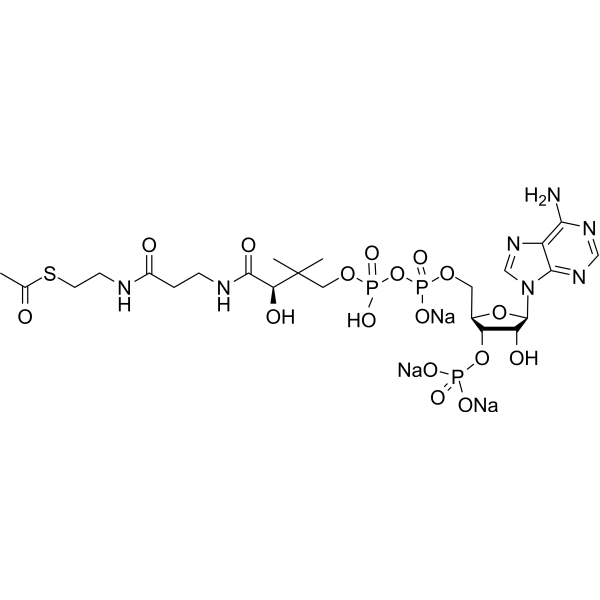
  • HY-113596
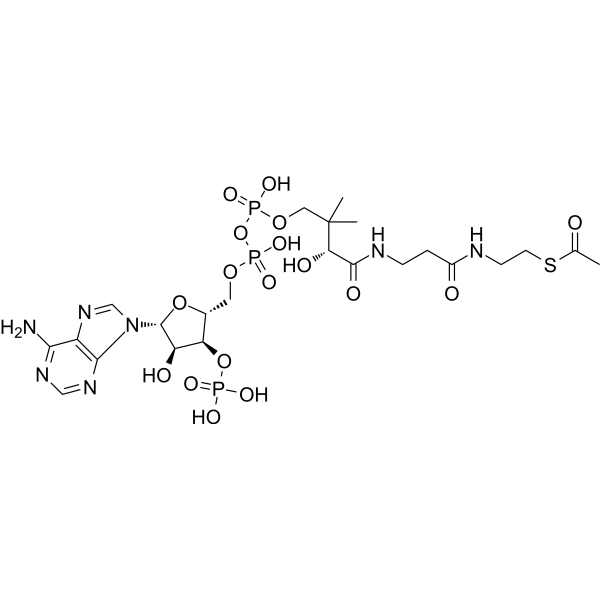
    Acetyl Coenzyme A trisodium
    4 Publications Verification

    acetyl-CoA trisodium

    Oxidative Phosphorylation Endogenous Metabolite Autophagy Metabolic Disease
    Acetyl-coenzyme A (Acetyl-CoA) trisodium is a membrane-impermeant central metabolic intermediate, participates in the TCA cycle and oxidative phosphorylation metabolism. Acetyl-coenzyme A trisodium, regulates various cellular mechanisms by providing (sole donor) acetyl groups to target amino acid residues for post-translational acetylation reactions of proteins. Acetyl Coenzyme A trisodium is also a key precursor of lipid synthesis .
    Acetyl Coenzyme A trisodium
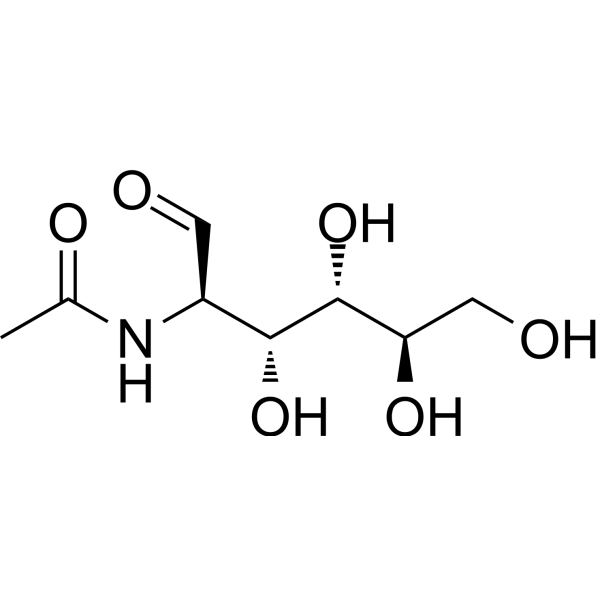
  • HY-A0132
    N-Acetyl-D-glucosamine
    2 Publications Verification

    N-acetyl-2-amino-2-deoxy-D-glucose

    Endogenous Metabolite Drug Derivative Drug Isomer Interleukin Related Metabolic Disease Inflammation/Immunology Cancer
    N-Acetyl-D-Glucosamine (N-Acetyl-2-amino-2-deoxy-D-glucose), the D isomer of N-acetylglucosamine, is an orally active monosaccharide derivative of glucose with anti-tumor and anti-inflammation properties. N-Acetyl-D-Glucosamine is also a bacterial metabolite, which is found in Escherichia coli. N-Acetyl-D-Glucosamine can induce yeast-mycelial conversion in Candida albicans. N-Acetyl-D-Glucosamine also enhances healing of cartilaginous injuries in rabbits .
    N-Acetyl-D-glucosamine
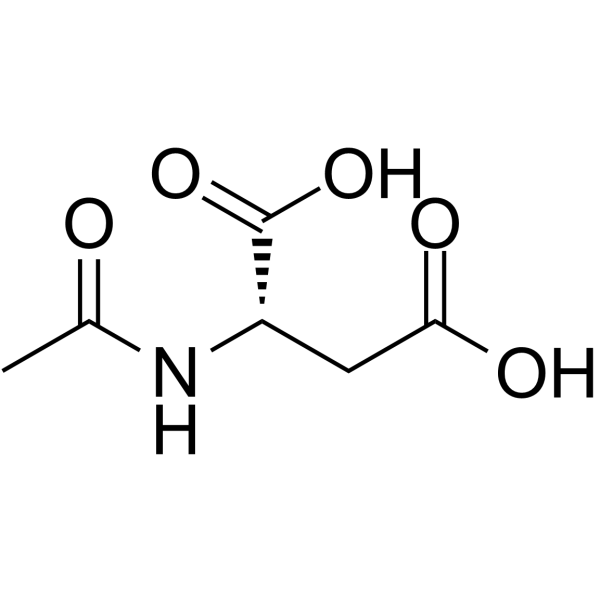
  • HY-113524
    N-Acetyl-L-aspartic acid
    1 Publications Verification

    Endogenous Metabolite Neurological Disease
    N-Acetyl-L-aspartic acid is a derivative of Aspartic acid (HY-N0666) and endogenous compound. N-Acetyl-L-aspartic acid acts as an acetyl donor. N-Acetyl-L-aspartic acid is involved in brain metabolism. N-Acetyl-L-aspartic acid is used in the research of neurodegenerative diseases (such as Canavan disease) .
    N-Acetyl-L-aspartic acid
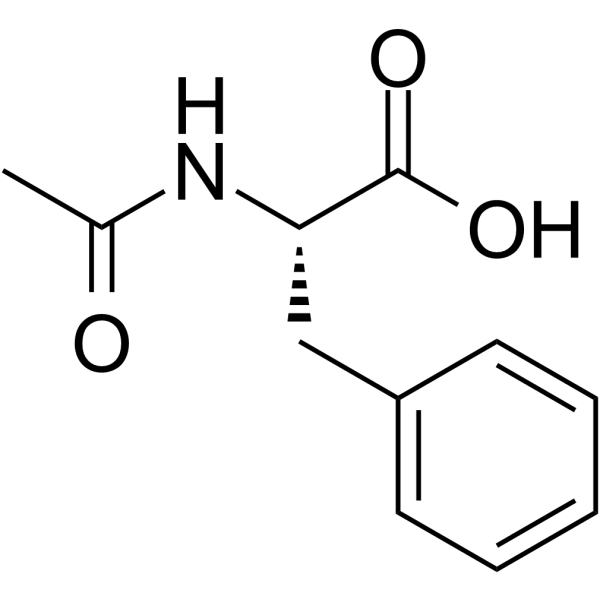
  • HY-Y0068
    N-Acetyl-L-phenylalanine
    1 Publications Verification

    N-acetylphenylalanine

    Endogenous Metabolite Endocrinology
    N-Acetyl-L-phenylalanine (N-Acetylphenylalanine) is a principal acylamino acid. N-Acetyl-L-phenylalanine can be synthesized from L-phenylalanine and acetyl-CoA. N-Acetyl-L-phenylalanine can be used in kidney research .
    N-Acetyl-L-phenylalanine
  • HY-B0762
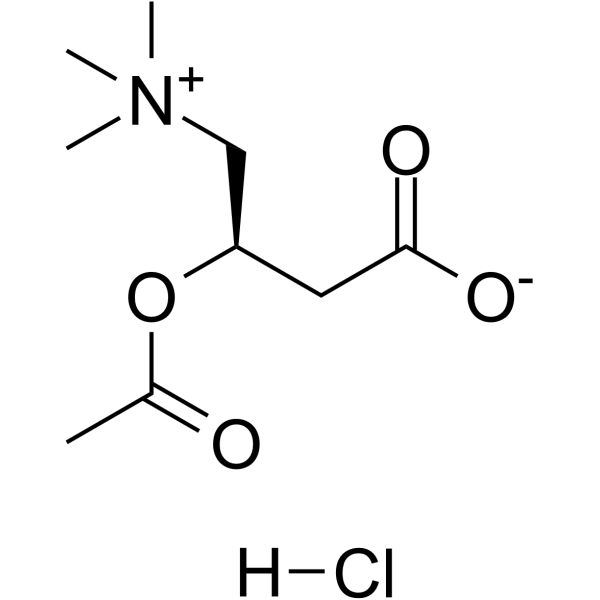
    Acetyl-L-carnitine hydrochloride
    2 Publications Verification

    O-acetyl-L-carnitine hydrochloride; ALCAR hydrochloride

    Caspase Apoptosis Neurological Disease
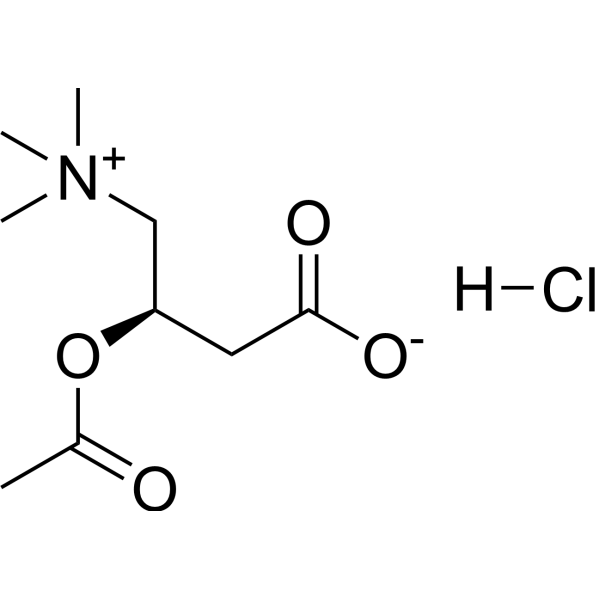
    Acetyl-L-carnitine (O-Acetyl-L-carnitine; ALCAR) hydrochloride is an orally active mitochondrial energy metabolism regulator and neuroprotectant that can penetrate the blood-brain barrier. Acetyl-L-carnitine hydrochloride selectively enters cells and the brain through the organic cation transporter OCTN2. Acetyl-L-carnitine hydrochloride can participate in fatty acid β-oxidation, promote acetylcholine synthesis, regulate mitochondrial function and inhibit oxidative stress as an acetyl donor. Acetyl-L-carnitine hydrochloride exerts its activity by enhancing energy metabolism, protecting neurons and improving synaptic plasticity. Acetyl-L-carnitine hydrochloride is mainly used in the study of neurodegenerative diseases and metabolic disorder-related diseases such as neonatal hypoxic-ischemic brain damage, Alzheimer's disease, and depression .
    Acetyl-L-carnitine hydrochloride
  • HY-113218
    Acetyl-L-carnitine
    2 Publications Verification

    O-acetyl-L-carnitine; ALCAR

    Caspase Apoptosis Neurological Disease
    Acetyl-L-carnitine (O-Acetyl-L-carnitine; ALCAR) is an orally active mitochondrial energy metabolism regulator and neuroprotectant that can penetrate the blood-brain barrier. Acetyl-L-carnitine selectively enters cells and the brain through the organic cation transporter OCTN2. Acetyl-L-carnitine can participate in fatty acid β-oxidation, promote acetylcholine synthesis, regulate mitochondrial function and inhibit oxidative stress as an acetyl donor. Acetyl-L-carnitine exerts its activity by enhancing energy metabolism, protecting neurons and improving synaptic plasticity. Acetyl-L-carnitine is mainly used in the study of neurodegenerative diseases and metabolic disorder-related diseases such as neonatal hypoxic-ischemic brain damage, Alzheimer's disease, and depression .
    Acetyl-L-carnitine
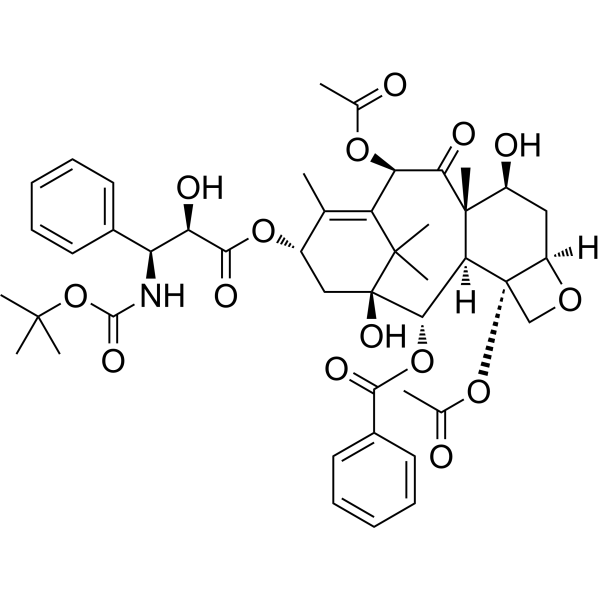
  • HY-B0018
    10-Acetyl docetaxel
    2 Publications Verification

    PNU-101383

    ADC Payload Cancer
    10-Acetyl docetaxel (PNU-101383) is an analog of Docetaxel (HY-B0011), with anticancer activity. 10-Acetyl docetaxel is a microtubule disassembly inhibitor, with antimitotic activity .
    10-Acetyl docetaxel
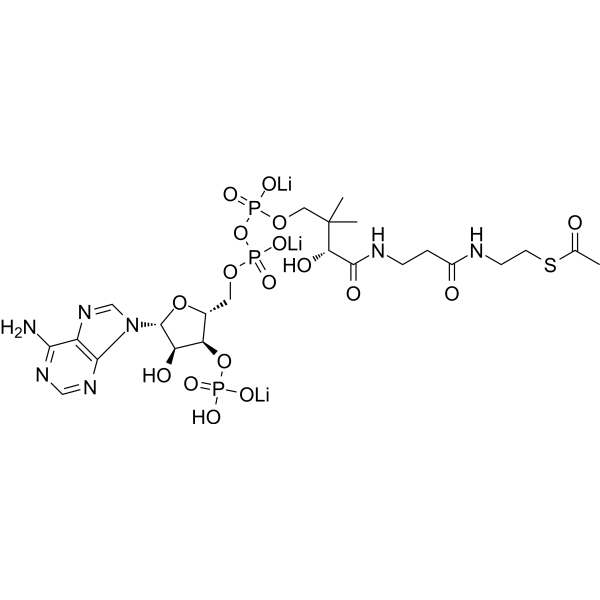
  • HY-114293A

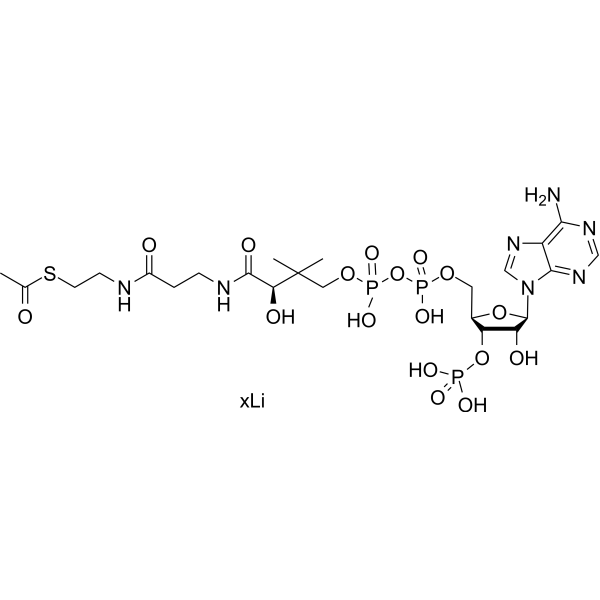
    acetyl-CoA trilithium

    Oxidative Phosphorylation Endogenous Metabolite Autophagy Cardiovascular Disease Metabolic Disease
    Acetyl-coenzyme A (Acetyl-CoA) trilithium is a membrane-impermeant central metabolic intermediate, participates in the TCA cycle and oxidative phosphorylation metabolism. Acetyl-coenzyme A trilithium regulates various cellular mechanisms by providing (sole donor) acetyl groups to target amino acid residues for post-translational acetylation reactions of proteins. Acetyl Coenzyme A trilithium is also a key precursor of lipid synthesis .
    Acetyl coenzyme A trilithium
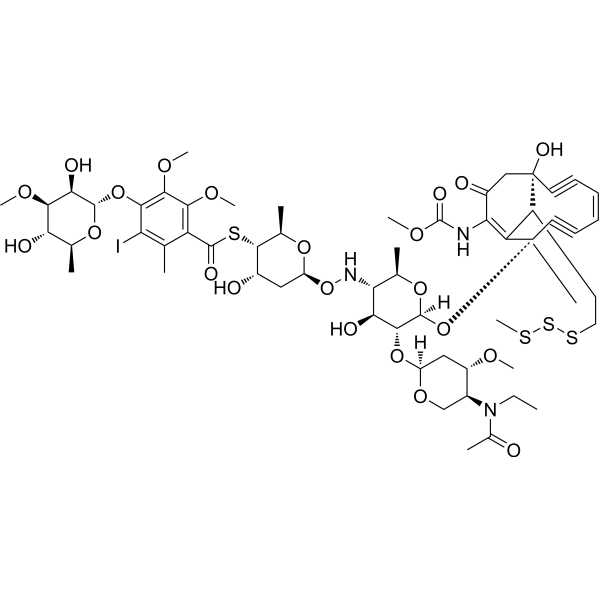
  • HY-19791

    N-acetyl-Calicheamicin γ; N-acetyl-γ-calicheamicin

    ADC Payload DNA/RNA Synthesis Antibiotic Bacterial Infection Cancer
    N-Acetyl-Calicheamicin (N-Acetyl-Calicheamicin γ), an enediyne anti-tumor antibiotic, is an ADC cytotoxin. N-Acetyl-Calicheamicin can induce DNA damage, and can be used in the synthesis of ADC .
    N-Acetyl-Calicheamicin
  • HY-114293

    acetyl-CoA

    Oxidative Phosphorylation Endogenous Metabolite Autophagy Cardiovascular Disease Metabolic Disease
    Acetyl-coenzyme A (Acetyl-CoA) is a membrane-impermeant central metabolic intermediate, participates in the TCA cycle and oxidative phosphorylation metabolism. Acetyl-coenzyme A, regulates various cellular mechanisms by providing (sole donor) acetyl groups to target amino acid residues for post-translational acetylation reactions of proteins. Acetyl Coenzyme A is also a key precursor of lipid synthesis .
    Acetyl coenzyme A
  • HY-B0762S

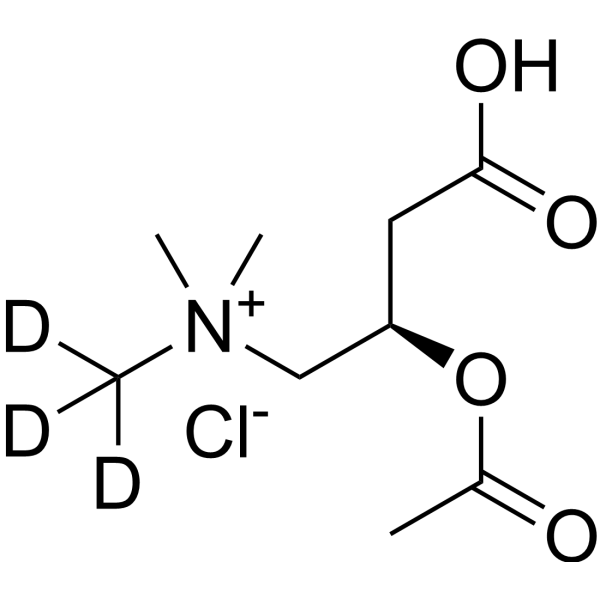
    O-acetyl-L-carnitine-d3 hydrochloride

    Isotope-Labeled Compounds Caspase Apoptosis Neurological Disease
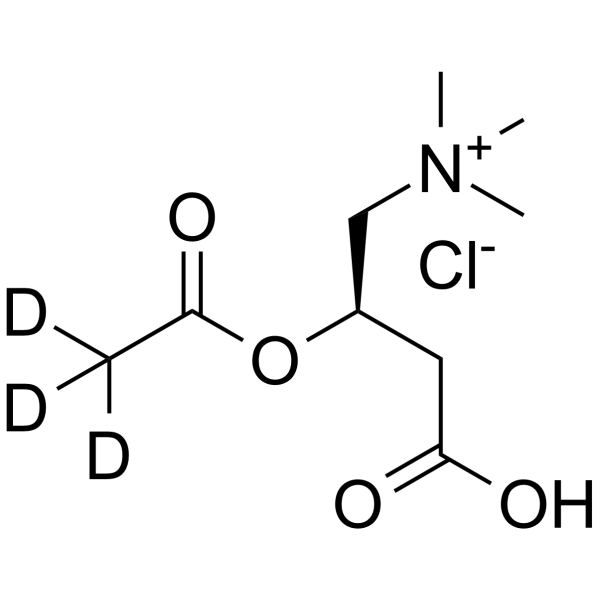
    Acetyl-L-carnitine-d3 (O-Acetyl-L-carnitine-d3) hydrochloride is the deuterium labeled Acetyl-L-carnitine hydrochloride (HY-B0762). Acetyl-L-carnitine (O-Acetyl-L-carnitine; ALCAR) hydrochloride is an orally active mitochondrial energy metabolism regulator and neuroprotectant that can penetrate the blood-brain barrier. Acetyl-L-carnitine hydrochloride selectively enters cells and the brain through the organic cation transporter OCTN2. Acetyl-L-carnitine hydrochloride can participate in fatty acid β-oxidation, promote acetylcholine synthesis, regulate mitochondrial function and inhibit oxidative stress as an acetyl donor. Acetyl-L-carnitine hydrochloride exerts its activity by enhancing energy metabolism, protecting neurons and improving synaptic plasticity. Acetyl-L-carnitine hydrochloride is mainly used in the study of neurodegenerative diseases and metabolic disorder-related diseases such as neonatal hypoxic-ischemic brain damage, Alzheimer's disease, and depression .
    Acetyl-L-carnitine-d3 hydrochloride
  • HY-113596A
    Acetyl coenzyme A lithium
    4 Publications Verification

    acetyl-CoA lithium

    Oxidative Phosphorylation Endogenous Metabolite Autophagy Cardiovascular Disease Metabolic Disease
    Acetyl-coenzyme A (Acetyl-CoA) lithium is a membrane-impermeant central metabolic intermediate, participates in the TCA cycle and oxidative phosphorylation metabolism. Acetyl-coenzyme A lithium, regulates various cellular mechanisms by providing (sole donor) acetyl groups to target amino acid residues for post-translational acetylation reactions of proteins. Acetyl Coenzyme A lithium is also a key precursor of lipid synthesis .
    Acetyl coenzyme A lithium
  • HY-W129161

    Amino Acid Derivatives Metabolic Disease
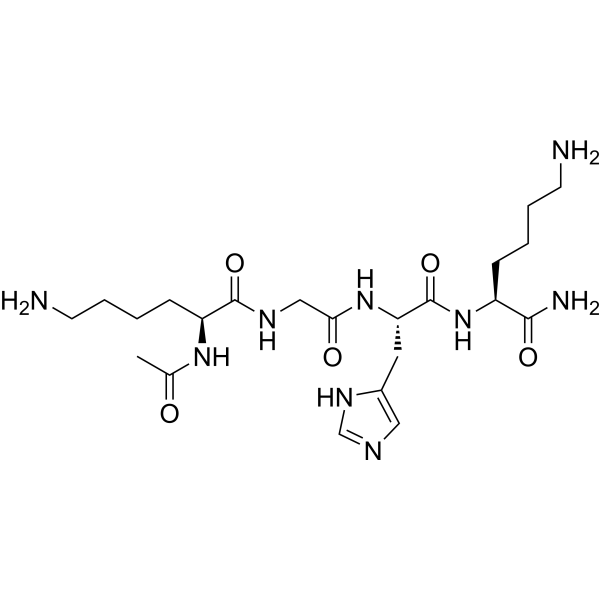
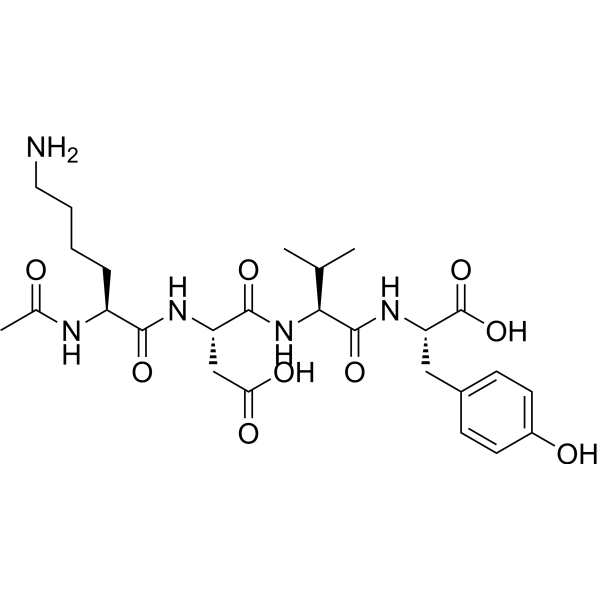
    Acetyl tetrapeptide-3 is a synthetic peptide. Acetyl tetrapeptide-3 enhances the adhesion of hair follicles to the scalp but also promotes the development of new hair follicles. Acetyl tetrapeptide-3 stimulates the synthesis of collagen III in hair follicles. Acetyl tetrapeptide-3 combined with Biochanin A (HY-14595) and ginseng extracts, can stimulate dermal papilla extracellular matrix (ECM) proteins by increasing hydroxyproline, Collagen Type 3, and laminin, yielding a significant improvement in hair follicle size and hair anchoring .
    Acetyl tetrapeptide-3
  • HY-66008

    N-acetyl-5-aminosalicylic acid; N-acetyl-ASA

    Drug Metabolite Inflammation/Immunology Cancer
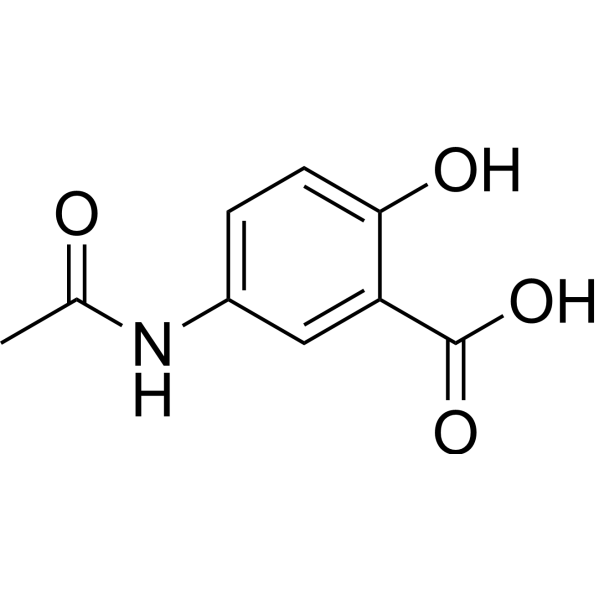
    N-Acetyl mesalazine (N-Acetyl-5-aminosalicylic acid) is the primary intestinal metabolite of 5-Aminosalicylic Acid (HY-15027) and serves as a biomarker for evaluating the efficacy of 5-Aminosalicylic Acid (HY-15027). N-Acetyl mesalazine can scavenge free radicals, reduce DNA base hydroxylation, and ameliorate mucosal inflammation. N-Acetyl mesalazine can be used in the study of diseases such as colitis and colon cancer .
    N-Acetyl mesalazine
  • HY-75279

    N-acetyl-Neuraminic acid (Sialic acid)

    Drug Derivative Others
    N-Acetyl-β-neuraminic acid methyl ester (N-Acetyl-Neuraminic acid (Sialic acid)) is an ester compound .
    N-Acetyl-β-neuraminic acid methyl ester
  • HY-P2161B
    TAK-683 acetate
    4 Publications Verification

    Kisspeptin Receptor Cancer
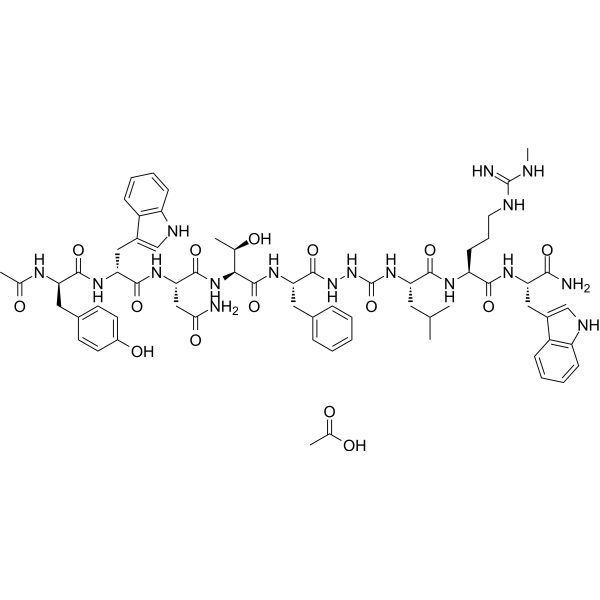
    TAK-683 acetate is a potent full KISS1 receptor (KISS1R) agonist (IC50=170 pM) with improved metabolic stability. TAK-683 acetate is a nonapeptide metastin analog, exhibits agonistic activities to KISS1R with EC50 values of 0.96 nM and 1.6 nM for human and rat, respectively . TAK-683 acetate depletes GnRH in the hypothalamus and reduces plasma FSH, LH, and testosterone levels in vivo, it has the potential for the study of hormone-dependent prostate cancer .
    TAK-683 acetate
  • HY-Y1080

    N-acetyl-D-leucine

    Amino Acid Derivatives Monocarboxylate Transporter Endocrinology
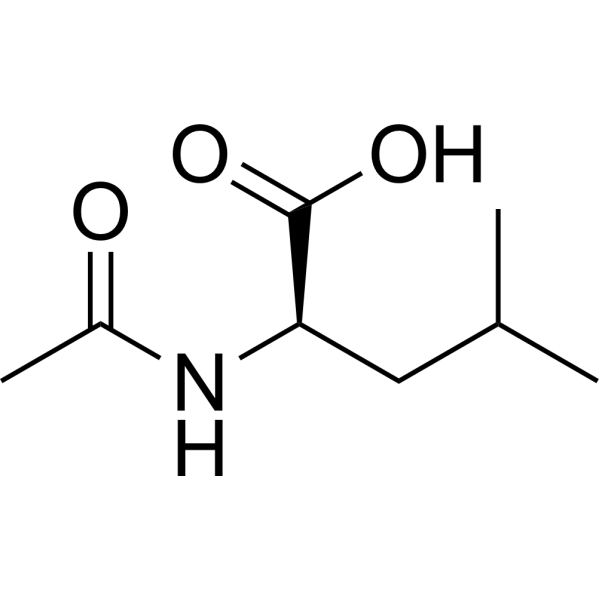
    N-Acetyl-R-leucine is an amino-protecting group N-substituted chiral amino acid. N-Acetyl-R-leucine is a PepT1 and MCT1 inhibitor with IC50 of 0.74 and 11 mM, respectively. N-Acetyl-R-leucine can be used for LysoTracker signaling studies .
    N-Acetyl-R-leucine
  • HY-114293S

    acetyl-CoA-13C2 lithium

    Isotope-Labeled Compounds Endogenous Metabolite Autophagy Oxidative Phosphorylation Metabolic Disease
    Acetyl coenzyme A- 13C2 lithium is the 13C-labeled Acetyl coenzyme A (HY-114293). Acetyl-coenzyme A (Acetyl-CoA) is a membrane-impermeant central metabolic intermediate, participates in the TCA cycle and oxidative phosphorylation metabolism. Acetyl-coenzyme A, regulates various cellular mechanisms by providing (sole donor) acetyl groups to target amino acid residues for post-translational acetylation reactions of proteins. Acetyl Coenzyme A is also a key precursor of lipid synthesis .
    Acetyl coenzyme A-13C2 lithium
  • HY-P2663

    TNF Receptor Metabolic Disease
    Acetyl tetrapeptide-2 is a bio-active peptide that exhibits anti-aging activity. Acetyl tetrapeptide-2 can reduce loss of thymic factors. Acetyl tetrapeptide-2 can increase the stiffness of HaCaT cells. Acetyl tetrapeptide-2 is a stimulator of structural skin elements including collagen and elastin .
    Acetyl tetrapeptide-2
  • HY-152117

    Acetyl-CoA Carboxylase Bacterial Infection
    Acetyl-CoA Carboxylase-IN-1 is a potent acetyl-CoA carboxylase (ACC) inhibitor with an IC50 value of <5 nM. Acetyl-CoA Carboxylase-IN-1 has antibacterial activity .
    Acetyl-CoA Carboxylase-IN-1
  • HY-P5544

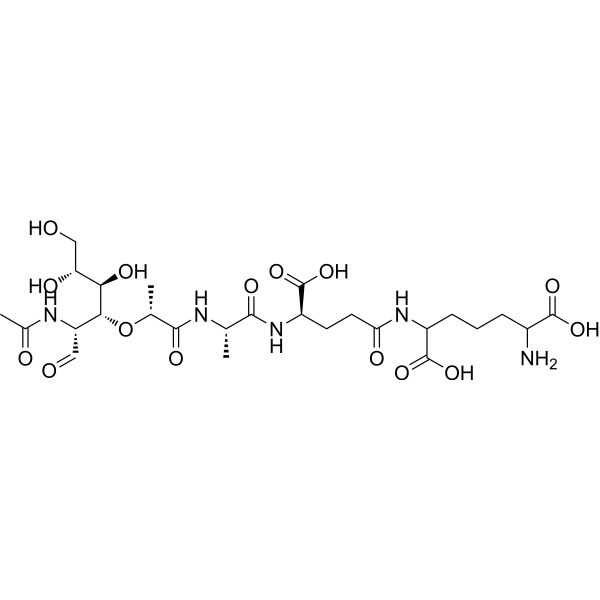
    N-acetylmuramyl-L-Ala-γ-D-Glu-meso-diaminopimelic acid

    NOD-like Receptor (NLR) Others
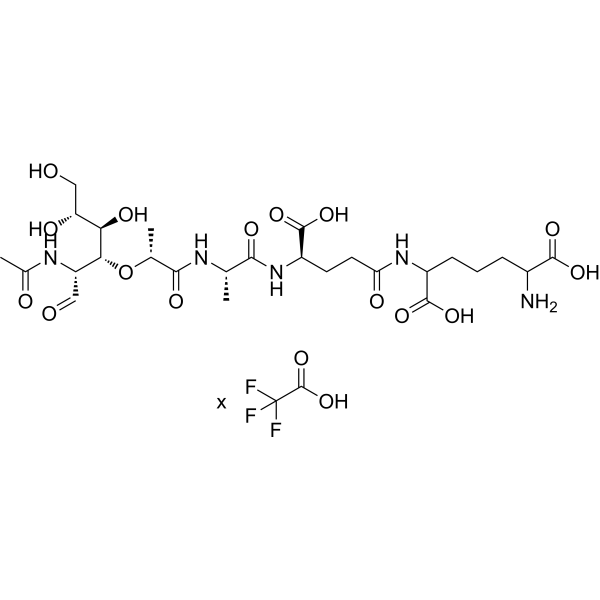
    M-TriDAP (N-Acetylmuramyl-L-Ala-γ-D-Glu-meso-diaminopimelic acid) is a NOD1/2 agoist and biological active peptide .
    M-TriDAP
  • HY-114293S5

    acetyl-CoA-d3

    Isotope-Labeled Compounds Oxidative Phosphorylation Endogenous Metabolite Autophagy Cardiovascular Disease Metabolic Disease
    Acetyl coenzyme A-d3 (Acetyl-CoA-d3) is the deuterium labeled Acetyl coenzyme A (HY-114293). Acetyl-coenzyme A (Acetyl-CoA) is a membrane-impermeant central metabolic intermediate, participates in the TCA cycle and oxidative phosphorylation metabolism. Acetyl-coenzyme A, regulates various cellular mechanisms by providing (sole donor) acetyl groups to target amino acid residues for post-translational acetylation reactions of proteins. Acetyl Coenzyme A is also a key precursor of lipid synthesis .
    Acetyl coenzyme A-d3
  • HY-W588263

    IAGlu

    Drug Derivative Others
    Indole-3-acetyl glutamate (IAGlu) is a derivative of the plant hormone indole-3-acetic acid (IAA). As a conjugated form of IAA, Indole-3-acetyl glutamate involves in the transport, storage, and homeostatic regulation of IAA within the plant. Indole-3-acetyl glutamate can be used for research into the effects of plant hormones on the growth and development of plants .
    Indole-3-acetyl glutamate
  • HY-113524S

    Isotope-Labeled Compounds Endogenous Metabolite Neurological Disease
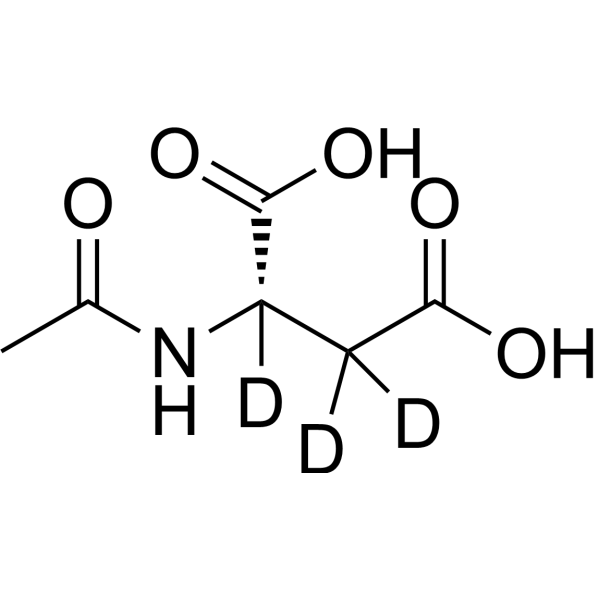
    N-Acetyl-L-aspartic acid-d3 is the deuterium labeled N-Acetyl-L-aspartic acid (HY-113524). N-Acetyl-L-aspartic acid is a derivative of Aspartic acid (HY-N0666) and endogenous compound. N-Acetyl-L-aspartic acid acts as an acetyl donor. N-Acetyl-L-aspartic acid is involved in brain metabolism. N-Acetyl-L-aspartic acid is used in the research of neurodegenerative diseases (such as Canavan disease) .
    N-Acetyl-L-aspartic acid-d3
  • HY-113524R

    Reference Standards Endogenous Metabolite Neurological Disease
    N-Acetyl-L-aspartic acid (Standard) is the analytical standard of N-Acetyl-L-aspartic acid (HY-113524). This product is intended for research and analytical applications. N-Acetyl-L-aspartic acid is a derivative of Aspartic acid (HY-N0666) and endogenous compound. N-Acetyl-L-aspartic acid acts as an acetyl donor. N-Acetyl-L-aspartic acid is involved in brain metabolism. N-Acetyl-L-aspartic acid is used in the research of neurodegenerative diseases (such as Canavan disease) .
    N-Acetyl-L-aspartic acid (Standard)
  • HY-B0762S1

    O-acetyl-L-carnitine-d3-1 hydrochloride

    Isotope-Labeled Compounds Caspase Apoptosis Neurological Disease
    Acetyl-L-carnitine-d3-1 (O-Acetyl-L-carnitine-d3-1) hydrochloride is the deuterium labeled Acetyl-L-carnitine hydrochloride (HY-B0762). Acetyl-L-carnitine (O-Acetyl-L-carnitine; ALCAR) hydrochloride is an orally active mitochondrial energy metabolism regulator and neuroprotectant that can penetrate the blood-brain barrier. Acetyl-L-carnitine hydrochloride selectively enters cells and the brain through the organic cation transporter OCTN2. Acetyl-L-carnitine hydrochloride can participate in fatty acid β-oxidation, promote acetylcholine synthesis, regulate mitochondrial function and inhibit oxidative stress as an acetyl donor. Acetyl-L-carnitine hydrochloride exerts its activity by enhancing energy metabolism, protecting neurons and improving synaptic plasticity. Acetyl-L-carnitine hydrochloride is mainly used in the study of neurodegenerative diseases and metabolic disorder-related diseases such as neonatal hypoxic-ischemic brain damage, Alzheimer's disease, and depression .
    Acetyl-L-carnitine-d3-1 hydrochloride
  • HY-P2827

    ACS

    Acetyl-CoA synthetase Cancer
    Acetyl-CoA synthetase (ACS) is a key enzyme that catalyzes the conversion of acetate to acetyl-CoA (Ac-CoA). Acetyl-CoA synthetase catalyzes the formation of thioester bonds between coenzyme A and carboxylic acids, while simultaneously hydrolyzing ATP into AMP and pyrophosphate .
    Acetyl-CoA synthetase
  • HY-W002593

    Biochemical Assay Reagents Others
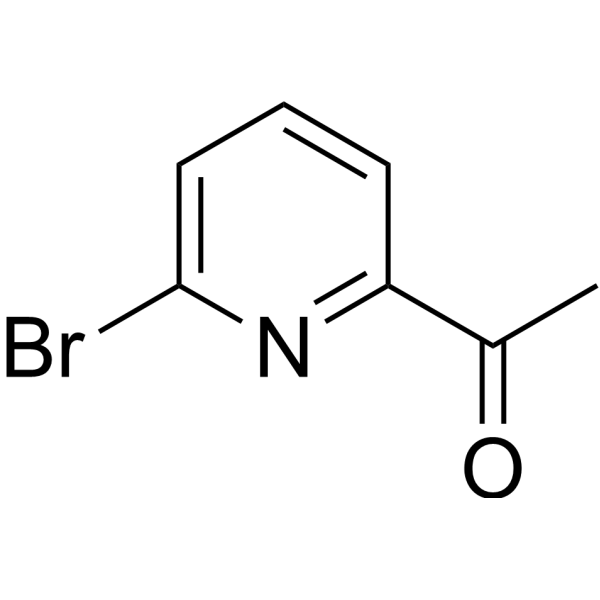
    2-Acetyl-6-bromopyridine is a biochemical reagent that can be used as a biological material or organic compound for life science related research. 2-Acetyl-6-bromopyridine can be used to synthesize Schiff bases containing cycloalkyl substituents .
    2-Acetyl-6-bromopyridine
  • HY-P0033A

    acetyl hexapeptide-3 acetate; acetyl hexapeptide-8 acetate

    Calcium Channel Neurological Disease
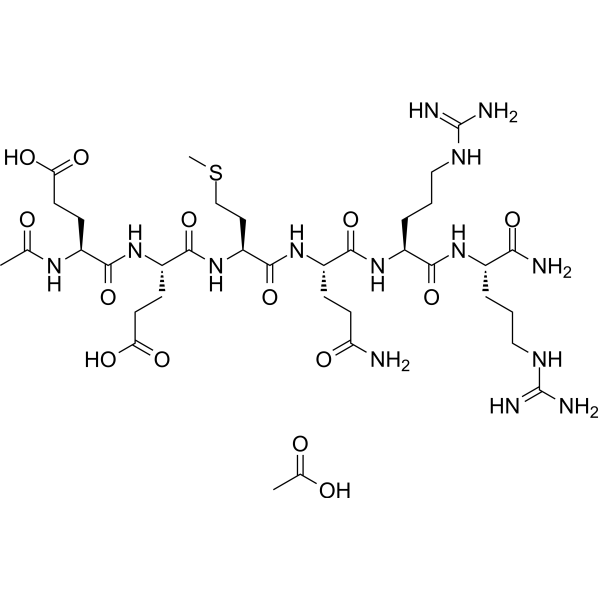
    Argireline acetate (Acetyl hexapeptide-3 acetate) is a non-toxic, skin-permeable, antiwrinkle peptide. Argireline acetate significantly inhibits Ca 2+ dependent neurotransmitter release (acetylcholine) at the neuromuscular junction. Argireline acetate has antiwrinkle and anti-aging activity .
    Argireline acetate
  • HY-N13278

    2-acetyl-2-decarboxamidooxytetracycline

    Antibiotic Others
    2-Acetyl-2-decarboxamidotetracycline (2-Acetyl-2-decarboxamidooxytetracycline) is an antibiotic of the tetracycline type. 2-Acetyl-2-decarboxamidotetracycline shows an ultraviolet absorption spectrum which is identical with that of tetracycline or of 5-oxytetracycline above 300 mμ, a region characteristic of the BCD-ring system .
    2-Acetyl-2-decarboxamidotetracycline
  • HY-P2161

    Kisspeptin Receptor Cancer
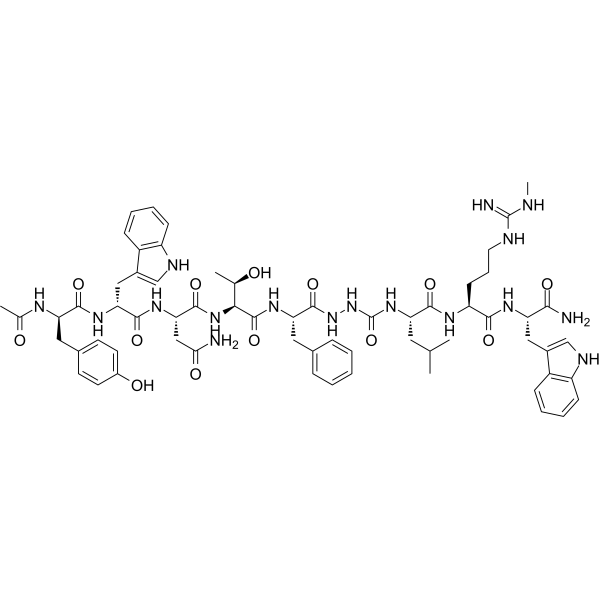
    TAK-683 is a potent full KISS1 receptor (KISS1R) agonist (IC50=170 pM) with improved metabolic stability. TAK-683 is a nonapeptide metastin analog, exhibits agonistic activities to KISS1R with EC50 values of 0.96 nM and 1.6 nM for human and rat, respectively . TAK-683 depletes GnRH in the hypothalamus and reduces plasma FSH, LH, and testosterone levels in vivo, it has the potential for the study of hormone-dependent prostate cancer .
    TAK-683
  • HY-W140869

    Drug Derivative Others
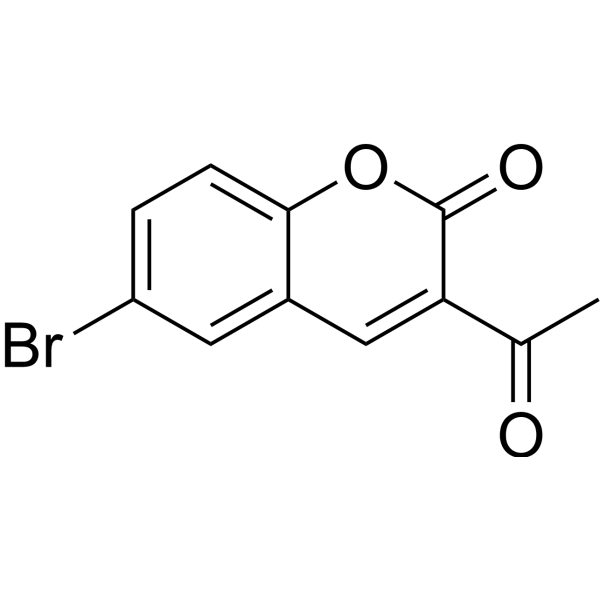
    3-Acetyl-6-bromocoumarin is a coumarin. 3-Acetyl-6-bromocoumarin exhibites potent antioxidant activity at 56% .
    3-Acetyl-6-bromocoumarin
  • HY-W039157

    Endogenous Metabolite Metabolic Disease
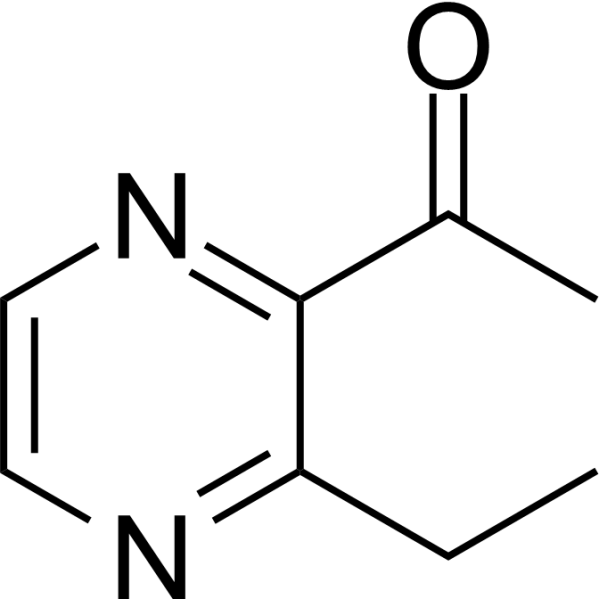
    2-Acetyl-3-ethylpyrazine is an endogenous metabolite.
    2-Acetyl-3-ethylpyrazine
  • HY-W012813

    Bacterial Infection
    2-Acetyl-5-methylfuran is a growth inhibitor of Mycobacterium tuberculosis, exhibiting an in vitro anti-tubercular activity with an MIC of 322.58 μM. 2-Acetyl-5-methylfuran demonstrates high safety and can be used for research related to tuberculosis .
    2-Acetyl-5-methylfuran
  • HY-50719S1

    Isotope-Labeled Compounds Others
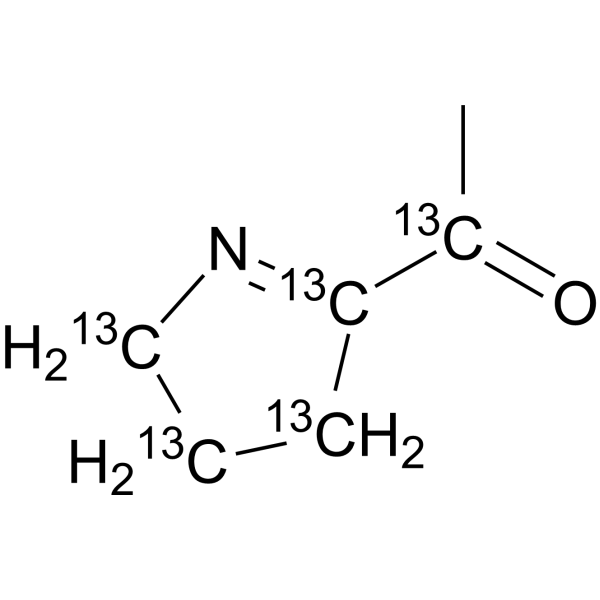
    2-Acetyl-1-pyrroline- 13C5 is 13C labeled 2-Acetyl-1-pyrroline.
    2-Acetyl-1-pyrroline-13C5
  • HY-W095147

    Drug Derivative Others
    2-Acetyl-1-naphthol (compound 32) is a naphthol derivative with no HDAC inhibitor activity .
    2-Acetyl-1-naphthol
  • HY-P5544A

    N-acetylmuramyl-L-Ala-γ-D-Glu-meso-diaminopimelic acid TFA

    NOD-like Receptor (NLR) Others
    M-TriDAP (N-Acetylmuramyl-L-Ala-γ-D-Glu-meso-diaminopimelic acid) TFA is a NOD1/2 agoist and biological active peptide .
    M-TriDAP TFA
  • HY-47351

    Nucleoside Antimetabolite/Analog Others
    N-Acetyl-2', 3'-Acetyl-Guanosine is a modified guanosine nucleoside.
    N-Acetyl-2',3'-acetyl-guanosine
  • HY-66008R

    N-acetyl-5-aminosalicylic acid (Standard); N-acetyl-ASA (Standard)

    Drug Metabolite Reference Standards Inflammation/Immunology Cancer
    N-Acetyl mesalazine (Standard) (N-Acetyl-5-aminosalicylic acid (Standard)) is the analytical standard of N-Acetyl mesalazine (HY-66008). This product is intended for research and analytical applications. N-Acetyl mesalazine (N-Acetyl-5-aminosalicylic acid) is the primary intestinal metabolite of 5-Aminosalicylic Acid (HY-15027) and serves as a biomarker for evaluating the efficacy of 5-Aminosalicylic Acid (HY-15027). N-Acetyl mesalazine can scavenge free radicals, reduce DNA base hydroxylation, and ameliorate mucosal inflammation. N-Acetyl mesalazine can be used in the study of diseases such as colitis and colon cancer .
    N-Acetyl mesalazine (Standard)
  • HY-CE00478

    S-(2-Methylenecyclopropyl)acetyl-CoA

    Biochemical Assay Reagents Metabolic Disease
    (Methylenecyclopropyl)acetyl-CoA (S-(2-Methylenecyclopropyl)acetyl-CoA) is a coenzyme A derivative.
    (Methylenecyclopropyl)acetyl-CoA
  • HY-P2161A

    Kisspeptin Receptor Cancer
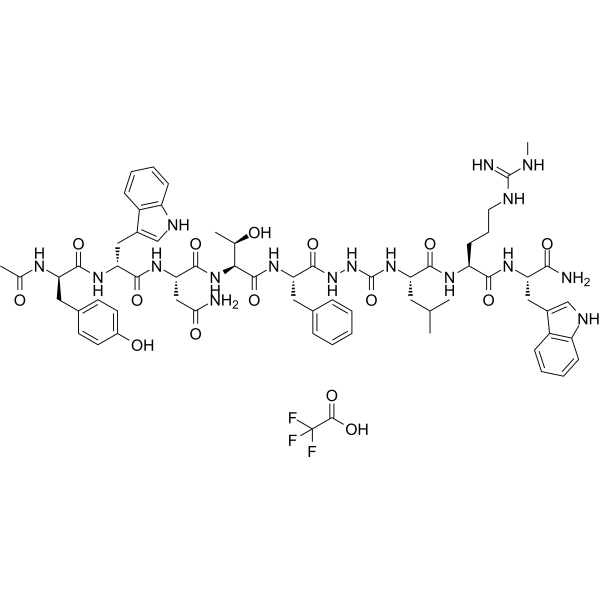
    TAK-683 TFA is a potent full KISS1 receptor (KISS1R) agonist (IC50=170 pM) with improved metabolic stability. TAK-683 TFA is a nonapeptide metastin analog, exhibits agonistic activities to KISS1R with EC50 values of 0.96 nM and 1.6 nM for human and rat, respectively . TAK-683 TFA depletes GnRH in the hypothalamus and reduces plasma FSH, LH, and testosterone levels in vivo, it has the potential for the study of hormone-dependent prostate cancer .
    TAK-683 TFA
  • HY-B0762R

    O-acetyl-L-carnitine hydrochloride (Standard); ALCAR hydrochloride (Standard)

    Endogenous Metabolite Caspase Reference Standards Apoptosis Neurological Disease
    Acetyl-L-carnitine hydrochloride (Standard) is the analytical standard of Acetyl-L-carnitine hydrochloride. This product is intended for research and analytical applications. Acetyl-L-carnitine (O-Acetyl-L-carnitine; ALCAR) hydrochloride is an orally active mitochondrial energy metabolism regulator and neuroprotectant that can penetrate the blood-brain barrier. Acetyl-L-carnitine hydrochloride selectively enters cells and the brain through the organic cation transporter OCTN2. Acetyl-L-carnitine hydrochloride can participate in fatty acid β-oxidation, promote acetylcholine synthesis, regulate mitochondrial function and inhibit oxidative stress as an acetyl donor. Acetyl-L-carnitine hydrochloride exerts its activity by enhancing energy metabolism, protecting neurons and improving synaptic plasticity. Acetyl-L-carnitine hydrochloride is mainly used in the study of neurodegenerative diseases and metabolic disorder-related diseases such as neonatal hypoxic-ischemic brain damage, Alzheimer's disease, and depression .
    Acetyl-L-carnitine hydrochloride (Standard)
  • HY-CE01576

    N-acetyl-L-glutamine-coenzyme A

    Biochemical Assay Reagents Metabolic Disease
    N-Acetyl-L-glutamine-CoA (N-Acetyl-L-glutamine-coenzyme A) is a coenzyme A derivative .
    N-Acetyl-L-glutamine-CoA
  • HY-138056

    Microtubule/Tubulin Others
    7-Acetyl paclitaxel is a microtubule depolymerization inhibitor which inhibits calcium-induced microtubule depolymerization. 7-Acetyl paclitaxel reduces the growth of J774.2 macrophages (IC50 ~ 60 nM) and increases the levels of nitric oxide (NO) and TNF in isolated mouse peritoneal macrophages .

    7-Acetyl paclitaxel
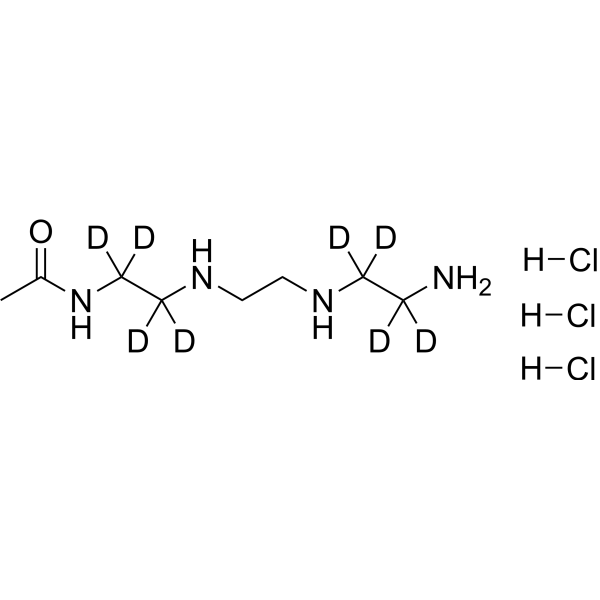
  • HY-144233S

    Isotope-Labeled Compounds Others
    N1-Acetyl triethylenetetramine-d8 (trihydrochloride) is the deuterium labeled N1-Acetyl triethylenetetramine trihydrochloride .
    N1-Acetyl triethylenetetramine-d8 trihydrochloride
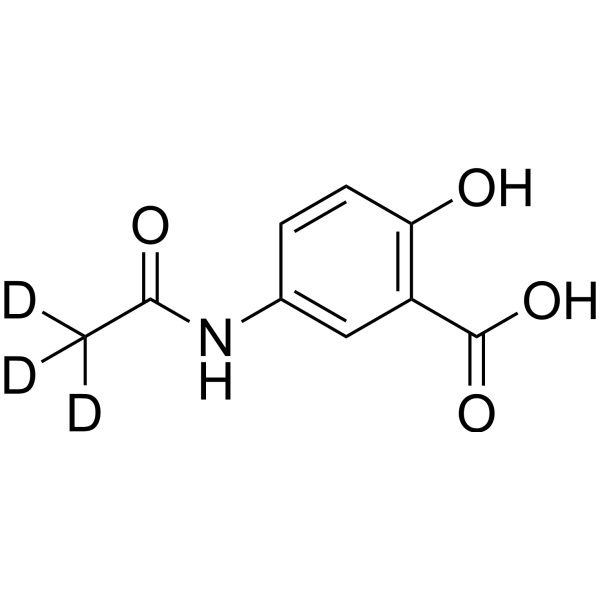
  • HY-66008S

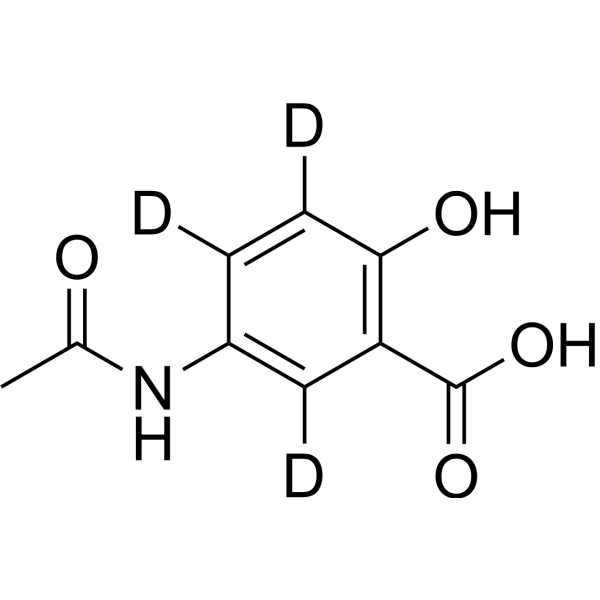
    N-acetyl-5-aminosalicylic acid-d3; N-acetyl-ASA-d3

    Isotope-Labeled Compounds Drug Metabolite Inflammation/Immunology Cancer
    N-Acetyl mesalazine-d3 (N-Acetyl-5-aminosalicylic acid-d3) is the deuterium labeled N-Acetyl mesalazine (HY-66008). N-Acetyl mesalazine (N-Acetyl-5-aminosalicylic acid) is the primary intestinal metabolite of 5-Aminosalicylic Acid (HY-15027) and serves as a biomarker for evaluating the efficacy of 5-Aminosalicylic Acid (HY-15027). N-Acetyl mesalazine can scavenge free radicals, reduce DNA base hydroxylation, and ameliorate mucosal inflammation. N-Acetyl mesalazine can be used in the study of diseases such as colitis and colon cancer .
    N-Acetyl mesalazine-d3
  • HY-W267205

    17β-HSD Endocrinology Cancer
    3-Acetyl-7-Hydroxycoumarin (Compound 2) is a high selective 17-beta-hydroxysteroid dehydrogenase type 1 (17β-HSD1) inhibitor. 3-Acetyl-7-Hydroxycoumarin shows a significant improvement of the inhibitory potency, with 57% inhibition of 17β-HSD1 at 6 μM. 3-Acetyl-7-Hydroxycoumarin is promising for research of hormone-dependent diseases, such as breast cancer and endometriosis .
    3-Acetyl-7-Hydroxycoumarin
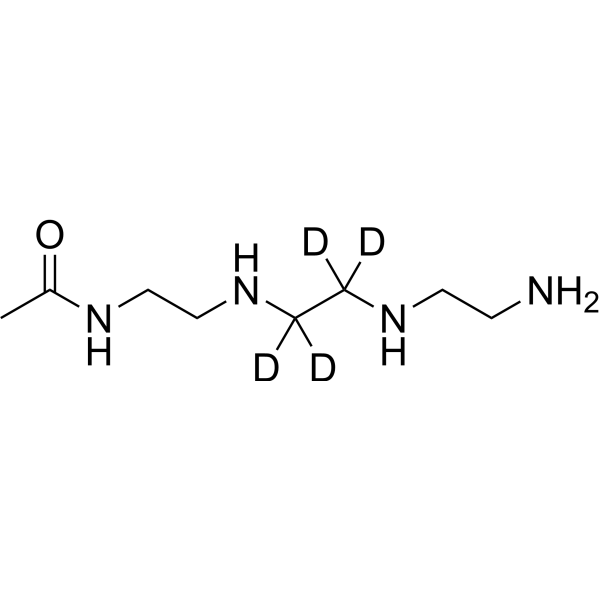
  • HY-W700539S

    Isotope-Labeled Compounds Others
    N1-Acetyl triethylenetetramine-d4 is deuterated N1-Acetyl triethylenetetramine and can be used as an internal standard in plasma extracts .
    N1-Acetyl triethylenetetramine-d4
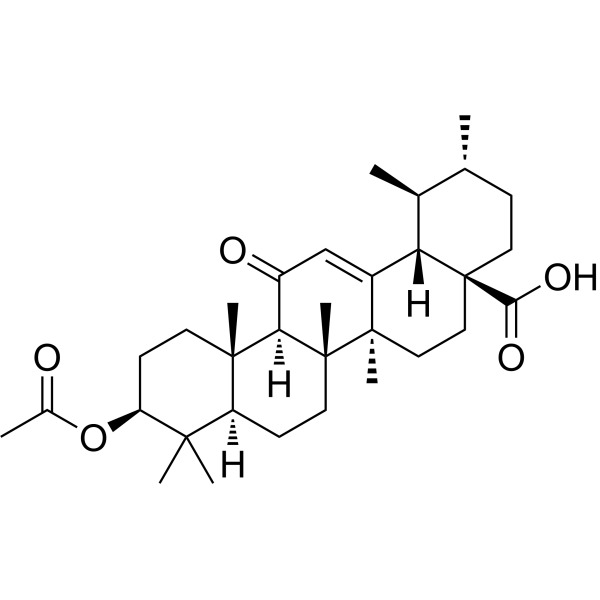
  • HY-N12161

    Others Metabolic Disease
    3-Acetyl-11-keto-ursolic acid (Compound 18) is a triterpenoid compound derived from Eriobotrya japonicaleaves. 3-Acetyl-11-keto-ursolic acid has 11B-hydroxysteroid dehydrogenase 1 (11b-HSD1) inhibitory activity. 3-Acetyl-11-keto-ursolic acid can be used for anti-diabetes research .
    3-Acetyl-11-keto-ursolic acid
  • HY-W011978R

    Reference Standards Endogenous Metabolite Metabolic Disease
    N-Acetyl-L-tryptophan (Standard) is the analytical standard of N-Acetyl-L-tryptophan. This product is intended for research and analytical applications. N-Acetyl-L-tryptophan is an endogenous metabolite.
    N-Acetyl-L-tryptophan (Standard)

Inquiry Online

Your information is safe with us. * Required Fields.

Salutation


Country or Region *

Applicant Name *


Organization Name *

Department *


Email Address *


Product Name *

Cat. No.


Requested quantity *

Phone Number *


Remarks

Inquiry Online

Inquiry Information

Product Name:
Cat. No.:
Quantity:
MCE Japan Authorized Agent: