1. Search Result
Search Result
Results for "

synuclein-

" in MedChemExpress (MCE) Product Catalog:

144

Inhibitors & Agonists

1

Screening Libraries

3

Fluorescent Dye

21

Peptides

2

Inhibitory Antibodies

30

Natural
Products

15

Recombinant Proteins

11

Isotope-Labeled Compounds

13

Antibodies

2

Oligonucleotides

Targets Recommended:
Cat. No. Product Name Target Research Areas Chemical Structure
  • HY-101855

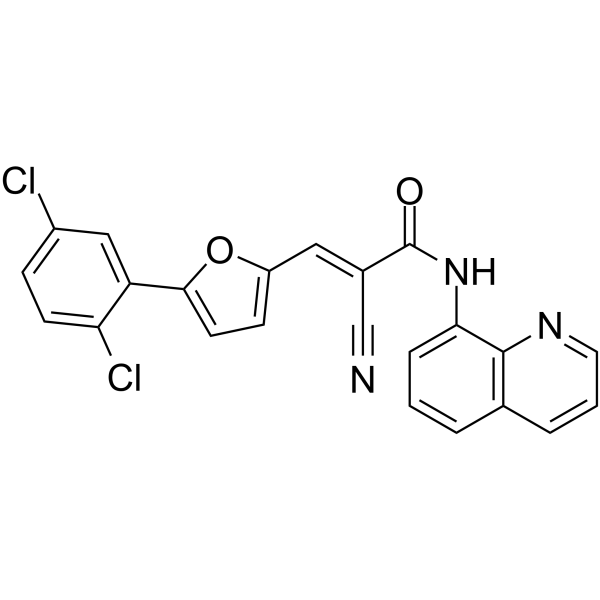
    Anle138b

    Amyloid-β Neurological Disease
    Emrusolmin (Anle138b), an oligomeric aggregation inhibitor, blocks the formation of pathological aggregates of prion protein (PrPSc) and of α-synuclein (α-syn). Emrusolmin strongly inhibits oligomer accumulation, neuronal degeneration, and disease progression in vivo. Emrusolmin has low toxicity and an excellent oral bioavailability and blood-brain-barrier penetration. Emrusolmin blocks Aβ channels and rescues disease phenotypes in a mouse model for amyloid pathology .
    Emrusolmin
  • HY-P99405

    PRX 002; RG 7935; RO 7046015

    α-synuclein Neurological Disease
    Prasinezumab (PRX 002) is a humanized IgG1 monoclonal antibody directed against aggregated α-synuclein. Prasinezumab has the potential for Parkinson's disease research .
    Prasinezumab
  • HY-121252

    α-synuclein Apoptosis Drug Metabolite Neurological Disease
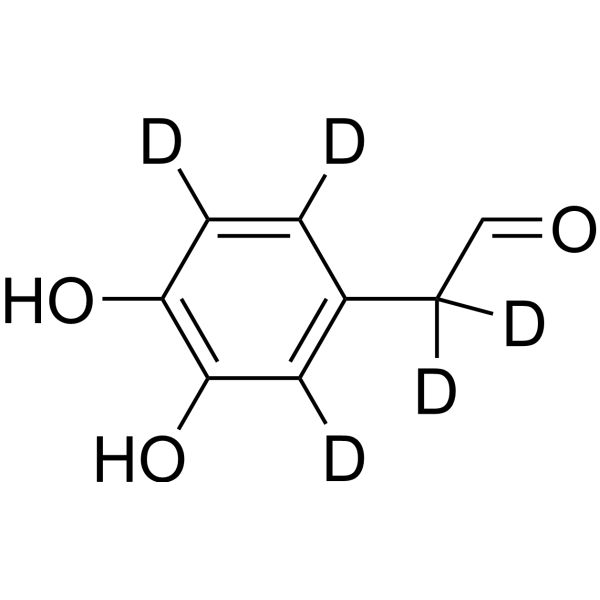
    Dopal is a metabolite and aldehyde neurotoxin of Dopamine (HY-B0451). Dopal exhibits cytotoxicity, induces α-synuclein oligomerization and aggregation, and is closely associated with the pathogenesis of Parkinson's disease. Dopal can be used in research related to Parkinson's disease .
    Dopal
  • HY-N1501
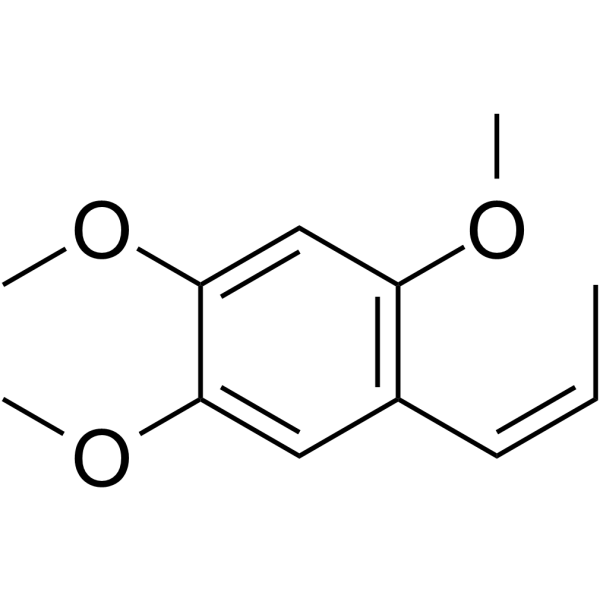
    Beta-asarone
    4 Publications Verification

    α-synuclein Cardiovascular Disease Neurological Disease Inflammation/Immunology
    Beta-asarone is an orally active and BBB-penetrable anti-inflammatory agent and neuroprotective agent, which is the major ingredient of Acorus tatarinowii Schott. Beta-asarone can protect nerve cells from apoptosis and autophagy, inhibit expression of α-synuclein, as well as myocardial protection. Beta-asarone can be used in the study of neurological and cardiovascular diseases .
    Beta-asarone
  • HY-107811
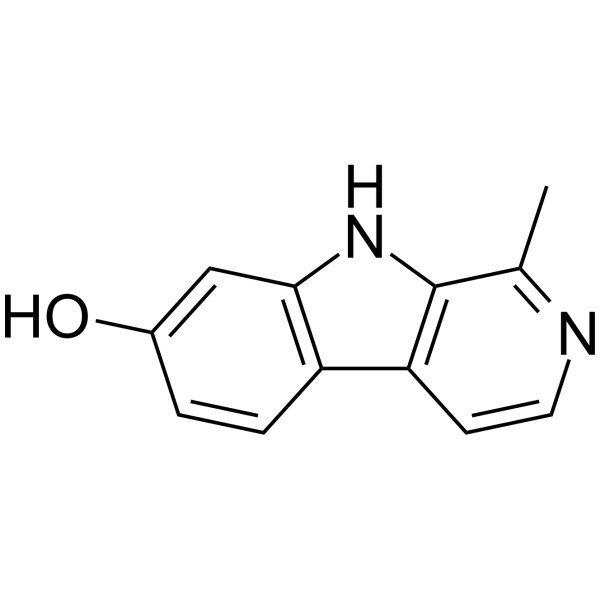
    Harmol
    1 Publications Verification

    Autophagy α-synuclein Apoptosis Monoamine Oxidase Mitosis Neurological Disease Cancer
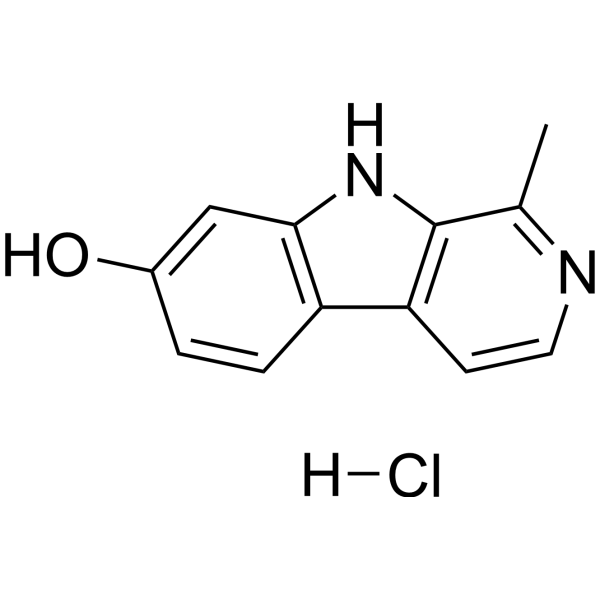
    Harmol is an orally active β-carboline alkaloid. Harmol is a TFEB activator and monoamine oxidase inhibitor. Harmol can induce cell mitosis, Autophagy and Apoptosis. Harmol promotes the degradation of α-synuclein by regulating the autophagy-lysosomal pathway. Harmol has anti-tumor, anti-depressant and anti-aging activities. Harmol improves motor impairment in a mouse Parkinson's disease model .
    Harmol
  • HY-160116

    Radionuclide-Drug Conjugates (RDCs) Fluorescent Dye α-synuclein Neurological Disease
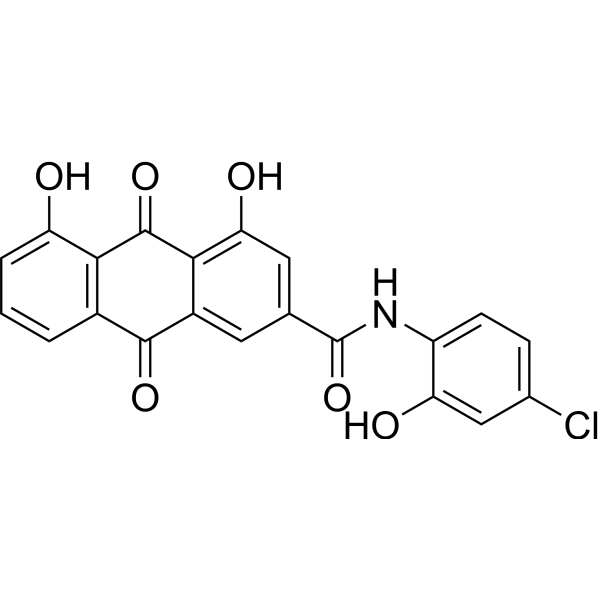
    α-Synuclein aggregate binder 1 (Compound C05-05) is a specific binder for α-synuclein aggregates and can inhibit α-synuclein aggregation. α-Synuclein aggregate binder 1 can be used as a fluorescent probe (excitation wavelength 900 nm, detection wavelength 500-550 nm) for optical imaging, and can also inhibit α-synuclein fibril formation by blocking the aggregation process. α-Synuclein aggregate binder 1 can be used for positron emission tomography (PET) imaging after being labeled with 18F. α-Synuclein aggregate binder 1 can be used for visual diagnosis of brain lesions and mechanism research of neurodegenerative diseases such as Parkinson's disease and Lewy body dementia .
    α-Synuclein aggregate binder 1
  • HY-N0743
    Senkyunolide A
    4 Publications Verification

    α-synuclein Neurological Disease Inflammation/Immunology Cancer
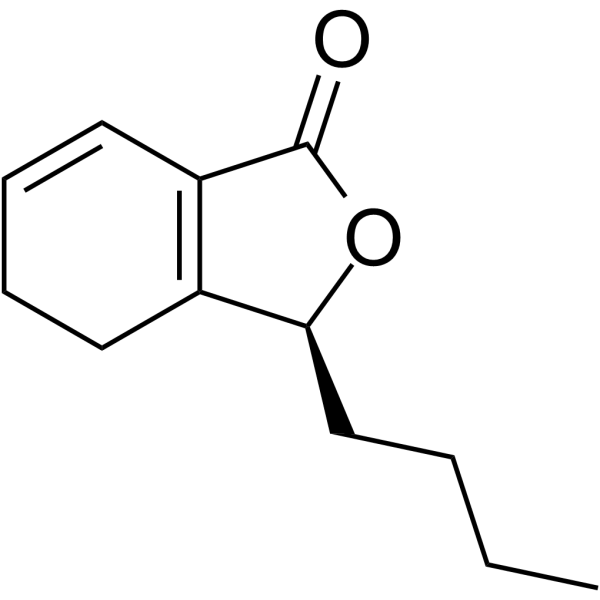
    Senkyunolide A is a phthalide, anti-tumor cell proliferation agent with anticancer activity. Senkyunolide A protects neurons from corticosterone (HY-B1618)-induced apoptosis by decreasing protein phosphatase PP2A and α-synuclein phosphorylation and protein level. Senkyunolide A also inhibits osteoarthritis through the NLRP3 signaling pathway and suppresses the expression of CD137, a diagnostic biomarker for atherosclerosis .
    Senkyunolide A
  • HY-16009

    (+)-Phenserine; ANVS401

    α-synuclein Neurological Disease Inflammation/Immunology
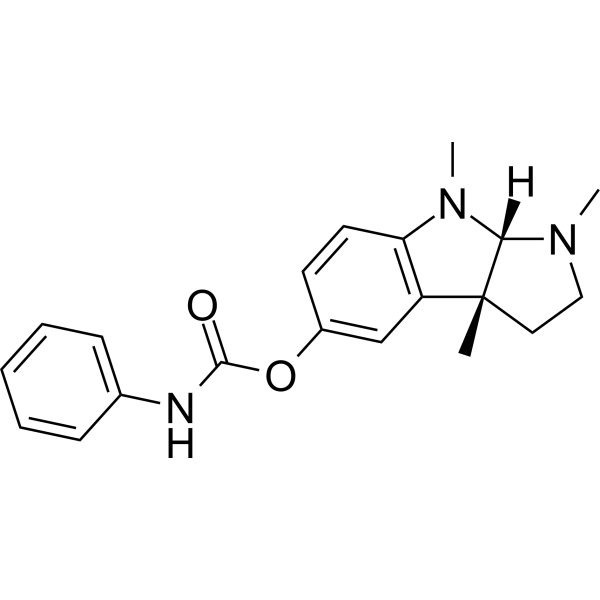
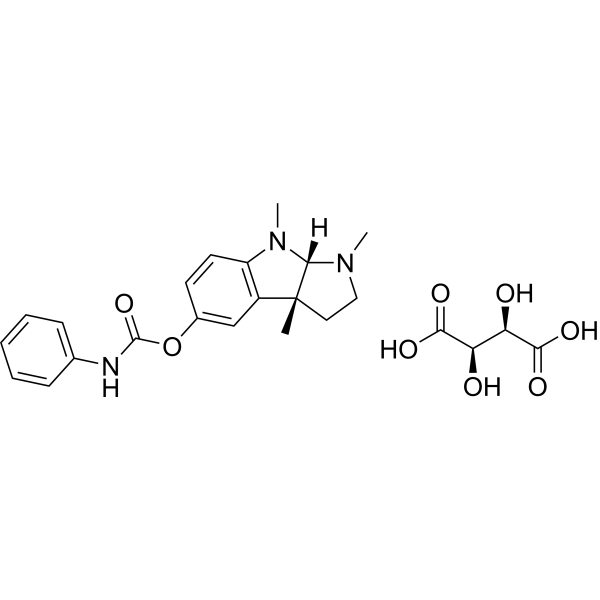
    Buntanetap ((+)-Phenserine) is a selective acetylcholinesterase inhibitor. Buntanetap is a multiple neurotoxic protein translation inhibitor with oral activity, including amyloid precursor protein (APP), α-synuclein (αSYN) and huntingtin protein (HTT). Buntanetap reduces the production of β-amyloid precursor protein by blocking its mRNA translation. Buntanetap has anti-inflammatory effects and can be used in the study of Alzheimer's disease and Parkinson's disease .
    Buntanetap
  • HY-157839

    PROTACs α-synuclein Tau Protein Neurological Disease
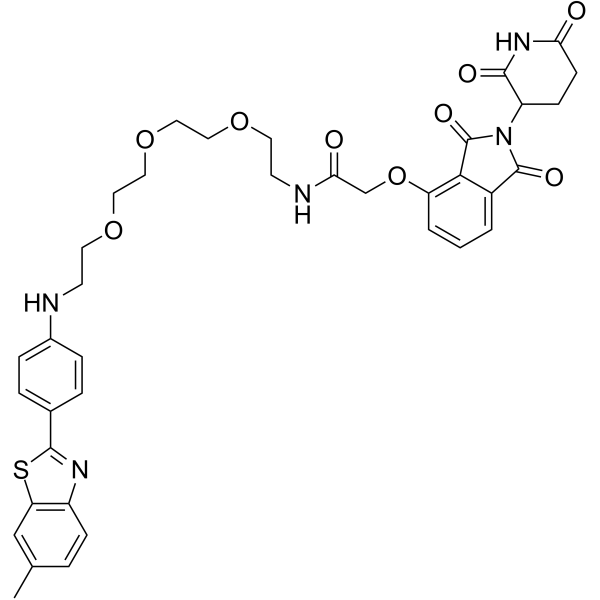
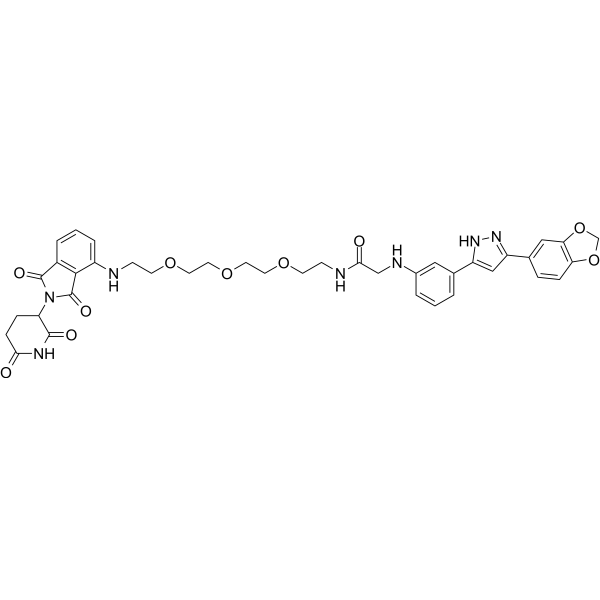
    PROTAC α-Synuclein/Tau degrader 1 is a blood-brain barrier-penetrant dual PROTAC degrader of α-synuclein (α-Syn) and tau, with DC50 of 1.57 μM and 4.09 μM, respectively. PROTAC α-Synuclein/Tau degrader 1 binds to α-Syn and tau PFF, with KDs of 0.47 and 2.78 μM, respectively. PROTAC α-Synuclein/Tau degrader 1 exhibits degradation effect mediated by the ubiquitin-proteasome system (UPS). PROTAC α-Synuclein/Tau degrader 6 can be used for the study of Parkinson’s disease (PD) (Pink: α-Synuclein/Tau ligand (HY-151035); Blue: CRBN ligase ligand (HY-14658); Black: Linker (HY-128803)) .
    PROTAC α-Synuclein/Tau degrader 1
  • HY-P99356

    BIIB054; Anti-Alpha-synuclein Reference Antibody (cinpanemab)

    α-synuclein Neurological Disease
    Cinpanemab (BIIB054) is a human-derived monoclonal antibody that binds to α-synuclein. Cinpanemab can be used for the research of Parkinson's disease .
    Cinpanemab
  • HY-120475
    PBT434
    2 Publications Verification

    ATH434

    α-synuclein Neurological Disease
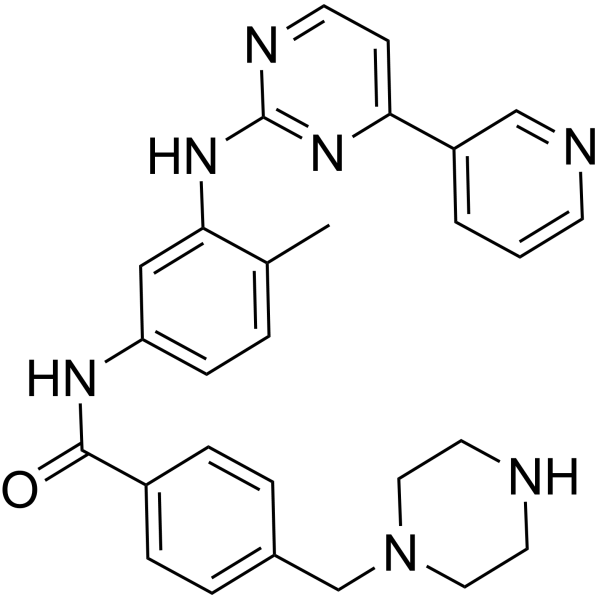
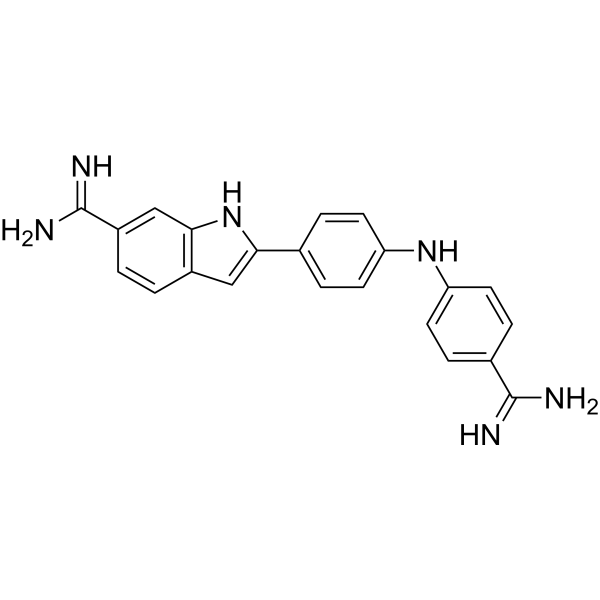
    PBT434 is a potent, orally active and cross the blood-brain barrier α-synuclein aggregation inhibitor. PBT434 can be used as a iron chelator and modulates transcellular iron trafficking. PBT434 inhibits iron-mediated redox activity and iron-mediated aggregation of α-synuclein. PBT434 prevents the loss of substantia nigra pars compacta neurons (SNpc). PBT434 has the potential for the research of Parkinson’s disease (PD) .
    PBT434
  • HY-N0698

    Endogenous Metabolite α-synuclein Neurological Disease Cancer
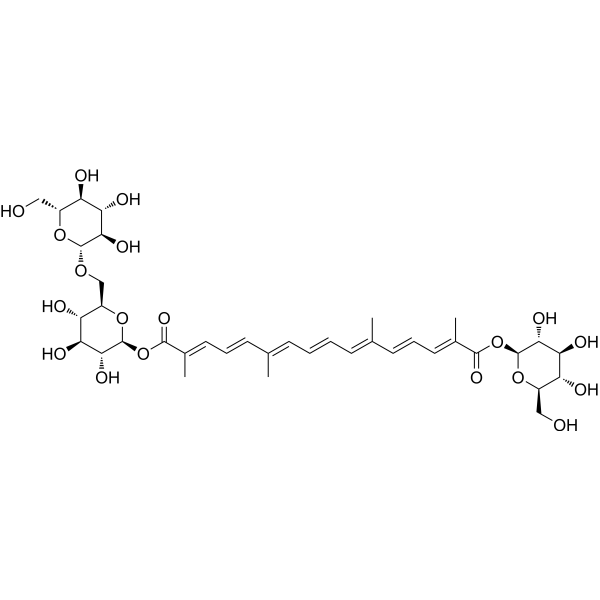
    Crocin II is an inhibitor targeting α-synuclein aggregation, with a IC50 of 0.541 μM and a EC50 of 3.63 μM. Crocin II inhibits α-synuclein aggregation and dissociates pre-formed α-synuclein fibrils. Crocin II possesses antioxidant, anticancer and antidepressant activities. Crocin II is applicable to research related to neurological disorders such as Parkinson's disease, dementia with Lewy bodies and multiple system atrophy, as well as cancers .
    Crocin II
  • HY-135902A
    Synucleozid hydrochloride
    2 Publications Verification

    NSC 377363 hydrochloride

    DNA/RNA Synthesis Neurological Disease
    Synucleozid hydrochloride (NSC 377363 hydrochloride) is a potent inhibitor of the?SNCA?mRNA?that encodes α-synuclein protein. Synucleozid selectively?targets the?α-synuclein?mRNA 5′ UTR at the designed IRE site, decreases the amount of?SNCA?mRNA loaded into polysomes and thereby inhibits?SNCA?translation. Synucleozid has the potential for the investigation of Parkinson’s disease .
    Synucleozid hydrochloride
  • HY-N0901
    Corynoxine
    3 Publications Verification

    Autophagy Neurological Disease Cancer
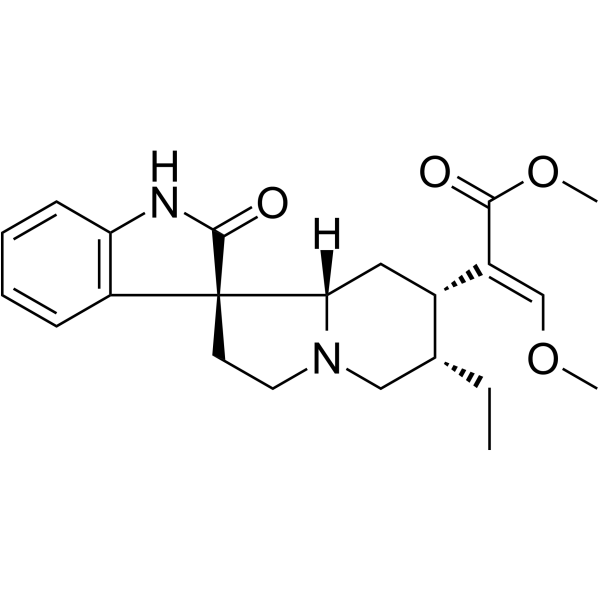
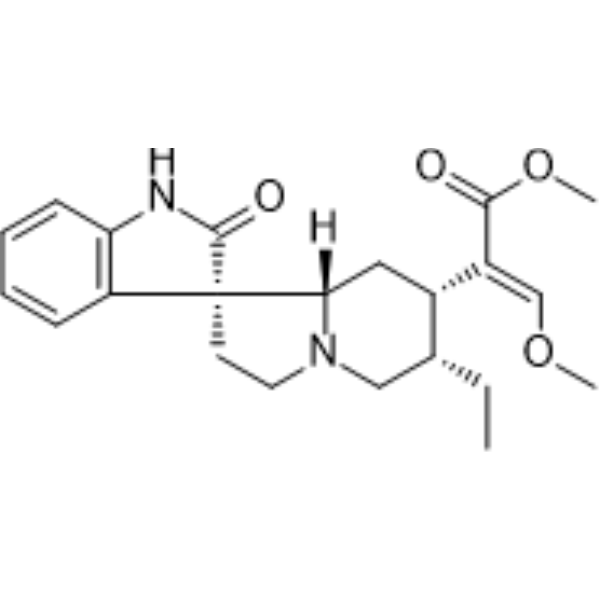
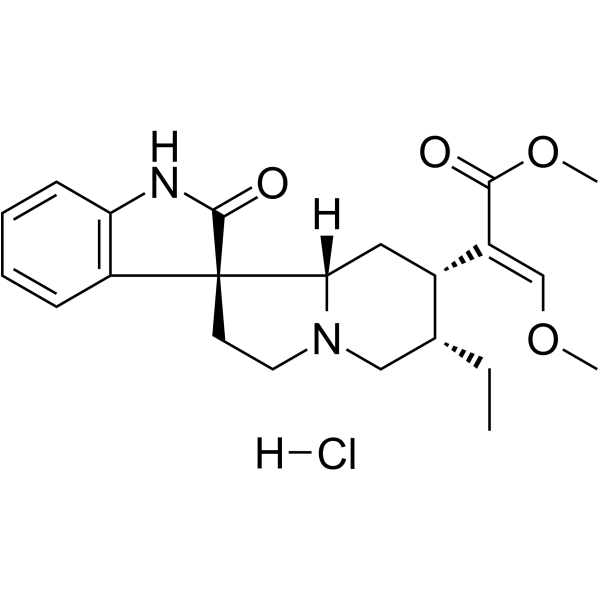
    Corynoxine, a tetracyclic oxindole alkaloid, is isolated from the hooks of Uncaria rhynchophylla. Corynoxine is a natural autophagy enhancer that promotes the clearance of alpha-synuclein via Akt/mTOR pathway .
    Corynoxine
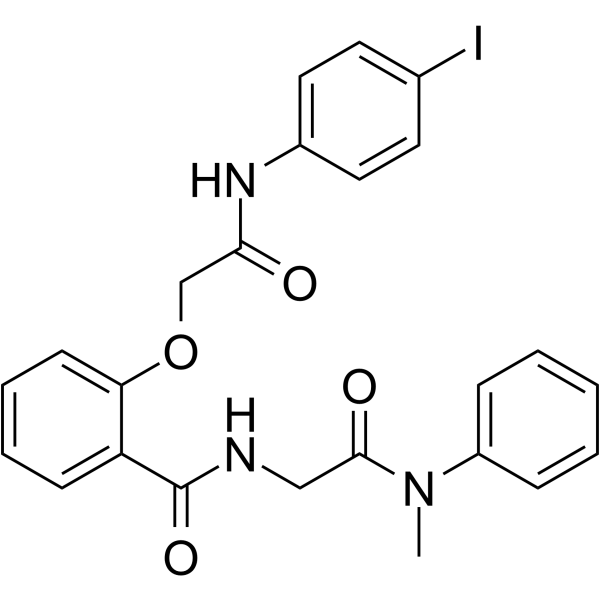
  • HY-124876
    SynuClean-D
    1 Publications Verification

    SC-D

    α-synuclein Neurological Disease
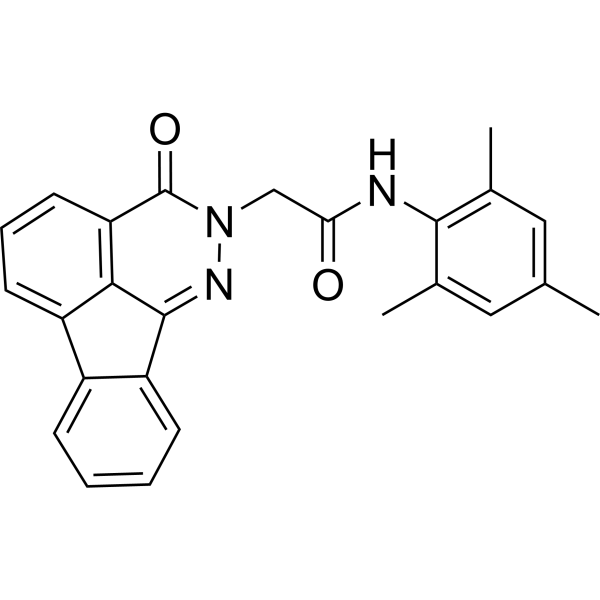
    SynuClean-D (SC-D) is an inhibitor of α-synuclein aggregation, disrupts mature amyloid fibrils, prevents fibril propagation, and abolishes the degeneration of dopaminergic neurons in an animal model of Parkinson’s disease .
    SynuClean-D
  • HY-175748

    Radionuclide-Drug Conjugates (RDCs) α-synuclein Neurological Disease
    MK-7337 is an α-synuclein ligand with an affinity of < 1 nM. MK-7337 labeled with 11C can be used as a PET tracer for neurodegenerative disorders like Parkinson’s disease imagination .
    MK-7337
  • HY-W042156

    Fungal Neurological Disease
    Aegeline, a main alkaloid, mimics the yeast SNARE protein Sec22p in suppressing α-synuclein and Bax toxicity in yeast. Aegeline restores growth of yeast cells suppressed by either αsyn or Bax. Antioxidant activity .
    Aegeline
  • HY-122958

    α-synuclein Neurological Disease
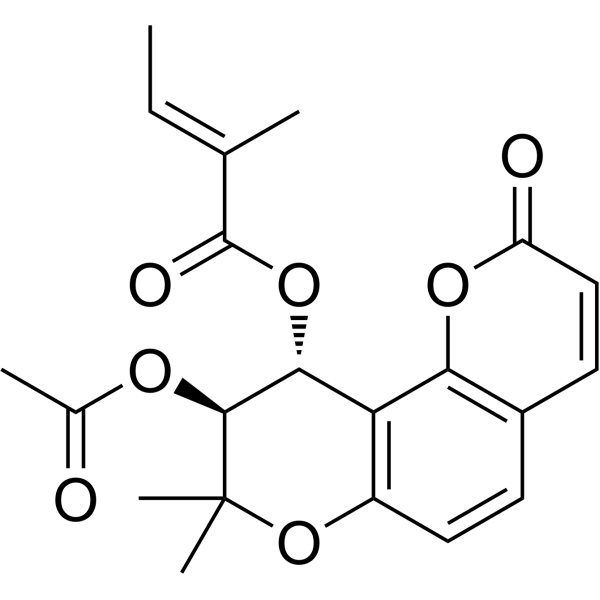
    Peucedanocoumarin III is an α-synuclein fiber depolymerizer with blood-brain barrier permeability. Peucedanocoumarin III depolymerizes β-sheet aggregate structures, promotes aggregate clearance, inhibits β23-induced cytotoxicity, blocks the formation of Lewy body-like inclusions, and prevents dopaminergic neuron loss. Peucedanocoumarin III can be used in studies related to Parkinson's disease .
    Peucedanocoumarin III
  • HY-155021

    PROTACs α-synuclein Neurological Disease
    PROTAC α-synuclein degrader 5 is a highly selective small-molecule degrader (PROTAC) of α-synuclein aggregates, with a DC50 of 7.51 μM and the highest degradation rate Dmax of 89%. PROTAC α-synuclein degrader 5 contains probe molecule sery308 and E3 ligase ligands. PROTAC α-synuclein degrader 5 can be used for neurological disease research .
    PROTAC α-synuclein degrader 5
  • HY-N0901A
    Corynoxine B
    5 Publications Verification

    α-synuclein Neurological Disease Cancer
    Corynoxine B is an alkaloid-based autophagy inducer and α-synuclein aggregation inhibitor that ameliorates Mn-induced dysregulation of autophagy and enhances α-synuclein (α-syn) clearance in Parkinson's disease mice .
    Corynoxine B
  • HY-156585

    Tau Protein α-synuclein Neurological Disease
    CNS-11 is a brain-penetrant tau fibril-degrading compound. CNS-11 reduces α-synuclein. CNS-11 can be used in Alzheimer's and Parkinson's disease research .
    CNS-11
  • HY-D1443

    (trans,trans)-1-Bromo-2,5-bis-(3-hydroxycarbonyl-4-hydroxy)styrylbenzene

    Amyloid-β Others
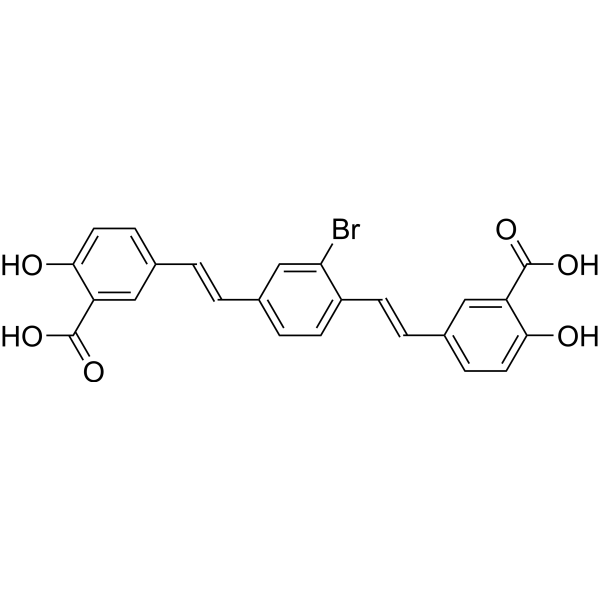
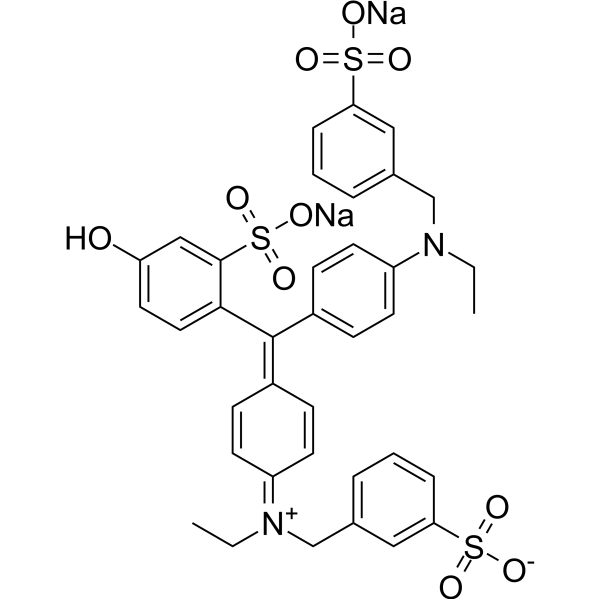
    BSB is a Congo red-derived fluorescent probe. BSB binds not only to extracellular amyloid β protein, but also many intracellular lesions composed of abnormal tau and synuclein proteins. BSB acts as a prototype imaging agent for Alzheimer's disease .
    BSB
  • HY-155659
    4A7C-301
    1 Publications Verification

    Nuclear Hormone Receptor 4A/NR4A Neurological Disease
    4A7C-301 is a Nurr1 agonist with robust neuroprotective effects in vitro. 4A7C-301 significantly ameliorates neuropathological abnormalities and improves motor and olfactory dysfunctions in AAV2-mediated α-synuclein-overexpressing male mouse models. 4A7C-301 can be used for the research of Parkinson’s disease .
    4A7C-301
  • HY-156586

    ASN90

    OGA Tau Protein Neurological Disease
    Egalognastat (ASN90) is a selective, brain-penetrant and orally active O-GlcNAcase (OGA) enzyme inhibitor with an IC50 value of 10.2 nM. Egalognastat increases O-GlcNAcylation of intracellular proteins like tau and α-synuclein, preventing their aggregation and toxicity. Egalognastat does not inhibit hexosaminidase (Hex). Egalognastat can be used for the research of neurodegenerative diseases, such as tauopathies and α-synucleinopathies (e.g., Alzheimer’s disease and Parkinson’s disease) .
    Egalognastat
  • HY-136001

    PROTACs α-synuclein Neurological Disease
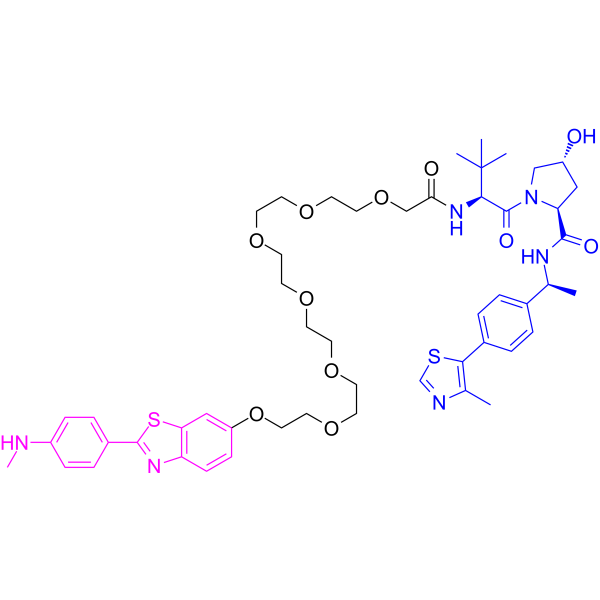
    PROTAC α-synuclein degrader 3 (Compound 5) is a selective α-synuclein PROTAC degrader. PROTAC α-synuclein degrader 3 can promote the ubiquitination and degradation of α-synuclein. PROTAC α-synuclein degrader 3 can be used for Parkinson's disease research (Pink: target protein ligand (HY-W278021); Black: linker; HY-133302; Blue: E3 ligase VHL ligand (HY-112078)) .
    PROTAC α-synuclein degrader 3
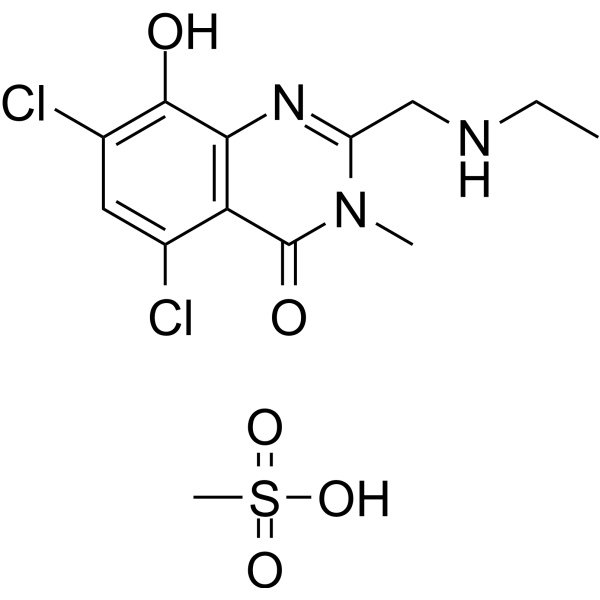
  • HY-120475A
    PBT434 mesylate
    2 Publications Verification

    ATH434 mesylate

    α-synuclein Neurological Disease
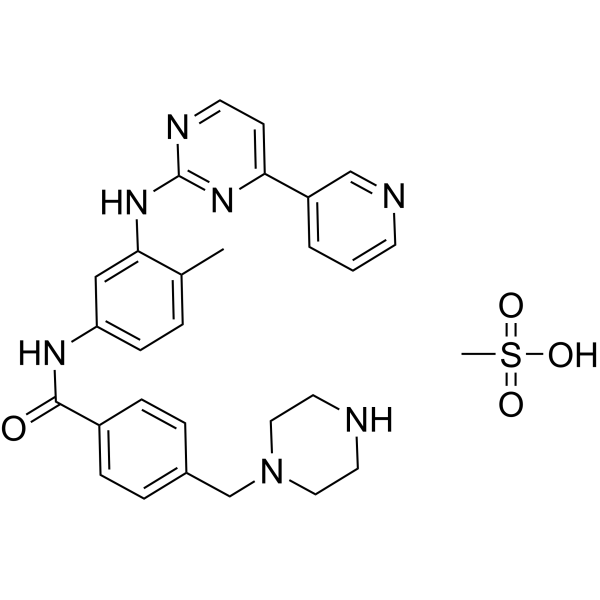
    PBT434 methanesulfonate is a potent, orally active and cross the blood-brain barrier α-synuclein aggregation inhibitor. PBT434 methanesulfonate can be used as a iron chelator and modulates transcellular iron trafficking. PBT434 methanesulfonate inhibits iron-mediated redox activity and iron-mediated aggregation of α-synuclein. PBT434 methanesulfonate prevents the loss of substantia nigra pars compacta neurons (SNpc). PBT434 methanesulfonate has the potential for the research of Parkinson’s disease (PD) .
    PBT434 mesylate
  • HY-125287

    (Rac)-UCB0599; NPT200-11

    α-synuclein Neurological Disease
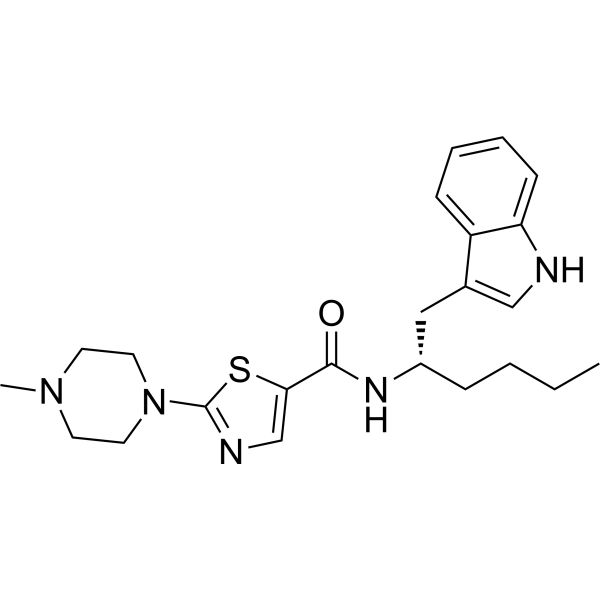
    (Rac)-Minzasolmin ((Rac)-UCB0599; NPT200-11) is a blood-brain barrier penetrated alpha-synuclein (ASYN) misfolding inhibitor. (Rac)-Minzasolmin acts on the early stage of ASYN aggregation process, by replacing the membrane-bound oligomers ASYN, allowing them to revert to the monomeric form, while preventing pathological aggregation. (Rac)-Minzasolmin effectively improves the ASYN deposition in the retina and the neuro-pathological indicators in two α-synuclein transgenic mouse models. (Rac)-Minzasolmin can be used for the studies of Parkinson's disease (PD) and dementia with Lewy bodies (DLB) .
    (Rac)-Minzasolmin
  • HY-120034
    NCGC 607
    1 Publications Verification

    Glycosidase α-synuclein Neurological Disease Metabolic Disease
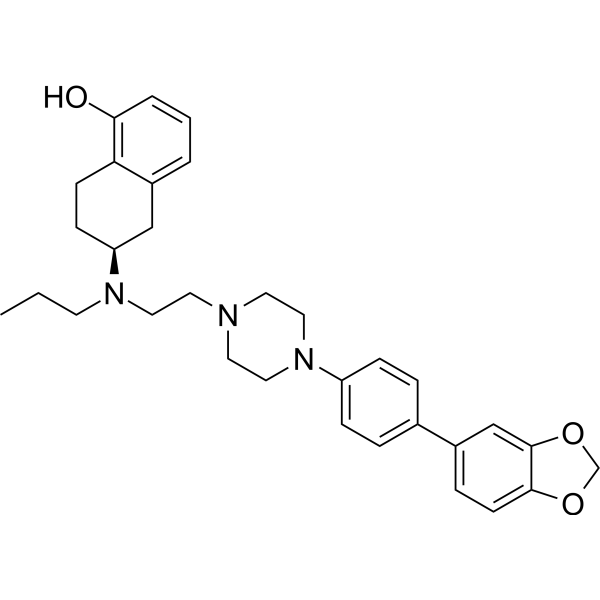
    NCGC 607 is a noninhibitory small-molecule chaperone of glucocerebrosidase (GCase). NCGC 607 can increase GCase activity, reduce α-synuclein levels, and decrease glycolipid levels. NCGC 607 can be used in the research of Gaucher disease and Parkinson's disease .
    NCGC 607
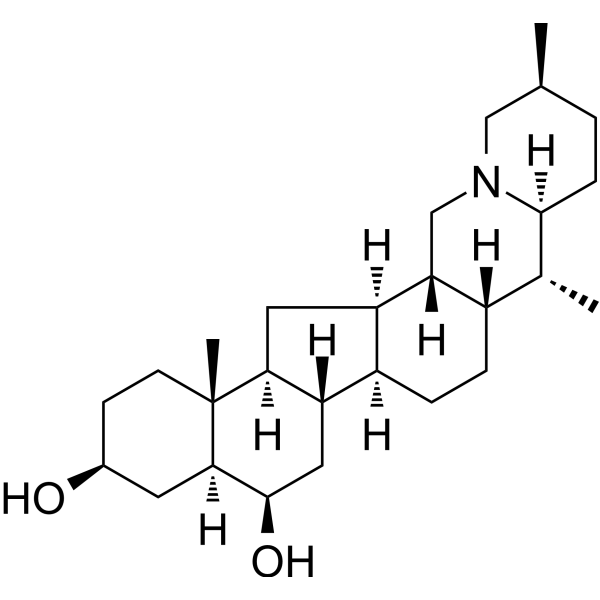
  • HY-N0413

    α-synuclein Reactive Oxygen Species (ROS) Apoptosis Autophagy Parasite Infection Neurological Disease Inflammation/Immunology Cancer
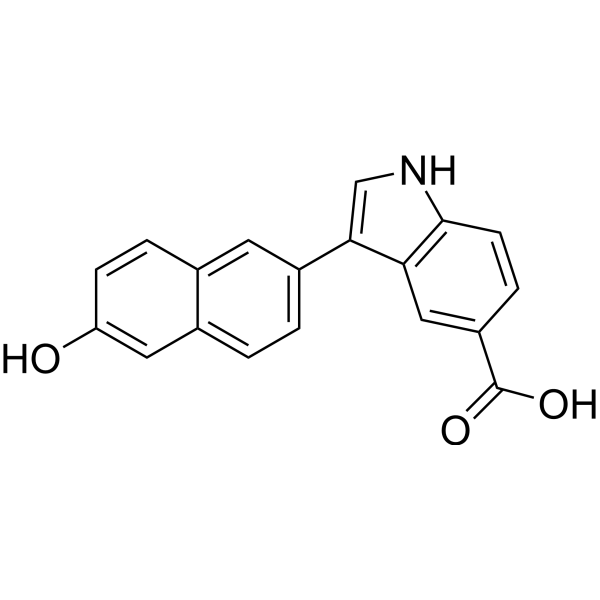
    Hupehenine is an orally active isosteroidal alkaloid that can be extracted from F. hupehensis. Hupehenine exhibits activities such as antitussive, expectorant, anticancer, and antiparasitic. In vitro, Hupehenine can also inhibit α-synuclein seeded fibril formation, making it applicable for the research of Parkinson's disease and other related disorders .
    Hupehenine
  • HY-P5082

    α-synuclein Neurological Disease
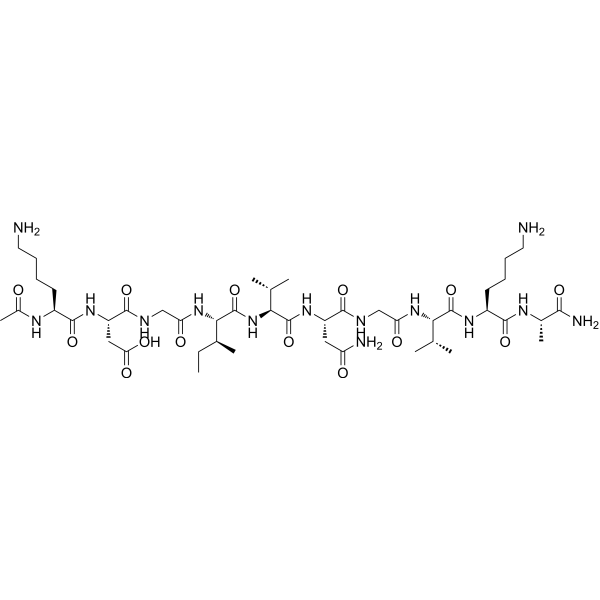
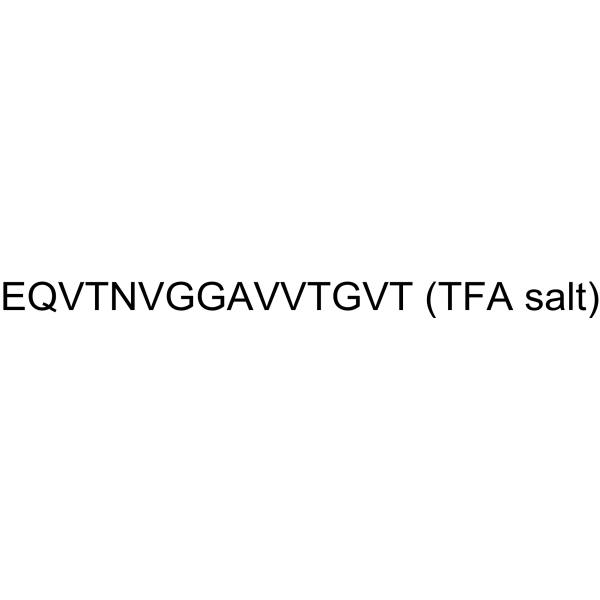
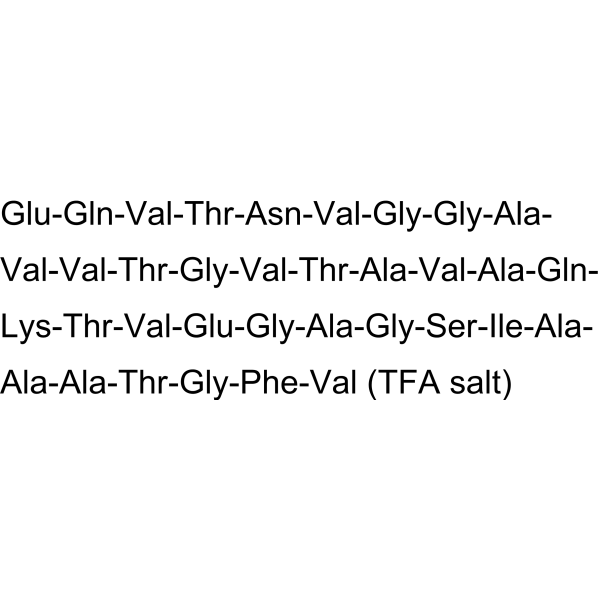
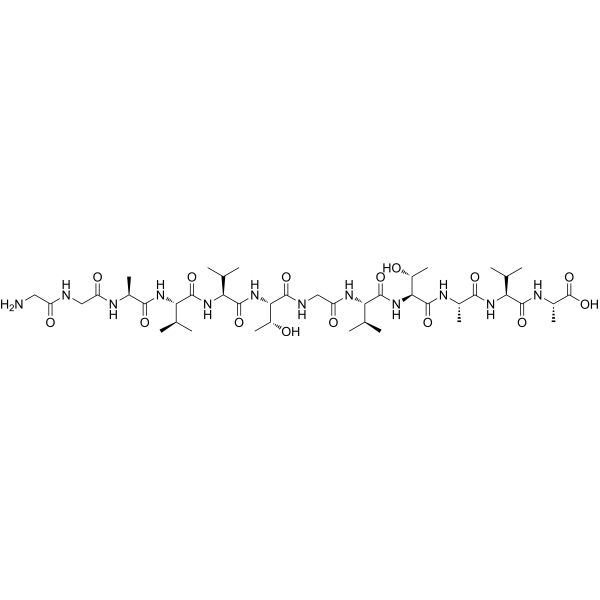
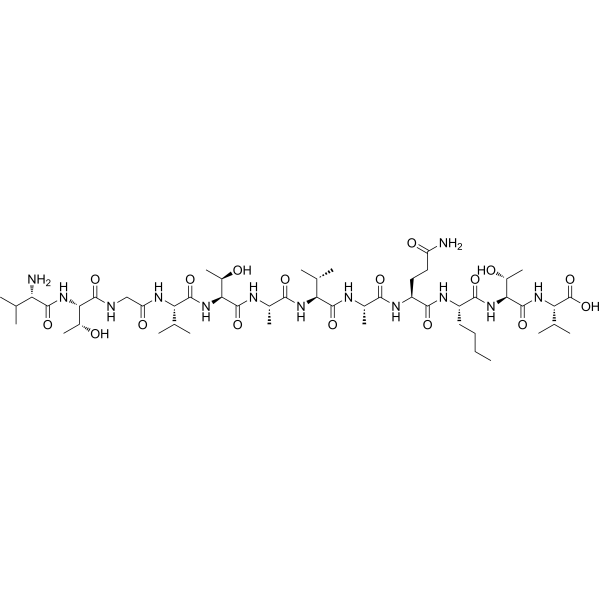
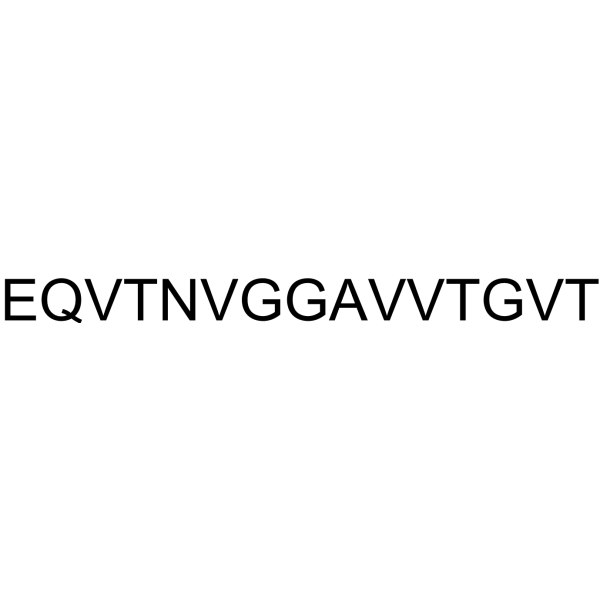
    α-Synuclein 4554W is an inhibitor of α-Synuclein (aSyn) aggregation with associated toxicity. α-Synuclein 4554W consists of GIVNGVKA sequences, previously identified through intracellular library screening. α-Synuclein 4554W reduces fibril formation of aSyn mutants assocaited with Parkinson’s disease .
    α-Synuclein 4554W
  • HY-145580A

    (S)-UCB0599; (S)-NPT200-11

    α-synuclein Neurological Disease
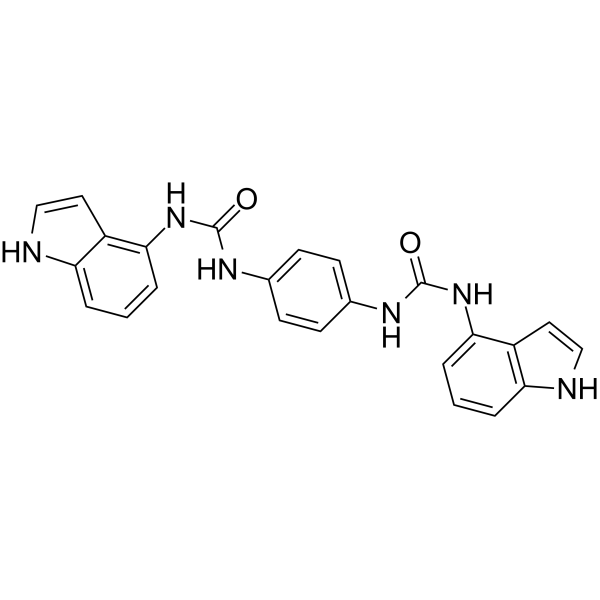
    (S)-Minzasolmin is an isomer of minzasolmin (HY-145580), an inhibitor of α-synuclein oligomerization .
    (S)-Minzasolmin
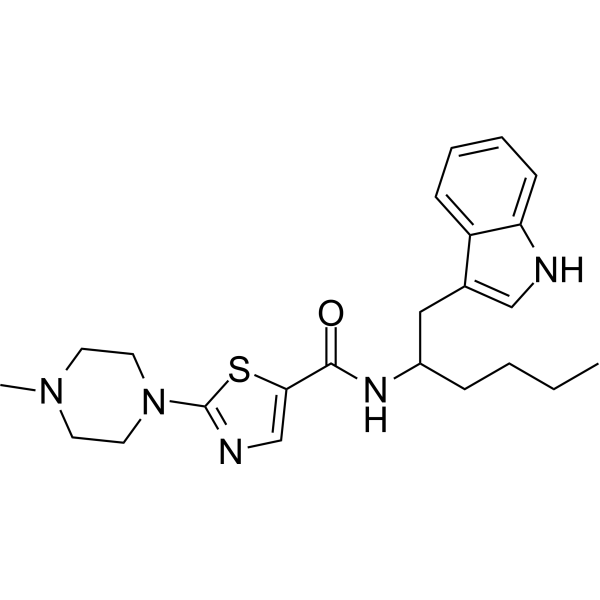
  • HY-150209

    Fluorescent Dye Neurological Disease
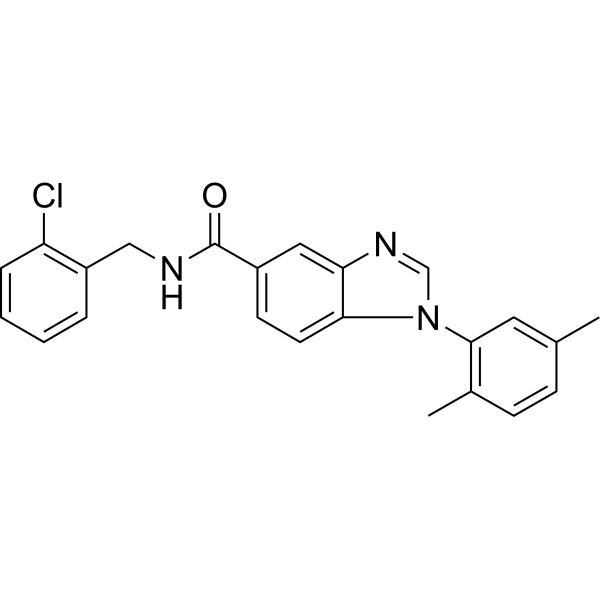
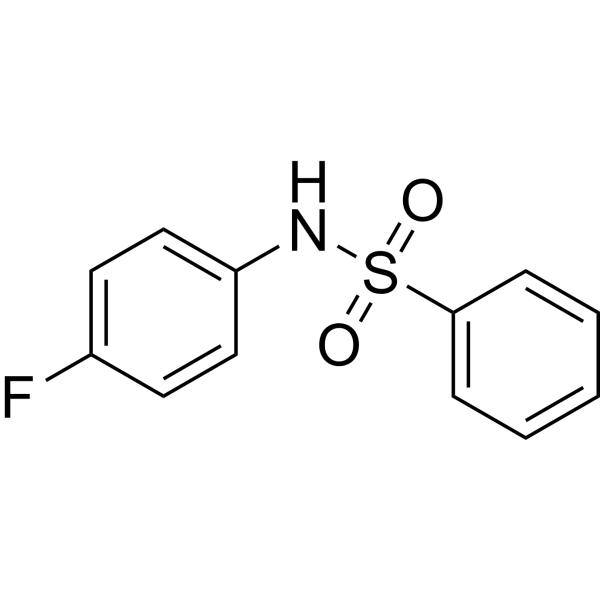
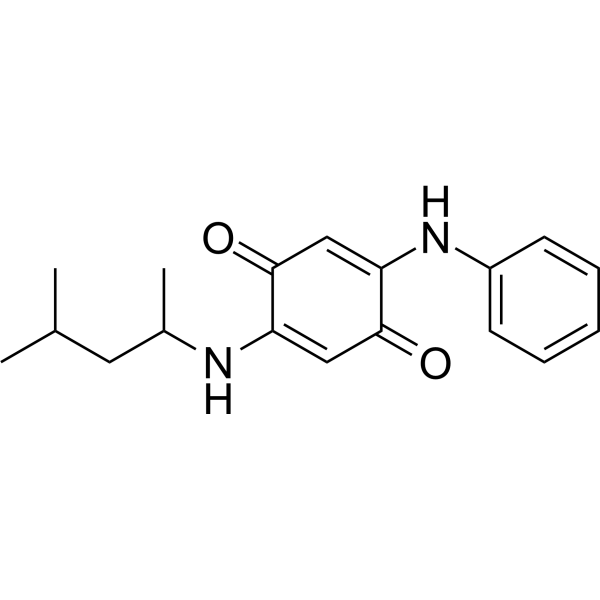
    MODAG-001 can bind to synuclein fibrils in a rat brain. MODAG-001 is a candidate α-syn imaging probe .
    MODAG-001
  • HY-401209

    α-synuclein DNA/RNA Synthesis Neurological Disease
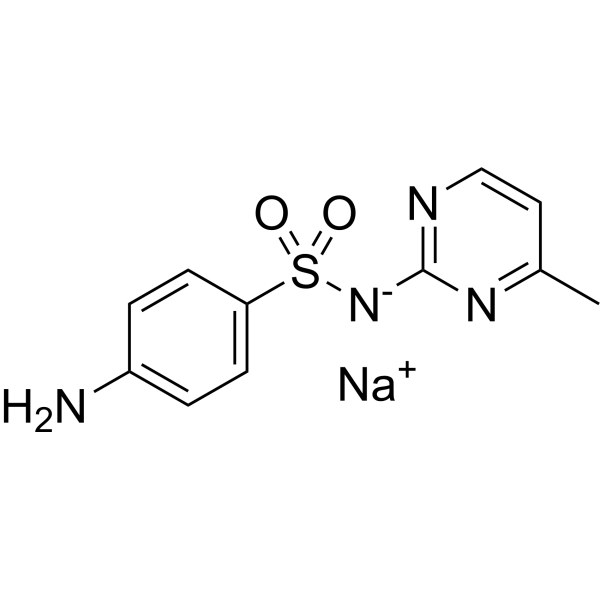
    Synucleozid-2.0 is a blood-brain barrier-permeable inhibitor that binds to the IRE of SNCA mRNA, with a EC50 of 2.9 µM and a Kd value of 1.8 µM. Synucleozid-2.0 selectively binds to and stabilizes the A bulge and adjacent closed base pairs in the 5' UTR IRE of SNCA mRNA, blocks the translation process and reduces intracellular levels of α-synuclein. Synucleozid-2.0 exerts cytoprotective effects against cytotoxicity induced by α-synuclein preformed fibrils. Synucleozid-2.0 is applicable to the research of Parkinson's disease .
    Synucleozid-2.0
  • HY-110174

    α-synuclein Neurological Disease
    NAB2 is a neuroprotectant that targets the small GTPase Rab1a. NAB2 selectively binds to the GDP-bound form of Rab1a and protects multiple cell types from α-synuclein toxicity by increasing Rab1a expression. Rab1a regulates ER-to-Golgi trafficking and mediates endosomal trafficking events of the E3 ubiquitin ligase Rsp5/Nedd4. NAB2 stimulates ubiquitination of related proteins in a Nedd4-dependent manner and rescues α-synuclein-associated trafficking defects associated with early-onset Parkinson's disease .
    NAB2
  • HY-W049881

    Dopamine Receptor PI3K Monoamine Oxidase Neurological Disease
    9-Methyl-β-carboline is a monoamine oxidase inhibitor and dopaminergic modulator, with an IC50 of 1 μM against human MAO-A and an IC50 of 15.5 μM against human MAO-B. 9-Methyl-β-carboline possesses cognitive enhancement potential and can cross the blood-brain barrier. 9-Methyl-β-carboline increases dopamine levels by inhibiting monoamine oxidase activity and microglial proliferation. 9-Methyl-β-carboline activates PKA/PKC and mitochondrial respiratory chain complex I, promotes neurotrophic factor expression and reduces α-synuclein (α-synuclein) levels, thereby reversing neurotoxin-induced dopaminergic neuron damage. 9-Methyl-β-carboline also regulates the PI3K pathway and exerts an anti-proliferative effect on astrocytes. 9-Methyl-β-carboline is widely used in Parkinson's disease-related studies .
    9-Methyl-β-carboline
  • HY-P3140A

    α-synuclein Neurological Disease
    α-Synuclein (61-75) TFA is the 61-75 fragment of α-Synuclein. α-Synuclein is an abundant neuronal protein that is highly enriched in presynaptic nerve terminals. α-Synuclein is a potential biomarker for Parkinson's disease (PD) .
    α-Synuclein (61-75) TFA
  • HY-P4704A

    α-synuclein Neurological Disease
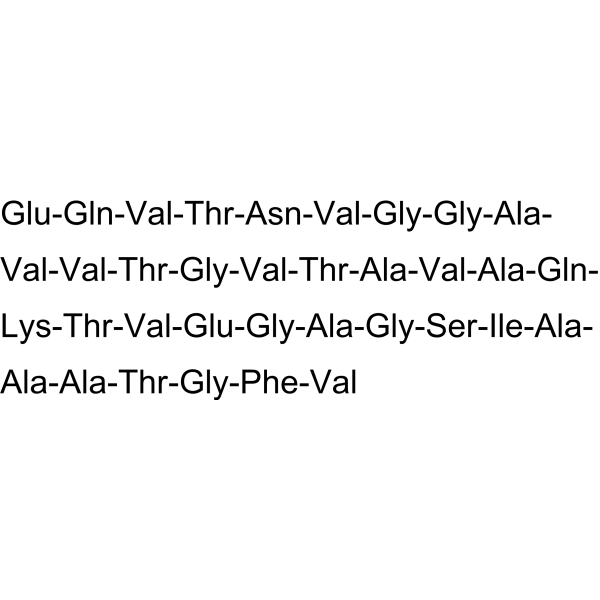
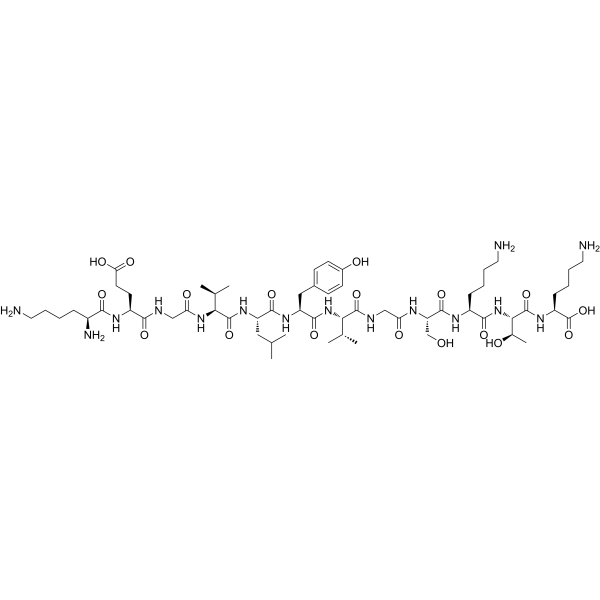
    α-Synuclein (61-95) (human) TFA is the hydrophobic core region of α-synuclein, and induces neuronal cell death. α-Synuclein (61-95) (human) TFA can be used for research of neurodegenerative diseases, including Alzheimer’s disease (AD) and Parkinson’s disease (PD) .
    α-Synuclein (61-95) (human) TFA
  • HY-157308

    α-synuclein Neurological Disease
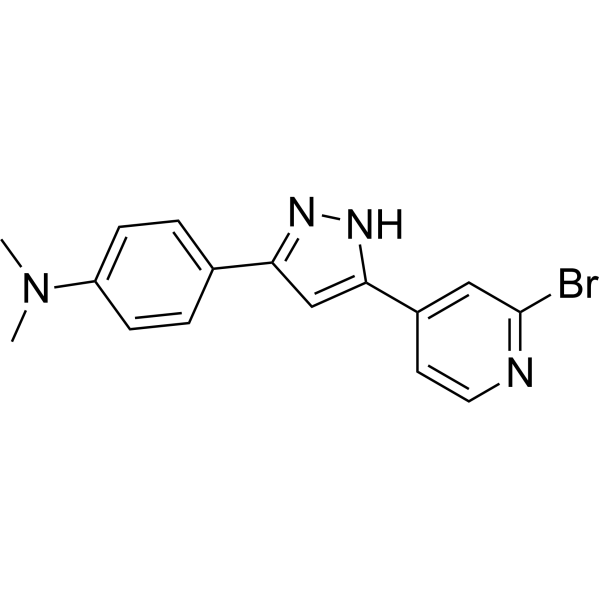
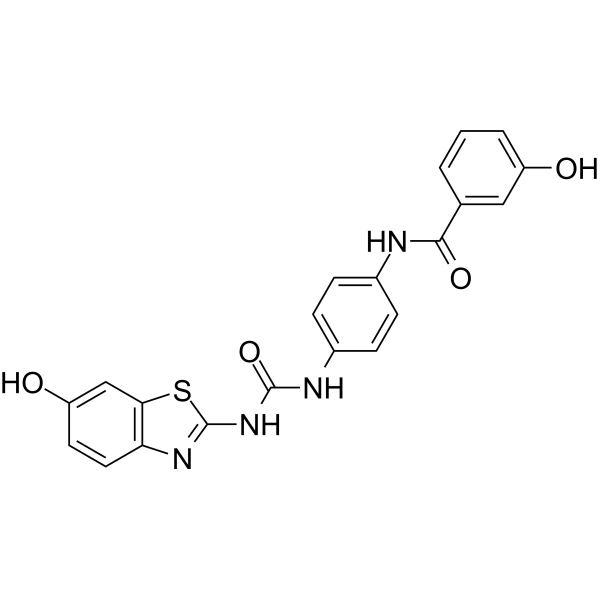
    α-Synuclein inhibitor 10 (compound a8) inhibits the activity of α-Syn aggregation with low IC50 value (1.08 μM). α-Synuclein inhibitor 10 exhibits good binding affinity to α-Syn residues. α-Synuclein inhibitor 10 can be used in the research of Parkinson's disease (PD) .
    α-Synuclein inhibitor 10
  • HY-135902

    NSC 377363

    DNA/RNA Synthesis Neurological Disease
    Synucleozid (NSC 377363) is a potent inhibitor of the SNCA mRNA that encodes α-synuclein protein. Synucleozid selectively targets the α-synuclein mRNA 5′ UTR at the designed IRE site, decreases the amount of SNCA mRNA loaded into polysomes and thereby inhibits SNCA translation. Synucleozid has the potential for the investigation of Parkinson’s disease .
    Synucleozid
  • HY-P3140

    α-synuclein Neurological Disease
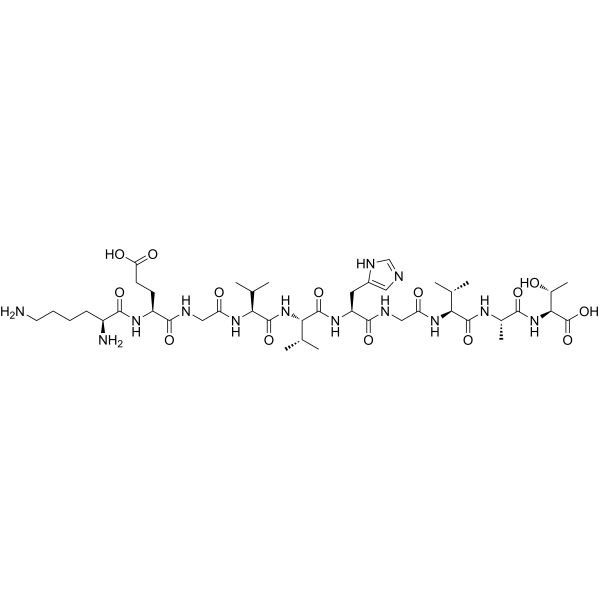
    α-Synuclein (61-75) is the 61-75 fragment of α-Synuclein. α-Synuclein is an abundant neuronal protein that is highly enriched in presynaptic nerve terminals. α-Synuclein is a potential biomarker for Parkinson's disease (PD) .
    α-Synuclein (61-75)
  • HY-178920

    α-synuclein Neurological Disease
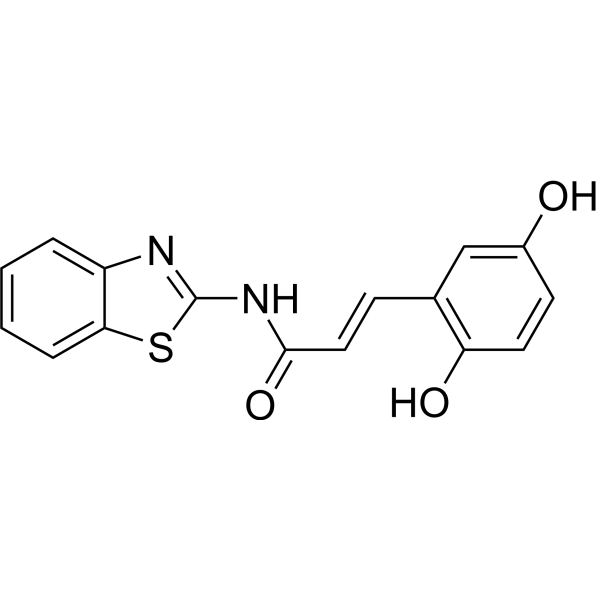
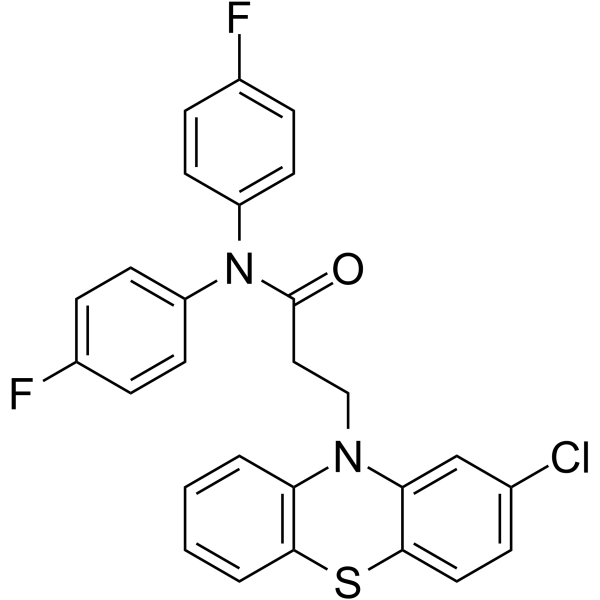
    α-Synuclein-IN-17 (Compound 10) is an α-Synuclein inhibitor, with an IC50 value of 9 μM. α-Synuclein-IN-17 exhibits potent inhibitory activity against both in-vitro assembled asyn fibrils and LBD brain tissue-amplified asyn fibrils. α-Synuclein-IN-17 can be used for the study of Parkinson's disease (PD) and Lewy Body Disease (LBD) .
    α-Synuclein-IN-17
  • HY-163145

    α-synuclein Neurological Disease
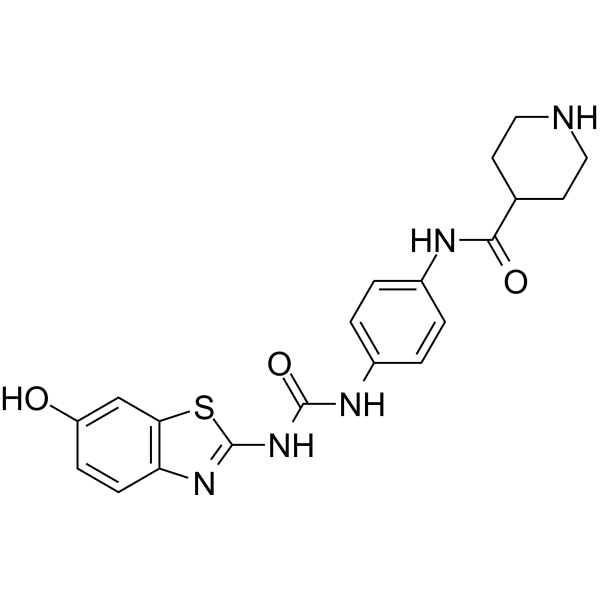
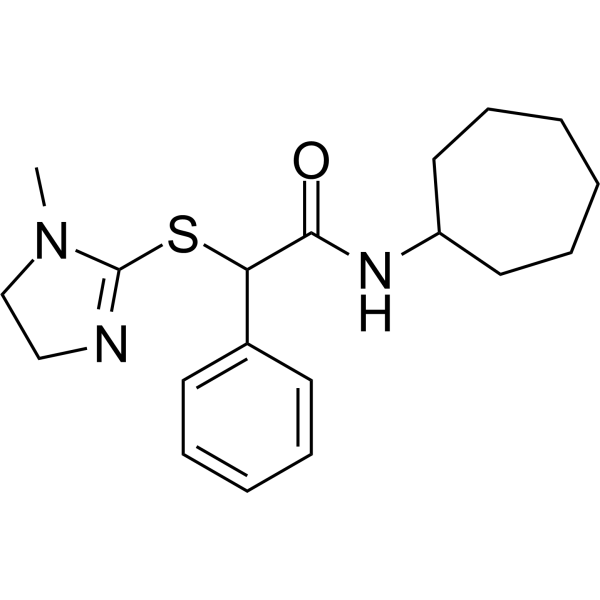
    α-Synuclein inhibitor 11 (compound 1) is a selective α-synuclein (α-syn) oligomer formation inhibitor. α-Synuclein inhibitor 11 does not inhibits tau 4R (isoforms 0N4R, 2N4R) or p-tau (isoform 1N4R). α-Synuclein inhibitor 11 can be used for Parkinson's disease (PD) research .
    α-Synuclein inhibitor 11
  • HY-P10360

    α-synuclein Neurological Disease
    Tat-βsyn-degron is an α-synuclein knockdown peptide that effectively degrades α-synuclein protein via the proteasome pathway. Tat-βsyn-degron effectively reduces α-synuclein protein levels in primary rat cortical neuron cultures. In a Parkinson's mouse toxicity model, Tat-βsyn-degron can alleviate parkinsonian toxin-induced neuronal damage and movement disorders .
    Tat-βsyn-degron
  • HY-177647

    BIIB-101; ION-464

    α-synuclein Neurological Disease
    Movronersen is an antisense oligonucleotide targeted to α-synuclein.
    Movronersen
  • HY-115038

    α-synuclein Neurological Disease
    ELN484228 is a blocker of α-synuclein which is a key protein in Parkinson’s disease.
    ELN484228
  • HY-153416

    Amyloid-β Neurological Disease
    QR-0217 is a potent Aβ1-40 aggregation inhibitor with an IC50 value of 7.5 µM. QR-0217 inhibits α-synuclein aggregation. QR-0217 reduces memory impairments caused by Aβ neurotoxicity .
    QR-0217
  • HY-121252A

    α-synuclein Apoptosis Drug Metabolite Neurological Disease
    Dopal (purity>80%) is a metabolite and aldehyde neurotoxin of Dopamine (HY-B0451). Dopal (purity>80%) exhibits cytotoxicity, induces α-synuclein oligomerization and aggregation, and is closely associated with the pathogenesis of Parkinson's disease. Dopal (purity>80%) can be used in research related to Parkinson's disease .
    Dopal (purity>80%)
  • HY-175737

    α-synuclein Neurological Disease
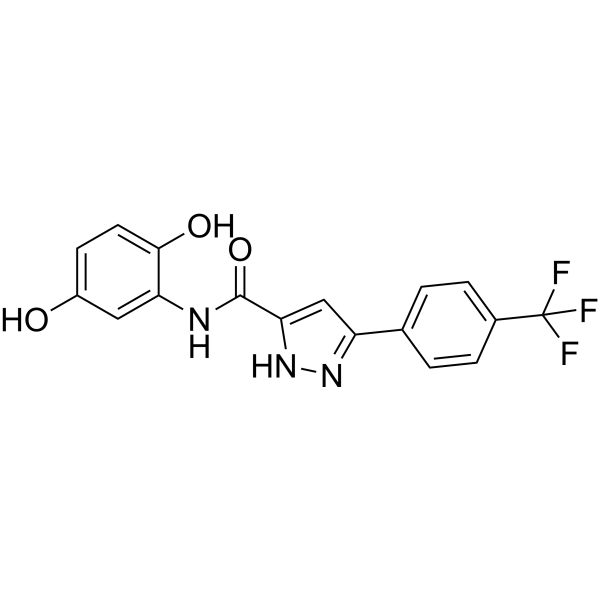
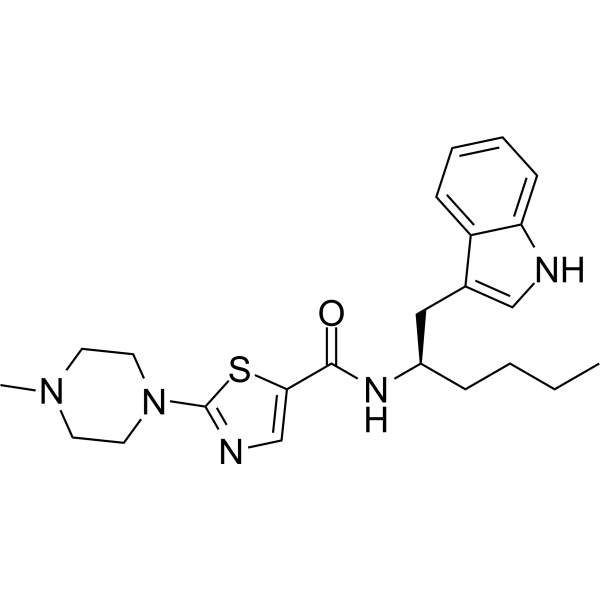
    α-synuclein-IN-16 (Compound H1) is a α-synuclein inhibitor. α-synuclein-IN-16 significantly inhibits the secondary nucleation in α-synuclein aggregation. α-synuclein-IN-16 can be used for Parkinson’s disease research .
    α-synuclein-IN-16
  • HY-P5043

    α-synuclein Neurological Disease
    α-Synuclein (67-78) (human) is the 67-78 fragment of α-Synuclein. α-Synuclein (67-78) (human) promotes network activity drive and blocks KCl-induced syt1L-ab uptake .
    α-Synuclein (67-78) (human)
  • HY-N15613

    α-synuclein Neurological Disease
    α-Synuclein inhibitor 14 (Compound 3) is a diarylheptanoid that can be isolated from Alpinia officinarum. α-Synuclein inhibitor 14 can inhibit the aggregation of α-synuclein, with an inhibition rate of 72.4% at a concentration of 10 μM. α-Synuclein inhibitor 14 can be used in the research of neurodegenerative diseases such as Parkinson's disease .
    α-Synuclein inhibitor 14

Inquiry Online

Your information is safe with us. * Required Fields.

Salutation


Country or Region *

Applicant Name *


Organization Name *

Department *


Email Address *


Product Name *

Cat. No.


Requested quantity *

Phone Number *


Remarks

Inquiry Online

Inquiry Information

Product Name:
Cat. No.:
Quantity:
MCE Japan Authorized Agent: