Search Result
Results for "
EGFR tyrosine kinase inhibitor
" in MedChemExpress (MCE) Product Catalog:
1
Biochemical Assay Reagents
22
Isotope-Labeled Compounds
| Art. -Nr. |
Produktname |
Target |
Forschungsgebiete |
Chemical Structure |
-
- HY-14596
-
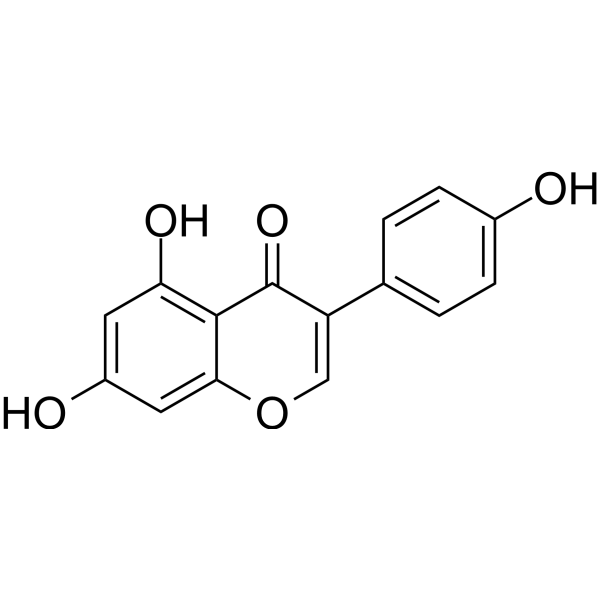
Genistein
Maximum Cited Publications
88 Publications Verification
NPI 031L
|
EGFR
Autophagy
Apoptosis
Endogenous Metabolite
|
Cancer
|
|
Genistein, a soy isoflavone, is a multiple tyrosine kinases (e.g., EGFR) inhibitor which acts as a chemotherapeutic agent against different types of cancer, mainly by altering apoptosis, the cell cycle, and angiogenesis and inhibiting metastasis.
|
-
-
- HY-50896
-
|
CP-358774; NSC 718781; OSI-774
|
EGFR
Autophagy
|
Cancer
|
|
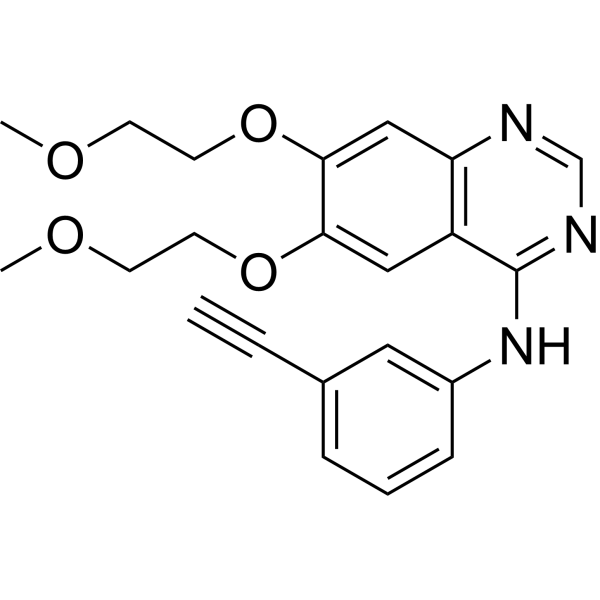
Erlotinib (CP-358774) is a directly acting EGFR tyrosine kinase inhibitor, with an IC50 of 2 nM for human EGFR. Erlotinib reduces EGFR autophosphorylation in intact tumor cells with an IC50 of 20 nM. Erlotinib is used for the treatment of non-small cell lung cancer . Erlotinib is a click chemistry reagent, itcontains an Alkyne group and can undergo copper-catalyzed azide-alkyne cycloaddition (CuAAc) with molecules containing Azide groups.
|
-
-
- HY-50898
-
-
-
- HY-12000
-
|
Tyrphostin AG490; Tyrphostin B42
|
EGFR
STAT
JAK
Autophagy
|
Cancer
|
|
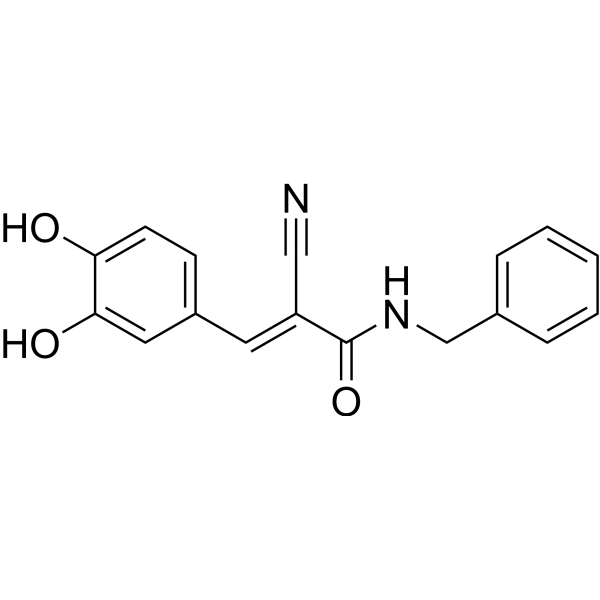
AG490 (Tyrphostin AG490) is a tyrosine kinase inhibitor that inhibits EGFR, Stat-3 and JAK2/3.
|
-
-
- HY-13524
-
-
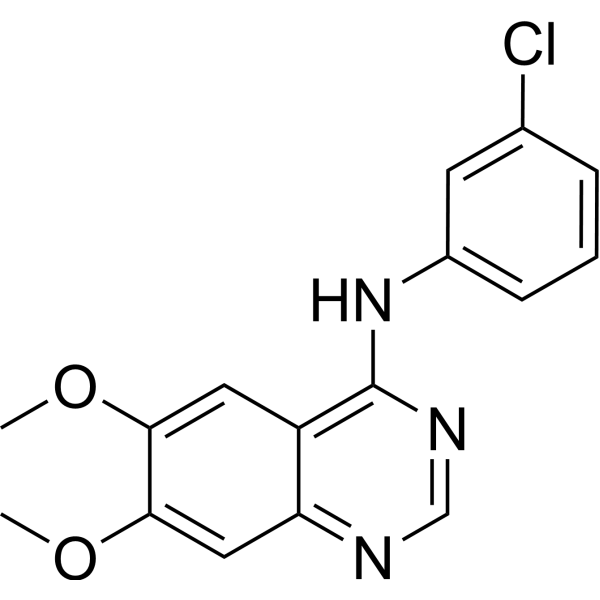
-
- HY-10260
-
-
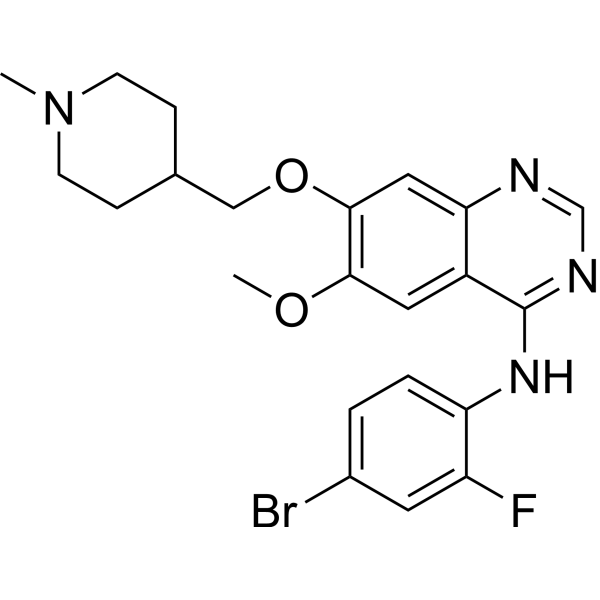
-
- HY-148810
-
|
BI 1810631
|
c-Met/HGFR
|
Cancer
|
|
Zongertinib (BI 1810631) is a potent and selective HER2 and EGFR tyrosine kinase inhibitor with IC50 values of 13 nM and 579 nM, respectively. Zongertinib has antitumor activity and can be used in the study of multiple solid tumors .
|
-
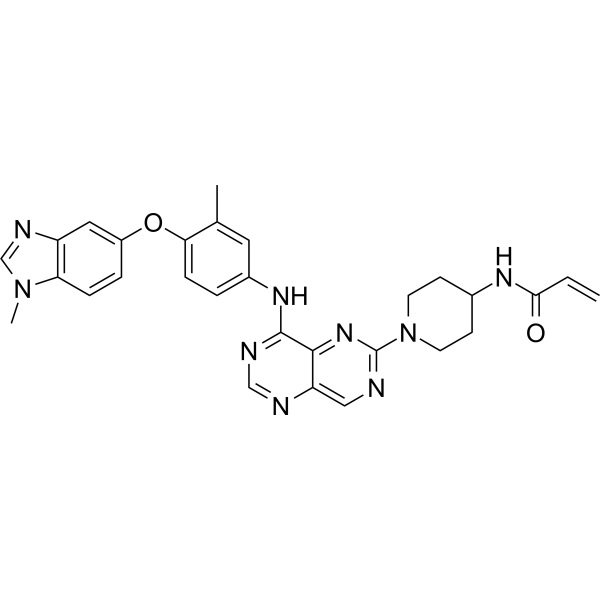
-
- HY-19730
-
|
HM61713; BI 1482694
|
EGFR
|
Cancer
|
|
Olmutinib (HM61713; BI-1482694) is an orally active and irreversible third EGFR tyrosine kinase inhibitor that binds to a cysteine residue near the kinase domain. Olmutinib is used for NSCLC .
|
-
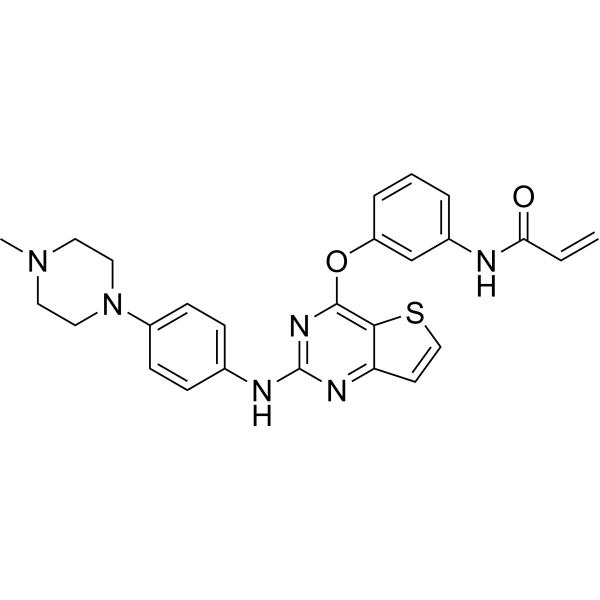
-
- HY-101084
-
|
|
EGFR
Histone Acetyltransferase
Epigenetic Reader Domain
|
Cancer
|
|
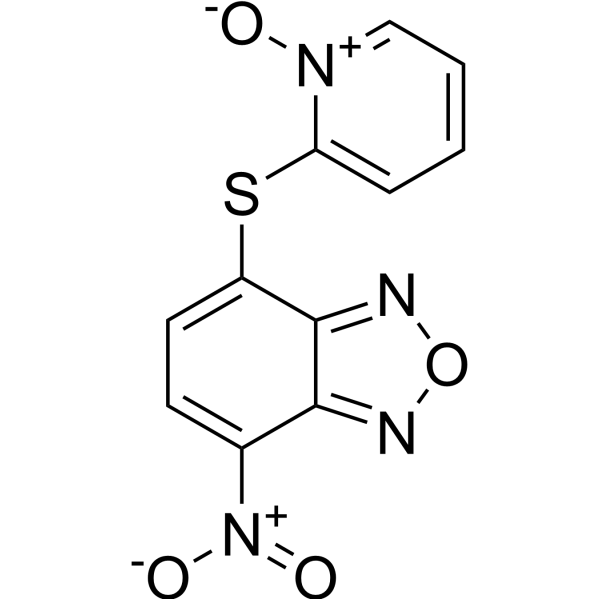
NSC 228155 is an activator of EGFR, binds to the extracellular region of EGFR and enhance tyrosine phosphorylation of EGFR . NSC 228155 is also a potent inhibitor of KIX-KID interaction, inhibits kinase-inducible domain (KID) from CREB and KID-interacting domain (KIX) from CBP, with an IC50 of 0.36 μM .
|
-
-
- HY-112299
-
|
TAS6417; CLN-081
|
EGFR
Apoptosis
|
Cancer
|
|
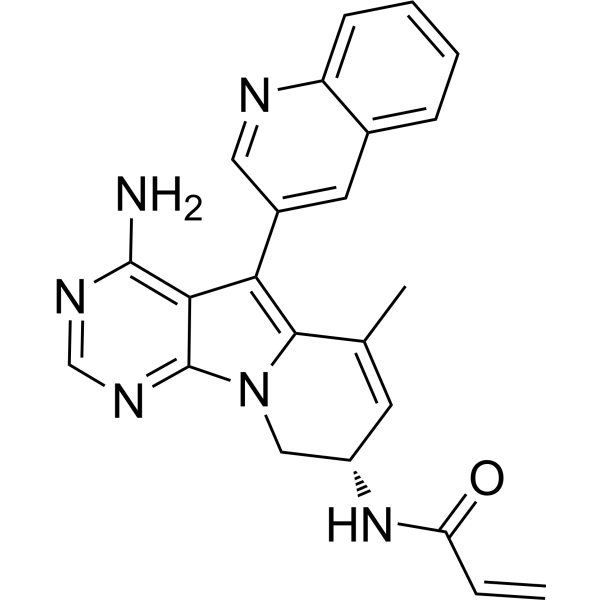
Zipalertinib (TAS6417; CLN-081) is a highly effective, orally active and pan-mutation-selective EGFR tyrosine kinase inhibitor with a unique scaffold fitting into the ATP-binding site of the EGFR hinge region, with IC50 values ranging from 1.1-8.0 nM .
|
-
-
- HY-50898A
-
-
-
- HY-50895A
-
|
ZD-1839 hydrochloride
|
EGFR
|
Cancer
|
|
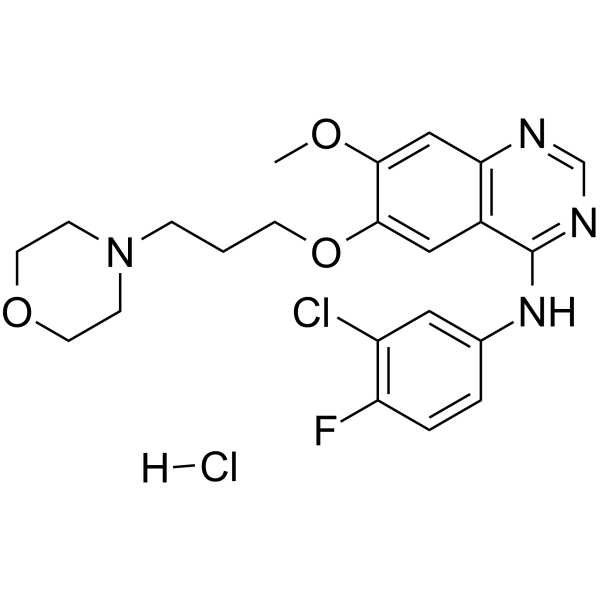
Gefitinib hydrochloride (ZD1839 hydrochloride) is a potent, selective and orally active EGFR tyrosine kinase inhibitor with an IC50 of 33 nM. Gefitinib hydrochloride selectively inhibits EGF-stimulated tumor cell growth (IC50 of 54 nM) and that blocks EGF-stimulated EGFR autophosphorylation in tumor cells. Gefitinib hydrochloride also induces autophagy. Gefitinib hydrochloride has antitumour activity .
|
-
-
- HY-50898B
-
|
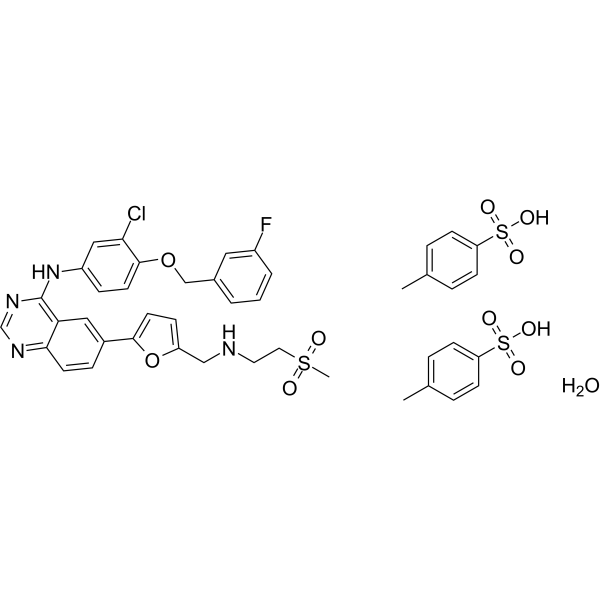
GW572016 ditosylate monohydrate; GW2016 ditosylate monohydrate
|
EGFR
Autophagy
Ferroptosis
|
Infection
Metabolic Disease
Cancer
|
|
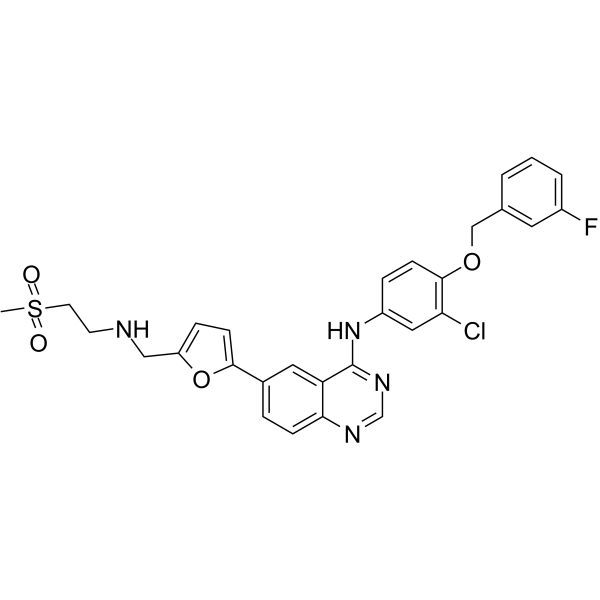
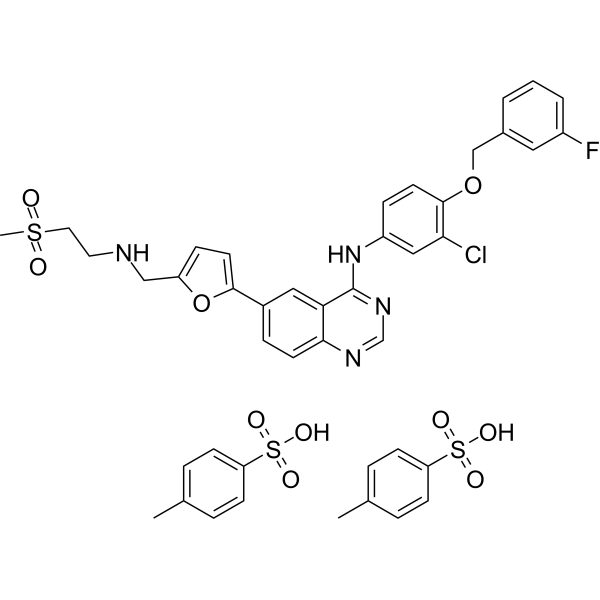
Lapatinib ditosylate monohydrate (GW572016 ditosylate monohydrate) is a potent, orally active inhibitor of the ErbB-2 and EGFR tyrosine kinase domains with IC50 values against purified EGFR and ErbB-2 of 10.2 and 9.8 nM, respectively .
|
-
-
- HY-10322
-
|
BIBX 1382
|
EGFR
|
Cancer
|
|
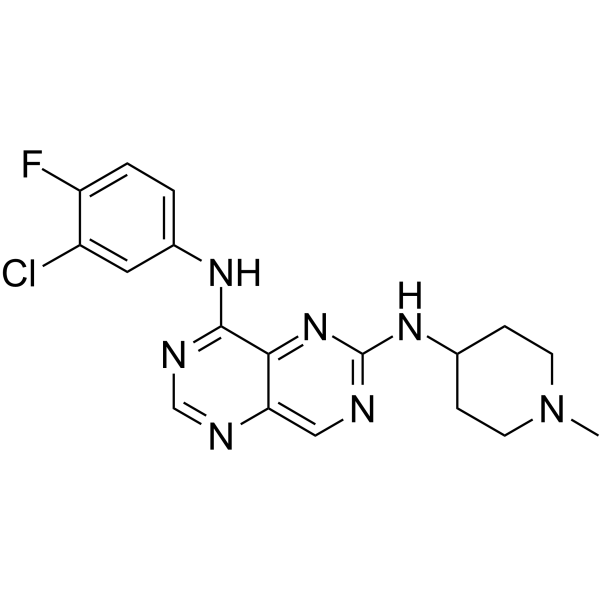
Falnidamol (BIBX 1382) is an orally active, selective EGFR tyrosine kinase inhibitor with an IC50 of 3 nM. Falnidamol displays > 1000-fold lower potency against ErbB2 (IC50=3.4 μM) and a range of other related tyrosine kinases (IC50>10 μM). Falnidamol is a pyrimido-pyrimidine compound and has anti-cancer activity .
|
-
-
- HY-117155
-
PKI-166
1 Publications Verification
|
EGFR
|
Cancer
|
|
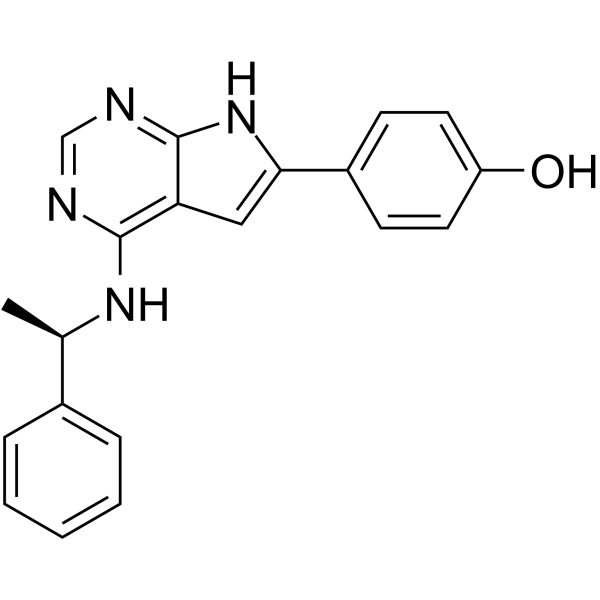
PKI-166 is a potent, selective and orally bioavailable EGFR tyrosine kinase inhibitor, with an IC50 of 0.7 nM .
|
-
-
- HY-19815
-
|
CK-101; RX518
|
EGFR
|
Cancer
|
|
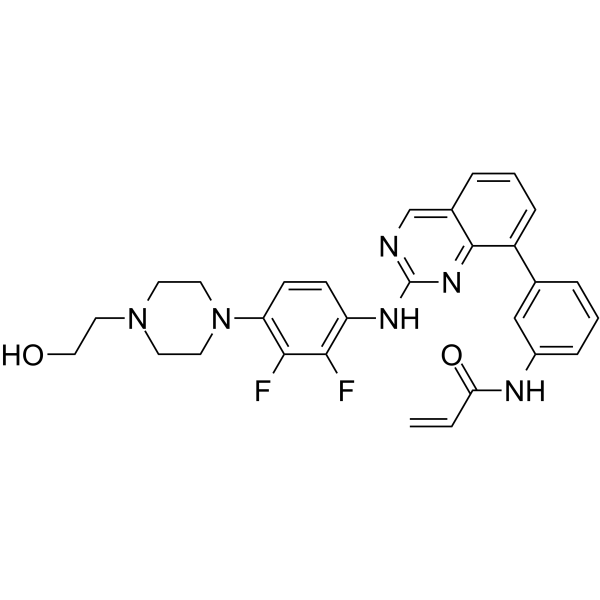
Olafertinib (CK-101) is an orally available, third generation and irreversible epidermal growth factor receptor tyrosine kinase inhibitor (EGFR-TKI). Olafertinib selectively inhibits both EGFR-TKI-sensitizing and resistance mutations with minimal activity on wild-type EGFR. Olafertinib can be used in research for non-small cell lung cancer (NSCLC) with EGFR mutations and other advanced malignancies .
|
-
-
- HY-112823A
-
|
HS-10296 mesylate
|
EGFR
|
Cancer
|
|
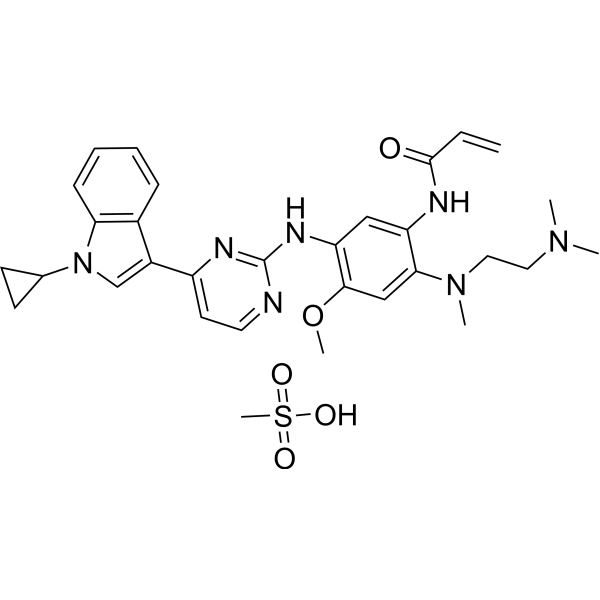
Almonertinib (HS-10296) mesylate is an orally available, irreversible, third-generation EGFR tyrosine kinase inhibitor with high selectivity for EGFR-sensitizing and T790M resistance mutations. Almonertinib mesylate shows great inhibitory activity against T790M, T790M/L858R and T790M/Del19 (IC50: 0.37, 0.29 and 0.21 nM, respectively), and is less effective against wild type (3.39 nM). Almonertinib mesylate is used for the research of the non-small cell lung cancer .
|
-
-
- HY-136430
-
|
JGK037
|
EGFR
|
Cancer
|
|
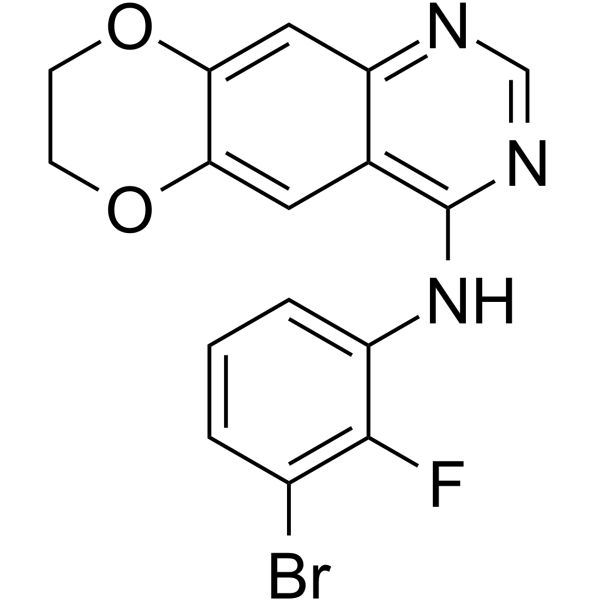
JCN037 (JGK037) is non-covalent and BBB-penetrant EGFR tyrosine kinase inhibitor, with IC50 values of 2.49 nM, 3.95 nM, 4.48 nM for EGFR, p-wtEGFR and pEGFRvⅢ, respectively .
|
-
-
- HY-80002
-
|
BMX kinase inhibitor
|
Btk
BMX Kinase
|
Cancer
|
|
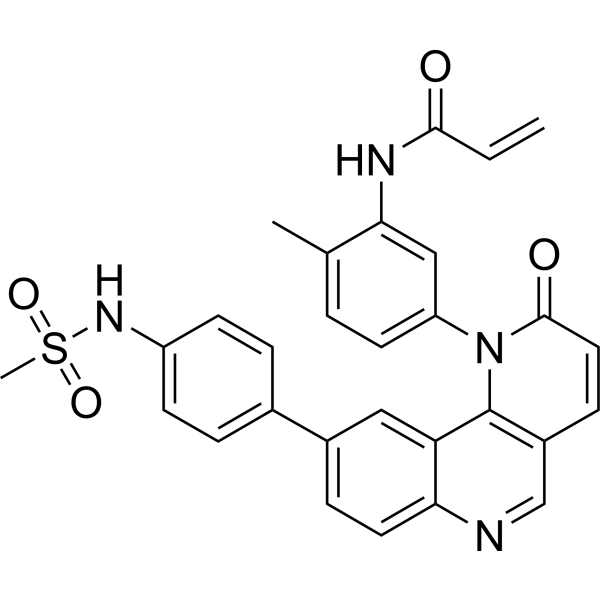
BMX-IN-1 is a selective, irreversible inhibitor of bone marrow tyrosine kinase on chromosome X (BMX) that targets Cys 496 in the BMX ATP binding domain with an IC50 of 8 nM, also targets the related Bruton’s tyrosine kinase (BTK) with an IC50 value of 10.4 nM, but is more than 47-656-fold less potent against Blk, JAK3, EGFR, Itk, or Tec activity.
|
-
-
- HY-109189
-
|
BPI-7711
|
EGFR
|
Cancer
|
|
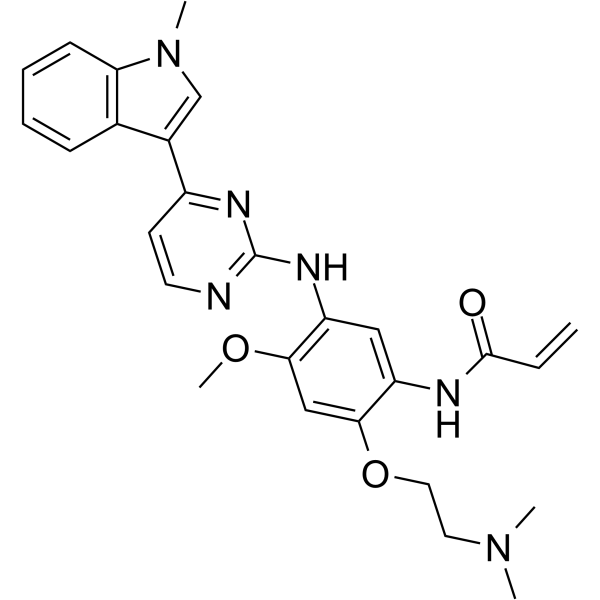
Rezivertinib (BPI-7711) is an orally active, highly selective and irreversible third-generation EGFR tyrosine kinase inhibitor (TKI). Rezivertinib exhibits high potency against the common activation EGFR and the resistance T790M mutations. Rezivertinib has excellent central nervous system (CNS) penetration and has antitumor activity .
|
-
-
- HY-13896
-
|
|
EGFR
Autophagy
Apoptosis
|
Cancer
|
|
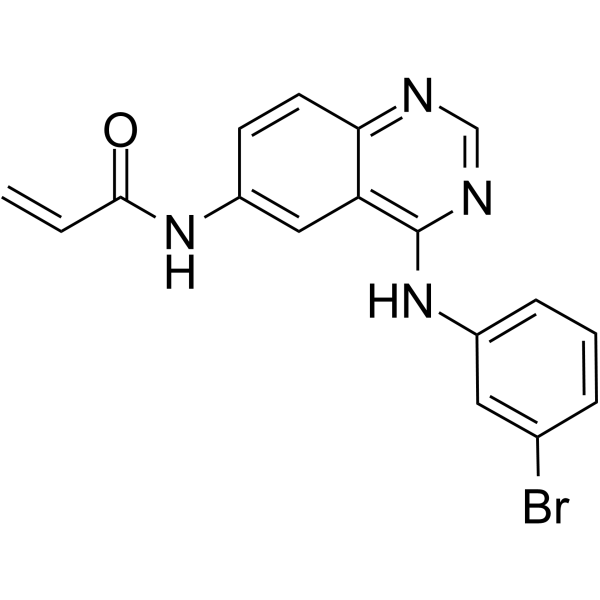
PD168393 is a potent, selective and cell-permeable inhibitor of EGFR tyrosine kinase and ErbB2. PD168393 irreversiblely inactivates EGF receptor ( IC50=0.7 nM) and is inactive against insulin receptor, PDGFR, FGFR and PKC .
|
-
-
- HY-18963
-
|
RG-14355
|
EGFR
|
Cancer
|
|
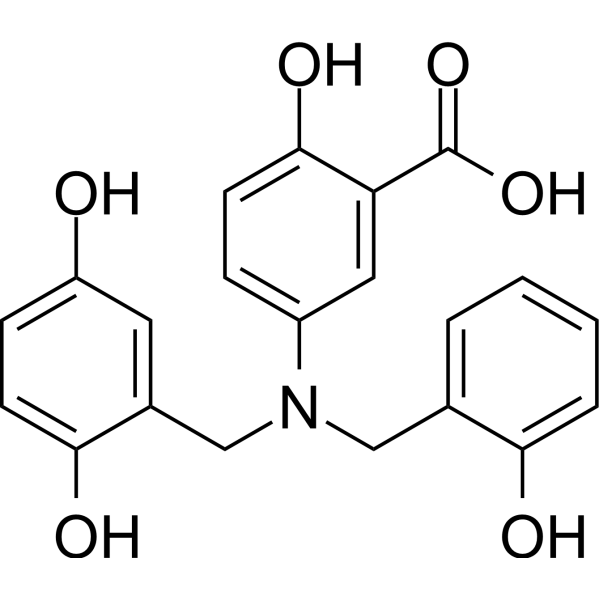
Lavendustin A (RG-14355) is a potent, selective and ATP-competitive inhibitor of epidermal growth factor receptor (EGFR) tyrosine kinase, with an IC50 of 11 nM. Lavendustin A does not inhibit protein kinase A or C. Lavendustin A can suppress VEGF-induced angiogenesis .
|
-
-
- HY-20878
-
|
AG 879
|
Trk Receptor
EGFR
Apoptosis
|
Cancer
|
|
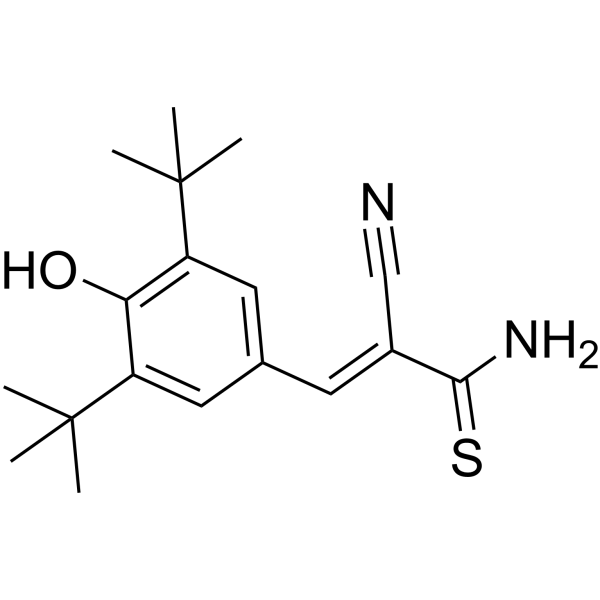
Tyrphostin AG 879 (AG 879) is a tyrosine kinase inhibitor that inhibits TrKA phosphorylation (IC50 of 10 μM), but not TrKB and TrKC. Tyrphostin AG 879 is also a selective ErbB2 tyrosine kinase inhibitor with an IC50 of 1 μM, and has at least 500-fold higher selectivity to ErbB2 than EGFR. Tyrphostin AG 879 has anticancer activity .
|
-
-
- HY-139300
-
|
HMPL-813
|
EGFR
|
Cancer
|
|
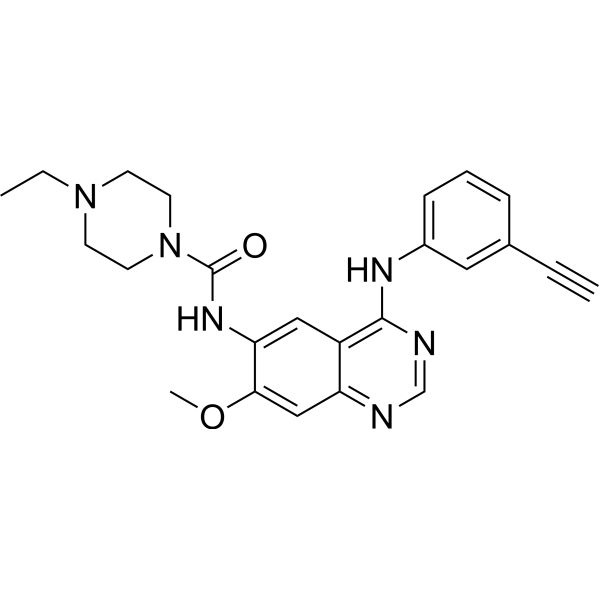
Epitinib (HMPL-813) is a selective, orally active, blood-brain barrier-permeable EGFR tyrosine kinase inhibitor. Epitinib is applicable to research on EGFR T790M-positive non-small cell lung cancer with brain metastasis and advanced solid tumors .
|
-
-
- HY-112412
-
|
|
PDGFR
|
Neurological Disease
|
|
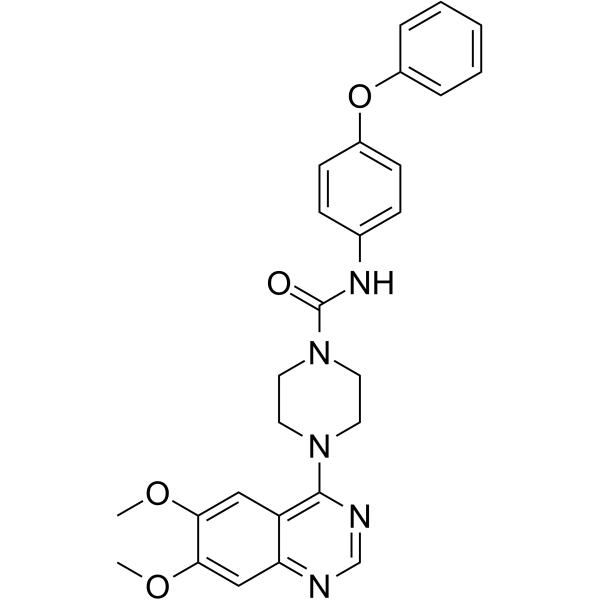
PDGFR Tyrosine kinase-IN-1, a multikinase inhibitor, inhibits PDGFR, EGFR, FGFR, PKA, and PKC, respectively. PDGFR Tyrosine kinase-IN-1 can be used for the research of amyotrophic lateral sclerosis .
|
-
-
- HY-108484
-
|
|
EGFR
|
Cancer
|
|
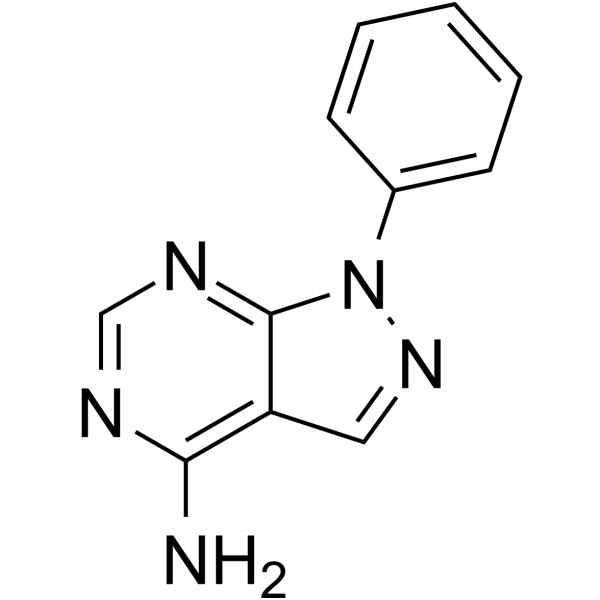
PP 3 (Compound 3) is an EGFR tyrosine kinase inhibitor with an IC50 of 2.7 μM .
|
-
-
- HY-101820
-
|
|
EGFR
|
Cancer
|
|
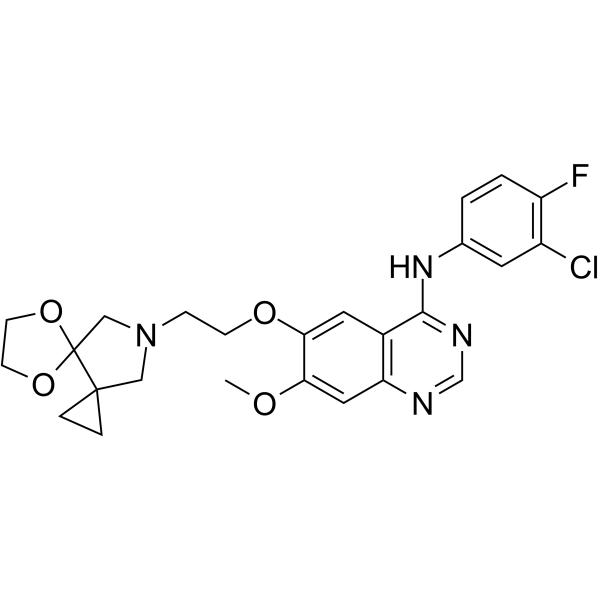
Simotinib is a selective, specific, and orally bioavailable EGFR tyrosine kinase inhibitor, with an IC50 of 19.9 nM. Antineoplastic activities .
|
-
-
- HY-153110
-
|
|
EGFR
IRAK
Btk
|
Cancer
|
|
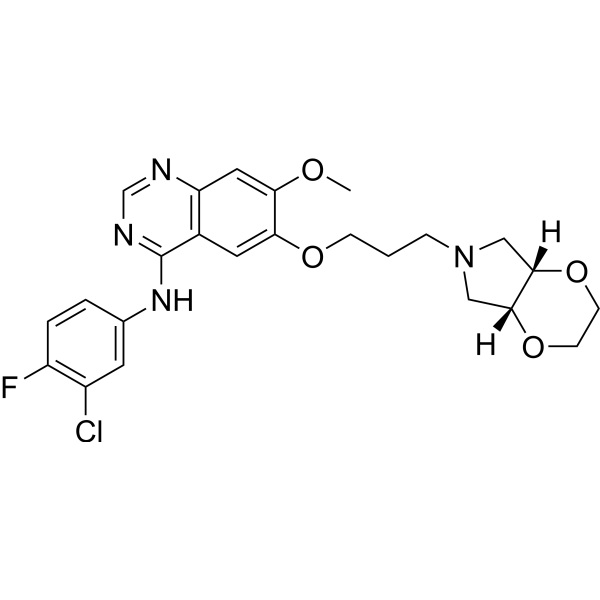
Larotinib is a potent broad-spectrum and orally active tyrosine kinase inhibitor (TKI) with EGFR as the main target with an IC50 of 0.6 nM .
|
-
-
- HY-12806
-
|
|
EGFR
|
Cancer
|
|
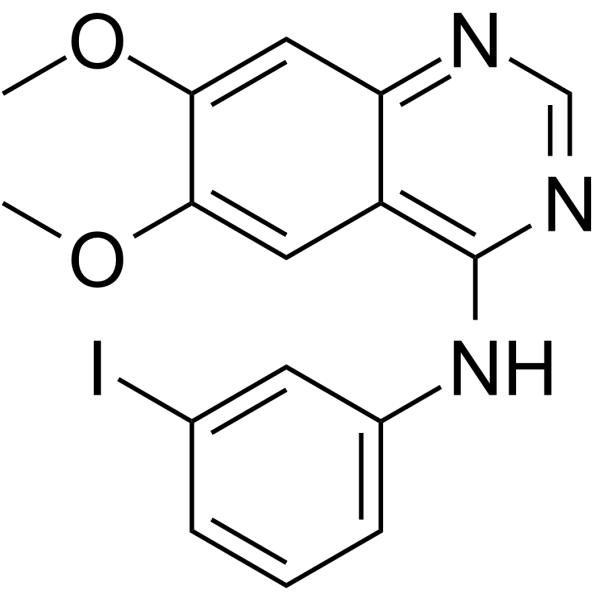
AG1557 is a specific and ATP competitive inhibitor of epidermal growth factor receptor (EGFR) tyrosine kinase, has a pIC50 value of 8.194 .
|
-
-
- HY-118532
-
|
AG30
|
EGFR
|
Cancer
|
|
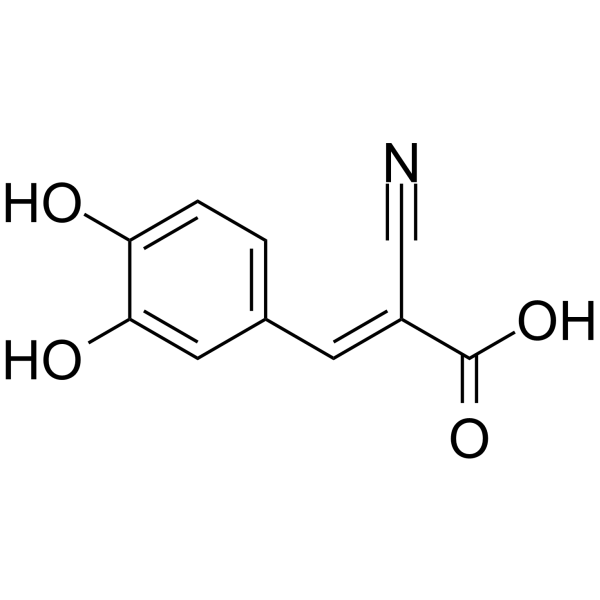
Tyrphostin AG30 (AG30) is a potent and selective EGFR tyrosine kinase inhibitor. Tyrphostin AG30 (AG30) selectively inhibits self renewal induction by c-ErbB, and is able to inhibit activation of STAT5 by c-ErbB in primary erythroblasts .
|
-
-
- HY-50898S4
-
|
GW572016-d7; GW2016-d7
|
Isotope-Labeled Compounds
Autophagy
EGFR
Ferroptosis
|
Cancer
|
|
Lapatinib-d7 (GW572016-d7) is deuterium labeled Lapatinib. Lapatinib (GW572016) is a potent, orally active inhibitor of the ErbB-2 and EGFR tyrosine kinase domains with IC50 values against purified EGFR and ErbB-2 of 10.2 and 9.8 nM, respectively .
|
-

-
- HY-153110A
-
|
|
EGFR
IRAK
Btk
|
Cancer
|
|
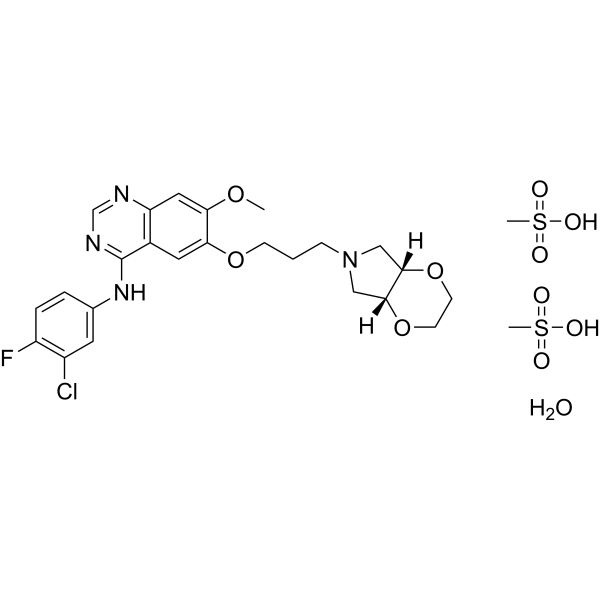
Larotinib mesylate hydrate is a potent broad-spectrum and orally active tyrosine kinase inhibitor (TKI) with EGFR as the main target with an IC50 of 0.6 nM .
|
-
-
- HY-15772S3
-
|
asandeutertinibum; Osimertinib-d3; AZD-9291-d3
|
EGFR
|
Cancer
|
|
Asandeutertinib (Osimertinib-d3; AZD-9291-d3) is a epidermal growth factor receptor (EGFR) tyrosine kinase inhibitor, with antineoplastic effect .
|
-

-
- HY-W013857
-
|
|
CaMK
EGFR
Src
|
Cancer
|
|
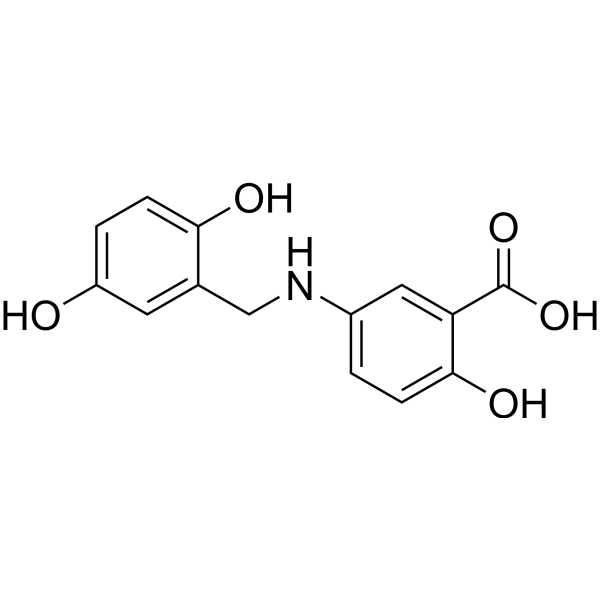
Lavendustin C is a potent Ca 2+ calmodulin-dependent kinase II (CaMK II) inhibitor with an IC50 of 0.2 µM. Lavendustin C inhibits EGFR-associated tyrosine kinase (IC50=0.012 µM) and pp60 c-src(+) kinase (IC50=0.5 µM) .
|
-
-
- HY-156912
-
|
|
EGFR
|
Cancer
|
|
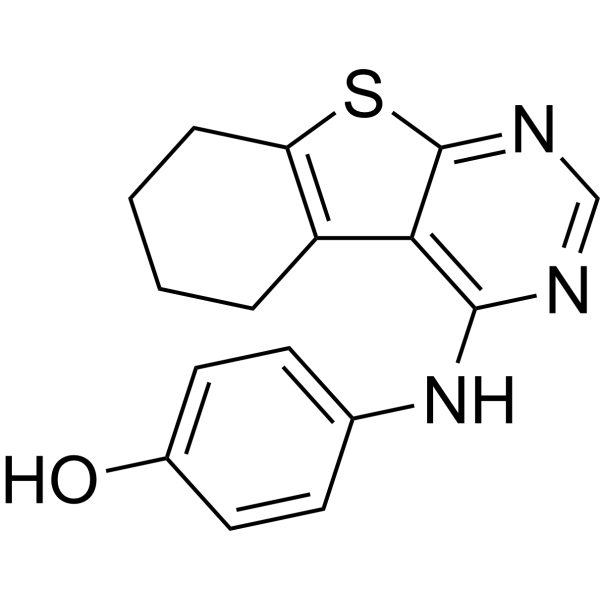
Tyrosine kinase-IN-7 (compound 13h) is an inhibitor of the tyrosine kinase EGFR. The IC50s for inhibiting EGFR(WT) and EGFR(T790M) are 0.630 μM and 0.956 μM respectively. Tyrosine kinase-IN-7 has antitumor activity against four cancer cell lines (HepG2, HCT-116, MCF-7, and A431) with IC50s of 13.02 μM, 10.14 μM, 12.68 μM, and 47.05 μM, respectively .
|
-
-
- HY-129510
-
|
|
EGFR
Mitosis
|
Cancer
|
|
4-Methyl erlotinib, is a potent and selective epidermal growth factor receptor (EGFR) tyrosine kinase inhibitor. 4-Methyl erlotinib potently inhibits EGF-mediated tumor cell mitosis by reducing EGFr-specific tyrosine phosphorylation. Using a mouse model of human tumor transplantation, 4-Methyl erlotinib demonstrated significant and sustained suppression of EGFr phosphotyrosine levels, resulting in significant growth inhibition of EGFr-dependent human cancers .
|
-

-
- HY-156741A
-
|
|
EGFR
|
Cancer
|
|
EGFR-IN-87 (Compound Example 2) hydrochloride is a EGFR tyrosine kinase inhibitor. EGFR-IN-87 hydrochloride has IC50 value of 3.1 nM, 1.3 nM and 7.1 nM for EGFR_d746-750, EGFR_L858R/T790 and EGFR_WT in A431 cells, respectively. EGFR-IN-87 hydrochloride can be used for cancer diseases research .
|
-

-
- HY-50898S1
-
|
GW572016-d7 dihydrochloride; GW2016-d7 dihydrochloride
|
Isotope-Labeled Compounds
EGFR
Autophagy
Ferroptosis
|
Cancer
|
|
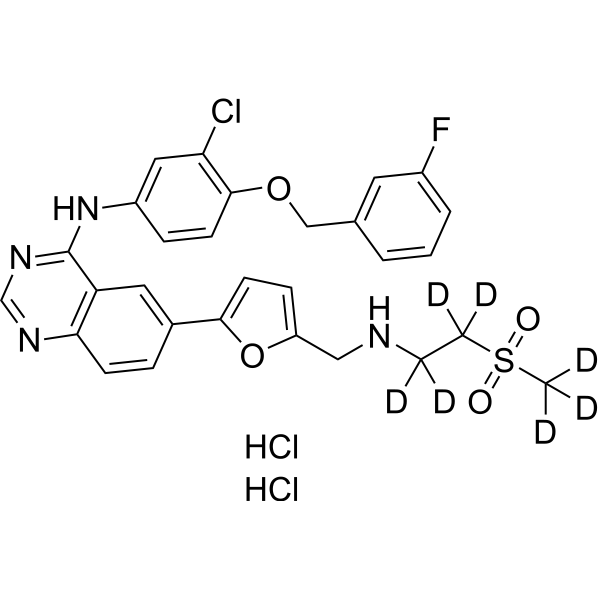
Lapatinib-d7 dihydrochloride is the deuterium labeled Lapatinib dihydrochloride. Lapatinib (GW572016) dihydrochloride is a potent, orally active inhibitor of the ErbB-2 and EGFR tyrosine kinase domains with IC50 values against purified EGFR and ErbB-2 of 10.2 and 9.8 nM, respectively .
|
-
-
- HY-10260B
-
|
ZD6474 hydrochloride
|
VEGFR
Autophagy
Apoptosis
|
Cancer
|
|
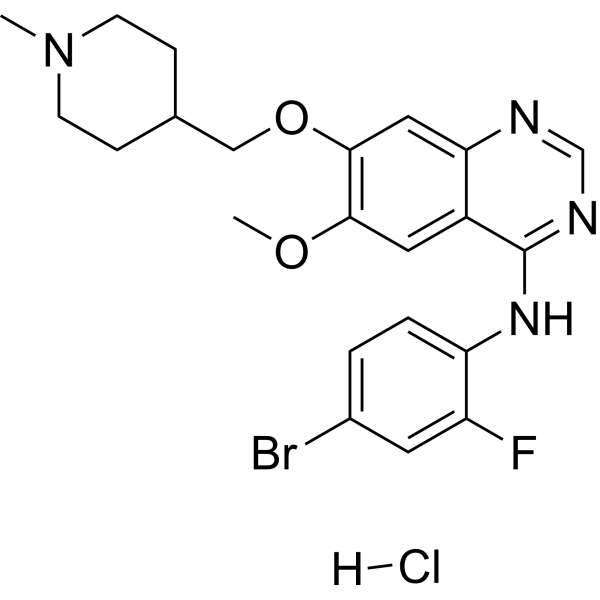
Vandetanib hydrochloride (D6474 hydrochloride) is a potent, orally active inhibitor of VEGFR2/KDR tyrosine kinase activity (IC50=40 nM). Vandetanib hydrochloride also has activity versus the tyrosine kinase activity of VEGFR3/FLT4 (IC50=110 nM) and EGFR/HER1 (IC50=500 nM) .
|
-
-
- HY-50898S
-
|
GW572016-d4; GW2016-d4
|
EGFR
Autophagy
Ferroptosis
|
Cancer
|
|
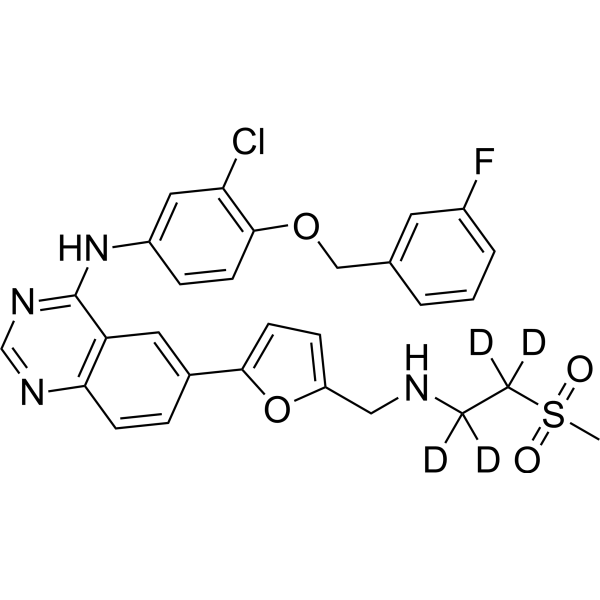
Lapatinib-d4 is the deuterium labeled Lapatinib (HY-50898). Lapatinib is a potent, orally active inhibitor of the ErbB-2 and EGFR tyrosine kinase domains with IC50 values against purified EGFR and ErbB-2 of 10.2 and 9.8 nM, respectively .
|
-
-
- HY-117852
-
|
TRX-13
|
EGFR
Tyrosinase
|
Cancer
|
|
CGP-59326 (TRX-13) is a highly potent and selective epidermal growth factor receptor (EGFR) tyrosine kinase inhibitor (IC50=0.027 μM). CGP-59326 blocks the EGFR signaling pathwa, demonstrating highly selective inhibition of EGFR-dependent tumor cells. CGP-59326 is promising for research of cancers .
|
-

-
- HY-101958
-
|
AG82; Tyrphostin A 25; Tyrphostin AG 82; RG-50875
|
EGFR
GPR35
|
Inflammation/Immunology
Cancer
|
|
Tyrphostin 25 (AG82) is a specific inhibitor of the EGFR tyrosine kinase with an IC50 value of 3 µM in A431 cells. Tyrphostin 25 is also a GPR35 agonist with an EC50 of 5.3 µM .
|
-
-
- HY-13524A
-
-
-
- HY-148871
-
|
|
Drug-Linker Conjugates for ADC
|
Cancer
|
|
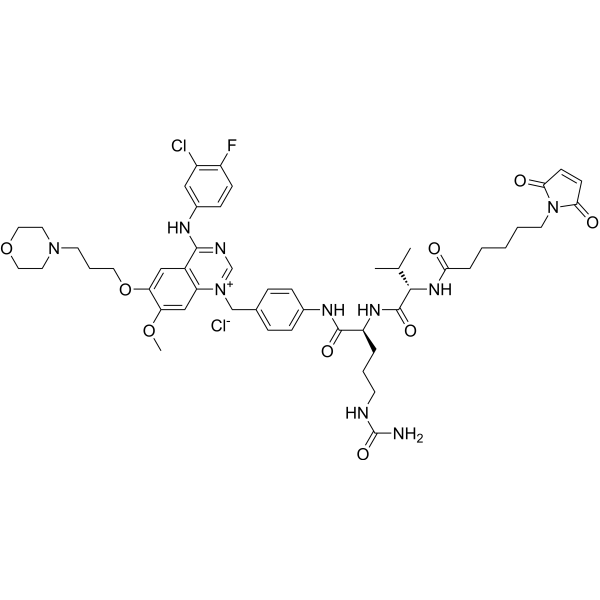
Mc-Val-Cit-PAB-Gefitinib chloride is a agent-linker conjugates for ADC. Mc-Val-Cit-PAB-Gefitinib chloride consists of Gefitinib (HY-50895) (an EGFR tyrosine kinase inhibitor) and the ADC linker Mc-Val-Cit-PAB .
|
-
-
- HY-19730A
-
|
HM61713 hydrochloride; BI 1482694 hydrochloride
|
EGFR
|
Cancer
|
|
Olmutinib hydrochloride is an orally active and irreversible third EGFR tyrosine kinase inhibitor that binds to a cysteine residue near the kinase domain. Olmutinib hydrochloride is used for NSCLC .
|
-

-
- HY-101820A
-
|
|
EGFR
|
Cancer
|
|
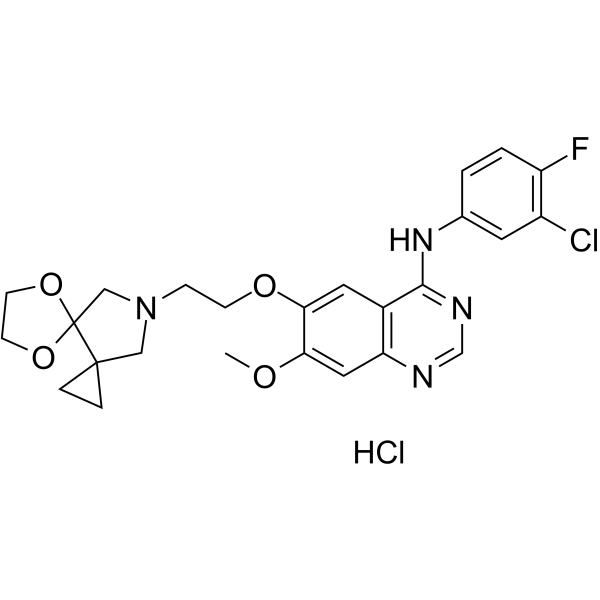
Simotinib hydrochloride is a selective, specific, and orally bioavailable EGFR tyrosine kinase inhibitor, with an IC50 of 19.9 nM. Antineoplastic activities .
|
-
-
- HY-144445
-
|
|
EGFR
|
Cancer
|
|
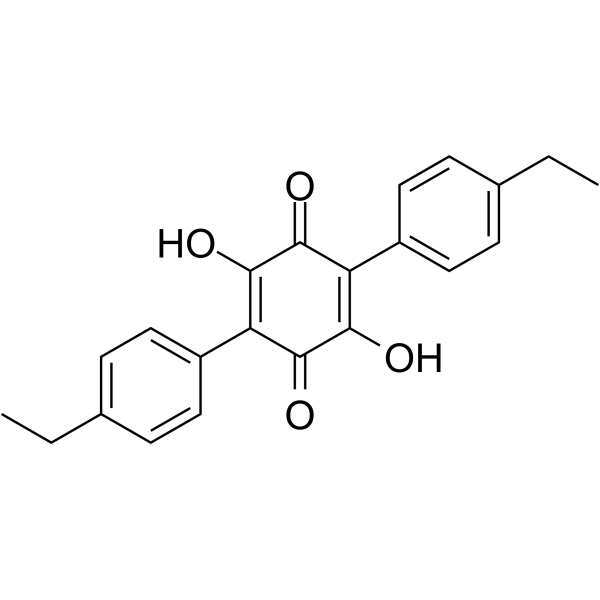
NSC114126 is a potent and orally active inhibitor of EGFR tyrosine kinase (EGFR-TK). NSC114126 has strong antiproliferative activities. NSC114126 has the potential for the research of cancer diseases .
|
-
-
- HY-100636
-
|
|
EGFR
|
Cancer
|
|
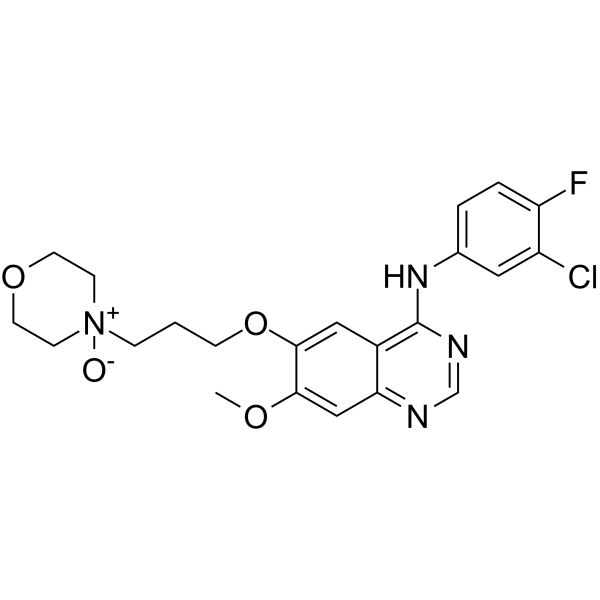
Gefitinib N-oxide is the N-oxide derivative of Gefitinib. Gefitinib is an EGFR tyrosine kinase inhibitor, with IC50 of 2-37 nM in NR6wtEGFR cells .
|
-
-
- HY-W174279
-
|
|
EGFR
Ras
Phosphatase
|
Metabolic Disease
|
|
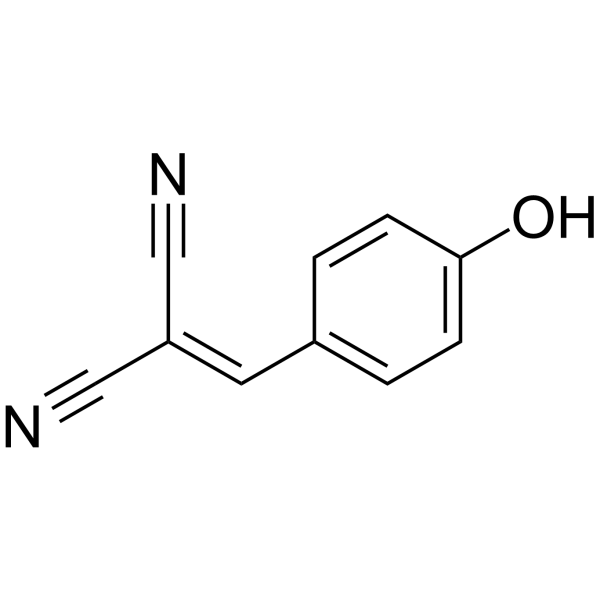
Tyrphostin 8 is a tyrosine kinase, with an IC50 of 560 μM for EGFR kinase. Tyrphostin 8 is also a GTPase inhibitor. Tyrphostin 8 can inhibit the protein serine/threonine phosphatase calcineurin (IC50=21 μM) .
|
-
-
- HY-156741
-
|
|
EGFR
|
Cancer
|
|
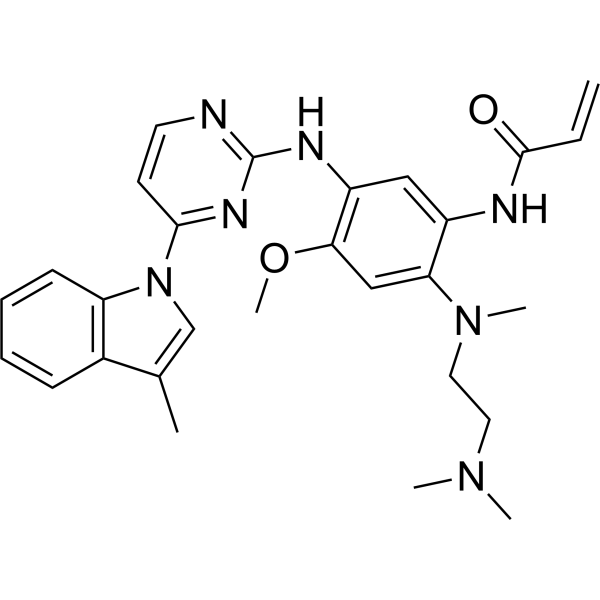
EGFR-IN-87 (Compound Example 2) is a EGFR tyrosine kinase inhibitor. EGFR-IN-87 has IC50 value of 3.1 nM, 1.3 nM and 7.1 nM for EGFR_d746-750, EGFR_L858R/T790 and EGFR_WT in A431 cells, respectively. EGFR-IN-87 can be used for cancer diseases research .
|
-
- HY-103439
-
|
|
Tyrosine Hydroxylase
EGFR
|
Cancer
|
|
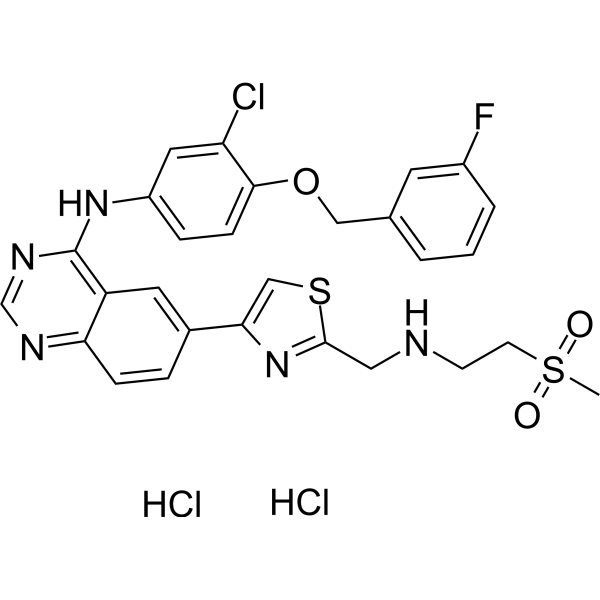
GW 583340 dihydrochloride is an orally active ErbB-2/EGFR tyrosine kinase inhibitor. GW 583340 dihydrochloride exhibits antitumor activity in xenograft models with EGFR overexpression or ErbB-2 overexpression. GW 583340 dihydrochloride is applicable to research related to head and neck cancer, breast cancer, and gastric cancer .
|
-
- HY-130616
-
|
|
EGFR
Apoptosis
|
Cancer
|
|
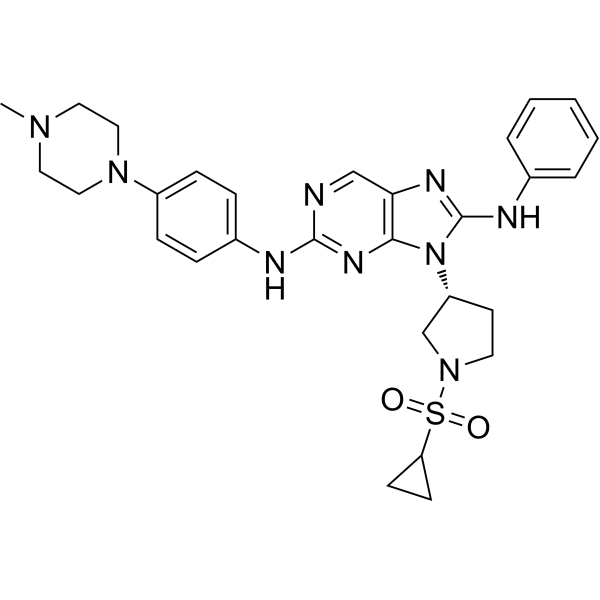
EGFR-IN-11 is a fourth-generation EGFR-tyrosine kinase inhibitor (EGFR-TKI) with an IC50 of 18 nM for triple mutant EGFR L858R/T790M/C797S. EGFR-IN-11 significantly suppresses the EGFR phosphorylation, induce the apoptosis, and arrest cell cycle at G0/G1 .
|
-
- HY-128893
-
|
|
Drug-Linker Conjugates for ADC
|
Cancer
|
|
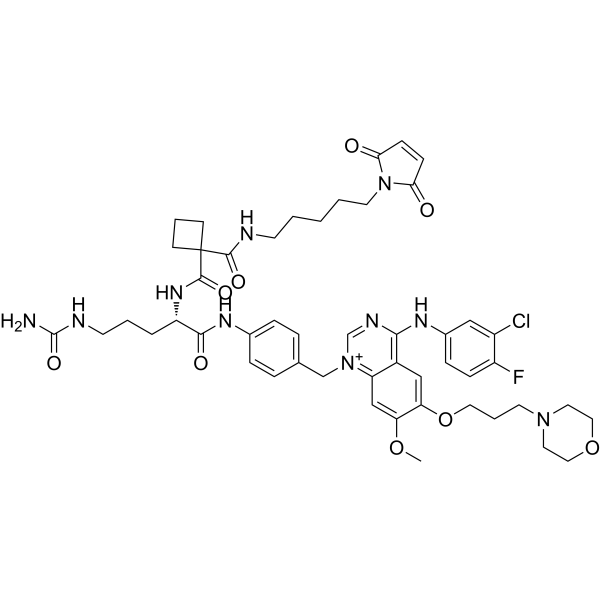
MC-Sq-Cit-PAB-Gefitinib is a agent-linker conjugate for ADC with potent antitumor activity by using Gefitinib (an EGFR tyrosine kinase inhibitor), linked via the ADC linker MC-Sq-Cit-PAB.
|
-
- HY-50895S
-
|
ZD1839-d8
|
EGFR
Autophagy
|
Cancer
|
|
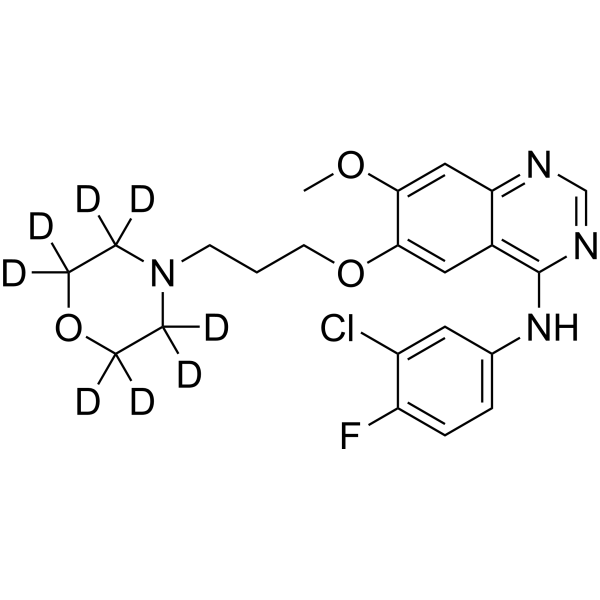
Gefitinib-d8 (ZD1839-d8) is a deuterium labeled Gefitinib. Gefitinib is an EGFR tyrosine kinase inhibitor, with IC50 of 2-37 nM in NR6wtEGFR cells .
|
-
- HY-50895S1
-
|
ZD1839-d6
|
EGFR
Autophagy
|
Cancer
|
|
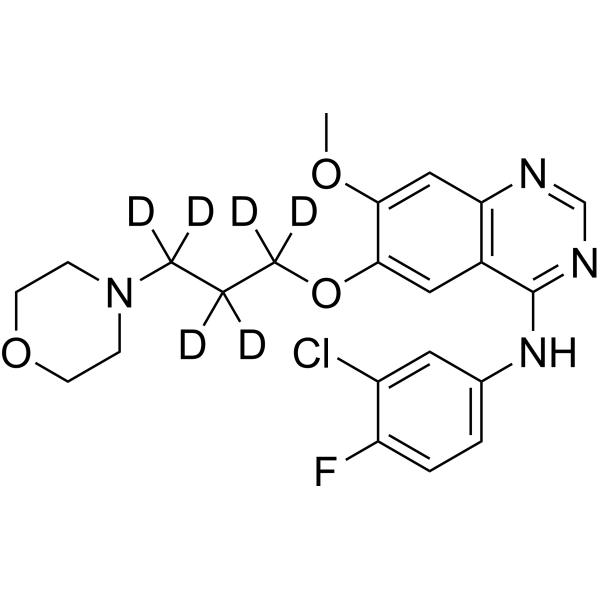
Gefitinib-d6 is the deuterium labeled Gefitinib. Gefitinib (ZD1839) is a potent, selective and orally active EGFR tyrosine kinase inhibitor with an IC50 of 33 nM. Gefitinib selectively inhibits EGF-stimulated tumor cell growth (IC50 of 54 nM) and that blocks EGF-stimulated EGFR autophosphorylation in tumor cells. Gefitinib also induces autophagy. Gefitinib has antitumour activity .
|
-
- HY-N14635
-
|
|
EGFR
|
Infection
|
|
Paeciloquinone A can inhibit EGFR protein tyrosine kinase. Paeciloquinone A inhibits the V-abl protein tyrosine kinase with an IC50 of 0.59 μM .
|
-

- HY-N14637
-
|
|
EGFR
|
Infection
|
|
Paeciloquinone C can inhibit the EGFR protein tyrosine kinase. Paeciloquinone C inhibits the V-abl protein tyrosine Kinase with an IC50 of 0.56 μM .
|
-

- HY-N14638
-
|
|
EGFR
|
Infection
|
|
Paeciloquinone D can inhibit the EGFR protein tyrosine kinase .
|
-

- HY-N14639
-
|
|
EGFR
|
Infection
|
|
Paeciloquinone E can inhibit the EGFR protein tyrosine kinase .
|
-

- HY-N14640
-
|
|
EGFR
|
Infection
|
|
Paeciloquinone F can inhibit the EGFR protein tyrosine kinase .
|
-

- HY-N14636
-
|
|
EGFR
|
Infection
|
|
Paeciloquinone B can inhibit the EGFR protein tyrosine kinase .
|
-

- HY-169755
-
|
|
EGFR
|
Cancer
|
|
Tyrphostin 63 (compound 13) is an epidermal growth factor receptor (EGFR) inhibitor with IC50 and Ki values are 375 and 123 μM, respectively .
|
-

- HY-50896S1
-
|
CP-358774-13C6; NSC 718781-13C6; OSI-774-13C6
|
Isotope-Labeled Compounds
EGFR
Autophagy
|
Cancer
|
|
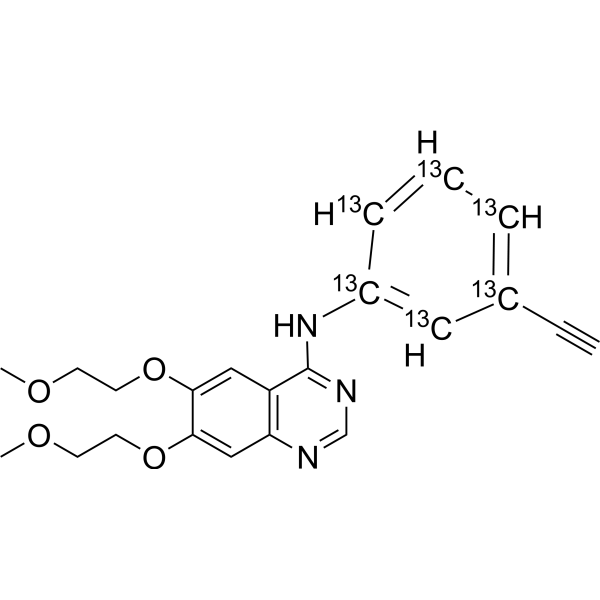
Erlotinib- 13C6 is a 13C-labeled Erlotinib. Erlotinib is a directly acting EGFR tyrosine kinase inhibitor, with an IC50 of 2 nM for human EGFR .
|
-
- HY-120857
-
|
PD 158294
|
EGFR
|
Others
|
|
BPIQ-II is a linear imidazoloquinazoline that potently inhibits the tyrosine kinase activity of the epidermal growth factor receptor (EGFR; IC50=8 pM). It is selective for EGFR over an assortment of other tyrosine and serine/threonine kinases. Cellular studies indicate that BPIQ-II can enter cells and very selectively shut down EGF-stimulated signal transmission by binding competitively at the ATP site of EGFR.
|
-

- HY-110328
-
|
|
EGFR
|
Cancer
|
|
PKI-166 hydrochloride is a potent, selective and orally active EGFR tyrosine kinase inhibitor, with an IC50 of 0.7 nM .
|
-
- HY-144444
-
|
|
EGFR
|
Cancer
|
|
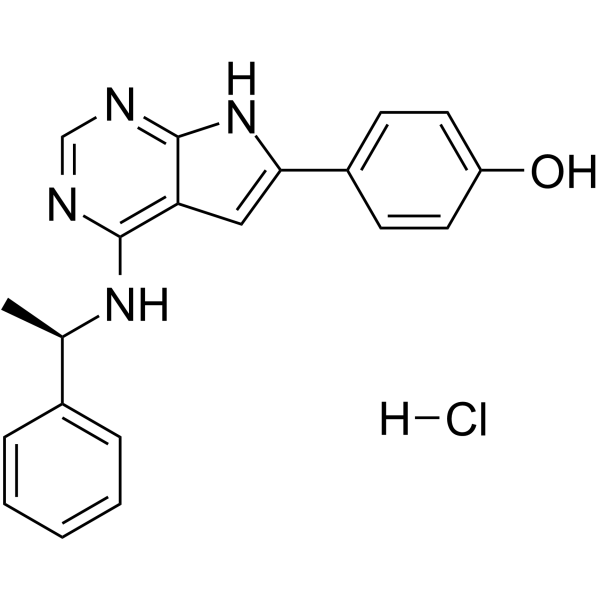
NSC381467 is a potent and orally active inhibitor of EGFR tyrosine kinase (EGFR-TK). NSC381467 has strong antiproliferative activities. NSC381467 has the potential for the research of cancer diseases .
|
-
- HY-118175
-
|
|
EGFR
|
Others
|
|
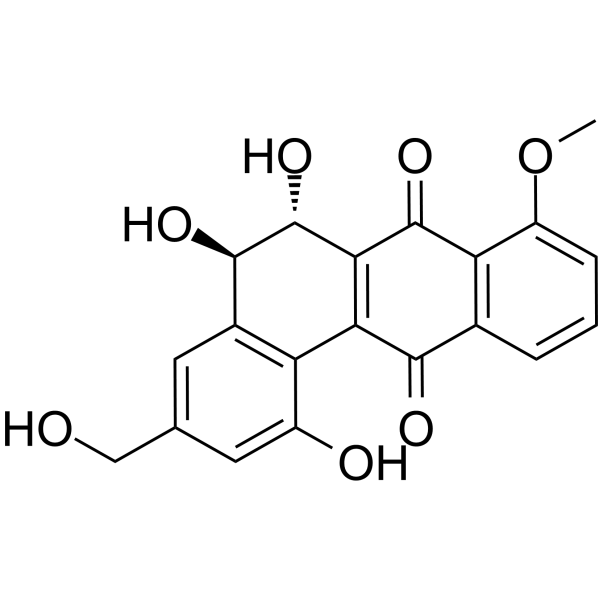
RG 14921 is a compound structurally related to Erbstatin (HY-113549) and has inhibitory activity against EGFR tyrosine kinase and CAMP-dependent kinase activity. RG 14921 inhibits EGF receptor kinase activity as a noncompetitive inhibitor.
|
-

- HY-147303
-
|
|
Trk Receptor
EGFR
|
Cancer
|
|
Sacibertinib is a tyrosine kinase (Trk) inhibitor with EC50 value of 110 nM and 244 nM for EGFR-TK phosphorylation and HER2, respectively. Antineoplastic activity .
|
-
- HY-112405
-
|
PD 159121
|
EGFR
|
Cancer
|
|
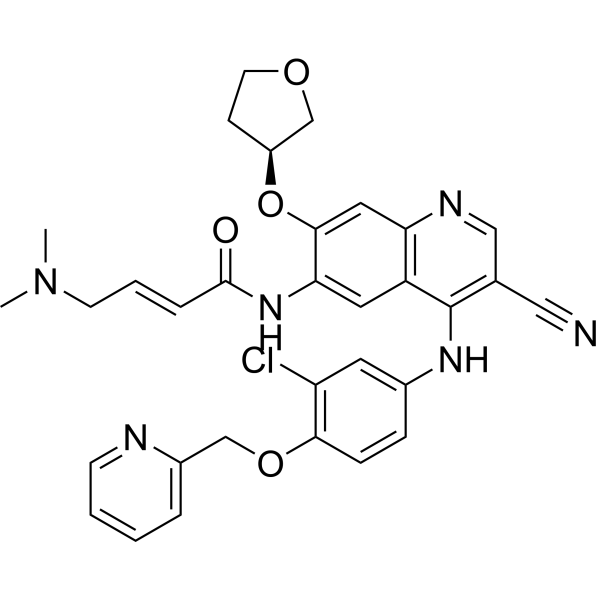
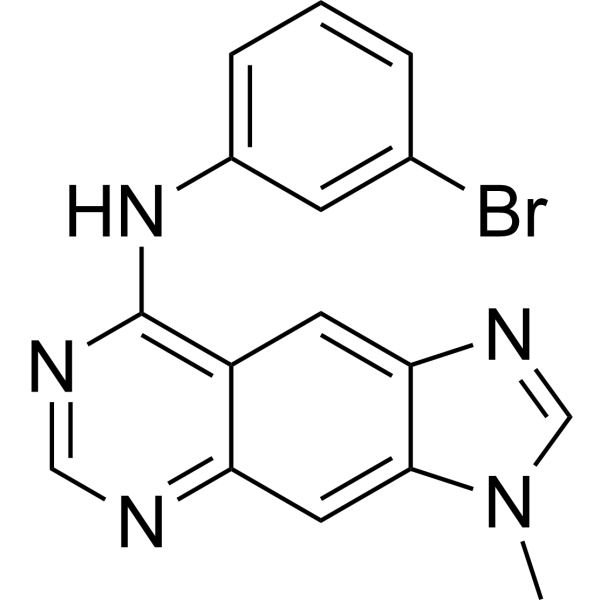
BPIQ-I (PD 159121) is a potent and ATP-competitive EGFR tyrosine kinase inhibitor.. BPIQ-I shows anti-proliferative actively .
|
-
- HY-50898C
-
|
GW572016 tosylate; GW2016 tosylate
|
EGFR
Ferroptosis
Autophagy
|
Cancer
|
|
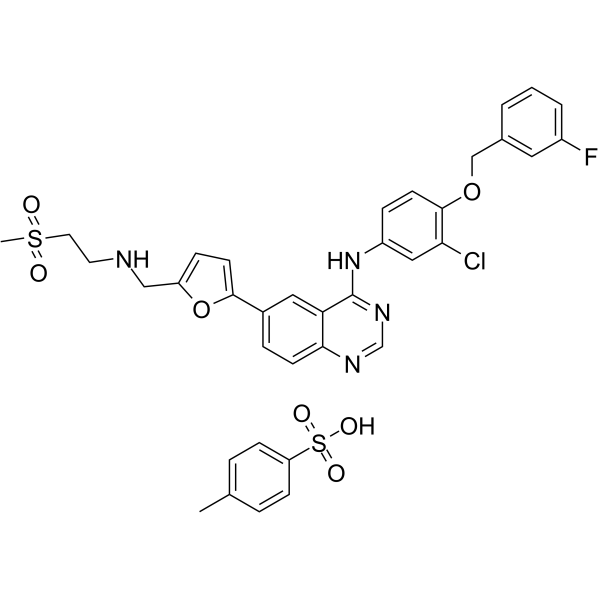
Lapatinib (GW572016) tosylate is a potent, orally active inhibitor of the ErbB-2 and EGFR tyrosine kinase domains with IC50 values against purified EGFR and ErbB-2 of 10.2 and 9.8 nM, respectively .
|
-
- HY-145844
-
|
|
EGFR
Apoptosis
|
Cancer
|
|
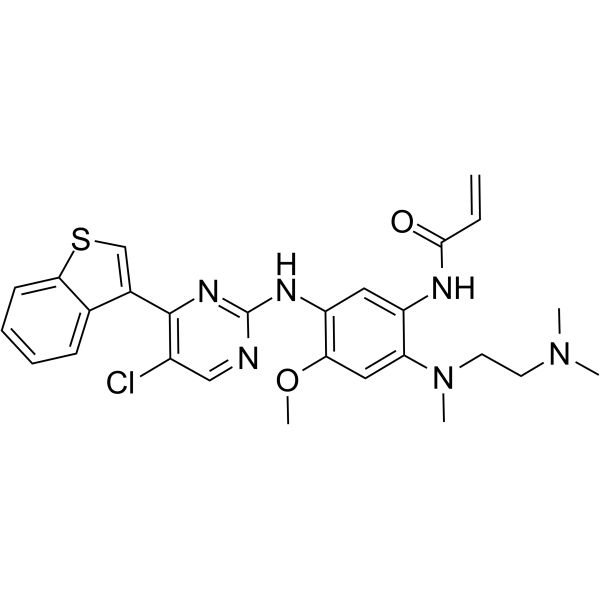
EGFR-IN-44 (Compound 6a) is a potent, orally active EGFR tyrosine kinase inhibitor with an IC50 of 4.11 nM. EGFR-IN-44 induces cell apoptosis and shows an oral bioavailability value of 33.57%. EGFR-IN-44 can be studied for non-small-cell lung cancers .
|
-
- HY-15661A
-
|
CP 373413
|
Drug Metabolite
|
Cancer
|
|
OSI-413 (free base) (CP 373413) is a major metabolite of Erlotinib (HY-50896). Erlotinib (CP-358774) is a directly acting EGFR tyrosine kinase inhibitor, with an IC50 of 2 nM for human EGFR .
|
-

- HY-161866
-
|
|
EGFR
|
Cancer
|
|
EGFR-IN-118 (Compound 4a) is an inhibitor for the tyrosine kinase EGFR. EGFR-IN-118 demonstrates anti-cancer property, inhibiting the proliferation of MCF-7 and PC3 with IC50 of 2.53 and 3.25 µg/ml. EGFR-IN-118 exhibits antioxidant efficacy, inhibiting the DPPH free radicals with IC50 of 10.04 µg/ml .
|
-

- HY-100636A
-
|
|
EGFR
|
Cancer
|
|
Gefitinib N-oxide hydrochloride is the N-oxide derivative of Gefitinib. Gefitinib is an EGFR tyrosine kinase inhibitor, with IC50 of 2-37 nM in NR6wtEGFR cells .
|
-
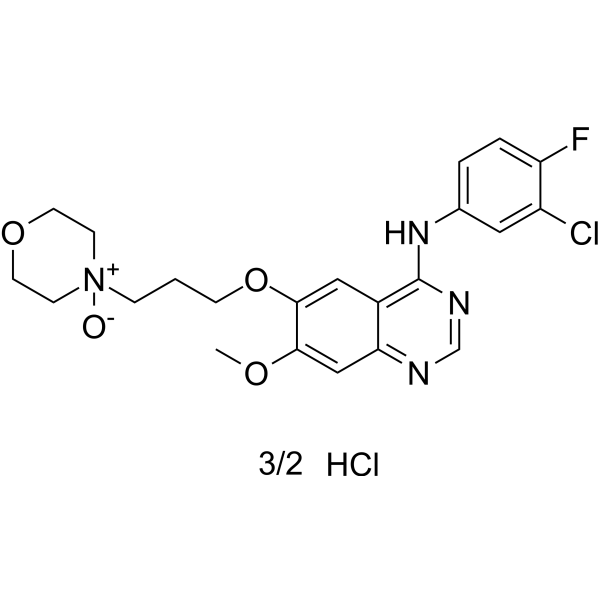
- HY-164413
-
|
|
VEGFR
EGFR
RET
Apoptosis
|
Cancer
|
|
CLM3, a pyrazolopyrimidine derivative, is a multiple tyrosine kinase inhibitor. CLM3 shows antiproliferative and proapoptotic activity on endothelial and cancer cells, synergistically enhanced by SN38 (HY-13704). These effects are mainly due to its inhibition of phosphorylation of VEGFR-2, EGFR and RET tyrosine kinases and their related signaling pathways .
|
-

- HY-142680
-
|
|
EGFR
|
Cancer
|
|
EGFR-IN-23 is a potent EGFR TKI (tyrosine kinase inhibitor) with an IC50 of 8.05 nM for BaF3/EGFR-DEL19/T790M/C797S cell (WO2021244502A1, compound 8) .
|
-
- HY-19909A
-
|
|
EGFR
|
Cancer
|
|
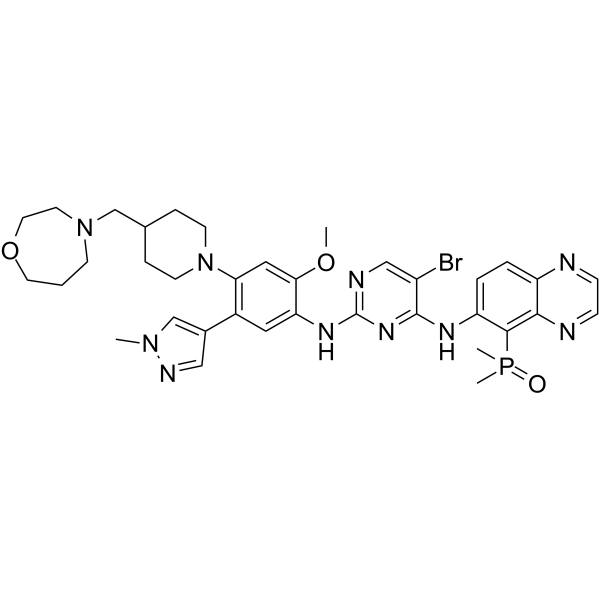
NRC-2694-A is an orally effective EGFR tyrosine kinase inhibitor. NRC-2694-A can be used in the study of malignant squamous cell carcinoma (HNSCC) .
|
-

- HY-50898S2
-
|
GW572016-d5; GW2016-d5
|
Isotope-Labeled Compounds
EGFR
Autophagy
Ferroptosis
|
Cancer
|
|
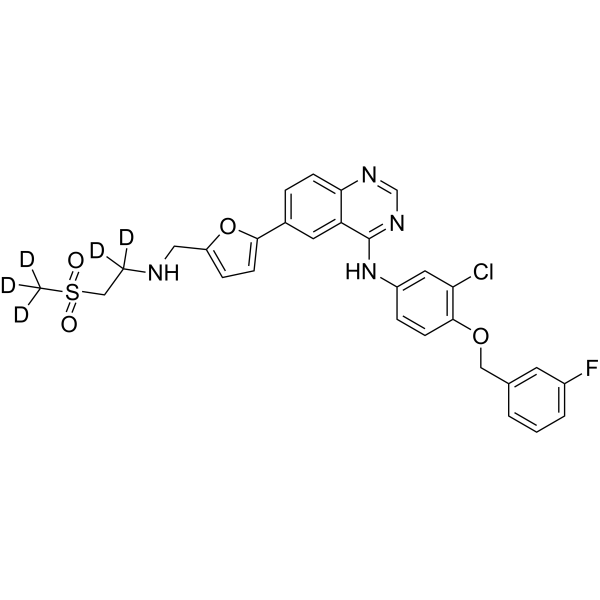
Lapatinib-d5 is deuterium labeled Lapatinib. Lapatinib (GW572016) is a potent, orally active inhibitor of the ErbB-2 and EGFR tyrosine kinase domains with IC50 values against purified EGFR and ErbB-2 of 10.2 and 9.8 nM, respectively .
|
-
- HY-101820R
-
|
|
Reference Standards
EGFR
|
Cancer
|
|
Simotinib (Standard) is the analytical standard of Simotinib. This product is intended for research and analytical applications. Simotinib is a selective, specific, and orally bioavailable EGFR tyrosine kinase inhibitor, with an IC50 of 19.9 nM. Antineoplastic activities .
|
-

- HY-50898S3
-
|
GW572016-d4-1; GW2016-d4-1
|
Isotope-Labeled Compounds
EGFR
Autophagy
Ferroptosis
|
Cancer
|
|
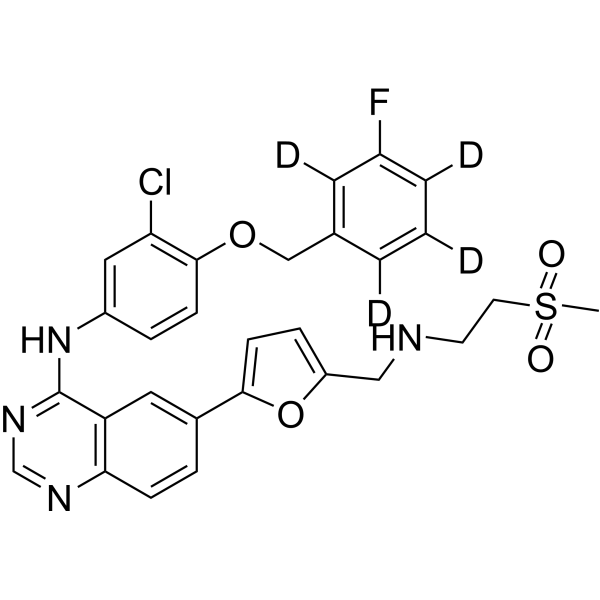
Lapatinib-d4-1 is deuterium labeled Lapatinib. Lapatinib (GW572016) is a potent, orally active inhibitor of the ErbB-2 and EGFR tyrosine kinase domains with IC50 values against purified EGFR and ErbB-2 of 10.2 and 9.8 nM, respectively .
|
-
- HY-163377
-
|
|
Enterovirus
EGFR
|
Infection
|
|
AZ5385 is an EGFR-tyrosine kinase inhibitor. AZ5385 is a HRV-2 virus blocker, with EC50 of 0.35 µM. AZ5385 affects the late stage of viral life cycle .
|
-
- HY-10260A
-
|
ZD6474 trifluoroacetate
|
VEGFR
Autophagy
Apoptosis
|
Cancer
|
|
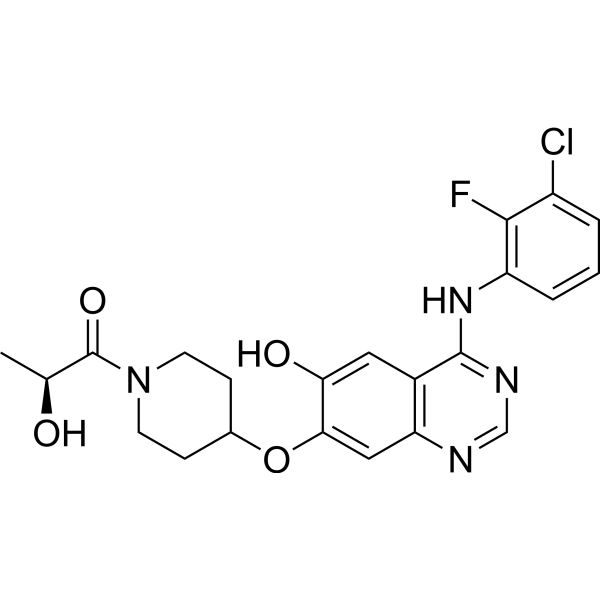
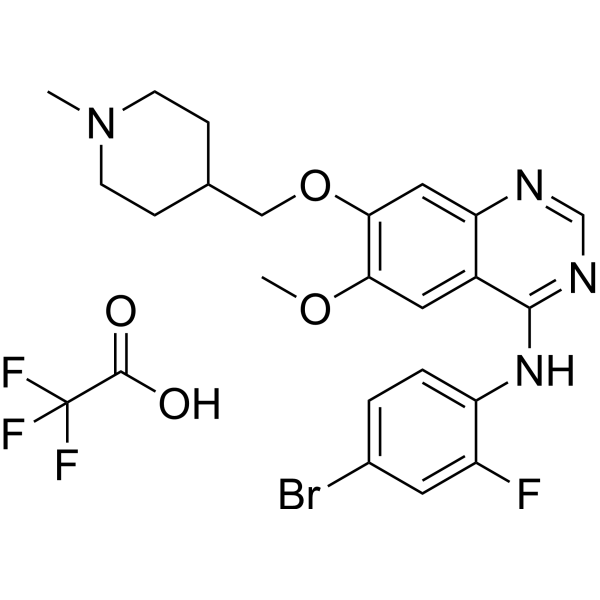
Vandetanib trifluoroacetate (D6474 trifluoroacetate) is a potent, orally active inhibitor of VEGFR2/KDR tyrosine kinase activity (IC50=40 nM). Vandetanib trifluoroacetate also has activity versus the tyrosine kinase activity of VEGFR3/FLT4 (IC50=110 nM) and EGFR/HER1 (IC50=500 nM) .
|
-
- HY-129510R
-
|
|
EGFR
Mitosis
Reference Standards
|
Cancer
|
|
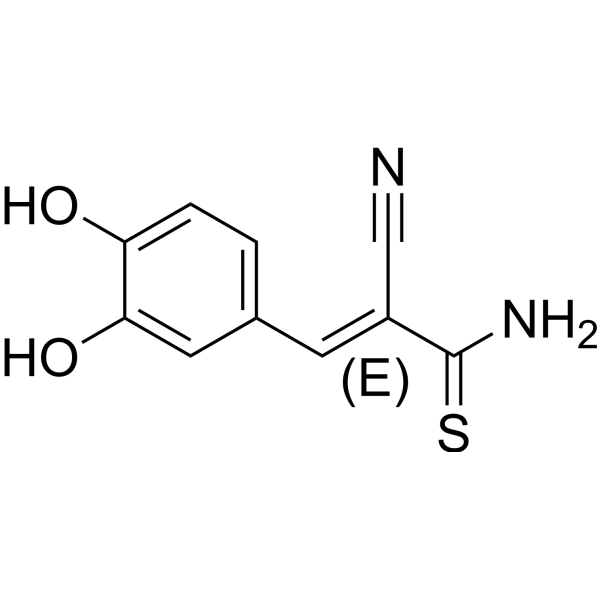
4-Methyl erlotinib (Standard) is the analytical standard of 4-Methyl erlotinib. This product is intended for research and analytical applications. 4-Methyl erlotinib, is a potent and selective epidermal growth factor receptor (EGFR) tyrosine kinase inhibitor. 4-Methyl erlotinib potently inhibits EGF-mediated tumor cell mitosis by reducing EGFr-specific tyrosine phosphorylation. Using a mouse model of human tumor transplantation, 4-Methyl erlotinib demonstrated significant and sustained suppression of EGFr phosphotyrosine levels, resulting in significant growth inhibition of EGFr-dependent human cancers .
|
-

- HY-50898R
-
|
GW572016 (Standard); GW2016 (Standard)
|
Reference Standards
EGFR
Autophagy
Ferroptosis
|
Cancer
|
|
Lapatinib (Standard) is the analytical standard of Lapatinib. This product is intended for research and analytical applications. Lapatinib (GW572016) is a potent, orally active inhibitor of the ErbB-2 and EGFR tyrosine kinase domains with IC50 values against purified EGFR and ErbB-2 of 10.2 and 9.8 nM, respectively .
|
-

- HY-163726
-
|
|
GLUT
EGFR
Apoptosis
|
Cancer
|
|
GLUT1/EGFR-IN-1 (compound H) is a potent inhibitor of GLUT1 and EGFR. GLUT1/EGFR-IN-1 can simultaneously act on the EGFR tyrosine kinase ATP-binding site and inhibit GLUT1-mediated energy metabolism, resulting in reductions in ATP, MMP, intra-cellular lactic acid, and EGFR nuclear transfer. GLUT1/EGFR-IN-1 can be used for nasopharyngeal carcinoma (NPC) and triple-negative breast cancer (TNBC) research .
|
-

- HY-101959
-
|
AG213
|
EGFR
Topoisomerase
|
Cancer
|
|
Tyrphostin AG213 (AG213) is an inhibitor of epidermal growth factor receptor (EGFR) protein tyrosine kinase (IC50=0.85 μM). Tyrphostin AG213 inhibits tyrosine kinase activity IC50=2.4 μM) and topoisomerase II (IC100=50 μM). Tyrphostin AG213 can induce nonapoptotic cell programmed death in tumor cells .
|
-
- HY-131257
-
|
|
Drug Metabolite
|
Others
Cancer
|
|
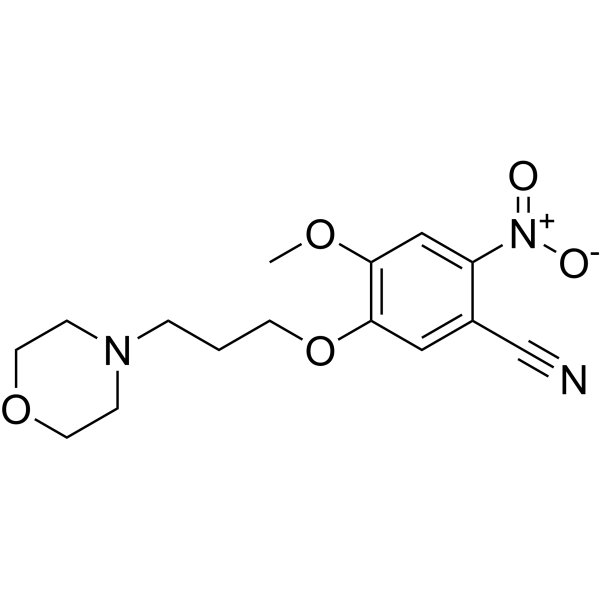
Gefitinib impurity 1 is the impurity of Gefitinib. Gefitinib (ZD1839) is a potent, selective and orally active EGFR tyrosine kinase inhibitor with an IC50 of 33 nM. Gefitinib selectively inhibits EGF-stimulated tumor cell growth (IC50 of 54 nM) and that blocks EGF-stimulated EGFR autophosphorylation in tumor cells. Gefitinib also induces autophagy. Gefitinib has antitumour activity .
|
-
- HY-50898CS
-
|
GW572016-d4 tosylate; GW2016-d4 tosylate
|
Isotope-Labeled Compounds
EGFR
Autophagy
Ferroptosis
|
Cancer
|
|
Lapatinib-d4 (GW572016-d4) tosylate is deuterium labeled Lapatinib (tosylate). Lapatinib (GW572016) tosylate is a potent, orally active inhibitor of the ErbB-2 and EGFR tyrosine kinase domains with IC50 values against purified EGFR and ErbB-2 of 10.2 and 9.8 nM, respectively .
|
-

- HY-50898BR
-
|
GW572016 ditosylate monohydrate (Standard); GW2016 ditosylate monohydrate (Standard)
|
EGFR
Autophagy
Ferroptosis
Reference Standards
|
Cancer
|
|
Lapatinib (ditosylate monohydrate) (Standard) is the analytical standard of Lapatinib (ditosylate monohydrate). This product is intended for research and analytical applications. Lapatinib ditosylate monohydrate (GW572016 ditosylate monohydrate) is a potent, orally active inhibitor of the ErbB-2 and EGFR tyrosine kinase domains with IC50 values against purified EGFR and ErbB-2 of 10.2 and 9.8 nM, respectively .
|
-

- HY-50898AR
-
|
GW572016 ditosylate (Standard); GW2016 ditosylate (Standard)
|
EGFR
Autophagy
Ferroptosis
Reference Standards
|
Cancer
|
|
Lapatinib (ditosylate) (Standard) is the analytical standard of Lapatinib (ditosylate). This product is intended for research and analytical applications. Lapatinib ditosylate (GW572016 ditosylate) is a potent, orally active inhibitor of the ErbB-2 and EGFR tyrosine kinase domains with IC50 values against purified EGFR and ErbB-2 of 10.2 and 9.8 nM, respectively .
|
-

- HY-120036
-
|
|
Casein Kinase
Tyrosinase
|
Cancer
|
|
Tyrphostin AG1112 is a potent inhibitors of CK II. Tyrphostin AG1112 inhibits p210 bcr-abl tyrosine kinase, with IC50 values of 2, 15, 20 μM in p210 bcr-abl, EGFR and PDGFR cells, respectively .
|
-
- HY-18963R
-
|
RG-14355 (Standard)
|
Reference Standards
EGFR
|
Cancer
|
|
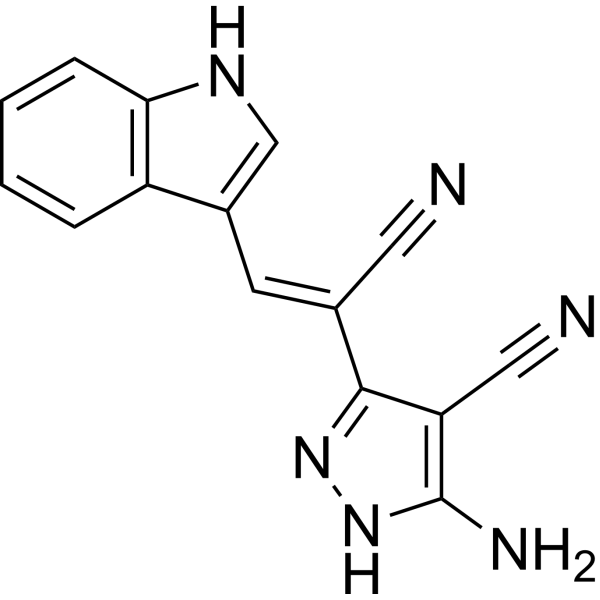
Lavendustin A (Standard) is the analytical standard of Lavendustin A. This product is intended for research and analytical applications. Lavendustin A (RG-14355) is a potent, selective and ATP-competitive inhibitor of epidermal growth factor receptor (EGFR) tyrosine kinase, with an IC50 of 11 nM. Lavendustin A does not inhibit protein kinase A or C. Lavendustin A can suppress VEGF-induced angiogenesis[1][2].
|
-

- HY-164464
-
|
|
EGFR
|
Cancer
|
|
BPI-15086 an orally active, potent, irreversible mutant-selective inhibitor of both EGFR and T790M resistance mutations tyrosine kinase. BPI-15086 can be used for the research of non-small-cell lung cancer .
|
-

- HY-10260S
-
|
ZD6474-d6
|
Isotope-Labeled Compounds
VEGFR
Autophagy
Apoptosis
|
Cancer
|
|
Vandetanib-d6 is the deuterium labeled Vandetanib. Vandetanib (D6474) is a potent, orally active inhibitor of VEGFR2/KDR tyrosine kinase activity (IC50=40 nM). Vandetanib also has activity versus the tyrosine kinase activity of VEGFR3/FLT4 (IC50=110 nM) and EGFR/HER1 (IC50=500 nM) .
|
-
- HY-183682
-
|
|
EGFR
p38 MAPK
ERK
Akt
|
Cancer
|
|
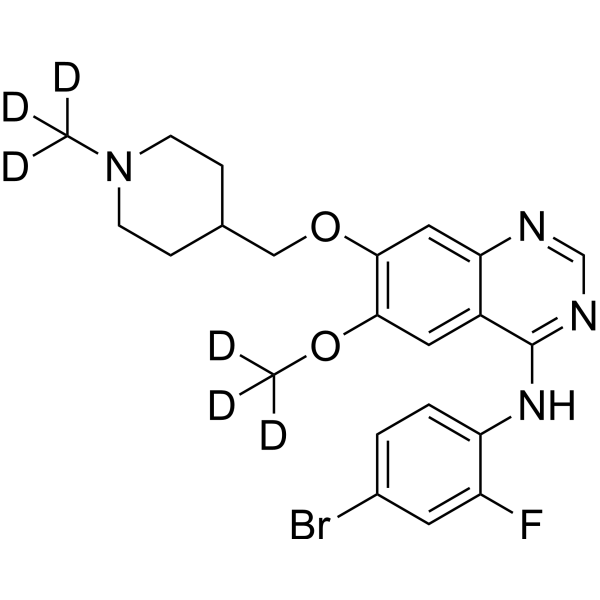
AZ14289671 is an orally active, blood-brain barrier-penetrant tyrosine kinase (tyrosine kinase) inhibitor (TKI) that specifically targets non-small cell lung cancer (NSCLC) harboring EGFR exon 20 insertion mutations (EGFR Exon20Ins), while largely sparing wild-type EGFR to reduce off-target toxicities such as rash and diarrhea. AZ14289671 inhibits the downstream MAPK/ERK/AKT pathway, suppressing tumor cell proliferation, survival and migration. AZ14289671 can be used for NSCLC research .
|
-

- HY-103439A
-
|
|
Tyrosine Hydroxylase
EGFR
|
Cancer
|
|
GW583340 is an orally active ErbB-2/EGFR tyrosine kinase inhibitor. GW583340 exhibits antitumor activity in xenograft models with EGFR overexpression or ErbB-2 overexpression. GW583340 is applicable to research related to head and neck cancer, breast cancer, and gastric cancer .
|
-

- HY-182264
-
|
Nordihydroguaiaretic acid tetrapivalate
|
IGF-1R
EGFR
Drug Metabolite
|
Cancer
|
|
Masoprocol tetrapivalate (Nordihydroguaiaretic acid tetrapivalate) is a catecholic butane metabolite and also a tyrosine kinase activity inhibitor of IGF-1R and EGFR. Masoprocol tetrapivalate regulates tyrosine kinase signaling pathways associated with cell proliferation. Masoprocol tetrapivalate can be used in the research of proliferative diseases, including malignant, precancerous or benign cancers, and solid tumors .
|
-

- HY-181166
-
|
|
EGFR
Apoptosis
|
Cancer
|
|
EGFR-IN-194 is a potent EGFR tyrosine kinase inhibitor with an IC50 of 54.3 nM against human EGFR. EGFR-IN-194 induces apoptosis, inhibits migration in cancer cells, selectively promotes invasion in cancer cells, and exhibits antiproliferative effects across multiple cancer cell lines. EGFR-IN-194 can be used for the research of prostate adenocarcinoma, non-small cell lung carcinoma, breast carcinoma, chronic myeloid leukemia .
|
-

- HY-108484R
-
|
|
Reference Standards
EGFR
|
Cancer
|
|
PP 3 (Standard) is the analytical standard of PP 3 (HY-108484). This product is intended for research and analytical applications. PP 3 (Compound 3) is an EGFR tyrosine Kinase inhibitor with an IC50 of 2.7 μM .
|
-

- HY-101084R
-
|
|
EGFR
Reference Standards
Histone Acetyltransferase
Epigenetic Reader Domain
|
Cancer
|
|
NSC 228155 (Standard) is the analytical standard of NSC 228155 (HY-101084). This product is intended for research and analytical applications. NSC 228155 is an activator of EGFR, binds to the extracellular region of EGFR and enhance tyrosine phosphorylation of EGFR . NSC 228155 is also a potent inhibitor of KIX-KID interaction, inhibits kinase-inducible domain (KID) from CREB and KID-interacting domain (KIX) from CBP, with an IC50 of 0.36 μM .
|
-

- HY-10260S1
-
|
|
Isotope-Labeled Compounds
VEGFR
Autophagy
Apoptosis
|
Cancer
|
|
Vandetanib-d4 is the deuterium labeled Vandetanib. Vandetanib (ZD6474) is a potent, orally active inhibitor of VEGFR2/KDR tyrosine kinase activity (IC50=40 nM). Vandetanib also has activity versus the tyrosine kinase activity of VEGFR3/FLT4 (IC50=110 nM) and EGFR/HER1 (IC50=500 nM) .
|
-
- HY-173118
-
|
|
EGFR
Apoptosis
|
Cancer
|
|
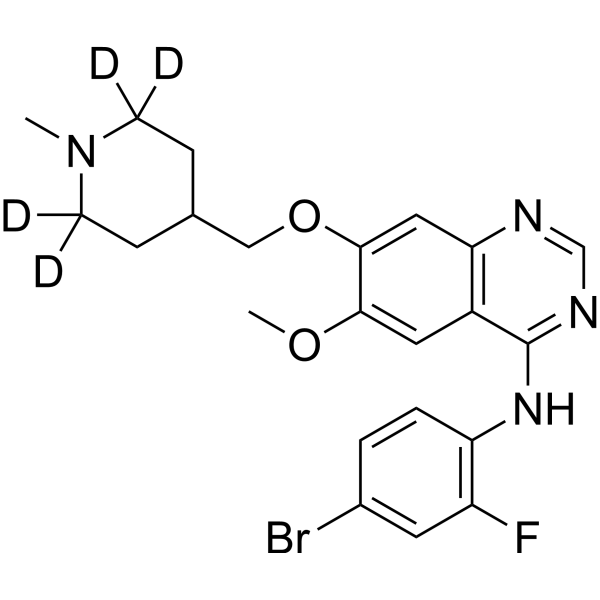
EGFR-IN-152 (compound D4) is a potent EGFR tyrosine kinase inhibitor, exhibiting potent EGFR L858R/T790M/C797S inhibition activity (IC50 = 40 nM). EGFR-IN-152 induces G0/G1 phase cell cycle arrest and apoptosis, thereby inhibiting colony formation and cell proliferation of non-small cell lung cancer (NSCLC) cells. EGFR-IN-152 can be used for NSCLC research .
|
-

- HY-169948
-
|
|
EGFR
|
Cancer
|
|
BML-265 is a potent EGFR tyrosine kinase inhibitor. BML-265 disrupts Golgi integrity and abolishes secretory protein transport of diverse cargos. BML-265 affects Golgi integrity and transport in human cells but not in rodent cells .
|
-

- HY-14674
-
|
|
EGFR
Apoptosis
|
Cancer
|
|
CP-724714 is a potent, selective and orally active ErbB2 (HER2) tyrosine kinase inhibitor, with an IC50 of 10 nM. CP-724714 displays a marked selectivity against EGFR kinase (IC50=6400 nM). CP-724714 potently inhibits ErbB2 receptor autophosphorylation in intact cells. Antitumor activities .
|
-
- HY-50895B
-
|
ZD 1839 dihydrochloride
|
EGFR
Autophagy
Apoptosis
|
Cancer
|
|
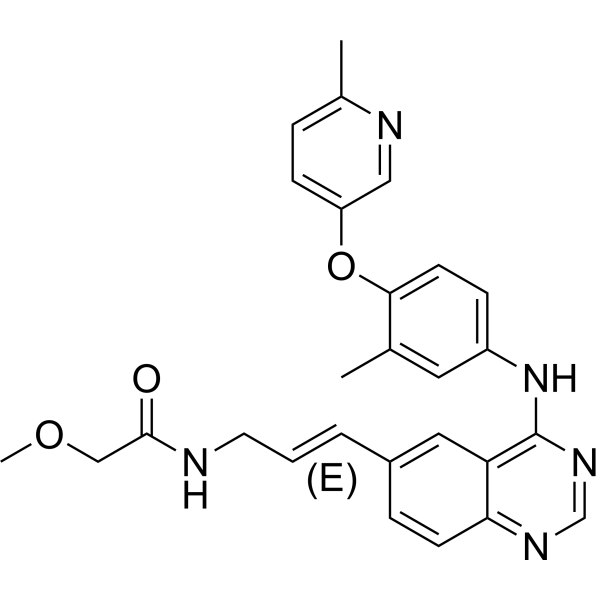
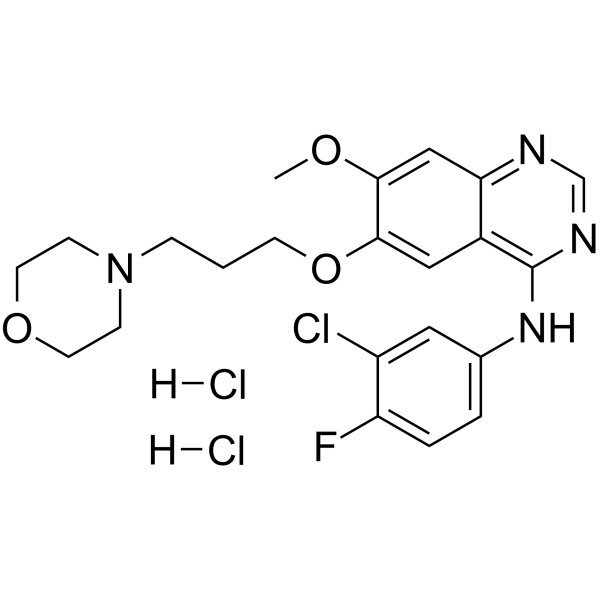
Gefitinib (ZD 1839) dihydrochloride is a potent, selective and orally active EGFR tyrosine kinase inhibitor with an IC50 of 33 nM. Gefitinib dihydrochloride selectively inhibits EGF-stimulated tumor cell growth (IC50 of 54 nM) and blocks EGF-stimulated EGFR autophosphorylation in tumor cells. Gefitinib dihydrochloride also induces autophagy and cell apoptosis, which can be used for cancer related research, such as Lung cancer and breast cancer .
|
-
- HY-100663
-
|
|
EGFR
|
Others
Cancer
|
|
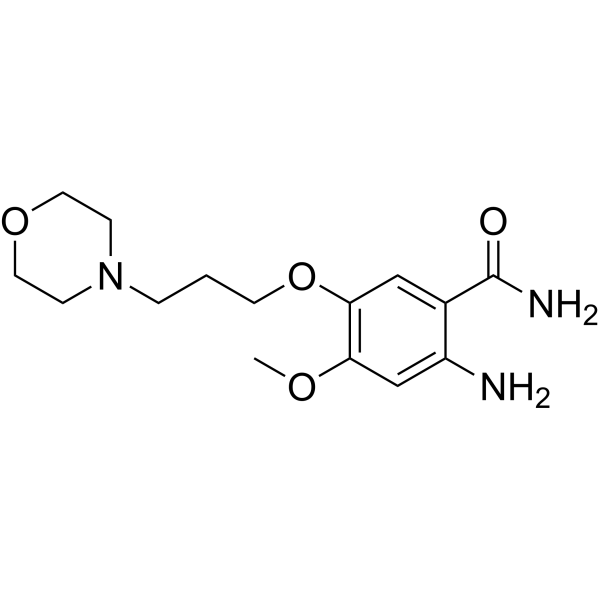
Gefitinib impurity 2 is the impurity of Gefitinib. Gefitinib (ZD1839; HY-50895) is a potent, selective and orally active EGFR tyrosine kinase inhibitor with an IC50 of 33 nM. Gefitinib selectively inhibits EGF-stimulated tumor cell growth (IC50 of 54 nM) and that blocks EGF-stimulated EGFR autophosphorylation in tumor cells. Gefitinib also induces autophagy. Gefitinib has antitumour activity .
|
-
- HY-133779
-
|
|
Drug Metabolite
|
Cancer
|
|
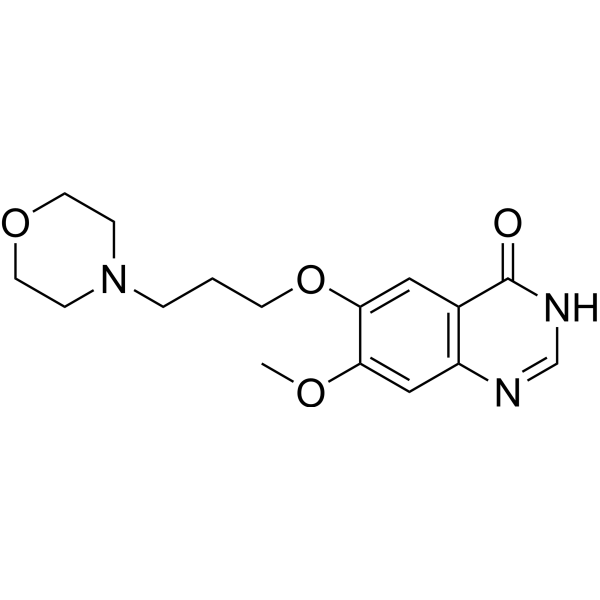
Gefitinib impurity 5 is the impurity of Gefitinib (HY-133779). Gefitinib (ZD1839) is a potent, selective and orally active EGFR tyrosine kinase inhibitor with an IC50 of 33 nM. Gefitinib selectively inhibits EGF-stimulated tumor cell growth (IC50 of 54 nM) and that blocks EGF-stimulated EGFR autophosphorylation in tumor cells. Gefitinib also induces Autophagy. Gefitinib has antitumour activity .
|
-
- HY-50895
-
Gefitinib
Maximum Cited Publications
200 Publications Verification
ZD1839
|
EGFR
Autophagy
Apoptosis
|
Cancer
|
|
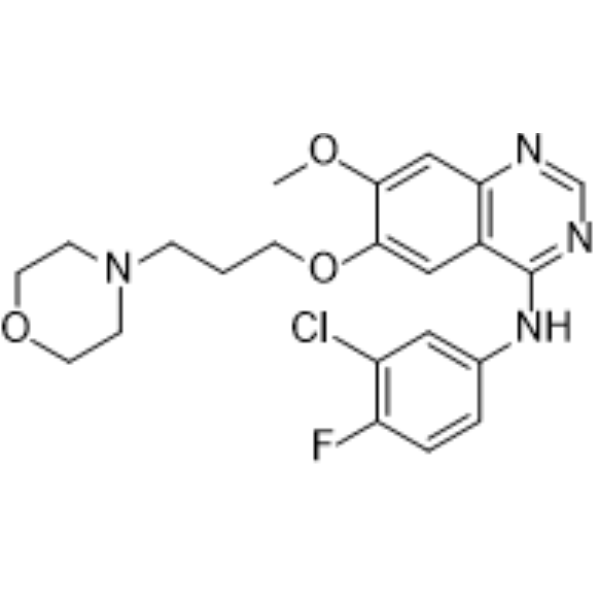
Gefitinib (ZD1839) is a potent, selective and orally active EGFR tyrosine kinase inhibitor with an IC50 of 33 nM. Gefitinib selectively inhibits EGF-stimulated tumor cell growth (IC50 of 54 nM) and that blocks EGF-stimulated EGFR autophosphorylation in tumor cells. Gefitinib also induces autophagy and cell apoptosis, which can be used for cancer related research, such as Lung cancer and breast cancer .
|
-
- HY-14596S
-
|
NPI 031L-d4
|
EGFR
Autophagy
Apoptosis
Endogenous Metabolite
|
Cancer
|
|
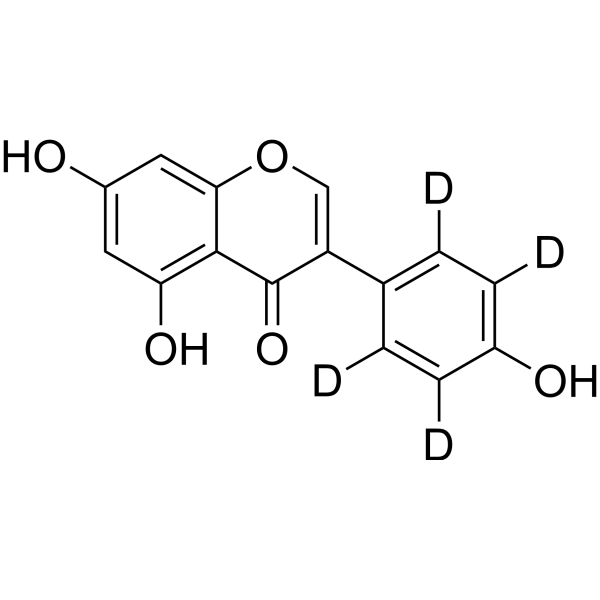
Genistein-d4 is the deuterium labeled Genistein. Genistein, a soy isoflavone, is a multiple tyrosine kinases (e.g., EGFR) inhibitor which acts as a chemotherapeutic agent against different types of cancer, mainly by altering apoptosis, the cell cycle, and angiogenesis and inhibiting metastasis .
|
-
- HY-10260R
-
|
ZD6474 (Standard)
|
Reference Standards
VEGFR
Autophagy
Apoptosis
|
Cancer
|
|
Vandetanib (Standard) is the analytical standard of Vandetanib. This product is intended for research and analytical applications. Vandetanib (D6474) is a potent, orally active inhibitor of VEGFR2/KDR tyrosine kinase activity (IC50=40 nM). Vandetanib also has activity versus the tyrosine kinase activity of VEGFR3/FLT4 (IC50=110 nM) and EGFR/HER1 (IC50=500 nM) .
|
-

- HY-10260S2
-
|
ZD6474-13C6
|
Isotope-Labeled Compounds
VEGFR
Autophagy
Apoptosis
|
Cancer
|
|
Vandetanib- 13C6 is a 13C labeled Vandetanib (HY-10260) . Vandetanib (D6474) is a potent, orally active inhibitor of VEGFR2/KDR tyrosine kinase activity (IC50=40 nM). Vandetanib also has activity versus the tyrosine kinase activity of VEGFR3/FLT4 (IC50=110 nM) and EGFR/HER1 (IC50=500 nM) .
|
-

- HY-10322R
-
|
BIBX 1382 (Standard)
|
Reference Standards
EGFR
|
Cancer
|
|
Falnidamol (Standard) is the analytical standard of Falnidamol. This product is intended for research and analytical applications. Falnidamol (BIBX 1382) is an orally active, selective EGFR tyrosine kinase inhibitor with an IC50 of 3 nM. Falnidamol displays > 1000-fold lower potency against ErbB2 (IC50=3.4 μM) and a range of other related tyrosine kinases (IC50>10 μM). Falnidamol is a pyrimido-pyrimidine compound and has anti-cancer activity .
|
-

- HY-32721S
-
|
|
EGFR
|
Cancer
|
|
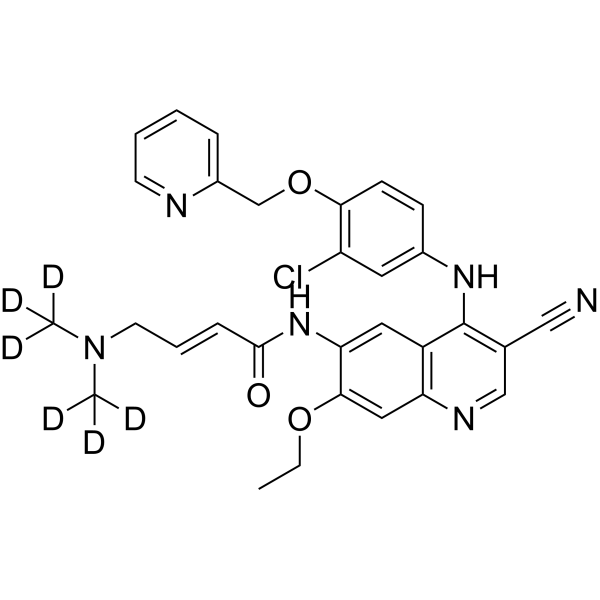
Neratinib-d6 (HKI-272-d6) is the deuterium labeled Neratinib. Neratinib (HKI-272) is an orally available, irreversible tyrosine kinase inhibitor with IC50s of 59 nM and 92 nM for HER2 and EGFR, respectively.
|
-
- HY-50895G
-
|
ZD1839
|
EGFR
Autophagy
Apoptosis
|
Cancer
|
|
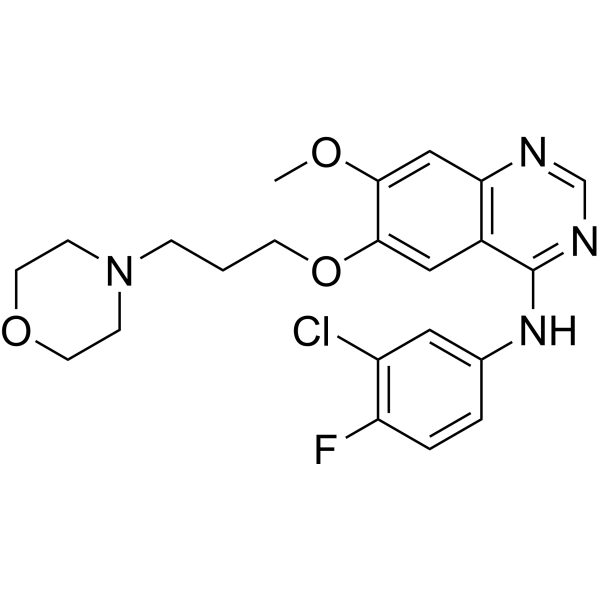
Gefitinib (ZD1839) (GMP) is Gefitinib (HY-50895) produced by using GMP guidelines. GMP small molecules work appropriately as an auxiliary reagent for cell therapy manufacture. Gefitinib is a potent, selective and orally active EGFR tyrosine kinase inhibitor .
|
-
- HY-13302
-
|
|
VEGFR
FGFR
|
Cancer
|
|
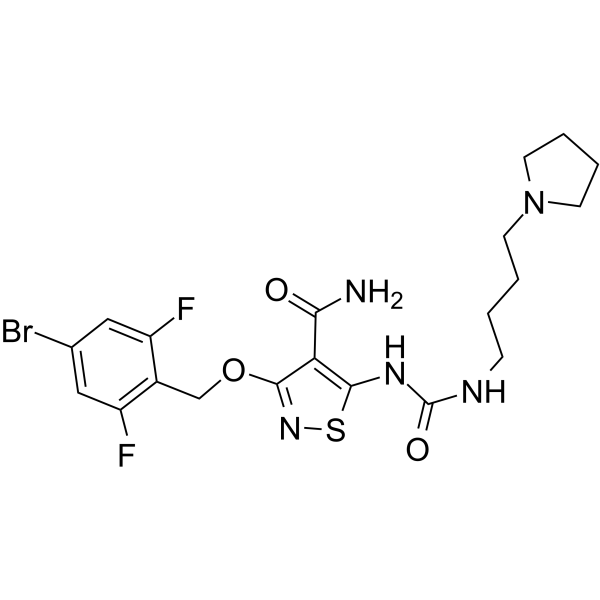
CP-547632 is an orally active, ATP-competitive and potent VEGFR-2 and FGF kinases inhibitor with IC50s of 11 nM and 9 nM, respectively. CP-547632 is selective for VEGFR2 and bFGF over EGFR, PDGFRβ, and related tyrosine kinases (TKs). CP-547632 has antitumor efficacy .
|
-
- HY-13302B
-
|
|
VEGFR
FGFR
|
Cancer
|
|
CP-547632 hydrochloride is an orally active, ATP-competitive and potent VEGFR-2 and FGF kinases inhibitor with IC50s of 11 nM and 9 nM, respectively. CP-547632 hydrochloride is selective for VEGFR2 and bFGF over EGFR, PDGFRβ, and related tyrosine kinases (TKs). CP-547632 hydrochloride has antitumor efficacy .
|
-
- HY-14596R
-
|
NPI 031L (Standard)
|
Reference Standards
EGFR
Autophagy
Apoptosis
Endogenous Metabolite
|
Cancer
|
|
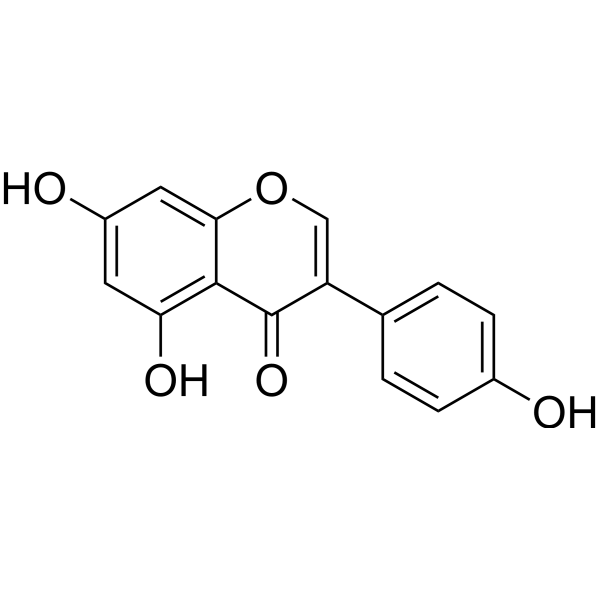
Genistein (Standard) is the analytical standard of Genistein. This product is intended for research and analytical applications. Genistein, a soy isoflavone, is a multiple tyrosine kinases (e.g., EGFR) inhibitor which acts as a chemotherapeutic agent against different types of cancer, mainly by altering apoptosis, the cell cycle, and angiogenesis and inhibiting metastasis.
|
-
- HY-W777297
-
|
|
Isotope-Labeled Compounds
EGFR
Autophagy
Ferroptosis
|
Cancer
|
|
Lapatinib- 13C2, 15N Ditosylate is the 13C- and 15N-labeled Lapatinib ditosylate (HY-50898A). Lapatinib ditosylate (GW572016 ditosylate) is a potent inhibitor of the ErbB-2 and EGFR tyrosine kinase domains with IC50 values against purified EGFR and ErbB-2 of 10.2 and 9.8 nM, respectively .
|
-

- HY-50896S
-
|
CP-358774-d6; NSC 718781-d6; OSI-774-d6
|
EGFR
|
Cancer
|
|
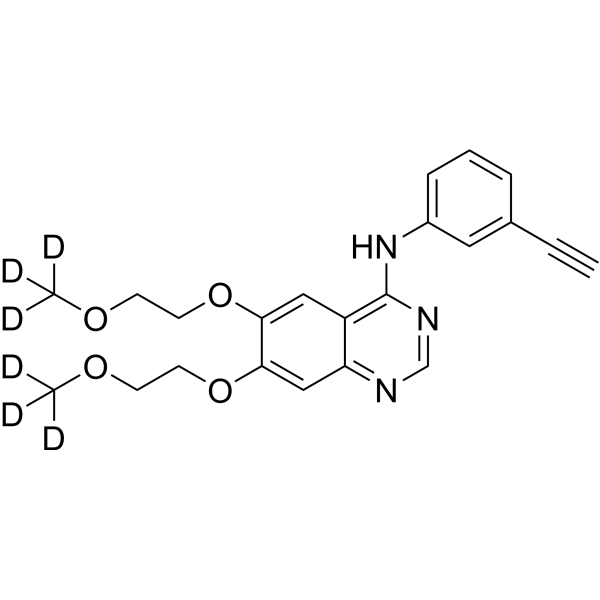
Erlotinib-d6 (CP-358774 D6) is a deuterium labeled Erlotinib (CP-358774). Erlotinib is a directly acting inhibitor EGFR tyrosine kinase inhibitor with an IC50 of 2 nM for human EGFR . Erlotinib-d6 is a click chemistry reagent, it contains an Alkyne group and can undergo copper-catalyzed azide-alkyne cycloaddition (CuAAc) with molecules containing Azide groups.
|
-
- HY-100499
-
|
Tyrphostin B66; AG 528
|
EGFR
|
Cancer
|
|
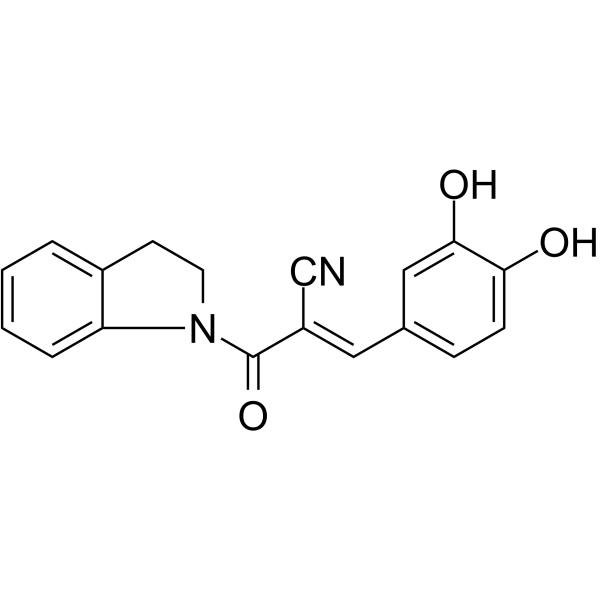
Tyrphostin AG 528 is an inhibitor of EGFR and ErbB2 with IC50s of 4.9 and 2.1 μM, respectively.
Tyrphostin AG 528 (Tyrphostin B66) is a protein tyrosine kinase inhibitor, with IC50s of 4.9 μM for epidermal growth factor receptors (EGFR) and 2.1 μM for ErbB2 . Tyrphostin AG 528 is also an anticancer agent .
|
-
- HY-50895AR
-
|
ZD-1839 hydrochloride (Standard)
|
EGFR
Reference Standards
|
Cancer
|
|
Gefitinib (hydrochloride) (Standard) is the analytical standard of Gefitinib (hydrochloride). This product is intended for research and analytical applications. Gefitinib hydrochloride (ZD1839 hydrochloride) is a potent, selective and orally active EGFR tyrosine kinase inhibitor with an IC50 of 33 nM. Gefitinib hydrochloride selectively inhibits EGF-stimulated tumor cell growth (IC50 of 54 nM) and that blocks EGF-stimulated EGFR autophosphorylation in tumor cells. Gefitinib hydrochloride also induces autophagy. Gefitinib hydrochloride has antitumour activity .
|
-

- HY-13302C
-
|
|
VEGFR
FGFR
|
Cancer
|
|
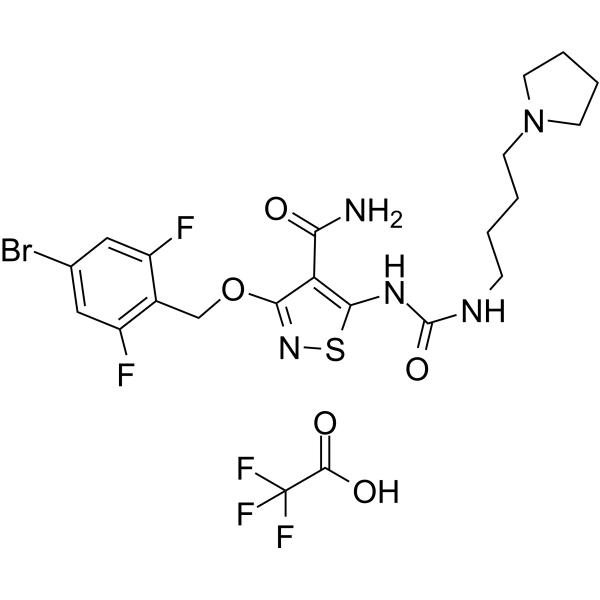
CP-547632 TFA is an orally active, ATP-competitive and potent VEGFR-2 and FGF kinases inhibitor with IC50s of 11 nM and 9 nM, respectively. CP-547632 TFA is selective for VEGFR2 and bFGF over EGFR, PDGFRβ, and related tyrosine kinases (TKs). CP-547632 TFA has antitumor efficacy .
|
-
- HY-109189A
-
|
BPI-7711 hydrochloride
|
EGFR
|
Cancer
|
|
Rezivertinib (BPI-7711) hydrochloride is an orally active, highly selective and irreversible third-generation EGFR tyrosine kinase inhibitor (TKI). Rezivertinib hydrochloride exhibits high potency against the common activation EGFR and the resistance T790M mutations. Rezivertinib hydrochloride has excellent central nervous system (CNS) penetration and has antitumor activity, such as non-small cell lung cancer (NSCLC) .
|
-

- HY-112345
-
|
|
FGFR
PDGFR
EGFR
Src
|
Cancer
|
|
PD-089828 is an ATP competitive inhibitor of FGFR-1, PDGFR-β and EGFR (IC50s=0.15, 1.76, and 5.47 µM, respectively) and a noncompetitive inhibitor of c-Src tyrosine kinase (IC50=0.18 µM). PD-089828 also inhibits MAPK with an IC50 of 7.1 µM. PD-089828 inhibits PDGF-, EGF- and bFGF-mediated tyrosine kinase receptor autophosphorylation in vitro. PD-089828 has a long-lasting cellular activity .
|
-
- HY-101042
-
|
Tyrphostin AG 494
|
EGFR
CDK
|
Cancer
|
|
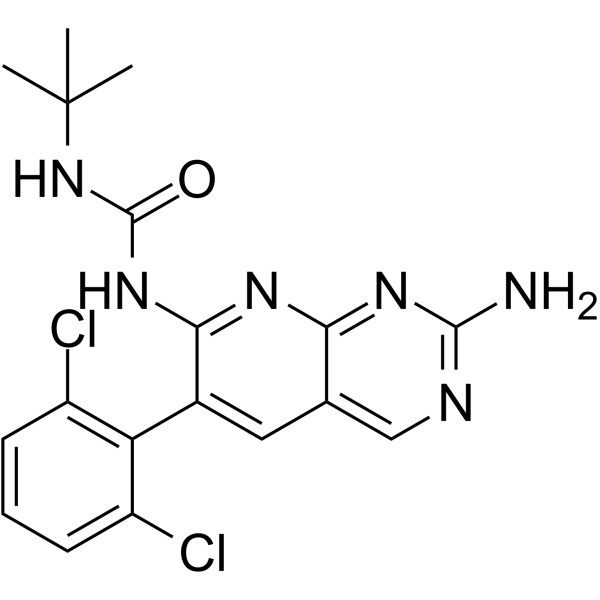
AG-494 (Tyrphostin AG 494) is a potent and selective EGFR tyrosine kinase inhibitor (IC50=0.7 μM). AG-494 inhibits the autophosphorylation of EGFR, ErbB2, HER1-2 and PDGF-R with IC50s 1.1, 39, 45 and 6 μM, respectively. AG-494 blocks Cdk2 activation and inhibits EGF-dependent DNA synthesis .
|
-
- HY-50895S2
-
|
|
Isotope-Labeled Compounds
EGFR
Autophagy
|
Cancer
|
|
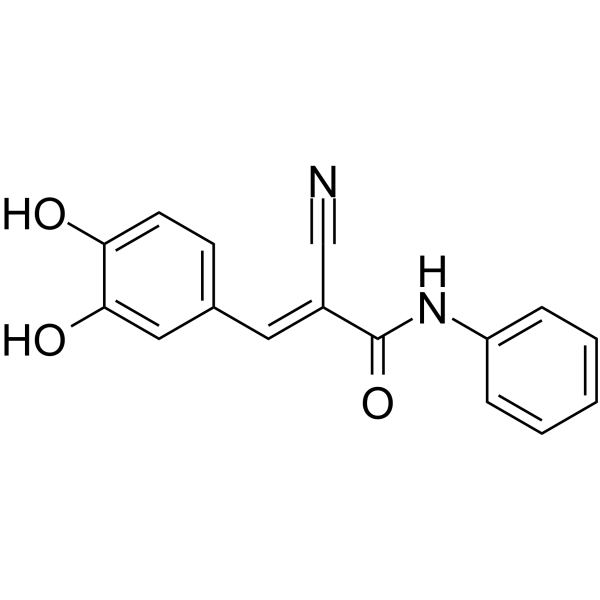
Gefitinib-d3 (ZD1839-d3) is the deuterium labeled Gefitinib. Gefitinib (ZD1839) is a potent, selective and orally active EGFR tyrosine kinase inhibitor with an IC50 of 33 nM. Gefitinib selectively inhibits EGF-stimulated tumor cell growth (IC50 of 54 nM) and that blocks EGF-stimulated EGFR autophosphorylation in tumor cells. Gefitinib also induces autophagy. Gefitinib has antitumour activity .
|
-
- HY-103441
-
|
|
EGFR
|
Cancer
|
|
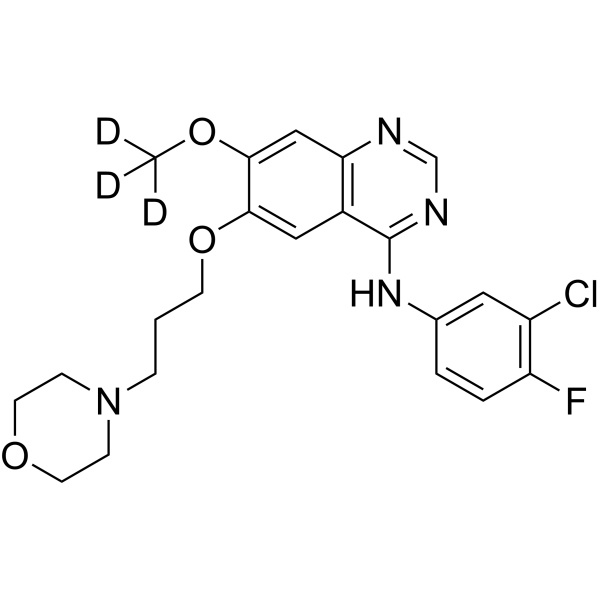
JNJ28871063 hydrochloride is an orally active, highly selective and ATP competitive pan-ErbB kinase inhibitor with IC50 values of 22 nM, 38 nM, and 21 nM for ErbB1, ErbB2, and ErbB4, respectively. JNJ28871063 hydrochloride inhibits phosphorylation of functionally important tyrosine residues in both EGFR and ErbB2. JNJ28871063 hydrochloride crosses the blood-brain barrier and has antitumor activity in human tumor xenograft models that overexpress EGFR and ErbB2 .
|
-
- HY-50896R
-
|
CP-358774 (Standard); NSC 718781 (Standard); OSI-774 (Standard)
|
Reference Standards
EGFR
Autophagy
|
Cancer
|
|
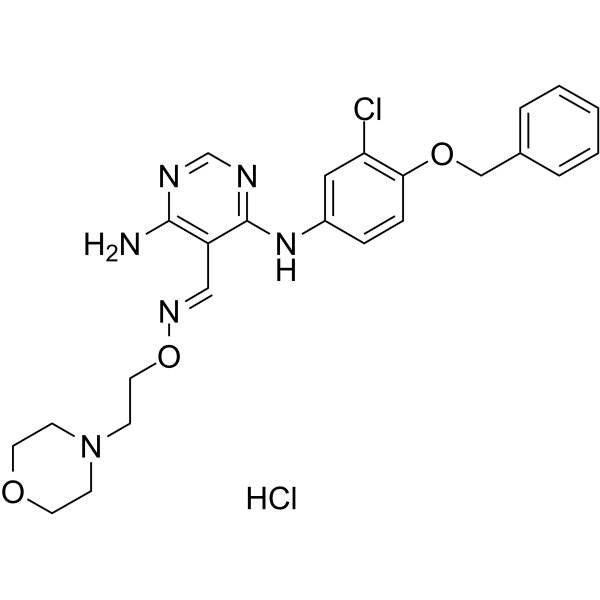
Erlotinib (Standard) is the analytical standard of Erlotinib. This product is intended for research and analytical applications. Erlotinib (CP-358774) is a directly acting EGFR tyrosine kinase inhibitor, with an IC50 of 2 nM for human EGFR. Erlotinib reduces EGFR autophosphorylation in intact tumor cells with an IC50 of 20 nM. Erlotinib is used for the treatment of non-small cell lung cancer . Erlotinib is a click chemistry reagent, itcontains an Alkyne group and can undergo copper-catalyzed azide-alkyne cycloaddition (CuAAc) with molecules containing Azide groups.
|
-

- HY-107459
-
|
(E/Z)-Tyrphostin AG490; (E/Z)-Tyrphostin B42
|
EGFR
STAT
JAK
|
Cancer
|
|
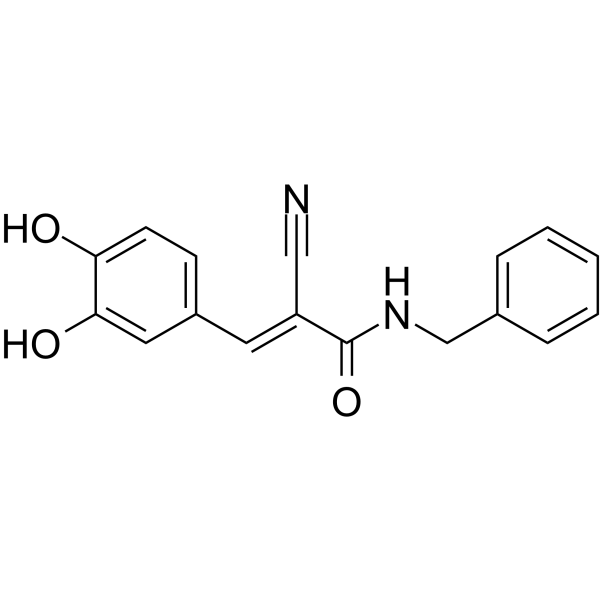
(E/Z)-AG490 ((E/Z)-Tyrphostin AG490) is a racemic compound of (E)-AG490 and (Z)-AG490 isomers. (E)-AG490 (HY-12000) is a tyrosine kinase inhibitor that inhibits EGFR, Stat-3 and JAK2/3.
|
-
- HY-129550
-
|
|
EGFR
|
Cancer
|
|
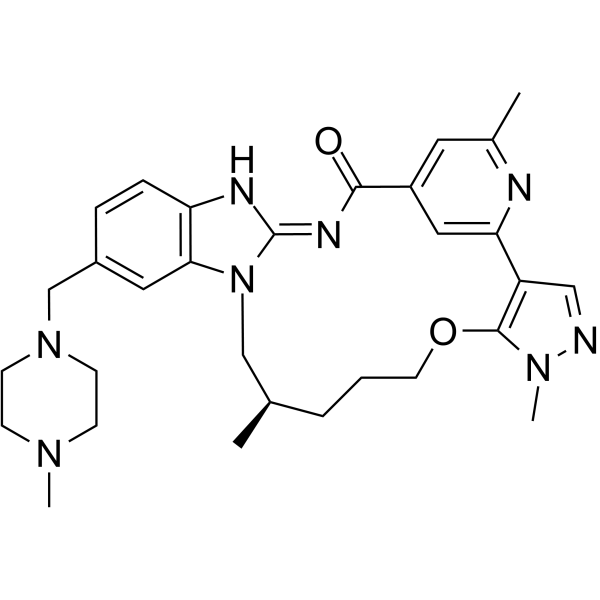
BI-4020 is a fourth-generation, orally active, and non-covalent EGFR tyrosine kinase inhibitor. BI-4020 inhibits not only the triple mutant EGFR del19 T790M C797S variant (IC50=0.2 nM in BaF3 cell lines) but also the double mutant EGFR del19 T790M and primary mutant EGFR del19 (IC50=1 nM). BI-4020 also shows activity against EGFR wt (IC50=190 nM). BI-4020 shows high kinome selectivity and good DMPK properties .
|
-
- HY-175864
-
|
|
EGFR
Apoptosis
p38 MAPK
ERK
Akt
STAT
|
Inflammation/Immunology
Cancer
|
|
EGFR-IN-173 is an orally active, pan-mutant EGFR tyrosine kinase inhibitor that targets EGFR 19del, L858R/T790M and C797S triple-mutations, potently inhibiting EGFR 19del/T790M/C797S with an IC50 of 1.19 nM while showing over 100-fold selectivity for mutant over wild-type EGFR (IC50 = 19.362 μM against WT). EGFR-IN-173 significantly inhibits cell migration, induces apoptosis in non-small cell lung cancer (NSCLC) cells. EGFR-IN-173 inhibits EGFR phosphorylation and suppresses the downstream pathways (MAPK/ERK, AKT, STAT3). EGFR-IN-173 exhibits antitumor efficacy in NSCLC and Ba/F3 xenograft models. EGFR-IN-173 can be used for NSCLC research .
|
-

- HY-50898S5
-
-

- HY-50055
-
|
|
ERK
|
Cancer
|
|
EtDO-P4 is a nanomolar inhibitor of glycosphingolipid (GSL) synthesis. EtDO-P4 suppresses activation of the EGFR-induced ERK pathway and various receptor tyrosine kinases (RTKs). EtDO-P4 can be used for various types of cancer, including Burkitt’s lymphoma .
|
-
- HY-144680
-
|
ZL-2313
|
EGFR
|
Cancer
|
|
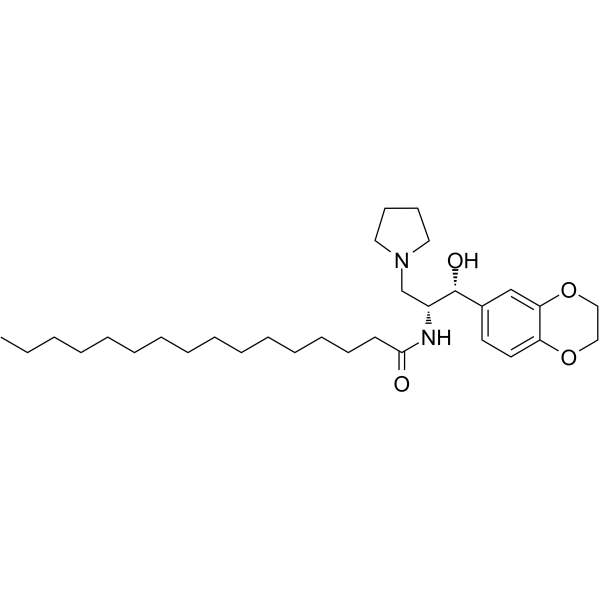
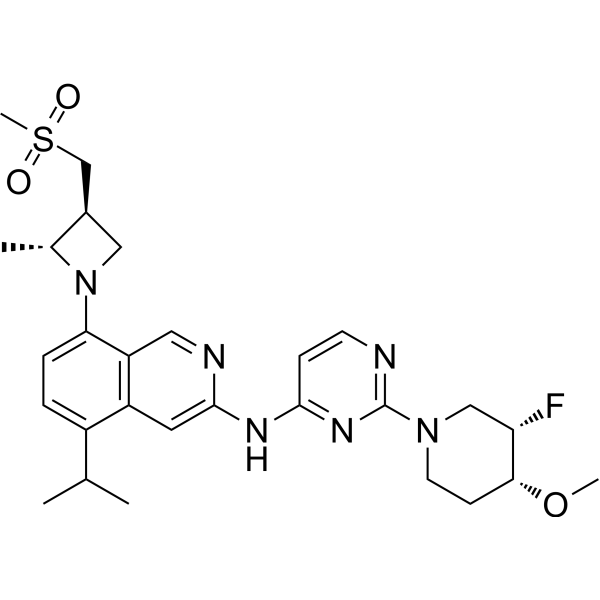
BLU-945 is a potent, highly selective, reversible and orally active epidermal growth factor receptor (EGFR) tyrosine kinase inhibitor (TKIs). BLU-945 can effectively inhibit EGFR with L858R and/or exon 19 deletion mutation, T790M mutation and C797S mutation. BLU-945 can be used for the research of lung cancer including non-small cell lung cancer (NSCLC) .
|
-
- HY-133779R
-
|
|
Drug Metabolite
Reference Standards
|
Others
Cancer
|
|
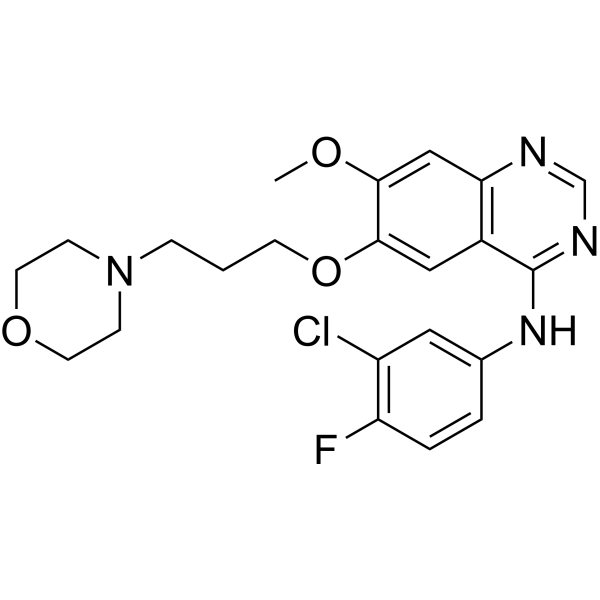
Gefitinib impurity 5 (Standard) is the analytical standard of Gefitinib impurity 5. This product is intended for research and analytical applications. Gefitinib impurity 5 is the impurity of Gefitinib. Gefitinib (ZD1839) is a potent, selective and orally active EGFR tyrosine kinase inhibitor with an IC50 of 33 nM. Gefitinib selectively inhibits EGF-stimulated tumor cell growth (IC50 of 54 nM) and that blocks EGF-stimulated EGFR autophosphorylation in tumor cells. Gefitinib also induces autophagy. Gefitinib has antitumour activity .
|
-

- HY-50895R
-
|
ZD1839 (Standard)
|
Reference Standards
EGFR
Autophagy
Apoptosis
|
Cancer
|
|
Gefitinib (Standard) is the analytical standard of Gefitinib. This product is intended for research and analytical applications. Gefitinib (ZD1839) is a potent, selective and orally active EGFR tyrosine kinase inhibitor with an IC50 of 33 nM. Gefitinib selectively inhibits EGF-stimulated tumor cell growth (IC50 of 54 nM) and that blocks EGF-stimulated EGFR autophosphorylation in tumor cells. Gefitinib also induces autophagy and cell apoptosis, which can be used for cancer related research, such as Lung cancer and breast cancer .
|
-
- HY-179529
-
|
|
EGFR
Bacterial
|
Infection
Cancer
|
|
EGFR/InhA-IN-1 (Compound 15) is an inhibitor of the anti-cancer target EGFR tyrosine kinase (1M17) (Ki = 0.05 μM) and the anti-tuberculosis target InhA enzyme (1OUZ) (Ki = 0.02 μM). EGFR/InhA-IN-1 exhibits anti-proliferative activity against A549 cells, with an IC50 of 10.38 μM. EGFR/InhA-IN-1 has inhibitory activity against Mycobacterium tuberculosis H37Rv, with a MIC of 6.25 μM. EGFR/InhA-IN-1 can be used for research on non-small cell lung cancer and Mycobacterium tuberculosis infection .
|
-

- HY-13524R
-
-

- HY-W013852
-
|
|
Ser/Thr Kinase
Tyrosinase
PKA
PKC
EGFR
|
Cancer
|
|
PKC-IN-6 (Compound 21) is a selective inhibitor of tyrosine and serine kinases. PKC-IN-6 shows inhibitory activity against PKC-α, PKC-δ, PKA, EGF-R with IC50 values of 240, >500, >500, >100 μM, respectively. PKC-IN-6 is promising for research of cancers .
|
-

- HY-50896S3
-
|
CP-358774-d8; NSC 718781-d8; OSI-774-d8
|
Isotope-Labeled Compounds
|
Cancer
|
|
Erlotinib-d8 (CP-358774-d8) is deuterium labeled Erlotinib. Erlotinib (CP-358774) is a directly acting EGFR tyrosine kinase inhibitor, with an IC50 of 2 nM for human EGFR. Erlotinib reduces EGFR autophosphorylation in intact tumor cells with an IC50 of 20 nM. Erlotinib is used for the treatment of non-small cell lung cancer . Erlotinib is a click chemistry reagent, itcontains an Alkyne group and can undergo copper-catalyzed azide-alkyne cycloaddition (CuAAc) with molecules containing Azide groups.
|
-

- HY-50896S2
-
|
CP-358774-d4; NSC 718781-d4; OSI-774-d4
|
Isotope-Labeled Compounds
Autophagy
EGFR
|
Cancer
|
|
Erlotinib-d4 (CP-358774-d4) is deuterium labeled Erlotinib. Erlotinib (CP-358774) is a directly acting EGFR tyrosine kinase inhibitor, with an IC50 of 2 nM for human EGFR. Erlotinib reduces EGFR autophosphorylation in intact tumor cells with an IC50 of 20 nM. Erlotinib is used for the treatment of non-small cell lung cancer . Erlotinib is a click chemistry reagent, itcontains an Alkyne group and can undergo copper-catalyzed azide-alkyne cycloaddition (CuAAc) with molecules containing Azide groups.
|
-

- HY-12972
-
|
PF-06747775
|
EGFR
|
Cancer
|
|
Mavelertinib is a selective, orally available and irreversible EGFR tyrosine kinase inhibitor (EGFR TKI), with IC50s of 5, 4, 12 and 3 nM for Del, L858R, and double mutants T790M/L858R and T790M/Del, respectively. Mavelertinib can be used for the research of non-small-cell lung cancer (NSCLC) .
|
-
- HY-147183
-
|
|
EGFR
|
Cancer
|
|
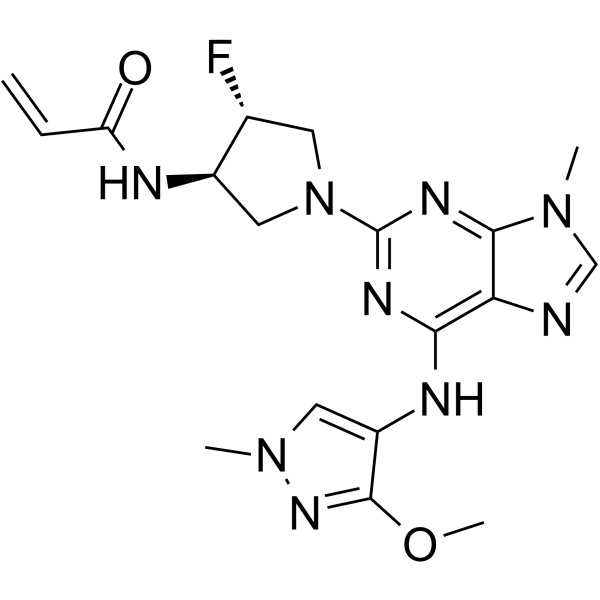
JBJ-09-063 is a mutant-selective allosteric EGFR inhibitor with IC50s of 0.147 nM, 0.063 nM, 0.083 nM and 0.396 nM for EGFR L858R, EGFR L858R/T790M, EGFR L858R/T790M/C797S and EGFRLT/L747S. JBJ-09-063 effectively reduces EGFR, Akt and ERK1/2 phosphorylation. JBJ-09-063 is effective across EGFR tyrosine kinase inhibitor (TKI)-sensitive and resistant models. JBJ-09-063 can be used for researching EGFR-mutant lung cancer .
|
-
- HY-147183A
-
|
|
EGFR
|
Cancer
|
|
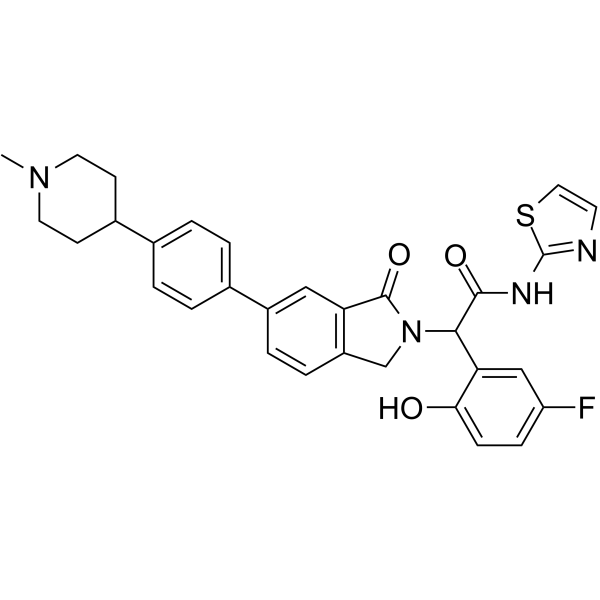
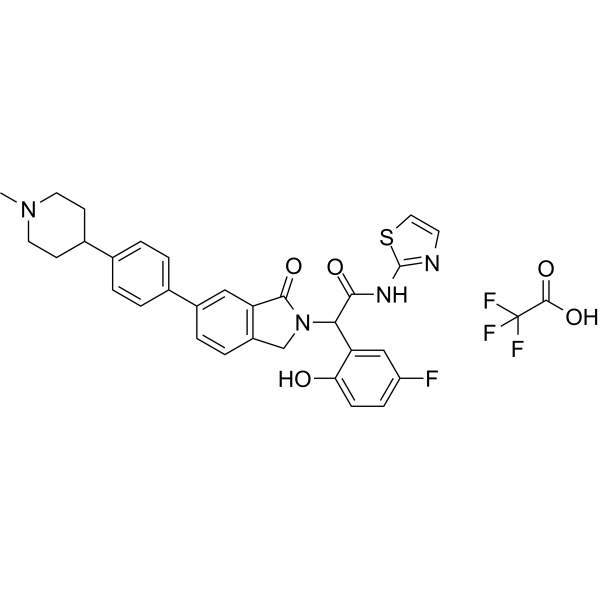
JBJ-09-063 TFA is a mutant-selective allosteric EGFR inhibitor with IC50s of 0.147 nM, 0.063 nM, 0.083 nM and 0.396 nM for EGFR L858R, EGFR L858R/T790M, EGFR L858R/T790M/C797S and EGFRLT/L747S. JBJ-09-063 TFA effectively reduces EGFR, Akt and ERK1/2 phosphorylation. JBJ-09-063 TFA is effective across EGFR tyrosine kinase inhibitor (TKI)-sensitive and resistant models. JBJ-09-063 TFA can be used for researching EGFR-mutant lung cancer .
|
-
- HY-147183B
-
|
|
EGFR
|
Cancer
|
|
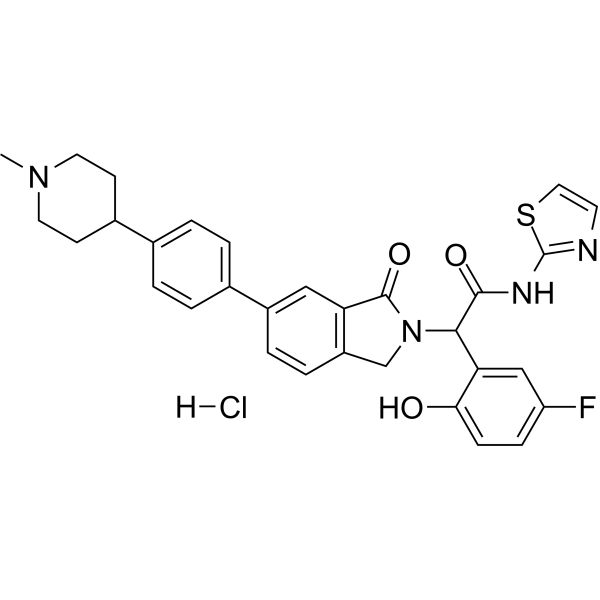
JBJ-09-063 hydrochloride is a mutant-selective allosteric EGFR inhibitor with IC50s of 0.147 nM, 0.063 nM, 0.083 nM and 0.396 nM for EGFR L858R, EGFR L858R/T790M, EGFR L858R/T790M/C797S and EGFRLT/L747S. JBJ-09-063 hydrochloride effectively reduces EGFR, Akt and ERK1/2 phosphorylation. JBJ-09-063 hydrochloride is effective across EGFR tyrosine kinase inhibitor (TKI)-sensitive and resistant models. JBJ-09-063 hydrochloride can be used for researching EGFR-mutant lung cancer .
|
-
- HY-P990947
-
|
AZD9592 Antibody
|
ADC Antibody
EGFR
|
Cancer
|
|
Tilatamig (AZD9592 Antibody) is a human antibody of the Ig (G1-κ_G1-λ2) subtype that targets EGFR/MET. Tilatamig conjugates with the Top1 inhibitor AZ14170133 (HY-145399) to form the antibody-drug conjugate (ADC) Tilatamig samrotecan (HY-171124) (AZD9592). Tilatamig accurately targets NSCLC models including EGFR-mutant, EGFR-wildtype, and EGFR tyrosine kinase inhibitor-treated ones, and its activity correlates with high expression of EGFR, c-MET and SLFN11. Tilatamig is available for in vivo anti-tumor studies in patient-derived xenograft models of non-small cell lung cancer (NSCLC) and head and neck squamous cell carcinoma (HNSCC) .
|
-

- HY-149051
-
|
|
Btk
|
Inflammation/Immunology
Cancer
|
|
BGB-8035 is an orally active, highly selective bruton's tyrosine kinase (BTK) inhibitor with IC50s of 1.1 nM, 99 nM, 621 nM for BTK, TEC, EGFR, respectively. BGB-8035 has antitumor and anti-arthritis activity. BGB-8035 has the potential for B-cell malignancies and autoimmune diseases research .
|
-
- HY-103440
-
|
|
EGFR
|
Cancer
|
|
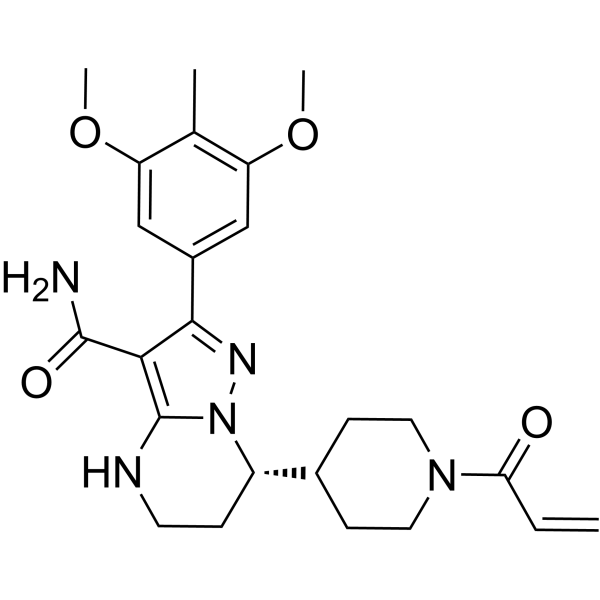
EGFR/ErbB-2/ErbB-4 inhibitor-3 (compound 29) is a potent tyrosine kinase inhibitor with IC50s of 0.3, 1.1, 0.5, 2.5, 24 nM for erbB1, erbB2, erbB4, EGF, HER, respectively . EGFR/ErbB-2/ErbB-4 inhibitor-3 is a click chemistry reagent, it contains an Alkyne group and can undergo copper-catalyzed azide-alkyne cycloaddition (CuAAc) with molecules containing Azide groups.
|
-
- HY-116437
-
|
|
EGFR
|
Cancer
|
|
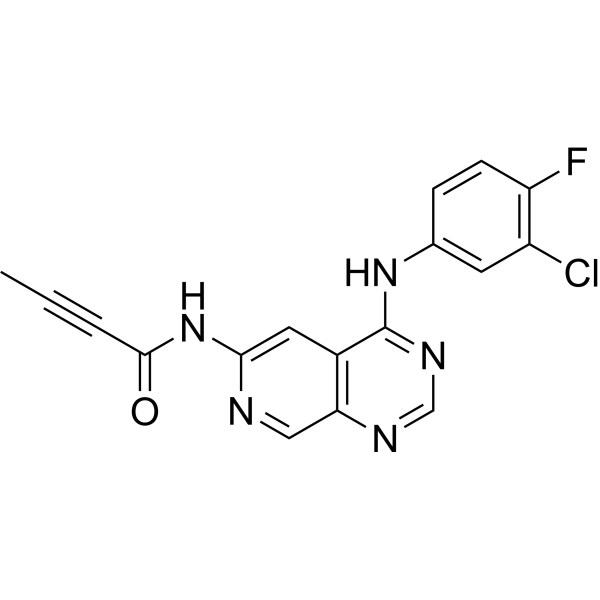
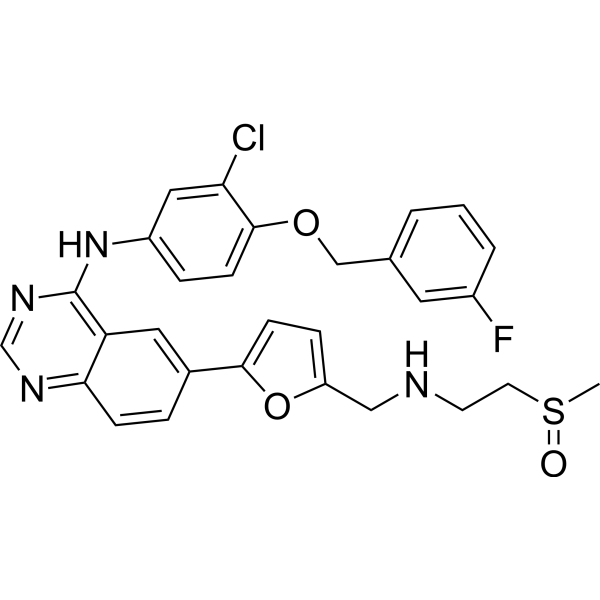
Selatinib is an orally active EGFR and HER2 tyrosine kinase inhibitor with IC50 values of 13.0 nM and 8.5 nM, respectively. Selatinib undergoes oxidative metabolism in vivo to produce Lapatinib (HY-50898). Selatinib inhibits the growth of breast, gastric and ovarian tumors. Selatinib can be used in research related to gastric cancer, breast cancer and ovarian cancer .
|
-
- HY-103440R
-
|
|
Reference Standards
EGFR
|
Cancer
|
|
EGFR/ErbB-2/ErbB-4 inhibitor-3 (Standard) is the analytical standard of EGFR/ErbB-2/ErbB-4 inhibitor-3 (HY-103440). This product is intended for research and analytical applications. EGFR/ErbB-2/ErbB-4 inhibitor-3 (compound 29) is a potent tyrosine kinase inhibitor with IC50s of 0.3, 1.1, 0.5, 2.5, 24 nM for erbB1, erbB2, erbB4, EGF, HER, respectively . EGFR/ErbB-2/ErbB-4 inhibitor-3 is a click chemistry reagent, it contains an Alkyne group and can undergo copper-catalyzed azide-alkyne cycloaddition (CuAAc) with molecules containing Azide groups.
|
-

- HY-162575
-
|
|
ERK
|
Cancer
|
|
Anticancer agent 231 (Compound P5) is a tyrosine protein kinase inhibitor with a IC50 value of 3.95 μM. Anticancer agent 231 inhibits the cell viability, cell proliferation, cell migration and cancer dryness of triple negative breast cancer (TNBC) cells by targeting EGFR-ERK 1/2 signaling pathway, and is expected to play an important role in the field of TNBC disease therapy .
|
-

- HY-181714
-
|
|
EGFR
|
Cancer
|
|
EGFR-IN-203 is a EGFR kinase domain inhibitor targeting EGFR T790M/C797S/V948R. EGFR-IN-203 stably binds to the allosteric pocket of EGFR in an inactive conformation. EGFR-IN-203 can be used in research related to cancers such as non-small cell lung cancer .
|
-

- HY-N12726
-
|
|
p38 MAPK
MMP
|
Infection
Inflammation/Immunology
Cancer
|
Halociline, a derivative of alkaloids, that can be isolated from the marine fungus Penicillium griseofulvum.
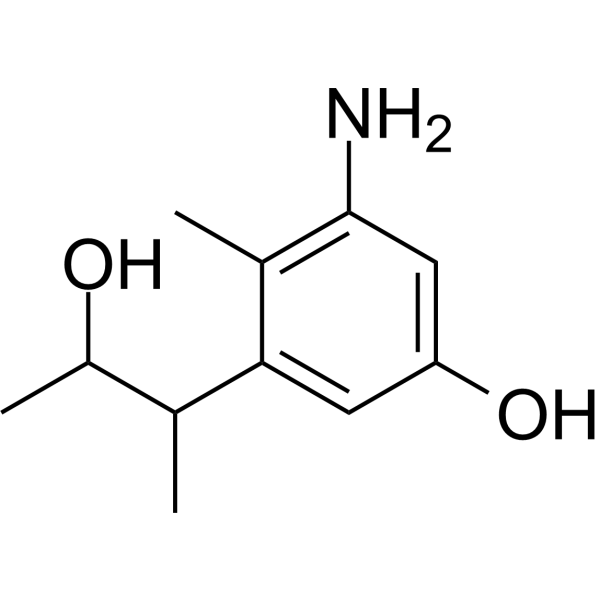
Halociline targets MAPK1, MMP-9, and PIK3CA in gastric cancer cells, potentially mediated by diverse pathways including cancer, lipid metabolism, atherosclerosis, and EGFR tyrosine kinase inhibitor resistance. Halociline possesses antimicrobial, antioxidant and biofilm inhibitory activities .
|
-
- HY-101958R
-
|
AG82 (Standard); Tyrphostin A 25 (Standard); Tyrphostin AG 82 (Standard); RG-50875 (Standard)
|
Reference Standards
EGFR
GPR35
|
Inflammation/Immunology
Cancer
|
|
Tyrphostin 25 (Standard) (AG82 (Standard)) is the analytical standard of Tyrphostin 25 (HY-101958). This product is intended for research and analytical applications. Tyrphostin 25 (AG82) is a specific inhibitor of the EGFR tyrosine kinase with an IC50 value of 3 µM in A431 cells. Tyrphostin 25 is also a GPR35 agonist with an EC50 of 5.3 µM .
|
-

- HY-139300A
-
|
HMPL-813 succinate
|
EGFR
|
Cancer
|
|
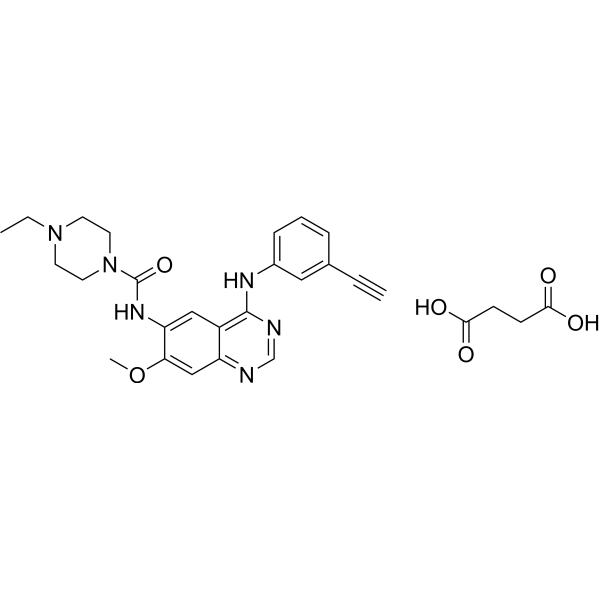
Epitinib succinate is an orally active and selective epidermal growth factor receptor tyrosine kinase inhibitor (EGFR-TKI) designed for optimal brain penetration. Epitinib succinate can be used for the research of cancer . Epitinib (succinate) is a click chemistry reagent, it contains an Alkyne group and can undergo copper-catalyzed azide-alkyne cycloaddition (CuAAc) with molecules containing Azide groups.
|
-
- HY-109061R
-
|
YH25448 (Standard); GNS-1480 (Standard)
|
Apoptosis
Akt
TRP Channel
EGFR
ERK
Reference Standards
|
Infection
Neurological Disease
Metabolic Disease
Cancer
|
|
Lazertinib (Standard) is the analytical standard of Lazertinib (HY-109061). This product is intended for research and analytical applications. Lazertinib (YH25448) is a potent, selective, CNS-penetrant, orally available and irreversible EGFR tyrosine Kinase inhibitor, exhibiting high selectivity for activating (EGFRm) and T790M resistance mutations. Lazertinib inhibits phosphorylation of EGFR, AKT and ERK, leading to apoptosis and suppression of tumor growth in mouse H1975-luc brain metastasis xenograft models. Lazertinib can be used in the study of non-small cell lung cancer .
|
-

- HY-109061BR
-
|
YH25448 mesylate (Standard); GNS-1480 mesylate (Standard)
|
Reference Standards
|
Cancer
|
|
Lazertinib mesylate (Standard) is the analytical standard of Lazertinib (mesylate) (HY-109061B). This product is intended for research and analytical applications. Lazertinib (YH25448) mesylate is a potent, selective, CNS-penetrant, orally available and irreversible EGFR tyrosine Kinase inhibitor, exhibiting high selectivity for activating (EGFRm) and T790M resistance mutations. Lazertinib mesylate inhibits phosphorylation of EGFR, AKT and ERK, leading to apoptosis and suppression of tumor growth in mouse H1975-luc brain metastasis xenograft models. Lazertinib mesylate can be used in the study of non-small cell lung cancer .
|
-

- HY-179031
-
|
|
EGFR
VEGFR
Apoptosis
|
Cancer
|
|
EGFR/VEGFR2-IN-7 (Compound 3e) is a dual-target EGFR/VEGFR2 inhibitor, with IC50 values of 142 (EGFR) and 71 nM (VEGFR2). EGFR/VEGFR2-IN-7 exhibits broad-spectrum and potent anti-proliferative activity, especially being sensitive to breast cancer. EGFR/VEGFR2-IN-7 induces cell cycle arrest and apoptosis, inhibits cell migration and invasion. EGFR/VEGFR2-IN-7 can be used for research on breast cancer .
|
-

- HY-121828
-
|
|
Src
CaMK
PKA
EGFR
PKC
COX
|
Cancer
|
|
TX-1123 is a potent protein tyrosine kinase (PTK) inhibitor for Src, eEF2-K, and PKA, and EGFR-K/PKC. TX-1123 is a cyclo-oxygenase (COX) inhibitor with IC50 values of 1.16 μM and 15.7 μM for COX2 and COX1, respectively. TX-1123 has low mitochondrial toxicity. TX-1123 can be used in research of cancer .
|
-
- HY-16558
-
|
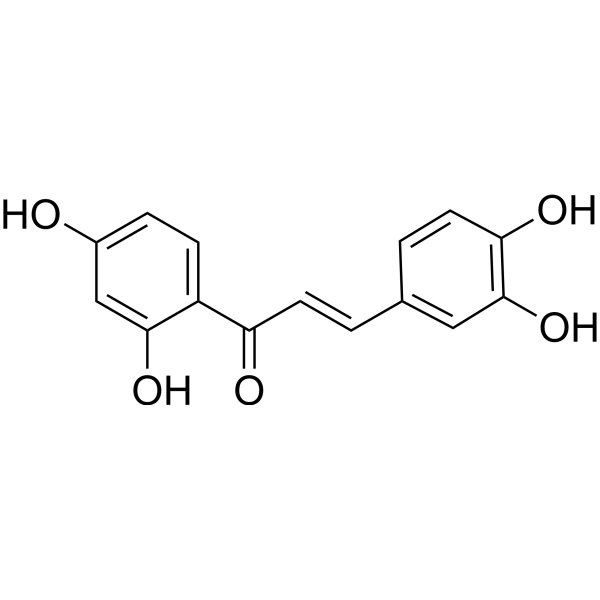
2’,3,4,4’-tetrahydroxy Chalcone
|
EGFR
Autophagy
Apoptosis
Phosphodiesterase (PDE)
|
Cancer
|
|
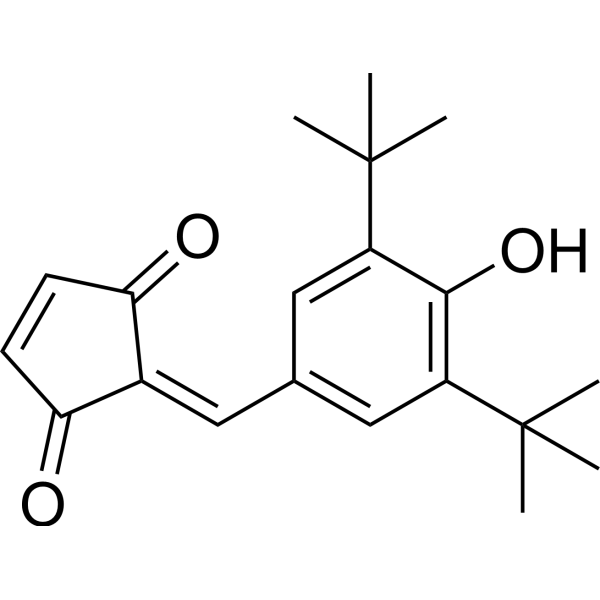
Butein is a cAMP-specific PDE inhibitor with an IC50 of 10.4 μM for PDE4 . Butein is a specific protein tyrosine kinase inhibitor with IC50s of 16 and 65 μM for EGFR and p60 c-src in HepG2 cells . Butein sensitizes HeLa cells to Cisplatin through AKT and ERK/p38 MAPK pathways by targeting FoxO3a . Butein is a SIRT1 activator (STAC).
|
-
- HY-185227
-
|
|
Ephrin Receptor
Src
Bcr-Abl
EGFR
|
Cancer
|
|
EphB4-IN-1 is a selective EphB4 tyrosine kinase inhibitor with IC50 values of 0.16-0.30 μM. EphB4-IN-1 binds to the ATP binding site of EphB4 in a DFG-in conformation, forming four stable intermolecular hydrogen bonds. EphB4-IN-1 also inhibits Src, Abl1, Lck, and EGFR kinases. EphB4-IN-1 inhibits EphB4 autophosphorylation. EphB4-IN-1 can be used for the research of cancer, such as non small cell lung cancer .
|
-

- HY-107367
-
|
S-22611
|
EGFR
|
Cancer
|
|
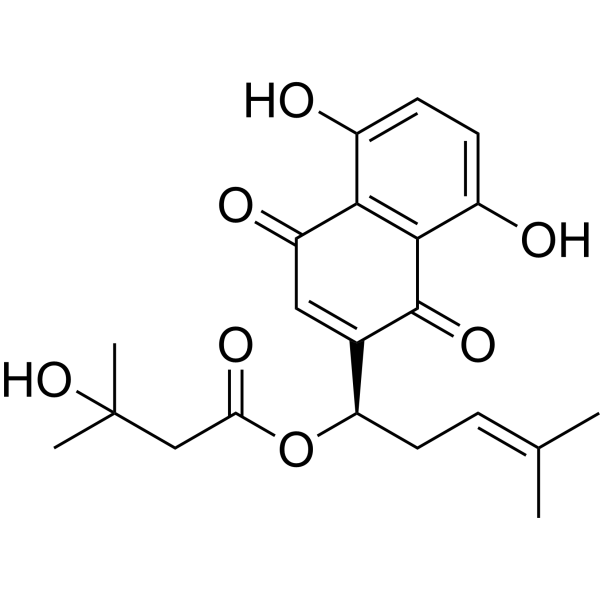
Epertinib (S-22611) is a potent, orally active, reversible, and selective tyrosine kinase inhibitor of EGFR, HER4 and HER2, with IC50s of 1.48 nM, 2.49 nM and 7.15 nM, respectively. Epertinib shows potent antitumor activity . Epertinib is a click chemistry reagent, it contains an Alkyne group and can undergo copper-catalyzed azide-alkyne cycloaddition (CuAAc) with molecules containing Azide groups.
|
-
- HY-N4201
-
|
|
EGFR
Src
|
Cancer
|
|
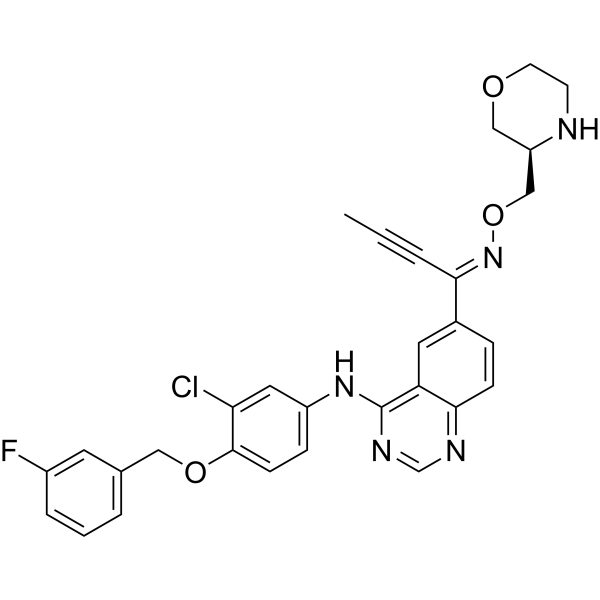
Beta-hydroxyisovalerylshikonin is a natural product isolated from Lithospermum erythrorhizon, acts as a potent inhibitor of protein tyrosine kinases (PTK), with IC50s of 0.7μM and 1μM for EGFR and v-Src receptor, respectively. Beta-hydroxyisovalerylshikonin is effective against a wide variety of tumor cell lines, and most efficiently induces cell-death in NCI-H522 and DMS114 cells .
|
-
- HY-107367A
-
|
S-22611 hydrochloride
|
EGFR
|
Cancer
|
|
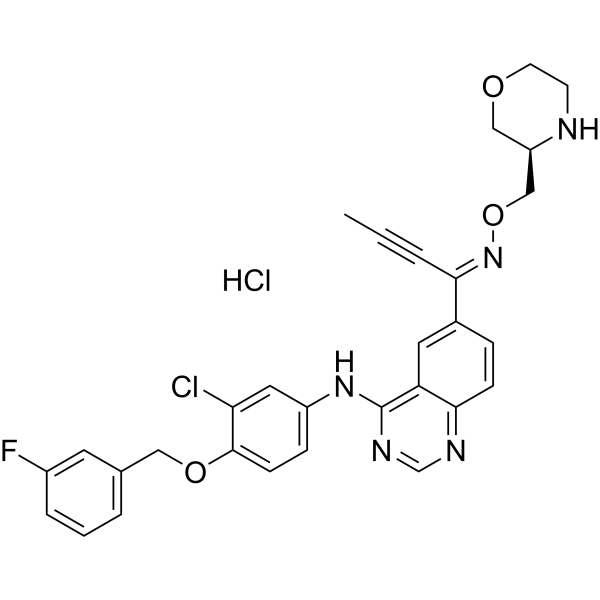
Epertinib (S-22611) hydrochloride is a potent, orally active, reversible, and selective tyrosine kinase inhibitor of EGFR, HER4 and HER2, with IC50s of 1.48 nM, 2.49 nM and 7.15 nM, respectively. Epertinib hydrochloride shows potent antitumor activity . Epertinib (hydrochloride) is a click chemistry reagent, it contains an Alkyne group and can undergo copper-catalyzed azide-alkyne cycloaddition (CuAAc) with molecules containing Azide groups.
|
-
- HY-116624
-
|
|
VEGFR
Apoptosis
|
Cancer
|
|
MAZ51 is a selective inhibitor of VEGFR-3 (Flt-4) tyrosine kinase. MAZ51 inhibits VEGF-C-induced activation of VEGFR-3 without blocking VEGF-C-mediated stimulation of VEGFR2. MAZ51 had no effect on ligand-induced autophosphorylation of EGFR, IGF-1R and PDGFRβ. MAZ51 blocks proliferation and induces apoptosis in a wide variety of tumor cells. Antitumor activity .
|
-
- HY-112823
-
|
HS-10296
|
EGFR
|
Cancer
|
|
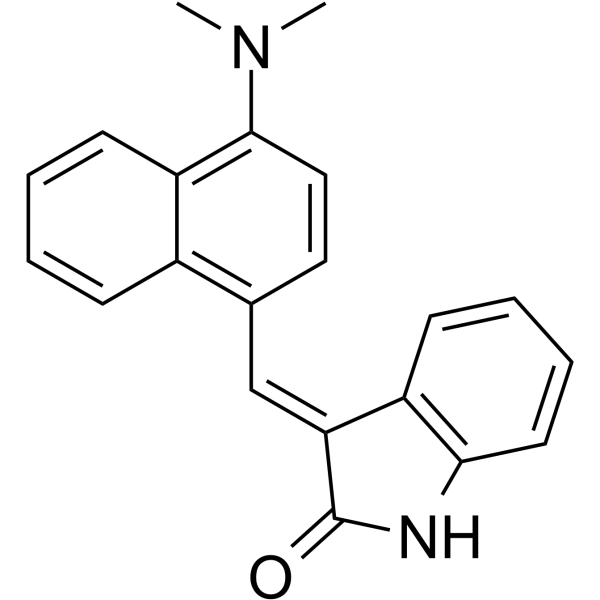
Almonertinib (HS-10296) is an orally available, irreversible, third-generation EGFR tyrosine kinase inhibitor with high selectivity for EGFR-sensitizing and T790M resistance mutations. Almonertinib shows great inhibitory activity against T790M, T790M/L858R and T790M/Del19 (IC50: 0.37, 0.29 and 0.21 nM, respectively), and is less effective against wild type (3.39 nM). Almonertinib is used for the research of the non-small cell lung cancer .
|
-
- HY-112823B
-
|
HS-10296 hydrochloride
|
EGFR
|
Cancer
|
|
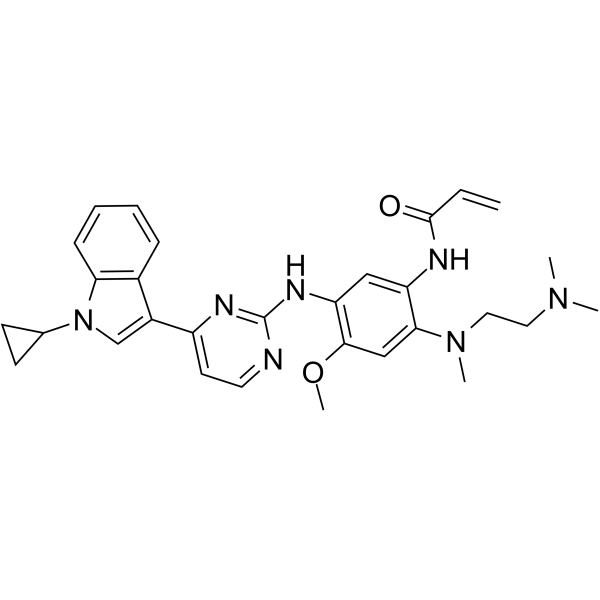
Almonertinib (HS-10296) hydrochloride is an orally available, irreversible, third-generation EGFR tyrosine kinase inhibitor with high selectivity for EGFR-sensitizing and T790M resistance mutations. Almonertinib hydrochloride shows great inhibitory activity against T790M, T790M/L858R and T790M/Del19 (IC50: 0.37, 0.29 and 0.21 nM, respectively), and is less effective against wild type (3.39 nM). Almonertinib hydrochloride is used for the research of the non-small cell lung cancer .
|
-
- HY-15268
-
|
|
c-Met/HGFR
PI3K
DNA-PK
mTOR
Bcr-Abl
Src
VEGFR
EGFR
PDGFR
|
Cancer
|
|
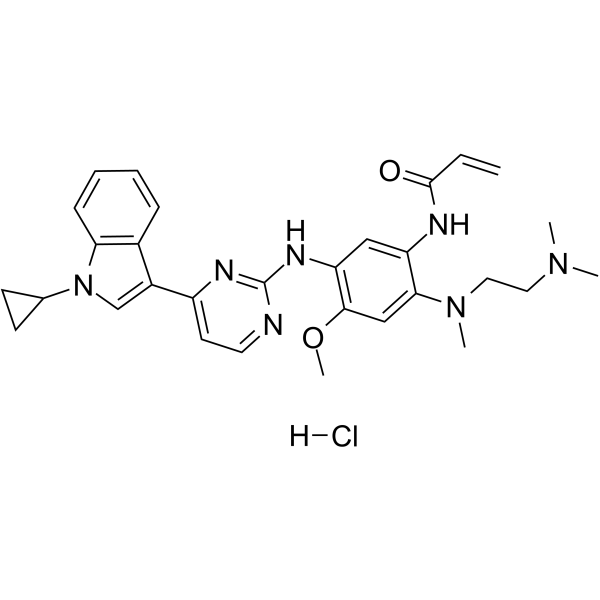
PP487 is a selective dual inhibitor of Tyrosine kinase/PI3-K, with IC50 values of 0.017 μM, 0.072 μM, 0.004 μM, 0.01 μM, 0.55 μM, 0.22 μM, and < 0.01 μM against DNA-PK, mTOR, Hck, Src, EGFR, EphB4, and PDGFR, respectively. PP487 can be used in cancer research .
|
-
- HY-164392
-
|
|
EGFR
Apoptosis
|
Cancer
|
|
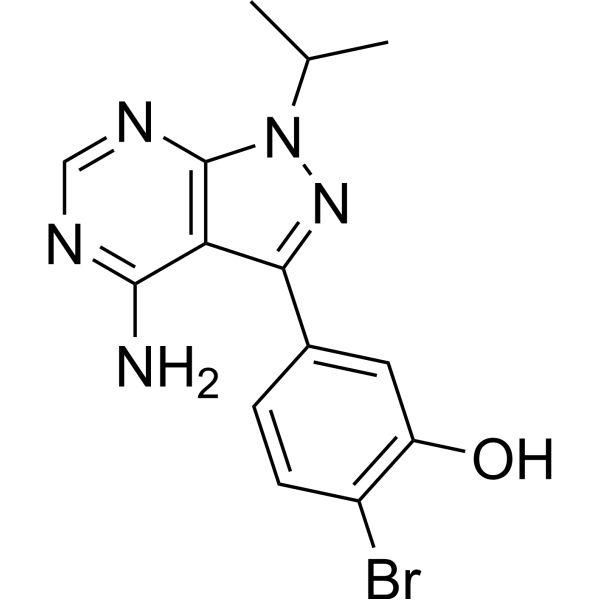
TAS-121 is an orally active, selective, covalent, third-generation mutant EGFR-tyrosine kinase inhibitor (EGFR-TKI). TAS-121 inhibits the L858R mutation (IC50=1.7 nM), Ex19del mutation (IC50=2.7 nM), L858R/T790M mutation (IC50=0.56 nM) and Ex19del/T790M mutation (IC50=1.1 nM) and wild-type EGFR (IC50=8.2 nM). TAS-121 inhibits HER2 and HER4 with IC50s of 110 and 2.6 nM, respectively. TAS-121 inhibits phosphorylation of EGFR and its downstream signaling targets to block cell proliferation. TAS-121 induces apoptosis and displays antitumor activity in SW48 (EGFR G719S) and NCI-H1975 (EGFR L858R/T790M) xenograft models .
|
-

- HY-100434
-
|
|
FGFR
PDGFR
EGFR
Src
TGF-β Receptor
|
Cardiovascular Disease
Cancer
|
|
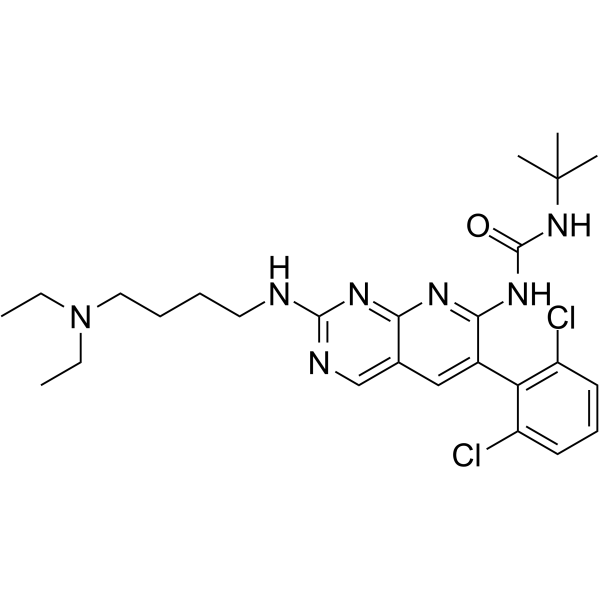
PD-161570 is a potent and ATP-competitive human FGF-1 receptor inhibitor with an IC50 of 39.9 nM and a Ki of 42 nM. PD-161570 also inhibits the PDGFR, EGFR and c-Src tyrosine kinases with IC50 values of 310 nM, 240 nM, and 44 nM, respectively. PD-161570 inhibits PDGF-stimulated autophosphorylation and FGF-1 receptor phosphorylation with IC50s of 450 nM and 622 nM, respectively . PD-161570 is also a bone morphogenetic proteins (BMPs) and TGF-β signaling inhibitor .
|
-
- HY-125102
-
|
|
IGF-1R
|
Cancer
|
|
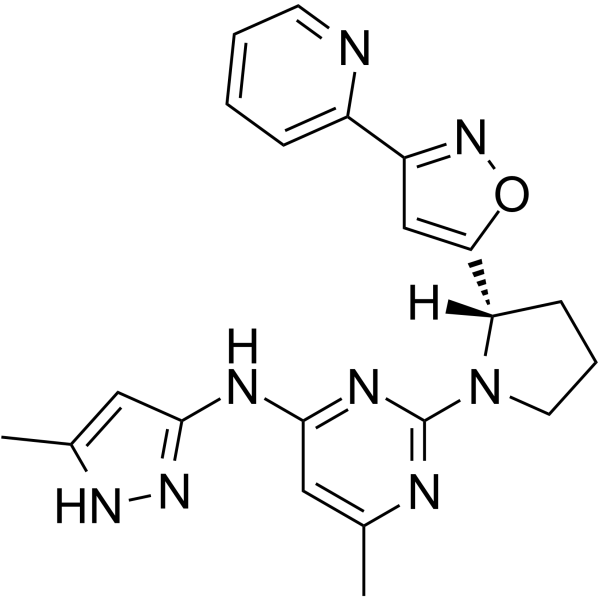
AZ12253801 is an ATP-competitive IGF-1R tyrosine kinase inhibitor that shows ∼10-fold selectivity over the insulin receptor. AZ12253801 inhibits IGF-1R–driven proliferation in 3T3 mouse fibroblasts (transfected with human IGF-1R) with an IC50 of 17 nmol/L. The IC50 for epidermal growth factor receptor (EGFR)–driven proliferation is 440 nmol/L. Anti-tumor activity.
|
-
- HY-107459R
-
|
(E/Z)-Tyrphostin AG490 (Standard); (E/Z)-Tyrphostin B42 (Standard)
|
Reference Standards
EGFR
STAT
JAK
|
Cancer
|
|
(E/Z)-AG490 (Standard) is the analytical standard of (E/Z)-AG490 (HY-107459). This product is intended for research and analytical applications. (E/Z)-AG490 ((E/Z)-Tyrphostin AG490) is a racemic compound of (E)-AG490 and (Z)-AG490 isomers. (E)-AG490 (HY-12000) is a tyrosine Kinase inhibitor that inhibits EGFR, Stat-3 and JAK2/3.
|
-

- HY-W007977
-
|
|
Drug Intermediate
|
Cancer
|
|
4-Chloro-6,7-bis(2-methoxyethoxy)quinazoline (Compound 11 and 15) is a building block and synthetic intermediate, which can be used as a precursor in the synthesis of receptor tyrosine kinase (RTK) inhibitors, dual RTK and histone deacetylase (HDAC) inhibitors, and anticancer agents. 4-Chloro-6,7-bis(2-methoxyethoxy)quinazoline can also be used to synthesize EGFR inhibitors, including Erlotinib (HY-50896), with antiproliferative activity .
|
-

- HY-112823R
-
|
HS-10296 (Standard)
|
Reference Standards
EGFR
|
Cancer
|
|
Almonertinib (Standard) is the analytical standard of Almonertinib. This product is intended for research and analytical applications. Almonertinib (HS-10296) is an orally available, irreversible, third-generation EGFR tyrosine kinase inhibitor with high selectivity for EGFR-sensitizing and T790M resistance mutations. Almonertinib shows great inhibitory activity against T790M, T790M/L858R and T790M/Del19 (IC50: 0.37, 0.29 and 0.21 nM, respectively), and is less effective against wild type (3.39 nM). Almonertinib is used for the research of the non-small cell lung cancer .
|
-

- HY-16558R
-
|
2’,3,4,4’-tetrahydroxy Chalcone (Standard)
|
Reference Standards
EGFR
Autophagy
Apoptosis
Phosphodiesterase (PDE)
|
Cancer
|
|
Butein (Standard) is the analytical standard of Butein. This product is intended for research and analytical applications. Butein is a cAMP-specific PDE inhibitor with an IC50 of 10.4 μM for PDE4 . Butein is a specific protein tyrosine kinase inhibitor with IC50s of 16 and 65 μM for EGFR and p60c-src in HepG2 cells . Butein sensitizes HeLa cells to Cisplatin through AKT and ERK/p38 MAPK pathways by targeting FoxO3a . Butein is a SIRT1 activator (STAC).
|
-

- HY-12965B
-
|
|
TAM Receptor
|
Cancer
|
|
(Z)-S49076 hydrochloride is an orally active inhibitor of MET and AXL that blocks the downstream signaling of these receptors both in vitro and in vivo, inhibiting the proliferation and migration of tumor cells and suppressing tumor growth in xenograft models. (Z)-S49076 hydrochloride is capable of overcoming the resistance to epidermal growth factor receptor (EGFR) tyrosine kinase inhibitors (TKIs) due to MET amplification in Erlotinib (HY-50896)-resistant cell lines both in vitro and in vivo. (Z)-S49076 hydrochloride can be used for research in non-small cell lung cancer (NSCLC) .
|
-

- HY-112823S
-
|
HS-10296-d6
|
Isotope-Labeled Compounds
EGFR
|
Cancer
|
|
Almonertinib-d6 (HS-10296-d6) is the deuterium labeled Almonertinib (HY-112823). Almonertinib (HS-10296) is an orally available, irreversible, third-generation EGFR tyrosine kinase inhibitor with high selectivity for EGFR-sensitizing and T790M resistance mutations. Almonertinib shows great inhibitory activity against T790M, T790M/L858R and T790M/Del19 (IC50: 0.37, 0.29 and 0.21 nM, respectively), and is less effective against wild type (3.39 nM). Almonertinib is used for the research of the non-small cell lung cancer .
|
-

- HY-107367AR
-
|
S-22611 hydrochloride (Standard)
|
Reference Standards
EGFR
|
Cancer
|
|
Epertinib hydrochloride (Standard) (S-22611 hydrochloride (Standard)) is the analytical standard of Epertinib (hydrochloride) (HY-107367A). This product is intended for research and analytical applications. Epertinib (S-22611) hydrochloride is a potent, orally active, reversible, and selective tyrosine Kinase inhibitor of EGFR, HER4 and HER2, with IC50s of 1.48 nM, 2.49 nM and 7.15 nM, respectively. Epertinib hydrochloride shows potent antitumor activity . Epertinib (hydrochloride) is a click chemistry reagent, it contains an Alkyne group and can undergo copper-catalyzed azide-alkyne cycloaddition (CuAAc) with molecules containing Azide groups.
|
-

- HY-109061A
-
|
YH25448 mesylate hydrate; GNS-1480 mesylate hydrate
|
Apoptosis
Akt
TRP Channel
EGFR
ERK
|
Cancer
|
|
Lazertinib (YH25448; GNS-1480) mesylate hydrate is an orally active, blood-brain barrier permeable third-generation EGFR tyrosine kinase inhibitor, as well as an ABCB1/ABCG2 inhibitor and a TRPA1 activator. Lazertinib mesylate hydrate exhibits IC50 values of 0.4 mM and 0.2 mM against human ABCB1 and ABCG2, respectively. By inhibiting mutant EGFR signaling, EGFR phosphorylation and the downstream ERK/AKT pathway, as well as upregulating surface expression of EGFR/MET, Lazertinib mesylate hydrate induces cell cycle arrest, apoptosis, spontaneous calcium responses, hyperexcitability of dorsal root ganglion (DRG) neurons, and TRPA1-dependent pain-like behaviors. Lazertinib mesylate hydrate competitively binds to the substrate-binding sites of ABCB1/ABCG2, stimulates their ATPase activity without altering their expression or plasma membrane localization, thereby enhancing ADCC activity, acting as a chemosensitizer, and reversing ABCB1-mediated multidrug resistance. It exerts antitumor activity as a single agent or in combination with other drugs. Lazertinib mesylate hydrate is applicable to research related to non-small cell lung cancer, multidrug-resistant cancers, and paresthesia .
|
-

- HY-109061B
-
|
YH25448 mesylate; GNS-1480 mesylate
|
TRP Channel
EGFR
Akt
ERK
Apoptosis
|
Cancer
|
|
Lazertinib (YH25448; GNS-1480) mesylate is an orally active, blood-brain barrier permeable third-generation EGFR tyrosine kinase inhibitor, as well as an ABCB1/ABCG2 inhibitor and a TRPA1 activator. Lazertinib mesylate exhibits IC50 values of 0.4 mM and 0.2 mM against human ABCB1 and ABCG2, respectively. By inhibiting mutant EGFR signaling, EGFR phosphorylation and the downstream ERK/AKT pathway, as well as upregulating surface expression of EGFR/MET, Lazertinib mesylate induces cell cycle arrest, apoptosis, spontaneous calcium responses, hyperexcitability of dorsal root ganglion (DRG) neurons, and TRPA1-dependent pain-like behaviors. Lazertinib mesylate competitively binds to the substrate-binding sites of ABCB1/ABCG2, stimulates their ATPase activity without altering their expression or plasma membrane localization, thereby enhancing ADCC activity, acting as a chemosensitizer, and reversing ABCB1-mediated multidrug resistance. It exerts antitumor activity as a single agent or in combination with other drugs. Lazertinib mesylate is applicable to research related to non-small cell lung cancer, multidrug-resistant cancers, and paresthesia .
|
-

- HY-109061
-
|
YH25448; GNS-1480
|
Apoptosis
Akt
TRP Channel
EGFR
ERK
|
Infection
Neurological Disease
Metabolic Disease
Cancer
|
|
Lazertinib (YH25448; GNS-1480) is an orally active, blood-brain barrier permeable third-generation EGFR tyrosine kinase inhibitor, as well as an ABCB1/ABCG2 inhibitor and a TRPA1 activator. Lazertinib exhibits IC50 values of 0.4 mM and 0.2 mM against human ABCB1 and ABCG2, respectively. By inhibiting mutant EGFR signaling, EGFR phosphorylation and the downstream ERK/AKT pathway, as well as upregulating surface expression of EGFR/MET, Lazertinib induces cell cycle arrest, apoptosis, spontaneous calcium responses, hyperexcitability of dorsal root ganglion (DRG) neurons, and TRPA1-dependent pain-like behaviors. Lazertinib competitively binds to the substrate-binding sites of ABCB1/ABCG2, stimulates their ATPase activity without altering their expression or plasma membrane localization, thereby enhancing ADCC activity, acting as a chemosensitizer, and reversing ABCB1-mediated multidrug resistance. It exerts antitumor activity as a single agent or in combination with other drugs. Lazertinib is applicable to research related to non-small cell lung cancer, multidrug-resistant cancers, and paresthesia .
|
-
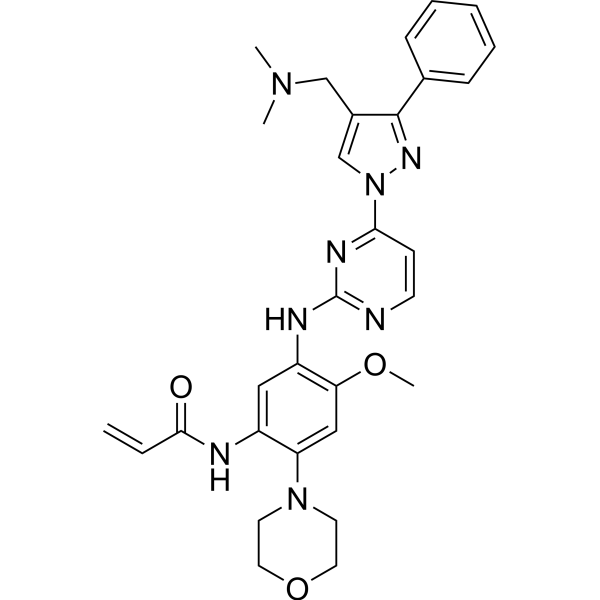
- HY-112411
-
|
|
EGFR
ERK
PDGFR
FGFR
|
Neurological Disease
Inflammation/Immunology
|
|
PD 174265 is a highly selective, reversible EGFR/ErbB2 tyrosine kinase inhibitor (IC50=0.45 nM) and cell differentiation inducer. By blocking receptor autophosphorylation and the downstream ERK signaling pathway (with an IC50 of 0.45 μM for full-length ERK), PD 174265 effectively inhibits tumor growth and exhibits antitumor activity without obvious toxicity in in vivo models. PD 174265 drives oligodendrocyte precursor cells to switch from a proliferative state to a differentiated state, significantly upregulates the expression of myelin proteins such as CNP, PLP and MBP, and induces neurite branching. PD 174265 shows no inhibitory effect on other kinases including insulin, PDGF and basic FGF receptors, and serves as a crucial tool molecule for investigating the treatment of human epidermoid carcinoma and the mechanism of myelin repair in multiple sclerosis .
|
-
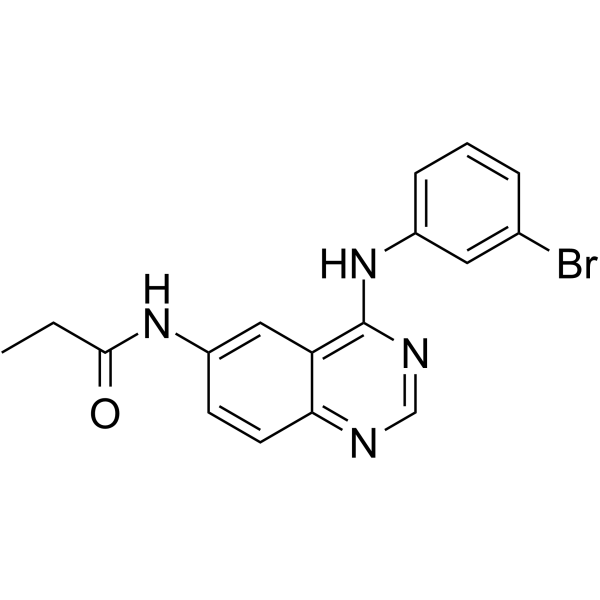
- HY-131088
-
|
|
Drug-Linker Conjugates for ADC
EGFR
|
Cancer
|
|
N3-PEG8-Phe-Lys-PABC-Gefitinib is a agent-linker conjugate for ADC with potent antitumor activity by using the anti-tumor agent, Gefitinib (HY-50895) (orally active EGFR tyrosine kinase inhibitor), linked via the cleavable linker N3-PEG8-Phe-Lys-PABC. N3-PEG8-Phe-Lys-PABC-Gefitinib is a click chemistry reagent, it contains an Azide group and can undergo copper-catalyzed azide-alkyne cycloaddition reaction (CuAAc) with molecules containing Alkyne groups. It can also undergo strain-promoted alkyne-azide cycloaddition (SPAAC) reactions with molecules containing DBCO or BCN groups.
|
-
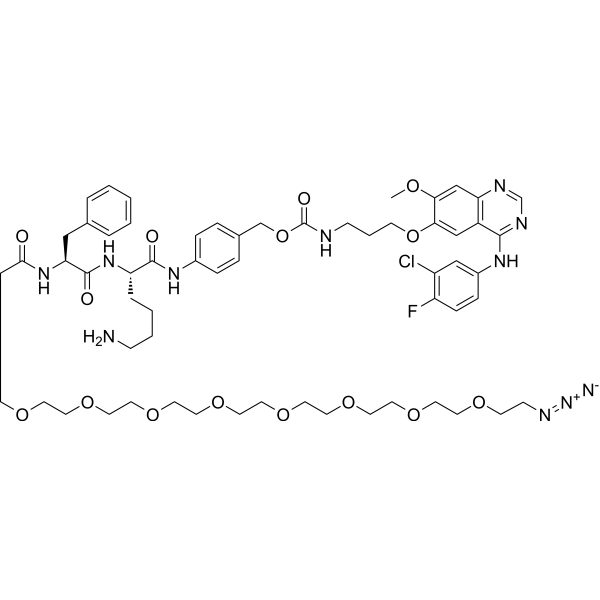
- HY-131088A
-
|
|
Drug-Linker Conjugates for ADC
EGFR
|
Cancer
|
|
N3-PEG8-Phe-Lys-PABC-Gefitinib TFA is a agent-linker conjugate for ADC with potent antitumor activity by using the anti-tumor agent, Gefitinib (HY-50895) (orally active EGFR tyrosine kinase inhibitor), linked via the cleavable linker N3-PEG8-Phe-Lys-PABC. N3-PEG8-Phe-Lys-PABC-Gefitinib TFA is a click chemistry reagent, it contains an Azide group and can undergo copper-catalyzed azide-alkyne cycloaddition reaction (CuAAc) with molecules containing Alkyne groups. It can also undergo strain-promoted alkyne-azide cycloaddition (SPAAC) reactions with molecules containing DBCO or BCN groups.
|
-

| Art. -Nr. |
Produktname |
Type |
-
- HY-50895G
-
|
ZD1839
|
Fluorescent Dyes
|
|
Gefitinib (ZD1839) (GMP) is Gefitinib (HY-50895) produced by using GMP guidelines. GMP small molecules work appropriately as an auxiliary reagent for cell therapy manufacture. Gefitinib is a potent, selective and orally active EGFR tyrosine kinase inhibitor .
|
| Art. -Nr. |
Produktname |
Type |
-
- HY-50895G
-
|
ZD1839
|
Biochemical Assay Reagents
|
|
Gefitinib (ZD1839) (GMP) is Gefitinib (HY-50895) produced by using GMP guidelines. GMP small molecules work appropriately as an auxiliary reagent for cell therapy manufacture. Gefitinib is a potent, selective and orally active EGFR tyrosine kinase inhibitor .
|
| Art. -Nr. |
Produktname |
Target |
Research Area |
Image |
-
- HY-P990947
-
|
AZD9592 Antibody
|
ADC Antibody
EGFR
|
Cancer
|
|
Tilatamig (AZD9592 Antibody) is a human antibody of the Ig (G1-κ_G1-λ2) subtype that targets EGFR/MET. Tilatamig conjugates with the Top1 inhibitor AZ14170133 (HY-145399) to form the antibody-drug conjugate (ADC) Tilatamig samrotecan (HY-171124) (AZD9592). Tilatamig accurately targets NSCLC models including EGFR-mutant, EGFR-wildtype, and EGFR tyrosine kinase inhibitor-treated ones, and its activity correlates with high expression of EGFR, c-MET and SLFN11. Tilatamig is available for in vivo anti-tumor studies in patient-derived xenograft models of non-small cell lung cancer (NSCLC) and head and neck squamous cell carcinoma (HNSCC) .
|
-

(5)
| Art. -Nr. |
Produktname |
Category |
Target |
Chemical Structure |
| Art. -Nr. |
Produktname |
Chemical Structure |
-
- HY-14596S
-
|
|
|
Genistein-d4 is the deuterium labeled Genistein. Genistein, a soy isoflavone, is a multiple tyrosine kinases (e.g., EGFR) inhibitor which acts as a chemotherapeutic agent against different types of cancer, mainly by altering apoptosis, the cell cycle, and angiogenesis and inhibiting metastasis .
|
-
-
- HY-50898S4
-
|
|
|
Lapatinib-d7 (GW572016-d7) is deuterium labeled Lapatinib. Lapatinib (GW572016) is a potent, orally active inhibitor of the ErbB-2 and EGFR tyrosine kinase domains with IC50 values against purified EGFR and ErbB-2 of 10.2 and 9.8 nM, respectively .
|
-
-
- HY-50896S
-
|
|
|
Erlotinib-d6 (CP-358774 D6) is a deuterium labeled Erlotinib (CP-358774). Erlotinib is a directly acting inhibitor EGFR tyrosine kinase inhibitor with an IC50 of 2 nM for human EGFR . Erlotinib-d6 is a click chemistry reagent, it contains an Alkyne group and can undergo copper-catalyzed azide-alkyne cycloaddition (CuAAc) with molecules containing Azide groups.
|
-
-
- HY-15772S3
-
|
|
|
Asandeutertinib (Osimertinib-d3; AZD-9291-d3) is a epidermal growth factor receptor (EGFR) tyrosine kinase inhibitor, with antineoplastic effect .
|
-
-
- HY-50895S2
-
|
|
|
Gefitinib-d3 (ZD1839-d3) is the deuterium labeled Gefitinib. Gefitinib (ZD1839) is a potent, selective and orally active EGFR tyrosine kinase inhibitor with an IC50 of 33 nM. Gefitinib selectively inhibits EGF-stimulated tumor cell growth (IC50 of 54 nM) and that blocks EGF-stimulated EGFR autophosphorylation in tumor cells. Gefitinib also induces autophagy. Gefitinib has antitumour activity .
|
-
-
- HY-50898S1
-
|
|
|
Lapatinib-d7 dihydrochloride is the deuterium labeled Lapatinib dihydrochloride. Lapatinib (GW572016) dihydrochloride is a potent, orally active inhibitor of the ErbB-2 and EGFR tyrosine kinase domains with IC50 values against purified EGFR and ErbB-2 of 10.2 and 9.8 nM, respectively .
|
-
-
- HY-50898S
-
|
|
|
Lapatinib-d4 is the deuterium labeled Lapatinib (HY-50898). Lapatinib is a potent, orally active inhibitor of the ErbB-2 and EGFR tyrosine kinase domains with IC50 values against purified EGFR and ErbB-2 of 10.2 and 9.8 nM, respectively .
|
-
-
- HY-50895S
-
|
|
|
Gefitinib-d8 (ZD1839-d8) is a deuterium labeled Gefitinib. Gefitinib is an EGFR tyrosine kinase inhibitor, with IC50 of 2-37 nM in NR6wtEGFR cells .
|
-
-
- HY-50895S1
-
|
|
|
Gefitinib-d6 is the deuterium labeled Gefitinib. Gefitinib (ZD1839) is a potent, selective and orally active EGFR tyrosine kinase inhibitor with an IC50 of 33 nM. Gefitinib selectively inhibits EGF-stimulated tumor cell growth (IC50 of 54 nM) and that blocks EGF-stimulated EGFR autophosphorylation in tumor cells. Gefitinib also induces autophagy. Gefitinib has antitumour activity .
|
-
-
- HY-32721S
-
|
|
|
Neratinib-d6 (HKI-272-d6) is the deuterium labeled Neratinib. Neratinib (HKI-272) is an orally available, irreversible tyrosine kinase inhibitor with IC50s of 59 nM and 92 nM for HER2 and EGFR, respectively.
|
-
-
- HY-50896S1
-
|
|
|
Erlotinib- 13C6 is a 13C-labeled Erlotinib. Erlotinib is a directly acting EGFR tyrosine kinase inhibitor, with an IC50 of 2 nM for human EGFR .
|
-
-
- HY-50898S2
-
|
|
|
Lapatinib-d5 is deuterium labeled Lapatinib. Lapatinib (GW572016) is a potent, orally active inhibitor of the ErbB-2 and EGFR tyrosine kinase domains with IC50 values against purified EGFR and ErbB-2 of 10.2 and 9.8 nM, respectively .
|
-
-
- HY-50898S3
-
|
|
|
Lapatinib-d4-1 is deuterium labeled Lapatinib. Lapatinib (GW572016) is a potent, orally active inhibitor of the ErbB-2 and EGFR tyrosine kinase domains with IC50 values against purified EGFR and ErbB-2 of 10.2 and 9.8 nM, respectively .
|
-
-
- HY-50898CS
-
|
|
|
Lapatinib-d4 (GW572016-d4) tosylate is deuterium labeled Lapatinib (tosylate). Lapatinib (GW572016) tosylate is a potent, orally active inhibitor of the ErbB-2 and EGFR tyrosine kinase domains with IC50 values against purified EGFR and ErbB-2 of 10.2 and 9.8 nM, respectively .
|
-
-
- HY-10260S
-
|
|
|
Vandetanib-d6 is the deuterium labeled Vandetanib. Vandetanib (D6474) is a potent, orally active inhibitor of VEGFR2/KDR tyrosine kinase activity (IC50=40 nM). Vandetanib also has activity versus the tyrosine kinase activity of VEGFR3/FLT4 (IC50=110 nM) and EGFR/HER1 (IC50=500 nM) .
|
-
-
- HY-10260S1
-
|
|
|
Vandetanib-d4 is the deuterium labeled Vandetanib. Vandetanib (ZD6474) is a potent, orally active inhibitor of VEGFR2/KDR tyrosine kinase activity (IC50=40 nM). Vandetanib also has activity versus the tyrosine kinase activity of VEGFR3/FLT4 (IC50=110 nM) and EGFR/HER1 (IC50=500 nM) .
|
-
-
- HY-10260S2
-
|
|
|
Vandetanib- 13C6 is a 13C labeled Vandetanib (HY-10260) . Vandetanib (D6474) is a potent, orally active inhibitor of VEGFR2/KDR tyrosine kinase activity (IC50=40 nM). Vandetanib also has activity versus the tyrosine kinase activity of VEGFR3/FLT4 (IC50=110 nM) and EGFR/HER1 (IC50=500 nM) .
|
-
-
- HY-W777297
-
|
|
|
Lapatinib- 13C2, 15N Ditosylate is the 13C- and 15N-labeled Lapatinib ditosylate (HY-50898A). Lapatinib ditosylate (GW572016 ditosylate) is a potent inhibitor of the ErbB-2 and EGFR tyrosine kinase domains with IC50 values against purified EGFR and ErbB-2 of 10.2 and 9.8 nM, respectively .
|
-
-
- HY-50896S3
-
|
|
|
Erlotinib-d8 (CP-358774-d8) is deuterium labeled Erlotinib. Erlotinib (CP-358774) is a directly acting EGFR tyrosine kinase inhibitor, with an IC50 of 2 nM for human EGFR. Erlotinib reduces EGFR autophosphorylation in intact tumor cells with an IC50 of 20 nM. Erlotinib is used for the treatment of non-small cell lung cancer . Erlotinib is a click chemistry reagent, itcontains an Alkyne group and can undergo copper-catalyzed azide-alkyne cycloaddition (CuAAc) with molecules containing Azide groups.
|
-
-
- HY-50896S2
-
|
|
|
Erlotinib-d4 (CP-358774-d4) is deuterium labeled Erlotinib. Erlotinib (CP-358774) is a directly acting EGFR tyrosine kinase inhibitor, with an IC50 of 2 nM for human EGFR. Erlotinib reduces EGFR autophosphorylation in intact tumor cells with an IC50 of 20 nM. Erlotinib is used for the treatment of non-small cell lung cancer . Erlotinib is a click chemistry reagent, itcontains an Alkyne group and can undergo copper-catalyzed azide-alkyne cycloaddition (CuAAc) with molecules containing Azide groups.
|
-
-
- HY-50898S5
-
|
|
|
Lapatinib- 13C,d7 (GW572016- 13C,d7) is the deuterium and 13C-labeled Lapatinib (HY-50898). Lapatinib (GW572016) is a potent, orally active inhibitor of the ErbB-2 and EGFR tyrosine kinase domains with IC50 values against purified EGFR and ErbB-2 of 10.2 and 9.8 nM, respectively .
|
-
-
- HY-112823S
-
|
|
|
Almonertinib-d6 (HS-10296-d6) is the deuterium labeled Almonertinib (HY-112823). Almonertinib (HS-10296) is an orally available, irreversible, third-generation EGFR tyrosine kinase inhibitor with high selectivity for EGFR-sensitizing and T790M resistance mutations. Almonertinib shows great inhibitory activity against T790M, T790M/L858R and T790M/Del19 (IC50: 0.37, 0.29 and 0.21 nM, respectively), and is less effective against wild type (3.39 nM). Almonertinib is used for the research of the non-small cell lung cancer .
|
-
| Art. -Nr. |
Produktname |
|
Classification |
-
- HY-50896
-
|
CP-358774; NSC 718781; OSI-774
|
|
Alkynes
|
|
Erlotinib (CP-358774) is a directly acting EGFR tyrosine kinase inhibitor, with an IC50 of 2 nM for human EGFR. Erlotinib reduces EGFR autophosphorylation in intact tumor cells with an IC50 of 20 nM. Erlotinib is used for the treatment of non-small cell lung cancer . Erlotinib is a click chemistry reagent, itcontains an Alkyne group and can undergo copper-catalyzed azide-alkyne cycloaddition (CuAAc) with molecules containing Azide groups.
|
-
- HY-139300
-
|
HMPL-813
|
|
Alkynes
|
|
Epitinib (HMPL-813) is a selective, orally active, blood-brain barrier-permeable EGFR tyrosine kinase inhibitor. Epitinib is applicable to research on EGFR T790M-positive non-small cell lung cancer with brain metastasis and advanced solid tumors .
|
-
- HY-131088
-
|
|
|
ADC Synthesis
Azide
|
|
N3-PEG8-Phe-Lys-PABC-Gefitinib is a agent-linker conjugate for ADC with potent antitumor activity by using the anti-tumor agent, Gefitinib (HY-50895) (orally active EGFR tyrosine kinase inhibitor), linked via the cleavable linker N3-PEG8-Phe-Lys-PABC. N3-PEG8-Phe-Lys-PABC-Gefitinib is a click chemistry reagent, it contains an Azide group and can undergo copper-catalyzed azide-alkyne cycloaddition reaction (CuAAc) with molecules containing Alkyne groups. It can also undergo strain-promoted alkyne-azide cycloaddition (SPAAC) reactions with molecules containing DBCO or BCN groups.
|
-
- HY-50896S
-
|
CP-358774-d6; NSC 718781-d6; OSI-774-d6
|
|
Alkynes
|
|
Erlotinib-d6 (CP-358774 D6) is a deuterium labeled Erlotinib (CP-358774). Erlotinib is a directly acting inhibitor EGFR tyrosine kinase inhibitor with an IC50 of 2 nM for human EGFR . Erlotinib-d6 is a click chemistry reagent, it contains an Alkyne group and can undergo copper-catalyzed azide-alkyne cycloaddition (CuAAc) with molecules containing Azide groups.
|
-
- HY-129510
-
|
|
|
Alkynes
|
|
4-Methyl erlotinib, is a potent and selective epidermal growth factor receptor (EGFR) tyrosine kinase inhibitor. 4-Methyl erlotinib potently inhibits EGF-mediated tumor cell mitosis by reducing EGFr-specific tyrosine phosphorylation. Using a mouse model of human tumor transplantation, 4-Methyl erlotinib demonstrated significant and sustained suppression of EGFr phosphotyrosine levels, resulting in significant growth inhibition of EGFr-dependent human cancers .
|
-
- HY-139300A
-
|
HMPL-813 succinate
|
|
Alkynes
|
|
Epitinib succinate is an orally active and selective epidermal growth factor receptor tyrosine kinase inhibitor (EGFR-TKI) designed for optimal brain penetration. Epitinib succinate can be used for the research of cancer . Epitinib (succinate) is a click chemistry reagent, it contains an Alkyne group and can undergo copper-catalyzed azide-alkyne cycloaddition (CuAAc) with molecules containing Azide groups.
|
-
- HY-131088A
-
|
|
|
Azide
|
|
N3-PEG8-Phe-Lys-PABC-Gefitinib TFA is a agent-linker conjugate for ADC with potent antitumor activity by using the anti-tumor agent, Gefitinib (HY-50895) (orally active EGFR tyrosine kinase inhibitor), linked via the cleavable linker N3-PEG8-Phe-Lys-PABC. N3-PEG8-Phe-Lys-PABC-Gefitinib TFA is a click chemistry reagent, it contains an Azide group and can undergo copper-catalyzed azide-alkyne cycloaddition reaction (CuAAc) with molecules containing Alkyne groups. It can also undergo strain-promoted alkyne-azide cycloaddition (SPAAC) reactions with molecules containing DBCO or BCN groups.
|
-
- HY-50896S1
-
|
CP-358774-13C6; NSC 718781-13C6; OSI-774-13C6
|
|
Alkynes
|
|
Erlotinib- 13C6 is a 13C-labeled Erlotinib. Erlotinib is a directly acting EGFR tyrosine kinase inhibitor, with an IC50 of 2 nM for human EGFR .
|
-
- HY-15661A
-
|
CP 373413
|
|
Alkynes
|
|
OSI-413 (free base) (CP 373413) is a major metabolite of Erlotinib (HY-50896). Erlotinib (CP-358774) is a directly acting EGFR tyrosine kinase inhibitor, with an IC50 of 2 nM for human EGFR .
|
| Art. -Nr. |
Produktname |
Target |
Forschungsgebiete |
Chemical Structure |
-
- HY-50895G
-
|
ZD1839
|
EGFR
Autophagy
Apoptosis
|
Cancer
|
|
Gefitinib (ZD1839) (GMP) is Gefitinib (HY-50895) produced by using GMP guidelines. GMP small molecules work appropriately as an auxiliary reagent for cell therapy manufacture. Gefitinib is a potent, selective and orally active EGFR tyrosine kinase inhibitor .
|
-
Your information is safe with us. * Required Fields.
Inquiry Information
- Produktname:
- Art. -Nr.:
- Menge:
- MCE Japan Authorized Agent:








