1. Search Result
Search Result
Results for "

Stress-induced

" in MedChemExpress (MCE) Product Catalog:

141

Inhibitors & Agonists

9

Peptides

43

Natural
Products

9

Recombinant Proteins

12

Isotope-Labeled Compounds

4

Antibodies

3

Oligonucleotides

Cat. No. Product Name Target Research Areas Chemical Structure
  • HY-13433
    Thapsigargin
    Maximum Cited Publications
    138 Publications Verification

    Calcium Channel SARS-CoV Apoptosis Infection Cancer
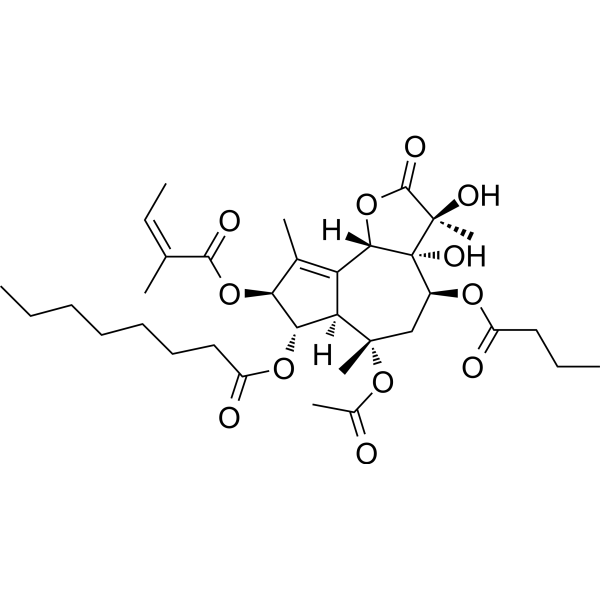
    Thapsigargin, an endoplasmic reticulum (ER) stress inducer, is an inhibitor of microsomal Ca 2+-ATPase. Thapsigargin efficiently inhibits coronavirus (HCoV-229E, MERS-CoV, SARS-CoV-2) replication in different cell types .
    Thapsigargin
  • HY-101200

    SIN-1 chloride

    Apoptosis Autophagy Reactive Oxygen Species (ROS) Annexin A NF-κB Cardiovascular Disease Neurological Disease Inflammation/Immunology Cancer
    Linsidomine hydrochloride (SIN-1 chloride) is a spontaneous ROS/RNS generator and peroxynitrite donor. Linsidomine hydrochloride is a vasodilator and platelet aggregation inhibitor. Linsidomine hydrochloride induces oxidative stress-induced chondrocyte apoptosis and necrosis. Linsidomine hydrochloride inhibits the migration, proliferation and neointima formation of vascular smooth muscle cells by inhibiting the expression of annexin A2. In addition, low doses of Linsidomine hydrochloride shows protective effects on Zn 2+ treated nerve cells .
    Linsidomine hydrochloride
  • HY-N0540
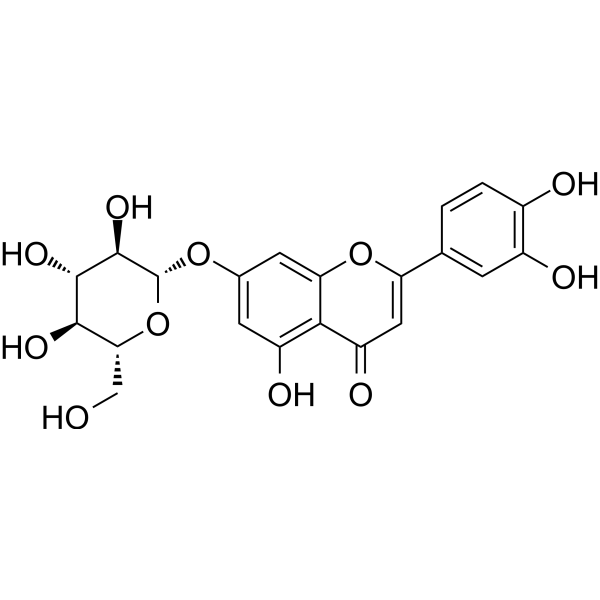
    Cynaroside
    10+ Cited Publications

    Luteolin 7-glucoside; Luteolin 7-O-β-D-glucoside

    Influenza Virus DNA/RNA Synthesis Apoptosis Parasite Bacterial Fungal Infection Cardiovascular Disease Cancer
    Cynaroside (Luteolin 7-glucoside) is a flavonoid compound that exhibits anti-oxidative capabilities. Cynaroside is also a potent influenza RNA-dependent RNA polymerase inhibitor with an IC50 of 32 nM. Cynaroside also is a promising inhibitor for H2O2-induced apoptosis, has cytoprotection against oxidative stress-induced cardiovascular diseases. Cynaroside also has antibacterial, antifungal and anticancer activities, antioxidant and anti-inflammatory activities .
    Cynaroside
  • HY-103377
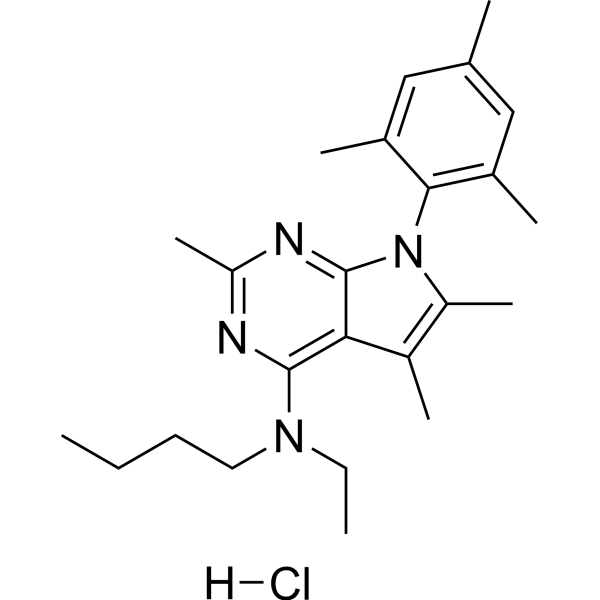
    Antalarmin hydrochloride
    5+ Cited Publications

    CRFR Inflammation/Immunology Endocrinology
    Antalarmin (hydrochloride) is an oral active non-peptide corticotropin-releasing hormone receptor 1 (CRHR1) antagonist with a Ki of 1 nM. Antalarmin hydrochloride suppresses CRH-induced ACTH secretion and blocks CRH and novelty induced anxiety-like behavior in animal models. Antalarmin hydrochloride produces anti-inflammatory effects in arthritis models, and suppresses stress-induced gastric ulceration related to irritable bowel syndrome .
    Antalarmin hydrochloride
  • HY-N0147
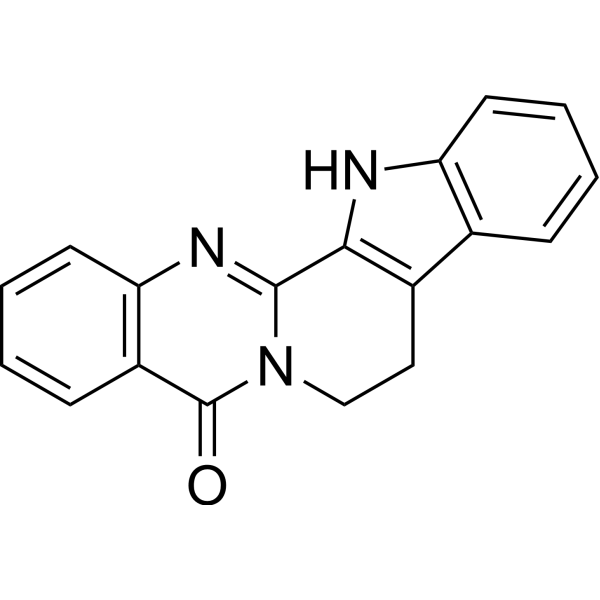
    Rutaecarpine
    5+ Cited Publications

    Rutecarpine

    COX Keap1-Nrf2 Neurological Disease Inflammation/Immunology Cancer
    Rutaecarpine, an alkaloid of Evodia rutaecarpa, is an inhibitor of COX-2 with an IC50 value of 0.28 μM. Rutaecarpine can target and activate the NRF2/HO-1 pathway to reduce craniofacial injury. Rutaecarpine sttenuates oxidative stress-induced traumatic brain injury (TBI) and reduces secondary injury via the PGK1/KEAP1/NRF2 signaling pathway. Rutaecarpine can cross the blood-brain barrier (BBB).
    Rutaecarpine
  • HY-N0637
    Eriodictyol
    10+ Cited Publications

    Huazhongilexone

    Melanocortin Receptor TRP Channel Infection Inflammation/Immunology
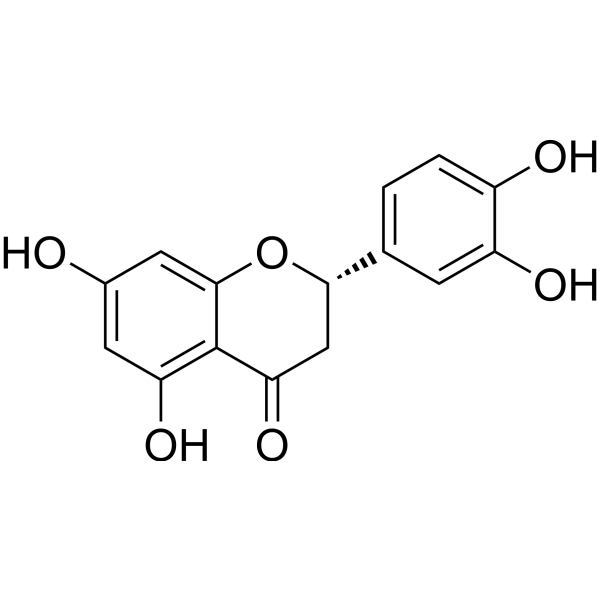
    Eriodictyol ((±)-Huazhongilexone; Dihydroluteolin) is an orally active TRPV1 receptor antagonist (IC50=44-47 nM, rTRPV1) with antioxidant and anti-inflammatory activities. Eriodictyol effectively inhibits lipid peroxidation and the release of proinflammatory cytokines by specifically antagonizing the TRPV1 receptor and activating the Nrf2 signaling pathway. Eriodictyol reduces the levels of ICAM-1, VEGF, eNOS and TNF-α in the retina and maintains the integrity of the blood-retinal barrier. Eriodictyol alleviates oxidative stress-induced apoptosis and hyperalgesia, enhances the activity and cytotoxicity of immune cells (such as B lymphocytes, NK cells and macrophages), and increases the levels of antioxidant enzymes simultaneously. Eriodictyol can be used in the research of diabetic retinopathy, acute lung injury and various pain-related diseases .
    Eriodictyol
  • HY-108599
    DCP-LA
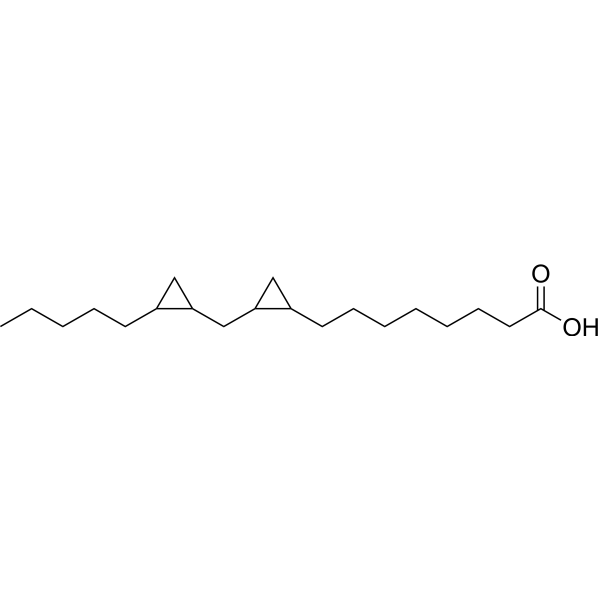
    5+ Cited Publications

    FR236924

    PKC CaMK Phosphatase Apoptosis Neurological Disease
    DCP-LA (FR236924), a linoleic acid derivative, selectively and directly activates PKCε. DCP-LA activates Ca( 2+)/calmodulin-dependent protein kinase II (CaMKII) and inhibits protein phosphatase-1 (PP-1) to stimulate AMPA receptor exocytosis. DCP-LA inhibits activation of caspase-3/-9 and protects neurons at least in part from oxidative stress-induced apoptosis .
    DCP-LA
  • HY-B0481
    Miglitol
    2 Publications Verification

    BAY1099; BAY-m1099

    Glycosidase AMPK Reactive Oxygen Species (ROS) Metabolic Disease
    Miglitol (BAY-m1099) is an orally active antidiabetic compound that inhibits the breakdown of glycoconjugates into glucose. Miglitol inhibits glycoside hydrolase enzymes called α-glucosidases. Miglitol inhibits oxidative stress-induced apoptosis and mitochondrial ROS over-production in endothelial cells by enhancement of AMP-activated protein kinase. Dietary supplementation with Miglitol from pre-onset stage in OLETF rats delays the onset and development of diabetes and preserves the insulin secretory function of pancreatic islets .
    Miglitol
  • HY-124410
    Mitoquinol
    3 Publications Verification

    Reactive Oxygen Species (ROS) HIF/HIF Prolyl-Hydroxylase Metabolic Disease Inflammation/Immunology
    Mitoquinol is an orally active mitochondria-targeted antioxidant. Mitoquinol can regulate mitochondrial respiration and oxidation. Mitoquinol inhibits ROS production, and improves phagocytosis and glycolysis in ethanol-exposed macrophages via the HIF-1α-PFKP axis. Additionally, Mitoquinol can partially alleviate heat stress-induced decreases in growth performance, inflammatory responses, and metabolic disorders in pigs .
    Mitoquinol
  • HY-114332

    MAP3K JNK Neurological Disease Metabolic Disease
    GNE-8505 is an orally active, blood-brain barrier-permeable selective dual leucine zipper kinase (DLK) inhibitor. GNE-8505 has an IC50 of 0.144 μM for pJNK, and EC50 of 0.457 μM for DRG. GNE-8505 inhibits the DLK/JNK pathway, reduces stress-induced c-Jun phosphorylation levels, decreases neuronal death and suppresses axonal degeneration. GNE-8505 reduces phosphorylated c-Jun levels in the retina, spinal cord and brain tissues of mice. GNE-8505 is applicable to research related to Alzheimer's disease and amyotrophic lateral sclerosis (ALS) .
    GNE-8505
  • HY-N0637A

    (±)-Huazhongilexone; Dihydroluteolin

    Melanocortin Receptor TRP Channel Metabolic Disease
    (±)-Eriodictyol ((±)-Huazhongilexone; Dihydroluteolin) is an orally active TRPV1 receptor antagonist (IC50=44-47 nM, rTRPV1) with antioxidant and anti-inflammatory activities. (±)-Eriodictyol effectively inhibits lipid peroxidation and the release of proinflammatory cytokines by specifically antagonizing the TRPV1 receptor and activating the Nrf2 signaling pathway. (±)-Eriodictyol reduces the levels of ICAM-1, VEGF, eNOS and TNF-α in the retina and maintains the integrity of the blood-retinal barrier. (±)-Eriodictyol alleviates oxidative stress-induced apoptosis and hyperalgesia, enhances the activity and cytotoxicity of immune cells (such as B lymphocytes, NK cells and macrophages), and increases the levels of antioxidant enzymes simultaneously. (±)-Eriodictyol can be used in the research of diabetic retinopathy, acute lung injury and various pain-related diseases .
    (±)-Eriodictyol
  • HY-N12060

    Bcl-2 Family Caspase Apoptosis Autophagy Reactive Oxygen Species (ROS) Akt JNK ERK Cardiovascular Disease Neurological Disease
    Ginkgo biloba extract is a natural product that can be isolated from Ginkgo biloba leaves . Ginkgo biloba extract alleviates oxidative stress-induced neuronal apoptosis (Apoptosis) by stabilizing mitochondrial function, regulating Bcl-2 family proteins and inhibiting caspase activation. Ginkgo biloba extract alleviates testicular injury by upregulating SKP2 and inhibiting Beclin1-independent autophagy (Autophagy) . Ginkgo biloba extract alleviates various types of neuronal damage in animal models. Ginkgo biloba extract reduces behavioral sensitization in rats. Ginkgo biloba extract counteracts Aβ-induced neurotoxicity by blocking a series of Aβ-triggered events, including glucose uptake, ROS accumulation, AKT activation, mitochondrial dysfunction, JNK and ERK 1/2 pathways, and apoptosis, and also interferes with the formation of Aβ oligomers. Ginkgo biloba extract is applicable to research related to cerebral hypoperfusion, testicular injury, Alzheimer's disease, Parkinson's disease, multi-infarct dementia, stroke, traumatic brain injury and amyotrophic lateral sclerosis .
    Ginkgo biloba extract
  • HY-30267
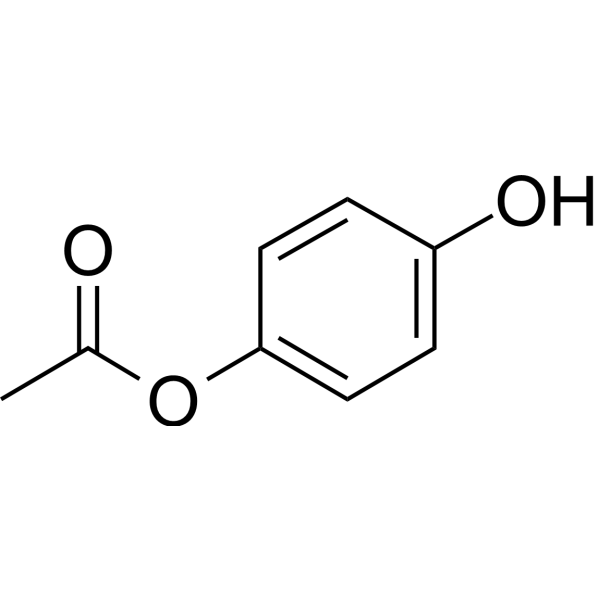
    4-Hydroxyphenyl acetate
    2 Publications Verification

    4-HPA; 4-Acetoxyphenol

    Quinone Reductase Endogenous Metabolite Others
    4-Hydroxyphenyl acetate (4-HPA) is a natural antioxidant and protects cells from oxidative stress-induced necrosis. 4-Hydroxyphenyl acetate blocks the increase of cellular ROS induced by oxidative stress, and up-regulates NQO1 and HO-1 genes by stabilizing and inducing the nuclear translocation of NRF2 transcription factor .
    4-Hydroxyphenyl acetate
  • HY-105042

    Selanc; TP-7

    GABA Receptor Neurological Disease
    Selank (Selanc; TP-7) is a GABAA receptor modulator with anxiolytic activity. Selank allosterically modulates the specific binding of GABA to GABAA receptors and alters the affinity of endogenous ligands for these receptors. Selank reduces elevated anxiety levels, attenuates stress-induced exacerbation of anxiety, and produces a synergistic anxiolytic effect with diazepam. Selank can be used in the research of anxiety disorders .
    Selank
  • HY-145722
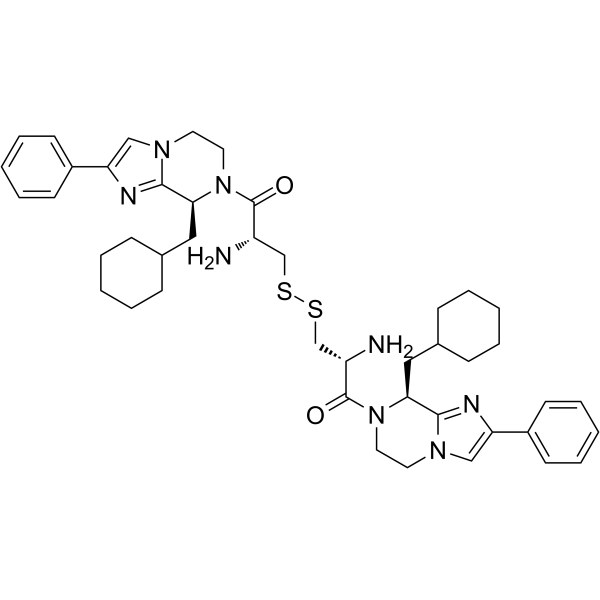
    Apatorsen sodium
    1 Publications Verification

    OGX-427 sodium

    HSP Cancer
    Apatorsen (OGX-427) sodium is a 2'-methoxyethyl-modified antisense oligonucleotide and also a Hsp27 inhibitor. Apatorsen sodium reduces Hsp27 mRNA and protein levels, impairs stress-induced cytoprotective functions, induces cell apoptosis, inhibits tumor growth and prevents metastasis. Apatorsen sodium is applicable to research related to non-small cell lung cancer, castration-resistant prostate cancer, breast cancer, ovarian cancer and bladder cancer .
    Apatorsen sodium
  • HY-14450
    JNJ-31020028
    1 Publications Verification

    Neuropeptide Y Receptor Neurological Disease Endocrinology
    JNJ-31020028 is a selective and brain penetrant antagonist of neuropeptide Y Y2 receptor with pIC50 values of 8.07 and 8.22 for human and rat Y2 receptor, respectively. JNJ-31020028 can be used for the research of nervous disease .
    JNJ-31020028
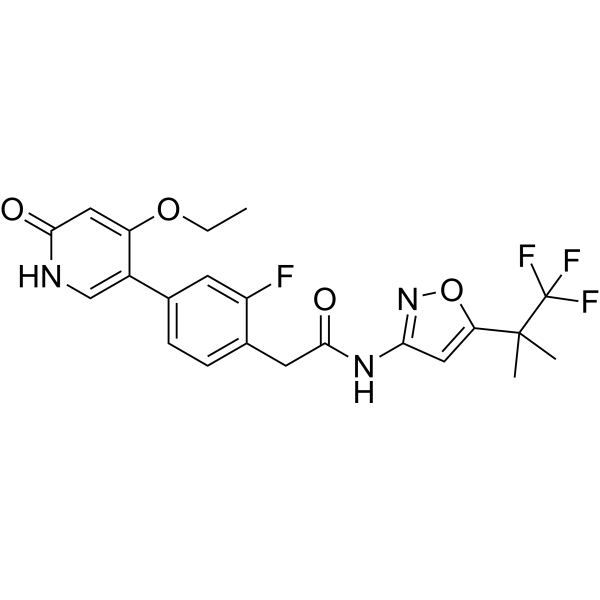
  • HY-100459
    GSK3179106
    5 Publications Verification

    RET Metabolic Disease Inflammation/Immunology
    GSK3179106 is an orally active and selective RET kinase inhibitor with IC50s of 0.4 nM, 0.2 nM for human RET and rat RET, respectively. GSK3179106 has the potential for irritable bowel syndrome (IBS) through the attenuation of post-inflammatory and stress-induced visceral hypersensitivity .
    GSK3179106
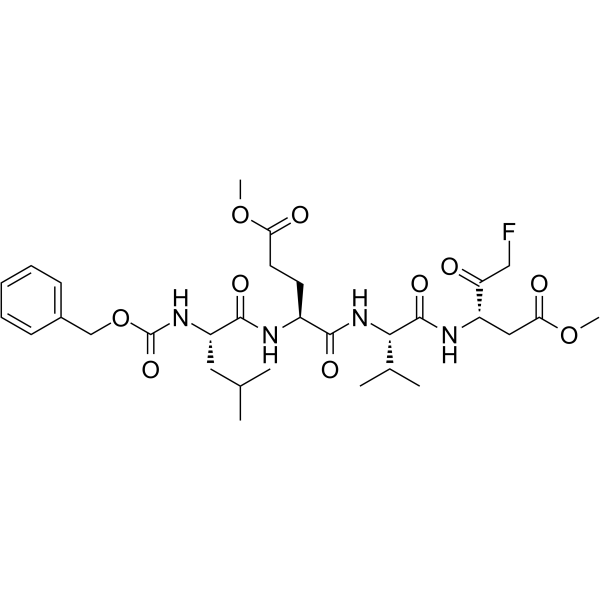
  • HY-128707
    Z-LEVD-FMK
    4 Publications Verification

    Caspase Apoptosis Cancer
    Z-LEVD-FMK is a cell-permeable caspase-4 inhibitor. Z-LEVD-FMK blocks ER stress-induced apoptosis in cancer cells .
    Z-LEVD-FMK
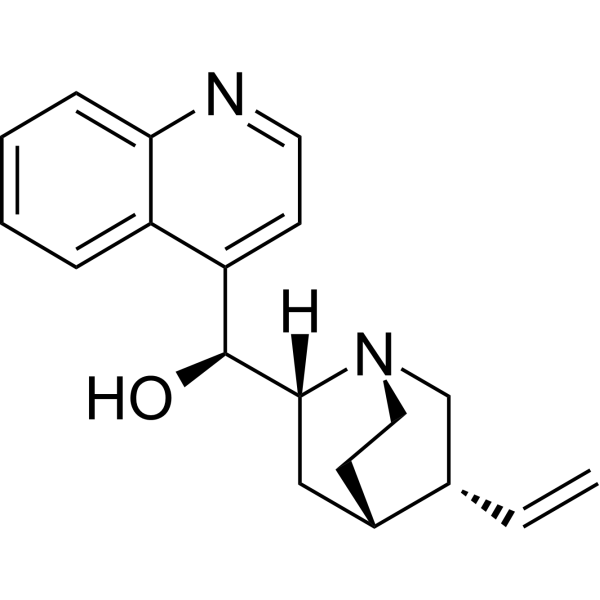
  • HY-Y0152
    Cinchonine
    5 Publications Verification

    (8R,9S)-Cinchonine; LA40221

    Apoptosis Parasite Autophagy Caspase Calcium Channel Others Inflammation/Immunology Cancer
    Cinchonine is a natural compound present in Cinchona bark with antimalarial, antitumor, anti-inflammatory, anti platelet-aggregation and anti-obesity properties. Cinchonine inhibits cells proliferation and autophagy and induces apoptosis through activation of Caspase-3. Cinchonine activates endoplasmic reticulum stress-induced apoptosis in human liver cancer cells .
    Cinchonine
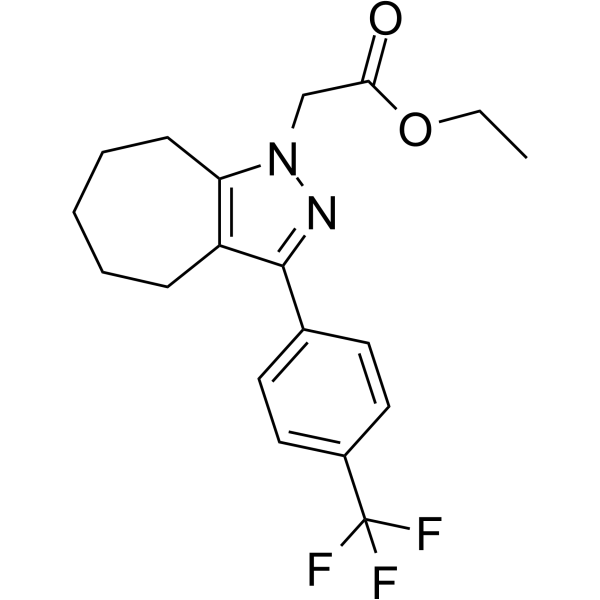
  • HY-108351

    Necroptosis Cardiovascular Disease
    IM-54 is a selective inhibitor of oxidative stress-induced necrosis. IM-54 shows potent inhibitory activity against H2O2-induced necrosis. IM-54 acts as a potential cardioprotective agent and biological tool for investigating the molecular mechanisms of cell death .
    IM-54
  • HY-10499
    PH-064
    2 Publications Verification

    BIM-46187

    Serotonin Transporter Akt Neurological Disease Inflammation/Immunology Cancer
    PH-064 (BIM-46187) is an orally active inhibitor of the heterotrimeric G-protein complex. PH-064 inhibits SERT activity and attenuates shear stress-induced Akt phosphorylation. PH-064 has potent anti-hyperalgesia activity. PH-064 inhibits G protein-coupled receptor-dependent tumorigenesis. PH-064 can be used in the study of pain (e.g., inflammatory pain, neuropathic pain), GPCR-dependent tumors, and inflammatory lung injury .
    PH-064
  • HY-172550

    HCN Channel Neurological Disease
    MS7710 is a hyperpolarization-activated cyclic nucleotide-gated (HCN) channel inhibitor with blood-brain barrier permeability and an excellent brain/plasma concentration ratio. MS7710 inhibits HCN channel-mediated Ih current, and reduces the firing frequency and burst activity of dopaminergic neurons in the ventral tegmental area. MS7710 ameliorates chronic social defeat stress-induced deficits in social interaction and impairments in reward-related cognitive flexibility in mice. MS7710 exerts only limited effects on ventral tegmental area dopaminergic neuron activity, social interaction, exploratory behavior, locomotor activity or sucrose preference in control mice. MS7710 is applicable to the research of major depressive disorder .
    MS7710
  • HY-164159

    Reactive Oxygen Species (ROS) MMP Inflammation/Immunology
    α-Glucosylrutin, a flavonoid, is a potent antioxidant with free radical scavenging activity. α-Glucosylrutin reduces MMP-1 gene expression, protein expression, and enzyme activity, and reduces MMP-2 protein expression and enzyme activity in UVA-irradiated human dermal fibroblasts. α-Glucosylrutin prevents oxidative stress-induced intracellular tyrosine residue phosphorylation and counteracts intracellular thiol level depletion in human skin cells. α-Glucosylrutin is effective in the prevention of dermatologic diseases in which oxidative stress is of pathogenetic relevance, e.g. in polymorphous light eruption (PLE). α-Glucosylrutin can be used for the research of UV-induced skin photodamage/photoaging .
    α-Glucosylrutin
  • HY-W011690

    Endogenous Metabolite Cardiovascular Disease Metabolic Disease Inflammation/Immunology
    L-Homocystine is the oxidized member of the L-homocysteine. Homocysteine is a pro-thrombotic factor, vasodilation impairing agent, pro-inflammatory factor and endoplasmatic reticulum-stress inducer used to study cardiovascular disease mechanisms.
    L-Homocystine
  • HY-P1108
    Astressin 2B
    1 Publications Verification

    CRFR Neurological Disease Inflammation/Immunology
    Astressin 2B is a blood-brain barrier-impermeable, highly selective CRFR2 antagonist (rCRFR2, IC50=0.57 nM). Astressin 2B blocks the protective effects mediated by CRFR2, thereby exacerbating indomethacin (HY-14397)-induced hemorrhagic intestinal injury in rats. Astressin 2B reverses the protective effects of Urocortin 1 against intestinal hypermotility, bacterial invasion and upregulation of inflammatory mediators. Astressin 2B also blocks the anxiogenic effect of Urocortin 2 and attenuates stress-induced anxiety-related behaviors. In the Clostridioides difficile toxin A (C. difficile toxin A)-mediated enteritis model, Astressin 2B mimics the phenotype of CRFR2-deficient mice, significantly exacerbating intestinal epithelial damage, edema, neutrophil migration and the expression of multiple proinflammatory cytokines. Astressin 2B is an important tool molecule for investigating the intestinal protective mechanisms of CRFR2 .
    Astressin 2B
  • HY-P1108A
    Astressin 2B TFA
    1 Publications Verification

    CRFR Neurological Disease Inflammation/Immunology
    Astressin 2B TFA is a blood-brain barrier-impermeable, highly selective CRFR2 antagonist (rCRFR2, IC50=0.57 nM). Astressin 2B TFA blocks the protective effects mediated by CRFR2, thereby exacerbating indomethacin (HY-14397)-induced hemorrhagic intestinal injury in rats. Astressin 2B TFA reverses the protective effects of Urocortin 1 against intestinal hypermotility, bacterial invasion and upregulation of inflammatory mediators. Astressin 2B TFA also blocks the anxiogenic effect of Urocortin 2 and attenuates stress-induced anxiety-related behaviors. In the Clostridioides difficile toxin A (C. difficile toxin A)-mediated enteritis model, Astressin 2B TFA mimics the phenotype of CRFR2-deficient mice, significantly exacerbating intestinal epithelial damage, edema, neutrophil migration and the expression of multiple proinflammatory cytokines. Astressin 2B TFA is an important tool molecule for investigating the intestinal protective mechanisms of CRFR2 .
    Astressin 2B TFA
  • HY-B0006C

    (R)-BM 14190

    Adrenergic Receptor Calcium Channel Cardiovascular Disease Cancer
    (R)-Carvedilol ((R)-BM 14190) is the orally active R-isomer of Carvedilol (HY-B0006). (R)-Carvedilol has α-receptor blocking activity but no β-receptor blocking activity. (R)-Carvedilol inhibits spontaneous Ca 2+ waves. (R)-Carvedilol inhibits stress-induced ventricular tachycardia and delays the development of UV-induced skin tumors and reduces their malignancy .
    (R)-Carvedilol
  • HY-136735

    IRE1 Neurological Disease Cancer
    IRE1α kinase-IN-1 is a highly selective IRE1α (ERN1) inhibitor, with an IC50 of 77 nM. IRE1α kinase-IN-1 displays 100-fold selectivity for IRE1α over the IRE1β isoform. IRE1α kinase-IN-1 inhibits ER stress-induced IRE1α oligomerization and autophosphorylation, and also inhibits IRE1α RNase activity (IC50=80 nM) .
    IRE1α kinase-IN-1
  • HY-118301

    GABA Receptor 5-HT Receptor Neurological Disease
    ADX71441 is an orally active, blood-brain barrier penetrant positive allosteric modulator of GABAB receptor. ADX71441 potentiates the activity of endogenous GABA at GABAB receptor, with an EC50 of 96 nM. ADX71441 functionally inhibits adenosine transporters and 5-HT2B receptor. ADX71441 produces anxiolytic-like, analgesic, muscle relaxant, hypothermic and overactive bladder inhibitory effects, reduces acute locomotor activity levels, decreases voluntary intake of alcohol and saccharin, attenuates stress-induced neuronal activation, and exhibits anti-hyperalgesic activity .
    ADX71441
  • HY-18137

    5-HT Receptor Neurological Disease
    PF-04995274 is a potent, high-affinity, orally active and partial serotonin 4 receptor (5-HT4R) agonist. PF-04995274 has an EC50 range of 0.26-0.47 nM for human 5-HT4A/4B/4D/4E (Ki range of 0.15-0.46 nM), and has an EC50 range of 0.59-0.65 nM for rat 5-HT4S/4L/4E (Ki of 0.30 nM for rat 5-HT4S). PF-04995274 is brain penetrant and can be used for cognitive disorders associated with Alzheimer's disease .
    PF-04995274
  • HY-110084
    BTZO-1
    2 Publications Verification

    Macrophage migration inhibitory factor (MIF) Apoptosis Cardiovascular Disease
    BTZO-1, a chemical probe, binds to Macrophage migration inhibitory factor (MIF) with a Kd value of 68.6 nM, and its binding requires the N-terminal Pro1. BTZO-1 can activate antioxidant response element (ARE)-mediated gene expression and suppress oxidative stress-induced cardiomyocyte apoptosis in vitro .
    BTZO-1
  • HY-145722A
    Apatorsen
    1 Publications Verification

    OGX-427

    HSP Cancer
    Apatorsen is a 2'-methoxyethyl-modified antisense oligonucleotide and also a Hsp27 inhibitor. Apatorsen reduces Hsp27 mRNA and protein levels, impairs stress-induced cytoprotective functions, induces cell apoptosis, inhibits tumor growth and prevents metastasis. Apatorsen is applicable to research related to non-small cell lung cancer, castration-resistant prostate cancer, breast cancer, ovarian cancer and bladder cancer .
    Apatorsen
  • HY-B0265A

    (R)-BAY-e 9736

    Calcium Channel Cardiovascular Disease Neurological Disease
    (R)-Nimodipine ((R)-BAY-e 9736) is an orally active, blood-brain barrier-permeable L-type calcium channel blocker with an IC50 of 5 nM. (R)-Nimodipine inhibits corticosterone release by blocking calcium channels on the hypothalamic-pituitary-adrenal axis, thereby reversing immobilization stress-induced memory impairment and behavioral abnormalities. (R)-Nimodipine is widely used in studies related to aneurysmal subarachnoid hemorrhage, cerebral ischemia, epilepsy, age-related degenerative neurological diseases, and alcohol intoxication .
    (R)-Nimodipine
  • HY-N5130

    Others Neurological Disease
    Effusol, a phenolic constituent from Juncus effuses, exhibits potent scavenging activity for DPPH and ABTS radicals, with IC50 values of 79 μM and 2.73 μM, respectively. Effusol rescues CA1 LTP attenuated by corticosterone, defending the hippocampal function against stress-induced cognitive decline .
    Effusol
  • HY-W753791

    TNF Receptor JNK Neurological Disease Inflammation/Immunology
    (±)-Perillaldehyde has an antidepressant effect by modulating the olfactory nervous system in a mouse model of stress-induced depression. (±)-Perillaldehyde also has anti-inflammatory activity, inducing JNK activation in RAW264.7 cells and inhibiting the expression of TNF-α, with an IC50 of 171.7 μM .
    (±)-Perillaldehyde
  • HY-125972

    Keap1-Nrf2 Heme Oxygenase (HO) Cardiovascular Disease Neurological Disease
    zr17-2 is a cold inducible RNA-binding protein (CIRBP) agonist. zr17-2 has anti-inflammatory and anti-oxidant and can be used for the study of myocardial infarction. zr17-2 is a hypothermia mimetic molecule that reduces oxidative stress-induced retinal cell death .
    zr17-2
  • HY-117924

    Autophagy enhancer-67

    Autophagy Neurological Disease
    AUTEN-67 (Autophagy enhancer-67) is an orally active autophagy enhancer and MTMR14 inhibitor. AUTEN-67 has anti-aging and neuroprotective effects. AUTEN-67 protects neurons from stress-induced cell death. AUTEN-67 also restores nesting behavior in a mice model of Alzheimer disease .
    AUTEN-67
  • HY-106865

    Dopamine Receptor Adrenergic Receptor Cardiovascular Disease
    Mivazerol is a selective α2-adrenoceptor agonist. Mivazerol decreases the spontaneous release of serotonin (5-HT) and significantly inhibits the immobilization stress-induced enhancement of norepinephrine (NE), dopamine (DA) and dihydroxyphenylacetic acid (DOPAC). Mivazerol inhibits intrathecal release of glutamate evoked by halothane withdrawal in rats, and exerts neuroprotective effects in forebrain ischemia rats. Mivazerol can be used for myocardial ischemia research .
    Mivazerol
  • HY-15691

    Opioid Receptor mTOR Neurological Disease Metabolic Disease
    PF-04455242 is an orally bioavailable, blood-brain barrier-permeable κ-opioid receptor (KOR) inhibitor. PF-04455242 blocks in vivo effects induced by KOR and MOR agonists, and elicits KOR-independent outward currents in ventral tegmental area neurons. PF-04455242 promotes energy expenditure and activates the hypothalamic mTOR pathway. PF-04455242 attenuates stress-induced behavioral effects and produces antidepressant-like effects. PF-04455242 can be used in studies related to pain, depression, addictive disorders, and obesity induced by estrogen withdrawal .
    PF-04455242
  • HY-N1989

    Na+/K+ ATPase CaMK Apoptosis Cholinesterase (ChE) NO Synthase NF-κB Neurological Disease Cancer
    Bacoside A is an orally active, blood-brain barrier-permeable triterpenoid saponin that modulates the activities of ATPases, AChE, CaMK2A and iNOS. Derived from Bacopa monniera. Bacoside A exerts significant antioxidant, anti-inflammatory and anti-apoptotic effects by maintaining ion balance, scavenging reactive oxygen species, stabilizing cell membranes, and regulating the expression of NF-κB and apoptosis-related proteins. Bacoside A counteracts morphine-induced reductions in Na +/K +-ATPase, Ca 2+-ATPase and Mg 2+-ATPase activities, increases mitochondrial membrane potential, and decreases intracellular reactive oxygen species levels. Bacoside A specifically binds to calcium/calmodulin-dependent protein kinase IIA to trigger endoplasmic reticulum calcium release. Bacoside A exhibits non-apoptotic cytotoxicity against glioblastoma cells while protecting normal nerve cells from stress-induced damage. Bacoside A is applicable to the research of Parkinson's disease and glioblastoma multiforme .
    Bacoside A
  • HY-178946

    IRE1 Cancer
    IA107 is a potent, selective, and allosteric IRE1α RNase (IC50 = 16 nM (non phosphorylated), IC50 = 9 nM (phosphorylated)) inhibitor. IA107 can inhibit endoplasmic reticulum stress-induced XBP1 mRNA splicing and protein expression, and has no cytotoxicity .
    IA107
  • HY-W023323

    Endogenous Metabolite Metabolic Disease
    (S)-β-Aminoisobutyric acid hydrochloride is a cytoprotective agent, which is a non-proteinogenic amino acid enantiomer derived from valine metabolism in skeletal muscle mitochondria. The plasma level of (S)-β-Aminoisobutyric acid hydrochloride increases significantly after acute aerobic exercise (and is not affected by the AGXT2 rs37369 genotype), and it is secreted by mouse extensor digitorum longus and soleus muscles in ex vivo contraction assays. (S)-β-Aminoisobutyric acid hydrochloride specifically protects osteocytes from oxidative stress-induced cell death .
    (S)-β-Aminoisobutyric acid hydrochloride
  • HY-50936S

    Ecteinascidin 743-d3; ET-743-d3

    Isotope-Labeled Compounds Reactive Oxygen Species (ROS) Apoptosis Inflammation/Immunology Cancer
    Trabectedin D3 (Ecteinascidin 743 D3) is deuterium labeled Trabectedin. Trabectedin is a tetrahydroisoquinoline alkaloid with potent antitumor activity. Trabectedin binds to the minor groove of DNA, blocks transcription of stress-induced proteins, induces DNA backbone cleavage and cancer cells apoptosis, and increases the generation of ROS in MCF-7 and MDA-MB-453 cells. Trabectedin has tje potential for soft tissue sarcoma and ovarian cancer treatment .
    Trabectedin-d3
  • HY-N0540R
    Cynaroside (Standard)
    10+ Cited Publications

    Luteolin 7-glucoside (Standard); Luteolin 7-O-β-D-glucoside (Standard)

    Apoptosis DNA/RNA Synthesis Parasite Bacterial Influenza Virus Fungal Reference Standards Infection Cancer
    Cynaroside (Standard) is the analytical standard of Cynaroside. This product is intended for research and analytical applications. Cynaroside (Luteolin 7-glucoside) is a flavonoid compound that exhibits anti-oxidative capabilities. Cynaroside is also a potent influenza RNA-dependent RNA polymerase inhibitor with an IC50 of 32 nM. Cynaroside also is a promising inhibitor for H2O2-induced apoptosis, has cytoprotection against oxidative stress-induced cardiovascular diseases. Cynaroside also has antibacterial, antifungal and anticancer activities, antioxidant and anti-inflammatory activities .
    Cynaroside (Standard)
  • HY-127072

    Antibiotic Bacterial Infection Inflammation/Immunology Cancer
    Amicoumacin A is an orally active antibiotic. Amicoumacin A targets bacterial ribosomes and inhibits bacterial translation by stabilizing the interaction between mRNA and ribosomes. Amicoumacin A induces cancer cell death by targeting eukaryotic ribosomes. Amicoumacin A exhibits anti-inflammatory and anti-ulcer activities, inhibits carrageenan-induced paw edema, and prevents stress-induced gastric ulcers. Amicoumacin A inhibits the growth of Gram-positive bacteria, Salmonella spp., Shigella spp., Helicobacter pylori, and methicillin-resistant Staphylococcus aureus. Amicoumacin A can be used in the research of lung cancer, breast cancer, bacterial infections, inflammatory edema and gastric ulcers [2] .
    Amicoumacin A
  • HY-156780
    NSC 689534
    1 Publications Verification

    Cuproptosis Cancer
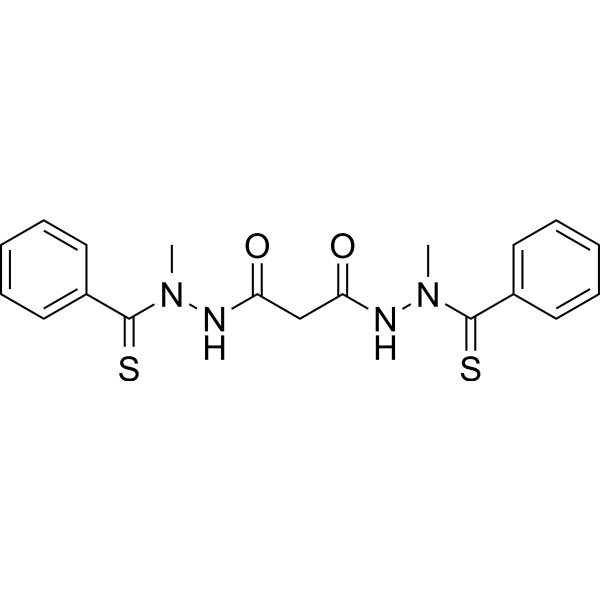
    NSC 689534 can form copper chelate with Cu 2+. NSC 689534/Cu 2+ complex is a potent oxidative stress inducer, and has antitumor activity .
    NSC 689534
  • HY-W011690S

    Endogenous Metabolite Metabolic Disease
    L-Homocystine-d8 is the deuterium labeled L-Homocystine. L-Homocystine is the oxidized member of the L-homocysteine. Homocysteine is a pro-thrombotic factor, vasodilation impairing agent, pro-inflammatory factor and endoplasmatic reticulum-stress inducer used to study cardiovascular disease mechanisms.
    L-Homocystine-d8
  • HY-107505A

    mGluR Neurological Disease
    CBiPES is a potent mGlu2 positive allosteric modulator with an EC50 value of 92.8 nM. CBiPES attenuates stress-induced hyperthermia and Phencyclidine-induced hyperlocomotor activity. CBiPES can be used for research of neurological diseases, such as Parkinson's disease (PD) .
    CBiPES
  • HY-116266

    5-HT Receptor Others
    RS 67333 is a 5-HT4R agonist with stress-preventive activity. RS 67333 attenuates stress-induced body weight changes and prevents depression- and anxiety-like behaviors in two mouse strains tested in different stress models.
    RS 67333
  • HY-N12715

    Others Neurological Disease
    Valerena-4,7(11)-diene is a tranquilizer. Valerena-4,7(11)-diene suppresses stress-induced excitatory behaviors. Valerena-4,7(11)-diene is expressed via olfactory stimulation and pulmonary absorption .
    Valerena-4,7(11)-diene

Inquiry Online

Your information is safe with us. * Required Fields.

Salutation


Country or Region *

Applicant Name *


Organization Name *

Department *


Email Address *


Product Name *

Cat. No.


Requested quantity *

Phone Number *


Remarks

Inquiry Online

Inquiry Information

Product Name:
Cat. No.:
Quantity:
MCE Japan Authorized Agent:

