1. Search Result
Search Result
Results for "

catalytic+activity

" in MedChemExpress (MCE) Product Catalog:

121

Inhibitors & Agonists

6

Fluorescent Dyes

3

Biochemical Assay Reagents

13

Peptides

1

Inhibitory Antibodies

11

Natural
Products

1

Isotope-Labeled Compounds

Cat. No. Product Name Target Research Areas Chemical Structure
  • HY-A0210
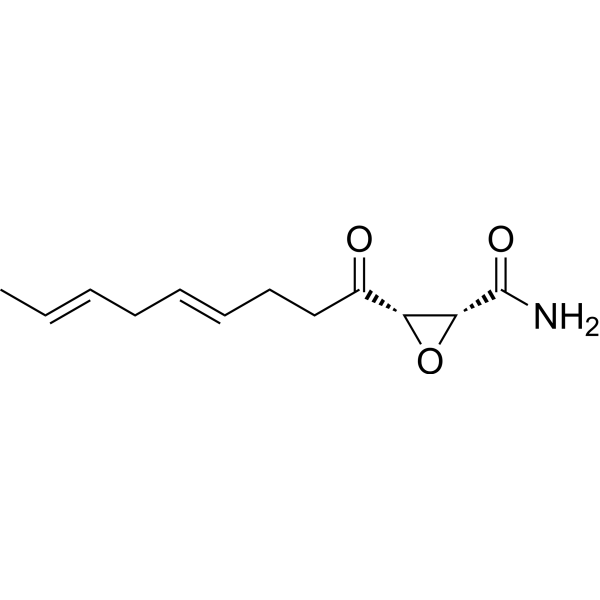
    Cerulenin
    Maximum Cited Publications
    12 Publications Verification

    Fatty Acid Synthase (FASN) Fungal Apoptosis Antibiotic Infection Metabolic Disease Cancer
    Cerulenin, a potent, natural inhibitor of fatty acid synthase (FASN), is an epoxide produced by the fungus Cephalosporium caeruleus. Cerulenin inhibits topoisomerase I catalytic activity and augments SN-38-induced apoptosis. Cerulenin has antifungal and antitumor activies .
    Cerulenin
  • HY-147313
    TH10785
    2 Publications Verification

    DNA/RNA Synthesis Metabolic Disease Cancer
    TH10785 is a DNA glycosylase 1 (OGG1) activator, TH10785 can interact with the phenylalanine-319 and glycine-42 amino acids of OGG1 and increase the enzyme activity, generates β, δ-lyase enzymatic function. TH10785 can control the catalytic activity mediated by a nitrogen base within its molecular structure. TH10785 can be used for the research of various diseases and aging connected with DNA oxidative lesions .
    TH10785
  • HY-E70076

    Bacillopeptidaseb

    Biochemical Assay Reagents Others
    Subtilisin (Compound proteinase) (EC 3.4.21.62) is a proteolytic enzyme, isolated from Bacillus licheniformis. Subtilisin (Compound proteinase) has catalytic activity in anhydrous dimethyl formamide. Subtilisin (Compound proteinase) can be used as a catalyst for easy coupling between sugars and amino acids .
    Subtilisin, bacillus licheniformis
  • HY-11107
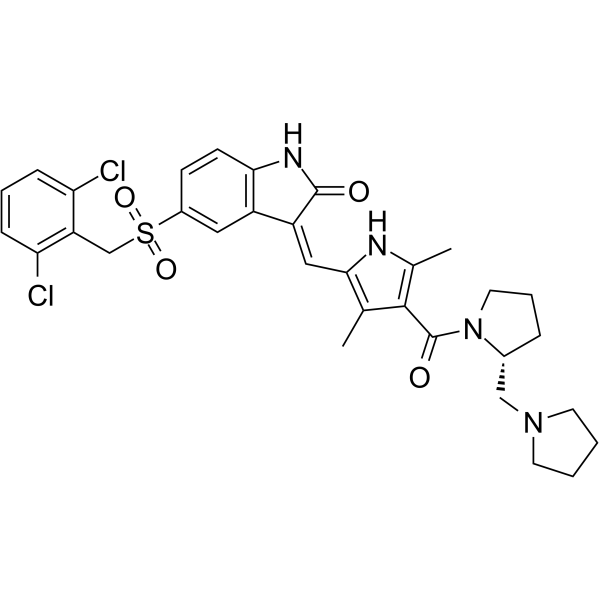
    PHA-665752
    10+ Cited Publications

    c-Met/HGFR Autophagy Apoptosis Cancer
    PHA-665752 is a selective, ATP-competitive, and active-site inhibitor of the catalytic activity of c-Met kinase (Ki=4 nM; IC50=9 nM). PHA-665752 exhibits >50-fold selectivity for c-Met compared with a panel of diverse tyrosine and serine-threonine kinases. PHA-665752 induces apoptosis and cell cycle arrest, and exhibits cytoreductive antitumor activity .
    PHA-665752
  • HY-N6800A
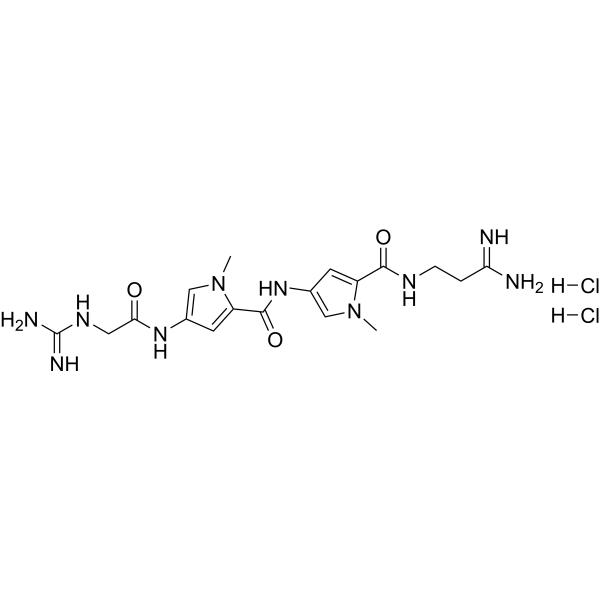
    Netropsin dihydrochloride
    1 Publications Verification

    Antibiotic DNA/RNA Synthesis Bacterial Influenza Virus Orthopoxvirus Infection Inflammation/Immunology
    Netropsin dihydrochloride is a small-molecule MGB (minor-groove binder) and antibiotic, inhibits the catalytic activity of isolated topoisomerase and interferes with the stabilization of the cleavable complexes of topoisomerase II and I in nuclei. Netropsin dihydrochloride has antibacterial and antiviral activity .
    Netropsin dihydrochloride
  • HY-12056
    BIX02189
    5+ Cited Publications

    MEK ERK Cancer
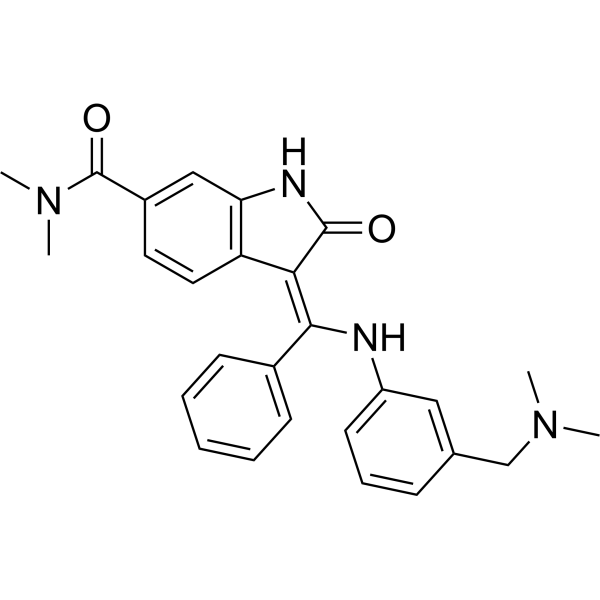
    BIX02189 is a potent and selective MEK5 inhibitor with an IC50 of 1.5 nM. BIX02189 also inhibits ERK5 catalytic activity with an IC50 of 59 nM.
    BIX02189
  • HY-W327122
    BAP1-IN-1
    1 Publications Verification

    Deubiquitinase Cancer
    BAP1-IN-1 (Compound 8) is a BRCA1 associated protein 1 (BAP1) catalytic activity inhibitor with an IC50 of 0.1-1 μM .
    BAP1-IN-1
  • HY-D2468
    HRP-Streptavidin
    1 Publications Verification

    Fluorescent Dye Others
    Sulfonylurea Receptor HRP-Streptavidin is a biotin-binding signal amplifier designed to bind tightly with biotinylated anti-TSH monoclonal antibodies, thereby constituting a key component of the signal amplification system in immunoassays. HRP-Streptavidin is formed by the covalent coupling of Horseradish Peroxidase (HRP) with Streptavidin; it combines the highly efficient catalytic activity of the enzyme with the high affinity of Streptavidin for biotin, making it a potent and sensitive tool for signal amplification. HRP-Streptavidin is suitable for use in Western Blotting, ELISA, and other detection techniques .
    HRP-Streptavidin
  • HY-N2127
    Pinostrobin
    3 Publications Verification

    Amyloid-β Apoptosis Ser/Thr Protease HSV Interleukin Related Infection Cardiovascular Disease Neurological Disease Inflammation/Immunology Cancer
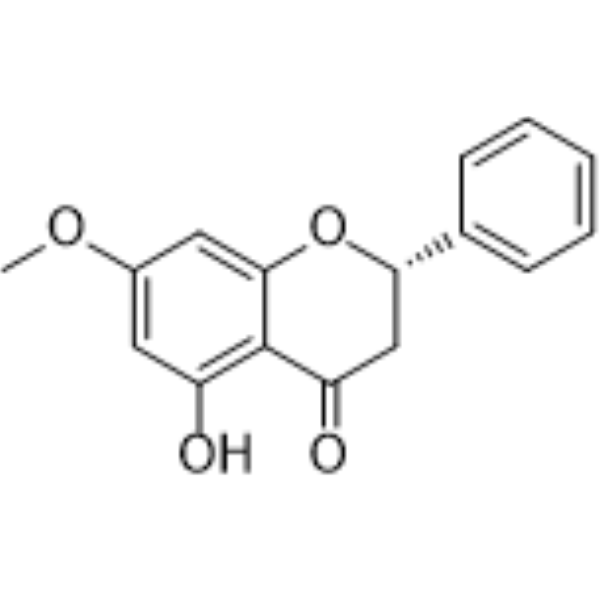
    Pinostrobin is a flavonoid with anti-cancer, antioxidant, antiviral and neuroprotective activities. Pinostrobin has oral activity. Pinostrobin is a potent PCSK9 inhibitor that inhibits the catalytic activity of PCSK9. Pinostrobin can be used in the research of viral infections, cancer, leukemia, cardiovascular and cerebrovascular diseases, cirrhosis, inflammation and neurological diseases .
    Pinostrobin
  • HY-128463
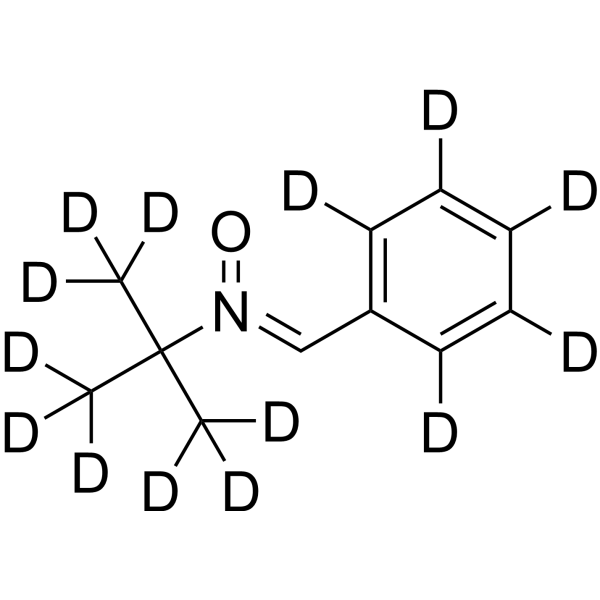
    N-tert-Butyl-α-phenylnitrone
    2 Publications Verification

    COX Reactive Oxygen Species (ROS) Neurological Disease Metabolic Disease Inflammation/Immunology
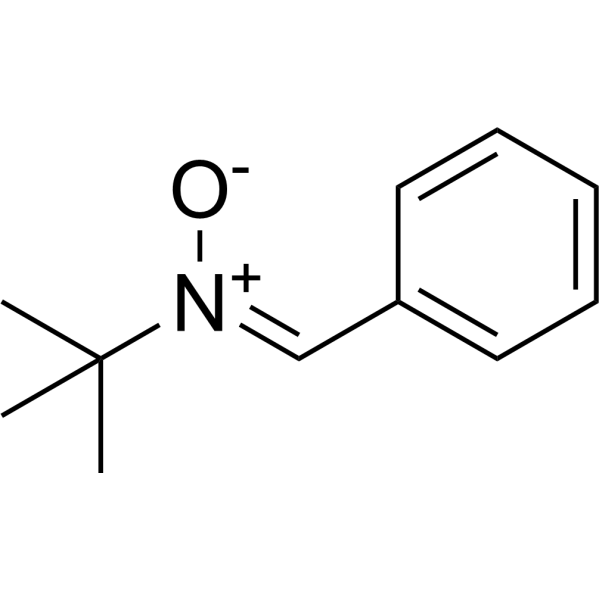
    N-tert-Butyl-α-phenylnitrone is a nitrone-based free radical scavenger that forms nitroxide spin adducts. N-tert-Butyl-α-phenylnitrone inhibits COX2 catalytic activity. N-tert-Butyl-α-phenylnitrone has potent ROS scavenging, anti-inflammatory, neuroprotective, anti-aging and anti-diabetic activities, and can penetrate the blood-brain barrier .
    N-tert-Butyl-α-phenylnitrone
  • HY-130644
    iRucaparib-AP6
    2 Publications Verification

    PROTACs PARP Cancer
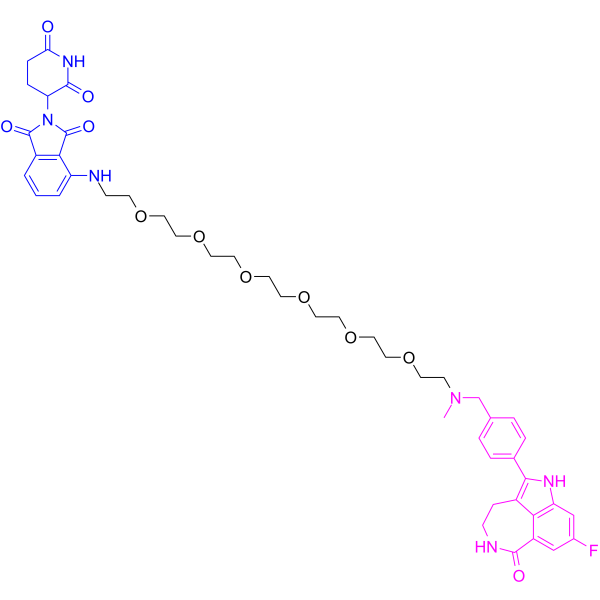
    iRucaparib-AP6 is a highly efficient and specific PROTAC PARP1 degrader. iRucaparib-AP6, a non-trapping PARP1 degrader, blocks both the catalytic activity and scaffolding effects of PARP1 .
    iRucaparib-AP6
  • HY-P4202

    Suc-AEPF-pNA

    Biochemical Assay Reagents Others
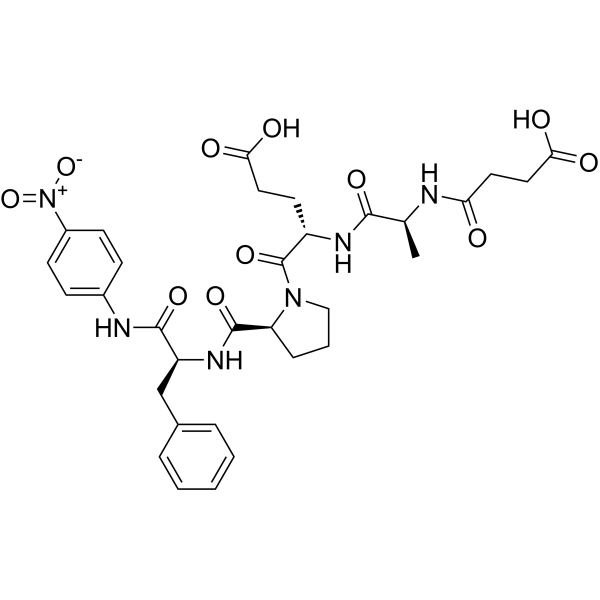
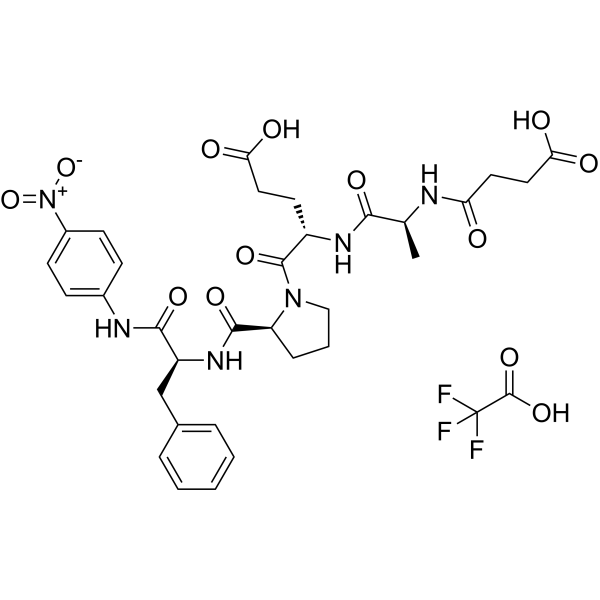
    Suc-Ala-Glu-Pro-Phe-pNA (Suc-AEPF-pNA) is a chromogenic substrate for the peptidyl-prolyl isomerase Pin1. Suc-Ala-Glu-Pro-Phe-pNA is used to evaluate the inhibitory effect of target compounds on Pin1, the catalytic activity of Pin1, and other related assays .
    Suc-Ala-Glu-Pro-Phe-pNA
  • HY-103195
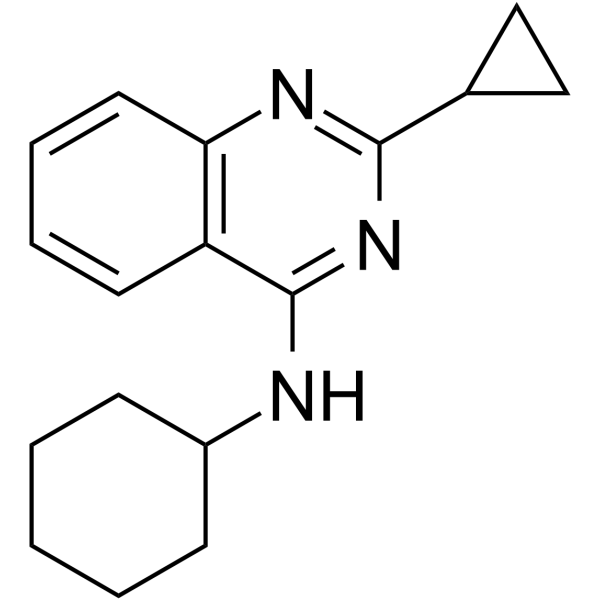
    NKY80
    2 Publications Verification

    Adenylate Cyclase Metabolic Disease
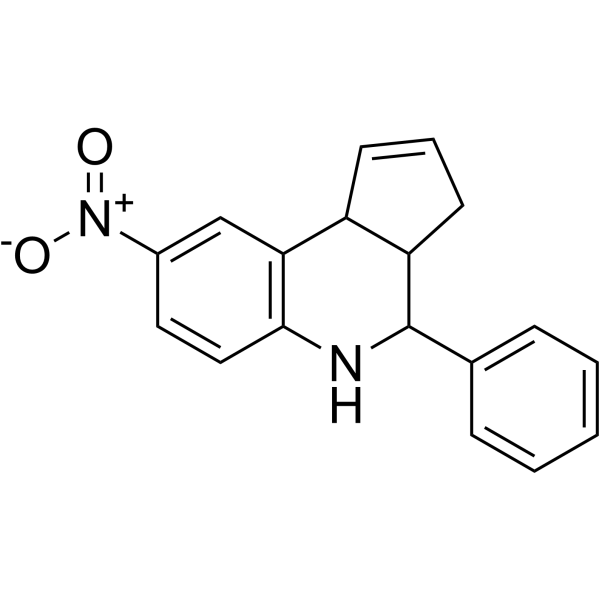
    NKY80 is a potent, selective and non-competitive adenylyl cyclase (AC) type V isoform inhibitor with IC50s of 8.3 µM, 132 µM and 1.7 mM for type V, III and II, respectively. NKY80 is a non-nucleoside quinazolinone and regulates the AC catalytic activity in heart and lung tissues .
    NKY80
  • HY-175674

    NF-κB Toll-like Receptor (TLR) GLUT Inflammation/Immunology
    NGI-235 is an STT3A-selective oligosaccharyltransferase complex OST-A inhibitor. NGI-235 preferentially inhibits OST-A catalytic activity, impairing N-glycosylation of OST-A substrates. NGI-235 causes the hypoglycosylation of both TLR4, GLUT1 and inhibits NF-κB signaling. NGI-235 can be used for the research of inflammation .
    NGI-235
  • HY-135318
    NBDHEX
    2 Publications Verification

    Apoptosis Autophagy Glutathione S-transferase Cancer
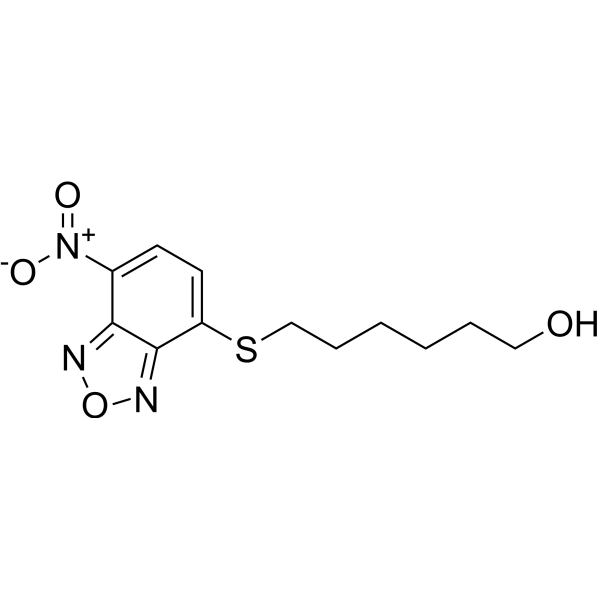
    NBDHEX is a potent glutathione S-transferase P1-1 (GSTP1-1) inhibitor. NBDHEX induces apoptosis of tumor cells. NBDHEX acts as an anticancer agent by inhibiting GSTs catalytic activity, avoiding inconvenience of the inhibitor extrusion from the cell by specific pumps and disrupting the interaction between the GSTP1-1 and key signaling effectors. NBDHEX can also act as late-phase autophagy inhibitor .
    NBDHEX
  • HY-146725

    FBPase Metabolic Disease
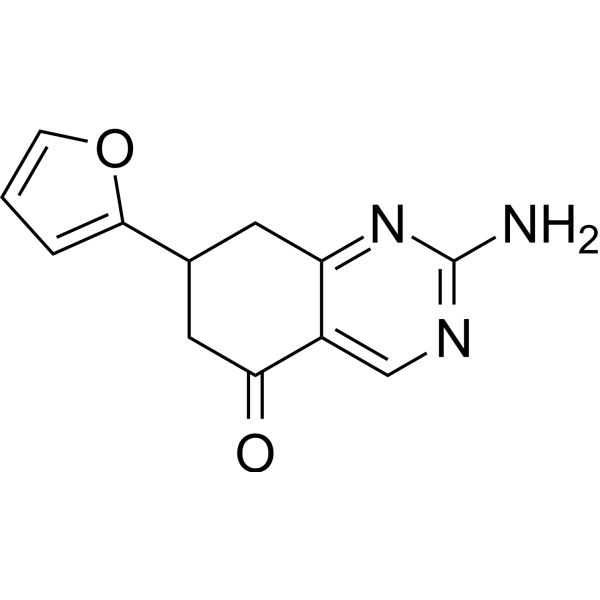
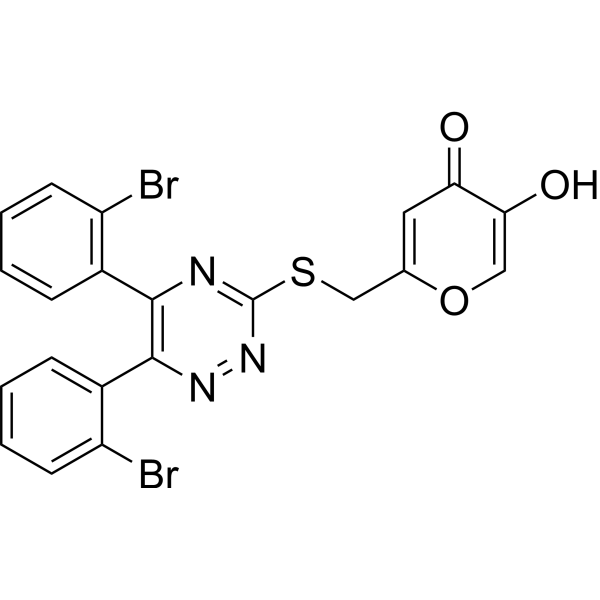
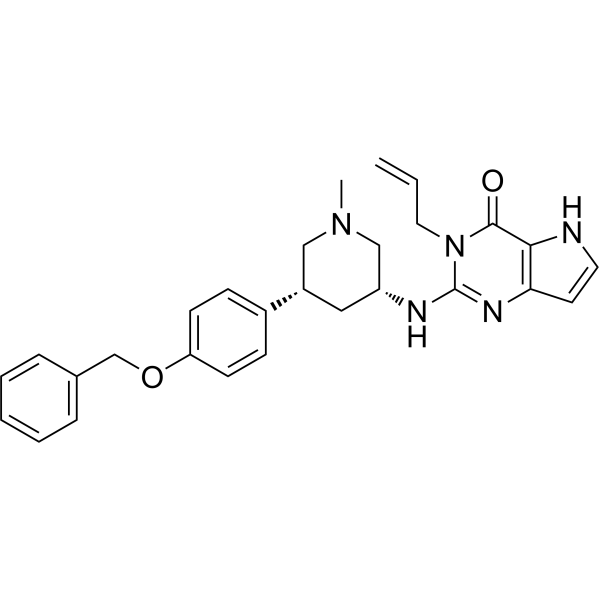
    FBPase-IN-1 is a potent FBPase (Fructose-1,6-bisphosphatase) inhibitor for Type 2 diabetes (T2D) study with an IC50 of 0.22 μM. FBPase-IN-1 can reduce blood glucose levels and ameliorate glucose tolerance. FBPase-IN-1 modifies the C128 site, regulates the N125-S124-S123 allosteric pathway of FBPase and affects the catalytic activity of FBPase .
    FBPase-IN-1
  • HY-178129

    Syk Inflammation/Immunology
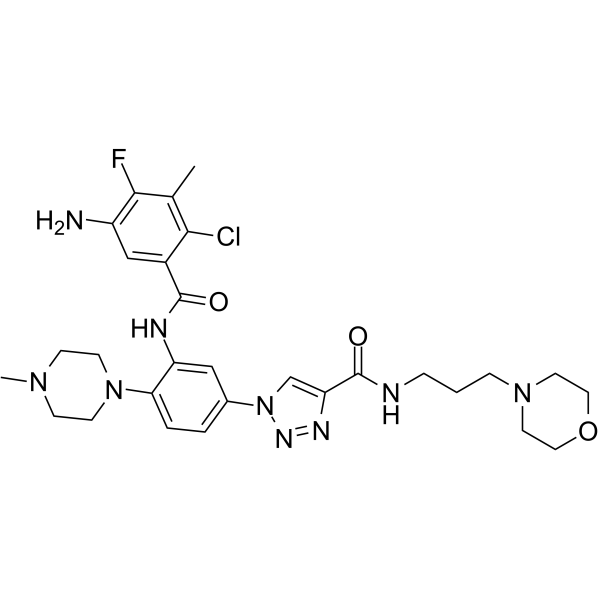
    MRL-SYKi is a chemical probe for gain-of-function variants of spleen tyrosine kinase (SYK). MRL-SYKi reduces the catalytic activity of SYK S550Y, SYK S550F and SYK P342T, and downregulates the phosphorylation level of SYK S550Y. MRL-SYKi serves as a template for developing NanoBRET tracers targeting SYK, enabling NanoBRET cellular target engagement assays for gain-of-function variants of SYK. MRL-SYKi is applicable to research related to inflammatory and immune diseases .
    MRL-SYKi
  • HY-110294
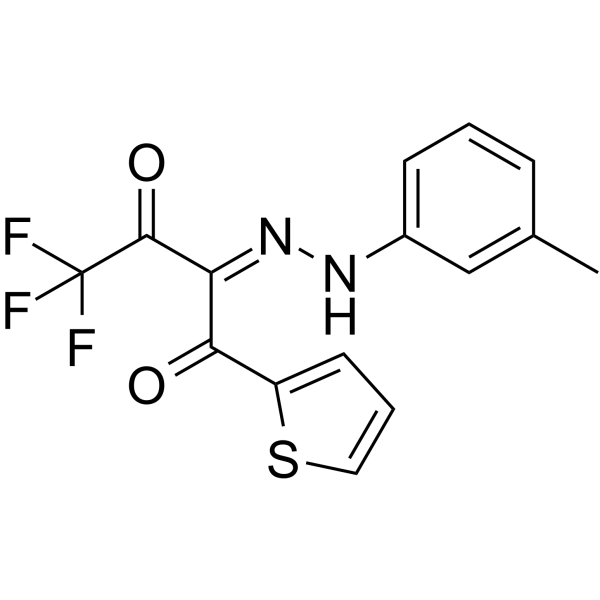
    CM037
    1 Publications Verification

    A37

    Aldehyde Dehydrogenase (ALDH) Cancer
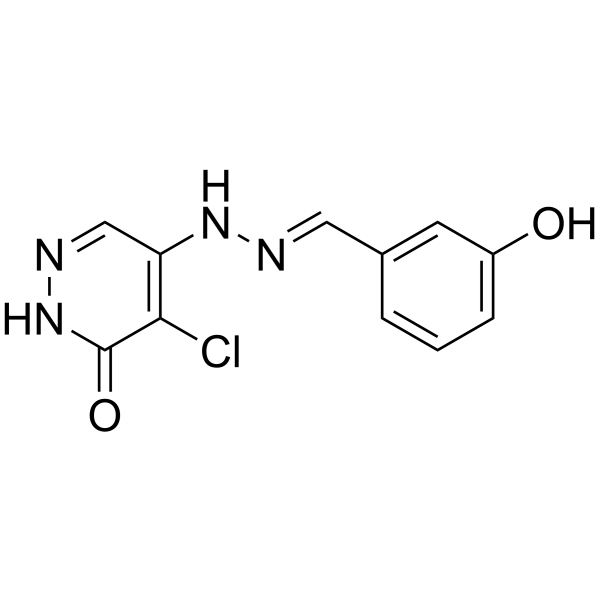
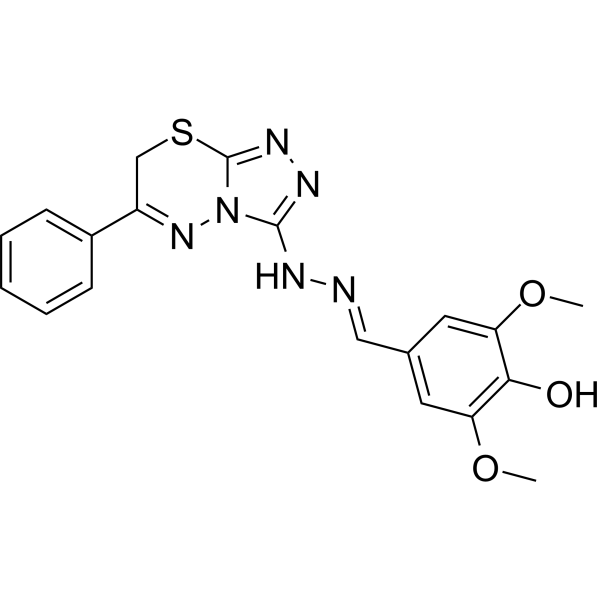
    CM037 is a highly selective and competitive ALDH1A1 inhibitor (IC50=4.6 μM). CM037 blocks the catalytic activity of ALDH1A1, thereby inhibiting the activation of the downstream HIF-1α/VEGF pathway. CM037 is mainly used to study the ALDH1A1-mediated regulation of cancer stem cells (CSCs) and angiogenesis, especially in breast cancer, showing the potential to inhibit tumor angiogenesis and stem cell characteristics .
    CM037
  • HY-12055
    BIX02188
    3 Publications Verification

    MEK ERK Cancer
    BIX02188 is a potent MEK5-selective inhibitor with an IC50 of 4.3 nM. BIX02188 inhibits ERK5 catalytic activity, with an IC50 of 810 nM.
    BIX02188
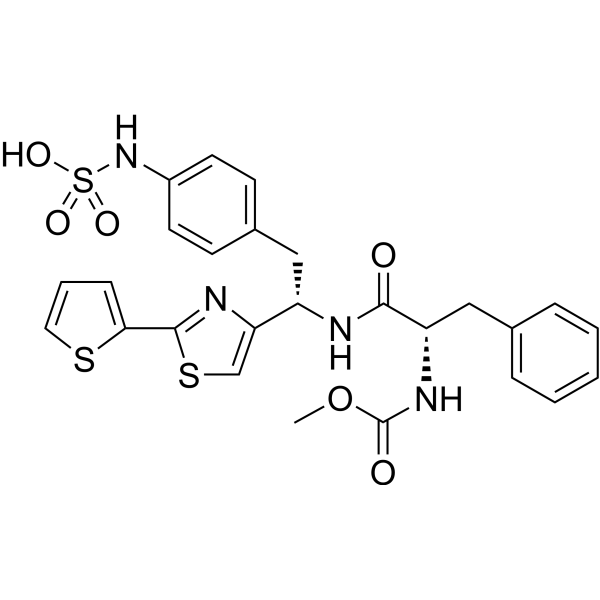
  • HY-151518

    Aminopeptidase Neurological Disease
    Aminopeptidase-IN-1 (compound 16o) is an insulin-regulated aminopeptidase (IRAP) inhibitor with an Ki value of 7.7 μM. Aminopeptidase-IN-1 inhibits catalytic activity of IRAP.Aminopeptidase-IN-1 can be used for the research of memory impairments .
    Aminopeptidase-IN-1
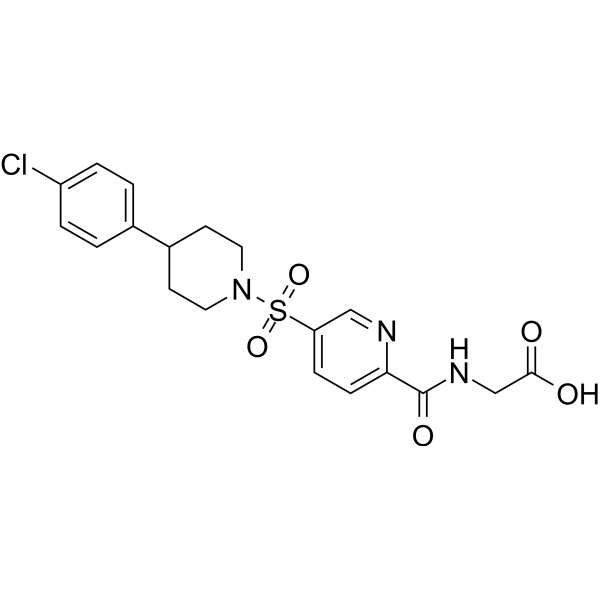
  • HY-108900

    Aminoacyl-tRNA Synthetase Bacterial Infection Cancer
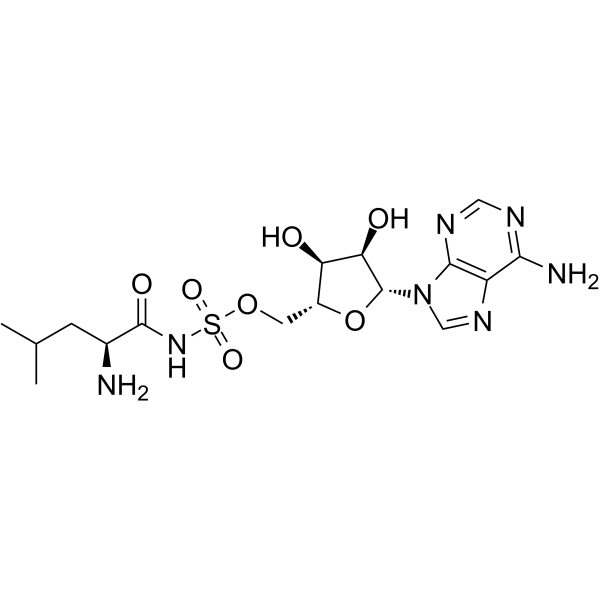
    Leu-AMS (compound 6), a leucine analogue, is a potent inhibitor of leucyl-tRNA synthetase (LRS) with an IC50 of 22.34 nM, which inhibits the catalytic activity of LRS but did not affect the leucine-induced mTORC1 activation. Leu-AMS shows cytotoxicity in cancer cells and normal cells, and inhibits the growth of bacteria .
    Leu-AMS
  • HY-148161

    DNA/RNA Synthesis Cancer
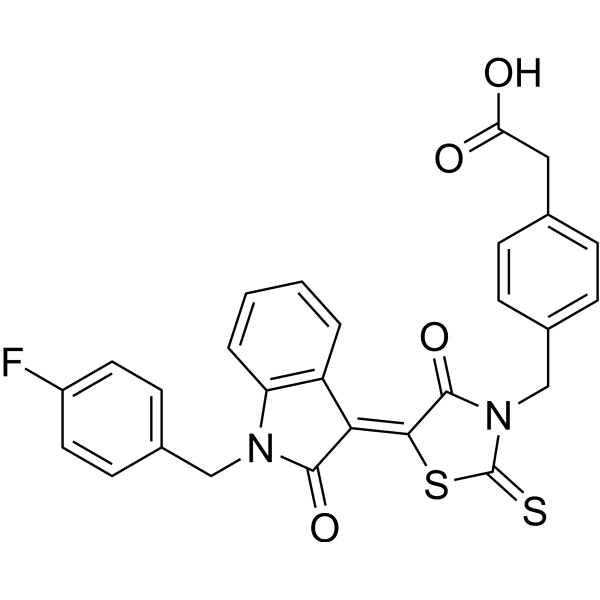
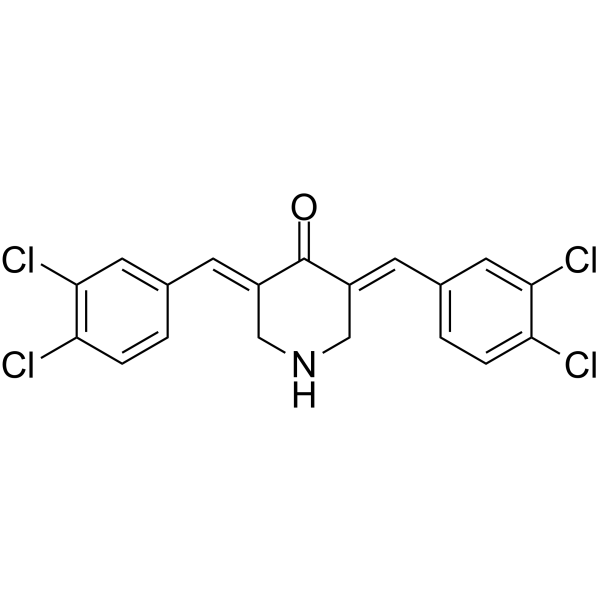
    L82-G17 is an uncompetitive DNA ligase I (Lig I)-selective inhibitor. L82-G17 inhibits the third step of the ligation reaction, phosphodiester bond formation. L82-G17can be used as a probe of the catalytic activity .
    L82-G17
  • HY-157521

    Acyltransferase Neurological Disease Metabolic Disease
    AANAT-IN-1 is an arylalkylamine N-acetyltransferase (AANAT) inhibitor with a sheep AANAT IC50 of 9.9 μM. AANAT-IN-1 binds to the active site of sheep AANAT, interacting with amino acid residues via hydrogen bonds, hydrophobic interactions, ionic interactions, and water bridges, inhibiting the enzyme's catalytic activity. AANAT-IN-1 can be used for the researches of circadian rhythm-associated neuropsychiatric conditions, seasonal affective disorder, and other diseases associated with abnormally elevated melatonin levels .
    AANAT-IN-1
  • HY-116862

    DBF

    Cytochrome P450 Fluorescent Dye Others
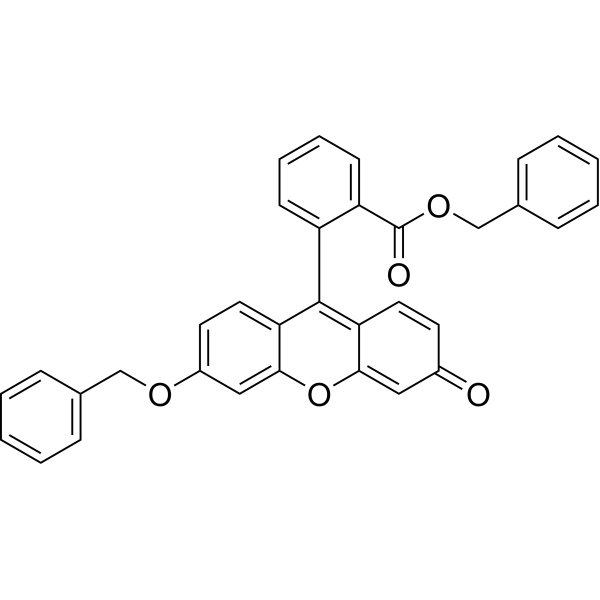
    Dibenzylfluorescein (DBF) is a fluorogenic probe (Fluoresecent dye) that acts as a substrate for specific cytochrome P450 (CYP) isoforms, including CYP3A4, CYP2C8, CYP2C9, CYP2C19, and aromatase (CYP19). Dibenzylfluorescein is typically used near its Km value of 0.87-1.9 μM (Ex=485 nm,Em=535 nm). Dibenzylfluorescein is used to detect changes in CYP catalytic activity caused by drugs or disease .
    Dibenzylfluorescein
  • HY-P3414A
    Proteasome-activating peptide 1 TFA
    3 Publications Verification

    Proteasome Neurological Disease
    Proteasome-activating peptide 1 TFA is a peptide and a potent proteasome activator. Proteasome-activating peptide 1 TFA increases the chymotrypsin-like proteasomal catalytic activity and, consequently, proteolytic rates both in vitro and in culture. Proteasome-activating peptide 1 TFA prevents protein aggregation in a cellular model of amyotrophic lateral sclerosis .
    Proteasome-activating peptide 1 TFA
  • HY-162266

    Ser/Thr Protease Cancer
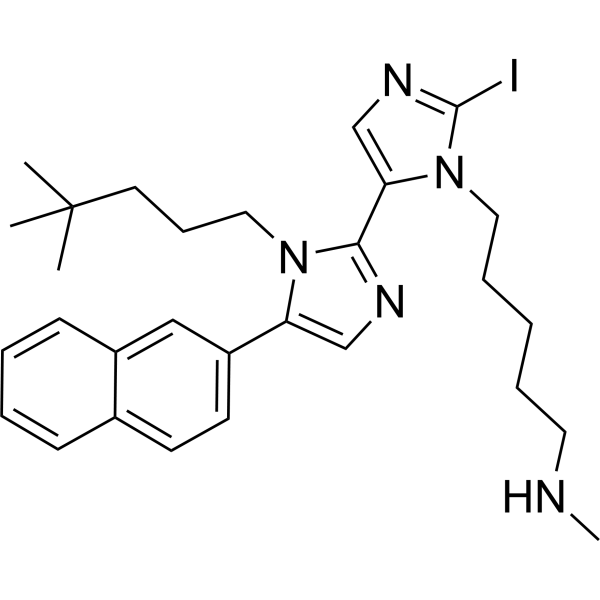
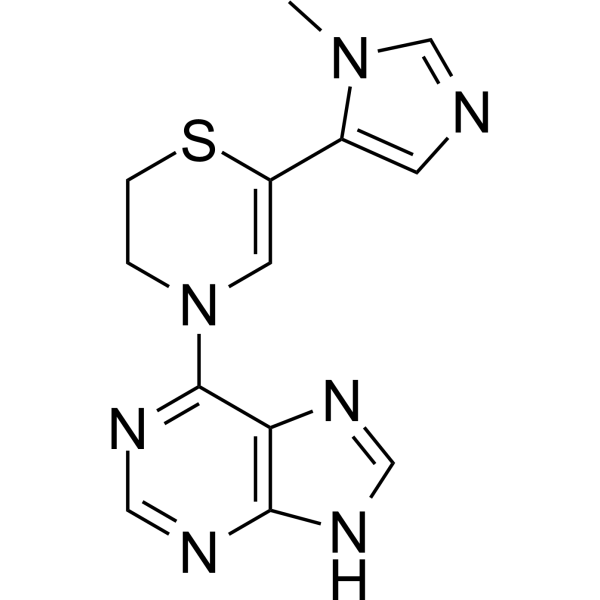
    C3TD879 is a Type I kinase inhibitor that potently inhibits CITK catalytic activity (IC50 = 12 nM). C3TD879 binds directly to full-length human CITK in cells (NanoBRET Kd < 10 nM). C3TD879 is a chemical probe suitable for interrogating the complex biology of CITK .
    C3TD879
  • HY-P10422A

    ML-peptide, Multi-Leucine (ML)-peptide triacetate

    Autophagy Cancer
    Multi-Leu peptide (ML-peptide) triacetate is a potent inhibitor of PACE4 (Ki=22 nM). Multi-Leu peptide triacetate can competitively bind to the active site of PACE4 by simulating the substrate sequence of PACE4, thereby inhibiting its catalytic activity. Multi-Leu peptide triacetate can be used to study the specific mechanism of PACE4 in the development of prostate cancer .
    Multi-Leu peptide triacetate
  • HY-P2961

    Glutathione S-transferase Cancer
    Glutathione S-transferase is a phase II metabolic enzyme consisting of three superfamilies: cytosolic, mitochondrial, and microsomal. Glutathione S-transferase possesses various catalytic activities such as catalytic detoxification and thiol transfer, as well as chaperone function. GSTP1, a subtype of Glutathione S-transferase, is highly expressed in malignant tissues and serves as a tumor marker .
    Glutathione S-transferase
  • HY-I0606B

    Drug Intermediate Endogenous Metabolite
    (R)-(+)-2,2-Dimethyl-1,3-dioxolane-4-carboxaldehyde is a chiral molecule with potential chiral catalytic activity. It can be used as an intermediate in organic synthesis and plays a key role in the construction of complex molecular systems. This compound has also been used to develop new compound carriers and exhibits good biocompatibility.
    (R)-(+)-2,2-Dimethyl-1,3-dioxolane-4-carboxaldehyde
  • HY-69085

    Carbonic Anhydrase Others
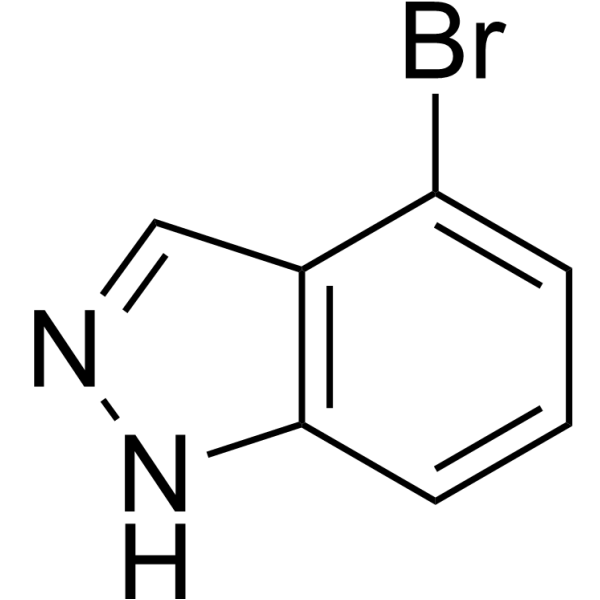
    4-Bromo-1H-indazole is a carbonic anhydrase inhibitor, with an IC50 of 0.403 mM and a Ki of 0.383 mM against hCA-I, as well as an IC50 of 0.700 mM and a Ki of 0.935 mM against hCA-II. 4-Bromo-1H-indazole reduces the catalytic activity of human I and II isoforms of carbonic anhydrase .
    4-Bromo-1H-indazole
  • HY-P2208

    Fluorescent Dye Cancer
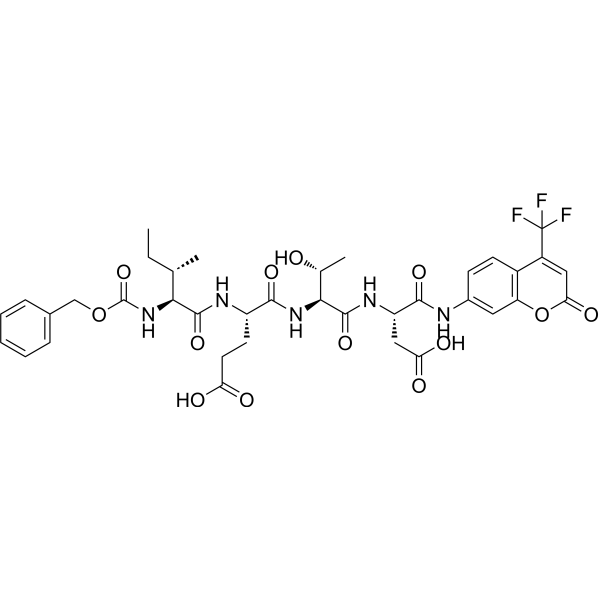
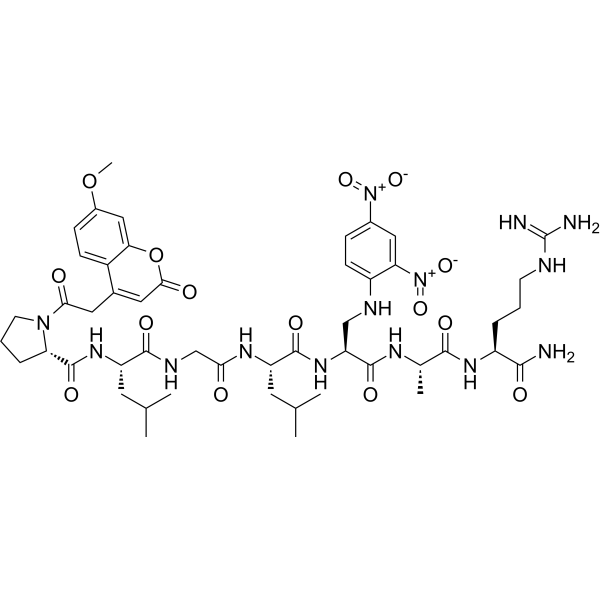
    Z-IETD-AFC, a specific fluorescence substrate, can be used to determine the caspase-8 catalytic activity .
    Z-IETD-AFC
  • HY-132233A

    Histone Methyltransferase Cancer
    DDO-2093 dihydrochloride is a potent MLL1-WDR5 protein-protein interaction inhibitor (IC50=8.6 nM; Kd=11.6 nM) with antitumor activity. DDO-2093 dihydrochloride selectively inhibits the catalytic activity of MLL complex .
    DDO-2093 dihydrochloride
  • HY-W020887

    Chlorobis(cyclooctene)iridium(I)dimer

    Biochemical Assay Reagents Endogenous Metabolite
    [IrCl(COE)2]2 (Chlorobis(cyclooctene)iridium(I)dimer) is a transition metal catalyst with remarkable catalytic activity. It is widely used in catalyzing a variety of organic reactions, especially in the synthesis of unsaturated compounds. In addition, [IrCl(COE)2]2 has shown potential anti-tumor properties in biochemical research.
    [IrCl(COE)2]2
  • HY-N15159

    Cyclic GMP-AMP Synthase STING Parasite Infection Inflammation/Immunology
    Cladophorol A is a cyclic GMP-AMP synthase (cGAS) inhibitor. Cladophorol A binds to the conserved adenosine nucleobase binding site within the cGAS active site to inhibit its catalytic activity. Cladophorol A effectively inhibits the overactivation of the cGAS-STING pathway with an IC50 of 370 nM. Cladophorol A inhibits asexual blood-stage Plasmodium falciparum with an EC50 of 0.7 μg/mL. Cladophorol A can be used for the researches of inflammatory disease and malaria .
    Cladophorol A
  • HY-149310

    PCSK9 HMG-CoA Reductase (HMGCR) Metabolic Disease
    Dim16 is a dual PCSK9 inhibitor and HMG-CoAR inhibitor, with an IC50 of 0.8 nM against human PCSK9 and an IC50 of 146.8 μM against HMG-CoAR. Dim16 disrupts the PCSK9-LDLR protein-protein interaction, inhibits the catalytic activity of HMG-CoAR, enhances cellular uptake of extracellular LDL, and suppresses PCSK9-induced platelet aggregation. Dim16 can be used in research related to hypercholesterolemia .
    Dim16
  • HY-W157144

    Biochemical Assay Reagents Others
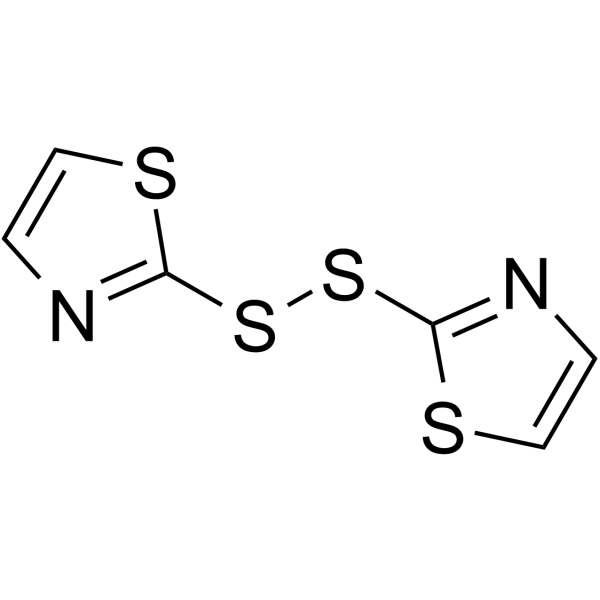
    Diethyl disulfide, an organosulfur compound, is a chemical reactant and an industrial catalyst with excellent catalytic activity .
    Diethyl disulfide
  • HY-P3414

    Proteasome Neurological Disease
    Proteasome-activating peptide 1 is a peptide, which increases the chymotrypsin-like proteasomal catalytic activity and, consequently, proteolytic rates both in vitro and in culture. Proteasome-activating peptide 1 prevents protein aggregation in a cellular model of amyotrophic lateral sclerosis .
    Proteasome-activating peptide 1
  • HY-132233

    WDR5 Cancer
    DDO-2093 is a potent MLL1-WDR5 protein-protein interaction inhibitor (IC50=8.6 nM; Kd=11.6 nM) with antitumor activity. DDO-2093 selectively inhibits the catalytic activity of MLL complex .
    DDO-2093
  • HY-P991065

    JNJ-375; JNJ-64179375; JNJ-9375

    Thrombin Cardiovascular Disease
    Ichorcumab (JNJ-375) is a fully human IgG4 antibody that targets Thrombin. Ichorcumab binds to exosite 1 on thrombin and inhibits substrate binding but not catalytic activity. The isotype control for Ichorcumab can refer to Human IgG4 kappa, Isotype Control (HY-P99003) .
    Ichorcumab
  • HY-W054146
    RAMB4
    1 Publications Verification

    Proteasome Cancer
    RAMB4 is a ubiquitin-proteasome system (UPS)-stressor. RAMB4 inhibits ubiquitin-mediated protein degradation upstream of the 20S proteasomal catalytic activites. RAMB4 triggers a ubiquitin-proteasome-system (UPS)-stress response without affecting 20S proteasome catalytic activities. Anticancer activity .
    RAMB4
  • HY-W025838

    Drug Intermediate Others
    4,5-Dimethylbenzene-1,2-diamine is a substitute for aromatic diamine compound. 4,5-Dimethylbenzene-1,2-diamine act as a bidentate nucleophilic reagent and participates in the palladium (II)-mediated isocyanate addition reaction to construct a diaminocarbene palladium complex with potential catalytic activity .
    4,5-Dimethylbenzene-1,2-diamine
  • HY-124514

    SOS1 Ras ERK Cancer
    UC-857993 is a selective SOS1-Ras inhibitor (Kd=14.7 μM, His6-SOS1cat), suppressing catalytic activity. UC-857993 also inhibits ERK and Ras activation, suppresses the growth of mouse embryonic fibroblasts (MEFs) .
    UC-857993
  • HY-W033823

    Biochemical Assay Reagents Endogenous Metabolite
    Rhodium(III) oxide is an inorganic compound with catalytic activity. Rhodium(III) oxide can be used as an efficient catalyst in catalytic reactions and is often used to promote chemical reactions. Rhodium(III) oxide is also widely used in energy materials, especially in fuel cells and other renewable energy technologies. Rhodium(III) oxide is studied in the field of materials science for the development of new functional materials.
    Rhodium(III) oxide
  • HY-172090

    Ser/Thr Protease Inflammation/Immunology
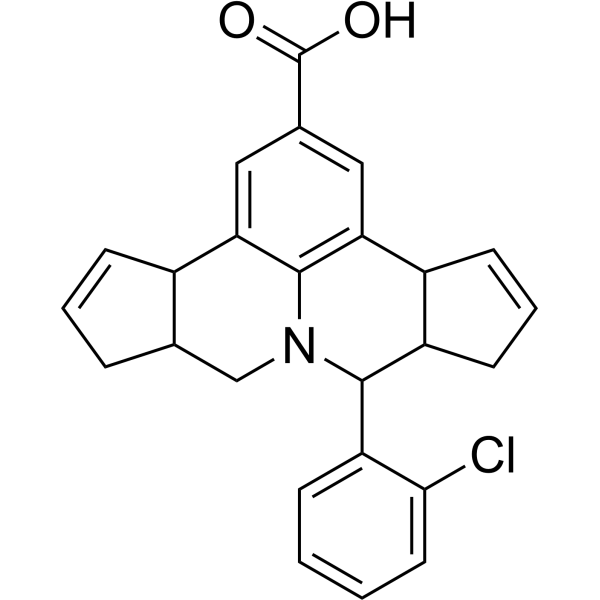
    MASP-2-IN-1 (Compound 77) is a selective MASP-2 inhibitor with an IC50 of 0.0114 μM, and an IC50 of 13.2 μM against MASP-3. MASP-2-IN-1 inhibits the catalytic activity of MASP-2 in the lectin complement pathway. MASP-2-IN-1 is applicable to the research of immune diseases .
    MASP-2-IN-1
  • HY-171349

    γ-secretase Amyloid-β Neurological Disease
    Amyloid-β-IN-3 (EX.113) is a selective γ-secretase inhibitor. Amyloid-β-IN-3 inhibits Aβ42 secretion in H4 cells with an EC50 value of 148 nM. Amyloid-β-IN-3 regulates the γ-secretase catalytic activity to decrease Aβ42 production, thereby alleviating neurotoxicity caused by Aβ deposition. Amyloid-β-IN-3 is promising for research of Alzheimer's disease (AD) .
    Amyloid-β-IN-3
  • HY-P3918

    p38 MAPK Others
    EGF-R (661-681) T669 Peptide is a MAPK substrate that can used to measure MAPK catalytic activity .
    EGF-R (661-681) T669 Peptide
  • HY-N6800

    Antibiotic DNA/RNA Synthesis Bacterial Influenza Virus Orthopoxvirus Infection Inflammation/Immunology
    Netropsin dihydrochloride is a small-molecule MGB (minor-groove binder) and antibiotic, inhibits the catalytic activity of isolated topoisomerase and interferes with the stabilization of the cleavable complexes of topoisomerase II and I in nuclei. Netropsin dihydrochloride has antibacterial and antiviral activity .
    Netropsin
  • HY-W088188

    Cobalt(II) acetylacetonate

    Biochemical Assay Reagents Others
    Co (acac)2 is an organometallic compound with catalytic activity, in which the central cobalt ion is chelated with acetylacetonate ligands. Co (acac)2 can serve as a precursor for thin films and nanomaterials, and is applicable to researches in organic synthesis, materials science, industrial applications, and other fields .
    Co(acac)2
  • HY-164518

    Mps1 Apoptosis Cancer
    PF-3837 is an Mps1 kinase inhibitor with a Ki value of 0.33 nM and an IC50 value of 5.5 nM. PF-3837 interferes with the cell cycle checkpoint by inhibiting Mps1 catalytic activity, reducing genomic stability, thereby inducing cancer cell apoptosis (Apoptosis). PF-3837 can be used in research on breast cancer .
    PF-3837
  • HY-P10422

    ML-peptide, Multi-Leucine (ML)-peptide

    Autophagy Cancer
    Multi-Leu peptide (ML-peptide) is a potent inhibitor of PACE4 (Ki=22 nM). Multi-Leu peptide can competitively bind to the active site of PACE4 by simulating the substrate sequence of PACE4, thereby inhibiting its catalytic activity. Multi-Leu peptide can be used to study the specific mechanism of PACE4 in the development of prostate cancer .
    Multi-Leu peptide

Inquiry Online

Your information is safe with us. * Required Fields.

Salutation


Country or Region *

Applicant Name *


Organization Name *

Department *


Email Address *


Product Name *

Cat. No.


Requested quantity *

Phone Number *


Remarks

Inquiry Online

Inquiry Information

Product Name:
Cat. No.:
Quantity:
MCE Japan Authorized Agent: