Search Result
Results for "
immunoglobulins
" in MedChemExpress (MCE) Product Catalog:
26
Biochemical Assay Reagents
| Cat. No. |
Product Name |
Target |
Research Areas |
Chemical Structure |
-
- HY-P99367
-
|
DS-7300a Antibody; MABX-9001A Antibody
|
CD276/B7-H3
|
Inflammation/Immunology
Cancer
|
|
Ifinatamab is monoclonal immunoglobulin G1-kappa with anti-human B7 homolog 3 protein (Human B7-H3). Ifinatamab is a glycoforme α immunomodulateur .
|
-

-
- HY-P99955
-
-

-
- HY-P99033
-
|
BTCT-4465A; RG-7828; RO7030816
|
CD20
CD3
|
Inflammation/Immunology
Cancer
|
|
Mosunetuzumab (BTCT-4465A) is a full-length, fully humanized immunoglobulin G1 (IgG1) T-cell-dependent bispecific (TDB) antibody targeting CD20 (B cells) and CD3 (T cells). Mosunetuzumab redirects T cells to engage and eliminate malignant B cells and can be used for the research of relapsed or refractory (R/R) B-cell non-Hodgkin lymphomas (B-NHLs) .
|
-

-
- HY-P9950
-
|
Olizumab; rhuMab-E25; IGE25; RG-3648
|
Interleukin Related
|
Inflammation/Immunology
Cancer
|
|
Omalizumab is a recombinant, humanized, monoclonal antibody against human immunoglobulin E (IgE) with a KD of 0.393 nM. Omalizumab binds to the human FcγRIIb receptors with a KD of 6.37 uM. Omalizumab has the potential for persistent allergic asthma research . The component ratio of this product is Active ingredient : Excipients = 1:1.3-1:1.5.
|
-

-
- HY-P99901
-
|
VIS649
|
SARS-CoV
|
Inflammation/Immunology
Cancer
|
|
Sibeprenlimab (VIS649) is a humanized IgG2 monoclonal antibody which inhibits a proliferation-inducing ligand (APRIL). Sibeprenlimab suppresses pathogenic immunoglobulins (IgA and IgM), while preserving antibody responses to mRNA-based vaccines against SARS-COV-2. Sibeprenlimab reduces urinary protein-to-creatinine ratio (UPCR) and glomerular filtration rate (GFR). Sibeprenlimab is promising for the research of IgA nephropathy (IgAN) .
|
-

-
- HY-P9986
-
|
MTIG-7192A; RG-6058
|
CD28
|
Cancer
|
|
Tiragolumab is an immune checkpoint inhibitor binding to the T-cell immunoglobulin and ITIM domain (TIGIT). Tiragolumab in combination with Atezolizumab (HY-P9904) and Bevacizumab (HY-P9906) has benefit in unresectable hepatocellular carcinoma. Tiragolumab can be used to study non-small cell lung cancer (NSCLC) and melanoma .
|
-

-
- HY-P99550
-
|
MEDI-3506
|
Interleukin Related
|
Inflammation/Immunology
|
|
Tozorakimab (MEDI-3506) is a human immunoglobulin G1 monoclonal antibody targeting interleukin-33. Tozorakimab reduces inflammation and epithelial dysfunction. Tozorakimab can be used to research chronic obstructive pulmonary disease .
|
-

-
- HY-E70194
-
|
V8 protease; Glu-C
|
Ser/Thr Protease
|
Others
|
|
Endoproteinase Glu-C (MS grade) is a serine proteinase. Endoproteinase GluC is able to hydrolyze some serpins and all classes of mammalian immunoglobulins .
|
-

-
- HY-P99721
-
|
ABT-981
|
Interleukin Related
|
Inflammation/Immunology
|
|
Lutikizumab (ABT-981) is an anti-IL-1α and IL-1β dual variable domain immunoglobulin. Lutikizumab binds and inhibits IL-1α and IL-1β. Lutikizumab can be used for the research of osteoarthritis .
|
-

-
- HY-P990047
-
|
AMG133 antibody
|
ADC Antibody
GLP Receptor
|
Metabolic Disease
|
|
Maridebart (AMG133 antibody) is a human immunoglobulin G1-kappa, anti-GIPR (gastric inhibitory polypeptide receptor) monoclonal antibody. Maridebart is the antibody portion of Maridebart cafraglutide (HY-164535) and can be used for the synthesis of antibody-drug conjugates (ADC). Maridebart can be used for the reserrch of obesity and type 2 diabetes .
|
-

-
- HY-NP006
-
|
SPA
|
Endogenous Metabolite
Apoptosis
|
Inflammation/Immunology
|
|
Protein A (SPA) is an immunoglobulin (Ig)-binding protein that exists on the bacterial surface and can be freely secreted into the extracellular environment. Protein A blocks opsonophagocytosis and induces B cell apoptosis in vitro by binding to the Fc region of antibodies and the Fab region of B cell receptors. Protein A can form toxic immune complexes with IgG, thereby inducing leukocyte necrosis. Protein A contributes to the virulence expression of Staphylococcus aureus. Protein A triggers allergic reactions in IgG-pretreated mouse models. Protein A can be used in studies related to immune system diseases .
|
-

-
- HY-P99376
-
|
OMS 721; Anti-MASP2 Reference Antibody (narsoplimab)
|
SARS-CoV
|
Infection
|
|
Narsoplimab (OMS 721) is a high-affinity fully human immunoglobulin gamma 4 (IgG4) monoclonal antibody that binds MASP-2 and blocks lectin pathway activation. Narsoplimab can be used in research of hematopoietic stem-cell transplantation and SARS-CoV-2 .
|
-

-
- HY-P99036
-
|
|
Tie
|
Cardiovascular Disease
Inflammation/Immunology
Cancer
|
|
Nesvacumab is a fully human immunoglobulin G1 (IgG1) monoclonal antibody that specifically binds and inactivates the Tie2 receptor ligand Angiopoietin-2 (Ang2) with high affinity, but shows no binding to Ang1. Nesvacumab can be used in vascular researches .
|
-

-
- HY-P99202
-
|
|
Transmembrane Glycoprotein
|
Cancer
|
|
Vibostolimab is an anti-TIGIT (T cell immunoglobulin and ITIM domain) monoclonal antibody. Vibostolimab shows antitumor activity, and can be used in non-small cell lung cancer (NSCLC) and melanoma research .
|
-

-
- HY-103358
-
KF38789
2 Publications Verification
|
P-selectin
|
Inflammation/Immunology
|
|
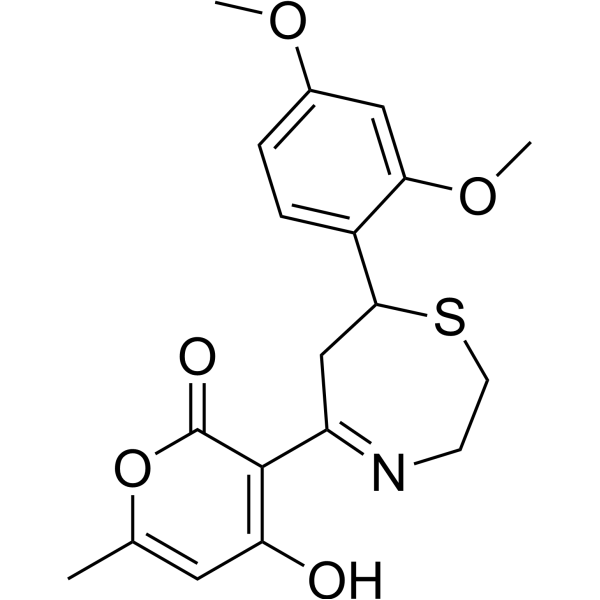
KF38789 is a selective inhibitor of P-selectin-PSGL-1 binding. KF38789 inhibits the binding of U937 cells to immobilized P-selectin immunoglobulin G chimeric protein (P-selectin-Ig) with an IC50 value of 1.97 μM .
|
-
-
- HY-P99114
-
|
|
PD-1/PD-L1
|
Cancer
|
|
Sugemalimab is a fully human, full length, anti-programmed death ligand 1 (PD-L1) immunoglobulin G4 (IgG4) monoclonal antibody (mAb). Sugemalimab shows anticancer activities and can be used for non-small cell lung cancer research .
|
-

-
- HY-P990785
-
|
ABBV-383; TNB 383B
|
CD3
|
Cardiovascular Disease
Inflammation/Immunology
Cancer
|
|
Etentamig is a BCMA × CD3 bispecific T-cell engager (BiTE) that can inhibit the activity of B-cell maturation antigen (BCMA) and activate the T-cell surface glycoprotein CD3 complex. Etentamig can be used for research in multiple myeloma, immunoglobulin light chain amyloidosis, and cardiovascular diseases .
|
-

-
- HY-P99879
-
|
Benegrastim; Bineuta; F 627
|
STAT
|
Inflammation/Immunology
|
|
Efbemalenograstim alfa (F 627) is a recombinant fusion protein. Efbemalenograstim alfa is a long acting dimeric granulocyte colony-stimulating factor (G-CSF) that contains two human G-CSF fused to a human immunoglobulin G2 (hIgG2)-Fc fragment with a peptide linker. Efbemalenograstim alfa induces the production of white blood cells .
|
-

-
- HY-NP0196
-
-

-
- HY-P99693
-
|
GC1102
|
HBV
|
Infection
|
|
Lenvervimab (GC1102) is a IgG1-type recombinant human hepatitis B Immunoglobulin. Lenvervimab can be used for research of hepatitis B virus infection .
|
-

-
- HY-P99852
-
|
ABT165; PR1283233
|
VEGFR
Notch
|
Cancer
|
|
Dilpacimab (ABT165) is a bispecific variable domain immunoglobulin. Dilpacimab binds to and inhibits DLL4 and VEGF and acts as a tumor growth inhibitor. Dilpacimab can be used in research related to metastatic colorectal cancer and advanced solid tumors .
|
-

-
- HY-P99940
-
|
ABT-122
|
TNF Receptor
Interleukin Related
|
Inflammation/Immunology
|
|
Remtolumab is a bispecific variable domain immunoglobulin molecule with human affinities for TNFα and IL-17 in the low pM range of Kd. Remtolumab can be used in research related to rheumatoid arthritis, psoriatic arthritis, and moderate-to-severe plaque psoriasis .
|
-

-
- HY-101813
-
|
HR325
|
Dihydroorotate Dehydrogenase
DNA/RNA Synthesis
Prostaglandin Receptor
|
Inflammation/Immunology
|
|
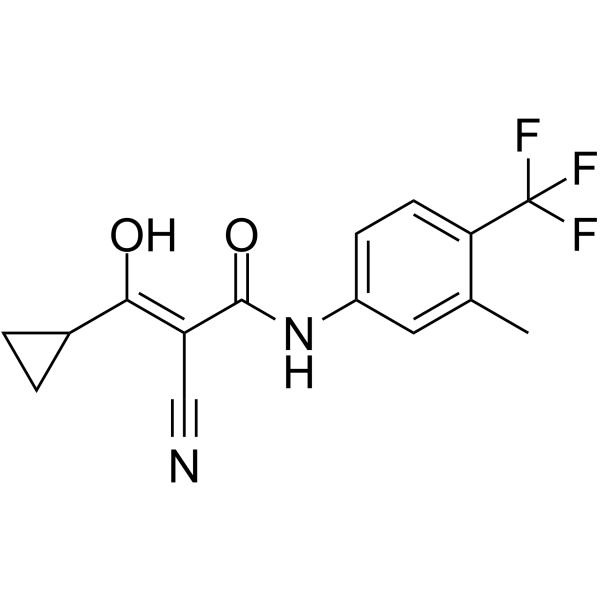
Laflunimus (HR325) is an immunosuppressive agent and an analogue of the Leflunomide-active metabolite A77 1726. Laflunimus is an orally active inhibitor of dihydroorotate dehydrogenase (DHODH). Laflunimus suppresses immunoglobulin (Ig) secretion, with IC50 values of 2.5 and 2 µM for IgM and IgG, respectively. Laflunimus also is a prostaglandin endoperoxide H synthase (PGHS) -1 and -2 inhibitor .
|
-
-
- HY-W008293
-
|
|
Drug Derivative
|
Inflammation/Immunology
|
|
Himic anhydride is an acid anhydride compound and sensitizer. Himic anhydride with cross-reactivity to hexahydrophthalic anhydride. Himic anhydride induces immunoglobulin E (IgE)-mediated sensitization and allergic immune responses. Himic anhydride can be used for the research of occupational asthma .
|
-

-
- HY-P990032
-
|
EOS-448; EOS884448; GSK4428859A
|
Transmembrane Glycoprotein
|
Inflammation/Immunology
Cancer
|
|
Belrestotug (EOS-448) is an antagonistic anti-TIGIT (VSIG9, VSTM3) human immunoglobulin G1 kappa (hIgG1 kappa) antibody. Belrestotug shows antineoplastic activity. Belrestotug can be used for cancer and immunological research such as colon cancer .
|
-

-
- HY-P990021
-
|
TRL1068
|
Bacterial
|
Others
|
|
Calpurbatug is an immunoglobulin G1 antibody. Calpurbatug has activity with anti-bacterial DNA-binding protein DNABII family and anti-human monoclonal TRL1068 γ1-chain .
|
-

-
- HY-P99938
-
|
HX008
|
PD-1/PD-L1
|
Cancer
|
|
Pucotenlimab (HX008) is a humanized immunoglobulin G4 (IgG4) anti programmed cell death protein 1 (anti-PD-1) monoclonal antibody. Pucotenlimab can be used for the research of tumor .
|
-

-
- HY-P99551
-
|
KBSA301; AR-301
|
Antibiotic
Bacterial
|
Infection
|
|
Tosatoxumab (AR-301; KBSA301) is a human immunoglobulin G1 monoclonal antibody that specifically neutralizes alpha-toxin (alpha-hemolysin; Hla) of S. aureus. Tosatoxumab binds to an N-terminal epitope of alpha-toxin, thereby preventing functional toxin pore oligomerisation. Tosatoxumab has the potential for passive immunotherapy in the S. aureus pneumonia as an adjunctive therapy to standard antibiotic agent. Recommend Isotope Control: Human IgG1 lambda1, Isotype Control (HY-P99992) .
|
-

-
- HY-NP0200
-
|
Dog IgG
|
|
Inflammation/Immunology
|
|
Dog Immunoglobulin G (Dog IgG) is a dog serum immunoglobulin that can be used in immunolabeling and coating protein in a variety of immunoassays including ELISA .
|
-

-
- HY-P990089
-
-

-
- HY-P990092
-
|
|
LILRB
Transmembrane Glycoprotein
|
Cancer
|
|
Rolistobart is a humanized immunoglobulin G4-kappa, anti-LILRB4/CD85k monoclonal antibody. Rolistobart is an immunostimulant and antineoplastic .
|
-

-
- HY-P991138
-
|
Genakumab; GenSci048; Kinnazumab
|
Interleukin Related
|
Inflammation/Immunology
|
|
Firsekibart is an immunoglobulin G4-λ2 monoclonal antibody targeting human interleukin 1β (IL-1β). Firsekibart is promising for research of inflammation-related diseases, such as rheumatoid arthritis and inflammatory bowel disease .
|
-

-
- HY-P990048
-
|
ADG126
|
CTLA-4
|
Cancer
|
|
Muzastotug is a humanized immunoglobulin G1-kappa, anti-CTLA4 monoclonal antibody. Muzastotug is an immunostimulant and antineoplastic .
|
-

-
- HY-NP0195
-
|
Sheep IgG
|
|
Inflammation/Immunology
|
|
Sheep Immunoglobulin G (Sheep IgG) is a sheep serum immunoglobulin that can be used in immunolabeling and coating protein in a variety of immunoassays including ELISA .
|
-

-
- HY-NP0198
-
-

-
- HY-P99545
-
|
r-anti-D
|
Biochemical Assay Reagents
|
Others
|
|
Trinbelimab (r-anti-D) is a recombinant anti-D immunoglobulin that targets the RhD antigen. Trinbelimab exerts immunosuppressive effects to block maternal-fetal RhD alloimmunization. Trinbelimab can be used for the study of maternal-fetal immunity associated with RhD incompatibility .
|
-

-
- HY-P990714
-
|
|
CD3
|
Inflammation/Immunology
|
|
Obertamig is an engineered, humanized, anti-CD3E/HLA-G monoclonal antibody with humanized CH2-CH3 modifications and consists of half immunoglobulin IgG1 λ2 and a single-chain variable fragment (scFv) .
|
-

-
- HY-P99606
-
|
ZTS-00521426
|
TGF-beta/Smad
|
Inflammation/Immunology
|
|
Cirevetmab (ZTS-00521426) is an immunoglobulin G2-kappa, Canis lupus familiaris TGFB1 caninized monoclonal antibody. Cirevetmab is an immunomodulator .
|
-

-
- HY-NP086
-
-

-
- HY-NP193A
-
|
|
Fc Receptor (FcR)
|
Inflammation/Immunology
|
|
Rat IgG Fc fragment is a crystallizable fragment (Fc) of rat immunoglobulin G (IgG) molecules that can be used as an immunolabel in various immunoassays, including ELISA.
|
-

-
- HY-P991706
-
|
|
Phosphodiesterase (PDE)
CD3
|
Cancer
|
|
Nelvutamig is a humanized immunoglobulin (H-gamma1_L-kappa)_scFvkh-G1(h-CH2-CH3) antibody targeting ENPP3/CD203c and CD3E. The corresponding isotype control is: Human immunoglobulin (H-gamma1_L-kappa)_scFvkh-G1(h-CH2-CH3) .
|
-

-
- HY-P991678
-
|
XENP-27564; XMAB-27564
|
Interleukin Related
|
Inflammation/Immunology
|
|
Efpixileukin alfa is a fusion protein that combines human IL-2 variant fused at the C-terminus to human immunoglobulin G1 (IgG1) Fc fragment. Efpixileukin alfa is an immunomodulator .
|
-

-
- HY-P990079
-
|
BMS-986207; ONO-4686
|
CD28
|
Inflammation/Immunology
|
|
Renvistobart is an immunoglobulin G1-κ, anti-[Homo sapiens TIGIT (T cell immunoreceptor with Ig domain and ITIM, VSIG9, VSTM3)] Homo sapiens monoclonal antibody .
|
-

-
- HY-P99607
-
|
IDEC-151
|
HIV
|
Inflammation/Immunology
|
|
Clenoliximab (IDEC-151) is a macaque-human chimeric monoclonal antibody (immunoglobulin G4) specific for the CD4 molecule on the surface of T lymphocytes. Clenoliximab can be used for the research of rheumatoid arthritis .
|
-

-
- HY-P991150
-
|
|
Interleukin Related
|
Inflammation/Immunology
|
|
Ompekimig is a humanized immunoglobulin monoclonal antibody targeting human interleukin 4 (IL-4) and interleukin 13 (IL-13). Ompekimig is promising for research of immune-mediated inflammatory diseases, such as asthma and atopic dermatitis .
|
-

-
- HY-P99698
-
|
LDP
|
PD-1/PD-L1
|
Inflammation/Immunology
Cancer
|
|
Lesabelimab (LDP) is an immunoglobulin G1-kappa anti-CD274 monoclonal antibody. CD274 is an immune checkpoint ligand, represses antitumour immunity through the interaction with PDCD1 receptor .
|
-

-
- HY-145775
-
|
|
Fc Receptor (FcR)
|
Inflammation/Immunology
|
|
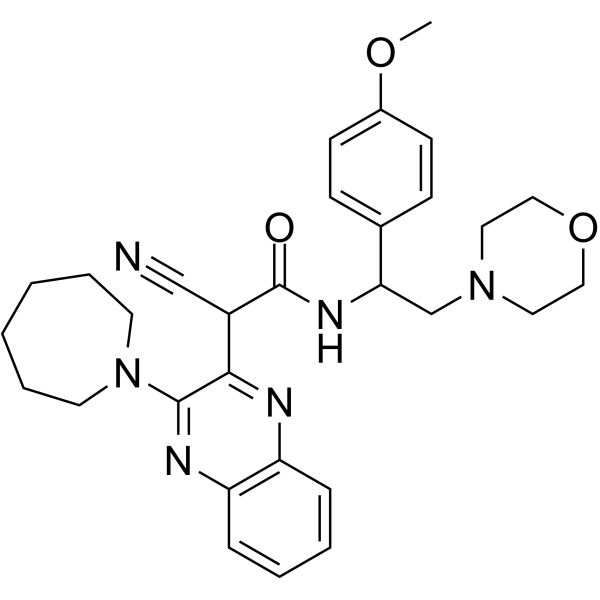
hIgG–hFc receptor-IN-1 (comp 66) is a human immunoglobulin G–human neonatal Fc receptor (hIgG–hFcRn) protein-protein interaction inhibitor, with an IC50 of 2 μM .
|
-
-
- HY-P990020
-
|
FSI-174
|
c-Kit
|
Others
|
|
Eglatoprutug is an humanized immunoglobulin G1-kappa, anti-c-Kit monoclonal antibody .
|
-

-
- HY-P990074
-
|
SG-001
|
PD-1/PD-L1
|
Inflammation/Immunology
|
|
Enlonstobart is a human immunoglobulin G4-kappa, anti-PDCD1 monoclonal antibody. Enlonstobart is an immunostimulant and antineoplastic .
|
-

-
- HY-NP0197A
-
|
|
Fc Receptor (FcR)
|
Inflammation/Immunology
|
|
Goat IgG Fc fragment is a crystallizable fragment (Fc) of goat immunoglobulin G (IgG) molecules that can be used as an immunolabel in various immunoassays, including ELISA.
|
-

- HY-147407
-
|
|
EGFR
|
Cancer
|
|
Imbotolimod, immunoglobulin G1-kappa, is a humanized monoclonal antibody with anti-ERBB2 and antineoplastic activity. Imbotolimod is a derivative of telratolimod .
|
-
- HY-NP0220
-
-

- HY-P3174
-
|
|
Aminopeptidase
|
Inflammation/Immunology
|
|
Pyroglutamate aminopeptidase I is a type of enzyme that cleaves the peptide bond of pyroglutamic acid linked to the N-terminal end of a protein, including some important anti-inflammatory proteins like immunoglobulin .
|
-
- HY-P991135
-
|
RO-7502175; RG-6411
|
CCR
|
Cancer
|
|
Enzelkitug is a humanized immunoglobulin G1-κ monoclonal antibody targeting the human C-C motif chemokine receptor 8 (CCR8). Enzelkitug is promising for research of various solid tumors and hematological malignancies .
|
-

- HY-P991195
-
|
SIM1811-03
|
TNF Receptor
|
Cancer
|
|
SIM-0235 is humanized immunoglobulin G1 (IgG1) monoclonal antibody that targets and inhibits TNFR2, the recommed isotype control is Human IgG1 kappa, Isotype Control (HY-P99001) [1].
|
-

- HY-P991147
-
|
|
PD-1/PD-L1
|
Cancer
|
|
Ledostomig is an immunoglobulin (H-γ1-scFv-L-κ) dimer monoclonal antibody targeting human netrin-5 (NTS5) and programmed death-1 (PD-1). Ledostomig is promising for research of various cancers .
|
-

- HY-P991153
-
|
|
Virus Protease
|
Infection
|
|
Potravitug is a humanized immunoglobulin G1-κ monoclonal antibody targeting the major capsid protein VP1 of BK polyomavirus (BKV). Potravitug is promising for research of BKV-infection-related diseases, such as BKV-induced nephropathy after organ transplantation .
|
-

- HY-P991134
-
|
|
IGF-1R
|
Inflammation/Immunology
|
|
Elegrobart is an immunoglobulin G1-κ monoclonal antibody targeting the human insulin-like growth factor 1 receptor (IGF1R). Elegrobart is promising for research of diseases associated with abnormal IGF1R signaling, especially thyroid eye disease .
|
-

- HY-145890
-
-
- HY-P0071
-
-

- HY-P990080
-
|
BMS-986249
|
CTLA-4
|
Cancer
|
|
Sovipostobart is an immunoglobulin G1-kappa, anti-CTLA-4 human monoclonal antibody with cleavable prodomain. Sovipostobart is an immunostimulant and antineoplastic .
|
-

- HY-145889
-
|
|
Biochemical Assay Reagents
|
Others
|
|
LC kinetic stabilizer-1 (compound 21) is a potent and selective amyloidogenic immunoglobulin light chain kinetic stabilizer with EC50s of 140 and 74.1 nM for WIL-FL * and WIL-FL * T46L/F49Y, respectively. WIL-FL is an amyloidogenic FL LC dimer .
|
-
- HY-101813R
-
|
HR325 (Standard)
|
Reference Standards
Dihydroorotate Dehydrogenase
DNA/RNA Synthesis
Prostaglandin Receptor
|
Inflammation/Immunology
|
|
Laflunimus (Standard) is the analytical standard of Laflunimus. This product is intended for research and analytical applications. Laflunimus (HR325) is an immunosuppressive agent and an analogue of the Leflunomide-active metabolite A77 1726. Laflunimus is an orally active inhibitor of dihydroorotate dehydrogenase (DHODH). Laflunimus suppresses immunoglobulin (Ig) secretion, with IC50 values of 2.5 and 2 μM for IgM and IgG, respectively. Laflunimus also is a prostaglandin endoperoxide H synthase (PGHS) -1 and -2 inhibitor .
|
-

- HY-NP0212
-
-

- HY-NP0196B
-
-

- HY-NP0196C
-
-

- HY-NP193
-
-

- HY-NP0197
-
|
Goat IgG
|
Fc Receptor (FcR)
|
Inflammation/Immunology
|
|
Goat Immunoglobulin G (Goat IgG) is a goat serum immunoglobulin that can be used in immunolabeling and coating protein in a variety of immunoassays including ELISA .
|
-

- HY-123399
-
-
- HY-153888
-
|
|
Others
|
Others
|
|
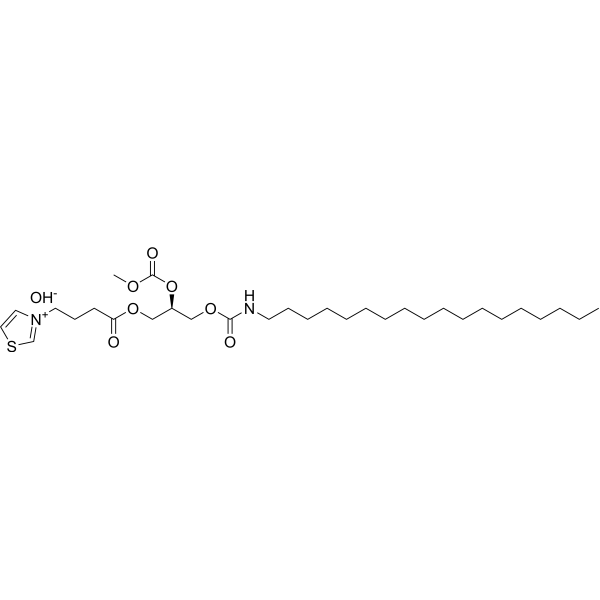
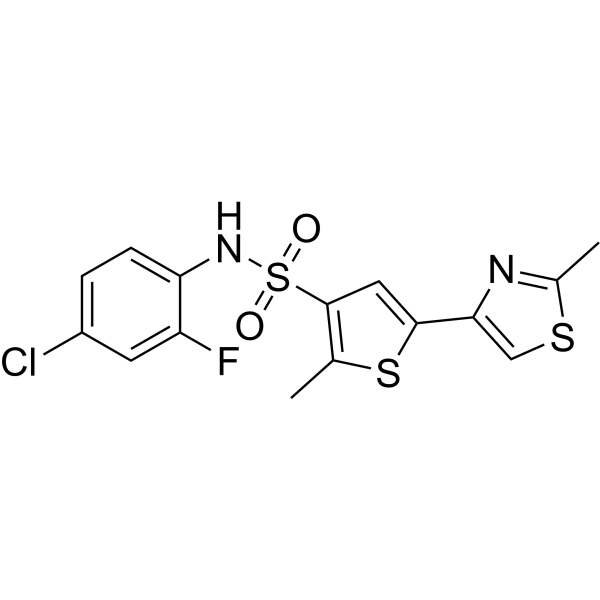
M351-110 is a T-cell activating V-domain immunoglobulin inhibitory factor agonist for cancer research .
|
-
- HY-NP0196D
-
|
|
Fc Receptor (FcR)
|
Inflammation/Immunology
|
|
Mouse IgG Fc fragment is a crystallizable fragment (Fc) of mouse immunoglobulin G (IgG) molecules that can be used as an immunolabel in various immunoassays, including ELISA.
|
-

- HY-NP0198B
-
|
|
Fc Receptor (FcR)
|
Inflammation/Immunology
|
|
Rabbit IgG Fab fragment is a fragment of antigen (Fab) of rabbit immunoglobulin G (IgG) molecules that can be used as an immunolabel in various immunoassays, including ELISA.
|
-

- HY-NP0198A
-
|
|
Fc Receptor (FcR)
|
Inflammation/Immunology
|
|
Rabbit IgG Fc fragment is a crystallizable fragment (Fc) of rabbit immunoglobulin G (IgG) molecules that can be used as an immunolabel in various immunoassays, including ELISA.
|
-

- HY-N12295
-
|
|
Others
|
Inflammation/Immunology
|
|
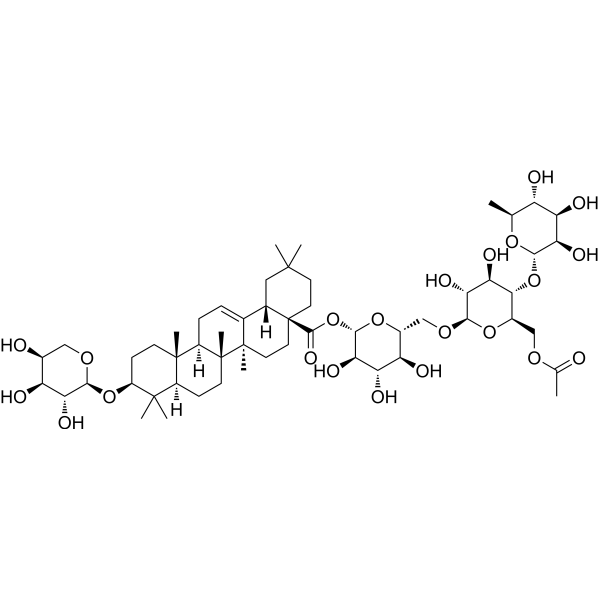
Ciwujianoside D1 is a natural product that can inhibit histamine release induced by anti-immunoglobulin E from rat peritoneal mast cells .
|
-
- HY-NP0196E
-
|
|
Fc Receptor (FcR)
|
Inflammation/Immunology
|
|
Mouse IgG Fab fragment is a fragment of antigen (Fab) of mouse immunoglobulin G (IgG) molecules that can be used as an immunolabel in various immunoassays, including ELISA.
|
-

- HY-147179
-
|
|
ADC Payload
|
Inflammation/Immunology
|
|
INX-SM-56 is a cytotoxin that can be used for the synthesis of anti-VISTA antibody agent conjugate. VISTA: V-region Immunoglobulin-containing Suppressor of T cell Activation .
|
-
- HY-P991139
-
|
|
CTLA-4
|
Cancer
|
|
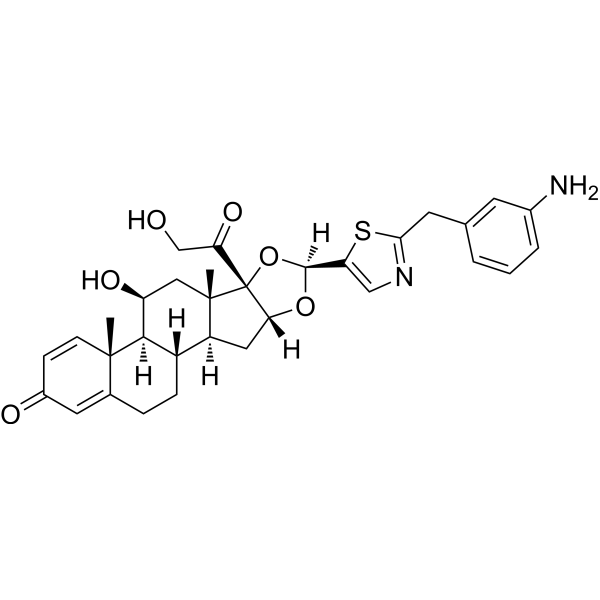
Futermestotug is a humanized immunoglobulin G1-κ monoclonal antibody targeting human cytotoxic T-lymphocyte associated protein 4 (CTLA4). Futermestotug is promising for research of various malignant tumors .
|
-

- HY-P991152
-
|
QX-005N
|
Interleukin Related
|
Inflammation/Immunology
|
|
Oturkibart is a humanized immunoglobulin G4-κ monoclonal antibody targeting the human interleukin 4 receptor (IL4R). Oturkibart is promising for research of inflammatory diseases, such as asthma and atopic dermatitis .
|
-

- HY-174546
-
|
|
mRNA
|
Inflammation/Immunology
|
|
Human PECAM1 mRNA encodes the human platelet and endothelial cell adhesion molecule 1 (PECAM1) protein, a member of the immunoglobulin superfamily. PECAM1 is likely involved in leukocyte migration, angiogenesis, and integrin activation.
|
-

- HY-Q25865
-
|
|
VISTA
|
Cancer
|
|
MG-V-53 is a potent small molecule V domain T-cell activating immunoglobulin suppressor (VISTA) inhibitor with IC50 value of 121 nM. MG-V-53 has antitumor activity .
|
-

- HY-P991137
-
|
|
Ser/Thr Protease
|
Metabolic Disease
|
|
Exerenibart is an immunoglobulin G4-κ monoclonal antibody targeting human transmembrane serine protease 6 (TMPRSS6). Exerenibart is promising for research of diseases associated with iron metabolism disorders, such as iron overload or iron deficiency .
|
-

- HY-169051
-
|
|
Sirtuin
|
Cancer
|
SIRT-IN-5 is a SIRT3 inhibitor, with an IC50 value of 2.88 μM. SIRT-IN-5 can promote the differentiation of multiple myeloma cells, along with an increase in the expression of the differentiation antigen CD49e and human immunoglobulin light chains λ and κ .
|
-

- HY-P991727
-
-

- HY-174644
-
|
|
mRNA
|
Inflammation/Immunology
|
|
Human IL11 mRNA encodes the human interleukin 11 (IL11) protein, a member of the gp130 family of cytokines. IL11 is shown to stimulate the T-cell-dependent development of immunoglobulin-producing B cells. It is also found to support the proliferation of hematopoietic stem cells and megakaryocyte progenitor cells.
|
-

- HY-W015405
-
-

- HY-182476
-
|
|
Fc Receptor (FcR)
|
Inflammation/Immunology
|
|
Z223-2027 is a FcRn inhibitor. Z223-2027 competitively blocks the binding of immunoglobulin G (IgG) to FcRn. Z223-2027 can be used in the research of IgG-mediated autoimmune diseases .
|
-

- HY-P992099
-
|
AB598
|
NTPDase
|
Cancer
|
|
Afivastobart (AB598) is a human ENTPD1 (CD39)-targeting monoclonal antibody with antineoplastic activity.Afivastobart binds as a monoclonal antibody to modulate Homo sapiens ENTPD1 activity.Afivastobart constitutes a glycoform alfa immunoglobulin G1-kappa monoclonal antibody .
|
-

- HY-NP0217
-
-

- HY-NP0196A
-
-

- HY-NP0199
-
|
Porcine IgG
|
|
Inflammation/Immunology
|
|
Porcine Immunoglobulin G (Porcine IgG) is a porcine serum immunoglobulin that can be used in immunolabeling and coating protein in a variety of immunoassays including ELISA .
|
-

- HY-NP0216
-
-

- HY-P992154
-
|
KJ-103
|
Human leukocyte immunoglobulin (Ig)-like receptors (LILR)
|
Infection
Inflammation/Immunology
|
|
Ricefidase (KJ-103) is a recombinant human immunoglobulin G-degrading enzyme. Ricefidase efficiently cleaves human IgG at the hinge region. Ricefidase rapidly reduces IgG levels. Ricefidase has low immunogenicity and clears AAV neutralizing antibodies. Ricefidase is applicable to research related to desensitization of all IgG subclasses and improvement of the suitability of AAV-based gene therapy .
|
-

- HY-P992101
-
|
AUR-200
|
TNF Receptor
IFNAR
Interleukin Related
|
Inflammation/Immunology
|
|
Aritinercept (AUR-200) is a recombinant fusion protein targeting TNFSF13B/BAFF/CD257. Aritinercept neutralizes BAFF and APRIL (TNFSF13), reduces B cell proliferation, suppresses peripheral B cells, lowers serum immunoglobulins. Aritinercept reduces renal damage markers, decreases IFNγ, IL-17A, and anti-dsDNA autoantibodies, and improves survival in a mouse model of SLE. ritinercept can be used for the research of systemic lupus erythematosus .
|
-

- HY-169426
-
|
|
Amyloid-β
|
Cancer
|
|
Anti-amyloid agent-2 (compound (R)-38) is an amyloidogenic immunoglobulin light chain stabilizer .
|
-

- HY-P992109
-
-

- HY-P992105
-
|
|
ANGPTL
|
Inflammation/Immunology
|
|
Corveldebart is a monoclonal antibody of immunoglobulin G1-kappa that targets ANGPTL4. Corveldebart can be used as an immunomodulator .
|
-

- HY-NP193B
-
|
|
Fc Receptor (FcR)
|
Inflammation/Immunology
|
|
Rat IgG Fab fragment is a fragment of antigen (Fab) of rat immunoglobulin G (IgG) molecules that can be used as an immunolabel in various immunoassays, including ELISA.
|
-

- HY-NP0197B
-
|
|
Fc Receptor (FcR)
|
Inflammation/Immunology
|
|
Goat IgG Fab fragment is a fragment of antigen (Fab) of goat immunoglobulin G (IgG) molecules that can be used as an immunolabel in various immunoassays, including ELISA.
|
-

- HY-P991798
-
|
|
Transmembrane Glycoprotein
|
Inflammation/Immunology
|
|
Anti-Mouse CD155 Antibody (4.24) reacts with the mouse CD155. CD155 is a member of a subfamily of immunoglobulin-like adhesion receptors. Recommend Isotype Controls: Rat IgG2a kappa, Isotype Control (HY-P990679) .
|
-

- HY-N15770
-
|
|
Biochemical Assay Reagents
|
Inflammation/Immunology
|
|
VSA 2, a saponin-based vaccine adjuvant, is a derivative of Momordica saponin (MS) II. VSA 2 is an immunostimulant, shows consistent enhancement of immunoglobulin G2a (IgG2a) production when it was in formulation with either ovalbumin or recombinant hemagglutinin B (rHagB) antigen .
|
-

- HY-P5309
-
|
|
Biochemical Assay Reagents
|
Inflammation/Immunology
|
|
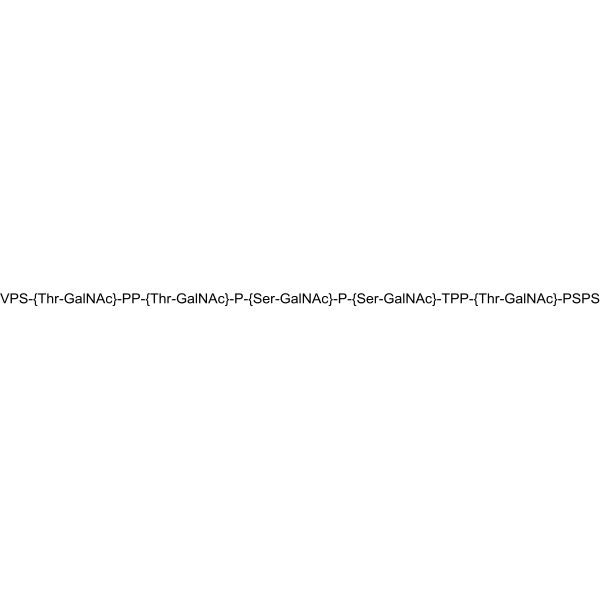
IgA1 Peptide GN5 is a synthetic glycopeptide and can be used for detection of gender difference and epitope specificity of IgG antibody activity against IgA1 hinge portion in IgA nephropathy patients .
|
-
- HY-P5309A
-
|
|
Biochemical Assay Reagents
|
Inflammation/Immunology
|
|
IgA1 Peptide GN5 (TFA) is a synthetic glycopeptide and can be used for detection of gender difference and epitope specificity of IgG antibody activity against IgA1 hinge portion in IgA nephropathy patients .
|
-

- HY-163480
-
|
|
CXCR
|
Inflammation/Immunology
|
|
PF-06835375 is a selective, humanized CXCR5-targeting immunoglobulin G1 antibody. PF-06835375 depletes CXCR5-positive B cells, follicular helper T cells and circulating Tfh-like cells. PF-06835375 is applicable to research related to autoimmune diseases .
|
-

- HY-P991636
-
|
|
Transmembrane Glycoprotein
|
Inflammation/Immunology
|
|
AK006 is a humanized IgG1 monoclonal antibody agonist targeting Sialic acid-binding immunoglobulin-like lectin6 (Siglec-6). AK006 potently inhibits IgE-mediated human mast cell activation. AK006 can be used for inflammatory diseases like chronic urticaria (CU) and asthma research .
|
-

- HY-110188
-
|
|
Apoptosis
|
Neurological Disease
|
|
BiP inducer X, a selective inducer of immunoglobulin heavy chain binding protein (BiP)/GRP78, is an effective ER (endoplasmic reticulum) stress inhibitor. BiP inducer X preferentially induces BiP with slight inductions of GRP94, calreticulin, and C/EBP homologous protein. BiP inducer X protects neurons from ER stress .
|
-
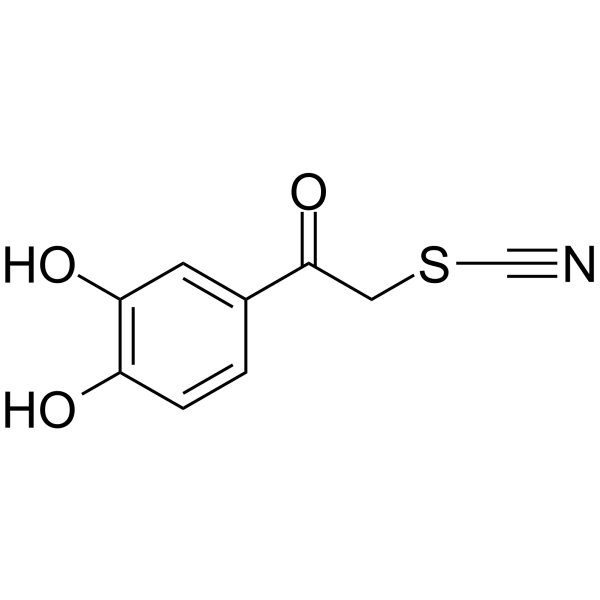
- HY-P991151
-
|
|
PD-1/PD-L1
TNF Receptor
|
Cancer
|
|
Opamtistomig is a humanized immunoglobulin (H-γ1-scFv-L-κ) dimer monoclonal antibody targeting human programmed death ligand 1 (PD-L1), CD274 and tumor necrosis factor receptor superfamily member 9 (TNFRSF9). Opamtistomig is promising for research of various solid tumors and hematological malignancies .
|
-

- HY-174738
-
|
|
mRNA
|
Inflammation/Immunology
|
|
Human CD40 mRNA encodes the human CD40 molecule (CD40) protein, a member of the TNF-receptor superfamily. CD40 is a receptor on antigen-presenting cells of the immune system and is essential for mediating a broad variety of immune and inflammatory responses including T cell-dependent immunoglobulin class switching, memory B cell development, and germinal center formation.
|
-

- HY-P99608
-
|
|
HBV
|
Infection
|
|
Exbivirumab is a monoclonal antibody directed against highly conserved HBsAg epitopes. Exbivirumab enhances the antiviral activity of hepatitis B immunoglobulin (HBIG). Exbivirumab combined with Libivirumab (HY-P99703) decreases circulating HBsAg and hepatitis B virus (HBV) DNA levels in a chronically infected chimpanzee. Exbivirumab can be used for HBV re-infection in liver transplant .
|
-

- HY-P99313
-
|
Anti-Human IGHE Recombinant Antibody
|
Apoptosis
|
Inflammation/Immunology
|
|
Quilizumab (Anti-Human IGHE Recombinant Antibody) is a humanized IgG1κ monoclonal antibody targeting immunoglobulin epsilon (also konwn as: IGHE, IgE). Quilizumab targets the M1-prime fragment of membrane-expressed IGHE/IgE, leading to IGHE/IgE switching and memory B cell depletion. Quilizumab has potential in asthma research .
|
-

- HY-P9920A
-
|
|
VEGFR
|
Cancer
|
|
Ramucirumab (anti-VEGFR) is a human VEGFR-2 antagonist for the treatment of solid tumors. Ramucirumab (anti-VEGFR) is a recombinant human immunoglobulin G1 monoclonal antibody that binds to the extracellular binding domain of VEGFR-2 and prevents the binding of VEGFR ligands: VEGF-A, VEGF-C, and VEGF-D. Ramucirumab (anti-VEGFR) is also an angiogenesis inhibitor .
|
-

- HY-P991847
-
|
|
PD-1/PD-L1
|
Cancer
|
|
Anti-PD-L2 Antibody (3.2) recognizes an epitope on mouse and human PD-L2. PD-L2 is a 25 kD type I transmembrane protein and a member of B7 family within the immunoglobulin receptor superfamily. Recommend Isotype Controls: Mouse IgG1 kappa, Isotype Control (HY-P99977) .
|
-

- HY-P990045
-
|
ALE.F02
|
Claudin
|
Endocrinology
|
|
Lixudebart (ALE.F02) is a humanized immunoglobulin G1-kappa, anti-CLDN1 monoclonal antibody. Lixudebart disrupts CLDN1 interactions with CD44 and MMP14, reduces renal macrophage infiltration, epithelial activation, and urinary albumin-to-creatinine ratio, and attenuates glomerulosclerosis. Lixudebart can be used for the research of focal segmental glomerulosclerosis .
|
-

- HY-P992394
-
|
CNTO-6358
|
IFNAR
|
Inflammation/Immunology
|
|
JNJ-55920839 (CNTO-6358) is a fully human immunoglobulin G1κ monoclonal antibody and a selective Interferon α/ω neutralizer, with a Kd value of 0.9-10.7 pM against hIFNα and a Kd of 1.44 pM against IFNω. JNJ-55920839 can be used in research related to systemic lupus erythematosus .
|
-

- HY-P99665
-
|
LY-3209590
|
Insulin Receptor
|
Metabolic Disease
|
|
Insulin efsitora alfa (LY-3209590) is a selective agonist of insulin receptor (IR). Insulin efsitora alfa is a fusion protein composed of human IR agonists fused with the crystallizable (Fc) domain of human immunoglobulin G2 (IgG2) fragment, with a molecular weight of 64.1 kDa. Insulin efsitora alfa is well tolerated and has potential applications in diabetes .
|
-

- HY-P991606
-
|
|
C-type Lectin-like Receptors (CTLRs)
|
Infection
Inflammation/Immunology
Cancer
|
|
TRX585 is a humanised anti-immunoglobulin-like transcript 5 (ILT5) monoclonal antibody. TRX585 has a potent immunoregulatory activity. TRX585 significantly activates human T cells and upregulates NKG2D and Fas ligand, followed by enhancing antitumor activity with potent cytotoxicity. TRX585 can be used for viral infections and malignancies research .
|
-

- HY-P99962
-
|
BGB-A425
|
Mucin
|
Cancer
|
|
Surzebiclimab (BGB-A425) is a humanized IgG1-variant monoclonal antibody against T-cell immunoglobulin and mucin-domain containing-3 (TIM-3). Surzebiclimab binds to the extracellular domain of human Tim-3 with high affinity (KD=0.36 nM) and specificity. Surzebiclimab can be used in research of cancer .
|
-

- HY-P991158
-
|
|
TGF-β Receptor
|
Neurological Disease
|
|
Rinvatercept, a fusion protein, is a glycyl (1)-chimeric N-terminal (1-108)-peptide (2-109) combined from the sequences of the extracellular domains of the human ACVR2A/B, and is fused via a G3 peptide linker (110-112) to an immunoglobulin G1 (IgG1) Fc fragment. Rinvatercept can be used for research of neuromuscular disease .
|
-

- HY-170506
-
|
|
Thrombopoietin Receptor
|
Inflammation/Immunology
|
|
KB-208 is a phagocytosis inhibitor that acts similarly to intravenous immunoglobulin (IVIG). KB-208 improves immune thrombocytopenia (ITP) in a mouse model at a dose of 1 mg/kg. KB-208 does not affect other blood parameters and does not elevate serum biochemical markers of toxicity, and can be used in research in the field of immunity .
|
-

- HY-153213A
-
|
|
TSH Receptor
|
Endocrinology
|
|
Org 274178-0 is a selective thyroid-stimulating hormone receptor (TSHR) antagonist with a pIC50 value for TSHR is 5.03. Org 274178-0 inhibits the activation of cAMP signaling pathway and phospholipase C (PLC) signaling pathway mediated by thyroid-stimulating hormone (TSH) and TSH receptor-stimulating immunoglobulins (TSIs). Org 274178-0 is promising for research of Graves’ disease and Graves’ ophthalmopathy .
|
-

- HY-171034
-
|
|
Interleukin Related
TNF Receptor
PAK
|
Inflammation/Immunology
|
|
PQA-18 is a unique PAK2 inhibitor (IC50: 10 nM). PQA-18 has immunosuppressing effects. PQA-18 suppresses IL2, IL4, IL6, and TNFα. PQA-18 inhibits the population of a subset of regulatory T cells and the immunoglobulin (Ig) production against T cell-dependent antigens as well as alleviates dermatitis in mice .
|
-

- HY-P991039
-
|
AT-02
|
Amyloid-β
|
Inflammation/Immunology
|
|
Zamubafusp alfa (AT-02) is an immunoglobulin-peptide fusion protein consisting of a humanized IgG1 and the pan-amyloid reactive peptide p5R. Zamubafusp alfa binds to two ubiquitous components of all amyloids, namely amyloid fibrils and highly sulfated heparan sulfate glycans. Zamubafusp alfa enhances macrophage phagocytosis for amyloid clearance and can be used in research related to systemic amyloidosis .
|
-

- HY-P99950
-
|
ALX148
|
CD47
|
Cancer
|
|
Evorpacept (ALX148) is a high-affinity CD47-blocking fusion protein with an inactive human immunoglobulin Fc region. Evorpacept binds to CD47, blocks the interaction of the CD47-SIRPα immune checkpoint, and inhibits the binding of wild-type SIRPα to CD47. Evorpacept is applicable to research related to acute myeloid leukemia .
|
-

- HY-174736
-
|
|
mRNA
|
Inflammation/Immunology
|
|
Human CD70 mRNA encodes the human CD70 molecule (CD70) protein, a cytokine that belongs to the tumor necrosis factor (TNF) ligand family. CD70 induces proliferation of costimulated T cells, enhances the generation of cytolytic T cells, and contributes to T cell activation. It is also reported to play a role in regulating B-cell activation, cytotoxic function of natural killer cells, and immunoglobulin sythesis.
|
-

- HY-147305
-
|
ARGX-113
|
Fc Receptor (FcR)
|
Inflammation/Immunology
|
|
Efgartigimod alfa (ARGX-113) is a reversibility, humanized Fc receptor antagonist . Efgartigimod alfa is a anti FcRn monoclonal immunoglobulin G (IgG1) Fc fragment. Efgartigimod reduces serum levels of total IgG, including pathogenic autoantibodies, by blocking FcRn function without permanent impairment. Efgartigimod alfa can be used for generalised myasthenia gravis (gMG) and primary immune thrombocytopenia research .
|
-

- HY-N9439
-
|
|
Endogenous Metabolite
|
Others
|
|
6-O-β-D-Galactopyranosyl-D-galactose, a disaccharide, is a part of the polysaccharide main chain with β-(1→6)-glycoside bonds with a side chain bonded to the main one by the β-(1→3) bond. 6-O-β-D-Galactopyranosyl-D-galactose can be isolated from enzyme-hydrolyzed peach gum .
|
-
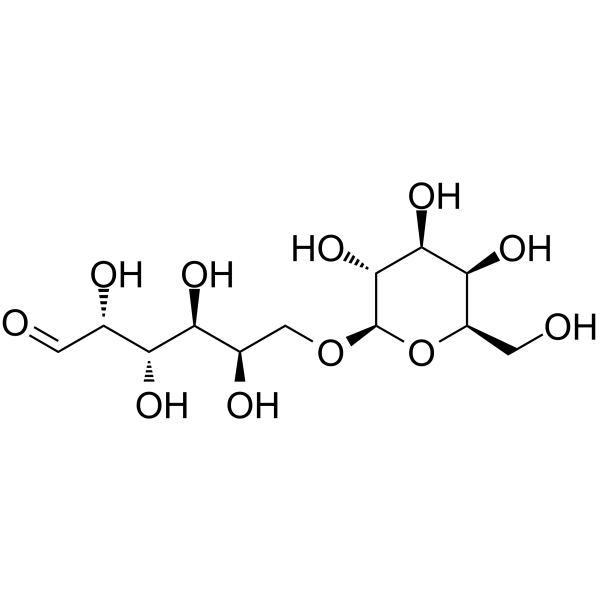
- HY-116815
-
|
|
Beta-lactamase
Bacterial
|
Infection
Neurological Disease
|
|
Lalistat 1 is a potent, selective, and competitive inhibitor of lysosomal acid lipase (LAL) and against purified human LAL (phLAL) with an IC50 of 68 nM. Lalistat 1 is a inhibitor of immunoglobulin A1 protease (IgA1P) proteases for H. influenzae, has less effects on other serine hydrolases (trypsin or β-lactamase, etc.). Lalistat 1 can be used for the research of niemann-pick type C (NPC) disease .
|
-
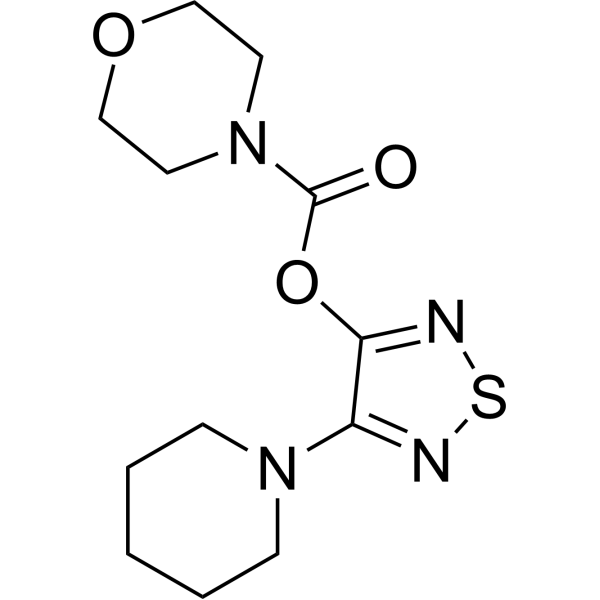
- HY-P990986
-
|
|
Interleukin Related
|
Inflammation/Immunology
Cancer
|
|
Efdelikofusp alfa is a bispecific Fc fusion protein. Efdelikofusp alfa is formed by fusing the N-terminal extracellular domain of human CD80 (B7.1) with the Fc fragment of human immunoglobulin G4 (IgG4), and is linked to an interleukin-2 variant (IL-2v) as the C-terminal part. Efdelikofusp alfa exhibits potential immunostimulatory, immune checkpoint inhibitory, and antitumor activities.
|
-

- HY-P990992
-
|
GI-102
|
Interleukin Related
|
Inflammation/Immunology
Cancer
|
|
Efzilonkofusp alfa is a bispecific Fc fusion protein. Efzilonkofusp alfa is formed by fusing the N-terminal extracellular domain of human CD80 (B7.1) with the Fc fragment of human immunoglobulin G4 (IgG4), and is linked to an interleukin-2 variant (IL-2v) as the C-terminal part. Efzilonkofusp alfa exhibits potential immunostimulatory, immune checkpoint inhibitory, and antitumor activities.
|
-

- HY-109539
-
|
|
Antibody-Drug Conjugates (ADCs)
Apoptosis
|
Cancer
|
|
Gemtuzumab ozogamicin is an antibody-drug conjugate (ADC) consisting of a humanized immunoglobulin (IgG4) antibody directed against CD33 that is conjugated to the cytotoxic agent Calicheamicin (HY-19609). The antibody portion is Gemtuzumab (HY-P99971), and the drug-linker conjugate for ADC is N-Ac-γ-Calicheamicin-AcBut-NHS ester (HY-103688). Gemtuzumab ozogamicin can be used for the research of acute myeloid leukemia (AML) .
|
-

- HY-P99156
-
|
BMS-986016
|
LAG-3
|
Cancer
|
|
Relatlimab (BMS-986016) is a human monoclonal antibody anti-LAG-3 antibody generated by immunization of transgenic mice bearing human immunoglobulin miniloci with recombinant LAG-3 protein. Relatlimab blocks LAG-3/MHC II interaction with an IC50 value of 0.67 nM and LAG-3/FGL1 interaction with an IC50 value of 0.019 nM. Relatlimab can be used in research of cancer .
|
-

- HY-W014130
-
|
Ac-Arg-OH
|
Endogenous Metabolite
|
Others
|
|
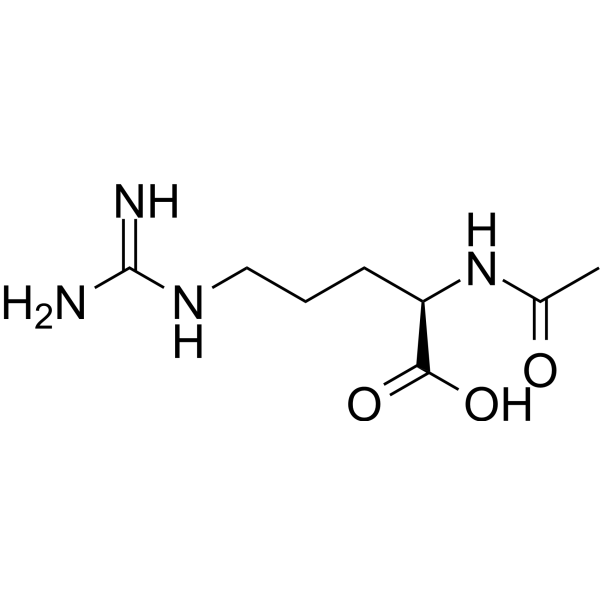
N-Acetyl-L-arginine (Ac-Arg-OH) is one of the guanidino compounds found elevated in the serum of a hemodialyzed renal insufficient (uremic) pediatric population. N-Acetyl-L-arginine shows synergistic activity with glycine buffer. N-Acetyl-L-arginine suppresses the aggregation of intravenous immunoglobulins with a minimum decrease in transition temperature. N-Acetyl-L-arginine dramatically reduces IL-1 expression in the presence of silicone oil. N-Acetyl-L-arginine also demonstrates colloidal stability .
|
-
- HY-P990163
-
|
|
Transmembrane Glycoprotein
|
Inflammation/Immunology
|
|
Anti-Mouse Siglec-H Antibody (440c) is a rat-derived IgG2b type antibody inhibitor, targeting to mouse Siglec-H. Anti-Mouse Siglec-H Antibody (440c) recognizes sialic acid-binding immunoglobulin (Ig)-like lectin family (Siglec-H) selectively expressing on plasmacytoid DCs and interferon–producing cells. Anti-Mouse Siglec-H Antibody (440c) can be used for the researches of inflammation and immunology, such as colitis .
|
-
- HY-W014130R
-
|
Ac-Arg-OH (Standard)
|
Reference Standards
Endogenous Metabolite
|
Others
|
|
N-Acetyl-L-arginine (Ac-Arg-OH) is one of the guanidino compounds found elevated in the serum of a hemodialyzed renal insufficient (uremic) pediatric population. N-Acetyl-L-arginine shows synergistic activity with glycine buffer. N-Acetyl-L-arginine suppresses the aggregation of intravenous immunoglobulins with a minimum decrease in transition temperature. N-Acetyl-L-arginine dramatically reduces IL-1 expression in the presence of silicone oil. N-Acetyl-L-arginine also demonstrates colloidal stability .
|
-

- HY-P990706
-
|
ALPN-303
|
TNF Receptor
|
Inflammation/Immunology
|
|
Povetacicept (ALPN-303) is an engineered Fc fusion protein containing the TACI domain, and acts as a dual APRIL/BAFF antagonist. The Kd value of Povetacicept for human BAFF is 59.3 pM, while its Kd value for human APRIL is 1.00 pM. Povetacicept reduces the activation, proliferation, differentiation and survival of B cells, and inhibits the production of immunoglobulins and autoantibodies. Povetacicept can be used in research related to autoimmune hemolytic anemia, immune thrombocytopenia, systemic lupus erythematosus, lupus nephritis and myasthenia gravis .
|
-

- HY-P990153
-
|
|
Transmembrane Glycoprotein
|
Inflammation/Immunology
|
|
Anti-Mouse TIM-2 Antibody (RMT2-29) is a rat-derived Ig2a λ type antibody inhibitor, targeting to mouse TIM-2. Anti-Mouse TIM-2 Antibody (RMT2-29) reacts with mouse T cell immunoglobulin and mucin domain 2 (TIM-2) and blocks TIM-2 signaling. Anti-Mouse TIM-2 Antibody (RMT2-29) can be used for the research of immunology.
|
-
- HY-P991829
-
|
|
Transmembrane Glycoprotein
|
Inflammation/Immunology
|
|
Anti-Mouse TIM-1/CD365 Antibody (RMT1-10) reacts with mouse T cell immunoglobulin and mucin domain 1 (TIM-1). Anti-Mouse TIM-1/CD365 Antibody (RMT1-10) is effective in promoting allograft survival through blocking TIM-1. Recommend Isotype Controls: Rat IgG2a kappa, Isotype Control (HY-P990679) .
|
-

- HY-200854
-
|
LNP023 hydrochloride hydrate
|
Complement System
|
Metabolic Disease
Inflammation/Immunology
|
|
Iptacopan (LNP023) hydrochloride hydrate is an effective and orally-active highly selective factor B inhibitor with an IC50 value of 10 nM and KD of 7.9 nM. Iptacopan hydrochloride hydrate exerts a proximal effect in the complement cascade reaction, preventing the destruction (hemolysis) of red blood cells in PNH and the damage of renal cells in IgAN and C3G. Iptacopan hydrochloride hydrate can be used for the study of complement-mediated diseases, particularly paroxysmal nocturnal hemoglobinuria (PNH), primary immunoglobulin A nephropathy (IgAN), and complement 3 glomerulopathy (C3G) .
|
-

- HY-127105A
-
|
LNP023 hydrochloride
|
Complement System
|
Metabolic Disease
Inflammation/Immunology
|
|
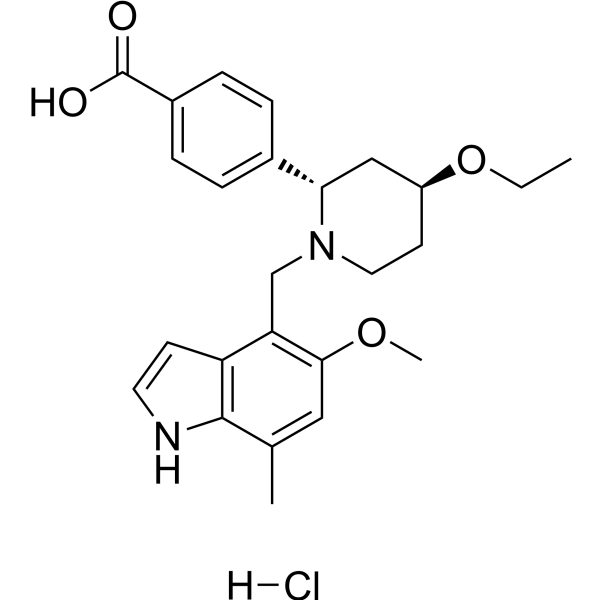
Iptacopan (LNP023) hydrochloride is an effective and orally-active highly selective factor B inhibitor with an IC50 value of 10 nM and KD of 7.9 nM. Iptacopan hydrochloride exerts a proximal effect in the complement cascade reaction, preventing the destruction (hemolysis) of red blood cells in PNH and the damage of renal cells in IgAN and C3G. Iptacopan hydrochloride can be used for the study of complement-mediated diseases, particularly paroxysmal nocturnal hemoglobinuria (PNH), primary immunoglobulin A nephropathy (IgAN), and complement 3 glomerulopathy (C3G) .
|
-
- HY-127105
-
Iptacopan
Maximum Cited Publications
13 Publications Verification
LNP023
|
Complement System
|
Metabolic Disease
Inflammation/Immunology
|
|
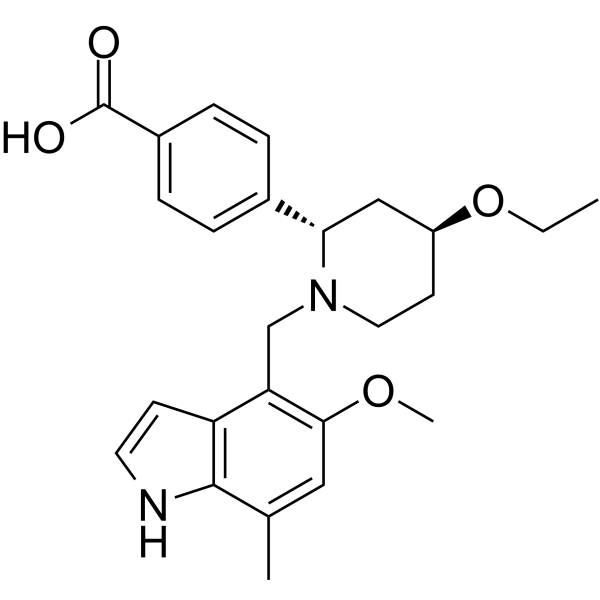
Iptacopan (LNP023) is an effective and orally-active highly selective factor B inhibitor with an IC50 value of 10 nM and KD of 7.9 nM. Iptacopan exerts a proximal effect in the complement cascade reaction, preventing the destruction (hemolysis) of red blood cells in PNH and the damage of renal cells in IgAN and C3G. Iptacopan can be used for the study of complement-mediated diseases, particularly paroxysmal nocturnal hemoglobinuria (PNH), primary immunoglobulin A nephropathy (IgAN), and complement 3 glomerulopathy (C3G) .
|
-
- HY-P992113
-
|
|
β-catenin
Wnt
|
Metabolic Disease
|
|
Evabosmig is a multispecific antibody targeting SOST, DKK-1 and ALB. Evabosmig can be used for the study of osteoporosis .
|
-

- HY-127105B
-
|
LNP023 TFA
|
Complement System
|
Metabolic Disease
Inflammation/Immunology
|
|
Iptacopan (LNP023) TFA is an effective and orally-active highly selective factor B inhibitor with an IC50 value of 10 nM and KD of 7.9 nM. Iptacopan TFA exerts a proximal effect in the complement cascade reaction, preventing the destruction (hemolysis) of red blood cells in PNH and the damage of renal cells in IgAN and C3G. Iptacopan TFA can be used for the study of complement-mediated diseases, particularly paroxysmal nocturnal hemoglobinuria (PNH), primary immunoglobulin A nephropathy (IgAN), and complement 3 glomerulopathy (C3G) .
|
-

- HY-161461
-
|
|
Amylases
|
Neurological Disease
|
|
E234G HYPE-IN-1 (Compound I2.10) is an inhibitor of AMPylation directed by the Huntingtin-interacting protein E (HYPE), possessing low micromolar bioactivity, low cytotoxicity, and blood-brain barrier permeability. E234G HYPE-IN-1 can inhibit the AMPylation of B-cell immunoglobulin-binding protein (BiP), the primary substrate of HYPE. E234G HYPE-IN-1 is suitable for development as a HYPE-specific therapeutic agent for clinical conditions such as neurodegenerative diseases and diabetes .
|
-
- HY-P0064
-
|
Palmitoyl Tetrapeptide-7
|
Interleukin Related
|
Inflammation/Immunology
|
|
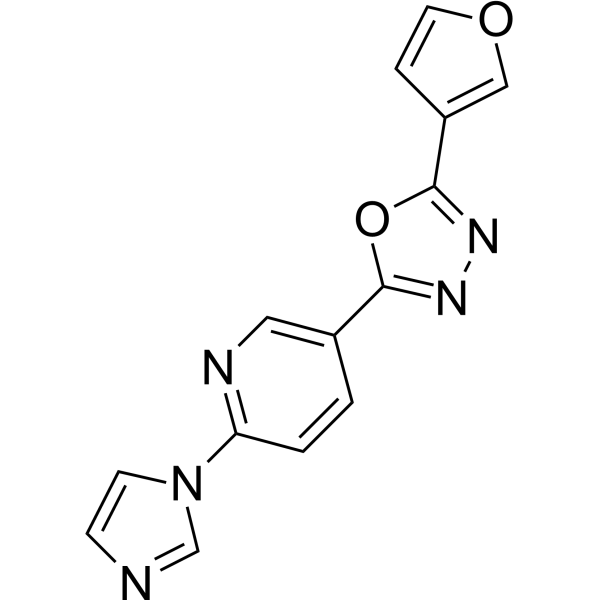
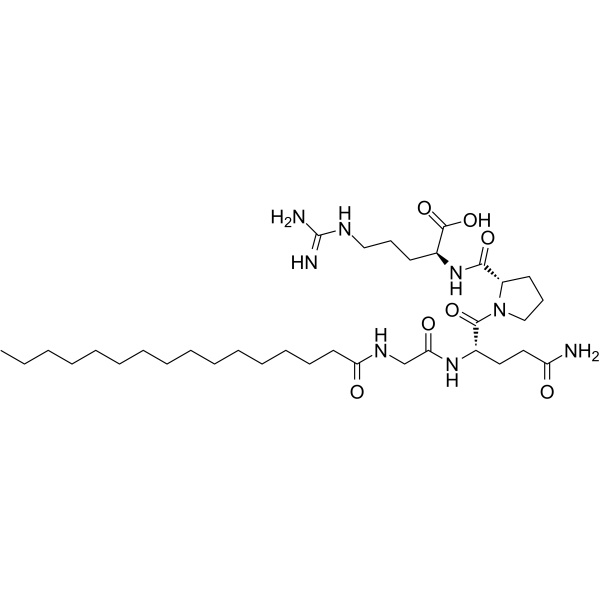
Palmitoyl Tetrapeptide-3 (Palmitoyl Tetrapeptide-7) is a synthetic peptide corresponding to amino acids 341-344 of the human immunoglobulin heavy chain, with the ability to stimulate phagocytosis. Palmitoyl tetrapeptide-3 reduces interleukin-6 (IL-6) secretion in keratinocytes and inhibits the UVB radiation-exposure inflammatory response of skin. Palmitoyl tetrapeptide-3 It also has anti-inflammatory and anti-aging effects, reducing skin wrinkles by promoting the production of elastic fibers in the papillary dermis .
|
-
- HY-P99934
-
|
ABBV-621
|
Apoptosis
Caspase
TNF Receptor
|
Cancer
|
|
Eftozanermin alfa (ABBV-621) is a tumor necrosis factor-related apoptosis-inducing ligand receptor (TRAIL-R) agonist. Eftozanermin alfa is a fusion protein consisting of a mutant immunoglobulin G1-Fc linked to 2 single-chain trimers of TRAIL. Eftozanermin alfa induces apoptosis in tumor cells by activation of death receptors (DR4 receptor and DR5 receptor) with Kds of 780 nM and 635 nM. Eftozanermin alfa can be used for the research of multiple solid and heme malignancies .
|
-

- HY-P991217
-
|
|
Transmembrane Glycoprotein
|
Cancer
|
|
EU-103 is a humanized monoclonal antibody targeting V-Set And Immunoglobulin Domain Containing 4 (VSIG4) with a KD value ranging from 10 −7 and 10 −9. EU-103 blocks the interaction between VSIG4 and CD8+ T cells, promotes the conversion of M2 macrophages into M1 macrophages, induces the proliferation of CD8+ T cells and the secretion of pro-inflammatory cytokines, thereby inhibiting tumor growth. EU-103 is promising for research of cancers, such as bladder cancer, breast cancer, and colon cancer .
|
-

- HY-P99521
-
|
XmAb14045
|
CD3
|
Inflammation/Immunology
Cancer
|
|
Vibecotamab (XmAb14045) is a potent bispecific antibody targeting both CD123 and CD3. Vibecotamab targets T cell-mediated killing of CD123-expressing cells, regardless of T cell antigen specificity. Vibecotamab is a full length immunoglobulin molecule. Vibecotamab can be studied in research for diseases such as Myelodysplastic syndrome and acute myeloid leukemia. Recommend Isotype Control: half-IG G1-kappa/(scFv-heavy-lambda)-h-CH2-CH3 .
|
-

- HY-P992254
-
|
|
LAG-3
|
Cancer
|
|
Anti-LAG-3 Antibody (BAP050) is an anti-LAG3 antibody with Kd values of 9.0 nM (Equilibrium) and 0.80 nM (Kinetic) against hLAG3. Anti-LAG-3 Antibody (BAP050) binds to an epitope outside the 30-amino-acid residue loop in the first immunoglobulin-like domain (D1) of hLAG3. Anti-LAG-3 Antibody (BAP050) is applicable for cancer-related research. The isotype control is Mouse IgG1 kappa, Isotype Control (HY-P99977) .
|
-

- HY-P99300
-
|
QGE 031; Anti-IGHE Recombinant Antibody
|
Fc Receptor (FcR)
|
Inflammation/Immunology
|
|
Ligelizumab (QGE 031) is a humanized high-affinity anti-immunoglobulin IgE monoclonal antibody. Ligelizumab selectively inhibits the binding of IgE to the high-affinity receptor FcεRI, while the inhibitory effect on the low-affinity receptor CD23 is weak. Ligelizumab can inhibit the activation of effector cells such as mast cells and Basophil, while reducing the production of IgE by B cells, and restoring the IFN-α production and regulatory T cell (Treg) induction function of plasmacytoid dendritic cells (pDC). Ligelizumab can be used in the study of allergic diseases (such as chronic spontaneous urticaria, allergic asthma) .
|
-

- HY-125726
-
|
(3'-sulfo)Galβ-Cer(d18:1/24:1); N-Nervonoyl Sulfatide; C24:1 Sulfatide
|
Nuclear Factor of activated T Cells (NFAT)
|
Inflammation/Immunology
|
|
Sulfo galactosylceramide (N-Nervonoyl Sulfatide; C24:1 Sulfatide) is a glycolipid and the major sulfolipid species in mature myelin. Sulfo galactosylceramide interacts with C-type lectins and immunoglobulin-like receptors, with the highest affinity for LMIR5. Sulfo galactosylceramide induces MCP-1 production by basophils but not mast cells, and increases NFAT activation via LMIR5. Sulfo galactosylceramide alleviates symptoms and improves survival in a mouse model of chronic relapsing-remitting experimental autoimmune encephalomyelitis (EAE), and reduces inflammatory lesions and the number of infiltrating mononuclear cells in the lumbar spinal cord of EAE mice.
|
-

- HY-P992152
-
|
|
Factor VIIa
Drug Derivative
|
Cardiovascular Disease
|
|
Vatreptacog alfa is a recombinant hFVIIa analog, differing from native FVIIa by three amino acid substitutions (V158D, E296V and M298Q) in the protease domain. Vatreptacog alfa exhibits enhanced tissue factor-independent enzymatic activity toward activated platelets. Vatreptacog alfa can be used in the research of hemophilia .
|
-

- HY-P991198
-
|
|
Tim3
|
Cancer
|
|
M6903 is a humanized monoclonal IgG2 antibody targeting T cell immunoglobulin and mucin domain-3 (TIM-3) (KD for human TIM-3 is 2.3 nM). M6903 binds to TIM-3, blocking the binding of TIM-3 to phosphatidylserine (PtdSer), carcinoembryonic antigen cell adhesion-related molecule 1 (CEACAM1), and galectin 9 (Gal-9), thus relieving TIM-3-mediated T cell inhibition and exerting the activities of activating antigen-specific T cells and enhancing anti-tumor immunity. M6903 is promising for research of cancers .
|
-

- HY-N1934
-
|
|
Potassium Channel
HSP
|
Cardiovascular Disease
Inflammation/Immunology
Cancer
|
|
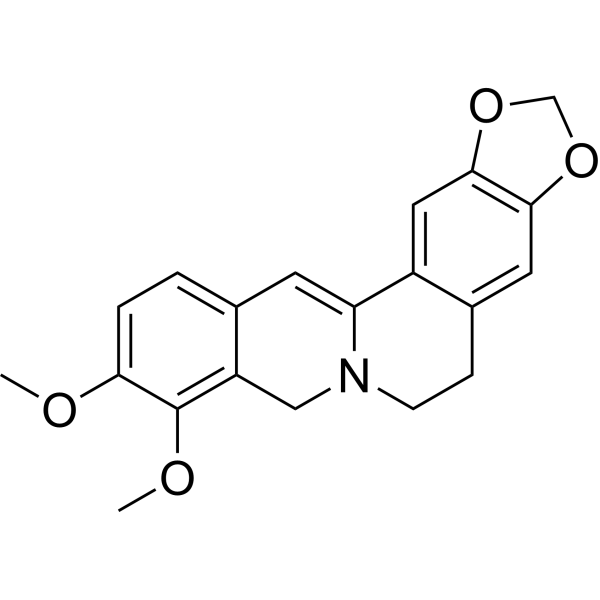
Dihydroberberine is a naturally occurring isoquinoline alkaloid with anti-inflammatory, anti-atherosclerotic, hypolipidemic and anti-tumor activities. Dihydroberberine inhibits the human ether-related gene (hERG) channel and significantly reduces the expression of heat shock protein 90 (Hsp90) and its interaction with hERG. Dihydroberberine also blocks the TLR4/MyD88/NF-κB signaling pathway to reduce pro-inflammatory cytokines and immunoglobulins, and has inhibitory effects on DSS (HY-116282C)-induced experimental colitis. Dihydroberberine also increases the sensitivity of lung cancer to sunitinib (HY-10255A), with synergistic efficacy .
|
-
- HY-D0862
-
|
|
Biochemical Assay Reagents
|
Others
|
|
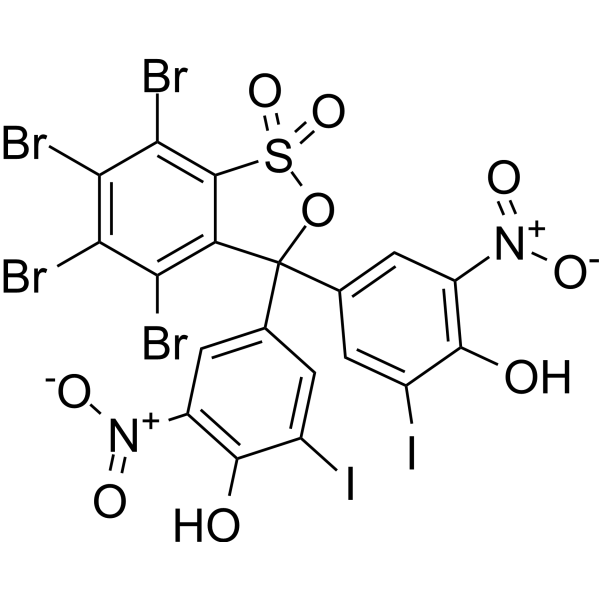
DIDNTB is a dye. DIDNTB exhibits chemical sensitivity and specificity toward albumin. DIDNTB is much less affected by other proteins. DIDNTB enables the detection of urinary albumin at concentrations ≥10 mg/L .\n
|
-
- HY-P990152
-
|
|
Transmembrane Glycoprotein
|
Metabolic Disease
Inflammation/Immunology
|
|
Anti-Mouse TIM-4 Antibody (RMT4-54) is a rat-derived IgG2a κ type antibody inhibitor, targeting to mouse TIM-4. Anti-Mouse TIM-4 Antibody (RMT4-54) reacts with mouse T cell immunoglobulin and mucin domain 4 (TIM-4) and blocks TIM-4 signaling. Anti-Mouse TIM-4 Antibody (RMT4-54) inhibits phagocytosis of apoptotic cells. Anti-Mouse TIM-4 Antibody (RMT4-54) can be used for the researches of immunology and metabolic disease .
|
-
- HY-165484
-
|
|
Interleukin Related
|
Inflammation/Immunology
|
|
AVP-13358 is an orally active IgE inhibitor that effectively suppresses immunoglobulin E (IgE)-mediated immune responses, with IC50 values of 8 and 3 nM for IgE inhibition in vivo and in vitro in BALB/c mice, respectively. AVP-13358 acts directly on T cells, inhibiting the production and release of IL-4, IL-5, and IL-13. It also targets other markers critical for the development of allergic responses, including the B cell IgE receptor (CD23) in human monocytes and the CD23 and IL-4 receptors in mouse B cells. AVP-13358 can be used in research related to anti-allergic responses .
|
-

- HY-P990820
-
|
|
Transmembrane Glycoprotein
|
Inflammation/Immunology
Cancer
|
|
Anti-Mouse TIM-4 Antibody (RMT4-53) is a rat-derived IgG2b κ type antibody inhibitor, targeting to mouse TIM-4. Anti-Mouse TIM-4 Antibody (RMT4-53) can block T cell immunoglobulin and mucin domain 4 (TIM-4). Anti-Mouse TIM-4 Antibody (RMT4-53) can inhibit the engulfment of apoptotic cells and T cell proliferation. Anti-Mouse TIM-4 Antibody (RMT4-53) can be used for the researches of cancer, immunology and metabolic disease, such as MC38 tumor and graft .
|
-

- HY-P992454
-
|
|
Tim3
|
Cancer
|
|
S095018 (Sym023) is a human IgG2-type inhibitor targeting T cell immunoglobulin and TIM-3. S095018 competitively blocks the binding of multiple ligands such as Gal-9 and phosphatidylserine to TIM-3. S095018 stimulates the anti-tumor activity of T cells, dendritic cells and macrophages, and exhibits good safety both as a monotherapy and in combination with the anti-PD-1 antibody Sym021. S095018 also induces an increase in the density of CD8 + T cells in the tumor microenvironment, and upregulates gene signatures associated with IFN-γ signaling, antigen presentation and T cell activation. S095018 can be used for the research of advanced/metastatic recurrent biliary tract cancer .
|
-

- HY-P990822
-
|
|
Transmembrane Glycoprotein
|
Cardiovascular Disease
Inflammation/Immunology
|
|
Anti-Mouse TIM-1/CD365 Antibody (3D10) is a rat-derived IgG1 κ type antibody inhibitor, targeting to mouse TIM-1/CD365. Anti-Mouse TIM-1/CD365 Antibody (3D10) can block mouse T cell immunoglobulin and mucin domain 1 (TIM-1) also known as CD365. Anti-Mouse TIM-1/CD365 Antibody (3D10) can be used for the researches of inflammation, immunology and cardiovascular disease, such as graft-versus-host disease (GVHD), airway inflammation and atherosclerosis .
|
-

- HY-N1934R
-
|
|
Reference Standards
Potassium Channel
HSP
|
Cardiovascular Disease
Inflammation/Immunology
Cancer
|
|
Dihydroberberine (Standard) is the analytical standard of Dihydroberberine. This product is intended for research and analytical applications. Dihydroberberine is a naturally occurring isoquinoline alkaloid with anti-inflammatory, anti-atherosclerotic, hypolipidemic and anti-tumor activities. Dihydroberberine inhibits the human ether-related gene (hERG) channel and significantly reduces the expression of heat shock protein 90 (Hsp90) and its interaction with hERG. Dihydroberberine also blocks the TLR4/MyD88/NF-κB signaling pathway to reduce pro-inflammatory cytokines and immunoglobulins, and has inhibitory effects on DSS (HY-116282C)-induced experimental colitis. Dihydroberberine also increases the sensitivity of lung cancer to sunitinib (HY-10255A), with synergistic efficacy .
|
-

- HY-P990774
-
|
ASP-7266; TRAB-1; UPB-101
|
Interleukin Related
|
Inflammation/Immunology
|
|
Verekitug (ASP-7266; TRAB-1; UPB-101) is a human monoclonal antibody targeting the thymic stromal lymphopoietin receptor (TSLPR), with a mean half-life of approximately 20 days. At doses of Verekitug ≥100 mg, complete and sustained TSLPR-specific occupancy is achieved, and the antibody does not bind to IL-7Rα. By inhibiting TSLP-driven inflammatory responses, Verekitug blocks TSLP-induced cell proliferation and TARC expression, while reducing fractional exhaled NO levels, blood eosinophil counts, and levels of IL-5 and IgE. Verekitug significantly improves scores for nasal polyps, nasal congestion and olfactory dysfunction, with favorable safety and good tolerability; potential adverse reactions include headache, upper respiratory tract infection, sinusitis and nasopharyngitis. Verekitug is used in relevant studies on asthma, chronic rhinosinusitis with nasal polyps and chronic obstructive pulmonary disease .
|
-

- HY-P991661
-
-

- HY-D0025
-
|
|
Fluorescent Dye
Drug Intermediate
|
Others
|
|
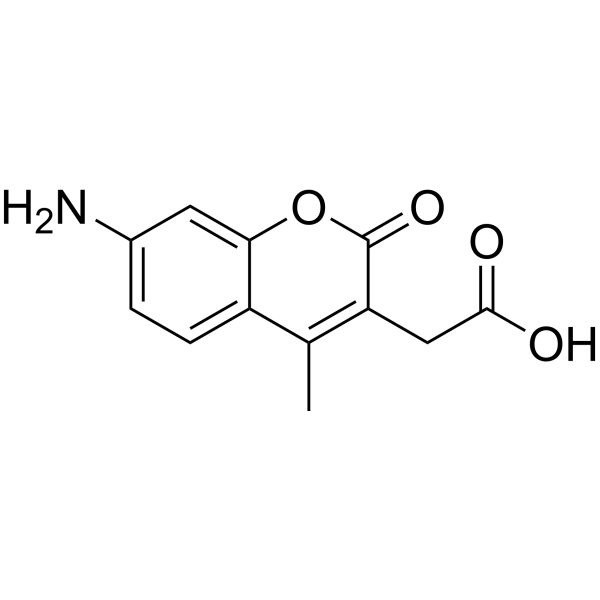
7-Amino-4-methylcoumarin-3-acetic acid (AMCA) serves as the parent structure of coumarin-based blue fluorescent dyes, and its activated form AMCA-NHS can directly conjugate with proteins (Ex/Em ≈ 350/440-460).
|
-
- HY-W145481A
-
|
Carob galactomannan
|
Sirtuin
|
Inflammation/Immunology
|
|
D-Galacto-D-mannan (Carob galactomannan) is an orally active Dectin-2 agonist. D-Galacto-D-mannan exerts antioxidant activity against hydroxyl radical generation. D-Galacto-D-mannan activates Dectin-2 to trigger downstream signaling pathways, promote the expression of immunoregulatory molecules, coordinate innate and adaptive immune responses, and inhibit excessive inflammatory responses by upregulating the expression of Sirtuin 1. When used as a vaccine adjuvant, D-Galacto-D-mannan induces cellular and humoral immune responses, promotes IFNγ secretion, increases antibody levels and virus neutralization titers, and elevates the levels of immunoglobulin G and A. D-Galacto-D-mannan can serve as an adjuvant for foot-and-mouth disease vaccines, enhance the vaccine-mediated ability of hosts to defend against viral infection in mice, and reduce local side effects at the inoculation site in pigs. D-Galacto-D-mannan can be used in the research of inflammatory and immune diseases, such as foot-and-mouth disease .
|
-

- HY-P992111
-
|
UCB4594
|
MHC
|
Cancer
|
|
Elfritatug (UCB4594) is a humanized monoclonal antibody targeting human leukocyte antigen-G (HLA-G). By binding to HLA-G on the surface of tumor cells, Elfritatug blocks its immunosuppressive effect, thereby enhancing the body's immune response against tumors .
|
-

- HY-186103
-
|
|
CD1
IFNAR
Interleukin Related
Bacterial
Influenza Virus
|
Infection
Inflammation/Immunology
|
|
Glycolipid C34, α-GalCer (HY-102022) analog, is a CD1d-binding glycolipid antinfection agent. Glycolipid C34 mediates invariant natural killer T cell activation and increases the secretion of IFN-γ and IL-4. Glycolipid C34 promotes clearance of bacterial infections in murine models and enhances protective immunity against viral infections. Glycolipid C34 can be used for the research of bacterial infection, viral infection .
|
-

-
-
HY-L127
-
|
|
37 compounds
|
|
Orthopoxvirus is a genus of viruses in the family Poxviridae and subfamily Chordopoxvirinae. The orthopoxvirus genus consists of 12 viruses including variola virus, vaccinia virus (VV), cowpox viruses (CV), monkeypox virus, and camelpox virus. Smallpox has been eradicated worldwide in 1980, but some other orthopoxvirus, such as monkeypox virus, are still threats to human health.
There are not many drugs available for orthopoxvirus treatment. The only product currently available for treatment of complications of Orthopoxvirus infection is vaccinia immunoglobulin (VIG). In 2021, brincidofovir was approved by FDA for the treatment of smallpox and tecovirimat was approved by EMA for the treatment of monkeypox in 2022. A few active compounds including interferon and interferon inducers, and a variety of nucleosides or nucleotides have been reported to have activity against orthopoxvirus.
MCE carefully prepared a unique collection of 37 compounds reported with the anti- orthopoxvirus activity which can be used for drug screening and other research about orthopoxvirus.
|
| Cat. No. |
Product Name |
Type |
-
- HY-D0025
-
|
|
Fluorescent Dyes
|
|
7-Amino-4-methylcoumarin-3-acetic acid (AMCA) serves as the parent structure of coumarin-based blue fluorescent dyes, and its activated form AMCA-NHS can directly conjugate with proteins (Ex/Em ≈ 350/440-460).
|
| Cat. No. |
Product Name |
Type |
-
- HY-NP006
-
|
SPA
|
Biochemical Assay Reagents
|
|
Protein A (SPA) is an immunoglobulin (Ig)-binding protein that exists on the bacterial surface and can be freely secreted into the extracellular environment. Protein A blocks opsonophagocytosis and induces B cell apoptosis in vitro by binding to the Fc region of antibodies and the Fab region of B cell receptors. Protein A can form toxic immune complexes with IgG, thereby inducing leukocyte necrosis. Protein A contributes to the virulence expression of Staphylococcus aureus. Protein A triggers allergic reactions in IgG-pretreated mouse models. Protein A can be used in studies related to immune system diseases .
|
-
- HY-NP0196
-
|
Mouse IgG
|
Biochemical Assay Reagents
|
|
Mouse Immunoglobulin G (Mouse IgG) is a mouse serum immunoglobulin that can be used in immunolabeling and coating protein in a variety of immunoassays including ELISA .
|
-
- HY-D0862
-
|
|
Biochemical Assay Reagents
|
|
DIDNTB is a dye. DIDNTB exhibits chemical sensitivity and specificity toward albumin. DIDNTB is much less affected by other proteins. DIDNTB enables the detection of urinary albumin at concentrations ≥10 mg/L .\n
|
-
- HY-NP0200
-
|
Dog IgG
|
Biochemical Assay Reagents
|
|
Dog Immunoglobulin G (Dog IgG) is a dog serum immunoglobulin that can be used in immunolabeling and coating protein in a variety of immunoassays including ELISA .
|
-
- HY-W145481A
-
|
Carob galactomannan
|
Biochemical Assay Reagents
|
|
D-Galacto-D-mannan (Carob galactomannan) is an orally active Dectin-2 agonist. D-Galacto-D-mannan exerts antioxidant activity against hydroxyl radical generation. D-Galacto-D-mannan activates Dectin-2 to trigger downstream signaling pathways, promote the expression of immunoregulatory molecules, coordinate innate and adaptive immune responses, and inhibit excessive inflammatory responses by upregulating the expression of Sirtuin 1. When used as a vaccine adjuvant, D-Galacto-D-mannan induces cellular and humoral immune responses, promotes IFNγ secretion, increases antibody levels and virus neutralization titers, and elevates the levels of immunoglobulin G and A. D-Galacto-D-mannan can serve as an adjuvant for foot-and-mouth disease vaccines, enhance the vaccine-mediated ability of hosts to defend against viral infection in mice, and reduce local side effects at the inoculation site in pigs. D-Galacto-D-mannan can be used in the research of inflammatory and immune diseases, such as foot-and-mouth disease .
|
-
- HY-NP0195
-
|
Sheep IgG
|
Biochemical Assay Reagents
|
|
Sheep Immunoglobulin G (Sheep IgG) is a sheep serum immunoglobulin that can be used in immunolabeling and coating protein in a variety of immunoassays including ELISA .
|
-
- HY-NP0198
-
|
Rabbit IgG
|
Biochemical Assay Reagents
|
|
Rabbit Immunoglobulin G (Rabbit IgG) is a rabbit serum immunoglobulin that can be used in immunolabeling and coating protein in a variety of immunoassays including ELISA .
|
-
- HY-NP086
-
|
|
Biochemical Assay Reagents
|
|
Jacalin is a lectin, that can be extracted from jackfruit seeds. Jacalin interacts with human immunoglobulins and lymphocytes, and can be used in immunology research .
|
-
- HY-NP193A
-
|
|
Biochemical Assay Reagents
|
|
Rat IgG Fc fragment is a crystallizable fragment (Fc) of rat immunoglobulin G (IgG) molecules that can be used as an immunolabel in various immunoassays, including ELISA.
|
-
- HY-NP0197A
-
|
|
Biochemical Assay Reagents
|
|
Goat IgG Fc fragment is a crystallizable fragment (Fc) of goat immunoglobulin G (IgG) molecules that can be used as an immunolabel in various immunoassays, including ELISA.
|
-
- HY-NP0220
-
|
|
Biochemical Assay Reagents
|
|
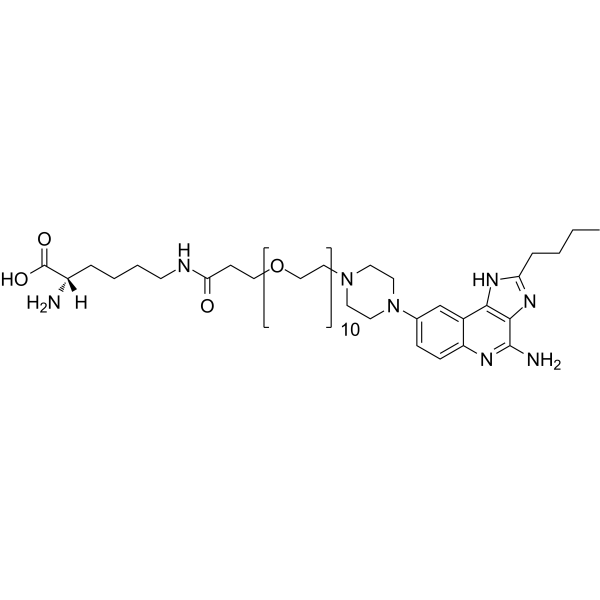
Chicken Yolk Immunoglobulin (IgY) is a natural antibody extracted from the yolk of immune hens. It has high stability and is widely used in antiviral, immunoassay and other fields .
|
-
- HY-NP0212
-
|
|
Biochemical Assay Reagents
|
|
Bovine Immunoglobulin G is a bovine serum immunoglobulin that can be used in immunolabeling and coating protein in a variety of immunoassays including ELISA .
|
-
- HY-NP0196B
-
|
|
Biochemical Assay Reagents
|
|
Mouse Immunoglobulin G2a is a mouse serum immunoglobulin that can be used in immunolabeling and coating protein in a variety of immunoassays including ELISA .
|
-
- HY-NP0196C
-
|
|
Biochemical Assay Reagents
|
|
Mouse Immunoglobulin G2b is a mouse serum immunoglobulin that can be used in immunolabeling and coating protein in a variety of immunoassays including ELISA .
|
-
- HY-NP193
-
|
Rat IgG
|
Biochemical Assay Reagents
|
|
Rat Immunoglobulin G (Rat IgG) is a rat serum immunoglobulin that can be used in immunolabeling and coating protein in a variety of immunoassays including ELISA .
|
-
- HY-NP0197
-
|
Goat IgG
|
Biochemical Assay Reagents
|
|
Goat Immunoglobulin G (Goat IgG) is a goat serum immunoglobulin that can be used in immunolabeling and coating protein in a variety of immunoassays including ELISA .
|
-
- HY-NP0196D
-
|
|
Biochemical Assay Reagents
|
|
Mouse IgG Fc fragment is a crystallizable fragment (Fc) of mouse immunoglobulin G (IgG) molecules that can be used as an immunolabel in various immunoassays, including ELISA.
|
-
- HY-NP0198B
-
|
|
Biochemical Assay Reagents
|
|
Rabbit IgG Fab fragment is a fragment of antigen (Fab) of rabbit immunoglobulin G (IgG) molecules that can be used as an immunolabel in various immunoassays, including ELISA.
|
-
- HY-NP0198A
-
|
|
Biochemical Assay Reagents
|
|
Rabbit IgG Fc fragment is a crystallizable fragment (Fc) of rabbit immunoglobulin G (IgG) molecules that can be used as an immunolabel in various immunoassays, including ELISA.
|
-
- HY-NP0196E
-
|
|
Biochemical Assay Reagents
|
|
Mouse IgG Fab fragment is a fragment of antigen (Fab) of mouse immunoglobulin G (IgG) molecules that can be used as an immunolabel in various immunoassays, including ELISA.
|
-
- HY-NP0217
-
|
|
Biochemical Assay Reagents
|
|
Horse Immunoglobulin G is a horse serum immunoglobulin that can be used in immunolabeling and coating protein in a variety of immunoassays including ELISA .
|
-
- HY-NP0196A
-
|
|
Biochemical Assay Reagents
|
|
Mouse Immunoglobulin G1 is a mouse serum immunoglobulin that can be used in immunolabeling and coating protein in a variety of immunoassays including ELISA .
|
-
- HY-NP0199
-
|
Porcine IgG
|
Biochemical Assay Reagents
|
|
Porcine Immunoglobulin G (Porcine IgG) is a porcine serum immunoglobulin that can be used in immunolabeling and coating protein in a variety of immunoassays including ELISA .
|
-
- HY-NP0216
-
|
|
Biochemical Assay Reagents
|
|
Guinea pig Immunoglobulin G is a guinea pig serum immunoglobulin that can be used in immunolabeling and coating protein in a variety of immunoassays including ELISA .
|
-
- HY-NP193B
-
|
|
Biochemical Assay Reagents
|
|
Rat IgG Fab fragment is a fragment of antigen (Fab) of rat immunoglobulin G (IgG) molecules that can be used as an immunolabel in various immunoassays, including ELISA.
|
-
- HY-NP0197B
-
|
|
Biochemical Assay Reagents
|
|
Goat IgG Fab fragment is a fragment of antigen (Fab) of goat immunoglobulin G (IgG) molecules that can be used as an immunolabel in various immunoassays, including ELISA.
|
| Cat. No. |
Product Name |
Target |
Research Area |
-
- HY-P0064
-
|
Palmitoyl Tetrapeptide-7
|
Interleukin Related
|
Inflammation/Immunology
|
|
Palmitoyl Tetrapeptide-3 (Palmitoyl Tetrapeptide-7) is a synthetic peptide corresponding to amino acids 341-344 of the human immunoglobulin heavy chain, with the ability to stimulate phagocytosis. Palmitoyl tetrapeptide-3 reduces interleukin-6 (IL-6) secretion in keratinocytes and inhibits the UVB radiation-exposure inflammatory response of skin. Palmitoyl tetrapeptide-3 It also has anti-inflammatory and anti-aging effects, reducing skin wrinkles by promoting the production of elastic fibers in the papillary dermis .
|
-
- HY-P5309
-
|
|
Biochemical Assay Reagents
|
Inflammation/Immunology
|
|
IgA1 Peptide GN5 is a synthetic glycopeptide and can be used for detection of gender difference and epitope specificity of IgG antibody activity against IgA1 hinge portion in IgA nephropathy patients .
|
-
- HY-P60128
-
|
|
Peptides
|
Others
|
|
TTP is a generic surrogate peptide. TTP can be used for quantitative analysis of a recombinanthuman immunoglobulin G1 (hIgG1) in rat serum .
|
-
- HY-P5309A
-
|
|
Biochemical Assay Reagents
|
Inflammation/Immunology
|
|
IgA1 Peptide GN5 (TFA) is a synthetic glycopeptide and can be used for detection of gender difference and epitope specificity of IgG antibody activity against IgA1 hinge portion in IgA nephropathy patients .
|
-
- HY-P0071
-
-
- HY-P10492
-
|
|
Peptides
|
Others
Metabolic Disease
|
|
Tregitope 289 is a peptide derived from the Fc region of immunoglobulin G (IgG) and is a highly conserved T cell epitope that stimulates the expansion of natural regulatory T cells. Co-delivery of Tregitope 289 with type 1 diabetes (T1D) antigens delays the development of hyperglycemia and reduces the incidence of diabetes in the NOD mouse model. Tregitope 289 can be used to study T1D and other autoimmune diseases .
|
-
- HY-K0230
-
|
|
|
MCE Protein A/G Agarose is an affinity chromatography medium for separation and purification of immunoglobulins.
|
| Cat. No. |
Product Name |
Target |
Research Area |
Image |
-
- HY-P99367
-
|
DS-7300a Antibody; MABX-9001A Antibody
|
CD276/B7-H3
|
Inflammation/Immunology
Cancer
|
|
Ifinatamab is monoclonal immunoglobulin G1-kappa with anti-human B7 homolog 3 protein (Human B7-H3). Ifinatamab is a glycoforme α immunomodulateur .
|
-

(5)
-
- HY-P99955
-
-
(5)
-
- HY-P99033
-
|
BTCT-4465A; RG-7828; RO7030816
|
CD20
CD3
|
Inflammation/Immunology
Cancer
|
|
Mosunetuzumab (BTCT-4465A) is a full-length, fully humanized immunoglobulin G1 (IgG1) T-cell-dependent bispecific (TDB) antibody targeting CD20 (B cells) and CD3 (T cells). Mosunetuzumab redirects T cells to engage and eliminate malignant B cells and can be used for the research of relapsed or refractory (R/R) B-cell non-Hodgkin lymphomas (B-NHLs) .
|
-
(5)
-
- HY-P99156
-
|
BMS-986016
|
LAG-3
|
Cancer
|
|
Relatlimab (BMS-986016) is a human monoclonal antibody anti-LAG-3 antibody generated by immunization of transgenic mice bearing human immunoglobulin miniloci with recombinant LAG-3 protein. Relatlimab blocks LAG-3/MHC II interaction with an IC50 value of 0.67 nM and LAG-3/FGL1 interaction with an IC50 value of 0.019 nM. Relatlimab can be used in research of cancer .
|
-
(5)
-
- HY-P990679
-
|
|
Inhibitory Antibodies
|
Inflammation/Immunology
Cancer
|
|
Rat IgG2a kappa, Isotype Control is a monoclonal antibody derived from rats, representing the immunoglobulin G2a (IgG2a) subclass with a kappa light chain. Rat IgG2a kappa, Isotype Control exhibits high efficiency in inducing K cell mediated cytotoxicity. Rat IgG2a kappa, Isotype Control is utilized in research investigating the roles of different immunoglobulin subclasses in tumor immunology. Rat IgG2a kappa, an isotype control, can be used as an isotype control for Anti-Mouse PD-1 Antibody (RMP1-14) (HY-P99144), Anti-Mouse CD11a/LFA-1α Antibody (M17/4) (HY-P990801), and Anti-Mouse IL-2 Antibody (S4B6-1) (HY-P990796) .
|
-

(5)
-
- HY-P9950
-
|
Olizumab; rhuMab-E25; IGE25; RG-3648
|
Interleukin Related
|
Inflammation/Immunology
Cancer
|
|
Omalizumab is a recombinant, humanized, monoclonal antibody against human immunoglobulin E (IgE) with a KD of 0.393 nM. Omalizumab binds to the human FcγRIIb receptors with a KD of 6.37 uM. Omalizumab has the potential for persistent allergic asthma research . The component ratio of this product is Active ingredient : Excipients = 1:1.3-1:1.5.
|
-
(5)
-
- HY-P99901
-
|
VIS649
|
SARS-CoV
|
Inflammation/Immunology
Cancer
|
|
Sibeprenlimab (VIS649) is a humanized IgG2 monoclonal antibody which inhibits a proliferation-inducing ligand (APRIL). Sibeprenlimab suppresses pathogenic immunoglobulins (IgA and IgM), while preserving antibody responses to mRNA-based vaccines against SARS-COV-2. Sibeprenlimab reduces urinary protein-to-creatinine ratio (UPCR) and glomerular filtration rate (GFR). Sibeprenlimab is promising for the research of IgA nephropathy (IgAN) .
|
-
(5)
-
- HY-147305
-
|
ARGX-113
|
Fc Receptor (FcR)
|
Inflammation/Immunology
|
|
Efgartigimod alfa (ARGX-113) is a reversibility, humanized Fc receptor antagonist . Efgartigimod alfa is a anti FcRn monoclonal immunoglobulin G (IgG1) Fc fragment. Efgartigimod reduces serum levels of total IgG, including pathogenic autoantibodies, by blocking FcRn function without permanent impairment. Efgartigimod alfa can be used for generalised myasthenia gravis (gMG) and primary immune thrombocytopenia research .
|
-
(5)
-
- HY-P9920A
-
|
|
VEGFR
|
Cancer
|
|
Ramucirumab (anti-VEGFR) is a human VEGFR-2 antagonist for the treatment of solid tumors. Ramucirumab (anti-VEGFR) is a recombinant human immunoglobulin G1 monoclonal antibody that binds to the extracellular binding domain of VEGFR-2 and prevents the binding of VEGFR ligands: VEGF-A, VEGF-C, and VEGF-D. Ramucirumab (anti-VEGFR) is also an angiogenesis inhibitor .
|
-
(5)
-
- HY-P990706
-
|
ALPN-303
|
TNF Receptor
|
Inflammation/Immunology
|
|
Povetacicept (ALPN-303) is an engineered Fc fusion protein containing the TACI domain, and acts as a dual APRIL/BAFF antagonist. The Kd value of Povetacicept for human BAFF is 59.3 pM, while its Kd value for human APRIL is 1.00 pM. Povetacicept reduces the activation, proliferation, differentiation and survival of B cells, and inhibits the production of immunoglobulins and autoantibodies. Povetacicept can be used in research related to autoimmune hemolytic anemia, immune thrombocytopenia, systemic lupus erythematosus, lupus nephritis and myasthenia gravis .
|
-
(5)
-
- HY-P9986
-
|
MTIG-7192A; RG-6058
|
CD28
|
Cancer
|
|
Tiragolumab is an immune checkpoint inhibitor binding to the T-cell immunoglobulin and ITIM domain (TIGIT). Tiragolumab in combination with Atezolizumab (HY-P9904) and Bevacizumab (HY-P9906) has benefit in unresectable hepatocellular carcinoma. Tiragolumab can be used to study non-small cell lung cancer (NSCLC) and melanoma .
|
-
(5)
-
- HY-P99550
-
|
MEDI-3506
|
Interleukin Related
|
Inflammation/Immunology
|
|
Tozorakimab (MEDI-3506) is a human immunoglobulin G1 monoclonal antibody targeting interleukin-33. Tozorakimab reduces inflammation and epithelial dysfunction. Tozorakimab can be used to research chronic obstructive pulmonary disease .
|
-
(5)
-
- HY-P99521
-
|
XmAb14045
|
CD3
|
Inflammation/Immunology
Cancer
|
|
Vibecotamab (XmAb14045) is a potent bispecific antibody targeting both CD123 and CD3. Vibecotamab targets T cell-mediated killing of CD123-expressing cells, regardless of T cell antigen specificity. Vibecotamab is a full length immunoglobulin molecule. Vibecotamab can be studied in research for diseases such as Myelodysplastic syndrome and acute myeloid leukemia. Recommend Isotype Control: half-IG G1-kappa/(scFv-heavy-lambda)-h-CH2-CH3 .
|
-
(5)
-
- HY-P99721
-
|
ABT-981
|
Interleukin Related
|
Inflammation/Immunology
|
|
Lutikizumab (ABT-981) is an anti-IL-1α and IL-1β dual variable domain immunoglobulin. Lutikizumab binds and inhibits IL-1α and IL-1β. Lutikizumab can be used for the research of osteoarthritis .
|
-
(5)
-
- HY-P990047
-
|
AMG133 antibody
|
ADC Antibody
GLP Receptor
|
Metabolic Disease
|
|
Maridebart (AMG133 antibody) is a human immunoglobulin G1-kappa, anti-GIPR (gastric inhibitory polypeptide receptor) monoclonal antibody. Maridebart is the antibody portion of Maridebart cafraglutide (HY-164535) and can be used for the synthesis of antibody-drug conjugates (ADC). Maridebart can be used for the reserrch of obesity and type 2 diabetes .
|
-
(5)
-
- HY-P99376
-
|
OMS 721; Anti-MASP2 Reference Antibody (narsoplimab)
|
SARS-CoV
|
Infection
|
|
Narsoplimab (OMS 721) is a high-affinity fully human immunoglobulin gamma 4 (IgG4) monoclonal antibody that binds MASP-2 and blocks lectin pathway activation. Narsoplimab can be used in research of hematopoietic stem-cell transplantation and SARS-CoV-2 .
|
-
(5)
-
- HY-P99300
-
|
QGE 031; Anti-IGHE Recombinant Antibody
|
Fc Receptor (FcR)
|
Inflammation/Immunology
|
|
Ligelizumab (QGE 031) is a humanized high-affinity anti-immunoglobulin IgE monoclonal antibody. Ligelizumab selectively inhibits the binding of IgE to the high-affinity receptor FcεRI, while the inhibitory effect on the low-affinity receptor CD23 is weak. Ligelizumab can inhibit the activation of effector cells such as mast cells and Basophil, while reducing the production of IgE by B cells, and restoring the IFN-α production and regulatory T cell (Treg) induction function of plasmacytoid dendritic cells (pDC). Ligelizumab can be used in the study of allergic diseases (such as chronic spontaneous urticaria, allergic asthma) .
|
-
(5)
-
- HY-P99036
-
|
|
Tie
|
Cardiovascular Disease
Inflammation/Immunology
Cancer
|
|
Nesvacumab is a fully human immunoglobulin G1 (IgG1) monoclonal antibody that specifically binds and inactivates the Tie2 receptor ligand Angiopoietin-2 (Ang2) with high affinity, but shows no binding to Ang1. Nesvacumab can be used in vascular researches .
|
-
(5)
-
- HY-P991636
-
|
|
Transmembrane Glycoprotein
|
Inflammation/Immunology
|
|
AK006 is a humanized IgG1 monoclonal antibody agonist targeting Sialic acid-binding immunoglobulin-like lectin6 (Siglec-6). AK006 potently inhibits IgE-mediated human mast cell activation. AK006 can be used for inflammatory diseases like chronic urticaria (CU) and asthma research .
|
-
(5)
-
- HY-P99665
-
|
LY-3209590
|
Insulin Receptor
|
Metabolic Disease
|
|
Insulin efsitora alfa (LY-3209590) is a selective agonist of insulin receptor (IR). Insulin efsitora alfa is a fusion protein composed of human IR agonists fused with the crystallizable (Fc) domain of human immunoglobulin G2 (IgG2) fragment, with a molecular weight of 64.1 kDa. Insulin efsitora alfa is well tolerated and has potential applications in diabetes .
|
-
(5)
-
- HY-P99950
-
|
ALX148
|
CD47
|
Cancer
|
|
Evorpacept (ALX148) is a high-affinity CD47-blocking fusion protein with an inactive human immunoglobulin Fc region. Evorpacept binds to CD47, blocks the interaction of the CD47-SIRPα immune checkpoint, and inhibits the binding of wild-type SIRPα to CD47. Evorpacept is applicable to research related to acute myeloid leukemia .
|
-
(5)
-
- HY-P99934
-
|
ABBV-621
|
Apoptosis
Caspase
TNF Receptor
|
Cancer
|
|
Eftozanermin alfa (ABBV-621) is a tumor necrosis factor-related apoptosis-inducing ligand receptor (TRAIL-R) agonist. Eftozanermin alfa is a fusion protein consisting of a mutant immunoglobulin G1-Fc linked to 2 single-chain trimers of TRAIL. Eftozanermin alfa induces apoptosis in tumor cells by activation of death receptors (DR4 receptor and DR5 receptor) with Kds of 780 nM and 635 nM. Eftozanermin alfa can be used for the research of multiple solid and heme malignancies .
|
-
(5)
-
- HY-P99460
-
-

(5)
-
- HY-P99202
-
|
|
Transmembrane Glycoprotein
|
Cancer
|
|
Vibostolimab is an anti-TIGIT (T cell immunoglobulin and ITIM domain) monoclonal antibody. Vibostolimab shows antitumor activity, and can be used in non-small cell lung cancer (NSCLC) and melanoma research .
|
-
(5)
-
- HY-P99114
-
|
|
PD-1/PD-L1
|
Cancer
|
|
Sugemalimab is a fully human, full length, anti-programmed death ligand 1 (PD-L1) immunoglobulin G4 (IgG4) monoclonal antibody (mAb). Sugemalimab shows anticancer activities and can be used for non-small cell lung cancer research .
|
-
(5)
-
- HY-P99313
-
|
Anti-Human IGHE Recombinant Antibody
|
Apoptosis
|
Inflammation/Immunology
|
|
Quilizumab (Anti-Human IGHE Recombinant Antibody) is a humanized IgG1κ monoclonal antibody targeting immunoglobulin epsilon (also konwn as: IGHE, IgE). Quilizumab targets the M1-prime fragment of membrane-expressed IGHE/IgE, leading to IGHE/IgE switching and memory B cell depletion. Quilizumab has potential in asthma research .
|
-
(5)
-
- HY-P990045
-
|
ALE.F02
|
Claudin
|
Endocrinology
|
|
Lixudebart (ALE.F02) is a humanized immunoglobulin G1-kappa, anti-CLDN1 monoclonal antibody. Lixudebart disrupts CLDN1 interactions with CD44 and MMP14, reduces renal macrophage infiltration, epithelial activation, and urinary albumin-to-creatinine ratio, and attenuates glomerulosclerosis. Lixudebart can be used for the research of focal segmental glomerulosclerosis .
|
-
(5)
-
- HY-P99382
-
|
JTX 2011; 37A10
|
Inhibitory Antibodies
|
Inflammation/Immunology
Cancer
|
|
Vopratelimab (JTX-2011) is a humanized immunoglobulin G1-kappa agonist monoclonal antibody that pecifically binds to the Inducible CO-Stimulator of T cells (ICOS). Vopratelimab retains species cross-reactivity with affinities of 0.93 nM to hICOS, 0.46 nM to cynomolgus ICOS, 3.7 nM to rat ICOS, and 0.64 nM to mICOS. Vopratelimab has antitumor immune response .
|
-

(5)
-
- HY-P990785
-
|
ABBV-383; TNB 383B
|
CD3
|
Cardiovascular Disease
Inflammation/Immunology
Cancer
|
|
Etentamig is a BCMA × CD3 bispecific T-cell engager (BiTE) that can inhibit the activity of B-cell maturation antigen (BCMA) and activate the T-cell surface glycoprotein CD3 complex. Etentamig can be used for research in multiple myeloma, immunoglobulin light chain amyloidosis, and cardiovascular diseases .
|
-
(5)
-
- HY-P99879
-
|
Benegrastim; Bineuta; F 627
|
STAT
|
Inflammation/Immunology
|
|
Efbemalenograstim alfa (F 627) is a recombinant fusion protein. Efbemalenograstim alfa is a long acting dimeric granulocyte colony-stimulating factor (G-CSF) that contains two human G-CSF fused to a human immunoglobulin G2 (hIgG2)-Fc fragment with a peptide linker. Efbemalenograstim alfa induces the production of white blood cells .
|
-
(5)
-
- HY-P99693
-
|
GC1102
|
HBV
|
Infection
|
|
Lenvervimab (GC1102) is a IgG1-type recombinant human hepatitis B Immunoglobulin. Lenvervimab can be used for research of hepatitis B virus infection .
|
-
(5)
-
- HY-P99852
-
|
ABT165; PR1283233
|
VEGFR
Notch
|
Cancer
|
|
Dilpacimab (ABT165) is a bispecific variable domain immunoglobulin. Dilpacimab binds to and inhibits DLL4 and VEGF and acts as a tumor growth inhibitor. Dilpacimab can be used in research related to metastatic colorectal cancer and advanced solid tumors .
|
-
(5)
-
- HY-P99940
-
|
ABT-122
|
TNF Receptor
Interleukin Related
|
Inflammation/Immunology
|
|
Remtolumab is a bispecific variable domain immunoglobulin molecule with human affinities for TNFα and IL-17 in the low pM range of Kd. Remtolumab can be used in research related to rheumatoid arthritis, psoriatic arthritis, and moderate-to-severe plaque psoriasis .
|
-
(5)
-
- HY-P99429
-
|
BG 9273; Human LFA 3IgG fusion protein; LFA 3TIP
|
Inhibitory Antibodies
|
Others
|
|
Alefacept (BG 9273) is a human lymphocyte function-associated antigen 3/immunoglobulin 1 fusion protein. Alefacept can be used for the research of chronic plaque psoriasis .
|
-

(5)
-
- HY-P990032
-
|
EOS-448; EOS884448; GSK4428859A
|
Transmembrane Glycoprotein
|
Inflammation/Immunology
Cancer
|
|
Belrestotug (EOS-448) is an antagonistic anti-TIGIT (VSIG9, VSTM3) human immunoglobulin G1 kappa (hIgG1 kappa) antibody. Belrestotug shows antineoplastic activity. Belrestotug can be used for cancer and immunological research such as colon cancer .
|
-
(5)
-
- HY-P99962
-
|
BGB-A425
|
Mucin
|
Cancer
|
|
Surzebiclimab (BGB-A425) is a humanized IgG1-variant monoclonal antibody against T-cell immunoglobulin and mucin-domain containing-3 (TIM-3). Surzebiclimab binds to the extracellular domain of human Tim-3 with high affinity (KD=0.36 nM) and specificity. Surzebiclimab can be used in research of cancer .
|
-
(5)
-
- HY-P990021
-
|
TRL1068
|
Bacterial
|
Others
|
|
Calpurbatug is an immunoglobulin G1 antibody. Calpurbatug has activity with anti-bacterial DNA-binding protein DNABII family and anti-human monoclonal TRL1068 γ1-chain .
|
-
(5)
-
- HY-P99938
-
|
HX008
|
PD-1/PD-L1
|
Cancer
|
|
Pucotenlimab (HX008) is a humanized immunoglobulin G4 (IgG4) anti programmed cell death protein 1 (anti-PD-1) monoclonal antibody. Pucotenlimab can be used for the research of tumor .
|
-
(5)
-
- HY-P99551
-
|
KBSA301; AR-301
|
Antibiotic
Bacterial
|
Infection
|
|
Tosatoxumab (AR-301; KBSA301) is a human immunoglobulin G1 monoclonal antibody that specifically neutralizes alpha-toxin (alpha-hemolysin; Hla) of S. aureus. Tosatoxumab binds to an N-terminal epitope of alpha-toxin, thereby preventing functional toxin pore oligomerisation. Tosatoxumab has the potential for passive immunotherapy in the S. aureus pneumonia as an adjunctive therapy to standard antibiotic agent. Recommend Isotope Control: Human IgG1 lambda1, Isotype Control (HY-P99992) .
|
-
(5)
-
- HY-P990089
-
-
(5)
-
- HY-P990092
-
|
|
LILRB
Transmembrane Glycoprotein
|
Cancer
|
|
Rolistobart is a humanized immunoglobulin G4-kappa, anti-LILRB4/CD85k monoclonal antibody. Rolistobart is an immunostimulant and antineoplastic .
|
-
(5)
-
- HY-P991138
-
|
Genakumab; GenSci048; Kinnazumab
|
Interleukin Related
|
Inflammation/Immunology
|
|
Firsekibart is an immunoglobulin G4-λ2 monoclonal antibody targeting human interleukin 1β (IL-1β). Firsekibart is promising for research of inflammation-related diseases, such as rheumatoid arthritis and inflammatory bowel disease .
|
-
(5)
-
- HY-P99932
-
|
TJ-101; GX-H9; hGH-hyFc; HL-2356
|
Inhibitory Antibodies
|
Metabolic Disease
|
|
Eftansomatropin alfa (GX-H9) is a fusion protein composed of rhGH (growth hormone) and immunoglobulin fragments. In Eftansomatropin alfa, rhGH is fused to a hybrid Fc domain comprising sequences of both IgD and IgG4. Eftansomatropin alfa can be used for the study of growth hormone deficiency (GHD) .
|
-
(5)
-
- HY-163480
-
|
|
CXCR
|
Inflammation/Immunology
|
|
PF-06835375 is a selective, humanized CXCR5-targeting immunoglobulin G1 antibody. PF-06835375 depletes CXCR5-positive B cells, follicular helper T cells and circulating Tfh-like cells. PF-06835375 is applicable to research related to autoimmune diseases .
|
-
(5)
-
- HY-P991040
-
|
Gamsitabart; M3554 Antibody
|
Inhibitory Antibodies
|
Cancer
|
|
hu14.18 (K322A) is a humanized anti-disialoganglioside GD2 monoclonal antibody that contains fully human amino acid sequences for immunoglobulin G1 heavy and kappa light chains. hu14.18 (K322A) has antibody-dependent cellular cytotoxicity (ADCC). hu14.18 (K322A) can be used for the study of high-risk neuroblastoma .
|
-

(5)
-
- HY-P991198
-
|
|
Tim3
|
Cancer
|
|
M6903 is a humanized monoclonal IgG2 antibody targeting T cell immunoglobulin and mucin domain-3 (TIM-3) (KD for human TIM-3 is 2.3 nM). M6903 binds to TIM-3, blocking the binding of TIM-3 to phosphatidylserine (PtdSer), carcinoembryonic antigen cell adhesion-related molecule 1 (CEACAM1), and galectin 9 (Gal-9), thus relieving TIM-3-mediated T cell inhibition and exerting the activities of activating antigen-specific T cells and enhancing anti-tumor immunity. M6903 is promising for research of cancers .
|
-
(5)
-
- HY-P990048
-
|
ADG126
|
CTLA-4
|
Cancer
|
|
Muzastotug is a humanized immunoglobulin G1-kappa, anti-CTLA4 monoclonal antibody. Muzastotug is an immunostimulant and antineoplastic .
|
-
(5)
-
- HY-P99545
-
|
r-anti-D
|
Biochemical Assay Reagents
|
Others
|
|
Trinbelimab (r-anti-D) is a recombinant anti-D immunoglobulin that targets the RhD antigen. Trinbelimab exerts immunosuppressive effects to block maternal-fetal RhD alloimmunization. Trinbelimab can be used for the study of maternal-fetal immunity associated with RhD incompatibility .
|
-
(5)
-
- HY-P991230
-
|
|
Inhibitory Antibodies
|
Cancer
|
|
MK-4830 is a fully humanized monoclonal antibody of the immunoglobulin G4 subclass that specifically binds to ILT4 and blocks its interaction with HLA-G and other ligands. MK-4830 inhibits tumor growth in humanized mouse cancer models .
|
-

(5)
-
- HY-P990714
-
|
|
CD3
|
Inflammation/Immunology
|
|
Obertamig is an engineered, humanized, anti-CD3E/HLA-G monoclonal antibody with humanized CH2-CH3 modifications and consists of half immunoglobulin IgG1 λ2 and a single-chain variable fragment (scFv) .
|
-
(5)
- HY-P990120
-
|
|
Inhibitory Antibodies
|
Inflammation/Immunology
|
|
Anti-Rat Kappa Immunoglobulin Light Chain Antibody (MAR 18.5) is an anti-rat Kappa Immunoglobulin Light Chain IgG2a monoclonal antibody. Anti-Rat Kappa Immunoglobulin Light Chain Antibody (MAR 18.5) can enhance B cell depletion. Anti-Rat Kappa Immunoglobulin Light Chain Antibody (MAR 18.5) can enhance T cell exhaustion after the injection of CD4 mAb (HY-P990792) and CD8 mAb (HY-P99129). Anti-Rat Kappa Immunoglobulin Light Chain Antibody (MAR 18.5) can be used for research on immunology .
|
-
(5)
- HY-P99606
-
|
ZTS-00521426
|
TGF-beta/Smad
|
Inflammation/Immunology
|
|
Cirevetmab (ZTS-00521426) is an immunoglobulin G2-kappa, Canis lupus familiaris TGFB1 caninized monoclonal antibody. Cirevetmab is an immunomodulator .
|
-
(5)
- HY-P991706
-
|
|
Phosphodiesterase (PDE)
CD3
|
Cancer
|
|
Nelvutamig is a humanized immunoglobulin (H-gamma1_L-kappa)_scFvkh-G1(h-CH2-CH3) antibody targeting ENPP3/CD203c and CD3E. The corresponding isotype control is: Human immunoglobulin (H-gamma1_L-kappa)_scFvkh-G1(h-CH2-CH3) .
|
-
(5)
- HY-P991678
-
|
XENP-27564; XMAB-27564
|
Interleukin Related
|
Inflammation/Immunology
|
|
Efpixileukin alfa is a fusion protein that combines human IL-2 variant fused at the C-terminus to human immunoglobulin G1 (IgG1) Fc fragment. Efpixileukin alfa is an immunomodulator .
|
-
(5)
- HY-P990079
-
|
BMS-986207; ONO-4686
|
CD28
|
Inflammation/Immunology
|
|
Renvistobart is an immunoglobulin G1-κ, anti-[Homo sapiens TIGIT (T cell immunoreceptor with Ig domain and ITIM, VSIG9, VSTM3)] Homo sapiens monoclonal antibody .
|
-
(5)
- HY-P99607
-
|
IDEC-151
|
HIV
|
Inflammation/Immunology
|
|
Clenoliximab (IDEC-151) is a macaque-human chimeric monoclonal antibody (immunoglobulin G4) specific for the CD4 molecule on the surface of T lymphocytes. Clenoliximab can be used for the research of rheumatoid arthritis .
|
-
(5)
- HY-P991150
-
|
|
Interleukin Related
|
Inflammation/Immunology
|
|
Ompekimig is a humanized immunoglobulin monoclonal antibody targeting human interleukin 4 (IL-4) and interleukin 13 (IL-13). Ompekimig is promising for research of immune-mediated inflammatory diseases, such as asthma and atopic dermatitis .
|
-
(5)
- HY-P99698
-
|
LDP
|
PD-1/PD-L1
|
Inflammation/Immunology
Cancer
|
|
Lesabelimab (LDP) is an immunoglobulin G1-kappa anti-CD274 monoclonal antibody. CD274 is an immune checkpoint ligand, represses antitumour immunity through the interaction with PDCD1 receptor .
|
-
(5)
- HY-P991136
-
|
|
Inhibitory Antibodies
|
Cancer
|
|
Etuptamig is a chimeric monoclonal antibody of immunoglobulin λ-chain-γ1, λ-chain-γ3 targeting human natural killer cell cytotoxicity receptor 1 (NCR1). Etuptamig is promising for research of various cancers .
|
-

(5)
- HY-P99608
-
|
|
HBV
|
Infection
|
|
Exbivirumab is a monoclonal antibody directed against highly conserved HBsAg epitopes. Exbivirumab enhances the antiviral activity of hepatitis B immunoglobulin (HBIG). Exbivirumab combined with Libivirumab (HY-P99703) decreases circulating HBsAg and hepatitis B virus (HBV) DNA levels in a chronically infected chimpanzee. Exbivirumab can be used for HBV re-infection in liver transplant .
|
-
(5)
- HY-P990163
-
|
|
Transmembrane Glycoprotein
|
Inflammation/Immunology
|
|
Anti-Mouse Siglec-H Antibody (440c) is a rat-derived IgG2b type antibody inhibitor, targeting to mouse Siglec-H. Anti-Mouse Siglec-H Antibody (440c) recognizes sialic acid-binding immunoglobulin (Ig)-like lectin family (Siglec-H) selectively expressing on plasmacytoid DCs and interferon–producing cells. Anti-Mouse Siglec-H Antibody (440c) can be used for the researches of inflammation and immunology, such as colitis .
|
-
(5)
- HY-P990020
-
|
FSI-174
|
c-Kit
|
Others
|
|
Eglatoprutug is an humanized immunoglobulin G1-kappa, anti-c-Kit monoclonal antibody .
|
-
(5)
- HY-P990074
-
|
SG-001
|
PD-1/PD-L1
|
Inflammation/Immunology
|
|
Enlonstobart is a human immunoglobulin G4-kappa, anti-PDCD1 monoclonal antibody. Enlonstobart is an immunostimulant and antineoplastic .
|
-
(5)
- HY-P990081
-
|
TB-006
|
Inhibitory Antibodies
|
Neurological Disease
|
|
Oloctinebart is a humanized immunoglobulin G4-kappa, anti-LGALS3 monoclonal antibody. Oloctinebart is used for reduction of amyloid beta oligomers formation .
|
-

(5)
- HY-P991135
-
|
RO-7502175; RG-6411
|
CCR
|
Cancer
|
|
Enzelkitug is a humanized immunoglobulin G1-κ monoclonal antibody targeting the human C-C motif chemokine receptor 8 (CCR8). Enzelkitug is promising for research of various solid tumors and hematological malignancies .
|
-
(5)
- HY-P991195
-
|
SIM1811-03
|
TNF Receptor
|
Cancer
|
|
SIM-0235 is humanized immunoglobulin G1 (IgG1) monoclonal antibody that targets and inhibits TNFR2, the recommed isotype control is Human IgG1 kappa, Isotype Control (HY-P99001) [1].
|
-
(5)
- HY-P991147
-
|
|
PD-1/PD-L1
|
Cancer
|
|
Ledostomig is an immunoglobulin (H-γ1-scFv-L-κ) dimer monoclonal antibody targeting human netrin-5 (NTS5) and programmed death-1 (PD-1). Ledostomig is promising for research of various cancers .
|
-
(5)
- HY-P991153
-
|
|
Virus Protease
|
Infection
|
|
Potravitug is a humanized immunoglobulin G1-κ monoclonal antibody targeting the major capsid protein VP1 of BK polyomavirus (BKV). Potravitug is promising for research of BKV-infection-related diseases, such as BKV-induced nephropathy after organ transplantation .
|
-
(5)
- HY-P991134
-
|
|
IGF-1R
|
Inflammation/Immunology
|
|
Elegrobart is an immunoglobulin G1-κ monoclonal antibody targeting the human insulin-like growth factor 1 receptor (IGF1R). Elegrobart is promising for research of diseases associated with abnormal IGF1R signaling, especially thyroid eye disease .
|
-
(5)
- HY-P991151
-
|
|
PD-1/PD-L1
TNF Receptor
|
Cancer
|
|
Opamtistomig is a humanized immunoglobulin (H-γ1-scFv-L-κ) dimer monoclonal antibody targeting human programmed death ligand 1 (PD-L1), CD274 and tumor necrosis factor receptor superfamily member 9 (TNFRSF9). Opamtistomig is promising for research of various solid tumors and hematological malignancies .
|
-
(5)
- HY-P991158
-
|
|
TGF-β Receptor
|
Neurological Disease
|
|
Rinvatercept, a fusion protein, is a glycyl (1)-chimeric N-terminal (1-108)-peptide (2-109) combined from the sequences of the extracellular domains of the human ACVR2A/B, and is fused via a G3 peptide linker (110-112) to an immunoglobulin G1 (IgG1) Fc fragment. Rinvatercept can be used for research of neuromuscular disease .
|
-
(5)
- HY-P991039
-
|
AT-02
|
Amyloid-β
|
Inflammation/Immunology
|
|
Zamubafusp alfa (AT-02) is an immunoglobulin-peptide fusion protein consisting of a humanized IgG1 and the pan-amyloid reactive peptide p5R. Zamubafusp alfa binds to two ubiquitous components of all amyloids, namely amyloid fibrils and highly sulfated heparan sulfate glycans. Zamubafusp alfa enhances macrophage phagocytosis for amyloid clearance and can be used in research related to systemic amyloidosis .
|
-
(5)
- HY-P991217
-
|
|
Transmembrane Glycoprotein
|
Cancer
|
|
EU-103 is a humanized monoclonal antibody targeting V-Set And Immunoglobulin Domain Containing 4 (VSIG4) with a KD value ranging from 10 −7 and 10 −9. EU-103 blocks the interaction between VSIG4 and CD8+ T cells, promotes the conversion of M2 macrophages into M1 macrophages, induces the proliferation of CD8+ T cells and the secretion of pro-inflammatory cytokines, thereby inhibiting tumor growth. EU-103 is promising for research of cancers, such as bladder cancer, breast cancer, and colon cancer .
|
-
(5)
- HY-P990152
-
|
|
Transmembrane Glycoprotein
|
Metabolic Disease
Inflammation/Immunology
|
|
Anti-Mouse TIM-4 Antibody (RMT4-54) is a rat-derived IgG2a κ type antibody inhibitor, targeting to mouse TIM-4. Anti-Mouse TIM-4 Antibody (RMT4-54) reacts with mouse T cell immunoglobulin and mucin domain 4 (TIM-4) and blocks TIM-4 signaling. Anti-Mouse TIM-4 Antibody (RMT4-54) inhibits phagocytosis of apoptotic cells. Anti-Mouse TIM-4 Antibody (RMT4-54) can be used for the researches of immunology and metabolic disease .
|
-
(5)
- HY-P990119
-
|
|
Inhibitory Antibodies
|
Inflammation/Immunology
|
|
Anti-Mouse Kappa Immunoglobulin Light Chain Antibody (HB-58) is an anti-mouse Kappa Immunoglobulin Light Chain IgG1 monoclonal antibody. Anti-Mouse Kappa Immunoglobulin Light Chain Antibody (HB-58) can reduce the phosphorylation levels of Src and Syk in B cells and the antigen presentation ability of B cells. Anti-Mouse Kappa Immunoglobulin Light Chain Antibody (HB-58) can be used for research on immunology .
|
-
(5)
- HY-P990039
-
|
|
Inhibitory Antibodies
|
Cancer
|
|
Falbikitug is a humanized immunoglobulin G1-kappa, anti-LIF monoclonal antibody. Falbikitug is an antineoplastic .
|
-

(5)
- HY-P990080
-
|
BMS-986249
|
CTLA-4
|
Cancer
|
|
Sovipostobart is an immunoglobulin G1-kappa, anti-CTLA-4 human monoclonal antibody with cleavable prodomain. Sovipostobart is an immunostimulant and antineoplastic .
|
-
(5)
- HY-P99508
-
|
IBI939
|
Inhibitory Antibodies
|
Cancer
|
|
Tamgiblimab (IBI939) is a fully human monoclonal antibody targeting T-cell immunoreceptor with immunoglobulin and ITIM domains (TIGIT). Tamgiblimab has anticancer effects .
|
-

(5)
- HY-P991139
-
|
|
CTLA-4
|
Cancer
|
|
Futermestotug is a humanized immunoglobulin G1-κ monoclonal antibody targeting human cytotoxic T-lymphocyte associated protein 4 (CTLA4). Futermestotug is promising for research of various malignant tumors .
|
-
(5)
- HY-P991152
-
|
QX-005N
|
Interleukin Related
|
Inflammation/Immunology
|
|
Oturkibart is a humanized immunoglobulin G4-κ monoclonal antibody targeting the human interleukin 4 receptor (IL4R). Oturkibart is promising for research of inflammatory diseases, such as asthma and atopic dermatitis .
|
-
(5)
- HY-P991137
-
|
|
Ser/Thr Protease
|
Metabolic Disease
|
|
Exerenibart is an immunoglobulin G4-κ monoclonal antibody targeting human transmembrane serine protease 6 (TMPRSS6). Exerenibart is promising for research of diseases associated with iron metabolism disorders, such as iron overload or iron deficiency .
|
-
(5)
- HY-P991727
-
-
(5)
- HY-P991606
-
|
|
C-type Lectin-like Receptors (CTLRs)
|
Infection
Inflammation/Immunology
Cancer
|
|
TRX585 is a humanised anti-immunoglobulin-like transcript 5 (ILT5) monoclonal antibody. TRX585 has a potent immunoregulatory activity. TRX585 significantly activates human T cells and upregulates NKG2D and Fas ligand, followed by enhancing antitumor activity with potent cytotoxicity. TRX585 can be used for viral infections and malignancies research .
|
-
(5)
- HY-P990986
-
|
|
Interleukin Related
|
Inflammation/Immunology
Cancer
|
|
Efdelikofusp alfa is a bispecific Fc fusion protein. Efdelikofusp alfa is formed by fusing the N-terminal extracellular domain of human CD80 (B7.1) with the Fc fragment of human immunoglobulin G4 (IgG4), and is linked to an interleukin-2 variant (IL-2v) as the C-terminal part. Efdelikofusp alfa exhibits potential immunostimulatory, immune checkpoint inhibitory, and antitumor activities.
|
-
(5)
- HY-P990992
-
|
GI-102
|
Interleukin Related
|
Inflammation/Immunology
Cancer
|
|
Efzilonkofusp alfa is a bispecific Fc fusion protein. Efzilonkofusp alfa is formed by fusing the N-terminal extracellular domain of human CD80 (B7.1) with the Fc fragment of human immunoglobulin G4 (IgG4), and is linked to an interleukin-2 variant (IL-2v) as the C-terminal part. Efzilonkofusp alfa exhibits potential immunostimulatory, immune checkpoint inhibitory, and antitumor activities.
|
-
(5)
- HY-P990153
-
|
|
Transmembrane Glycoprotein
|
Inflammation/Immunology
|
|
Anti-Mouse TIM-2 Antibody (RMT2-29) is a rat-derived Ig2a λ type antibody inhibitor, targeting to mouse TIM-2. Anti-Mouse TIM-2 Antibody (RMT2-29) reacts with mouse T cell immunoglobulin and mucin domain 2 (TIM-2) and blocks TIM-2 signaling. Anti-Mouse TIM-2 Antibody (RMT2-29) can be used for the research of immunology.
|
-
(5)
- HY-P992135
-
-

(5)
- HY-P992099
-
|
AB598
|
NTPDase
|
Cancer
|
|
Afivastobart (AB598) is a human ENTPD1 (CD39)-targeting monoclonal antibody with antineoplastic activity.Afivastobart binds as a monoclonal antibody to modulate Homo sapiens ENTPD1 activity.Afivastobart constitutes a glycoform alfa immunoglobulin G1-kappa monoclonal antibody .
|
-
(5)
- HY-P992154
-
|
KJ-103
|
Human leukocyte immunoglobulin (Ig)-like receptors (LILR)
|
Infection
Inflammation/Immunology
|
|
Ricefidase (KJ-103) is a recombinant human immunoglobulin G-degrading enzyme. Ricefidase efficiently cleaves human IgG at the hinge region. Ricefidase rapidly reduces IgG levels. Ricefidase has low immunogenicity and clears AAV neutralizing antibodies. Ricefidase is applicable to research related to desensitization of all IgG subclasses and improvement of the suitability of AAV-based gene therapy .
|
-
(5)
- HY-P992101
-
|
AUR-200
|
TNF Receptor
IFNAR
Interleukin Related
|
Inflammation/Immunology
|
|
Aritinercept (AUR-200) is a recombinant fusion protein targeting TNFSF13B/BAFF/CD257. Aritinercept neutralizes BAFF and APRIL (TNFSF13), reduces B cell proliferation, suppresses peripheral B cells, lowers serum immunoglobulins. Aritinercept reduces renal damage markers, decreases IFNγ, IL-17A, and anti-dsDNA autoantibodies, and improves survival in a mouse model of SLE. ritinercept can be used for the research of systemic lupus erythematosus .
|
-
(5)
- HY-P992181
-
|
MEDI1116; VIB-1116; HZN-1116
|
Inhibitory Antibodies
|
Inflammation/Immunology
|
|
AMG-329 (MEDI1116) is a human immunoglobulin G1λ monoclonal antibody targeting FLT3L. AMG-329 selectively binds to FLT3L, blocks FLT3L-FLT3 interaction, neutralizes soluble and cell-bound human FLT3L activity. AMG-329 reduces circulating relative proportions of plasmacytoid dendritic cells, conventional dendritic cells, and classical monocytes. AMG-329 does not induce antibody dependent cellular cytotoxicity. AMG-329 can be used for the research of sjögren’s disease .
|
-

(5)
- HY-P992109
-
-
(5)
- HY-P992105
-
|
|
ANGPTL
|
Inflammation/Immunology
|
|
Corveldebart is a monoclonal antibody of immunoglobulin G1-kappa that targets ANGPTL4. Corveldebart can be used as an immunomodulator .
|
-
(5)
- HY-P991798
-
|
|
Transmembrane Glycoprotein
|
Inflammation/Immunology
|
|
Anti-Mouse CD155 Antibody (4.24) reacts with the mouse CD155. CD155 is a member of a subfamily of immunoglobulin-like adhesion receptors. Recommend Isotype Controls: Rat IgG2a kappa, Isotype Control (HY-P990679) .
|
-
(5)
- HY-P991847
-
|
|
PD-1/PD-L1
|
Cancer
|
|
Anti-PD-L2 Antibody (3.2) recognizes an epitope on mouse and human PD-L2. PD-L2 is a 25 kD type I transmembrane protein and a member of B7 family within the immunoglobulin receptor superfamily. Recommend Isotype Controls: Mouse IgG1 kappa, Isotype Control (HY-P99977) .
|
-
(5)
- HY-P992394
-
|
CNTO-6358
|
IFNAR
|
Inflammation/Immunology
|
|
JNJ-55920839 (CNTO-6358) is a fully human immunoglobulin G1κ monoclonal antibody and a selective Interferon α/ω neutralizer, with a Kd value of 0.9-10.7 pM against hIFNα and a Kd of 1.44 pM against IFNω. JNJ-55920839 can be used in research related to systemic lupus erythematosus .
|
-
(5)
- HY-P991829
-
|
|
Transmembrane Glycoprotein
|
Inflammation/Immunology
|
|
Anti-Mouse TIM-1/CD365 Antibody (RMT1-10) reacts with mouse T cell immunoglobulin and mucin domain 1 (TIM-1). Anti-Mouse TIM-1/CD365 Antibody (RMT1-10) is effective in promoting allograft survival through blocking TIM-1. Recommend Isotype Controls: Rat IgG2a kappa, Isotype Control (HY-P990679) .
|
-
(5)
- HY-P992113
-
|
|
β-catenin
Wnt
|
Metabolic Disease
|
|
Evabosmig is a multispecific antibody targeting SOST, DKK-1 and ALB. Evabosmig can be used for the study of osteoporosis .
|
-
(5)
- HY-P992254
-
|
|
LAG-3
|
Cancer
|
|
Anti-LAG-3 Antibody (BAP050) is an anti-LAG3 antibody with Kd values of 9.0 nM (Equilibrium) and 0.80 nM (Kinetic) against hLAG3. Anti-LAG-3 Antibody (BAP050) binds to an epitope outside the 30-amino-acid residue loop in the first immunoglobulin-like domain (D1) of hLAG3. Anti-LAG-3 Antibody (BAP050) is applicable for cancer-related research. The isotype control is Mouse IgG1 kappa, Isotype Control (HY-P99977) .
|
-
(5)
- HY-P992152
-
|
|
Factor VIIa
Drug Derivative
|
Cardiovascular Disease
|
|
Vatreptacog alfa is a recombinant hFVIIa analog, differing from native FVIIa by three amino acid substitutions (V158D, E296V and M298Q) in the protease domain. Vatreptacog alfa exhibits enhanced tissue factor-independent enzymatic activity toward activated platelets. Vatreptacog alfa can be used in the research of hemophilia .
|
-
(5)
- HY-P990820
-
|
|
Transmembrane Glycoprotein
|
Inflammation/Immunology
Cancer
|
|
Anti-Mouse TIM-4 Antibody (RMT4-53) is a rat-derived IgG2b κ type antibody inhibitor, targeting to mouse TIM-4. Anti-Mouse TIM-4 Antibody (RMT4-53) can block T cell immunoglobulin and mucin domain 4 (TIM-4). Anti-Mouse TIM-4 Antibody (RMT4-53) can inhibit the engulfment of apoptotic cells and T cell proliferation. Anti-Mouse TIM-4 Antibody (RMT4-53) can be used for the researches of cancer, immunology and metabolic disease, such as MC38 tumor and graft .
|
-
(5)
- HY-P99977
-
|
|
Inhibitory Antibodies
|
Inflammation/Immunology
|
|
Mouse IgG1 kappa, Isotype Control is a negative control reagent/isotype control for mouse-derived IgG1κ antibodies. Mouse IgG1 kappa, Isotype Control, by maintaining the same immunoglobulin structure (including isotype, light chain, etc.) as the specific mouse IgG1κ subtype primary antibody, eliminates false positive signals caused by non-specific binding in immunological experiments, thus playing a core role in verifying the specificity of the experiment. Mouse IgG1 kappa, Isotype Control can be applied to immunolocalization experiments in the field of cell biology, such as immunofluorescence staining and immunohistochemistry, assisting in research on protein subcellular localization and cell structure analysis, ensuring the reliability of experimental results .
|
-
(5)
- HY-P992454
-
|
|
Tim3
|
Cancer
|
|
S095018 (Sym023) is a human IgG2-type inhibitor targeting T cell immunoglobulin and TIM-3. S095018 competitively blocks the binding of multiple ligands such as Gal-9 and phosphatidylserine to TIM-3. S095018 stimulates the anti-tumor activity of T cells, dendritic cells and macrophages, and exhibits good safety both as a monotherapy and in combination with the anti-PD-1 antibody Sym021. S095018 also induces an increase in the density of CD8 + T cells in the tumor microenvironment, and upregulates gene signatures associated with IFN-γ signaling, antigen presentation and T cell activation. S095018 can be used for the research of advanced/metastatic recurrent biliary tract cancer .
|
-
(5)
- HY-P990822
-
|
|
Transmembrane Glycoprotein
|
Cardiovascular Disease
Inflammation/Immunology
|
|
Anti-Mouse TIM-1/CD365 Antibody (3D10) is a rat-derived IgG1 κ type antibody inhibitor, targeting to mouse TIM-1/CD365. Anti-Mouse TIM-1/CD365 Antibody (3D10) can block mouse T cell immunoglobulin and mucin domain 1 (TIM-1) also known as CD365. Anti-Mouse TIM-1/CD365 Antibody (3D10) can be used for the researches of inflammation, immunology and cardiovascular disease, such as graft-versus-host disease (GVHD), airway inflammation and atherosclerosis .
|
-
(5)
- HY-P99978
-
|
|
Inhibitory Antibodies
|
Inflammation/Immunology
|
|
Mouse IgG2a kappa, Isotype Control is a negative control reagent/isotype control for mouse-derived IgG2aκ antibodies. Mouse IgG2a kappa, Isotype Control maintains the same immunoglobulin structure (including isotype, light chain, etc.) as the specific mouse IgG2aκ subtype primary antibody, thus eliminating false positive signals caused by non-specific adsorption in immunological experiments and playing a core role in verifying experimental specificity. Mouse IgG2a kappa, Isotype Control can be applied to immunolocalization experiments such as immunofluorescence staining and immunohistochemistry in the field of cell biology, assisting in protein subcellular localization, cell structure analysis, and other research to ensure the reliability of experimental results .
|
-
(5)
- HY-P990774
-
|
ASP-7266; TRAB-1; UPB-101
|
Interleukin Related
|
Inflammation/Immunology
|
|
Verekitug (ASP-7266; TRAB-1; UPB-101) is a human monoclonal antibody targeting the thymic stromal lymphopoietin receptor (TSLPR), with a mean half-life of approximately 20 days. At doses of Verekitug ≥100 mg, complete and sustained TSLPR-specific occupancy is achieved, and the antibody does not bind to IL-7Rα. By inhibiting TSLP-driven inflammatory responses, Verekitug blocks TSLP-induced cell proliferation and TARC expression, while reducing fractional exhaled NO levels, blood eosinophil counts, and levels of IL-5 and IgE. Verekitug significantly improves scores for nasal polyps, nasal congestion and olfactory dysfunction, with favorable safety and good tolerability; potential adverse reactions include headache, upper respiratory tract infection, sinusitis and nasopharyngitis. Verekitug is used in relevant studies on asthma, chronic rhinosinusitis with nasal polyps and chronic obstructive pulmonary disease .
|
-
(5)
- HY-P991661
-
-
(5)
- HY-P992111
-
|
UCB4594
|
MHC
|
Cancer
|
|
Elfritatug (UCB4594) is a humanized monoclonal antibody targeting human leukocyte antigen-G (HLA-G). By binding to HLA-G on the surface of tumor cells, Elfritatug blocks its immunosuppressive effect, thereby enhancing the body's immune response against tumors .
|
-
(5)
| Cat. No. |
Product Name |
Category |
Target |
Chemical Structure |
| Cat. No. |
Product Name |
|
Classification |
-
- HY-174736
-
|
|
|
mRNA
|
|
Human CD70 mRNA encodes the human CD70 molecule (CD70) protein, a cytokine that belongs to the tumor necrosis factor (TNF) ligand family. CD70 induces proliferation of costimulated T cells, enhances the generation of cytolytic T cells, and contributes to T cell activation. It is also reported to play a role in regulating B-cell activation, cytotoxic function of natural killer cells, and immunoglobulin sythesis.
|
-
- HY-174546
-
|
|
|
mRNA
|
|
Human PECAM1 mRNA encodes the human platelet and endothelial cell adhesion molecule 1 (PECAM1) protein, a member of the immunoglobulin superfamily. PECAM1 is likely involved in leukocyte migration, angiogenesis, and integrin activation.
|
-
- HY-174644
-
|
|
|
mRNA
Interleukin & Receptors
|
|
Human IL11 mRNA encodes the human interleukin 11 (IL11) protein, a member of the gp130 family of cytokines. IL11 is shown to stimulate the T-cell-dependent development of immunoglobulin-producing B cells. It is also found to support the proliferation of hematopoietic stem cells and megakaryocyte progenitor cells.
|
-
- HY-174738
-
|
|
|
mRNA
|
|
Human CD40 mRNA encodes the human CD40 molecule (CD40) protein, a member of the TNF-receptor superfamily. CD40 is a receptor on antigen-presenting cells of the immune system and is essential for mediating a broad variety of immune and inflammatory responses including T cell-dependent immunoglobulin class switching, memory B cell development, and germinal center formation.
|
Your information is safe with us. * Required Fields.
Inquiry Information
- Product Name:
- Cat. No.:
- Quantity:
- MCE Japan Authorized Agent:








