Search Result
Results for "
COX-2+Inhibitors
" in MedChemExpress (MCE) Product Catalog:
3
Biochemical Assay Reagents
33
Isotope-Labeled Compounds
| Cat. No. |
Product Name |
Target |
Research Areas |
Chemical Structure |
-
- HY-14398
-
-
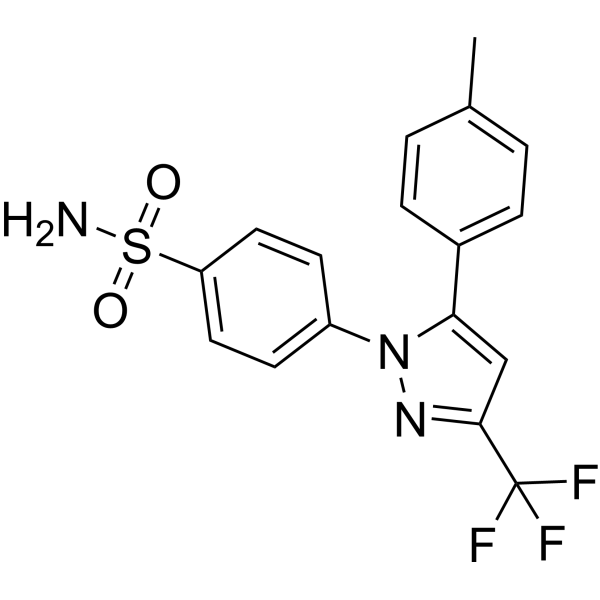
-
- HY-15030
-
-
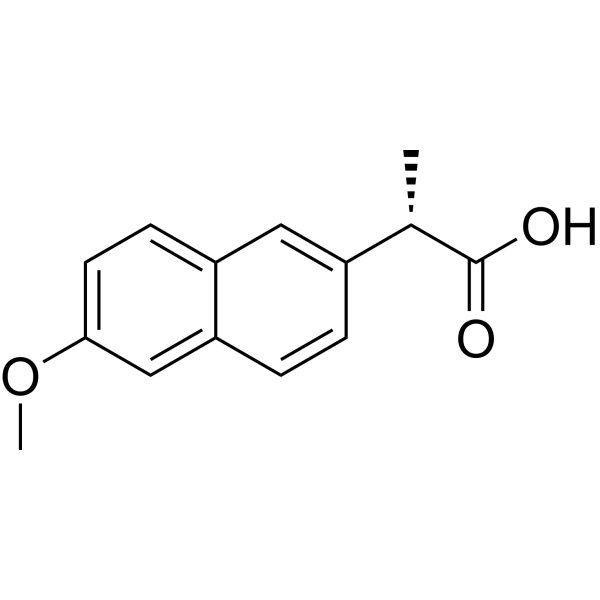
-
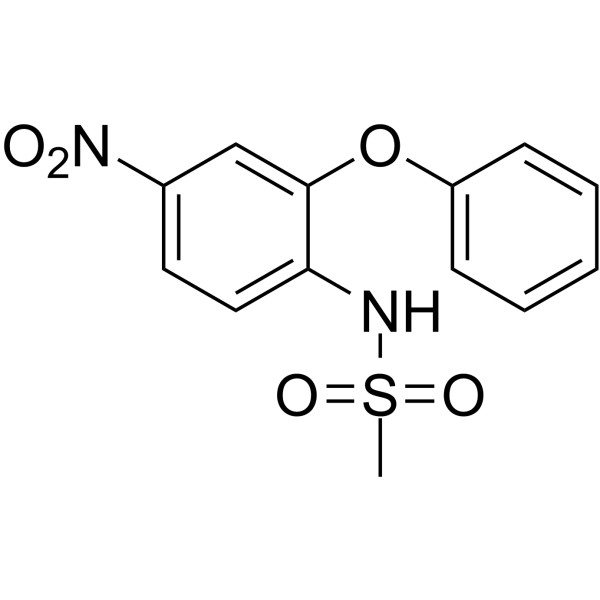
- HY-B0363
-
|
R805
|
COX
|
Inflammation/Immunology
Cancer
|
|
Nimesulide is a selective COX-2 inhibitor, with IC50s of 70 nM-70 μM in a time-dependent manner, but it shows no effect on COX-1 (IC50 >100 μM). Nimesulide has potent anti-inflammatory, analgesic and antipyretic properties.
|
-
-
- HY-15030A
-
-
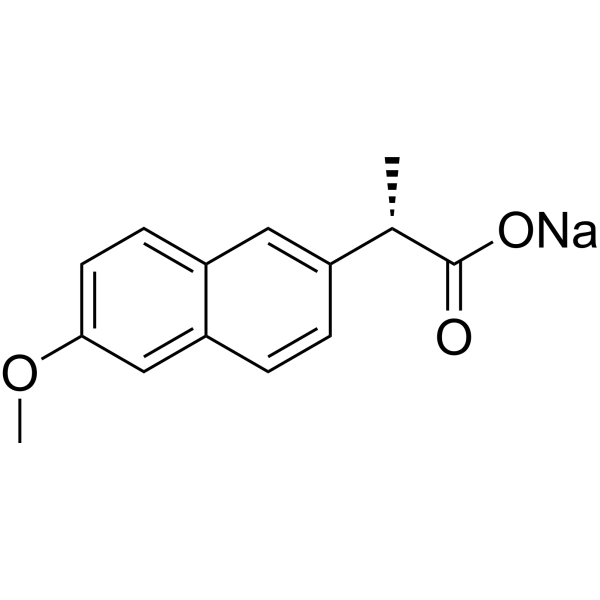
-
- HY-78131A
-
|
Dexibuprofen
|
COX
|
Inflammation/Immunology
Cancer
|
|
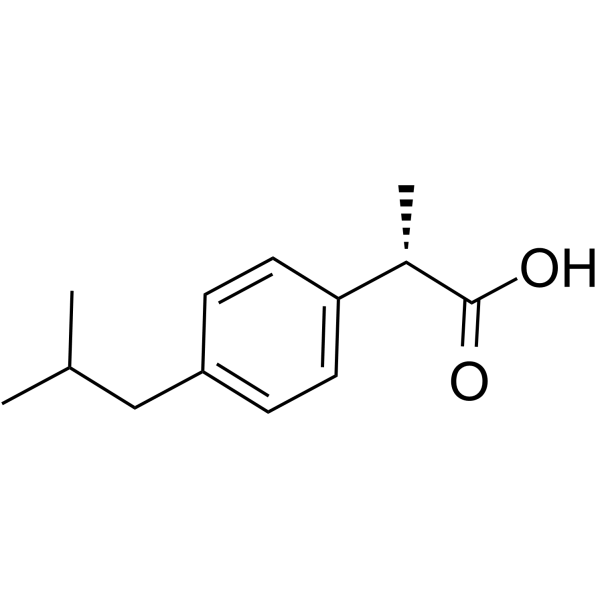
(S)-(+)-Ibuprofen ((S)-Ibuprofen), a S(+)-enantiomer of Ibuprofen, is a potent COX-1 and COX-2 inhibitor with IC50s of 2.1 μM and 1.6 μM, respectively. (S)-(+)-Ibuprofen has analgesic, anti-inflammatory, anticancer and antipyretic effects [2].
|
-
-
- HY-B0559
-
|
BRL14777
|
COX
|
Infection
Neurological Disease
Inflammation/Immunology
Cancer
|
|
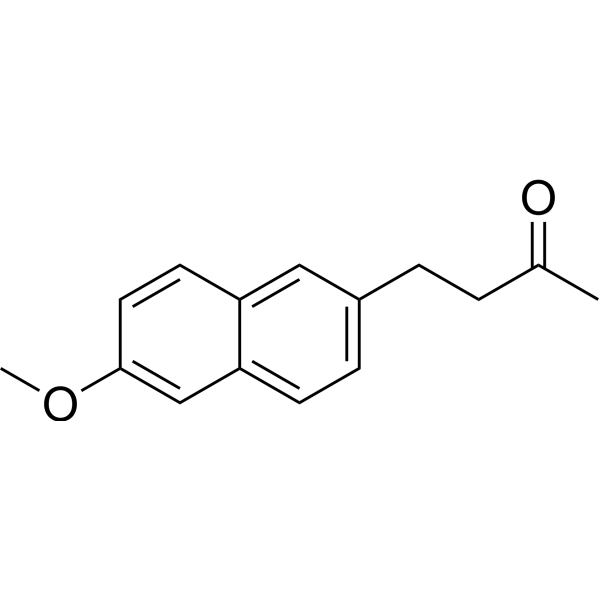
Nabumetone is an orally active non-acidic anti-inflammatory agent, acts as a potent and selective COX-2 inhibitor, and is the proagent of the active metaboliteα-Demethylnaproxen (HY-W086896). Nabumetone can inhibit cancer cells proliferation and relieve gastric ulcers [2] .
|
-
-
- HY-78131S
-
-
-
- HY-W086896
-
|
|
Drug Metabolite
|
Inflammation/Immunology
|
|
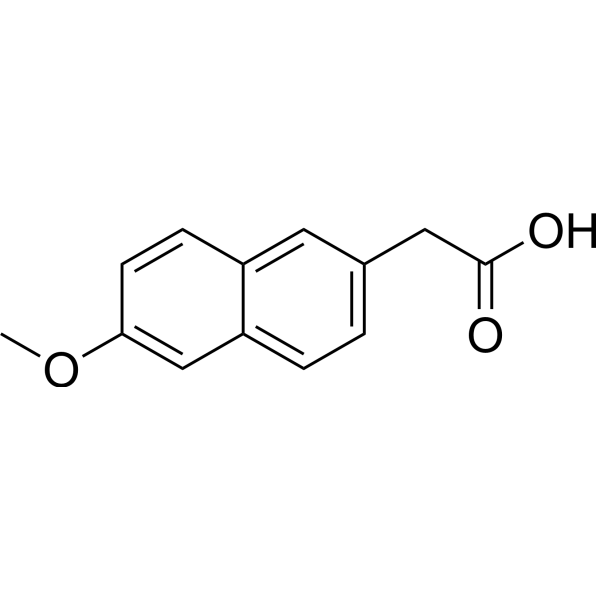
α-Demethylnaproxen is the major metabolite of Nabumetone (HY-B0559), Nabumetone is an orally active COX-2 inhibitor with anti-inflammatory activity [2].
|
-
-
- HY-114200
-
|
BAP-909
|
COX
|
Inflammation/Immunology
|
|
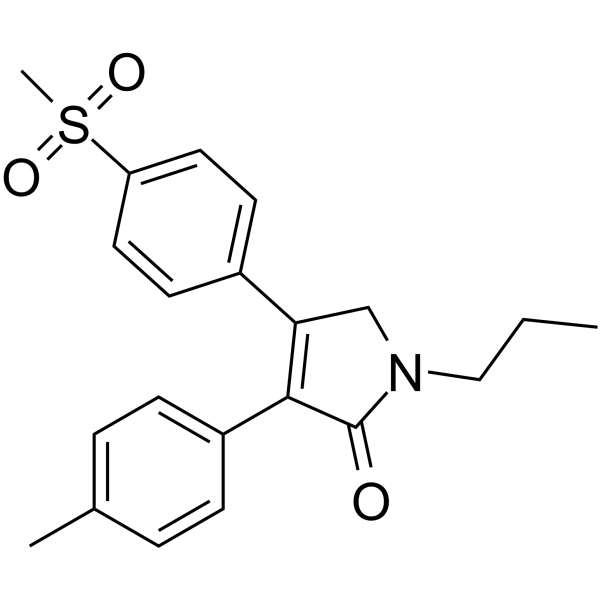
Imrecoxib (BAP-909) is a novel and selective cyclooxygenase 2 (COX-2) inhibitor with an IC50 value of 18 nM, it also inhibits COX1- activity with an IC50 value of 115 nM. Imrecoxib (BAP-909) has anti-inflammatory effect .
|
-
-
- HY-113083
-
|
APAP-glu
|
Drug Metabolite
Endogenous Metabolite
|
Others
|
|
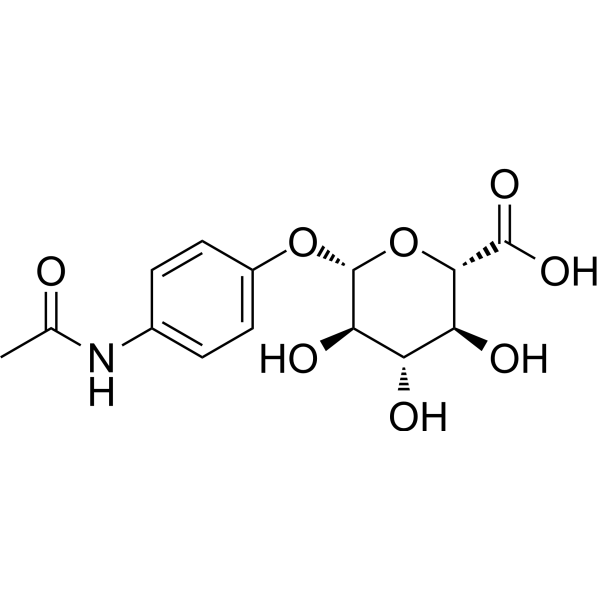
Acetaminophen glucuronide (APAP-glu) is an inactive glucuronide metabolite of Acetaminophen (HY-66005) [2]. Acetaminophen is a selective cyclooxygenase-2 (COX-2) inhibitor and a potent hepatic N-acetyltransferase 2 (NAT2) inhibitor .
|
-
-
- HY-13507
-
|
COX-189
|
COX
|
Metabolic Disease
Inflammation/Immunology
Cancer
|
|
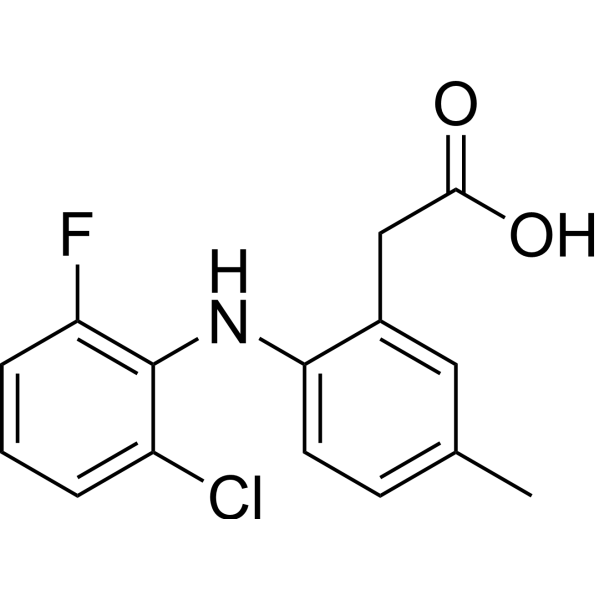
Lumiracoxib is a potent,selective and orally active COX-2 inhibitor with a Ki value of 0.06?μM . Lumiracoxib acts as a nonselective NSAID with?anti-inflammatory, analgesic and antipyretic activities. Lumiracoxib can be used for osteoarthritis and bone cancer research [2].
|
-
-
- HY-14445
-
|
COX-2 Inhibitor V
|
COX
|
Inflammation/Immunology
|
|
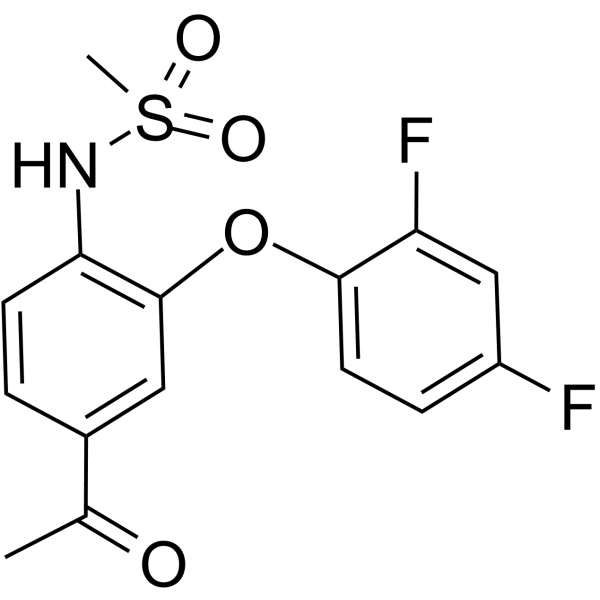
FK 3311 (COX-2 Inhibitor V) is a selective inhibitor of COX-2 with antiinflammatory agent.
|
-
-
- HY-100580
-
|
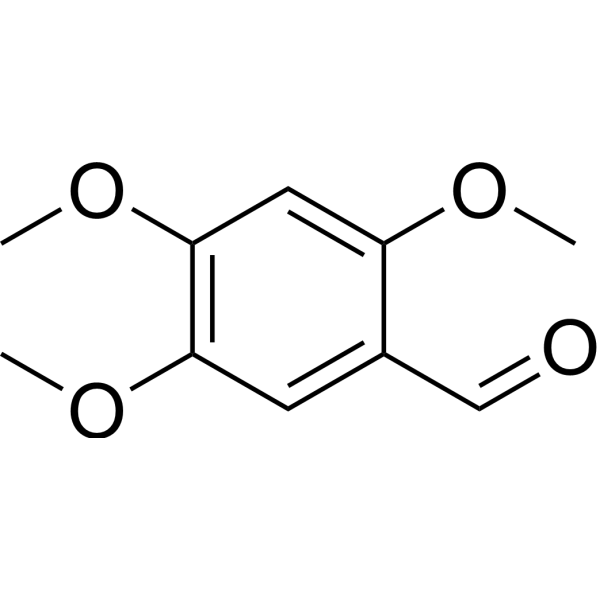
Asaronaldehyde; 2,4,5-trimethoxy-Benzaldehyde
|
COX
|
Inflammation/Immunology
|
|
Asarylaldehyde (Asaronaldehyde), a COX-2 inhibitor, significantly inhibits cyclooxygenase II (COX-2) activity with an IC50 value of 100 μg/mL .
|
-
-
- HY-Y1100
-
|
|
Drug Intermediate
|
Inflammation/Immunology
|
|
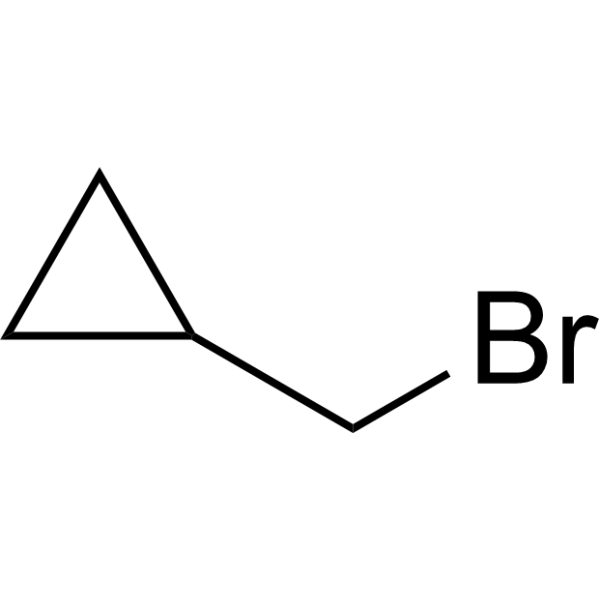
Cyclopropylmethyl bromide is an intermediate. Cyclopropylmethyl bromide can be used in the preparation of Firocoxib (HY-14670). Firocoxib (ML 1785713) is a potent, selective, orally active COX-2 inhibitor .
|
-
-
- HY-N0929
-
|
|
COX
Reactive Oxygen Species (ROS)
|
Cancer
|
|
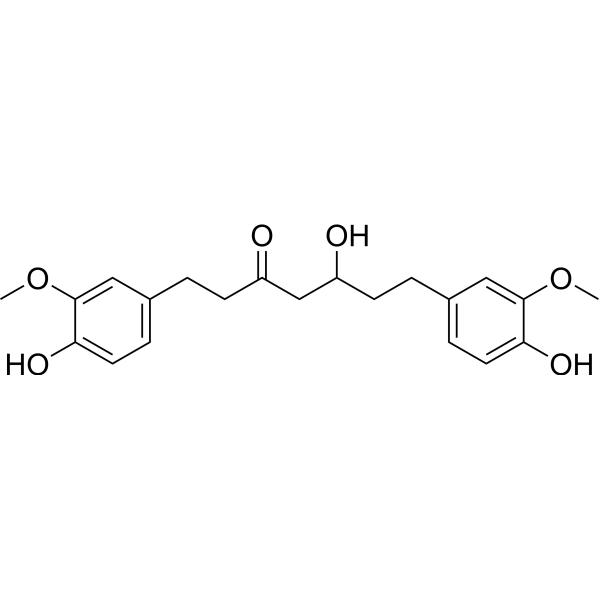
Hexahydrocurcumin is one of the major metabolites of curcumin and a selective, orally active COX-2 inhibitor. Hexahydrocurcumin is inactive against COX-1. Hexahydrocurcumin has antioxidant, anticancer and anti-inflammatory activities [2].
|
-
-
- HY-118078
-
|
|
COX
|
Inflammation/Immunology
|
|
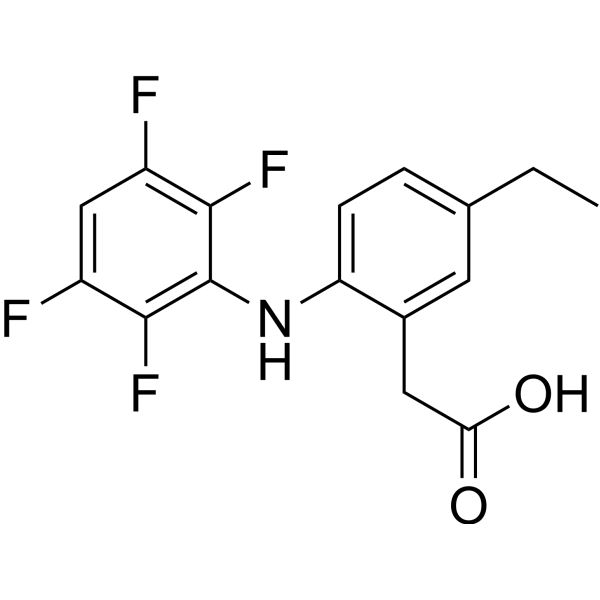
Robenacoxib is a nonsteroidal anti-inflammatory and analgesic agent. Robenacoxib is a selective COX-2 inhibitor [2].
|
-
-
- HY-15029
-
|
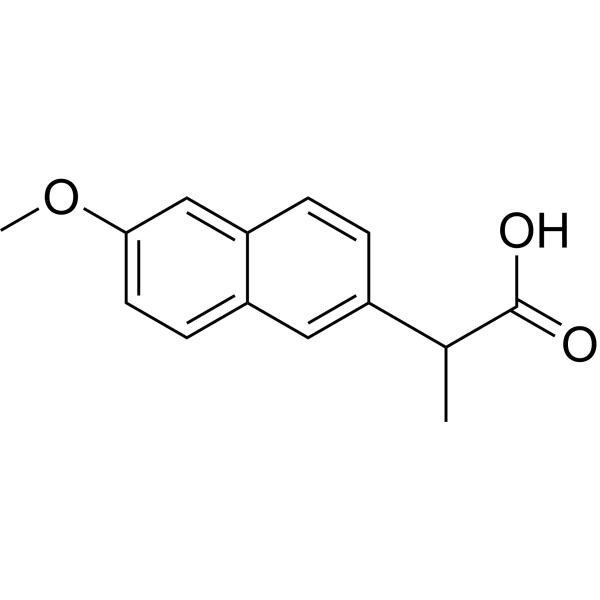
(Rac)-Naproxen; 2-(6-Methoxynaphthalen-2-yl)propanoic acid
|
COX
|
Inflammation/Immunology
Cancer
|
|
(±)-Naproxen ((Rac)-Naproxen) is a racemate of Naproxen (HY-15030). Naproxen is a COX-1 and COX-2 inhibitor with IC50s of 8.72 and 5.15 μM, respectively.
|
-
-
- HY-108297
-
|
|
Drug Intermediate
|
Inflammation/Immunology
|
|
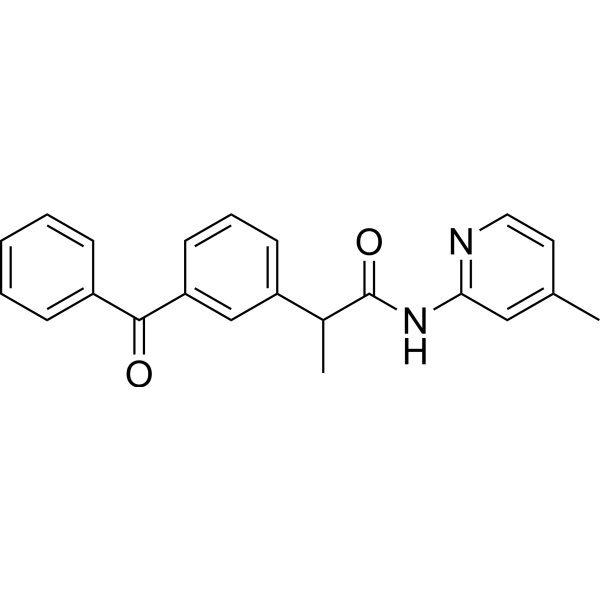
Piketoprofen is a non-steroidal anti-inflammatory reagent that can be used as a cream preparation for the study of soft tissue rheumatism. Piketoprofen-amide is a prodrug of COX-2 inhibitor [2].
|
-
-
- HY-15030R
-
|
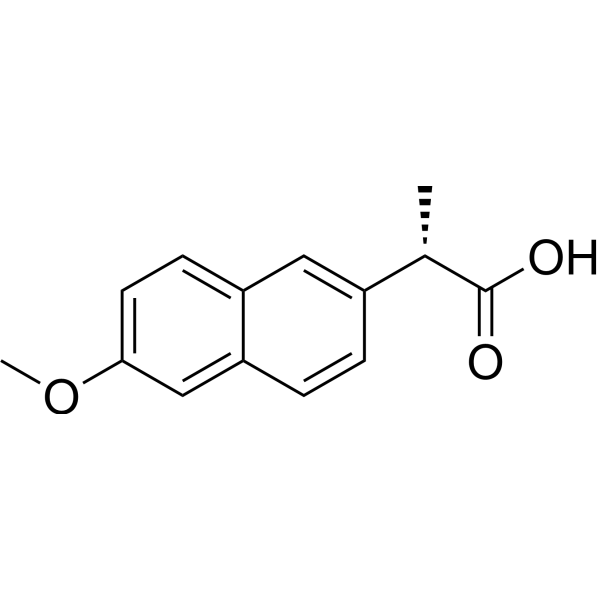
(S)-Naproxen (Standard)
|
Reference Standards
COX
Autophagy
|
Inflammation/Immunology
Cancer
|
|
Naproxen (Standard) is the analytical standard of Naproxen. This product is intended for research and analytical applications. Naproxen is a COX-1 and COX-2 inhibitor with IC50s of 8.72 and 5.15 μM, respectively in cell assay.
|
-
-
- HY-17479A
-
-
-
- HY-14398S
-
|
SC 58635-d7
|
COX
|
Inflammation/Immunology
Cancer
|
|
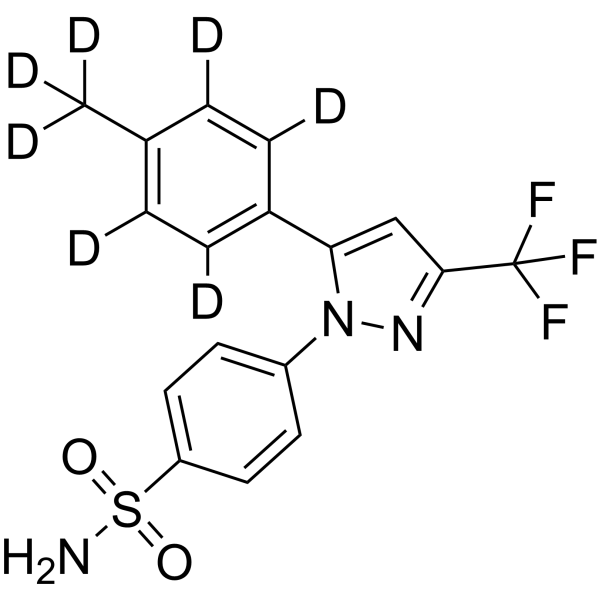
Celecoxib-d7 is the deuterium labeled Celecoxib. Celecoxib,a selective non-steroidal anti-inflammatory drug (NSAID), is a selective COX-2 inhibitor with an IC50 of 40 nM [2].
|
-
-
- HY-14398R
-
|
SC 58635 (Standard)
|
Reference Standards
COX
|
Inflammation/Immunology
Cancer
|
|
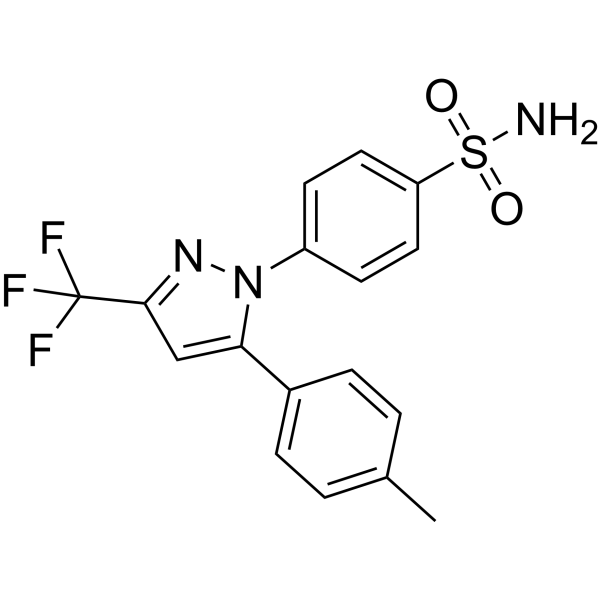
Celecoxib (Standard) is the analytical standard of Celecoxib. This product is intended for research and analytical applications. Celecoxib,a selective non-steroidal anti-inflammatory drug (NSAID), is a selective COX-2 inhibitor with an IC50 of 40 nM.
|
-
-
- HY-118139
-
|
|
COX
|
Inflammation/Immunology
|
|
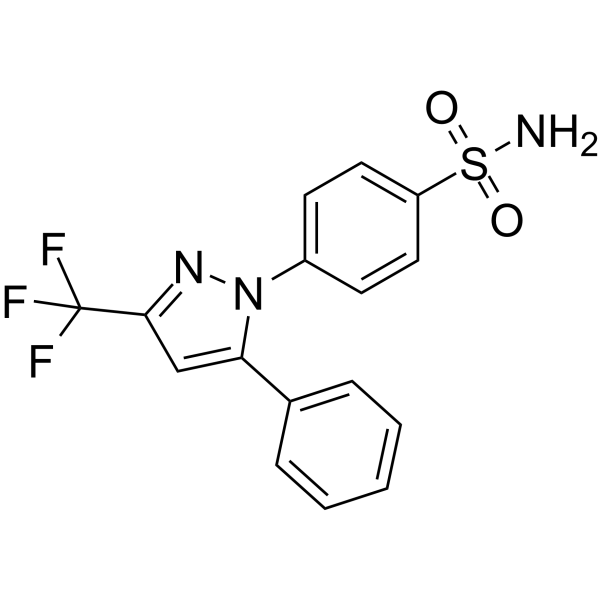
Desmethyl Celecoxib (compound 3b) is a selective cyclooxygenase-2 (COX-2) inhibitor (IC50=32 nM) with anti-inflammatory activities. Desmethyl Celecoxib is an analog of Celecoxib and with the optimal yield of 75% .
|
-
-
- HY-119447
-
|
|
COX
|
Inflammation/Immunology
|
|
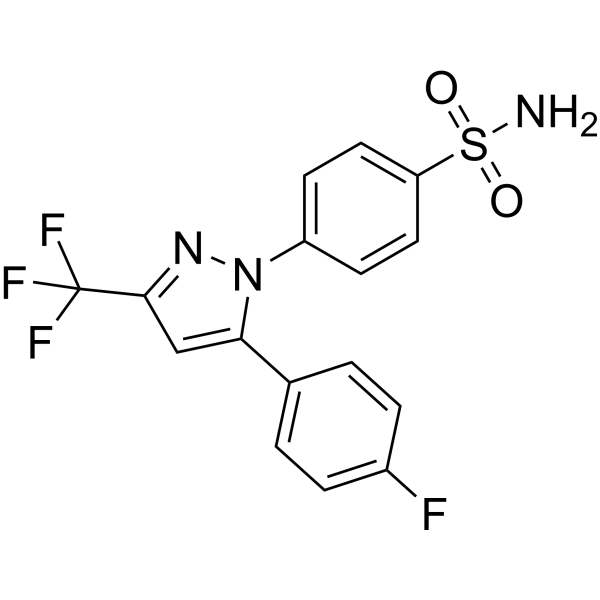
Mavacoxib is a selective, oral long-acting cyclooxygenase-2 (COX-2) inhibitor and a long-acting non-steroidal anti-inflammatory drug (NSAID). Mavacoxib is used to treat pain and inflammation associated with degenerative joint disease in dogs .
|
-
-
- HY-139578
-
|
|
COX
|
Inflammation/Immunology
|
|
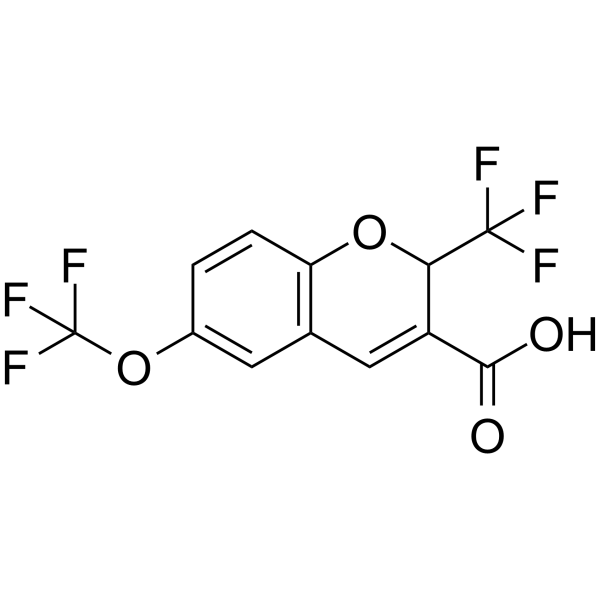
Ocarocoxib is a potent cyclooxygenase-2 (COX-2) inhibitor (IC50: 1.4 μM). Ocarocoxib inhibits COX to block the production of prostaglandins, thus exerting an anti-inflammatory effect. Ocarocoxib has potential in the study of inflammation and related diseases .
|
-
-
- HY-66005S2
-
|
Paracetamol-d7; 4-Acetamidophenol-d7; 4'-Hydroxyacetanilide-d7
|
COX
Endogenous Metabolite
Histone Acetyltransferase
|
Inflammation/Immunology
|
|
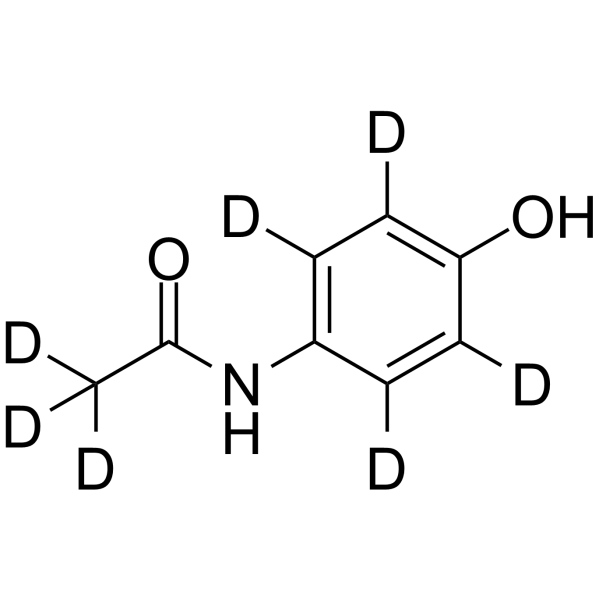
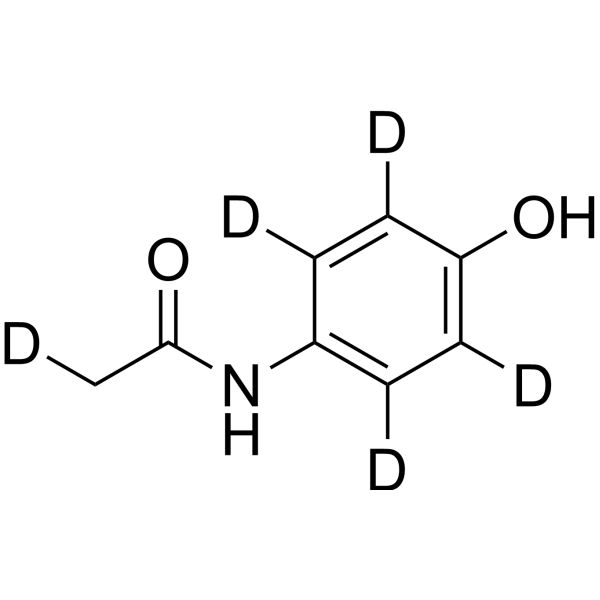
Acetaminophen-d7 is the deuterium labeled Acetaminophen. Acetaminophen (Paracetamol) is a selective cyclooxygenase-2 (COX-2) inhibitor with an IC50 of 25.8 μM; is a widely used antipyretic and analgesic agent. Acetaminophen is a potent hepatic N-acetyltransferase 2 (NAT2) inhibitor.
|
-
-
- HY-U00129
-
-
-
- HY-14398S1
-
|
SC 58635-d3
|
COX
|
Inflammation/Immunology
Cancer
|
|
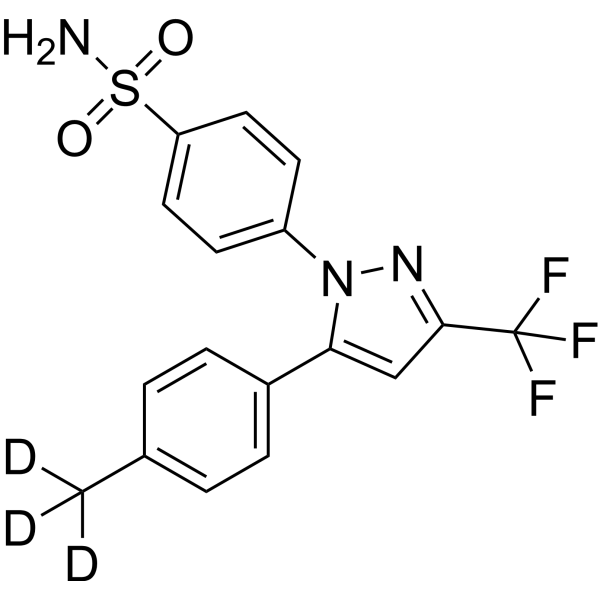
Celecoxib-d3 is the deuterium labeled Celecoxib. Celecoxib,a selective non-steroidal anti-inflammatory drug (NSAID), is a selective COX-2 inhibitor with an IC50 of 40 nM [2].
|
-
-
- HY-134234
-
|
|
COX
|
Others
|
|
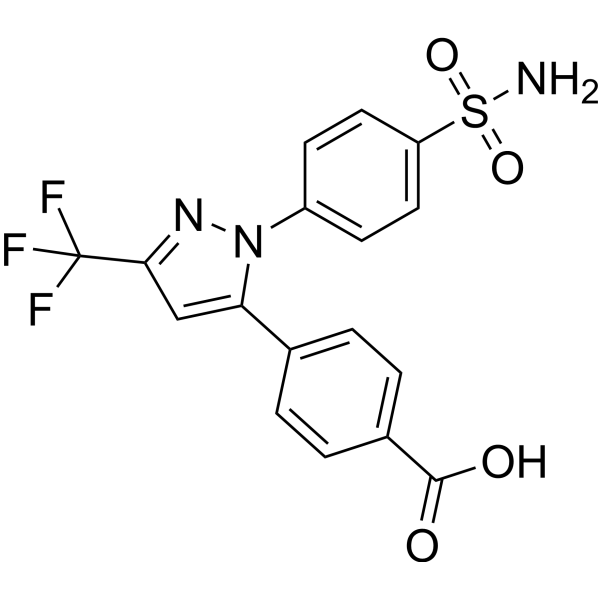
Celecoxib carboxylic acid is a metabolite of celecoxib (HY-14398). Celecoxib is a selective COX-2 inhibitor with an IC50 of 40 nM .
|
-
-
- HY-119304
-
-
-
- HY-B0008S
-
-
-
- HY-101655
-
|
|
COX
|
Inflammation/Immunology
|
|
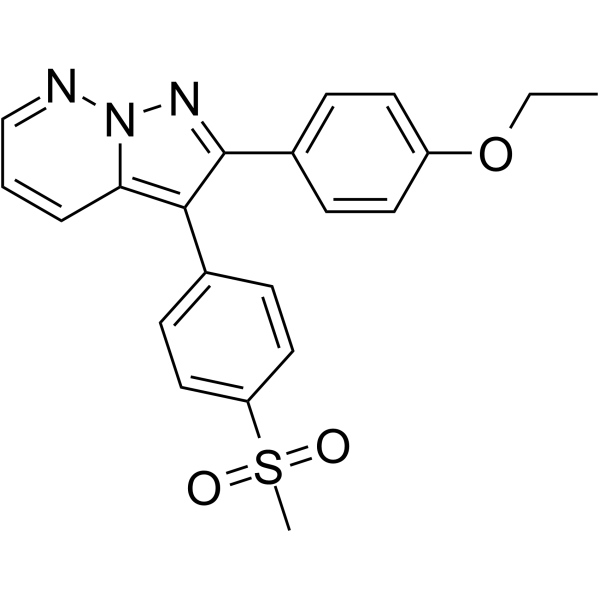
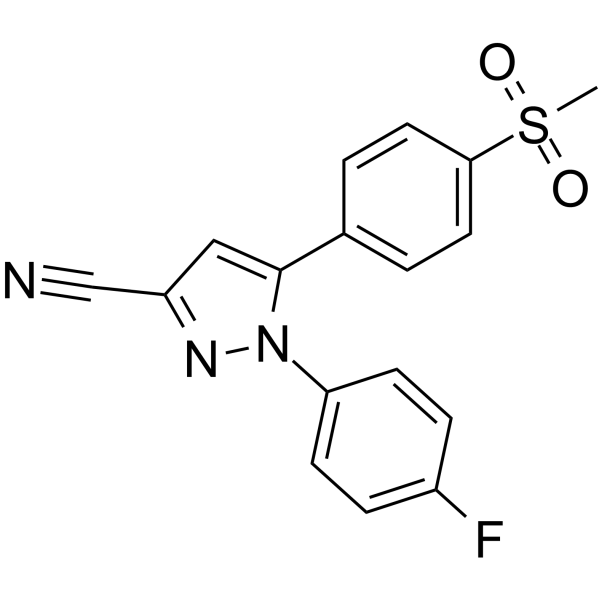
COX-2-IN-2 is a selective and inducible COX2 inhibitor with an IC50 of 0.24 μM. COX-2-IN-1 is an anti-inflammatory compound with anti-inflammatory and analgesic activities.
|
-
-
- HY-N0929R
-
|
|
Reference Standards
COX
Reactive Oxygen Species (ROS)
|
Cancer
|
|
Hexahydrocurcumin (Standard) is the analytical standard of Hexahydrocurcumin. This product is intended for research and analytical applications. Hexahydrocurcumin is one of the major metabolites of curcumin and a selective, orally active COX-2 inhibitor. Hexahydrocurcumin is inactive against COX-1. Hexahydrocurcumin has antioxidant, anticancer and anti-inflammatory activities [2].
|
-

-
- HY-Y1100S
-
|
|
Isotope-Labeled Compounds
Biochemical Assay Reagents
Drug Intermediate
|
Others
|
|
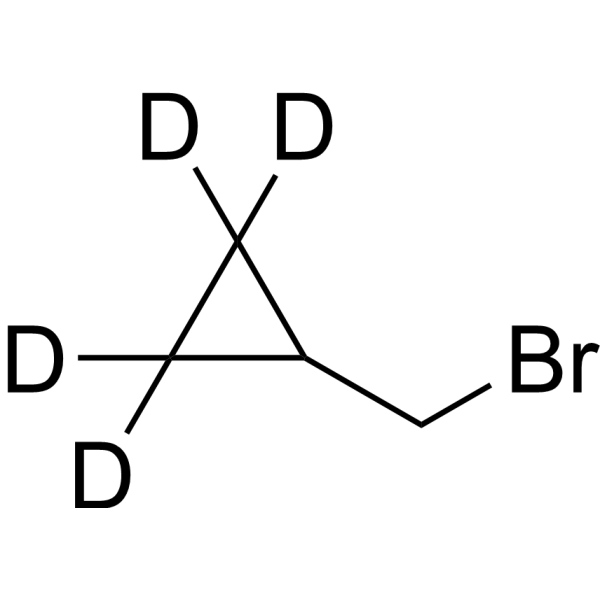
Cyclopropylmethyl bromide-d4 is the deuterium labeled Cyclopropylmethyl bromide (HY-Y1100). Cyclopropylmethyl bromide is an intermediate. Cyclopropylmethyl bromide can be used in the preparation of Firocoxib (HY-14670). Firocoxib (ML 1785713) is a potent, selective, orally active COX-2 inhibitor [2].
|
-
-
- HY-U00239
-
-
-
- HY-138128
-
-

-
- HY-U00275
-
-
-
- HY-U00197
-
|
JTE522; JTP19605; RWJ57504
|
COX
|
Inflammation/Immunology
|
|
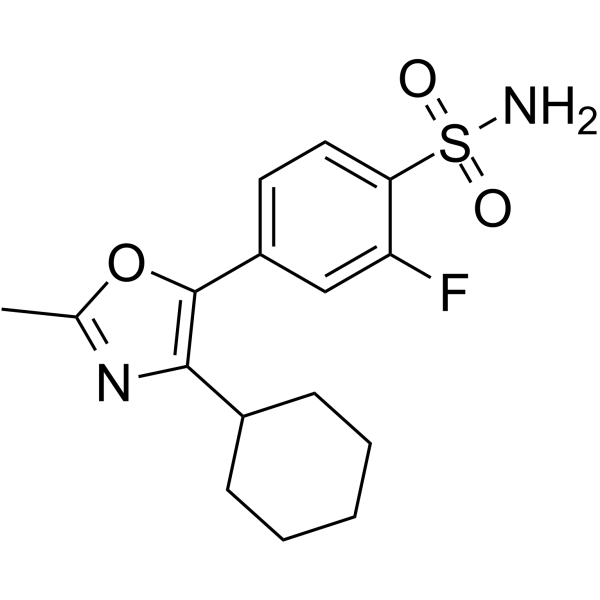
Tilmacoxib (JTE522) is a highly selective, time-dependent and irreversible human COX-2 inhibitor with an IC50 of 85 nM in an enzyme assay.
|
-
-
- HY-105304
-
-
-
- HY-W792524
-
|
|
COX
|
Inflammation/Immunology
|
|
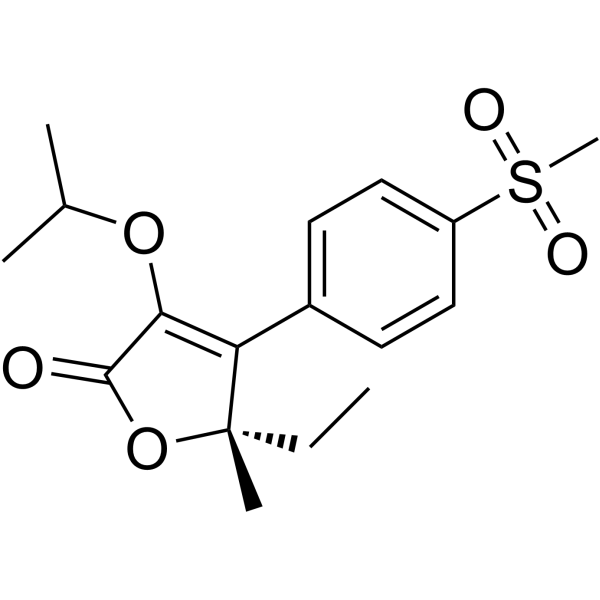
Methosulide (Compound 1d) is a selective COX-2 inhibitor with an IC50 value of 2.31 μM. Methosulide can be used in the research of inflammatory diseases .
|
-

-
- HY-118078R
-
|
|
COX
Reference Standards
|
Inflammation/Immunology
|
|
Robenacoxib (Standard) is the analytical standard of Robenacoxib. This product is intended for research and analytical applications. Robenacoxib is a nonsteroidal anti-inflammatory and analgesic agent. Robenacoxib is a selective COX-2 inhibitor [2].
|
-

-
- HY-108019
-
|
|
COX
|
Inflammation/Immunology
|
|
SD 8381 is a potent and selective COX-2 inhibitor. SD 8381 shows IC50 values of 0.0098 μM for hCOX-2 and 0.69 μM for hCOX-1 .
|
-

-
- HY-B0367R
-
|
Chlortenoxicam (Standard); Ro 13-9297 (Standard)
|
Reference Standards
COX
Endogenous Metabolite
|
Inflammation/Immunology
|
|
Lornoxicam (Standard) is the analytical standard of Lornoxicam. This product is intended for research and analytical applications. Lornoxicam (Chlortenoxicam) is a highly active COX-1 and COX-2 inhibitor with IC50 of 5 nM and 8 nM respectively. It is a new non-steroidal anti-inflammatory compound.
|
-

-
- HY-15030S1
-
-

-
- HY-14398G
-
|
SC 58635
|
COX
|
Inflammation/Immunology
|
|
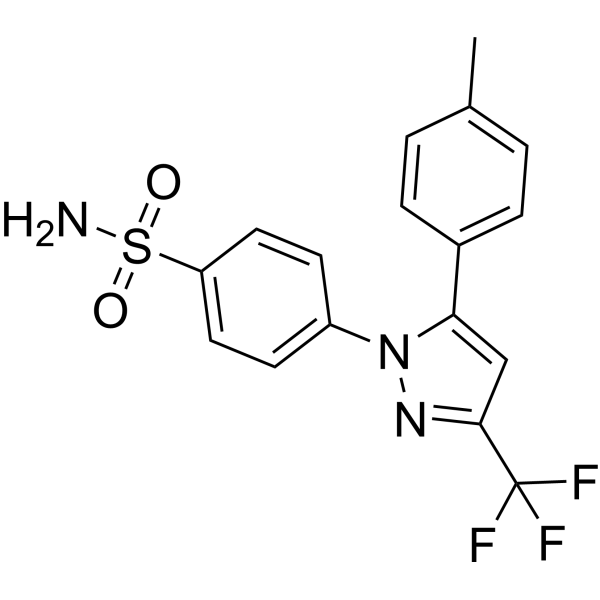
Celecoxib (GMP) is Celecoxib (HY-14398) produced by using GMP guidelines. GMP small molecules work appropriately as an auxiliary reagent for cell therapy manufacture. Celecoxib,a selective non-steroidal anti-inflammatory drug (NSAID), is a selective COX-2 inhibitor with an IC50 of 40 nM.
|
-
-
- HY-118139S
-
|
|
Isotope-Labeled Compounds
COX
|
Inflammation/Immunology
|
|
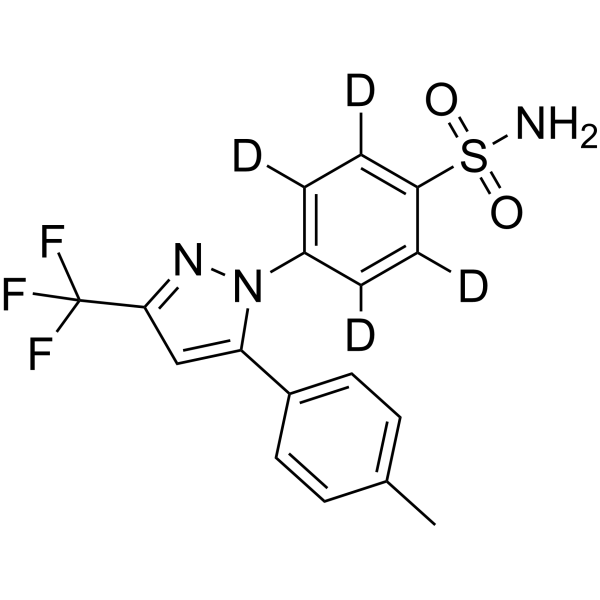
Celecoxib-d4 is the deuterium labeled Desmethyl Celecoxib. Desmethyl Celecoxib (compound 3b) is a selective cyclooxygenase-2 (COX-2) inhibitor (IC50=32 nM) with anti-inflammatory activities. Desmethyl Celecoxib is an?analog?of Celecoxib and with the optimal yield of 75% .
|
-
-
- HY-119447S
-
|
|
Isotope-Labeled Compounds
COX
|
Inflammation/Immunology
|
|
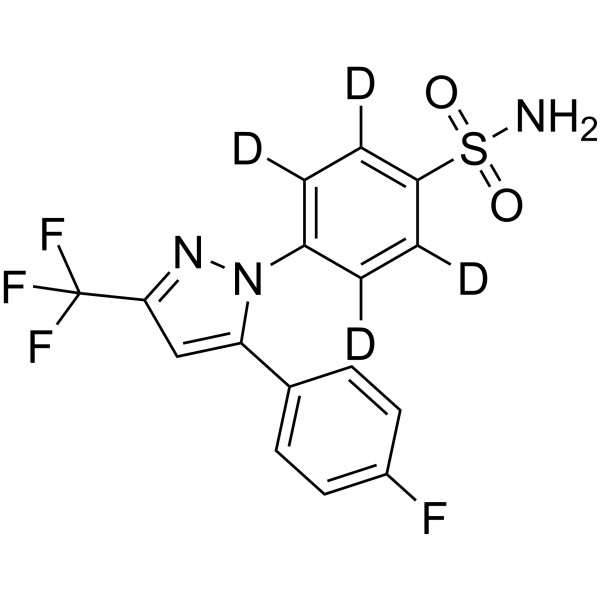
Mavacoxib-d4 is the deuterium labeled Mavacoxib. Mavacoxib is a selective, oral long-acting cyclooxygenase-2 (COX-2) inhibitor and a long-acting non-steroidal anti-inflammatory drug (NSAID). Mavacoxib is used to treat pain and inflammation associated with degenerative joint disease in dogs .
|
-
-
- HY-149299
-
|
|
COX
|
Inflammation/Immunology
|
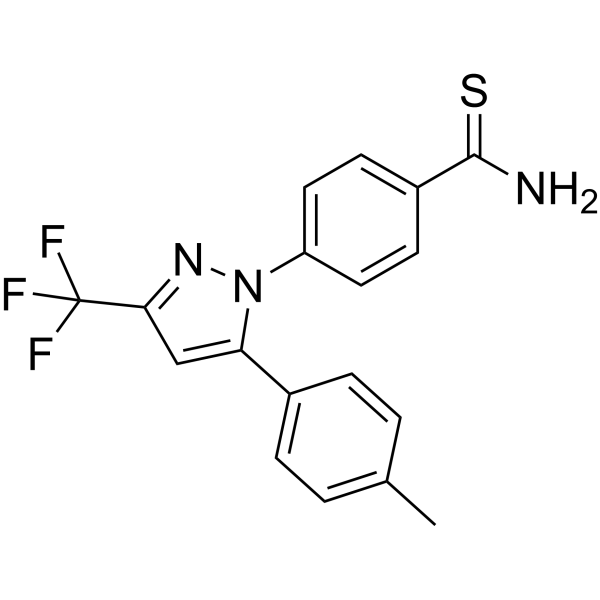
PYZ18 is a selective COX-2 inhibitor with an IC50 of 7.07 μM. PYZ18 is the best lead compound for COX-2 inhibitors. PYZ18 has anti-inflammatory and other biological properties .
|
-
-
- HY-U00083
-
|
ZK 38997; CGP 28238
|
COX
|
Inflammation/Immunology
|
|
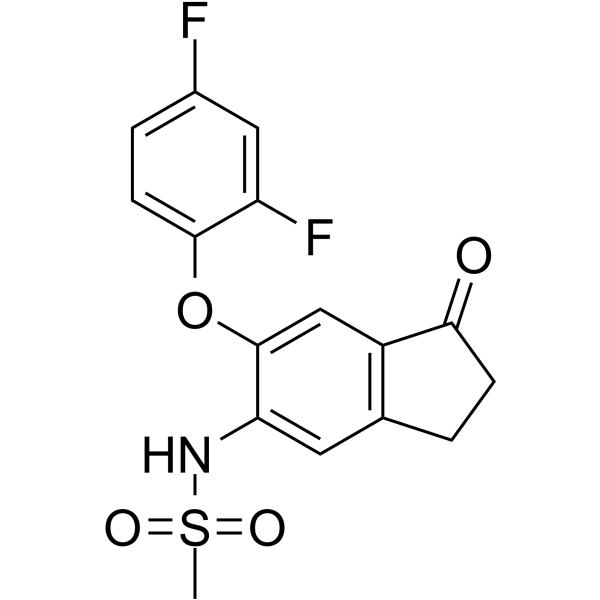
Flosulide is a potent and selective COX-2 inhibitor, used for the treatment for inflammatory diseases.
|
-
-
- HY-120232
-
-

- HY-17479AR
-
|
|
COX
Reference Standards
|
Inflammation/Immunology
|
|
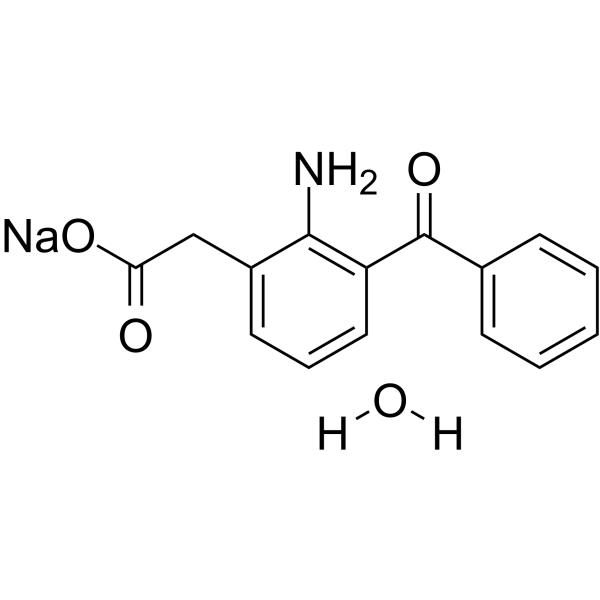
Amfenac (Sodium Hydrate) (Standard) is the analytical standard of Amfenac (Sodium Hydrate). This product is intended for research and analytical applications. Amfenac Sodium Hydrate is a COX-2 inhibitor.
|
-

- HY-W010649R
-
-

- HY-105290
-
-

- HY-114795
-
|
|
COX
|
Inflammation/Immunology
|
|
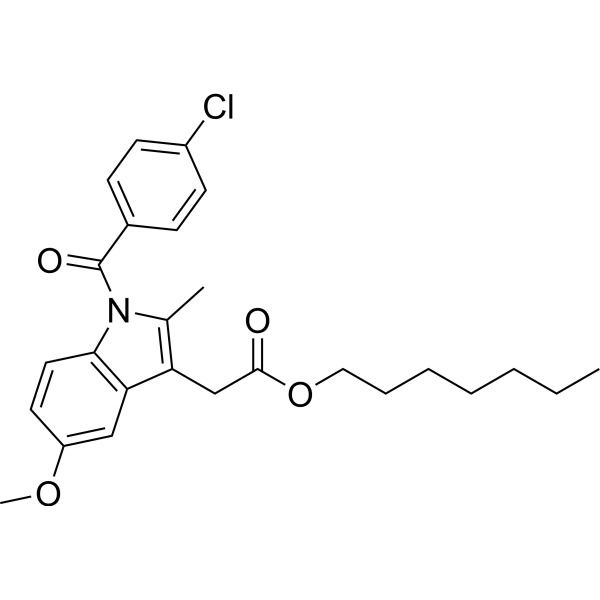
Indomethacin heptyl ester is a selective COX-2 inhibitor with IC50 of 0.04 μM, exhibits anti-inflammatory activity .
|
-
- HY-149460
-
|
|
COX
|
Inflammation/Immunology
|
|
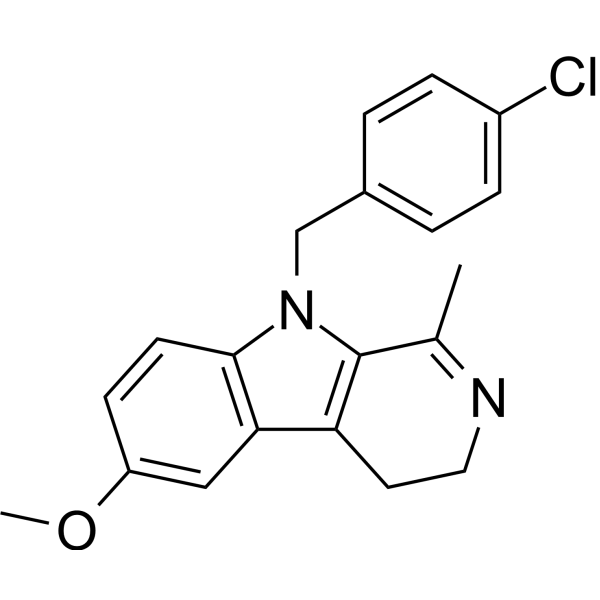
Harmaline analog (compound 3) is a selective cyclooxygenase-2 (COX-2) inhibitor with an IC50 of 0.145 μM .
|
-
- HY-19217
-
|
L-745337
|
COX
|
Inflammation/Immunology
|
|
Thioflosulide (L-745337) is a selective cyclooxygenase-2 (COX2) inhibitor, with an IC50 of 2.3 nM, and shows anti-inflammatory activity.
|
-
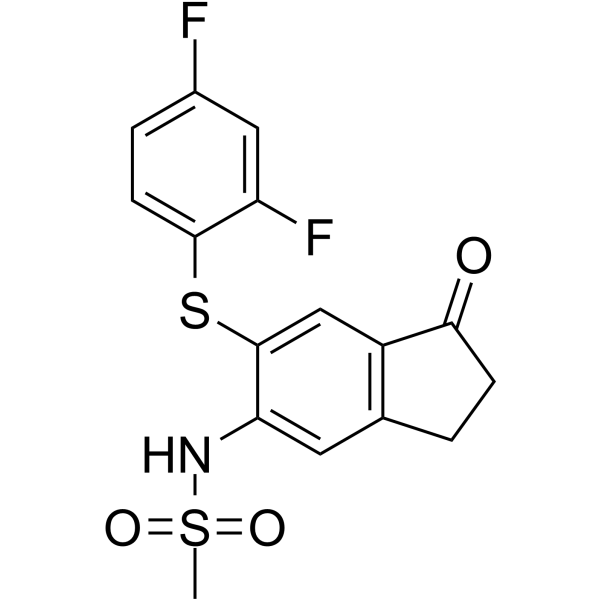
- HY-150721
-
-
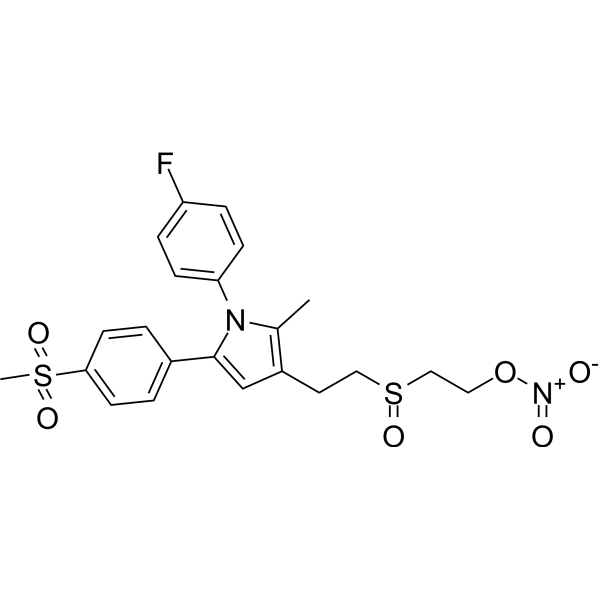
- HY-162385
-
|
|
COX
|
Inflammation/Immunology
|
|
COX-2-IN-42 (Compound T1) is a COX-2 inhibitor, and protects zebrafish against PTZ-induced neuronal damage .
|
-
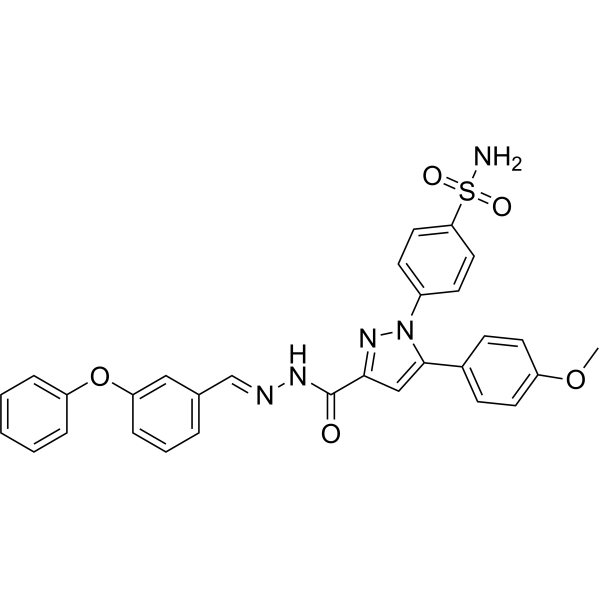
- HY-B0367S
-
-
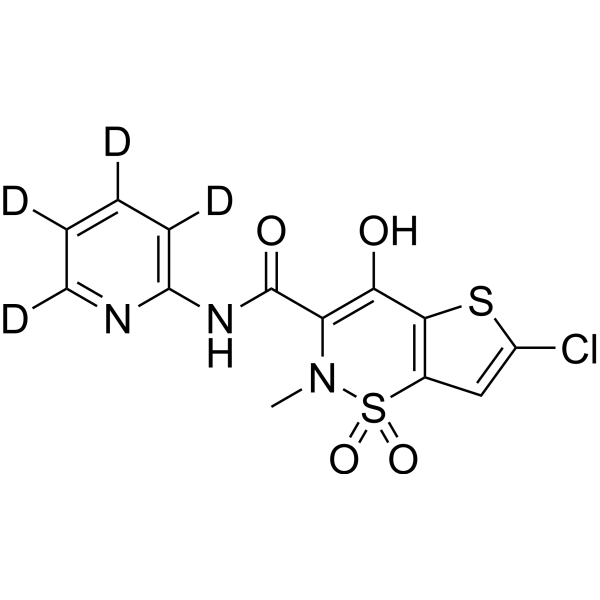
- HY-N3866
-
|
|
COX
|
Inflammation/Immunology
|
|
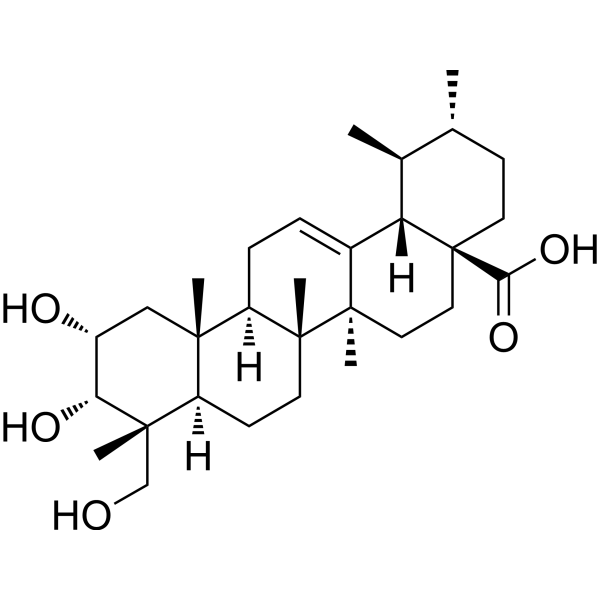
Esculentic acid is a selective COX-2 inhibitor and has anti-inflammatory effect. Esculentic acid is a pentacyclic triterpenoid that can be extracted from the Chinese herb Phytolacca esculenta [2].
|
-
- HY-108162A
-
-
- HY-116610
-
|
|
COX
|
Inflammation/Immunology
|
|
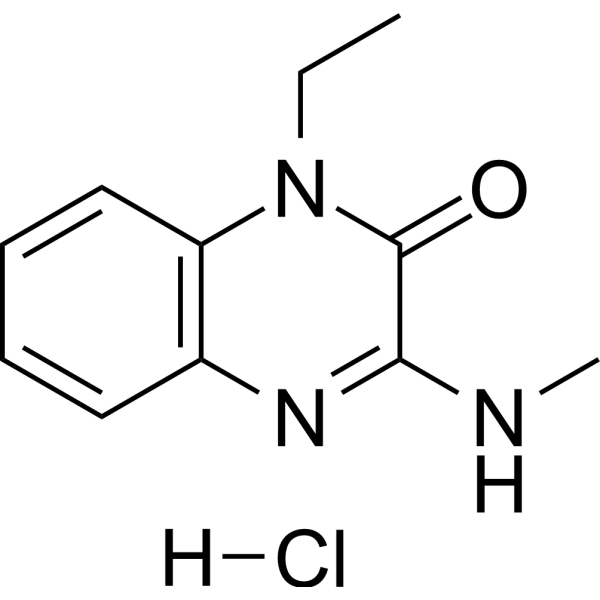
L 748780 (compound 2) is a selectivity COX-2 inhibitor with the IC50 values of 0.5 μM and > 100 μM for COX-2 and COX-1, respectively .
|
-

- HY-N2599
-
|
|
COX
Apoptosis
|
Cancer
|
|
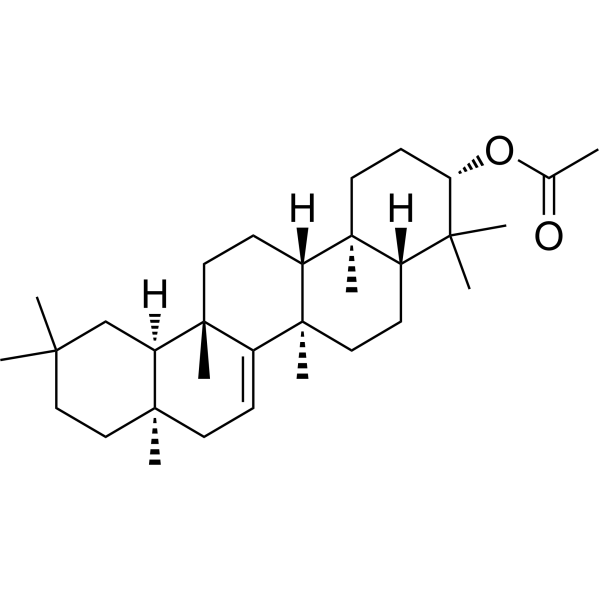
Taraxerol acetate is a COX-1 and COX-2 inhibitor with IC50 values of 116.3 μM and 94.7 μM, respectively. Taraxerol acetate the has the anticancer potential and induces cell apoptosis .
|
-
- HY-156254
-
|
|
COX
|
Inflammation/Immunology
|
|
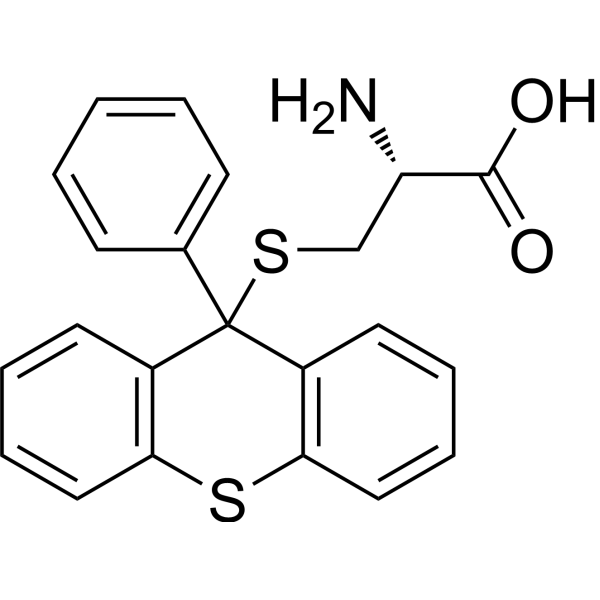
COX-2-IN-35 (compound 7) is a selective COX-2 inhibitor with an IC50 of 4.37 nM. COX-2-IN-35 has anti-inflammatory activity .
|
-
- HY-14445R
-
|
COX-2 Inhibitor V (Standard)
|
COX
Reference Standards
|
Inflammation/Immunology
|
|
FK 3311 (Standard) is the analytical standard of FK 3311. This product is intended for research and analytical applications. FK 3311 (COX-2 Inhibitor V) is a selective inhibitor of COX-2 with antiinflammatory agent.
|
-

- HY-108162
-
|
|
COX
|
Inflammation/Immunology
|
|
Ataquimast free base is a COX-2 inhibitor that inhibits the release of leukotrienes, TNF-α and GM-CSF. Ataquimast free base can be used in the study of advanced receptor-positive breast cancer .
|
-
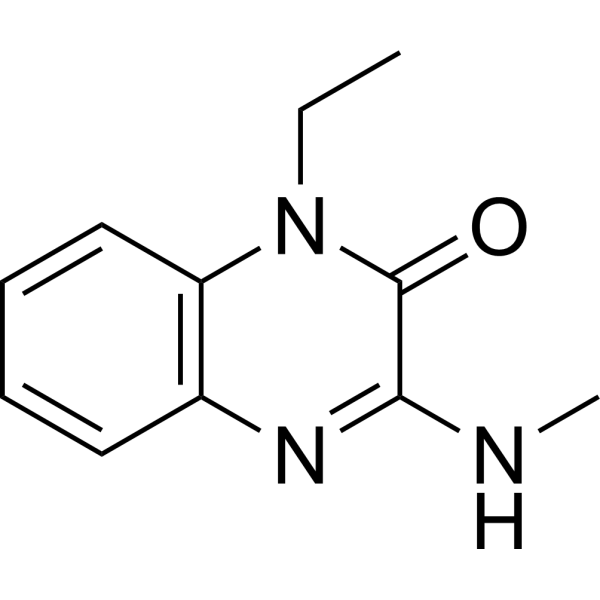
- HY-14398GL
-
|
SC 58635 (GMP Like)
|
COX
|
Inflammation/Immunology
|
|
Celecoxib (SC 58635) GMP Like is a GMP-class Celecoxib (HY-14398). Celecoxib, a selective non-steroidal anti-inflammatory drug (NSAID), is a selective COX-2 inhibitor with an IC50 of 40 nM.
|
-
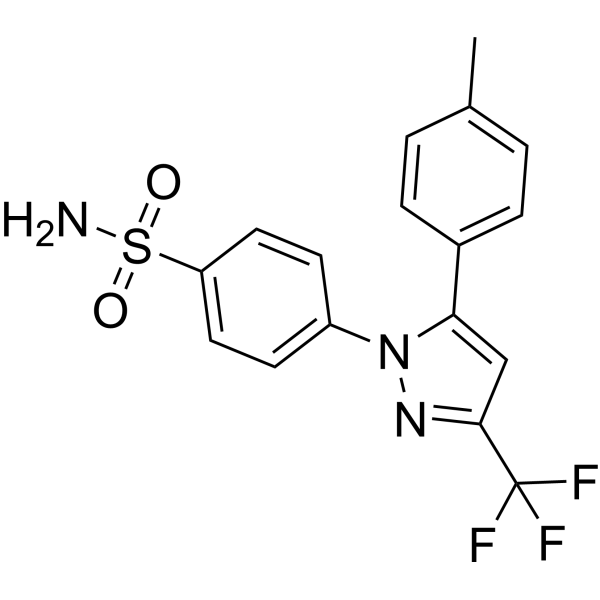
- HY-162244
-
|
|
COX
|
Inflammation/Immunology
|
|
COX-2-IN-40 (compound 17) is a COX-2 inhibitor with the IC50 of 14.86 μM. COX-2-IN-40 can be used for study of chronic pain .
|
-
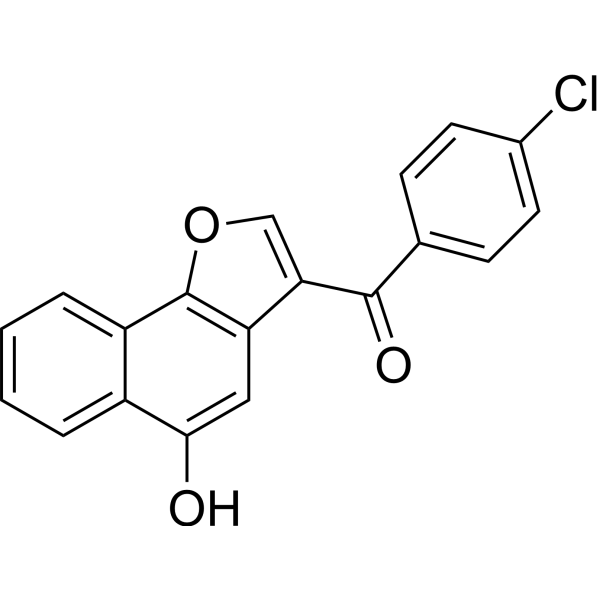
- HY-147693
-
|
|
COX
|
Inflammation/Immunology
|
|
COX-1/2-IN-3 (Compound 7a) is a COX-1 and COX-2 inhibitor. COX-2-IN-15 shows anti-inflammatory activity with low toxicity .
|
-
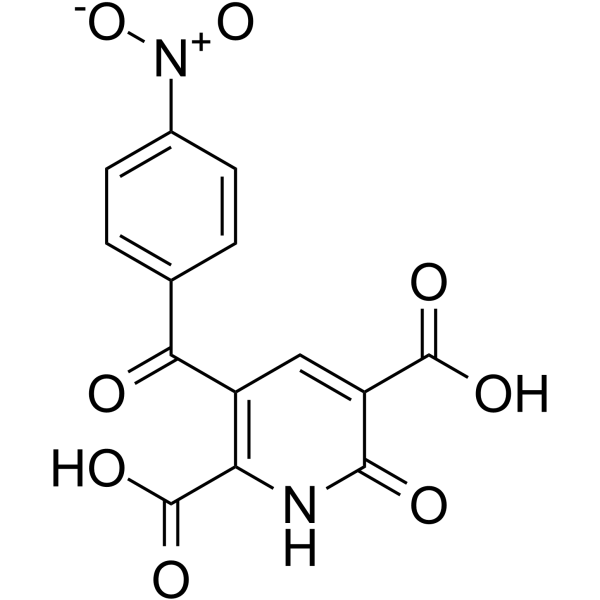
- HY-161147
-
|
|
COX
|
Inflammation/Immunology
|
|
COX-2-IN-37 (compound 11) is a potent and selective COX-2 inhibitor. COX-2-IN-37 has strong antioxidant activity with an IC50 of 33.0 μg/mL .
|
-
- HY-146198
-
|
|
COX
|
Inflammation/Immunology
|
|
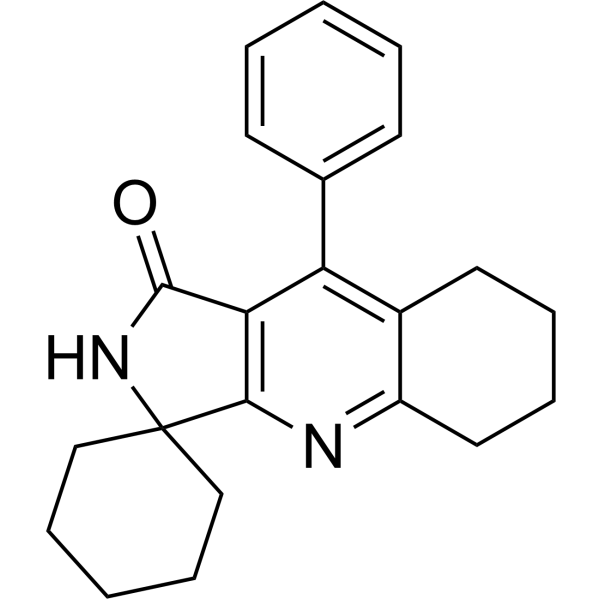
COX-2-IN-19 (Compound 24) is a potent COX-2 inhibitor with an IC50 of 1.76 μM. COX-2-IN-19 shows in vivo anti-inflammatory activity .
|
-
- HY-116947
-
|
|
COX
|
Inflammation/Immunology
|
|
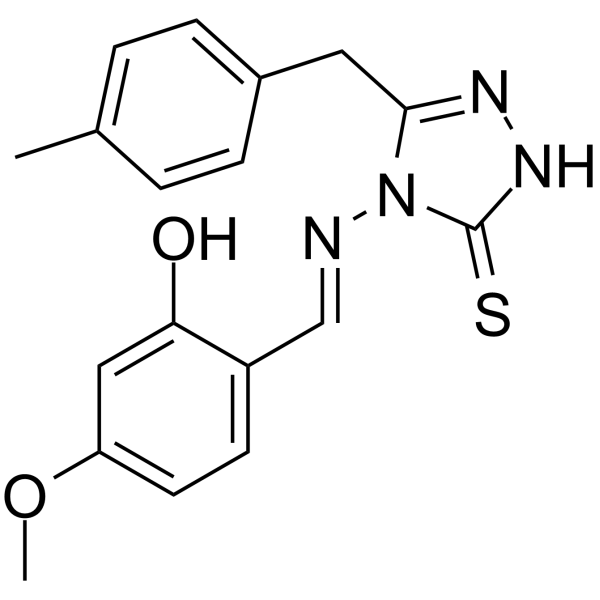
COX-2-IN-5 (compound 11a) is a potent COX-2 inhibitor with an IC50 value of 0.65 µM. COX-2-IN-5 has the potential for the research of inflammation .
|
-
- HY-161994
-
|
|
COX
|
Inflammation/Immunology
|
|
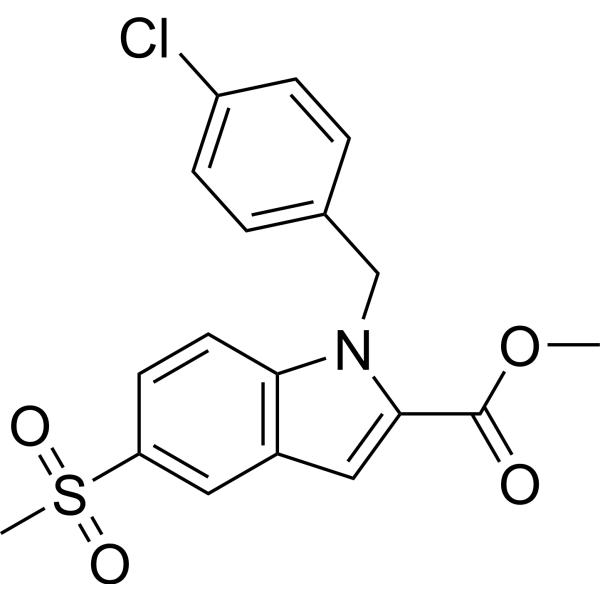
COX-2-IN-47 (compound 6c ) is a selective COX-2 inhibitor with IC50 value of 0.03 μM. COX-2-IN-47 has antiedema activity .
|
-

- HY-134234R
-
|
|
COX
Reference Standards
|
Others
|
|
Celecoxib carboxylic acid (Standard) is the analytical standard of Celecoxib carboxylic acid. This product is intended for research and analytical applications. Celecoxib carboxylic acid is a metabolite of celecoxib (HY-14398). Celecoxib is a selective COX-2 inhibitor with an IC50 of 40 nM .
|
-

- HY-147809
-
|
|
COX
|
Inflammation/Immunology
|
|
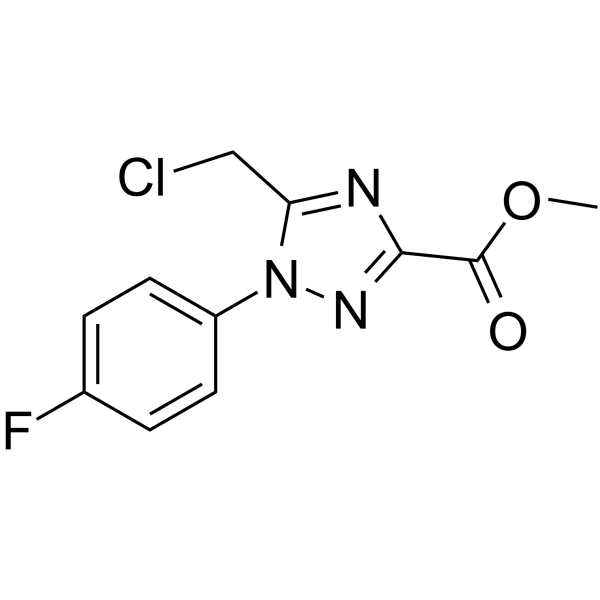
COX-2-IN-20 (Compound 5d) is a selective and orally active COX-2 inhibitor with an IC50 of 17.9 nM. COX-2-IN-20 shows anti-inflammatory activity .
|
-
- HY-15030AR
-
|
|
Reference Standards
Autophagy
COX
|
Inflammation/Immunology
Cancer
|
|
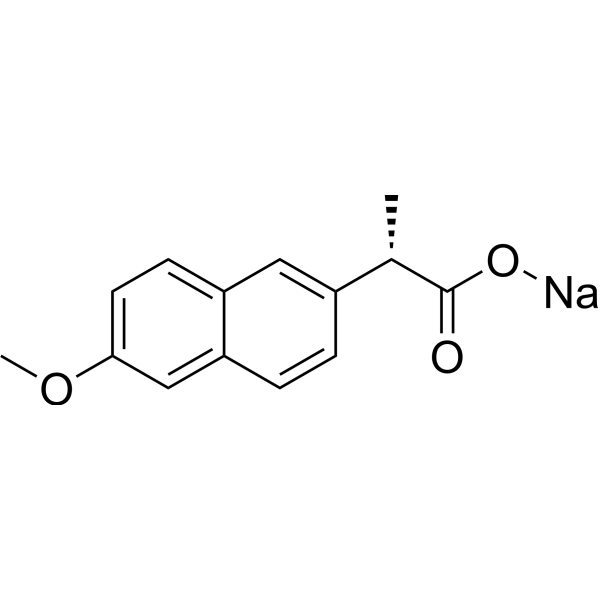
Naproxen (sodium) (Standard) is the analytical standard of Naproxen (sodium). This product is intended for research and analytical applications. Naproxen sodium is a COX-1 and COX-2 inhibitor with IC50s of 8.72 and 5.15 μM, respectively in cell assay.
|
-
- HY-100580R
-
|
Asaronaldehyde (Standard); 2,4,5-trimethoxy-Benzaldehyde (Standard)
|
Reference Standards
COX
|
Inflammation/Immunology
|
|
Asaraldehyde (Standard) is the analytical standard of Asaraldehyde. This product is intended for research and analytical applications. Asarylaldehyde (Asaronaldehyde), a COX-2 inhibitor, significantly inhibits cyclooxygenase II (COX-2) activity with an IC50 value of 100 μg/mL .
|
-

- HY-147815
-
|
|
COX
|
Inflammation/Immunology
|
|
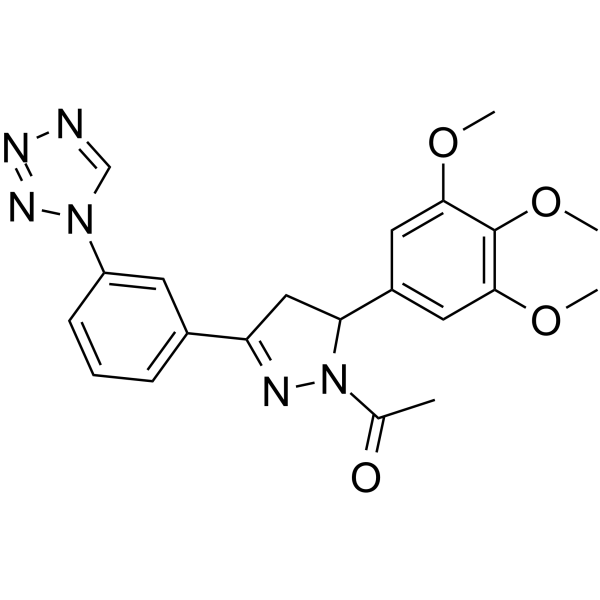
COX-2-IN-21 (Compound 5c) is a selective and orally active COX-2 inhibitor with an IC50 of 0.039 μM. COX-2-IN-21 shows promising anti-inflammatory potential .
|
-
- HY-162173
-
|
|
COX
|
Inflammation/Immunology
|
|
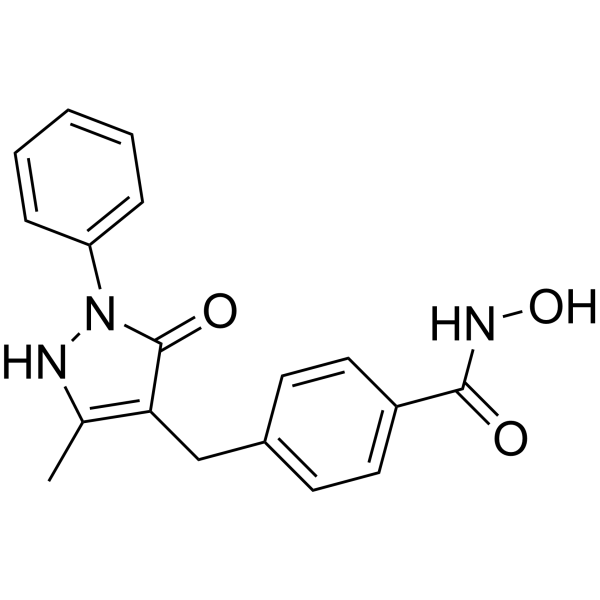
WYZ90 ((compound 6a) is a potent and selective COX-2 inhibitor with IC50 values of 75, 5734, 19940 nM for COX-2, COX-1 and DPPH, respectively. WYZ90 shows antioxidant and analgesic activity .
|
-
- HY-134138
-
|
|
COX
|
Inflammation/Immunology
|
|
Indomethacin N-octyl amide (Compound 2) is a potent and selective COX-2 inhibitor with an IC50 of 40 nM. Indomethacin N-octyl amide shows >1000-fold selectivity against COX-1 (IC50 of 66 µM) .
|
-

- HY-150553
-
|
|
COX
|
Inflammation/Immunology
|
|
COX-2-IN-28 is a potent and selective COX-2 inhibitor with IC50 values of 0.054, 2.14, 13.21 µM for COX-2, 15-LOX, COX-1,respectively .
|
-
- HY-N16482
-
|
|
COX
|
Inflammation/Immunology
|
|
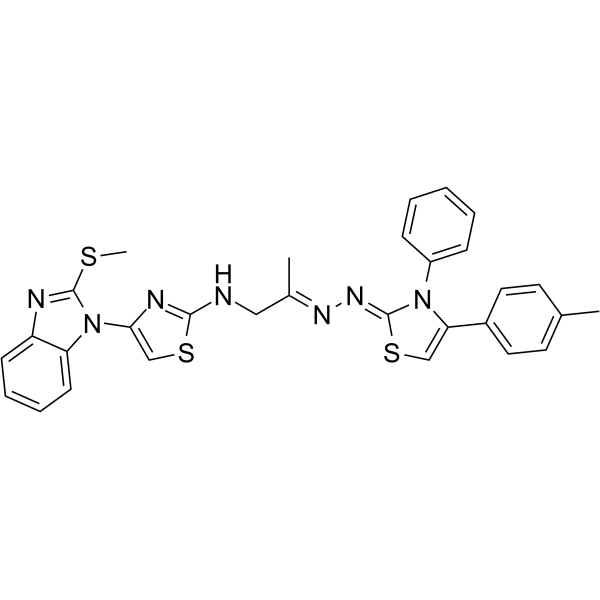
Cassiatannin A is a tetramer of proanthocyanidin (HY-N0794) found in Cinnamomum cassia. Cassiatannin A shows COX-2 inhibitor activity with inhibition rate of 38, 52 and 97% at 10, 100 and 1000 μg/mL. Cassiatannin A can be used for the research of inflammation .
|
-

- HY-19675
-
|
LT-NS 001; MX 1094
|
COX
|
Inflammation/Immunology
|
|
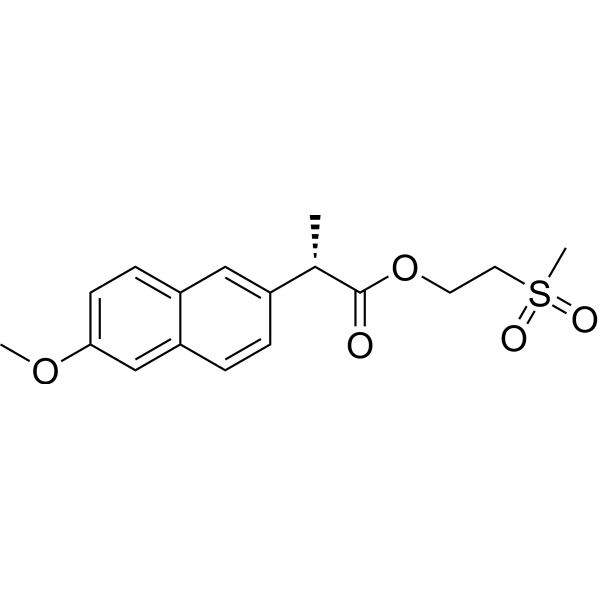
Naproxen etemesil is a lipophilic, non-acidic, inactive proagent of naproxen that is hydrolysed to pharmacologically active Naproxen once absorbed. Naproxen is a COX-1 and COX-2 inhibitor with IC50s of 8.72 and 5.15 μM, respectively in cell assay.
|
-
- HY-177319
-
|
|
COX
|
Inflammation/Immunology
|
|
COX-2-IN-56 (example 6) is a selective COX-2 inhibitor without significantly inhibiting COX-1. COX-2-IN-56 can be used for the study of COX-2 dependent disorders, such as inflammation .
|
-

- HY-15029R
-
|
(Rac)-Naproxen (Standard); 2-(6-Methoxynaphthalen-2-yl)propanoic acid (Standard)
|
Reference Standards
COX
|
Inflammation/Immunology
Cancer
|
|
(±)-Naproxen (Standard) is the analytical standard of (±)-Naproxen. This product is intended for research and analytical applications. (±)-Naproxen ((Rac)-Naproxen) is a racemate of Naproxen (HY-15030). Naproxen is a COX-1 and COX-2 inhibitor with IC50s of 8.72 and 5.15 μM, respectively.
|
-

- HY-147719
-
|
|
COX
|
Inflammation/Immunology
|
|
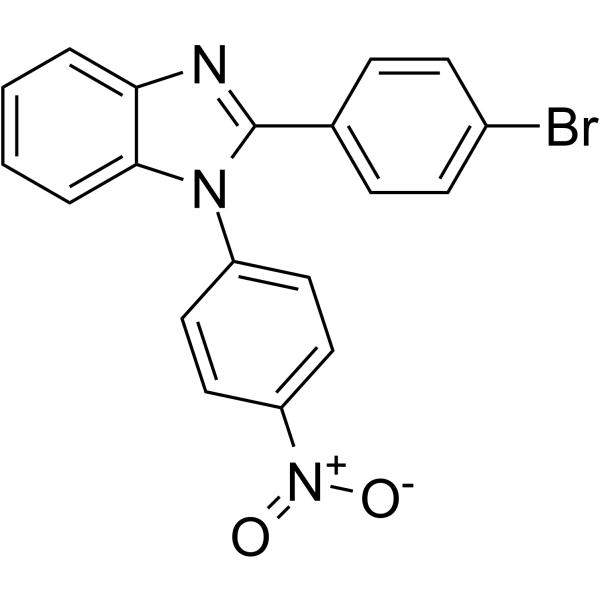
COX-2-IN-16 (compound 2b) is a potent, selective and orally active COX-2 inhibitor with an IC50 of 102 µM. COX-2-IN-16 inhibits the NO production. COX-2-IN-16 shows anti-inflammatory activity .
|
-
- HY-171470
-
|
|
COX
|
Inflammation/Immunology
|
|
RS-57067 is a COX-2 inhibitor with a Ki of 16.9 μM. RS-57067 reduces the production of prostaglandins (such as PGE2) by inhibiting COX-2, thereby alleviating the inflammatory response. RS-57067 can be used in the research of inflammatory and immune diseases .
|
-

- HY-134996
-
|
|
COX
|
Inflammation/Immunology
|
|
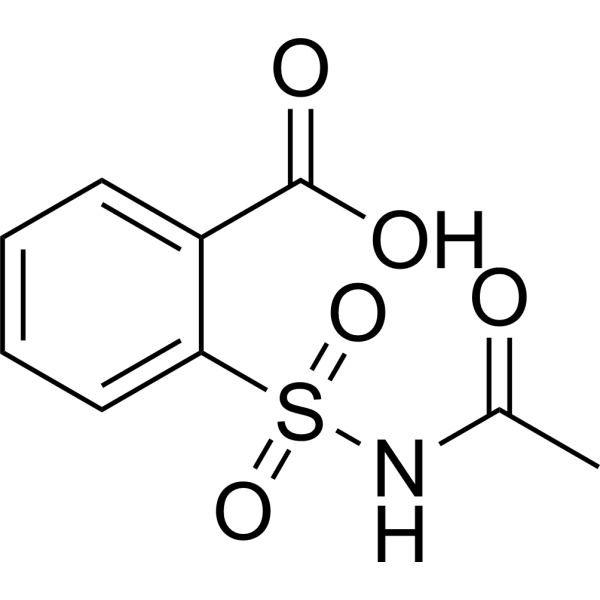
N-Acetyl-2-carboxybenzenesulfonamide is an orally active COX-1 and COX-2 inhibitor with IC50s of 0.06 μM and 0.25 μM, respectively. N-Acetyl-2-carboxybenzenesulfonamide shows anti-inflammatory activity .
|
-
- HY-161862
-
|
|
COX
|
Inflammation/Immunology
|
|
COX-2-IN-44 is a potent and orally active COX-2 inhibitor with IC50 values of 0.18,1.14 µM for COX-2, COX-1, respectively. COX-2-IN-44 shows anti-inflammatory activity .
|
-

- HY-15029S2
-
|
|
COX
|
Cancer
|
|
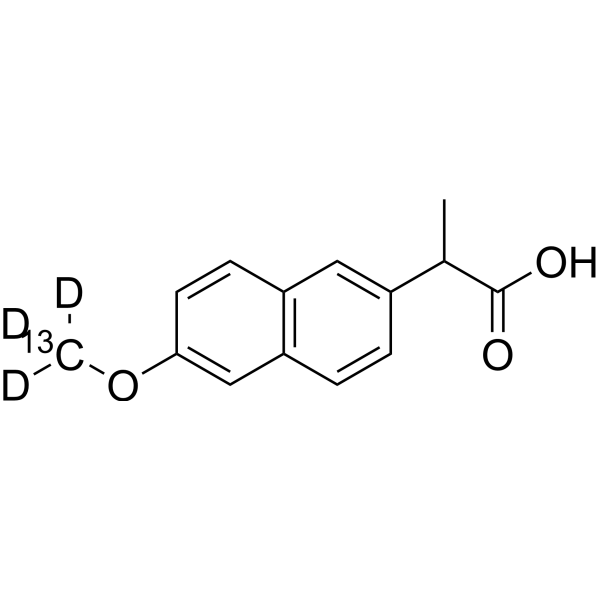
(±)-Naproxen- 13C,d3 is the deuterium and 13C labeled (±)-Naproxen . (±)-Naproxen ((Rac)-Naproxen) is a racemate of Naproxen (HY-15030). Naproxen is a COX-1 and COX-2 inhibitor with IC50s of 8.72 and 5.15 μM, respectively.
|
-
- HY-147961
-
|
|
COX
|
Inflammation/Immunology
|
|
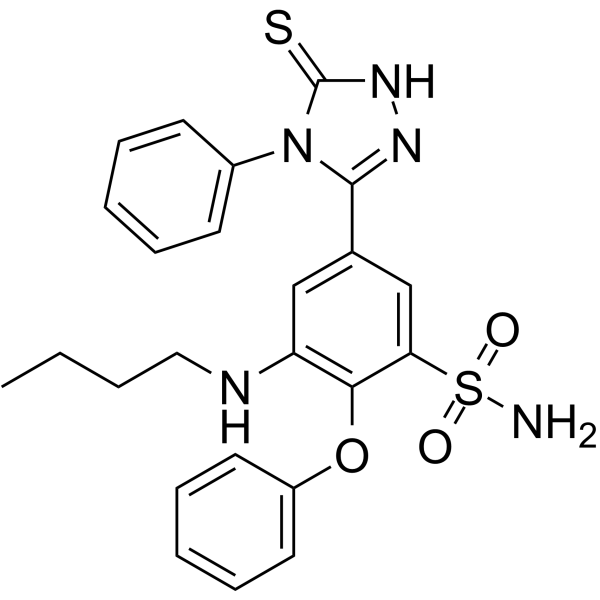
COX-2-IN-23 (compound 9a) is a selective COX-2 inhibitor with IC50 values of 0.28 and 20.14 μM for COX-2 and COX-1. COX-2-IN-23 has anti-inflammatory activity and low ulcerogenic activity.
|
-
- HY-149355
-
|
|
COX
|
Inflammation/Immunology
|
|
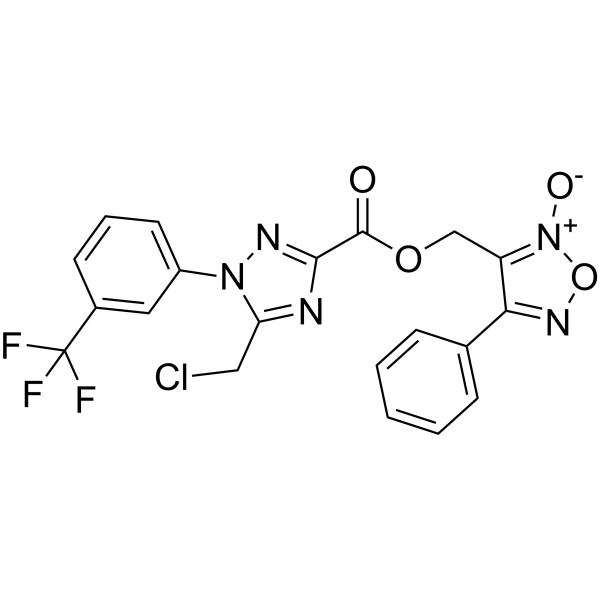
COX-2-IN-33 (compound 5f) is a COX-2 inhibitor (IC50=45.5 nM), as well as a potential anti-inflammatory agent. COX-2-IN-33 inhibits in vivo pro-inflammatory cytokine production and keep gastric safety .
|
-
- HY-121357
-
|
|
COX
|
Inflammation/Immunology
|
|
Lefucoxib is a selective cyclooxygenase-2 (COX-2) inhibitor. Lefucoxib can be used in the research of diseases such as osteoarthritis and rheumatoid arthritis .
|
-

- HY-139129
-
|
|
COX
|
Inflammation/Immunology
|
|
N-(3-Pyridyl)indomethacinamide is a derivative of Indomethacin (HY-14397). N-(3-Pyridyl)indomethacinamide is a COX2 inhibitor .
|
-

- HY-116243
-
|
|
COX
|
Neurological Disease
Inflammation/Immunology
|
|
Vitacoxib is an Imidazole (HY-D0837) derivative, selective COX-2 inhibitor, anti-inflammatory agent. Vitacoxib can be used in the research of inflammatory diseases, pain and fever [2].
|
-

- HY-173487
-
|
|
COX
|
Inflammation/Immunology
|
|
COX-2-IN-53 (compound 9) is a potent COX-2 inhibitor with an IC50 of 0.373 μM. COX-2-IN-53 reduces radiation-induced oxidative stress .
|
-

- HY-180203
-
|
|
COX
|
Cancer
|
|
COX-1/2-IN-10 (compound 3) is a dual COX-1 and COX-2 inhibitor. COX-1/2-IN-10 shows low cytotoxicity in RAW 264.7 cells .
|
-

- HY-138101
-
|
|
COX
|
Inflammation/Immunology
|
|
Desmethyl etoricoxib (example 21) is a selective COX-2 inhibitor with an IC50 of 1 μM in whole blood. Desmethyl etoricoxib inhibits COX-1 with an IC50 of 16 μM in U937 cells. Desmethyl etoricoxib has anti-inflammatory effects .
|
-

- HY-182610
-
|
Isopropyl vanillate
|
COX
Interleukin Related
|
Inflammation/Immunology
|
|
ISP-VT (Isopropyl vanillate) is a COX-2 inhibitor. ISP-VT exhibits anti-inflammatory, antipyretic and immunomodulatory activities. ISP-VT reduces neutrophil migration and the release of inflammatory factors . ISP-VT can be used for the research of inflammatory and immune diseases and other conditions [2].
|
-

- HY-Y1100S1
-
|
|
Isotope-Labeled Compounds
Drug Intermediate
Biochemical Assay Reagents
|
Others
|
|
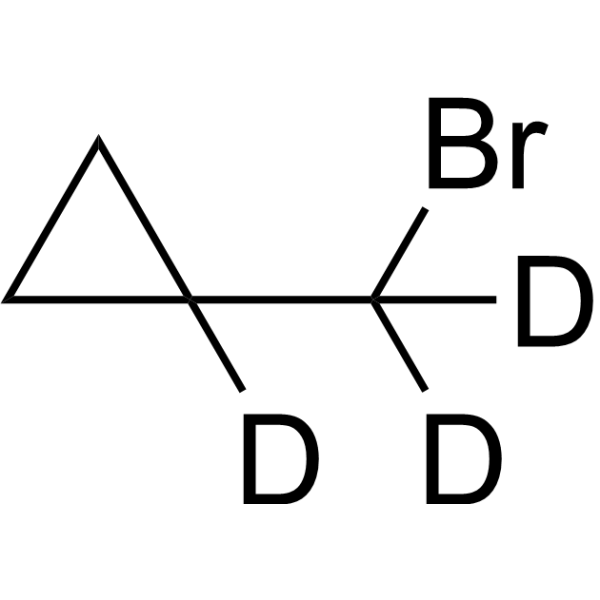
Cyclopropylmethyl bromide-d3 is the deuterium labeled Cyclopropylmethyl bromide (HY-Y1100). Cyclopropylmethyl bromide is an intermediate. Cyclopropylmethyl bromide can be used in the preparation of Firocoxib (HY-14670). Firocoxib (ML 1785713) is a potent, selective, orally active COX-2 inhibitor [2].
|
-
- HY-14670
-
|
ML 1785713
|
COX
|
Inflammation/Immunology
|
|
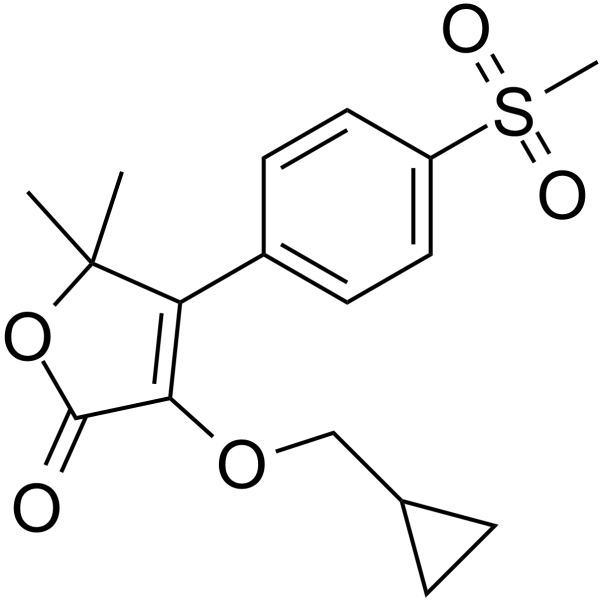
Firocoxib (ML 1785713) is a potent, selective and orally active COX-2 inhibitor with an IC50 of 0.13 μM. Firocoxib shows 58-fold more selective for COX-2 than COX-1 (IC50 of 7.5 μM). Firocoxib has anti-inflammatory effects .
|
-
- HY-W745860
-
|
|
Reactive Oxygen Species (ROS)
|
Cancer
|
|
Hexahydrocurcumin-d6 is the deuterium labeled Hexahydrocurcumin (HY-N0929). Hexahydrocurcumin is one of the major metabolites of curcumin and a selective, orally active COX-2 inhibitor. Hexahydrocurcumin is inactive against COX-1. Hexahydrocurcumin has antioxidant, anticancer and anti-inflammatory activities [2].
|
-

- HY-N16481
-
|
|
COX
Phospholipase
|
Inflammation/Immunology
|
|
Parameritannin A-1 is a tetrameric proanthocyanidin (PAC) that can be isolated from the bark of Parameria laevigata Moldenke (Apocynaceae). Parameritannin A-1 is a COX-2 inhibitor. Parameritannin A-1 also inhibits the activity of phospholipase A2 (PLA2) [2] .
|
-

- HY-B1130
-
|
|
COX
|
Inflammation/Immunology
|
|
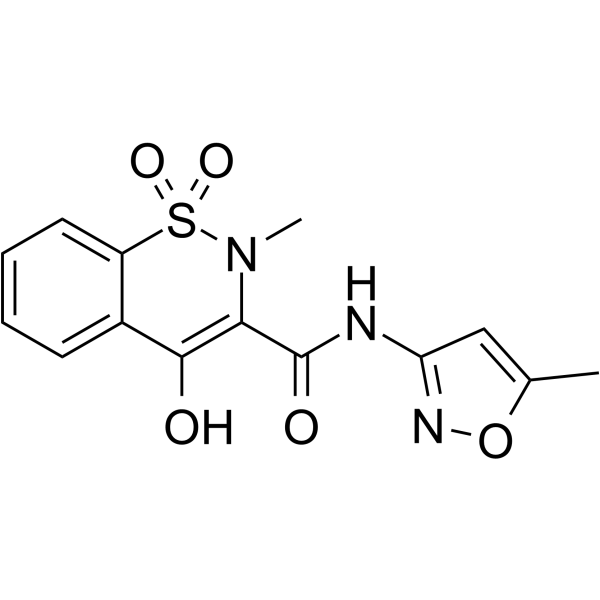
Isoxicam is an orally active nonsteroidal anti-inflammatory compound and a COX-1/COX-2 inhibitor. Isoxicam exhibits potent anti-inflammatory activity in rat models of inflammation and significantly lower ulcerogenic risk. Isoxicam can be used for the study of inflammatory diseases and rheumatic disorders [2].
|
-
- HY-66004
-
|
Diacetamate
|
Drug Intermediate
Bacterial
Parasite
|
Inflammation/Immunology
Cancer
|
|
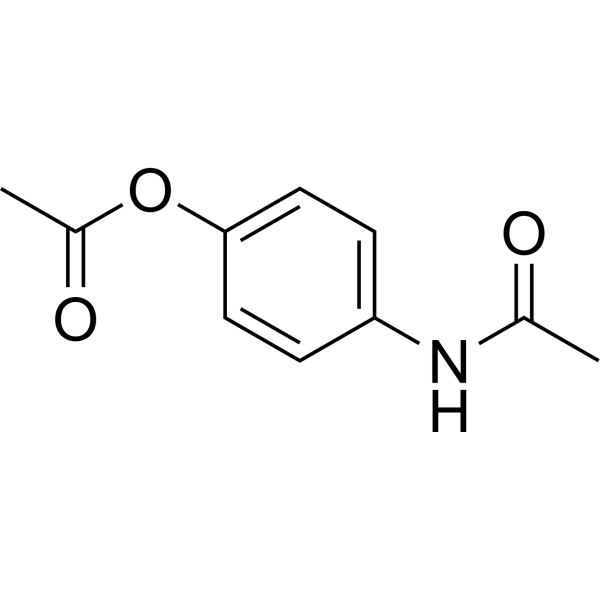
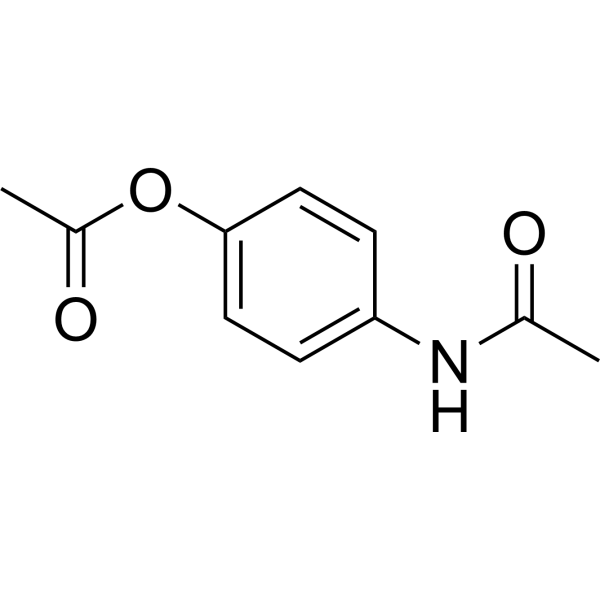
4-Acetamidophenyl acetate is an impurity of Acetaminophen (HY-66005). 4-Acetamidophenyl acetate acts as an intermediate in the synthesis of Acetaminophen. Acetaminophen is a selective COX-2 inhibitor (IC50=25.8 μM), and is a potent hepatic N-acetyltransferase 2 (NAT2) inhibitor [2] .
|
-
- HY-163509
-
|
|
COX
Apoptosis
|
Cancer
|
|
COX-2-IN-43 (Compound MYM4) is a COX-2 inhibitor (IC50: 0.983 and 0.247 μM for COX-1 and COX-2 respectively). COX-2-IN-43 inhibits cancer cell proliferation and colonization, induces apoptosis .
|
-

- HY-66005S
-
|
Paracetamol-d4; 4-Acetamidophenol-d4; 4'-Hydroxyacetanilide-d4
|
COX
Histone Acetyltransferase
Endogenous Metabolite
|
Inflammation/Immunology
|
|
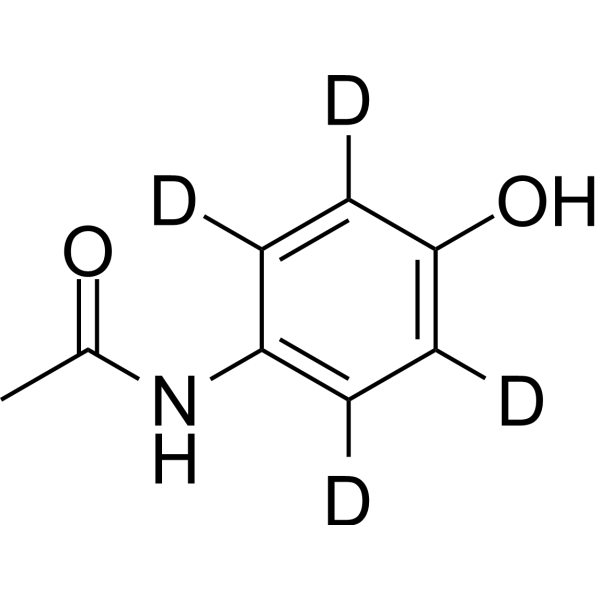
Acetaminophen-d4 is the deuterium labeled Acetaminophen. Acetaminophen (Paracetamol) is a selective cyclooxygenase-2 (COX-2) inhibitor with an IC50 of 25.8 μM; is a widely used antipyretic and analgesic agent [2] . Acetaminophen is a potent hepatic N-acetyltransferase 2 (NAT2) inhibitor .
|
-
- HY-66005S1
-
|
Paracetamol-d3; 4-Acetamidophenol-d3; 4'-Hydroxyacetanilide-d3
|
COX
Histone Acetyltransferase
Endogenous Metabolite
|
Inflammation/Immunology
Cancer
|
|
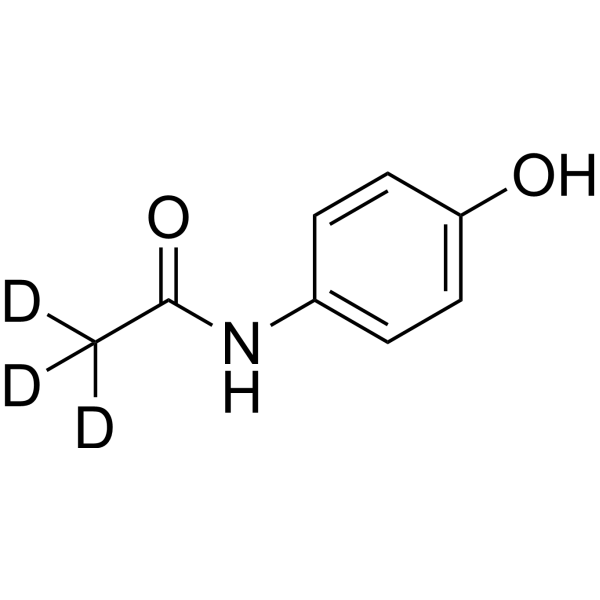
Acetaminophen-d3 is the deuterium labeled Acetaminophen. Acetaminophen (Paracetamol) is a selective cyclooxygenase-2 (COX-2) inhibitor with an IC50 of 25.8 μM; is a widely used antipyretic and analgesic agent [2] . Acetaminophen is a potent hepatic N-acetyltransferase 2 (NAT2) inhibitor .
|
-
- HY-N6084
-
|
α-Lupulic acid
|
COX
GABA Receptor
Apoptosis
|
Cardiovascular Disease
|
|
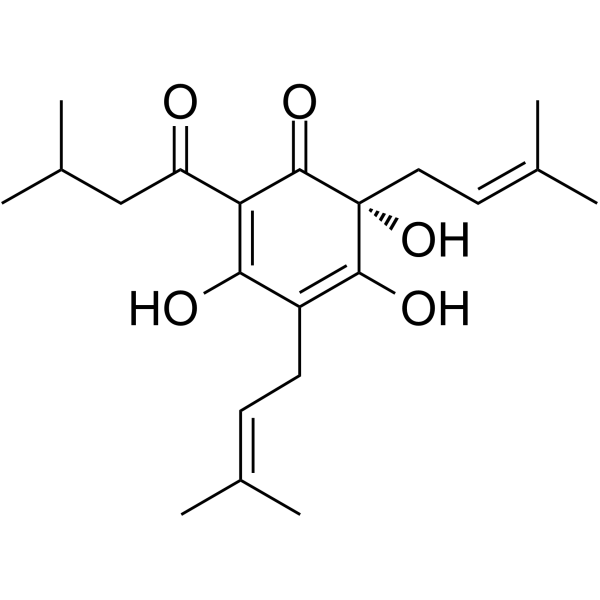
Humulone (α-Lupulic acid), a prenylated phloroglucinol derivative, is a potent cyclooxygenase-2 (COX-2) inhibitor. Humulone acts as a positive modulator of GABAA receptor at low micromolar concentrations. Humulone is an inhibitor of bone resorption. Humulone possesses antioxidant, anti-angiogenic and apoptosis-inducing properties [2] .
|
-
- HY-169167
-
|
|
COX
|
Cancer
|
|
COX-2-IN-49 (compound 6c) is a potent cyclooxygenase-2 (COX-2) inhibitor with an IC50 value of 2.671 µM. COX-2-IN-49 shows antiproliferative activity. COX-2-IN-49 has the potential for the research of cancer .
|
-

- HY-150551
-
|
|
COX
|
Inflammation/Immunology
|
|
COX-2-IN-27 is a potent and selective COX-2 inhibitor with IC50 values of 13.22, 0.045, 1.67 µM for COX-1, COX-2, 15-LOX, respectively. COX-2-IN-27 shows anti-inflammatory activity .
|
-
- HY-175643
-
|
|
COX
|
Inflammation/Immunology
|
|
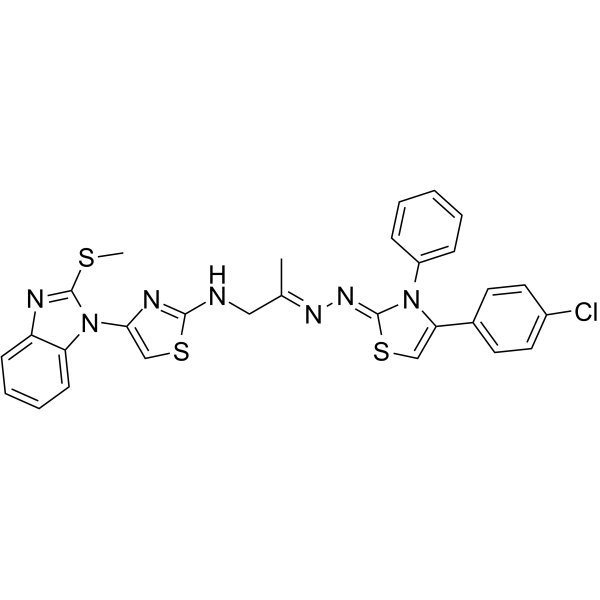
COX-2-IN-58 is a COX-2 inhibitor. COX-2-IN-58 exhibits remarkable anti-inflammatory activity in Carrageenan (HY-125474)-induced paw edema model of Balb/C mice. COX-2-IN-58 can be used for the research of inflammation .
|
-

- HY-119447R
-
|
|
COX
|
Inflammation/Immunology
|
|
Mavacoxib (Standard) is the analytical standard of Mavacoxib. This product is intended for research and analytical applications. Mavacoxib is a selective, oral long-acting cyclooxygenase-2 (COX-2) inhibitor and a long-acting non-steroidal anti-inflammatory drug (NSAID). Mavacoxib is used to treat pain and inflammation associated with degenerative joint disease in dogs .
|
-

- HY-13507R
-
|
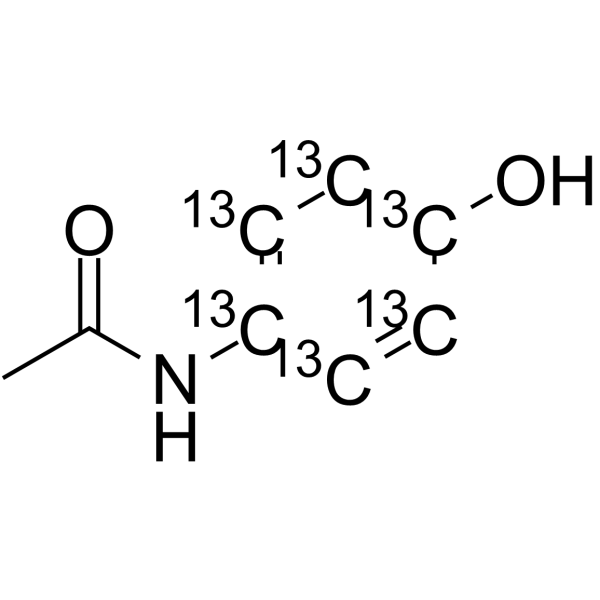
COX-189 (Standard)
|
Reference Standards
COX
|
Metabolic Disease
Inflammation/Immunology
Cancer
|
|
Lumiracoxib (Standard) is the analytical standard of Lumiracoxib. This product is intended for research and analytical applications. Lumiracoxib is a potent,selective and orally active COX-2 inhibitor with a Ki value of 0.06 μM . Lumiracoxib acts as a nonselective NSAID with anti-inflammatory, analgesic and antipyretic activities. Lumiracoxib can be used for osteoarthritis and bone cancer research [2].
|
-

- HY-66005S5
-
-
- HY-W557590
-
|
|
Drug Metabolite
|
Others
|
|
Nabumetone alcohol is a metabolite of Nabumetone (HY-B0559) . Nabumetone is an orally active non-acidic anti-inflammatory agent, acts as a potent and selective COX-2 inhibitor, and is the proagent of the active metaboliteα-Demethylnaproxen (HY-W086896). Nabumetone can inhibit cancer cells proliferation and relieve gastric ulcers.
|
-

- HY-B0363R
-
|
R805 (Standard)
|
Reference Standards
COX
|
Inflammation/Immunology
Cancer
|
|
Nimesulide (Standard) is the analytical standard of Nimesulide. This product is intended for research and analytical applications. Nimesulide is a selective COX-2 inhibitor, with IC50s of 70 nM-70 μM in a time-dependent manner, but it shows no effect on COX-1 (IC50 >100 μM). Nimesulide has potent anti-inflammatory, analgesic and antipyretic properties.
|
-

- HY-114200R
-
|
BAP-909 (Standard)
|
Reference Standards
COX
|
Inflammation/Immunology
|
|
Imrecoxib (Standard) is the analytical standard of Imrecoxib. This product is intended for research and analytical applications. Imrecoxib (BAP-909) is a novel and selective cyclooxygenase 2 (COX-2) inhibitor with an IC50 value of 18 nM, it also inhibits COX1- activity with an IC50 value of 115 nM. Imrecoxib (BAP-909) has anti-inflammatory effect .
|
-

- HY-66005
-
-
- HY-66005R
-
|
Paracetamol (Standard); 4-Acetamidophenol (Standard); 4'-Hydroxyacetanilide (Standard)
|
Reference Standards
COX
Histone Acetyltransferase
Endogenous Metabolite
Bacterial
Parasite
|
Inflammation/Immunology
Cancer
|
|
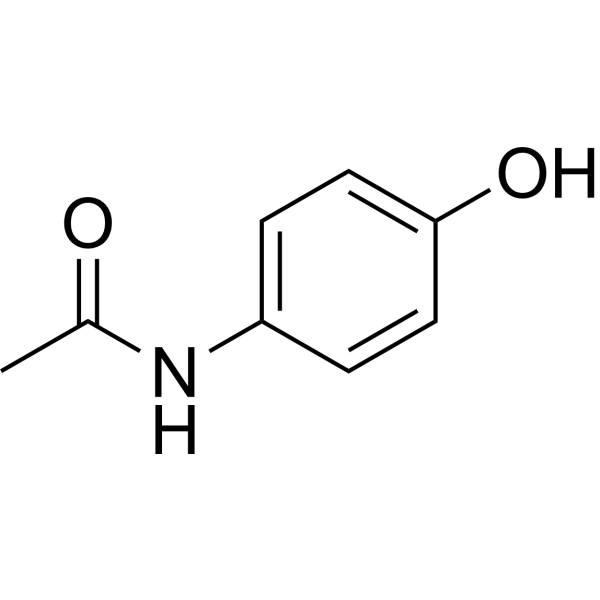
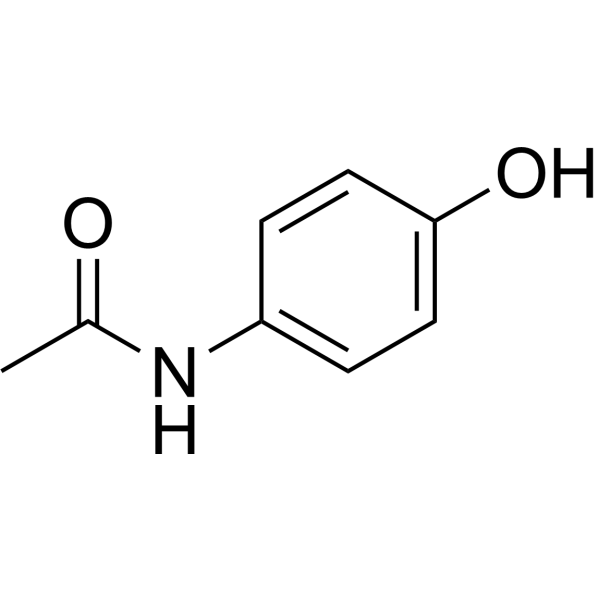
Acetaminophen (Standard) is the analytical standard of Acetaminophen. This product is intended for research and analytical applications. Acetaminophen (Paracetamol) is a selective cyclooxygenase-2 (COX-2) inhibitor with an IC50 of 25.8 μM; is a widely used antipyretic and analgesic agent [2] . Acetaminophen is a potent hepatic N-acetyltransferase 2 (NAT2) inhibitor .
|
-
- HY-N1312R
-
-

- HY-B0363S
-
|
|
Isotope-Labeled Compounds
COX
|
Inflammation/Immunology
|
|
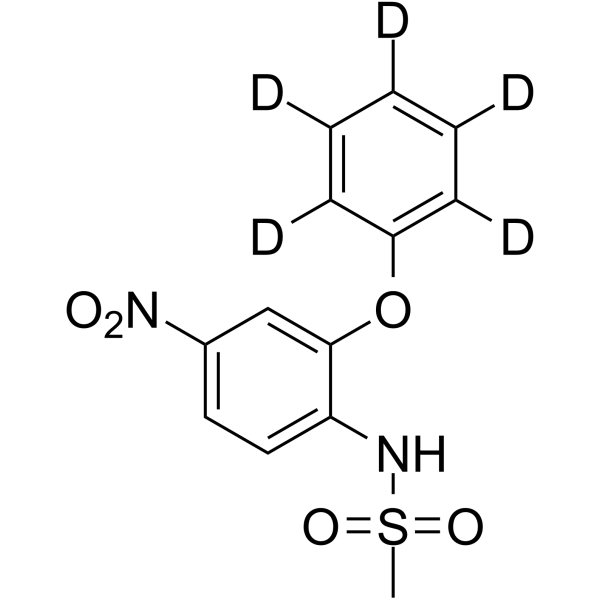
Nimesulide-d5 is a deuterium labeled Nimesulide. Nimesulide is a selective COX-2 inhibitor, with IC50s of 70 nM-70 μM in a time-dependent manner, but it shows no effect on COX-1 (IC50 >100 μM). Nimesulide has potent anti-inflammatory, analgesic and antipyretic properties [2].
|
-
- HY-N1312
-
-
- HY-15321S
-
|
MK-0663-d4; L-791456-d4
|
COX
|
Others
|
|
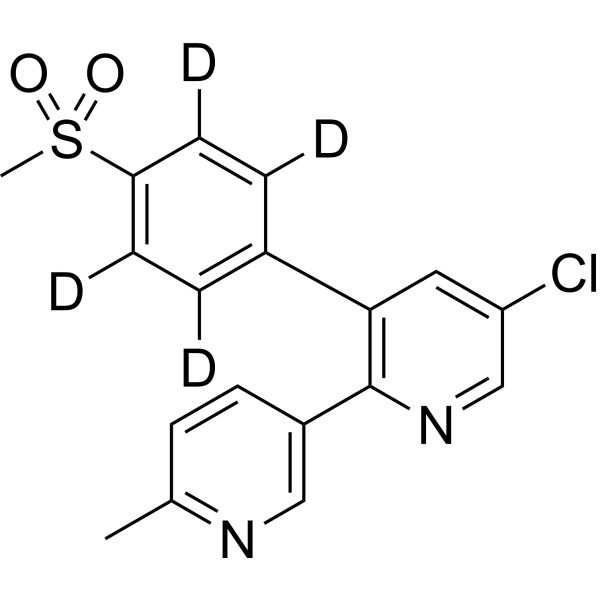
Etoricoxib-d4 (MK-0663-d4) is a deuterium labeled Etoricoxib. Etoricoxib is a non steroidal anti-inflammatory agent, acting as a selective and orally active COX-2 inhibitor, with IC50s of 1.1 μM and 116 μM for COX-2 and COX-1 in human whole blood.
|
-
- HY-115967
-
|
|
COX
|
Inflammation/Immunology
|
|
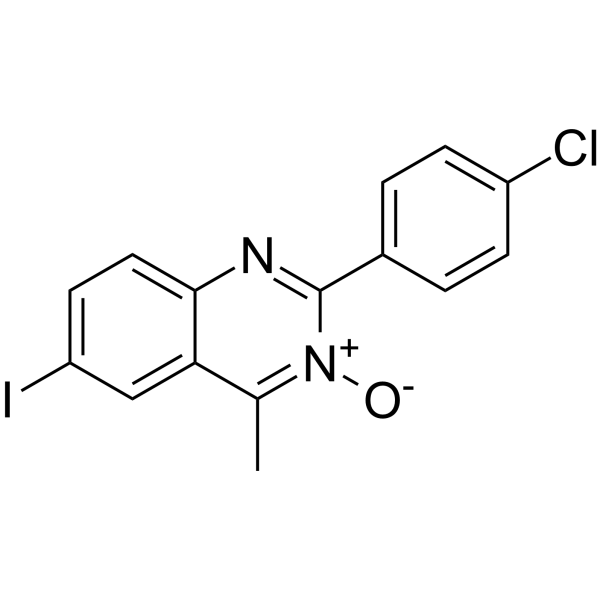
COX-1/2-IN-2 is a potent COX1/2 inhibitor. COX-1/2-IN-2 exhibits significant inhibitory effect against COX-1 and COX-2 inhibitor with IC50 values of 9.7 ± 0.09 µM and 4.6 ± 1.45 µM, respectively .
|
-
- HY-17474A
-
|
SC 69124A
|
COX
|
Infection
Neurological Disease
Inflammation/Immunology
Cancer
|
|
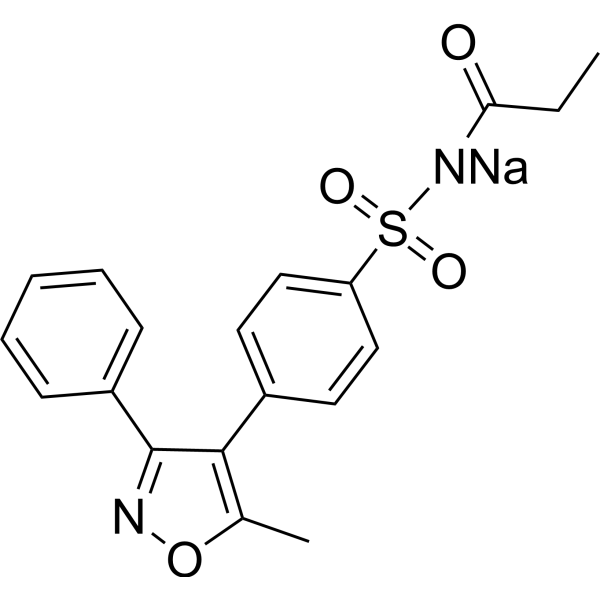
Parecoxib Sodium (SC 69124A) is a highly selective and orally active COX-2 inhibitor that is permeable to the blood-brain barrier, the proagent of Valdecoxib (HY-15762). Parecoxib Sodium is a nonsteroidal anti-inflammatory agent (NSAID) and inhibits prostaglandin (PG) synthesis. Parecoxib Sodium can be used for the relief of acute postoperative pain and symptoms of chronic inflammatory conditions such as osteoarthritis and rheumatoid arthritis in vivo.
|
-
- HY-115966
-
|
|
COX
|
Inflammation/Immunology
|
|
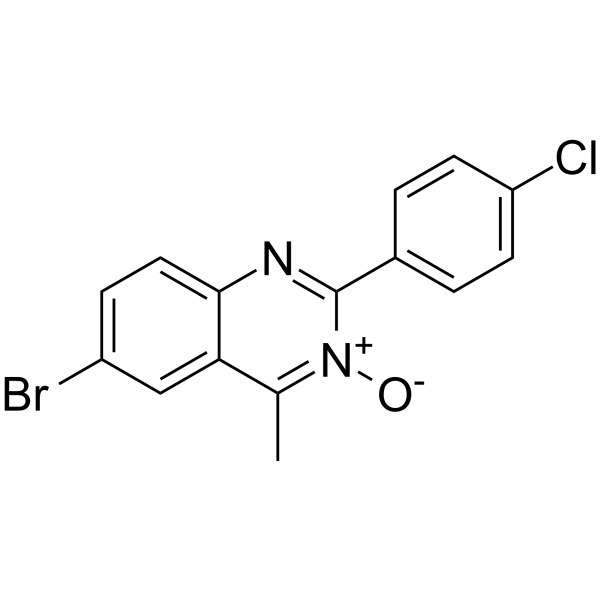
COX-1/2-IN-2 is a potent COX1/2 inhibitor. COX-1/2-IN-2 exhibits significant inhibitory effect against COX-1 and COX-2 inhibitor with IC50 values of 13.9 ± 3.21 µM and 6.4±0.74 µM, respectively .
|
-
- HY-B0619
-
|
CN100
|
COX
|
Inflammation/Immunology
|
|
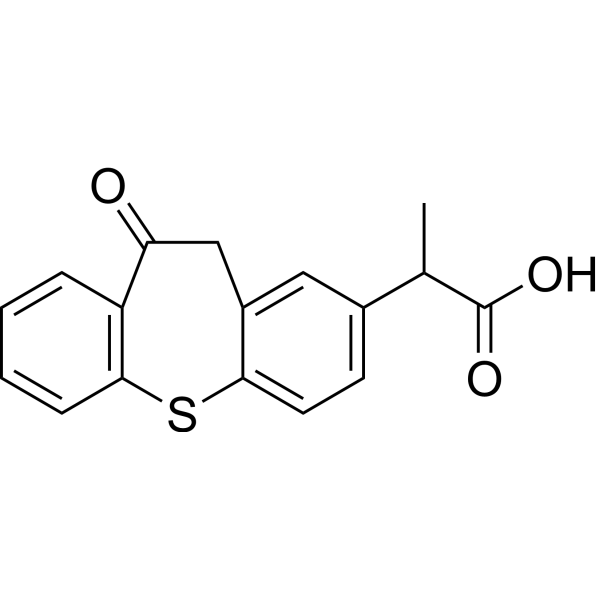
Zaltoprofen (CN100), a non-steroidal anti-inflammatory drug (NSAID), is a preferential and orally active COX-2 inhibitor, with IC50s of 1.3 and 0.34 μM for COX-1 and COX-2, respectively. Zaltoprofen exhibits powerful anti-inflammatory effects as well as an analgesic action on inflammatory pain [2] .
|
-
- HY-15321R
-
|
MK-0663 (Standard); L-791456 (Standard)
|
Reference Standards
COX
|
Inflammation/Immunology
Cancer
|
|
Etoricoxib (Standard) is the analytical standard of Etoricoxib. This product is intended for research and analytical applications. Etoricoxib (MK-0663) is a non steroidal anti-inflammatory agent, acting as a selective and orally active COX-2 inhibitor, with IC50s of 1.1 μM and 116 μM for COX-2 and COX-1 in human whole blood.
|
-
- HY-17474
-
|
SC 69124
|
COX
|
Infection
Neurological Disease
Inflammation/Immunology
Cancer
|
|
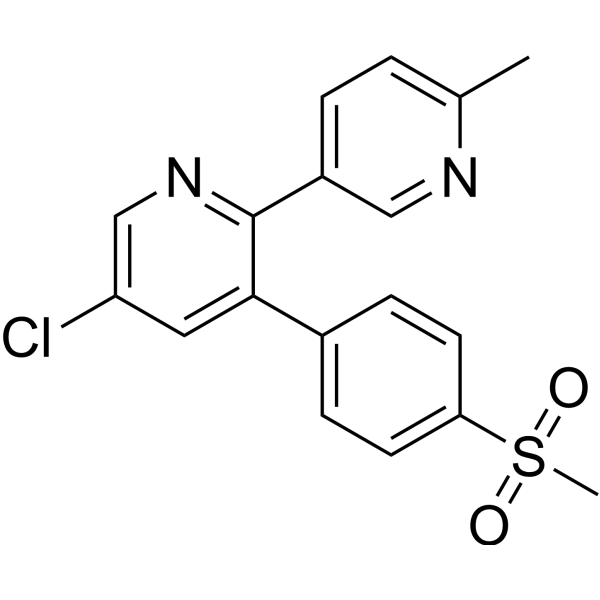
Parecoxib (SC 69124) is a highly selective and orally active COX-2 inhibitor that is permeable to the blood-brain barrier, the proagent of Valdecoxib (HY-15762). Parecoxib Sodium is a nonsteroidal anti-inflammatory agent (NSAID) and inhibits prostaglandin (PG) synthesis. Parecoxib can be used for the relief of acute postoperative pain and symptoms of chronic inflammatory conditions such as osteoarthritis and rheumatoid arthritis in vivo.
|
-
- HY-66005S4
-
|
Paracetamol-13C2,15N; 4-Acetamidophenol-13C2,15N; 4'-Hydroxyacetanilide-13C2,15N
|
COX
Bacterial
Histone Acetyltransferase
Parasite
Endogenous Metabolite
|
Inflammation/Immunology
|
|
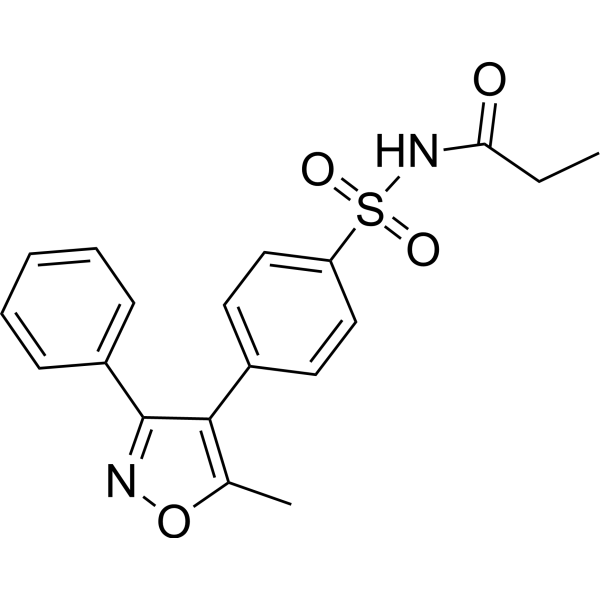
Acetaminophen- 13C2, 15N is the 13C and 15N labeled Acetaminophen . Acetaminophen (Paracetamol) is a selective cyclooxygenase-2 (COX-2) inhibitor with an IC50 of 25.8 μM;is a widely used antipyretic and analgesic agent [2] . Acetaminophen is a potent hepatic N-acetyltransferase 2 (NAT2) inhibitor .
|
-
- HY-153762
-
|
|
NO Synthase
NF-κB
COX
|
Inflammation/Immunology
|
|
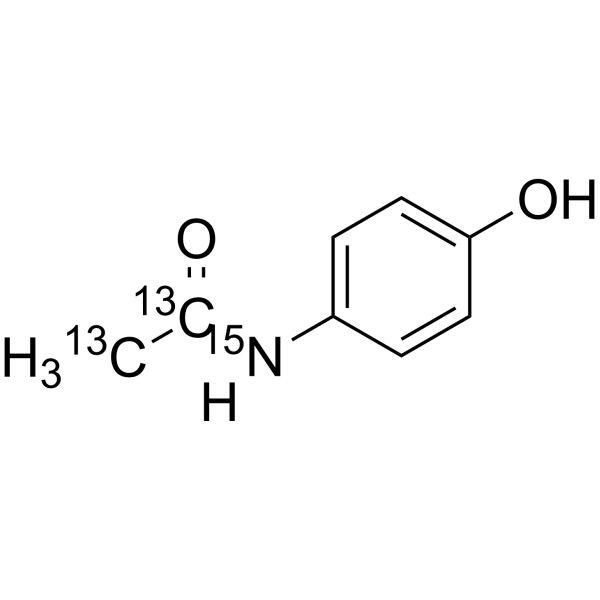
COX-2-IN-32 (Compound 2f) is an iNOS and COX-2 inhibitor. COX-2-IN-32 decreases the expression of NF-κB. COX-2-IN-32 has anti-inflammatory activity by inhibits NO production in LPS-induced RAW264.7 macrophages (IC50: 11.2 μM) .
|
-
- HY-15321S2
-
|
MK-0663-d3; L-791456-d3
|
COX
|
Inflammation/Immunology
|
|
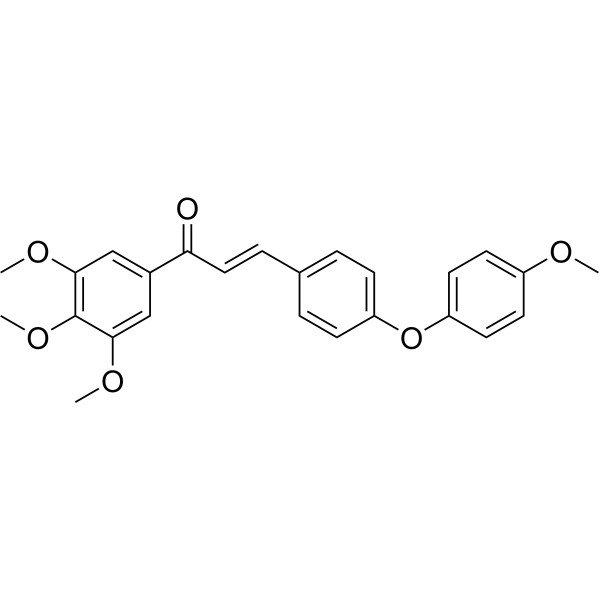
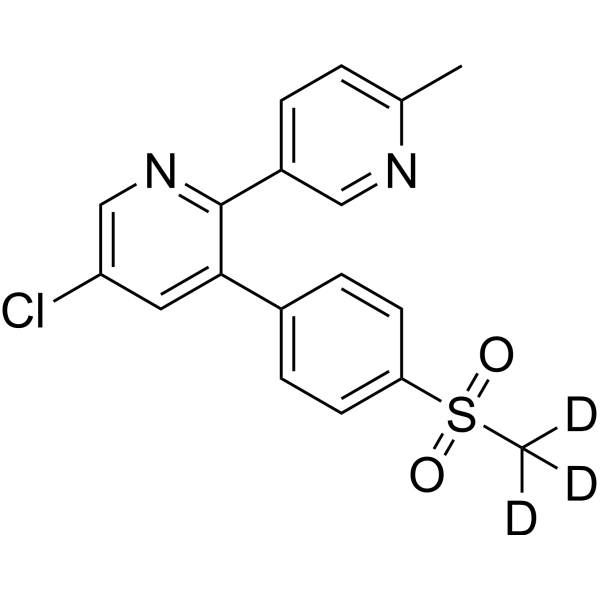
Etoricoxib-d3 is the deuterium labeled Etoricoxib . Etoricoxib (MK-0663) is a non steroidal anti-inflammatory agent, acting as a selective and orally active COX-2 inhibitor, with IC50s of 1.1 μM and 116 μM for COX-2 and COX-1 in human whole blood [2] .
|
-
- HY-15321
-
|
MK-0663; L-791456
|
COX
|
Inflammation/Immunology
Cancer
|
|
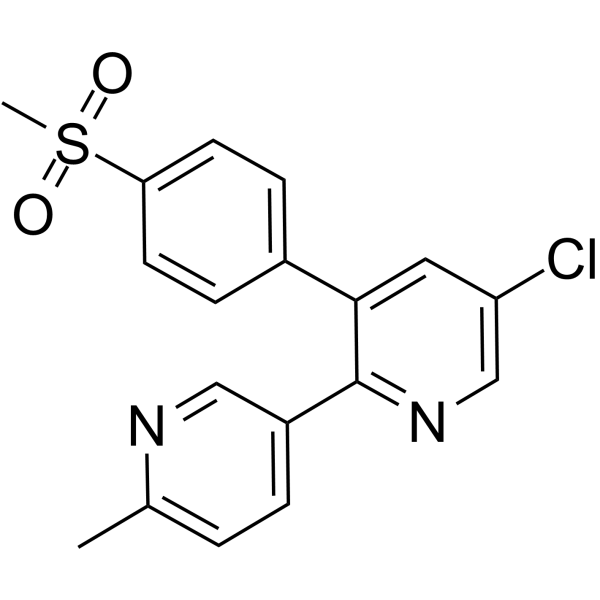
Etoricoxib (MK-0663) is a non steroidal anti-inflammatory agent, acting as a selective and orally active COX-2 inhibitor. Etoricoxib can cross the blood-brain barrier, with IC50s of 1.1 μM and 116 μM for COX-2 and COX-1 in human whole blood [2] .
|
-
- HY-113083R
-
|
APAP-glu (Standard)
|
Reference Standards
Drug Metabolite
Endogenous Metabolite
|
Others
|
|
Acetaminophen glucuronide (Standard) is the analytical standard of Acetaminophen glucuronide. This product is intended for research and analytical applications. Acetaminophen glucuronide (APAP-glu) is an inactive glucuronide metabolite of Acetaminophen (HY-66005) [2]. Acetaminophen is a selective cyclooxygenase-2 (COX-2) inhibitor and a potent hepatic N-acetyltransferase 2 (NAT2) inhibitor .
|
-

- HY-15321S1
-
|
MK-0663-13C,d3; L-791456-13C,d3
|
Isotope-Labeled Compounds
COX
|
Inflammation/Immunology
Cancer
|
|
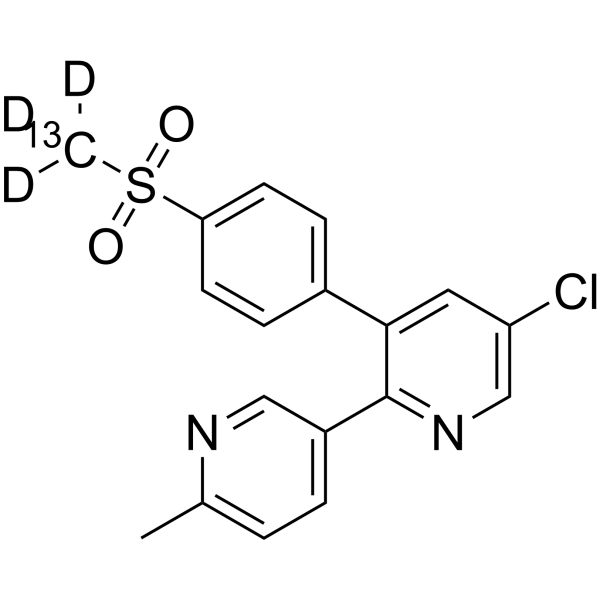
Etoricoxib- 13C,d3 is the 13C- and deuterium labeled Etoricoxib. Etoricoxib (MK-0663) is a non steroidal anti-inflammatory agent, acting as a selective and orally active COX-2 inhibitor, with IC50s of 1.1 μM and 116 μM for COX-2 and COX-1 in human whole blood.
|
-
- HY-168888
-
|
|
COX
|
Inflammation/Immunology
|
|
COX-2-IN-52 (Compound 5l) is an orally active and selective COX-2 inhibitor with an IC50 of 54 nM. COX-2-IN-52 can inhibit the release of NO in cells and has anti-inflammatory activity. COX-2-IN-52 has high gastrointestinal safety and can be used in the research of oral anti-inflammatory drugs .
|
-

- HY-78131AR
-
|
Dexibuprofen (Standard)
|
Reference Standards
COX
|
Inflammation/Immunology
|
|
(S)-(+)-Ibuprofen (Standard) is the analytical standard of (S)-(+)-Ibuprofen. This product is intended for research and analytical applications. (S)-(+)-Ibuprofen ((S)-Ibuprofen), a S(+)-enantiomer of Ibuprofen, is a potent COX-1 and COX-2 inhibitor with IC50s of 2.1 μM and 1.6 μM, respectively. (S)-(+)-Ibuprofen has analgesic, anti-inflammatory, anticancer and antipyretic effects [2].
|
-

- HY-B0363S1
-
|
R805-13C6
|
Isotope-Labeled Compounds
COX
|
Inflammation/Immunology
Cancer
|
|
Nimesulide- 13C6 (R805- 13C6) is 13C labeled Nimesulide. Nimesulide is a selective COX-2 inhibitor, with IC50s of 70 nM-70 μM in a time-dependent manner, but it shows no effect on COX-1 (IC50 >100 μM). Nimesulide has potent anti-inflammatory, analgesic and antipyretic properties.
|
-

- HY-174159
-
|
|
COX
|
Inflammation/Immunology
|
|
COX-2-IN-54 (Compound 7y) is an orally active COX-2 inhibitor with an IC50 of 4.15 μM. COX-2-IN-54 has a strong protective effect against DSS-induced ulcerative colitis and can significantly reduce tissue damage. COX-2-IN-54 has anti-inflammatory activity .
|
-

- HY-17372
-
|
MK 966
|
COX
|
Inflammation/Immunology
Cancer
|
|
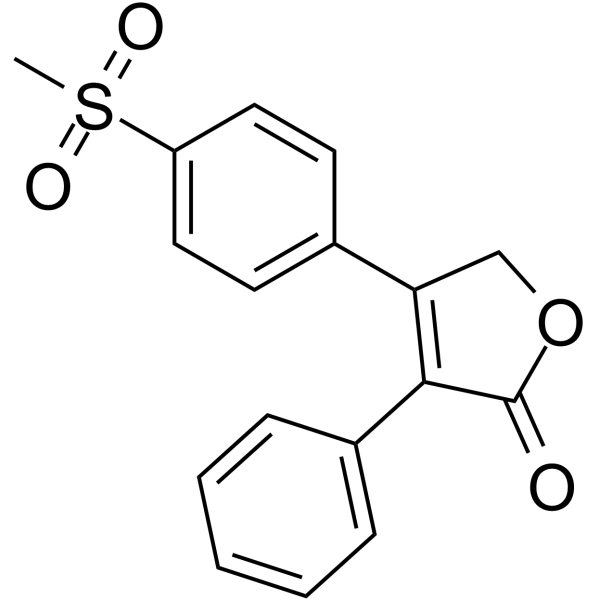
Rofecoxib is a potent, specific and orally active COX-2 inhibitor, with IC50s of 26 and 18 nM for human COX-2 in human osteosarcoma cells and Chinese hamster ovary cells, with a 1000-fold selectivity for COX-2 over human COX-1 (IC50 > 50 μM in U937 cells and > 15 μM in Chinese hamster ovary cells).
|
-
- HY-17474S
-
|
SC 69124-d3
|
Isotope-Labeled Compounds
COX
|
Inflammation/Immunology
Cancer
|
|
Parecoxib-d3 is the deuterium labeled Parecoxib. Parecoxib (SC 69124) is a highly selective and orally active COX-2 inhibitor, the proagent of Valdecoxib (HY-15762). Parecoxib Sodium is a nonsteroidal anti-inflammatory agent (NSAID) and inhibits prostaglandin (PG) synthesis. Parecoxib can be used for the relief of acute postoperative pain and symptoms of chronic inflammatory conditions such as osteoarthritis and rheumatoid arthritis in vivo.
|
-
- HY-B0559S
-
|
BRL14777-d3
|
Isotope-Labeled Compounds
COX
|
Inflammation/Immunology
Cancer
|
|
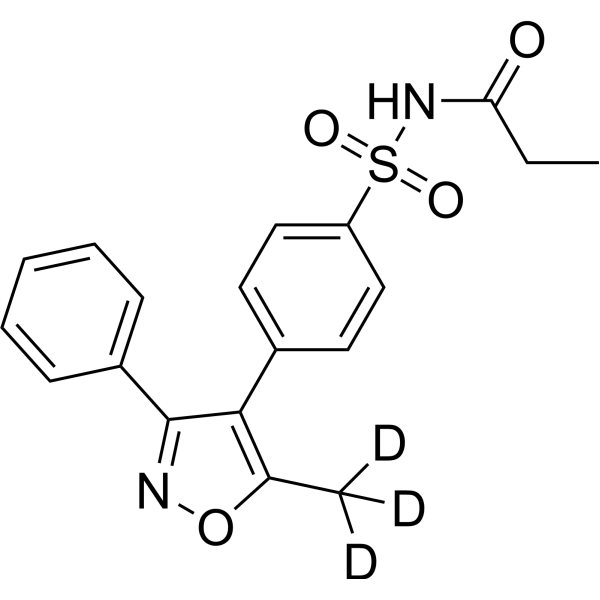
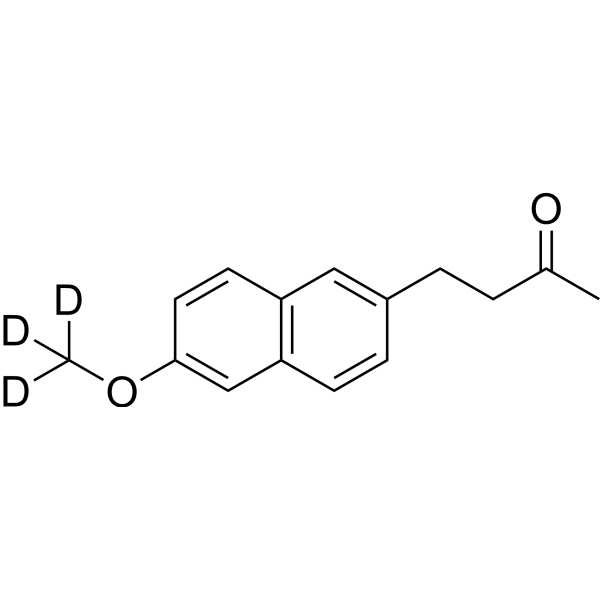
Nabumetone-d3 is the deuterium labeled Nabumetone (HY-B0559). Nabumetone is an orally active non-acidic anti-inflammatory agent, acts as a potent and selective COX-2 inhibitor, and is the proagent of the active metaboliteα-Demethylnaproxen (HY-W086896). Nabumetone can inhibit cancer cells proliferation and relieve gastric ulcers [2] .
|
-
- HY-181123
-
|
|
COX
|
Neurological Disease
Inflammation/Immunology
|
|
AS1-6 is a selective COX-2 inhibitor with an IC50 of 2.7 μM. AS1-6 has an IC50 of 12.6 μM for COX-1. AS1-6 exerts significant anti-inflammatory and analgesic activities. AS1-6 can be used in research on non-steroidal anti-inflammatory agents .
|
-

- HY-W086896R
-
|
|
Reference Standards
Drug Metabolite
|
Inflammation/Immunology
|
|
α-Demethylnaproxen (Standard) is the analytical standard of α-Demethylnaproxen (HY-W086896). This product is intended for research and analytical applications. α-Demethylnaproxen (Compound 6-MNA) is the major metabolite of Nabumetone (HY-B0559). Nabumetone is an orally active non-acidic anti-inflammatory agent, acts as a potent and selective COX-2 inhibitor [2].
|
-

- HY-14670R
-
|
ML 1785713 (Standard)
|
Reference Standards
COX
|
Inflammation/Immunology
|
|
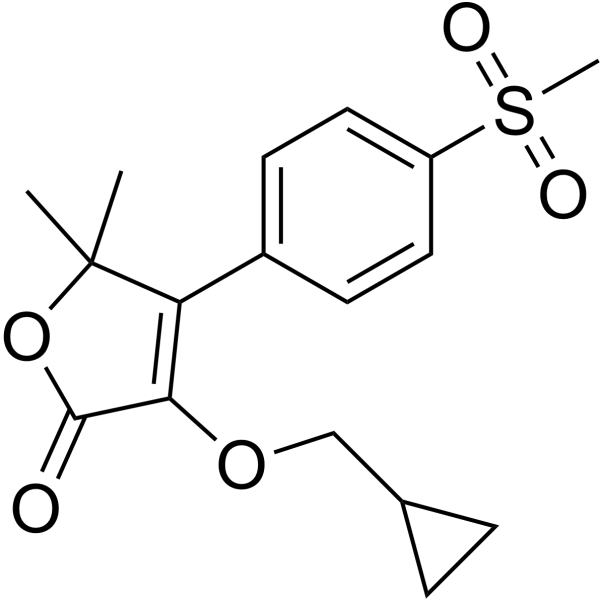
Firocoxib (Standard) is the analytical standard of Firocoxib. This product is intended for research and analytical applications. Firocoxib (ML 1785713) is a potent, selective and orally active COX-2 inhibitor with an IC50 of 0.13 μM. Firocoxib shows 58-fold more selective for COX-2 than COX-1 (IC50 of 7.5 μM). Firocoxib has anti-inflammatory effects .
|
-
- HY-17474AR
-
|
SC 69124A (Standard)
|
Reference Standards
COX
|
Inflammation/Immunology
Cancer
|
|
Parecoxib (Sodium) (Standard) is the analytical standard of Parecoxib (Sodium). This product is intended for research and analytical applications. Parecoxib Sodium (SC 69124A) is a highly selective and orally active COX-2 inhibitor, the proagent of Valdecoxib (HY-15762). Parecoxib Sodium is a nonsteroidal anti-inflammatory agent (NSAID) and inhibits prostaglandin (PG) synthesis. Parecoxib Sodium can be used for the relief of acute postoperative pain and symptoms of chronic inflammatory conditions such as osteoarthritis and rheumatoid arthritis in vivo.
|
-

- HY-B0559R
-
|
BRL14777 (Standard)
|
Reference Standards
COX
|
Inflammation/Immunology
Cancer
|
|
Nabumetone (Standard) is the analytical standard of Nabumetone (HY-B0559). This product is intended for research and analytical applications. Nabumetone is an orally active non-acidic anti-inflammatory agent, acts as a potent and selective COX-2 inhibitor, and is the proagent of the active metaboliteα-Demethylnaproxen (HY-W086896). Nabumetone can inhibit cancer cells proliferation and relieve gastric ulcers [2] .
|
-

- HY-14670S
-
|
|
Isotope-Labeled Compounds
COX
|
Inflammation/Immunology
|
|
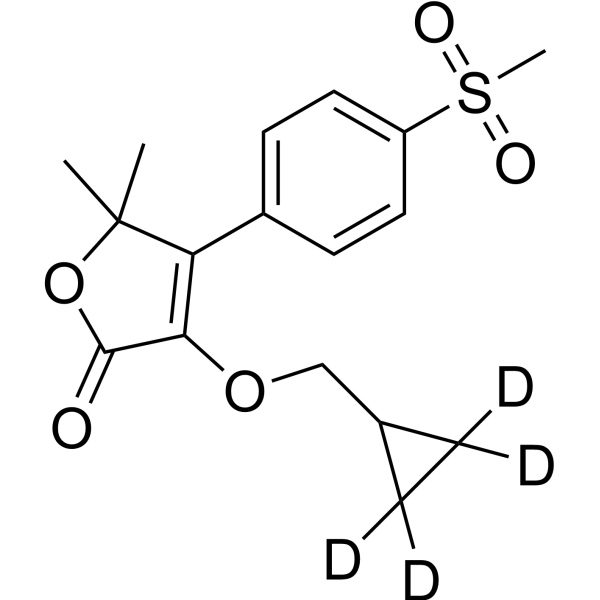
Firocoxib-d4 (ML 1785713-d4) is the deuterium labeled Firocoxib. Firocoxib (ML 1785713) is a potent, selective and orally active COX-2 inhibitor with an IC50 of 0.13 μM. Firocoxib shows 58-fold more selective for COX-2 than COX-1 (IC50 of 7.5 μM). Firocoxib has anti-inflammatory effects .
|
-
- HY-66005S3
-
-
- HY-17474R
-
|
SC 69124 (Standard)
|
Reference Standards
COX
|
Inflammation/Immunology
Cancer
|
|
Parecoxib (Standard) is the analytical standard of Parecoxib. This product is intended for research and analytical applications. Parecoxib (SC 69124) is a highly selective and orally active COX-2 inhibitor, the proagent of Valdecoxib (HY-15762). Parecoxib Sodium is a nonsteroidal anti-inflammatory agent (NSAID) and inhibits prostaglandin (PG) synthesis. Parecoxib can be used for the relief of acute postoperative pain and symptoms of chronic inflammatory conditions such as osteoarthritis and rheumatoid arthritis in vivo.
|
-

- HY-150550
-
|
|
COX
|
Inflammation/Immunology
|
|
COX-2-IN-26 is a potent, selective and orally active COX-2 inhibitor with IC50 values of 10.61, 0.067, 1.96 µM for COX-1, COX-2, 15-LOX, respectively. COX-2-IN-26 shows anti-inflammatory activity. COX-2-IN-26 shows gastrointestinal safety profile .
|
-
- HY-113463
-
|
CE(20:5(5Z,8Z,11Z,14Z,17Z)
|
Endogenous Metabolite
COX
|
Metabolic Disease
Inflammation/Immunology
|
|
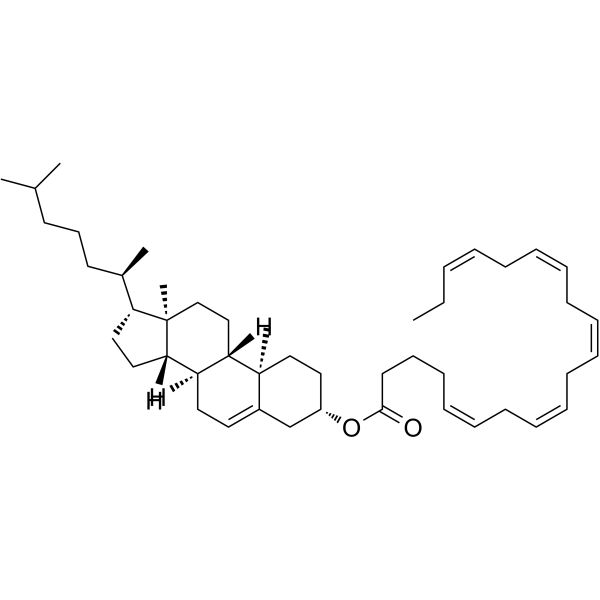
Cholesteryl eicosapentaenoate (CE(20:5(5Z,8Z,11Z,14Z,17Z)), a cholesteryl ester, is a COX-1 and COX-2 inhibitor with IC50 values of 14.6 μg/mL and 17.3 μg/mL, respectively. Cholesteryl eicosapentaenoate shows strong anti-inflammatory and antioxidant activities .
|
-
- HY-17474AS
-
|
SC 69124A-d5
|
Isotope-Labeled Compounds
COX
|
Inflammation/Immunology
Cancer
|
|
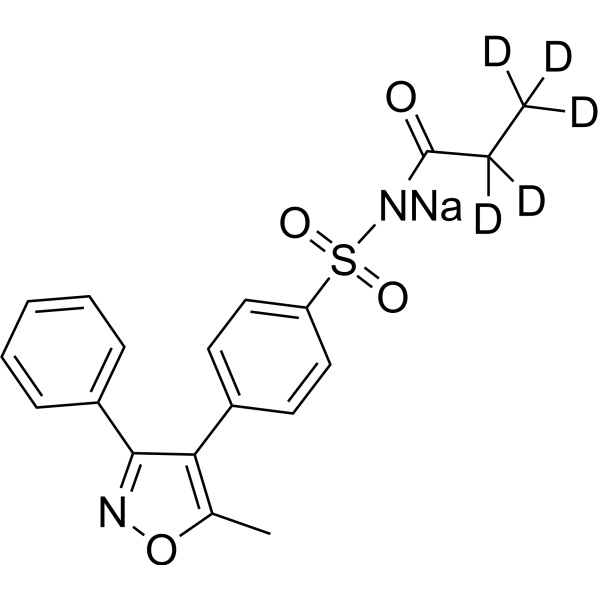
Parecoxib-d5 sodium is the deuterium labeled Parecoxib sodium. Parecoxib Sodium (SC 69124A) is a highly selective and orally active COX-2 inhibitor, the proagent of Valdecoxib (HY-15762). Parecoxib Sodium is a nonsteroidal anti-inflammatory agent (NSAID) and inhibits prostaglandin (PG) synthesis. Parecoxib Sodium can be used for the relief of acute postoperative pain and symptoms of chronic inflammatory conditions such as osteoarthritis and rheumatoid arthritis in vivo [2].
|
-
- HY-181144
-
|
|
COX
Bacterial
Reactive Oxygen Species (ROS)
|
Infection
Inflammation/Immunology
|
|
COX-2-IN-65 is a selective cyclooxygenase-2 (COX-2) inhibitor with an IC50 of 10.24 μM. COX-2-IN-65 inhibits Staphylococcus aureus and Escherichia coli growth. COX-2-IN-65 scavenges reactive oxygen species (ROS). COX-2-IN-65 can be used for the researches of bacterial infections and inflammation .
|
-

- HY-B1130R
-
|
|
Reference Standards
COX
|
Inflammation/Immunology
|
|
Isoxicam (Standard) is the analytical standard of Isoxicam (HY-B1130). This product is intended for research and analytical applications. Isoxicam is an orally active nonsteroidal anti-inflammatory compound and a COX-1/COX-2 inhibitor. Isoxicam exhibits potent anti-inflammatory activity in rat models of inflammation and significantly lower ulcerogenic risk. Isoxicam can be used for the study of inflammatory diseases and rheumatic disorders [2].
|
-

- HY-179700
-
|
|
COX
|
Inflammation/Immunology
|
|
COX-2-IN-61 is an orally active COX-2 inhibitor with an IC50 of 22 µM, also inhibits COX-1 with an IC50 of 43 µM. COX-2-IN-61 exhibits anti-inflammation effects in a Carrageenan (HY-125474) induced rat paw edema model, with promising safety profiles. COX-2-IN-61 can be used for the research of inflammation .
|
-

- HY-168070
-
|
|
COX
NF-κB
NO Synthase
|
Inflammation/Immunology
|
|
COX-2-IN-48 (5-25), a COX-2 inhibitor with an IC50 of 51.7 nM for human COX-2, exerts anti-inflammatory and analgesic effects in various rodent models by inhibiting NF-κB pathway. COX-2-IN-48 (5-25) inhibits the degradation of IκB, the phosphorylation and nuclear translocation of NF-κB p65, and the expression of COX-2 and iNOS .
|
-

- HY-W347202
-
|
|
COX
|
Neurological Disease
Inflammation/Immunology
|
|
N-Caffeoyl serotonin is a COX-2 inhibitor, with IC50 and Kᵢ values of 42.5 μM and 65.5 μM against COX-2, respectively. N-Caffeoyl serotonin exhibits weak inhibitory activity against BACE1, with an IC50 > 400 μM. N-Caffeoyl serotonin has free radical scavenging activity. N-Caffeoyl serotonin can be used in the research of allergic diseases and Alzheimer's disease [2].
|
-

- HY-170836
-
-

- HY-66004R
-
|
Diacetamate (Standard)
|
Reference Standards
Drug Intermediate
Bacterial
Parasite
|
Inflammation/Immunology
Cancer
|
|
4-Acetamidophenyl acetate (Standard) is the analytical standard of 4-Acetamidophenyl acetate (HY-66004). This product is intended for research and analytical applications. 4-Acetamidophenyl acetate is an impurity of Acetaminophen (HY-66005). 4-Acetamidophenyl acetate acts as an intermediate in the synthesis of Acetaminophen. Acetaminophen is a selective COX-2 inhibitor (IC50=25.8 μM), and is a potent hepatic N-acetyltransferase 2 (NAT2) inhibitor [2] .
|
-
- HY-147870
-
-
- HY-181156
-
|
|
COX
NO Synthase
TNF Receptor
Interleukin Related
|
Inflammation/Immunology
|
|
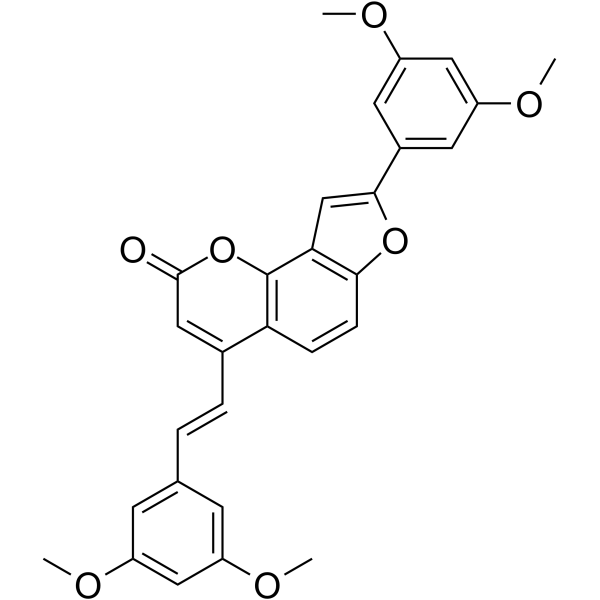
Anti-inflammatory agent 112 is an inducible nitric oxide synthase (iNOS) inhibitor, a COX-2 inhibitor, and an anti-inflammatory agent. Anti-inflammatory agent 112 suppresses i-NOS and COX-2 protein expression, reduces nitric oxide, IL-6, and TNF-α production, and attenuates lipopolysaccharide (LPS)-induced inflammatory responses. Anti-inflammatory agent 112 can be used for the research of inflammatory disorders .
|
-

- HY-17474S1
-
|
SC 69124-d5
|
Isotope-Labeled Compounds
COX
|
Inflammation/Immunology
Cancer
|
|
Parecoxib-d5 (SC 69124-d5) is deuterium labeled Parecoxib. Parecoxib (SC 69124) is a highly selective and orally active COX-2 inhibitor, the proagent of Valdecoxib (HY-15762). Parecoxib Sodium is a nonsteroidal anti-inflammatory agent (NSAID) and inhibits prostaglandin (PG) synthesis. Parecoxib can be used for the relief of acute postoperative pain and symptoms of chronic inflammatory conditions such as osteoarthritis and rheumatoid arthritis in vivo.
|
-

- HY-W196368
-
|
|
COX
SARS-CoV
|
Infection
Inflammation/Immunology
Cancer
|
|
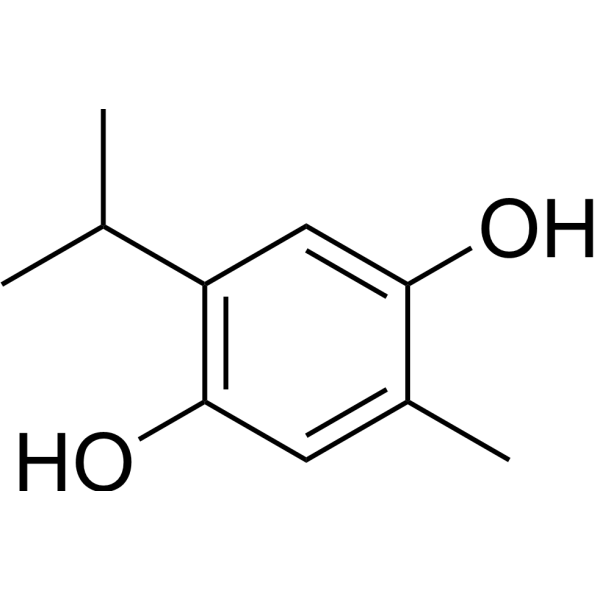
Thymohydroquinone is a COX-2 inhibitor and anti-SARS-CoV-2 agent that induces cytotoxicity, antiproliferative effects and inhibits tumor growth. Thymohydroquinone cannot scavenge superoxide radicals via σ (hydrogen atom transfer) and π-π attacks with superoxide anions. Thymohydroquinone can be used in research related to squamous cell carcinoma, fibrosarcoma and coronavirus disease 2019 (SARS-CoV-2 infection) [2] .
|
-
- HY-103387
-
DuP-697
1 Publications Verification
|
COX
Apoptosis
|
Inflammation/Immunology
Cancer
|
|
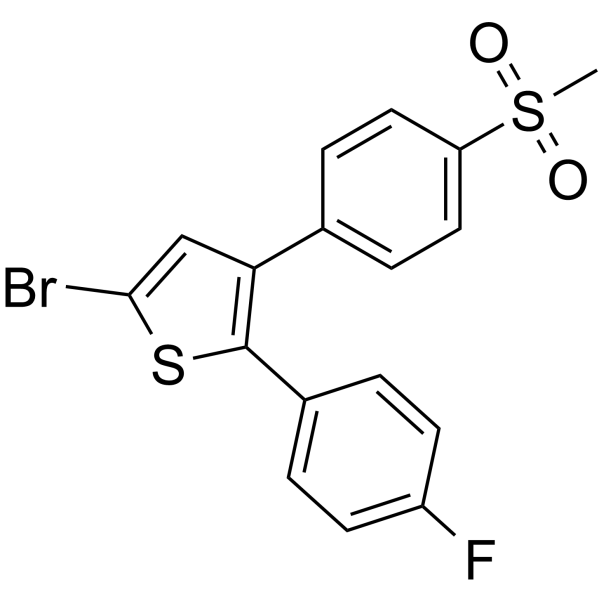
DuP-697 is a member of the vicinal diaryl heterocycles and a potent, irreversible, selective and orally active COX-2 inhibitor (IC50 of 10 nM and 800 nM for human COX-2 and COX-1, respectively). DuP-697 exerts antiproliferative (IC50 of 42.8 nM), antiangiogenic and apoptotic effects on HT29 colorectal cancer cells. DuP-697 inhibits prostaglandin synthesis and has anti-inflammatory, anticancer and antipyretic effects [2] .
|
-
- HY-123639
-
|
N-(2-Phenylethyl)-indomethacin amide
|
COX
|
Inflammation/Immunology
Cancer
|
|
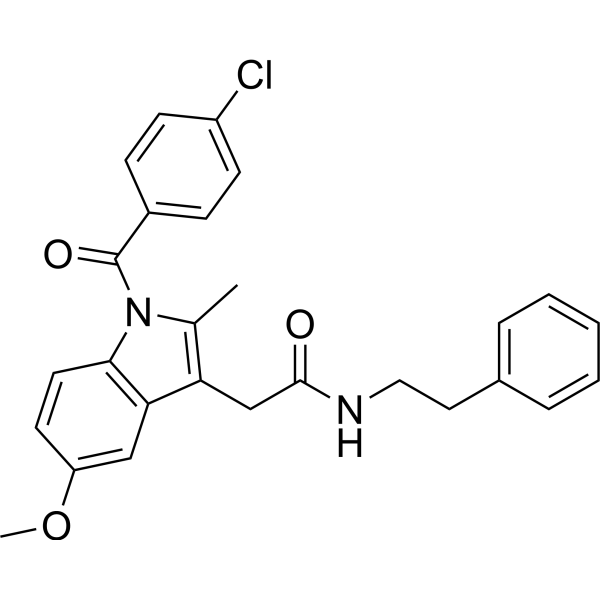
LM-4108 (N-(2-Phenylethyl)-indomethacin amide) is a selective and orally active COX-2 inhibitor with an IC50 of 0.06 μM for purified human COX-2. LM-4108 shows anti-inflammatory activity and may be effective in prevention of cancer. Half-lives for the disappearance of 10 μM LM-4108 in rat, human, and mouse liver microsomes were 11 min, 21 min, and 51 min, respectively .
|
-
- HY-B0619S1
-
|
|
Isotope-Labeled Compounds
COX
|
Inflammation/Immunology
|
|
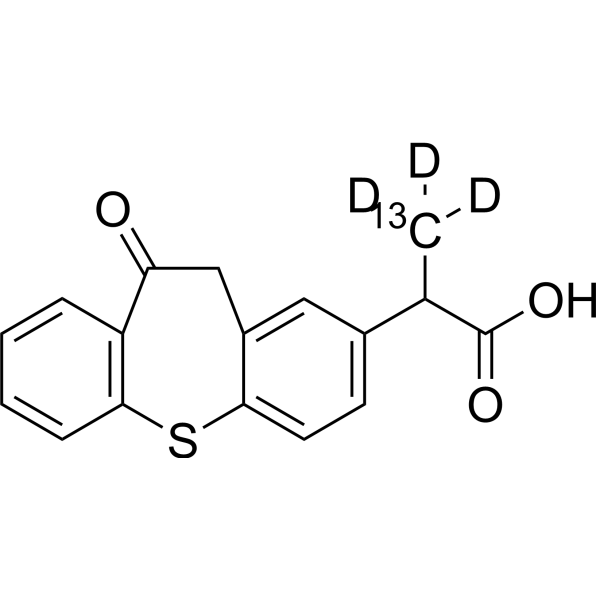
Zaltoprofen- 13C,d3 is the 13C- and deuterium labeled Zaltoprofen. Zaltoprofen (CN100), a non-steroidal anti-inflammatory drug (NSAID), is a preferential and orally active COX-2 inhibitor, with IC50s of 1.3 and 0.34 μM for COX-1 and COX-2, respectively. Zaltoprofen exhibits powerful anti-inflammatory effects as well as an analgesic action on inflammatory pain [2] .
|
-
- HY-B0493
-
|
|
Chloride Channel
COX
|
Inflammation/Immunology
Cancer
|
|
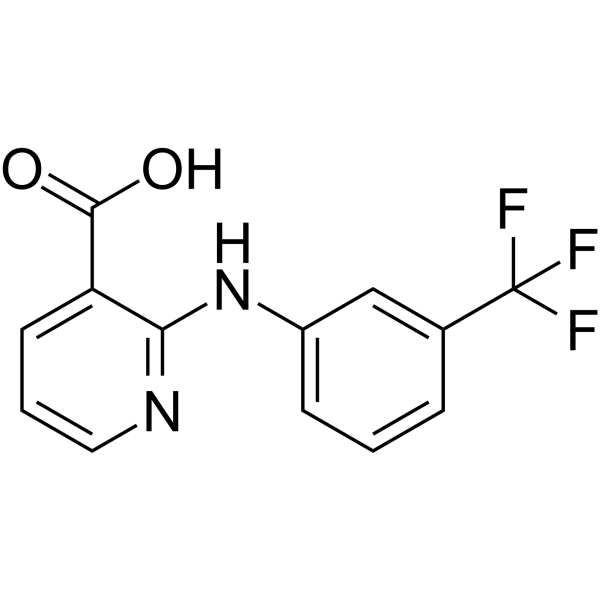
Niflumic acid is a calcium-activated chloride channel blocker and COX-2 inhibitor with the IC50 value of 100 nM. Niflumic acid induces apoptosis through caspase-8/Bid/Bax pathway in lung cancer cells. Niflumic acide exhibits anti-tumor activity by affecting the expression of ERK1/2 and the activity of MMP2 and MMP9. Niflumic acid has orally bioactivity. Niflumic acid acts on rheumatoid arthritis [2] .
|
-
- HY-183288
-
|
|
COX
Interleukin Related
TNF Receptor
|
Inflammation/Immunology
|
|
COX-2-IN-66 is a cyclooxygenase-2 (COX-2) inhibitor with an IC50 of 8.43 μM. COX-2-IN-66 reduces release of pro-inflammatory cytokines IL-6 and TNF-α. COX-2-IN-66 exhibits acceptable cellular tolerability, with cytokine-modulating concentrations remaining below its cytotoxic threshold. COX-2-IN-66 can be used for the research of inflammation .
|
-

- HY-17372S
-
|
|
Isotope-Labeled Compounds
COX
|
Inflammation/Immunology
Cancer
|
|
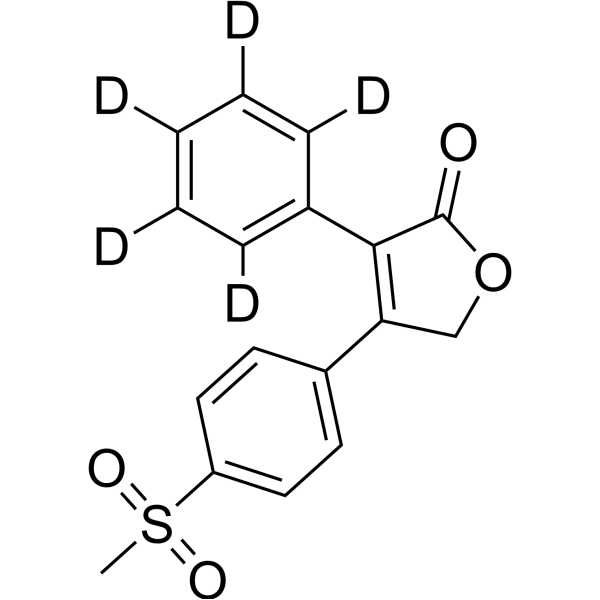
Rofecoxib-d5 is the deuterium labeled Rofecoxib. Rofecoxib is a potent, specific and orally active COX-2 inhibitor, with IC50s of 26 and 18 nM for human COX-2 in human osteosarcoma cells and Chinese hamster ovary cells, with a 1000-fold selectivity for COX-2 over human COX-1 (IC50 > 50 μM in U937 cells and > 15 μM in Chinese hamster ovary cells) [2].
|
-
- HY-180952
-
|
|
Drug Metabolite
COX
PPAR
NF-κB
p38 MAPK
|
Inflammation/Immunology
|
|
Zaltoprofen sulfoxide (Compound M2) is the main metabolite of Zaltoprofen (HY-B0619). Zaltoprofen sulfoxide is an efficient and selective COX-2 inhibitor (IC50 = 45.38 nM) and a PPAR-γ activator. Zaltoprofen sulfoxide effectively inhibits NF-κB and MAPK inflammatory signaling pathways and alleviates acute lung injury induced by LPS (HY-D1056B3). Zaltoprofen sulfoxide can be used for the study of acute lung injury .
|
-

- HY-115866
-
|
|
COX
|
Cancer
|
|
COX-2-IN-6 (compound 10) is an orally active, gut-restricted and selective cyclooxygenase-2 (COX-2) inhibitor for colorectal Chemoprevention of cancer. COX-2-IN-6 selectively targets COX-2 with an IC50 of 0.84 μM and a Ki of 69 nM. COX-2-IN-6 also inhibits COX-2-driven PGE2 synthesis with an IC50 of 0.60 μM .
|
-
- HY-17372R
-
|
MK 966 (Standard)
|
Reference Standards
COX
|
Inflammation/Immunology
Cancer
|
|
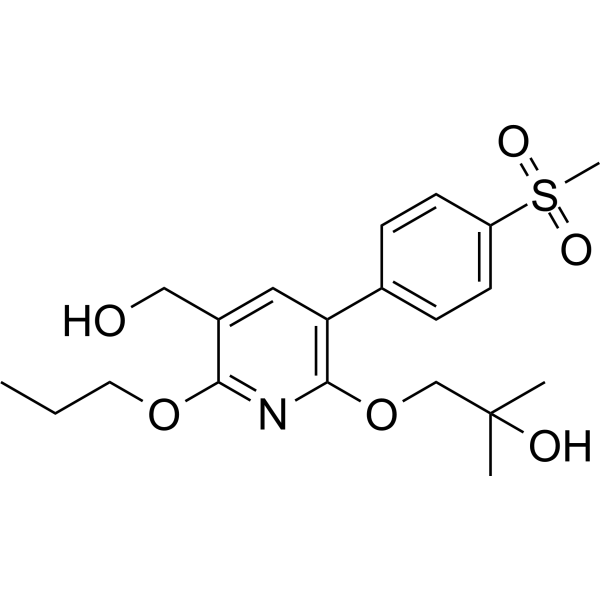
Rofecoxib (Standard) is the analytical standard of Rofecoxib. This product is intended for research and analytical applications. Rofecoxib is a potent, specific and orally active COX-2 inhibitor, with IC50s of 26 and 18 nM for human COX-2 in human osteosarcoma cells and Chinese hamster ovary cells, with a 1000-fold selectivity for COX-2 over human COX-1 (IC50 > 50 μM in U937 cells and > 15 μM in Chinese hamster ovary cells).
|
-

- HY-150685
-
-
- HY-115976
-
|
|
COX
|
Inflammation/Immunology
|
|
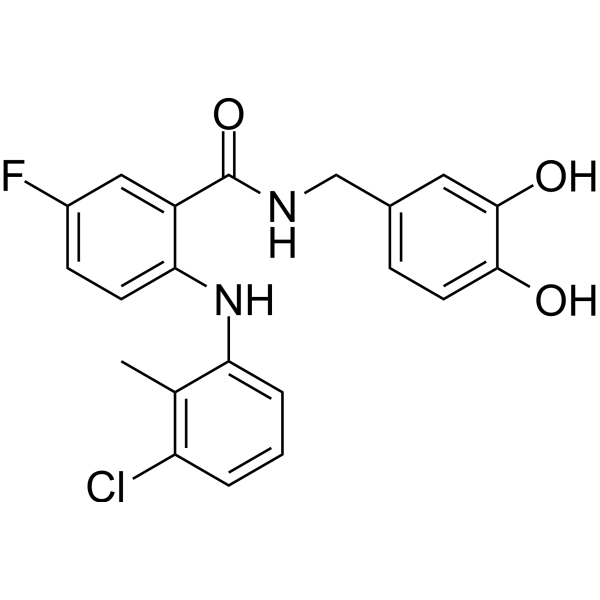
COX-2-IN-10 is a potent COX-2 inhibitor. COX-2-IN-10 inhibits the production of PGE2 in concentration dependent manner (IC50=2.54 µM). COX-2-IN-10 inhibits the expression of iNOS and COX-2 on mRNA and protein level . COX-2-IN-10 inhibits the production of IL-6, TNF-α and IL-1β .
|
-
- HY-129284
-
|
|
COX
Wnt
|
Cancer
|
|
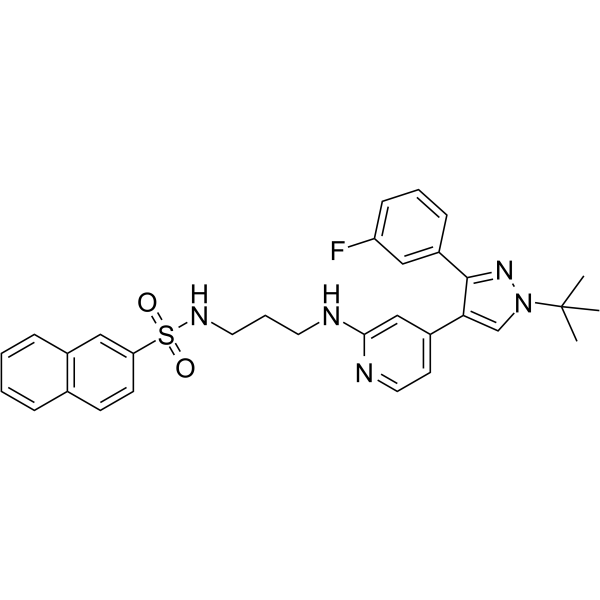
APHS is a specific and covalent COX-2 inhibitor with neuroprotective effects. COX-2 is a prostaglandin (PG) synthetase overexpressed in colorectal cancer (CRC) and has pleiotropic cancer-promoting effects. APHS modifies COX-2 by acetylating the active site (serine 516), thereby inhibiting prostaglandin production. The neuroprotective activity of APHS is inhibited by prostaglandin E2. APHS also co-inhibits the WNT pathway, an anti-tumor mechanism in addition to COX-2 inhibition [2].
|
-
- HY-121537
-
|
|
COX
Akt
Apoptosis
|
Neurological Disease
Inflammation/Immunology
Cancer
|
|
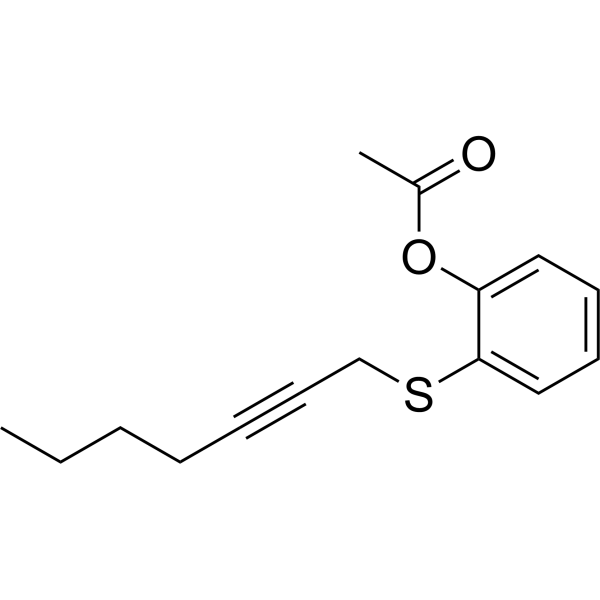
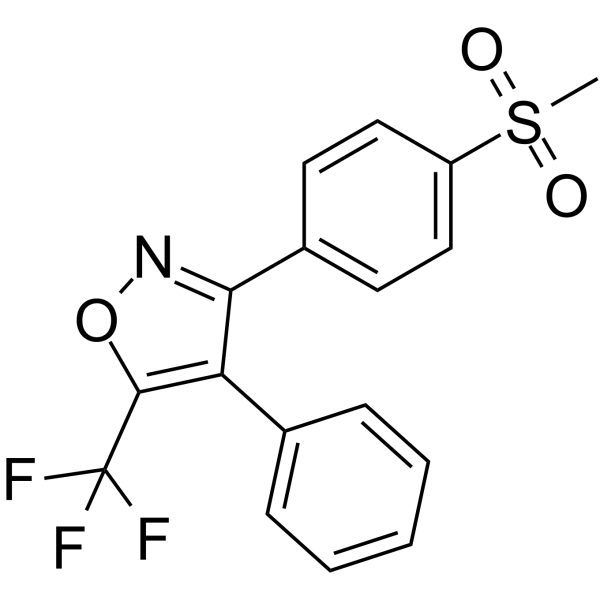
CAY10404 is a potent and selective cyclooxygenase-2 (COX-2) inhibitor with an IC50 of 1 nM and a selectivity index (SI; COX-1 IC50/COX-2 IC50) of >500000. CAY10404 is a potent PKB/Akt and MAPK signaling pathways inhibitor and induces apoptosis in non-small cell lung cancer (NSCLC) cells. CAY10404, a diarylisoxazole, has good analgesic, anti-inflammatory, and anti-cancer activities [2] .
|
-
- HY-147911
-
|
|
PI3K
COX
|
Inflammation/Immunology
Cancer
|
|
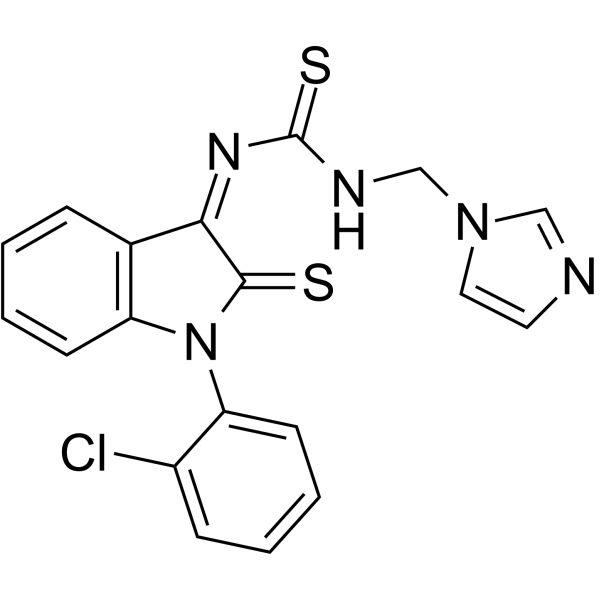
COX-2/PI3K-IN-1 (compound 5d) is a potent PI3K inhibitor with IC50 value of 1.14 nM. COX-2/PI3K-IN-1 is a selective COX-2 inhibitor with Ki value of 3.24 nM. COX-2/PI3K-IN-1 has anti-inflammatory and anti-cancer properties.
|
-
- HY-155780
-
|
|
COX
|
Inflammation/Immunology
|
|
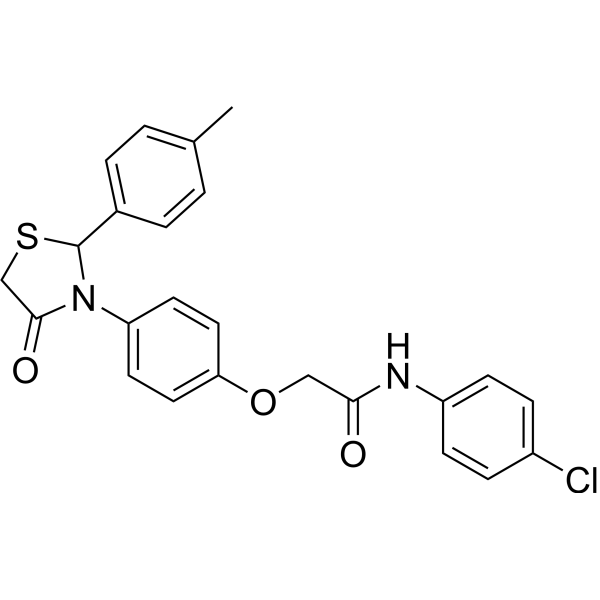
Anti-inflammatory agent 52 (compound 7j) is an orally active selective COX-2 inhibitor. Anti-inflammatory agent 52 has anti-HT29 transfer activity, which leads to periodic arrest in G2/M phase. Anti-inflammatory agent 52 has safety, moderate ability to suppress inflammation. Anti-inflammatory agent 52 has a rare property of suppressing the development of tumor in mouse model, showing anti-cancer activity .
|
-
- HY-147912
-
|
|
PI3K
COX
|
Inflammation/Immunology
Cancer
|
|
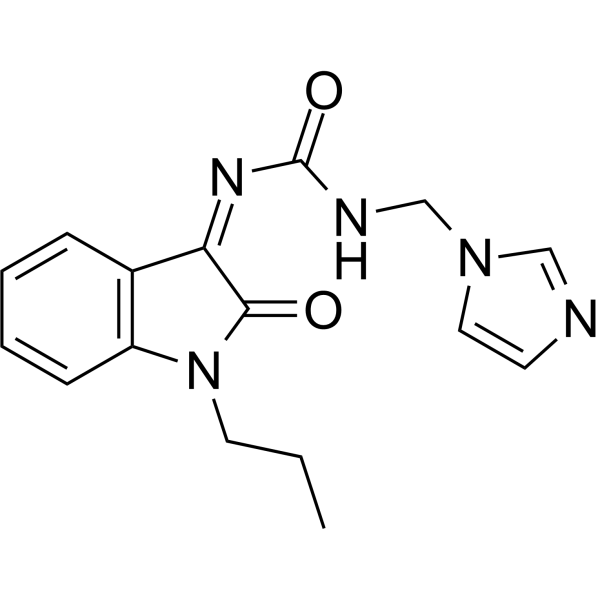
COX-2/PI3K-IN-2 (compound 5f) is a potent PI3K inhibitor with IC50 value of 2.78 nM. COX-2/PI3K-IN-2 is a selective COX-2 inhibitor with Ki value of 3.02 nM. COX-2/PI3K-IN-2 shows anti-inflammatory and anti-cancer properties .
|
-
- HY-121679
-
|
|
COX
|
Neurological Disease
|
|
COX-2-IN-50 is a water-soluble COX-2 inhibitor with significant analgesic activity. The solubility of COX-2-IN-50 in water reaches 20.3 mg/mL, far exceeding the 1.6 μg/mL of its precursor compound PC407. COX-2-IN-50 demonstrates good biocompatibility and is suitable for the development of injectable dosage forms. COX-2-IN-50 has proven its analgesic effect in vivo and shows potential application value .
|
-

- HY-155997
-
|
|
COX
|
Inflammation/Immunology
|
|
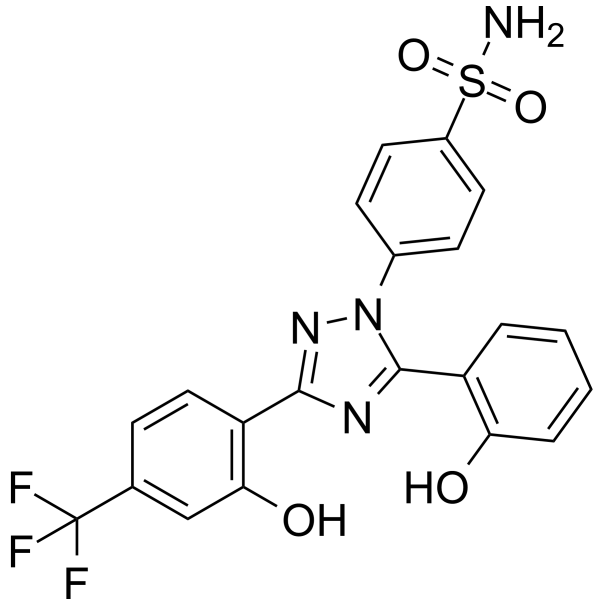
Anti-inflammatory agent 56 (Compound 9) is a selective COX-2 inhibitor (IC50: 0.54 μM). Anti-inflammatory agent 56 has anti-oxidant and anti-inflammatory effects. Anti-inflammatory agent 56 inhibits oxidative stress induced cell death. Anti-inflammatory agent 56 inhibits oxidative stress and neuroinflammation by inhibiting Keap1, COX-2 and iNOS. Anti-inflammatory agent 56 has low acute toxicity in mice (LD50: 1000 mg/kg) .
|
-
- HY-155781
-
|
|
COX
|
Inflammation/Immunology
|
|
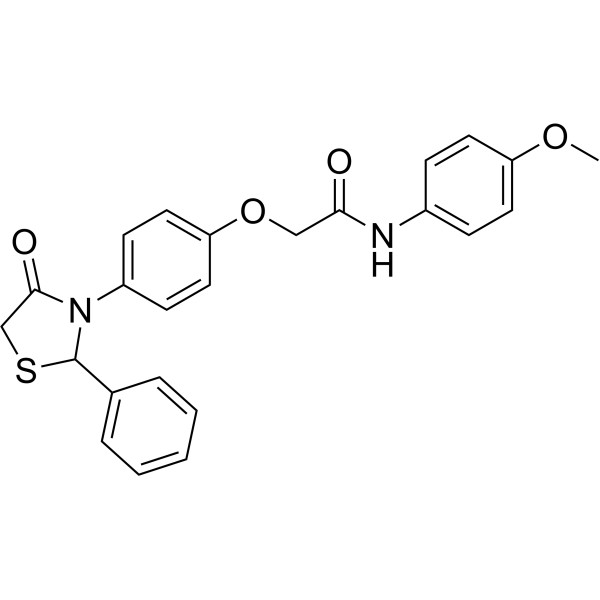
Anti-inflammatory agent 53 (compound 7c) is an orally active selective COX-2 inhibitor. Anti-inflammatory agent 52 has anti-HT29 transfer activity, which leads to periodic arrest in S phase and G2/M phase. Anti-inflammatory agent 52 has safety, moderate ability to suppress inflammation. Anti-inflammatory agent 52 has a rare property of suppressing the development of tumor in mouse model, showing anti-cancer activity .
|
-
- HY-180822
-
|
|
COX
TNF Receptor
Interleukin Related
|
Inflammation/Immunology
|
|
COX-2-IN-63 (Compound 6k) is an orally active COX-2 inhibitor with an IC50 of 0.89 μM. COX-2-IN-63 reduces the levels of inflammatory mediators PGE2, TNF-α, and IL-6. COX-2-IN-63 can effectively alleviate acute inflammation in a rat paw edema model and has a lower risk of gastrointestinal side effects. COX-2-IN-63 can be used in anti-inflammatory research .
|
-

- HY-B1153
-
|
Glafenin
|
COX
CFTR
Apoptosis
Endoplasmic Reticulum Oxidoreductase 1 (ERO1)
|
Metabolic Disease
Inflammation/Immunology
|
|
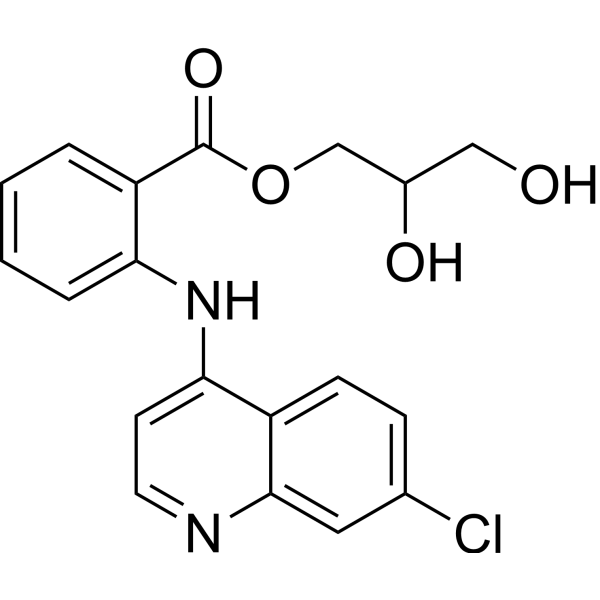
Glafenine (Glafenin) is a non-selective, non-steroidal anti-inflammatory drug-based COX-1/COX-2 inhibitor. Glafenine exerts anti-inflammatory, anti-proliferative and anti-cell migration effects by inhibiting the arachidonic acid metabolic pathway and reducing prostaglandin synthesis. Glafenine can induce cell cycle arrest in vascular smooth muscle cells and endothelial cells and reduce the synthesis of the extracellular matrix protein Tenascin. Glafenine can be used in the research of inflammatory-related diseases, vascular restenosis and cystic fibrosis (CF) [2] .
|
-
- HY-Z7640
-
|
|
COX
|
Inflammation/Immunology
|
|
4-Desmethyl-2-methyl celecoxib (Compound 1g) is an orally active and selective Cyclooxygenase-2 (COX-2) inhibitor with an IC50 value of 0.069 μM. 4-Desmethyl-2-methyl celecoxib shows anti-inflammatory, analgesic, and antipyretic activities. 4-Desmethyl-2-methyl celecoxib can reduces the synthesis of prostaglandins. 4-Desmethyl-2-methyl celecoxib is promising for research of inflammatory diseases and pain-related diseases, such as rheumatoid arthritis and osteoarthritis .
|
-

- HY-170585
-
|
|
COX
NF-κB
|
Inflammation/Immunology
|
|
COX-2-IN-51 (E25) is a potent COX-2 inhibitor, with an IC50 of 70.7 nM. COX-2-IN-51 significantly inhibits LPS-induced release of NO and PGE2, expression of COX-2 and iNOS, and activation of NF-κB pathway. COX-2-IN-51 exhibits anti-inflammatory and analgesic effects in diverse murine models through inhibiting NF-κB pathway. COX-2-IN-51 has lower gastrointestinal side effects than Indomethacin (HY-14397) .
|
-

- HY-B1153A
-
|
Glafenin hydrochloride
|
COX
CFTR
Apoptosis
Endoplasmic Reticulum Oxidoreductase 1 (ERO1)
|
Metabolic Disease
Inflammation/Immunology
|
|
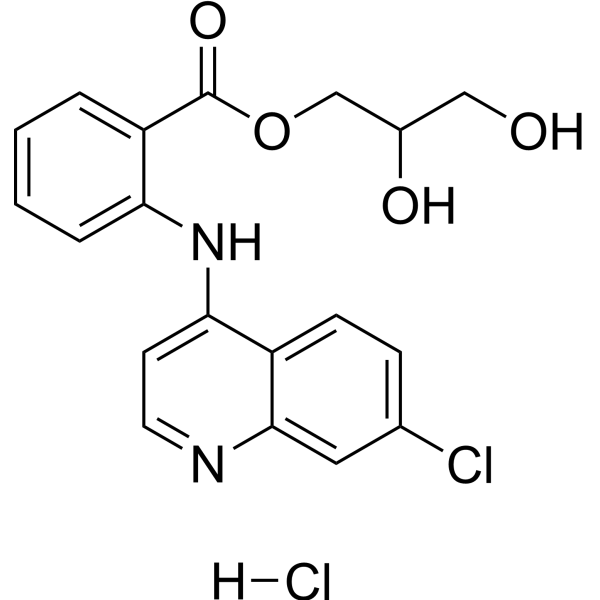
Glafenine (Glafenin) hydrochloride is a non-selective, non-steroidal anti-inflammatory drug-based COX-1/COX-2 inhibitor. Glafenine hydrochloride exerts anti-inflammatory, anti-proliferative and anti-cell migration effects by inhibiting the arachidonic acid metabolic pathway and reducing prostaglandin synthesis. Glafenine hydrochloride can induce cell cycle arrest in vascular smooth muscle cells and endothelial cells and reduce the synthesis of the extracellular matrix protein Tenascin. Glafenine hydrochloride can be used in the research of inflammatory-related diseases, vascular restenosis and cystic fibrosis (CF) [2] .
|
-
- HY-B0493R
-
|
|
Reference Standards
Chloride Channel
COX
|
Inflammation/Immunology
|
|
Niflumic acid (Standard) is the analytical standard of Niflumic acid. This product is intended for research and analytical applications. Niflumic acid is a calcium-activated chloride channel blocker and COX-2 inhibitor with the IC50 value of 100 nM. Niflumic acid induces apoptosis through caspase-8/Bid/Bax pathway in lung cancer cells. Niflumic acide exhibits anti-tumor activity by affecting the expression of ERK1/2 and the activity of MMP2 and MMP9. Niflumic acid has orally bioactivity. Niflumic acid acts on rheumatoid arthritis [2] .
|
-

- HY-W162983
-
|
|
COX
|
Neurological Disease
Inflammation/Immunology
|
|
3,4-Diphenyl-5H-furan-2-one is a natural compound isolated from the endophytic fungus Aspergillus flavipes AIL8 derived from the mangrove plant Acanthus ilicifolius. 3,4-Diphenyl-5H-furan-2-one is a derivative of 2,3-diphenyltetrahydrofuran (DPTF), which is a COX-2 inhibitor. 3,4-Diphenyl-5H-furan-2-one can be used as a lead compound for inflammation and pain [2].
|
-

- HY-17509
-
|
SC 046; SC 46; SC 59046
|
COX
Apoptosis
|
Neurological Disease
Inflammation/Immunology
Cancer
|
|
Deracoxib (SC 046; SC 59046), an orally active COX-2 inhibitor, is a veterinary nonsteroidal anti-inflammatory agent used exclusively in dogs. Deracoxib inhibits the COX-2 enzyme to reduce the production of prostaglandins, effectively controlling pain and inflammation after canine soft tissue surgery. Deracoxib reduces the inhibition of COX-1 and lowers the risk of gastrointestinal side effects. Deracoxib induces tumor cell cycle arrest and apoptosis, and shows anti-tumor activity in canine osteosarcoma, breast tumors and bladder transitional cell carcinomas [2] .
|
-
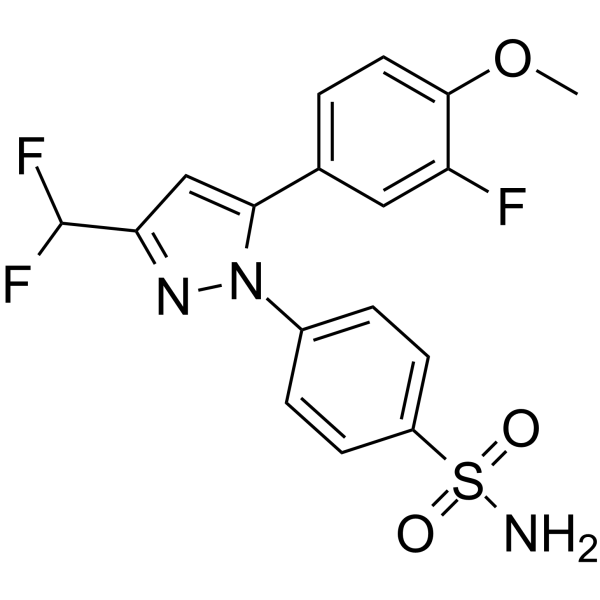
- HY-179246
-
|
|
COX
Prostaglandin Receptor
|
Cardiovascular Disease
Neurological Disease
Inflammation/Immunology
|
|
CXT29 is an orally active COX-2 inhibitor and a thromboxane A2 receptor (TP) antagonist. CXT29 exhibits COX inhibitory activity and selectivity, with IC50 values of 13 and 722 nM for COX-2 and COX-1 respectively. CXT29 inhibits platelet aggregation induced by U-46619 (HY-108566) (a TP agonist), with an IC50 of 96 nM. CXT29 effectively inhibits the production of TXB₂ and PGE₂, significantly reducing platelet aggregation and inflammatory pain in mice. CXT29 can be used for research on inflammatory pain and cardiovascular diseases .
|
-

- HY-179125
-
|
|
COX
Bcl-2 Family
Caspase
Apoptosis
|
Cancer
|
|
COX-2-IN-59 is a potent and selective COX-2 inhibitor with an IC50 of 0.052 μM. COX-2-IN-59 exhibits 200-fold selectivity over COX-1 (IC50 = 11.16 μM). COX-2-IN-59 reduces COX-2 levels, induces cell cycle arrest, and triggers apoptosis by increasing Bax expression, decreasing Bcl-2 levels, and activating caspase-3. COX-2-IN-59 can be used for the research of colon cancer .
|
-

- HY-121537R
-
|
|
COX
Akt
Apoptosis
|
Neurological Disease
Inflammation/Immunology
Cancer
|
|
CAY10404 (Standard) is the analytical standard of CAY10404. This product is intended for research and analytical applications. CAY10404 is a potent and selective cyclooxygenase-2 (COX-2) inhibitor with an IC50 of 1 nM and a selectivity index (SI; COX-1 IC50/COX-2 IC50) of >500000. CAY10404 is a potent PKB/Akt and MAPK signaling pathways inhibitor and induces apoptosis in non-small cell lung cancer (NSCLC) cells. CAY10404, a diarylisoxazole, has good analgesic, anti-inflammatory, and anti-cancer activities [2] .
|
-

- HY-B1153R
-
|
Glafenin (Standard)
|
COX
CFTR
Apoptosis
Endoplasmic Reticulum Oxidoreductase 1 (ERO1)
Reference Standards
|
Metabolic Disease
Inflammation/Immunology
|
|
Glafenine (Standard) is the analytical standard of Glafenine. This product is intended for research and analytical applications. Glafenine (Glafenin) is a non-selective, non-steroidal anti-inflammatory drug-based COX-1/COX-2 inhibitor. Glafenine exerts anti-inflammatory, anti-proliferative and anti-cell migration effects by inhibiting the arachidonic acid metabolic pathway and reducing prostaglandin synthesis. Glafenine can induce cell cycle arrest in vascular smooth muscle cells and endothelial cells and reduce the synthesis of the extracellular matrix protein Tenascin. Glafenine can be used in the research of inflammatory-related diseases, vascular restenosis and cystic fibrosis (CF) [2] .
|
-

- HY-175637
-
|
|
COX
MyD88
|
Neurological Disease
Inflammation/Immunology
|
|
COX-2-IN-57 is an orally active COX-2 inhibitor with an IC50 value of 0.02 μM. COX-2-IN-57 reduces MyD88 expression and decreases serum levels of COX-2, PGE2, and COX-1 in Cisplatin (HY-17394)/radiation-induced neuropathy rat model. COX-2-IN-57 demonstrates superior antinociceptive efficacy in hot plate, cold allodynia, and Randall-Selitto tests, along with hepato-/renal protection. COX-2-IN-57 can be used for the study of inflammation .
|
-

- HY-103388
-
|
|
COX
TGF-β Receptor
Glutathione Peroxidase
|
Inflammation/Immunology
|
|
NCX 466 is an orally active COX-1 and COX-2 inhibitor that exhibits anti-inflammatory and analgesic effects. Additionally, NCX 466 acts as a NO donor, exerting anti-inflammatory and antioxidant effects by improving microcirculation. NCX 466 significantly reduces the levels of transforming growth factor-β (TGF-β) and oxidative stress markers (such as thiobarbituric acid reactive substances (TBARS) and 8-hydroxy-2'-deoxyguanosine (8-OHdG)), and it decreases leukocyte recruitment during inflammation by reducing myeloperoxidase (MPO) activity, thereby preventing bleomycin (HY-108345)-induced pulmonary fibrosis in mice .
|
-

- HY-B1153AR
-
|
Glafenin hydrochloride (Standard)
|
COX
CFTR
Apoptosis
Endoplasmic Reticulum Oxidoreductase 1 (ERO1)
Reference Standards
|
Metabolic Disease
Inflammation/Immunology
|
|
Glafenine (hydrochloride) (Standard) is the analytical standard of Glafenine (hydrochloride). This product is intended for research and analytical applications. Glafenine (Glafenin) hydrochloride is a non-selective, non-steroidal anti-inflammatory drug-based COX-1/COX-2 inhibitor. Glafenine hydrochloride exerts anti-inflammatory, anti-proliferative and anti-cell migration effects by inhibiting the arachidonic acid metabolic pathway and reducing prostaglandin synthesis. Glafenine hydrochloride can induce cell cycle arrest in vascular smooth muscle cells and endothelial cells and reduce the synthesis of the extracellular matrix protein Tenascin. Glafenine hydrochloride can be used in the research of inflammatory-related diseases, vascular restenosis and cystic fibrosis (CF) [2] .
|
-

- HY-17509R
-
|
SC 046 (Standard); SC 46 (Standard); SC 59046 (Standard)
|
Reference Standards
COX
Apoptosis
|
Neurological Disease
Inflammation/Immunology
Cancer
|
|
Deracoxib (SC 046; SC 59046) (Standard) is the analytical standard of Deracoxib (HY-17509). This product is intended for research and analytical applications. Deracoxib, an orally active COX-2 inhibitor, is a veterinary nonsteroidal anti-inflammatory agent used exclusively in dogs. Deracoxib inhibits the COX-2 enzyme to reduce the production of prostaglandins, effectively controlling pain and inflammation after canine soft tissue surgery. Deracoxib reduces the inhibition of COX-1 and lowers the risk of gastrointestinal side effects. Deracoxib induces tumor cell cycle arrest and apoptosis, and shows anti-tumor activity in canine osteosarcoma, breast tumors and bladder transitional cell carcinomas
|
-

- HY-17509S
-
|
SC 046-d3; SC 46-d3; SC 59046-d3
|
Isotope-Labeled Compounds
COX
Apoptosis
|
Neurological Disease
Inflammation/Immunology
Cancer
|
|
Deracoxib-d3 (SC 046-d3; SC 59046-d3) is the deuterium labeled Deracoxib (HY-17509). Deracoxib, an orally active COX-2 inhibitor, is a veterinary nonsteroidal anti-inflammatory agent used exclusively in dogs. Deracoxib inhibits the COX-2 enzyme to reduce the production of prostaglandins, effectively controlling pain and inflammation after canine soft tissue surgery. Deracoxib reduces the inhibition of COX-1 and lowers the risk of gastrointestinal side effects. Deracoxib induces tumor cell cycle arrest and apoptosis, and shows anti-tumor activity in canine osteosarcoma, breast tumors and bladder transitional cell carcinomas.
|
-
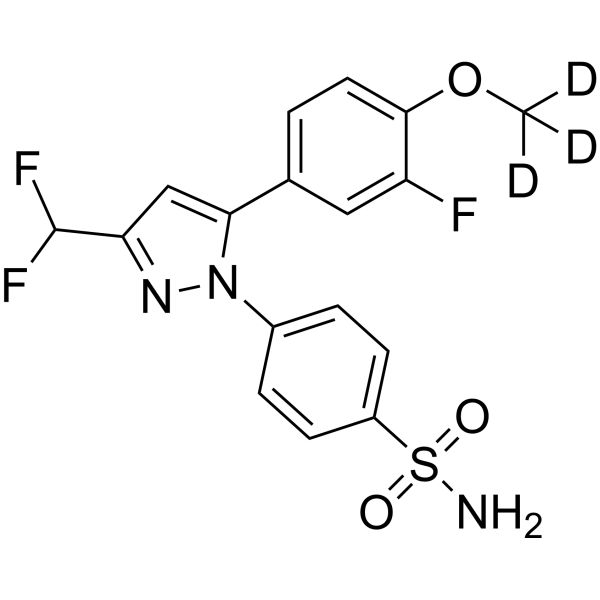
- HY-W703540
-
|
SC 046-d4; SC 46-d4; SC 59046-d4
|
Isotope-Labeled Compounds
Apoptosis
COX
|
Neurological Disease
Inflammation/Immunology
Cancer
|
|
Deracoxib-d4 (SC 046-d4; SC 59046--d4) is deuterium labeled Deracoxib (HY-17509). Deracoxib, an orally active COX-2 inhibitor, is a veterinary nonsteroidal anti-inflammatory agent used exclusively in dogs. Deracoxib inhibits the COX-2 enzyme to reduce the production of prostaglandins, effectively controlling pain and inflammation after canine soft tissue surgery. Deracoxib reduces the inhibition of COX-1 and lowers the risk of gastrointestinal side effects. Deracoxib induces tumor cell cycle arrest and apoptosis, and shows anti-tumor activity in canine osteosarcoma, breast tumors and bladder transitional cell carcinomas.
|
-

- HY-17357
-
|
AHR 9434; AL 6515
|
COX
Prostaglandin Receptor
|
Neurological Disease
Inflammation/Immunology
Endocrinology
Cancer
|
|
Nepafenac (AHR 9434; AL 6515), a nonsteroidal anti-inflammatory agent, is a topically administered COX-2 inhibitor with an IC50 of 0.12 μM. Nepafenac exhibits only weak COX-1 inhibitory activity (IC50 = 64.3 μM). Nepafenac possesses unique prodrug properties, which enable it to rapidly convert into the active metabolite Amfenac (HY-17479) in the ocular tissues, thereby achieving high concentrations in the retina and choroid. Nepafenac reduces inflammation and pain by inhibiting the activity of cyclooxygenase (COX) enzymes and thereby decreasing the production of prostaglandin PGE₂. Nepafenac can delay the metastasis of uveal melanoma (UM) in rabbit eyes. Nepafenac is mainly used for pain management and inflammation control after ophthalmic surgeries [2] .
|
-
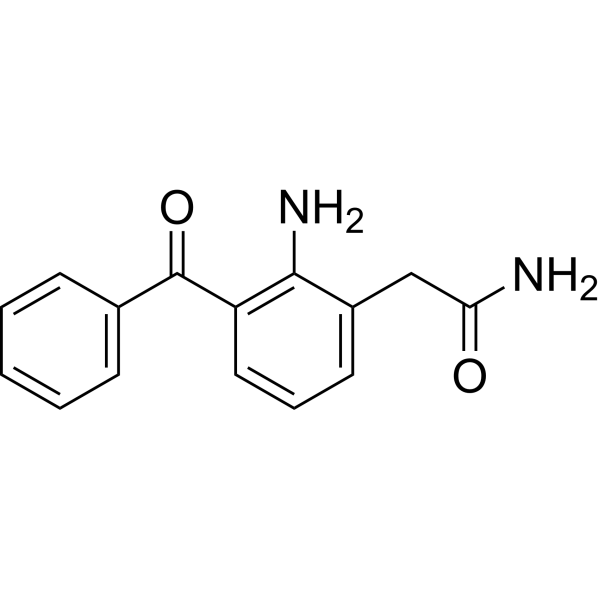
- HY-17357R
-
|
AHR 9434 (Standard); AL 6515 (Standard)
|
Reference Standards
COX
Prostaglandin Receptor
|
Neurological Disease
Inflammation/Immunology
Endocrinology
Cancer
|
|
Nepafenac (AHR 9434; AL 6515) (Standard) is the analytical standard of Nepafenac (HY-17357). This product is intended for research and analytical applications. Nepafenac, a nonsteroidal anti-inflammatory agent, is a topically administered COX-2 inhibitor with an IC50 of 0.12 μM. Nepafenac exhibits only weak COX-1 inhibitory activity (IC50 = 64.3 μM). Nepafenac possesses unique prodrug properties, which enable it to rapidly convert into the active metabolite Amfenac (HY-17479) in the ocular tissues, thereby achieving high concentrations in the retina and choroid. Nepafenac reduces inflammation and pain by inhibiting the activity of cyclooxygenase (COX) enzymes and thereby decreasing the production of prostaglandin PGE₂. Nepafenac can delay the metastasis of uveal melanoma (UM) in rabbit eyes. Nepafenac is mainly used for pain management and inflammation control after ophthalmic surgeries.
|
-

- HY-179142
-
|
|
COX
TNF Receptor
Interleukin Related
|
Neurological Disease
Inflammation/Immunology
|
|
COX-2-IN-60 is a potent, orally active, and selective COX-2 inhibitor with an IC50 of 0.06 μM. COX-2-IN-60 exhibits ~100-fold selectivity over COX-1 (IC50 = 5.93 ). COX-2-IN-60 reduces oxidative stress and neuroinflammatory cytokines, and effectively counteracts epileptogenesis. COX-2-IN-60 exhibits significant anticonvulsant effects and protects against hippocampal injury by suppressing oxidative stress (reducing MDA and NO), pro-inflammatory signaling (reducing TNF-α and IL-6), and glial activationin in the Pilocarpine (HY-B0726A)-induced seizure mouse model. COX-2-IN-60 can be used for the research on neuroinflammatory and epilepsy .
|
-

- HY-N1957
-
|
γ-Mangostin
|
5-HT Receptor
COX
Transthyretin (TTR)
|
Metabolic Disease
Inflammation/Immunology
Cancer
|
|
Gamma-Mangostin is a novel competitive 5-hydroxytryptamine 2A (5-HT2A) receptor antagonist and potent epoxidase 2 (COX-2) inhibitor, as well as a transthyroxin protein (TTR) profibrosis inhibitor. Gamma-Mangostin binds to the thyroxine (T4)-binding sites and stabilized the TTR tetramer [2]. Gamma-Mangostin inhibits [3 H] spiperone binding to cultured rat aortic myocytes (IC50=3.5 nM) and reduces The perfusion pressure response of rat coronary artery to 5-HT2A (IC50=0.32 μM). Gamma-Mangostin has anti-inflammatory, antibacterial, antioxidant and anticancer activities, and can be used in the study of metabolic disorders such as diabetes [2] .
|
-
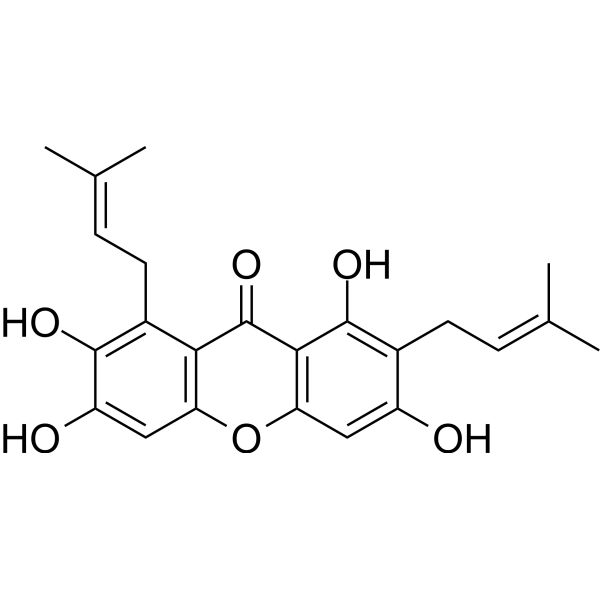
- HY-19500
-
|
|
COX
|
Others
|
|
SC-75416 is a selective cyclooxygenase-2 inhibitor. Its pharmacokinetic/pharmacodynamic (PK/PD) model was used for development and clinical trial simulation to design a study protocol to verify its analgesic effect in a post-oral surgery pain model. The simulation results showed that 360 mg of SC-75416 may provide better pain relief than 400 mg of ibuprofen. The actual clinical trial results confirmed this hypothesis, and 360 mg of SC-75416 was indeed superior to 400 mg of ibuprofen in pain relief. The PK/PD model of SC-75416 showed good predictive performance and successfully predicted its clinical effect. These research results show that SC-75416, as a new selective COX-2 inhibitor, has potential clinical application value in the management of post-oral surgery pain.
|
-

- HY-N0616
-
|
|
Tyrosinase
TNF Receptor
Bacterial
Apoptosis
Autophagy
AMPK
mTOR
ERK
NF-κB
|
Infection
Metabolic Disease
Inflammation/Immunology
Cancer
|
|
Trifolirhizin is a pterocarpan flavonoid found in the roots of Sophora flavescens. Trifolirhizin is a tyrosinase inhibitor with an IC50 value of 506.77 μM. Trifolirhizin reduces intracellular melanin production and modulates multiple signaling pathways including NFκB-MAPK, AMPK/mTOR, PI3K/Akt, MAPK-NFATc1 and EGFR-MAPK. Trifolirhizin targets biological molecules including PTK6 and COX-2, inhibits the activities of hyaluronidase, collagenase and elastase, induces apoptosis, autophagy and cell cycle arrest, and suppresses the proliferation, migration and invasion of cancer cells. Trifolirhizin exerts diverse pharmacological effects including anti-inflammatory, anti-asthmatic, bone-protective, renoprotective, antibacterial, antifungal, hepatoprotective, antiplatelet, estrogenic and wound-healing activities. Trifolirhizin can be used to investigate a broad range of malignant, inflammatory, metabolic and infectious disorders [2] .
|
-
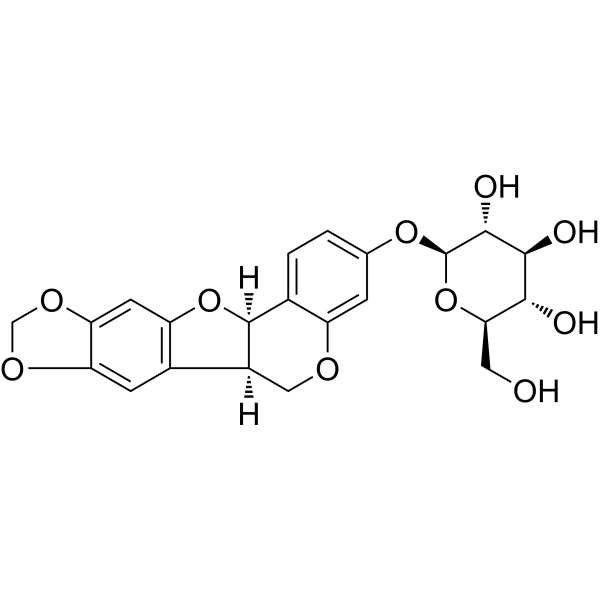
- HY-17357S
-
|
AHR-9434-d5; AL-6515-d5
|
Isotope-Labeled Compounds
COX
Prostaglandin Receptor
|
Neurological Disease
Inflammation/Immunology
Endocrinology
Cancer
|
|
Nepafenac-d5 (AHR-9434-d5; AL-6515-d5) is the deuterium labeled Nepafenac (HY-17357). Nepafenac, a nonsteroidal anti-inflammatory agent, is a topically administered COX-2 inhibitor with an IC50 of 0.12 μM. Nepafenac exhibits only weak COX-1 inhibitory activity (IC50 = 64.3 μM). Nepafenac possesses unique prodrug properties, which enable it to rapidly convert into the active metabolite Amfenac (HY-17479) in the ocular tissues, thereby achieving high concentrations in the retina and choroid. Nepafenac reduces inflammation and pain by inhibiting the activity of cyclooxygenase (COX) enzymes and thereby decreasing the production of prostaglandin PGE₂. Nepafenac can delay the metastasis of uveal melanoma (UM) in rabbit eyes. Nepafenac is mainly used for pain management and inflammation control after ophthalmic surgeries.
|
-
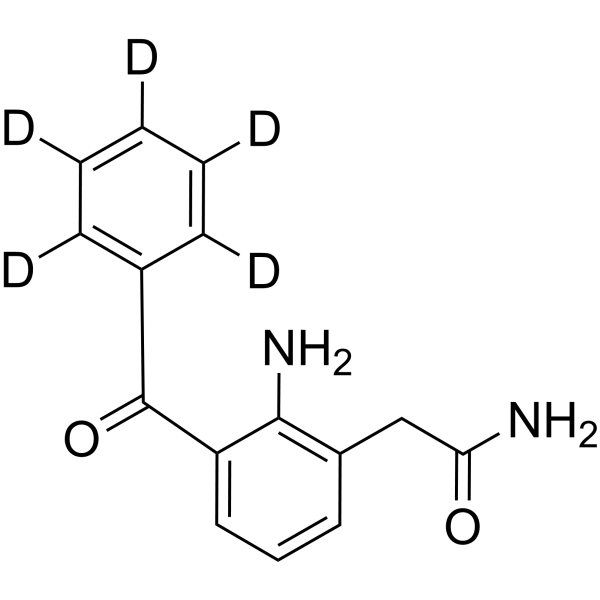
- HY-100516
-
|
UR-8880
|
COX
Cytochrome P450
|
Inflammation/Immunology
|
|
Cimicoxib (UR-8880) is an orally active, blood-brain barrier-permeable COX-2 inhibitor that also exerts targeted inhibition on CYP2D15. It has an IC50 of 66 nM against hCOX-2, an IC50 of 1.6 μM against canine CYP2D15, and an IC50 of 0.056 μM against feline CYP2D15. By inhibiting the COX-2 pathway to reduce the production of thromboxane B2 and prostaglandin E2, Cimicoxib exerts antipyretic, anti-inflammatory and analgesic effects. Cimicoxib is metabolized by CYP2D15 to form demethyl-cimicoxib, undergoes glucuronidation via UDP-glucuronosyltransferases, and exhibits biphasic elimination kinetics in beagle dogs. Cimicoxib is widely used in studies of inflammatory diseases, osteoarthritis, and perioperative pain associated with orthopedic or soft tissue surgeries [2] .
|
-
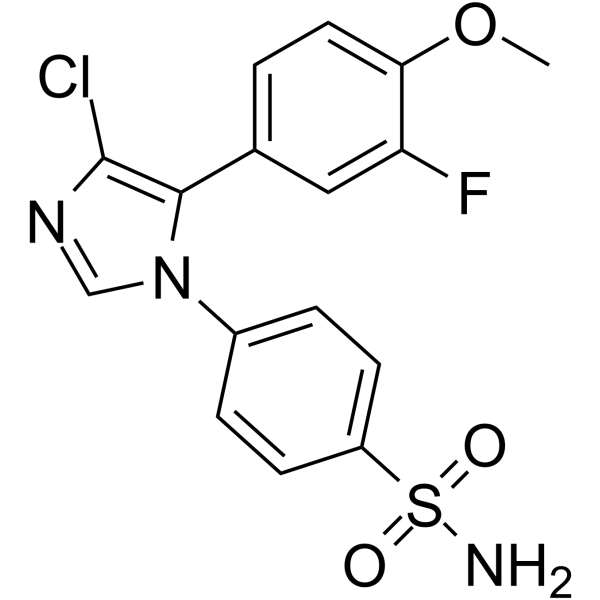
- HY-179485
-
|
|
EGFR
VEGFR
COX
Caspase
Apoptosis
Bcl-2 Family
|
Cancer
|
|
EGFR/VEGFR2-IN-10 is a selective EGFR, VEGFR2 and COX2 inhibitor with IC50s of 8.5, 68 and 158 nM, respectively. EGFR/VEGFR2-IN-10 induces G1-phase cell cycle arrest in MCF-7 cells. EGFR/VEGFR2-IN-10 increases the Bax/Bcl-2 ratio, upregulates caspase-8, and elevates caspase-9 protein levels, confirming activation of the intrinsic apoptotic pathway. EGFR/VEGFR2-IN-10 demonstrates exceptional therapeutic potential by simultaneously inhibiting tumor proliferation, angiogenesis, and inflammation pathways while maintaining a favorable selectivity profile. EGFR/VEGFR2-IN-10 can be used as a research tool for cervical, liver, colon, and breast cancer studies .
|
-

- HY-100516R
-
|
UR-8880 (Standard)
|
Reference Standards
Cytochrome P450
COX
|
Inflammation/Immunology
|
|
Cimicoxib (Standard) is the analytical standard of Cimicoxib. This product is intended for research and analytical applications. Cimicoxib (UR-8880) is an orally active, blood-brain barrier-permeable COX-2 inhibitor that also exerts targeted inhibition on CYP2D15. It has an IC50 of 66 nM against hCOX-2, an IC50 of 1.6 μM against canine CYP2D15, and an IC50 of 0.056 μM against feline CYP2D15. By inhibiting the COX-2 pathway to reduce the production of thromboxane B2 and prostaglandin E2, Cimicoxib exerts antipyretic, anti-inflammatory and analgesic effects. Cimicoxib is metabolized by CYP2D15 to form demethyl-cimicoxib, undergoes glucuronidation via UDP-glucuronosyltransferases, and exhibits biphasic elimination kinetics in beagle dogs. Cimicoxib is widely used in studies of inflammatory diseases, osteoarthritis, and perioperative pain associated with orthopedic or soft tissue surgeries [2] .
|
-

- HY-N1957R
-
|
γ-Mangostin (Standard)
|
Reference Standards
5-HT Receptor
COX
Transthyretin (TTR)
|
Metabolic Disease
Inflammation/Immunology
Cancer
|
|
Gamma-Mangostin (Standard) is the analytical standard of Gamma-Mangostin. This product is intended for research and analytical applications. Gamma-Mangostin is a novel competitive 5-hydroxytryptamine 2A (5-HT2A) receptor antagonist and potent epoxidase 2 (COX-2) inhibitor, as well as a transthyroxin protein (TTR) profibrosis inhibitor. Gamma-Mangostin binds to the thyroxine (T4)-binding sites and stabilized the TTR tetramer [2]. Gamma-Mangostin inhibits [3H] spiperone binding to cultured rat aortic myocytes (IC50=3.5 nM) and reduces The perfusion pressure response of rat coronary artery to 5-HT2A (IC50=0.32 μM). Gamma-Mangostin has anti-inflammatory, antibacterial, antioxidant and anticancer activities, and can be used in the study of metabolic disorders such as diabetes [2] .
|
-

- HY-170932
-
|
|
EGFR
COX
Apoptosis
|
Cancer
|
|
EGFR/COX-2-IN-1 is an EGFR/COX-2 inhibitor. EGFR/COX-2-IN-1 inhibits EGFR WT, EGFR T790M, COX-1 and COX-2 with IC50s of 0.12, 0.076, 20.1 and 1.52 μM respectively. EGFR/COX-2-IN-1 inhibits and with IC50s of , respectively. EGFR/COX-2-IN-1 inhibits MCF-7, HT-29 and A-549 with IC50s of 1.20, 5.14 and 14.81 μM, respectively. EGFR/COX-2-IN-1 displays Apoptosis induction by up-regulating Bax and down-regulating Bcl-2 protein levels. EGFR/COX-2-IN-1 results in a significant increase in the percentage of cells at the G2/M in MFC-7 cells. EGFR/COX-2-IN-1 exhibits broad-spectrum antitumor effects .
|
-

| Cat. No. |
Product Name |
Type |
-
- HY-14398G
-
|
SC 58635
|
Fluorescent Dyes
|
|
Celecoxib (GMP) is Celecoxib (HY-14398) produced by using GMP guidelines. GMP small molecules work appropriately as an auxiliary reagent for cell therapy manufacture. Celecoxib,a selective non-steroidal anti-inflammatory drug (NSAID), is a selective COX-2 inhibitor with an IC50 of 40 nM.
|
-
- HY-14398GL
-
|
SC 58635 (GMP Like)
|
Fluorescent Dyes
|
|
Celecoxib (SC 58635) GMP Like is a GMP-class Celecoxib (HY-14398). Celecoxib, a selective non-steroidal anti-inflammatory drug (NSAID), is a selective COX-2 inhibitor with an IC50 of 40 nM.
|
| Cat. No. |
Product Name |
Type |
-
- HY-Y1100
-
|
|
Biochemical Assay Reagents
|
|
Cyclopropylmethyl bromide is an intermediate. Cyclopropylmethyl bromide can be used in the preparation of Firocoxib (HY-14670). Firocoxib (ML 1785713) is a potent, selective, orally active COX-2 inhibitor .
|
-
- HY-14398G
-
|
SC 58635
|
Biochemical Assay Reagents
|
|
Celecoxib (GMP) is Celecoxib (HY-14398) produced by using GMP guidelines. GMP small molecules work appropriately as an auxiliary reagent for cell therapy manufacture. Celecoxib,a selective non-steroidal anti-inflammatory drug (NSAID), is a selective COX-2 inhibitor with an IC50 of 40 nM.
|
-
- HY-14398GL
-
|
SC 58635 (GMP Like)
|
Biochemical Assay Reagents
|
|
Celecoxib (SC 58635) GMP Like is a GMP-class Celecoxib (HY-14398). Celecoxib, a selective non-steroidal anti-inflammatory drug (NSAID), is a selective COX-2 inhibitor with an IC50 of 40 nM.
|
| Cat. No. |
Product Name |
Category |
Target |
Chemical Structure |
-
- HY-66005
-
-
-
- HY-N1957
-
-
-
- HY-N1312
-
-
-
- HY-113083
-
-
-
- HY-N6084
-
-
-
- HY-113463
-
|
CE(20:5(5Z,8Z,11Z,14Z,17Z)
|
Structural Classification
Classification of Application Fields
Metabolic Disease
Endogenous metabolite
Disease Research Fields
Steroids
Source Classification
|
Endogenous Metabolite
COX
|
|
Cholesteryl eicosapentaenoate (CE(20:5(5Z,8Z,11Z,14Z,17Z)), a cholesteryl ester, is a COX-1 and COX-2 inhibitor with IC50 values of 14.6 μg/mL and 17.3 μg/mL, respectively. Cholesteryl eicosapentaenoate shows strong anti-inflammatory and antioxidant activities .
|
-
-
- HY-N0616
-
|
|
Structural Classification
Flavonoids
Classification of Application Fields
Leguminosae
Trifolium pratense Linn.
Sophora flavescens Aiton
Plants
Other Flavonoids
Inflammation/Immunology
Disease Research Fields
Source Classification
Cancer
|
Tyrosinase
TNF Receptor
Bacterial
Apoptosis
Autophagy
AMPK
mTOR
ERK
NF-κB
|
|
Trifolirhizin is a pterocarpan flavonoid found in the roots of Sophora flavescens. Trifolirhizin is a tyrosinase inhibitor with an IC50 value of 506.77 μM. Trifolirhizin reduces intracellular melanin production and modulates multiple signaling pathways including NFκB-MAPK, AMPK/mTOR, PI3K/Akt, MAPK-NFATc1 and EGFR-MAPK. Trifolirhizin targets biological molecules including PTK6 and COX-2, inhibits the activities of hyaluronidase, collagenase and elastase, induces apoptosis, autophagy and cell cycle arrest, and suppresses the proliferation, migration and invasion of cancer cells. Trifolirhizin exerts diverse pharmacological effects including anti-inflammatory, anti-asthmatic, bone-protective, renoprotective, antibacterial, antifungal, hepatoprotective, antiplatelet, estrogenic and wound-healing activities. Trifolirhizin can be used to investigate a broad range of malignant, inflammatory, metabolic and infectious disorders [2] .
|
-
-
- HY-100580
-
-
-
- HY-N0929
-
-
-
- HY-W196368
-
-
-
- HY-N0929R
-
-
-
- HY-B0367R
-
-
-
- HY-N1312R
-
-
-
- HY-N1957R
-
|
γ-Mangostin (Standard)
|
Structural Classification
Xanthones
Guttiferae
Phenols
Polyphenols
Garcinia mangostana Linn.
Plants
|
Reference Standards
5-HT Receptor
COX
Transthyretin (TTR)
|
|
Gamma-Mangostin (Standard) is the analytical standard of Gamma-Mangostin. This product is intended for research and analytical applications. Gamma-Mangostin is a novel competitive 5-hydroxytryptamine 2A (5-HT2A) receptor antagonist and potent epoxidase 2 (COX-2) inhibitor, as well as a transthyroxin protein (TTR) profibrosis inhibitor. Gamma-Mangostin binds to the thyroxine (T4)-binding sites and stabilized the TTR tetramer [2]. Gamma-Mangostin inhibits [3H] spiperone binding to cultured rat aortic myocytes (IC50=3.5 nM) and reduces The perfusion pressure response of rat coronary artery to 5-HT2A (IC50=0.32 μM). Gamma-Mangostin has anti-inflammatory, antibacterial, antioxidant and anticancer activities, and can be used in the study of metabolic disorders such as diabetes [2] .
|
-
-
- HY-N3866
-
-
-
- HY-N2599
-
-
-
- HY-100580R
-
-
-
- HY-N16482
-
-
-
- HY-N16481
-
-
-
- HY-113083R
-
-
-
- HY-W162983
-
|
|
Callicarpa cathayana Hung T. Chang
Natural Products
Acanthaceae
Plants
Source Classification
|
COX
|
|
3,4-Diphenyl-5H-furan-2-one is a natural compound isolated from the endophytic fungus Aspergillus flavipes AIL8 derived from the mangrove plant Acanthus ilicifolius. 3,4-Diphenyl-5H-furan-2-one is a derivative of 2,3-diphenyltetrahydrofuran (DPTF), which is a COX-2 inhibitor. 3,4-Diphenyl-5H-furan-2-one can be used as a lead compound for inflammation and pain [2].
|
-
| Cat. No. |
Product Name |
Chemical Structure |
-
- HY-66005S
-
|
|
|
Acetaminophen-d4 is the deuterium labeled Acetaminophen. Acetaminophen (Paracetamol) is a selective cyclooxygenase-2 (COX-2) inhibitor with an IC50 of 25.8 μM; is a widely used antipyretic and analgesic agent [2] . Acetaminophen is a potent hepatic N-acetyltransferase 2 (NAT2) inhibitor .
|
-
-
- HY-78131S
-
1 Publications Verification
|
|
Ibuprofen-d3 is a deuterium labeled Ibuprofen. Ibuprofen is a COX-1 and COX-2 inhibitor with IC50s of 13 μM and 370 μM .
|
-
-
- HY-66005S1
-
|
|
|
Acetaminophen-d3 is the deuterium labeled Acetaminophen. Acetaminophen (Paracetamol) is a selective cyclooxygenase-2 (COX-2) inhibitor with an IC50 of 25.8 μM; is a widely used antipyretic and analgesic agent [2] . Acetaminophen is a potent hepatic N-acetyltransferase 2 (NAT2) inhibitor .
|
-
-
- HY-14398S
-
|
|
|
Celecoxib-d7 is the deuterium labeled Celecoxib. Celecoxib,a selective non-steroidal anti-inflammatory drug (NSAID), is a selective COX-2 inhibitor with an IC50 of 40 nM [2].
|
-
-
- HY-66005S2
-
|
|
|
Acetaminophen-d7 is the deuterium labeled Acetaminophen. Acetaminophen (Paracetamol) is a selective cyclooxygenase-2 (COX-2) inhibitor with an IC50 of 25.8 μM; is a widely used antipyretic and analgesic agent. Acetaminophen is a potent hepatic N-acetyltransferase 2 (NAT2) inhibitor.
|
-
-
- HY-15321S
-
1 Publications Verification
|
|
Etoricoxib-d4 (MK-0663-d4) is a deuterium labeled Etoricoxib. Etoricoxib is a non steroidal anti-inflammatory agent, acting as a selective and orally active COX-2 inhibitor, with IC50s of 1.1 μM and 116 μM for COX-2 and COX-1 in human whole blood.
|
-
-
- HY-B0559S
-
|
|
|
Nabumetone-d3 is the deuterium labeled Nabumetone (HY-B0559). Nabumetone is an orally active non-acidic anti-inflammatory agent, acts as a potent and selective COX-2 inhibitor, and is the proagent of the active metaboliteα-Demethylnaproxen (HY-W086896). Nabumetone can inhibit cancer cells proliferation and relieve gastric ulcers [2] .
|
-
-
- HY-17357S
-
|
|
|
Nepafenac-d5 (AHR-9434-d5; AL-6515-d5) is the deuterium labeled Nepafenac (HY-17357). Nepafenac, a nonsteroidal anti-inflammatory agent, is a topically administered COX-2 inhibitor with an IC50 of 0.12 μM. Nepafenac exhibits only weak COX-1 inhibitory activity (IC50 = 64.3 μM). Nepafenac possesses unique prodrug properties, which enable it to rapidly convert into the active metabolite Amfenac (HY-17479) in the ocular tissues, thereby achieving high concentrations in the retina and choroid. Nepafenac reduces inflammation and pain by inhibiting the activity of cyclooxygenase (COX) enzymes and thereby decreasing the production of prostaglandin PGE₂. Nepafenac can delay the metastasis of uveal melanoma (UM) in rabbit eyes. Nepafenac is mainly used for pain management and inflammation control after ophthalmic surgeries.
|
-
-
- HY-14398S1
-
|
|
|
Celecoxib-d3 is the deuterium labeled Celecoxib. Celecoxib,a selective non-steroidal anti-inflammatory drug (NSAID), is a selective COX-2 inhibitor with an IC50 of 40 nM [2].
|
-
-
- HY-66005S4
-
|
|
|
Acetaminophen- 13C2, 15N is the 13C and 15N labeled Acetaminophen . Acetaminophen (Paracetamol) is a selective cyclooxygenase-2 (COX-2) inhibitor with an IC50 of 25.8 μM;is a widely used antipyretic and analgesic agent [2] . Acetaminophen is a potent hepatic N-acetyltransferase 2 (NAT2) inhibitor .
|
-
-
- HY-B0008S
-
|
|
|
Sulindac-d3 is deuterium labeled Sulindac. Sulindac (MK-231) is a non-steroidal antiinflammatory agent, acts as a COX-2 inhibitor, and inhibits overexpression of COX-2.
|
-
-
- HY-Y1100S
-
|
|
|
Cyclopropylmethyl bromide-d4 is the deuterium labeled Cyclopropylmethyl bromide (HY-Y1100). Cyclopropylmethyl bromide is an intermediate. Cyclopropylmethyl bromide can be used in the preparation of Firocoxib (HY-14670). Firocoxib (ML 1785713) is a potent, selective, orally active COX-2 inhibitor [2].
|
-
-
- HY-17509S
-
|
|
|
Deracoxib-d3 (SC 046-d3; SC 59046-d3) is the deuterium labeled Deracoxib (HY-17509). Deracoxib, an orally active COX-2 inhibitor, is a veterinary nonsteroidal anti-inflammatory agent used exclusively in dogs. Deracoxib inhibits the COX-2 enzyme to reduce the production of prostaglandins, effectively controlling pain and inflammation after canine soft tissue surgery. Deracoxib reduces the inhibition of COX-1 and lowers the risk of gastrointestinal side effects. Deracoxib induces tumor cell cycle arrest and apoptosis, and shows anti-tumor activity in canine osteosarcoma, breast tumors and bladder transitional cell carcinomas.
|
-
-
- HY-15030S1
-
|
|
|
Naproxen-d3 ((S)-Naproxen-d3) is the deuterium labeled Naproxen (HY-15030). Naproxen is a COX-1 and COX-2 inhibitor with IC50s of 8.72 and 5.15 μM, respectively in cell assay.
|
-
-
- HY-118139S
-
|
|
|
Celecoxib-d4 is the deuterium labeled Desmethyl Celecoxib. Desmethyl Celecoxib (compound 3b) is a selective cyclooxygenase-2 (COX-2) inhibitor (IC50=32 nM) with anti-inflammatory activities. Desmethyl Celecoxib is an?analog?of Celecoxib and with the optimal yield of 75% .
|
-
-
- HY-119447S
-
|
|
|
Mavacoxib-d4 is the deuterium labeled Mavacoxib. Mavacoxib is a selective, oral long-acting cyclooxygenase-2 (COX-2) inhibitor and a long-acting non-steroidal anti-inflammatory drug (NSAID). Mavacoxib is used to treat pain and inflammation associated with degenerative joint disease in dogs .
|
-
-
- HY-15321S2
-
|
|
|
Etoricoxib-d3 is the deuterium labeled Etoricoxib . Etoricoxib (MK-0663) is a non steroidal anti-inflammatory agent, acting as a selective and orally active COX-2 inhibitor, with IC50s of 1.1 μM and 116 μM for COX-2 and COX-1 in human whole blood [2] .
|
-
-
- HY-14670S
-
|
|
|
Firocoxib-d4 (ML 1785713-d4) is the deuterium labeled Firocoxib. Firocoxib (ML 1785713) is a potent, selective and orally active COX-2 inhibitor with an IC50 of 0.13 μM. Firocoxib shows 58-fold more selective for COX-2 than COX-1 (IC50 of 7.5 μM). Firocoxib has anti-inflammatory effects .
|
-
-
- HY-66005S3
-
|
|
|
Acetaminophen-13C6 (Paracetamol-13C6) is the 13C-labeled Acetaminophen. Acetaminophen (Paracetamol) is a selective cyclooxygenase-2 (COX-2) inhibitor with an IC50 of 25.8 μM; is a widely used antipyretic and analgesic agent [2] . Acetaminophen is a potent hepatic N-acetyltransferase 2 (NAT2) inhibitor .
|
-
-
- HY-17372S
-
|
|
|
Rofecoxib-d5 is the deuterium labeled Rofecoxib. Rofecoxib is a potent, specific and orally active COX-2 inhibitor, with IC50s of 26 and 18 nM for human COX-2 in human osteosarcoma cells and Chinese hamster ovary cells, with a 1000-fold selectivity for COX-2 over human COX-1 (IC50 > 50 μM in U937 cells and > 15 μM in Chinese hamster ovary cells) [2].
|
-
-
- HY-B0367S
-
|
|
|
Lornoxicam-d4 is the deuterium labeled Lornoxicam. Lornoxicam (Chlortenoxicam), a COX-1 and COX-2 inhibitor, is a new nonsteroidal anti-inflammatory agent (NSAID).
|
-
-
- HY-15029S2
-
|
|
|
(±)-Naproxen- 13C,d3 is the deuterium and 13C labeled (±)-Naproxen . (±)-Naproxen ((Rac)-Naproxen) is a racemate of Naproxen (HY-15030). Naproxen is a COX-1 and COX-2 inhibitor with IC50s of 8.72 and 5.15 μM, respectively.
|
-
-
- HY-W745860
-
|
|
|
Hexahydrocurcumin-d6 is the deuterium labeled Hexahydrocurcumin (HY-N0929). Hexahydrocurcumin is one of the major metabolites of curcumin and a selective, orally active COX-2 inhibitor. Hexahydrocurcumin is inactive against COX-1. Hexahydrocurcumin has antioxidant, anticancer and anti-inflammatory activities [2].
|
-
-
- HY-B0363S
-
|
|
|
Nimesulide-d5 is a deuterium labeled Nimesulide. Nimesulide is a selective COX-2 inhibitor, with IC50s of 70 nM-70 μM in a time-dependent manner, but it shows no effect on COX-1 (IC50 >100 μM). Nimesulide has potent anti-inflammatory, analgesic and antipyretic properties [2].
|
-
-
- HY-66005S5
-
|
|
|
Acetaminophen-d5 is deuterated-labeled Acetaminophen (HY-66005). Acetaminophen (Paracetamol) is a selective cyclooxygenase-2 (COX-2) inhibitor with an IC50 of 25.8 μM; is a widely used antipyretic and analgesic agent [2] . Acetaminophen is a potent hepatic N-acetyltransferase 2 (NAT2) inhibitor .
|
-
-
- HY-15321S1
-
|
|
|
Etoricoxib- 13C,d3 is the 13C- and deuterium labeled Etoricoxib. Etoricoxib (MK-0663) is a non steroidal anti-inflammatory agent, acting as a selective and orally active COX-2 inhibitor, with IC50s of 1.1 μM and 116 μM for COX-2 and COX-1 in human whole blood.
|
-
-
- HY-B0363S1
-
|
|
|
Nimesulide- 13C6 (R805- 13C6) is 13C labeled Nimesulide. Nimesulide is a selective COX-2 inhibitor, with IC50s of 70 nM-70 μM in a time-dependent manner, but it shows no effect on COX-1 (IC50 >100 μM). Nimesulide has potent anti-inflammatory, analgesic and antipyretic properties.
|
-
-
- HY-17474S
-
|
|
|
Parecoxib-d3 is the deuterium labeled Parecoxib. Parecoxib (SC 69124) is a highly selective and orally active COX-2 inhibitor, the proagent of Valdecoxib (HY-15762). Parecoxib Sodium is a nonsteroidal anti-inflammatory agent (NSAID) and inhibits prostaglandin (PG) synthesis. Parecoxib can be used for the relief of acute postoperative pain and symptoms of chronic inflammatory conditions such as osteoarthritis and rheumatoid arthritis in vivo.
|
-
-
- HY-17474AS
-
|
|
|
Parecoxib-d5 sodium is the deuterium labeled Parecoxib sodium. Parecoxib Sodium (SC 69124A) is a highly selective and orally active COX-2 inhibitor, the proagent of Valdecoxib (HY-15762). Parecoxib Sodium is a nonsteroidal anti-inflammatory agent (NSAID) and inhibits prostaglandin (PG) synthesis. Parecoxib Sodium can be used for the relief of acute postoperative pain and symptoms of chronic inflammatory conditions such as osteoarthritis and rheumatoid arthritis in vivo [2].
|
-
-
- HY-17474S1
-
|
|
|
Parecoxib-d5 (SC 69124-d5) is deuterium labeled Parecoxib. Parecoxib (SC 69124) is a highly selective and orally active COX-2 inhibitor, the proagent of Valdecoxib (HY-15762). Parecoxib Sodium is a nonsteroidal anti-inflammatory agent (NSAID) and inhibits prostaglandin (PG) synthesis. Parecoxib can be used for the relief of acute postoperative pain and symptoms of chronic inflammatory conditions such as osteoarthritis and rheumatoid arthritis in vivo.
|
-
-
- HY-B0619S1
-
|
|
|
Zaltoprofen- 13C,d3 is the 13C- and deuterium labeled Zaltoprofen. Zaltoprofen (CN100), a non-steroidal anti-inflammatory drug (NSAID), is a preferential and orally active COX-2 inhibitor, with IC50s of 1.3 and 0.34 μM for COX-1 and COX-2, respectively. Zaltoprofen exhibits powerful anti-inflammatory effects as well as an analgesic action on inflammatory pain [2] .
|
-
-
- HY-W703540
-
|
|
|
Deracoxib-d4 (SC 046-d4; SC 59046--d4) is deuterium labeled Deracoxib (HY-17509). Deracoxib, an orally active COX-2 inhibitor, is a veterinary nonsteroidal anti-inflammatory agent used exclusively in dogs. Deracoxib inhibits the COX-2 enzyme to reduce the production of prostaglandins, effectively controlling pain and inflammation after canine soft tissue surgery. Deracoxib reduces the inhibition of COX-1 and lowers the risk of gastrointestinal side effects. Deracoxib induces tumor cell cycle arrest and apoptosis, and shows anti-tumor activity in canine osteosarcoma, breast tumors and bladder transitional cell carcinomas.
|
-
-
- HY-Y1100S1
-
|
|
|
Cyclopropylmethyl bromide-d3 is the deuterium labeled Cyclopropylmethyl bromide (HY-Y1100). Cyclopropylmethyl bromide is an intermediate. Cyclopropylmethyl bromide can be used in the preparation of Firocoxib (HY-14670). Firocoxib (ML 1785713) is a potent, selective, orally active COX-2 inhibitor [2].
|
-
| Cat. No. |
Product Name |
|
Classification |
-
- HY-113463
-
|
CE(20:5(5Z,8Z,11Z,14Z,17Z)
|
|
Cholesterol
|
|
Cholesteryl eicosapentaenoate (CE(20:5(5Z,8Z,11Z,14Z,17Z)), a cholesteryl ester, is a COX-1 and COX-2 inhibitor with IC50 values of 14.6 μg/mL and 17.3 μg/mL, respectively. Cholesteryl eicosapentaenoate shows strong anti-inflammatory and antioxidant activities .
|
| Cat. No. |
Product Name |
Target |
Research Areas |
Chemical Structure |
-
- HY-14398GL
-
|
SC 58635 (GMP Like)
|
COX
|
Inflammation/Immunology
|
|
Celecoxib (SC 58635) GMP Like is a GMP-class Celecoxib (HY-14398). Celecoxib, a selective non-steroidal anti-inflammatory drug (NSAID), is a selective COX-2 inhibitor with an IC50 of 40 nM.
|
-
-
- HY-14398G
-
|
SC 58635
|
COX
|
Inflammation/Immunology
|
|
Celecoxib (GMP) is Celecoxib (HY-14398) produced by using GMP guidelines. GMP small molecules work appropriately as an auxiliary reagent for cell therapy manufacture. Celecoxib,a selective non-steroidal anti-inflammatory drug (NSAID), is a selective COX-2 inhibitor with an IC50 of 40 nM.
|
-
Your information is safe with us. * Required Fields.
Inquiry Information
- Product Name:
- Cat. No.:
- Quantity:
- MCE Japan Authorized Agent:








