Search Result
Results for "
and microsomal
" in MedChemExpress (MCE) Product Catalog:
7
Isotope-Labeled Compounds
| Cat. No. |
Product Name |
Target |
Research Areas |
Chemical Structure |
-
- HY-13433
-
Thapsigargin
Maximum Cited Publications
138 Publications Verification
|
Calcium Channel
SARS-CoV
Apoptosis
|
Infection
Cancer
|
|
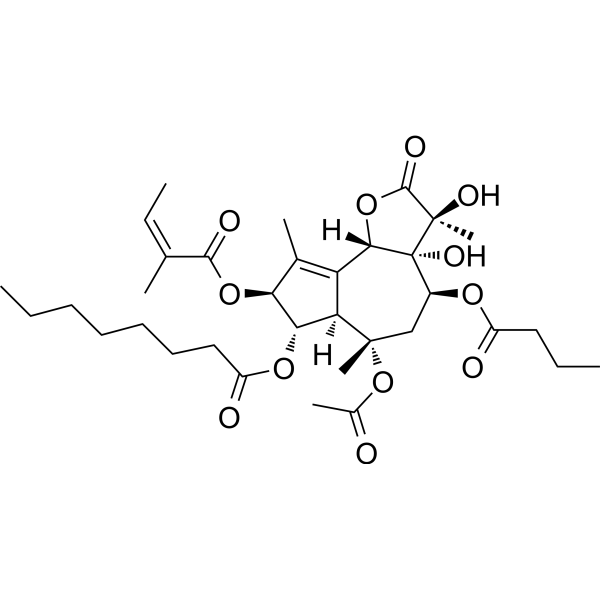
Thapsigargin, an endoplasmic reticulum (ER) stress inducer, is an inhibitor of microsomal Ca 2+-ATPase. Thapsigargin efficiently inhibits coronavirus (HCoV-229E, MERS-CoV, SARS-CoV-2) replication in different cell types .
|
-
-
- HY-14667
-
-
-
- HY-107410
-
-
-
- HY-B0811
-
|
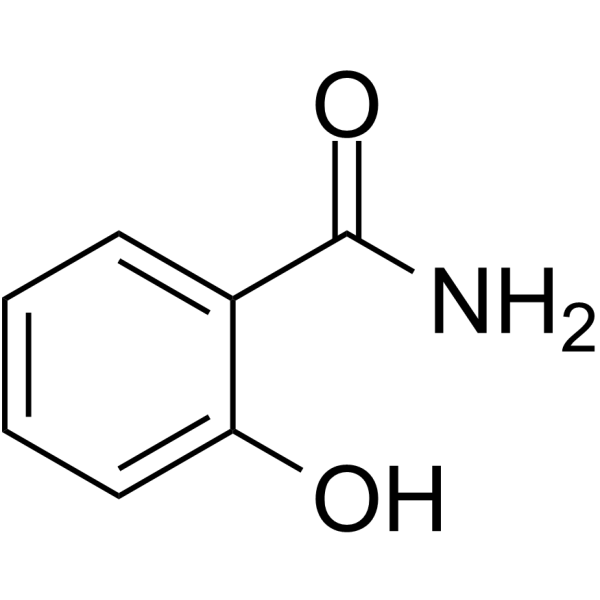
2-Hydroxybenzamide
|
UGT
|
Inflammation/Immunology
|
|
Salicylamide is an inhibitor of microsomal UDP-glucuronosyltransferase. Salicylamide is an analgesic and anti-pyretic agent.
|
-
-
- HY-106130
-
-
-
- HY-115194
-
|
|
Aminopeptidase
Bacterial
|
Infection
|
|
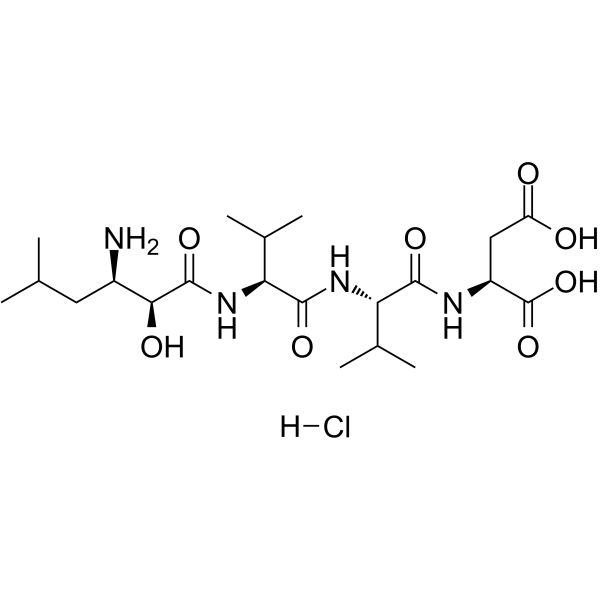
Amastatin hydrochloride is a slow, tight binding, competitive aminopeptidase (AP) inhibitor with Ki values of 0.26 nM, 30 nM, 52 nM for Aeromonas aminopeptidase, cytosolic leucine aminopeptidase, microsomal aminopeptidase .
|
-
-
- HY-N4193
-
Glabrol
3 Publications Verification
|
Acyltransferase
|
Cardiovascular Disease
|
|
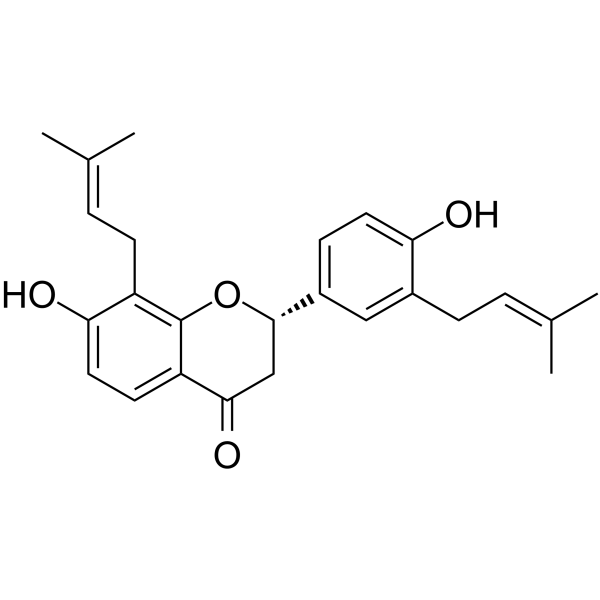
Glabrol (Compound 1), One isoprenyl flavonoid was isolated from ethanol extract of licorice roots, is a potent and non-competitive Acyl-coenzyme A: cholesterol acyltransferase (ACAT) inhibitor with an IC50 value of 24.6 μM for rat liver microsomal ACAT activity .
|
-
-
- HY-150508
-
MK-0159
1 Publications Verification
|
CD38
|
Cardiovascular Disease
Metabolic Disease
Inflammation/Immunology
|
|
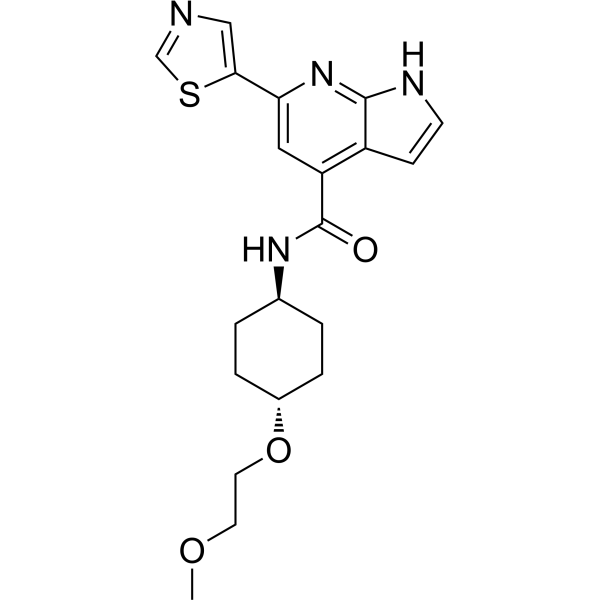
MK-0159 is an orally active, potent and selective CD38 inhibitor, with IC50 values of 22, 3, and 70 nM for human, mouse and rat CD38, respectively. MK-0159 also shows good microsomal stability for human and rodent liver microsomes. MK-0159 increases NAD + (nicotinamide adenine dinucleotide) and reduces ADPR (adenosine diphosphate ribose) in whole blood and heart .
|
-
-
- HY-136645
-
|
|
Prostaglandin Receptor
|
Cancer
|
|
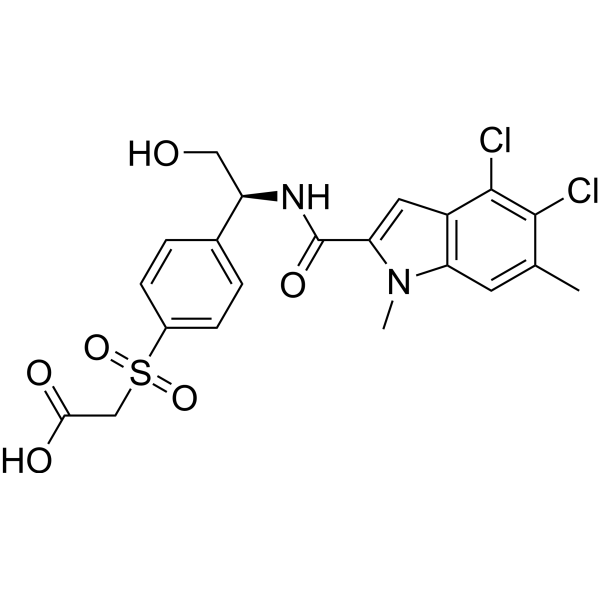
EP4 receptor antagonist 2 (Compound 8) is a tricyclic spiro-based EP4 receptor antagonist with microsomal stability .
|
-
-
- HY-126254
-
BI-4924
1 Publications Verification
|
Phosphoglycerate Dehydrogenase (PHGDH)
|
Cancer
|
|
BI-4924 is a lipophilic, highly plasma protein bound selective phosphoglycerate dehydrogenase (PHGDH) inhibitor (IC50=3 nM) with excellent microsomal, as well as hepatocytic stability. Intracellular trapping of BI-4924 disrupts serine biosynthesis with an IC50 of 2200 nM at 72 h .
|
-
-
- HY-125365
-
|
|
Bacterial
Reactive Oxygen Species (ROS)
Antibiotic
|
Infection
|
|
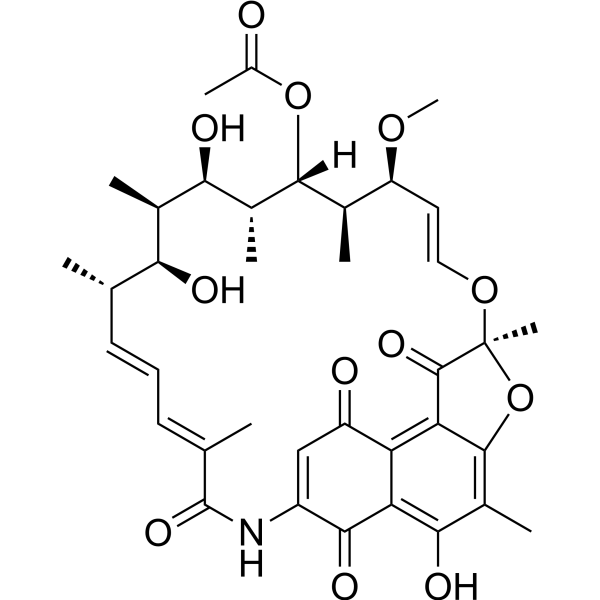
Rifamycin S, a quinone, is an antibiotic against Gram-positive bacteria (including MRSA). Rifamycin S is the oxidized forms of a reversible oxidation-reduction system involving two electrons. Rifamycin S generates reactive oxygen species (ROS) and inhibits microsomal lipid peroxidation. Rifamycin S can be used for tuberculosis and leprosy .
|
-
-
- HY-127112
-
|
|
Drug Derivative
|
Others
|
|
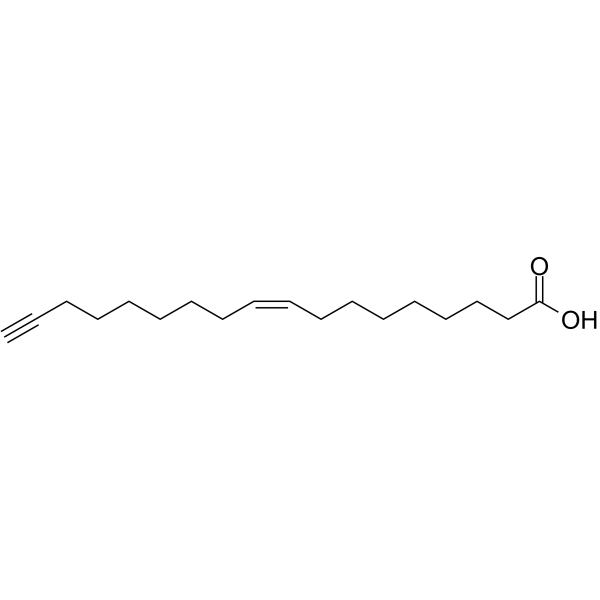
Oleic acid alkyne is Oleic acid (HY-N1446) with an acetylene group. The terminal alkyne group can be used for click chemical ligation reactions. Oleic acid can be hydroxylated by a microsomal cytochrome P-450-dependent system (ω-OAH). Through click chemistry reactions, fluorescent or biotin-labeled oleic acid can be introduced to analyze its metabolism and biological activity.
|
-
-
- HY-W020246
-
|
TMTM
|
Squalene Monooxygenase
Bacterial
|
Infection
Inflammation/Immunology
|
|
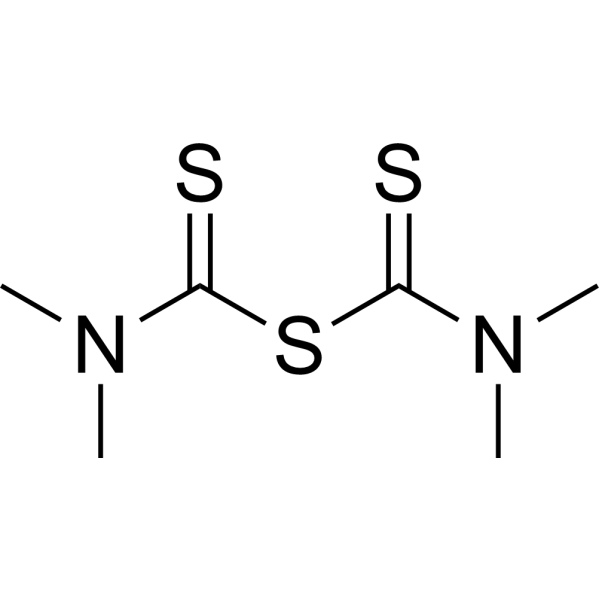
Tetramethylthiuram monosulfide (TMTM) is an orally active microsomal monooxygenases inhibitor. Tetramethylthiuram monosulfide is used as an accelerator and activator in the processing of natural rubber and butyl rubber. Tetramethylthiuram monosulfide reduces palmitic acid incorporation into microsomal phospholipids, disrupts microsomal membrane integrity, and impairs electron transport during oxygenation. Tetramethylthiuram monosulfide can be used for the research of fungal infection, bacterial infection and allergic contact dermatitis .
|
-
-
- HY-106011
-
-
-
- HY-P2779
-
|
|
Endogenous Metabolite
|
Metabolic Disease
|
|
Microsomal aminopeptidase, Microorganism is first reported from C. elegans. The Microsomal aminopeptidase, Microorganism is beneficial for the development of molecular vaccines against parasitic nematodes .
|
-
-
- HY-115354
-
|
|
Drug Metabolite
|
Neurological Disease
|
|
4-Hydroxy alprazolam is a metabolite of Alprazolam. Alprazolam is metabolized primarily by hepatic microsomal oxidation, yielding 4-Hydroxy alprazolam .
|
-
-
- HY-113955
-
-
-
- HY-100333
-
-
-
- HY-U00070
-
-
-
- HY-141638
-
|
Methyl-IQ
|
Biochemical Assay Reagents
|
Cancer
|
|
Me-IQ (Methyl-IQ), an orally active heterocyclic amine, is carcinogenic and mutagenic. Me-IQ is several hundred-fold more mutagenic in liver than in lung microsomal preparations from uninduced mice and rabbits .
|
-
-
- HY-B0816
-
|
|
Environmental Pollutants
Insecticide
|
Others
Cancer
|
|
Etofenprox is an orally active non-ester pyrethroid insecticide. Etofenprox induces toxicity against many pest insects, including Diptera rather than mammalian and fish. Etofenprox has a liver tumor-promoting activity in rats accompanied with microsomal ROS production increase. Etofenprox can be used in agricultural pest control and malaria research .
|
-
-
- HY-P2961
-
|
|
Glutathione S-transferase
|
Cancer
|
|
Glutathione S-transferase is a phase II metabolic enzyme consisting of three superfamilies: cytosolic, mitochondrial, and microsomal. Glutathione S-transferase possesses various catalytic activities such as catalytic detoxification and thiol transfer, as well as chaperone function. GSTP1, a subtype of Glutathione S-transferase, is highly expressed in malignant tissues and serves as a tumor marker .
|
-
-
- HY-119220
-
-
-
- HY-162387
-
-
-
- HY-19622
-
|
|
PGE synthase
|
Inflammation/Immunology
|
|
PF-9184 is a potent and highly selective inhibitor of human microsomal prostaglandin E synthase-1 (mPGES-1), with an IC50 of 16.5 nM. PF-9184 inhibits IL-1β-induced PGE2 synthesis in vitro .
|
-
-
- HY-149202
-
|
|
PGE synthase
|
Neurological Disease
Inflammation/Immunology
|
|
UT-11 is a potent and blood-brain barrier-permeable microsomal prostaglandin E synthase-1 (mPGES-1) inhibitor with IC50s of 0.10 μM and 2.00 μM for inhibiting PGE2 production in human (SK-N-AS) and murine (BV2) cells, respectively .
|
-
-
- HY-132174
-
|
|
Flavivirus
Dengue Virus
CHIKV
Dihydroorotate Dehydrogenase
|
Infection
|
|
CHIKV-IN-2 is a potent inhibitor against Chikungunya virus (CHIKV), with excellent cellular antiviral activity (EC90=270 nM) and improved liver microsomal stability. CHIKV-IN-2 shows inhibitory activity against a cellular target Dihydroorotate Dehydrogenase (DHODH), which interacts with various viruses and regulate their replication via depleting intracellular pyrimidine pools .
|
-
-
- HY-146696
-
|
|
Epoxide Hydrolase
|
Cardiovascular Disease
Neurological Disease
Cancer
|
|
mEH-IN-1 (Compound 62) is a potent microsomal epoxide hydrolase (mEH) inhibitor with the IC50 of 2.2 nM. The mEH is a mammalian α/β-fold hydrolase enzyme, expressed in almost all tissues, hydrolyzes a wide range of epoxide containing molecules. The mEH is mainly localized in the endoplasmic reticulum (ER) of eukaryotic cells. mEH-IN-1 can be used for the research of preeclampsia, hypercholanemia and cancer .
|
-
-
- HY-U00270
-
-
-
- HY-20874
-
|
|
Drug Metabolite
|
Others
|
|
Deschlorodemethyldiazepam is a benzodiazepines compound. Deschlorodemethyldiazepam can be hydroxylated in vitro by liver microsomal enzymes obtained from rats or mice .
|
-
-
- HY-137391
-
|
|
Estrogen Receptor/ERR
|
Metabolic Disease
|
|
2-Bromoestradiol is a estrogen 2-hydroxylase inhibitor. 2-Bromoestradiol decreases irreversible binding of radiolabeled estradiol metabolite(s) to microsomal proteins .
|
-
-
- HY-133798
-
|
|
Cytochrome P450
Drug Metabolite
|
Cancer
|
|
Sorafenib N-oxide is an active metabolite of sorafenib (HY-10201). Sorafenib N-oxide is a linear-mixed inhibitor of microsomal CYP3A4, with a Ki of 15 μM .
|
-
-
- HY-142686
-
|
|
SGK
P-glycoprotein
CDK
|
Inflammation/Immunology
|
|
SGK1-IN-3 (Compound 3a) is an ATP-competitive SGK1 inhibitor with an IC50 of <1 nM against hSGK1. SGK1-IN-3 blocks the activity of CDK family members. SGK1-IN-3 is a P-glycoprotein substrate. SGK1-IN-3 can be used for research on osteoarthritis .
|
-
-
- HY-121088
-
|
|
P-glycoprotein
|
Cardiovascular Disease
Others
|
|
Ceefourin 2 is a potent and highly selective inhibitor of MRP4. Ceefourin 2 inhibits the transport of MRP4 substrates but is not selective for other ABC transporters. Ceefourin 2 shows lower cytotoxicity and higher microsomal and acid stability .
|
-
-
- HY-113955A
-
-
-
- HY-113164
-
|
|
Endogenous Metabolite
|
Others
|
|
Vitamin K1 2,3-epoxide is an inactive metabolite form of Vitamin K1 (HY-N0684), which is reduced to active vitamin by microsomal epoxide reductase in the vitamin K epoxide cycle. Vitamin K1 2,3-epoxide is involved in blood clotting .
|
-
-
- HY-U00329
-
-
-
- HY-116630
-
-
-
- HY-163350
-
|
|
GPR84
|
Inflammation/Immunology
|
|
TUG-2208 (compound 42a) is a GPR84 agonist (pEC50=8.98) with low lipophilicity and good solubility, in vitro permeability and microsomal stability .
|
-
-
- HY-11034
-
-
-
- HY-125415
-
|
|
PGE synthase
|
Inflammation/Immunology
|
|
PF-4693627 is a potent, selective and orally bioavailable microsomal prostaglandin E synthase-1 (mPGES-1) inhibitor (IC50=3 nM) for the treatment of inflammation caused by osteoarthritis (OA) and rheumatoid arthritis (RA) .
|
-
-
- HY-146397
-
|
|
PROTACs
Androgen Receptor
|
Cancer
|
|
TD-802 (Compound 33c) is an androgen receptor (AR) PROTAC degrader with good microsomal stability. TD-802 has good antitumor efficacy in vivo and can be used for metastatic castration-resistant prostate cancer research .
|
-
-
- HY-175818
-
|
|
Apelin Receptor (APJ)
|
Cancer
|
|
APJ antagonist-1 is an apelin receptor (APJ) antagonist. APJ antagonist-1 shows strong β-arrestin inhibition with an IC50 of 3.1 μM. APJ antagonist-1 selectively inhibits APJ-overexpressing cancer cells and suppresses apelin-induced endothelial cell migration. APJ antagonist-1exhibits high metabolic stability. APJ antagonist-1 can used for the studies of ovarian cancer and tumor angiogenesis .
|
-
-
- HY-106767
-
|
|
Biochemical Assay Reagents
|
Metabolic Disease
|
|
Dulofibrate is a hypolipidaemic agent that induces microsomal drug-metabolizing enzymes. Dulofibrate is selective for a reduction in triglycerides. Dulofibrate decreases nopol conjugation .
|
-
-
- HY-W101419
-
|
|
Epoxide Hydrolase
|
Cardiovascular Disease
Cancer
|
|
Ibuprofenamide (Compound 136) is a potent microsomal epoxide hydrolase (mEH) inhibitor with an IC50 value of 96 μM. Ibuprofenamide is promising for research of preeclampsia, hypercholanemia and cancer .
|
-
-
- HY-B0811R
-
|
2-Hydroxybenzamide (Standard)
|
Reference Standards
Others
|
Inflammation/Immunology
|
|
Salicylamide (Standard) is the analytical standard of Salicylamide. This product is intended for research and analytical applications. Salicylamide is an inhibitor of microsomal UDP-glucuronosyltransferase. Salicylamide is an analgesic and anti-pyretic agent.
|
-
-
- HY-14667R
-
-
-
- HY-146380
-
|
|
Histone Demethylase
|
Cancer
|
|
S1427 is a tranylcypromine-derived LSD1 inhibitor with the IC50 of 390 nM and Ki of 80 nM. S1427 exhibits desirable hERG channel inhibition and microsomal stability profiles. Inhibition of LSD1 partially reduces the proliferation of cancer cells .
|
-
-
- HY-160031
-
|
|
GLP Receptor
|
Cardiovascular Disease
|
|
GLP-1R agonist 19 (M3190) is a potent and selective GLP-1R agonist. GLP-1R agonist 19 has excellent plasma stability, liver microsomal stability, and low hERG toxicity .
|
-
-
- HY-177076
-
|
|
Bcl-2 Family
|
Cancer
|
|
Dalvotoclax (Example 8) is a selective inhibitor of BCL-2. Dalvotoclax has good liver microsomal stability. Dalvotoclax inhibits the activity of anti-apoptotic BCL-2 protein and anti-apoptotic BCL-XL protein. Dalvotoclax can be studied in research for B cell leukemia .
|
-
- HY-176089
-
|
ADP-ribose phosphate sodium; P-ADP-Rib sodium
|
HMG-CoA Reductase (HMGCR)
|
Others
|
|
Adenosine-5'-O-diphosphoribose phosphate sodium is a structural analog of NADPH (HY-113324). Adenosine-5'-O-diphosphoribose phosphate sodium is an HMG-CoA reductase inhibitor. Adenosine-5'-O-diphosphoribose phosphate sodium inhibits microsomal HMG-CoA reductase with an apparent Ki value of 550 μM at low thiol concentrations .
|
-
- HY-178505
-
|
|
PGE synthase
|
Inflammation/Immunology
Cancer
|
|
mPGES1-IN-10 (Compound 7d) is a potent microsomal prostaglandin E2 synthase-1 (mPGES-1) inhibitor with an IC50 value of 1.0 μM. mPGES1-IN-10 is promising for research of chronic inflammation-related diseases and malignancies such as colorectal cancer .
|
-
- HY-N3535
-
|
|
Prostaglandin Receptor
Lipoxygenase
|
Inflammation/Immunology
|
|
Canniprene, an isoprenylated bibenzyl unique to Cannabis sativa, is a potent inhibitor of 5-lipoxygenase (5-LO) activity (IC50=0.4 μM) and cyclooxygenase/microsomal prostaglandin E2 synthase (PGE2; IC50=10 μM). Canniprene inhibits the production of inflammatory eicosanoids and affects the generation of prostaglandins .
|
-
- HY-100864
-
|
|
PGE synthase
|
Inflammation/Immunology
|
|
mPGES1-IN-3 (Compound 17d) is a potent and selective microsomal prostaglandin E2 synthase-1 (mPGES-1) inhibitor, which exhibits excellent mPGES-1 enzyme (IC50: 8 nM), cell (A549 IC50: 16.24 nM) and human whole blood potency (IC50: 249.9 nM) .
|
-
- HY-19133
-
|
EF-4040
|
Na+/K+ ATPase
Myosin
PKA
|
Metabolic Disease
|
|
ME-3407 (EF-4040) is a H +-K +-ATPase redistribution disruptor and myosin light chain kinase (MLCK) and protein kinase A inhibitor. ME-3407 blocks gastric acid secretion and aminopyrine accumulation by inhibiting microsomal-to-apical membrane redistribution of H +-K +-ATPase and suppressing MLCK-mediated myosin light chain phosphorylation. ME-3407 is promising for research of peptic ulcer .
|
-
- HY-122064
-
|
|
PGE synthase
|
Others
|
|
FR20 acts as an inhibitor of human microsomal prostaglandin synthase 1 (mPGES 1).
|
-
- HY-13475
-
-
- HY-160647
-
|
|
CCR
|
Inflammation/Immunology
|
|
CCR8 antagonist 3 (compound 2) is a CCR8 antagonist with an IC50 value of 0.062 µM. CCR8 antagonist 3 shows human microsomal stability .
|
-
- HY-14667S
-
|
AEGR-733-d8; BMS-201038-d8
|
Isotope-Labeled Compounds
|
Cardiovascular Disease
|
|
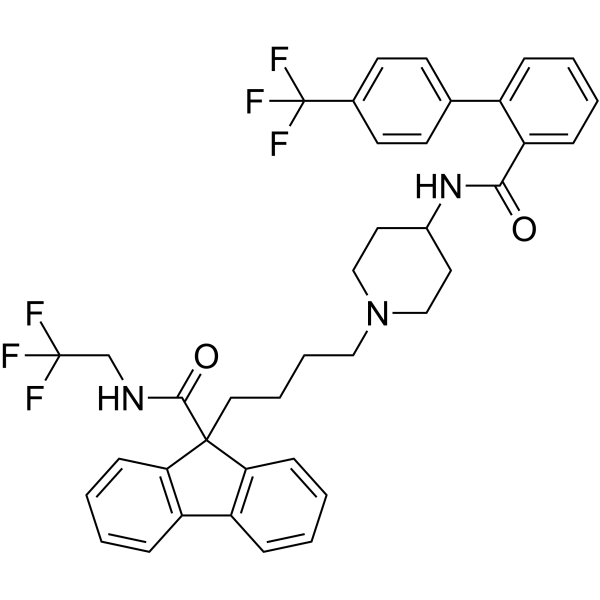
Lomitapide-d8 is deuterium labeled Lomitapide. Lomitapide (AEGR-733; BMS-201038) is a potent inhibitor of microsomal triglyceride-transfer protein (MTP) with an IC50 of 8 nM in vitro.
|
-
- HY-168118
-
|
|
Ferroptosis
|
Cancer
|
|
Ferroptosis-IN-14 (compund 36) exhibits the potent anti-ferroptosis activity with an EC50 value of 0.58 ± 0.02 μM and possessed excellent anti-ferroptosis activity, microsomal and plasma stability .
|
-
- HY-D2095
-
|
|
Fluorescent Dye
|
Cancer
|
|
Medical fluorophore 33 is a novel quinoline-isoquinoline salt. Medical fluorophore 33 exhibits a strong fluorescent signal, good microsomal stability and high biocompatibility in vivo. Medical fluorophore 33 has antitumor activity in colorectal cancer mice .
|
-
- HY-155047
-
|
|
Bacterial
|
Infection
|
|
BDM91514 improves antibiotic potency through AcrB inhibition. BDM91514 prevents the growth of E. coliBW25113 (EC90: 8 μM) in the presence of 8 μg/mL Pyridomycin. BDM91514 has suitable plasma and microsomal stability .
|
-
- HY-14667S1
-
-
- HY-106080A
-
|
U-63557A
|
Prostaglandin Receptor
|
Cardiovascular Disease
|
|
Furegrelate Sodium (U-63557A) is a potent, orally available, and selective thromboxane synthase inhibitor. Furegrelate Sodium inhibits human platelet microsomal thromboxane A2 (TxA2) synthase with an IC50 of 15 nM. Furegrelate Sodium is being developed as an antiplatelet agent .
|
-
- HY-106080
-
|
U-63557A free acid
|
Prostaglandin Receptor
|
Cardiovascular Disease
|
|
Furegrelate (U-63557A free acid) is a potent, orally available, and selective thromboxane synthase inhibitor. Furegrelate inhibits human platelet microsomal thromboxane A2 (TxA2) synthase with an IC50 of 15 nM. Furegrelate is being developed as an antiplatelet agent .
|
-
- HY-162118
-
|
|
Vasopressin Receptor
|
Neurological Disease
|
|
RGH-122 (compound 43) is an orally active, potent, selective, and hV1a receptor antagonist with Ki value of 0.3 nM and IC50 of 0.9 nM. RGH-122 showes microsomal stability with CLint value of 13/28/25 μL/min/mg .
|
-
- HY-147950
-
-
- HY-156188
-
|
|
Cholinesterase (ChE)
|
Others
|
|
AChE-IN-41 (Compound 2) is a compound of the Galantamine Memantine hybrid. AChE-IN-41 has the inhibition ability of cholinesterase. AChE-IN-41 shows higher plasma stability and comparable microsomal stability in vitro, while showing lower half-life and faster clearance in vivo .
|
-
- HY-177148
-
|
|
Biochemical Assay Reagents
|
Cardiovascular Disease
|
|
G256 (Compound 1) is an amidinohydrazone. G256 can also be considered as a Schiff’s base of aminoguanidine. G256 exhibits antiarrhythmic activity. G256 is the reduced form of NOH-G256 by microsomal enzyme preparation from rabbit and rat liver homogenates in the presence of NADPH and NADH .
|
-
- HY-177148A
-
|
|
Biochemical Assay Reagents
|
Cardiovascular Disease
|
|
G256 (Compound 1) (dihydrochloride) is an amidinohydrazone. G256 (dihydrochloride) can also be considered as a Schiff’s base of aminoguanidine. G256 (dihydrochloride) exhibits antiarrhythmic activity. G256 (dihydrochloride) is the reduced form of NOH-G256 by microsomal enzyme preparation from rabbit and rat liver homogenates in the presence of NADPH and NADH .
|
-
- HY-W838254
-
|
|
PKC
Endogenous Metabolite
|
Others
|
|
1,2-Dipentadecanoyl-sn-glycero-3-phospho-(1'-rac-glycerol) sodium functions as an activator for the protein kinase C family and is an anionic phospholipid found in mitochondrial and microsomal membranes, playing a crucial role in the composition of lung surfactant, particularly within the membranes of lamellar bodies in the lungs.
|
-
- HY-106080AR
-
|
U-63557A (Standard)
|
Prostaglandin Receptor
Reference Standards
|
Cardiovascular Disease
|
|
Furegrelate (sodium) (Standard) is the analytical standard of Furegrelate (sodium). This product is intended for research and analytical applications. Furegrelate Sodium (U-63557A) is a potent, orally available, and selective thromboxane synthase inhibitor. Furegrelate Sodium inhibits human platelet microsomal thromboxane A2 (TxA2) synthase with an IC50 of 15 nM. Furegrelate Sodium is being developed as an antiplatelet agent .
|
-
- HY-174334
-
|
|
RXFP Receptor
|
Cardiovascular Disease
|
|
RXFP1 receptor agonist-9 is a potent RXFP1 agonist with an EC50 of 2.5 μM and Ymax of 65%. RXFP1 receptor agonist-9 exhibits good microsomal stability, reasonable PK and pharmacological activity. RXFP1 receptor agonist-9 can be used to the study of heart failure .
|
-
- HY-147397
-
|
|
Pyruvate Kinase
|
Cancer
|
PKM2 activator 3 is a potent PKM2 activator with an AC50 value of 90 nM. PKM2 activator 3 has good Caco-2 permeability, a low efflux ratio and high microsomal stability. PKM2 activator 3 can be used for researching anticancer .
(AC50: the concentration which gives 50% activation of enzyme.)
|
-
- HY-155354
-
|
|
Parasite
|
Infection
|
|
Antimalarial agent 33 (compound 5g) has antiplasmodial activity against erythrocytic and hepatic stages of Plasmodium with an EC50 of 1.1 μM for K1 P. falciparum strain. Antimalarial agent 33 demonstrats enhanced microsomal stability (T1/2=29 min). Antimalarial agent 33 has no significant cytotoxicity against primary hepatocytes .
|
-
- HY-152614
-
|
|
Parasite
|
Infection
|
|
Antimalarial agent 19 (compound 6e) is an antimalarial active agent. Antimalarial agent 19 has antimalarial activity for the blood stage of P. falciparum K1 and P. berghei with EC50 values of 0.3 µM, 15.3 µM, respectively. Antimalarial agent 19 has good aqueous solubility, intestinal permeability and microsomal stability compared to gamhepathiopine .
|
-
- HY-163797
-
|
|
DNA/RNA Synthesis
|
Cancer
|
|
WRN inhibitor 10 (Compound P24) is an inhibitor for the Werner helicase WRN with an IC50 of 1.1 nM. WRN inhibitor 10 inhibits the proliferation of cancer cell SW48 with IC50 of 39 nM. WRN inhibitor 10 exhibits good liver microsomal stability and film permeability. WRN inhibitor 10 exhibits good pharmacokinetic characteristics in CD-1 mice .
|
-
- HY-153970
-
|
|
URAT1
|
Inflammation/Immunology
|
|
URAT1 inhibitor 7 (compound 10f) is a potent URAT1 inhibitor, with an IC50 of 12 nM. URAT1 inhibitor 7 exhibits microsomal stability (HLM <13 µL/min/mg). URAT1 inhibitor 7 also inhibits CYP2C9, with an IC50 of 4.2 μM. URAT1 inhibitor 7 can be used for gout research .
|
-
- HY-N9814
-
|
|
NO Synthase
|
Inflammation/Immunology
|
|
Shanciol B, isolated from the ethyl acetate extract of the air-dried whole plant of Pholidota imbricate Hook, inhibits nitric oxide (NO) production and 1,1-diphenyl-2-picrylhydrazil (DPPH) radical scavenging activity . Shanciol B is a microsomal prostaglandin E synthase-1 (mPGES-1) inhibitor with anti-inflammatory activity .
|
-
- HY-W424918
-
|
|
Dopamine Receptor
|
Neurological Disease
|
|
Opromazine hydrochloride is an antipsychotic medication that exhibits sedative and antiemetic pharmacological effects, making it effective for treating psychiatric disorders such as schizophrenia and psychosis. Opromazine hydrochloride functions by reducing dopaminergic activity through the blockade of dopamine receptors in the brain. Opromazine hydrochloride has been analyzed for its metabolites in various microsomal enzymes, revealing differences in formation rates that underscore the variability of drug-metabolizing enzymes in human liver and placenta microsomes.
|
-
- HY-118765
-
|
|
Prostaglandin Receptor
|
Cardiovascular Disease
|
|
Ro 23-3423 is a thromboxane synthase inhibitor with an IC50 value of 0.33 μM for human platelet microsomal thromboxane synthase. Ro 23-3423 increases plasma levels of PGF and PGE2 in a dose-dependent manner, accompanied by a decrease in mean systemic arterial pressure and systemic vascular resistance. Ro 23-3423 can be used in the study of general anesthesia .
|
-
- HY-126898
-
|
|
Lipoxygenase
PGE synthase
|
Inflammation/Immunology
|
|
5-LO/mPGES1-IN-1 (Compound 16) is a dual inhibitor of microsomal prostaglandin E2 synthase-1 (mPGES-1) and 5-lipoxygenase (5-LO). IC50 values are 0.3 and 0.4 μM, respectively. 5-LO/mPGES1-IN-1 has anti-inflammatory activity .
|
-
- HY-147758
-
|
|
Beta-secretase
Amyloid-β
|
Neurological Disease
|
|
BACE1/2-IN-1 (compound 34) is a potent BACE1 and BACE2 inhibitor, with an IC50 of 0.01 and 0.0053 μM, respectively. BACE1/2-IN-1 shows a combination of lower Pgp efflux ratio and improved passive permeability. BACE1/2-IN-1 displays reduced liver microsomal metabolic stability .
|
-
- HY-172155
-
|
|
MEK
|
Cancer
|
|
MEK1-IN-1 (Compound M15) is a MEK1 inhibitor with an IC50 of 10.29 nM. MEK1-IN-1 can inhibit the proliferation and migration, induce apoptosis of tumor cells. MEK1-IN-1 has good liver microsomal stability. MEK1-IN-1 can be used for the research of solid tumors .
|
-
- HY-155687
-
|
|
Phosphodiesterase (PDE)
|
Neurological Disease
|
|
PDE5-IN-10 (compound 4b) is a potent PDE5 inhibitor with an IC50 of 20 nM. PDE5-IN-10 improves in vitro microsomal stability (t1/2 = 44.6 min) as well as excellent efficacy in restoring long-term potentiation. PDE5-IN-10 can be used for Alzheimer’s disease (AD) research .
|
-
- HY-169429
-
|
|
Flavivirus
|
Infection
|
|
CHIKV-IN-5 (Compound 26) is a CHIKV inhibitor (EC90 = 0.45 μM). CHIKV-IN-5 inhibits CHIKV replication at a late stage in the virus life cycle by blocking structural protein translation. CHIKV-IN-5 has great in vitro mouse microsomal stability. CHIKV-IN-5 reduces footpad swelling and decreases virus dissemination to other tissues in mice infected with CHIKV .
|
-
- HY-155510
-
|
|
Bacterial
|
Infection
|
|
DprE1-IN-5 (Compound 10) is a DprE1 inhibitor. DprE1-IN-5 has anti-TB activity against Mtb H37Rv strain (MIC: 4 μM). DprE1-IN-5 also has antimycobacterial activity against drug-resistant strains. DprE1-IN-5 has high microsomal stability .
|
-
- HY-B0816R
-
|
|
Insecticide
Reference Standards
|
Others
|
|
Etofenprox (Standard) is the analytical standard of Etofenprox. This product is intended for research and analytical applications. Etofenprox is an orally active non-ester pyrethroid insecticide. Etofenprox induces toxicity against many pest insects, including Diptera rather than mammalian and fish. Etofenprox has a liver tumor-promoting activity in rats accompanied with microsomal ROS production increase. Etofenprox can be used in agricultural pest control and malaria research .
|
-
- HY-W421914
-
|
|
Insecticide
|
Infection
|
|
Chlorthion is an organic phosphorothionate insecticide. Chlorthion inhibits liver microsomal hydroxylation of testosterone .
|
-
- HY-E70964
-
|
|
Aminopeptidase
|
Metabolic Disease
|
|
Leucine Aminopeptidase(microsomal), Porcine (EC 3.4.11.2) is an enzyme that preferentially catalyze the hydrolysis of leucine residues at the N-terminus of peptides and proteins.
|
-
- HY-W332206
-
|
|
Herbicide
|
Metabolic Disease
|
|
Cafenstrole acts as a herbicide. Cafenstrole is a potent inhibitor of microsomal elongase enzyme involved in the biosynthesis of fatty acids with alkyl chains longer han C18 .
|
-
- HY-106130R
-
-
- HY-W393057
-
|
|
Cytochrome P450
|
Cancer
|
|
(S)-Aminoglutethimide is an aromatase inhibitor. (S)-Aminoglutethimide has an IC50 value of 23.15 μM for rat ovarian microsomal aromatase. (S)-Aminoglutethimide can be used in the research of diseases such as breast cancer .
|
-
- HY-182647
-
|
|
PGE synthase
|
Inflammation/Immunology
|
|
LY3023703 is an orally active microsomal prostaglandin E synthase-1 (mPGES-1) inhibitor. LY3023703 inhibits the production of PGE2. LY3023703 is applicable to research related to inflammatory diseases and osteoarthritis pain .
|
-
- HY-182708
-
|
|
Cytochrome P450
|
Metabolic Disease
|
|
CGS 18320B is a human placental microsomal aromatase inhibitor with a Ki of 0.16 nM. CGS 18320B interacts reversibly with the enzyme's active site to block estrogen biosynthesis from androstenedione. CGS 18320B can be used for the research of aromatase inhibition and estrogen biosynthesis regulation .
|
-
- HY-180434
-
|
|
Bombesin Receptor
|
Cancer
|
|
GRPR antagonist-3 (compound (S)-1m) is a potent GRPR antagonist with an IC50 of 121 nM. GRPR antagonist-3 is stable in rat plasma and towards microsomal oxidative metabolism in vitro. GRPR antagonist-3 can be radiolabeled with fluorine-18 for PET imaging .
|
-
- HY-178025
-
|
|
SARS-CoV
|
Infection
|
|
TDI-014925 (Compound 58) is a SARS-CoV-2 methyltransferase nonstructural protein 14 (NSP14) inhibitor with an IC50 of 0.2 nM. TDI-014925 has an antiviral activity with significant microsomal stability and no CYP inhibitory activity. TDI-014925 can be used for COVID-19 research .
|
-
- HY-106011R
-
|
|
Microsomal Triglyceride Transfer Protein (MTP)
Reference Standards
|
Metabolic Disease
|
|
SLX-4090 (Standard) is the analytical standard of SLX-4090 (HY-106011). This product is intended for research and analytical applications. SLX-4090 is an orally active enterocytic-specific microsomal triglyceride transfer protein (MTP) inhibitor with an IC50 of 8.0 nM. SLX-4090 can be used for the research of dyslipidemia .
|
-
- HY-N11721
-
|
|
SOD
Lipase
|
Metabolic Disease
|
|
5-Hydroxyaloin A is a polyphenolic antioxidant agent. 5-Hydroxyaloin A forms hydrogen bonding interactions at lipase’s active site and SOD’s active site with low binding energy. 5-Hydroxyaloin A inhibits microsomal lipid peroxidation induced by ferrous-cysteine, reducing malondialdehyde production. 5-Hydroxyaloin A can be used for the research of obesity .
|
-
- HY-107410R
-
|
|
Reference Standards
Stearoyl-CoA Desaturase (SCD)
|
Inflammation/Immunology
|
|
SC-26196 (Standard) is the analytical standard of SC-26196 (HY-107410). This product is intended for research and analytical applications. SC-26196 is a potent, orally active Delta6 desaturase (D6D, FADS2) inhibitor (IC50=0.2 μM in a rat liver microsomal assay). Antiinflammatory properties .
|
-
- HY-125365R
-
|
|
Reference Standards
Bacterial
Reactive Oxygen Species (ROS)
Antibiotic
|
Infection
|
|
Rifamycin S (Standard) is the analytical standard of Rifamycin S. This product is intended for research and analytical applications. Rifamycin S, a quinone, is an antibiotic against Gram-positive bacteria (including MRSA). Rifamycin S is the oxidized forms of a reversible oxidation-reduction system involving two electrons. Rifamycin S generates reactive oxygen species (ROS) and inhibits microsomal lipid peroxidation. Rifamycin S can be used for tuberculosis and leprosy .
|
-
- HY-W718786
-
|
|
Isotope-Labeled Compounds
Insecticide
|
Cancer
|
|
Etofenprox-phenol-d5 is the deuterium labeled Etofenprox (HY-B0816). Etofenprox is an orally active non-ester pyrethroid insecticide. Etofenprox induces toxicity against many pest insects, including Diptera rather than mammalian and fish. Etofenprox has a liver tumor-promoting activity in rats accompanied with microsomal ROS production increase. Etofenprox can be used in agricultural pest control and malaria research .
|
-
- HY-155511
-
|
|
Bacterial
|
Infection
|
|
DprE1-IN-6 (Compound 56) is a DprE1 inhibitor. DprE1-IN-6 has anti-TB activity against Mtb H37Rv strain (MIC: 1 μM). DprE1-IN-6 also has antimycobacterial activity against drug-resistant strains. DprE1-IN-6 has high microsomal stability and medium clearance .
|
-
- HY-155512
-
|
|
Bacterial
|
Infection
|
|
DprE1-IN-7 (Compound 64) is a DprE1 inhibitor. DprE1-IN-7 has anti-TB activity against Mtb H37Rv strain (MIC: 1 μM). DprE1-IN-7 also has antimycobacterial activity against drug-resistant strains. DprE1-IN-7 has high microsomal stability and medium clearance .
|
-
- HY-107063
-
|
10-Undecen-1-yl-thiopseudourea iodide
|
Histamine Receptor
|
Cancer
|
|
AHR-1911 (10-Undecen-1-yl-Thiopseudourea Iodide;Isothiuronium) is a thiourea-based anti-inflammatory and anti-tumor agent that has an improving effect on burned skin. AHR-1911 produces histamine-like effects when injected intradermally and may reduce arterial pressure in anesthetized dogs. AHR-1911 inhibits tumor growth and reduces microsomal and C-polysome protein synthesis .
|
-
- HY-Y0698
-
|
Acetothioamide; TAA; Thiacetamide
|
Necroptosis
|
Neurological Disease
Inflammation/Immunology
Cancer
|
|
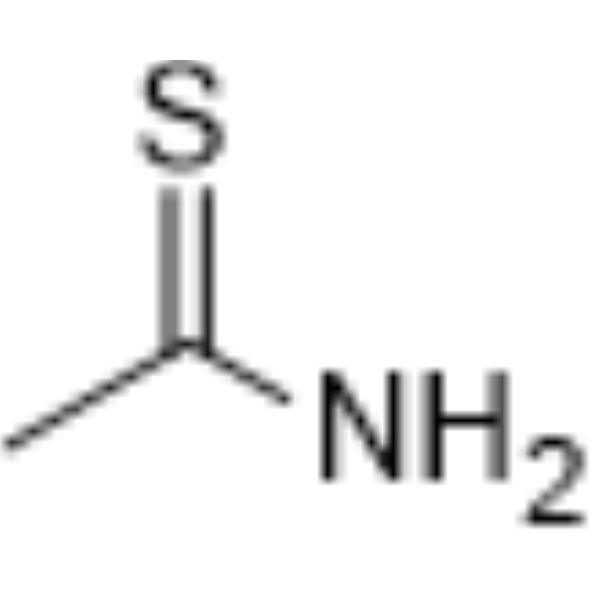
Thioacetamide (TAA) is an indirect hepatotoxin and causes parenchymal cell necrosis. Thioacetamide requires metabolic activation by microsomal CYP2E1 to thioacetamide-S-oxide initially and then to thioacetamide-S-dioxide, which is a highly reactive metabolite, and its reactive metabolites covalently bind to proteins and lipids thereby causing oxidative stress and centrilobular necrosis. Thioacetamide can induce chronic liver fibrosis, encephalopathy and other events model .
|
-
- HY-W237019
-
|
|
Bacterial
|
Infection
|
|
3-Ethoxybenzamide is an alkoxybenzamide compound with antibacterial activity and a FtsZ inhibitor that can cross the blood-brain barrier. 3-Ethoxybenzamide distributes widely and rapidly in vivo, rapidly reaches equilibrium between various tissues and blood, and is linearly taken up by hepatocytes. 3-Ethoxybenzamide is completely dependent on hepatic microsomal oxidation for clearance, with salicylamide as its major metabolite. 3-Ethoxybenzamide can be used for the study of bacterial infections .
|
-
- HY-100299A
-
|
|
Farnesyl Transferase
|
Cardiovascular Disease
Metabolic Disease
|
|
RPR107393 is an orally active potent selective squalene synthase (SQS) inhibitor. RPR107393 inhibits rat liver microsomal squalene synthase with an IC50 value of 0.8 nM. RPR107393 reduces triglyceride biosynthesis by suppressing fatty acid biosynthesis via an increase in intracellular farnesol and its derivatives. RPR107393 reduces plasma cholesterol in rats and marmosets. RPR107393 can be used for metabolic disease research, such as hypercholesterolemia, hypertriglyceridemia and atherosclerosis .
|
-
- HY-159588
-
|
|
Bcl-2 Family
|
Cancer
|
|
Mcl-1 inhibitor 20 (compound 47) is a Mcl-1 inhibitor with anti-leukemic effects. Mcl-1 inhibitor 20 can bind to the BH3 binding groove of Mcl-1 (Ki=24 nM), occupy the P1 pocket in Mcl-1, and form interactions with Lys234 and Val249. Mcl-1 inhibitor 20 has good microsomal stability, pharmacokinetic characteristics and low cardiotoxicity .
|
-
- HY-146057
-
|
|
Bacterial
|
Infection
|
|
Antituberculosis agent-2 (Compound 8d) is an antituberculosis agent against agent-sensitive and multidrug-resistant tuberculosis. Antituberculosis agent-2 shows anti-tuberculosis activity with MIC values of 0.454, 1.757 and 1.644 μg/mL against M. tuberculosis H37Rv, 13946 and 14862, respectively. Antituberculosis agent-2 displays favorable mouse and human microsomal stability, low cytotoxicity, and acceptable oral bioavailability .
|
-
- HY-175817
-
|
|
Wee1
Apoptosis
|
Cancer
|
|
PKMYT1-IN-10 is a selective PKMYT1 inhibitor with an IC50 of 3 nM. PKMYT1-IN-10 inhibits colony formation, induces apoptosis, and induces S-phase cancer cell cycle arrest. PKMYT1-IN-10 exhibits liver microsomal stability, favorable plasma stability, minimal CYPs inhibition. PKMYT1-IN-10 can be used for the studies of ovarian cancer and breast cancer .
|
-
- HY-146018
-
|
|
HIV
|
Infection
|
|
HIV-1 inhibitor-23 (compound 12a) is a highly potent HIV-1 non-nucleoside reverse transcriptase inhibitor, with EC50s of 24.9 nM and 10.4 nM for HIV-1 WT and HIV-1 K103N, respectively. HIV-1 inhibitor-23 has low cytotoxicity (CC50 > 221 μM) and a favorable in vitro microsomal stability .
|
-
- HY-W413619
-
|
NITD609 enantiomer; KAE609 enantiomer
|
Parasite
|
Infection
|
|
Cipargamin enantiomer (NITD609 enantiomer) is a Plasmodium falciparum inhibitor that can be characterized as a spirotetrahydro β-carboline (1S,3R stereoisomer). Cipargamin enantiomer exerts antiplasmodial activity against Plasmodium falciparum strains NF54 (IC50 of 77 nM) and K1. Cipargamin enantiomer displays low liver microsomal intrinsic clearance in mouse and human systems. Cipargamin enantiomer does not inhibit CYP2C9. Cipargamin enantiomer can be used for the research of malaria .
|
-
- HY-W006230
-
|
|
Cytochrome P450
|
Cancer
|
|
Anthraflavic acid specifically inhibits the activity of cytochrome P-448 without affecting phenobarbital-induced cytochrome P-450 or NADPH-dependent cytochrome c reduction. Anthraflavic acid inhibits cytosolic metabolic pathways, blocks the microsomal and cytosolic activation of IQ, and reduces the metabolic activation level of Glu-P-I. Anthraflavic acid may exert anticancer activity by inhibiting the metabolic activation of chemical carcinogens. Anthraflavic acid is applicable to cancer-related research .
|
-
- HY-168443
-
|
|
5-HT Receptor
Apoptosis
|
Cancer
|
|
HTR2A antagonist 1 (Compound 15f) is a HTR2A antagonist, with an IC50 of 42.79 nM. HTR2A antagonist 1 induces sub-G1 cell cycle arrest and apoptosis in colorectal cancer cells via the activation of p53/p21/caspase 3 signaling. HTR2A antagonist 1 has good liver microsomal stability. HTR2A antagonist 1 can be used for the research of colorectal cancer .
|
-
- HY-143757
-
|
|
Influenza Virus
|
Infection
|
|
Cap-dependent endonuclease-IN-10 is a potent inhibitor of cap-dependent endonuclease (CEN). Not only can Cap-dependent endonuclease-IN-10 inhibit influenza virus well, but also has lower cytotoxicity, better in vivo pharmacokinetic and in vivo pharmacodynamic properties, and better hepatic microsomal stability. Cap-dependent endonuclease-IN-10 has the potential for the research of viral infections (including influenza A, influenza B and influenza C) (extracted from patent WO2021129799A1, compound 1-1) .
|
-
- HY-169858
-
|
|
PGE synthase
|
Inflammation/Immunology
|
|
Prostaglandin E2 Inhibitor 3 (Compound 3) is a selectivity microsomal prostaglandin E synthase-1 (mPGES-1) inhibitor (IC50 = 0.2 µM). Prostaglandin E2 Inhibitor 3 has higher selectivity for mPGES-1 than cyclooxygenases (COX)-1/2, 5-lipoxygenase (5-LO), and soluble epoxide hydrolase (sEH). Prostaglandin E2 Inhibitor 3 has anti-inflammatory activity and can attenuate zymosan-induced peritoneal leukocyte migration in mice .
|
-
- HY-B2097
-
|
YM 175; Bisphonal
|
Farnesyl Transferase
|
Metabolic Disease
|
|
Incadronate disodium (YM 175) is a bisphosphonate with strong inhibitory activity on bone resorption. Incadronate disodium indirectly stimulates renal 25-hydroxyvitamin D-1-hydroxylase by increasing circulating parathyroid hormone. Incadronate disodium, a cholesterol-lowering agent, is a potent inhibitor of rat liver microsomal squalene synthase (Ki=57 nM). Incadronate disodium inhibits sterol biosynthesis in mouse macrophage J774 cells (IC50=64 μM). Incadronate disodium has the potential for malignant tumors research .
|
-
- HY-100299
-
|
|
Farnesyl Transferase
|
Cardiovascular Disease
Metabolic Disease
|
|
RPR107393 free base is an orally active potent selective squalene synthase (SQS) inhibitor. RPR107393 free base inhibits rat liver microsomal squalene synthase with an IC50 value of 0.8 nM. RPR107393 free base reduces triglyceride biosynthesis by suppressing fatty acid biosynthesis via an increase in intracellular farnesol and its derivatives. RPR107393 free base reduces plasma cholesterol in rats and marmosets. RPR107393 free base can be used for metabolic disease research, such as hypercholesterolemia, hypertriglyceridemia and atherosclerosis [1][2].
|
-
- HY-177291
-
|
|
Microsomal Triglyceride Transfer Protein (MTP)
Smo
Hedgehog
LDLR
|
Cardiovascular Disease
Cancer
|
|
LAB687 is a microsomal triglyceride transfer protein (MTP) inhibitor with an IC50 of 0.9 nM for apolipoprotein B (apoB) secretion in HepG2 cells. LAB687 also acts as a Smoothened (Smo) antagonist, with IC50 values of 2.48 μM and 3.42 μM against mouse and human Smo receptors, respectively. LAB687 reduces triglyceride and low-density lipoprotein cholesterol (LDL-C) levels, and inhibits the Hedgehog signaling pathway. LAB687 can be used in studies related to Hedgehog-dependent cancers .
|
-
- HY-163004
-
|
|
Trk Receptor
|
Cancer
|
|
Type II TRK inhibitor 2 (compound 40l) is a selective type II TRK inhibitor with plasma stability and moderate hepatic microsomal stability. Type II TRK inhibitor 2 significantly inhibits Km-12, Ba/F3-TRKA G595R and Ba/F3-TRKA G667C cell proliferation (IC50: 4.1 nM, 41.5 nM, 1.4 nM). Type II TRK inhibitor 2 can be used to study NTRK fusion cancers .
|
-
- HY-178959
-
|
|
FXR
|
Metabolic Disease
Inflammation/Immunology
|
|
FXR agonist 13 is a selective, orally active, potent FXR agonist (EC50 = 0.097 μM) and has favorable hepatic microsomal metabolic stability. FXR agonist 13 exhibits moderate affinity for FXR-LBD upon direct binding (KD = 14.74 μM). FXR agonist 13 displays good selectivity against related nuclear receptors, including LXRα/β, PPARα/γ/δ, PXR, and TGR5. FXR agonist 13 can be used for the study of metabolic-associated steatohepatitis (MASH) .
|
-
- HY-169217
-
|
|
Cytochrome P450
|
Cancer
|
|
CYP3A4-IN-4 (compound Δ,Λ-3), a Ru(II) Ir(III) Conjugate, is a photoactive inhibitor of the major human drug metabolizing enzyme CYP3A4. CYP3A4-IN-4 containing the [Ru(tpy)(Me2bpy)] photocaging group showed an IC50 of 2.2 μM for inhibition of microsomal CYP3A4 under light conditions (λirr=530 nm, tirr=15 min) .
|
-
- HY-178794
-
|
|
PGE synthase
|
Inflammation/Immunology
|
|
AGU661 is a Microsomal prostaglandin E2 synthase 1 (mPGES-1) inhibitor with an IC50 of 0.22 nM. AGU661 lowers PGE2 formation in human pro-inflammatory M1 macrophages and activated monocytes without affecting other lipid mediator pathways. AGU661 has unfavorable physicochemical properties with poor metabolic stability and strong plasma protein binding tendencies. AGU661 into PLGA-based NPs significantly enhances its bioactivity. AGU661 can be used for inflammatory disorders research .
|
-
- HY-131310
-
|
|
Endogenous Metabolite
|
Metabolic Disease
|
|
9(S)-HpOTrE is a monohydroperoxy polyunsaturated fatty acid produced by the action of 5-lipoxygenase (5-LO) on α-linolenic acid. It can be further metabolized to colnelenic acid by a divinyl ether synthase activity found in garlic and potato microsomal fractions. 9(S)-HpOTrE also serves as a substrate for further oxidation by both soybean and potato LOs, resulting in the formation of 9,16-dihydroperoxy acid.The suicide inactivation of LOs when 9(S)-HpOTrE is used as a substrate is thought to occur via formation of an unstable epoxide.
|
-
- HY-137547
-
|
|
Prostaglandin Receptor
|
Metabolic Disease
|
|
20-hydroxy Prostaglandin F2α (20-hydroxy PGF2α) is the ω-oxidation product of PGF2α. Cultured type II alveolar cells from pregnant rabbits metabolize exogenous PGF2α via microsomal cytochrome P450 ω-oxidation, producing 20-hydroxy PGF2α and its 15-hydroxy PGDH metabolites. Cells from male rabbits exhibit only the 15-hydroxy PGDH pathway.
|
-
- HY-112487
-
|
|
Acyltransferase
|
Metabolic Disease
|
|
Sandoz 58-035 is a selective acyl-CoA:cholesterol acyltransferase (ACAT) inhibitor. Sandoz 58-035 inhibits this enzyme in intact cells and isolated microsomal fractions. Sandoz 58-035 blocks the esterification of exogenous vesicle-derived cholesterol and the incorporation of oleic acid into cellular cholesterol esters, reducing the formation and accumulation of cholesterol esters. Sandoz 58-035 causes a slight increase in cellular free cholesterol, and at high concentrations, it also causes a slight reduction in overall cellular protein synthesis. Sandoz 58-035 can be used in studies related to cellular cholesterol regulation .
|
-
- HY-Y0698R
-
|
Acetothioamide (Standard); TAA (Standard); Thiacetamide (Standard)
|
Necroptosis
Reference Standards
|
Inflammation/Immunology
|
|
Thioacetamide (Standard) is the analytical standard of Thioacetamide (HY-Y0698). This product is intended for research and analytical applications. Thioacetamide (TAA) is an indirect hepatotoxin and causes parenchymal cell necrosis. Thioacetamide requires metabolic activation by microsomal CYP2E1 to thioacetamide-S-oxide initially and then to thioacetamide-S-dioxide, which is a highly reactive metabolite, and its reactive metabolites covalently bind to proteins and lipids thereby causing oxidative stress and centrilobular necrosis. Thioacetamide can induce chronic liver fibrosis, encephalopathy and other events model .
|
-
- HY-159174
-
|
|
Ephrin Receptor
Cyclin G-associated Kinase (GAK)
Dengue Virus
|
Infection
|
|
EPHA2/A4/GAK-IN-1 (compound 55) is a potent inhibitor of EPHA2/EPHA4 and GAK with KD values of 180.5 nM for EPHA2 and 19.2 nM for GAK, respectively. EPHA2/GAK-IN-1 shows an extrapolated half-life time of 4.6 h in a microsomal stability assay. EPHA2/GAK-IN-1 shows antiviral activity and prevents dengue virus infection of Huh7 liver cells .
|
-
- HY-105005
-
|
AAD-2004
|
Prostaglandin Receptor
PGE synthase
Reactive Oxygen Species (ROS)
Apoptosis
|
Neurological Disease
Inflammation/Immunology
|
|
Crisdesalazine (AAD-2004) is a microsomal prostaglandin E2 synthase-1 (mPGES-1) inhibitor. Crisdesalazine acts as a potent free radical scavenger that directly neutralizes reactive oxygen species (ROS) including hydrogen peroxide, exerting neuroprotective effects against apoptosis and axonal damage. Crisdesalazine inhibits PGE2 production, mediates inflammatory responses, and promotes the conversion of macrophages from the pro-inflammatory M1 phenotype to the anti-inflammatory M2 phenotype. Crisdesalazine is applicable to neuroprotection research in multiple sclerosis and spinal cord injury .
|
-
- HY-137967
-
|
Genistein 7-O-glucuronide
|
Drug Metabolite
|
Metabolic Disease
|
|
Genistein 7-β-D-Glucuronide (Genistein 7-O-glucuronide) is the primary phase II metabolite of Genistein (HY-14596) in human and rat hepatocytes. Genistein 7-β-D-Glucuronide undergoes distinct deconjugation in different functional assays. Genistein 7-β-D-Glucuronide is produced via hepatic microsomal glucuronidation and shows a mild age-related increase in intrinsic clearance in male F344 rats. Genistein 7-β-D-Glucuronide can be used for research on metabolism .
|
-
- HY-B0847S1
-
|
|
Fungal
Reactive Oxygen Species (ROS)
|
Infection
|
|
Propiconazole-d3 (nitrate) is the deuterium labeled Propiconazole nitrate. Propiconazole is a broad-spectrum triazole fungicide that inhibits the conversion of lanosterol to ergosterol, leading to fungal cell membrane disruption. Propiconazole inhibits S. cerevisiae, but not rat liver, microsomal cytochrome P450 (IC50s=0.04 and >200 µM, respectively). Propiconazole inhibits the growth of T. deformans and R. stolonifer (ED50s=0.073 and 4.6 µg/mL, respectively). Propiconazole increases production of reactive oxygen species (ROS).
|
-
- HY-B0847S
-
|
|
Isotope-Labeled Compounds
Fungal
Reactive Oxygen Species (ROS)
|
Infection
|
|
Propiconazole-d7 is the deuterium labeled Propiconazole. Propiconazole is a broad-spectrum triazole fungicide that inhibits the conversion of lanosterol to ergosterol, leading to fungal cell membrane disruption. Propiconazole inhibits S. cerevisiae, but not rat liver, microsomal cytochrome P450 (IC50s=0.04 and >200 μM, respectively). Propiconazole inhibits the growth of T. deformans and R. stolonifer (ED50s=0.073 and 4.6 μg/mL, respectively). Propiconazole increases production of reactive oxygen species (ROS) .
|
-
- HY-170887
-
|
|
Keap1-Nrf2
Monoamine Oxidase
|
Inflammation/Immunology
|
|
MAO-B-IN-39 (compound11) is a selective monoamine oxidase B (MAO-B) inhibitor. MAO-B-IN-39 inhibits MAO-Bwith an IC50 of 3.61 μM. MAO-B-IN-39 demonstrates a potent NRF2 induction capacity. MAO-B-IN-39 exhibits potent anti-inflammatory and neuroprotective activity in OS (oxidative stress)-related in vitro models. MAO-B-IN-39 demonstrates high liver microsomal stability and favorable pharmacokinetics in mice. MAO-B-IN-39 is potential for Parkinson’s disease (PD) research .
|
-
- HY-163799
-
|
|
Histone Methyltransferase
|
Cancer
|
|
PRMT5-MTA-IN-1 (Compound A9a) is an inhibitor for protein arginine methyltransferase PRMT5-MTA. PRMT5-MTA-IN-1 inhibits the proliferation of colorectal cancer cell HCT116 wildtype and MTAP del mutant, with an IC50 of 16 nM and 2.47 μM. PRMT5-MTA-IN-1 exhibits good liver microsomal stability and film permeability. PRMT5-MTA-IN-1 exhibits good pharmacokinetic characteristics in CD-1 mice .
|
-
- HY-118119
-
|
|
PGE synthase
YB-1
Apoptosis
JAK
STAT
TGF-β Receptor
TGF-beta/Smad
PI3K
Akt
|
Cancer
|
|
CAY10526 is an inhibitor of Y-box binding protein 1 (YB-1) and microsomal prostaglandin E2 synthase 1 (mPGES1). CAY10526 inhibits the production of PGE2 by suppressing YB-1 and mPGES1. CAY10526 induces cell apoptosis (apoptosis) and inhibits the JAK/STAT, TGF-β/Smad3 and PI3K/AKT signaling pathways. CAY10526 can be used in research related to melanoma, prostate cancer, esophageal adenocarcinoma, T-cell lymphoma, etc .
|
-
- HY-110390
-
|
|
Carboxylesterase (CES)
Free Fatty Acid Receptor
Reactive Oxygen Species (ROS)
Mitochondrial Metabolism
Ferroptosis
Apoptosis
|
Cardiovascular Disease
Cancer
|
|
GR148672X is an inhibitor of carboxylesterase 1 (CES1) and hepatic microsomal triglyceride hydrolase (TGH). GR148672X blocks the catalytic activity of CES1, impairs the functions of triglyceride and cholesteryl ester lipase, reduces triglyceride mobilization and secretion, and decreases apolipoprotein B-100 secretion in primary rat hepatocytes. Under low-glucose conditions, GR148672X inhibits the survival of colorectal cancer cells by reducing free fatty acid availability, inducing toxic triglyceride accumulation, ROS production, mitochondrial damage, ferroptosis and apoptosis. GR148672X can be used in studies related to colorectal cancer and atherosclerosis .
|
-
- HY-149916
-
|
|
Adenosine Receptor
|
Cancer
|
|
A2AR-antagonist-1 (compound 38) is an orally active adenosine A2A receptor (A2AR) antagonist (IC50=29 nM). A2AR-antagonist-1 exhibits anti-tumor activity and mouse liver microsomal metabolic stability (t1/2=86.1 min). A2AR-antagonist-1 is also a T cells activator, via inhibiting immunosuppressive molecules (LAG-3 and TIM-3) and enhancing effector molecules (GZMB, IFNG, and IL-2) .
|
-
- HY-A0069A
-
|
|
Histamine Receptor
Cytochrome P450
|
Neurological Disease
Metabolic Disease
|
|
Doxylamine is a first-generation antihistamine and acts as a histamine H1 receptor antagonist. Doxylamine is orally active, possessing analgesic and hypnotic activities. Doxylamine enhances the activities of CYP2B, CYP2A, CYP3A and thyroxine-glucuronosyltransferase via promoting substrate hydroxylation and thyroxine metabolic pathways. Doxylamine decreases serum thyroxine (T4) level and elevates serum thyroid-stimulating hormone (TSH) level. Doxylamine induces liver enlargement and increases the activities of hepatic microsomal cytochrome P450, cytochrome b5 and NADPH-cytochrome c reductase. Doxylamine can be used for the research of nausea, allergy, insomnia .
|
-
- HY-P11358
-
|
|
Angiotensin-converting Enzyme (ACE)
Acetyl-CoA Carboxylase
Mitochondrial Metabolism
|
Inflammation/Immunology
|
|
IRW is an orally active tripeptide produced from egg white with angiotensin converting enzyme (ACE) inhibitory properties. IRW can prevent high-fat diet (HFD)-induced Non-alcoholic fatty liver disease (NAFLD) by modulating hepatic lipid metabolism and increasing mitochondrial content. IRW decreases hepatic triglyceride content and lipid droplet size. IRW increases the hepatic mitochondrial complexes and citrate synthase activity, phosphorylation of 5’-AMP-activated protein kinase and microsomal triglyceride transfer protein abundance. IRW increases phosphorylated acetyl CoA carboxylase and mitochondrial complexes, IRW can be used for the research of inflammation .
|
-
- HY-N19800
-
|
|
Drug Metabolite
|
Metabolic Disease
|
|
Anhydroicaritin-3,7-di-O-glucuronide is a diglucuronide metabolite of icaritin. Anhydroicaritin-3,7-di-O-glucuronide is also a conjugated metabolite derived from prenylated flavonoids of the genus *Epimedium* in rats. In an in vitro microsomal system, Anhydroicaritin-3,7-di-O-glucuronide is mainly catalyzed by UGT1A1 and UGT1A8. Anhydroicaritin-3,7-di-O-glucuronide is generated via sequential glucuronidation at the 3-OH and 7-OH sites of icaritin, or via further conversion from monoglucuronides of icaritin .
|
-
- HY-A0069
-
|
|
Histamine Receptor
Cytochrome P450
|
Neurological Disease
Metabolic Disease
|
|
Doxylamine succinate is a first-generation antihistamine and acts as a histamine H1 receptor antagonist. Doxylamine succinate is orally active, possessing analgesic and hypnotic activities. Doxylamine succinate enhances the activities of CYP2B, CYP2A, CYP3A and thyroxine-glucuronosyltransferase via promoting substrate hydroxylation and thyroxine metabolic pathways. Doxylamine succinate decreases serum thyroxine (T4) level and elevates serum thyroid-stimulating hormone (TSH) level. Doxylamine succinate induces liver enlargement and increases the activities of hepatic microsomal cytochrome P450, cytochrome b5 and NADPH-cytochrome c reductase. Doxylamine succinate can be used for the research of nausea, allergy, insomnia .
|
-
- HY-123882
-
|
|
Endogenous Metabolite
|
Others
|
|
IRAK4-IN-29 is an IRAK4 inhibitor with good selectivity and low nanomolar activity. IRAK4-IN-29 can effectively block the TLR-mediated signal transduction pathway. IRAK4-IN-29 showed significant inhibitory effects in LPS- and R848-induced cytokine experiments. IRAK4-IN-29 can inhibit LPS-induced TNFα in an in vivo model, showing a similar phenotype to IRAK4 gene-deficient mice. IRAK4-IN-29 has good medicinal chemical properties, such as microsomal stability and solubility, showing potential clinical application value .
|
-
- HY-105628
-
|
CI-427
|
Others
|
Neurological Disease
Inflammation/Immunology
|
|
Prodilidine (CI-427) is an orally active, pyrrolidine-derived non-narcotic pain inhibitor. Prodilidine exerts analgesic activity against various nociceptive stimuli, and shows no antipyretic, anti-inflammatory or respiratory depressive effects. Prodilidine fails to inhibit withdrawal symptoms of addictive agents in monkeys, but exhibits excitatory effects and enhances the crossed extensor reflex at toxic doses. Prodilidine is well absorbed from the gastrointestinal tract and metabolized via hepatic microsomal N-demethylation, displaying isomer-specific activity, toxicity and metabolic characteristics. Prodilidine can be used in research related to chronic pain (e.g., cancer-, musculoskeletal/arthritis-derived), traumatic pain and arthritic pain .
|
-
- HY-163982
-
|
|
NF-κB
FOXO
|
Inflammation/Immunology
|
|
FOXJ1 agonist 1 (compound 16c) is an orally effective small molecule that can effectively enhance the expression of FOXJ1. Foxj1-IN-1 acts on the mammalian airway system composed of multiciliated cells (MCC) to prevent the development and onset of chronic obstructive pulmonary disease (COPD). Foxj1-IN-1 can induce the production of motile cilia in the respiratory system of zebrafish and mammals, and inhibit elastase-induced COPD mouse models. Foxj1-IN-1 has good liver microsomal stability, in vivo PK curve and AUC; it has no significant inhibition of CYP and hERG, and does not have significant cytotoxicity .
|
-
- HY-157959
-
|
(±)-Orphenadrine
|
iGluR
Cytochrome P450
Cholinesterase (ChE)
|
Neurological Disease
Cancer
|
|
Orphenadrine ((±)-Orphenadrine) is a skeletal muscle relaxant and NMDA antagonist that also has antiparkinsonian, antihistamine, antitremor, antispasmodic, and analgesic effects. Orphenadrine inhibits the binding of [3H]MK-801 to the phencyclidine (PCP) binding site of the NMDA receptor. Orphenadrine is also an anticholinergic and CYP2B inducer. Orphenadrine may exert pro-tumor effects, causing CAR nuclear translocation, resulting in microsomal reactive oxygen species (ROS) production and oxidative stress. Orphenadrine also exerts neuronal protection, protecting rat cerebellar granule cells (CGC) from 3-NPA-induced death and has inhibitory potential against neurodegenerative diseases mediated by NMDA receptor overactivation .
|
-
- HY-A0069AS
-
|
|
Isotope-Labeled Compounds
Histamine Receptor
Cytochrome P450
|
Neurological Disease
Metabolic Disease
|
|
Doxylamine-d5 is deuterium labeled Doxylamine (HY-A0069A). Doxylamine is a first-generation antihistamine and acts as a histamine H1 receptor antagonist. Doxylamine is orally active, possessing analgesic and hypnotic activities. Doxylamine enhances the activities of CYP2B, CYP2A, CYP3A and thyroxine-glucuronosyltransferase via promoting substrate hydroxylation and thyroxine metabolic pathways. Doxylamine decreases serum thyroxine (T4) level and elevates serum thyroid-stimulating hormone (TSH) level. Doxylamine induces liver enlargement and increases the activities of hepatic microsomal cytochrome P450, cytochrome b5 and NADPH-cytochrome c reductase. Doxylamine can be used for the research of nausea, allergy, insomnia .
|
-
- HY-W331198
-
|
|
Insecticide
Ferroptosis
|
Infection
|
|
Tralopyril is an orally active, blood-brain barrier-penetrating antifouling insecticide and endocrine disruptor. By interfering with the thyroid hormone system and mitochondrial oxidative phosphorylation, Tralopyril downregulates the transcription of genes such as TRHR, Nkx2.1, TRα and induces ferroptosis. Tralopyril disrupts amino acid, energy and lipid metabolism, exhibits significant skeletal and reproductive toxicity, and causes developmental damage. Tralopyril has a long half-life in vivo and wide tissue distribution, posing potential risks to aquatic organisms and human health. Tralopyril shows species specificity in in vitro liver microsomal metabolism, exerts lethal effects on target insects and laboratory animals, and is commonly used in studies of chlorfenapyr poisoning and related toxic mechanisms .
|
-
- HY-182042
-
|
|
Dengue Virus
|
Infection
|
|
DENV-IN-15 is a sulfonyl anthranilic acid derivative and a pan-serotype anti-dengue virus (DENV) inhibitor with broad-spectrum anti-RNA virus activity. The EC50 value of DENV-IN-15 against DENV-2 in Huh-7 cells is 0.7 μM. DENV-IN-15 selectively regulates the translation of mRNAs encoding translation-related proteins and containing a 5'-oligopyrimidine tract. DENV-IN-15 reduces the expression of specific ribosomal proteins, thereby inhibiting viral replication. DENV-IN-15 exhibits enhanced membrane permeability, human plasma stability and human liver microsomal metabolic stability. DENV-IN-15 is applicable to research related to dengue virus infection .
|
-
- HY-182244
-
|
|
Serotonin Transporter
5-HT Receptor
|
Endocrinology
|
|
SERT/NET-IN-1 is a blood-brain barrier-permeable SERT and NET inhibitor, with an IC50 of 11.2 nM against human SERT and an IC50 of 32.0 nM against human NET. SERT/NET-IN-1 blocks 5-HT reuptake to enhance serotonergic signaling. SERT/NET-IN-1 also blocks norepinephrine reuptake to enhance central noradrenergic transmission and inhibits the ejaculatory reflex. SERT/NET-IN-1 prolongs ejaculatory latency, reduces ejaculation frequency and preserves sexual function. SERT/NET-IN-1 exhibits cross-species microsomal metabolic stability, shows acceptable oral brain exposure in rats, and has favorable safety profiles. SERT/NET-IN-1 can be used in studies related to premature ejaculation .
|
-
- HY-N5132
-
|
|
Cytochrome P450
|
Others
|
|
(-)-Fenchone is a bicyclic monoterpene and serves as a substrate for human liver microsomal cytochrome P450 enzymes CYP2A6 and CYP2B6. (-)-Fenchone is not metabolized by human CYP1A1, CYP1A2, CYP1B1, CYP2C8, CYP2C9, CYP2C19, CYP2D6, CYP2E1, or CYP3A4 enzymes. (-)-Fenchone undergoes hydroxylation to produce 6-exo-hydroxyfenchone, 6-endo-hydroxyfenchone, and 10-hydroxyfenchone. During the metabolism of (-)-Fenchone, CYP2A6 may play a more important role than CYP2B6 .
|
-
- HY-111140
-
|
|
PGE synthase
Lipoxygenase
PPAR
|
Inflammation/Immunology
|
|
YS121 is a dual inhibitor of microsomal prostaglandin E2 synthase-1 (mPGES-1; IC50 = 3.4 μM) and 5-lipoxygenase (5-LOX; IC50 = 6.5 μM). YS121 exhibits direct, reversible, and specific binding to mPGES-1 (KD = 10-14 μM) . YS121 dose-dependently reduces PGE2 production with an EC50 of 12 μM in IL-1β-stimulated A549 cells . YS121 (compound 9) activates PPAR-α and -γ (EC50 = 1 and 3.6 μM, respectively) . YS121 exhibits anti-inflammatory efficiency in human whole blood as well as in vivo. YS121 can be used for pleurisy research .
|
-
- HY-182355
-
|
|
Methylenetetrahydrofolate Dehydrogenase (MTHFD)
|
Cancer
|
|
MTHFD2-IN-7 is an orally active, selective MTHFD2 inhibitor with IC50 values of 0.038 μM and 7.44 μM against human hMTHFD1 and hMTHFD2, respectively. MTHFD2-IN-7 exerts its function by binding to the substrate-binding site of MTHFD2 and maintaining interactions with NAD+. Verified by TSA and DARTS assays, MTHFD2-IN-7 not only binds effectively to the target protein, but also possesses Caco-2 permeability and liver microsomal metabolic stability. MTHFD2-IN-7 exhibits favorable pharmacokinetic properties in mice. MTHFD2-IN-7 also significantly inhibits cancer cell proliferation and reduces tumor volume, and serves as a promising small-molecule tool for acute myeloid leukemia research .
|
-
- HY-118506
-
|
|
FLAP
|
Inflammation/Immunology
|
BRP-7 is a 5-lipoxygenase activating protein (FLAP) inhibitor with an IC50 of 0.31 μM. BRP-7 inhibits the co-localization of 5-lipoxygenase (5-LOX) and FLAP by targeting FLAP, thereby blocking the transfer of arachidonic acid (AA) to 5-LOX and suppressing the production of leukotrienes (LTs) (IC₅₀ = 0.15 μM). BRP-7 does not inhibit cyclooxygenase (COX-1/COX-2) or microsomal prostaglandin E₂ synthase-1 (mPGES-1), and does not affect cell viability or AA release. BRP-7 exhibits significant anti-inflammatory effects in rat pleurisy and mouse peritonitis models. BRP-7 can be used for the study of inflammatory diseases .
|
-
- HY-156208
-
|
AdaGalCer(d18:1/2:0); Admantanyl galactosylceramide (d18:1/2:0); Admantanyl galCer(d18:1/2:0)
|
Glycosidase
Glucosylceramide Synthase (GCS)
Glycosyltransferase
|
Metabolic Disease
|
|
C2 Adamantanyl galactosylceramide (AdaGalCer) (d18:1/2:0) is a bioactive sphingolipid. C2 Adamantanyl galactosylceramide (d18:1/2:0) stimulates glucocerebrosidase activity in vitro. C2 Adamantanyl galactosylceramide (d18:1/2:0) inhibits microsomal LacCer and Gb3 synthase, and inhibits cell sulfatide synthesis. C2 Adamantanyl galactosylceramide (d18:1/2:0) reduces glucosylceramide (GlcCer) levels in normal and lysosomal storage disease (LSD) cells. C2 Adamantanyl galactosylceramide (d18:1/2:0) acts as a substrate for A4GALT and is able to lower Gb3 levels with an IC50 concentration of 40 μM in fabry disease cells .
|
-
- HY-139589
-
|
ISC-27864; GRC-27864
|
PGE synthase
COX
Collagen
|
Neurological Disease
Inflammation/Immunology
|
|
Zaloglanstat (ISC-27864; GRC-27864) is a selective, orally active microsomal mPGES-1 inhibitor. Zaloglanstat has an IC50 of 5 nM for human mPGES-1 without significant inhibitory effect on COX-1/2 (IC50 >10 μM). Zaloglanstat blocks the conversion of arachidonic acid metabolite prostaglandin PGH2 to prostaglandin PGE2, thereby inhibiting inflammation-related PGE2 overproduction and reducing inflammatory responses and pain. Zaloglanstat inhibits IL-1β-induced PGE2 release in A549 cells and human synovial fibroblasts in vitro. Zaloglanstat inhibits PGE2 release in pig and dog whole blood with IC50s ??of 161 nM and 154 nM, respectively. Zaloglanstat can be used in the study of asthma, osteoarthritis, and neurodegenerative diseases .
|
-
- HY-A0069S
-
|
|
Isotope-Labeled Compounds
Histamine Receptor
Cytochrome P450
|
Neurological Disease
Metabolic Disease
|
|
Doxylamine-d5 succinate is deuterium labeled Doxylamine succinate (HY-A0069A). Doxylamine succinate is a first-generation antihistamine and acts as a histamine H1 receptor antagonist. Doxylamine succinate is orally active, possessing analgesic and hypnotic activities. Doxylamine succinate enhances the activities of CYP2B, CYP2A, CYP3A and thyroxine-glucuronosyltransferase via promoting substrate hydroxylation and thyroxine metabolic pathways. Doxylamine succinate decreases serum thyroxine (T4) level and elevates serum thyroid-stimulating hormone (TSH) level. Doxylamine succinate induces liver enlargement and increases the activities of hepatic microsomal cytochrome P450, cytochrome b5 and NADPH-cytochrome c reductase. Doxylamine succinate can be used for the research of nausea, allergy, insomnia .
|
-
- HY-175207
-
|
|
Glycosidase
|
Cancer
|
|
CHI3L1-IN-3 is a CHI3L1 inhibitor. CHI3L1-IN-3 binds to CHI3L1 with Kds of 13.76 μM and 13.5 μM in MST and SPR assays, respectively. CHI3L1-IN-3 demonstrates extended plasma half-lives and microsomal stability, along with reduced intrinsic clearance. CHI3L1-IN-3 induces dose-dependent cytotoxicity, reduces spheroid mass and inhibits migration in a 3D multicellular glioblastoma (GBM) spheroid model. CHI3L1-IN-3 can be used for the study of GBM .
|
-
- HY-A0069R
-
|
|
Reference Standards
Histamine Receptor
Cytochrome P450
|
Neurological Disease
Metabolic Disease
|
|
Doxylamine succinate (Standard) is the analytical standard of Doxylamine succinate (HY-A0069). This product is intended for research and analytical applications. Doxylamine succinate is a first-generation antihistamine and acts as a histamine H1 receptor antagonist. Doxylamine succinate is orally active, possessing analgesic and hypnotic activities. Doxylamine succinate enhances the activities of CYP2B, CYP2A, CYP3A and thyroxine-glucuronosyltransferase via promoting substrate hydroxylation and thyroxine metabolic pathways. Doxylamine succinate decreases serum thyroxine (T4) level and elevates serum thyroid-stimulating hormone (TSH) level. Doxylamine succinate induces liver enlargement and increases the activities of hepatic microsomal cytochrome P450, cytochrome b5 and NADPH-cytochrome c reductase. Doxylamine succinate can be used for the research of nausea, allergy, insomnia .
|
-
- HY-14668
-
|
AEGR-733 mesylate; BMS-201038 mesylate
|
Microsomal Triglyceride Transfer Protein (MTP)
mTOR
LDLR
Autophagy
Apoptosis
|
Cardiovascular Disease
Neurological Disease
Metabolic Disease
Cancer
|
|
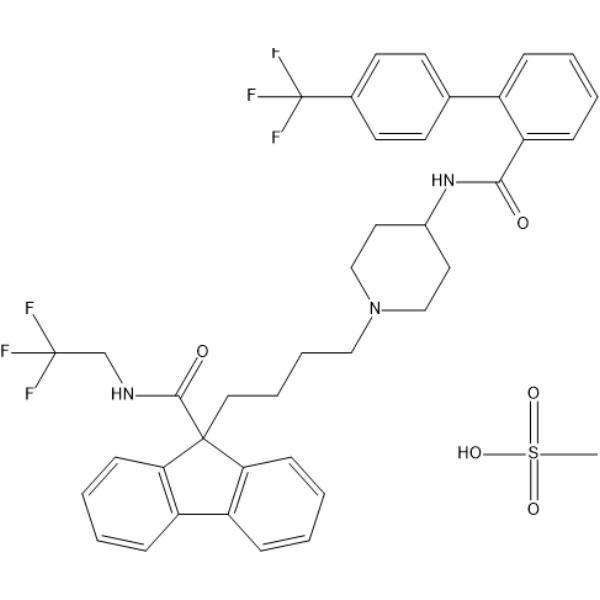
Lomitapide (AEGR-733; BMS-201038) mesylate is an orally active microsomal triglyceride transfer protein (MTP) inhibitor and a selective mTORC1 inhibitor with lipid-lowering activity and BBB permeability. Lomitapide mesylate significantly reduces plasma LDL levels by blocking the assembly and secretion of very-low-density lipoprotein (VLDL). Lomitapide mesylate inhibits mTORC1 in an ATP-dependent manner, thereby inducing AMPK-independent autophagic cell death and suppressing cancer cell growth and apoptosis. Lomitapide mesylate also enhances tumor infiltration of CD8 + T cells. In addition, Lomitapide mesylate inhibits HDAC, improves endothelial function, effectively alleviates vascular inflammation and oxidative stress, and exerts neuroprotective effects in a cerebral ischemia/reperfusion injury model. Lomitapide mesylate can be used in research on related diseases such as colorectal cancer, breast cancer, melanoma, ischemic stroke, and familial hypercholesterolemia .
|
-
- HY-182356
-
|
|
Methylenetetrahydrofolate Dehydrogenase (MTHFD)
|
Cancer
|
|
MTHFD1/2-IN-1 is an orally active dual MTHFD1/MTHFD2 inhibitor, with IC50 values of 0.26 μM and 0.031 μM against human MTHFD1 and MTHFD2, respectively. MTHFD1/2-IN-1 blocks one-carbon metabolism by inhibiting the dehydrogenase activity of MTHFD1 as well as the dehydrogenase and cyclohydrolase activities of MTHFD2, thereby disrupting nucleotide biosynthesis and redox homeostasis in cancer cells. MTHFD1/2-IN-1 exhibits favorable Caco-2 permeability and hepatic microsomal metabolic stability. MTHFD1/2-IN-1 shows significant anti-leukemic activity, which not only reduces the viability of various leukemia cells but also inhibits tumor growth of acute myeloid leukemia (AML) in mouse models .
|
-
| Cat. No. |
Product Name |
Type |
-
- HY-D2095
-
|
|
Fluorescent Dyes
|
|
Medical fluorophore 33 is a novel quinoline-isoquinoline salt. Medical fluorophore 33 exhibits a strong fluorescent signal, good microsomal stability and high biocompatibility in vivo. Medical fluorophore 33 has antitumor activity in colorectal cancer mice .
|
| Cat. No. |
Product Name |
Target |
Research Area |
-
- HY-P11358
-
|
|
Angiotensin-converting Enzyme (ACE)
Acetyl-CoA Carboxylase
Mitochondrial Metabolism
|
Inflammation/Immunology
|
|
IRW is an orally active tripeptide produced from egg white with angiotensin converting enzyme (ACE) inhibitory properties. IRW can prevent high-fat diet (HFD)-induced Non-alcoholic fatty liver disease (NAFLD) by modulating hepatic lipid metabolism and increasing mitochondrial content. IRW decreases hepatic triglyceride content and lipid droplet size. IRW increases the hepatic mitochondrial complexes and citrate synthase activity, phosphorylation of 5’-AMP-activated protein kinase and microsomal triglyceride transfer protein abundance. IRW increases phosphorylated acetyl CoA carboxylase and mitochondrial complexes, IRW can be used for the research of inflammation .
|
| Cat. No. |
Product Name |
Category |
Target |
Chemical Structure |
-
- HY-13433
-
-
-
- HY-B0811
-
-
-
- HY-N4193
-
-
-
- HY-125365
-
-
-
- HY-N5132
-
|
|
Structural Classification
Other Monoterpenes
Classification of Application Fields
Terpenoids
Other Diseases
Umbelliferae
Plants
Vernonia Schreb.
Disease Research Fields
Source Classification
|
Cytochrome P450
|
|
(-)-Fenchone is a bicyclic monoterpene and serves as a substrate for human liver microsomal cytochrome P450 enzymes CYP2A6 and CYP2B6. (-)-Fenchone is not metabolized by human CYP1A1, CYP1A2, CYP1B1, CYP2C8, CYP2C9, CYP2C19, CYP2D6, CYP2E1, or CYP3A4 enzymes. (-)-Fenchone undergoes hydroxylation to produce 6-exo-hydroxyfenchone, 6-endo-hydroxyfenchone, and 10-hydroxyfenchone. During the metabolism of (-)-Fenchone, CYP2A6 may play a more important role than CYP2B6 .
|
-
-
- HY-B0811R
-
-
-
- HY-N3535
-
-
-
- HY-N9814
-
-
-
- HY-125365R
-
-
-
- HY-N11721
-
-
-
- HY-N19800
-
|
|
Structural Classification
Flavonols
Flavonoids
Endogenous metabolite
Source Classification
|
Drug Metabolite
|
|
Anhydroicaritin-3,7-di-O-glucuronide is a diglucuronide metabolite of icaritin. Anhydroicaritin-3,7-di-O-glucuronide is also a conjugated metabolite derived from prenylated flavonoids of the genus *Epimedium* in rats. In an in vitro microsomal system, Anhydroicaritin-3,7-di-O-glucuronide is mainly catalyzed by UGT1A1 and UGT1A8. Anhydroicaritin-3,7-di-O-glucuronide is generated via sequential glucuronidation at the 3-OH and 7-OH sites of icaritin, or via further conversion from monoglucuronides of icaritin .
|
-
| Cat. No. |
Product Name |
Chemical Structure |
-
- HY-14667S
-
|
|
|
Lomitapide-d8 is deuterium labeled Lomitapide. Lomitapide (AEGR-733; BMS-201038) is a potent inhibitor of microsomal triglyceride-transfer protein (MTP) with an IC50 of 8 nM in vitro.
|
-
-
- HY-14667S1
-
|
|
|
Lomitapide-d4 (AEGR-733-d4) is deuterium labeled Lomitapide. Lomitapide (AEGR-733; BMS-201038) is a potent inhibitor of microsomal triglyceride-transfer protein (MTP) with an IC50 of 8 nM in vitro.
|
-
-
- HY-W718786
-
|
|
|
Etofenprox-phenol-d5 is the deuterium labeled Etofenprox (HY-B0816). Etofenprox is an orally active non-ester pyrethroid insecticide. Etofenprox induces toxicity against many pest insects, including Diptera rather than mammalian and fish. Etofenprox has a liver tumor-promoting activity in rats accompanied with microsomal ROS production increase. Etofenprox can be used in agricultural pest control and malaria research .
|
-
-
- HY-B0847S1
-
|
|
|
Propiconazole-d3 (nitrate) is the deuterium labeled Propiconazole nitrate. Propiconazole is a broad-spectrum triazole fungicide that inhibits the conversion of lanosterol to ergosterol, leading to fungal cell membrane disruption. Propiconazole inhibits S. cerevisiae, but not rat liver, microsomal cytochrome P450 (IC50s=0.04 and >200 µM, respectively). Propiconazole inhibits the growth of T. deformans and R. stolonifer (ED50s=0.073 and 4.6 µg/mL, respectively). Propiconazole increases production of reactive oxygen species (ROS).
|
-
-
- HY-B0847S
-
|
|
|
Propiconazole-d7 is the deuterium labeled Propiconazole. Propiconazole is a broad-spectrum triazole fungicide that inhibits the conversion of lanosterol to ergosterol, leading to fungal cell membrane disruption. Propiconazole inhibits S. cerevisiae, but not rat liver, microsomal cytochrome P450 (IC50s=0.04 and >200 μM, respectively). Propiconazole inhibits the growth of T. deformans and R. stolonifer (ED50s=0.073 and 4.6 μg/mL, respectively). Propiconazole increases production of reactive oxygen species (ROS) .
|
-
-
- HY-A0069AS
-
|
|
|
Doxylamine-d5 is deuterium labeled Doxylamine (HY-A0069A). Doxylamine is a first-generation antihistamine and acts as a histamine H1 receptor antagonist. Doxylamine is orally active, possessing analgesic and hypnotic activities. Doxylamine enhances the activities of CYP2B, CYP2A, CYP3A and thyroxine-glucuronosyltransferase via promoting substrate hydroxylation and thyroxine metabolic pathways. Doxylamine decreases serum thyroxine (T4) level and elevates serum thyroid-stimulating hormone (TSH) level. Doxylamine induces liver enlargement and increases the activities of hepatic microsomal cytochrome P450, cytochrome b5 and NADPH-cytochrome c reductase. Doxylamine can be used for the research of nausea, allergy, insomnia .
|
-
-
- HY-A0069S
-
|
|
|
Doxylamine-d5 succinate is deuterium labeled Doxylamine succinate (HY-A0069A). Doxylamine succinate is a first-generation antihistamine and acts as a histamine H1 receptor antagonist. Doxylamine succinate is orally active, possessing analgesic and hypnotic activities. Doxylamine succinate enhances the activities of CYP2B, CYP2A, CYP3A and thyroxine-glucuronosyltransferase via promoting substrate hydroxylation and thyroxine metabolic pathways. Doxylamine succinate decreases serum thyroxine (T4) level and elevates serum thyroid-stimulating hormone (TSH) level. Doxylamine succinate induces liver enlargement and increases the activities of hepatic microsomal cytochrome P450, cytochrome b5 and NADPH-cytochrome c reductase. Doxylamine succinate can be used for the research of nausea, allergy, insomnia .
|
-
| Cat. No. |
Product Name |
|
Classification |
-
- HY-127112
-
|
|
|
Alkynes
|
|
Oleic acid alkyne is Oleic acid (HY-N1446) with an acetylene group. The terminal alkyne group can be used for click chemical ligation reactions. Oleic acid can be hydroxylated by a microsomal cytochrome P-450-dependent system (ω-OAH). Through click chemistry reactions, fluorescent or biotin-labeled oleic acid can be introduced to analyze its metabolism and biological activity.
|
-
- HY-159174
-
|
|
|
Azide
|
|
EPHA2/A4/GAK-IN-1 (compound 55) is a potent inhibitor of EPHA2/EPHA4 and GAK with KD values of 180.5 nM for EPHA2 and 19.2 nM for GAK, respectively. EPHA2/GAK-IN-1 shows an extrapolated half-life time of 4.6 h in a microsomal stability assay. EPHA2/GAK-IN-1 shows antiviral activity and prevents dengue virus infection of Huh7 liver cells .
|
Your information is safe with us. * Required Fields.
Inquiry Information
- Product Name:
- Cat. No.:
- Quantity:
- MCE Japan Authorized Agent:

