1. Search Result
Search Result
Results for "

estrogenically active

" in MedChemExpress (MCE) Product Catalog:

177

Inhibitors & Agonists

3

Peptides

36

Natural
Products

29

Isotope-Labeled Compounds

6

Click Chemistry

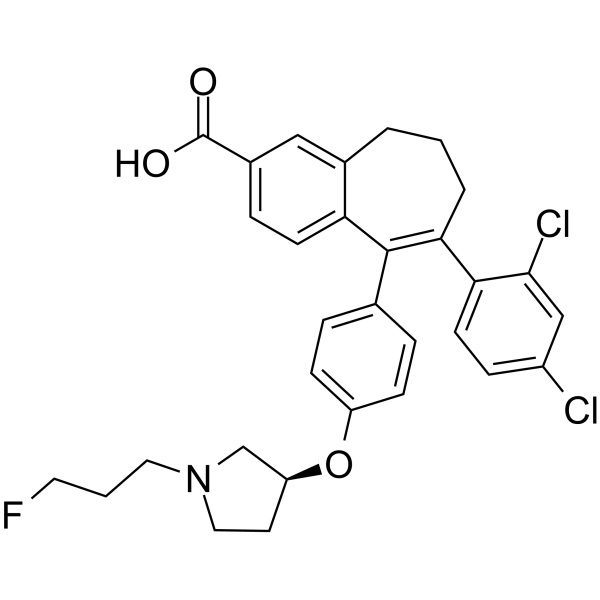
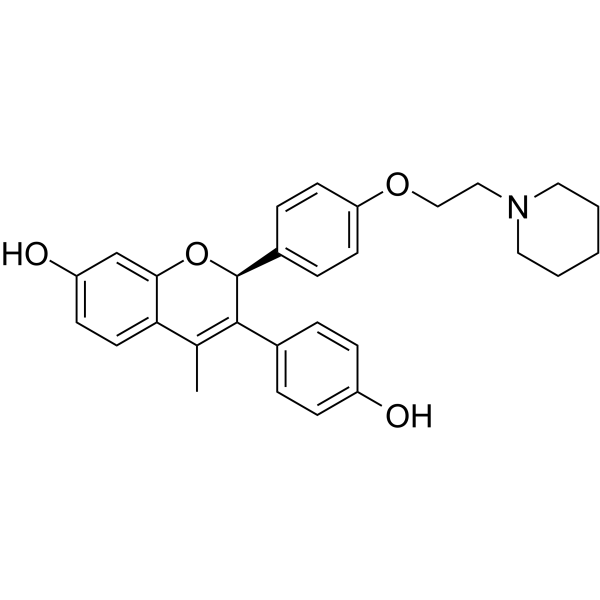
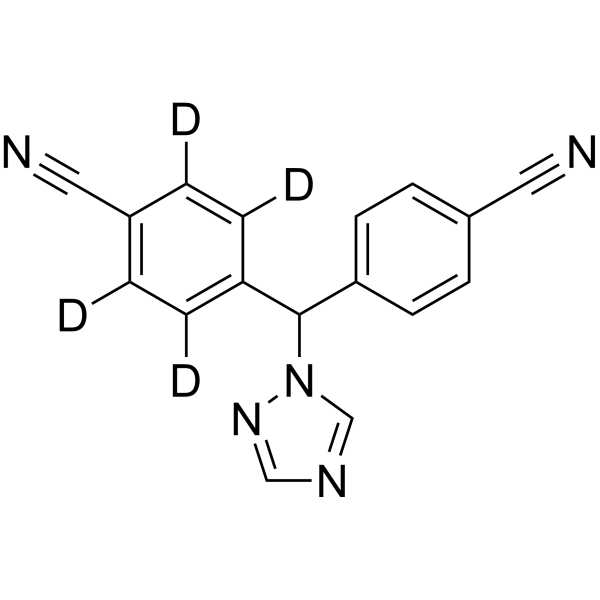
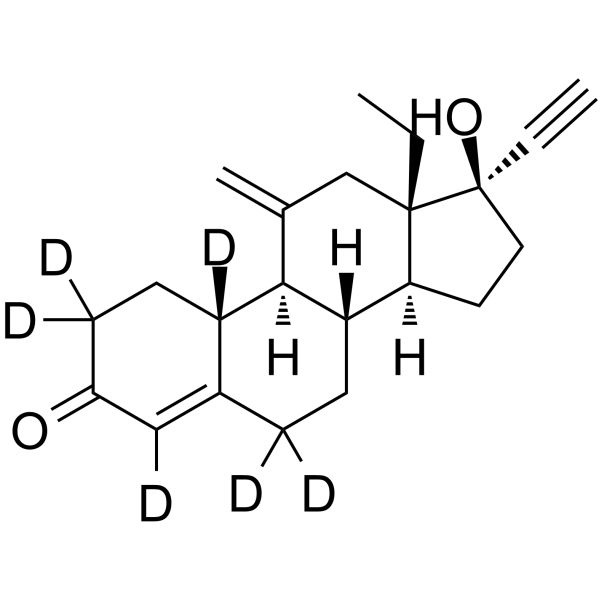
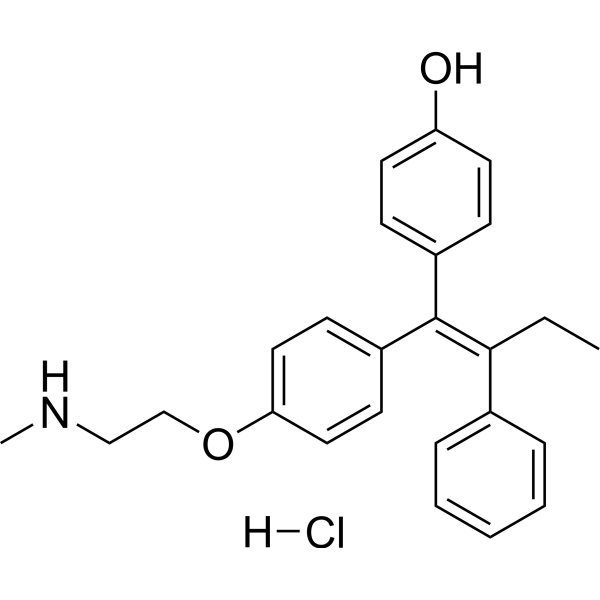
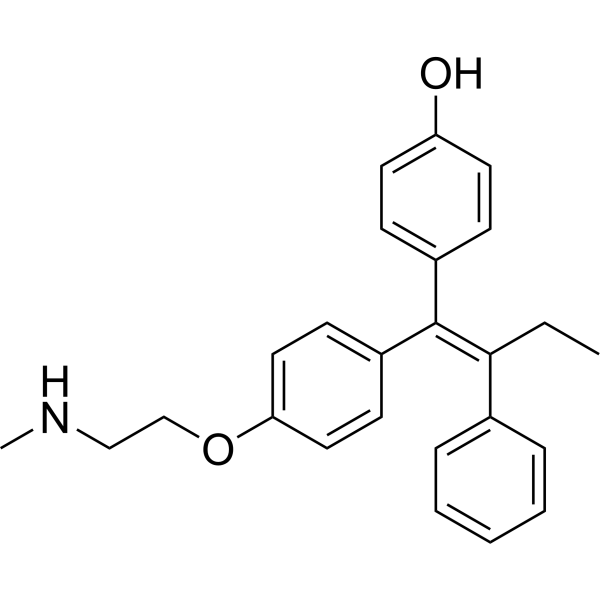
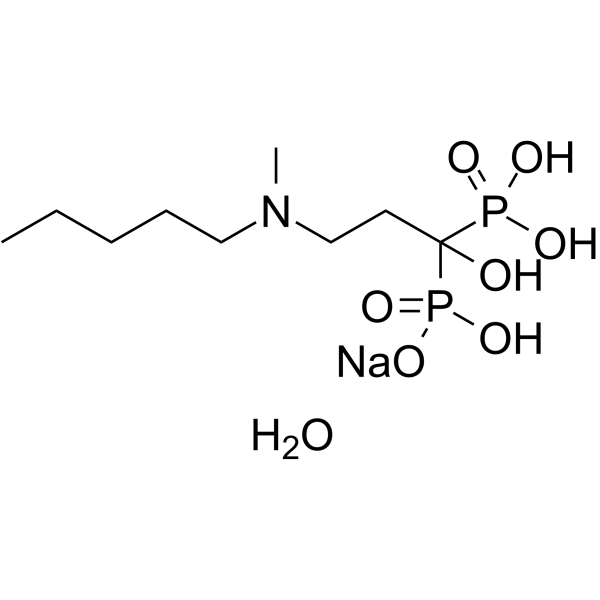
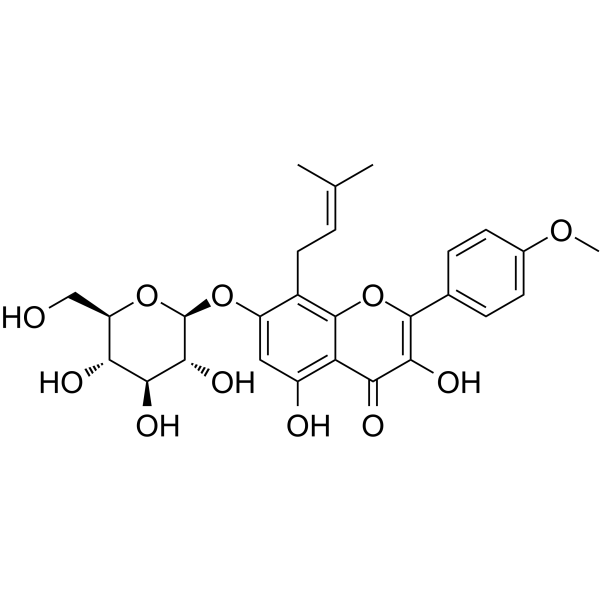
Cat. No. Product Name Target Research Areas Chemical Structure
  • HY-13757A
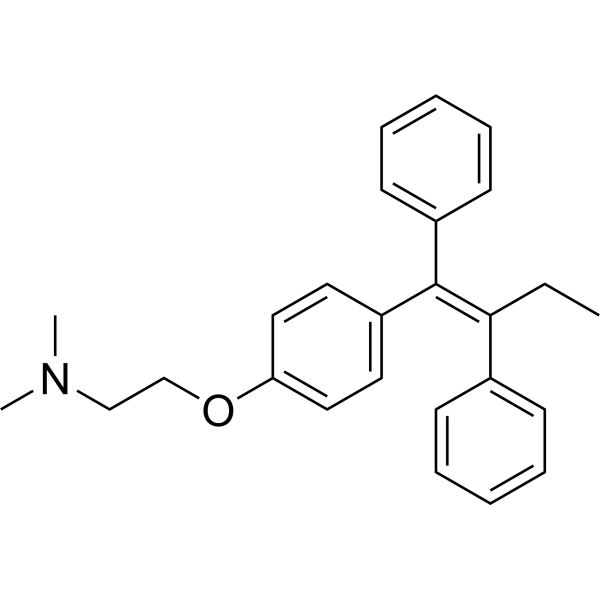
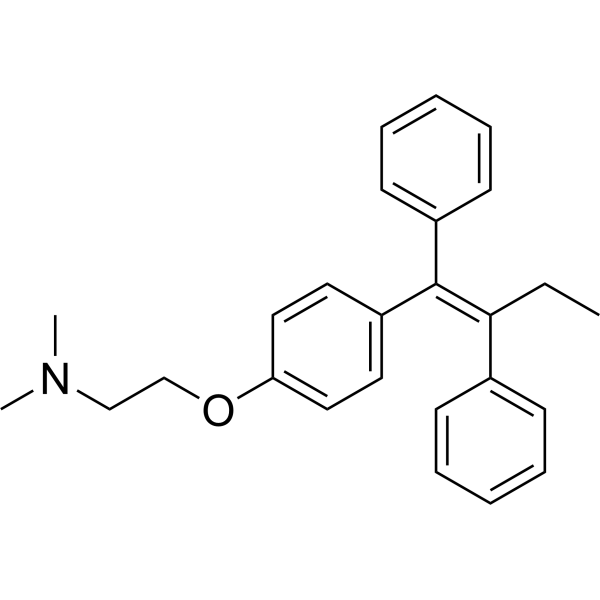
    Tamoxifen
    Maximum Cited Publications
    229 Publications Verification

    ICI 47699; (Z)-Tamoxifen; trans-Tamoxifen

    Estrogen Receptor/ERR HSP Autophagy Apoptosis Infection Neurological Disease Metabolic Disease Inflammation/Immunology Cancer
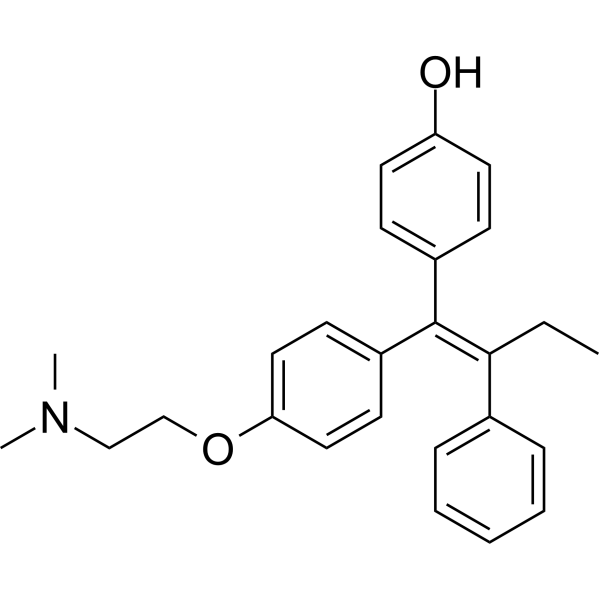
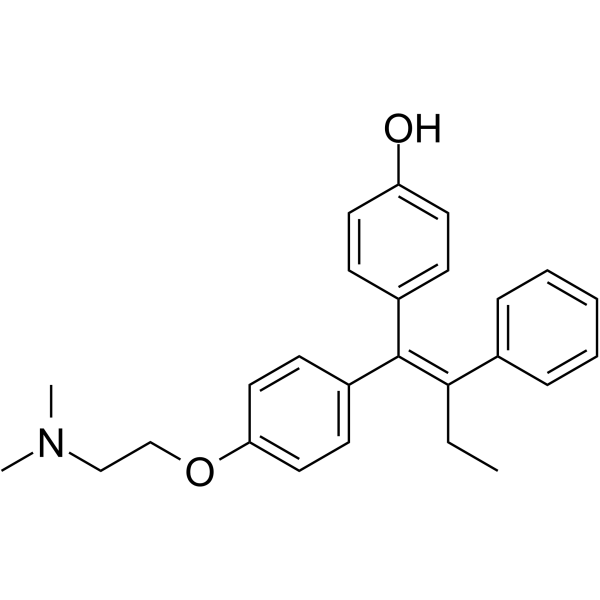
    Tamoxifen (ICI 47699) is an orally active, selective estrogen receptor modulator (SERM) which blocks estrogen action in breast cells and can activate estrogen activity in other cells, such as bone, liver, and uterine cells. Tamoxifen is a potent Hsp90 activator and enhances the Hsp90 molecular chaperone ATPase activity. Tamoxifen also potent inhibits infectious EBOV Zaire and Marburg (MARV) with IC50 of 0.1 μM and 1.8 μM, respectively. Tamoxifen activates autophagy and induces apoptosis. Tamoxifen can also be dissolved in corn oil (HY-Y1888) for use in inducing gene knockout in CreER transgenic mice. Tamoxifen has better solubility in corn oil compared to Tamoxifen Citrate (HY-13757) .
    Tamoxifen
  • HY-16950
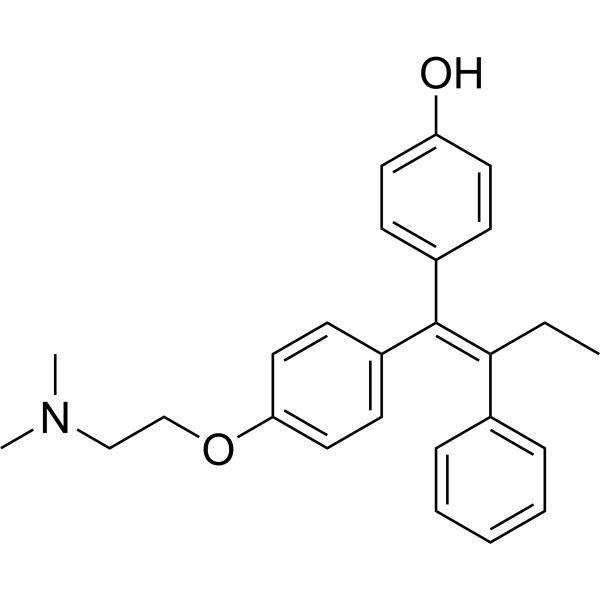
    4-Hydroxytamoxifen
    50+ Cited Publications

    (Z)-4-Hydroxytamoxifen; trans-4-Hydroxytamoxifen; (Z)-Afimoxifene

    Estrogen Receptor/ERR Cancer
    4-Hydroxytamoxifen ((Z)-4-Hydroxytamoxifen) is an orally active, selective estrogen receptor modulator (SERM). 4-Hydroxytamoxifen ((Z)-4-Hydroxytamoxifen) is also the active metabolic form of Tamoxifen (HY-13757A) in vivo and can be used to induce gene knockout in transgenic mice expressing CreER .
    4-Hydroxytamoxifen
  • HY-14248
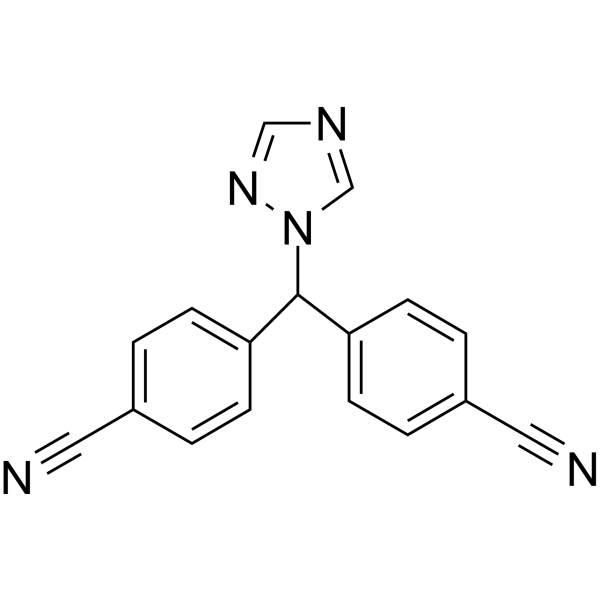
    Letrozole
    Maximum Cited Publications
    20 Publications Verification

    CGS 20267

    Cytochrome P450 Autophagy Cancer
    Letrozole (CGS 20267) is a potent, selective, reversible and orally active non-steroidal inhibitor of aromatase, with an IC50 of 11.5 nM. Letrozole selective inhibits estrogen biosynthesis, and can be used for the research of breast cancer .
    Letrozole
  • HY-13757
    Tamoxifen Citrate
    Maximum Cited Publications
    229 Publications Verification

    ICI 46474; (Z)-Tamoxifen Citrate; trans-Tamoxifen Citrate

    Estrogen Receptor/ERR HSP Autophagy Apoptosis Infection Neurological Disease Inflammation/Immunology Cancer
    Tamoxifen Citrate (ICI 46474) is an orally active, selective estrogen receptor modulator (SERM) which blocks estrogen action in breast cells and can activate estrogen activity in other cells, such as bone, liver, and uterine cells.Tamoxifen Citrate is a potent Hsp90 activator and enhances the Hsp90 molecular chaperone ATPase activity. Tamoxifen Citrate also potent inhibits infectious EBOV Zaire and Marburg (MARV) with IC50 of 0.1 μM and 1.8 μM, respectively. Tamoxifen Citrate activates autophagy and induces apoptosis. Tamoxifen Citrate can also be used to induce gene knockout in CreER transgenic mice .
    Tamoxifen Citrate
  • HY-138642
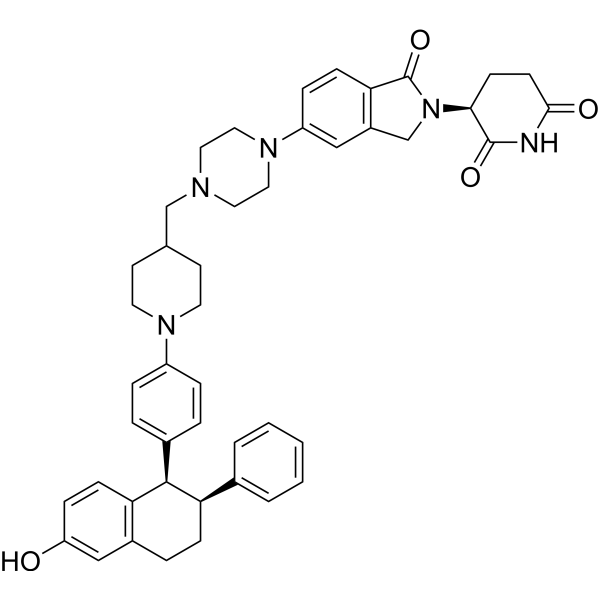
    Vepdegestrant
    5+ Cited Publications

    ARV-471

    PROTACs Estrogen Receptor/ERR Cancer
    Vepdegestrant (ARV-471) is an orally active PROTAC estrogen receptor degrader against breast cancer. Vepdegestrant is a hetero-bifunctional molecule that facilitates the interactions between estrogen receptor alpha and an intracellular E3 ligase complex. Vepdegestrant leads to the ubiquitylation and subsequent degradation of estrogen receptors via the proteasome. Vepdegestrant robustly degrades ER in ER-positive breast cancer cell lines with a half-maximal degradation concentration (DC50) of about 2 nM .
    Vepdegestrant
  • HY-16950A
    (E/Z)-4-Hydroxytamoxifen
    3 Publications Verification

    Afimoxifene; 4-OHT

    Estrogen Receptor/ERR Adhesion G Protein-coupled Receptors (AGPCRs) Drug Metabolite Metabolic Disease Cancer
    (E/Z)-4-Hydroxytamoxifen (Afimoxifene) is a racemic compound of (Z)-4-Hydroxytamoxifen and (E)-4-Hydroxytamoxifen isomers. (E/Z)-4-Hydroxytamoxifen is a selective estrogen receptor modulator with mixed estrogenic and antiestrogenic activity, which is also an active metabolite of Tamoxifen (HY-13757A). (E/Z)-4-Hydroxytamoxifen is an agonist of the G protein-coupled estrogen receptor (GPER) with relatively low affinity (100-1000 nM). (E/Z)-4-Hydroxytamoxifen is promising for research of cyclical mastalgia, such as breast pain, tenderness, and nodularity .
    (E/Z)-4-Hydroxytamoxifen
  • HY-B0216
    Ethinylestradiol
    5 Publications Verification

    Ethynyl estradiol; 17α-Ethynylestradiol

    Environmental Pollutants Endogenous Metabolite Estrogen Receptor/ERR Endocrinology Cancer
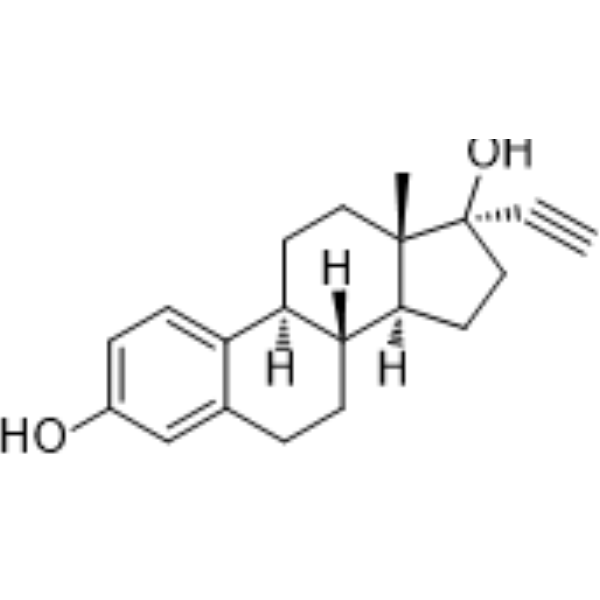
    Ethinylestradiol is an orally active steroidal estrogen. Ethinylestradiol is widely used in research on menopausal symptoms, gynecological conditions, and certain hormone-sensitive cancers .
    Ethinylestradiol
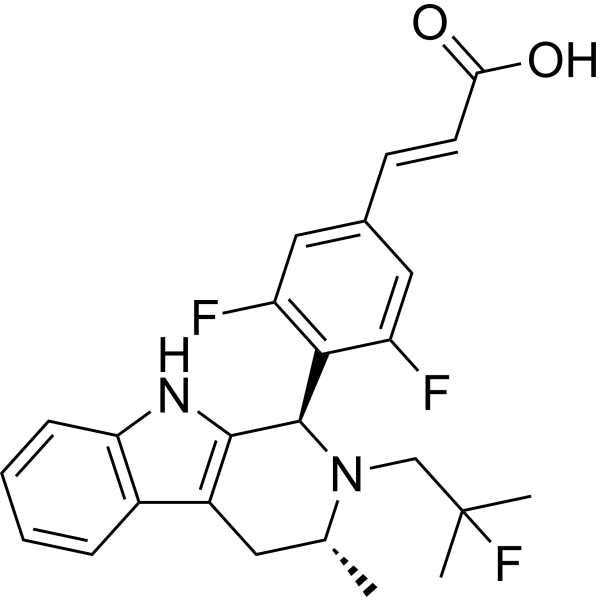
  • HY-109176
    Giredestrant
    5 Publications Verification

    GDC-9545; RG6171

    Estrogen Receptor/ERR Cancer
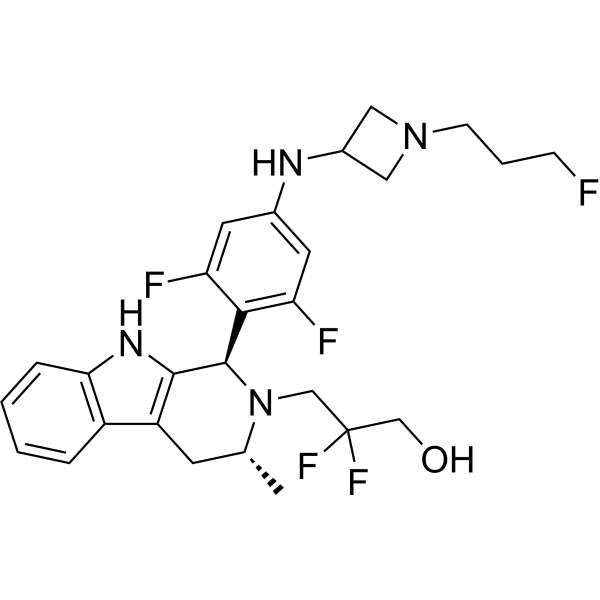
    Giredestrant (GDC-9545), a non-steroidal estrogen receptor (ER) ligand, is an orally active and selective ER antagonist. Giredestrant potently competes with Estradiol for binding and induces a conformational change within the ER ligand binding domain. Giredestrant has anti-tumor activity .
    Giredestrant
  • HY-13738A
    Raloxifene hydrochloride
    Maximum Cited Publications
    20 Publications Verification

    Keoxifene hydrochloride; LY156758; LY139481 hydrochloride

    Estrogen Receptor/ERR Autophagy Endocrinology Cancer
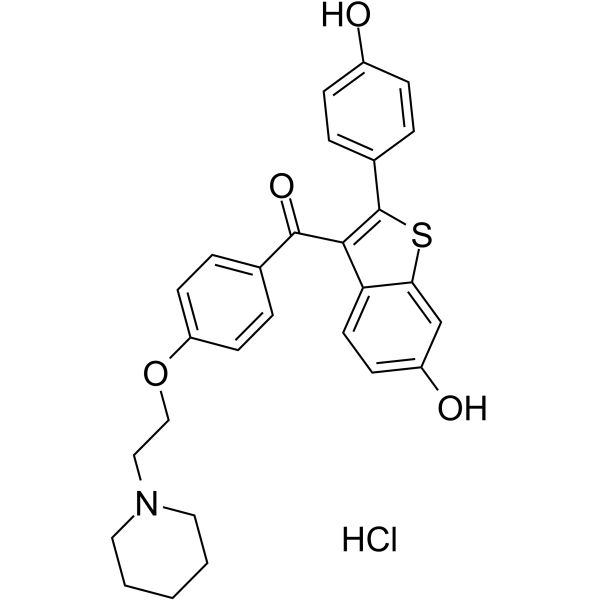
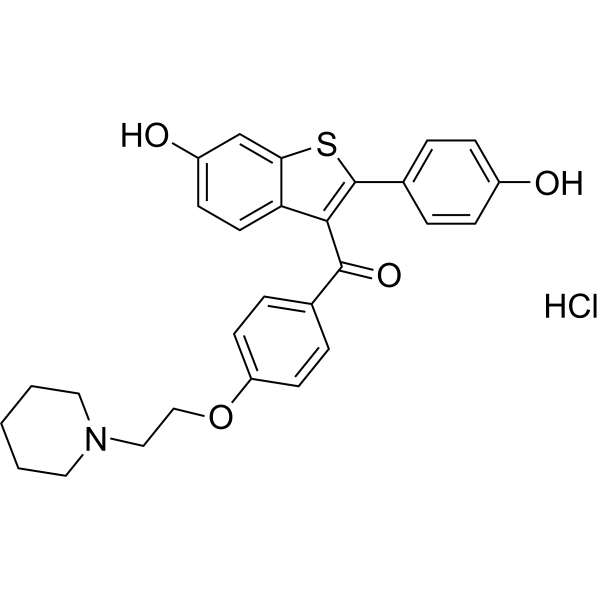
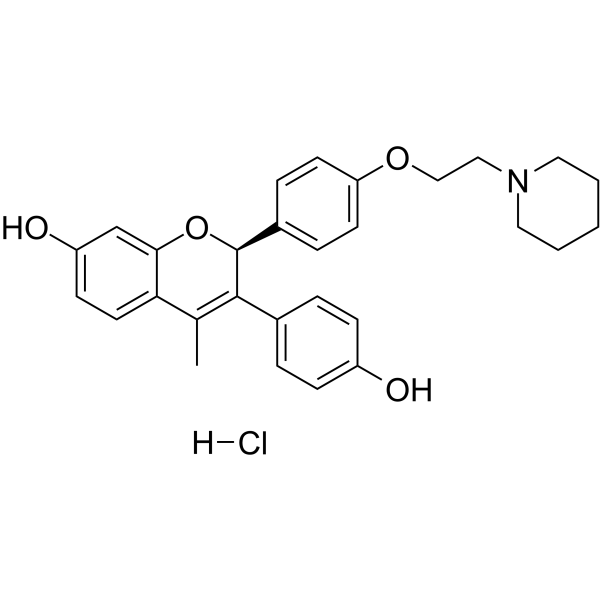
    Raloxifene hydrochloride (Keoxifene hydrochloride) is a second generation selective and orally active estrogen receptor modulator. Raloxifene hydrochloride produces estrogen-agonistic effects on bone and lipid metabolism and estrogen-antagonistic effects on uterine endometrium and breast tissue .
    Raloxifene hydrochloride
  • HY-136255
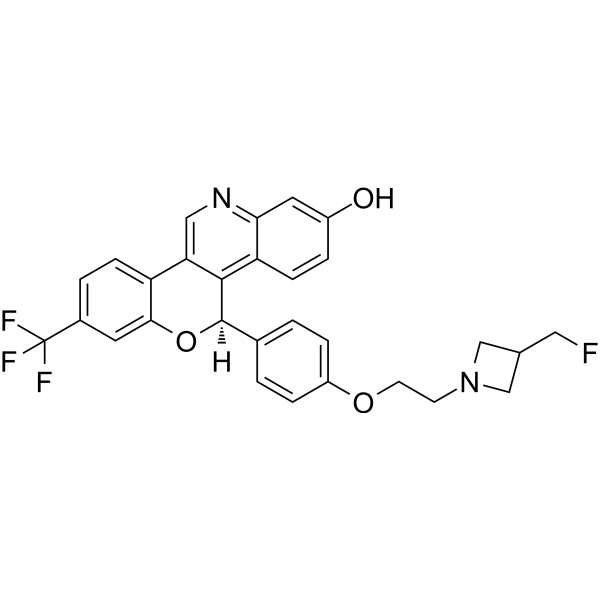
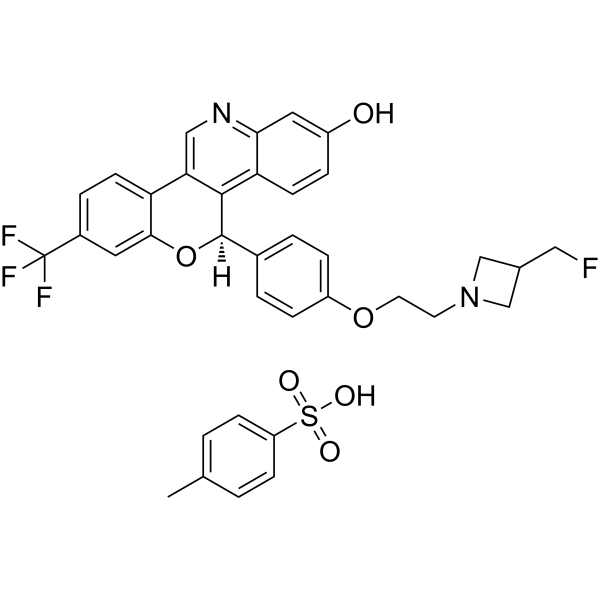
    Camizestrant
    5+ Cited Publications

    AZD-9833

    Estrogen Receptor/ERR Cancer
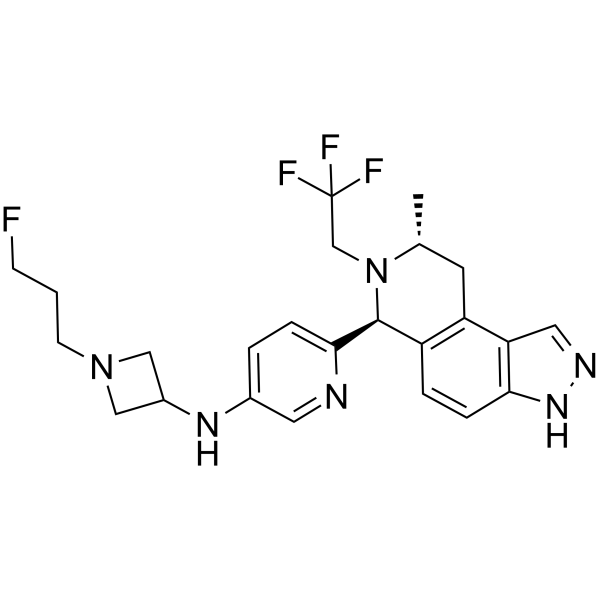
    Camizestrant (AZD-9833) is a potent and orally active estrogen receptor (ER) antagonist. Camizestrant is used for the study of ER + HER2-advanced breast cancer .
    Camizestrant
  • HY-18719E
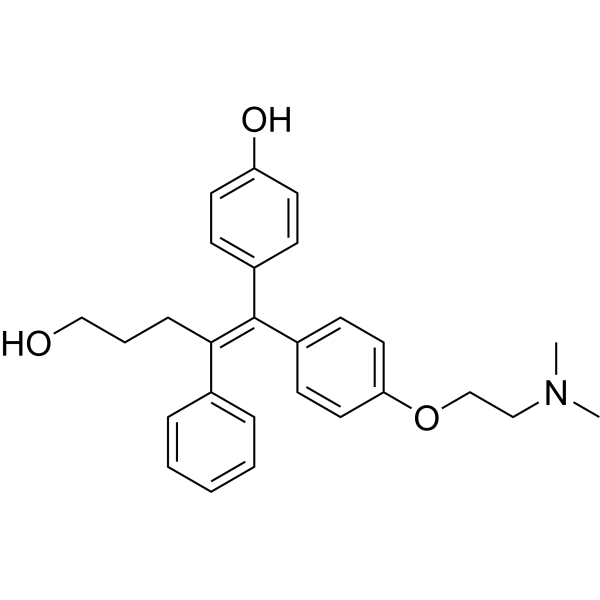
    Endoxifen
    1 Publications Verification

    Cytochrome P450 Estrogen Receptor/ERR Drug Metabolite Parasite Cancer
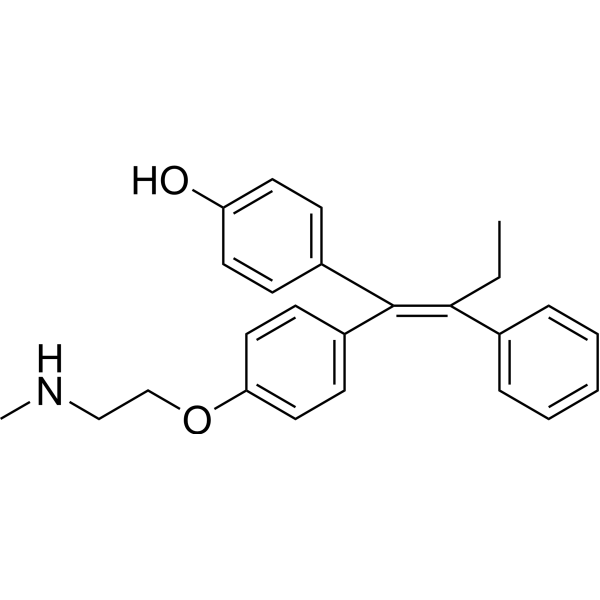
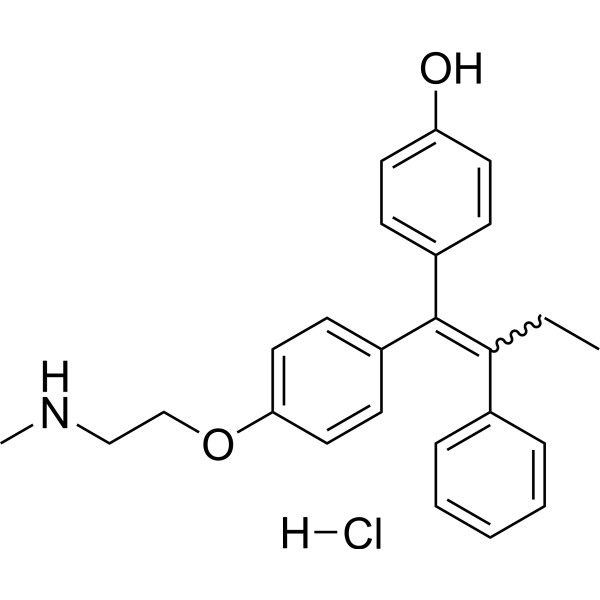
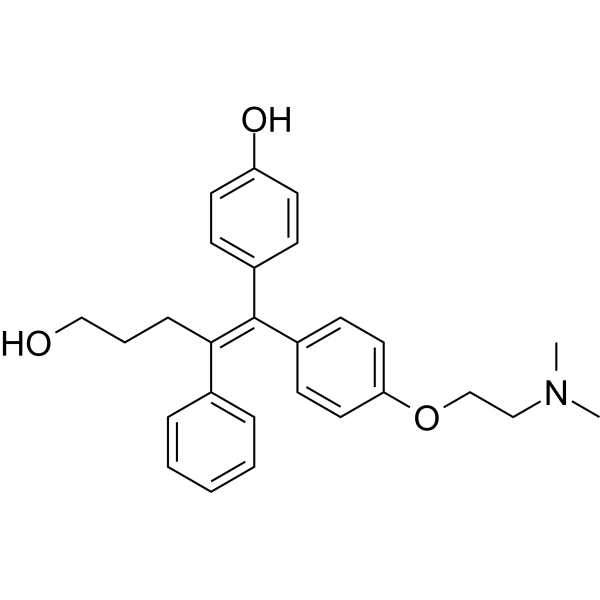
    Endoxifen is a key active metabolite of tamoxifen (TAM) with higher affinity and specificity to estrogen receptor that also inhibits aromatase activity. Endoxifen has the potential for breast cancer study .
    Endoxifen
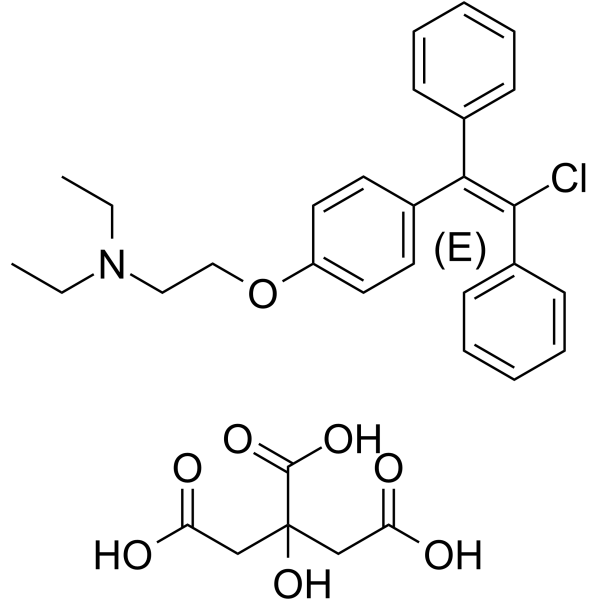
  • HY-B0463
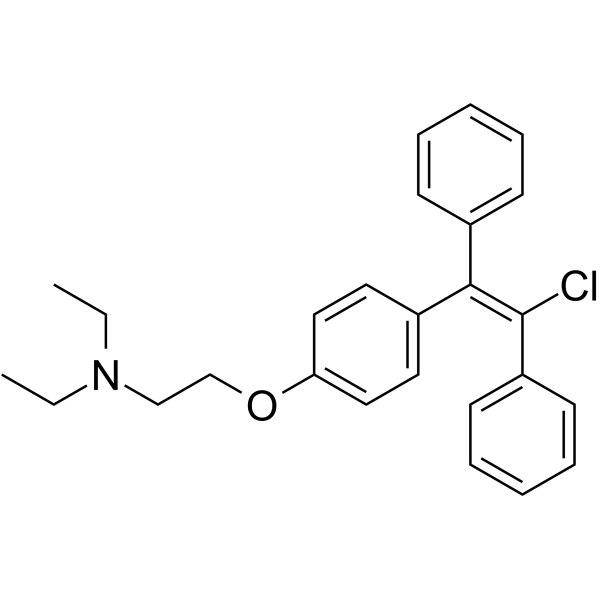
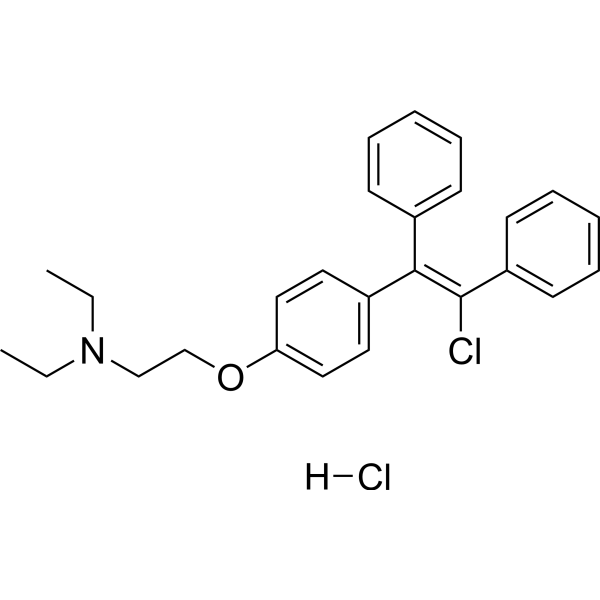
    Clomiphene citrate
    5 Publications Verification

    Clomifene citrate

    Estrogen Receptor/ERR Neurological Disease Endocrinology Cancer
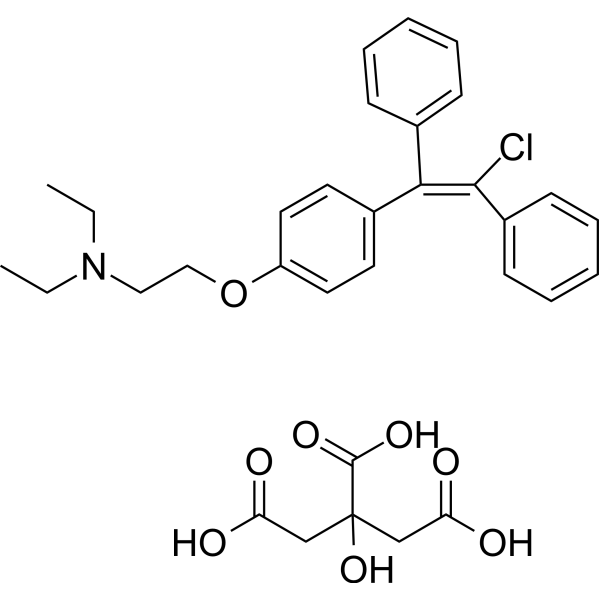
    Clomiphene citrate (Clomifene citrate) is an orally active estrogen-receptor modulator. Clomiphene citrate has anti-cancer actixity, induces perturbations during meiotic maturation and cytogenetic abnormalities and ameliorates in managing psychiatric and cognitive impairment .
    Clomiphene citrate
  • HY-B0723
    Ospemifene
    2 Publications Verification

    FC-1271a

    Estrogen Receptor/ERR Caspase Neurological Disease Endocrinology Cancer
    Ospemifene (FC-1271a) is an orally active and non-estrogenic selective estrogen receptor modulator (SERM) with Ki values of 380 and 410 nM for estrogen receptor α (ERα) and ERβ, respectively. Ospemifene inhibits caspase-3 activity. Ospemifene inhibits neuronal degeneration, prevents bone loss, and increases vaginal weight and vaginal epithelial height. Ospemifene has anticancer activity against breast cancer .
    Ospemifene
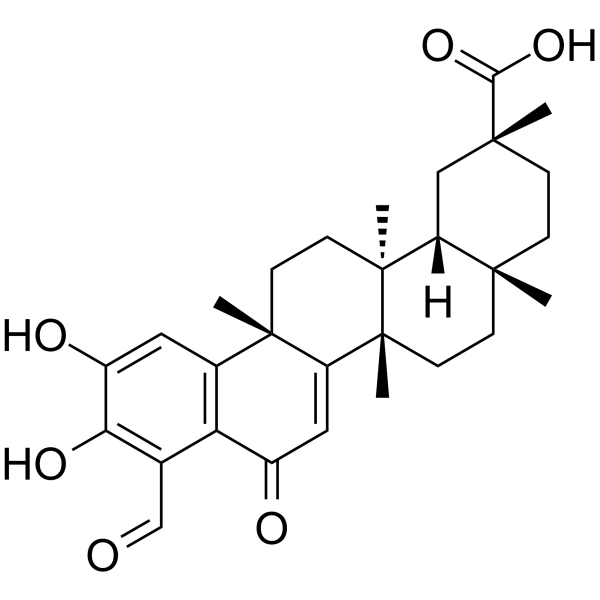
  • HY-N0587
    Demethylzeylasteral
    5+ Cited Publications

    Apoptosis TGF-beta/Smad Estrogen Receptor/ERR NF-κB FAK Cardiovascular Disease Inflammation/Immunology Endocrinology Cancer
    Demethylzeylasteral is an orally active triterpenoid compound isolated from Tripterygium wilfordii, which has functions such as anti-inflammatory, anti-tumor, anti fertility, estrogen metabolism regulation, immune suppression, and immune system regulation [1][2].
    Demethylzeylasteral
  • HY-118861A
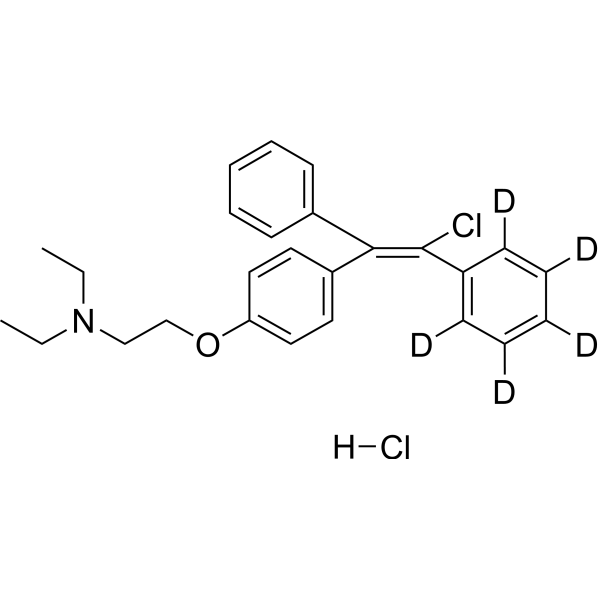
    Enclomiphene citrate
    1 Publications Verification

    (E)-Clomiphene citrate; trans-Clomiphene citrate; Enclomifene citrate

    Estrogen Receptor/ERR Metabolic Disease Endocrinology
    Enclomiphene ((E)-Clomiphene) citrate is a potent and orally active non-steroidal estrogen receptor antagonist, with antioestrogenic property. Enclomiphene citrate can be used for the research of ovarian dysfunction, testosterone deficiency, male hypogonadism and type 2 diabetes .
    Enclomiphene citrate
  • HY-12870
    AZD9496
    25+ Cited Publications

    Estrogen Receptor/ERR Cancer
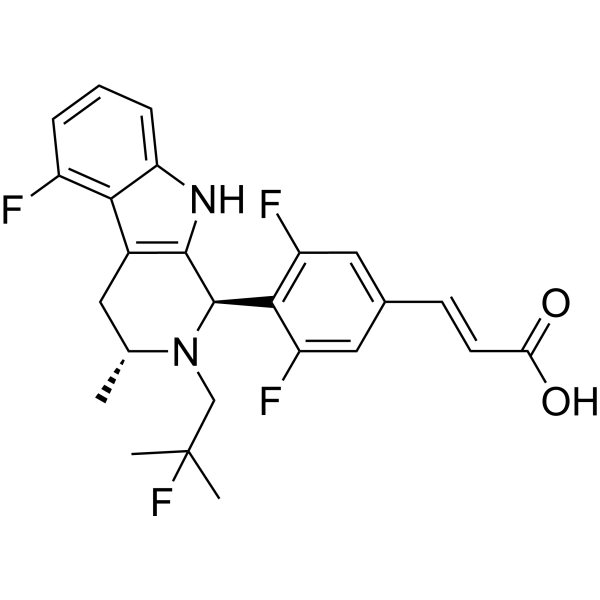
    AZD9496 is an effective, selective estrogen receptor (ERα) antagonist with an IC50 of 0.28 nM. AZD9496 is an orally active, selective estrogen receptor degrader (SERD).
    AZD9496
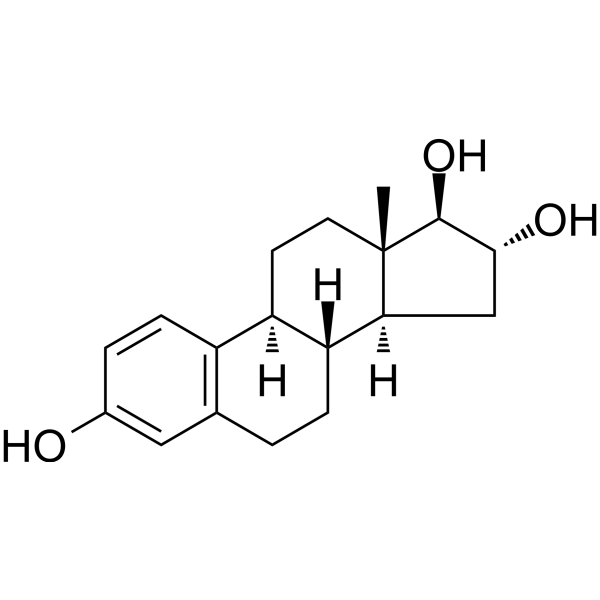
  • HY-B0412
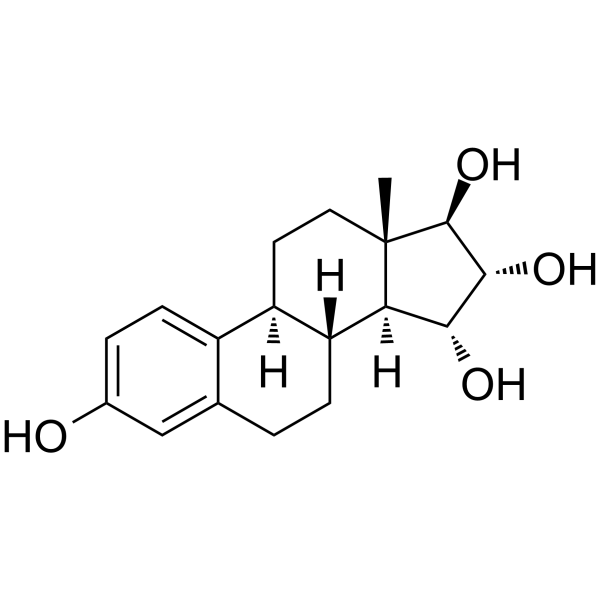
    Estriol
    5 Publications Verification

    Oestriol

    Estrogen Receptor/ERR Endogenous Metabolite Cancer
    Estriol (Oestriol), an orally active estrogen, is a ERα and ERβ agonist. Estriol is a potent GPR30 antagonist in estrogen receptor-negative breast cancer cells. Estriol can ameliorate disease severity through immunomodulatory mechanisms that decrease tissue inflammation. Estriol has powerful proconvulsant effects .
    Estriol
  • HY-A0037
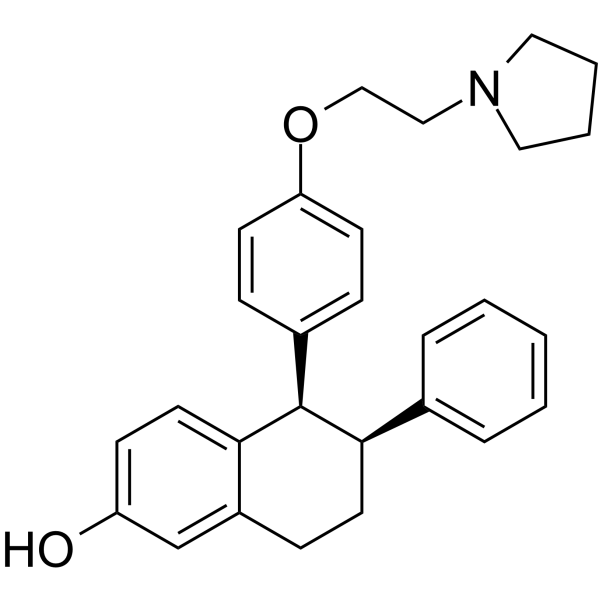
    Lasofoxifene
    5 Publications Verification

    CP-336156

    Estrogen Receptor/ERR Inflammation/Immunology Cancer
    Lasofoxifene (CP-336156) is an orally active and selective estrogen receptor modulator (SERM). Lasofoxifene exhibits an anti-osteoporotic function and also inhibits primary tumor growth and metastases. Lasofoxifene can be used for research of breast cancer and postmenopausal osteoporosis .
    Lasofoxifene
  • HY-13757AR
    Tamoxifen (Standard)
    210+ Cited Publications

    ICI 47699(Standard); (Z)-Tamoxifen(Standard); trans-Tamoxifen (Standard)

    Reference Standards Estrogen Receptor/ERR HSP Autophagy Apoptosis Endocrinology Cancer
    Tamoxifen (Standard) is the analytical standard of Tamoxifen (HY-13757A). This product is intended for research and analytical applications. Tamoxifen (ICI 47699) is an orally active, selective estrogen receptor modulator (SERM) which blocks estrogen action in breast cells and can activate estrogen activity in other cells, such as bone, liver, and uterine cells . Tamoxifen is a potent Hsp90 activator and enhances the Hsp90 molecular chaperone ATPase activity. Tamoxifen also potent inhibits infectious EBOV Zaire and Marburg (MARV) with IC50 of 0.1 μM and 1.8 μM, respectively . Tamoxifen activates autophagy and induces apoptosis . Tamoxifen also can induce gene knockout of CreER(T2) transgenic mouse .
    Tamoxifen (Standard)
  • HY-15731

    Estrogen Receptor/ERR Endogenous Metabolite NO Synthase Cardiovascular Disease Cancer
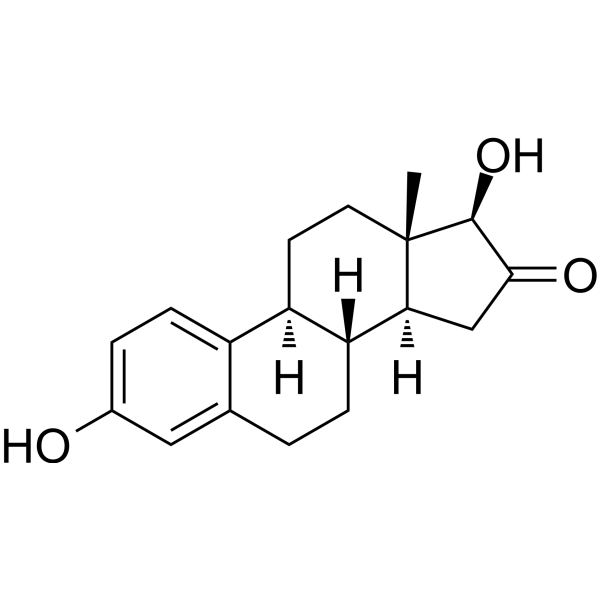
    Estetrol, an orally active estrogen synthesized exclusively during pregnancy by the human fetal liver, is a selective nuclear estrogen receptor modulator. Estetrol binds ERα as well as ERβ (with a fourfold lower affinity). Estetrol increases eNOS expression/activity and NO synthesis in endothelial cells. Estetrol exerts estrogenic actions on the endometrium or the central nervous system but presents antagonistic effects on the breast. Estetrol can be used in contraception and menopausal hormone research .
    Estetrol
  • HY-13702

    Nilandron; RU 23908

    Androgen Receptor Parasite Infection Endocrinology Cancer
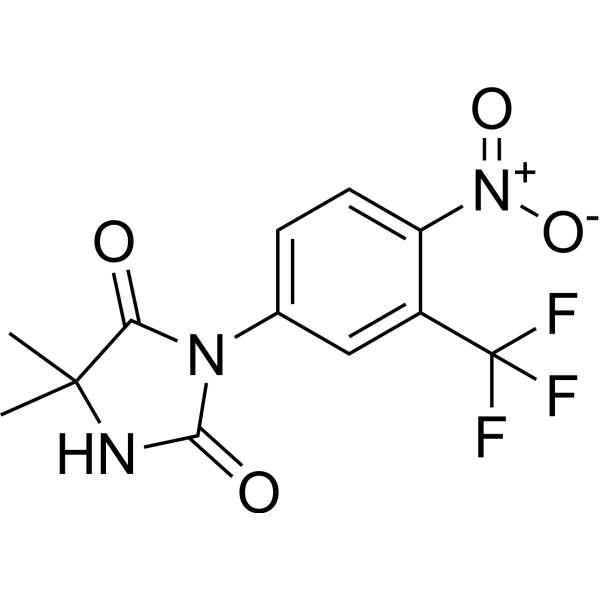
    Nilutamide (Nilandron) is an orally active nonsteroidal androgen receptor antagonist with affinity for androgen receptors but not for progestogen, estrogen or glucocorticoid receptors. Nilutamide can be used to research prostate cancer. Nilutamide also has antischistosomal properties .
    Nilutamide
  • HY-118861
    Enclomiphene
    5 Publications Verification

    (E)-Clomiphene; trans-Clomiphene; Enclomifene

    Estrogen Receptor/ERR Metabolic Disease Endocrinology
    Enclomiphene ((E)-Clomiphene) is a potent and orally active non-steroidal estrogen receptor antagonist, with antioestrogenic property. Enclomiphene can be used for the research of ovarian dysfunction, testosterone deficiency, male hypogonadism and type 2 diabetes .
    Enclomiphene
  • HY-W013935

    Endogenous Metabolite Estrogen Receptor/ERR Reactive Oxygen Species (ROS) Endocrinology
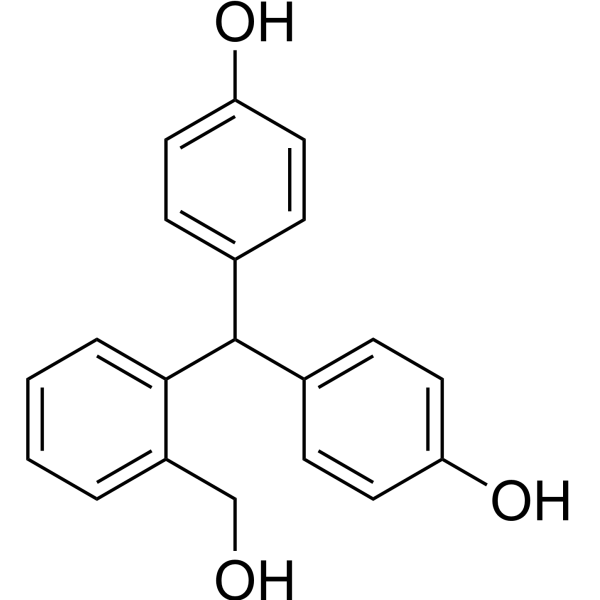
    Bisphenol B is a close structural analog of Bisphenol A (BPA) (HY-18260). Bisphenol B is a potent, orally active endocrine disruptor (ED). Bisphenol B binds to G protein-coupled estrogen receptor (GPER) (IC50 = 3.3 μM) with higher affinity and agonistic activity than BPA. Bisphenol B promotes GPER mediated cell migration. Bisphenol B exerts estrogenic effects via GPER pathway at nanomolar concentration. Bisphenol B is used in the manufacture of polycarbonate resin with ED properties .
    Bisphenol B
  • HY-113986

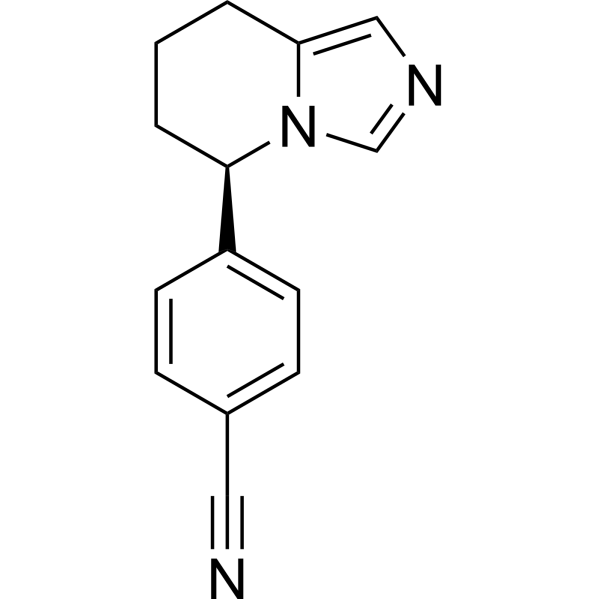
    (R)-Fadrozole; (R)-CGS 16949A free base; FAD286

    Cytochrome P450 Cardiovascular Disease
    Dexfadrostat ((R)-Fadrozole) is an orally active and selective aromatase inhibitor, with human aromatase IC50 values of 6.4 nM. Dexfadrostat suppresses estrogen synthesis, reduces circulating estradiol levels and suppresses aldosterone production. Dexfadrostat can be used for the research of breast cancer, primary aldosteronism, and hypertension .
    Dexfadrostat
  • HY-B1403

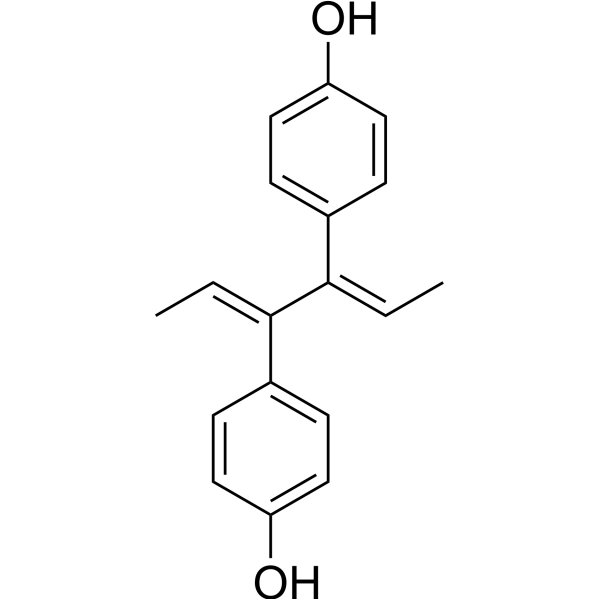
    Estrogen Receptor/ERR Endocrinology
    Dienestrol is an orally active nonsteroidal estrogen. Dienestrol prevents the formation of implantation swellings in the uterus by inhibiting ovum discharge .
    Dienestrol
  • HY-A0038
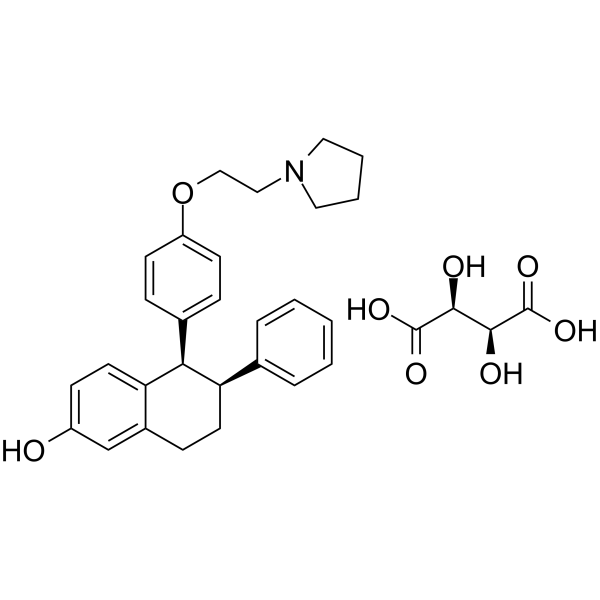
    Lasofoxifene tartrate
    5 Publications Verification

    CP-336156 tartrate

    Estrogen Receptor/ERR Endocrinology Cancer
    Lasofoxifene (CP-336156) tartrate is an orally active and selective estrogen receptor modulator (SERM) . Lasofoxifene tartrate exhibits an anti-osteoporotic function and also inhibits primary tumor growth and metastases. Lasofoxifene tartrate can be used for the research of breast cancer and postmenopausal osteoporosis .
    Lasofoxifene tartrate
  • HY-B0487

    Pregneninolone; 17α-Ethynyltestosterone

    Estrogen Receptor/ERR Metabolic Disease
    Ethisterone (Pregneninolone; 17α-Ethynyltestosterone) is a synthetic steroidal estrogen, is an orally active steroidal contraceptive agent. Ethisterone has almost no effect on the phagocytic activity of the reticuloendothelial system in male guinea pigs, while in utero exposure can induce abnormalities in the urogenital system of offspring .
    Ethisterone
  • HY-16950B

    (E)-Afimoxifene

    Estrogen Receptor/ERR Cancer
    (E)-4-Hydroxytamoxifen ((E)-Afimoxifene), the less active isomer of (Z)-4-hydroxytamoxifen, is an estrogen receptor modulator.
    (E)-4-Hydroxytamoxifen
  • HY-126109

    Estrogen Receptor/ERR Apoptosis Metabolic Disease Endocrinology Cancer
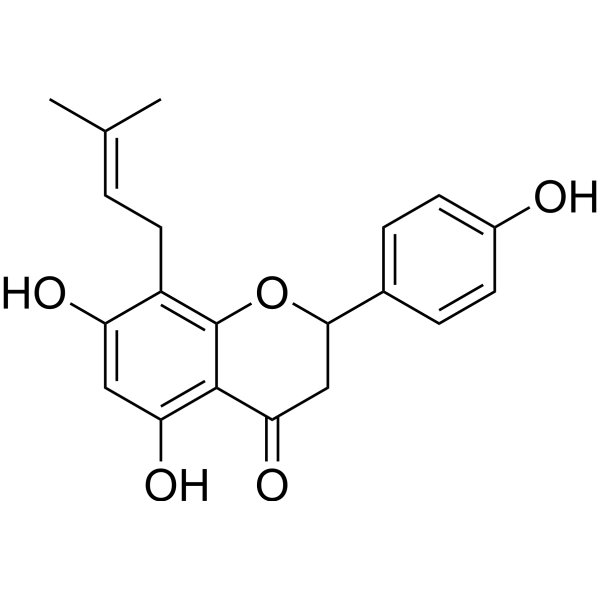
    (±)-8-Prenylnaringenin, a natural prenylated flavonoid, is a potent phytoestrogen. (±)-8-Prenylnaringenin is an orally active selective estrogen receptor modulator (SERM) (Estrogen Receptor/ERR) that inhibits ERα and ERβ with IC50s of 57 nM and 68 nM, respectively. (±)-8-Prenylnaringenin has anticancer effects, and can be used for osteoporosis research .
    (±)-8-Prenylnaringenin
  • HY-18719B
    Endoxifen hydrochloride
    1 Publications Verification

    Cytochrome P450 Estrogen Receptor/ERR Drug Metabolite Parasite Cancer
    Endoxifen hydrochloride is a key active metabolite of Tamoxifen (TAM) with higher affinity and specificity to estrogen receptor that also inhibits aromatase activity. Endoxifen hydrochloride has the potential for breast cancer study .
    Endoxifen hydrochloride
  • HY-B0652

    3-Oxodesogestrel; 3-keto-Desogestrel

    Drug Metabolite Estrogen Receptor/ERR Progesterone Receptor Endogenous Metabolite FKBP Endocrinology
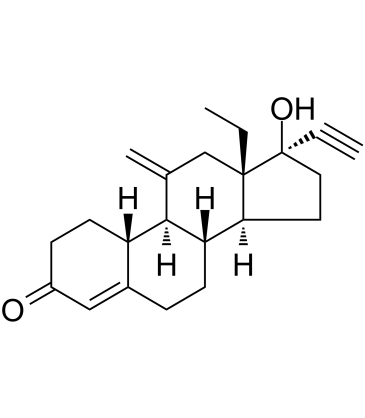
    Etonogestrel (3-Oxodesogestrel), a biologically active metabolite of progestin Desogestrel, binds with high affinity to progesterone receptors and estrogen receptors in the target organs . Etonogestrel induce FKBP51 mRNA and protein expression in cultured human endometrial stromal cells (HESCs) .
    Etonogestrel
  • HY-W018197

    Endogenous Metabolite p38 MAPK Reactive Oxygen Species (ROS) Metabolic Disease Inflammation/Immunology Cancer
    2-Phenylacetamide is a estrogen-like compound that can be isolated from Lepidium apetalum seeds. 2-Phenylacetamide inhibits p38 MAPK signaling pathway, exhibits anti-inflammatory, antioxidant, anti-hypertensive, and anti-fibrosis effects. 2-Phenylacetamide is orally active .
    2-Phenylacetamide
  • HY-B2158

    Estrogen Receptor/ERR COX Cardiovascular Disease Endocrinology
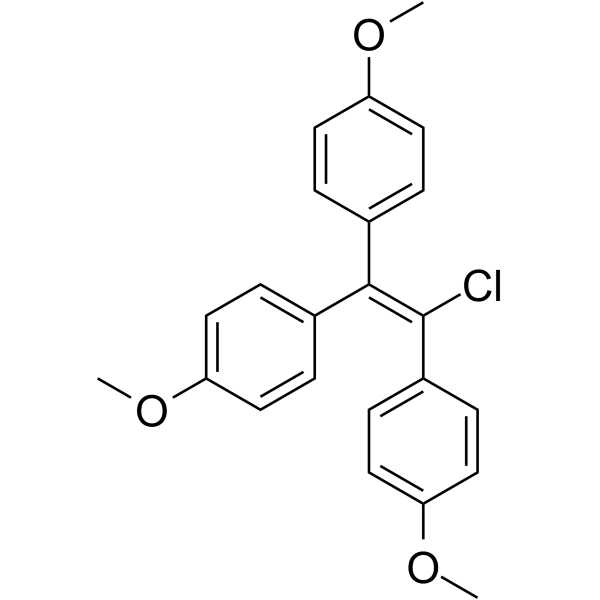
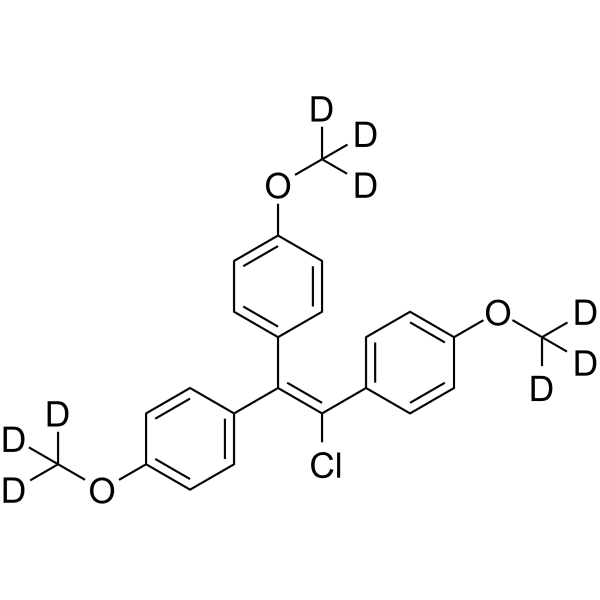
    Chlorotrianisene is a long-acting non-steroidal estrogen and an orally active estrogen receptor modulator. Chlorotrianisene exhibits antiestrogenic activity. Chlorotrianisene potently inhibits the enzyme COX-1 and inhibits platelet aggregation in whole blood .
    Chlorotrianisene
  • HY-137449

    G1T48

    Estrogen Receptor/ERR CDK Cancer
    Rintodestrant (G1T48) is an orally active, non-steroidal and selective estrogen receptor degrader. Rintodestrant (G1T48) is also a CDK4/6 inhibitor .
    Rintodestrant
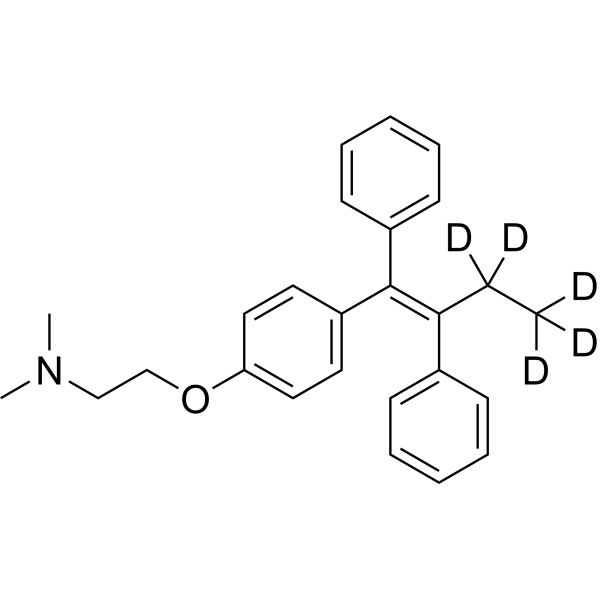
  • HY-13757AS

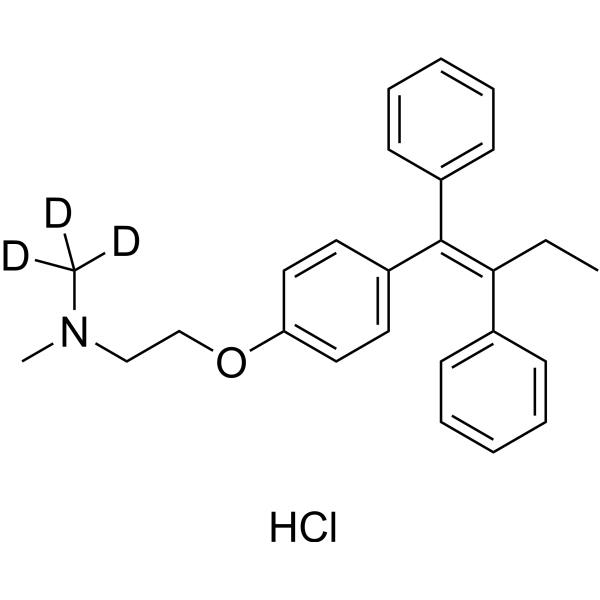
    ICI 47699-​d5; (Z)-Tamoxifen-d5; trans-Tamoxifen-d5

    Isotope-Labeled Compounds Estrogen Receptor/ERR HSP Autophagy Apoptosis Cancer
    Tamoxifen-d5 is a deuterium labeled Tamoxifen. Tamoxifen (ICI 47699) is an orally active, selective estrogen receptor modulator (SERM). Tamoxifen is a potent Hsp90 activator and enhances the Hsp90 molecular chaperone ATPase activity .
    Tamoxifen-​d5
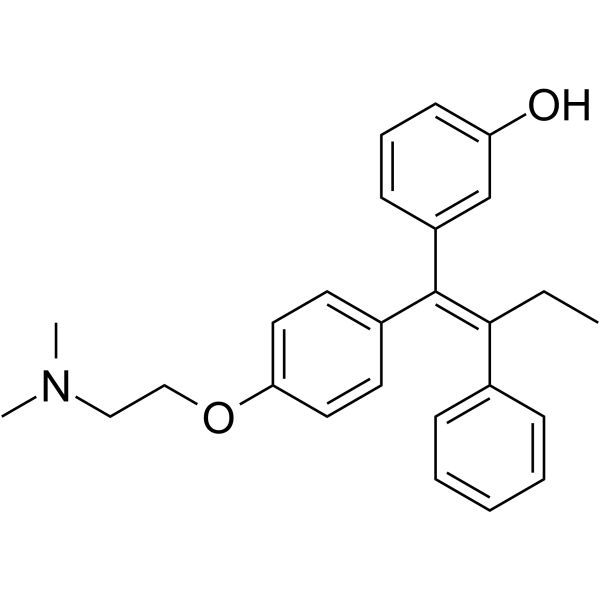
  • HY-121149
    Droloxifene
    1 Publications Verification

    3-Hydroxytamoxifen

    Estrogen Receptor/ERR Apoptosis Cancer
    Droloxifene, a Tamoxifen derivative, is an orally active and selective estrogen receptor modulator. Droloxifene shows antiestrogenic and anti-implantation effects. Droloxifene induces p53 expression and apoptosis in MCF-7 cells. Droloxifene prevents bone loss in ovariectomized rats .
    Droloxifene
  • HY-A0036D

    TSE-424 acetate-D

    Estrogen Receptor/ERR Cancer
    Bazedoxifene (acetate)-D (TSE-424 (acetate)-D) is the D-crystal form compound of Bazedoxifene acetate (HY-A0036). Bazedoxifene acetate is an orally active, nonsteroidal selective estrogen receptor modulator (SERM), with IC50s of 23 nM and 99 nM for ERα and ERβ, respectively .
    Bazedoxifene acetate-D
  • HY-14248R

    CGS 20267 (Standard)

    Cytochrome P450 Reference Standards Autophagy Cancer
    Letrozole (Standard) is the analytical standard of Letrozole. This product is intended for research and analytical applications. Letrozole (CGS 20267) is a potent, selective, reversible and orally active non-steroidal inhibitor of aromatase, with an IC50 of 11.5 nM. Letrozole selective inhibits estrogen biosynthesis, and can be used for the research of breast cancer .
    Letrozole (Standard)
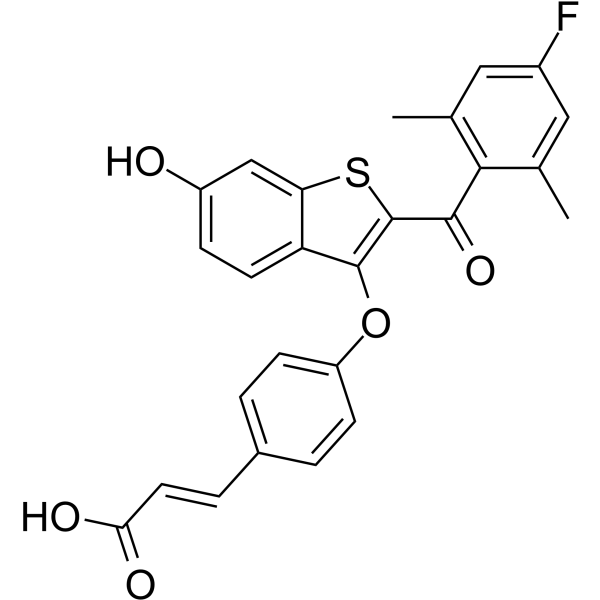
  • HY-110201

    Estrogen Receptor/ERR Cancer
    Estrogen receptor modulator 1 (compound 18) is an orally active and selective estrogen receptor modulator (SERM), with a pIC50 of 0.46. Estrogen receptor modulator 1 induces regression of Tamoxifen-resistant, hormone independent xenograft tumors .
    Estrogen receptor modulator 1
  • HY-13738AR

    Keoxifene hydrochloride(Standard); LY156758(Standard); LY139481 hydrochloride (Standard)

    Reference Standards Estrogen Receptor/ERR Autophagy Endocrinology Cancer
    Raloxifene (hydrochloride) (Standard) is the analytical standard of Raloxifene (hydrochloride). This product is intended for research and analytical applications. Raloxifene hydrochloride (Keoxifene hydrochloride) is a second generation selective and orally active estrogen receptor modulator. Raloxifene hydrochloride produces estrogen-agonistic effects on bone and lipid metabolism and estrogen-antagonistic effects on uterine endometrium and breast tissue .
    Raloxifene hydrochloride (Standard)
  • HY-147402A

    D-0502 meglumine

    Estrogen Receptor/ERR Cancer
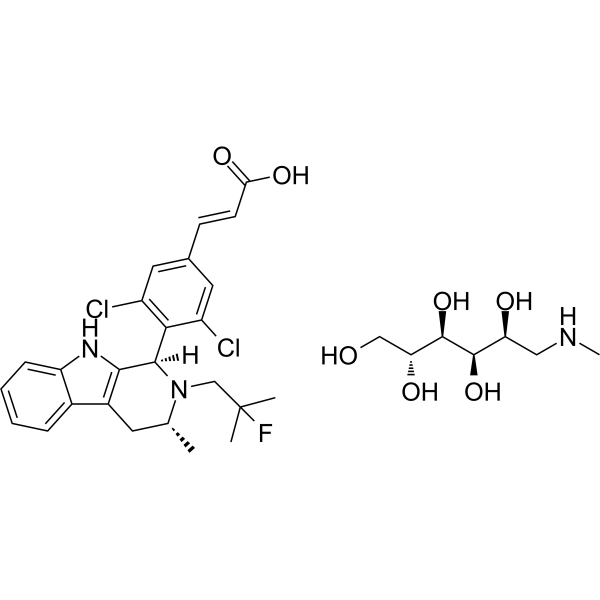
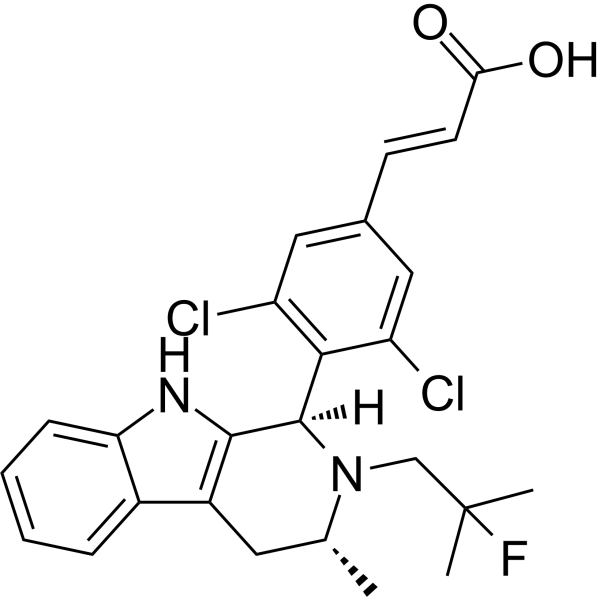
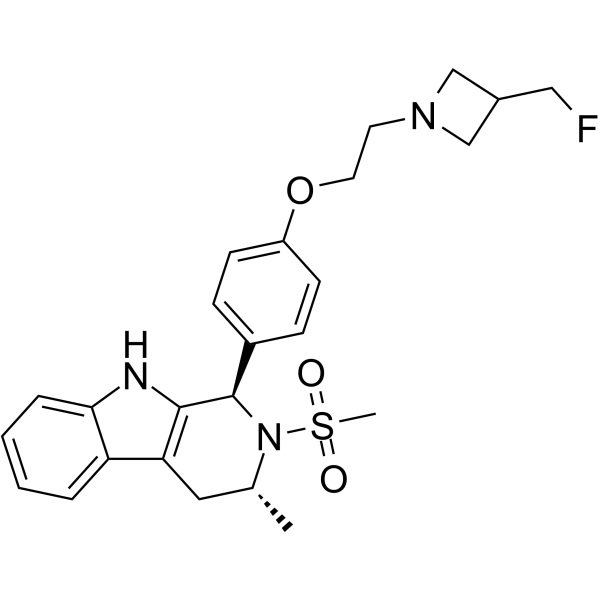
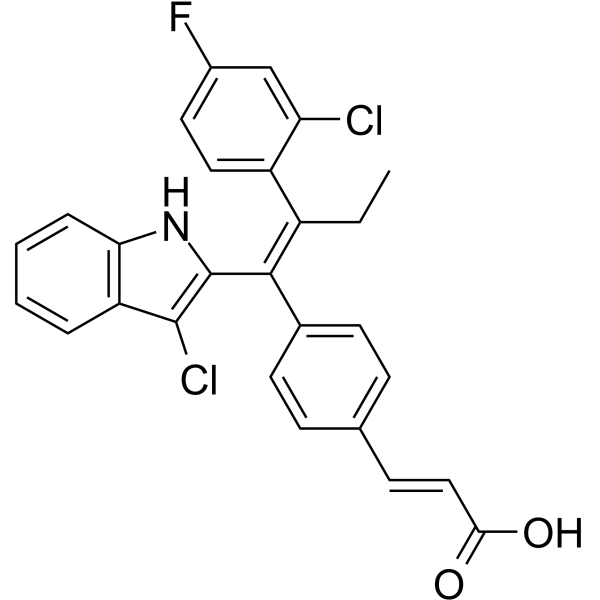
    Taragarestrant (D-0502) meglumine is a potent, orally active and selective estrogen receptor degrader (SERD). Taragarestrant meglumine shows potent activity in various ER+ breast cancer cell lines and xenograft models .
    Taragarestrant meglumine
  • HY-164764

    Estrogen Receptor/ERR Endocrinology
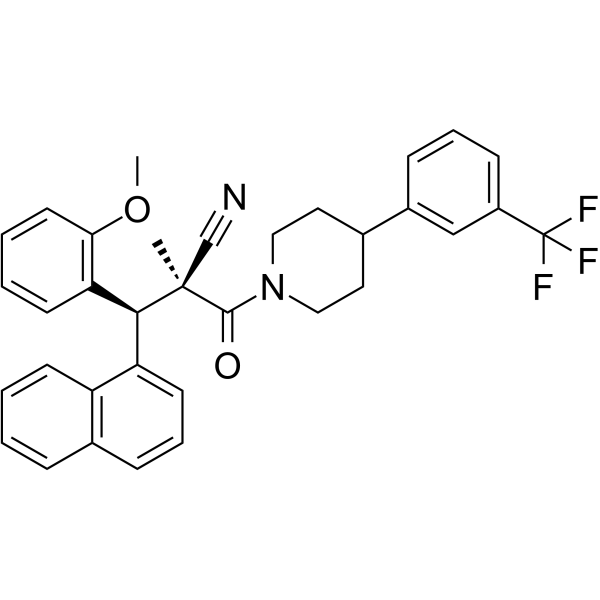
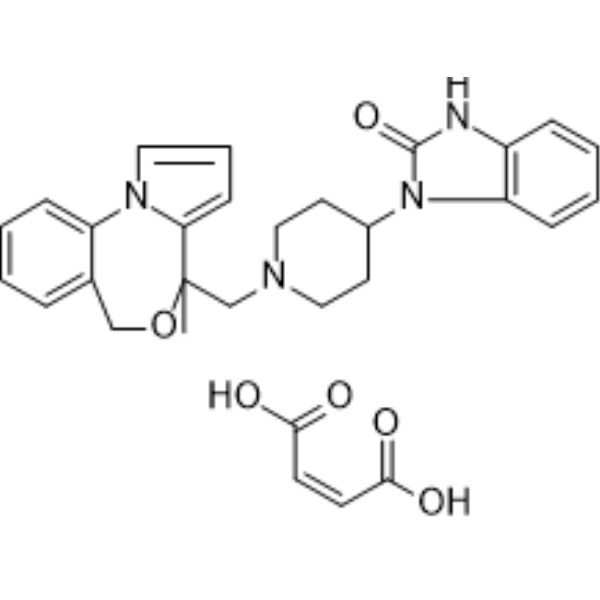
    ADX61623 is a potent follicle stimulating hormone (FSH) receptor (FSHR) negative allosteric modulator (NAM). ADX61623 shows luteinizing hormone receptor (LH-R) activity and is not active on thyroid-stimulating hormone (TSH) receptors. ADX61623 can be used for the study of estrogen dependent disease .
    ADX61623
  • HY-P5464

    Estrogen Receptor/ERR Others
    SRC-1 NR box peptide is a biological active peptide (This peptide is a 14-amino acid fragment from the steroid receptor cofactor SRC-1 NR II). SRC-1 NR box peptide can be used to study the regulatory mechanisms of estrogen receptor ligands .
    SRC-1 NR box peptide
  • HY-13556

    LY353381; SERM III

    Estrogen Receptor/ERR Metabolic Disease Cancer
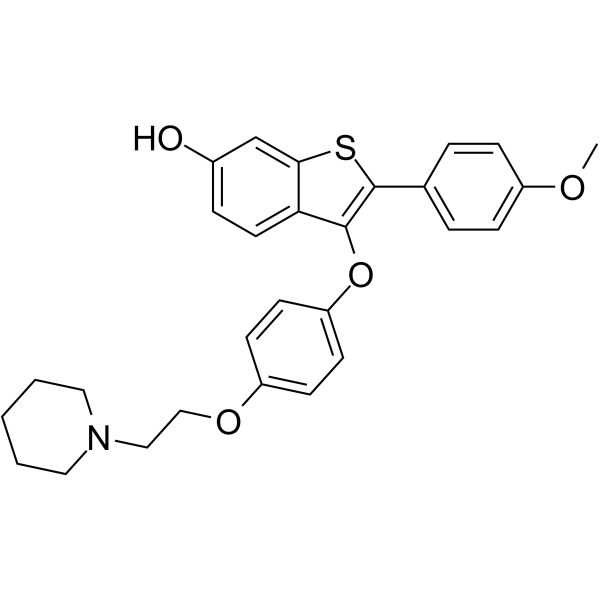
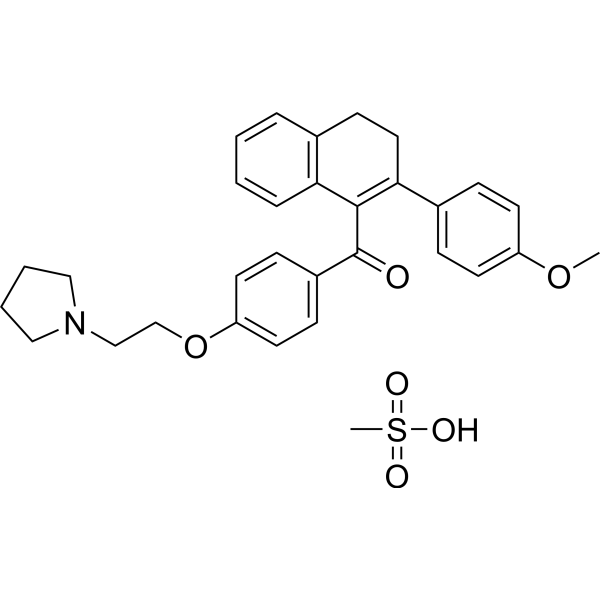
    Arzoxifene (LY353381) is an orally active selective estrogen receptor modulator with a fixed ring structure similar to raloxifene. Arzoxifene has minimal side effects with powerful antiestrogenic effects on breast cancer and endometrium, with equally strong favorable estrogenic effects on bone and lipid profile .
    Arzoxifene
  • HY-118861B

    (E)-Clomiphene hydrochloride; trans-Clomiphene hydrochloride; Enclomifene hydrochloride

    Estrogen Receptor/ERR Metabolic Disease Endocrinology
    Enclomiphene ((E)-Clomiphene) hydrochloride is a potent and orally active non-steroidal estrogen receptor antagonist, with antioestrogenic property. Enclomiphene hydrochloride can be used for the research of ovarian dysfunction, testosterone deficiency, male hypogonadism and type 2 diabetes .
    Enclomiphene hydrochloride
  • HY-18719ES

    Cytochrome P450 Estrogen Receptor/ERR Drug Metabolite Parasite Cancer
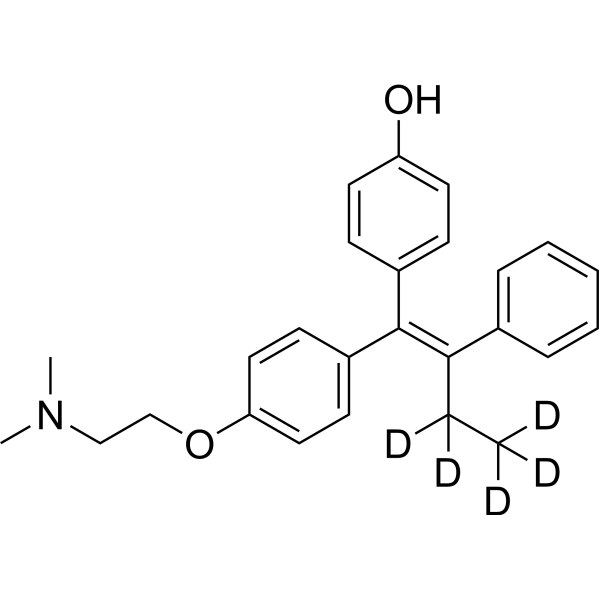
    Endoxifen-d5 is the deuterium labeled Endoxifen. Endoxifen is a key active metabolite of tamoxifen (TAM) with higher affinity and specificity to estrogen receptor that also inhibits aromatase activity. Endoxifen has the potential for breast cancer study .
    Endoxifen-d5
  • HY-A0287

    Clomifene; (Z/E)-Enclomiphene; (Z/E)-Enclomifene

    Estrogen Receptor/ERR Metabolic Disease Cancer
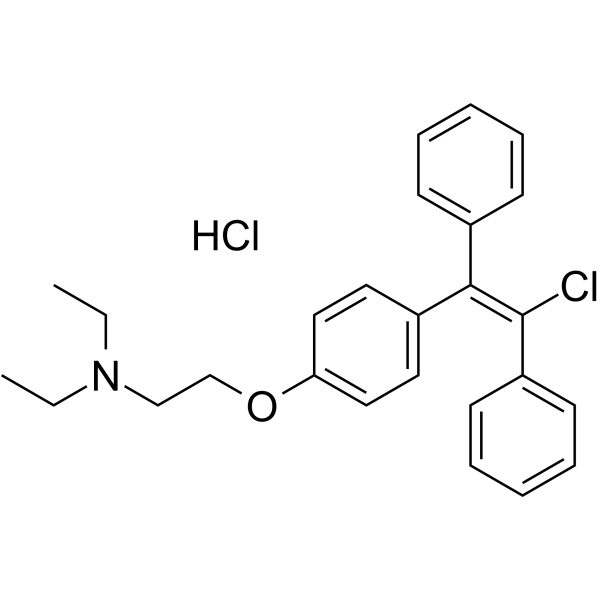
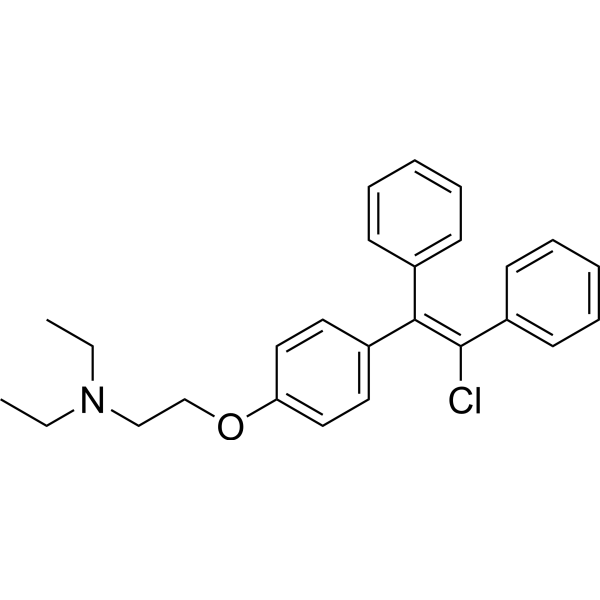
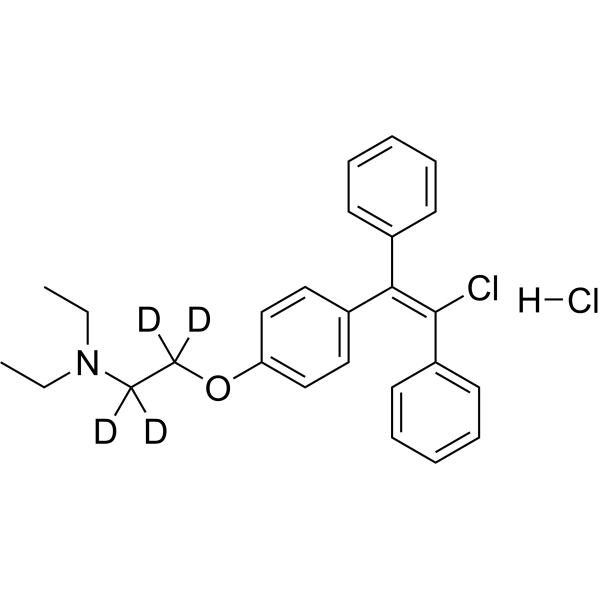
    Clomiphene (Clomifene; (Z/E)-Enclomiphene; (Z/E)-Enclomifene) is an orally active ovulation-inducing agent. Clomiphene binds to hypothalamic estrogen receptors to elevate FSH levels, and exhibits antiestrogenic or estrogenic properties. Clomiphene can induce erturbations during meiotic maturation and cytogenetic abnormalities in mouse oocytes. Clomiphene ameliorates memory impairment in PCOS models. Clomiphene mobilizes cytosolic calcium and reduces viability in prostate cancer cells. Clomiphene can be used for the research of polycystic ovary syndrome (PCOS) and prostate cancer .
    Clomiphene
  • HY-16950BS

    (E)-Afimoxifene-d5

    Isotope-Labeled Compounds Estrogen Receptor/ERR Cancer
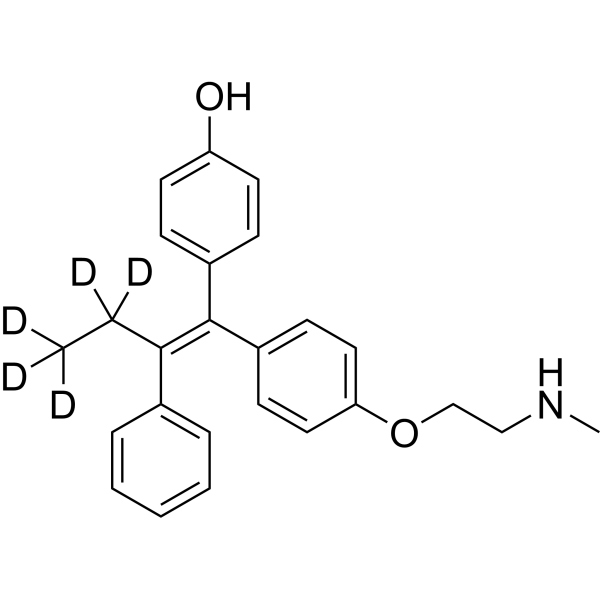
    (E)-4-Hydroxytamoxifen-d5 ((E)-Afimoxifene-d5) is the deuterium labeled (E)-4-Hydroxytamoxifen. (E)-4-Hydroxytamoxifen ((E)-Afimoxifene), the less active isomer of (Z)-4-hydroxytamoxifen, is an estrogen receptor modulator.
    (E)-4-Hydroxytamoxifen-d5
  • HY-14247B
    Fadrozole hydrochloride hemihydrate
    2 Publications Verification

    CGS 16949A hemihydrate; (Rac)-FAD286 hydrochloride hemihydrate

    Cytochrome P450 Endocrinology Cancer
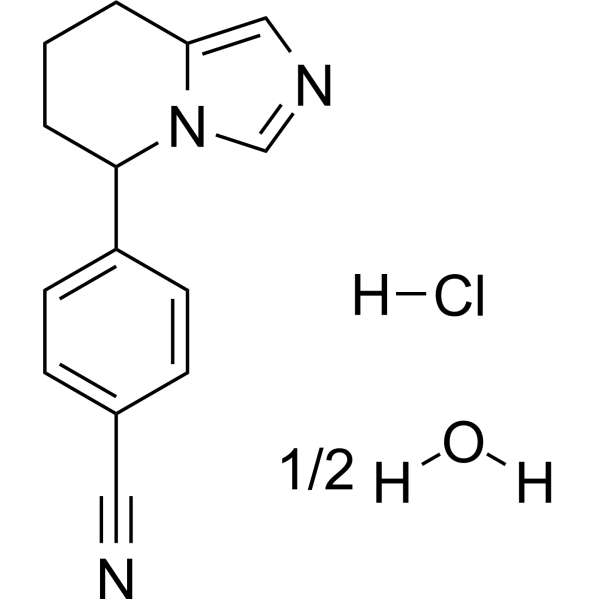
    Fadrozole hydrochloride hemihydrate is an orally active, potent, selective and nonsteroidal aromatase inhibitor, with an IC50 of 6.4 nM. Fadrozole hydrochloride hemihydrate inhibits the production of estrogen and progesterone, with IC50 values of 0.03 and 120 μM. Fadrozole hydrochloride hemihydrate shows prevention of spontaneous tumours. Fadrozole hydrochloride hemihydrate can be used for the research of estrogen-dependent disease and cancer .
    Fadrozole hydrochloride hemihydrate
  • HY-138642S

    ARV-471-d5

    Isotope-Labeled Compounds Cancer
    Vepdegestrant-d5 (ARV-471-d5) is the deuterium labeled Vepdegestrant (HY-138642). Vepdegestrant (ARV-471) is an orally active PROTAC estrogen receptor degrader against breast cancer. Vepdegestrant is a hetero-bifunctional molecule that facilitates the interactions between estrogen receptor alpha and an intracellular E3 ligase complex. Vepdegestrant leads to the ubiquitylation and subsequent degradation of estrogen receptors via the proteasome. Vepdegestrant robustly degrades ER in ER-positive breast cancer cell lines with a DC50 of about 2 nM .
    Vepdegestrant-d5

Inquiry Online

Your information is safe with us. * Required Fields.

Salutation


Country or Region *

Applicant Name *


Organization Name *

Department *


Email Address *


Product Name *

Cat. No.


Requested quantity *

Phone Number *


Remarks

Inquiry Online

Inquiry Information

Product Name:
Cat. No.:
Quantity:
MCE Japan Authorized Agent: