

1. Search Result
Search Result
Results for "

luciferase

" in MedChemExpress (MCE) Product Catalog:

141

Inhibitors & Agonists

18

Fluorescent Dyes

5

Biochemical Assay Reagents

8

Peptides

2

MCE Kits

17

Natural
Products

1

Recombinant Proteins

3

Isotope-Labeled Compounds

4

Antibodies

13

Oligonucleotides

Cat. No. Product Name Target Research Areas Chemical Structure
  • HY-12591B
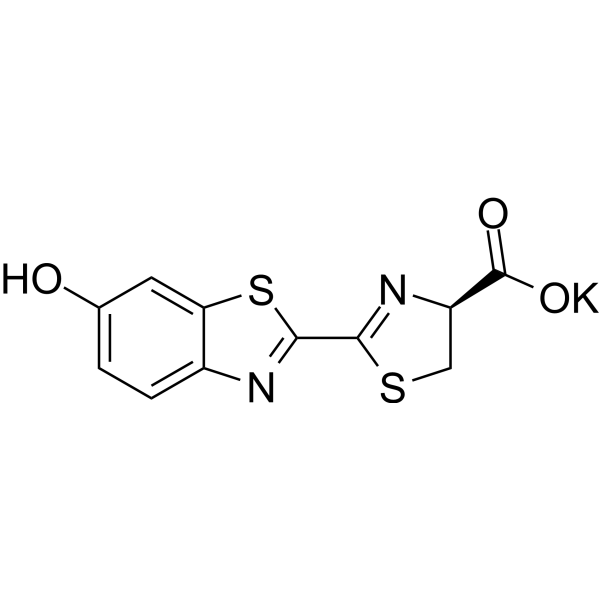
    D-Luciferin potassium
    Maximum Cited Publications
    110 Publications Verification

    D-(-)-Luciferin potassium; Firefly luciferin potassium; Beetle Luciferin potassium

    Fluorescent Dye Others
    D-luciferin potassium is the natural substrate of the enzyme luciferase (Luc) that catalyzes the production of the typical yellowgreen light of fireflies. The 560 nm chemiluminescence from this reaction peaks within seconds, with light output that is proportional to luciferase concentration when the substrate luciferin is present in excess. The luciferase (luc) gene is a popular reporter gene for research and agent screening. Chemiluminescent techniques are virtually background-free, making the luc reporter gene ideal for detecting low-level gene expression. As little as 0.02 pg of luciferase can be reliably measured in a standard scintillation counter. In addition to its role as a reporter of gene expression, luciferase is commonly used in an extremely sensitive assay for ATP . We offer the firefly luciferase (HY-P1004A), luciferin free acid (HY-12591A), as well as its water-soluble sodium salts (HY-12591) and potassium salts (HY-12591B) .
    D-Luciferin potassium
  • HY-12684
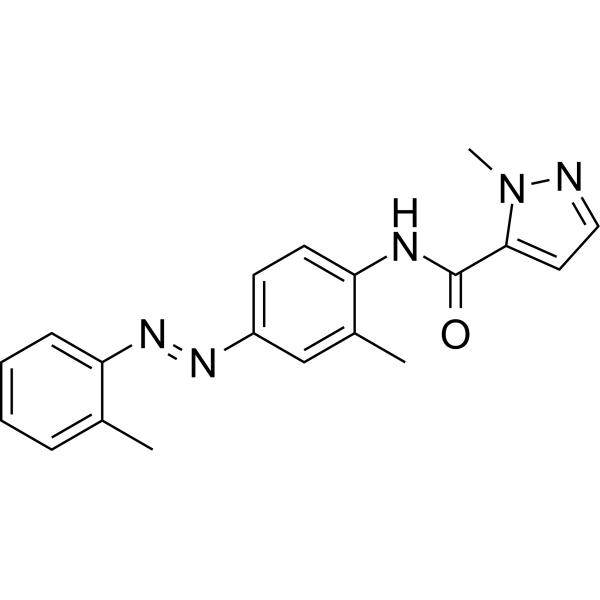
    CH-223191
    Maximum Cited Publications
    113 Publications Verification

    Aryl Hydrocarbon Receptor Cancer
    CH-223191 is a potent and specific antagonist of aryl hydrocarbon receptor (AhR). CH-223191 inhibits TCDD-mediated nuclear translocation and DNA binding of AhR, and inhibits TCDD-induced luciferase activity with an IC50 of 0.03 μM .
    CH-223191
  • HY-12591
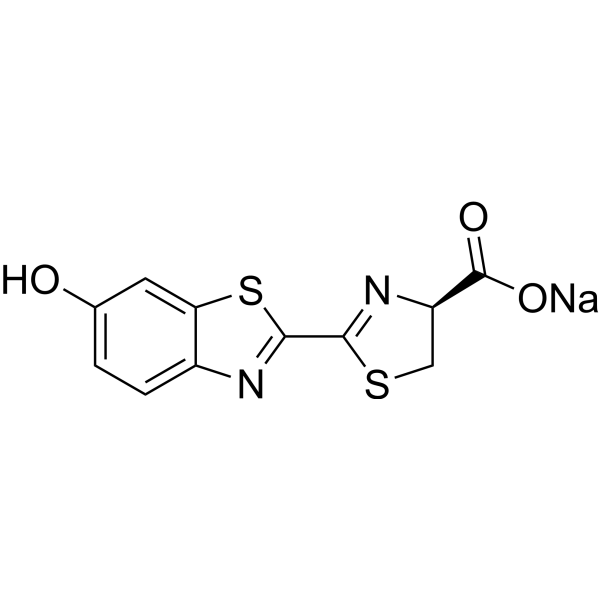
    D-Luciferin sodium
    Maximum Cited Publications
    110 Publications Verification

    D-(-)-Luciferin sodium; Firefly luciferin sodium; Beetle Luciferin sodium

    Fluorescent Dye Others
    D-luciferin sodium is the natural substrate of the enzyme luciferase (Luc) that catalyzes the production of the typical yellowgreen light of fireflies. The 560 nm chemiluminescence from this reaction peaks within seconds, with light output that is proportional to luciferase concentration when the substrate luciferin is present in excess. The luciferase (luc) gene is a popular reporter gene for research and agent screening. Chemiluminescent techniques are virtually background-free, making the luc reporter gene ideal for detecting low-level gene expression. As little as 0.02 pg of luciferase can be reliably measured in a standard scintillation counter. In addition to its role as a reporter of gene expression, luciferase is commonly used in an extremely sensitive assay for ATP . We of er the firefly luciferase (HY-P1004A), luciferin free acid (HY-12591A), as well as its water-soluble sodium salts (HY-12591) and potassium salts (HY-12591B) .
    D-Luciferin sodium
  • HY-12591A
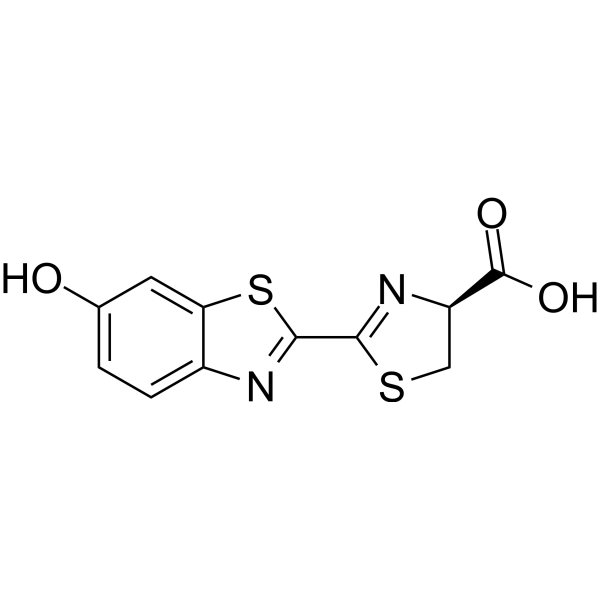
    D-Luciferin
    Maximum Cited Publications
    110 Publications Verification

    D-(-)-Luciferin; Firefly luciferin; Beetle Luciferin

    Fluorescent Dye Others
    D-luciferin is the natural substrate of the enzyme luciferase (Luc) that catalyzes the production of the typical yellowgreen light of fireflies. The 560 nm chemiluminescence from this reaction peaks within seconds, with light output that is proportional to luciferase concentration when the substrate luciferin is present in excess. The luciferase (luc) gene is a popular reporter gene for research and agent screening. Chemiluminescent techniques are virtually background-free, making the luc reporter gene ideal for detecting low-level gene expression. As little as 0.02 pg of luciferase can be reliably measured in a standard scintillation counter. In addition to its role as a reporter of gene expression, luciferase is commonly used in an extremely sensitive assay for ATP . We of er the firefly luciferase (HY-P1004A), luciferin free acid (HY-12591A), as well as its water-soluble sodium salts (HY-12591) and potassium salts (HY-12591B) .
    D-Luciferin
  • HY-18743
    Coelenterazine
    5 Publications Verification

    Reactive Oxygen Species (ROS) Cancer
    Coelenterazine is a luminescent enzyme substrate for apoaequorin and Renilla luciferase. Renilla luciferase and substrate coelenterazine has been used as the bioluminescence donor in bioluminescence resonance energy transfer (BRET) to detect protein-protein interactions. Coelenterazine is a superoxide anion-sensitive chemiluminescent probe and it can also be used in chemiluminescent detection of peroxynitrite (Ex/Em = 429/466 nm) .
    Coelenterazine
  • HY-112641A
    AkaLumine hydrochloride
    5 Publications Verification

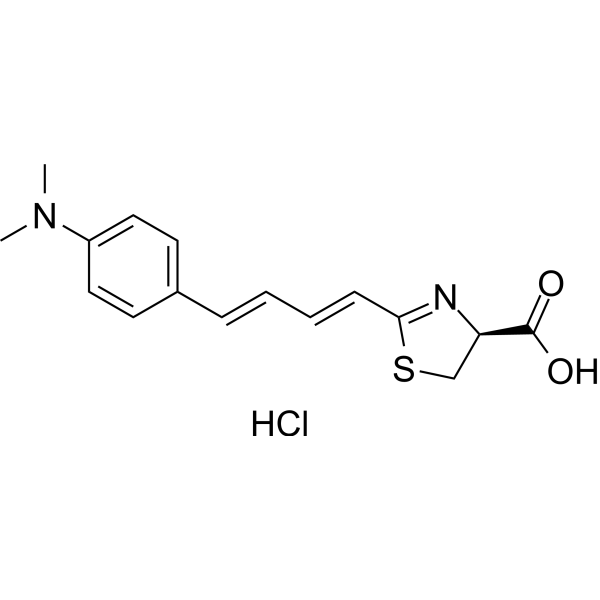
    Fluorescent Dye Cancer
    AkaLumine hydrochloride is a D-luciferin (HY-12591A) analogue with a Km of 2.06 μM for recombinant firefly luciferase (Fluc) protein. AkaLumine hydrochloride emits near-infrared (NIR) light (λmax=677 nm) in reactions with native Fluc. AkaLumine hydrochloride has high tissue-penetration and increases detection sensitivity from deep-tissue targets .
    AkaLumine hydrochloride
  • HY-118462

    Coelenterazine 400a; Bisdeoxycoelenterazine

    Fluorescent Dye Others
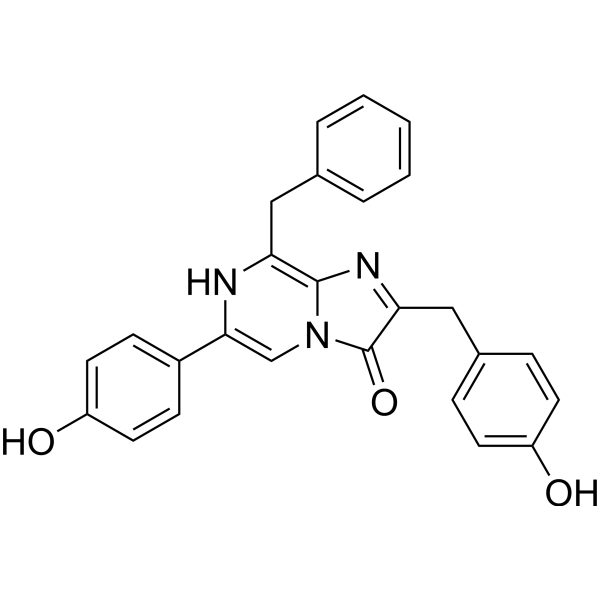
    Coelenteramine 400a (Coelenterazine 400a), a derivative of Coelenterazine, is a Renilla luciferase (RLuc) substrate. In the presence of Coelenteramine 400a, RLuc can emit blue light at 395 nm . Coelenterazine 400a will causes color change in the bioluminescence reaction of Rluc by replacing the sulfur and oxygen heteroatoms of the methylene bridge. Coelenterazine 400a provides higher signal resolution and can be used in the research of bioluminescence resonance energy transfer (BRET) .
    Coelenteramine 400a
  • HY-16665
    iCRT 14
    15+ Cited Publications

    Wnt Cancer
    iCRT 14 is a novel potent inhibitor of β-catenin-responsive transcription (CRT), with IC50 of 40.3 nM against Wnt responsive STF16 luciferase.
    iCRT 14
  • HY-11035
    WAY-262611
    10+ Cited Publications

    β-catenin Wnt Cancer
    WAY-262611 is a Wnt/β-Catenin agonist that increases bone formation rate with an EC50 of 0.63 μM in TCF-Luciferase assay. WAY-262611 is also a Dkk1 inhibitor .
    WAY-262611
  • HY-111653
    CycLuc1
    2 Publications Verification

    Reactive Oxygen Species (ROS) Others
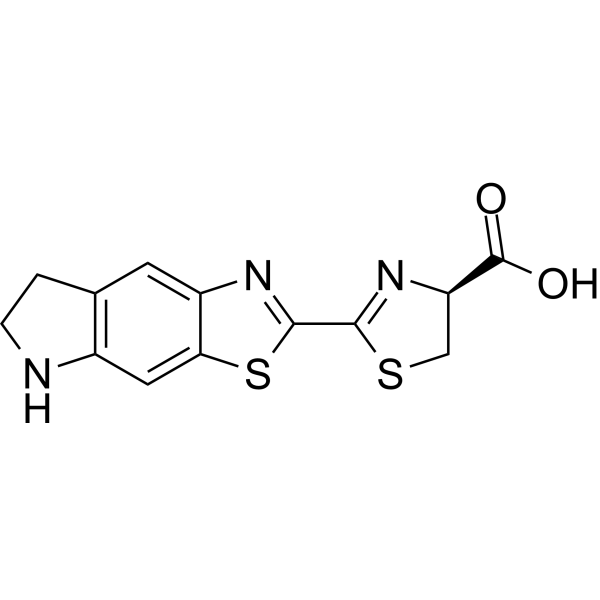
    CycLuc1 is a blood-brain barrier permeable luciferase substrate that displays near-infrared (NIR) emission with a peak luminescence wavelength of 599 nm. CycLuc1 can be used for in vivo bioluminescence imaging .
    CycLuc1
  • HY-P1004

    Biochemical Assay Reagents Cancer
    Luciferase (bacterial) catalyzes the oxidation of a long-chain aldehyde and reduced flavin mononucleotide. Luciferase (bacterial) protection against oxidative stress for bacterial luminescence .
    Luciferase (bacterial)
  • HY-P1004A

    Fluorescent Dye Others
    Luciferase, firefly is the light-emitting enzyme responsible for the bioluminescence of fireflies and click beetles. Luciferase, firefly catalytic substrate is D-luciferin (HY-12591B) .
    Luciferase, firefly
  • HY-13250

    Drug Derivative Cancer
    Silvestrol aglycone is a Silvestrol analogue, inhibits protein translation initiation in cancer cells, with EC50s of 10 and 200 nM for myc-LUC and tub-LUC luciferase reporter protein translation, respectively. Anti-cancer activity .
    Silvestrol aglycone
  • HY-126994

    Fluorescent Dye Others
    6’-Amino-D-luciferin is a derivative of D-luciferin (HY-12591A) with an amino group replacing the 6-hydroxyl group. 6’-Amino-D-luciferin is a natural substrate of luciferase (Luc) and can be used for IVIS imaging in cell/animal experiments[1][2][3].
    6′-Amino-D-luciferin
  • HY-108361
    CCG-203971
    2 Publications Verification

    Ras Inflammation/Immunology Cancer
    CCG-203971 is a second-generation Rho/MRTF/SRF pathway inhibitor. CCG-203971 potently targets RhoA/C-activated SRE-luciferase (IC50 =6.4 μM). CCG-203971 inhibits PC-3 cell migration with an IC50 of 4.2 μM. Potential anti-metastasis Agent .
    CCG-203971
  • HY-153229
    Firefly luciferase mRNA-LNP
    1 Publications Verification

    mRNA Biochemical Assay Reagents Others
    Firefly luciferase mRNA-LNP is a lipid nanoparticle (LNP) containing firefly luciferase mRNA. Firefly luciferase mRNA-LNP exhibits a stable nanostructure, in which LNP plays a key role in effectively protecting and transporting mRNA to cells. Luciferase is a bioluminescent reporter gene for gene regulation and functional studies. Firefly Luciferase mRNA-LNP expresses firefly luciferase protein after entering the cells, which is often used for promoter activity detection or dual fluorescent molecular complementation experiments. Firefly luciferase mRNA-LNP is studied in research for RNA delivery, cell viability, and translation efficiency .
    Firefly luciferase mRNA-LNP
  • HY-111429
    YAP/TAZ inhibitor-1
    5+ Cited Publications

    YAP Cancer
    YAP/TAZ inhibitor-1 is a YAP/TAZ inhibitor extracted from patent WO2017058716A1, Compound 1, has an IC50 of <0.100 μΜ in firefly luciferase assay .
    YAP/TAZ inhibitor-1
  • HY-153080

    Fluorescent Dye mRNA Others
    Firefly Luciferase mRNA (N1-Me-Pseudo UTP) is a modified form of firefly luciferase mRNA, which is N1-methylated pseudo uridine (N1-Me-Pseudo UTP). Firefly Luciferase mRNA (N1-Me-Pseudo UTP) is a commonly used reporter molecule in biomedical and mRNA research and its core function is to rapidly and quantitatively monitor the expression and delivery efficiency of mRNA through the emission of light signals .
    Firefly Luciferase mRNA(N1-Me-Pseudo UTP)
  • HY-155945

    Reactive Oxygen Species (ROS) Others
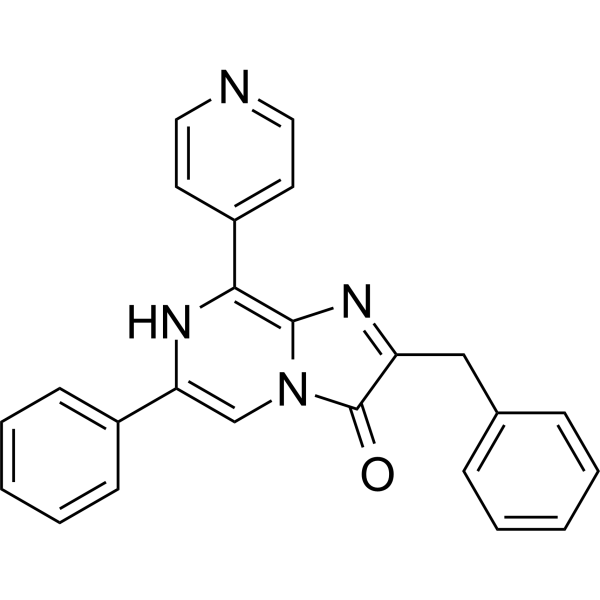
    Firefly luciferase-IN-1 (compound 48) is a highly potent and reversible inhibitor of firefly luciferase with an IC50 value of 0.25 nM .
    Firefly luciferase-IN-1
  • HY-136706

    Reactive Oxygen Species (ROS) Neurological Disease
    Luciferase-IN-1 is a luciferase inhibitor .
    Luciferase-IN-1
  • HY-145127

    C3-CA-DTZ

    Fluorescent Dye Neurological Disease
    ETZ (C3-CA-DTZ) is a promising luciferase substrate (prosubstrate) activatable in vivo by nonspecific esterase to enhance the brain delivery of the luciferin .
    ETZ
  • HY-135368
    8pyDTZ
    3 Publications Verification

    Fluorescent Dye Others
    8pyDTZ is a pyridyl diphenylterazine (DTZ) analog and an ATP-independent pyridyl substrate of LumiLuc luciferase. 8pyDTZ exhibits spectrally shifted emission. 8pyDTZ has excellent biocompatibility and superior in vivo sensitivity. 8pyDTZ can be used for in vivo luminescence imaging .
    8pyDTZ
  • HY-W012570

    Environmental Pollutants Endogenous Metabolite Infection
    Decyl aldehyde is a simple ten-carbon aldehyde. Decyl aldehyde is a bacterial luciferase substrate.
    Decyl aldehyde
  • HY-122234

    DNA/RNA Synthesis Cancer
    VPC-18005 inhibits ERG-induced transcription and interacts directly with the ERG-ETS domain, and disrupts the ERG binding to DNA. VPC-18005 is a potent inhibitor of luciferase activity .
    VPC-18005
  • HY-174493

    mRNA Others
    Firefly luciferase (FLuc) mRNA (5moU) expresses a luciferase protein, originally isolated from the firefly, Photinus pyralis. FLuc is commonly used in mammalian cell culture to measure both gene expression and cell viability. It emits bioluminescence in the presence of the substrate, luciferin.
    Firefly luciferase mRNA (5moU)
  • HY-N11422

    Antibiotic Bacterial Infection
    Mycaminosyltylonolide is a potent antibiotic. Mycaminosyltylonolide shows antibacterial activity. Mycaminosyltylonolide inhibits luciferase synthesis .
    Mycaminosyltylonolide
  • HY-107404

    Orphan Nuclear Receptor Endocrinology
    SID 7969543 is a selective SF-1 (steroidogenic factor 1, NR5A1) inhibitor with an IC50 of 760 nM. SID 7969543 inhibits SF-1-triggered luciferase expression with IC50 of 30 nM. SF-1 is a transcription factor belonging to the nuclear receptor superfamily .
    SID 7969543
  • HY-134258

    HOXA Cardiovascular Disease Others Cancer
    MEISi-1 is a homeodomain inhibitor of small molecule MEIS1 protein. MEISi-1 significantly inhibited the activity of luciferase reporter genes containing MEIS binding sites (TGACAG) and induced self-renewal of mouse and human HSCS in vitro and in vivo. MEISi-1 can be used for research in blood diseases, heart regeneration and cancer .
    MEISi-1
  • HY-151480

    STAT Apoptosis Cancer
    HP590 is an orally active, novel and potent STAT3 inhibitor (STAT3 luciferase activity: IC50=27.8 nM; ATP inhibition: IC50=24.7 nM). HP590 shows anti-proliferative activity to gastric cancer cells and induces apoptosis .
    HP590
  • HY-174790

    mRNA Cancer
    Firefly Luciferase mRNA is a reporter mRNA that can be transfected into cells to express firefly luciferase protein. Firefly Luciferase mRNA induces cytotoxicity in cancer cells at low concentrations. In cancer cells, the expression level of luciferase shows a non-linear relationship with the dose of Firefly Luciferase mRNA. When combined with the H2S-responsive bioluminescent probe (H-Luc), Firefly Luciferase mRNA enables bioluminescence-based detection of endogenous hydrogen sulfide in non-transgenic NAFLD cell models and NAFLD mouse models. Firefly Luciferase mRNA can be used in studies related to non-alcoholic fatty liver disease .
    Firefly Luciferase mRNA
  • HY-161672

    IRE1 Cancer
    G-5758 is a selective and orally effective IRE1α inhibitor with an IC50 of 38 nM (detected by the XBP1s luciferase reporter cell assay). G-5758 is still well tolerated in rats at oral doses up to 500 mg/kg. G-5758 can be used in the research of multiple myeloma .
    G-5758
  • HY-153082

    Fluorescent Dye Others
    Firefly Luciferase circRNA will express a luciferase protein, originally isolated from the Photinus pyralis (Firefly). Firefly Luciferase circRNA is ideal for monitoring and optimizing transfection efficiency and is recommended as a positive control for circular RNA transfections.
    Firefly Luciferase circRNA
  • HY-160869

    Fluorescent Dye Others
    Firefly luciferase-IN-2 (compound 5j) is an inhibitor of ATP-dependent luciferase (Firefly luciferase), the major light-emitting enzyme in fireflies and kowtow bugs. Firefly luciferase-IN-2 inhibits P. pyralis luciferase with an IC50 of 0.15 μM, while the inhibitory potency against R. reniformis is not significant .
    Firefly luciferase-IN-2
  • HY-160870

    Fluorescent Dye Others
    Firefly luciferase-IN-3 (CID: 17087944) is an inhibitor of ATP-dependent luciferase (Firefly luciferase) and has nM-level inhibitory activity against NanoLuc (pIC50=7.5) .
    Firefly luciferase-IN-3
  • HY-N16500

    NF-κB Neurological Disease
    Hericenone C is a metabolite derived from Hericium erinaceus. Hericenone C inhibits LPS (HY-D1056)-induced NRE::Luc luciferase activity, reduces phosphorylation of p65 and inhibits NF-κB signaling. Hericenone C exhibits neuroprotective effect .
    Hericenone C
  • HY-153580

    Wnt Cancer
    WIC1 is a potent Wnt inhibitor. WIC1 can be used for the research of cancer .
    WIC1
  • HY-169792

    FXR Aminotransferases (Transaminases) Metabolic Disease Inflammation/Immunology
    HPG1860 is an orally active, highly selective and potent FXR agonist, with an EC50 of 18 nM (FXR-luciferase reporter assay). HPG1860 has EC50 values >30.0 μM for TGR5 and 13 other related nuclear receptors (cAMP biological assay). HPG1860 can be used for the research of non-alcoholic steatohepatitis (NASH) .
    HPG1860
  • HY-160873

    Fluorescent Dye Others
    Firefly luciferase-IN-5 (CID: 16031203) is an inhibitor of ATP-dependent luciferase (Firefly luciferase). It has nM-level inhibitory activity against GRLuc, RLuc8, and RLuc respectively (pIC50=8.5,7.5,5.5) .
    Firefly luciferase-IN-5
  • HY-143494

    RSV Influenza Virus Infection
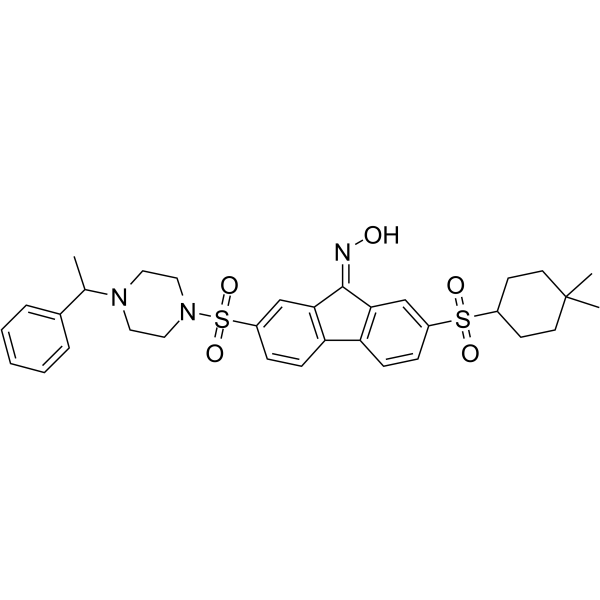
    RSV/IAV-IN-3 (compound 14'i) is a dual inhibitor of respiratory syncytial virus (RSV) and influenza A virus (IAV) with EC50 values of 2.92 µM and 1.90 µM,respectively. RSV/IAV-IN-3 has antiviral effect against H1N1 and H3N2 with EC50 values of 3.25 µM and 1.50 µM in MDCK cells, respectively. RSV/IAV-IN-3 significantly inhibits the activity of luciferase in a dose-dependent manner, with an EC50 of 3.89 µM. RSV/IAV-IN-3 inhibits IAV infectivity and RdRp activity. RSV/IAV-IN-3 inhibits IAV and RSV replication at the post-entry stage .
    RSV/IAV-IN-3
  • HY-149678

    PROTACs Cancer
    PROTAC eDHFR Degrader-1 is a PROTAC that is effective degradation of eDHFR-YFP, various POIs-including YFP and Luciferase .
    PROTAC eDHFR Degrader-1
  • HY-170496

    Wnt Cancer
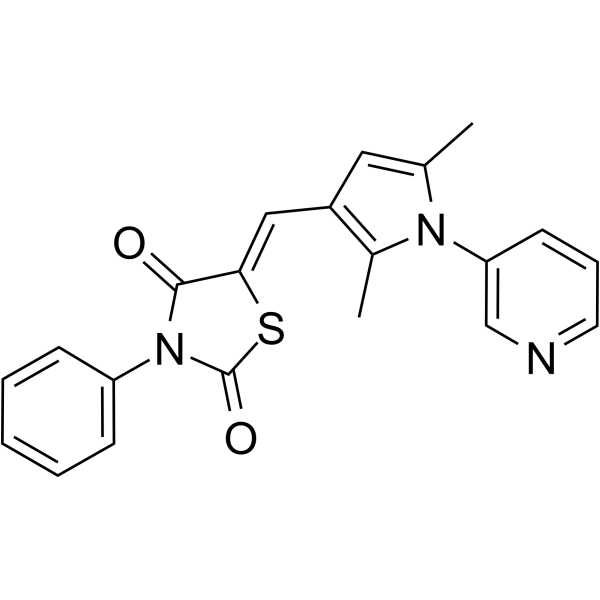
    Fluc-IN-1 (Compound 3) is an inhibitor for firefly luciferase with an IC50 of 25 nM. Fluc-IN-1 inhibits WNT/β-catenin signaling pathway with an IC50 of 33 nM (measuring by TOPFlash assay) .
    Fluc-IN-1
  • HY-115749

    6′-Methoxyluciferin

    Fluorescent Dye Others
    D-Luciferin 6′-methyl ether (6′-Methoxyluciferin; compound 19a) is a potent luciferase from the North American firefly Photinus pyralis (PpyLuc) inhibitor with an IC50 of 0.1 µM. D-Luciferin 6′-methyl ether, a D-luciferin analog, shows non-specific interactions at ATP- and luciferin-binding sites of the PpyLuc active site .
    D-Luciferin 6′-methyl ether
  • HY-161475

    Reactive Oxygen Species (ROS) Others
    Luciferase-IN-4 (Compound 6b) is an inhibitor for luciferase with IC50 of 4.1 μM. Luciferase-IN-4 inhibits purified luciferase in P. pyralis with IC50 of 2.0 μM .
    Luciferase-IN-4
  • HY-158256

    Fluorescent Dye Others
    Luciferase-IN-3 (compound 5h) is an inhibitor of ATP-dependent luciferase (Firefly luciferase), the major light-emitting enzyme in fireflies and kowtow bugs. Firefly luciferase-IN-2 inhibits P. pyralis luciferase with an IC50 of 3.2 μM, while the inhibitory potency against R. reniformis is not significant .
    Luciferase-IN-3
  • HY-174789

    mRNA Others
    Gaussia luciferase (GLuc) mRNA will express a luciferase protein, derived from the Gaussia princeps. luciferases are widely used in biotechnology, for microscopy and as reporter genes, for many of the same applications as fluorescent proteins.
    Gaussia luciferase mRNA
  • HY-158257

    Fluorescent Dye Others
    Firefly luciferase-IN-4 (CID: 3987260) is an inhibitor of ATP-dependent luciferase (Firefly luciferase). It has nM-level inhibitory activity (pIC< sub>50=6.5) .
    Firefly luciferase-IN-4
  • HY-118462A

    Coelenterazine 400a hydrochloride; Bisdeoxycoelenterazine hydrochloride

    Fluorescent Dye Others
    Coelenteramine (Coelenterazine) 400a hydrochloride, a derivative of Coelenterazine, is a Renilla luciferase (RLuc) substrate. In the presence of Coelenteramine 400a hydrochloride, RLuc can emit blue light at 395 nm . Coelenteramine 400a hydrochloride will causes color change in the bioluminescence reaction of Rluc by replacing the sulfur and oxygen heteroatoms of the methylene bridge. Coelenteramine 400a hydrochloride provides higher signal resolution and can be used in the research of bioluminescence resonance energy transfer (BRET) .
    Coelenteramine 400a hydrochloride
  • HY-145385

    Fluorescent Dye Others
    Coelenteramide is a oxidative product of Coelenterazine (HY-18743). Coelenteramide can form a complex with apoAequorin/Ca 2+, which is known as blue fluorescent protein (BFP) and shows continuous weak luminescence with Coelenterazine like a luciferase. Coelenteramide can be used as an imaging agent .
    Coelenteramide
  • HY-P10256A

    Kisspeptin Receptor PKA PKC Endocrinology
    Kiss2 peptide acetate is the acetate form of Kiss2 pepride (HY-P10256). Kiss2 peptide acetate is a positive regulator of reproduction. Kiss2 peptide acetate binds with its cognate receptor Kiss2R (GPR54) in COS-7 cells, activates PKA and PKC signaling pathways through Gas and Gaq proteins, and thus enhances the activity of cAMP response element-dependent luciferase (CRE-luc) and serum response element-dependent luciferase (SRE-luc) .
    Kiss2 peptide acetate
  • HY-W012570R

    Reference Standards Endogenous Metabolite Infection
    Decyl aldehyde (Standard) is the analytical standard of Decyl aldehyde. This product is intended for research and analytical applications. Decyl aldehyde is a simple ten-carbon aldehyde. Decyl aldehyde is a bacterial luciferase substrate.
    Decyl aldehyde (Standard)

Inquiry Online

Your information is safe with us. * Required Fields.

Salutation


Country or Region *

Applicant Name *


Organization Name *

Department *


Email Address *


Product Name *

Cat. No.


Requested quantity *

Phone Number *


Remarks

Inquiry Online

Inquiry Information

Product Name:
Cat. No.:
Quantity:
MCE Japan Authorized Agent:

