Search Result
Results for "
plant proteins
" in MedChemExpress (MCE) Product Catalog:
22
Biochemical Assay Reagents
35
Isotope-Labeled Compounds
| Cat. No. |
Product Name |
Target |
Research Areas |
Chemical Structure |
-
- HY-N0830
-
-
-
- HY-N0293
-
|
Peoniflorin
|
HSP
|
Infection
Neurological Disease
Cancer
|
|
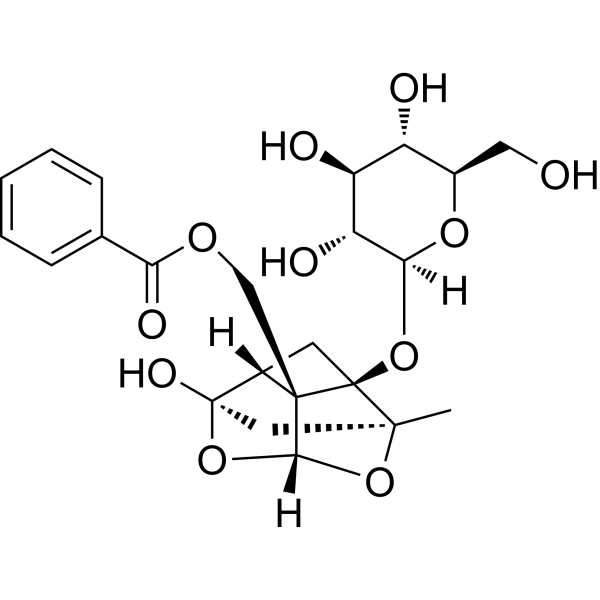
Paeoniflorin is a heat shock protein-inducing compound and commonly exists in the plants of Paeoniaceae family, with various biological activities, including anticancer activity, anti-inflammatory activity, enhancing cognition and attenuating learning impairment, anti-oxidative stress, antiplatelet aggregation, expansion of blood vessels, and reducing blood viscosity .
|
-
-
- HY-N0830B
-
|
|
Environmental Pollutants
Endogenous Metabolite
HSP
|
Cancer
|
|
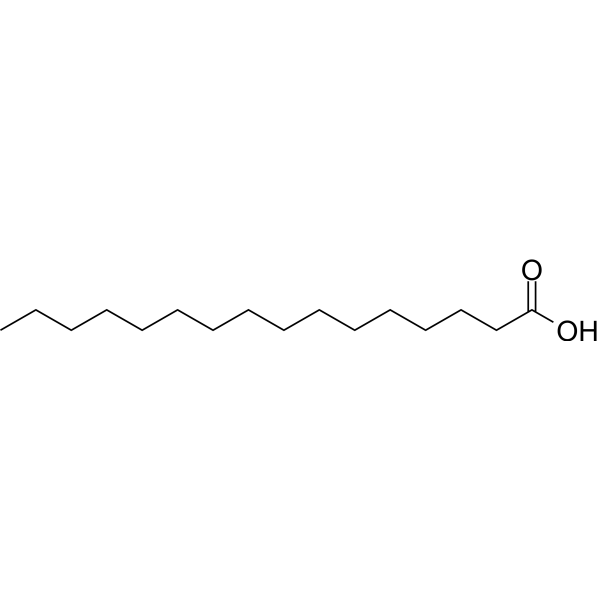
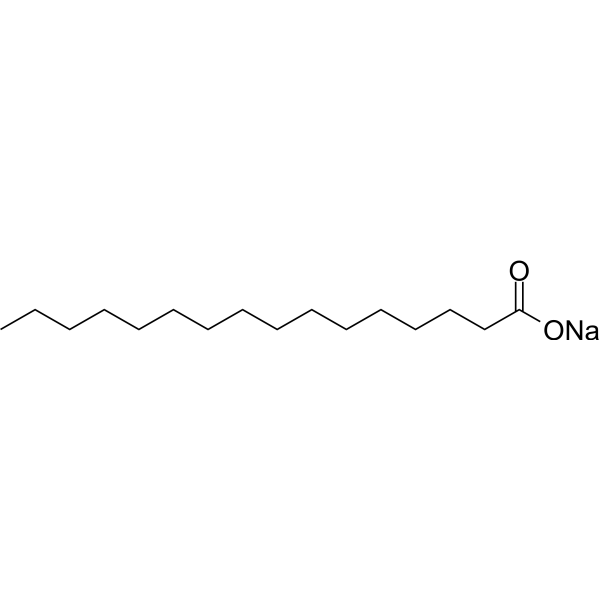
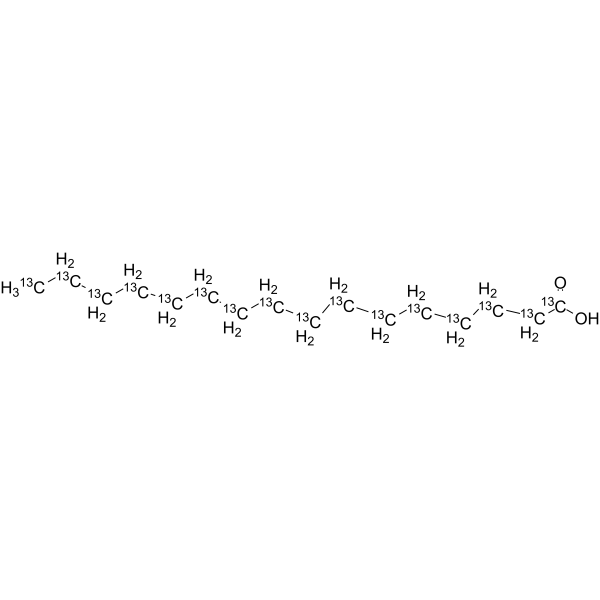
Palmitic acid sodium is a long-chain saturated fatty acid commonly found in both animals and plants. Palmitic acid sodium can induce the expression of glucose-regulated protein 78 (GRP78) and CCAAT/enhancer binding protein homologous protein (CHOP) in in mouse granulosa cells. Palmitic acid sodium is used to establish a cell steatosis model .
|
-
-
- HY-N0510
-
|
Aristolochic acid I; TR 1736
|
NF-κB
|
Neurological Disease
Metabolic Disease
Inflammation/Immunology
Cancer
|
|
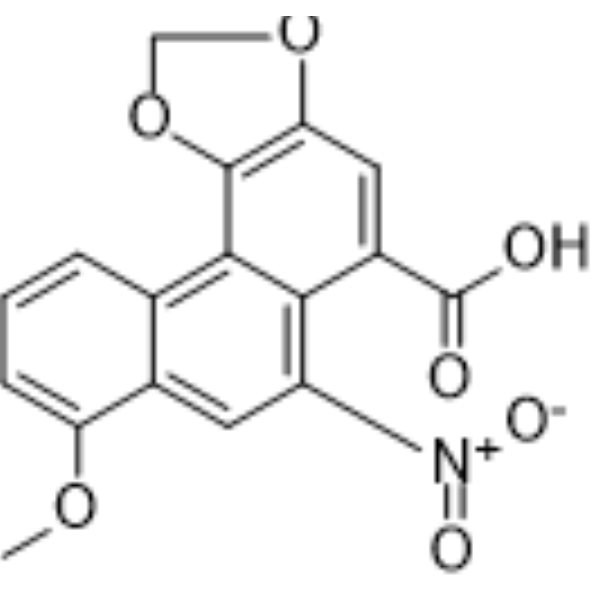
Aristolochic acid A (Aristolochic acid I; TR 1736) is the main component of plant extract Aristolochic acids, which are found in various herbal plants of genus Aristolochia and Asarum. Aristolochic acid A significantly reduces both activator protein 1 (AP-1) and NF-κB activities. Aristolochic acid A reduces BLCAP gene expression in human cell lines .
|
-
-
- HY-129065
-
|
Streptothricin sulfate
|
Fungal
Bacterial
Antibiotic
|
Infection
|
|
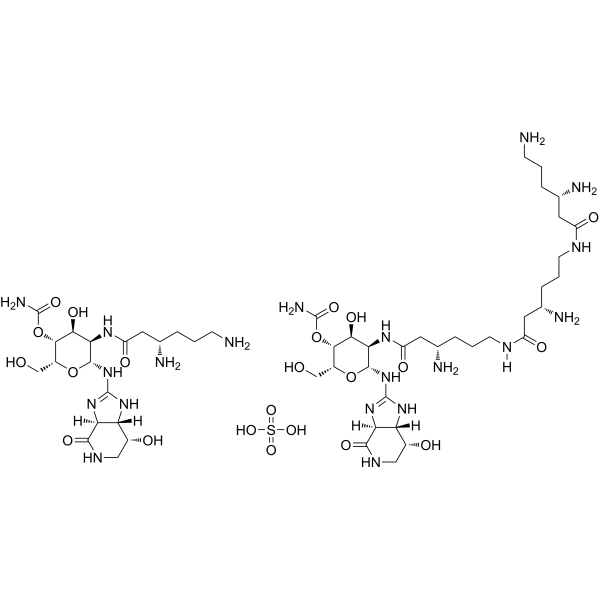
Nourseothricin sulfate (Streptothricin sulfate) is a broad-spectrum antibiotic that destroys the outer membrane of Gram-negative bacteria and is a dominant selective marker for Fonsecaea pedrosoi . Nourseothricin sulfate inhibits protein biosynthesis in prokaryotic cells and strongly inhibits the growth of eukaryotes like fungi and can also be used as a elective marker for a wide range of organisms including bacteria, yeast, filamentous fungi, and plant cells .
|
-
-
- HY-N0830S6
-
-
-
- HY-N0288
-
|
|
Fatty Acid Synthase (FASN)
Virus Protease
Bacterial
Apoptosis
|
Inflammation/Immunology
Cancer
|
|
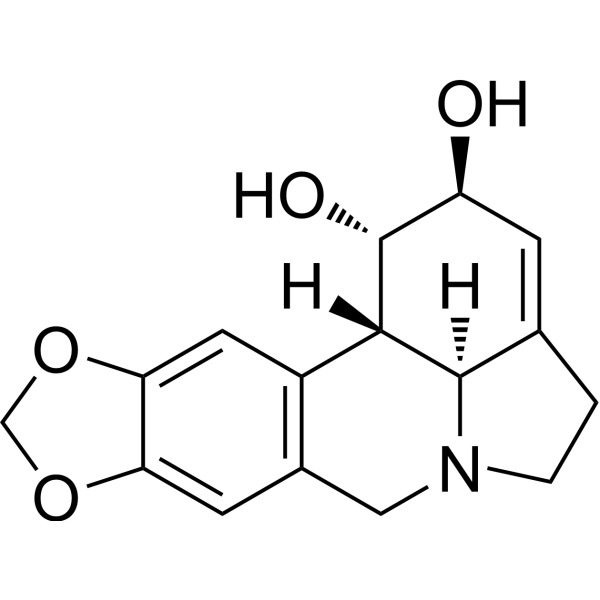
Lycorine is a natural alkaloid extracted from the Amaryllidaceae plant. Lycorine is a potent and orally active SCAP inhibitor with a Kd value 15.24 nM. Lycorine downregulates the SCAP protein level without changing its transcription . Lycorine is also a melanoma vasculogenic inhibitor . Lycorine can be used for the study of prostate cancer and metabolic diseases .
|
-
-
- HY-N0722
-
|
trans-5-O-Caffeoylquinic acid
|
NF-κB
Interleukin Related
TNF Receptor
COX
|
Inflammation/Immunology
Cancer
|
|
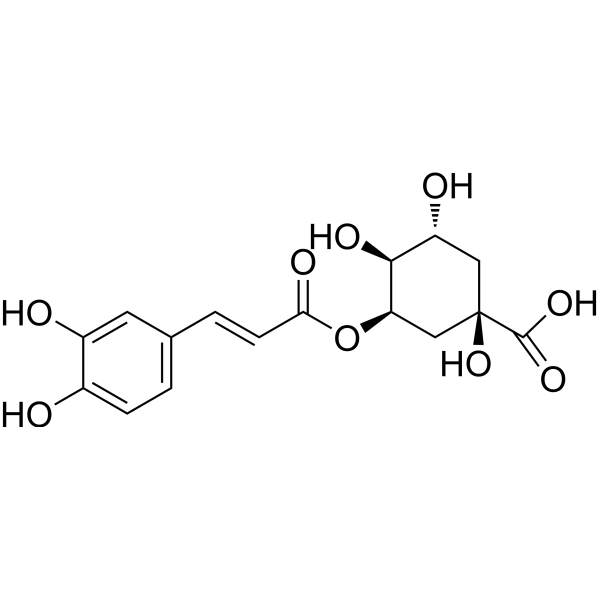
Neochlorogenic acid is a natural polyphenolic compound found in dried fruits and other plants. Neochlorogenic acid inhibits the production of TNF-α and IL-1β. Neochlorogenic acid suppresses iNOS and COX-2 protein expression. Neochlorogenic acid also inhibits phosphorylated NF-κB p65 and p38 MAPK activation.
|
-
-
- HY-18572
-
2,4-D
1 Publications Verification
2,4-Dichlorophenoxyacetic acid
|
Environmental Pollutants
Herbicide
Apoptosis
DNA/RNA Synthesis
|
Cancer
|
|
2,4-D (2, 4-dichlorophenoxyacetic acid) is a selective herbicide that can be used for the control of broad-leaved weeds. 2,4-D can induce apoptosis. 2,4-D inhibits DNA and protein synthesis, thereby preventing normal plant growth and development .
|
-
-
- HY-N0068
-
-
-
- HY-114489A
-
|
|
Apoptosis
Influenza Virus
Parasite
|
Infection
Neurological Disease
Cancer
|
|
Haemanthamine is a crinine-type alkaloid isolated from the Amaryllidaceae plants with potent anticancer activity. Haemanthamine targets ribosomal that inhibits protein biosynthesis during the elongation stage of translation. Haemanthamine has pro-apoptotic, antioxidant, antiviral, antimalarial and anticonvulsant activities .
|
-
-
- HY-Y0261A
-
|
|
Environmental Pollutants
Biochemical Assay Reagents
|
Others
|
|
Ammonium sulphate,≥99.0%,AR is an inorganic sulfate salt used for molecular biology . Ammonium sulphate,≥99.0%,AR can be used to precipitate proteins, separate antibodies, and enhance antigen-antibody reactions. Ammonium sulphate,≥99.0%,AR can serve as a nitrogen source in plant fertilizers and has developmentally toxicity to freshwater snails, but increases the number of Anopheles africanus and Culex mosquito larvae in rice paddies. Ammonium sulphate,≥99.0%,AR also inhibits the conversion of glucose to ascorbic acid in plants .
|
-
-
- HY-N0830S2
-
-
-
- HY-N0830S9
-
-
-
- HY-NP164
-
|
Con A-HRP
|
Fluorescent Dye
|
Cancer
|
|
Concanavalin A-HRP (Con A-HRP) is a HRP-labled Concanavalin A (HY-P2149). Concanavalin A is a Ca 2+/Mn 2+-dependent and mannose/glucose-binding plant lectin. Concanavalin A binds the N- and O-glycosylated proteins of head and neck carcinoma cells glycoproteins .
|
-
-
- HY-N0830S5
-
-
-
- HY-19537
-
NI-57
1 Publications Verification
|
Epigenetic Reader Domain
|
Inflammation/Immunology
Cancer
|
|
NI-57, a chemical probe, is an inhibitor of bromodomain and plant homeodomain finger-containing (BRPF) famlily of proteins, with IC50s of 3.1, 46 and 140 nM for BRPF1, BRPF2 (BRD1) and BRPF3, respectively.
|
-
-
- HY-N0242
-
|
|
PD-1/PD-L1
HIF/HIF Prolyl-Hydroxylase
STAT
|
Inflammation/Immunology
Cancer
|
|
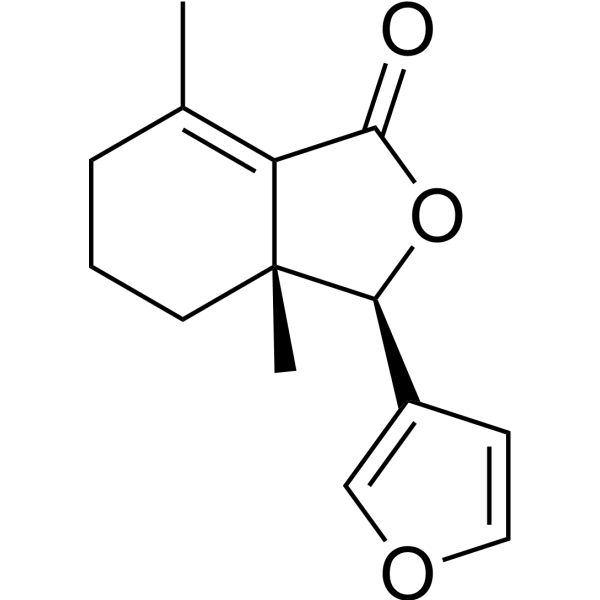
Fraxinellone is isolated from the root bark of the Rutaceae plant, Dictamnus dasycarpus. Fraxinellone is a PD-L1 inhibitor and inhibits HIF-1α protein synthesis without affecting HIF-1α protein degradation. Fraxinellone has the potential to be a valuable candidate for cancer treatment by targeting PD-L1 .
|
-
-
- HY-N2014
-
-
-
- HY-N10568
-
|
|
Phytohormone
|
Others
|
|
Gibberellin A9 is a plant hormone that targets gibberellin receptor GID1. Gibberellin A9 binds to GID1 to form a GA-GID1-DELLA protein complex, which promotes the degradation of DELLA proteins. This relieves the inhibitory effect of DELLA proteins on plant growth, thereby promoting plant cell elongation and division, and increasing seed germination rate. Gibberellin A9 is promising for use in studies on plant growth and development, such as stem elongation and flowering induction .
|
-
-
- HY-P1068A
-
|
|
Bacterial
|
Infection
|
|
Recombinant human lysozyme (plant expression) is a conserved anti-bacterial protein that causes bacterial lysis and death by hydrolyzing bacterial cell wall peptidoglycan (PG). Recombinant human lysozyme (plant expression) can be used to study bacterial infections .
|
-
-
- HY-N0830R
-
-
-
- HY-W763806
-
-
-
- HY-113471A
-
|
|
Apoptosis
Bacterial
|
Infection
Cancer
|
|
(S)-(-)-Perillic acid is a terpenoid plant extract with antimicrobial and anticancer activities. (S)-(-)-Perillic acid induces cell apoptosis and cell cycle arrest, and increases the levell of Bax, Bcl2, p21 and caspase-3 proteins. (S)-(-)-Perillic acid can be used for cancer and infection research .
|
-
-
- HY-18572A
-
|
2,4-Dichlorophenoxyacetic acid sodium
|
Environmental Pollutants
Apoptosis
Herbicide
DNA/RNA Synthesis
|
Cancer
|
|
2,4-D (2,4-Dichlorophenoxyacetate) sodium is a selective herbicide that can be used for the control of broad-leaved weeds. 2,4-D sodium salt can induce < b>apoptosis. 2,4-D sodium salt inhibits DNA and protein synthesis, thereby preventing normal plant growth and development .
|
-
-
- HY-N4294
-
|
|
FXR
Insecticide
|
Infection
Metabolic Disease
Inflammation/Immunology
|
|
Arjungenin, a pentacyclic triterpenoid compound, is a FXR agonist. Arjungenin can improve insulin sensitivity by regulating the function of fat cells. Arjungenin exhibits moderate free radical scavenging activity. Arjungenin has growth inhibitory activity against the insect Spilarctia obliqua. Arjungenin has significant antiviral activity against a series of viruses such as chikungunya Virus (CHIKV) .
|
-
-
- HY-132188
-
|
|
Endogenous Metabolite
|
Others
|
|
Manganese peroxidase is a heme protein that oxidizes Mn2+ to Mn3+. Manganese peroxidase catalyzes plant lignin de-polymerization. Manganese peroxidase can be used for the biodegradation of hazardous environmental contaminants, and especially for dye wastewater decolorization .
|
-
-
- HY-N1096
-
|
|
Environmental Pollutants
Bacterial
Parasite
|
Infection
|
|
Veratraldehyde is an orally active aromatic compound and antibacterial agent. Veratraldehyde can be isolated from essential oils of plants such as peppermint and ginger. Veratraldehyde targets the PilY1 protein. Veratraldehyde has antibacterial activity against Pseudomonas aeruginosa. Veratraldehyde has a repellent effect against mosquitoes and ticks. Veratraldehyde can be used as a flavoring agent .
|
-
-
- HY-N0830S18
-
|
|
Isotope-Labeled Compounds
HSP
Endogenous Metabolite
|
Metabolic Disease
|
|
Palmitic acid-d is the deuterium labeled Palmitic acid. Palmitic acid is a long-chain saturated fatty acid commonly found in both animals and plants. PA can induce the expression of glucose-regulated protein 78 (GRP78) and CCAAT/enhancer binding protein homologous protein (CHOP) in in mouse granulosa cells .
|
-
-
- HY-N0830BS1
-
-
-
- HY-N0830S4
-
|
|
HSP
|
Cardiovascular Disease
Neurological Disease
Metabolic Disease
Cancer
|
|
Palmitic acid-d2 is the deuterium labeled Palmitic acid. Palmitic acid is a long-chain saturated fatty acid commonly found in both animals and plants. Palmitic acid can induce the expression of glucose-regulated protein 78 (GRP78) and CCAAT/enhancer binding protein homologous protein (CHOP) in in mouse granulosa cells .
|
-
-
- HY-N0830S7
-
|
|
HSP
|
Cardiovascular Disease
Neurological Disease
Metabolic Disease
Cancer
|
|
Palmitic acid-d4 is the deuterium labeled Palmitic acid. Palmitic acid is a long-chain saturated fatty acid commonly found in both animals and plants. Palmitic acid can induce the expression of glucose-regulated protein 78 (GRP78) and CCAAT/enhancer binding protein homologous protein (CHOP) in in mouse granulosa cells .
|
-
-
- HY-N0830S3
-
|
|
HSP
|
Cardiovascular Disease
Neurological Disease
Metabolic Disease
Cancer
|
|
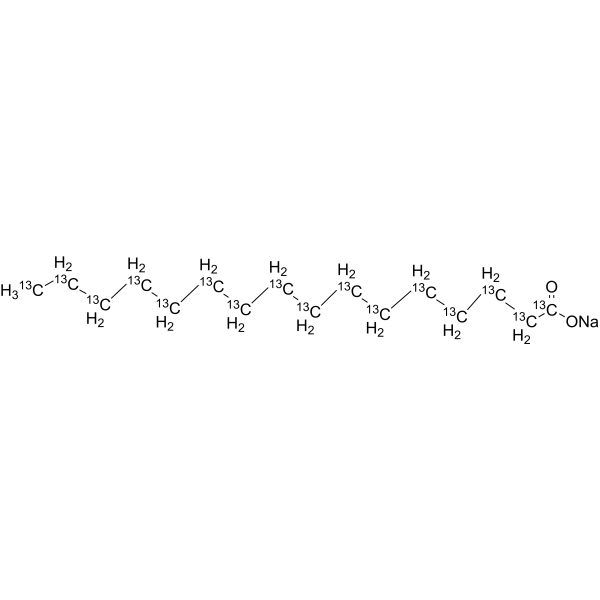
Palmitic acid-1- 13C is the 13C-labeled Palmitic acid. Palmitic acid is a long-chain saturated fatty acid commonly found in both animals and plants. Palmitic acid can induce the expression of glucose-regulated protein 78 (GRP78) and CCAAT/enhancer binding protein homologous protein (CHOP) in in mouse granulosa cells .
|
-
-
- HY-N0830S
-
-
-
- HY-18572S2
-
|
|
Isotope-Labeled Compounds
Herbicide
DNA/RNA Synthesis
Apoptosis
|
Cancer
|
|
2,4-D-d5 (2,4-Dichlorophenoxyacetic acid-d5) is the deuterium labeled 2,4-D (HY-18572) . 2,4-D (2,4-Dichlorophenoxyacetic acid) is a selective systemic herbicide for the control of broad-leaved weeds. 2,4-D acts as a plant hormone, causing uncontrolled growth in the meristematic tissues. 2,4-D inhibits DNA and protein synthesis and thereby prevents normal plant growth and development .
|
-
-
- HY-59354
-
-
-
- HY-N0510A
-
|
Aristolochic acid I sodium; TR 1736 sodium
|
NF-κB
|
Neurological Disease
Metabolic Disease
Inflammation/Immunology
Cancer
|
|
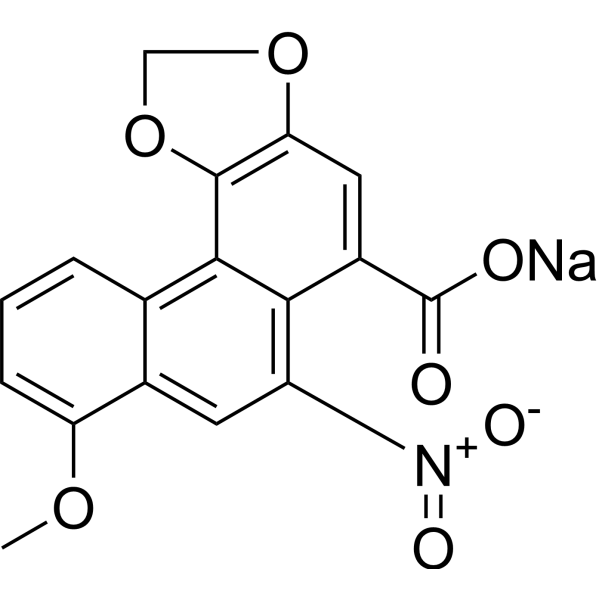
Aristolochic acid A (Aristolochic acid I) sodium is the main component of plant extract Aristolochic acids, which are found in various herbal plants of genus Aristolochia and Asarum. Aristolochic acid A sodium significantly reduces both activator protein 1 (AP-1) and NF-κB activities. Aristolochic acid A sodium reduces BLCAP gene expression in human cell lines .
|
-
-
- HY-N0830S10
-
-
-
- HY-P3026
-
|
|
Ser/Thr Protease
Endogenous Metabolite
|
Cancer
|
|
The Bowman-Birk inhibitor, a highly cross-linked protein featuring seven disulfide bridges, possesses spatially distinct domains specifically designed for the inhibition of both trypsin and chymotrypsin, showcasing its significant role as a plant protease inhibitor with anticarcinogenic properties.
|
-
-
- HY-N6901
-
|
|
Epigenetic Reader Domain
|
Metabolic Disease
|
|
Luteolin 7-sulfate is isolated from Phyllospadix iwatensis Makino, a marine plant. Luteolin 7-sulfate attenuates TYR gene expression through the intervention of a cAMP-responsive element binding protein (CREB)- and microphthalmia-associated transcription factor (MITF)-mediated signaling pathway, leading to the decreased melanin synthesis .
|
-
-
- HY-W003836
-
|
7-Methoxy-NAA
|
Phytohormone
|
Others
|
|
7-Methyl-1-naphthyl acetic acid is a potent
inhibitor of auxin action in plants. 7-Methyl-1-naphthyl acetic acid inhibits
AUX1, PIN, and ABCB protein-mediated auxin transport expressed in yeast.
7-Methyl-1-naphthyl acetic acid can be used in auxin dependent development
.
|
-
-
- HY-12827
-
|
|
Carboxypeptidase
|
Others
|
|
Sortin1 is a vacuolar protein sorting inhibitor that targets carboxypeptidase Y (CPY). Sortin1 is a soluble and membrane vacuolar marker molecule in plants and yeast .
|
-
-
- HY-N0830S12
-
|
|
HSP
Endogenous Metabolite
|
Cancer
|
|
Palmitic acid-d4-1 is the deuterium labeled Palmitic acid. Palmitic acid is a long-chain saturated fatty acid commonly found in both animals and plants. PA can induce the expression of glucose-regulated protein 78 (GRP78) and CCAAT/enhancer binding protein homologous protein (CHOP) in in mouse granulosa cells .
|
-
-
- HY-18572S
-
|
2,4-Dichlorophenoxyacetic acid-13C6
|
Isotope-Labeled Compounds
Herbicide
DNA/RNA Synthesis
Apoptosis
|
Cancer
|
|
2,4-D- 13C6 is the 13C-labeled 2,4-D (HY-18572). 2,4-D (2,4-Dichlorophenoxyacetic acid) is a selective systemic herbicide for the control of broad-leaved weeds. 2,4-D acts as a plant hormone, causing uncontrolled growth in the meristematic tissues. 2,4-D inhibits DNA and protein synthesis and thereby prevents normal plant growth and development .
|
-
-
- HY-N16331
-
|
|
Others
|
Others
|
|
Soybean flour is a defatted and slowly available protein nutrient. Soybean flour can be isolated from the leguminous plant soybean. Soybean flour has antioxidant activity and stabilizes lipids in formulated foods. Soybean flour can be used for food production such as gluten-free bread research .
|
-
-
- HY-NP164B
-
|
Con A-AF488
|
Fluorescent Dye
|
Cancer
|
|
Concanavalin A-AF488 (Con A-AF488) is an AF488-labled Concanavalin A (HY-P2149). Concanavalin A is a Ca 2+/Mn 2+-dependent and mannose/glucose-binding plant lectin. Concanavalin A binds the N- and O-glycosylated proteins of head and neck carcinoma cells glycoproteins .
|
-
-
- HY-N7698A
-
|
|
Bacterial
|
Inflammation/Immunology
|
|
Penta-N-acetylchitopentaose elicits plant defense systems. Penta-N-acetylchitopentaose is a substrate for the Rhizobium leguminosarum nodulation protein NodL .
|
-
-
- HY-N0830S19
-
|
|
Isotope-Labeled Compounds
HSP
Endogenous Metabolite
|
Metabolic Disease
|
|
Palmitic acid-d2-5 is the deuterium labeled Palmitic acid. Palmitic acid is a long-chain saturated fatty acid commonly found in both animals and plants. PA can induce the expression of glucose-regulated protein 78 (GRP78) and CCAAT/enhancer binding protein homologous protein (CHOP) in in mouse granulosa cells .
|
-
-
- HY-N15314
-
|
|
MDM-2/p53
Akt
Apoptosis
|
Cancer
|
|
Syringolin A is a plant elicitor that can be produced by the plant pathogen Pseudomonas syringae pv. syringae. Syringolin A exhibits anti-proliferative activity against a variety of cancer cells (IC50 for SK-N-SH, LAN-1, SKOV3 is 20-25 µM), induces apoptosis in SK-N-SH through upregulation of p53 expression and downregulation of Akt/PKB proteins .
|
-
-
- HY-W127458
-
|
Hexadecanoic acid, tin(2+) salt
|
Environmental Pollutants
Endogenous Metabolite
HSP
|
Neurological Disease
Metabolic Disease
Cancer
|
|
Tin(II) palmitate (Hexadecanoic acid, tin(2+) salt) is a long-chain saturated fatty acid commonly found in animals and plants. Tin(II) palmitate can induce the expression of glucose-regulated protein 78 (GRP78) and CCAAT/enhancer-binding protein homologous protein (CHOP) in mouse granular cells. Tin(II) palmitate can be used to establish a model of cellular steatosis.
|
-
- HY-59354S
-
|
|
DNA/RNA Synthesis
|
Cancer
|
|
Maleic hydrazide-d2 is the deuterium labeled Maleic hydrazide . Maleic hydrazide is extensively used as a systemic plant growth regulator and as a herbicide. Maleic hydrazide acts as an inhibitor of the synthesis of nucleic acids and proteins .
|
-
- HY-158253
-
|
|
Biochemical Assay Reagents
|
Others
|
|
Helix pomatia lectin, biotin conjugate, is a carbohydrate-binding protein that is widely found in fungi, plants, and animals. Helix pomatia lectin, biotin conjugate is commonly used for characterizing, imaging, or targeting glycoconjugates, and is also a very useful tool for glycomics analysis .
|
-
- HY-157618
-
|
|
Bacterial
|
Others
|
|
18:0-18:1 PG sodium is a hydrogenated phospholipid that contributes to the stability of photosystem I and II protein complexes and plays a role in bacterial defense mechanisms, featuring two extra methylene groups in its saturated sn-1 chain, and is present in the thylakoid membranes of higher plants and cyanobacteria.
|
-
- HY-P3189
-
|
|
Biochemical Assay Reagents
|
Others
|
|
Mannitol dehydrogenase is the mannitol catabolic enzyme. Mannitol dehydrogenase is a plant proteins whose leaderless, pathogen, and Salicylic Acid (HY-B0167)-induced secretion .
|
-
- HY-111744
-
|
|
Drug Derivative
|
Metabolic Disease
|
|
Deacetylanisomycin is a potent growth regulator in plants and an inactive derivative of Anisomycin. Anisomycin is a potent protein synthesis inhibitor .
|
-
- HY-W714225
-
|
Monosodium methylarsonate
|
Environmental Pollutants
Herbicide
|
Others
|
|
Sodium methylarsonate (Monosodium methylarsonate) is an organoarsenic compound with environmental toxicity that can be used as a herbicide to control weeds. Sodium methylarsonate interferes with plant metabolic processes, particularly by hindering photosynthesis and protein synthesis, ultimately leading to plant death. Additionally, sodium methylarsonate can induce the production of metallothioneins (MTs) in fish .
|
-
- HY-N0830BS
-
-
- HY-N0830S21
-
|
|
Isotope-Labeled Compounds
HSP
Endogenous Metabolite
|
Metabolic Disease
|
|
Palmitic acid-d5 is the deuterium labeled Palmitic acid. Palmitic acid is a long-chain saturated fatty acid commonly found in both animals and plants. PA can induce the expression of glucose-regulated protein 78 (GRP78) and CCAAT/enhancer binding protein homologous protein (CHOP) in in mouse granulosa cells .
|
-
- HY-N0830S16
-
|
|
Isotope-Labeled Compounds
HSP
Endogenous Metabolite
|
Cancer
|
|
Palmitic acid-d2-3 is the deuterium labeled Palmitic acid. Palmitic acid is a long-chain saturated fatty acid commonly found in both animals and plants. PA can induce the expression of glucose-regulated protein 78 (GRP78) and CCAAT/enhancer binding protein homologous protein (CHOP) in in mouse granulosa cells .
|
-
- HY-114489B
-
|
|
Apoptosis
Influenza Virus
Parasite
|
Infection
Neurological Disease
Cancer
|
|
Haemanthamine hydrochloride is a crinine-type alkaloid isolated from the Amaryllidaceae plants with potent anticancer activity. Haemanthamine hydrochloride targets ribosomal that inhibits protein biosynthesis during the elongation stage of translation. Haemanthamine hydrochloride has pro-apoptotic, antioxidant, antiviral, antimalarial and anticonvulsant activities .
|
-
- HY-119994
-
|
|
Protein Arginine Deiminase
|
Others
|
|
DFPM activates plant resistance protein signaling in roots, and triggers root growth arrest. DFPM decreases root cell viability in accession Col-0. DFPM is light sensitive in aqueous solutions. DFPM becomes bioactive during light and oxygen-dependent modification .
|
-
- HY-B0868
-
|
|
Herbicide
|
Others
|
|
2,4-D isooctyl ester, a synthetic auxin herbicide, is a TIR1 protein transport inhibitor. 2,4-D isooctyl ester interacts with TIR1 to facilitate auxin signal transduction, activating auxin-mediated growth responses. 2,4-D isooctyl ester functions as a pro-herbicide bio-transformed into phytotoxic 2,4-D post-plant absorption, disrupting normal plant growth. 2,4-D isooctyl ester can be used to control broadleaf weeds .
|
-
- HY-N0830A
-
|
|
HSP
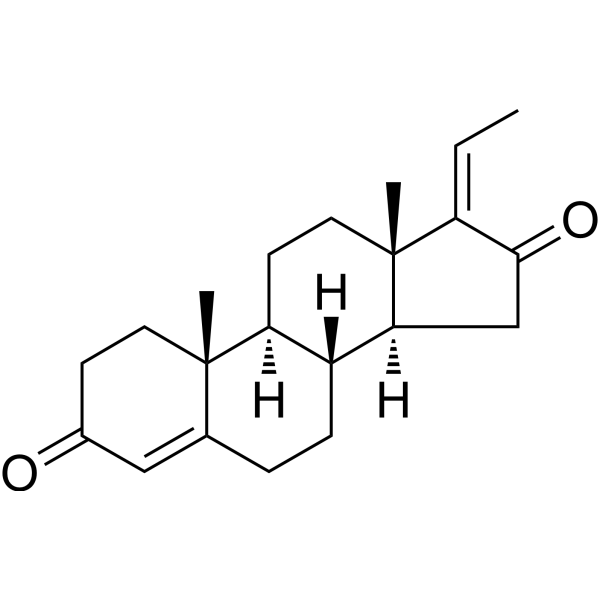
Endogenous Metabolite
|
Cardiovascular Disease
Neurological Disease
Metabolic Disease
|
|
Palmitic acid calcium is a long-chain saturated fatty acid commonly found in both animals and plants. PA can induce the expression of glucose-regulated protein 78 (GRP78) and CCAAT/enhancer binding protein homologous protein (CHOP) in in mouse granulosa cells. Palmitic acid calcium is used to establish a cell steatosis model .
|
-
- HY-N0830S11
-
-
- HY-N0830S17
-
|
|
Isotope-Labeled Compounds
HSP
Endogenous Metabolite
|
Metabolic Disease
|
|
Palmitic acid-d2-4 is the deuterium labeled Palmitic acid. Palmitic acid is a long-chain saturated fatty acid commonly found in both animals and plants. PA can induce the expression of glucose-regulated protein 78 (GRP78) and CCAAT/enhancer binding protein homologous protein (CHOP) in in mouse granulosa cells .
|
-
- HY-N0830S15
-
|
|
Isotope-Labeled Compounds
HSP
Endogenous Metabolite
|
Cancer
|
|
Palmitic acid-d2-2 is the deuterium labeled Palmitic acid. Palmitic acid is a long-chain saturated fatty acid commonly found in both animals and plants. PA can induce the expression of glucose-regulated protein 78 (GRP78) and CCAAT/enhancer binding protein homologous protein (CHOP) in in mouse granulosa cells .
|
-
- HY-N0830S14
-
|
|
Isotope-Labeled Compounds
HSP
Endogenous Metabolite
|
Inflammation/Immunology
|
|
Palmitic acid-d17 is the deuterium labeled Palmitic acid. Palmitic acid is a long-chain saturated fatty acid commonly found in both animals and plants. PA can induce the expression of glucose-regulated protein 78 (GRP78) and CCAAT/enhancer binding protein homologous protein (CHOP) in in mouse granulosa cells .
|
-
- HY-N0830S13
-
|
|
Isotope-Labeled Compounds
HSP
Endogenous Metabolite
|
Metabolic Disease
|
|
Palmitic acid-d4-2 is the deuterium labeled Palmitic acid. Palmitic acid is a long-chain saturated fatty acid commonly found in both animals and plants. PA can induce the expression of glucose-regulated protein 78 (GRP78) and CCAAT/enhancer binding protein homologous protein (CHOP) in in mouse granulosa cells .
|
-
- HY-N0830S20
-
|
|
Isotope-Labeled Compounds
HSP
Endogenous Metabolite
|
Metabolic Disease
|
|
Palmitic acid-d9 is the deuterium labeled Palmitic acid. Palmitic acid is a long-chain saturated fatty acid commonly found in both animals and plants. PA can induce the expression of glucose-regulated protein 78 (GRP78) and CCAAT/enhancer binding protein homologous protein (CHOP) in in mouse granulosa cells .
|
-
- HY-N0830S8
-
-
- HY-N0830S1
-
-
- HY-168999
-
|
|
Tomato Spotted Wilt Virus (TSWV)
|
Infection
|
|
TSWV-IN-2 (Compound Z9) is an inhibitor of TSWV N protein, with an EC50 of 65.3 μg/mL against TSWV. TSWV-IN-2 has broad-spectrum antiviral activity against plant viruses. TSWV-IN-2 targets the TSWV N protein, interferes with the formation of condensates between the N protein and RNA, and inhibits the replication of viral ribonucleoproteins .
|
-
- HY-N0510R
-
|
Aristolochic acid I (Standard); TR 1736 (Standard)
|
Reference Standards
NF-κB
|
Cancer
|
|
Aristolochic acid A (Standard) is the analytical standard of Aristolochic acid A. This product is intended for research and analytical applications. Aristolochic acid A (Aristolochic acid I; TR 1736) is the main component of plant extract Aristolochic acids, which are found in various herbal plants of genus Aristolochia and Asarum. Aristolochic acid A significantly reduces both activator protein 1 (AP-1) and NF-κB activities. Aristolochic acid A reduces BLCAP gene expression in human cell lines .
|
-
- HY-164125
-
|
|
Ser/Thr Protease
SnRK
|
Others
|
|
6-O-Bis[1-(2-nitrophenyl)-ethoxyphosphoryl]-D-trehalose is an important signaling molecule that regulates carbon utilization and growth in plants. 6-O-Bis[1-(2-nitrophenyl)-ethoxyphosphoryl]-D-trehalose releases T6P through light activation, which can stimulate starch synthesis and promote plant growth by inhibiting SnRK1, a protein kinase involved in energy conservation and survival. 6-O-Bis[1-(2-nitrophenyl)-ethoxyphosphoryl]-D-trehalose can be used to study plant growth and metabolism .
|
-
- HY-N0830S22
-
-
- HY-157883
-
|
Dimethyl-2-hydroxyethylampropanepropanesulfonate
|
Bacterial
|
Others
|
|
C7BzO (Dimethyl-2-hydroxyethylampropanepropanesulfonate) is a potent solubilizing detergent that can be used for samples such as bacteria, mammals, and plants. C7BzO can be used for the extraction of proteins and the preparation of two-dimensional gel electrophoresis samples .
|
-
- HY-59354R
-
|
|
Reference Standards
DNA/RNA Synthesis
|
Cancer
|
|
Maleic hydrazide (Standard) is the analytical standard of Maleic hydrazide. This product is intended for research and analytical applications. Maleic hydrazide is extensively used as a systemic plant growth regulator and as a herbicide. Maleic hydrazide acts as an inhibitor of the synthesis of nucleic acids and proteins .
|
-
- HY-18572S1
-
|
|
Isotope-Labeled Compounds
Herbicide
DNA/RNA Synthesis
Apoptosis
|
Cancer
|
|
2,4-D-d3 is the deuterium labeled 2,4-D (HY-18572) . 2,4-D (2,4-Dichlorophenoxyacetic acid) is a selective systemic herbicide for the control of broad-leaved weeds. 2,4-D acts as a plant hormone, causing uncontrolled growth in the meristematic tissues. 2,4-D inhibits DNA and protein synthesis and thereby prevents normal plant growth and development .
|
-
- HY-N0242R
-
|
|
Reference Standards
PD-1/PD-L1
HIF/HIF Prolyl-Hydroxylase
STAT
|
Inflammation/Immunology
Cancer
|
|
Fraxinellone (Standard) is the analytical standard of Fraxinellone. This product is intended for research and analytical applications. Fraxinellone is isolated from the root bark of the Rutaceae plant, Dictamnus dasycarpus. Fraxinellone is a PD-L1 inhibitor and inhibits HIF-1α protein synthesis without affecting HIF-1α protein degradation. Fraxinellone has the potential to be a valuable candidate for cancer treatment by targeting PD-L1 .
|
-
- HY-163999
-
|
|
TMV
|
Infection
|
|
TMV-IN-12 (compound 4) is an inhibitor of tobacco mosaic virus (TMV) with antifungal properties. TMV-IN-12 effectively prevents TMV particle aggregation and self-assembly of TMV capsid protein (TMV-CP) (Kd=0.142 μM), preventing TMV from infecting tobacco plants .
|
-
- HY-N7374
-
|
|
Endogenous Metabolite
|
Infection
|
|
Cyperine is a phytotoxic fungal metabolite that has been found in A. cypericola. It inhibits A. thaliana enoyl-acyl carrier protein reductase (ENR; IC50=89 μM). Cyperine induces necrosis in a panel of nine plant species in a leaf bioassay and inhibits root growth in A. thaliana seedlings (IC50=38.4 μM).
|
-
- HY-NP164K
-
|
Con A-AF568
|
Fluorescent Dye
|
Cancer
|
|
Concanavalin A-AF568 (Con A-AF546) is an AF568-labled Concanavalin A (HY-P2149). Concanavalin A is a Ca 2+/Mn 2+-dependent and mannose/glucose-binding plant lectin. Concanavalin A binds the N- and O-glycosylated proteins of head and neck carcinoma cells glycoproteins .
|
-
- HY-NP164M
-
|
Con A-AF680
|
Fluorescent Dye
|
Cancer
|
|
Concanavalin A-AF680 (Con A-AF680) is an AF680-labled Concanavalin A (HY-P2149). Concanavalin A is a Ca 2+/Mn 2+-dependent and mannose/glucose-binding plant lectin. Concanavalin A binds the N- and O-glycosylated proteins of head and neck carcinoma cells glycoproteins .
|
-
- HY-NP164D
-
|
Con A-AF405
|
Fluorescent Dye
|
Cancer
|
|
Concanavalin A-AF405 (Con A-AF405) is an AF405-labled Concanavalin A (HY-P2149). Concanavalin A is a Ca 2+/Mn 2+-dependent and mannose/glucose-binding plant lectin. Concanavalin A binds the N- and O-glycosylated proteins of head and neck carcinoma cells glycoproteins .
|
-
- HY-NP164I
-
|
Con A-AF546
|
Fluorescent Dye
|
Cancer
|
|
Concanavalin A-AF546 (Con A-AF546) is an AF546-labled Concanavalin A (HY-P2149). Concanavalin A is a Ca 2+/Mn 2+-dependent and mannose/glucose-binding plant lectin. Concanavalin A binds the N- and O-glycosylated proteins of head and neck carcinoma cells glycoproteins .
|
-
- HY-NP164E
-
|
Con A-AF430
|
Fluorescent Dye
|
Cancer
|
|
Concanavalin A-AF430 (Con A-AF430) is an AF430-labled Concanavalin A (HY-P2149). Concanavalin A is a Ca 2+/Mn 2+-dependent and mannose/glucose-binding plant lectin. Concanavalin A binds the N- and O-glycosylated proteins of head and neck carcinoma cells glycoproteins .
|
-
- HY-W751400
-
-
- HY-N0722A
-
|
cis-5-O-Caffeoylquinic acid
|
Drug Derivative
|
Inflammation/Immunology
Cancer
|
|
(Z)-Neochlorogenic acid is the z-isomer of Neochlorogenic acid (HY-N0722). Neochlorogenic acid is a natural polyphenolic compound found in dried fruits and other plants. Neochlorogenic acid inhibits the production of TNF-α and IL-1β. Neochlorogenic acid suppresses iNOS and COX-2 protein expression. Neochlorogenic acid also inhibits phosphorylated NF-κB p65 and p38 MAPK activation .
|
-
- HY-113853
-
|
|
Akt
Apoptosis
|
Others
|
|
WF-10129 is a cytotoxic steroidal compound isolated from the plant Physalis. WF-10129 inhibits liver cancer cell proliferation, induces apoptosis, interferes with metabolism, and significantly reduces lactate production in vitro and in vivo. WF-10129 can also exert anti-tumor activity by regulating the expression of related genes and proteins through the AKT-p53 pathway.
|
-
- HY-182588
-
|
|
Bacterial
HIV
Dengue Virus
|
Infection
|
|
Circulin B is a macrocyclic plant cyclopeptide. Circulin B functions as a plant defense peptide and exhibits antibacterial and anti-HIV activities. Circulin B has high binding affinity for the envelope protein of dengue virus, showing potential anti-dengue virus activity. Circulin B can be used in studies related to dengue virus infection, human immunodeficiency virus infection and microbial infection .
|
-
- HY-W721611
-
|
|
Herbicide
|
Others
|
|
Terbucarb is a phenylcarbamate herbicide. Terbucarb disrupts the mitotic microtubule organizing centers in plant cells, leading to the formation of multipolar spindles and branched phragmoplasts, thereby inhibiting plant growth. An "anaphase star" pattern induced by Terbucarb is observed in onion root tips. Terbucarb is cytotoxic to isolated rat hepatocytes, inducing cell death accompanied by depletion of intracellular ATP, protein thiols and glutathione .
|
-
- HY-182471
-
|
|
Fungal
|
Infection
|
|
Aminopyrifen is a GWT-1 inhibitor. Aminopyrifen inhibits the inositol acylation of phosphatidylinositol, disrupting the maturation process of GPI-anchored proteins and the integrity of fungal cell walls. Aminopyrifen strongly inhibits germ tube elongation of Botrytis cinerea, delays spore germination, prevents appressorium formation, and blocks the infection of plant tissues by pathogenic fungi. Aminopyrifen is effective against field populations of eggplant gray mold and cucumber powdery mildew, and can be used for research on various plant fungal diseases such as gray mold and powdery mildew .
|
-
- HY-W547534
-
|
2,4-Dichlorophenoxyacetic acid ammonium
|
Herbicide
DNA/RNA Synthesis
Apoptosis
|
Cancer
|
|
2,4-D (2, 4-dichlorophenoxyacetic acid) ammonium is a selective herbicide that can be used for the control of broad-leaved weeds. 2,4-D ammonium can induce apoptosis. 2,4-D ammonium inhibits DNA and protein synthesis, thereby preventing normal plant growth and development .
|
-
- HY-D3030
-
|
|
Fluorescent Dye
|
Cancer
|
|
Concanavalin A-FITC is a FITC (HY-66019)-labled Concanavalin A (HY-P2149). Concanavalin A is a Ca 2+/Mn 2+-dependent and mannose/glucose-binding plant lectin. Concanavalin A binds the N- and O-glycosylated proteins of head and neck carcinoma cells glycoproteins (Ex/Em = 488/525 nm) .
|
-
- HY-NP164L
-
|
Con A-AF647
|
Fluorescent Dye
|
Cancer
|
|
Concanavalin A-AF647 (Con A-AF647) is an AF647-labled Concanavalin A (HY-P2149). Concanavalin A is a Ca 2+/Mn 2+-dependent and mannose/glucose-binding plant lectin. Concanavalin A binds the N- and O-glycosylated proteins of head and neck carcinoma cells glycoproteins .
|
-
- HY-NP164J
-
|
Con A-AF555
|
Fluorescent Dye
|
Cancer
|
|
Concanavalin A-AF555 (Con A-AF555) is an AF555-labled Concanavalin A (HY-P2149). Concanavalin A is a Ca 2+/Mn 2+-dependent and mannose/glucose-binding plant lectin. Concanavalin A binds the N- and O-glycosylated proteins of head and neck carcinoma cells glycoproteins .
|
-
- HY-D3031
-
|
|
Fluorescent Dye
|
Cancer
|
|
Concanavalin A-TRITC is a TRITC (HY-D0791)-labled Concanavalin A (HY-P2149). Concanavalin A is a Ca 2+/Mn 2+-dependent and mannose/glucose-binding plant lectin. Concanavalin A binds the N- and O-glycosylated proteins of head and neck carcinoma cells glycoproteins (Ex/Em = 544/570 nm) .
|
-
- HY-NP164C
-
|
Con A-AF350
|
Fluorescent Dye
|
Cancer
|
|
Concanavalin A-AF350 (Con A-AF350) is an AF350-labled Concanavalin A (HY-P2149). Concanavalin A is a Ca 2+/Mn 2+-dependent and mannose/glucose-binding plant lectin. Concanavalin A binds the N- and O-glycosylated proteins of head and neck carcinoma cells glycoproteins .
|
-
- HY-NP164H
-
|
Con A-AF532
|
Fluorescent Dye
|
Cancer
|
|
Concanavalin A-AF532 (Con A-AF532) is an AF532-labled Concanavalin A (HY-P2149). Concanavalin A is a Ca 2+/Mn 2+-dependent and mannose/glucose-binding plant lectin. Concanavalin A binds the N- and O-glycosylated proteins of head and neck carcinoma cells glycoproteins .
|
-
- HY-182408
-
|
|
Glycosyltransferase
|
Others
|
|
Endosidin7 is a specific inhibitor for plant callose deposition during cytokinesis. Endosidin7 inhibits cytokinesis-specific callose deposition at the cell plate, disrupts cell plate maturation, and alters localization of cell plate-associated proteins during late cell plate development. Endosidin7 slows root growth and induces formation of cell wall stubs in Arabidopsis thaliana seedlings .
|
-
- HY-N0293R
-
|
Peoniflorin (Standard)
|
Reference Standards
HSP
|
Infection
Neurological Disease
Cancer
|
|
Paeoniflorin (Standard) is the analytical standard of Paeoniflorin. This product is intended for research and analytical applications. Paeoniflorin is a heat shock protein-inducing compound and commonly exists in the plants of Paeoniaceae family, with various biological activities, including anticancer activity, anti-inflammatory activity, enhancing cognition and attenuating learning impairment, anti-oxidative stress, antiplatelet aggregation, expansion of blood vessels, and reducing blood viscosity .
|
-
- HY-N0722R
-
|
trans-5-O-Caffeoylquinic acid (Standard)
|
Reference Standards
NF-κB
Interleukin Related
TNF Receptor
COX
|
Inflammation/Immunology
Cancer
|
|
Neochlorogenic acid (Standard) is the analytical standard of Neochlorogenic acid. This product is intended for research and analytical applications. Neochlorogenic acid is a natural polyphenolic compound found in dried fruits and other plants. Neochlorogenic acid inhibits the production of TNF-α and IL-1β. Neochlorogenic acid suppresses iNOS and COX-2 protein expression. Neochlorogenic acid also inhibits phosphorylated NF-κB p65 and p38 MAPK activation.
|
-
- HY-145540
-
|
1,2-Palmitin-3-caprylin
|
Biochemical Assay Reagents
|
Metabolic Disease
|
|
1,2-Dipalmitoyl-3-Octanoyl-rac-glycerol is a triacylglycerol containing palmitic acid (HY-N0830) at the sn-1 and sn-2 positions and octanoic acid (HY-41417) at the sn-3 position. Palmitic acid is a long-chain saturated fatty acid commonly found in both animals and plants. PA can induce the expression of glucose-regulated protein 78 (GRP78) and CCAAT/enhancer binding protein homologous protein (CHOP) in in mouse granulosa cells. Octanoic acid is an oily liquid with a slightly unpleasant rancid taste and used commercially in the production of esters used in perfumery and also in the manufacture of dyes. Octanoic acid is also a tremor-suppressing agent .
|
-
- HY-W001940
-
|
|
Amino Acid Derivatives
Bacterial
|
Infection
Cardiovascular Disease
|
|
DL-m-Tyrosine is a non-protein amino acid. DL-m-Tyrosine inhibits microbial growth and spore formation. DL-m-Tyrosine also inhibits root growth in various plants, such as lettuce and Arabidopsis. DL-m-Tyrosine, when used in combination with Carbidopa (HY-B0311), has a potent antihypertensive effect. DL-m-Tyrosine can be used in research on biopesticide design .
|
-
- HY-N0288R
-
|
|
Fatty Acid Synthase (FASN)
Virus Protease
Bacterial
Apoptosis
Reference Standards
|
Inflammation/Immunology
Cancer
|
|
Lycorine (Standard) is the analytical standard of Lycorine. This product is intended for research and analytical applications. Lycorine is a natural alkaloid extracted from the Amaryllidaceae plant. Lycorine is a potent and orally active SCAP inhibitor with a Kd value 15.24 nM. Lycorine downregulates the SCAP protein level without changing its transcription . Lycorine is also a melanoma vasculogenic inhibitor . Lycorine can be used for the study of prostate cancer and metabolic diseases .
|
-
- HY-NP164A
-
|
Con A-Cy5.5
|
Fluorescent Dye
|
Cancer
|
|
Concanavalin A-Cy5.5 (Con A-Cy5.5) is a Cy5.5 (HY-D0924)-labled Concanavalin A (HY-P2149). Concanavalin A is a Ca 2+/Mn 2+-dependent and mannose/glucose-binding plant lectin. Concanavalin A binds the N- and O-glycosylated proteins of head and neck carcinoma cells glycoproteins .
|
-
- HY-176531
-
|
|
Others
|
Infection
|
|
Antiviral agent 69 (Compound L2) is a capsid protein residue THR155-targeting inhibitor of phytoviral intercellular traffic. Antiviral agent 69 has an excellent antiviral activity against Potato virus Y (PVY) with an EC50 of 128.10 μg/mL for inactivation effect. Antiviral agent 69 effectively decreases viral accumulation in host plant Nicotiana benthamiana, promising for novel pesticide research and development .
|
-
- HY-NP164N
-
|
Con A-Cy3
|
Fluorescent Dye
|
Cancer
|
|
Concanavalin A-Cy3 (Con A-Cy3) is a Cy5 (HY-D0822)-labled Concanavalin A (HY-P2149). Concanavalin A is a Ca 2+/Mn 2+-dependent and mannose/glucose-binding plant lectin. Concanavalin A binds the N- and O-glycosylated proteins of head and neck carcinoma cells glycoproteins (Ex/Em = 554/568 nm) .
|
-
- HY-NP164O
-
|
Con A-Cy5
|
Fluorescent Dye
|
Cancer
|
|
Concanavalin A-Cy5 (Con A-Cy5) is a Cy5 (HY-D0821)-labled Concanavalin A (HY-P2149). Concanavalin A is a Ca 2+/Mn 2+-dependent and mannose/glucose-binding plant lectin. Concanavalin A binds the N- and O-glycosylated proteins of head and neck carcinoma cells glycoproteins (Ex/Em = 630/670 nm) .
|
-
- HY-W612164
-
|
|
Drug Derivative
|
Infection
|
|
2-Methyl-3-phenylpropanal is a volatile aromatic compound found in the flowers of legume host plants such as cowpeas and lentils. 2-Methyl-3-phenylpropanal can specifically bind to the odor-binding protein MvitOBP3 of the bean pod moth and exert potential oviposition attraction activity. 2-Methyl-3-phenylpropanal can be used for pest control .
|
-
- HY-145504
-
|
1,2-Palmitin-3-Linoelaidin
|
Biochemical Assay Reagents
|
Metabolic Disease
|
|
12-Dipalmitoyl-3-Linoelaidoyl-rac-glycerol is a triacylglycerol containing palmitic acid (HY-N0830) at the sn-1 and sn-2 positions and linoelaidic acid (HY-W071746) at the sn-3 position. Palmitic acid is a long-chain saturated fatty acid commonly found in both animals and plants. Palmitic acid can induce the expression of glucose-regulated protein 78 (GRP78) and CCAAT/enhancer binding protein homologous protein (CHOP) in in mouse granulosa cells. Linolelaidic acid, an omega-6 trans fatty acid, acts as a source of energy. Linolelaidic acid is an essential nutrient, adding in enteral, parenteral, and infant formulas. Linolelaidic acid can be used for heart diseases research .
|
-
- HY-18572AR
-
|
2,4-Dichlorophenoxyacetic acid sodium (Standard)
|
Reference Standards
Herbicide
DNA/RNA Synthesis
Apoptosis
|
Cancer
|
|
2,4-D sodium (Standard) is the analytical standard of 2,4-D sodium (HY-18572A). This product is intended for research and analytical applications. 2,4-D sodium is a selective herbicide that can be used for the control of broad-leaved weeds. 2,4-D sodium can induce < b>apoptosis. 2,4-D sodium inhibits DNA and protein synthesis, thereby preventing normal plant growth and development .
|
-
- HY-W419589
-
|
|
COX
NO Synthase
Interleukin Related
Reactive Oxygen Species (ROS)
|
Inflammation/Immunology
Cancer
|
|
Xanthomicrol is extracted from the resin of the plant called Chinese bellflower (a member of the Scrophulariaceae family) and is a monoamine oxidase (MAOs) inhibitor. Xanthomicrol has anti-tumor and anti-inflammatory properties, with IC50 values of 0.88 and 1.69 μg/mL in HL60 and K562 cells. Xanthomicrol's the main metabolite of 5DT in mouse colon, and it can reduce levels of iNOS protein and mRNA, as well as COX-2 protein levels. Additionally, Xanthomicrol decreases the production of the pro-inflammatory cytokine IL-1β and induces the expression of the antioxidant enzyme HO-1 .
|
-
- HY-N17632
-
|
|
Estrogen Receptor/ERR
Akt
MELK
COX
Apoptosis
|
Inflammation/Immunology
Cancer
|
|
Moracin G is a plant-derived kinase modulator and receptor ligand that forms stable bindings with multiple key proteins (AKT1, COX2 and Estrogen receptor 1) and competitively inhibits the activity of specific kinases. By binding to MELK to disrupt cell cycle regulation, Moracin G impairs the survival and proliferation of cancer cells, induces cancer cell apoptosis, and thereby exerts anti-tumor potential. Moracin G can be used in research related to periodontitis and breast cancer .
|
-
- HY-N18676
-
|
|
Others
|
Metabolic Disease
|
|
Dolichos Biflorus Extract, derived from the seeds of the Dolichos biflorus plant (commonly known as horse gram), is a nutrient-dense herb widely used in Ayurvedic and traditional medicine for its numerous health benefits. Dolichos biflorus extract contains alkaloids, saponins, flavonoids, carbohydrates, proteins, and tannins. It is known for its digestive support, as it promotes healthy digestion, alleviates bloating, and helps with constipation, along with mild diuretic effects that aid detoxification by eliminating excess fluids and waste products from the body.
|
-
- HY-131683
-
ES9-17
1 Publications Verification
|
Dynamin
Clathrin
|
Others
|
|
ES9-17 is an analog of ES9 (endosidin9), which is an inhibitor of clathrin heavy chain (CHC). ES9-17 is an inhibitor of clathrin-mediated endocytosis (CME), a major route for internalization of plasma membrane proteins and molecules from the extracellular environment in plants. ES9-17 inhibits the uptake of transferrin and FM4-64. ES9-17 also inhibits root growth of Arabidopsis seedings .
|
-
- HY-N2014R
-
-
- HY-59354S1
-
|
1,2-Dihydro-3,6-pyridazine-13C4-dione; 3,6-Dihydroxypyridazine-13C4; 3,6-Pyridazine-13C4-diol; Maleic hydrazide-13C4
|
Isotope-Labeled Compounds
DNA/RNA Synthesis
|
Cancer
|
|
1,2-Dihydropyridazine-3,6-dione-3,4,5,6- 13C4 (1,2-Dihydro-3,6-pyridazine- 13C4-dione) is 13C labeled Maleic hydrazide. Maleic hydrazide is extensively used as a systemic plant growth regulator and as a herbicide. Maleic hydrazide acts as an inhibitor of the synthesis of nucleic acids and proteins .
|
-
- HY-18572R
-
|
2,4-Dichlorophenoxyacetic acid (Standard)
|
Reference Standards
Herbicide
DNA/RNA Synthesis
Apoptosis
|
Cancer
|
|
2,4-D (Standard) is the analytical standard of 2,4-D (HY-18572). This product is intended for research and analytical applications. 2,4-D (2, 4-dichlorophenoxyacetic acid) is a selective herbicide that can be used for the control of broad-leaved weeds. 2,4-D can induce apoptosis. 2,4-D inhibits DNA and protein synthesis, thereby preventing normal plant growth and development .
|
-
- HY-N1096S1
-
|
|
Isotope-Labeled Compounds
Bacterial
Parasite
|
Infection
|
|
Veratraldehyde-d3 is the deuterium labeled Veratraldehyde (HY-N1096). Veratraldehyde is an orally active aromatic compound and antibacterial agent. Veratraldehyde can be isolated from essential oils of plants such as peppermint and ginger. Veratraldehyde targets the PilY1 protein. Veratraldehyde has antibacterial activity against Pseudomonas aeruginosa. Veratraldehyde has a repellent effect against mosquitoes and ticks. Veratraldehyde can be used as a flavoring agent .
|
-
- HY-W009356
-
|
|
Endogenous Metabolite
Ferroptosis
ROS Kinase
Keap1-Nrf2
Reactive Oxygen Species (ROS)
|
Others
|
|
L-Cystine hydrochloride is an orally active extracellular form of L-Cysteine (HY-Y0337), occurring in proteins of plants and animals. L-Cystine hydrochloride elevates Nrf2 protein expression and activates Nrf2 transcription factor. L-Cystine hydrochloride reduces ROS generation and protects against oxidant- or Doxorubicin (HY-15142A)-induced apoptosis. L-Cystine hydrochloride combined with L-theanine (HY-15121) enhances the production of antigen-specific IgG by increasing glutathione (GSH) levels and T helper 2 (Th2) mediated responses in mice. L-Cystine hydrochloride is promising for research of cystinuria and kidney stones
|
-
- HY-N0394
-
|
|
Endogenous Metabolite
Ferroptosis
ROS Kinase
Keap1-Nrf2
Reactive Oxygen Species (ROS)
|
Metabolic Disease
Inflammation/Immunology
Cancer
|
|
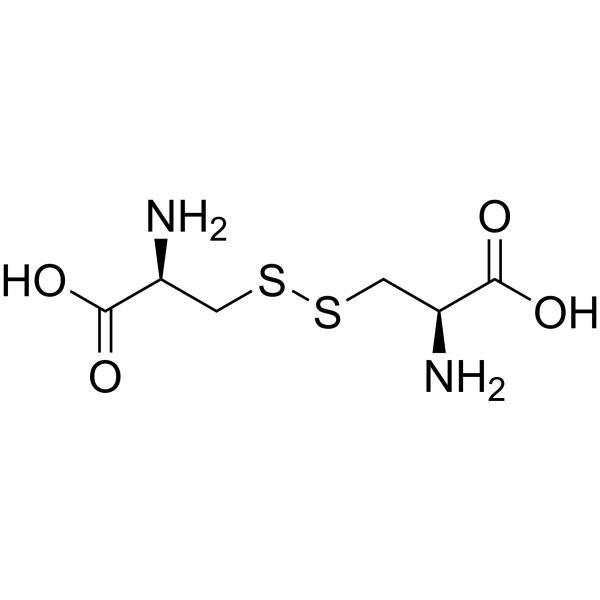
L-Cystine is an orally active extracellular form of L-Cysteine (HY-Y0337), occurring in proteins of plants and animals. L-Cystine elevates Nrf2 protein expression and activates Nrf2 transcription factor. L-cystine reduces ROS generation and protects against oxidant- or Doxorubicin (HY-15142A)-induced apoptosis. L-Cystine combined with L-theanine (HY-15121) enhances the production of antigen-specific IgG by increasing glutathione (GSH) levels and T helper 2 (Th2) mediated responses in mice. L-Cystine is promising for research of cystinuria and kidney stones
|
-
- HY-W001940S
-
|
|
Isotope-Labeled Compounds
Amino Acid Derivatives
Bacterial
|
Infection
Cardiovascular Disease
|
|
DL-m-Tyrosine-d3 is the deuterium labeled DL-m-Tyrosine (HY-W001940). DL-m-Tyrosine is a non-protein amino acid. DL-m-Tyrosine inhibits microbial growth and spore formation. DL-m-Tyrosine also inhibits root growth in various plants, such as lettuce and Arabidopsis. DL-m-Tyrosine, when used in combination with Carbidopa (HY-B0311), has a potent antihypertensive effect. DL-m-Tyrosine can be used in research on biopesticide design.
|
-
- HY-W772717
-
|
|
Endogenous Metabolite
Ferroptosis
Reactive Oxygen Species (ROS)
Keap1-Nrf2
Apoptosis
|
Metabolic Disease
Inflammation/Immunology
Cancer
|
|
L-Cystine disodium monohydrate is an orally active extracellular form of L-Cysteine (HY-Y0337), occurring in proteins of plants and animals. L-Cystine disodium monohydrate elevates Nrf2 protein expression and activates Nrf2 transcription factor. L-Cystine disodium monohydrate reduces ROS generation and protects against oxidant- or Doxorubicin (HY-15142A)-induced apoptosis. L-Cystine disodium monohydrate combined with L-theanine (HY-15121) enhances the production of antigen-specific IgG by increasing glutathione (GSH) levels and T helper 2 (Th2) mediated responses in mice. L-Cystine disodium monohydrate is promising for research of cystinuria and kidney stones .
|
-
- HY-N0394S5
-
|
|
Isotope-Labeled Compounds
|
Others
|
|
L-Cystine- 13C6, 15N2 is the 13C- and 15N-labeled L-Cystine (HY-N0394). L-Cystine is an orally active extracellular form of L-Cysteine (HY-Y0337), occurring in proteins of plants and animals. L-Cystine elevates Nrf2 protein expression and activates Nrf2 transcription factor. L-cystine reduces ROS generation and protects against oxidant- or Doxorubicin (HY-15142A)-induced apoptosis. L-Cystine combined with L-theanine (HY-15121) enhances the production of antigen-specific IgG by increasing glutathione (GSH) levels and T helper 2 (Th2) mediated responses in mice. L-Cystine is promising for research of cystinuria and kidney stones.
|
-
- HY-N6818
-
|
TMF
|
Apoptosis
Caspase
PARP
Endogenous Metabolite
CFTR
|
Cancer
|
|
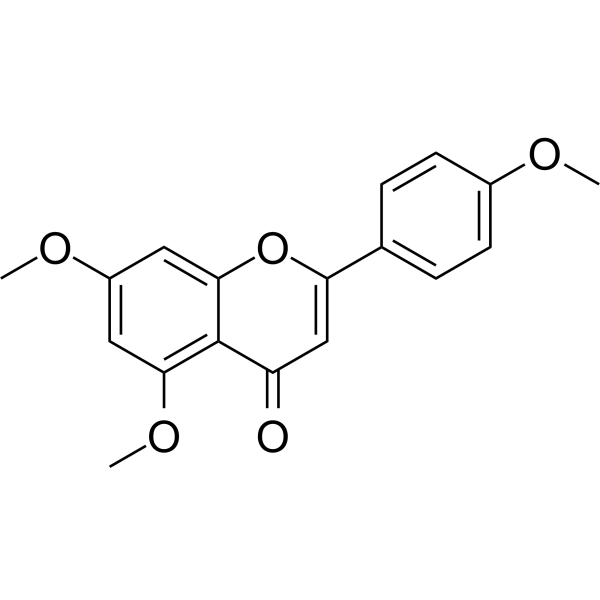
5,7,4’-Trimethoxyflavone can be isolated from the medicinal plant Kaempferia parviflora (KP). 5,7,4’-Trimethoxyflavone is a CFTR activator and EC50 is 64 μM. 5,7,4’-Trimethoxyflavone induces apoptosis, increases proteolytic activation of caspase-3, and degradation of ADP-ribose polymerase (PARP) protein. 5,7,4’-Trimethoxyflavone has antitumor activity. 5,7,4’-Trimethoxyflavone can be used to prevent skin aging and oxidative stress .
|
-
- HY-W017232
-
|
p-Quinanisole
|
Biochemical Assay Reagents
|
Others
|
|
6-Methoxyquinoline consists of a quinoline ring system with a methoxy group attached to the sixth carbon atom. This compound occurs naturally in certain plants, such as tobacco and tea, and has been shown to have biological activities, including antioxidant, anti-inflammatory and antitumor properties. Furthermore, 6-Methoxyquinoline can be used as a building block for the synthesis of other organic compounds, especially those with potential pharmaceutical applications. Due to its ability to bind nucleic acids and proteins, it can also be used as a fluorescent probe in biochemical and biomedical research.
|
-
- HY-N2589
-
|
|
TGF-β Receptor
Collagen
|
Infection
Metabolic Disease
Inflammation/Immunology
Cancer
|
|
Isosaponarin is a flavone glycoside isolated from wasabi leaves. Isosaponarin is a P4HA2 enzymatic agonist. Isosaponarin increases collagen synthesis via up-regulated TGF-β type II receptor (TβR-II) and prolyl 4-hydroxylase (P4H) proteins production, promoting skin health and wound healing. Isosaponarin-rich plants exhibit strong antimicrobial, antioxidant, anti-hyaluronidase, antiplatelet, anti-atopic dermatitis, and anti-tumor effects .
|
-
- HY-N2078
-
|
Neodiosgenin
|
LXR
Reactive Oxygen Species (ROS)
Apoptosis
Fatty Acid Synthase (FASN)
|
Metabolic Disease
|
|
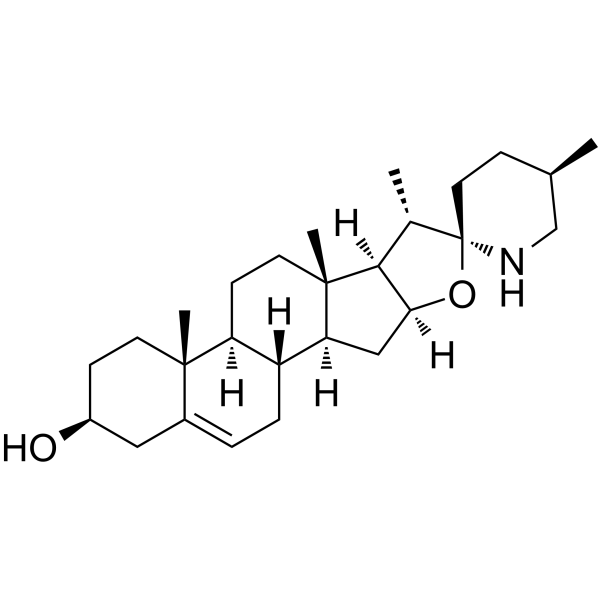
Yamogenin (Neodiosgenin) is a diastereomer of diosgenin. Yamogenin antagonizes the activation of the liver X receptor (LXR) in luciferase ligand assay. Yamogenin inhibits triacylglyceride (TG) accumulation through the suppression of gene expression of fatty acid synthesis in HepG2 hepatocytes. Yamogenin is a steroidal saponin that can be obtained from plant species with in vitro cytotoxicity, antioxidant, and antimicrobial properties. Yamogenin induces cell death via the extrinsic and intrinsic way of apoptosis. Yamogenin inhibits protein denaturation with an IC50 of 1421.92 μg/mL. Yamogenin can be studied in research on gastric cancer .
|
-
- HY-W738270
-
|
3,4-Dimethoxy[7-13C]-benzaldehyde
|
Isotope-Labeled Compounds
Bacterial
Parasite
|
Infection
|
|
Veratraldehyde- 13C (3,4-Dimethoxy[7- 13C]-benzaldehyde) is the 13C-labeled Veratraldehyde (HY-N1096). Veratraldehyde is an orally active aromatic compound and antibacterial agent. Veratraldehyde can be isolated from essential oils of plants such as peppermint and ginger. Veratraldehyde targets the PilY1 protein. Veratraldehyde has antibacterial activity against Pseudomonas aeruginosa. Veratraldehyde has a repellent effect against mosquitoes and ticks. Veratraldehyde can be used as a flavoring agent .
|
-
- HY-W001940R
-
|
|
Amino Acid Derivatives
Reference Standards
Bacterial
|
Infection
Cardiovascular Disease
|
|
DL-m-Tyrosine (Standard) is the analytical standard of DL-m-Tyrosine (HY-W001940). This product is intended for research and analytical applications. DL-m-Tyrosine is a non-protein amino acid. DL-m-Tyrosine inhibits microbial growth and spore formation. DL-m-Tyrosine also inhibits root growth in various plants, such as lettuce and Arabidopsis. DL-m-Tyrosine, when used in combination with Carbidopa (HY-B0311), has a potent antihypertensive effect. DL-m-Tyrosine can be used in research on biopesticide design .
|
-
- HY-179569
-
|
|
TMV
|
Infection
|
|
Antiviral agent 73 (compound D13) is a potent intercellular movement inhibitor with antiviral activity. Antiviral agent 73 shows inactivation activity against potato virus Y (PVY) with an EC50 of 79.5 μg/mL. Antiviral agent 73 effectively inhibits virus infection by forming stable hydrogen bonds with Pro154 of PVY coat protein. Antiviral agent 73 can interfere with the process of Pro154-mediated viral intercellular trafficking in plasmodesmata. Antiviral agent 73 can be used for plant virus prevention and control .
|
-
- HY-Y0136
-
|
|
Endogenous Metabolite
Influenza Virus
HSV
VSV
|
Infection
|
|
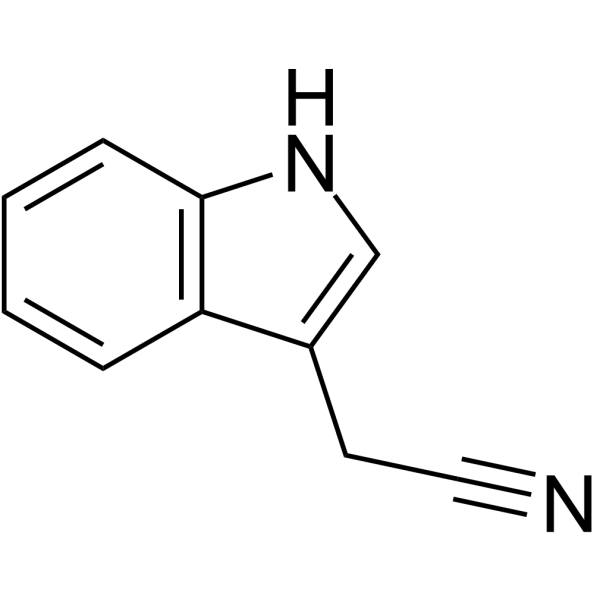
3-Indoleacetonitrile is an indole derivative with anti-influenza activity. 3-Indoleacetonitrile is a plant hormone produced by cruxiferous vegetables. 3-Indoleacetonitrile exerts profound antiviral activity against a broad spectrum of influenza A viruses, HSV-1 and VSV viruses in vitro. 3-Indoleacetonitrile diminishes lung virus titers and alleviates lung lesions in vivo. 3-Indoleacetonitrile induces an increase in mitochondrial antiviral-signaling (MAVS) protein levels. 3-Indoleacetonitrile can be used in research for combating viral infections including COVID-19, HSV-1, and VSV .
|
-
- HY-N2078R
-
|
Neodiosgenin (Standard)
|
Reference Standards
LXR
Apoptosis
Fatty Acid Synthase (FASN)
Reactive Oxygen Species (ROS)
|
Metabolic Disease
|
|
Yamogenin (Standard) is the analytical standard of Yamogenin. This product is intended for research and analytical applications. Yamogenin (Neodiosgenin) is a diastereomer of diosgenin. Yamogenin antagonizes the activation of the liver X receptor (LXR) in luciferase ligand assay. Yamogenin inhibits triacylglyceride (TG) accumulation through the suppression of gene expression of fatty acid synthesis in HepG2 hepatocytes. Yamogenin is a steroidal saponin that can be obtained from plant species with in vitro cytotoxicity, antioxidant, and antimicrobial properties. Yamogenin induces cell death via the extrinsic and intrinsic way of apoptosis. Yamogenin inhibits protein denaturation with an IC50 of 1421.92 μg/mL. Yamogenin can be studied in research on gastric cancer .
|
-
- HY-N6818R
-
|
TMF (Standard)
|
Reference Standards
Apoptosis
Caspase
PARP
Endogenous Metabolite
CFTR
|
Cancer
|
|
5,7,4'-Trimethoxyflavone (Standard) is the analytical standard of 5,7,4'-Trimethoxyflavone. This product is intended for research and analytical applications. 5,7,4’-Trimethoxyflavone can be isolated from the medicinal plant Kaempferia parviflora (KP). 5,7,4’-Trimethoxyflavone is a CFTR activator and EC50 is 64 μM. 5,7,4’-Trimethoxyflavone induces apoptosis, increases proteolytic activation of caspase-3, and degradation of ADP-ribose polymerase (PARP) protein. 5,7,4’-Trimethoxyflavone has antitumor activity. 5,7,4’-Trimethoxyflavone can be used to prevent skin aging and oxidative stress .
|
-
- HY-121255
-
|
(R)-Cryptopleurine; NSC 19912
|
TMV
|
Cancer
|
|
(–)-Cryptopleurine is an alkaloid that has been found in Lauraceae and has diverse biological activities. It inhibits the growth of human A375 melanoma, A431 epidermoid carcinoma, A549 lung, MES-SA uterine sarcoma, and MCF-7 breast cancer cells (IC50=3 nM for all).2 (–)-Cryptopleurine inhibits hypoxia-induced gene expression in a hypoxia response element (HRE) reporter assay (IC50=8.7 nM).3 (–)-Cryptopleurine (500 μg/mL) prevents lesion formation in tobacco (N. tabacum) plants infected with tobacco mosaic virus (TMV). It also inhibits protein synthesis by yeast and mammalian ribosomes.
|
-
- HY-W009123
-
|
cis-13-Docosenamide
|
Endogenous Metabolite
Bacterial
|
Infection
Neurological Disease
|
|
Erucamide is an orally active, blood-brain barrier-permeable TMEM19 ligand and T3SS inhibitor. Erucamide exerts retinal neuroprotective effects in mouse models of retinal degeneration. Erucamide attenuates depression- and anxiety-like behaviors in mice.\n\nErucamide binds to the conserved hydrophobic pocket in HrcC, disrupts its outer membrane localization, and blocks T3SS-mediated effector protein secretion in Gram-negative pathogenic bacteria. Erucamide enhances the antimicrobial immunity of plants against pathogenic bacteria. Erucamide can be used in research related to retinitis pigmentosa, anxiety and depression, bacterial wilt, and bacterial blight .
|
-
- HY-107738
-
|
Z/E-Guggulsterone
|
Apoptosis
JNK
Akt
Caspase
FXR
Autophagy
|
Cancer
|
|
Guggulsterone is a plant sterol derived from the gum resin of the tree Commiphora wightii. Guggulsterone inhibits the growth of a wide variety of tumor cells and induces apoptosis through down regulation of antiapoptotic gene products (IAP1, xIAP, Bfl-1/A1, Bcl-2, cFLIP and survivin), modulation of cell cycle proteins (cyclin D1 and c-Myc), activation of caspases and JNK, inhibition of Akt . Guggulsterone, a farnesoid X receptor (FXR) antagonist, with IC50s of 24.06 μM and 39.05 μM for (-)-(E)-Guggulsterone (HY-N7781) and (Z)-Guggulsterone (HY-110066), respectively .
|
-
- HY-N0281
-
|
7,8-Dihydroxycoumarin
|
EGFR
PKA
PKC
Autophagy
Apoptosis
AMPK
Akt
mTOR
Reactive Oxygen Species (ROS)
Caspase
Bcl-2 Family
PARP
Parasite
|
Cardiovascular Disease
Inflammation/Immunology
Cancer
|
|
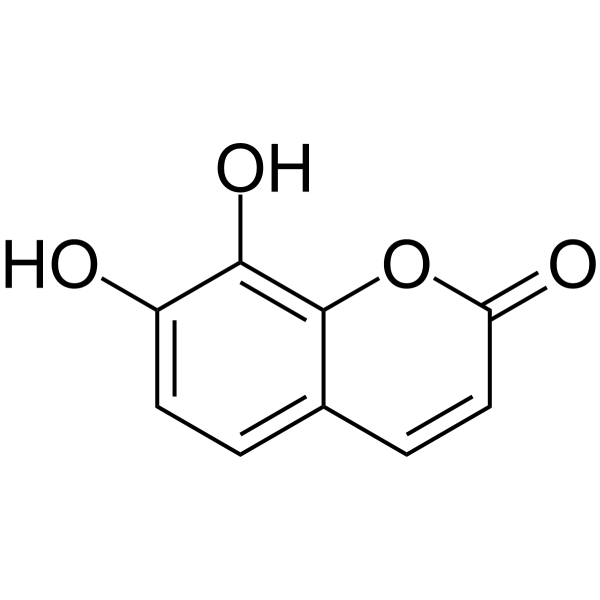
Daphnetin (7,8-dihydroxycoumarin), one coumarin derivative can be found in plants of the Genus Daphne, is a potent, oral active protein kinase inhibitor, with IC50s of 7.67 μM, 9.33 μM and 25.01 μM for EGFR, PKA and PKC in vitro, respectively. Daphnetin triggers ROS-induced cell apoptosis and induces cytoprotective autophagy by modulating the AMPK/Akt/mTOR pathway. Daphnetin has anti-inflammation activitity and inhibits TNF-α, IL-1β, ROS, and MDA production. Daphnetin has schizontocidal activity against malaria parasites. Daphnetin can be used for rheumatoid arthritis , cancer and anti-malarian research .
|
-
- HY-N12931F
-
|
|
Fluorescent Dye
|
Others
Cancer
|
|
Maackia amurensis Lectin (MAA/MAL II)-Biotinylated is a plant lectin modified by biotin. Maackia amurensis Lectin (MAA/MAL II)-Biotinylated has the activity to recognize specific sugar structures, specifically the alpha-2, 3-linked sialic acid (HY-I0400). Maackia amurensis Lectin (MAA/MAL II)-Biotinylated has a very high affinity with avidin or streptavidin and this interaction can be used to fix it to solid surfaces or bind it to other molecules. Maackia amurensis Lectin (MAA/MAL II)-Biotinylated can be used to isolate and purify proteins or other molecules with specific sugar chain structures in affinity chromatography as well as for disease marker discovery and cancer research .
|
-
- HY-N0394R
-
|
|
Reference Standards
Endogenous Metabolite
Ferroptosis
ROS Kinase
Keap1-Nrf2
|
Metabolic Disease
Inflammation/Immunology
Cancer
|
|
L-Cystine (Standard) is the analytical standard of L-Cystine. This product is intended for research and analytical applications. L-Cystine, the extracellular form of L-Cysteine (HY-Y0337), is a nutritionally dispensable semiessential sulfur-containing amino acid, occurring in proteins of plants and animals. L-Cystine induces Nrf2 protein elevation in a Keap1 (HY-P75897)-dependent manner and activates Nrf2 transcription factor. L-cystine can elicit cytoprotection by reducing ROS generation and protecting against oxidant- or doxorubicin-induced apoptosis. The reduced reabsorption of L-Cystine in renal tubules and its poor solubility in urine are the important causes of cystine precipitation and cystine crystal formation eventually leading to kidney stones. L-Cystine combined with L-theanine (HY-15121) enhances the production of antigen-specific IgG by increasing glutathione (GSH) levels and T helper 2 (Th2) mediated responses in mice. L-Cystine is promising for research of cystinuria and cystinosis
|
-
- HY-Y0136R
-
|
|
Reference Standards
Endogenous Metabolite
Influenza Virus
HSV
VSV
|
Metabolic Disease
|
|
3-Indoleacetonitrile (Standard) is the analytical standard of 3-Indoleacetonitrile. This product is intended for research and analytical applications. 3-Indoleacetonitrile is an indole derivative with anti-influenza activity. 3-Indoleacetonitrile is a plant hormone produced by cruxiferous vegetables. 3-Indoleacetonitrile exerts profound antiviral activity against a broad spectrum of influenza A viruses, HSV-1 and VSV viruses in vitro. 3-Indoleacetonitrile diminishes lung virus titers and alleviates lung lesions in vivo. 3-Indoleacetonitrile induces an increase in mitochondrial antiviral-signaling (MAVS) protein levels. 3-Indoleacetonitrile can be used in research for combating viral infections including COVID-19, HSV-1, and VSV .
|
-
- HY-107738R
-
|
Z/E-Guggulsterone (Standard)
|
Apoptosis
JNK
Akt
Caspase
FXR
Autophagy
Reference Standards
|
Cancer
|
|
Guggulsterone (Standard) is the analytical standard of Guggulsterone (HY-107738). This product is intended for research and analytical applications. Guggulsterone is a plant sterol derived from the gum resin of the tree Commiphora wightii. Guggulsterone inhibits the growth of a wide variety of tumor cells and induces apoptosis through down regulation of antiapoptotic gene products (IAP1, xIAP, Bfl-1/A1, Bcl-2, cFLIP and survivin), modulation of cell cycle proteins (cyclin D1 and c-Myc), activation of caspases and JNK, inhibition of Akt. Guggulsterone, a farnesoid X receptor (FXR) antagonist, with IC50s of 24.06 μM and 39.05 μM for (-)-(E)-Guggulsterone (HY-N7781) and (Z)-Guggulsterone (HY-110066), respectively.
|
-
- HY-Y0136S1
-
|
|
Isotope-Labeled Compounds
Endogenous Metabolite
Influenza Virus
HSV
VSV
|
Infection
|
|
3-Indoleacetonitrile-d4 is deuterium labeled 3-Indoleacetonitrile (HY-Y0136). 3-Indoleacetonitrile is an indole derivative with anti-influenza activity. 3-Indoleacetonitrile is a plant hormone produced by cruxiferous vegetables. 3-Indoleacetonitrile exerts profound antiviral activity against a broad spectrum of influenza A viruses, HSV-1 and VSV viruses in vitro. 3-Indoleacetonitrile diminishes lung virus titers and alleviates lung lesions in vivo. 3-Indoleacetonitrile induces an increase in mitochondrial antiviral-signaling (MAVS) protein levels. 3-Indoleacetonitrile can be used in research for combating viral infections including COVID-19, HSV-1, and VSV.
|
-
- HY-N0281R
-
|
7,8-Dihydroxycoumarin (Standard)
|
Reference Standards
EGFR
PKA
PKC
Autophagy
Apoptosis
AMPK
Akt
mTOR
Reactive Oxygen Species (ROS)
Caspase
Bcl-2 Family
PARP
Parasite
|
Inflammation/Immunology
Cancer
|
|
Daphnetin (Standard) is the analytical standard of Daphnetin. This product is intended for research and analytical applications. Daphnetin (7,8-dihydroxycoumarin), one coumarin derivative can be found in plants of the Genus Daphne, is a potent, oral active protein kinase inhibitor, with IC50s of 7.67 μM, 9.33 μM and 25.01 μM for EGFR, PKA and PKC in vitro, respectively. Daphnetin triggers ROS-induced cell apoptosis and induces cytoprotective autophagy by modulating the AMPK/Akt/mTOR pathway. Daphnetin has anti-inflammation activitity and inhibits TNF-α, IL-1 , ROS, and MDA production. Daphnetin has schizontocidal activity against malaria parasites. Daphnetin can be used for rheumatoid arthritis , cancer and anti-malarian research .
|
-
- HY-133087
-
|
|
Fungal
|
Infection
|
|
Oxathiapiprolin is an anti-phytopathogenic oomycete agent. Oxathiapiprolin inhibits mycelial growth, sporangium production, zoospore release and zoospore motility in specific oomycetes. Oxathiapiprolin exhibits both protective and therapeutic activities against Phytophthora capsici infection in pepper plants. Oxathiapiprolin can be used in studies related to plant diseases .
|
-
- HY-112747
-
|
LPI; PE (soy)
|
Phospholipase
|
Infection
|
|
Soy PE (LPI) is the most abundant phospholipid in prokaryotes and the second most abundant found in the membrane of mammalian, plant, and yeast cells, comprising approximately 25% of total mammalian phospholipids. In the brain, phosphatidylethanolamine comprises almost half of the total phospholipids. It is synthesized mainly through the cytidine diphosphate-ethanolamine and phosphatidylserine decarboxylation pathways, which occur in the endoplasmic reticulum (ER) and mitochondrial membranes, respectively. It is a precursor in the synthesis of phosphatidylcholine and arachidonoyl ethanolamide and is a source of ethanolamine used in various cellular functions. In E.coli, phosphatidylethanolamine deficiency prevents proper assembly of lactose permease, suggesting a role as a lipid chaperone. It is a cofactor in the propagation of prions in vitro and can convert recombinant mammalian proteins into infectious molecules even in the absence of RNA. This product contains phosphatidylethanolamine molecular species with variable fatty acyl chain lengths at the sn-1 and sn-2 positions .
|
-
- HY-W720329
-
|
|
Herbicide
DNA/RNA Synthesis
|
Others
|
|
Indaziflam is an alkyltriazine herbicide. Indaziflam targets the cellulose synthase complex and inhibits cellulose biosynthesis in plant cell walls. Indaziflam induces radial swelling of plants, ectopic lignification, inhibition of root and hypocotyl elongation, abnormal root and cell morphology, and also induces DNA strand breaks and micronucleus formation in HepG2 cells. Indaziflam can be used for research on monocot weed control .
|
-
- HY-N1968
-
|
Quercetin-3-O-beta-D-glucose-7-O-beta-D-gentiobioside
|
Parasite
|
Infection
|
|
Quercetin-3-O-β-D-glucose-7-O-β-D-gentiobiosiden (Quercetin-3-O-beta-D-glucose-7-O-beta-D-gentiobioside) is a flavonoid compound. In Cylas formicarius, Quercetin-3-O-β-D-glucose-7-O-β-D-gentiobioside can bind to chemosensory proteins such as CforCSP5 (Ki: 1.429 μM) and CforOBP3 (Ki: 3.697 μM), potentially participating in the recognition process of insect host plant volatiles. Quercetin-3-O-β-D-glucose-7-O-β-D-gentiobiosiden is also an inhibitor of Sb28GST (IC50: 0.13 mM) and can be used in the research of anti-schistosome agents .
|
-
- HY-N0735
-
|
|
Autophagy
Apoptosis
AMPK
mTOR
STAT
Interleukin Related
PKC
p38 MAPK
NF-κB
COX
Reactive Oxygen Species (ROS)
PI3K
Akt
MMP
|
Neurological Disease
Inflammation/Immunology
Cancer
|
|
Phellodendrine chloride is an orally active plant alkaloid. Phellodendrine chloride inhibits the proliferation of KRAS-mutated pancreatic cancer cells by suppressing macropinocytosis and glutamine metabolism, inducing ROS accumulation and mitochondrial apoptosis. Phellodendrine chloride promotes autophagy by activating the AMPK/mTOR pathway, alleviating intestinal damage in ulcerative colitis. Phellodendrine chloride can alleviate gouty arthritis by inhibiting the IL-6/STAT3 signaling pathway. Phellodendrine chloride suppresses allergic reactions by altering the conformation of MRGPRB3/MRGPRX2 protein, thereby inhibiting the activation of PKC and subsequent downstream MAPK and NF-κB signaling. Phellodendrine chloride inhibits the AKT/NF-κB pathway and down-regulates the expression of COX-2, thereby protecting zebrafish embryos from oxidative stress. Phellodendrine chloride has an anti-major depressive disorder (MDD) effect by down-regulating CHRM1, HTR1A, and the PI3K/Akt signaling pathway .
|
-
- HY-N0427
-
|
|
Akt
NF-κB
AMPK
mTOR
PKC
STAT
Interleukin Related
p38 MAPK
COX
Reactive Oxygen Species (ROS)
Apoptosis
Autophagy
PI3K
MMP
|
Neurological Disease
Inflammation/Immunology
Cancer
|
|
Phellodendrine is an orally active plant alkaloid. Phellodendrine inhibits the proliferation of KRAS-mutated pancreatic cancer cells by suppressing macropinocytosis and glutamine metabolism, inducing ROS accumulation and mitochondrial apoptosis. Phellodendrine promotes autophagy by activating the AMPK/mTOR pathway, alleviating intestinal damage in ulcerative colitis. Phellodendrine can alleviate gouty arthritis by inhibiting the IL-6/STAT3 signaling pathway. Phellodendrine suppresses allergic reactions by altering the conformation of MRGPRB3/MRGPRX2 protein, thereby inhibiting the activation of PKC and subsequent downstream MAPK and NF-κB signaling. Phellodendrine inhibits the AKT/NF-κB pathway and down-regulates the expression of COX-2, thereby protecting zebrafish embryos from oxidative stress. Phellodendrine has an anti-major depressive disorder (MDD) effect by down-regulating CHRM1, HTR1A, and the PI3K/Akt signaling pathway .
|
-
- HY-N0735R
-
|
|
Reference Standards
Autophagy
mTOR
AMPK
Apoptosis
STAT
Interleukin Related
PKC
p38 MAPK
NF-κB
COX
Reactive Oxygen Species (ROS)
PI3K
Akt
MMP
|
Neurological Disease
Inflammation/Immunology
Cancer
|
|
Phellodendrine chloride (Standard) is the analytical standard of Phellodendrine chloride (HY-N0735). Phellodendrine chloride is an orally active plant alkaloid. Phellodendrine chloride inhibits the proliferation of KRAS-mutated pancreatic cancer cells by suppressing macropinocytosis and glutamine metabolism, inducing ROS accumulation and mitochondrial apoptosis. Phellodendrine chloride promotes autophagy by activating the AMPK/mTOR pathway, alleviating intestinal damage in ulcerative colitis. Phellodendrine chloride can alleviate gouty arthritis by inhibiting the IL-6/STAT3 signaling pathway. Phellodendrine chloride suppresses allergic reactions by altering the conformation of MRGPRB3/MRGPRX2 protein, thereby inhibiting the activation of PKC and subsequent downstream MAPK and NF-κB signaling. Phellodendrine chloride inhibits the AKT/NF-κB pathway and down-regulates the expression of COX-2, thereby protecting zebrafish embryos from oxidative stress. Phellodendrine chloride has an anti-major depressive disorder (MDD) effect by down-regulating CHRM1, HTR1A, and the PI3K/Akt signaling pathway.
|
-
-
-
HY-L198
-
|
|
134 compounds
|
|
Unlike the 20 natural amino acids commonly found within living organisms, non-natural amino acids are synthesized through chemical or biosynthetic methods, thereby being endowed with unique chemical properties or biological activities. In drug development, these amino acids can be utilized to design novel pharmaceutical molecules that may exhibit superior pharmacological characteristics, such as increased selectivity, improved pharmacokinetic profiles, or reduced toxicity. In biomedical research, uon-natural amino acids can act as biological markers or probes for investigating biological processes like cell signaling, protein conformation, and protein-protein interactions. In addition, non-natural amino acids can also be used in the field of agriculture to develop new pesticides, plant growth regulators and so on.
|
-
-
HY-L207
-
|
|
664 compounds
|
|
Metabolomics is the large-scale study of cellular metabolic complement, with proven utility in both basic and applied studies of plants, microorganisms, and mammals. As an important tool for the study of complex biological systems, metabolomics monitors the complex molecular networks that exist in the natural flow of information from genes to mRNA and proteins to organisms. The metabolome is composed of biomolecules that most closely resemble the phenotype of an organism, and changes in its composition can easily lead to the production of diseases. Therefore, metabolomics has received much attention in drug target discovery, drug response and translational research of disease mechanisms. Mass spectrometry-based metabolomics methods can simultaneously detect and quantify thousands of metabolite signatures, thereby characterizing the pathophysiological mechanisms of various biomedical symptoms.
MCE can provide 664 mass spectrometry human endogenous metabolites that can be used for metabolite identification and quantification, functional cell detection and phenotypic screening of mass spectrometry.
|
| Cat. No. |
Product Name |
Type |
-
- HY-N12931F
-
|
|
Fluorescent Dyes
|
|
Maackia amurensis Lectin (MAA/MAL II)-Biotinylated is a plant lectin modified by biotin. Maackia amurensis Lectin (MAA/MAL II)-Biotinylated has the activity to recognize specific sugar structures, specifically the alpha-2, 3-linked sialic acid (HY-I0400). Maackia amurensis Lectin (MAA/MAL II)-Biotinylated has a very high affinity with avidin or streptavidin and this interaction can be used to fix it to solid surfaces or bind it to other molecules. Maackia amurensis Lectin (MAA/MAL II)-Biotinylated can be used to isolate and purify proteins or other molecules with specific sugar chain structures in affinity chromatography as well as for disease marker discovery and cancer research .
|
-
- HY-D3030
-
|
|
Fluorescent Dyes
|
|
Concanavalin A-FITC is a FITC (HY-66019)-labled Concanavalin A (HY-P2149). Concanavalin A is a Ca 2+/Mn 2+-dependent and mannose/glucose-binding plant lectin. Concanavalin A binds the N- and O-glycosylated proteins of head and neck carcinoma cells glycoproteins (Ex/Em = 488/525 nm) .
|
-
- HY-D3031
-
|
|
Fluorescent Dyes
|
|
Concanavalin A-TRITC is a TRITC (HY-D0791)-labled Concanavalin A (HY-P2149). Concanavalin A is a Ca 2+/Mn 2+-dependent and mannose/glucose-binding plant lectin. Concanavalin A binds the N- and O-glycosylated proteins of head and neck carcinoma cells glycoproteins (Ex/Em = 544/570 nm) .
|
| Cat. No. |
Product Name |
Type |
-
- HY-N0830B
-
|
|
Biochemical Assay Reagents
|
|
Palmitic acid sodium is a long-chain saturated fatty acid commonly found in both animals and plants. Palmitic acid sodium can induce the expression of glucose-regulated protein 78 (GRP78) and CCAAT/enhancer binding protein homologous protein (CHOP) in in mouse granulosa cells. Palmitic acid sodium is used to establish a cell steatosis model .
|
-
- HY-NP164
-
|
Con A-HRP
|
Biochemical Assay Reagents
|
|
Concanavalin A-HRP (Con A-HRP) is a HRP-labled Concanavalin A (HY-P2149). Concanavalin A is a Ca 2+/Mn 2+-dependent and mannose/glucose-binding plant lectin. Concanavalin A binds the N- and O-glycosylated proteins of head and neck carcinoma cells glycoproteins .
|
-
- HY-W763806
-
|
|
Biochemical Assay Reagents
|
|
Zein is a plant protein‐based polymer, can be used to prepare nanofibrous mats through electrospun. Zein has good cell compatibility and easy fabrication ability, and can be used in drug delivery systems .
|
-
- HY-W017232
-
|
p-Quinanisole
|
Biochemical Assay Reagents
|
|
6-Methoxyquinoline consists of a quinoline ring system with a methoxy group attached to the sixth carbon atom. This compound occurs naturally in certain plants, such as tobacco and tea, and has been shown to have biological activities, including antioxidant, anti-inflammatory and antitumor properties. Furthermore, 6-Methoxyquinoline can be used as a building block for the synthesis of other organic compounds, especially those with potential pharmaceutical applications. Due to its ability to bind nucleic acids and proteins, it can also be used as a fluorescent probe in biochemical and biomedical research.
|
-
- HY-N0510A
-
|
Aristolochic acid I sodium; TR 1736 sodium
|
Biochemical Assay Reagents
|
|
Aristolochic acid A (Aristolochic acid I) sodium is the main component of plant extract Aristolochic acids, which are found in various herbal plants of genus Aristolochia and Asarum. Aristolochic acid A sodium significantly reduces both activator protein 1 (AP-1) and NF-κB activities. Aristolochic acid A sodium reduces BLCAP gene expression in human cell lines .
|
-
- HY-NP164B
-
|
Con A-AF488
|
Biochemical Assay Reagents
|
|
Concanavalin A-AF488 (Con A-AF488) is an AF488-labled Concanavalin A (HY-P2149). Concanavalin A is a Ca 2+/Mn 2+-dependent and mannose/glucose-binding plant lectin. Concanavalin A binds the N- and O-glycosylated proteins of head and neck carcinoma cells glycoproteins .
|
-
- HY-W127458
-
|
Hexadecanoic acid, tin(2+) salt
|
Biochemical Assay Reagents
|
|
Tin(II) palmitate (Hexadecanoic acid, tin(2+) salt) is a long-chain saturated fatty acid commonly found in animals and plants. Tin(II) palmitate can induce the expression of glucose-regulated protein 78 (GRP78) and CCAAT/enhancer-binding protein homologous protein (CHOP) in mouse granular cells. Tin(II) palmitate can be used to establish a model of cellular steatosis.
|
-
- HY-158253
-
|
|
Biochemical Assay Reagents
|
|
Helix pomatia lectin, biotin conjugate, is a carbohydrate-binding protein that is widely found in fungi, plants, and animals. Helix pomatia lectin, biotin conjugate is commonly used for characterizing, imaging, or targeting glycoconjugates, and is also a very useful tool for glycomics analysis .
|
-
- HY-157883
-
|
Dimethyl-2-hydroxyethylampropanepropanesulfonate
|
Biochemical Assay Reagents
|
|
C7BzO (Dimethyl-2-hydroxyethylampropanepropanesulfonate) is a potent solubilizing detergent that can be used for samples such as bacteria, mammals, and plants. C7BzO can be used for the extraction of proteins and the preparation of two-dimensional gel electrophoresis samples .
|
-
- HY-NP164K
-
|
Con A-AF568
|
Biochemical Assay Reagents
|
|
Concanavalin A-AF568 (Con A-AF546) is an AF568-labled Concanavalin A (HY-P2149). Concanavalin A is a Ca 2+/Mn 2+-dependent and mannose/glucose-binding plant lectin. Concanavalin A binds the N- and O-glycosylated proteins of head and neck carcinoma cells glycoproteins .
|
-
- HY-NP164M
-
|
Con A-AF680
|
Biochemical Assay Reagents
|
|
Concanavalin A-AF680 (Con A-AF680) is an AF680-labled Concanavalin A (HY-P2149). Concanavalin A is a Ca 2+/Mn 2+-dependent and mannose/glucose-binding plant lectin. Concanavalin A binds the N- and O-glycosylated proteins of head and neck carcinoma cells glycoproteins .
|
-
- HY-NP164D
-
|
Con A-AF405
|
Biochemical Assay Reagents
|
|
Concanavalin A-AF405 (Con A-AF405) is an AF405-labled Concanavalin A (HY-P2149). Concanavalin A is a Ca 2+/Mn 2+-dependent and mannose/glucose-binding plant lectin. Concanavalin A binds the N- and O-glycosylated proteins of head and neck carcinoma cells glycoproteins .
|
-
- HY-NP164I
-
|
Con A-AF546
|
Biochemical Assay Reagents
|
|
Concanavalin A-AF546 (Con A-AF546) is an AF546-labled Concanavalin A (HY-P2149). Concanavalin A is a Ca 2+/Mn 2+-dependent and mannose/glucose-binding plant lectin. Concanavalin A binds the N- and O-glycosylated proteins of head and neck carcinoma cells glycoproteins .
|
-
- HY-NP164E
-
|
Con A-AF430
|
Biochemical Assay Reagents
|
|
Concanavalin A-AF430 (Con A-AF430) is an AF430-labled Concanavalin A (HY-P2149). Concanavalin A is a Ca 2+/Mn 2+-dependent and mannose/glucose-binding plant lectin. Concanavalin A binds the N- and O-glycosylated proteins of head and neck carcinoma cells glycoproteins .
|
-
- HY-NP164O
-
|
Con A-Cy5
|
Biochemical Assay Reagents
|
|
Concanavalin A-Cy5 (Con A-Cy5) is a Cy5 (HY-D0821)-labled Concanavalin A (HY-P2149). Concanavalin A is a Ca 2+/Mn 2+-dependent and mannose/glucose-binding plant lectin. Concanavalin A binds the N- and O-glycosylated proteins of head and neck carcinoma cells glycoproteins (Ex/Em = 630/670 nm) .
|
-
- HY-W772717
-
|
|
Biochemical Assay Reagents
|
|
L-Cystine disodium monohydrate is an orally active extracellular form of L-Cysteine (HY-Y0337), occurring in proteins of plants and animals. L-Cystine disodium monohydrate elevates Nrf2 protein expression and activates Nrf2 transcription factor. L-Cystine disodium monohydrate reduces ROS generation and protects against oxidant- or Doxorubicin (HY-15142A)-induced apoptosis. L-Cystine disodium monohydrate combined with L-theanine (HY-15121) enhances the production of antigen-specific IgG by increasing glutathione (GSH) levels and T helper 2 (Th2) mediated responses in mice. L-Cystine disodium monohydrate is promising for research of cystinuria and kidney stones .
|
-
- HY-NP164L
-
|
Con A-AF647
|
Biochemical Assay Reagents
|
|
Concanavalin A-AF647 (Con A-AF647) is an AF647-labled Concanavalin A (HY-P2149). Concanavalin A is a Ca 2+/Mn 2+-dependent and mannose/glucose-binding plant lectin. Concanavalin A binds the N- and O-glycosylated proteins of head and neck carcinoma cells glycoproteins .
|
-
- HY-NP164J
-
|
Con A-AF555
|
Biochemical Assay Reagents
|
|
Concanavalin A-AF555 (Con A-AF555) is an AF555-labled Concanavalin A (HY-P2149). Concanavalin A is a Ca 2+/Mn 2+-dependent and mannose/glucose-binding plant lectin. Concanavalin A binds the N- and O-glycosylated proteins of head and neck carcinoma cells glycoproteins .
|
-
- HY-NP164C
-
|
Con A-AF350
|
Biochemical Assay Reagents
|
|
Concanavalin A-AF350 (Con A-AF350) is an AF350-labled Concanavalin A (HY-P2149). Concanavalin A is a Ca 2+/Mn 2+-dependent and mannose/glucose-binding plant lectin. Concanavalin A binds the N- and O-glycosylated proteins of head and neck carcinoma cells glycoproteins .
|
-
- HY-NP164H
-
|
Con A-AF532
|
Biochemical Assay Reagents
|
|
Concanavalin A-AF532 (Con A-AF532) is an AF532-labled Concanavalin A (HY-P2149). Concanavalin A is a Ca 2+/Mn 2+-dependent and mannose/glucose-binding plant lectin. Concanavalin A binds the N- and O-glycosylated proteins of head and neck carcinoma cells glycoproteins .
|
-
- HY-NP164A
-
|
Con A-Cy5.5
|
Biochemical Assay Reagents
|
|
Concanavalin A-Cy5.5 (Con A-Cy5.5) is a Cy5.5 (HY-D0924)-labled Concanavalin A (HY-P2149). Concanavalin A is a Ca 2+/Mn 2+-dependent and mannose/glucose-binding plant lectin. Concanavalin A binds the N- and O-glycosylated proteins of head and neck carcinoma cells glycoproteins .
|
-
- HY-NP164N
-
|
Con A-Cy3
|
Biochemical Assay Reagents
|
|
Concanavalin A-Cy3 (Con A-Cy3) is a Cy5 (HY-D0822)-labled Concanavalin A (HY-P2149). Concanavalin A is a Ca 2+/Mn 2+-dependent and mannose/glucose-binding plant lectin. Concanavalin A binds the N- and O-glycosylated proteins of head and neck carcinoma cells glycoproteins (Ex/Em = 554/568 nm) .
|
| Cat. No. |
Product Name |
Target |
Research Area |
-
- HY-W009356
-
|
|
Endogenous Metabolite
Ferroptosis
ROS Kinase
Keap1-Nrf2
Reactive Oxygen Species (ROS)
|
Others
|
|
L-Cystine hydrochloride is an orally active extracellular form of L-Cysteine (HY-Y0337), occurring in proteins of plants and animals. L-Cystine hydrochloride elevates Nrf2 protein expression and activates Nrf2 transcription factor. L-Cystine hydrochloride reduces ROS generation and protects against oxidant- or Doxorubicin (HY-15142A)-induced apoptosis. L-Cystine hydrochloride combined with L-theanine (HY-15121) enhances the production of antigen-specific IgG by increasing glutathione (GSH) levels and T helper 2 (Th2) mediated responses in mice. L-Cystine hydrochloride is promising for research of cystinuria and kidney stones
|
-
- HY-P2578
-
|
|
Peptides
|
Others
|
|
PHYD protein, Arabidopsis is a phytochrome protein that plays a key role in regulating plant shade avoidance responses .
|
| Cat. No. |
Product Name |
Category |
Target |
Chemical Structure |
-
- HY-N0830
-
-
-
- HY-N0293
-
|
Peoniflorin
|
Other Monoterpenes
Paeonia lactiflora Pall.
Terpenoids
Plants
Paeoniaceae
Source Classification
|
HSP
|
|
Paeoniflorin is a heat shock protein-inducing compound and commonly exists in the plants of Paeoniaceae family, with various biological activities, including anticancer activity, anti-inflammatory activity, enhancing cognition and attenuating learning impairment, anti-oxidative stress, antiplatelet aggregation, expansion of blood vessels, and reducing blood viscosity .
|
-
-
- HY-N0510
-
-
-
- HY-N0288
-
-
-
- HY-107738
-
|
Z/E-Guggulsterone
|
Triterpenes
Structural Classification
Classification of Application Fields
Terpenoids
Plants
Burseraceae
Disease Research Fields
Commiphora wightii
Cancer
|
Apoptosis
JNK
Akt
Caspase
FXR
Autophagy
|
|
Guggulsterone is a plant sterol derived from the gum resin of the tree Commiphora wightii. Guggulsterone inhibits the growth of a wide variety of tumor cells and induces apoptosis through down regulation of antiapoptotic gene products (IAP1, xIAP, Bfl-1/A1, Bcl-2, cFLIP and survivin), modulation of cell cycle proteins (cyclin D1 and c-Myc), activation of caspases and JNK, inhibition of Akt . Guggulsterone, a farnesoid X receptor (FXR) antagonist, with IC50s of 24.06 μM and 39.05 μM for (-)-(E)-Guggulsterone (HY-N7781) and (Z)-Guggulsterone (HY-110066), respectively .
|
-
-
- HY-N0722
-
-
-
- HY-N0394
-
-
-
- HY-18572
-
-
-
- HY-N0068
-
-
-
- HY-114489A
-
-
-
- HY-N0281
-
|
7,8-Dihydroxycoumarin
|
Daphne
Classification of Application Fields
Thymelaeaceae
Coumarins
Phenols
Polyphenols
Phenylpropanoids
Plants
Disease Research Fields
Source Classification
Cancer
|
EGFR
PKA
PKC
Autophagy
Apoptosis
AMPK
Akt
mTOR
Reactive Oxygen Species (ROS)
Caspase
Bcl-2 Family
PARP
Parasite
|
|
Daphnetin (7,8-dihydroxycoumarin), one coumarin derivative can be found in plants of the Genus Daphne, is a potent, oral active protein kinase inhibitor, with IC50s of 7.67 μM, 9.33 μM and 25.01 μM for EGFR, PKA and PKC in vitro, respectively. Daphnetin triggers ROS-induced cell apoptosis and induces cytoprotective autophagy by modulating the AMPK/Akt/mTOR pathway. Daphnetin has anti-inflammation activitity and inhibits TNF-α, IL-1β, ROS, and MDA production. Daphnetin has schizontocidal activity against malaria parasites. Daphnetin can be used for rheumatoid arthritis , cancer and anti-malarian research .
|
-
-
- HY-N1968
-
-
-
- HY-N0735
-
-
-
- HY-N0242
-
-
-
- HY-N2014
-
-
-
- HY-N6818
-
|
TMF
|
Structural Classification
Flavonoids
Classification of Application Fields
Flavones
Kaempferia parviflora Wall. ex Baker
Plants
Disease Research Fields
Source Classification
Zingiberaceae
Cancer
|
Apoptosis
Caspase
PARP
Endogenous Metabolite
CFTR
|
|
5,7,4’-Trimethoxyflavone can be isolated from the medicinal plant Kaempferia parviflora (KP). 5,7,4’-Trimethoxyflavone is a CFTR activator and EC50 is 64 μM. 5,7,4’-Trimethoxyflavone induces apoptosis, increases proteolytic activation of caspase-3, and degradation of ADP-ribose polymerase (PARP) protein. 5,7,4’-Trimethoxyflavone has antitumor activity. 5,7,4’-Trimethoxyflavone can be used to prevent skin aging and oxidative stress .
|
-
-
- HY-N2078
-
-
-
- HY-N10568
-
-
-
- HY-N0830R
-
-
-
- HY-Y0136
-
-
-
- HY-N4294
-
-
-
- HY-132188
-
-
-
- HY-N1096
-
-
-
- HY-N2589
-
-
-
- HY-N0427
-
-
-
- HY-N0288R
-
-
-
- HY-N6901
-
-
-
- HY-N0293R
-
-
-
- HY-W001940
-
-
-
- HY-N0394R
-
|
|
Structural Classification
Human Gut Microbiota Metabolites
Microorganisms
Amino acids
Endogenous metabolite
Source Classification
|
Reference Standards
Endogenous Metabolite
Ferroptosis
ROS Kinase
Keap1-Nrf2
|
|
L-Cystine (Standard) is the analytical standard of L-Cystine. This product is intended for research and analytical applications. L-Cystine, the extracellular form of L-Cysteine (HY-Y0337), is a nutritionally dispensable semiessential sulfur-containing amino acid, occurring in proteins of plants and animals. L-Cystine induces Nrf2 protein elevation in a Keap1 (HY-P75897)-dependent manner and activates Nrf2 transcription factor. L-cystine can elicit cytoprotection by reducing ROS generation and protecting against oxidant- or doxorubicin-induced apoptosis. The reduced reabsorption of L-Cystine in renal tubules and its poor solubility in urine are the important causes of cystine precipitation and cystine crystal formation eventually leading to kidney stones. L-Cystine combined with L-theanine (HY-15121) enhances the production of antigen-specific IgG by increasing glutathione (GSH) levels and T helper 2 (Th2) mediated responses in mice. L-Cystine is promising for research of cystinuria and cystinosis
|
-
-
- HY-N16331
-
-
-
- HY-N0722R
-
-
-
- HY-18572R
-
|
2,4-Dichlorophenoxyacetic acid (Standard)
|
Ketones, Aldehydes, Acids
Endogenous metabolite
Source Classification
|
Reference Standards
Herbicide
DNA/RNA Synthesis
Apoptosis
|
|
2,4-D (Standard) is the analytical standard of 2,4-D (HY-18572). This product is intended for research and analytical applications. 2,4-D (2, 4-dichlorophenoxyacetic acid) is a selective herbicide that can be used for the control of broad-leaved weeds. 2,4-D can induce apoptosis. 2,4-D inhibits DNA and protein synthesis, thereby preventing normal plant growth and development .
|
-
-
- HY-N15314
-
|
|
Microorganisms
Ketones, Aldehydes, Acids
Source Classification
|
MDM-2/p53
Akt
Apoptosis
|
|
Syringolin A is a plant elicitor that can be produced by the plant pathogen Pseudomonas syringae pv. syringae. Syringolin A exhibits anti-proliferative activity against a variety of cancer cells (IC50 for SK-N-SH, LAN-1, SKOV3 is 20-25 µM), induces apoptosis in SK-N-SH through upregulation of p53 expression and downregulation of Akt/PKB proteins .
|
-
-
- HY-Y0136R
-
|
|
Structural Classification
Natural Products
Microorganisms
Endogenous metabolite
Source Classification
|
Reference Standards
Endogenous Metabolite
Influenza Virus
HSV
VSV
|
|
3-Indoleacetonitrile (Standard) is the analytical standard of 3-Indoleacetonitrile. This product is intended for research and analytical applications. 3-Indoleacetonitrile is an indole derivative with anti-influenza activity. 3-Indoleacetonitrile is a plant hormone produced by cruxiferous vegetables. 3-Indoleacetonitrile exerts profound antiviral activity against a broad spectrum of influenza A viruses, HSV-1 and VSV viruses in vitro. 3-Indoleacetonitrile diminishes lung virus titers and alleviates lung lesions in vivo. 3-Indoleacetonitrile induces an increase in mitochondrial antiviral-signaling (MAVS) protein levels. 3-Indoleacetonitrile can be used in research for combating viral infections including COVID-19, HSV-1, and VSV .
|
-
-
- HY-114489B
-
-
-
- HY-N2014R
-
-
-
- HY-107738R
-
|
Z/E-Guggulsterone (Standard)
|
Triterpenes
Structural Classification
Terpenoids
Plants
Burseraceae
Commiphora wightii
|
Apoptosis
JNK
Akt
Caspase
FXR
Autophagy
Reference Standards
|
|
Guggulsterone (Standard) is the analytical standard of Guggulsterone (HY-107738). This product is intended for research and analytical applications. Guggulsterone is a plant sterol derived from the gum resin of the tree Commiphora wightii. Guggulsterone inhibits the growth of a wide variety of tumor cells and induces apoptosis through down regulation of antiapoptotic gene products (IAP1, xIAP, Bfl-1/A1, Bcl-2, cFLIP and survivin), modulation of cell cycle proteins (cyclin D1 and c-Myc), activation of caspases and JNK, inhibition of Akt. Guggulsterone, a farnesoid X receptor (FXR) antagonist, with IC50s of 24.06 μM and 39.05 μM for (-)-(E)-Guggulsterone (HY-N7781) and (Z)-Guggulsterone (HY-110066), respectively.
|
-
-
- HY-N0281R
-
|
7,8-Dihydroxycoumarin (Standard)
|
Structural Classification
Daphne
Thymelaeaceae
Coumarins
Phenols
Polyphenols
Phenylpropanoids
Plants
Source Classification
|
Reference Standards
EGFR
PKA
PKC
Autophagy
Apoptosis
AMPK
Akt
mTOR
Reactive Oxygen Species (ROS)
Caspase
Bcl-2 Family
PARP
Parasite
|
|
Daphnetin (Standard) is the analytical standard of Daphnetin. This product is intended for research and analytical applications. Daphnetin (7,8-dihydroxycoumarin), one coumarin derivative can be found in plants of the Genus Daphne, is a potent, oral active protein kinase inhibitor, with IC50s of 7.67 μM, 9.33 μM and 25.01 μM for EGFR, PKA and PKC in vitro, respectively. Daphnetin triggers ROS-induced cell apoptosis and induces cytoprotective autophagy by modulating the AMPK/Akt/mTOR pathway. Daphnetin has anti-inflammation activitity and inhibits TNF-α, IL-1 , ROS, and MDA production. Daphnetin has schizontocidal activity against malaria parasites. Daphnetin can be used for rheumatoid arthritis , cancer and anti-malarian research .
|
-
-
- HY-N0735R
-
|
|
Alkaloids
Structural Classification
Phellodendron amurense Rupr.
Rutaceae
Phenols
Polyphenols
Plants
Isoquinoline Alkaloids
Source Classification
|
Reference Standards
Autophagy
mTOR
AMPK
Apoptosis
STAT
Interleukin Related
PKC
p38 MAPK
NF-κB
COX
Reactive Oxygen Species (ROS)
PI3K
Akt
MMP
|
|
Phellodendrine chloride (Standard) is the analytical standard of Phellodendrine chloride (HY-N0735). Phellodendrine chloride is an orally active plant alkaloid. Phellodendrine chloride inhibits the proliferation of KRAS-mutated pancreatic cancer cells by suppressing macropinocytosis and glutamine metabolism, inducing ROS accumulation and mitochondrial apoptosis. Phellodendrine chloride promotes autophagy by activating the AMPK/mTOR pathway, alleviating intestinal damage in ulcerative colitis. Phellodendrine chloride can alleviate gouty arthritis by inhibiting the IL-6/STAT3 signaling pathway. Phellodendrine chloride suppresses allergic reactions by altering the conformation of MRGPRB3/MRGPRX2 protein, thereby inhibiting the activation of PKC and subsequent downstream MAPK and NF-κB signaling. Phellodendrine chloride inhibits the AKT/NF-κB pathway and down-regulates the expression of COX-2, thereby protecting zebrafish embryos from oxidative stress. Phellodendrine chloride has an anti-major depressive disorder (MDD) effect by down-regulating CHRM1, HTR1A, and the PI3K/Akt signaling pathway.
|
-
-
- HY-N0830A
-
-
-
- HY-N0510R
-
-
-
- HY-N0242R
-
-
-
- HY-N0722A
-
-
-
- HY-113853
-
|
|
Microorganisms
Ketones, Aldehydes, Acids
Source Classification
|
Akt
Apoptosis
|
|
WF-10129 is a cytotoxic steroidal compound isolated from the plant Physalis. WF-10129 inhibits liver cancer cell proliferation, induces apoptosis, interferes with metabolism, and significantly reduces lactate production in vitro and in vivo. WF-10129 can also exert anti-tumor activity by regulating the expression of related genes and proteins through the AKT-p53 pathway.
|
-
-
- HY-N2078R
-
|
Neodiosgenin (Standard)
|
Structural Classification
other families
Plants
Steroids
Source Classification
|
Reference Standards
LXR
Apoptosis
Fatty Acid Synthase (FASN)
Reactive Oxygen Species (ROS)
|
|
Yamogenin (Standard) is the analytical standard of Yamogenin. This product is intended for research and analytical applications. Yamogenin (Neodiosgenin) is a diastereomer of diosgenin. Yamogenin antagonizes the activation of the liver X receptor (LXR) in luciferase ligand assay. Yamogenin inhibits triacylglyceride (TG) accumulation through the suppression of gene expression of fatty acid synthesis in HepG2 hepatocytes. Yamogenin is a steroidal saponin that can be obtained from plant species with in vitro cytotoxicity, antioxidant, and antimicrobial properties. Yamogenin induces cell death via the extrinsic and intrinsic way of apoptosis. Yamogenin inhibits protein denaturation with an IC50 of 1421.92 μg/mL. Yamogenin can be studied in research on gastric cancer .
|
-
-
- HY-N6818R
-
|
TMF (Standard)
|
Structural Classification
Flavonoids
Flavones
Kaempferia parviflora Wall. ex Baker
Plants
Source Classification
Zingiberaceae
|
Reference Standards
Apoptosis
Caspase
PARP
Endogenous Metabolite
CFTR
|
|
5,7,4'-Trimethoxyflavone (Standard) is the analytical standard of 5,7,4'-Trimethoxyflavone. This product is intended for research and analytical applications. 5,7,4’-Trimethoxyflavone can be isolated from the medicinal plant Kaempferia parviflora (KP). 5,7,4’-Trimethoxyflavone is a CFTR activator and EC50 is 64 μM. 5,7,4’-Trimethoxyflavone induces apoptosis, increases proteolytic activation of caspase-3, and degradation of ADP-ribose polymerase (PARP) protein. 5,7,4’-Trimethoxyflavone has antitumor activity. 5,7,4’-Trimethoxyflavone can be used to prevent skin aging and oxidative stress .
|
-
-
- HY-W612164
-
-
-
- HY-N17632
-
-
-
- HY-N18676
-
|
|
Structural Classification
Extract
|
Others
|
|
Dolichos Biflorus Extract, derived from the seeds of the Dolichos biflorus plant (commonly known as horse gram), is a nutrient-dense herb widely used in Ayurvedic and traditional medicine for its numerous health benefits. Dolichos biflorus extract contains alkaloids, saponins, flavonoids, carbohydrates, proteins, and tannins. It is known for its digestive support, as it promotes healthy digestion, alleviates bloating, and helps with constipation, along with mild diuretic effects that aid detoxification by eliminating excess fluids and waste products from the body.
|
-
- HY-W001940R
-
-
| Cat. No. |
Product Name |
Chemical Structure |
-
- HY-N0830S6
-
3 Publications Verification
|
|
Palmitic acid- 13C16 is the 13C-labeled Palmitic acid. Palmitic acid is a long-chain saturated fatty acid commonly found in both animals and plants. PA can induce the expression of glucose-regulated protein 78 (GRP78) and CCAAT/enhancer binding protein homologous protein (CHOP) in in mouse granulosa cells .
|
-
-
- HY-N0830S2
-
|
|
|
Palmitic acid-d31 is the deuterium labeled Palmitic acid. Palmitic acid is a long-chain saturated fatty acid commonly found in both animals and plants. PA can induce the expression of glucose-regulated protein 78 (GRP78) and CCAAT/enhancer binding protein homologous protein (CHOP) in in mouse granulosa cells .
|
-
-
- HY-N0830S9
-
|
|
|
Palmitic acid- 13C is the 13C-labeled Palmitic acid (HY-N0830). Palmitic acid is a long-chain saturated fatty acid commonly found in both animals and plants. Palmitic acid can induce the expression of glucose-regulated protein 78 (GRP78) and CCAAT/enhancer binding protein homologous protein (CHOP) in in mouse granulosa cells .
|
-
-
- HY-N0830S5
-
|
|
|
Palmitic acid-d3 is the deuterium labeled Palmitic acid. Palmitic acid is a long-chain saturated fatty acid commonly found in both animals and plants. PA can induce the expression of glucose-regulated protein 78 (GRP78) and CCAAT/enhancer binding protein homologous protein (CHOP) in in mouse granulosa cells .
|
-
-
- HY-N0830S18
-
|
|
|
Palmitic acid-d is the deuterium labeled Palmitic acid. Palmitic acid is a long-chain saturated fatty acid commonly found in both animals and plants. PA can induce the expression of glucose-regulated protein 78 (GRP78) and CCAAT/enhancer binding protein homologous protein (CHOP) in in mouse granulosa cells .
|
-
-
- HY-N0830BS1
-
3 Publications Verification
|
|
Palmitic acid- 13C16 sodium is the 13C-labeled Palmitic acid sodium. Palmitic acid sodium is a long-chain saturated fatty acid commonly found in both animals and plants. Palmitic acid sodium can induce the expression of glucose-regulated protein 78 (GRP78) and CCAAT/enhancer binding protein homologous protein (CHOP) in in mouse granulosa cells .
|
-
-
- HY-N0830S4
-
|
|
|
Palmitic acid-d2 is the deuterium labeled Palmitic acid. Palmitic acid is a long-chain saturated fatty acid commonly found in both animals and plants. Palmitic acid can induce the expression of glucose-regulated protein 78 (GRP78) and CCAAT/enhancer binding protein homologous protein (CHOP) in in mouse granulosa cells .
|
-
-
- HY-N0830S7
-
|
|
|
Palmitic acid-d4 is the deuterium labeled Palmitic acid. Palmitic acid is a long-chain saturated fatty acid commonly found in both animals and plants. Palmitic acid can induce the expression of glucose-regulated protein 78 (GRP78) and CCAAT/enhancer binding protein homologous protein (CHOP) in in mouse granulosa cells .
|
-
-
- HY-N0830S3
-
1 Publications Verification
|
|
Palmitic acid-1- 13C is the 13C-labeled Palmitic acid. Palmitic acid is a long-chain saturated fatty acid commonly found in both animals and plants. Palmitic acid can induce the expression of glucose-regulated protein 78 (GRP78) and CCAAT/enhancer binding protein homologous protein (CHOP) in in mouse granulosa cells .
|
-
-
- HY-N0830S
-
|
|
|
Palmitic acid-1,2,3,4- 13C4 is the 13C-labeled Palmitic acid. Palmitic acid is a long-chain saturated fatty acid commonly found in both animals and plants. Palmitic acid can induce the expression of glucose-regulated protein 78 (GRP78) and CCAAT/enhancer binding protein homologous protein (CHOP) in in mouse granulosa cells .
|
-
-
- HY-18572S2
-
|
|
|
2,4-D-d5 (2,4-Dichlorophenoxyacetic acid-d5) is the deuterium labeled 2,4-D (HY-18572) . 2,4-D (2,4-Dichlorophenoxyacetic acid) is a selective systemic herbicide for the control of broad-leaved weeds. 2,4-D acts as a plant hormone, causing uncontrolled growth in the meristematic tissues. 2,4-D inhibits DNA and protein synthesis and thereby prevents normal plant growth and development .
|
-
-
- HY-N0830S10
-
|
|
|
Palmitic acid- 13C2 is the 13C-labeled Palmitic acid. Palmitic acid is a long-chain saturated fatty acid commonly found in both animals and plants. Palmitic acid can induce the expression of glucose-regulated protein 78 (GRP78) and CCAAT/enhancer binding protein homologous protein (CHOP) in in mouse granulosa cells .
|
-
-
- HY-N0830S12
-
|
|
|
Palmitic acid-d4-1 is the deuterium labeled Palmitic acid. Palmitic acid is a long-chain saturated fatty acid commonly found in both animals and plants. PA can induce the expression of glucose-regulated protein 78 (GRP78) and CCAAT/enhancer binding protein homologous protein (CHOP) in in mouse granulosa cells .
|
-
-
- HY-18572S
-
|
|
|
2,4-D- 13C6 is the 13C-labeled 2,4-D (HY-18572). 2,4-D (2,4-Dichlorophenoxyacetic acid) is a selective systemic herbicide for the control of broad-leaved weeds. 2,4-D acts as a plant hormone, causing uncontrolled growth in the meristematic tissues. 2,4-D inhibits DNA and protein synthesis and thereby prevents normal plant growth and development .
|
-
-
- HY-Y0136S1
-
|
|
|
3-Indoleacetonitrile-d4 is deuterium labeled 3-Indoleacetonitrile (HY-Y0136). 3-Indoleacetonitrile is an indole derivative with anti-influenza activity. 3-Indoleacetonitrile is a plant hormone produced by cruxiferous vegetables. 3-Indoleacetonitrile exerts profound antiviral activity against a broad spectrum of influenza A viruses, HSV-1 and VSV viruses in vitro. 3-Indoleacetonitrile diminishes lung virus titers and alleviates lung lesions in vivo. 3-Indoleacetonitrile induces an increase in mitochondrial antiviral-signaling (MAVS) protein levels. 3-Indoleacetonitrile can be used in research for combating viral infections including COVID-19, HSV-1, and VSV.
|
-
-
- HY-N0830S19
-
|
|
|
Palmitic acid-d2-5 is the deuterium labeled Palmitic acid. Palmitic acid is a long-chain saturated fatty acid commonly found in both animals and plants. PA can induce the expression of glucose-regulated protein 78 (GRP78) and CCAAT/enhancer binding protein homologous protein (CHOP) in in mouse granulosa cells .
|
-
-
- HY-59354S
-
|
|
|
Maleic hydrazide-d2 is the deuterium labeled Maleic hydrazide . Maleic hydrazide is extensively used as a systemic plant growth regulator and as a herbicide. Maleic hydrazide acts as an inhibitor of the synthesis of nucleic acids and proteins .
|
-
-
- HY-N0830BS
-
|
|
|
Palmitic acid- 13C (sodium) is the 13C-labeled Palmitic acid. Palmitic acid is a long-chain saturated fatty acid commonly found in both animals and plants. Palmitic acid can induce the expression of glucose-regulated protein 78 (GRP78) and CCAAT/enhancer binding protein homologous protein (CHOP) in in mouse granulosa cells .
|
-
-
- HY-N0830S21
-
|
|
|
Palmitic acid-d5 is the deuterium labeled Palmitic acid. Palmitic acid is a long-chain saturated fatty acid commonly found in both animals and plants. PA can induce the expression of glucose-regulated protein 78 (GRP78) and CCAAT/enhancer binding protein homologous protein (CHOP) in in mouse granulosa cells .
|
-
-
- HY-N0830S16
-
|
|
|
Palmitic acid-d2-3 is the deuterium labeled Palmitic acid. Palmitic acid is a long-chain saturated fatty acid commonly found in both animals and plants. PA can induce the expression of glucose-regulated protein 78 (GRP78) and CCAAT/enhancer binding protein homologous protein (CHOP) in in mouse granulosa cells .
|
-
-
- HY-N1096S1
-
|
|
|
Veratraldehyde-d3 is the deuterium labeled Veratraldehyde (HY-N1096). Veratraldehyde is an orally active aromatic compound and antibacterial agent. Veratraldehyde can be isolated from essential oils of plants such as peppermint and ginger. Veratraldehyde targets the PilY1 protein. Veratraldehyde has antibacterial activity against Pseudomonas aeruginosa. Veratraldehyde has a repellent effect against mosquitoes and ticks. Veratraldehyde can be used as a flavoring agent .
|
-
-
- HY-N0830S11
-
|
|
|
Palmitic acid-d2-1 is the deuterium labeled Palmitic acid. Palmitic acid is a long-chain saturated fatty acid commonly found in both animals and plants. Palmitic acid can induce the expression of glucose-regulated protein 78 (GRP78) and CCAAT/enhancer binding protein homologous protein (CHOP) in in mouse granulosa cells .
|
-
-
- HY-N0830S17
-
|
|
|
Palmitic acid-d2-4 is the deuterium labeled Palmitic acid. Palmitic acid is a long-chain saturated fatty acid commonly found in both animals and plants. PA can induce the expression of glucose-regulated protein 78 (GRP78) and CCAAT/enhancer binding protein homologous protein (CHOP) in in mouse granulosa cells .
|
-
-
- HY-N0830S15
-
|
|
|
Palmitic acid-d2-2 is the deuterium labeled Palmitic acid. Palmitic acid is a long-chain saturated fatty acid commonly found in both animals and plants. PA can induce the expression of glucose-regulated protein 78 (GRP78) and CCAAT/enhancer binding protein homologous protein (CHOP) in in mouse granulosa cells .
|
-
-
- HY-N0830S14
-
|
|
|
Palmitic acid-d17 is the deuterium labeled Palmitic acid. Palmitic acid is a long-chain saturated fatty acid commonly found in both animals and plants. PA can induce the expression of glucose-regulated protein 78 (GRP78) and CCAAT/enhancer binding protein homologous protein (CHOP) in in mouse granulosa cells .
|
-
-
- HY-N0830S13
-
|
|
|
Palmitic acid-d4-2 is the deuterium labeled Palmitic acid. Palmitic acid is a long-chain saturated fatty acid commonly found in both animals and plants. PA can induce the expression of glucose-regulated protein 78 (GRP78) and CCAAT/enhancer binding protein homologous protein (CHOP) in in mouse granulosa cells .
|
-
-
- HY-N0830S20
-
|
|
|
Palmitic acid-d9 is the deuterium labeled Palmitic acid. Palmitic acid is a long-chain saturated fatty acid commonly found in both animals and plants. PA can induce the expression of glucose-regulated protein 78 (GRP78) and CCAAT/enhancer binding protein homologous protein (CHOP) in in mouse granulosa cells .
|
-
-
- HY-N0830S8
-
|
|
|
Palmitic acid-9,10-d2 is the deuterium labeled Palmitic acid. Palmitic acid is a long-chain saturated fatty acid commonly found in both animals and plants. Palmitic acid can induce the expression of glucose-regulated protein 78 (GRP78) and CCAAT/enhancer binding protein homologous protein (CHOP) in in mouse granulosa cells .
|
-
-
- HY-N0830S1
-
|
|
|
Palmitic acid-15,15,16,16,16-d5 is the deuterium labeled Palmitic acid. Palmitic acid is a long-chain saturated fatty acid commonly found in both animals and plants. PA can induce the expression of glucose-regulated protein 78 (GRP78) and CCAAT/enhancer binding protein homologous protein (CHOP) in in mouse granulosa cells .
|
-
-
- HY-N0830S22
-
|
|
|
Palmitic acid- 13C-1 is the 13C-labeled Palmitic acid (HY-N0830). Palmitic acid is a long-chain saturated fatty acid commonly found in both animals and plants. PA can induce the expression of glucose-regulated protein 78 (GRP78) and CCAAT/enhancer binding protein homologous protein (CHOP) in in mouse granulosa cells. Palmitic acid is used to establish a cell steatosis model .
|
-
-
- HY-18572S1
-
|
|
|
2,4-D-d3 is the deuterium labeled 2,4-D (HY-18572) . 2,4-D (2,4-Dichlorophenoxyacetic acid) is a selective systemic herbicide for the control of broad-leaved weeds. 2,4-D acts as a plant hormone, causing uncontrolled growth in the meristematic tissues. 2,4-D inhibits DNA and protein synthesis and thereby prevents normal plant growth and development .
|
-
-
- HY-59354S1
-
|
|
|
1,2-Dihydropyridazine-3,6-dione-3,4,5,6- 13C4 (1,2-Dihydro-3,6-pyridazine- 13C4-dione) is 13C labeled Maleic hydrazide. Maleic hydrazide is extensively used as a systemic plant growth regulator and as a herbicide. Maleic hydrazide acts as an inhibitor of the synthesis of nucleic acids and proteins .
|
-
-
- HY-W001940S
-
|
|
|
DL-m-Tyrosine-d3 is the deuterium labeled DL-m-Tyrosine (HY-W001940). DL-m-Tyrosine is a non-protein amino acid. DL-m-Tyrosine inhibits microbial growth and spore formation. DL-m-Tyrosine also inhibits root growth in various plants, such as lettuce and Arabidopsis. DL-m-Tyrosine, when used in combination with Carbidopa (HY-B0311), has a potent antihypertensive effect. DL-m-Tyrosine can be used in research on biopesticide design.
|
-
-
- HY-W738270
-
|
|
|
Veratraldehyde- 13C (3,4-Dimethoxy[7- 13C]-benzaldehyde) is the 13C-labeled Veratraldehyde (HY-N1096). Veratraldehyde is an orally active aromatic compound and antibacterial agent. Veratraldehyde can be isolated from essential oils of plants such as peppermint and ginger. Veratraldehyde targets the PilY1 protein. Veratraldehyde has antibacterial activity against Pseudomonas aeruginosa. Veratraldehyde has a repellent effect against mosquitoes and ticks. Veratraldehyde can be used as a flavoring agent .
|
-
-
- HY-N0394S5
-
|
|
|
L-Cystine- 13C6, 15N2 is the 13C- and 15N-labeled L-Cystine (HY-N0394). L-Cystine is an orally active extracellular form of L-Cysteine (HY-Y0337), occurring in proteins of plants and animals. L-Cystine elevates Nrf2 protein expression and activates Nrf2 transcription factor. L-cystine reduces ROS generation and protects against oxidant- or Doxorubicin (HY-15142A)-induced apoptosis. L-Cystine combined with L-theanine (HY-15121) enhances the production of antigen-specific IgG by increasing glutathione (GSH) levels and T helper 2 (Th2) mediated responses in mice. L-Cystine is promising for research of cystinuria and kidney stones.
|
-
| Cat. No. |
Product Name |
|
Classification |
-
- HY-157618
-
|
|
|
Phospholipids
|
|
18:0-18:1 PG sodium is a hydrogenated phospholipid that contributes to the stability of photosystem I and II protein complexes and plays a role in bacterial defense mechanisms, featuring two extra methylene groups in its saturated sn-1 chain, and is present in the thylakoid membranes of higher plants and cyanobacteria.
|
Your information is safe with us. * Required Fields.
Inquiry Information
- Product Name:
- Cat. No.:
- Quantity:
- MCE Japan Authorized Agent:

