Search Result
Results for "
Anti HIV-1 activity
" in MedChemExpress (MCE) Product Catalog:
1
Biochemical Assay Reagents
4
Isotope-Labeled Compounds
| Cat. No. |
Product Name |
Target |
Research Areas |
Chemical Structure |
-
- HY-15310
-
Ivermectin
Maximum Cited Publications
48 Publications Verification
MK-933; CD-5024; K-237
|
Environmental Pollutants
Antibiotic
Mitophagy
Bacterial
Parasite
Autophagy
Flavivirus
HSV
HIV
SARS-CoV
Dengue Virus
|
Infection
Cancer
|
|
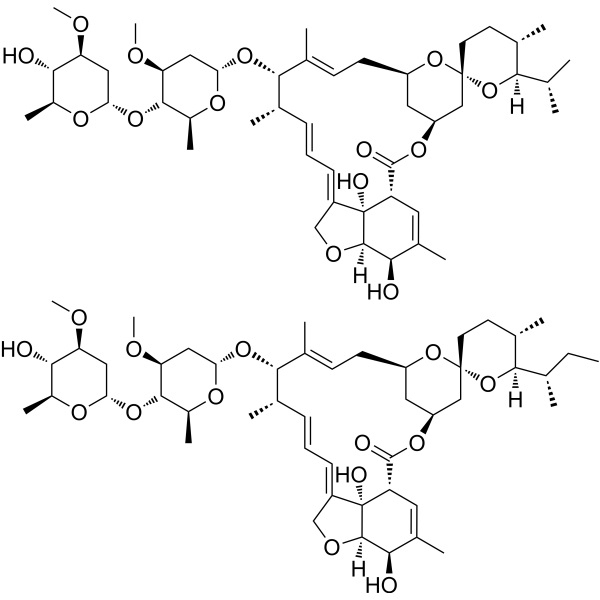
Ivermectin (MK-933) is a broad-spectrum anti-parasite agent. Ivermectin (MK-933) is a specific inhibitor of Impα/β1-mediated nuclear import and has potent antiviral activity towards both HIV-1 and dengue virus. It is a positive allosteric effector of P2X4 and the α7 neuronal nicotinic acetylcholine receptor (nAChRs). Ivermectin also inhibits bovine herpesvirus1 (BoHV-1) replication and inhibits BoHV-1 DNA polymerase nuclear import . Ivermectin is a candidate therapeutic against SARS-CoV-2/COVID-19 .
|
-
-
- HY-13750
-
|
SPI-1005; PZ-51; CCG-39161
|
Calcium Channel
Virus Protease
HIV
Phosphatase
|
Infection
Neurological Disease
Inflammation/Immunology
Cancer
|
|
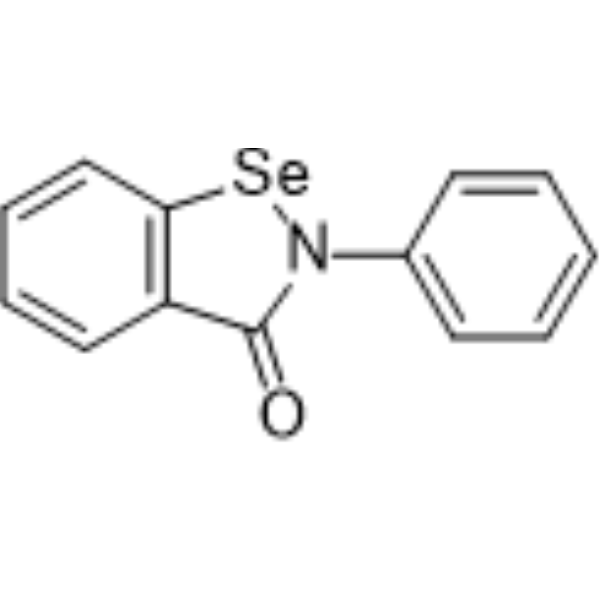
Ebselen (SPI-1005), a glutathione peroxidase mimetic, is a potent voltage-dependent calcium channel (VDCC) blocker . Ebselen potently inhibits M pro (IC50=0.67 μM) and COVID-19 virus (EC50=4.67 μM) .Ebselen is an inhibitor of HIV-1 capsid CTD dimerization. Ebselen, an organoselenium compound, can permeate the blood-brain barrier and has anti-inflammatory, antioxidant and anticancer activity .
|
-
-
- HY-116282
-
|
DSS (MW 5000); DXS (MW 5000)
|
HIV
Complement System
Apoptosis
|
Infection
Inflammation/Immunology
|
|
Dextran sulfate sodium salt (DSS) (MW 5000) is a polymer of dehydrated glucose with a molecular weight of approximately 5000. Dextran sulfate sodium salt (DSS) with different molecular weights exhibits different biological activities. Dextran sulfate sodium salt (MW 5000) is an inhibitor of complement and coagulation pathways, and belongs to the glycosaminoglycans (GAG) family. Dextran sulfate sodium salt (MW 5000) acts as an anticoagulant, antiviral, and anti-lipemic agent. Dextran sulfate sodium salt (DSS) stops HIV-1 virus adsorption to host cells. Dextran sulfate sodium salt (MW 5000) prevents NK cell-mediated cytotoxicity. Dextran sulfate sodium salt (MW 5000) inhibits instant blood-mediated inflammatory reaction (IBMIR) .
|
-

-
- HY-18300
-
|
GLPG0634
|
JAK
HIV
|
Cancer
|
|
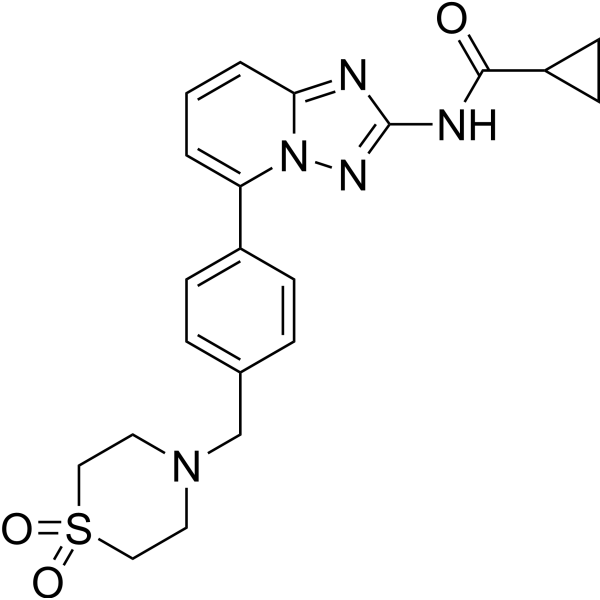
Filgotinib (GLPG0634) is a selective, orally available JAK1 inhibitor with anti-inflammatory and antiviral activities. Filgotinib can effectively inhibit the activities of JAK1, JAK2, JAK3 and TYK2 with IC50 values of 10 nM, 28 nM, 810 nM and 116 nM, respectively. Filgotinib also inhibits HIV-1 driven gene transcription and reduces proliferation of HIV-1 infected cells. Filgotinib can be used in the study of rheumatoid arthritis and inflammatory bowel disease .
|
-
-
- HY-14882
-
|
TAK-652; TBR-652
|
CCR
HIV
|
Infection
Endocrinology
|
|
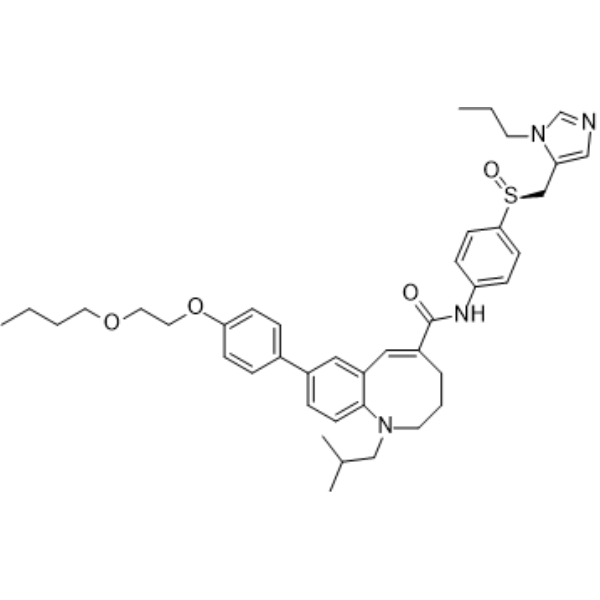
Cenicriviroc (TAK-652) is an orally active, dual CCR2/CCR5 antagonist, also inhibits both HIV-1 and HIV-2, and displays potent anti-inflammatory and antiinfective activity .
|
-
-
- HY-N1372A
-
|
|
HIV
FAK
Apoptosis
Autophagy
|
Infection
Cancer
|
|
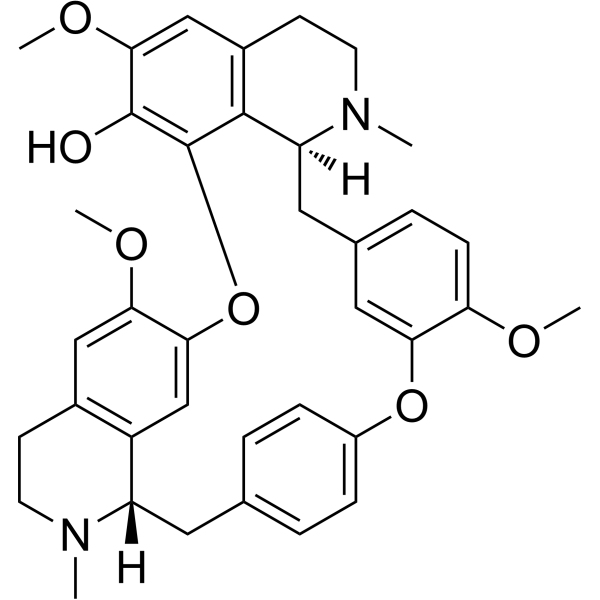
Fangchinoline is isolated from Stephania tetrandra with extensive biological activities, such as enhancing immunity, anti-inflammatory sterilization and anti-atherosclerosis. Fangchinoline, a novel HIV-1 inhibitor, inhibits HIV-1 replication by impairing gp160 proteolytic processing . Fangchinoline targets Focal adhesion kinase (FAK) and suppresses FAK-mediated signaling pathway in tumor cells which highly expressed FAK . Fangchinoline induces apoptosis and adaptive autophagy in bladder cancer .
|
-
-
- HY-A0097
-
|
Antibiotic MDL-507; MDL-507
|
Bacterial
Antibiotic
|
Infection
|
|
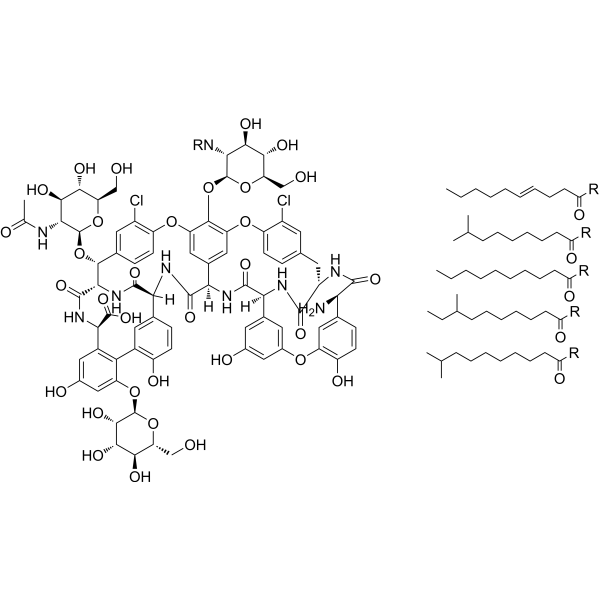
Teicoplanin is a glycopeptide antibiotic indicated for use in serious infections caused by Gram-positive bacteria, including Methicillin-resistant Staphylococcus aureus and Enterococcus aureus.Teicoplanin shows antiviral activity for HIV-1, SARS-CoV1 and SARS-CoV2. Teicoplanin sodium shows anti-MRSA activity .
|
-
-
- HY-B0689
-
|
MK-639 free base; L-735524 free base
|
HIV
HIV Protease
Apoptosis
MMP
SARS-CoV
|
Inflammation/Immunology
Cancer
|
|
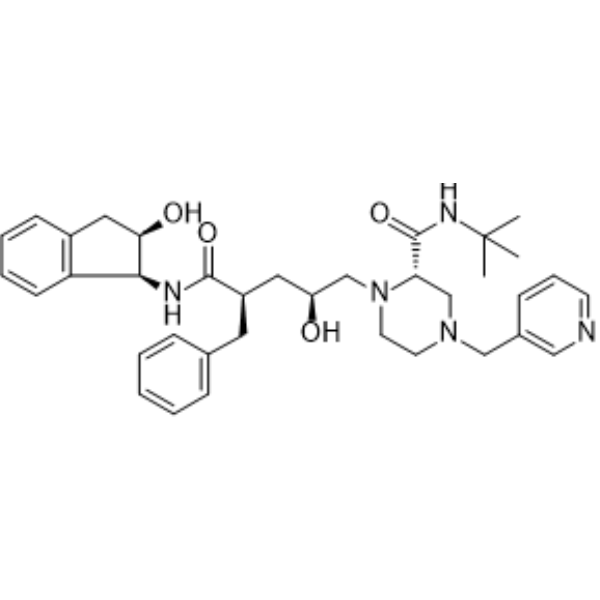
Indinavir (MK-639 free base) is an orally active and selective HIV-1 protease inhibitor with a Ki of 0.54 nM for PR. Indinavir exhibits anticancer activity by inhibiting the activation of MMPs-2 hydrolysis, anti-angiogenesis and inducing apoptosis. Indinavir is also a SARS-CoV 3CL pro inhibitor .
|
-
-
- HY-116282A
-
|
DSS (MW 4500-5500); DXS (MW 4500-5500)
|
HIV
Apoptosis
Complement System
|
Infection
Inflammation/Immunology
|
|
Dextran sulfate sodium salt (DSS) (MW 4500-5500) is a polymer of dehydrated glucose with a molecular weight of approximately 4500-5500. Dextran sulfate sodium salt with different molecular weights exhibits different biological activities. Dextran sulfate sodium salt (MW 4500-5500) is an inhibitor of complement and coagulation pathways, and belongs to the glycosaminoglycans (GAG) family. Dextran sulfate sodium salt (MW 4500-5500) acts as an anticoagulant, antiviral, and anti-lipemic agent. Dextran sulfate sodium salt (MW 4500-5500) stops HIV-1 virus adsorption to host cells. Dextran sulfate sodium salt (MW 4500-5500) prevents NK cell-mediated cytotoxicity. Dextran sulfate sodium salt (MW 4500-5500) inhibits instant blood-mediated inflammatory reaction (IBMIR) .
|
-
-
- HY-N2010
-
-
-
- HY-78726
-
|
Amprenavir phosphate; GW 433908
|
Drug Intermediate
HIV
HIV Protease
|
Infection
|
|
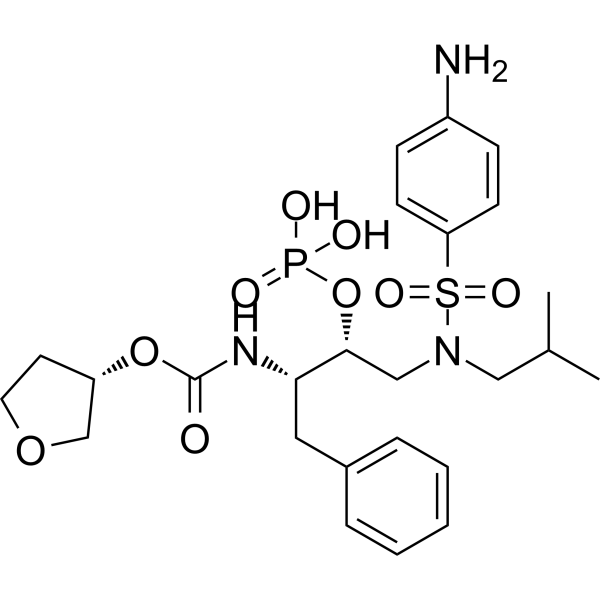
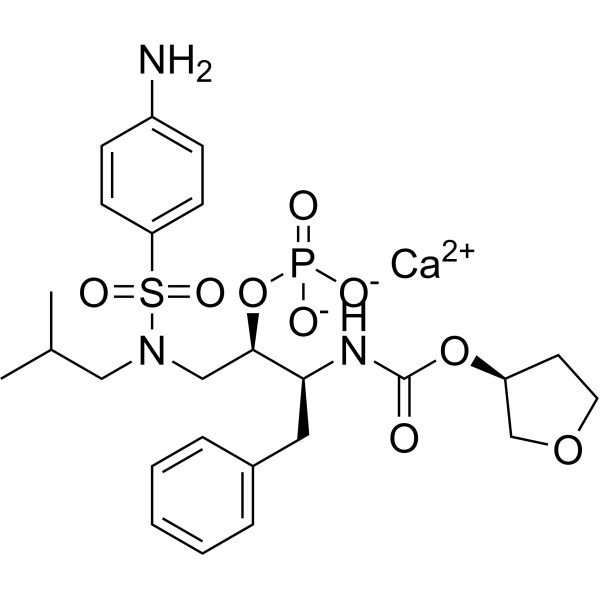
Fosamprenavir is an orally active inhibitor targeting HIV-1 protease and is a prodrug of Amprenavir (HY-17430). Fosamprenavir is hydrolyzed into Amprenavir (VX-478) by cell phosphatases in the intestinal epithelium. Amprenavir binds to the active site of HIV-1 protease, preventing the processing of viral gag and gag-pol polyprotein precursors, thereby inhibiting the formation of mature infectious virus particles and exerting anti-HIV-1 infection activity. Fosamprenavir can be used for the study of human immunodeficiency virus (HIV-1) infection .
|
-
-
- HY-14882A
-
|
TAK-652 Mesylate; TBR-652 Mesylate
|
CCR
HIV
|
Infection
Inflammation/Immunology
Endocrinology
|
|
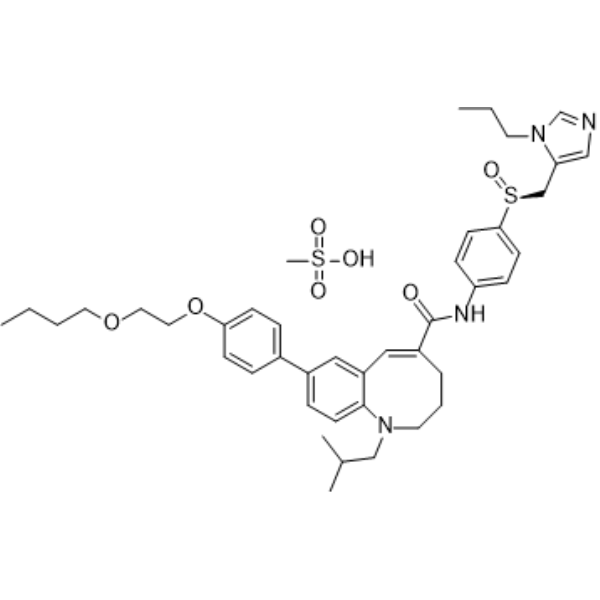
Cenicriviroc Mesylate (TAK-652 Mesylate) is a dual CCR2/CCR5 antagonist, also inhibits both HIV-1 and HIV-2, and displays potent anti-inflammatory and antiinfective activity.
|
-
-
- HY-B0689A
-
|
MK-639; L735524
|
HIV
HIV Protease
SARS-CoV
Apoptosis
MMP
|
Infection
Cancer
|
|
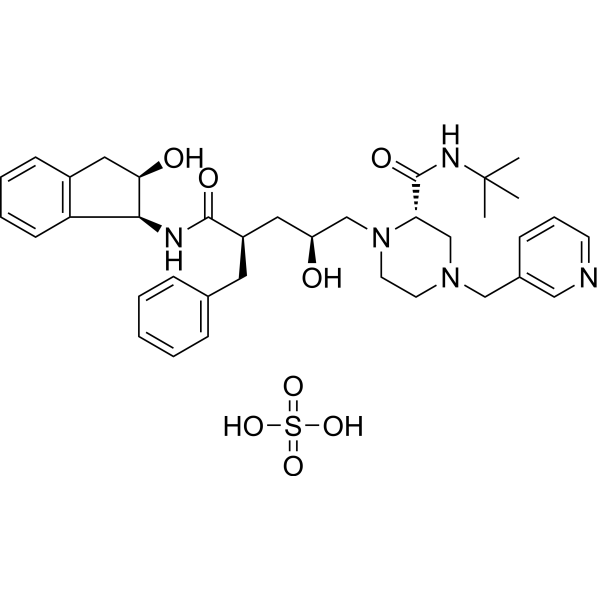
Indinavir sulfate (MK-639) is an orally active and selective HIV-1 protease inhibitor with a Ki of 0.54 nM for PR. Indinavir sulfate exhibits anticancer activity by inhibiting the activation of MMPs-2 hydrolysis, anti-angiogenesis and inducing apoptosis. Indinavir sulfate is also a SARS-CoV 3CL pro inhibitor .
|
-
-
- HY-109056
-
|
R-1206
|
Drug Intermediate
HIV
Reverse Transcriptase
Carbonic Anhydrase
|
Infection
Cancer
|
|
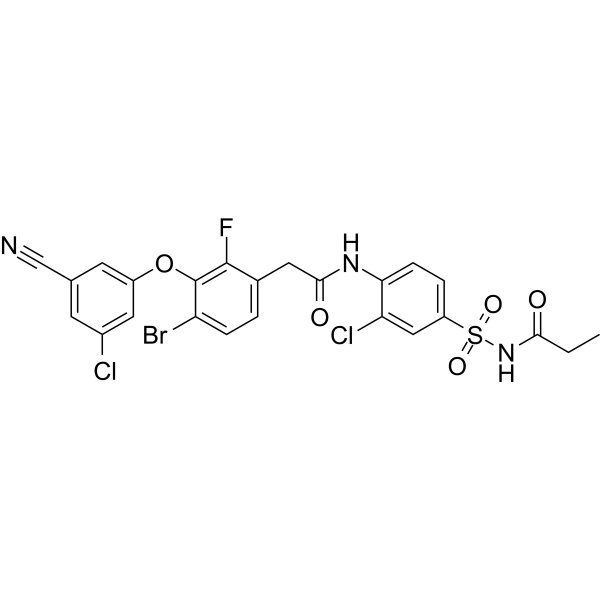
Elsulfavirine (R-1206) is an orally active human carbonic anhydrase (carbonic anhydrase, CA) inhibitor and an allosteric inhibitor of HIV-1 non-nucleoside reverse transcriptase (NNRT). Elsulfavirine also targets and blocks the interaction between adenylosuccinate lyase (ADSL) and insulin-induced gene proteins INSIG1/2, blocks SREBP-1-mediated de novo lipid synthesis, and inhibits the proliferation of liver cancer cells. The combination of Elsulfavirine and Lenvatinib (HY-10981) produces a synergistic anti-tumor effect. Elsulfavirine is converted into the active metabolite VM1500A in vivo, blocks the DNA polymerase activity of reverse transcriptase, and inhibits HIV-1 replication. Elsulfavirine exhibits a Ki of 1960 nM-52400 nM against human carbonic anhydrase isoforms including I, VII, VI, VA, VB, IX, XIII, XIV. Elsulfavirine is used in studies related to HIV-1 infection and liver cancer .
|
-
-
- HY-N0165
-
|
|
HIV
Reverse Transcriptase
|
Cardiovascular Disease
Infection
Inflammation/Immunology
|
|
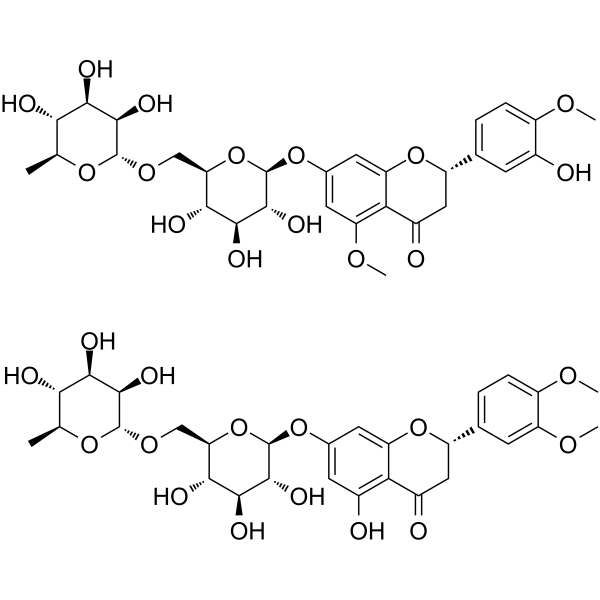
Methyl-Hesperidin is a glycoside compound. Methyl-Hesperidin has hypotensive, coronary dilating, smooth muscle relaxing, capillary stabilizing, choleretic, and anti-ulcer activities. Methyl-Hesperidin act as a competitive substrate to inhibit HIV-1 reverse transcriptase activity. Methyl-Hesperidin potentiates coronary dilating actions of adenine nucleotides and 3'-AMP, enhances depressant action on isolated atria, and prolongs adenosine- and ATP-induced heart block in guinea pigs .
|
-
-
- HY-17431
-
|
GW433908G
|
Drug Intermediate
HIV
HIV Protease
|
Infection
|
|
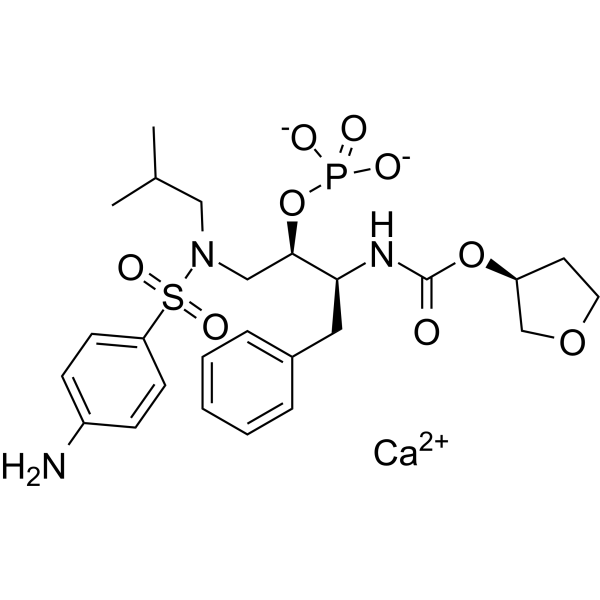
Fosamprenavir Calcium Salt (GW433908G) is an orally active inhibitor targeting HIV-1 protease and is a prodrug of Amprenavir (HY-17430). Fosamprenavir Calcium Salt is hydrolyzed into Amprenavir (VX-478) by cell phosphatases in the intestinal epithelium. Amprenavir binds to the active site of HIV-1 protease, preventing the processing of viral gag and gag-pol polyprotein precursors, thereby inhibiting the formation of mature infectious virus particles and exerting anti-HIV-1 infection activity. Fosamprenavir Calcium Salt can be used for the study of human immunodeficiency virus (HIV-1) infection .
|
-
-
- HY-18300A
-
|
GLPG0634 maleate
|
JAK
HIV
|
Inflammation/Immunology
|
|
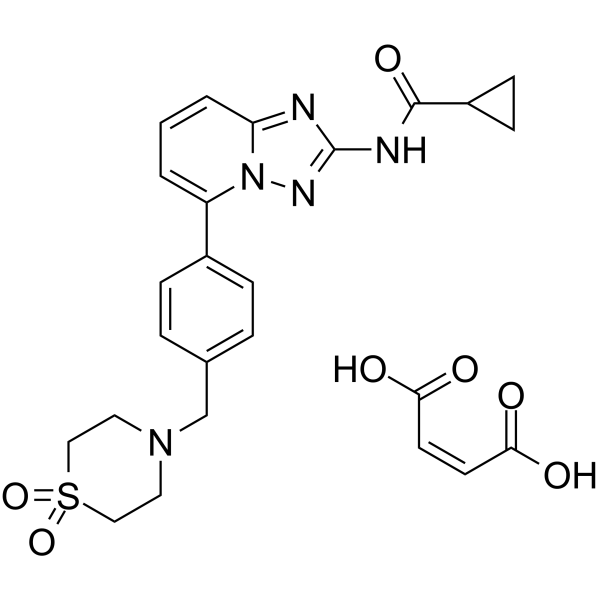
Filgotinib maleate (GLPG0634 maleate) is a selective, orally available JAK1 inhibitor with anti-inflammatory and antiviral activities. Filgotinib maleate can effectively inhibit the activities of JAK1, JAK2, JAK3 and TYK2 with IC50 values of 10 nM, 28 nM, 810 nM and 116 nM, respectively. Filgotinib maleate also inhibits HIV-1 driven gene transcription and reduces proliferation of HIV-1 infected cells. Filgotinib maleate can be used in the study of rheumatoid arthritis and inflammatory bowel disease .
|
-
-
- HY-N1941
-
-
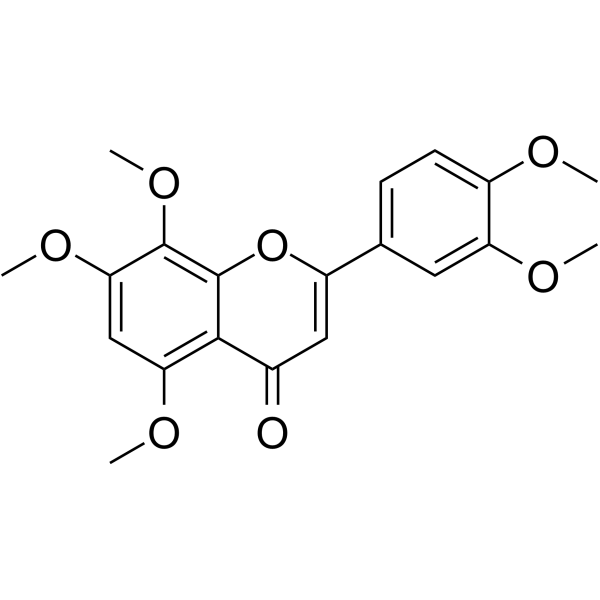
-
- HY-17605A
-
|
GS-9883 sodium
|
HIV Integrase
HIV
|
Infection
|
|
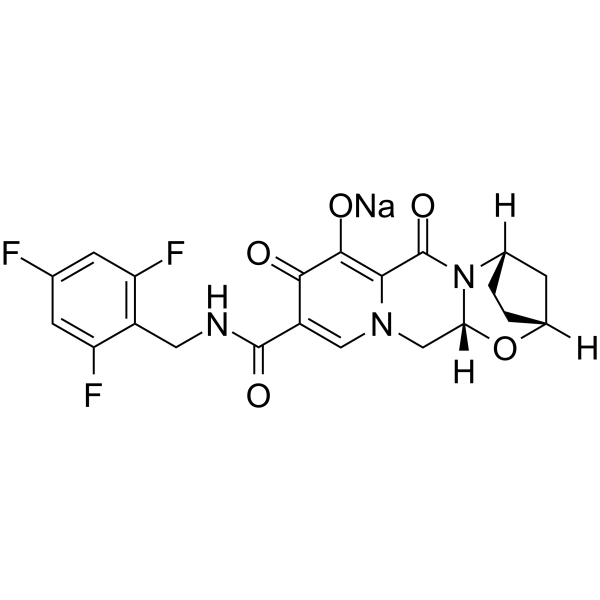
Bictegravir sodium is a potent inhibitor of HIV-1 integrase, with an IC50 of 7.5 nM. Bictegravir sodium exhibits potent and selective anti-HIV activity and low cytotoxicity .
|
-
-
- HY-W719041
-
|
|
HIV
Reverse Transcriptase
|
Infection
|
|
1,6-Di-O-galloyl-β-D-glucose is a compound found in the fruit of Phyllanthus emblica. 1,6-Di-O-galloyl-β-D-glucose has HIV-1 reverse transcriptase (RT) inhibitory activity with an IC50 value of 270 μM. The inhibitory mechanism of 1,6-Di-O-galloyl-β-D-glucose is competitive inhibition of the template primer and non-competitive inhibition of the substrate (dTTP). 1,6-Di-O-galloyl-β-D-glucose can be used in anti-HIV research .
|
-

-
- HY-N6711
-
|
|
HIV Integrase
Bacterial
Antibiotic
Reactive Oxygen Species (ROS)
STAT
AMPK
11β-HSD
|
Infection
Metabolic Disease
|
|
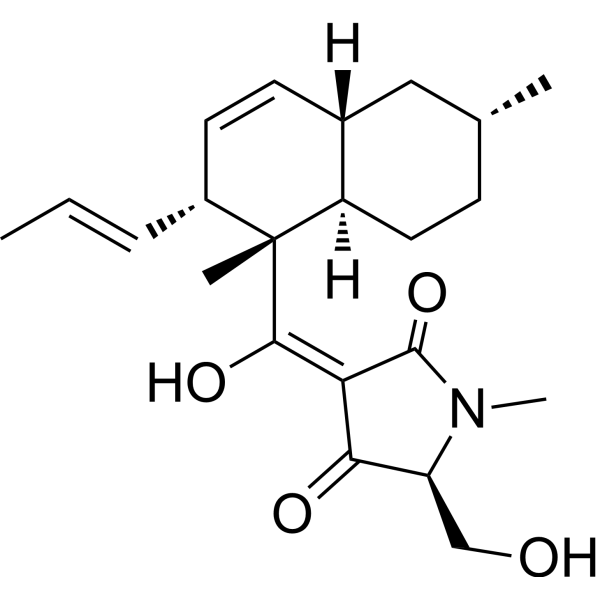
Equisetin is an N-methylserine-derived acyl tetramic acid, quorum sensing inhibitor (QSI), herbicides and antibiotics. Equisetin specifically inhibits the anionic carriers of substrates in the inner mitochondrial membrane. Equisetin inhibits the activity of HIV-1 integrase, 11β-HSD1, and 2,4-dinitrophenol (Dnp)-stimulated ATPase (IC50 = ~8 nmol per mg of protein). Equisetin exhibits growth inhibition of bacteria, anti-inflammatory, amelioration of lipid-associated disorders, and cytotoxic effects .
|
-
-
- HY-W325699
-
|
|
HIV
Reverse Transcriptase
|
Infection
|
|
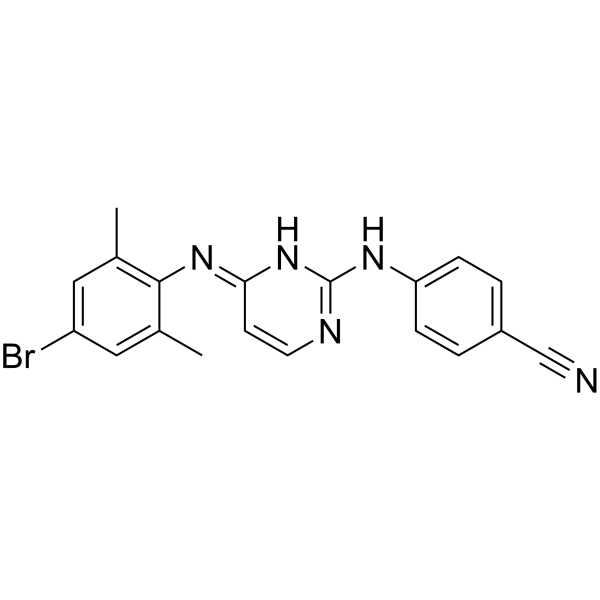
HIV-1 inhibitor-48 (compound 13o) is a novel non-nucleoside reverse transcriptase inhibitor (NNRTI) and exhibits anti-HIV-1 activity .
|
-
-
- HY-122470
-
|
|
Reverse Transcriptase
HIV
|
Infection
|
|
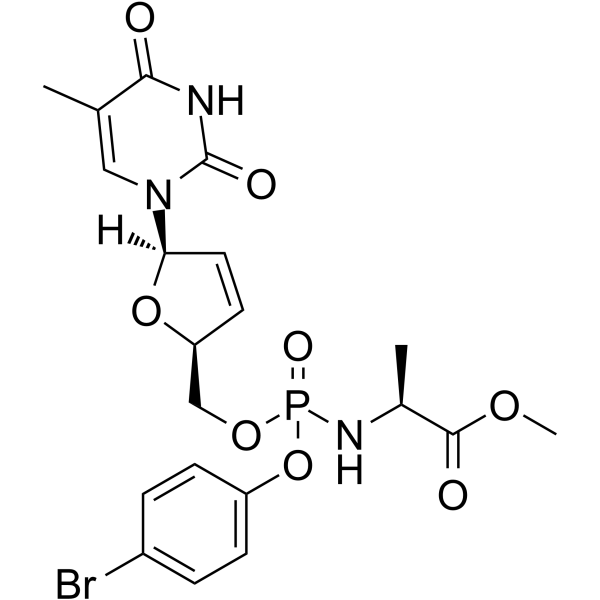
Stampidine is a nucleoside reverse transcriptase inhibitor (NRTI) with potent and broad-spectrum anti-HIV activity. Stampidine inhibits the laboratory HIV-1 strain HTLVIIIB (B-envelope subtype) and primary clinical isolates with IC50s of 1 nM and 2 nM, respectively. Stampidine also inhibits NRTI-resistant primary clinical isolates and NNRTI-resistant clinical isolates with IC50s of 8.7 nM and 11.2 nM, respectively .
|
-
-
- HY-N6924
-
|
|
HIV
PIN1
Fungal
GLUT
Reactive Oxygen Species (ROS)
|
Infection
Neurological Disease
Metabolic Disease
Cancer
|
|
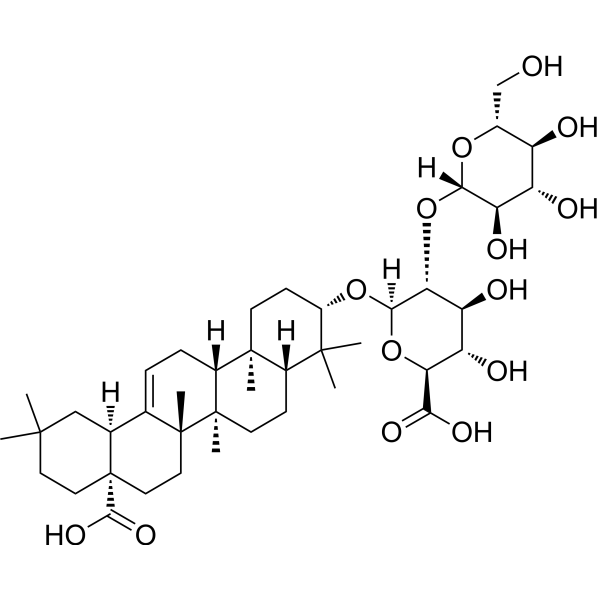
Zingibroside R1 is an orally active triterpene saponin with multiple biological activities including antioxidant, anti-inflammatory, antiviral, and metabolic regulatory properties. Zingibroside R1 reduces the expression of PIN family members, inhibits the expression of PLT1/PLT2, WOX5, SHR, and SCR, disrupts auxin transport and distribution, triggers plant ROS responses, and inhibits root growth. Zingibroside R1 extends the lifespan of Caenorhabditis elegans, enhances its heat stress resistance, and improves its motor ability. Hydrogel derivatives of Zingibroside R1 inhibit the proliferation of Candida albicans by binding to its β-1,3-glucan and exhibit antifungal activity. Zingibroside R1 inhibits GLUT1-mediated uptake and alleviates liver injury. Zingibroside R1 can be used in research related to neurodegenerative diseases, vulvovaginal candidiasis, acute liver injury, Ehrlich ascites tumor and HIV-1 infection .
|
-
-
- HY-125028
-
|
|
Src
HIV
|
Infection
|
|
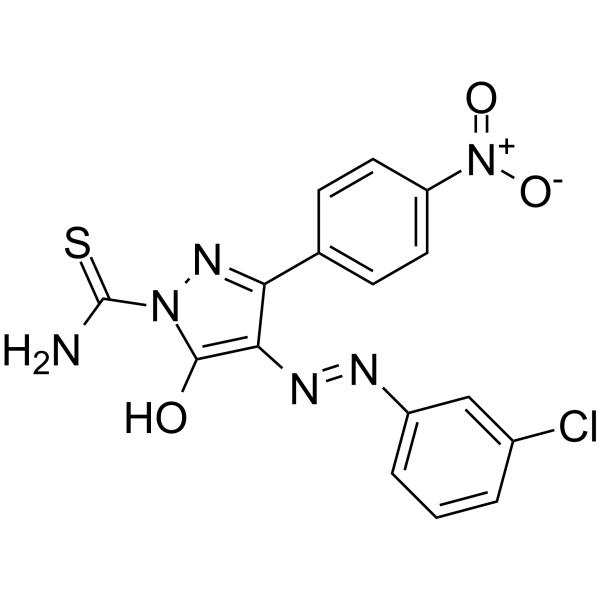
Hck-IN-1 (compound B9), a diphenylpyrazolo compound, is a selective Nef-dependent Hck inhibitor with IC50s of 2.8 μM, >20 μM for Nef:Hck complex and Hck, respectively. Hck-IN-1 is a direct and wide HIV-1 Nef antagonists with an IC50 of 100-300 nM for wild-type HIV-1 replication. Hck-IN-1 binds pocket residue Asn126 and has anti-retroviral activity .
|
-
-
- HY-103078
-
|
|
HIV
Reverse Transcriptase
|
Infection
|
|
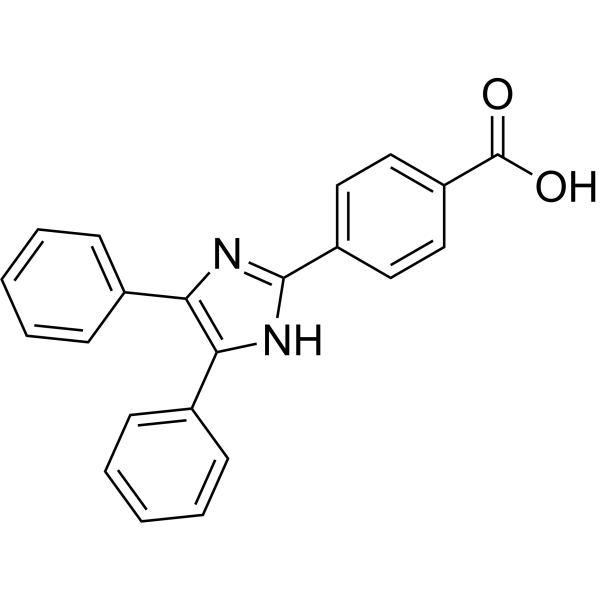
I-XW-053 is a specific anti-HIV-1 capsid inhibitor (IC50=164.2 μM). By binding to the CA NTD-NTD hexamerization interface and the R173 region of CTD (Kd=66.3 μM), I-XW-053 disrupts capsid function and reduces polymerization levels. I-XW-053 effectively blocks HIV-1 uncoating, inhibits reverse transcription and early replication, and exhibits broad-spectrum activity against primary HIV-1 isolates in peripheral blood mononuclear cells. I-XW-053 can be widely used in studies related to HIV-1 infection .
|
-
-
- HY-N0556
-
|
|
HIV Protease
|
Infection
|
|
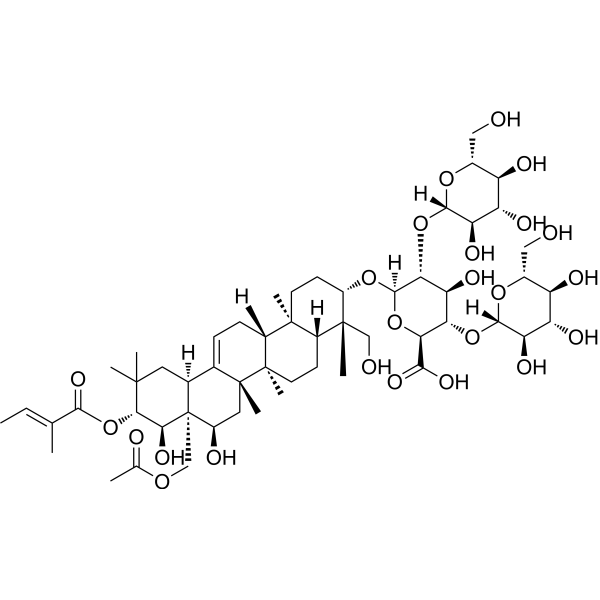
Isoescin IA is a triterpenoid saponin isolated from the seeds of Aesculus chinensis. Isoescin IA has anti-HIV-1 protease activity .
|
-
-
- HY-19827
-
|
(+)-Aeroplysinin-1
|
Bacterial
HIV
Apoptosis
|
Infection
Cancer
|
|
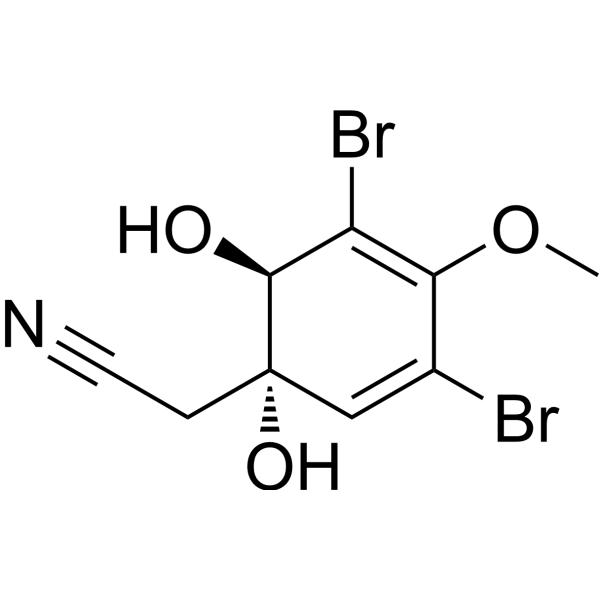
Aeroplysinin 1 ((+)-Aeroplysinin-1), a secondary metabolite isolated from marine sponges, shows potent antibiotic effects on Gram-positive bacteria and exerts antiviral activity against HIV-1 (IC50=14.6 μM). Aeroplysinin 1 has anti-inflammatory, anti-angiogenic and anti-tumor activities. Aeroplysinin 1 induces apoptosis in endothelial cells .
|
-
-
- HY-N12046
-
|
|
HIV
|
Infection
Inflammation/Immunology
Cancer
|
|
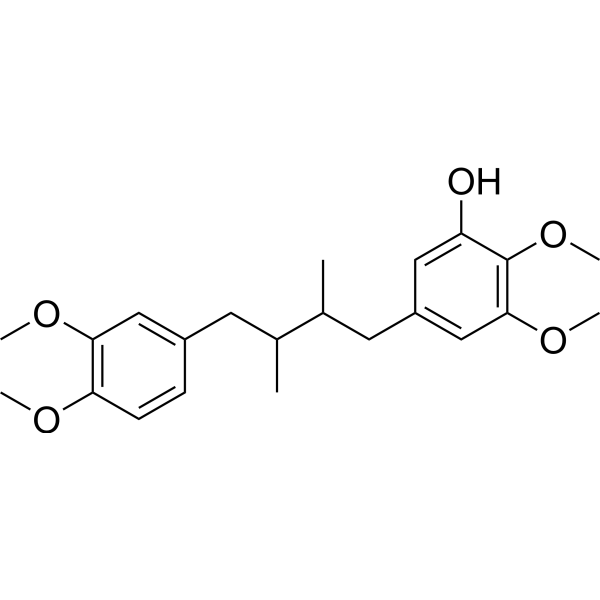
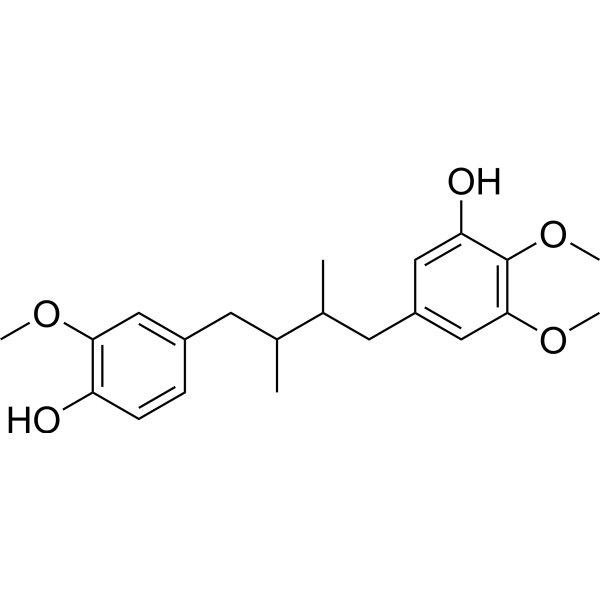
Schineolignin B is a Lignan that can be isolated from the fruit of schisandra chinensis. schisandra chinensis has antihepatitis, antitumor, and anti-HIV-1 activities .
|
-
-
- HY-P1586
-
|
HIV-1 rev Protein (34-50)
|
HIV
|
Infection
|
|
HIV-1 Rev (34-50) is a 17-aa peptide derived from the Rev-responsive element (RRE)-binding domains of Rev in HIV-1, with anti-HIV-1 activity.
|
-

-
- HY-177437
-
|
|
HIV
|
Infection
|
|
(±)-PM 92131 is a non-nucleoside HIV-1 inhibitor. (±)-PM 92131 has an anti-HIV-1 activity with IC50s of 45.7 and 53.8 μM for HIV-1 RF strain in XTT cytoprotection and syncytium-forming assay, respectively. (±)-PM 92131 can be used for HIV infections research .
|
-

-
- HY-177437A
-
|
|
HIV
|
Infection
|
|
(+)-PM 92131 is the active enantiomer of (±)-PM 92131 (HY-177437). (+)-PM 92131 is a non-nucleoside HIV-1 inhibitor. (+)-PM 92131 has an anti-HIV-1 activity with EC50s of 0.8 and 0.6 μM for HIV-1 RF strain in XTT cytoprotection and syncytium-forming assay, respectively. (+)-PM 92131 can be used for HIV infections research .
|
-

-
- HY-78726S
-
|
Amprenavir phosphate-d4; GW 433908-d4
|
Isotope-Labeled Compounds
Drug Intermediate
HIV
HIV Protease
|
Infection
|
|
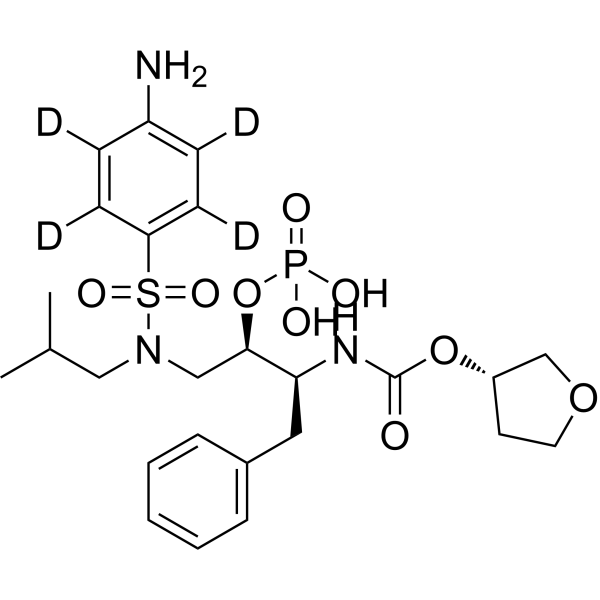
Fosamprenavir-d4 is the Deuterium-labeled Fosamprenavir (HY-78726). Fosamprenavir is an orally active inhibitor targeting HIV-1 protease and is a prodrug of Amprenavir (HY-17430). Fosamprenavir is hydrolyzed into Amprenavir (VX-478) by cell phosphatases in the intestinal epithelium. Amprenavir binds to the active site of HIV-1 protease, preventing the processing of viral gag and gag-pol polyprotein precursors, thereby inhibiting the formation of mature infectious virus particles and exerting anti-HIV-1 infection activity. Fosamprenavir can be used for the study of human immunodeficiency virus (HIV-1) infection .
|
-
-
- HY-17605AR
-
|
GS-9883 sodium (Standard)
|
Reference Standards
HIV Integrase
HIV
|
Infection
|
|
Bictegravir (sodium) (Standard) is the analytical standard of Bictegravir (sodium). This product is intended for research and analytical applications. Bictegravir sodium is a potent inhibitor of HIV-1 integrase, with an IC50 of 7.5 nM. Bictegravir sodium exhibits potent and selective anti-HIV activity and low cytotoxicity .
|
-

-
- HY-103078A
-
|
|
HIV
Reverse Transcriptase
|
Infection
|
|
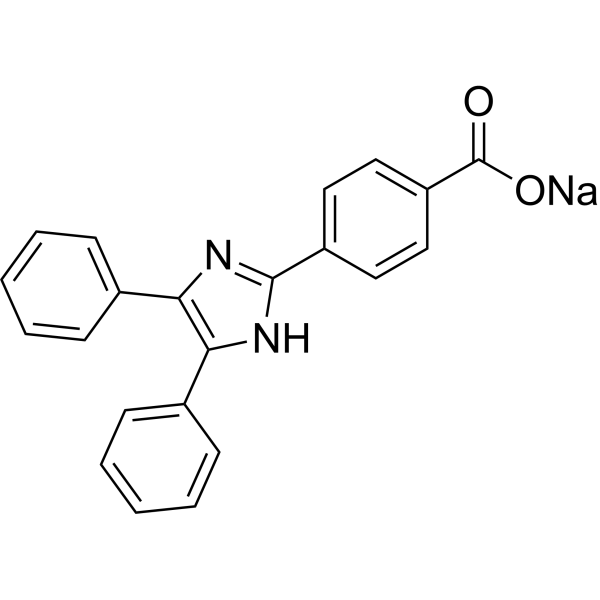
I-XW-053 sodium is a specific anti-HIV-1 capsid inhibitor (IC50=164.2 μM). By binding to the CA NTD-NTD hexamerization interface and the R173 region of CTD (Kd=66.3 μM), I-XW-053 sodium disrupts capsid function and reduces polymerization levels. I-XW-053 sodium effectively blocks HIV-1 uncoating, inhibits reverse transcription and early replication, and exhibits broad-spectrum activity against primary HIV-1 isolates in peripheral blood mononuclear cells. I-XW-053 sodium can be widely used in studies related to HIV-1 infection .
|
-
-
- HY-153094
-
|
|
HIV
HIV Integrase
|
Infection
|
|
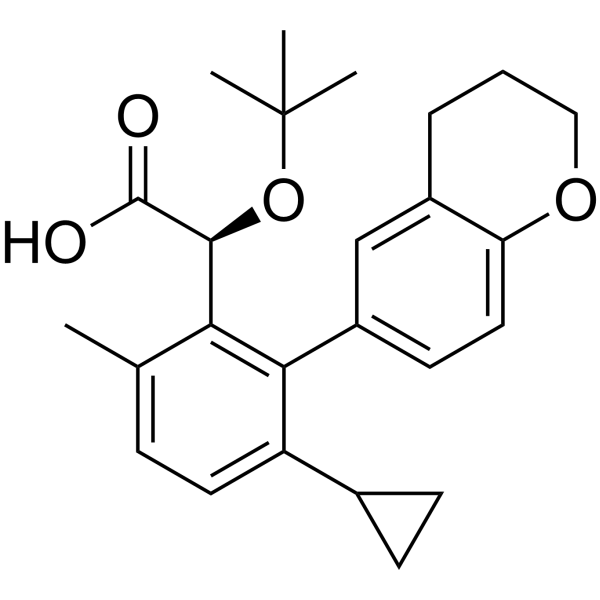
BDM-2 is an IN-LEDGF allosteric inhibitor (INLAI) of HIV-1 integrase (IN refers to integrase) (IC50=47 nM) with potent anti-Retroviral (ARV) activity. BDM-2 shows IN multimerization activation effect with an AC50 value of 20 nM. BDM-2 blocks the interaction between the catalytic core domain of IN (IN-CCD) and the Integrase binding domain of LEDGF/p75 (IBD), with an IC50 value of 0.15 μM. BDM-2 exhibits highly selective and favorable cytotoxicity .
|
-
-
- HY-N10958
-
|
|
Fungal
HIV
Microtubule/Tubulin
|
Infection
|
|
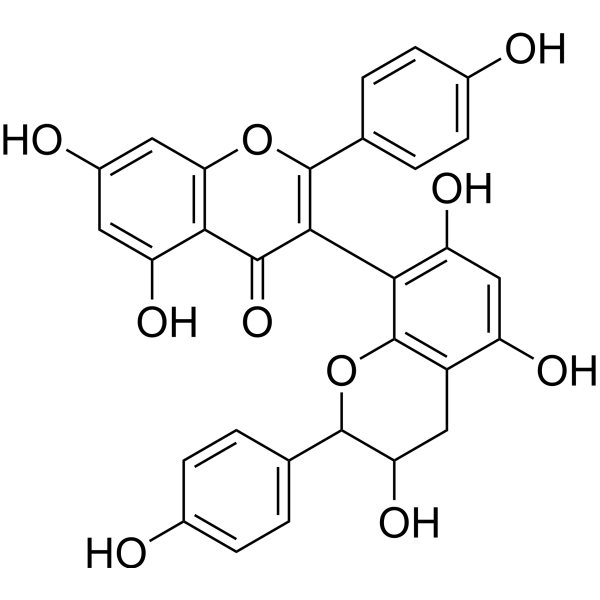
Wikstrol A is a potent antifungal, antimitotic and anti-HIV-1 Agent. Wikstrol A induces morphological deformation of P. oryzae mycelia with an MMDC value of 70.1 µM. Wikstrol A shows activity against microtubule polymerization with an IC50 value of 131 µM. Wikstrol A shows anti-HIV-1 activity with an IC50 value of 67.8 µM .
|
-
-
- HY-152132
-
|
|
CCR
HIV
|
Infection
|
|
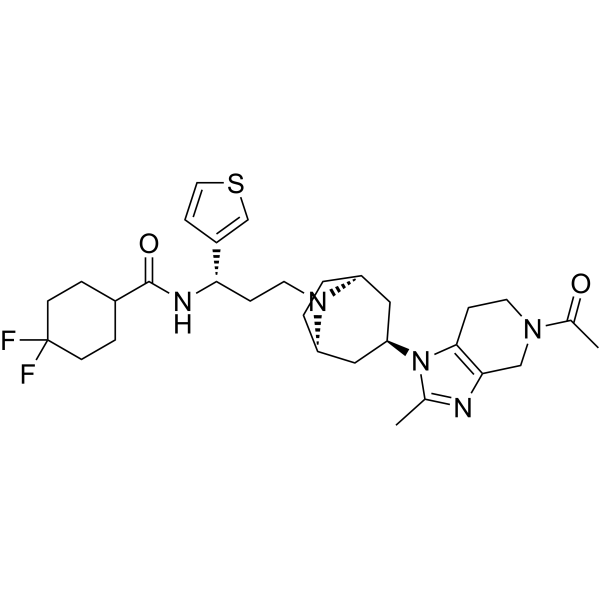
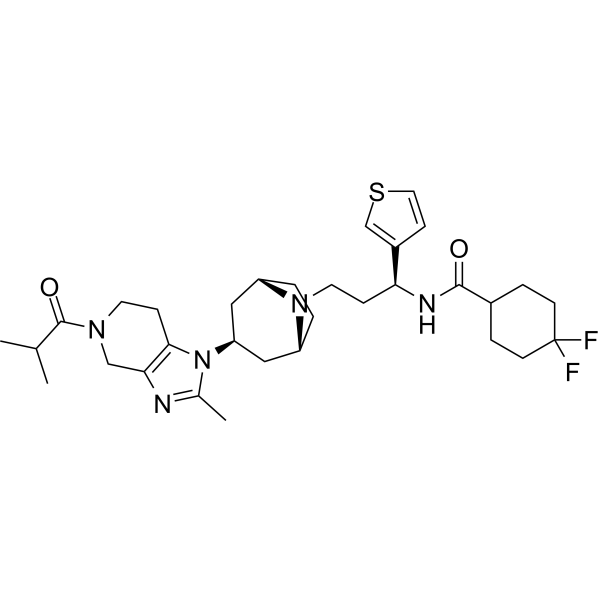
CCR5 antagonist 3 (Compound 26) is a CCR5 antagonist with an IC50 of 15.90 nM. CCR5 antagonist 3 shows broad-spectrum anti-HIV-1 activities .
|
-
-
- HY-152539
-
|
|
HIV
|
Infection
|
|
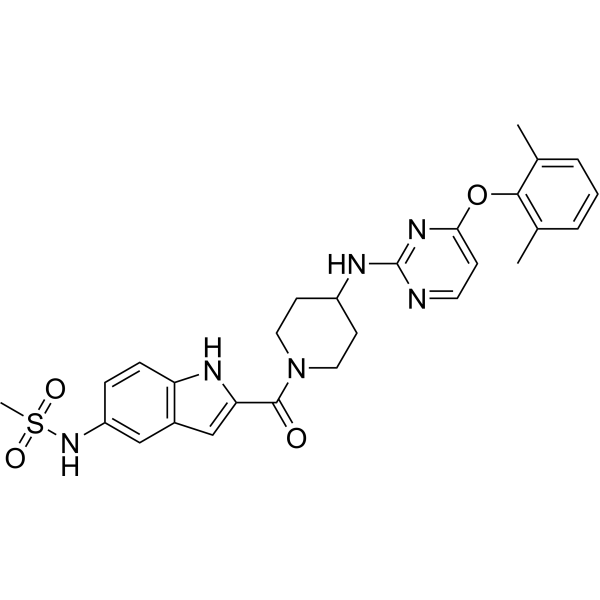
HIV-1 inhibitor-54 is a potent HIV-1 inhibitor. HIV-1 inhibitor-54 has anti-HIV activity in MT-4 cells against WT HIV-1 (strain IIIB) with an EC50 value of 0.032 μM. HIV-1 inhibitor-54 can be used for the research of virus infection .
|
-
-
- HY-118711
-
|
|
HIV
Reverse Transcriptase
|
Infection
|
|
HI-346 is a non-nucleoside reverse transcriptase inhibitor (NNRTI) for HIV-1 with an IC50 value against the HIV-1 virus strain (HTLV-IIIB) of 3 nM. HI-346 is a vaginal bactericidal contraceptive agent, with its sperm-killing activity having an EC50 value of 42 μM. HI-346 shows no cytotoxicity to normal cells at effective concentrations. HI-346 can be used in anti-HIV-1 and contraceptive research .
|
-

-
- HY-N1372AR
-
|
|
Reference Standards
HIV
FAK
Apoptosis
Autophagy
|
Infection
Cancer
|
|
Fangchinoline (Standard) is the analytical standard of Fangchinoline. This product is intended for research and analytical applications. Fangchinoline is isolated from Stephania tetrandra with extensive biological activities, such as enhancing immunity, anti-inflammatory sterilization and anti-atherosclerosis. Fangchinoline, a novel HIV-1 inhibitor, inhibits HIV-1 replication by impairing gp160 proteolytic processing . Fangchinoline targets Focal adhesion kinase (FAK) and suppresses FAK-mediated signaling pathway in tumor cells which highly expressed FAK . Fangchinoline induces apoptosis and adaptive autophagy in bladder cancer .
|
-

-
- HY-175667
-
|
|
HIV
Reverse Transcriptase
|
Infection
|
|
NNRT-IN-12 (compound 19) is a potent non-nucleoside reverse transcriptase (NNRT) inhibitor with an IC50 value of 0.107 μM for WT HIV-1 RT. NNRT-IN-12 shows anti-HIV-1 activity with EC50 value of 14.1, 5.03, 7.64, 27.1 nM for L100I, K103N, Y181C, Y188L mutant HIV-1 strains, respectively. NNRT-IN-12 shows cytotoxicity .
|
-

-
- HY-118747
-
|
|
HIV
|
Infection
|
|
Scirpusin A is a naturally occurring compound extracted from the legume plant Caragana rosea Turcz, exhibiting anti-HIV activity. Scirpusin A demonstrates significant inhibitory effects against HIV-1 (EC50=7 μg/mL). Scirpusin A is utilized in research towards the development of anti-HIV therapeutics .
|
-

-
- HY-18300AR
-
|
GLPG0634 maleate (Standard)
|
JAK
HIV
Reference Standards
|
Inflammation/Immunology
|
|
Filgotinib (maleate) (Standard) is the analytical standard of Filgotinib (maleate). This product is intended for research and analytical applications. Filgotinib maleate (GLPG0634 maleate) is a selective, orally available JAK1 inhibitor with anti-inflammatory and antiviral activities. Filgotinib maleate can effectively inhibit the activities of JAK1, JAK2, JAK3 and TYK2 with IC50 values of 10 nM, 28 nM, 810 nM and 116 nM, respectively. Filgotinib maleate also inhibits HIV-1 driven gene transcription and reduces proliferation of HIV-1 infected cells. Filgotinib maleate can be used in the study of rheumatoid arthritis and inflammatory bowel disease .
|
-

-
- HY-P4810
-
|
T140
|
CXCR
|
Infection
|
|
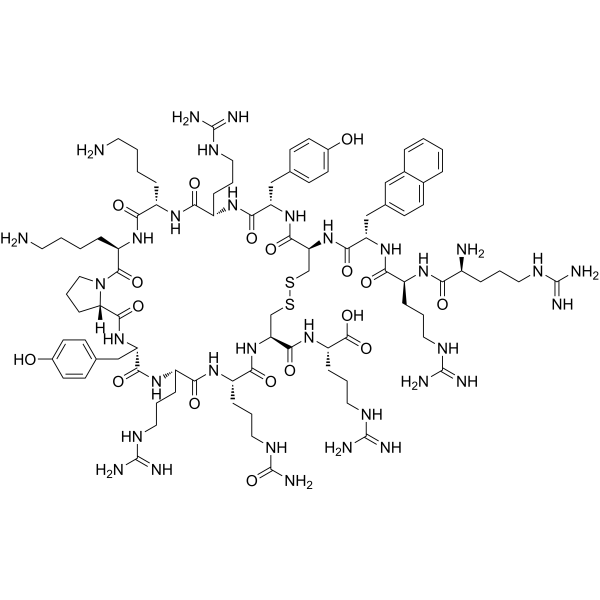
Polyphemusin II-Derived Peptide (T140), a CXCR4 inhibitor, shows high inhibitory activity against HIV-1 entry and the inhibitory effect on the binding of an anti-CXCR4 monoclonal antibody (12G5) to CXCR4 .
|
-
-
- HY-15353
-
|
MKC-442
|
HIV
|
Infection
Inflammation/Immunology
|
|
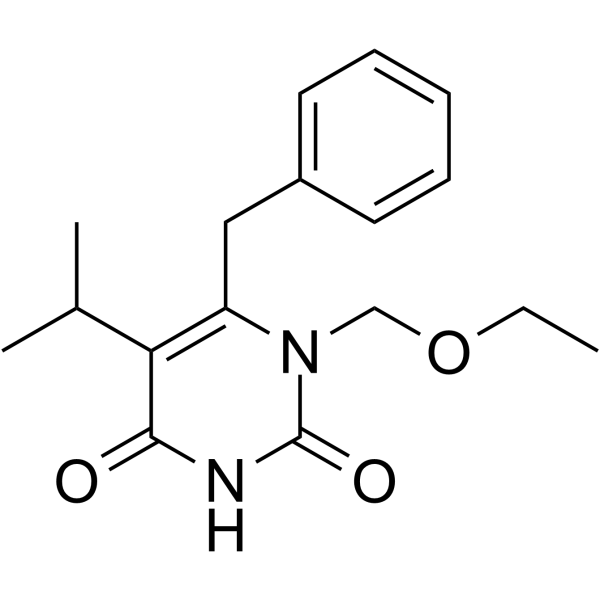
Emivirine (MKC-442) is a non-nucleoside reverse transcriptase inhibitors (NNRTIs) with Ki values of 0.20 and 0.01 μM for dTTP- and dGTP-dependent DNA or RNA polymerase activity, respectively. Emivirine displays potent and selective anti-human immunodeficiency virus type 1 (HIV-1) activity .
|
-
-
- HY-A0097A
-
|
Antibiotic MDL-507 sodium; MDL-507 sodium
|
Antibiotic
HIV
SARS-CoV
|
Infection
|
|
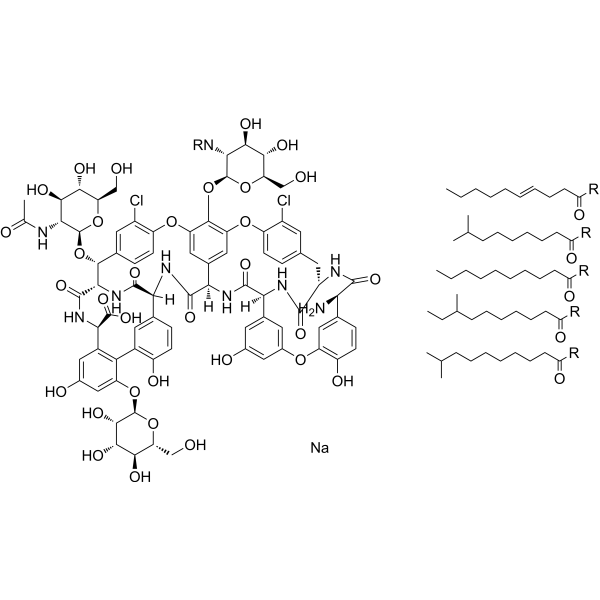
Teicoplanin sodium is a glycopeptide antibiotic indicated for use in serious infections caused by Gram-positive bacteria, including Methicillin-resistant Staphylococcus aureus and Enterococcus aureus.Teicoplanin sodium shows antiviral activity for HIV-1, SARS-CoV1 and SARS-CoV2. Teicoplanin sodium shows anti-MRSA activity .
|
-
-
- HY-14882R
-
|
TAK-652 (Standard); TBR-652 (Standard)
|
CCR
HIV
Reference Standards
|
Infection
Endocrinology
|
|
Cenicriviroc (Standard) is the analytical standard of Cenicriviroc. This product is intended for research and analytical applications. Cenicriviroc (TAK-652) is an orally active, dual CCR2/CCR5 antagonist, also inhibits both HIV-1 and HIV-2, and displays potent anti-inflammatory and antiinfective activity .
|
-

-
- HY-N0554R
-
|
|
Reference Standards
HIV Protease
|
Infection
Cancer
|
|
Escin IA (Standard) is the analytical standard of Escin IA. This product is intended for research and analytical applications. Escin IA is a triterpene saponin isolated from Aesculus hippocastanum, which inhibits HIV-1 protease with IC50 values of 35 μM. Escin IA has anti-TNBC metastasis activity, and its action mechanisms involved inhibition of epithelial-mesenchymal transition process by down-regulating LOXL2 expression .
|
-

-
- HY-144730
-
|
|
HIV
|
Inflammation/Immunology
|
|
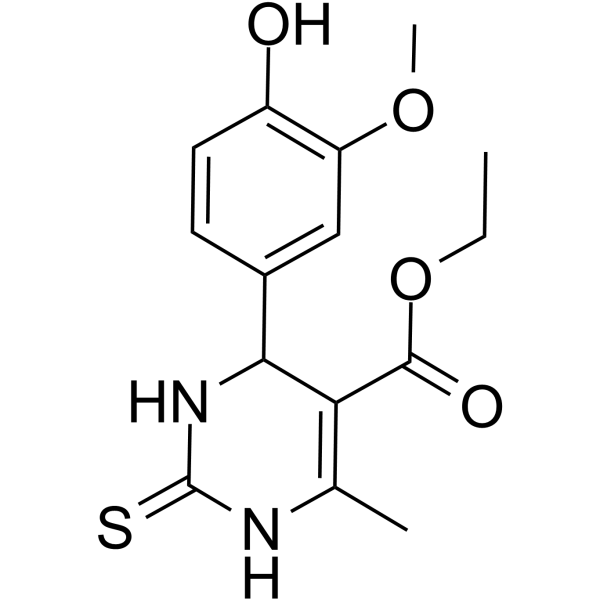
gp120-IN-1 (compound 4e) is a potent HIV-1 gp120 inhibitor with an IC50 of 2.2 µM and CC50 of 100.90 µM. gp120-IN-1 shows anti-HIV-1 activity. gp120-IN-1 shows cytotoxicity in a dose dependent manner in SUP-T1 cells. gp120-IN-1 shows inhibition of gp120-mediated virus enter into cells .
|
-
- HY-P991541
-
|
|
CCR
HIV
|
Infection
|
|
HGS101 is a fully human CCR5 monoclonal antibody with high affinity to CCR5. HGS101 binds to the 2nd extracellular loop (ECL-2) and acts as a signal antagonist. HGS101 restores Maraviroc (HY-13004) inhibition of Maraviroc-resistant HIV-1 infection of PBMCs. HGS101 shows anti-HIV activity by inhibiting CCR5 signaling in simian immunodeficiency virus-uninfected RMs models .
|
-

- HY-174303
-
|
|
HIV
Reverse Transcriptase
|
Infection
|
|
NNRT-IN-9 (Compound EG28) is a non-nucleoside reverse transcriptase (NNRT) inhibitor. NNRT-IN-9 has potent antiviral and anti-resistance activity against wild-type (WT) HIV-1 and various clinically relevant mutations (E138K and K103N + Y181C) with EC50s of 55, 67 and 3910 nM, respectively. NNRT-IN-9 can be used for acquired immune deficiency syndrome (AIDS) research .
|
-

- HY-15571A
-
|
|
HIV
CCR
|
Infection
|
|
VCH-286 is a CCR5 inhibitor that exhibits potent in vitro anti-HIV-1 activity when used alone .
|
-

- HY-14230
-
|
|
CCR
HIV
|
Infection
|
|
INCB9471 is a potent, selective and orally active CCR5 antagonist. INCB9471 shows anti-HIV-1 activity .
|
-

- HY-12687S
-
|
|
Isotope-Labeled Compounds
Bacterial
HIV
Autophagy
|
Infection
|
|
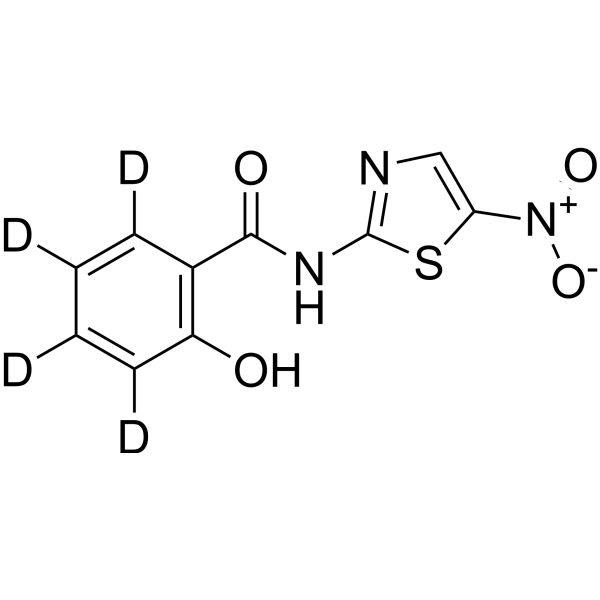
Tizoxanide-d4 is the deuterium labeled Tizoxanide. Tizoxanide is the active metabolite of Nitazoxanide, which is a thiazolide anti-infective compound against anaerobic bacteria, protozoa, and a range of viruses. Tizoxanide has anti-HIV-1 activities .
|
-
- HY-161986
-
|
|
HIV
|
Infection
|
|
HIV-1 inhibitor-74 (compound 10c) is a potent HIV-1 inhibitor with an EC50 value of 0.0047 µM for HIV-1 IIIB. HIV-1 inhibitor-74 shows cytotoxicity. HIV-1 inhibitor-74 inhibits WT HIV-1 RT activity with an IC50 value of 0.134 µM. HIV-1 inhibitor-74 shows broad-spectrum anti HIV-1 activity .
|
-

- HY-147723
-
|
|
HIV
|
Infection
|
|
HIV-1 inhibitor-39 (compound 3c) is a potent HIV-1 inhibitor with an EC50 of >112.88 µM. HIV-1 inhibitor-39 shows anti-RT (HIV-1 reverse transcriptase) activities with an IC50 of 15.75 µM. HIV-1 inhibitor-39 shows cytotoxicity for MT-4 cells with an CC50 of 112.9 µM .
|
-
- HY-126900
-
|
|
HIV
Reverse Transcriptase
|
Others
|
|
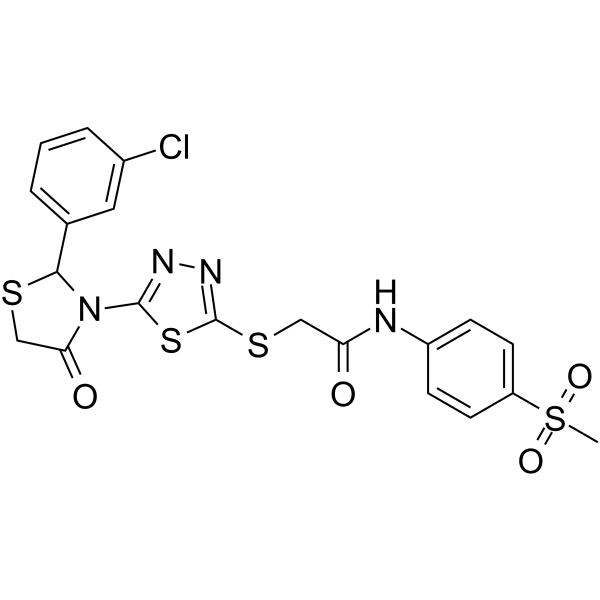
HI-253 is a non-nucleoside inhibitor of HIV-1 reverse transcriptase that has demonstrated greater activity than multiple anti-HIV compounds against both resistant and sensitive HIV-1 strains.
|
-

- HY-P11037
-
|
|
HIV
|
Infection
|
|
soVIRIP is a virus inhibitory peptide with an IC50 of 1.2 μM for HIV-1 . soVIRIP binds to the HIV-1 GP41 fusion peptide and inhibits viral fusion and entry into host cells. soVIRIP has broad-spectrum anti-HIV-1 activities with nontoxicity in zebrafish models. soVIRIP can used for viral infections research .
|
-

- HY-119120
-
|
|
HIV
CDK
|
Infection
Inflammation/Immunology
|
|
JTK-101 is a selective HIV inhibitor. JTK-101 selectively reduces HIV-1 mRNA synthesis by inhibiting Tat cofactors, including CDK9 and cyclin T1, thereby suppressing the transcriptional activity of HIV-1. JTK-101 may be used in the field of anti-HIV virus research .
|
-

- HY-78726A
-
|
Amprenavir phosphate sodium; GW 433908 sodium
|
Drug Intermediate
HIV
HIV Protease
|
Infection
|
|
Fosamprenavir sodium is an orally active inhibitor targeting HIV-1 protease and is a prodrug of Amprenavir (HY-17430). Fosamprenavir sodium is hydrolyzed into Amprenavir (VX-478) by cell phosphatases in the intestinal epithelium. Amprenavir binds to the active site of HIV-1 protease, preventing the processing of viral gag and gag-pol polyprotein precursors, thereby inhibiting the formation of mature infectious virus particles and exerting anti-HIV-1 infection activity. Fosamprenavir sodium can be used for the study of human immunodeficiency virus (HIV-1) infection .
|
-

- HY-N2010R
-
|
Gallincin (Standard); NSC 363001 (Standard)
|
Reference Standards
Bacterial
HIV
Reactive Oxygen Species (ROS)
|
Infection
Cardiovascular Disease
Cancer
|
|
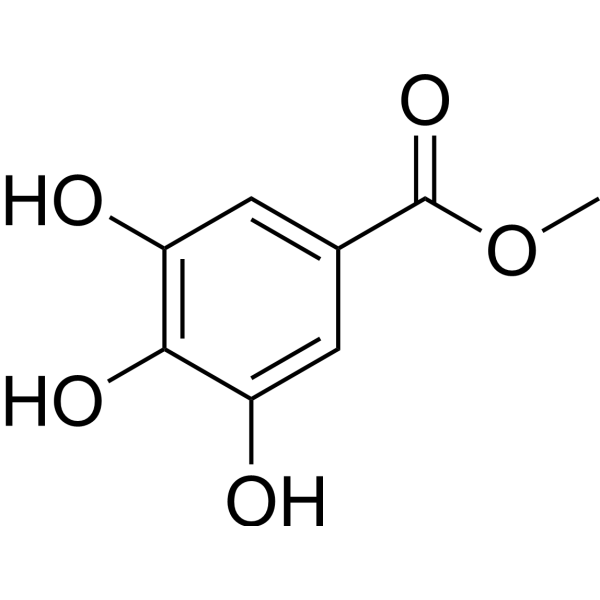
Methyl gallate (Standard) is the analytical standard of Methyl gallate. This product is intended for research and analytical applications. Methyl gallate is a plant phenolic with antioxidant, anticancer, and anti-inflammatory activities. Methyl gallate also shows bacterial inhibition activity. Methyl gallate also has anti-HIV-1 and HIV-1 enzyme inhibitory activities.
|
-

- HY-N1111
-
|
6β,19α-Dihydroxyursolic acid
|
HIV
|
Infection
|
|
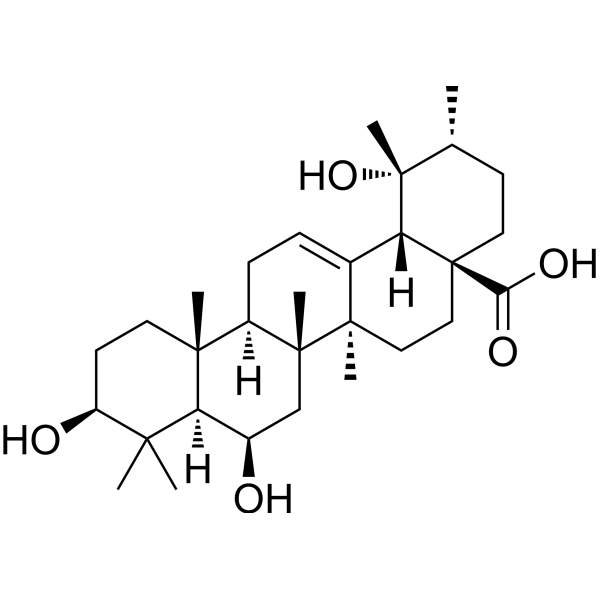
Uncaric acid (6β,19α-Dihydroxyursolic acid) (compound 6) is a triterpene that can be found in Eriobotrya japonica. Uncaric acid shows anti HIV-1, HRV 1B, SNV activity .
|
-
- HY-78726S2
-
|
Amprenavir phosphate-13C6; GW 433908-13C6
|
Isotope-Labeled Compounds
Drug Intermediate
HIV
HIV Protease
|
Infection
|
|
Fosamprenavir- 13C6 is the 13C-labeled Fosamprenavir (HY-78726). Fosamprenavir is an orally active inhibitor targeting HIV-1 protease and is a prodrug of Amprenavir (HY-17430). Fosamprenavir is hydrolyzed into Amprenavir (VX-478) by cell phosphatases in the intestinal epithelium. Amprenavir binds to the active site of HIV-1 protease, preventing the processing of viral gag and gag-pol polyprotein precursors, thereby inhibiting the formation of mature infectious virus particles and exerting anti-HIV-1 infection activity. Fosamprenavir can be used for the study of human immunodeficiency virus (HIV-1) infection .
|
-

- HY-A0162R
-
|
|
Antibiotic
Reference Standards
Bacterial
|
Infection
|
|
Bictegravir (sodium) (Standard) is the analytical standard of Bictegravir (sodium). This product is intended for research and analytical applications. Bictegravir sodium is a potent inhibitor of HIV-1 integrase, with an IC50 of 7.5 nM. Bictegravir sodium exhibits potent and selective anti-HIV activity and low cytotoxicity .
|
-

- HY-17431R
-
|
GW433908G (Standard)
|
Reference Standards
Drug Intermediate
HIV
HIV Protease
|
Infection
|
|
Fosamprenavir Calcium Salt (GW433908G) (Standard) is the analytical standard of Fosamprenavir Calcium Salt (HY-17431R). This product is intended for research and analytical applications. Fosamprenavir Calcium Salt (GW433908G) is an orally active inhibitor targeting HIV-1 protease and is a prodrug of Amprenavir (HY-17430). Fosamprenavir Calcium Salt is hydrolyzed into Amprenavir (VX-478) by cell phosphatases in the intestinal epithelium. Amprenavir binds to the active site of HIV-1 protease, preventing the processing of viral gag and gag-pol polyprotein precursors, thereby inhibiting the formation of mature infectious virus particles and exerting anti-HIV-1 infection activity. Fosamprenavir Calcium Salt can be used for the study of human immunodeficiency virus (HIV-1) infection .
|
-
- HY-176169
-
-

- HY-122058
-
|
|
HIV
|
Infection
|
|
KRH-3955 is a CXCR4 antagonist with good bioavailability and potent anti-HIV-1 activity. KRH-3955 can effectively inhibit the replication of X4 HIV-1, including clinical isolates from different donors. KRH-3955 also shows activity against recombinant X4 HIV-1 containing reverse transcriptase, protease and tyrosinase resistance mutations. KRH-3955 can inhibit the binding of SDF-1alpha to CXCR4 and calcium ion signaling through this receptor. KRH-3955 inhibits the binding of an antibody against CXCR4 to CXCR4, showing a potent antagonistic effect on CXCR4. KRH-3955 shows an oral bioavailability of 25.6% in rats and can inhibit the replication of X4 HIV-1 in vivo .
|
-

- HY-161945
-
|
|
HIV
HIV Integrase
|
Infection
|
|
IN-RNA-IN-2 (compound 1a) is an inhibitor (IC50=70 nM) of the interaction between HIV-1 integrase and the viral RNA genome. IN-RNA-IN-2 exerts its anti-HIV activity by inhibiting the viral replication process .
|
-

- HY-N15635
-
|
(+)-Withacoagin
|
HIV
|
Infection
Metabolic Disease
Inflammation/Immunology
|
|
Withacoagin is a withanolide that can be isolated from the roots of Withania coagulans. Withacoagin has various biological activites such as adaptogenic, anti-inflammatory, and antioxidant properties. Withacoagin regulates the activity of various enzymes and pathways related to oxidative stress and inflammation. Withacoagin can attenuates HIV-1 infection .
|
-

- HY-163617
-
|
|
HIV
|
Infection
|
|
c-PB2(OH)2 is a 4-carboxyphenyl / 4-hydroxyphenyl meso-substituted porphyrin compound. c-PB2(OH)2 shows anti HIV-1 activity under non-photodynamic and photodynamic conditions .
|
-

- HY-144731
-
|
|
HIV
|
Inflammation/Immunology
|
|
gp120-IN-2 (compound 4i) is a potent HIV-1 gp120 inhibitor with an IC50 of 7.5 µM and CC50 of 112.93 µM. gp120-IN-2 shows anti-HIV-1 activity. gp120-IN-2 shows cytotoxicity in a dose dependent manner in SUP-T1 cells .
|
-
- HY-B0689B
-
|
MK-639 ethanolate; L735524 ethanolate
|
Apoptosis
MMP
HIV
HIV Protease
SARS-CoV
|
Infection
Cancer
|
|
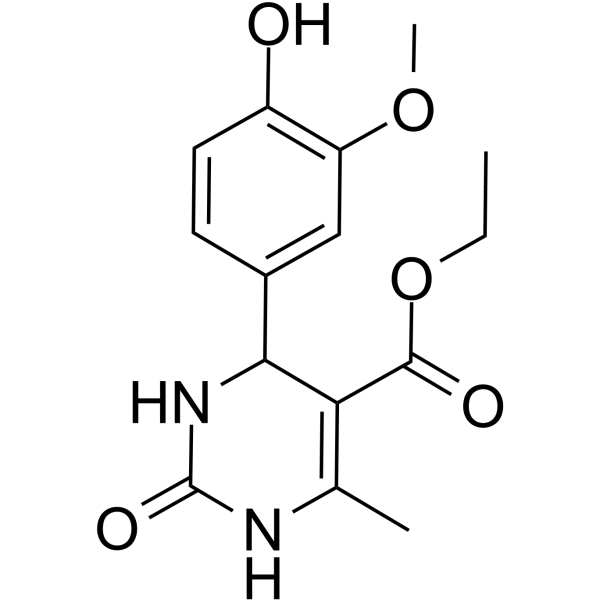
Indinavir sulfate ethanolate (MK-639 ethanolate) is an orally active and selective HIV-1 protease inhibitor with a Ki of 0.54 nM for PR. Indinavir sulfate ethanolate exhibits anticancer activity by inhibiting the activation of MMPs-2 hydrolysis, anti-angiogenesis and inducing apoptosis. Indinavir sulfate ethanolate is also a SARS-CoV 3CL pro inhibitor .
|
-
- HY-134809A
-
|
CADA hydrochloride
|
HIV
|
Infection
|
|
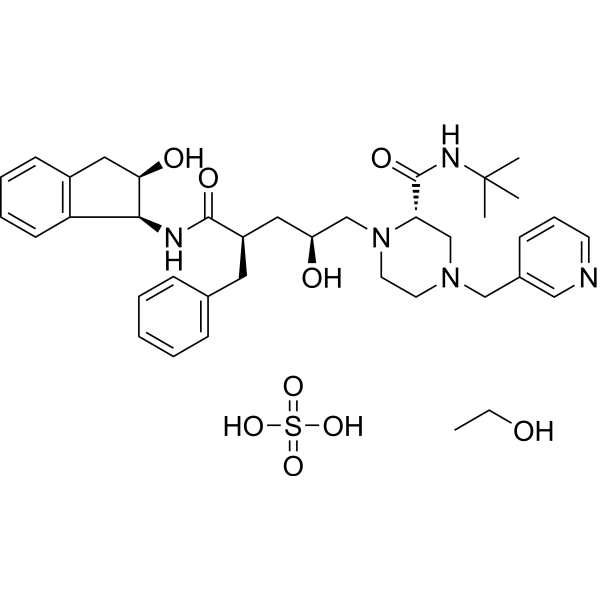
Cyclotriazadisulfonamide (CADA) hydrochloride is a specific CD4-targeted HIV entry inhibitor with activity against HIV-1 replication. Cyclotriazadisulfonamide hydrochloride can specifically downregulate the expression of CD4 receptors on the cell surface, effectively inhibiting HIV transmission. Cyclotriazadisulfonamide hydrochloride can inhibit HIV-1(NL4.3) and SIV(mac251), and has a synergistic effect when used in combination with cellulose acetate (CAP). Cyclotriazadisulfonamide hydrochloride can also be used as a microbial gel formulation to maintain CD4 downregulation and antiviral activity, and is a broad-spectrum anti-HIV agent.
|
-

- HY-B0689S1
-
|
MK-639 free base-13C4,15N; L-735524 free base-13C4,15N
|
Isotope-Labeled Compounds
Apoptosis
MMP
HIV
SARS-CoV
HIV Protease
|
Inflammation/Immunology
Cancer
|
|
Indinavir- 13C4, 15N (MK-639 (free base)- 13C4, 15N) is 13C and 15N labeled Indinavir. Indinavir (MK-639 free base) is an orally active and selective HIV-1 protease inhibitor with a Ki of 0.54 nM for PR. Indinavir exhibits anticancer activity by inhibiting the activation of MMPs-2 hydrolysis, anti-angiogenesis and inducing apoptosis. Indinavir is also a SARS-CoV 3CL pro inhibitor .
|
-

- HY-164682
-
|
|
HIV
CXCR
|
Infection
|
|
AMD 3329 octahydrobromide is a potent and selective anti-HIV-1 and HIV-2 compound with activity to inhibit viral replication. AMD 3329 blocks viral invasion by binding to the chemokine receptor CXCR4. AMD 3329 exhibits EC50 values as low as 0.8 and 1.6 nM when inhibiting HIV-1 and HIV-2 replication, showing better antiviral efficacy than AMD3100. AMD 3329 significantly inhibits the binding of specific CXCR4 monoclonal antibodies and the Ca(2+) flux induced by SDF-1alpha. AMD 3329 is also able to effectively interfere with virus-induced syncytium formation, with an EC50 value of 12 nM .
|
-

- HY-N1352
-
|
|
HIV
|
Infection
|
|
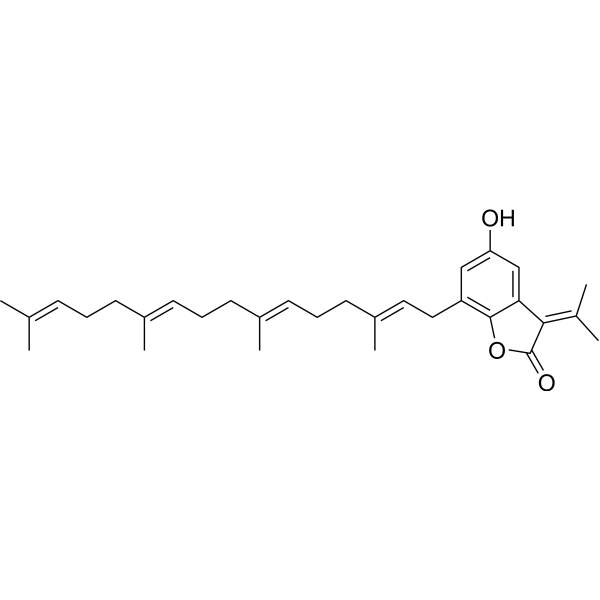
Rhuscholide A is a benzofuran lactone that shows significant anti-HIV-1 activity, with an EC50 of 1.62 μM .
|
-
- HY-123756
-
|
|
HIV
|
Infection
|
|
NBD-10007 is a CD4 agonist. NBD-10007 has anti-HIV-1 viral activity .
|
-

- HY-N12047
-
|
|
HIV
|
Infection
Inflammation/Immunology
Cancer
|
|
Schineolignin C is a Lignan that can be isolated from the fruit of schisandra chinensis. schisandra chinensis has antihepatitis, antitumor, and anti-HIV-1 activities .
|
-
- HY-N10934
-
|
|
HIV Protease
|
Infection
|
|
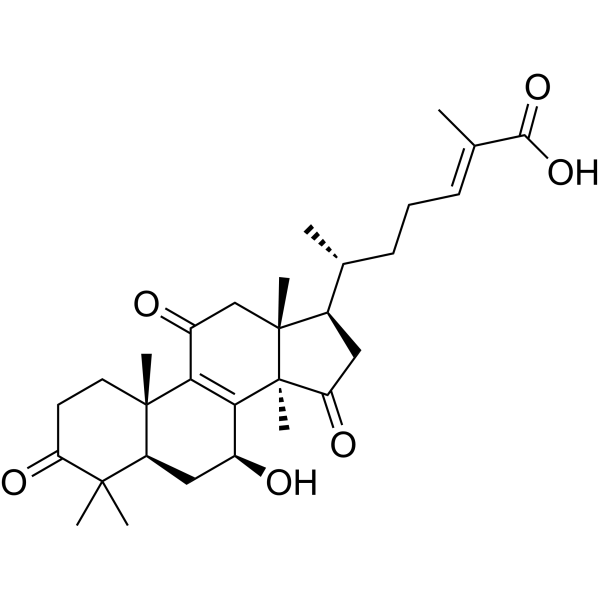
Ganoderic acid GS-1, a highly oxygenated lanostane-type triterpenoid, has anti-HIV-1 protease activities with an IC50 of 58 μM .
|
-
- HY-N5178
-
|
|
HIV
|
Infection
|
|
Chloropeptin I inhibits the binding of gp120 to CD4 with IC50 of 2.0 μM, with the activity of selective anti-human immunodeficiency virus (HIV) .
|
-

- HY-126924
-
|
|
HIV
|
Infection
|
|
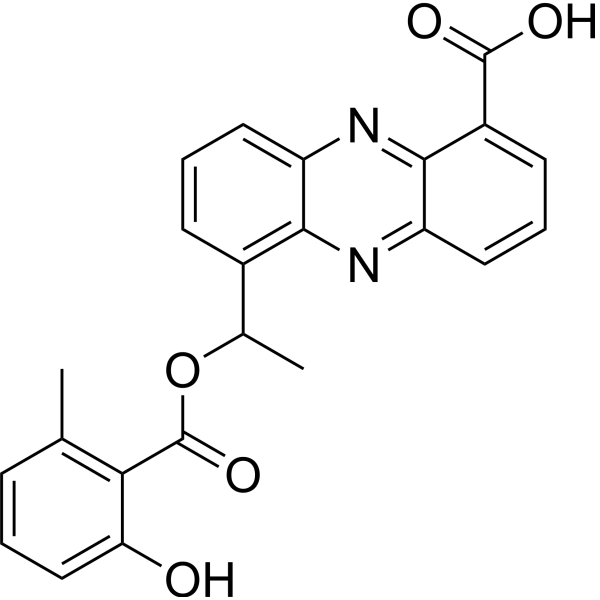
(Rac)-Saphenamycin (compound CID_134184) is a gp41 inhibitor with anti-HIV-1 activity. (Rac)-Saphenamycin reveals p-p interactions with Trp571 .
|
-
- HY-W707365
-
|
|
HIV
|
Infection
|
|
Docosyl trans-ferulate (compound 2) is an antiviral compound. Docosyl trans-ferulate exhibits anti-HIV-1 activity in anti-syncytial assays using the ΔTat/revMC99 virus and 1A2 cell line systems .
|
-

- HY-N17741
-
|
|
HIV
Reverse Transcriptase
|
Infection
|
|
Melanochromone is an HIV-1 reverse transcriptase inhibitor that exhibits anti-HIV-1 activity. Melanochromone can be used in research related to HIV-1 infection .
|
-

- HY-N16760
-
|
|
Microtubule/Tubulin
HIV
|
Infection
|
|
Wikstrol B (compound 5) is a biflavonoid microtubule/tubulin inhibitor and HIV-1 inhibitor. Wikstrol B has an IC50 value of 184 μM for microtubule polymerization and an EC50 of 3.02 μM against HIV-1, acting on early events of HIV-1 replication. Wikstrol B exerts antifungal activity by inducing morphological deformation of Pyricularia oryzae hyphae and exerts anti-mitotic activity by inhibiting microtubule polymerization. Wikstrol B can be used in research related to antifungal, antitumor, and anti-AIDS applications. Wikstrol B can be naturally extracted from the roots of Wikstroemia indica .
|
-

- HY-N19826
-
|
|
HIV
|
Infection
|
|
Lancifodilactone N is a nortriterpenoid found in the leaves and stems of Schisandra lancifolia. Lancifodilactone N shows anti-HIV-1 activity and can be used for the research of HIV-1 infection .
|
-

- HY-N19685
-
|
|
Drug Derivative
|
Others
|
|
3β-Hydroxy sandaracopimaric acid is a diterpene found in the leaves of Juniperus occidentalis with no significant anti-HIV-1 activity.3β-Hydroxy sandaracopimaric acid does not inhibit HIV-1 replication .
|
-

- HY-N16745
-
|
|
Parasite
HIV
HIV Protease
|
Infection
|
|
5-Hydroxynoracronycine is a selective inhibitor targeting Leishmania, HIV-1 protease, and nitric oxide (NO) production. 5-Hydroxynoracronycine has an IC50 of 93.1 μmol/L against HIV-1 protease and an IC50 of 0.19 mg/mL for scavenging DPPH free radicals. 5-Hydroxynoracronycine exerts anti-leishmanial, anti-HIV, antioxidant and antibacterial activities by inhibiting pathogen proliferation, enzyme activity and inflammation-related NO excessive production. 5-Hydroxynoracronycine can be used in the research of leishmaniasis, HIV infection, and inflammation-related diseases .
|
-

- HY-N16821
-
|
|
HIV
|
Infection
Neurological Disease
|
|
Hydroxydihydrobovolide is a α-β-unsaturatedγ-lactone found in Portulaca oleracea L.. Hydroxydihydrobovolide shows cytotoxicity against cancer cells and shows anti-HIV-1 activity (IC50 = 122.7 μM). Hydroxydihydrobovolide can be used for the researches of neuroblastoma and HIV-1 infection .
|
-

- HY-N17718
-
|
3-[8'(Z), 11'(Z), 14'-Pentadecatrienyl] catechol
|
HIV
Reverse Transcriptase
|
Infection
Cancer
|
|
Ursolic acid (15:3) (Compound 4) is a type of resiniferatoxin compound that can be found in the leaves of the tree Rhus verniciflua. Ursolic acid (15:3) exhibits moderate inhibitory activity against HIV-1 reverse transcriptase (b HIV-1 reverse transcriptase), with an IC50 value of 55.36 μM. Ursolic acid (15:3) shows strong cytotoxicity against both PC-3 and MRC-5 cells. Ursolic acid (15:3) can be used in the research of anti-HIV-1 infection and prostate cancer .
|
-

- HY-N17392
-
|
|
HIV
Reverse Transcriptase
|
Infection
Inflammation/Immunology
|
|
Artoheteronin is a prenylated coumarin found in the fruits of Artocarpus heterophyllus. Artoheteronin can inhibit HIV-1 reverse transcriptase activity with an EC50 of 0.18 μM. Artoheteronin shows anti-inflammatory activity and inhibits nitric oxide production. Artoheteronin can be used for the researches of HIV infection and inflammatory disease .
|
-

- HY-103078R
-
|
|
Reference Standards
HIV
Reverse Transcriptase
|
Infection
|
|
I-XW-053 (Standard) is the analytical standard of I-XW-053 (HY-103078). This product is intended for research and analytical applications. I-XW-053 is a specific anti-HIV-1 capsid inhibitor (IC50=164.2 μM). By binding to the CA NTD-NTD hexamerization interface and the R173 region of CTD (Kd=66.3 μM), I-XW-053 disrupts capsid function and reduces polymerization levels. I-XW-053 effectively blocks HIV-1 uncoating, inhibits reverse transcription and early replication, and exhibits broad-spectrum activity against primary HIV-1 isolates in peripheral blood mononuclear cells. I-XW-053 can be widely used in studies related to HIV-1 infection .
|
-

- HY-109056A
-
|
R-1206 sodium
|
HIV
Drug Intermediate
Reverse Transcriptase
Carbonic Anhydrase
|
Infection
Cancer
|
|
Elsulfavirine sodium (R-1206) is an orally active human carbonic anhydrase (carbonic anhydrase, CA) inhibitor and an allosteric inhibitor of HIV-1 non-nucleoside reverse transcriptase (NNRT). Elsulfavirine sodium also targets and blocks the interaction between adenylosuccinate lyase (ADSL) and insulin-induced gene proteins INSIG1/2, blocks SREBP-1-mediated de novo lipid synthesis, and inhibits the proliferation of liver cancer cells. The combination of Elsulfavirine sodium and Lenvatinib (HY-10981) produces a synergistic anti-tumor effect. Elsulfavirine sodium is converted into the active metabolite VM1500A in vivo, blocks the DNA polymerase activity of reverse transcriptase, and inhibits HIV-1 replication. Elsulfavirine sodium exhibits a Ki of 1960 nM-52400 nM against human carbonic anhydrase isoforms including I, VII, VI, VA, VB, IX, XIII, XIV. Elsulfavirine sodium is used in studies related to HIV-1 infection and liver cancer .
|
-

- HY-109056R
-
|
R-1206 (Standard)
|
Reference Standards
Drug Intermediate
HIV
Reverse Transcriptase
Carbonic Anhydrase
|
Infection
Cancer
|
|
Elsulfavirine (Standard) is the analytical standard of Elsulfavirine (HY-109056). This product is intended for research and analytical applications. Elsulfavirine (R-1206) is an orally active human carbonic anhydrase (carbonic anhydrase, CA) inhibitor and an allosteric inhibitor of HIV-1 non-nucleoside reverse transcriptase (NNRT). Elsulfavirine also targets and blocks the interaction between adenylosuccinate lyase (ADSL) and insulin-induced gene proteins INSIG1/2, blocks SREBP-1-mediated de novo lipid synthesis, and inhibits the proliferation of liver cancer cells. The combination of Elsulfavirine and Lenvatinib (HY-10981) produces a synergistic anti-tumor effect. Elsulfavirine is converted into the active metabolite VM1500A in vivo, blocks the DNA polymerase activity of reverse transcriptase, and inhibits HIV-1 replication. Elsulfavirine exhibits a Ki of 1960 nM-52400 nM against human carbonic anhydrase isoforms including I, VII, VI, VA, VB, IX, XIII, XIV. Elsulfavirine is used in studies related to HIV-1 infection and liver cancer .
|
-

- HY-182514
-
|
|
HIV
hnRNP
|
Infection
Cancer
|
|
BMMP is an anti-HIV-1 agent and hnRNP M modulator. BMMP modulates hnRNP M function to suppress CD44 mRNA expression. BMMP induces abnormal uncoating of the HIV viral core at the post-entry step. BMMP suppresses migration of TGF-β-stimulated lung carcinoma cells. BMMP suppresses HIV-1 reverse transcription and replication without inhibiting virion release. BMMP exerts anti-HIV-1 activity via a mechanism distinct from CA protein-binding heterocyclic compounds. BMMP can be used for the research of human immunodeficiency virus infection and non-small cell lung cancer .
|
-

- HY-N0165R
-
|
|
Reference Standards
HIV
Reverse Transcriptase
|
Cardiovascular Disease
Infection
Inflammation/Immunology
|
|
Methyl-Hesperidin (Standard) is the analytical standard of Methyl-Hesperidin (HY-N0165). This product is intended for research and analytical applications. Methyl-Hesperidin is a glycoside compound. Methyl-Hesperidin has hypotensive, coronary dilating, smooth muscle relaxing, capillary stabilizing, choleretic, and anti-ulcer activities. Methyl-Hesperidin act as a competitive substrate to inhibit HIV-1 reverse transcriptase activity. Methyl-Hesperidin potentiates coronary dilating actions of adenine nucleotides and 3'-AMP, enhances depressant action on isolated atria, and prolongs adenosine- and ATP-induced heart block in guinea pigs .
|
-

- HY-116931
-
|
|
Others
|
Others
|
|
Kelletinin I is a coumarin compound with anti-HIV-1 activity.
|
-

- HY-167183
-
-

- HY-N13863
-
|
|
Others
|
Infection
|
|
Glepidotin A is a flavanol. Glepidotin A can be isolated from the leaves and stems of Glycyrrhiza lepidota. Glepidotin A exhibits no anti-HIV-1 activity .
|
-

- HY-114217
-
|
|
HIV
|
Infection
|
|
DS003 is a novel gp120 binder and BMS-378806 (HY-14134) analogue. DS003 has potent and broad anti-HIV-1 activity .
|
-

- HY-N3502
-
|
|
HIV Protease
|
Infection
|
|
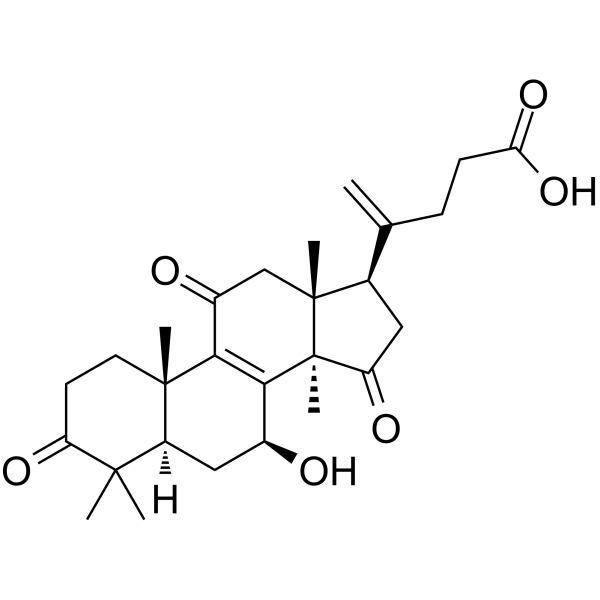
20(21)-Dehydrolucidenic acid A is a triterpenoid isolated from the fruiting body of the fungus Ganoderma sinense. 20(21)-Dehydrolucidenic acid A has weak anti-HIV-1 protease activity .
|
-
- HY-152131
-
|
|
CCR
HIV
|
Infection
|
|
CCR5 antagonist 2 (Compound 25) is a CCR5 antagonist with an IC50 of 8.34 nM. CCR5 antagonist 2 shows broad-spectrum anti-HIV-1 activities .
|
-
- HY-116529
-
|
|
Others
|
Others
|
|
Lamellarin E is a biologically active marine alkaloid, while the Lamellarin series of alkaloids show potential cytotoxicity, topoisomerase I inhibition, protein kinase inhibition, multidrug resistance reversal, and anti-HIV-1 activity .
|
-

- HY-N12345
-
|
|
Others
|
Others
|
|
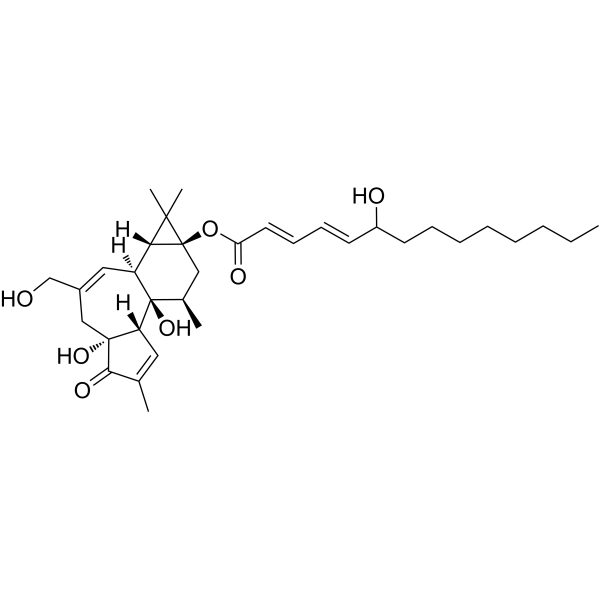
5-Dexyexcoecafolin B is a tigliane-type diterpenoid isolated from the EtOAc extract of Excoecaria acerifolia Didr. 5-Dexyexcoecafolin B has anti-HIV-1 activity with a EC50 value of 0.036 μM .
|
-
- HY-N0556R
-
|
|
Reference Standards
HIV Protease
|
Infection
|
|
Isoescin IA (Standard) is the analytical standard of Isoescin IA. This product is intended for research and analytical applications. Isoescin IA is a triterpenoid saponin isolated from the seeds of Aesculus chinensis. Isoescin IA has anti-HIV-1 protease activity .
|
-

- HY-167945
-
|
|
HIV
CXCR
|
Infection
|
|
AMD-3329 is a potent and selective anti-HIV-1 and HIV-2 agent, exhibiting activity by inhibiting virus replication through binding to the chemokine receptor CXCR4, which serves as a co-receptor for the entry of X4 viruses.
|
-

- HY-128503
-
|
|
HIV
|
Infection
Cardiovascular Disease
|
|
TEI-2306 is a precursor of glutathione biosynthesis. TEI-2306 possesses a unique anti-HIV-1 activity in both chronically and acutely infected cells, and even for free viruses. TEI-2306 can be used for the study of myocardial ischaemia .
|
-

- HY-19851
-
|
GS-9131
|
Reverse Transcriptase
HIV
|
Cancer
|
|
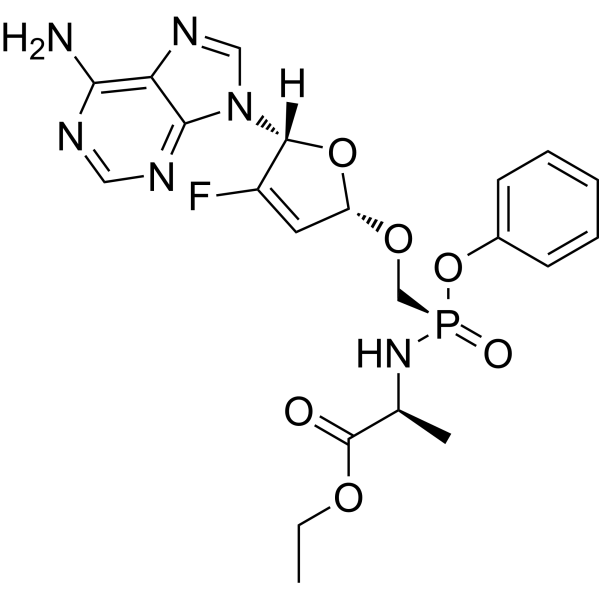
Rovafovir etalafenamide (GS-9131), a proagent of the adenosine nucleotide analogue GS-9148, is an orally active nucleoside reverse transcriptase inhibitor (NRTI). Rovafovir etalafenamide is potent and active against a variety of NRTI mutants, and shows potent anti-HIV-1 activity .
|
-
- HY-173011
-
|
|
PROTACs
Cyclophilin
HIV
HCV
|
Infection
|
|
RJS308 is a selective Cyclophilin A (CypA) PROTAC degrader. RJS308 induces ubiquitin-dependent CypA degradation by recruiting the VHL E3 ligase complex, and forms a ternary complex with CypA and VHL/elongin C/elongin B. RJS308 exhibits anti-HIV-1 and anti-HCV activities. RJS308 can be used in studies related to viral infections .
|
-

- HY-135856
-
|
|
SARS-CoV
Parasite
HIV
|
Infection
|
|
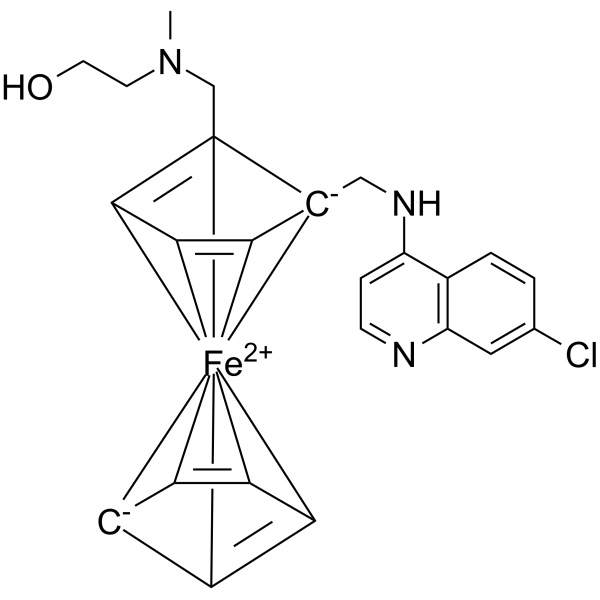
SARS-CoV-IN-2 is an effective inhibitor of SARS-CoV replication. SARS-CoV-IN-2 shows anti-Coronavirus activity with an EC50 of 1.9 μM in Vero cells. SARS-CoV-IN-2 inhibits the 3D7 and W2 strains of P. falciparum with IC50s of 21.5 and 30 nM; and IC90s of 51.0 and 99.9 nM; respectively. SARS-CoV-IN-2 reduces HIV-1-induced cytopathic effect with an EC50 of 2.9 μM in MT-4 cells. Antimalarial and Antiviral Activities .
|
-
- HY-N3094
-
|
|
HBV
HIV
|
Infection
|
|
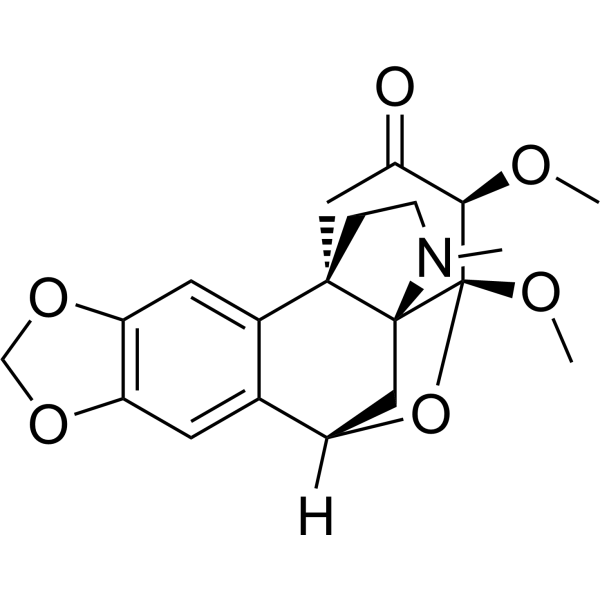
Periglaucine A, a hasubanane-type alkaloid, can be isolated from Pericampylus glaucus. Periglaucine A can inhibits HBV surface antigen (HBsAg) secretion in Hep G2.2.15 cells. Periglaucine A also shows anti-HIV-1 activity in C8166 cells (EC50: 204 μM) .
|
-
- HY-173011A
-
|
|
PROTACs
Cyclophilin
HIV
HCV
|
Infection
|
|
RJS308 TFA is a selective Cyclophilin A (CypA) PROTAC degrader. RJS308 TFA induces ubiquitin-dependent CypA degradation by recruiting the VHL E3 ligase complex, and forms a ternary complex with CypA and VHL/elongin C/elongin B. RJS308 TFA exhibits anti-HIV-1 and anti-HCV activities. RJS308 TFA can be used in studies related to viral infections .
|
-

- HY-135858
-
|
|
SARS-CoV
Parasite
HIV
|
Infection
|
|
SARS-CoV-IN-3 is an effective inhibitor of SARS-CoV replication. SARS-CoV-IN-3 shows anti-Coronavirus activity with an EC50 of 3.6 μM in Vero cells. SARS-CoV-IN-3 inhibits the 3D7 and W2 strains of P. falciparum with IC50s of 11.7 and 20.4 nM; and IC90s of 29.19 and 56 nM; respectively. SARS-CoV-IN-3 reduces HIV-1-induced cytopathic effect with an EC50 of 10 μM in MT-4 cells .
|
-
- HY-N2996
-
|
|
HIV Protease
|
Infection
|
|
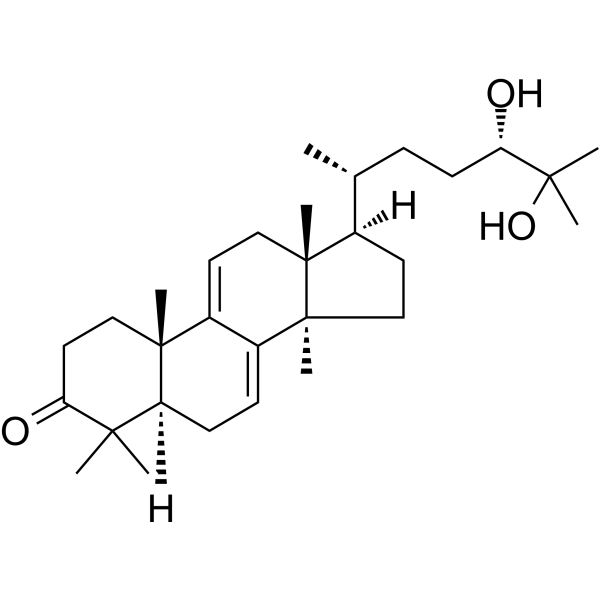
Ganodermanondiol is a melanogenesis inhibitor isolated from the Ganoderma lucidum .Ganodermanondiol exhibits potent cytoprotective effects on tert-butyl hydroperoxide-induced hepatotoxicity . Ganodermanondiol shows significant anti-HIV-1 protease activity with an IC50 of 90 μM . Ganodermanondiol exhibits a strong anticomplement activity against the classical pathway of the complement system with an IC50 of 41.7μM .
|
-
- HY-12687
-
|
TIZ
|
Bacterial
HIV
Autophagy
Parasite
IKK
Influenza Virus
|
Infection
Cancer
|
|
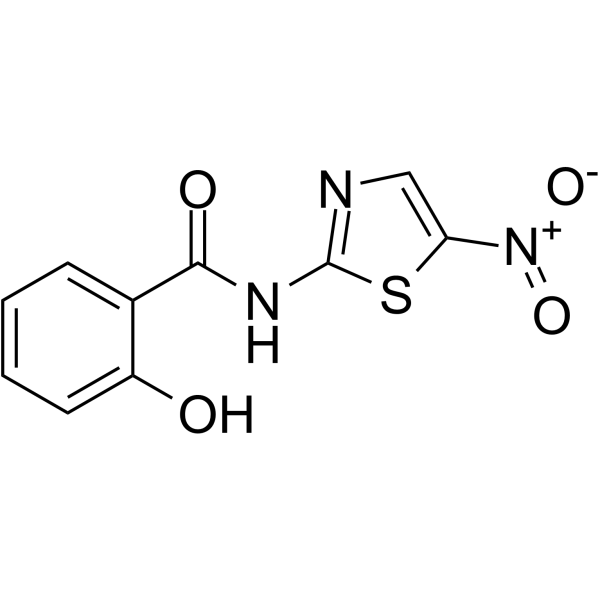
Tizoxanide (TIZ) is the active metabolite of Nitazoxanide, which is a thiazolide anti-infective compound against anaerobic bacteria, protozoa, and a range of viruses. Tizoxanide (TIZ) has anti-HIV-1 activities and potent inhibition of both HBV and HCV replication with values EC50 of 0.46μM and 0.15 μM, respectively. Tizoxanide also exerts anti-inflammatory effects by inhibiting the production of pro-inflammatory cytokines and suppressing of the activation of the NF-κB and the MAPK signaling pathways in LPS-treated macrophage cells .
|
-
- HY-143273
-
|
|
HIV
DNA/RNA Synthesis
|
Infection
|
|
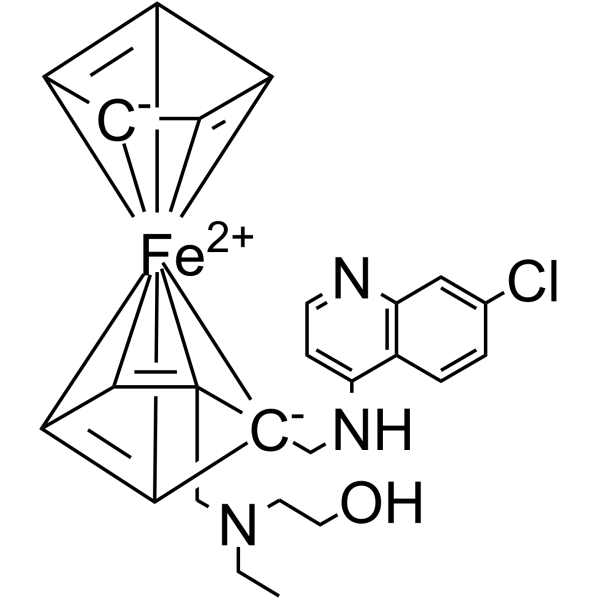
DENV-IN-6 is a potent DENV (I-IV) inhibitor with EC50s of 17.5, 13.20, 6.8 and 11.41 μM for the inhibition of DENV (I-IV) replication, respectively. DENV-IN-6 also exhibits activity of anti-HIV-1IIIB (EC50=0.0181 µM; CC50=64.92 µM) .
|
-
- HY-12687R
-
|
TIZ (Standard)
|
Reference Standards
Bacterial
HIV
Autophagy
Parasite
IKK
Influenza Virus
|
Infection
Cancer
|
|
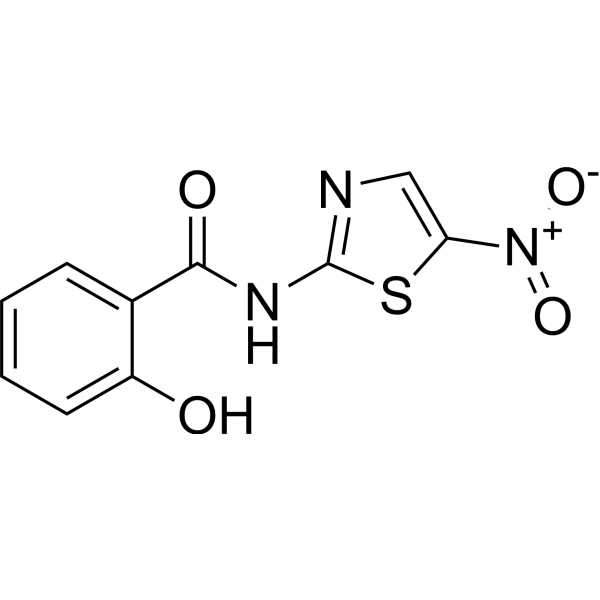
Tizoxanide (Standard) is the analytical standard of Tizoxanide. This product is intended for research and analytical applications. Tizoxanide (TIZ) is the active metabolite of Nitazoxanide, which is a thiazolide anti-infective compound against anaerobic bacteria, protozoa, and a range of viruses. Tizoxanide (TIZ) has anti-HIV-1 activities and potent inhibition of both HBV and HCV replication with values EC50 of 0.46μM and 0.15 μM, respectively. Tizoxanide also exerts anti-inflammatory effects by inhibiting the production of pro-inflammatory cytokines and suppressing of the activation of the NF-κB and the MAPK signaling pathways in LPS-treated macrophage cells .
|
-
- HY-N0867
-
|
|
HIV
ULK
Bcl-2 Family
|
Infection
Cancer
|
|
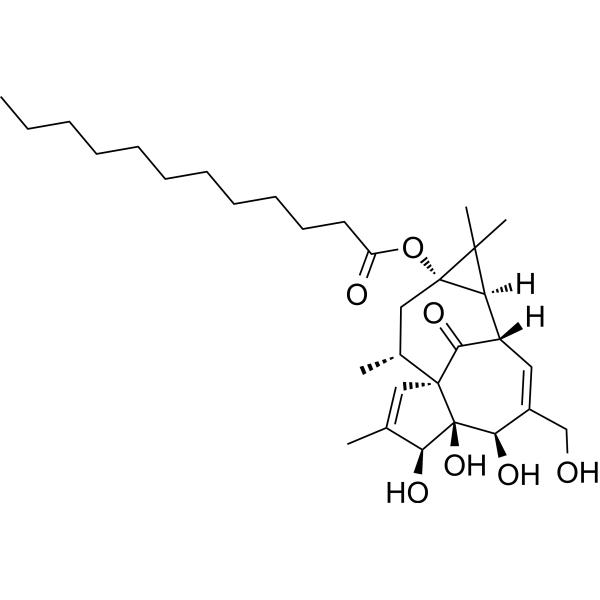
13-Oxyingenol-dodecanoate (13OD) is a tumor suppressor agent. 13-Oxyingenol-dodecanoate has anti-HIV-1 activity with EC50 value of 33.7 nM .13-Oxyingenol-dodecanoate can induce the expression of ULK1 to effect mitochondrial dysfunction and cellular autophagy. 13-Oxyingenol-dodecanoate also increases the expression of BAX and suppresses the expression of BCL-2 to effect apoptosis .
|
-
- HY-125810
-
|
|
HIV
Reverse Transcriptase
|
Infection
Inflammation/Immunology
|
|
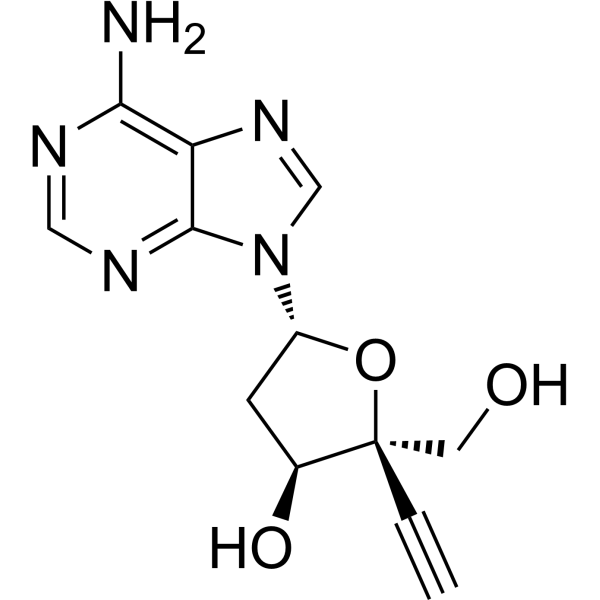
4'-Ethynyl-2'-deoxyadenosine (4'-E-dA), a nucleoside reverse transcriptase (RT) inhibitor, is an antiretroviral agent which is potent against drug-resistant HIV variants, with an EC50 of 98 nM in MT-4 cells for anti-HIV-1 activity . 4'-Ethynyl-2'-deoxyadenosine is a click chemistry reagent, it contains an Alkyne group and can undergo copper-catalyzed azide-alkyne cycloaddition (CuAAc) with molecules containing Azide groups.
|
-
- HY-179348
-
|
|
Dipeptidyl Peptidase
HIV
Pyroptosis
|
Cancer
|
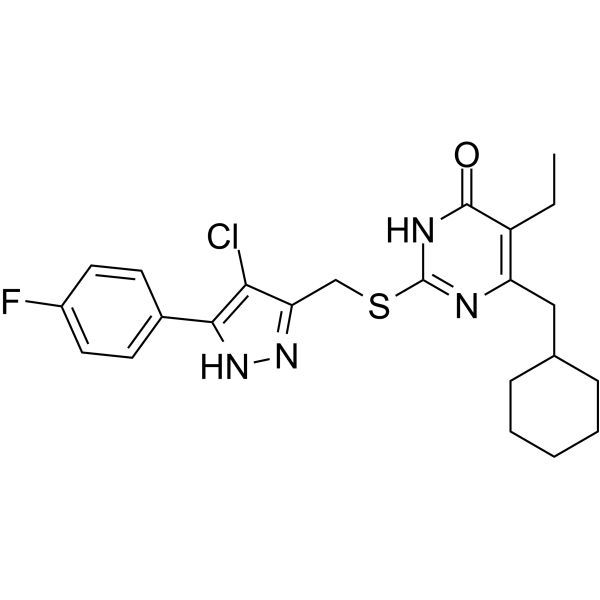
DPP9-IN-2 is a selective, potent and orally active inhibitor of Dipeptidyl Peptidase 9 (DPP9 ) with an IC50 of 12.9 nM. DPP9-IN-2 shows a SI of 59 over DPP8, and shows no significant inhibitory activity against related peptidases including DPP2, DPP4, FAP, and PREP. DPP9-IN-2 can induce cancer cells pyroptosis and has weak synergistic anti-HIV-1 activity when combined with non-nucleoside reverse transcriptase inhibitor. DPP9-IN-2 can be used for the researches of cance rand infection .
|
-

| Cat. No. |
Product Name |
Type |
-
- HY-116282
-
|
DSS (MW 5000); DXS (MW 5000)
|
Biochemical Assay Reagents
|
|
Dextran sulfate sodium salt (DSS) (MW 5000) is a polymer of dehydrated glucose with a molecular weight of approximately 5000. Dextran sulfate sodium salt (DSS) with different molecular weights exhibits different biological activities. Dextran sulfate sodium salt (MW 5000) is an inhibitor of complement and coagulation pathways, and belongs to the glycosaminoglycans (GAG) family. Dextran sulfate sodium salt (MW 5000) acts as an anticoagulant, antiviral, and anti-lipemic agent. Dextran sulfate sodium salt (DSS) stops HIV-1 virus adsorption to host cells. Dextran sulfate sodium salt (MW 5000) prevents NK cell-mediated cytotoxicity. Dextran sulfate sodium salt (MW 5000) inhibits instant blood-mediated inflammatory reaction (IBMIR) .
|
| Cat. No. |
Product Name |
Target |
Research Area |
-
- HY-P1586
-
|
HIV-1 rev Protein (34-50)
|
HIV
|
Infection
|
|
HIV-1 Rev (34-50) is a 17-aa peptide derived from the Rev-responsive element (RRE)-binding domains of Rev in HIV-1, with anti-HIV-1 activity.
|
-
- HY-P4810
-
|
T140
|
CXCR
|
Infection
|
|
Polyphemusin II-Derived Peptide (T140), a CXCR4 inhibitor, shows high inhibitory activity against HIV-1 entry and the inhibitory effect on the binding of an anti-CXCR4 monoclonal antibody (12G5) to CXCR4 .
|
-
- HY-P11037
-
|
|
HIV
|
Infection
|
|
soVIRIP is a virus inhibitory peptide with an IC50 of 1.2 μM for HIV-1 . soVIRIP binds to the HIV-1 GP41 fusion peptide and inhibits viral fusion and entry into host cells. soVIRIP has broad-spectrum anti-HIV-1 activities with nontoxicity in zebrafish models. soVIRIP can used for viral infections research .
|
-
- HY-A0162R
-
|
|
Antibiotic
Reference Standards
Bacterial
|
Infection
|
|
Bictegravir (sodium) (Standard) is the analytical standard of Bictegravir (sodium). This product is intended for research and analytical applications. Bictegravir sodium is a potent inhibitor of HIV-1 integrase, with an IC50 of 7.5 nM. Bictegravir sodium exhibits potent and selective anti-HIV activity and low cytotoxicity .
|
| Cat. No. |
Product Name |
Target |
Research Area |
Image |
-
- HY-P991541
-
|
|
CCR
HIV
|
Infection
|
|
HGS101 is a fully human CCR5 monoclonal antibody with high affinity to CCR5. HGS101 binds to the 2nd extracellular loop (ECL-2) and acts as a signal antagonist. HGS101 restores Maraviroc (HY-13004) inhibition of Maraviroc-resistant HIV-1 infection of PBMCs. HGS101 shows anti-HIV activity by inhibiting CCR5 signaling in simian immunodeficiency virus-uninfected RMs models .
|
-

(5)
| Cat. No. |
Product Name |
Category |
Target |
Chemical Structure |
-
- HY-15310
-
-
-
- HY-N1372A
-
-
-
- HY-A0097
-
-
-
- HY-N2010
-
-
-
- HY-78726
-
-
-
- HY-N0165
-
-
-
- HY-17431
-
-
-
- HY-N1941
-
-
-
- HY-W719041
-
-
-
- HY-N6711
-
-
-
- HY-N6924
-
|
|
Infection
Structural Classification
Panax notoginseng (Burkill) F. H. Chen ex C. H. Chow
Classification of Application Fields
Panax japonicas C. A. Mey.
Metabolic Disease
Plants
Disease Research Fields
Saccharides
Araliaceae
Source Classification
|
HIV
PIN1
Fungal
GLUT
Reactive Oxygen Species (ROS)
|
|
Zingibroside R1 is an orally active triterpene saponin with multiple biological activities including antioxidant, anti-inflammatory, antiviral, and metabolic regulatory properties. Zingibroside R1 reduces the expression of PIN family members, inhibits the expression of PLT1/PLT2, WOX5, SHR, and SCR, disrupts auxin transport and distribution, triggers plant ROS responses, and inhibits root growth. Zingibroside R1 extends the lifespan of Caenorhabditis elegans, enhances its heat stress resistance, and improves its motor ability. Hydrogel derivatives of Zingibroside R1 inhibit the proliferation of Candida albicans by binding to its β-1,3-glucan and exhibit antifungal activity. Zingibroside R1 inhibits GLUT1-mediated uptake and alleviates liver injury. Zingibroside R1 can be used in research related to neurodegenerative diseases, vulvovaginal candidiasis, acute liver injury, Ehrlich ascites tumor and HIV-1 infection .
|
-
-
- HY-N2996
-
-
-
- HY-N0556
-
-
-
- HY-N0867
-
-
-
- HY-19827
-
-
-
- HY-N12046
-
-
-
- HY-N10958
-
|
|
Flavonols
Flavonoids
Microorganisms
Source Classification
|
Fungal
HIV
Microtubule/Tubulin
|
|
Wikstrol A is a potent antifungal, antimitotic and anti-HIV-1 Agent. Wikstrol A induces morphological deformation of P. oryzae mycelia with an MMDC value of 70.1 µM. Wikstrol A shows activity against microtubule polymerization with an IC50 value of 131 µM. Wikstrol A shows anti-HIV-1 activity with an IC50 value of 67.8 µM .
|
-
-
- HY-N1372AR
-
-
-
- HY-118747
-
-
-
- HY-A0097A
-
|
Antibiotic MDL-507 sodium; MDL-507 sodium
|
Phenols
Polyphenols
Endogenous metabolite
Source Classification
|
Antibiotic
HIV
SARS-CoV
|
|
Teicoplanin sodium is a glycopeptide antibiotic indicated for use in serious infections caused by Gram-positive bacteria, including Methicillin-resistant Staphylococcus aureus and Enterococcus aureus.Teicoplanin sodium shows antiviral activity for HIV-1, SARS-CoV1 and SARS-CoV2. Teicoplanin sodium shows anti-MRSA activity .
|
-
-
- HY-N0554R
-
-
-
- HY-N3502
-
-
-
- HY-N0556R
-
-
-
- HY-N2010R
-
-
-
- HY-N1111
-
-
-
- HY-17431R
-
|
GW433908G (Standard)
|
Structural Classification
Natural Products
Endogenous metabolite
Source Classification
|
Reference Standards
Drug Intermediate
HIV
HIV Protease
|
|
Fosamprenavir Calcium Salt (GW433908G) (Standard) is the analytical standard of Fosamprenavir Calcium Salt (HY-17431R). This product is intended for research and analytical applications. Fosamprenavir Calcium Salt (GW433908G) is an orally active inhibitor targeting HIV-1 protease and is a prodrug of Amprenavir (HY-17430). Fosamprenavir Calcium Salt is hydrolyzed into Amprenavir (VX-478) by cell phosphatases in the intestinal epithelium. Amprenavir binds to the active site of HIV-1 protease, preventing the processing of viral gag and gag-pol polyprotein precursors, thereby inhibiting the formation of mature infectious virus particles and exerting anti-HIV-1 infection activity. Fosamprenavir Calcium Salt can be used for the study of human immunodeficiency virus (HIV-1) infection .
|
-
-
- HY-N15635
-
-
-
- HY-N1352
-
-
-
- HY-N12047
-
-
-
- HY-N10934
-
-
-
- HY-N5178
-
-
-
- HY-W707365
-
-
-
- HY-116529
-
-
-
- HY-N12345
-
-
-
- HY-N3094
-
-
-
- HY-N17741
-
-
-
- HY-N16760
-
|
|
Structural Classification
Flavonoids
Flavones
Thymelaeaceae
Phenols
Plants
Source Classification
Wikstroemia indica
|
Microtubule/Tubulin
HIV
|
|
Wikstrol B (compound 5) is a biflavonoid microtubule/tubulin inhibitor and HIV-1 inhibitor. Wikstrol B has an IC50 value of 184 μM for microtubule polymerization and an EC50 of 3.02 μM against HIV-1, acting on early events of HIV-1 replication. Wikstrol B exerts antifungal activity by inducing morphological deformation of Pyricularia oryzae hyphae and exerts anti-mitotic activity by inhibiting microtubule polymerization. Wikstrol B can be used in research related to antifungal, antitumor, and anti-AIDS applications. Wikstrol B can be naturally extracted from the roots of Wikstroemia indica .
|
-
-
- HY-N19826
-
-
-
- HY-N19685
-
-
-
- HY-N16745
-
|
|
Structural Classification
Alkaloids
Citrus hystrix DC.
Rutaceae
Acridone Alkaloids
Plants
Source Classification
|
Parasite
HIV
HIV Protease
|
|
5-Hydroxynoracronycine is a selective inhibitor targeting Leishmania, HIV-1 protease, and nitric oxide (NO) production. 5-Hydroxynoracronycine has an IC50 of 93.1 μmol/L against HIV-1 protease and an IC50 of 0.19 mg/mL for scavenging DPPH free radicals. 5-Hydroxynoracronycine exerts anti-leishmanial, anti-HIV, antioxidant and antibacterial activities by inhibiting pathogen proliferation, enzyme activity and inflammation-related NO excessive production. 5-Hydroxynoracronycine can be used in the research of leishmaniasis, HIV infection, and inflammation-related diseases .
|
-
-
- HY-N16821
-
-
-
- HY-N17718
-
-
-
- HY-N17392
-
-
-
- HY-N0165R
-
|
|
Structural Classification
Flavonoids
other families
Flavonones
Phenols
Polyphenols
Plants
Source Classification
|
Reference Standards
HIV
Reverse Transcriptase
|
|
Methyl-Hesperidin (Standard) is the analytical standard of Methyl-Hesperidin (HY-N0165). This product is intended for research and analytical applications. Methyl-Hesperidin is a glycoside compound. Methyl-Hesperidin has hypotensive, coronary dilating, smooth muscle relaxing, capillary stabilizing, choleretic, and anti-ulcer activities. Methyl-Hesperidin act as a competitive substrate to inhibit HIV-1 reverse transcriptase activity. Methyl-Hesperidin potentiates coronary dilating actions of adenine nucleotides and 3'-AMP, enhances depressant action on isolated atria, and prolongs adenosine- and ATP-induced heart block in guinea pigs .
|
-
-
- HY-116931
-
-
-
- HY-N13863
-
-
| Cat. No. |
Product Name |
Chemical Structure |
-
- HY-78726S
-
|
|
|
Fosamprenavir-d4 is the Deuterium-labeled Fosamprenavir (HY-78726). Fosamprenavir is an orally active inhibitor targeting HIV-1 protease and is a prodrug of Amprenavir (HY-17430). Fosamprenavir is hydrolyzed into Amprenavir (VX-478) by cell phosphatases in the intestinal epithelium. Amprenavir binds to the active site of HIV-1 protease, preventing the processing of viral gag and gag-pol polyprotein precursors, thereby inhibiting the formation of mature infectious virus particles and exerting anti-HIV-1 infection activity. Fosamprenavir can be used for the study of human immunodeficiency virus (HIV-1) infection .
|
-
-
- HY-12687S
-
|
|
|
Tizoxanide-d4 is the deuterium labeled Tizoxanide. Tizoxanide is the active metabolite of Nitazoxanide, which is a thiazolide anti-infective compound against anaerobic bacteria, protozoa, and a range of viruses. Tizoxanide has anti-HIV-1 activities .
|
-
-
- HY-78726S2
-
|
|
|
Fosamprenavir- 13C6 is the 13C-labeled Fosamprenavir (HY-78726). Fosamprenavir is an orally active inhibitor targeting HIV-1 protease and is a prodrug of Amprenavir (HY-17430). Fosamprenavir is hydrolyzed into Amprenavir (VX-478) by cell phosphatases in the intestinal epithelium. Amprenavir binds to the active site of HIV-1 protease, preventing the processing of viral gag and gag-pol polyprotein precursors, thereby inhibiting the formation of mature infectious virus particles and exerting anti-HIV-1 infection activity. Fosamprenavir can be used for the study of human immunodeficiency virus (HIV-1) infection .
|
-
-
- HY-B0689S1
-
|
|
|
Indinavir- 13C4, 15N (MK-639 (free base)- 13C4, 15N) is 13C and 15N labeled Indinavir. Indinavir (MK-639 free base) is an orally active and selective HIV-1 protease inhibitor with a Ki of 0.54 nM for PR. Indinavir exhibits anticancer activity by inhibiting the activation of MMPs-2 hydrolysis, anti-angiogenesis and inducing apoptosis. Indinavir is also a SARS-CoV 3CL pro inhibitor .
|
-
| Cat. No. |
Product Name |
|
Classification |
-
- HY-125810
-
|
|
|
Alkynes
|
|
4'-Ethynyl-2'-deoxyadenosine (4'-E-dA), a nucleoside reverse transcriptase (RT) inhibitor, is an antiretroviral agent which is potent against drug-resistant HIV variants, with an EC50 of 98 nM in MT-4 cells for anti-HIV-1 activity . 4'-Ethynyl-2'-deoxyadenosine is a click chemistry reagent, it contains an Alkyne group and can undergo copper-catalyzed azide-alkyne cycloaddition (CuAAc) with molecules containing Azide groups.
|
Your information is safe with us. * Required Fields.
Inquiry Information
- Product Name:
- Cat. No.:
- Quantity:
- MCE Japan Authorized Agent:








