1. Search Result
Search Result
Pathways Recommended: Cell Cycle/DNA Damage
Results for "

DNA and protein synthesis

" in MedChemExpress (MCE) Product Catalog:

140

Inhibitors & Agonists

3

Screening Libraries

1

Biochemical Assay Reagents

6

Peptides

1

MCE Kits

46

Natural
Products

31

Isotope-Labeled Compounds

6

Oligonucleotides

Cat. No. Product Name Target Research Areas Chemical Structure
  • HY-70062
    Pevonedistat
    Maximum Cited Publications
    212 Publications Verification

    MLN4924

    NEDD8-activating Enzyme Apoptosis Cancer
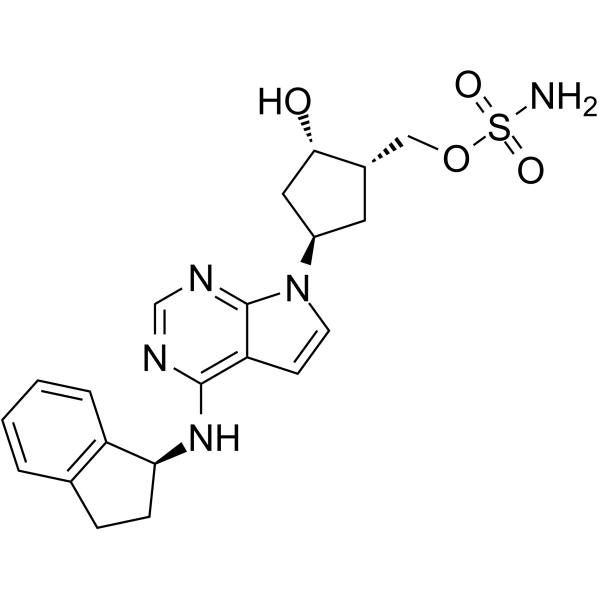
    Pevonedistat (MLN4924) is a potent and selective NEDD8-activating enzyme (NAE) inhibitor with an IC50 of 4.7 nM. Pevonedistat induces the deregulation of S-phase DNA synthesis, thereby disrupting protein turnover mediated by cullin-RING ligase, leading to apoptosis of human tumor cells. Pevonedistat suppresses the growth of human tumour xenografts in mice .
    Pevonedistat
  • HY-A0098
    Tunicamycin
    Maximum Cited Publications
    155 Publications Verification

    Antibiotic Influenza Virus Fungal Bacterial Aminotransferases (Transaminases) Exosomes Infection Inflammation/Immunology Cancer
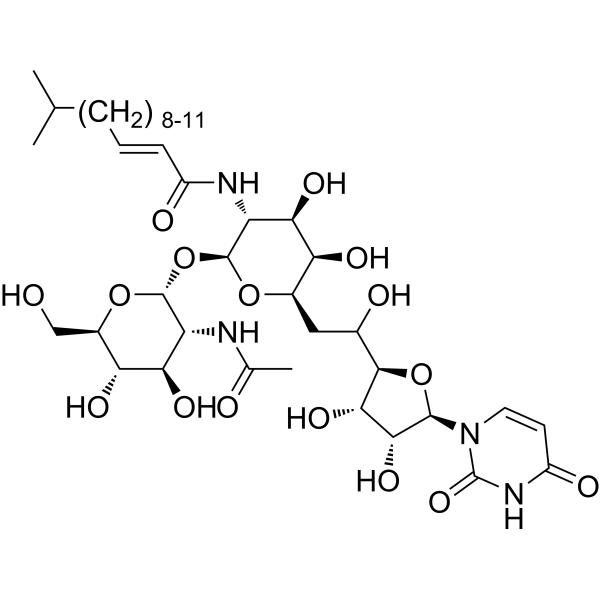
    Tunicamycin is a mixture of homologous nucleoside antibiotic that inhibits N-linked glycosylation and blocks GlcNAc phosphotransferase (GPT). Tunicamycin causes accumulation of unfolded proteins in cell endoplasmic reticulum (ER) and induces ER stress, and causes blocking of DNA synthesis and cell cycle arrest in G1 phase. Tunicamycin inhibits gram-positive bacteria, yeasts, fungi, and viruses and has anti-cancer activity .Tunicamycin increases exosome release in cervical cancer cells .
    Tunicamycin
  • HY-18982
    Anisomycin
    135+ Cited Publications

    Flagecidin; Wuningmeisu C

    DNA/RNA Synthesis JNK Bacterial Apoptosis Antibiotic Parasite Infection Cancer
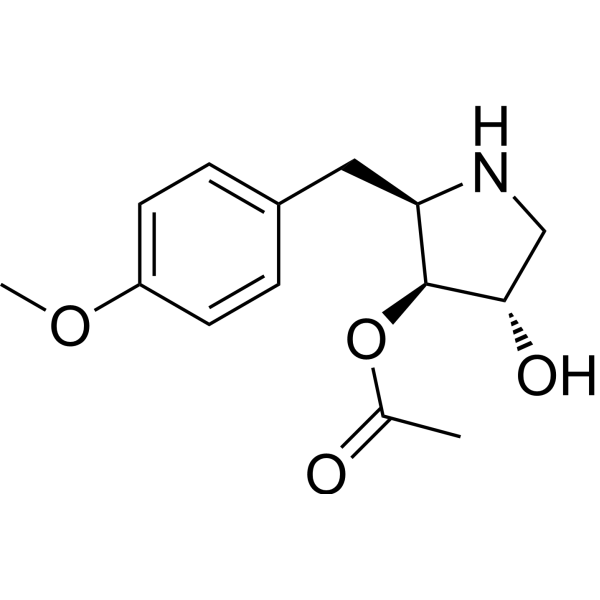
    Anisomycin is a potent protein synthesis inhibitor which interferes with protein and DNA synthesis by inhibiting peptidyl transferase or the 80S ribosome system . Anisomycin is a JNK activator, which increases phospho-JNK . Anisomycin is a bacterial antibiotic .
    Anisomycin
  • HY-B0152
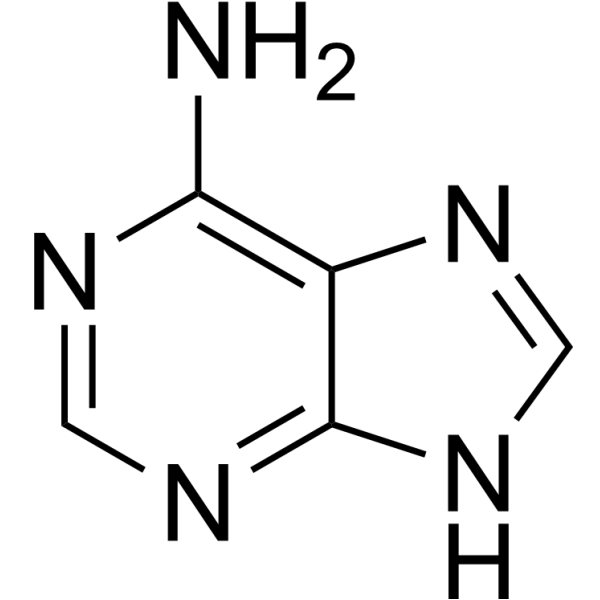
    Adenine
    20+ Cited Publications

    DNA/RNA Synthesis Endogenous Metabolite Infection Cancer
    Adenine (6-Aminopurine), a purine, is one of the four nucleobases in the nucleic acid of DNA. Adenine acts as a chemical component of DNA and RNA. Adenine also plays an important role in biochemistry involved in cellular respiration, the form of both ATP and the cofactors (NAD and FAD), and protein synthesis .
    Adenine
  • HY-13624A
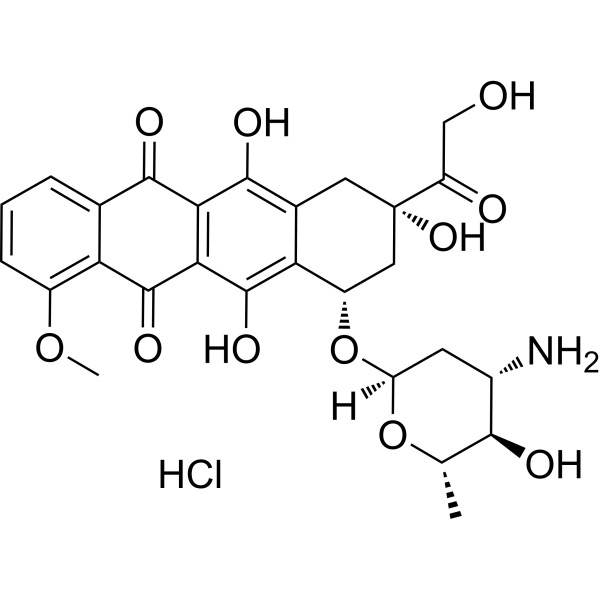
    Epirubicin hydrochloride
    35+ Cited Publications

    4'-Epidoxorubicin hydrochloride

    DNA/RNA Synthesis Topoisomerase Apoptosis Antibiotic Infection Neurological Disease Inflammation/Immunology Cancer
    Epirubicin hydrochloride (4'-Epidoxorubicin hydrochloride), a semisynthetic L-arabino derivative of doxorubicin, has an antineoplastic agent by inhibiting Topoisomerase . Epirubicin hydrochloride inhibits DNA and RNA synthesis. Epirubicin hydrochloride is a Forkhead box protein p3 (Foxp3) inhibitor and inhibits regulatory T cell activity .
    Epirubicin hydrochloride
  • HY-B0139
    Flucytosine
    3 Publications Verification

    5-Fluorocytosine; NSC 103805; Ro 2-9915

    Fungal Antibiotic Infection Cancer
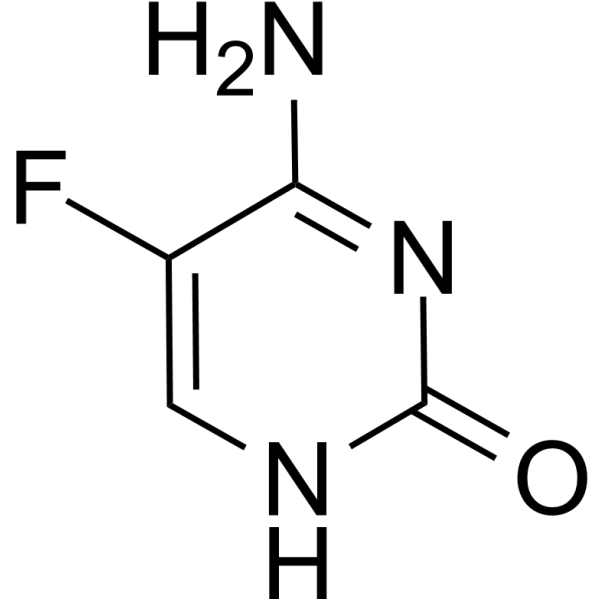
    Flucytosine (5-Fluorocytosine) is an antifungal compound with oral activity. Flucytosine is a widely used cytotoxic drug that, after further metabolism, produces fluorinated ribonucleotides and deoxyribonucleotides, inhibits DNA and protein synthesis, and has multiple effects such as inhibiting candida and candida neoplasm infection and producies cytotoxicity to cancer cells .
    Flucytosine
  • HY-B1906
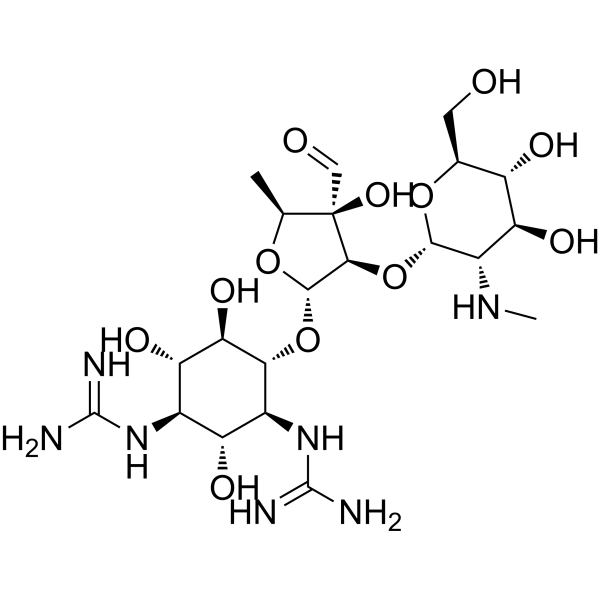
    Streptomycin
    45+ Cited Publications

    Agrept; Agrimycin; Streptomycin A

    Environmental Pollutants Antibiotic Bacterial Infection Neurological Disease
    Streptomycin (Agrept) is an effective antibiotic against M. tuberculosis, is used for the research of tuberculosis (TB). Streptomycin also is a bacteriocidal agent that can be used for the research of a number of bacterial infections. Streptomycin can bind strongly to nucleic acids, interferes and blocks protein synthesis while permitting continued RNA and DNA synthesis. Streptomycin, as a common antibiotic used in culture media, also is a blocker of stretch-activated and mechanosensitive ion channels in neurons and cardiac myocytes .
    Streptomycin
  • HY-30272
    Monobenzone
    1 Publications Verification

    Hapten Cancer
    Monobenzone is a potent skin depigmenting agent. Monobenzone induces depigmentation and exhibits good potential for vitiligo research. Monobenzone is a potent inhibitor of RNR (Ribonucleotide reductase) enzyme activity by targeting RRM2 (a regulatory small subunit M2 of RNR) protein, and thus has significant anti-leukemia efficacy in vitro and in vivo. Monobenzone inhibits acute myeloid leukemia (AML) cells proliferation and DNA synthesis, induces cell cycle arrest, and Apoptosis .
    Monobenzone
  • HY-W008990
    Xanthosine 5'-monophosphate sodium salt
    1 Publications Verification

    5'-Xanthylic acid sodium salt

    DNA/RNA Synthesis Metabolic Disease
    Xanthosine 5'-monophosphate sodium salt (5'-Xanthylic acid sodium salt) is an intermediate in purine metabolism. Xanthosine 5'-monophosphate sodium salt can be used for genetic code, nucleic acid structure, and DNA, RNA and protein synthesis research .
    Xanthosine 5'-monophosphate sodium salt
  • HY-13624
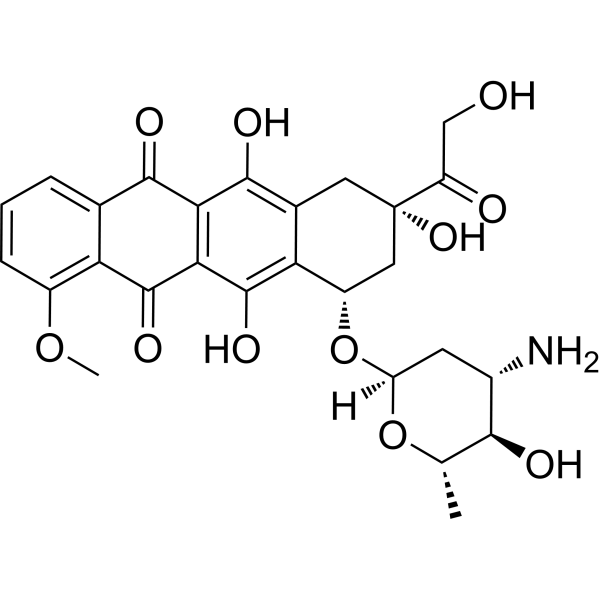
    Epirubicin
    35+ Cited Publications

    4'-Epidoxorubicin

    DNA/RNA Synthesis Topoisomerase Apoptosis Antibiotic Cancer
    Epirubicin (4'-Epidoxorubicin), a semisynthetic L-arabino derivative of doxorubicin, has an antineoplastic agent by inhibiting Topoisomerase . Epirubicin inhibits DNA and RNA synthesis. Epirubicin is a Forkhead box protein p3 (Foxp3) inhibitor and inhibits regulatory T cell activity .
    Epirubicin
  • HY-18572
    2,4-D
    1 Publications Verification

    2,4-Dichlorophenoxyacetic acid

    Environmental Pollutants Herbicide Apoptosis DNA/RNA Synthesis Cancer
    2,4-D (2, 4-dichlorophenoxyacetic acid) is a selective herbicide that can be used for the control of broad-leaved weeds. 2,4-D can induce apoptosis. 2,4-D inhibits DNA and protein synthesis, thereby preventing normal plant growth and development .
    2,4-D
  • HY-121360

    DNA/RNA Synthesis Reactive Oxygen Species (ROS) Cancer
    Cylindrospermopsin, a cyanotoxin, is a polycyclic uracil derivative containing guanidine and sulfate groups, which can inhibit protein synthesis and covalently modify DNA or RNA. Cylindrospermopsin induces hepatocellular hypertrophy, renal cellular hypertrophy, intracellular reactive oxygen species (ROS), DNA strand breaks, mitochondrial hyperpolarisation, ultrastructural damage, and altered gene expression in liver, kidney, and intestinal cells. Cylindrospermopsin can be used in research including hepatocellular carcinoma and water quality testing .
    Cylindrospermopsin
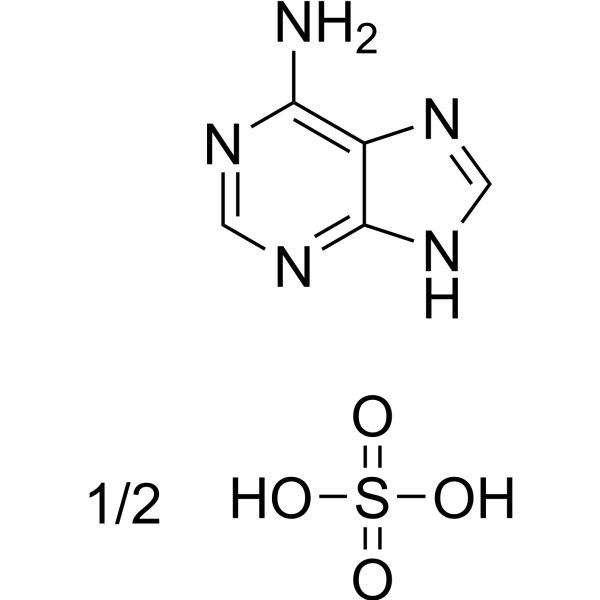
  • HY-B0152B
    Adenine hemisulfate
    20+ Cited Publications

    6-Aminopurine hemisulfate; Vitamin B4 hemisulfate

    DNA/RNA Synthesis Endogenous Metabolite Cancer
    Adenine hemisulfate (6-Aminopurine hemisulfate), a purine, is one of the four nucleobases in the nucleic acid of DNA. Adenine hemisulfate acts as a chemical component of DNA and RNA. Adenine hemisulfate also plays an important role in biochemistry involved in cellular respiration, the form of both ATP and the cofactors (NAD and FAD), and protein synthesis .
    Adenine hemisulfate
  • HY-B1099
    Hycanthone
    2 Publications Verification

    DNA/RNA Synthesis Topoisomerase Parasite Infection
    Hycanthone is a thioxanthenone DNA intercalator and inhibits RNA synthesis as well as the DNA topoisomerases I and II. Hycanthone inhibits nucleic acid biosynthesis and inhibits apurinic endonuclease-1 (APE1) by direct protein binding with a KD of 10 nM. Hycanthone is a bioactive metabolite of Lucanthone (HY-B2098) and has anti-schistosomal agent .
    Hycanthone
  • HY-B0152S1
    Adenine-13C
    2 Publications Verification

    Adenine-8-C13; 9H-Purin-6-amine-8-13C

    DNA/RNA Synthesis Endogenous Metabolite Cancer
    Adenine- 13C is the 13C labeled Adenine . Adenine (6-Aminopurine), a purine, is one of the four nucleobases in the nucleic acid of DNA. Adenine acts as a chemical component of DNA and RNA. Adenine also plays an important role in biochemistry involved in cellular respiration, the form of both ATP and the cofactors (NAD and FAD), and protein synthesis .
    Adenine-13C
  • HY-100126
    Tubercidin
    5+ Cited Publications

    7-Deazaadenosine

    Bacterial DNA/RNA Synthesis Influenza Virus Antibiotic Infection
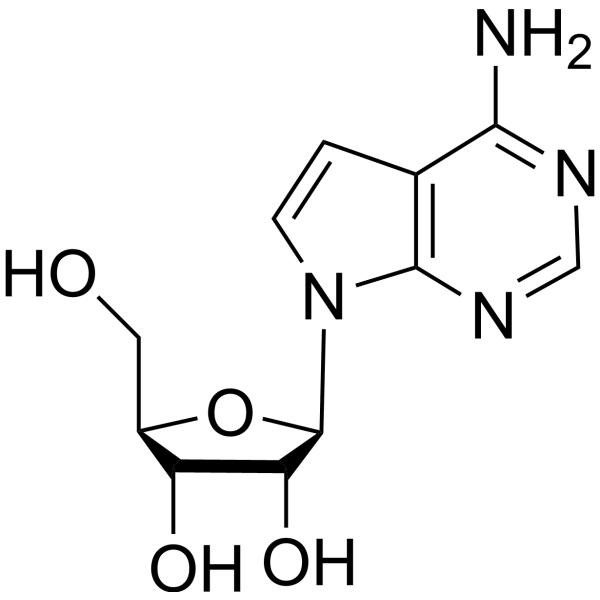
    Tubercidin (7-Deazaadenosine) is an antibiotic obtained from Streptomyces tubercidicus. Tubercidin inhibits the growth of Streptococcus faecalis (8043) with an IC50 of 0.02 μM . Tubercidin inhibits polymerases by incorporating DNA or RNA, thereby inhibiting DNA replication, RNA and protein synthesis . Tubercidin is a weak inhibitor of adenosine phosphorylase, and interferes with the phosphorylation of adenosine and AMP . Tubercidin has antiviral activity .
    Tubercidin
  • HY-13744

    RFS 2000; 9-Nitrocamptothecin

    Topoisomerase Cancer
    Rubitecan (RFS 2000), a Camptothecin derivative, is an orally active topoisomerase I inhibitor with broad antitumor activity, and induces protein-linked DNA single-strand breaks, thereby blocking DNA and RNA synthesis in dividing cells .
    Rubitecan
  • HY-10484
    Pevonedistat hydrochloride
    Maximum Cited Publications
    212 Publications Verification

    MLN4924 hydrochloride

    NEDD8-activating Enzyme Apoptosis Cancer
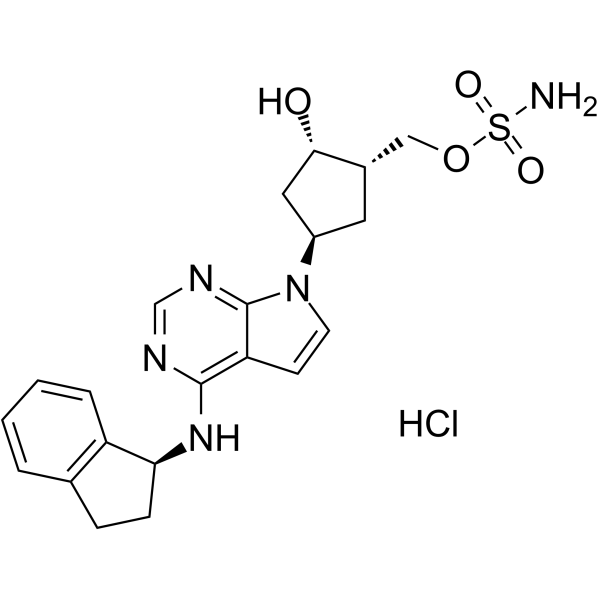
    Pevonedistat (MLN4924) hydrochloride is a potent and selective NEDD8-activating enzyme (NAE) inhibitor, with an IC50 of 4.7 nM. Pevonedistat hydrochloride induces the deregulation of S-phase DNA synthesis, thereby disrupting protein turnover mediated by cullin-RING ligase, leading to apoptosis of human tumor cells. Pevonedistat hydrochloride suppresses the growth of human tumour xenografts in mice .
    Pevonedistat hydrochloride
  • HY-N7059

    Bacterial Reactive Oxygen Species (ROS) Infection
    Lactobionic acid is a bionic acid that can be naturally found in the Caspian Sea yogurt and chemically constituted of a gluconic acid bonded to a galactose. Lactobionic acid has antioxidant, antimicrobial, chelating, stabilizer, acidulant, and moisturizing properties. Lactobionic acid can be obtained by electrolytic methods, microbial fermentation or biocatalytic approaches. Lactobionic acid can be used in foodstuffs, to produce new functional products and against food-borne pathogens. Lactobionic acid inhibits DNA repair and protein synthesis, induction of oxidative stress and inhibition of metabolic pathways against MRSA .
    Lactobionic acid
  • HY-128744
    Phosphonoacetic acid
    2 Publications Verification

    Endogenous Metabolite Orthopoxvirus HSV DNA/RNA Synthesis Infection
    Phosphonoacetic acid is an endogenous metabolite and antiviral agent. Phosphonoacetic acid is active against orthopoxviruses and herpes viruses. Phosphonoacetic acid can inhibit HSV DNA synthesis and virus-specific DNA polymerase activity, and affect the synthesis of late viral proteins .
    Phosphonoacetic acid
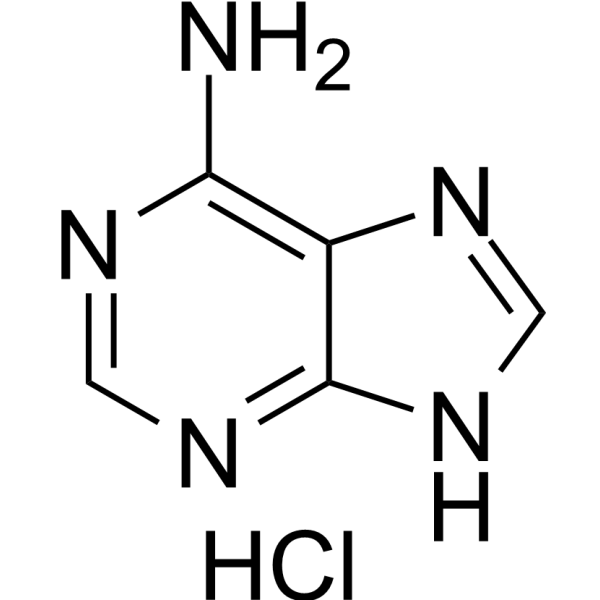
  • HY-B0152A
    Adenine hydrochloride
    20+ Cited Publications

    6-Aminopurine hydrochloride; Vitamin B4 hydrochloride

    DNA/RNA Synthesis Endogenous Metabolite Cancer
    Adenine hydrochloride (6-Aminopurine hydrochloride), a purine, is one of the four nucleobases in the nucleic acid of DNA. Adenine hydrochloride acts as a chemical component of DNA and RNA. Adenine hydrochloride also plays an important role in biochemistry involved in cellular respiration, the form of both ATP and the cofactors (NAD and FAD), and protein synthesis .
    Adenine hydrochloride
  • HY-18572A
    2,4-D sodium
    1 Publications Verification

    2,4-Dichlorophenoxyacetic acid sodium

    Environmental Pollutants Apoptosis Herbicide DNA/RNA Synthesis Cancer
    2,4-D (2,4-Dichlorophenoxyacetate) sodium is a selective herbicide that can be used for the control of broad-leaved weeds. 2,4-D sodium salt can induce < b>apoptosis. 2,4-D sodium salt inhibits DNA and protein synthesis, thereby preventing normal plant growth and development .
    2,4-D sodium
  • HY-N0093
    Ancitabine hydrochloride
    1 Publications Verification

    Cyclocytidine hydrochloride; Cyclo-CMP hydrochloride; Cyclo-C

    Autophagy CMV DNA/RNA Synthesis Infection Cancer
    Ancitabine hydrochloride is a cytarabine derivative that inhibits viral replication. Ancitabine hydrochloride blocks vaccinia virus DNA replication, the progression of viral protein synthesis from early to late stages, and one-step growth of vaccinia virus. Ancitabine hydrochloride is applicable to research related to vaccinia virus infection, leukemia, human cytomegalovirus infection and colorectal cancer .
    Ancitabine hydrochloride
  • HY-124404A

    ERK DNA/RNA Synthesis p38 MAPK Cancer
    12(S)-HETE is the 12-lipoxygenase metabolite of arachidonic acid and has a mitogenic effect on cancer cell proliferation. 12(S)-HETE induces tyrosine phosphorylation of cellular proteins, promotes ERK and P38 MAPK phosphorylation, increases DNA synthesis, and stimulates the proliferation of pancreatic cancer cells .
    12(S)-HETE
  • HY-113225

    GTP

    Endogenous Metabolite DNA/RNA Synthesis Apoptosis Mitosis Cancer
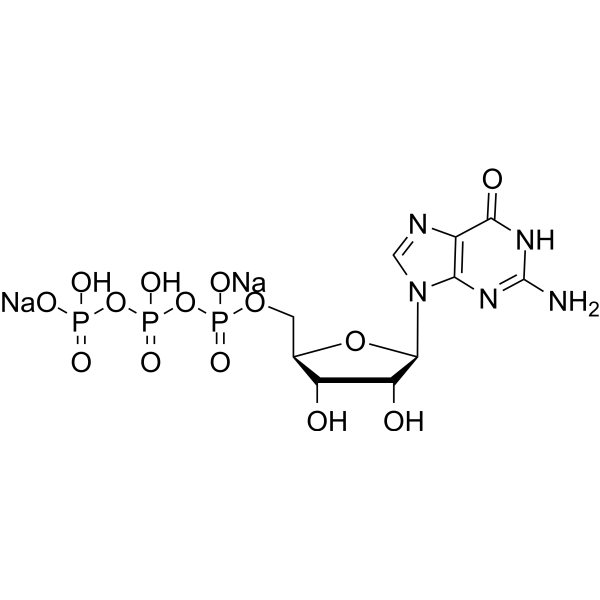
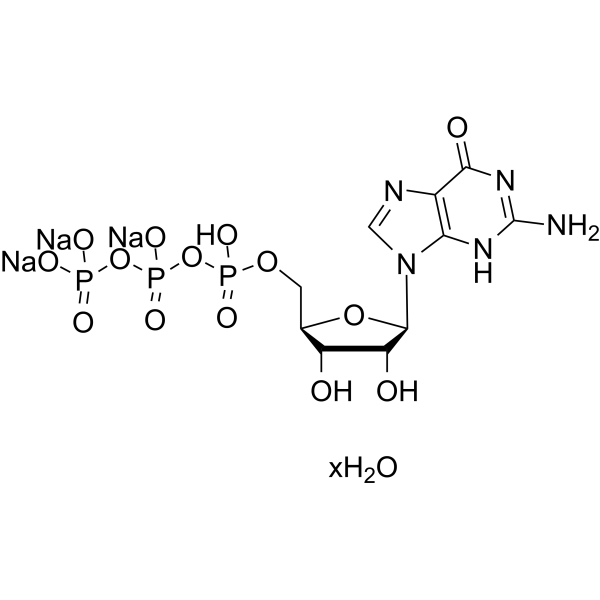
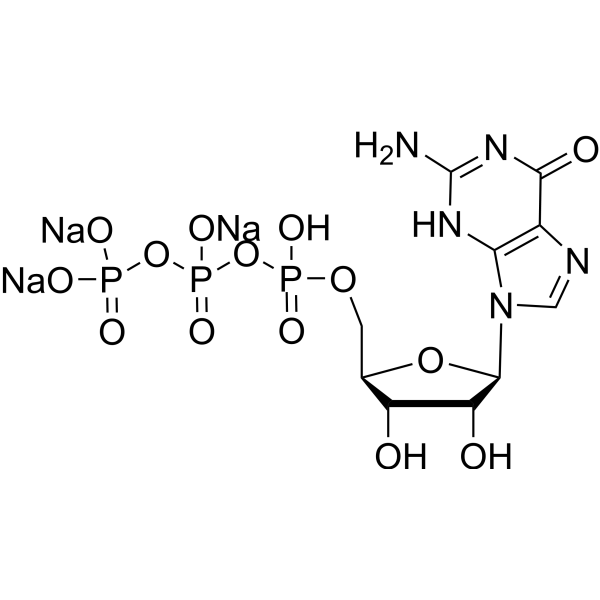
    Guanosine triphosphate (GTP) is a critical nucleotide and regulator of cellular metabolism. Guanosine triphosphate promotes ribosomal DNA localization, pre-rRNA transcription and ribosome biogenesis by binding to RNA polymerase I and GPN proteins (GPN1/3). Guanosine triphosphate links MYC-dependent ribosome biogenesis to nucleotide sufficiency, acts as a metabolic gatekeeper supporting protein synthesis, DNA/RNA synthesis and cellular signal transduction, while also participating in the physiological activities of pancreatic β-cells and serving as an oxidative substrate for reactive oxygen species. In small cell lung cancer with high MYC expression, Guanosine triphosphate accumulates through the IMPDH-driven synthetic pathway, thereby affecting apoptosis and mitotic processes. Guanosine triphosphate is used in the research of small cell lung cancer, hepatoblastoma and cellular metabolism .
    Guanosine triphosphate
  • HY-100624

    CDK DNA/RNA Synthesis Histone Demethylase Histone Methyltransferase Inflammation/Immunology Cancer
    Ryuvidine is a potent inhibitor of SET domain-containing protein 8(SETD8) with an IC50 of 0.5 µM and suppresses monomethylation of H4K20. Ryuvidine also inhibits CDK4 with an IC50 of 6.0 μM. Ryuvidine also inhibits KDM5A and blocks DNA synthesis. Ryuvidine has anticancer activity against tumors such as breast cancer. Ryuvidine improves arthritis .
    Ryuvidine
  • HY-N6801

    Caspase Apoptosis Bcl-2 Family Infection Inflammation/Immunology Cancer
    Nivalenol, a trichothecene mycotoxin that can be produced by Fusarium graminearum, is a fungal metabolite present in agricultural product. Nivalenol modulates apoptotic pathway, cell cycle regulation, Bax, ERK, caspase-3, and poly-ADP-ribose synthase activity in macrophages. Nivalenol inhibits ribosomal peptidyltransferase site, protein synthesis, DNA synthesis, and cell proliferation. Nivalenol induces late-stage apoptotic morphological changes, reduces cellular metabolism, and decreases cell proliferation in erythroleukemia cells. Nivalenol induces lymphocyte apoptosis in murine thymus, spleen, and Peyer's patches. Nivalenol can be used for the research of erythroleukemia .
    Nivalenol
  • HY-171180

    DNA/RNA Synthesis Cancer
    AF615 is a small molecule inhibitor targeting the CDT1/Geminin protein complex (IC50 = 0.313 μM). AF615 selectively induces DNA damage, inhibits DNA synthesis, causes cell cycle arrest, and decreases the survival rate in cancer cell lines. AF615 displayed a Ki = 0.37 μM in case of Geminin-tCDT1 interaction and a Ki = 0.75 μM in case of Geminin-miniCDT1 interaction .
    AF615
  • HY-N12540

    MGDG

    DNA/RNA Synthesis Apoptosis Others
    Monogalactosyldiacylglycerol (MGDG) is a galactolipid with anti-inflammatory and anticancer activities, which is found in photosynthetic organisms. Monogalactosyldiacylglycerol is a potent DNA polymerase inhibitor with pro-apoptotic activity. Monogalactosyldiacylglycerol inhibits the synthesis of LPS (HY-D1056)-induced inflammation-related proteins (Ex-FABP, Avidin, Serum Amyloid A). Monogalactosyldiacylglycerol exerts an anti-proliferative effect on chicken articular chondrocytes . Monogalactosyldiacylglycerol can be used in research related to osteoarthritis, cancer and inflammatory diseases .
    Monogalactosyldiacylglycerol
  • HY-145726

    TNF Receptor Cardiovascular Disease Inflammation/Immunology
    ISIS 104838 is an antisense oligonucleotide targeting TNF-α. ISIS 104838 specifically binds to human TNF-α mRNA via Watson-Crick base pairing to form a DNA:RNA hybrid duplex, thereby recruiting the ubiquitously expressed intracellular enzyme RNase H to degrade the target mRNA and inhibit TNF-α protein synthesis at the transcriptional level. ISIS 104838 induces moderate, self-limiting thrombocytopenia in cynomolgus monkeys. ISIS 104838 can be used for the study of inflammatory diseases .
    ISIS 104838
  • HY-18982R

    Flagecidin (Standard); Wuningmeisu C (Standard)

    Reference Standards DNA/RNA Synthesis JNK Bacterial Apoptosis Antibiotic Parasite Infection Cancer
    Anisomycin (Standard) is the analytical standard of Anisomycin. This product is intended for research and analytical applications. Anisomycin is a potent protein synthesis inhibitor which interferes with protein and DNA synthesis by inhibiting peptidyl transferase or the 80S ribosome system[1]. Anisomycin is a JNK activator, which increases phospho-JNK[2][3]. Anisomycin is a bacterial antibiotic[4].
    Anisomycin (Standard)
  • HY-B0152S

    6-Aminopurine-d1; Vitamin B4-d1

    DNA/RNA Synthesis Endogenous Metabolite Cancer
    Adenine-d is the deuterium labeled Adenine. Adenine (6-Aminopurine), a purine, is one of the four nucleobases in the nucleic acid of DNA. Adenine acts as a chemical component of DNA and RNA. Adenine also plays an important role in biochemistry involved in cellular respiration, the form of both ATP and the cofactors (NAD and FAD), and protein synthesis .
    Adenine-d1
  • HY-B0152R

    Reference Standards DNA/RNA Synthesis Endogenous Metabolite Cancer
    Adenine (Standard) is the analytical standard of Adenine. This product is intended for research and analytical applications. Adenine (6-Aminopurine), a purine, is one of the four nucleobases in the nucleic acid of DNA. Adenine acts as a chemical component of DNA and RNA. Adenine also plays an important role in biochemistry involved in cellular respiration, the form of both ATP and the cofactors (NAD and FAD), and protein synthesis .
    Adenine (Standard)
  • HY-W142092

    Bacterial Endogenous Metabolite Others
    N-Acetyl-DL-serine is a hydrophobic amino acid that is synthesized in the body and can be found as a free form or as a salt with malonate, phosphate, or acetate. N-Acetyl-DL-serine has antimicrobial activity against Bacillus cereus and Staphylococcus aureus. N-Acetyl-DL-serine has also been used for the immobilization of DNA fragments on solid surfaces and can be used for protein synthesis and optical detection of DNA strands .
    N-Acetyl-DL-serine
  • HY-B0152S4

    6-Aminopurine-15N5; Vitamin B4-15N5

    Isotope-Labeled Compounds DNA/RNA Synthesis Endogenous Metabolite Cancer
    Adenine- 15N5 (6-Aminopurine- 15N5; Vitamin B4- 15N5) is 15N labeled Adenine (HY-B0152). Adenine (6-Aminopurine), a purine, is one of the four nucleobases in the nucleic acid of DNA. Adenine acts as a chemical component of DNA and RNA. Adenine also plays an important role in biochemistry involved in cellular respiration, the form of both ATP and the cofactors (NAD and FAD), and protein synthesis.
    Adenine-15N5
  • HY-B0139R

    5-Fluorocytosine (Standard); NSC 103805 (Standard); Ro 2-9915 (Standard)

    Reference Standards Fungal Antibiotic Infection Cancer
    Flucytosine (Standard) is the analytical standard of Flucytosine. This product is intended for research and analytical applications. Flucytosine (5-Fluorocytosine) is an antifungal compound with oral activity. Flucytosine is a widely used cytotoxic drug that, after further metabolism, produces fluorinated ribonucleotides and deoxyribonucleotides, inhibits DNA and protein synthesis, and has multiple effects such as inhibiting candida and candida neoplasm infection and producies cytotoxicity to cancer cells .
    Flucytosine (Standard)
  • HY-113225S2

    GTP-13C dilithium

    Isotope-Labeled Compounds Endogenous Metabolite Mitosis Apoptosis DNA/RNA Synthesis Infection Cancer
    Guanosine triphosphate- 13C (GTP- 13C) dilithium is 13C-labeled Guanosine triphosphate (HY-113225). Guanosine triphosphate (GTP) is a critical nucleotide and regulator of cellular metabolism. Guanosine triphosphate promotes ribosomal DNA localization, pre-rRNA transcription and ribosome biogenesis by binding to RNA polymerase I and GPN proteins (GPN1/3). Guanosine triphosphate links MYC-dependent ribosome biogenesis to nucleotide sufficiency, acts as a metabolic gatekeeper supporting protein synthesis, DNA/RNA synthesis and cellular signal transduction, while also participating in the physiological activities of pancreatic β-cells and serving as an oxidative substrate for reactive oxygen species. In small cell lung cancer with high MYC expression, Guanosine triphosphate accumulates through the IMPDH-driven synthetic pathway, thereby affecting apoptosis and mitotic processes. Guanosine triphosphate is used in the research of small cell lung cancer, hepatoblastoma and cellular metabolism .
    Guanosine triphosphate-13C dilithium
  • HY-B1906R

    Agrept (Standard); Agrimycin (Standard); Streptomycin A (Standard)

    Reference Standards Antibiotic Bacterial Infection Neurological Disease
    Streptomycin (Standard) is the analytical standard of Streptomycin. This product is intended for research and analytical applications. Streptomycin (Agrept) is an effective antibiotic against M. tuberculosis, is used for the research of tuberculosis (TB). Streptomycin also is a bacteriocidal agent that can be used for the research of a number of bacterial infections. Streptomycin can bind strongly to nucleic acids, interferes and blocks protein synthesis while permitting continued RNA and DNA synthesis. Streptomycin, as a common antibiotic used in culture media, also is a blocker of stretch-activated and mechanosensitive ion channels in neurons and cardiac myocytes .
    Streptomycin (Standard)
  • HY-113225S3

    GTP-15N5 dilithium

    Isotope-Labeled Compounds Endogenous Metabolite Mitosis Apoptosis DNA/RNA Synthesis Infection Cancer
    Guanosine triphosphate- 15N5 (GTP- 15N5) dilithium is 15N labeled Guanosine triphosphate (HY-113225). Guanosine triphosphate dilithium (GTP) is a critical nucleotide and regulator of cellular metabolism. Guanosine triphosphate dilithium promotes ribosomal DNA localization, pre-rRNA transcription and ribosome biogenesis by binding to RNA polymerase I and GPN proteins (GPN1/3). Guanosine triphosphate dilithium links MYC-dependent ribosome biogenesis to nucleotide sufficiency, acts as a metabolic gatekeeper supporting protein synthesis, DNA/RNA synthesis and cellular signal transduction, while also participating in the physiological activities of pancreatic β-cells and serving as an oxidative substrate for reactive oxygen species. In small cell lung cancer with high MYC expression, Guanosine triphosphate dilithium accumulates through the IMPDH-driven synthetic pathway, thereby affecting apoptosis and mitotic processes. Guanosine triphosphate dilithium is used in the research of small cell lung cancer, hepatoblastoma and cellular metabolism .
    Guanosine triphosphate-15N5 dilithium
  • HY-113225S5

    GTP-13C10 dilithium

    Isotope-Labeled Compounds Endogenous Metabolite Mitosis Apoptosis DNA/RNA Synthesis Infection Cancer
    Guanosine triphosphate- 13C10 (GTP- 13C10) dilithium is 13C-labeled Guanosine triphosphate (HY-113225). Guanosine triphosphate dilithium (GTP) is a critical nucleotide and regulator of cellular metabolism. Guanosine triphosphate dilithium promotes ribosomal DNA localization, pre-rRNA transcription and ribosome biogenesis by binding to RNA polymerase I and GPN proteins (GPN1/3). Guanosine triphosphate dilithium links MYC-dependent ribosome biogenesis to nucleotide sufficiency, acts as a metabolic gatekeeper supporting protein synthesis, DNA/RNA synthesis and cellular signal transduction, while also participating in the physiological activities of pancreatic β-cells and serving as an oxidative substrate for reactive oxygen species. In small cell lung cancer with high MYC expression, Guanosine triphosphate dilithium accumulates through the IMPDH-driven synthetic pathway, thereby affecting apoptosis and mitotic processes. Guanosine triphosphate dilithium is used in the research of small cell lung cancer, hepatoblastoma and cellular metabolism .
    Guanosine triphosphate-13C10 dilithium
  • HY-16680

    Helioxanthin analogue 8-1

    HBV Infection
    Helioxanthin 8-1(Helioxanthin analogue 8-1) is an anti-HBV agent. Helioxanthin 8-1 exhibits anti-hepatitis B virus activity in both in vitro human hepatitis B virus models and animal models. Helioxanthin 8-1 inhibits the synthesis of duck hepatitis B virus (DHBV) DNA, covalently closed circular DNA, RNA and proteins, thereby blocking DHBV replication. Helioxanthin 8-1 shows higher cytotoxicity in virus-induced cells than in non-induced cells. Helioxanthin 8-1 can be used in studies related to hepatitis B virus infection .
    Helioxanthin 8-1
  • HY-W661499

    Phosphatase Apoptosis Reactive Oxygen Species (ROS) Caspase Cancer
    Orellanine, a nephrotoxic alkaloid found in Cortinarius orellanus, is an orally active and selective non-competitive inhibitor of alkaline phosphatase. Orellanine chelates iron, generates reactive oxygen species (ROS), induces DNA scission, forms ortho-semiquinone radicals, downregulates antioxidant defenses, and inhibits mitochondrial function. Orellanine induces caspase 8/9-mediated apoptosis. Orellanine inhibits synthesis of proteins, RNA, DNA, and mitochondrial protein synthesis, with metabolic activation required for cell-free protein synthesis inhibition. Orellanine can be used for the research of metastatic clear cell renal cell carcinoma, acute renal failure, chronic renal insufficiency, and kidney damage .
    Orellanine
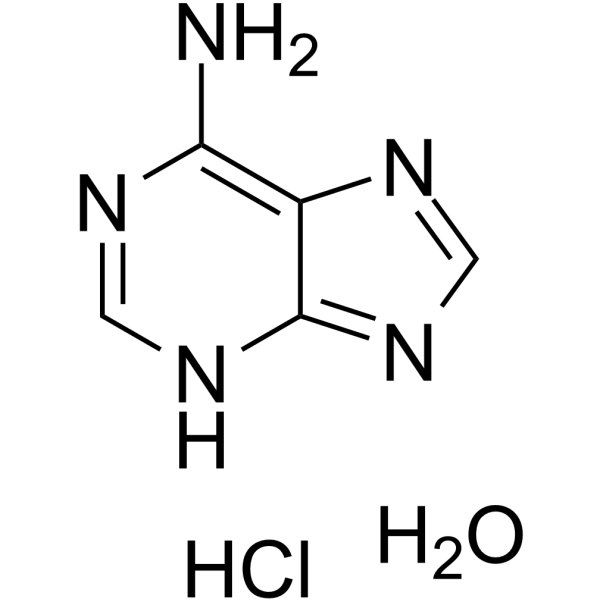
  • HY-W015213

    Endogenous Metabolite DNA/RNA Synthesis Metabolic Disease
    Adenine monohydrochloride hemihydrate is a hydrochloride derivative of Adenine. Adenine (6-Aminopurine), a purine, is one of the four nucleobases in the nucleic acid of DNA. Adenine acts as a chemical component of DNA and RNA. Adenine also plays an important role in biochemistry involved in cellular respiration, the form of both ATP and the cofactors (NAD and FAD), and protein synthesis .
    Adenine monohydrochloride hemihydrate
  • HY-N2150

    HDAC DNA Methyltransferase DNA/RNA Synthesis Bacterial Aminopeptidase Farnesyl Transferase PPAR Apoptosis Infection Inflammation/Immunology Cancer
    Psammaplin A is a marine metabolite. Psammaplin A is a selective HDAC1 (IC50: 45 nM), DNA methyltransferases (IC50: 18.6 nM) and aminopeptidase N (APN) (IC50: 18 μM) inhibitor. Psammaplin A also inhibits DNA topoisomerase and farnesyl protein transferase. Psammaplin A is a PPARγ activator and induces apoptosis. Psammaplin A has antitumor and anti-inflammatory activities. Psammaplin A has antibacterial activity against Gram-positive bacteria and inhibits DNA synthesis and DNA gyrase activity. Psammaplin A inhibits angiogenesis .
    Psammaplin A
  • HY-B0152S3

    6-Aminopurine-13C5; Vitamin B4-13C5

    Isotope-Labeled Compounds DNA/RNA Synthesis Endogenous Metabolite Cancer
    Adenine- 13C5 (6-Aminopurine- 13C5; Vitamin B4- 13C5) is 13C-labeled Adenine (HY-B0152). Adenine (6-Aminopurine), a purine, is one of the four nucleobases in the nucleic acid of DNA. Adenine acts as a chemical component of DNA and RNA. Adenine also plays an important role in biochemistry involved in cellular respiration, the form of both ATP and the cofactors (NAD and FAD), and protein synthesis.
    Adenine-13C5
  • HY-13624AR

    4'-Epidoxorubicin hydrochloride (Standard)

    Reference Standards DNA/RNA Synthesis Topoisomerase Apoptosis Antibiotic Cancer
    Epirubicin (hydrochloride) (Standard) is the analytical standard of Epirubicin (hydrochloride). This product is intended for research and analytical applications. Epirubicin hydrochloride (4'-Epidoxorubicin hydrochloride), a semisynthetic L-arabino derivative of doxorubicin, has an antineoplastic agent by inhibiting Topoisomerase . Epirubicin hydrochloride inhibits DNA and RNA synthesis. Epirubicin hydrochloride is a Forkhead box protein p3 (Foxp3) inhibitor and inhibits regulatory T cell activity .
    Epirubicin hydrochloride (Standard)
  • HY-148170

    EBV DNA/RNA Synthesis Nucleoside Antimetabolite/Analog Infection
    L-I-OddU, a L-5'-halo- dioxolane nucleoside analogue, is a potent and selective anti-Epstein-Barr virus (EBV) agent with an EC50 value of 0.03μM. L-I-OddU has low cytotoxicity with a CC50 value of 1000 nM. L-I-OddU has antiviral activity by suppressing replicative EBV DNA and viral protein synthesis .
    L-I-OddU
  • HY-103293A

    Kallidin (380-389) (human, porcine, bovine) TFA

    Bradykinin Receptor Cardiovascular Disease Neurological Disease Inflammation/Immunology
    Lys-Bradykinin TFA is the TFA salt form of Lys-Bradykinin (HY-103293). Lys-Bradykinin TFA is a ligand for kallidin and bradykinin receptor, which can be generated by kininogen protein through enzymatic cleavage by the protease kallikrein. Lys-Bradykinin TFA serves as a vasodilator, which widens blood vessels and increases blood flow. Lys-Bradykinin TFA stimulates net Na+ influx, and contributes to DNA synthesis. Lys-Bradykinin TFA involves in vascular regulation, inflammation and pain sensation .
    Lys-Bradykinin TFA
  • HY-18572R

    2,4-Dichlorophenoxyacetic acid (Standard)

    Reference Standards Herbicide DNA/RNA Synthesis Apoptosis Cancer
    2,4-D (Standard) is the analytical standard of 2,4-D (HY-18572). This product is intended for research and analytical applications. 2,4-D (2, 4-dichlorophenoxyacetic acid) is a selective herbicide that can be used for the control of broad-leaved weeds. 2,4-D can induce apoptosis. 2,4-D inhibits DNA and protein synthesis, thereby preventing normal plant growth and development .
    2,4-D (Standard)
  • HY-18572S

    2,4-Dichlorophenoxyacetic acid-13C6

    Isotope-Labeled Compounds Herbicide DNA/RNA Synthesis Apoptosis Cancer
    2,4-D- 13C6 is the 13C-labeled 2,4-D (HY-18572). 2,4-D (2,4-Dichlorophenoxyacetic acid) is a selective systemic herbicide for the control of broad-leaved weeds. 2,4-D acts as a plant hormone, causing uncontrolled growth in the meristematic tissues. 2,4-D inhibits DNA and protein synthesis and thereby prevents normal plant growth and development .
    2,4-D-13C6

Inquiry Online

Your information is safe with us. * Required Fields.

Salutation


Country or Region *

Applicant Name *


Organization Name *

Department *


Email Address *


Product Name *

Cat. No.


Requested quantity *

Phone Number *


Remarks

Inquiry Online

Inquiry Information

Product Name:
Cat. No.:
Quantity:
MCE Japan Authorized Agent:

