



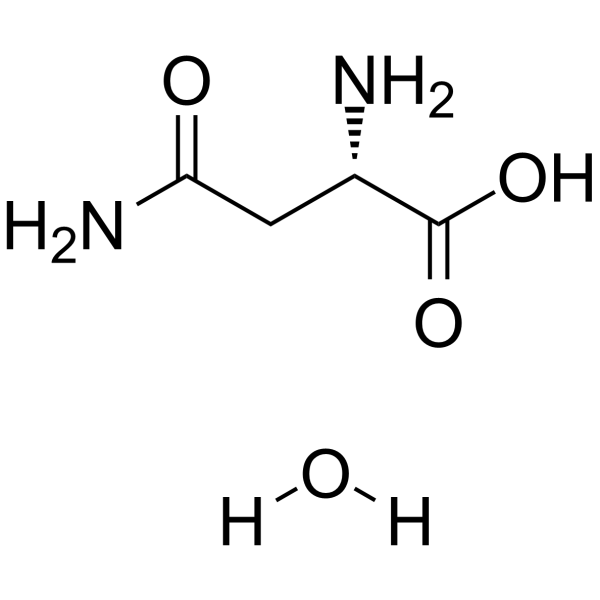
L-Asparagine monohydrate
Based on 5 publication(s) in Google Scholar
L-Asparagine monohydrate is an essential amino acid for leukemic cells and a substrate for L-Asparaginase. L-Asparaginase is a potent anti-leukemic enzyme that promotes asparagine (Asn) and glutamine (Gln) depletion and inhibits protein biosynthesis in lymphoblasts. Removal of L-asparagine from plasma by L-Asparaginase results in inhibition of RNA and DNA synthesis and subsequent apoptosis. L-Asparaginase has cell-killing ability in vitro and in vivo, and selectively inhibits the growth of cancer cells with low asparagine synthetase (AASNS) expression. L-Asparagine monohydrate can be used as a biomarker and sensor for the study of childhood acute lymphoblastic leukemia.
For research use only. We do not sell to patients.
- Purity : 99.77%
- CAS No.: 5794-13-8
- Formula: C4H10N2O4
- Molecular Weight:150.13
-
Storage:
Store at room temperature, keep dry and cool.
In solvent -80°C, 1 year , -20°C, 6 months

To place orders, for customer services and technical support, please contact: MedChemExpress USA
Tel: 609-228-6898 E-mail: [email protected] [email protected]


-
 Biological Activity
-
Chemical Information
-
Solvent & Solubility
- Protocols
- Purity & Documentation
- References
-
 Help & FAQs


-
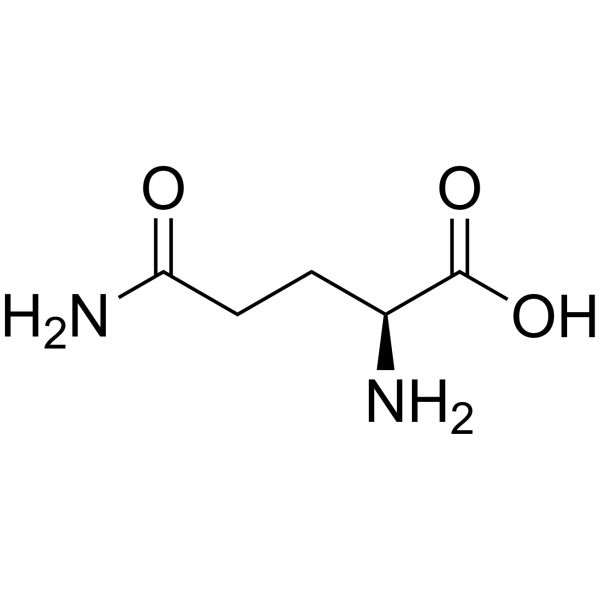
HY-N0390
L-GlutamineEndogenous Metabolite -
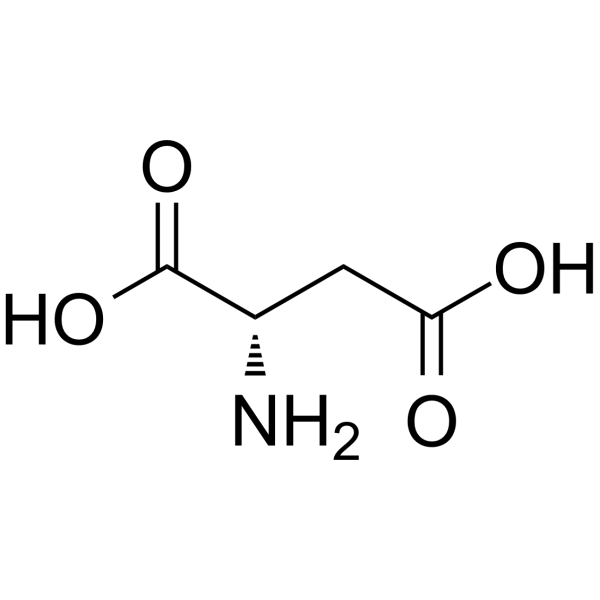
HY-N0666
L-Aspartic acidNMDA Receptor Agonist -
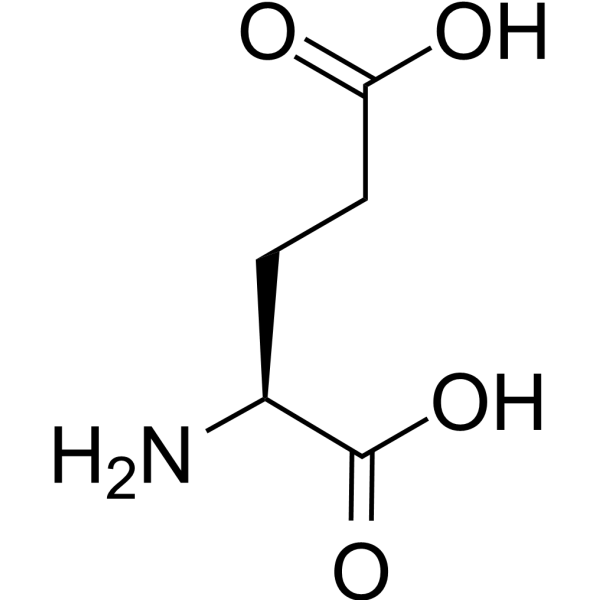
HY-14608
L-Glutamic acidGlutamate Receptors Agonist -
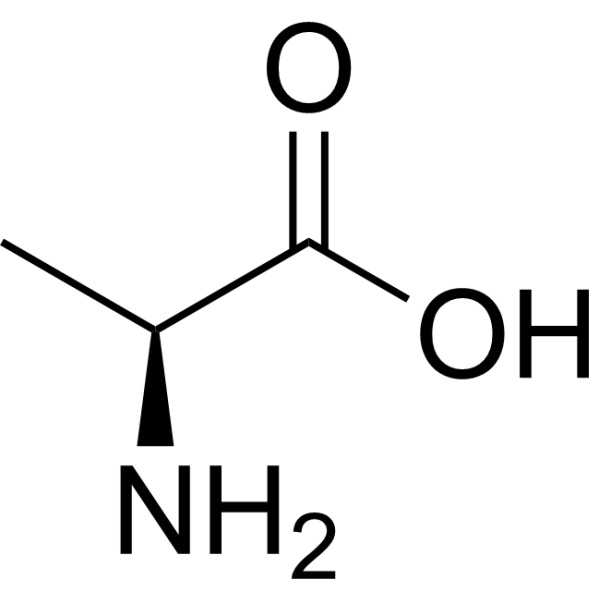
HY-N0229
L-AlanineEndogenous Metabolite -
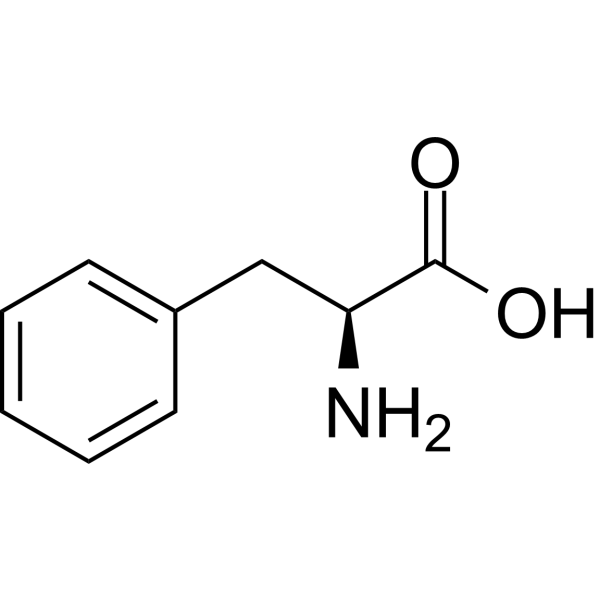
HY-N0215
L-PhenylalanineCalcium Channels Antagonist -
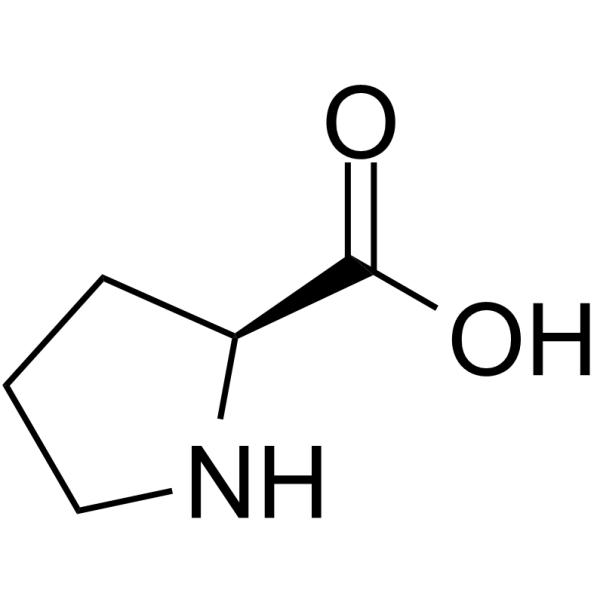
HY-Y0252
L-Proline -
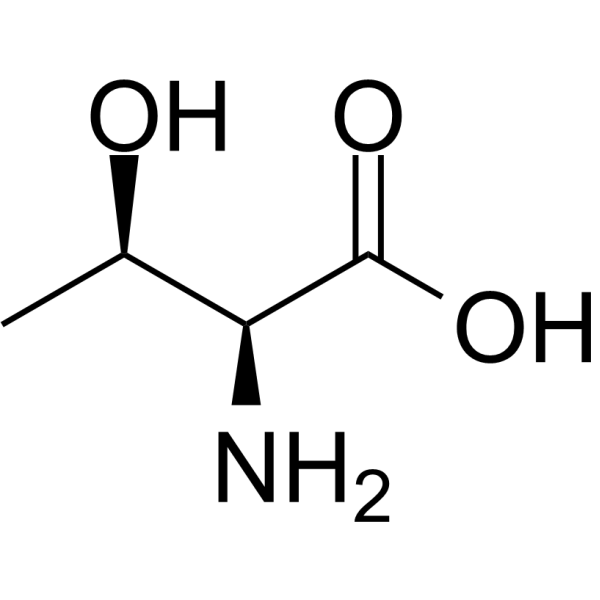
HY-N0658
L-ThreonineEndogenous Metabolite -
HY-N0771
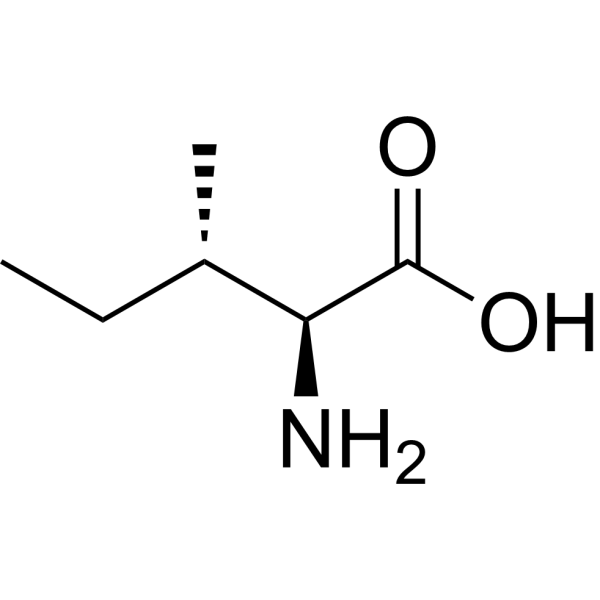
L-IsoleucineEndogenous Metabolite, L-enantiomer of Isoleucine -
HY-N0832
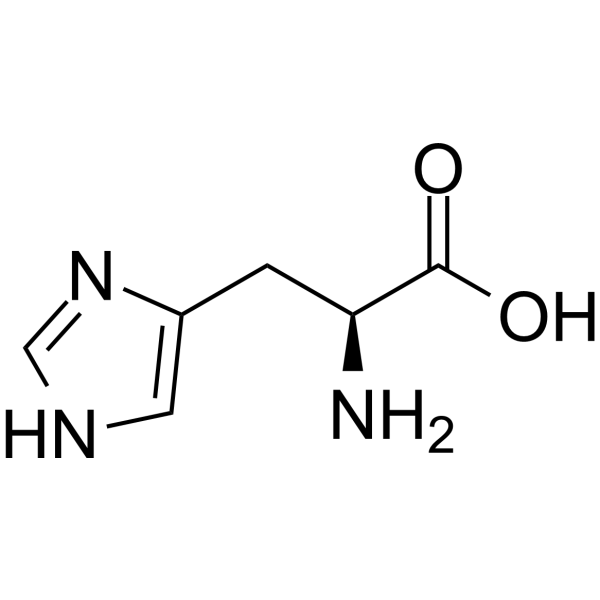
L-HistidineEndogenous Metabolite -
HY-N0326
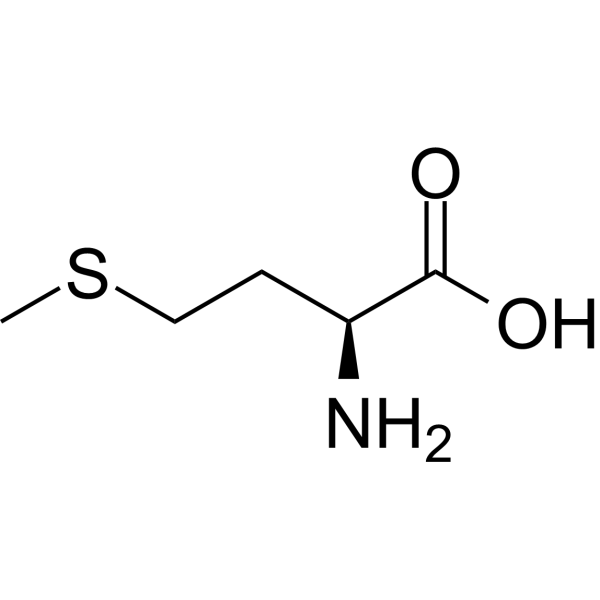
L-MethionineEndogenous Metabolite -
HY-N0394
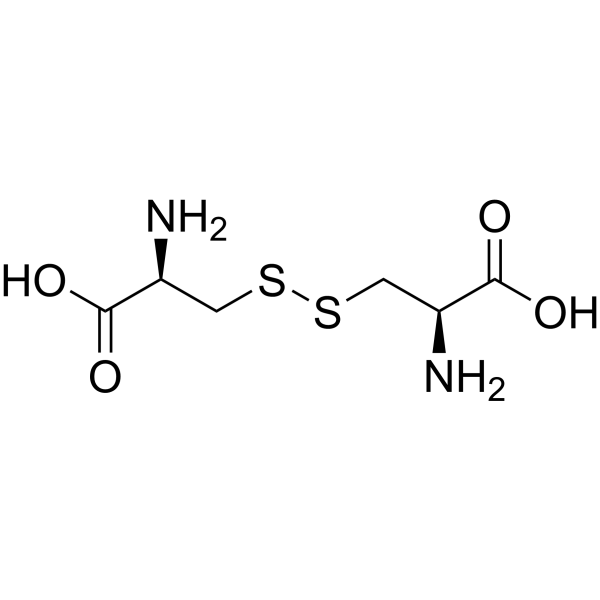
L-CystineNrf2 Activator/ROS Inhibitor -
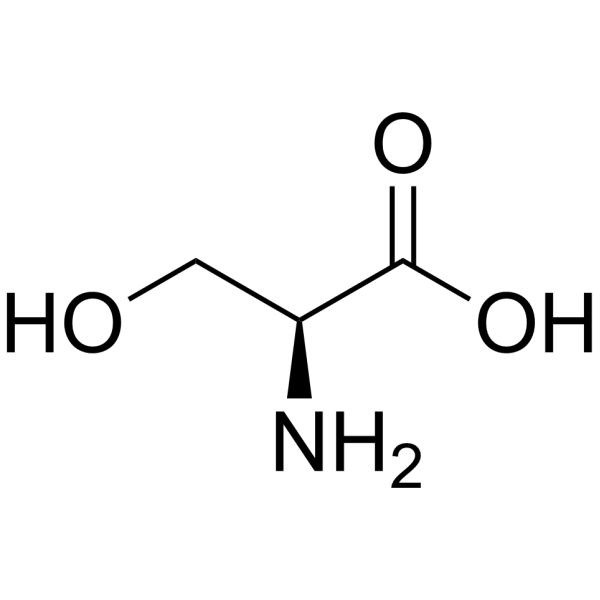
HY-N0650
L-SerineAmino Acid
Publications Citing Use of MedChemExpress (MCE) L-Asparagine monohydrate
More Customer Validation & Images

-
Cell Imaging/Staining
-
Cell Proliferation/Viability Assay
-
Cell Imaging/Staining
-
Cell Imaging/Staining
-
IF
All Endogenous Metabolite Isoforms
MoreAll DNA/RNA Synthesis Isoforms
More

Biological Activity
Description
IC50 & Target
|
Human Endogenous Metabolite |
Microbial Metabolite |
In Vitro
L-Asparagine monohydrate is the biological substrate of L-Asparaginase. The potential side effects of L-Asparaginase are causing normal cell death and inducing inflammation, metabolic disorders and neurotoxicity after use. The toxic side effects of L-Asparaginase may be caused by the action of glutaminase in it[1].
L-Asparagine monohydrate and L-Asparaginase have also been used to develop biosensors for analyzing asparagine levels in leukemia or food industry. In application, the characteristics of L-Asparagine monohydrate hydrolysis, which produces ammonium ions and causes pH changes, can be used to determine the level of L-Asparagine monohydrate by color and absorbance changes[1].
L-Asparaginase can preferentially kill leukemia cells, and the leukemia cell killing rate can be accurately measured using leukemia cell surface markers. L-Asparaginase showed no significant dose response at doses of 0.0001-0.1 IU/mL[2].
MedChemExpress (MCE) has not independently confirmed the accuracy of these methods. They are for reference only. Further protocols information, click here.
In Vivo
In the NOD.Cg-PRKDCscidIL2RGtm1Wjl (NSG) mouse model, L-Asparaginase (1000 or 5000 IU/kg; intraperitoneal injection; once a day for 3 consecutive days) significantly depletes L-Asparagine monohydrate in the blood; in the high-dose group, L-Asparagine monohydrate also recoveres slowly after the cessation of L-Asparaginase injection[3].
When L-Asparaginase is encapsulated in red blood cells (ASP-RBC) and given to Swiss mice by intravenous injection (200 or 1000 IU/kg), the depletion time of L-Asparagine monohydrate in their plasma is prolonged. In the 1000 IU/kg dose group, levels of L-Asparagine monohydrate remains undetectable for up to 14 days, and the half-life of the enzyme is 9-10 days[4].
MedChemExpress (MCE) has not independently confirmed the accuracy of these methods. They are for reference only.


Chemical Information
-
CAS No. 5794-13-8
-
Appearance Solid
-
Molecular Weight 150.13
-
Formula C4H10N2O4
-
Color White to off-white
-
SMILES
N[C@H](C(O)=O)CC(N)=O.[H]O[H]
-
Structure Classification
-
Initial Source
-
Shipping
Room temperature in continental US; may vary elsewhere.
-
Storage
Store at room temperature, keep dry and cool
In solvent -80°C 1 year -20°C 6 months


Publications (5)
-
Journal Impact Factor
-
Most Recent
-
Acta Pharm Sin B
Inhibition of ASCT2 induces hepatic stellate cell senescence with modified proinflammatory secretome through an IL-1 α/NF- κ B feedback pathway to inhibit liver fibrosis. [Abstract]2022 Sep;12(9):3618-3638. PMID: 36176909 -
Commun Biol
Elevated glutamate impedes anti-HIV-1 CD8 + T cell responses in HIV-1-infected individuals on antiretroviral therapy. [Abstract]2023 Jul 7;6(1):696. PMID: 37419968 -
Int Dent J
Tooth Loss-Induced Gut Dysbiosis Promotes Neuroinflammation via L-Asparagine-Mediated Neuronal Toxicity. [Abstract]2025 Oct 1;75(6):103929. PMID: 41043307
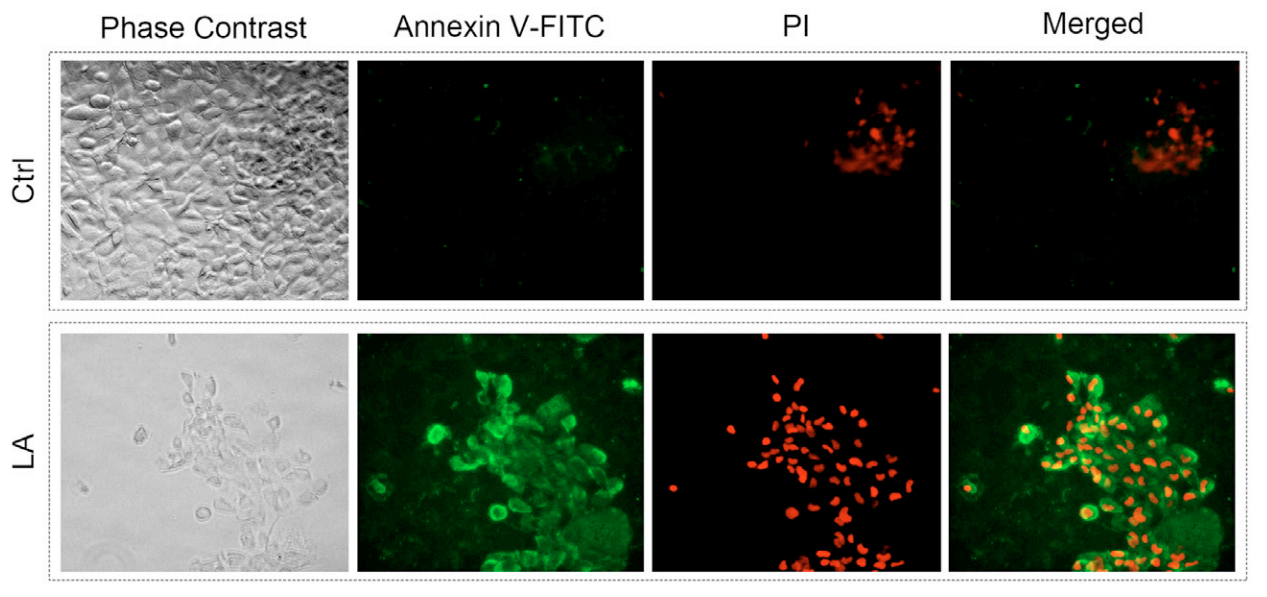
L-Asparagine monohydrate purchased from MedChemExpress. Usage Cited in: Int Dent J. 2025 Oct 1;75(6):103929. [Abstract]
L-Asparagine (LA) (1 mM; 48 h) increased the percentage of apoptotic HT22 cells.
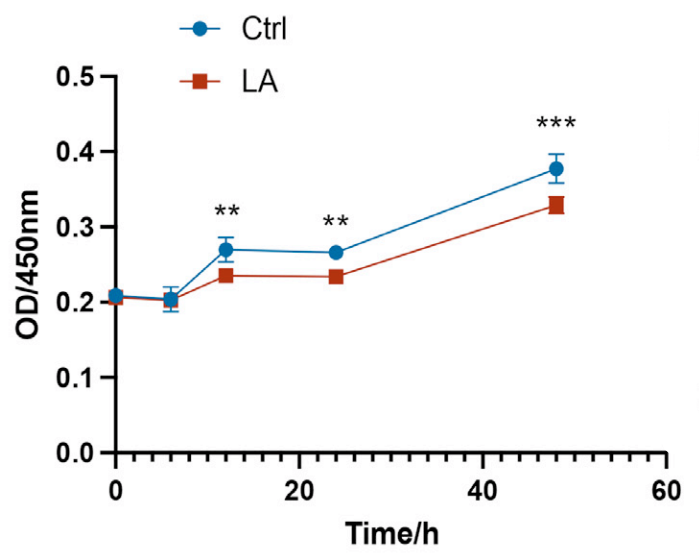
L-Asparagine monohydrate purchased from MedChemExpress. Usage Cited in: Int Dent J. 2025 Oct 1;75(6):103929. [Abstract]
viability of HT22 cells was assessed by CCK-8 assay at 0, 6, 12, 24, and 48 hours after L-Asparagine (LA) (1 mM; 48 h) treatment.
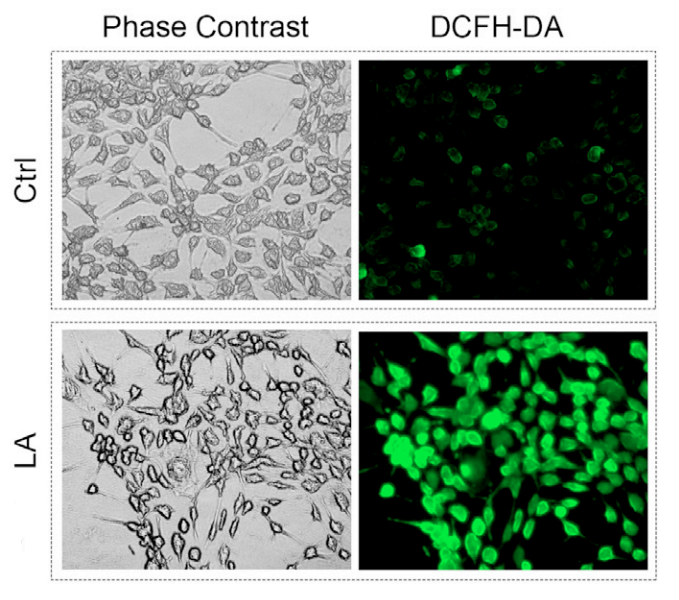
L-Asparagine monohydrate purchased from MedChemExpress. Usage Cited in: Int Dent J. 2025 Oct 1;75(6):103929. [Abstract]
L-Asparagine (LA) (1 mM; 48 h) increased intracellular ROS levels of HT22 cells.
L-Asparagine monohydrate purchased from MedChemExpress. Usage Cited in: Int Dent J. 2025 Oct 1;75(6):103929. [Abstract]
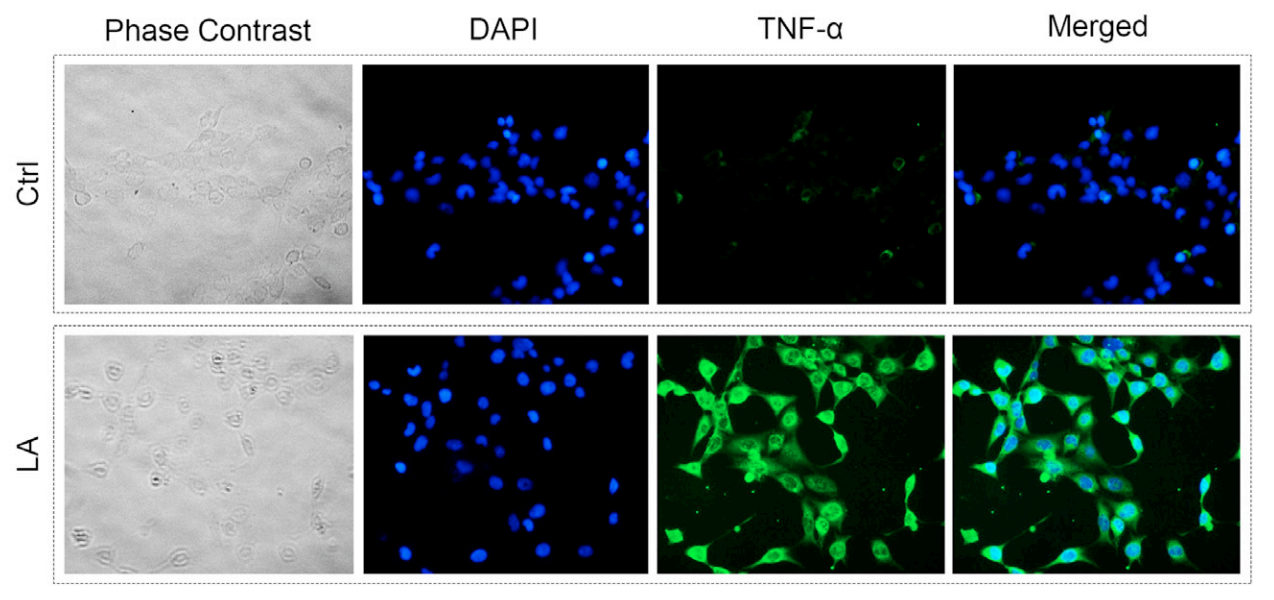
L-Asparagine (LA) (1 mM; 48 h) enhanced expression of TNF-α in HT22 cells, implicating an inflammatory response.
L-Asparagine monohydrate purchased from MedChemExpress. Usage Cited in: Int Dent J. 2025 Oct 1;75(6):103929. [Abstract]
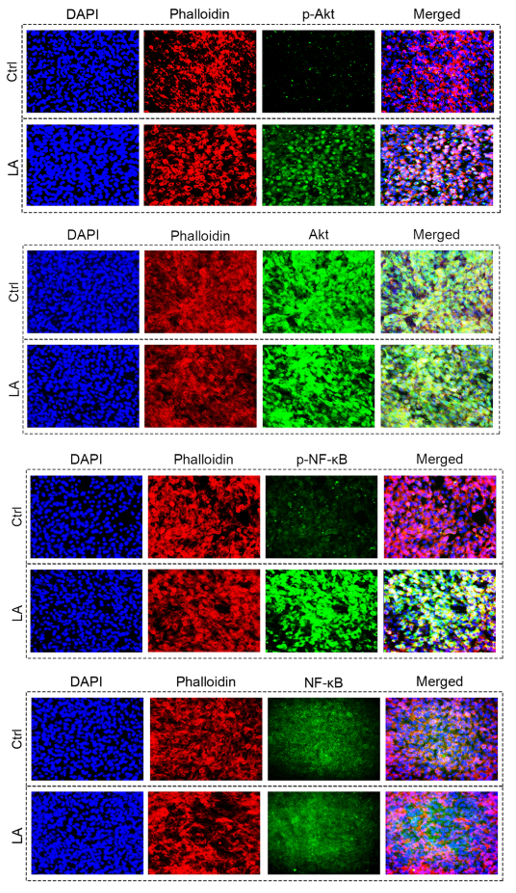
L-Asparagine (LA) (1 mM; 48 h) treatment increased the fluorescence intensity of p-Akt and p-NF-κB in HT22 cells, while total Akt and NF-κB levels remained unchanged.
-
Amino Acids
Identification of amino acids metabolomic profiling in human plasma distinguishes lupus nephritis from systemic lupus erythematosus. [Abstract]2024 Sep 18;56(1):56. PMID: 39292313 -


Solvent & Solubility
In Vitro:
H2O : 20 mg/mL (133.22 mM; Need ultrasonic)
DMSO : < 1 mg/mL (insoluble or slightly soluble)
Please refer to the solubility information to select the appropriate solvent. Once prepared, please aliquot and store the solution to prevent product inactivation from repeated freeze-thaw cycles.
Storage method and period of stock solution: -80°C, 1 year; -20°C, 6 months. When stored at -80°C, please use it within 1 year. When stored at -20°C, please use it within 6 months.
* Note: If you choose water as the stock solution, please dilute it to the working solution, then filter and sterilize it with a 0.22 μm filter before use.
Please refer to the solubility information to select the appropriate solvent. Once prepared, please aliquot and store the solution to prevent product inactivation from repeated freeze-thaw cycles.
Storage method and period of stock solution: -80°C, 1 year; -20°C, 6 months. When stored at -80°C, please use it within 1 year. When stored at -20°C, please use it within 6 months.
* Note: If you choose water as the stock solution, please dilute it to the working solution, then filter and sterilize it with a 0.22 μm filter before use.
Concentration (start) × Volume (start) = Concentration (final) × Volume (final)

Protocols
-
EdU Incorporation Assay (Click Chemistry-Based DNA Synthesis Measurement)
The EdU incorporation assay measures DNA synthesis by adding the thymidine analog 5-ethynyl-2′-deoxyuridine to cells or tissues, where it is incorporated into newly synthesized DNA during S phase. Incorporated EdU is detected by copper-catalyzed azide-alkyne cycloaddition, in which a fluorescent azide covalently reacts with the ethynyl group on EdU, allowing S-phase cells to be detected by fluorescence microscopy, flow cytometry, or high-content imaging. EdU detection does not require DNA denaturation or anti-BrdU antibody access, which preserves sample structure and improves compatibility with immunostaining and multiparameter cytometry compared with BrdU-based detection. EdU can be cytotoxic in a cell-type- and exposure-dependent manner, so pulse duration, concentration, and continuous-labeling designs should be validated for each cell type.
-
RNA extraction experimental
By lysing cells, releasing RNA, and removing impurities such as proteins and DNA, high-purity RNA products are finally obtained. The commonly used traditional method is the guanidine isothiocyanate/phenol/chloroform method (Trizol), which is suitable for a variety of animal materials including animal tissues, microorganisms, cultured cells, etc., and most plant materials.
-
Apoptosis
Apoptosis, also called programmed cell death, is generally characterized by distinct morphological characteristics.
-
TUNEL staining for apoptotic DNA fragmentation
TUNEL staining detects DNA strand breaks by using terminal deoxynucleotidyl transferase to add labeled nucleotides to exposed 3′-OH DNA termini, generating either microscopic staining in fixed cells or tissue sections, or fluorescence/cytometric signal in cell suspensions. TUNEL positivity reflects DNA fragmentation but should not be interpreted alone as definitive apoptosis, because TUNEL can also label necrotic, autolytic, mechanically damaged, or DNA-repair-associated DNA breaks.
-
Annexin V plus membrane-impermeant dye apoptosis staining
Annexin V-based apoptosis assays rely on the detection of phosphatidylserine (PS) externalization from the inner leaflet of the plasma membrane to the outer leaflet, an early biochemical hallmark of apoptosis. Fluorescently labeled Annexin V binds PS in a calcium-dependent manner, enabling identification of early apoptotic cells by flow cytometry or fluorescence microscopy. When combined with a membrane-impermeant DNA-binding dye (e. g. , propidium iodide), this approach allows discrimination between viable (Annexin V−/dye−), early apoptotic (Annexin V+/dye−), and late apoptotic or necrotic (Annexin V+/dye+) cell populations by assessing membrane integrity and PS exposure.
-
BrdU Incorporation Assay
Bromodeoxyuridine (BrdU) incorporation assay is based on the principle that BrdU, a thymidine analog, is incorporated into newly synthesized DNA during the S phase of the cell cycle, thereby serving as a marker of DNA replication and cellular proliferation. Incorporated BrdU can be detected using anti-BrdU antibodies following DNA denaturation, enabling visualization or quantification of proliferating cells through immunochemical detection methods such as immunofluorescence or immunohistochemistry.
-
Apoptosis Solutions
Apoptosis is a regulated, generally non-lytic cell-death pathway that removes unwanted, damaged, infected, or abnormal cells through coordinated morphological changes, caspase activation, DNA fragmentation, and membrane remodeling. The intrinsic apoptosis pathway is controlled mainly by mitochondrial outer membrane permeabilization, BCL-2 family proteins, cytochrome c release, apoptosome formation, caspase-9 activation, and downstream executioner caspase-3/7 activation. The extrinsic apoptosis pathway is initiated by death receptors such as Fas, TNFR, and TRAIL receptors, which recruit adaptor proteins and activate caspase-8 before engaging executioner caspases or mitochondrial amplification through BID cleavage. Apoptosis is linked to many phenotypes, including cancer cell killing, tissue homeostasis, immune regulation, neurodegeneration, infection response, and treatment-induced cytotoxicity; unresolved questions include how apoptosis interacts with necroptosis, pyroptosis, ferroptos


Purity & Documentation
-
Data Sheet (276 KB)
-
SDS (394 KB)
- English - EN (394 KB)
- Français - FR (394 KB)
- Deutsch - DE (394 KB)
- Norwegian - NO (394 KB)
- Español - ES (394 KB)
- Swedish - SV (394 KB)
- Italian - IT (394 KB)
- Korean - KR (394 KB)
- Portuguese - PT (394 KB)
-
Handling Instructions (2659 KB)
References
[1]. Batool T, et al. A Comprehensive Review on L-Asparaginase and Its Applications. Appl Biochem Biotechnol. 2016 Mar;178(5):900-23. [Content Brief]
[2]. Asselin BL, et al. In vitro and in vivo killing of acute lymphoblastic leukemia cells by L-asparaginase. Cancer Res. 1989 Aug 1;49(15):4363-8. [Content Brief]
[3]. Horvath TD, et al. Assessment of l-Asparaginase Pharmacodynamics in Mouse Models of Cancer. Metabolites. 2019 Jan 9;9(1):10. [Content Brief]
[4]. Kravtzoff R, et al. Erythrocytes as carriers for L-asparaginase. Methodological and mouse in-vivo studies. J Pharm Pharmacol. 1990 Jul;42(7):473-6. [Content Brief]
[5]. Ilaria M Michelozzi, et al. Acute myeloid leukaemia niche regulates response to L-asparaginase. Br J Haematol. 2019 Aug;186(3):420-430. doi: 10.1111/bjh.15920. [Content Brief]


Complete Stock Solution Preparation Table
Please refer to the solubility information to select the appropriate solvent. Once prepared, please aliquot and store the solution to prevent product inactivation from repeated freeze-thaw cycles.
Storage method and period of stock solution: -80°C, 1 year; -20°C, 6 months. When stored at -80°C, please use it within 1 year. When stored at -20°C, please use it within 6 months.
| Optional Solvent | Concentration Solvent Mass | 1 mg | 5 mg | 10 mg | 25 mg |
|---|---|---|---|---|---|
| H2O | 1 mM | 6.6609 mL | 33.3045 mL | 66.6089 mL | 166.5223 mL |
| 5 mM | 1.3322 mL | 6.6609 mL | 13.3218 mL | 33.3045 mL | |
| 10 mM | 0.6661 mL | 3.3304 mL | 6.6609 mL | 16.6522 mL | |
| 15 mM | 0.4441 mL | 2.2203 mL | 4.4406 mL | 11.1015 mL | |
| 20 mM | 0.3330 mL | 1.6652 mL | 3.3304 mL | 8.3261 mL | |
| 25 mM | 0.2664 mL | 1.3322 mL | 2.6644 mL | 6.6609 mL | |
| 30 mM | 0.2220 mL | 1.1101 mL | 2.2203 mL | 5.5507 mL | |
| 40 mM | 0.1665 mL | 0.8326 mL | 1.6652 mL | 4.1631 mL | |
| 50 mM | 0.1332 mL | 0.6661 mL | 1.3322 mL | 3.3304 mL | |
| 60 mM | 0.1110 mL | 0.5551 mL | 1.1101 mL | 2.7754 mL | |
| 80 mM | 0.0833 mL | 0.4163 mL | 0.8326 mL | 2.0815 mL | |
| 100 mM | 0.0666 mL | 0.3330 mL | 0.6661 mL | 1.6652 mL |
* Note: If you choose water as the stock solution, please dilute it to the working solution, then filter and sterilize it with a 0.22 μm filter before use.


L-Asparagine monohydrate Related Classifications
HY-W017443 Related Classifications
 Powered by Bioz