1. Search Result
Search Result
Results for "

DPPH free radicals

" in MedChemExpress (MCE) Product Catalog:

105

Inhibitors & Agonists

1

Biochemical Assay Reagents

2

Peptides

76

Natural
Products

1

Click Chemistry

Cat. No. Product Name Target Research Areas Chemical Structure
  • HY-112053
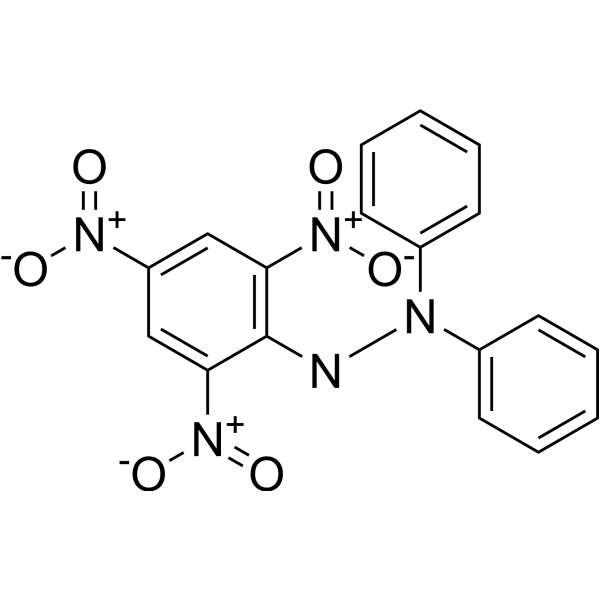
    DPPH
    Maximum Cited Publications
    46 Publications Verification

    2,2-Diphenyl-1-picrylhydrazyl

    Reactive Oxygen Species (ROS) Metabolic Disease
    DPPH (2,2-Diphenyl-1-picrylhydrazyl) is a stable free radical that can be used to measure the radical scavenging activity of antioxidants. The odd electron of nitrogen atom in DPPH is reduced by receiving a hydrogen atom from antioxidants to the corresponding hydrazine. DPPH method may be utilized in aqueous and nonpolar organic solvents and can be used to examine both hydrophilic and lipophilic antioxidants .
    DPPH
  • HY-N0828
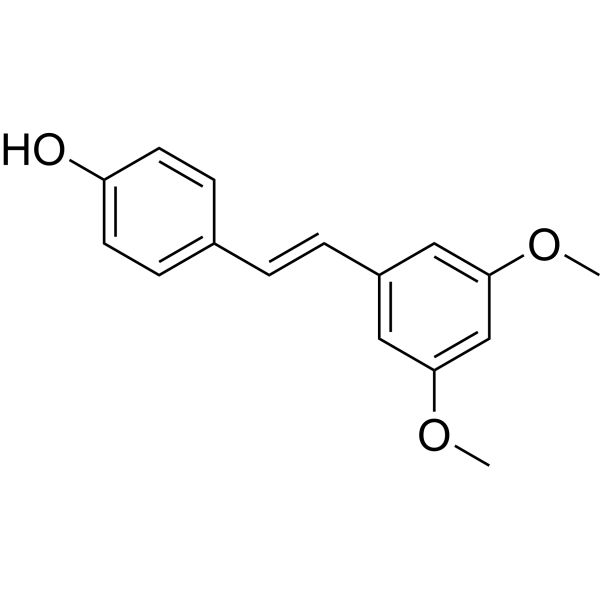
    Pterostilbene
    Maximum Cited Publications
    10 Publications Verification

    Autophagy Inflammation/Immunology Cancer
    Pterostilbene is a stilbenoid isolated from blueberries and Pterocarpus marsupium . Shows anti-oxidant, anti-inflammatory, anti-carcinogenic, anti-diabetic and anti-obesity properties . Pterostilbene blocks ROS production , also exhibits inhibitory activity against various free radicals such as DPPH, ABTS, hydroxyl, superoxide and hydrogen peroxide .
    Pterostilbene
  • HY-P1934A

    Fungal Bacterial IFNAR Reactive Oxygen Species (ROS) Infection Inflammation/Immunology Cancer
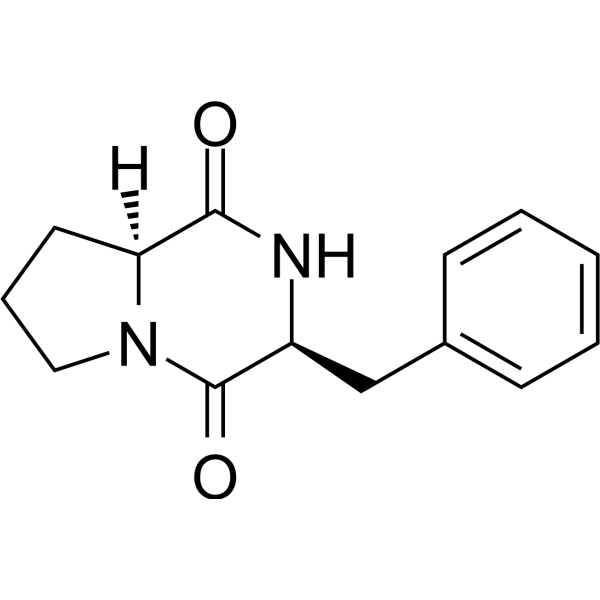
    Cyclo(L-Phe-L-Pro), isolated from Pseudomonas fluorescens and Pseudomonas alcaligenes cell-free culture supernatants is an antifungal cyclic dipeptide . Cyclo(L-Phe-L-Pro) inhibits IFN-β production by interfering with retinoic-acid-inducible gene-I (RIG-I) activation . Cyclo(L-Phe-L-Pro) exhibits free-radical scavenging activity with the IC50 of 24 µM in the DPPH assay .
    Cyclo(L-Phe-L-Pro)
  • HY-N1430
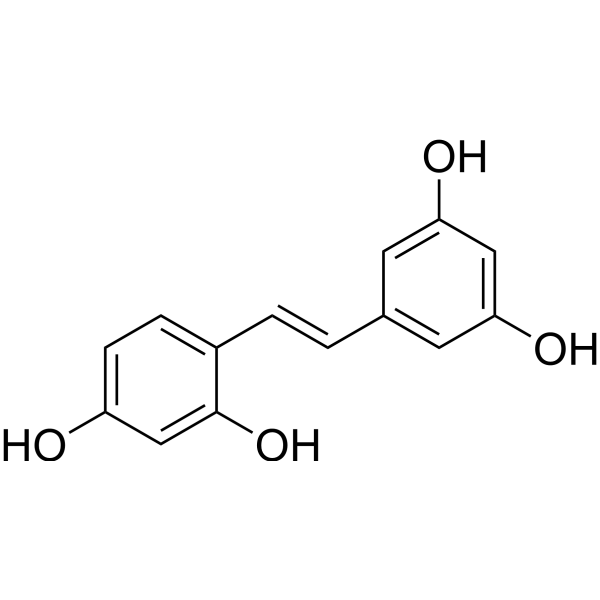
    Oxyresveratrol
    3 Publications Verification

    trans-Oxyresveratrol

    Tyrosinase HSV Autophagy Others
    Oxyresveratrol (trans-Oxyresveratrol) is a potent naturally occurring antioxidant and free radical scavenger (IC50 of 28.9 µM against DPPH free radicals). Oxyresveratrol is potent and noncompetitive tyrosinase inhibitor with an IC50 value of 1.2 µM for mushroom tyrosinase. Oxyresveratrol is effective against HSV-1, HSV-2 and varicella-zoster virus, and has neuroprotective effects .
    Oxyresveratrol
  • HY-N1417
    Sesamol
    2 Publications Verification

    Apoptosis Cancer
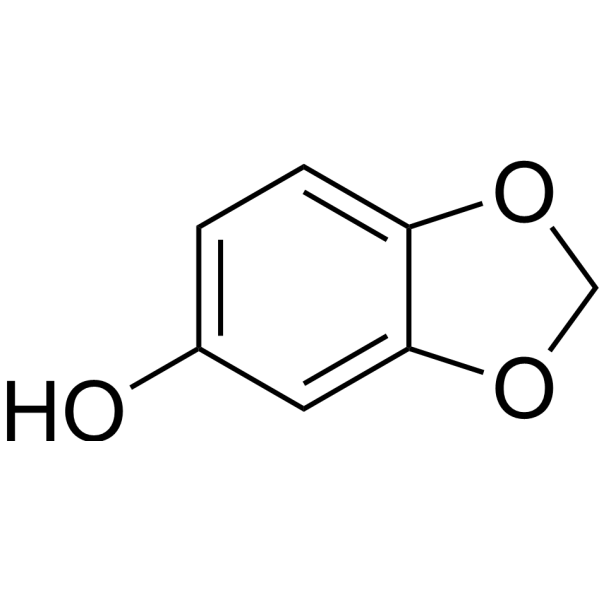
    Sesamol is a constituent of sesame oil. Sesamol shows a free radical scavenging activity. Sesamol shows an IC50=5.95±0.56 μg/mL in the DPPH assay. Anti-oxidant activities . Anticancer activities .
    Sesamol
  • HY-N1312

    COX Bacterial Reactive Oxygen Species (ROS) Interleukin Related NO Synthase PERK JNK Infection Inflammation/Immunology
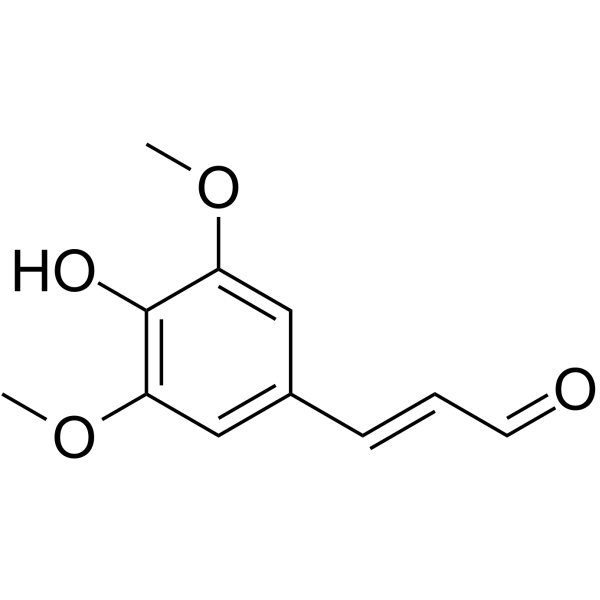
    Sinapaldehyde is a methoxyphenol and a selective COX-2 inhibitor (IC50: 47.8 µM) that can be extracted from various plants. Sinapaldehyde has antibacterial, anti-inflammatory, and antioxidant activities. Sinapaldehyde can scavenge DPPH free radicals (IC50: 172 μM). Sinapaldehyde is active against both Gram-negative and Gram-positive bacteria .
    Sinapaldehyde
  • HY-N0627

    LDLR Others
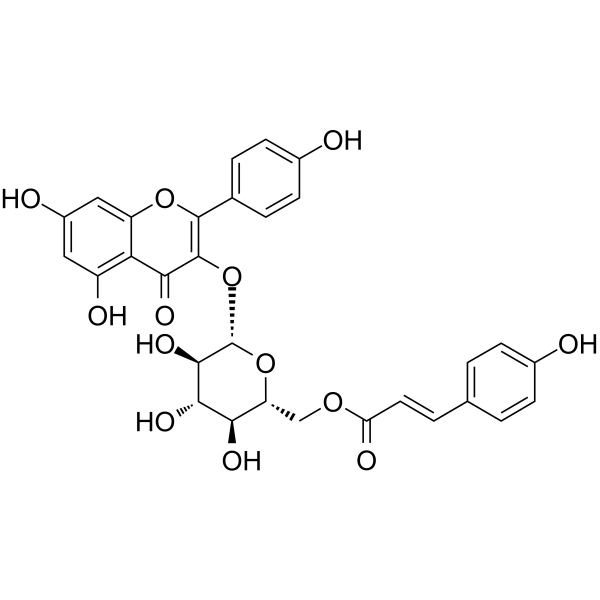
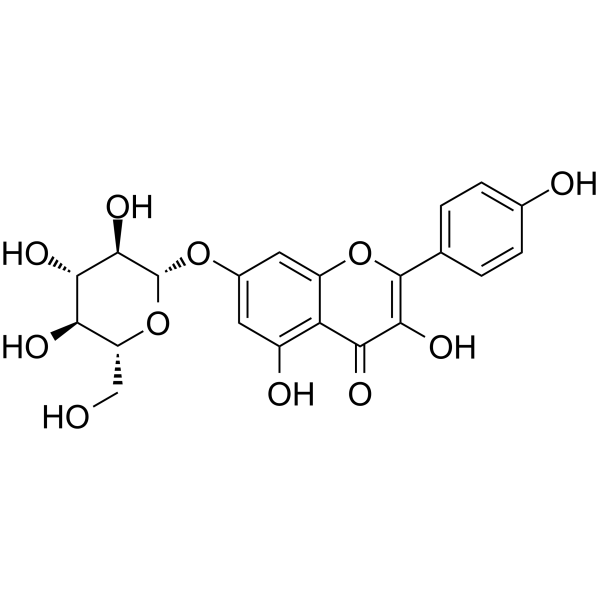
    Kaempferol-7-O-β-D-glucopyranoside is a flavonoid glycoside. Kaempferol-7-O-β-D-glucopyranoside exists in the root bark of Cudrania tricuspidata. Kaempferol-7-O-β-D-glucopyranoside inhibits Cu 2+-induced lipid peroxidation of low-density lipoprotein. Kaempferol-7-O-β-D-glucopyranoside possesses antioxidant activity and scavenges DPPH free radicals .
    Kaempferol-7-O-β-D-glucopyranoside
  • HY-W040045
    Callistephin chloride
    1 Publications Verification

    Pelargonidin-3-O-glucoside chloride

    Reactive Oxygen Species (ROS) COX NO Synthase p38 MAPK TNF Receptor Apoptosis Neurological Disease Metabolic Disease Inflammation/Immunology Cancer
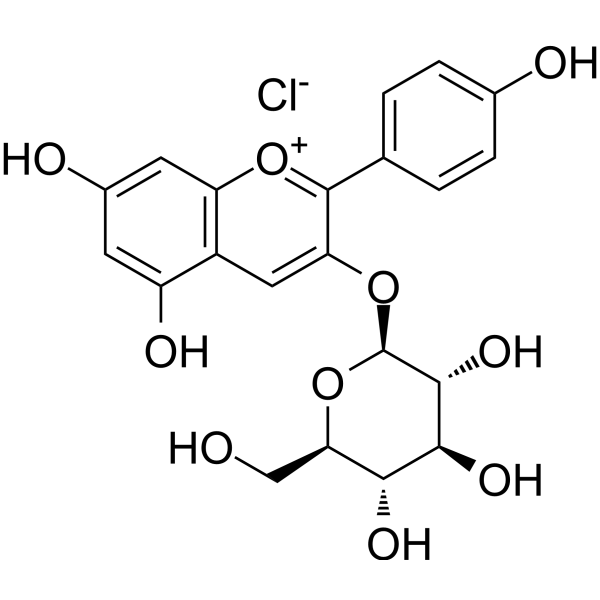
    Callistephin (Pelargonidin 3-O-glucoside) chloride is an anthocyanin. Callistephin chloride regulates the expression of inflammatory (reducing iNOS/TNF-α/COX-2) and apoptosis-related proteins by inhibiting p38 phosphorylation, and enhances the protective effect of Isoflurane (HY-A0134) on microglial cell damage. Callistephin chloride significantly reduces ROS levels, eliminates DPPH free radicals, protects retinal pigment epithelial cells, and inhibits lipid peroxidation. Callistephin chloride can alleviate glutamate excitotoxicity, reduce neuronal apoptosis, and protect cerebellar granule neurons. Callistephin chloride can inhibit the proliferation and metastasis of breast cancer cells by inducing apoptosis .
    Callistephin chloride
  • HY-W019885A

    Sodium triphosphate pentabasic, 98%

    Environmental Pollutants Biochemical Assay Reagents Others
    Sodium tripolyphosphate (STPP), 98% is an inorganic, non-toxic polyphosphate crosslinker, inducer and enhancer. Sodium tripolyphosphate (STPP), 98% induces the formation of unique needle-like microcrystals in sodium alginate-chitosan composite films. Sodium tripolyphosphate (STPP), 98% enhances the DPPH free radical scavenging activity of sodium alginate-chitosan composite films .
    Sodium tripolyphosphate (STPP), 98%
  • HY-N2443
    Tribuloside
    1 Publications Verification

    Phosphodiesterase (PDE) Bacterial PKA Tyrosinase TRP Channel Microphthalmia Associated Transcription Factor (MITF) Interleukin Related Infection Metabolic Disease Inflammation/Immunology
    Tribuloside is a flavonoid and PDE4 inhibitor (IC50: 6 μM). Tribuloside exhibits antibacterial and antioxidant activities, capable of scavenging DPPH free radicals. Tribuloside also promotes melanogenesis. Tribuloside can be used in the research of hypopigmentary diseases, sun protection, and inflammatory diseases such as acute lung injury .
    Tribuloside
  • HY-127170

    Lipoxygenase Tyrosinase Metabolic Disease Inflammation/Immunology
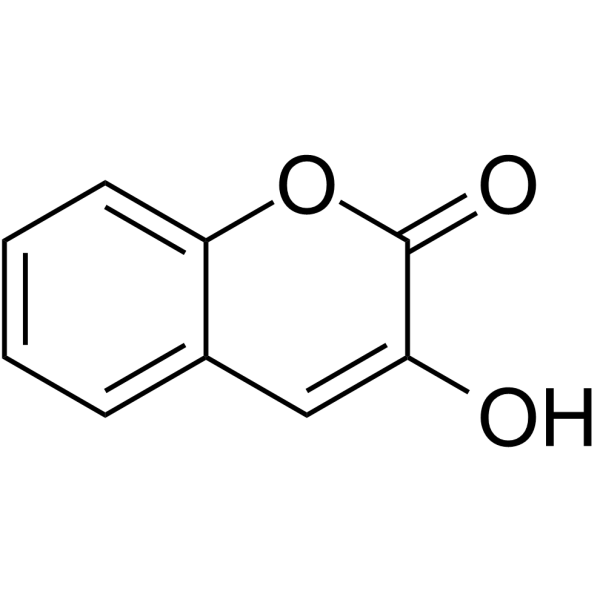
    3-Hydroxycoumarin is an inhibitor of tyrosinase and lipoxygenase with an IC50 for recombinant human tyrosinase (rHT) of 26 μM, and a Ki of 3.39 μM; its IC50 for LOX is 9.5 μM. 3-Hydroxycoumarin has DPPH free radical scavenging activity (IC50 = 31.2 μM). 3-Hydroxycoumarin has photoprotective effects on sea urchin zygotes and embryos .
    3-Hydroxycoumarin
  • HY-N2907

    Wnt Ras Endogenous Metabolite Bacterial Fungal PD-1/PD-L1 Tim3 Akt AP-1 STAT Infection Neurological Disease Inflammation/Immunology Cancer
    Atranorin is a secondary metabolite of lichens and AKT inhibitor. Atranorin possesses multiple activities such as antibacterial, anti-inflammatory, antioxidant, anti-glycation, analgesic, and anti-tumor effects. Atranorin has IC50 values for scavenging DPPH and ABTS free radicals of 117 μM and less than 10 μM, respectively. Additionally, Atranorin also exhibits effects in promoting wound healing. Atranorin can be used in the research of various diseases, including myelodysplastic syndromes, tumors, and inflammatory conditions .
    Atranorin
  • HY-N3558

    Emmolic acid

    Bacterial Infection Cancer
    Ceanothic acid (Emmolic acid) is an orally active pentacyclic triterpenoid. Ceanothic acid inhibits the growth of various oral bacteria, including Streptococcus mutans, Actinomyces viscosus, Porphyromonas gingivalis, and Prevotella intermedia. Ceanothic acid scavenges DPPH and H2O2 free radicals. Ceanothic acid inhibits acetic acid (HY-Y0319)-induced writhing response, xylene-induced ear swelling, and carrageenan-induced paw swelling in mice. Ceanothic acid can be used in research related to oral bacterial infections, ovarian cancer, liver cancer, and liver injury .
    Ceanothic acid
  • HY-N7627

    Estrogen Receptor/ERR Toll-like Receptor (TLR) Akt MMP HSP Inflammation/Immunology
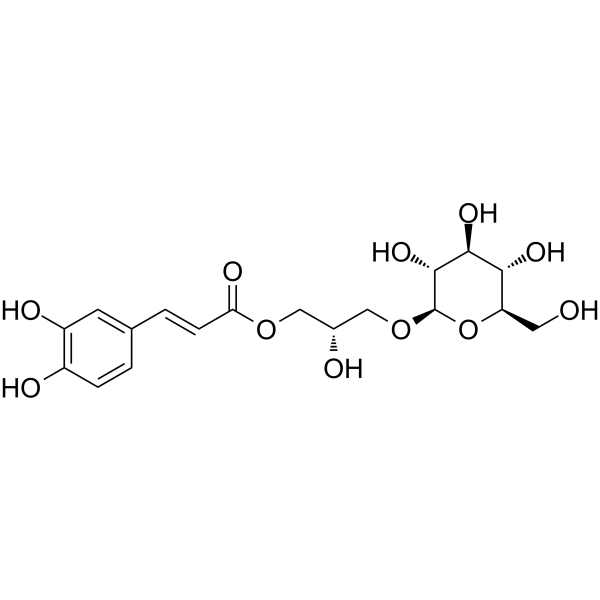
    Regaloside C is an anti-inflammatory agent and antioxidant that scavenges ABTS and DPPH free radicals. Regaloside C targets multiple molecules including TNF-α, MMP-2, ERα, AKT1, TLR4 and HSP90-α. Regaloside C is applicable to research related to inflammatory diseases .
    Regaloside C
  • HY-112053R

    2,2-Diphenyl-1-picrylhydrazyl (Standard)

    Reactive Oxygen Species (ROS) Reference Standards Metabolic Disease
    DPPH (Standard) is the analytical standard of DPPH. This product is intended for research and analytical applications. DPPH (2,2-Diphenyl-1-picrylhydrazyl) is a stable free radical that can be used to measure the radical scavenging activity of antioxidants. The odd electron of nitrogen atom in DPPH is reduced by receiving a hydrogen atom from antioxidants to the corresponding hydrazine. DPPH method may be utilized in aqueous and nonpolar organic solvents and can be used to examine both hydrophilic and lipophilic antioxidants .
    DPPH (Standard)
  • HY-N6829

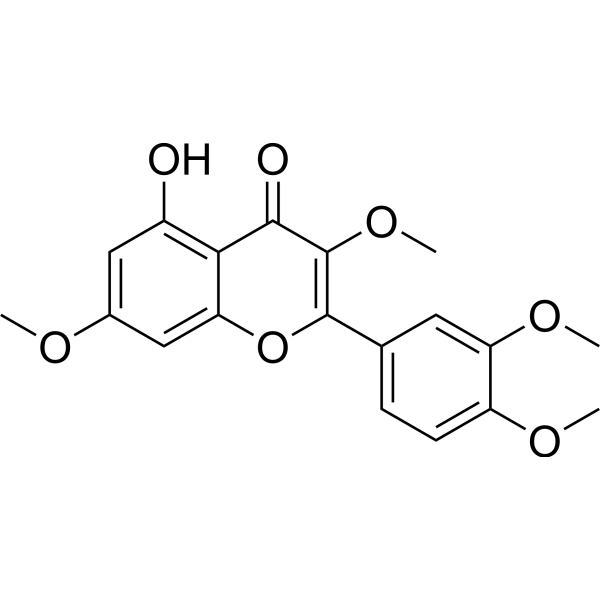
    Quercetin-​3,​3',​4',​7-​tetramethylether

    Tyrosinase Fungal SARS-CoV Apoptosis Reactive Oxygen Species (ROS) Infection Neurological Disease Metabolic Disease Inflammation/Immunology
    Retusin (Quercetin-3,3',4',7-tetramethylether) is a tyrosinase inhibitor, with IC50 values of 50.9 μM and 51.8 μM against mushroom and intracellular tyrosinase, respectively. Retusin also acts as a free radical scavenger, melanogenesis inhibitor, anti-apoptosis agent, neuroprotective agent, antiemetic, antifungal agent, and antiviral agent. Retusin scavenges ABTS• + and DPPHfree radicals. Retusin can be used in studies related to hyperpigmentation, vomiting, Aspergillus niger infection, and COVID-19 infection .
    Retusin
  • HY-W101585

    Isopentyl benzoate

    Environmental Pollutants Inflammation/Immunology
    Isoamyl benzoate (Isopentyl benzoate) is a natural aromatic ester compound. Isoamyl benzoate exhibits free radical scavenging capabilities against DPPH and ABTS, with its IC50 values being 9.55 μg/mL and 7455.54 μM TE/g respectively. Isoamyl benzoate can be used in antioxidant research .
    Isoamyl benzoate
  • HY-N0828R

    Reference Standards Autophagy Inflammation/Immunology Cancer
    Pterostilbene (Standard) is the analytical standard of Pterostilbene. This product is intended for research and analytical applications. Pterostilbene is a stilbenoid isolated from blueberries and Pterocarpus marsupium . Shows anti-oxidant, anti-inflammatory, anti-carcinogenic, anti-diabetic and anti-obesity properties . Pterostilbene blocks ROS production , also exhibits inhibitory activity against various free radicals such as DPPH, ABTS, hydroxyl, superoxide and hydrogen peroxide .
    Pterostilbene (Standard)
  • HY-124496

    Mitochondrial Metabolism Reactive Oxygen Species (ROS) Others
    Piperitenone is a terpenoid, and exhibits antioxidant activity. Piperitenone scavenges DPPH free radicals with an IC50 of 22.7 μg/mL, and inhibits the peroxidation of linoleic acid .
    Piperitenone
  • HY-N8219

    Reactive Oxygen Species (ROS) Inflammation/Immunology
    Isoarundinin II is a bibenzyl compound found in the pseudobulbs of Pleione grandiflora (Rolfe) Rolfe. Isoarundinin II scavenges DPPH free radicals .
    Isoarundinin II
  • HY-168993

    Reactive Oxygen Species (ROS) Inflammation/Immunology Cancer
    BRCA2-IN-2 (Compound 3i) has a strong binding affinity to the BRCA2 protein. BRCA2-IN-2 can inhibit the proliferation of breast cancer cells and scavenge DPPH free radicals. BRCA2-IN-2 has anti-tumor and antioxidant activities .
    BRCA2-IN-2
  • HY-131803

    Nucleoside Antimetabolite/Analog Inflammation/Immunology
    Urolignoside is an antioxidant with free radical scavenging activity. Urolignoside potently scavenges DPPH radical, and exhibits antioxidant to β-carotene-lineoleate model . 3'-Azido-3'-deoxyguanosine is a click chemistry reagent, it contains an Azide group and can undergo copper-catalyzed azide-alkyne cycloaddition reaction (CuAAc) with molecules containing Alkyne groups. It can also undergo strain-promoted alkyne-azide cycloaddition (SPAAC) reactions with molecules containing DBCO or BCN groups.
    3'-Azido-3'-deoxyguanosine
  • HY-W747297

    COX Endogenous Metabolite Neurological Disease Inflammation/Immunology
    β-Selinene is a sesquiterpene and is the main active component of the essential oil of red purple hibiscus (Callicarpa macrophylla). β-Selinene exhibits significant related antioxidant activity, anti-inflammatory activity, and antipyretic analgesic activity. β-Selinene may exert antioxidant effects by directly scavenging free radicals (DPPH, NO, •OH) and chelating pro-oxidative metal ions (Fe²⁺); inhibit cyclooxygenase (COX) activity, reduce prostaglandin (such as PGE₂) synthesis to exert anti-inflammatory effects; regulate the thermoregulatory set point of the hypothalamus and inhibit inflammatory mediators to exert antipyretic and analgesic effects .
    β-Selinene
  • HY-W002773

    Endogenous Metabolite Others
    Methyl isovanillate is a secondary metabolite isolated from Vitex agnus-castus. Methyl isovanillate does not exhibit significant activity in the DPPH free radical scavenging experiment .
    Methyl isovanillate
  • HY-W274194

    Reactive Oxygen Species (ROS) Others
    Antioxidant agent-7 (SD-7) is a benzodiazepine derivative with antioxidant activity with an IC50 value of 470 nM to scavenge DPPH (2,2-diphenyl-1-picrylhydrazyl) free radical .
    Antioxidant agent-7
  • HY-N3421

    Interleukin Related TNF Receptor Influenza Virus Infection Inflammation/Immunology Cancer
    Koaburaside is a cytoprotective and anti-inflammatory natural compound. Koaburaside shows antioxidant activity with an IC50 of 9.0 μM for DPPH-free radical scavenging assay. Koaburaside inhibits histamine release and expressions of IL-6 and TNF-α in human mast cells. Koaburaside also effectively inhibits influenza A neuraminidase .
    Koaburaside
  • HY-N3554

    (+)-Catechol 7-β-D-xylopyranoside

    Others Others
    Catechin-7-O-β-D-xylopyranoside is an antioxidant compound with strong DPPH free radical scavenging ability. Catechin-7-O-β-D-xylopyranoside can be extracted from birch inner bark and nepeta stem bark .
    Catechin-7-O-β-D-xylopyranoside
  • HY-130294

    Elastase Inflammation/Immunology
    Pyracrenic acid is an elastase inhibitor (IC50 = 2.42 µM), can be obtained from the bark of Pyracantha crenulata. Pyracrenic acid has DPPH free radical scavenging activity and anti-inflammatory activity .
    Pyracrenic acid
  • HY-N7518

    MMP Inflammation/Immunology
    Eulophiol shows the 1,1-diphenyl-2-picrylhydrazyl (DPPH) free radical scavenging activity with an EC50 of 27.7μM. Antioxidant activity .
    Eulophiol
  • HY-N7648

    Atherospermine

    Parasite Phosphodiesterase (PDE) Infection
    Atherosperminine (Atherospermine) is a phosphodiesterase inhibitor. Atherosperminine inhibits growth of chloroquine-resistant Plasmodium falciparum. Atherosperminine scavenges DPPH free radicals, exhibits ferric reducing power, and chelates metal ions. Atherosperminine can be used for the research of malaria .
    Atherosperminine
  • HY-N1430R

    trans-Oxyresveratrol (Standard)

    Reference Standards Tyrosinase HSV Autophagy Others
    Oxyresveratrol (Standard) is the analytical standard of Oxyresveratrol. This product is intended for research and analytical applications. Oxyresveratrol (trans-Oxyresveratrol) is a potent naturally occurring antioxidant and free radical scavenger (IC50 of 28.9 μM against DPPH free radicals). Oxyresveratrol is potent and noncompetitive tyrosinase inhibitor with an IC50 value of 1.2 μM for mushroom tyrosinase. Oxyresveratrol is effective against HSV-1, HSV-2 and varicella-zoster virus, and has neuroprotective effects .
    Oxyresveratrol (Standard)
  • HY-149313

    Amylases Metabolic Disease
    α Amylase-IN-1 (Compound 11) is an α-Amylase inhibitor with an IC50 value of 0.5509 μM. α Amylase-IN-1 has antioxidant activity with an IC50 value of 53.49 μM for scavenging DPPH free radicals. IC50 can be used in the study of diabetes and oxidative stress-related diseases.
    α‑Amylase-IN-1
  • HY-N1312R

    Reference Standards COX Bacterial Reactive Oxygen Species (ROS) Interleukin Related NO Synthase PERK JNK Infection Inflammation/Immunology
    Sinapaldehyde is a methoxyphenol and a selective COX-2 inhibitor (IC50: 47.8 µM) that can be extracted from various plants. Sinapaldehyde has antibacterial, anti-inflammatory, and antioxidant activities. Sinapaldehyde can scavenge DPPH free radicals (IC50: 172 μM). Sinapaldehyde is active against both Gram-negative and Gram-positive bacteria .
    Sinapaldehyde (Standard)
  • HY-N10294

    HIV Infection Inflammation/Immunology
    Epicoccone B, firstly reported from C. globosum, exhibits the DPPH free radical scavenging ability with IC50 value of 10.8 μM, and has potent α-glucosidase inhibition with IC50 value of 27.3 μM. Anti-HIV activity .
    Epicoccone B
  • HY-W104752

    Bacterial Fungal Infection Neurological Disease Metabolic Disease Inflammation/Immunology Cancer
    5-(Pyridin-4-yl)-1,3,4-oxadiazole-2-thiol (Compound 3n) is an antimicrobial and antioxidant agent, that inhibits Escherichia coli and Staphylococcus epidermidis, with MIC of 8 and 4 μg/mL. 5-(Pyridin-4-yl)-1,3,4-oxadiazole-2-thiol exhibits antioxidant activity with IC50 of 17.47 μM using DPPH free radical-scavenging method .
    5-(Pyridin-4-yl)-1,3,4-oxadiazole-2-thiol
  • HY-N13142

    Others Inflammation/Immunology
    Luteolin 7-O-[β-D-apiofuranosyl-(1→6)]-β-D-glucopyranoside (compound 3) is a flavonoid with antioxidant activity, which can be isolated from Margaritopsis carrascoana. Luteolin 7-O-[β-D-apiofuranosyl-(1→6)]-β-D-glucopyranoside has good DPPH free radical scavenging activity (IC50=0.188 mg/mL) .
    Luteolin 7-O-[β-D-apiofuranosyl-(1→6)]-β-D-glucopyranoside
  • HY-N2907R

    Wnt Reference Standards Ras Endogenous Metabolite Bacterial Fungal PD-1/PD-L1 Tim3 Akt AP-1 STAT Infection Neurological Disease Inflammation/Immunology Cancer
    Atranorin (Standard) is the analytical standard of Atranorin (HY-N2907). This product is intended for research and analytical applications. Atranorin is a secondary metabolite of lichens and AKT inhibitor. Atranorin possesses multiple activities such as antibacterial, anti-inflammatory, antioxidant, anti-glycation, analgesic, and anti-tumor effects. Atranorin has IC50 values for scavenging DPPH and ABTS free radicals of 117 μM and less than 10 μM, respectively. Additionally, Atranorin also exhibits effects in promoting wound healing. Atranorin can be used in the research of various diseases, including myelodysplastic syndromes, tumors, and inflammatory conditions .
    Atranorin (Standard)
  • HY-W040045R

    Pelargonidin-3-O-glucoside chloride (Standard)

    Reference Standards Reactive Oxygen Species (ROS) COX NO Synthase p38 MAPK Apoptosis TNF Receptor Neurological Disease Inflammation/Immunology Cancer
    Callistephin (Pelargonidin 3-O-glucoside) chloride (Standard) is the analytical standard of Callistephin chloride (HY-W040045). This product is intended for research and analytical applications. Callistephin chloride is an anthocyanin. Callistephin chloride regulates the expression of inflammatory (reducing iNOS/TNF-α/COX-2) and apoptosis-related proteins by inhibiting p38 phosphorylation, and enhances the protective effect of Isoflurane (HY-A0134) on microglial cell damage. Callistephin chloride significantly reduces ROS levels, eliminates DPPH free radicals, protects retinal pigment epithelial cells, and inhibits lipid peroxidation. Callistephin chloride can alleviate glutamate excitotoxicity, reduce neuronal apoptosis, and protect cerebellar granule neurons. Callistephin chloride can inhibit the proliferation and metastasis of breast cancer cells by inducing apoptosis.
    Callistephin chloride (Standard)
  • HY-N16606

    Drug Derivative NO Synthase Inflammation/Immunology
    2,4-Dihydroxy-6-methoxy-3,5-diprenylacetophenone (Compound 8) is an Acetophenone (HY-Y0989) derivative found in Acronychia oligophlebia. 2,4-Dihydroxy-6-methoxy-3,5-diprenylacetophenone exhibits anti-inflammatory and antioxidant activities. 2,4-Dihydroxy-6-methoxy-3,5-diprenylacetophenone can inhibit LPS (HY-D1056)-induced NO production (IC50 = 34.5 μM) and scavenge DPPH free radical (SC50 = 0.15 mM). 2,4-Dihydroxy-6-methoxy-3,5-diprenylacetophenone can be used for the research of inflammation .
    2,4-Dihydroxy-6-methoxy-3,5-diprenylacetophenone
  • HY-W207699

    Monoamine Oxidase Amylases Neurological Disease Metabolic Disease Inflammation/Immunology
    MAO-B-IN-46 (Compound 16) is a selective hMAO-B inhibitor (IC50: 26.8 nM), with weak activity against hMAO-A (IC50: 7.2054 μM). MAO-B-IN-46 (Compound 8) also acts as an α-amylase inhibitor (IC50: 19.46 μM). MAO-B-IN-46 exhibits certain neuroprotective effects and shows no significant toxicity to human gingival fibroblasts and SH-SY5Y cells. Additionally, MAO-B-IN-46 can scavenge DPPH and ABTS free radicals, with IC50 values of 17.86 μM and 17.71 μM, respectively. MAO-B-IN-46 can be used in the research of neurodegenerative diseases such as Parkinson's disease, diabetes, and diseases related to oxidative stress resistance .
    MAO-B-IN-46
  • HY-175862

    Aldose Reductase Reactive Oxygen Species (ROS) PI3K Akt SOD p38 MAPK Keap1-Nrf2 Metabolic Disease
    ALR2-IN-9 is a potent ALR2 inhibitor (IC50 = 21.8 nM) with excellent antioxidant activity (EC50 for DPPH radical scavenging = 2.8 μM). ALR2-IN-9 interacts directly with Reactive Oxygen Species (ROS)/Reactive Nitrogen Species (RNS) and interrupts the free radical chain reactions, and as an endogenous enzymatic antioxidant regulator, which regulates enzyme functions of CAT and SOD. ALR2-IN-9 regulates PI3K/Akt/Nrf2 pathway to attenuate hyperglycemia-mediated mitochondrial superoxide overproduction in vitro, and ameliorates CuSO4- and H2O2-induced oxidative stress in vivo. ALR2-IN-9 prolongs lifespan of C. elegans via the regulation of stress response genes such as PMK-1. ALR2-IN-9 is a promising anti-aging drug candidate. ALR2-IN-9 can be used for diabetic complication research .
    ALR2-IN-9
  • HY-155346

    Bacterial Others
    Free radical scavenger 1 (compound 8) shows scavenging activity against the DPPH radical, with the IC50 of 43.39 μg/ml .
    Free radical scavenger 1
  • HY-133183

    Biochemical Assay Reagents Others
    Urolignoside is an antioxidant with free radical scavenging activity. Urolignoside potently scavenges DPPH radical, and exhibits antioxidant to β-carotene-lineoleate model .
    Urolignoside
  • HY-N8169

    Others Others
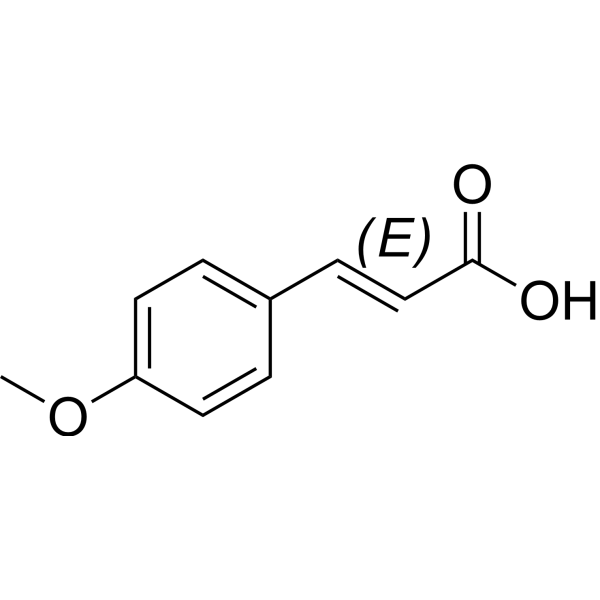
    10-O-Trans-p-methoxycinnamoylcatalpol has antioxidant activity with the IC50 value of 0.37 μM/mL in DPPH free radical scavenging assay .
    10-O-Trans-p-methoxycinnamoylcatalpol
  • HY-N17846

    Reactive Oxygen Species (ROS) Inflammation/Immunology
    Dimethyl lithospermate is an antioxidant. Dimethyl lithospermate scavenges DPPH free radicals and inhibits free radical generation. Dimethyl lithospermate also protects hepatocytes from tert-butyl hydroperoxide (t-BHP)-induced oxidative damage. Dimethyl lithospermate can be used in oxidative damage-related research .
    Dimethyl lithospermate
  • HY-W714006

    Reactive Oxygen Species (ROS) Metabolic Disease
    Cochliodinol (compound 1) is a metabolite derived from the Apis mellifera ligustica. Cochliodinol has strong free radical scavenging activity of 2, 2-diphenyl-1-picrohydrazine (DPPH) (IC50=3.06 μg/mL) .
    Cochliodinol
  • HY-N1994

    Reactive Oxygen Species (ROS) Inflammation/Immunology
    Swertianine is a hydroxyexanthone that can be isolated from Swertia decussata. Swertianine has antioxidant activity by inhibiting lipid peroxidation, scavenging DPPH and superoxide free radicals. Swertianine also inhibits γ-ray induced DNA damage of pBR322 with protective effect .
    Swertianine
  • HY-N17673

    Biochemical Assay Reagents Others
    Avenanthramide 1c is a free radical scavenger and antioxidant. Avenanthramide 1c scavenges DPPH free radicals. Avenanthramide 1c inhibits azo-initiated linoleic acid peroxidation. Avenanthramide 1c exerts antioxidant effects. Avenanthramide 1c exhibits an antagonistic interaction with Avenanthramide 2f in the DPPH free radical scavenging system .
    Avenanthramide 1c
  • HY-N8012

    COX NO Synthase Others
    Multinoside A (compound 6) is an antioxidant with DPPH free radical scavenging activity (IC50=54.3 μg/mL). Multinoside A can also downregulate COX-2 expression (IC50=9.6 μg/mL) and inhibit NO production (IC50=43.9 μg/mL) .
    Multinoside A
  • HY-N1417R

    Reference Standards Apoptosis Cancer
    Sesamol (Standard) is the analytical standard of Sesamol. This product is intended for research and analytical applications. Sesamol is a constituent of sesame oil. Sesamol shows a free radical scavenging activity. Sesamol shows an IC50=5.95±0.56 μg/mL in the DPPH assay. Anti-oxidant activities . Anticancer activities .
    Sesamol (Standard)

Inquiry Online

Your information is safe with us. * Required Fields.

Salutation


Country or Region *

Applicant Name *


Organization Name *

Department *


Email Address *


Product Name *

Cat. No.


Requested quantity *

Phone Number *


Remarks

Inquiry Online

Inquiry Information

Product Name:
Cat. No.:
Quantity:
MCE Japan Authorized Agent:

