From 11:00 pm to 12:00 pm EST ( 8:00 pm to 9:00 pm PST ) on January 6th, the website will be under maintenance. We are sorry for the inconvenience. Please arrange your schedule properly.
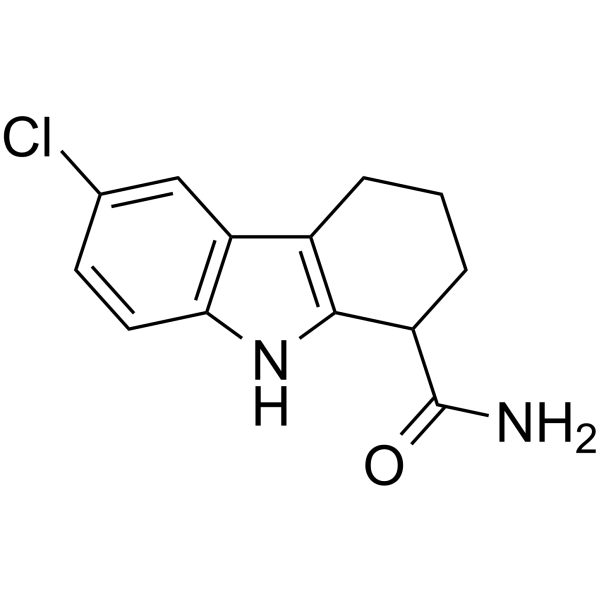
Selisistat (EX-527) is a potent and selective SirT1 (Sir2 in Drosophila melanogaster) inhibitor with an IC50 of 123 nM for SirT1. Selisistat alleviates pathology in multiple animal and cell models of Huntington's disease .
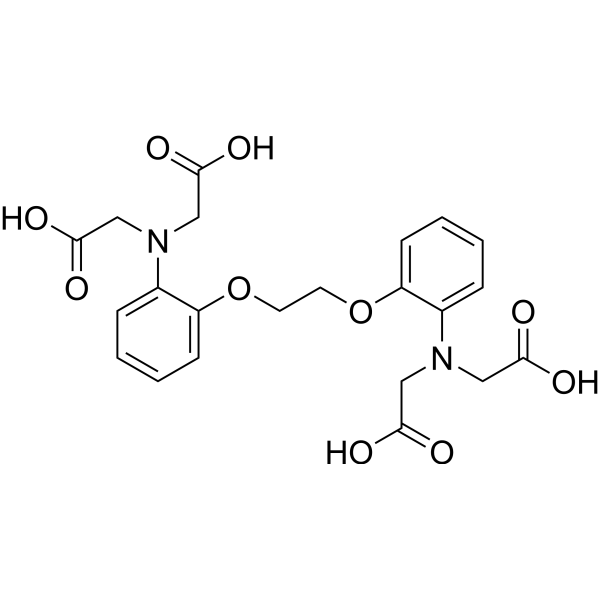
BAPTA is a selective and cell-impermeant chelator for calcium. BAPTA has high selectivity against magnesium and calcium. BAPTA can also inhibit phospholipase C activity independently of their role as Ca 2+ chelators .
Maytansinol (Ansamitocin P-0) is a derivative of Maytansine. Maytansinol can inhibit tubulin polymerization and induce apoptosis. Maytansinol has antitumor activity. Maytansinol can be used in cancer drug research .
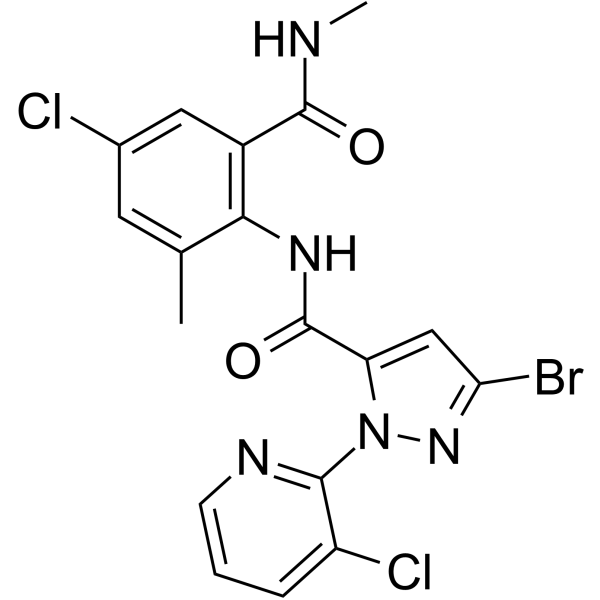
Chlorantraniliprole is an insecticide that potently and selectively activates insect ryanodine receptor, with EC50s of 40 nM and 50 nM for Drosophila melanogaster and H. virescens ryanodine receptor, and ~300-fold more potent than that in the mouse myoblast cell line, C2C12 (EC50, 14 μM).
Adenosine 2',3'-cyclic phosphate sodium is a 2',3'-cyclic purine nucleotide. Adenosine 2',3'-cyclic phosphate sodium is deaminated by the adenosine deaminase. Adenosine 2',3'-cyclic phosphate sodium can be degrade to 2'-AMP and 3'-AMP .
Orcein is an irreversible stain that specifically targets elastic fibers and can interact hydrophobically with the protein components in elastic fibers. Orcein makes elastic fibers in tissues appear purple or purple-red. Orcein can be used for morphological studies of Drosophila polytene chromosomes and for qualitative and quantitative analysis of elastic fibers, collagen fibers and other components in atherosclerotic plaques .
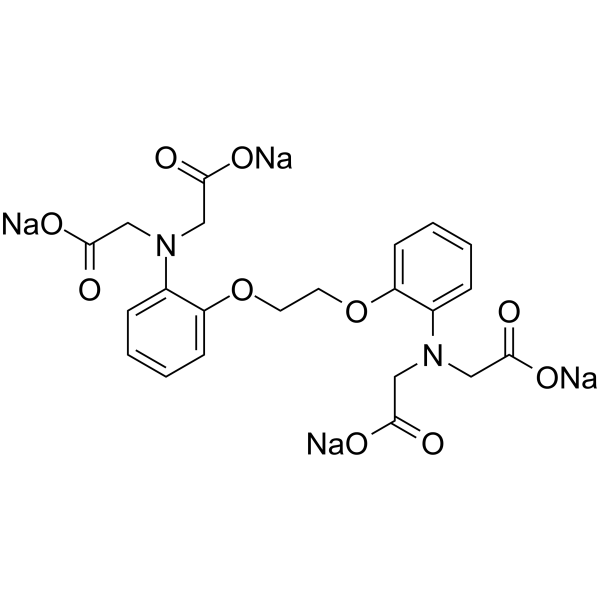
BAPTA tetrasodium is a selective and cell-impermeant chelator for calcium. BAPTA tetrasodium has high selectivity against magnesium and calcium. BAPTA can also inhibit phospholipase C activity independently of their role as Ca 2+ chelators .
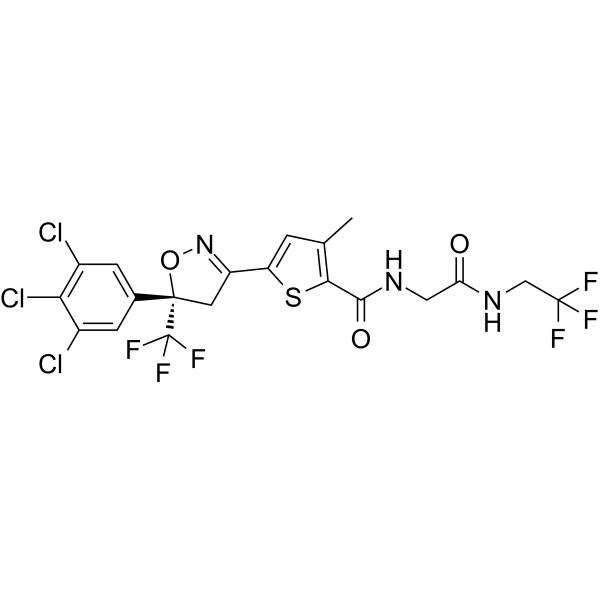
Lotilaner is a parasiticide, acts as a potent non-competitive antagonist of insects GABACl receptors, with an IC50 of 23.84 nM for Drosophila melanogaster GABA receptor. No effect on a dog GABAA receptor .
GFP11 is a protein fusion tag consisting of 16 amino acids. When GFP11 and GFP1-10 are sufficiently close in physical space, they undergo spontaneous, irreversible complementation to reassemble into an intact, functional GFP protein that emits green fluorescence. GFP11 can be used to form a split GFP system for high-throughput biotechnology and flow cytometry applications .
SecinH3 is an antagonist of cytohesins with IC50s of 5.4 μM, 2.4 μM, 5.4 μM, 5.6 μM, 5.6 μM and 65 μM for hCyh1, hCyh2, mCyh3, hCyh3, drosophila steppke and yGea2-S7, respectively.
RI-AG03 acetate is a proteolytically stable tau aggregation inhibitor that crosses the blood-brain barrier and exhibits oral efficacy. RI-AG03 acetate inhibits tau aggregation and promotes the formation of alternative amorphous aggregates that are non-amyloidogenic. RI-AG03 acetate mediates cellular uptake through direct membrane penetration and macropinocytosis, and its conjugation with cell-penetrating peptide sequences (CPPs) enhances the binding of cells to liposomes. RI-AG03 acetate suppresses aggregation-dependent neurodegenerative and behavioral phenotypes, and extends the lifespan of Drosophila models of tauopathy. RI-AG03 acetate can be used for research on tau-related diseases such as Alzheimer's disease .
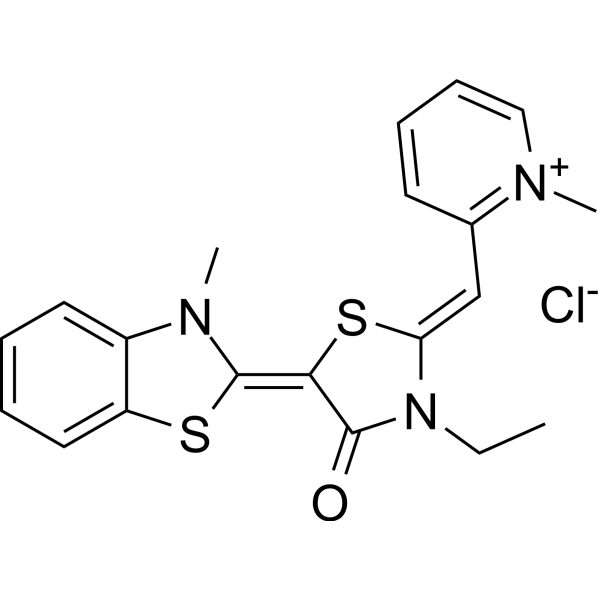
YM-1 is a stable MKT-077 (HY-15096) analog and an orally active Hsp70 inhibitor. YM-1 induces cell death of HeLa cells and up-regulates the level of p53 and p21 proteins .
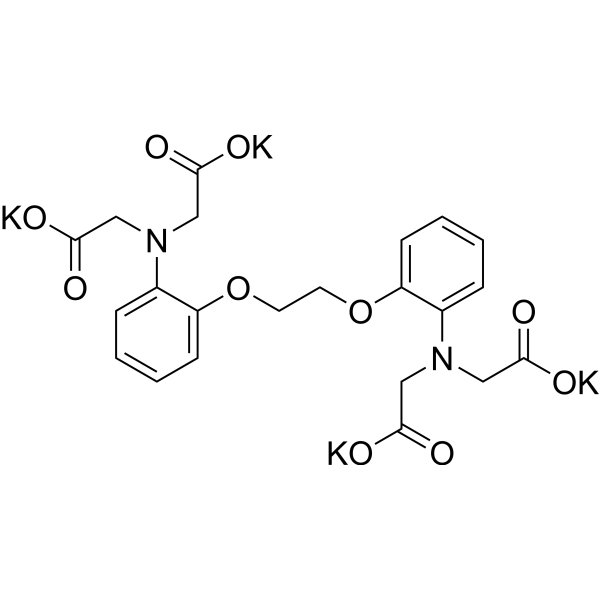
BAPTA tetrapotassium is a selective and cell-impermeant chelator for calcium. BAPTA has high selectivity against magnesium and calcium. BAPTA tetrapotassium can also inhibit phospholipase C activity independently of their role as Ca 2+ chelators .
Hawthorn Extract is an orally active hawthorn extract. Hawthorn Extract decreases Bax expression and increases Bcl-2 expression in the aorta. Hawthorn Extract regulates the AMPK signaling pathway, induces apoptosis, enhances the hepatic antioxidant system, and ameliorates symptoms of liver injury, inflammation and cancer. Hawthorn Extract reduces plasma levels of pro-inflammatory factors, increases plasma levels of anti-inflammatory adiponectin, and alleviates atherosclerotic plaque lesions in the aorta. Hawthorn Extract improves symptoms associated with chronic heart failure . Hawthorn Extract inhibits FMLP-induced superoxide anion production, Elastase release, ILB4 generation and calcium signaling in neutrophils, and also reduces LPS-induced cytokine production in neutrophils. Hawthorn Extract induces autophagy and inhibits the proliferation of intestinal stem cells. Hawthorn Extract can be used in research related to atherosclerosis, hepatitis, alcoholic liver disease, non-alcoholic fatty liver disease, hepatocellular carcinoma, chronic heart failure and hypotension .
rTRD01 is an orally active, specific TDP-43 binder that targets the RRM1 and RRM2 domains of TDP-43. rTRD01 partially disrupts the interaction between TDP-43 and c9orf72 repeat RNA, but does not affect the binding of TDP-43 to canonical binding sequences. rTRD01 exhibits significant neuroprotective effects in zebrafish models, improves motor function and protects against paraquat (a widely used herbicide)-induced neurodegeneration, with no teratogenicity at high concentrations. rTRD01 is not a general antioxidant and cannot counteract Rotenone (HY-B1756)-induced neuronal death. rTRD01 can be used to study amyotrophic lateral sclerosis and other TDP-43 proteinopathies .
O4I4 (compound 23) is a OCT4-inducing compound with metabolical stability. O4I4 extends lifespan in Caenorhabditis elegans and Drosophila. O4I4 can be used for regenerative medicine and rejuvenation research .
RI-AG03 is a proteolytically stable tau aggregation inhibitor that crosses the blood-brain barrier and exhibits oral efficacy. RI-AG03 inhibits tau aggregation and promotes the formation of alternative amorphous aggregates that are non-amyloidogenic. RI-AG03 mediates cellular uptake through direct membrane penetration and macropinocytosis, and its conjugation with cell-penetrating peptide sequences (CPPs) enhances the binding of cells to liposomes. RI-AG03 suppresses aggregation-dependent neurodegenerative and behavioral phenotypes, and extends the lifespan of Drosophila models of tauopathy. RI-AG03 can be used for research on tau-related diseases such as Alzheimer's disease .
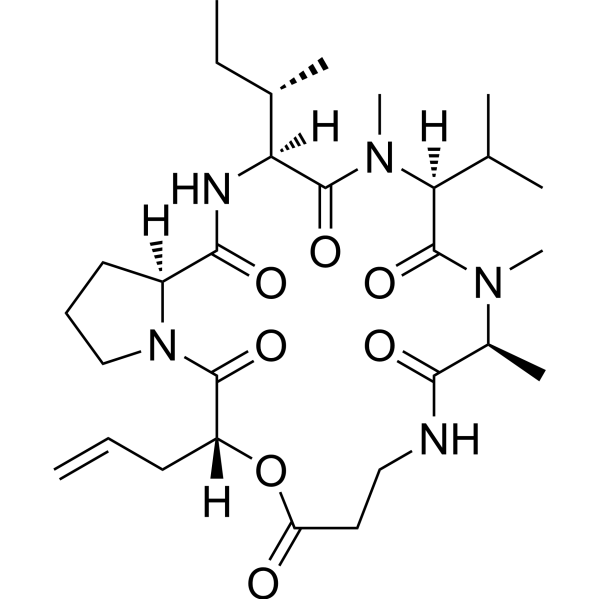
Destruxin A is a fungal cyclopeptide with insecticidal and antiviral activities. Destruxin A has a certain inhibitory effect on leukemia cells in vitro. Destruxin A can also specifically inhibit the innate immune response of Drosophila melanogaster, making the flies more susceptible to bacterial infections .
AUTEN-67 (Autophagy enhancer-67) is an orally active autophagy enhancer and MTMR14 inhibitor. AUTEN-67 has anti-aging and neuroprotective effects. AUTEN-67 protects neurons from stress-induced cell death. AUTEN-67 also restores nesting behavior in a mice model of Alzheimer disease .
Agar, microbiology tested, for cell culture (granular) is a hydrocolloid with gelling ability. Agar, microbiology tested, for cell culture (granular) can be used to prepare microbial culture media (for bacteria, yeasts and molds) .
Selisistat (Standard) is the analytical standard of Selisistat. This product is intended for research and analytical applications. Selisistat (EX-527) is a potent and selective SirT1 (Sir2 in Drosophila melanogaster) inhibitor with an IC50 of 123 nM for SirT1. Selisistat alleviates pathology in multiple animal and cell models of Huntington's disease .
DL-Leucyl-DL-phenylalanine is a dipeptide and can be used as a substrate to detecte two regions of dipeptidase staining on a gel in Drosophila simulans as well as in Drosophila melanogaster .
Adhibin is an allosteric inhibitor for RhoGAP class IX myosin, that inhibits Myo9 ATPase in mammalian and invertebrate with IC50 of 2.5 µM and 2.6 µM. Adhibin binds to the ATPase of myosin, interfers with its motor function, blocks the RhoGTPase related signaling pathway, and affects the cell migration, adhesion and cell division. Adhibin can be used in research about cancer metastasis .
C2-8 is an inhibitor of polyglutamine (polyQ) aggregation (IC50s=25 and 0.05 μM for recombinant HDQ51 and in PC12 cells, respectively). It also inhibits polyQ aggregation in organotypic hippocampal slice cultures isolated from R6/2 transgenic mice and reduces neurodegeneration in a dose-dependent manner in a Drosophila model of Huntington's disease. C2-8 (100 and 200 mg/kg) reduces huntingtin aggregate size, reduces neuronal atrophy, and improves motor performance in a rotarod test in the R6/2 transgenic mouse model of Huntington's disease.
Capa-2 is a neuropeptide. Capa-2 activates calcium ion influx, stimulates the production of NO, activates soluble guanylate cyclase (sGC), increases intracellular cGMP, and drives ion and fluid secretion. Capa-2 can be used in studies of diuresis .
Drosocin is a biological active peptide. (Drosocin is a 19-mer cationic antimicrobial peptide from Drosophila melanogaster. In Drosophila native drosocin carries a disaccharide moiety attached to a threonine residue in mid-chain position. This synthetic drosocin peptide of identical amino acid sequence without the disaccharide has an activity several times lower than the native compound.)
Aristolactam BIII is a potent DYRK1A inhibitor and inhibits the kinase activity of DYRK1A in vitro (IC50= 9.67 nM. Aristolactam BIII rescues the proliferative defects of DYRK1A transgenic (TG) mouse-derived fibroblasts and neurological and phenotypic defects of DS-like Drosophila models .
FD44 is a phenothiazine small molecule that inhibits the interaction between neuronal calcium sensor 1 (NCS-1) and the guanine exchange factor Ric8a, a key regulator of synapse number and neurotransmitter release probability. In the Drosophila genetic autism model of fragile X syndrome (FXS), FD44 restored normal synapse number and associative learning .
Chlorantraniliprole (Standard) is the analytical standard of Chlorantraniliprole. This product is intended for research and analytical applications. Chlorantraniliprole is an insecticide that potently and selectively activates insect ryanodine receptor, with EC50s of 40 nM and 50 nM for Drosophila melanogaster and H. virescens ryanodine receptor, and ~300-fold more potent than that in the mouse myoblast cell line, C2C12 (EC50, 14 μM).
nTRD22 is an RNA-binding allosteric modulator targeting TDP-43. nTRD22 binds to the N-terminal domain of TDP-43, thereby allosterically regulating the RNA-binding domain of TDP-43 and reducing its RNA-binding ability. nTRD22 decreases the TDP-43 protein level in primary motor neurons. nTRD22 alleviates motor dysfunction in amyotrophic lateral sclerosis models. nTRD22 is applicable to related research on amyotrophic lateral sclerosis .
Celastramycin A is an antibiotic isolated from Streptomyces MaB-QuH-8, which exhibits antimicrobial activity against series of gram-negative bacteria and mycobacteria, with MICs between 0.05-3.1 μg/ml . Celastramycin A exhibits immunosuppressing efficacy in ex vivo Drosophila through immune deficiency pathway (IC50 of 0.008 μg/ml), inhibits the immunoresponse in human innate immunity through TNF-α signaling, inhibits IL-8 production in HUEVCs with IC50 of 0.06 μg/ml .
AGK7 is a potent inhibitor of sirtuin 2 (SIRT2). AGK7 rescues alpha-synuclein toxicity and modified inclusion morphology in a cellular model of Parkinson's disease. AGK7 protects against dopaminergic cell death both in vitro and in a Drosophila model of Parkinson's disease .
D-688 is an inhibitor of Tau and Aβ. D-688 can reverse Aβ1–42-induced toxicity in SH-SH5Y cells and has significant neuroprotective properties. D-688 can improve the survival rate of Drosophila melanogaster expressing the human tau protein isoform (2N4R) .
HDAC6-IN-49 (Compound 3) is an inhibitor for HDAC with IC50 of 0.012 and 0.735 μM for HDAC6 and HDAC1. HDAC6-IN-49 also exhibits inhibitory activities against MAO-B, cholinesterase (ChE), histamine receptor (H3R) and serotonin 6 receptor (5-HT6R). HDAC6-IN-49 exhibits neuroprotective efficacy on SH-SY5Y cell. HDAC6-IN-49 improves cognitive function and locomotor ability in Drosophila Parkinson's disease models and in C. elegans Alzheimer's disease models .
Binucleine 2 is an isoform-specific and ATP-competitive inhibitor of Drosophila Aurora B kinase (Ki=0.36 μM), a kinase involved in cell division. It is specific for Drosophila Aurora B kinase, inhibiting it in a dose-dependent manner, with minimal inhibition of human or X. laevis Aurora B kinases at concentrations up to 100 μM. Binucleine 2 induces mitotic and cytokinesis defects in Drosophila Kc167 cells. It prevents Drosophila S2 cells from assembling a contractile ring during cell division when used at a concentration of 40 μM but does not affect ring ingression, suggesting that Aurora B kinase activity is not required for that step.
(-)-Integerrimine, a pyrrolizidine alkaloid, has antiulcerogenic activity. (-)-Integerrimine is also a mutagenic and weakly clastogenic agent in Drosophila .
Maytansinol (Standard) is the analytical standard of Maytansinol. This product is intended for research and analytical applications. Maytansinol (Ansamitocin P-0) is a derivative of Maytansine. Maytansinol can inhibit tubulin polymerization and induce apoptosis. Maytansinol has antitumor activity. Maytansinol can be used in cancer drug research[1][2].
Chlorantraniliprole-d6 is the deuterium labeled Chlorantraniliprole (HY-112820). Chlorantraniliprole is an insecticide that potently and selectively activates insect ryanodine receptor, with EC50s of 40 nM and 50 nM for Drosophila melanogaster and H. virescens ryanodine receptor, and ~300-fold more potent than that in the mouse myoblast cell line, C2C12 (EC50, 14 μM).
Celastramycin A isomer is an isomer of Celastramycin A (HY-122292), an antibiotic against Gram-negative bacteria and Mycobacterium tuberculosis with an MIC of 0.05-3.1 μg/mL. Celastramycin A exerts immunosuppressive effects in Drosophila ex vivo via the immunodeficiency pathway (IC50 of 8 ng/mL), inhibits human innate immune responses via the TNF-α pathway, and inhibits IL-8 production in HUEVC with an IC50 of 60 ng/mL .
Juvenile hormone B 3 (Juvenile hormone III bisepoxide)(mixture of diastereomers) is a sesquiterpenoid hormone. Juvenile hormone B 3 can be isolated from corpus allatum (CA) of high dipterans like the fruitfly and Drosophila melanogaster. JHB3 has anti-metamorphic activity and induces Kr-h1 expression by directly interacting with juvenile hormone (JH) receptors (Met and Gce). Juvenile hormone B 3 can be used for insect lethality research .
GABA receptor antagonist 2 (Compound IId) is a GABA receptor antagonist with a LC50 of 0.0735 μg/mL for Plutella xylostella (P. xylostella). GABA receptor antagonist 2 has significant insecticidal activities against P. xylostella and its resistant strain, and Spodoptera frugiperda, and Chilo suppressalis. GABA receptor antagonist 2 binds the GABA receptor at the site of Drosophila Rdl G335. GABA receptor antagonist 2 can be used to manage resistant pest populations .
hAChE-IN-8 (Compound S-12) is a orally effective and selective inhibitor of hAChE (IC50=0.486 μM). hAChE-IN-8 also inhibits BACE-1 (IC50=0.542 μM), and does not inhibit Dyrk1A (IC50>10 μM). hAChE-IN-8 can reduce Aβ aggregation, has good blood-brain barrier penetration. hAChE-IN-8 is mainly used in Alzheimer's disease research .
Insecticidal agent 30 is an orally active insecticidal agent. Insecticidal agent 30 induces rapid contact mortality in adult Brassicogethes aeneus, achieves 100% 24-hour contact mortality against Brassicogethes aeneus, and exhibits moderate insecticidal activity against Drosophila melanogaster. Insecticidal agent 30 can be used for the research of pollen beetle (brassicogethes aeneus) infestation .
Zeta-Cypermethrin is a type II pyrethroid insecticide. Zeta-Cypermethrin primarily acts on voltage-gated sodium channels in nerve cells, causing delayed channel closure, persistent nerve excitation and convulsions. In Drosophila, Zeta-Cypermethrin rapidly induces extremely high metabolic resistance that can be screened, and exhibits in vitro genotoxicity to human peripheral blood lymphocytes .
AP4-43 is an orally active CLK1, CLK4, PI3K, DDR1, EGFR and NEK4 inhibitor. AP4-43 reduces growth of mammalian colorectal cancer organoids. AP4-43 improves survival in a transgenic Drosophila model of KRAS-mutant colorectal cancer. AP4-43 can be used for the research of KRAS-mutant colorectal cancer .
Fenaminosulf is a plant immune modulator and mutagen. Fenaminosulf impairs plant immune recognition and signal transduction by inhibiting the activities of key kinases such as Xa21 and PBL19, thereby regulating the expression of genes related to hormone metabolism, phenylpropane biosynthesis, and plant-pathogen interactions. Fenaminosulf affects the growth and gall formation of Zizania latifolia in a concentration-dependent manner. Fenaminosulf induces mutations in bacterial systems and causes plant chromosome aberrations, but shows no mutagenic activity or lethal effect in Drosophila melanogaster. Fenaminosulf exhibits inconsistent carcinogenicity in rat studies .
AUH-6-96 is a JAK/STAT signaling inhibitor. AUH-6-96 reduces Unpaired-induced transcriptional activity in Drosophila cells and blocks tyrosine phosphorylation of STAT92E. AUH-6-96 blocks both constitutive and IL-6-induced phosphorylation of STAT3. AUH-6-96 decreases the level of tyrosine-phosphorylated JAK3. AUH-6-96 induces cancer cell Apoptosis by downregulating the expression of anti-apoptotic genes downstream of STAT3. AUH-6-96 selectively reduces the viability of cancer cells with abnormal JAK/STAT signaling pathway. AUH-6-96 is applicable to related research on Hodgkin's lymphoma, breast cancer, and prostate cancer .
Endothion, a systemic insecticide, has been used for agricultural and horticultural areas. Endothion can prevent Mediterranean Drosophila on peaches, and the residual effect lasts for more than 3 weeks without toxicity to leaves and fruits .
SecinH3 (Standard) is the analytical standard of SecinH3 (HY-100559). This product is intended for research and analytical applications. SecinH3 is an antagonist of cytohesins with IC50s of 5.4 μM, 2.4 μM, 5.4 μM, 5.6 μM, 5.6 μM and 65 μM for hCyh1, hCyh2, mCyh3, hCyh3, drosophila steppke and yGea2-S7, respectively.
BAPTA tetracesium is a selective and cell-impermeant chelator for calcium. BAPTA tetracesium has high selectivity against magnesium and calcium. BAPTA tetracesium can also inhibit phospholipase C activity independently of their role as Ca 2+ chelators .
AChE/BChE-IN-25 (Compound 6e) is the orally active inhibitor for hAChE and eqBChE with IC50 of 7.9 nM and 0.79 nM. AChE/BChE-IN-25 exhibits antioxidant activity, that scavenges free radical with IC50 of 22.91 μM. AChE/BChE-IN-25 exhibits neuroprotective effects by reducing mitochondrial and cellular oxidative stress in the Drosophila Alzheimer's disease model. AChE/BChE-IN-25 ameliorates Scopolamine (HY-N0296)-induced spatial and cognitive memory impairment in mouse model .
Ascr#10 (Asc-C9) is an orally active thermogenesis inducer and insecticide that can be obtained from Monochamus alternatus. Ascr#10 binds to the insect adipokinetic hormone (AKH) receptor (Ka=272 µM) and stimulates mitochondrial biogenesis via the PGC1α-UCP4 axis. Consequently, Ascr#10 induces UCP4-mediated uncoupled respiration, reduces the ATP/ADP ratio and accelerates lipid mobilization, thereby driving the thermogenesis process. Ascr#10 delays pupation and exerts specific chemotaxis toward dispersive fourth-stage pinewood nematode LIV larvae. Ascr#10 promotes cold acclimation of Monochamus alternatus larvae through metabolic inhibition and cryoprotectant accumulation, enhancing their survival rate under cold stress. Ascr#10 also induces browning of white adipose tissue and activates brown adipose tissue in mice, thereby helping the body resist cold and tumor growth. Ascr#10 can be widely applied to research related to pine wilt disease, lung tumors and cold stress .
(Arg)9,TAMRA-labeled acetate is a TAMRA-labeled, membrane-permeable cationic cell-penetrating polyarginine peptide. (Arg)9,TAMRA-labeled acetate acts as a cell-penetrating peptide for drug delivery .
TH251 is a LIMK1 and LIMK2 inhibitor with IC50s of 52 nM and 47 nM against LIMK1 and LIMK2, respectively. TH251 binds to inactive αC-out and DFG-out LIMK1 conformations, inhibits unphosphorylated LIMK1 and LIMK2 enzymatic activity, and exhibits unchanged potency despite PAK-mediated phosphorylation of either kinase. TH251 can be used for the research of cancers, glaucoma, and CNS diseases .
DHTP is a kinesin-13 family of microtubule depolymerases selective allosteric inhibitor that inhibits kinesin-13 ATPase activity and microtubule depolymerization activity. DHTP inhibits Kif2a and MCAK with IC50 values of 1.2 μM and 4.6 μM, respectively, and does not inhibit other kinesin families. DHTP modulates microtubule dynamics in cells, leading to less dynamic microtubules. DHTP links kinesin-13 overexpression to cancer and Paclitaxel (HY-B0015) resistance. DHTP can be used for the research of cancer .
Orcein is an irreversible stain that specifically targets elastic fibers and can interact hydrophobically with the protein components in elastic fibers. Orcein makes elastic fibers in tissues appear purple or purple-red. Orcein can be used for morphological studies of Drosophila polytene chromosomes and for qualitative and quantitative analysis of elastic fibers, collagen fibers and other components in atherosclerotic plaques .
BAPTA is a selective and cell-impermeant chelator for calcium. BAPTA has high selectivity against magnesium and calcium. BAPTA can also inhibit phospholipase C activity independently of their role as Ca 2+ chelators .
BAPTA tetrapotassium is a selective and cell-impermeant chelator for calcium. BAPTA has high selectivity against magnesium and calcium. BAPTA tetrapotassium can also inhibit phospholipase C activity independently of their role as Ca 2+ chelators .
Agar, microbiology tested, for cell culture (granular) is a hydrocolloid with gelling ability. Agar, microbiology tested, for cell culture (granular) can be used to prepare microbial culture media (for bacteria, yeasts and molds) .
GFP11 is a protein fusion tag consisting of 16 amino acids. When GFP11 and GFP1-10 are sufficiently close in physical space, they undergo spontaneous, irreversible complementation to reassemble into an intact, functional GFP protein that emits green fluorescence. GFP11 can be used to form a split GFP system for high-throughput biotechnology and flow cytometry applications .
Antennapedia Peptide (Penetratin peptide) is a 16 amino acid peptide, originally derived from the 60 amino acid long homeodomain of the Drosophila transcription factor Antennapedia and is a member of the family of cell-penetrating peptides.
RI-AG03 acetate is a proteolytically stable tau aggregation inhibitor that crosses the blood-brain barrier and exhibits oral efficacy. RI-AG03 acetate inhibits tau aggregation and promotes the formation of alternative amorphous aggregates that are non-amyloidogenic. RI-AG03 acetate mediates cellular uptake through direct membrane penetration and macropinocytosis, and its conjugation with cell-penetrating peptide sequences (CPPs) enhances the binding of cells to liposomes. RI-AG03 acetate suppresses aggregation-dependent neurodegenerative and behavioral phenotypes, and extends the lifespan of Drosophila models of tauopathy. RI-AG03 acetate can be used for research on tau-related diseases such as Alzheimer's disease .
RI-AG03 is a proteolytically stable tau aggregation inhibitor that crosses the blood-brain barrier and exhibits oral efficacy. RI-AG03 inhibits tau aggregation and promotes the formation of alternative amorphous aggregates that are non-amyloidogenic. RI-AG03 mediates cellular uptake through direct membrane penetration and macropinocytosis, and its conjugation with cell-penetrating peptide sequences (CPPs) enhances the binding of cells to liposomes. RI-AG03 suppresses aggregation-dependent neurodegenerative and behavioral phenotypes, and extends the lifespan of Drosophila models of tauopathy. RI-AG03 can be used for research on tau-related diseases such as Alzheimer's disease .
Destruxin A is a fungal cyclopeptide with insecticidal and antiviral activities. Destruxin A has a certain inhibitory effect on leukemia cells in vitro. Destruxin A can also specifically inhibit the innate immune response of Drosophila melanogaster, making the flies more susceptible to bacterial infections .
Antennapedia Peptide (Penetratin peptide) TFA is a 16 amino acid peptide, originally derived from the 60 amino acid long homeodomain of the Drosophila transcription factor Antennapedia and is a member of the family of cell-penetrating peptides.
Capa-2 is a neuropeptide. Capa-2 activates calcium ion influx, stimulates the production of NO, activates soluble guanylate cyclase (sGC), increases intracellular cGMP, and drives ion and fluid secretion. Capa-2 can be used in studies of diuresis .
Drosocin is a biological active peptide. (Drosocin is a 19-mer cationic antimicrobial peptide from Drosophila melanogaster. In Drosophila native drosocin carries a disaccharide moiety attached to a threonine residue in mid-chain position. This synthetic drosocin peptide of identical amino acid sequence without the disaccharide has an activity several times lower than the native compound.)
(Arg)9,TAMRA-labeled acetate is a TAMRA-labeled, membrane-permeable cationic cell-penetrating polyarginine peptide. (Arg)9,TAMRA-labeled acetate acts as a cell-penetrating peptide for drug delivery .
Maytansinol (Ansamitocin P-0) is a derivative of Maytansine. Maytansinol can inhibit tubulin polymerization and induce apoptosis. Maytansinol has antitumor activity. Maytansinol can be used in cancer drug research .
Hawthorn Extract is an orally active hawthorn extract. Hawthorn Extract decreases Bax expression and increases Bcl-2 expression in the aorta. Hawthorn Extract regulates the AMPK signaling pathway, induces apoptosis, enhances the hepatic antioxidant system, and ameliorates symptoms of liver injury, inflammation and cancer. Hawthorn Extract reduces plasma levels of pro-inflammatory factors, increases plasma levels of anti-inflammatory adiponectin, and alleviates atherosclerotic plaque lesions in the aorta. Hawthorn Extract improves symptoms associated with chronic heart failure . Hawthorn Extract inhibits FMLP-induced superoxide anion production, Elastase release, ILB4 generation and calcium signaling in neutrophils, and also reduces LPS-induced cytokine production in neutrophils. Hawthorn Extract induces autophagy and inhibits the proliferation of intestinal stem cells. Hawthorn Extract can be used in research related to atherosclerosis, hepatitis, alcoholic liver disease, non-alcoholic fatty liver disease, hepatocellular carcinoma, chronic heart failure and hypotension .
Destruxin A is a fungal cyclopeptide with insecticidal and antiviral activities. Destruxin A has a certain inhibitory effect on leukemia cells in vitro. Destruxin A can also specifically inhibit the innate immune response of Drosophila melanogaster, making the flies more susceptible to bacterial infections .
Aristolactam BIII is a potent DYRK1A inhibitor and inhibits the kinase activity of DYRK1A in vitro (IC50= 9.67 nM. Aristolactam BIII rescues the proliferative defects of DYRK1A transgenic (TG) mouse-derived fibroblasts and neurological and phenotypic defects of DS-like Drosophila models .
Celastramycin A is an antibiotic isolated from Streptomyces MaB-QuH-8, which exhibits antimicrobial activity against series of gram-negative bacteria and mycobacteria, with MICs between 0.05-3.1 μg/ml . Celastramycin A exhibits immunosuppressing efficacy in ex vivo Drosophila through immune deficiency pathway (IC50 of 0.008 μg/ml), inhibits the immunoresponse in human innate immunity through TNF-α signaling, inhibits IL-8 production in HUEVCs with IC50 of 0.06 μg/ml .
(-)-Integerrimine, a pyrrolizidine alkaloid, has antiulcerogenic activity. (-)-Integerrimine is also a mutagenic and weakly clastogenic agent in Drosophila .
Maytansinol (Standard) is the analytical standard of Maytansinol. This product is intended for research and analytical applications. Maytansinol (Ansamitocin P-0) is a derivative of Maytansine. Maytansinol can inhibit tubulin polymerization and induce apoptosis. Maytansinol has antitumor activity. Maytansinol can be used in cancer drug research[1][2].
Celastramycin A isomer is an isomer of Celastramycin A (HY-122292), an antibiotic against Gram-negative bacteria and Mycobacterium tuberculosis with an MIC of 0.05-3.1 μg/mL. Celastramycin A exerts immunosuppressive effects in Drosophila ex vivo via the immunodeficiency pathway (IC50 of 8 ng/mL), inhibits human innate immune responses via the TNF-α pathway, and inhibits IL-8 production in HUEVC with an IC50 of 60 ng/mL .
HOME1_HUMAN; Homer ; HOMER 1A; HOMER 1B ; HOMER 1C; Homer homolog 1 (Drosophila); homer homolog 1; Homer protein homolog 1; homer scaffolding protein 1; Homer; Drosophila; homolog of; 1; Homer; neuronal immediate early gene; 1 ; Homer-1; Homer1; HOMER1A; HOMER1B; HOMER1C; SYN47 ; Ves 1
ADH Protein, Drosophila melanogaster (S2-I256) is a dimeric Zn-containing enzyme in the oxidoreductase family with acetaldehyde dehydrogenase and alcohol dehydrogenase activity, therefore, can oxidize primary and secondary alcohols. ADH Protein, Drosophila melanogaster (S2-I256) is E.coli-sourced and tag-free, the initiator methionine is naturally removed. ADH Protein, Drosophila melanogaster is the recombinant ADH protein, expressed by E. coli , with tag free.
ADH Protein, Drosophila melanogaster (S2-I256) is a dimeric Zn-containing enzyme in the oxidoreductase family with acetaldehyde dehydrogenase and alcohol dehydrogenase activity, therefore, can oxidize primary and secondary alcohols. ADH Protein, Drosophila melanogaster (S2-I256) is E.coli-sourced and tag-free, the initiator methionine is naturally removed. ADH Protein, Drosophila melanogaster (His, Strep) is the recombinant ADH protein, expressed by E. coli , with N-Strep, N-6*His labeled tag.
Delta-like protein 3/DLL3 stands out as a key regulator of neurogenesis and cell differentiation. As an inhibitor of primary neurogenesis, DLL3 plays a crucial role in guiding neurons along specific differentiation pathways. Delta-like protein 3/DLL3 Protein, Human (P.pastoris, His) is the recombinant human-derived Delta-like protein 3/DLL3 protein, expressed by P. pastoris , with N-6*His labeled tag.
The ROBO1 protein is a receptor for SLIT1 and SLIT2 and critically mediates cellular responses during migration and axonal navigation. Interaction with FLRT3 promotes axonal attraction to NTN1-expressing cells. ROBO1 Protein, Rat (HEK293, His) is the recombinant rat-derived ROBO1 protein, expressed by HEK293 , with C-10*His labeled tag.
Notch 3 protein is a receptor for the ligands JAG1, JAG2 and DLL1 and plays a crucial regulatory role in cell fate determination. Upon ligand activation, NICD forms a transcriptional activator complex with RBPJ/RBPSUH and activates genes within the enhancer of the cleavage site. Notch 3 Protein, Human (HEK293, Fc) is the recombinant human-derived Notch3 protein, expressed by HEK293 , with C-hFc labeled tag.
Frizzled-6 is a Wnt receptor that complexly activates signaling pathways that converge primarily on the β-catenin canonical pathway. This triggers disorganized protein activation, GSK-3 kinase inhibition, nuclear β-catenin accumulation, and Wnt target gene activation. Frizzled-6 Protein, Human (HEK293, His) is the recombinant human-derived Frizzled-6 protein, expressed by HEK293 , with C-His labeled tag.
Frizzled-6 is a Wnt receptor that complexly activates signaling pathways that converge primarily on the β-catenin canonical pathway. This triggers disorganized protein activation, GSK-3 kinase inhibition, nuclear β-catenin accumulation, and Wnt target gene activation. Frizzled-6 Protein, Human (HEK293, Fc) is the recombinant human-derived Frizzled-6 protein, expressed by HEK293 , with C-mFc labeled tag.
The DCTN1 protein is a central player in intracellular trafficking within the dynein complex, guiding dynein-driven retrograde movement along microtubules. It recruits dynein to microtubules, enhancing vesicle and organelle transport. DCTN1 Protein, Human (His-SUMO) is the recombinant human-derived DCTN1 protein, expressed by E. coli , with N-His, N-SUMO labeled tag.
The Frizzled-10/CD350 gene is a member of the Frizzled gene family, encoding a 7-transmembrane domain protein that acts as a receptor for the Wingless-type MMTV integration site family signaling protein. Most Frizzled receptors, including Frizzled-10/CD350, are involved in cell signaling, specifically the β-catenin classical pathway. Frizzled-10/CD350 Protein, Human (HEK293, His) is the recombinant human-derived Frizzled-10/CD350 protein, expressed by HEK293 , with C-His labeled tag.
FZD2 is a Wnt receptor that primarily activates the β-catenin classical pathway, involving disheveled protein, GSK-3 kinase inhibition, nuclear β-catenin accumulation, and Wnt target gene activation. Although some family members exhibit second PKC and calcium flux pathways, the precise differentiation and integration with the canonical pathways remains unclear. FZD2 Protein, Mouse (HEK293, Fc) is the recombinant mouse-derived FZD2 protein, expressed by HEK293 , with C-hFc labeled tag.
Frizzled-10/CD350 belongs to the G-protein coupled receptor Fz/Smo family. Frizzled-10/CD350 Protein, Human (HEK293, Fc) is the recombinant human-derived Frizzled-10/CD350 protein, expressed by HEK293 , with C-hFc labeled tag.
Frizzled-5 protein is a receptor for Wnt proteins (WNT2, WNT10B, WNT5A), which can activate WNT7A and promote the formation of synapses in neurons. It participates in the canonical Wnt/β-catenin pathway, activating disheveled proteins, inhibiting GSK-3 kinase, and triggering Wnt target genes. Frizzled-5 Protein, Human (HEK293, His) is the recombinant human-derived Frizzled-5 protein, expressed by HEK293 , with C-His labeled tag.
Frizzled-5 protein is a receptor for Wnt proteins (WNT2, WNT10B, WNT5A), which can activate WNT7A and promote the formation of synapses in neurons. It participates in the canonical Wnt/β-catenin pathway, activating disheveled proteins, inhibiting GSK-3 kinase, and triggering Wnt target genes. Frizzled-5 Protein, Human (HEK293, Fc) is the recombinant human-derived Frizzled-5 protein, expressed by HEK293 , with C-hFc labeled tag.
Frizzled-4/CD344 is a Wnt receptor that mainly activates the β-catenin pathway and affects retinal vascularization. As a receptor for Wnt proteins and Norrin protein (NDP), it stimulates LEF/TCF-mediated transcriptional programs. Frizzled-4/CD344 Protein, Rat (HEK293, His) is the recombinant rat-derived Frizzled-4/CD344 protein, expressed by HEK293 , with C-His labeled tag.
Frizzled-4/CD344 is a Wnt receptor that mainly activates the β-catenin pathway and affects retinal vascularization. As a receptor for Wnt proteins and Norrin protein (NDP), it stimulates LEF/TCF-mediated transcriptional programs. Frizzled-4/CD344 Protein, Rat (HEK293, Fc) is the recombinant rat-derived Frizzled-4/CD344 protein, expressed by HEK293 , with C-hFc labeled tag.
ELAV embryonic lethal abnormal vision Drosophila; like 4; ELAV L4; ELAV like 4; ELAV like protein 4; ELAV-like protein 4; ELAV4_HUMAN; Elavl4; Embryonic lethal abnormal vision Drosophila homolog of like 4; Hu antigen D; Hu-antigen D; HuD; Paraneoplastic encephalomyelitis antigen HuD; PNEM
ELAVL4 protein is a broad RNA-binding factor that post-transcriptionally regulates mRNAs such as GAP43, VEGF, FOS, CDKN1A, and ACHE, stabilizing and protecting them from decay by binding to ARE sequences. It reduces mRNA deadenylation and enhances mRNA binding affinity by interacting with the Poly(A) tail. ELAVL4 Protein, Human (His-SUMO) is the recombinant human-derived ELAVL4 protein, expressed by E. coli , with N-10*His, N-SUMO, C-Myc labeled tag.
Delta-like protein 3/DLL3 stands out as a key regulator of neurogenesis and cell differentiation. As an inhibitor of primary neurogenesis, DLL3 plays a crucial role in guiding neurons along specific differentiation pathways. Delta-like protein 3/DLL3 Protein, Human (HEK293, His) is the recombinant human-derived Delta-like protein 3/DLL3 protein, expressed by HEK293 , with C-6*His labeled tag.
Delta-like protein 4 (DLL4) functions as a Notch ligand and activates NOTCH1 and NOTCH4 in the Notch signaling pathway. It regulates angiogenesis by inhibiting endothelial cell proliferation, migration, and angiogenesis. Delta-like protein 4/DLL4 Protein, Human (HEK293, His) is the recombinant human-derived Delta-like protein 4/DLL4 protein, expressed by HEK293 , with C-His labeled tag.
DLL1 protein is a transmembrane ligand for NOTCH1, NOTCH2 and NOTCH3 receptors and participates in cis- and trans-interactions. Trans interactions trigger mechanical forces involving clathrin-mediated endocytosis, ligand ubiquitination, EPN1 interactions, and actin polymerization. Delta-like protein 1/DLL1 Protein, Human (HEK293, His) is the recombinant human-derived Delta-like protein 1/DLL1 protein, expressed by HEK293 , with C-6*His labeled tag.
Delta-like protein 3/DLL3 stands out as a key regulator of neurogenesis and cell differentiation. As an inhibitor of primary neurogenesis, DLL3 plays a crucial role in guiding neurons along specific differentiation pathways. FITC-Labeled Delta-like protein 3/DLL3 Protein, Human (HEK293, His) is the recombinant human-derived FITC-Labeled Delta-like protein 3/DLL3 protein, expressed by HEK293 , with His labeled tag.
CSNK1E protein is a casein kinase that preferentially phosphorylates acidic proteins such as casein. CSNK1E Protein, Human (His) is the recombinant human-derived CSNK1E protein, expressed by E. coli , with N-6*His labeled tag.
SMAD2 protein, an R-SMAD, acts as a transcriptional modulator activated by TGF-beta and activin type 1 receptor kinases. It binds TRE elements, regulating TGF-beta target genes. Forming a complex with SMAD4, it promotes transcription, positively regulating PDPK1 and showing potential tumor suppressor functions in colorectal carcinoma. SMAD2 interacts with various proteins, participating in signal transduction and transcriptional regulation. SMAD2 Protein, Human (His-SUMO) is the recombinant human-derived SMAD2 protein, expressed by E. coli , with N-SUMO, N-6*His labeled tag.
Dmrpa1; Drosophila Replication Protein A; DRPA; HSSB; Human single stranded DNA binding protein ; MST075; MSTP075; p70; REPA1; Replication factor A; Replication factor A protein 1; Replication protein A 70 kDa DNA-binding subunit; Replication protein A 70kDa DNA binding subunit; Replication protein A1 70kDa; Replication protein A1; RF A; RF-A protein 1; RFA; RFA1_HUMAN; RP A; RP-A p70; RPA 70; RPA; rpa1; Single stranded binding protein 70; Single-stranded DNA-binding protein
Chlorantraniliprole-d6 is the deuterium labeled Chlorantraniliprole (HY-112820). Chlorantraniliprole is an insecticide that potently and selectively activates insect ryanodine receptor, with EC50s of 40 nM and 50 nM for Drosophila melanogaster and H. virescens ryanodine receptor, and ~300-fold more potent than that in the mouse myoblast cell line, C2C12 (EC50, 14 μM).
Cbx8, CBX8_HUMAN, Chromobox Homolog 8 (Drosophila Pc Class), Chromobox Homolog 8 (Pc Class Homolog, Drosophila), Chromobox Homolog 8, Chromobox protein homolog 8, hPc3, Pc Class 3 Homolog (Drosophila), Pc Class 3 Homolog, Pc3
WB, ICC/IF, FC, IP
Human, Mouse, Rat, Monkey
CBX8 Antibody (YA9715) is a Rabbit-derived and non-conjugated IgG Recombinant,Monoclonal antibody, targeting to CBX8.
HOME1_HUMAN antibody; Homer antibody; HOMER 1A antibody; HOMER 1B antibody; HOMER 1C antibody; Homer homolog 1 (Drosophila) antibody; homer homolog 1 antibody; Homer protein homolog 1 antibody; homer scaffolding protein 1 antibody; Homer, Drosophila, homolog of, 1 antibody; HOME1_HUMAN antibody; Homer antibody; HOMER 1A antibody; HOMER 1B antibody; HOMER 1C antibody; Homer homolog 1 (Drosophila) antibody; homer homolog 1 antibody; Homer protein homolog 1 antibody; homer scaffolding protein 1 antibody; Homer, Drosophila, homolog of, 1 antibody; Homer, neuronal immediate early gene, 1 antibody; Homer-1 antibody; Homer1 antibody; HOMER1A antibody; HOMER1B antibody; HOMER1C antibody; SYN47 antibody; Ves 1 antibody;
WB, IHC-P, IHC-F
Mouse, Rat
Homer1 Antibody (YA6602) is a Rabbit-derived and non-conjugated IgG monoclonal antibody, targeting to Homer1.
LATS1 +LATS2 (phospho T1079 + T1041); Serine/threonine protein kinase LATS2; KPM; Large tumor supressor, homolog 1; LATS, large tumor suppressor, homolog 1 (Drosophila); LATS, large tumor suppressor, homolog 2 (Drosophila); LATS1 +LATS2 (phospho T1079 + T1041); p-LATS1 +LATS2(Thr1079 +Thr1041); RGD1564085; Serine/threonine protein kinase LATS1; WARTS; WARTS protein kinase; wts; 4932411G09Rik; AV277261; AW208599; AW228608; FLJ13161; LATS1_HUMAN.
WB, ELISA, IHC-P, IHC-F, ICC/IF
Human, Mouse, Rabbit
phospho-LATS1+LATS2 (Thr1079 +Thr1041) Antibody is a Rabbit-derived and non-conjugated IgG polyclonal antibody, targeting to phospho-LATS1+LATS2 (Thr1079 +Thr1041).
Dmrpa1; Drosophila Replication Protein A; DRPA; DSSB; HSSB; Human single stranded DNA binding protein; MST075; MSTP075; p70; REPA 1; REPA1; Replication factor A; Replication factor A protein 1; Replication protein A 70 kDa DNA-binding subunit; Replication protein A 70kDa DNA binding subunit; Replication protein A1; 70kD; Replication protein A1; 70kD; Replication protein A1 70kDa; Replication protein A1; RF A; RF-A protein 1; RFA; RFA1_HUMAN; RP A; RP-A p70; RPA 1; RPA 70; RPA; RPA1; Single stranded binding protein 70; Single stranded DNA binding protein; Single-stranded DNA-binding protein; Ssb70.
WB, ICC/IF, IP
Human, Monkey, Mouse, Rat
RPA70 Antibody (YA5280) is a Mouse-derived and non-conjugated monoclonal antibody, targeting to RPA70.
Western blot analysis of extracts from THP-1(lane 2(20μg), Jurkat (lane 3(20μg) and NIH3T3(lane 4(20μg) using FOXO1A (HY-P80132) Rabbit mAb. Proteins were transferred
to a PVDF membrane and blocked with 5% non-fat milk in TBST for 2 hour at room temperature. The primary antibody (1/1000) and Loading control antibody (Beta Actin, HY-P80438, 1/10000) was
used in 5% non-fat milk in TBST at 4°C overnight. Goat Anti-Mouse/Rabbit IgG-HRP Secondary Antibody (1/10000) was used for 1 hour at room temperature.
Western blot analysis of extracts from THP-1(lane 2(20μg), Jurkat (lane 3(20μg) and NIH3T3(lane 4(20μg) using FOXO1A (HY-P80132) Rabbit mAb. Proteins were transferred
to a PVDF membrane and blocked with 5% non-fat milk in TBST for 2 hour at room temperature. The primary antibody (1/1000) and Loading control antibody (Beta Actin, HY-P80438, 1/10000) was
used in 5% non-fat milk in TBST at 4°C overnight. Goat Anti-Mouse/Rabbit IgG-HRP Secondary Antibody (1/10000) was used for 1 hour at room temperature.
Western blot analysis of extracts from THP-1(lane 2(20μg), Jurkat (lane 3(20μg) and NIH3T3(lane 4(20μg) using FOXO1A (HY-P80132) Rabbit mAb. Proteins were transferred
to a PVDF membrane and blocked with 5% non-fat milk in TBST for 2 hour at room temperature. The primary antibody (1/1000) and Loading control antibody (Beta Actin, HY-P80438, 1/10000) was
used in 5% non-fat milk in TBST at 4°C overnight. Goat Anti-Mouse/Rabbit IgG-HRP Secondary Antibody (1/10000) was used for 1 hour at room temperature.
Western blot analysis of extracts from THP-1(lane 2(20μg), Jurkat (lane 3(20μg) and NIH3T3(lane 4(20μg) using FOXO1A (HY-P80132) Rabbit mAb. Proteins were transferred
to a PVDF membrane and blocked with 5% non-fat milk in TBST for 2 hour at room temperature. The primary antibody (1/1000) and Loading control antibody (Beta Actin, HY-P80438, 1/10000) was
MedchemExpress Validation 03
Western blot analysis of extracts from THP-1(lane 2(20μg), Jurkat (lane 3(20μg) and NIH3T3(lane 4(20μg) using FOXO1A (HY-P80132) Rabbit mAb. Proteins were transferred
MedchemExpress Validation 04
Western blot analysis of extracts from THP-1(lane 2(20μg), Jurkat (lane 3(20μg) and NIH3T3(lane 4(20μg) using FOXO1A (HY-P80132) Rabbit mAb. Proteins were transferred
to a PVDF membrane and blocked with 5% non-fat milk in TBST for 2 hour at room temperature. The primary antibody (1/1000) and Loading control antibody (Beta Actin, HY-P80438, 1/10000) was
used in 5% non-fat milk in TBST at 4°C overnight. Goat Anti-Mouse/Rabbit IgG-HRP Secondary Antibody (1/10000) was used for 1 hour at room temperature.
MedchemExpress Validation
Western blot analysis of extracts from THP-1(lane 2(20μg), Jurkat (lane 3(20μg) and NIH3T3(lane 4(20μg) using FOXO1A (HY-P80132) Rabbit mAb. Proteins were transferred
to a PVDF membrane and blocked with 5% non-fat milk in TBST for 2 hour at room temperature. The primary antibody (1/1000) and Loading control antibody (Beta Actin, HY-P80438, 1/10000) was
used in 5% non-fat milk in TBST at 4°C overnight. Goat Anti-Mouse/Rabbit IgG-HRP Secondary Antibody (1/10000) was used for 1 hour at room temperature.
Western blot analysis of extracts from THP-1(lane 2(20μg), Jurkat (lane 3(20μg) and NIH3T3(lane 4(20μg) using FOXO1A (HY-P80132) Rabbit mAb. Proteins were transferred
to a PVDF membrane and blocked with 5% non-fat milk in TBST for 2 hour at room temperature. The primary antibody (1/1000) and Loading control antibody (Beta Actin, HY-P80438, 1/10000) was
used in 5% non-fat milk in TBST at 4°C overnight. Goat Anti-Mouse/Rabbit IgG-HRP Secondary Antibody (1/10000) was used for 1 hour at room temperature.
MedchemExpress Validation
Western blot analysis of extracts from THP-1(lane 2(20μg), Jurkat (lane 3(20μg) and NIH3T3(lane 4(20μg) using FOXO1A (HY-P80132) Rabbit mAb. Proteins were transferred
to a PVDF membrane and blocked with 5% non-fat milk in TBST for 2 hour at room temperature. The primary antibody (1/1000) and Loading control antibody (Beta Actin, HY-P80438, 1/10000) was
used in 5% non-fat milk in TBST at 4°C overnight. Goat Anti-Mouse/Rabbit IgG-HRP Secondary Antibody (1/10000) was used for 1 hour at room temperature.
MedchemExpress Validation
Western blot analysis of extracts from THP-1(lane 2(20μg), Jurkat (lane 3(20μg) and NIH3T3(lane 4(20μg) using FOXO1A (HY-P80132) Rabbit mAb. Proteins were transferred
to a PVDF membrane and blocked with 5% non-fat milk in TBST for 2 hour at room temperature. The primary antibody (1/1000) and Loading control antibody (Beta Actin, HY-P80438, 1/10000) was
used in 5% non-fat milk in TBST at 4°C overnight. Goat Anti-Mouse/Rabbit IgG-HRP Secondary Antibody (1/10000) was used for 1 hour at room temperature.
MedchemExpress Validation
Western blot analysis of extracts from THP-1(lane 2(20μg), Jurkat (lane 3(20μg) and NIH3T3(lane 4(20μg) using FOXO1A (HY-P80132) Rabbit mAb. Proteins were transferred
to a PVDF membrane and blocked with 5% non-fat milk in TBST for 2 hour at room temperature. The primary antibody (1/1000) and Loading control antibody (Beta Actin, HY-P80438, 1/10000) was
used in 5% non-fat milk in TBST at 4°C overnight. Goat Anti-Mouse/Rabbit IgG-HRP Secondary Antibody (1/10000) was used for 1 hour at room temperature.
MedchemExpress Validation
Western blot analysis of extracts from THP-1(lane 2(20μg), Jurkat (lane 3(20μg) and NIH3T3(lane 4(20μg) using FOXO1A (HY-P80132) Rabbit mAb. Proteins were transferred
to a PVDF membrane and blocked with 5% non-fat milk in TBST for 2 hour at room temperature. The primary antibody (1/1000) and Loading control antibody (Beta Actin, HY-P80438, 1/10000) was
used in 5% non-fat milk in TBST at 4°C overnight. Goat Anti-Mouse/Rabbit IgG-HRP Secondary Antibody (1/10000) was used for 1 hour at room temperature.
MedchemExpress Validation
Western blot analysis of extracts from THP-1(lane 2(20μg), Jurkat (lane 3(20μg) and NIH3T3(lane 4(20μg) using FOXO1A (HY-P80132) Rabbit mAb. Proteins were transferred
to a PVDF membrane and blocked with 5% non-fat milk in TBST for 2 hour at room temperature. The primary antibody (1/1000) and Loading control antibody (Beta Actin, HY-P80438, 1/10000) was
used in 5% non-fat milk in TBST at 4°C overnight. Goat Anti-Mouse/Rabbit IgG-HRP Secondary Antibody (1/10000) was used for 1 hour at room temperature.
MedchemExpress Validation
Western blot analysis of extracts from THP-1(lane 2(20μg), Jurkat (lane 3(20μg) and NIH3T3(lane 4(20μg) using FOXO1A (HY-P80132) Rabbit mAb. Proteins were transferred
to a PVDF membrane and blocked with 5% non-fat milk in TBST for 2 hour at room temperature. The primary antibody (1/1000) and Loading control antibody (Beta Actin, HY-P80438, 1/10000) was
used in 5% non-fat milk in TBST at 4°C overnight. Goat Anti-Mouse/Rabbit IgG-HRP Secondary Antibody (1/10000) was used for 1 hour at room temperature.
MedChemExpress values your privacy and your trust is important to us. We use cookies to enhance your website experience. Some cookies are necessary to run the website.
Privacy and Cookie Policy

