Search Result
Results for "
PC-3 prostate cancer cells
" in MedChemExpress (MCE) Product Catalog:
| Cat. No. |
상품명 |
Target |
연구분야 |
Chemical Structure |
-
- HY-12364
-
-
-
- HY-130709
-
|
|
PROTACs
CDK
|
Cancer
|
|
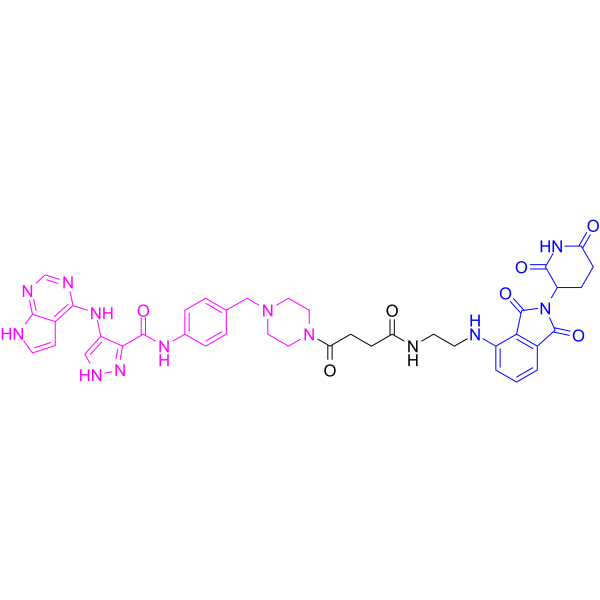
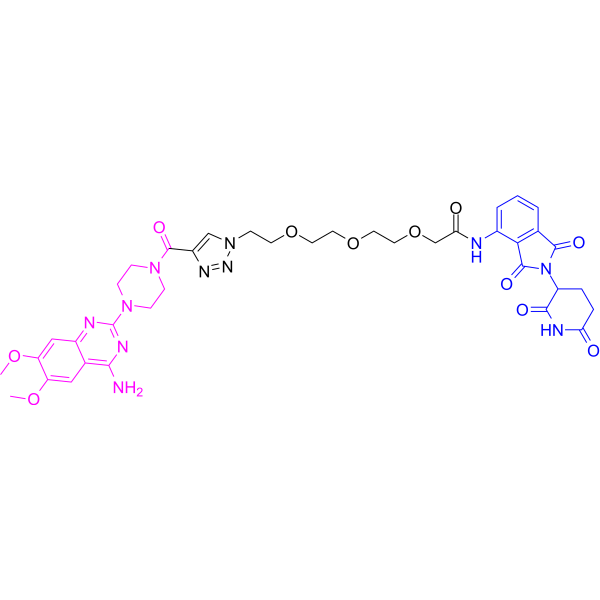
PROTAC CDK2/9 Degrader-1 (Compound F3) is a potent dual degrader for CDK2 (DC50=62 nM) and CDK9 (DC50=33 nM). PROTAC CDK2/9 Degrader-1 suppresses prostate cancer PC-3 cell proliferation (IC50=0.12 µM) by effectively blocking the cell cycle in S and G2/M phases. PROTAC CDK2/9 Degrader-1 is a PROTAC by tethering CDK inhibitor with Cereblon ligand .
|
-
-
- HY-153910
-
|
|
Others
|
Cancer
|
|
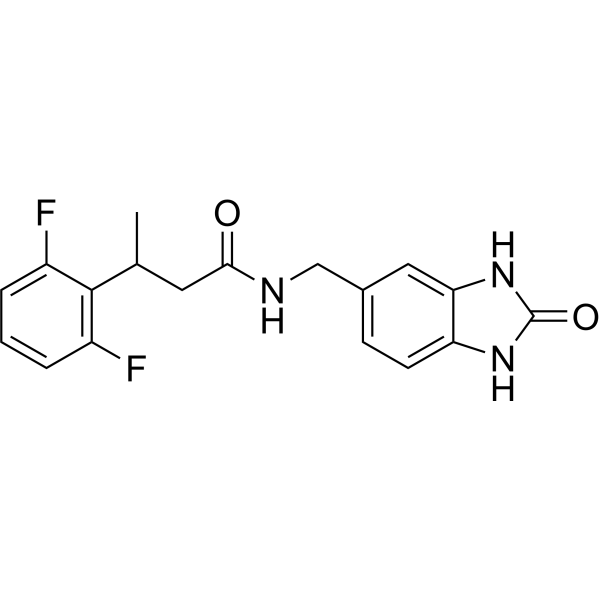
AGPS-IN-1 (Compound 2i) is an effective AGPS binder. AGPS-IN-1 reduces ether lipids levels and cell migration rate. AGPS-IN-1 inhibits epithelial-mesenchymal transition (EMT) in prostate PC-3 and breast MDA-MB-231 cancer cells .
|
-
-
- HY-13610A
-
|
Diethylnorspermine tetrahydrochloride; DENSPM tetrahydrochloride; BENSPM tetrahydrochloride
|
Caspase
mTOR
|
Cancer
|
|
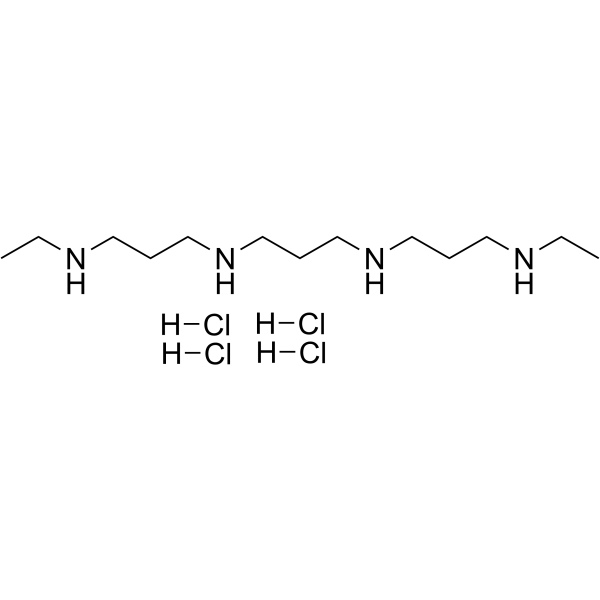
N1, N11-Diethylnorspermine tetrahydrochloride (DENSPM tetrahydrochloride) is a potent anticancer agent. N1,N11-Diethylnorspermine tetrahydrochloride activates polyamine catabolism and downregulates mTOR protein. N1,N11-Diethylnorspermine tetrahydrochloride induces the release of cytochrome c from mitochondria, resulting in activation of caspase 3. N1,N11-Diethylnorspermine tetrahydrochloride kills glioblastoma multiforme (GBM) through induction of SSAT (spermidine/spermine N1-acetyltransferase) coupled with H2O2 production .
|
-
-
- HY-121970
-
|
|
Phosphoglycerate Dehydrogenase (PHGDH)
Reactive Oxygen Species (ROS)
HIF/HIF Prolyl-Hydroxylase
|
Metabolic Disease
|
|
iGP-1 is a cell-permeable, selective mixed inhibitor of mitochondrial sn-glycerol-3-phosphate dehydrogenase (mGPDH), with IC50s of 6.3 μM and 13.6 μM for rat mGPDH activity and H2O2 production, respectively. iGP-1 specifically blocks the mitochondrial component of the glycerophosphate shuttle without affecting cytosolic GPDH. iGP-1 not only inhibits cell proliferation and glutaminolysis, and enhances glycolysis, but also significantly alters key cellular physiological processes such as apoptosis, ROS production, HIF-1α stability and mitochondrial membrane potential. iGP-1 remains active in neutrophil cultures under both normoxic and hypoxic conditions, and serves as an ideal probe for glycerol-3-phosphate metabolic mechanisms. iGP-1 has been applied to studies on prostate cancer and related metabolic pathways .
|
-

-
- HY-N11908
-
|
cis-α-Santalol
|
Akt
Survivin
Apoptosis
Caspase
PARP
|
Metabolic Disease
Cancer
|
|
α-Santalol (cis-α-Santalol), a naturally occurring sesquiterpene, is an orally active anticancer agent and apoptosis inducer. α-Santalol activates caspase-3 to drive apoptotic processes. >α-Santalol induces apoptosis, decreases cell viability, and causes PARP cleavage in human prostate cancer cells. α-santalol inhibits Akt/Survivin pathway to induce cell death. α-Santalol can be used for the research of prostate cancer and diabetes mellitus .
|
-

-
- HY-16160
-
|
|
Autophagy
ICMT
|
Neurological Disease
Cancer
|
|
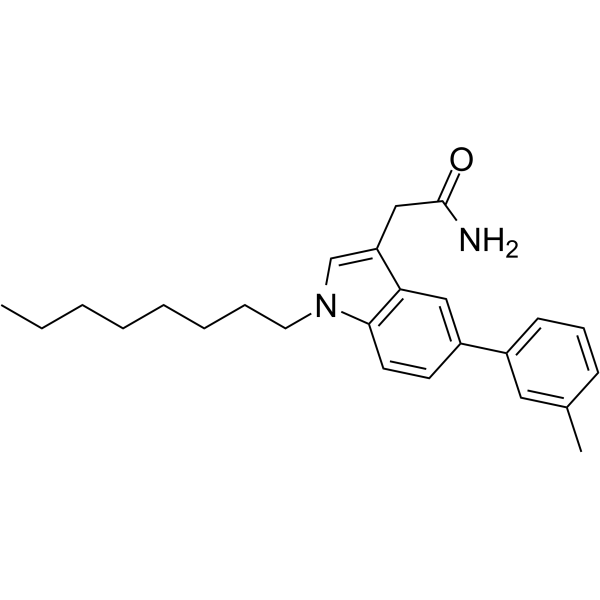
Cysmethynil is an Icmt inhibitor(IC50 = 2.4 μM). Cysmethynil inhibites RAS membrane binding and EGF signal transduction. Cysmethynil prevents the cells in the G1 phase and induces autophagy. Cysmethynil inhibits PC3 cells proliferation, has synergistic effect with Paclitaxel (HY-B0015) and Doxorubicin (HY-15142A). Cysmethynil has anti-tumor effects and can be used for solid tumor (such as prostate cancer et al.) research .
|
-
-
- HY-171616
-
|
|
HSP
β-catenin
|
Cancer
|
|
DCEM1 binds to heat shock protein 60 (HSP60) and inhibits the interaction of HSP60 with ClpP, thereby blocking the mitochondrial unfolded protein response. DCEM1 inhibits β-catenin expression and ATP production in PC-3 and TKO cells. DCEM1 can be used in prostate cancer research .
|
-

-
- HY-12842
-
|
|
IAP
Survivin
Apoptosis
Caspase
|
Inflammation/Immunology
Cancer
|
|
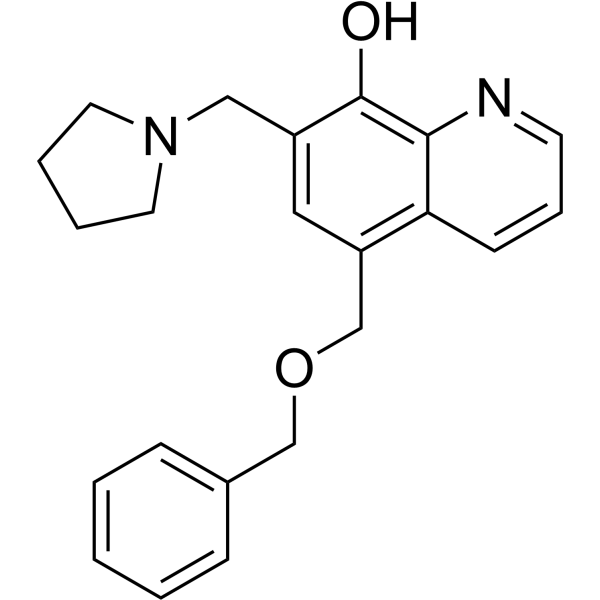
UC-112 is a XIAP inhibitor with anticancer activity. UC-112 selectively downregulates and degrades survivin via the ubiquitin-mediated proteasomal degradation pathway. UC-112 reduces XIAP levels in in vivo tumor models. UC-112 activates caspase-3/7 and caspase-9, and induces cancer cell apoptosis. UC-112 is applicable to studies on melanoma, prostate cancer and cancer-related research .
|
-
-
- HY-138555
-
|
|
PROTACs
Epigenetic Reader Domain
|
Cancer
|
|
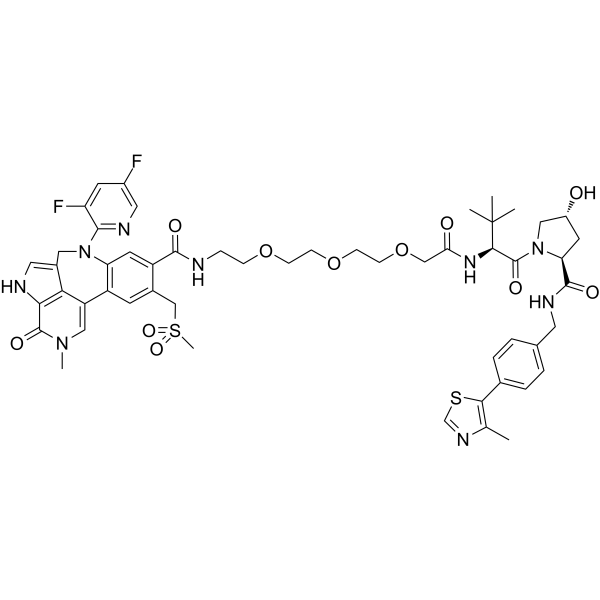
PROTAC BRD4 Degrader-8 is a PROTAC connected by ligands for von Hippel-Lindau and BRD4, with IC50s of 1.1 nM and 1.4 nM for BRD4 BD1 and BD2, respectively. PROTAC BRD4 Degrader-8 is capable of potently degrading the BRD4 protein in PC3 prostate cancer cells .
|
-
-
- HY-122678
-
|
|
Survivin
Apoptosis
|
Cancer
|
|
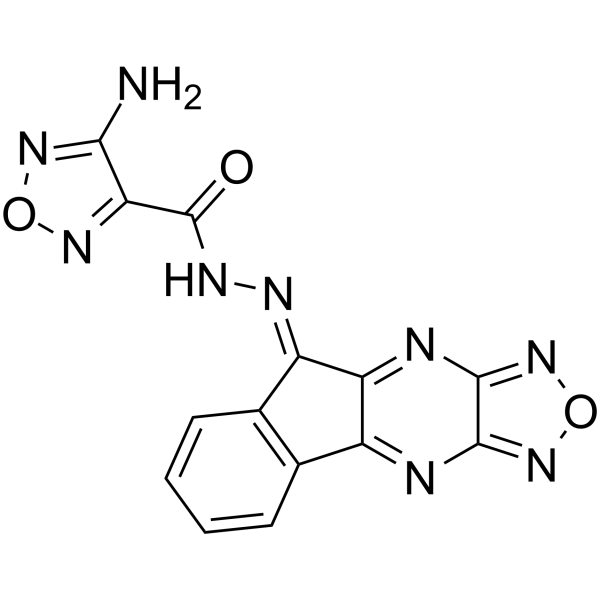
LQZ-7F, a survivin dimerization inhibitor, induces spontaneous apoptosis and synergizes with Docetaxel in prostate cancer cells. LQZ-7F dose-dependently inhibits survival of both PC-3 and C4-2 cells with IC50s of 2.99 and 2.47 µM, respectively .
|
-
-
- HY-102067
-
|
|
Wnt
|
Cancer
|
|
3289-8625 is an inhibitor of the PDZ domain of Dishevelled (Dvl) protein (Kd=10.6 μM) and has an inhibitory effect on Wnt signaling. In addition, 3289-8625 can slow the growth of prostate cancer PC-3 cells (IC50=12.5 μM). 3289-8625 can be used in the study of embryonic development and cancer .
|
-

-
- HY-141860
-
|
|
PSMA
Microtubule/Tubulin
Reactive Oxygen Species (ROS)
Cytochrome P450
|
Cancer
|
|
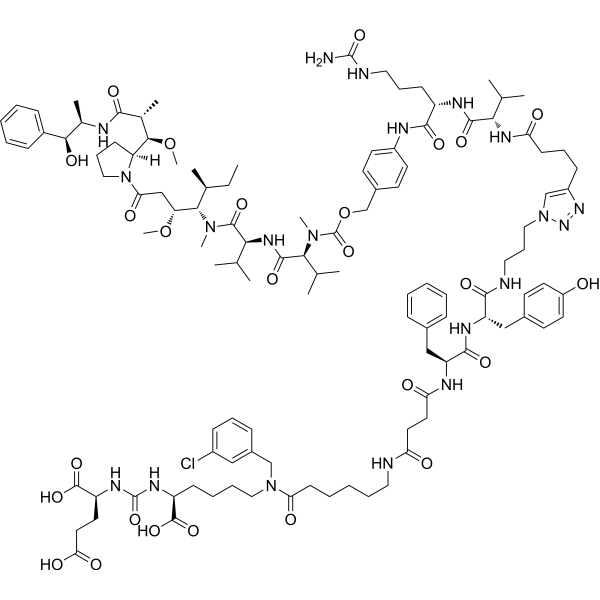
PSMA-Val-Cit-PAB-MMAE is a small-molecule conjugate targeting PSMA, with Monomethyl auristatin E (MMAE) (HY-15162) as its cytotoxic payload. PSMA-Val-Cit-PAB-MMAE binds to PSMA, thereby being delivered into PSMA-expressing prostate cancer cells. Subsequently, the Val-Cit linker is cleaved under the mediation of cathepsin B, releasing active MMAE. PSMA-Val-Cit-PAB-MMAE inhibits CYP3A4 activity (IC50 = 11.2 μM), induces intracellular ROS production and oxidative stress, disrupts the cytoskeleton through microtubule destabilization, and induces prostate cancer cell death. PSMA-Val-Cit-PAB-MMAE can be used in research related to prostate cancer .
|
-
-
- HY-P1793
-
|
|
Opioid Receptor
Biochemical Assay Reagents
|
Neurological Disease
Inflammation/Immunology
Cancer
|
|
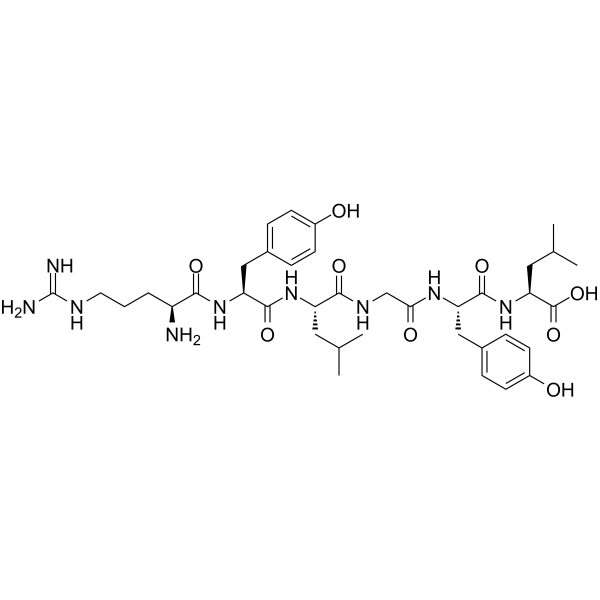
α-Casein (90-95) is a partial agonist of opioid receptors and a copper ion ligand, with opioid activity. α-Casein (90-95) inhibits the secretion of β-hexosaminidase by rat peritoneal mast cells (PMC) with IC50= 0.1 μM. α-Casein (90-95) inhibits the proliferation of prostate cancer cells LNCaP, DU145, and PC3 with IC50 of 0.94 nM, 137 nM, and 6.92 nM, respectively. α-Casein (90-95) activates Gi-like proteins through a membrane-assisted, receptor-independent pathway, or reversibly binds to opioid receptors, inducing intracellular calcium release and conformational changes, and exerts the activity of promoting mast cell secretion and inhibiting tumor cell proliferation. α-Casein (90-95) can be used in the study of the mechanisms of allergic diseases and prostate cancer .
|
-
-
- HY-149091
-
|
|
Histone Demethylase
|
Cancer
|
|
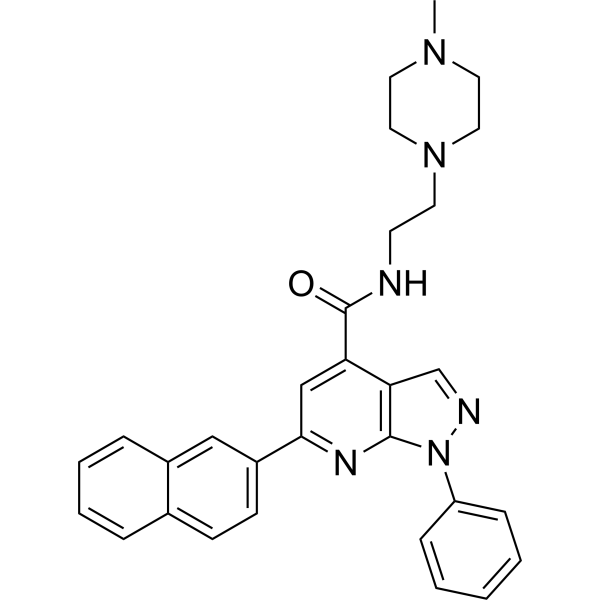
KDM5B-IN-4 (compound 11ad) is a lysine demethylase 5B (KDM5B) inhibitor with an IC50 of 0.025 μM KDM5B-IN-4 increases substrate H3K4me1/2/3 level by inhibiting KDM5B in PC-3 cells. KDM5B-IN-4 downregulates PI3K/AKT. KDM5B-IN-4 reduces tumor volume in mice and shows less toxic to organs .
|
-
-
- HY-123295
-
|
|
HDAC
|
Infection
Cancer
|
|
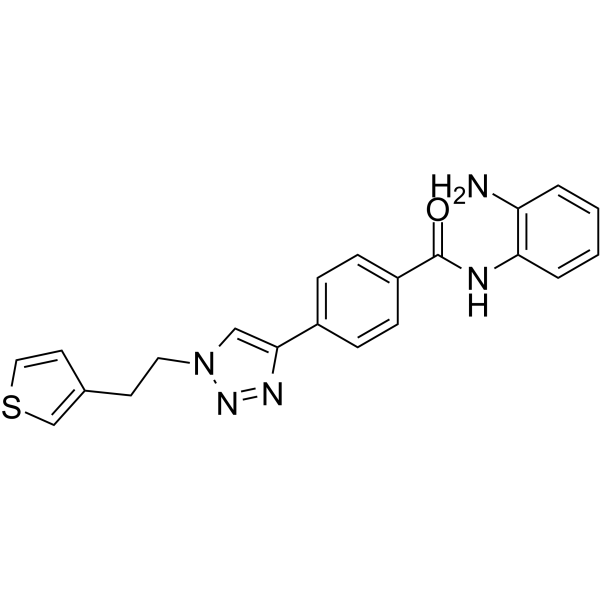
HDAC3-IN-T247 is a potent and selective HDAC3 (histone deacetylase 3) inhibitor, with an IC50 of 0.24 µM. HDAC3-IN-T247 induces a selective increase of NF-κB acetylation in HCT116 cells. HDAC3-IN-T247 shows anticancer and antiviral activity. HDAC3-IN-T247 inhibits growth of cancer cells, and activates HIV gene expression in latent HIV-infected cells .
|
-
-
- HY-147100
-
|
|
PROTACs
Adrenergic Receptor
|
Cancer
|
|
α1A-AR Degrader 9c (compound 9c) is a potent, selective and reversible α1A-AR (Adrenergic receptor) PROTAC degrader, with a DC50 of 2.86 μM. α1A-AR Degrader 9c induces α1A-AR degradation can be attributed to proteasomal degradation. α1A-AR Degrader 9c inhibits the proliferation of PC-3 cells, with an IC50 of 6.12 μM. α1A-AR Degrader 9c shows antitumor activity, and can be used for prostate cancer research .
|
-
-
- HY-118798
-
|
NSC663285
|
Phosphatase
|
Cancer
|
|
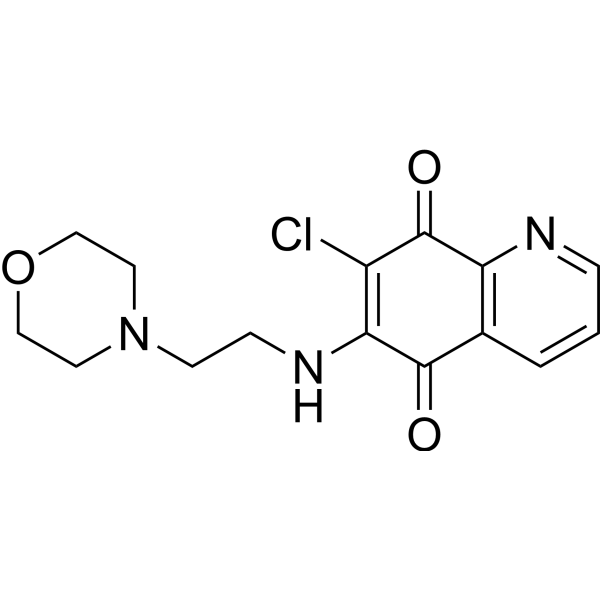
DA 3003-2 is a potent and selectively Cdc25 inhibitor. DA 3003-2 shows antiproliferative activity. DA 3003-2 induces cell cycle arrest at the G2/M phase and increases the expression of P-tyr 15 Cdc2. DA 3003-2 has the potential for the research of prostate cancer .
|
-
-
- HY-160187A
-
|
|
Cadherin
MMP
Akt
FAK
ERK
NF-κB
|
Cancer
|
|
(Rac)-AAA is a regulator and inhibitor targeting GPR75. By blocking the 20-HETE-induced downregulation of GPR75 expression, (Rac)-AAA effectively inhibits the activation of key downstream signaling pathways including EGFR, AKT, NF-κB and FAK. (Rac)-AAA reverses 20-HETE-mediated epithelial-mesenchymal transition, which is specifically characterized by downregulating vimentin (vimentin), upregulating E-Cadherin, as well as reducing MMP-2 activity and cancer cell migration ability. (Rac)-AAA also abolishes the 20-HETE-induced upregulation of HIC-5 expression and anchorage-independent growth, and modulates the subcellular localization of PKC-α and phosphorylated AKT. (Rac)-AAA is investigated in androgen-independent prostate cancer (castration-resistant prostate cancer) .
|
-

-
- HY-130713
-
|
|
E3 Ligase Ligand-Linker Conjugates
|
Cancer
|
|
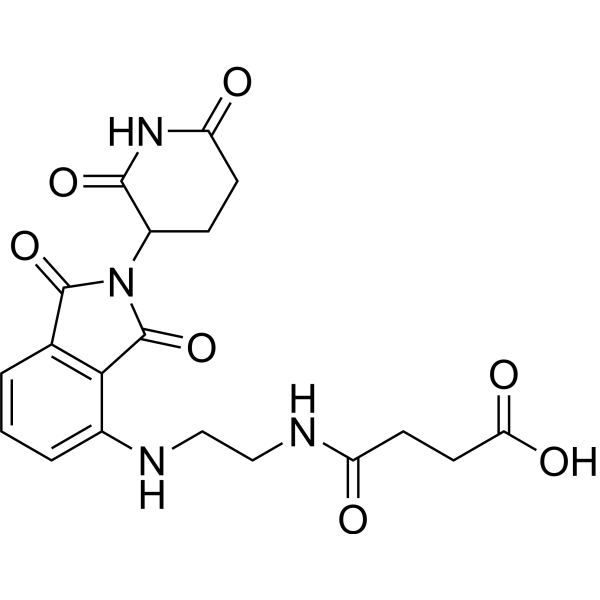
Thalidomide-C2-amido-C2-COOH contains a CRBN ligand and a linker for recruiting E3 ubiquitin ligases. Thalidomide-C2-amido-C2-COOH can be used to design and synthesize PROTAC CDK2/9 Degrader-1 (HY-130709). PROTAC CDK2/9 Degrader-1 is applicable to prostate cancer-related research .
|
-
-
- HY-163340
-
|
|
Glucocorticoid Receptor
Androgen Receptor
|
Cancer
|
|
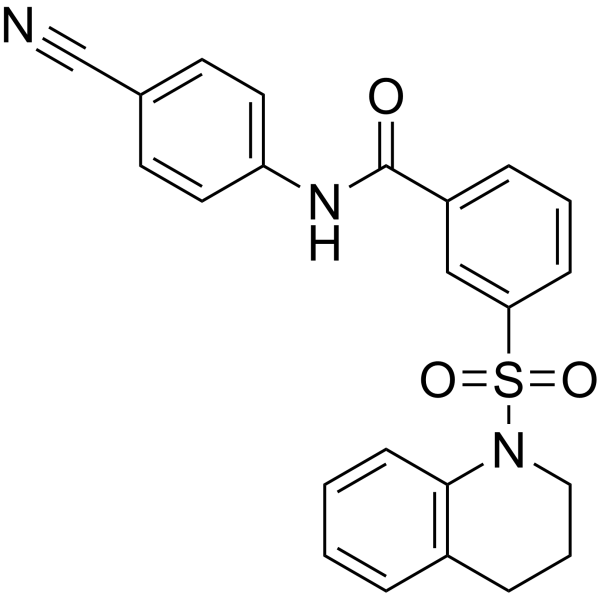
GA32 (compound 58r) is potent androgen receptor (AR)/glucocorticoid receptor (GR) dual inhibitor with IC50 values of 0.13 μM and 0.83 μM for AR and GR, respectively. GA32 inhibits the proliferation of Enzalutamide (HY-70002) resistance castration-resistant prostate cancer both in vitro and in vivo .
|
-
-
- HY-147696
-
|
|
HSP
AMPK
Reactive Oxygen Species (ROS)
|
Cancer
|
|
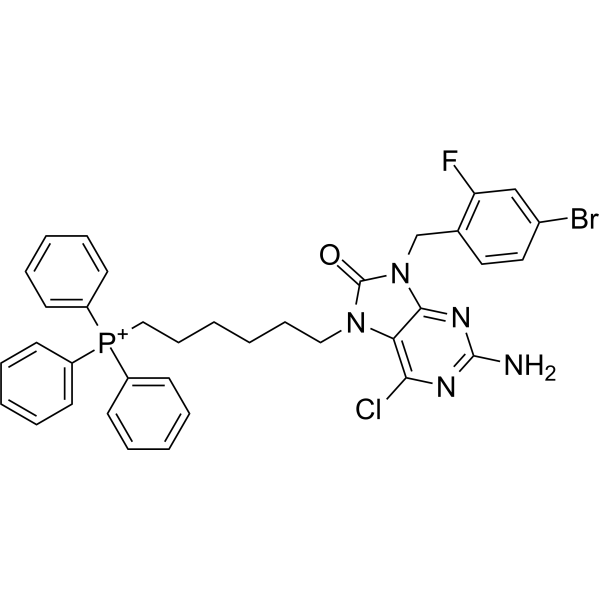
SMTIN-T140 (compound 6a) is a potent TRAP1 (tumor-necrosis-factor-receptor associated protein 1) inhibitor, with an IC50 of 1.646 μM. SMTIN-T140 shows anticancer activity. SMTIN-T140 leads to mitochondrial dysfunction, increases mitochondrial ROS production and activates AMPK. SMTIN-T140 potently suppressed tumor growth without any noticeable in vivo toxicity in a mouse model xenografted with PC3 prostate cancer cells .
|
-
-
- HY-W748509
-
|
|
Caspase
Apoptosis
|
Cancer
|
|
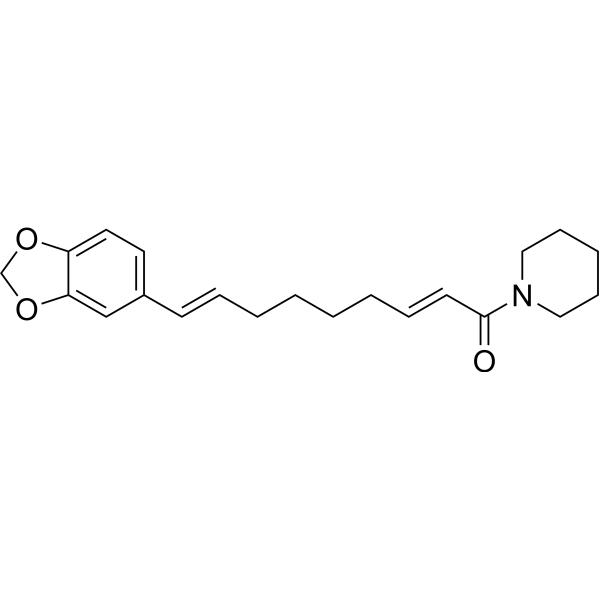
Pipernonaline is a piperine derivative with antiprostate cancer activity. Pipernonaline inhibits the proliferation of androgen-dependent/independent LNCaP/PC-3 prostate cells. Pipernonaline activates caspase-3 and promotes procaspase-3/PARP cleavage. Pipernonaline also mediates reactive oxygen species (ROS) production, increased intracellular Ca(2+), and mitochondrial membrane depolarization .
|
-
-
- HY-146396
-
|
|
MetAP
|
Cancer
|
|
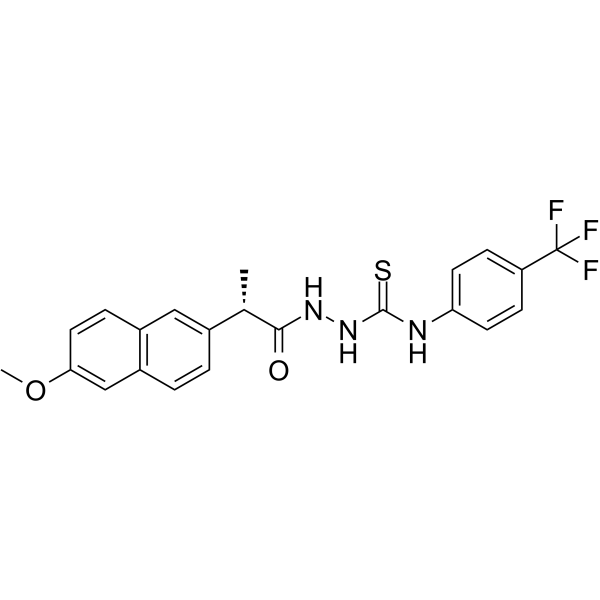
Anticancer agent 51 (compound 3d) is a potent anticancer agent with an Ki of 731.62 nM. Anticancer agent 51 shows anticancer activity. Anticancer agent 51 has the potential for the research of prostate cancer .
|
-
-
- HY-103385
-
|
NO-Aspirin
|
Apoptosis
|
Inflammation/Immunology
Cancer
|
|
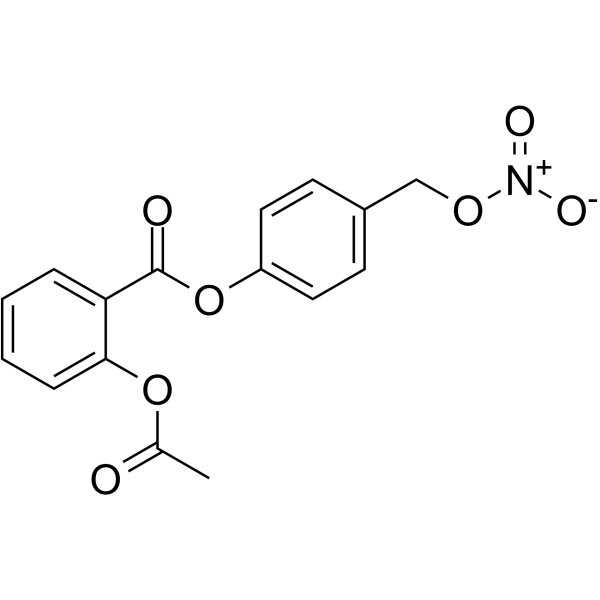
NCX4040 (NO-Aspirin), a non-steroidal anti-inflammatory drug (NSAID), is a nitric oxide (NO) releasing form of Aspirin. NCX4040 induces apoptosis in PC3 metastatic prostate cancer cells. NCX4040 has anti-inflammatory and anti-cancer effects .
|
-
-
- HY-N13772
-
|
(+)-Dihydroisorhamnetin
|
Apoptosis
|
Cancer
|
|
3'-O-Methyltaxifolin ((+)-Dihydroisorhamnetin) is a dihydroflavanol found in Pulicaria jaubertii. A mixture of these alcohol compounds including 3'-O-Methyltaxifolin found in Pulicaria jaubertii exhibits antitumor activity with IC50 values of 19.1 μg, 20.0 μg, and 24.1 μg against prostate cancer (PC-3), breast cancer (MCF-7), and hepatocellular carcinoma (HepG-2) cell lines, respectively. Furthermore, 3'-O-Methyltaxifolin can induce cell apoptosis, making it a promising candidate for anticancer research. .
|
-

-
- HY-N16066
-
|
CHNQD-0803
|
AMPK
Apoptosis
NF-κB
TNF Receptor
|
Inflammation/Immunology
|
|
Candidusin A (CHNQD-0803) (Compound 4) is a AMPK activator with a KD of 47.28 nM. Candidusin A can be isolated from marine fungus Aspergillus candidus. Candidusin A has cytotoxic activity and induces apoptosis in human prostate cancer cells (22Rv1, PC-3 and LNCaP cells). Candidusin A reduces adipogenesis genes expression and fat deposition, negatively regulates the NF-κB-TNFα inflammatory axis to suppress inflammation, and ameliorates liver injury and fibrosis. Candidusin A can be used for non-alcoholic steatohepatitis (NASH) research .
|
-

-
- HY-107640
-
|
|
MMP
|
Cancer
|
|
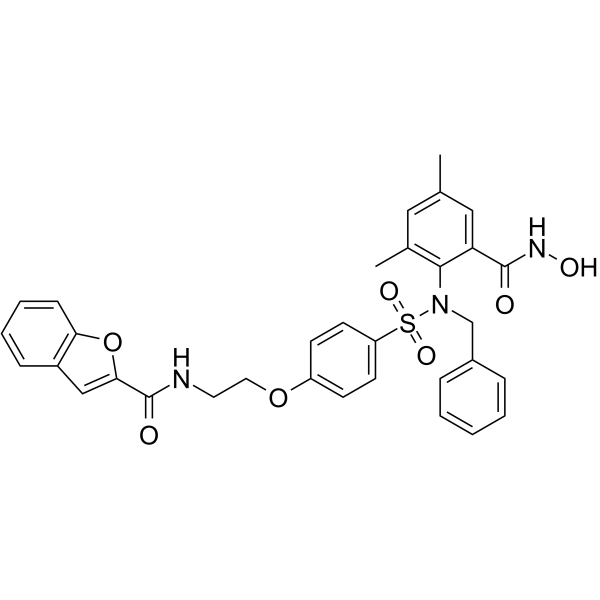
WAY-170523 is a potent and selective MMP-13 (matrix metalloproteinase-13) inhibitor, with an IC50 of 17 nM. WAY-170523 can directly attenuate ERK1/2 phosphorylation. WAY-170523 inhibits the invasion of PC-3 cells, can be used for prostate cancer research .
|
-
-
- HY-178045
-
|
|
c-Myc
|
Cancer
|
|
MYC-IN-4 is a MYC inhibitor. MYC-IN-4 impairs MYC/MAX protein-protein interaction (IC50 = 3.06 μM). MYC-IN-4 inhibits MYC-aberrant PC-3 prostate cancer cells with an IC50 of 0.440 μM. MYC-IN-4 demonstrates potent antitumor efficacy in FVB mice bearing Myc-CaP prostate tumor allografts. MYC-IN-4 can be used for the study of prostate cancer .
|
-

-
- HY-12364B
-
-
-
- HY-175017
-
|
|
Survivin
|
Cancer
|
|
Survivin-IN-2 is a survivin inhibitor. Survivin-IN-2 shows cytotoxicity in cells with IC50s of 0.53 μM (C4-2 cells) and 1.06 μM (PC-3 cells). Survivin-IN-2 effectively suppresses xenograft tumor growth without apparent toxicity and eliminates survivin in the tumors. Survivin-IN-2 can be used for the study of prostate cancer .
|
-

-
- HY-125010
-
|
|
DNA/RNA Synthesis
Apoptosis
|
Cancer
|
|
Dicycloplatin is a DNA damage inducer. Dicycloplatin induces DNA damage by activating biphosphorylated checkpoint kinase 2 (CHK2), breast cancer 1 (BRCA1) and triphosphorylated p53. Dicycloplatin can induce cell cycle arrest, inhibit proliferation and lead to apoptosis in prostate cancer PC3 cells and lung cancer NCI/H446 cells. Dicycloplatin can be used in cancer researchr .
|
-

-
- HY-131438
-
|
|
Topoisomerase
|
Cancer
|
|
GI-149893 is a selective topoisomerase I (TopoI) inhibitor. GI-149893 prevents DNA religation and induces irreversible DNA damage in tumor cells. GI-149893 is promising for research of cancers (e.g., colon carcinoma HT-29/SW-48, breast MX-1, prostate PC-3 xenografts) .
|
-

-
- HY-179398
-
|
|
Keap1-Nrf2
|
Cancer
|
|
Keap1-Nrf2-IN-29 (Compound 1a), a Curcumin (HY-N0005) analog, is a Keap1 protein inhibitor. Keap1-Nrf2-IN-29 exhibits significant inhibitory activity against A549, PC-3 and MCF-7 cells. Keap1-Nrf2-IN-29 can be used for the study of prostate cancer .
|
-

-
- HY-138635
-
|
|
PROTACs
Epigenetic Reader Domain
|
Cancer
|
|
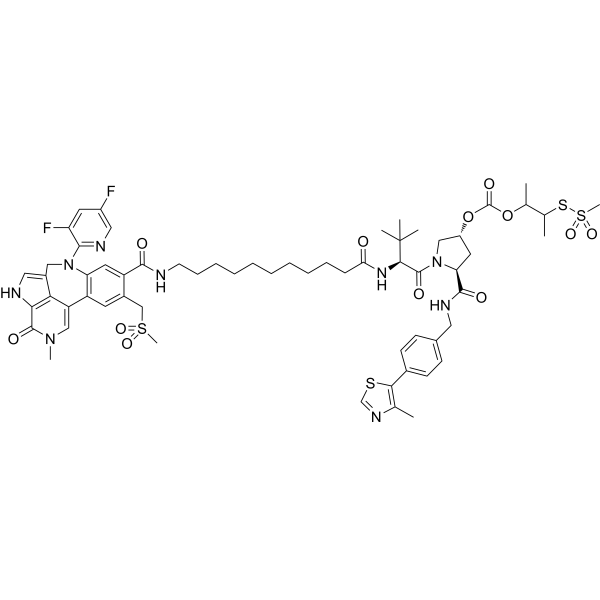
PROTAC BRD4 Degrader-12 (compound 9c) is a PROTAC connected by ligands for von Hippel-Lindau and BRD4. PROTAC BRD4 Degrader-12 can be conjugated with STEAP1 and CLL1 antibodies to degrade the BRD4 protein in PC3 prostate cancer cells, with a DC50 of 0.39 nM and 0.24 nM, respectively .
|
-
-
- HY-138633
-
|
|
PROTACs
Epigenetic Reader Domain
|
Cancer
|
|
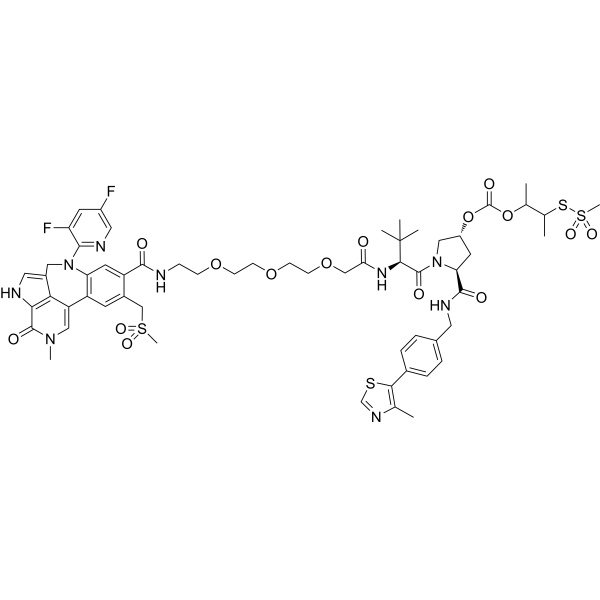
PROTAC BRD4 Degrader-10 (compound 8b) is a PROTAC connected by ligands for von Hippel-Lindau and BRD4. PROTAC BRD4 Degrader-10 can be conjugated with STEAP1 and CLL1 antibodies to degrade the BRD4 protein in PC3 prostate cancer cells, with a DC50 of 1.3 nM and 18 nM, respectively .
|
-
-
- HY-138637
-
|
|
PROTACs
Epigenetic Reader Domain
|
Cancer
|
|
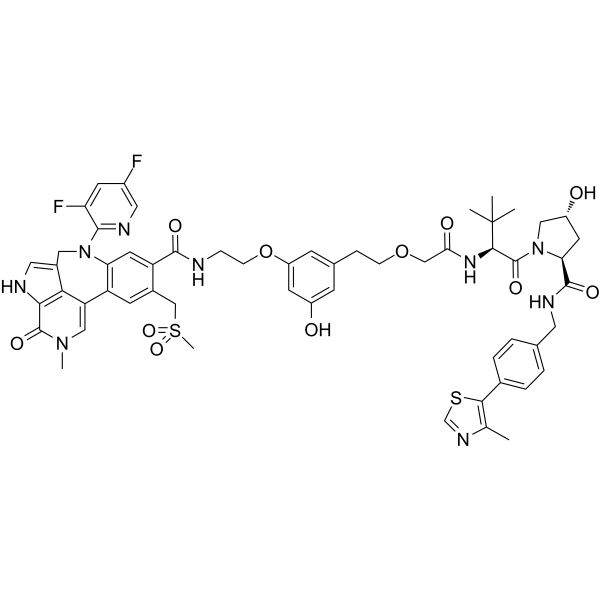
PROTAC BRD4 Degrader-14 is a PROTAC connected by ligands for von Hippel-Lindau and BRD4, with IC50s of 1.8 nM and 1.7 nM for BRD4 BD1 and BD2, respectively. PROTAC BRD4 Degrader-14 is capable of potently degrading the BRD4 protein in PC3 prostate cancer cells .
|
-
-
- HY-139294
-
|
|
PROTACs
Epigenetic Reader Domain
|
Cancer
|
|
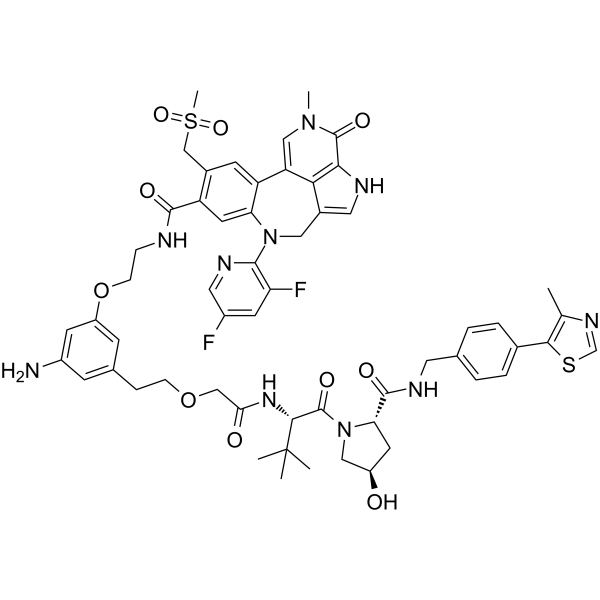
PROTAC BRD4 Degrader-15 is a PROTAC connected by ligands for von Hippel-Lindau and BRD4, with IC50s of 7.2 nM and 8.1 nM for BRD4 BD1 and BD2, respectively. PROTAC BRD4 Degrader-15 is capable of potently degrading the BRD4 protein in PC3 prostate cancer cells .
|
-
-
- HY-175826
-
|
|
Deubiquitinase
Ferroptosis
Reactive Oxygen Species (ROS)
Glutathione Peroxidase
|
Cancer
|
|
USP30-IN-20 is an orally active USP30 inhibitor (Kd = 1.61 μM, IC50 = 12.8 μM). USP30-IN-20 induces ferroptosis by promoting ubiquitination-mediated degradation of GPX4. USP30-IN-20 inhibits the proliferation, migration, invasion, and stemness of prostate cancer cells. USP30-IN-20 induces G0/G1 cell cycle arrest and ROS levels in prostate cancer cells. USP30-IN-20 exhibits significant anti-tumor efficacy in PC3 cell subcutaneous xenografts in mice. USP30-IN-20 can be used for the study of advanced prostate cancer .
|
-

-
- HY-178133
-
|
|
Pim
Apoptosis
Caspase
|
Cancer
|
|
Pim-1 kinase-IN-14 is a PIM-1 kinase inhibitor with an IC50 value of 94 nM. Pim-1 kinase-IN-14 shows broad-spectrum and high-efficiency anticancer activity against multiple human cancer cell lines, including liver cancer (HepG-2), colon cancer (Caco-2), myeloid leukemia (NFS-60), and prostate cancer (PC-3) cells. Pim-1 kinase-IN-14exerts its anticancer effects by inducing apoptosis and activating caspase 3/7. Pim-1 kinase-IN-14 can be used for the study of cancers associated with PIM-1 kinase overexpression .
|
-

-
- HY-157404
-
|
|
Pim
|
Cancer
|
|
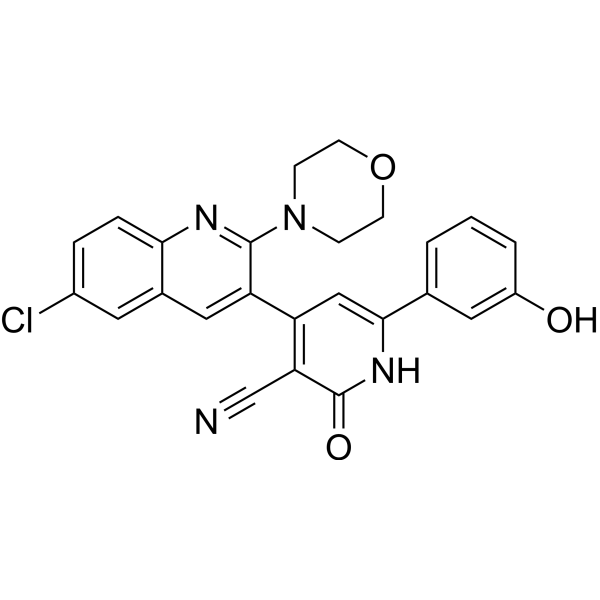
Pim-1/2 kinase inhibitor 2 (compound 5b) is a competitive PIM-1 and PIM-2 kinase inhibitor with IC50s of 1.31 μM and 0.67 μM, respectively. Pim-1/2 kinase inhibitor 2 shows in-vitro low cytotoxicity against normal human lung fibroblast Wi-38 cell line and potent in-vitro anticancer activity against myeloid leukaemia (NFS-60), liver (HepG-2), prostate (PC-3), and colon (Caco-2) cancer cell lines .
|
-
-
- HY-172562
-
|
|
PROTACs
Epigenetic Reader Domain
|
Cancer
|
|
BTR2004 is a selective BET family (BRD2/3/4) protein PROTAC degrader. BTR2004 forms a ternary complex with BRD proteins and KLHL20, inducing ubiquitination and proteasomal degradation through the UPS pathway. BTR2004 is promising for research of PC3 prostate cancer and MDA-MB-231 breast cancer cell lines. Pink: (+)-JQ1-OH (HY-161125); Blue: BTR2000 (HY-172563); Black: Linker (HY-W015236) .
|
-

-
- HY-P1793A
-
|
|
Opioid Receptor
Biochemical Assay Reagents
|
Neurological Disease
Inflammation/Immunology
Cancer
|
|
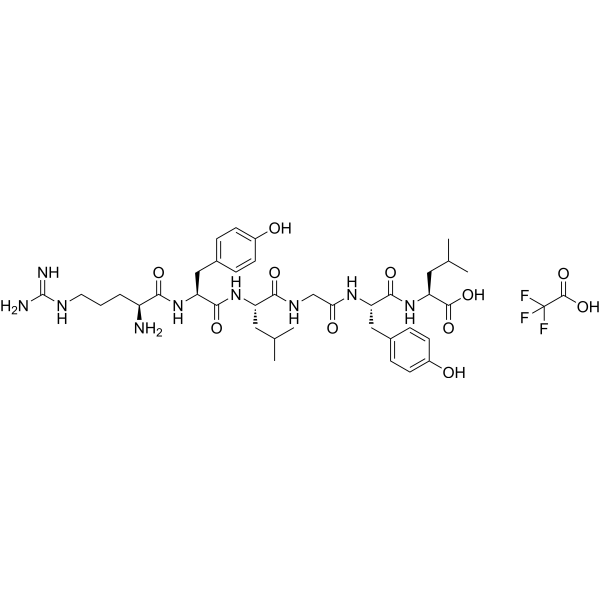
α-Casein (90-95) TFA is a partial agonist of opioid receptors and a copper ion ligand, with opioid activity. α-Casein (90-95) TFA inhibits the secretion of β-hexosaminidase by rat peritoneal mast cells (PMC) with IC50= 0.1 μM. α-Casein (90-95) TFA inhibits the proliferation of prostate cancer cells LNCaP, DU145, and PC3 with IC50 of 0.94 nM, 137 nM, and 6.92 nM, respectively. α-Casein (90-95) TFA activates Gi-like proteins through a membrane-assisted, receptor-independent pathway, or reversibly binds to opioid receptors, inducing intracellular calcium release and conformational changes, and exerts the activity of promoting mast cell secretion and inhibiting tumor cell proliferation. α-Casein (90-95) TFA can be used in the study of the mechanisms of allergic diseases and prostate cancer .
|
-
-
- HY-147854
-
|
|
Raf
Apoptosis
|
Cancer
|
|
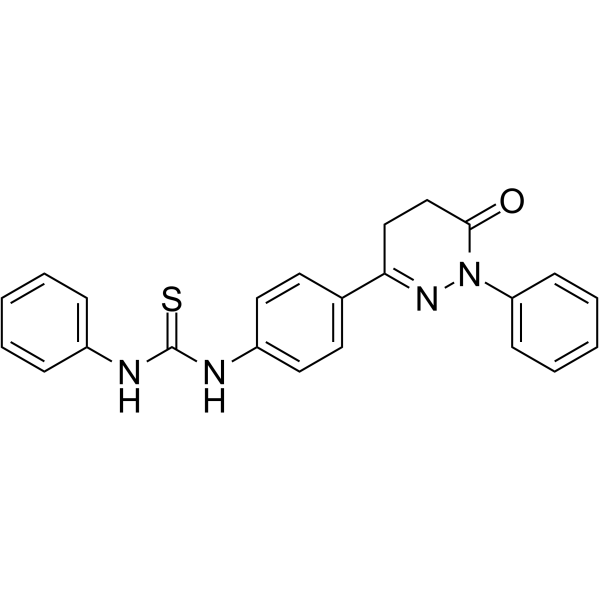
B-Raf IN 9 (compound 8b) is a potent B-Raf inhibitor, with an IC50 of 24.79 nM. B-Raf IN 9 induces apoptosis and shows cell cycle arrest at G2/M phase. B-Raf IN 9 exhibits potent antitumor activity against human prostate cancer PC-3 cell line, with an IC50 of 7.83 µM .
|
-
-
- HY-175555
-
|
|
Microtubule/Tubulin
Apoptosis
|
Cancer
|
|
Tubulin-IN-54 is a tubulin inhibitor. Tubulin-IN-54 exhibits anti-proliferative activity against various cancer cells. Tubulin-IN-54 inhibits tubulin polymerization, disrupts microtubule networks, induces G2/M cell cycle arrest, and promotes cancer cell apoptosis. Tubulin-IN-54 demonstrates significant anti-tumor efficacy in mice bearing PC-3/TxR xenografts. Tubulin-IN-54 can be used for the study of taxane-resistant cancers (prostate cancer, melanoma) .
|
-

-
- HY-121619
-
|
|
Apoptosis
|
Inflammation/Immunology
Cancer
|
|
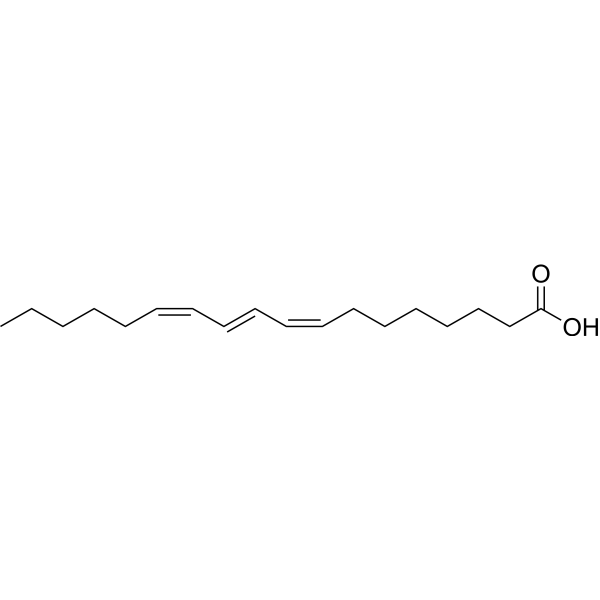
Jacaric acid is a conjugated linolenic acid, which inhibits viability in cells PC-3 (IC50 is 11.8 μM), LNCaP (IC50 is 2.2 μM) and DLD-1, induces apoptosis and necrosis . Jacaric acid exhibits anticaner activity against prostate cancer and adenocarcinoma . Jacaric acid exhibits immunomodulating activity in murine peritoneal macrophages as an immunopotentiator . Jacaric acid is orally active.
|
-
-
- HY-147853
-
|
|
Raf
|
Cancer
|
|
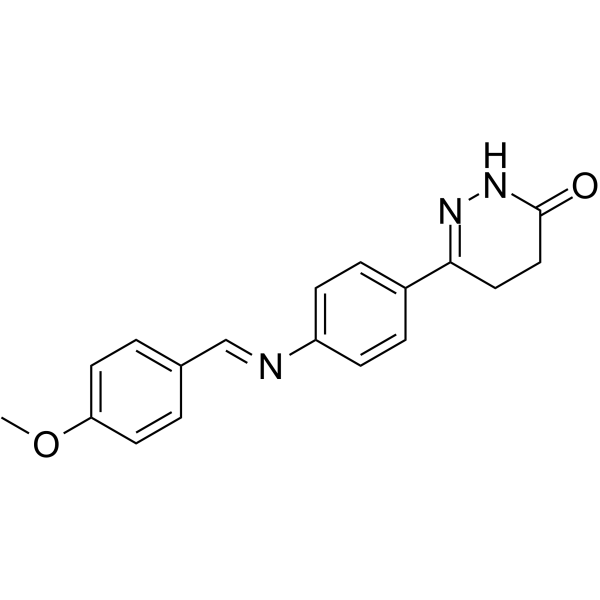
B-Raf IN 8 (compound 7g) is a potent B-Raf inhibitor, with an IC50 of 70.65 nM. B-Raf IN 8 exhibits antitumor activity against hepatocellular carcinoma (HEPG-2), colon carcinoma (HCT-116), mammary gland (MCF-7) and human prostate cancer (PC-3) cells, with IC50 values of 9.78, 13.78, 18.52 and 29.85 µM .
|
-
-
- HY-W437569
-
|
|
Parasite
Insecticide
|
Infection
Cancer
|
|
Melicopine is an alkaloid found in Z. simulans with antimalarial and anticancer activities. It exhibits inhibitory activity against chloroquine-sensitive 3D7 and chloroquine-resistant Dd2 strains of P. falciparum, with IC50 values of 29.7 and 33.7 µg/mL, respectively. Melicopine is cytotoxic to prostate cancer cells PC-3M and LNCaP (IC50 values of 47.9 and 37.8 µg/mL), but has no effect on non-cancerous HEK293 cells (IC50 greater than 100 µg/mL). Melicopine holds promise for research in anticancer and anti-infection fields .
|
-

-
- HY-147852
-
|
|
Raf
|
Cancer
|
|
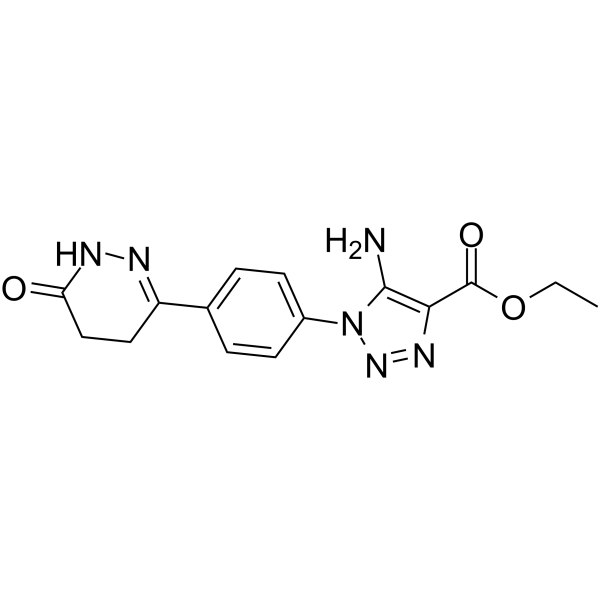
B-Raf IN 7 (compound 6a) is a potent B-Raf inhibitor, with an IC50 of 110.23 nM. B-Raf IN 7 exhibits antitumor activity against colon carcinoma (HCT-116), mammary gland (MCF-7), hepatocellular carcinoma (HEPG-2), human cervical carcinoma (Hela) and human prostate cancer (PC-3) cells, with IC50 values of 7.50, 9.87, 10.57, 11.63 and 12.83 µM .
|
-
-
- HY-W877997
-
|
|
E3 Ligase Ligand-Linker Conjugates
Drug Derivative
|
Cancer
|
|
Pomalidomide 5'-pip-acid is an E3 ligase ligand-linker conjugate derived from the molecular glue Pomalidomide (HY-10984), which can be used to synthesize the dual-target PROTAC degrader PROTAC CBP/p300/BRD4 Degrader-1 (HY-181758) targeting CBP/p300 and BRD4. Pomalidomide 5'-pip-acid shows anti-proliferative activity against cancer cells with an IC50 of 2.73 nM. Pomalidomide 5'-pip-acid induces anti-proliferative effects in cancer cells. Pomalidomide 5'-pip-acid is applicable to research related to prostate cancer and colorectal cancer .
|
-

- HY-146433
-
|
|
Apoptosis
|
Cancer
|
|
Anticancer agent 55 is a potent anticancer agent. Anticancer agent 55 shows anticancer activity via reducing the cell viability and cell migration in a dose-dependent manner. Anticancer agent 55 induces apoptosis. Anticancer agent 55 has the potential for the research of prostate cancer and breast cancer .
|
-
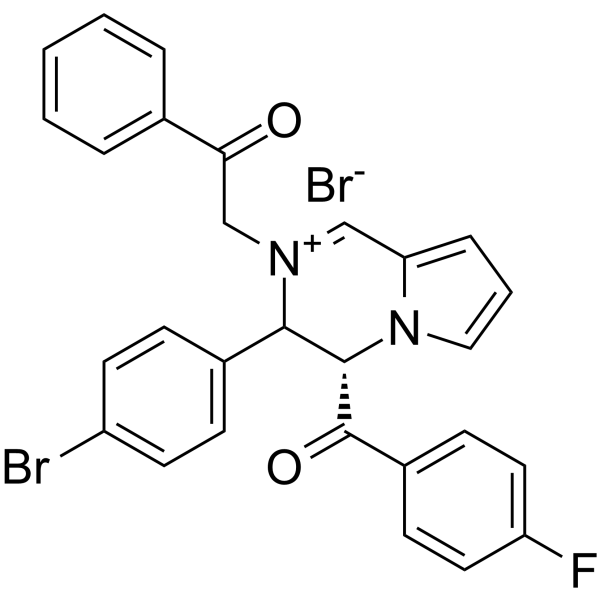
- HY-13610
-
|
Diethylnorspermine; BENSPM; DENSPM; BE-333
|
Caspase
mTOR
|
Cancer
|
|
N1,N11-Diethylnorspermine is a synthetic analog of the naturally occurring polyamine spermine, can induce polyamine depletion and inhibit tumor cell growth. N1,N11-Diethylnorspermine activates polyamine catabolism and downregulates mTOR protein. N1,N11-Diethylnorspermine induces the release of cytochrome c from mitochondria, resulting in activation of caspase 3. N1,N11-Diethylnorspermine tetrahydrochloride kills glioblastoma multiforme (GBM) through induction of SSAT (spermidine/spermine N1-acetyltransferase) coupled with H2O2 production .
|
-
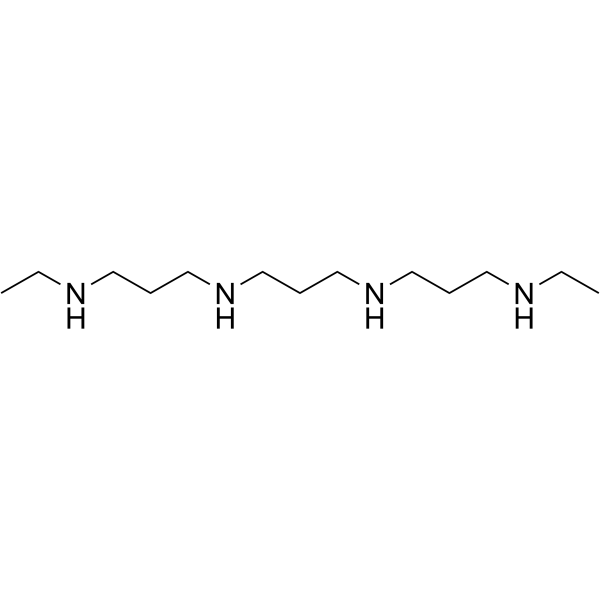
- HY-13610B
-
|
|
Caspase
|
Cancer
|
|
N1,N11-Diethylnorspermine hydrobromide is a potent anticancer agent. N1,N11-Diethylnorspermine hydrobromide is a spermine analog that activates polyamine catabolism. N1,N11-Diethylnorspermine hydrobromide induces the release of cytochrome c from mitochondria, resulting in activation of caspase 3. N1,N11-Diethylnorspermine hydrobromide kills glioblastoma multiforme (GBM) cells through induction of SSAT (spermidine/spermine N1-acetyltransferase) coupled with H2O2 production .
|
-

- HY-179050
-
|
|
Androgen Receptor
Reactive Oxygen Species (ROS)
|
Cancer
|
|
Androgen receptor-IN-7 is a potent androgen receptor (AR) inhibitor. Androgen receptor-IN-7 exhibits potent anticancer activity against PC-3 cells (IC50 =370.37 nM) and LNCaP cells via both AR-dependent and AR-independent pathways. Androgen receptor-IN-7 induces ROS production in PC-3 cells. Androgen receptor-IN-7 can be used for prostate cancer research .
|
-

- HY-149976
-
|
|
Pim
|
Cancer
|
|
Pim-1 kinase inhibitor 4 (Compound 10f) is a Pim-1 kinase inhibitor (IC50: 17.01 nM). Pim-1 kinase inhibitor 4 also has antioxidant activity and inhibits DPPH. Pim-1 kinase inhibitor 4 induces apoptosis in PC-3 cell, and inhibits PC-3 cell growth with an IC50 of 16 nM. Pim-1 kinase inhibitor 4 can be used for research of prostate cancer .
|
-
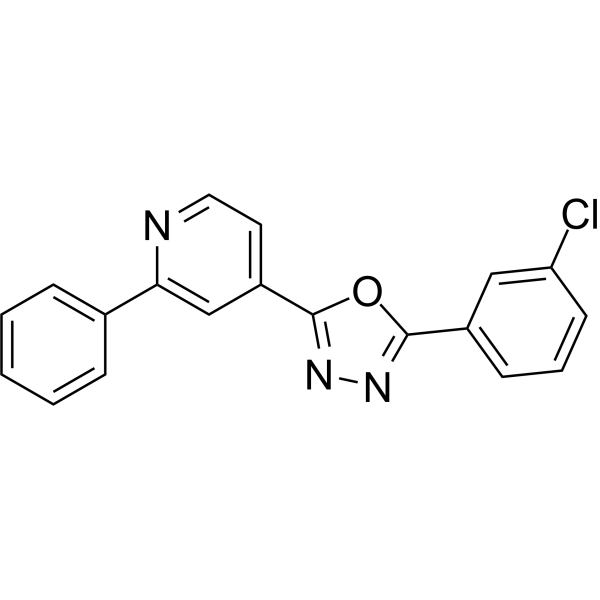
- HY-147734
-
|
|
Calcium Channel
|
Cancer
|
|
Calpain Inhibitor-2 (compound 5) is a peptide inhibitor of μ-calpain (Ki=9 nM). Calpain Inhibitor-2 exhibits antiproliferative activity against melanoma cell lines (A-375 and B-16F1) and PC-3 prostate cancer cells in vitro .
|
-
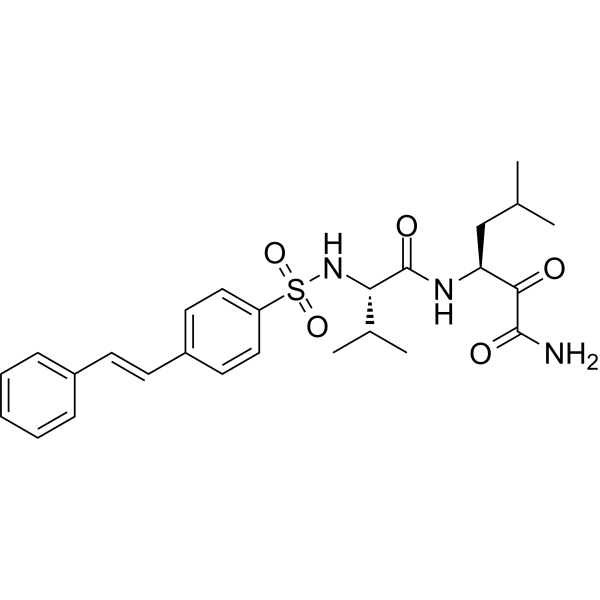
- HY-168300
-
|
|
Reactive Oxygen Species (ROS)
Apoptosis
|
Inflammation/Immunology
Cancer
|
|
Antiangiogenic agent 7 (Compound 1) can induce cell apoptosis, increase Reactive Oxygen Species, and inhibit the intracellular enzyme thioredoxin reductase. Antiangiogenic agent 7 has anti-cancer activity, with an IC50 of 0.08-3.5 μM against cervical cancer cells HeLa, prostate cancer cells PC-3, and non-small cell lung cancer A549. Antiangiogenic agent 7 inhibits tumor growth in mouse xenograft models .
|
-

- HY-155610
-
|
|
VEGFR
|
Cancer
|
|
VEGFR-2-IN-32 (Comp 3a) is an inhibitor of VEGFR-2 with an IC50 of 8.93 nM. VEGFR-2-IN-32 has cytotoxic activity against PC-3 cells with an IC50 of 1.22 μM. VEGFR-2-IN-32 can be used for anti-prostate cancer research .
|
-
- HY-146170
-
|
|
Reactive Oxygen Species (ROS)
EGFR
Apoptosis
|
Cancer
|
|
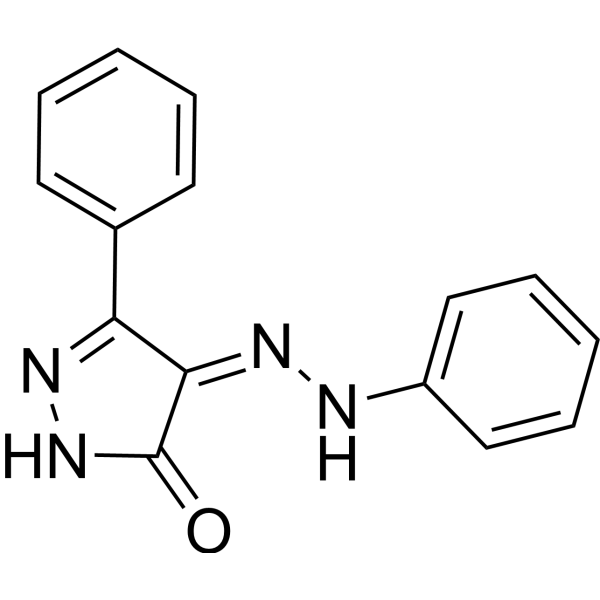
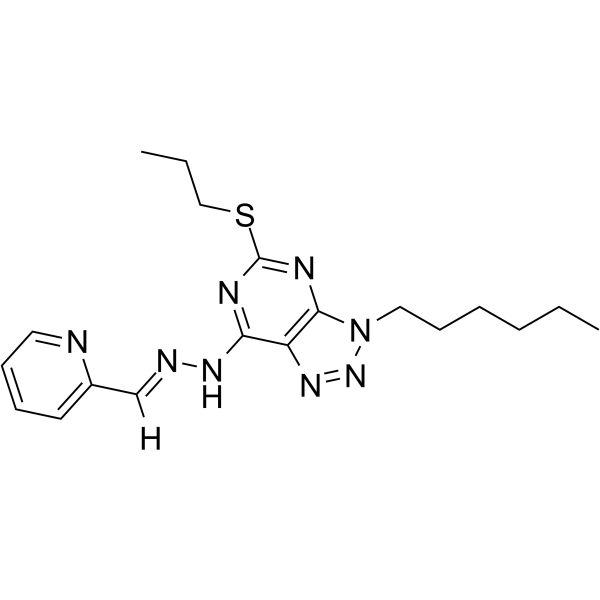
Anticancer agent 69 (Compound 34), a potent and selective anticancer agent , potently and selectively inhibits human prostate cancer cell line PC3 (IC50=26 nM). Anticancer agent 69 increases ROS level, down-regulates EGFR and induces apoptosis .
|
-
- HY-12364R
-
-

- HY-169098
-
|
|
HSP
Histone Demethylase
|
Cancer
|
|
HSP90/LSD1-IN-1 (compound 6) is a HSP90/LSD1 dual inhibitor. HSP90/LSD1-IN-1 inhibits the proliferation of prostate cancer cell lines PC-3 and DU145, with GI50 values of 0.24 and 0.30 μM, respectively .
|
-

- HY-173122
-
|
|
Akt
|
Cancer
|
|
Akt1-IN-8 (Compound JL18) is a potent and oral bioavailable (41%) inhibitor of AKT1 kinase, with an IC50 of 8.8 nM. Akt1-IN-8 exhibits significant antiproliferative effects against PC-3 prostate cancer cells, with an IC50 of 3.0 μM. Akt1-IN-8 can reduce phosphorylated GSK3β levels .
|
-

- HY-N16426
-
|
|
Parasite
|
Infection
Cancer
|
|
Mycoleptone A is an azafluorenone compound. Mycoleptone A exhibits certain anti-leishmanial activity, with an LD50 of 28.5 μM against L. major. Mycoleptone A shows cytotoxicity against human prostate cancer cell line PC3, with an IC50 of 10.0 μM. Mycoleptone A can be used in research on anti-parasitic and anti-tumor aspects .
|
-

- HY-103385R
-
|
NO-Aspirin (Standard)
|
Reference Standards
Apoptosis
|
Inflammation/Immunology
Cancer
|
|
NCX4040 (Standard) is the analytical standard of NCX4040. This product is intended for research and analytical applications. NCX4040 (NO-Aspirin), a non-steroidal anti-inflammatory drug (NSAID), is a nitric oxide (NO) releasing form of Aspirin. NCX4040 induces apoptosis in PC3 metastatic prostate cancer cells. NCX4040 has anti-inflammatory and anti-cancer effects .
|
-

- HY-169078
-
|
|
Histone Methyltransferase
|
Cancer
|
|
ML234 is a dual inhibitor against EZH2/LSD1 with IC50 values of 0.09 and 0.12 μM, respectively. ML234 displays an excellent antiproliferative capacity against prostate cancer cell lines LNCAP, PC3 and 22RV1. ML234 suppresses the tumor growth in the 22RV1 xenograft mouse model. ML234 is promising for research of anticancer agents in prostate cancer .
|
-

- HY-179018
-
|
|
Topoisomerase
Reactive Oxygen Species (ROS)
Apoptosis
|
Cancer
|
|
Topoisomerase II-IN-25 (Compound 6a) is a selective inhibitor of topoisomerase II and has no inhibitory activity on topoisomerase I. Topoisomerase II-IN-25 exhibits significant anti-PC-3 cell activity. Topoisomerase II-IN-25 significantly increases intracellular ROS levels, inducing oxidative stress. Topoisomerase II-IN-25 causes depolarization of mitochondrial membrane potential and promotes cell apoptosis. Topoisomerase II-IN-25 blocks PC-3 cells in the G2/M phase. Topoisomerase II-IN-25 can be used for the study of prostate cancer .
|
-

- HY-172872
-
|
|
CDK
Apoptosis
|
Cancer
|
|
CDK2-IN-45 (Compound 8f) is a CDK2 inhibitor (IC50: 0.64 μM). CDK2-IN-45 inhibits the proliferation of DU-145 and PC-3 cell lines with IC50 of 2.20 μM and 4.17 μM, respectively. CDK2-IN-45 induces G0/G1 cell cycle arrest and apoptosis. CDK2-IN-45 can be used in prostate cancer research .
|
-

- HY-155718
-
|
|
Apoptosis
|
Cancer
|
|
fac-[Re(CO)3(L6)(H2O)][NO3] (compound 6), the rhenium(I) tricarbonyl aqua complex, is an anticancer agent associated with mitochondrial dysfunction. fac-[Re(CO)3(L6)(H2O)][NO3] is cytotoxic to prostate cancer cells, IC50=50 nM (PC-3 cells). fac-[Re(CO)3(L6)(H2O)][NO3] mainly accumulates in the nucleus, down-regulates ATP production in PC3 cells, and promotes apoptosis. However, fac-[Re(CO)3(L6)(H2O)][NO3] did not induce necrosis, pyrodeath and autophagy .
|
-
![fac-[Re(CO)3(L6)(H2O)][NO3]](//file.medchemexpress.com/product_pic/hy-155718.gif)
- HY-158310
-
|
|
SOS1
EGFR
Ras
|
Infection
Neurological Disease
Metabolic Disease
Cancer
|
|
SOS1/EGFR-IN-1 (compound SE-9) is a dual-target inhibitor for the prostate cancer. SOS1/EGFR-IN-1 inhibits effectively SOS1(IC50=42.13±1.55 nM) and EGFR(IC50=1.01±0.04 nM) by inhibiting their downstream effector molecules. SOS1/EGFR-IN-1 induces apoptosis and G1 phase cell cycle arrest, reducing angiogenesis and migration. SOS1/EGFR-IN-1 shows significant antitumor effects in prostate cancer cells PC-3 (IC50=0.45±0.03 μM) .
|
-

- HY-174397
-
|
|
Histone Methyltransferase
Epigenetic Reader Domain
|
Cancer
|
|
EED-IN-3 is an orally active EED inhibitor. EED-IN-3 effectively inhibits PRC2 by binding to EED (IC50 = 0.62 μM for EED) and downregulates H3K27me3. EED-IN-3 can efficiently and selectively inhibit PC3 cells with the IC50 of 3.69 μΜ and could significantly suppress colony formation and migration. EED-IN-3 can be used for research on prostate cancer.
|
-

- HY-155719
-
|
|
Paraptosis
|
Cancer
|
|
fac-[Re(CO)3(L3)(H2O)][NO3] (compound 3), the rhenium(I) tricarbonyl aqua complex, is an anticancer agent associated with mitochondrial dysfunction. fac-[Re(CO)3(L3)(H2O)][NO3] is cytotoxic to prostate cancer cells with IC50=0.32 μM (PC-3 cells). fac-[Re(CO)3(L3)(H2O)][NO3] mainly accumulates in mitochondria, down-regulates ATP production in PC3 cells, and promotes paraptosis. However, fac-[Re(CO)3(L3)(H2O)][NO3] did not induce necrosis, apoptosis and autophagy .
|
-
![fac-[Re(CO)3(L3)(H2O)][NO3]](//file.medchemexpress.com/product_pic/hy-155719.gif)
- HY-162895
-
|
|
Polo-like Kinase (PLK)
Akt
CDK
Caspase
Apoptosis
|
Cancer
|
NL13 is a Polo-like kinase 4 (PLK4) inhibitor with an IC50 value of 2.32 μM. NL13 can inhibit the viability of PC3 and DU145 prostate cancer cells, with IC50 values of 3.51 μM and 2.53 μM, respectively. NL13 can lead to the inactivation of the AKT signaling pathway by downregulating CCNB1/CDK1, inducing G2/M cell cycle arrest, and triggering apoptosis through the cleavage of caspase-9/caspase-3. In prostate cancer mice, NL13 can inhibit tumor growth .
|
-

- HY-123715
-
|
|
Apoptosis
|
Cancer
|
|
Anticancer agent 255 is a monocarbonylated curcumin-1,2,3-oxazole conjugate with significant anticancer activity. The IC50 values of Anticancer agent 255 in prostate cancer cells PC-3 and DU-145 are 8.8μM and 9.5μM respectively. The IC50 values of Anticancer agent 255 against breast cancer cells MCF-7, MDA-MB-231 and 4T1 are 6μM, 10μM and 6.4μM, showing good anti-cancer activity Effect. Anticancer agent 255 can induce mitochondria-mediated apoptosis in cancer cells and prevent cell cycle progression. Anticancer agent 255 down-regulated the cell proliferation marker PCNA and inhibited the activation of cell survival proteins. Anticancer agent 255 up-regulated the pro-apoptotic protein Bax and down-regulated the anti-apoptotic protein Bcl-2 .
|
-

- HY-403733C
-
|
|
Androgen Receptor
|
Cancer
|
|
JJ-450 is a non-competitive antagonist androgen receptor (AR) that inhibits the transcriptional activity of wild-type AR and mutant AR F876L. JJ-450 has an IC50 of approximately 1-10 μM in inhibiting AR transcriptional activity in PC3 cells. It is selective for AR binding and does not compete with androgens for binding to the ligand binding domain (LBD) of AR. JJ-450 inhibits the transcriptional activity of AR and its splice variants (such as AR F876L) by inhibiting AR nuclear translocation and promoting the degradation of unliganded AR in the nucleus. JJ-450 can be used in castration-resistant prostate cancer (CRPC) studies that are resistant to Enzalutamide (MDV3100) (HY-70003) .
|
-

- HY-120736
-
|
|
Apoptosis
Caspase
|
Cancer
|
|
MEB55 is an antitumor agent. MEB55 shows anti-proliferative activity. MEB55 has the potential for the research of prostate cancer .
|
-

- HY-N12606
-
|
|
Fungal
|
Infection
|
|
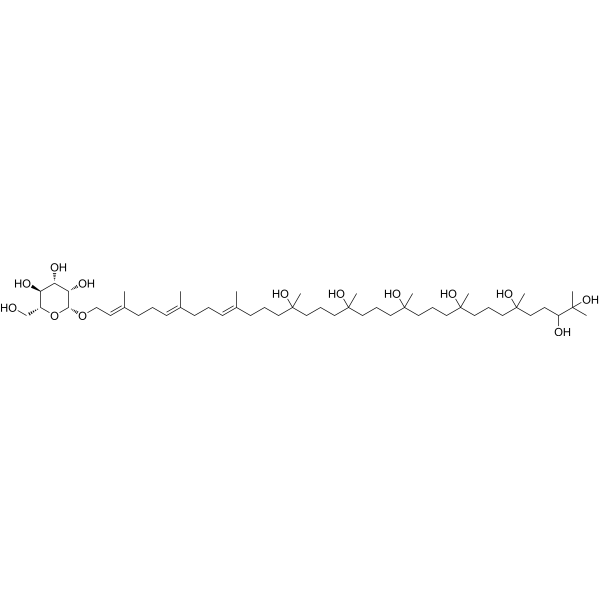
Neodidymelliosides A (compound 1)It is a secondary metabolite of fungi and has a significant inhibitory effect on Staphylococcus aureus and Candida albicans biofilms. Neodidymelliosides AIt also has anti-cancer activity and can inhibit KB3.1 (cervix),PC-3 (prostate),MCF-7(breast),SKOV-3 (ovary),A431 (skin )and A549 (lung )Cell viability of cell lines .
|
-
- HY-163062
-
|
|
Microtubule/Tubulin
Apoptosis
Complement System
|
Cancer
|
|
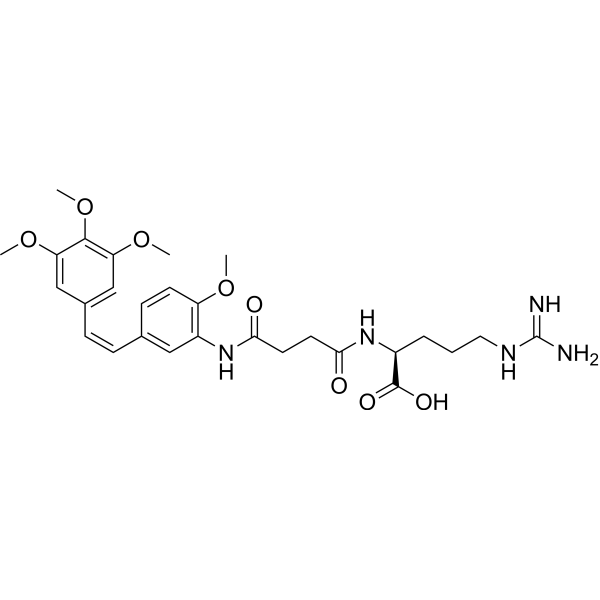
Tubulin/NRP1-IN-1 (compound TN-2) is a dual inhibitor of Tubulin and NRP1 with IC50s of 0.71 and 0.85 μM, respectively. Tubulin/NRP1-IN-1 significantly inhibits the viability of prostate tumor cell lines and induces apoptosis .
|
-
- HY-172612
-
|
|
Androgen Receptor
|
Cancer
|
|
AR antagonist 13 (compound 19) is an androgen receptor antagonist with inhibition rates exceeding 71.5% at 10 μM. AR antagonist 13 inhibits prostate cancer cell growth .
|
-

- HY-N17795
-
|
|
Others
|
Cancer
|
|
26-Hydroxyl-20(S)-protopanaxadiol is an inhibitor of prostate cancer cell proliferation, with an IC50 value of 27.2 μM against human prostate cancer cells DU-145 and an IC50 value of 18.5 μM against PC-3 cells .
|
-

- HY-N16404
-
|
|
Apoptosis
Endogenous Metabolite
|
Cancer
|
|
Asperindole A is an indole-diterpene alkaloid. Asperindole A can be isolated from fungus Aspergillus sp. KMM 4676. Asperindole A induces Apoptosis. Asperindole A exerts cytotoxic activity against hormone-resistant and hormone-sensitive prostate cancer cells .
|
-

- HY-13610AR
-
|
Diethylnorspermine tetrahydrochloride (Standard); DENSPM tetrahydrochloride (Standard); BENSPM tetrahydrochloride (Standard)
|
Caspase
mTOR
Reference Standards
|
Cancer
|
|
N1,N11-Diethylnorspermine (tetrahydrochloride) (Standard) is the analytical standard of N1,N11-Diethylnorspermine (tetrahydrochloride). This product is intended for research and analytical applications. N1, N11-Diethylnorspermine tetrahydrochloride (DENSPM tetrahydrochloride) is a potent anticancer agent. N1,N11-Diethylnorspermine tetrahydrochloride activates polyamine catabolism and downregulates mTOR protein. N1,N11-Diethylnorspermine tetrahydrochloride induces the release of cytochrome c from mitochondria, resulting in activation of caspase 3. N1,N11-Diethylnorspermine tetrahydrochloride kills glioblastoma multiforme (GBM) through induction of SSAT (spermidine/spermine N1-acetyltransferase) coupled with H2O2 production .
|
-

- HY-181830
-
|
|
PD-1/PD-L1
PSMA
LYTACs
|
Cancer
|
|
Atz-L5 is a PD-L1 PTAC (PSMA-targeted chimera) degrader (DC50: 18 pM in PC3-PIP cells; 2 pM in LNCaP cells) and LYTAC. Atz-L5 promotes lysosomal degradation of PD-L1 in PSMA-positive prostate cancer cells. Atz-L5 is applicable to the research of prostate cancer .
|
-

- HY-W753557
-
|
|
Drug Derivative
Insecticide
Bacterial
|
Infection
Inflammation/Immunology
Cancer
|
|
Avocadene is a natural product isolated from Persea americana leaves, with anticancer, insecticidal, anti-Helicobacter pylori, and anti-inflammatory activity. Avocadene exerts antibacterial and anti‑inflammatory effects by suppressing Helicobacter pylori growth and inhibiting protein denaturation. Avocadene displays obvious cytotoxic activity against human prostate cancer PC‑3 cells with an IC50 of 0.5 μg/mL. Avocadene can be used for research of Helicobacter pylori‑associated gastrointestinal inflammation, gastroduodenal injury and prostate tumors .
|
-

- HY-180995
-
|
|
DNA/RNA Synthesis
|
Cancer
|
|
VARS1-IN-1 is a valyl-tRNA synthetase (VARS1) inhibitor with a Kd of 0.213 μM. VARS1-IN-1 suppresses VARS1’s tRNA aminoacylation activity, reduces charged levels of valine tRNAs and redues total protein synthesis rate. VARS1-IN-1 suppresses aggressive tumor growth and cell proliferation in PC3 prostate cancer xenograft models. VARS1-IN-1 can be used for the research of prostate cancer .
|
-

- HY-N17718
-
|
3-[8'(Z), 11'(Z), 14'-Pentadecatrienyl] catechol
|
HIV
Reverse Transcriptase
|
Infection
Cancer
|
|
Ursolic acid (15:3) (Compound 4) is a type of resiniferatoxin compound that can be found in the leaves of the tree Rhus verniciflua. Ursolic acid (15:3) exhibits moderate inhibitory activity against HIV-1 reverse transcriptase (b HIV-1 reverse transcriptase), with an IC50 value of 55.36 μM. Ursolic acid (15:3) shows strong cytotoxicity against both PC-3 and MRC-5 cells. Ursolic acid (15:3) can be used in the research of anti-HIV-1 infection and prostate cancer .
|
-

- HY-N17944
-
|
Dihydrojervine
|
Others
|
Cancer
|
|
Hupehenisine (Dihydrojervine) is a semisynthetic Veratrum alkaloid. Hupehenisine inhibits prostate cancer cell proliferation. Hupehenisine can be used for the research of prostate cancer .
|
-

- HY-181045
-
|
|
Cytochrome P450
|
Cancer
|
|
CYP17A1-IN-2 is a potent inhibitor of CYP17A1. CYP17A1-IN-2 exhibits anti-proliferative activity against prostate cancer cells. CYP17A1-IN-2 can be used in research related to castration-resistant prostate cancer .
|
-

- HY-181558
-
|
|
Others
|
Cancer
|
|
Anticancer agent 303 is a selective, orally active anticancer agent belonging to the pyrazolopyridine derivatives. Anticancer agent 303 exhibits low cytotoxicity to healthy cells, with a selective window of approximately 2-fold between cancer cells and healthy cells. Anticancer agent 303 produces detectable systemic exposure in mice following intraperitoneal or oral administration. Anticancer agent 303 effectively inhibits the proliferation of prostate cancer and breast cancer cells .
|
-

- HY-181759
-
|
|
Ligands for Target Protein for PROTAC
Epigenetic Reader Domain
Histone Acetyltransferase
|
Cancer
|
|
CBP/p300/BRD4 ligand-1 is a small-molecule inhibitor targeting CBP, p300, and BRD4. CBP/p300/BRD4 ligand-1 competitively binds to the functional domains of target proteins without disrupting key interactions. CBP/p300/BRD4 ligand-1 can be used for the construction of dual-target PROTAC degraders (HY-181758) in studies related to prostate cancer and other cancers .
|
-

- HY-181758
-
|
|
PROTACs
Epigenetic Reader Domain
Histone Acetyltransferase
c-Myc
Apoptosis
|
Cancer
|
|
PROTAC CBP/p300/BRD4 Degrader-1 is a dual-target PROTAC degrader with DC50 values of 8.8 pM (BRD4), 6.55 nM (CBP), and 1.05 nM (p300). PROTAC CBP/p300/BRD4 Degrader-1 induces CRBN- and proteasome-dependent degradation of BRD4 and CBP/p300, downregulates c-Myc and acetyl-H3K27, induces apoptosis. PROTAC CBP/p300/BRD4 Degrader-1 acts as an antiproliferative and antitumor agent, induces tumor growth inhibition in xenograft models. PROTAC CBP/p300/BRD4 Degrader-1 can be used for the research of prostate cancer and colorectal cancer .
|
-

- HY-P11624
-
|
|
Apoptosis
|
Cancer
|
|
PP-60 is an apoptosis inducer. PP-60 inhibits the proliferation of cancer cells and induces cancer cell apoptosis. PP-60 exerts anti-tumor effects in nude mouse liver tumor models. PP-60 is applicable to research related to cancers such as liver cancer, lung cancer, and prostate cancer .
|
-

- HY-N18186
-
|
|
Others
|
Cancer
|
|
Neojiangyouaconitine is a diterpenoid alkaloid cytotoxin isolated from Aconitum soongaricum var. pubescens. Neojiangyouaconitine exhibits cytotoxic activity against human breast cancer, prostate cancer and lung cancer cells, with weak inhibitory effect on HeLa cells. Neojiangyouaconitine has the ability to kill specific tumor cell lines and can be applied to the research on the mechanisms of related cancers such as breast cancer, prostate cancer and lung cancer .
|
-

- HY-182546
-
|
|
DNA/RNA Synthesis
|
Cancer
|
|
Anticancer agent 312 is a heterogeneous nuclear ribonucleoprotein A18 (hnRNP A18) inhibitor with an IC50 of 2.9 μM. Anticancer agent 312 binds to the RNA recognition motif of hnRNP A18 and blocks its binding to homologous RNA transcripts. Anticancer agent 312 acts as a protein synthesis inhibitor by blocking hnRNP A18-mediated mRNA translation. Anticancer agent 312 is applicable to research on cancers such as melanoma .
|
-

- HY-D3353
-
|
|
PSMA
|
Cancer
|
|
PSMA-SulfoCy7 is a high-affinity imaging agent targeting PSMA/GCPII (with a Ki of 18.1 nM for human PSMA). PSMA-SulfoCy7 regulates PSMA-dependent NAAG hydrolysis. PSMA-SulfoCy7 exhibits excellent in vivo imaging capability, enabling clear visualization of PSMA-expressing tumors in xenograft models, with no obvious toxicity even at a dose of 87.9 mg/kg. PSMA-SulfoCy7 is widely used in prostate cancer-related studies .
|
-

- HY-173561A
-
|
|
PROTACs
Histone Methyltransferase
|
Cancer
|
|
MS115 TFA is a selective PRMT5/MEP50 PROTAC degrader, with DC50 values of 17.4 nM and 11.3 nM for PRMT5 and MEP50, respectively. MS115 TFA promotes PRMT5/MEP50 ubiquitination and degradation. MS115 TFA shows anticancer activity against breast cancer .
|
-

- HY-182567
-
|
|
NAMPT
|
Cancer
|
|
Nampt-IN-19 is an orally active and non-substrate nicotinamide phosphoribosyltransferase (NAMPT) inhibitor with a human Ki of 5.6 nM. Nampt-IN-19 blocks NAD + biosynthesis from Nicotinamide (HY-B0150). Nampt-IN-19 acts as an antiproliferative agent in cancer cells. Nampt-IN-19 has preclinical pharmacokinetic properties supporting oral antitumor activity in mouse xenograft models. Nampt-IN-19 can be used for the research of colorectal cancer .
|
-

- HY-108919
-
|
|
HDAC
Apoptosis
MDM-2/p53
Aurora Kinase
NEKs
DNA/RNA Synthesis
Bcl-2 Family
|
Inflammation/Immunology
Cancer
|
|
CG-1521 is a histone deacetylase (HDAC) inhibitor that stabilizes Ac-Lys373 P53, increases P21 levels and HDAC2 degradation. CG-1521 can inhibit proliferation, induce cell cycle arrest and apoptosis. CG-1521 promotes Bax translocation to the mitochondria and cleavage. CG-1521 downregulates KIF4, Aurora B and Nek2 protein expression and DNA synthesis. CG-1521 can be used for the research of prostate cancer and inflammatory breast cancer .
|
-

- HY-P992209
-
|
|
Transmembrane Glycoprotein
|
Cancer
|
|
Anti-CD318/CDCP1 Antibody (25A11) is an anti-CDCP1 antibody. Anti-CD318/CDCP1 Antibody (25A11) drives the internalization of antibody-CDCP1 complexes, inhibits cancer cell migration and invasion, and blocks downstream migration/invasion signaling pathways. When conjugated with saponin, Anti-CD318/CDCP1 Antibody (25A11) mediates the killing of prostate cancer cells. When conjugated with saponin, this antibody acts as an immunotoxin to inhibit the growth and metastasis of primary prostate tumors in mouse xenograft models. Anti-CD318/CDCP1 Antibody (25A11) is applicable to prostate cancer-related research .
|
-

- HY-126207
-
|
|
Histone Demethylase
|
Cancer
|
|
CBN209350 is a selective KDM4 inhibitor with an IC50 of 4 μM. CBN209350 exerts antiproliferative effects on prostate cancer cells. CBN209350 can be used for the research of prostate cancer .
|
-

- HY-183765
-
|
|
PARP
Pyruvate Kinase
|
Cancer
|
|
PARP1/PKM2-IN-1 is a dual PARP1/PKM2 inhibitor, with an IC50 of 39.5 nM against PARP1, and IC50 values of 261 nM (recombinant PKM2) and 50 nM (dimeric PKM2) against PKM2. PARP1/PKM2-IN-1 reduces the dimerization of PKM2 and decreases its nuclear accumulation level. PARP1/PKM2-IN-1 also selectively downregulates PKM2 mRNA and impairs poly (ADP-ribose)-mediated nuclear retention of PKM2. PARP1/PKM2-IN-1 exhibits antiproliferative activity and inhibits the formation of 3D cancer spheroids. PARP1/PKM2-IN-1 can be used in research related to mammary adenocarcinoma, triple-negative breast cancer, BRCA1-mutant triple-negative breast cancer, and prostate adenocarcinoma .
|
-

- HY-161618
-
|
|
JAK
EGFR
PI3K
IGF-1R
GSK-3
|
Inflammation/Immunology
Endocrinology
|
|
MJ04 is a selective inhibitor for Janus Kinase 3 (JAK 3) with an IC50 of 2.03 nM. MJ04 inhibits T cell differentation and inhibits the proinfammatory cytokines in Lipopolysaccharides (HY-D1056)‑induced macrophages. MJ04 exhibits good pharmacokinetic characters in mice, promotes hair growth in DHT-induced androgenetic alopecia (AGA) in athymic mice model, without significant toxicity (LD50 >2 g/kg) .
|
-

- HY-N17406
-
-

- HY-N0475
-
|
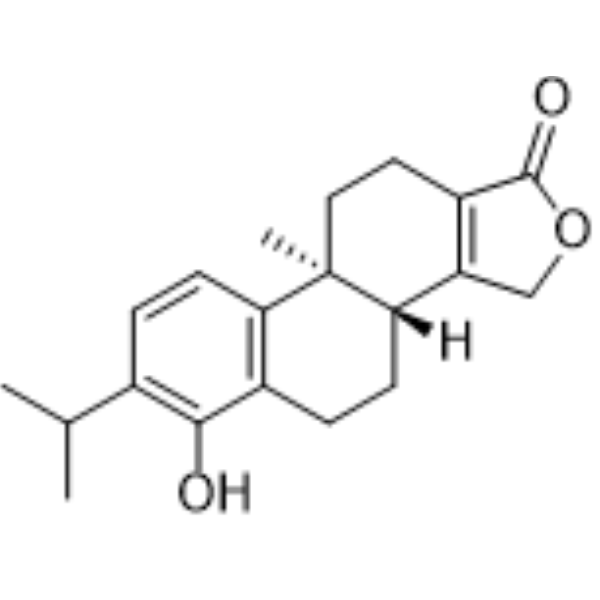
Hypolide; (+)-Triptophenolide
|
Androgen Receptor
Pyroptosis
Caspase
Bcl-2 Family
Apoptosis
|
Inflammation/Immunology
Cancer
|
|
Triptophenolide (Hypolide) is a colorless crystal isolated from the ethyl acetate extract of Tripterygium wilfordii. Triptophenolide is an orally active pan‑antagonist of the androgen receptor (AR) with an IC50 of 467 nM against human wild‑type AR. Triptophenolide reduces AR expression, inhibits AR nuclear translocation, downregulates prostate‑specific antigen mRNA levels, and suppresses the growth of AR‑positive prostate cancer cells. Triptophenolide shows anti-tumor effects against breast cancer by inhibiting cell proliferation and migration, inducing G1-phase arrest and apoptosis, repressing xenograft tumor growth. Triptophenolide inhibits pyroptosis, alleviates tissue inflammation, and ameliorates synovial injury. Triptophenolide can be used for the study of prostate cancer, rheumatoid arthritis and breast cancer .
|
-
-
- HY-D3353
-
|
|
Fluorescent Dyes
|
|
PSMA-SulfoCy7 is a high-affinity imaging agent targeting PSMA/GCPII (with a Ki of 18.1 nM for human PSMA). PSMA-SulfoCy7 regulates PSMA-dependent NAAG hydrolysis. PSMA-SulfoCy7 exhibits excellent in vivo imaging capability, enabling clear visualization of PSMA-expressing tumors in xenograft models, with no obvious toxicity even at a dose of 87.9 mg/kg. PSMA-SulfoCy7 is widely used in prostate cancer-related studies .
|
| Cat. No. |
상품명 |
Target |
Research Area |
-
- HY-P1793
-
|
|
Opioid Receptor
Biochemical Assay Reagents
|
Neurological Disease
Inflammation/Immunology
Cancer
|
|
α-Casein (90-95) is a partial agonist of opioid receptors and a copper ion ligand, with opioid activity. α-Casein (90-95) inhibits the secretion of β-hexosaminidase by rat peritoneal mast cells (PMC) with IC50= 0.1 μM. α-Casein (90-95) inhibits the proliferation of prostate cancer cells LNCaP, DU145, and PC3 with IC50 of 0.94 nM, 137 nM, and 6.92 nM, respectively. α-Casein (90-95) activates Gi-like proteins through a membrane-assisted, receptor-independent pathway, or reversibly binds to opioid receptors, inducing intracellular calcium release and conformational changes, and exerts the activity of promoting mast cell secretion and inhibiting tumor cell proliferation. α-Casein (90-95) can be used in the study of the mechanisms of allergic diseases and prostate cancer .
|
-
- HY-P1793A
-
|
|
Opioid Receptor
Biochemical Assay Reagents
|
Neurological Disease
Inflammation/Immunology
Cancer
|
|
α-Casein (90-95) TFA is a partial agonist of opioid receptors and a copper ion ligand, with opioid activity. α-Casein (90-95) TFA inhibits the secretion of β-hexosaminidase by rat peritoneal mast cells (PMC) with IC50= 0.1 μM. α-Casein (90-95) TFA inhibits the proliferation of prostate cancer cells LNCaP, DU145, and PC3 with IC50 of 0.94 nM, 137 nM, and 6.92 nM, respectively. α-Casein (90-95) TFA activates Gi-like proteins through a membrane-assisted, receptor-independent pathway, or reversibly binds to opioid receptors, inducing intracellular calcium release and conformational changes, and exerts the activity of promoting mast cell secretion and inhibiting tumor cell proliferation. α-Casein (90-95) TFA can be used in the study of the mechanisms of allergic diseases and prostate cancer .
|
-
- HY-P11624
-
|
|
Apoptosis
|
Cancer
|
|
PP-60 is an apoptosis inducer. PP-60 inhibits the proliferation of cancer cells and induces cancer cell apoptosis. PP-60 exerts anti-tumor effects in nude mouse liver tumor models. PP-60 is applicable to research related to cancers such as liver cancer, lung cancer, and prostate cancer .
|
| Cat. No. |
상품명 |
Target |
Research Area |
Image |
-
- HY-P992209
-
|
|
Transmembrane Glycoprotein
|
Cancer
|
|
Anti-CD318/CDCP1 Antibody (25A11) is an anti-CDCP1 antibody. Anti-CD318/CDCP1 Antibody (25A11) drives the internalization of antibody-CDCP1 complexes, inhibits cancer cell migration and invasion, and blocks downstream migration/invasion signaling pathways. When conjugated with saponin, Anti-CD318/CDCP1 Antibody (25A11) mediates the killing of prostate cancer cells. When conjugated with saponin, this antibody acts as an immunotoxin to inhibit the growth and metastasis of primary prostate tumors in mouse xenograft models. Anti-CD318/CDCP1 Antibody (25A11) is applicable to prostate cancer-related research .
|
-

(5)
| Cat. No. |
상품명 |
Category |
Target |
Chemical Structure |
-
- HY-N11908
-
-
-
- HY-N0475
-
-
-
- HY-W748509
-
|
|
Piper longum Linn.
Alkaloids
Piperidine Alkaloids
Piperaceae
Plants
Source Classification
|
Caspase
Apoptosis
|
|
Pipernonaline is a piperine derivative with antiprostate cancer activity. Pipernonaline inhibits the proliferation of androgen-dependent/independent LNCaP/PC-3 prostate cells. Pipernonaline activates caspase-3 and promotes procaspase-3/PARP cleavage. Pipernonaline also mediates reactive oxygen species (ROS) production, increased intracellular Ca(2+), and mitochondrial membrane depolarization .
|
-
-
- HY-N13772
-
|
(+)-Dihydroisorhamnetin
|
Flavanonols
Flavonoids
Pulicaria jaubertii E.Gamal-Eldin
Asteraceae
Plants
Source Classification
|
Apoptosis
|
|
3'-O-Methyltaxifolin ((+)-Dihydroisorhamnetin) is a dihydroflavanol found in Pulicaria jaubertii. A mixture of these alcohol compounds including 3'-O-Methyltaxifolin found in Pulicaria jaubertii exhibits antitumor activity with IC50 values of 19.1 μg, 20.0 μg, and 24.1 μg against prostate cancer (PC-3), breast cancer (MCF-7), and hepatocellular carcinoma (HepG-2) cell lines, respectively. Furthermore, 3'-O-Methyltaxifolin can induce cell apoptosis, making it a promising candidate for anticancer research. .
|
-
-
- HY-N16066
-
|
CHNQD-0803
|
Monophenols
Microorganisms
Phenols
Source Classification
|
AMPK
Apoptosis
NF-κB
TNF Receptor
|
|
Candidusin A (CHNQD-0803) (Compound 4) is a AMPK activator with a KD of 47.28 nM. Candidusin A can be isolated from marine fungus Aspergillus candidus. Candidusin A has cytotoxic activity and induces apoptosis in human prostate cancer cells (22Rv1, PC-3 and LNCaP cells). Candidusin A reduces adipogenesis genes expression and fat deposition, negatively regulates the NF-κB-TNFα inflammatory axis to suppress inflammation, and ameliorates liver injury and fibrosis. Candidusin A can be used for non-alcoholic steatohepatitis (NASH) research .
|
-
-
- HY-121619
-
-
-
- HY-W437569
-
|
|
Alkaloids
Cornaceae
Cornus officinalis Sieb. et Zucc.
Acridone Alkaloids
Plants
Source Classification
|
Parasite
Insecticide
|
|
Melicopine is an alkaloid found in Z. simulans with antimalarial and anticancer activities. It exhibits inhibitory activity against chloroquine-sensitive 3D7 and chloroquine-resistant Dd2 strains of P. falciparum, with IC50 values of 29.7 and 33.7 µg/mL, respectively. Melicopine is cytotoxic to prostate cancer cells PC-3M and LNCaP (IC50 values of 47.9 and 37.8 µg/mL), but has no effect on non-cancerous HEK293 cells (IC50 greater than 100 µg/mL). Melicopine holds promise for research in anticancer and anti-infection fields .
|
-
-
- HY-N16426
-
|
|
Natural Products
Microorganisms
Source Classification
|
Parasite
|
|
Mycoleptone A is an azafluorenone compound. Mycoleptone A exhibits certain anti-leishmanial activity, with an LD50 of 28.5 μM against L. major. Mycoleptone A shows cytotoxicity against human prostate cancer cell line PC3, with an IC50 of 10.0 μM. Mycoleptone A can be used in research on anti-parasitic and anti-tumor aspects .
|
-
-
- HY-N12606
-
|
|
Microorganisms
Saccharides
Monosaccharides
Source Classification
|
Fungal
|
|
Neodidymelliosides A (compound 1)It is a secondary metabolite of fungi and has a significant inhibitory effect on Staphylococcus aureus and Candida albicans biofilms. Neodidymelliosides AIt also has anti-cancer activity and can inhibit KB3.1 (cervix),PC-3 (prostate),MCF-7(breast),SKOV-3 (ovary),A431 (skin )and A549 (lung )Cell viability of cell lines .
|
-
-
- HY-N17795
-
-
-
- HY-N16404
-
-
-
- HY-W753557
-
|
|
Persea americana Mill
Structural Classification
Natural Products
Plants
Lauraceae
Source Classification
|
Drug Derivative
Insecticide
Bacterial
|
|
Avocadene is a natural product isolated from Persea americana leaves, with anticancer, insecticidal, anti-Helicobacter pylori, and anti-inflammatory activity. Avocadene exerts antibacterial and anti‑inflammatory effects by suppressing Helicobacter pylori growth and inhibiting protein denaturation. Avocadene displays obvious cytotoxic activity against human prostate cancer PC‑3 cells with an IC50 of 0.5 μg/mL. Avocadene can be used for research of Helicobacter pylori‑associated gastrointestinal inflammation, gastroduodenal injury and prostate tumors .
|
-
-
- HY-N17718
-
-
-
- HY-N17944
-
-
-
- HY-N18186
-
-
-
- HY-N17406
-
-
| Cat. No. |
상품명 |
|
Classification |
-
- HY-169098
-
|
|
|
Alkynes
|
|
HSP90/LSD1-IN-1 (compound 6) is a HSP90/LSD1 dual inhibitor. HSP90/LSD1-IN-1 inhibits the proliferation of prostate cancer cell lines PC-3 and DU145, with GI50 values of 0.24 and 0.30 μM, respectively .
|
Your information is safe with us. * Required Fields.
Inquiry Information
- 상품명:
- Cat. No.:
- 수량:
- MCE Japan Authorized Agent:





![fac-[Re(CO)3(L6)(H2O)][NO3]](http://file.medchemexpress.com/product_pic/hy-155718.gif)


![fac-[Re(CO)3(L3)(H2O)][NO3]](http://file.medchemexpress.com/product_pic/hy-155719.gif)





