Search Result
Results for "
cytotoxic alkaloid
" in MedChemExpress (MCE) Product Catalog:
| Cat. No. |
상품명 |
Target |
연구분야 |
Chemical Structure |
-
- HY-14944
-
|
Omacetaxine mepesuccinate; HHT
|
STAT
|
Cancer
|
|
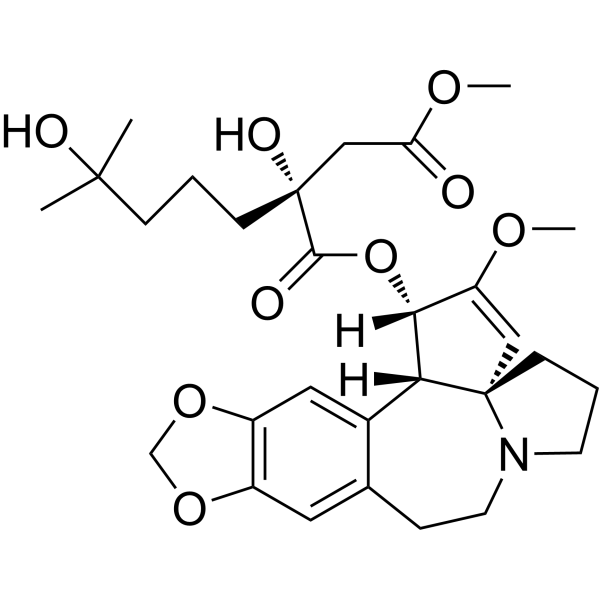
Homoharringtonine (Omacetaxine mepesuccinate;HHT) is a cytotoxic alkaloid with antitumor properties which acts by inhibiting translation elongation.
|
-
-
- HY-N0750
-
Monocrotaline
Maximum Cited Publications
44 Publications Verification
Crotaline
|
Others
|
Infection
Metabolic Disease
Cancer
|
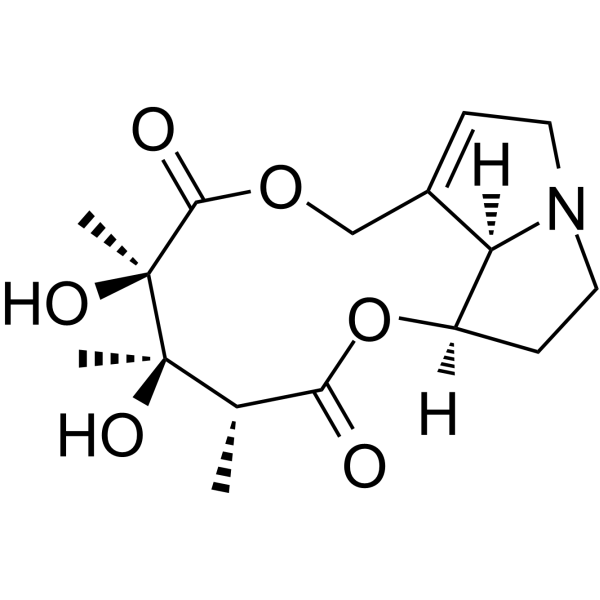
Monocrotaline is an 11-membered macrocyclic pyrrolizidine alkaloid. Monocrotaline inhibits OCT-1 and OCT-2 with IC50s of 36.8 µM and 1.8 mM, respectively. Monocrotaline has antitumor activity and is cytotoxic to hepatocellular carcinoma cells. Monocrotaline is used to induce a model of pulmonary hypertension in rodents. [2][6][8].
|
-
-
- HY-13780
-
|
Vincaleukoblastine sulfate salt
|
Microtubule/Tubulin
nAChR
Autophagy
|
Cancer
|
|
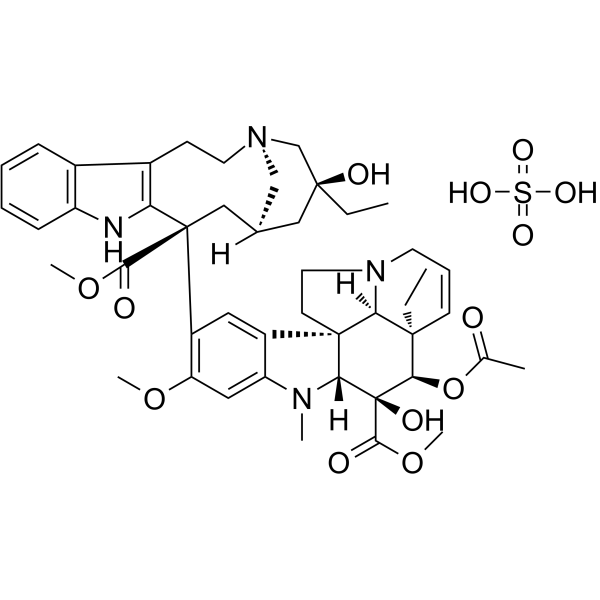
Vinblastine sulfate is a cytotoxic alkaloid used against various cancer types. Vinblastine sulfate inhibits the formation of microtubule and suppresses nAChR with an IC50 of 8.9 μM.
|
-
-
- HY-N0674
-
|
13-Methylpalmatine
|
Bcl-2 Family
Caspase
PARP
p38 MAPK
Parasite
Autophagy
|
Infection
Cancer
|
|
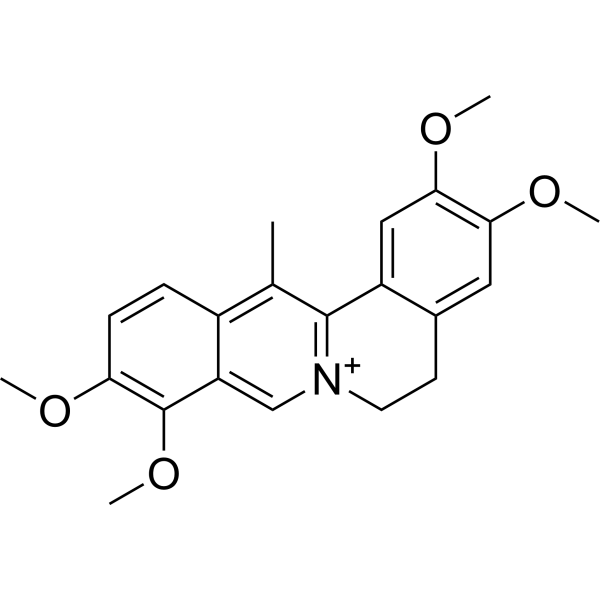
Dehydrocorydaline (13-Methylpalmatine) is an alkaloid that regulates protein expression of Bax, Bcl-2; activates caspase-7, caspase-8, and inactivates PARP . Dehydrocorydaline elevates p38 MAPK activation. Anti-inflammatory and anti-cancer activities . Dehydrocorydaline shows strong anti-malarial effects (IC50=38 nM), and low cytotoxicity (cell viability > 90%) using P. falciparum 3D7 strain .
|
-
-
- HY-114489A
-
|
|
Apoptosis
Influenza Virus
Parasite
|
Infection
Neurological Disease
Cancer
|
|
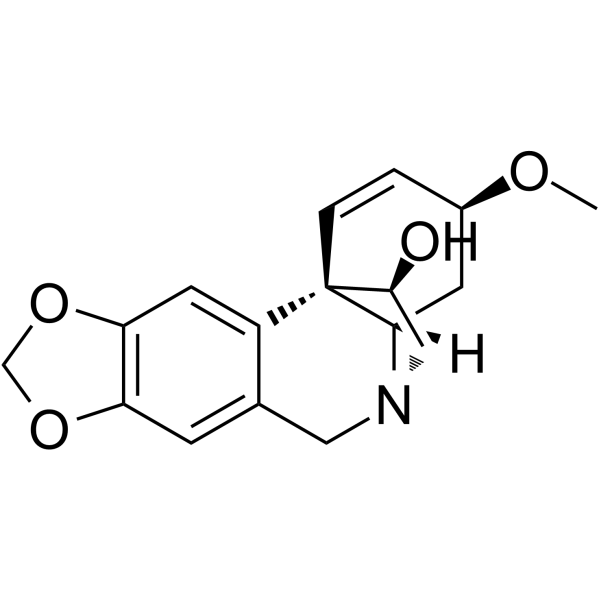
Haemanthamine is a crinine-type alkaloid isolated from the Amaryllidaceae plants with potent anticancer activity. Haemanthamine targets ribosomal that inhibits protein biosynthesis during the elongation stage of translation. Haemanthamine has pro-apoptotic, antioxidant, antiviral, antimalarial and anticonvulsant activities .
|
-
-
- HY-N0740
-
|
|
Cholinesterase (ChE)
5-HT Receptor
Bacterial
|
Neurological Disease
Inflammation/Immunology
|
|
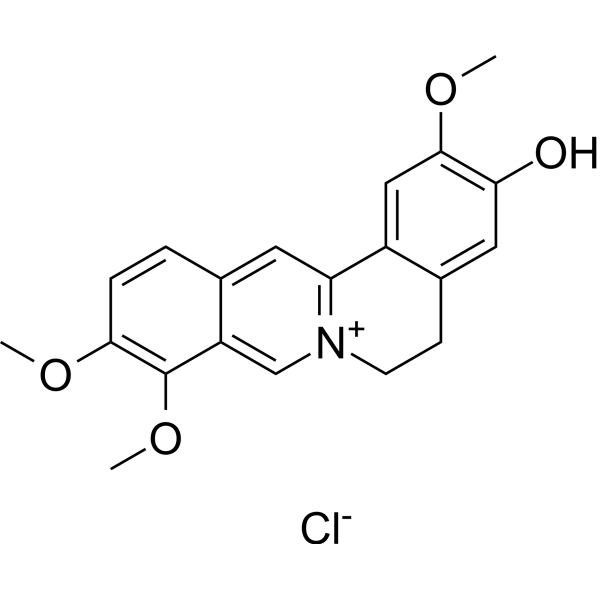
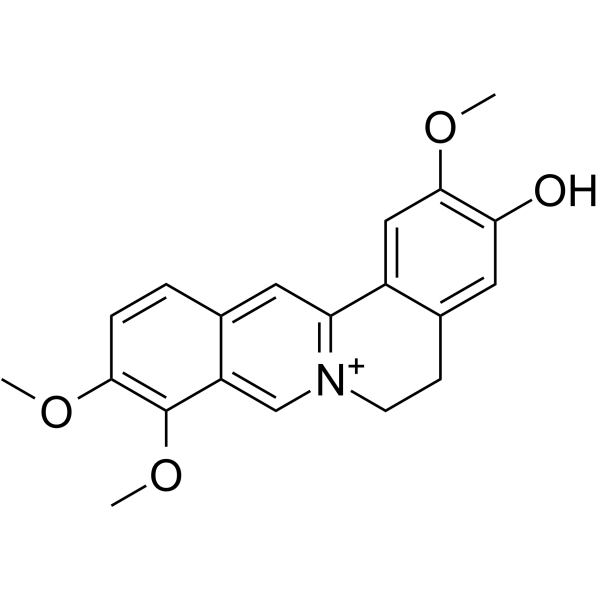
Jatrorrhizine chloride is an alkaloid isolated from?Coptis chinensis with neuroprotective, antimicrobial, antiplasmodial and antioxidant activities . Jatrorrhizine chloride is a potent and orally active inhibitor of?AChE?(IC50=872 nM) over >115-fold selectivity for BuChE . Jatrorrhizine chloride reduces uptake of serotonin (5-HT) and norepinephrine (NE) via inhibition of uptake-2 transporters .
|
-
-
- HY-N2193
-
|
|
Flavivirus
Dengue Virus
Apoptosis
|
Infection
Cancer
|
|
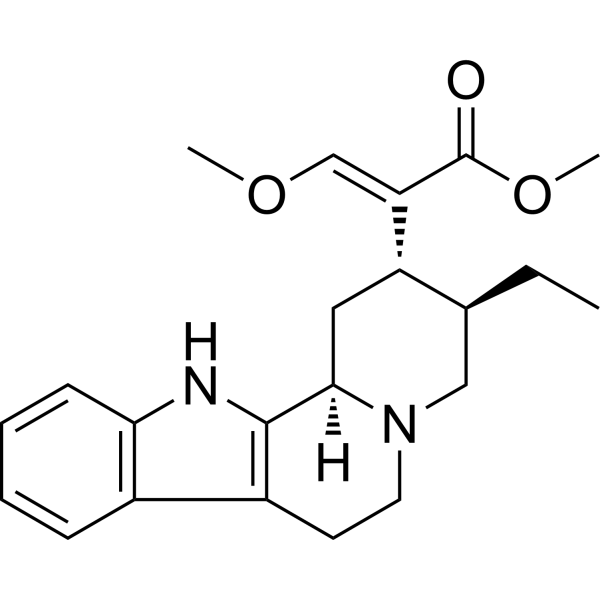
Hirsutine, an indole alkaloid of Uncaria rhynchophylla, exhibits anti-cancer activity. Hirsutine induces apoptosis and is a potent Dengue virus inhibitor exhibiting low cytotoxicity .
|
-
-
- HY-N2081
-
|
|
Cholinesterase (ChE)
PI3K
Akt
NF-κB
|
Neurological Disease
Inflammation/Immunology
Cancer
|
|
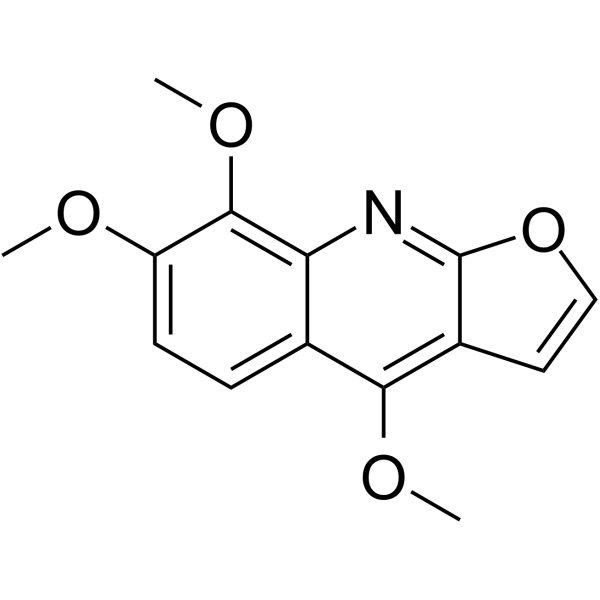
Skimmianine is an orally active furoquiniline alkaloid present mainly in the Rutaceae family. Skimmianine has analgesic, antispastic, sedative, and anti-inflammatory properties. Skimmianine inhibits acetylcholinesterase (AChE) (IC50 = 8.6 μg/mL). Skimmianine exhibits cytotoxicity against a variety of cancer cell lines and genotoxicity. Skimmianine has antioxidant and anti-inflammatory effects on ischemia-reperfusion (IR) injury. Skimmianine exerts anti-inflammatory effects through activation of the phosphatidylinositol-3-kinase (PI3K)-protein kinase B (AKT) pathway. Skimmianine is neuroprotective by targeting the NF-κB activation pathway to prevent neuroinflammation. Skimmianine inhibits the release of histamine, intracellular Ca 2+ signaling and protein kinase C signaling .
|
-
-
- HY-N3097
-
-
-
- HY-N0749
-
|
|
Cholinesterase (ChE)
5-HT Receptor
Bacterial
|
Neurological Disease
|
|
Jatrorrhizine is an alkaloid isolated from Coptis chinensis with neuroprotective, antimicrobial, antiplasmodial and antioxidant activities . Jatrorrhizine is a potent and orally active inhibitor of AChE (IC50=872 nM) over >115-fold selectivity for BuChE . Jatrorrhizine reduces uptake of serotonin (5-HT) and norepinephrine (NE) via inhibition of uptake-2 transporters .
|
-
-
- HY-N2369
-
|
|
Apoptosis
Influenza Virus
|
Infection
Neurological Disease
Inflammation/Immunology
Cancer
|
|
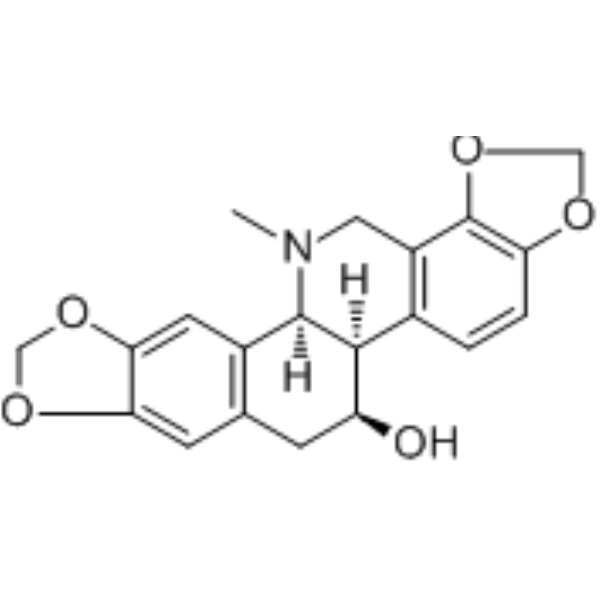
Chelidonine, an isoquinoline alkaloid, can be isolated from Chelidonium majus L.. Chelidonine causes G2/M arrest and induces caspase-dependent and caspase-independent apoptosis, and prevents cell cycle progression of stem cells in Dugesia japonica. Chelidonine has cytotoxic activity against melanoma cell lines. with anticancer and antiviral activity .
|
-
-
- HY-N0674A
-
|
13-Methylpalmatine chloride
|
Bcl-2 Family
Caspase
PARP
p38 MAPK
Parasite
Autophagy
|
Infection
Cancer
|
|
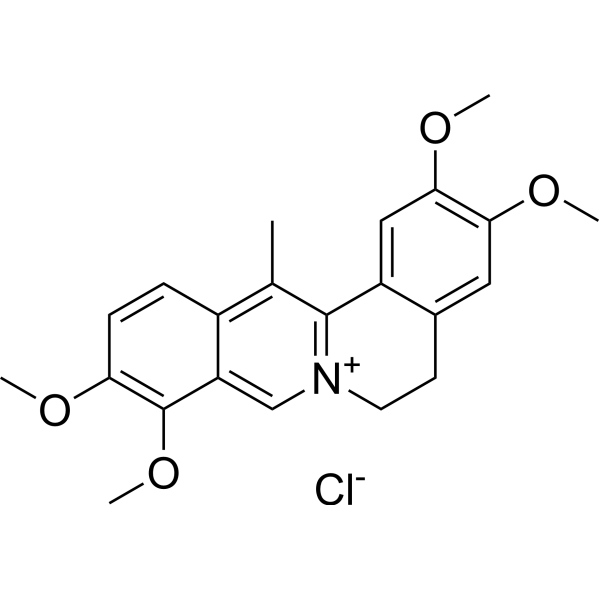
Dehydrocorydaline chloride (13-Methylpalmatine chloride) is an alkaloid that regulates protein expression of Bax, Bcl-2; activates caspase-7, caspase-8, and inactivates PARP . Dehydrocorydaline chloride elevates p38 MAPK activation. Anti-inflammatory and anti-cancer activities . Dehydrocorydaline chloride shows strong anti-malarial effects (IC50?=38 nM), and low cytotoxicity (cell viability?>?90%) using P. falciparum 3D7 strain .
|
-
-
- HY-N4225
-
-
-
- HY-N0749A
-
|
|
Cholinesterase (ChE)
5-HT Receptor
Bacterial
|
Neurological Disease
Inflammation/Immunology
|
|
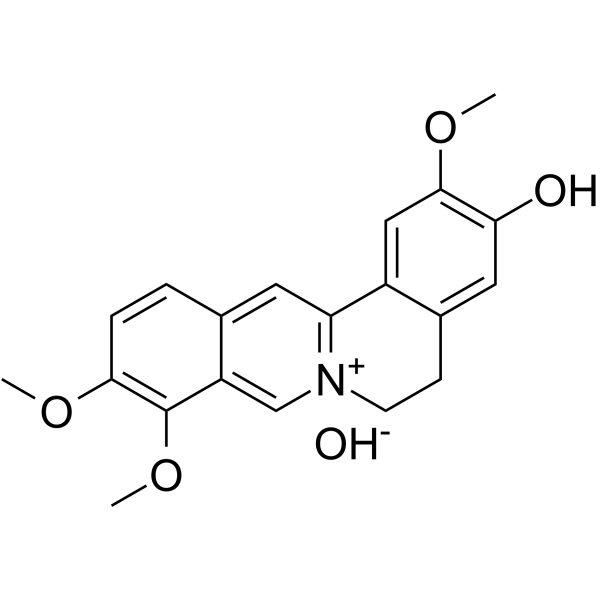
Jatrorrhizine hydroxide is an alkaloid isolated from Coptis chinensis with neuroprotective, antimicrobial, antiplasmodial and antioxidant activities . Jatrorrhizine hydroxide is a potent and orally active inhibitor of AChE (IC50=872 nM) over >115-fold selectivity for BuChE . Jatrorrhizine hydroxide reduces uptake of serotonin (5-HT) and norepinephrine (NE) via inhibition of uptake-2 transporters .
|
-
-
- HY-119529
-
|
3,8-Quinolinediol
|
Tyrosinase
Bacterial
|
Cancer
|
|
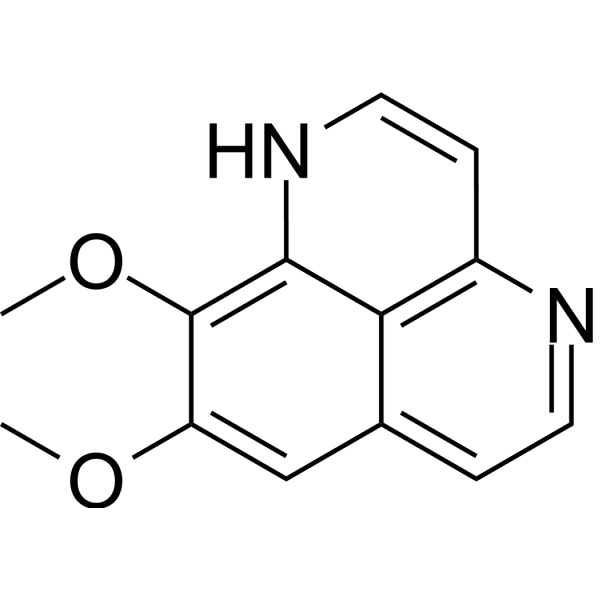
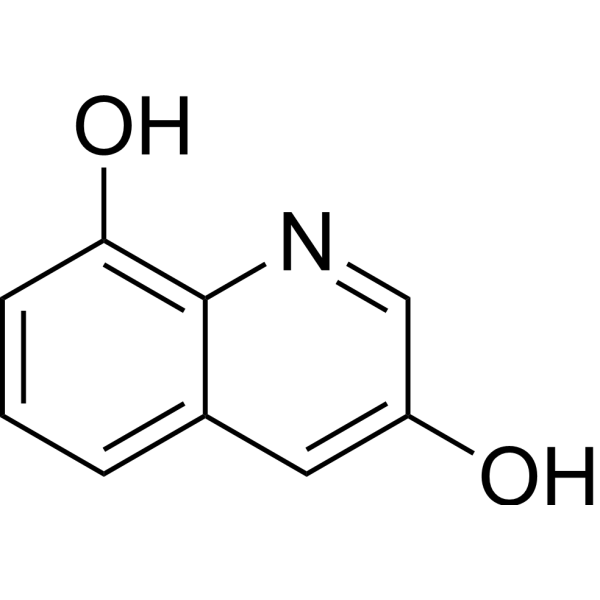
Jineol is a cytotoxic alkaloid from the centipede Scolopendra subspinipes. Jineol exhibits modest cytotoxic activity in vitro against the growth of human tumor cell lines .
|
-
-
- HY-13780R
-
|
Vincaleukoblastine sulfate salt (Standard)
|
Reference Standards
Microtubule/Tubulin
Autophagy
nAChR
|
Cancer
|
|
Vinblastine (sulfate) (Standard) is the analytical standard of Vinblastine (sulfate). This product is intended for research and analytical applications. Vinblastine sulfate is a cytotoxic alkaloid used against various cancer types. Vinblastine sulfate inhibits the formation of microtubule and suppresses nAChR with an IC50 of 8.9 μM.
|
-
-
- HY-N4031
-
|
|
Anaplastic lymphoma kinase (ALK)
METTL3
|
Inflammation/Immunology
|
|
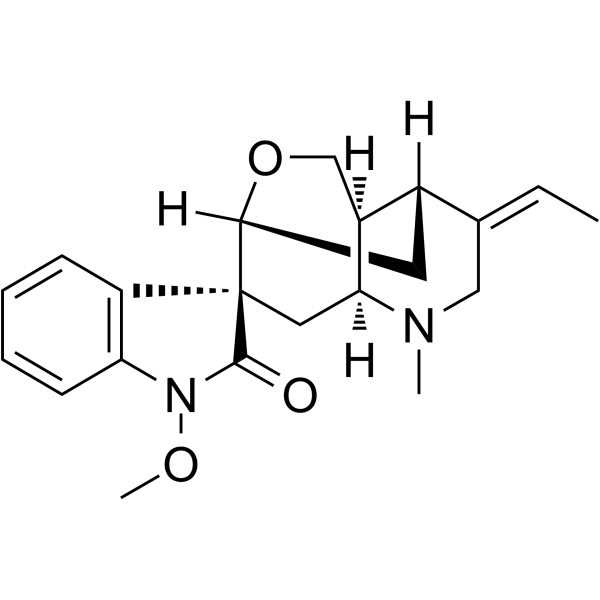
Humantenine is a highly toxic indole alkaloid from Gelsemium elegans (Gardn. & Champ.) Benth. that binds to RNA m6A modification regulatory proteins (ALKBH5, METTL). Humantenine stably binds via hydrogen bonding and hydrophobic interactions and disrupts the m6A methylation level of target genes, thereby impairing the expression of intestinal epithelial cell tight junction and cytoskeleton-related genes, causing intestinal barrier dysfunction and significant intestinal cytotoxicity. The intraperitoneal injection LD50 values of Humantenine are <1 mg/kg in mice, 1.2 mg/kg in male rats and 1.5 mg/kg in female rats, respectively. Species differences exist in the metabolism of Humantenine in human, porcine, goat and rat liver microsomes, and demethylation, dehydrogenation and oxidation occur in liver microsomes .
|
-
-
- HY-N8420
-
|
|
Fungal
|
Infection
Cancer
|
|
Thalifoline is an isoquinoline alkaloid. Thalifoline exerts cytotoxic effects on cancer cells. Thalifoline inhibits the growth of Fusarium oxysporum f. sp. lycopersici. Thalifoline can be used in research related to lung adenocarcinoma, colon cancer, oral epidermoid carcinoma, and fungal infections .
|
-
-
- HY-N9488
-
|
Girinimbin
|
Apoptosis
Bacterial
Parasite
|
Infection
Inflammation/Immunology
Cancer
|
|
Girinimbine (Girinimbin) is a carbazole alkaloid with a variety of biological effects. Girinimbine can induce apoptosis, and has antitrypanosomal, antiplatelet activity, antibacterial activity, anti-inflammatory, antioxidant and antitumor activities .
|
-
-
- HY-N0674B
-
|
13-Methylpalmatine (hydroxyl)
|
Bcl-2 Family
Caspase
PARP
p38 MAPK
Parasite
Autophagy
|
Infection
Inflammation/Immunology
Cancer
|
|
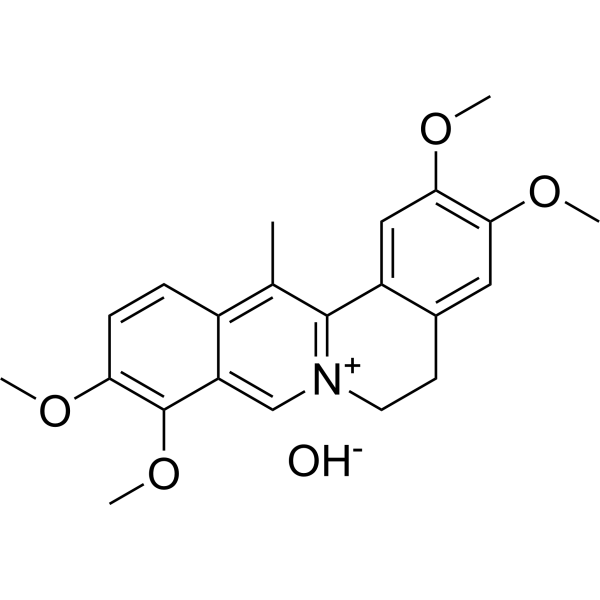
Dehydrocorydaline (13-Methylpalmatine) hydroxyl is an alkaloid that regulates protein expression of Bax, Bcl-2; activates caspase-7, caspase-8, and inactivates PARP. Dehydrocorydaline hydroxyl elevates p38 MAPK activation. Anti-inflammatory and anti-cancer activities. Dehydrocorydaline hydroxyl shows strong anti-malarial effects (IC50=38 nM), and low cytotoxicity (cell viability > 90%) using P. falciparum 3D7 strain.
|
-
-
- HY-N4238
-
|
13-Methylpalmatine nitrate
|
Bcl-2 Family
Caspase
PARP
p38 MAPK
Parasite
Autophagy
|
Infection
Cancer
|
|
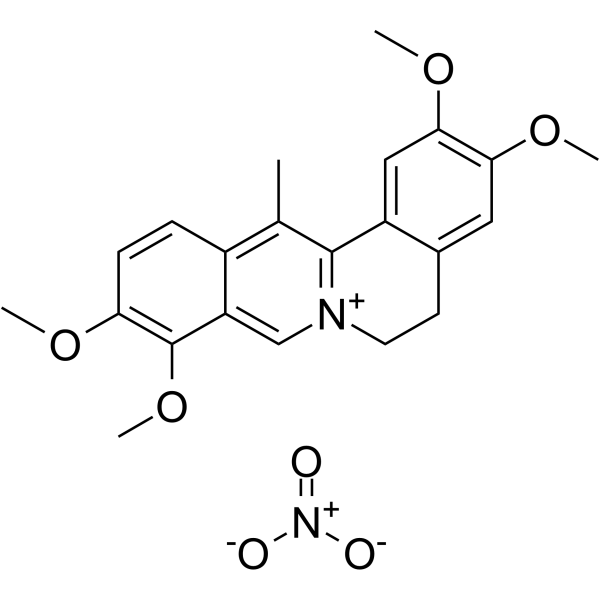
Dehydrocorydaline nitrate (13-Methylpalmatine nitrate) is an alkaloid. Dehydrocorydaline regulates protein expression of Bax, Bcl-2; activates caspase-7, caspase-8, and inactivates PARP . Dehydrocorydaline nitrate elevates p38 MAPK activation. Anti-inflammatory and anti-cancer activities. . Dehydrocorydaline nitrate shows strong anti-malarial effects (IC50 =38 nM), and low cytotoxicity (cell viability > 90%) using P. falciparum 3D7 strain .
|
-
-
- HY-N4012
-
|
3-Indoleglyoxamide
|
Others
|
Others
|
|
Indole-3-glyoxylamide (Compound 4) is a type of indole alkaloid. Indole-3-glyoxylamide shows no significant cytotoxic activity against Hela, Ishikawa, and MGC-803 cells .
|
-
-
- HY-N7596
-
|
|
Others
|
Cancer
|
|
Isoverticine, a bioactive isosteroidal alkaloid isolated from bulbus of Fritillaria pallidiflora, displays significant cytotoxicity .
|
-
-
- HY-N9338
-
|
|
Others
|
Neurological Disease
|
|
Guattegaumerine is a bisbenzylisoquinoline alkaloid?with antimitotic, cytotoxic and neuroprotective activities .
|
-
-
- HY-130995
-
|
|
Antibiotic
ADC Payload
|
Infection
|
|
Agrochelin, an alkaloid cytotoxic antibiotic, is produced by the fermentation of a marine Agrobacterium sp. Agrochelin has cytotoxic activity in tumor cell lines .
|
-
-
- HY-N6622
-
|
|
Others
|
Others
|
|
Tazettine is an alkaloid with low cytotoxicity to mammalian cell lines (CC50 >100 μg/mL) .
|
-
-
- HY-N9339
-
|
(+)-Norglaucine
|
Others
|
Cancer
|
|
Norglaucine ((+)-Norglaucine), a cytotoxic alkaloid, exhibits cytotoxicity towards the tumor cell lines B16-F10, HepG2, K562 and HL-60 cells .
|
-
-
- HY-N16573
-
|
|
Others
|
Cancer
|
|
19-epi-Voacristine is an indole alkaloid. 19-epi-Voacristine exhibits cytotoxic activity against the A2780 ovarian cancer cell line .
|
-
-
- HY-14944R
-
|
Omacetaxine mepesuccinate (Standard); HHT (Standard)
|
Reference Standards
STAT
|
Cancer
|
|
Homoharringtonine (Standard) is the analytical standard of Homoharringtonine. This product is intended for research and analytical applications. Homoharringtonine (Omacetaxine mepesuccinate;HHT) is a cytotoxic alkaloid with antitumor properties which acts by inhibiting translation elongation.
|
-
-
- HY-N2892
-
|
Aristololactam A IIIa; Sch 546909
|
DYRK
|
Cardiovascular Disease
Cancer
|
|
Aristolactam A IIIa (Sch 546909) is an aristolactam-type alkaloid that can be isolated from Glycosmis chlorosperma. Aristolactam A IIIa is a DYRK1A Inhibitor. Aristolactam A IIIa inhibits platelet aggregation induced by arachidonic acid (AA), collagen and platelet-activating factor (PAF). Aristolactam A IIIa has strong cytotoxic effect on HeLa cells .
|
-
-
- HY-N7183
-
|
|
NF-κB
GSK-3
β-catenin
Wnt
|
Cancer
|
|
9-Hydroxycanthin-6-one is a β-carboline alkaloid. 9-Hydroxycanthin-6-one can be isolated from the roots of E. longifolia. 9-Hydroxycanthin-6-one inhibits TNF-α-induced activation of the NF-κB pathway. 9-Hydroxycanthin-6-one activates GSK3β independently of CK1α, drives phosphorylation and degradation of β-catenin, and inhibits the Wnt signaling pathway. 9-Hydroxycanthin-6-one exerts selective cytotoxicity against Wnt-dependent colon cancer cells. 9-Hydroxycanthin-6-one can be used in studies related to colon cancer .
|
-
-
- HY-116786
-
|
|
Drug Derivative
|
Cancer
|
|
11-Hydroxycanthin-6-one, a canthin-6-one (HY-N3536) alkaloid, is an antitumor agent which shows potent cytotoxic activity .
|
-
-
- HY-N5002
-
|
|
Bacterial
|
Infection
|
|
(+)-Viroallosecurinine, a cytotoxic alkaloid, exhibits a MIC of 0.48 μg/mL for Ps. Aeruginosa and Staph. aureus . Antibacterial activity .
|
-
-
- HY-N2570
-
|
|
Others
|
Cancer
|
|
Corytuberine is an aporphine alkaloid found in Dicranostigma leptopodum. Corytuberine displays cytotoxicity against SMMC-7721 tumor cells .
|
-
-
- HY-114489B
-
|
|
Apoptosis
Influenza Virus
Parasite
|
Infection
Neurological Disease
Cancer
|
|
Haemanthamine hydrochloride is a crinine-type alkaloid isolated from the Amaryllidaceae plants with potent anticancer activity. Haemanthamine hydrochloride targets ribosomal that inhibits protein biosynthesis during the elongation stage of translation. Haemanthamine hydrochloride has pro-apoptotic, antioxidant, antiviral, antimalarial and anticonvulsant activities .
|
-
-
- HY-N2369R
-
|
|
Reference Standards
Apoptosis
Influenza Virus
|
Infection
Cancer
|
|
Chelidonine (Standard) is the analytical standard of Chelidonine. This product is intended for research and analytical applications. Chelidonine, an isoquinoline alkaloid, can be isolated from Chelidonium majus L.. Chelidonine causes G2/M arrest and induces caspase-dependent and caspase-independent apoptosis, and prevents cell cycle progression of stem cells in Dugesia japonica. Chelidonine has cytotoxic activity against melanoma cell lines. with anticancer and antiviral activity .
|
-
-
- HY-158721
-
|
Marinamide
|
Endogenous Metabolite
Parasite
|
Infection
Cancer
|
|
Penicinoline (Marinamide) (Compound 1), a pyrrolyl 4-quinolinone alkaloid, is a microbial secondary metabolite. Penicinoline can be isolated from endophytic fungus Penicillium sp. Penicinoline has antimalarial activity against Chloroquine (HY-17589A) sensitive strain (pf3d7) and against Chloroquine resistant strain (pfDd2) of plasmodium falciparum. Penicinoline also has strong insecticidal activity against Aphis gossypii and selective anticancer effect with significant cytotoxicity for 95-D and HepG2 cells .
|
-
-
- HY-W437569
-
|
|
Parasite
Insecticide
|
Infection
Cancer
|
|
Melicopine is an alkaloid found in Z. simulans with antimalarial and anticancer activities. It exhibits inhibitory activity against chloroquine-sensitive 3D7 and chloroquine-resistant Dd2 strains of P. falciparum, with IC50 values of 29.7 and 33.7 µg/mL, respectively. Melicopine is cytotoxic to prostate cancer cells PC-3M and LNCaP (IC50 values of 47.9 and 37.8 µg/mL), but has no effect on non-cancerous HEK293 cells (IC50 greater than 100 µg/mL). Melicopine holds promise for research in anticancer and anti-infection fields .
|
-
-
- HY-N3700
-
|
Rutaceline
|
Bacterial
HIV
TNF Receptor
Interleukin Related
|
Infection
Inflammation/Immunology
|
|
Decarine (Rutaceline) is a benzophenanthridine alkaloid found in Zanthoxylum species. Decarinewith shows anti-inflammatory, antimycobacterial, and anti-HIV activity. Decarine inhibits NO, TNF-α, IL-1β, IL-6, and IL-8 production in inflammatory cell models. Decarine inhibits growth of Mycobacterium tuberculosis strains, reduces intracellular Mycobacterium tuberculosis survival, and shows low cytotoxicity toward human macrophages. Decarine inhibits HIV replication in acutely infected lymphocytes. Decarine can be used for the researches of inflammation, tuberculosis, and HIV infection .
|
-
-
- HY-N2081R
-
|
|
Reference Standards
Cholinesterase (ChE)
PI3K
Akt
NF-κB
|
Neurological Disease
Inflammation/Immunology
Cancer
|
|
Skimmianine (Standard) is the analytical standard of Skimmianine. This product is intended for research and analytical applications. Skimmianine is an orally active furoquiniline alkaloid present mainly in the Rutaceae family. Skimmianine has analgesic, antispastic, sedative, and anti-inflammatory properties. Skimmianine inhibits acetylcholinesterase (AChE) (IC50 = 8.6 μg/mL). Skimmianine exhibits cytotoxicity against a variety of cancer cell lines and genotoxicity. Skimmianine has antioxidant and anti-inflammatory effects on ischemia-reperfusion (IR) injury. Skimmianine exerts anti-inflammatory effects through activation of the phosphatidylinositol-3-kinase (PI3K)-protein kinase B (AKT) pathway. Skimmianine is neuroprotective by targeting the NF-κB activation pathway to prevent neuroinflammation. Skimmianine inhibits the release of histamine, intracellular Ca 2+ signaling and protein kinase C signaling .
|
-
-
- HY-N9161
-
|
|
Others
|
Cancer
|
|
Echitoveniline, a monoterpenoid indole alkaloid, can be isolated from Alstonia mairei. Echitoveniline has no significant cytotoxicity against cancer cells (IC50: > 40 μM) .
|
-
-
- HY-118726
-
|
|
Topoisomerase
|
Cancer
|
|
Luotonin F is an alkaloid found in the aerial parts of the P. nigellastrum Bunge. Luotonin F shows cytotoxic activity against mouse leukemia P-388 cells by inhibiting human topoisomerase II .
|
-
-
- HY-N3123
-
|
Dihydrooxochelerythrine
|
Others
|
Cancer
|
|
Oxychelerythrine is an alkaloid that can be isolated from Zanthoxylum integrifoliolum. Oxychelerythrine exhibits cytotoxicity against P-388 and HT-29 cell lines with ED50s of 3.25 and 5.48 μg/mL, respectively .
|
-
-
- HY-N9534
-
-
-
- HY-N3179
-
|
|
Others
|
Others
|
|
Norcepharadione B is an alkaloid that can be isolated from Houttuynia cordata. Norcepharadione B exhibits moderate cytotoxicity against A-549, SK-OV-3, SK-MEL-2, XF-498 and HCT-15 cell line with ED50s of 40, 26.4, 40, 14.2 and 38.2 μg/mL, respectively .
|
-
-
- HY-N15580
-
|
(-)-Turneforcidine
|
Others
|
Cancer
|
|
Turneforcidine ((-)-Turneforcidine) is a pyrrolizidine alkaloid with antitumor and cytotoxic activity .
|
-
-
- HY-113845
-
|
|
Others
|
Neurological Disease
|
|
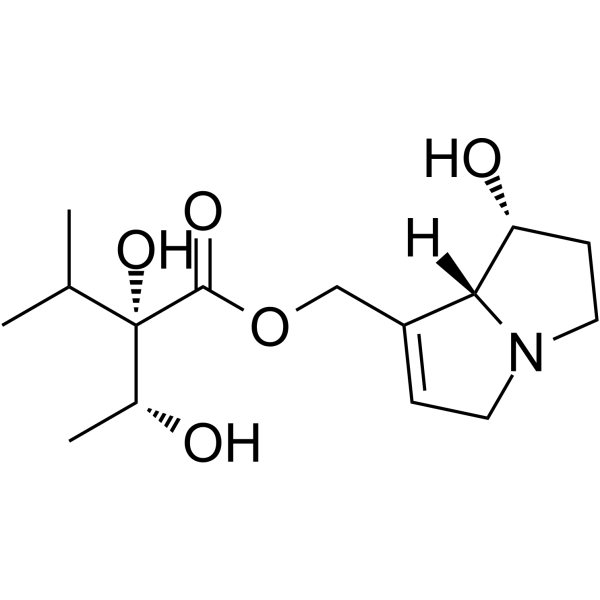
(+)-Intermedine, a pyrrolizidine alkaloid (PA), exhibits significant cytotoxicity in neural progenitor cells (NPCs) .
|
-
-
- HY-N2483
-
|
|
Others
|
Cancer
|
|
Hydroprotopine is a alkaloid from Hypecoum leptocarpumand. Leptopidine can suppress growth and induce cytotoxicity in breast cancer cells and that the cytotoxicity of leptopidine may be related to its inhibitory effect on fatty acid synthase expression .
|
-
-
- HY-116529
-
|
|
Others
|
Others
|
|
Lamellarin E is a biologically active marine alkaloid, while the Lamellarin series of alkaloids show potential cytotoxicity, topoisomerase I inhibition, protein kinase inhibition, multidrug resistance reversal, and anti-HIV-1 activity .
|
-
-
- HY-N12192
-
|
|
Others
|
Others
|
|
Ebenifoline E-II (Compound 2) is a sesquiterpene alkaloid derived from Euonymus laxiflorus. Ebenifoline E-II is cytotoxic .
|
-
- HY-N7011
-
-
- HY-N1051
-
|
|
Bacterial
|
Infection
Cancer
|
|
Zarzissine is a cytotoxic guanidine alkaloid that can be isolated from the Mediterranean sponge Anchinoe paupertas. Zarzissine shows antimicrobial and anticancer activities .
|
-
- HY-126989
-
|
|
Arp2/3 Complex
|
Cancer
|
|
19-O-Acetylchaetoglobosin A, a cytochalasan alkaloid, is a fungal metabolite originally isolated from C. globosum that has actin polymerization inhibitory and cytotoxic activities. 19-O-Acetylchaetoglobosin A is cytotoxic to HeLa cervical cancer cells .
|
-
- HY-N12576
-
|
|
Others
|
Others
|
|
Koumidine is an alkaloid that can be isolated from Gelsemium elegans .
|
-
- HY-121014
-
|
|
Reactive Oxygen Species (ROS)
|
Cancer
|
|
Amphimedine is a polycyclic alkaloid isolated from the marine sponge Amphimedon sp. and belongs to the pyridoindole alkaloid class. Amphimedine has cytotoxic activity and has been studied as an anticancer metabolite along with neoamphimedine. Studies have shown that deoxyamphimedine damages DNA by generating reactive oxygen species, a mechanism different from that of amphimedine.
|
-
- HY-126598
-
|
|
Endogenous Metabolite
|
Cancer
|
|
Chaetoglobosin F is a cytochalasan-based alkaloid from Chaetomium globosum. Chaetoglobosin F exhibits cytotoxicity against human nasopharyngeal epidermoid tumor cell KB, with IC50 of 52.0 µM .
|
-
- HY-N6997
-
|
|
Microtubule/Tubulin
|
Cancer
|
|
Ceratamine A is an antimitotic heterocyclic alkaloid isolated from the marine sponge Pseudoceratina sp., acts as a microtubule-stabilizing agent. Ceratamine A exhibits cytotoxicity against human cancer cell lines .
|
-
- HY-N1637
-
|
|
Bacterial
|
Infection
Cancer
|
|
1-Methyl-2-pentyl-4(1H)-quinolinone, a quinolone alkaloid isolated from the fruits of Evodia Rutaecarpa, possesses antibacterial and cytotoxic activities for cancer cells .
|
-
- HY-N16404
-
|
|
Apoptosis
Endogenous Metabolite
|
Cancer
|
|
Asperindole A is an indole-diterpene alkaloid. Asperindole A can be isolated from fungus Aspergillus sp. KMM 4676. Asperindole A induces Apoptosis. Asperindole A exerts cytotoxic activity against hormone-resistant and hormone-sensitive prostate cancer cells .
|
-
- HY-N13286
-
|
|
Bacterial
|
Infection
|
|
Glycozolidal (compound 12) is a carbazole alkaloid with antibacterial activity against P. gingivalis. Glycozolidal is cytotoxic against human gingival fibroblasts (HGFs) and monocytes (U937) in vitro with IC50 values of 120.86 µg/mL and 97.74 µg/mL, respectively .
|
-
- HY-167835A
-
|
|
Bacterial
|
Infection
|
|
Tembetarine chloride is a alkaloid that can be isolated from Tinospora cordifolia that exhibits antibacterial activity. Tembetarine chloride exhibits weak cytotoxicity against mouse fibroblasts (L929) and human embryonic kidney cells (HEK293) with IC50 of 1245.33 μg/mL and 1642.81 μg/mL, respectively .
|
-
- HY-N16645
-
|
|
Cholinesterase (ChE)
|
Cancer
|
|
Plasiaticine B (Compound 2) is an indole alkaloid found in Plantago asiatica. Plasiaticine B shows no significant cytotoxicity to HL-60, A-549 and MCF-7 cells with IC50 >40 μM. Plasiaticine B shows no significant inhibitory effect on AChE, with an inhibition rate <60% .
|
-
- HY-N8462
-
|
Scutebatin C
|
Others
|
Cancer
|
|
6-O-Nicotinoylscutebarbatine G is an alkaloid that can be isolated from Scutellaria barbata.6-O-Nicotinoylscutebarbatine has cytotoxic activities against HONE-1, KB and HT29 cells with IC50s of 3.1, 2.1 and 5.7 μM, respectively .
|
-
- HY-N7484
-
|
|
Fungal
|
Cancer
|
|
(−)-Voacangarine is an indole alkaloid, which exhibits cytotoxic effects against cancer cells HepG2, A375, MDA-MB-231, SH-SY5Y, and CT26 with IC50 of 5~20 mg/mL. (−)-Voacangarine inhibits the cultivation of Saccharomyces cerevisiae wildtype and repair-deficient mutants .
|
-
- HY-N3097R
-
-
- HY-N16442
-
|
|
Endogenous Metabolite
Prolyl Endopeptidase (PREP)
|
Cancer
|
|
Pyrrocidine B (Compound 6), an alkaloid, is a microbial secondary metabolite. Pyrrocidine B can be isolated from the endophytic fungus Neonectria ramulariae Wollenw KS-246. Pyrrocidine B has significant cytotoxicity against leukemia cells (IC50 of 4.6 μM for HL60 cells) with a weak Prolyl oligopeptidase (POP) inhibitory activity .
|
-
- HY-N0750R
-
|
Crotaline (Standard)
|
Reference Standards
Others
|
Metabolic Disease
Cancer
|
Monocrotaline is an 11-membered macrocyclic pyrrolizidine alkaloid. Monocrotaline inhibits OCT-1 and OCT-2 with IC50s of 36.8 µM and 1.8 mM, respectively. Monocrotaline has antitumor activity and is cytotoxic to hepatocellular carcinoma cells. Monocrotaline is used to induce a model of pulmonary hypertension in rodents. .
|
-
- HY-106072
-
|
LY 104208
|
Microtubule/Tubulin
|
Cancer
|
|
Vinzolidine is a semisynthetic derivative of the catharanthus alkaloid. Vinzolidine exerts its cytotoxic effect on tumor cells by interfering with microtubulin polymerization, thereby inhibiting cell division. Vinzolidine can be utilized in research to investigate synergistic effects when combined with other chemotherapeutic agents or biologic therapies, as well as to study cancer cells' tolerance or resistance to these treatments, and to explore approaches to overcome such obstacles .
|
-
- HY-N3210
-
|
|
Others
|
Cancer
|
|
Nb-Demethylechitamine is an alkaloid isolated from the methanol extract of Alstonia rostrata twigs. Nb-Demethylechitamine has in vitro cytotoxic activity against several human cancer cell lines, including human myeloid leukemia HL-60, liver cancer SMMC-7721, lung cancer A-549, breast cancer MCF-7, and colon cancer SW480 cells .
|
-
- HY-N2369A
-
|
|
Apoptosis
Influenza Virus
|
Infection
Cancer
|
|
Chelidonine (hydrochloride) is the hydrochloride form of Chelidonine (HY-N2369).Chelidonine, an isoquinoline alkaloid, can be isolated from Chelidonium majus L. Chelidonine causes G2/M arrest and induces caspase-dependent and caspase-independent apoptosis, and prevents cell cycle progression of stem cells in Dugesia japonica. Chelidonine has cytotoxic activity against melanoma cell lines. with anticancer and antiviral activity .
|
-
- HY-N12872
-
|
|
Others
|
Endocrinology
|
|
(2R)-O-[4'-(3"-Hydroxypropyl)-2',6'-dimethoxyphenyl]-3-O-β-Dglucopyranosyl-sn-glycerol (compound 6) is a glycerol glycoside that can Isolated from the whole plant of genus Pilea .
|
-
- HY-29268
-
|
|
Bacterial
Indoleamine 2,3-Dioxygenase (IDO)
NF-κB
Phosphodiesterase (PDE)
|
Infection
Inflammation/Immunology
Cancer
|
|
β-Carboline 1-carboxylic acid is a β-carboline alkaloid with anti-inflammatory, antifibrotic, antitumor and antibacterial activities. β-Carboline 1-carboxylic acid is the cAMP phosphodiesterase (IC50: 96 µM) and indoleamine 2, 3-dioxygenase (IDO) inhibitor. β-Carboline 1-carboxylic acid is cytotoxic to tumor cells. β-Carboline 1-carboxylic acid inhibits inflammation through the NF-κb/p65 pathway and can reverse epithelial-mesenchymal transition (EMT). In addition, β-Carboline 1-carboxylic acid has strong inhibitory activity against S. aureus (IC50: 47.70 μg/mL) and E. coli (IC50: 19.17 μg/mL) .
|
-
- HY-N0740R
-
|
|
Reference Standards
Cholinesterase (ChE)
5-HT Receptor
Bacterial
|
Neurological Disease
Inflammation/Immunology
|
|
Jatrorrhizine (chloride) (Standard) is the analytical standard of Jatrorrhizine (chloride). This product is intended for research and analytical applications. Jatrorrhizine chloride is an alkaloid isolated from Coptis chinensis with neuroprotective, antimicrobial, antiplasmodial and antioxidant activities . Jatrorrhizine chloride is a potent and orally active inhibitor of AChE (IC50=872 nM) over >115-fold selectivity for BuChE . Jatrorrhizine chloride reduces uptake of serotonin (5-HT) and norepinephrine (NE) via inhibition of uptake-2 transporters .
|
-
- HY-N15747
-
|
(-)-Mycoleptodiscin A
|
Apoptosis
|
Cancer
|
|
Mycoleptodiscin A ((-)-Mycoleptodiscin A) is a cytotoxic indole alkaloid found in fungus. Mycoleptodiscin A exerts cytotoxic effects by inducing apoptosis or inhibiting cell cycle progression .
|
-
- HY-N11561
-
|
Aristololactam A III
|
Others
|
Others
|
|
Aristolactam A III (Aristololactam A III) is an alkaloid, with potantial cytotoxicity. Aristolactam A III can be isolated from Houttuyniae herba .
|
-
- HY-N15227
-
|
|
Others
|
Cancer
|
|
(+)-N-Methylhernovine is an aporphine alkaloid that can be isolated from Hernandia nymphaeifolia. (+)-N-Methylhernovine exhibits slight cytotoxicity in cancer cells .
|
-
- HY-N19313
-
|
|
Others
|
Cancer
|
|
Agelastatin D is a pyrrole-imidazole alkaloid and cytotoxic agent found in the Western Australian sponge Cymbastela sp.. Agelastatin D induces cytotoxic activity against cancer cells. Agelastatin D can be used for the research of chronic lymphocytic leukemia .
|
-
- HY-N17973
-
|
|
Others
|
Cancer
|
|
(-)-Folicanthine is a dimeric tryptamine-related alkaloid found in the fruits of Chimonanthus praecox. (-)-Folicanthine shows cytotoxic against cancer cells. (-)-Folicanthine can be used for the research of cancer, such as gastric carcinoma and hepatocarcinoma .
|
-
- HY-N2307B
-
|
(-)-Lirinidine
|
Melanocortin Receptor
|
Cancer
|
|
(R)-Lirinidine ((-)-Lirinidine) is an aporphine-type alkaloid found in the flower buds and leaves of Nelumbo nucifera. (R)-Lirinidineand inhibits melanogenesis with an IC50 of 19.3 μM. (R)-Lirinidine exerts cytotoxic effects at 100 μM .
|
-
- HY-N16759
-
|
|
Others
|
Cancer
|
|
Apparicine is a monoterpene indole alkaloid that can be naturally extracted from the stems of Tabernaemontana divaricata. Apparicine shows no cytotoxicity against MCF-7 human breast cancer cells and A-549 human lung cancer cells .
|
-
- HY-N18186
-
|
|
Others
|
Cancer
|
|
Neojiangyouaconitine is a diterpenoid alkaloid cytotoxin isolated from Aconitum soongaricum var. pubescens. Neojiangyouaconitine exhibits cytotoxic activity against human breast cancer, prostate cancer and lung cancer cells, with weak inhibitory effect on HeLa cells. Neojiangyouaconitine has the ability to kill specific tumor cell lines and can be applied to the research on the mechanisms of related cancers such as breast cancer, prostate cancer and lung cancer .
|
-
- HY-N16714
-
|
|
Others
|
Cancer
|
|
Clausine K is a carbazole alkaloid anticancer agent. Clausine K exhibits strong cytotoxicity against human hepatoma HepG2 cells (IC50 = 1.05 μg/mL), superior to the standard drug Etoposide (HY-13629) (IC50 13.40 μg/mL). Clausine K can be naturally extracted from the dried stems of Clausena excavata (a plant of the Rutaceae family) through chromatographic separation and other methods .
|
-
- HY-N17304
-
|
|
Drug Derivative
P-glycoprotein
|
Cancer
|
|
10S,13aR-Antofine N-oxide is a phenanthroindolizidine N-oxide alkaloid and cytotoxic agent found in Cynanchum vincetoxicum. 10S,13aR-Antofine N-oxide exerts cytotoxic effects in drug-sensitive (KB-3-1, IC50 = 0.11 μM) and multi-drug-resistant (KB-V1, IC50 = 0.16 μM) carcinoma cells. 10S, 13aR-Antofine N-oxide acts as a poor substrate for the P-glycoprotein (P-170) efflux pump. 10S,13aR-Antofine N-oxide can be used for the research of cancers .
|
-
- HY-N7735
-
-
- HY-N9541
-
|
|
Others
|
Inflammation/Immunology
|
|
Chaetoglobosin Vb is a novel cytotoxic alkaloid with anti-inflammatory and antioxidant activities. Chaetoglobosin Vb can inhibit oxidative stress induced by LPS stimulation, reduce the production of reactive oxygen species and increase the expression of the antioxidant enzyme superoxide dismutase (SOD). Chaetoglobosin Vb significantly reduced the gene and protein expression of inducible nitric oxide synthase (iNOS) and cyclooxygenase-2 (COX-2) induced by LPS, and alleviated the production of proinflammatory cytokines such as TNF-α, IL-6 and IL-1β. Chaetoglobosin Vb exerts its biological activity through the TLR4-mediated MyD88-dependent signaling pathway and the TRIF-dependent signaling pathway, which is specifically manifested by inhibiting the phosphorylation of p38, ERK, and JNK MAPK and the translocation of NF-κB p65 subunit to the nucleus. Chaetoglobosin Vb showed no cytotoxic effect in the concentration range of 25-100 μM and promoted SOD enzyme activity and phosphorylation of p38, ERK1/2 and JNK in a dose-dependent manner .
|
-
- HY-107272
-
|
22-Epidelavinone
|
Cholinesterase (ChE)
Apoptosis
Bcl-2 Family
Caspase
Interleukin Related
TNF Receptor
Toll-like Receptor (TLR)
MyD88
NF-κB
p38 MAPK
|
Inflammation/Immunology
Cancer
|
|
Chuanbeinone (22-Epidelavinone) is an orally active alkaloid found in Fritillaria pallidiflora. Chuanbeinone shows cytotoxicity against mutiple cancer cells and can induces apoptosis and S phase arrest. Chuanbeinone downregulates Bcl-2, upregulates Bax, and activates caspase-3. Chuanbeinone exerts anti-inflammatory and antitussive effects by reducing pro-inflammatory cytokine (IL-1β, IL-6 and TNF-α) production and mRNA expression, and inhibiting TRIF-, MyD88-, NF-κB-, and MAPK-dependent signaling pathways. Chuanbeinone inhibits AChE and BChE with IC50 values of 7.7 and 0.7 μM. Chuanbeinone can be used for the researches of lung carcinoma, cough, inflammatory diseases .
|
-
| Cat. No. |
상품명 |
Category |
Target |
Chemical Structure |
-
- HY-14944
-
-
-
- HY-N0750
-
-
-
- HY-13780
-
-
-
- HY-N0674
-
-
-
- HY-114489A
-
-
-
- HY-N0740
-
-
-
- HY-N2193
-
-
-
- HY-N2081
-
-
-
- HY-N3097
-
-
-
- HY-N0749
-
-
-
- HY-N2369
-
-
-
- HY-N0674A
-
-
-
- HY-N4225
-
-
-
- HY-N0749A
-
-
-
- HY-119529
-
-
-
- HY-13780R
-
-
-
- HY-N4031
-
-
-
- HY-N8420
-
-
-
- HY-N9488
-
-
-
- HY-N0674B
-
-
-
- HY-N4238
-
-
-
- HY-N4012
-
-
-
- HY-N7596
-
-
-
- HY-N9338
-
-
-
- HY-130995
-
-
-
- HY-N6622
-
-
-
- HY-N9339
-
-
-
- HY-N16573
-
-
-
- HY-14944R
-
-
-
- HY-N2892
-
-
-
- HY-N7183
-
|
|
Structural Classification
Alkaloids
Simaroubaceae
Other Alkaloids
Plants
Source Classification
|
NF-κB
GSK-3
β-catenin
Wnt
|
|
9-Hydroxycanthin-6-one is a β-carboline alkaloid. 9-Hydroxycanthin-6-one can be isolated from the roots of E. longifolia. 9-Hydroxycanthin-6-one inhibits TNF-α-induced activation of the NF-κB pathway. 9-Hydroxycanthin-6-one activates GSK3β independently of CK1α, drives phosphorylation and degradation of β-catenin, and inhibits the Wnt signaling pathway. 9-Hydroxycanthin-6-one exerts selective cytotoxicity against Wnt-dependent colon cancer cells. 9-Hydroxycanthin-6-one can be used in studies related to colon cancer .
|
-
-
- HY-116786
-
-
-
- HY-N5002
-
-
-
- HY-N2570
-
-
-
- HY-114489B
-
-
-
- HY-N2369R
-
-
-
- HY-158721
-
|
Marinamide
|
Structural Classification
Alkaloids
Microorganisms
Indole Alkaloids
Source Classification
|
Endogenous Metabolite
Parasite
|
|
Penicinoline (Marinamide) (Compound 1), a pyrrolyl 4-quinolinone alkaloid, is a microbial secondary metabolite. Penicinoline can be isolated from endophytic fungus Penicillium sp. Penicinoline has antimalarial activity against Chloroquine (HY-17589A) sensitive strain (pf3d7) and against Chloroquine resistant strain (pfDd2) of plasmodium falciparum. Penicinoline also has strong insecticidal activity against Aphis gossypii and selective anticancer effect with significant cytotoxicity for 95-D and HepG2 cells .
|
-
-
- HY-W437569
-
|
|
Alkaloids
Cornaceae
Cornus officinalis Sieb. et Zucc.
Acridone Alkaloids
Plants
Source Classification
|
Parasite
Insecticide
|
|
Melicopine is an alkaloid found in Z. simulans with antimalarial and anticancer activities. It exhibits inhibitory activity against chloroquine-sensitive 3D7 and chloroquine-resistant Dd2 strains of P. falciparum, with IC50 values of 29.7 and 33.7 µg/mL, respectively. Melicopine is cytotoxic to prostate cancer cells PC-3M and LNCaP (IC50 values of 47.9 and 37.8 µg/mL), but has no effect on non-cancerous HEK293 cells (IC50 greater than 100 µg/mL). Melicopine holds promise for research in anticancer and anti-infection fields .
|
-
-
- HY-N3700
-
|
Rutaceline
|
Structural Classification
Alkaloids
Rutaceae
Plants
Isoquinoline Alkaloids
Zanthoxylum simulans Hance
Source Classification
|
Bacterial
HIV
TNF Receptor
Interleukin Related
|
|
Decarine (Rutaceline) is a benzophenanthridine alkaloid found in Zanthoxylum species. Decarinewith shows anti-inflammatory, antimycobacterial, and anti-HIV activity. Decarine inhibits NO, TNF-α, IL-1β, IL-6, and IL-8 production in inflammatory cell models. Decarine inhibits growth of Mycobacterium tuberculosis strains, reduces intracellular Mycobacterium tuberculosis survival, and shows low cytotoxicity toward human macrophages. Decarine inhibits HIV replication in acutely infected lymphocytes. Decarine can be used for the researches of inflammation, tuberculosis, and HIV infection .
|
-
-
- HY-N2081R
-
|
|
Alkaloids
Structural Classification
Rutaceae
Quinoline Alkaloids
Plants
Skimmia reevesiana Fort.
Source Classification
|
Reference Standards
Cholinesterase (ChE)
PI3K
Akt
NF-κB
|
|
Skimmianine (Standard) is the analytical standard of Skimmianine. This product is intended for research and analytical applications. Skimmianine is an orally active furoquiniline alkaloid present mainly in the Rutaceae family. Skimmianine has analgesic, antispastic, sedative, and anti-inflammatory properties. Skimmianine inhibits acetylcholinesterase (AChE) (IC50 = 8.6 μg/mL). Skimmianine exhibits cytotoxicity against a variety of cancer cell lines and genotoxicity. Skimmianine has antioxidant and anti-inflammatory effects on ischemia-reperfusion (IR) injury. Skimmianine exerts anti-inflammatory effects through activation of the phosphatidylinositol-3-kinase (PI3K)-protein kinase B (AKT) pathway. Skimmianine is neuroprotective by targeting the NF-κB activation pathway to prevent neuroinflammation. Skimmianine inhibits the release of histamine, intracellular Ca 2+ signaling and protein kinase C signaling .
|
-
-
- HY-N9161
-
-
-
- HY-118726
-
-
-
- HY-N3123
-
-
-
- HY-N9534
-
-
-
- HY-N3179
-
-
-
- HY-N15580
-
-
-
- HY-113845
-
-
-
- HY-N2483
-
-
-
- HY-116529
-
-
-
- HY-N12192
-
-
- HY-N7011
-
-
- HY-N1051
-
-
- HY-126989
-
-
- HY-N12576
-
-
- HY-121014
-
-
- HY-126598
-
-
- HY-N6997
-
-
- HY-N1637
-
-
- HY-N16404
-
-
- HY-N13286
-
-
- HY-167835A
-
-
- HY-N16645
-
-
- HY-N8462
-
-
- HY-N7484
-
-
- HY-N3097R
-
-
- HY-N16442
-
-
- HY-N0750R
-
-
- HY-N3210
-
-
- HY-N12872
-
-
- HY-N0740R
-
-
- HY-N15747
-
-
- HY-N11561
-
-
- HY-N15227
-
-
- HY-N19313
-
-
- HY-N17973
-
-
- HY-N2307B
-
-
- HY-N16759
-
-
- HY-N18186
-
-
- HY-N16714
-
-
- HY-N17304
-
-
- HY-N7735
-
-
- HY-N9541
-
|
|
Alkaloids
Microorganisms
Pyrrole Alkaloids
Source Classification
|
Others
|
|
Chaetoglobosin Vb is a novel cytotoxic alkaloid with anti-inflammatory and antioxidant activities. Chaetoglobosin Vb can inhibit oxidative stress induced by LPS stimulation, reduce the production of reactive oxygen species and increase the expression of the antioxidant enzyme superoxide dismutase (SOD). Chaetoglobosin Vb significantly reduced the gene and protein expression of inducible nitric oxide synthase (iNOS) and cyclooxygenase-2 (COX-2) induced by LPS, and alleviated the production of proinflammatory cytokines such as TNF-α, IL-6 and IL-1β. Chaetoglobosin Vb exerts its biological activity through the TLR4-mediated MyD88-dependent signaling pathway and the TRIF-dependent signaling pathway, which is specifically manifested by inhibiting the phosphorylation of p38, ERK, and JNK MAPK and the translocation of NF-κB p65 subunit to the nucleus. Chaetoglobosin Vb showed no cytotoxic effect in the concentration range of 25-100 μM and promoted SOD enzyme activity and phosphorylation of p38, ERK1/2 and JNK in a dose-dependent manner .
|
-
- HY-107272
-
-
Your information is safe with us. * Required Fields.
Inquiry Information
- 상품명:
- Cat. No.:
- 수량:
- MCE Japan Authorized Agent:

