Search Result
Results for "
metabolic+stability
" in MedChemExpress (MCE) Product Catalog:
2
Isotope-Labeled Compounds
| Cat. No. |
Product Name |
Target |
Research Areas |
Chemical Structure |
-
- HY-112613
-
UCB9608
1 Publications Verification
|
PI4K
|
Inflammation/Immunology
|
|
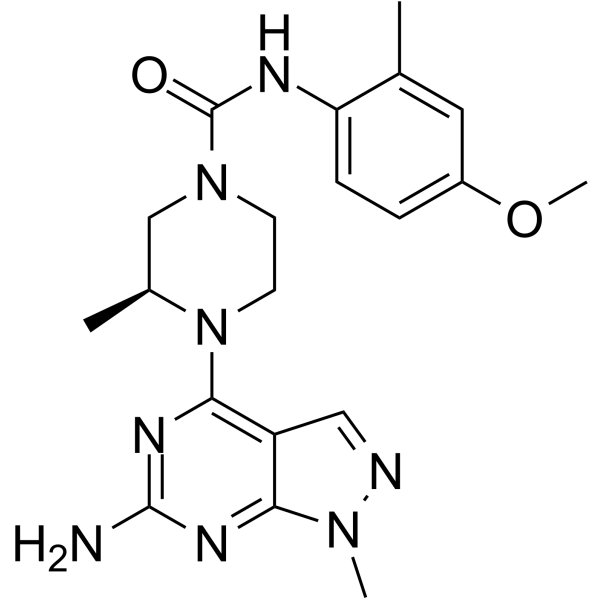
UCB9608 is a potent, selective and orally active PI4KIIIβ inhibitor, with an IC50 of 11 nM, selective over PI3KC2 α, β, and γ lipid kinases. UCB9608 improves metabolic stability and exhibits excellent pharmacokinetic profile, acts as a potent immunosuppressive agent .
|
-
-
- HY-103053
-
|
|
VD/VDR
Apoptosis
|
Cancer
|
|
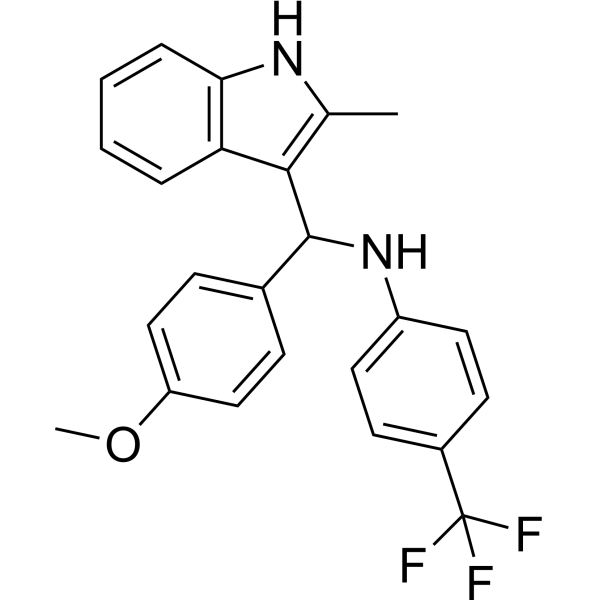
PS121912 is a selective vitamin D receptor (VDR)-coregulator inhibitor. PS121912 has acceptable metabolic stability in vivo. PS121912 can be used for the research of cancer .
|
-
-
- HY-N10508
-
|
|
Drug Metabolite
VD/VDR
|
Metabolic Disease
Cancer
|
|
Calcitroic acid is a vitamin D receptor (VDR) agonist that can activate VDR-mediated transcription. Calcitroic acid is the main metabolite of 1,25-dihydroxyvitamin D3, with the highest concentrations found in the liver and mucosa of mice, and it has metabolic stability and very low toxicity .
|
-

-
- HY-149470
-
|
|
Histone Acetyltransferase
|
Cancer
|
|
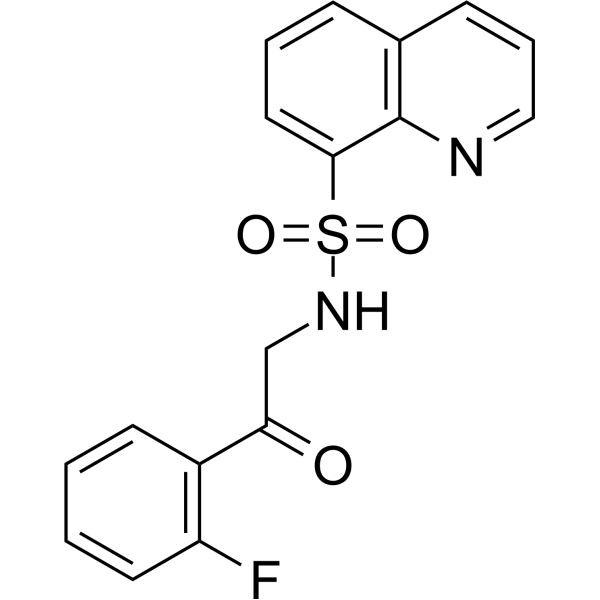
MOZ-IN-3 (Compound 6j) is a KAT6A (MOZ) acetyltransferase inhibitor (IC50: 30 nM). MOZ-IN-3 has antitumor activity against four different myeloid leukemia cell lines (HL-60, U937, SKNO-1, K562). MOZ-IN-3 has favorable metabolic stability and pharmacokinetics .
|
-
-
- HY-107460
-
|
|
Ephrin Receptor
|
Cancer
|
|
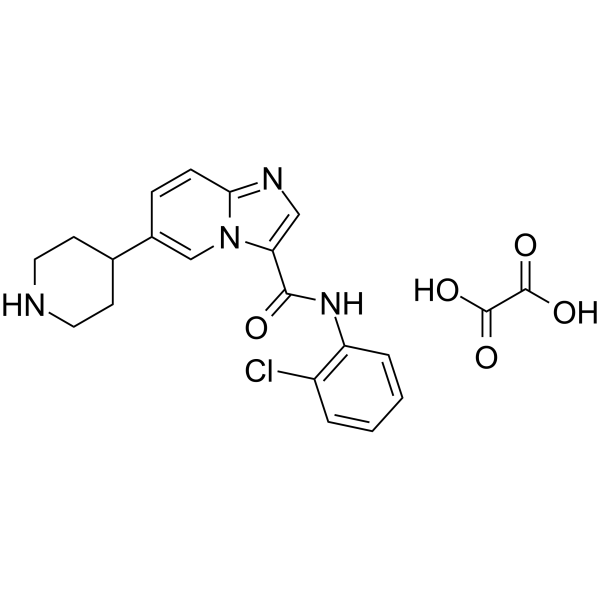
LDN-211904 oxalate is a potent and reversible EphB3 inhibitor with an IC50 of 79 nM. LDN-211904 oxalate shows good metabolic stability in mouse liver microsomes. LDN-211904 oxalate with Cetuximab (HY-P9905) could be effective in inhibiting STAT3-activated colorectal cancer (CRC) stemness and Cetuximab resistance in CRC .
|
-
-
- HY-153508
-
|
|
Chloride Channel
|
Others
|
|
ANO1-IN-4 (Compound 10bm) is a reversible inhibitor for calcium-activated chloride channel transmembrane protein 16A (TMEM16A, also known as ANO1) with an IC50 of 0.030 µM. ANO1-IN-4 exhibits good metabolic stability in rat liver microsomes. ANO1-IN-4 inhibits spontaneous contraction in mouse isolated ileum .
|
-

-
- HY-163087
-
-
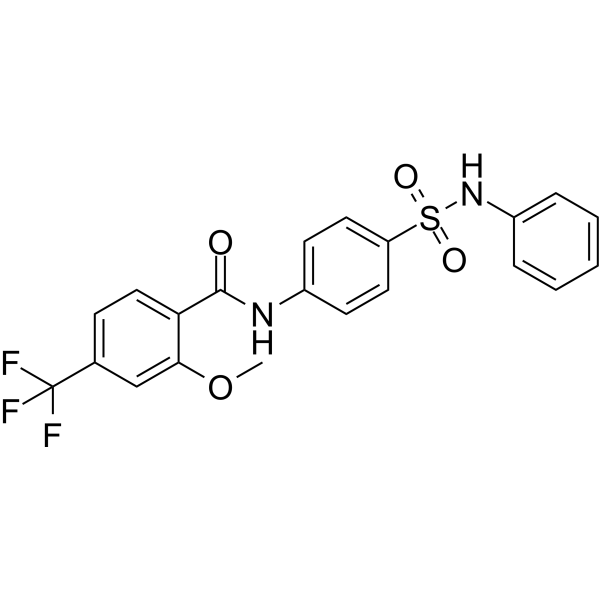
-
- HY-155528
-
|
|
Others
|
Others
|
|
O4I4 (compound 23) is a OCT4-inducing compound with metabolical stability. O4I4 extends lifespan in Caenorhabditis elegans and Drosophila. O4I4 can be used for regenerative medicine and rejuvenation research .
|
-
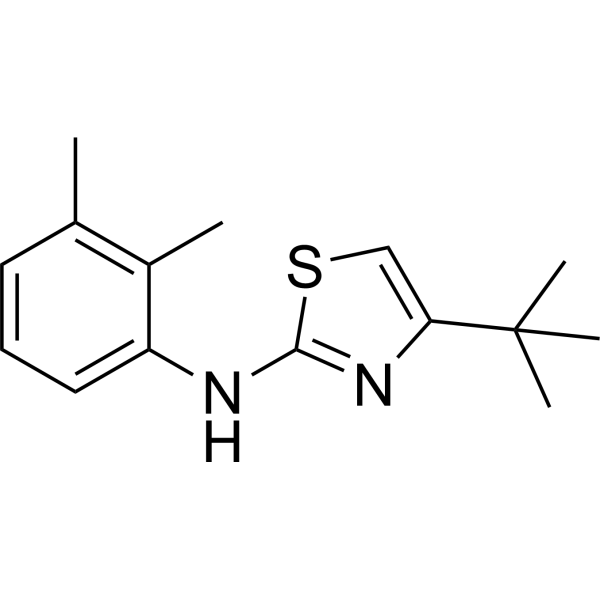
-
- HY-144197
-
|
|
CCR
|
Neurological Disease
|
|
CCR8 antagonist 1 (Compound 15) is a potente human CCR8 antagonist with a Ki of 1.6 nM. CCR8 antagonist 1 has high safety and metabolic stability. CCR8 antagonist 1 can be used to study diseases such as asthma and multiple sclerosis .
|
-
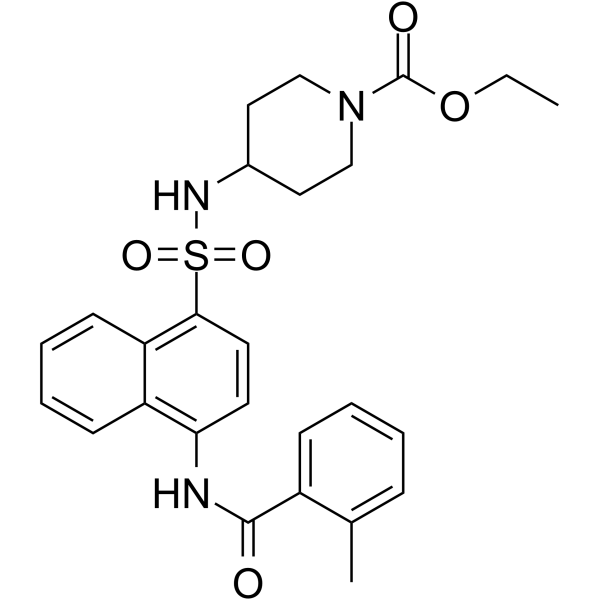
-
- HY-161993
-
|
|
Ketohexokinase
|
Metabolic Disease
|
|
BI-9787 is a zwitterionic inhibitior for ketohexokinase, with an IC50 of 12 and 12.8 nM for hKHK-A and hKHK-C. BI-9787 exhibits good metabolic stability in rat hepatocyte and good pharmacokinetic characteristics in rats .
|
-

-
- HY-155813
-
|
|
SARS-CoV
|
Infection
|
|
MPI60 is a potent SARS-CoV-2 M Pro inhibitor with high antiviral potency, low cellular cytotoxicity, and high in vitro metabolic stability. MPI60 can be used for SARS-CoV-2 research .
|
-
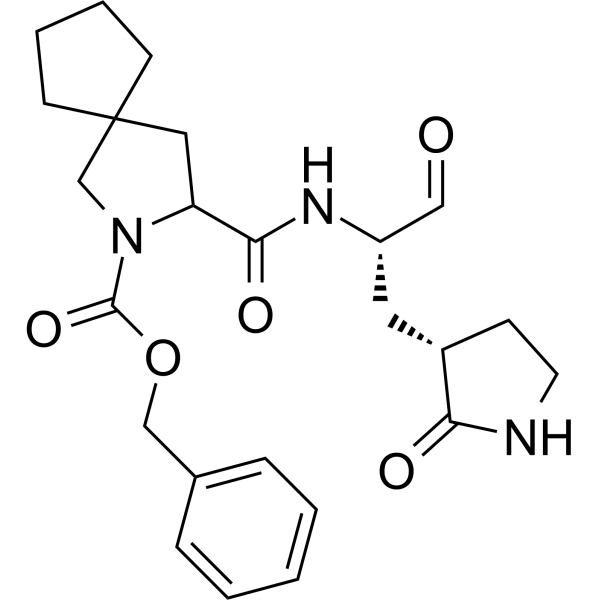
-
- HY-146268
-
|
|
CaMK
|
Neurological Disease
|
|
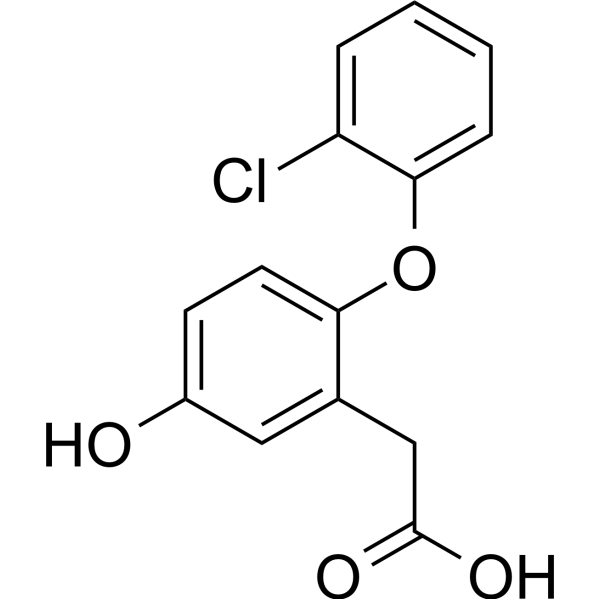
CaMKIIα-IN-1 (Compound 4d) is an orally active Ca 2+/calmodulin-dependent protein kinase II α (CaMKIIα) inhibitor with a KD of 219 nM for CaMKIIα WT hub. CaMKIIα-IN-1 has good metabolic stability .
|
-
-
- HY-173313
-
|
|
Ferroptosis
|
Cardiovascular Disease
|
|
Ferroptosis-IN-19 (compound C18) is a strong cellular ferroptosis inhibitor with an IC50 value of 0.097 μM. Ferroptosis-IN-19 shows high metabolic stability and favorable BBB permeability prediction. Ferroptosis-IN-19 has in vivo neuroprotection against ischemic brain injury in mice .
|
-

-
- HY-155538
-
|
|
Mitophagy
|
Metabolic Disease
|
|
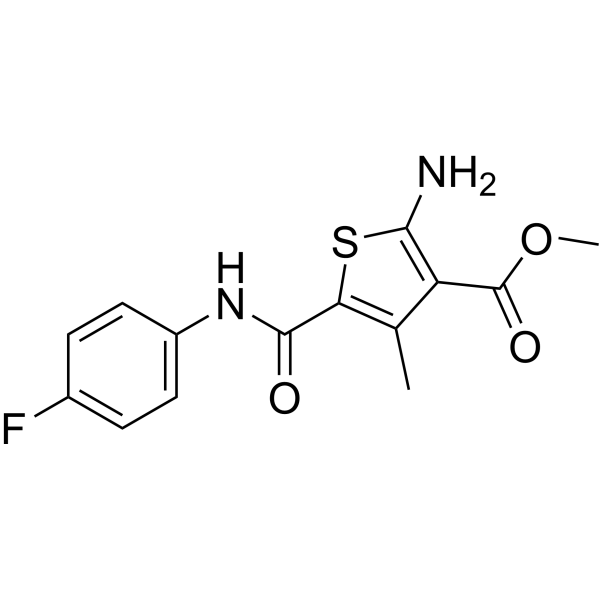
Cisd2 agonist 1 (Compound 4q) is a Cisd2 agonist (EC50: 34 nM). Cisd2 agonist 1 enhances the Cisd2 expression and improves the pathological changes in the fatty livers. Cisd2 agonist 1 has good metabolic stability. Cisd2 agonist 1 can be used for research of NAFLD .
|
-
-
- HY-W100410
-
|
p-Cresyl Acetate
|
Environmental Pollutants
|
Others
|
|
p-Tolyl Acetate (p-Cresyl Acetate) is a synthetic fragrance chemical with high metabolic stability in trout and human hepatocytes .
|
-

-
- HY-170546
-
|
|
Haspin Kinase
|
Cancer
|
|
MU1920 is an ATP-competitive, selective inhibitor for haspin with an IC50 of 6 nM. MU1920 exhibits good pharmacokinetic properties and metabolic stability in mouse plasma and microsomes without obvious anticancer effects, which can be used for development of chemical probes .
|
-

-
- HY-146120
-
|
|
Bacterial
|
Infection
|
|
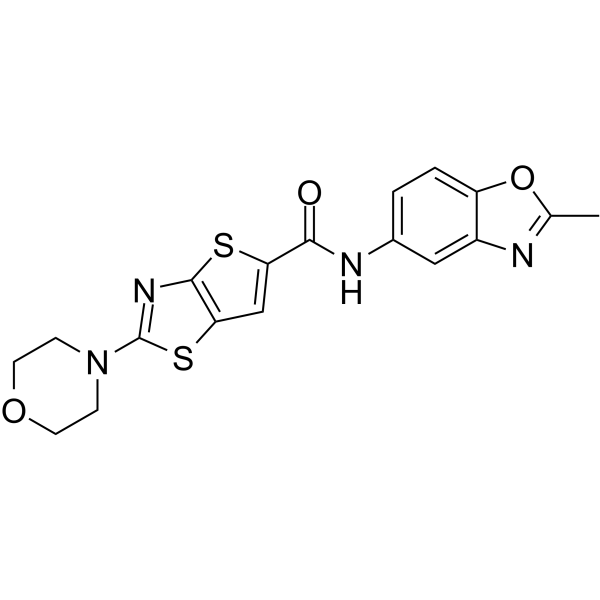
Antitubercular agent-25 (Compound 28) is an anti-tubercular agent with an extracellular IC50 of 0.42 μM and an intracellular IC50 of 0.20 μM against M. tuberculosis H37Rv. Antitubercular agent-25 exhibits good metabolic stability .
|
-
-
- HY-159638
-
|
|
HIV Protease
|
Infection
|
|
Elunonavir (GS-1156) is a HIV protease inhibitor with a high barrier to resistance and excellent metabolic stability. Elunonavir is able to overcome rapid CYP-mediated metabolism, resulting in a significantly prolonged half-life and the potential to reduce dosing frequency without the need for pharmacokinetic enhancers .
|
-

-
- HY-120398
-
|
|
PTHR
|
Endocrinology
|
|
CH5447240 is an agonist for parathyroid hormone receptor 1 (PTHR1), that inhibits human PTHR1 with an EC50 of 12 μM. CH5447240 exhibits good metabolic stability in human liver microsomes. CH5447240 increases serum calcium levels in rats. CH5447240 can be used in research about hypoparathyroidism .
|
-

-
- HY-101930A
-
|
|
11β-HSD
|
Metabolic Disease
|
|
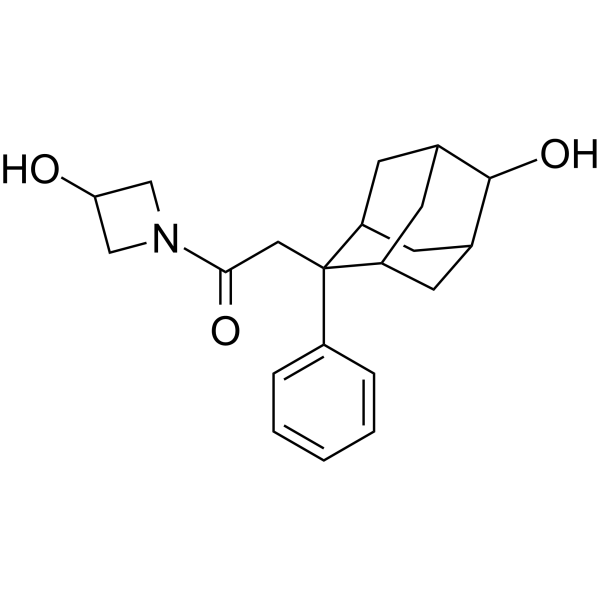
(Rac)-BMS-816336 (Compound 6n) is a racemate of BMS-816336. (Rac)-BMS-816336 is a potent inhibitor of human and mouse 11β-hydroxysteroid dehydrogenase type 1 (11β-HSD1) enzyme with IC50s of 10 nM and 68 nM, respectively. (Rac)-BMS-816336 has good metabolic stability .
|
-
-
- HY-144898
-
|
|
Microtubule/Tubulin
Apoptosis
|
Cancer
|
|
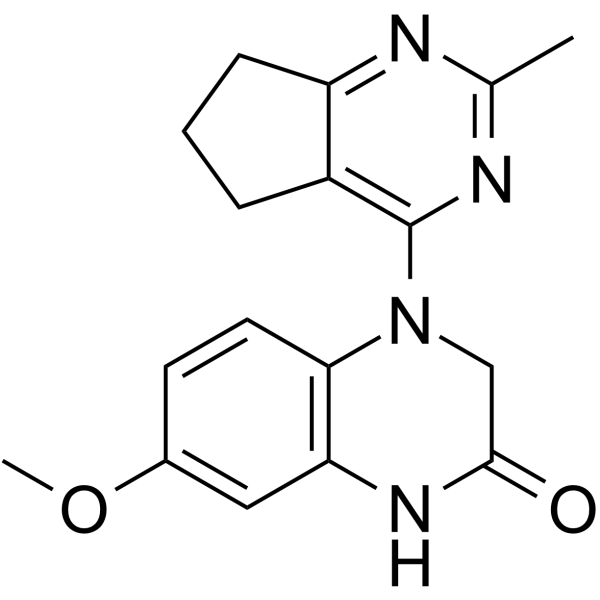
SB-216 is an BBB-penetrable tubulin polymerization inhibitor. SB-216 can inhibit the proliferation and migration, and induce apoptosis and cell cycle arrest of tumor cells. SB-216 has good in vivo metabolic stability and low toxicity, but its oral bioavailability is limited. SB-216 has antitumor activity and can be used in the research of tumors such as melanoma .
|
-
-
- HY-P5984
-
|
|
mTOR
|
Others
|
|
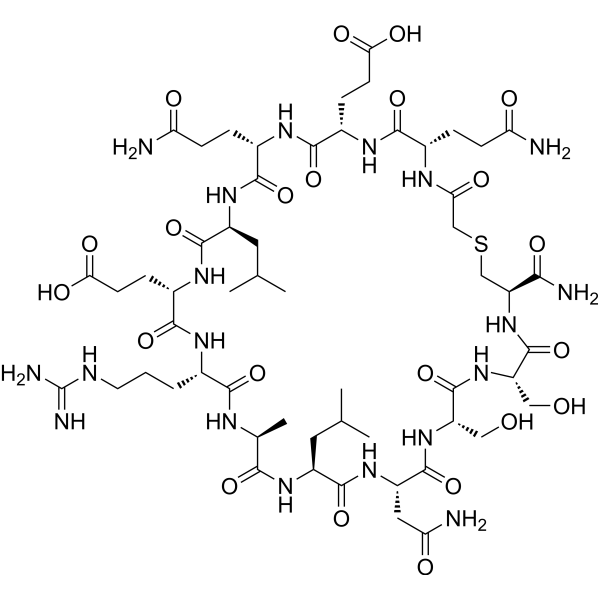
Thioether-cyclized helix B peptide, CHBP can improve metabolic stability and renoprotective effect through inducing autophagy via inhibition of mTORC1 and activation of mTORC2 .
|
-
-
- HY-153822
-
|
|
Tau Protein
|
Neurological Disease
|
|
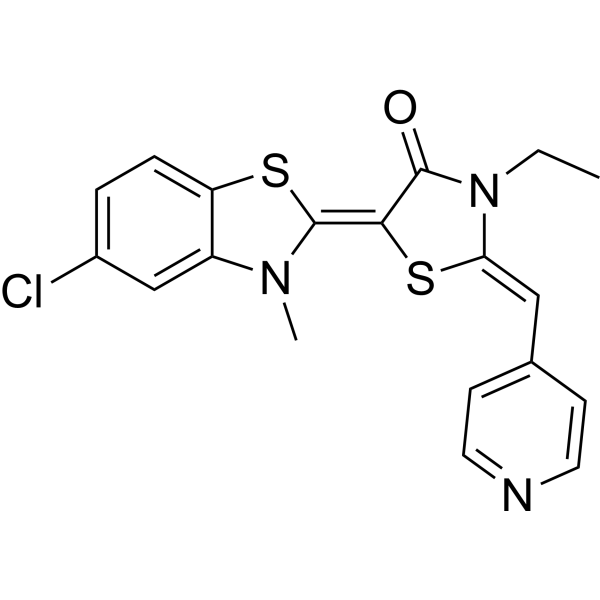
JG-23 is a 4-chloro modified analog with ability to promote t-tau degradation. JG-23 exhibits good metabolic stability with a long T1/2 value (36 min) in mouse liver microsome assays .
|
-
-
- HY-175330
-
|
|
FAP
|
Cancer
|
|
FAP-IN-6 (Compound 21) is a selectivity FAP inhibitor with an IC50 of 13 pM. FAP-IN-6 has a high metabolic stability. FAP-IN-6 labeled with 18F can be used as a positron emission tomography (PET) tracer. FAP-IN-6 can be used for microenvironment of cancers research .
|
-

-
- HY-178994
-
|
|
Flavivirus
Dengue Virus
|
Infection
|
|
DENV-IN-14 (Compound 3c) is a thiazole hydrazone derivative with anti-dengue virus (DENV) activity with an EC50 of 0.01 μM and the selectivity index (SI) of 200. DENV-IN-14 exhibits rapid plasma clearance and its metabolic stability is limited. DENV-IN-14 can be used for research on dengue fever .
|
-

-
- HY-136358
-
|
|
Ephrin Receptor
|
Cancer
|
|
LDN-211904 is a potent and reversible EphB3 inhibitor with an IC50 of 79 nM. LDN-211904 shows good metabolic stability in mouse liver microsomes. LDN-211904 with cetuximab could be effective in inhibiting STAT3-activated colorectal cancer (CRC) stemness and Cetuximab (HY-P9905) resistance in CRC .
|
-

-
- HY-144286
-
|
|
CXCR
|
Infection
|
|
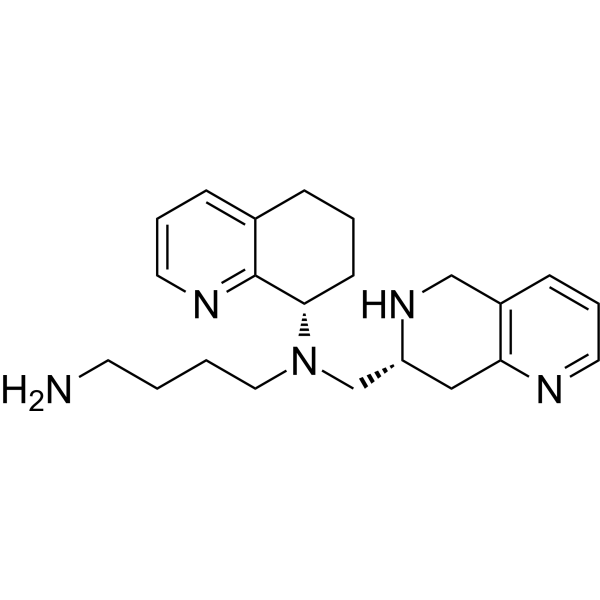
CXCR4 antagonist 3 (compound 12a) is a potent antagonist of CXCR4 with an IC50 of 11 nM. CXCR4 antagonist 3 is a congener of TIQ15. CXCR4 antagonist 3 demonstrates the best overall properties including CXCR4 antagonism, CYP 2D6 inhibition, metabolic stability, and permeability. CXCR4 antagonist 3 has the potential for the research of human immunodeficiency virus .
|
-
-
- HY-146617
-
|
|
Glutaminase
Apoptosis
|
Cancer
|
|
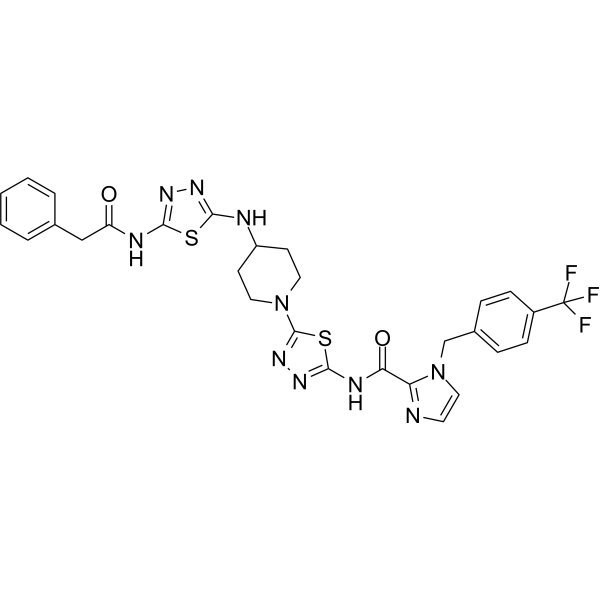
GLS1 Inhibitor-4 (compound 41e) is a potent GLS1 inhibitor with an IC50 of 11.86 nM. GLS1 Inhibitor-4 shows antiproliferative activity, good metabolic stability, robust GLS1 binding affinity. GLS1 Inhibitor-4 blocks the glutamine metabolism and induce the production of ROS. GLS1 Inhibitor-4 induces apoptosis and shows antitumor activity .
|
-
-
- HY-115727
-
-
-
- HY-155071
-
|
|
Bacterial
|
Infection
|
|
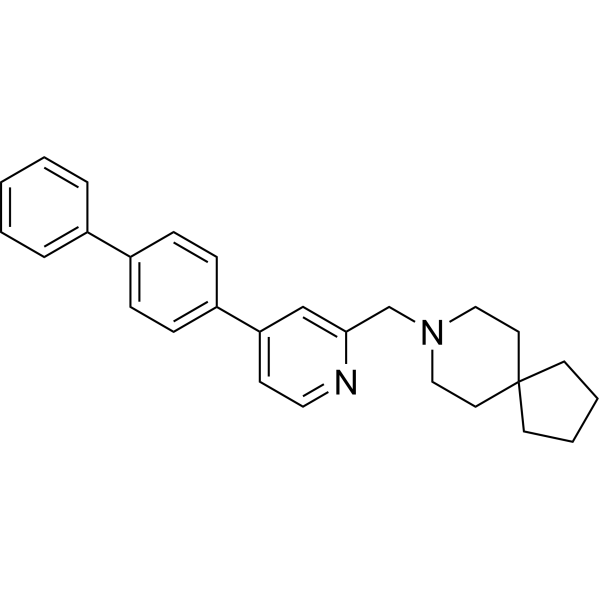
MmpL3-IN-2 is an MmpL3 inhibitor with low cytotoxicity and moderate metabolic stability for tuberculosis research .
|
-
-
- HY-161300
-
|
|
Bacterial
Antibiotic
|
Infection
|
|
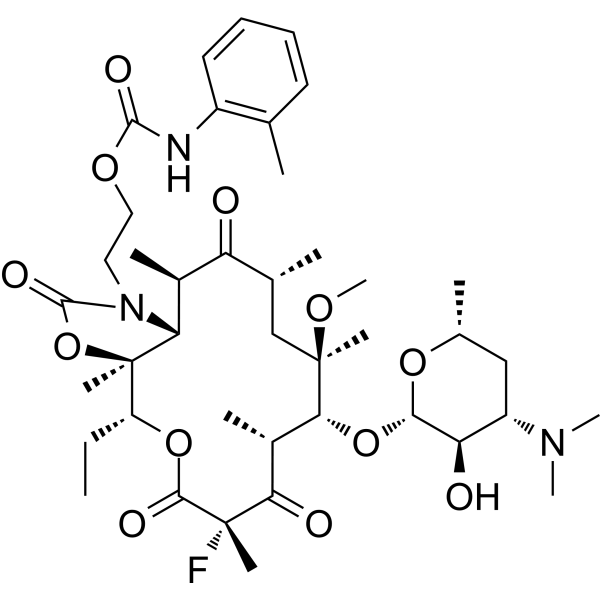
Antibacterial agent 191 (compound 11a) is a potent semi-synthetic antibiotic. Antibacterial agent 191 exhibits preferable metabolic stability .
|
-
-
- HY-174150
-
|
|
Filovirus
|
Infection
|
|
EBOV entry-IN-2 (compound 16) is an EBOV entry inhibitor with an EC50 of 4.42 μM. EBOV entry-IN-2 shows metabolic stability .
|
-

-
- HY-163291
-
|
|
Bacterial
|
Infection
|
|
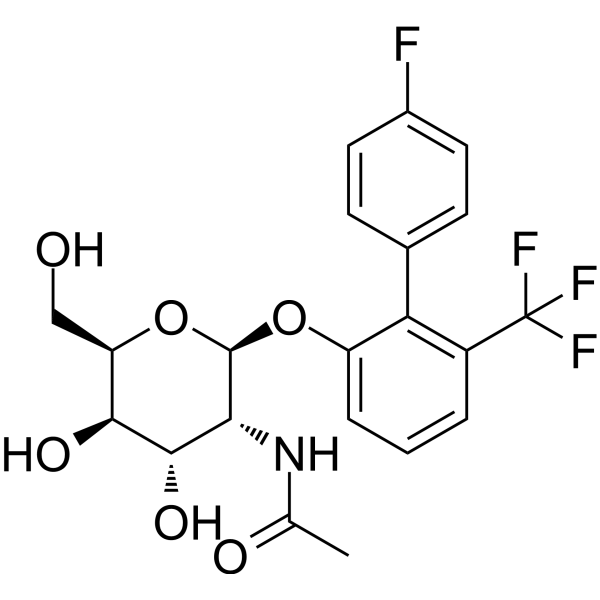
AM4085 is an orally active Antagonist for FmlH with an IC50 of 0.19 μM. AM4085 reveals metabolic stability in mouse liver microsomes and blood plasma .
|
-
-
- HY-149339
-
|
|
NO Synthase
|
Neurological Disease
|
|
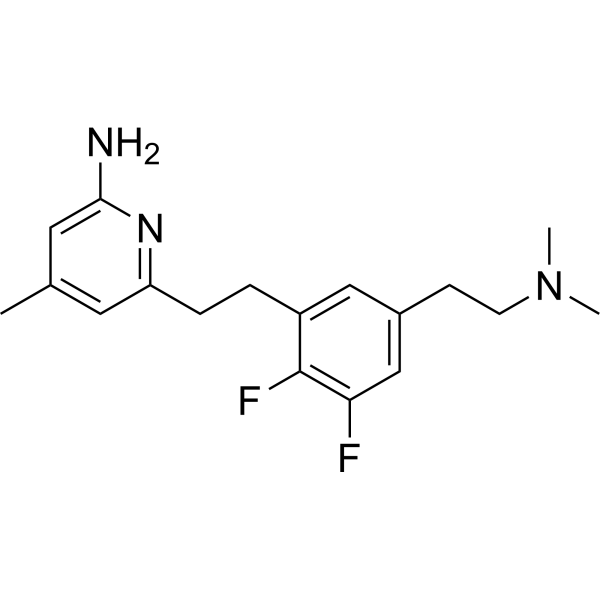
hnNOS-IN-2 (compound 17) is a human neuronal nitric oxide synthase (hnNOS) inhibitor with good metabolic stability. hnNOS-IN-2 can be used for research in neurodegenerative diseases .
|
-
-
- HY-105955
-
|
ARL 14294
|
Cholecystokinin Receptor
|
Metabolic Disease
|
|
FPL 14294 is a intranasally active anorectic agent and a cholecystokinin octapeptide (CCK) analog with enhanced metabolic stability. FPL 14294 induces satiety in many species and can be utilized in relevant research .
|
-

-
- HY-116001
-
|
NSC 614846
|
HIV
Endogenous Metabolite
|
Infection
|
|
(+)-Carbovir (NSC 614846) is an antiviral drug with activity against human immunodeficiency virus type 1. (+)-Carbovir is a nucleoside analog with enhanced chemical and metabolic stability. (+)-Carbovir can be used in AIDS research .
|
-

-
- HY-168297
-
|
|
PROTAC Linkers
|
Cancer
|
|
Piperidine-C2-Pip-C-COOH is a linker for PROTAC BTK Degrader-5 (HY-155072), significantly improving metabolic stability, and can be used in cancer research .
|
-

-
- HY-108651
-
|
UTPγS trisodium
|
P2Y Receptor
|
Metabolic Disease
|
|
Uridine-5'-O-(3-thiotriphosphate) trisodium, a stable analogue of UTP, is a potent agonist of the P2Y2 and P2Y4 receptors with increased metabolic stability .
|
-

-
- HY-134302
-
|
8-Hexylamino-cAMP
|
PKA
|
Others
|
|
8-HA-cAMP is a membrane-permeable cAMP analogue and an activator of cAMP-dependent protein kinase and PKA I. 8-HA-cAMP exerts metabolic stability towards mammalian cyclic nucleotide-responsive phosphodiesterases .
|
-

-
- HY-15980
-
|
|
Parasite
|
Infection
|
|
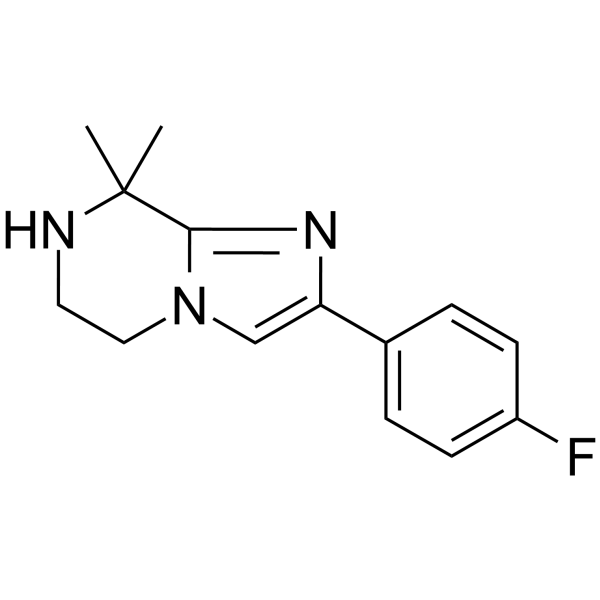
GNF179 metabolite is the metabolite of GNF179, which is an optimized 8,8-dimethyl IP analog that exhibited the potency(4.8 nM against the multidrug resistant strain W2) in vitro metabolic stability and in vivo oral bioavailability.
|
-
-
- HY-149893
-
|
|
Acyltransferase
|
Metabolic Disease
|
|
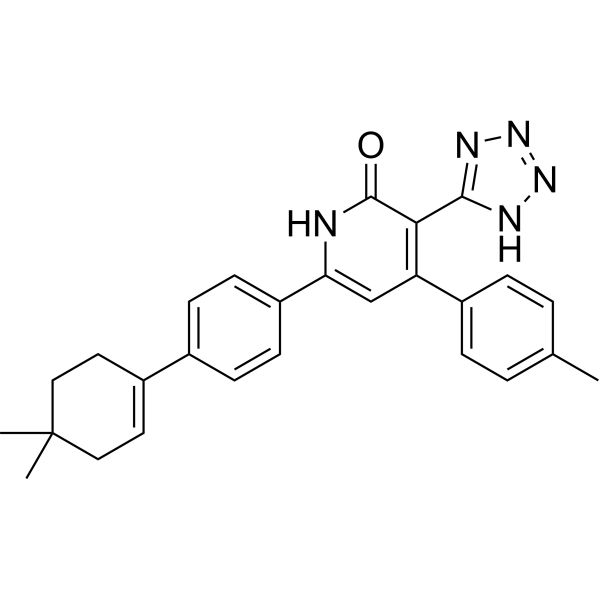
MGAT2-IN-4 (compound 33) is an inhibitor of monoacylglycerol transferase 2 (MGAT2), with liver metabolic stability. MGAT2-IN-4 can be used for research on obesity, diabetes and non-alcoholic steatohepatitis (NASH) .
|
-
-
- HY-172093
-
|
|
HIV
|
Infection
|
|
HIV-1 inhibitor-80 (compound M44) is an HIV-1 inhibitor with an EC50 of 5-148 nM. HIV-1 inhibitor-80 shows good metabolic stability and cytotoxicity in human plasma and human liver microsomes .
|
-

-
- HY-144686
-
|
|
ATM/ATR
PI3K
mTOR
|
Cancer
|
|
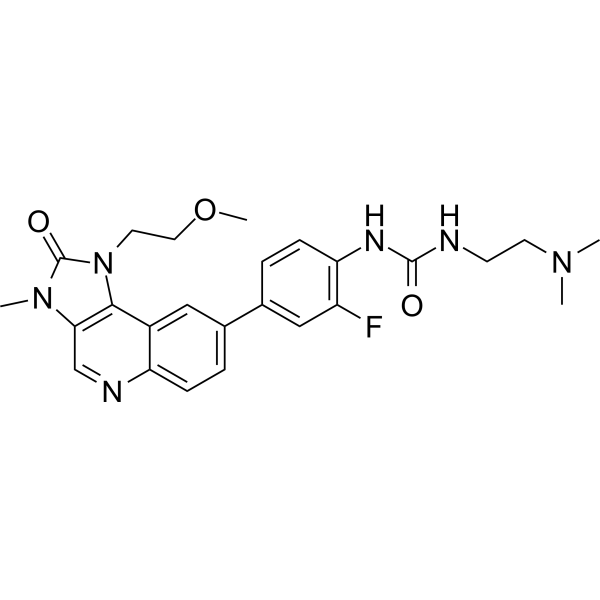
ATM Inhibitor-3 (compound 34) is a potent and selective ATM inhibitor, with an IC50 of 0.71 nM. ATM Inhibitor-3 shows inhibition of PI3K kinases family. ATM Inhibitor-3 exhibits favorable metabolic stability .
|
-
-
- HY-173426
-
|
|
SARS-CoV
|
Infection
|
|
SARS-CoV-2 Mpro-IN-40 (compound 119) is an inhibitor of SARS-CoV-2 Mpro, with an IC50 value of 15.7 nM against Mpro Fret. SARS-CoV-2 Mpro-IN-40 exhibits low metabolic stability in human microsomes .
|
-

-
- HY-147657
-
|
|
GABA Receptor
|
Neurological Disease
|
|
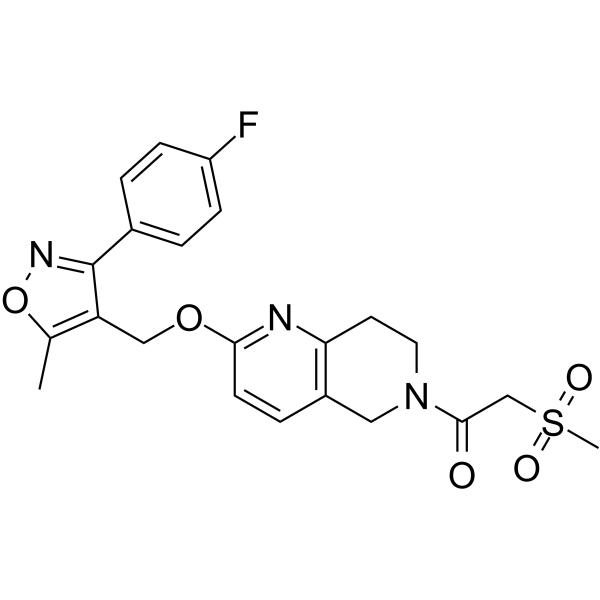
GABAA receptor modulator-2 (Compound 20) is selective, orally active α5-GABAAR negative allosteric modulator (NAM) with a Ki of 4.1 nM. GABAA receptor modulator-2 shows high-metabolic stability and good CNS safety .
|
-
-
- HY-168728
-
|
|
Monoamine Oxidase
|
Neurological Disease
|
|
MAO-B-IN-37 (Compound 37) is a derivative of TT01001 (HY-114520), and a selective inhibitor for monoamine oxidase B (MAO-B) with an IC50 of 270 nM. MAO-B-IN-37 exhibits good metabolic stability in mice microsomes and good affinity with human serum albumin .
|
-

-
- HY-149242
-
|
|
Monoamine Oxidase
|
Neurological Disease
|
|
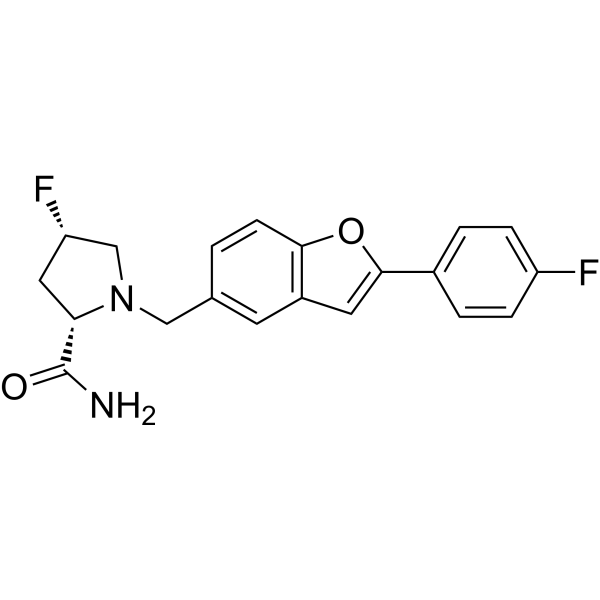
MAO-B-IN-20 (Compound C14) is a potent MAO-B inhibitor with an IC50 of 0.037 μM. MAO-B-IN-20 displays good metabolic stability and brain-blood barrier permeability. MAO-B-IN-20 can be used for the research of Parkinson's disease .
|
-
-
- HY-160021
-
|
|
ROR
|
Inflammation/Immunology
|
|
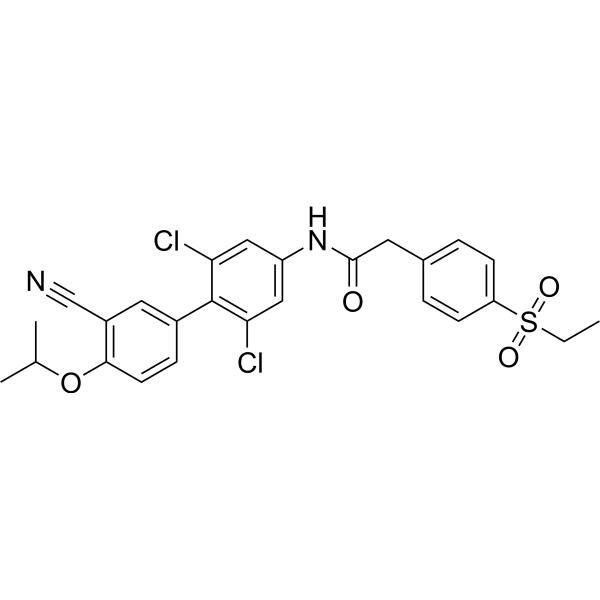
RORγt agonist 4 (compound 14) is a potent and selective agonist of RORγt. RORγt agonist 4 significantly enhances metabolic stability. RORγt agonist 4 improves the situation of tumor models of mouse B16F10 melanoma and LLC lung adenocarcinoma .
|
-
-
- HY-170571
-
|
|
Mitochondrial Metabolism
|
Metabolic Disease
Inflammation/Immunology
|
|
BE2647 is a selective inhibitor for mitochondrial pyruvate carrier (MPC) with an EC50 of 70 nM. BE2647 exhibits good metabolic stability in mouse liver microsomes. BE2647 can be used in research of metabolic diseases, non-alcoholic fatty liver disease (MASLD), or non-alcoholic steatohepatitis (MASH) .
|
-

-
- HY-174402
-
|
|
SARS-CoV
|
Infection
|
|
PLpro-IN-9 (Compound 14e) is a SARS-CoV-2 PLpro inhibitor with an IC50 of 12.0 μM and a KD of 1.86 μM. PLpro-IN-9 has low cytotoxicity but poor metabolic stability. PLpro-IN-9 can be used in the research of SARS-CoV-2 .
|
-

- HY-150578
-
|
|
Keap1-Nrf2
|
Inflammation/Immunology
|
|
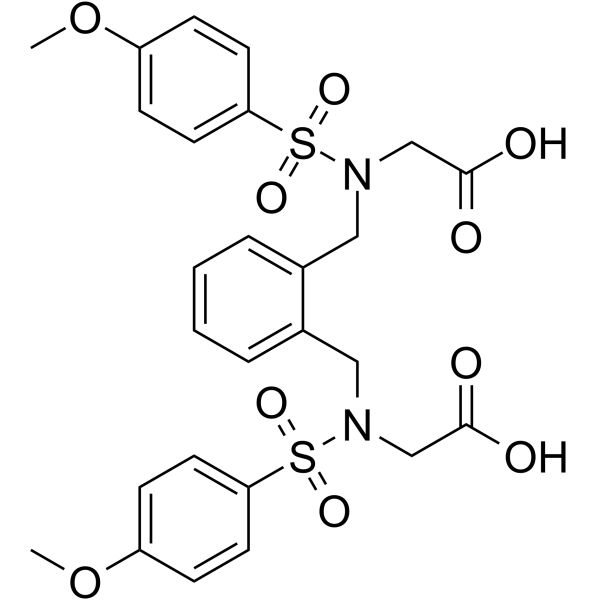
Keap1-Nrf2-IN-12 is a potent Keap1-Nrf2 inhibitor with an IC50 value of 2.30 µM. Keap1-Nrf2-IN-12 shows metabolic stability in human liver microsomes .
|
-
- HY-145713
-
|
HBV-IN-19
|
HBV
|
Infection
|
|
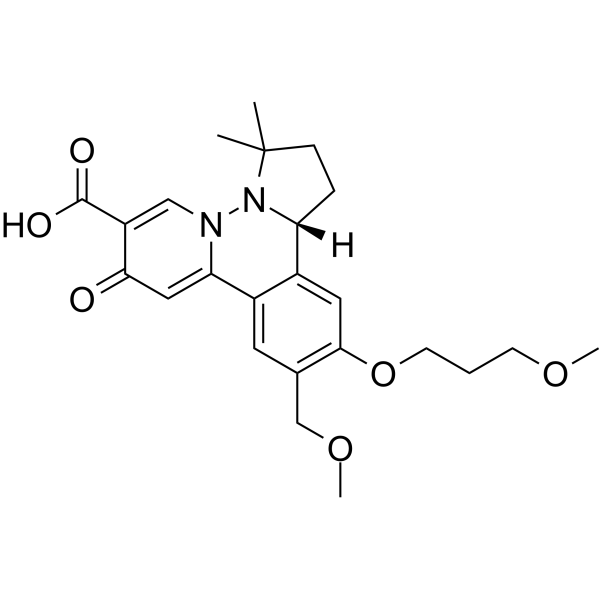
GS-8873 is an orally active inhibitor for the production of hepatitis B virus (HBV) surface antigen (HBsAg) with an EC50 of 4 nM. GS-8873 exhibits good pharmacokinetic characters in rats and metabolic stability in human hepatocytes. GS-8873 causes neurofunctional deficits in rats and cynomolgus monkeys .
|
-
- HY-170945
-
|
|
iGluR
Serotonin Transporter
|
Neurological Disease
|
|
Antidepressant agent 9 (Compound 24) is an orally active and BBB-penetrable NMDAR and SERT inhibitor with IC50 values of 3.50 μM and 1044 nM, respectively. Antidepressant agent 9 has good metabolic stability and plasma exposure. Antidepressant agent 9 can exert antidepressant-like activity in the mouse forced swim test .
|
-

- HY-173120
-
|
|
HBV
|
Infection
|
|
HBV-IN-51 (Compound 17e) is a potent HBV capsid assembly modulator. HBV-IN-51 exhibits remarkable anti-HBV activity with an EC50 of 0.033 μM in HepAD38 cells. HBV-IN-51 exhibits robust metabolic stability in plasma, and can be rapidly metabolized in human liver microsomes .
|
-

- HY-146121
-
|
|
Bacterial
|
Infection
|
|
Antitubercular agent-26 (Compound 32) is an orally active anti-tubercular agent with an extracellular IC50 of 0.50 μM and an intracellular IC50 of 0.51 μM against M. tuberculosis H37Rv. Antitubercular agent-26 shows good metabolic stability, low risk of cardiotoxicity and no genotoxicity .
|
-
- HY-167893
-
|
|
5-HT Receptor
|
Neurological Disease
|
|
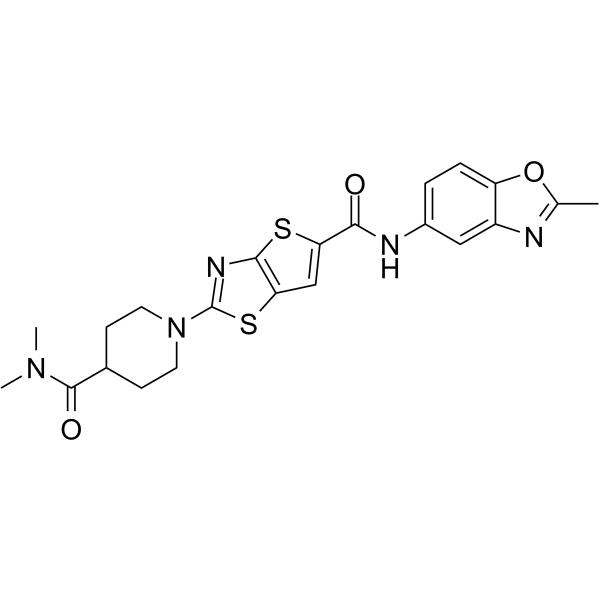
AGH-107 is a high selective and brain-penetrant agonist of 5-HT7 receptor, with a Ki of 6 nM and EC50 of 19 nM. AGH-107 exhibits high selectivity over related CNS targets, high metabolic stability and low toxicity in HEK-293 and HepG2 cell cultures .
|
-

- HY-163069
-
|
|
Bacterial
|
Infection
|
|
Antitubercular agent-43 (compound A11) is an orally active and potent antitubercular agent. Antitubercular agent-43 shows highly metabolic stability against human and mouse cytochrome P450 enzymes. Antitubercular agent-43 exhibits bactericidal efficacy in acute TB infection mouse model .
|
-
- HY-125625
-
|
|
Renin
|
Cardiovascular Disease
|
|
ES 6864 is an orally active, competitive inhibitor for human renin, with an IC50 of 6.9 nM and a Ki of 7.3 nM. ES 6864 exhibits high species-specific and enzyme-specific properties. ES 6864 exhibits metabolic stability in rat tissue homogenates. ES 6864 reduces blood pressure in rats and sodium-depleted awake marmosets .
|
-

- HY-126321
-
|
|
ROR
|
Cancer
|
|
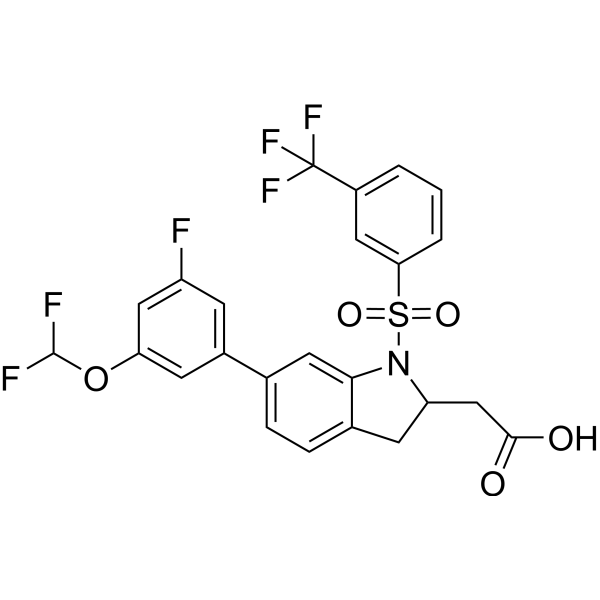
RORγt agonist 1 (compound 14) is a potent, orally bioavailable RORγt agonist with an EC50 of 20.8 nM. RORγt agonist 1 showes high metabolic stability, improved aqueous solubility and excellent mouse PK profile. RORγt agonist 1 is a potential candidate of RORγt agonist for cancer immunotherapy .
|
-
- HY-173141
-
|
|
mTOR
|
Cancer
|
|
mTOR inhibitor-26 (Compound HPT-11) is an inhibitor of mTOR with an IC50 of 0.7 nM. It effectively inhibits the proliferation of AML cell lines Molm-13 and MV-4-11. mTOR inhibitor-26 exhibits antitumor activity and favorable metabolic stability, making it a promising candidate for cancer research .
|
-

- HY-170486
-
|
|
Mixed Lineage Kinase
FAK
|
Cancer
|
|
MLK3-IN-1 (Compound 37) is a selective inhibitor for mixed-lineage protein kinase 3 (MLK3) with an IC50 <1 nM. MLK3-IN-1 inhibits FAK with an IC50 of 15.5 μM. MLK3-IN-1 exhibits good metabolic stability in mouse and human liver microsomes .
|
-

- HY-159895
-
|
|
Protease Activated Receptor (PAR)
|
Cardiovascular Disease
|
|
PAR4 antagonist 7 (Compound 20f) is selective PAR4 antagonist (IC50: 1.72 nM). PAR4 antagonist 7 inhibits PAR4 agonist-induced platelet aggregation. PAR4 antagonist 7 has good metabolic stability. PAR4 antagonist 7 does not show a bleeding tendency in mice .
|
-

- HY-P5984A
-
|
|
mTOR
|
Others
|
|
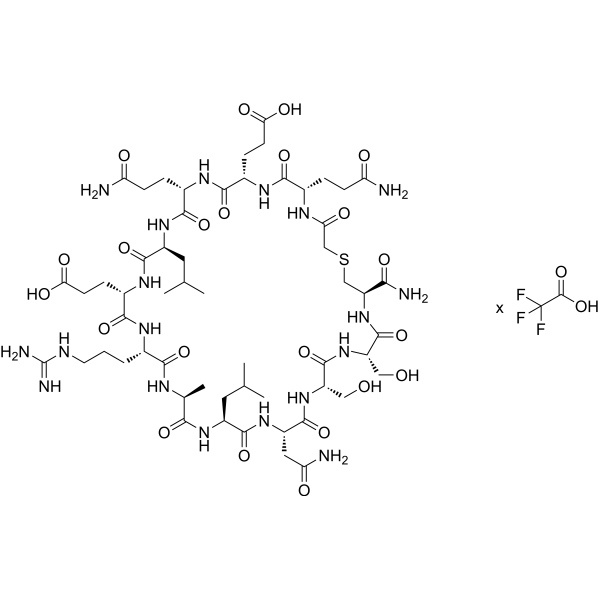
Thioether-cyclized helix B peptide, CHBP (TFA) is the TFA form of Thioether-cyclized helix B peptide, CHBP (HY-P5984). Thioether-cyclized helix B peptide, CHBP (TFA) can improve metabolic stability and renoprotective effect through inducing autophagy via inhibition of mTORC1 and activation of mTORC2 .
|
-
- HY-151340
-
|
|
Bacterial
|
Infection
|
|
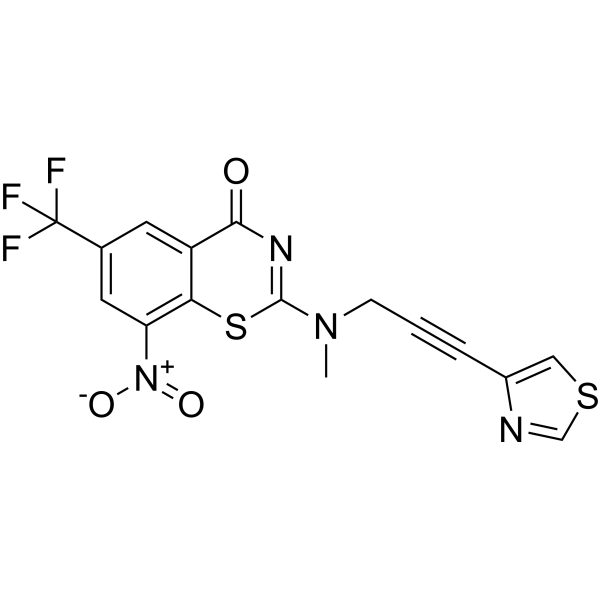
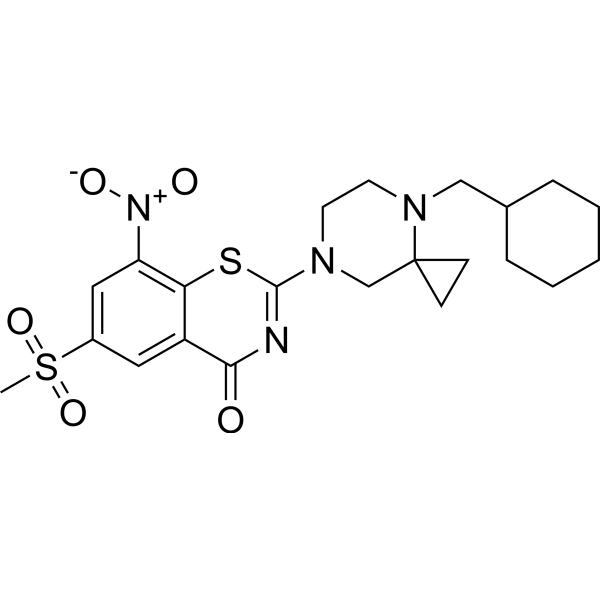
Antitubercular agent-32 is a derivate of Benzothiazinone (HY-13579A), inhibits M. tuberculosis, and shows improved metabolic stability and enhanced water solubility. Antitubercular agent-32 exerts antitubercular effect by targeting decaprenylphosphoryl-β-D-ribose 2’-oxidase (DprE1, IC50=3.9 μM) .
|
-
- HY-120454
-
|
|
MEK
Potassium Channel
|
Cancer
|
|
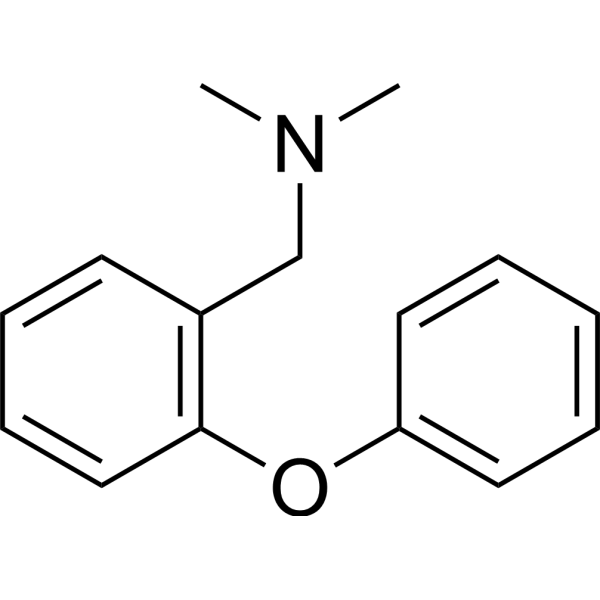
G-479 is the inhibitor for MEK and hERG channel (IC50=14 μM). G-479 inhibits the proliferation of HCT-116 and A375 with IC50 of 0.049 μM and 0.004 μM. G-479 exhibits good metabolic stability in liver microsomes and good pharmacokinetic characteristics in rats .
|
-

- HY-160656
-
|
|
5-HT Receptor
|
Neurological Disease
|
|
5-HT/NA Reuptake inhibitor-1 (compound 9) is a selective dual 5-HT and NA reuptake inhibitor with IC50 of 660 nM and 70 nM respectively. . 5-HT/NA Reuptake inhibitor-1 has good in vitro human metabolic stability, hERG selectivity and passive membrane permeability .
|
-
- HY-174800
-
|
|
Topoisomerase
|
Cancer
|
|
ARN21929 is a Topoisomerase II inhibitor with an IC50 of 4.5 μM. ARN21929 exhibits excellent kinetic and thermodynamic solubility as well as metabolic stability. However, ARN21929 shows poor antiproliferative activity against A549, DU145, MCF7, HeLa, and A375 cells. ARN21929 can be used in the study of cancer .
|
-

- HY-144687
-
|
|
ATM/ATR
PI3K
mTOR
|
Cancer
|
|
ATM Inhibitor-4 (compound 39) is a potent and selective ATM inhibitor, with an IC50 of 0.32 nM. ATM Inhibitor-4 shows stronger inhibition of PI3K kinases family. ATM Inhibitor-4 shows a full inhibition of mTOR at 1 μM. ATM Inhibitor-4 exhibits favorable metabolic stability .
|
-
- HY-168572
-
|
|
BCRP
|
Cancer
|
|
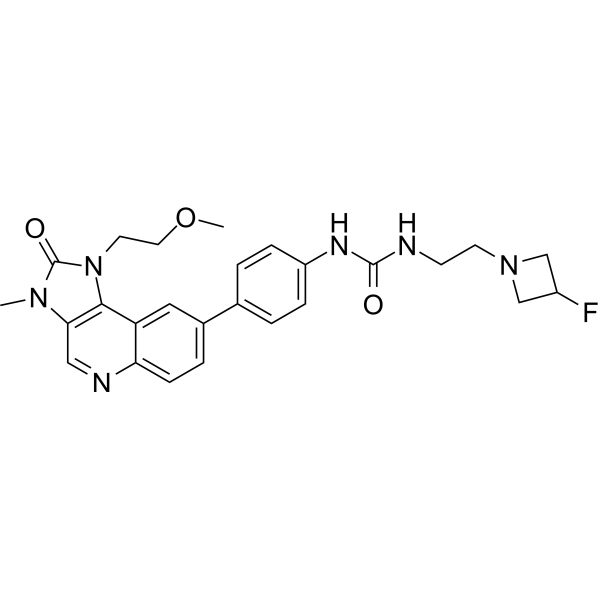
MZ82, Ko 143 (HY-10010) derivative, is a ATP-binding cassette subfamily G member 2 (ABCG2/BCRP) inhibitor with the IC50 of ~23 nM. MZ82 not only shows greatly improved metabolic stability over Ko 143 (HY-10010) in liver microsomes but also in mice, and is able to penetrate into the brain .
|
-

- HY-169927
-
|
|
Ferroptosis
|
Inflammation/Immunology
|
|
Ferroptosis-IN-16 (Compound 13l) is a specific inhibitor for ferroptosis with an EC50 of 0.7 nM and 0.9 nM in ES-2 cell and LX-2 cell. Ferroptosis-IN-16 ameliorates Acetaminophen (HY-66005)-induced acute liver injury in mouse model, and exhibits good metabolic stability in mouse liver microsomes .
|
-

- HY-175537
-
|
|
Phosphodiesterase (PDE)
|
Inflammation/Immunology
|
|
ATX-IN-3 is an orally active autotaxin (ATX) inhibitor with an IC50 of 46 nM. ATX-IN-3 certainly reduces collagen deposition and ameliorates lung fibrosis in the pulmonary fibrosis mouse model. ATX-IN-3 has good metabolic stability and drug-like properties. ATX-IN-3 can used for the study of idiopathic pulmonary fibrosis (IFP) .
|
-

- HY-169348
-
|
|
β-catenin
Wnt
c-Myc
|
Cancer
|
|
β-catenin-IN-8 (Compound 25) is a β-catenin inhibitor. β-catenin-IN-8 inhibits β-catenin and c-Myc protein levels, and inhibits Wnt-target genes level (Fgf20 and Sall4). β-catenin-IN-8 has colorectal cancer anticancer activities, and has metabolic stability .
|
-

- HY-40156A
-
|
|
Bacterial
|
Infection
|
|
Mycobacterium Tuberculosis-IN-5 (Compound 11) is the HCl salt form of 5-Fluoroindole (HY-40156). Mycobacterium Tuberculosis-IN-5 is an antibacterial agent, that inhibits Mycobacterium tuberculosis with a MIC of 29.1 μM. Mycobacterium Tuberculosis-IN-5 exhibits metabolic stability in rat liver microsomes. Mycobacterium Tuberculosis-IN-5 exhibits anti-tuberculosis efficacy in mice .
|
-

- HY-131617
-
|
PGF2α 1,11-lactone
|
Prostaglandin Receptor
|
Others
|
|
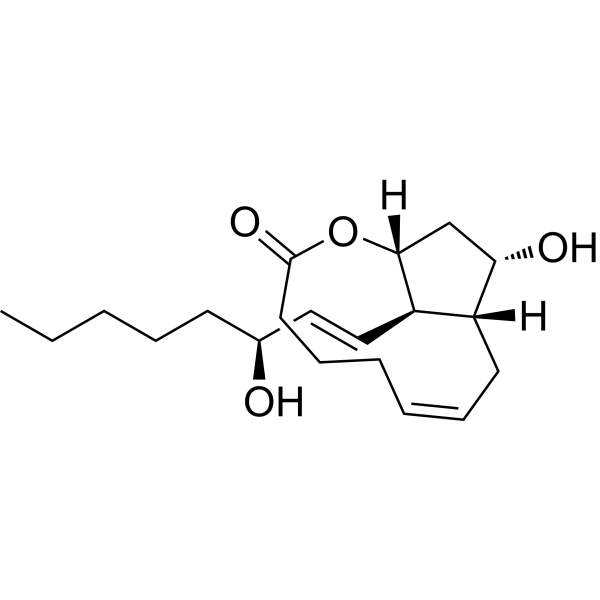
Prostaglandin F2α 1,11-lactone is a prostaglandin. Prostaglandin F2α 1,11-lactone is absorbed by the eye. Prostaglandin F2α 1,11-Lactone has metabolic stability on the corneal surface and conjunctiva. Prostaglandin F2α 1,11-lactone can be used in the treatment of glaucoma .
|
-
- HY-152479
-
|
|
Topoisomerase
|
Cancer
|
|
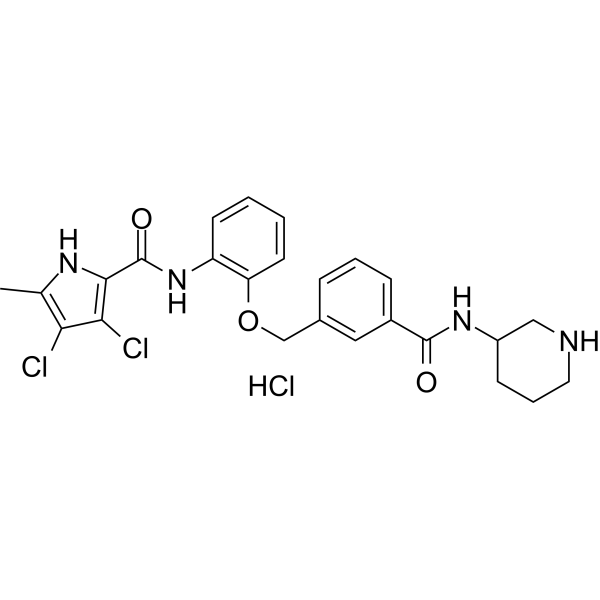
Topoisomerase IIα-IN-7 is an DNA topoisomerase IIα inhibitor with an IC50 value of 7.7 µM. Topoisomerase IIα-IN-7 has broad-spectrum cytotoxicity to leukemia, lung, colon, melanoma, ovarian, kidney, prostate and breast cancer cells. Topoisomerase IIα-IN-7 has metabolic stability .
|
-
- HY-152468
-
|
|
Apoptosis
|
Cancer
|
|
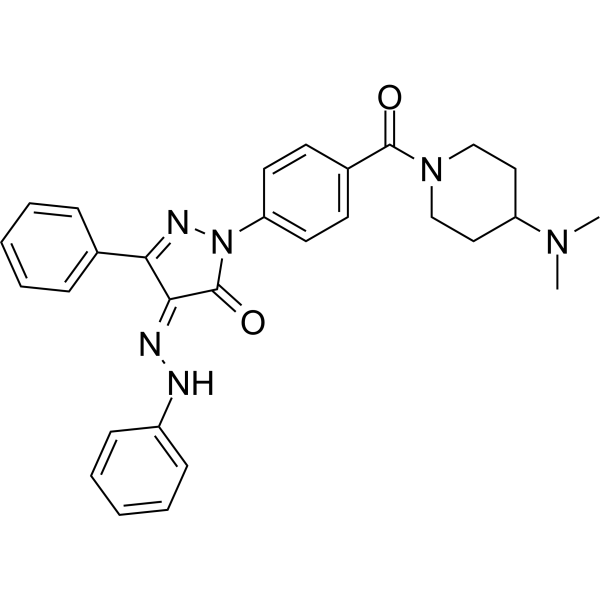
Antitumor agent-83 is an activator of pro-apoptotic protein BAX and has significant anti-proliferation effect on tumor cells. Antiumor agent-83 mediates cell Apoptosis by inducing the conformational activation of BAX and has inhibitory effect on A549 cell cycle. Antiumor agent-83 has good metabolic stability and CYPs spectrum in vitro .
|
-
- HY-147758
-
|
|
Beta-secretase
Amyloid-β
|
Neurological Disease
|
|
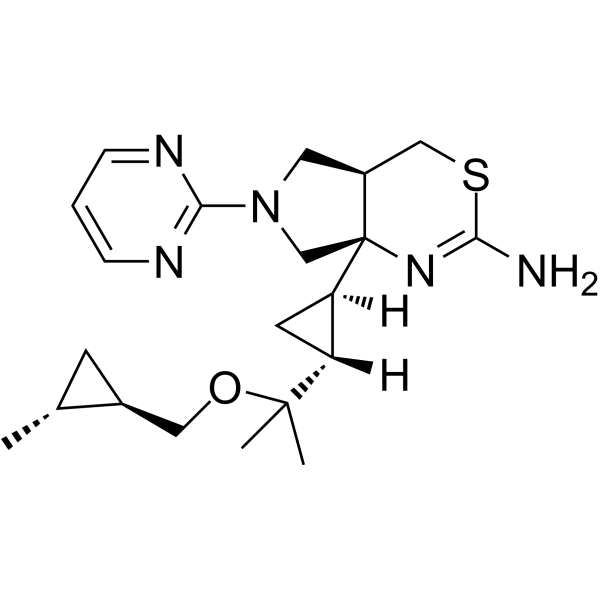
BACE1/2-IN-1 (compound 34) is a potent BACE1 and BACE2 inhibitor, with an IC50 of 0.01 and 0.0053 μM, respectively. BACE1/2-IN-1 shows a combination of lower Pgp efflux ratio and improved passive permeability. BACE1/2-IN-1 displays reduced liver microsomal metabolic stability .
|
-
- HY-131914B
-
|
|
Sigma Receptor
|
Inflammation/Immunology
|
|
EST64454 maleate is a highly soluble σ1 receptor antagonist, demonstrating potent antinociceptive properties for pain treatment. EST64454 maleate exhibits excellent metabolic stability across various species and possesses an adequate pharmacokinetic profile in rodents. EST64454 maleate has been identified as a promising clinical candidate due to its favorable aqueous solubility and high permeability in Caco-2 cells.
|
-

- HY-168930
-
|
|
Phosphodiesterase (PDE)
|
Inflammation/Immunology
|
|
ATX inhibitor 25 (Compound 29) is an orally active Autotaxin inhibitor with an IC50 of 1.08 nM. ATX inhibitor 25 exhibits excellent in vitro metabolic stability, with a t1/2 of more than 170 minutes. In the bleomycin (HY-108345)-induced pulmonary fibrosis mouse model, orally administered ATX inhibitor 25 shows anti-fibrotic effects .
|
-

- HY-168562
-
|
|
Sigma Receptor
|
Neurological Disease
Cancer
|
|
σ1 Receptor ligand 1 (compound 5I) is a σ1 receptor ligand with a Ki of 3.9 nM. σ1 Receptor ligand 1 has a high plasma protein binding (89%) and promising metabolic stability in the presence of mouse liver microsomes and NADPH. σ1 Receptor ligand 1 can be utilized in neurological and cancer research .
|
-

- HY-159176
-
|
|
Cytochrome P450
|
Cancer
|
|
Antitumor agent-183 (compound 3f) has antitumor activity with metabolic stability. Antitumor agent-183 inhibits cancer cell growth, with IC50s less than 5 nM for A549, HCT116, and HS578T cells. The albumin-bound nanoparticle formulation of Antitumor agent-183 has prolonged retention in the tumor tissues .
|
-

- HY-162928
-
|
|
RIP kinase
|
Neurological Disease
|
|
RIPK1-IN-26 (Compound 8a) is a potent receptor-interacting serine/threonine-protein kinase 1 (RIPK1) inhibitor with cell anti-necroptosis potency. RIPK1-IN-26 demonstrats good metabolic stability and good binding specificity in mice. RIPK1-IN-26 is promising for research of PET imaging probe development and neurodegenerative disorders .
|
-

- HY-122229
-
|
|
HIV
|
Infection
|
|
GS-9822 is a potent antivira agent with nanomolar activity against wild-type HIV-1 viruses. GS-9822 potently inhibits the LEDGF/p75-integrase interaction with an IC50 of 0.07 μM. GS-9822 has high in vitro metabolic stability and favorable oral pharmacokinetic profiles with low systemic clearance in rats, dogs, and monkeys .
|
-
- HY-174348
-
|
|
Epigenetic Reader Domain
|
Inflammation/Immunology
|
|
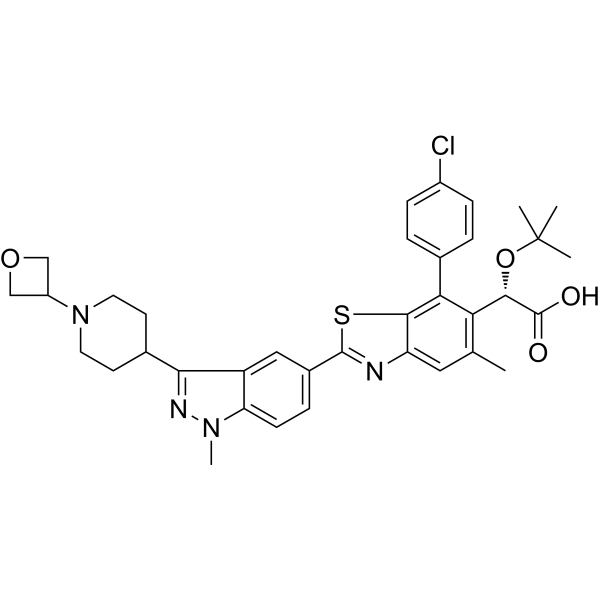
BRD4-IN-10 (Compound 31) is a selective BRD4 inhibitor with an IC50 of 13.5 nM. BRD4-IN-10 can exert anti-inflammatory and anti-fibrotic effects. BRD4-IN-10 also has good metabolic stability, pharmacokinetic properties and safety. BRD4-IN-10 can be used in the research of renal fibrosis diseases .
|
-

- HY-147754
-
|
|
Btk
JAK
|
Inflammation/Immunology
|
|
JAK3/BTK-IN-6 (compound 14h) is a potent BTK and JAK3 dual inhibitor, with IC50 values of 0.6 and 0.4 nM, respectively. JAK3/BTK-IN-6 shows good metabolic stability in human liver microsome. JAK3/BTK-IN-6 can be used for hematological and immune diseases research .
|
-
- HY-144632
-
|
|
Fungal
|
Infection
|
|
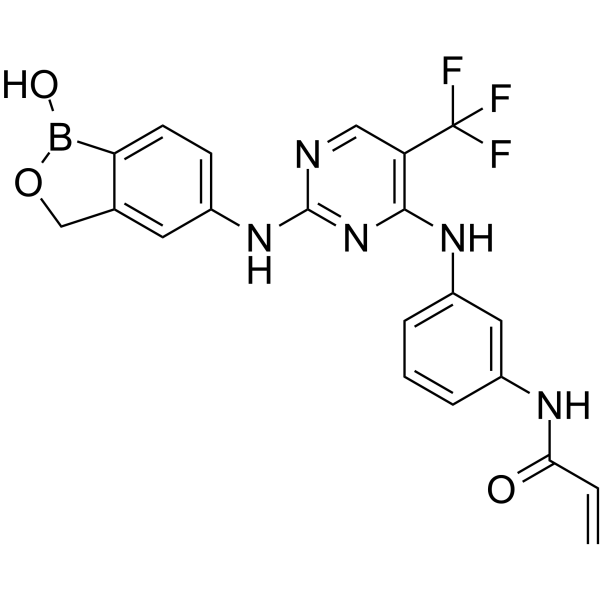
Antifungal agent 22 (compound D16) is a potential and orally active antifungal agent for CM (cryptococcal meningitis), with an IC50 of 0.5 μg/mL. Antifungal agent 22 can penetrate the blood-brain barrier and kill the C. neoformans H99 cells by destroying the integrity of fungal cell membranes. Antifungal agent 22 shows selective anti-Cryptococcus activity with good metabolic stability and low cytotoxicity .
|
-
- HY-155116
-
|
|
5-HT Receptor
|
Neurological Disease
|
|
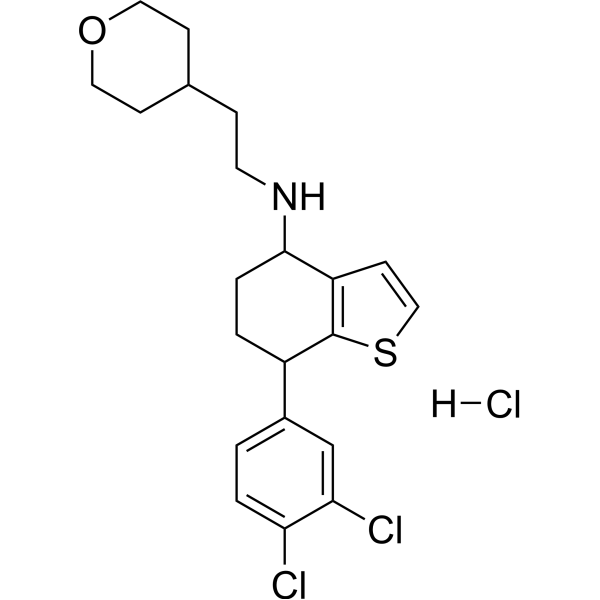
5-HT6 agonist 1 (Compound 19) is a 5-HT6 agonist (Ki: 5 nM). 5-HT6 agonist 1 has antidepressant-like properties, and improves cognitive deficits. 5-HT6 agonist 1 also inhibits platelet aggregation. 5-HT6 agonist 1 has high metabolic stability .
|
-
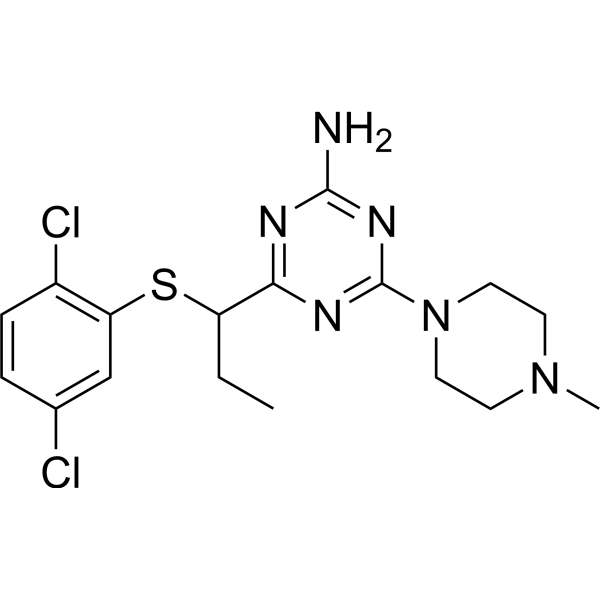
- HY-169258
-
|
|
Phosphodiesterase (PDE)
|
Metabolic Disease
|
|
PDE4-IN-21 (Compound L19) is a poetent PDE4 inhibitor, with an IC50 of 0.48 μM. PDE4-IN-21 exhibits good inhibitory activity and remarkable metabolic stability in rat liver microsomes .
|
-

- HY-181047
-
|
|
Dopamine Receptor
|
Neurological Disease
|
|
FMJ-01-042 is a blood-brain barrier-permeable, low-efficacy partial agonist with high affinity (Kᵢ = 4.33 nM) and exceptional subtype selectivity for the dopamine D4 receptor. FMJ-01-042 exhibits good metabolic stability and is suitable for research on neurological and psychiatric disorders .
|
-

- HY-180111
-
|
|
Polo-like Kinase (PLK)
|
Neurological Disease
Cancer
|
|
PLK4-IN-7 is a selective and orally active PLK4 inhibitor with an IC50 value of 7.9 nM. PLK4-IN-7 exhibits potent antitumor activity and favorable metabolic stability. PLK4-IN-7 can be used for the research of tumors such as neuroblastoma .
|
-

- HY-174454
-
|
|
P-glycoprotein
|
Infection
|
|
Antitrypanosomal agent 24 is a benzothiazole amidoxime with strong and selective antitrypanosomal activity (IC50 = 0.92 μM). Antitrypanosomal agent 24 is a substrate of the P-glycoprotein efflux pump. Antitrypanosomal agent 24 has high membrane permeability and good metabolic stability. Antitrypanosomal agent 24 binds to DNA/RNA by intercalation .
|
-

- HY-W099633
-
|
|
Amino Acid Derivatives
|
Neurological Disease
|
|
2-Aminodecanoic acid is a lipophilic α-amino acid with an aliphatic side chain of 10 carbon atoms. 2-Aminodecanoic acid modifies the N-terminus of endogenous opioid peptide endomorphin-1 to enhance metabolic stability and membrane permeability. 2-Aminodecanoic acid can be used for the research of neuropathic pain .
|
-

- HY-181721
-
|
|
Dopamine Receptor
|
Neurological Disease
|
|
Dopamine D3 receptor agonist 1 is a dopamine D3 Receptor agonist with a Ki value of 0.268 nM. Dopamine D3 receptor agonist 1 exhibits metabolic stability in rat liver microsomes. Dopamine D3 receptor agonist 1 can be used to study severe mental disorders comorbid with substance use disorders .
|
-

- HY-111103A
-
|
|
PAK
|
Cancer
|
CZh226 hydrochloride is a potent and selective PAK4 inhibitor with an IC50 of 18 nM, and its selectivity for PAK1 is 346 times. The oral bioavailability of CZh226 hydrochloride is poor, and it requires the use of the prodrug PAK4-IN-1 (HY-130628) to improve absorption and metabolic stability. CZh226 hydrochloride can be used for research on colorectal cancer and melanoma .
|
-

- HY-179390
-
|
|
Adrenergic Receptor
|
Neurological Disease
|
|
KMCA-0011 is an orally active ɑ2C adrenoceptor antagonist (Ki = 56.7 nM). KMCA-0011 alleviates depressive behaviors by enhancing BDNF and synaptic plasticity. KMCA-0011 displays favorable metabolic stability, including high plasma stability (99.8% after 120 min). KMCA-0011 can be used for the research of depression .
|
-

- HY-N10508S
-
|
|
Isotope-Labeled Compounds
VD/VDR
Drug Metabolite
|
Metabolic Disease
Cancer
|
|
Calcitroic acid- 13C is the 13C-labeled Calcitroic acid (HY-N10508). Calcitroic acid is a vitamin D receptor (VDR) agonist that can activate VDR-mediated transcription. Calcitroic acid is the main metabolite of 1,25-dihydroxyvitamin D3, with the highest concentrations found in the liver and mucosa of mice, and it has metabolic stability and very low toxicity .
|
-

- HY-143330
-
|
|
Monoamine Oxidase
|
Neurological Disease
|
|
MAO-B-IN-4 (Compound 26) is an orally active and reversible MAO-B inhibitor with an IC50 of 9 nM. MAO-B-IN-4 has good metabolic stability, safety profile and brain permeability. MAO-B-IN-4 shows antidepressant activity in rats and mice. MAO-B-IN-4 can be used in studies related to Alzheimer's disease .
|
-
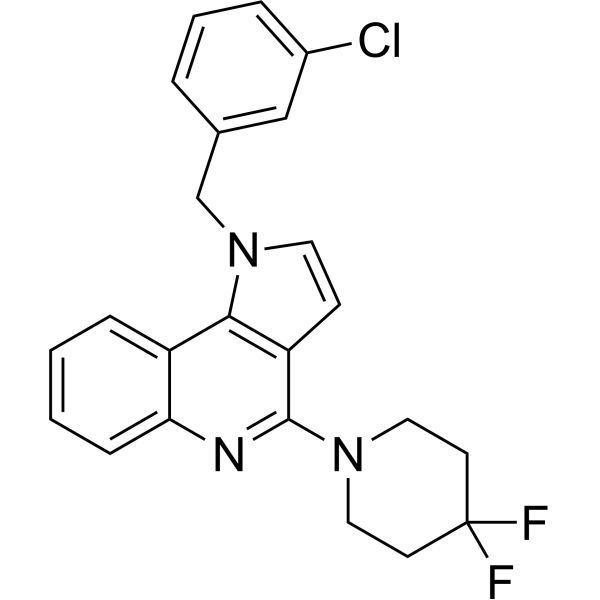
- HY-137626A
-
|
|
P2Y Receptor
|
Others
|
|
Sp-ATPαS tetrasodium is a thiophosphonate analogue of ATP. Sp-ATPαS tetrasodium is a competitive antagonist of the human P2Y1 receptor and can inhibit the calcium signal induced by ADP. Sp-ATPαS tetrasodium has higher metabolic stability than ATP. Sp-ATPαS tetrasodium can be used to study the binding mode of metal-nucleotide in enzymatic reactions .
|
-

- HY-179697
-
|
|
Cathepsin
|
Metabolic Disease
|
|
Cathepsin K-IN-9 is a selective, potent and orally active Cathepsin K inhibitor with an IC50 of 6.2 nM. Cathepsin K-IN-9 has IC50 > 10000 nM for cathepsin B, L, and S, showing over 1600-fold selectivity. Cathepsin K-IN-9 has excellent safety and metabolic stability.Cathepsin K-IN-9 can be used for the research of osteoporosis .
|
-

- HY-182921
-
|
|
GPR84
Enterovirus
|
Inflammation/Immunology
|
|
GPR84 antagonist 11 is a highly selective GPR84 antagonist, with a human pA2 of 8.41 and a pKi of 8.16. GPR84 antagonist 11 competitively inhibits the binding of agonists to the orthosteric site of GPR84 and has improved druglike properties, though its metabolic stability still requires optimization. GPR84 antagonist 11 can be used in the research of autoimmune diseases and fibrotic diseases .
|
-

- HY-146594
-
|
|
NOD-like Receptor (NLR)
|
Inflammation/Immunology
|
|
NLRP3-IN-8 (compound 27) is an orally active, directly binding NLRP3 inflammasome inhibitor with an IC50 value of 1.23 μM against IL-1 β. NLRP3-IN-8 has good metabolic stability to liver microsomes (t1/2 = 138.63 min), and has almost no toxicity (against L02: IC50 > 100 μM) .
|
-
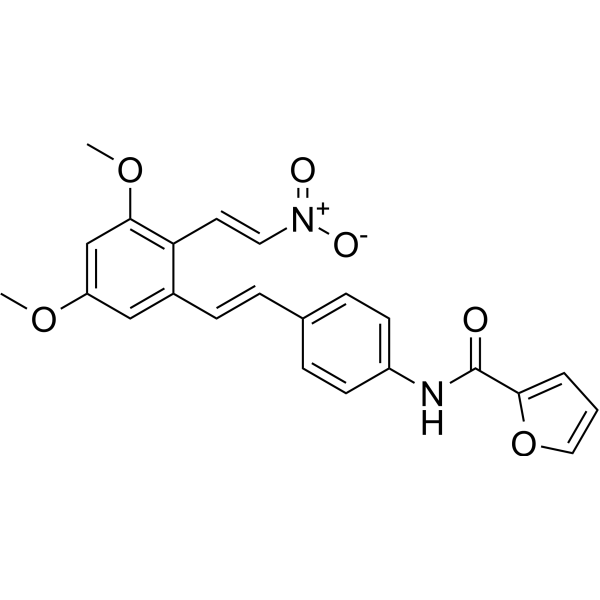
- HY-121081
-
|
|
CDK
|
Cancer
|
|
BAY-958 is a potent PTEFb/CDK9 inhibitor with high selectivity demonstrated, particularly within the CDK family. BAY-958 shows strong antiproliferative activity against cancer cell lines such as HeLa and MOLM-13. BAY-958 exhibits good metabolic stability. BAY-958 effectively inhibits tumor growth in mouse xenograft models without significant toxicity .
|
-

- HY-146388
-
|
|
Bacterial
ATP Synthase
|
Infection
|
|
Mtb ATP synthase-IN-1 (compound 6ab) is a potent Mycobacterium tuberculosis (Mtb) ATP synthase inhibitor, with MIC of 0.452-0.499 μg/mL against Mtb. Mtb ATP synthase-IN-1 has good metabolic stability, low cytotoxicity (Vero IC50 > 64 μg/mL), and acceptable oral bioavailability. Mtb ATP synthase-IN-1 can be used for researching anti-mycobacterium .
|
-
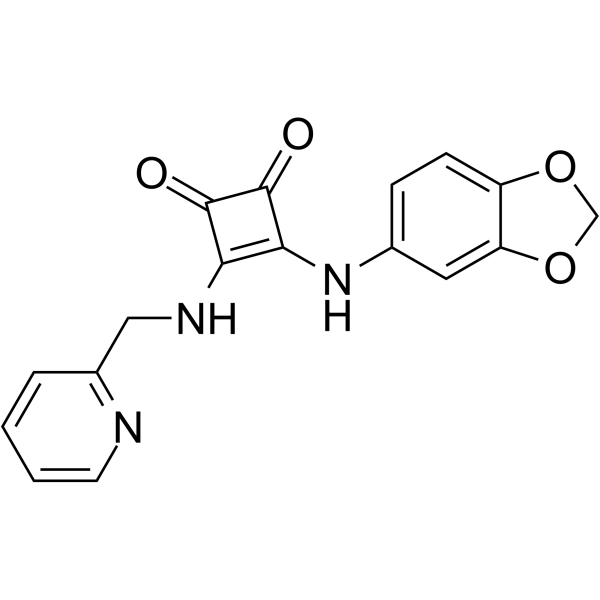
- HY-183247
-
|
|
Epigenetic Reader Domain
|
Cancer
|
|
BRDT-IN-1 is a BRDT-BD1 and BRDT-T inhibitor with BRDT-BD1 IC50 19 nM, Ki 8.8 nM, Ka 1.6 nM, and BRDT-T IC50 56 nM, Ka 5.0 nM. BRDT-IN-1 displays in vitro metabolic stability and limited cellular permeability in MDCK-MDR1 cells. BRDT-IN-1 can be used for the research of multiple myeloma .
|
-

- HY-163763
-
|
|
G2A (GPR132)
|
Neurological Disease
Inflammation/Immunology
Cancer
|
|
T-10418 is a potent and highly selective G2A/GPR132 agonist. T-10418 has an EC50 of 0.82 μM for human G2A activation. T-10418 has good water solubility, metabolic stability, and pharmacokinetic properties. T-10418 can be used for the research of various diseases such as neuropathic pain, acute myeloid leukemia, and inflammation .
|
-

- HY-168956
-
|
|
Bacterial
|
Infection
|
|
Pks13-IN-2 (Compound 43) is an orally active inhibitor of Pks13. Pks13-IN-2 exhibits inhibitory activity against Mycobacterium tuberculosis H37Rv, with a MIC of 0.8-1.8 μM. Pks13-IN-2 shows good metabolic stability in mouse liver microsomes and hepatocytes. Pks13-IN-2 can be used for tuberculosis research .
|
-

- HY-121081A
-
|
BAY-958 hydrochloride
|
CDK
|
Cancer
|
|
BAY-1112054 (BAY-958) hydrochloride is a potent PTEFb/CDK9 inhibitor with high selectivity demonstrated, particularly within the CDK family. BAY-1112054 hydrochloride shows strong antiproliferative activity against cancer cell lines such as HeLa and MOLM-13. BAY-1112054 hydrochloride exhibits good metabolic stability. BAY-1112054 hydrochloride effectively inhibits tumor growth in mouse xenograft models without significant toxicity .
|
-

- HY-155746
-
|
|
JAK
|
Infection
Inflammation/Immunology
|
|
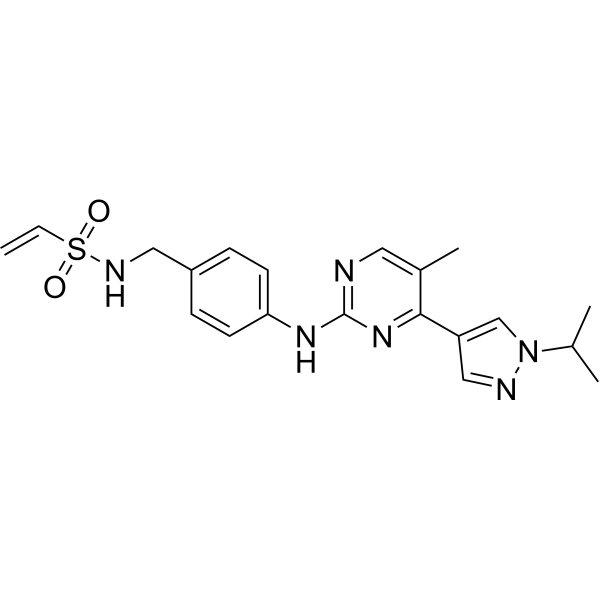
JAK2-IN-9 (Compound A8) is a selective JAK2 inhibitor (IC50: 5 nM). JAK2-IN-9 inhibits the phosphorylation of JAK2, STAT3, and STAT5. JAK2-IN-9 has metabolic stabilities. JAK2-IN-9 induces apoptosis. JAK2-IN-9 can be used for research of myeloproliferative neoplasms (MPNs) .
|
-
- HY-157840
-
|
|
Parasite
|
Infection
|
|
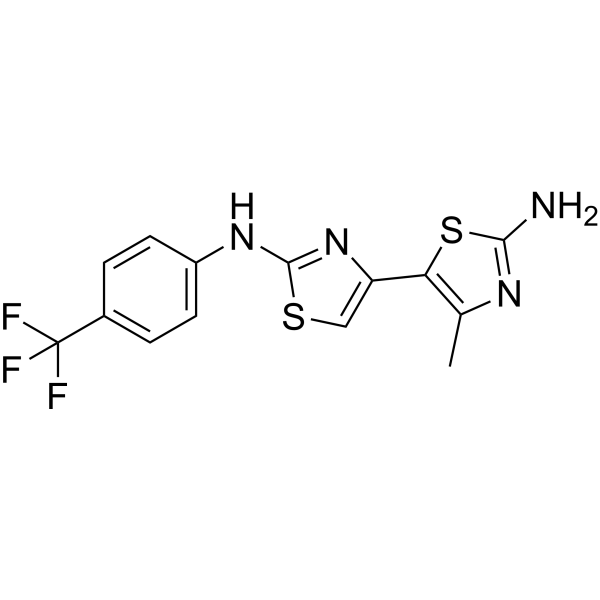
Anti-infective agent 9 (compound 1) is a Plasmodium falciparum inhibitor (IC50=600 nM), can downregulate pyruvate levels and TCA cycle in Plasmodium. Anti-infective agent 9It has good metabolic stability and low toxicity to human liver cells. The study found, Anti-infective agent 9Potential targets for inhibiting Plasmodium falciparum are not 1-deoxidation-d-xylulose-5-Phosphate synthase (DXPS) .
|
-
- HY-100940
-
|
|
Melatonin Receptor
|
Endocrinology
|
|
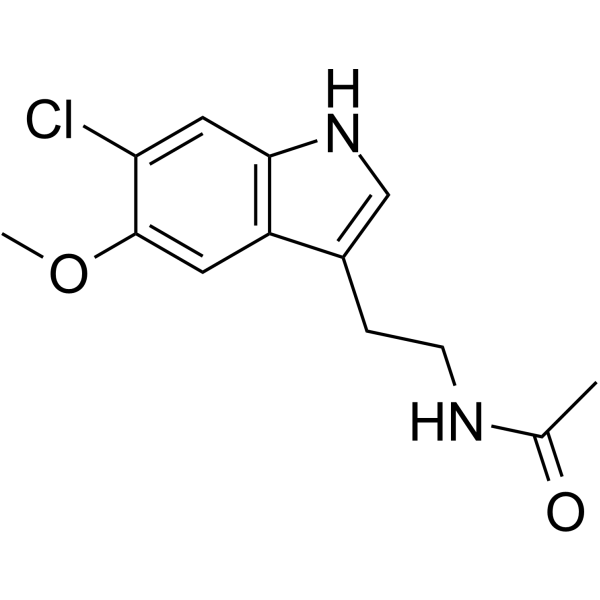
6-Chloromelatonin is a potent melatonin receptor agonist with greater metabolic stability than melatonin. 6-Chloromelatonin compete for [ 3H]-melatonin and 2-[ 125I]-iodomelatonin binding to MT1 receptors (pKi=8.9 and 9.1, respectively). 6-Chloromelatonin compete for [ 3H]-melatonin binding to MT2 receptors (pKi=9.77) .
|
-
- HY-155992
-
|
|
Sigma Receptor
|
Neurological Disease
|
|
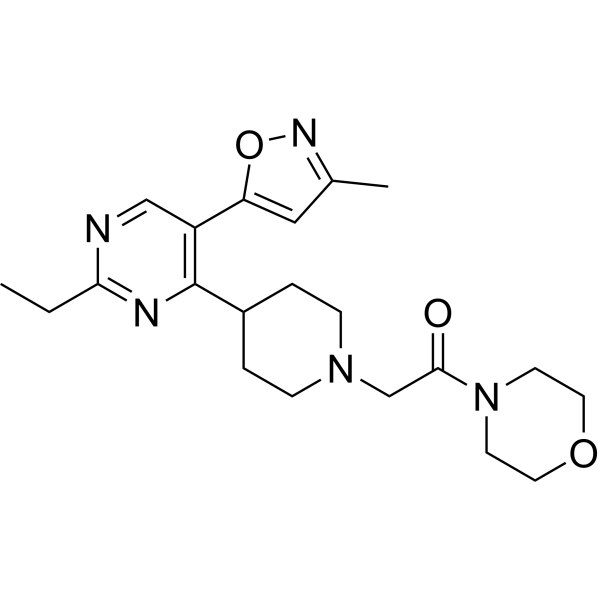
WLB-89462 (Compound 20c) is a selective σ2 receptor ligand (Ki: 13 nM). WLB-89462 has neuroprotective activity. WLB-89462 improves short-term memory impairment induced by Aβ peptide in rats. WLB-89462 has good ADMET profile (good solubility, no CYP inhibition, good metabolic stability, high permeability, brain penetration, and high oral exposure in rodents) .
|
-
- HY-145713A
-
|
HBV-IN-19 TFA
|
HBV
|
Infection
|
|
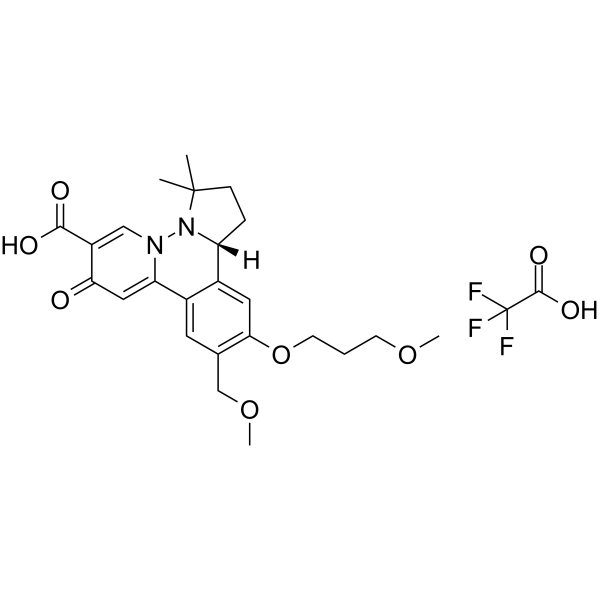
GS-8873 TFA is the TFA salt form of GS-8873 (HY-145713). GS-8873 TFA is an orally active inhibitor for the production of hepatitis B virus (HBV) surface antigen (HBsAg) with an EC50 of 4 nM. GS-8873 TFA exhibits good pharmacokinetic characters in rats and metabolic stability in human hepatocytes. GS-8873 TFA causes neurofunctional deficits in rats and cynomolgus monkeys .
|
-
- HY-173084
-
|
|
Phosphatase
MDM-2/p53
|
Cancer
|
|
BRD6257 is an orally active inhibitor for protein phosphatase, Mg2+/Mn2+ dependent 1D PPM1D with an IC50 of 5 nM. BRD6257 activates p53 signaling pathway with an EC50 of 51 nM, increases the p21 expression, inhibits the proliferation of cancer cell MOLM13 (IC50=2.8 μM). BRD6257 exhibits good metabolic stability in human and rat liver microsomes .
|
-

- HY-175818
-
|
|
Apelin Receptor (APJ)
|
Cancer
|
|
APJ antagonist-1 is an apelin receptor (APJ) antagonist. APJ antagonist-1 shows strong β-arrestin inhibition with an IC50 of 3.1 μM. APJ antagonist-1 selectively inhibits APJ-overexpressing cancer cells and suppresses apelin-induced endothelial cell migration. APJ antagonist-1exhibits high metabolic stability. APJ antagonist-1 can used for the studies of ovarian cancer and tumor angiogenesis .
|
-

- HY-144763
-
|
|
Apoptosis
|
Cancer
|
|
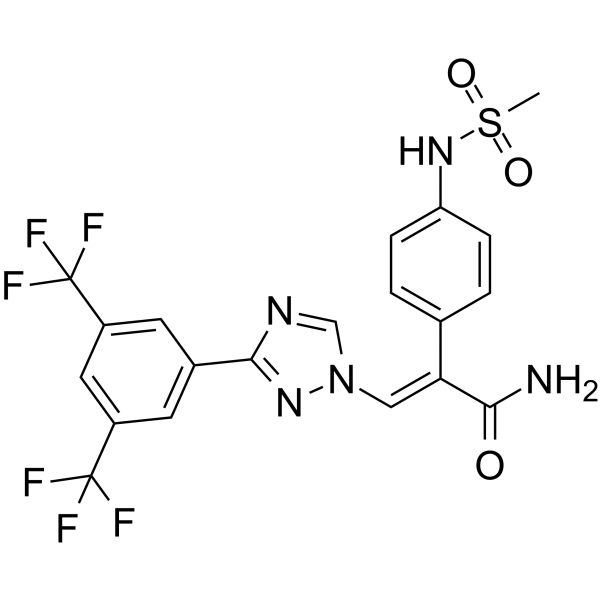
XPO1-IN-1 (compound D4) is an orally active and potent XPO1 inhibitor, with an IC50 of 24 nM in MM.1S cell. XPO1-IN-1 can efficiently induce cell apoptosis and cell cycle arrest. XPO1-IN-1 displays favorable metabolic stability and pharmacokinetic properties. XPO1-IN-1 can be used for multiple myeloma (MM) research .
|
-
- HY-170509
-
|
|
Ferroptosis
Glutathione Peroxidase
|
Cardiovascular Disease
Neurological Disease
Cancer
|
|
Ferroptosis-IN-17 (Compound 18) is a ferroptosis (Ferroptosis) inhibitor with an EC50 value of 0.57 μM. Ferroptosis-IN-17 reduces intracellular ferrous ion accumulation, lipid peroxidation, and effectively restores the levels of glutathione (GSH) and glutathione peroxidase 4 (GPX4). Ferroptosis-IN-17 shows good solubility and significant metabolic stability in rat plasma. Ferroptosis-IN-17 is promising for research in tumor suppression, neurodegenerative diseases, and cardiovascular diseases .
|
-

- HY-115861
-
|
|
Endogenous Metabolite
|
Neurological Disease
|
|
UCM765 is a selective MT2-type melatonin receptor ligand with hypnotic, analgesic and anxiolytic activities. The partial agonist effect of UCM765 has attracted attention in pharmacological studies. By structurally modifying UCM765, its water solubility and metabolic stability can be improved, thereby increasing its bioavailability. The biological activity of UCM765 has been verified in a rat model, supporting its potential for further pharmacological studies .
|
-

- HY-169402
-
-

- HY-144734
-
|
|
PANK
|
Neurological Disease
Metabolic Disease
|
|
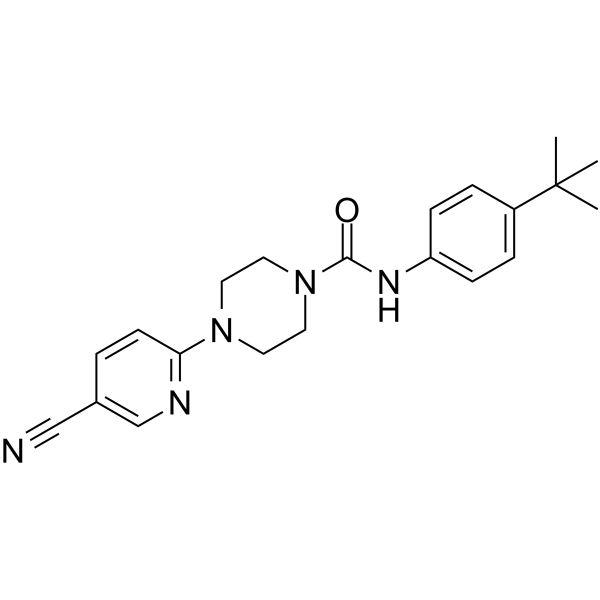
Pantothenate kinase-IN-1 is a PANK3 inhibitor with an IC50 of 0.51 μM. Pantothenate kinase-IN-1 acts as a pantothenate-competitive inhibitor, which occupies the pantothenate-binding site of PANK3 and binds to both protomers in the PANK3 dimer. Pantothenate kinase-IN-1 exhibits metabolic stability in mouse and rat plasma. Pantothenate kinase-IN-1 can be used in the research of pantothenate kinase-associated neurodegenerative diseases and metabolic diseases .
|
-
- HY-158316
-
|
|
Fc Receptor (FcR)
|
Others
|
|
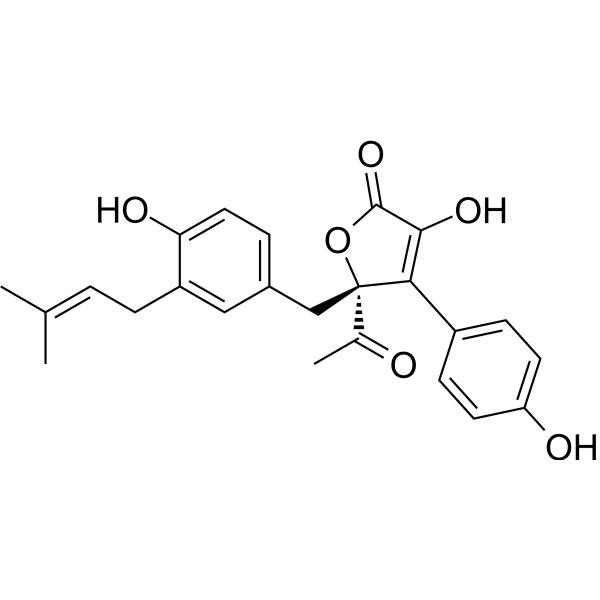
BTL-MK (Compound 19) an orally active antiallergic agent, that inhibits degranulation of mast cells with an IC50 of 6.7 μM, through binding to the inhibitory receptor FcγRIIB. BTL-MK improves the metaboilic stability in human liver microsomes. BTL-MK ameliorates the allergic response in Ovalbumin, low endotoxin (HY-W250978A)-induced food allergy mice model. BTL-MK exhibits a good pharmacokinetic character with metabolic stability .
|
-
- HY-163032
-
|
|
FABP
|
Cardiovascular Disease
Metabolic Disease
Inflammation/Immunology
|
|
FABP4-IN-3 (compound C3) is a highly selective FABP4 inhibitor (FABP4 Ki = 25 ± 3 a nM, FABP3 Ki = 15.03 μM) which exhibits a 601-fold selectivity over FABP3. FABP4-IN-3 also shows metabolic stability and potent cellular anti-inflammatory activity, making it promising to get involved in the research of metabolic disease, cardiac dysfunction and inflammation-related disease .
|
-
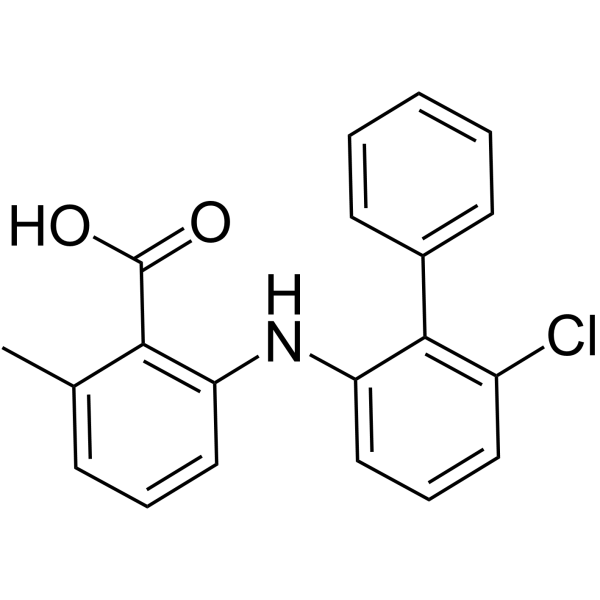
- HY-W043170
-
|
|
Phosphatase
|
Cancer
|
|
PRL3-CNNM4 PPI IN 1 (Compound C28d52) is an inhibitor of the PRL3-CNNM4 interaction and also inhibits PRL-mediated suppression of CNNM. PRL3-CNNM4 PPI IN 1 is capable of penetrating epithelial cell layers, exhibits metabolic stability, possesses favorable pharmacokinetic and pharmacodynamic properties, and holds potential for drug development based on this compound .
|
-

- HY-169402A
-
-

- HY-169119
-
|
|
Cytochrome P450
Fungal
|
Infection
|
|
Antifungal agent 114 (Compound 19g) is an inhibitor for Cytochrome P450, that inhibits CYP1A2, CYP2C9, CYP2C19 CYP2D6 and CYP3A4 at 10 μM. Antifungal agent 114 exhibits antifungal activity against Cryptococcus neoformans, Candida and Aspergillus, with MIC <0.0625 μg/mL. Antifungal agent 114 exhibits good metabolic stability in human liver microsomes with a half-time of 107 minutes .
|
-

- HY-169064
-
|
|
HIV
Reverse Transcriptase
|
Infection
|
HIV-1 inhibitor-75 is a human immunodeficiency virus 1 (HIV-1) inhibitor, with an EC50 value ranging from 0.0039 to 0.338 μM. The binding target of HIV-1 inhibitor-75 is reverse transcriptase, with an IC50 value of 0.055 μM. HIV-1 inhibitor-75 shows good in vitro metabolic stability, exhibiting moderate clearance rates and a longer half-life in human plasma and liver microsomes .
|
-

- HY-170776
-
|
|
PDGFR
VEGFR
FGFR
Apoptosis
|
Cancer
|
|
AXL/Angiokinase-IN-1 (compound 11b) is an AXL/triple angiokinase inhibitor, IC50=3.75 nM (AXL expression). AXL/Angiokinase-IN-1 inhibits epithelial-mesenchymal transition (EMT) in Bxpc-3, blocking lung cancer cell metastasis. AXL/Angiokinase-IN-1 also inhibits vascular and fibroblast functions, promoting apoptosis (apoptosis) in cancer cells and fibroblasts. AXL/Angiokinase-IN-1 features low toxicity and good metabolic stability .
|
-

- HY-115981
-
|
|
HCV Protease
|
Infection
|
|
NS5A-IN-2 (Compound 33) is a potent inhibitor of NS5A. NS5A-IN-2 has extremely high potency against HCV genotype 1b, improved activity against genotype 3a (GT 3a) and good metabolic stability . NS5A-IN-2 is a click chemistry reagent, it contains an Alkyne group and can undergo copper-catalyzed azide-alkyne cycloaddition (CuAAc) with molecules containing Azide groups.
|
-
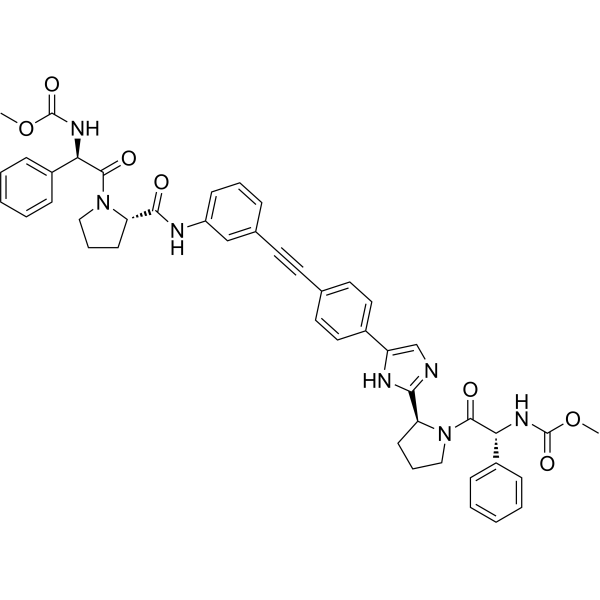
- HY-16986
-
|
|
Histone Methyltransferase
|
Cancer
|
|
EPZ011989 is a potent and orally active Zeste Homolog 2 (EZH2) inhibitor with metabolic stability. EPZ011989 has inhibitory inhibition for EZH2 with a Ki value of <3 nM. EPZ011989 shows robust methyl mark inhibition and anti-tumor activity. EPZ011989 can be used for the research of various cancers . EPZ011989 is a click chemistry reagent, it contains an Alkyne group and can undergo copper-catalyzed azide-alkyne cycloaddition (CuAAc) with molecules containing Azide groups.
|
-
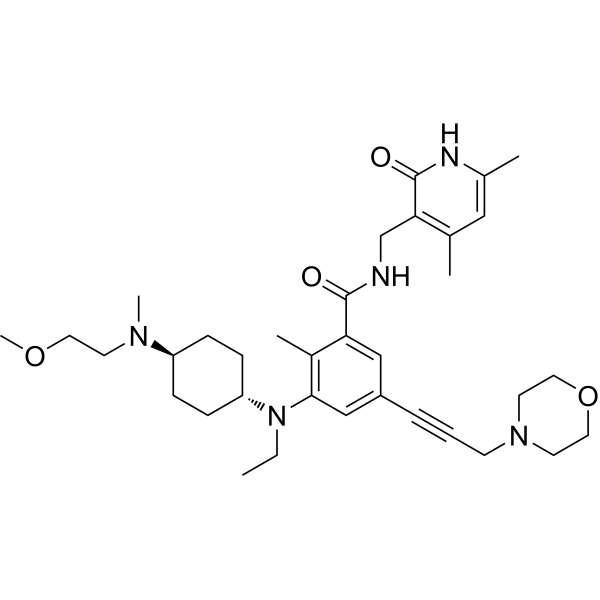
- HY-124623
-
|
|
Parasite
|
Infection
|
|
DNDI-8219 (compound 58) is a potent selective and orally active trypanocidal agent, possessing inhibitory activity against Trypanosoma cruzi (T. cruzi) with an IC50 of 0.4 μM. DNDI-8219 has low cytotoxicity (L6 cells IC50 > 100 μM). DNDI-8219 can effectively cure chronic T. cruzi infection and markedly reduce parasite burdens in mouse model. DNDI-8219 has good solubility, metabolic stability and safety.
|
-
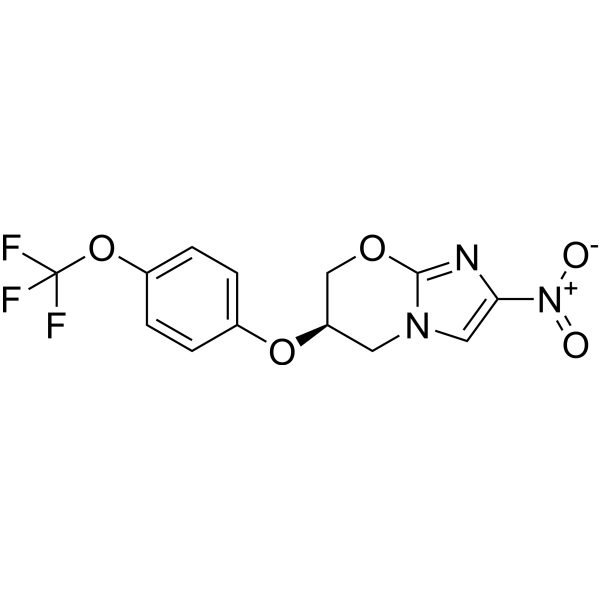
- HY-161860
-
|
|
Bacterial
|
Cancer
|
|
Antibacterial agent 233 (Compound 7c) exhibits inhibitory efficacy against Helicobacter pylori with MIC of 0.4-1.6 μg/mL. Antibacterial agent 233 inhibits jack bean urease (IC50 is 0.27 μg/mL), changes the permeability of H. pylori cell membrane, causes the leakage of cellular contents. Antibacterial agent 233 exhibits metabolic stability in whole blood and artificial gastric fluid. Antibacterial agent 233 exhibits antitumor efficacy against U2OS in mice .
|
-

- HY-156654
-
|
PF-07817883
|
SARS-CoV
Virus Protease
|
Infection
|
|
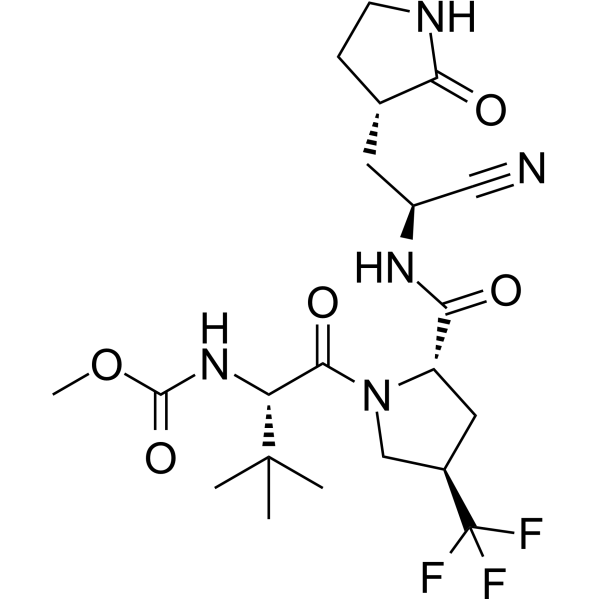
Ibuzatrelvir (PF-07817883), a second-generation, orally bioavailable, is SARS-CoV-2 main protease (M pro and 3CL pro) inhibitor with improved metabolic stability. Ibuzatrelvir has demonstrated pan-human coronavirus antiviral activity and off-target selectivity profile in vitro and in preclinical animal studies. Ibuzatrelvir is well tolerated with a safety profile similar to placebo and prevents viral infection and transmission. Ibuzatrelvir can be used to inhibit COVID-19 .
|
-
- HY-155061
-
|
|
Cytochrome P450
Aryl Hydrocarbon Receptor
|
Cancer
|
|
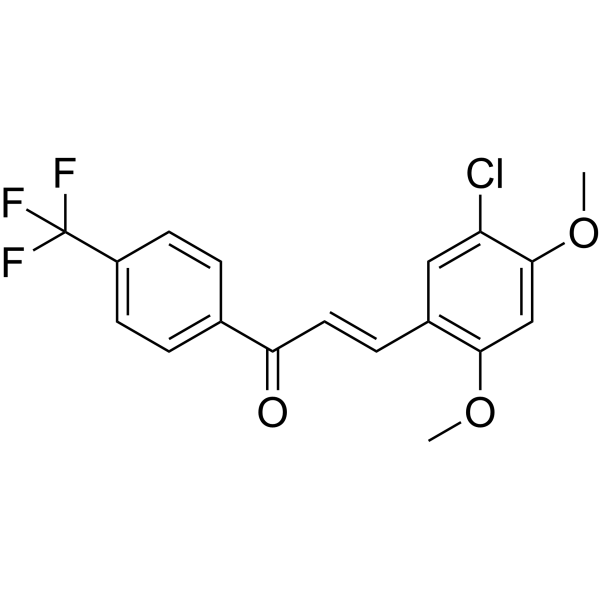
hCYP1B1-IN-1 (compound B18) is a hCYP1B1 inhibitor (IC50=3.6 nM),as well as an antagonist of Aryl Hydrocarbon Receptor. hCYP1B1-IN-1 exhibtis suitable metabolic stability and good cell-permeability. hCYP1B1-IN-1 inhibits migration of MCF-7 cells .
|
-
- HY-130179
-
|
|
Apoptosis
|
Neurological Disease
|
|
RC-33 hydrochloride is a selective and metabolically stable σ receptor agonist with activity in enhancing nerve growth factor (NGF)-induced neurite outgrowth. Both enantiomers of RC-33 hydrochloride bind to the σ receptor with similar affinity and show almost equal effectiveness as σ receptor agonists. The R-configured enantiomer of RC-33 hydrochloride shows higher liver metabolic stability in the presence of NADPH. RC-33 hydrochloride was selected as the best candidate for further in vivo studies in animal models of amyotrophic lateral sclerosis .
|
-

- HY-162630
-
|
|
HDAC
|
Inflammation/Immunology
|
|
HDAC6-IN-44 (compound H10) is a selective HDAC6 inhibitor with an IC50 value of 8.97 nM. HDAC6-IN-44 can inhibit the idiopathic pulmonary fibrosis (IPF) phenotype and exhibits antifibrotic activity. Additionally, HDAC6-IN-44 reduces fibrogenesis in a bleomycin-induced pulmonary fibrosis mouse model and demonstrates good metabolic stability. HDAC6-IN-44 holds promise for research in the field of idiopathic pulmonary fibrosis .
|
-

- HY-146302
-
|
|
Apoptosis
|
Cancer
|
|
14-3-3η Protein inhibitor 1 (Compound C11) is a 14-3-3η protein inhibitor with a KD of 35 µM. 14-3-3η Protein inhibitor 1 shows inhibitory activities against several typical human liver cancer cell lines. 14-3-3η Protein inhibitor 1 induces cell apoptosis and G1-S cell cycle arrest with good metabolic stability .
|
-
- HY-156102
-
|
|
Bcr-Abl
|
Neurological Disease
|
|
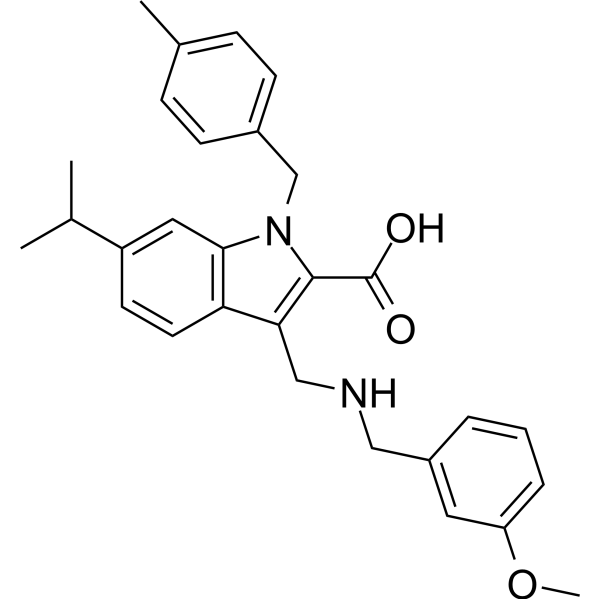
c-ABL-IN-5 is a selective c-Abl inhibitor with neuroprotective effects. c-ABL-IN-5 has blood-brain barrier penetrability, metabolic stability and good pharmacokinetic properties. When c-ABL-IN-5 is labeled with [18F] (compound [18F]3), it can be used as a tracer to evaluate disease-modifying efficacy by complementary positron emission tomography (PET). c-ABL-IN-5 can be used in the study of neurodegenerative diseases such as Parkinson's disease (PD) .
|
-
- HY-146486
-
|
|
P2Y Receptor
|
Inflammation/Immunology
|
|
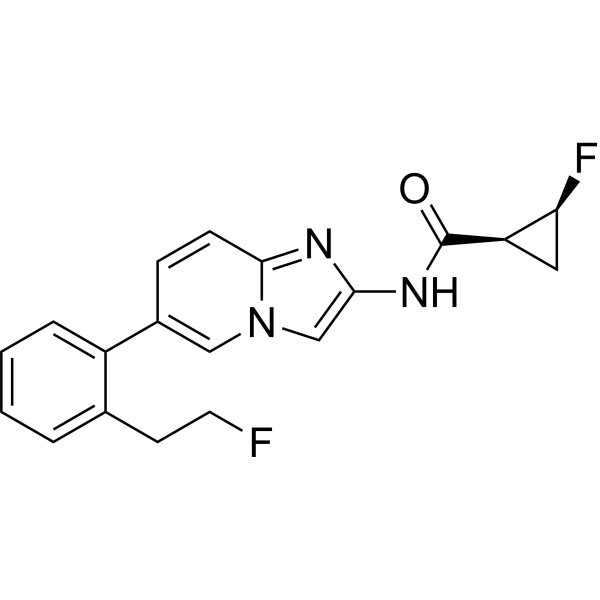
P2Y2R/GPR17 antagonist 1 (Compound 14m) is a dual P2Y2R and GPR17 antagonist with IC50 values of 3.17 µM and 1.67 µM against P2Y2R and GPR17, respectively. P2Y2R/GPR17 antagonist 1 shows excellent metabolic stability in human liver microsomes .
|
-
- HY-175533
-
|
|
Toll-like Receptor (TLR)
|
Neurological Disease
Inflammation/Immunology
|
|
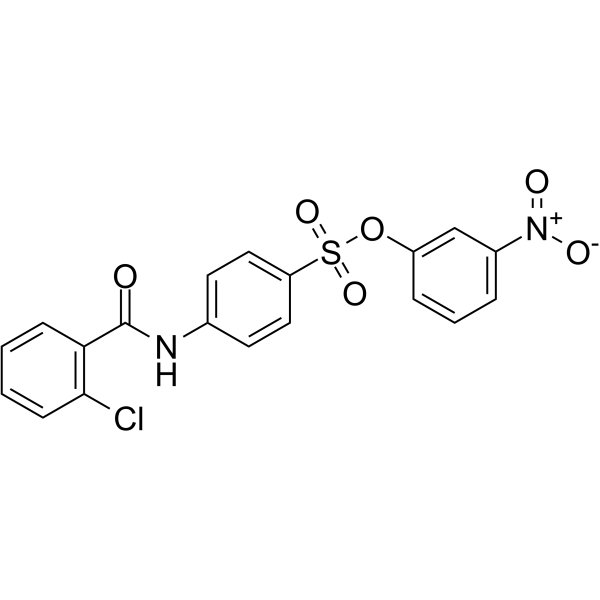
TLR2 antagonist-1 is a selective Toll-like receptor 2 (TLR2) antagonist. TLR2 antagonist-1 can effectively inhibit excessive TLR2 activation (IC50 = 11.41 μM) and the production of inflammatory factors. TLR2 antagonist-1 has metabolic stability with a half-life (T1/2) of 16.67 min in mouse liver microsomes. TLR2 antagonist-1 can be used for the researches of inflammation, immunology, and neurological disease .
|
-

- HY-P2161B
-
|
|
Kisspeptin Receptor
|
Cancer
|
|
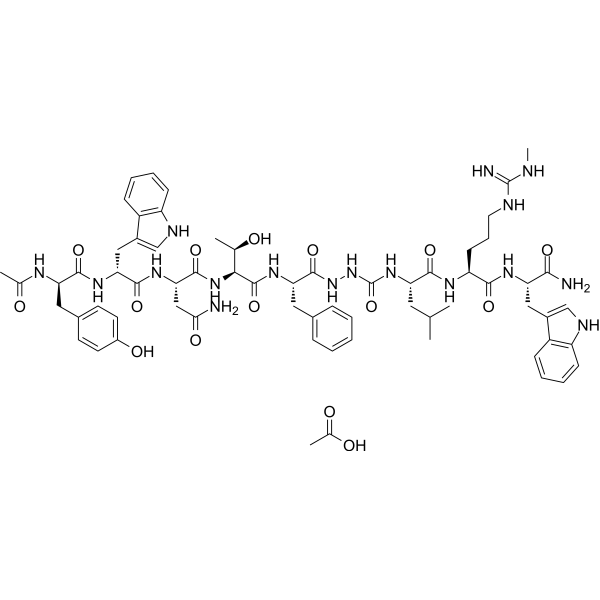
TAK-683 acetate is a potent full KISS1 receptor (KISS1R) agonist (IC50=170 pM) with improved metabolic stability. TAK-683 acetate is a nonapeptide metastin analog, exhibits agonistic activities to KISS1R with EC50 values of 0.96 nM and 1.6 nM for human and rat, respectively . TAK-683 acetate depletes GnRH in the hypothalamus and reduces plasma FSH, LH, and testosterone levels in vivo, it has the potential for the study of hormone-dependent prostate cancer .
|
-
- HY-143880
-
|
|
Mas-related G-protein-coupled Receptor (MRGPR)
|
Neurological Disease
|
|
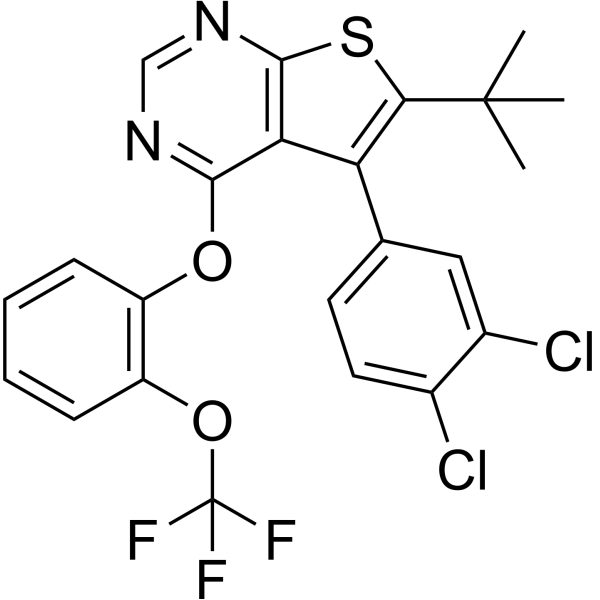
MRGPRX1 agonist 4 (compound 1t) is a potent and orally active Mas-related G protein-coupled receptor X1 (MRGPRX1) positive allosteric modulator with an EC50 value of 0.1 μM. MRGPRX1 agonist 4 has good metabolic stability and oral bioavailability. MRGPRX1 agonist 4 can reduce behavioral heat hypersensitivity in a neuropathic pain model humanized MRGPRX1 mice. MRGPRX1 agonist 4 can be used for researching neuropathic pain .
|
-
- HY-178959
-
|
|
FXR
|
Metabolic Disease
Inflammation/Immunology
|
|
FXR agonist 13 is a selective, orally active, potent FXR agonist (EC50 = 0.097 μM) and has favorable hepatic microsomal metabolic stability. FXR agonist 13 exhibits moderate affinity for FXR-LBD upon direct binding (KD = 14.74 μM). FXR agonist 13 displays good selectivity against related nuclear receptors, including LXRα/β, PPARα/γ/δ, PXR, and TGR5. FXR agonist 13 can be used for the study of metabolic-associated steatohepatitis (MASH) .
|
-

- HY-178794
-
|
|
PGE synthase
|
Inflammation/Immunology
|
|
AGU661 is a Microsomal prostaglandin E2 synthase 1 (mPGES-1) inhibitor with an IC50 of 0.22 nM. AGU661 lowers PGE2 formation in human pro-inflammatory M1 macrophages and activated monocytes without affecting other lipid mediator pathways. AGU661 has unfavorable physicochemical properties with poor metabolic stability and strong plasma protein binding tendencies. AGU661 into PLGA-based NPs significantly enhances its bioactivity. AGU661 can be used for inflammatory disorders research .
|
-

- HY-107460R
-
|
|
Reference Standards
Ephrin Receptor
|
Cancer
|
|
LDN-211904 oxalate (Standard) is the analytical standard of LDN-211904 (oxalate) (HY-107460). This product is intended for research and analytical applications. LDN-211904 oxalate is a potent and reversible EphB3 inhibitor with an IC50 of 79 nM. LDN-211904 oxalate shows good metabolic stability in mouse liver microsomes. LDN-211904 oxalate with Cetuximab (HY-P9905) could be effective in inhibiting STAT3-activated colorectal cancer (CRC) stemness and Cetuximab resistance in CRC .
|
-

- HY-16986A
-
|
|
Histone Methyltransferase
|
Cancer
|
|
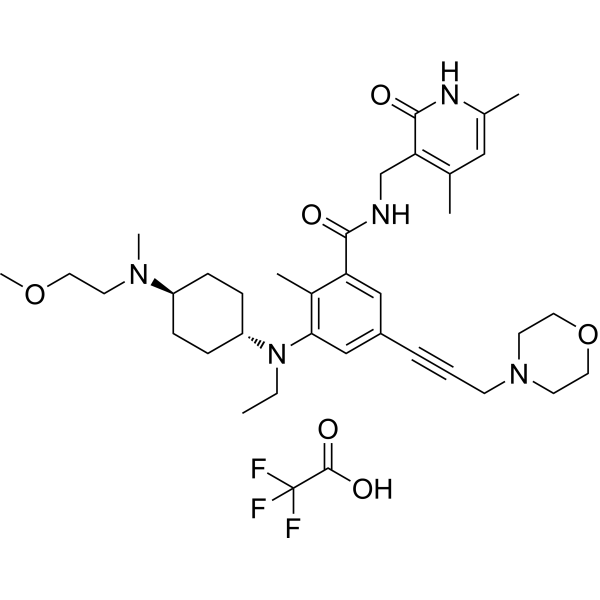
EPZ-011989 trifluoroacetate is a potent and orally active Zeste Homolog 2 (EZH2) inhibitor with metabolic stability. EPZ-011989 trifluoroacetate has inhibitory inhibition for EZH2 with a Ki value of <3 nM. EPZ-011989 trifluoroacetate shows robust methyl mark inhibition and anti-tumor activity. EPZ-011989 trifluoroacetate can be used for the research of various cancers . EPZ011989 (trifluoroacetate) is a click chemistry reagent, it contains an Alkyne group and can undergo copper-catalyzed azide-alkyne cycloaddition (CuAAc) with molecules containing Azide groups.
|
-
- HY-168998
-
|
|
Fungal
Casein Kinase
|
Infection
|
|
Yck2-IN-1 (Compound 2a) is an inhibitor of the fungal Candida albicans Yck2 kinase. It exhibits an IC50 of approximately 80 nM against Yck2 and a MIC80 of 12.5 µM against C. albicans, with good metabolic stability (66% remaining in mouse liver microsomes). In a mouse model of drug-resistant candidiasis, Yck2-IN-1 significantly reduced fungal burden in the kidneys. Yck2-IN-1 holds promise for research in the field of antifungal infection .
|
-

- HY-103294
-
|
|
Endogenous Metabolite
|
Others
|
|
R892 is a selective and efficient bradyKinin B1 receptor antagonist with significant antagonistic activity. The pA2 values of R892 in human and rabbit B1 receptors are 8.8 and 8.6 respectively, indicating its strong anti-activity at these receptors. R892 exhibits selectivity with ID50 values of 2.8 nM and >600 nM for B1 and B2 receptors, respectively, and has no endogenous agonist activity. R892 is resistant to aminopeptidase and kininase II (ACE) degradation and exhibits metabolic stability .
|
-

- HY-P2161
-
|
|
Kisspeptin Receptor
|
Cancer
|
|
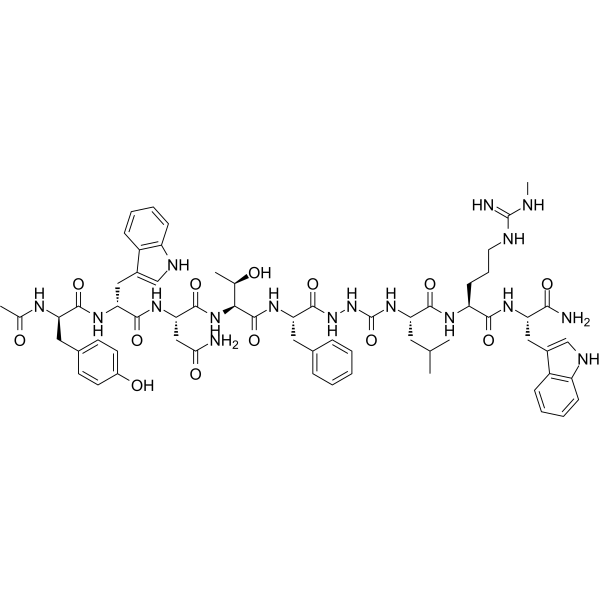
TAK-683 is a potent full KISS1 receptor (KISS1R) agonist (IC50=170 pM) with improved metabolic stability. TAK-683 is a nonapeptide metastin analog, exhibits agonistic activities to KISS1R with EC50 values of 0.96 nM and 1.6 nM for human and rat, respectively . TAK-683 depletes GnRH in the hypothalamus and reduces plasma FSH, LH, and testosterone levels in vivo, it has the potential for the study of hormone-dependent prostate cancer .
|
-
- HY-159091
-
|
|
HIV Integrase
|
Infection
|
|
HIV-1 integrase inhibitor 12 (Compound 17) is an inhibitor for HIV-1 integrase with an IC50 of 1.4 nM. HIV-1 integrase inhibitor 12 inhibits the HIV-1 WT and HIV-1 T125A, with IC50 of 7.4 and 120 nM, respectively. HIV-1 integrase inhibitor 12 exhibits metabolic stability and Caco-2 permeability, and good pharmacokinetic characteristics with good bioavailability (64%) and low clearance (0.16 L/hr/kg) in rats .
|
-

- HY-137603A
-
|
UTPγS tetrasodium
|
P2Y Receptor
|
Neurological Disease
Metabolic Disease
|
|
Uridine-5'-O-(3-thiotriphosphate) (UTPγS) tetrasodium, a stable analogue of Uridine triphosphate (UTP) (HY-107372), is a potent agonist of the P2Y2 and P2Y4 receptors with increased metabolic stability. Uridine-5'-O-(3-thiotriphosphate) tetrasodium stimulates inositol phosphate formation in human 1321N1 astrocytoma cells stably expressing the phospholipase C-coupled human P2U-purinoceptor (EC50 = 240 nM) .
|
-

- HY-150306A
-
|
(Rac)-IM-250
|
HSV
DNA/RNA Synthesis
|
Infection
|
|
(Rac)-Adibelivir ((Rac)-IM-250) is a blood-brain barrier-penetrant HSV helicase-primase inhibitor and metabolic stabilizer with antiviral activity. (Rac)-Adibelivir is also effective against Acyclovir (HY-17422)-resistant strains, and its deuterated structure exhibits enhanced metabolic stability, reducing the formation of hydroxylated metabolites. (Rac)-Adibelivir prolongs in vivo half-life, reduces administration dosage, improves oral bioavailability, and achieves higher brain exposure in mice. (Rac)-Adibelivir can be used in the research of herpes simplex infection, herpes encephalitis and Alzheimer's disease .
|
-

- HY-160023
-
|
D3S-001
|
Ras
PERK
|
Cancer
|
|
Elisrasib (D3S-001) is an orally active and selective inhibitor for KRAS. Elisrasib inhibits the proliferation of KRAS G12C mutant H358 and MIA-PA-CA-2. D3S-001 also inhibits the phosphorylation of cellular ERK1/2. Elisrasib exhibits good metabolic stability in hepatocytes, liver microsomes, plasma and whole blood in various species. D3S-001 exhibits good pharmacokinetic characteristics and antitumor efficacy in mice .
|
-

- HY-P2161A
-
|
|
Kisspeptin Receptor
|
Cancer
|
|
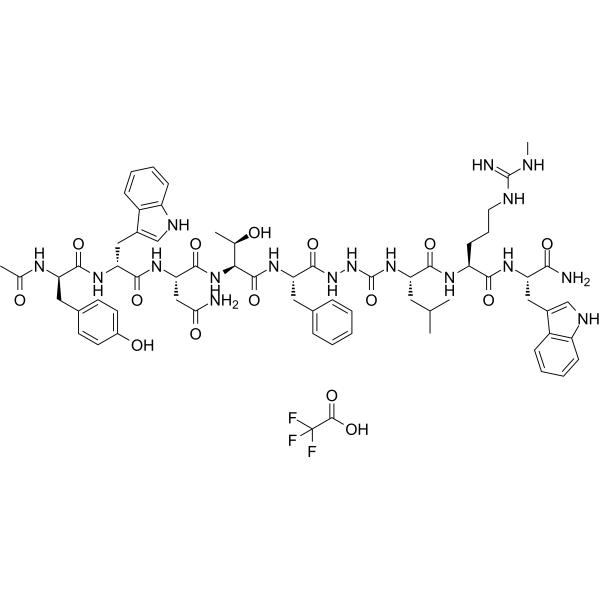
TAK-683 TFA is a potent full KISS1 receptor (KISS1R) agonist (IC50=170 pM) with improved metabolic stability. TAK-683 TFA is a nonapeptide metastin analog, exhibits agonistic activities to KISS1R with EC50 values of 0.96 nM and 1.6 nM for human and rat, respectively . TAK-683 TFA depletes GnRH in the hypothalamus and reduces plasma FSH, LH, and testosterone levels in vivo, it has the potential for the study of hormone-dependent prostate cancer .
|
-
- HY-175746
-
|
|
CX3CR1
|
Cardiovascular Disease
|
|
AZD0233 is an orally active CX3CR1 antagonist. AZD0233 modulates the CX3CR1/CX3CL1 signaling axis via immunomodulatory effects. AZD0233 has improved physicochemical properties, metabolic stability, low toxicity and CYP inhibition. AZD0233 improves cardiac function and reduces macrophages and fibrotic scar in mice model of dilated cardiomyopathy. AZD0233 can be used for cardiovascular diseases like dilated cardiomyopathy research .
|
-

- HY-182916
-
|
|
HIV
Reverse Transcriptase
|
Infection
|
|
NNRT-IN-16, Rilpivirin (HY-10574) analogue, is a non-nucleoside reverse transcriptase inhibitor (NNRTI). NNRT-IN-16 inhibits recombinant WT HIV-1 RT with an IC50 of 0.07 μM. NNRT-IN-16 exerts antiviral activity against wild-type and drug-resistant HIV-1 mutants, shows attenuated CYP isoenzyme and hERG inhibition, reduced cytotoxicity, and improved metabolic stability in human liver microsomes. NNRT-IN-16 can be used for the research of HIV-1 infection .
|
-

- HY-162620
-
|
|
Adrenergic Receptor
|
Cancer
|
|
α2A-AR agonist 1 (Compound B9) is a selective agonist for α2-adrenergic receptor (α2A-AR) with EC50 of 0.23 nM. α2A-AR agonist 1 exhibits a hypnotic effect, with ED50 of 0.138 mg/kg in the loss of righting reflex (LORR) experiment. α2A-AR agonist 1 exhibits metabolic stability in mouse liver microsomes .
|
-

- HY-172732
-
|
|
Histone Methyltransferase
|
Cancer
|
|
PRMT5-IN-50 is an orally active and selective inhibitor of PRMT5. PRMT5-IN-50 has good metabolic stability and low clearance rate in human liver microsomes. PRMT5-IN-50 inhibits SDMA/HCT116-MTAPdel and SDMA/HCT116-MTAPwt with IC50s value of 1.0, 536 nM for arginine symmetric methylation, 19, 1620 nM for anti-proliferation, respectively. PRMT5-IN-50 inhibits tumor growth in mice .
|
-

- HY-137603
-
|
UTPγS
|
P2Y Receptor
|
Metabolic Disease
|
|
Uridine-5'-O-(3-thiotriphosphate) (UTPγS), a stable analogue of Uridine triphosphate (UTP) (HY-107372), is a potent agonist of the P2Y2 and P2Y4 receptors with increased metabolic stability. Uridine-5'-O-(3-thiotriphosphate) stimulates inositol phosphate formation in human 1321N1 astrocytoma cells stably expressing the phospholipase C-coupled human P2U-purinoceptor (EC50 = 240 nM) .
|
-

- HY-168526
-
|
|
Keap1-Nrf2
|
Inflammation/Immunology
|
|
Keap1-Nrf2-IN-24 (compound 57) is a potent Keap1-Nrf2 inhibitor with a Ki value of 13 nM. Keap1-Nrf2-IN-24 increases the protein expression of TRXR1 and NQO1. Keap1-Nrf2-IN-24 increases the AKR1B10 mRNA expression. Keap1-Nrf2-IN-24 shows good metabolic stability .
|
-

- HY-182944
-
|
|
GABA Receptor
|
Neurological Disease
|
|
GATT-44 is a blood-brain barrier-permeable, selective GABA transporter 1 (GAT-1) ligand with an IC50 of 126 nM. GATT-44 shows selectivity for GAT-2, GAT-3 and BGT-1 subtypes, and undergoes copper-mediated 18F-radiofluorination. The radiolabeled GATT-44 ([ 18F]GATT-44) exhibits brain uptake, metabolic stability and high GAT-1 binding specificity in non-human primates. GATT-44 is applicable for research on neurodegenerative and neuropsychiatric diseases .
|
-

- HY-147086
-
|
|
Leukotriene Receptor
G protein-coupled Bile Acid Receptor 1
TNF Receptor
|
Metabolic Disease
Inflammation/Immunology
|
|
CAY10789 is a potent CysLT1R (cysteinyl leukotriene receptor 1) antagonist (IC50=2.80 μM) and GPBAR1 (G-protein-coupled bile acid receptor 1) agonist (EC50=3 μM). CAY10789 significantly reduces the adhesion of U937 cells to HAEC, reduces the expression of TNF-α. CAY10789 shows very promising metabolic stability and excellent pharmacokinetics. CAY10789 can be used for the research of colitis, metabolic syndromes, and other GPBAR1/CysLT1R-related diseases .
|
-
- HY-164477
-
|
|
Androgen Receptor
|
Cancer
|
|
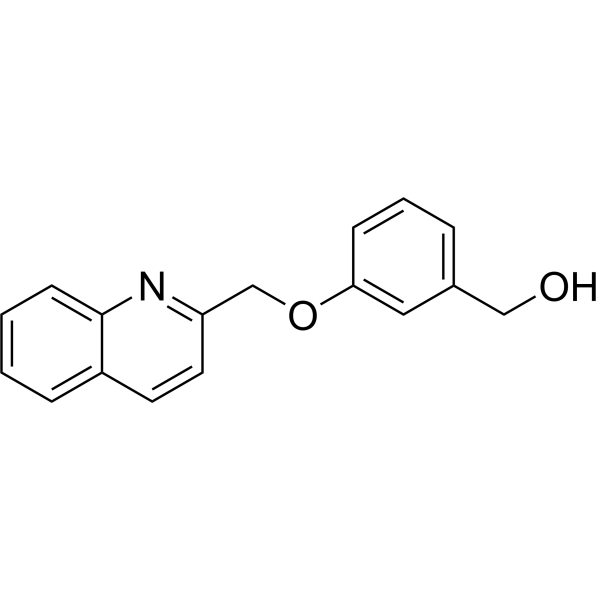
FL442 is an Androgen Receptor (AR) modulator. FL442 exhibits strong inhibitory effects in AR-dependent prostate cancer cells, showing similar inhibitory efficiency to traditional antiandrogen drugs Bicalutamide (HY-14249) and Enzalutamide (HY-70002), while maintaining antiandrogenic activity against the AR mutant F876L, which is highly resistant to Enzalutamide. Pharmacokinetic studies of FL442 in mice reveal a long half-life (8 hours), good targeting (prostate tissue), and metabolic stability, and it effectively inhibits LNCaP tumor growth at low plasma concentrations (30 ng/mL) .
|
-

- HY-170606
-
|
|
Glycosidase
|
Metabolic Disease
|
|
α-Glucosidase-IN-79 (Compound 4d9) is a non-competitive α-Glucosidase inhibitor with an IC50 of 2.11 μM, which is more potent than existing α-Glucosidase inhibitors such as Acarbose (HY-B0089) (IC50 of 327.0 μM) and HXH8r (IC50 of 15.32 μM). α-Glucosidase-IN-79 is non-cytotoxic to human normal hepatocyte (LO2) cells and shows good metabolic stability in rat plasma. α-Glucosidase-IN-79 holds promise for research into type 2 diabetes .
|
-

- HY-147319
-
|
|
Trace Amine-associated Receptor (TAAR)
|
Neurological Disease
|
|
RTI-7470-44 is a potent, selective and blood-brain barrier (BBB) penetrant human trace amine-associated receptor subtype 1 (hTAAR1) antagonist with an IC50 value of 8.4 nM and a Ki value of 0.3 nM. RTI-7470-44 has moderate metabolic stability, and a favorable preliminary off-target profile. RTI-7470-44 can increase the spontaneous firing rate of mouse ventral tegmental area (VTA) dopaminergic neurons. RTI-7470-44 can be used for researching schizophrenia, agent addiction, and Parkinson’s disease (PD) .
|
-
- HY-155732
-
|
|
Parasite
|
Infection
|
|
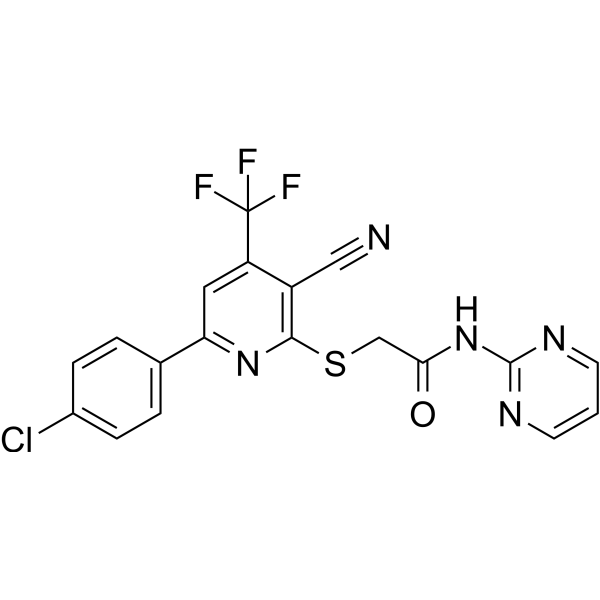
NPD-2975 (compound 30) is an orally active antitrypanosomal agent, against Human African Trypanosomiasis (HAT). NPD-2975 has low toxicity potential against human MRC-5 lung fibroblasts, and acute mouse model of T. b. brucei infection. NPD-2975 shows acceptable metabolic stability, inhibits T. b. brucei with IC500 of 70 nM in vitro. NPD-2975 also inhibits CYP enzymes resulted in IC50 values of 0.16 and 0.42 μM against CYP1A2 and CYP2C19, respectively .
|
-
- HY-163783
-
|
|
Casein Kinase
|
Infection
|
|
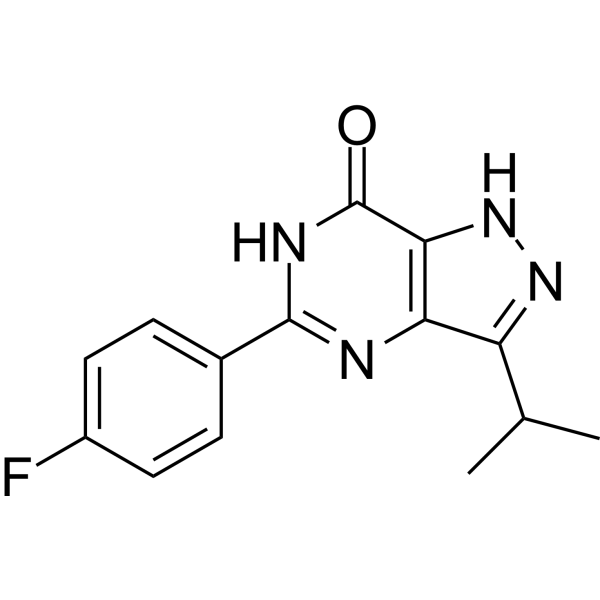
CSNK2-IN-1 is a potent and selective CSNK2 inhibitor with IC50 of 1.7 nM and 0.66 nM for CSNK2A1 and CSNK2A2, respectively. CSNK2-IN-1 has antiviral activity against beta-coronaviruses such as SARS-CoV-2 and MHV. CSNK2-IN-1 has good solubility, metabolic stability, and low cytotoxicity, but its plasma concentration in vivo decreases rapidly and is insufficient to achieve pharmacological effects. CSNK2-IN-1 can be used in the research of antiviral drug development .
|
-

- HY-173024
-
|
|
TRP Channel
|
Neurological Disease
|
|
TRPC4/5-IN-3 (Compound 32) is the orally active inhibitor for transient receptor potential canonical channel 4/5 (TRPC4/5) with IC50 of 3.6 nM and 5.5 nM. TRPC4/5-IN-3 inhibits hERG channel with IC50 of 6.5 µM. TRPC4/5-IN-3 exhibits good metabolic stability in human/rat/mouse liver microsomes. TRPC4/5-IN-3 exhibits antidepressant and anxiolytic activity in mouse models, exhibits good pharmacokinetic characteristics in mouse with an oral bioavailability of 87% .
|
-

- HY-182800
-
|
|
Molecular Glues
Casein Kinase
|
Cancer
|
|
IBA-11 is a selective CRBN-dependented CK1α molecular glue degrader. IBA-11 binds to the canonical tri-tryptophan pocket of CRBN, forming a ternary complex with CK1α to mediate its degradation. IBA-11 induces CRBN-dependent ubiquitin-proteasome system-mediated degradation of CK1α. IBA-11 exhibits cytotoxicity against cancer cells. IBA-11 demonstrates in vitro metabolic stability in rat liver microsomes and minimal hERG inhibition. IBA-11 can be used for the research of cancer, such as acute myeloid leukemia .
|
-

- HY-149916
-
|
|
Adenosine Receptor
|
Cancer
|
|
A2AR-antagonist-1 (compound 38) is an orally active adenosine A2A receptor (A2AR) antagonist (IC50=29 nM). A2AR-antagonist-1 exhibits anti-tumor activity and mouse liver microsomal metabolic stability (t1/2=86.1 min). A2AR-antagonist-1 is also a T cells activator, via inhibiting immunosuppressive molecules (LAG-3 and TIM-3) and enhancing effector molecules (GZMB, IFNG, and IL-2) .
|
-
- HY-168046
-
|
|
Thyroid Hormone Receptor
|
Metabolic Disease
|
|
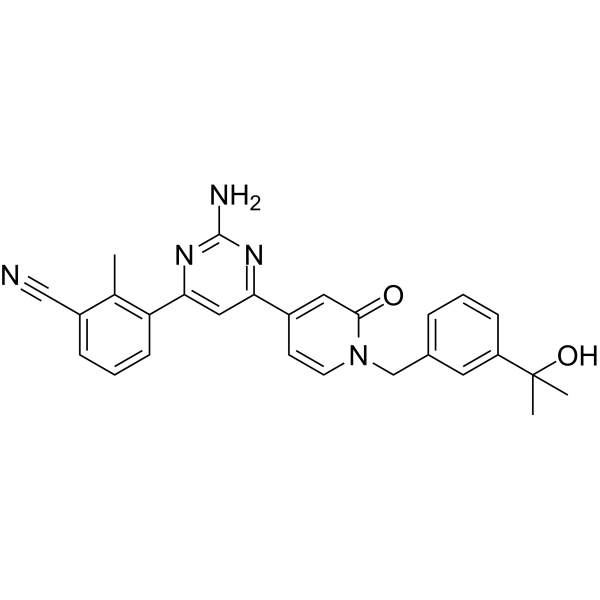
ALG-055009 is a selective and orally active Thyroid Hormone Receptor Beta (THR-β) agonist with an EC50 of 0.063 μM. ALG-055009 binds to the T3 hormone pocket of human THR-β, forming polar interactions with protein residues. ALG-055009 can lower total cholesterol levels in rats on a high-fat diet. ALG-055009 exhibits high metabolic stability, good permeability, a long in vivo half-life, and limited drug-drug interaction liability. ALG-055009 can be used in studies related to metabolic dysfunction-associated fatty liver disease .
|
-

- HY-115982
-
|
|
HCV Protease
|
Infection
|
|
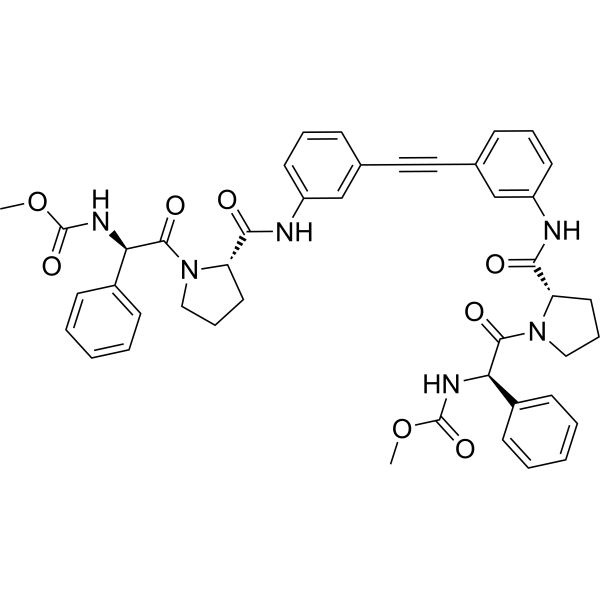
NS5A-IN-3 (Compound 15) is a potent inhibitor of NS5A. NS5A-IN-3 has extremely high potency against HCV genotype 1b, improved activity against genotype 3a (GT 3a) and good metabolic stability. NS5A-IN-3 exhibits a higher resistance barrier than daclatasvir against genotype 1b . NS5A-IN-3 is a click chemistry reagent, it contains an Alkyne group and can undergo copper-catalyzed azide-alkyne cycloaddition (CuAAc) with molecules containing Azide groups.
|
-
- HY-181808
-
|
|
AMPK
TGF-beta/Smad
Collagen
|
Metabolic Disease
|
|
HSF1/AMPK activator 1 is a compound that modulates the HSF1/AMPK axis and the TGF-β1/Smad signaling pathway. HSF1/AMPK activator 1 exhibits anti-hepatic fibrosis activity and metabolic stability. HSF1/AMPK activator 1 inhibits fibrosis formation and cell proliferation in activated hepatic stellate cells. HSF1/AMPK activator 1 alleviates liver injury and hepatic fibrosis symptoms in fibrotic mice. HSF1/AMPK activator 1 is applicable to research related to hepatic fibrosis .
|
-

- HY-155050
-
|
|
Apoptosis
Histone Methyltransferase
|
Cancer
|
|
PRMT5-IN-31 (Compound 3m) is a selective PRMT5 inhibitor (IC50: 0.31 μM). PRMT5-IN-31 up-regulates hnRNP E1 protein level. PRMT5-IN-31 occupies the substrate site of PRMT5 and forms essential interactions with amino acid residues. PRMT5-IN-31 has antiproliferative effects against A549 cells by inducing apoptosis and inhibiting cell migration. PRMT5-IN-31 has high metabolic stability on human liver microsomes (T1/2: 132.4 min) .
|
-
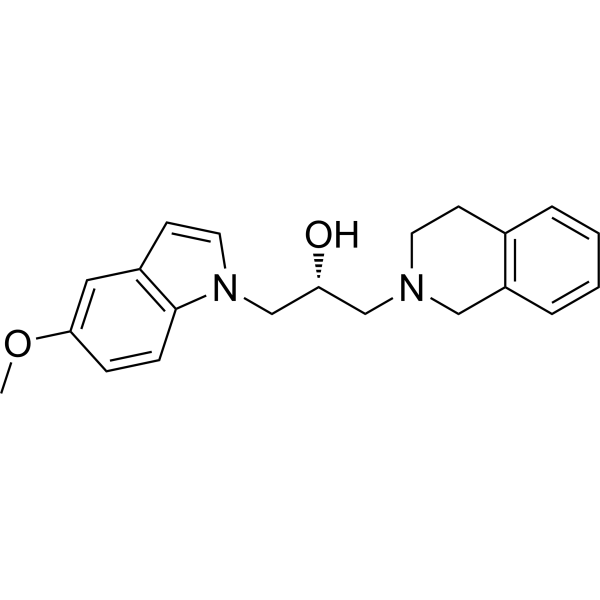
- HY-179014
-
|
|
DNA Glycosylase
|
Neurological Disease
Inflammation/Immunology
Cancer
|
|
OGG1 activator-1 (Compound 30) is a selective 8-oxoguanine DNA glycosylase-1 (OGG1) activator with an AC50 value of 0.58 μM. OGG1 activator-1 does not activate nor inhibit the key downstream repair enzyme APE1, and shows > 150-fold selectivity for the activation effect on OGG1. OGG1 activator-1 exhibits extremely high metabolic stability and almost no cytotoxicity. OGG1 activator-1 can be used for the study of oxidative stress-related diseases (such as neurodegenerative diseases, fibrotic diseases, cancer, inflammation, etc.) .
|
-

- HY-181943
-
|
|
Acyltransferase
|
Cancer
|
|
SPT-IN-2 is an orally active serine palmitoyltransferase (SPT) inhibitor (with an IC50 of 0.71 nM against human SPT2). SPT-IN-2 inhibits ceramide synthesis, suppresses cancer cell growth, and exhibits in vivo anti-tumor activity, favorable metabolic stability and cell membrane permeability in xenograft mouse models. SPT-IN-2 blocks the de novo sphingolipid synthesis pathway, significantly reducing intracellular ceramide levels and the levels of 3-ketodihydrosphingosine (3-KDS), the immediate downstream product of SPT. SPT-IN-2 can be used in research related to lung adenocarcinoma, acute promyelocytic leukemia and breast cancer .
|
-

- HY-156017
-
|
|
5-HT Receptor
|
Cardiovascular Disease
Neurological Disease
|
|
5-HT6R antagonist 1 (Comopund 8) is a 5-HT6R antagonist (Ki: 5 nM). 5-HT6R antagonist 1 inhibits platelet aggregation. 5-HT6R antagonist 1 has excellent metabolic stability. 5-HT6R antagonist 1 reverses MK-801 (HY-15084B)-induced memory impairments in rats. 5-HT6R antagonist 1 can be used for Alzheimer's disease (AD) research .
|
-
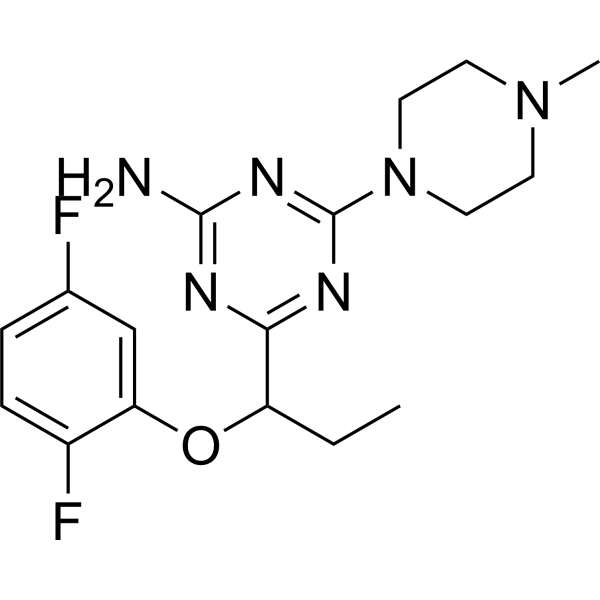
- HY-183651
-
|
|
15-PGDH
|
Inflammation/Immunology
|
|
15-PGDH-IN-5 (compound 5) is a sulfoxide-derived 15-PGDH inhibitor. 15-PGDH-IN-5 exhibits higher metabolic stability and superior in vivo exposure compared with the lead compound SW033291 (HY-16968). 15-PGDH-IN-5 inhibits the irreversible oxidative catabolism of PGE2 by 15-PGDH, thereby enhancing the tissue-specific bioavailability of endogenous PGE2. 15-PGDH-IN-5 exerts anti-inflammatory effects and accelerates tissue repair and regeneration, and it is used in studies on tissue injury and fibrosis-related diseases such as inflammatory bowel disease and idiopathic pulmonary fibrosis .
|
-

- HY-W237439
-
|
|
MDM-2/p53
|
Cancer
|
|
SEN205A is a fragment compound that binds to the hydrophobic pocket of human S100B (Kd=0.5-1.0 mM), which is the key region for the interaction of S100B with TRTK-12 and p53, and SEN205A can be displaced from this site by TRTK-12. SEN205A exhibits excellent in vitro ADME properties, including high metabolic stability, chemical stability, and good solubility under physiological pH conditions. SEN205A can serve as a starting fragment for structure-based optimization to develop inhibitors targeting the S100B-p53 protein-protein interaction and investigate the pathogenesis of malignant melanoma .
|
-

- HY-181917
-
|
|
PANK
|
Metabolic Disease
|
|
Pantothenate kinase-IN-3 is an orally active PANK3-selective binder and CoA biosynthesis activator with a human PANK3 Ki of 9.1 nM, human PANK3 Ka of 1.8 nM, human PANK1β Ki of 113 nM, human PANK1β Ka of 23.4 nM, and oral effectiveness.Pantothenate kinase-IN-3 binds PANK3 via a water-mediated interaction between its sulfonamide NH and Gly193, elevates cellular, hepatic, and forebrain CoA levels, and shows improved metabolic stability in mouse and human microsomes.Pantothenate kinase-IN-3 has solubility properties favorable at pH 7.Pantothenate kinase-IN-3 can be used for the research of hepatic metabolic CoA deficiencies (acidemias) .
|
-

- HY-W663179
-
|
|
Parasite
Cytochrome P450
|
Infection
|
|
DNDI-VL-2098 is an orally active antileishmanial agent. DNDI-VL-2098 exhibits high permeability, in vitro metabolic stability, and selective inhibition of CYP2C19 (IC50=0.47 μM). DNDI-VL-2098 does not affect the activities of other major CYP enzymes (CYP1A2, CYP2C9, CYP2D6 and CYP3A4) at concentrations up to 12.5 μM. It shows favorable pharmacokinetic properties in multiple animal models including mice, hamsters, rats and dogs. DNDI-VL-2098 is characterized by moderate to high plasma protein binding and can be used for the research of visceral leishmaniasis .
|
-

- HY-181710
-
|
|
mTOR
PI3K
|
Cancer
|
|
LASSBio-2337 is a dual pan-PI3K/mTOR inhibitor with an mTOR IC50 of 5.8 μM.LASSBio-2337 functionally modulates mTOR and all PI3K isoforms.LASSBio-2337 acts as a cytotoxic agent in leukemia cells, including multidrug-resistant populations.LASSBio-2337 spares nontumor human peripheral blood mononuclear cells.LASSBio-2337 displays moderate PAMPA-GIT permeability.LASSBio-2337 shows low metabolic stability in rat liver microsomes.LASSBio-2337 is aqueous insoluble.LASSBio-2337 can be used for the research of acute lymphoblastic leukemia, chronic myelogenous leukemia, breast cancer .
|
-

- HY-111772A
-
|
(R)-VX-445
|
Drug Isomer
CFTR
|
Inflammation/Immunology
|
|
(R)-Elexacaftor ((R)-VX-445) is the enantiomer of Elexacaftor (HY-111772). Elexacaftor is an orally active CFTR modulator that targets nucleotide-binding domain 1. Elexacaftor stabilizes misfolded F508del-CFTR protein, enhances its trafficking to the plasma membrane, and significantly improves metabolic stability, thermal stability and ion conductivity. Elexacaftor not only restores chloride transport function in nasal epithelial cells and rescues multiple CFTR mutation subtypes, but also exerts multiplicative synergistic effects with Ivacaftor (HY-13017), and is often used in a triple combination therapy with Tezacaftor (HY-15448). Elexacaftor is widely used in basic and clinical translational research on cystic fibrosis .
|
-
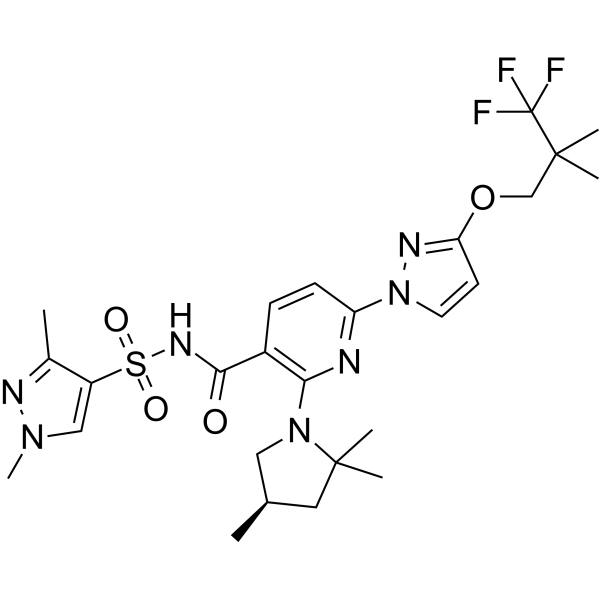
- HY-167856
-
|
|
GPR88
|
Neurological Disease
|
|
RTI-122 is a selective, blood-brain barrier-permeable GPR88 agonist (cAMP EC50=11 nM), with EC50 values of 11.5 nM and 155 nM for human and mouse GPR88, respectively ([ 35S]GTPγS assay). By activating the GPR88 receptor to regulate the cAMP signaling pathway and G protein activity, RTI-122 significantly attenuates Binge-like drinking, reduces alcohol intake, and decreases alcohol-seeking motivation. RTI-122 blocks the reinstatement of alcohol-seeking behavior without affecting water or sucrose intake. RTI-122 exhibits metabolic stability in mice (T1/2=5.8 h) and can be used to investigate alcohol use disorder .
|
-

- HY-182042
-
|
|
Dengue Virus
|
Infection
|
|
DENV-IN-15 is a sulfonyl anthranilic acid derivative and a pan-serotype anti-dengue virus (DENV) inhibitor with broad-spectrum anti-RNA virus activity. The EC50 value of DENV-IN-15 against DENV-2 in Huh-7 cells is 0.7 μM. DENV-IN-15 selectively regulates the translation of mRNAs encoding translation-related proteins and containing a 5'-oligopyrimidine tract. DENV-IN-15 reduces the expression of specific ribosomal proteins, thereby inhibiting viral replication. DENV-IN-15 exhibits enhanced membrane permeability, human plasma stability and human liver microsomal metabolic stability. DENV-IN-15 is applicable to research related to dengue virus infection .
|
-

- HY-182244
-
|
|
Serotonin Transporter
5-HT Receptor
|
Endocrinology
|
|
SERT/NET-IN-1 is a blood-brain barrier-permeable SERT and NET inhibitor, with an IC50 of 11.2 nM against human SERT and an IC50 of 32.0 nM against human NET. SERT/NET-IN-1 blocks 5-HT reuptake to enhance serotonergic signaling. SERT/NET-IN-1 also blocks norepinephrine reuptake to enhance central noradrenergic transmission and inhibits the ejaculatory reflex. SERT/NET-IN-1 prolongs ejaculatory latency, reduces ejaculation frequency and preserves sexual function. SERT/NET-IN-1 exhibits cross-species microsomal metabolic stability, shows acceptable oral brain exposure in rats, and has favorable safety profiles. SERT/NET-IN-1 can be used in studies related to premature ejaculation .
|
-

- HY-15163
-
|
TG02; SB1317
|
JAK
CDK
FLT3
|
Cancer
|
|
Zotiraciclib (TG02; SB1317) is an orally active JAK2/FLT3/CDK2 inhibitor with IC50 values of 13 nM, 73 nM and 56 nM , respectively. Zotiraciclib inhibits cancer cell proliferation, tumor growth and the activity of CYP2D6. Zotiraciclib exhibits high plasma protein binding rate, Caco-2 permeability and tissue distribution capacity, as well as metabolic stability in human and canine liver microsomes. Zotiraciclib achieves tumor growth inhibition in nude mouse models of colon cancer and lymphoma xenografts. Zotiraciclib can be used for research related to colon cancer, B-cell lymphoma, advanced leukemia, acute leukemia and multiple myeloma .
|
-
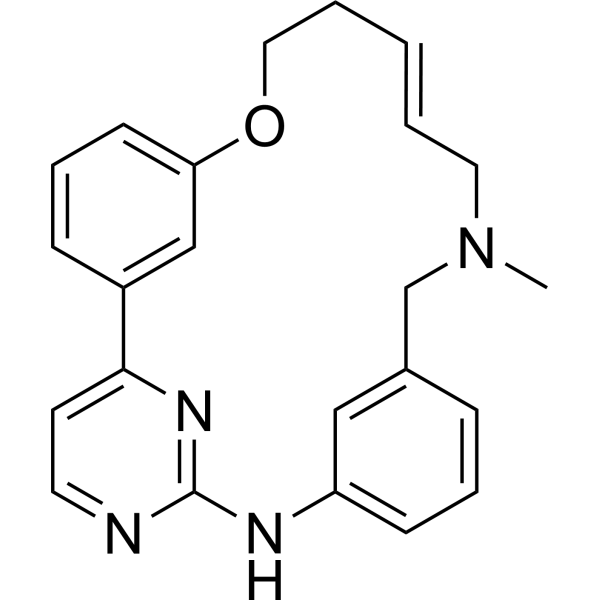
- HY-167856A
-
|
|
GPR88
|
Neurological Disease
|
|
RTI-122 dihydrochloride is a selective, blood-brain barrier-permeable GPR88 agonist (cAMP EC50=11 nM), with EC50 values of 11.5 nM and 155 nM for human and mouse GPR88, respectively ([ 35S]GTPγS assay). By activating the GPR88 receptor to regulate the cAMP signaling pathway and G protein activity, RTI-122 dihydrochloride significantly attenuates Binge-like drinking, reduces alcohol intake, and decreases alcohol-seeking motivation. RTI-122 dihydrochloride blocks the reinstatement of alcohol-seeking behavior without affecting water or sucrose intake. RTI-122 dihydrochloride exhibits metabolic stability in mice (T1/2=5.8 h) and can be used to investigate alcohol use disorder .
|
-

- HY-182355
-
|
|
Methylenetetrahydrofolate Dehydrogenase (MTHFD)
|
Cancer
|
|
MTHFD2-IN-7 is an orally active, selective MTHFD2 inhibitor with IC50 values of 0.038 μM and 7.44 μM against human hMTHFD1 and hMTHFD2, respectively. MTHFD2-IN-7 exerts its function by binding to the substrate-binding site of MTHFD2 and maintaining interactions with NAD+. Verified by TSA and DARTS assays, MTHFD2-IN-7 not only binds effectively to the target protein, but also possesses Caco-2 permeability and liver microsomal metabolic stability. MTHFD2-IN-7 exhibits favorable pharmacokinetic properties in mice. MTHFD2-IN-7 also significantly inhibits cancer cell proliferation and reduces tumor volume, and serves as a promising small-molecule tool for acute myeloid leukemia research .
|
-

- HY-179581
-
|
|
Amino acid Transporter
|
Metabolic Disease
|
|
SLC6A19-IN-4 is an allosteric-competitive and orally active B 0AT1 inhibitor. SLC6A19-IN-4 inhibits both human and mouse B 0AT1 with IC50 values of 513 nM and 295 nM, respectively. SLC6A19-IN-4 exhibits excellent metabolic stability. SLC6A19-IN-4 significantly increases urinary phenylalanine (Phe) excretion and reduces plasma Phe levels through dual inhibition of B 0AT1 in both the intestine (reducing absorption) and kidney (promoting excretion) in vivo. SLC6A19-IN-4 can be used for phenylketonuria (PKU) and other disorders involving SLC6-family transporters research .
|
-

- HY-172586
-
|
|
GSK-3
PKA
|
Neurological Disease
Cancer
|
|
GSK-3α/β-IN-1 is GSK-3α/β inhibitor with IC50 s of 0.265 μM and 0.255 μM for GSK-3α and GSK-3β, respectively. GSK-3α/β-IN-1 also inhibits PKA with an IC50 of 0.188 μM. GSK-3α/β-IN-1 potently inhibits cell viability of three Glioblastoma (GBM) cell lines (IC50 : 3-6 μM, 72 h) with no toxicity to human astrocytes and good metabolic stability. GSK-3α/β-IN-1 has potential CNS activity in all-human blood-brain barrier (BBB) model of GBM .
|
-

- HY-174425
-
|
|
Cytochrome P450
|
Cancer
|
CYP1B1-IN-9 is a highly selective and competitive CYP1B1 Inhibitor with IC50 values of 1.48 nM, > 100 μM, and > 80 μM for CYP1B1, CYP1A1, and CYP1A2, respectively. CYP1B1-IN-9 significantly inhibits the migration and invasion of A549/T cells. CYP1B1-IN-9 has the ability to resensitize Paclitaxel (HY-B0015)-resistant cells, and good metabolic stability and safety, and shows favorable pharmacokinetic parameters. CYP1B1-IN-9 can be used for the study of tumor-drug resistance .
|
-

- HY-175984
-
|
|
LPL Receptor
|
Inflammation/Immunology
|
|
S1P1 agonist 7 is a potent, orally active, and β-arrestin-biased S1P1 agonist (EC50(G‑protein) = 12.7 nM and EC50(β‑arrestin) = 3.23 nM). S1P1 agonist 7 demonstrates potent immunomodulatory activity and a favorable safety profile. S1P1 agonist 7 exhibits excellent metabolic stability, minimal to moderate CYP inhibition, and S1P3-sparing selectivity. S1P1 agonist 7 shows pharmacokinetics, effectively reduces circulating lymphocytes, and significantly alleviates disease severity in experimental autoimmune encephalomyelitis (EAE) mouse models under both prophylactic and therapeutic regimens. S1P1 agonist 7 can be used for multiple sclerosis (MS) research .
|
-

- HY-173447
-
|
|
NTPDase
CD73
|
Cancer
|
|
8-BuS-AMP is a NTPDase1 inhibitor and a CD73/CD39 inhibitor, with an IC50 of 35 μM and a Ki value of 0.292 μM against human NTPDase1; its Ki values against human CD73 and CD39 are 1.19 μM and 0.847 μM, respectively. 8-BuS-AMP binds to the substrate-binding pockets of NTPDase1 and CD73 to effectively block the conversion of ATP and AMP to adenosine, thereby enhancing the activation and proliferation of human peripheral T lymphocytes. 8-BuS-AMP possesses excellent enzymatic hydrolysis resistance and metabolic stability, resists hydrolysis by multiple NTPDase subtypes, and shows no activity against P2Y1 and P2Y12 receptors. 8-BuS-AMP can be used in purinergic signaling pathway and cancer-related studies .
|
-

- HY-182356
-
|
|
Methylenetetrahydrofolate Dehydrogenase (MTHFD)
|
Cancer
|
|
MTHFD1/2-IN-1 is an orally active dual MTHFD1/MTHFD2 inhibitor, with IC50 values of 0.26 μM and 0.031 μM against human MTHFD1 and MTHFD2, respectively. MTHFD1/2-IN-1 blocks one-carbon metabolism by inhibiting the dehydrogenase activity of MTHFD1 as well as the dehydrogenase and cyclohydrolase activities of MTHFD2, thereby disrupting nucleotide biosynthesis and redox homeostasis in cancer cells. MTHFD1/2-IN-1 exhibits favorable Caco-2 permeability and hepatic microsomal metabolic stability. MTHFD1/2-IN-1 shows significant anti-leukemic activity, which not only reduces the viability of various leukemia cells but also inhibits tumor growth of acute myeloid leukemia (AML) in mouse models .
|
-

- HY-183335
-
|
|
Smo
Hedgehog
Gli
Apoptosis
Caspase
|
Cancer
|
|
Anticancer agent 321 is a Smoothened (SMO) inhibitor with a human IC50 of 0.12 μM, enhanced aqueous solubility, good plasma and metabolic stability, moderate therapeutic index, preliminary safety profile, and moderate oral bioavailability in rats.Anticancer agent 321 binds to SMO’s 7-transmembrane helical channel, forming hydrogen bonds with Asp384 and hydrophobic/π-π interactions with His470, Phe391, Tyr394, stabilizing SMO’s inactive conformation to inhibit Hedgehog/GLI signaling.Anticancer agent 321 inhibits proliferation, suppresses colony formation, induces apoptosis, and downregulates Hedgehog/GLI pathway target genes GLI1, GLI2, Ptch1, HHip in cancer cells.Anticancer agent 321 inhibits tumor growth, downregulates Ki67 and SOX2, and upregulates cleaved-caspase 3 in tumor tissues.Anticancer agent 321 can be used for the research of cutaneous squamous cell carcinoma .
|
-

- HY-180525
-
|
|
Influenza Virus
|
Infection
|
|
PB2-IN-2 is an orally active PB2 inhibitor with RNA-dependent RNA Polymerase (RNP) IC50 = 0.2 nM, LRA (Ligand Receptor Assay) EC50 = 0.8 nM, Cytopathic Effect (CPE) EC50 = 0.1 nM. PB2-IN-2 exhibits broad-spectrum, nanomolar antiviral potency against a panel of influenza A strains (including H1N1pdm09, Lyon/1337/2007/H1N1, Tex12-Like/H3N2, PR/8/34/H1N1, WSN/1933/H1N1, rPR8(H1N1)/H7N9 with EC50 = 1.5, 3.6, 3.7, 13.8, 2.9 and 9.8 nM and all the CC50 values > 2 μM. PB2-IN-2 possesses an excellent pharmacokinetic profile and metabolic stability. PB2-IN-2 can be used for anti-influenza research .
|
-

-
-
HY-L033
-
|
|
370 compounds
|
|
Peptidomimetics are compounds whose essential elements (pharmacophore) mimic a natural peptide or protein in 3D space and which retain the ability to interact with the biological target and produce the same biological effect. Peptidomimetics are designed to circumvent some of the problems associated with a natural peptide: e.g. stability against proteolysis (duration of activity) and poor bioavailability. Certain other properties, such as receptor selectivity or potency, often can be substantially improved. The design and synthesis of peptidomimetics are most important because of the dominant position peptide and protein-protein interactions play in molecular recognition and signaling, especially in living systems. Hence mimics have great potential in drug discovery.
MCE Peptidomimetic Library contains 370 compounds including peptoid, α-helix mimetics, β-turn/sheets mimetics, etc. This library is an indispensable tool of structure-activity relationships in drug discovery.
|
| Cat. No. |
Product Name |
Target |
Research Area |
-
- HY-P2161B
-
|
|
Kisspeptin Receptor
|
Cancer
|
|
TAK-683 acetate is a potent full KISS1 receptor (KISS1R) agonist (IC50=170 pM) with improved metabolic stability. TAK-683 acetate is a nonapeptide metastin analog, exhibits agonistic activities to KISS1R with EC50 values of 0.96 nM and 1.6 nM for human and rat, respectively . TAK-683 acetate depletes GnRH in the hypothalamus and reduces plasma FSH, LH, and testosterone levels in vivo, it has the potential for the study of hormone-dependent prostate cancer .
|
-
- HY-P2161
-
|
|
Kisspeptin Receptor
|
Cancer
|
|
TAK-683 is a potent full KISS1 receptor (KISS1R) agonist (IC50=170 pM) with improved metabolic stability. TAK-683 is a nonapeptide metastin analog, exhibits agonistic activities to KISS1R with EC50 values of 0.96 nM and 1.6 nM for human and rat, respectively . TAK-683 depletes GnRH in the hypothalamus and reduces plasma FSH, LH, and testosterone levels in vivo, it has the potential for the study of hormone-dependent prostate cancer .
|
-
- HY-P5984
-
|
|
mTOR
|
Others
|
|
Thioether-cyclized helix B peptide, CHBP can improve metabolic stability and renoprotective effect through inducing autophagy via inhibition of mTORC1 and activation of mTORC2 .
|
-
- HY-P5984A
-
|
|
mTOR
|
Others
|
|
Thioether-cyclized helix B peptide, CHBP (TFA) is the TFA form of Thioether-cyclized helix B peptide, CHBP (HY-P5984). Thioether-cyclized helix B peptide, CHBP (TFA) can improve metabolic stability and renoprotective effect through inducing autophagy via inhibition of mTORC1 and activation of mTORC2 .
|
-
- HY-P2161A
-
|
|
Kisspeptin Receptor
|
Cancer
|
|
TAK-683 TFA is a potent full KISS1 receptor (KISS1R) agonist (IC50=170 pM) with improved metabolic stability. TAK-683 TFA is a nonapeptide metastin analog, exhibits agonistic activities to KISS1R with EC50 values of 0.96 nM and 1.6 nM for human and rat, respectively . TAK-683 TFA depletes GnRH in the hypothalamus and reduces plasma FSH, LH, and testosterone levels in vivo, it has the potential for the study of hormone-dependent prostate cancer .
|
-
- HY-103294
-
|
|
Endogenous Metabolite
|
Others
|
|
R892 is a selective and efficient bradyKinin B1 receptor antagonist with significant antagonistic activity. The pA2 values of R892 in human and rabbit B1 receptors are 8.8 and 8.6 respectively, indicating its strong anti-activity at these receptors. R892 exhibits selectivity with ID50 values of 2.8 nM and >600 nM for B1 and B2 receptors, respectively, and has no endogenous agonist activity. R892 is resistant to aminopeptidase and kininase II (ACE) degradation and exhibits metabolic stability .
|
| Cat. No. |
Product Name |
Category |
Target |
Chemical Structure |
| Cat. No. |
Product Name |
Chemical Structure |
-
- HY-159176
-
|
|
|
Antitumor agent-183 (compound 3f) has antitumor activity with metabolic stability. Antitumor agent-183 inhibits cancer cell growth, with IC50s less than 5 nM for A549, HCT116, and HS578T cells. The albumin-bound nanoparticle formulation of Antitumor agent-183 has prolonged retention in the tumor tissues .
|
-
-
- HY-N10508S
-
|
|
|
Calcitroic acid- 13C is the 13C-labeled Calcitroic acid (HY-N10508). Calcitroic acid is a vitamin D receptor (VDR) agonist that can activate VDR-mediated transcription. Calcitroic acid is the main metabolite of 1,25-dihydroxyvitamin D3, with the highest concentrations found in the liver and mucosa of mice, and it has metabolic stability and very low toxicity .
|
-
Your information is safe with us. * Required Fields.
Inquiry Information
- Product Name:
- Cat. No.:
- Quantity:
- MCE Japan Authorized Agent:








