1. Search Result
Search Result
Results for "

neurodegenerative diseases and cancers

" in MedChemExpress (MCE) Product Catalog:

156

Inhibitors & Agonists

12

Screening Libraries

3

Fluorescent Dyes

3

Biochemical Assay Reagents

11

Peptides

19

Natural
Products

8

Isotope-Labeled Compounds

1

Click Chemistry

Cat. No. 상품명 Target 연구분야 Chemical Structure
  • HY-B0141
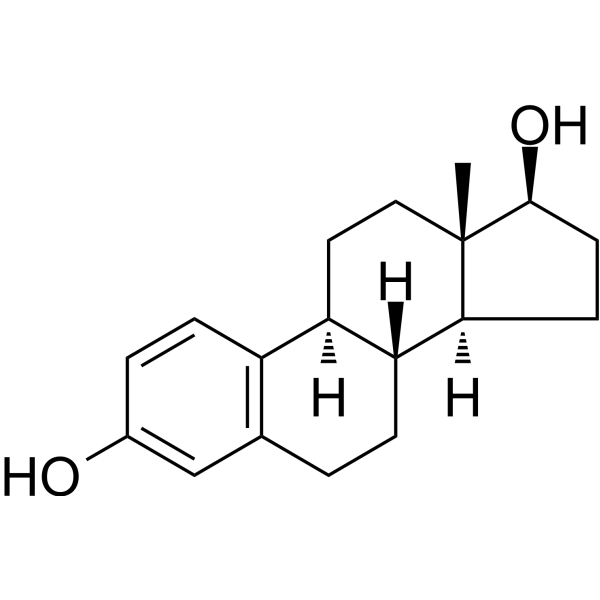
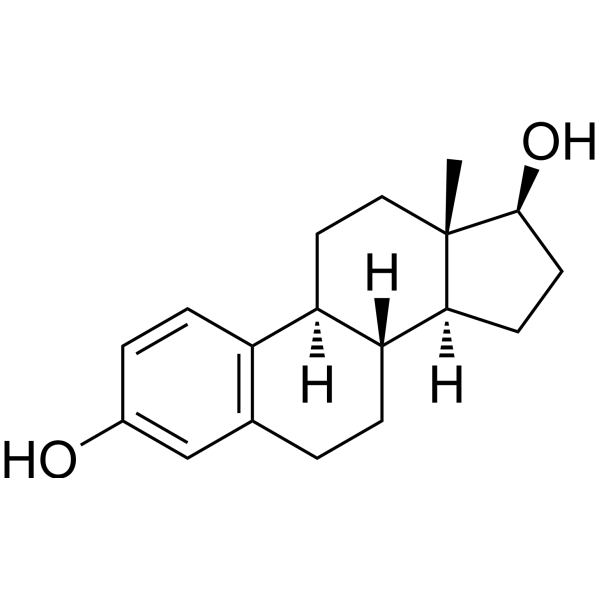
    Estradiol
    Maximum Cited Publications
    122 Publications Verification

    β-Estradiol; E2; 17β-Estradiol; 17β-Oestradiol

    Estrogen Receptor/ERR Endogenous Metabolite Bacterial Endocrinology Cancer
    Estradiol (β-Estradiol) is a steroid hormone and the major female sex hormone. Estradiol can up-regulate the expression of neural markers of human endometrial stem cells (hEnSCs) and promote their neural differentiation. Estradiol can be used for the research of cancers, neurodegenerative diseases and neural tissue engineering .
    Estradiol
  • HY-B0988
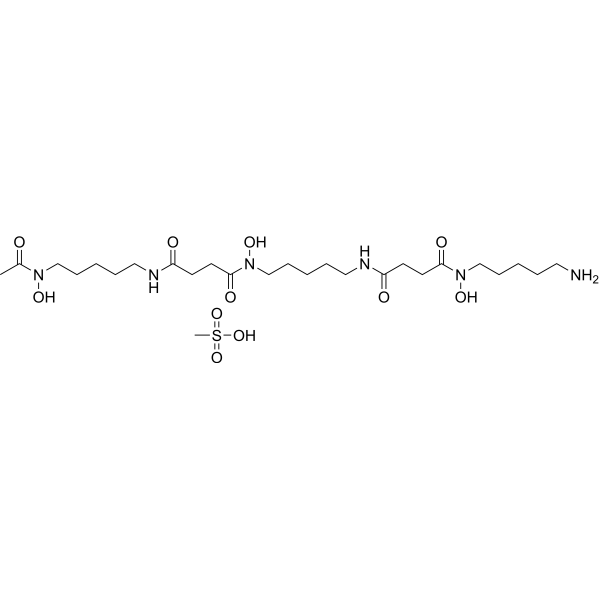
    Deferoxamine mesylate
    Maximum Cited Publications
    397 Publications Verification

    Desferrioxamine B mesylate; DFOM

    Autophagy HIF/HIF Prolyl-Hydroxylase Reactive Oxygen Species (ROS) Apoptosis Akt Infection Neurological Disease Metabolic Disease Inflammation/Immunology Cancer
    Deferoxamine mesylate (Deferoxamine B mesylate) is an iron chelator (binds to Fe(III) and many other metal cations), is widely used to reduce iron accumulation and deposition in tissues. Deferoxamine mesylate upregulates HIF-1α levels with good antioxidant activity. Deferoxamine mesylate also shows anti-proliferative activity, can induce apoptosis and autophagy in cancer cells. Deferoxamine mesylate can be used in studies of diabetes, neurodegenerative diseases as well as anti-cancer and anti-COVID-19 .
    Deferoxamine mesylate
  • HY-B1625
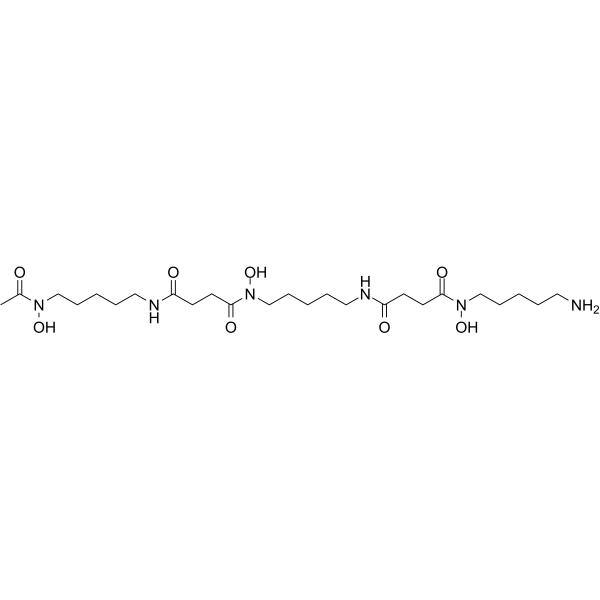
    Deferoxamine
    Maximum Cited Publications
    397 Publications Verification

    Deferoxamine B; Deferriferrioxamine B; Deferrioxamine

    HIF/HIF Prolyl-Hydroxylase Reactive Oxygen Species (ROS) Apoptosis Akt Autophagy Infection Neurological Disease Metabolic Disease Inflammation/Immunology Cancer
    Deferoxamine (Deferoxamine B) is an iron chelator (binds to Fe(III) and many other metal cations), is widely used to reduce iron accumulation and deposition in tissues. Deferoxamine upregulates HIF-1α levels with good antioxidant activity. Deferoxamine also shows anti-proliferative activity, can induce apoptosis and autophagy in cancer cells. Deferoxamine can be used in studies of diabetes, neurodegenerative diseases as well as anti-cancer and anti-COVID-19 .
    Deferoxamine
  • HY-N5034
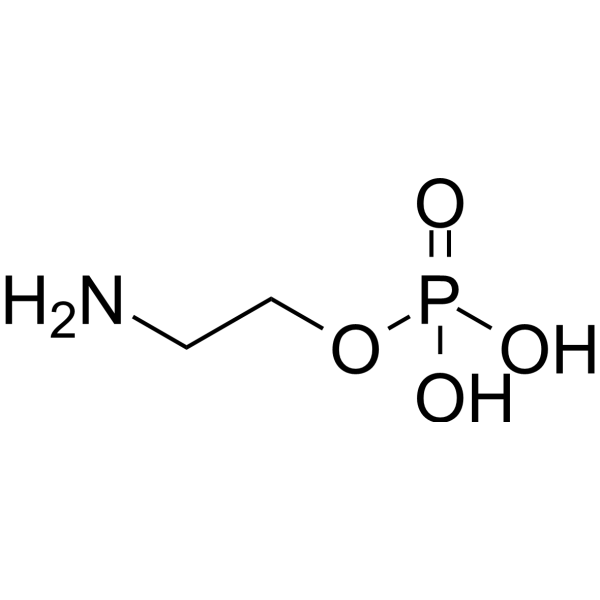
    Phosphorylethanolamine
    4 Publications Verification

    Monoaminoethyl phosphate; NSC 254167; O-Phosphoethanolamine

    Endogenous Metabolite Neurological Disease Metabolic Disease Cancer
    Phosphorylethanolamine (Monoaminoethyl phosphate) is a membrane phospholipid and an important precursor of Phosphatidylcholine (HY-B2233B). It is found in most animal tissues and various human extracranial tumors, playing a critical role in membrane integrity, cell division, mitochondrial respiratory function, and more. Studies have shown that changes in the abundance of Phosphorylethanolamine are associated with Alzheimer's disease and Parkinson's disease. Lowering the ratio of Phosphorylethanolamine to Phosphatidylcholine in the liver can improve insulin signaling. Phosphorylethanolamine holds promise for research in the fields of cancer, neurodegenerative disorders, and metabolic diseases .
    Phosphorylethanolamine
  • HY-13817
    IU1
    20+ Cited Publications

    Deubiquitinase Autophagy Apoptosis Cardiovascular Disease Neurological Disease Endocrinology Cancer
    IU1 is a selective, reversible USP14 inhibitor with an IC50 of 4-5 μM. IU1 binds USP14’s catalytic cleft to block deubiquitinase activity. IU1 induces calpain-dependent Tau cleavage, causes ATP deficits, reduces E1~Ub thioester levels and 26S proteasome assembly. IU1 enhances 26S proteasome chymotrypsin-like activity, modulates LC3B-dependent autophagy flux, reduces cancer cell proliferation and migration, and blocks G0/G1 to S phase cell cycle transition in follicular thyroid cancer cells. IU1 activates autophagy-lysosomal and ubiquitin-proteasome pathways, triggers apoptosis, and reduces cervical cancer cell growth. IU1 enhances degradation of proteasome substrates linked to neurodegenerative disease, accelerates oxidized protein degradation, and increases oxidative stress resistance. IU1 can be used for the research of Alzheimer’s disease, follicular thyroid cancer, ischemic stroke, cervical cancer, and neurodegenerative disease .
    IU1
  • HY-B0141R
    Estradiol (Standard)
    Maximum Cited Publications
    122 Publications Verification

    β-Estradiol (Standard); E2 (Standard); 17β-Estradiol (Standard); 17β-Oestradiol (Standard)

    Reference Standards Estrogen Receptor/ERR Endogenous Metabolite Bacterial Endocrinology Cancer
    Estradiol (Standard) is the analytical standard of Estradiol. This product is intended for research and analytical applications. Estradiol (β-Estradiol) is a steroid hormone and the major female sex hormone. Estradiol can up-regulate the expression of neural markers of human endometrial stem cells (hEnSCs) and promote their neural differentiation. Estradiol can be used for the research of cancers, neurodegenerative diseases and neural tissue engineering .
    Estradiol (Standard)
  • HY-15728
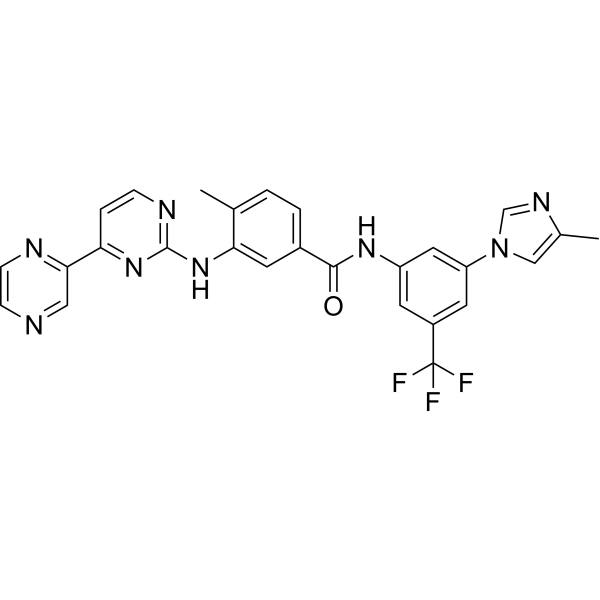
    Radotinib
    1 Publications Verification

    IY-5511

    Bcr-Abl Apoptosis STAT JAK Prion Protein Infection Neurological Disease Cancer
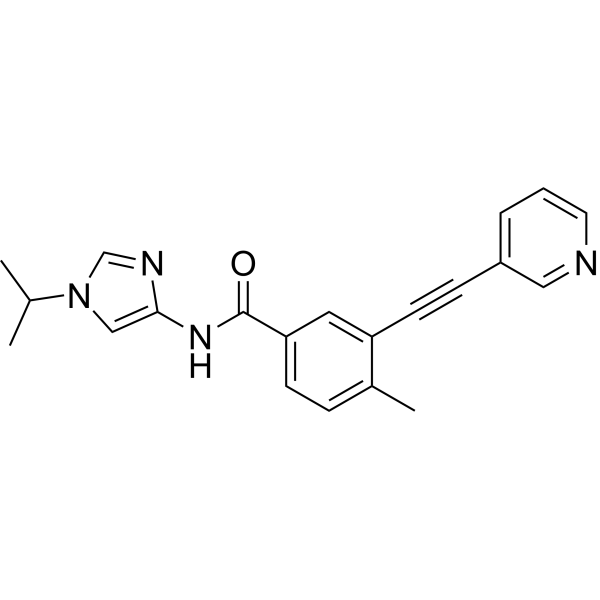
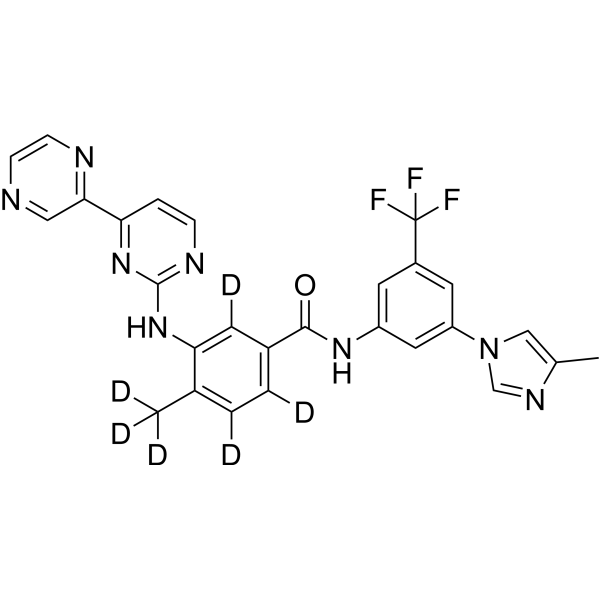
    Radotinib (IY-5511) is an orally active and BBB-permeable selective tyrosine kinase Bcr-Abl1 inhibitor with an IC50 of 34 nM. Radotinib has anti-prion and anti-tumor activities. Radotinib can inhibit the proliferation, induce cell cycle arrest and apoptosis of tumor cells . Radotinib can be used in the research of cancer such as chronic myeloid leukemia and multiple myeloma, as well as neurodegenerative diseases such as prion diseases .
    Radotinib
  • HY-W017540
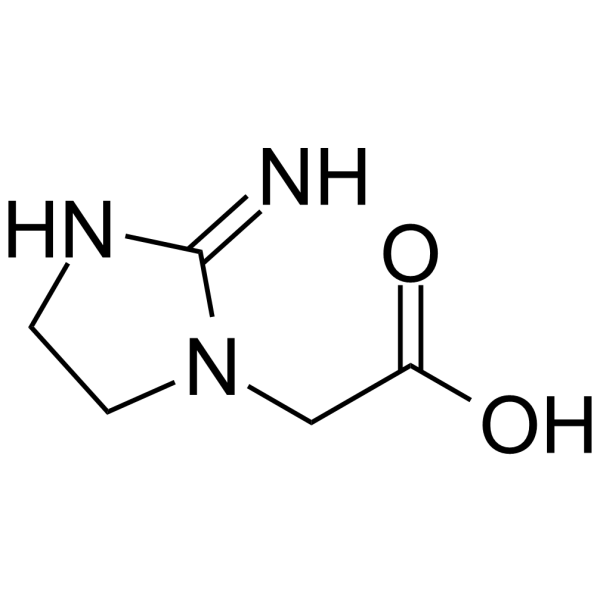
    Cyclocreatine
    1 Publications Verification

    ATP Synthase Cardiovascular Disease Neurological Disease Metabolic Disease Cancer
    Cyclocreatine, a creatine analogue, acts as a brain-penetrant and potent bioenergetic protective agent by providing high levels of ATP. Cyclocreatine can be phosphorylated and dephosphorylated by creatine kinases. Cyclocreatine suppresses creatine metabolism ameliorating the cognitive, autistic and epileptic phenotype in a mouse model of creatine transporter defciency. Cyclocreatine protects against ischemic injury and enhances cardiac recovery during early reperfusion in dogs and rats. Cyclocreatine decreases plaque-adjacent neuronal dystrophy in TREM2-deficient mice with amyloid-β pathology. Cyclocreatine is proming for research of ischemic heart disease, cardiovascular diseases, Alzheimer’s disease and other neurodegenerative diseases associated with microglial dysfunction, prostate cancer .
    Cyclocreatine
  • HY-113037C

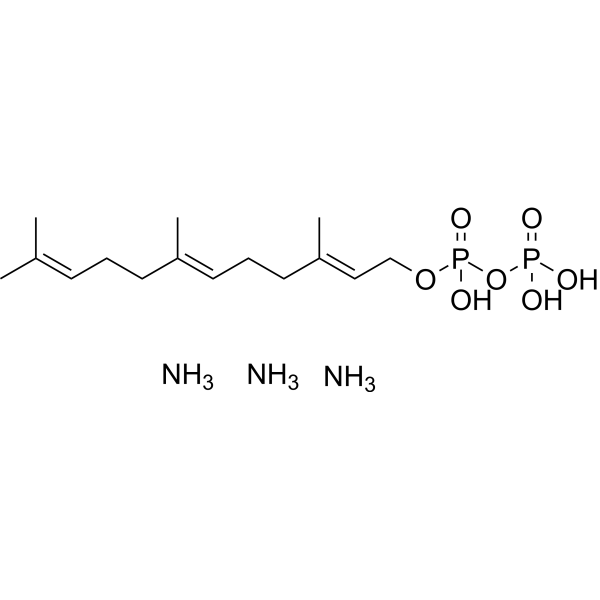
    Farnesyl diphosphate ammonium

    TRP Channel Endogenous Metabolite Calcium Channel Neurological Disease Inflammation/Immunology Cancer
    Farnesyl pyrophosphate (Farnesyl diphosphate) ammonium is a metabolic intermediate in the mevalonate (MVA) pathway. It is a TRP channel (TRPM2) agonist that triggers Ca2+ influx and cell death. Farnesyl pyrophosphate ammonium is a key branch substrate for cholesterol synthesis, ubiquinone synthesis, protein farnesylation, and geranylgeranyl pyrophosphate (GGPP) synthesis. Farnesyl pyrophosphate ammonium is used in research on cerebral ischemia, neurodegenerative diseases, pancreatic cancer, inflammation, and autoimmune diseases .
    Farnesyl pyrophosphate ammonium
  • HY-W015236

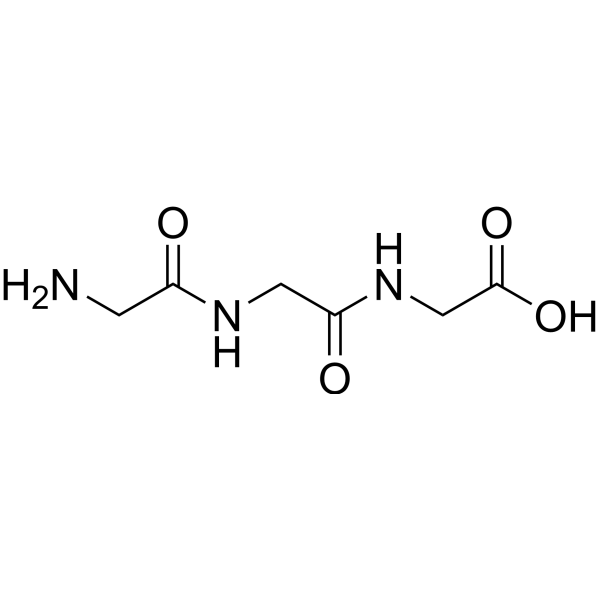
    Triglycine

    Biochemical Assay Reagents Others
    H-Gly-Gly-Gly-OH, also known as Triglycine, is a tripeptide composed of glycine, glycine and glycine, which are linked by peptide bonds. Often used as a model compound in the study of protein structure and function. Glycylglycylglycine also acts as a neurotransmitter in the central nervous system and has been shown to have antioxidant properties. Furthermore, it may have potential research roles in various diseases such as cancer, diabetes and neurodegenerative diseases.
    H-Gly-Gly-Gly-OH
  • HY-176426

    Deubiquitinase NF-κB IFNAR Cancer
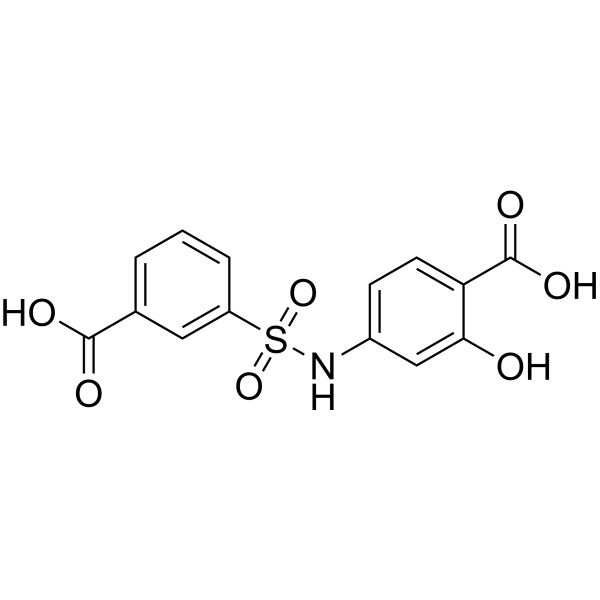
    Subquinocin is a tumor suppressor CYLD inhibitor that inhibits USP family deubiquitinases (DUBs) activity of CYLD with an IC50 of 30 μM. Subquinocin enhances the activation of NF-κB and IFN pathways by inhibiting CYLD. Subquinocin promotes RIG-I-mediated activation of IRF3/IRF7 in the interferon pathway. Subquinocin can be used for the research of cancer and neurodegenerative diseases .
    Subquinocin
  • HY-Y0790
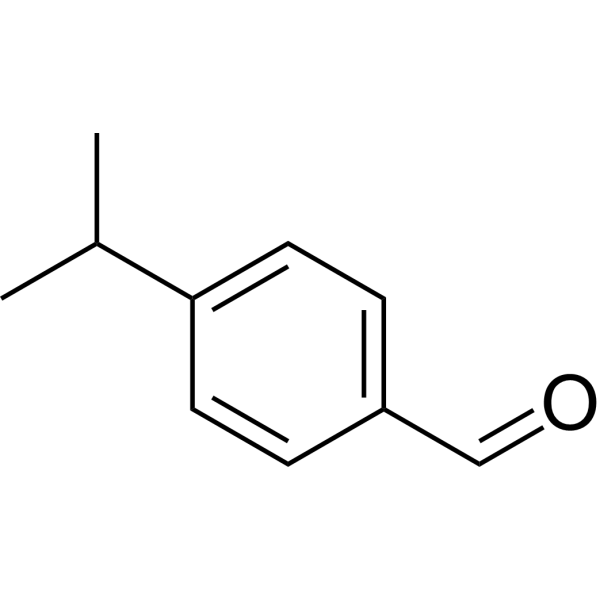
    Cuminaldehyde
    1 Publications Verification

    p-Isopropylbenzaldehyde

    Environmental Pollutants α-synuclein Infection Neurological Disease Inflammation/Immunology Cancer
    Cuminaldehyde is the main component of Cuminum cyminum and has multiple biological activities, including anti-inflammatory, anti-cancer, anti-diabetic, anti-injury, anti-neuropathy and antibacterial effects. Cuminaldehyde is an inhibitor of aldose reductase (IC50= 0.00085 mg/mL), α-glucosidase (IC50=0.5 mg/mL) and lipoxygenase (IC50=1370 μM). Cuminaldehyde also inhibits the fibrillation of α-synuclein and prevents its aggregation. Cuminaldehyde has potential application value in the research of neurodegenerative diseases, cancer, diabetes and neuropathic pain diseases .
    Cuminaldehyde
  • HY-50737
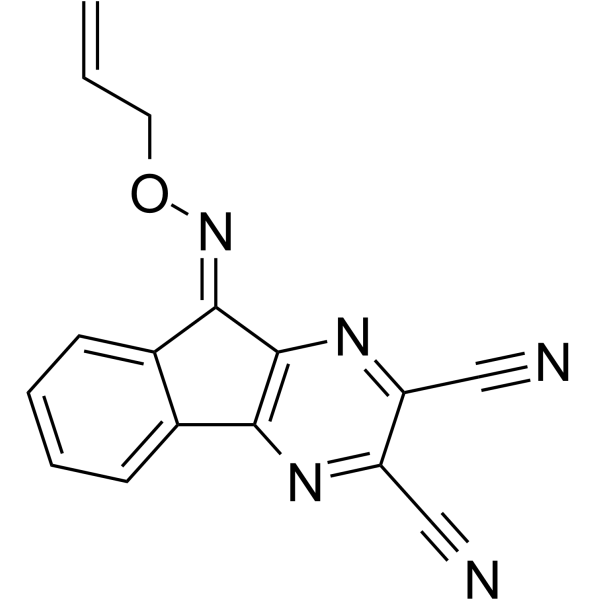
    DUB-IN-3
    5+ Cited Publications

    Deubiquitinase Infection Cardiovascular Disease Neurological Disease Inflammation/Immunology Cancer
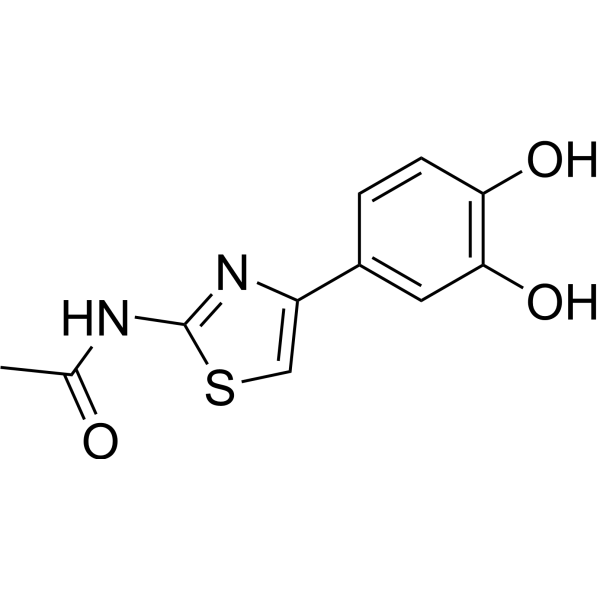
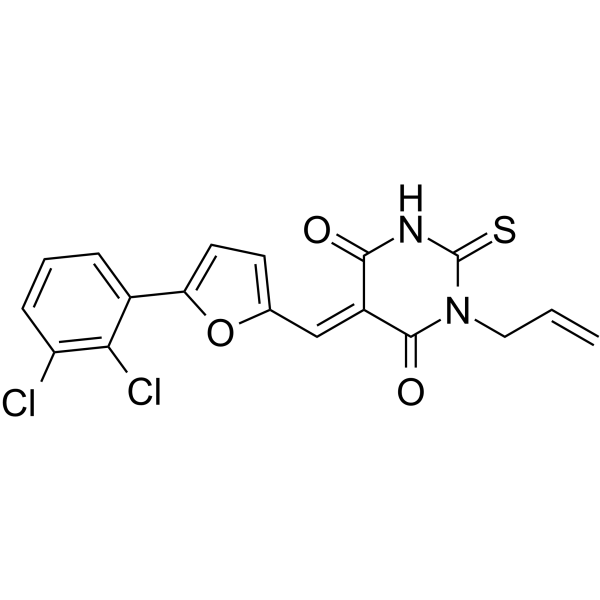
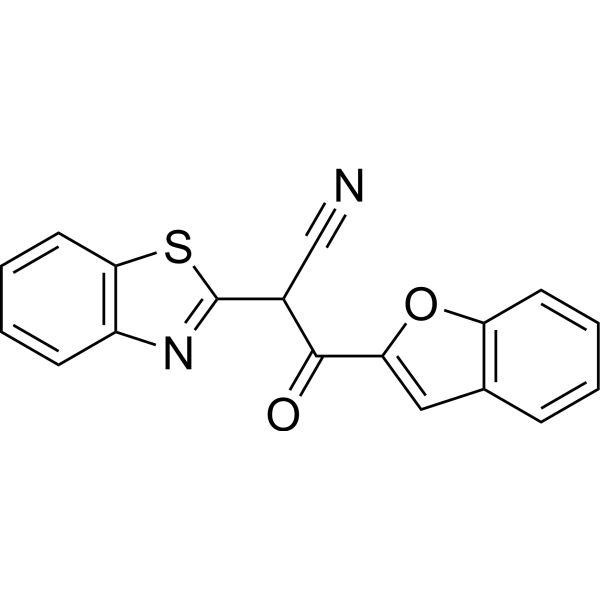
    DUB-IN-3 (compound 22c) is a potent and selective inhibitor of the deubiquitinating enzyme USP8 with an IC50 value of 0.56 μM. DUB-IN-3 is promising for research of cancer, neurodegenerative diseases, inflammation, viral infection and cardiovascular disease .
    DUB-IN-3
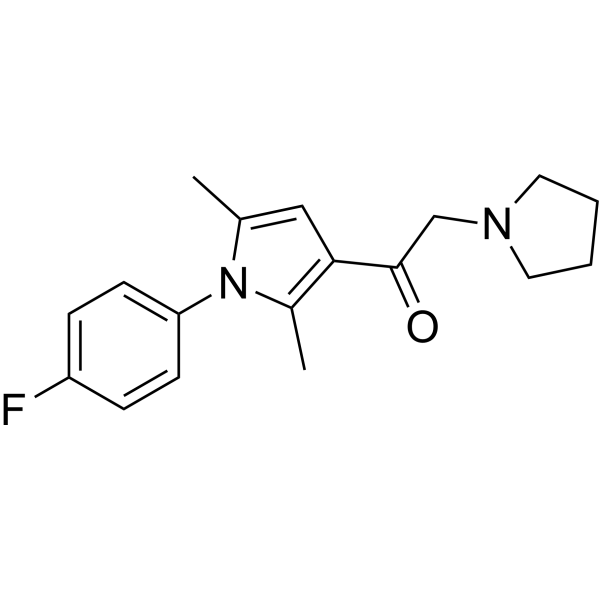
  • HY-108613
    JJKK 048
    2 Publications Verification

    MAGL Neurological Disease Cancer
    JJKK 048 is a highly selective and potent monoacylglycerol lipase (MAGL) inhibitor with IC50 values of 214 pM, 275 pM and 363 pM for human, rat, and mouse MAGL. JJKK 048 displays low cross-reactivity with other endocannabinoid targets. JJKK 048 can be used in the research of diseases such as cancer, neurodegenerative diseases, and pain .
    JJKK 048
  • HY-137441
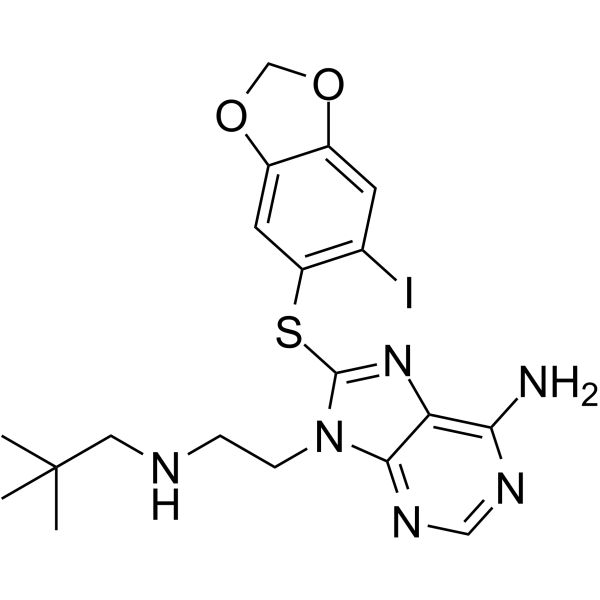
    Icapamespib
    1 Publications Verification

    PU-HZ151

    HSP Neurological Disease Cancer
    Icapamespib (PU-HZ151; PU-AD) is a selective, orally active inhibitor of Epichaperomes assembled by HSP90 with slow dissociation kinetics. Icapamespib can cross the blood-brain barrier (BBB) ??and induce epichaperome disassembly by non-covalently binding to HSP90, restoring the normal protein-protein interaction network. Icapamespib can specifically disrupt disease-related abnormal protein interaction networks, reduce neurotoxic protein aggregation and tumor cell survival signals. Icapamespib can be used in the research of neurodegenerative diseases such as Alzheimer's disease, as well as cancers such as glioblastoma and metastatic breast cancer .
    Icapamespib
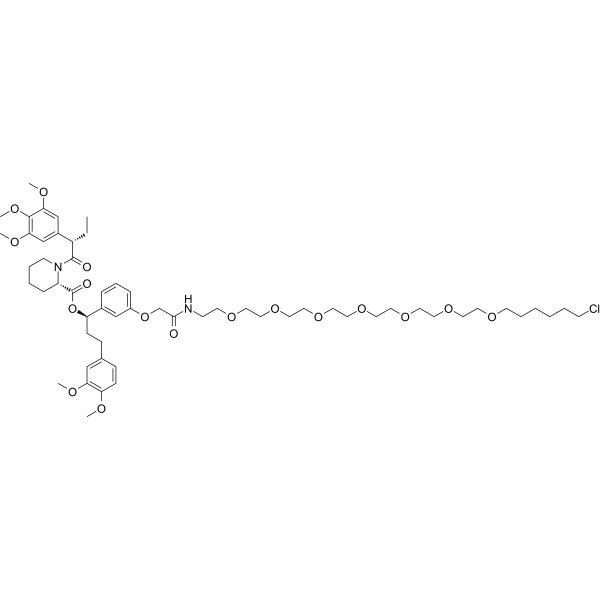
  • HY-145232
    PhosTAC7
    4 Publications Verification

    OGTAC-3

    PhosTACs Phosphatase Tau Protein Neurological Disease Cancer
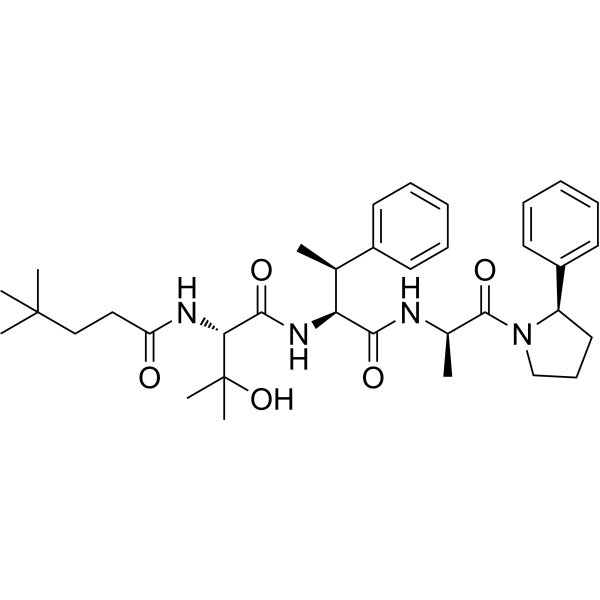
    PhosTAC7 is a heterobifunctional molecule named as a Phosphorylation Targeting Chimera (PhosTAC). PhosTAC7 can dephosphorylate the PDCD4 protein, FOXO3a protein, and tau protein by recruiting serine/threonine protein phosphatase 2A (PP2A). PhosTAC7 offers the advantage of selectively modulating the phosphorylation state of individual target proteins, making it a promising tool for research in cancer and tau protein-related neurodegenerative diseases (Alzheimer's disease) .
    PhosTAC7
  • HY-163472

    Dihydroceramide Desaturase 1 (DES1) Neurological Disease Metabolic Disease Cancer
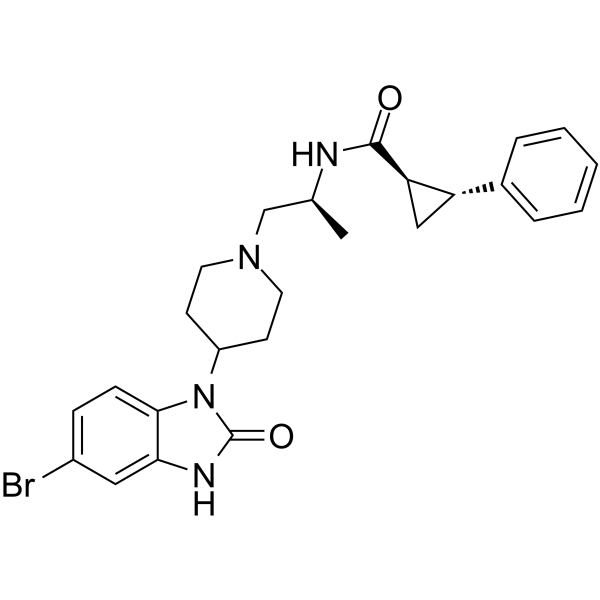
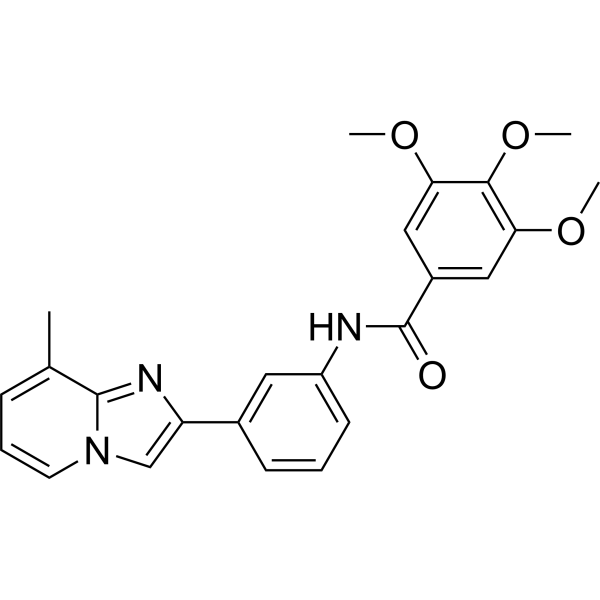
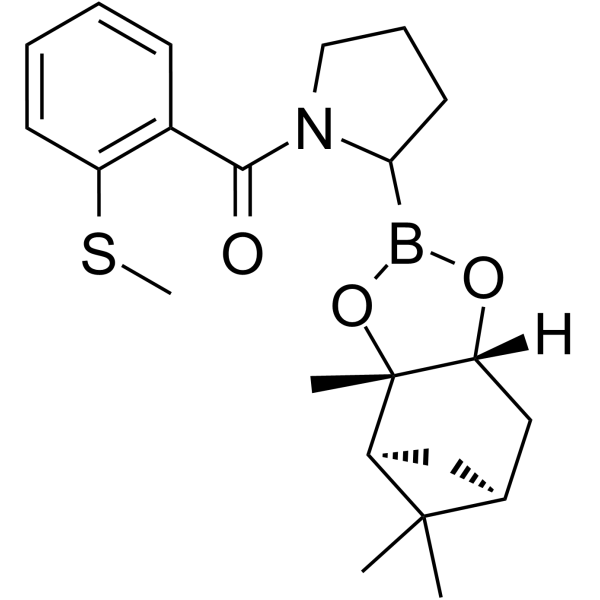
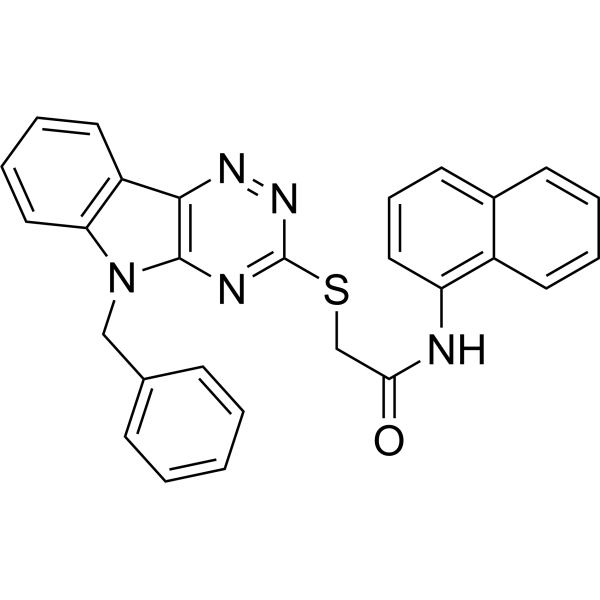
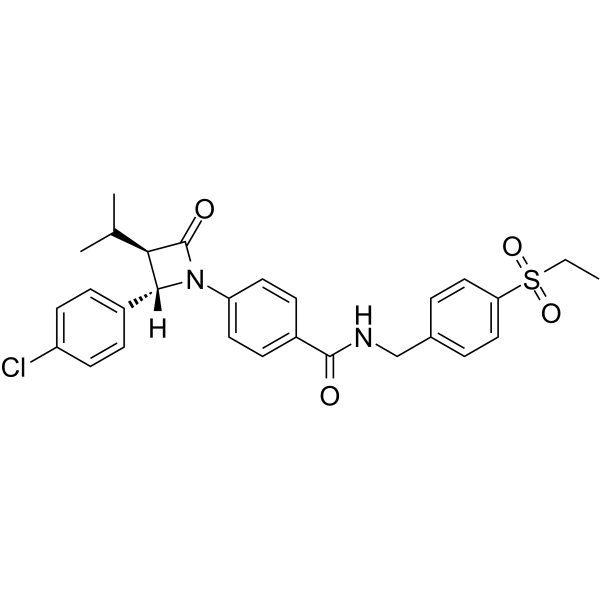
    PR280 is a dihydroceramide desaturase 1 (Des1) inhibitor with an IC50 of 700 nM. PR280 is used for the research of metabolic diseases, cancers, and neurodegenerative diseases .
    PR280
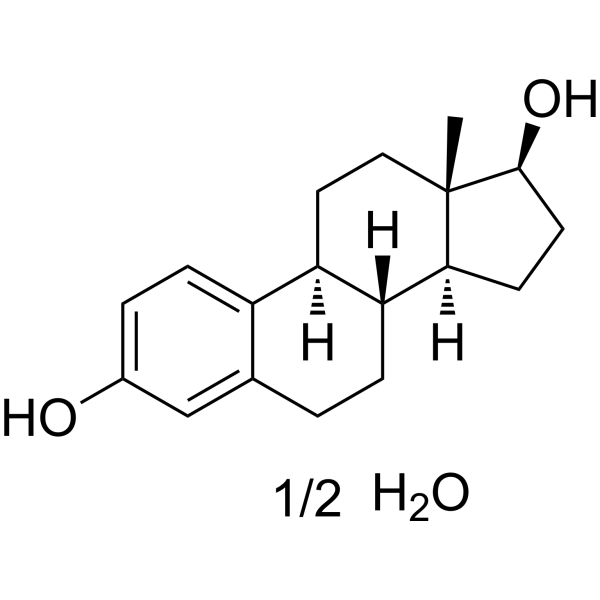
  • HY-B0141C
    Estradiol hemihydrate
    Maximum Cited Publications
    122 Publications Verification

    β-Estradiol hemihydrate; 17β-Estradiol hemihydrate; 17β-Oestradiol hemihydrate

    Estrogen Receptor/ERR Endogenous Metabolite Bacterial Neurological Disease Cancer
    Estradiol (β-Estradiol) hemihydrate is a steroid hormone and the major female sex hormone. Estradiol (β-Estradiol) hemihydrate can up-regulate the expression of neural markers of human endometrial stem cells (hEnSCs) and promote their neural differentiation. Estradiol (β-Estradiol) hemihydrate can be used for the research of cancers, neurodegenerative diseases and neural tissue engineering .
    Estradiol hemihydrate
  • HY-101293
    VU0359595
    1 Publications Verification

    CID-53361951; ML-270

    Phospholipase Fungal Infection Neurological Disease Metabolic Disease Inflammation/Immunology Cancer
    VU0359595 (CID-53361951; ML-270) is a potent and selective pharmacological phospholipase D1 (PLD1) inhibitor with an IC50 of 3.7 nM. VU0359595 is >1700-fold selective for PLD1 over PLD2 (IC50 of 6.4 μM). VU0359595 can be used for the research of cancer, diabetes, neurodegenerative and inflammatory diseases .
    VU0359595
  • HY-148215A

    HSP Neurological Disease Cancer
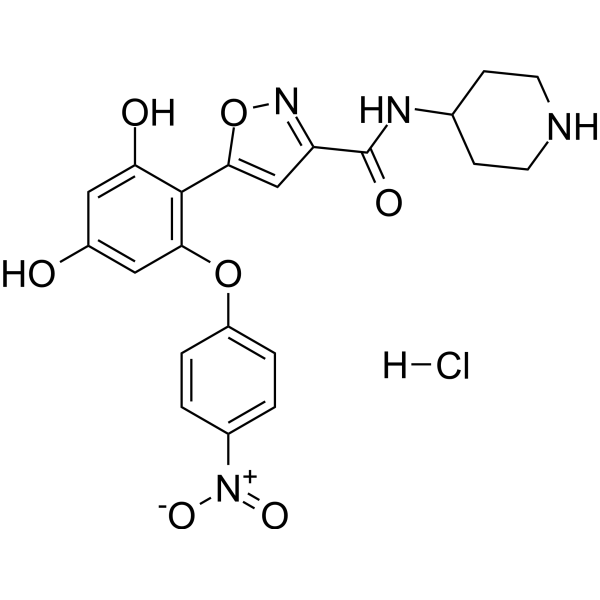
    Hsp90-IN-17 (Example 5) hydrochloride is an HSP90 inhibitor that can be used in the study of proliferative diseases, such as cancer and neurodegenerative diseases .
    Hsp90-IN-17 hydrochloride
  • HY-153077

    Phosphatase Neurological Disease Metabolic Disease Inflammation/Immunology Cancer
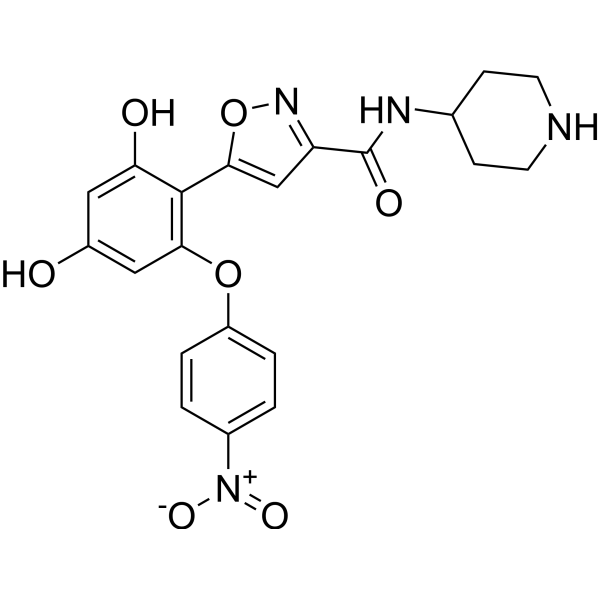
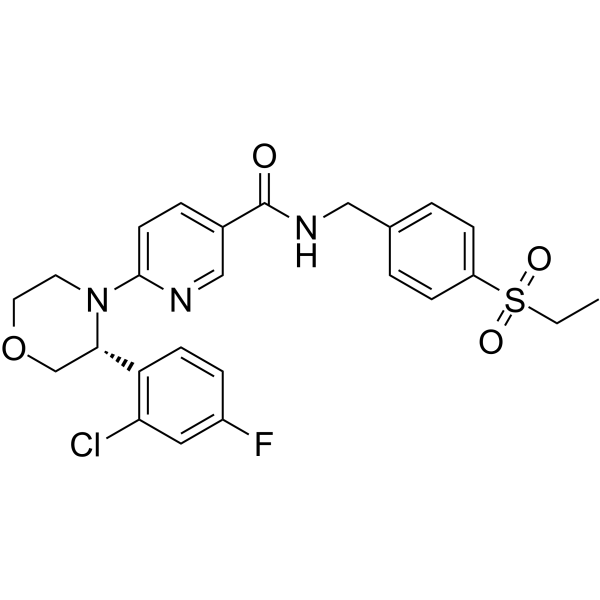
    PFKFB3-IN-2 is a 6-phosphofructo-2-kinase/fructose-2,6-bisphosphatase 3 (PFKFB3) inhibitor. PFKFB3-IN-2 has potential applications in cancer, neurodegenerative diseases, autoimmune diseases, inflammatory diseases, multiple sclerosis, metabolic diseases, angiogenesis inhibition and other diseases .
    PFKFB3-IN-2
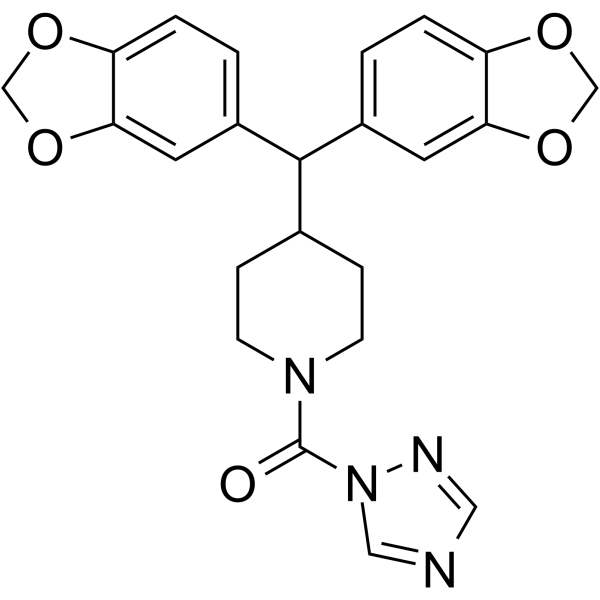
  • HY-177360

    DNA/RNA Synthesis Neurological Disease Cancer
    RNA splicing modulator-4 is an RNA splicing modulator. RNA splicing modulator-4 controls the inclusion or exclusion of specific exons in precursor mRNA (pre-mRNA) by regulating alternative splicing events, thereby altering the coding sequence and function of mature mRNA. RNA splicing modulator-4 shows promise for research into neurodegenerative diseases (such as Huntington's disease) and cancers .
    RNA splicing modulator-4
  • HY-169003

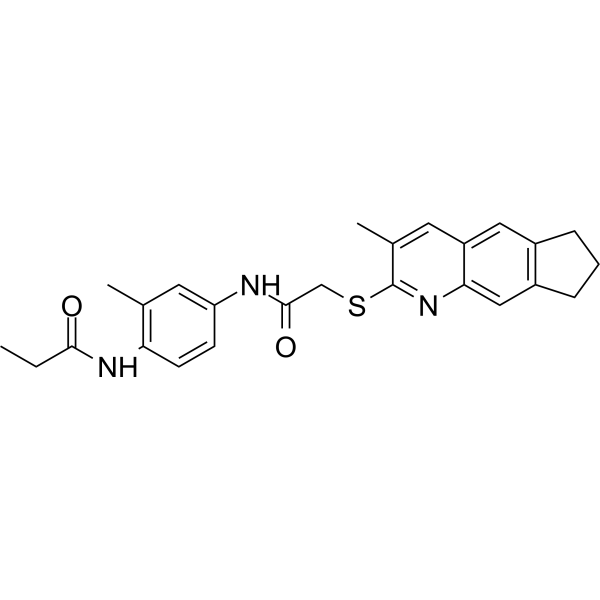
    Virus Protease Infection Neurological Disease Cancer
    STT3A/B-IN-1 is an orally active STT3A/B inhibitor with antiviral activity. STT3A/B-IN-1 upregulates DERL3 gene expression levels. STT3A/B-IN-1 is promising for research of viral diseases, including cancer and neurodegenerative disorders .
    STT3A/B-IN-1
  • HY-147108

    Mitochondrial Metabolism Neurological Disease Metabolic Disease Inflammation/Immunology Cancer
    Mitochondria degrader-1 (example 5) is a potent mitochondria degrader. Mitochondria degrader-1 induces the degradation of the injured mitochondria by the autophagy mechanism. Mitochondria degrader-1 can be used for the research of neurodegenerative disease, cancer, inflammatory disease, age-related disease, metabolic disease, mitochondrial disease or Down's disease .
    Mitochondria degrader-1
  • HY-120566

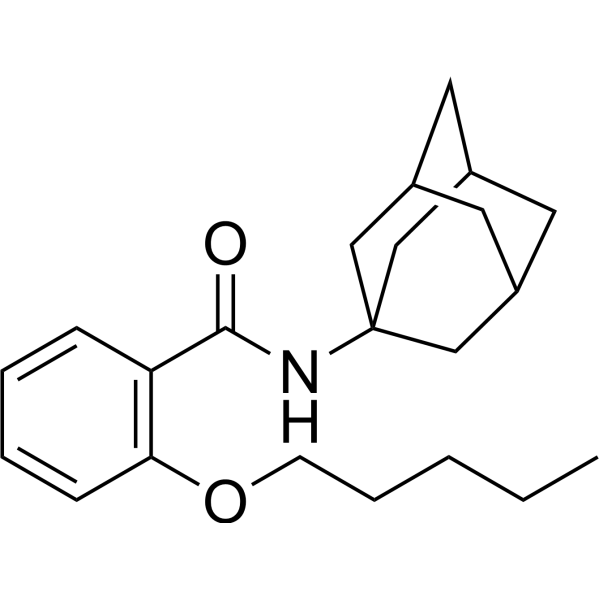
    NTPDase Neurological Disease Inflammation/Immunology Cancer
    PSB-16131 is a potent inhibitor of human NTPDase2, showing non-competitive inhibition with an IC50 of 539 nM. PSB-16131 can be used in the study of inflammation, neurodegenerative diseases and cancer .
    PSB-16131
  • HY-146387

    Sirtuin Neurological Disease Cancer
    SIRT5 inhibitor 3 (compound 46) is a potent and competitive SIRT5 inhibitor with an IC50 value of 5.9 μM. SIRT5 inhibitor 3 can inhibit SIRT5 desuccinylation. SIRT5 inhibitor 3 can be used for researching cancer and neurodegenerative diseases .
    SIRT5 inhibitor 3
  • HY-137441A
    Icapamespib hydrochloride
    1 Publications Verification

    PU-HZ151 hydrochloride

    HSP Neurological Disease Cancer
    Icapamespib (PU-HZ151; PU-AD) hydrochloride is a selective, orally active inhibitor of Epichaperomes assembled by HSP90 with slow dissociation kinetics. Icapamespib hydrochloride can cross the blood-brain barrier (BBB) ??and induce epichaperome disassembly by non-covalently binding to HSP90, restoring the normal protein-protein interaction network. Icapamespib hydrochloride can specifically disrupt disease-related abnormal protein interaction networks, reduce neurotoxic protein aggregation and tumor cell survival signals. Icapamespib hydrochloride can be used in the research of neurodegenerative diseases such as Alzheimer's disease, as well as cancers such as glioblastoma and metastatic breast cancer .
    Icapamespib hydrochloride
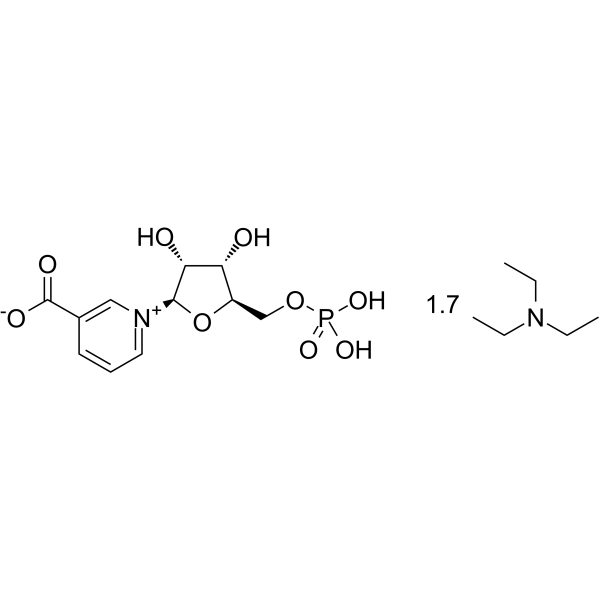
  • HY-161316

    Amine N-methyltransferase Neurological Disease Metabolic Disease Cancer
    NNMT-IN-5 (Compound 3-12) is a potent nicotinamide N-methyltransferase (NNMT) inhibitor (IC50 = 47.9 ± 0.6 nM). NNMT-IN-5 also has an excellent selectivity profile over a panel of human methyltransferases. NNMT-IN-5 can be used for the research of cancer, diabetes, metabolic disorders, and neurodegenerative diseases .
    NNMT-IN-5
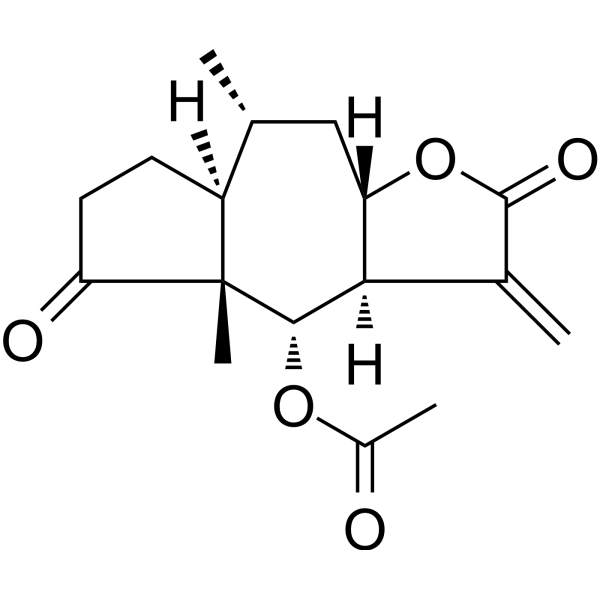
  • HY-N3187

    Flavivirus Dengue Virus Fungal Bacterial Histamine Receptor Infection Neurological Disease Inflammation/Immunology Cancer
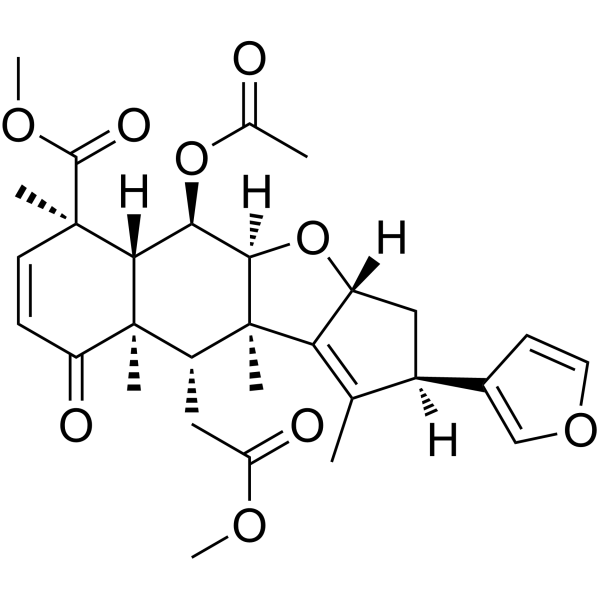
    Nimbin is an orally active intermediate limonoid found in Azadirachta. Nimbin prevents tau aggregation and increases cell viability. Nimbin is effective inhibits the envelope protein of dengue virus. Nimbin has anti-inflammatory, antipyretic, antifungal, antihistamine, antiseptic, antioxidant, anti-cancer and anti-viral properties. Nimbin is promising for research of neurodegenerative diseases and viral infections .
    Nimbin
  • HY-147907

    Adenosine Receptor Neurological Disease Inflammation/Immunology Cancer
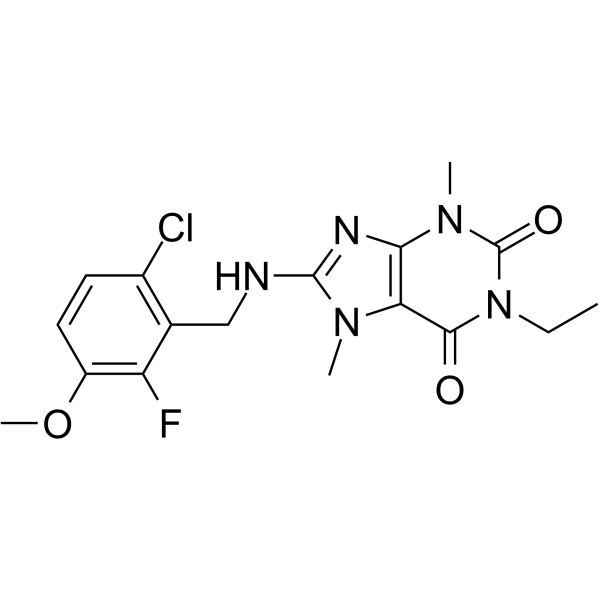
    Adenosine receptor inhibitor 1 is a potent and selective adenosine receptor (AR) inhibitor with Ki values of >1000, 68.5, >1000, >1000 nM for A1AR, A2AAR, A2BAR, A3AR, respectively. Adenosine receptor inhibitor 1 shows antinociceptive activity, anti-inflammatory effect and peripheral analgesic effect. Adenosine receptor inhibitor 1 has the potential for the research of cancer or neurodegenerative diseases .
    Adenosine receptor inhibitor 1
  • HY-152849

    HL5101

    c-Met/HGFR Cancer
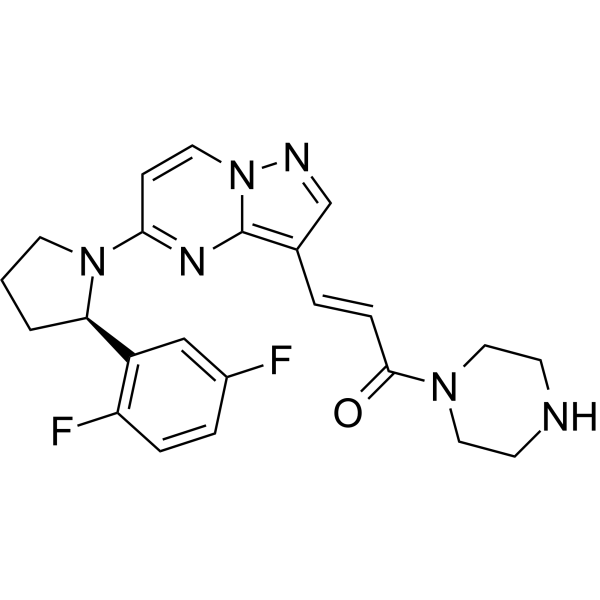
    Boditrectinib is a potent tyrosine kinase inhibitor. Boditrectinib serves as an antineoplastic agent. Boditrectinib is useful in the research of cancer, inflammation, neurodegenerative diseases and certain infectious diseases .
    Boditrectinib
  • HY-P2750
    Cathepsin D
    1 Publications Verification

    CTSD

    Biochemical Assay Reagents Cardiovascular Disease Neurological Disease Cancer
    Cathepsin D (CTSD) is a lysosomal aspartic protease encoded by the CTSD gene. Cathepsin D regulates lysosomal protease activity. Loss of Cathepsin D leads to lysosomal dysfunction and the accumulation of various cellular proteins associated with neurodegenerative diseases. Cathepsin D is involved in breast cancer metastasis. Cathepsin D can be used in research on diseases such as breast cancer and stroke .
    Cathepsin D
  • HY-162857

    Heme Oxygenase (HO) Neurological Disease Cancer
    Heme Oxygenase-1-IN-3 (compound 4) is a highly selective heme oxygenase-1 (HO-1) inhibitor (Kd=141 nM) that can be used in the research of cancer and neurodegenerative diseases .
    Heme Oxygenase-1-IN-3
  • HY-P10530

    Keap1-Nrf2 Neurological Disease Inflammation/Immunology Cancer
    Nrf2 (69-84) is a peptide fragment of Nrf2 protein that contains the key ETGE motif, which is an important region for binding to the Kelch domain of Keap1 protein. Nrf2 (69-84) can be used to study the role of Nrf2 in the development and progression of diseases, especially in cancer, neurodegenerative diseases and inflammatory diseases .
    Nrf2 (69-84)
  • HY-P11035

    Ephrin Receptor Neurological Disease Cancer
    APY-d3 is a EphA4-LBD antagonistic peptide with a Kd of 138  nM. APY-d3 is constrained into a bioactive β-hairpin conformation via a head-to-tail disulfide bond. APY-d3 can be used for cancers like gastric and pancreatic cancers and neurodegenerative diseases like amyotrophic lateral sclerosis and Alzheimer’s disease research .
    APY-d3
  • HY-131139A

    Apoptosis Neurological Disease Cancer
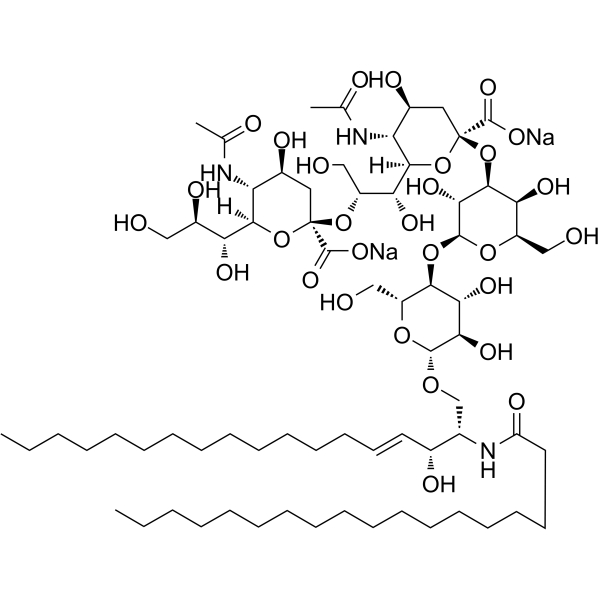
    Ganglioside GD3 diammonium is an acidic glycosphingolipid. Ganglioside GD3 diammonium inhibits the proliferation of cancer cells, affects the opening of the mitochondrial permeability transition pore (PTPC), induces apoptosis and activates caspase family. Ganglioside GD3 diammonium can be used in research about cancer and neurodegenerative diseases .
    Ganglioside GD3 diammonium
  • HY-163564

    PROTACs Neurological Disease Cancer
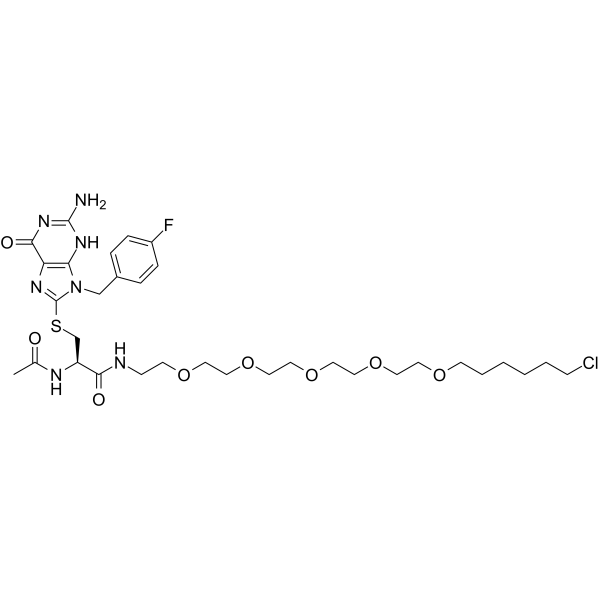
    JYQ-194 is a PROTAC degrader targeting human Parkinson's disease protein 7 (PARK7). JYQ-194 can be used in the study of cancer and neurodegenerative diseases. (Pink: PARK7 ligand (HY-163563); Black: linker (HY-W017440); Blue: E3 ligase ligand (HY-10984)) .
    JYQ-194
  • HY-113037B

    Farnesyl diphosphate

    TRP Channel Endogenous Metabolite Calcium Channel Neurological Disease Inflammation/Immunology Cancer
    Farnesyl pyrophosphate is a metabolic intermediate in the mevalonate (MVA) pathway. It is a TRP channel (TRPM2) agonist that triggers Ca2+ influx and cell death. Farnesyl pyrophosphate is a key branch substrate for cholesterol synthesis, ubiquinone synthesis, protein farnesylation, and geranylgeranyl pyrophosphate (GGPP) synthesis. Farnesyl pyrophosphate is used in research on cerebral ischemia, neurodegenerative diseases, pancreatic cancer, inflammation, and autoimmune diseases.
    Farnesyl pyrophosphate
  • HY-163174

    Amine N-methyltransferase Cardiovascular Disease Neurological Disease Metabolic Disease Cancer
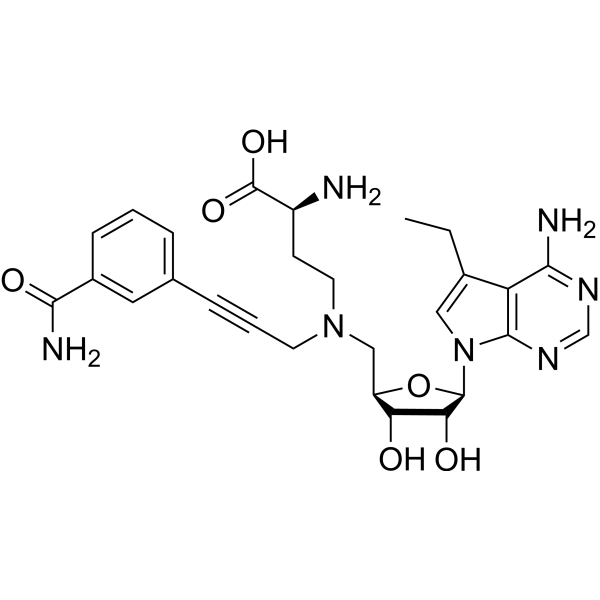
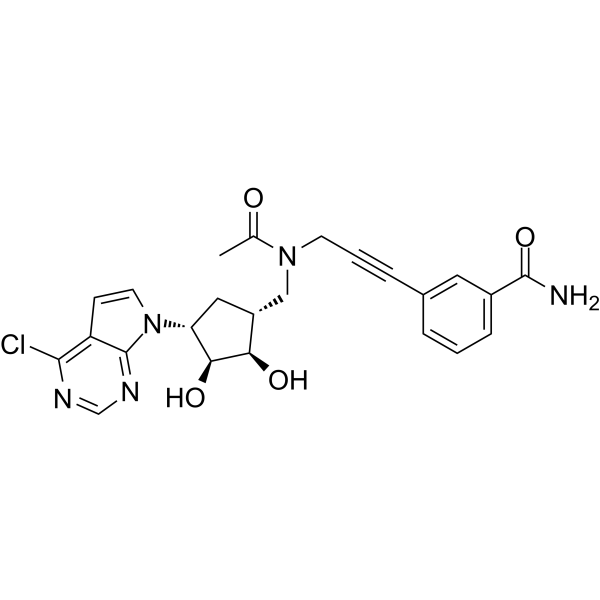
    II399 is a potent, selective NNMT bisubstrate inhibitor containing an unconventional SAM mimic, with a Ki of 5.9 nM. II399 exhibits an explicit pattern of competitive inhibition for NAM. II399 occupies both the substrate and cofactor binding pockets. II399 has the potential for the research of cancers, metabolic, cardiovascular, and neurodegenerative diseases .
    II399
  • HY-175453

    Molecular Glues Neurological Disease Cancer
    MRT-23227 is a molecular glue degrader that targets cereblon (CRBN). MRT-23227 forms a ternary complex with CRBN and G3BP2, activating the ubiquitin-proteasome system, leading to G3BP2 degradation. MRT-23227 has potential applications in the research of G3BP2-related cancers (such as breast and lung cancer) and neurodegenerative diseases .
    MRT-23227
  • HY-112874

    BMS-687681

    CCR Neurological Disease Inflammation/Immunology Cancer
    BMS-681 is an orthosteric antagonist of CC chemokine receptor 2 (CCR2). BMS-681 restricts the movement of the extracellular end of TM6 by stabilizing TM7. TM7 and TM6 are the main components of the orthosteric binding site. BMS-681 can be used to study inflammatory neurodegenerative diseases and cancer .
    BMS-681
  • HY-134622

    CDK GSK-3 Neurological Disease Cancer
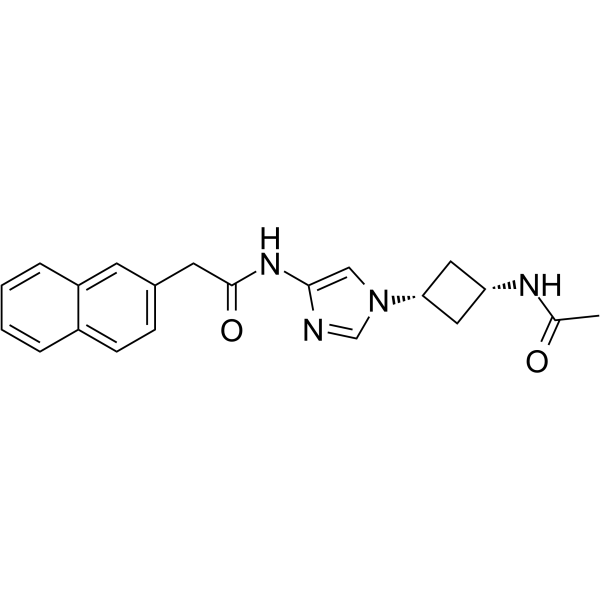
    GSK-3/CDK5/CDK2-IN-1, an imidazole derivative, is an inhibitor of cdk5, cdk2, and GSK-3 extracted from patent WO2002010141A1, example 9a. GSK-3/CDK5/CDK2-IN-1 can be used for the research of cancer, and neurodegenerative diseases .
    GSK-3/CDK5/CDK2-IN-1
  • HY-152849A

    HL5101 oxalate

    c-Met/HGFR Cancer
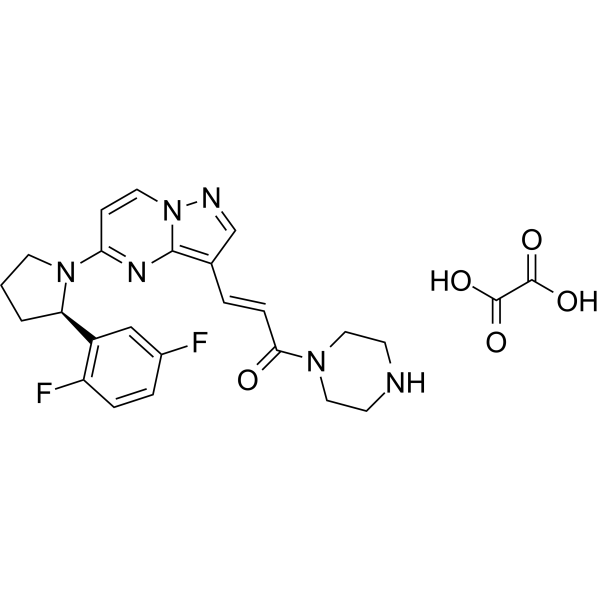
    Boditrectinib oxalate is a potent tyrosine kinase inhibitor. Boditrectinib oxalate serves as an antineoplastic agent. Boditrectinib oxalate is useful in the research of cancer, inflammation, neurodegenerative diseases and certain infectious diseases .
    Boditrectinib oxalate
  • HY-P4040

    HCV Protease Infection Neurological Disease Metabolic Disease Inflammation/Immunology Cancer
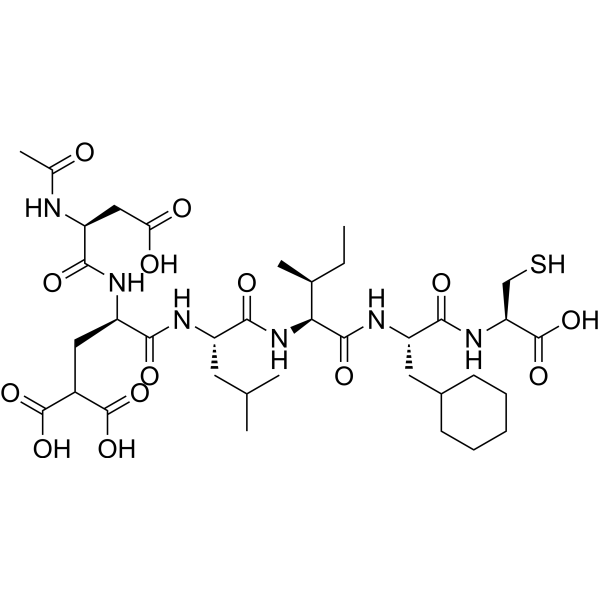
    Ac-D-DGla-LI-Cha-C is a potent HCV protease inhibitor peptide. Ac-D-DGla-LI-Cha-C can be used for the research of cancer, autoimmune diseases, fibrotic diseases, inflammatory diseases, neurodegenerative diseases, infectious diseases, lung diseases, heart and vascular diseases and metabolic diseases .
    Ac-D-DGla-LI-Cha-C
  • HY-143475

    Prolyl Endopeptidase (PREP) Neurological Disease Cancer
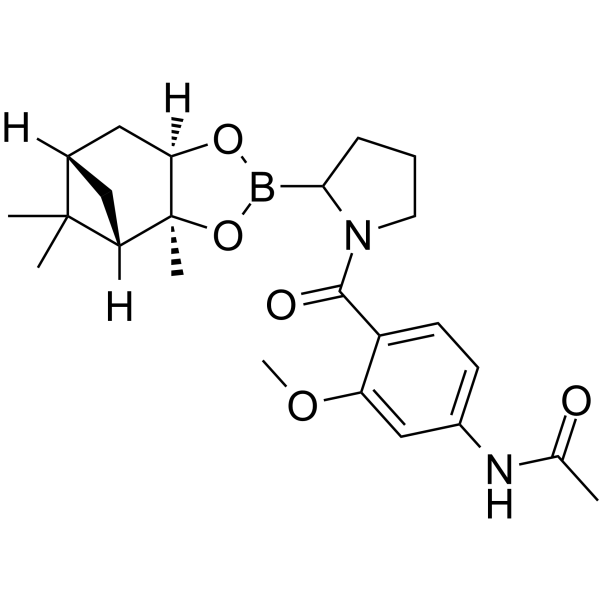
    POP-IN-2 (Compound 7k) is a potent, covalent prolyl oligopeptidase (POP) inhibitor with a Ki of 6 nM. POP-IN-2 can be used for studying neurodegenerative diseases and cancer .
    POP-IN-2
  • HY-130645

    PARP Neurological Disease Cancer
    iRucaparib-TP3 is a selective PARP1 degrader (DC50=36 nM). iRucaparib-TP3 is promising for research of oncology (e.g., BRCA-mutated cancers) and neurodegenerative diseases .
    iRucaparib-TP3
  • HY-N16453

    Proteasome Neurological Disease Cancer
    (+)-Catechin 3-gallate is an orally active polyphenolic compound that acts as a non-selective proteasome inhibitor. (+)-Catechin 3-gallate exerts antitumor effects by inducing apoptosis and suppressing inflammatory cytokines. (+)-Catechin 3-gallate is promising for research of cancers (e.g., breast, prostate) and neurodegenerative diseases (e.g., Alzheimer’s) .
    (+)-Catechin 3-gallate
  • HY-175730

    Cannabinoid Receptor Neurological Disease Inflammation/Immunology Cancer
    CB2R ligand-1 (Compound L14) is a selective Cannabinoid type 2 receptor (CB2R) ligand with a with Ki of 0.16  nM for CB2R over CB1R. CB2R ligand-1 as be used as a tracer for positron emission tomography (PET) imaging of neurodegenerative diseases, inflammation and cancer .
    CB2R ligand-1
  • HY-W749844

    2',4,4',6'-Tetrahydroxy-3-methoxychalcone; 3-Methoxy-2',4',6',4-tetrahydroxychalcone

    Reactive Oxygen Species (ROS) Neurological Disease Inflammation/Immunology Cancer
    Homoeriodictyol chalcone (2',4,4',6'-Tetrahydroxy-3-methoxychalcone; 3-Methoxy-2',4',6',4-tetrahydroxychalcone) is a non-selective antioxidant radical scavenger that neutralizes reactive oxygen species (ROS). Homoeriodictyol chalcone is promising for research of neurodegenerative diseases (e.g., Alzheimer’s), inflammatory disorders, and cancers .
    Homoeriodictyol chalcone
  • HY-113037AS

    Farnesyl diphosphate-d6

    Isotope-Labeled Compounds TRP Channel Endogenous Metabolite Calcium Channel Neurological Disease Inflammation/Immunology Cancer
    Farnesyl pyrophosphate-d6 (Farnesyl diphosphate-d6) is a deuterium labeled Farnesyl pyrophosphate (HY-113037B). Farnesyl pyrophosphate is a metabolic intermediate in the mevalonate (MVA) pathway. It is a TRP channel (TRPM2) agonist that triggers Ca2+ influx and cell death. Farnesyl pyrophosphate is a key branch substrate for cholesterol synthesis, ubiquinone synthesis, protein farnesylation, and geranylgeranyl pyrophosphate (GGPP) synthesis. Farnesyl pyrophosphate is used in research on cerebral ischemia, neurodegenerative diseases, pancreatic cancer, inflammation, and autoimmune diseases.
    Farnesyl pyrophosphate-d6

온라인 문의

Your information is safe with us. * Required Fields.

호칭


Country or Region *

고객명 *


회사명 *

Department *


메일주소 *


상품명 *

Cat. No.


Requested quantity *

전화번호 *


비고

온라인 문의

Inquiry Information

상품명:
Cat. No.:
수량:
MCE Japan Authorized Agent: