Search Result
Results for "
peroxide oxidation
" in MedChemExpress (MCE) Product Catalog:
5
Biochemical Assay Reagents
7
Isotope-Labeled Compounds
| Cat. No. |
Product Name |
Target |
Research Areas |
Chemical Structure |
-
- HY-B2130
-
-
-
- HY-B2130A
-
-
-
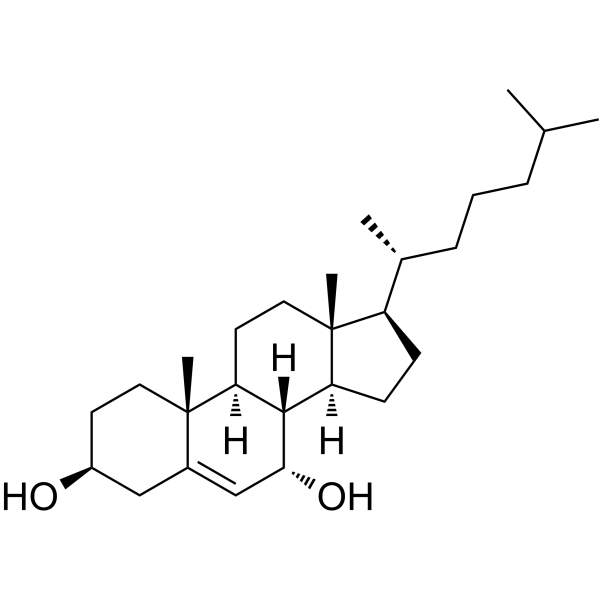
- HY-N7264
-
-
-
- HY-Y0525
-
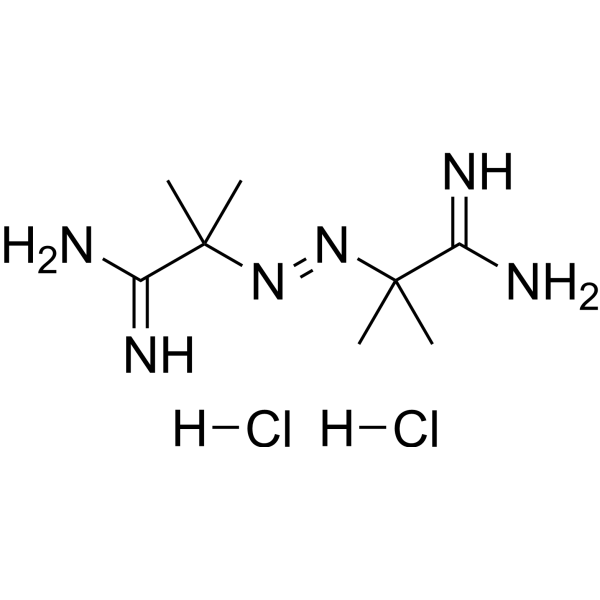
AAPH
2 Publications Verification
2,2'-Azodiisobutyramidine dihydrochloride
|
Reactive Oxygen Species (ROS)
|
Inflammation/Immunology
|
|
AAPH (2,2'-Azodiisobutyramidine dihydrochloride) has an effect of radical generation. AAPH induces oxidative stress and erythrocyte hemolysis . AAPH decomposes at 37°C to generate an alkyl radical, is used as an initiator. In the presence of oxygen, these alkyl radicals will be converted to peroxyl radicals that can cause lipid peroxidation and loss of erythrocyte membrane integrity, which could ultimately lead to hemolysis .
|
-
-
- HY-111914A
-
|
|
NO Synthase
Fatty Acid Synthase (FASN)
|
Cardiovascular Disease
|
|
Ferroheme is the ferrous form of heme in hemoglobin, reversibly binding oxygen as an oxygen carrier. Its free form induces oxidative stress and ferroptosis by releasing iron ions, which catalyze reactive oxygen species generation via Fenton reactions, leading to lipid peroxidation and cell death. This mechanism is critical in pathological contexts like intracerebral hemorrhage and neurodegenerative diseases, making it a target for studying iron-overload disorders and ferroptosis-related pathologies[1][2][3].
|
-
-
- HY-Y0262
-
|
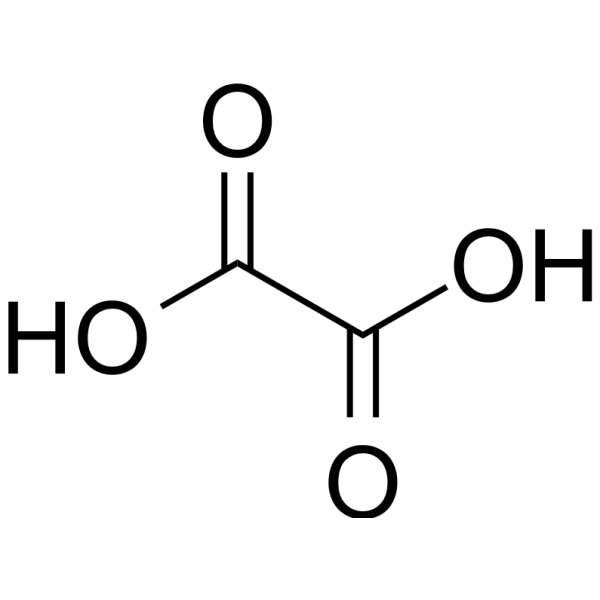
Ethanedioic acid
|
Environmental Pollutants
Endogenous Metabolite
|
Infection
Inflammation/Immunology
|
|
Oxalic acid, 99% (Ethanedioic acid) is a dicarboxylic acid found in a wide variety of plants. Oxalic acid, 99% shows antioxidant acyivity and suppresses lipid peroxidation. Oxalic acid, 99% is a pathogenicity factor for sclerotinia sclerotiorum, and suppresses the oxidative burst of the host plant. Oxalic acid, 99% exerts acaricidal activity. Oxalic acid can be used for the researches of sclerotinia disease, varroatosis and inflammatory diseases .
|
-
-
- HY-125623
-
|
|
Fluorescent Dye
|
Others
|
|
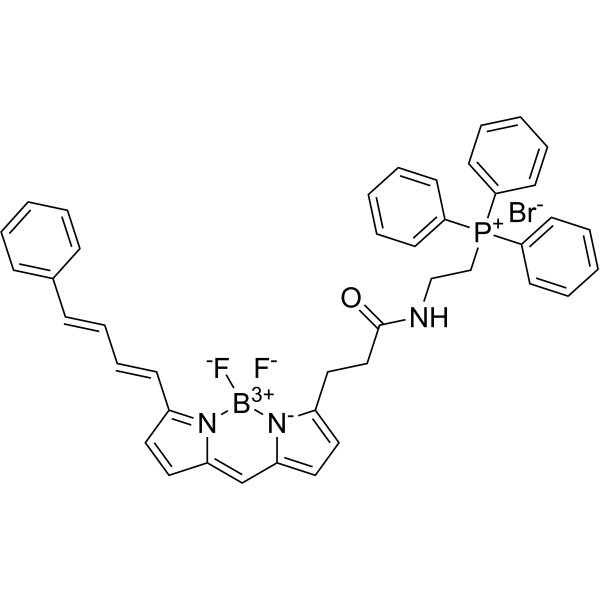
MitoPerOx is a mitochondrial-targeted, lipid peroxidation-indicating fluorescent probe with BODIPY581/591 fluorophores. The triphenylphosphine cation (TPP+) of MitoPerOx can be selectively enriched in mitochondria (depending on membrane potential) and can be used to detect lipid peroxidation in the inner mitochondrial membrane. Under the action of lipid peroxides, the BODIPY581/591 fluorophores of MitoPerOx shift their emission wavelength from 590 nm (reduced state) to 520 nm (oxidized state), and ratiometric detection can be performed at an excitation wavelength of 488 nm. MitoPerOx can specifically monitor the peroxidation of mitochondrial phospholipids (especially cardiolipin) and is used in the study of oxidative stress-related diseases (such as aging, neurodegenerative diseases, and mitochondrial dysfunction)[1][2].
|
-
-
- HY-15930
-
TMB
Maximum Cited Publications
6 Publications Verification
BM blue; Sure Blue TMB
|
Fluorescent Dye
MOFs
Reactive Oxygen Species (ROS)
|
Others
|
|
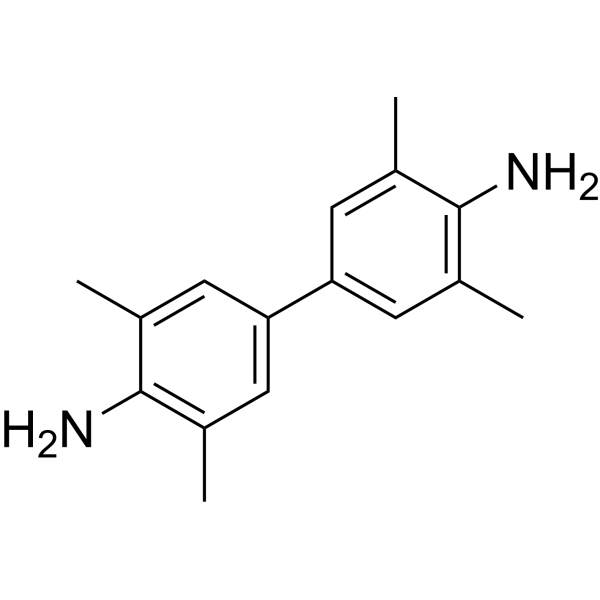
TMB is a non-toxic, non-mutagenic, colorless dye that is also used as a chromogenic agent in enzyme detection systems based on horseradish peroxidase (HRP). TMB can function as a photoacoustic probe for reactive oxygen and nitrogen species (ROS/RNS), reacting with hypochlorite, hydrogen peroxide, singlet oxygen, and nitrogen dioxide to produce blue oxidation products. TMB can detect the singlet oxygen produced by the outer membrane of Escherichia coli ATCC 25922 .
|
-
-
- HY-21268
-
|
Linolenic acid methyl ester
|
Environmental Pollutants
Melatonin Receptor
|
Metabolic Disease
|
|
Methyl linolenate is a polyunsaturated fattly acid (PUFA). Methyl linolenate has an anti-melanogenesis activity with an IC50 of 60 μM. Methyl linolenate can also be used for studies of the mechanisms and prevention of oxidation/peroxidation of unsaturated fatty acids .
|
-
-
- HY-B1770
-
|
|
Environmental Pollutants
Biochemical Assay Reagents
|
Cardiovascular Disease
Endocrinology
|
|
Sodium Iodide is a compound composed of sodium ions and iodine ions. Sodium Iodide scavenges hydrogen peroxide. Sodium Iodide maintains the level of thyroid hormone T3 through its iodine component. Sodium Iodide protects tissues from oxidative damage and regulates thyroid homeostasis. Sodium Iodide relieves acute myocardial infarction .
|
-
-
- HY-113110
-
|
L-Cysteinylglycine; Cys-Gly; H-Cys-Gly-OH
|
Endogenous Metabolite
Reactive Oxygen Species (ROS)
DNA/RNA Synthesis
|
Cardiovascular Disease
Cancer
|
|
Cysteinylglycine (L-Cysteinylglycine; Cys-Gly) is a dipeptide formed by the peptide bond linkage between cysteine (Cysteine) and glycine (Glycine). Cysteinylglycine is an important metabolic intermediate in the human body, mainly derived from the degradation of glutathione (GSH). Cysteinylglycine reduces ferric iron to ferrous iron, drives the redox cycle of iron, generates reactive oxygen species (ROS), stimulates oxidative reactions, induces lipid peroxidation of human plasma LDL lipoproteins, and causes oxidative damage to DNA bases. Cysteinylglycine can be used as a biomarker to evaluate ischemic heart disease, breast cancer and other conditions .
|
-
-
- HY-P2833
-
|
GSH-Px; EC 1.11.1.9
|
Glutathione Peroxidase
|
Metabolic Disease
|
|
Glutathione Peroxidase (GSH-Px; EC 1.11.1.9) belongs to the peroxidase family and is commonly used in biochemical research. Glutathione Peroxidase can catalyze reduced glutathione (GSH) to form a disulfide bridge with another glutathione molecule, convert it into oxidized glutathione (GSSG), and react with hydrogen peroxide or lipid peroxide reaction, reducing it to H2O. Glutathione Peroxidase is an effective antioxidant against oxidative stress .
|
-
-
- HY-W116606
-
|
|
Fluorescent Dye
|
Others
|
|
Coumarin boronic acid is a fluorescent probe. The excitation and emission wavelengths of coumarin boronic acid are set to 360 nm and 430 nm, respectively. Coumarin boronic acid can be used to monitor the formation of amino acid and protein hydroxyl peroxides in real time, which is beneficial for understanding the mechanisms of oxidative stress and protein post-translational modification .
|
-
-
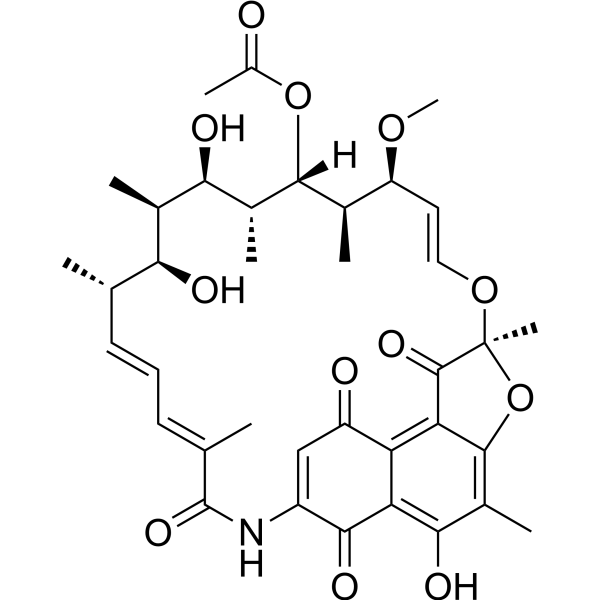
- HY-125365
-
|
|
Bacterial
Reactive Oxygen Species (ROS)
Antibiotic
|
Infection
|
|
Rifamycin S, a quinone, is an antibiotic against Gram-positive bacteria (including MRSA). Rifamycin S is the oxidized forms of a reversible oxidation-reduction system involving two electrons. Rifamycin S generates reactive oxygen species (ROS) and inhibits microsomal lipid peroxidation. Rifamycin S can be used for tuberculosis and leprosy .
|
-
-
- HY-118159
-
|
DPPP
|
Fluorescent Dye
|
Others
|
|
Diphenyl-1-pyrenylphosphine (DPPP) is a functional organic molecule with both fluorescent properties and metal coordination ability, which is commonly used in materials and coordination chemistry research. Upon exposure to ultraviolet light, Diphenyl-1-pyrenylphosphine undergoes photoinduced phosphorus atom oxidation to form O-DPPP, triggering a transition from aggregation-induced emission (AIE) to aggregation-caused quenching (ACQ). Diphenyl-1-pyrenylphosphine reacts stoichiometrically with lipid hydroperoxides to produce fluorescent diphenyl-1-pyrenylphosphine oxide. Diphenyl-1-pyrenylphosphine can insert into cell membranes to monitor lipid peroxidation processes in living cells .
|
-
-
- HY-15930A
-
|
BM blue dihydrochloride; Sure Blue TMB dihydrochloride
|
Fluorescent Dye
Reactive Oxygen Species (ROS)
|
Others
|
|
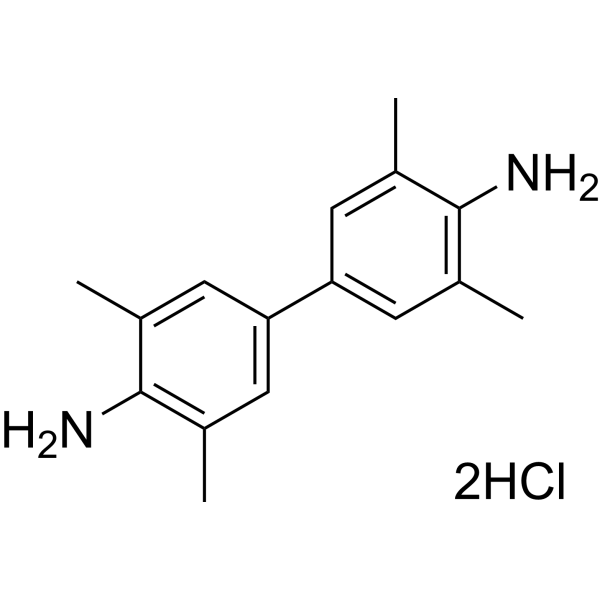
TMB dihydrochloride is the dihydrochloride form of TMB (HY-15930). TMB dihydrochloride is a non-toxic, non-mutagenic, colorless dye that is also used as a chromogenic agent in enzyme detection systems based on horseradish peroxidase (HRP). TMB dihydrochloride can function as a photoacoustic probe for reactive oxygen and nitrogen species (ROS/RNS), reacting with hypochlorite, hydrogen peroxide, singlet oxygen, and nitrogen dioxide to produce blue oxidation products. TMB dihydrochloride can detect the singlet oxygen produced by the outer membrane of Escherichia coli ATCC 25922 .
|
-
-
- HY-160424
-
|
Diethylamine NONOate sodium; Diethylamine nitric oxide sodium
|
Reactive Oxygen Species (ROS)
Xanthine Oxidase
|
Others
|
|
DEANO sodium is notric oxide donor. DEANO sodium potentiates the abilitv of hypoxanthine/xanthine oxidase to induce lipid peroxidation as well as DNA single- and double-strand breaks .
|
-
-
- HY-DY1073
-
|
|
Fluorescent Dye
|
Others
|
MitoPerOx (solution) is a mitochondrial-targeted, lipid peroxidation-indicating fluorescent probe with BODIPY581/591 fluorophores. The triphenylphosphine cation (TPP+) of MitoPerOx can be selectively enriched in mitochondria (depending on membrane potential) and can be used to detect lipid peroxidation in the inner mitochondrial membrane. Under the action of lipid peroxides, the BODIPY581/591 fluorophores of MitoPerOx shift their emission wavelength from 590 nm (reduced state) to 520 nm (oxidized state) , and ratiometric detection can be performed at an excitation wavelength of 488 nm. MitoPerOx can specifically monitor the peroxidation of mitochondrial phospholipids (especially cardiolipin) and is used in the study of oxidative stress-related diseases (such as aging, neurodegenerative diseases, and mitochondrial dysfunction) . Solvent and concentration: DMSO: 2 mM
|
-
-
- HY-D0945
-
|
|
Fluorescent Dye
|
Others
|
|
Xylene Cyanol FF is an acid triphenylmethane dye. Xylene Cyanol FF can be used for histochemical staining of hemoglobin peroxidase or as a tracking dye for DNA sequencing in electrophoresis. Xylene Cyanol FF will be catalyzed by Fe and Al to accelerate oxidation under the addition of double oxidant hydrogen peroxide and potassium periodate. Xylene Cyanol FF thus enables the spectrophotometric determination of Fe and Al in the solution to be tested .
|
-
-
- HY-141452
-
|
Malondialdehyde
|
Endogenous Metabolite
|
Neurological Disease
|
|
Propanedial (Malondialdehyde) (13.88 mM in water) is one of the final products of lipid peroxidation. Propanedial causes protein inactivation, DNA damage and cross-linking by forming stable covalent adducts with biological macromolecules, which is the main mechanism for its cytotoxicity and genotoxicity.
Propanedial production increases with the elevation of free radicals.
Propanedial is a key biomarker for evaluating the level of cellular oxidative stress [1][2][3].
|
-
-
- HY-172942
-
-
-
- HY-W026772
-
|
|
Environmental Pollutants
Fluorescent Dye
TNF Receptor
Interleukin Related
SOD
Reactive Oxygen Species (ROS)
|
Inflammation/Immunology
|
|
Fluorene is an orally active polycyclic aromatic hydrocarbon (PAH) and a precursor to other fluorene-based compounds. Fluorene and its derivatives serve as dye precursors for fluorene synthesis. In A549 cells, Fluorene induces oxidative stress and inflammatory responses by increasing ROS and SOD generation, exacerbating lipid peroxidation, modulating antioxidant enzyme activity, and upregulating the expression of pro-inflammatory factors TNF-α and IL-6. In vivo, Fluorene exhibits anxiolytic activity. Fluorene holds potential for research in inflammation and neurological disorders .
|
-
-
- HY-W001542
-
|
|
Reactive Oxygen Species (ROS)
|
Neurological Disease
Metabolic Disease
Cancer
|
|
5-Hydroxyoxindole is a structural analog of uric acid for its antioxidant. 5-Hydroxyoxindole has DPPH radical scavenging activities and lipid peroxidation-inhibitory activities. 5-Hydroxyoxindole is a product of partial metabolism of tryptophan involving conversion in the gut lumen of tryptophan to indole through the action of bacterial tryptophanase and tryptophan synthase. 5-Hydroxyoxindole is one of the main molecules responsible for the neurological symptoms of hepatic encephalopathy in rats. 5-Hydroxyoxindole can be used for the research of oxidative stress-mediated disorders .
|
-
-
- HY-E70385
-
|
|
Endogenous Metabolite
|
Others
|
|
Oxalate Oxidase, or oxalate oxidase, catalyzes the oxidation of oxalic acid to hydrogen peroxide and carbon dioxide in the presence of oxygen. Oxalate Oxidase can be found in a variety of plants (such as barley) and microorganisms and can be used to treat wastewater and filtrates containing oxalic acid .
|
-
-
- HY-P2910
-
|
GOase
|
Endogenous Metabolite
|
Others
|
|
Galactose Oxidase, Dactylium dendroides (GOase) from fungus is often used in biochemical studies. Galactose oxidase is a type II copper metalloenzyme, and it containing a single polypeptide. Galactose oxidase catalyzes two-electron oxidation of primary alcohols to their corresponding aldehydes, coupling with the reduction of dioxygen to hydrogen peroxide .
|
-
-
- HY-B1608
-
|
|
|
Cardiovascular Disease
Metabolic Disease
|
|
Chromium chloride is a trivalent chromium compound and an essential trace mineral. Chromium chloride enhances insulin-stimulated GLUT4 translocation and glucose uptake in skeletal muscle. Chromium chloride regulates glucose and lipid metabolism, inhibits TNF-α secretion and oxidative stress in monocytes treated with high glucose or H2O2, and reverses hydrogen peroxide-induced cell growth inhibition. Chromium chloride reduces coronary and aortic lipid deposition and serum cholesterol levels in hypercholesterolemic rabbits. Chromium chloride can be used in research related to diabetes and cardiac atherosclerosis .
|
-
-
- HY-W087905
-
|
|
Biochemical Assay Reagents
|
Others
|
|
2,3-Dimethyl-2,3-diphenylbutane is a minor product formed during the thermal decomposition of dicumyl peroxide (DCP) in cumene, generated through radical coupling reactions. As an initiator capable of producing free radicals, 2,3-dimethyl-2,3-diphenylbutane promotes cross-linking or decomposition processes via initiating free radical reactions in fields such as polymer polymerization (e.g., modification of polyphenylene oxide processing), organic synthesis (e.g., DCP decomposition reactions), and coal processing (e.g., oxidation stabilization of coal tar pitch), thereby enhancing material properties or reaction efficiency .
|
-
-
- HY-B2015
-
|
|
Environmental Pollutants
Insecticide
Parasite
Cholinesterase (ChE)
|
Infection
|
|
Carbosulfan is an orally active AChE inhibitor that hydrolyzes to Carbofuran in organisms to exert insecticidal effects. Carbosulfan exhibits broad-spectrum insecticidal activity, and it also induces severe oxidative stress by enhancing lipid peroxidation and impairing the antioxidant defense system. Carbosulfan causes reproductive toxicity in male rats and developmental disorders in their offspring. Carbosulfan shows persistence in paddy field environments and potential hazards to non-target organisms, and it is commonly used in studies related to reproductive toxicity and environmental risk assessment .
|
-
-
- HY-15930B
-
|
Sure Blue TMB dihydrochloride x.hydrate
|
Fluorescent Dye
Reactive Oxygen Species (ROS)
|
Others
|
|
TMB (dihydrochloride x.hydrate) is the dihydrochloride x hydrate form of TMB (HY-15930). TMB (dihydrochloride x.hydrate) is a non-toxic, non-mutagenic, colorless dye that is also used as a chromogenic agent in enzyme detection systems based on horseradish peroxidase (HRP). TMB (dihydrochloride x.hydrate) can function as a photoacoustic probe for reactive oxygen and nitrogen species (ROS/RNS), reacting with hypochlorite, hydrogen peroxide, singlet oxygen, and nitrogen dioxide to produce blue oxidation products. TMB (dihydrochloride x.hydrate) can detect the singlet oxygen produced by the outer membrane of Escherichia coli ATCC 25922 .
|
-
-
- HY-N8481
-
|
3,6-DHF
|
Apoptosis
|
Cancer
|
|
3,6-Dihydroxyflavone is an anti-cancer agent. 3,6-Dihydroxyflavone dose- and time-dependently decreases cell viability and induces apoptosis by activating caspase cascade, cleaving poly (ADP-ribose) polymerase (PARP). 3,6-Dihydroxyflavone increases intracellular oxidative stress and lipid peroxidation .
|
-
-
- HY-135849C
-
-
-
- HY-E70074
-
|
|
Monoamine Oxidase
|
Neurological Disease
|
|
Monoamine oxidase (EC 1.4.3.4) is an enzyme composed of different polypeptides. Monoamine oxidation catalyzes the oxidative deamination of various biological amines in brain and peripheral tissues by producing hydrogen peroxide. Monoamine oxidase plays an important role in maintaining the regulation of synaptic transmission, emotional behavior and other brain functions .
|
-
-
- HY-118149A
-
|
|
Bacterial
Fungal
Parasite
|
Infection
|
|
(±)9-HpODE is a long chain lipid hydroperoxide, is a product of linoleic acid peroxidation. (±)9-HpODE can induce oxidation of intracellular glutathione (GSH). (±)9-HpODE also exhibits antimicrobial activity against various fungal and bacterial pathogens .
|
-
-
- HY-B2130R
-
|
|
Reference Standards
Reactive Oxygen Species (ROS)
Endogenous Metabolite
|
Inflammation/Immunology
|
|
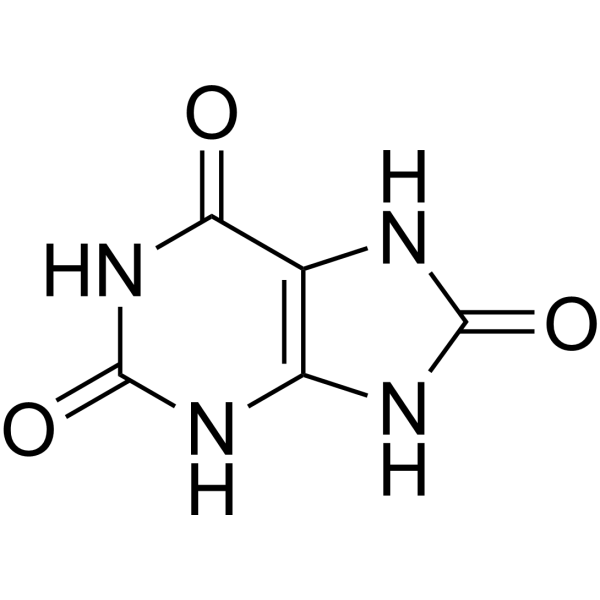
Uric acid (Standard) is the analytical standard of Uric acid. This product is intended for research and analytical applications. Uric acid, scavenger of oxygen radical, is a very important antioxidant that help maintains the stability of blood pressure and antioxidant stress. Uric acid can remove reactive oxygen species (ROS) such as singlet oxygen and peroxynitrite, inhibiting lipid peroxidation .
|
-
-
- HY-W100959
-
|
Tetramethylquinone
|
Drug Derivative
|
Others
|
|
Duroquinone (Tetramethylquinone) is a model compound of amphiphilic quinone, which can be used as an oxidative-reductive activity probe. Duroquinone can be easily reduced by biological systems to hydrogen peroxide (DQH₂) or semi-quinone free radicals (DQ•⁻). Duroquinone can freely pass through the cell membrane, facilitating the study of the electron transfer process inside and outside the cells. Duroquinone can be used to investigate the relationship between metabolism in the pulmonary circulation and endothelial cells .
|
-
-
- HY-P1997
-
|
Desferrichrome; DFC; N-Desferriferrichrome
|
Biochemical Assay Reagents
|
Others
|
|
Ferrichrome is a hydroxamate siderophore produced by various fungi, including U. sphaerogena, that facilitates iron chelation and uptake by these organisms. It can be used as a heterosiderophore by bacteria, including Pseudomonas aeruginosa and Vibrio parahaemolyticus. Ferrichrome (0.8 μM) inhibits concanavalin A-induced proliferation of mouse spleen monocytes and reduces the number of concanavalin A-stimulated CD4+ T cells expressing IL-2 receptor. It also inhibits the heme-catalyzed oxidation of LDL by hydrogen peroxide in a concentration-dependent manner.
|
-
-
- HY-Y0262A
-
|
Ethanedioic acid diammonium monohydrate
|
Environmental Pollutants
Endogenous Metabolite
|
Infection
Inflammation/Immunology
|
Oxalic acid (Ethanedioic acid) diammonium monohydrate is a dicarboxylic acid found in a wide variety of plants. Oxalic acid diammonium monohydrate shows antioxidant acyivity and suppresses lipid peroxidation. Oxalic acid diammonium monohydrate is a pathogenicity factor for sclerotinia sclerotiorum, and suppresses the oxidative burst of the host plant. Oxalic acid diammonium monohydrate exerts acaricidal activity. Oxalic acid can be used for the researches of sclerotinia disease varroatosis and inflammatory diseases .
|
-
-
- HY-173332
-
|
|
LOX-1
|
Inflammation/Immunology
|
|
15-LOX-1 inhibitor 2 (Compound 5i) is an inhibitor of 15-lipoxygenase-1 (15-LOX-1) with an IC50 of 1.7 μM. 15-LOX-1 inhibitor 2 inhibits the activity of 15-LOX-1 enzyme, reduces the production of lipid peroxides, thereby inhibiting lipid peroxidation and protecting cells from cell death induced by RSL3 (HY-100218A). 15-LOX-1 inhibitor 2 can be used in research on cell death mechanisms, oxidative stress-related diseases and other fields .
|
-
-
- HY-142125
-
|
|
Xanthine Oxidase
Reactive Oxygen Species (ROS)
Apoptosis
|
Inflammation/Immunology
Cancer
|
|
Broussochalcone A is an antioxidant and an inhibitor of Xanthine Oxidase (IC50=2.21 μM), with free radical scavenging activity. Broussochalcone A inhibits iron-induced lipid peroxidation and nitric oxide synthesis in lipopolysaccharide (LPS) -activated macrophages. Broussochalcone A also induces Apoptosis of human renal carcinoma cells by increasing ROS levels and activating FOXO3 signaling pathways .
|
-
-
- HY-W415108
-
|
|
Fluorescent Dye
|
Others
|
|
10-Methyl-9-(phenoxycarbonyl) acridinium trifluoromethanesulfonate is an acridinium ester that produces fluorescent 10-methyl-9-acridone upon oxidation with hydrogen peroxide, persulfate, and other oxidants under alkaline conditions. 10-Methyl-9-(phenoxycarbonyl) acridinium trifluoromethanesulfonate can be used in chemiluminescent assays, enzyme, antigen, antibody, and hormone immunoassays, and for the detection of oxidants in environmental, biological, and pharmaceutical samples .
|
-
-
- HY-15930C
-
|
BM blue monosulfate; Sure Blue TMB monosulfate
|
Fluorescent Dye
Reactive Oxygen Species (ROS)
|
Others
|
|
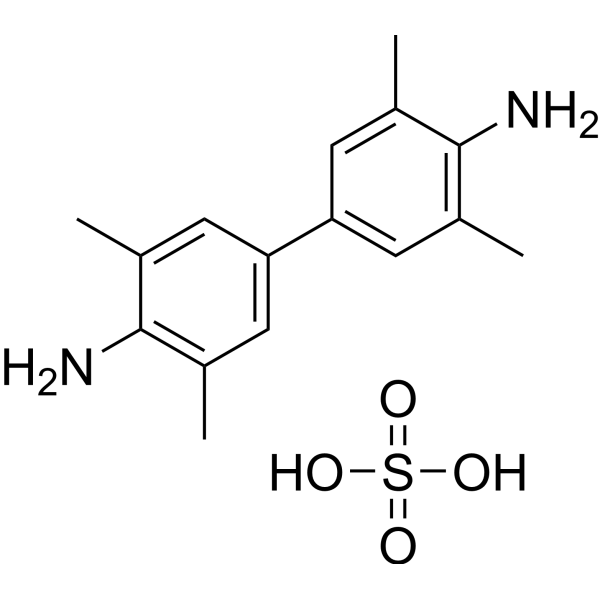
TMB monosulfate is the monosulfate form of TMB (HY-15930). TMB monosulfate is a non-toxic, non-mutagenic, colorless dye that is also used as a chromogenic agent in enzyme detection systems based on horseradish peroxidase (HRP). TMB monosulfate can function as a photoacoustic probe for reactive oxygen and nitrogen species (ROS/RNS), reacting with hypochlorite, hydrogen peroxide, singlet oxygen, and nitrogen dioxide to produce blue oxidation products. TMB monosulfate can detect the singlet oxygen produced by the outer membrane of Escherichia coli ATCC 25922 .
|
-
-
- HY-N15684
-
|
|
Others
|
Metabolic Disease
|
|
Rhodoxanthin is a carotenoid. Rhodoxanthin exerts antioxidant activity via free radical scavenging and lipid peroxidation inhibition. Rhodoxanthin is promising for research of oxidative stress-related diseases (e.g., UV-induced skin damage) .
|
-
-
- HY-W001542R
-
|
|
Reference Standards
Reactive Oxygen Species (ROS)
|
Neurological Disease
Metabolic Disease
Cancer
|
|
5-Hydroxyoxindole is a structural analog of uric acid for its antioxidant. 5-Hydroxyoxindole has DPPH radical scavenging activities and lipid peroxidation-inhibitory activities. 5-Hydroxyoxindole is a product of partial metabolism of tryptophan involving conversion in the gut lumen of tryptophan to indole through the action of bacterial tryptophanase and tryptophan synthase. 5-Hydroxyoxindole is one of the main molecules responsible for the neurological symptoms of hepatic encephalopathy in rats. 5-Hydroxyoxindole can be used for the research of oxidative stress-mediated disorders .
|
-
-
- HY-132183
-
|
|
Endogenous Metabolite
|
Metabolic Disease
|
|
Chloride peroxidase is a monomeric, heme-containing enzyme. Chloride peroxidase is capable of electrophilic chlorinations through the umpolung of chloride by oxidation with hydrogen peroxide .
|
-
-
- HY-N7264S
-
|
|
Isotope-Labeled Compounds
|
Metabolic Disease
|
|
7α-Hydroxycholesterol-d7 is the deuterium labeled 7α-Hydroxycholesterol. 7α-Hydroxycholesterol is a cholesterol oxide and is formed by both enzymatic and non-enzymatic oxidation. 7α-Hydroxycholesterol can be used as a biomarker for lipid peroxidation .
|
-
-
- HY-111646
-
-
-
- HY-103385
-
|
NO-Aspirin
|
Apoptosis
|
Inflammation/Immunology
Cancer
|
|
NCX4040 (NO-Aspirin), a non-steroidal anti-inflammatory drug (NSAID), is a nitric oxide (NO) releasing form of Aspirin. NCX4040 induces apoptosis in PC3 metastatic prostate cancer cells. NCX4040 has anti-inflammatory and anti-cancer effects .
|
-
-
- HY-113045
-
|
|
Endogenous Metabolite
|
Metabolic Disease
|
|
Aquacobalamin is one of the major forms of vitamin B12 isolated from mammalian cells. Aquacobalamin accelerates the oxidation of azo-dye Orange II (HY-N1442) by HSO5 - in aqueous solutions. Aquacobalamin binds hydrogen peroxide reversibly to form a cobalt(III) hydroperoxo adduct with a 0.25 mM dissociation constant .
|
-
-
- HY-113110A
-
|
L-Cysteinylglycine TFA; Cys-Gly TFA; H-Cys-Gly-OH TFA
|
Endogenous Metabolite
Reactive Oxygen Species (ROS)
DNA/RNA Synthesis
|
Cardiovascular Disease
Cancer
|
|
Cysteinylglycine (L-Cysteinylglycine; Cys-Gly) TFA is a dipeptide formed by the peptide bond connection of cysteine and glycine. Cysteinylglycine TFA is an important metabolic intermediate in the human body, mainly derived from the degradation of glutathione (GSH). Cysteinylglycine TFA can reduce trivalent iron to divalent iron, driving the redox cycle of iron, generating reactive oxygen species (ROS), stimulating oxidative reactions, inducing lipid peroxidation in human plasma LDL lipoproteins, and causing oxidative damage to DNA base. Cysteinylglycine TFA can be used as a biomarker to assess ischemic heart disease and breast cancer, etc [1][2][3][4].
|
-
-
- HY-P11116
-
-
- HY-N7264R
-
-
- HY-N9515
-
|
|
Apoptosis
Reactive Oxygen Species (ROS)
|
Neurological Disease
Metabolic Disease
|
|
Diallyl tetrasulfide is an orally active diallyl tetrasulfide. Diallyl tetrasulfide ameliorates cadmium-induced changes in acetylcholinesterase and adenosine triphosphatase activities as well as oxidative stress injury in the brain of rats . Diallyl tetrasulfide inhibits lipid peroxidation in rat liver microsomes . Diallyl tetrasulfide ameliorates cadmium-induced oxidative liver injury in rats . Diallyl tetrasulfide protects cells against cadmium-induced loss of cell viability, reduces apoptosis rate and ROS production. Diallyl tetrasulfide is applicable to research related to cadmium-induced neurotoxicity and cadmium-induced oxidative liver injury .
|
-
- HY-P2742B
-
|
|
Endogenous Metabolite
|
Metabolic Disease
|
Ascorbate oxidase, acremonium sp is a member of the multicopper blue oxidase family and primarily exists in plants as a free enzyme in the cytoplasm or bound to the cell wall. Ascorbate oxidase, acremonium sp has a high activity in catalyzing the oxidation of ascorbic acid to dehydroascorbic acid, regulating various cellular processes related to plant growth, protection, and development. Ascorbate oxidase, acremonium sp can be used to detect hydrogen peroxide .
|
-
- HY-P2888A
-
|
BOD, bacillus cereus
|
Endogenous Metabolite
|
Metabolic Disease
|
Bilirubin oxidase, bacillus cereus is a multi-copper oxidase that catalyzes the oxidation of bilirubin into biliverdin, as well as other tetrapyrroles, phenols, and aryl diamines. Bilirubin oxidase, bacillus cereus can serve as a single-enzyme deoxygenator, catalyzing the direct reduction of oxygen to water in the presence of electron donor substrates, without releasing hydrogen peroxide. Bilirubin oxidase, bacillus cereus can be used to develop enzyme-based biosensors .
|
-
- HY-P2888C
-
|
BOD, Bacillus pumilus
|
Endogenous Metabolite
|
Metabolic Disease
|
|
Bilirubin oxidase (BOD), Bacillus pumilus is a multicopper oxidase that catalyzes the oxidation of bilirubin to biliverdin, as well as other tetrapyrrole, phenols, and aryl diamines. Bilirubin oxidase, Bacillus pumilus can serve as a single-enzyme deoxygenator, catalyzing the direct reduction of oxygen to water in the presence of electron donor substrates, without releasing hydrogen peroxide. Bilirubin oxidase, Bacillus pumilus can be used to develop enzyme-based biosensors .
|
-
- HY-P2733C
-
|
GPO, microorganism
|
Endogenous Metabolite
|
Metabolic Disease
|
|
Glycerol-3-phosphate oxidase, microorganism is an enzyme that catalyzes the oxidation of glycerol-3-phosphate to dihydroxyacetone phosphate, producing hydrogen peroxide in the process. Glycerol-3-phosphate oxidase is located in the mitochondria of microorganisms and is involved in the glycerol-3-phosphate cycle, regulating cellular energy metabolism. Glycerol-3-phosphate oxidase, microorganism can be used in conjunction with Lipoprotein Lipase and Glycerol Kinase to determine triglyceride levels .
|
-
- HY-113110R
-
|
L-Cysteinylglycine (Standard); Cys-Gly (Standard); H-Cys-Gly-OH (Standard)
|
Reference Standards
Endogenous Metabolite
Reactive Oxygen Species (ROS)
DNA/RNA Synthesis
|
Cardiovascular Disease
Cancer
|
|
Cysteinylglycine (Standard) is the analytical standard of Cysteinylglycine. This product is intended for research and analytical applications. Cysteinylglycine is a dipeptide formed by the peptide bond linkage between cysteine (Cysteine) and glycine (Glycine). Cysteinylglycine is an important metabolic intermediate in the human body, mainly derived from the degradation of glutathione (GSH). Cysteinylglycine reduces ferric iron to ferrous iron, drives the redox cycle of iron, generates reactive oxygen species (ROS), stimulates oxidative reactions, induces lipid peroxidation of human plasma LDL lipoproteins, and causes oxidative damage to DNA bases. Cysteinylglycine can be used as a biomarker to evaluate ischemic heart disease, breast cancer and other conditions .
|
-
- HY-15930R
-
|
BM blue (Standard); Sure Blue TMB (Standard)
|
Fluorescent Dye
Reactive Oxygen Species (ROS)
Reference Standards
|
Others
|
|
TMB (Standard) is the analytical standard of TMB. This product is intended for research and analytical applications. TMB is a non-toxic, non-mutagenic, colorless dye that is also used as a chromogenic agent in enzyme detection systems based on horseradish peroxidase (HRP). TMB can function as a photoacoustic probe for reactive oxygen and nitrogen species (ROS/RNS), reacting with hypochlorite, hydrogen peroxide, singlet oxygen, and nitrogen dioxide to produce blue oxidation products. TMB can detect the singlet oxygen produced by the outer membrane of Escherichia coli ATCC 25922 .
|
-
- HY-123501
-
-
- HY-101552C
-
|
Bityrosine dihydrochloride
|
Biochemical Assay Reagents
|
Others
|
|
Dityrosine (Bityrosine) dihydrochloride is a tyrosine with two phenoxyl radicals that can be obtained by oxidation of tyrosine by hydrogen peroxide and peroxidase .
|
-
- HY-116722
-
-
- HY-21268S
-
|
Linolenic acid methyl ester-13C18
|
Isotope-Labeled Compounds
|
Others
|
|
Methyl linolenate- 13C18 is the 13C labeled Methyl linolenate . Methyl linolenate is a polyunsaturated fattly acid (PUFA). It is used in studies on the mechanisms and prevention of oxidation/peroxidation of unsaturated fatty acids . The IC50 is 60 uM .
|
-
- HY-W271506
-
|
3,3,5,5-Tetramethyl-1-pyrroline 1-oxide
|
Reactive Oxygen Species (ROS)
Apoptosis
|
Inflammation/Immunology
|
|
TMPO (3,3,5,5-Tetramethyl-1-pyrroline 1-oxide) is a spin trap targeting free radicals. TMPO is capable of scavenging superoxide, hydroxyl radicals and inhibits thymocyte apoptosis with EC50 values of 19.1 mM (MPS-induced) to 30.7 mM (Etoposide-induced) for inhibiting DNA fragmentation. TMPO reacts with intracellular free radicals to form stable nitroxide radical products, reducing oxidative stress (e.g., decreasing peroxide levels, maintaining glutathione content) and blocking oxidative events in the apoptotic pathway. TMPO is promising for research of apoptosis in immune cells like thymocytes .
|
-
- HY-103385R
-
|
NO-Aspirin (Standard)
|
Reference Standards
Apoptosis
|
Inflammation/Immunology
Cancer
|
|
NCX4040 (Standard) is the analytical standard of NCX4040. This product is intended for research and analytical applications. NCX4040 (NO-Aspirin), a non-steroidal anti-inflammatory drug (NSAID), is a nitric oxide (NO) releasing form of Aspirin. NCX4040 induces apoptosis in PC3 metastatic prostate cancer cells. NCX4040 has anti-inflammatory and anti-cancer effects .
|
-
- HY-W744883
-
|
|
Isotope-Labeled Compounds
Melatonin Receptor
|
Metabolic Disease
|
|
Methyl-d3 Linolenate is the deuterium labeled Methyl linolenate (HY-21268). Methyl linolenate is a polyunsaturated fattly acid (PUFA). Methyl linolenate has an anti-melanogenesis activity with an IC50 of 60 μM. Methyl linolenate can also be used for studies of the mechanisms and prevention of oxidation/peroxidation of unsaturated fatty acids .
|
-
- HY-168042
-
|
|
Bacterial
Fungal
|
Infection
|
Antibacterial agent 243 is an antibacterial agent, with EC50 values of 0.64 mg/L for Valsa mali, 26 mg/L for allicin, and 0.33 mg/L for tebuconazole. Antibacterial agent 243 can induce hyphal shrinkage and collapse, trigger the accumulation of reactive oxygen species inside cells, regulate antioxidant enzyme activity, initiate lipid peroxidation, and ultimately cause irreversible oxidative damage to Valsa mali cells .
|
-
- HY-B2130AR
-
|
Monosodium urate (Standard)
|
Reactive Oxygen Species (ROS)
Endogenous Metabolite
Reference Standards
|
Cardiovascular Disease
Metabolic Disease
|
|
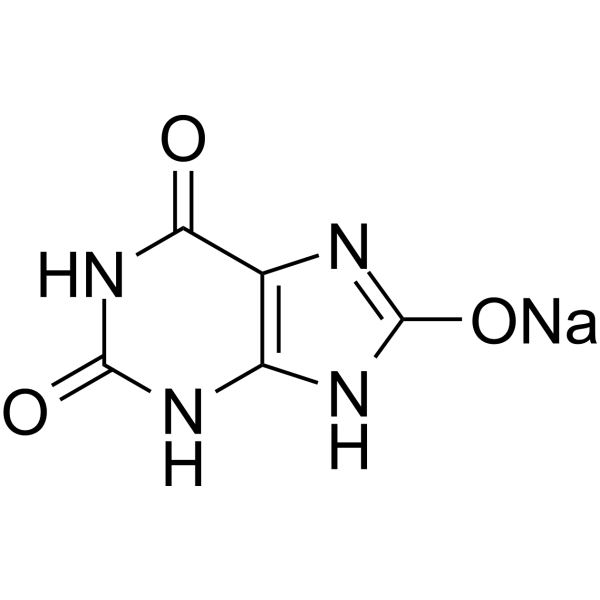
Uric acid (sodium) (Standard) is the analytical standard of Uric acid (sodium). This product is intended for research and analytical applications. Uric acid sodium (Monosodium urate), scavenger of oxygen radical, is a very important antioxidant that help maintains the stability of blood pressure and antioxidant stress. Uric acid sodium can remove reactive oxygen species (ROS) such as singlet oxygen and peroxynitrite, inhibiting lipid peroxidation .
|
-
- HY-125365R
-
|
|
Reference Standards
Bacterial
Reactive Oxygen Species (ROS)
Antibiotic
|
Infection
|
|
Rifamycin S (Standard) is the analytical standard of Rifamycin S. This product is intended for research and analytical applications. Rifamycin S, a quinone, is an antibiotic against Gram-positive bacteria (including MRSA). Rifamycin S is the oxidized forms of a reversible oxidation-reduction system involving two electrons. Rifamycin S generates reactive oxygen species (ROS) and inhibits microsomal lipid peroxidation. Rifamycin S can be used for tuberculosis and leprosy .
|
-
- HY-N11526
-
|
|
Others
|
Inflammation/Immunology
|
|
3-Hydroxy-2-(palmitoyloxy)propyl stearat is a non-volatile compound. 3-Hydroxy-2-(palmitoyloxy)propyl stearat can be isolated from less polar fractions of the brown macroalga Fucus virsoides J. Agardh. This part of the substance has a good ability to scavenge free radicals and has a protective effect on the oxidative stress induced by hydrogen peroxide in zebrafish embryos .
|
-
- HY-161948
-
|
|
Ferroptosis
|
Cancer
|
|
Ferroptosis inducer-4 (Compound 5) is a ferroptosis (Ferroptosis) inducer with a structure featuring terminal double bonds introduced at the sn-2 position of phospholipids. Ferroptosis inducer-4 exhibits significant cytotoxicity towards HT-1080 cells, with an IC50 of 18 μM. This cytotoxic mechanism involves the generation of lipid peroxides and oxidative damage to the cell membrane triggered by the terminal double bonds. Ferroptosis inducer-4 can be used for research on ferroptosis regulation .
|
-
- HY-W353470
-
|
2,3-Dinor-8-isoPGF2α
|
Drug Metabolite
|
Metabolic Disease
|
|
2,3-Dinor-8-iso prostaglandin F₂α (2,3-Dinor-8-isoPGF2α) is the major β-oxidation metabolite of 8-iso-prostaglandin F₂α. 2,3-Dinor-8-iso prostaglandin F₂α serves as a biomarker to evaluate the in vivo production of 8-iso-prostaglandin F₂α and the level of lipid peroxidation. 2,3-Dinor-8-iso prostaglandin F₂α is promising for research of oxidative stress-related diseases such as arteriosclerosis and diabetes .
|
-
- HY-W319939
-
|
|
Lipoxygenase
|
Cardiovascular Disease
Neurological Disease
|
|
3-(4-Hydroxy-3-methoxyphenyl)-1-(2-hydroxyphenyl)prop-2-en-1-one (Compound 5) is a selective lipid peroxidation inhibitor. 3-(4-Hydroxy-3-methoxyphenyl)-1-(2-hydroxyphenyl)prop-2-en-1-one is promising for research of diseases related to oxidative stress, such as cardiovascular diseases and neurodegenerative diseases .
|
-
- HY-183567
-
|
|
Ferroptosis
Glutathione Peroxidase
Reactive Oxygen Species (ROS)
|
Cardiovascular Disease
|
|
Ferroptosis-IN-27 is a glutathione peroxidase (GPx) mimetic. Ferroptosis-IN-27 inhibits oxidative stress, reduces intracellular ROS levels, decreases lipid peroxidation and alleviates ferrous ion overload, thereby inhibiting ferroptosis and protecting cardiomyocytes from Doxorubicin (HY-15142A)-induced injury. Ferroptosis-IN-27 can be used in studies related to Doxorubicin-induced cardiotoxicity .
|
-
- HY-182390
-
|
|
Ferroptosis
Reactive Oxygen Species (ROS)
Keap1-Nrf2
|
Cardiovascular Disease
Metabolic Disease
Inflammation/Immunology
|
|
Ferroptosis-IN-24 is a non-classical ferroptosis inhibitor capable of crossing the blood-brain barrier, with nanomolar inhibitory activity against ferroptosis induced by RSL3 (HY-100218A) and Erastin (HY-15763). Ferroptosis-IN-24 alleviates oxidative stress, reduces lipid peroxidation accumulation, and restores redox homeostasis. Ferroptosis-IN-24 is applicable to research related to cerebral ischemia-reperfusion injury and acute liver injury .
|
-
- HY-183944
-
-
- HY-183621
-
|
|
Parasite
Reactive Oxygen Species (ROS)
Autophagy
|
Infection
|
|
Antileishmanial agent-43 is a 3,4,5‑trisubstituted isoxazole with selective antileishmanial activity. Antileishmanial agent-43 shows IC50 values of 12.7 μM against Leishmania amazonensis promastigotes and 0.96 μM against intracellular amastigotes. Antileishmanial agent-43 induces ROS elevation, oxidative stress and mitochondrial dysfunction, resulting in lipid peroxidation, mitochondrial depolarization and ATP imbalance. Antileishmanial agent-43 causes cell shrinkage, phosphatidylserine externalization, plasma membrane permeabilization, and promotes autophagy. Antileishmanial agent-43 can be used for the research of leishmaniasis .
|
-
- HY-182328
-
|
|
Amyloid-β
|
Neurological Disease
|
|
BTA-EG6 is a brain-penetrant aggregated amyloid-β (Aβ) peptide binder with a Kd of 290 nM for Aβ1-42. BTA-EG6 binds to aggregated Aβ and forms protein-resistive coatings that block interactions between Aβ and catalase. BTA-EG6 protects neuroblastoma cells from Aβ-induced toxicity and oxidative stress, and inhibits Aβ-induced increases in cellular hydrogen peroxide (H2O2) levels. BTA-EG6 can be used for the research of alzheimer’s disease (AD) .
|
-
- HY-N17872
-
|
|
Drug Derivative
|
Inflammation/Immunology
|
|
Tenuifoliose W is a sugar ester found in the roots of Polygala tenuifolia Willd. Tenuifoliose W targets hydrogen peroxide-induced oxidative stress in keratinocytes. Tenuifoliose W can be used for the research of skin aging .
|
-
- HY-135849H
-
|
|
Biochemical Assay Reagents
|
Metabolic Disease
|
|
Catalase, Murine (EC 1.11.1.6) activates the decomposition of hydrogen peroxide, a reactive oxygen species, into water and oxygen. Catalase functions as a natural antioxidant, protecting cells against oxidative damage to proteins, lipids and nucleic acids.
|
-
- HY-135849E
-
|
|
Biochemical Assay Reagents
|
Metabolic Disease
|
|
Catalase, Corynebacterium sp. (EC 1.11.1.6) activates the decomposition of hydrogen peroxide, a reactive oxygen species, into water and oxygen. Catalase functions as a natural antioxidant, protecting cells against oxidative damage to proteins, lipids and nucleic acids.
|
-
- HY-P2848E
-
|
|
Biochemical Assay Reagents
|
Others
|
|
Cholesterol oxidase, PEG Modified, is a polyethylene glycol (PEG) modified cholesterol oxidase. Cholesterol oxidase is an enzyme that catalyzes the oxidation of cholesterol to cholesterol-4-en-3-one and hydrogen peroxide in the presence of oxygen.
|
-
- HY-135849D
-
|
|
Biochemical Assay Reagents
|
Metabolic Disease
|
|
Catalase, Corynebacterium glutamicum (EC 1.11.1.6) activates the decomposition of hydrogen peroxide, a reactive oxygen species, into water and oxygen. Catalase functions as a natural antioxidant, protecting cells against oxidative damage to proteins, lipids and nucleic acids.
|
-
- HY-E70519B
-
|
|
Biochemical Assay Reagents
|
Metabolic Disease
|
|
Tyramine oxidase, Arthrobacter sp. (EC 1.4.3.6) is a class of enzymes that catalyze the oxidation of various biogenic amines, including many neurotransmitters, histamine, and exogenous amines. Tyramine oxidase, Arthrobacter sp. (EC 1.4.3.6) catalyzes the oxidation of primary amines to aldehydes, releasing ammonia and hydrogen peroxide. Each subunit of this reaction requires a copper ion, with topiramate as a cofactor.
|
-
- HY-186196
-
|
|
Ferroptosis
Reactive Oxygen Species (ROS)
|
Cancer
|
|
Fentomycin-1 is a ferroptosis inducer. Fentomycin-1 activates lysosomal iron 2+ under acidic conditions with hydrogen peroxide to form a reactive iron-oxo species, which induces oxidative degradation, oxidation, and lipolysis of membrane phospholipids, triggering ferroptosis. Fentomycin-1 can be used for the research of pancreatic ductal adenocarcinoma, breast cancer metastasis, and melanoma .
|
-
- HY-182246
-
|
|
PARP
|
Neurological Disease
Inflammation/Immunology
Cancer
|
|
MC2050 is a selective PARP-1 inhibitor with an IC50 of 119 nM. MC2050 functionally inhibits PARP-1 activity, including hyperactivation induced by oxidative stress, and reduces the poly (ADP-ribosyl) ation level of histone H1. MC2050 protects neuroblastoma cells from oxidative stress-mediated cell death induced by hydrogen peroxide. MC2050 is applicable to research related to neuroblastoma and Burkitt lymphoma .
|
-
- HY-129064H
-
|
|
Endogenous Metabolite
|
Metabolic Disease
|
|
Superoxide dismutase, Horseradish (EC 1.15.1.1), catalyzes the dismutation of superoxide radicals into hydrogen peroxide and molecular oxygen. Superoxide dismutase (SOD) plays a crucial role in cellular defense against the toxic effects of oxygen free radicals. Superoxide dismutase competes with nitric oxide (NO) for superoxide anions (which react with NO to form peroxynitrite), thereby promoting NO activity.
|
-
- HY-129064D
-
|
|
SOD
|
Metabolic Disease
|
|
Superoxide Dismutase, Roxburgh (EC 1.15.1.1) catalyzes the dismutation of superoxide radicals to hydrogen peroxide and molecular oxygen. Superoxide Dismutase plays a critical role in the defense of cells against the toxic effects of oxygen radicals. Superoxide Dismutase competes with nitric oxide (NO) for superoxide anion (which reacts with NO to form peroxynitrite), thereby Superoxide Dismutase promotes the activity of NO.
|
-
- HY-129064C
-
|
|
SOD
|
Metabolic Disease
|
|
Superoxide Dismutase, Bovine (EC 1.15.1.1) catalyzes the dismutation of superoxide radicals to hydrogen peroxide and molecular oxygen. Superoxide Dismutase plays a critical role in the defense of cells against the toxic effects of oxygen radicals. Superoxide Dismutase competes with nitric oxide (NO) for superoxide anion (which reacts with NO to form peroxynitrite), thereby Superoxide Dismutase promotes the activity of NO.
|
-
- HY-E70944
-
|
|
SOD
|
Metabolic Disease
|
|
Soy Superoxide Dismutase (EC 1.15.1.1) catalyzes the dismutation of superoxide radicals to hydrogen peroxide and molecular oxygen. Superoxide Dismutase plays a critical role in the defense of cells against the toxic effects of oxygen radicals. Superoxide Dismutase competes with nitric oxide (NO) for superoxide anion (which reacts with NO to form peroxynitrite), thereby Superoxide Dismutase promotes the activity of NO.
|
-
- HY-129064E
-
|
|
Endogenous Metabolite
|
Metabolic Disease
|
|
Superoxide Dismutase, Escherichia coli (EC 1.15.1.1), catalyzes the dismutation of superoxide radicals into hydrogen peroxide and molecular oxygen. Superoxide dismutase (SOD) plays a crucial role in cellular defense against the toxic effects of oxygen free radicals. Superoxide dismutase competes with nitric oxide (NO) for superoxide anions (which react with NO to form peroxynitrite), thereby promoting NO activity.
|
-
- HY-P11638
-
|
|
Mitochondrial Metabolism
|
Neurological Disease
Inflammation/Immunology
|
|
Mitochondrial-targeted peptide BP29 is a mitochondria-targeted iron chelator linked to a mitochondria-homing SS-peptide. Mitochondrial-targeted peptide BP29 protects human primary skin fibroblasts against ultraviolet A-induced oxidative damage to mitochondrial membranes, ATP depletion, and necrotic cell death. Mitochondrial-targeted peptide BP29 prevents hydrogen peroxide-induced oxidative stress and cytotoxicity in both healthy and Friedreich's ataxia skin fibroblasts. Mitochondrial-targeted peptide BP29 can be used for the research of Friedreich's ataxia .
|
-
- HY-P11638A
-
|
|
Mitochondrial Metabolism
|
Neurological Disease
Inflammation/Immunology
|
|
Mitochondrial-targeted peptide BP29 acetate is a mitochondria-targeted iron chelator linked to a mitochondria-homing SS-peptide. Mitochondrial-targeted peptide BP29 acetate protects human primary skin fibroblasts against ultraviolet A-induced oxidative damage to mitochondrial membranes, ATP depletion, and necrotic cell death. Mitochondrial-targeted peptide BP29 acetate prevents hydrogen peroxide-induced oxidative stress and cytotoxicity in both healthy and Friedreich's ataxia skin fibroblasts. Mitochondrial-targeted peptide BP29 acetate can be used for the research of Friedreich's ataxia .
|
-
- HY-182295
-
|
|
Reactive Oxygen Species (ROS)
Apoptosis
MMP
Bacterial
Parasite
|
Cardiovascular Disease
Infection
Neurological Disease
|
|
Negundoside is an iridoid glycoside compound. Negundoside exhibits hepatoprotective effects, reduces ROS, lipid peroxidation and intracellular calcium ion levels, and prevents the decrease of mitochondrial membrane potential (MMP) and apoptosis (apoptosis). Negundoside has neuroprotective effects, improves behavioral deficits, alleviates oxidative damage, and ameliorates cerebral infarction. Negundoside also possesses antibacterial and antiparasitic activities .
|
-
- HY-124920
-
|
Mercaptodimethur
|
Insecticide
SOD
Glutathione Peroxidase
Reactive Oxygen Species (ROS)
Cholinesterase (ChE)
|
Infection
Inflammation/Immunology
|
|
Methiocarb (Mercaptodimethur) is an orally active carbamate insecticide. Methiocarb exerts dose-dependent toxic effects on onions. In addition to inhibiting acetylcholinesterase to induce cholinergic excitation, Methiocarb can induce lipid peroxidation in liver, kidney, brain and testicular tissues and alter reduced glutathione levels by generating ROS. Methiocarb can be used for agricultural pest control and research on oxidative stress-related cellular damage in mammals .
|
-
- HY-180828
-
|
|
NO Synthase
|
Cardiovascular Disease
Neurological Disease
|
|
iNOs-IN-8 (Compound 13h) is an efficient and highly selective inducible nitric oxide synthase (iNOS) inhibitor, with an IC50 of 238 nM. iNOs-IN-8 exhibits significant neuroprotective effects in oxygen-glucose deprivation/reoxygenation (OGD/R) and hydrogen peroxide-induced neuronal and endothelial cell damage. iNOs-IN-8 significantly reduces the volume of cerebral infarction and improves neurological function in rat models. iNOs-IN-8 can be used for the study of ischemic stroke .
|
-
- HY-179711
-
|
|
Cholinesterase (ChE)
Amyloid-β
|
Neurological Disease
|
|
AChE/BChE-IN-32 (Compound 4a) is an AChE and BChE inhibitor, with Ki values of 2.48 and 0.696 μM respectively. AChE/BChE-IN-32 inhibits Aβ aggregation and exhibits a strong ABTS•+ scavenging ability (TEAC = 2.40). AChE/BChE-IN-32 shows significant neuroprotective activity in glutamate and hydrogen peroxide-induced oxidative stress models. AChE/BChE-IN-32 can be used for the study of Alzheimer's disease .
|
-
- HY-182603
-
|
|
Drug Derivative
Reactive Oxygen Species (ROS)
HCV
|
Infection
Inflammation/Immunology
|
|
BO-653 is an orally active anti-atherosclerotic antioxidant that exhibits high binding affinity for LDL. BO-653 scavenges linoleic acid peroxyl radicals, inhibits lipid peroxidation during the auto-oxidation of linoleic acid, and potently suppresses LDL oxidation. BO-653 inhibits Hepatitis C Virus (HCV) replication in a concentration-dependent manner, with an IC50 of 36.0 μM against the HCV subgenomic replicon in FLR3-1 cells. BO-653 demonstrates significant anti-atherosclerotic effects in various animal models, including the Watanabe heritable hyperlipidemic rabbit. BO-653 is suitable for use in research related to atherosclerosis and Hepatitis C Virus infection .
|
-
- HY-124920S
-
|
Mercaptodimethur-d3
|
Isotope-Labeled Compounds
|
Infection
Inflammation/Immunology
|
|
Methiocarb-d3 is the deuterium labeled Methiocarb (HY-124920). Methiocarb (Mercaptodimethur) is an orally active carbamate insecticide. Methiocarb exerts dose-dependent toxic effects on onions. In addition to inhibiting acetylcholinesterase to induce cholinergic excitation, Methiocarb can induce lipid peroxidation in liver, kidney, brain and testicular tissues and alter reduced glutathione levels by generating ROS. Methiocarb can be used for agricultural pest control and research on oxidative stress-related cellular damage in mammals .
|
-
- HY-181686
-
|
|
Bacterial
Reactive Oxygen Species (ROS)
|
Infection
|
|
Antibacterial agent 326 is a bactericide that inhibits the growth of various bacterial strains. Antibacterial agent 326 inhibits biofilm formation in Escherichia coli, disrupts bacterial cell membranes, induces oxidative stress and lipid peroxidation in Escherichia coli, increases ROS levels, and reduces GSH activity. Antibacterial agent 326 can be used in studies of bacterial infections, including those caused by Escherichia coli, Staphylococcus aureus, Enterococcus faecalis, Listeria spp., Bacillus subtilis, Serratia marcescens, Salmonella enteritidis and Acinetobacter calcoaceticus .
|
-
- HY-W008927
-
|
|
Fungal
Reactive Oxygen Species (ROS)
DNA/RNA Synthesis
Apoptosis
|
Infection
|
|
Fluoxastrobin is a fungicide. By binding to NAD-dependent epimerase/dehydratase, Fluoxastrobin interferes with electron transport, reduces ATP production and inhibits mycelial growth, thereby effectively controlling foliar diseases of tea plants. Fluoxastrobin induces oxidative stress by increasing ROS levels and lipid peroxidation, causes DNA damage and promotes apoptosis; meanwhile, it shows high acute toxicity to Danio rerio embryos and larvae. Fluoxastrobin can be used in research related to tea foliar diseases (including tea red leaf spot and tea gray leaf spot) .
|
-
- HY-123260
-
|
|
LDLR
|
Cardiovascular Disease
|
|
S12340 is a a inhibitor of the oxidative modification of low-density lipoprotein and shows protective effect on cardiac cells exposed to oxidative stress .
|
-
- HY-W749411
-
|
|
Biochemical Assay Reagents
Endogenous Metabolite
|
Others
|
|
Malondialdehyde tetrabutylammonium is a quaternary ammonium salt formed by the decomposition of polyunsaturated fatty acids in plant cell membranes. Malondialdehyde tetrabutylammonium can be used for the quantification of malondialdehyde, a biomarker of lipid peroxidation .
|
-
- HY-173334
-
|
|
Monoamine Oxidase
Interleukin Related
TNF Receptor
|
Neurological Disease
|
|
hMAO-B-IN-11 (Compound 12) is a selective and reversible inhibitor of human monoamine oxidase B (hMAO-B) with an IC50 of 0.11 µM. hMAO-B-IN-11 acts through competitive binding to the hMAO-B active site, preventing oxidative deamination of monoamines and reducing hydrogen peroxide production. hMAO-B-IN-11 also inhibits pro-inflammatory mediators (NO, TNF-α, IL-1β) in activated microglia, hMAO-B-IN-11 is promising for research of neurodegenerative diseases like Parkinson’s and Alzheimer’s .
|
-
- HY-182052
-
|
|
Glutathione Peroxidase
Reactive Oxygen Species (ROS)
NO Synthase
Ferroptosis
Apoptosis
|
Cancer
|
|
anti-NSCLC agent-2 exhibits nanomolar anti-proliferative activity and acts on wild-type and drug-resistant non-small cell lung cancer (NSCLC) cells. anti-NSCLC agent-2 downregulates ferroptosis-related factors SLC7A11 and GPX4, disrupts cellular redox homeostasis, depletes glutathione, accumulates lipid peroxides, and simultaneously elevates mitochondrial nitric oxide and ROS levels to induce ferroptosis in tumor cells. anti-NSCLC agent-2 is applicable to research related to non-small cell lung cancer .
|
-
- HY-N0310
-
|
|
Aldose Reductase
Heme Oxygenase (HO)
Reactive Oxygen Species (ROS)
Apoptosis
|
Neurological Disease
Metabolic Disease
|
|
Soyasaponin Bb is an orally active, covalent inducer of heme oxygenase HO-1 and an inhibitor of aldose reductase AKR1B1. Soyasaponin Bb can regulate oxidative stress pathways, enhance antioxidant capacity, reduce reactive oxygen species (ROS) generation, and inhibit lipid peroxidation and hepatocyte apoptosis. Soyasaponin Bb improves alcohol-induced hepatocyte membrane damage and liver function abnormalities, and improves Scopolamine (HY-N0296)-induced memory impairment. Soyasaponin Bb has antioxidant, hepatoprotective, and neuroprotective activities .
|
-
- HY-B2015S
-
|
|
Isotope-Labeled Compounds
Parasite
Insecticide
Cholinesterase (ChE)
|
Infection
|
|
Carbosulfan-d18 is the deuterium labeled Carbosulfan. Carbosulfan is an orally active AChE inhibitor that hydrolyzes to Carbofuran in organisms to exert insecticidal effects. Carbosulfan exhibits broad-spectrum insecticidal activity, and it also induces severe oxidative stress by enhancing lipid peroxidation and impairing the antioxidant defense system. Carbosulfan causes reproductive toxicity in male rats and developmental disorders in their offspring. Carbosulfan shows persistence in paddy field environments and potential hazards to non-target organisms, and it is commonly used in studies related to reproductive toxicity and environmental risk assessment .
|
-
- HY-108292
-
|
|
NF-κB
|
Neurological Disease
Cancer
|
|
Propacetamol hydrochloride is an orally active prodrug of paracetamol and an inducer of acute liver injury models, with multiple properties including antinociception, antioxidation and gastroprotection. Propacetamol hydrochloride potentiates Tramadol and attenuates Aspirin (HY-14654)-induced gastric mucosal damage and lipid peroxidation. Under specific conditions, Propacetamol hydrochloride also acts as a hepatotoxic inducer, triggering acute liver injury, oxidative stress and apoptosis, with strain differences in toxicity sensitivity. Propacetamol hydrochloride can be used in the research of acute liver injury, drug-induced hepatotoxicity and gastric mucosal damage .
|
-
- HY-B2015R
-
|
|
Reference Standards
Parasite
Insecticide
Cholinesterase (ChE)
|
Infection
|
|
Carbosulfan (Standard) is the analytical standard of Carbosulfan. This product is intended for research and analytical applications. Carbosulfan is an orally active AChE inhibitor that hydrolyzes to Carbofuran in organisms to exert insecticidal effects. Carbosulfan exhibits broad-spectrum insecticidal activity, and it also induces severe oxidative stress by enhancing lipid peroxidation and impairing the antioxidant defense system. Carbosulfan causes reproductive toxicity in male rats and developmental disorders in their offspring. Carbosulfan shows persistence in paddy field environments and potential hazards to non-target organisms, and it is commonly used in studies related to reproductive toxicity and environmental risk assessment .
|
-
- HY-N8788
-
|
|
Others
|
Inflammation/Immunology
Cancer
|
|
Baicalein 7-O-β-D-ethylglucuronide is a natural flavone glycoside that can be extracted from Scutellaria baicalensis Georgi. Baicalein 7-O-β-D-ethylglucuronide has antioxidant activity. Baicalein 7-O-β-D-ethylglucuronide inhibits FeSO4-Cys-induced lipid peroxidation of liver homogenate. Baicalein 7-O-β-D-ethylglucuronide also shows strong cytoprotective effect on H2O2-induced oxidative damage of human umbilical vein endothelial cells .
|
-
- HY-W423191
-
|
4-O-α-D-Glucopyranosyl-D-gluconic acid
|
Nuclear Factor of activated T Cells (NFAT)
Bacterial
|
Infection
Metabolic Disease
|
|
Maltobionic acid (4-O-α-D-Glucopyranosyl-D-gluconic acid) is an orally active oligosaccharide and iron chelator with antibacterial activity. Maltobionic acid inhibits the expression of NFATc1, suppresses osteoclast differentiation, inhibits bone resorption, and increases serum calcitonin levels. Maltobionic acid protects mammalian cells from hydrogen peroxide (H2O2)-induced oxidative damage; resists fermentation by the gut microbiota; and exhibits anti-digestive and anti-fermentative properties. Maltobionic acid can be used in research related to osteoporosis, bacterial infections, and constipation .
|
-
- HY-W026772S1
-
|
|
Isotope-Labeled Compounds
Fluorescent Dye
Reactive Oxygen Species (ROS)
TNF Receptor
Interleukin Related
SOD
|
Inflammation/Immunology
|
|
Fluorene-d8 is the deuterium labeled Fluorene (HY-W026772). Fluorene is an orally active polycyclic aromatic hydrocarbon (PAH) and a precursor to other fluorene-based compounds. Fluorene and its derivatives serve as dye precursors for fluorene synthesis. In A549 cells, Fluorene induces oxidative stress and inflammatory responses by increasing ROS and SOD generation, exacerbating lipid peroxidation, modulating antioxidant enzyme activity, and upregulating the expression of pro-inflammatory factors TNF-α and IL-6. In vivo, Fluorene exhibits anxiolytic activity. Fluorene holds potential for research in inflammation and neurological disorders .
|
-
- HY-W777458
-
|
|
Reactive Oxygen Species (ROS)
|
Inflammation/Immunology
|
|
Fluorene- 13C6 is the 13C-labeled Fluorene (HY-W026772). Fluorene is an orally active polycyclic aromatic hydrocarbon (PAH) and a precursor to other fluorene-based compounds. Fluorene and its derivatives serve as dye precursors for fluorene synthesis. In A549 cells, Fluorene induces oxidative stress and inflammatory responses by increasing ROS and SOD generation, exacerbating lipid peroxidation, modulating antioxidant enzyme activity, and upregulating the expression of pro-inflammatory factors TNF-α and IL-6. In vivo, Fluorene exhibits anxiolytic activity. Fluorene holds potential for research in inflammation and neurological disorders .
|
-
- HY-N6929
-
|
|
Ferroptosis
Keap1-Nrf2
Reactive Oxygen Species (ROS)
|
Neurological Disease
Cancer
|
|
Angelic acid is a ferroptosis inducer, targeting NRF2 degradation. Angelic acid binds to NRF2 protein and promotes NRF2 degradation via ubiquitination-proteasome pathway, relieves the inhibitory effect of NRF2 on oxidative stress and lipid peroxidation. Then, Angelic acid induces ferroptosis in tumor cells. Angelic acid can enhance the accumulation of intracellular reactive oxygen species (ROS), upregulate ferroptosis-related markers CHAC1 and PTGS2, and synergize with ferroptosis inducers to enhance anti-tumor effects. Angelic acid also has the activity of scavenging UVA-induced ROS in vitro, inhibiting skin fibroblast senescence and extracellular matrix degradation. Angelic Acid helps wound healing with sedative activity .
|
-
- HY-N0859
-
|
Schizanhenol; Gomisin-K3
|
UGT
Cholinesterase (ChE)
Tau Protein
SOD
Sirtuin
|
Neurological Disease
Inflammation/Immunology
Cancer
|
|
Schisanhenol (Schizanhenol), a lignan, is an orally active antioxidant. Schisanhenol reduces AChE activity, increases SIRT1 and PGC-1α expression, and decreases phosphorylated Tau (Ser 396) levels. Schisanhenol increases SOD and glutathione peroxidase activity, decreases malondialdehyde (MDA) content, and inhibits UGT2B7 activitY. Schisanhenol attenuates ox-LDL-induced apoptosis, intracellular reactive oxygen species generation, and cytotoxicity in endothelial cells. Schisanhenol inhibits LDL oxidation, brain mitochondrial and membrane peroxidative damage, and brain mitochondrial swelling and disintegration. Schisanhenol can be used for the research of Alzheimer’s disease, atherosclerosis, brain ischemia, and age-related brain deterioration .
|
-
- HY-N0310R
-
|
|
Reference Standards
Aldose Reductase
Heme Oxygenase (HO)
Reactive Oxygen Species (ROS)
Apoptosis
|
Neurological Disease
Metabolic Disease
|
|
Soyasaponin Bb (Standard) is the analytical standard of Soyasaponin Bb (HY-N0310). This product is intended for research and analytical applications. Soyasaponin Bb is an orally active, covalent inducer of heme oxygenase HO-1 and an inhibitor of aldose reductase AKR1B1. Soyasaponin Bb can regulate oxidative stress pathways, enhance antioxidant capacity, reduce reactive oxygen species (ROS) generation, and inhibit lipid peroxidation and hepatocyte apoptosis. Soyasaponin Bb improves alcohol-induced hepatocyte membrane damage and liver function abnormalities, and improves Scopolamine (HY-N0296)-induced memory impairment. Soyasaponin Bb has antioxidant, hepatoprotective, and neuroprotective activities .
|
-
- HY-N15727
-
|
|
Others
|
Inflammation/Immunology
|
|
2,5-Dimethylchromone-7-O-β-D-glucopyranoside is an orally active chromone glycoside found in the underground parts of Rheum australe. 2,5-Dimethylchromone-7-O-β-D-glucopyranoside shows a DPPH radical scavenging activity with an IC50 value of 66.9 μM. 2,5-Dimethylchromone-7-O-β-D-glucopyranoside scavenges free radicals by providing hydrogen atoms through phenolic hydroxyl groups, inhibiting lipid peroxidation. 2,5-Dimethylchromone-7-O-β-D-glucopyranoside is promising for research of oxidative stress-related diseases such as inflammation and skin diseases .
|
-
- HY-N0637A
-
|
(±)-Huazhongilexone; Dihydroluteolin
|
Melanocortin Receptor
TRP Channel
|
Metabolic Disease
|
|
(±)-Eriodictyol ((±)-Huazhongilexone; Dihydroluteolin) is an orally active TRPV1 receptor antagonist (IC50=44-47 nM, rTRPV1) with antioxidant and anti-inflammatory activities. (±)-Eriodictyol effectively inhibits lipid peroxidation and the release of proinflammatory cytokines by specifically antagonizing the TRPV1 receptor and activating the Nrf2 signaling pathway. (±)-Eriodictyol reduces the levels of ICAM-1, VEGF, eNOS and TNF-α in the retina and maintains the integrity of the blood-retinal barrier. (±)-Eriodictyol alleviates oxidative stress-induced apoptosis and hyperalgesia, enhances the activity and cytotoxicity of immune cells (such as B lymphocytes, NK cells and macrophages), and increases the levels of antioxidant enzymes simultaneously. (±)-Eriodictyol can be used in the research of diabetic retinopathy, acute lung injury and various pain-related diseases .
|
-
- HY-120253
-
|
BY-108330
|
Environmental Pollutants
Insecticide
SOD
Glutathione Peroxidase
Carboxylesterase (CES)
|
Infection
Metabolic Disease
|
|
Spirotetramat (BY-108330) is an orally active Insecticide and lipid biosynthesis inhibitor. Spirotetramat regulates the activities of superoxide dismutase (SOD) and glutathione peroxidase (GSH-Px), with short-term exposure increasing their activities and long-term exposure altering their activities. Spirotetramat induces the activity and mRNA expression of carboxylesterase (CarE). Spirotetramat induces oxidative stress and lipid peroxidation in tadpoles. Spirotetramat is toxic to amphibian tadpoles and exhibits sublethal/non-lethal toxicity to amphibians. Spirotetramat causes death in immature psyllids, aphids, scale insects, mealybugs, whiteflies and thrips, and shows a high lethal rate against Cacopsylla pyri nymphs. Spirotetramat reduces the fecundity of Aphis gossypii. Spirotetramat induces tolerance in the offspring of exposed Aphis gossypii, and acts on Myzus persicae, Bemisia tabaci and Tetranychus urticae .
|
-
- HY-119578
-
|
|
Cytochrome P450
|
Cancer
|
|
Imiprothrin is an inducer that induces CYP1A2 and metallothionein 1a, with significant genotoxicity and cytotoxicity. In rat hepatocytes, Imiprothrin initiates detoxification responses by triggering the overexpression of these two genes. Imiprothrin induces chromosomal aberrations and micronucleus formation in rat bone marrow cells, and causes DNA damage in hepatocytes. Imiprothrin triggers oxidative stress in rats, leading to lipid peroxidation, excessive reactive oxygen species production and redox imbalance, which in turn impairs liver and kidney functions and causes tissue damage. Imiprothrin inhibits weight gain in mice, and even causes high mortality in female mice at high doses. However, it shows no carcinogenicity in rat experiments; among relevant indicators, aspartate aminotransferase and total protein are identified as sensitive toxicity biomarkers .
|
-
- HY-B1016
-
|
AR-12008
|
PDGFR
Phosphodiesterase (PDE)
Prostaglandin Receptor
|
Cardiovascular Disease
Neurological Disease
|
|
Trapidil (AR-12008) is an orally active vasodilator and antiplatelet agent. Trapidil antagonizes platelet-derived growth factor (PDGF), inhibits phosphodiesterase, thromboxane A2 synthesis and pro-inflammatory cytokine production. Trapidil promotes prostacyclin biosynthesis, reduces lipid peroxidation, regulates nitric oxide metabolism, and inhibits cell proliferation and migration. Trapidil exerts tissue-protective effects, regulates bone turnover, and inhibits pyroptosis via the GPX3/Nrf2 pathway. Trapidil is applicable to research related to renal ischemia-reperfusion injury, chronic stable angina, restenosis, meningioma, diabetic cardiomyopathy and peripheral nerve crush injury .
|
-
- HY-N0637
-
|
Huazhongilexone
|
Melanocortin Receptor
TRP Channel
|
Infection
Inflammation/Immunology
|
|
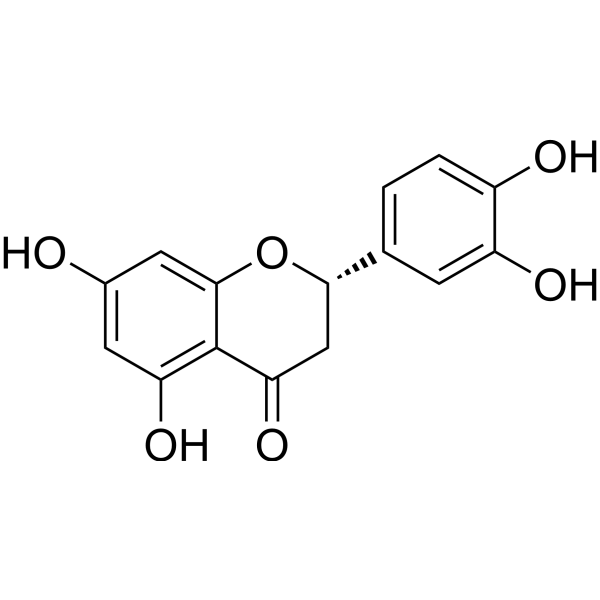
Eriodictyol ((±)-Huazhongilexone; Dihydroluteolin) is an orally active TRPV1 receptor antagonist (IC50=44-47 nM, rTRPV1) with antioxidant and anti-inflammatory activities. Eriodictyol effectively inhibits lipid peroxidation and the release of proinflammatory cytokines by specifically antagonizing the TRPV1 receptor and activating the Nrf2 signaling pathway. Eriodictyol reduces the levels of ICAM-1, VEGF, eNOS and TNF-α in the retina and maintains the integrity of the blood-retinal barrier. Eriodictyol alleviates oxidative stress-induced apoptosis and hyperalgesia, enhances the activity and cytotoxicity of immune cells (such as B lymphocytes, NK cells and macrophages), and increases the levels of antioxidant enzymes simultaneously. Eriodictyol can be used in the research of diabetic retinopathy, acute lung injury and various pain-related diseases .
|
-
- HY-N0859R
-
|
Schizanhenol (Standard); Gomisin-K3 (Standard)
|
UGT
Reference Standards
Cholinesterase (ChE)
Tau Protein
SOD
Sirtuin
|
Neurological Disease
Inflammation/Immunology
Cancer
|
|
Schisanhenol (Standard) (Schizanhenol (Standard)) is the analytical standard of Schisanhenol (HY-N0859). This product is intended for research and analytical applications. Schisanhenol, a lignan, is an orally active antioxidant. Schisanhenol reduces AChE activity, increases SIRT1 and PGC-1α expression, and decreases phosphorylated Tau (Ser 396) levels. Schisanhenol increases SOD and glutathione peroxidase activity, decreases malondialdehyde (MDA) content, and inhibits UGT2B7 activitY. Schisanhenol attenuates ox-LDL-induced apoptosis, intracellular reactive oxygen species generation, and cytotoxicity in endothelial cells. Schisanhenol inhibits LDL oxidation, brain mitochondrial and membrane peroxidative damage, and brain mitochondrial swelling and disintegration. Schisanhenol can be used for the research of Alzheimer’s disease, atherosclerosis, brain ischemia, and age-related brain deterioration.
|
-
- HY-P1723A
-
|
Neuropeptide Q TFA
|
Neuropeptide Y Receptor
Apoptosis
Ferroptosis
Autophagy
|
Cardiovascular Disease
Metabolic Disease
|
|
Spexin (Neuropeptide Q) TFA is a selective agonist of galanin receptors GAL2 and GAL3, and is a conserved peptide that functions as a neurotransmitter/neuromodulator and endocrine factor. Spexin TFA can function through both central and peripheral actions. Spexin TFA upregulates Beclin 1 to inhibit ferroptosis induced by excessive autophagy, reduces the uptake of long-chain fatty acids by adipocytes, and regulates energy metabolism by increasing lipid oxidation (e.g., reducing the respiratory exchange ratio in rodents). Spexin TFA improves cardiac function in the Doxorubicin hydrochloride (HY-15142)-induced cardiotoxicity model, protects mitochondrial membrane potential, and reduces iron accumulation and lipid peroxidation. Spexin TFA can be used to study obesity and its related metabolic disorders, cardiovascular diseases (e.g., cardioprotection), and side effects of tumor chemotherapy .
|
-
- HY-B1016R
-
|
AR-12008 (Standard)
|
Reference Standards
PDGFR
Phosphodiesterase (PDE)
Prostaglandin Receptor
|
Cardiovascular Disease
Cancer
|
|
Trapidil (Standard) (AR-12008 (Standard)) is the analytical standard of Trapidil (HY-B1016R). This product is intended for research and analytical applications. Trapidil (AR-12008) is an orally active vasodilator and antiplatelet agent. Trapidil antagonizes platelet-derived growth factor (PDGF), inhibits phosphodiesterase, thromboxane A2 synthesis and pro-inflammatory cytokine production. Trapidil promotes prostacyclin biosynthesis, reduces lipid peroxidation, regulates nitric oxide metabolism, and inhibits cell proliferation and migration. Trapidil exerts tissue-protective effects, regulates bone turnover, and inhibits pyroptosis via the GPX3/Nrf2 pathway. Trapidil is applicable to research related to renal ischemia-reperfusion injury, chronic stable angina, restenosis, meningioma, diabetic cardiomyopathy and peripheral nerve crush injury.
|
-
- HY-105111
-
|
|
Parasite
Angiotensin-converting Enzyme (ACE)
HSV
DNA/RNA Synthesis
|
Cardiovascular Disease
Metabolic Disease
|
|
P-536 is a ACE inhibitor that also inhibits herpes simplex virus HSV-1 thymidine kinase and Trypanosoma cruzi RNA polymerase. By inhibiting the renin-angiotensin system, downregulating the expression of AT1R and NOX4, and reducing oxidative stress (decreasing plasma hydrogen peroxide (H2O2) and 8-isoprostaglandin levels), P-536 effectively reduces systolic blood pressure and improves vascular reactivity. P-536 also inhibits the replication of DNA/RNA viruses such as HSV-1 by blocking nucleotide metabolism and nucleic acid synthesis, competitively inhibits RNA synthesis in Trypanosoma cruzi, and inhibits amastigote replication, thereby impeding its growth. P-536 is suitable for research on hypertension, insulin resistance, and Chagas disease .
|
-
- HY-N6929R
-
|
|
Reference Standards
Ferroptosis
Keap1-Nrf2
Reactive Oxygen Species (ROS)
|
Neurological Disease
Cancer
|
|
Angelic acid (Standard)) is the analytical standard of Angelic acid (HY-N6929). This product is intended for research and analytical applications. Angelic acid is a ferroptosis inducer, targeting NRF2 degradation. Angelic acid binds to NRF2 protein and promotes NRF2 degradation via ubiquitination-proteasome pathway, relieves the inhibitory effect of NRF2 on oxidative stress and lipid peroxidation. Then, Angelic acid induces ferroptosis in tumor cells. Angelic acid can enhance the accumulation of intracellular reactive oxygen species (ROS), upregulate ferroptosis-related markers CHAC1 and PTGS2, and synergize with ferroptosis inducers to enhance anti-tumor effects. Angelic acid also has the activity of scavenging UVA-induced ROS in vitro, inhibiting skin fibroblast senescence and extracellular matrix degradation. Angelic Acid helps wound healing with sedative activity .
|
-
- HY-W722277A
-
|
|
Interleukin Related
NADH Dehydrogenase
TNF Receptor
JAK
STAT
IRAK
|
Inflammation/Immunology
|
|
LCC-12 (formate) is a copper (II) chelator and a derivative of the biguanide metformin (HY-B0627). LCC-12 (formate) reduces its hydrogen peroxide-dependent oxidation of NADH to NAD+. LCC-12 (formate) reduces IL-1β, IL-2, IL-6, IL-8, and TNF-α levels, as well as JAK2, STAT2, and IL-1 receptor-associated kinase 4 (IRAK4) levels in primary human cytokine-activated monocyte-derived macrophages (MDMs). LCC-12 (formate) reduces the number of CD80+ and CD86+ cytokine-activated MDMs. LCC-12 LCC-12 (formate) improves survival in a mouse model of sepsis induced by LPS or cecal ligation and puncture .
|
-
- HY-P1723
-
Spexin
2 Publications Verification
Neuropeptide Q
|
Neuropeptide Y Receptor
Apoptosis
Ferroptosis
Autophagy
|
Cardiovascular Disease
Neurological Disease
|
|
Spexin (Neuropeptide Q) is a selective agonist of galanin receptors GAL2 and GAL3, and is a conserved peptide that functions as a neurotransmitter/neuromodulator and endocrine factor. Spexin can function through both central and peripheral actions. Spexin upregulates Beclin 1 to inhibit ferroptosis induced by excessive autophagy, reduces the uptake of long-chain fatty acids by adipocytes, and regulates energy metabolism by increasing lipid oxidation (e.g., reducing the respiratory exchange ratio in rodents). Spexin improves cardiac function in the Doxorubicin hydrochloride (HY-15142)-induced cardiotoxicity model, protects mitochondrial membrane potential, and reduces iron accumulation and lipid peroxidation. Spexin can be used to study obesity and its related metabolic disorders, cardiovascular diseases (e.g., cardioprotection), and side effects of tumor chemotherapy .
|
-
- HY-116544
-
|
|
Biochemical Assay Reagents
|
Others
|
|
Octan-2-yl 2-cyanoacrylate is an alkyl cyanoacrylate monomer, base-sensitive monofunctional 1,1-disubstituted electron-deficient olefin, polymerizable and copolymerizable monomer. Octan-2-yl 2-cyanoacrylate undergoes homopolymerization via nucleophilic initiation with pyridine as initiator. Octan-2-yl 2-cyanoacrylate forms true copolymers with ethyl 2-cyanoacrylate via nucleophilic initiation with pyridine as initiator .
|
-
- HY-N12571A
-
-
- HY-W679138
-
|
|
E1/E2/E3 Enzyme
Heme Oxygenase (HO)
|
Neurological Disease
|
|
N,N-dimethyldithiocarbamate potassium is a ubiquitin-activating enzyme E1 inhibitor. N,N-dimethyldithiocarbamate potassium inhibits the activation of E1 and reduces the level of activated ubiquitinated E1 (ub-E1). N,N-dimethyldithiocarbamate potassium increases intracellular copper levels, enhances oxidative stress, elevates protein carbonyl levels, and upregulates the expression of HO-1 . N,N-dimethyldithiocarbamate potassium is applicable to research related to Parkinson's disease .
|
-
- HY-N0637AR
-
|
(±)-Huazhongilexone (Standard); Dihydroluteolin (Standard)
|
Reference Standards
Melanocortin Receptor
TRP Channel
|
Metabolic Disease
|
|
3-Chlorobenzoic acid (Standard) is the analytical standard of 3-Chlorobenzoic acid. This product is intended for research and analytical applications. (±)-Eriodictyol ((±)-Huazhongilexone; Dihydroluteolin) is an orally active TRPV1 receptor antagonist (IC50=44-47 nM, rTRPV1) with antioxidant and anti-inflammatory activities. (±)-Eriodictyol effectively inhibits lipid peroxidation and the release of proinflammatory cytokines by specifically antagonizing the TRPV1 receptor and activating the Nrf2 signaling pathway. (±)-Eriodictyol reduces the levels of ICAM-1, VEGF, eNOS and TNF-α in the retina and maintains the integrity of the blood-retinal barrier. (±)-Eriodictyol alleviates oxidative stress-induced apoptosis and hyperalgesia, enhances the activity and cytotoxicity of immune cells (such as B lymphocytes, NK cells and macrophages), and increases the levels of antioxidant enzymes simultaneously. (±)-Eriodictyol can be used in the research of diabetic retinopathy, acute lung injury and various pain-related diseases .
|
-
- HY-N11846
-
|
|
Apoptosis
Caspase
|
Inflammation/Immunology
Cancer
|
|
4′-O-Methylglabridin is an apoptosis inducer with antioxidant, cell cycle-disrupting and anticancer cytotoxic activities. 4′-O-Methylglabridin inhibits various cancer cell lines including liver cancer, breast cancer and colorectal cancer cell lines. By reducing the expression levels of phosphorylated Rb (Ser807/811) and p21 proteins, 4′-O-Methylglabridin promotes cell accumulation at the subG1 and G2/M phases, and triggers caspase-dependent apoptosis via cytochrome C release and caspase-9 activation. 4′-O-Methylglabridin also exerts antioxidant effects by inhibiting lipid peroxide levels and reducing β-carotene consumption, thereby blocking LDL oxidation. 4′-O-Methylglabridin can be used in the research of various cancers and atherosclerotic diseases .
|
-
- HY-125539
-
|
|
Antibiotic
Phosphatase
Fungal
|
Infection
|
|
Roridin E is a glucose-6-phosphatase (G6Pase) inhibitor and antibiotic, and is a metabolic byproduct of Roridin A (HY-N9599). Roridin E induces significant oxidative stress, characterized by depletion of glutathione in vivo, induction of hepatic lipid peroxidation, and inhibition of renal superoxide dismutase activity. Roridin E reduces blood glucose levels in rats, but exhibits acute toxicity (which is enhanced when co-administered with linoleic acid (HY-N0729)) and causes hepatotoxicity in male albino mice. Roridin E induces a decrease in total blood protein and increases in the levels of total lipids, γ-glutamyltransferase, alkaline phosphatase, and 5'-nucleotidase. Roridin E can be isolated from molds, and possesses cytostatic and antifungal activities similar to those of Verrucarin A (HY-107426) and Roridin A. Roridin E exhibits in vivo activity in rodents and is commonly used in hepatotoxicity-related studies .
|
-
- HY-N10423
-
|
(-)-Cubebin
|
Cholinesterase (ChE)
Bacterial
Fungal
Parasite
p38 MAPK
|
Infection
Neurological Disease
Metabolic Disease
Inflammation/Immunology
Cancer
|
|
Cubebin ((-)-Cubebin), a dibenzyl butyrolactone lignan, is an orally active AChE inhibitor. Cubebin binds to active sites of NF-κB, TNF-α, and TGF-β1 via hydrogen and hydrophobic interactions, obstructing critical residues to inhibit pro-inflammatory or renal fibrosis-related activity. Cubebin enhances p38 MAPK phosphorylation to increase tyrosinase gene expression, stimulating melanogenesis via elevated tyrosinase activity, expression, and mRNA levels. Cubebin reduces oxidative stress via enhanced endogenous antioxidant enzyme activity and inhibited lipid peroxidation, regulates lipid metabolism, improves glycemic control, and exerts renoprotective effects via reduced renal dysfunction markers and improved renal architecture. Cubebin shows antimicrobial activity. Cubebin exerts larvicidal activity against Angiostrongylus cantonensis larvae, with no cytotoxicity toward monkey or human cell lines or Caenorhabditis elegans. Cubebin can be used for the research of diabetic nephropathy, melanoma, colon adenocarcinoma, neuroangiostrongyliasis, Alzheimer’s disease (AD) and depression .
|
-
- HY-Y1366
-
|
|
Mitochondrial Metabolism
Reactive Oxygen Species (ROS)
Arp2/3 Complex
Apoptosis
|
Inflammation/Immunology
|
|
Hydroxyacetone is a toxic compound. Hydroxyacetone can be isolated from e-cigarette aerosols. Hydroxyacetone reduces the activity of cellular Mitochondrial reductase (with an IC50 of 5.53 mg/mL for mitochondrial reductase in BEAS-2B cells) and increases ROS levels. Hydroxyacetone induces mitochondrial stress and oxidative damage. Hydroxyacetone induces destabilization of F-actin. At high concentrations, Hydroxyacetone promotes cell rounding and Apoptotic body formation. Hydroxyacetone exerts toxic effects on cells including airway epithelial cells and possesses respiratory toxicity potential .\n
|
-
- HY-N11737
-
|
|
Drug Derivative
|
Inflammation/Immunology
|
|
Monasfluore A is an azaphenanthrenone derivative with antioxidant activity. Monasfluore A inhibits LPS-induced nitric oxide production. Monasfluore A scavenges DPPH and superoxide anion free radicals. Monasfluore A exerts cellular antioxidant activity in oxidatively damaged colon adenocarcinoma cells. Monasfluore A shows no antiproliferative effect on human laryngeal cancer cells and colon adenocarcinoma cells .
|
-
- HY-N1990
-
|
|
PPAR
Sirtuin
Keap1-Nrf2
Toll-like Receptor (TLR)
NF-κB
Reactive Oxygen Species (ROS)
NOD-like Receptor (NLR)
Apoptosis
Pyroptosis
Autophagy
|
Cardiovascular Disease
Neurological Disease
Metabolic Disease
Inflammation/Immunology
|
|
Gypenoside XLIX is a multifunctional bioactive compound that can be isolated from Gynostemma pentaphyllum, with a Ka value of 1.58 μM for its binding to SIRT1. Gypenoside XLIX acts as a PPAR-α agonist. It inhibits the activation of TLR4-mediated NF-κB signaling pathway by activating the Sirt1/Nrf2 signaling pathway, reduces ROS accumulation, and alleviates hepatic inflammatory injury in mice with sepsis-induced liver disease. Gypenoside XLIX targets SIRT1 to block YAP-NLRP3 activation and improve sepsis-induced cardiomyopathy. Gypenoside XLIX inhibits apoptosis (Apoptosis), pyroptosis (Pyroptosis), autophagy (Autophagy), lipid peroxidation, pro-inflammatory cytokines and anti-inflammatory cytokines. Gypenoside XLIX alleviates sepsis-induced splenic injury by inhibiting inflammation and oxidative stress, and mitigates sepsis-associated encephalopathy by targeting PPAR-α. Gypenoside XLIX prevents acute kidney injury by inhibiting IGFBP7/IGF1R-mediated programmed cell death and inflammation. Gypenoside XLIX inhibits the expression and activity of vascular cell adhesion molecule-1 in cytokine-induced human endothelial cells. Gypenoside XLIX is applicable to research related to acute liver injury, lung injury, cardiomyopathy, acute splenic injury, sepsis-associated encephalopathy, acute kidney injury, atherosclerosis and chronic inflammation .
|
-
- HY-B1018A
-
|
|
Monoamine Oxidase
GABA Receptor
Histone Demethylase
|
Cardiovascular Disease
Neurological Disease
Metabolic Disease
Inflammation/Immunology
Cancer
|
|
Phenelzine sulfate, an antidepressant agent, is an irreversible and orally active monoamine oxidase (MAO-A and MAO-B) inhibitor. Phenelzine sulfate inhibits GABA transaminase and primary amine oxidase (PrAO), and sequester reactive aldehydes. Phenelzine sulfate also inhibits LSD1 (Ki: 5.6 μM) and suppresses oxidative stress and lipogenesis. Phenelzine sulfate elevates neurotransmitters (serotonin, norepinephrine, dopamine). Phenelzine sulfate is studied in neurological, metabolic and cancer diseases for depression and anxiety disorders, stroke, spinal cord injury, traumatic brain injury, multiple sclerosis, Parkinson’s disease, Alzheimer’s disease, inflammatory pain, obesity and prostate cancer .
|
-
| Cat. No. |
Product Name |
Type |
-
- HY-125623
-
|
|
Fluorescent Dyes
|
|
MitoPerOx is a mitochondrial-targeted, lipid peroxidation-indicating fluorescent probe with BODIPY581/591 fluorophores. The triphenylphosphine cation (TPP+) of MitoPerOx can be selectively enriched in mitochondria (depending on membrane potential) and can be used to detect lipid peroxidation in the inner mitochondrial membrane. Under the action of lipid peroxides, the BODIPY581/591 fluorophores of MitoPerOx shift their emission wavelength from 590 nm (reduced state) to 520 nm (oxidized state), and ratiometric detection can be performed at an excitation wavelength of 488 nm. MitoPerOx can specifically monitor the peroxidation of mitochondrial phospholipids (especially cardiolipin) and is used in the study of oxidative stress-related diseases (such as aging, neurodegenerative diseases, and mitochondrial dysfunction)[1][2].
|
-
- HY-15930
-
TMB
Maximum Cited Publications
6 Publications Verification
BM blue; Sure Blue TMB
|
Fluorescent Dyes
|
|
TMB is a non-toxic, non-mutagenic, colorless dye that is also used as a chromogenic agent in enzyme detection systems based on horseradish peroxidase (HRP). TMB can function as a photoacoustic probe for reactive oxygen and nitrogen species (ROS/RNS), reacting with hypochlorite, hydrogen peroxide, singlet oxygen, and nitrogen dioxide to produce blue oxidation products. TMB can detect the singlet oxygen produced by the outer membrane of Escherichia coli ATCC 25922 .
|
-
- HY-118159
-
|
DPPP
|
Fluorescent Dyes
|
|
Diphenyl-1-pyrenylphosphine (DPPP) is a functional organic molecule with both fluorescent properties and metal coordination ability, which is commonly used in materials and coordination chemistry research. Upon exposure to ultraviolet light, Diphenyl-1-pyrenylphosphine undergoes photoinduced phosphorus atom oxidation to form O-DPPP, triggering a transition from aggregation-induced emission (AIE) to aggregation-caused quenching (ACQ). Diphenyl-1-pyrenylphosphine reacts stoichiometrically with lipid hydroperoxides to produce fluorescent diphenyl-1-pyrenylphosphine oxide. Diphenyl-1-pyrenylphosphine can insert into cell membranes to monitor lipid peroxidation processes in living cells .
|
-
- HY-15930A
-
|
BM blue dihydrochloride; Sure Blue TMB dihydrochloride
|
Fluorescent Dyes
|
|
TMB dihydrochloride is the dihydrochloride form of TMB (HY-15930). TMB dihydrochloride is a non-toxic, non-mutagenic, colorless dye that is also used as a chromogenic agent in enzyme detection systems based on horseradish peroxidase (HRP). TMB dihydrochloride can function as a photoacoustic probe for reactive oxygen and nitrogen species (ROS/RNS), reacting with hypochlorite, hydrogen peroxide, singlet oxygen, and nitrogen dioxide to produce blue oxidation products. TMB dihydrochloride can detect the singlet oxygen produced by the outer membrane of Escherichia coli ATCC 25922 .
|
-
- HY-DY1073
-
|
|
Fluorescent Dyes
|
MitoPerOx (solution) is a mitochondrial-targeted, lipid peroxidation-indicating fluorescent probe with BODIPY581/591 fluorophores. The triphenylphosphine cation (TPP+) of MitoPerOx can be selectively enriched in mitochondria (depending on membrane potential) and can be used to detect lipid peroxidation in the inner mitochondrial membrane. Under the action of lipid peroxides, the BODIPY581/591 fluorophores of MitoPerOx shift their emission wavelength from 590 nm (reduced state) to 520 nm (oxidized state) , and ratiometric detection can be performed at an excitation wavelength of 488 nm. MitoPerOx can specifically monitor the peroxidation of mitochondrial phospholipids (especially cardiolipin) and is used in the study of oxidative stress-related diseases (such as aging, neurodegenerative diseases, and mitochondrial dysfunction) . Solvent and concentration: DMSO: 2 mM
|
-
- HY-D0945
-
|
|
Fluorescent Dyes
|
|
Xylene Cyanol FF is an acid triphenylmethane dye. Xylene Cyanol FF can be used for histochemical staining of hemoglobin peroxidase or as a tracking dye for DNA sequencing in electrophoresis. Xylene Cyanol FF will be catalyzed by Fe and Al to accelerate oxidation under the addition of double oxidant hydrogen peroxide and potassium periodate. Xylene Cyanol FF thus enables the spectrophotometric determination of Fe and Al in the solution to be tested .
|
-
- HY-W415108
-
|
|
Fluorescent Dyes
|
|
10-Methyl-9-(phenoxycarbonyl) acridinium trifluoromethanesulfonate is an acridinium ester that produces fluorescent 10-methyl-9-acridone upon oxidation with hydrogen peroxide, persulfate, and other oxidants under alkaline conditions. 10-Methyl-9-(phenoxycarbonyl) acridinium trifluoromethanesulfonate can be used in chemiluminescent assays, enzyme, antigen, antibody, and hormone immunoassays, and for the detection of oxidants in environmental, biological, and pharmaceutical samples .
|
-
- HY-15930C
-
|
BM blue monosulfate; Sure Blue TMB monosulfate
|
Fluorescent Dyes
|
|
TMB monosulfate is the monosulfate form of TMB (HY-15930). TMB monosulfate is a non-toxic, non-mutagenic, colorless dye that is also used as a chromogenic agent in enzyme detection systems based on horseradish peroxidase (HRP). TMB monosulfate can function as a photoacoustic probe for reactive oxygen and nitrogen species (ROS/RNS), reacting with hypochlorite, hydrogen peroxide, singlet oxygen, and nitrogen dioxide to produce blue oxidation products. TMB monosulfate can detect the singlet oxygen produced by the outer membrane of Escherichia coli ATCC 25922 .
|
-
- HY-15930R
-
|
BM blue (Standard); Sure Blue TMB (Standard)
|
Fluorescent Dyes
|
|
TMB (Standard) is the analytical standard of TMB. This product is intended for research and analytical applications. TMB is a non-toxic, non-mutagenic, colorless dye that is also used as a chromogenic agent in enzyme detection systems based on horseradish peroxidase (HRP). TMB can function as a photoacoustic probe for reactive oxygen and nitrogen species (ROS/RNS), reacting with hypochlorite, hydrogen peroxide, singlet oxygen, and nitrogen dioxide to produce blue oxidation products. TMB can detect the singlet oxygen produced by the outer membrane of Escherichia coli ATCC 25922 .
|
| Cat. No. |
Product Name |
Type |
-
- HY-B1770
-
|
|
Biochemical Assay Reagents
|
|
Sodium Iodide is a compound composed of sodium ions and iodine ions. Sodium Iodide scavenges hydrogen peroxide. Sodium Iodide maintains the level of thyroid hormone T3 through its iodine component. Sodium Iodide protects tissues from oxidative damage and regulates thyroid homeostasis. Sodium Iodide relieves acute myocardial infarction .
|
-
- HY-D0945
-
|
|
Biochemical Assay Reagents
|
|
Xylene Cyanol FF is an acid triphenylmethane dye. Xylene Cyanol FF can be used for histochemical staining of hemoglobin peroxidase or as a tracking dye for DNA sequencing in electrophoresis. Xylene Cyanol FF will be catalyzed by Fe and Al to accelerate oxidation under the addition of double oxidant hydrogen peroxide and potassium periodate. Xylene Cyanol FF thus enables the spectrophotometric determination of Fe and Al in the solution to be tested .
|
-
- HY-W423191
-
|
4-O-α-D-Glucopyranosyl-D-gluconic acid
|
Biochemical Assay Reagents
|
|
Maltobionic acid (4-O-α-D-Glucopyranosyl-D-gluconic acid) is an orally active oligosaccharide and iron chelator with antibacterial activity. Maltobionic acid inhibits the expression of NFATc1, suppresses osteoclast differentiation, inhibits bone resorption, and increases serum calcitonin levels. Maltobionic acid protects mammalian cells from hydrogen peroxide (H2O2)-induced oxidative damage; resists fermentation by the gut microbiota; and exhibits anti-digestive and anti-fermentative properties. Maltobionic acid can be used in research related to osteoporosis, bacterial infections, and constipation .
|
-
- HY-15930B
-
|
Sure Blue TMB dihydrochloride x.hydrate
|
Biochemical Assay Reagents
|
|
TMB (dihydrochloride x.hydrate) is the dihydrochloride x hydrate form of TMB (HY-15930). TMB (dihydrochloride x.hydrate) is a non-toxic, non-mutagenic, colorless dye that is also used as a chromogenic agent in enzyme detection systems based on horseradish peroxidase (HRP). TMB (dihydrochloride x.hydrate) can function as a photoacoustic probe for reactive oxygen and nitrogen species (ROS/RNS), reacting with hypochlorite, hydrogen peroxide, singlet oxygen, and nitrogen dioxide to produce blue oxidation products. TMB (dihydrochloride x.hydrate) can detect the singlet oxygen produced by the outer membrane of Escherichia coli ATCC 25922 .
|
-
- HY-Y0262A
-
|
Ethanedioic acid diammonium monohydrate
|
Biochemical Assay Reagents
|
Oxalic acid (Ethanedioic acid) diammonium monohydrate is a dicarboxylic acid found in a wide variety of plants. Oxalic acid diammonium monohydrate shows antioxidant acyivity and suppresses lipid peroxidation. Oxalic acid diammonium monohydrate is a pathogenicity factor for sclerotinia sclerotiorum, and suppresses the oxidative burst of the host plant. Oxalic acid diammonium monohydrate exerts acaricidal activity. Oxalic acid can be used for the researches of sclerotinia disease varroatosis and inflammatory diseases .
|
| Cat. No. |
Product Name |
Target |
Research Area |
-
- HY-113110
-
|
L-Cysteinylglycine; Cys-Gly; H-Cys-Gly-OH
|
Endogenous Metabolite
Reactive Oxygen Species (ROS)
DNA/RNA Synthesis
|
Cardiovascular Disease
Cancer
|
|
Cysteinylglycine (L-Cysteinylglycine; Cys-Gly) is a dipeptide formed by the peptide bond linkage between cysteine (Cysteine) and glycine (Glycine). Cysteinylglycine is an important metabolic intermediate in the human body, mainly derived from the degradation of glutathione (GSH). Cysteinylglycine reduces ferric iron to ferrous iron, drives the redox cycle of iron, generates reactive oxygen species (ROS), stimulates oxidative reactions, induces lipid peroxidation of human plasma LDL lipoproteins, and causes oxidative damage to DNA bases. Cysteinylglycine can be used as a biomarker to evaluate ischemic heart disease, breast cancer and other conditions .
|
-
- HY-P1723
-
Spexin
2 Publications Verification
Neuropeptide Q
|
Neuropeptide Y Receptor
Apoptosis
Ferroptosis
Autophagy
|
Cardiovascular Disease
Neurological Disease
|
|
Spexin (Neuropeptide Q) is a selective agonist of galanin receptors GAL2 and GAL3, and is a conserved peptide that functions as a neurotransmitter/neuromodulator and endocrine factor. Spexin can function through both central and peripheral actions. Spexin upregulates Beclin 1 to inhibit ferroptosis induced by excessive autophagy, reduces the uptake of long-chain fatty acids by adipocytes, and regulates energy metabolism by increasing lipid oxidation (e.g., reducing the respiratory exchange ratio in rodents). Spexin improves cardiac function in the Doxorubicin hydrochloride (HY-15142)-induced cardiotoxicity model, protects mitochondrial membrane potential, and reduces iron accumulation and lipid peroxidation. Spexin can be used to study obesity and its related metabolic disorders, cardiovascular diseases (e.g., cardioprotection), and side effects of tumor chemotherapy .
|
-
- HY-P1997
-
|
Desferrichrome; DFC; N-Desferriferrichrome
|
Biochemical Assay Reagents
|
Others
|
|
Ferrichrome is a hydroxamate siderophore produced by various fungi, including U. sphaerogena, that facilitates iron chelation and uptake by these organisms. It can be used as a heterosiderophore by bacteria, including Pseudomonas aeruginosa and Vibrio parahaemolyticus. Ferrichrome (0.8 μM) inhibits concanavalin A-induced proliferation of mouse spleen monocytes and reduces the number of concanavalin A-stimulated CD4+ T cells expressing IL-2 receptor. It also inhibits the heme-catalyzed oxidation of LDL by hydrogen peroxide in a concentration-dependent manner.
|
-
- HY-113110A
-
|
L-Cysteinylglycine TFA; Cys-Gly TFA; H-Cys-Gly-OH TFA
|
Endogenous Metabolite
Reactive Oxygen Species (ROS)
DNA/RNA Synthesis
|
Cardiovascular Disease
Cancer
|
|
Cysteinylglycine (L-Cysteinylglycine; Cys-Gly) TFA is a dipeptide formed by the peptide bond connection of cysteine and glycine. Cysteinylglycine TFA is an important metabolic intermediate in the human body, mainly derived from the degradation of glutathione (GSH). Cysteinylglycine TFA can reduce trivalent iron to divalent iron, driving the redox cycle of iron, generating reactive oxygen species (ROS), stimulating oxidative reactions, inducing lipid peroxidation in human plasma LDL lipoproteins, and causing oxidative damage to DNA base. Cysteinylglycine TFA can be used as a biomarker to assess ischemic heart disease and breast cancer, etc [1][2][3][4].
|
-
- HY-P11116
-
-
- HY-P1723A
-
|
Neuropeptide Q TFA
|
Neuropeptide Y Receptor
Apoptosis
Ferroptosis
Autophagy
|
Cardiovascular Disease
Metabolic Disease
|
|
Spexin (Neuropeptide Q) TFA is a selective agonist of galanin receptors GAL2 and GAL3, and is a conserved peptide that functions as a neurotransmitter/neuromodulator and endocrine factor. Spexin TFA can function through both central and peripheral actions. Spexin TFA upregulates Beclin 1 to inhibit ferroptosis induced by excessive autophagy, reduces the uptake of long-chain fatty acids by adipocytes, and regulates energy metabolism by increasing lipid oxidation (e.g., reducing the respiratory exchange ratio in rodents). Spexin TFA improves cardiac function in the Doxorubicin hydrochloride (HY-15142)-induced cardiotoxicity model, protects mitochondrial membrane potential, and reduces iron accumulation and lipid peroxidation. Spexin TFA can be used to study obesity and its related metabolic disorders, cardiovascular diseases (e.g., cardioprotection), and side effects of tumor chemotherapy .
|
-
- HY-P11638
-
|
|
Mitochondrial Metabolism
|
Neurological Disease
Inflammation/Immunology
|
|
Mitochondrial-targeted peptide BP29 is a mitochondria-targeted iron chelator linked to a mitochondria-homing SS-peptide. Mitochondrial-targeted peptide BP29 protects human primary skin fibroblasts against ultraviolet A-induced oxidative damage to mitochondrial membranes, ATP depletion, and necrotic cell death. Mitochondrial-targeted peptide BP29 prevents hydrogen peroxide-induced oxidative stress and cytotoxicity in both healthy and Friedreich's ataxia skin fibroblasts. Mitochondrial-targeted peptide BP29 can be used for the research of Friedreich's ataxia .
|
-
- HY-P11638A
-
|
|
Mitochondrial Metabolism
|
Neurological Disease
Inflammation/Immunology
|
|
Mitochondrial-targeted peptide BP29 acetate is a mitochondria-targeted iron chelator linked to a mitochondria-homing SS-peptide. Mitochondrial-targeted peptide BP29 acetate protects human primary skin fibroblasts against ultraviolet A-induced oxidative damage to mitochondrial membranes, ATP depletion, and necrotic cell death. Mitochondrial-targeted peptide BP29 acetate prevents hydrogen peroxide-induced oxidative stress and cytotoxicity in both healthy and Friedreich's ataxia skin fibroblasts. Mitochondrial-targeted peptide BP29 acetate can be used for the research of Friedreich's ataxia .
|
| Cat. No. |
Product Name |
Category |
Target |
Chemical Structure |
-
- HY-B2130
-
-
-
- HY-B2130A
-
-
-
- HY-N7264
-
-
-
- HY-111914A
-
-
-
- HY-N0637
-
-
-
- HY-Y0262
-
-
-
- HY-21268
-
-
-
- HY-113110
-
-
-
- HY-N0310
-
-
-
- HY-N0637A
-
|
(±)-Huazhongilexone; Dihydroluteolin
|
Structural Classification
Flavonoids
Lawsonia inermis L.
Lythraceae
Flavones
Plants
Source Classification
|
Melanocortin Receptor
TRP Channel
|
|
(±)-Eriodictyol ((±)-Huazhongilexone; Dihydroluteolin) is an orally active TRPV1 receptor antagonist (IC50=44-47 nM, rTRPV1) with antioxidant and anti-inflammatory activities. (±)-Eriodictyol effectively inhibits lipid peroxidation and the release of proinflammatory cytokines by specifically antagonizing the TRPV1 receptor and activating the Nrf2 signaling pathway. (±)-Eriodictyol reduces the levels of ICAM-1, VEGF, eNOS and TNF-α in the retina and maintains the integrity of the blood-retinal barrier. (±)-Eriodictyol alleviates oxidative stress-induced apoptosis and hyperalgesia, enhances the activity and cytotoxicity of immune cells (such as B lymphocytes, NK cells and macrophages), and increases the levels of antioxidant enzymes simultaneously. (±)-Eriodictyol can be used in the research of diabetic retinopathy, acute lung injury and various pain-related diseases .
|
-
-
- HY-N1990
-
|
|
Cardiovascular Disease
Triterpenes
Structural Classification
Classification of Application Fields
Terpenoids
Cucurbitaceae
Plants
Gynostemma pentaphyllum (Thunb.) Makino
Disease Research Fields
Source Classification
|
PPAR
Sirtuin
Keap1-Nrf2
Toll-like Receptor (TLR)
NF-κB
Reactive Oxygen Species (ROS)
NOD-like Receptor (NLR)
Apoptosis
Pyroptosis
Autophagy
|
|
Gypenoside XLIX is a multifunctional bioactive compound that can be isolated from Gynostemma pentaphyllum, with a Ka value of 1.58 μM for its binding to SIRT1. Gypenoside XLIX acts as a PPAR-α agonist. It inhibits the activation of TLR4-mediated NF-κB signaling pathway by activating the Sirt1/Nrf2 signaling pathway, reduces ROS accumulation, and alleviates hepatic inflammatory injury in mice with sepsis-induced liver disease. Gypenoside XLIX targets SIRT1 to block YAP-NLRP3 activation and improve sepsis-induced cardiomyopathy. Gypenoside XLIX inhibits apoptosis (Apoptosis), pyroptosis (Pyroptosis), autophagy (Autophagy), lipid peroxidation, pro-inflammatory cytokines and anti-inflammatory cytokines. Gypenoside XLIX alleviates sepsis-induced splenic injury by inhibiting inflammation and oxidative stress, and mitigates sepsis-associated encephalopathy by targeting PPAR-α. Gypenoside XLIX prevents acute kidney injury by inhibiting IGFBP7/IGF1R-mediated programmed cell death and inflammation. Gypenoside XLIX inhibits the expression and activity of vascular cell adhesion molecule-1 in cytokine-induced human endothelial cells. Gypenoside XLIX is applicable to research related to acute liver injury, lung injury, cardiomyopathy, acute splenic injury, sepsis-associated encephalopathy, acute kidney injury, atherosclerosis and chronic inflammation .
|
-
-
- HY-125365
-
-
-
- HY-N6929
-
|
|
Structural Classification
Ketones, Aldehydes, Acids
Umbelliferae
Plants
Echinacea angustifolia DC.
Source Classification
|
Ferroptosis
Keap1-Nrf2
Reactive Oxygen Species (ROS)
|
|
Angelic acid is a ferroptosis inducer, targeting NRF2 degradation. Angelic acid binds to NRF2 protein and promotes NRF2 degradation via ubiquitination-proteasome pathway, relieves the inhibitory effect of NRF2 on oxidative stress and lipid peroxidation. Then, Angelic acid induces ferroptosis in tumor cells. Angelic acid can enhance the accumulation of intracellular reactive oxygen species (ROS), upregulate ferroptosis-related markers CHAC1 and PTGS2, and synergize with ferroptosis inducers to enhance anti-tumor effects. Angelic acid also has the activity of scavenging UVA-induced ROS in vitro, inhibiting skin fibroblast senescence and extracellular matrix degradation. Angelic Acid helps wound healing with sedative activity .
|
-
-
- HY-N0859
-
|
Schizanhenol; Gomisin-K3
|
Structural Classification
Monophenols
Classification of Application Fields
Lignans
Phenols
Phenylpropanoids
Plants
Schisandraceae
Schisandra chinensis (Turcz.) Baill.
Disease Research Fields
Source Classification
Cancer
|
UGT
Cholinesterase (ChE)
Tau Protein
SOD
Sirtuin
|
|
Schisanhenol (Schizanhenol), a lignan, is an orally active antioxidant. Schisanhenol reduces AChE activity, increases SIRT1 and PGC-1α expression, and decreases phosphorylated Tau (Ser 396) levels. Schisanhenol increases SOD and glutathione peroxidase activity, decreases malondialdehyde (MDA) content, and inhibits UGT2B7 activitY. Schisanhenol attenuates ox-LDL-induced apoptosis, intracellular reactive oxygen species generation, and cytotoxicity in endothelial cells. Schisanhenol inhibits LDL oxidation, brain mitochondrial and membrane peroxidative damage, and brain mitochondrial swelling and disintegration. Schisanhenol can be used for the research of Alzheimer’s disease, atherosclerosis, brain ischemia, and age-related brain deterioration .
|
-
-
- HY-Y1366
-
-
-
- HY-W001542
-
-
-
- HY-125539
-
|
|
Structural Classification
Natural Products
Microorganisms
Source Classification
|
Antibiotic
Phosphatase
Fungal
|
|
Roridin E is a glucose-6-phosphatase (G6Pase) inhibitor and antibiotic, and is a metabolic byproduct of Roridin A (HY-N9599). Roridin E induces significant oxidative stress, characterized by depletion of glutathione in vivo, induction of hepatic lipid peroxidation, and inhibition of renal superoxide dismutase activity. Roridin E reduces blood glucose levels in rats, but exhibits acute toxicity (which is enhanced when co-administered with linoleic acid (HY-N0729)) and causes hepatotoxicity in male albino mice. Roridin E induces a decrease in total blood protein and increases in the levels of total lipids, γ-glutamyltransferase, alkaline phosphatase, and 5'-nucleotidase. Roridin E can be isolated from molds, and possesses cytostatic and antifungal activities similar to those of Verrucarin A (HY-107426) and Roridin A. Roridin E exhibits in vivo activity in rodents and is commonly used in hepatotoxicity-related studies .
|
-
-
- HY-N10423
-
|
(-)-Cubebin
|
Structural Classification
Classification of Application Fields
Lignans
Piperaceae
Piper cubeba L.f.
Phenylpropanoids
Plants
Inflammation/Immunology
Disease Research Fields
Source Classification
|
Cholinesterase (ChE)
Bacterial
Fungal
Parasite
p38 MAPK
|
|
Cubebin ((-)-Cubebin), a dibenzyl butyrolactone lignan, is an orally active AChE inhibitor. Cubebin binds to active sites of NF-κB, TNF-α, and TGF-β1 via hydrogen and hydrophobic interactions, obstructing critical residues to inhibit pro-inflammatory or renal fibrosis-related activity. Cubebin enhances p38 MAPK phosphorylation to increase tyrosinase gene expression, stimulating melanogenesis via elevated tyrosinase activity, expression, and mRNA levels. Cubebin reduces oxidative stress via enhanced endogenous antioxidant enzyme activity and inhibited lipid peroxidation, regulates lipid metabolism, improves glycemic control, and exerts renoprotective effects via reduced renal dysfunction markers and improved renal architecture. Cubebin shows antimicrobial activity. Cubebin exerts larvicidal activity against Angiostrongylus cantonensis larvae, with no cytotoxicity toward monkey or human cell lines or Caenorhabditis elegans. Cubebin can be used for the research of diabetic nephropathy, melanoma, colon adenocarcinoma, neuroangiostrongyliasis, Alzheimer’s disease (AD) and depression .
|
-
-
- HY-118149A
-
-
-
- HY-B2130R
-
-
-
- HY-142125
-
-
-
- HY-N15684
-
|
|
Natural Products
Animals
Source Classification
|
Others
|
|
Rhodoxanthin is a carotenoid. Rhodoxanthin exerts antioxidant activity via free radical scavenging and lipid peroxidation inhibition. Rhodoxanthin is promising for research of oxidative stress-related diseases (e.g., UV-induced skin damage) .
|
-
-
- HY-W001542R
-
-
-
- HY-132183
-
-
-
- HY-113045
-
|
|
Microorganisms
Source Classification
|
Endogenous Metabolite
|
|
Aquacobalamin is one of the major forms of vitamin B12 isolated from mammalian cells. Aquacobalamin accelerates the oxidation of azo-dye Orange II (HY-N1442) by HSO5 - in aqueous solutions. Aquacobalamin binds hydrogen peroxide reversibly to form a cobalt(III) hydroperoxo adduct with a 0.25 mM dissociation constant .
|
-
-
- HY-113110A
-
-
-
- HY-N8788
-
|
|
Flavonoids
Flavones
Labiatae
Plants
Medicago truncatula Gaertn.
Source Classification
|
Others
|
|
Baicalein 7-O-β-D-ethylglucuronide is a natural flavone glycoside that can be extracted from Scutellaria baicalensis Georgi. Baicalein 7-O-β-D-ethylglucuronide has antioxidant activity. Baicalein 7-O-β-D-ethylglucuronide inhibits FeSO4-Cys-induced lipid peroxidation of liver homogenate. Baicalein 7-O-β-D-ethylglucuronide also shows strong cytoprotective effect on H2O2-induced oxidative damage of human umbilical vein endothelial cells .
|
-
-
- HY-N7264R
-
-
-
- HY-N9515
-
|
|
Structural Classification
Natural Products
Allium sativum L.
Plants
Amaryllidaceae
Source Classification
|
Apoptosis
Reactive Oxygen Species (ROS)
|
|
Diallyl tetrasulfide is an orally active diallyl tetrasulfide. Diallyl tetrasulfide ameliorates cadmium-induced changes in acetylcholinesterase and adenosine triphosphatase activities as well as oxidative stress injury in the brain of rats . Diallyl tetrasulfide inhibits lipid peroxidation in rat liver microsomes . Diallyl tetrasulfide ameliorates cadmium-induced oxidative liver injury in rats . Diallyl tetrasulfide protects cells against cadmium-induced loss of cell viability, reduces apoptosis rate and ROS production. Diallyl tetrasulfide is applicable to research related to cadmium-induced neurotoxicity and cadmium-induced oxidative liver injury .
|
-
-
- HY-113110R
-
-
-
- HY-N0310R
-
-
-
- HY-N6929R
-
|
|
Structural Classification
Ketones, Aldehydes, Acids
Umbelliferae
Plants
Echinacea angustifolia DC.
Source Classification
|
Reference Standards
Ferroptosis
Keap1-Nrf2
Reactive Oxygen Species (ROS)
|
|
Angelic acid (Standard)) is the analytical standard of Angelic acid (HY-N6929). This product is intended for research and analytical applications. Angelic acid is a ferroptosis inducer, targeting NRF2 degradation. Angelic acid binds to NRF2 protein and promotes NRF2 degradation via ubiquitination-proteasome pathway, relieves the inhibitory effect of NRF2 on oxidative stress and lipid peroxidation. Then, Angelic acid induces ferroptosis in tumor cells. Angelic acid can enhance the accumulation of intracellular reactive oxygen species (ROS), upregulate ferroptosis-related markers CHAC1 and PTGS2, and synergize with ferroptosis inducers to enhance anti-tumor effects. Angelic acid also has the activity of scavenging UVA-induced ROS in vitro, inhibiting skin fibroblast senescence and extracellular matrix degradation. Angelic Acid helps wound healing with sedative activity .
|
-
-
- HY-B2130AR
-
-
-
- HY-125365R
-
-
-
- HY-N15727
-
|
|
Rheum australe D. Don
Polygonaceae
Plants
Saccharides
Monosaccharides
Source Classification
|
Others
|
|
2,5-Dimethylchromone-7-O-β-D-glucopyranoside is an orally active chromone glycoside found in the underground parts of Rheum australe. 2,5-Dimethylchromone-7-O-β-D-glucopyranoside shows a DPPH radical scavenging activity with an IC50 value of 66.9 μM. 2,5-Dimethylchromone-7-O-β-D-glucopyranoside scavenges free radicals by providing hydrogen atoms through phenolic hydroxyl groups, inhibiting lipid peroxidation. 2,5-Dimethylchromone-7-O-β-D-glucopyranoside is promising for research of oxidative stress-related diseases such as inflammation and skin diseases .
|
-
-
- HY-N0859R
-
|
Schizanhenol (Standard); Gomisin-K3 (Standard)
|
Structural Classification
Monophenols
Lignans
Phenols
Phenylpropanoids
Plants
Schisandraceae
Schisandra chinensis (Turcz.) Baill.
Source Classification
|
UGT
Reference Standards
Cholinesterase (ChE)
Tau Protein
SOD
Sirtuin
|
|
Schisanhenol (Standard) (Schizanhenol (Standard)) is the analytical standard of Schisanhenol (HY-N0859). This product is intended for research and analytical applications. Schisanhenol, a lignan, is an orally active antioxidant. Schisanhenol reduces AChE activity, increases SIRT1 and PGC-1α expression, and decreases phosphorylated Tau (Ser 396) levels. Schisanhenol increases SOD and glutathione peroxidase activity, decreases malondialdehyde (MDA) content, and inhibits UGT2B7 activitY. Schisanhenol attenuates ox-LDL-induced apoptosis, intracellular reactive oxygen species generation, and cytotoxicity in endothelial cells. Schisanhenol inhibits LDL oxidation, brain mitochondrial and membrane peroxidative damage, and brain mitochondrial swelling and disintegration. Schisanhenol can be used for the research of Alzheimer’s disease, atherosclerosis, brain ischemia, and age-related brain deterioration.
|
-
-
- HY-N0637AR
-
|
(±)-Huazhongilexone (Standard); Dihydroluteolin (Standard)
|
Structural Classification
Flavonoids
Lawsonia inermis L.
Lythraceae
Flavones
Plants
Source Classification
|
Reference Standards
Melanocortin Receptor
TRP Channel
|
|
3-Chlorobenzoic acid (Standard) is the analytical standard of 3-Chlorobenzoic acid. This product is intended for research and analytical applications. (±)-Eriodictyol ((±)-Huazhongilexone; Dihydroluteolin) is an orally active TRPV1 receptor antagonist (IC50=44-47 nM, rTRPV1) with antioxidant and anti-inflammatory activities. (±)-Eriodictyol effectively inhibits lipid peroxidation and the release of proinflammatory cytokines by specifically antagonizing the TRPV1 receptor and activating the Nrf2 signaling pathway. (±)-Eriodictyol reduces the levels of ICAM-1, VEGF, eNOS and TNF-α in the retina and maintains the integrity of the blood-retinal barrier. (±)-Eriodictyol alleviates oxidative stress-induced apoptosis and hyperalgesia, enhances the activity and cytotoxicity of immune cells (such as B lymphocytes, NK cells and macrophages), and increases the levels of antioxidant enzymes simultaneously. (±)-Eriodictyol can be used in the research of diabetic retinopathy, acute lung injury and various pain-related diseases .
|
-
-
- HY-N17872
-
-
-
- HY-N12571A
-
-
-
- HY-N11846
-
|
|
Structural Classification
Natural Products
Glycyrrhiza glabra Linn.
Leguminosae
Plants
Source Classification
|
Apoptosis
Caspase
|
|
4′-O-Methylglabridin is an apoptosis inducer with antioxidant, cell cycle-disrupting and anticancer cytotoxic activities. 4′-O-Methylglabridin inhibits various cancer cell lines including liver cancer, breast cancer and colorectal cancer cell lines. By reducing the expression levels of phosphorylated Rb (Ser807/811) and p21 proteins, 4′-O-Methylglabridin promotes cell accumulation at the subG1 and G2/M phases, and triggers caspase-dependent apoptosis via cytochrome C release and caspase-9 activation. 4′-O-Methylglabridin also exerts antioxidant effects by inhibiting lipid peroxide levels and reducing β-carotene consumption, thereby blocking LDL oxidation. 4′-O-Methylglabridin can be used in the research of various cancers and atherosclerotic diseases .
|
-
-
- HY-N11737
-
|
|
Structural Classification
Natural Products
Microorganisms
Source Classification
|
Drug Derivative
|
|
Monasfluore A is an azaphenanthrenone derivative with antioxidant activity. Monasfluore A inhibits LPS-induced nitric oxide production. Monasfluore A scavenges DPPH and superoxide anion free radicals. Monasfluore A exerts cellular antioxidant activity in oxidatively damaged colon adenocarcinoma cells. Monasfluore A shows no antiproliferative effect on human laryngeal cancer cells and colon adenocarcinoma cells .
|
-
| Cat. No. |
Product Name |
Chemical Structure |
-
- HY-N7264S
-
|
|
|
7α-Hydroxycholesterol-d7 is the deuterium labeled 7α-Hydroxycholesterol. 7α-Hydroxycholesterol is a cholesterol oxide and is formed by both enzymatic and non-enzymatic oxidation. 7α-Hydroxycholesterol can be used as a biomarker for lipid peroxidation .
|
-
-
- HY-21268S
-
|
|
|
Methyl linolenate- 13C18 is the 13C labeled Methyl linolenate . Methyl linolenate is a polyunsaturated fattly acid (PUFA). It is used in studies on the mechanisms and prevention of oxidation/peroxidation of unsaturated fatty acids . The IC50 is 60 uM .
|
-
-
- HY-W744883
-
|
|
|
Methyl-d3 Linolenate is the deuterium labeled Methyl linolenate (HY-21268). Methyl linolenate is a polyunsaturated fattly acid (PUFA). Methyl linolenate has an anti-melanogenesis activity with an IC50 of 60 μM. Methyl linolenate can also be used for studies of the mechanisms and prevention of oxidation/peroxidation of unsaturated fatty acids .
|
-
-
- HY-B2015S
-
|
|
|
Carbosulfan-d18 is the deuterium labeled Carbosulfan. Carbosulfan is an orally active AChE inhibitor that hydrolyzes to Carbofuran in organisms to exert insecticidal effects. Carbosulfan exhibits broad-spectrum insecticidal activity, and it also induces severe oxidative stress by enhancing lipid peroxidation and impairing the antioxidant defense system. Carbosulfan causes reproductive toxicity in male rats and developmental disorders in their offspring. Carbosulfan shows persistence in paddy field environments and potential hazards to non-target organisms, and it is commonly used in studies related to reproductive toxicity and environmental risk assessment .
|
-
-
- HY-W026772S1
-
|
|
|
Fluorene-d8 is the deuterium labeled Fluorene (HY-W026772). Fluorene is an orally active polycyclic aromatic hydrocarbon (PAH) and a precursor to other fluorene-based compounds. Fluorene and its derivatives serve as dye precursors for fluorene synthesis. In A549 cells, Fluorene induces oxidative stress and inflammatory responses by increasing ROS and SOD generation, exacerbating lipid peroxidation, modulating antioxidant enzyme activity, and upregulating the expression of pro-inflammatory factors TNF-α and IL-6. In vivo, Fluorene exhibits anxiolytic activity. Fluorene holds potential for research in inflammation and neurological disorders .
|
-
-
- HY-W777458
-
|
|
|
Fluorene- 13C6 is the 13C-labeled Fluorene (HY-W026772). Fluorene is an orally active polycyclic aromatic hydrocarbon (PAH) and a precursor to other fluorene-based compounds. Fluorene and its derivatives serve as dye precursors for fluorene synthesis. In A549 cells, Fluorene induces oxidative stress and inflammatory responses by increasing ROS and SOD generation, exacerbating lipid peroxidation, modulating antioxidant enzyme activity, and upregulating the expression of pro-inflammatory factors TNF-α and IL-6. In vivo, Fluorene exhibits anxiolytic activity. Fluorene holds potential for research in inflammation and neurological disorders .
|
-
-
- HY-124920S
-
|
|
|
Methiocarb-d3 is the deuterium labeled Methiocarb (HY-124920). Methiocarb (Mercaptodimethur) is an orally active carbamate insecticide. Methiocarb exerts dose-dependent toxic effects on onions. In addition to inhibiting acetylcholinesterase to induce cholinergic excitation, Methiocarb can induce lipid peroxidation in liver, kidney, brain and testicular tissues and alter reduced glutathione levels by generating ROS. Methiocarb can be used for agricultural pest control and research on oxidative stress-related cellular damage in mammals .
|
-
| Cat. No. |
Product Name |
|
Classification |
-
- HY-119578
-
|
|
|
Alkynes
|
|
Imiprothrin is an inducer that induces CYP1A2 and metallothionein 1a, with significant genotoxicity and cytotoxicity. In rat hepatocytes, Imiprothrin initiates detoxification responses by triggering the overexpression of these two genes. Imiprothrin induces chromosomal aberrations and micronucleus formation in rat bone marrow cells, and causes DNA damage in hepatocytes. Imiprothrin triggers oxidative stress in rats, leading to lipid peroxidation, excessive reactive oxygen species production and redox imbalance, which in turn impairs liver and kidney functions and causes tissue damage. Imiprothrin inhibits weight gain in mice, and even causes high mortality in female mice at high doses. However, it shows no carcinogenicity in rat experiments; among relevant indicators, aspartate aminotransferase and total protein are identified as sensitive toxicity biomarkers .
|
| Cat. No. |
Product Name |
|
Classification |
-
- HY-111646
-
|
|
|
Nucleoside Analogs
Adenosine
|
|
N6-Etheno 2'-deoxyadenosine is a reactive oxygen species (ROS)/reactive nitrogen species (RNS)-induced DNA oxidation product, used as a biomarker to evaluate chronic inflammation and lipid peroxidation in animal or human tissues .
|
Your information is safe with us. * Required Fields.
Inquiry Information
- Product Name:
- Cat. No.:
- Quantity:
- MCE Japan Authorized Agent:

