Search Result
Results for "
Compound+C
" in MedChemExpress (MCE) Product Catalog:
1
Biochemical Assay Reagents
1
Isotope-Labeled Compounds
| Cat. No. |
Product Name |
Target |
Research Areas |
Chemical Structure |
-
- HY-13418A
-
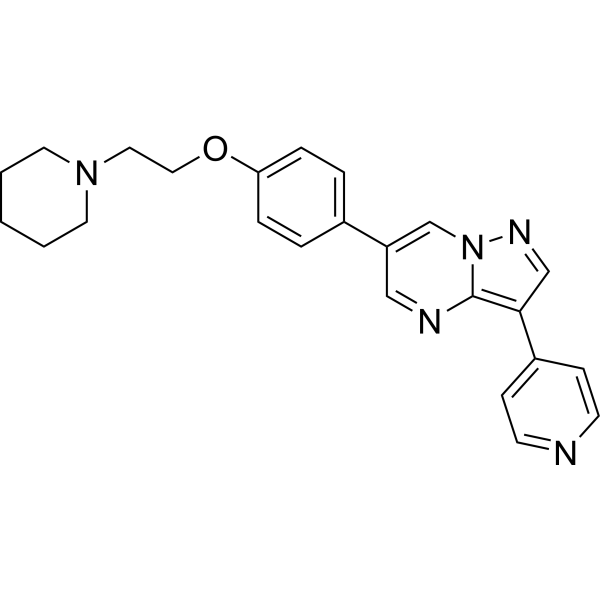
Dorsomorphin
Maximum Cited Publications
754 Publications Verification
Compound C; BML-275
|
Organoid
AMPK
TGF-β Receptor
Autophagy
|
Cancer
|
|
Dorsomorphin (Compound C) is a selective and ATP-competitive AMPK inhibitor (Ki=109 nM in the absence of AMP). Dorsomorphin (BML-275) selectively inhibits BMP type I receptors ALK2, ALK3, and ALK6. Dorsomorphin can reverse autophagy activation and anti-inflammatory effect of Urolithin A (HY-100599) .
|
-
-
- HY-13418
-
|
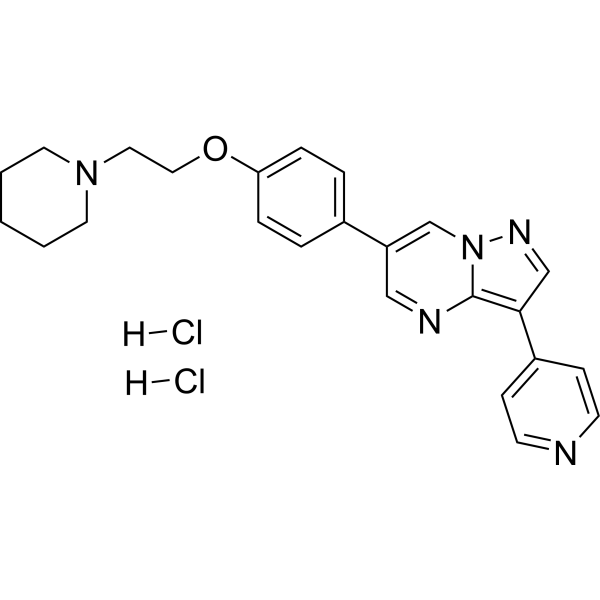
Compound C dihydrochloride; BML-275 dihydrochloride
|
Organoid
AMPK
TGF-β Receptor
Autophagy
|
Cancer
|
|
Dorsomorphin (Compound C) dihydrochloride is a potent, selective and ATP-competitive AMPK inhibitor, with a Ki of 109 nM. Dorsomorphin dihydrochloride inhibits BMP pathway by targeting the type I receptors ALK2, ALK3, and ALK6. Dorsomorphin dihydrochloride can reverse autophagy activation and anti-inflammatory effect of Urolithin A (HY-100599).
|
-
-
- HY-13977A
-
|
|
Apoptosis
|
Neurological Disease
|
|
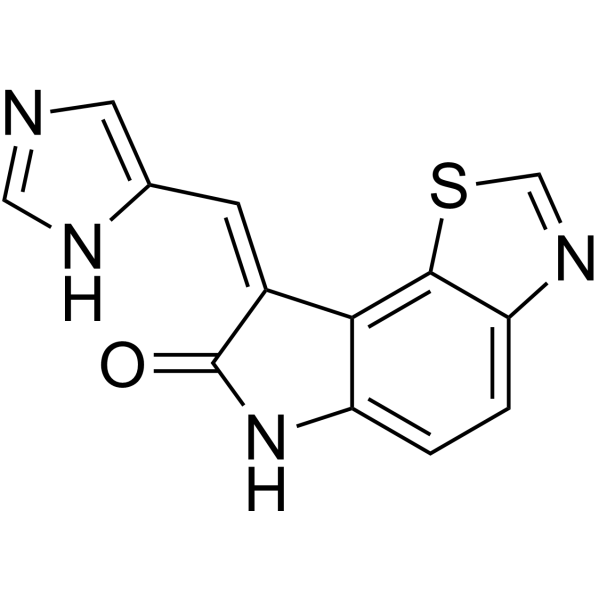
PKR-IN-C16 (Compound C16) is a specific double-stranded RNA-dependent protein kinase (PKR) inhibitor. PKR-IN-C16 shows promising neuroprotective properties and can rescue acute brain lesions .
|
-
-
- HY-149652
-
|
|
Toll-like Receptor (TLR)
|
Inflammation/Immunology
|
|
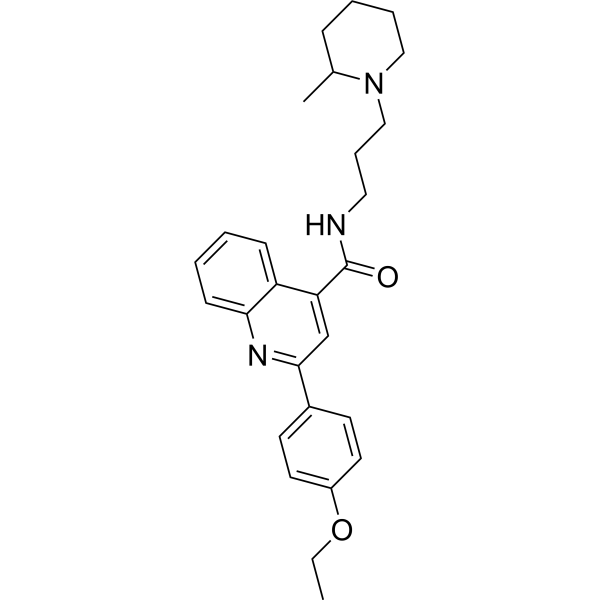
IRF5-IN-1 (Compound C5) is a conformationally locked inhibitor for SLC15A4. IRF5-IN-1 blocks the downstream IRF5 activation, inhibits the TLR7/8 signaling pathway. IRF5-IN-1 exhibits anti-inflammatory responses .
|
-
-
- HY-131649
-
|
|
DNA/RNA Synthesis
|
Cancer
|
|
Compound C108 is a G3BP2 inhibitor. Compound C108 also targeted stress granule-associated proteins and Gtpase-activating protein (SH3 domain) binding protein 2. Compound C108 potently inhibits esophageal squamous cell carcinoma (ESCC) cell metastasis .
|
-
-
- HY-100445A
-
-
-
- HY-112914
-
|
|
mTOR
Autophagy
|
Cancer
|
|
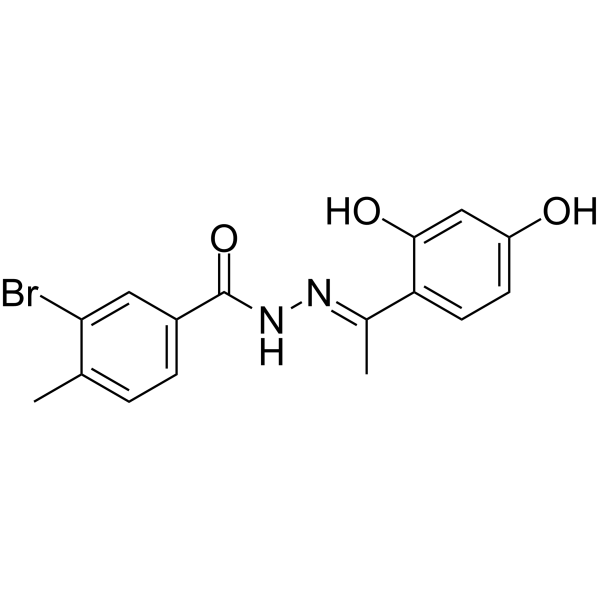
mTOR inhibitor-1 (Compound C-4) is an ATP-Competitive mTOR inhibitor which can suppress cells proliferation and inducing autophagy .
|
-
-
- HY-100445
-
-
-
- HY-149992
-
|
|
MyD88
|
Inflammation/Immunology
Cancer
|
|
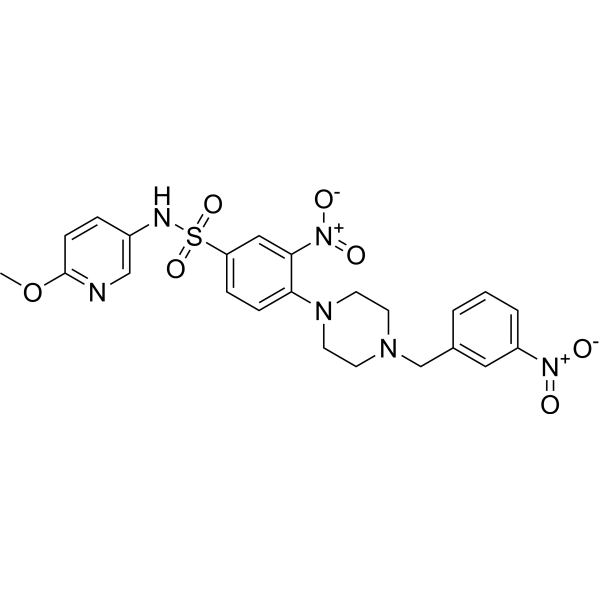
MyD88-IN-1 (Compound c17) is an orally active MyD88 inhibitor. MyD88-IN-1 inhibits the interaction of TLR4 and MyD88 and suppressed the NF-κB pathway. MyD88-IN-1 can be used in research of cancer and inflammatory .
|
-
-
- HY-128342
-
|
|
Complement System
|
Inflammation/Immunology
|
|
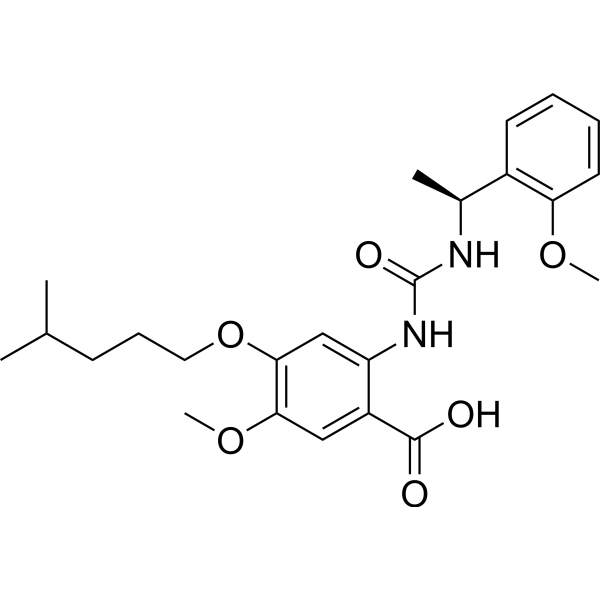
Compound C5-IN-1 (Compound 7) is a selective allosteric inhibitor of complement component protein C5. Compound C5-IN-1 prevents C5 from being cleaved by C5 convertase, inhibits the cleavage of C5 into C5a and C5b, and thus blocks the formation of membrane attack complex (MAC). Compound C5-IN-1 has an IC50 of 0.77 μM and 5 nM in 50% human whole blood and 2% human serum to block MAC deposition induced by zymosan, respectively. Compound C5-IN-1 can be used to study diseases related to complement overactivation, such as paroxysmal nocturnal hemoglobinuria (PNH) and atypical hemolytic uremic syndrome (aHUS) .
|
-
-
- HY-172509
-
-

-
- HY-13418G
-
|
Compound C dihydrochloride; BML-275 dihydrochloride
|
AMPK
|
Neurological Disease
Cancer
|
|
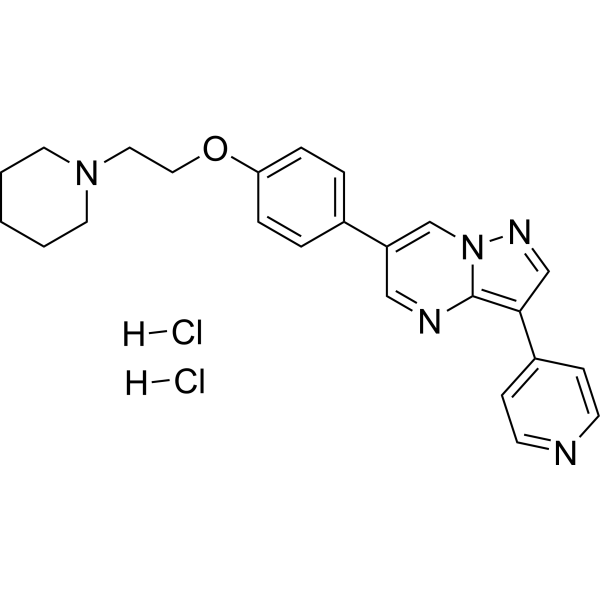
Dorsomorphin dihydrochloride (GMP) is the GMP level of Dorsomorphin dihydrochloride (HY-13418). GMP guidelines are used to produce Dorsomorphin dihydrochloride (GMP). GMP small molecules works appropriately as an auxiliary reagent for cell research manufacture. Dorsomorphin dihydrochloride (GMP) is a potent, selective and ATP-competitive AMPK inhibitor. Dorsomorphin dihydrochloride (GMP) can be used for the research of induced differentiation of pluripotent stem cells (PSCs) .
|
-
-
- HY-148059
-
|
B-Raf IN 10
|
Raf
|
Cancer
|
|
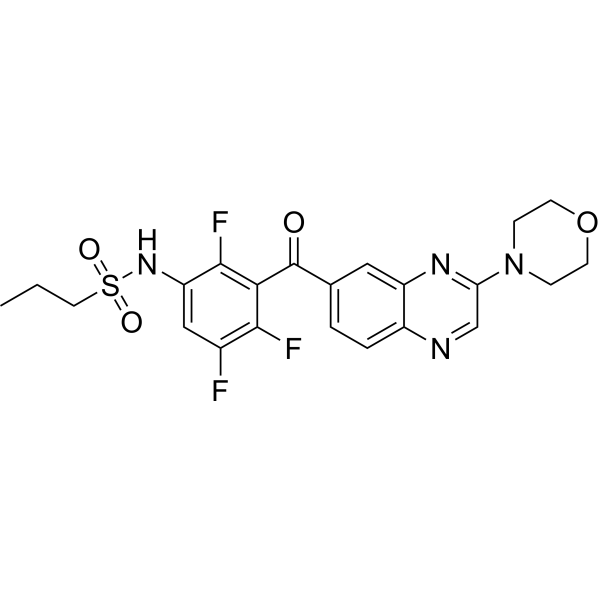
Uplarafenib (B-Raf IN 10) (Compound C09) is a BRAF inhibitor with an IC50 between 50 and 100 nM. Uplarafenib shows antitumor activity .
|
-
-
- HY-159604
-
|
|
METTL3
|
Cancer
|
|
METTL3-IN-9 (compound C3) is an inhibitor of methyltransferase-like METTL3, an RNA methyltransferase that catalyzes the N6-methyladenosine (m6A) modification of mRNA in eukaryotic cells .
|
-

-
- HY-155170
-
|
|
Histone Methyltransferase
|
Cancer
|
|
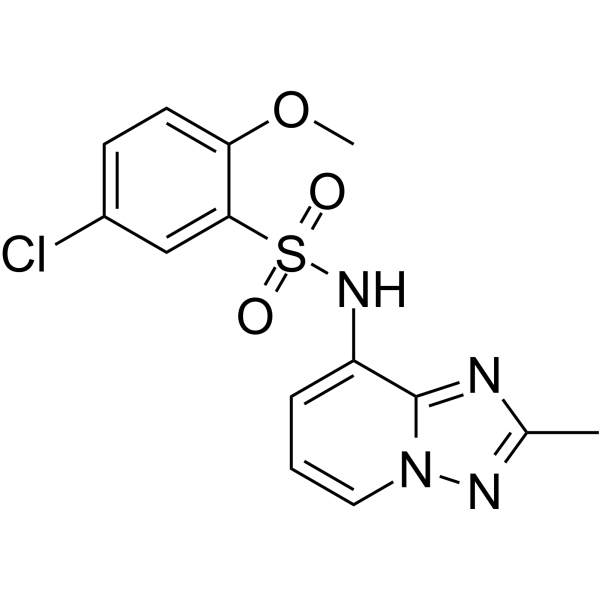
MTDH-SND1 blocker 1 (compound C26-A6) is an inhibitor of the MTDH-SND1 protein. MTDH-SND1 blocker 1 inhibits cancer metastasis .
|
-
-
- HY-155664
-
|
|
Glutathione Peroxidase
Ferroptosis
|
Cancer
|
|
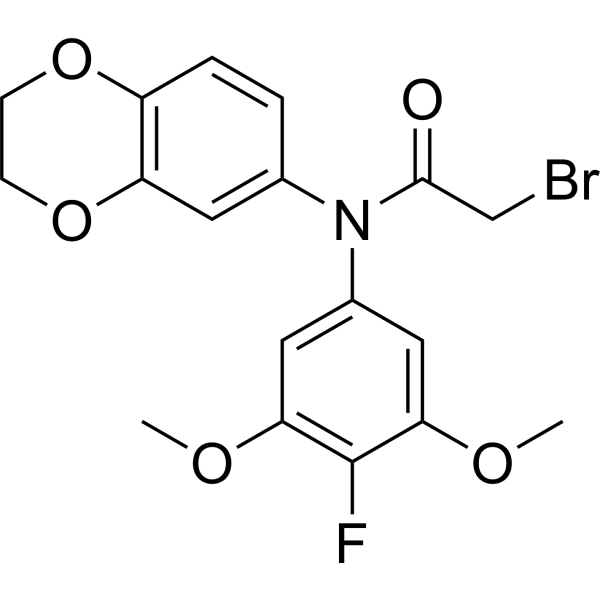
GPX4-IN-6 (Compound C25) is a GPX4 covalent inhibitor with an IC50 value of 0.13 μM. GPX4-IN-6 (Compound C25) can induce ferroptosis for the research of triple-negative breast cancer (TNBC) .
|
-
-
- HY-155506
-
|
|
NAMPT
|
Cancer
|
|
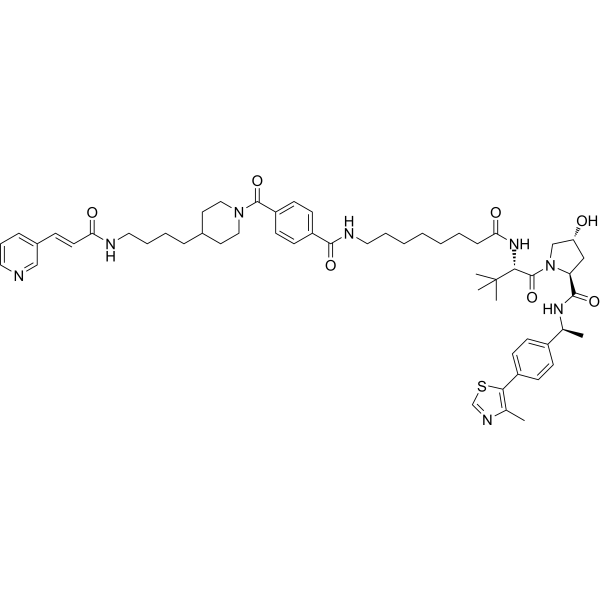
NAMPT degrader-3 (compound C5) is a NAMPT degrader, depending on VHL- and proteasome manner. NAMPT degrader-3 displays cytotoxicity and inhibits A2780 cells proliferation .
|
-
-
- HY-173313
-
|
|
Ferroptosis
|
Cardiovascular Disease
|
|
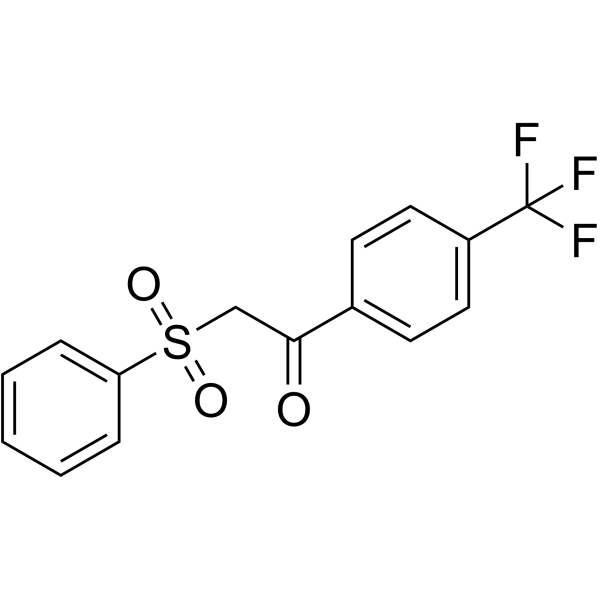
Ferroptosis-IN-19 (compound C18) is a strong cellular ferroptosis inhibitor with an IC50 value of 0.097 μM. Ferroptosis-IN-19 shows high metabolic stability and favorable BBB permeability prediction. Ferroptosis-IN-19 has in vivo neuroprotection against ischemic brain injury in mice .
|
-

-
- HY-151627
-
-
-
- HY-136808
-
|
|
Androgen Receptor
Arp2/3 Complex
|
Cancer
|
|
Pfn1-IN-1 (compound C1) is a Pfn1 inhibitor that inhibits the angiogenic capacity of endothelial cells (EC). Pfn1 is a regulator of the actin cytoskeleton, inducing actin polymerization and essential cellular activities. Pfn1-IN-1 inhibits Pfn1-Actin interaction and Actin polymerization.
|
-

-
- HY-W106057
-
|
|
11β-HSD
|
Neurological Disease
Metabolic Disease
|
|
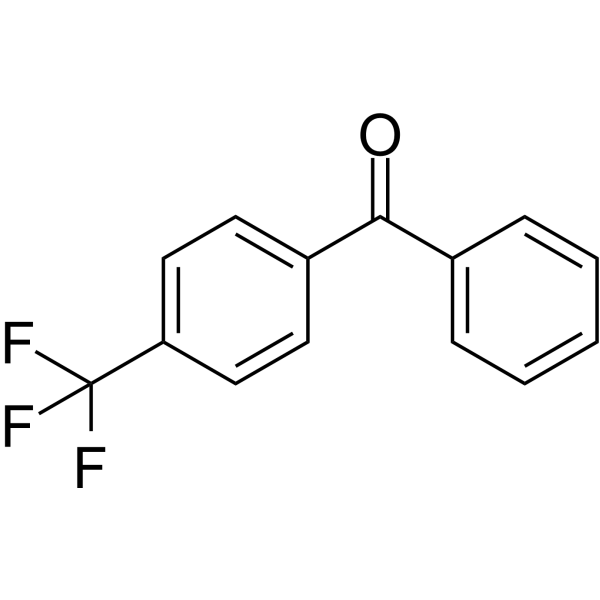
11β-HSD1-IN-7 (compound c10a) is a 11β HSD1 inhibitor with an IC50 value of 1.9 μM for human 11β HSD1. 11β-HSD1-IN-7 can be used for the research of diabetes and cognitive decline .
|
-
-
- HY-172911
-
|
|
SHP2
|
Cancer
|
|
SHP2-IN-37 (compound C5) is a potent and selective SHP2 allosteric inhibitor with an IC50 of 0.023 μM. SHP2-IN-37 exhibits antiproliferative effect on KYSE-520 and MV-411 cells with IC50s of 6.97 and 0.67 μM, respectively
|
-

-
- HY-158143
-
-

-
- HY-128214
-
|
|
IMPDH
Parasite
|
Infection
|
|
IMPDH-IN-3 (Compound C67) is an inhibitor of C. parvum IMPDH (CpIMPDH) with an IC50 of 35 nM. IMPDH-IN-3 can be used in the research of anti-Cryptosporidium drugs .
|
-

-
- HY-150156
-
|
|
Drug Derivative
|
Inflammation/Immunology
|
|
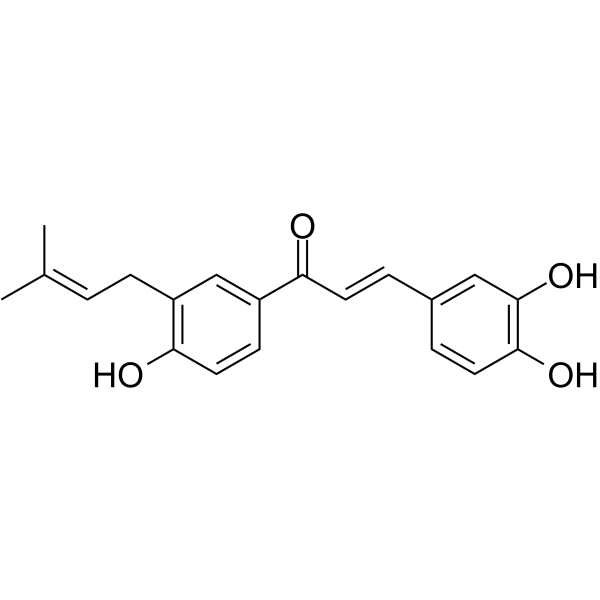
Anti-inflammatory agent 32 (compound C3) has anti-oxidative and anti-inflammatory activity. Anti-inflammatory agent 32 can be used for skin care products research and development .
|
-
-
- HY-142693
-
|
|
HIF/HIF Prolyl-Hydroxylase
|
Metabolic Disease
|
|
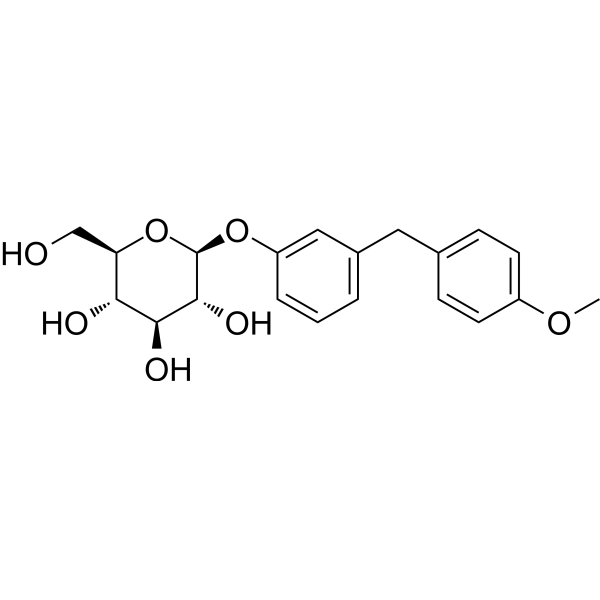
Angiogenesis agent 1 (compound C-31) is a salidroside-derivated glycoside analogue. Angiogenesis agent 1 is an activator of the HIF-1α pathway. Angiogenesis agent 1 has the potential for the research of diabetic hind limb ischemia .
|
-
-
- HY-168883
-
|
|
Apoptosis
Pyruvate Kinase
|
Cancer
|
|
PKM2 modulator 2 (compound C599) is a potent PKM2 inhibitor. PKM2 modulator 2 shows antiproliferative activity. PKM2 modulator 2 induces apoptosis. PKM2 modulator 2 has the potential for the research of glioblastoma .
|
-

-
- HY-170818
-
|
|
HSP
|
Cancer
|
|
Grp94 Inhibitor-3 (Compound C6) is a selective glucose regulated protein 94 (Grp94) inhibitor with an affinity of 5.52 μM. Grp94 Inhibitor-3 is promising for research of primary open-angle glaucoma and metastatic cancer .
|
-

-
- HY-W129359
-
|
|
11β-HSD
|
Neurological Disease
Metabolic Disease
|
|
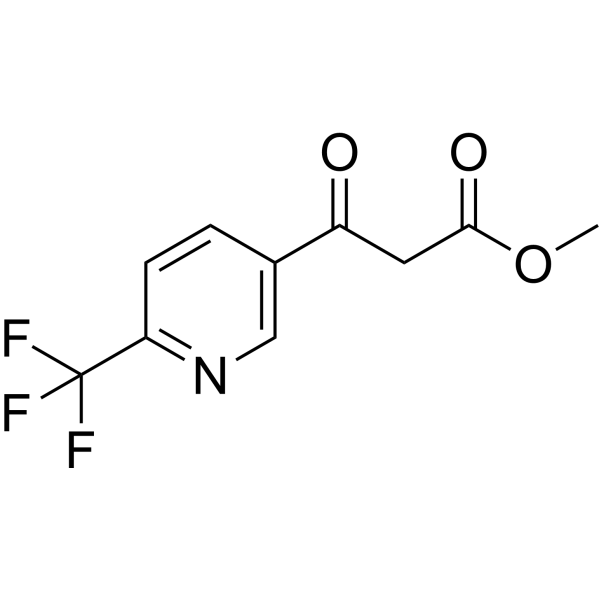
11β-HSD1-IN-8 (compound c6a) is a 11β HSD1 inhibitor with an IC50 value of 2.3 μM for human 11β HSD1. 11β-HSD1-IN-8 can be used for the research of diabetes and cognitive decline .
|
-
-
- HY-164799
-
|
|
FXR
|
Inflammation/Immunology
|
|
FXR agonist 12 (Compound C7) is the orally active agonist for FXR. FXR agonist 12 down-regulates bile acid synthesis-related genes, and up-regulates bile acid transport-related genes in HepG2 cells. FXR agonist 12 improves ANIT-induced cholestasis, ameliorates the liver damage and fibrosis in mouse NASH models .
|
-

-
- HY-161379
-
|
|
CDK
|
Cancer
|
|
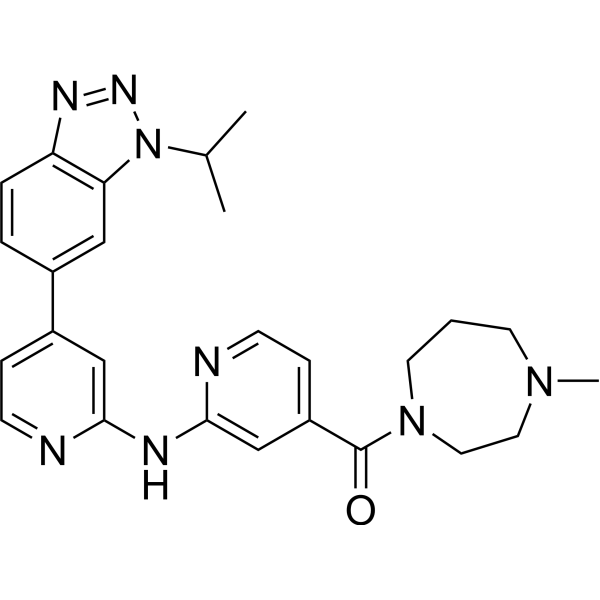
CLZX-205 (compound C-7) is a selective inhibitor of CDK9, with the IC50 of 2.9 nM. CLZX-205 plays an important role in cancer research .
|
-
-
- HY-146616
-
|
|
Glutaminase
|
Cancer
|
|
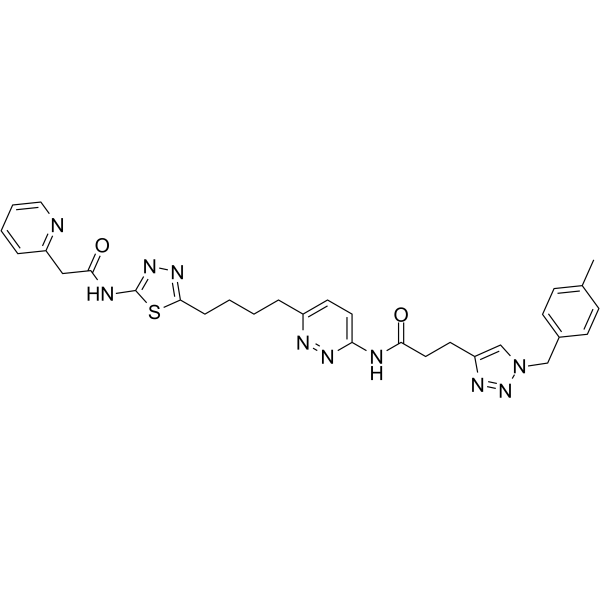
GLS1 Inhibitor-3 (compound C147) is a potent GLS1 inhibitor with an IC50 of 27.98 nM. GLS1 Inhibitor-3 shows antiproliferative activity .
|
-
-
- HY-177042
-
|
|
HSP
Fungal
|
Infection
Cancer
|
|
Hsp90-IN-41 (Compound C1) is an inhibitor of Hsp90 (IC50 = 0.044 μM). Hsp90-IN-41 exhibits antifungal and antitumor (IC50 = 0.049 μM) activities in vitro .
|
-

-
- HY-155791
-
|
|
ADC Linker
|
Cancer
|
|
SMCC-NH-CH2-triazole-PEG8-oxydiacetamide-Lys(MTT)-PAB (Page 7, Compound C) is an ADC linker that can be used for the synthesis of antibody-conjugated active molecules (ADC) .
|
-

-
- HY-162506
-
|
|
IGF-1R
|
Cancer
|
|
IGF-1R inhibitor-3 (Compound C11) is an allosteric inhibitor for insulin-like growth factor receptor 1 kinase (IGF-1R), with an IC50 of 0.2 μM .
|
-

-
- HY-150623
-
|
|
SARS-CoV
|
Infection
|
|
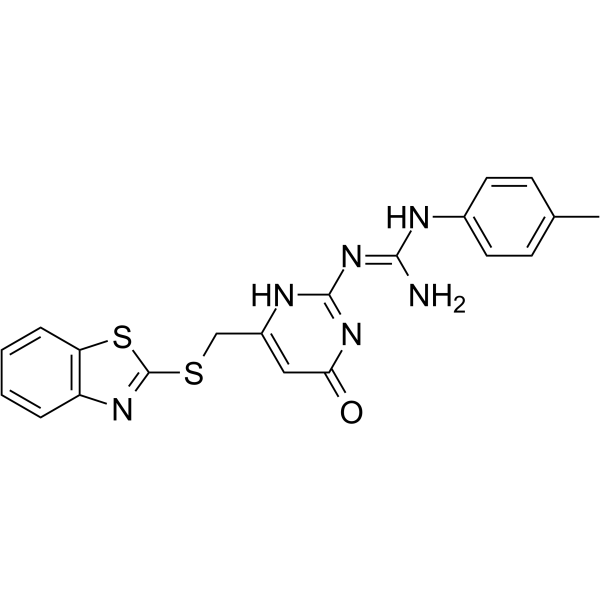
SARS-CoV-2 nsp13-IN-2 (Compound C2) is a SARS-CoV-2 non-structural protein 13 (nsp13) small-molecule inhibitor with an IC50 of 42 μM against nsp13 ssDNA + ATPase .
|
-
-
- HY-143769
-
|
Cap-dependent endonuclease-IN-15
|
Influenza Virus
|
Infection
|
|
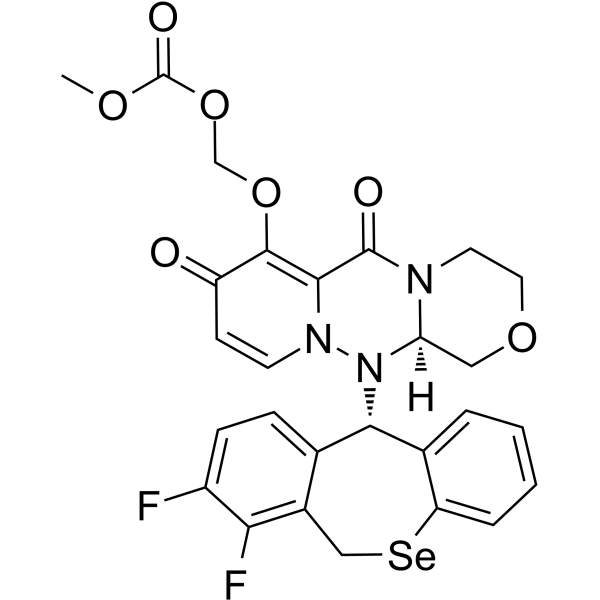
Sebaloxavir marboxil (Cap-dependent endonuclease-IN-15) (Compound c-1) is a potent inhibitor of cap-dependent endonuclease (CEN). Sebaloxavir marboxil inhibits the replication of influenza virus. Sebaloxavir marboxil has the potential for the research of viral infections caused by influenza viruses .
|
-
-
- HY-180491
-
|
|
Biochemical Assay Reagents
|
Others
|
|
2-(3-(Azidomethyl)-2-formyl-6-methylphenoxy)acetic acid (Compound C1-4) is an azide reagent. 2-(3-(Azidomethyl)-2-formyl-6-methylphenoxy)acetic acid can be used in studies of protein fixed-point azidation .
|
-

-
- HY-13418R
-
|
Compound C dihydrochloride (Standard); BML-275 dihydrochloride (Standard)
|
Organoid
AMPK
TGF-β Receptor
Autophagy
Reference Standards
|
Cancer
|
|
Dorsomorphin (dihydrochloride) (Standard) is the analytical standard of Dorsomorphin (dihydrochloride). This product is intended for research and analytical applications. Dorsomorphin (Compound C) dihydrochloride is a potent, selective and ATP-competitive AMPK inhibitor, with a Ki of 109 nM. Dorsomorphin dihydrochloride inhibits BMP pathway by targeting the type I receptors ALK2, ALK3, and ALK6. Dorsomorphin dihydrochloride can reverse autophagy activation and anti-inflammatory effect of Urolithin A (HY-100599).
|
-

-
- HY-13844
-
|
|
PDK-1
|
Cancer
|
|
PDK1-IN-3 (Compound C) is a PDK1 inhibitor, with an IC50 of 34 nM .
|
-

-
- HY-168063
-
|
|
Bacterial
|
Infection
|
|
Antibiofilm agent-11 (compound C12) is a xanthone derivative with anti-biofilm activity .
|
-

-
- HY-139757
-
-
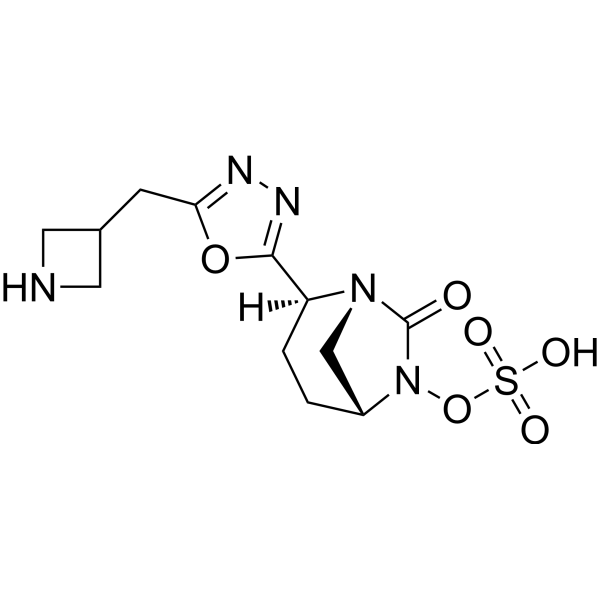
-
- HY-163128
-
-
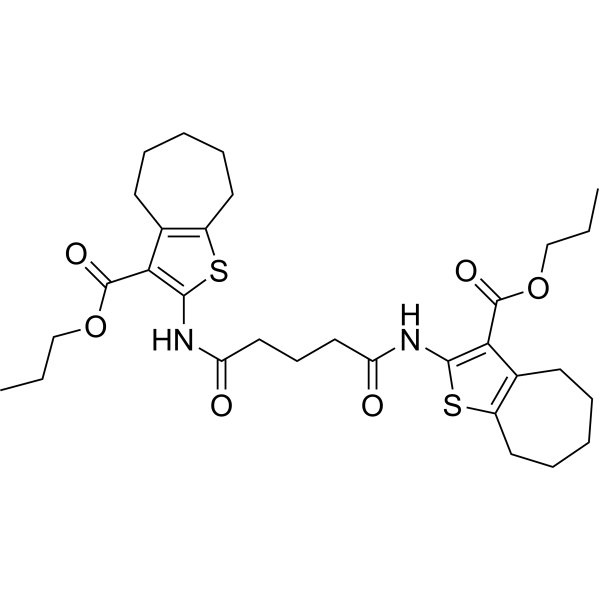
-
- HY-163635
-
|
|
Fungal
|
Infection
|
|
Antifungal agent 102 (compound C20) is a antifungal agent aganist B. cinerea with the EC50 of 1.23 μg/mL .
|
-

-
- HY-49073
-
|
|
p38 MAPK
|
Cancer
|
|
p38 MAP Kinase Inhibitor VI (compound c32) is a p38 MAPK inhibitor with an inhibition rate of 24% .
|
-
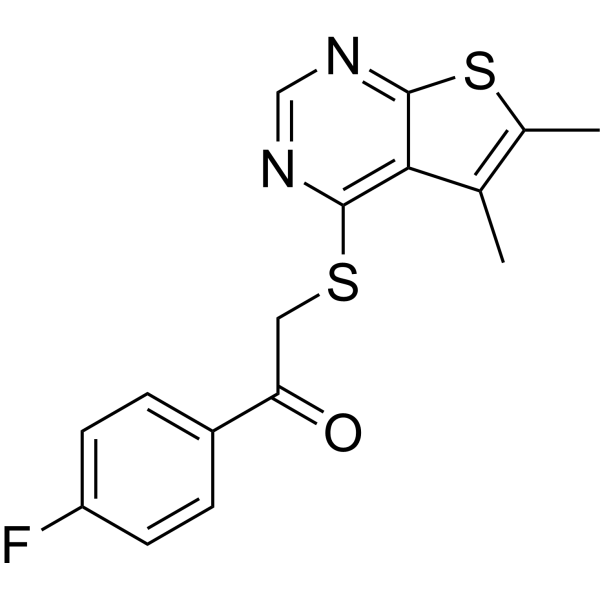
-
- HY-49373
-
-

-
- HY-135866
-
|
|
Ras
|
Cancer
|
|
KRAS inhibitor-8 is a potent KRAS G12C inhibitor, extracted from patent WO2017087528A1, compound C .
|
-
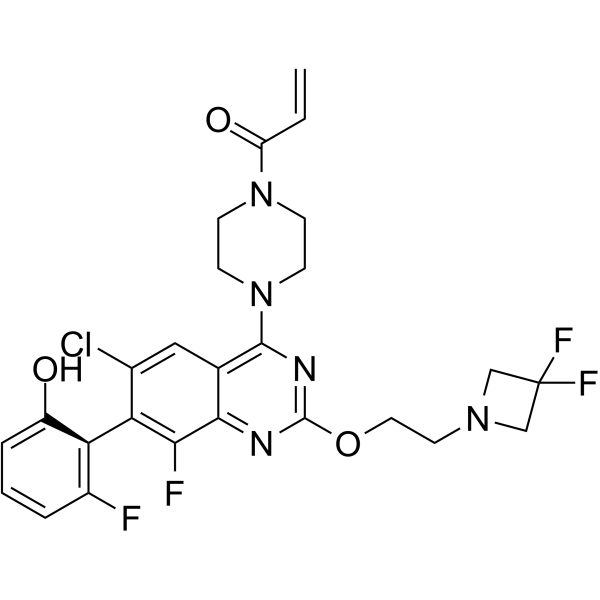
-
- HY-162295
-
|
|
SARS-CoV
|
Infection
|
|
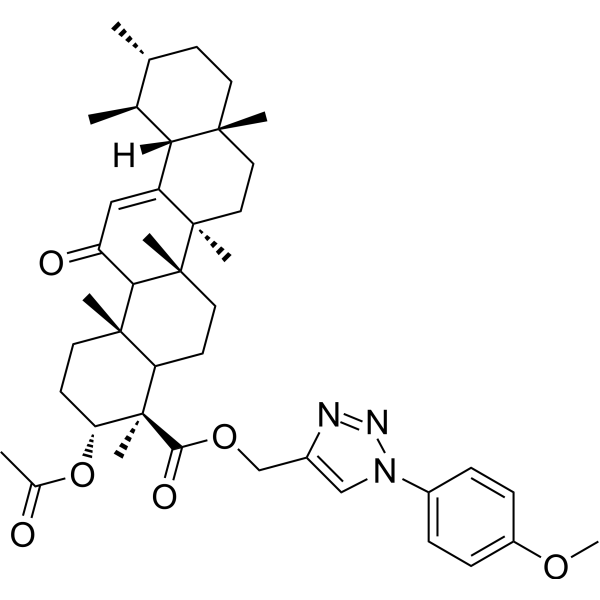
SARS-CoV-2-IN-83 (compound C6E) has excellent activity against SARS CoV-2 spike protein .
|
-
-
- HY-116095
-
-

-
- HY-154809
-
|
|
Drug Isomer
|
Others
Cancer
|
|
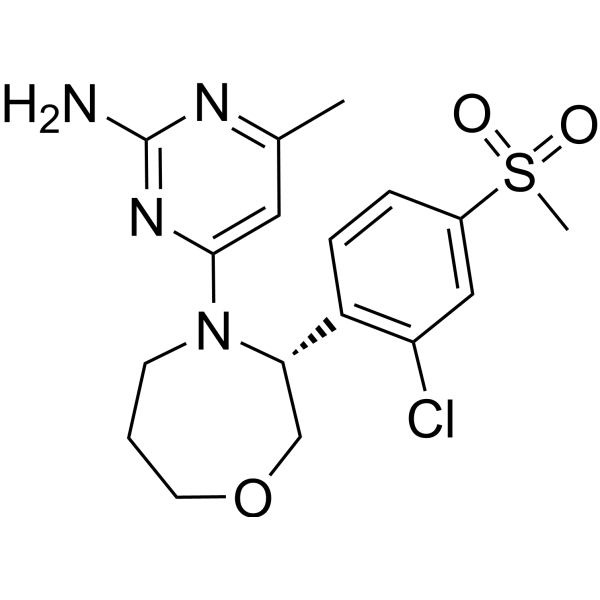
(compound C-155) is a enantiomer of M3913. M3913 (HY-153359) is an antitumor compound. M3913 has antiproliferation activity against cancer cells .
|
-
- HY-175506
-
|
|
Parasite
Calcium Channel
|
Infection
|
|
RyRs activator 6 (compound C3) is a ryanodine receptor (RyRs) activator that activates calcium release in insect neurons. RyRs activator 6 has insecticidal activity .
|
-

- HY-139755
-
|
|
Bacterial
|
Infection
|
|
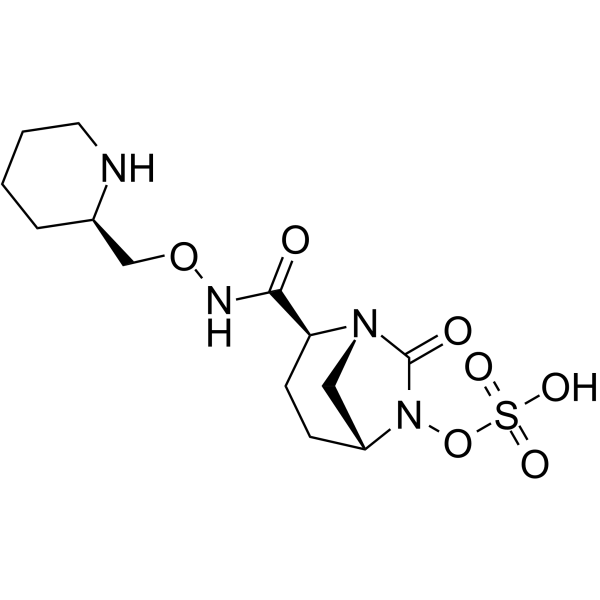
Antibacterial agent 38 is an antibacterial agent extracted from patent WO2015063714A1, compound C. Antibacterial agent 38 can be used for the research of bacterial infections .
|
-
- HY-168538
-
|
|
Paraptosis
|
Infection
|
|
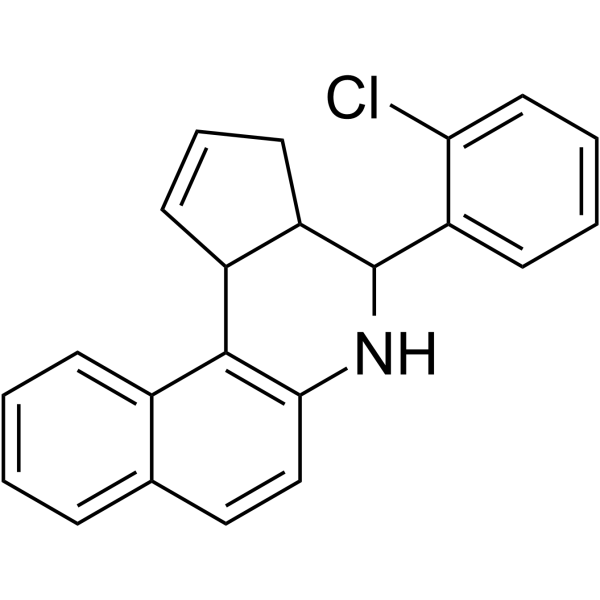
Antitrypanosomal agent 21 (Compound C-1) is a trypanosoma brucei inhibitor. Antitrypanosomal agent 21 decreases the level of D6XM23 in parasite lysates .
|
-

- HY-169685
-
-

- HY-146026
-
|
|
Androgen Receptor
|
Cancer
|
|
Androgen receptor antagonist 3 (Compound C18) is an androgen receptor (AR) antagonist with an IC50 of 2.4 μM. Androgen receptor antagonist 3 shows anticancer activities .
|
-
- HY-148432
-
|
|
HIV
|
Inflammation/Immunology
|
|
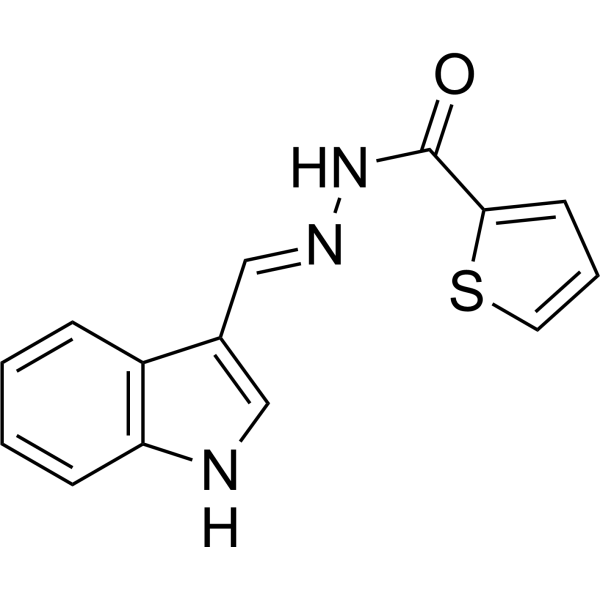
FGF22-IN-1 (compound c1) is a potent CD4 D1 inhibitor. FGF22-IN-1 can be used as immunosuppressive agent .
|
-
- HY-168764
-
-

- HY-146686
-
|
|
Cholinesterase (ChE)
|
Neurological Disease
|
|
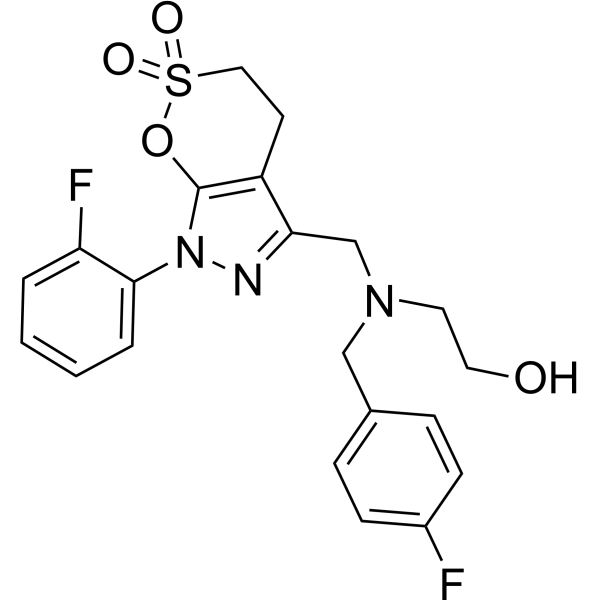
BuChE-IN-3 (Compound C4) is a potent inhibitor of BuChE with an IC50 of 8.3 nM. BuChE-IN-3 exhibits mild antioxidant capacity, nontoxicity, lipophilicity and neuroprotective activity .
|
-
- HY-146687
-
|
|
Cholinesterase (ChE)
|
Neurological Disease
|
|
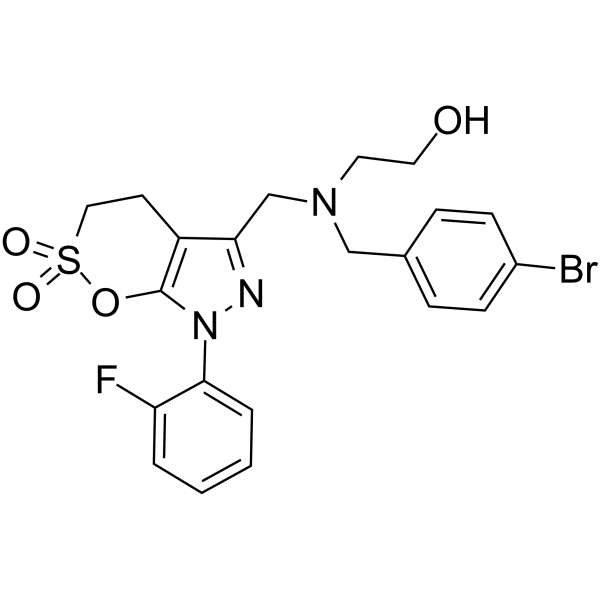
BuChE-IN-4 (Compound C6) is a potent inhibitor of BuChE with an IC50 of 7.7 nM. BuChE-IN-4 exhibits mild antioxidant capacity, nontoxicity, lipophilicity and neuroprotective activity .
|
-
- HY-162081
-
|
|
Btk
|
Cancer
|
|
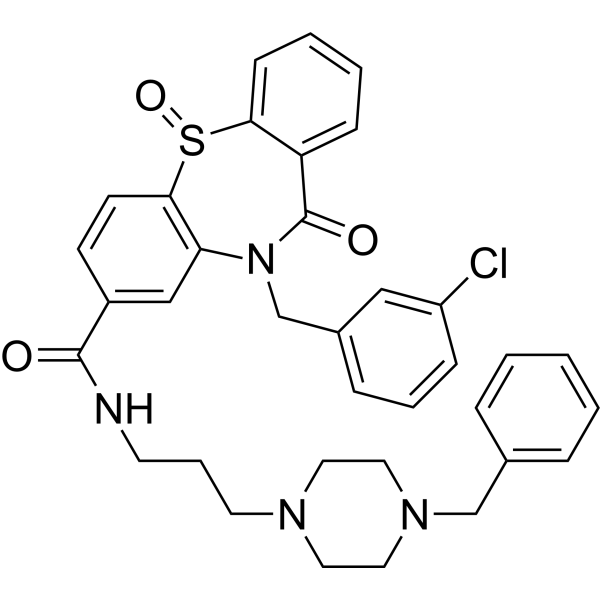
BTK-IN-32 (compound C2) is a potent inhibitor of BTK. BTK-IN-32 activates full-length BTK and smaller multidomain BTK fragments instead of the isolated kinase domain .
|
-
- HY-169735
-
|
|
Aurora Kinase
|
Cancer
|
|
Aurora A inhibitor 4 (compound C9) is a potent inhibitor of Aurora A, with the GI50 of 4.26 and 7.08 μM in DU 145 cells and HT-29 cells, respectively .
|
-

- HY-162370
-
|
|
Cytochrome P450
|
Infection
Cancer
|
|
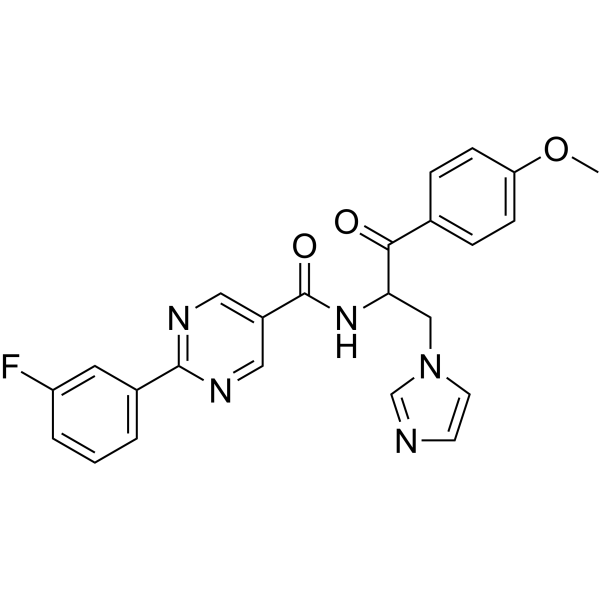
CYP51-IN-16 (compound C6) is a phenylpyrimidine CYP51 inhibitor, and shows antifungal activity in in vitro. CYP51-IN-16 inhibits tumor cell growth .
|
-
- HY-161432
-
|
|
Bacterial
|
Infection
|
|
Antimicrobial agent-29 (Compound C35) affects the interaction between human hemoglobin and Staphylococcus aureus IsdB hemophore. Antimicrobial agent-29 helps the discovery of IsdB:Hb PPI inhibitors .
|
-

- HY-162784
-
|
|
Fungal
Cytochrome P450
|
Infection
|
|
CYP51-IN-19 (compound C07) is a potent CYP51 inhibitor. CYP51-IN-19 stimulates reactive oxygen species (ROS) and exhibits potent fungicidal activity .
|
-

- HY-169111
-
|
|
SHP2
|
Cancer
|
|
SHP2-IN-32 (compound C6) is an orally active, allosteric SHP2 inhibitor with an IC50 value of 0.13 nM. SHP2-IN-32 exhibits antitumor activity .
|
-

- HY-162625
-
|
|
Microtubule/Tubulin
Apoptosis
|
Cancer
|
|
Tubulin inhibitor 47 (compound C11) is a potent tubulin inhibitor. Tubulin inhibitor 47 induces apoptosis and cell cycle arrest at the M phase. Tubulin inhibitor 47 shows anti-tumor activity .
|
-

- HY-169292
-
|
|
Glycosidase
Reactive Oxygen Species (ROS)
|
Cancer
|
|
Antitumor agent-188 (compound C6) exerts α-glucosidase inhibitory activity, and antitumor effects.Antitumor agent-188 induces excessive production of ROS to trigger oxidative stress .
|
-

- HY-169567
-
|
|
Pyruvate Kinase
|
Cancer
|
|
PKM2-IN-9 (compound C1) is a potent inhibitor of PKM2, with the inhibition rate of 75% at 50 μM. PKM2-IN-9 plays an important role in cancer research .
|
-

- HY-164290
-
|
|
Dynamin
|
Infection
Neurological Disease
|
|
Rhodady C10 (Compound C10) is a dynamin I GTPase inhibitor. Rhodady C10 blocks receptor-mediated endocytosis (IC50: 7 μM). Dynamin is involved in clathrin-independent endocytosis, phagocytosis, and caveolae internalization .
|
-

- HY-170691
-
|
|
Cholinesterase (ChE)
|
Neurological Disease
|
|
hAChE/hBuChE-IN-1 (compound C2) is a dual inhibitor of cholinesterase with IC50 values of 514 nM and 358 nM for hAChE and hBuChE respectively. hAChE/hBuChE-IN-1 has oral activity and improves cognition and spatial memory .
|
-

- HY-172123
-
|
|
DNA/RNA Synthesis
|
Infection
|
|
PRV-IN-1 (compound c14) shows significant anti-pseudorabies virus (PRV) potency and safety, with an EC50 of 14 pM and a CC50 of 343.7 μM. PRV-IN-1 significantly inhibits the replication of PRV .
|
-

- HY-148470A
-
|
|
Drug Derivative
|
Others
|
|
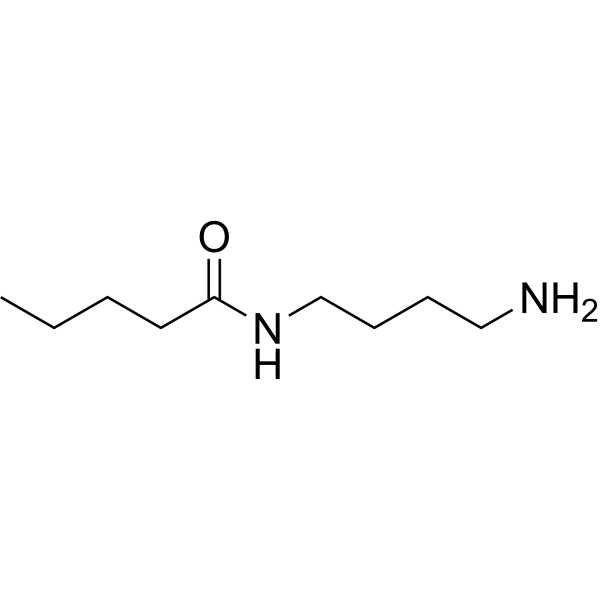
C4-Amide-C4-NH2 is an active compound. C4-Amide-C4-NH2 can be used in a variety of biochemical studies.
|
-
- HY-147835
-
|
|
Bacterial
|
Infection
|
|
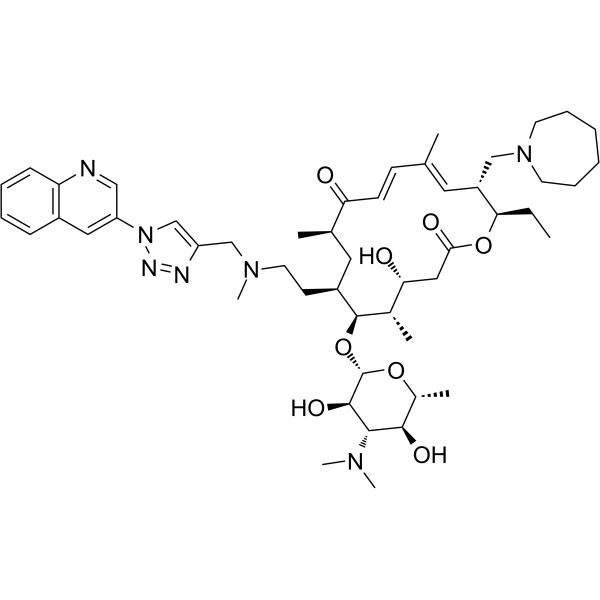
Antibacterial agent 109 (Compound C-2) is a potent antibacterial agent against both gram-positive and gram negative bacteria, and non-mutagenic. Antibacterial agent 109 inhibits protein synthesis by blocking the extension of new peptide chains .
|
-
- HY-154967
-
|
|
RSV
|
Infection
|
|
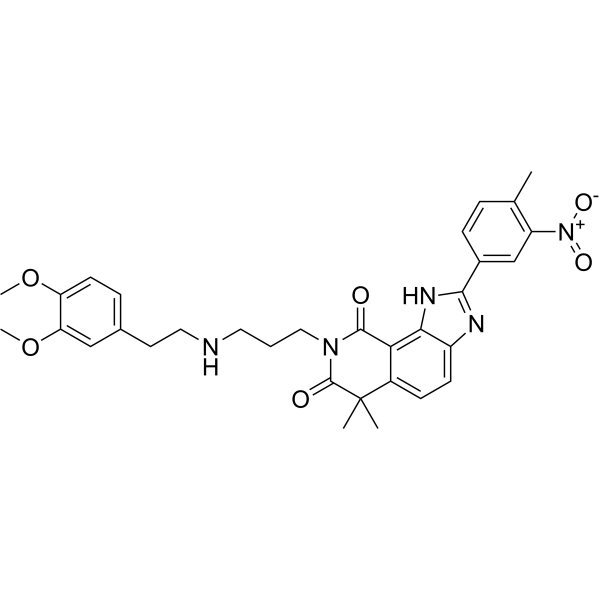
RSV L-protein-IN-4 (Compound C) is a noncompetitive RSV polymerase inhibitor (IC50: 0.88 μM). RSV L-protein-IN-4 shows antiviral activity against RSV strains (EC50: 0.25 μM) .
|
-
- HY-157391
-
-
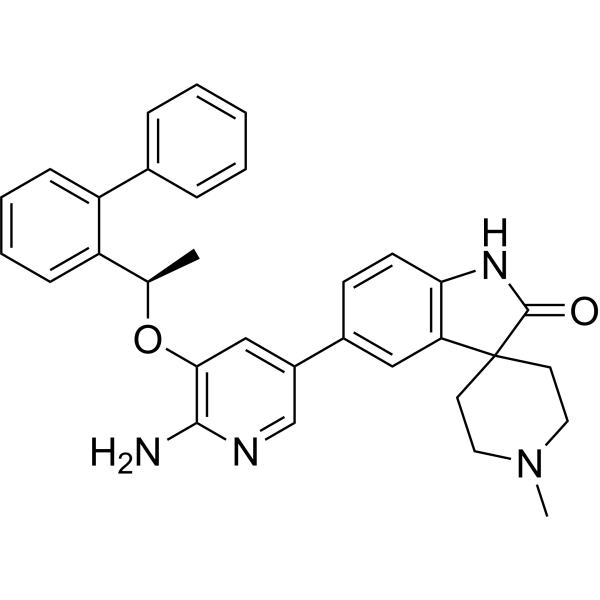
- HY-168882
-
|
|
Apoptosis
Pyruvate Kinase
|
Cancer
|
|
PKM2 modulator 1 (compound C998) is a potent PKM2 inhibitor. PKM2 modulator 1 shows antiproliferative activity. PKM2 modulator 1 induces apoptosis. PKM2 modulator 1 has the potential for the research of glioblastoma .
|
-

- HY-161281
-
|
|
Glycosidase
|
Metabolic Disease
|
|
α-Glucosidase-IN-49 (compound C23) is a potent inhibitor of α-Glucosidase, with IC50 of 0.52 μM. α-Glucosidase-IN-49 has oral bioactivity that can reduce blood glucose and improve glucose tolerance in mice .
|
-
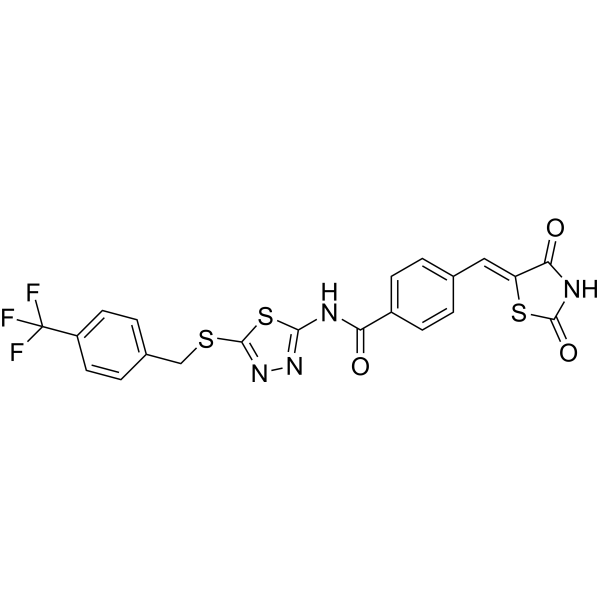
- HY-162820
-
|
|
Bcl-2 Family
|
Cancer
|
|
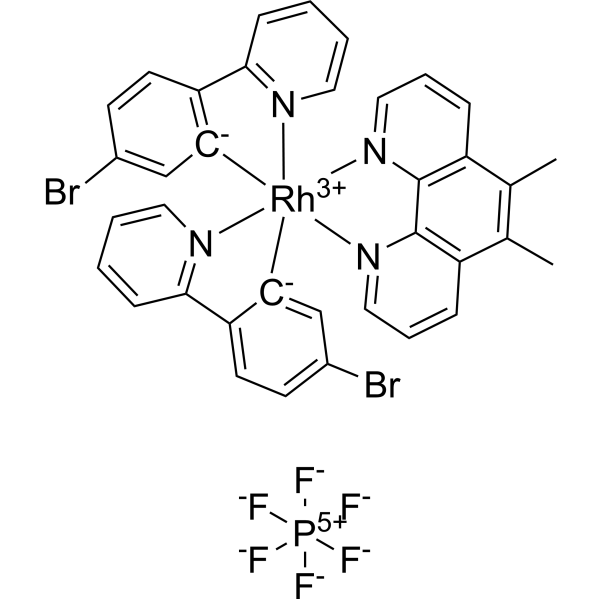
Bcl-2-IN-21 (compound C1) is an iridium compound with anticancer activity that targets and inhibits Bcl-2. Bcl-2-IN-21 inhibits colony formation of cancer cells and induces elevated levels of Bax and caspase 3 .
|
-

- HY-150624
-
|
|
SARS-CoV
|
Infection
|
|
SARS-CoV-2 nsp13-IN-3 (Compound C3) is a SARS-CoV-2 non-structural protein 13 (nsp13) small-molecule inhibitor with an IC50 of 32 μM against nsp13 ssDNA + ATPase .
|
-
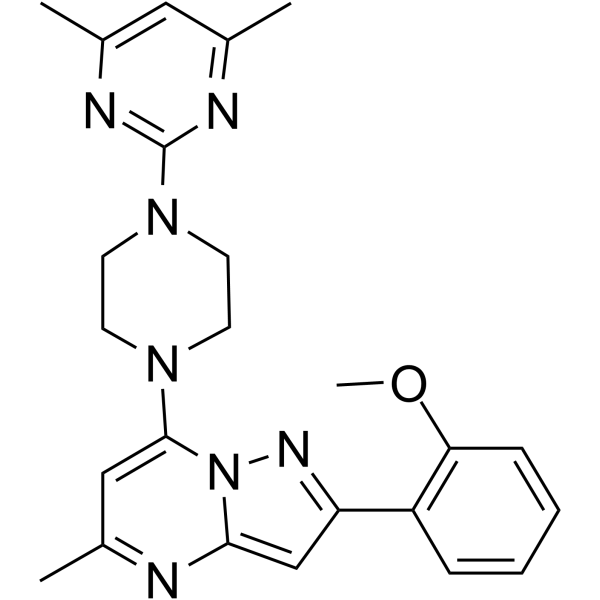
- HY-157870
-
|
|
Bacterial
|
Infection
|
|
Mtb-IN-6 (Compound C10) is a Mycobacterium tuberculosis(Mtb) respiration inhibitor. Mtb-IN-6 can enhance the bactericidal activity of isoniazid (INH, HY-B0329). Mtb-IN-6 inhibits WT Mtb with an IC50 of 25 µM .
|
-
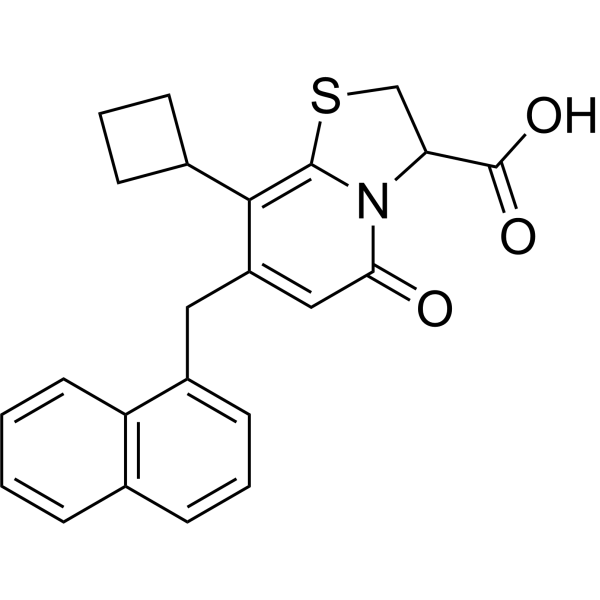
- HY-173514
-
|
|
SARS-CoV
|
Infection
|
|
SARS-CoV-2 Mpro-IN-42 (compound C5) is a potent SARS-CoV-2 Mpro inhibitor with an IC50 of 33.6 nM. SARS-CoV-2 Mpro-IN-42 can be used in the study of SARS-CoV-2 .
|
-

- HY-168724
-
|
|
PARP
E3 Ligase Ligand-Linker Conjugates
|
Cancer
|
|
Thalidomide-piperidine-C-Pip-C2-Pip-C2-OH (Compound C6) is a conjugate of the linker and E3 ligase ligand, that can be used in synthesis of PROTAC PARP1 degrader-30 (HY-168722) .
|
-

- HY-162046
-
|
|
Necroptosis
Ferroptosis
|
Cancer
|
|
Anticancer agent 178 (compound C2) is a potent anticancer agent. Anticancer agent 178 inhibits MDA-MB 231 cells proliferation and metabolic activity with IC50s of 1.1 and 4.2 μM. Anticancer agent 178 induces ferroptosis and necroptosis in cells .
|
-
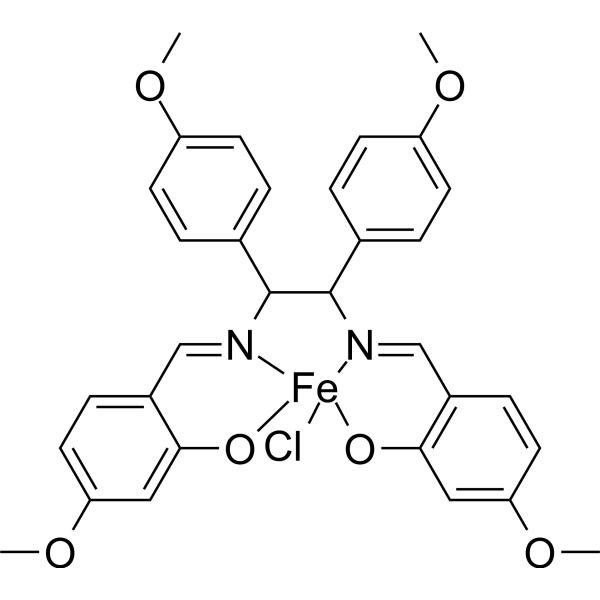
- HY-35513
-
|
|
MMP
|
Cancer
|
|
3-Aminobenzene-1,2-diol (compound C8) is a matrix metalloproteinase (MMP) inhibitor with IC50 values of 20, 26, 16 and 16.3 μM for MMP-2, MMP-8, MMP-9 and MMP-14, respectively .
|
-

- HY-161144
-
|
|
Akt
Apoptosis
|
Cancer
|
|
AKT-IN-21 (compound C36) is a potent AKT inhibitor with broad-spectrum cytotoxicity and anticancer activity. AKT-IN-21 also blocks the cell cycle and induces apoptosis of cancer cells by down-regulating the PI3K/AKT pathway .
|
-
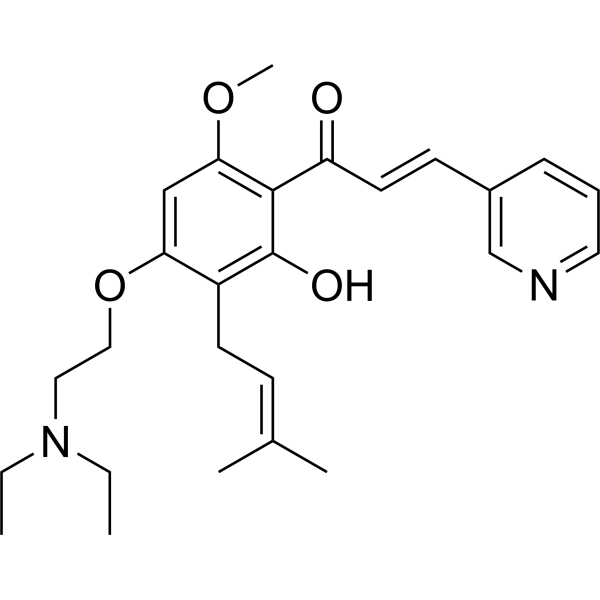
- HY-149242
-
|
|
Monoamine Oxidase
|
Neurological Disease
|
|
MAO-B-IN-20 (Compound C14) is a potent MAO-B inhibitor with an IC50 of 0.037 μM. MAO-B-IN-20 displays good metabolic stability and brain-blood barrier permeability. MAO-B-IN-20 can be used for the research of Parkinson's disease .
|
-
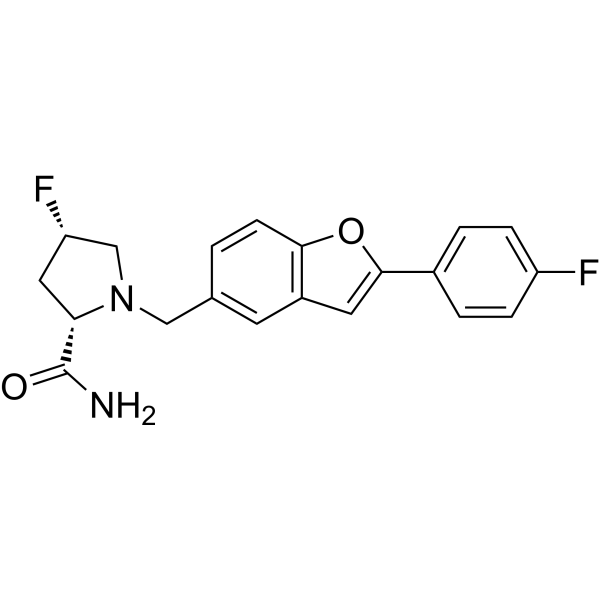
- HY-168944
-
|
|
Amylases
Glycosidase
|
Metabolic Disease
|
|
ABCB1-IN-4 (Compound C6z) is an orally active and potent dual α-amylase and α-glucosidase inhibitor with IC50 values of 1.63 μM and 0.14 μM, respectively. ABCB1-IN-4 is promising for research of diabetes .
|
-

- HY-163369
-
|
|
HDAC
|
Cancer
|
|
HDAC6-IN-35 (compound C4 (ZINC000077541942)) is a potent and BBB-penetrated HDAC6 inhibitor with the IC50 of 4.7 μM. HDAC6-IN-35 shows cell toxicity against MDA-MB-231 with EC50 of 40.6 μM .
|
-
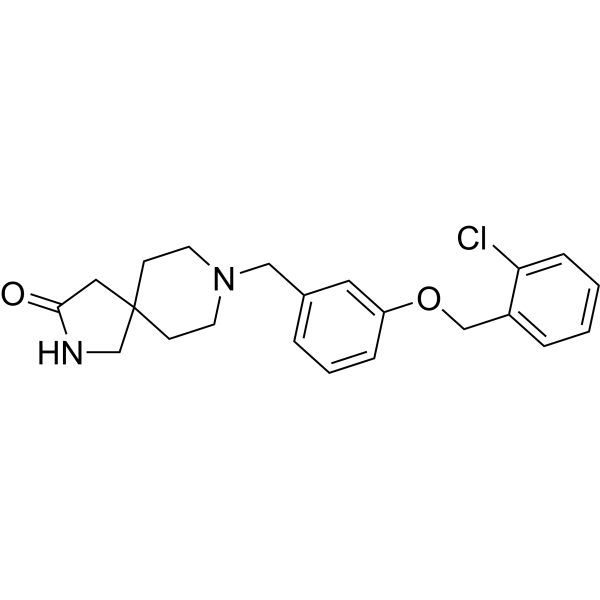
- HY-168503
-
-

- HY-170367
-
|
|
Bacterial
|
Infection
|
|
Antimicrobial agent-35 (Compound c9) exhibits antibacterial agent, that inhibits S. aureus, E. coli, E. faecalis, and S. maltophilia with MIC of 0.5-2 μg/mL. Antimicrobial agent-35 exhibits cytotoxicity against HT-22 with IC50 of 130.4 μg/mL .
|
-

- HY-170449
-
|
|
Ligands for E3 Ligase
|
Others
|
|
E3 ligase Ligand 48 is a CRBN ligand for PROTAC AR Degrader-9 (HY-170448). PROTAC AR Degrader-9 (Compound c6) is a PROTAC degrader for androgen receptor, that degrades AR in human hair follicle papilla cells (HDPCs) with a DC50 of 262.38 nM .
|
-

- HY-148153
-
|
|
Drug Derivative
|
Inflammation/Immunology
|
|
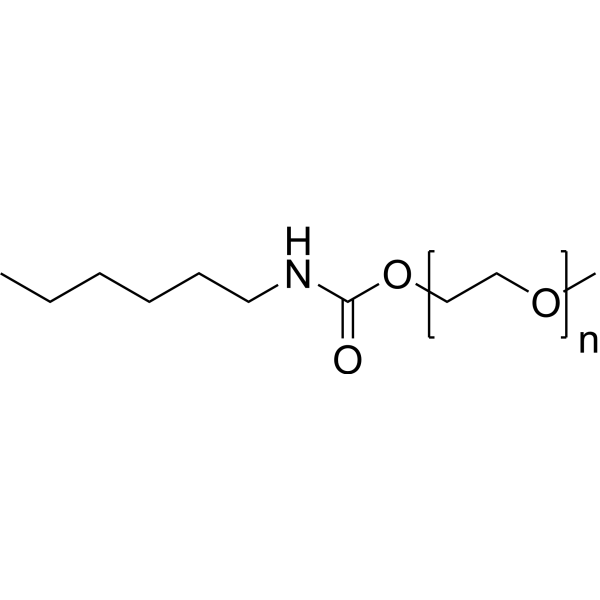
C6-Amide-(PEG)n-CH3 (n=310) is an active compound. C6-Amide-(PEG)n-CH3 is a small molecule moiety for PEGylation in Egaptivon pegol (HY-147079) that can be used for the research of platelet dysfunction disorders .
|
-
- HY-138969
-
|
10,11-EDP-EA; 10,11-EDP epoxide; 10,11-Epoxy docosapentaenoic ethanolamide
|
Drug Derivative
|
Others
|
|
(±)10(11)-EDP ethanolamide (10,11-EDP-EA) (compound C) is an ω-3 endocannabinoid epoxide derivative with antiangiogenic, antitumor and anti-migratory properties in osteosarcoma models.
|
-

- HY-181157
-
|
|
Histone Methyltransferase
|
Cancer
|
|
T/E PPI-IN-1 (Compound C87) is a TRIM28-EZH2 interaction inhibitor targeting reactive cysteines at the interface. T/E PPI-IN-1 can be used for the research of cancer .
|
-

- HY-114235
-
|
|
Drug Intermediate
|
Neurological Disease
|
|
SCP-1 (Compound C-1) is the key intermediate for synthesizing the non-opioid analgesic drug SRP-3D (DA). SCP-1 can be used for the research of neurological disease, such as pain-related diseases .
|
-

- HY-163961
-
|
|
E3 Ligase Ligand-Linker Conjugates
|
Cancer
|
|
(S)-Thalidomide-NH-cyclohexane-NH-Ph-NH2 (Compound C63) is the E3 ligase + linker of (HY-163938) PROTAC, which contains Thalidomide-based cereblon ligand and 1 linker and can be used for synthesis PROTAC .
|
-

- HY-182343
-
|
|
PROTACs
Mixed Lineage Kinase
|
Cancer
|
|
PROTAC MLKL Degrader-3 (compound C116) is a MLKL PROTAC degrader. PROTAC MLKL Degrader-3 induces proteasome- and cereblon-dependent MLKL degradation via ubiquitination. PROTAC MLKL Degrader-3 is applicable to the research of hepatocellular carcinoma .
|
-

- HY-179491
-
|
|
Others
|
Others
|
|
OTOP1-IN-1 (compound C2.2) is a potent zebrafish Otopetrin 1 (OTOP1) inhibitor with an IC50 of 6.67 µM. OTOP1-IN-1 exhibits selectivity for zebrafish OTOP1 over mOTOP1 and hOTOP1 .
|
-

- HY-181463
-
|
|
TRP Channel
FAAH
|
Others
|
|
20-Hydroxy-N-arachidonoyl taurine (Compound C20:4 NAT) acts as an activator of TRPV1 and TRPV4, with EC50 values of 28 µM and 21 µM, respectively. 20-Hydroxy-N-arachidonoyl taurine serves as a substrate for fatty acid amide hydrolase (FAAH) .
|
-

- HY-180243
-
|
|
Cholinesterase (ChE)
|
Neurological Disease
|
|
AChE-IN-102 (compound C8) is a potent, selective and competitive AChE inhibitor with a Ki of 7.55 nM and an IC50 of 15.25 nM. AChE-IN-102 shows selectivity over BuChE (IC50 = 21.15 nM, b>Ki = 6.17 nM). AChE-IN-102 can be used for Alzheimer’s disease research .
|
-

- HY-W324220
-
|
|
11β-HSD
|
Metabolic Disease
|
|
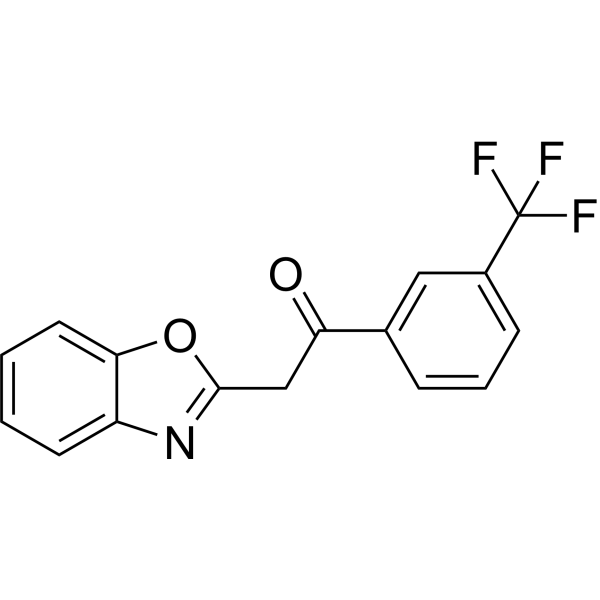
11β-HSD1-IN-10 (compound c3a) is a potent 11β-HSD1 inhibitor (IC50=1.8 µM for human). 11β-HSD1-IN-10 can be used in studies of obesity, hyperglycemia and cognitive impairment .
|
-
- HY-150905
-
|
|
EGFR
|
Cancer
|
|
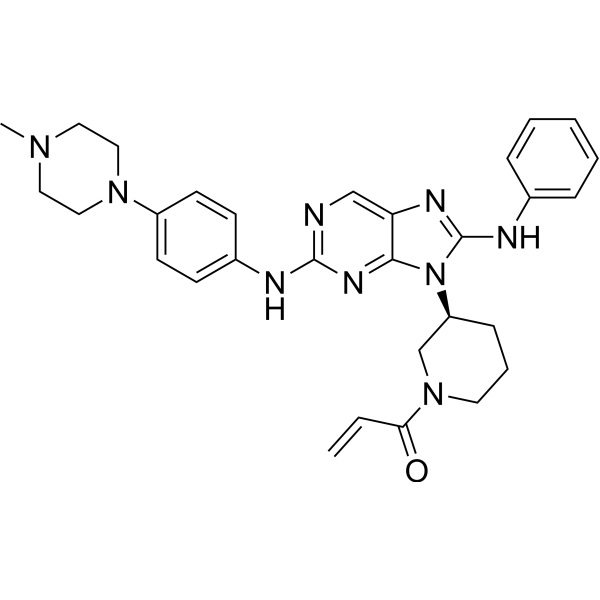
EGFR ligand-2 (compound C4), a covalent EGFR ligand, is a EGFR mutant inhibitor with IC50s of 21 nM and 48 nM for EGFR L858R and EGFR L858R/T790M, respectively. EGFR ligand-2 can be used to synthesize PROTAC .
|
-
- HY-146002
-
|
|
Isocitrate Dehydrogenase (IDH)
|
Cancer
|
|
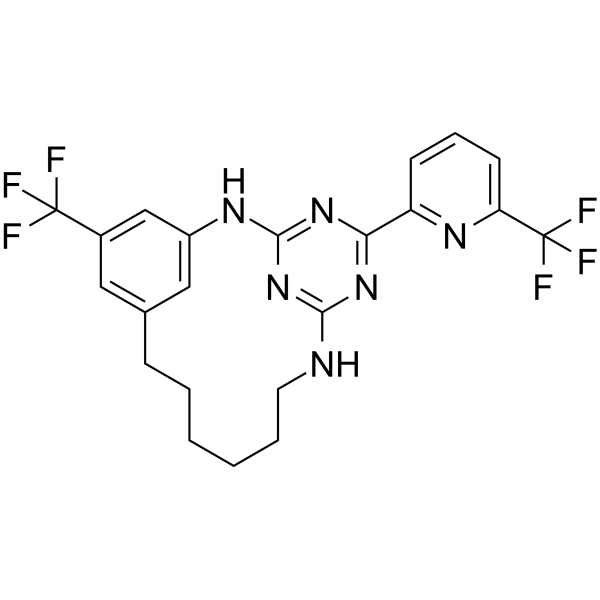
IDH2R140Q-IN-1 (compound C6) is a potent inhibitor of IDH2 R140Q, with an IC50 of 6.1 nM. IDH2R140Q-IN-1 can be used for the research of acute myeloid leukemia .
|
-
- HY-149526
-
|
|
Cyclic GMP-AMP Synthase
|
Infection
Inflammation/Immunology
|
|
cGAS-IN-1 (Compound C20) is a cyclic GMP-AMP synthase (cGAS) inhibitor with IC50s of 2.28 μM (human cGAS, h-cGAS FL) and 1.44 μM (mouse cGAS, m-cGAS CD). cGAS-IN-1 can be used for the studies of autoimmune diseases and chronic inflammation .
|
-
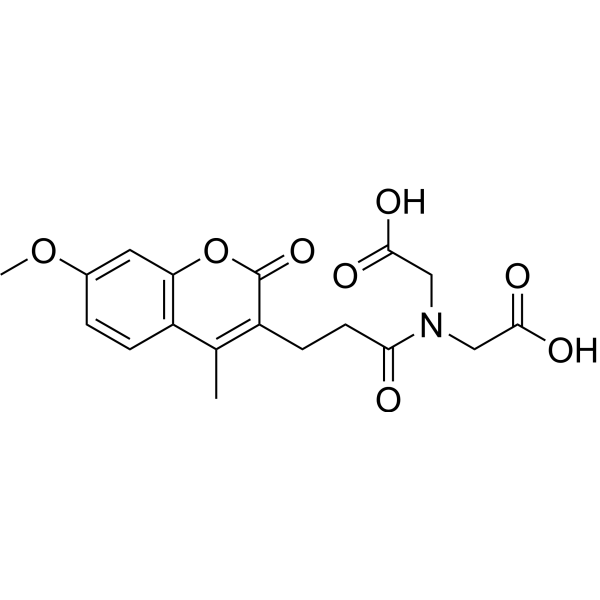
- HY-115902
-
|
|
FGFR
Apoptosis
|
Cancer
|
|
FGFR4-IN-7 (Compound C3) is a covalent reversible FGFR4 inhibitor with an IC50 value of 0.42 μM. FGFR4-IN-7 induces apoptosis via the FGFR4 signaling pathway blockage. FGFR4-IN-7 can be used for the research of hepatocellular carcinoma (HCC) .
|
-
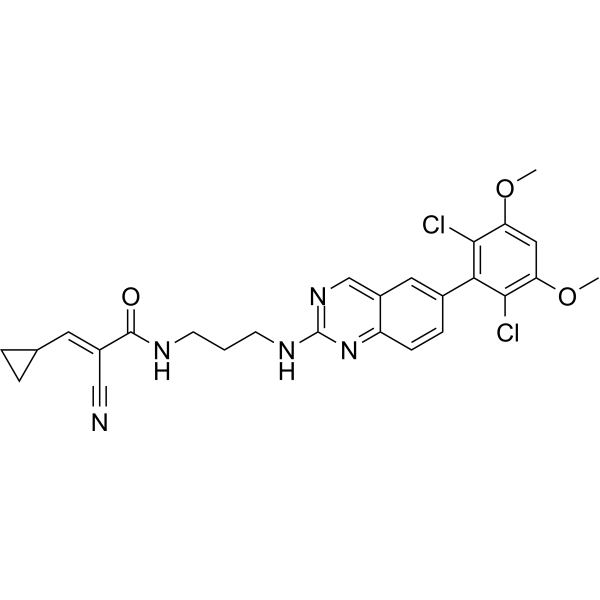
- HY-128145
-
|
|
17β-HSD
|
Metabolic Disease
|
|
HSD17B13-IN-41 (Compound C) is an inhibitor of hydroxysteroid 17β-dehydrogenase 13 (HSD17B13). HSD17B13-IN-41 can be used for research on liver diseases, metabolic diseases, or cardiovascular diseases, such as NAFLD or NASH .
|
-
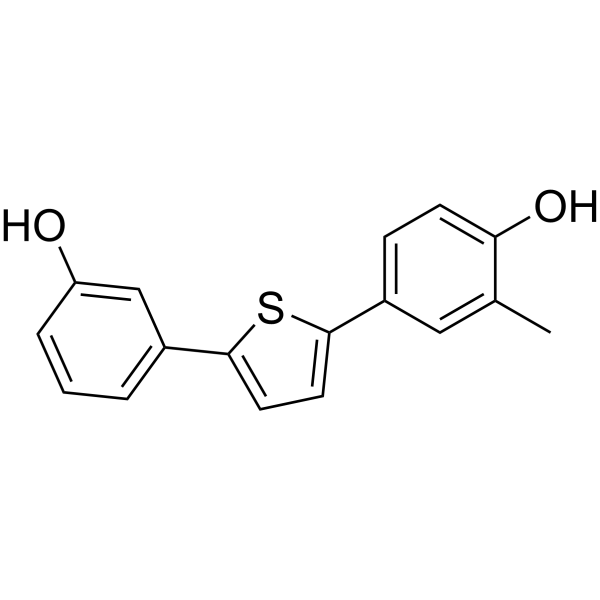
- HY-146196
-
|
|
Bacterial
|
Infection
|
|
Anticandidal agent-1 (compound c2) is a potent and broad-spectrum anticandidal agent. Anticandidal agent-1 shows anticandidal activity against C. albicans and C. glabrata, with MIC50 values of 8.65 and 13.51 μg/mL, respectively. Anticandidal agent-1 inhibits biofilm by blocking hyphal elongation and filamentation .
|
-
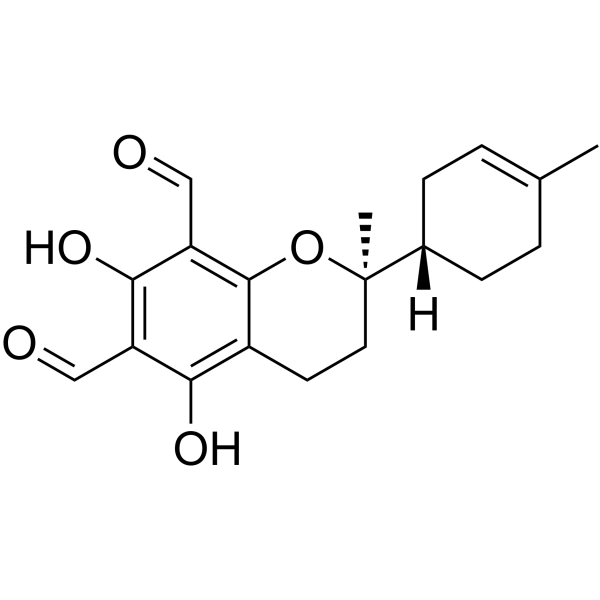
- HY-139362
-
|
|
Phosphodiesterase (PDE)
|
Cancer
|
|
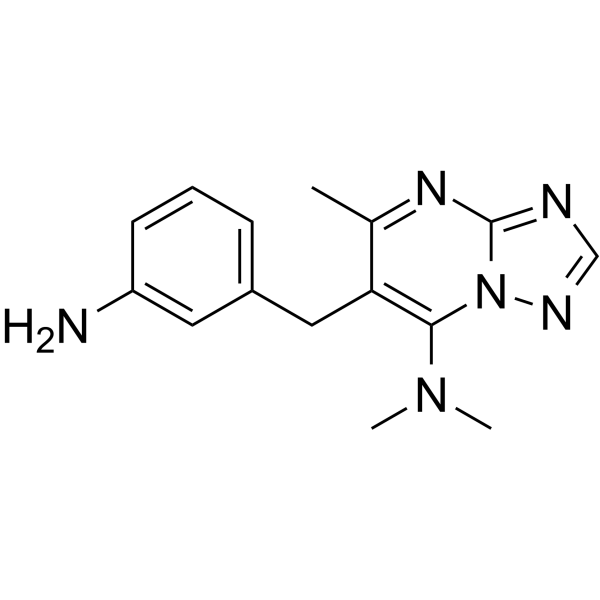
Enpp-1-IN-2 (Compound C) is a potent ENPP1 (ectonucleotide pyrophosphatase/phosphodiesterase 1) inhibitor with IC50 values of 0.26, 0.48 and 2.0 μM evaluated by means of TG-mAMP, pNP-TMP, and ATP assays, respectively. TG (Tokyo Green)-mAMP: a newly synthesized sensitive ENPP1 fluorescence probe .
|
-
- HY-W838632
-
|
|
Bacterial
Antibiotic
|
Infection
|
|
Antibacterial agent 266 (Compound C5) is a plant pathogen inhibitor that disrupts bacterial integrity, with EC50 values of 24.1 μg/mL and 39.0 μg/mL against Xanthomonas oryzae pv oryzae (Xoo) and X. axonopodis pv citri (Xac), respectively. Antibacterial agent 266 can be used in the development of plant pathology and agricultural antimicrobial agents research .
|
-

- HY-148136
-
|
|
Epoxide Hydrolase
|
Cardiovascular Disease
Inflammation/Immunology
|
|
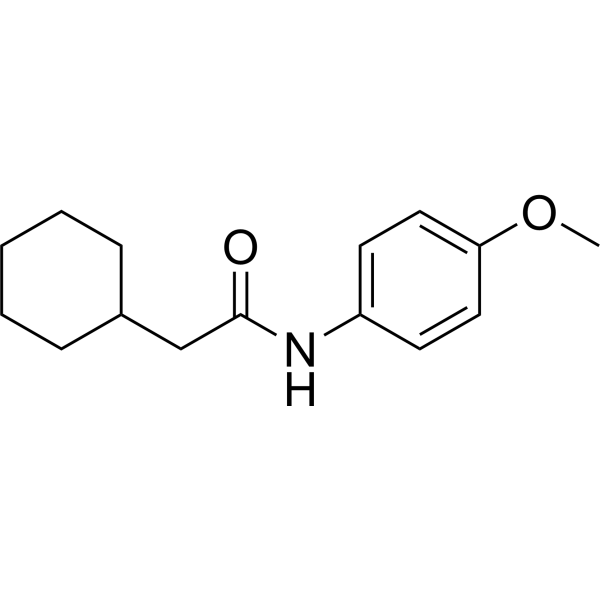
sEH inhibitor-7 (compound c-2) is an inhibitor of soluble epoxide hydrolase (sEH) with IC50s of 0.15 μM (mouse sEH) and 6.2 μM (human sEH), respectively. soluble epoxide hydrolase (sEH) plays an important role in the metabolism of endogenous chemical mediators involved in the regulation of blood pressure and inflammation .
|
-
- HY-162522
-
|
|
Parasite
|
Others
|
|
SL-IN-1 (Compound C6) is an inhibitor for plant hormone steroid lactones receptor (SL receptor). SL-IN-1 promotes rice tillering, inhibits the germination of the root parasite P. aegyptiaca seeds (IC50 is 82.8 µM), delays dark-induced senescence of rice leaves, and protects the leaf membrane from lipid peroxidation .
|
-

- HY-161303
-
|
|
Zinc Finger Protein
|
Cancer
|
|
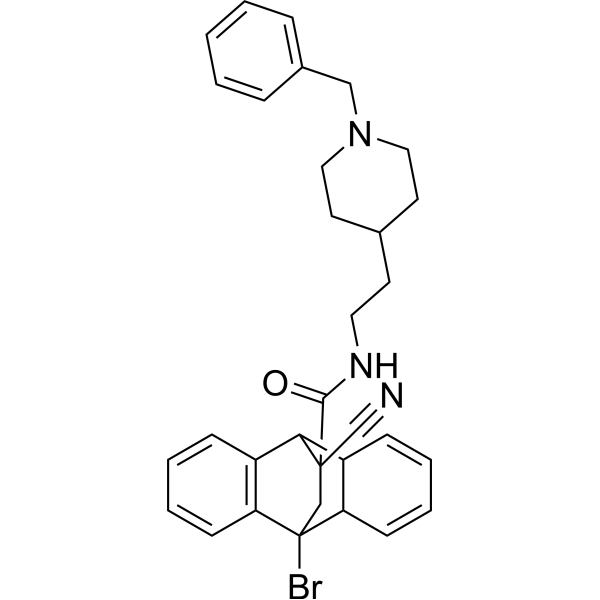
ZNF207-IN-1 (compound C16) is a potent inhibitor of Zinc Finger Protein 207 (ZNF207), with IC50 values ranging from 0.5–2.5 μM for inhibiting sphere formation and 0.5–15 μM for cytotoxicity. ZNF207-IN-1 exhibites efficient permeability across the blood–brain barrier .
|
-
- HY-125877
-
|
|
PROTACs
Bcl-2 Family
|
Cancer
|
|
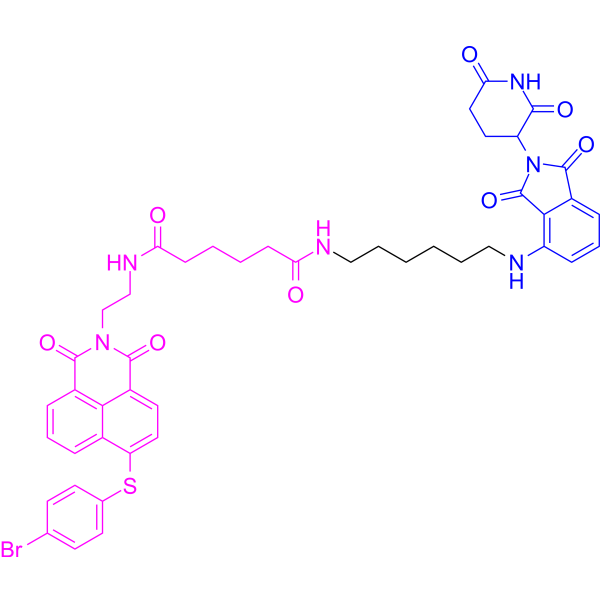
PROTAC Mcl1 degrader-1 (compound C3), a proteolysis targeting chimera (PROTAC) based on Cereblon ligand, is a potently and selectively Mcl-1 (Bcl-2 family member) inhibitor with an IC50 of 0.78 μM. PROTAC Mcl1 degrader-1 inhibits Bcl-2 with an IC50 of 0.54 μM .
|
-
- HY-144263
-
|
|
SARS-CoV
|
Infection
|
|
3CPLro-IN-2 (compound C1) is a potent and orally active inhibitor of SARS-CoV-2 3CLpro with an IC50 and Ki of 1.55 and 6.09 μM, respectively. 3-Chymotrypsin-like cysteine protease (3CLpro) is an indispensable protein in viral replication and represents an attractive agent target for fighting COVID-19 .
|
-
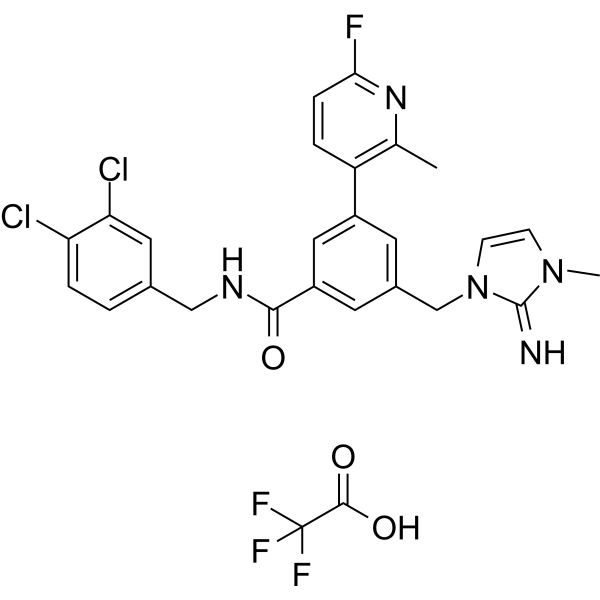
- HY-111753A
-
|
|
WDR5
Apoptosis
|
Cancer
|
|
WDR5-IN-4 TFA (Compound C6) is an inhibitor of the WIN site of chromatin-associated WD repeat-containing protein 5 (WDR5), with a Kd of 0.1 nM. WDR5-IN-4 TFA displaces WDR5 from chromatin and decreases the expression of associated genes, causing translational inhibition, nucleolar stress. Anti-cancer activity .
|
-
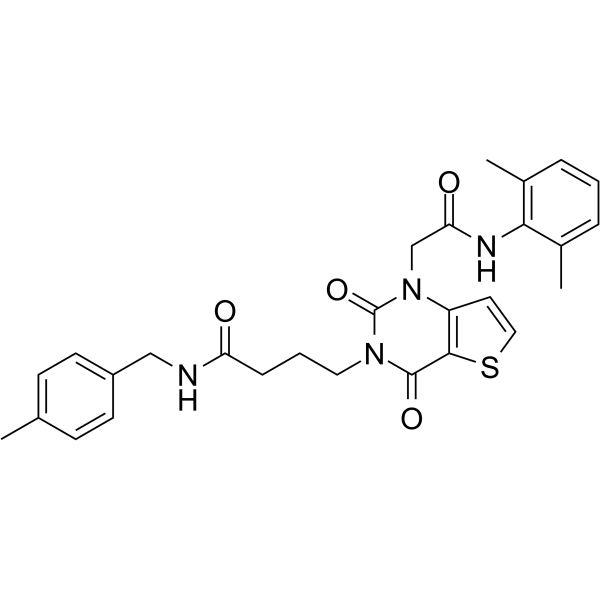
- HY-161663
-
|
|
Phosphodiesterase (PDE)
|
Cardiovascular Disease
|
|
Phosphodiesterase-IN-2 (Compound C7) is a selective, orally active inhibitor for phosphodiesterase 10A (PDE10A), with an IC50 of 11.9 nM. Phosphodiesterase-IN-2 improves the stability of liver microsomes, and lowers BBB permeability. Phosphodiesterase-IN-2 exhibits good pharmacokinetic characters, and attenuates isoprenaline (HY-108353)-induced cardiac hypertrophic in mouse models .
|
-

- HY-180927
-
|
|
Bacterial
Fungal
|
Infection
|
|
Antibacterial agent 316 (Compound C1-15) is an antibacterial agent. Antibacterial agent 316 shows antibacterial activity against Xanthomonas oryzae pv oryzae, Xanthomonas axonopodis pv citri, Pseudomonas solanacearum with MICs ranging from 1.56 to 6.25 μg/mL. Antibacterial agent 316 shows antifungal activity against Rhizoctonia solani, Botrytis cinerea .
|
-

- HY-156205
-
|
|
Phosphodiesterase (PDE)
|
Infection
|
|
CdnP-IN-1 (compound c82) is a potent and selective non-nucleotide MTB CDN PDE (CdnP; Mycobacterium tuberculosis cyclic dinucleotide phosphodiesterase) inhibitor with an IC50 of 18 μM. CdnP-IN-1 does not inhibit the enzymatic activities of three other bacterial CDN PDEs (Yybt, RocR, and GBS-CdnP), a viral CDN PDE (poxin) or mammalian ENPP1 .
|
-

- HY-159990
-
|
|
Glutathione Peroxidase
|
Cancer
|
|
GPX4-IN-15 (Compound C1) is an inhibitor for GPX4, that inhibits 19.8% GPX4 at 1 μM. GPX4-IN-15 inhibits the proliferation of cancer cell MDA-MB-468, BT-549 and MDA-MB-231 with IC50 of 0.86, 0.96 and 0.48 μM .
|
-

- HY-150626
-
|
|
SARS-CoV
|
Infection
|
|
SARS-CoV-2 nsp13-IN-5 (compound C6) is a potent SARS-CoV-2 nsp13 inhibitor with IC50 values of 50 and 55 μM for ssDNA + ATPase and ssDNA - ATPase. SARS-CoV-2 nsp13-IN-5 can be used for researching anti-COVID-19 .
|
-
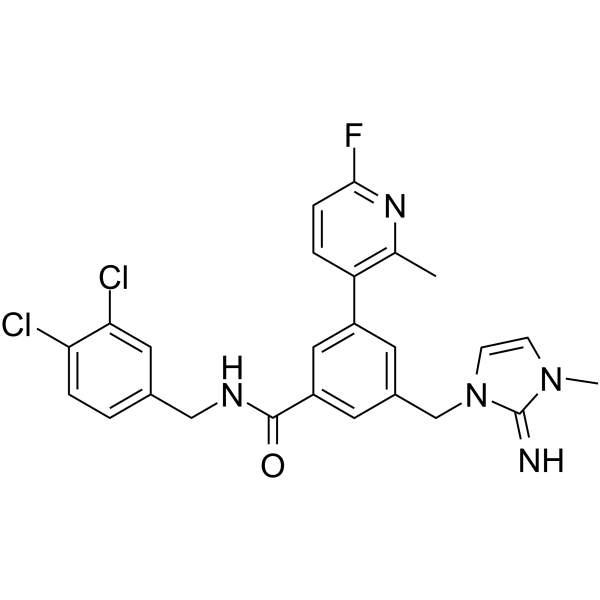
- HY-111753
-
|
|
WDR5
Apoptosis
|
Cancer
|
|
WDR5-IN-4 (Compound C6) is a WIN site inhibitor of chromatin-associated WD repeat domain 5 protein (WDR5), Kd The value is 0.1 nM. WDR5-IN-4 is able to displace WDR5 from chromatin and reduce the expression of related genes, causing translation inhibition and nucleolar stress. Has anti-cancer effects .
|
-
- HY-172406
-
|
|
p38 MAPK
Interleukin Related
IRAK
|
Inflammation/Immunology
|
|
MAPK-IN-4 (Compound c1) is an orally active anti-inflammatory agent. MAPK-IN-4 can inhibit the expression and release of pro-inflammatory cytokines IL-6 and TNF-α induced by LPS (HY-D1056). MAPK-IN-4 can bind to IRAK4 and exert its anti-inflammatory effect by inhibiting the MAPK pathway .
|
-

- HY-144676
-
|
|
EGFR
Apoptosis
|
Cancer
|
|
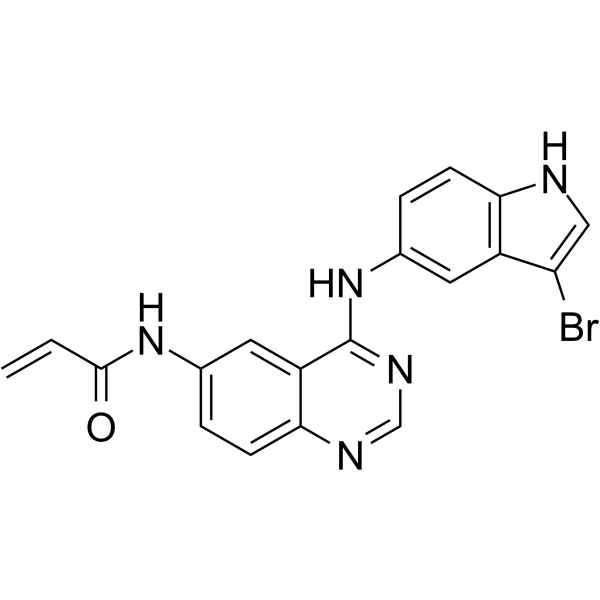
pan-HER-IN-1 (Compound C5) is an irreversible, orally active pan-HER inhibitor with IC50 values of 0.38, 1.6, 2.2 and 3.5 nM against EGFR, HER4, EGFR T790M/L858R and HER2, respectively. pan-HER-IN-1 induces apoptosis and shows antitumor activities .
|
-
- HY-150632
-
|
|
SARS-CoV
|
Infection
|
|
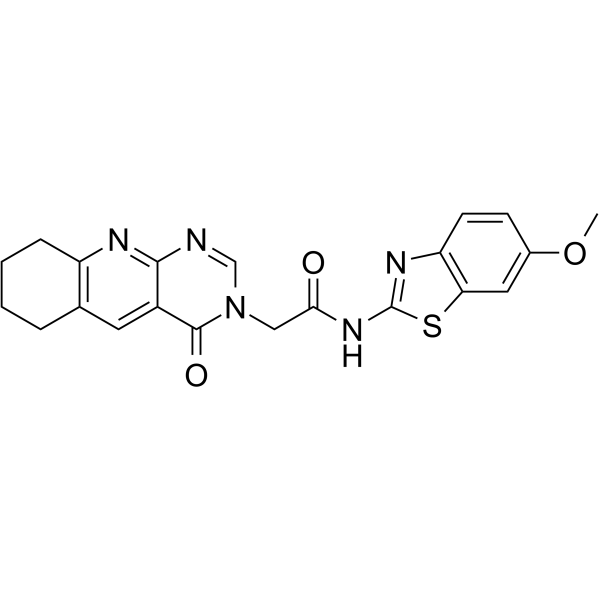
SARS-CoV-2 nsp13-IN-6 (compound C5) is a potent SARS-CoV-2 non-structural protein 13 (nsp13) inhibitor with IC50 values of 27 and 33 μM for ssDNA + ATPase and ssDNA - ATPase. SARS-CoV-2 nsp13-IN-6 can be used for researching anti-COVID-19 .
|
-
- HY-144677
-
|
|
EGFR
Apoptosis
|
Cancer
|
|
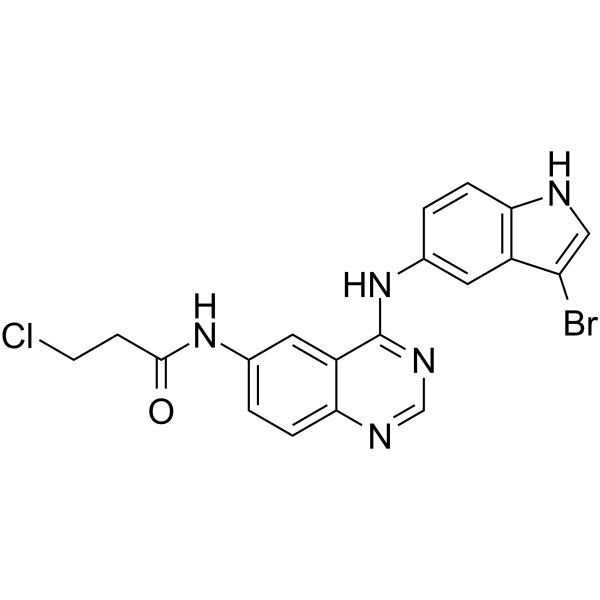
pan-HER-IN-2 (Compound C6) is a reversible, orally active pan-HER inhibitor with IC50 values of 0.72, 2.0, 8.2 and 75.1 nM against EGFR, HER4, EGFR T790M/L858R and HER2, respectively. pan-HER-IN-2 induces apoptosis and shows antitumor activities .
|
-
- HY-168455
-
|
|
DNA/RNA Synthesis
PROTACs
|
Infection
|
|
RNAse L RIBOTAC (compound C64) is an RNA-degrading chimera which binds to a four-way RNA helix called SL5 in the 5’ UTR of the SARS-CoV-2 RNA genome and inhibits the virus replication in lung epithelial carcinoma cells. (Blue: RNA ligand (HY-168456); Black: linker (HY-130591); Pink: Rnase L ligand (HY-168457))
|
-

- HY-173504
-
|
|
Others
|
Inflammation/Immunology
|
|
Anti-inflammatory agent 101 (Compound C04) is an orally active anti-inflammatory agent. Anti-inflammatory agent 101 has significant anti-lipid accumulation, anti-inflammatory and anti-fibrotic activities. Anti-inflammatory agent 101 works by reducing fatty acid uptake, stimulating fatty acid oxidation and alleviating inflammation. Anti-inflammatory agent 101 can be used in the study of NASH and its related liver fibrosis .
|
-

- HY-W278073
-
|
|
DNA/RNA Synthesis
Fungal
|
Infection
Cancer
|
|
RNA splicing modulator 6 (Compound c7) is a RNA splicing modulator. RNA splicing modulator 6 induces changes in pre-mRNA splicing. RNA splicing modulator 6 causes accumulation of unspliced RNA in the Hs-Hsh155 strain. RNA splicing modulator 6 reduces proliferation of chronic myeloid leukemia cells harboring the cancer-associated SRSF2 P95H mutation .
|
-

- HY-149577
-
|
|
EBV
|
Cancer
|
|
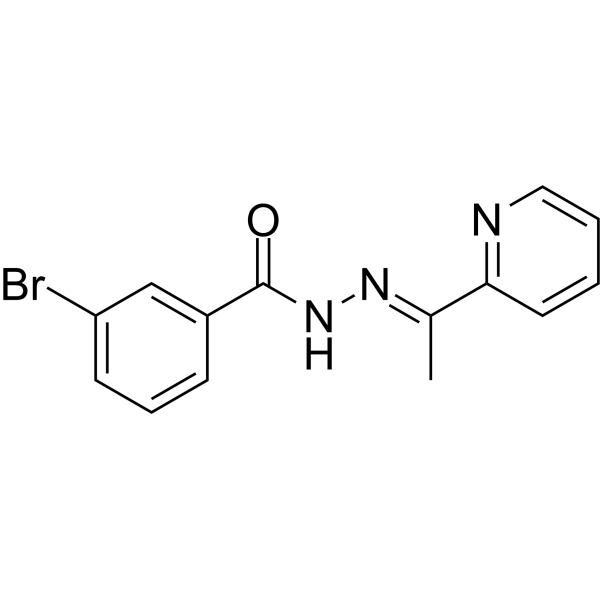
Epstein-Barr virus (EBV) lytic cycle inducer-1 Dp44mT (compound C7) is an iron-chelatoe-like compound. Dp44mT cooperates with HDAC inhibitor Romidespin (HY-15149) and SAHA to induce EBV lytic cycle. Dp44mT reactivates EBV lytic cycle by activating the ERK1/2-autophagy axis in epithelial cancers .
|
-
- HY-157437
-
|
|
Cholinesterase (ChE)
Reactive Oxygen Species (ROS)
|
Neurological Disease
Inflammation/Immunology
|
|
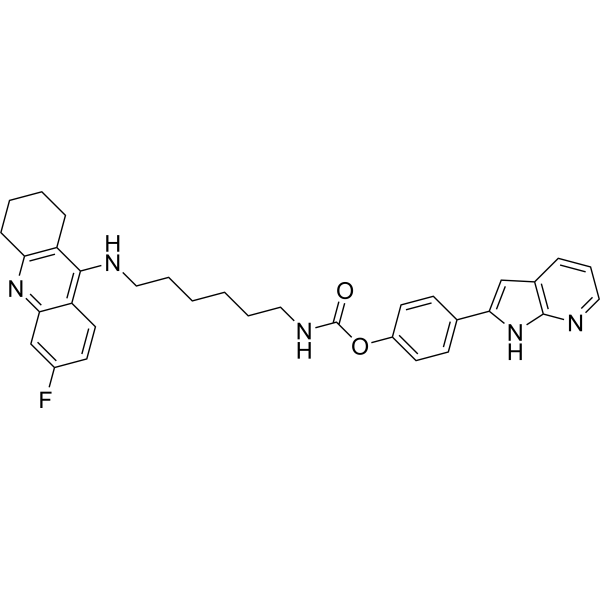
AChE/BChE-IN-16 (compound C7) is a potent cholinesterase (ChE) inhibitor with IC50s of 30 nM and 48 nM for human acetylcholinesterase (hAChE) and human butyrylcholinesterase (hBChE), respectively. AChE/BChE-IN-16 exhibits a remarkable capacity to safeguard PC12 cells against H2O2-induced apoptosis and effectively suppresses the production of reactive oxygen species (ROS) .
|
-
- HY-151885
-
|
|
Cholinesterase (ChE)
Monoamine Oxidase
|
Neurological Disease
|
|
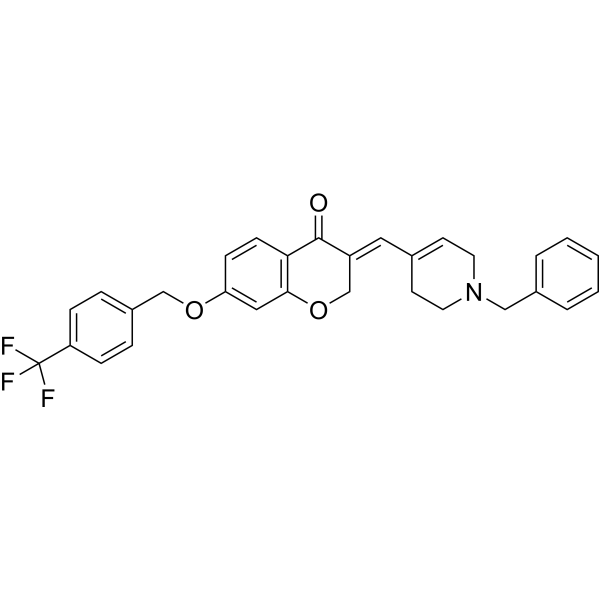
Dual AChE-MAO B-IN-3 (compound C10) is a potent dual AChE/MAO-B inhibitior, with IC50 values of 0.58 and 0.41 μM, respectively. Dual AChE-MAO B-IN-3 is a dual-binding inhibitor bound to both the catalytic anionic site and peripheral anionic site of AChE. Dual AChE-MAO B-IN-3 can be used for Alzheimer’s disease (AD) research .
|
-
- HY-P11576
-
|
|
Integrin
Radionuclide-Drug Conjugates (RDCs)
|
Cancer
|
|
Cyclic αvβ6 (Compound c(FRGDLAFp(NMe)K)) is a αvβ6-integrin-specific cyclic nonapeptide. Cyclic αvβ6 can be coupled with 68Ga-labeled monomeric triazacyclononane-triphosphinate (TRAP). Cyclic αvβ6 can be used in PET imaging studies for cancers including head and neck cancer and pancreatic cancer .
|
-

- HY-P10816
-
|
Ac-(DLeu)LLLRVK-Amba
|
Bacterial
|
Infection
Cancer
|
|
PACE4 Inhibitory peptide C23 (Compound C23; Ac-(DLeu)LLLRVK-Amba)), a potent peptidomimetic inhibitor, is a PACE4 inhibitor. PACE4 Inhibitory peptide C23e shows antiproliferative effects against PCa cell lines (Ki = 5 nM; IC50 = 25 and 40 μM for DU145 and LNCaP, respectively). PACE4 Inhibitory peptide C23 also blocks tumor growth in vivo in LNCaP xenograft-bearing mice .
|
-

- HY-173598
-
|
|
Bacterial
|
Infection
|
|
T3SS-1-IN-1 (Compound C26) is a T3SS-1 inhibitor. T3SS-1-IN-1 inhibits the secretion of SipA and the activity of HilD (IC50 values are 29.2 and 16.9 μM, respectively). T3SS-1-IN-1 can be used for the study of anti-virulence of Salmonella .
|
-

- HY-151595
-
|
|
Epigenetic Reader Domain
|
Cancer
|
|
Menin-MLL inhibitor-22 (compound C20) is an orally active inhibitor of the interaction between menin and mixed lineage leukemia (MLL) (IC50=7 nM). Menin-MLL inhibitor-22 binds menin protein and inhibits cancer cell growth (MV4 cells, IC50=0.3 μM). Menin is a putative tumor suppressor associated with multiple endocrine neoplasia type 1 (MEN-1 syndrome) .
|
-
- HY-173277
-
|
|
Bacterial
|
Infection
|
|
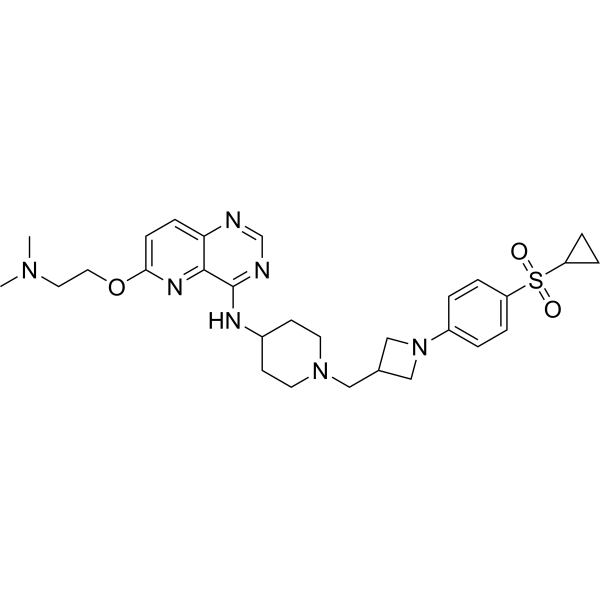
FtsZ-IN-13 (Compound C11) is an inhibitor of temperature-sensitive mutant Z (FtsZ), with IC50 values of 47.97, 34 μM against FtsZSa and FtsZPa, respectively. FtsZ-IN-13 has a notable antimicrobial activity against S. aureus (minimum inhibitory concentration value of 2 μg/mL), cystic fibrosis S. aureus clinical isolates, and methicillin-resistant S. aureus (MRSA) strains. FtsZ-IN-13 can be used for antimicrobial resistance study .
|
-

- HY-174221
-
|
|
IMPDH
HDAC
|
Cancer
|
|
IMPDH II/HDAC1-IN-1 (Compound C12) is an orally active, selective dual IMPDH II/HDAC1 inhibitor, with an IC50 of 84.69 nM against hIMPDH II and an IC50 of 81.75 nM against HDAC1. IMPDH II/HDAC1-IN-1 inhibits the proliferation of chronic myeloid leukemia cells. IMPDH II/HDAC1-IN-1 can be used for the research of chronic myeloid leukemia .
|
-

- HY-163032
-
|
|
FABP
|
Cardiovascular Disease
Metabolic Disease
Inflammation/Immunology
|
|
FABP4-IN-3 (compound C3) is a highly selective FABP4 inhibitor (FABP4 Ki = 25 ± 3 a nM, FABP3 Ki = 15.03 μM) which exhibits a 601-fold selectivity over FABP3. FABP4-IN-3 also shows metabolic stability and potent cellular anti-inflammatory activity, making it promising to get involved in the research of metabolic disease, cardiac dysfunction and inflammation-related disease .
|
-
- HY-W043170
-
|
|
Phosphatase
|
Cancer
|
|
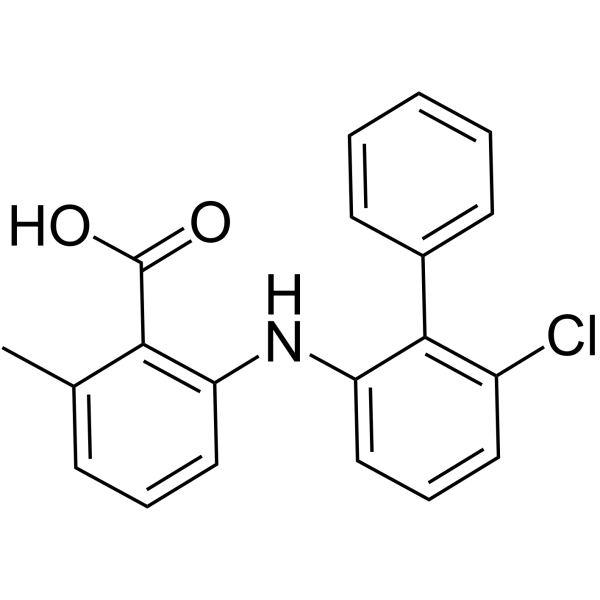
PRL3-CNNM4 PPI IN 1 (Compound C28d52) is an inhibitor of the PRL3-CNNM4 interaction and also inhibits PRL-mediated suppression of CNNM. PRL3-CNNM4 PPI IN 1 is capable of penetrating epithelial cell layers, exhibits metabolic stability, possesses favorable pharmacokinetic and pharmacodynamic properties, and holds potential for drug development based on this compound .
|
-

- HY-173409
-
|
|
Androgen Receptor
Ser/Thr Protease
|
Inflammation/Immunology
|
|
AR antagonist 11 (Compound c2) is a selective AR antagonist with an IC50 of 0.019 μM. AR antagonist 11 is also effective against AR F877L/T878A mutant (IC50: 1.03 μM). AR antagonist 11 inhibits LNCaP cell proliferation and reduces PSA protein expression (IC50: 0.54 μM). AR antagonist 11 can be used for research of prostate cancer (PCa) .
|
-

- HY-173177
-
|
|
Apoptosis
MDM-2/p53
|
Cancer
|
|
PSF-IN-2 (Compound (C)-30) is a PSF inhibitor with an IC50 value of 0.005 pM. PSF-IN-2 exhibits anti-cancer activity, and its IC50 value for inhibiting the proliferation of 22Rv1 cells is 0.5 μM. PSF-IN-2 activates the p53 signaling pathway by inhibiting the binding of PSF to RNA, inducing the expression of related genes, promoting apoptosis, and inhibiting the cell cycle. PSF-IN-2 can be used in cancer research .
|
-

- HY-156130
-
|
|
Epigenetic Reader Domain
|
Cancer
|
|
Menin-MLL inhibitor 29 (Compound C1) is a Menin-MLL PPI inhibitor. Menin-MLL inhibitor 29 binds to Menin with a KD value of 138 nM, and inhibits the binding of Menin to MBM1 (Menin-binding motif 1) with an IC50 value of 46 nM. Menin-MLL inhibitor 29 inhibits HepG2 and Hep3B hepatoma cell proliferation (IC50s: 0.31 μM and 0.71 μM). Menin-MLL inhibitor 29 inhibits tumor growth .
|
-
- HY-146194
-
|
|
Reactive Oxygen Species (ROS)
|
Cancer
|
|
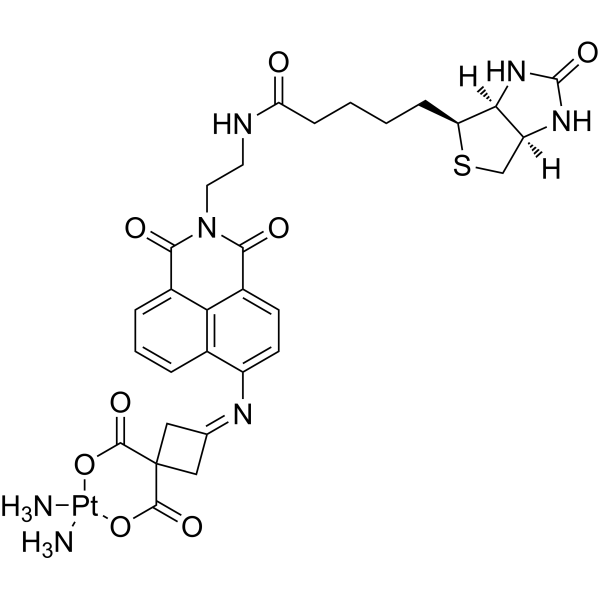
NHEJ inhibitor-1 (Compound C2) is a trifunctional Pt(II) complex, alleviates the non-homologous end connection (NHEJ)/homologous recombination (HR)-related double strand breaks (DSBs) repairs to evade Cisplatin-resistance in non-small cell lung cancer (NSCLC). NHEJ inhibitor-1 inhibits the damage repair proteins Ku70 and Rad51 to make tumors re-sensitive to Cisplatin. NHEJ inhibitor-1 also induces ROS generation and MMP deduction .
|
-
- HY-177720
-
|
|
Molecular Glues
CaMK
Apoptosis
|
Cancer
|
|
eEF2K degrader-2 (Compound C1) is a molecular glucose degrading agent that targets the eEF2K protein. eEF2K degrader-2 can significantly inhibit the proliferation, migration, invasion and induce apoptosis of triple negative breast cancer (TNBC) cells. eEF2K degrader-2 has no obvious organ toxicity or pathological damage. eEF2K degrader-2 can be used in the research of cancer such as breast cancer .
|
-

- HY-186076
-
|
|
HSP
Fungal
|
Infection
Cancer
|
|
Hsp90-IN-47 (Compound C15) is a Hsp90 inhibitor and antifungal agent, with an IC50 of 0.014 μM against Hsp90α. When combined with Fluconazole (HY-B0101), Hsp90-IN-47 exerts significant synergistic antifungal effects against fluconazole-resistant Candida albicans 0304103. Hsp90-IN-47 exhibits antitumor activity against acute myeloid leukemia and non-small cell lung cancer .
|
-

- HY-180842
-
|
|
Monoamine Oxidase
Amyloid-β
Tau Protein
Cholinesterase (ChE)
|
Neurological Disease
|
|
MAO-B-IN-50 (Compound C20) is a selective MAO-B inhibitor with an IC50 value of 0.06 μM. MAO-B-IN-50 shows good inhibitory effects on the aggregation of Aβ40/42 and Tau proteins, with overall IC50 values around 1 μM. MAO-B-IN-50 exhibits potent and selective AChE inhibition (IC50 = 1.78 μM). MAO-B-IN-50 can be used in the research of Alzheimer's disease .
|
-

- HY-155593
-
|
|
JNK
|
Inflammation/Immunology
|
|
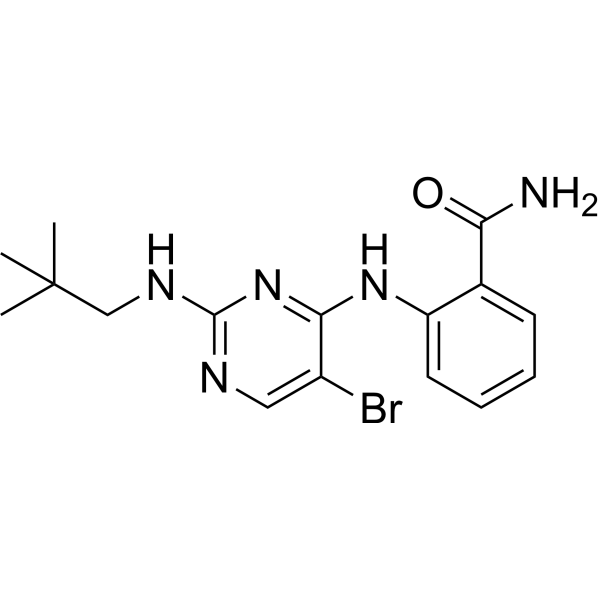
JNK-1-IN-2 (Compound c6) is a JNK-1 inhibitor (IC50: 33.5 nM). JNK-1-IN-2 also inhibits JNK-2 and JNK-3 with IC50s of 112.9 nM and 33.2 nM. JNK-1-IN-2 inhibits the phosphorylation of c-Jun. JNK-1-IN-2 reverses lung impairment. JNK-1-IN-2 can be used for research of pulmonary fibrosis .
|
-
- HY-153896
-
|
|
c-Met/HGFR
|
Cancer
|
|
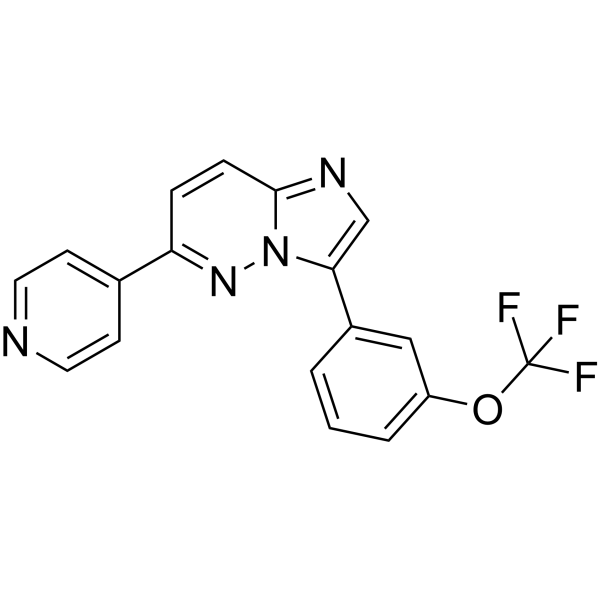
LMTK3-IN-1 (compound C28) is an ATP-competitive inhibitor of lemur tyrosine kinase 3 (LMTK3) (Kd=2.5 μM),that acts by degrading LMTK3 via the ubiquitin-proteasome pathway. LMTK3-IN-1 shows anticancer activity in a variety of cancer cell lines and in vivo BC mouse models. LMTK3-IN-1 induces apoptosis in BC cell lines at 10-20 μM .
|
-
- HY-170796
-
|
|
Amylases
|
Metabolic Disease
|
|
α-Amylase-IN-11 (compound C5f) is an α-Amylase inhibitor (IC50=0.56 μM) that can reduce the sugar level in vivo. α-Amylase-IN-11 has a moderate inhibitory effect on α-glucosidase (α-glucosidase), with IC50=11.03 μM. α-Amylase-IN-11 can significantly reduce the glucose concentration in a mouse model and has the potential for use in diabetes research .
|
-

- HY-178051
-
|
|
Succinate Dehydrogenase
Fungal
|
Infection
|
|
Antifungal agent 135 (Compound C2), an antifungal agent, is a Succinate dehydrogenase (SDH) inhibitor with an IC50 of 1.99 μM. Antifungal agent 135 has potent antifungal activities against Valsa mali, Sclerotinia sclerotiorum and Phytophthora capsici with EC50 s of 0.280, 1.11 and 0.130 mg/L, respectively. Antifungal agent 135 shows protective and curative activities against Phytophthora capsici and Valsa mali by effectively disrupting hyphal structural integrity and inhibiting mycelial growth .
|
-

- HY-146302
-
|
|
Apoptosis
|
Cancer
|
|
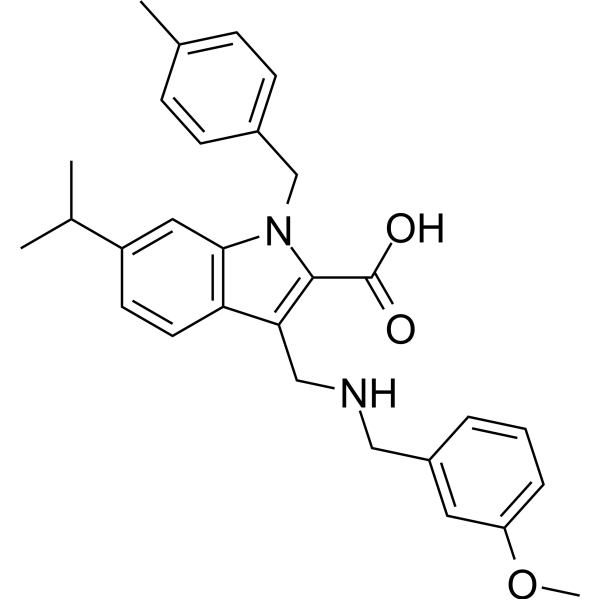
14-3-3η Protein inhibitor 1 (Compound C11) is a 14-3-3η protein inhibitor with a KD of 35 µM. 14-3-3η Protein inhibitor 1 shows inhibitory activities against several typical human liver cancer cell lines. 14-3-3η Protein inhibitor 1 induces cell apoptosis and G1-S cell cycle arrest with good metabolic stability .
|
-
- HY-168850
-
|
|
Apoptosis
|
Cancer
|
|
MTDH-SND1 blocker 2 (compound C19) is a potent MTDH-SND1 blocker with an IC50 value of 487 nM. MTDH-SND1 blocker 2 binds to the SND1 protein with a Kd value of 279 nM. MTDH-SND1 blocker 2 degrades SND1 protein. MTDH-SND1 blocker 2 shows antiproliferative activity and induces apoptosis. MTDH-SND1 blocker 2 has the potential for the research of breast cancer .
|
-

- HY-172177
-
|
|
Apoptosis
HDAC
ROCK
|
Cancer
|
|
ROCK/HDAC-IN-2 (Compound C-9) is a ROCK/HDAC inhibitor, with IC50 values of 0.185 µM, 0.8 µM, and 0.7 µM for HDAC6, ROCK1, and ROCK2, respectively. ROCK/HDAC-IN-2 can induce apoptosis and changes in mitochondrial membrane potential in cancer cells, demonstrating significant antitumor activity. ROCK/HDAC-IN-2 can be used in the research of pancreatic ductal adenocarcinoma (PDAC) and triple-negative breast cancer (TNBC) .
|
-

- HY-173166
-
|
|
PPAR
|
Cancer
|
|
PPARγ agonist 17 (Compound C1) is a PPARγ agonist. PPARγ agonist 17 enhances PPARγ activity and blocks the cell cycle in G2/M phase, inhibits cell migration and induces apoptosis in HT-29 cells. PPARγ agonist 17 has a broad spectrum anti-proliferative activity in cancer cells with relatively low toxicity in normal cells which cannot cross the blood-brain barrier .
|
-

- HY-171096
-
|
|
Protease Activated Receptor (PAR)
p38 MAPK
|
Neurological Disease
Inflammation/Immunology
|
|
PAR2 modulator-1 (Compound C781) is a protease activated receptor type 2 (PAR2) antagonist. PAR2 modulator-1 can specifically inhibit the PAR2-dependent MAPK signaling pathway with an IC50 value of 8.5 μM. PAR2 modulator-1 can block the pain response triggered by PAR2 agonists. PAR2 modulator-1 can be used for the researches of inflammation, immunology and neurological disease, such as chronic pain and asthma .
|
-

- HY-181147
-
|
|
PROTACs
HSP
|
Cancer
|
|
PROTAC HSP70 Degrader-1 (compound C4) is a cytosolic HSP70 PROTAC degrader that can engage CRBN to form a ternary complex. PROTAC HSP70 Degrader-1 mediates ubiquitination and proteasomal degradation of cytosolic HSP70. PROTAC HSP70 Degrader-1 exhibits cytotoxic activity against cancer cells, suppressing tumor cell proliferation and inducing apoptosis in combination with DTHIB. PROTAC HSP70 Degrader-1 can be used for the research of colon cancer and leukemia .
|
-

- HY-W728005
-
|
|
SARS-CoV
|
Infection
|
|
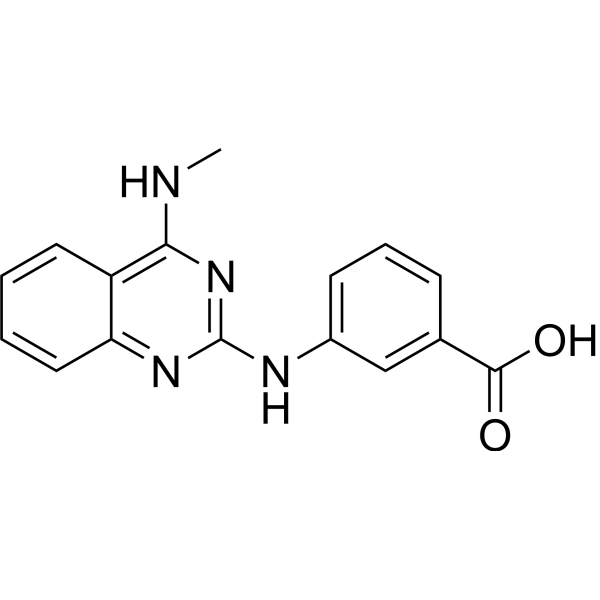
Covidcil-19 (compound C5) avidly binds to the revised attenuator hairpin structure of the SARS-CoV-2 frameshifting element (FSE) with a Kd of 11 nM. Covidcil-19 stabilizes the hairpin’s folded state and impairs frameshifting in cells. Covidcil-19 reduces frameshifting efficiency of the SARS-CoV-2 FSE and does not affect SARS-CoV-2 FSE RNA levels. Covidcil-19 inhibits a process essential for SARS-CoV-2 viral propagation .
|
-
- HY-150206
-
|
|
NOD-like Receptor (NLR)
|
Neurological Disease
Inflammation/Immunology
|
|
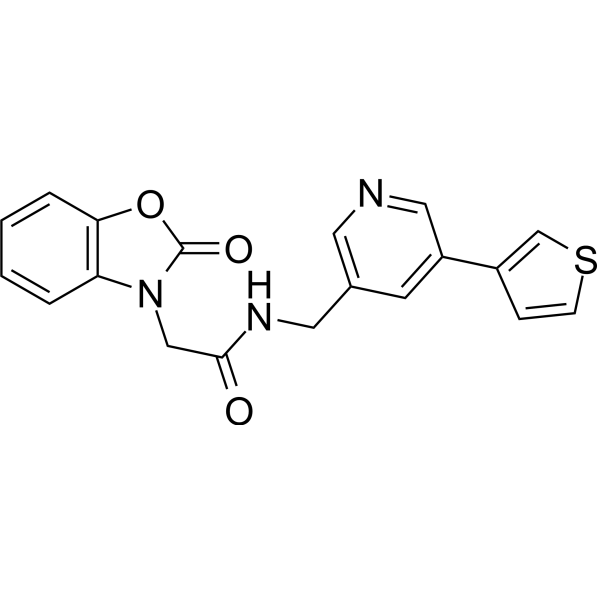
NLRP3-IN-13 (Compound C77 in reference patent) is a selective and potent NLRP3 inhibitor (IC50: 2.1 μM). NLRP3-IN-13 inhibits NLRP3 andNLRC4 inflammasomes, and inhibits NLRP3-mediated IL-1β production. NLRP3-IN-13 also inhibits NLRP3 ATPase activity. NLRP3-IN-13 can be used in the research of neuroinflammatory disorders .
|
-
- HY-175460
-
|
|
SARS-CoV
|
Infection
|
|
SARS-CoV-2-IN-117 (Compound C19) is a SARS-CoV-2 E protein inhibitor. SARS-CoV-2-IN-117 significantly inhibits SARS-CoV-2 E protein interaction with host ZO-1 PDZ2 domain. SARS-CoV-2-IN-117 has potent antiviral activity and significantly reduces viral replication. SARS-CoV-2-IN-117 can be used for COVID-19 research .
|
-

- HY-180946
-
|
|
Cholinesterase (ChE)
Reactive Oxygen Species (ROS)
Caspase
Keap1-Nrf2
|
Neurological Disease
|
|
AChE-IN-105 (Compound C5) is a potent, mixed AChE inhibitor with an IC50 of 5.02 μM. AChE-IN-105 scavenges ROS, decreases Hydrogen peroxide-induced Caspase-3 activation, reduces activity of the Nrf2-ARE pathway. AChE-IN-105 prevents memory impairments in the Scopolamine (HY-N0296)-induced cognitive dysfunction zebrafish model. AChE-IN-105 has potent antioxidant activity. AChE-IN-105 can be used in the research of Alzheimer's disease .
|
-

- HY-155186
-
|
|
SARS-CoV
|
Infection
|
|
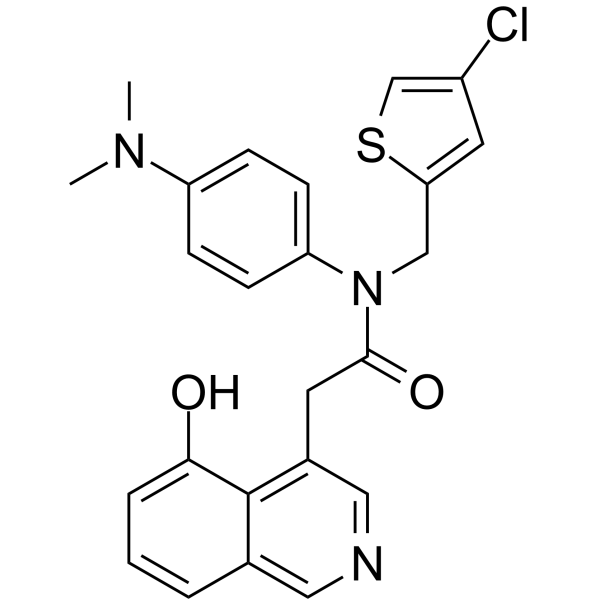
SARS-CoV-2 3CLpro-IN-19 (Compound C5a) is a non-covalent, non-peptide SARS-CoV-2 3CLpro inhibitor (IC50s: 0.7 μM). SARS-CoV-2 3CLpro-IN-19 has broad-spectrum activity against Omicron subvariants (BA.5, BQ.1.1, and XBB.1.5) infection in human cells, with EC50 values between 30-69 nM .
|
-
- HY-175016
-
|
|
Endogenous Metabolite
|
Infection
Metabolic Disease
|
|
NADH-IN-3 (Compound C4-1) is a NADH inhibitor with a MIC of 4 μg/mL (13.042 μM) for type II NADH dehydrogenase of Mycobacterium tuberculosis (Mtb). NADH-IN-3 significantly interrupts ATP synthesis, shows potent inhibitory effects against mono (Rifampicin (HY-B0272) and Isoniazid (HY-B0329)) and multi drug-resistant (Mtb) strains and an anti-bactericidal activity against HepG2 cells with low cytotoxicity (SI: 16.52) .
|
-

- HY-150622
-
|
|
SARS-CoV
|
Infection
|
|
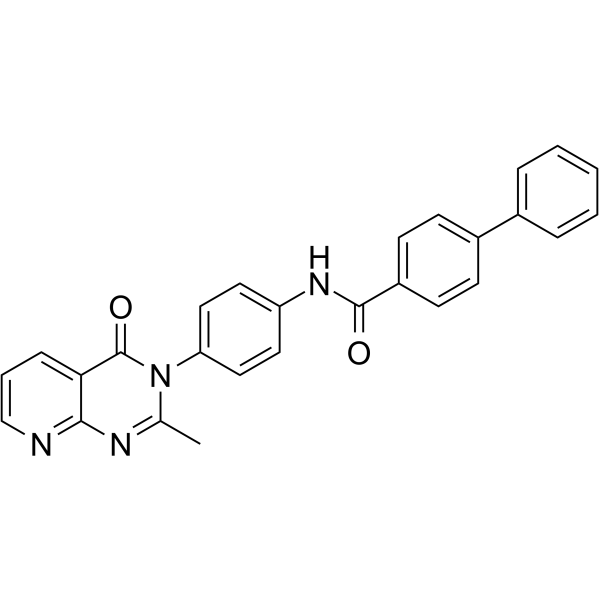
SARS-CoV-2 nsp13-IN-1 (compound C1) is a potent nsp13 (non-structural protein 13) inhibitor. SARS-CoV-2 nsp13-IN-1 only inhibits nsp13 ssDNA + ATPase, with an IC50 of 6 μM. SARS-CoV-2 nsp13-IN-1 does not inhibit ssDNA - ATPase. SARS-CoV-2 nsp13-IN-1 can be used for COVID-19 research .
|
-
- HY-170867
-
|
|
Keap1-Nrf2
Heme Oxygenase (HO)
Reactive Oxygen Species (ROS)
|
Cardiovascular Disease
|
|
Nrf2/HO-1 activator 3 (Compound C3a) is the activator for Nrf2 signaling pathway that promotes the Nrf2 translocation into nuclei and upregulates the expression of heme oxygenase-1 HO-1. Nrf2/HO-1 activator 3 inhibits the overespression of ROS and MDA in H2O2- or glucose-stimulated H9c2 cardiomyocytes, inhibits the cell viability and colony formation, thereby exhibiting antioxidant efficacy .
|
-

- HY-168077
-
|
|
Fungal
|
Infection
|
|
Antibiofilm agent-12 (Compound C13) is an antifungal agent that belongs to the class of carbazate derivatives. Antibiofilm agent-12 exhibits significant antifungal activity against Candida auris, with a MIC90 of 237.9 μM. By inhibiting the drug efflux pump activity of Candida auris and promoting ergosterol depletion, Antibiofilm agent-12 hinders biofilm formation and reduces the metabolic flexibility of Candida auris. Additionally, Antibiofilm agent-12 demonstrates antifungal activity in a Candida auris-infected C. elegans model .
|
-

- HY-162644
-
|
|
PD-1/PD-L1
PARP
|
Cancer
|
|
Antitumor agent-170 (Compound C6) exhibits inhibitory activities against PD-1/PD-L1 interaction and PARP7, with IC50 of 0.342 μM and 7.05 nM. Antitumor agent-170 exhibits a high affinity to human PD-L1, with a Ki of 9.31 nM. Antitumor agent-170 restores the T cell function and increases IFN-γ secretion. Antitumor agent-170 exhibits antitumor efficacy against melanoma in mouse models and good pharmacokinetic characteristics .
|
-

- HY-W324243
-
|
|
11β-HSD
|
Metabolic Disease
|
|
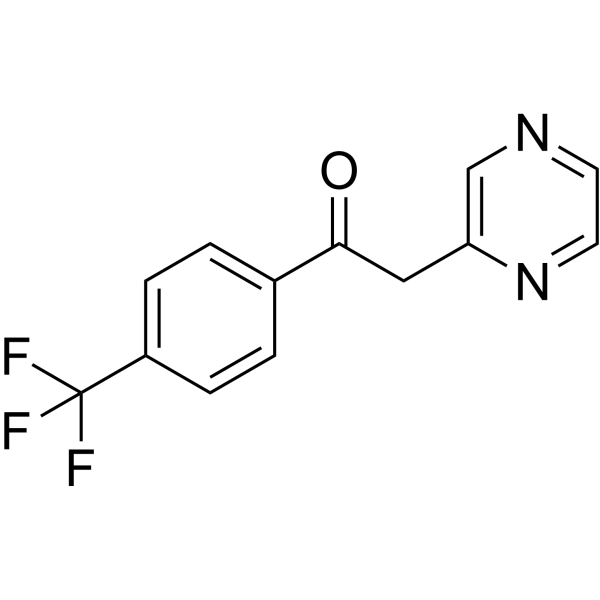
11β-HSD1-IN-9 (compound c4a) is a potent 11β-HSD1 inhibitor with IC50 values of 0.48 and 1.3 µM for human and murine 11β-HSD1, respectively. 11β-HSD1-IN-9 competitively interacts with rat 11β-HSD1. 11β-HSD1-IN-19 can be used in studies of obesity, hyperglycemia and cognitive impairment .
|
-
- HY-161827
-
|
|
Bacterial
|
Infection
|
|
Anti-MRSA agent 14 (Compound C17) has antibacterial agent against MRSA and MRSA-infected skin murine model. Anti-MRSA agent 14 is more potential than Norfloxacin (HY-B0132) against MRSA. Anti-MRSA agent 14 disrupts cell membrane and restrains metabolism. Anti-MRSA agent 14 shows antibacterial effects against S. aureus ATCC 6538, S. aureus ATCC 29213, S. epidermidis ATCC 12228, and MRSA with MIC values of 1, 2, 2, 1 μM respectively .
|
-

- HY-170448
-
|
|
PROTACs
Androgen Receptor
|
Endocrinology
|
|
PROTAC AR Degrader-9 (Compound c6) is a PROTAC degrader for androgen receptor, that degrades AR in human hair follicle papilla cells (HDPCs) with a DC50 of 262.38 nM. PROTAC AR Degrader-9 promotes the expressions of paracrine factors, such as TGF-β1 and β-catenin, exhibits hair regenerating efficacy in mouse models . (Pink: ligand for target protein AR ligand-38 (HY-170450); Black: linker; Blue: ligand for E3 ligase Cereblon (HY-170449))
|
-

- HY-162619
-
|
|
Apoptosis
CDK
|
Cancer
|
|
CDK9-IN-33 (compound C35) is a potent, selective and orally active CDK9 inhibitor with IC50 values of 17.44, 160, 316.30, 1771.00, >10000 nM for CDK9, CDK7, CDK2, CDK4, CDK6 respectively. CDK9-IN-33 induces apoptosis. CDK9-IN-33 decreases the protein expression of RPB1 CTD Ser2, RPB1, MCL1. CDK9-IN-33 shows anti-tumor activity .
|
-

- HY-146323
-
|
|
Apoptosis
|
Cancer
|
|
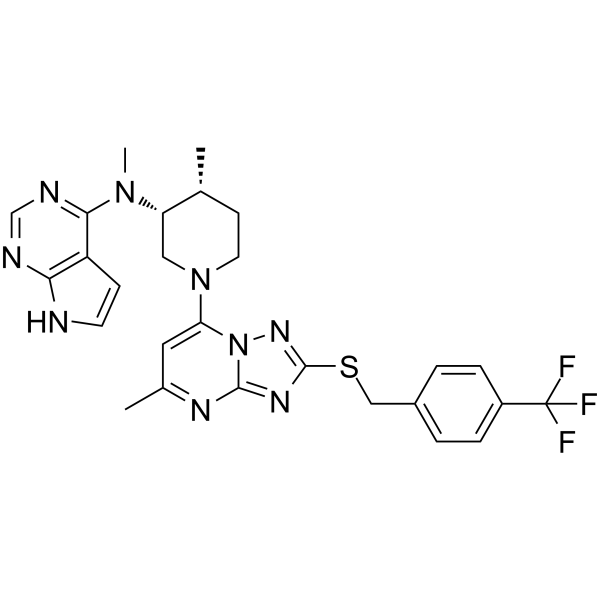
Antitumor agent-58 (Compound C18) is an anti-tumor agent. Antitumor agent-58 effectively inhibits colony formation and cell migration of MGC-803 cells. Antitumor agent-58 induces apoptosis of MGC-803 cells through activation of the p38 and JNK signaling pathways. Antitumor agent-58 induces mitochondrial dysfunction of MGC-803 cells. Antitumor agent-58 effectively inhibits tumor growth of xenograft model bearing MGC-803 cells .
|
-
- HY-163938
-
|
|
PROTACs
|
Cancer
|
|
PROTAC erf3a Degrader-1 (Compound C63) is an orally active PROTAC erf3a Degrader. PROTAC erf3a Degrader-1 inhibits cancer cell proliferation (eg: 22Rv1). PROTAC erf3a Degrader-1 can be used for research of prostate cancer, ovarian cancer, liver cancer, cervical cancer, leukemia, breast cancer. (Red: erf3a ligand (HY-13778); Black: linker (HY-163960); Blue: CRBN ligand (HY-41547)) .
|
-

- HY-155527
-
|
|
SARS-CoV
|
Infection
|
|
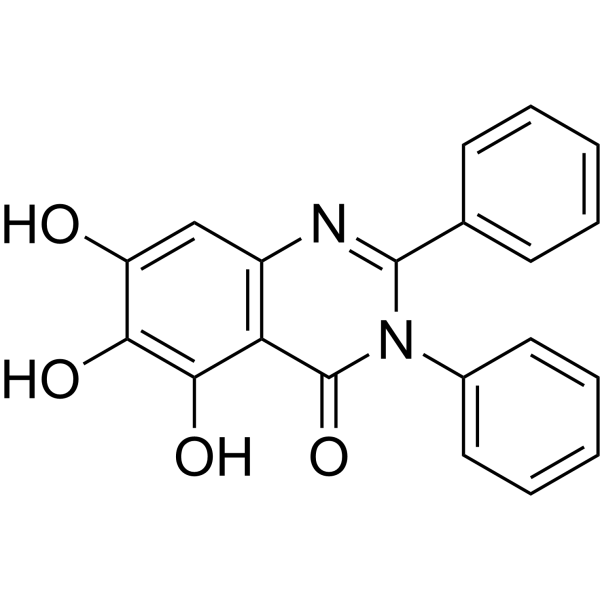
SARS-CoV-2 Mpro-IN-9 (compound c7) is a nonpeptidic, noncovalent SARS-CoV-2 M pro inhibitor (IC50=0.085 μM), with improved physicochemical and drug metabolism and pharmacokinetics (DMPK) properties. SARS-CoV-2 Mpro-IN-9 inhibits viral replication (EC50=1.10 μM) in SARS-CoV-2-infected Vero E6 cells, while exhibits low cytotoxic effects (CC50>50 μM) .
|
-
- HY-168640
-
|
|
Autophagy
Necroptosis
RIP kinase
|
Cancer
|
|
RIP3 activator 1 (compound C8) is a potent RIP3 activator. RIP3 activator 1 inhibits cell growth. RIP3 activator 1 induces necroptosis through the RIP3/p62/Keap1 signaling pathway. RIP3 activator 1 increases the protein expression of p-MLKL. RIP3 activator 1 induces autophagy. RIP3 activator 1 increases accumulation of LC3-II and p62 protein expression .
|
-

- HY-183705
-
|
|
Fungal
Mitochondrial Metabolism
ATP Synthase
|
Infection
|
|
Antimicrobial agent-50 (Compound C2) is an anti-oomycete and Fungicidal agent. Antimicrobial agent-50 inhibits the activity of Mitochondrial respiratory chain complex III with an IC50 of 6.05 mg/L. Antimicrobial agent-50 inhibits ATP synthesis. Antimicrobial agent-50 exhibits protective activity against Phytophthora capsici in vivo. Antimicrobial agent-50 potently inhibits mycelial growth of Gaeumannomyces graminis, Rhizoctonia solani and Phytophthora capsici, with EC50 values of 2.97 mg/L, 1.86 mg/L and 0.74 mg/L, respectively .
|
-

- HY-159569
-
|
|
Transferrin Receptor
Ferroptosis
|
Cancer
|
|
TfR-1-IN-1 (compound C4) is an inhibitor of transferrin receptor 1 (TfR-1) with anticancer activity. TfR-1-IN-1 strongly increases intracellular iron (II) levels as a driving force for the induction of ferroptosis. TfR-1-IN-1 significantly reduces the metabolic activity of ovarian cancer (A2780cis), breast cancer (MDA-MB 231), and leukemia (HL-60) cell lines with IC50 values of 0.51, 0.46, and 0.48 μM, respectively .
|
-

- HY-162760
-
|
|
COMT
Monoamine Oxidase
|
Neurological Disease
|
|
COMT-IN-1 (compound C12), a nitrophenolic analogue, is an orally active dopamine metabolic enzyme catechol-O-methyltransferase (COMT) inhibitor with IC50s of 0.37 μM, 95.58 μM and 58.82 μM for COMT, MAO-A and MAO-B, respectively. COMT-IN-1 exhibits chelation with a variety of metal ions. COMT-IN-1 exhibits good BBB permeability. COMT-IN-1 improves dopamine levels and ameliorates MPTP (HY-15608)-induced Parkinson's disease (PD) symptoms in mice .
|
-

- HY-163105
-
|
|
Microtubule/Tubulin
|
Cancer
|
|
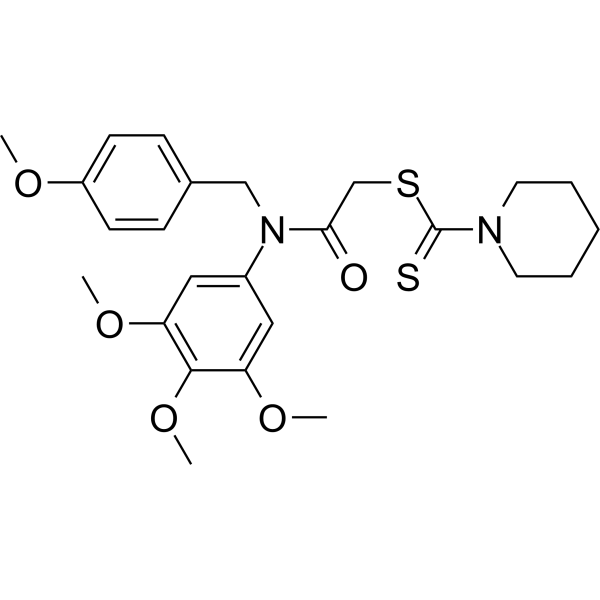
Tubulin/NEDDylation-IN-1 (compound C11) is a dual inhibitor of tubulin (Microtubule/Tubulin)-NEDDylation (IC50 for tubulin=2.40 μM), which has strong anti-proliferative activity. Neddylation is a protein post-translational modification that covalently tags the ubiquitin-like protein NEDD8 to target proteins. Tubulin/NEDDylation-IN-1 forms hydrogen bonds with residues of tubulin and E1 NEDD8 activating enzyme (NAE) through methoxy and dithiocarbamate groups and inhibits NEDDylation and microtubulin in an ATP-dependent manner. tube polymerization .
|
-
- HY-159481
-
|
|
Succinate Dehydrogenase
Fungal
|
Infection
Inflammation/Immunology
|
|
SDH-IN-17 (compound C32), a hydrazide-containing flavonol derivative, is a potent succinate dehydrogenase (SDH) inhibitor with an IC50 of 8.42 μM. SDH-IN-17 can occupy the active site and form strong interactions with the key residues of SDH. SDH-IN-17 exhibits antifungal activity against Rhizoctonia solani (EC50=0.170 μg/mL). SDH-IN-17 disrupts the normal growth of hyphae by affecting the structural integrity of the cell membrane and cellular respiration. SDH-IN-17 has the potential for plant disease control research .
|
-

- HY-402805
-
|
|
DYRK
CDK
Tau Protein
|
Cancer
|
|
DYRK2-IN-2 (Compound C17) is a selective inhibitor of DYRK2, with its IC50 value being 40.3 nM. The inhibitory activity of DYRK2-IN-2 on DYRK1A (IC50 = 1842 nM), DYRK1B (IC50 = 1335 nM), DYRK4 (IC50 = 1931 nM), DYRK3 (IC50 = 112 nM), and CLKs (IC50 = 540-6496 NM) is relatively low. DYRK2-IN-2 inhibits the phosphorylation of Tau protein at Thr212 and shows moderate cytotoxicity in HT22 cells. DYRK2-IN-2 can be used in cancer research .
|
-

- HY-181785
-
|
|
Influenza Virus
|
Infection
|
|
Influenza A virus-IN-18 (Compound C2e) is an orally active inhibitor of Influenza A virus (IC50: 2.5 μM against PR8/H1N1; 6.42 μM against H3N2). Influenza A virus-IN-18 binds directly to the H1N1/PR8 HA protein with high affinity, with a KD of 0.25 μM. Influenza A virus-IN-18 is applicable to research related to Influenza A virus infection .
|
-

- HY-179149
-
|
|
Polo-like Kinase (PLK)
Apoptosis
|
Cancer
|
|
PLK4-IN-6 (compound C05) is an PLK4 inhibitor (IC50 < 0.1 nM). PLK4-IN-6 has anti proliferative activity against various tumor cells, such as IMR-32 (IC50 = 0.948 μM), MCF-7 (IC50 = 0.979 μM), H460 (IC50 = 1.679 μM) cells. PLK4-IN-6 can significantly induce cell apoptosis and block the cell cycle. PLK4-IN-6 can be used for research on various types of cancer .
|
-

- HY-176737
-
|
|
TGF-beta/Smad
|
Inflammation/Immunology
|
|
TGF-β1/Smad-IN-1 (compound C9) is a potent TGF-β1/Smad inhibitor. TGF-β1/Smad-IN-1 inhibits the expression of fibrosis markers (α-SMA and COL1A1) induced by TGF-β1. TGF-β1/Smad-IN-1 shows antifibrotic effects. TGF-β1/Smad-IN-1 has the potential for the research of hepatic fibrosis .
|
-

- HY-180273
-
|
|
Bacterial
|
Infection
|
|
Antibacterial agent 309 (Compound C9) is an antibacterial agent, substrate of AcrB efflux pump. Antibacterial agent 309 promotes FtsZ polymerization. Antibacterial agent 309 demonstrates antibacterial activity against Erythromycin (HY-B0220)-resistant S. pyogenes 2 (MIC = 0.25 μg/mL), Penicillin-resistant S. aureus CI (MIC = 0.125 μg/mL), Penicillin-resistant S. epidermidis (MIC = 2 μg/mL). Antibacterial agent 309 exhibits weak antibacterial activity against the wild-type E. coli BW25113 MIC = 256 μg/mL) .
|
-

- HY-168858
-
|
|
Trk Receptor
|
Cancer
|
|
TRK-IN-30 (Compound C11) is the inhibitor for tropomyosin receptor kinase (TRK) that inhibits TRKA, TRKB and TRKC and drug resistant mutant TRKA G595R with an IC50 of 1.8, 0.98, 3.8, and 54 nM, respectively. TRK-IN-30 inhibits the activation of the downstream PI3K/AKT and MEK/ERK signaling pathways. TRK-IN-30 inhibits the colony formation and cell migration of Km-12, arrests the cell cycle at G0/G1 phase, and induces apoptosis in Km-12 .
|
-

- HY-172804
-
|
|
Succinate Dehydrogenase
Fungal
Apoptosis
|
Infection
|
|
SDH-IN-26 (Compound C3) is a succinate dehydrogenase (SDH) inhibitor. SDH-IN-26 exhibits significant inhibitory activity against multiple phytopathogenic fungi, such as Rhizoctonia solani and Botrytis cinerea, with an EC50 value of 0.270 μg/mL against Rhizoctonia solani. SDH-IN-26 damages the integrity of the fungal cell membrane, increases membrane permeability, disrupts cell structure, and reduces the number of mitochondria, thus affecting the normal growth of mycelia. SDH-IN-26 leads to a decrease in mitochondrial membrane potential, and induces cell apoptosis. SDH-IN-26 is promising for research of plant diseases caused by fungi .
|
-

- HY-161536
-
|
|
PROTACs
EGFR
Apoptosis
|
Cancer
|
|
PROTAC EGFR degrader 9 (Compound C6) is an orally active CRBN-based PROTAC EGFR degrader. PROTAC EGFR degrader 9 exhibits a DC50 of 10.2 nM and a Kd of 240.2 nM against EGFR L858R/T790M/C797S. PROTAC EGFR degrader 9 exhibits potent degradation activity against various EGFR mutants, while sparing the EGFRWT. (Blue: CRBN ligand (HY-A0003), Black: linker (HY-161613); Pink: EGFR inhibitor (HY-161537)) .
|
-

- HY-181871
-
|
|
Trk Receptor
Akt
ERK
Apoptosis
|
Cancer
|
|
DZX19 (Compound C02) is an orally active, selective TRK inhibitor with a TRKA IC50 value of 1.32 nM, a TRKB IC50 of 2.28 nM, and a TRKC IC50 of 4.05 nM. DZX19 inhibits the kinase activities of wild-type TRKA, TRKA mutants (G595R, F589L, G667C), wild-type TRKB, and wild-type TRKC, and suppresses the phosphorylation of TRKA as well as its downstream AKT and ERK signaling pathways. DZX19 induces apoptosis. DZX19 inhibits tumor growth in a colorectal cancer xenograft mouse model. DZX19 is applicable for the research of colorectal cancer .
|
-

- HY-158732
-
|
|
Monoamine Oxidase
|
Inflammation/Immunology
|
|
MAO-B-IN-33 (compound C3) is a potent, reversible and selective monoamine oxidase-B (MAO-B) inhibitor with an IC50 of 0.021 μM and 26.805 μM for MAO-B and MAO-A, respectively. The selectivity of MAO-B-IN-33 is attributed to the steric clash arising from the residue differences between Phe208 (MAO-A) and Ile199 (MAO-B). MAO-B-IN-33 inhibits cerebral MAO-B activity and alleviates MPTP (HY-15608)-induced dopaminergic neuronal loss in the mouse. MAO-B-IN-33 has the potential for Parkinson's disease research .
|
-

- HY-174384
-
|
|
c-Met/HGFR
Apoptosis
G-quadruplex
|
Cancer
|
|
MET Transcription-IN-1 (Compound C3) is an orally active MET transcription inhibitor. MET Transcription-IN-1 can efficiently bind and stabilize the G-quadruplex in the MET promoter region, thereby inhibiting c-Met expression. MET Transcription-IN-1 can also overcome drug resistance caused by specific c-Met mutations. MET Transcription-IN-1 is capable of inhibiting tumor cell proliferation, migration, and invasion, as well as inducing cell cycle arrest and apoptosis. MET Transcription-IN-1 has antitumor activity, and can be used in the research of tumors such as non-small cell lung cancer .
|
-

- HY-125876
-
|
|
PROTACs
Bcl-2 Family
|
Cancer
|
|
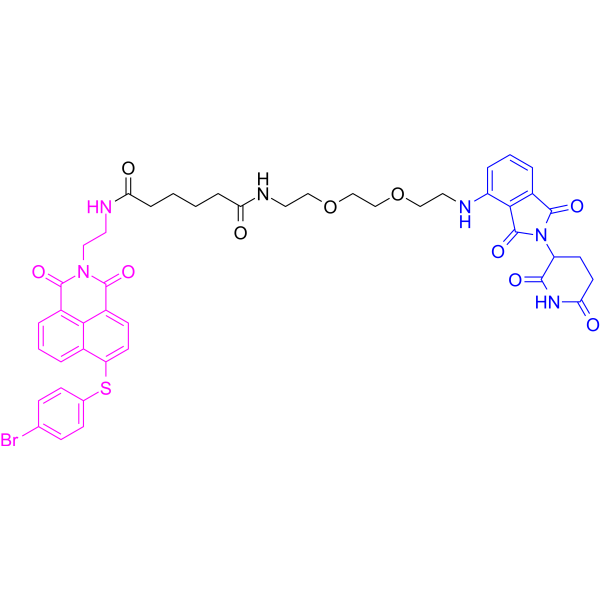
PROTAC Bcl2 degrader-1 (Compound C5) is a PROTAC based on Cereblon ligand, which potently and selectively induces the degradation of Bcl-2 (IC50, 4.94 μM; DC50, 3.0 μM) and Mcl-1 (IC50, 11.81 μM) by introducing the E3 ligase cereblon (CRBN)-binding ligand pomalidomide to Mcl-1/Bcl-2 dual inhibitor Nap-1 (Blue: CRBN ligand, Black: linker;Pink: Mcl-1/Bcl-2 inhibitor, Nap-1).
|
-
- HY-176224
-
|
|
Bacterial
|
Infection
Inflammation/Immunology
|
|
Anti-virulence factor-IN-2 (compound C7) is an inhibitor targeting the virulence factor KpsM in Escherichia coli. kpsM mediates the translocation of capsular polysaccharides to the cell surface, allowing kpsM-positive E. coli to escape the phagocytosis of the scavenger receptor Marco on liver Kupffer cells, leading to bacterial dissemination. kpsM-positive E. coli exacerbates ethanol-induced liver disease. Anti-virulence factor-IN-2 can inhibit the ethanol-induced liver disease model caused by kpsM-dependent capsid in mice and has anti-infective activity. Anti-virulence factor-IN-2 can be used for the study of alcoholic hepatitis .
|
-

- HY-121672
-
|
|
PI3K
Akt
Apoptosis
|
Cancer
|
|
PI3K-IN-7 (Compound C96) is a PI3K inhibitor. PI3K-IN-7 inhibits phosphorylation of AKT and the activation of an AKT downstream protein. PI3K-IN-7 induces apoptosis of the tumor cells. PI3K-IN-7 has low toxicity for normal cells. PI3K-IN-7 can be used for research of acute and chronic leukemia, multiple myeloma, lymphoma .
|
-

- HY-147007
-
|
|
β-catenin
Wnt
CDK
|
Cancer
|
|
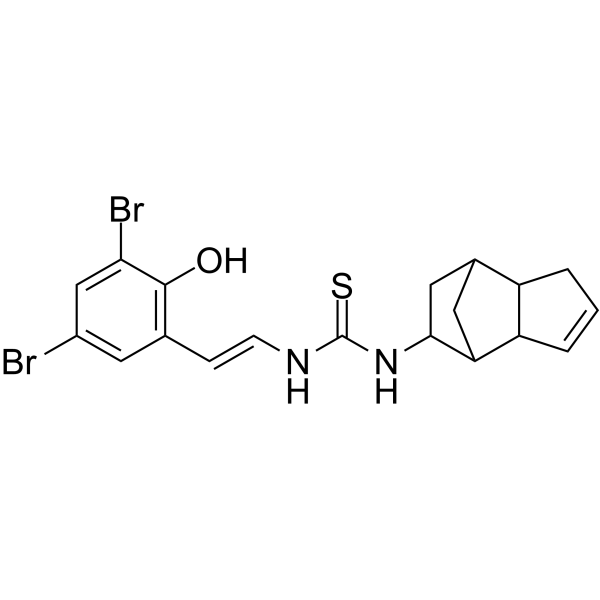
β-catenin-IN-3 (Compound C2) is a selective β-catenin inhibitor. β-catenin-IN-3 binds to allosteric site on the surface of β-catenin with K D calculated at 54.96 nM. β-catenin-IN-3 selectively inhibits β-catenin via targeting a cryptic allosteric modulation site, lowers its cellular load. β-catenin-IN-3 significantly reduces viability of β-catenin driven cancer cells, and triggers β-catenin degradation via proteasome system in β-catenin-overexpressing cancer cells .
|
-
- HY-180190
-
|
|
Microtubule/Tubulin
Bcl-2 Family
MDM-2/p53
CDK
Apoptosis
|
Cancer
|
|
Tubulin polymerization-IN-85 (Compound C21) is a tubulin polymerization inhibitor (IC50 = 1.59 μM) targeting the colchicine binding site. Tubulin polymerization-IN-85 can cause cancer cells G2/M phase arrest and induce apoptosis. Tubulin polymerization-IN-85 downregulates the expression of Bcl-2, Bcl-xl, Mcl-1, Cyclin B1, cdc25, cdc2 protein and upregulates P53, P21, Bad and Bax levels. Tubulin polymerization-IN-85 can be used for the research of cancer, such as cervical cancer .
|
-

- HY-155141
-
|
|
Cytochrome P450
|
Cancer
|
|
hCYP3A4-IN-1 (compound C6) is a potent, orally active hCYP3A4 inhibitor. hCYP3A4-IN-1 shows the IC50 values of 43.93 nM and 153.00 nM against hCYP3A4 in human liver microsomes (HLMs) and CHO-3A4 stably transfected cell line, respectively. hCYP3A4-IN-1 potently inhibits CYP3A4-catalyzed N-ethyl-1,8-naphthalimide (NEN) hydroxylation in a competitive manner (Ki = 30.00 nM) .
|
-
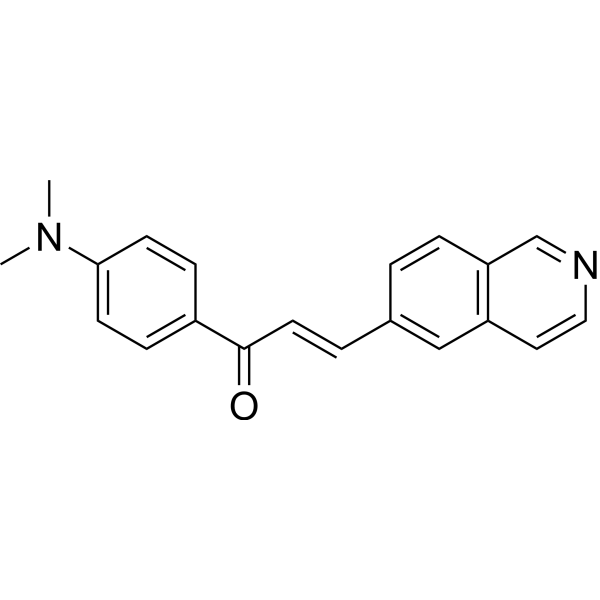
- HY-176171
-
|
|
Microtubule/Tubulin
Hippo (MST)
YAP
Apoptosis
|
Cancer
|
|
Tubulin polymerization-IN-79 (Compound C20) is a tubulin polymerization inhibitor. Tubulin polymerization-IN-79 shows potent antiproliferative activity against esophageal cancer cells (e.g., KYSE450, IC50=0.36 μM; EC-109, IC50=0.63 μM). Tubulin polymerization-IN-79 occupies the colchicine binding site to disrupt microtubule network integrity, activating the Hippo signaling pathway, downregulating the oncogenic protein YAP expression, and inducing G2/M phase arrest and apoptosis in esophageal cancer cells. Tubulin polymerization-IN-79 is promising for research of esophageal cancers .
|
-

- HY-W683900A
-
|
|
Biochemical Assay Reagents
|
Others
|
|
(S)-3-Hydroxy-2-palmitamidopropanoic acid (sodium) (Compound C16Ser) is a serinate surfactants. (S)-3-Hydroxy-2-palmitamidopropanoic acid (sodium) can be used to study the effect of fatty acyl chain length on the foam properties. (S)-3-Hydroxy-2-palmitamidopropanoic acid (sodium) has the longer acyl chain, which enhances the intermolecular interaction, thereby facilitating a compact adsorption film at the interface. (S)-3-Hydroxy-2-palmitamidopropanoic acid (sodium) exhibits higher interfacial activity and forms more stable interfacial films under stronger intermolecular interaction .
|
-

- HY-168722
-
|
|
PARP
PROTACs
|
Cancer
|
|
PROTAC PARP1 degrader-3 (Compound C6) is a PROTAC degrader for PARP1 with a DC50 of 58.14 nM. PROTAC PARP1 degrader-3 exhibits cytotoxicity in cancer cell SW-620 and LOVO with IC50 of 1.63 μM and 2.84 μM. PROTAC PARP1 degrader-3 exhibits a synergistic effect with SN-38 (HY-13704) in BRCA-mutated colon cancer cell with a combination index (CI) of 0.487. (Blue: Ligand for E3 ligase Cereblon (HY-23095); Pink: Ligand for target protein (HY-10619); Black: Linker (HY-16872))
|
-

- HY-163816
-
|
|
Cytochrome P450
|
Cancer
|
|
Antiproliferative agent-53-d3 (Compound C1) is an inhibitor for theta-mediated end joining (TMEJ) in HEK293 cell with an IC50 of 0.14 µM. Antiproliferative agent-53-d3 is the inhibitor for CYP2C19 and CYP2C9 with IC50 of 0.77 and 3.1 µM. Antiproliferative agent-53-d3 inhibits the proliferation of DNA repair-compromised cells, with IC50 of 8.1 µM for BRCA2 -/- DLD-1. Antiproliferative agent-53-d3 exhibits good pharmacokinetic characteristics in CD-1 mice .
|
-

- HY-160116
-
|
|
Radionuclide-Drug Conjugates (RDCs)
Fluorescent Dye
α-synuclein
|
Neurological Disease
|
|
α-Synuclein aggregate binder 1 (Compound C05-05) is a specific binder for α-synuclein aggregates and can inhibit α-synuclein aggregation. α-Synuclein aggregate binder 1 can be used as a fluorescent probe (excitation wavelength 900 nm, detection wavelength 500-550 nm) for optical imaging, and can also inhibit α-synuclein fibril formation by blocking the aggregation process. α-Synuclein aggregate binder 1 can be used for positron emission tomography (PET) imaging after being labeled with 18F. α-Synuclein aggregate binder 1 can be used for visual diagnosis of brain lesions and mechanism research of neurodegenerative diseases such as Parkinson's disease and Lewy body dementia .
|
-

- HY-168729
-
|
|
Bacterial
|
Infection
|
|
Antibacterial agent 256 (Compound C09) is an inhibitor for type I signal peptidase (SPase I). Antibacterial agent 256 inhibits gram-positive bacteria, that inhibits S. aureus ATCC 29213, E. faecium QF31, E. faecalis SF23-1 and S. suis P1/7, with MIC of 1-16 μg/mL. Antibacterial agent 256 exhibits cytotoxicity in cancer cell HEp-2 and Caco-2 with CC50 of 14.65 μg/mL and 21.93 μg/mL. Antibacterial agent 256 exhibits a hemolytic activity on mouse RBCs, with an HC50 of 13.29 μg/mL. Antibacterial agent 256 ameliorates the MRSA skin infection in mouse model .
|
-

- HY-163938A
-
|
|
PROTACs
|
Cancer
|
|
PROTAC erf3a Degrader-2 (Compound C59) is an orally active PROTAC erf3a Degrader. PROTAC erf3a Degrader-2 inhibits protein expression of SRD5A3 and GSPT1(eRF3a). PROTAC erf3a Degrader-2 inhibits cancer cell proliferation (eg: 22Rv1). PROTAC erf3a Degrader-2 can be used for research of prostate cancer, ovarian cancer, liver cancer, cervical cancer, leukemia, breast cancer. (Red: erf3a ligand (HY-13778); Black: linker (HY-163960); Blue: E3 ligase ligand (HY-W763812)) .
|
-

- HY-162415
-
|
|
c-Fms
Apoptosis
|
Cancer
|
|
CSF1R-IN-22 (Compound C19) is an orally effective CSF-1R selective inhibitor (IC50<6 nM). CSF1R-IN-22 enhances the secretion of CXCL9 from M2 macrophages, increases CD8 + T cell infiltration. CSF1R-IN-22 boosts anti-tumor immune responses of anti-PD-1, and induces apoptosis in tumor cells. CSF1R-IN-22 can effectively reprogram M2-like TAMs (tumor-associated macrophages) to the M1 phenotype and reshape the TME by inducing the recruitment of CD8 + T cells into tumors and reducing the infiltration of immunosuppressive Tregs and MDSCs .
|
-

- HY-178949
-
|
|
Antibiotic
Bacterial
DNA/RNA Synthesis
|
Infection
|
|
MRSA antibiotic 3 (Compound C8) is a small-molecule antibiotic active against Methicillin (HY-121544)-resistant Staphylococcus aureus (MRSA), showing a MIC of 0.5 μg/mL against the standard S. aureus strain (ATCC 29213). MRSA antibiotic 3 potently inhibits the ATPase activity of S. aureus DNA gyrase with an IC50 of 0.32 μM. MRSA antibiotic 3 exhibits strong inhibitory activity against five clinical MRSA isolates, with MIC values ranging from 0.5 to 1 μg/mL. MRSA antibiotic 3 demonstrates negligible cytotoxicity at effective antibacterial concentrations and causes no hemolysis in erythrocytes even at extremely high concentrations. MRSA antibiotic 3 shows significant protective effects in both Galleria mellonella infection and murine sepsis models .
|
-

- HY-170978
-
|
|
PROTACs
CDK
|
Cancer
|
|
PROTAC CDK9 degrader-11 (Compound C3) is an orally active PROTAC degrader for CDK9 with DC50 of 1.09 nM. PROTAC CDK9 degrader-11 exhibits cytotoxicity in multi small cell lung cancer cell with IC50 of nanomolar levels. PROTAC CDK9 degrader-11 arrests cell cycle at G0/G1 phase, inhibits the cell invasion in DMS114 and DMS53 cell. PROTAC CDK9 degrader-11 exhibits antitumor efficacy in NCI-H446 xenograft mouse models .(Pink: ligand for target protein CDK9 ligand 3 (HY-170979); Black: linker; Blue: ligand for E3 ligase Cereblon E3 ligase Ligand 56 (HY-W247437))
|
-

- HY-161708
-
|
|
PROTACs
CDK
FLT3
|
Cancer
|
|
PROTAC FLT3/CDKs degrader-1 (Compound C3) is a degrader for cyclin-dependent kinases (DC50 is 18.73 nM for CDK2) and the FMS-like tyrosine kinase 3 (FLT3). PROTAC FLT3/CDKs degrader-1 induces differentation of HL-60 (72.77% differentation at 6.25 nM), inhibits proliferation of AML cells, with IC50s of 2.9-37 nM. PROTAC FLT3/CDKs degrader-1 is potential for ameliorating acute myeloid leukemia. (Pink: ligand for target protein FLT3/CDKs ligand-1 (HY-161709); Black: linker (HY-W012935); Black: ligand for E3 ligase Thalidomide 5-fluoride (HY-W087383))
|
-

- HY-181015
-
|
|
PI3K
Akt
Bcl-2 Family
Apoptosis
Reactive Oxygen Species (ROS)
Lactate Dehydrogenase
SOD
|
Neurological Disease
|
|
α-D-Manp(3→1)-α-D-Manp(2→1)-α-D-Glu (Compound C) is an oligosaccharide. α-D-Manp(3→1)-α-D-Manp(2→1)-α-D-Glu activates the PI3K/AKT signaling pathway. α-D-Manp(3→1)-α-D-Manp(2→1)-α-D-Glu significantly inhibits Apoptosis by regulating the Bcl-2/BAX ratio. α-D-Manp(3→1)-α-D-Manp(2→1)-α-D-Glu shows cytoprotective activity by reducing ROS and LDH levels, decreasing MDA activity, and increasing CAT, SOD, and GSH activities. α-D-Manp(3→1)-α-D-Manp(2→1)-α-D-Glu shows neuroprotective effects and antioxidant capacity .
|
-

- HY-162816
-
|
|
PROTACs
MAP4K
|
Cancer
|
|
PROTAC HPK1 Degrader-3 (compound C3) is an orally effective PROTAC targeting HPK1 (DC50=21.26 nM). HPK1 is a negative regulator of T cell receptors, which can lead to T cell dysfunction after abnormal activation. PROTAC HPK1 Degrader-3 can inhibit SLP76 and NF-κB signaling pathways and inhibit MAPK signal transduction, and has anticancer activity and immune activation. PROTAC HPK1 Degrader-3 has a certain oral bioavailability and can be combined with PD-L1 antibody therapy to achieve a tumor growth inhibition rate of 65.58%. PROTAC HPK1 Degrader-3 is composed of E3 ligase ligand Thalidomide (HY-14658; blue part), PROTAC linker tert-Butyl 3-oxoazetidine-1-carboxylate (HY-40146; black part), and target protein ligand HPK1-IN-51 (HY-162842; red part); the activity control of the target protein ligand can be HPK1 ligand 1 (HY-162841) [1] .
|
-

| Cat. No. |
Product Name |
Type |
-
- HY-13418G
-
|
Compound C dihydrochloride; BML-275 dihydrochloride
|
Fluorescent Dye
|
|
Dorsomorphin dihydrochloride (GMP) is the GMP level of Dorsomorphin dihydrochloride (HY-13418). GMP guidelines are used to produce Dorsomorphin dihydrochloride (GMP). GMP small molecules works appropriately as an auxiliary reagent for cell research manufacture. Dorsomorphin dihydrochloride (GMP) is a potent, selective and ATP-competitive AMPK inhibitor. Dorsomorphin dihydrochloride (GMP) can be used for the research of induced differentiation of pluripotent stem cells (PSCs) .
|
| Cat. No. |
Product Name |
Type |
-
- HY-13418G
-
|
Compound C dihydrochloride; BML-275 dihydrochloride
|
Biochemical Assay Reagents
|
|
Dorsomorphin dihydrochloride (GMP) is the GMP level of Dorsomorphin dihydrochloride (HY-13418). GMP guidelines are used to produce Dorsomorphin dihydrochloride (GMP). GMP small molecules works appropriately as an auxiliary reagent for cell research manufacture. Dorsomorphin dihydrochloride (GMP) is a potent, selective and ATP-competitive AMPK inhibitor. Dorsomorphin dihydrochloride (GMP) can be used for the research of induced differentiation of pluripotent stem cells (PSCs) .
|
| Cat. No. |
Product Name |
Target |
Research Area |
-
- HY-P10816
-
|
Ac-(DLeu)LLLRVK-Amba
|
Bacterial
|
Infection
Cancer
|
|
PACE4 Inhibitory peptide C23 (Compound C23; Ac-(DLeu)LLLRVK-Amba)), a potent peptidomimetic inhibitor, is a PACE4 inhibitor. PACE4 Inhibitory peptide C23e shows antiproliferative effects against PCa cell lines (Ki = 5 nM; IC50 = 25 and 40 μM for DU145 and LNCaP, respectively). PACE4 Inhibitory peptide C23 also blocks tumor growth in vivo in LNCaP xenograft-bearing mice .
|
-
- HY-P11576
-
|
|
Integrin
Radionuclide-Drug Conjugates (RDCs)
|
Cancer
|
|
Cyclic αvβ6 (Compound c(FRGDLAFp(NMe)K)) is a αvβ6-integrin-specific cyclic nonapeptide. Cyclic αvβ6 can be coupled with 68Ga-labeled monomeric triazacyclononane-triphosphinate (TRAP). Cyclic αvβ6 can be used in PET imaging studies for cancers including head and neck cancer and pancreatic cancer .
|
| Cat. No. |
Product Name |
Chemical Structure |
-
- HY-163816
-
|
|
|
Antiproliferative agent-53-d3 (Compound C1) is an inhibitor for theta-mediated end joining (TMEJ) in HEK293 cell with an IC50 of 0.14 µM. Antiproliferative agent-53-d3 is the inhibitor for CYP2C19 and CYP2C9 with IC50 of 0.77 and 3.1 µM. Antiproliferative agent-53-d3 inhibits the proliferation of DNA repair-compromised cells, with IC50 of 8.1 µM for BRCA2 -/- DLD-1. Antiproliferative agent-53-d3 exhibits good pharmacokinetic characteristics in CD-1 mice .
|
-
| Cat. No. |
Product Name |
|
Classification |
-
- HY-180491
-
|
|
|
Azide
|
|
2-(3-(Azidomethyl)-2-formyl-6-methylphenoxy)acetic acid (Compound C1-4) is an azide reagent. 2-(3-(Azidomethyl)-2-formyl-6-methylphenoxy)acetic acid can be used in studies of protein fixed-point azidation .
|
| Cat. No. |
Product Name |
Target |
Research Areas |
Chemical Structure |
-
- HY-13418G
-
|
Compound C dihydrochloride; BML-275 dihydrochloride
|
AMPK
|
Neurological Disease
Cancer
|
|
Dorsomorphin dihydrochloride (GMP) is the GMP level of Dorsomorphin dihydrochloride (HY-13418). GMP guidelines are used to produce Dorsomorphin dihydrochloride (GMP). GMP small molecules works appropriately as an auxiliary reagent for cell research manufacture. Dorsomorphin dihydrochloride (GMP) is a potent, selective and ATP-competitive AMPK inhibitor. Dorsomorphin dihydrochloride (GMP) can be used for the research of induced differentiation of pluripotent stem cells (PSCs) .
|
-
Your information is safe with us. * Required Fields.
Inquiry Information
- Product Name:
- Cat. No.:
- Quantity:
- MCE Japan Authorized Agent:








