Search Result
Results for "
Selective COX-2 inhibitor
" in MedChemExpress (MCE) Product Catalog:
4
Biochemical Assay Reagents
36
Isotope-Labeled Compounds
| Cat. No. |
Product Name |
Target |
Research Areas |
Chemical Structure |
-
- HY-14398
-
-
-
- HY-B0363
-
|
R805
|
COX
|
Inflammation/Immunology
Cancer
|
|
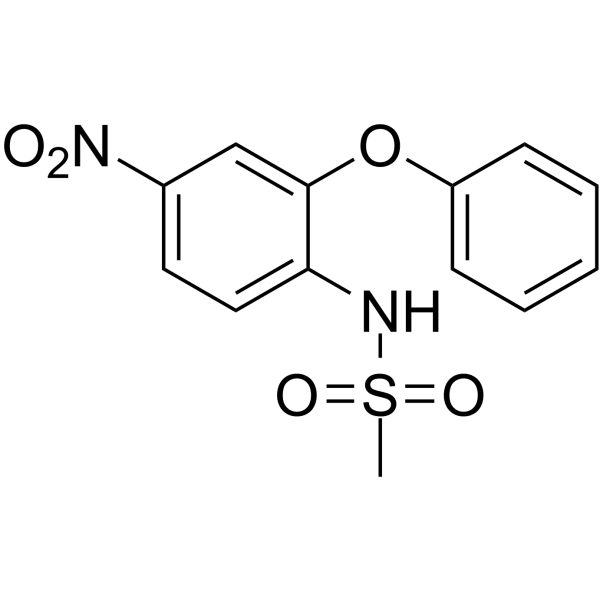
Nimesulide is a selective COX-2 inhibitor, with IC50s of 70 nM-70 μM in a time-dependent manner, but it shows no effect on COX-1 (IC50 >100 μM). Nimesulide has potent anti-inflammatory, analgesic and antipyretic properties.
|
-
-
- HY-17372
-
|
MK 966
|
COX
|
Inflammation/Immunology
Cancer
|
|
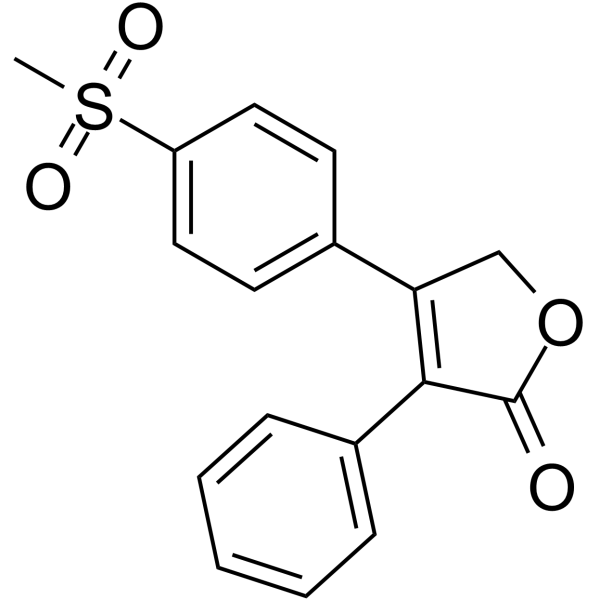
Rofecoxib is a potent, specific and orally active COX-2 inhibitor, with IC50s of 26 and 18 nM for human COX-2 in human osteosarcoma cells and Chinese hamster ovary cells, with a 1000-fold selectivity for COX-2 over human COX-1 (IC50 > 50 μM in U937 cells and > 15 μM in Chinese hamster ovary cells).
|
-
-
- HY-W015007
-
|
|
COX
|
Cardiovascular Disease
|
|
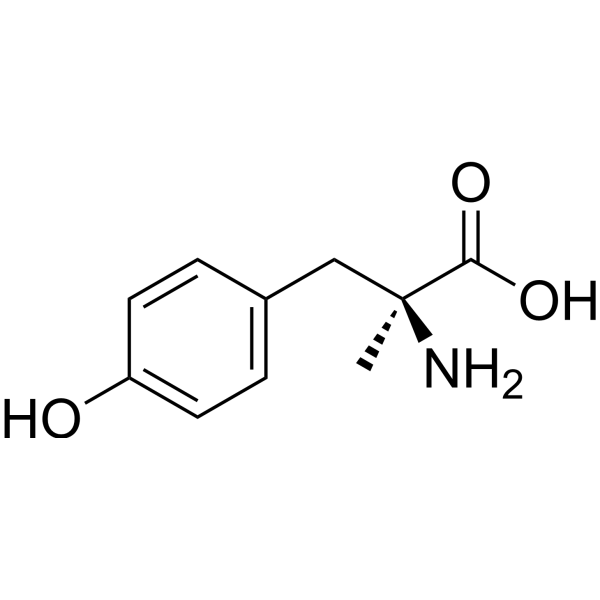
Metyrosine is a selective tyrosine hydroxylase enzyme inhibitor. Metyrosine exerts anti-inflammatory and anti-ulcerative effects. Metyrosine significantly inhibits high COX-2 activity . Metyrosine is a very effective agent for blood pressure control .
|
-
-
- HY-15762
-
-
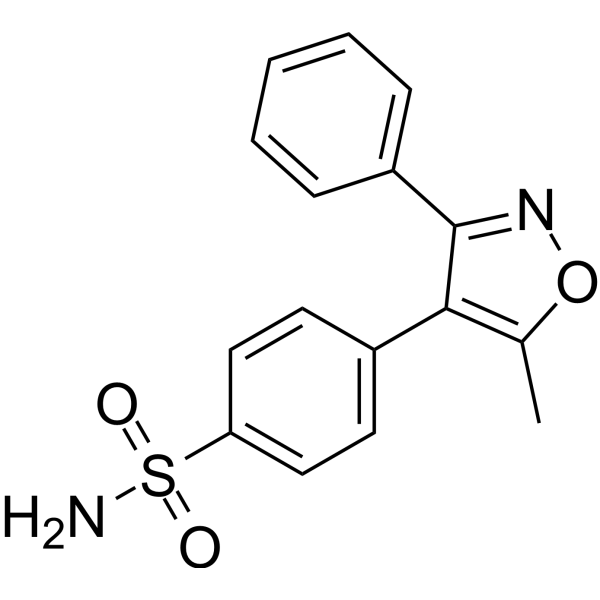
-
- HY-15321
-
|
MK-0663; L-791456
|
COX
|
Inflammation/Immunology
Cancer
|
|
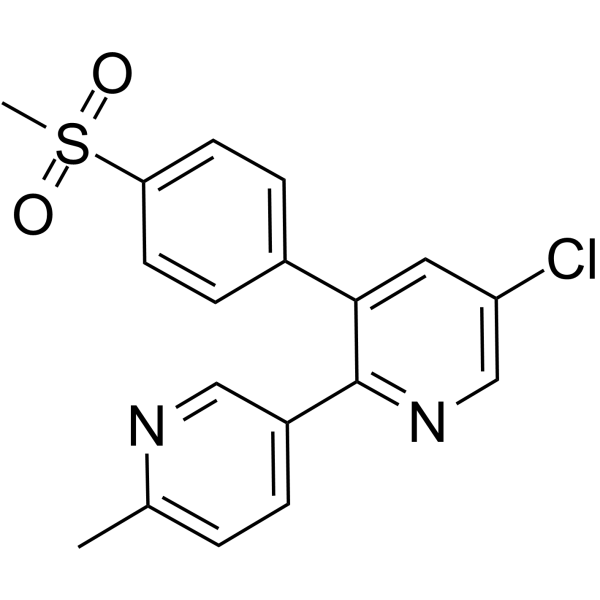
Etoricoxib (MK-0663) is a non steroidal anti-inflammatory agent, acting as a selective and orally active COX-2 inhibitor. Etoricoxib can cross the blood-brain barrier, with IC50s of 1.1 μM and 116 μM for COX-2 and COX-1 in human whole blood .
|
-
-
- HY-B0335
-
|
GEA 6414
|
COX
|
Infection
Neurological Disease
Inflammation/Immunology
Cancer
|
|
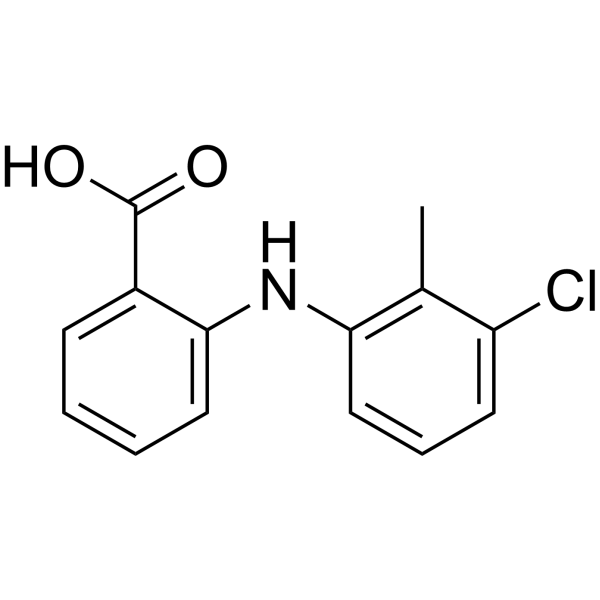
Tolfenamic Acid (GEA 6414) is a CNS-penetrant non-steroidal anti-inflammatory and anti-cancer agent, selectively inhibits COX-2, with an IC50 of 13.49 μM (3.53 μg/mL) in LPS-treated (COX-2) canine DH82 monocyte/macrophage cells, but shows no effect on COX-1.
|
-
-
- HY-113083
-
|
APAP-glu
|
Drug Metabolite
Endogenous Metabolite
|
Others
|
|
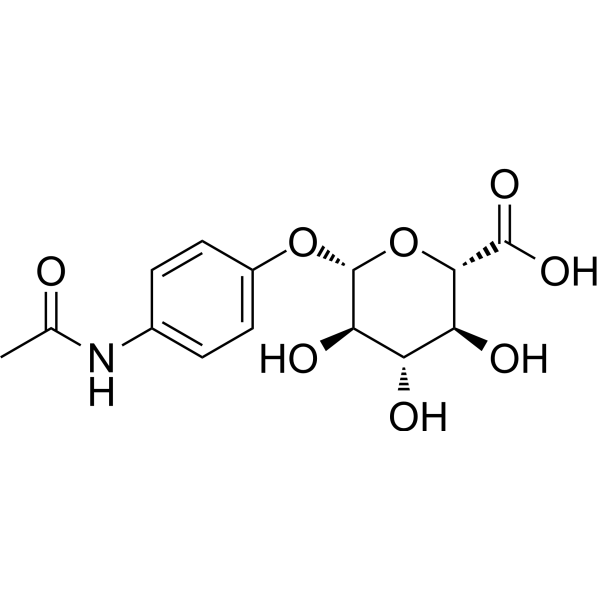
Acetaminophen glucuronide (APAP-glu) is an inactive glucuronide metabolite of Acetaminophen (HY-66005) . Acetaminophen is a selective cyclooxygenase-2 (COX-2) inhibitor and a potent hepatic N-acetyltransferase 2 (NAT2) inhibitor .
|
-
-
- HY-114200
-
|
BAP-909
|
COX
|
Inflammation/Immunology
|
|
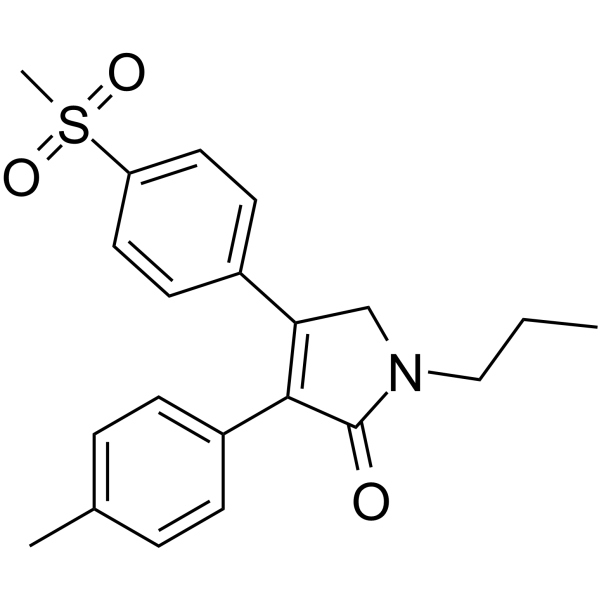
Imrecoxib (BAP-909) is a novel and selective cyclooxygenase 2 (COX-2) inhibitor with an IC50 value of 18 nM, it also inhibits COX1- activity with an IC50 value of 115 nM. Imrecoxib (BAP-909) has anti-inflammatory effect .
|
-
-
- HY-14445
-
|
COX-2 inhibitor V
|
COX
|
Inflammation/Immunology
|
|
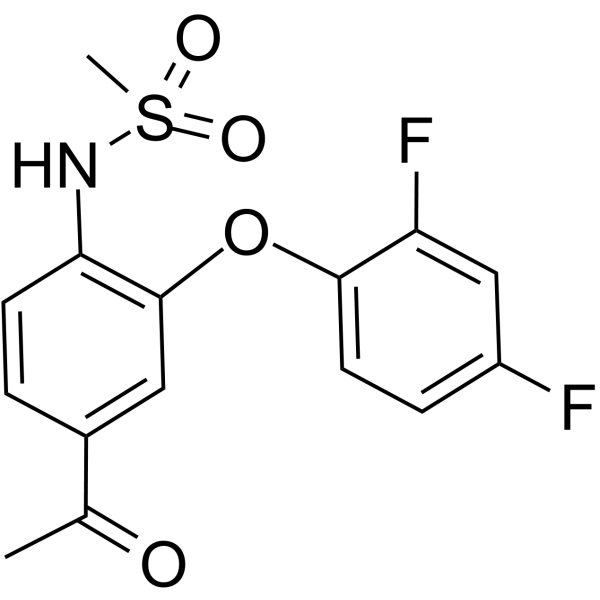
FK 3311 (COX-2 Inhibitor V) is a selective inhibitor of COX-2 with antiinflammatory agent.
|
-
-
- HY-D0053
-
|
6-Carboxy-X-rhodamine
|
Fluorescent Dye
|
Others
|
|
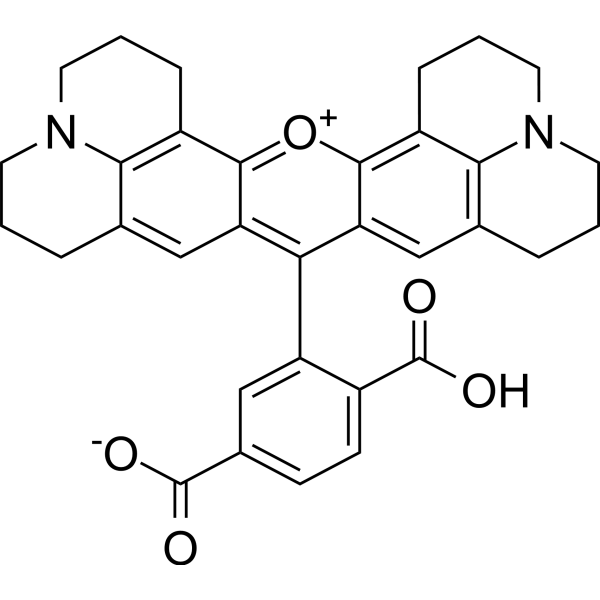
6-ROX is a selective fluorescent probe and potential inhibitor of COX-2. 6-ROX binds to the active site of COX-2 and inhibits its conversion of arachidonic acid into prostaglandins. 6-ROX is often used in the field of optical imaging related to tumors and inflammation, and helps detect diseased tissues with high expression of COX-2 .
|
-
-
- HY-14670
-
|
ML 1785713
|
COX
|
Inflammation/Immunology
|
|
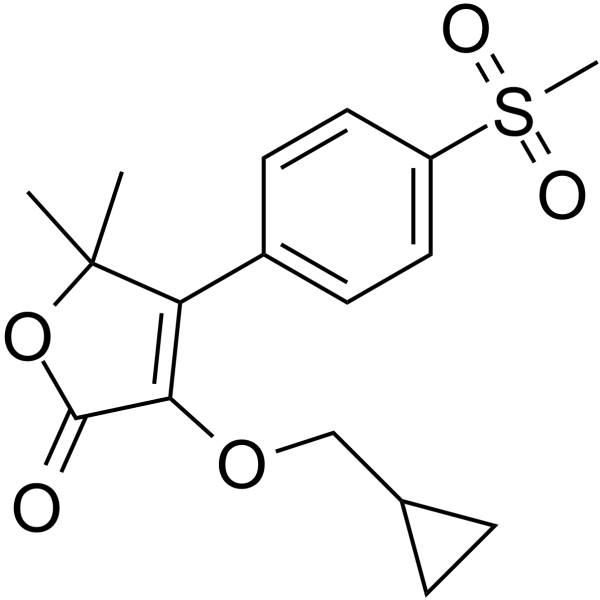
Firocoxib (ML 1785713) is a potent, selective and orally active COX-2 inhibitor with an IC50 of 0.13 μM. Firocoxib shows 58-fold more selective for COX-2 than COX-1 (IC50 of 7.5 μM). Firocoxib has anti-inflammatory effects .
|
-
-
- HY-Y1100
-
|
|
Drug Intermediate
|
Inflammation/Immunology
|
|
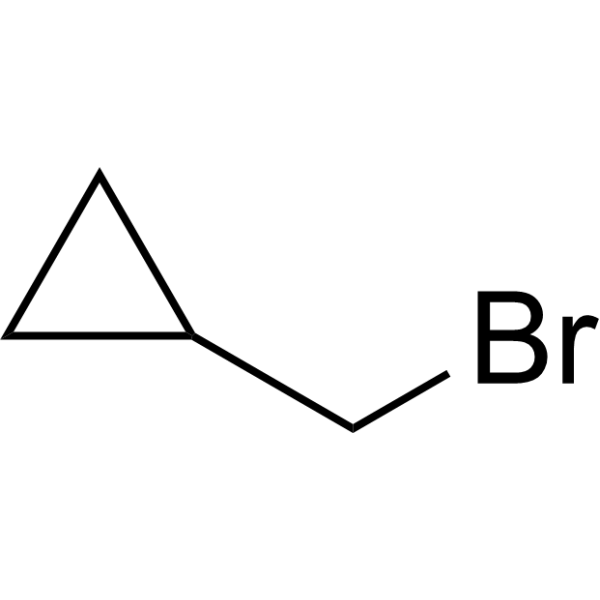
Cyclopropylmethyl bromide is an intermediate. Cyclopropylmethyl bromide can be used in the preparation of Firocoxib (HY-14670). Firocoxib (ML 1785713) is a potent, selective, orally active COX-2 inhibitor .
|
-
-
- HY-N0929
-
|
|
COX
Reactive Oxygen Species (ROS)
|
Cancer
|
|
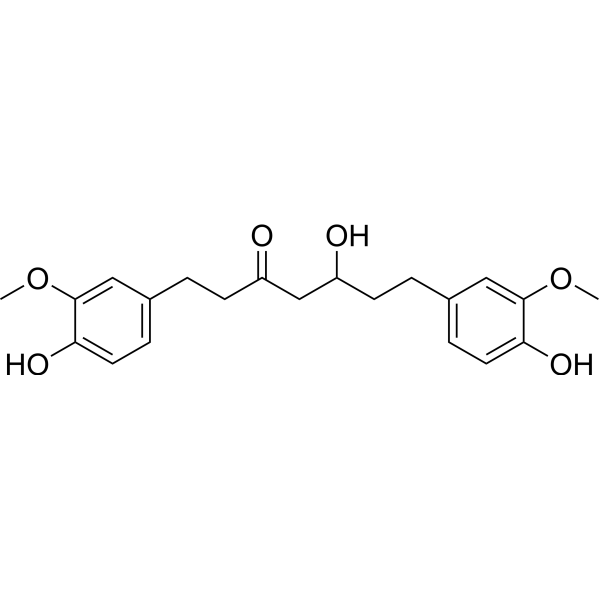
Hexahydrocurcumin is one of the major metabolites of curcumin and a selective, orally active COX-2 inhibitor. Hexahydrocurcumin is inactive against COX-1. Hexahydrocurcumin has antioxidant, anticancer and anti-inflammatory activities .
|
-
-
- HY-118078
-
|
|
COX
|
Inflammation/Immunology
|
|
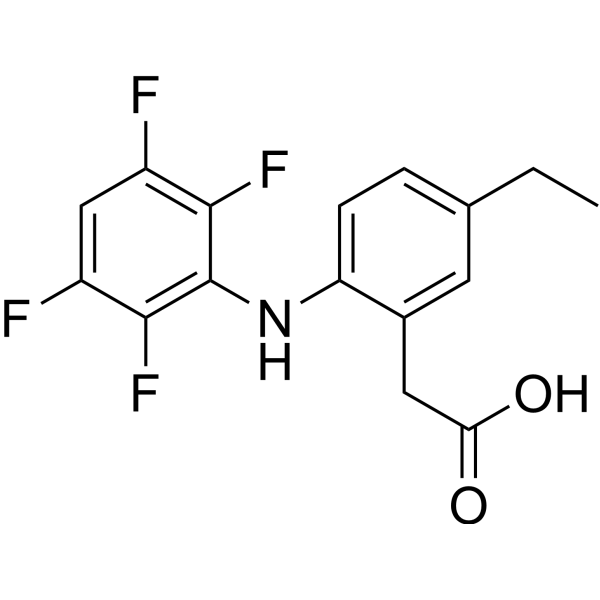
Robenacoxib is a nonsteroidal anti-inflammatory and analgesic agent. Robenacoxib is a selective COX-2 inhibitor .
|
-
-
- HY-121537
-
|
|
COX
Akt
Apoptosis
|
Neurological Disease
Inflammation/Immunology
Cancer
|
|
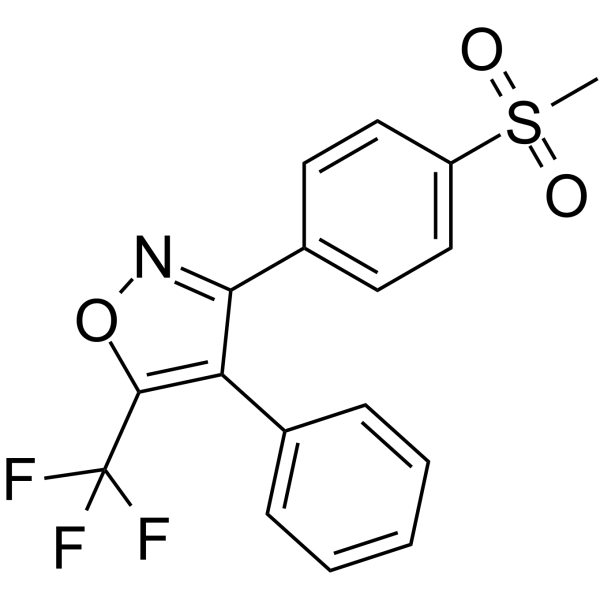
CAY10404 is a potent and selective cyclooxygenase-2 (COX-2) inhibitor with an IC50 of 1 nM and a selectivity index (SI; COX-1 IC50/COX-2 IC50) of >500000. CAY10404 is a potent PKB/Akt and MAPK signaling pathways inhibitor and induces apoptosis in non-small cell lung cancer (NSCLC) cells. CAY10404, a diarylisoxazole, has good analgesic, anti-inflammatory, and anti-cancer activities .
|
-
-
- HY-103387
-
DuP-697
1 Publications Verification
|
COX
Apoptosis
|
Inflammation/Immunology
Cancer
|
|
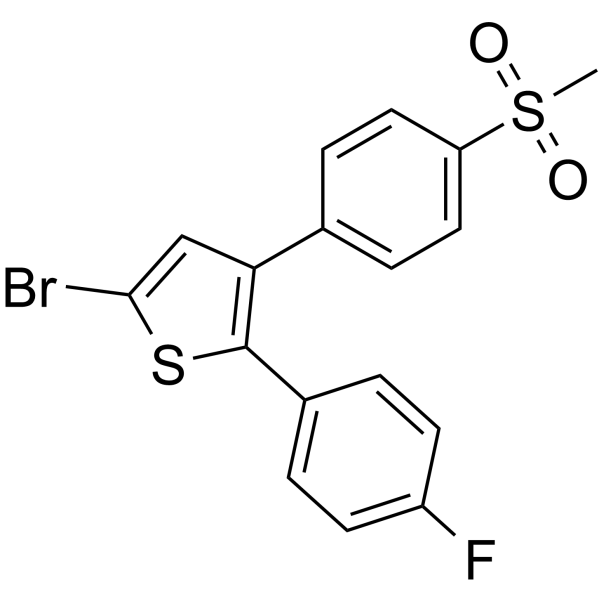
DuP-697 is a member of the vicinal diaryl heterocycles and a potent, irreversible, selective and orally active COX-2 inhibitor (IC50 of 10 nM and 800 nM for human COX-2 and COX-1, respectively). DuP-697 exerts antiproliferative (IC50 of 42.8 nM), antiangiogenic and apoptotic effects on HT29 colorectal cancer cells. DuP-697 inhibits prostaglandin synthesis and has anti-inflammatory, anticancer and antipyretic effects .
|
-
-
- HY-14398S
-
|
SC 58635-d7
|
COX
|
Inflammation/Immunology
Cancer
|
|
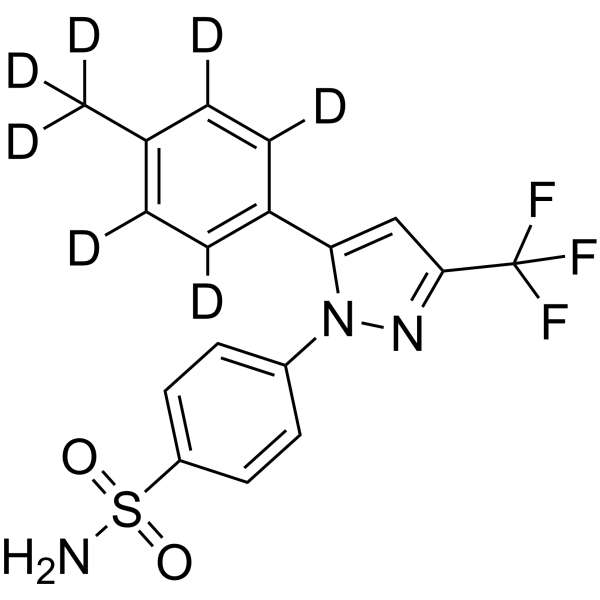
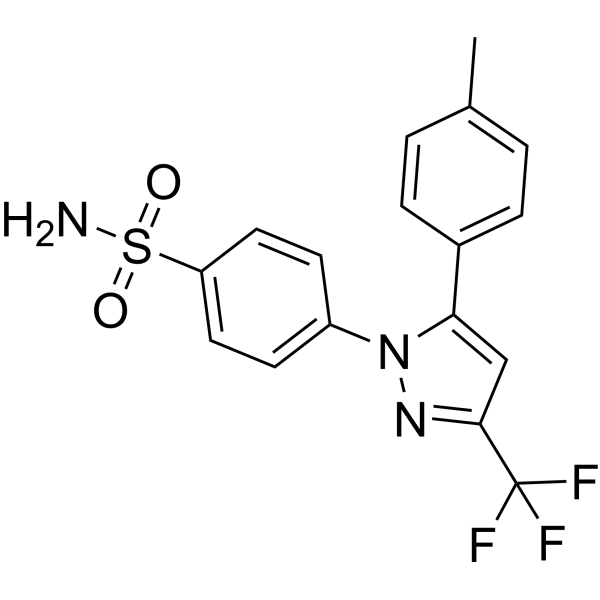
Celecoxib-d7 is the deuterium labeled Celecoxib. Celecoxib,a selective non-steroidal anti-inflammatory drug (NSAID), is a selective COX-2 inhibitor with an IC50 of 40 nM .
|
-
-
- HY-14398R
-
|
SC 58635 (Standard)
|
Reference Standards
COX
|
Inflammation/Immunology
Cancer
|
|
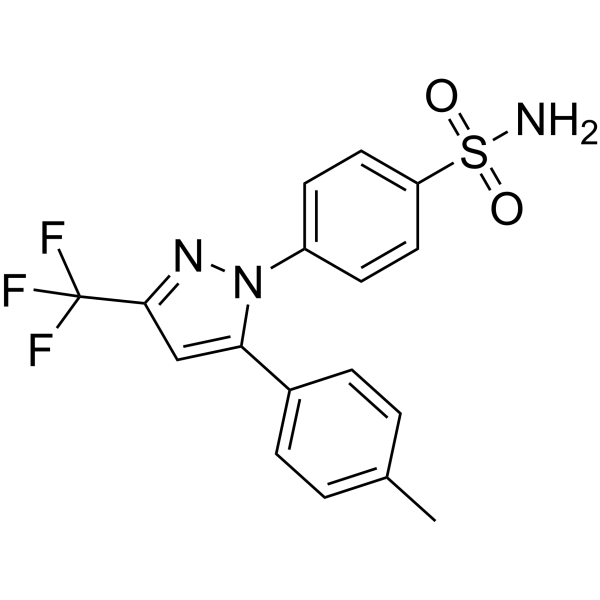
Celecoxib (Standard) is the analytical standard of Celecoxib. This product is intended for research and analytical applications. Celecoxib,a selective non-steroidal anti-inflammatory drug (NSAID), is a selective COX-2 inhibitor with an IC50 of 40 nM.
|
-
-
- HY-15321S
-
|
MK-0663-d4; L-791456-d4
|
COX
|
Others
|
|
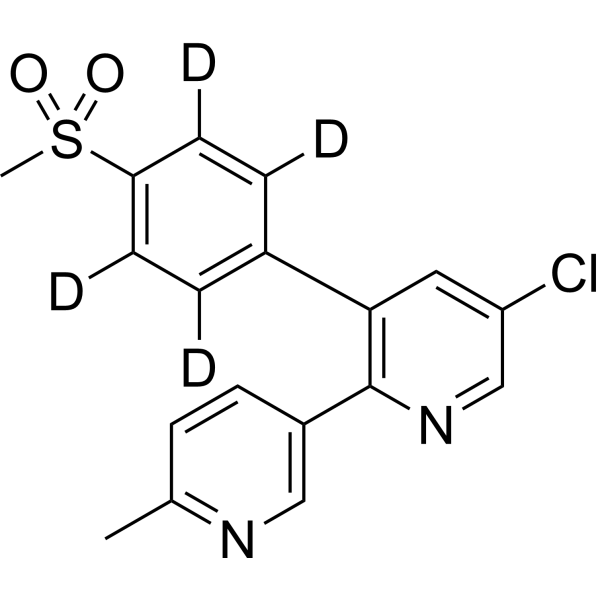
Etoricoxib-d4 (MK-0663-d4) is a deuterium labeled Etoricoxib. Etoricoxib is a non steroidal anti-inflammatory agent, acting as a selective and orally active COX-2 inhibitor, with IC50s of 1.1 μM and 116 μM for COX-2 and COX-1 in human whole blood.
|
-
-
- HY-118139
-
|
|
COX
|
Inflammation/Immunology
|
|
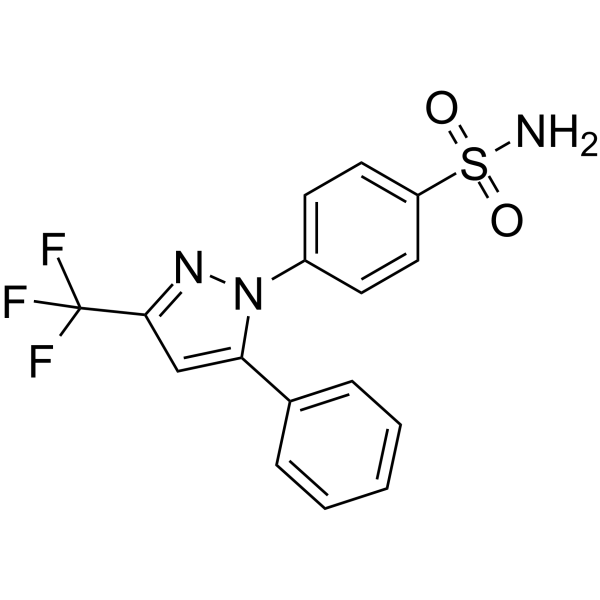
Desmethyl Celecoxib (compound 3b) is a selective cyclooxygenase-2 (COX-2) inhibitor (IC50=32 nM) with anti-inflammatory activities. Desmethyl Celecoxib is an analog of Celecoxib and with the optimal yield of 75% .
|
-
-
- HY-119447
-
|
|
COX
|
Inflammation/Immunology
|
|
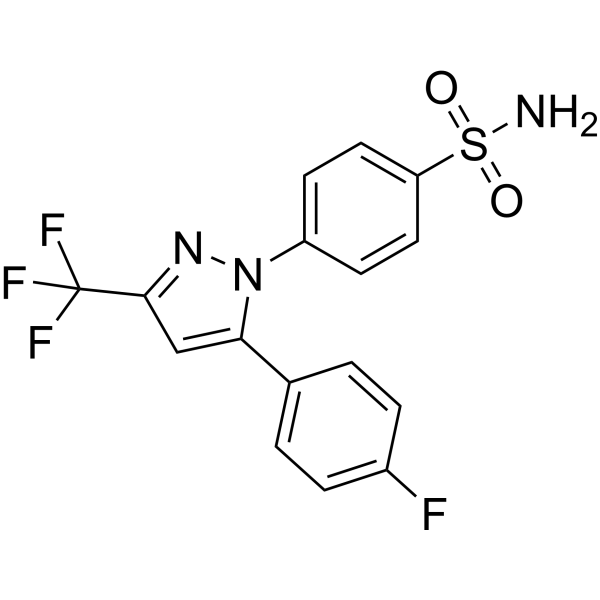
Mavacoxib is a selective, oral long-acting cyclooxygenase-2 (COX-2) inhibitor and a long-acting non-steroidal anti-inflammatory drug (NSAID). Mavacoxib is used to treat pain and inflammation associated with degenerative joint disease in dogs .
|
-
-
- HY-66005S2
-
|
Paracetamol-d7; 4-Acetamidophenol-d7; 4'-Hydroxyacetanilide-d7
|
COX
Endogenous Metabolite
Histone Acetyltransferase
|
Inflammation/Immunology
|
|
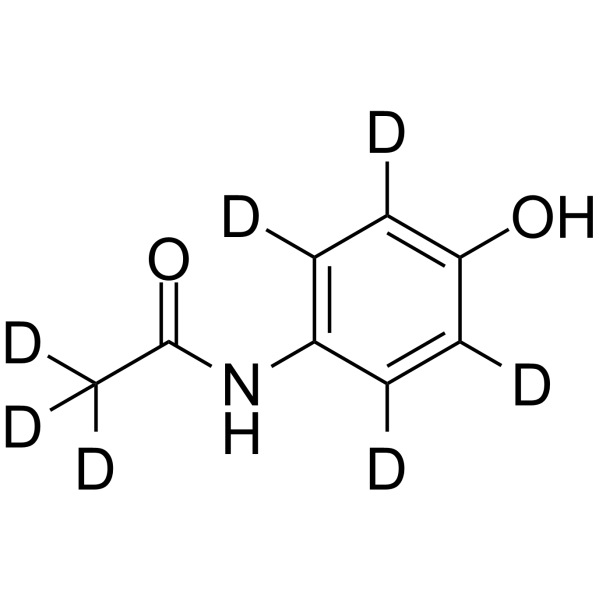
Acetaminophen-d7 is the deuterium labeled Acetaminophen. Acetaminophen (Paracetamol) is a selective cyclooxygenase-2 (COX-2) inhibitor with an IC50 of 25.8 μM; is a widely used antipyretic and analgesic agent. Acetaminophen is a potent hepatic N-acetyltransferase 2 (NAT2) inhibitor.
|
-
-
- HY-U00129
-
-
-
- HY-14398S1
-
|
SC 58635-d3
|
COX
|
Inflammation/Immunology
Cancer
|
|
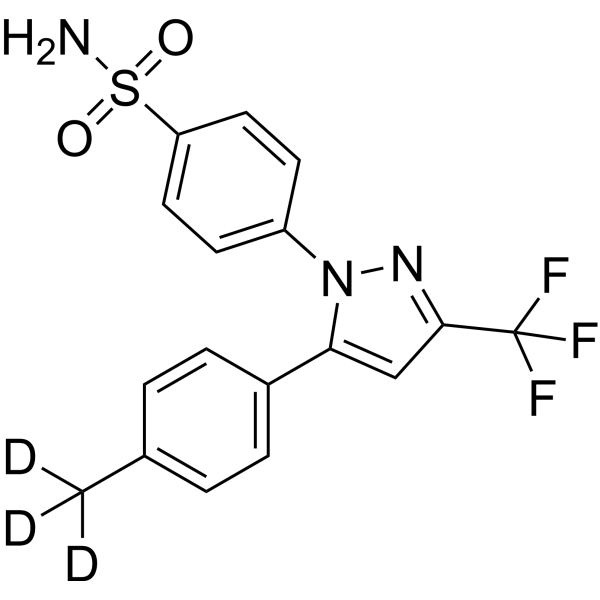
Celecoxib-d3 is the deuterium labeled Celecoxib. Celecoxib,a selective non-steroidal anti-inflammatory drug (NSAID), is a selective COX-2 inhibitor with an IC50 of 40 nM .
|
-
-
- HY-101655
-
|
|
COX
|
Inflammation/Immunology
|
|
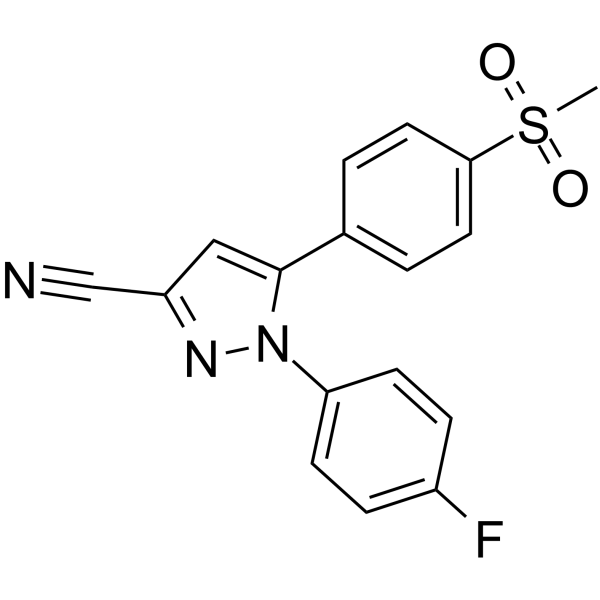
COX-2-IN-2 is a selective and inducible COX2 inhibitor with an IC50 of 0.24 μM. COX-2-IN-1 is an anti-inflammatory compound with anti-inflammatory and analgesic activities.
|
-
-
- HY-134234
-
|
|
COX
|
Others
|
|
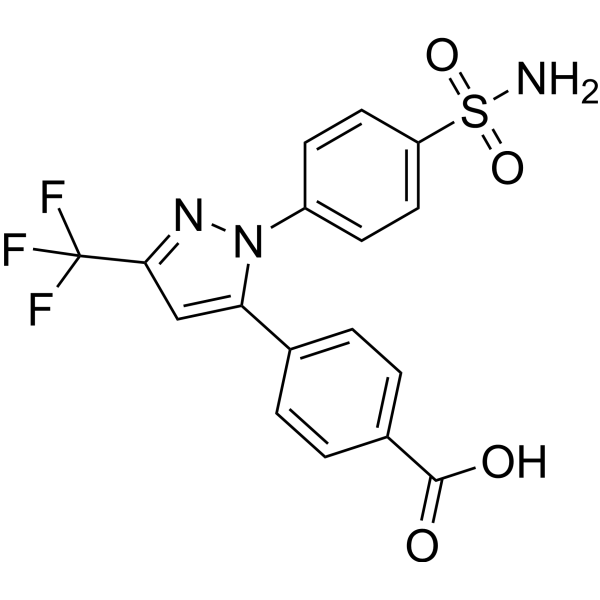
Celecoxib carboxylic acid is a metabolite of celecoxib (HY-14398). Celecoxib is a selective COX-2 inhibitor with an IC50 of 40 nM .
|
-
-
- HY-B0335R
-
|
GEA 6414 (Standard)
|
Reference Standards
COX
|
Inflammation/Immunology
Cancer
|
|
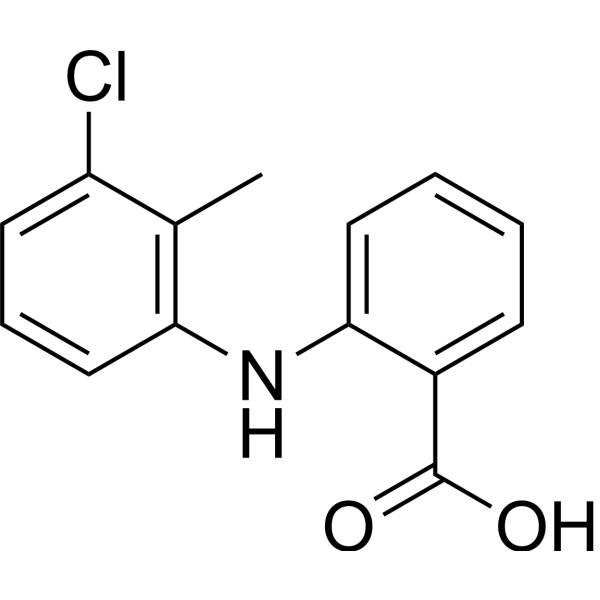
Tolfenamic Acid (Standard) is the analytical standard of Tolfenamic Acid. This product is intended for research and analytical applications. Tolfenamic Acid (GEA 6414) is a non-steroidal anti-inflammatory and anti-cancer agent, selectively inhibits COX-2, with an IC50 of 13.49 μM (3.53 μg/mL) in LPS-treated (COX-2) canine DH82 monocyte/macrophage cells, but shows no effect on COX-1.
|
-
-
- HY-119304
-
-
-
- HY-U00239
-
-
-
- HY-138128
-
-

-
- HY-150550
-
|
|
COX
|
Inflammation/Immunology
|
|
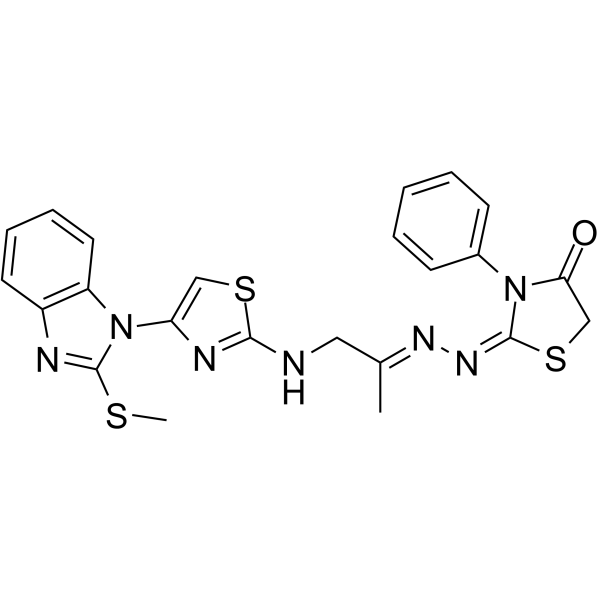
COX-2-IN-26 is a potent, selective and orally active COX-2 inhibitor with IC50 values of 10.61, 0.067, 1.96 µM for COX-1, COX-2, 15-LOX, respectively. COX-2-IN-26 shows anti-inflammatory activity. COX-2-IN-26 shows gastrointestinal safety profile .
|
-
-
- HY-162167
-
|
|
COX
|
Cardiovascular Disease
Neurological Disease
|
|
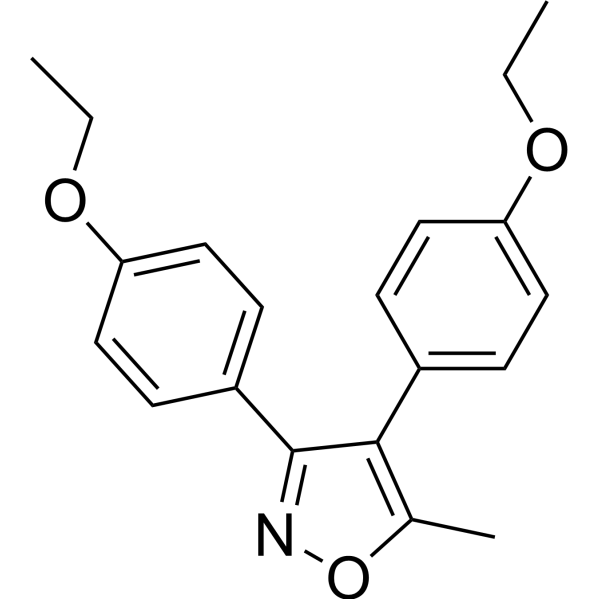
COX-1-IN-1 (compound 15a) is a selective inhibitor for cyclooxygenase (COX), with IC50s of 0.23 μM (COX-1) and >50 μM (COX-2), selective index (COX-2 IC50/COX-1 IC50) is 217. COX-1-IN-1 inhibits platelet aggregation .
|
-
-
- HY-U00197
-
|
JTE522; JTP19605; RWJ57504
|
COX
|
Inflammation/Immunology
|
|
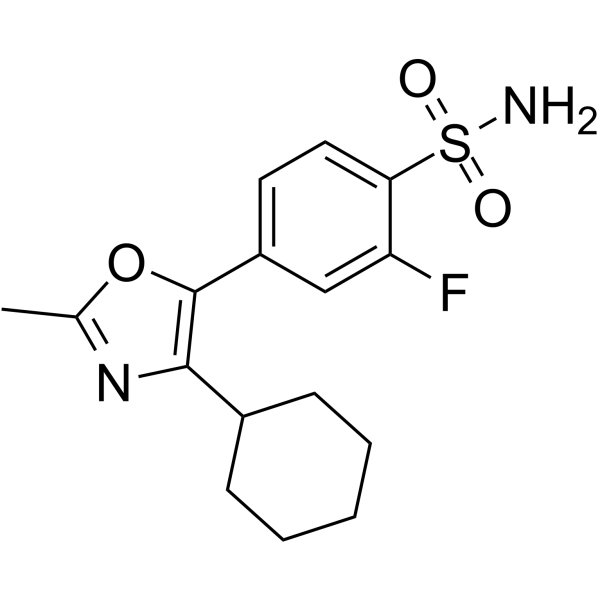
Tilmacoxib (JTE522) is a highly selective, time-dependent and irreversible human COX-2 inhibitor with an IC50 of 85 nM in an enzyme assay.
|
-
-
- HY-179125
-
|
|
COX
Bcl-2 Family
Caspase
Apoptosis
|
Cancer
|
|
COX-2-IN-59 is a potent and selective COX-2 inhibitor with an IC50 of 0.052 μM. COX-2-IN-59 exhibits 200-fold selectivity over COX-1 (IC50 = 11.16 μM). COX-2-IN-59 reduces COX-2 levels, induces cell cycle arrest, and triggers apoptosis by increasing Bax expression, decreasing Bcl-2 levels, and activating caspase-3. COX-2-IN-59 can be used for the research of colon cancer .
|
-

-
- HY-17372S
-
|
|
Isotope-Labeled Compounds
COX
|
Inflammation/Immunology
Cancer
|
|
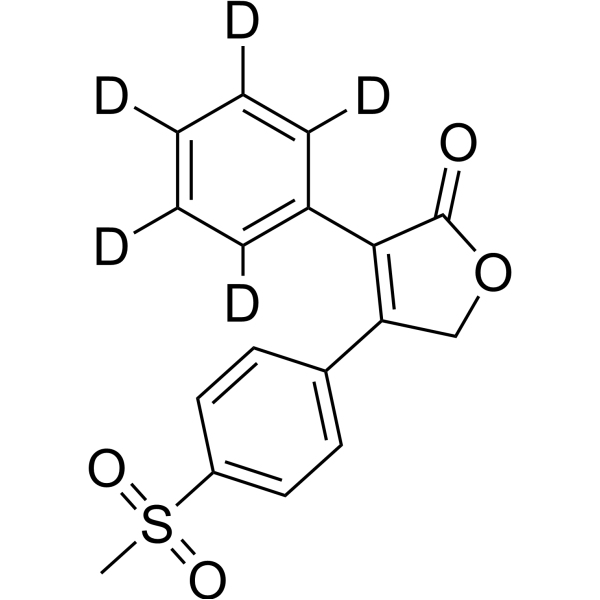
Rofecoxib-d5 is the deuterium labeled Rofecoxib. Rofecoxib is a potent, specific and orally active COX-2 inhibitor, with IC50s of 26 and 18 nM for human COX-2 in human osteosarcoma cells and Chinese hamster ovary cells, with a 1000-fold selectivity for COX-2 over human COX-1 (IC50 > 50 μM in U937 cells and > 15 μM in Chinese hamster ovary cells) .
|
-
-
- HY-14670S
-
|
|
Isotope-Labeled Compounds
COX
|
Inflammation/Immunology
|
|
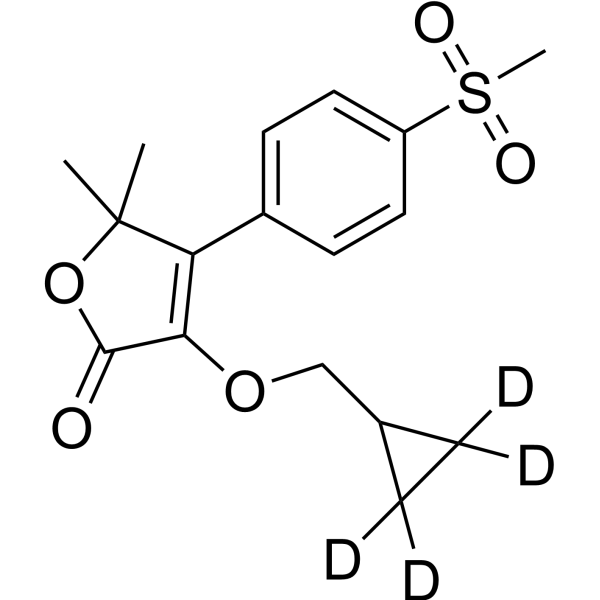
Firocoxib-d4 (ML 1785713-d4) is the deuterium labeled Firocoxib. Firocoxib (ML 1785713) is a potent, selective and orally active COX-2 inhibitor with an IC50 of 0.13 μM. Firocoxib shows 58-fold more selective for COX-2 than COX-1 (IC50 of 7.5 μM). Firocoxib has anti-inflammatory effects .
|
-
-
- HY-146370
-
|
|
COX
|
Inflammation/Immunology
|
|
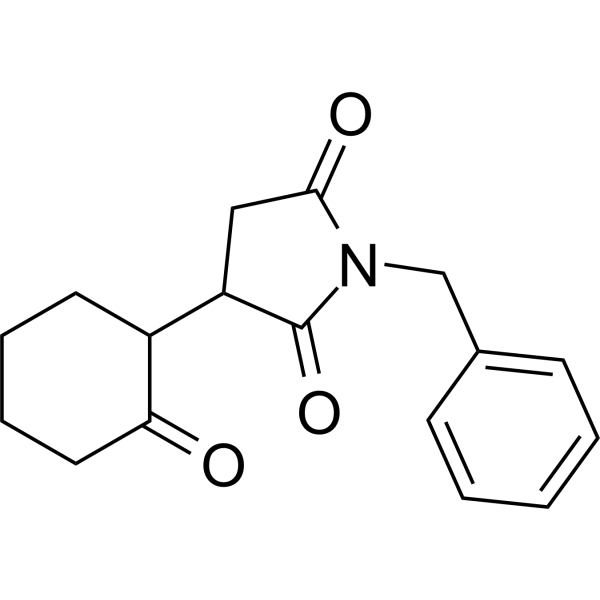
COX-2-IN-12 (compound 3b) is a potent and selective inhibitor of COX-2 with an IC50 of 19.98 μM. COX-2-IN-12 is an anti-inflammatory agent. COX-2-IN-12 shows safety in-vivo acute toxicity study .
|
-
-
- HY-W792524
-
|
|
COX
|
Inflammation/Immunology
|
|
Methosulide (Compound 1d) is a selective COX-2 inhibitor with an IC50 value of 2.31 μM. Methosulide can be used in the research of inflammatory diseases .
|
-

-
- HY-15321S2
-
|
MK-0663-d3; L-791456-d3
|
COX
|
Inflammation/Immunology
|
|
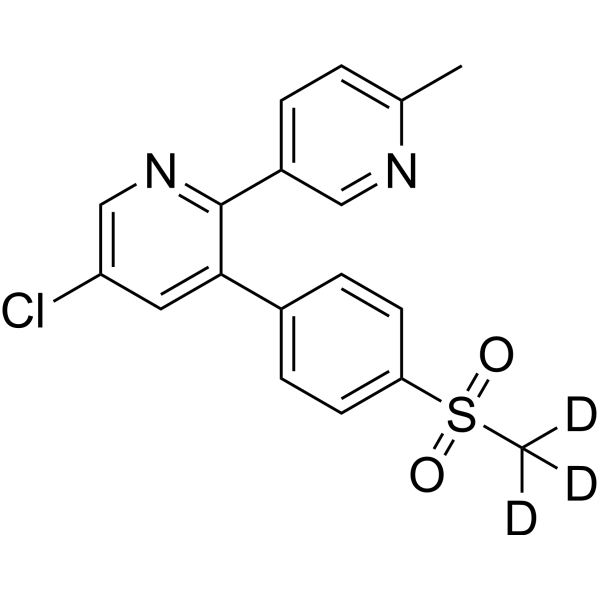
Etoricoxib-d3 is the deuterium labeled Etoricoxib . Etoricoxib (MK-0663) is a non steroidal anti-inflammatory agent, acting as a selective and orally active COX-2 inhibitor, with IC50s of 1.1 μM and 116 μM for COX-2 and COX-1 in human whole blood .
|
-
-
- HY-15321R
-
|
MK-0663 (Standard); L-791456 (Standard)
|
Reference Standards
COX
|
Inflammation/Immunology
Cancer
|
|
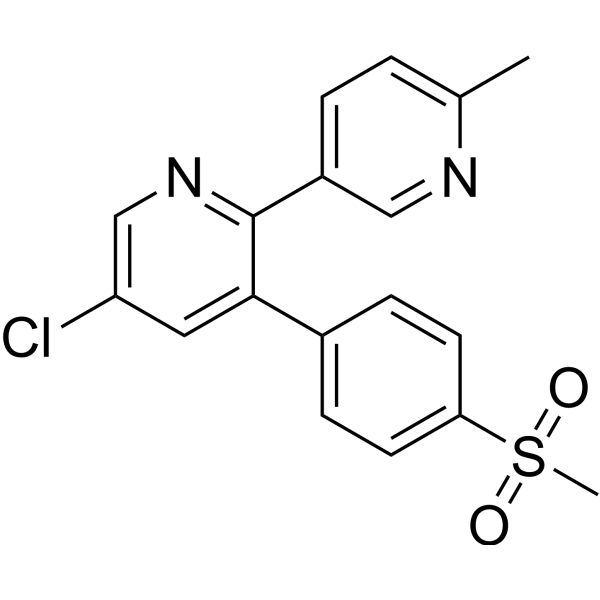
Etoricoxib (Standard) is the analytical standard of Etoricoxib. This product is intended for research and analytical applications. Etoricoxib (MK-0663) is a non steroidal anti-inflammatory agent, acting as a selective and orally active COX-2 inhibitor, with IC50s of 1.1 μM and 116 μM for COX-2 and COX-1 in human whole blood.
|
-
-
- HY-B0335S1
-
|
GEA 6414-13C6
|
Isotope-Labeled Compounds
COX
|
Inflammation/Immunology
Cancer
|
|
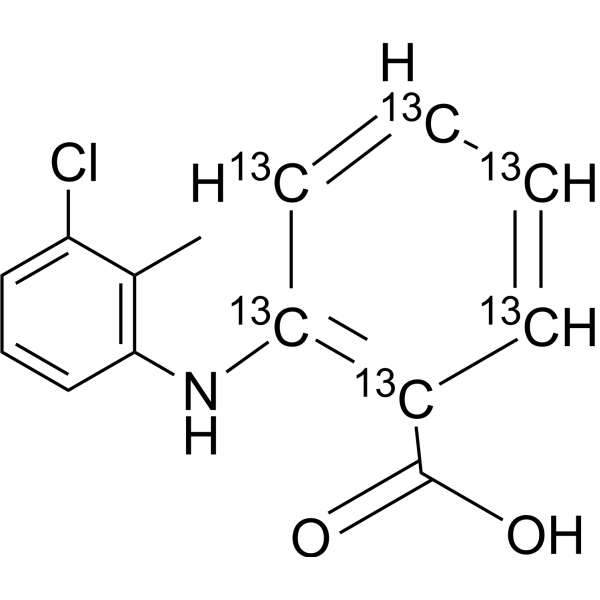
Tolfenamic acid- 13C6 is the 13C6 labeled Tolfenamic acid. Tolfenamic Acid (GEA 6414) is a non-steroidal anti-inflammatory and anti-cancer agent, selectively inhibits COX-2, with an IC50 of 13.49 μM (3.53 μg/mL) in LPS-treated (COX-2) canine DH82 monocyte/macrophage cells, but shows no effect on COX-1.
|
-
-
- HY-118078R
-
|
|
COX
Reference Standards
|
Inflammation/Immunology
|
|
Robenacoxib (Standard) is the analytical standard of Robenacoxib. This product is intended for research and analytical applications. Robenacoxib is a nonsteroidal anti-inflammatory and analgesic agent. Robenacoxib is a selective COX-2 inhibitor .
|
-

-
- HY-108019
-
|
|
COX
|
Inflammation/Immunology
|
|
SD 8381 is a potent and selective COX-2 inhibitor. SD 8381 shows IC50 values of 0.0098 μM for hCOX-2 and 0.69 μM for hCOX-1 .
|
-

-
- HY-14398G
-
|
SC 58635
|
COX
|
Inflammation/Immunology
|
|
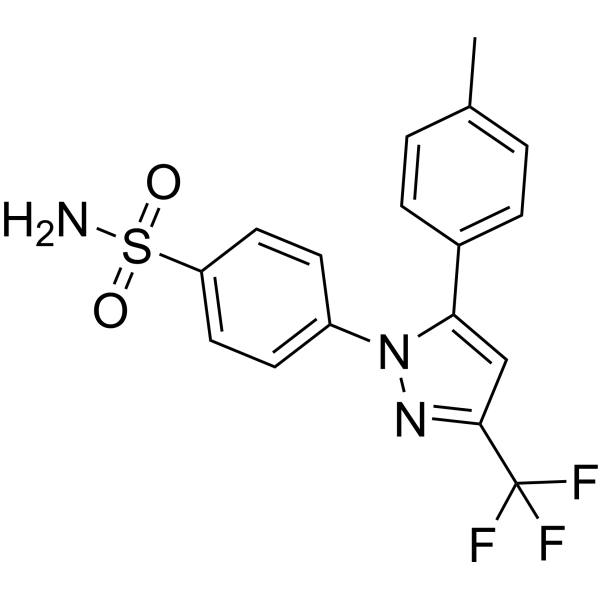
Celecoxib (GMP) is Celecoxib (HY-14398) produced by using GMP guidelines. GMP small molecules work appropriately as an auxiliary reagent for cell therapy manufacture. Celecoxib,a selective non-steroidal anti-inflammatory drug (NSAID), is a selective COX-2 inhibitor with an IC50 of 40 nM.
|
-
-
- HY-162173
-
|
|
COX
|
Inflammation/Immunology
|
|
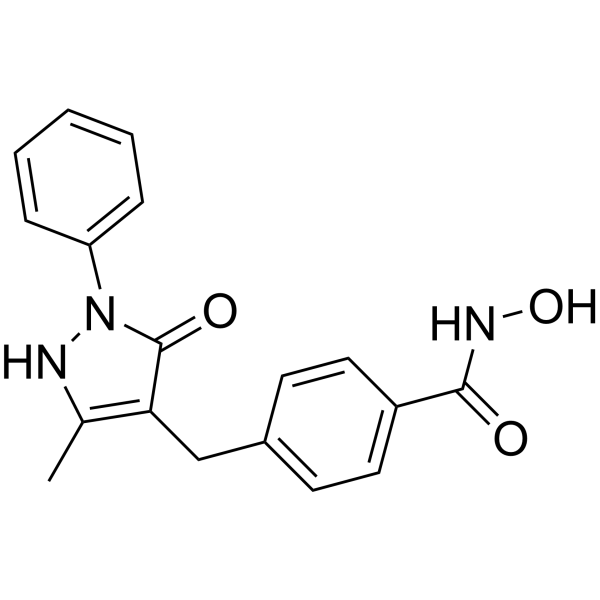
WYZ90 ((compound 6a) is a potent and selective COX-2 inhibitor with IC50 values of 75, 5734, 19940 nM for COX-2, COX-1 and DPPH, respectively. WYZ90 shows antioxidant and analgesic activity .
|
-
-
- HY-177319
-
|
|
COX
|
Inflammation/Immunology
|
|
COX-2-IN-56 (example 6) is a selective COX-2 inhibitor without significantly inhibiting COX-1. COX-2-IN-56 can be used for the study of COX-2 dependent disorders, such as inflammation .
|
-

-
- HY-14445R
-
|
COX-2 inhibitor V (Standard)
|
COX
Reference Standards
|
Inflammation/Immunology
|
|
FK 3311 (Standard) is the analytical standard of FK 3311. This product is intended for research and analytical applications. FK 3311 (COX-2 Inhibitor V) is a selective inhibitor of COX-2 with antiinflammatory agent.
|
-

-
- HY-116610
-
|
|
COX
|
Inflammation/Immunology
|
|
L 748780 (compound 2) is a selectivity COX-2 inhibitor with the IC50 values of 0.5 μM and > 100 μM for COX-2 and COX-1, respectively .
|
-

-
- HY-115936
-
|
|
COX
|
Inflammation/Immunology
|
|
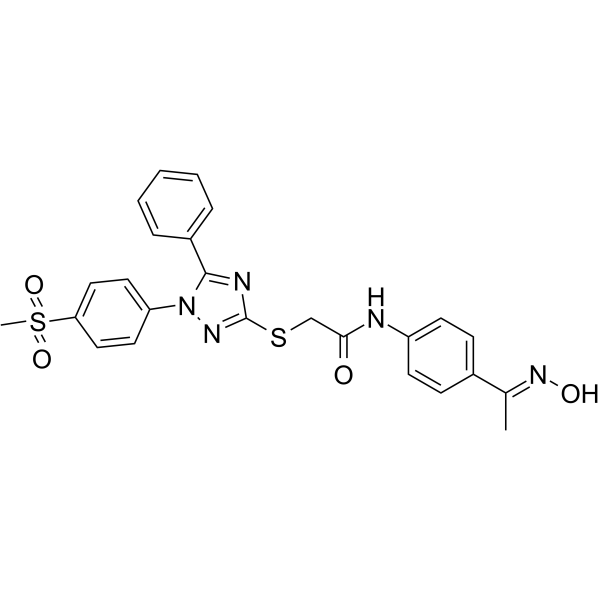
COX-2-IN-9 (compound 7a) is a potent, selective, and orally active inhibitor of COX-2 with an IC50 of 10.17 uM. COX-2-IN-9 has higher COX-2 selectivity than Celecoxib. COX-2-IN-9 shows good in vivo anti-inflammatory and low ulcerogenic activity .
|
-
- HY-115934
-
|
|
COX
|
Inflammation/Immunology
|
|
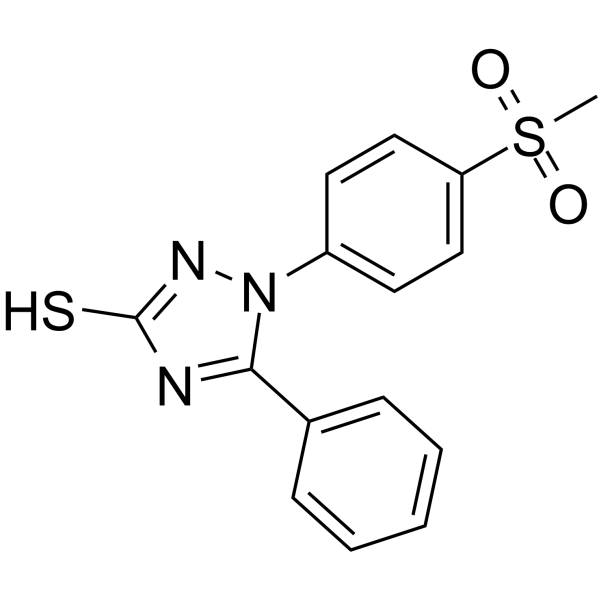
COX-2-IN-7 (compound 4a) is a potent, selective, and orally active inhibitor of COX-2 with an IC50 of 6.585 uM. COX-2-IN-7 has higher COX-2 selectivity than Celecoxib. COX-2-IN-7 shows good in vivo anti-inflammatory and low ulcerogenic activity .
|
-
- HY-115935
-
|
|
COX
|
Inflammation/Immunology
|
|
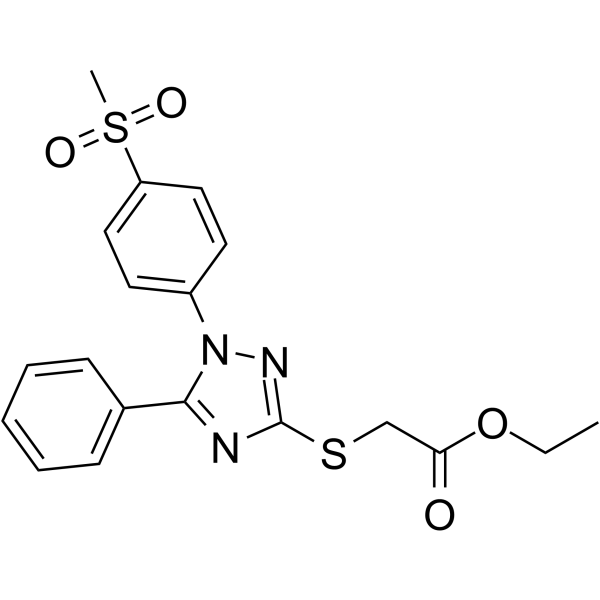
COX-2-IN-8 (compound 6a) is a potent, selective, and orally active inhibitor of COX-2 with an IC50 of 6.585 uM. COX-2-IN-8 has higher COX-2 selectivity than Celecoxib. COX-2-IN-8 shows good in vivo anti-inflammatory and low ulcerogenic activity .
|
-
- HY-N11880
-
|
|
COX
|
Cancer
|
|
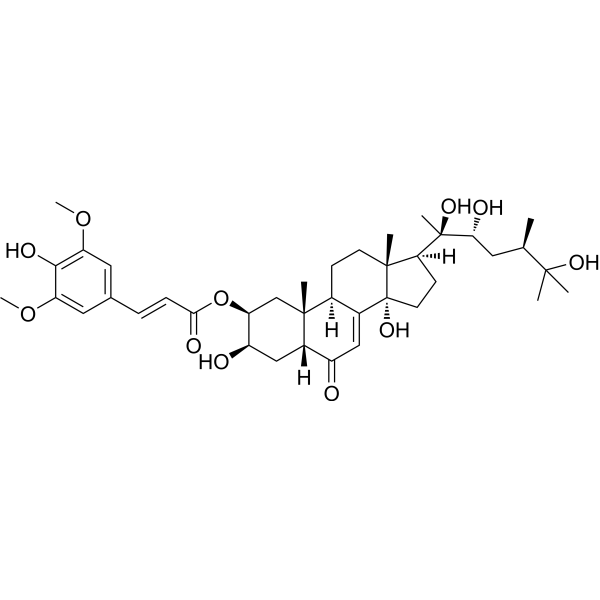
2-O-Sinapoyl makisterone A (compound 2), a sinapinic acid-ecdysterone hybrid, is a selective inhibitor of COX-2. 2-O-Sinapoyl makisterone A significantly inhibits the expression of COX-2 protein .
|
-
- HY-149299
-
|
|
COX
|
Inflammation/Immunology
|
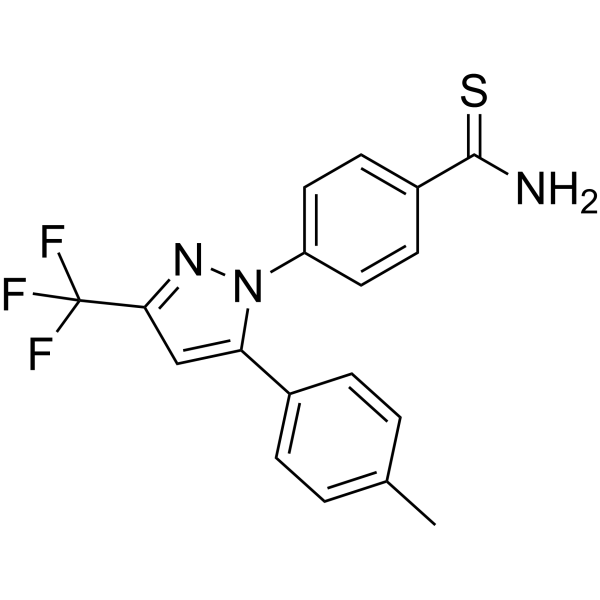
PYZ18 is a selective COX-2 inhibitor with an IC50 of 7.07 μM. PYZ18 is the best lead compound for COX-2 inhibitors. PYZ18 has anti-inflammatory and other biological properties .
|
-
- HY-U00083
-
|
ZK 38997; CGP 28238
|
COX
|
Inflammation/Immunology
|
|
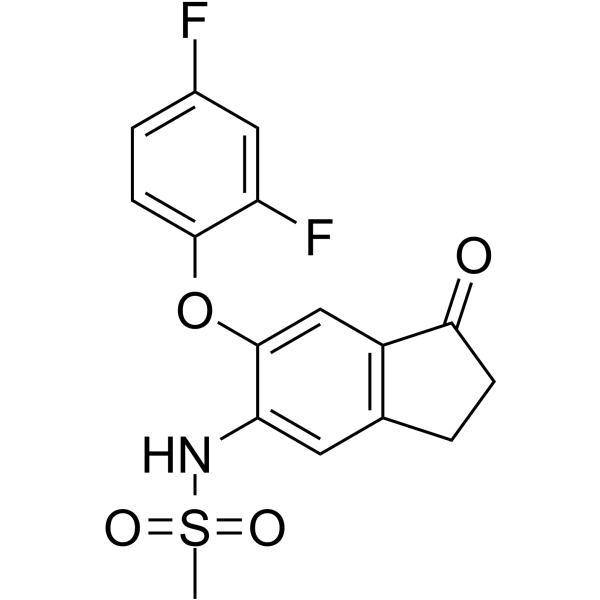
Flosulide is a potent and selective COX-2 inhibitor, used for the treatment for inflammatory diseases.
|
-
- HY-115866
-
|
|
COX
|
Cancer
|
|
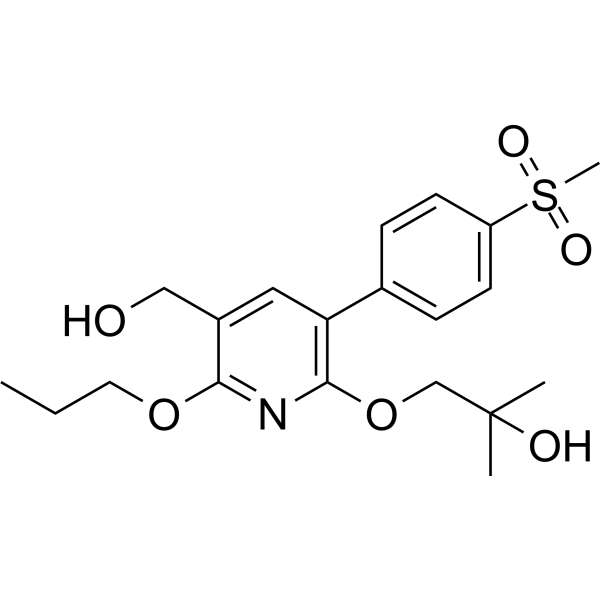
COX-2-IN-6 (compound 10) is an orally active, gut-restricted and selective cyclooxygenase-2 (COX-2) inhibitor for colorectal Chemoprevention of cancer. COX-2-IN-6 selectively targets COX-2 with an IC50 of 0.84 μM and a Ki of 69 nM. COX-2-IN-6 also inhibits COX-2-driven PGE2 synthesis with an IC50 of 0.60 μM .
|
-
- HY-150553
-
|
|
COX
|
Inflammation/Immunology
|
|
COX-2-IN-28 is a potent and selective COX-2 inhibitor with IC50 values of 0.054, 2.14, 13.21 µM for COX-2, 15-LOX, COX-1,respectively .
|
-
- HY-147961
-
|
|
COX
|
Inflammation/Immunology
|
|
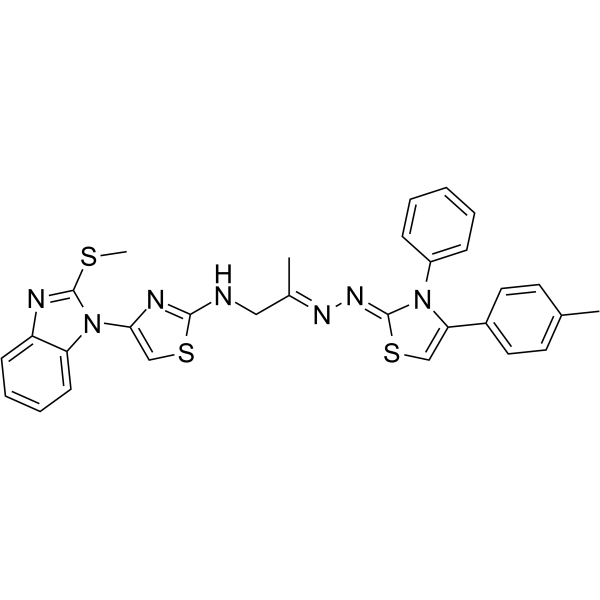
COX-2-IN-23 (compound 9a) is a selective COX-2 inhibitor with IC50 values of 0.28 and 20.14 μM for COX-2 and COX-1. COX-2-IN-23 has anti-inflammatory activity and low ulcerogenic activity.
|
-
- HY-U00022
-
-
- HY-U00146
-
-
- HY-150721
-
-
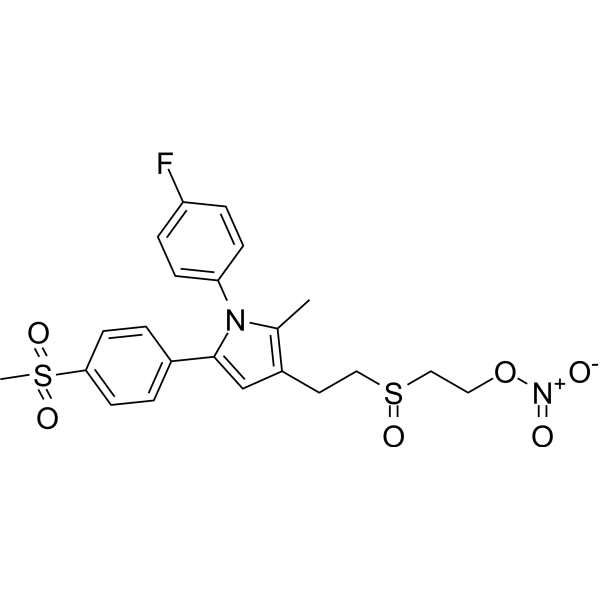
- HY-150551
-
|
|
COX
|
Inflammation/Immunology
|
|
COX-2-IN-27 is a potent and selective COX-2 inhibitor with IC50 values of 13.22, 0.045, 1.67 µM for COX-1, COX-2, 15-LOX, respectively. COX-2-IN-27 shows anti-inflammatory activity .
|
-
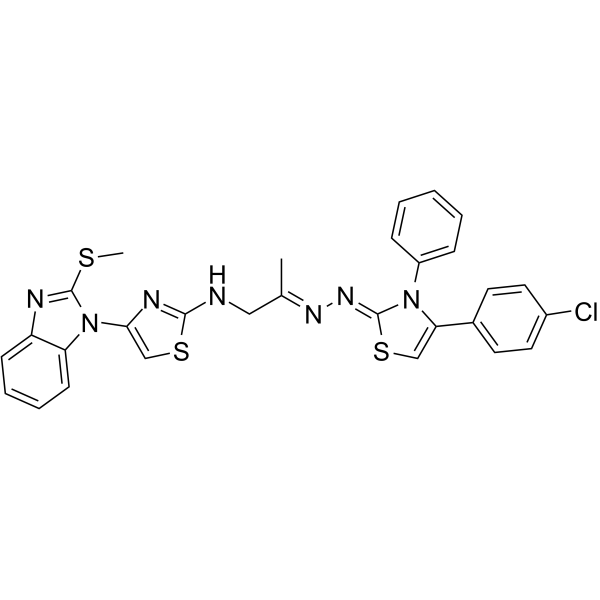
- HY-156254
-
|
|
COX
|
Inflammation/Immunology
|
|
COX-2-IN-35 (compound 7) is a selective COX-2 inhibitor with an IC50 of 4.37 nM. COX-2-IN-35 has anti-inflammatory activity .
|
-
- HY-120232
-
-

- HY-145988
-
|
|
COX
|
Inflammation/Immunology
|
|
COX-2-IN-11 (compound 7b2) is a potent and selective inhibitor of COX-2. COX-2-IN-11 has the potential for the research of inflammation diseases .
|
-
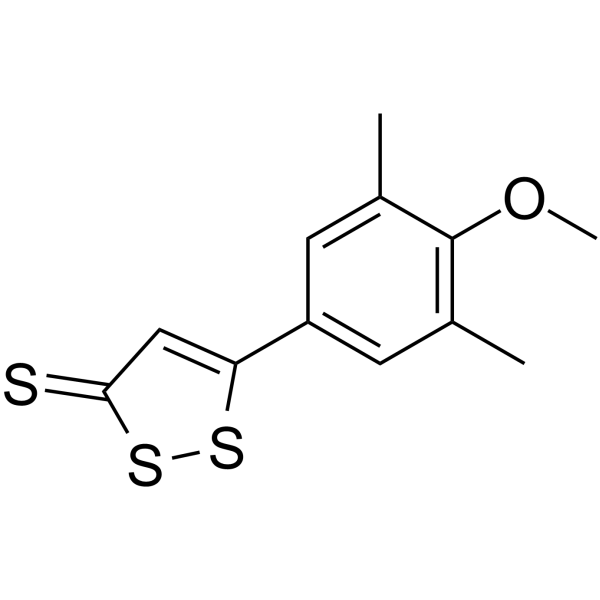
- HY-161994
-
|
|
COX
|
Inflammation/Immunology
|
|
COX-2-IN-47 (compound 6c ) is a selective COX-2 inhibitor with IC50 value of 0.03 μM. COX-2-IN-47 has antiedema activity .
|
-

- HY-161147
-
|
|
COX
|
Inflammation/Immunology
|
|
COX-2-IN-37 (compound 11) is a potent and selective COX-2 inhibitor. COX-2-IN-37 has strong antioxidant activity with an IC50 of 33.0 μg/mL .
|
-
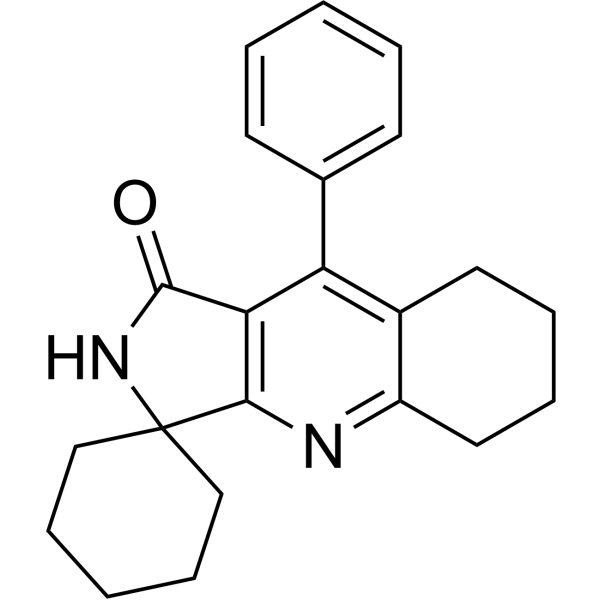
- HY-147809
-
|
|
COX
|
Inflammation/Immunology
|
|
COX-2-IN-20 (Compound 5d) is a selective and orally active COX-2 inhibitor with an IC50 of 17.9 nM. COX-2-IN-20 shows anti-inflammatory activity .
|
-
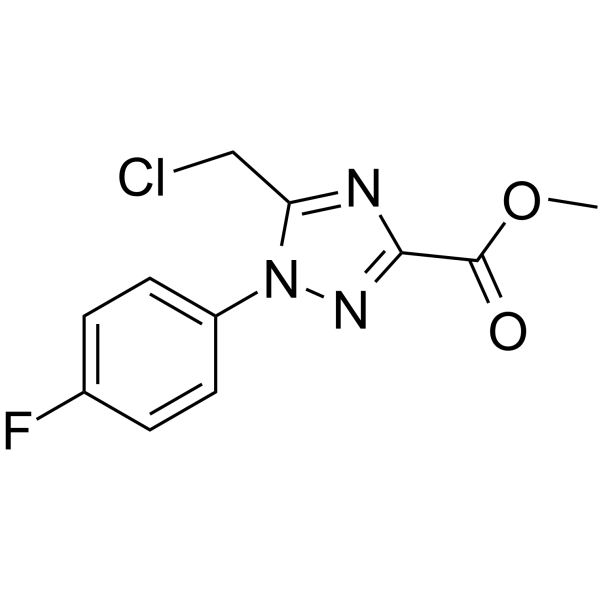
- HY-114795
-
|
|
COX
|
Inflammation/Immunology
|
|
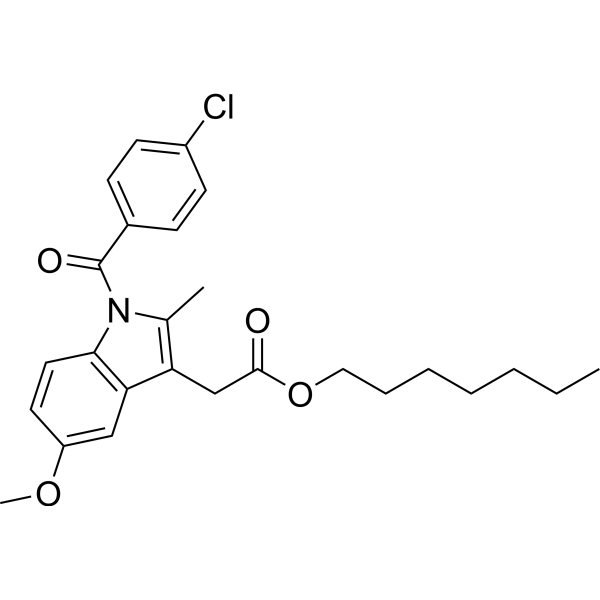
Indomethacin heptyl ester is a selective COX-2 inhibitor with IC50 of 0.04 μM, exhibits anti-inflammatory activity .
|
-
- HY-147692
-
|
|
COX
|
Inflammation/Immunology
|
|
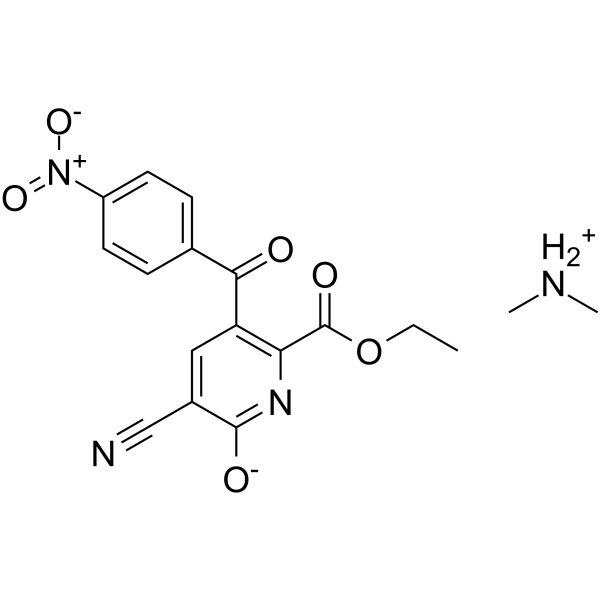
COX-2-IN-14 (compound 2a) is a potent and selective COX-2 (cyclooxygenase-2) inhibitor. COX-2-IN-14 shows effective binding at the active site of COX-2 co-crystal. COX-2-IN-14 exhibits a high level of in vivo anti-inflammatory activity, reducing ear edema and myeloperoxidase (MPO) activity in mice .
|
-
- HY-147719
-
|
|
COX
|
Inflammation/Immunology
|
|
COX-2-IN-16 (compound 2b) is a potent, selective and orally active COX-2 inhibitor with an IC50 of 102 µM. COX-2-IN-16 inhibits the NO production. COX-2-IN-16 shows anti-inflammatory activity .
|
-
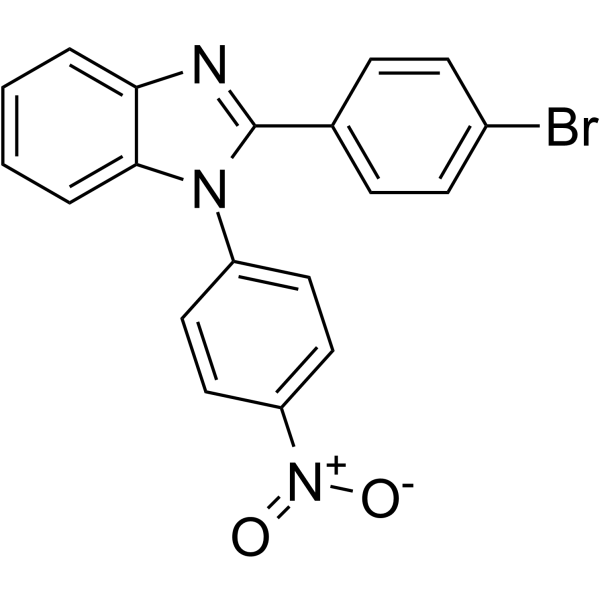
- HY-15762S
-
-
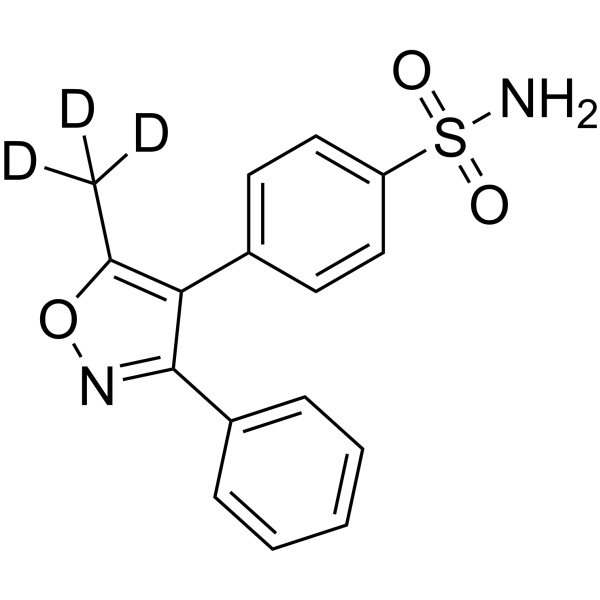
- HY-149460
-
|
|
COX
|
Inflammation/Immunology
|
|
Harmaline analog (compound 3) is a selective cyclooxygenase-2 (COX-2) inhibitor with an IC50 of 0.145 μM .
|
-
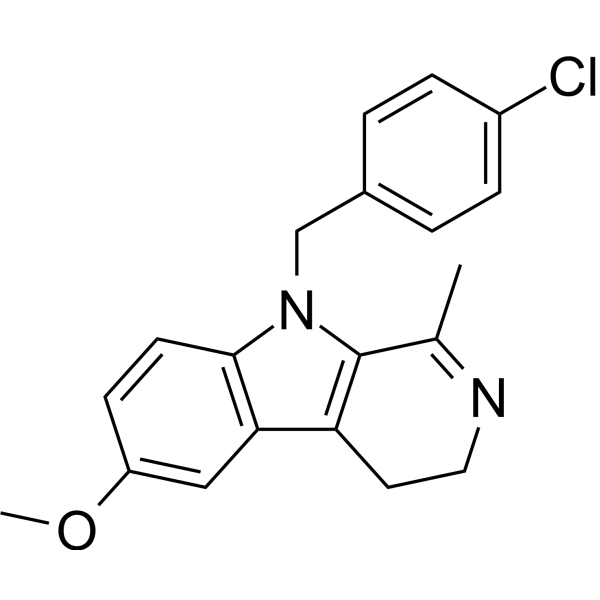
- HY-147815
-
|
|
COX
|
Inflammation/Immunology
|
|
COX-2-IN-21 (Compound 5c) is a selective and orally active COX-2 inhibitor with an IC50 of 0.039 μM. COX-2-IN-21 shows promising anti-inflammatory potential .
|
-
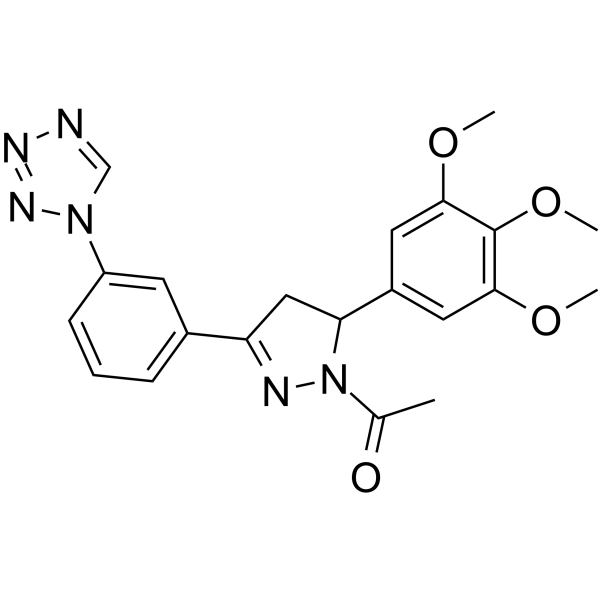
- HY-161294
-
|
|
COX
|
Cancer
|
|
COX-2-IN-41 (compound 5e) is a selective inhibitor of COX-2 (IC50=1.74 μM). Compared with COX-1, the selectivity IC50 (COX-1)/IC50(COX-2) =16.32 .
|
-
- HY-15762R
-
|
SC 65872 (Standard)
|
Reference Standards
COX
Endogenous Metabolite
|
Inflammation/Immunology
Cancer
|
|
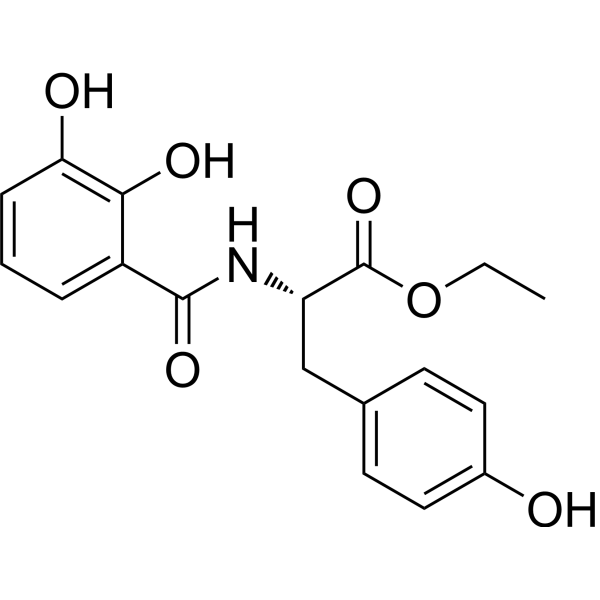
Valdecoxib (Standard) is the analytical standard of Valdecoxib. This product is intended for research and analytical applications. Valdecoxib is a highly potent and selective inhibitor of COX-2, with IC50s of 5 nM and 140 μM for COX-2 and COX-1, respeceively. Valdecoxib can be used in the research of arthritis and pain.
|
-

- HY-155133
-
|
|
COX
|
Inflammation/Immunology
|
|
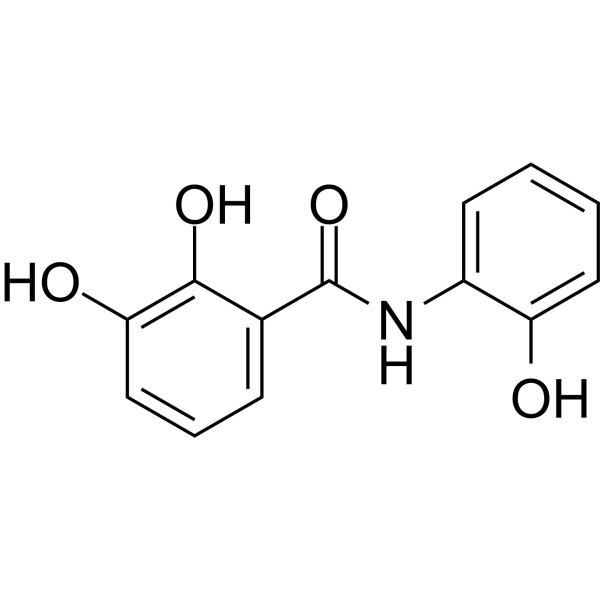
COX-2-IN-34 (compound 8a) is a selective and orally active inhibitor of COX-2 , with an IC50 of 0.42 μM. COX-2-IN-34 has no gastric ulcer toxicity but has anti-inflammatory effects .
|
-
- HY-17372R
-
|
MK 966 (Standard)
|
Reference Standards
COX
|
Inflammation/Immunology
Cancer
|
|
Rofecoxib (Standard) is the analytical standard of Rofecoxib. This product is intended for research and analytical applications. Rofecoxib is a potent, specific and orally active COX-2 inhibitor, with IC50s of 26 and 18 nM for human COX-2 in human osteosarcoma cells and Chinese hamster ovary cells, with a 1000-fold selectivity for COX-2 over human COX-1 (IC50 > 50 μM in U937 cells and > 15 μM in Chinese hamster ovary cells).
|
-

- HY-14670R
-
|
ML 1785713 (Standard)
|
Reference Standards
COX
|
Inflammation/Immunology
|
|
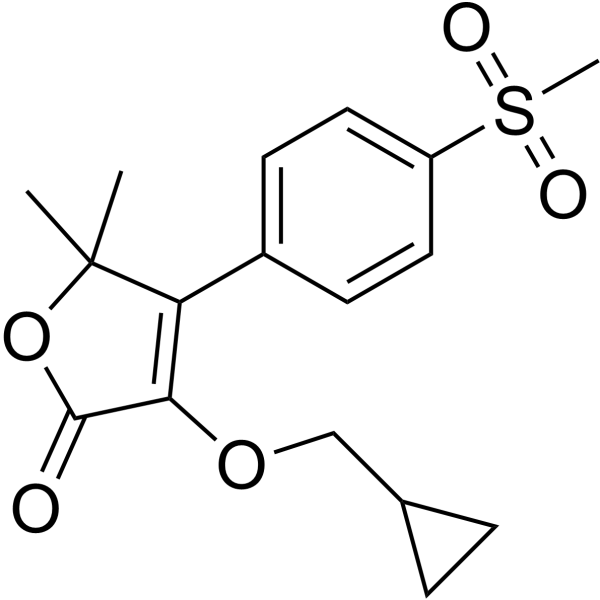
Firocoxib (Standard) is the analytical standard of Firocoxib. This product is intended for research and analytical applications. Firocoxib (ML 1785713) is a potent, selective and orally active COX-2 inhibitor with an IC50 of 0.13 μM. Firocoxib shows 58-fold more selective for COX-2 than COX-1 (IC50 of 7.5 μM). Firocoxib has anti-inflammatory effects .
|
-
- HY-146371
-
|
|
COX
|
Inflammation/Immunology
|
|
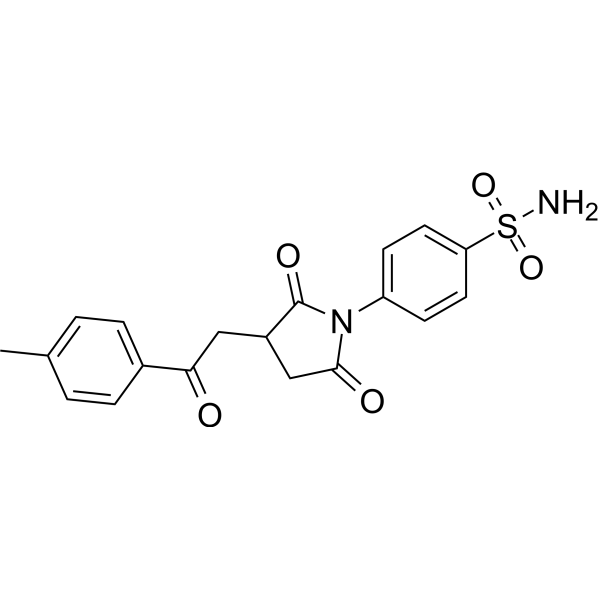
COX-2-IN-13 (compound 13e) is a potent and selective inhibitor of COX-2 with an IC50 of 0.98 μM. COX-2-IN-13 is an anti-inflammatory agent. COX-2-IN-13 shows safety in-vivo acute toxicity study .
|
-
- HY-14398GL
-
|
SC 58635 (GMP Like)
|
COX
|
Inflammation/Immunology
|
|
Celecoxib (SC 58635) GMP Like is a GMP-class Celecoxib (HY-14398). Celecoxib, a selective non-steroidal anti-inflammatory drug (NSAID), is a selective COX-2 inhibitor with an IC50 of 40 nM.
|
-
- HY-N3866
-
|
|
COX
|
Inflammation/Immunology
|
|
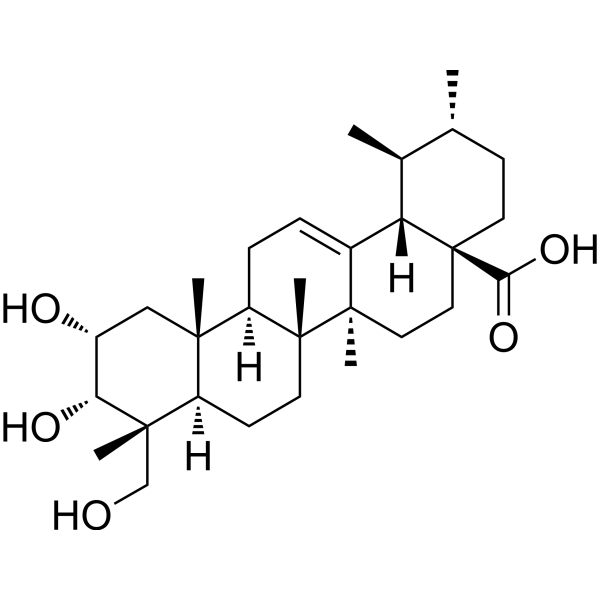
Esculentic acid is a selective COX-2 inhibitor and has anti-inflammatory effect. Esculentic acid is a pentacyclic triterpenoid that can be extracted from the Chinese herb Phytolacca esculenta .
|
-
- HY-168888
-
|
|
COX
|
Inflammation/Immunology
|
|
COX-2-IN-52 (Compound 5l) is an orally active and selective COX-2 inhibitor with an IC50 of 54 nM. COX-2-IN-52 can inhibit the release of NO in cells and has anti-inflammatory activity. COX-2-IN-52 has high gastrointestinal safety and can be used in the research of oral anti-inflammatory drugs .
|
-

- HY-15321S1
-
|
MK-0663-13C,d3; L-791456-13C,d3
|
Isotope-Labeled Compounds
COX
|
Inflammation/Immunology
Cancer
|
|
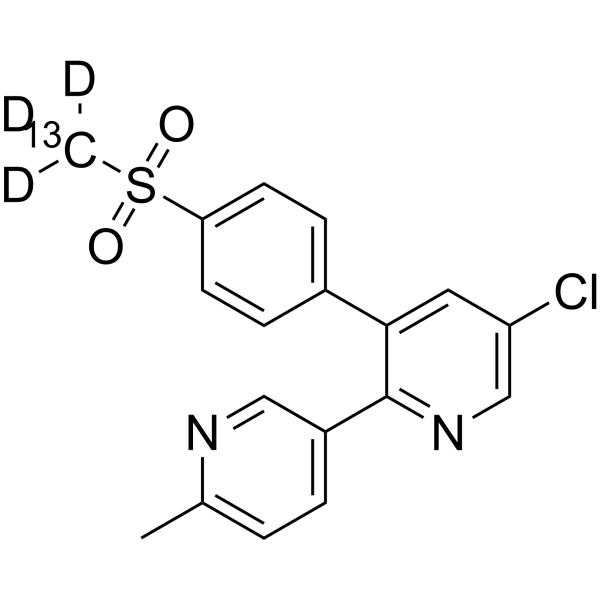
Etoricoxib- 13C,d3 is the 13C- and deuterium labeled Etoricoxib. Etoricoxib (MK-0663) is a non steroidal anti-inflammatory agent, acting as a selective and orally active COX-2 inhibitor, with IC50s of 1.1 μM and 116 μM for COX-2 and COX-1 in human whole blood.
|
-
- HY-B0335S
-
|
|
COX
|
Inflammation/Immunology
Cancer
|
|
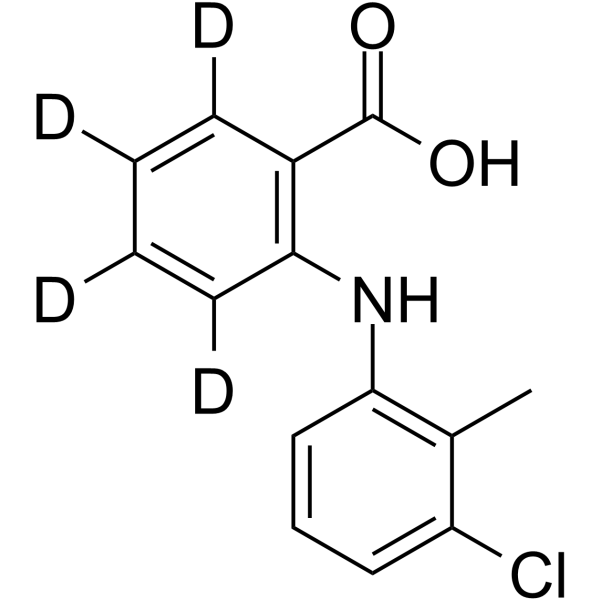
Tolfenamic acid-d4 is the deuterium labeled Tolfenamic Acid. Tolfenamic Acid (GEA 6414) is a non-steroidal anti-inflammatory and anti-cancer agent, selectively inhibits COX-2, with an IC50 of 13.49 μM (3.53 μg/mL) in LPS-treated (COX-2) canine DH82 monocyte/macrophage cells, but shows no effect on COX-1 .
|
-
- HY-W777079
-
|
SC 65872-13C2,15N
|
Isotope-Labeled Compounds
COX
Endogenous Metabolite
|
Cancer
|
|
Valdecoxib- 13C2, 15N (SC 65872- 13C2, 15N) is the 13C- and 15N-labeled Valdecoxib (HY-15762). Valdecoxib is a highly potent and selective inhibitor of COX-2, with IC50s of 5 nM and 140 μM for COX-2 and COX-1, respeceively. Valdecoxib can be used in the research of arthritis and pain.
|
-

- HY-14783
-
-

- HY-134138
-
|
|
COX
|
Inflammation/Immunology
|
|
Indomethacin N-octyl amide (Compound 2) is a potent and selective COX-2 inhibitor with an IC50 of 40 nM. Indomethacin N-octyl amide shows >1000-fold selectivity against COX-1 (IC50 of 66 µM) .
|
-

- HY-135081
-
|
N-4AIA
|
COX
|
Others
|
|
N-(4-acetamidophenyl)-indomethacin amide (N-4-AIA) is one of several aromatic amides of indomethacin reported to be potent and selective reversible inhibitors of COX-2.1 N-4-AIA inhibits human recombinant and ovine COX-2 with IC50 values of 0.12 and 0.625 μM, respectively. It is about 400 times less potent as an inhibitor of human recombinant COX-1 and 80 times less potent as an inhibitor of ovine COX-1 than ovine COX-2.
|
-

- HY-155997
-
|
|
COX
|
Inflammation/Immunology
|
|
Anti-inflammatory agent 56 (Compound 9) is a selective COX-2 inhibitor (IC50: 0.54 μM). Anti-inflammatory agent 56 has anti-oxidant and anti-inflammatory effects. Anti-inflammatory agent 56 inhibits oxidative stress induced cell death. Anti-inflammatory agent 56 inhibits oxidative stress and neuroinflammation by inhibiting Keap1, COX-2 and iNOS. Anti-inflammatory agent 56 has low acute toxicity in mice (LD50: 1000 mg/kg) .
|
-
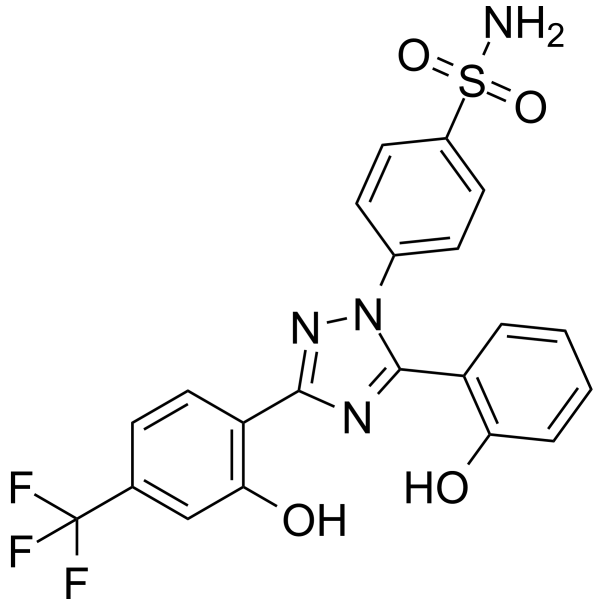
- HY-134234R
-
|
|
COX
Reference Standards
|
Others
|
|
Celecoxib carboxylic acid (Standard) is the analytical standard of Celecoxib carboxylic acid. This product is intended for research and analytical applications. Celecoxib carboxylic acid is a metabolite of celecoxib (HY-14398). Celecoxib is a selective COX-2 inhibitor with an IC50 of 40 nM .
|
-

- HY-123639
-
|
N-(2-Phenylethyl)-indomethacin amide
|
COX
|
Inflammation/Immunology
Cancer
|
|
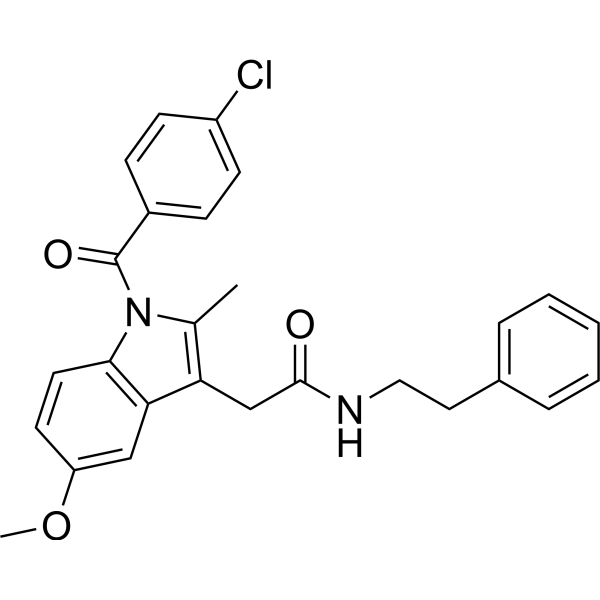
LM-4108 (N-(2-Phenylethyl)-indomethacin amide) is a selective and orally active COX-2 inhibitor with an IC50 of 0.06 μM for purified human COX-2. LM-4108 shows anti-inflammatory activity and may be effective in prevention of cancer. Half-lives for the disappearance of 10 μM LM-4108 in rat, human, and mouse liver microsomes were 11 min, 21 min, and 51 min, respectively .
|
-
- HY-19217
-
|
L-745337
|
COX
|
Inflammation/Immunology
|
|
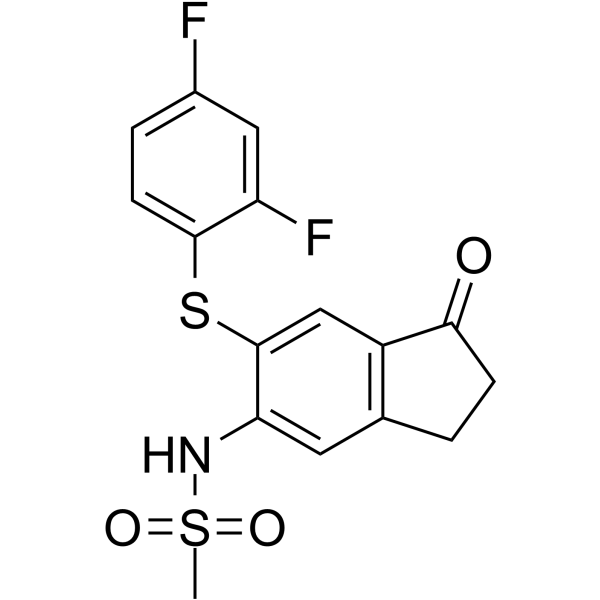
Thioflosulide (L-745337) is a selective cyclooxygenase-2 (COX2) inhibitor, with an IC50 of 2.3 nM, and shows anti-inflammatory activity.
|
-
- HY-147911
-
|
|
PI3K
COX
|
Inflammation/Immunology
Cancer
|
|
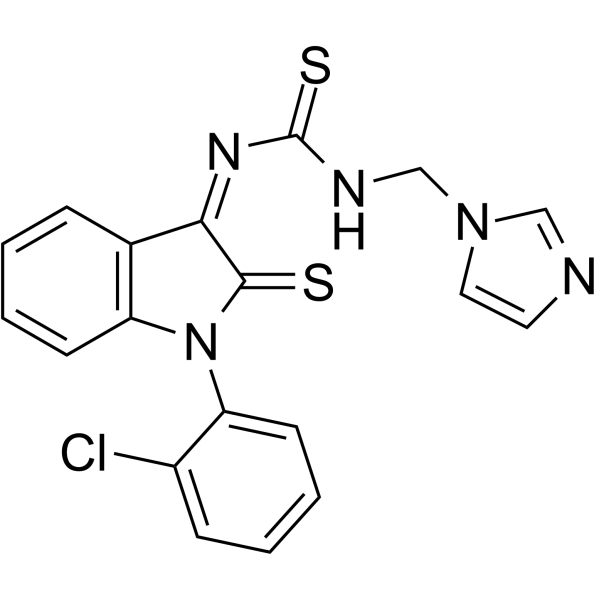
COX-2/PI3K-IN-1 (compound 5d) is a potent PI3K inhibitor with IC50 value of 1.14 nM. COX-2/PI3K-IN-1 is a selective COX-2 inhibitor with Ki value of 3.24 nM. COX-2/PI3K-IN-1 has anti-inflammatory and anti-cancer properties.
|
-
- HY-147912
-
|
|
PI3K
COX
|
Inflammation/Immunology
Cancer
|
|
COX-2/PI3K-IN-2 (compound 5f) is a potent PI3K inhibitor with IC50 value of 2.78 nM. COX-2/PI3K-IN-2 is a selective COX-2 inhibitor with Ki value of 3.02 nM. COX-2/PI3K-IN-2 shows anti-inflammatory and anti-cancer properties .
|
-
- HY-179246
-
|
|
COX
Prostaglandin Receptor
|
Cardiovascular Disease
Neurological Disease
Inflammation/Immunology
|
|
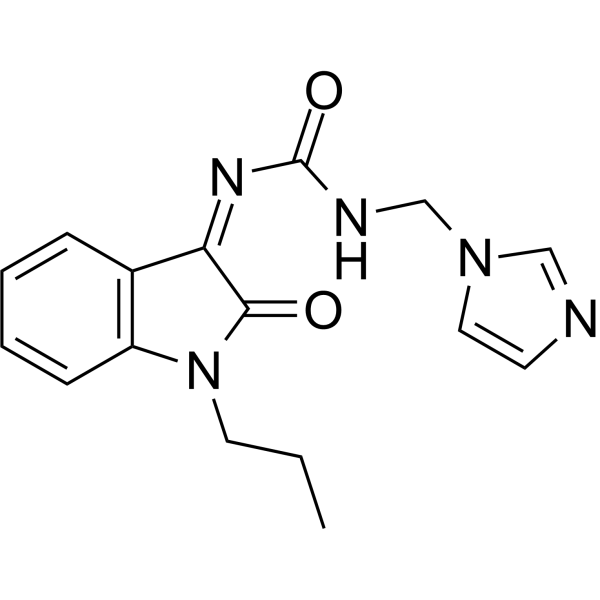
CXT29 is an orally active COX-2 inhibitor and a thromboxane A2 receptor (TP) antagonist. CXT29 exhibits COX inhibitory activity and selectivity, with IC50 values of 13 and 722 nM for COX-2 and COX-1 respectively. CXT29 inhibits platelet aggregation induced by U-46619 (HY-108566) (a TP agonist), with an IC50 of 96 nM. CXT29 effectively inhibits the production of TXB₂ and PGE₂, significantly reducing platelet aggregation and inflammatory pain in mice. CXT29 can be used for research on inflammatory pain and cardiovascular diseases .
|
-

- HY-121357
-
|
|
COX
|
Inflammation/Immunology
|
|
Lefucoxib is a selective cyclooxygenase-2 (COX-2) inhibitor. Lefucoxib can be used in the research of diseases such as osteoarthritis and rheumatoid arthritis .
|
-

- HY-181144
-
|
|
COX
Bacterial
Reactive Oxygen Species (ROS)
|
Infection
Inflammation/Immunology
|
|
COX-2-IN-65 is a selective cyclooxygenase-2 (COX-2) inhibitor with an IC50 of 10.24 μM. COX-2-IN-65 inhibits Staphylococcus aureus and Escherichia coli growth. COX-2-IN-65 scavenges reactive oxygen species (ROS). COX-2-IN-65 can be used for the researches of bacterial infections and inflammation .
|
-

- HY-116243
-
|
|
COX
|
Neurological Disease
Inflammation/Immunology
|
|
Vitacoxib is an Imidazole (HY-D0837) derivative, selective COX-2 inhibitor, anti-inflammatory agent. Vitacoxib can be used in the research of inflammatory diseases, pain and fever .
|
-

- HY-138101
-
|
|
COX
|
Inflammation/Immunology
|
|
Desmethyl etoricoxib (example 21) is a selective COX-2 inhibitor with an IC50 of 1 μM in whole blood. Desmethyl etoricoxib inhibits COX-1 with an IC50 of 16 μM in U937 cells. Desmethyl etoricoxib has anti-inflammatory effects .
|
-

- HY-13507
-
|
COX-189
|
COX
|
Metabolic Disease
Inflammation/Immunology
Cancer
|
|
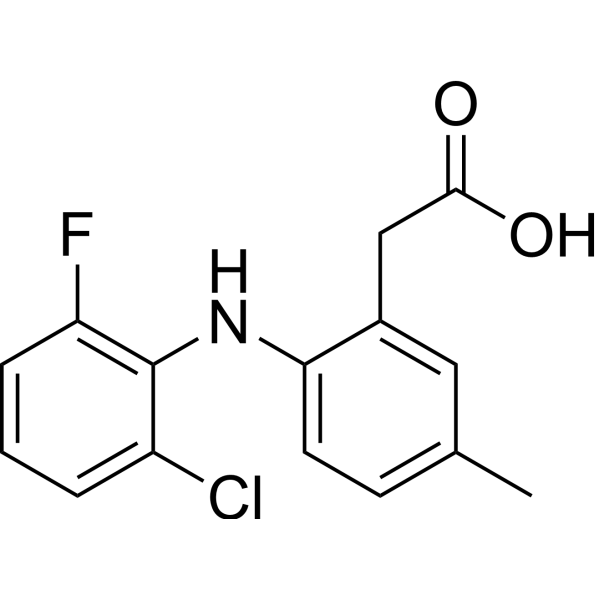
Lumiracoxib is a potent,selective and orally active COX-2 inhibitor with a Ki value of 0.06?μM . Lumiracoxib acts as a nonselective NSAID with?anti-inflammatory, analgesic and antipyretic activities. Lumiracoxib can be used for osteoarthritis and bone cancer research .
|
-
- HY-B0559
-
|
BRL14777
|
COX
|
Infection
Neurological Disease
Inflammation/Immunology
Cancer
|
|
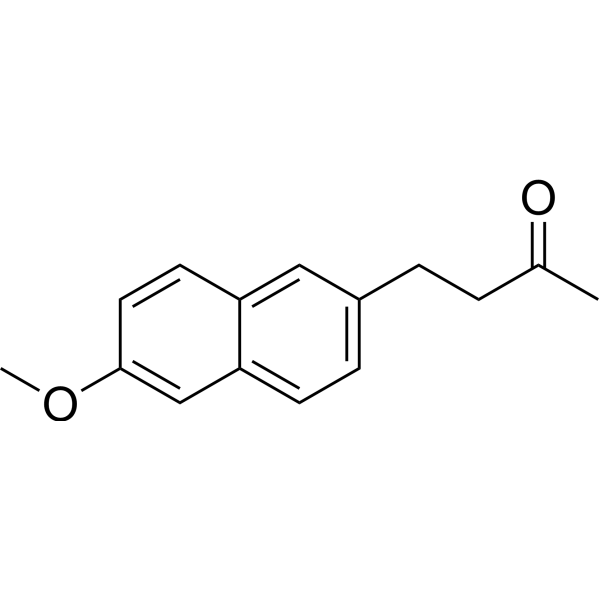
Nabumetone is an orally active non-acidic anti-inflammatory agent, acts as a potent and selective COX-2 inhibitor, and is the proagent of the active metaboliteα-Demethylnaproxen (HY-W086896). Nabumetone can inhibit cancer cells proliferation and relieve gastric ulcers .
|
-
- HY-108259
-
|
|
PGE synthase
|
Inflammation/Immunology
|
|
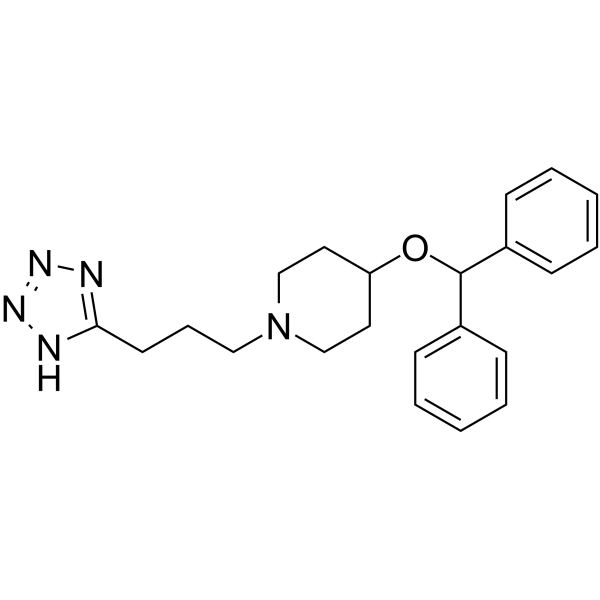
HQL-79, a potent, selective and orally active human hematopoietic prostaglandin D synthase (H-PGDS) inhibitor, highly selectively inhibits the synthesis of PGD2, and acts as an anti-allergic agent, with a Kd of 0.8 μM and an IC50 of 6 μM. Shows no obvious effect on COX-1, COX-2, m-PGES, or L-PGDS .
|
-
- HY-134753
-
|
4-Amino-N-(4-trifluoromethylphenyl)benzamide
|
COX
|
Inflammation/Immunology
|
|
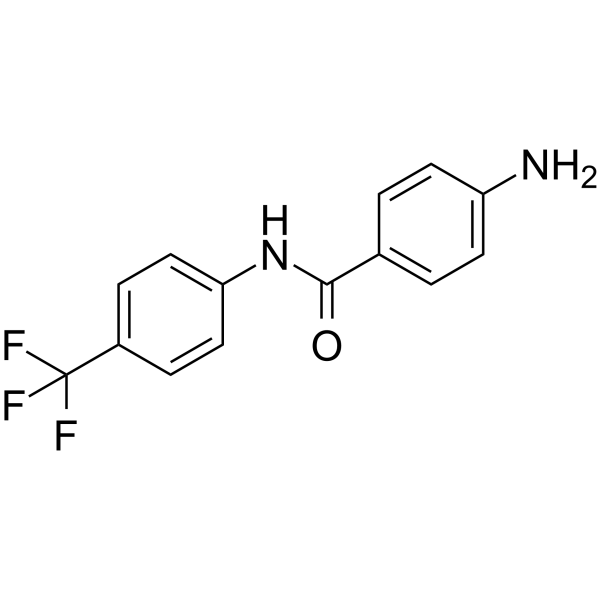
Teriflunomide impurity 3 (4-Amino-N-(4-trifluoromethylphenyl)benzamide) is a selective COX-1 inhibitor with an IC50 of 30 µM. Teriflunomide impurity 3 is less active against COX-2 (IC50>100 µM) .
|
-
- HY-W013164R
-
|
|
Reference Standards
COX
|
Inflammation/Immunology
Cancer
|
|
SC-58125 is a potent and selective inhibitor of cyclooxygenase 2 (COX-2), with an IC50 of 0.04 μM. SC-58125 exhibits antitumor activity in vitro and in vivo. SC-58125 also can inhibit edema at the inflammatory site and has analgesic effect .
|
-

- HY-66004
-
|
Diacetamate
|
Drug Intermediate
Bacterial
Parasite
|
Inflammation/Immunology
Cancer
|
|
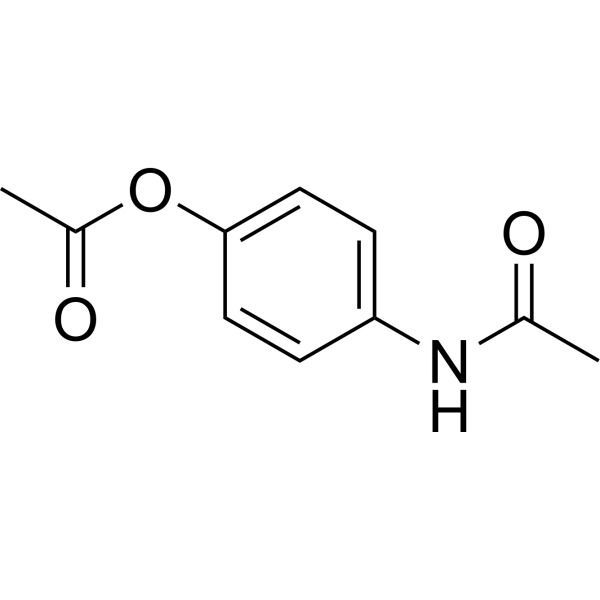
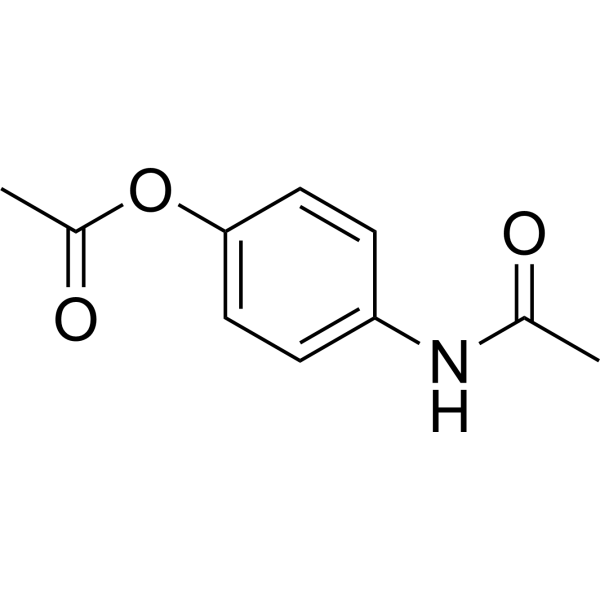
4-Acetamidophenyl acetate is an impurity of Acetaminophen (HY-66005). 4-Acetamidophenyl acetate acts as an intermediate in the synthesis of Acetaminophen. Acetaminophen is a selective COX-2 inhibitor (IC50=25.8 μM), and is a potent hepatic N-acetyltransferase 2 (NAT2) inhibitor .
|
-
- HY-W013164
-
|
|
COX
|
Inflammation/Immunology
Cancer
|
|
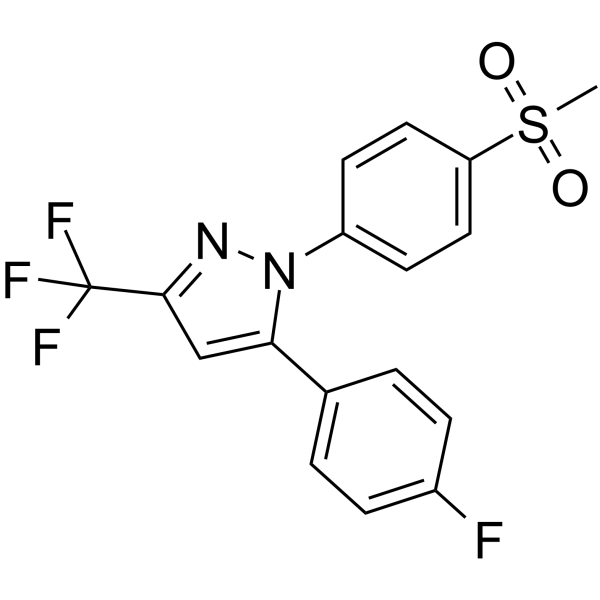
SC-58125 is a potent and selective inhibitor of cyclooxygenase 2 (COX-2), with an IC50 of 0.04 μM. SC-58125 exhibits antitumor activity in vitro and in vivo. SC-58125 also can inhibit edema at the inflammatory site and has analgesic effect .
|
-
- HY-66005S1
-
|
Paracetamol-d3; 4-Acetamidophenol-d3; 4'-Hydroxyacetanilide-d3
|
COX
Histone Acetyltransferase
Endogenous Metabolite
|
Inflammation/Immunology
Cancer
|
|
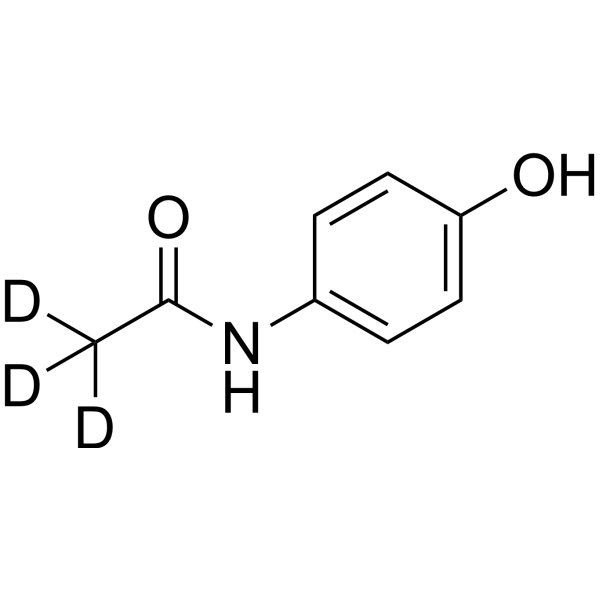
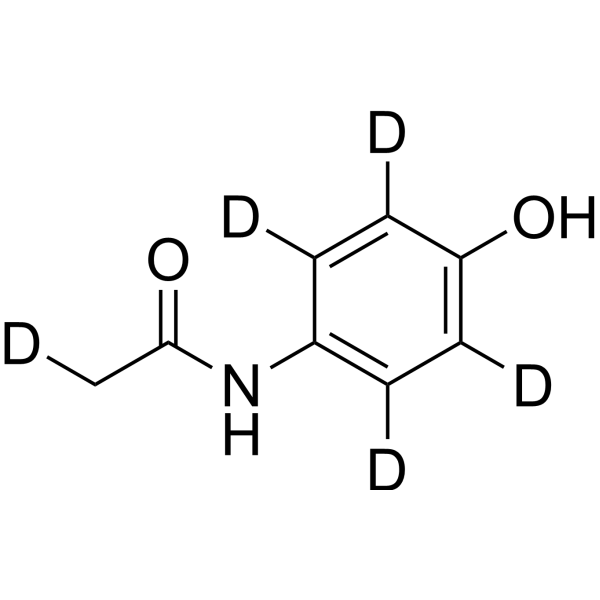
Acetaminophen-d3 is the deuterium labeled Acetaminophen. Acetaminophen (Paracetamol) is a selective cyclooxygenase-2 (COX-2) inhibitor with an IC50 of 25.8 μM; is a widely used antipyretic and analgesic agent . Acetaminophen is a potent hepatic N-acetyltransferase 2 (NAT2) inhibitor .
|
-
- HY-66005S
-
|
Paracetamol-d4; 4-Acetamidophenol-d4; 4'-Hydroxyacetanilide-d4
|
COX
Histone Acetyltransferase
Endogenous Metabolite
|
Inflammation/Immunology
|
|
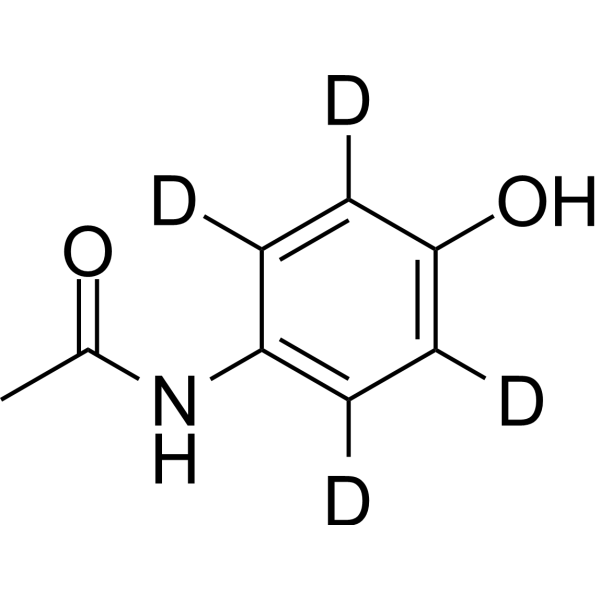
Acetaminophen-d4 is the deuterium labeled Acetaminophen. Acetaminophen (Paracetamol) is a selective cyclooxygenase-2 (COX-2) inhibitor with an IC50 of 25.8 μM; is a widely used antipyretic and analgesic agent . Acetaminophen is a potent hepatic N-acetyltransferase 2 (NAT2) inhibitor .
|
-
- HY-13913
-
|
|
COX
|
Inflammation/Immunology
Cancer
|
|
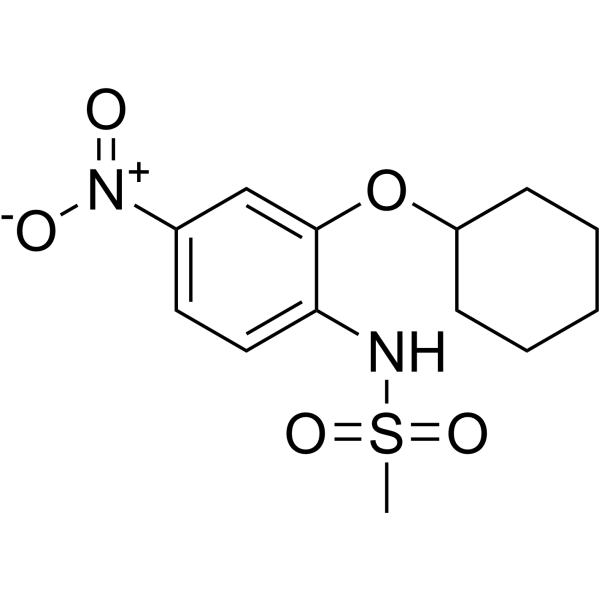
NS-398 is a non-steroidal an-inflammatory agent with analgesic and antipyretic effects, and selectively inhibits prostaglandin G/H synthase 2/cyclooxygenase 2 (COX-2) activity, with an IC50 of 3.8 μM, and has no effect on COX-1 at 100 μM.
|
-
- HY-10439
-
|
|
PGE synthase
|
Inflammation/Immunology
|
|
HPGDS inhibitor 1 is a potent, selective and orally active Hematopoietic Prostaglandin D Synthase (HPGDS) inhibitor with an IC50s of 0.6 nM and 32 nM in enzyme and cellular assays, respectively. HPGDS inhibitor 1 does not inhibit human L-PGDS, mPGES, COX-1, COX-2, or 5-LOX .
|
-
- HY-160184
-
|
|
COX
|
Neurological Disease
Inflammation/Immunology
|
|
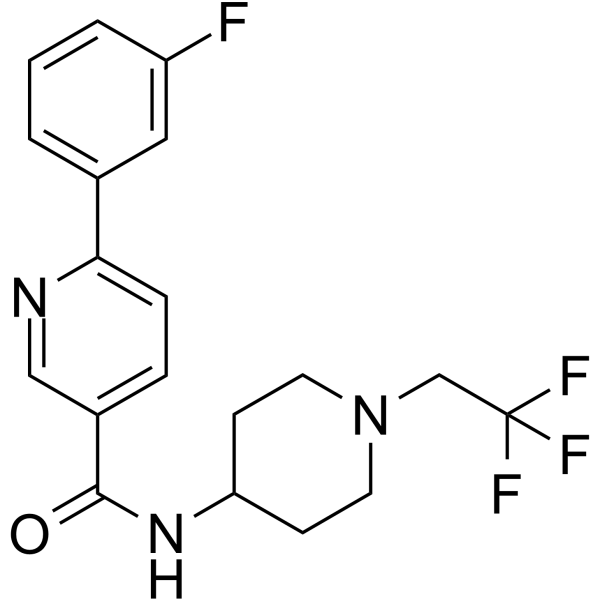
COX-1-IN-5 (example 13, compound PS13) is a potent and selective COX-1 inhibitor (COX-1 IC50 = 1 nM, COX-2 IC50 > 0.1 μM) exhibiting >1000-fold selectivity over COX-2. COX-1-IN-5 possesses strong anti-inflammatory, antipyretic, analgesic, antithrombotic, anti-cancer activities. COX-1-IN-5 can be used for COX-mediated diseases research, such as inflammatory conditions and pain. COX-1-IN-5 radiolabeled with 11C can be used as a selective PET tracer for whole‑body imaging of COX‑1 distribution and target engagement in vivo .
|
-

- HY-183149
-
|
|
Prostaglandin Receptor
Interleukin Related
COX
|
Neurological Disease
|
|
BPN-37440 is a blood-brain barrier-permeable, selective, and orally active EP2 receptor inhibitor with an IC50 of 53-60 nM. BPN-37440 inhibits the expression of inflammatory mediators IL-1β and COX-2, with an IC50 of 21 nM for IL-1β and 42 nM for COX-2. BPN-37440 reduces microgliosis in key brain regions of mice with pilocarpine (HY-B0726A)-induced status epilepticus and reverses their working memory and recognition memory deficits. BPN-37440 can be used for research on status epilepticus .
|
-

- HY-W015007R
-
|
|
Reference Standards
COX
|
Cardiovascular Disease
|
|
Metyrosine (Standard) is the analytical standard of Metyrosine. This product is intended for research and analytical applications. Metyrosine is a selective tyrosine hydroxylase enzyme inhibitor. Metyrosine exerts anti-inflammatory and anti-ulcerative effects. Metyrosine significantly inhibits high COX-2 activity . Metyrosine is a very effective agent for blood pressure control .
|
-

- HY-N0929R
-
|
|
Reference Standards
COX
Reactive Oxygen Species (ROS)
|
Cancer
|
|
Hexahydrocurcumin (Standard) is the analytical standard of Hexahydrocurcumin. This product is intended for research and analytical applications. Hexahydrocurcumin is one of the major metabolites of curcumin and a selective, orally active COX-2 inhibitor. Hexahydrocurcumin is inactive against COX-1. Hexahydrocurcumin has antioxidant, anticancer and anti-inflammatory activities .
|
-

- HY-Y1100S1
-
|
|
Isotope-Labeled Compounds
Drug Intermediate
Biochemical Assay Reagents
|
Others
|
|
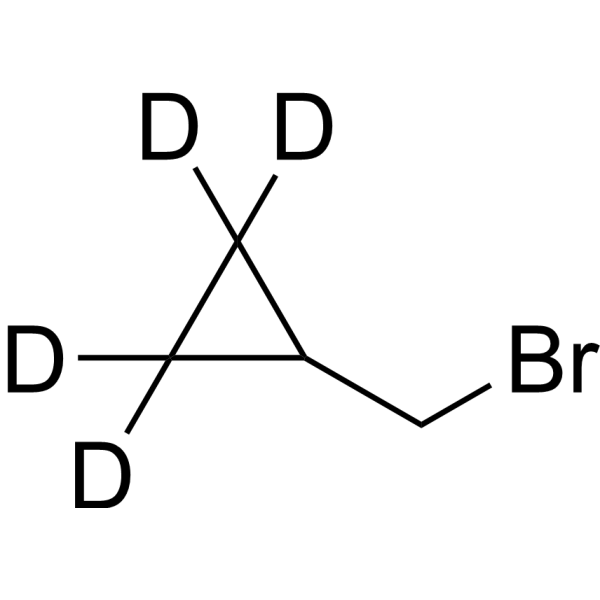
Cyclopropylmethyl bromide-d3 is the deuterium labeled Cyclopropylmethyl bromide (HY-Y1100). Cyclopropylmethyl bromide is an intermediate. Cyclopropylmethyl bromide can be used in the preparation of Firocoxib (HY-14670). Firocoxib (ML 1785713) is a potent, selective, orally active COX-2 inhibitor .
|
-
- HY-Y1100S
-
|
|
Isotope-Labeled Compounds
Biochemical Assay Reagents
Drug Intermediate
|
Others
|
|
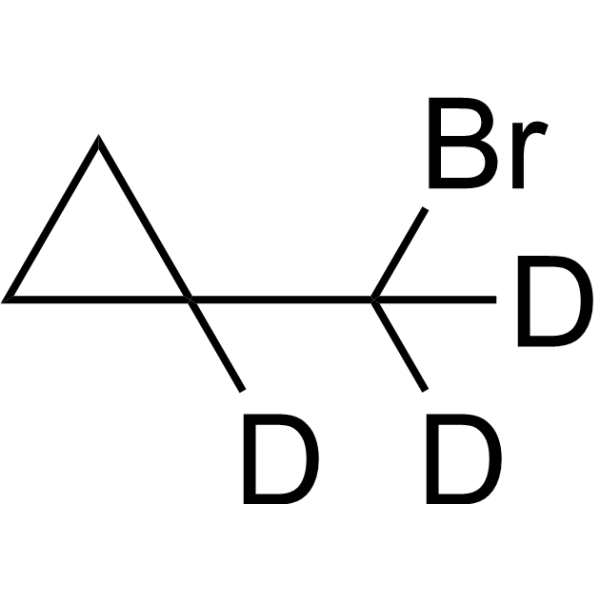
Cyclopropylmethyl bromide-d4 is the deuterium labeled Cyclopropylmethyl bromide (HY-Y1100). Cyclopropylmethyl bromide is an intermediate. Cyclopropylmethyl bromide can be used in the preparation of Firocoxib (HY-14670). Firocoxib (ML 1785713) is a potent, selective, orally active COX-2 inhibitor .
|
-
- HY-120824
-
|
|
COX
|
Inflammation/Immunology
|
|
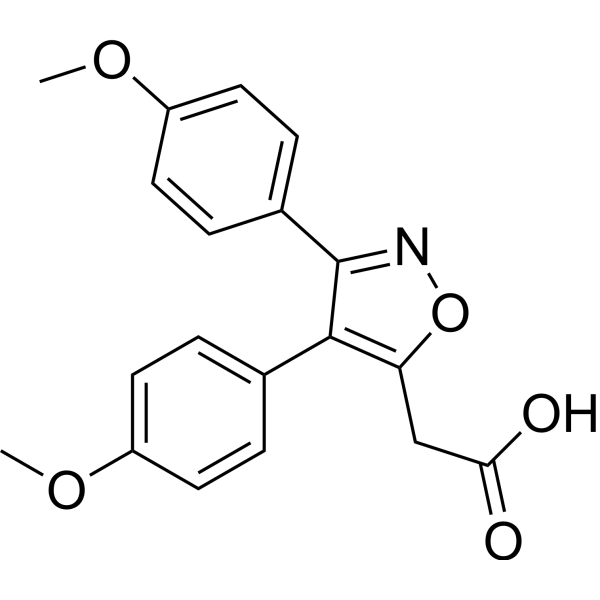
Mofezolac, a non-steroidal anti-inflammatory drug (NSAID), is a selective, reversible and orally active COX-1 inhibitor with an IC50 of 1.44 nM. Mofezolac shows weak inhibitory activity on COX-2 (IC50 of 447 nM). Mofezolac can relieve pain and has anti-inflammatory activities .
|
-
- HY-N0389
-
|
|
COX
Parasite
|
Inflammation/Immunology
|
|
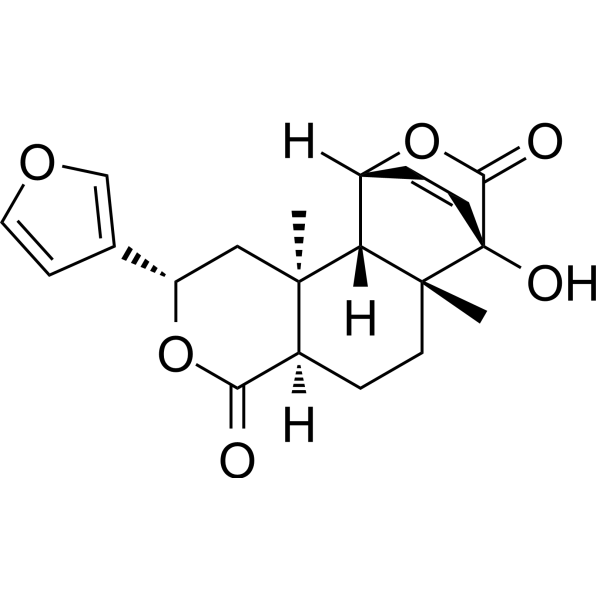
Columbin is an orally active diterpenoid furanolactone from Calumbae radix, has anti-inflammatory and anti-trypanosomal effects. Columbin selectively inhibits COX-2 (EC50=53.1 μM) over COX-1 (EC50=327 μM) .
|
-
- HY-118139S
-
|
|
Isotope-Labeled Compounds
COX
|
Inflammation/Immunology
|
|
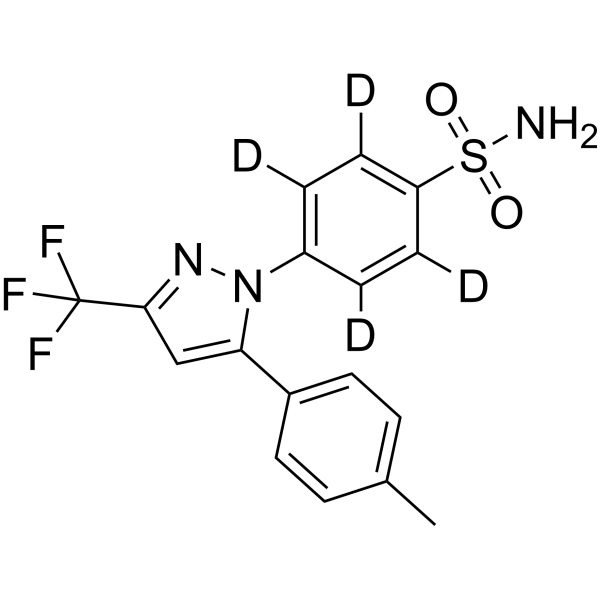
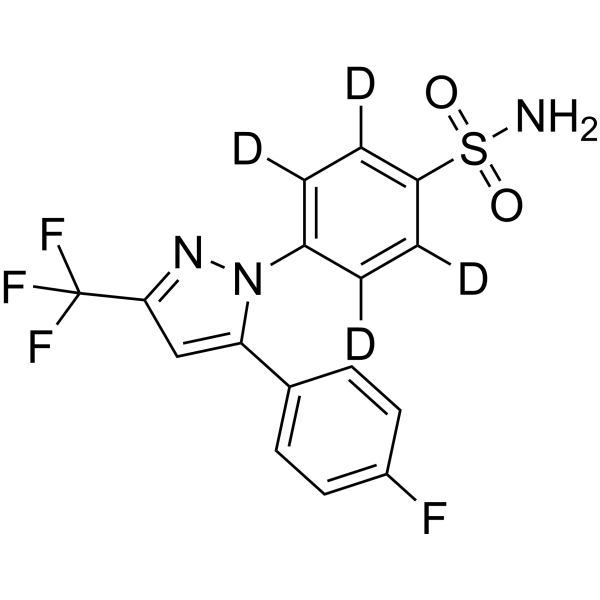
Celecoxib-d4 is the deuterium labeled Desmethyl Celecoxib. Desmethyl Celecoxib (compound 3b) is a selective cyclooxygenase-2 (COX-2) inhibitor (IC50=32 nM) with anti-inflammatory activities. Desmethyl Celecoxib is an?analog?of Celecoxib and with the optimal yield of 75% .
|
-
- HY-119447S
-
|
|
Isotope-Labeled Compounds
COX
|
Inflammation/Immunology
|
|
Mavacoxib-d4 is the deuterium labeled Mavacoxib. Mavacoxib is a selective, oral long-acting cyclooxygenase-2 (COX-2) inhibitor and a long-acting non-steroidal anti-inflammatory drug (NSAID). Mavacoxib is used to treat pain and inflammation associated with degenerative joint disease in dogs .
|
-
- HY-W745860
-
|
|
Reactive Oxygen Species (ROS)
|
Cancer
|
|
Hexahydrocurcumin-d6 is the deuterium labeled Hexahydrocurcumin (HY-N0929). Hexahydrocurcumin is one of the major metabolites of curcumin and a selective, orally active COX-2 inhibitor. Hexahydrocurcumin is inactive against COX-1. Hexahydrocurcumin has antioxidant, anticancer and anti-inflammatory activities .
|
-

- HY-66005S5
-
-
- HY-W557590
-
|
|
Drug Metabolite
|
Others
|
|
Nabumetone alcohol is a metabolite of Nabumetone (HY-B0559) . Nabumetone is an orally active non-acidic anti-inflammatory agent, acts as a potent and selective COX-2 inhibitor, and is the proagent of the active metaboliteα-Demethylnaproxen (HY-W086896). Nabumetone can inhibit cancer cells proliferation and relieve gastric ulcers.
|
-

- HY-114200R
-
|
BAP-909 (Standard)
|
Reference Standards
COX
|
Inflammation/Immunology
|
|
Imrecoxib (Standard) is the analytical standard of Imrecoxib. This product is intended for research and analytical applications. Imrecoxib (BAP-909) is a novel and selective cyclooxygenase 2 (COX-2) inhibitor with an IC50 value of 18 nM, it also inhibits COX1- activity with an IC50 value of 115 nM. Imrecoxib (BAP-909) has anti-inflammatory effect .
|
-

- HY-105028A
-
|
CP-66248 sodium
|
COX
|
Inflammation/Immunology
|
|
Tenidap is a non-steroidal anti-inflammatory active molecule and a selective inhibitor of COX-1, with IC50 values of 0.03 μM for COX-1 and 1.2 μM for COX-2. Tenidap exhibits anti-inflammatory and anti-rheumatic effects. Tenidap is a specific inhibitor of SLC26A3 .
|
-

- HY-66005
-
-
- HY-66005R
-
|
Paracetamol (Standard); 4-Acetamidophenol (Standard); 4'-Hydroxyacetanilide (Standard)
|
Reference Standards
COX
Histone Acetyltransferase
Endogenous Metabolite
Bacterial
Parasite
|
Inflammation/Immunology
Cancer
|
|
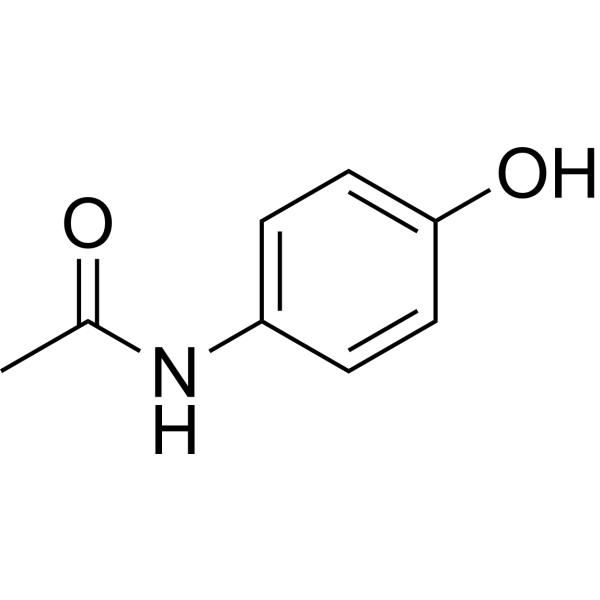
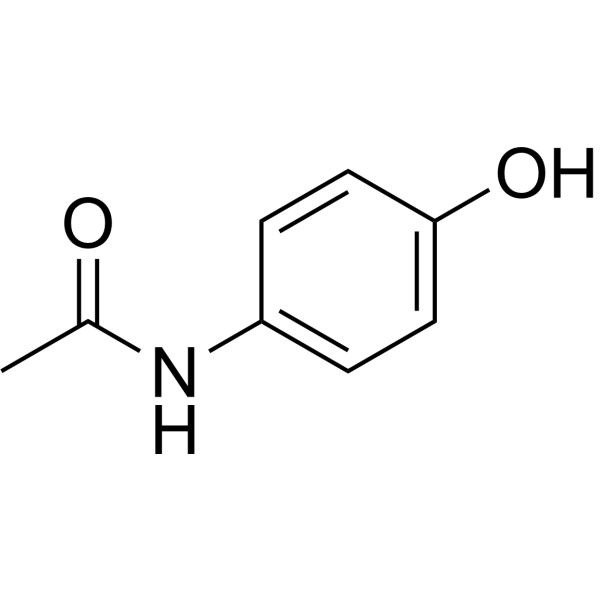
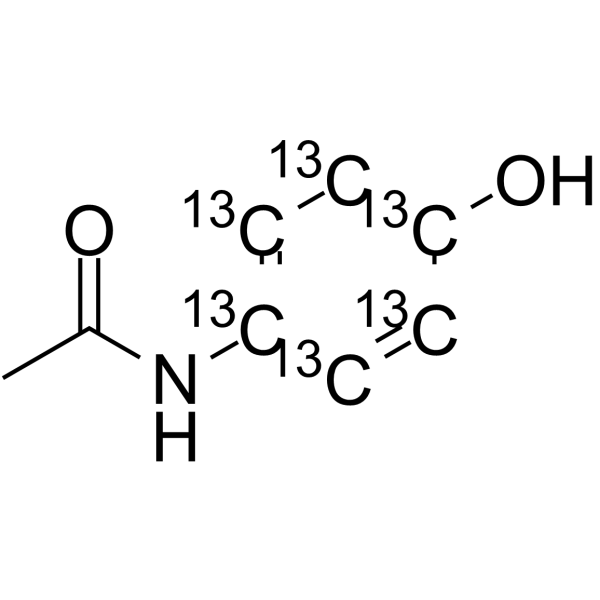
Acetaminophen (Standard) is the analytical standard of Acetaminophen. This product is intended for research and analytical applications. Acetaminophen (Paracetamol) is a selective cyclooxygenase-2 (COX-2) inhibitor with an IC50 of 25.8 μM; is a widely used antipyretic and analgesic agent . Acetaminophen is a potent hepatic N-acetyltransferase 2 (NAT2) inhibitor .
|
-
- HY-179142
-
|
|
COX
TNF Receptor
Interleukin Related
|
Neurological Disease
Inflammation/Immunology
|
|
COX-2-IN-60 is a potent, orally active, and selective COX-2 inhibitor with an IC50 of 0.06 μM. COX-2-IN-60 exhibits ~100-fold selectivity over COX-1 (IC50 = 5.93 ). COX-2-IN-60 reduces oxidative stress and neuroinflammatory cytokines, and effectively counteracts epileptogenesis. COX-2-IN-60 exhibits significant anticonvulsant effects and protects against hippocampal injury by suppressing oxidative stress (reducing MDA and NO), pro-inflammatory signaling (reducing TNF-α and IL-6), and glial activationin in the Pilocarpine (HY-B0726A)-induced seizure mouse model. COX-2-IN-60 can be used for the research on neuroinflammatory and epilepsy .
|
-

- HY-B0075S
-
-
- HY-119447R
-
|
|
COX
|
Inflammation/Immunology
|
|
Mavacoxib (Standard) is the analytical standard of Mavacoxib. This product is intended for research and analytical applications. Mavacoxib is a selective, oral long-acting cyclooxygenase-2 (COX-2) inhibitor and a long-acting non-steroidal anti-inflammatory drug (NSAID). Mavacoxib is used to treat pain and inflammation associated with degenerative joint disease in dogs .
|
-

- HY-17474A
-
|
SC 69124A
|
COX
|
Infection
Neurological Disease
Inflammation/Immunology
Cancer
|
|
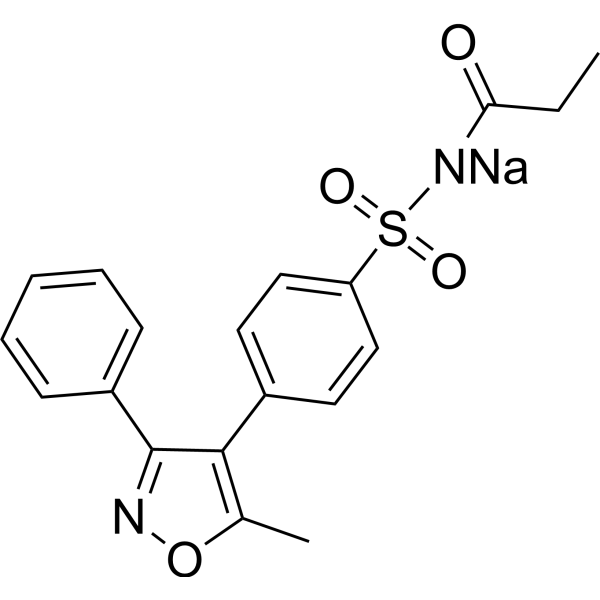
Parecoxib Sodium (SC 69124A) is a highly selective and orally active COX-2 inhibitor that is permeable to the blood-brain barrier, the proagent of Valdecoxib (HY-15762). Parecoxib Sodium is a nonsteroidal anti-inflammatory agent (NSAID) and inhibits prostaglandin (PG) synthesis. Parecoxib Sodium can be used for the relief of acute postoperative pain and symptoms of chronic inflammatory conditions such as osteoarthritis and rheumatoid arthritis in vivo.
|
-
- HY-17474
-
|
SC 69124
|
COX
|
Infection
Neurological Disease
Inflammation/Immunology
Cancer
|
|
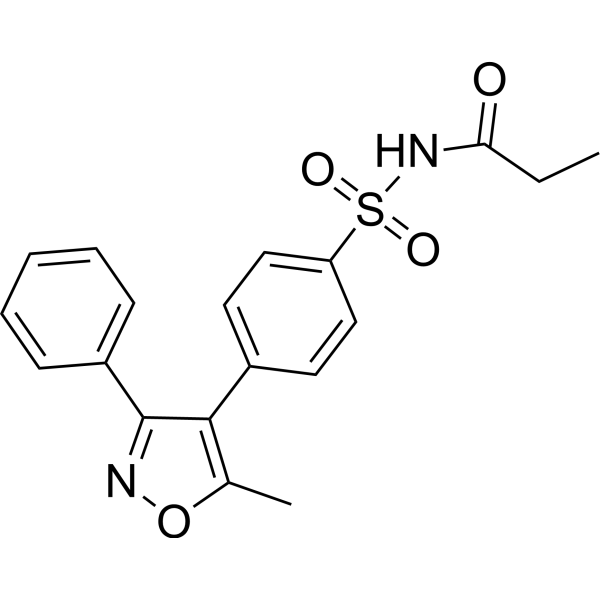
Parecoxib (SC 69124) is a highly selective and orally active COX-2 inhibitor that is permeable to the blood-brain barrier, the proagent of Valdecoxib (HY-15762). Parecoxib Sodium is a nonsteroidal anti-inflammatory agent (NSAID) and inhibits prostaglandin (PG) synthesis. Parecoxib can be used for the relief of acute postoperative pain and symptoms of chronic inflammatory conditions such as osteoarthritis and rheumatoid arthritis in vivo.
|
-
- HY-66005S4
-
|
Paracetamol-13C2,15N; 4-Acetamidophenol-13C2,15N; 4'-Hydroxyacetanilide-13C2,15N
|
COX
Bacterial
Histone Acetyltransferase
Parasite
Endogenous Metabolite
|
Inflammation/Immunology
|
|
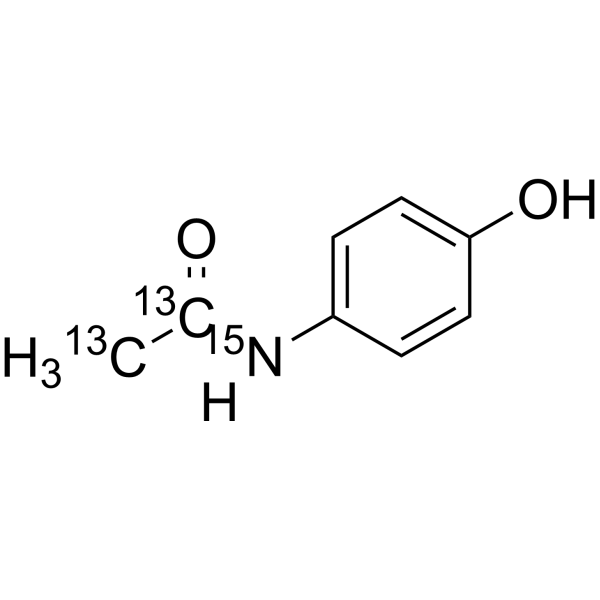
Acetaminophen- 13C2, 15N is the 13C and 15N labeled Acetaminophen . Acetaminophen (Paracetamol) is a selective cyclooxygenase-2 (COX-2) inhibitor with an IC50 of 25.8 μM;is a widely used antipyretic and analgesic agent . Acetaminophen is a potent hepatic N-acetyltransferase 2 (NAT2) inhibitor .
|
-
- HY-113083R
-
|
APAP-glu (Standard)
|
Reference Standards
Drug Metabolite
Endogenous Metabolite
|
Others
|
|
Acetaminophen glucuronide (Standard) is the analytical standard of Acetaminophen glucuronide. This product is intended for research and analytical applications. Acetaminophen glucuronide (APAP-glu) is an inactive glucuronide metabolite of Acetaminophen (HY-66005) . Acetaminophen is a selective cyclooxygenase-2 (COX-2) inhibitor and a potent hepatic N-acetyltransferase 2 (NAT2) inhibitor .
|
-

- HY-181044
-
|
|
Lipoxygenase
COX
|
Inflammation/Immunology
Cancer
|
|
COX-2/5-LOX-IN-6 (Compound 4c) is a potent and selective 5-LOX (IC50 = 0.10 μM) and COX-2 (IC50: 2.88 μM) inhibitor. COX-2/5-LOX-IN-6 displays potent anticancer activity against ovarian cancer. COX-2/5-LOX-IN-6 would not cause cytotoxic effects in noncancerous cells. COX-2/5-LOX-IN-6 is a potential anti-inflammatory agent .
|
-

- HY-121537R
-
|
|
COX
Akt
Apoptosis
|
Neurological Disease
Inflammation/Immunology
Cancer
|
|
CAY10404 (Standard) is the analytical standard of CAY10404. This product is intended for research and analytical applications. CAY10404 is a potent and selective cyclooxygenase-2 (COX-2) inhibitor with an IC50 of 1 nM and a selectivity index (SI; COX-1 IC50/COX-2 IC50) of >500000. CAY10404 is a potent PKB/Akt and MAPK signaling pathways inhibitor and induces apoptosis in non-small cell lung cancer (NSCLC) cells. CAY10404, a diarylisoxazole, has good analgesic, anti-inflammatory, and anti-cancer activities .
|
-

- HY-B0084
-
|
STS 557
|
Progesterone Receptor
|
Endocrinology
|
|
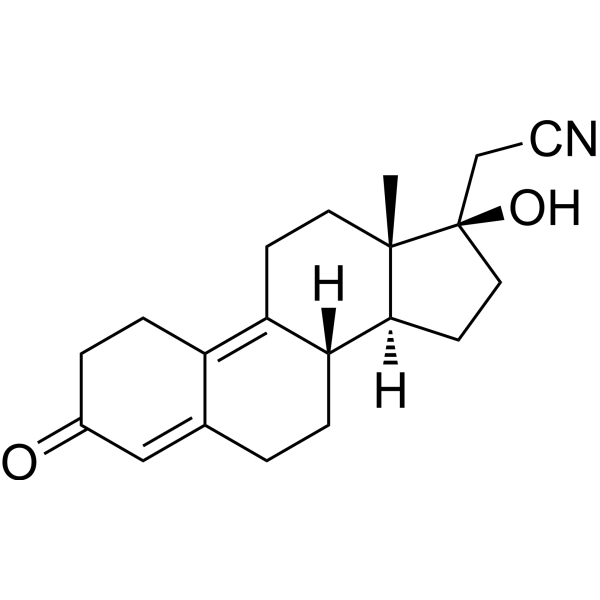
Dienogest (STS-557) is an orally active and selective progesterone receptor agonist that effectively reduces the gene expression of COX-2, mPGES-1 and aromatase. Dienogest also inhibits the mRNA and protein expression of PGE2 synthase and the activation of NF-κB. Dienogest can be used in studies of endometriosis, menopause and menorrhagia .
|
-
- HY-13507R
-
|
COX-189 (Standard)
|
Reference Standards
COX
|
Metabolic Disease
Inflammation/Immunology
Cancer
|
|
Lumiracoxib (Standard) is the analytical standard of Lumiracoxib. This product is intended for research and analytical applications. Lumiracoxib is a potent,selective and orally active COX-2 inhibitor with a Ki value of 0.06 μM . Lumiracoxib acts as a nonselective NSAID with anti-inflammatory, analgesic and antipyretic activities. Lumiracoxib can be used for osteoarthritis and bone cancer research .
|
-

- HY-B0363R
-
|
R805 (Standard)
|
Reference Standards
COX
|
Inflammation/Immunology
Cancer
|
|
Nimesulide (Standard) is the analytical standard of Nimesulide. This product is intended for research and analytical applications. Nimesulide is a selective COX-2 inhibitor, with IC50s of 70 nM-70 μM in a time-dependent manner, but it shows no effect on COX-1 (IC50 >100 μM). Nimesulide has potent anti-inflammatory, analgesic and antipyretic properties.
|
-

- HY-N1312R
-
-

- HY-B0363S
-
|
|
Isotope-Labeled Compounds
COX
|
Inflammation/Immunology
|
|
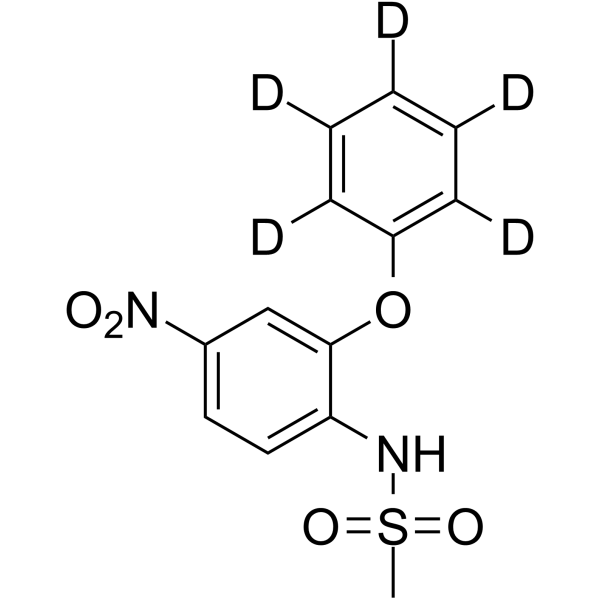
Nimesulide-d5 is a deuterium labeled Nimesulide. Nimesulide is a selective COX-2 inhibitor, with IC50s of 70 nM-70 μM in a time-dependent manner, but it shows no effect on COX-1 (IC50 >100 μM). Nimesulide has potent anti-inflammatory, analgesic and antipyretic properties .
|
-
- HY-N1312
-
-
- HY-19384R
-
|
E 6087 (Standard)
|
COX
Reference Standards
|
Inflammation/Immunology
|
|
Enflicoxib (Standard) is the analytical standard of Enflicoxib. This product is intended for research and analytical applications. Enflicoxib (E 6087) is a nonsteroidal anti-inflammatory compound that selectively inhibits cyclooxygenase-2 (COX-2). Enflicoxib does not inhibit cyclooxygenase-1 (COX-1). E-6087 shows anti-inflammatory, analgesic and antipyretic activities in animal models .
|
-

- HY-W015007S
-
|
|
COX
|
Cardiovascular Disease
|
|
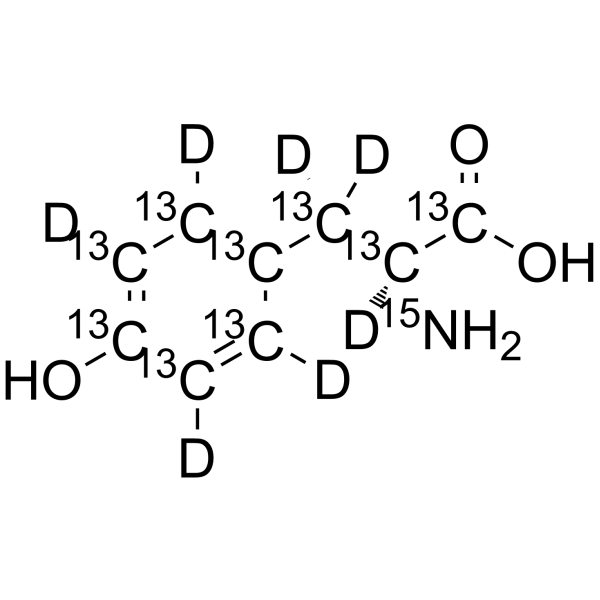
Metyrosine- 13C9, 15N,d7 is the deuterium, 13C-, and 15-labeled Metyrosine. Metyrosine is a selective tyrosine hydroxylase enzyme inhibitor. Metyrosine exerts anti-inflammatory and anti-ulcerative effects. Metyrosine significantly inhibits high COX-2 activity . Metyrosine is a very effective agent for blood pressure control .
|
-
- HY-181766
-
|
|
EGFR
VEGFR
COX
Microtubule/Tubulin
Apoptosis
|
Neurological Disease
Cancer
|
|
EGFR/VEGFR2-IN-11 is an EGFR/VEGFR2 inhibitor with IC50 values of 0.62 μM (human EGFR), 2.26 μM (human VEGFR-2), 17.38 μM (human COX-2), and 19.31 μM (human tubulin). EGFR/VEGFR2-IN-11 inhibits COX-2 activity and tubulin polymerization. EGFR/VEGFR2-IN-11 induces cell cycle arrest and apoptosis. EGFR/VEGFR2-IN-11 exerts selective and antiproliferative activity against human cancer cells. EGFR/VEGFR2-IN-11 can be used for the research of colon carcinoma, breast carcinoma, leukemia, lymphoma, glioblastoma .
|
-

- HY-114200S
-
|
BAP-909-d7
|
Isotope-Labeled Compounds
COX
|
Inflammation/Immunology
|
|
Imrecoxib-d7 (BAP-909-d7) is the deuterium labeled Imrecoxib (HY-114200). Imrecoxib (BAP-909) is a novel and selective cyclooxygenase 2 (COX-2) inhibitor with an IC50 value of 18 nM, it also inhibits COX1- activity with an IC50 value of 115 nM. Imrecoxib (BAP-909) has anti-inflammatory effect .
|
-

- HY-17474S
-
|
SC 69124-d3
|
Isotope-Labeled Compounds
COX
|
Inflammation/Immunology
Cancer
|
|
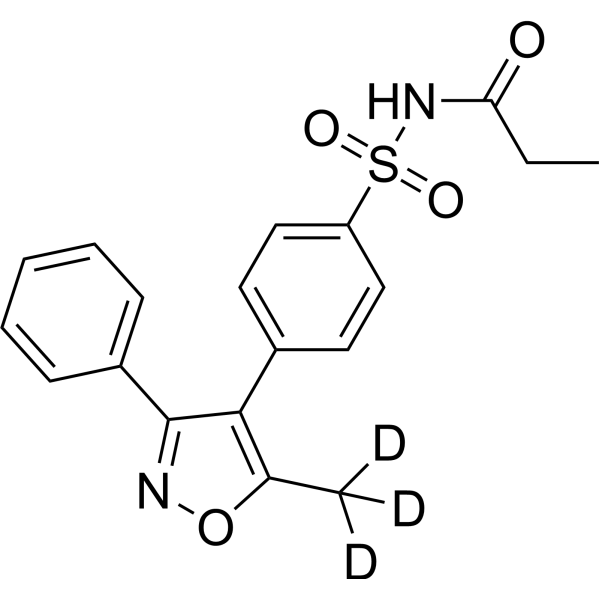
Parecoxib-d3 is the deuterium labeled Parecoxib. Parecoxib (SC 69124) is a highly selective and orally active COX-2 inhibitor, the proagent of Valdecoxib (HY-15762). Parecoxib Sodium is a nonsteroidal anti-inflammatory agent (NSAID) and inhibits prostaglandin (PG) synthesis. Parecoxib can be used for the relief of acute postoperative pain and symptoms of chronic inflammatory conditions such as osteoarthritis and rheumatoid arthritis in vivo.
|
-
- HY-B0559S
-
|
BRL14777-d3
|
Isotope-Labeled Compounds
COX
|
Inflammation/Immunology
Cancer
|
|
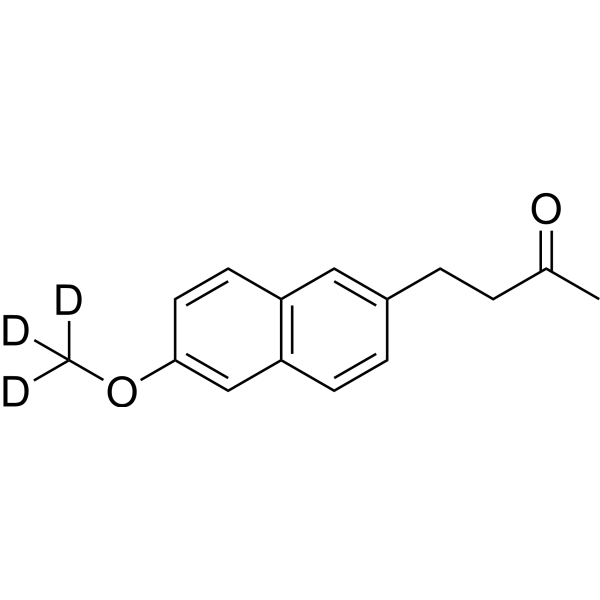
Nabumetone-d3 is the deuterium labeled Nabumetone (HY-B0559). Nabumetone is an orally active non-acidic anti-inflammatory agent, acts as a potent and selective COX-2 inhibitor, and is the proagent of the active metaboliteα-Demethylnaproxen (HY-W086896). Nabumetone can inhibit cancer cells proliferation and relieve gastric ulcers .
|
-
- HY-105028S
-
|
CP-66248-d3
|
COX
|
Inflammation/Immunology
|
|
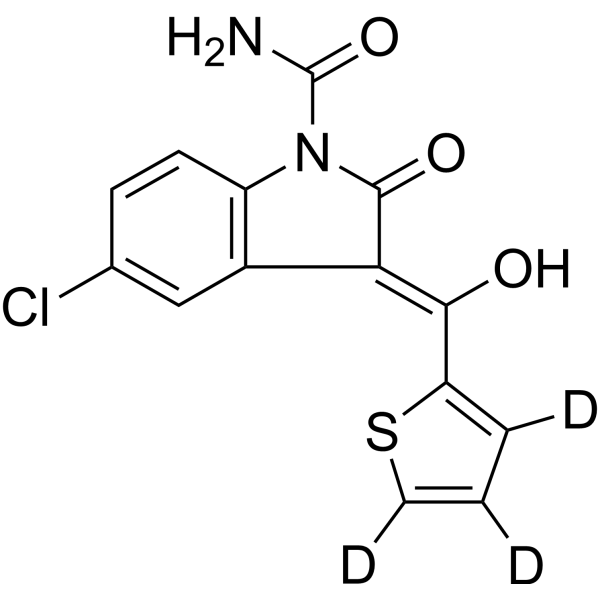
Tenidap-d3 is the deuterium labeled Tenidap. Tenidap, a non-steroidal anti-inflammatory drug, is a selective COX-1 inhibitor, with IC50 values of 0.03 μM and 1.2 μM for COX-1 and COX-2, respectively. Tenidap has anti-inflammatory and antirheumatic properties . Tenidap is also a specific SLC26A3 inhibitor .
|
-
- HY-181612
-
|
|
COX
Calcium Channel
Interleukin Related
TNF Receptor
|
Neurological Disease
Inflammation/Immunology
|
|
COX-2/CaV2.2-IN-1 is an orally active and selective dual COX-2/CaV2.2 inhibitor, exhibiting a COX-2 IC50 of 0.26 μM and a CaV2.2 IC50 of 0.29 μM. COX-2/CaV2.2-IN-1 suppresses inflammatory responses and inflammatory mediator (IL-6, TNF-α, NO) production. COX-2/CaV2.2-IN-1 produces pronounced analgesic effects in diverse models of inflammatory, neuropathic, and visceral pain. COX-2/CaV2.2-IN-1 can be used for the research of chronic pain .
|
-

- HY-N0389R
-
|
|
Reference Standards
COX
Parasite
|
Inflammation/Immunology
|
|
Columbin (Standard) is the analytical standard of Columbin. This product is intended for research and analytical applications. Columbin is an orally active diterpenoid furanolactone from Calumbae radix, has anti-inflammatory and anti-trypanosomal effects. Columbin selectively inhibits COX-2 (EC50=53.1 μM) over COX-1 (EC50=327 μM) .
|
-

- HY-B0363S1
-
|
R805-13C6
|
Isotope-Labeled Compounds
COX
|
Inflammation/Immunology
Cancer
|
|
Nimesulide- 13C6 (R805- 13C6) is 13C labeled Nimesulide. Nimesulide is a selective COX-2 inhibitor, with IC50s of 70 nM-70 μM in a time-dependent manner, but it shows no effect on COX-1 (IC50 >100 μM). Nimesulide has potent anti-inflammatory, analgesic and antipyretic properties.
|
-

- HY-17474AR
-
|
SC 69124A (Standard)
|
Reference Standards
COX
|
Inflammation/Immunology
Cancer
|
|
Parecoxib (Sodium) (Standard) is the analytical standard of Parecoxib (Sodium). This product is intended for research and analytical applications. Parecoxib Sodium (SC 69124A) is a highly selective and orally active COX-2 inhibitor, the proagent of Valdecoxib (HY-15762). Parecoxib Sodium is a nonsteroidal anti-inflammatory agent (NSAID) and inhibits prostaglandin (PG) synthesis. Parecoxib Sodium can be used for the relief of acute postoperative pain and symptoms of chronic inflammatory conditions such as osteoarthritis and rheumatoid arthritis in vivo.
|
-

- HY-17474AS
-
|
SC 69124A-d5
|
Isotope-Labeled Compounds
COX
|
Inflammation/Immunology
Cancer
|
|
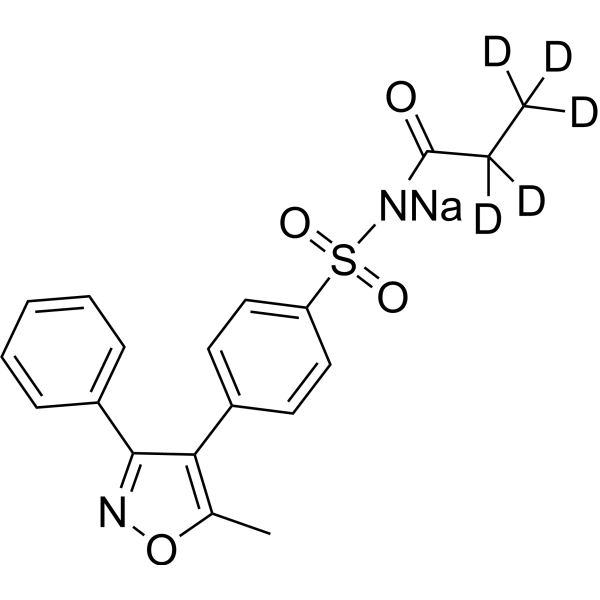
Parecoxib-d5 sodium is the deuterium labeled Parecoxib sodium. Parecoxib Sodium (SC 69124A) is a highly selective and orally active COX-2 inhibitor, the proagent of Valdecoxib (HY-15762). Parecoxib Sodium is a nonsteroidal anti-inflammatory agent (NSAID) and inhibits prostaglandin (PG) synthesis. Parecoxib Sodium can be used for the relief of acute postoperative pain and symptoms of chronic inflammatory conditions such as osteoarthritis and rheumatoid arthritis in vivo .
|
-
- HY-B0559R
-
|
BRL14777 (Standard)
|
Reference Standards
COX
|
Inflammation/Immunology
Cancer
|
|
Nabumetone (Standard) is the analytical standard of Nabumetone (HY-B0559). This product is intended for research and analytical applications. Nabumetone is an orally active non-acidic anti-inflammatory agent, acts as a potent and selective COX-2 inhibitor, and is the proagent of the active metaboliteα-Demethylnaproxen (HY-W086896). Nabumetone can inhibit cancer cells proliferation and relieve gastric ulcers .
|
-

- HY-66005S3
-
-
- HY-17474R
-
|
SC 69124 (Standard)
|
Reference Standards
COX
|
Inflammation/Immunology
Cancer
|
|
Parecoxib (Standard) is the analytical standard of Parecoxib. This product is intended for research and analytical applications. Parecoxib (SC 69124) is a highly selective and orally active COX-2 inhibitor, the proagent of Valdecoxib (HY-15762). Parecoxib Sodium is a nonsteroidal anti-inflammatory agent (NSAID) and inhibits prostaglandin (PG) synthesis. Parecoxib can be used for the relief of acute postoperative pain and symptoms of chronic inflammatory conditions such as osteoarthritis and rheumatoid arthritis in vivo.
|
-

- HY-10439R
-
|
|
Reference Standards
PGE synthase
|
Inflammation/Immunology
|
|
HPGDS inhibitor 1 (Standard) is the analytical standard of HPGDS inhibitor 1 (HY-10439). This product is intended for research and analytical applications. HPGDS inhibitor 1 is a potent, selective and orally active Hematopoietic Prostaglandin D Synthase (HPGDS) inhibitor with an IC50s of 0.6 nM and 32 nM in enzyme and cellular assays, respectively. HPGDS inhibitor 1 does not inhibit human L-PGDS, mPGES, COX-1, COX-2, or 5-LOX .
|
-

- HY-W032938
-
|
|
COX
NO Synthase
|
Neurological Disease
Inflammation/Immunology
|
|
COX-1-IN-4 (Compound P10) is a selective COX-1 inhibitor (IC50s: COX-1 = 0.09 μM; COX-2 = 2.49 μM). COX-1-IN-4 reduces the production of NO as well as the expression of the iNOS protein. COX-1-IN-4 can be used in the research of neuroinflammation .
|
-

- HY-175970
-
|
|
Lipoxygenase
|
Neurological Disease
|
|
MLS000099089 is a 12/15-lipoxygenase (12/15-LOX) inhibitor with IC50 values of 3.4 μM and 10 μM for human and mice 12/15-LOX, respectively. MLS000099089 displays higher selectivity for 12/15-LOX over 5-LOX and COX-2. MLS000099089 can be used for the study of stroke .
|
-

- HY-181123
-
|
|
COX
|
Neurological Disease
Inflammation/Immunology
|
|
AS1-6 is a selective COX-2 inhibitor with an IC50 of 2.7 μM. AS1-6 has an IC50 of 12.6 μM for COX-1. AS1-6 exerts significant anti-inflammatory and analgesic activities. AS1-6 can be used in research on non-steroidal anti-inflammatory agents .
|
-

- HY-W086896R
-
|
|
Reference Standards
Drug Metabolite
|
Inflammation/Immunology
|
|
α-Demethylnaproxen (Standard) is the analytical standard of α-Demethylnaproxen (HY-W086896). This product is intended for research and analytical applications. α-Demethylnaproxen (Compound 6-MNA) is the major metabolite of Nabumetone (HY-B0559). Nabumetone is an orally active non-acidic anti-inflammatory agent, acts as a potent and selective COX-2 inhibitor .
|
-

- HY-105028R
-
|
CP-66248 (Standard)
|
Reference Standards
COX
|
Inflammation/Immunology
|
|
Tenidap (Standard) is the analytical standard of Tenidap. This product is intended for research and analytical applications. Tenidap, a non-steroidal anti-inflammatory drug, is a selective COX-1 inhibitor, with IC50 values of 0.03 μM and 1.2 μM for COX-1 and COX-2, respectively. Tenidap has anti-inflammatory and antirheumatic properties . Tenidap is also a specific SLC26A3 inhibitor .
|
-

- HY-108259R
-
|
|
Reference Standards
PGE synthase
|
Inflammation/Immunology
|
|
HQL-79 (Standard) is the analytical standard of HQL-79 (HY-108259). This product is intended for research and analytical applications. HQL-79, a potent, selective and orally active human hematopoietic prostaglandin D synthase (H-PGDS) inhibitor, highly selectively inhibits the synthesis of PGD2, and acts as an anti-allergic agent, with a Kd of 0.8 μM and an IC50 of 6 μM. Shows no obvious effect on COX-1, COX-2, m-PGES, or L-PGDS .
|
-

- HY-W676872
-
|
|
COX
Parasite
|
Infection
Inflammation/Immunology
|
|
Dihydroflavokawin B is a selective COX-1 inhibitor with an IC50 of 1.22 μM. Dihydroflavokawin B weakly inhibits COX-2 and 5-LOX. Dihydroflavokawin B inhibits promastigote forms of Leishmania panamensis and Leishmania braziliensis. Dihydroflavokawin B inhibits rabbit platelet aggregation induced by Arachidonic acid, platelet activating factor, and adenosine diphosphate. Dihydroflavokawin B exhibits in vitro anti-inflammatory activity. Dihydroflavokawin B can be used for the research of leishmaniasis .
|
-

- HY-13913R
-
|
|
COX
|
Inflammation/Immunology
Cancer
|
|
NS-398 (Standard) is the analytical standard of NS-398. This product is intended for research and analytical applications. NS-398 is a non-steroidal an-inflammatory agent with analgesic and antipyretic effects, and selectively inhibits prostaglandin G/H synthase 2/cyclooxygenase 2 (COX-2) activity, with an IC50 of 3.8 μM, and has no effect on COX-1 at 100 μM.
|
-

- HY-17474S1
-
|
SC 69124-d5
|
Isotope-Labeled Compounds
COX
|
Inflammation/Immunology
Cancer
|
|
Parecoxib-d5 (SC 69124-d5) is deuterium labeled Parecoxib. Parecoxib (SC 69124) is a highly selective and orally active COX-2 inhibitor, the proagent of Valdecoxib (HY-15762). Parecoxib Sodium is a nonsteroidal anti-inflammatory agent (NSAID) and inhibits prostaglandin (PG) synthesis. Parecoxib can be used for the relief of acute postoperative pain and symptoms of chronic inflammatory conditions such as osteoarthritis and rheumatoid arthritis in vivo.
|
-

- HY-66004R
-
|
Diacetamate (Standard)
|
Reference Standards
Drug Intermediate
Bacterial
Parasite
|
Inflammation/Immunology
Cancer
|
|
4-Acetamidophenyl acetate (Standard) is the analytical standard of 4-Acetamidophenyl acetate (HY-66004). This product is intended for research and analytical applications. 4-Acetamidophenyl acetate is an impurity of Acetaminophen (HY-66005). 4-Acetamidophenyl acetate acts as an intermediate in the synthesis of Acetaminophen. Acetaminophen is a selective COX-2 inhibitor (IC50=25.8 μM), and is a potent hepatic N-acetyltransferase 2 (NAT2) inhibitor .
|
-
- HY-182777
-
|
|
HDAC
NO Synthase
TNF Receptor
Interleukin Related
|
Neurological Disease
Inflammation/Immunology
|
|
HDAC6-IN-80 is an orally active, selective HDAC6 inhibitor with an IC50 of 8.5 nM. HDAC6-IN-80 inhibits lipopolysaccharide-induced microglial activation, reduces the levels of iNOS, COX-2, TNF-α and IL-6, and alleviates sensory hypersensitivity behaviors. HDAC6-IN-80 can be used for the research of inflammatory pain and chemotherapy-induced peripheral neuropathy .
|
-

- HY-179021
-
|
|
COX
Lipoxygenase
|
Cancer
|
|
COX-2/15-LOX-IN-7 is a potent, selective and orally active dual inhibitor of COX-2 and 15-LOX with IC50 values of 0.022 and 1.19 μM. COX-2/15-LOX-IN-7 also inhibits COX-1 with an IC50 value of 28.081μM. COX-2/15-LOX-IN-7 has low cytotoxicity against human colorectal cancer HT-29 and HCT116 cell lines (IC50 >100 μM for both). COX-2/15-LOX-IN-7 exhibits non-ulcerogenic performance. COX-2/15-LOX-IN-7 can be used for the research of cancer .
|
-

- HY-B0084R
-
|
STS 557 (Standard)
|
Reference Standards
Progesterone Receptor
|
Endocrinology
|
|
Dienogest (Standard) is the analytical standard of Dienogest. This product is intended for research and analytical applications. Dienogest (STS-557) is an orally active and selective progesterone receptor agonist that effectively reduces the gene expression of COX-2, mPGES-1 and aromatase. Dienogest also inhibits the mRNA and protein expression of PGE2 synthase and the activation of NF-κB. Dienogest can be used in studies of endometriosis, menopause and menorrhagia .
|
-

- HY-180952
-
|
|
Drug Metabolite
COX
PPAR
NF-κB
p38 MAPK
|
Inflammation/Immunology
|
|
Zaltoprofen sulfoxide (Compound M2) is the main metabolite of Zaltoprofen (HY-B0619). Zaltoprofen sulfoxide is an efficient and selective COX-2 inhibitor (IC50 = 45.38 nM) and a PPAR-γ activator. Zaltoprofen sulfoxide effectively inhibits NF-κB and MAPK inflammatory signaling pathways and alleviates acute lung injury induced by LPS (HY-D1056B3). Zaltoprofen sulfoxide can be used for the study of acute lung injury .
|
-

- HY-173485
-
|
|
SARS-CoV
COX
|
Infection
Inflammation/Immunology
|
|
SARS-CoV-2 Mpro-IN-41 (Compound 7e) is an orally active inhibitor of COX-2 and SARS-CoV-2 M pro (IC50 values are 9.66 μM and 13.24 μM, respectively). SARS-CoV-2 Mpro-IN-41 also has a certain inhibitory activity against COX-1 (IC50: 46.11 μM). SARS-CoV-2 Mpro-IN-41 can significantly inhibit the expression of inflammatory-related cytokines (such as TNF-α, IL-6, IL-1β) and exert anti-inflammatory effects. SARS-CoV-2 Mpro-IN-41 exerts anti-inflammatory and antiviral effects by selectively inhibiting COX-2 and SARS-CoV-2 M pro. SARS-CoV-2 Mpro-IN-41 can be used for anti-inflammatory and anti-coronavirus research .
|
-

- HY-N16849
-
|
YM 26567-1
|
COX
Prostaglandin Receptor
Fungal
|
Infection
Inflammation/Immunology
|
|
Myristinin A (YM 26567-1) is a trans-isomer flavan compound found in Horsfieldia amygdaline and Myristica cinnamomea. Myristinin A can selectively inhibit COX-2 activity with an IC50 of 16.9 μg/mL. Myristinin A can reduce the production of prostaglandin E2 (PGE2) and inhibit phospholipase A2 (PLA2), thereby blocking the release of inflammatory mediators. Myristinin A can inhibit Candida albicans with an IC50 of 8.8 μg/mL. Myristinin A can be used for the research of inflammation and infection, such as rheumatoid arthritis .
|
-

- HY-B0075
-
-
- HY-N0396
-
|
|
COX
NO Synthase
|
Inflammation/Immunology
Cancer
|
|
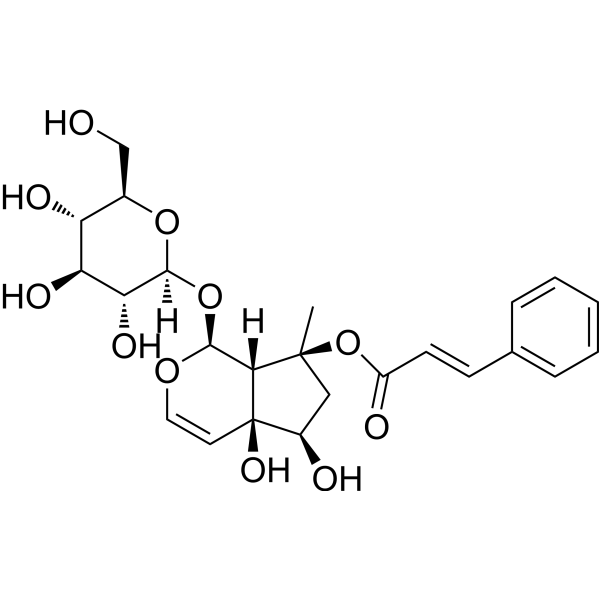
Harpagoside can be obtained by Harpagophytum procumbens, which has anti-inflammatory, anti-cancer, protective activity, and efficacy. Harpagoside has an inhibitory effect on COX-1 and COX-2 active, and suppresses NO production. Harpagoside inhibits HepG2 cell lipid polysaccharide, which is a protein that is expressed horizontally and selectively, and has anti-inflammatory and latent pain effects. Harpagoside has the ability to protect the body, and has a degenerative effect on the β-oxidation (Aβ).
|
-
- HY-12383S
-
|
|
Isotope-Labeled Compounds
COX
|
Neurological Disease
Inflammation/Immunology
|
|
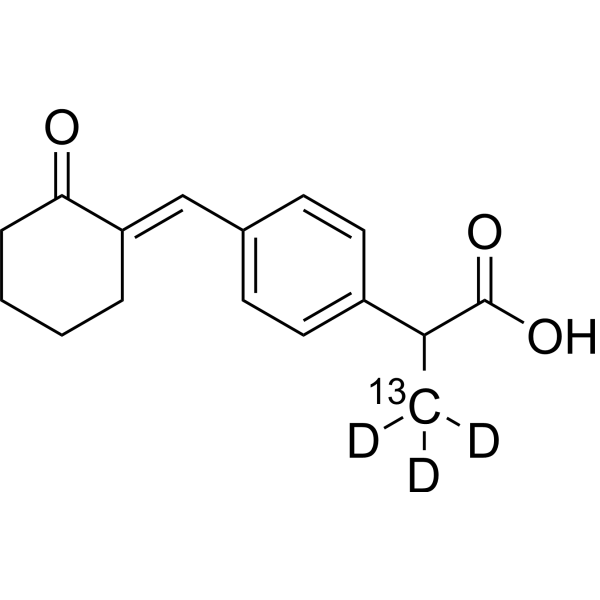
Pelubiprofen- 13C,d3 is the 13C- and deuterium labeled Pelubiprofen. Pelubiprofen, an orally active and non-steroidal anti-inflammatory drug, is a member of the 2-arylpropionic acid family and has relatively selective effects on COX-2 activity. Pelubiprofen inhibits COX activity and the transforming growth factor-β activated kinase 1-IκB kinase β-NF-κB pathway, and has significant anti-inflammatory and analgesic effects .
|
-
- HY-155780
-
|
|
COX
|
Inflammation/Immunology
|
|
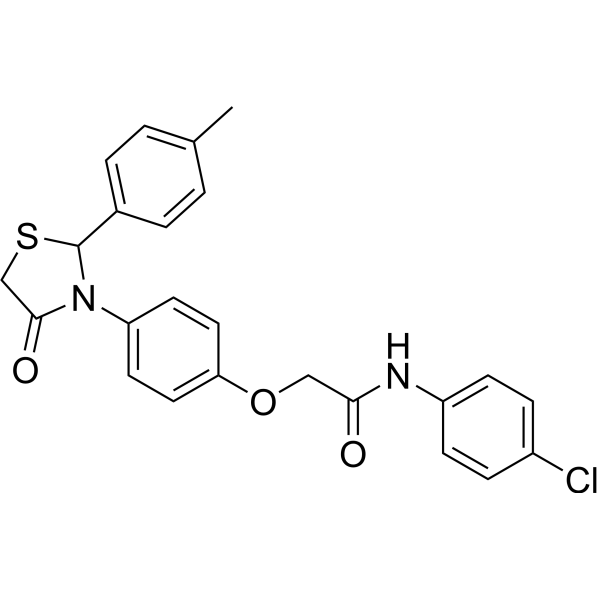
Anti-inflammatory agent 52 (compound 7j) is an orally active selective COX-2 inhibitor. Anti-inflammatory agent 52 has anti-HT29 transfer activity, which leads to periodic arrest in G2/M phase. Anti-inflammatory agent 52 has safety, moderate ability to suppress inflammation. Anti-inflammatory agent 52 has a rare property of suppressing the development of tumor in mouse model, showing anti-cancer activity .
|
-
- HY-155781
-
|
|
COX
|
Inflammation/Immunology
|
|
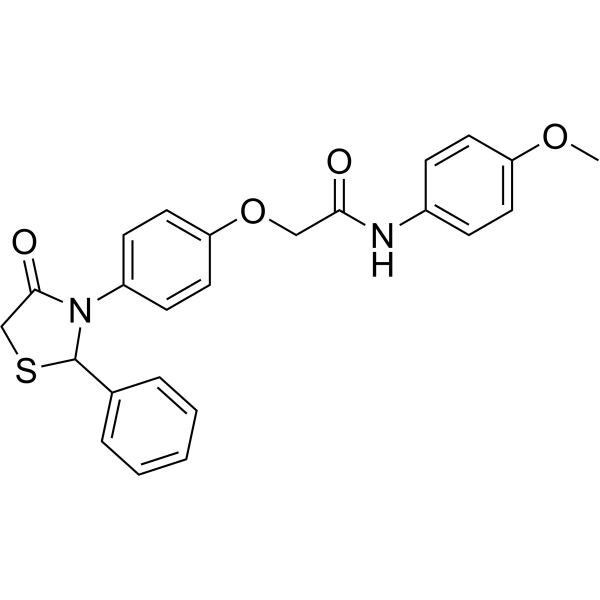
Anti-inflammatory agent 53 (compound 7c) is an orally active selective COX-2 inhibitor. Anti-inflammatory agent 52 has anti-HT29 transfer activity, which leads to periodic arrest in S phase and G2/M phase. Anti-inflammatory agent 52 has safety, moderate ability to suppress inflammation. Anti-inflammatory agent 52 has a rare property of suppressing the development of tumor in mouse model, showing anti-cancer activity .
|
-
- HY-179363
-
|
|
Cholinesterase (ChE)
COX
|
Neurological Disease
|
|
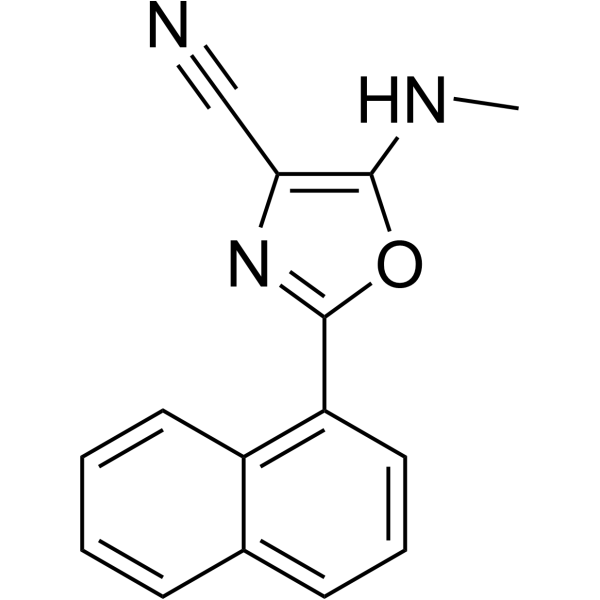
BChE-IN-46 is a selective and brain-penetrant BChE inhibitor (eqBChE IC50 = 7.44 × 10 −5 μM, SI > 270,000; hBChE, IC50 = 1.48 × 10 −3 μM). BChE-IN-46 has COX-2 inhibitory activity (IC50 = 0.11 μM). BChE-IN-46 exhibits neuroprotective effects, enhances acetylcholine levels, and alleviates cognitive deficits, anxiety, and learning/memory impairments. BChE-IN-46 can be used for the development of anti-Alzheimer's disease drugs .
|
-

- HY-111310
-
ML351
2 Publications Verification
|
Lipoxygenase
|
Neurological Disease
Metabolic Disease
|
|
ML351 is a potent and highly specific 15-LOX-1 inhibitor with an IC50 of 200 nM. ML351 shows excellent selectivity (>250-fold) versus the related isozymes, 5-LOX, platelet 12-LOX, 15-LOX-2, ovine COX-1, and human COX-2 . ML351 prevents dysglycemia and reduces β-cell oxidative stress in nonobese diabetic mouse model of T1D .
|
-
- HY-N1965
-
-
- HY-B0075S1
-
-
- HY-N16865
-
|
|
COX
Prostaglandin Receptor
Fungal
|
Infection
Inflammation/Immunology
|
|
Myristinin B/C is a mixture of Myristinin B and Myristinin C. Myristinin B/C is a flavan compound found in Horsfieldia amygdaline and Myristica cinnamomea. Myristinin B/C can selectively inhibit COX-2 activity with an IC50 of 2.1 μg/mL. Myristinin B/C can reduce the production of prostaglandin E2 (PGE2) and inhibit phospholipase A2 (PLA2), thereby blocking the release of inflammatory mediators. Myristinin B/C can inhibit Candida albicans with an IC50 of 6 μg/mL. Myristinin B/C can be used for the research of inflammation and infection, such as rheumatoid arthritis .
|
-

- HY-113027R
-
|
|
Reference Standards
Endogenous Metabolite
|
Others
|
|
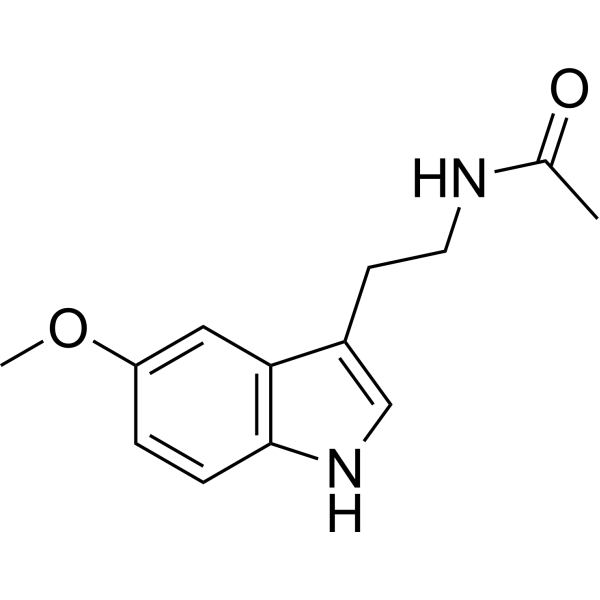
Melatonin (Standard) is the analytical standard of Melatonin. This product is intended for research and analytical applications. Melatonin is a hormone made by the pineal gland that can activates melatonin receptor. Melatonin plays a role in sleep and possesses important antioxidative and anti-inflammatory properties . Melatonin is a novel selective ATF-6 inhibitor and induces human hepatoma cell apoptosis through COX-2 downregulation . Melatonin attenuates palmitic acid-induced (HY-N0830) mouse granulosa cells apoptosis via endoplasmic reticulum stress .
|
-

- HY-B0075S2
-
-
- HY-N0396R
-
|
|
Reference Standards
COX
NO Synthase
|
Inflammation/Immunology
|
|
Harpagoside (Standard) is the analytical standard of Harpagoside. This product is intended for research and analytical applications. Harpagoside can be obtained by Harpagophytum procumbens, which has anti-inflammatory, anti-cancer, protective activity, and efficacy. Harpagoside has an inhibitory effect on COX-1 and COX-2 active, and suppresses NO production. Harpagoside inhibits HepG2 cell lipid polysaccharide, which is a protein that is expressed horizontally and selectively, and has anti-inflammatory and latent pain effects. Harpagoside has the ability to protect the body, and has a degenerative effect on the β-oxidation (Aβ) .
|
-

- HY-B0075R
-
|
N-Acetyl-5-methoxytryptamine (standard); Melatonin
|
Reference Standards
Melatonin Receptor
Autophagy
Mitophagy
Endogenous Metabolite
Apoptosis
|
Neurological Disease
Inflammation/Immunology
Cancer
|
|
Melatonin (Standard) is the analytical standard of Melatonin. This product is intended for research and analytical applications. Melatonin is a hormone made by the pineal gland that can activates melatonin receptor. Melatonin plays a role in sleep and possesses important antioxidative and anti-inflammatory properties . Melatonin is a novel selective ATF-6 inhibitor and induces human hepatoma cell apoptosis through COX-2 downregulation . Melatonin attenuates palmitic acid-induced (HY-N0830) mouse granulosa cells apoptosis via endoplasmic reticulum stress .
|
-

- HY-Z7640
-
|
|
COX
|
Inflammation/Immunology
|
|
4-Desmethyl-2-methyl celecoxib (Compound 1g) is an orally active and selective Cyclooxygenase-2 (COX-2) inhibitor with an IC50 value of 0.069 μM. 4-Desmethyl-2-methyl celecoxib shows anti-inflammatory, analgesic, and antipyretic activities. 4-Desmethyl-2-methyl celecoxib can reduces the synthesis of prostaglandins. 4-Desmethyl-2-methyl celecoxib is promising for research of inflammatory diseases and pain-related diseases, such as rheumatoid arthritis and osteoarthritis .
|
-

- HY-W251428
-
|
Egg PG
|
Biochemical Assay Reagents
|
Others
|
|
Phosphatidylglycerols (PG) is a selective inhibitor targeting the TLR4 accessory protein CD14/MD-2 complex, inhibiting LPS or virus (such as RSV)-mediated inflammatory signaling pathways through competitive binding. Phosphatidylglycerols directly bind to viral particles to block infection, inhibit COX-2 expression to reduce the release of inflammatory factors (IL-6, IL-8), and improve oxidative stress by regulating mitochondrial membrane phospholipid remodeling. Phosphatidylglycerols can be taken orally or by inhalation and can be used in the study of chronic inflammatory diseases (such as atherosclerosis) and respiratory viral infections (such as RSV) .
|
-
- HY-N1965R
-
-

- HY-B0084S4
-
|
STS 557-13C,15N,d4
|
Isotope-Labeled Compounds
Progesterone Receptor
|
Endocrinology
|
|
Dienogest-13C,15N,d4 (STS 557-13C,15N,d4) is the 13C, 15N and deuterium labeled isotope of Dienogest (HY-B0084). Dienogest (STS-557) is an orally active and selective progesterone receptor agonist that effectively reduces the gene expression of COX-2, mPGES-1 and aromatase. Dienogest also inhibits the mRNA and protein expression of PGE2 synthase and the activation of NF-κB. Dienogest can be used in studies of endometriosis, menopause and menorrhagia .
|
-

- HY-N17131
-
|
|
NF-κB
ERK
|
Inflammation/Immunology
|
|
24-O-Acetyllycoclavanol (compound 1) is a triterpenoid anti-inflammatory agent that selectively targets the NF-κB and ERK1/2 signaling pathways. It exerts its anti-inflammatory activity by inhibiting lipopolysaccharide (LPS)-induced inducible nitric oxide synthase (iNOS) and COX-2 expression, reducing the production of inflammatory mediators such as nitric oxide (NO), IL-1β, and IL-8. 24-O-Acetyllycoclavanol can be used in research related to inflammatory bowel disease (IBD). 24-O-Acetyllycoclavanol can be biologically isolated from the ethyl acetate extract of Lycopodium clavatum .
|
-

- HY-19500
-
|
|
COX
|
Others
|
|
SC-75416 is a selective cyclooxygenase-2 inhibitor. Its pharmacokinetic/pharmacodynamic (PK/PD) model was used for development and clinical trial simulation to design a study protocol to verify its analgesic effect in a post-oral surgery pain model. The simulation results showed that 360 mg of SC-75416 may provide better pain relief than 400 mg of ibuprofen. The actual clinical trial results confirmed this hypothesis, and 360 mg of SC-75416 was indeed superior to 400 mg of ibuprofen in pain relief. The PK/PD model of SC-75416 showed good predictive performance and successfully predicted its clinical effect. These research results show that SC-75416, as a new selective COX-2 inhibitor, has potential clinical application value in the management of post-oral surgery pain.
|
-

- HY-114796
-
|
|
Lipoxygenase
|
Inflammation/Immunology
|
|
tHGA is a compound with anti-inflammatory activity and has the activity to inhibit soybean 15-LOX. tHGA showed significant inhibitory effects in experiments on human leukocytes, with an IC50 value of 0.42 μM, which is close to the effect of commonly used standard NDGA. tHGA concentration-dependently inhibits the synthesis of 5-LOX products, especially the cysteine leukotriene LTC(4), with an IC50 value of 1.80 μM. and showed no cytotoxicity. The anti-inflammatory effects of tHGA do not appear to be through redox or metal chelation mechanisms, as the compound was negative in these bioactivity tests. tHGA works through a dual LOX/COX inhibition mechanism and has higher selectivity for 5-LOX and COX-2, with an IC50 value of 0.40 μM .
|
-

- HY-N9454
-
|
|
Pregnane X Receptor (PXR)
COX
NF-κB
Amylases
β-glucuronidase
DNA/RNA Synthesis
Amyloid-β
NOD-like Receptor (NLR)
Pyroptosis
|
Cancer
|
|
Garcinoic acid is an orally active anti-inflammatory agent that crosses the blood-brain barrier. Garcinoic acid also enhances efferocytosis and enzyme/receptor regulation, and selectively inhibits human COX-2, porcine α-amylase, Saccharomyces cerevisiae α-glucosidase and human DNA polymerase β (IC50=11 μM), as well as activates human PXR. Garcinoic acid enhances macrophage efferocytosis via receptors such as MerTK and LRP-1, and promotes the production of pro-resolving lipid mediators. Garcinoic acid inhibits NF-κB activation and pro-inflammatory cytokine secretion, interferes with Aβ aggregation, downregulates NLRP3 inflammasome activity, and binds to targets including CD44 and EGFR to inhibit leukemia cell proliferation. The pharmacological activities of Garcinoic acid, such as antioxidant, anti-inflammatory and lipid metabolism-regulating effects, are widely used in studies related to various diseases including atherosclerosis, Alzheimer's disease, type 2 diabetes, inflammatory bowel disease and viral pneumonia .
|
-
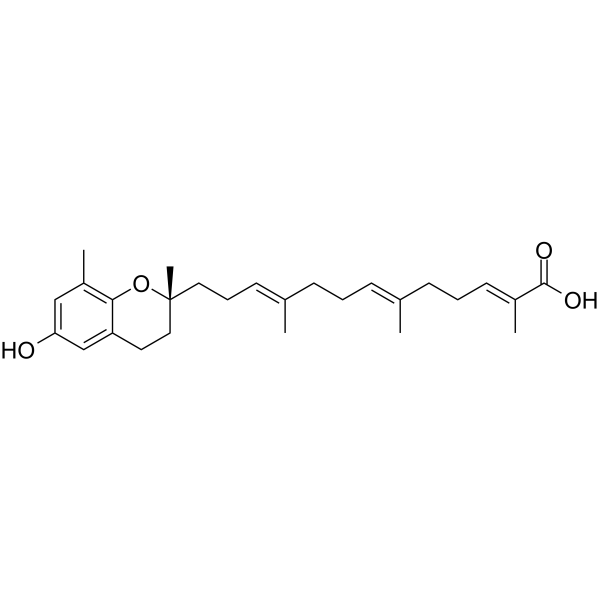
- HY-181056
-
|
|
EGFR
COX
|
Neurological Disease
Cancer
|
|
EGFR/COX-2-IN-3 is a selective EGFR/COX-2 dual inhibitor with IC50 values of 0.098 μM and 0.05 μM, respectively. EGFR/COX-2-IN-3 is predicted to have oral activity and blood-brain barrier permeability. EGFR/COX-2-IN-3 exhibits both potent analgesic activity and anti-glioblastoma effects. EGFR/COX-2-IN-3 can be used in the research of tumors such as glioblastoma .
|
-

- HY-19384
-
|
E 6087
|
COX
|
Inflammation/Immunology
|
|
Enflicoxib (E 6087) is a nonsteroidal anti-inflammatory compound that selectively inhibits cyclooxygenase-2 (COX-2).?Enflicoxib does not inhibit cyclooxygenase-1 (COX-1). E-6087 shows anti-inflammatory, analgesic and antipyretic activities in animal models .
|
-
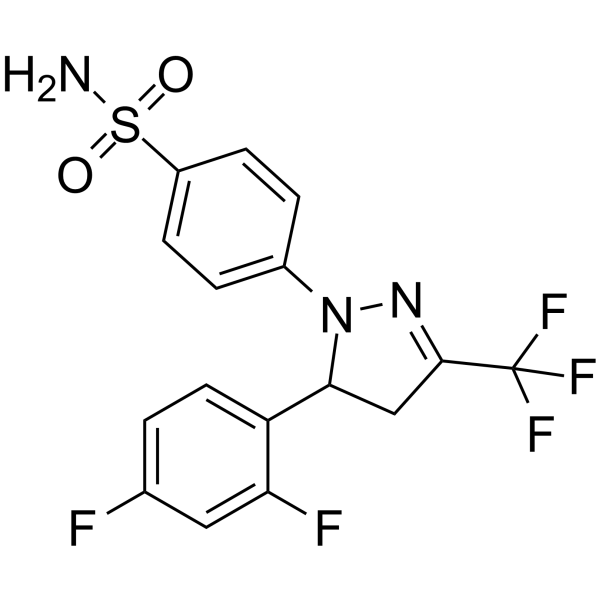
- HY-179485
-
|
|
EGFR
VEGFR
COX
Caspase
Apoptosis
Bcl-2 Family
|
Cancer
|
|
EGFR/VEGFR2-IN-10 is a selective EGFR, VEGFR2 and COX2 inhibitor with IC50s of 8.5, 68 and 158 nM, respectively. EGFR/VEGFR2-IN-10 induces G1-phase cell cycle arrest in MCF-7 cells. EGFR/VEGFR2-IN-10 increases the Bax/Bcl-2 ratio, upregulates caspase-8, and elevates caspase-9 protein levels, confirming activation of the intrinsic apoptotic pathway. EGFR/VEGFR2-IN-10 demonstrates exceptional therapeutic potential by simultaneously inhibiting tumor proliferation, angiogenesis, and inflammation pathways while maintaining a favorable selectivity profile. EGFR/VEGFR2-IN-10 can be used as a research tool for cervical, liver, colon, and breast cancer studies .
|
-

- HY-181163
-
|
|
Caspase
COX
Cytochrome P450
Steroid Sulfatase
Apoptosis
|
Cancer
|
|
Caspase-3/7 activator 4 is a caspase-3 activator and caspase-7 activator. Caspase-3/7 activator 4 inhibits key enzymes in estrogen biosynthesis, including aromatase (IC50 = 38.3 nM) and steroid sulfatase (IC50 = 12.7 µM), and selectively suppresses COX-2 (IC50 = 5.38 µM). Caspase-3/7 activator 4 shows strong antioxidant activity (DPPH: IC50 = 16.26 µM). Caspase-3/7 activator 4 inhibits estrogen synthesis, suppresses estrogen availability, reduces prostaglandin production, increases caspase-3/7 expression, induces G0/G1 cell cycle arrest, induces apoptotic cell death, reduces circulating TNF-α and VEGFR-II levels, restores hepatorenal function markers and histoarchitecture, restores antioxidant defense enzyme activity, reduces lipid peroxidation, exerts antiproliferative activity against breast cancer cells, exerts antitumor activity in the Ehrlich ascites carcinoma models. Caspase-3/7 activator 4 can be used for the research of breast cancer, ehrlich ascites carcinoma .
|
-

- HY-124432
-
|
|
Aldose Reductase
|
Cancer
|
|
CRT0093964 is an isoform-selective non-carboxylate inhibitor of AKR1C3 (IC50=0.11 μM) with no activity against AKR1C1, AKR1C2, AKR1C4, COX-1, and COX-2.CRT0093964 can be used for the research of leukemia, hormone-related cancers, colon cancer .
|
-

- HY-106823
-
-
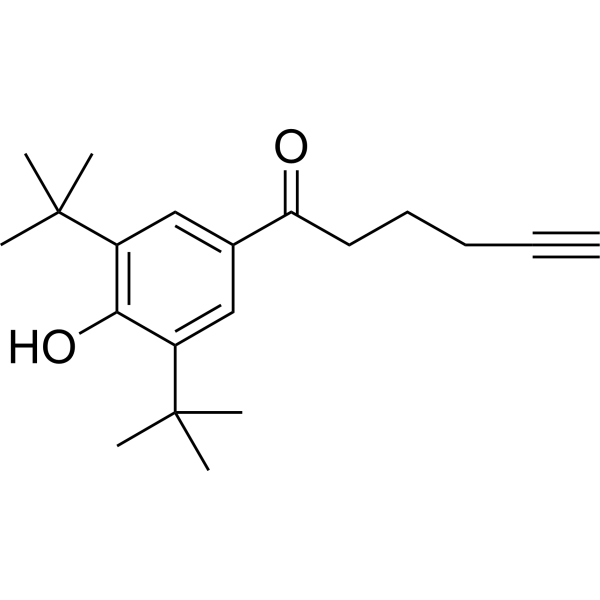
- HY-B1153A
-
|
Glafenin hydrochloride
|
COX
CFTR
Apoptosis
Endoplasmic Reticulum Oxidoreductase 1 (ERO1)
|
Metabolic Disease
Inflammation/Immunology
|
|
Glafenine (Glafenin) hydrochloride is a non-selective, non-steroidal anti-inflammatory drug-based COX-1/COX-2 inhibitor. Glafenine hydrochloride exerts anti-inflammatory, anti-proliferative and anti-cell migration effects by inhibiting the arachidonic acid metabolic pathway and reducing prostaglandin synthesis. Glafenine hydrochloride can induce cell cycle arrest in vascular smooth muscle cells and endothelial cells and reduce the synthesis of the extracellular matrix protein Tenascin. Glafenine hydrochloride can be used in the research of inflammatory-related diseases, vascular restenosis and cystic fibrosis (CF) .
|
-
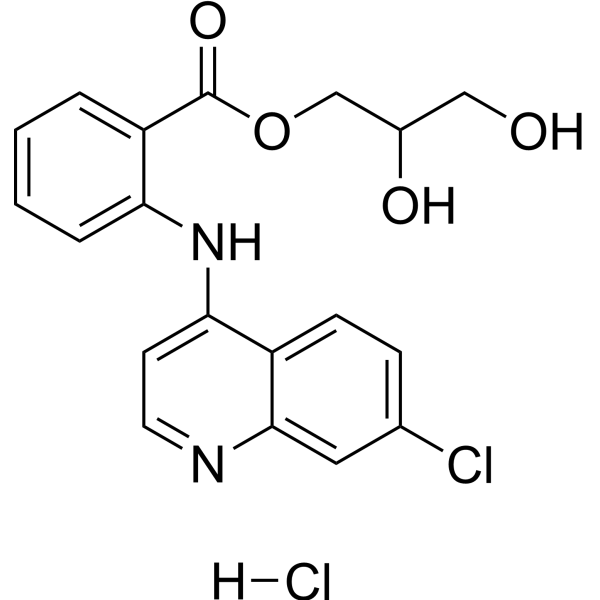
- HY-B1153
-
|
Glafenin
|
COX
CFTR
Apoptosis
Endoplasmic Reticulum Oxidoreductase 1 (ERO1)
|
Metabolic Disease
Inflammation/Immunology
|
|
Glafenine (Glafenin) is a non-selective, non-steroidal anti-inflammatory drug-based COX-1/COX-2 inhibitor. Glafenine exerts anti-inflammatory, anti-proliferative and anti-cell migration effects by inhibiting the arachidonic acid metabolic pathway and reducing prostaglandin synthesis. Glafenine can induce cell cycle arrest in vascular smooth muscle cells and endothelial cells and reduce the synthesis of the extracellular matrix protein Tenascin. Glafenine can be used in the research of inflammatory-related diseases, vascular restenosis and cystic fibrosis (CF) .
|
-
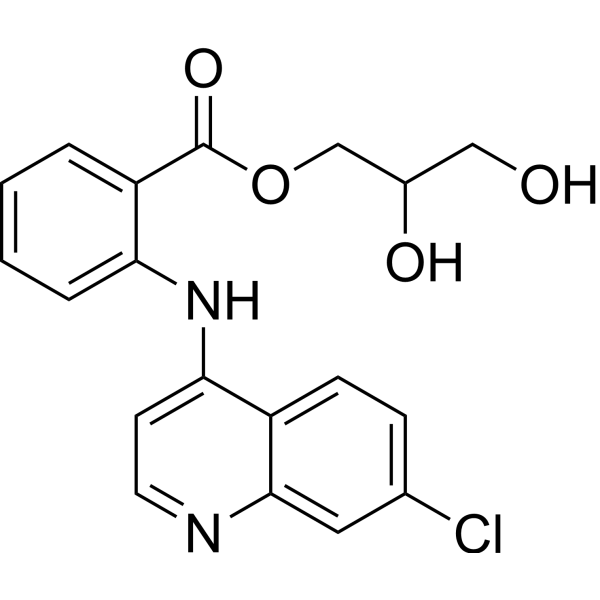
- HY-B1153R
-
|
Glafenin (Standard)
|
COX
CFTR
Apoptosis
Endoplasmic Reticulum Oxidoreductase 1 (ERO1)
Reference Standards
|
Metabolic Disease
Inflammation/Immunology
|
|
Glafenine (Standard) is the analytical standard of Glafenine. This product is intended for research and analytical applications. Glafenine (Glafenin) is a non-selective, non-steroidal anti-inflammatory drug-based COX-1/COX-2 inhibitor. Glafenine exerts anti-inflammatory, anti-proliferative and anti-cell migration effects by inhibiting the arachidonic acid metabolic pathway and reducing prostaglandin synthesis. Glafenine can induce cell cycle arrest in vascular smooth muscle cells and endothelial cells and reduce the synthesis of the extracellular matrix protein Tenascin. Glafenine can be used in the research of inflammatory-related diseases, vascular restenosis and cystic fibrosis (CF) .
|
-

- HY-B1153AR
-
|
Glafenin hydrochloride (Standard)
|
COX
CFTR
Apoptosis
Endoplasmic Reticulum Oxidoreductase 1 (ERO1)
Reference Standards
|
Metabolic Disease
Inflammation/Immunology
|
|
Glafenine (hydrochloride) (Standard) is the analytical standard of Glafenine (hydrochloride). This product is intended for research and analytical applications. Glafenine (Glafenin) hydrochloride is a non-selective, non-steroidal anti-inflammatory drug-based COX-1/COX-2 inhibitor. Glafenine hydrochloride exerts anti-inflammatory, anti-proliferative and anti-cell migration effects by inhibiting the arachidonic acid metabolic pathway and reducing prostaglandin synthesis. Glafenine hydrochloride can induce cell cycle arrest in vascular smooth muscle cells and endothelial cells and reduce the synthesis of the extracellular matrix protein Tenascin. Glafenine hydrochloride can be used in the research of inflammatory-related diseases, vascular restenosis and cystic fibrosis (CF) .
|
-

-
-
HY-L130
-
|
|
627 compounds
|
|
Non-steroidal anti-inflammatory drugs (NSAIDs) are members of a therapeutic drug class with potent anti-inflammatory, analgesic and antipyretic activity, and are among the most widely used drugs worldwide. The most prominent NSAIDs are aspirin, ibuprofen, and naproxen.
The main mechanism of action of NSAIDs is the inhibition of the enzyme cyclooxygenase (COX), based on which NSAIDs can be classified into two types: non-selective and COX-2 selective. Most NSAIDs are non-selective and inhibit both COX-1 and COX-2 activity.
MCE offers a unique collection of 627 non-steroidal compounds with identified anti-inflammatory activity. MCE non-steroidal anti-inflammatory library is a useful tool for the study of anti-inflammatory drugs and pharmacology.
|
| Cat. No. |
Product Name |
Type |
-
- HY-D0053
-
|
6-Carboxy-X-rhodamine
|
Fluorescent Dyes
|
|
6-ROX is a selective fluorescent probe and potential inhibitor of COX-2. 6-ROX binds to the active site of COX-2 and inhibits its conversion of arachidonic acid into prostaglandins. 6-ROX is often used in the field of optical imaging related to tumors and inflammation, and helps detect diseased tissues with high expression of COX-2 .
|
-
- HY-14398G
-
|
SC 58635
|
Fluorescent Dyes
|
|
Celecoxib (GMP) is Celecoxib (HY-14398) produced by using GMP guidelines. GMP small molecules work appropriately as an auxiliary reagent for cell therapy manufacture. Celecoxib,a selective non-steroidal anti-inflammatory drug (NSAID), is a selective COX-2 inhibitor with an IC50 of 40 nM.
|
-
- HY-14398GL
-
|
SC 58635 (GMP Like)
|
Fluorescent Dyes
|
|
Celecoxib (SC 58635) GMP Like is a GMP-class Celecoxib (HY-14398). Celecoxib, a selective non-steroidal anti-inflammatory drug (NSAID), is a selective COX-2 inhibitor with an IC50 of 40 nM.
|
| Cat. No. |
Product Name |
Type |
-
- HY-W251428
-
|
Egg PG
|
Biochemical Assay Reagents
|
|
Phosphatidylglycerols (PG) is a selective inhibitor targeting the TLR4 accessory protein CD14/MD-2 complex, inhibiting LPS or virus (such as RSV)-mediated inflammatory signaling pathways through competitive binding. Phosphatidylglycerols directly bind to viral particles to block infection, inhibit COX-2 expression to reduce the release of inflammatory factors (IL-6, IL-8), and improve oxidative stress by regulating mitochondrial membrane phospholipid remodeling. Phosphatidylglycerols can be taken orally or by inhalation and can be used in the study of chronic inflammatory diseases (such as atherosclerosis) and respiratory viral infections (such as RSV) .
|
-
- HY-Y1100
-
|
|
Biochemical Assay Reagents
|
|
Cyclopropylmethyl bromide is an intermediate. Cyclopropylmethyl bromide can be used in the preparation of Firocoxib (HY-14670). Firocoxib (ML 1785713) is a potent, selective, orally active COX-2 inhibitor .
|
-
- HY-14398G
-
|
SC 58635
|
Biochemical Assay Reagents
|
|
Celecoxib (GMP) is Celecoxib (HY-14398) produced by using GMP guidelines. GMP small molecules work appropriately as an auxiliary reagent for cell therapy manufacture. Celecoxib,a selective non-steroidal anti-inflammatory drug (NSAID), is a selective COX-2 inhibitor with an IC50 of 40 nM.
|
-
- HY-14398GL
-
|
SC 58635 (GMP Like)
|
Biochemical Assay Reagents
|
|
Celecoxib (SC 58635) GMP Like is a GMP-class Celecoxib (HY-14398). Celecoxib, a selective non-steroidal anti-inflammatory drug (NSAID), is a selective COX-2 inhibitor with an IC50 of 40 nM.
|
| Cat. No. |
Product Name |
Category |
Target |
Chemical Structure |
-
- HY-66005
-
-
-
- HY-B0075
-
-
-
- HY-15762
-
-
-
- HY-N1312
-
-
-
- HY-113083
-
-
-
- HY-N0396
-
-
-
- HY-N0929
-
-
-
- HY-N0389
-
-
-
- HY-B0075R
-
-
-
- HY-N1965
-
-
-
- HY-N9454
-
|
|
Structural Classification
Monophenols
other families
Classification of Application Fields
Ketones, Aldehydes, Acids
Phenols
Plants
Disease Research Fields
Source Classification
Cancer
|
Pregnane X Receptor (PXR)
COX
NF-κB
Amylases
β-glucuronidase
DNA/RNA Synthesis
Amyloid-β
NOD-like Receptor (NLR)
Pyroptosis
|
|
Garcinoic acid is an orally active anti-inflammatory agent that crosses the blood-brain barrier. Garcinoic acid also enhances efferocytosis and enzyme/receptor regulation, and selectively inhibits human COX-2, porcine α-amylase, Saccharomyces cerevisiae α-glucosidase and human DNA polymerase β (IC50=11 μM), as well as activates human PXR. Garcinoic acid enhances macrophage efferocytosis via receptors such as MerTK and LRP-1, and promotes the production of pro-resolving lipid mediators. Garcinoic acid inhibits NF-κB activation and pro-inflammatory cytokine secretion, interferes with Aβ aggregation, downregulates NLRP3 inflammasome activity, and binds to targets including CD44 and EGFR to inhibit leukemia cell proliferation. The pharmacological activities of Garcinoic acid, such as antioxidant, anti-inflammatory and lipid metabolism-regulating effects, are widely used in studies related to various diseases including atherosclerosis, Alzheimer's disease, type 2 diabetes, inflammatory bowel disease and viral pneumonia .
|
-
-
- HY-N0929R
-
-
-
- HY-N1312R
-
-
-
- HY-N0389R
-
-
-
- HY-N11880
-
-
-
- HY-15762R
-
-
-
- HY-N3866
-
-
-
- HY-113083R
-
-
-
- HY-113027R
-
-
-
- HY-N0396R
-
|
|
Structural Classification
Iridoids
Terpenoids
Pedaliaceae
Plants
Harpagophytum procumbens
|
Reference Standards
COX
NO Synthase
|
|
Harpagoside (Standard) is the analytical standard of Harpagoside. This product is intended for research and analytical applications. Harpagoside can be obtained by Harpagophytum procumbens, which has anti-inflammatory, anti-cancer, protective activity, and efficacy. Harpagoside has an inhibitory effect on COX-1 and COX-2 active, and suppresses NO production. Harpagoside inhibits HepG2 cell lipid polysaccharide, which is a protein that is expressed horizontally and selectively, and has anti-inflammatory and latent pain effects. Harpagoside has the ability to protect the body, and has a degenerative effect on the β-oxidation (Aβ) .
|
-
-
- HY-N1965R
-
-
-
- HY-N16849
-
-
-
- HY-N16865
-
-
-
- HY-N17131
-
|
|
Lycopodiaceae
Triterpenes
Structural Classification
Ketones, Aldehydes, Acids
Terpenoids
Plants
Source Classification
|
NF-κB
ERK
|
|
24-O-Acetyllycoclavanol (compound 1) is a triterpenoid anti-inflammatory agent that selectively targets the NF-κB and ERK1/2 signaling pathways. It exerts its anti-inflammatory activity by inhibiting lipopolysaccharide (LPS)-induced inducible nitric oxide synthase (iNOS) and COX-2 expression, reducing the production of inflammatory mediators such as nitric oxide (NO), IL-1β, and IL-8. 24-O-Acetyllycoclavanol can be used in research related to inflammatory bowel disease (IBD). 24-O-Acetyllycoclavanol can be biologically isolated from the ethyl acetate extract of Lycopodium clavatum .
|
-
| Cat. No. |
Product Name |
Chemical Structure |
-
- HY-B0075S
-
|
|
|
Melatonin-d4 is deuterium labeled Melatonin. Melatonin is a hormone made by the pineal gland that can activates melatonin receptor. Antioxidative and anti-inflammatory properties . Melatonin is a selective ATF-6 inhibitor and induces human hepatoma cell apoptosis through COX-2 downregulation .
|
-
-
- HY-66005S
-
|
|
|
Acetaminophen-d4 is the deuterium labeled Acetaminophen. Acetaminophen (Paracetamol) is a selective cyclooxygenase-2 (COX-2) inhibitor with an IC50 of 25.8 μM; is a widely used antipyretic and analgesic agent . Acetaminophen is a potent hepatic N-acetyltransferase 2 (NAT2) inhibitor .
|
-
-
- HY-B0075S1
-
|
|
|
Melatonin-d3 is the deuterium labeled Melatonin. Melatonin is a hormone made by the pineal gland that can activates melatonin receptor. Melatonin plays a role in sleep and possesses important antioxidative and anti-inflammatory properties . Melatonin is a novel selective ATF-6 inhibitor and induces human hepatoma cell apoptosis through COX-2 downregulation . Melatonin attenuates palmitic acid-induced (HY-N0830) mouse granulosa cells apoptosis via endoplasmic reticulum stress .
|
-
-
- HY-66005S1
-
|
|
|
Acetaminophen-d3 is the deuterium labeled Acetaminophen. Acetaminophen (Paracetamol) is a selective cyclooxygenase-2 (COX-2) inhibitor with an IC50 of 25.8 μM; is a widely used antipyretic and analgesic agent . Acetaminophen is a potent hepatic N-acetyltransferase 2 (NAT2) inhibitor .
|
-
-
- HY-B0075S2
-
|
|
|
Melatonin-d7 is the deuterium labeled Melatonin (HY-B0075). Melatonin is a hormone made by the pineal gland that can activates melatonin receptor. Melatonin plays a role in sleep and possesses important antioxidative and anti-inflammatory properties . Melatonin is a novel selective ATF-6 inhibitor and induces human hepatoma cell apoptosis through COX-2 downregulation . Melatonin attenuates palmitic acid-induced (HY-N0830) mouse granulosa cells apoptosis via endoplasmic reticulum stress .
|
-
-
- HY-14398S
-
|
|
|
Celecoxib-d7 is the deuterium labeled Celecoxib. Celecoxib,a selective non-steroidal anti-inflammatory drug (NSAID), is a selective COX-2 inhibitor with an IC50 of 40 nM .
|
-
-
- HY-15321S
-
1 Publications Verification
|
|
Etoricoxib-d4 (MK-0663-d4) is a deuterium labeled Etoricoxib. Etoricoxib is a non steroidal anti-inflammatory agent, acting as a selective and orally active COX-2 inhibitor, with IC50s of 1.1 μM and 116 μM for COX-2 and COX-1 in human whole blood.
|
-
-
- HY-66005S2
-
|
|
|
Acetaminophen-d7 is the deuterium labeled Acetaminophen. Acetaminophen (Paracetamol) is a selective cyclooxygenase-2 (COX-2) inhibitor with an IC50 of 25.8 μM; is a widely used antipyretic and analgesic agent. Acetaminophen is a potent hepatic N-acetyltransferase 2 (NAT2) inhibitor.
|
-
-
- HY-B0559S
-
|
|
|
Nabumetone-d3 is the deuterium labeled Nabumetone (HY-B0559). Nabumetone is an orally active non-acidic anti-inflammatory agent, acts as a potent and selective COX-2 inhibitor, and is the proagent of the active metaboliteα-Demethylnaproxen (HY-W086896). Nabumetone can inhibit cancer cells proliferation and relieve gastric ulcers .
|
-
-
- HY-14398S1
-
|
|
|
Celecoxib-d3 is the deuterium labeled Celecoxib. Celecoxib,a selective non-steroidal anti-inflammatory drug (NSAID), is a selective COX-2 inhibitor with an IC50 of 40 nM .
|
-
-
- HY-66005S4
-
|
|
|
Acetaminophen- 13C2, 15N is the 13C and 15N labeled Acetaminophen . Acetaminophen (Paracetamol) is a selective cyclooxygenase-2 (COX-2) inhibitor with an IC50 of 25.8 μM;is a widely used antipyretic and analgesic agent . Acetaminophen is a potent hepatic N-acetyltransferase 2 (NAT2) inhibitor .
|
-
-
- HY-Y1100S
-
|
|
|
Cyclopropylmethyl bromide-d4 is the deuterium labeled Cyclopropylmethyl bromide (HY-Y1100). Cyclopropylmethyl bromide is an intermediate. Cyclopropylmethyl bromide can be used in the preparation of Firocoxib (HY-14670). Firocoxib (ML 1785713) is a potent, selective, orally active COX-2 inhibitor .
|
-
-
- HY-17372S
-
|
|
|
Rofecoxib-d5 is the deuterium labeled Rofecoxib. Rofecoxib is a potent, specific and orally active COX-2 inhibitor, with IC50s of 26 and 18 nM for human COX-2 in human osteosarcoma cells and Chinese hamster ovary cells, with a 1000-fold selectivity for COX-2 over human COX-1 (IC50 > 50 μM in U937 cells and > 15 μM in Chinese hamster ovary cells) .
|
-
-
- HY-14670S
-
|
|
|
Firocoxib-d4 (ML 1785713-d4) is the deuterium labeled Firocoxib. Firocoxib (ML 1785713) is a potent, selective and orally active COX-2 inhibitor with an IC50 of 0.13 μM. Firocoxib shows 58-fold more selective for COX-2 than COX-1 (IC50 of 7.5 μM). Firocoxib has anti-inflammatory effects .
|
-
-
- HY-15321S2
-
|
|
|
Etoricoxib-d3 is the deuterium labeled Etoricoxib . Etoricoxib (MK-0663) is a non steroidal anti-inflammatory agent, acting as a selective and orally active COX-2 inhibitor, with IC50s of 1.1 μM and 116 μM for COX-2 and COX-1 in human whole blood .
|
-
-
- HY-B0335S1
-
|
|
|
Tolfenamic acid- 13C6 is the 13C6 labeled Tolfenamic acid. Tolfenamic Acid (GEA 6414) is a non-steroidal anti-inflammatory and anti-cancer agent, selectively inhibits COX-2, with an IC50 of 13.49 μM (3.53 μg/mL) in LPS-treated (COX-2) canine DH82 monocyte/macrophage cells, but shows no effect on COX-1.
|
-
-
- HY-118139S
-
|
|
|
Celecoxib-d4 is the deuterium labeled Desmethyl Celecoxib. Desmethyl Celecoxib (compound 3b) is a selective cyclooxygenase-2 (COX-2) inhibitor (IC50=32 nM) with anti-inflammatory activities. Desmethyl Celecoxib is an?analog?of Celecoxib and with the optimal yield of 75% .
|
-
-
- HY-119447S
-
|
|
|
Mavacoxib-d4 is the deuterium labeled Mavacoxib. Mavacoxib is a selective, oral long-acting cyclooxygenase-2 (COX-2) inhibitor and a long-acting non-steroidal anti-inflammatory drug (NSAID). Mavacoxib is used to treat pain and inflammation associated with degenerative joint disease in dogs .
|
-
-
- HY-66005S3
-
|
|
|
Acetaminophen-13C6 (Paracetamol-13C6) is the 13C-labeled Acetaminophen. Acetaminophen (Paracetamol) is a selective cyclooxygenase-2 (COX-2) inhibitor with an IC50 of 25.8 μM; is a widely used antipyretic and analgesic agent . Acetaminophen is a potent hepatic N-acetyltransferase 2 (NAT2) inhibitor .
|
-
-
- HY-15762S
-
|
|
|
Valdecoxib-d3 is the deuterium labeled Valdecoxib. Valdecoxib is a highly potent and selective inhibitor of COX-2, with IC50s of 5 nM and 140 μM for COX-2 and COX-1, respeceively. Valdecoxib can be used in the research of arthritis and pain .
|
-
-
- HY-15321S1
-
|
|
|
Etoricoxib- 13C,d3 is the 13C- and deuterium labeled Etoricoxib. Etoricoxib (MK-0663) is a non steroidal anti-inflammatory agent, acting as a selective and orally active COX-2 inhibitor, with IC50s of 1.1 μM and 116 μM for COX-2 and COX-1 in human whole blood.
|
-
-
- HY-B0335S
-
|
|
|
Tolfenamic acid-d4 is the deuterium labeled Tolfenamic Acid. Tolfenamic Acid (GEA 6414) is a non-steroidal anti-inflammatory and anti-cancer agent, selectively inhibits COX-2, with an IC50 of 13.49 μM (3.53 μg/mL) in LPS-treated (COX-2) canine DH82 monocyte/macrophage cells, but shows no effect on COX-1 .
|
-
-
- HY-W777079
-
|
|
|
Valdecoxib- 13C2, 15N (SC 65872- 13C2, 15N) is the 13C- and 15N-labeled Valdecoxib (HY-15762). Valdecoxib is a highly potent and selective inhibitor of COX-2, with IC50s of 5 nM and 140 μM for COX-2 and COX-1, respeceively. Valdecoxib can be used in the research of arthritis and pain.
|
-
-
- HY-W745860
-
|
|
|
Hexahydrocurcumin-d6 is the deuterium labeled Hexahydrocurcumin (HY-N0929). Hexahydrocurcumin is one of the major metabolites of curcumin and a selective, orally active COX-2 inhibitor. Hexahydrocurcumin is inactive against COX-1. Hexahydrocurcumin has antioxidant, anticancer and anti-inflammatory activities .
|
-
-
- HY-66005S5
-
|
|
|
Acetaminophen-d5 is deuterated-labeled Acetaminophen (HY-66005). Acetaminophen (Paracetamol) is a selective cyclooxygenase-2 (COX-2) inhibitor with an IC50 of 25.8 μM; is a widely used antipyretic and analgesic agent . Acetaminophen is a potent hepatic N-acetyltransferase 2 (NAT2) inhibitor .
|
-
-
- HY-B0363S
-
|
|
|
Nimesulide-d5 is a deuterium labeled Nimesulide. Nimesulide is a selective COX-2 inhibitor, with IC50s of 70 nM-70 μM in a time-dependent manner, but it shows no effect on COX-1 (IC50 >100 μM). Nimesulide has potent anti-inflammatory, analgesic and antipyretic properties .
|
-
-
- HY-W015007S
-
|
|
|
Metyrosine- 13C9, 15N,d7 is the deuterium, 13C-, and 15-labeled Metyrosine. Metyrosine is a selective tyrosine hydroxylase enzyme inhibitor. Metyrosine exerts anti-inflammatory and anti-ulcerative effects. Metyrosine significantly inhibits high COX-2 activity . Metyrosine is a very effective agent for blood pressure control .
|
-
-
- HY-17474S
-
|
|
|
Parecoxib-d3 is the deuterium labeled Parecoxib. Parecoxib (SC 69124) is a highly selective and orally active COX-2 inhibitor, the proagent of Valdecoxib (HY-15762). Parecoxib Sodium is a nonsteroidal anti-inflammatory agent (NSAID) and inhibits prostaglandin (PG) synthesis. Parecoxib can be used for the relief of acute postoperative pain and symptoms of chronic inflammatory conditions such as osteoarthritis and rheumatoid arthritis in vivo.
|
-
-
- HY-105028S
-
|
|
|
Tenidap-d3 is the deuterium labeled Tenidap. Tenidap, a non-steroidal anti-inflammatory drug, is a selective COX-1 inhibitor, with IC50 values of 0.03 μM and 1.2 μM for COX-1 and COX-2, respectively. Tenidap has anti-inflammatory and antirheumatic properties . Tenidap is also a specific SLC26A3 inhibitor .
|
-
-
- HY-B0363S1
-
|
|
|
Nimesulide- 13C6 (R805- 13C6) is 13C labeled Nimesulide. Nimesulide is a selective COX-2 inhibitor, with IC50s of 70 nM-70 μM in a time-dependent manner, but it shows no effect on COX-1 (IC50 >100 μM). Nimesulide has potent anti-inflammatory, analgesic and antipyretic properties.
|
-
-
- HY-17474AS
-
|
|
|
Parecoxib-d5 sodium is the deuterium labeled Parecoxib sodium. Parecoxib Sodium (SC 69124A) is a highly selective and orally active COX-2 inhibitor, the proagent of Valdecoxib (HY-15762). Parecoxib Sodium is a nonsteroidal anti-inflammatory agent (NSAID) and inhibits prostaglandin (PG) synthesis. Parecoxib Sodium can be used for the relief of acute postoperative pain and symptoms of chronic inflammatory conditions such as osteoarthritis and rheumatoid arthritis in vivo .
|
-
-
- HY-17474S1
-
|
|
|
Parecoxib-d5 (SC 69124-d5) is deuterium labeled Parecoxib. Parecoxib (SC 69124) is a highly selective and orally active COX-2 inhibitor, the proagent of Valdecoxib (HY-15762). Parecoxib Sodium is a nonsteroidal anti-inflammatory agent (NSAID) and inhibits prostaglandin (PG) synthesis. Parecoxib can be used for the relief of acute postoperative pain and symptoms of chronic inflammatory conditions such as osteoarthritis and rheumatoid arthritis in vivo.
|
-
-
- HY-12383S
-
|
|
|
Pelubiprofen- 13C,d3 is the 13C- and deuterium labeled Pelubiprofen. Pelubiprofen, an orally active and non-steroidal anti-inflammatory drug, is a member of the 2-arylpropionic acid family and has relatively selective effects on COX-2 activity. Pelubiprofen inhibits COX activity and the transforming growth factor-β activated kinase 1-IκB kinase β-NF-κB pathway, and has significant anti-inflammatory and analgesic effects .
|
-
-
- HY-B0084S4
-
|
|
|
Dienogest-13C,15N,d4 (STS 557-13C,15N,d4) is the 13C, 15N and deuterium labeled isotope of Dienogest (HY-B0084). Dienogest (STS-557) is an orally active and selective progesterone receptor agonist that effectively reduces the gene expression of COX-2, mPGES-1 and aromatase. Dienogest also inhibits the mRNA and protein expression of PGE2 synthase and the activation of NF-κB. Dienogest can be used in studies of endometriosis, menopause and menorrhagia .
|
-
-
- HY-Y1100S1
-
|
|
|
Cyclopropylmethyl bromide-d3 is the deuterium labeled Cyclopropylmethyl bromide (HY-Y1100). Cyclopropylmethyl bromide is an intermediate. Cyclopropylmethyl bromide can be used in the preparation of Firocoxib (HY-14670). Firocoxib (ML 1785713) is a potent, selective, orally active COX-2 inhibitor .
|
-
-
- HY-114200S
-
|
|
|
Imrecoxib-d7 (BAP-909-d7) is the deuterium labeled Imrecoxib (HY-114200). Imrecoxib (BAP-909) is a novel and selective cyclooxygenase 2 (COX-2) inhibitor with an IC50 value of 18 nM, it also inhibits COX1- activity with an IC50 value of 115 nM. Imrecoxib (BAP-909) has anti-inflammatory effect .
|
-
| Cat. No. |
Product Name |
Target |
Research Areas |
Chemical Structure |
-
- HY-14398GL
-
|
SC 58635 (GMP Like)
|
COX
|
Inflammation/Immunology
|
|
Celecoxib (SC 58635) GMP Like is a GMP-class Celecoxib (HY-14398). Celecoxib, a selective non-steroidal anti-inflammatory drug (NSAID), is a selective COX-2 inhibitor with an IC50 of 40 nM.
|
-
-
- HY-14398G
-
|
SC 58635
|
COX
|
Inflammation/Immunology
|
|
Celecoxib (GMP) is Celecoxib (HY-14398) produced by using GMP guidelines. GMP small molecules work appropriately as an auxiliary reagent for cell therapy manufacture. Celecoxib,a selective non-steroidal anti-inflammatory drug (NSAID), is a selective COX-2 inhibitor with an IC50 of 40 nM.
|
-
Your information is safe with us. * Required Fields.
Inquiry Information
- Product Name:
- Cat. No.:
- Quantity:
- MCE Japan Authorized Agent:








