Search Result
Results for "
neuronal+cells
" in MedChemExpress (MCE) Product Catalog:
2
Biochemical Assay Reagents
8
Isotope-Labeled Compounds
| Cat. No. |
Product Name |
Target |
Research Areas |
Chemical Structure |
-
- HY-18731
-
|
|
NO Synthase
Apoptosis
|
Cardiovascular Disease
Inflammation/Immunology
Cancer
|
|
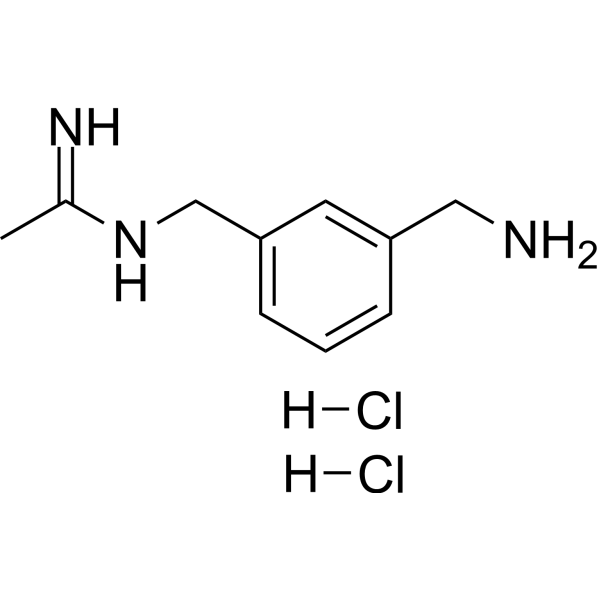
1400W dihydrochloride is the dihydrochloride form of 1400W (HY-18730). 1400W is a slow, tight binding, and highly selective inducible nitric-oxide synthase (iNOS) inhibitor, with a Kd value ≤ 7 nM. 1400W inhibits iNOS induction in microglial cells, and reduces generation of NO, thereby mitigating oxidative stress and neuronal cell apoptosis in the rat cerebral cortex, and improving the spatial memory dysfunction caused by acute hypobaric hypoxia-reoxygenation .
|
-
-
- HY-N5134
-
|
5'-GMP; 5'-guanosine monophosphate
|
Endogenous Metabolite
iGluR
|
Neurological Disease
Metabolic Disease
|
|
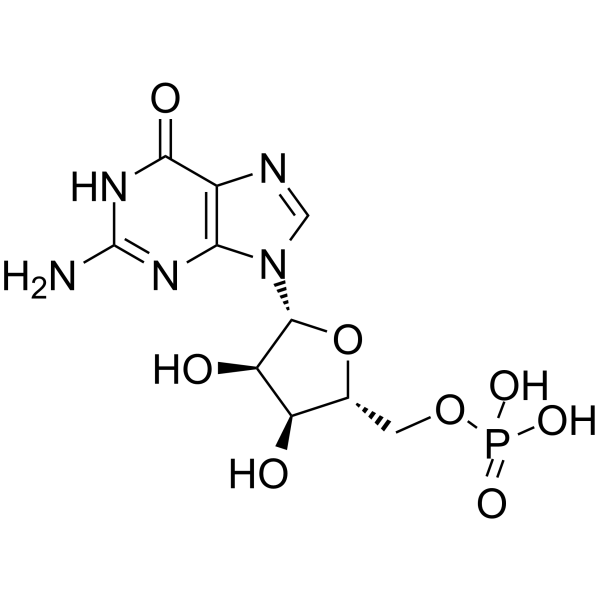
5'-Guanylic acid is a purine nucleotide that participates in physiological processes such as energy metabolism, signal transduction, and gene expression regulation. 5'-Guanylic acid regulates the expression of genes related to fatty acid metabolism. 5'-Guanylic acid is the weak agonist for ionotropic glutamate receptors (iGluR), reduces the activity of the glutamatergic system and exhibits neuroprotective effect. 5'-Guanylic acid also causes neuronal cell death at high concentrations .
|
-
-
- HY-B1142
-
Lipoamide
Maximum Cited Publications
9 Publications Verification
(±)-α-Lipoamide; DL-Lipoamide; DL-6,8-Thioctamide
|
NO Synthase
|
Others
|
|
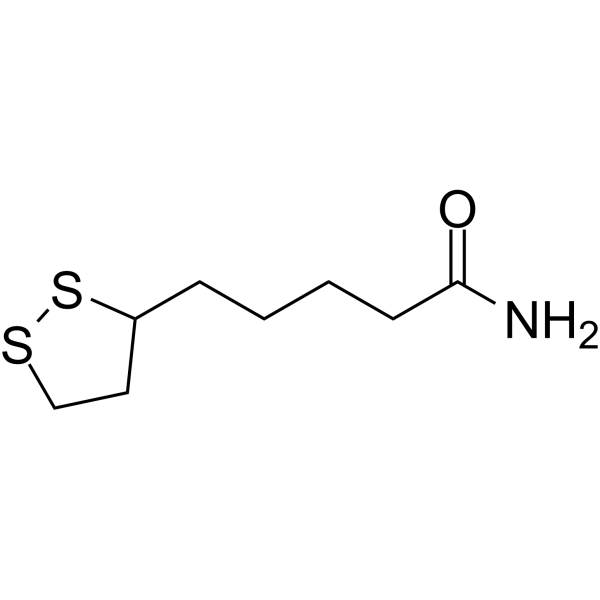
Lipoamide ((±)-α-Lipoamide) is a monocarboxylic acid derivative of a neutral amide, formed by the condensation of the carboxyl group of lipoic acid and ammonia. Lipoamide protects against oxidative stress-mediated neuronal cell damage and also acts as a coenzyme to transfer acetyl groups and hydrogen during pyruvate deacylation. Lipoamide also stimulates mitochondrial biogenesis in adipocytes through the endothelial NO synthase-cGMP-protein kinase G signaling pathway .
|
-
-
- HY-124293
-
AA147
4 Publications Verification
|
ATF6
Reactive Oxygen Species (ROS)
|
Neurological Disease
Metabolic Disease
|
|
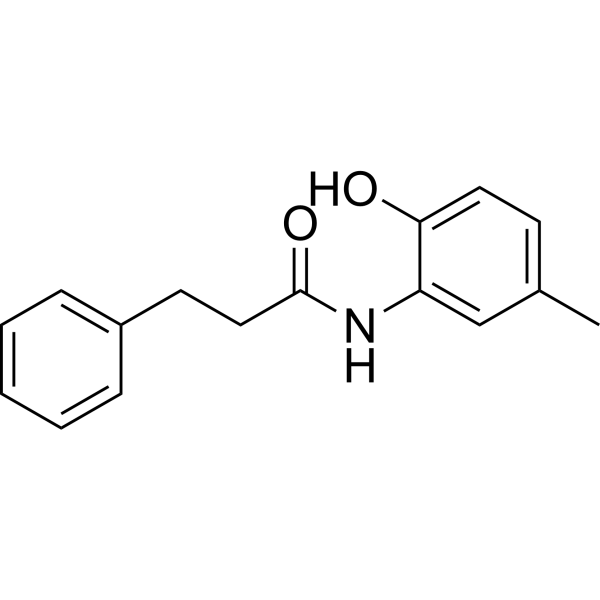
AA147 is a endoplasmic reticulum (ER) proteostasis regulator. AA147 promotes protection against oxidative damage in neuronal cells and prevents endothelial barrier dysfunction by activating ATF6 arm (selectively) of the unfolded protein response (UPR) and the NRF2 oxidative stress response. AA147 can rebalances XBP1s expression in vivo, and also induces survival motor neuron (SMN) expression and spinal motorneuron (MN) protection .
|
-
-
- HY-A0067
-
|
Benzophenone 3
|
Environmental Pollutants
Autophagy
RAR/RXR
Apoptosis
|
Neurological Disease
|
|
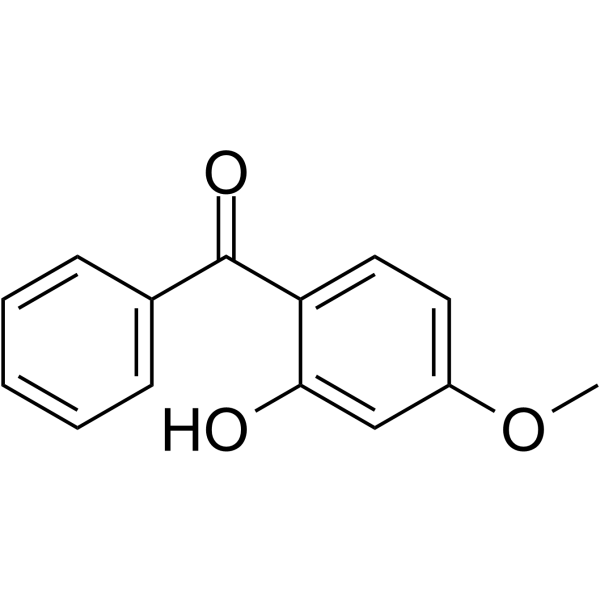
Oxybenzone (Benzophenone 3) is a commonly used UV filter in sun tans and skin protectants. Oxybenzone act as endocrine disrupting chemicals (EDCs) and can pass through the placental and blood-brain barriers. Benzophenone-3 impairs autophagy, alters epigenetic status, and disrupts retinoid X receptor signaling in apoptotic neuronal cells .
|
-
-
- HY-W010970
-
|
5'-GMP disodium salt; 5'-guanosine monophosphate disodium salt
|
Endogenous Metabolite
iGluR
|
Neurological Disease
Metabolic Disease
|
|
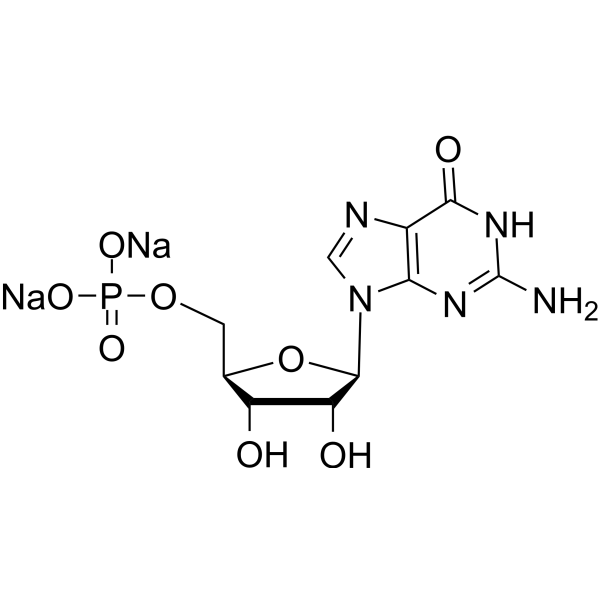
5'-Guanylic acid disodium salt is the disodium salt form of 5'-Guanylic acid (HY-N5134). 5'-Guanylic acid disodium salt is a purine nucleotide that participates in physiological processes such as energy metabolism, signal transduction, and gene expression regulation. 5'-Guanylic acid disodium salt regulates the expression of genes related to fatty acid metabolism. 5'-Guanylic acid disodium salt is the weak agonist for ionotropic glutamate receptors (iGluR), reduces the activity of the glutamatergic system and exhibits neuroprotective effect. 5'-Guanylic acid disodium salt also causes neuronal cell death at high concentrations .
|
-
-
- HY-112798
-
|
|
Apolipoprotein
|
Neurological Disease
|
|
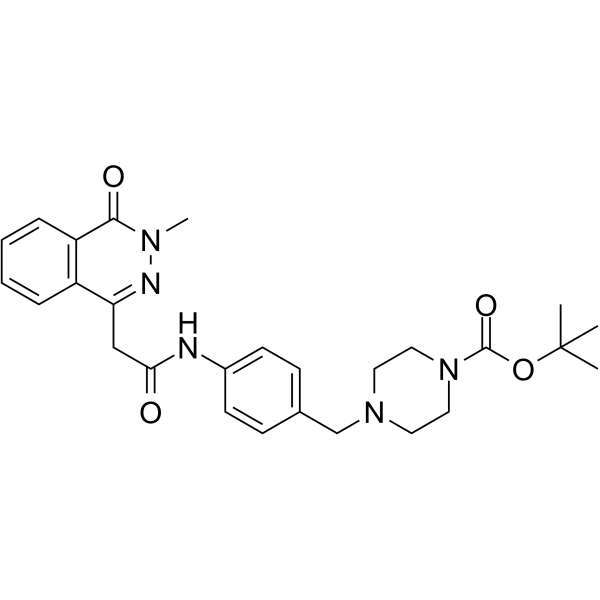
PH-002 is an inhibitor of apolipoprotein (apo) E4 intramolecular domain interaction in neuronal cells that could rescue impairments of mitochondrial motility and neurite outgrowth.
|
-
-
- HY-B0517
-
|
|
Sodium Channel
|
Neurological Disease
|
|
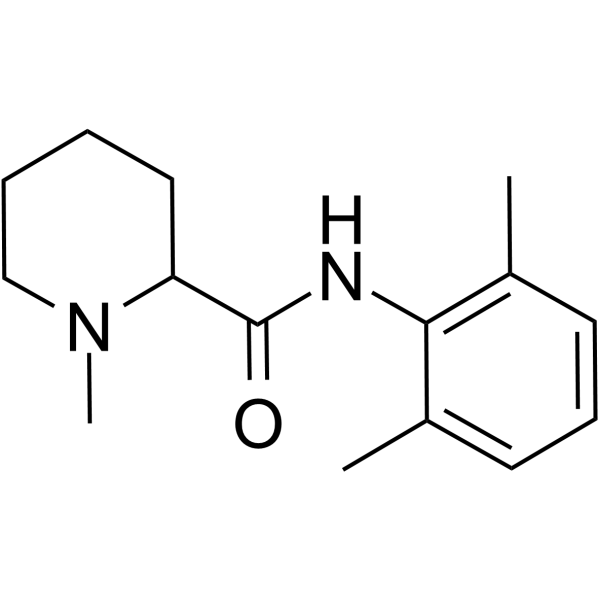
Mepivacaine is an amide-type local anesthetic agent. Mepivacaine binds to specific voltage-gated sodium ion channels in neuronal cell membranes, which inhibits both sodium influx and membrane depolarization .
|
-
-
- HY-18730
-
1400W
Maximum Cited Publications
28 Publications Verification
W1400
|
NO Synthase
Apoptosis
|
Cardiovascular Disease
Inflammation/Immunology
Cancer
|
|
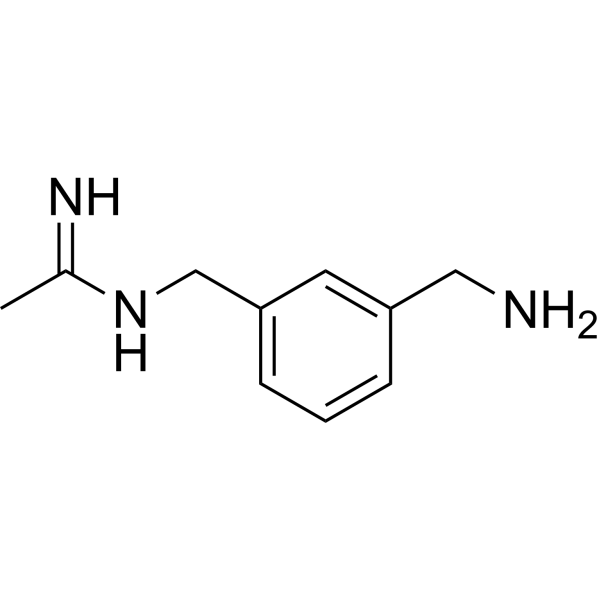
1400W is a slow, tight binding, and highly selective inducible nitric-oxide synthase (iNOS) inhibitor, with a Kd value ≤ 7 nM. 1400W inhibits iNOS induction in microglial cells, and reduces generation of NO, thereby mitigating oxidative stress and neuronal cell apoptosis in the rat cerebral cortex, and improving the spatial memory dysfunction caused by acute hypobaric hypoxia-reoxygenation .
|
-
-
- HY-A0082
-
|
Difenidol hydrochloride
|
mAChR
Sodium Channel
|
Neurological Disease
|
|
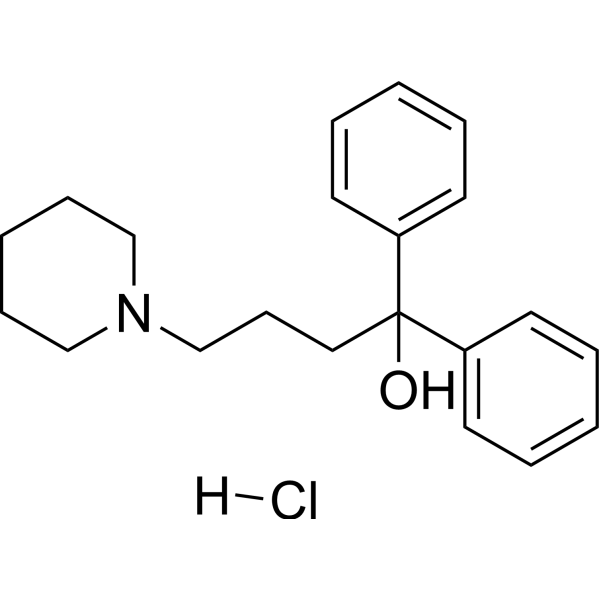
Diphenidol hydrochloride (Difenidol hydrochloride) is a non-selective muscarinic M1-M4 receptor antagonist, has anti-arrhythmic activity. Diphenidol hydrochloride is also a potent non-specific blocker of voltage-gated ion channels (Na +, K +, and Ca 2+) in neuronal cells. Diphenidol hydrochloride can be used in the study of antivertigo and antinausea .
|
-
-
- HY-B0517A
-
|
|
Sodium Channel
|
Neurological Disease
|
|
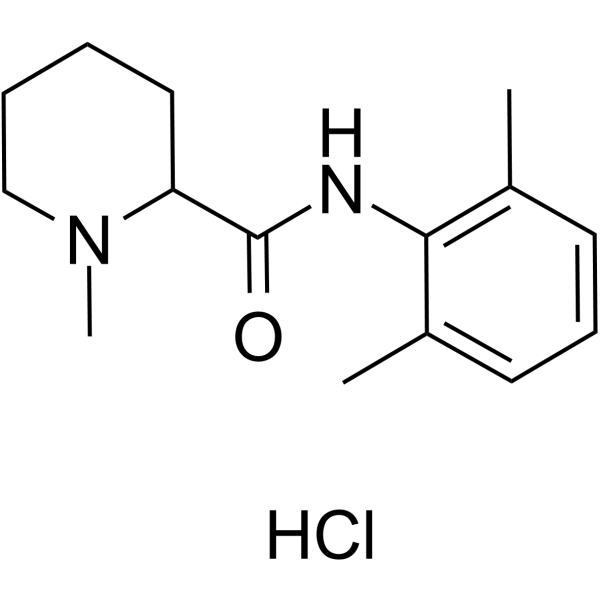
Mepivacaine hydrochloride binds to specific voltage-gated sodium ion channels in neuronal cell membranes, which inhibits both sodium influx and membrane depolarization .
|
-
-
- HY-N6951
-
-
-
- HY-66012
-
|
Proxymetacaine hydrochloride
|
Sodium Channel
|
Neurological Disease
|
|
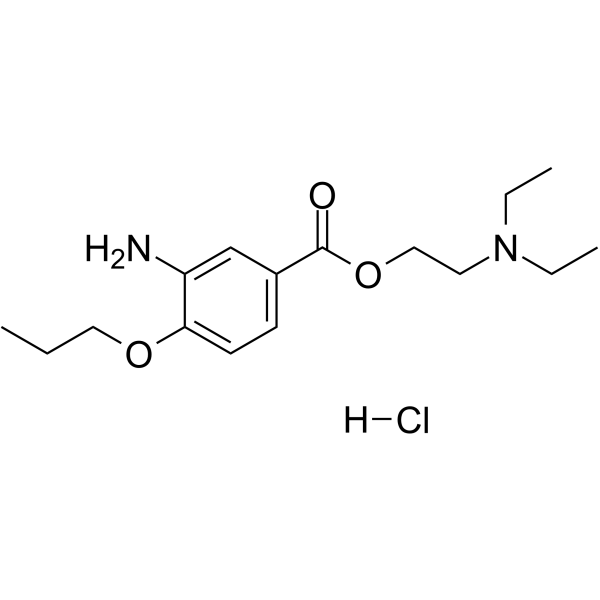
Proparacaine (Proxymetacaine) hydrochloride is a local anesthetic. Proparacaine hydrochloride blocks voltage-gated sodium channels on neuronal cell membranes, thereby inhibiting signal conduction and nociceptive signal transmission. Proparacaine hydrochloride blocks nociceptive signals in the eye and induces ocular muscle relaxation to reduce eye movement during surgery. Proparacaine hydrochloride is used in research related to cataracts .
|
-
-
- HY-118700
-
|
Guanidinobiotin
|
NO Synthase
|
Neurological Disease
|
|
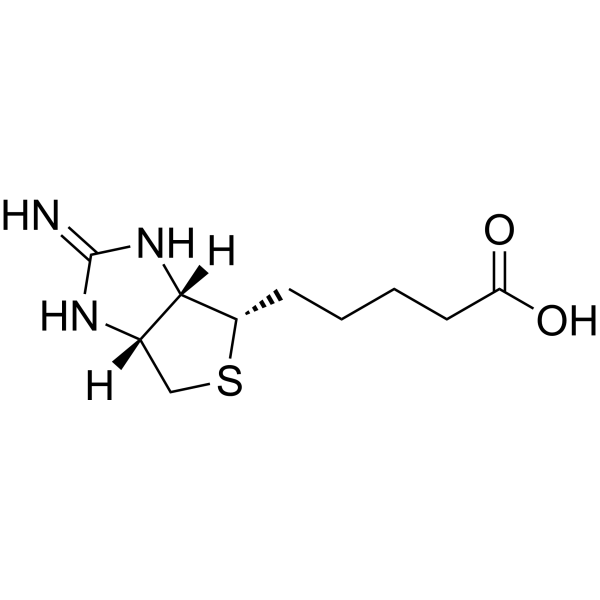
2-Iminobiotin (Guanidinobiotin) is a biotin (vitamin H or B7) analog. 2-Iminobiotin is a reversible nitric oxide synthases inhibitor with Kis of 21.8 and 37.5μM for murine iNOS and rat n-cNOS, respectively . 2-Iminobiotin superimposes on hypothermia protects human neuronal cells from hypoxia-induced cell damage .
|
-
-
- HY-P10927A
-
|
BRINP2-related peptide TFA
|
PKA
AP-1
|
Metabolic Disease
|
|
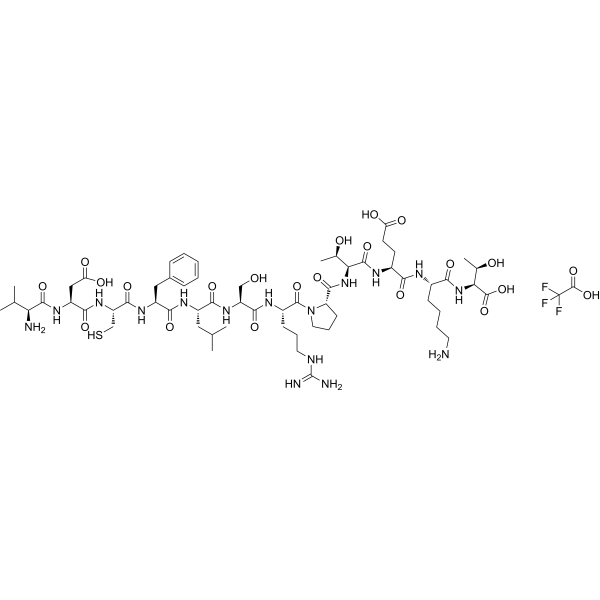
BRP (BRINP2-related peptide) TFA is a 12-peptide derived from BRINP2 that can cross the blood-brain barrier. BRP TFA induces the central activation of FOS in neuronal cells via the cAMP-PKA-CREB signaling pathway. BRP TFA exerts anorectic and anti-obesity effects without triggering nausea or aversive responses. The action of BRP TFA is independent of the leptin, GLP-1 receptor and melanocortin 4 receptor pathways. BRP TFA is applicable to obesity-related research .
|
-

-
- HY-P2275
-
-
-
- HY-118355
-
ALLM
1 Publications Verification
Calpain inhibitor II
|
Proteasome
Cathepsin
|
Neurological Disease
|
|
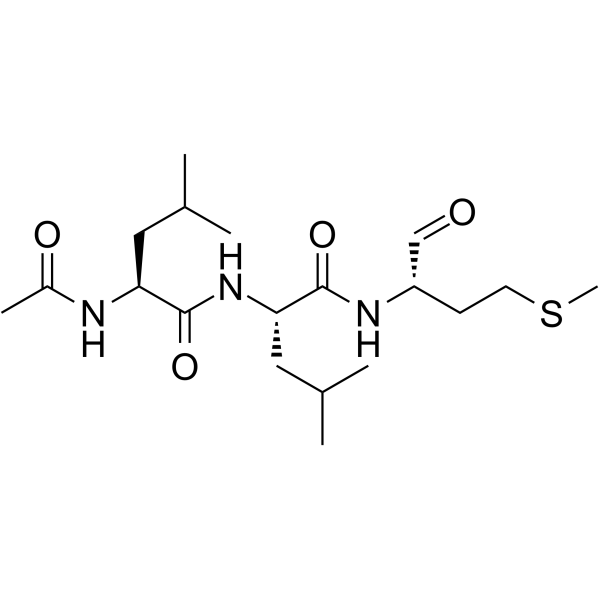
ALLM (Calpain inhibitor II) is a potent inhibitor of calpain and cathepsin proteases. ALLM inhibits neuronal cell death and improves chronic neurological function after spinal cord injury (SCI) .
|
-
-
- HY-139201D
-
|
PDLHB (MW 4000-15000)
|
CaSR
|
Others
|
|
Poly-D-lysine hydrobromide (MW 4000-15000) (PDLHB (MW 4000-15000)) is an artificially synthesized polymer matrix widely used in neuronal cell culture. Poly-D-lysine hydrobromide is also known as a calcium-sensing receptor (CaSR) agonist peptide .
|
-

-
- HY-P4086
-
|
|
RABV
nAChR
|
Neurological Disease
Cancer
|
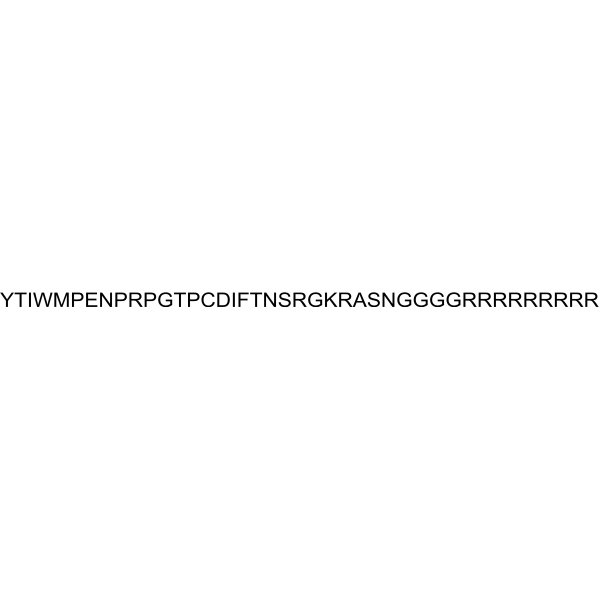
Chimeric Rabies Virus Glycoprotein Fragment (RVG-9R) is a cell-penetrating peptide that is synthesized by adding nona-arginine motif to the carboxy terminus of RVG (rabies virus glycoprotein). Chimeric Rabies Virus Glycoprotein Fragment (RVG-9R) binds to
nAChR on neuronal cells to mediate receptor-mediated endocytosis and targeted siRNA delivery. Chimeric Rabies Virus Glycoprotein Fragment (RVG-9R) protects complexed siRNA from degradation, enhances transcellular siRNA delivery in neuronal cells, and promotes efficient, pecific gene silencing. Chimeric Rabies Virus Glycoprotein Fragment (RVG-9R) can be used for the researches of neurological disease and cancer .
|
-
-
- HY-117709
-
|
|
HDAC
|
Neurological Disease
|
|
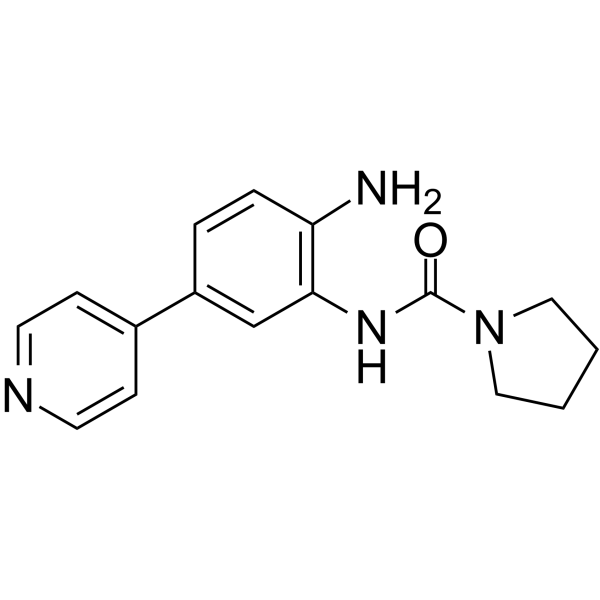
BRD6688 is a selective HDAC2 inhibitor. BRD6688 increases H4K12 and H3K9 histone acetylation in primary mouse neuronal cells. BRD6688 crosses the blood brain barrier and rescues the memory defects associated with p25 induced neurodegeneration in contextual fear conditioning in a CK-p25 mouse model .
|
-
-
- HY-101446
-
|
|
Trk Receptor
ERK
Apoptosis
|
Neurological Disease
|
|
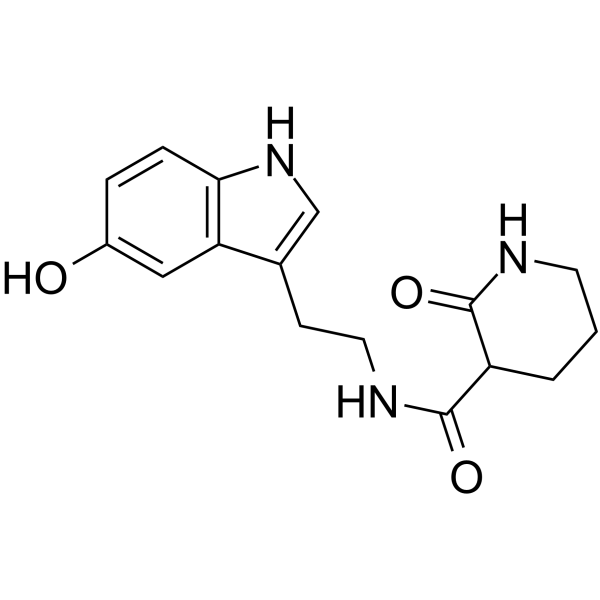
HIOC is a potent and selective activator of TrkB (tropomyosin related kinase B) receptor. HIOC can pass the blood-brain and blood-retinal barriers.HIOC activates TrkB/ERK pathway and decreases neuronal cell apoptosis. HIOC attenuates early brain injury after SAH (subarachnoid hemorrhage). HIOC shows protective activity in an animal model for light-induced retinal degeneration .
|
-
-
- HY-N5134R
-
|
5'-GMP (Standard); 5'-guanosine monophosphate (Standard)
|
Reference Standards
Endogenous Metabolite
|
|
|
5'-Guanylic acid is a purine nucleotide that participates in physiological processes such as energy metabolism, signal transduction, and gene expression regulation. 5'-Guanylic acid regulates the expression of genes related to fatty acid metabolism. 5'-Guanylic acid is the weak agonist for ionotropic glutamate receptors (iGluR), reduces the activity of the glutamatergic system and exhibits neuroprotective effect. 5'-Guanylic acid also causes neuronal cell death at high concentrations .
|
-

-
- HY-P10927
-
|
BRINP2-related peptide
|
AP-1
PKA
|
Metabolic Disease
|
|
BRP is a 12-peptide derived from BRINP2 that can cross the blood-brain barrier. BRP induces the central activation of FOS in neuronal cells via the cAMP-PKA-CREB signaling pathway. BRP exerts anorectic and anti-obesity effects without triggering nausea or aversive responses. The action of BRP is independent of the leptin, GLP-1 receptor and melanocortin 4 receptor pathways. BRP is applicable to obesity-related research .
|
-

-
- HY-121833
-
|
|
Trk Receptor
Akt
ERK
|
Neurological Disease
Cancer
|
|
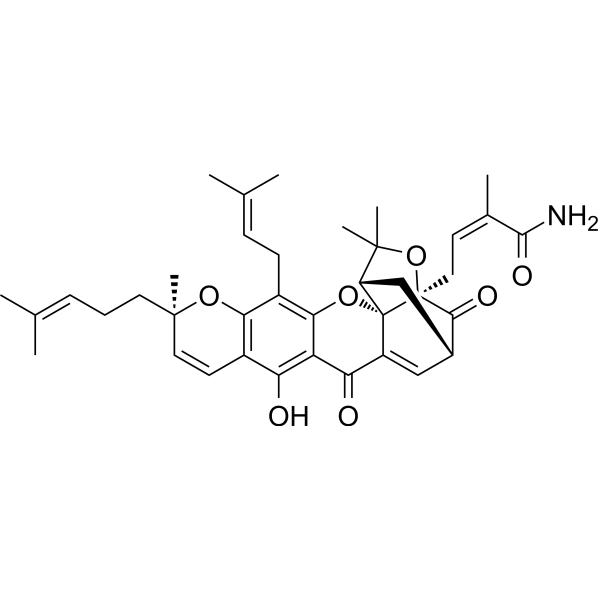
Gambogic amide is a potent and selective agonist of TrkA and also induces its tyrosine phosphorylation and activation of downstream signaling, including Akt and MAPK. Gambogic amide specifically interacts with the cytoplasmic juxtamembrane domain of the TrkA receptor and triggers its dimerization, leading to activation. Gambogic amide has neuroprotective activity preventing glutamate-induced neuronal cell death. Gambogic amide has improved efficacy in a transient middle cerebral artery occlusion model of stroke and could be used to study neurodegenerative diseases and stroke .
|
-
-
- HY-148913
-
|
|
CaMK
|
Neurological Disease
|
|
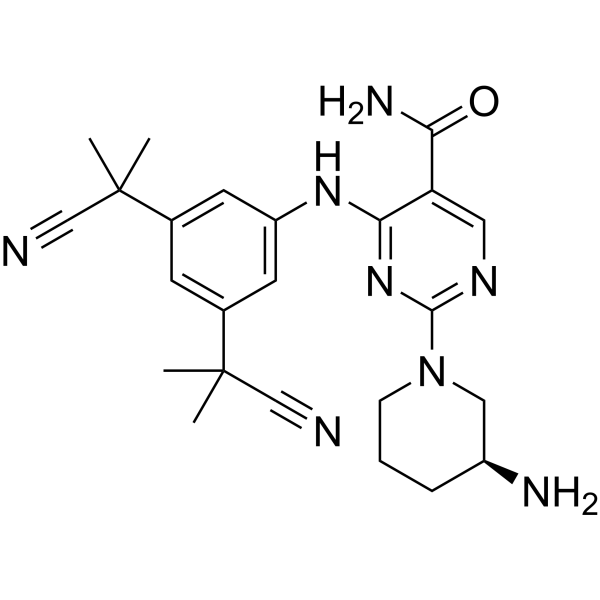
CS587 is a specific inhibitor of CaMK1D with neurocytotoxicity at 10 μM. CS587 modulates the sensitivity of neuronal cells to Aβ oligomer toxicity .
|
-
-
- HY-N5021
-
|
AHSYB
|
Others
|
Neurological Disease
|
|
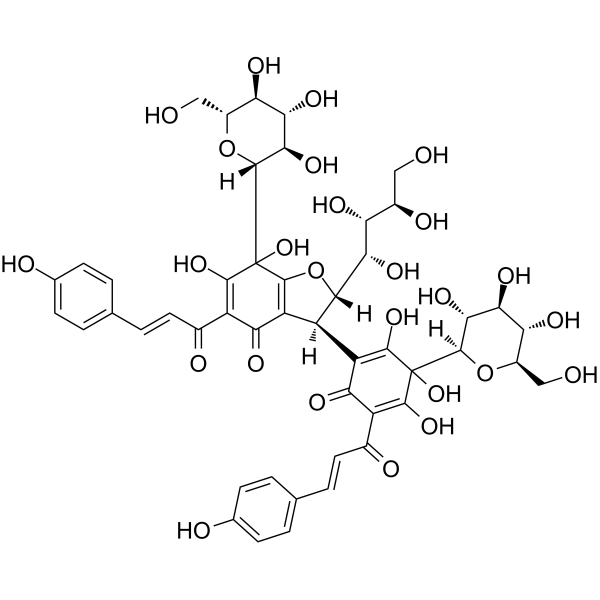
Anhydrosafflor yellow B (AHSYB) is a quinochalcone C-glycoside isolated from Carthamus tinctorius. Anhydrosafflor yellow B inhibits ADP-induced platelet aggregation, exhibits significant anti-oxidative effects in vitro, and possesses certain activity against H2O2-induced cytotoxicity in cultured PC12 cells and primary neuronal cells .
|
-
-
- HY-134205A
-
|
|
Keap1-Nrf2
|
Neurological Disease
Metabolic Disease
|
|
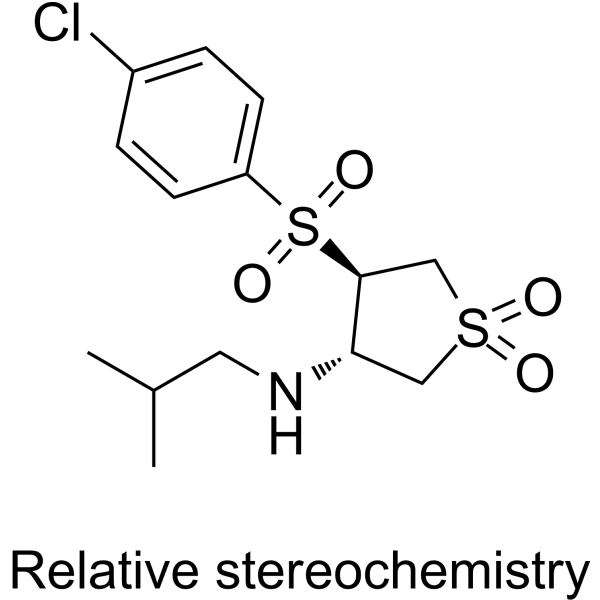
CBR-470-1 is an inhibitor of the glycolytic enzyme phosphoglycerate kinase 1 (PGK1). CBR-470-1 is also a non-covalent Nrf2 activator. CBR-470-1 protects SH-SY5Y neuronal cells against MPP +-induced cytotoxicity through activation of the Keap1-Nrf2 cascade .
|
-
-
- HY-D2335
-
|
|
Fluorescent Dye
|
Neurological Disease
|
|
SERTlight is a fluorescent agent that can specifically label serotonergic neuronal cell bodies, dendrites, and axonal projections as fluorescent substrates of the serotonin transporter (SERT). SERTlight is orthogonal to various genetically encoded sensors in terms of optics, pharmacology, and operation, enabling multiple imaging. SERTlight allows the use of GRAB5HT sensors to label distal 5HT axonal projections and simultaneously image the release of endogenous 5HT, providing a new multifunctional molecular tool for studying serotonergic systems .
|
-

-
- HY-N8161
-
|
Kaempferol 3,7-diglucoside
|
Glycosidase
Cholinesterase (ChE)
|
Neurological Disease
|
|
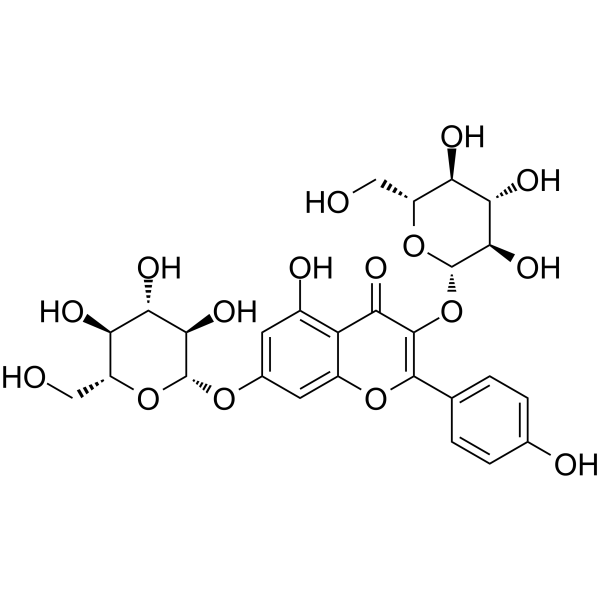
Kaempferol-3,7-di-O-β-glucoside (Kaempferol 3,7-diglucoside), a flavonol, possesses enzyme inhibition property towards α-amylase, α-glucosidase and Acetylcholinesterase. Kaempferol-3,7-di-O-β-glucoside protects differentiating neuronal cells, SH-SY5Y from Amyloid β peptide-induced injury. Kaempferol-3,7-di-O-β-glucoside has the potential for Alzheimer's research .
|
-
-
- HY-N6669
-
|
M3OMG
|
Others
|
Neurological Disease
|
|
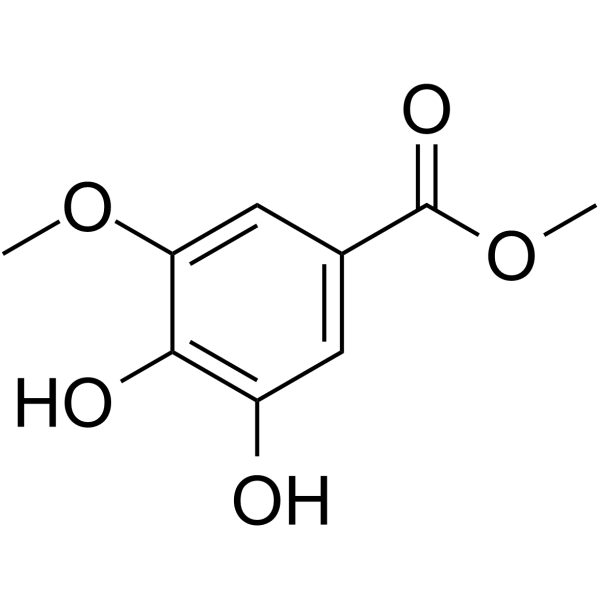
Methyl 3-O-methylgallate (M3OMG) possesses antioxidant effect and can protect neuronal cells from oxidative damage .
|
-
-
- HY-131006
-
|
|
Monoamine Transporter
|
Neurological Disease
|
|
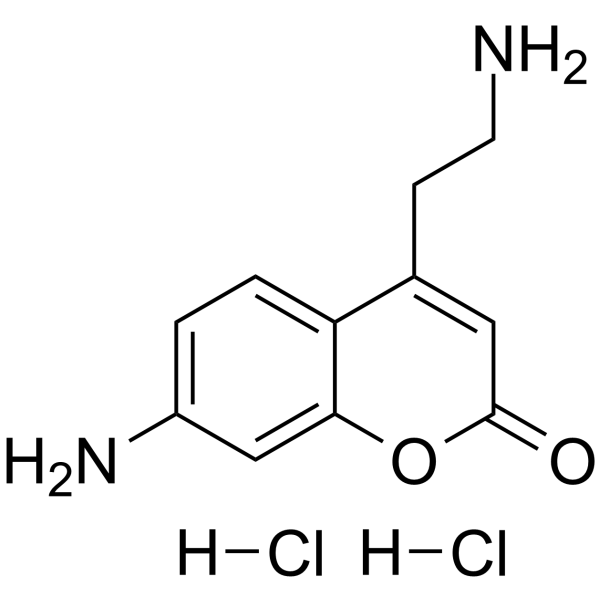
FFN200 dihydrochloride, a fluorescent substrate of VMAT2, selectively trace monoamine exocytosis in both neuronal cell culture and brain tissue. The fluorescence excitation and emission maxima of FFN200 are determined to be 352 and 451 nm, respectively .
|
-
-
- HY-P10998
-
|
|
TET Protein
|
Neurological Disease
|
|
Tet1 peptide is a peptide that specifically binds to neurons. Tet1 peptide binds to GT1B ganglioside and trisialoganglioside clostridial toxin receptor on the surface of neuronal cells, and can be used in peptide conjugation and drug delivery research .
|
-

-
- HY-103442
-
|
DAPH
|
EGFR
Amyloid-β
|
Neurological Disease
Cancer
|
|
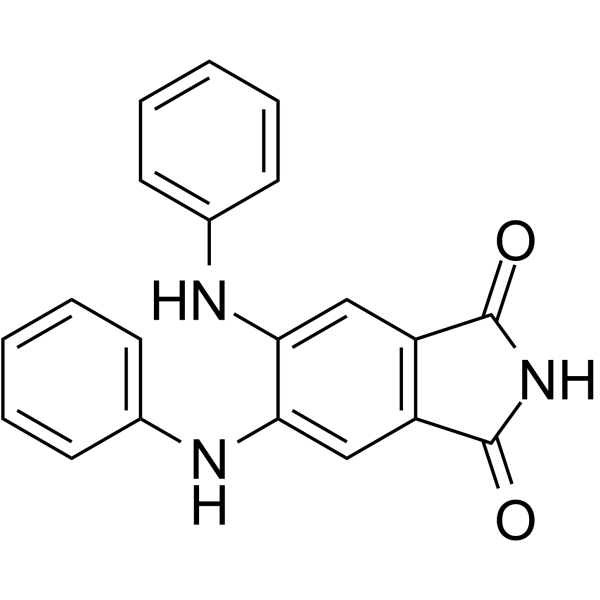
CGP52411 (DAPH) is a high selective, potent, orally active and ATP-competitive EGFR inhibitor with an IC50 of 0.3 μM. CGP52411 blocks the toxic influx of Ca 2+ ions into neuronal cells, and dramatic inhibits and reverses the formation of β-amyloid (Aβ42) fibril aggregates associated with Alzheimer's disease .
|
-
-
- HY-129101
-
|
Eseroline fumarate
|
5-HT Receptor
|
Neurological Disease
|
|
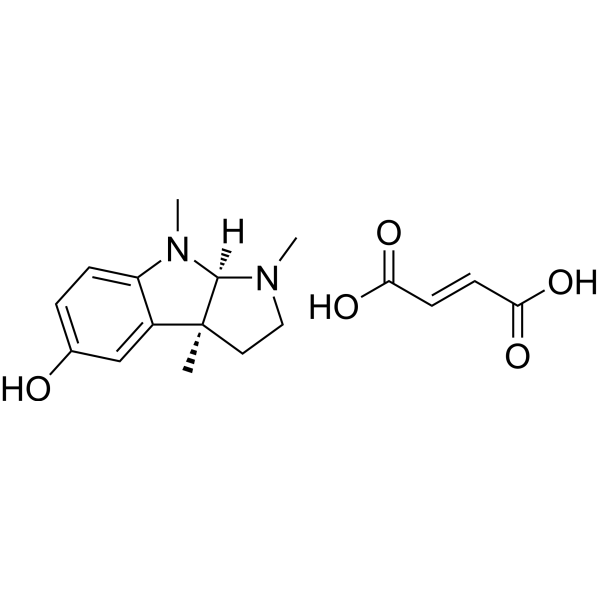
(-)-Eseroline fumarate is a metabolic of Physostigmine (HY-N6608), an AChE inhibitor. (-)-Eseroline fumarate elicits a leakage of lactic acid dehydrogenase (LDH) from cancer cells. (-)-Eseroline fumarate also induces the release of adenine nucleotides and 5-hydroxytryptamine (5-HT) from neuronal cells, thus induce cell death. (-)-Eseroline fumarate inhibits the electrically evoked twitches of the mouse vas deferens and of the guinea-pig ileum .
|
-
-
- HY-118700A
-
|
Guanidinobiotin hydrobromide
|
NO Synthase
|
Neurological Disease
|
|
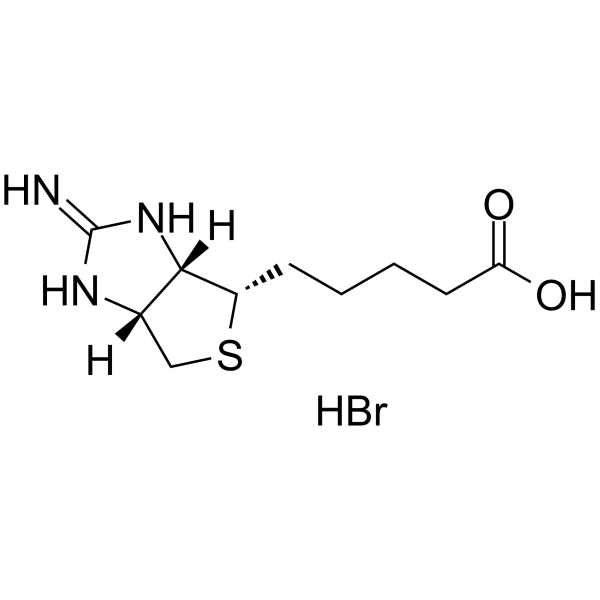
2-Iminobiotin hydrobromide (Guanidinobiotin hydrobromide) is a biotin (vitamin H or B7) analog. 2-Iminobiotin hydrobromide is a reversible nitric oxide synthases inhibitor with Kis of 21.8 and 37.5 μM for murine iNOS and rat n-cNOS, respectively . 2-Iminobiotin hydrobromide superimposes on hypothermia protects human neuronal cells from hypoxia-induced cell damage .
|
-
-
- HY-115849
-
|
|
Keap1-Nrf2
|
Neurological Disease
|
|
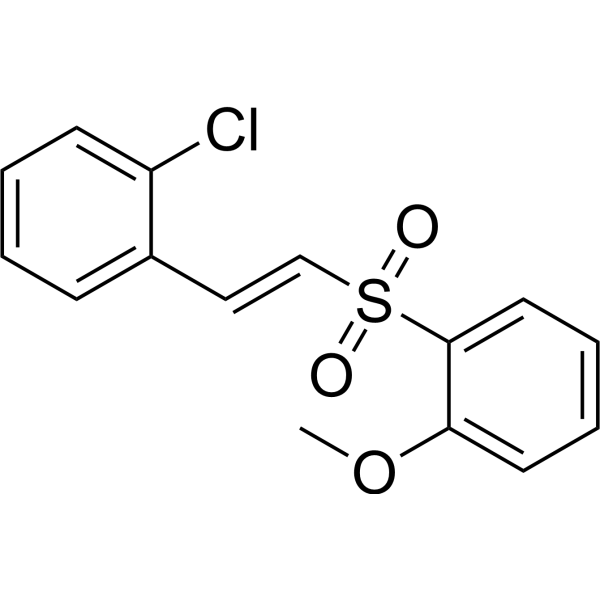
Nrf2-Activator-12G (compd 12g) is an activator of Nrf2. Nrf2-Activator-12G induces the expression of nrf2-dependentantioxidant enzymes at both mRNA and protein levels in DAergic neuronal cell. Nrf2-Activator-12G can used in study Parkinson’s Disease .
|
-
-
- HY-137499
-
|
|
Liposome
Endogenous Metabolite
|
Neurological Disease
|
|
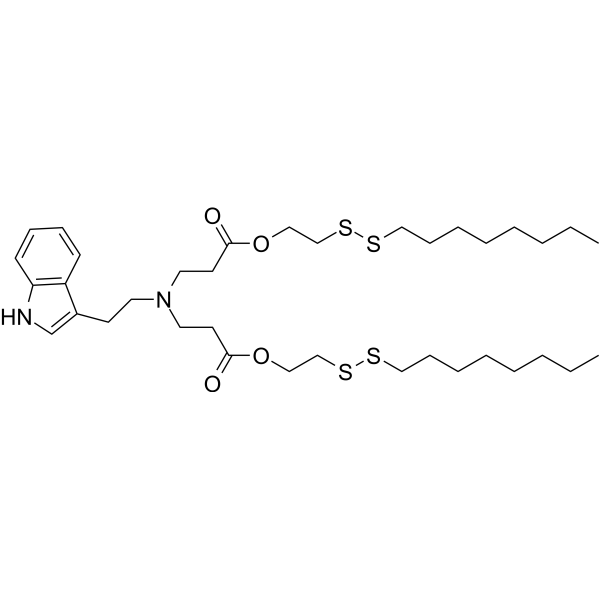
NT1-O12B, an endogenous chemical and a neurotransmitter-derived lipidoid (NT-lipidoid), is an effective carrier for enhanced brain delivery of several blood-brain barrier (BBB)-impermeable cargos. Doping NT1-O12B into BBB-impermeable lipid nanoparticles (LNPs) gives the LNPs the ability to cross the BBB. NT-lipidoids formulation not only facilitate cargo crossing of the BBB, but also delivery of the cargo into neuronal cells for functional gene silencing or gene recombination .
|
-
-
- HY-P5623B
-
RVG TFA
1 Publications Verification
RVG29 TFA; RDP TFA; Rabies Virus Glycoprotein-29 TFA
|
Bacterial
|
Infection
|
|
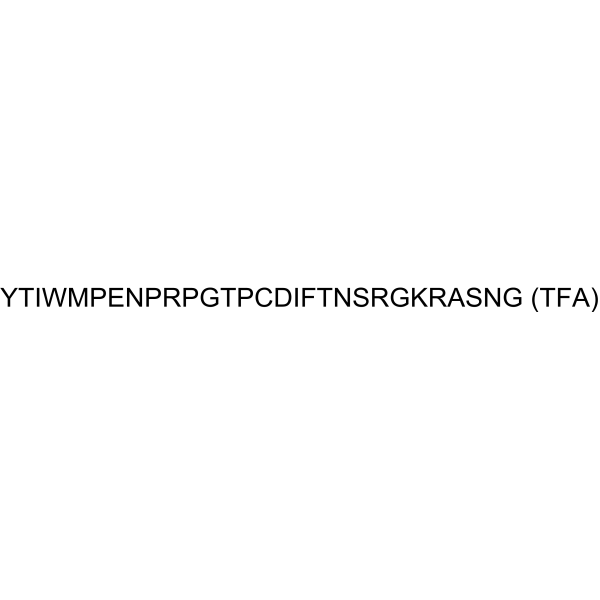
RVG TFA is a peptide derived from Rabies Virus Glycoprotein that binds to the α-7 subunit of nicotinic acetylcholine receptors (AchR) of neuronal cells. RVG enhances delivery of Mycobacterium tuberculosis antigens to antigen-presenting cells .
|
-
-
- HY-119961
-
|
Dexivacaine; (S)-Mepivacaine
|
Sodium Channel
|
Cardiovascular Disease
|
|
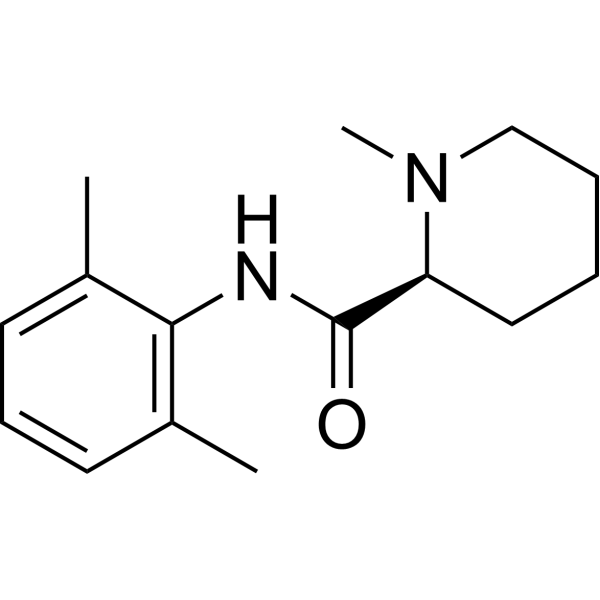
(+)-Mepivacaine is a racemic isomer of Mepivacaine (HY-B0517), which has analgesic and vasoconstrictive activity. Mepivacaine is an amide type agent that temporarily causes local loss of consciousness. Mepivacaine binds to specific voltage-gated sodium channels on neuronal cell membranes, inhibiting sodium influx and membrane depolarization .
|
-
-
- HY-P4704A
-
|
|
α-synuclein
|
Neurological Disease
|
|
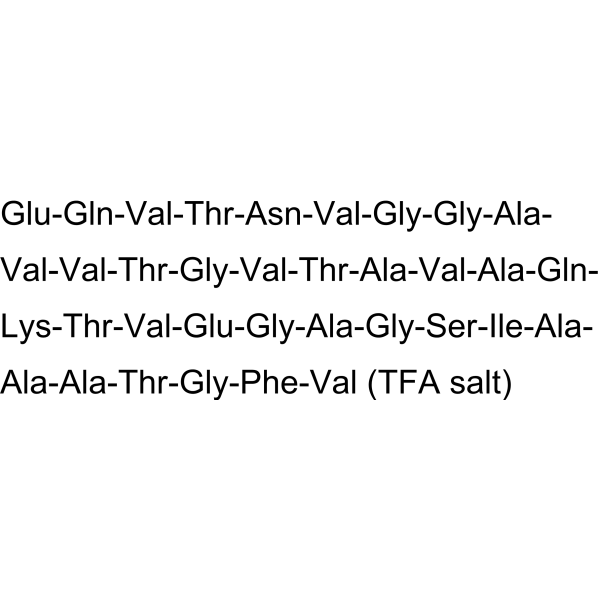
α-Synuclein (61-95) (human) TFA is the hydrophobic core region of α-synuclein, and induces neuronal cell death. α-Synuclein (61-95) (human) TFA can be used for research of neurodegenerative diseases, including Alzheimer’s disease (AD) and Parkinson’s disease (PD) .
|
-
-
- HY-A0067S
-
|
|
RAR/RXR
Apoptosis
Autophagy
|
Neurological Disease
|
|
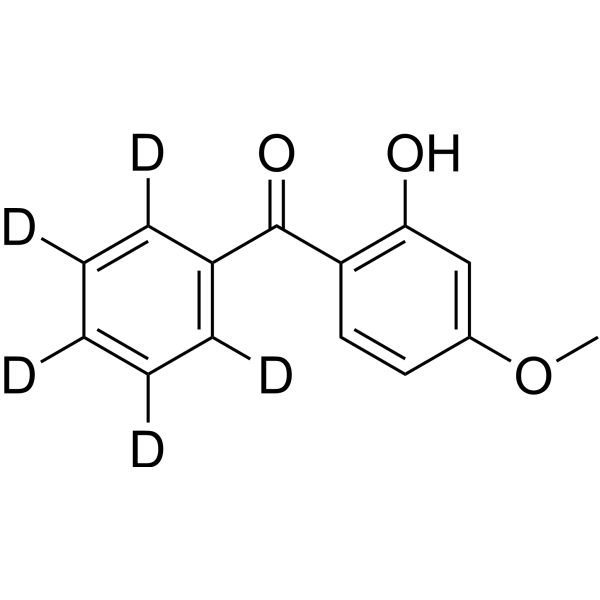
Oxybenzone-d5 is the deuterium labeled Oxybenzone . Oxybenzone (Benzophenone 3) is a commonly used UV filter in sun tans and skin protectants. Oxybenzone act as endocrine disrupting chemicals (EDCs) and can pass through the placental and blood-brain barriers. Benzophenone-3 impairs autophagy, alters epigenetic status, and disrupts retinoid X receptor signaling in apoptotic neuronal cells .
|
-
-
- HY-108248
-
-
-
- HY-P2275B
-
-
-
- HY-151962
-
|
|
JNK
Apoptosis
GSK-3
p38 MAPK
|
Neurological Disease
|
|
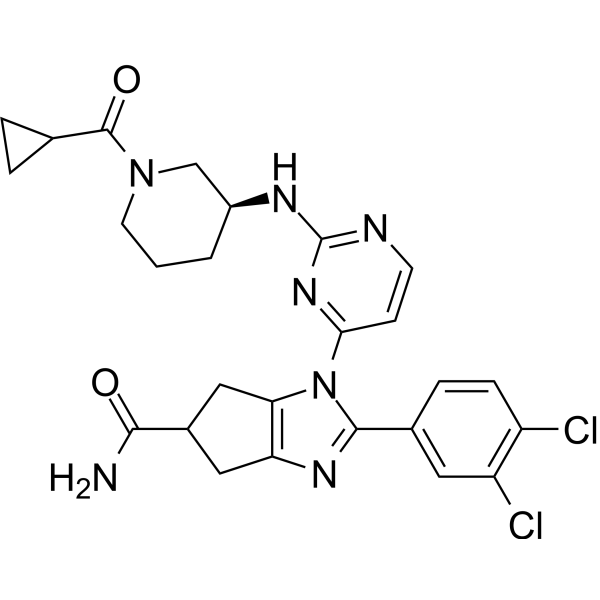
JNK3 inhibitor-5 (Compound 22b) is a potent and selective JNK3 inhibitor with an IC50 of 0.379 nM. JNK3 inhibitor-5 effectively protects the neuronal cells against amyloid beta-induced apoptosis. JNK3 inhibitor-5 has a high cell permeability and is predicted as BBB permeable .
|
-
-
- HY-149764
-
|
|
Amyloid-β
|
Neurological Disease
|
|
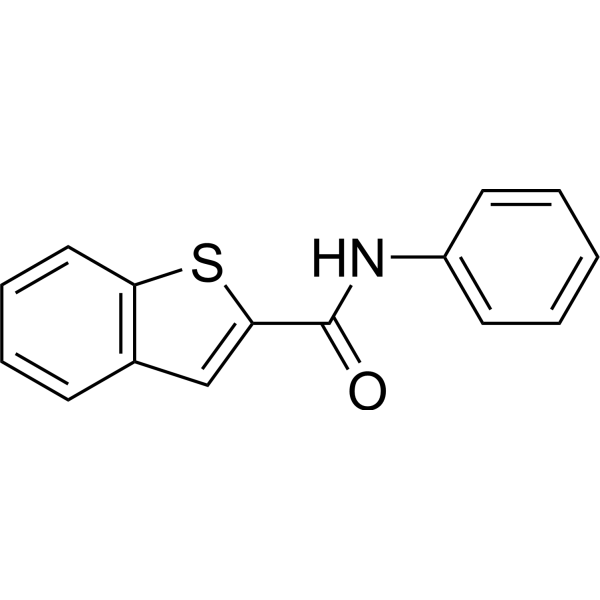
Aβ42 agonist-2 (compound 7b) is a small molecule compound that can promote Aβ42 aggregation. Aβ42 agonist-2 can interact with Aβ42 oligomers and pentamers to promote nontoxic aggregate self-assembly and rapid fibril formation. Aβ42 agonist-2 prevents Aβ42-induced cytotoxicity in HT22 hippocampal neuronal cells .
|
-
-
- HY-107659
-
|
|
Na+/Ca2+ Exchanger
|
Cardiovascular Disease
Neurological Disease
|
|
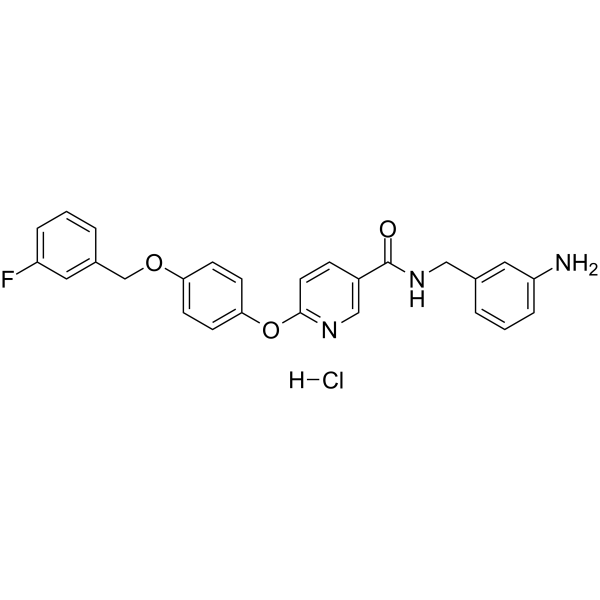
YM-244769 hydrochloride is a potent, selective and orally active Na +/Ca 2+ exchanger (NCX) inhibitor. YM-244769 hydrochloride preferentially inhibits NCX3 and suppresses the unidirectional outward NCX current (Ca 2+ entry mode), with IC50s of 18 nM and 50 nM, respectively. YM-244769 hydrochloride efficiently protects against hypoxia/reoxygenation-induced SH-SY5Y neuronal cell damage. YM-244769 hydrochloride can also increase urine volume and urinary excretion of electrolytes in mice .
|
-
-
- HY-N10283
-
|
|
Endogenous Metabolite
|
Neurological Disease
|
|
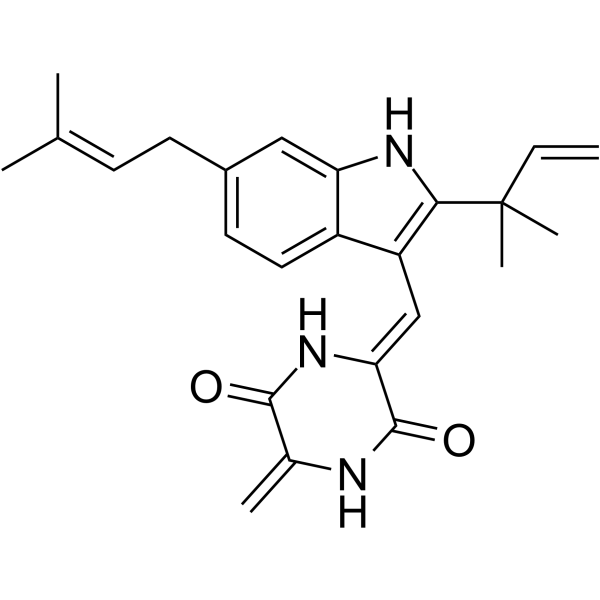
Neoechinulin C, an echinulin-related indolediketopiperazine alkaloid, protects the neuronal cells against paraquat-induced damage in a Parkinson’s disease model .
|
-
-
- HY-N8453
-
|
Methyl 3,5-dicaffeoyl quinic acid
|
p38 MAPK
|
Neurological Disease
|
|
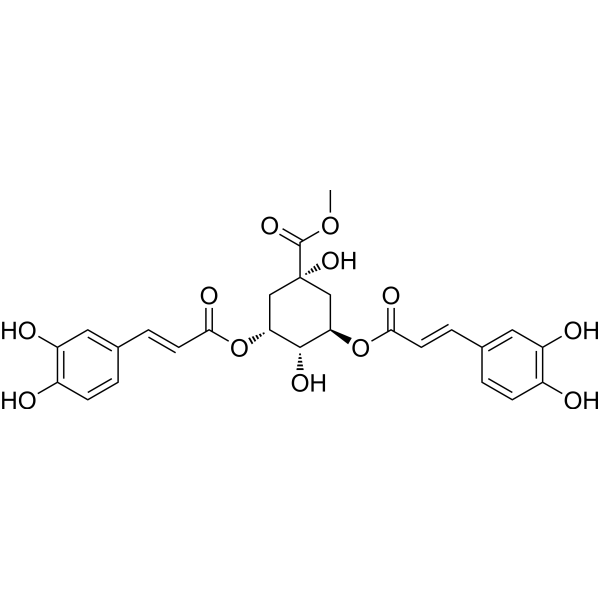
Macranthoin G is an inhibitor of p38 MAPK. Macranthoin G protects the cytotoxicity induced by Aβ or hydrogen peroxide in neuronal cells by downregulating p38 MAPK. Macranthoin G can used in study Alzheimer’s Disease .
|
-
-
- HY-B0517S
-
|
|
Sodium Channel
|
Neurological Disease
|
|
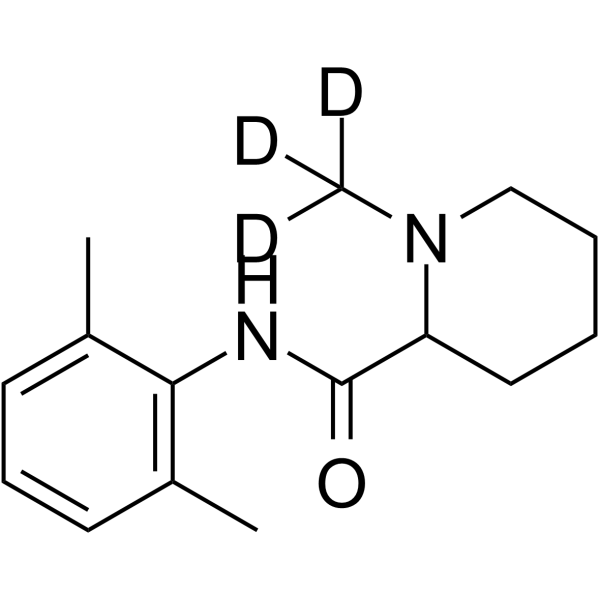
Mepivacaine-d3 is the deuterium labeled Mepivacaine. Mepivacaine is an amide-type local anesthetic agent. Mepivacaine binds to specific voltage-gated sodium ion channels in neuronal cell membranes, which inhibits both sodium influx and membrane depolarization .
|
-
-
- HY-P4704
-
|
|
α-synuclein
|
Neurological Disease
|
|
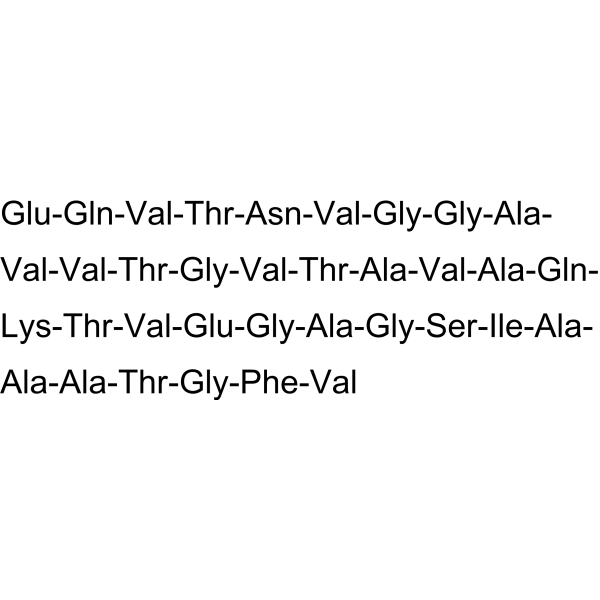
α-Synuclein (61-95) (human) is the hydrophobic core region of α-synuclein, and induces neuronal cell death. α-Synuclein (61-95) (human) can be used for research of neurodegenerative diseases, including Alzheimer’s disease (AD) and Parkinson’s disease (PD) .
|
-
- HY-A0270
-
|
|
mAChR
Sodium Channel
|
Neurological Disease
|
|
Diphenidol is a non-selective muscarinic M1-M4 receptor antagonist, has anti-arrhythmic activity. Diphenidol is also a potent non-specific blocker of voltage-gated ion channels (Na +, K +, and Ca 2+) in neuronal cells. Diphenidol can be used in the study of antivertigo and antinausea .
|
-
- HY-N1369S1
-
|
|
Calcium Channel
Isotope-Labeled Compounds
|
Neurological Disease
|
|
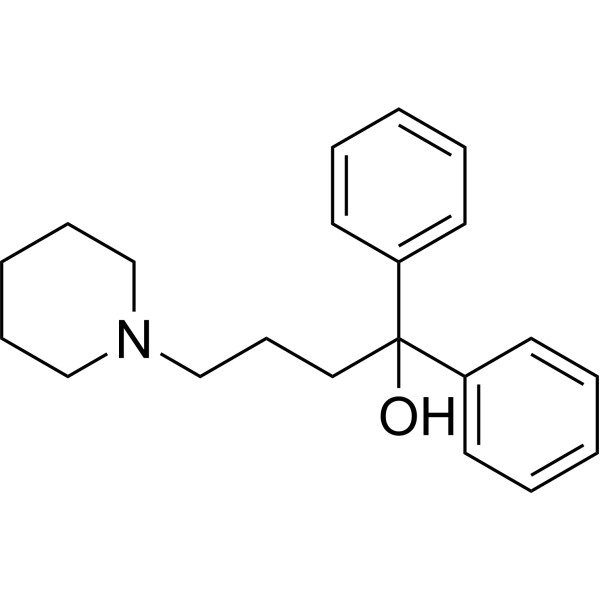
Menthol-d2 is deuterated labeled Menthol (HY-N1369). Menthol is an analgesic and TRPM8 modulator. TRPM8 is a cold temperature sensing ion channel, and Menthol can regulate TRPM8 to exert analgesic and anti-irritation mechanisms. Menthol stimulates cold receptors and produces a cooling sensation by inhibiting Ca++ currents in neuronal cell membranes .
|
-
- HY-N4192
-
|
|
Others
|
Cardiovascular Disease
Cancer
|
|
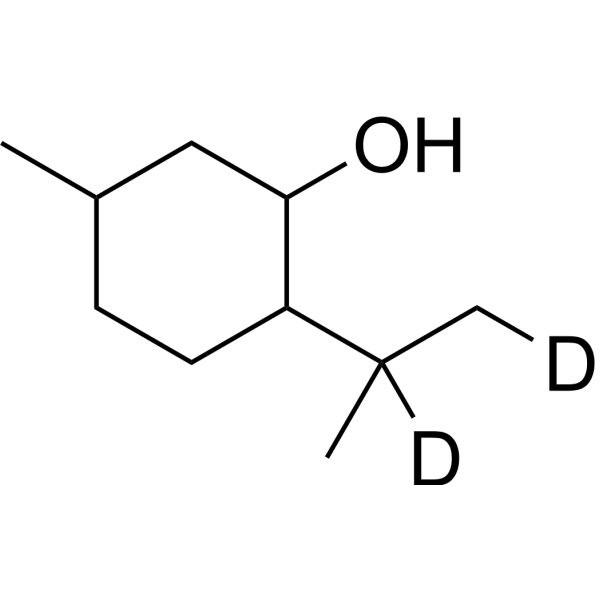
Toringin, a bioflavonoid, is isolated from the bark of Docyniopsis tschonoski. Toringin progressively decreases not only the cis-effect of the expanded CTG repeats but cytotoxicity as well. Exposure to isosakuranetin, Toringin rescues PC12 neuronal cells. Flavonoids are efficacious for ameliorating the RNA gain of function caused by expanded CTG repeats, and have various biological activities and beneficial actions against cancers, coronary heart disease, among other pathologies .
|
-
- HY-A0067R
-
|
Benzophenone 3 (Standard)
|
Reference Standards
RAR/RXR
Autophagy
Apoptosis
|
Neurological Disease
|
|
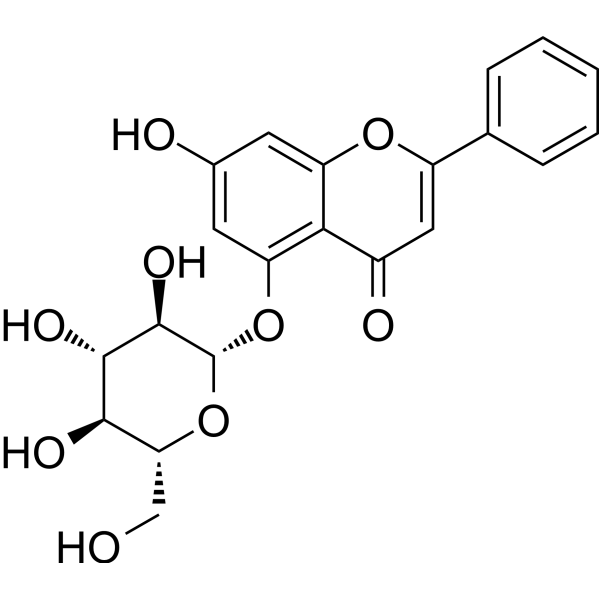
Oxybenzone (Standard) is the analytical standard of Oxybenzone. This product is intended for research and analytical applications. Oxybenzone (Benzophenone 3) is a commonly used UV filter in sun tans and skin protectants. Oxybenzone act as endocrine disrupting chemicals (EDCs) and can pass through the placental and blood-brain barriers. Benzophenone-3 impairs autophagy, alters epigenetic status, and disrupts retinoid X receptor signaling in apoptotic neuronal cells .
|
-
- HY-147681
-
|
|
FGFR
|
Neurological Disease
|
|
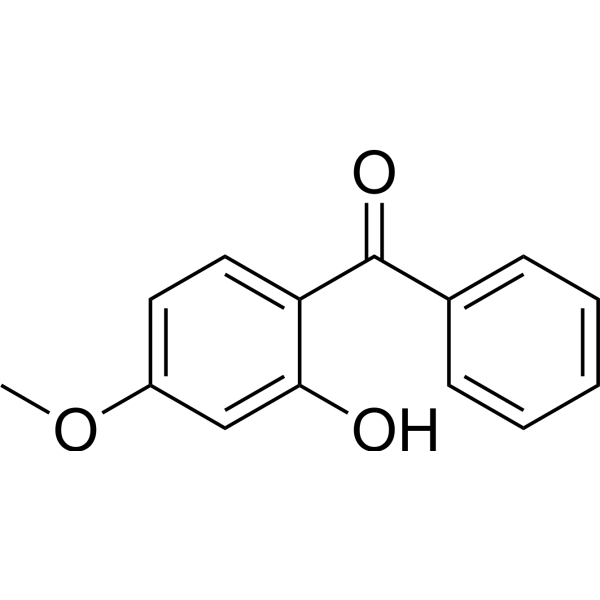
SUN13837 is an orally active, blood-brain barrier permeable FGFR modulator and neuroprotective agent. SUN13837 mimics the activity of basic fibroblast growth factor, stimulates intracellular tyrosine phosphorylation of FGFR and signal transduction in neuronal cells, induces neurite outgrowth, and inhibits glutamate-induced neuronal death. SUN13837 can be used in research related to acute cervical spinal cord injury and severe spinal cord injury .
|
-
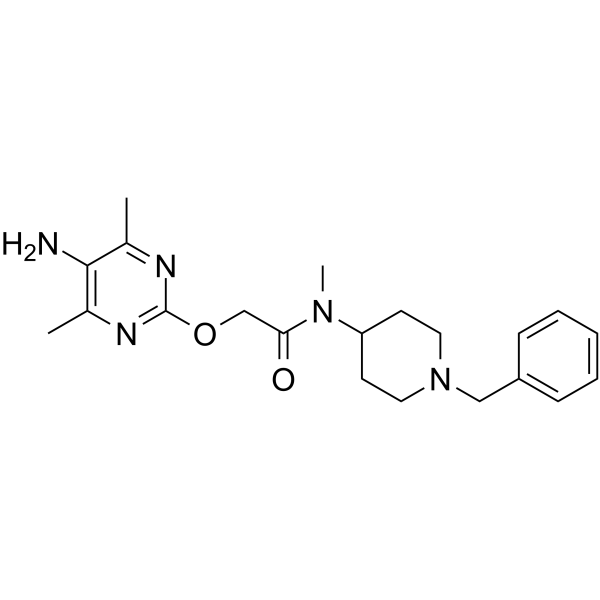
- HY-176254
-
|
|
Histone Demethylase
Amyloid-β
|
Neurological Disease
|
|
LSD1-IN-43 is a highly selective, reversible, orally active and brain-penetrant LSD1 inhibitor with an IC50 value of 0.8 μM. LSD1-IN-43 has low inhibitory activity against MAO-A and MAO-B, two homologs of LSD1. LSD1-IN-43 significantly inhibits Aβ aggregation and enhances Aβ-induced neuronal cell viability. LSD1-IN-43 can be used for the study of Alzheimer’s disease (AD).
|
-

- HY-111499
-
-

- HY-P3319
-
|
|
iGluR
|
Neurological Disease
|
|
β-Neuroprotectin is a (3H)TCP binding inhibitor with activity against NMDA-mediated neuronal cell death. β-Neuroprotectin can effectively inhibit the binding of [3H]TCP. β-Neuroprotectin provides neuroprotection at low concentrations against NMDA-induced neuronal cell death .
|
-

- HY-122525A
-
-
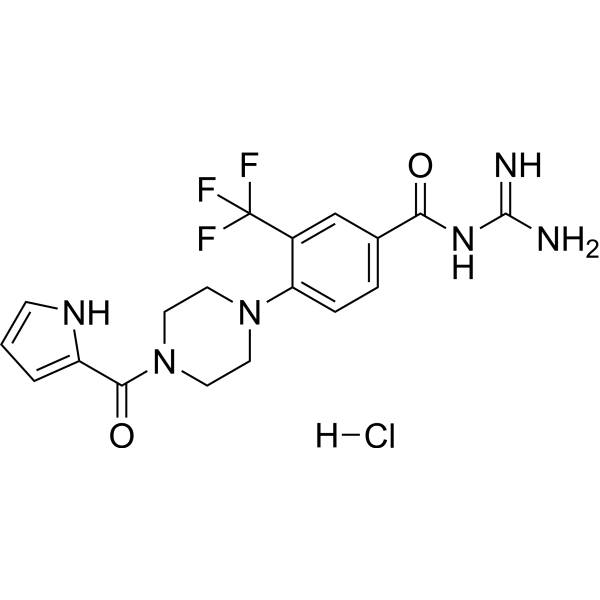
- HY-153889
-
-
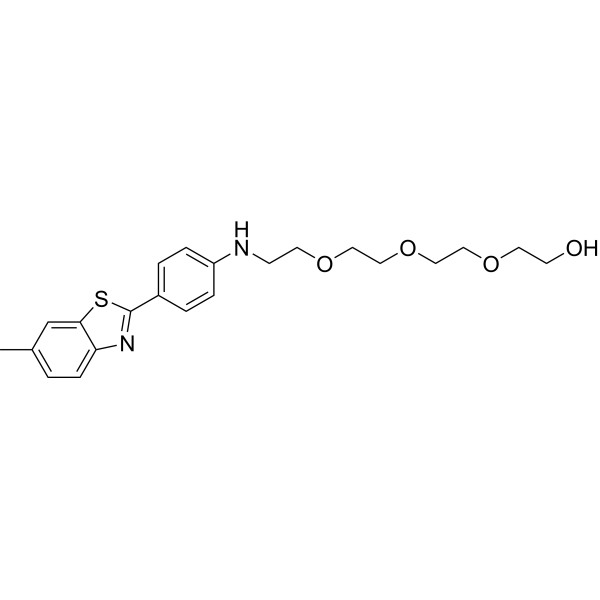
- HY-N10277
-
|
|
Others
|
Neurological Disease
|
|
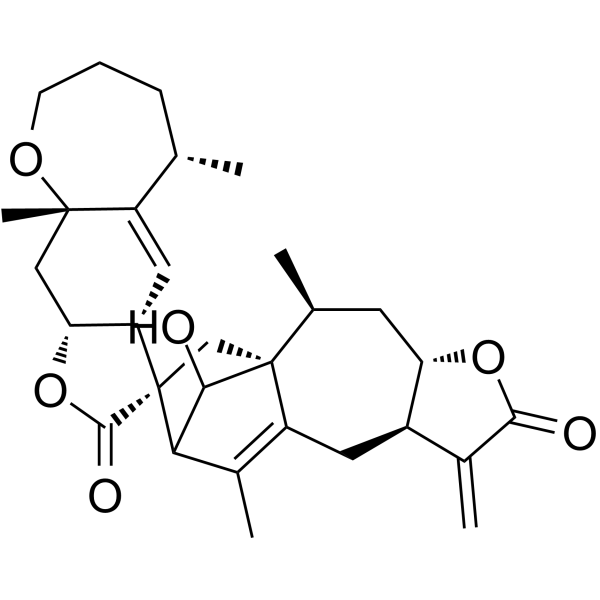
Inubritannolide A displays slight strong neuroprotective potency against different types of neuronal cells mediated by various inducers including H2O2, 6-hydroxydopamine (6-OHDA), and lipopolysaccharide (LPS).
|
-
- HY-B0517AR
-
|
|
Reference Standards
Sodium Channel
|
Neurological Disease
|
|
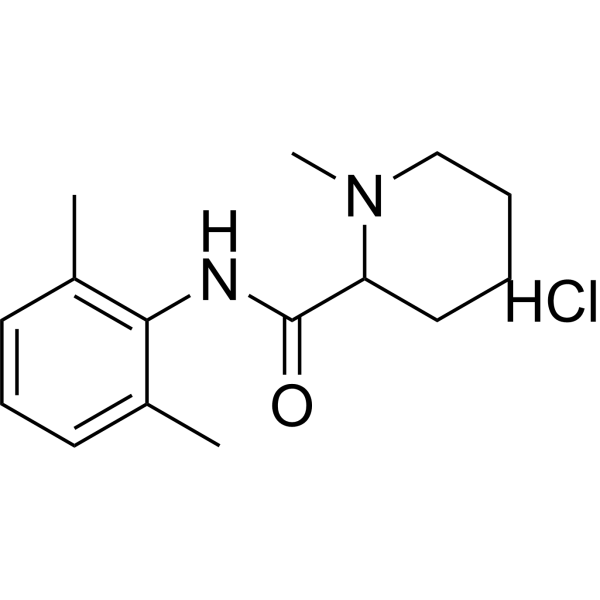
Mepivacaine (hydrochloride) (Standard) is the analytical standard of Mepivacaine (hydrochloride). This product is intended for research and analytical applications. Mepivacaine hydrochloride binds to specific voltage-gated sodium ion channels in neuronal cell membranes, which inhibits both sodium influx and membrane depolarization .
|
-
- HY-P1851
-
|
|
Amino Acid Derivatives
|
Neurological Disease
|
|
AGA-(C8R) HNG17, Humanin derivative is a potent humanin (HN) derivative. AGA-(C8R) HNG17, Humanin derivative completely suppresses neuronal cell death by Alzheimer's disease-relevant insults .
|
-

- HY-103551A
-
|
|
mGluR
|
Neurological Disease
|
|
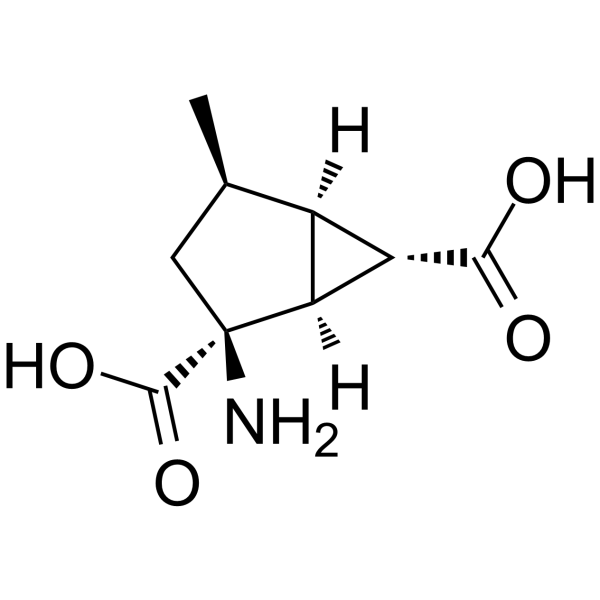
LY 541850 is claimed from human ionotropic and metabotropic glutamate (mGlu) receptors expressed in non-neuronal cells. LY541850 is a selective orthosteric mGlu2 agonist and mGlu3 antagonist with IC50 values of 0.161 μM and 0.038 μM, respectively .
|
-
- HY-B0517R
-
|
|
Reference Standards
Sodium Channel
|
Neurological Disease
|
|
Mepivacaine (Standard) is the analytical standard of Mepivacaine. This product is intended for research and analytical applications. Mepivacaine is an amide-type local anesthetic agent. Mepivacaine binds to specific voltage-gated sodium ion channels in neuronal cell membranes, which inhibits both sodium influx and membrane depolarization .
|
-

- HY-P1851A
-
|
|
Amino Acid Derivatives
|
Neurological Disease
|
|
AGA-(C8R) HNG17, humanin derivative TFA is a potent humanin (HN) derivative. AGA-(C8R) HNG17, humanin derivative completely suppresses neuronal cell death by Alzheimer's disease-relevant insults .
|
-

- HY-117993
-
|
|
Drug Intermediate
|
Neurological Disease
|
|
MIND4 is a neuroprotective thiozoline compound that inhibits the deacetylase SIRT2. MIND4 is also an inducer and activator of the nuclear factor NRF2. MIND4 can induce NRF2 activation in neurons and non-neuronal cells and reduce the production of reactive oxygen and nitrogen intermediates .
|
-

- HY-162364
-
|
|
p38 MAPK
|
Neurological Disease
|
|
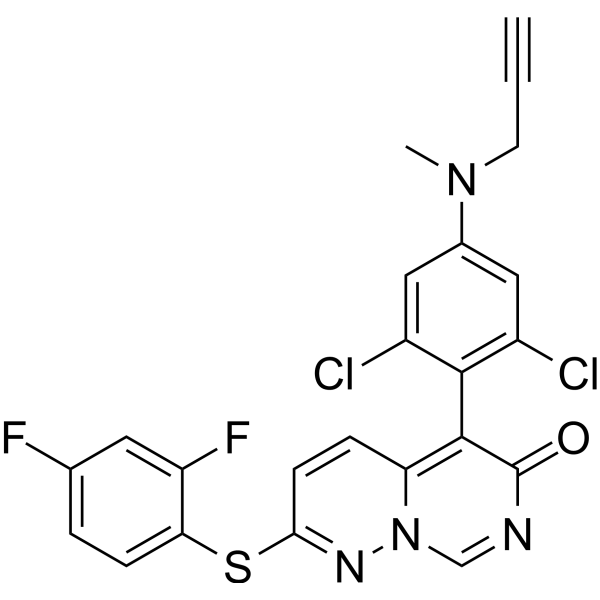
p38-α MAPK-IN-7 (compound 4) is a p38α-MAPK inhibitor with an IC50 value of 98.7 nM. p38-α MAPK-IN-7 protects neuronal cells from dexamethasone-induced ROS production .
|
-
- HY-161062
-
|
|
EAAT
|
Neurological Disease
|
|
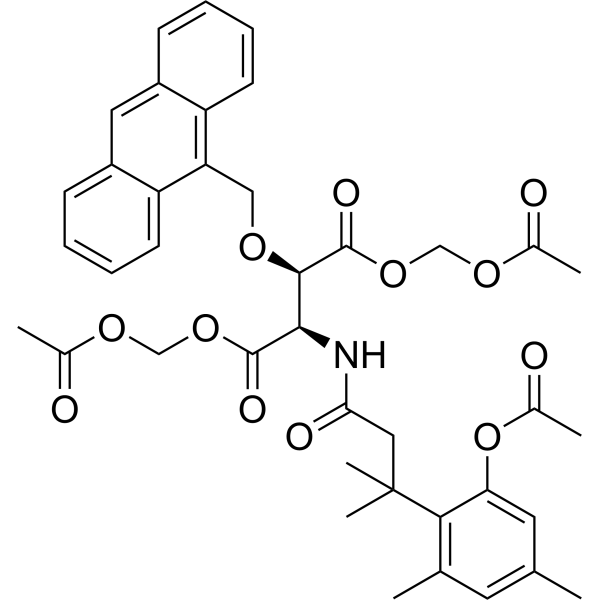
TAOA AM Ester trimethyl lock is a high-affinity fluorescent prodrug-like inhibitor of the excitatory amino acid transporter (EAAT). It can penetrate the cell membrane and be activated by hydrolysis by endogenous cell esterases to form active EAAT inhibitors. TAOA AM Ester trimethyl lock can be used to study neurodegeneration and neuronal cell death .
|
-
- HY-P3340
-
|
|
iGluR
|
Neurological Disease
|
|
Leptin (116-130) is a bioactive leptin fragment. Leptin (116-130) promotes AMPA receptor trafficking to synapses and facilitate activity-dependent hippocampal synaptic plasticity. Leptin (116-130) prevents hippocampal synaptic disruption and neuronal cell death in models of amyloid toxicity. Leptin (116-130) has the potential for the research of Alzheimer's disease (AD) .
|
-

- HY-122564
-
|
|
Dynamin
|
Others
|
|
Pyrimidyn 7 is an inhibitor of dynamin I/II with IC50 values of 1.1 μM and 1.8 μM, respectively. Pyrimidyn 7 competitively inhibits the interactions between GTP and phospholipids with dynamin I. Additionally, Pyrimidyn 7 reversibly inhibits clathrin-mediated endocytosis (CME) of transferrin and epidermal growth factor (EGF) in various non-neuronal cell linecell [1.
|
-

- HY-117786
-
|
|
PKC
|
Neurological Disease
|
|
Go 7874 is a protein kinase C (PKC) inhibitor. Go 7874 mediated neuroprotection against LPS/IFNg-induced neuronal cell death in an immune-mediated neurotoxicity model, not through PKC activity. In contrast, the neuroprotective mechanism of Go 7874 involves inhibition of inducible nitric oxide synthase (iNOS) gene expression, followed by reduced nitric oxide (NO) production .
|
-

- HY-10049
-
|
|
Neurokinin Receptor
|
Neurological Disease
Inflammation/Immunology
|
|
CP 122721 is an orally active NK1 receptor antagonist. CP 122721 attenuates cisplatin-induced vomiting in ferrets (ID50: 0.08 mg/kg). CP 122721 inhibits kainate (KA)-induced seizure activity and CA1 neuronal cell death in rats. CP 122721 is useful in the study of depression, asthma, and irritable bowel syndrome (IBS) .
|
-

- HY-66012R
-
|
Proxymetacaine hydrochloride (Standard)
|
Reference Standards
Sodium Channel
|
Neurological Disease
|
|
Proparacaine (Hydrochloride) (Standard) is the analytical standard of Proparacaine (Hydrochloride). This product is intended for research and analytical applications. Proparacaine hydrochloride is a local anesthetic. Proparacaine hydrochloride blocks voltage-gated sodium channels on neuronal cell membranes, thereby inhibiting signal conduction and nociceptive signal transmission. Proparacaine hydrochloride blocks nociceptive signals in the eye and induces ocular muscle relaxation to reduce eye movement during surgery. Proparacaine hydrochloride is used in research related to cataracts.
|
-

- HY-14535
-
|
|
Amyloid-β
|
Neurological Disease
|
|
SEN-1269 is a potent Aβ aggregation inhibitor. SEN-1269 blocks Aβ(1-42) aggregation and protects neuronal cell lines exposed to Aβ(1-42). SEN-1269 reduces the deficits in LTP and memory induced by Aβ oligomers. SEN-1269 can be used for the research of Alzheimer's disease .
|
-

- HY-149763
-
|
|
Amyloid-β
|
Neurological Disease
|
|
Aβ42 agonist-1 is a compound that can promote Aβ42 aggregation. Aβ42 agonist-1 can interact with Aβ42 oligomers and pentamers to promote nontoxic aggregate self-assembly and rapid fibril formation. Aβ42 agonist-1 prevents Aβ42-induced cytotoxicity in HT22 hippocampal neuronal cells .
|
-
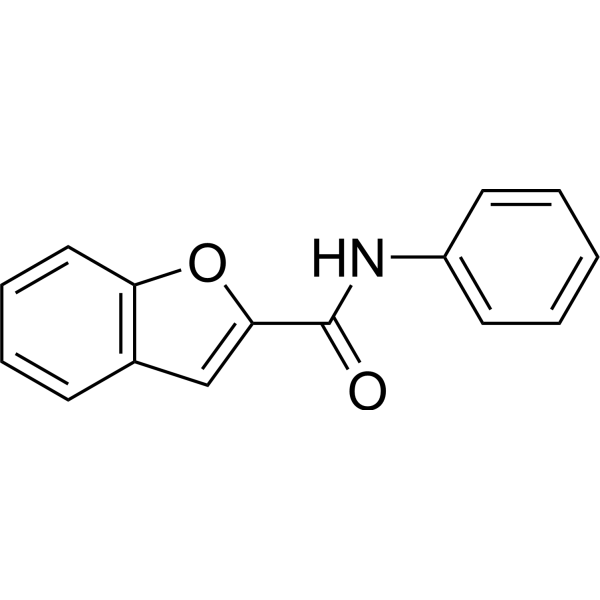
- HY-A0082R
-
|
Difenidol hydrochloride (Standard)
|
Reference Standards
mAChR
Sodium Channel
|
Neurological Disease
|
|
Diphenidol (hydrochloride) (Standard) is the analytical standard of Diphenidol (hydrochloride). This product is intended for research and analytical applications. Diphenidol hydrochloride (Difenidol hydrochloride) is a non-selective muscarinic M1-M4 receptor antagonist, has anti-arrhythmic activity. Diphenidol hydrochloride is also a potent non-specific blocker of voltage-gated ion channels (Na+, K+, and Ca2+) in neuronal cells. Diphenidol hydrochloride can be used in the study of antivertigo and antinausea [4] .
|
-

- HY-N6951R
-
-

- HY-18956A
-
|
(E/Z)-Sephin1 hydrochloride; (E/Z)-IFB-088 hydrochloride
|
Phosphatase
|
Neurological Disease
|
|
(E/Z)-Icerguastat hydrochloride ((E/Z)-Sephin1 hydrochloride) is a selective inhibitor with activity that prolongs the phosphorylation effects of eIF2α. (E/Z)-Icerguastat hydrochloride protects cells from defects in proteostasis. (E/Z)-Icerguastat hydrochloride was shown to significantly extend the survival of infected prion mice in a mouse model. (E/Z)-Icerguastat hydrochloride effectively reduces PrPSc expression and prion sequence activity in various neuronal cell lines persistently infected with different prion strains .
|
-

- HY-N5052R
-
|
|
Reference Standards
|
Neurological Disease
Cancer
|
|
Asiaticoside B (Standard) is the analytical standard of Asiaticoside B (HY-N5052). This product is intended for research and analytical applications. Asiaticoside B is a 9,19-cycloartane-type triterpene glycoside. Asiaticoside B induces cytotoxicity in liver cancer and breast cancer cells. Asiaticoside B alleviates 6-OHDA-induced neuronal cell damage. Asiaticoside B can be used in studies related to liver cancer, breast cancer and Parkinson's disease .
|
-

- HY-N9484S
-
|
|
Drug Metabolite
Isotope-Labeled Compounds
|
Others
|
|
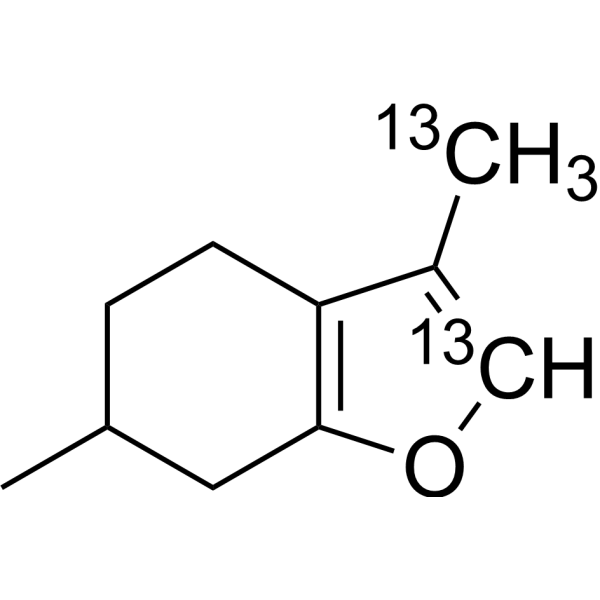
Menthofuran- 13C2 is 13C labeled Menthol (HY-N1369). Menthol is an analgesic and TRPM8 modulator. TRPM8 is a cold temperature sensing ion channel, and Menthol can regulate TRPM8 to exert analgesic and anti-irritation mechanisms. Menthol stimulates cold receptors and produces a cooling sensation by inhibiting Ca ++ currents in neuronal cell membranes. Menthol also improves oral nicotine rejection in mice .
|
-
- HY-A0082S
-
|
Difenidol hydrochloride-d10
|
Isotope-Labeled Compounds
Sodium Channel
mAChR
|
Neurological Disease
|
|
Diphenidol-d10 (hydrochloride) (Difenidol hydrochloride-d10) is deuterium labeled Diphenidol (hydrochloride). Diphenidol hydrochloride (Difenidol hydrochloride) is a non-selective muscarinic M1-M4 receptor antagonist, has anti-arrhythmic activity. Diphenidol hydrochloride is also a potent non-specific blocker of voltage-gated ion channels (Na +, K +, and Ca 2+) in neuronal cells. Diphenidol hydrochloride can be used in the study of antivertigo and antinausea .
|
-

- HY-A0067S1
-
|
Benzophenone 3-13C6
|
Isotope-Labeled Compounds
RAR/RXR
Autophagy
Apoptosis
|
Neurological Disease
|
|
Oxybenzone- 13C6 (Benzophenone 3- 13C6) is the 13C-labeled Oxybenzone (HY-A0067). Oxybenzone (Benzophenone 3) is a commonly used UV filter in sun tans and skin protectants. Oxybenzone act as endocrine disrupting chemicals (EDCs) and can pass through the placental and blood-brain barriers. Benzophenone-3 impairs autophagy, alters epigenetic status, and disrupts retinoid X receptor signaling in apoptotic neuronal cells .
|
-

- HY-W653958
-
|
Benzophenone 3-d3
|
Isotope-Labeled Compounds
RAR/RXR
Autophagy
Apoptosis
|
Neurological Disease
|
|
Oxybenzone-d3 (Benzophenone 3-d3) is a deuterium labeled Oxybenzone (HY-A0067). Oxybenzone (Benzophenone 3) is a commonly used UV filter in sun tans and skin protectants. Oxybenzone act as endocrine disrupting chemicals (EDCs) and can pass through the placental and blood-brain barriers. Benzophenone-3 impairs autophagy, alters epigenetic status, and disrupts retinoid X receptor signaling in apoptotic neuronal cells .
|
-

- HY-18731R
-
|
|
NO Synthase
Apoptosis
|
Cardiovascular Disease
Inflammation/Immunology
Cancer
|
|
1400W (Dihydrochloride) (Standard) is the analytical standard of 1400W (Dihydrochloride). This product is intended for research and analytical applications. 1400W dihydrochloride is the dihydrochloride form of 1400W (HY-18730). 1400W is a slow, tight binding, and highly selective inducible nitric-oxide synthase (iNOS) inhibitor, with a Kd value ≤ 7 nM. 1400W inhibits iNOS induction in microglial cells, and reduces generation of NO, thereby mitigating oxidative stress and neuronal cell apoptosis in the rat cerebral cortex, and improving the spatial memory dysfunction caused by acute hypobaric hypoxia-reoxygenation .
|
-

- HY-N14931
-
-

- HY-N14953
-
-

- HY-174572
-
|
|
mRNA
|
Neurological Disease
|
|
Human NEUROD2 mRNA encodes the human neuronal differentiation 2 (NEUROD2) protein, a member of the neuroD family of neurogenic basic helix-loop-helix (bHLH) proteins. Human NEUROD2 can induce neurogenic differentiation in non-neuronal cells in Xenopus embryos, and is thought to play a role in the determination and maintenance of neuronal cell fates.
|
-

- HY-181984
-
|
|
5-HT Receptor
|
Neurological Disease
|
|
AGH-194 is a 5-HT7 receptor agonist with a Ki value of 2 nM. AGH-194 activates Gs protein-coupled signaling pathways associated with neuroprotection and neurite outgrowth, and stimulates neurite outgrowth in neuronal cells. AGH-194 reduces cell damage in undifferentiated neuronal cells. AGH-194 can be used in the research of neurodegenerative diseases .
|
-

- HY-N17468
-
|
|
|
Neurological Disease
|
|
Neocrocin B is a carotenoid crocin. Neocrocin B inhibits L-Glutamic acid (HY-14608)-induced neuronal cell damage in a dose-dependent manner. Neocrocin B can be used in studies related to neuronal injury .
|
-

- HY-N17969
-
|
|
Others
|
Cancer
|
|
Osmanthuside D (Compound II) is a phenylpropanoid glycoside compound. Osmanthuside D exerts a certain protective effect against 6-OHDA (HY-B1081A)-induced neuronal cell injury. Osmanthuside D can be used in studies related to neuroblastoma .
|
-

- HY-112798S
-
|
|
Isotope-Labeled Compounds
Apolipoprotein
|
Neurological Disease
|
|
PH-002-d8 is the deuterium labeled PH-002 (HY-112798). PH-002 is an inhibitor of apolipoprotein (apo) E4 intramolecular domain interaction in neuronal cells that could rescue impairments of mitochondrial motility and neurite outgrowth.
|
-

- HY-66012A
-
|
Proxymetacaine
|
Sodium Channel
|
Neurological Disease
|
|
Proparacaine (Proxymetacaine) is a local anesthetic. Proparacaine blocks voltage-gated sodium channels on neuronal cell membranes, thereby inhibiting signal conduction and nociceptive signal transmission. Proparacaine blocks nociceptive signals in the eye and induces ocular muscle relaxation to reduce eye movement during surgery. Proparacaine is used in research related to cataracts .
|
-

- HY-179538
-
|
|
Biochemical Assay Reagents
Pim
DYRK
|
Cancer
|
|
CSH-4044 can be isolated from fermented wheat germ extract. CSH-4044 is a unique benzothiazole compound. CSH-4044 can inhibit PIM3-driven BAD phosphorylation in pancreatic cancer cell lines as well as reducing DYRK1A-induced Tau phosphorylation in neuronal cells .
|
-

- HY-P0307B
-
|
|
Biochemical Assay Reagents
|
Neurological Disease
|
|
Penetratin-Cys is a cell-penetrating peptide derived from Antennapedia Peptide (HY-P0307) via C-terminal cysteine modification. Penetratin-Cys acts as a cytotoxin and reduces the viability of differentiated neuronal cells. Penetratin-Cys localizes to the perinuclear region and binds to the Golgi apparatus. Penetratin-Cys can be used in research related to neurological disorders .
|
-

- HY-N6669R
-
|
M3OMG (Standard)
|
Others
Reference Standards
|
Neurological Disease
|
|
Methyl 3-O-methylgallate (Standard) (M3OMG (Standard)) is the analytical standard of Methyl 3-O-methylgallate (HY-N6669). This product is intended for research and analytical applications. Methyl 3-O-methylgallate (M3OMG) possesses antioxidant effect and can protect neuronal cells from oxidative damage .
|
-

- HY-180214
-
|
|
HDAC
|
Cardiovascular Disease
Neurological Disease
|
|
HDAC6-IN-69 is a brain-penetrant and highly selective HDAC6 inhibitor with an IC50 of 4.0 nM. HDAC6-IN-69 shows >176-fold against other HDAC isoforms. HDAC6-IN-69 engages the target in neuronal cells by dose-dependently upregulating acetylated α-tubulin in virto. HDAC6-IN-69 has neuroprotective effect and can be used for ischemic stroke research .
|
-

- HY-103442R
-
|
DAPH (Standard)
|
Reference Standards
EGFR
Amyloid-β
|
Neurological Disease
Cancer
|
|
CGP52411 (Standard) is the analytical standard of CGP52411 (HY-103442). This product is intended for research and analytical applications. CGP52411 (DAPH) is a high selective, potent, orally active and ATP-competitive EGFR inhibitor with an IC50 of 0.3 μM. CGP52411 blocks the toxic influx of Ca2+ ions into neuronal cells, and dramatic inhibits and reverses the formation of β-amyloid (Aβ42) fibril aggregates associated with Alzheimer's disease .
|
-

- HY-N19681
-
|
|
Endogenous Metabolite
|
Neurological Disease
|
|
3-(2,6-Dihydroxyphenyl)-4-hydroxy-6-methylisobenzofuran-1(3H)-one is a polyketide compound found in the mangrove endophytic fungus Phomopsis sp. xy21. 3-(2,6-Dihydroxyphenyl)-4-hydroxy-6-methylisobenzofuran-1(3H)-one shows neuroprotective activity against Corticosterone (HY-B1618)-induced injury in neuronal cells .
|
-

- HY-180807
-
|
|
p38 MAPK
Reactive Oxygen Species (ROS)
Mitochondrial Metabolism
ERK
JNK
|
Cardiovascular Disease
Neurological Disease
|
|
MAPK-IN-6 (compound 116B) is a CNS-penetrant compound that inhibits the MAPK signaling pathway. MAPK-IN-6 reduces oxidative stress in SH-SY5Y neuronal cells by reducing ROS, restoring mitochondrial function, and inhibiting MAPK-driven inflammation. MAPK-IN-6 demonstrates profound neuroprotective efficacy in a rat tBCCAO/R model via ERK-P38-JNK signaling. MAPK-IN-6 can be used as a neuroprotective agent in ischemic stroke research .
|
-

- HY-136182A
-
|
|
Na+/Ca2+ Exchanger
|
Cardiovascular Disease
Neurological Disease
|
|
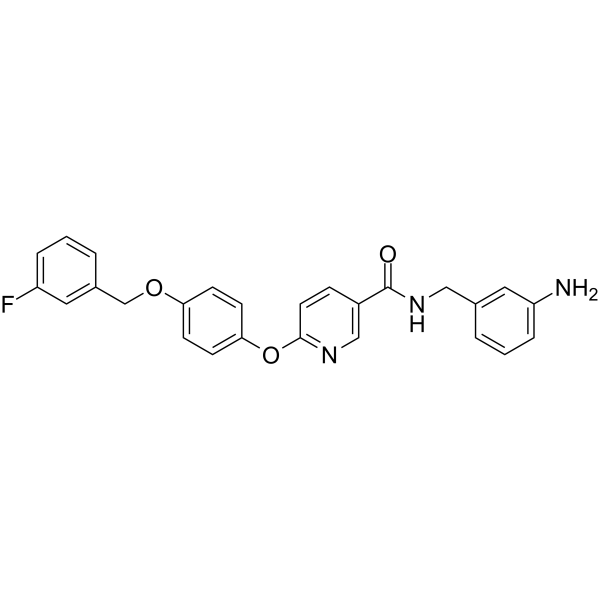
YM-244769 is a potent, selective and orally active Na +/Ca 2+ exchanger (NCX) inhibitor. YM-244769 preferentially inhibits NCX3 and suppresses the unidirectional outward NCX current (Ca 2+ entry mode), with IC50s of 18 nM and 50 nM, respectively. YM-244769 efficiently protects against hypoxia/reoxygenation-induced SH-SY5Y neuronal cell damage. YM-244769 can also increase urine volume and urinary excretion of electrolytes in mice .
|
-
- HY-136182
-
|
|
Na+/Ca2+ Exchanger
|
Cardiovascular Disease
Neurological Disease
|
|
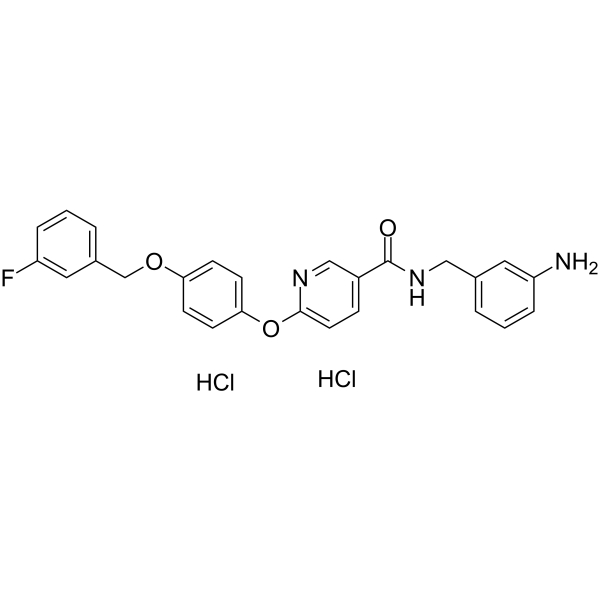
YM-244769 dihydrochloride is a potent, selective and orally active Na +/Ca 2+ exchanger (NCX) inhibitor. YM-244769 dihydrochloride preferentially inhibits NCX3 and suppresses the unidirectional outward NCX current (Ca 2+ entry mode), with IC50s of 18 nM and 50 nM, respectively. YM-244769 dihydrochloride efficiently protects against hypoxia/reoxygenation-induced SH-SY5Y neuronal cell damage. YM-244769 dihydrochloride can also increase urine volume and urinary excretion of electrolytes in mice .
|
-
- HY-I1070
-
|
(R)-Isoleucine
|
ASCT
|
Neurological Disease
|
|
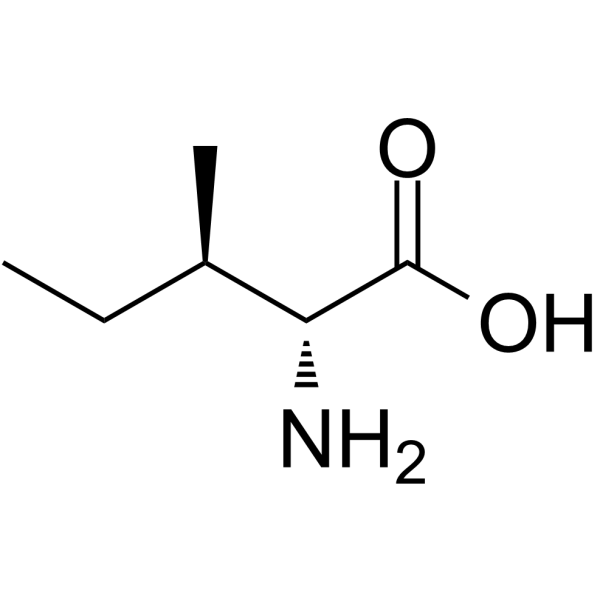
D-Isoleucine is a selective competitive activator of the Asc-1 antiporter (Ki=0.98 mM). D-Isoleucine promotes the release of D-serine and glycine by binding to the Asc-1 protein on the neuronal cell membrane, and enhances NMDA receptor-dependent synaptic plasticity. D-Isoleucine can be used in the study of neurodegenerative diseases (such as Alzheimer's disease and schizophrenia). D-Isoleucine also acts as a non-classical D-amino acid, interferes with bacterial peptidoglycan synthesis, and inhibits the formation of Staphylococcus aureus biofilm, and has potential antibacterial application value[1][2].
|
-
- HY-W339834
-
|
|
Acyltransferase
Endogenous Metabolite
Liposome
|
Others
|
|
1-Stearoyl-sn-glycerol 3-phosphate sodium is a bioactive phospholipid that plays a crucial role in modulating cellular processes such as motility, proliferation, invasion, survival, and growth factor production, primarily through its interaction with G protein-coupled receptors (GPCRs). Typically found at low concentrations in plasma (~100nM), this compound is synthesized during the formation of membrane phospholipids and is derived from various cell types, including activated platelets, epithelial cells, leukocytes, neuronal cells, and tumor cells. Its unique structure includes stearic acid at the sn-1 position alongside a hydroxyl group at the sn-2 position.
|
-

- HY-113357
-
|
|
Endogenous Metabolite
|
Neurological Disease
Metabolic Disease
Inflammation/Immunology
|
|
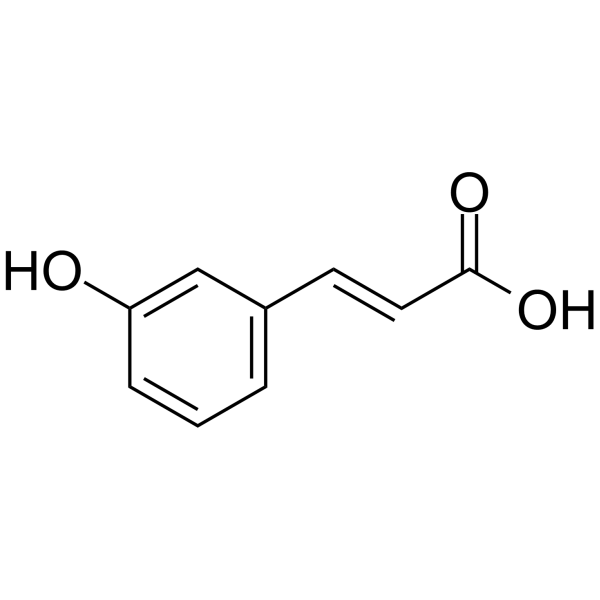
m-Coumaric acid is a polyphenol metabolite from caffeic acid, formed by the gut microflora and the amount in human biofluids is diet-dependant. m-Coumaric acid is a BBB-penetrant metabolite of chlorogenic acid. m-Coumaric acid stimulates the cerebral nerves in vitro. m-Coumaric acid can evoke neurite outgrowth in hippocampal neuronal cells. m-Coumaric acid can promote neuronal differentiation. m-Coumaric acid increases spontaneous locomotor activity in mice by acting on the central nervous system. m-Coumaric acid inhibits the oxidation of L-dopa by epidermis tyrosinase. m-Coumaric acid attenuates non-catalytic protein glycosylation in retinas of diabetic rats .
|
-
- HY-N18155
-
|
(1(10)E,2α,4β,8α)-form,2-Meether
|
Others
|
Neurological Disease
|
|
2-Hydroxy-6-oxo-1(10),7(11)-germacradien-12,8-olide ((1(10)E,2α,4β,8α)-form,2-Meether) is a furanosesquiterpenoid neuroprotective agent that exhibits neuroprotective effect against MPP +-induced neuronal cell death. 2-Hydroxy-6-oxo-1(10),7(11)-germacradien-12,8-olide can be used for the research of parkinson's disease .
|
-

- HY-146314
-
|
|
Monoamine Oxidase
Amyloid-β
|
Neurological Disease
|
|
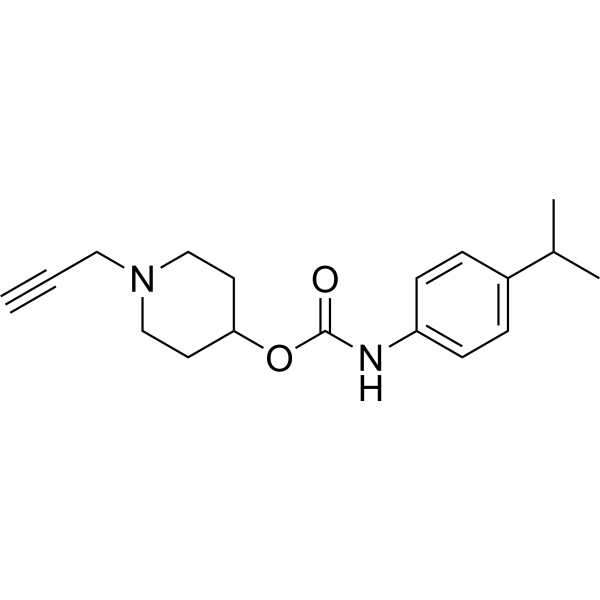
MAO-B-IN-9 (compound 16) is a potent, selective, BBB-penetrated, irreversible and time-dependent MAO-B (monoamine oxidase B) inhibitor, with an IC50 of 0.18 μM. MAO-B-IN-9 prevents Aβ1-42-induced neuronal cell death. MAO-B-IN-9 shows neuroprotective effects, which may be the result of its Aβ1-42 anti-aggregation effects . MAO-B-IN-9 is a click chemistry reagent, itcontains an Alkyne group and can undergo copper-catalyzed azide-alkyne cycloaddition (CuAAc) with molecules containing Azide groups.
|
-
- HY-N7675
-
|
|
NF-κB
TGF-beta/Smad
Syk
|
Cardiovascular Disease
Neurological Disease
Metabolic Disease
|
|
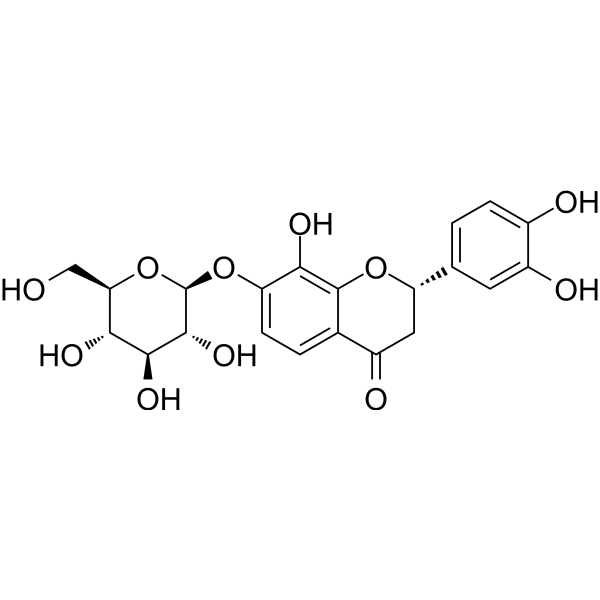
Flavanomarein is a substance with cytoprotective, anti-inflammatory and antioxidant activities, with a Ka of 3.064e-5 M against human Syk. Flavanomarein enhances the phosphorylation level of AKT, regulates the expression of PKC-δ, P85α, PKC-β1, Sirt1, Bcl-2 and ICAD, and inhibits the nuclear translocation of NF-κB p65. Flavanomarein regulates EMT marker proteins, promotes the proliferation of HK-2 cells, and protects neuronal cells from 6-OHDA-induced neurotoxic damage. Flavanomarein can be used in studies related to Parkinson's disease and diabetic nephropathy.
|
-
- HY-W392413
-
|
|
Drug Derivative
Reactive Oxygen Species (ROS)
|
Cardiovascular Disease
Neurological Disease
Metabolic Disease
Inflammation/Immunology
|
|
Glutathione monoethyl ester is a glutathione derivative that can be transported into cells and hydrolyzed into glutathione. Glutathione monoethyl ester downregulates the gene expression of TEN1 and CTC1 while upregulating TERT expression. Glutathione monoethyl ester enhances telomerase activity, promotes proliferation and differentiation in aged bone marrow stromal cells, while elevating glutathione levels and reducing oxidative stress, protein aggregation and cell death in motor neuronal cells. Glutathione monoethyl ester confers broad multi-organ protection against cerebral ischemia, renal injury, liver damage, and pancreatitis. Glutathione monoethyl ester can be used for the research of amyotrophic lateral sclerosis, stroke, acute renal failure, liver injury, and acute pancreatitis .
|
-

- HY-113357R
-
|
|
Reference Standards
Endogenous Metabolite
|
Neurological Disease
Inflammation/Immunology
|
|
m-Coumaric acid (Standard) is the analytical standard of m-Coumaric acid. This product is intended for research and analytical applications. m-Coumaric acid is a polyphenol metabolite from caffeic acid, formed by the gut microflora and the amount in human biofluids is diet-dependant. m-Coumaric acid is a BBB-penetrant metabolite of chlorogenic acid. m-Coumaric acid stimulates the cerebral nerves in vitro. m-Coumaric acid can evoke neurite outgrowth in hippocampal neuronal cells. m-Coumaric acid can promote neuronal differentiation. m-Coumaric acid increases spontaneous locomotor activity in mice by acting on the central nervous system. m-Coumaric acid inhibits the oxidation of L-dopa by epidermis tyrosinase. m-Coumaric acid attenuates non-catalytic protein glycosylation in retinas of diabetic rats .
|
-

- HY-107659R
-
|
|
Reference Standards
Na+/Ca2+ Exchanger
|
Cardiovascular Disease
Neurological Disease
|
|
YM-244769 hydrochloride (Standard) is the analytical standard of YM-244769 (hydrochloride) (HY-107659). This product is intended for research and analytical applications. YM-244769 hydrochloride is a potent, selective and orally active Na+/Ca2+ exchanger (NCX) inhibitor. YM-244769 hydrochloride preferentially inhibits NCX3 and suppresses the unidirectional outward NCX current (Ca2+ entry mode), with IC50s of 18 nM and 50 nM, respectively. YM-244769 hydrochloride efficiently protects against hypoxia/reoxygenation-induced SH-SY5Y neuronal cell damage. YM-244769 hydrochloride can also increase urine volume and urinary excretion of electrolytes in mice .
|
-

- HY-157693
-
|
|
Endogenous Metabolite
|
Cancer
|
|
C18:1 Cyclic LPA is a naturally occurring analog of the growth factor-like phospholipid mediator, lysophosphatidic acid (LPA), characterized by the formation of a 5-membered ring between its sn-2 hydroxy group and the sn-3 phosphate. This unique structure allows C18:1 Cyclic LPA to influence a variety of cellular functions, such as inhibiting cell cycle progression, promoting the formation of stress fibers, curtailing tumor cell invasiveness and metastasis, and modulating the differentiation and survival of neuronal cells. Notably, many of these cellular effects elicited by C18:1 Cyclic LPA appear to counter those induced by LPA, despite the activation of seemingly similar receptor populations.
|
-

- HY-145858
-
|
|
Ferroptosis
|
Cancer
|
|
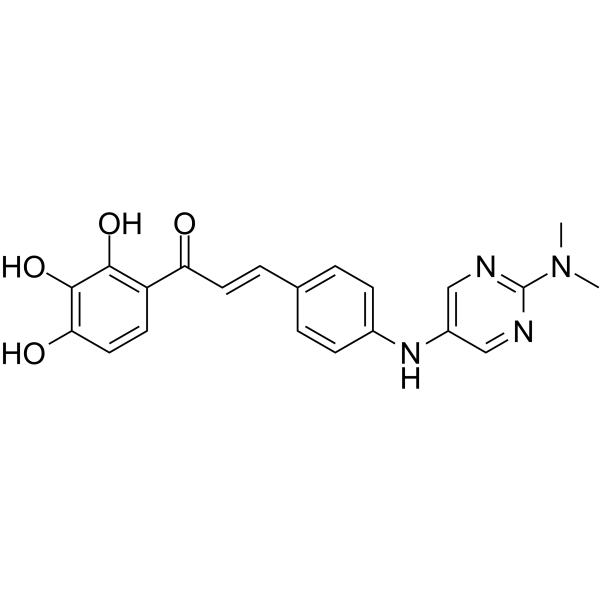
Chalcones A-N-5 is a trihydroxy chalcone derivative compound. Chalcones A-N-5 doesn’t show cytotoxicity at the concentration lower than 100 µM (with IC50 > 1 mM), but has a significant effect on promoting cell proliferation. Chalcones A-N-5 potentially promotes neuronal cell growth in the damaged brain tissue. Chalcones A-N-5 also inhibits ferroptosis induced by RSL or erastin and reduces the lipid peroxidation levels induced by Aβ1-42 protein aggregation. Chalcones A-N-5 is a promising molecular skeleton candidate for further development of lead compound for in vivo test to research AD .
|
-
- HY-N9602
-
|
|
Others
|
Inflammation/Immunology
|
|
6,7,4'-Trihydroxyflavanone is a compound with multiple pharmacological activities, including anti-rheumatic, anti-ischemic, anti-inflammatory, anti-osteoclastogenic and protective T-cells from METH-induced deactivation. 6,7,4'-Trihydroxyflavanone has shown potential protective effects in neurotoxicity studies and can be used to inhibit patients with neurodegenerative diseases caused by METH. 6,7,4'-Trihydroxyflavanone inhibits METH-induced neurotoxicity by upregulating the Nrf2/HO-1 and PI3K/Akt/mTOR signaling pathways. 6,7,4'-Trihydroxyflavanone can also induce Nrf2 nuclear translocation and HO-1 expression, further enhancing its protective effect on neuronal cells .
|
-

- HY-N16764
-
|
|
Necroptosis
NO Synthase
|
Neurological Disease
Inflammation/Immunology
Endocrinology
Cancer
|
|
(rel)-Salcolin A is a flavonoid lignan compound with anticancer, anti-inflammatory, and neuroprotective activities. (rel)-Salcolin A has IC50 values ??of 66.69 μM and 56.12 μM against anaplastic thyroid carcinoma cells (HTH83) and papillary thyroid carcinoma cells (TPC1), respectively. (rel)-Salcolin A also inhibits LPS-induced NO production with an IC50 of 14.65 μM. (rel)-Salcolin A exerts its effects by inducing necroptosis in thyroid cancer cells, inhibiting the production of the inflammatory factor NO, and protecting against glutamate-induced neuronal cell damage, with a neuroprotective E50 of 47.44 μM. (rel)-Salcolin A can be used in research related to thyroid cancer, anti-inflammation, and neuroprotection. (rel)-Salcolin A can be naturally extracted from the leaves of Casearia arborea and the stems of Zea mays (corn) .
|
-

- HY-180576
-
|
|
Nuclear Hormone Receptor 4A/NR4A
RAR/RXR
|
Neurological Disease
|
|
Nurr1/RXR dual agonist 1 is a dual activator of Nurr1 (EC50 = 2.6 µM) and RXR with K s of 0.6 and 1.1 µM, respectively. Nurr1/RXR dual agonist 1 exclusively activates the heterodimer response element DR5 by selectively destabilizing the Nurr1 homodimer and stabilizing the Nurr1:RXR heterodimer. Nurr1/RXR dual agonist 1 enhances expression of a specific subset of neuroprotective Nurr1 target genes while avoiding induction of genes associated with potential off-target effects in neuronal cells. Nurr1/RXR dual agonist 1 can be used for neurodegenerative diseases research .
|
-

- HY-N7922
-
|
Decarboxyellagic acid
|
Influenza Virus
p38 MAPK
EGFR
Akt
Reactive Oxygen Species (ROS)
Apoptosis
|
Infection
Neurological Disease
|
|
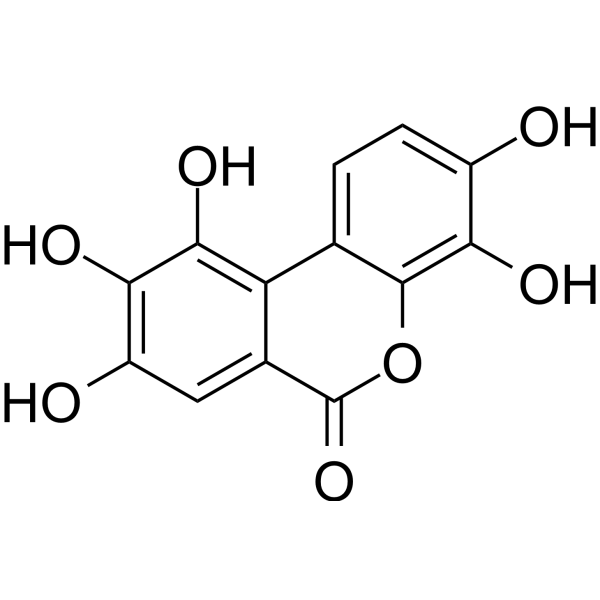
Urolithin M5 (Decarboxyellagic acid) is an orally active influenza virus neuraminidase inhibitor and neuroprotective agent, with IC50 values of 174.8 μM (HK68), 191.5 μM (pdm09), 243.2 μM (WSN) and 257.1 μM (PR8) against four influenza virus neuraminidases, respectively. Urolithin M5 inhibits viral neuraminidase activity, thereby blocking influenza virus replication (including oseltamivir (HY-13317)-resistant strains), protecting infected mammals from death and improving pulmonary edema. Urolithin M5 forms a hydrogen-bond stabilized complex with IGF1R, and binds to MAPK14, AKT1, NFKB1 and EGFR. Urolithin M5 reduces reactive oxygen species production, inhibits neuronal apoptosis, restores mitochondrial transmembrane potential, and promotes neurite outgrowth of damaged neuronal cells. Urolithin M5 can be used in research related to influenza virus infection and Alzheimer's disease .
|
-
- HY-138185
-
|
SF 2738A
|
Bacterial
Apoptosis
|
Cancer
|
|
Collismycin A is a bacterial metabolite originally isolated from Streptomyces that has diverse biological activities, including antibacterial, antiproliferative, and neuroprotective properties. It is active against a variety of bacteria (MICs=6.25 and 100 μg/mL) and fungi (MICs=12.5-100 μg/mL). It inhibits proliferation of A549 lung, HCT116 colon, and HeLa cervical cancer cells (IC50s=0.3, 0.6, and 0.3 μM, respectively) and NIH373 fibroblasts (IC50=56.6 μM) but not MDA-MD-231 breast cancer cells (IC50=>100 μM). Collismycin A forms a complex with Fe(II) and Fe(III) at a 2:1 ratio, and the addition of iron ions inhibits the antiproliferative effect of collismycin A on HeLa cells, an effect that does not occur with the addition of zinc, manganese, copper, or magnesium ions.3 Collismycin A (1 μM) prevents apoptosis in the brain region of zebrafish larvae in a model of neuronal cell death induced by all-trans retinoic acid.
|
-

- HY-30004
-
|
|
Environmental Pollutants
Endogenous Metabolite
|
Cardiovascular Disease
Metabolic Disease
|
|
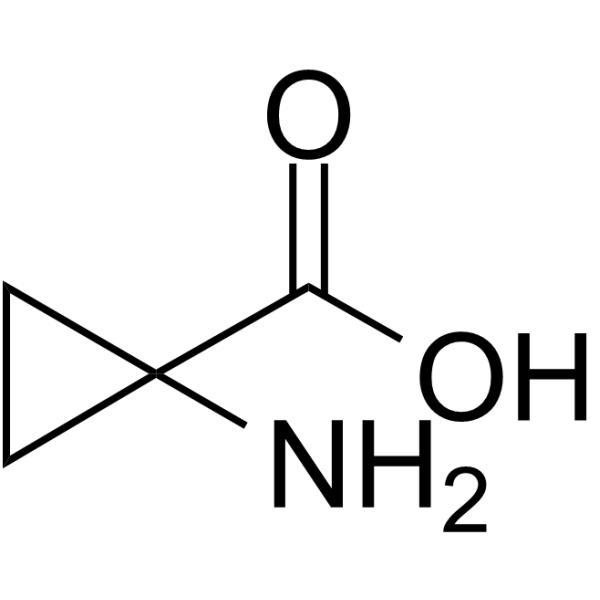
1-Aminocyclopropane-1-carboxylic acid is an endogenous metabolite. In the presence of low concentrations (1 μM) of glutamate, 1-Aminocyclopropane-1-carboxylic acid acts as a small molecule agonist of NMDA receptors with an EC50 of 0.7-0.9 μM. At high concentrations (10 μM) of glutamate, 1-Aminocyclopropane-1-carboxylic acid acts as a competitive antagonist of NMDA receptors with an EC50 of 81.6 nM. 1-Aminocyclopropane-1-carboxylic acid exerts neuroprotective activity by moderately activating NMDA receptors to prevent neuronal cell death in ischemic animal models. Additionally, 1-Aminocyclopropane-1-carboxylic acid is an antagonist of NMDA receptors, inducing blood pressure reduction and antioxidant effects in stroke-prone hypertensive rats. 1-Aminocyclopropane-1-carboxylic acid enhances object recognition memory and cognitive flexibility dependent on the prefrontal cortex, but does not affect impulsivity nor exhibit an antipsychotic-like profile. 1-Aminocyclopropane-1-carboxylic acid shows promise for research in the field of neurotoxicity. .
|
-
- HY-130413
-
|
Neuroprotectin D1; NPD1
|
Endogenous Metabolite
PI3K
Akt
HIF/HIF Prolyl-Hydroxylase
Reactive Oxygen Species (ROS)
Caspase
Interleukin Related
MicroRNA
|
Cardiovascular Disease
Neurological Disease
Inflammation/Immunology
|
|
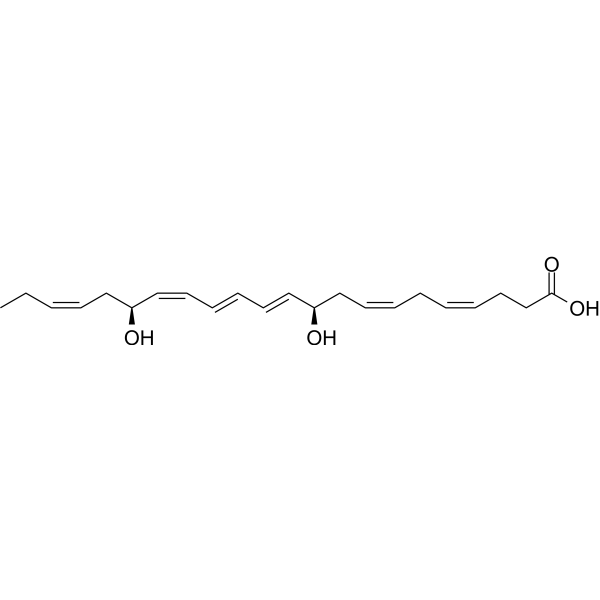
Protectin D1, a neuroprotectin D1 produced by neuronal cells, is a member of a newly discovered family of bioactive products derived from docosahexaenoic acid. Protectin D1 also serves as a specialized pro-resolving mediator, exhibiting effective in vivo pro-resolving activity in various human disease models. Additionally, Protectin D1 is an inhibitor of NALP3 inflammasomes and regulates the PI3K/AKT and HIF-1α signaling pathways. Protectin D1 exerts anti-inflammatory effects by reducing ROS levels, inhibiting the expression of NALP3, ASC, and Caspase-1, and consequently decreasing the release of pro-inflammatory cytokines IL-1β and IL-18. Furthermore, Protectin D1 enhances miRNA-210 expression, activates the PI3K/AKT signaling pathway, and exerts cardioprotective effects. Protectin D1 holds promise for research in cardiovascular diseases and inflammatory disorders .
|
-
- HY-30004R
-
|
|
Reference Standards
Endogenous Metabolite
|
Cardiovascular Disease
Metabolic Disease
|
|
1-Aminocyclopropane-1-carboxylic acid (Standard) is the analytical standard of 1-Aminocyclopropane-1-carboxylic acid. This product is intended for research and analytical applications. 1-Aminocyclopropane-1-carboxylic acid is an endogenous metabolite. In the presence of low concentrations (1 μM) of glutamate, 1-Aminocyclopropane-1-carboxylic acid acts as a small molecule agonist of NMDA receptors with an EC50 of 0.7-0.9 μM. At high concentrations (10 μM) of glutamate, 1-Aminocyclopropane-1-carboxylic acid acts as a competitive antagonist of NMDA receptors with an EC50 of 81.6 nM. 1-Aminocyclopropane-1-carboxylic acid exerts neuroprotective activity by moderately activating NMDA receptors to prevent neuronal cell death in ischemic animal models. Additionally, 1-Aminocyclopropane-1-carboxylic acid is an antagonist of NMDA receptors, inducing blood pressure reduction and antioxidant effects in stroke-prone hypertensive rats. 1-Aminocyclopropane-1-carboxylic acid enhances object recognition memory and cognitive flexibility dependent on the prefrontal cortex, but does not affect impulsivity nor exhibit an antipsychotic-like profile. 1-Aminocyclopropane-1-carboxylic acid shows promise for research in the field of neurotoxicity. .
|
-

| Cat. No. |
Product Name |
Type |
-
- HY-D2335
-
|
|
Fluorescent Dyes
|
|
SERTlight is a fluorescent agent that can specifically label serotonergic neuronal cell bodies, dendrites, and axonal projections as fluorescent substrates of the serotonin transporter (SERT). SERTlight is orthogonal to various genetically encoded sensors in terms of optics, pharmacology, and operation, enabling multiple imaging. SERTlight allows the use of GRAB5HT sensors to label distal 5HT axonal projections and simultaneously image the release of endogenous 5HT, providing a new multifunctional molecular tool for studying serotonergic systems .
|
| Cat. No. |
Product Name |
Type |
-
- HY-139201D
-
|
PDLHB (MW 4000-15000)
|
Biochemical Assay Reagents
|
|
Poly-D-lysine hydrobromide (MW 4000-15000) (PDLHB (MW 4000-15000)) is an artificially synthesized polymer matrix widely used in neuronal cell culture. Poly-D-lysine hydrobromide is also known as a calcium-sensing receptor (CaSR) agonist peptide .
|
-
- HY-137499
-
|
|
Biochemical Assay Reagents
|
|
NT1-O12B, an endogenous chemical and a neurotransmitter-derived lipidoid (NT-lipidoid), is an effective carrier for enhanced brain delivery of several blood-brain barrier (BBB)-impermeable cargos. Doping NT1-O12B into BBB-impermeable lipid nanoparticles (LNPs) gives the LNPs the ability to cross the BBB. NT-lipidoids formulation not only facilitate cargo crossing of the BBB, but also delivery of the cargo into neuronal cells for functional gene silencing or gene recombination .
|
| Cat. No. |
Product Name |
Target |
Research Area |
-
- HY-P10927A
-
|
BRINP2-related peptide TFA
|
PKA
AP-1
|
Metabolic Disease
|
|
BRP (BRINP2-related peptide) TFA is a 12-peptide derived from BRINP2 that can cross the blood-brain barrier. BRP TFA induces the central activation of FOS in neuronal cells via the cAMP-PKA-CREB signaling pathway. BRP TFA exerts anorectic and anti-obesity effects without triggering nausea or aversive responses. The action of BRP TFA is independent of the leptin, GLP-1 receptor and melanocortin 4 receptor pathways. BRP TFA is applicable to obesity-related research .
|
-
- HY-P2275
-
-
- HY-P4086
-
|
|
RABV
nAChR
|
Neurological Disease
Cancer
|
Chimeric Rabies Virus Glycoprotein Fragment (RVG-9R) is a cell-penetrating peptide that is synthesized by adding nona-arginine motif to the carboxy terminus of RVG (rabies virus glycoprotein). Chimeric Rabies Virus Glycoprotein Fragment (RVG-9R) binds to
nAChR on neuronal cells to mediate receptor-mediated endocytosis and targeted siRNA delivery. Chimeric Rabies Virus Glycoprotein Fragment (RVG-9R) protects complexed siRNA from degradation, enhances transcellular siRNA delivery in neuronal cells, and promotes efficient, pecific gene silencing. Chimeric Rabies Virus Glycoprotein Fragment (RVG-9R) can be used for the researches of neurological disease and cancer .
|
-
- HY-P10927
-
|
BRINP2-related peptide
|
AP-1
PKA
|
Metabolic Disease
|
|
BRP is a 12-peptide derived from BRINP2 that can cross the blood-brain barrier. BRP induces the central activation of FOS in neuronal cells via the cAMP-PKA-CREB signaling pathway. BRP exerts anorectic and anti-obesity effects without triggering nausea or aversive responses. The action of BRP is independent of the leptin, GLP-1 receptor and melanocortin 4 receptor pathways. BRP is applicable to obesity-related research .
|
-
- HY-P10998
-
|
|
TET Protein
|
Neurological Disease
|
|
Tet1 peptide is a peptide that specifically binds to neurons. Tet1 peptide binds to GT1B ganglioside and trisialoganglioside clostridial toxin receptor on the surface of neuronal cells, and can be used in peptide conjugation and drug delivery research .
|
-
- HY-P5623B
-
RVG TFA
1 Publications Verification
RVG29 TFA; RDP TFA; Rabies Virus Glycoprotein-29 TFA
|
Bacterial
|
Infection
|
|
RVG TFA is a peptide derived from Rabies Virus Glycoprotein that binds to the α-7 subunit of nicotinic acetylcholine receptors (AchR) of neuronal cells. RVG enhances delivery of Mycobacterium tuberculosis antigens to antigen-presenting cells .
|
-
- HY-P4704A
-
|
|
α-synuclein
|
Neurological Disease
|
|
α-Synuclein (61-95) (human) TFA is the hydrophobic core region of α-synuclein, and induces neuronal cell death. α-Synuclein (61-95) (human) TFA can be used for research of neurodegenerative diseases, including Alzheimer’s disease (AD) and Parkinson’s disease (PD) .
|
-
- HY-P2275B
-
-
- HY-P11049
-
|
|
Peptides
|
Neurological Disease
|
|
Stroke-homing peptide is a homing peptide. Stroke-homing peptide can home to ischemic stroke brain tissue and detect the apoptotic neuronal cells. Stroke-homing peptide can be used for the research of molecular imaging and selective drug delivery to stroke tissue .
|
-
- HY-P4704
-
|
|
α-synuclein
|
Neurological Disease
|
|
α-Synuclein (61-95) (human) is the hydrophobic core region of α-synuclein, and induces neuronal cell death. α-Synuclein (61-95) (human) can be used for research of neurodegenerative diseases, including Alzheimer’s disease (AD) and Parkinson’s disease (PD) .
|
-
- HY-P3319
-
|
|
iGluR
|
Neurological Disease
|
|
β-Neuroprotectin is a (3H)TCP binding inhibitor with activity against NMDA-mediated neuronal cell death. β-Neuroprotectin can effectively inhibit the binding of [3H]TCP. β-Neuroprotectin provides neuroprotection at low concentrations against NMDA-induced neuronal cell death .
|
-
- HY-P1851
-
|
|
Amino Acid Derivatives
|
Neurological Disease
|
|
AGA-(C8R) HNG17, Humanin derivative is a potent humanin (HN) derivative. AGA-(C8R) HNG17, Humanin derivative completely suppresses neuronal cell death by Alzheimer's disease-relevant insults .
|
-
- HY-P1851A
-
|
|
Amino Acid Derivatives
|
Neurological Disease
|
|
AGA-(C8R) HNG17, humanin derivative TFA is a potent humanin (HN) derivative. AGA-(C8R) HNG17, humanin derivative completely suppresses neuronal cell death by Alzheimer's disease-relevant insults .
|
-
- HY-P3340
-
|
|
iGluR
|
Neurological Disease
|
|
Leptin (116-130) is a bioactive leptin fragment. Leptin (116-130) promotes AMPA receptor trafficking to synapses and facilitate activity-dependent hippocampal synaptic plasticity. Leptin (116-130) prevents hippocampal synaptic disruption and neuronal cell death in models of amyloid toxicity. Leptin (116-130) has the potential for the research of Alzheimer's disease (AD) .
|
-
- HY-P5368
-
|
|
Peptides
|
Others
|
|
[Arg6]-β-Amyloid (1-40), england mutation is a biological active peptide. (Several mutations in the beta amyloid precursor gene cause autosomal dominant Alzheimer's Disease in a number of kindreds. Among them, the English mutation, with His at position 6 replaced with Arg, was reported to accelerate the kinetics of oligomers formation which act as fibril seeds and are more toxic to cultured neuronal cells.)
|
-
- HY-P5339
-
|
|
Peptides
|
Others
|
|
Humanin C8A-HN is a biological active peptide. (Protection activity of humanin (HN) against neuronal cell death is abrogated in this peptide, where Cys8 is substituted by Ala.)
|
-
- HY-P0307B
-
|
|
Biochemical Assay Reagents
|
Neurological Disease
|
|
Penetratin-Cys is a cell-penetrating peptide derived from Antennapedia Peptide (HY-P0307) via C-terminal cysteine modification. Penetratin-Cys acts as a cytotoxin and reduces the viability of differentiated neuronal cells. Penetratin-Cys localizes to the perinuclear region and binds to the Golgi apparatus. Penetratin-Cys can be used in research related to neurological disorders .
|
-
- HY-K6502
-
|
|
|
MCE Human iPSC-Derived Brain Organoid Long-term Culture Medium is a specialized culture system developed through systematic reformulation and concentration optimization based on neuronal cell culture platforms. It significantly enhances the adaptability and stability of long-term culture for brain organoids derived from human induced pluripotent stem cells (iPSCs).
|
-
- HY-K3012A
-
|
|
|
MCE N-2 Serum-free Supplement (100×) can be used in conjunction with growth factors such as bFGF and EGF in serum-free neuronal cell culture mediums, DMEM and the DMEM/F12. This product is formulated with basal culture medium. The 5 mL is defined as the base specification. All larger sizes correspond to incremental volumes of this base.
|
-
- HY-K3014
-
|
|
|
This product is serum-free and vitamin A-free.It is a customized variant of the standard Bi-27 formulation with vitamin A removed as a supplement for neuronal cell culture to support the low- or high-density growth and short- or long-term viability of embryonic. This product is formulated with water-for-injection. The 10 mL is defined as the base specification. All larger sizes correspond to incremental volumes of this base.
|
-
- HY-K3014C
-
|
|
|
MCE Bi-27 Serum-free Supplement (50×), Insulin-Free is a customized formulation developed by removing insulin from the standard Bi-27 formulation. As a neuronal cell culture supplement, it is specifically designed to support the growth and maintenance of hippocampal neurons and other central nervous system (CNS) neurons in applications where the presence of insulin may interfere with experimental outcomes.
|
| Cat. No. |
Product Name |
Category |
Target |
Chemical Structure |
-
- HY-N5134
-
-
-
- HY-B1142
-
-
-
- HY-130413
-
|
Neuroprotectin D1; NPD1
|
Neurological Disease
Classification of Application Fields
Ketones, Aldehydes, Acids
Endogenous metabolite
Disease Research Fields
Source Classification
|
Endogenous Metabolite
PI3K
Akt
HIF/HIF Prolyl-Hydroxylase
Reactive Oxygen Species (ROS)
Caspase
Interleukin Related
MicroRNA
|
|
Protectin D1, a neuroprotectin D1 produced by neuronal cells, is a member of a newly discovered family of bioactive products derived from docosahexaenoic acid. Protectin D1 also serves as a specialized pro-resolving mediator, exhibiting effective in vivo pro-resolving activity in various human disease models. Additionally, Protectin D1 is an inhibitor of NALP3 inflammasomes and regulates the PI3K/AKT and HIF-1α signaling pathways. Protectin D1 exerts anti-inflammatory effects by reducing ROS levels, inhibiting the expression of NALP3, ASC, and Caspase-1, and consequently decreasing the release of pro-inflammatory cytokines IL-1β and IL-18. Furthermore, Protectin D1 enhances miRNA-210 expression, activates the PI3K/AKT signaling pathway, and exerts cardioprotective effects. Protectin D1 holds promise for research in cardiovascular diseases and inflammatory disorders .
|
-
-
- HY-30004
-
|
|
Structural Classification
Classification of Application Fields
Ketones, Aldehydes, Acids
Metabolic Disease
Endogenous metabolite
Disease Research Fields
Source Classification
|
Environmental Pollutants
Endogenous Metabolite
|
|
1-Aminocyclopropane-1-carboxylic acid is an endogenous metabolite. In the presence of low concentrations (1 μM) of glutamate, 1-Aminocyclopropane-1-carboxylic acid acts as a small molecule agonist of NMDA receptors with an EC50 of 0.7-0.9 μM. At high concentrations (10 μM) of glutamate, 1-Aminocyclopropane-1-carboxylic acid acts as a competitive antagonist of NMDA receptors with an EC50 of 81.6 nM. 1-Aminocyclopropane-1-carboxylic acid exerts neuroprotective activity by moderately activating NMDA receptors to prevent neuronal cell death in ischemic animal models. Additionally, 1-Aminocyclopropane-1-carboxylic acid is an antagonist of NMDA receptors, inducing blood pressure reduction and antioxidant effects in stroke-prone hypertensive rats. 1-Aminocyclopropane-1-carboxylic acid enhances object recognition memory and cognitive flexibility dependent on the prefrontal cortex, but does not affect impulsivity nor exhibit an antipsychotic-like profile. 1-Aminocyclopropane-1-carboxylic acid shows promise for research in the field of neurotoxicity. .
|
-
-
- HY-I1070
-
|
(R)-Isoleucine
|
Microorganisms
Source Classification
|
ASCT
|
|
D-Isoleucine is a selective competitive activator of the Asc-1 antiporter (Ki=0.98 mM). D-Isoleucine promotes the release of D-serine and glycine by binding to the Asc-1 protein on the neuronal cell membrane, and enhances NMDA receptor-dependent synaptic plasticity. D-Isoleucine can be used in the study of neurodegenerative diseases (such as Alzheimer's disease and schizophrenia). D-Isoleucine also acts as a non-classical D-amino acid, interferes with bacterial peptidoglycan synthesis, and inhibits the formation of Staphylococcus aureus biofilm, and has potential antibacterial application value[1][2].
|
-
-
- HY-N7922
-
|
Decarboxyellagic acid
|
Structural Classification
Canarium album (Lour.) Rauesch.
Phenols
Polyphenols
Plants
Burseraceae
Source Classification
|
Influenza Virus
p38 MAPK
EGFR
Akt
Reactive Oxygen Species (ROS)
Apoptosis
|
|
Urolithin M5 (Decarboxyellagic acid) is an orally active influenza virus neuraminidase inhibitor and neuroprotective agent, with IC50 values of 174.8 μM (HK68), 191.5 μM (pdm09), 243.2 μM (WSN) and 257.1 μM (PR8) against four influenza virus neuraminidases, respectively. Urolithin M5 inhibits viral neuraminidase activity, thereby blocking influenza virus replication (including oseltamivir (HY-13317)-resistant strains), protecting infected mammals from death and improving pulmonary edema. Urolithin M5 forms a hydrogen-bond stabilized complex with IGF1R, and binds to MAPK14, AKT1, NFKB1 and EGFR. Urolithin M5 reduces reactive oxygen species production, inhibits neuronal apoptosis, restores mitochondrial transmembrane potential, and promotes neurite outgrowth of damaged neuronal cells. Urolithin M5 can be used in research related to influenza virus infection and Alzheimer's disease .
|
-
-
- HY-W010970
-
|
5'-GMP disodium salt; 5'-guanosine monophosphate disodium salt
|
Classification of Application Fields
Ketones, Aldehydes, Acids
Other Diseases
Endogenous metabolite
Disease Research Fields
Source Classification
|
Endogenous Metabolite
iGluR
|
|
5'-Guanylic acid disodium salt is the disodium salt form of 5'-Guanylic acid (HY-N5134). 5'-Guanylic acid disodium salt is a purine nucleotide that participates in physiological processes such as energy metabolism, signal transduction, and gene expression regulation. 5'-Guanylic acid disodium salt regulates the expression of genes related to fatty acid metabolism. 5'-Guanylic acid disodium salt is the weak agonist for ionotropic glutamate receptors (iGluR), reduces the activity of the glutamatergic system and exhibits neuroprotective effect. 5'-Guanylic acid disodium salt also causes neuronal cell death at high concentrations .
|
-
-
- HY-N7675
-
|
|
Cardiovascular Disease
Structural Classification
Classification of Application Fields
Cercis chinensis Bunge
Metabolic Disease
Plants
Compositae
Flavonoids
other families
Flavonones
Phenols
Polyphenols
Disease Research Fields
Source Classification
|
NF-κB
TGF-beta/Smad
Syk
|
|
Flavanomarein is a substance with cytoprotective, anti-inflammatory and antioxidant activities, with a Ka of 3.064e-5 M against human Syk. Flavanomarein enhances the phosphorylation level of AKT, regulates the expression of PKC-δ, P85α, PKC-β1, Sirt1, Bcl-2 and ICAD, and inhibits the nuclear translocation of NF-κB p65. Flavanomarein regulates EMT marker proteins, promotes the proliferation of HK-2 cells, and protects neuronal cells from 6-OHDA-induced neurotoxic damage. Flavanomarein can be used in studies related to Parkinson's disease and diabetic nephropathy.
|
-
-
- HY-N6951
-
-
-
- HY-113357
-
-
-
- HY-N5021
-
-
-
- HY-N8161
-
-
-
- HY-N6669
-
-
-
- HY-137499
-
-
-
- HY-30004R
-
|
|
Structural Classification
Microorganisms
Ketones, Aldehydes, Acids
Endogenous metabolite
Source Classification
|
Reference Standards
Endogenous Metabolite
|
|
1-Aminocyclopropane-1-carboxylic acid (Standard) is the analytical standard of 1-Aminocyclopropane-1-carboxylic acid. This product is intended for research and analytical applications. 1-Aminocyclopropane-1-carboxylic acid is an endogenous metabolite. In the presence of low concentrations (1 μM) of glutamate, 1-Aminocyclopropane-1-carboxylic acid acts as a small molecule agonist of NMDA receptors with an EC50 of 0.7-0.9 μM. At high concentrations (10 μM) of glutamate, 1-Aminocyclopropane-1-carboxylic acid acts as a competitive antagonist of NMDA receptors with an EC50 of 81.6 nM. 1-Aminocyclopropane-1-carboxylic acid exerts neuroprotective activity by moderately activating NMDA receptors to prevent neuronal cell death in ischemic animal models. Additionally, 1-Aminocyclopropane-1-carboxylic acid is an antagonist of NMDA receptors, inducing blood pressure reduction and antioxidant effects in stroke-prone hypertensive rats. 1-Aminocyclopropane-1-carboxylic acid enhances object recognition memory and cognitive flexibility dependent on the prefrontal cortex, but does not affect impulsivity nor exhibit an antipsychotic-like profile. 1-Aminocyclopropane-1-carboxylic acid shows promise for research in the field of neurotoxicity. .
|
-
-
- HY-113357R
-
|
|
Structural Classification
Monophenols
Microorganisms
Ketones, Aldehydes, Acids
Phenols
Endogenous metabolite
Source Classification
|
Reference Standards
Endogenous Metabolite
|
|
m-Coumaric acid (Standard) is the analytical standard of m-Coumaric acid. This product is intended for research and analytical applications. m-Coumaric acid is a polyphenol metabolite from caffeic acid, formed by the gut microflora and the amount in human biofluids is diet-dependant. m-Coumaric acid is a BBB-penetrant metabolite of chlorogenic acid. m-Coumaric acid stimulates the cerebral nerves in vitro. m-Coumaric acid can evoke neurite outgrowth in hippocampal neuronal cells. m-Coumaric acid can promote neuronal differentiation. m-Coumaric acid increases spontaneous locomotor activity in mice by acting on the central nervous system. m-Coumaric acid inhibits the oxidation of L-dopa by epidermis tyrosinase. m-Coumaric acid attenuates non-catalytic protein glycosylation in retinas of diabetic rats .
|
-
-
- HY-N10283
-
-
-
- HY-N8453
-
-
-
- HY-N4192
-
-
-
- HY-N10277
-
-
-
- HY-N6951R
-
-
-
- HY-N5052R
-
-
-
- HY-N9602
-
|
|
Flavonoids
Dalbergia odorifera T. Chen
Leguminosae
Flavonones
Plants
Source Classification
|
Others
|
|
6,7,4'-Trihydroxyflavanone is a compound with multiple pharmacological activities, including anti-rheumatic, anti-ischemic, anti-inflammatory, anti-osteoclastogenic and protective T-cells from METH-induced deactivation. 6,7,4'-Trihydroxyflavanone has shown potential protective effects in neurotoxicity studies and can be used to inhibit patients with neurodegenerative diseases caused by METH. 6,7,4'-Trihydroxyflavanone inhibits METH-induced neurotoxicity by upregulating the Nrf2/HO-1 and PI3K/Akt/mTOR signaling pathways. 6,7,4'-Trihydroxyflavanone can also induce Nrf2 nuclear translocation and HO-1 expression, further enhancing its protective effect on neuronal cells .
|
-
-
- HY-N14931
-
-
-
- HY-N14953
-
-
-
- HY-N17468
-
-
-
- HY-N17969
-
-
-
- HY-N6669R
-
-
-
- HY-N19681
-
-
-
- HY-N18155
-
|
(1(10)E,2α,4β,8α)-form,2-Meether
|
Structural Classification
Natural Products
Commiphora myrrha (Nees) Engl.
Plants
Burseraceae
Source Classification
|
Others
|
|
2-Hydroxy-6-oxo-1(10),7(11)-germacradien-12,8-olide ((1(10)E,2α,4β,8α)-form,2-Meether) is a furanosesquiterpenoid neuroprotective agent that exhibits neuroprotective effect against MPP +-induced neuronal cell death. 2-Hydroxy-6-oxo-1(10),7(11)-germacradien-12,8-olide can be used for the research of parkinson's disease .
|
-
-
- HY-N16764
-
|
|
Structural Classification
Flavonoids
Flavones
Asteraceae
Phenols
Taraxacum officinale F. H. Wigg.
Plants
Source Classification
|
Necroptosis
NO Synthase
|
|
(rel)-Salcolin A is a flavonoid lignan compound with anticancer, anti-inflammatory, and neuroprotective activities. (rel)-Salcolin A has IC50 values ??of 66.69 μM and 56.12 μM against anaplastic thyroid carcinoma cells (HTH83) and papillary thyroid carcinoma cells (TPC1), respectively. (rel)-Salcolin A also inhibits LPS-induced NO production with an IC50 of 14.65 μM. (rel)-Salcolin A exerts its effects by inducing necroptosis in thyroid cancer cells, inhibiting the production of the inflammatory factor NO, and protecting against glutamate-induced neuronal cell damage, with a neuroprotective E50 of 47.44 μM. (rel)-Salcolin A can be used in research related to thyroid cancer, anti-inflammation, and neuroprotection. (rel)-Salcolin A can be naturally extracted from the leaves of Casearia arborea and the stems of Zea mays (corn) .
|
-
| Cat. No. |
Product Name |
Chemical Structure |
-
- HY-A0067S
-
|
|
|
Oxybenzone-d5 is the deuterium labeled Oxybenzone . Oxybenzone (Benzophenone 3) is a commonly used UV filter in sun tans and skin protectants. Oxybenzone act as endocrine disrupting chemicals (EDCs) and can pass through the placental and blood-brain barriers. Benzophenone-3 impairs autophagy, alters epigenetic status, and disrupts retinoid X receptor signaling in apoptotic neuronal cells .
|
-
-
- HY-B0517S
-
|
|
|
Mepivacaine-d3 is the deuterium labeled Mepivacaine. Mepivacaine is an amide-type local anesthetic agent. Mepivacaine binds to specific voltage-gated sodium ion channels in neuronal cell membranes, which inhibits both sodium influx and membrane depolarization .
|
-
-
- HY-N1369S1
-
|
|
|
Menthol-d2 is deuterated labeled Menthol (HY-N1369). Menthol is an analgesic and TRPM8 modulator. TRPM8 is a cold temperature sensing ion channel, and Menthol can regulate TRPM8 to exert analgesic and anti-irritation mechanisms. Menthol stimulates cold receptors and produces a cooling sensation by inhibiting Ca++ currents in neuronal cell membranes .
|
-
-
- HY-N9484S
-
|
|
|
Menthofuran- 13C2 is 13C labeled Menthol (HY-N1369). Menthol is an analgesic and TRPM8 modulator. TRPM8 is a cold temperature sensing ion channel, and Menthol can regulate TRPM8 to exert analgesic and anti-irritation mechanisms. Menthol stimulates cold receptors and produces a cooling sensation by inhibiting Ca ++ currents in neuronal cell membranes. Menthol also improves oral nicotine rejection in mice .
|
-
-
- HY-A0082S
-
|
|
|
Diphenidol-d10 (hydrochloride) (Difenidol hydrochloride-d10) is deuterium labeled Diphenidol (hydrochloride). Diphenidol hydrochloride (Difenidol hydrochloride) is a non-selective muscarinic M1-M4 receptor antagonist, has anti-arrhythmic activity. Diphenidol hydrochloride is also a potent non-specific blocker of voltage-gated ion channels (Na +, K +, and Ca 2+) in neuronal cells. Diphenidol hydrochloride can be used in the study of antivertigo and antinausea .
|
-
-
- HY-A0067S1
-
|
|
|
Oxybenzone- 13C6 (Benzophenone 3- 13C6) is the 13C-labeled Oxybenzone (HY-A0067). Oxybenzone (Benzophenone 3) is a commonly used UV filter in sun tans and skin protectants. Oxybenzone act as endocrine disrupting chemicals (EDCs) and can pass through the placental and blood-brain barriers. Benzophenone-3 impairs autophagy, alters epigenetic status, and disrupts retinoid X receptor signaling in apoptotic neuronal cells .
|
-
-
- HY-W653958
-
|
|
|
Oxybenzone-d3 (Benzophenone 3-d3) is a deuterium labeled Oxybenzone (HY-A0067). Oxybenzone (Benzophenone 3) is a commonly used UV filter in sun tans and skin protectants. Oxybenzone act as endocrine disrupting chemicals (EDCs) and can pass through the placental and blood-brain barriers. Benzophenone-3 impairs autophagy, alters epigenetic status, and disrupts retinoid X receptor signaling in apoptotic neuronal cells .
|
-
-
- HY-112798S
-
|
|
|
PH-002-d8 is the deuterium labeled PH-002 (HY-112798). PH-002 is an inhibitor of apolipoprotein (apo) E4 intramolecular domain interaction in neuronal cells that could rescue impairments of mitochondrial motility and neurite outgrowth.
|
-
| Cat. No. |
Product Name |
|
Classification |
-
- HY-146314
-
|
|
|
Alkynes
|
|
MAO-B-IN-9 (compound 16) is a potent, selective, BBB-penetrated, irreversible and time-dependent MAO-B (monoamine oxidase B) inhibitor, with an IC50 of 0.18 μM. MAO-B-IN-9 prevents Aβ1-42-induced neuronal cell death. MAO-B-IN-9 shows neuroprotective effects, which may be the result of its Aβ1-42 anti-aggregation effects . MAO-B-IN-9 is a click chemistry reagent, itcontains an Alkyne group and can undergo copper-catalyzed azide-alkyne cycloaddition (CuAAc) with molecules containing Azide groups.
|
| Cat. No. |
Product Name |
|
Classification |
-
- HY-W010970
-
|
5'-GMP disodium salt; 5'-guanosine monophosphate disodium salt
|
|
Nucleotide Analogs
|
|
5'-Guanylic acid disodium salt is the disodium salt form of 5'-Guanylic acid (HY-N5134). 5'-Guanylic acid disodium salt is a purine nucleotide that participates in physiological processes such as energy metabolism, signal transduction, and gene expression regulation. 5'-Guanylic acid disodium salt regulates the expression of genes related to fatty acid metabolism. 5'-Guanylic acid disodium salt is the weak agonist for ionotropic glutamate receptors (iGluR), reduces the activity of the glutamatergic system and exhibits neuroprotective effect. 5'-Guanylic acid disodium salt also causes neuronal cell death at high concentrations .
|
-
- HY-157693
-
|
|
|
Phospholipids
|
|
C18:1 Cyclic LPA is a naturally occurring analog of the growth factor-like phospholipid mediator, lysophosphatidic acid (LPA), characterized by the formation of a 5-membered ring between its sn-2 hydroxy group and the sn-3 phosphate. This unique structure allows C18:1 Cyclic LPA to influence a variety of cellular functions, such as inhibiting cell cycle progression, promoting the formation of stress fibers, curtailing tumor cell invasiveness and metastasis, and modulating the differentiation and survival of neuronal cells. Notably, many of these cellular effects elicited by C18:1 Cyclic LPA appear to counter those induced by LPA, despite the activation of seemingly similar receptor populations.
|
-
- HY-137499
-
|
|
|
Cationic Lipids
|
|
NT1-O12B, an endogenous chemical and a neurotransmitter-derived lipidoid (NT-lipidoid), is an effective carrier for enhanced brain delivery of several blood-brain barrier (BBB)-impermeable cargos. Doping NT1-O12B into BBB-impermeable lipid nanoparticles (LNPs) gives the LNPs the ability to cross the BBB. NT-lipidoids formulation not only facilitate cargo crossing of the BBB, but also delivery of the cargo into neuronal cells for functional gene silencing or gene recombination .
|
-
- HY-174572
-
|
|
|
mRNA
|
|
Human NEUROD2 mRNA encodes the human neuronal differentiation 2 (NEUROD2) protein, a member of the neuroD family of neurogenic basic helix-loop-helix (bHLH) proteins. Human NEUROD2 can induce neurogenic differentiation in non-neuronal cells in Xenopus embryos, and is thought to play a role in the determination and maintenance of neuronal cell fates.
|
Your information is safe with us. * Required Fields.
Inquiry Information
- Product Name:
- Cat. No.:
- Quantity:
- MCE Japan Authorized Agent:








