
1. Search Result
Search Result
Results for "

High glucose

" in MedChemExpress (MCE) Product Catalog:

126

Inhibitors & Agonists

5

Screening Libraries

2

Fluorescent Dyes

13

Biochemical Assay Reagents

11

Peptides

31

Natural
Products

1

Recombinant Proteins

2

Isotope-Labeled Compounds

1

Click Chemistry

2

Oligonucleotides

Cat. No. Product Name Target Research Areas Chemical Structure
  • HY-116215
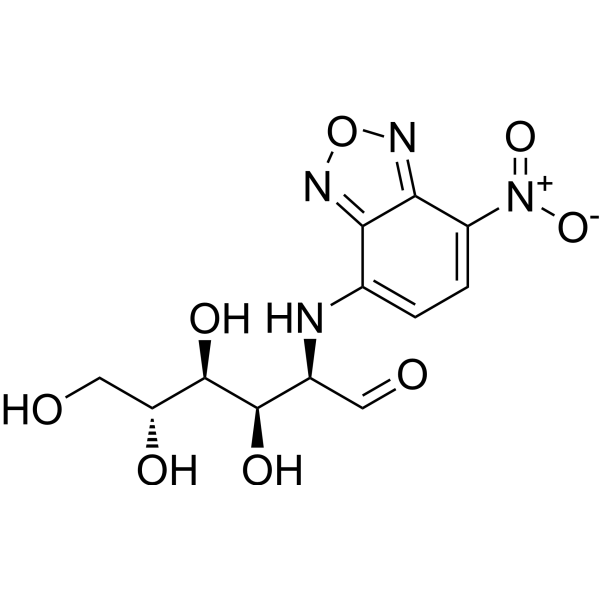
    2-NBDG
    70+ Cited Publications

    Fluorescent Dye Others
    2-NBDG is a fluorescently-labeled deoxyglucose analog that is used primarily to directly monitor glucose uptake by living cells and tissues. It is also used as a topical contrast reagent for the detection of neoplasia. 2-NBDG can be used in real-time confocal, high-resolution, or wide-field fluorescence microscopy as well as in flow cytometry. The probe can be excited by the Argon laser at 488 nm to give the environment-sensitive fluorescence. It has lower photostability than the rhodamine-based fluorescent probes.
    2-NBDG
  • HY-123986
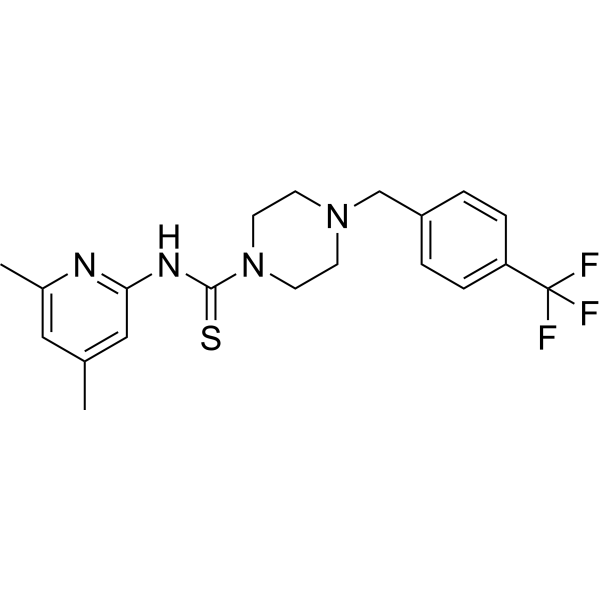
    CTPI-2
    10+ Cited Publications

    Mitochondrial Metabolism Inflammation/Immunology Cancer
    CTPI-2 is a third-generation mitochondrial citrate carrier SLC25A1 inhibitor with a KD of 3.5 μM. CTPI-2 inhibits glycolysis, PPARγ, and its downstream target the glucose transporter GLUT4. CTPI-2 halts salient alterations of NASH reverting steatosis, preventing the evolution to steatohepatitis, reducing inflammatory macrophage infiltration in the liver and adipose tissue, and starkly mitigating obesity induced by a high-fat diet. Antitumor activity .
    CTPI-2
  • HY-P2857

    Amyloglucosidase, Aspergillus niger

    Endogenous Metabolite Metabolic Disease
    Amyloglucosidase, Aspergillus niger (Amyloglucosidase, Aspergillus niger) is a starch-hydrolyzing enzyme with high catalytic efficiency towards soluble starch and raw starch. Amyloglucosidase, Aspergillus niger hydrolyzes α-1,4 and α-1,6 glycosidic linkages in starch and similar substrates, and primarily releases β-glucose molecules from the non-reducing ends. Amyloglucosidase, Aspergillus niger participates in glycogen metabolism and is associated with type II glycogen storage disease. Amyloglucosidase, Aspergillus niger converts starch into glucose, and is applicable to the industrial production of high-fructose syrup, ethanol and other fermented products .
    Glucoamylase, Aspergillus niger
  • HY-N3018

    6-O-α-D-Glucopyranosyl-D-glucose; D-Isomaltose

    Endogenous Metabolite Parasite Infection Metabolic Disease
    Isomaltose (6-O-α-D-Glucopyranosyl-D-glucose) is a glucose disaccharide. Isomaltose induces G-CSF secretion via heat-induced oxidative polymerization of glucose groups into high-molecular-weight compounds. Isomaltose modulates cecal bacterial cluster structure in mice. Isomaltose exhibits low glycemic index, slow hydrolysis, and prebiotic properties. Isomaltose reduces in vivo Cryptosporidium parvum colonization in neonatal mice. Isomaltose can be used for the research of Cryptosporidium parvum infection .
    Isomaltose
  • HY-N0466

    Glycosidase HMG-CoA Reductase (HMGCR) Fatty Acid Synthase (FASN) LDLR Others
    Rebaudioside A is an orally effective steviol glycoside with high sweetness. Rebaudioside A acts as an inhibitor of α-glucosidase with an IC50 value of 35.01 μg/mL. Rebaudioside A increases the ATP/ADP ratio in β cells in a glucose-dependent manner, thereby inhibiting KATP channels, leading to membrane depolarization, calcium influx, and ultimately stimulating insulin secretion. Rebaudioside A activates the SREBP signaling pathway by inhibiting HMGCR, the rate-limiting enzyme in cholesterol synthesis, resulting in increased expression of LDLR on the cell surface, thus promoting the uptake of LDL-C in the blood. Rebaudioside A can be used for studies on blood glucose and lipid regulation as well as anti-obesity .
    Rebaudioside A
  • HY-P1856
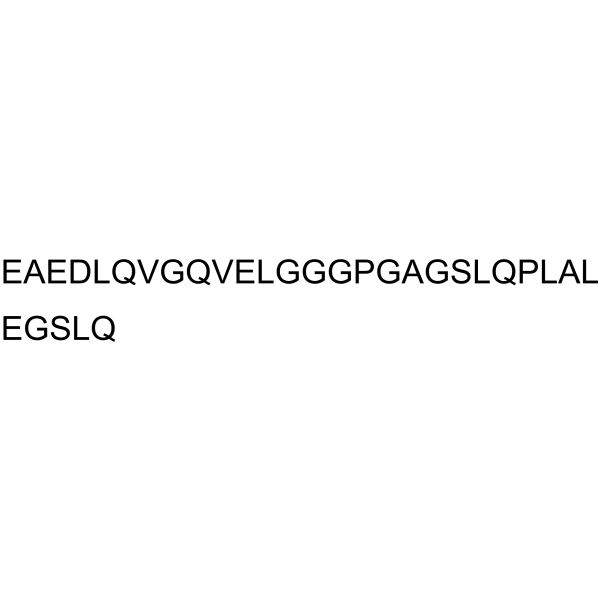
    Proinsulin C-peptide (human)
    1 Publications Verification

    Insulin Receptor PDGFR MAPKAPK2 (MK2) Cardiovascular Disease Metabolic Disease Inflammation/Immunology
    Proinsulin C-peptide (human) is a peptide consisting of 31 amino acids that links the A and B chains of proinsulin to ensure its correct folding. Proinsulin C-peptide (human) inhibits the high glucose-induced increase in PDGF-β receptor protein expression and the phosphorylation of p42/p44 MAP kinase. Proinsulin C-peptide (human) increases the deformability of erythrocytes derived from type 1 diabetes, inhibits insulin-induced neointimal thickening, and suppresses the proliferation of rat aortic smooth muscle cells cultured under high-glucose conditions .
    Proinsulin C-peptide (human)
  • HY-W127499

    DEPC; L-Dierucoyl lecithin; Dierucoyllecithin

    Liposome Others
    1,2-Dierucoyl-sn-glycero-3-phosphocholine (DEPC) is the composition of liposome membrane. 1,2-Dierucoyl-sn-glycero-3-phosphocholine is used for the preparation of liposomes and studying the properties of lipid bilayers. The GO (glucose oxidase) in the 1,2-Dierucoyl-sn-glycero-3-phosphocholine liposome shows the high activity .
    1,2-Dierucoyl-sn-glycero-3-phosphocholine
  • HY-N15721

    Trp-CA

    Orphan GPCR GLP Receptor Metabolic Disease
    Tryptophan-cholic acid (Trp-CA) is a microbial amino acid-conjugated bile acid that acts as an endogenous ligand and agonist (EC50=9.6 μM) for the orphan G protein-coupled receptor (GPCR) MRGPRE (Mas-related G protein-coupled receptor family member E). Tryptophan-cholic acid is orally effective but has poor oral absorption and does not cross the blood-brain barrier. Tryptophan-cholic acid promotes the secretion of glucagon-like peptide GLP-1, thereby improving glucose tolerance in diabetic mice. Tryptophan-cholic acid improves glucose tolerance, promotes insulin secretion, and alleviates high-fat diet-induced hepatic steatosis without causing pruritus side effects. Tryptophan-cholic acid is primarily used in research on type 2 diabetes (T2D) .
    Tryptophan-cholic acid
  • HY-15671

    Glucokinase Metabolic Disease
    GKA50 is a potent glucokinase activator (EC50=33 nM at 5 mM glucose). GKA50 stimulates insulin release from mouse islets of Langerhans. GKA50 is a glucose-like activator of beta-cell metabolism in rodent and human islets and a Ca 2+-dependent modulator of insulin secretion. GKA50 shows significant glucose lowering in high fat fed female rats .
    GKA50
  • HY-113511A

    Endogenous Metabolite Amylases Metabolic Disease
    Glycogen, Oysters is a polysaccharide extracted from oysters and serves as the storage form of glucose in oysters. Glycogen, Oysters belongs to the intermediate products of glycolysis and high-energy phosphates, and is also an endogenous metabolite .
    Glycogen, Oysters
  • HY-13413
    Tofogliflozin hydrate
    4 Publications Verification

    CSG-452 hydrate

    SGLT Reactive Oxygen Species (ROS) Metabolic Disease
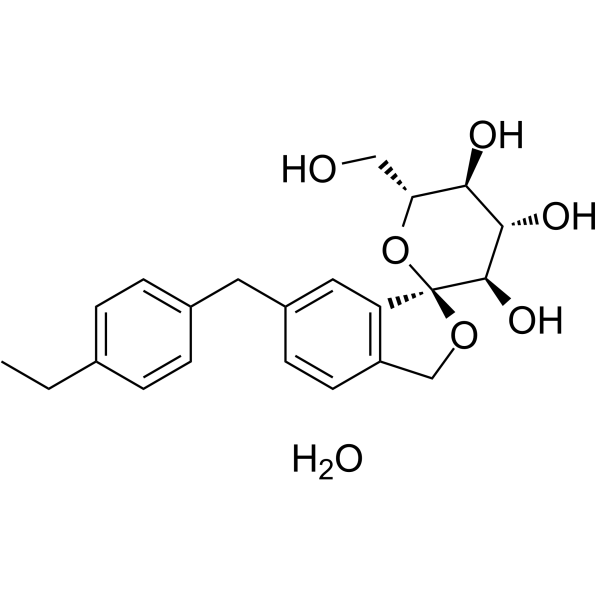
    Tofogliflozin hydrate (CSG-452 hydrate) is a potent and highly specific sodium/glucose cotransporter 2 (SGLT2) inhibitor with an IC50 of 2.9 nM and Ki values of 2.9 nM, 14.9 nM, and 6.4 nM for human, rat, and mouse SGLT2 . Tofogliflozin partially inhibits high glucose-induced reactive oxyen species (ROS) generation in tubular cells .
    Tofogliflozin hydrate
  • HY-163771

    Pyruvate Carboxylase (PC) Metabolic Disease
    Pyruvate Carboxylase-IN-5 (compound 6m) is a pyruvate carboxylase inhibitor with high selectivity and permeability. Pyruvate carboxylase is a mitochondrial enzyme that catalyzes the carboxylation of pyruvate to oxaloacetate, a process that plays an important role in maintaining steady-state levels of Krebs cycle intermediates, which are precursors for the synthesis of biomacromolecules such as amino acids, fatty acids, and glucose .
    Pyruvate Carboxylase-IN-5
  • HY-N2575
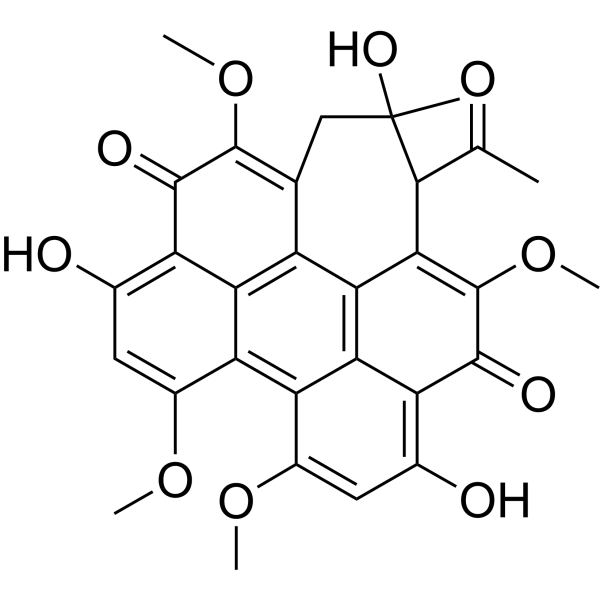
    Hypocrellin A
    2 Publications Verification

    PKC Bacterial Parasite HIV VSV VEGFR Bcl-2 Family Apoptosis Infection Metabolic Disease Cancer
    Hypocrellin A is a PKC inhibitor that exerts antidiabetic activity by reversing the effects of high glucose on endothelin (ET-1) expression. Hypocrellin A is also a photosensitizer for photodynamic therapy (PDT) with anticancer, antibacterial and antiviral activities, especially against human immunodeficiency virus (HIV). In addition, Hypocrellin-A also possesses anti-Leishmania activity (IC50=0.27 μg/ml) .
    Hypocrellin A
  • HY-138207

    Mitochondrial Metabolism Drug Metabolite Inflammation/Immunology
    N-Oleoyl-L-phenylalanine is a long-chain N-acyl-L-phenylalanine and also a mitochondrial uncoupler. N-Oleoyl-L-phenylalanine uncouples UCP1-independent respiration in mitochondria, thereby helping to regulate glucose homeostasis. As an endogenous metabolite, the level of N-Oleoyl-L-phenylalanine increases in patients with ulcerative colitis after a high-fat diet. N-Oleoyl-L-phenylalanine can be used in studies related to ulcerative colitis .
    N-Oleoyl-L-phenylalanine
  • HY-E70014

    FAD-GDH; glucose 1-dehydrogenase

    Endogenous Metabolite Others
    FAD-dependent glucose dehydrogenase (EC 1.1.5.9), or glucose dehydrogenase (FAD)/Pseudomonas glucose dehydrogenase. FAD-dependent glucose dehydrogenase is insensitive to O2 and displays high substrate specificity to glucose and thus is especially attractive enzymes for use in glucose biosensor applications .
    FAD-dependent glucose dehydrogenase
  • HY-126411

    Lipase ATP Synthase Others
    Peonidin-3-O-galactoside chloride is an anthocyanin with antioxidant properties and blood-brain barrier permeability. Peonidin-3-O-galactoside chloride inhibits pancreatic lipase, with an IC50 value of 23.2 μg/mL against porcine pancreatic lipase. Peonidin-3-O-galactoside chloride mediates neuroprotection, regulates glucose metabolism, protects cells from high glucose-induced damage, promotes glucose uptake and increases ATP production. Peonidin-3-O-galactoside (chloride) can be used in the research of obesity and neurodegenerative diseases .
    Peonidin-3-O-galactoside chloride
  • HY-W229874

    E1/E2/E3 Enzyme NF-κB Reactive Oxygen Species (ROS) SOD Cancer
    EN106 is a potent inhibitor of FEMIB. EN106 is a cysteine-reactive covalent ligand. EN106 disrupts recognition of the key reductive stress substrate of FEM1B, FNIP1. EN106 reduces oxidative stress and rescues high glucose-induced impaired angiogenesis in HUVECs .
    EN106
  • HY-112624N

    Dextran 200; Dextran D200; Dextran T200(MW 180000-220000)

    Biochemical Assay Reagents Others
    Dextran T200 (Dextran 200; Dextran D200) (MW 200,000) is a dehydrated glucose polymer with an average molecular weight of 200,000. Dextran T200 (MW 200,000) has excellent biodegradability and good biocompatibility, and can be used as a high-molecular-weight tracer and optical clearing agent .
    Dextran T200 (MW 200,000)
  • HY-112624M

    Dextran 150; Dextran D150; Dextran T150(MW 130000-170000)

    Biochemical Assay Reagents Others
    Dextran T150 (Dextran 150; Dextran D150) (MW 150,000) is a dehydrated glucose polymer with an average molecular weight of 150,000. Dextran T150 (MW 150,000) has excellent biodegradability and good biocompatibility, and can be used as a fluorescent labeling tracer and a high-molecular cross-linking agent .
    Dextran T150 (MW 150,000)
  • HY-P0034
    Ac-DEVD-CMK
    3 Publications Verification

    Caspase-3 Inhibitor III

    Caspase Apoptosis Metabolic Disease
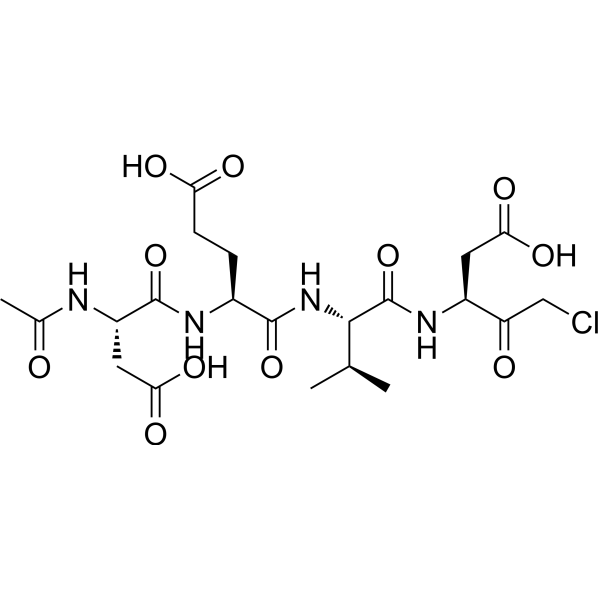
    Ac-DEVD-CMK (Caspase-3 Inhibitor III) is a selective and irreversible caspase-3 inhibitor. Ac-DEVD-CMK significantly inhibits apoptosis induced by high levels of glucose or Ingenol 3,20-dibenzoate?(HY-137295). Ac-DEVD-CMK can be used in a variety of experimental approaches to inhibit apoptosis .
    Ac-DEVD-CMK
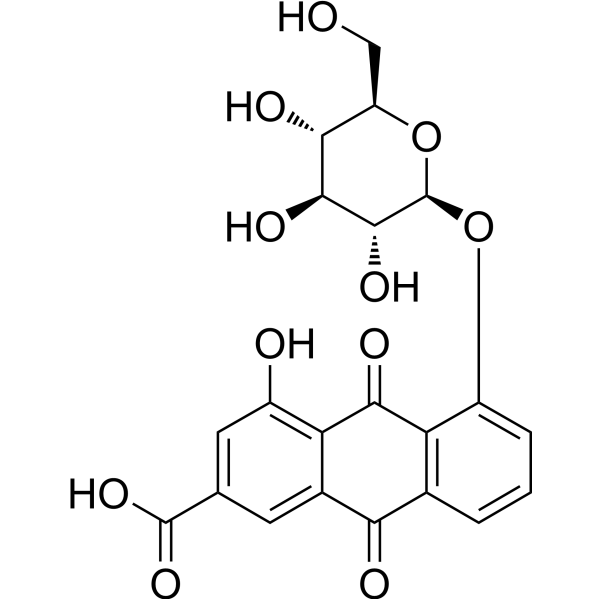
  • HY-N6082
    Rhein 8-O-β-D-Glucopyranoside
    1 Publications Verification

    Apoptosis Bcl-2 Family Caspase TGF-beta/Smad Bacterial Infection Metabolic Disease Inflammation/Immunology
    Rhein 8-O-β-D-Glucopyranoside is an orally active glycoside found in Rhubarb. Rhein 8-O-β-D-Glucopyranoside attenuates high glucose-induced apoptosis, recovers altered lincRNA ANRIL and let-7a expression, reverses high glucose-altered Bcl-2 and cleaved caspase-3 protein expression, and inhibits TGF-β1/Smad signaling. Rhein 8-O-β-D-Glucopyranoside accelerates Sennoside A (HY-N0365) metabolism, stimulates sennoside A purgative activity. Rhein 8-O-β-D-Glucopyranoside inhibits bacterial biofilm formation, suppresses its virulence gene expression, and exerts antibacterial activity. Rhein 8-O-β-D-Glucopyranoside can be used for the research of diabetic nephropathy, constipation, and infection .
    Rhein 8-O-β-D-Glucopyranoside
  • HY-N7515

    2',4',6'-Trihydroxychalcone

    Bacterial AMPK Infection Metabolic Disease Inflammation/Immunology
    Pinocembrin chalcone (2',4',6'-Trihydroxychalcone) is an antibacterial compound from Helichrysum Trilineatum. Pinocembrin chalcone facilitates AMP-activated protein kinase (AMPK) activation, improves glucose tolerance, increases muscle FAO and reduces fat accumulation in the liver and skeletal muscles in high-fat diet-induced (HFD) diabetic mice. Pinocembrin chalcone is promising for research of gastric ulcers and diabetes .
    Pinocembrin chalcone
  • HY-W704574

    Carboxypeptidase Bradykinin Receptor Interleukin Related Cardiovascular Disease Metabolic Disease
    Mergetpa is a reversible Arg-carboxypeptidase inhibitor with high affinity. Mergetpa reduces B1R. Mergetpa blocks the overexpression of IL-1β protein and mRNA in glucose-fed rats. Mergetpa significantly increases the expression of IL-1β protein in the renal cortex. Mergetpa is used to block the conversion of kinins and B2 receptor antagonists into metabolites lacking the C-terminal arginine. Mergetpa inhibits the time-dependent enhancement of the response of isolated rabbit aorta to bradykinin. Mergetpa preserves the chemotactic activity of full-length SDF-1α on cells. Mergetpa reverses hyperglycemia, excessive weight gain, elevated levels of oxidative stress markers and overexpression of inflammatory markers in glucose-fed rats .
    Mergetpa
  • HY-N2541

    Taste Receptor mTOR Autophagy Apoptosis Metabolic Disease
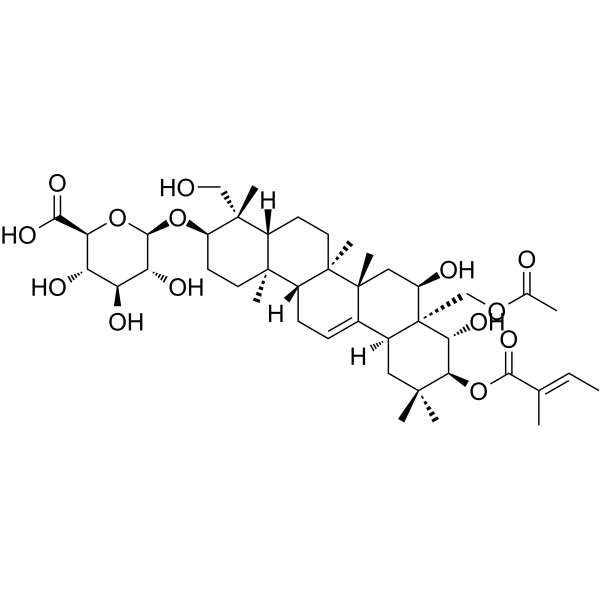
    Gymnemic acid I is a bioactive triterpene saponin found in Gymnema sylvestre. Gymnemic acid I is an antisweetness inhibitor via human sweet receptor type 1 receptor 2 (T1R2) and T1R3. Gymnemic acid I is a ribosomal protein biosynthesis inhibitor. Gymnemic acid I has antidiabetic effects. Gymnema acid I induces autophagy-protected MIN-6 cells from apoptosis under high glucose stress by inhibiting the phosphorylation activity of mTOR .
    Gymnemic acid I
  • HY-18967

    AT-001; Aldose reductase-IN-1

    Aldose Reductase Metabolic Disease
    Caficrestat (AT-001) is an orally active aldose reductase inhibitor. Caficrestat can be used in the study of diabetic cardiomyopathy .
    Caficrestat
  • HY-101172

    EP-A-501322

    5-HT Receptor Cardiovascular Disease
    RS 23597-190 (EP-A-501322) is a high affinity and selective 5-HT4 receptor antagonist. RS 23597-190 inhibits Serotonin (HY-B1473A)-induced tachycardia. RS 23597-190 significantly inhibits superoxide production in high glucose .
    RS 23597-190
  • HY-B1608

    Cardiovascular Disease Metabolic Disease
    Chromium chloride is a trivalent chromium compound and an essential trace mineral. Chromium chloride enhances insulin-stimulated GLUT4 translocation and glucose uptake in skeletal muscle. Chromium chloride regulates glucose and lipid metabolism, inhibits TNF-α secretion and oxidative stress in monocytes treated with high glucose or H2O2, and reverses hydrogen peroxide-induced cell growth inhibition. Chromium chloride reduces coronary and aortic lipid deposition and serum cholesterol levels in hypercholesterolemic rabbits. Chromium chloride can be used in research related to diabetes and cardiac atherosclerosis .
    Chromium chloride
  • HY-18555
    TMPA
    3 Publications Verification

    Nuclear Hormone Receptor 4A/NR4A AMPK Metabolic Disease Inflammation/Immunology Cancer
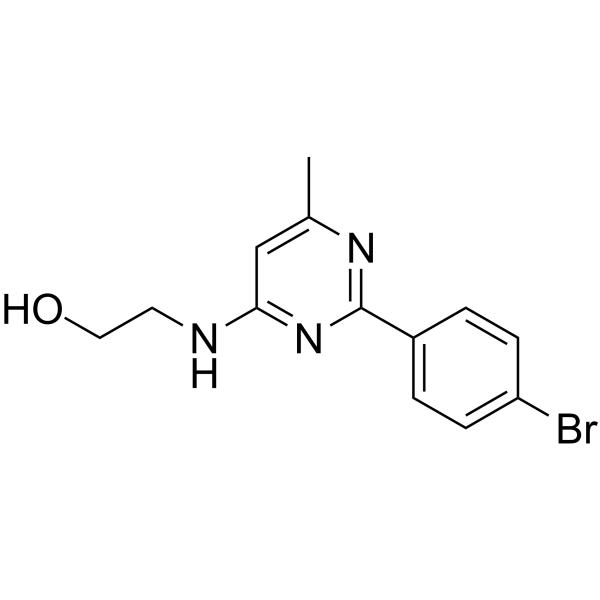
    TMPA is a high-affinity Nur77 antagonist that binds to Nur77 leading to the release and shuttling of LKB1 in the cytoplasm to activate AMPKα. TMPA effectively lowers blood glucose and attenuates insulin resistance in type II db/db, high-fat diet and streptozotocin-induced diabetic mice. TMPA reduces RICD (restimulation-induced cell death) in human T cells, can also be used in studies of cancer and T-cell apoptosis dysregulation .
    TMPA
  • HY-N7676
    Marein
    3 Publications Verification

    AMPK HDAC Cardiovascular Disease Neurological Disease Metabolic Disease
    Marein has the neuroprotective effect due to a reduction of damage to mitochondria function and activation of the AMPK signal pathway. Marein improves insulin resistance induced by high glucose in HepG2 cells through CaMKK/AMPK/GLUT1 to promote glucose uptake, through IRS/Akt/GSK-3β to increase glycogen synthesis, and through Akt/FoxO1 to decrease gluconeogenesis. Marein is a HDAC inhibitor with an IC50 of 100 μM. Marein has beneficial antioxidative, antihypertensive, antihyperlipidemic and antidiabetic effects .
    Marein
  • HY-P0034A
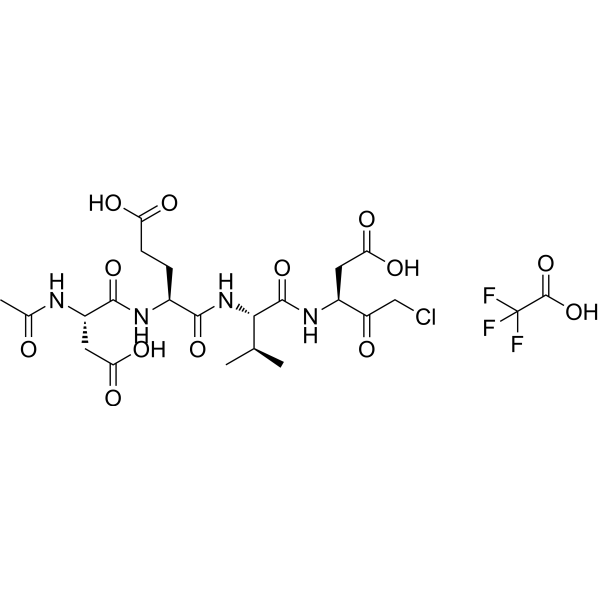
    Ac-DEVD-CMK TFA
    3 Publications Verification

    Caspase-3 Inhibitor III TFA

    Caspase Apoptosis Metabolic Disease
    Ac-DEVD-CMK (Caspase-3 Inhibitor III) TFA is a selective and irreversible caspase-3 inhibitor. Ac-DEVD-CMK TFA significantly inhibits apoptosis induced by high levels of glucose or 3,20-dibenzoate (IDB; HY-137295). Ac-DEVD-CMK TFA can be used in a variety of experimental approaches to inhibit apoptosis .
    Ac-DEVD-CMK TFA
  • HY-W009417

    Environmental Pollutants Glycosidase Metabolic Disease
    Cedryl acetate is an orally active α-glucosidase inhibitor with an IC50 of 94 μM against yeast α-glucosidase. Cedryl acetate reduces high-fat diet-induced body weight gain, visceral fat pad weight, adipocyte hypertrophy, hepatic lipid accumulation, glucose intolerance, insulin resistance and gluconeogenesis. Cedryl acetate can be used in the research of obesity and obesity-related metabolic syndrome .
    Cedryl acetate
  • HY-W141916

    Tetraglycylglycine; Gly-Gly-Gly-Gly-Gly; NSC 96353

    Amino Acid Derivatives Bacterial Infection
    Pentaglycine (Tetraglycylglycine; NSC 96353) is a bridging structure composed of five glycine residues. Pentaglycine serves as a characteristic peptidoglycan cross-bridge component of staphylococci and a specific substrate for lysostaphin. Pentaglycine maintains the integrity of the peptidoglycan cell wall of Staphylococcus aureus via peptide chain cross-linking and regulates bacterial growth. Pentaglycine expression is downregulated in high-glucose environments, inhibiting bacterial proliferation. Pentaglycine can be applied to studies related to Staphylococcus aureus infection .
    Pentaglycine
  • HY-E70308

    Endogenous Metabolite Others
    Glucose isomerase (immobilized) is glucose isomerase, which catalyzes the reversible isomerization of D-glucose and D-xylose into D-fructose and D-xylulose, respectively. Glucose isomerase (immobilized) can be used to produce fructose syrup under high-temperature conditions above 90 ℃. Glucose isomerase (immobilized) is widely distributed in prokaryotes .
    Glucose isomerase (immobilized)
  • HY-138688

    CDC

    Lipoxygenase Metabolic Disease Cancer
    Cinnamyl-3,4-dihydroxy-α-cyanocinnamate (CDC) is a potent 12/15-Lipoxygenases (LO) inhibitor. Cinnamyl-3,4-dihydroxy-α-cyanocinnamate has the potential for the research of type 1 diabetes mellitus .
    Cinnamyl-3,4-dihydroxy-α-cyanocinnamate
  • HY-P2857A

    Amyloglucosidase, Rhizopus sp.

    Endogenous Metabolite Metabolic Disease
    Glucoamylase, Rhizopus sp. (Amyloglucosidase, Rhizopus sp.) is a starch-hydrolyzing enzyme with high catalytic efficiency towards soluble starch and raw starch. Glucoamylase, Rhizopus sp. hydrolyzes α-1,4 and α-1,6 glycosidic linkages in starch and similar substrates, and primarily releases β-glucose molecules from the non-reducing ends. Glucoamylase, Rhizopus sp. participates in glycogen metabolism and is associated with type II glycogen storage disease. Glucoamylase, Rhizopus sp. converts starch into glucose, and is applicable to the industrial production of high-fructose syrup, ethanol and other fermented products .
    Glucoamylase, Rhizopus sp.
  • HY-117912

    Endogenous Metabolite Cardiovascular Disease
    TRC210258 is a TGR5 agonist with activity to improve diabetes-associated hyperglycemia and dyslipidemia. TRC210258 promotes energy expenditure by enhancing the release of glucagon-like peptide-1. TRC210258 is able to improve glucose metabolic control in high-fat diet-induced obese mice. TRC210258 also showed improvement in lipid parameters in high-fat-fed hamsters, including reductions in plasma triglyceride and low-density lipoprotein cholesterol levels. TRC210258 improved emerging lipid-related cardiovascular risk parameters including remnant cholesterol and triglyceride clearance .
    TRC210258
  • HY-P2541A

    Insulin Receptor Metabolic Disease
    GIP (1-30) amide, porcine TFA is a full glucose-dependent insulinotropic polypeptide (GIP) receptor agonist with high affinity equal to native GIP(1-42) . GIP (1-30) amide, porcine is a weak inhibitor of gastric acid secretion and potent stimulator of insulin.
    GIP (1-30) amide, porcine TFA
  • HY-114095

    VU0285655-1

    Phospholipase TNF Receptor Interleukin Related Metabolic Disease Inflammation/Immunology Cancer
    BML-280 (VU0285655-1) is a potent and selective phospholipase D2 (PLD2) inhibitor. BML-280 has the ability to prevent caspase-3 cleavage and reduction in cell viability induced by high glucose. BML-280 can be used for rheumatoid arthritis research .
    BML-280
  • HY-N8243

    Others Metabolic Disease
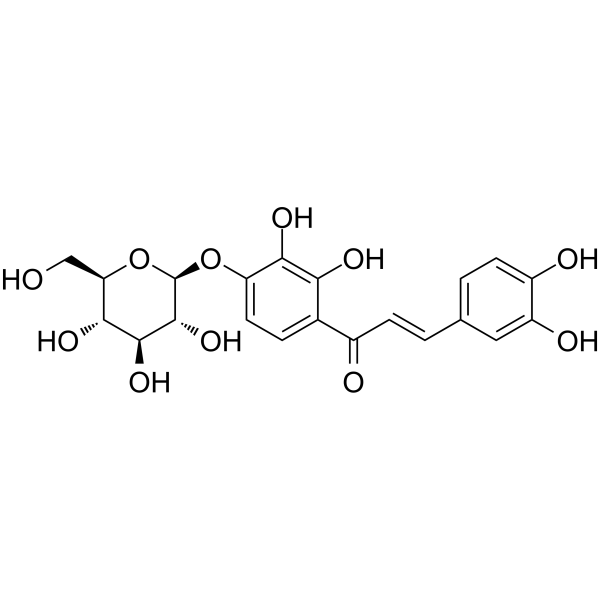
    Coreopsin is a natural product that can be isolated from Coreopsis tinctoria Nutt. flower. Coreopsin can be used for hypertension and diabetes research .
    Coreopsin
  • HY-E70070

    Bacterial Others
    Endo-β-N-acetylglucosaminidase (Endo A) is an Endo-β-N-acetylglucosaminidases (ENGases) from Arthrobacter protophormiae. Endo-β-N-acetylglucosaminidase (Endo A) can transfer a high-mannose type oligosaccharide to monosaccharides such as N-acetylglucosamine (GlcNAc) and glucose to form a new oligosaccharide. Endo-β-N-acetylglucosaminidase (Endo A) catalyzes glycopeptide synthesis by using Man3GlcNAc-oxazoline .
    Endo-β-N-acetylglucosaminidase (Endo A)
  • HY-143312E

    GLP Receptor Metabolic Disease
    (S)-V-0219 hydrochloride is an enantiomer of V-0219 (HY-143312). V-0219 is an orally active and positive allosteric modulator (PAM) of the GLP Receptor-1 (GLP-1R). (S)-V-0219 hydrochloride activates calcium fluxes in HEK cells stably expressing hGLP-1R. (S)-V-0219 hydrochloride is orally active and ameliorates high glucose levels in mice and inhibits feeding behavior in fasted mice .
    (S)-V-0219 hydrochloride
  • HY-158584

    9Z-Octadecenoic acid, 12-carboxy-1-pentyldodecyl ester

    Endogenous Metabolite Metabolic Disease
    13-OAHSA is one of fatty acid esters of hydroxy fatty acids (FAHFAs). 13-OAHSA increases glucose-stimulated insulin secretion (GSIS) at a high glucose concentration .
    13-OAHSA
  • HY-158583

    Endogenous Metabolite Metabolic Disease
    13-POHSA is one of fatty acid esters of hydroxy fatty acids (FAHFAs). 13-POHSA increases glucose-stimulated insulin secretion (GSIS) at a high glucose concentration .
    13-POHSA
  • HY-W201317

    PPAR Metabolic Disease
    E17241 is an inducer of the expression of ABCA1 that increases the protein levels of ABCA1 in RAW 264.7 macrophages. E17241 is also an agonist of peroxisome proliferator-activated receptors (PPARs ). E17241 decreases plasma glucose levels and body weight in KKAy diabetic mice fed a high-fat and high-glucose (HFHG) diet .
    E17241
  • HY-158650

    Endogenous Metabolite TNF Receptor Inflammation/Immunology Endocrinology
    10-OAHSA is one of fatty acid esters of hydroxy fatty acids (FAHFAs). 10-POHSA increases glucose-stimulated insulin secretion (GSIS) at a high glucose concentration. 10-OAHSA reduces LPS (HY-D1056)-induced Tnf-α secretion in bone marrow-derived dendritic cells (BMDCs) .
    10-OAHSA
  • HY-N9097

    Reactive Oxygen Species (ROS) SOD Glutathione Peroxidase PKC NADPH Oxidase Metabolic Disease Inflammation/Immunology
    Niazirin is an orally active antioxidant. Niazirin can be isolated from Moringa oleifera Lam. Niazirin reduces the production levels of ROS and MDA, while increasing the levels of superoxide dismutase SOD and glutathione peroxidase GPx. Niazirin also abolishes high glucose-induced PKCζ activation and inhibits Nox4 protein expression. Niazirin exhibits excellent free radical scavenging activity. Niazirin significantly inhibits high glucose-induced proliferation of vascular smooth muscle cells. Niazirin can be used in the research of diabetic atherosclerosis .
    Niazirin
  • HY-B2221S2

    Isotope-Labeled Compounds Others
    U-sup>13C Cellulose high DP from wheat is the cellulose (HY-B2221) isolated from wheat, that is consist of abundant glucose and all the carbon atoms are labeled with isotope 13C .
    U-13C Cellulose high DP from wheat
  • HY-107535

    GPR119 TRP Channel Metabolic Disease
    AS1269574 is a potent, orally available GPR119 agonist, with an EC50 of 2.5 μM in HEK293 cells expressing human GPR119. AS1269574 activates TRPA1 cation channels to stimulate glucagon-like peptide-1 (GLP-1) secretion. AS1269574 specifically induces glucose-dependent insulin secretion from pancreatic β-cells only under high-glucose conditions. AS1269574 has the potential for the research of type 2 diabetes .
    AS1269574
  • HY-144287

    Glucokinase Sodium Channel Metabolic Disease
    Glucokinase activator 3 is an orally active Glucokinase (GK) activator with an AC50 of 38 nM. Glucokinase activator 3 inhibits hERG channel and sodium channel in patch clamp assays. Glucokinase activator 3 exhibits high efficacy in reducing blood glucose in diet-induced obese (DIO) mice. Glucokinase activator 3 has the potential for the research of type 2 diabetes .
    Glucokinase activator 3
  • HY-138443A

    Sirtuin PGC-1α Apoptosis Autophagy Fatty Acid Synthase (FASN) Metabolic Disease Cancer
    BF-175 is a selective SIRT1 agonist. BF175 increases SIRT1-mediated activation of PGC1-α, induces Apoptosis, induces Autophagy and inhibits SREBP activity. BF-175 protects against high glucose-mediated mitochondrial injury. BF-175 attenuates diabetic kidney disease progression. BF175 inhibits endometrial carcinoma .
    BF-175

Inquiry Online

Your information is safe with us. * Required Fields.

Salutation


Country or Region *

Applicant Name *


Organization Name *

Department *


Email Address *


Product Name *

Cat. No.


Requested quantity *

Phone Number *


Remarks

Inquiry Online

Inquiry Information

Product Name:
Cat. No.:
Quantity:
MCE Japan Authorized Agent:

