
1. Search Result
Search Result
Results for "

P. aeruginosa

" in MedChemExpress (MCE) Product Catalog:

201

Inhibitors & Agonists

2

Biochemical Assay Reagents

44

Peptides

1

Inhibitory Antibodies

27

Natural
Products

2

Isotope-Labeled Compounds

2

Oligonucleotides

Cat. No. Product Name Target Research Areas Chemical Structure
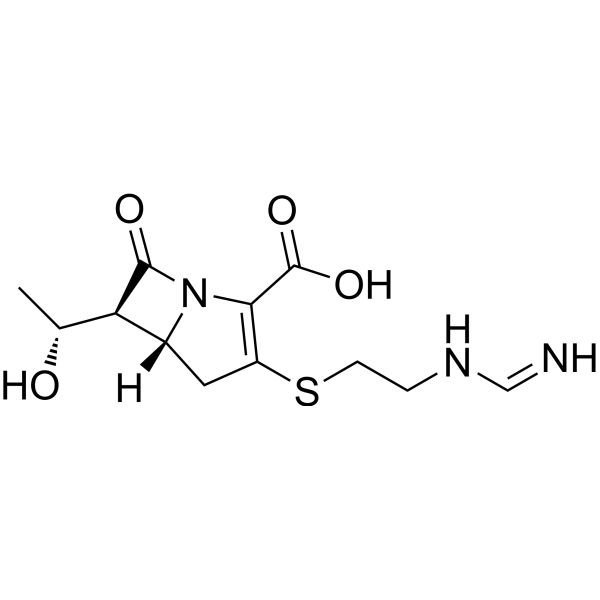
  • HY-B1369A
    Imipenem
    Maximum Cited Publications
    35 Publications Verification

    N-Formimidoyl thienamycin; MK0787

    Antibiotic Bacterial Infection
    Imipenem (MK0787), a stable crystalline derivative of thienamycin, is an antibiotic and has the excellent activity against a broad range of gram-positive and gram-negative aerobic and anaerobic bacteria. Imipenem can be used for the research of carbapenem-nonsusceptible and P. aeruginosa biofilm infections .
    Imipenem
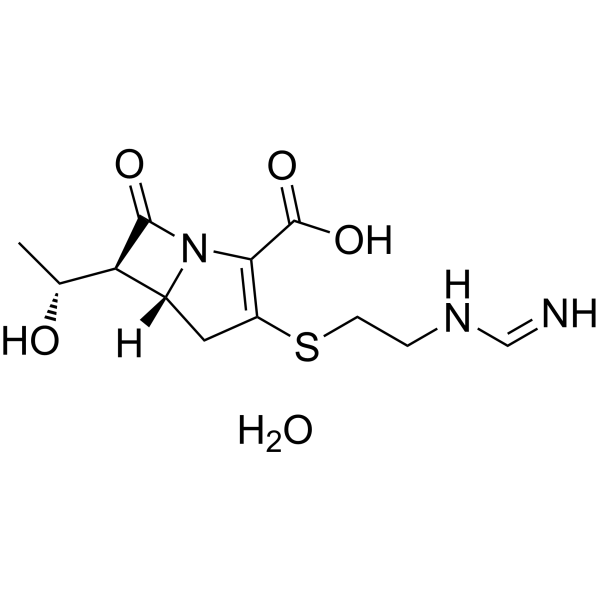
  • HY-B1369
    Imipenem monohydrate
    Maximum Cited Publications
    35 Publications Verification

    N-Formimidoyl thienamycin monohydrate; MK0787 monohydrate

    Antibiotic Bacterial Infection
    Imipenem monohydrate, a stable crystalline derivative of thienamycin, is an antibiotic and has the excellent activity against a broad range of gram-positive and gram-negative aerobic and anaerobic bacteria. Imipenem monohydrate can be used for the research of carbapenem-nonsusceptible and P. aeruginosa biofilm infections .
    Imipenem monohydrate
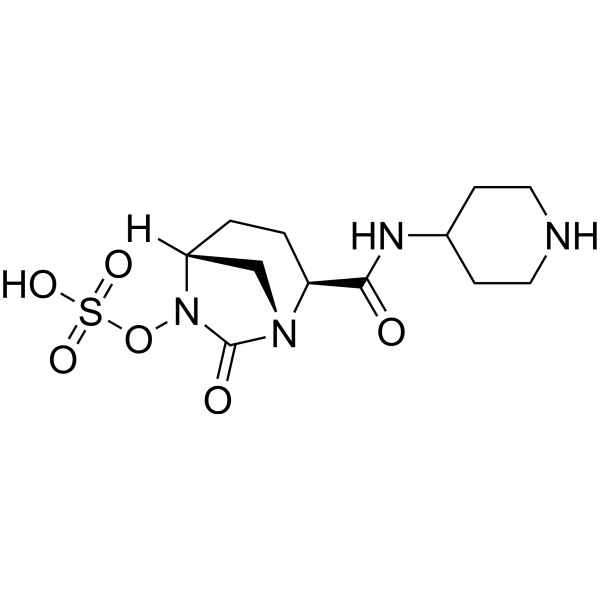
  • HY-16752
    Relebactam
    25+ Cited Publications

    MK-7655

    Beta-lactamase Bacterial Infection
    Relebactam is a diazabicyclooctane inhibitor with activity against a wide spectrum of β-lactamases, including class A (extended-spectrum β-lactamases and KPC) and class C (AmpC) enzymes. Relebactam shows antibacterial activity .
    Relebactam
  • HY-19806A
    Ceftolozane sulfate
    2 Publications Verification

    CXA-101; FR264205

    Bacterial Infection
    Ceftolozane (CXA-101) sulfate is an antipseudomonal cephalosporin. Ceftolozane binds to P. aeruginosa essential PBPs (1b, 1c, 2 and 3) with high affinity. Ceftolozane inhibits cell wall synthesis by binding the PBPs. Ceftolozane sulfate inhibits P. aeruginosa and Enterobacteriaceae .
    Ceftolozane sulfate
  • HY-N4136
    Lonicerin
    1 Publications Verification

    Veronicastroside

    Bacterial Apoptosis Xanthine Oxidase Fungal Infection Neurological Disease Inflammation/Immunology
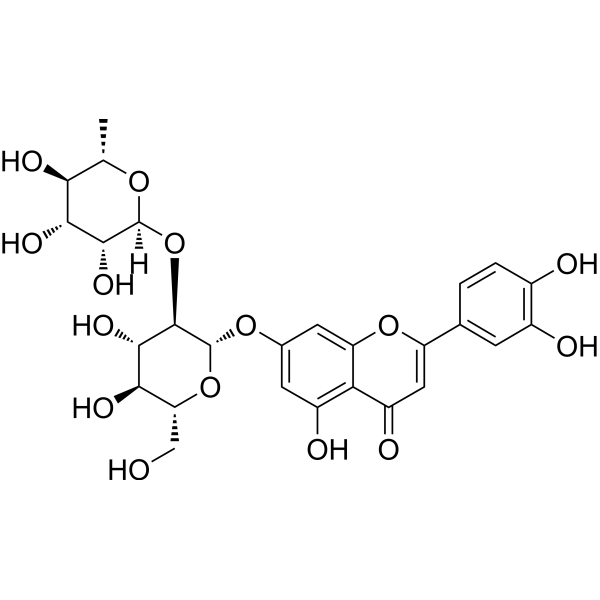
    Lonicerin (Veronicastroside) is a flavonoid with multiple biological activities. Lonicerin inhibits xanthine oxidase with an IC50 of 37.4 µg/mL. Lonicerin inhibits alginate secretion protein (AlgE). Lonicerin inhibits P. aeruginosa and C. albicans. Lonicerin has anti-inflammatory, anti-arthritic, antioxidant, antifungal, anti-bacterial, and neuroprotective properties .
    Lonicerin
  • HY-N2036
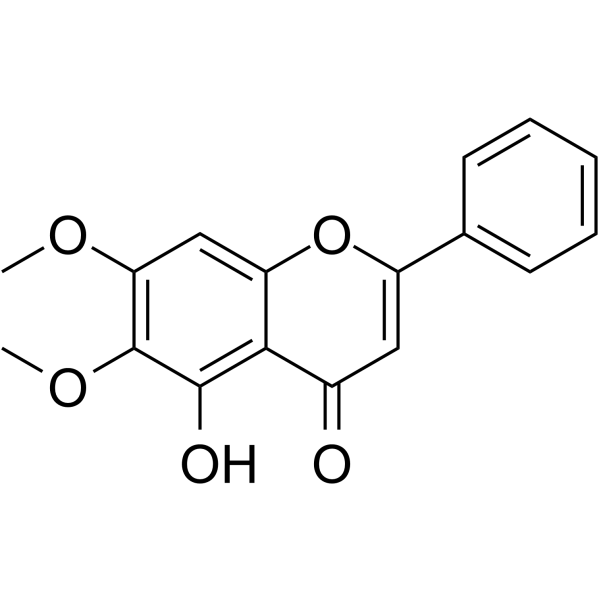
    Mosloflavone
    1 Publications Verification

    TNF Receptor Enterovirus Bacterial Infection
    Mosloflavone is a flavonoid isolated from Scutellaria baicalensis Georgi with ?anti-EV71 activity. Mosloflavone? inhibits VP2 virus replication and protein expression during the initial stage of virus infection and inhibits viral VP2 capsid protein synthesis. Mosloflavone is a promising biocide and inhibits P. aeruginosa virulence and biofilm formation.
    Mosloflavone
  • HY-B1484
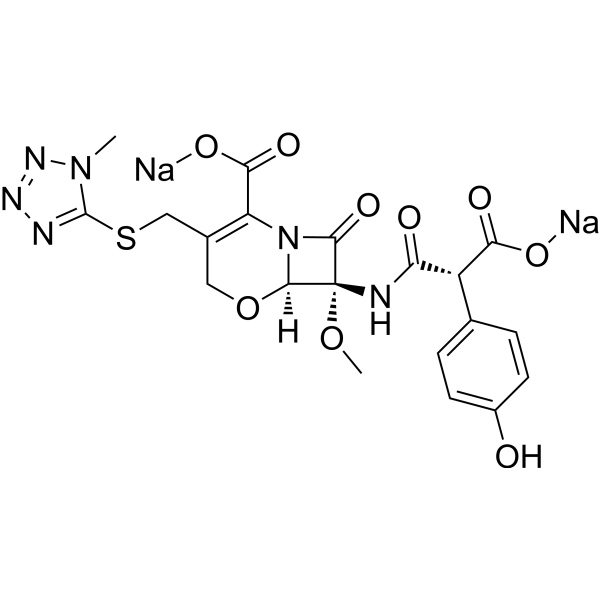
    Moxalactam sodium salt
    1 Publications Verification

    Latamoxef sodium; Lamoxactam sodium; LY-127935 sodium

    Beta-lactamase Bacterial Antibiotic Infection
    Moxalactam (Latamoxef) sodium salt is a synthetic oxa-β-lactam antibiotic. Moxalactam sodium salt has a broad spectrum of activity against Gram-positive and Gram-negative aerobic and anaerobic bacteria. Moxalactam sodium salt inhibits production of β-lactamases .
    Moxalactam sodium salt
  • HY-A0214
    Colistin methanesulfonate sodium salt
    1 Publications Verification

    Colistimethate sodium

    Bacterial Antibiotic Infection
    Colistin methanesulfonate sodium salt exhibits MIC values ranged from 4 to 16 mg/liter against susceptible strains (P. aeruginosa) .
    Colistin methanesulfonate sodium salt
  • HY-13212

    cis-2-Decenoic acid

    Bacterial Cancer
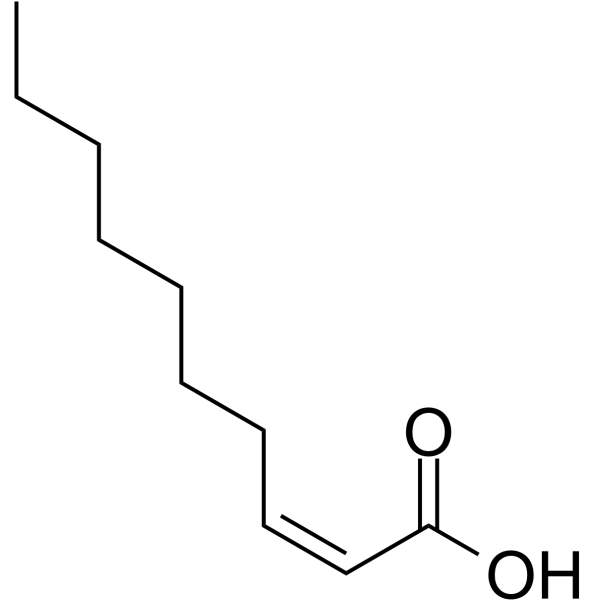
    (Z)-2-decenoic acid (cis-2-Decenoic acid) is an unsaturated fatty acid produced by Pseudomonas aeruginosa. (Z)-2-decenoic acid induces a dispersion response in biofilms formed by a range of gram-negative bacteria, including P. aeruginosa, and by gram-positive bacteria. (Z)-2-decenoic acid inhibits biofilm development .
    (Z)-2-Decenoic acid
  • HY-D1056E

    LPS, from Pseudomonas aeruginosa (10)

    Toll-like Receptor (TLR) Inflammation/Immunology
    Lipopolysaccharides from P. aeruginosa (Pseudomonas aeruginosa) 10 are lipopolysaccharide endotoxins and TLR4 activators derived from Pseudomonas aeruginosa 10, and are classified as S-type LPS. Lipopolysaccharides from P. aeruginosa 10 exhibit a typical three-part structure: O-antigen, core oligosaccharide, and lipid A. The lipopolysaccharides of P. aeruginosa 10 have a fatty acid composition distinct from common enterobacteria, an exceptionally high degree of phosphorylation (triphosphate residues have been detected), and a unique outer region of the core oligosaccharide. Additionally, their O-specific side chains are typically rich in novel aminosugars. Lipopolysaccharides from P. aeruginosa 10 demonstrate susceptibility to viruses, with the level of susceptibility determined by the content of high molecular weight polysaccharides in their composition. The absence of high molecular weight polysaccharides increases their sensitivity to bacteriophages .
    It is recommended to prepare a solution with concentration ≥2 mg/mL. Vortex thoroughly for more than 10 minutes. Due to the adsorption characteristics of LPS, silanized container or low adsorption centrifuge tubes should be used for aliquoting and storage, and mix thoroughly before use.
    Lipopolysaccharides, from P. aeruginosa 10
  • HY-162475

    Dihydrofolate reductase (DHFR) Bacterial Infection
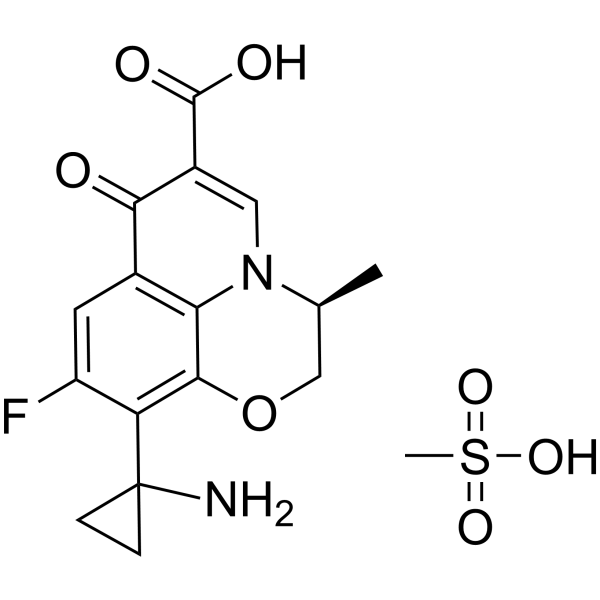
    Fluorofolin is a dihydrofolate reductase (DHFR) inhibitor with an IC50 of 2.5 nM. Fluorofolin exhibits significant activity against P. aeruginosa .
    Fluorofolin
  • HY-B1369R

    N-Formimidoyl thienamycin monohydrate (Standard); MK0787 monohydrate (Standard)

    Reference Standards Antibiotic Bacterial Infection
    Imipenem (monohydrate) (Standard) is the analytical standard of Imipenem (monohydrate). This product is intended for research and analytical applications. Imipenem monohydrate, a stable crystalline derivative of thienamycin, is an antibiotic and has the excellent activity against a broad range of gram-positive and gram-negative aerobic and anaerobic bacteria. Imipenem monohydrate can be used for the research of carbapenem-nonsusceptible and P. aeruginosa biofilm infections .
    Imipenem monohydrate (Standard)
  • HY-N5127

    Bacterial Infection
    Nonacosane, isolated from Baphia massaiensis, exhibits weak activities against E. coli, B. subtilis, P. aeruginosa and S. aureus .
    Nonacosane
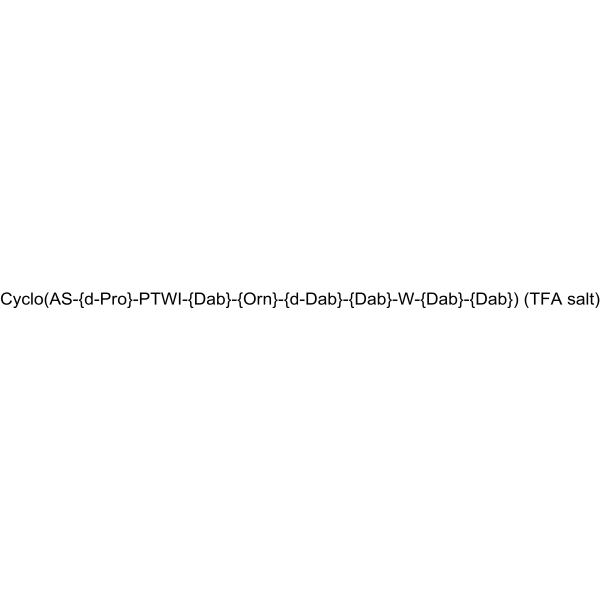
  • HY-P1674A
    Murepavadin TFA
    3 Publications Verification

    POL7080 TFA

    Bacterial Antibiotic Infection
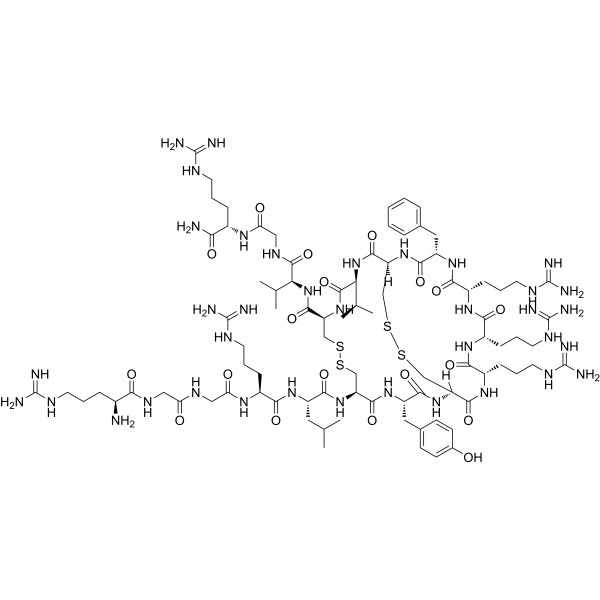
    Murepavadin (POL7080) (TFA), a 14-amino-acid cyclic peptide, is a highly potent, specific antibiotic. Murepavadin exhibits a potent antimicrobial activity for P. aeruginosa with MIC50 and MIC90 values both of 0.12 mg/L. Murepavadin also can target the lipopolysaccharide transport portin D. Murepavadin can be used for the research of bacterial resistance .
    Murepavadin TFA
  • HY-19936A
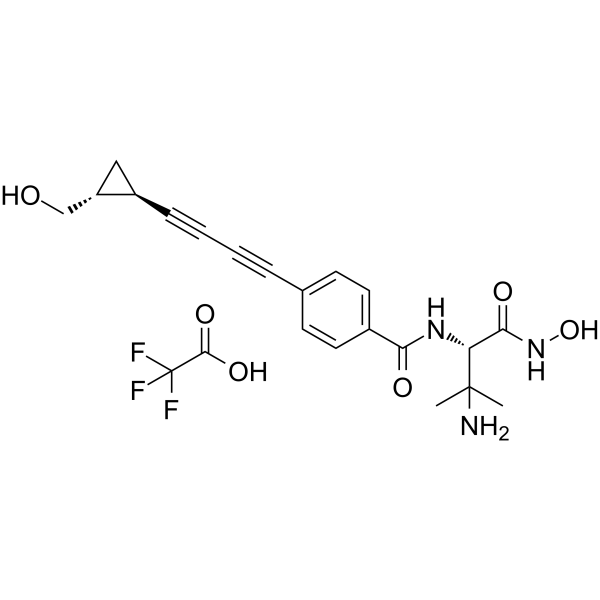
    ACHN-975 TFA
    1 Publications Verification

    Bacterial Infection
    ACHN-975 TFA is a selective LpxC inhibitor and exhibits a subnanomolar LpxC inhibitory activity. ACHN-975 TFA is against a wide range of gram-negative bacterias with low MIC values (≤1 μg/mL) .
    ACHN-975 TFA
  • HY-162959

    Bacterial Topoisomerase DNA/RNA Synthesis Infection
    BWC0977 is an antibacterial agent that inhibits bacterial DNA replication via inhibition of DNA gyrase and topoisomerase IV. BWC0977 exhibits a minimum inhibitory concentration (MIC90) of 0.03-2 µg/mL against MDR (Multi-Drug Resistant) Gram-negative bacteria .
    BWC0977
  • HY-P99214

    KBPA101

    Bacterial Infection
    Panobacumab (KBPA101) is a fully human IgM/κ monoclonal antibody generated by immortalizing human B lymphocytes against the LPS O polysaccharide of serotype O11 of P. aeruginosa .
    Panobacumab
  • HY-P5731

    Bacterial Infection
    Bac7(1-35) is a proline-rich antimicrobial peptide. Bac7(1-35) efficiently binds to different regions of prokaryote ribosomes, leading to the inhibition of protein synthesis. Bac7(1-35) demonstrates in vitro activity against P. aeruginosa strains .
    Bac7(1-35)
  • HY-P1674

    POL7080

    Bacterial Antibiotic Infection
    Murepavadin (POL7080), a 14-amino-acid cyclic peptide, is a highly potent, specific antibiotic. Murepavadin exhibits a potent antimicrobial activity for P. aeruginosa with both MIC50 and MIC90 values of 0.12 mg/L. Murepavadin also can target the lipopolysaccharide transport portin D. Murepavadin can be used for the research of bacterial resistance .
    Murepavadin
  • HY-16752R

    MK-7655 (Standard)

    Beta-lactamase Reference Standards Bacterial Infection
    Relebactam (Standard) is the analytical standard of Relebactam. This product is intended for research and analytical applications. Relebactam is a diazabicyclooctane inhibitor with activity against a wide spectrum of β-lactamases, including class A (extended-spectrum β-lactamases and KPC) and class C (AmpC) enzymes. Relebactam shows antibacterial activity .
    Relebactam (Standard)
  • HY-P5016A

    Antibiotic Fungal Bacterial Infection Cancer
    CRAMP-18 (mouse) acetate is an antibiotic peptide without hemolytic activity. CRAMP-18 (mouse) acetate has good inhibitory activity against Gram-negative bacteria, such as S. typhimurium and P. aeruginosa. CRAMP-18 (mouse) acetate has the potential to study antifungal, antibacterial and antitumor .
    CRAMP-18 (mouse) acetate
  • HY-W076794

    Bacterial Infection
    3-Bromo-1H-pyrrole-2,5-dione (compound 2c) is a 3-substituted pyrrole-2,5-dione compound with antibacterial activity. 3-Bromo-1H-pyrrole-2,5-dione inhibits pathogenic strains of S. aureus ATCC 25923, E. coli ATCC 25922, P. aeruginosa ATCC 27853, with MIC values of 32 μg/mL, 32 μg/mL, and 64 μg/mL, respectively .
    3-Bromo-1H-pyrrole-2,5-dione
  • HY-114818

    Bacterial Infection
    4-(tert-Butyl)-benzhydroxamic Acid is a PqsR antagonist with IC50s of 12.5 μM and 23.6 μM for E. coli and P. aeruginosa, respectively. 4-(tert-Butyl)-benzhydroxamic Acid reduces the production of the virulence factor pyocyanin in P. aeruginosa with an IC50 of 87.2 μM .
    4-(tert-Butyl)-benzhydroxamic Acid
  • HY-P10233

    Bacterial Infection
    SAAP 148 is a synthetic antimicrobial peptide (bacteria) that interacts with and disrupts the lipid bilayer of bacterial cytoplasmic membranes, thereby inducing changes in membrane permeability and bacterial death. SAAP 148 kills drug-resistant, multidrug-resistant and persister bacterial strains, inhibits biofilm formation, eliminates established biofilms, and blocks bacterial colonization on implant surfaces. SAAP 148 retains its activity after modification or immobilization, exhibits variable cytotoxicity in different human cell models, and shows reduced efficacy in protein-rich environments. SAAP 148 can be used in infection-related research .
    SAAP 148
  • HY-W094847
    Eicosane
    1 Publications Verification

    Environmental Pollutants Biochemical Assay Reagents Infection
    Eicosane is an alkane with anti-microbial effects. Eicosane inhibits the growth of B. subtilis, E. coli and P. aeruginosa. Eicosane is used to form candles .
    Eicosane
  • HY-146328

    Bacterial Antibiotic Infection
    PqsR/LasR-IN-2 (Compound 3) is a potent inhibitor of PqsR and LasR systems in P. aeruginosa. PqsR/LasR-IN-2 also inhibits hERG with the IC50 of 1.408 µM .
    PqsR/LasR-IN-2
  • HY-146329

    Bacterial Antibiotic Infection
    PqsR/LasR-IN-3 (Compound 7a) is a potent inhibitor of PqsR and LasR systems in P. aeruginosa. PqsR/LasR-IN-3 also inhibits hERG with the IC50 of 109.01 µM .
    PqsR/LasR-IN-3
  • HY-P10389

    Bacterial Infection
    Globomycin derivative G2A (Compound G2A) is an inhibitor for lipoprotein signal peptidase II (LspA), with an IC50 of 604 nM. Globomycin derivative G2A inhibits E. coli, P. aeruginosa and A. baumannii, with MIC ranging from 12.5 to 32 μg/mL .
    Globomycin derivative G2A
  • HY-P5731A

    Bacterial Infection
    Bac7(1-35) acetate is a proline-rich antimicrobial peptide. Bac7(1-35) acetate efficiently binds to different regions of prokaryote ribosomes, leading to the inhibition of protein synthesis. Bac7(1-35) acetate demonstrates in vitro activity against P. aeruginosa strains .
    Bac7(1-35) acetate
  • HY-P5545

    Bacterial Infection
    Lynronne-1 is an antimicrobial peptide. Lynronne-1 is active against Gram-positive bacterials, including MDR strains (MIC: 8-32 μg/mL for methicillin-resistant MRSA strains). Lynronne-1 reduces the bacterial load in MRSA infected wound murine model. Lynronne-1 is also effective against P. aeruginosa infection .
    Lynronne-1
  • HY-W004782

    Bacterial Inflammation/Immunology
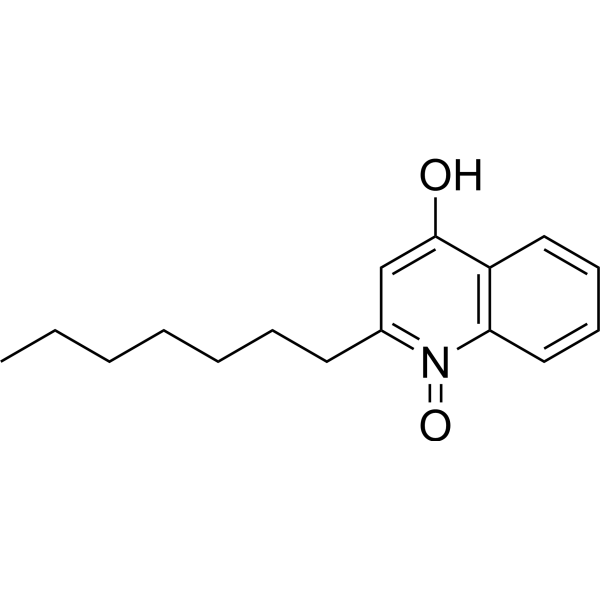
    3-Methylthiophene-2-carboxylic acid (compound 3) is a potent Pseudomonas quinolone signal system protein E (PqsE) inhibitor with a Kd of 19.6 µM and an IC50 of 40 µM. 3-Methylthiophene-2-carboxylic acid binds to the active center of PqsE and shows inhibition of the thioesterase activity. Methylthiophene-2-carboxylic acid can permeate into P. aeruginosa and affect 2,4-dihydroxyquinoline (DHQ) levels to a similar extent as deletion of the PqsE gene. 3-Methylthiophene-2-carboxylic acid can be used for cystic fibrosis research .
    3-Methylthiophene-2-carboxylic acid
  • HY-B1484A

    Latamoxef; Lamoxactam; LY-127935

    Beta-lactamase Bacterial Antibiotic Infection
    Moxalactam (Latamoxef) is a synthetic oxa-β-lactam antibiotic. Moxalactam has a broad spectrum of activity against Gram-positive and Gram-negative aerobic and anaerobic bacteria. Moxalactam inhibits production of β-lactamases .
    Moxalactam
  • HY-P10355

    Bacterial Infection
    Succinimide-AFK-AMC acetate is a marker for P. aeruginosa protease activity using cultured reference strains .
    Succinimide-AFK-AMC acetate
  • HY-120366

    Penicillin-binding protein (PBP) Beta-lactamase Bacterial Infection
    WCK-5153 is a Penicillin-Binding Protein 2 (PBP2) inhibitor with an IC50 of 0.14 μg/ml (for P. aeruginosa PBP2) and acts as a β-lactam enhancer against Pseudomonas aeruginosa. WCK-5153 can be used in studies of multidrug-resistant (MDR) pathogens .
    WCK-5153
  • HY-163338

    Beta-lactamase Infection
    Metallo-β-lactamase-IN-13 (Compound 13i) is a pan Metallo-β-Lactamase inhibitor. Metallo-β-lactamase-IN-13 provides broader coverage of metallo-β-lactamases expressing Gram-negative (GN) bacteria. Metallo-β-lactamase-IN-13 has antibacterial activity against P. aeruginosa .
    Metallo-β-lactamase-IN-13
  • HY-101444

    Bacterial Infection
    MC-207110 is a broad-spectrum efflux pump inhibitor. MC-207110 is active against all three known Mex efflux pumps from P. aeruginosa and their close Escherichia coli efflux pump homolog (AcrAB-TolC). MC-207110 can decrease the intrinsic resistance of P. aeruginosa to fluoroquinolones. MC-207110 can be used for the research of infection .
    MC-207110
  • HY-P5547

    Bacterial Infection
    Lynronne-3 is an antimicrobial peptide. Lynronne-1 is active against Gram-positive bacterials, including MDR strains (MIC: 32-128 μg/mL for methicillin-resistant MRSA strains). Lynronne-3 is also effective against P. aeruginosa infection
    Lynronne-3
  • HY-179389

    Bacterial Glutathione S-transferase Elastase Infection
    XDS-23 is a selective biofilm inhibitor with an IC50 of 1.26 µM against Pseudomonas aeruginosa. XDS-23 exerts a dual inhibitory effect on the LasI/LasR System (las) and Pseudomonas Quinolone Signal System (pqs). XDS-23 suppress the production of key virulence factors including elastase, pyocyanin, and extracellular polysaccharides. XDS-23 exhibits synergistic antibacterial activity and can enhance the efficacy of multiple antibiotics in both in vitro and in vivo models, while maintaining a favorable safety profile. XDS-23 can be employed for research in combating biofilm-mediated drug-resistant P. aeruginosa infections .
    XDS-23
  • HY-125789

    Bacterial Infection
    PF-04753299 is a potent and selective UDP-3-O-(R-3-hydroxymyristol)-N-acetylglucosamine deacetylase (LpxC) inhibitor. PF-04753299 is bactericidal for the gonococcal isolates. PF-04753299 inhibits E. coli, P. aeruginosa and K. pneumoniae strains with MIC90 values of 2 μg/ml, 4 μg/ml and 16 μg/ml, respectively. PF-04753299 is used for the study of gram-negative bacteria infection .
    PF-04753299
  • HY-147522

    Bacterial Antibiotic Infection Cancer
    ADG-2e is a potent antibacterial agent with MICs of 16, 4, 2, and 2 μg/mL for E. coli [KCTC 1682], P. aeruginosa [KCTC 1637], B.subtilis [KCTC 3068], and S. aureus [KCTC 1621], respectively. ADG-2e shows anti-metastatic activity against breast cancer cells .
    ADG-2e
  • HY-W016758

    1-Butyl-3-methylimidazolium chloride

    Bacterial Infection
    [BMIM]Cl (1-butyl-3-methylimidazolium chloride) is an alkyl-imidazolium chloride compound and a persistent aquatic pollutant. [BMIM]Cl exhibits antimicrobial activity against S. aureus (MIC = 25 mM), E. coli (MIC = 50 mM), and P. aeruginosa (MIC = 100 mM). It possesses moderate membrane permeability and cytotoxicity, directly affecting microorganisms and mammalian cells at high concentrations, but can inhibit the function of complex ecosystems (e.g., anaerobic digestion) even at environmentally relevant low concentrations by disrupting microbial community structures. [BMIM]Cl can be used in research related to bacterial infections .
    [BMIM]Cl
  • HY-129123

    Antibiotic Infection
    ML318 is a biaryl nitrile inhibitor of PvdQ acylase with an IC50 of 20 nM by binding in the acyl-binding site. ML318 inhibits P. aeruginosa (PAO1) with an IC50 of 19 μM. ML318 prevents pyoverdine production and limits the growth of P. aeruginosa under iron-limiting conditions .
    ML318
  • HY-139982

    Bacterial Infection
    OX11 is a selective inhibitor of S. pneumoniae, P. aeruginosa, and E. coli bacterial strains .
    OX11
  • HY-13588A

    SCE-129

    Bacterial Antibiotic Others
    Cefsulodin (SCE-129) showed potent activity against Pseudomonas aeruginosa and strains susceptible to penicillin and gentamicin, with effectiveness comparable to that of gentamicin and debendazole. However, its effectiveness was diminished against penicillin-resistant strains of P. aeruginosa, particularly strains that were also resistant to gentamicin. For P. aeruginosa maltofila, SCE-129 showed similar minimum inhibitory concentrations to penicillin, gentamicin, and debendazole. Pseudomonas cepacia strains generally showed moderate resistance to SCE-129 and penicillin, and high resistance to gentamicin and debendazole .
    Cefsulodin
  • HY-131907

    Bacterial Infection
    LpxC-IN-5 is a potent non-hydroxamate LpxC (UDP-3-O-acyl-N-acetylglucosamine deacetylase) inhibitor with an IC50 of 20 nM. LpxC-IN-5 shows antibacterial activity against E. coli ATCC25922, P. aeruginosa ATCC27853, K. pneumoniae ATCC13883 and P. aeruginosa 5567 with MIC of 16, 4, 64, and 4 μg/mL, respectively .
    LpxC-IN-5
  • HY-P11091

    Bacterial Infection
    PA2-GNU7 is an antimicrobial peptide (AMP). PA2-GNU7 exhibits potent antimicrobial activity with minimal inhibitory concentration (MIC) against P. aeruginosa, E. coli, S. typhimurium, S. aureus, and C. albicans are 2 μM, 1 μM, 2 μM, 2 μM, and 8 μM, respectively. PA2-GNU7 rapidly and selectively kills Pseudomonas aeruginosa without affecting other commensal bacteria. PA2-GNU7 significantly improves survival of mice infected with P. aeruginosa. PA2-GNU7 can be used for the research and development of therapeutic agents against MDR Pseudomonas aeruginosa infections .
    PA2-GNU7
  • HY-120659

    Fluorescent Dye Others
    Gly-Gly-AMC is a fluorogenic peptide substrate. Gly-Gly-AMC can be used to assess bacterial protease activity of P. aeruginosa and S. aureus .
    Gly-Gly-AMC
  • HY-P5552

    Bacterial Parasite Fungal Infection
    Melimine is a hybrid antimicrobial peptide of Melittin (HY-P0233) and Protamine. Melimine is active against P. aeruginosa and S. aureus. Melimine has broad spectrum activity against bacteria, fungi and protozoa .
    Melimine
  • HY-172945

    Bacterial Infection
    LpxC-IN-16 (Compound P-2) is an LpxC inhibitor. LpxC-IN-16 has anti-MDR P. aeruginosa activity .
    LpxC-IN-16
  • HY-168948

    Bacterial Infection
    Quorum sensing-IN-9 (Compound 7d) inhibits quorum sensing in Pseudomonas aeruginosa by binding PqsR proteins. Quorum sensing-IN-9 inhibits the expression of quorum sensing systems related genes lasB, rhlA and pqsA, blocks the generation of virulence factors elastase, pyocyanin and rhamnolipid. Quorum sensing-IN-9 destorys the motility of P. aeruginosa, inhibits the biofilm formation, decreasing the virulence and pathogenicity of P. aeruginosa. Quorum sensing-IN-9 exhibits anti-infectious activity in Galleria mellonella larval model .
    Quorum sensing-IN-9

Inquiry Online

Your information is safe with us. * Required Fields.

Salutation


Country or Region *

Applicant Name *


Organization Name *

Department *


Email Address *


Product Name *

Cat. No.


Requested quantity *

Phone Number *


Remarks

Inquiry Online

Inquiry Information

Product Name:
Cat. No.:
Quantity:
MCE Japan Authorized Agent:

